EP2923508B1 - Verringerung der signalisierungslast in einem mobilen netzwerk - Google Patents
Verringerung der signalisierungslast in einem mobilen netzwerk Download PDFInfo
- Publication number
- EP2923508B1 EP2923508B1 EP13857317.5A EP13857317A EP2923508B1 EP 2923508 B1 EP2923508 B1 EP 2923508B1 EP 13857317 A EP13857317 A EP 13857317A EP 2923508 B1 EP2923508 B1 EP 2923508B1
- Authority
- EP
- European Patent Office
- Prior art keywords
- delayed
- packet
- packets
- delay
- network
- Prior art date
- Legal status (The legal status is an assumption and is not a legal conclusion. Google has not performed a legal analysis and makes no representation as to the accuracy of the status listed.)
- Not-in-force
Links
- 230000011664 signaling Effects 0.000 title claims description 54
- 230000003111 delayed effect Effects 0.000 claims description 103
- 238000000034 method Methods 0.000 claims description 49
- 238000007689 inspection Methods 0.000 claims description 40
- 230000009467 reduction Effects 0.000 claims description 9
- 238000004590 computer program Methods 0.000 claims description 6
- 230000001419 dependent effect Effects 0.000 claims description 3
- 238000010586 diagram Methods 0.000 description 21
- 230000015654 memory Effects 0.000 description 15
- 230000006870 function Effects 0.000 description 4
- 230000009471 action Effects 0.000 description 2
- 230000005540 biological transmission Effects 0.000 description 2
- 239000000872 buffer Substances 0.000 description 2
- 230000001934 delay Effects 0.000 description 2
- 230000007774 longterm Effects 0.000 description 2
- 230000003287 optical effect Effects 0.000 description 2
- 230000000737 periodic effect Effects 0.000 description 2
- 230000008569 process Effects 0.000 description 2
- 238000013475 authorization Methods 0.000 description 1
- 238000004891 communication Methods 0.000 description 1
- 238000001514 detection method Methods 0.000 description 1
- 230000003292 diminished effect Effects 0.000 description 1
- 230000000694 effects Effects 0.000 description 1
- 238000010295 mobile communication Methods 0.000 description 1
- 238000012986 modification Methods 0.000 description 1
- 230000004048 modification Effects 0.000 description 1
- 238000012545 processing Methods 0.000 description 1
- 230000007781 signaling event Effects 0.000 description 1
- 230000003068 static effect Effects 0.000 description 1
Images


Classifications
-
- H—ELECTRICITY
- H04—ELECTRIC COMMUNICATION TECHNIQUE
- H04L—TRANSMISSION OF DIGITAL INFORMATION, e.g. TELEGRAPHIC COMMUNICATION
- H04L47/00—Traffic control in data switching networks
- H04L47/10—Flow control; Congestion control
- H04L47/32—Flow control; Congestion control by discarding or delaying data units, e.g. packets or frames
- H04L47/323—Discarding or blocking control packets, e.g. ACK packets
-
- H—ELECTRICITY
- H04—ELECTRIC COMMUNICATION TECHNIQUE
- H04W—WIRELESS COMMUNICATION NETWORKS
- H04W28/00—Network traffic management; Network resource management
- H04W28/02—Traffic management, e.g. flow control or congestion control
- H04W28/08—Load balancing or load distribution
Definitions
- the disclosure relates to mobile data services.
- a mobile user device may periodically wake up and re-access a public data network (PDN) such as the Internet via a mobile network. For instance, depending on the applications on the mobile device, the mobile user device may access the PDN in order to determine if there are any new emails, posts, etc.
- PDN public data network
- the periodic wakeup by a mobile user device may conserve battery life compared to maintaining an open session.
- the signaling relating to the periodic wakeup adds to the load on the mobile network.
- the additional load from the signaling due to wakeup of numerous mobile user devices may negatively impact the ability of the mobile network to support user-initiated connections to the mobile network.
- US-A-2011/299454 describes an application proxy which buffers data directed to mobile devices to avoid early wakeup of the mobile devices.
- US-A-2012/207069 describes a method for optimizing discontinuous reception modes.
- US-A-2009/325512 describes a method for delaying delay tolerant data for transmission with delay critical data.
- EP-A-2448361 describes an auxiliary device which holds data packets in order to minimize the number of connections which need to be established.
- an intercept module capable of reducing signaling load on a mobile network, comprising: an inspection module capable of determining that at least one packet is to be delayed at least partly because the at least one packet relates to a wakeup event for a mobile user device; and a delay module capable of delaying the at least one packet, thereby causing a start of a next wakeup event for the mobile user device to be delayed by a time interval, and a consequent reduction in the signaling load on the mobile network during the interval compared to the signaling load that would have been on the mobile network during the interval if the start had not been delayed.
- At least one of the at least one packet is a data packet.
- the delay module is capable of delaying the at least one packet by storing the at least one packet temporarily in memory.
- a network comprising an intercept module capable of reducing mobile network signaling load, the intercept module comprising: an inspection module capable of determining that at least one packet is to be delayed at least partly because the at least one packet relates to a wakeup event for a mobile user device, and a delay module capable of delaying the at least one packet, thereby causing a start of a next wakeup event for the mobile user device to be delayed by a time interval, and a consequent reduction in the signaling load on the mobile network during the interval compared to the signaling load that would have been on the mobile network during the interval if the start had not been delayed.
- the network includes a core mobile network and the intercept module or a part thereof is located in the core mobile network.
- the network includes a gateway or access network and a core mobile network, and the intercept module or a part thereof is located between the gateway or access network and the core mobile network.
- the network includes a gateway or access network, and the intercept module or a part thereof is located in the gateway or access network.
- the network includes a core mobile network and a public data network, and the intercept module or a part thereof is located between the core mobile network and the public data network.
- the network includes a mobile user device and a gateway or access network, and the intercept module or a part thereof is located between a mobile user device and the gateway or access network.
- a method of reducing signaling load on a mobile network comprising: determining that at least one packet is to be delayed at least partly because the at least one packet relates to a wakeup event for a mobile user device; and delaying the at least one packet, thereby causing a start of a next wakeup event for the mobile user device to be delayed by a time interval, and a consequent reduction in the signaling load on the mobile network during the interval compared to the signaling load that would have been on the mobile network during the interval if the start had not been delayed.
- only one packet relating to the wakeup event is delayed.
- a plurality of packets relating to the wakeup event is delayed.
- the determining includes: determining that a packet is to be delayed at least partly because the packet is a data packet.
- the determining includes: determining that a packet is to be delayed at least partly based on timing.
- the determining includes: determining that a packet is to be delayed at least partly based on mobile device identification.
- the determining includes: determining that a packet is to be delayed at least partly based on flow direction of packet.
- the determining includes: determining that a packet is to be delayed at least partly based on at least one preceding packet.
- the determining includes: determining that a packet is to be delayed at least partly based on load.
- At least one of the at least one packet is delayed by a variable delay whose value is dependent on at least one factor.
- the factor includes at least one selected from a group comprising: timing, identification of mobile user device, load, policy, service identification, or network happening.
- At least one of the at least one packet is delayed by a standard delay or by a randomly selected variable delay.
- a computer program product comprising a non-transitory computer useable medium having computer readable program code embodied therein for reducing signaling load on a mobile network
- the computer program product comprising: computer readable program code for causing the computer to determine that at least one packet is to be delayed at least partly because the at least one packet relates to a wakeup event for a mobile user device; and computer readable program code for causing the computer to delay the at least one packet, thereby causing a start of a next wakeup event for the mobile user device to be delayed by a time interval, and a consequent reduction in the signaling load on the mobile network during the interval compared to the signaling load that would have been on the mobile network during the interval if the start had not been delayed.
- Described herein are some examples of reducing the signaling load on a mobile network due to mobile user device wakeup event(s).
- wakeup event is used below to refer to a single wakeup of a mobile user device.
- wakeup events is used below to refer to a plurality of wakeups of the same mobile user device and/or of different mobile user device(s).
- memory is used below to refer to any module for storing data for the short and/or long term, locally and/or remotely.
- Examples of memory include inter-alia: any type of disk including floppy disk, hard disk, optical disk, CD-ROMs, magnetic-optical disk, magnetic tape, flash memory, random access memory (RAMs), dynamic random access memory (DRAM), static random access memory (SRAM), read-only memory (ROMs), programmable read only memory PROM, electrically programmable read-only memory (EPROMs), electrically erasable and programmable read only memory (EEPROMs), magnetic card, optical card, any other type of media suitable for storing electronic instructions and capable of being coupled to a system bus, a combination of any of the above, etc
- these terms may refer in some cases to the action(s) and/or process(es) of one or more computer(s), that manipulate(s) and/or transform(s) data represented as physical, such as electronic quantities, within the registers and/or memories of the computer(s) into other data similarly represented as physical quantities within the registers, memories, and/or other such information storage, transmission and/or display element(s) of the computer(s).
- the term "computer” should be expansively construed to cover any kind of electronic system which includes at least some hardware and has data processing capabilities even if not labeled as such. Examples of such a computer include, a personal computer, a server, a computing system, a communication device, a processor (e.g. digital signal processor (DSP), a microcontroller, a field programmable gate array (FPGA), an application specific integrated circuit (ASIC), etc.), any combination thereof, etc.
- DSP digital signal processor
- FPGA field programmable gate array
- ASIC application specific integrated circuit
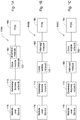
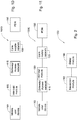
- Figs. 1A, 1B, 1C , 1D, and 1E are block diagrams of examples of network 100A, 100B, 100C, 100D, and 100E respectively, each including a mobile network with reduced signaling load, in accordance with the presently disclosed subject matter.
- the label " Fig. 1 " is used to refer to one or more of Figs. 1A, 1B, 1C , 1D, and 1E .
- the label "100" is used to refer to one or more of network(s) 100A, 100B, 100C, 100D and/or 100E.
- network 100 may include one or more mobile user devices 110, one or more gateway(s) and/or access network(s) 115, a core mobile network 120 and a public data network PDN 195.
- network 100 may include one or more mobile user devices 110, one or more gateway(s) and/or access network(s) 115, a core mobile network 120 and a public data network PDN 195.
- an intercept module 180 which may be located anywhere along the path between mobile user device 110 and PDN 195, for instance in core mobile network 120 (see Fig 1A ), between core mobile network 120 and PDN 195 (see Fig 1B ), between gateway/access network 115 and core mobile network 120 (see Fig 1C ), between mobile user device 110 and gateway/access network 115 (see Fig. 1D ), in gateway/access network 115 (see Fig.
- intercept module 180 may be located at different locations along the path between mobile user device 110 and PDN 195 for instance with different parts of intercept module 180 at different locations in core network 120, between core mobile network 120 and PDN 195, between gateway/access network 115 and core mobile network 120, between mobile user device 110 and gateway/access network 115, in gateway/access network 115, in any combination of the above, etc.
- Mobile user device 110 may be any user device configured to access PDN 195 via gateway/access network 115 and mobile core network 120. Examples of a mobile user device 110 include Smartphone, feature phone, tablet computer, personal computer connecting to gateway/access network 115 via a USB dongle, etc.
- Gateway/access network 115 may be any gateway or access network configured to connect between mobile user device 100 and core mobile network 120.
- a base station, nodeB, base transceiver station, radio base station, enodeB, etc. are examples of a gateway.
- WiFi, Worldwide Interoperability for Microwave Access (WiMAX), etc. are examples of an access network.
- Core mobile network 120 may be any core mobile network.
- Core mobile network 120 includes a data network and optionally a voice network.
- Examples of core mobile network 120 include General Packet Radio Service (GPRS), Universal Mobile Telecommunications System (UMTS), Long Term Evolution (LTE), Code Division Multiple Access 2000 (CDMA2000), any network of any appropriate generation, etc.
- GPRS General Packet Radio Service
- UMTS Universal Mobile Telecommunications System
- LTE Long Term Evolution
- CDMA2000 Code Division Multiple Access 2000
- mobile network is used herein to denote any mobile network which includes a core mobile network and optionally other element(s). Therefore when describing a reduced signaling load on a mobile network, it should be understood that at least the signaling load on the core mobile network is reduced and optionally the signaling load may be reduced elsewhere. Optionally, the data load may also be reduced on the mobile network.
- PDN 195 may be any public data network.
- PDN 195 may be the Internet.
- network 195 may be a private network, with similar functionality to what is described herein mutatis mutandis.
- Fig. 2 is a block diagram of an example of an intercept module 180, in accordance with the presently disclosed subject matter.
- intercept module 180 is shown as including an inspection module 182 and a delay module 184. (As mentioned below, it is alternatively possible that intercept module 180 is not divided into modules or is divided into more modules).
- each of modules 180 182 and 184 illustrated in Fig. 2 may be made up of any combination of software, hardware and/or firmware that performs the functions as described and explained herein.
- intercept module 180 or a part thereof may at least partly comprise or be comprised in one or more computer(s) specially constructed for the desired purposes, and/or may at least partly comprise or be comprised in one or more computer(s) selectively activated or reconfigured by specially constructed program code.
- intercept module 180 may be a standalone module or may be part of an element which has additional functionality.
- Inspection module 182 may be configured, for instance, to inspect passing packets in order to determine whether or not a packet is to be delayed by delay module 184.
- the performed inspection may, for instance, include deep packet inspection.
- Inspection module 182 may be configured to determine that a packet is to be delayed at least partly because the packet relates to a wakeup event.
- the determination that a packet is to be delayed may not necessarily be made only because the packet relates to a wakeup event, and therefore it is not necessarily determined that all packets relating to wakeup events are to be delayed. For instance, the determination may also be at least partly based on one or more other considerations such as those described below.
- Inspection module 182 may or may not be configured to determine that a packet is to be delayed even though the packet does not relate to a wakeup event.
- inspection module 182 may be configured to determine that one packet or a plurality of packets relating to a wakeup event is to be delayed.
- inspection module 182 may be configured to determine that one or more data packets originating from a mobile device 110 due to a wakeup event and sent after the signaling is/are to be delayed, for instance a data packet sent after the signaling which includes a request for updates.
- the determination that a packet is to be delayed may be at least partly based on one or more considerations such as the type of packet (e.g. data or control), on which mobile user device 110 originates the packet or is the intended destination of the packet, on packet characteristic, on direction of packet flow, on timing, on which packet(s) preceded the packet, and/or on load, etc.
- inspection module 182 may be configured to determine whether or not a packet is to be delayed based on whether or not the packet is a data packet, or conversely based on whether or not the packet is a control packet.
- Control packets are used for signaling and are the vehicle for carrying control messages.
- inspection module 182 may be configured to determine whether or not a packet is to be delayed at least partly based on identification of mobile user device 110 (e.g. international mobile equipment identity IMEI).
- identification of mobile user device 110 e.g. international mobile equipment identity IMEI
- inspection module 142 may be configured to look for any appropriate pattern (also known as signature) characterizing a packet associated with a wakeup event which is to be delayed.
- the determination that a packet is to be delayed is at least partly because the packet relates to a wakeup event, but it is not necessarily determined that all packets relating to wakeup events are to be delayed.
- inspection module 182 may be configured to determine whether or not a packet is to be delayed at least partly based on whether or not the packet originated from mobile user device 110 or is intended for mobile user device 110.
- inspection module 182 may be configured to determine whether or not a packet is to be delayed, at least partly based on time of day. Additionally or alternatively, assuming a determination at least partly based on timing, then in one example, inspection module 182 may be configured to determine whether or not a packet is to be delayed, at least partly based on the timing of the packet during a wakeup event. Additionally or alternatively, assuming a determination at least partly based on timing, then in one example inspection module 182 may be configured to determine whether or not a packet is to be delayed at least partly based on number of time units, number of events, and/or any other quantity which has elapsed since the last delay of packets(s).
- At least one packet associated with a wakeup event may be delayed, or say only every y wakeup event(s) at least one associated packet may be delayed.
- tracking may be performed for each mobile user device 110 separately (e.g. only every x time unit(s), and/or only every y wakeup event(s) relating to a particular mobile user device 110, packet(s), associated with that mobile user device 110, may be delayed).
- collective tracking may be performed for all mobile user devices 110 whose packets associated with wakeup events may be inspected and delayed by intercept module 180 (e.g. only every x time unit(s), and/or only every y wakeup event(s), packet(s), associated with a wakeup event of any of those mobile user devices 110, may be delayed).
- inspection module 182 may be configured to determine whether or not a packet is to be delayed at least partly based on whether or not preceding packet(s) included control packet(s) conveying a control message such as an attach or similar message which is sent when there is a wakeup event, and/or conveying expected query/ies (e.g. to server in PDN 195 ).
- inspection module 182 may be configured to determine whether or not a packet is to be delayed at least partly based on the load on core mobile network 120 and/or elsewhere.
- Delay module 184 may be configured to delay packet(s) which inspection module 182 determined is/are be delayed. For instance, any packet may be delayed by storing the packet temporarily in memory, e.g. in a buffer in memory, until the duration of the delay has elapsed (e.g. timeout has occurred) upon which the packet may continue to intended destination thereof.
- the memory used for storing delayed packet(s) may be internal to delay module 184, outside of delay module 184 but internal to inspection module 180, and/or external to inspection module 180. However this way of delaying is not necessarily performed in all examples and depending on the example delay module 184 may perform the delaying in any appropriate manner.
- the duration of a wakeup event for a mobile user device may be extended if the delayed packet(s) relate to a wakeup event, and therefore the start of the next wakeup event for the mobile user device may be delayed by a time interval.
- the delay may be a standard (i.e. fixed) delay or may be a variable delay.
- a variable delay may vary based on one or more factors, such as timing, identification of mobile user device, load, policy, identification of specific service, network happening (i.e. what else happened or is happening in the network), etc, and/or a variable delay may vary due to random selection.
- the standard or variable delay may be for any appropriate amount of time. For instance, an appropriate delay for delaying a packet may possibly be in the order of a few seconds, but this is not necessarily the case in all examples.
- delay module 184 may be configured to determine how long to delay a packet, at least partly based on time of day. Additionally or alternatively, assuming a determination at least partly based on timing, then in one example delay module 184 may be configured to determine how long to delay a packet at least partly based on the time-length of earlier delays. Continuing with the latter example, say a longer delay for the last delayed packet (or for the last delayed packet associated with the same particular mobile user device 110 ) may be followed by a shorter delay for the next delayed packet (or for the last delayed packet associated with the same particular mobile user device 110 ).
- delay module 184 may be configured to determine how long to delay a packet, at least partly based on identification of mobile user device 110 (e. IMEI). Continuing with this example, a packet associated with a priority mobile user device 110 (e.g. with a higher end mobile plan) may be delayed for a shorter period of time.
- identification of mobile user device 110 e. IMEI
- delay module 182 may be configured to determine how long to delay a packet, at least partly based on the load on core mobile network 120 and/or elsewhere.
- delay module 182 may be configured to determine how long to delay a packet, at least partly based on policy of an operator of core mobile network 120 and/or of a different part of network 100.
- delay module 182 may be configured to determine how long to delay a packet, at least partly based on the session, such as the type of session, who is serving the session (e.g. Uniform Resource Locator URL, owner of URL, etc), content of the session, etc.
- the session such as the type of session, who is serving the session (e.g. Uniform Resource Locator URL, owner of URL, etc), content of the session, etc.
- delay module 182 may be configured to determine how long to delay a packet, at least partly based on what is happening or happened in core mobile network 120 and/or in a different part of network 100.
- intercept module 180 may be centralized in one location or dispersed over more than one location.
- inspection module 182 may or may not be located in a position which allows inspection module 182 to inspect a packet prior to the packet passing by delay module 184. If not located in such a position then delay module 184 may be configured to hold a packet until receiving instruction from inspection module on whether or not to delay the packet. Additionally or alternatively, for instance, inspection module 182 may be configured to communicate with delay module 184 even if not co-located so that delay module 184 may receive instruction from inspection module 182 on whether or not to delay a packet.
- intercept module 180 may in some examples include fewer, more and/or different modules than shown in Fig. 2 .
- both modules 182 and 184 may be combined into one unified module (or equivalently intercept module 180 may be a unified module that is not divided into modules).
- the unified module may implement some or all of the functions attributed herein to either of modules 182 and 184.
- intercept module 180 may include memory, in delay module 184 and/or elsewhere.
- the functionality of intercept module 180 may in some examples be divided differently among the modules illustrated in Fig. 2 .
- intercept module 180 described herein may in some examples be divided into fewer, more and/or different modules than shown in Fig. 2 and/or intercept module 180 may in some examples include additional, less, and/or different functionality than described herein.
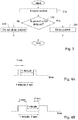
- Fig. 3 is a flowchart of an example of a method 300 of intercepting a packet, in accordance with the presently disclosed subject matter. Method 300 may be performed for example by intercept module 180.
- a packet relating to a wakeup event may or may not be delayed due to execution of method 300 (whereas a packet not relating to a wakeup event would not be delayed), or a packet not necessarily relating to a wakeup event may or may not be delayed due to execution of method 300. If it is possible that a packet not related to a wakeup event may be delayed due to execution of method 300, then method 300 may be performed independently of the timing of wakeup events, for instance whenever a packet is accessible to intercept module 180 (e.g. inspection module 182 ).
- method 300 may be performed independently of the timing of wakeup events, for instance whenever a packet is accessible to intercept module 180 (e.g. inspection module 182 ), or may be performed once intercept module 180 (e.g. inspection module 182 ) has detected the beginning of a wakeup event, say based on detecting an "attach" or similar control message during packet inspection (Although alternatively the detection may require at least partial performance of method 300 ).
- intercept module 180 for instance inspection module 182, inspects a packet.
- intercept module 180 determines whether or not the packet is to be delayed.
- inspection module 182 may be configured to determine that a packet is to be delayed.
- the determination that a packet is to be delayed is at least partly because the packet relates to a wakeup event, meaning that it is not necessarily determined that all packets relating to wakeup events are to be delayed.
- stage 330 intercept module 180, for instance delay module 184 delays the packet.
- delay module 184 may be configured to delay the packet and for how long. If the packet relates to a wakeup event for a mobile user device, the delay of the packet may cause the duration of a wakeup event to be extended and therefore the start of the next wakeup event for the same mobile user device to be delayed by a time interval.
- stage 340 the packet is not delayed.
- Method 300 may be repeated for another packet, e.g. another packet accessible to inspection module 180. However method 300 may not necessarily be repeated for all data and control packets. For instance, if only packets relating to wakeup events are inspected, then if the wakeup event has ended (e.g. with the mobile user device detaching from gateway/access network 115, or entering idle or a similar non-active mode) and no new wakeup event has been detected, then method 300 may or may not be repeated (depending on whether or not method 300 is performed when there is no current wakeup event). Additionally or alternatively, if under a certain implementation it is known without inspection that no packet will be delayed, method 300 may not need to be performed. For instance, if due to a light load and/or time of day, no packets need to be delayed, then method 300 may not be repeated.
- method 300 may in some other examples include more, less and/or different stages than illustrated in Fig. 3 .
- Fig. 4A illustrates an example of a timing diagram for a wakeup event in accordance with the prior art.
- Fig. 4B illustrates an example of a timing diagram for the same wakeup event, in accordance with the presently disclosed subject matter.
- a particular mobile user device 110 wakes up, say one minute after the end of the last wake up event for that particular mobile user device.
- the duration of the wakeup event which includes both control and data packets lasts e.g. 1 second.
- the duration of the wakeup event is extended by e.g. 2 seconds to be say 3 seconds, by intercept module 180 delaying one or more packets associated with the wakeup event.
- the delay of packet(s) which caused the extension of the wakeup event duration would also cause the start of the next wakeup event for particular mobile user device 110 to be delayed by a time interval, e.g. 2 seconds. It is noted that during the time interval representing the delay in the start of the next wakeup event in Fig 4B compared to Fig 4A , the next wakeup event would add to the signaling (and possibly data) load in Fig. 4A but not in Fig 4B (where the event would not have yet begun) and therefore the signaling (and possibly data) load would be reduced in Fig 4B compared to Fig. 4A during that time interval.
- a delay in the start of the next wakeup event means that the time gap between consecutive starts of wakeup events for the particular mobile user device 110 is extended. Therefore although in Fig 4A , the time gap between consecutive starts of wakeup events for the particular mobile user device 110 is say one minute and one second, in Fig 4B the time gap between consecutive starts of wakeup events for the particular mobile user device 110 is extended to say one minute and three seconds. Assuming that the extended time gap between consecutive starts continues over time, the frequency of wakeup events will be diminished. For instance, assume that each time gap between consecutive starts is say one minute and three seconds in network 100 in accordance with the presently disclosed subject matter (with intercept module 180 ) compared to a prior art network where the time gap is say one minute and one second.
- the extension of the duration of a wakeup event is not bound to any specific amount of time, and may be longer or shorter than the two seconds used in this example. Consequently the time interval by which the start of the next wakeup event is delayed may be greater or less than the two seconds used in this example. In one example the duration of a wakeup event may be extended due to packet delay by at least one second, but this is not necessarily always the case.
- the impact on the time-gaps between consecutive starts of wakeup events and the frequency of wakeup events may be greater or less than discussed above. Even short extensions of the duration, due to packet delay imposed by intercept module 180, when proliferated over a certain time frame and/or for many mobile user devices 110 may significantly impact on the signaling load (and optionally the data load).
- the delayed packet(s) may be data packet(s), and therefore the signaling load may be reduced by delaying data packets(s).
- the disclosed subject matter presents a solution involving data (e.g. delaying data packets) to solve a problem relating to signaling (e.g. the signaling load).
- Fig. 5 is a block diagram of an example of a network 500 including a mobile network of GPRS/UMTS architecture with reduced signaling load, in accordance with the presently disclosed subject matter.
- Network 500 is an example of network 100 discussed above.
- Network 500 includes one or more mobile user device(s) 110 and gateway(s) 515. For simplicity of illustration only one mobile user device 110 and gateway 515 are shown in Fig 5 . In the illustrated example, mobile user device 110 connects via gateway 515 to core mobile network 520.
- Gateway 515 is an example of gateway/access network 115. For instance in UTMS architecture, gateway 515 may be termed "nodeB", and in Global System for Mobile Communications (GSM) or GPRS architecture, gateway 515 may be termed "base transceiver station”. Other terms that may be used for gateway 515 in network 500 include radio base station or base station.
- GSM Global System for Mobile Communications
- GPRS Global System for Mobile Communications
- Other terms that may be used for gateway 515 in network 500 include radio base station or base station.
- Core mobile network 520 is an example of core mobile network 120.
- Core mobile network 520 includes one or more base station controllers (BSCs) 522 and/or one or more radio network controllers (RNCs) 520.
- BSCs base station controllers
- RNCs radio network controllers
- BSC 522 is used in GSM Enhanced Data rates for GSM Evolution (EDGE) Radio Access Network (Geran) or GPRS architecture as well as in combined UMTS/GSM architecture.
- RNC 528 is used in UMTS architecture.
- Universal Terrestrial Radio Access Network (UTRAN) refers to a collection of RNCs and nodeBs.
- the UMTS architecture may use High Speed Packet Access HSPA.
- An interface 524 may interface between BSC 522 and voice network 540 and/or a Gb interface 526 may interface between BSC 522 and data network 560.
- An interface 530 may interface between RNC 528 and voice network 540 and/or an IuPS interface 532 and/or an Iu-u interface 534 may interface between RNC 528 and data network 560.
- core mobile network 520 also includes data network 560 and optionally voice network 540. Although for simplicity of illustration only one element of each type in networks 560 and 540 is illustrated in Fig. 5 , it is possible that a different implementation may include multiple elements of any given type.
- core mobile network 520 may also include any of the following modules: Home Location Registrar (HLR) 550, Policy and charging rules function (PCRF) 552, Charging Gateway Function (CGF) 554, and/or Online Charging System (OCS) 556.
- HLR Home Location Registrar
- PCRF Policy and charging rules function
- CGF Charging Gateway Function
- OCS Online Charging System
- voice network 540 includes a mobile switching center (MSC) 544.
- An interface 546 may interface between MSC 544 and HLR 550.
- data network 560 includes a Serving GPRS Node (SGSN), a Gateway GPRS Support Node (GGSN), and optionally an Authentication, Authorization, and Accounting (AAA) server 575
- SGSN Serving GPRS Node
- GGSN Gateway GPRS Support Node
- AAA Authentication, Authorization, and Accounting
- a Gn/Gp interface 566 may interface between SGSN 562 and GGSN 566.
- a Gr interface 564 may interface between SGSN 562 and HLR 550.
- a Gx interface 572 may interface between PCRF 552 and GGSN 568.
- a Ga interface 574 may interface between CGF 554 and GGSN 568.
- a Gy interface 576 may interface between OCS 556 and GGSN 568.
- a Remote Authentication Dial In User Service (RADIUS) protocol 575
- network 500 also includes PDN 595.
- a Gi interface 570 may interface between data network 560 and PDN 595.
- intercept module 180 or any part thereof may be located between mobile device 110 and gateway 515, between gateway 515 and RNC 528, between gateway 515 and BSC 522, between RNC 528 and SGSN 562, between BSC 522 and SGSN 562, between RNC 528 and GGSN 568, between SSGN 562 and GGSN 568, between GGSN 568 and PDN 595, in gateway 515, in RNC 528, in BSC 522, in SGSN 562, in GGSN 568, etc.
- Intercept module 180 may be configured to adopt one or more protocols depending on the location of intercept module 180 or any part thereof in network 500.
- Fig. 6 is a block diagram of an example of a network including a mobile network of LTE architecture with reduced signaling load, in accordance with the presently disclosed subject matter.
- Network 600 is an example of network 100 discussed above.
- Network 600 includes one or more mobile user device(s) 110 and enodeBs 515. For simplicity of illustration only one mobile user device 110 and enodeB 615 are shown in Fig 6 . In the illustrated example, mobile user device 110 connects via enodeB 615 to core mobile network 620.
- EnodeB 615 is an example of gateway/access network 115. EnodeB is a base station and tunnel end point for S1U tunnels.
- Core mobile network 620 is an example of core mobile network 120. Although for simplicity of illustration only one element of each type in network 620 is illustrated in Fig. 6 , it is possible that a different implementation may include multiple elements of any given type.
- core mobile network 620 includes a Serving Gateway (S-GW) 632, a Mobility Management Entity (MME) 626 and a PDN Gateway (P-GW) 638.
- S-GW Serving Gateway
- MME Mobility Management Entity
- P-GW PDN Gateway
- An S1-U interface 624 may interface between enodeB 615 and S-GW 632.
- An S1-AP interface 622 may interface between enodeB 615 and MME 626.
- An S11 interface 628 may interface between MME 626 and S-GW 632.
- An S5/S8 interface 634 may interface between S-GW 632 and P-GW 638.
- core mobile network 620 may also include any of the following: a Home Subscriber Server (HSS) 636, a PCRF 640, an OCS 642, a CGF 644, and/or an AAA server 646.
- HSS Home Subscriber Server
- An S6a interface 630 may interface between MME 626 and HSS 636.
- a Gy interface 648 may interface between OCS 642 and P-GW 638.
- a Ga interface 650 may interface between CGF 644 and P-GW 638.
- a Gx interface 656 may interface between PCRF 640 and P-GW 638.
- a RADIUS protocol 652 may be used as a protocol between P-GW 638 and AAA server 646.
- network 600 also includes PDN 695.
- An sGi interface 654 may interface between core mobile network 620 and PDN 695.
- intercept module 180 or any part thereof may be located between mobile device 110 and e-nodeB 615, between e-nodeB 615 and MME 626, between enodeB 615 and SGW 632, between MME 626 and SGW 632, between S-GW 632 and P-GW 638, between P-GW 638 and PDN 695, in e-nodeB 615, in MME 626, in S-GW 632, in P-GW 638, etc.
- Intercept module 180 may be configured to adopt one or more protocols depending on the location of intercept module 180 or any part thereof in network 600.
- Fig. 7 is a block diagram of an example of a network including a mobile network with reduced signaling load of LTE architecture interworked with WiMAX/WiFi, in accordance with the presently disclosed subject matter.
- Network 700 is an example of network 100 discussed above.
- Network 700 includes one or more mobile user device(s) 110 and enodeBs 715 as well as a WiMAX access network 774 and/or a WiFi access network 778.
- EnodeB 715, WiMAX access network 774, and WiFi access network 778 are examples of gateway/access network 115.
- EnodeB is a base station and tunnel end point for S1U tunnels.
- E-UTRAN Evolved Universal Terrestrial Radio Access Network (E-UTRAN) refers to a collection of enodeBs).
- E-UTRAN Evolved Universal Terrestrial Radio Access Network
- mobile user device 110 may connect via enodeB 715, WiMAX 774, or WiFi 778 to core mobile network 720.
- Core mobile network 720 is an example of core mobile network 120. Although for simplicity of illustration only one element of each type in network 720 is illustrated in Fig. 7 , it is possible that a different implementation may include multiple elements of any given type.
- core mobile network 620 includes an S-GW 732, an MME 726, a P-GW 738, as well as an Access Service Network Gateway (ASN-GW) 770 and/or an Evolved Packet Data Gateway (ePDG) 776.
- ASN-GW Access Service Network Gateway
- ePDG Evolved Packet Data Gateway
- An S1-U interface 724 may interface between enodeB 715 and S-GW 732.
- An S1-MME interface 722 may interface between enodeB 715 and MME 726.
- An S11 interface 728 may interface between MME 726 and S-GW 732.
- An S5/S8 PMIPv6 interface 734 may interface between S-GW 732 and P-GW 738.
- An R6 interface 772 may interface between WiMAX 774 and ASN-GW 770.
- An S2a interface 762 may interface between ASN-GW 770 and P-GW 738.
- a WuWn interface 777 may interface between WiFi 778 and ePDG 776.
- An S2b interface 764 may interface between ePDG 776 and P-GW 738.
- core mobile network 620 may include any of the following: an HSS 736 and/or an AAA server 746.
- An S6a interface 730 may interface between MME 726 and HSS 736.
- An Swx interface 760 may interface between HSS 736 and AAA server 746.
- An STa interface may interface between ASN-GW 770 and AAA server 746.
- An SWm interface 768 may interface between ePDG 776 AAA server 746.
- a RADIUS protocol 752 may be used as a protocol between P-GW 738 and AAA server 746.
- network 700 also includes PDN 795.
- An sGi interface 754 may interface between core mobile network 720 and PDN 795.
- intercept module 180 or any part thereof may be located between mobile device 110 and e-nodeB 715, between mobile device 110 and WiMAX 774, between mobile device 110 and WiFi 778, between e-nodeB 715 and MME 726, between enodeB 715 and SGW 732, between WiMAX 774 and ASN GW 770, between WiFi 778 and ePDG 776, between MME 726 and S-GW 732, between S-GW 732 and P-GW 738, between ASN GW 770 and P-GW 738, between ePDG 776 and P-GW 738, between P-GW 738 and PDN 795, within WiMAX 774, within WiFi 778, in enodeB 715, in MME 726, in S-GW 732, in ASN GW 770, in ePdG 776, in P-GW 738, etc.
- Intercept module may be located between mobile device 110 and e-nodeB 715, between mobile device 110 and
- a computer program being readable by a computer for executing a method or part of a method disclosed herein.
- a computer-readable memory tangibly embodying program code readable by a computer for executing a method or part of a method disclosed herein.
Landscapes
- Engineering & Computer Science (AREA)
- Computer Networks & Wireless Communication (AREA)
- Signal Processing (AREA)
- Mobile Radio Communication Systems (AREA)
Claims (16)
- Abfangmodul (180), das dazu in der Lage ist, die Signallast auf einem Mobilnetz (100) zu reduzieren, umfassend:ein Inspektionsmodul (182), das dazu in der Lage ist, zu verzögernde Pakete zu bestimmen; undein Verzögerungsmodul (184), das dazu in der Lage ist, die zur Verzögerung bestimmten Pakete zu verzögern,dadurch gekennzeichnet, dass:das Inspektionsmodul (182) konfiguriert ist, um abgefangene Pakete zu inspizieren, um Pakete, die von einem Mobilgerät (110) stammen, aufgrund eines Aufweckereignisses des Mobilgeräts (110) zu bestimmen und um zu verzögernde Pakete unter den Paketen, bei denen bestimmt wurde, dass sie von dem Mobilgerät (110) stammen, aufgrund eines Aufweckereignisses zu bestimmen,wobei die Verzögerung die Verzögerung eines Beginns eines nächsten Aufweckereignisses für das Mobilgerät (110) um ein Zeitintervall und eine daraus folgende Reduzierung der Signallast auf das Mobilnetz (100) während des Intervalls verglichen mit der Signallast, die während des Intervalls auf dem Mobilnetz (100) wäre, wenn der Start nicht verzögert worden wäre, bewirkt.
- Abfangmodul (180) nach Anspruch 1, wobei die zur Verzögerung bestimmten Pakete Datenpakete beinhalten.
- Abfangmodul (180) nach Anspruch 1, wobei das Verzögerungsmodul (184) konfiguriert ist, um jeweilige Verzögerungsdauern für die zur Verzögerung bestimmten Pakete zu bestimmen und jedes Paket zu verzögern, bis die jeweilige bestimmte Verzögerungsdauer abgelaufen ist.
- Abfangmodul (180) nach Anspruch 3, wobei das Verzögerungsmodul (184) konfiguriert ist, um eine feste Verzögerungsdauer für alle von dem Inspektionsmodul zur Verzögerung bestimmten Pakete zu bestimmen und jedes Paket zu verzögern, bis die feste Verzögerungsdauer abgelaufen ist.
- Abfangmodul (180) nach Anspruch 3, wobei das Verzögerungsmodul (184) konfiguriert ist, um die Verzögerungsdauer basierend auf einer Last auf dem Mobilnetz zu bestimmen.
- Verfahren zur Reduzierung der Signallast auf einem Mobilnetz (100), umfassend:Inspizieren von durch ein Abfangmodul (180) abgefangenen Paketen;Bestimmen von zu verzögernden Paketen; undVerzögern der zur Verzögerung bestimmten Pakete,dadurch gekennzeichnet, dass das Verfahren ferner Folgendes erfordert:Bestimmen, durch das Abfangmodul (180), von Paketen, die von einem jeweiligen Mobilgerät (110) stammen, aufgrund eines Aufweckereignisses des Mobilgeräts (110); undBestimmen der zu verzögernden Pakete unter den Paketen, von denen aufgrund eines Aufweckereignisses bestimmt wurde, dass sie von einem jeweiligen Mobilgerät (110) stammen; undwobei die Verzögerung die Verzögerung eines Beginns eines nächsten Aufweckereignisses für das Mobilgerät (110) um ein Zeitintervall und eine daraus folgende Reduzierung der Signallast auf das Mobilnetz (100) während des Intervalls verglichen mit der Signallast, die während des Intervalls auf dem Mobilnetz (100) wäre, wenn der Start nicht verzögert worden wäre, bewirkt.
- Verfahren nach Anspruch 6, wobei das Bestimmen Folgendes beinhaltet: Bestimmen, dass ein Paket verzögert werden soll, basierend zumindest teilweise auf Zeit oder Anzahl von Ereignissen seit einer vorherigen Paketverzögerung.
- Verfahren nach einem der Ansprüche 6 und 7, wobei das Bestimmen von zu verzögernden Paketen Folgendes beinhaltet: Bestimmen, dass ein Paket zu verzögern ist, basierend zumindest teilweise auf der Mobilgerätidentifizierung.
- Verfahren nach einem der Ansprüche 6 bis 8, wobei das Bestimmen von zu verzögernden Paketen Folgendes beinhaltet: Bestimmen, dass ein Paket zu verzögern ist, basierend zumindest teilweise auf zumindest einem vorhergehenden Paket.
- Verfahren nach Anspruch 6, wobei das Verzögern der Pakete das Bestimmen einer Verzögerungsdauer für jedes zur Verzögerung bestimmte Paket und das Verzögern der Pakete um ihre jeweilige bestimmte Verzögerungsdauer umfasst.
- Verfahren nach einem der Ansprüche 6 bis 10, wobei zumindest eines des zumindest einen Pakets um eine variable Verzögerung verzögert wird, deren Wert von zumindest einem Faktor abhängt.
- Verfahren nach Anspruch 11, wobei der zumindest eine Faktor eine Art einer Sitzung, zu der das verzögerte Paket gehört, beinhaltet.
- Verfahren nach Anspruch 11, wobei der zumindest eine Faktor die Identifizierung des Mobilgeräts (110) beinhaltet.
- Verfahren nach Anspruch 11, wobei der zumindest eine Faktor eine Last auf dem Mobilnetz (100) beinhaltet.
- Verfahren nach einem der Ansprüche 6 bis 12, wobei das Bestimmen der Verzögerungsdauer das willkürliche Auswählen von variablen Verzögerungsdauern umfasst:
- Computerprogrammprodukt, umfassend ein nichtflüchtiges, computerverwendbares Medium, das einen darin ausgeführten computerlesbaren Programmcode zum Reduzieren der Signallast auf einem Mobilnetz (100) aufweist, wobei das Computerprogrammprodukt Folgendes umfasst:computerlesbaren Programmcode, um zu bewirken, dass ein Abfangmodul (180) bestimmt, dass zumindest ein Paket zu verzögern ist; undcomputerlesbaren Programmcode, um zu bewirken, dass der Computer das zumindest eine Paket verzögert,dadurch gekennzeichnet, dass:der computerlesbare Programmcode, um zu bewirken, dass ein Abfangmodul (180) bestimmt, dass zumindest ein Paket zu verzögern ist, aufgrund eines Aufweckereignisses des Mobilgeräts (110) Pakete bestimmt, die von einem jeweiligen Mobilgerät (110) stammen und die zu verzögernden Pakete unter den Paketen bestimmt, von denen aufgrund eines Aufweckereignisses bestimmt wurde, dass sie von einem jeweiligen Mobilgerät (110) stammen; unddie Verzögerung die Verzögerung eines Beginns eines nächsten Aufweckereignisses für das Mobilgerät (110) um ein Zeitintervall und eine daraus folgende Reduzierung der Signallast auf das Mobilnetz (100) während des Intervalls verglichen mit der Signallast, die während des Intervalls auf dem Mobilnetz (100) wäre, wenn der Start nicht verzögert worden wäre, bewirkt.
Applications Claiming Priority (2)
| Application Number | Priority Date | Filing Date | Title |
|---|---|---|---|
| US13/685,241 US10136355B2 (en) | 2012-11-26 | 2012-11-26 | Reducing signaling load on a mobile network |
| PCT/IL2013/050922 WO2014080397A1 (en) | 2012-11-26 | 2013-11-07 | Reducing signaling load on a mobile network |
Publications (3)
| Publication Number | Publication Date |
|---|---|
| EP2923508A1 EP2923508A1 (de) | 2015-09-30 |
| EP2923508A4 EP2923508A4 (de) | 2016-08-17 |
| EP2923508B1 true EP2923508B1 (de) | 2017-10-25 |
Family
ID=50773201
Family Applications (1)
| Application Number | Title | Priority Date | Filing Date |
|---|---|---|---|
| EP13857317.5A Not-in-force EP2923508B1 (de) | 2012-11-26 | 2013-11-07 | Verringerung der signalisierungslast in einem mobilen netzwerk |
Country Status (4)
| Country | Link |
|---|---|
| US (1) | US10136355B2 (de) |
| EP (1) | EP2923508B1 (de) |
| ES (1) | ES2646227T3 (de) |
| WO (1) | WO2014080397A1 (de) |
Families Citing this family (6)
| Publication number | Priority date | Publication date | Assignee | Title |
|---|---|---|---|---|
| WO2014108173A1 (en) * | 2013-01-08 | 2014-07-17 | Telefonaktiebolaget L M Ericsson (Publ) | Distributed traffic inspection in a telecommunications network |
| US20140269611A1 (en) * | 2013-03-14 | 2014-09-18 | T-Mobile Usa, Inc. | Communication Handovers from Networks Using Unlicensed Spectrum to Circuit-Switched Networks |
| US9397915B2 (en) | 2013-11-12 | 2016-07-19 | Vasona Networks Inc. | Reducing time period of data travel in a wireless network |
| US9345041B2 (en) | 2013-11-12 | 2016-05-17 | Vasona Networks Inc. | Adjusting delaying of arrival of data at a base station |
| US10039028B2 (en) | 2013-11-12 | 2018-07-31 | Vasona Networks Inc. | Congestion in a wireless network |
| US10341881B2 (en) | 2013-11-12 | 2019-07-02 | Vasona Networks, Inc. | Supervision of data in a wireless network |
Family Cites Families (73)
| Publication number | Priority date | Publication date | Assignee | Title |
|---|---|---|---|---|
| US5850385A (en) * | 1991-09-24 | 1998-12-15 | Kabushiki Kaisha Toshiba | Cell loss rate sensitive routing and call admission control method |
| DE69530534T2 (de) | 1994-02-25 | 2004-03-18 | Hewlett-Packard Co. (N.D.Ges.D.Staates Delaware), Palo Alto | Nachrichtempfangschaltung für ein Signalisierungsnetz |
| US6452915B1 (en) | 1998-07-10 | 2002-09-17 | Malibu Networks, Inc. | IP-flow classification in a wireless point to multi-point (PTMP) transmission system |
| DE60041352D1 (de) | 1999-10-22 | 2009-02-26 | Nomadix Inc | System und verfahren zur dynamischen teilnehmer-basierten bandbreitenverwaltung in einem kommunikationsnetz |
| US7796524B1 (en) | 2000-10-06 | 2010-09-14 | O'connell David | Monitoring quality of service in packet-based communications |
| GB2370200B (en) | 2000-12-16 | 2004-06-02 | Roke Manor Research | Method of enhancing the efficiency of data flow in communications systems |
| US7551560B1 (en) | 2001-04-30 | 2009-06-23 | Opnet Technologies, Inc. | Method of reducing packet loss by resonance identification in communication networks |
| GB2372172B (en) | 2001-05-31 | 2002-12-24 | Ericsson Telefon Ab L M | Congestion handling in a packet data network |
| WO2003049354A1 (en) | 2001-12-04 | 2003-06-12 | Nokia Corporation | Method and system for dispatching multiple tcp packets from communication systems |
| US7596373B2 (en) | 2002-03-21 | 2009-09-29 | Mcgregor Christopher M | Method and system for quality of service (QoS) monitoring for wireless devices |
| JP4016728B2 (ja) | 2002-06-05 | 2007-12-05 | 日本電気株式会社 | 音声パケット優先制御装置とその方法 |
| US7349332B1 (en) | 2002-07-03 | 2008-03-25 | Netlogic Microsystems, Inc. | Apparatus for queuing different traffic types |
| US7418494B2 (en) | 2002-07-25 | 2008-08-26 | Intellectual Ventures Holding 40 Llc | Method and system for background replication of data objects |
| KR100853045B1 (ko) | 2003-08-14 | 2008-08-19 | 텔코디아 테크놀로지스, 인코포레이티드 | 모바일 통신 시스템에서 자동 ip 트래픽 최적화 |
| US20050047396A1 (en) | 2003-08-29 | 2005-03-03 | Helm David P. | System and method for selecting the size of dynamic voice jitter buffer for use in a packet switched communications system |
| GB0326944D0 (en) * | 2003-11-19 | 2003-12-24 | Nokia Corp | A method for service management in communications system |
| EP1704684B1 (de) | 2003-12-23 | 2011-05-25 | TELEFONAKTIEBOLAGET LM ERICSSON (publ) | Verfahren und vorrichtung zur puffersteuerung |
| US7529184B2 (en) | 2004-12-01 | 2009-05-05 | Research In Motion Limited | Flow control buffering |
| US7710922B2 (en) | 2004-12-30 | 2010-05-04 | Telefonaktiebolaget Lm Ericsson (Publ) | Flow control at cell change for high-speed downlink packet access |
| US8503299B2 (en) | 2005-05-12 | 2013-08-06 | Apple, Inc. | Method and system for packet scheduling |
| US20060262788A1 (en) | 2005-05-23 | 2006-11-23 | Broadcom Corporation | Dynamic payload header suppression extensions for IPV6 |
| US7796507B2 (en) | 2005-12-29 | 2010-09-14 | Telefonaktiebolaget Lm Ericsson (Publ) | Method and apparatus for communication network congestion control |
| KR100881925B1 (ko) | 2006-01-16 | 2009-02-04 | 삼성전자주식회사 | 이동통신 기지국 시스템에서 하향 음성 패킷망 패킷스케줄링 장치 및 방법 |
| US8121115B2 (en) | 2006-07-10 | 2012-02-21 | Telefonaktiebolaget Lm Ericsson (Publ) | Compressed delay packet transmission scheduling |
| EP1973355A1 (de) * | 2007-03-19 | 2008-09-24 | Nokia Siemens Networks Gmbh & Co. Kg | Verfahren und Vorrichtung zur Konfiguration von Modus-Timern |
| US20080285496A1 (en) * | 2007-05-14 | 2008-11-20 | Bamboo Mediacasting Ltd. | Data download in wireless network |
| US20090164657A1 (en) | 2007-12-20 | 2009-06-25 | Microsoft Corporation | Application aware rate control |
| US8660009B2 (en) | 2008-01-30 | 2014-02-25 | Telefonaktiebolaget L M Ericsson (Publ) | Core network processing load reduction |
| US8189479B1 (en) | 2008-05-30 | 2012-05-29 | Dust Networks, Inc. | Congestion control for wireless sensor networks |
| US8250207B2 (en) | 2009-01-28 | 2012-08-21 | Headwater Partners I, Llc | Network based ambient services |
| JP5018663B2 (ja) | 2008-06-17 | 2012-09-05 | 富士通株式会社 | 遅延時間計測装置、遅延時間計測プログラム、および遅延時間計測方法 |
| FI20085676A0 (fi) | 2008-06-30 | 2008-06-30 | Nokia Corp | Viivesietoisen datan lähetys |
| US8677473B2 (en) * | 2008-11-18 | 2014-03-18 | International Business Machines Corporation | Network intrusion protection |
| KR20120004961A (ko) | 2009-01-16 | 2012-01-13 | 메인라인 넷 홀딩스 리미티드 | 송신 제어 프로토콜을 사용하여 높은 레이턴시 및 패킷 드랍을 갖는 네트워크에서의 대역폭 활용을 최대화하는 방법 |
| US8345545B2 (en) | 2009-01-28 | 2013-01-01 | Nec Laboratories America, Inc. | Methods and systems for rate matching and rate shaping in a wireless network |
| CN102742320B (zh) | 2009-03-20 | 2016-04-06 | 瑞典爱立信有限公司 | 无线通信网络上行链路的主动队列管理 |
| US8122140B2 (en) | 2009-03-27 | 2012-02-21 | Wyse Technology Inc. | Apparatus and method for accelerating streams through use of transparent proxy architecture |
| US8483701B2 (en) | 2009-04-28 | 2013-07-09 | Pine Valley Investments, Inc. | System and method for controlling congestion in cells within a cellular communication system |
| US20120327779A1 (en) | 2009-06-12 | 2012-12-27 | Cygnus Broadband, Inc. | Systems and methods for congestion detection for use in prioritizing and scheduling packets in a communication network |
| KR101568288B1 (ko) | 2009-09-21 | 2015-11-12 | 삼성전자주식회사 | 데이터 수신 장치 및 방법 |
| US8125909B2 (en) | 2009-10-22 | 2012-02-28 | Motorola Solutions, Inc. | Methods and apparatus for controlling congestion in a communication network |
| WO2011057659A1 (en) | 2009-11-10 | 2011-05-19 | Nokia Siemens Networks Oy | Network device in a communication network and method for providing communications traffic breakout |
| US8780720B2 (en) | 2010-01-11 | 2014-07-15 | Venturi Ip Llc | Radio access network load and condition aware traffic shaping control |
| US9521621B2 (en) | 2010-06-02 | 2016-12-13 | Qualcomm Incorporated | Application-proxy support over a wireless link |
| SG185115A1 (en) | 2010-06-07 | 2012-12-28 | Interdigital Patent Holdings | Method and apparatus for transmitting service request messages in a congested network |
| US9015362B2 (en) | 2010-07-16 | 2015-04-21 | International Business Machines Corporation | Monitoring network performance and detecting network faults using round trip transmission times |
| CN102348244B (zh) * | 2010-08-03 | 2014-11-05 | 华为技术有限公司 | 蜂窝通信系统、终端在小区间切换的方法及宏基站 |
| US8559967B2 (en) | 2010-08-27 | 2013-10-15 | Tektronix, Inc. | System and method for managing subscriber bandwidth based on cell congestion analysis |
| US8976655B2 (en) | 2010-09-16 | 2015-03-10 | Vasona Networks Inc. | Evaluating a capacity of a cell of a radio access network |
| US8446832B2 (en) | 2010-09-30 | 2013-05-21 | Telefonaktiebolaget L M Ericsson (Publ) | Dynamic control of air interface throughput |
| ES2380983B1 (es) * | 2010-10-27 | 2013-04-15 | Vodafone España, S.A.U. | Procedimiento y dispositivo para optimizar la carga de señalización en una red de comunicación celular. |
| US8565091B2 (en) | 2010-10-28 | 2013-10-22 | Telefonaktiebolaget L M Ericsson (Publ) | Dynamic control of air interface throughput |
| CN103181130B (zh) | 2010-11-08 | 2017-04-05 | 瑞典爱立信有限公司 | 监测网络中的拥塞状态的方法和网络节点 |
| US8773981B2 (en) | 2010-12-06 | 2014-07-08 | Genbrand US LLC | Systems and methods for dynamic congestion management in communications networks |
| US20120155386A1 (en) | 2010-12-21 | 2012-06-21 | Qualcomm Incorporated | Signaling reduction for the core network of a wireless communications system |
| US8854974B2 (en) | 2011-01-07 | 2014-10-07 | Genband Us Llc | Methods, systems, and computer readable media for deep packet inspection (DPI)-enabled traffic management for xDSL networks |
| US20120207069A1 (en) | 2011-02-10 | 2012-08-16 | Qualcomm Incorporated | Discontinuous reception (drx) optimizations |
| CN103430605A (zh) * | 2011-03-07 | 2013-12-04 | 英特尔公司 | 编组机器对机器通信 |
| WO2013013237A1 (en) | 2011-07-21 | 2013-01-24 | Movik Networks | Ran analytics, control and tuning via multi-protocol, multi-domain, and multi-rat analysis |
| US20130024523A1 (en) | 2011-07-22 | 2013-01-24 | Telefonaktiebolaget L M Ericsson (Publ) | System and method for flow termination of a tcp session |
| US9571406B2 (en) | 2011-10-25 | 2017-02-14 | Vmware, Inc. | Network congestion management based on communication delay |
| EP2749118B1 (de) | 2011-11-23 | 2018-01-10 | Telefonaktiebolaget LM Ericsson (publ) | Verbesserung der tcp-leistung in einem mobilfunknetz |
| TWI459768B (zh) | 2011-12-30 | 2014-11-01 | Ind Tech Res Inst | 協助tcp封包傳送的通訊系統與方法 |
| US20130250853A1 (en) | 2012-03-20 | 2013-09-26 | Qualcomm Incorporated | Methods and apparatuses to improve round trip time in transfer control protocol using accelerated acknowledgement messages |
| US9386128B2 (en) | 2012-03-23 | 2016-07-05 | Qualcomm Incorporated | Delay based active queue management for uplink traffic in user equipment |
| US8908522B2 (en) | 2012-04-30 | 2014-12-09 | Fujitsu Limited | Transmission rate control |
| CN104412658B (zh) | 2012-07-31 | 2018-12-18 | 慧与发展有限责任合伙企业 | 帧头中无线接入点小区id的插入 |
| EP2883384B1 (de) | 2012-08-10 | 2019-10-16 | iBasis, Inc. | Signalisierungsverkehrsreduktion in mobilkommunikationssystemen |
| US8711690B2 (en) | 2012-10-03 | 2014-04-29 | LiveQoS Inc. | System and method for a TCP mapper |
| US9026138B2 (en) | 2013-01-10 | 2015-05-05 | Qualcomm Incorporated | Method and/or system for obtaining signatures for use in navigation |
| US9781040B2 (en) | 2013-08-09 | 2017-10-03 | Alcatel-Lucent Usa Inc. | Congestion detection based on resource utilization information and user quality-of-experience indicators |
| US9414250B2 (en) | 2013-10-08 | 2016-08-09 | Tektronix Texas, Llc | Determining quality of experience confidence level for mobile subscribers |
| US10122639B2 (en) | 2013-10-30 | 2018-11-06 | Comcast Cable Communications, Llc | Systems and methods for managing a network |
-
2012
- 2012-11-26 US US13/685,241 patent/US10136355B2/en active Active
-
2013
- 2013-11-07 WO PCT/IL2013/050922 patent/WO2014080397A1/en not_active Ceased
- 2013-11-07 EP EP13857317.5A patent/EP2923508B1/de not_active Not-in-force
- 2013-11-07 ES ES13857317.5T patent/ES2646227T3/es active Active
Non-Patent Citations (1)
| Title |
|---|
| None * |
Also Published As
| Publication number | Publication date |
|---|---|
| WO2014080397A1 (en) | 2014-05-30 |
| EP2923508A1 (de) | 2015-09-30 |
| US20140146665A1 (en) | 2014-05-29 |
| ES2646227T3 (es) | 2017-12-12 |
| US10136355B2 (en) | 2018-11-20 |
| EP2923508A4 (de) | 2016-08-17 |
Similar Documents
| Publication | Publication Date | Title |
|---|---|---|
| US10136355B2 (en) | Reducing signaling load on a mobile network | |
| US11825437B2 (en) | Mobility signaling load reduction | |
| US8989024B2 (en) | Long term evolution network dynamic overload management | |
| US10740149B2 (en) | Serverless computing architecture | |
| CN106658601B (zh) | 数据传输的处理方法及装置 | |
| CN105900503B (zh) | 寻呼方法、基站及寻呼系统 | |
| US20150017968A1 (en) | Method and apparatus for communicating information regarding multiple subscriptions | |
| CN111557109A (zh) | 用于云无线电接入网中负载均衡的方法和装置 | |
| EP4033805B1 (de) | Verfahren und übergangseinrichtung zur übertragung eines downlink-pakets in einem funktionsgetrennten kernnetzwerk | |
| WO2015128020A1 (en) | Determination of the real tracking-area when dynamic-ta techniques are applied | |
| CN103650590A (zh) | 一种小区重选方法及设备 | |
| CN104581855A (zh) | 一种优化3g与4g之间互操作的方法和系统 | |
| RU2595762C2 (ru) | Способ, устройство и система управления перегрузкой | |
| US9668213B2 (en) | Methods and systems for improving wireless network capacity | |
| CN113453215B (zh) | 一种获取终端标识的方法及装置 | |
| CN116233944A (zh) | 一种通信方法及装置 | |
| US20160092294A1 (en) | Fault tracking in a telecommunications system | |
| KR20140117624A (ko) | 우선순위 기반 세션을 위한 시스템들 및 방법들 및 이동성 관리 이중 우선순위 mtc 디바이스들 | |
| US20240163968A1 (en) | Apparatus, method, and computer program | |
| TR201903705T4 (tr) | Bir paket veri ağı bağlantısının yönetilmesi için bir düğüm ve usul. | |
| US12323818B2 (en) | Systems and methods for network based geographic anchor selection | |
| EP3190834A1 (de) | Steuerungsverfahren und -vorrichtung zur stationsaktivierung | |
| WO2016070932A1 (en) | Identifying which access points are in the coverage area of a ran node | |
| WO2018192410A1 (zh) | 一种小区组网的方法及装置 | |
| CN108848539B (zh) | 邻区优化的方法和装置 |
Legal Events
| Date | Code | Title | Description |
|---|---|---|---|
| PUAI | Public reference made under article 153(3) epc to a published international application that has entered the european phase |
Free format text: ORIGINAL CODE: 0009012 |
|
| 17P | Request for examination filed |
Effective date: 20150612 |
|
| AK | Designated contracting states |
Kind code of ref document: A1 Designated state(s): AL AT BE BG CH CY CZ DE DK EE ES FI FR GB GR HR HU IE IS IT LI LT LU LV MC MK MT NL NO PL PT RO RS SE SI SK SM TR |
|
| AX | Request for extension of the european patent |
Extension state: BA ME |
|
| DAX | Request for extension of the european patent (deleted) | ||
| RAP1 | Party data changed (applicant data changed or rights of an application transferred) |
Owner name: VASONA NETWORKS, INC. |
|
| RA4 | Supplementary search report drawn up and despatched (corrected) |
Effective date: 20160718 |
|
| RIC1 | Information provided on ipc code assigned before grant |
Ipc: H04W 24/02 20090101AFI20160712BHEP Ipc: H04L 12/861 20130101ALI20160712BHEP |
|
| REG | Reference to a national code |
Ref country code: DE Ref legal event code: R079 Ref document number: 602013028575 Country of ref document: DE Free format text: PREVIOUS MAIN CLASS: H04W0024020000 Ipc: H04W0028020000 |
|
| GRAP | Despatch of communication of intention to grant a patent |
Free format text: ORIGINAL CODE: EPIDOSNIGR1 |
|
| RIC1 | Information provided on ipc code assigned before grant |
Ipc: H04L 12/823 20130101ALI20170601BHEP Ipc: H04W 28/02 20090101AFI20170601BHEP |
|
| INTG | Intention to grant announced |
Effective date: 20170620 |
|
| GRAS | Grant fee paid |
Free format text: ORIGINAL CODE: EPIDOSNIGR3 |
|
| GRAA | (expected) grant |
Free format text: ORIGINAL CODE: 0009210 |
|
| AK | Designated contracting states |
Kind code of ref document: B1 Designated state(s): AL AT BE BG CH CY CZ DE DK EE ES FI FR GB GR HR HU IE IS IT LI LT LU LV MC MK MT NL NO PL PT RO RS SE SI SK SM TR |
|
| REG | Reference to a national code |
Ref country code: GB Ref legal event code: FG4D |
|
| REG | Reference to a national code |
Ref country code: CH Ref legal event code: EP |
|
| REG | Reference to a national code |
Ref country code: AT Ref legal event code: REF Ref document number: 940976 Country of ref document: AT Kind code of ref document: T Effective date: 20171115 |
|
| REG | Reference to a national code |
Ref country code: FR Ref legal event code: PLFP Year of fee payment: 5 |
|
| REG | Reference to a national code |
Ref country code: IE Ref legal event code: FG4D |
|
| REG | Reference to a national code |
Ref country code: DE Ref legal event code: R096 Ref document number: 602013028575 Country of ref document: DE |
|
| REG | Reference to a national code |
Ref country code: ES Ref legal event code: FG2A Ref document number: 2646227 Country of ref document: ES Kind code of ref document: T3 Effective date: 20171212 |
|
| REG | Reference to a national code |
Ref country code: NL Ref legal event code: MP Effective date: 20171025 |
|
| REG | Reference to a national code |
Ref country code: LT Ref legal event code: MG4D |
|
| REG | Reference to a national code |
Ref country code: AT Ref legal event code: MK05 Ref document number: 940976 Country of ref document: AT Kind code of ref document: T Effective date: 20171025 |
|
| PG25 | Lapsed in a contracting state [announced via postgrant information from national office to epo] |
Ref country code: NL Free format text: LAPSE BECAUSE OF FAILURE TO SUBMIT A TRANSLATION OF THE DESCRIPTION OR TO PAY THE FEE WITHIN THE PRESCRIBED TIME-LIMIT Effective date: 20171025 |
|
| PG25 | Lapsed in a contracting state [announced via postgrant information from national office to epo] |
Ref country code: SE Free format text: LAPSE BECAUSE OF FAILURE TO SUBMIT A TRANSLATION OF THE DESCRIPTION OR TO PAY THE FEE WITHIN THE PRESCRIBED TIME-LIMIT Effective date: 20171025 Ref country code: FI Free format text: LAPSE BECAUSE OF FAILURE TO SUBMIT A TRANSLATION OF THE DESCRIPTION OR TO PAY THE FEE WITHIN THE PRESCRIBED TIME-LIMIT Effective date: 20171025 Ref country code: NO Free format text: LAPSE BECAUSE OF FAILURE TO SUBMIT A TRANSLATION OF THE DESCRIPTION OR TO PAY THE FEE WITHIN THE PRESCRIBED TIME-LIMIT Effective date: 20180125 Ref country code: LT Free format text: LAPSE BECAUSE OF FAILURE TO SUBMIT A TRANSLATION OF THE DESCRIPTION OR TO PAY THE FEE WITHIN THE PRESCRIBED TIME-LIMIT Effective date: 20171025 |
|
| PG25 | Lapsed in a contracting state [announced via postgrant information from national office to epo] |
Ref country code: IS Free format text: LAPSE BECAUSE OF FAILURE TO SUBMIT A TRANSLATION OF THE DESCRIPTION OR TO PAY THE FEE WITHIN THE PRESCRIBED TIME-LIMIT Effective date: 20180225 Ref country code: LV Free format text: LAPSE BECAUSE OF FAILURE TO SUBMIT A TRANSLATION OF THE DESCRIPTION OR TO PAY THE FEE WITHIN THE PRESCRIBED TIME-LIMIT Effective date: 20171025 Ref country code: BG Free format text: LAPSE BECAUSE OF FAILURE TO SUBMIT A TRANSLATION OF THE DESCRIPTION OR TO PAY THE FEE WITHIN THE PRESCRIBED TIME-LIMIT Effective date: 20180125 Ref country code: GR Free format text: LAPSE BECAUSE OF FAILURE TO SUBMIT A TRANSLATION OF THE DESCRIPTION OR TO PAY THE FEE WITHIN THE PRESCRIBED TIME-LIMIT Effective date: 20180126 Ref country code: RS Free format text: LAPSE BECAUSE OF FAILURE TO SUBMIT A TRANSLATION OF THE DESCRIPTION OR TO PAY THE FEE WITHIN THE PRESCRIBED TIME-LIMIT Effective date: 20171025 Ref country code: AT Free format text: LAPSE BECAUSE OF FAILURE TO SUBMIT A TRANSLATION OF THE DESCRIPTION OR TO PAY THE FEE WITHIN THE PRESCRIBED TIME-LIMIT Effective date: 20171025 Ref country code: HR Free format text: LAPSE BECAUSE OF FAILURE TO SUBMIT A TRANSLATION OF THE DESCRIPTION OR TO PAY THE FEE WITHIN THE PRESCRIBED TIME-LIMIT Effective date: 20171025 |
|
| REG | Reference to a national code |
Ref country code: DE Ref legal event code: R097 Ref document number: 602013028575 Country of ref document: DE |
|
| PG25 | Lapsed in a contracting state [announced via postgrant information from national office to epo] |
Ref country code: DK Free format text: LAPSE BECAUSE OF FAILURE TO SUBMIT A TRANSLATION OF THE DESCRIPTION OR TO PAY THE FEE WITHIN THE PRESCRIBED TIME-LIMIT Effective date: 20171025 Ref country code: CY Free format text: LAPSE BECAUSE OF FAILURE TO SUBMIT A TRANSLATION OF THE DESCRIPTION OR TO PAY THE FEE WITHIN THE PRESCRIBED TIME-LIMIT Effective date: 20171025 Ref country code: EE Free format text: LAPSE BECAUSE OF FAILURE TO SUBMIT A TRANSLATION OF THE DESCRIPTION OR TO PAY THE FEE WITHIN THE PRESCRIBED TIME-LIMIT Effective date: 20171025 Ref country code: CZ Free format text: LAPSE BECAUSE OF FAILURE TO SUBMIT A TRANSLATION OF THE DESCRIPTION OR TO PAY THE FEE WITHIN THE PRESCRIBED TIME-LIMIT Effective date: 20171025 Ref country code: LI Free format text: LAPSE BECAUSE OF NON-PAYMENT OF DUE FEES Effective date: 20171130 Ref country code: CH Free format text: LAPSE BECAUSE OF NON-PAYMENT OF DUE FEES Effective date: 20171130 Ref country code: MC Free format text: LAPSE BECAUSE OF FAILURE TO SUBMIT A TRANSLATION OF THE DESCRIPTION OR TO PAY THE FEE WITHIN THE PRESCRIBED TIME-LIMIT Effective date: 20171025 Ref country code: SK Free format text: LAPSE BECAUSE OF FAILURE TO SUBMIT A TRANSLATION OF THE DESCRIPTION OR TO PAY THE FEE WITHIN THE PRESCRIBED TIME-LIMIT Effective date: 20171025 |
|
| PG25 | Lapsed in a contracting state [announced via postgrant information from national office to epo] |
Ref country code: LU Free format text: LAPSE BECAUSE OF NON-PAYMENT OF DUE FEES Effective date: 20171107 Ref country code: RO Free format text: LAPSE BECAUSE OF FAILURE TO SUBMIT A TRANSLATION OF THE DESCRIPTION OR TO PAY THE FEE WITHIN THE PRESCRIBED TIME-LIMIT Effective date: 20171025 Ref country code: IT Free format text: LAPSE BECAUSE OF FAILURE TO SUBMIT A TRANSLATION OF THE DESCRIPTION OR TO PAY THE FEE WITHIN THE PRESCRIBED TIME-LIMIT Effective date: 20171025 Ref country code: SM Free format text: LAPSE BECAUSE OF FAILURE TO SUBMIT A TRANSLATION OF THE DESCRIPTION OR TO PAY THE FEE WITHIN THE PRESCRIBED TIME-LIMIT Effective date: 20171025 Ref country code: PL Free format text: LAPSE BECAUSE OF FAILURE TO SUBMIT A TRANSLATION OF THE DESCRIPTION OR TO PAY THE FEE WITHIN THE PRESCRIBED TIME-LIMIT Effective date: 20171025 |
|
| PLBE | No opposition filed within time limit |
Free format text: ORIGINAL CODE: 0009261 |
|
| REG | Reference to a national code |
Ref country code: BE Ref legal event code: MM Effective date: 20171130 |
|
| STAA | Information on the status of an ep patent application or granted ep patent |
Free format text: STATUS: NO OPPOSITION FILED WITHIN TIME LIMIT |
|
| REG | Reference to a national code |
Ref country code: IE Ref legal event code: MM4A |
|
| PG25 | Lapsed in a contracting state [announced via postgrant information from national office to epo] |
Ref country code: MT Free format text: LAPSE BECAUSE OF NON-PAYMENT OF DUE FEES Effective date: 20171107 |
|
| 26N | No opposition filed |
Effective date: 20180726 |
|
| PG25 | Lapsed in a contracting state [announced via postgrant information from national office to epo] |
Ref country code: IE Free format text: LAPSE BECAUSE OF NON-PAYMENT OF DUE FEES Effective date: 20171107 |
|
| PG25 | Lapsed in a contracting state [announced via postgrant information from national office to epo] |
Ref country code: BE Free format text: LAPSE BECAUSE OF NON-PAYMENT OF DUE FEES Effective date: 20171130 Ref country code: SI Free format text: LAPSE BECAUSE OF FAILURE TO SUBMIT A TRANSLATION OF THE DESCRIPTION OR TO PAY THE FEE WITHIN THE PRESCRIBED TIME-LIMIT Effective date: 20171025 |
|
| PGFP | Annual fee paid to national office [announced via postgrant information from national office to epo] |
Ref country code: DE Payment date: 20181120 Year of fee payment: 6 |
|
| PGFP | Annual fee paid to national office [announced via postgrant information from national office to epo] |
Ref country code: ES Payment date: 20181218 Year of fee payment: 6 Ref country code: FR Payment date: 20181123 Year of fee payment: 6 Ref country code: GB Payment date: 20181120 Year of fee payment: 6 |
|
| PG25 | Lapsed in a contracting state [announced via postgrant information from national office to epo] |
Ref country code: HU Free format text: LAPSE BECAUSE OF FAILURE TO SUBMIT A TRANSLATION OF THE DESCRIPTION OR TO PAY THE FEE WITHIN THE PRESCRIBED TIME-LIMIT; INVALID AB INITIO Effective date: 20131107 |
|
| PG25 | Lapsed in a contracting state [announced via postgrant information from national office to epo] |
Ref country code: MK Free format text: LAPSE BECAUSE OF FAILURE TO SUBMIT A TRANSLATION OF THE DESCRIPTION OR TO PAY THE FEE WITHIN THE PRESCRIBED TIME-LIMIT Effective date: 20171025 |
|
| PG25 | Lapsed in a contracting state [announced via postgrant information from national office to epo] |
Ref country code: TR Free format text: LAPSE BECAUSE OF FAILURE TO SUBMIT A TRANSLATION OF THE DESCRIPTION OR TO PAY THE FEE WITHIN THE PRESCRIBED TIME-LIMIT Effective date: 20171025 |
|
| PG25 | Lapsed in a contracting state [announced via postgrant information from national office to epo] |
Ref country code: PT Free format text: LAPSE BECAUSE OF FAILURE TO SUBMIT A TRANSLATION OF THE DESCRIPTION OR TO PAY THE FEE WITHIN THE PRESCRIBED TIME-LIMIT Effective date: 20171025 |
|
| REG | Reference to a national code |
Ref country code: DE Ref legal event code: R119 Ref document number: 602013028575 Country of ref document: DE |
|
| PG25 | Lapsed in a contracting state [announced via postgrant information from national office to epo] |
Ref country code: AL Free format text: LAPSE BECAUSE OF FAILURE TO SUBMIT A TRANSLATION OF THE DESCRIPTION OR TO PAY THE FEE WITHIN THE PRESCRIBED TIME-LIMIT Effective date: 20171025 |
|
| GBPC | Gb: european patent ceased through non-payment of renewal fee |
Effective date: 20191107 |
|
| PG25 | Lapsed in a contracting state [announced via postgrant information from national office to epo] |
Ref country code: DE Free format text: LAPSE BECAUSE OF NON-PAYMENT OF DUE FEES Effective date: 20200603 Ref country code: GB Free format text: LAPSE BECAUSE OF NON-PAYMENT OF DUE FEES Effective date: 20191107 Ref country code: FR Free format text: LAPSE BECAUSE OF NON-PAYMENT OF DUE FEES Effective date: 20191130 |
|
| REG | Reference to a national code |
Ref country code: ES Ref legal event code: FD2A Effective date: 20210527 |
|
| PG25 | Lapsed in a contracting state [announced via postgrant information from national office to epo] |
Ref country code: ES Free format text: LAPSE BECAUSE OF NON-PAYMENT OF DUE FEES Effective date: 20191108 |