EP2892002B1 - Verfahren zur ausführung von funktionen einer elektronischen vorrichtung und elektronische vorrichtung damit - Google Patents
Verfahren zur ausführung von funktionen einer elektronischen vorrichtung und elektronische vorrichtung damit Download PDFInfo
- Publication number
- EP2892002B1 EP2892002B1 EP14200607.1A EP14200607A EP2892002B1 EP 2892002 B1 EP2892002 B1 EP 2892002B1 EP 14200607 A EP14200607 A EP 14200607A EP 2892002 B1 EP2892002 B1 EP 2892002B1
- Authority
- EP
- European Patent Office
- Prior art keywords
- function
- security level
- matching points
- electronic device
- fingerprint
- Prior art date
- Legal status (The legal status is an assumption and is not a legal conclusion. Google has not performed a legal analysis and makes no representation as to the accuracy of the status listed.)
- Active
Links
Images


Classifications
-
- G—PHYSICS
- G06—COMPUTING OR CALCULATING; COUNTING
- G06F—ELECTRIC DIGITAL DATA PROCESSING
- G06F21/00—Security arrangements for protecting computers, components thereof, programs or data against unauthorised activity
- G06F21/30—Authentication, i.e. establishing the identity or authorisation of security principals
- G06F21/31—User authentication
- G06F21/32—User authentication using biometric data, e.g. fingerprints, iris scans or voiceprints
-
- G—PHYSICS
- G06—COMPUTING OR CALCULATING; COUNTING
- G06F—ELECTRIC DIGITAL DATA PROCESSING
- G06F18/00—Pattern recognition
- G06F18/20—Analysing
- G06F18/22—Matching criteria, e.g. proximity measures
-
- G—PHYSICS
- G06—COMPUTING OR CALCULATING; COUNTING
- G06T—IMAGE DATA PROCESSING OR GENERATION, IN GENERAL
- G06T11/00—Two-dimensional [2D] image generation
-
- G—PHYSICS
- G06—COMPUTING OR CALCULATING; COUNTING
- G06V—IMAGE OR VIDEO RECOGNITION OR UNDERSTANDING
- G06V40/00—Recognition of biometric, human-related or animal-related patterns in image or video data
- G06V40/10—Human or animal bodies, e.g. vehicle occupants or pedestrians; Body parts, e.g. hands
- G06V40/12—Fingerprints or palmprints
- G06V40/1365—Matching; Classification
-
- G—PHYSICS
- G07—CHECKING-DEVICES
- G07C—TIME OR ATTENDANCE REGISTERS; REGISTERING OR INDICATING THE WORKING OF MACHINES; GENERATING RANDOM NUMBERS; VOTING OR LOTTERY APPARATUS; ARRANGEMENTS, SYSTEMS OR APPARATUS FOR CHECKING NOT PROVIDED FOR ELSEWHERE
- G07C9/00—Individual registration on entry or exit
- G07C9/20—Individual registration on entry or exit involving the use of a pass
Definitions
- the present invention relates generally to a method of executing a function of an electronic device and an electronic device using the same, and more particularly, to a method of executing a function of an electronic device by varying an accuracy of fingerprint verification depending upon the security level of the corresponding function and an electronic device using the same.
- Electronic devices provide a variety of useful functions to users through applications while also taking the form of mobile terminals, such as, for example, smart phones.
- mobile terminals such as, for example, smart phones.
- fingerprint verification technology has recently attracted a lot of attention.
- protection means such as passwords and accredited certificates
- protection means may be easily exposed using malignant codes and hacking tools.
- fingerprint verification the same security level is set for all functions without consideration for the importance of the function a user wants to execute. In this case, if some functions have a low security level, personal information is likely to be leaked, and if other functions have a high security level, a fingerprint verification rate is decreased, thereby causing a problem of usability.
- US 2010/0225443 A1 discloses a method to use finger touch information for user authentication, where the track of the user's finger tracing its signature on a touch-sensitive device is analyzed and its main traits are stored and compared to pre-stored traits of the user's signature.
- US 2006/0120578 A1 discloses a method to analyze minutiae of a fingerprint by comparing obtained fingerprints image with a pre-stored image and by determining a matching between the two on the basis of the crossing of a threshold on the number of matching points.
- US 2003/0039382 A1 discloses a method to analyze and recognize fingerprints images by dividing the fingerprints image into blocks and by approximating the ridge curves contained in each block with their tangent vectors, in order to obtain an image of fingerprint ridges which is approximated by a piece-wise linear function.
- the present invention has been made to address at least the above problems and/or disadvantages and to provide at least the advantages described below.
- the invention is defined by a method independent claim 1 and a device independent claim 8. Further details are defined by dependent claims 2-7 and 9-15.
- An electronic device 100 may be a device with a communication function.
- the electronic device may be a combination of one or more of a smartphone, a tablet personal computer, a mobile phone, a video phone, an e-book reader, a desktop personal computer, a laptop personal computer, a netbook computer, a Personal Digital Assistant (PDA), a Portable Multimedia Player (PMP), an MP3 player, a mobile medical device, an electronic bracelet, an electronic necklace, an electronic appcessory, a camera, a wearable device, an electronic clock, a wrist watch, a home appliance (e.g.
- a refrigerator an air conditioner, a cleaner, an oven, a microwave oven, a washing machine, a vacuum cleaner, etc.
- an artificial intelligent robot e.g. a Television (TV), a Digital Video Disk (DVD) player, an audio player, various medical machines (e.g. a Magnetic Resonance Angiography (MRA), a Magnetic Resonance Imaging (MRI), a Computed Tomography (CT), a tomography camera, a sonography device, etc.), a navigation device, a Global Positioning System (GPS) receiver, an Event Data Recorder (EDR), a Flight Data Recorder (FDR), a set-top box, a TV box, an electronic dictionary, a vehicle infotainment device, electronic equipment for a ship (e.g.
- navigation equipment for a ship, a gyrocompass, etc. avionic equipment
- a security device an electronic cloth, an electronic key, a camcorder, a game console, a Head-Mounted Display (HMD), a flat panel display device, an electronic frame, an electronic album, a furniture or a part of a building/structure including a communication function, an electronic board, an electronic signature receiving device, a projector, etc.
- HMD Head-Mounted Display
- the electronic device is not limited to the aforementioned devices.
- FIG. 1 is a block diagram of the electronic device 100, according to an embodiment of the present invention.
- the electronic device 100 includes a display unit 110, a user input unit 120, a communication unit 130, a storage unit 140, a sensor unit 150, an audio unit 160, and a controller 170.
- the display unit 110 may display images or data to a user.
- the display unit 110 may include a display panel.
- Examples of the display panel may include Liquid Crystal Display (LCD) panels and Active Matrix Organic Light Emitting Diode (AM-OLED) panels.
- the display unit 110 may further include a controller for controlling the display panel.
- the display panel may be implemented in a flexible, transparent, or wearable shape.
- the display unit 110 may be provided in a touch screen shape with a touch panel 121 coupled thereto.
- the touch screen may include an integrated module in which a display panel and a touch panel are stacked on each other.
- the display unit 110 may output a screen for receiving a user fingerprint under control of the controller 170.
- the display unit 110 may output an indication on a partial or full screen thereof to request a user to input a fingerprint.
- the screen may be changed into a screen for a function that the user wants to execute.
- the display unit 110 may output a message to request the user to input a fingerprint again. If the user repeatedly fails in the fingerprint verification, the display unit 110 may output a message to induce the user to adjust the security level.
- the display unit 110 may output a screen for adjusting a security level, thereby recommending an optimal security level to the user therethrough.
- the display unit 110 may output a guide for a user to accurately input a fingerprint under the control of the controller 170.
- the display unit 110 may display a partial or full screen thereof in different colors depending upon the security level.
- the display unit 110 may display the screen in red for functions requiring higher security levels and in green for functions requiring lower security levels.
- the display unit 110 may display an animation and a guide for a user to accurately input a fingerprint.
- the display unit 110 may display a slow-motion animation for fingerprint input, together with a message to request a user to input a fingerprint at a slow speed.
- the user input unit 120 may receive various instructions from a user.
- the user input unit 120 may include, for example, at least one of the touch panel 121, a pen sensor 122, and a key 123.
- the touch panel 121 may recognize a user's touch input through at least one of a capacitive type, a resistive type, an infrared type, and an acoustic wave type.
- the touch panel 121 may further include a controller.
- a capacitive type touch panel may recognize proximity input in addition to direct touch input.
- the touch panel 121 may further include a tactile layer. In this case, the touch panel 121 may provide a user with a tactile reaction.
- the pen sensor 122 may be implemented using a separate sheet for pen recognition in the same manner as receiving a user's touch input. Examples of the key 123 may include a mechanical key and a touch key.
- the mechanical key may include at least one of a power button provided on one side of the electronic device 100 to turn on a display thereof when pushed, a volume button provided on the other side of the electronic device 100 to control volume when pushed, and a home button provided on a lower central portion of the display unit 110 of the electronic device 100 to perform switching to a home screen when pushed.
- the touch key may include at least one of a menu key provided on one surface of a lower end of the display unit 110 of the electronic device 100 to provide a menu related to the currently displayed content when touched, and a return key provided on another surface of the lower end of the display unit 110 of the electronic device 100 to switch a currently displayed screen to the previous screen when touched.
- the communication unit 130 may establish a communication channel of a preset scheme with a serviceable network (mobile communication network) under the control of the controller 170, and transmit/receive a signal related to wireless communication, such as voice or video communication, and message service-based data communication, such as a Short Message Service (SMS), a Multimedia Messaging Service (MMS), or Internet.
- a serviceable network mobile communication network
- message service-based data communication such as a Short Message Service (SMS), a Multimedia Messaging Service (MMS), or Internet.
- SMS Short Message Service
- MMS Multimedia Messaging Service
- the communication unit 130 may receive data on types of fingerprint verification errors from a fingerprint verification server or transmit data on types of fingerprint verification errors, stored in the storage unit 140 of the electronic device 100, to the fingerprint verification server under the control of the controller 170.
- the electronic device 100 may provide sources for analyzing types and causes of the errors and receive solutions to the errors according to the types thereof.
- the communication unit 130 may include at least one of a mobile communication unit 131, a wireless internet unit 132, and a short-range communication unit 133.
- the mobile communication unit 131 transmits/receives a wireless signal to/from at least one of a base station, an external terminal, and a server on a mobile communication network.
- the wireless signal may include various types of data according to transmission/reception of a voice call signal, a video call signal, and SMS/multimedia message.
- the wireless internet unit 132 performs a function for wireless internet access.
- wireless internet technology may include Wireless Local Area Network (WLAN) (Wi-Fi), Wireless broadband (Wibro), World Interoperability for Microwave Access (Wimax), and High Speed Downlink Packet Access (HSDPA).
- WLAN Wireless Local Area Network
- Wibro Wireless broadband
- Wimax World Interoperability for Microwave Access
- HSDPA High Speed Downlink Packet Access
- the short-range communication unit 133 performs a function for short-range communication.
- Examples of short-range communication technology may include Bluetooth, Radio Frequency Identification (RFID), Infrared Data Association (IrDA), Ultra Wideband (UWB), and Zigbee.
- RFID Radio Frequency Identification
- IrDA Infrared Data Association
- UWB Ultra Wideband
- Zigbee Zigbee
- the storage unit 140 may include at least one of an internal memory and an external memory.
- the internal memory may include at least one of a volatile memory (e.g., a Dynamic Random Access Memory (DRAM), a Synchronous Dynamic RAM (SDRAM), and a Synchronous Dynamic RAM (SDRAM)), a non-volatile memory (e.g., an One Time Programmable Read-Only Memory (OTPROM), a Programmable ROM (PROM), an Erasable and Programmable ROM (EPROM), an Electrically Erasable and Programmable ROM (EEPROM), a Mask ROM, and a Flash ROM), a Hard Disk Drive (HDD), and a Solid State Drive (SSD).
- a volatile memory e.g., a Dynamic Random Access Memory (DRAM), a Synchronous Dynamic RAM (SDRAM), and a Synchronous Dynamic RAM (SDRAM)
- a non-volatile memory e.g., an One Time Programmable Read-Only Memory (OTPROM), a Programmable ROM (PROM), an Erasable and Programm
- the controller 170 may load instructions or data, received from at least one of a non-volatile memory and other components, in a volatile memory and process the loaded instructions or data.
- the controller 170 may store data, received or generated from another component, in a nonvolatile memory.
- the external memory may include at least one of a Compact Flash (CF), a Secure Digital (SD), a Micro Secure Digital (Micro-SD), a Mini Secure Digital (Mini-SD), an extreme Digital (xD) and a memory stick.
- CF Compact Flash
- SD Secure Digital
- Micro-SD Micro Secure Digital
- Mini-SD Mini Secure Digital
- xD extreme Digital
- the storage unit 140 may store an operating system controlling resources of the electronic device 100 and application programs for operating applications.
- the operating system may include a kernel, middleware, and an Application Program Interface (API).
- API Application Program Interface
- the storage unit 140 may store user fingerprint information acquired through a fingerprint sensor 151 of the electronic device 100.
- the previously stored user fingerprint information may be compared with fingerprint information sensed when a particular function is executed.
- a fingerprint may be verified by returning a True or False value through a comparison between fingerprint information sensed when a user executes a particular function and the previously stored fingerprint information in the storage unit 140.
- the fingerprint information may be compared with each other using minutiae thereof. Specifically, minutiae of a fingerprint sensed when a particular function is executed is compared with minutiae of fingerprints previously stored in the storage unit 140, thereby measuring the number of matching points of the corresponding fingerprint.
- minutiae may have a comprehensive meaning including a ridge ending point where a ridge of a fingerprint terminates and bifurcations where a single ridge splits into two ridges.
- Matching points may mean minutiae when minutiae of a fingerprint sensed when a particular function is executed is in agreement with minutiae of the fingerprints previously stored in the storage unit 140
- a user when the number of matching points measured is greater than or equal to that of a minimum number of matching points depending upon a security level of a function, a user can execute the corresponding function, and when not, an error may occur.
- the storage unit 140 may store security level information required for executing functions of the electronic device 100 differently, according to the functions.
- the storage unit 150 may save the security level as the first level for a function requiring higher security, such as a payment function, and as the third level for a function for which usability is a high priority, such as an unlock function.
- the storage unit 140 may store the number of matching points required for executing functions of the electronic device 100 differently, according to the functions. That is, the storage unit 140 may store the specific number of matching points, instead of storing the particular range thereof as in the security level.
- the number of required matching points may mean the minimum number of matching points required to execute the corresponding function, and when the number of matching points of a fingerprint sensed for execution of the corresponding function exceeds the number of required matching points, the corresponding function may be executed.
- the number of required matching points may be set to thirty four for a function requiring higher security, such as a payment function, and to seventeen for a function for which usability is a high priority, such as an unlock function.
- the storage unit 140 may store data on fingerprint verification errors occurring when a particular function is executed. For example, if an error occurs when a user executes a particular function, the storage unit 140 may store the number of matching points measured at that time. An average value may be calculated using the stored number of matching points and used when the controller 170 recommends an optimal security level or the number of required matching points to the user.
- the sensor unit 150 includes the fingerprint sensor 151.
- the fingerprint sensor 151 collects a user's fingerprint information.
- the f collected fingerprint information may be stored in the storage unit 140 by the controller 170.
- the fingerprint sensor 151 may collect the fingerprint information from the user when the electronic device 100 is driven for the first time after initialized in a factory. In addition, even though it is not the first time the electronic device 100 has been driven, the fingerprint sensor 151 may collect or recollect a user's fingerprint information by executing a control mode of the electronic device 100. The collected or recollected fingerprint information may be stored in the storage unit 140 by the controller 170.
- the fingerprint sensor 151 may collect fingerprint information sensed when a function of the electronic device 100 is executed.
- the collected fingerprint information may be stored in the storage unit 140 by the controller 170.
- the controller 170 may determine whether to execute the function, by comparing the sensed fingerprint information with the user's previously stored fingerprint information in the storage unit 140.
- the fingerprint sensor 151 may be included in the touch screen in which the display unit 110 and the touch panel 121 are coupled to each other.
- the sensor unit 150 may further include a control circuit for controlling at least one sensor included therein.
- the audio unit 160 may bilaterally convert between a voice and an electrical signal.
- the audio unit 160 may include at least one of a speaker, a receiver, earphones, and a microphone, and convert input or output voice information.
- the audio unit 160 may output a sound informing that the fingerprint information has been successfully input. In contrast, when the fingerprint information is not verified, the audio unit 160 may output a sound for requesting the user to input fingerprint information again.
- the electronic device 100 may further include a camera unit.
- the camera unit may take a still image and a moving image and include one or more image sensors (e.g., a front or rear lens), an Image Signal Processor (ISP), and/or a flash LED, according to implemented embodiments.
- the camera unit may also be configured to include at least one part of the controller 170.
- the camera unit may perform an operation of correcting an image or extracting characteristics thereof, in addition to an operation of acquiring an image.
- the camera unit may be a functional module having hardware and software modules.
- the controller 170 may control an overall operation of the electronic device 100 and switch and control operations of the electronic device 100 depending upon a user input entered through the display unit 110 or the user input unit 120.
- the controller 170 may acquire a user's fingerprint information through the fingerprint sensor 151.
- the controller 170 may store the acquired fingerprint information in the storage unit 140.
- the controller 170 may determine whether fingerprint verification is required for the corresponding function. For example, when the determination result shows that fingerprint verification is not required for the corresponding function, the controller 170 may execute the function desired by the user, without any separate fingerprint input. In contrast, when the determination result shows that fingerprint verification is required for the corresponding function, the controller 170 may perform a step for inputting a fingerprint.
- the controller 170 may receive a user's fingerprint information through the fingerprint sensor 151 to execute a function of the electronic device 100.
- the controller 170 may extract minutiae of the fingerprint sensed through the fingerprint sensor 151.
- the controller 170 may measure the number of matching points by comparing minutiae of the previously stored fingerprint information in the storage unit 140 with minutiae of the fingerprint information sensed to execute the particular function.
- the controller 170 may compare the minimum number of matching points depending upon security levels, stored in the storage unit 140, with the number of matching points of a fingerprint sensed when a function is executed. The controller 170 may execute the corresponding function when the number of matching points sensed is greater than or equal to the minimum number of matching points depending upon security levels. The controller 170 may display an error message without executing the corresponding function when the number of matching points sensed is smaller than the minimum number of matching points depending upon security levels.
- the controller 170 may compare the number of required matching points stored in the storage unit 140 with the number of matching points of a fingerprint sensed when a function is executed. The controller 170 may execute the corresponding function when the number of matching points sensed is greater than or equal to the number of required matching points. The controller 170 may display an error message without executing the corresponding function when the number of matching points sensed is less than the number of required matching points.
- the controller 170 may count the number of error messages occurring in the process of executing the corresponding function and calculate the total number of error messages.
- the controller 170 may perform a step for inputting a user fingerprint again when the total number of error messages is smaller than a preset number.
- the controller 170 may output a message, a sound or a vibration for requesting a user to input a fingerprint again.
- the controller 170 may determine whether the occurred error can be overcome by changing a security level.
- the controller 170 may compare the number of matching points sensed when a function is executed and the preset number of limited matching points.
- the number of limited matching points may refer to the minimum number of matching points that may be adjusted for usability of fingerprint verification.
- the number of limited matching points may be set and changed by a manufacturer or a user.
- the controller 170 may terminate a request for executing the corresponding function when the number of matching points sensed when a function is executed is less than the preset number of limited matching points.
- the controller 170 may induce a user to adjust the security level of the corresponding function or the number of required matching points, when the number of matching points sensed is greater than or equal to the preset number of limited matching points.
- the controller 170 may recommend a security level of the corresponding function or the number of required matching points to a user.
- the controller 170 may terminate a request for executing the corresponding function.
- the controller 170 may return to a step of acquiring a security level of the corresponding function and execute the corresponding function when the user adjusts a security level of the corresponding function or the number of required matching points.
- the controller 170 may output a message, a sound, or a vibration for informing that the fingerprint has been successfully adjusted.
- the controller 170 may provide a user with aid in order to enhance usability of fingerprint verification.
- the controller 170 may display one region or an entire region of the display unit 110 in different colors depending upon a security level of a function which a user wants to execute.
- the color Red may be used for a function requiring a first security level
- the color Orange may be used for a function requiring a second security level
- the color Green may be used for a function requiring a third security level.
- These colors are merely examples and are not intended to specify colors according to security levels.
- the controller 170 may reproduce Visual Information (VI) or a fingerprint verification animation on the display unit 110 to enhance usability of fingerprint verification.
- the controller 170 may reproduce an animation showing an operation through which a fingerprint may be accurately recognized.
- the angle of a finger for inputting a fingerprint and a contact area thereof are important in fingerprint verification, and therefore a user may be informed of a fingerprint verification scheme through such an animation.
- the animation may vary with the security level.
- the controller 170 may reproduce a slow swiping animation to extract a number of minutiae when a higher security level is required and a moderate swiping animation when a normal security level is required.
- the controller 170 may display a color or reproduce an animation through the display unit 110, with explanatory text inserted therein.
- the controller 170 may store, in the storage unit 140, a database (DB) associated with fingerprint verification errors occurring when a user executes a particular function. For example, if an error occurs when a user executes a particular function, the controller 170 may store, in the storage unit 140, the number of matching points measured at that time. The controller 170 may calculate an average value using the number of matching points measured when an error occurs, and recommend an optimal security level or the number of required matching points for execution of the corresponding function, using the average value.
- DB database
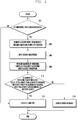
- FIG. 2 is a flowchart illustrating a process of executing a function of the electronic device 100 using fingerprint verification, according to an embodiment of the present invention.
- the electronic device 100 determines whether a function to be executed by a user has been set to require fingerprint verification. When the function to be executed by the user does not require fingerprint verification, the electronic device 100 may execute the corresponding function without fingerprint verification, in operation 212. Setting fingerprint verification for a function to be executed by a user may be made and changed by a manufacturer, an application developer, or a user.
- the electronic device 100 acquires the security level for the function to be executed by the user, in operation 204.
- the security level and the minimum number of matching points corresponding thereto may vary depending upon the function.
- a security level for an unlock function may be a third level
- a security level for a payment function may be a first level.
- the minimum number of matching points at the third level may be different from that at the first level.
- the minimum number of matching points may be set to sixteen in the third level and to thirty two in the first level. The above example does not restrict various embodiments of the present invention.
- the electronic device 100 may acquire the number of required matching points for the function to be executed by the user.
- the number of required matching points may vary depending upon the function. For example, the number of required matching points may be set to seventeen for the unlock function and to thirty four for the payment function. The above example does not restrict the various embodiments of the present invention.
- the electronic device 100 receives the user's fingerprint using the fingerprint sensor 151.
- the electronic device 100 may display a different color or animation on the display unit 110 depending upon the security level or the number of required matching points in order to enhance usability of fingerprint verification for the user.
- the electronic device 100 may also display a help message on the display unit 110 to help with the user's comprehension.
- the electronic device 100 measures the number of matching points by comparing fingerprint information stored in the storage unit 140 with the fingerprint information sensed in operation 206.
- the electronic device 100 may compare the minimum number of matching points corresponding to the security level acquired in operation 204 with the number of matching points measured in operation 208. When the number of matching points measured in operation 208 is greater than or equal to the minimum number of matching points corresponding to the security level acquired in operation 204, the electronic device 100 executes the corresponding function in operation 212. In contrast, when the number of matching points measured in operation 208 is less than the minimum number of matching points corresponding to the security level acquired in operation 204, the electronic device 100 displays an error message, in operation 214.
- the electronic device 100 may compare the number of required matching points acquired in operation 204 with the number of matching points measured in operation 208. When the number of matching points measured in operation 208 is greater than or equal to the number of required matching points acquired in operation 204, the electronic device 100 executes the corresponding function, in operation 212. In contrast, when the number of matching points measured in operation 208 is less than the number of required matching points acquired in operation 204, the electronic device 100 displays an error message, in operation 214.
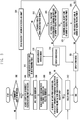
- FIG. 3 is a flowchart illustrating a process of executing a function of the electronic device 100 by adjusting the security level or the number of required matching points, according to an embodiment of the present invention.
- operations 302, 304, 306, 308, 310, 312, and 314 are substantially identical to operations 202, 204, 206, 208, 210, 212, and 214 of FIG. 2 .
- the electronic device 100 when displaying an error message in operation 314, the electronic device 100 measures the total number of produced error messages, in operation 316.
- the electronic device 100 compares the total number of produced error messages with the preset number of errors.
- the preset number of errors may be set by a manufacturer or a user.
- the electronic device 100 When the total number of produced error messages is less than the preset number of errors, the electronic device 100 outputs a message, an alert sound, or vibration to request a user to input a fingerprint again due to failure in fingerprint verification, in operation 319. Thereafter, the electronic device 100 may proceed to operation 306 to receive the user's fingerprint again.
- the electronic device 100 determines whether the corresponding function may be executed when the security level changes. That is, when an average value of the number of matching points measured a preset number of times in operation 308 is greater than or equal to the preset number of limited matching points, the electronic device 100 adjusts the security level to execute the corresponding function.
- the number of limited matching points may refer to the minimum number of matching points which may be adjusted for usability of fingerprint verification. The number of limited matching points may be set and changed by a manufacturer or a user.
- a security level acquired in operation 304 may be a second level, and the minimum number of matching points corresponding thereto may be set to twenty four. It may be assumed that the average value of the number of matching points measured a preset number of times in operation 308 is twenty and the number of limited matching points is set to sixteen. In this case, the average value of the number of matching points measured a preset number of times, in operation 308, is less than the minimum number of matching points corresponding to the second security level and greater than the number of limited matching points.
- the electronic device 100 may change the security level of the corresponding function to the third level.
- the minimum number of matching points corresponding to the third security level may be set to, for example, sixteen.
- the electronic device 100 may execute the corresponding function through the adjustment of the security level.
- the number of limited matching points may be the same as that of the minimum number of matching points corresponding to the lowest security level which the user can set.
- the average value of the number of matching points measured a preset number of times, in operation 308, is fourteen, this average value may be less than the number of limited matching points, that is, sixteen. In this case, the security level does not need to be adjusted, and therefore the electronic device 100 may proceed to operation 321 and display an error message informing that the corresponding function cannot be executed. Thereafter, the electronic device 100 may terminate the request for executing the corresponding function.
- the electronic device 100 recommends an optimal security level to the user to execute the corresponding function, in operation 322.
- the optimal security level may be a range including the average value of the number of matching points measured a preset number of times, in operation 308.
- the minimum number of matching points for the corresponding security level may be greater than or equal to the number of limited matching points.
- operation 324 it is determined whether user accepts the optimal security level recommended by the electronic device.
- the electronic device 100 outputs a message or a sound informing that the security level has been successfully changed, in operation 326. Thereafter, the electronic device 100 returns to operation 304 and acquires the security level of the function which the user wants to execute, thereby executing the corresponding function.
- the electronic device 100 proceeds to operation 321 and displays an error message informing that the function cannot be executed. Thereafter, the electronic device 100 terminates the user's request for executing the corresponding function.
- the electronic device 100 may determine whether the corresponding function can be executed if the number of required matching points is changed, when the total number of produced error messages is greater than or equal to the preset number of errors. That is, when the average value of the number of matching points measured a preset number of times in operation 308 is greater than or equal to the preset number of limited matching points, the electronic device 100 may adjust the number of required matching points to execute the corresponding function.
- the number of limited matching points may mean the minimum number of matching points that may be adjusted for usability of fingerprint verification. The number of limited matching points may be set and changed by a manufacturer or a user.
- the number of required matching points acquired in operation 304 may be twenty four. It may be assumed that the average value of the number of matching points measured a preset number of times in operation 308 is twenty and the number of limited matching points is set to sixteen. In this case, the average value of the number of matching points measured a preset number of times in operation 308 is smaller than the number of required matching points and larger than the number of limited matching points.
- the electronic device 100 may set the number of required matching points of the corresponding function to nineteen. After the adjustment, if twenty matching points are measured when the electronic device 100 senses the user's fingerprint again in operation 306, the electronic device 100 may execute the corresponding function through the adjustment of the number of required matching points.
- the average value of the number of matching points measured a preset number of times in operation 308 is fourteen, this average value may be smaller than the number of limited matching points, that is, sixteen. In this case, the number of required matching points does not need to be adjusted, and therefore the electronic device 100 may proceed to operation 321 and display an error message informing that the corresponding function cannot be executed. Thereafter, the electronic device 100 may terminate the request for executing the corresponding function.
- the electronic device 100 may recommend, to the user, the optimal number of required matching points for executing the corresponding function, in operation 322.
- the optimal number of required matching points may be a region including the average value of the number of matching points measured a preset number of times in operation 308.
- the number of required matching points for executing the corresponding function may be greater than or equal to the number of limited matching points.
- the electronic device 100 may output a message or a sound informing that the number of required matching points has been successfully changed, in operation 326. Thereafter, the electronic device 100 may proceed to operation 304 and acquire the number of required matching points of the function which the user wants to execute, thereby executing the corresponding function.
- the electronic device may proceed to operation 321 and display an error message informing that the corresponding function cannot be executed. Thereafter, the electronic device 100 may terminate the user's request for executing the corresponding function.
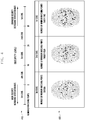
- FIG. 4 illustrates security levels for fingerprint verification of an electronic device and the number of matching points corresponding thereto, according to an embodiment of the present invention.
- Reference numeral 410 indicates security levels for fingerprint verification of the electronic device 100 and the number of matching points corresponding thereto.
- the minimum number of matching points is set to sixteen for the third security level, twenty four for the second security level, and thirty two for the first security level.
- the number of limited matching points may be set to sixteen, which is the same as the minimum number of matching points at the third level.
- security level of a function approaches the first level, security may be enhanced, and yet usability of fingerprint verification may be decreased due to a decreasing verification rate.
- security level of a function approaches the fifth level, security may become weak, and yet usability of fingerprint verification may increase due to an increasing verification rate.
- the number of matching points corresponding to a security level for fingerprint verification and a security level section may be set by a manufacturer or a user.
- Reference numeral 420 indicates matching points corresponding to each security level, with a user's fingerprint serving as an example.
- the electronic device 100 may execute the corresponding function.
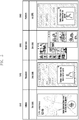
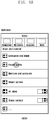
- FIG. 5 illustrates an example of distinguishing between security levels of user-executed functions depending upon types thereof, according to an embodiment of the present invention.
- the electronic device 100 may set the security level of an unlock function, which a user most frequently uses, to the third level. That is, since the unlock function is required to be performed when the electronic device 100 is used, the security level thereof may be set to a relatively low security level, thereby ensuring fast accessibility. However, even in this case, the security level of the unlock function corresponds to the third level, which makes it possible to maintain minimum security.
- the electronic device 100 may set the security level to the second level when loading a stored password of a web browser or accessing locked content.
- the functions are closely associated with a user's personal information, and therefore the security levels thereof may be set in consideration of security as well as accessibility.
- the electronic device 100 may set the security level of a payment function to a first level.
- the highest security level is required for functions associated with payment, thereby preventing financial damages of a user using the electronic device 100.
- the assignment of different security levels to functions is provided to help with comprehension of embodiments of the present invention, however the present invention is not limited thereto.
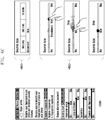
- FIGS. 6A to 6C illustrate a process in which the electronic device 100 recommends that a user adjust a security level and the user accordingly adjusts the security level, according to an embodiment of the present invention.
- the electronic device 100 recommends that the user adjust the security level or the number of required matching points.
- the user using the electronic device 100 enters a fingerprint verification setting mode and adjusts the security level of the corresponding function or the number of required matching points, as indicated by reference numeral 630, in FIG. 6C .
- the user using the electronic device 100 may directly select the fingerprint verification setting mode in a status setting menu, unlike the case in which the entrance to the fingerprint verification setting mode is made with the user's consent after errors repetitively occur, as indicated by reference numeral 610.
- the user using the electronic device 100 may enter the fingerprint verification setting mode and adjust the security level of the corresponding function or the number of required matching points.
- Reference numeral 640 of FIG. 6C indicates a view illustrating a case in which the user using the electronic device 100 adjusts a security level. For example, when a security level of locked content (e.g., secret box) is currently set to the second level, the electronic device 100 may recommend that the user decrease the security level of the corresponding function down to the third level. The user may change the security level by selecting the third level recommended by the electronic device 100.
- a security level of locked content e.g., secret box
- Reference numeral 650 of FIG. 6C indicates a view illustrating a case in which the user using the electronic device 100 adjusts the number of required matching points.
- the electronic device 100 may recommend that the user decrease the number of required matching points down to sixteen.
- the user may adjust the number of required matching points for executing the corresponding function by dragging a pointer to the number of required matching points recommended by the electronic device 100.
- the user using the electronic device 100 may adjust the range of the number of matching points, such as the security level, or the specific number of matching points, such as the number of required matching points, in order to enhance the fingerprint verification rate. Meanwhile, the electronic device 100 may recommend an optimal security level or the number of required matching points to the user, based on a database stored in the storage unit 140 and associated with fingerprint verification errors having occurred in execution of a particular function. For example, if an error occurs when the user executes a particular function, the electronic device 100 may store the number of matching points of minutiae measured when the error occurs. The electronic device 100 may calculate an average value of the number of matching points stored and recommend an optimal security level or the number of required matching points to the user using the average value as indicted by reference numerals 640 and 650.
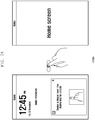
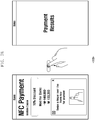
- FIGS. 7A and 7B illustrate processes of providing a user with a fingerprint verification guide through color, visual information (VI), animation, and sound, when fingerprint verification is performed, according to an embodiment of the present invention.
- Reference numeral 710 of FIG. 7A indicates a view illustrating a case of executing an unlock function in the electronic device 100.
- the unlock function may require the third security level as indicated by reference numeral 510 of FIG. 5 and therefore, be displayed in green, thereby intuitively informing a user of the security level thereof.
- the electronic device 100 may display a fingerprint input animation at a normal speed, together with a help message.
- Reference numeral 720 of FIG. 7B indicates a view illustrating a case of executing a payment function in the electronic device 100.
- the payment function may require the first security level as indicated by reference numeral 540 of FIG. 5 and therefore, be displayed in red, thereby intuitively informing a user of the security level thereof.
- the electronic device 100 may display a fingerprint input animation at a lower speed, together with a help message.
Landscapes
- Engineering & Computer Science (AREA)
- Theoretical Computer Science (AREA)
- Physics & Mathematics (AREA)
- General Physics & Mathematics (AREA)
- Computer Security & Cryptography (AREA)
- General Engineering & Computer Science (AREA)
- Software Systems (AREA)
- Computer Hardware Design (AREA)
- Data Mining & Analysis (AREA)
- Computer Vision & Pattern Recognition (AREA)
- Human Computer Interaction (AREA)
- Life Sciences & Earth Sciences (AREA)
- Artificial Intelligence (AREA)
- Bioinformatics & Cheminformatics (AREA)
- Bioinformatics & Computational Biology (AREA)
- Multimedia (AREA)
- Evolutionary Biology (AREA)
- Evolutionary Computation (AREA)
- Collating Specific Patterns (AREA)
- Telephone Function (AREA)
- User Interface Of Digital Computer (AREA)
- Image Input (AREA)
Claims (15)
- Verfahren zum Ausführen einer Funktion einer elektronischen Vorrichtung unter Verwendung von Fingerabdruckverifizierung, wobei das Verfahren umfasst:Abrufen eines Sicherheitsniveaus der durchzuführenden Funktion, wenn die Funktion die Fingerabdruckverifizierung verlangt;Empfangen einer Fingerabdruckeingabe eines Benutzers;Bestimmen einer Zählung einer Anzahl von Übereinstimmungspunkten, die zwischen der Fingerabdruckeingabe und einem vorgespeicherten Fingerabdruck existieren;Vergleichen der Zählung der Anzahl von Übereinstimmungspunkten mit einer minimalen Anzahl von Übereinstimmungspunkten entsprechend dem Sicherheitsniveau der Funktion;Anzeigen einer Fehlernachricht, wenn die Zählung der Anzahl von Übereinstimmungspunkten weniger als die minimale Anzahl von Übereinstimmungspunkten entsprechend dem Sicherheitsniveau der Funktion beträgt;Bestimmen, wenn eine Anzahl von Malen, die die Fehlernachricht angezeigt worden ist, größer gleich einer voreingestellten Anzahl ist, ob die Funktion durch Ändern des Sicherheitsniveaus der Funktion ausgeführt werden soll; undÄndern des Sicherheitsniveaus der Funktion und Ausführen der Funktion,wobei das Ändern des Sicherheitsniveaus der Funktion das Ändern der minimalen Anzahl von Übereinstimmungspunkten entsprechend dem Sicherheitsniveau der Funktion zum Ausführen der Funktion umfasst.
- Verfahren nach Anspruch 1, wobei das Bestimmen der Zählung der Anzahl von Übereinstimmungspunkten umfasst:
Bestimmen der Zählung der Anzahl von Übereinstimmungspunkten durch Vergleichen der Details der Fingerabdruckeingabe und der Details des vorgespeicherten Fingerabdrucks. - Verfahren nach Anspruch 1, ferner umfassend:
Ausführen der Funktion, wenn die Zählung der Anzahl von Übereinstimmungspunkten größer gleich der minimalen Anzahl von Übereinstimmungspunkten ist, die dem Sicherheitsniveau entsprechen. - Verfahren nach Anspruch 3, ferner umfassend:
Empfangen der Fingerabdruckeingabe wieder, wenn eine Anzahl von Malen, die die Fehlernachricht angezeigt worden ist, weniger als eine voreingestellte Anzahl beträgt. - Verfahren nach Anspruch 4, wobei das Bestimmen, ob die Funktion durch Ändern des Sicherheitsniveaus ausgeführt werden soll, umfasst:Vergleichen der Zählung der Anzahl von gemessenen Übereinstimmungspunkten und einer voreingestellten Anzahl von begrenzten Übereinstimmungspunkten; undÄndern des Sicherheitsniveaus der Funktion durch den Benutzer, wenn die Zählung der Anzahl von Übereinstimmungspunkten größer gleich der voreingestellten Anzahl von begrenzten Übereinstimmungspunkten ist.
- Verfahren nach Anspruch 5, wobei das Ändern des Sicherheitsniveaus der Funktion durch den Benutzer umfasst:Empfehlen eines optimalen Sicherheitsniveaus, auf dem die Funktion ausgeführt werden soll, an den Benutzer durch die elektronische Vorrichtung, undwenn der Benutzer das Sicherheitsniveau der Funktion ändert, Abrufen eines neuen Sicherheitsniveaus der Funktion und erneutes Empfangen einer Fingerabdruckeingabe.
- Verfahren nach Anspruch 1, wobei das Empfangen der Fingerabdruckeingabe umfasst:Anzeigen einer Farbe auf einem Teil einer Anzeige oder auf einer gesamten Anzeige, wobei die Farbe von dem Sicherheitsniveau abhängt, oderAnzeigen einer Markierung und/oder einer Animation, wobei der Inhalt der Markierung und eine Geschwindigkeit der Animation von dem Sicherheitsniveau abhängt.
- Elektronische Vorrichtung, umfassend:eine Anzeigeeinheit, die ausgelegt ist, um eine Kennzeichnung und eine Markierung zum Eingeben eines Fingerabdrucks anzuzeigen;einen Fingerabdrucksensor, der ausgelegt ist, um eine Fingerabdruckeingabe eines Benutzers zu erfassen;eine Speichereinheit, die ausgelegt ist, um die Fingerabdruckeingabe zu speichern; undeine Steuerung, die ausgelegt ist zum:Abrufen eines Sicherheitsniveaus einer durchzuführenden Funktion, wenn die Funktion Fingerabdruckverifizierung verlangt,Empfangen der Fingerabdruckeingabe,Bestimmen einer Zählung einer Anzahl von Übereinstimmungspunkten, die zwischen der Fingerabdruckeingabe und einem vorgespeicherten Fingerabdruck existieren,Vergleichen der Zählung der Anzahl von Übereinstimmungspunkten mit einer minimalen Anzahl von Übereinstimmungspunkten entsprechend dem Sicherheitsniveau,Anzeigen einer Fehlernachricht, wenn die Zählung der Anzahl von Übereinstimmungspunkten weniger als die minimale Anzahl von Übereinstimmungspunkten entsprechend dem Sicherheitsniveau der Funktion beträgt,Bestimmen, wenn eine Anzahl von Malen, die die Fehlernachricht angezeigt worden ist, größer gleich einer voreingestellten Anzahl ist, ob die Funktion durch Ändern des Sicherheitsniveaus der Funktion ausgeführt werden soll, undÄndern des Sicherheitsniveaus der Funktion und Ausführen der Funktion,wobei der Prozessor ausgelegt ist, um das Sicherheitsniveau der Funktion durch Ändern der minimalen Anzahl von Übereinstimmungspunkten entsprechend dem Sicherheitsniveau der Funktion zum Ausführen der Funktion zu ändern.
- Elektronische Vorrichtung nach Anspruch 8, wobei die Steuerung ferner ausgelegt ist, um die Zählung der Anzahl von Übereinstimmungspunkten durch Vergleichen der Details der Fingerabdruckeingabe und der Details des vorgespeicherten Fingerabdrucks zu bestimmen.
- Elektronische Vorrichtung nach Anspruch 8, wobei die Steuerung ferner ausgelegt ist, um die Funktion auszuführen, wenn die Zählung der Anzahl von Übereinstimmungspunkten größer gleich der minimalen Anzahl von Übereinstimmungspunkten entsprechend dem Sicherheitsniveau ist.
- Elektronische Vorrichtung nach Anspruch 10, wobei die Steuerung ferner ausgelegt ist, um die Fingerabdruckeingabe wieder zu empfangen, wenn eine Anzahl von Malen, die die Fehlernachricht angezeigt worden ist, weniger als eine voreingestellte Anzahl beträgt.
- Elektronische Vorrichtung nach Anspruch 10, wobei die Steuerung ferner ausgelegt ist, um zu bestimmen, ob die Funktion durch Vergleichen der Zählung der Anzahl von gemessenen Übereinstimmungspunkten und einer voreingestellten Anzahl von begrenzten Übereinstimmungspunkten ausgeführt werden soll.
- Elektronische Vorrichtung nach Anspruch 12, wobei die Steuerung ferner ausgelegt ist, um dem Benutzer zu gestatten, das Sicherheitsniveau der Funktion zu ändern, wenn die Zählung der Anzahl von Übereinstimmungspunkten größer gleich der voreingestellten Anzahl von begrenzten Übereinstimmungspunkten ist, und die Änderung des Sicherheitsniveaus vorgenommen wird, indem dem Benutzer ein optimales Sicherheitsniveau, auf welchem die Funktion ausgeführt werden soll, durch die elektronische Vorrichtung empfohlen wird.
- Elektronische Vorrichtung nach Anspruch 13, wobei, wenn der Benutzer das Sicherheitsniveau der Funktion ändert, die Steuerung ferner ausgelegt ist, um ein neues Sicherheitsniveau der Funktion wieder abzurufen und eine Fingerabdruckeingabe erneut zu empfangen.
- Elektronische Vorrichtung nach Anspruch 8, wobei die Steuerung ferner ausgelegt ist, um eine Farbe auf einem Teil einer Anzeige oder auf einer gesamten Anzeige anzuzeigen, wobei die Farbe von dem Sicherheitsniveau abhängt, oder eine Markierung und/oder eine Animation anzuzeigen, wobei der Inhalt der Markierung und eine Geschwindigkeit der Animation von dem Sicherheitsniveau abhängt.
Applications Claiming Priority (1)
| Application Number | Priority Date | Filing Date | Title |
|---|---|---|---|
| KR1020140000177A KR102187833B1 (ko) | 2014-01-02 | 2014-01-02 | 전자 장치의 기능 실행 방법 및 이를 사용하는 전자 장치 |
Publications (3)
| Publication Number | Publication Date |
|---|---|
| EP2892002A2 EP2892002A2 (de) | 2015-07-08 |
| EP2892002A3 EP2892002A3 (de) | 2015-07-15 |
| EP2892002B1 true EP2892002B1 (de) | 2019-05-15 |
Family
ID=52444069
Family Applications (1)
| Application Number | Title | Priority Date | Filing Date |
|---|---|---|---|
| EP14200607.1A Active EP2892002B1 (de) | 2014-01-02 | 2014-12-30 | Verfahren zur ausführung von funktionen einer elektronischen vorrichtung und elektronische vorrichtung damit |
Country Status (3)
| Country | Link |
|---|---|
| US (1) | US9697412B2 (de) |
| EP (1) | EP2892002B1 (de) |
| KR (1) | KR102187833B1 (de) |
Families Citing this family (23)
| Publication number | Priority date | Publication date | Assignee | Title |
|---|---|---|---|---|
| KR102158211B1 (ko) * | 2013-10-18 | 2020-09-22 | 엘지전자 주식회사 | 이동 단말기 및 이의 제어 방법 |
| DE102014111046A1 (de) * | 2014-08-04 | 2016-02-04 | Endress+Hauser Process Solutions Ag | Verfahren zum Bedienen eines Feldgerätes |
| CN106796652A (zh) * | 2014-08-11 | 2017-05-31 | 辛纳普蒂克斯公司 | 多视图指纹匹配 |
| WO2017028148A1 (zh) * | 2015-08-16 | 2017-02-23 | 罗旭宜 | 根据虹膜记录空调状态的方法和空调 |
| WO2017028277A1 (zh) * | 2015-08-19 | 2017-02-23 | 华为技术有限公司 | 指纹识别方法及移动终端 |
| CN106709399B (zh) * | 2015-08-21 | 2021-02-09 | 小米科技有限责任公司 | 指纹识别方法及装置 |
| FR3040811B1 (fr) * | 2015-09-04 | 2018-03-02 | Worldline | Procede d'autorisation d'une action par une authentification interactive et intuitive d'un utilisateur et dispositif associe |
| CN105354019A (zh) * | 2015-09-29 | 2016-02-24 | 宇龙计算机通信科技(深圳)有限公司 | 终端控制方法、终端控制装置和终端 |
| CN105956442A (zh) * | 2016-04-29 | 2016-09-21 | 宇龙计算机通信科技(深圳)有限公司 | 一种数据清除方法与终端设备 |
| CN105975834B (zh) * | 2016-05-27 | 2017-10-24 | 广东欧珀移动通信有限公司 | 一种指纹解锁控制方法、及设备 |
| CN105912916B (zh) * | 2016-05-27 | 2017-10-31 | 广东欧珀移动通信有限公司 | 一种指纹解锁方法及终端 |
| KR102561736B1 (ko) * | 2016-06-01 | 2023-08-02 | 삼성전자주식회사 | 터치 디스플레이를 가지는 전자 장치 및 이의 지문을 이용한 기능 실행 방법 |
| JP6721435B2 (ja) * | 2016-07-04 | 2020-07-15 | 株式会社東芝 | Icカード、携帯可能電子装置及び情報処理方法 |
| CN106228054A (zh) | 2016-08-02 | 2016-12-14 | 北京小米移动软件有限公司 | 身份验证方法和装置 |
| CN108073885B (zh) * | 2016-11-18 | 2021-11-12 | 比亚迪半导体股份有限公司 | 指纹识别方法及电子装置 |
| CN106778508B (zh) * | 2016-11-22 | 2018-09-04 | 维沃移动通信有限公司 | 一种指纹识别方法及移动终端 |
| CN107273173B (zh) * | 2017-07-19 | 2020-08-11 | 北京小米移动软件有限公司 | 指纹传感器的控制方法、装置及存储介质 |
| CN107493368B (zh) * | 2017-08-22 | 2020-09-22 | Oppo广东移动通信有限公司 | 解锁方法及相关产品 |
| CN107609538B (zh) * | 2017-10-12 | 2020-08-04 | 京东方科技集团股份有限公司 | 一种指纹识别装置及指纹识别方法、触控显示装置 |
| KR102088215B1 (ko) * | 2018-01-22 | 2020-03-13 | 삼성전자주식회사 | 복수의 어플리케이션을 제어하기 위한 전자 장치 |
| KR102298541B1 (ko) * | 2019-07-23 | 2021-09-07 | 엘지전자 주식회사 | 이미지 데이터에서 사용자를 인식하는 인공 지능 장치 및 그 방법 |
| CN112116746A (zh) * | 2020-09-21 | 2020-12-22 | 南京立康智能化科技有限公司 | 一种用于医院的具有指纹识别功能的智能门禁 |
| WO2023030187A1 (zh) * | 2021-08-30 | 2023-03-09 | 武汉联影医疗科技有限公司 | 医学影像设备控制方法和系统 |
Citations (1)
| Publication number | Priority date | Publication date | Assignee | Title |
|---|---|---|---|---|
| US20030039382A1 (en) * | 2001-05-25 | 2003-02-27 | Biometric Informatics Technolgy, Inc. | Fingerprint recognition system |
Family Cites Families (8)
| Publication number | Priority date | Publication date | Assignee | Title |
|---|---|---|---|---|
| US20020030359A1 (en) * | 1998-04-02 | 2002-03-14 | Jerker Bergenek | Fingerprint system |
| US6910132B1 (en) * | 2000-09-15 | 2005-06-21 | Matsushita Electric Industrial Co., Ltd. | Secure system and method for accessing files in computers using fingerprints |
| DE60214014T2 (de) * | 2001-06-29 | 2007-02-01 | Precise Biometrics Ab | Verfahren und vorrichtung zur prüfung der identität einer person, wobei ein für den fingerabdruck konstantes koordinatensystem der bezug ist |
| KR100397916B1 (ko) | 2001-07-16 | 2003-09-19 | (주)니트 젠 | 지문 등록 및 인증방법 |
| US20060120578A1 (en) * | 2004-12-02 | 2006-06-08 | Tri-D Systems, Inc. | Minutiae matching |
| US7885436B2 (en) * | 2006-07-13 | 2011-02-08 | Authentec, Inc. | System for and method of assigning confidence values to fingerprint minutiae points |
| US8941466B2 (en) * | 2009-01-05 | 2015-01-27 | Polytechnic Institute Of New York University | User authentication for devices with touch sensitive elements, such as touch sensitive display screens |
| US9542783B2 (en) * | 2013-11-15 | 2017-01-10 | Google Technology Holdings LLC | Method and apparatus for authenticating access to a multi-level secure environment of an electronic device |
-
2014
- 2014-01-02 KR KR1020140000177A patent/KR102187833B1/ko active Active
- 2014-12-30 EP EP14200607.1A patent/EP2892002B1/de active Active
-
2015
- 2015-01-02 US US14/588,590 patent/US9697412B2/en active Active
Patent Citations (1)
| Publication number | Priority date | Publication date | Assignee | Title |
|---|---|---|---|---|
| US20030039382A1 (en) * | 2001-05-25 | 2003-02-27 | Biometric Informatics Technolgy, Inc. | Fingerprint recognition system |
Also Published As
| Publication number | Publication date |
|---|---|
| EP2892002A2 (de) | 2015-07-08 |
| US20150186710A1 (en) | 2015-07-02 |
| KR20150080736A (ko) | 2015-07-10 |
| EP2892002A3 (de) | 2015-07-15 |
| US9697412B2 (en) | 2017-07-04 |
| KR102187833B1 (ko) | 2020-12-07 |
Similar Documents
| Publication | Publication Date | Title |
|---|---|---|
| US9697412B2 (en) | Method of executing function of electronic device and electronic device using the same | |
| US12197628B2 (en) | Method and apparatus for processing biometric information in electronic device | |
| KR102177150B1 (ko) | 지문인식 장치 및 방법 | |
| KR102216653B1 (ko) | 지문 인증을 통하여 통신을 수행하는 전자 장치 및 방법 | |
| US10237269B2 (en) | Method of providing information security and electronic device thereof | |
| CN107085479B (zh) | 提供手写风格校正功能的方法和适用于其的电子装置 | |
| CN107111747B (zh) | 用于驱动指纹传感器的方法和电子设备 | |
| US9626505B2 (en) | Method and apparatus for managing authentication | |
| US10242167B2 (en) | Method for user authentication and electronic device implementing the same | |
| KR20150026938A (ko) | 전자 장치 및 전자 장치의 서명 입력 처리 방법 | |
| CN105893814A (zh) | 电子设备和在电子设备中注册指纹的方法 | |
| CN107533641A (zh) | 指纹信息处理方法及支持指纹信息处理方法的电子装置 | |
| KR20150098002A (ko) | 전자장치에서 생체 정보를 이용한 인증 방법 및 장치 | |
| US9426606B2 (en) | Electronic apparatus and method of pairing in electronic apparatus | |
| US20160026272A1 (en) | Method for displaying screen in electronic device, and electronic device thereof | |
| EP2958006A1 (de) | Elektronische vorrichtung und verfahren zur anzeigesteuerung | |
| KR20150135837A (ko) | 디스플레이 운용 전자장치 및 방법 | |
| CN111279342B (zh) | 电子设备及其控制方法 | |
| US20190180257A1 (en) | Mobile terminal and method for controlling same | |
| US20150278207A1 (en) | Electronic device and method for acquiring image data | |
| KR102253155B1 (ko) | 사용자 인터페이스를 제공하는 방법 및 이를 위한 전자 장치 | |
| KR20150099288A (ko) | 디스플레이를 제어하는 전자 장치 및 방법 |
Legal Events
| Date | Code | Title | Description |
|---|---|---|---|
| PUAL | Search report despatched |
Free format text: ORIGINAL CODE: 0009013 |
|
| PUAI | Public reference made under article 153(3) epc to a published international application that has entered the european phase |
Free format text: ORIGINAL CODE: 0009012 |
|
| 17P | Request for examination filed |
Effective date: 20141230 |
|
| AK | Designated contracting states |
Kind code of ref document: A2 Designated state(s): AL AT BE BG CH CY CZ DE DK EE ES FI FR GB GR HR HU IE IS IT LI LT LU LV MC MK MT NL NO PL PT RO RS SE SI SK SM TR |
|
| AX | Request for extension of the european patent |
Extension state: BA ME |
|
| AK | Designated contracting states |
Kind code of ref document: A3 Designated state(s): AL AT BE BG CH CY CZ DE DK EE ES FI FR GB GR HR HU IE IS IT LI LT LU LV MC MK MT NL NO PL PT RO RS SE SI SK SM TR |
|
| AX | Request for extension of the european patent |
Extension state: BA ME |
|
| RIC1 | Information provided on ipc code assigned before grant |
Ipc: G06F 21/32 20130101AFI20150608BHEP |
|
| R17P | Request for examination filed (corrected) |
Effective date: 20160115 |
|
| RBV | Designated contracting states (corrected) |
Designated state(s): AL AT BE BG CH CY CZ DE DK EE ES FI FR GB GR HR HU IE IS IT LI LT LU LV MC MK MT NL NO PL PT RO RS SE SI SK SM TR |
|
| STAA | Information on the status of an ep patent application or granted ep patent |
Free format text: STATUS: EXAMINATION IS IN PROGRESS |
|
| 17Q | First examination report despatched |
Effective date: 20180419 |
|
| GRAP | Despatch of communication of intention to grant a patent |
Free format text: ORIGINAL CODE: EPIDOSNIGR1 |
|
| STAA | Information on the status of an ep patent application or granted ep patent |
Free format text: STATUS: GRANT OF PATENT IS INTENDED |
|
| INTG | Intention to grant announced |
Effective date: 20181219 |
|
| GRAS | Grant fee paid |
Free format text: ORIGINAL CODE: EPIDOSNIGR3 |
|
| GRAA | (expected) grant |
Free format text: ORIGINAL CODE: 0009210 |
|
| STAA | Information on the status of an ep patent application or granted ep patent |
Free format text: STATUS: THE PATENT HAS BEEN GRANTED |
|
| AK | Designated contracting states |
Kind code of ref document: B1 Designated state(s): AL AT BE BG CH CY CZ DE DK EE ES FI FR GB GR HR HU IE IS IT LI LT LU LV MC MK MT NL NO PL PT RO RS SE SI SK SM TR |
|
| REG | Reference to a national code |
Ref country code: CH Ref legal event code: EP |
|
| REG | Reference to a national code |
Ref country code: DE Ref legal event code: R096 Ref document number: 602014046738 Country of ref document: DE |
|
| REG | Reference to a national code |
Ref country code: IE Ref legal event code: FG4D |
|
| REG | Reference to a national code |
Ref country code: NL Ref legal event code: FP |
|
| REG | Reference to a national code |
Ref country code: LT Ref legal event code: MG4D |
|
| PG25 | Lapsed in a contracting state [announced via postgrant information from national office to epo] |
Ref country code: ES Free format text: LAPSE BECAUSE OF FAILURE TO SUBMIT A TRANSLATION OF THE DESCRIPTION OR TO PAY THE FEE WITHIN THE PRESCRIBED TIME-LIMIT Effective date: 20190515 Ref country code: LT Free format text: LAPSE BECAUSE OF FAILURE TO SUBMIT A TRANSLATION OF THE DESCRIPTION OR TO PAY THE FEE WITHIN THE PRESCRIBED TIME-LIMIT Effective date: 20190515 Ref country code: SE Free format text: LAPSE BECAUSE OF FAILURE TO SUBMIT A TRANSLATION OF THE DESCRIPTION OR TO PAY THE FEE WITHIN THE PRESCRIBED TIME-LIMIT Effective date: 20190515 Ref country code: HR Free format text: LAPSE BECAUSE OF FAILURE TO SUBMIT A TRANSLATION OF THE DESCRIPTION OR TO PAY THE FEE WITHIN THE PRESCRIBED TIME-LIMIT Effective date: 20190515 Ref country code: PT Free format text: LAPSE BECAUSE OF FAILURE TO SUBMIT A TRANSLATION OF THE DESCRIPTION OR TO PAY THE FEE WITHIN THE PRESCRIBED TIME-LIMIT Effective date: 20190915 Ref country code: NO Free format text: LAPSE BECAUSE OF FAILURE TO SUBMIT A TRANSLATION OF THE DESCRIPTION OR TO PAY THE FEE WITHIN THE PRESCRIBED TIME-LIMIT Effective date: 20190815 Ref country code: AL Free format text: LAPSE BECAUSE OF FAILURE TO SUBMIT A TRANSLATION OF THE DESCRIPTION OR TO PAY THE FEE WITHIN THE PRESCRIBED TIME-LIMIT Effective date: 20190515 Ref country code: FI Free format text: LAPSE BECAUSE OF FAILURE TO SUBMIT A TRANSLATION OF THE DESCRIPTION OR TO PAY THE FEE WITHIN THE PRESCRIBED TIME-LIMIT Effective date: 20190515 |
|
| PG25 | Lapsed in a contracting state [announced via postgrant information from national office to epo] |
Ref country code: LV Free format text: LAPSE BECAUSE OF FAILURE TO SUBMIT A TRANSLATION OF THE DESCRIPTION OR TO PAY THE FEE WITHIN THE PRESCRIBED TIME-LIMIT Effective date: 20190515 Ref country code: GR Free format text: LAPSE BECAUSE OF FAILURE TO SUBMIT A TRANSLATION OF THE DESCRIPTION OR TO PAY THE FEE WITHIN THE PRESCRIBED TIME-LIMIT Effective date: 20190816 Ref country code: BG Free format text: LAPSE BECAUSE OF FAILURE TO SUBMIT A TRANSLATION OF THE DESCRIPTION OR TO PAY THE FEE WITHIN THE PRESCRIBED TIME-LIMIT Effective date: 20190815 Ref country code: RS Free format text: LAPSE BECAUSE OF FAILURE TO SUBMIT A TRANSLATION OF THE DESCRIPTION OR TO PAY THE FEE WITHIN THE PRESCRIBED TIME-LIMIT Effective date: 20190515 |
|
| REG | Reference to a national code |
Ref country code: AT Ref legal event code: MK05 Ref document number: 1134285 Country of ref document: AT Kind code of ref document: T Effective date: 20190515 |
|
| PG25 | Lapsed in a contracting state [announced via postgrant information from national office to epo] |
Ref country code: CZ Free format text: LAPSE BECAUSE OF FAILURE TO SUBMIT A TRANSLATION OF THE DESCRIPTION OR TO PAY THE FEE WITHIN THE PRESCRIBED TIME-LIMIT Effective date: 20190515 Ref country code: RO Free format text: LAPSE BECAUSE OF FAILURE TO SUBMIT A TRANSLATION OF THE DESCRIPTION OR TO PAY THE FEE WITHIN THE PRESCRIBED TIME-LIMIT Effective date: 20190515 Ref country code: SK Free format text: LAPSE BECAUSE OF FAILURE TO SUBMIT A TRANSLATION OF THE DESCRIPTION OR TO PAY THE FEE WITHIN THE PRESCRIBED TIME-LIMIT Effective date: 20190515 Ref country code: EE Free format text: LAPSE BECAUSE OF FAILURE TO SUBMIT A TRANSLATION OF THE DESCRIPTION OR TO PAY THE FEE WITHIN THE PRESCRIBED TIME-LIMIT Effective date: 20190515 Ref country code: AT Free format text: LAPSE BECAUSE OF FAILURE TO SUBMIT A TRANSLATION OF THE DESCRIPTION OR TO PAY THE FEE WITHIN THE PRESCRIBED TIME-LIMIT Effective date: 20190515 Ref country code: DK Free format text: LAPSE BECAUSE OF FAILURE TO SUBMIT A TRANSLATION OF THE DESCRIPTION OR TO PAY THE FEE WITHIN THE PRESCRIBED TIME-LIMIT Effective date: 20190515 |
|
| REG | Reference to a national code |
Ref country code: DE Ref legal event code: R097 Ref document number: 602014046738 Country of ref document: DE |
|
| PG25 | Lapsed in a contracting state [announced via postgrant information from national office to epo] |
Ref country code: IT Free format text: LAPSE BECAUSE OF FAILURE TO SUBMIT A TRANSLATION OF THE DESCRIPTION OR TO PAY THE FEE WITHIN THE PRESCRIBED TIME-LIMIT Effective date: 20190515 Ref country code: SM Free format text: LAPSE BECAUSE OF FAILURE TO SUBMIT A TRANSLATION OF THE DESCRIPTION OR TO PAY THE FEE WITHIN THE PRESCRIBED TIME-LIMIT Effective date: 20190515 |
|
| PLBE | No opposition filed within time limit |
Free format text: ORIGINAL CODE: 0009261 |
|
| STAA | Information on the status of an ep patent application or granted ep patent |
Free format text: STATUS: NO OPPOSITION FILED WITHIN TIME LIMIT |
|
| PG25 | Lapsed in a contracting state [announced via postgrant information from national office to epo] |
Ref country code: TR Free format text: LAPSE BECAUSE OF FAILURE TO SUBMIT A TRANSLATION OF THE DESCRIPTION OR TO PAY THE FEE WITHIN THE PRESCRIBED TIME-LIMIT Effective date: 20190515 |
|
| 26N | No opposition filed |
Effective date: 20200218 |
|
| PG25 | Lapsed in a contracting state [announced via postgrant information from national office to epo] |
Ref country code: PL Free format text: LAPSE BECAUSE OF FAILURE TO SUBMIT A TRANSLATION OF THE DESCRIPTION OR TO PAY THE FEE WITHIN THE PRESCRIBED TIME-LIMIT Effective date: 20190515 |
|
| PG25 | Lapsed in a contracting state [announced via postgrant information from national office to epo] |
Ref country code: SI Free format text: LAPSE BECAUSE OF FAILURE TO SUBMIT A TRANSLATION OF THE DESCRIPTION OR TO PAY THE FEE WITHIN THE PRESCRIBED TIME-LIMIT Effective date: 20190515 |
|
| REG | Reference to a national code |
Ref country code: CH Ref legal event code: PL |
|
| REG | Reference to a national code |
Ref country code: BE Ref legal event code: MM Effective date: 20191231 |
|
| PG25 | Lapsed in a contracting state [announced via postgrant information from national office to epo] |
Ref country code: MC Free format text: LAPSE BECAUSE OF FAILURE TO SUBMIT A TRANSLATION OF THE DESCRIPTION OR TO PAY THE FEE WITHIN THE PRESCRIBED TIME-LIMIT Effective date: 20190515 |
|
| PG25 | Lapsed in a contracting state [announced via postgrant information from national office to epo] |
Ref country code: LU Free format text: LAPSE BECAUSE OF NON-PAYMENT OF DUE FEES Effective date: 20191230 Ref country code: IE Free format text: LAPSE BECAUSE OF NON-PAYMENT OF DUE FEES Effective date: 20191230 Ref country code: FR Free format text: LAPSE BECAUSE OF NON-PAYMENT OF DUE FEES Effective date: 20191231 |
|
| PG25 | Lapsed in a contracting state [announced via postgrant information from national office to epo] |
Ref country code: LI Free format text: LAPSE BECAUSE OF NON-PAYMENT OF DUE FEES Effective date: 20191231 Ref country code: BE Free format text: LAPSE BECAUSE OF NON-PAYMENT OF DUE FEES Effective date: 20191231 Ref country code: CH Free format text: LAPSE BECAUSE OF NON-PAYMENT OF DUE FEES Effective date: 20191231 |
|
| PG25 | Lapsed in a contracting state [announced via postgrant information from national office to epo] |
Ref country code: CY Free format text: LAPSE BECAUSE OF FAILURE TO SUBMIT A TRANSLATION OF THE DESCRIPTION OR TO PAY THE FEE WITHIN THE PRESCRIBED TIME-LIMIT Effective date: 20190515 |
|
| PG25 | Lapsed in a contracting state [announced via postgrant information from national office to epo] |
Ref country code: IS Free format text: LAPSE BECAUSE OF FAILURE TO SUBMIT A TRANSLATION OF THE DESCRIPTION OR TO PAY THE FEE WITHIN THE PRESCRIBED TIME-LIMIT Effective date: 20190915 |
|
| PG25 | Lapsed in a contracting state [announced via postgrant information from national office to epo] |
Ref country code: MT Free format text: LAPSE BECAUSE OF FAILURE TO SUBMIT A TRANSLATION OF THE DESCRIPTION OR TO PAY THE FEE WITHIN THE PRESCRIBED TIME-LIMIT Effective date: 20190515 Ref country code: HU Free format text: LAPSE BECAUSE OF FAILURE TO SUBMIT A TRANSLATION OF THE DESCRIPTION OR TO PAY THE FEE WITHIN THE PRESCRIBED TIME-LIMIT; INVALID AB INITIO Effective date: 20141230 |
|
| PG25 | Lapsed in a contracting state [announced via postgrant information from national office to epo] |
Ref country code: MK Free format text: LAPSE BECAUSE OF FAILURE TO SUBMIT A TRANSLATION OF THE DESCRIPTION OR TO PAY THE FEE WITHIN THE PRESCRIBED TIME-LIMIT Effective date: 20190515 |
|
| PGFP | Annual fee paid to national office [announced via postgrant information from national office to epo] |
Ref country code: NL Payment date: 20231121 Year of fee payment: 10 |
|
| PGFP | Annual fee paid to national office [announced via postgrant information from national office to epo] |
Ref country code: GB Payment date: 20231120 Year of fee payment: 10 |
|
| REG | Reference to a national code |
Ref country code: NL Ref legal event code: MM Effective date: 20250101 |
|
| GBPC | Gb: european patent ceased through non-payment of renewal fee |
Effective date: 20241230 |
|
| PG25 | Lapsed in a contracting state [announced via postgrant information from national office to epo] |
Ref country code: NL Free format text: LAPSE BECAUSE OF NON-PAYMENT OF DUE FEES Effective date: 20250101 |
|
| PG25 | Lapsed in a contracting state [announced via postgrant information from national office to epo] |
Ref country code: GB Free format text: LAPSE BECAUSE OF NON-PAYMENT OF DUE FEES Effective date: 20241230 |
|
| PGFP | Annual fee paid to national office [announced via postgrant information from national office to epo] |
Ref country code: DE Payment date: 20251120 Year of fee payment: 12 |