EP2887752B1 - Kanalzugangsverfahren und -knoten - Google Patents
Kanalzugangsverfahren und -knoten Download PDFInfo
- Publication number
- EP2887752B1 EP2887752B1 EP13838125.6A EP13838125A EP2887752B1 EP 2887752 B1 EP2887752 B1 EP 2887752B1 EP 13838125 A EP13838125 A EP 13838125A EP 2887752 B1 EP2887752 B1 EP 2887752B1
- Authority
- EP
- European Patent Office
- Prior art keywords
- backoff
- channel
- cca
- clear
- exponent
- Prior art date
- Legal status (The legal status is an assumption and is not a legal conclusion. Google has not performed a legal analysis and makes no representation as to the accuracy of the status listed.)
- Active
Links
Images




Classifications
-
- H—ELECTRICITY
- H04—ELECTRIC COMMUNICATION TECHNIQUE
- H04W—WIRELESS COMMUNICATION NETWORKS
- H04W74/00—Wireless channel access
- H04W74/08—Non-scheduled access, e.g. ALOHA
- H04W74/0808—Non-scheduled access, e.g. ALOHA using carrier sensing, e.g. carrier sense multiple access [CSMA]
- H04W74/0816—Non-scheduled access, e.g. ALOHA using carrier sensing, e.g. carrier sense multiple access [CSMA] with collision avoidance
-
- H—ELECTRICITY
- H04—ELECTRIC COMMUNICATION TECHNIQUE
- H04W—WIRELESS COMMUNICATION NETWORKS
- H04W74/00—Wireless channel access
- H04W74/08—Non-scheduled access, e.g. ALOHA
-
- H—ELECTRICITY
- H04—ELECTRIC COMMUNICATION TECHNIQUE
- H04W—WIRELESS COMMUNICATION NETWORKS
- H04W24/00—Supervisory, monitoring or testing arrangements
- H04W24/02—Arrangements for optimising operational condition
-
- H—ELECTRICITY
- H04—ELECTRIC COMMUNICATION TECHNIQUE
- H04W—WIRELESS COMMUNICATION NETWORKS
- H04W4/00—Services specially adapted for wireless communication networks; Facilities therefor
- H04W4/70—Services for machine-to-machine communication [M2M] or machine type communication [MTC]
Definitions
- the present invention relates to the communications field, and more specifically, to a channel access method and a node.
- CSMA/CA Carrier Sense Multiple Access with Collision Avoidance
- a Medium Access Control (Medium Access Control, MAC for short) layer first initializes the number of backoffs (number of backoff, "NB” for short), a contention window (contention window, "CW” for short), a backoff exponent (backoff exponent, "BE” for short), and locates an initial boundary of a backoff. If a battery life extension (battery life extension, "BLE” for short) subfield is 0, the BE is initialized to be a macMinBE ; and if the BLE subfield is 1, the BE is initialized to be a min(2, macMinBE ).
- BLE battery life extension
- the MAC layer delays data transmission, enters a backoff state, and randomly selects several backoffs from 0-(2 BE -1).
- a physical layer executes one clear channel assessment (Clear Channel Assessment, "CCA” for short) at a backoff end boundary.
- the MAC layer learns that a channel is busy, the MAC layer adds 1 to values of the NB and the BE , ensures that the BE does not exceed the macMaxBE , and sets the CW to 2. If the value of the NB is less than or equal to a macMaxCSMABackoffs , the algorithm returns to step 2); and if the value of the NB is greater than the macMaxCSMABackoffs, the algorithm automatically ends, and returns a channel contention failure.
- a MAC sublayer first subtracts 1 from the CW , and determines whether the CW is 0. If the CW is not 0, the algorithm returns to step 3); and if the CW is 0, the MAC sublayer transmits a frame at an initial boundary of a next backoff stage.
- the CSMA/CA algorithm uses a binary exponential backoff algorithm (Binary Exponential Backoff, "BEB” for short).
- BE Binary Exponential Backoff
- the backoff exponent BE is 3 to 5 by default in the standard, and a variation range is relatively small; however, optional backoff time doubles each time, a difference of randomly selected backoff time is relatively large between nodes, and the macMinBE is 3, so that selected backoff time is relatively large, which increases a backoff time threshold, causes data access to be too slow, and is bad for rapid data interaction.
- Embodiments of the present invention provide a channel access method and a node, which can reduce a data transmission delay.
- a backoff period when a backoff period is relatively large, a backoff is performed until a middle backoff less than the backoff period ends and then a CCA is performed, and data transmission is performed when a channel is clear, which can reduce a backoff delay, and reduce a probability that contention data is stranded in a later period of a contention access period (Contention Access Period, "CAP" for short), thereby reducing a data transmission delay.
- CAP Contention Access Period
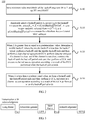
- FIG. 1 shows a schematic flowchart of a channel access method 100 according to an embodiment of the present invention.
- the method 100 is executed by a node. As shown in FIG. 1 , the method 100 includes:
- a backoff period when a backoff period is relatively large, a backoff is performed until a middle backoff less than the backoff period ends and then a CCA is performed, and data transmission is performed when a channel is clear, which can reduce a backoff delay, and reduce a probability that contention data is stranded in a later period of a CAP, thereby reducing a data transmission delay.
- the technical solution according to this embodiment of the present invention may be applied to various systems using a backoff mechanism, for example, a wireless sensor network or a wireless personal area network.
- the predetermined value indicates a preset value and is used to determine a value of the backoff period.
- a value of the predetermined value may be preset according to a network condition, and may also be adjusted according to the network condition.
- the node randomly selects the backoff period X B according to the backoff exponent BE.
- a value range and an initial value of the BE can use a value range and an initial value in an existing CSMA/CA algorithm.
- the value range and the initial value of the BE may also be reset, and therefore, in this embodiment of the present invention, as shown in FIG. 2 , optionally, before S110, the method 100 further includes:
- a value of the macMinBE in attributes in a MAC physical layer information base (Physical Layer Information Base, "PIB” for short) is modified and is set to 2, and therefore, a process of enabling a battery life extension (BLE) is deleted, that is, attributes macBattLifeExt and macBattLifeExtPeriods are deleted.
- BLE Battery life extension
- the value of the BE is the minimum value macMinBE, that is, 2.
- a minimum value macMinBE of a backoff exponent BE is set to 2, which reduces a backoff time threshold and is good for rapid data interaction.
- the node determines the middle backoff, where the middle backoff is less than the backoff period; performs the backoff until the middle backoff ends and then performs the CCA; performs data transmission if the channel is clear, and if the channel is not clear, continues the backoff until the backoff period ends and then performs the CCA, and executes the channel access operation according to the result of the CCA performed when the backoff period ends;
- the node determines whether to use a middle backoff less than the backoff period according to a value of the selected backoff period.
- the middle backoff is less than the selected backoff period, so as to advance the CCA.
- the node uses the middle backoff, where the node first selects a middle backoff, then performs a backoff until the middle backoff ends and then performs a CCA, sends data if a channel is clear, and if the channel is not clear, executes the randomly selected entire backoff period, and then executes the CCA.
- the middle backoff is less than the randomly selected backoff period, and the CCA is only executed once when the middle backoff ends, and data is sent as long as the channel is clear. In this way, when the selected backoff period is relatively large, an opportunity of data sending is added, and there is an opportunity to advance access to the channel.
- a value of the predetermined value may be preset according to a network condition, and may also be adjusted according to the network condition.
- the predetermined value is preferably 4, that is, the node determines whether to use the middle backoff according to whether X is greater than 4. If X ⁇ 4, a backoff is performed until the middle backoff ends and then a CCA is performed; if X ⁇ 4, a backoff is directly performed until the selected backoff period ends and then a CCA is performed, because when X ⁇ 4, the randomly selected backoff period is relatively small, and there is no need to perform the CCA during the backoff period.
- the middle backoff is less than the randomly selected backoff period.
- a value of the middle backoff may be determined according to the value of the selected backoff period or the value of X .
- the determining a middle backoff includes:
- the middle backoff M B is determined by using the unit middle period MP (Unit Middle Period, "MP" for short), where MP is a random value, of which a random selection range is related to the value of X .
- MP Unit Middle Period
- ACK acknowledgment
- the middle backoff may also be determined according to an equation (1), in this case, a selection range of MP only needs a corresponding adjustment.
- the predetermined value is 5, and when 5 ⁇ X ⁇ 10, the value of MP is randomly selected from 30, 40, 50 and 60; and when 11 ⁇ X ⁇ 31, the value of MP is randomly selected from 10, 20, 30 and 40.
- a manner of determining the middle backoff may also use another implementation manner, for example, the middle backoff is determined to be 1/3 or 1/2 of the randomly selected backoff period, this embodiment of the present invention does not limit the manner of determining the middle backoff.
- a backoff period is relatively large, a backoff is performed until a middle backoff ends and then a CCA is performed, and data transmission is performed when a channel is clear, which can reduce a backoff delay, and reduce a probability that contention data is stranded in a later period of a CAP, thereby reducing a data transmission delay.
- the node when X is less than the predetermined value, the node performs the backoff until the backoffperiod ends and then performs the CCA, and executes the channel access operation according to the result of the CCA performed when the backoff period ends.
- the executing the channel access operation according to the result of the CCA performed when the backoff period ends includes:
- data transmission may be controlled by means of setting a contention window CW , and the data transmission starts when the CW is 0.
- the CW is set to 2
- the CCA is performed when the backoff period ends, if the result is that the channel is clear, the CW is subtracted by 1. In this way, after the first CCA, if the channel is clear, the CW is 1; after the second CCA, if the channel is clear, the CW is 0.
- whether to start to send data or to perform the second CCA may be determined by determining whether the CW is 0, that is: if the CW is not 0, the first CCA is performed, and the second CCA needs to be performed; and if the CW is 0, the second CCA is performed, and data sending starts, so as to perform the data transmission.
- the result of the CCA performed when the backoff period ends is that the channel is not clear
- the backoff exponent BE is updated to 1, and the number of backoffs NB is added by 1 at the same time, and the channel access is performed again based on an updated backoff exponent BE when the number of backoffs NB does not exceed the predetermined value.
- the BE is updated to 1
- the backoff period X B is randomly selected again according to the updated BE to perform the channel access, that is, the channel access method in this embodiment of the present invention is executed again by returning to S110.
- Updating the BE to 1 facilitates selection of a relatively small backoff period when the channel access is performed again, that is, backoff time is shorter when the channel access is performed next time, and a probability of access to the channel is increased.
- macMaxBE indicates a maximum value of the backoff exponent, for example, macMaxBE may be 5.
- the predetermined threshold may be macMaxCSMABackoffs in attributes in a MAC PIB, and returning to S110 is performed when the number of backoffs NB does not exceed the macMaxCSMABackoffs , and the method in this embodiment of the present invention is directly exited when the NB exceeds the macMaxCSMABackoffs , and the channel access fails.
- a backoff exponent is updated to 1 to perform channel access again, which can reduce backoff time for channel access next time, thereby reducing a data transmission delay.
- the executing the channel access operation according to the result of the CCA performed when the backoff period ends includes:
- a case that the result of the CCA performed when the backoff period ends is that the channel is clear is the same as the previous one implementation manner, that is, whether to start to send data or to perform the second CCA may be determined by determining whether the CW is 0, that is: if the CW is not 0, the first CCA is performed, and the second CCA needs to be performed; if the CW is 0, the second CCA is performed, and data sending starts, so as to perform the data transmission.
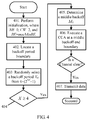
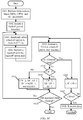
- FIG. 4 is a flowchart of performing channel access by using a middle backoff. As shown in FIG. 4 , a process of the channel access is as follows:
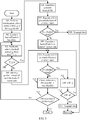
- FIG. 5 is another flowchart of performing channel access by using a middle backoff. As shown in FIG. 5 , a process of the channel access is as follows:
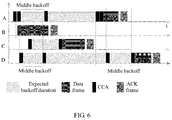
- FIG. 6 is a schematic diagram of accessing a channel by four nodes, A, B, C and D.
- a channel is not clear when the node C performs the first CCA.
- a backoff period is randomly selected again, and the randomly selected backoff period is relatively large, so that a middle backoff is used.
- a CCA is performed when the middle backoff ends, and when it is detected that the channel is clear, and data is sent immediately.
- the channel is not clear (the node B is sending data) when the first middle backoff ends, and therefore, a backoff is continued until a backoff period ends; and if the channel is still not clear (the node A is sending data) when the backoff period ends, a backoff period is randomly selected again, a middle backoff is used again, and a CCA is performed when the middle backoff ends, and at this time, when it is detected that the channel is clear, data is sent immediately.
- the node A performs a CCA when a middle backoff ends and detects that the channel is not clear, and continues a backoff until a backoff period ends and then performs a CCA.
- the first CCA it is detected that the channel is clear, the second CCA is performed, and the channel is still clear, and therefore, data is sent.
- FIG. 7 is another flowchart of channel access, and its process is as follows:
- a backoff is performed until a middle backoff less than the backoff period ends and then a CCA is performed, and data transmission is performed when a channel is clear, which can reduce a backoff delay, reduce a probability that contention data is stranded in a later period of a CAP.
- a backoff exponent is updated to 1 to perform channel access again, which can reduce backoff time for channel access next time, thereby reducing a data transmission delay.
- FIG. 8 shows a schematic flowchart of a channel access method 200 according to another embodiment of the present invention.
- the method 200 is executed by a node. As shown in FIG. 8 , the method 200 includes:
- the node first randomly selects the backoff period X B according to the backoff exponent BE, and then performs a backoffuntil the backoff period ends and then performs the CCA.
- the backoff period ends, two CCAs need to be performed and the data transmission is performed only when both results are that the channel is clear, and the channel access needs to be performed again as long as a result of one CCA is that the channel is not clear. That is, if the result of the first CCA performed when the backoff period ends is that the channel is clear, the second CCA is performed, and if the result of the second CCA is that the channel is clear, the data transmission is performed.
- data transmission may be controlled by means of setting a contention window CW, and the data transmission starts when the CW is 0.
- the CW is set to 2, after the CCA is performed when the backoff period ends, if the result is that the channel is clear, the CW is subtracted by 1. In this way, after the first CCA, if the channel is clear, the CW is 1; after the second CCA, if the channel is clear, the CW is 0.
- whether to start to send data or to perform the second CCA may be determined by determining whether the CW is 0, that is: if the CW is not 0, the first CCA is performed, and the second CCA needs to be performed; and if the CW is 0, the second CCA is performed, and data sending starts, so as to perform the data transmission.
- the result of the CCA performed when the backoff period ends is that the channel is not clear
- the backoff exponent BE is updated to 1, and the number of backoffs NB is added by 1 at the same time, and the channel access is performed again based on an updated backoff exponent BE when the number of backoffs NB does not exceed the predetermined value.
- the BE is updated to 1
- the backoff period X B is randomly selected again according to the updated BE to perform the channel access, that is, the channel access method in this embodiment of the present invention is executed again by returning to S210. Updating the BE to 1 facilitates selection of a relatively small backoffperiod when the channel access is performed again, that is, backoff time is shorter when the channel access is performed next time, and a probability of access to the channel is increased.
- macMaxBE indicates a maximum value of the backoff exponent, for example, macMaxBE may be 5.
- the predetermined threshold may be macMaxCSMABackoffs in attributes in a MAC PIB, and returning to S210 is performed when the number of backoffs NB does not exceed the macMaxCSMABackoffs, and the method in this embodiment of the present invention is directly exited when the NB exceeds the macMaxCSMABackoffs, and the channel access fails.
- a backoff exponent is updated to 1 to perform channel access again, which can reduce backoff time for channel access next time, thereby reducing a data transmission delay.
- the method 200 further includes:
- a value of the macMinBE in attributes in a MAC PIB is modified and is set to 2, therefore, a process of enabling a battery life extension (BLE) is deleted, that is, attributes macBattLifeExt and macBattLifeExtPeriods are deleted.
- BLE battery life extension
- the value of the BE is the minimum value macMinBE, that is, 2.
- a minimum value macMinBE of a backoff exponent BE is set to 2, which reduces a backofftime threshold and is good for rapid data interaction.
- Locate a backoff period boundary If a node needs to send data, the node locates the backoffperiod boundary to prepare for selection of a backoffperiod.
- Randomly select a backoff period X B from 0-(2 BE -1), where X B X ⁇ a UnitBackoffPeriod, and X is an integer randomly selected from 0 - (2 BE -1 ) .
- sequence numbers of the foregoing processes do not imply an execution sequence, the execution sequence of the processes should be determined according to their functions and internal logic, and should not constitute any limitations on implementation procedures of the embodiments of the present invention.
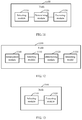
- FIG. 11 shows a schematic block diagram of a node 1100 according to an embodiment of the present invention. As shown in FIG. 11 , the node 1100 includes:
- a backoff period when a backoff period is relatively large, a backoff is performed until a middle backoff less than the backoff period ends and then a CCA is performed, and data transmission is performed when a channel is clear, which can reduce a backoff delay, and reduce a probability that contention data is stranded in a later period of a CAP, thereby reducing a data transmission delay.
- a backoff exponent is updated to 1 to perform channel access again, which can reduce backoff time for channel access next time, thereby reducing a data transmission delay.
- the node 1100 further includes:
- a minimum value macMinBE of a backoff exponent BE is set to 2, which reduces a backoff time threshold and is good for rapid data interaction.
- the node 1100 may correspond to a node in a channel access method according to an embodiment of the present invention, and the foregoing and other operations and/or functions of modules of the node 1100 separately implement corresponding processes of methods shown in FIG. 1 to FIG. 7 .
- FIG. 1 to FIG. 7 For brevity, details are not repeatedly described herein.
- FIG. 13 shows a schematic block diagram of a node 1300 according to another embodiment of the present invention. As shown in FIG. 13 , the node 1300 includes:
- a backoff exponent is updated to 1 to perform channel access again, which can reduce backoff time for channel access next time, thereby reducing a data transmission delay.
- the node 1300 further includes:
- a minimum value macMinBE of a backoff exponent BE is set to 2, which reduces a backoff time threshold and is good for rapid data interaction.
- the node 1300 may correspond to a node in a channel access method according to an embodiment of the present invention, and the foregoing and other operations and/or functions of modules of the node 1300 separately implement corresponding processes of methods shown in FIG. 8 to FIG. 10 .
- FIG. 8 to FIG. 10 For brevity, details are not repeatedly described herein.
- FIG. 15 shows a schematic block diagram of a node 1500 according to still another embodiment of the present invention.
- the node 1500 includes: a processor 1510 and a transmitter 1520.
- a backoff period when a backoff period is relatively large, a backoff is performed until a middle backoff less than the backoff period ends and then a CCA is performed, and data transmission is performed when a channel is clear, which can reduce a backoff delay, and reduce a probability that contention data is stranded in a later period of a CAP, thereby reducing a data transmission delay.
- a backoff exponent is updated to 1 to perform channel access again, which can reduce backoff time for channel access next time, thereby reducing a data transmission delay.
- a minimum value macMinBE of a backoff exponent BE is set to 2, which reduces a backoff time threshold and is good for rapid data interaction.
- the node 1500 may correspond to a node in a channel access method according to an embodiment of the present invention, and the foregoing and other operations and/or functions of modules of the node 1500 separately implement corresponding processes of methods shown in FIG. 1 to FIG. 7 .
- FIG. 1 to FIG. 7 For brevity, details are not repeatedly described herein.
- FIG. 16 shows a schematic block diagram of a node 1600 according to yet another embodiment of the present invention.
- the node 1600 includes: a processor 1610 and a transmitter 1620.
- a backoff exponent is updated to 1 to perform channel access again, which can reduce backoff time for channel access next time, thereby reducing a data transmission delay.
- a minimum value macMinBE of a backoff exponent BE is set to 2, which reduces a backoff time threshold and is good for rapid data interaction.
- the node 1600 may correspond to a node in a channel access method according to an embodiment of the present invention, and the foregoing and other operations and/or functions of modules of the node 1600 separately implement corresponding processes of methods shown in FIG. 8 to FIG. 10 .
- FIG. 8 to FIG. 10 For brevity, details are not repeatedly described herein.
- the term "and/or" is only an association relationship for describing associated objects, which indicates that three relationships may exist.
- a and/or B may indicate three cases: only A exists; A and B exist at the same time; and only B exists.
- the character "/" in this specification generally indicates that associated objects before and after the character are in an "or" relationship.
- the disclosed system, apparatus, and method may be implemented in other manners.
- the described apparatus embodiment is merely exemplary.
- the unit division is merely logical function division and may be other division in actual implementation.
- a plurality of units or components may be combined or integrated into another system, or some features may be ignored or not performed.
- the displayed or discussed mutual couplings or direct couplings or communication connections may be implemented through some interfaces.
- the indirect couplings or communication connections between the apparatuses or units may be implemented in electronic, mechanical, or other forms.
- the units described as separate parts may or may not be physically separate, and parts displayed as units may or may not be physical units, may be located in one position, or may be distributed on a plurality of network units. A part or all of the units may be selected according to actual needs to achieve the objectives of the solutions of the embodiments of the present invention.
- functional units in the embodiments of the present invention may be integrated into one processing unit, or each of the units may exist alone physically, or two or more units are integrated into one unit.
- the integrated unit may be implemented in a form of hardware, or may be implemented in a form of a software functional unit.
- the integrated unit When the integrated unit is implemented in the form of a software functional unit and sold or used as an independent product, the integrated unit may be stored in a computer-readable storage medium. Based on such an understanding, the technical solutions of the present invention essentially, or the part contributing to the prior art, or all or a part of the technical solutions may be implemented in the form of a software product.
- the software product is stored in a storage medium and includes several instructions for instructing a computer device (which may be a personal computer, a server, or a network device) to perform all or a part of the steps of the methods described in the embodiments of the present invention.
- the foregoing storage medium includes: any medium that can store program code, such as a USB flash drive, a removable hard disk, a read-only memory (ROM, Read-Only Memory), a random access memory (RAM, Random Access Memory), a magnetic disk, or an optical disc.
- program code such as a USB flash drive, a removable hard disk, a read-only memory (ROM, Read-Only Memory), a random access memory (RAM, Random Access Memory), a magnetic disk, or an optical disc.
Landscapes
- Engineering & Computer Science (AREA)
- Computer Networks & Wireless Communication (AREA)
- Signal Processing (AREA)
- Mobile Radio Communication Systems (AREA)
Claims (14)
- Kanalzugangsverfahren, umfassend:zufälliges Auswählen (S110) einer Warteperiode XB gemäß einem Warteexponenten BE, wobei XB = X × aUnitBackoffPeriod ist, X eine zufällig aus 0-(2 BE -1) ausgewählte ganze Zahl ist und aUnitBackoffPeriod eine Konstante für eine "Medium Access Control"- bzw. MAC-Subschicht ist,wenn X größer oder gleich einem vorbestimmten Wert ist, Bestimmen (S120) eines mittleren Wartens, wobei das mittlere Warten kleiner als die Warteperiode ist; Durchführen eines Wartens, bis das mittlere Warten endet, und dann Durchführen einer Kanal-Frei-Bewertung CCA; Durchführen von Datenübertragung, wenn ein Kanal frei ist, und wenn der Kanal nicht frei ist, Fortsetzen des Wartens, bis die Warteperiode endet, und dann Durchführen einer CCA und Ausführen einer Kanalzugangsoperation gemäß einem Ergebnis der CCA, die durchgeführt wird, wenn die Warteperiode endet; oderwenn X kleiner als ein vorbestimmter Wert ist, Durchführen (S130) eines Wartens, bis die Warteperiode endet, und dann Durchführen einer CCA und Ausführen einer Kanalzugangsoperation gemäß einem Ergebnis der CCA, die durchgeführt wird, wenn die Warteperiode endet.
- Verfahren nach Anspruch 1, wobei das Ausführen einer Kanalzugangsoperation gemäß einem Ergebnis der CCA, die durchgeführt wird, wenn die Warteperiode endet, Folgendes umfasst:wenn ein Ergebnis der ersten CCA, die durchgeführt wird, wenn die Warteperiode endet, darin besteht, dass der Kanal frei ist, Durchführen der zweiten CCA; wenn ein Ergebnis der zweiten CCA darin besteht, dass der Kanal frei ist, Durchführen von Datenübertragung; und wenn das Ergebnis der zweiten CCA darin besteht, dass der Kanal nicht frei ist, Addieren von 1 zu der Anzahl der Wartevorgänge, Aktualisieren des Warteexponenten auf 1 und nochmaliges Durchführen von Kanalzugang auf der Basis eines aktualisierten Warteexponenten, wenn die Anzahl der Wartevorgänge eine vorbestimmte Schwelle nicht übersteigt; oderwenn ein Ergebnis der ersten CCA, die durchgeführt wird, wenn die Warteperiode endet, darin besteht, dass der Kanal nicht frei ist, Addieren von 1 zu der Anzahl der Wartevorgänge, Aktualisieren des Warteexponenten BE gemäß BE=min(BE+1, macMaxBE), wobei macMaxBE einen Maximalwert des Warteexponenten angibt, und nochmaliges Durchführen von Kanalzugang auf der Basis eines aktualisierten Warteexponenten, wenn die Anzahl der Wartevorgänge eine vorbestimmte Schwelle nicht übersteigt.
- Verfahren nach Anspruch 1, wobei das Ausführen einer Kanalzugangsoperation gemäß einem Ergebnis der CCA, die durchgeführt wird, wenn die Warteperiode endet, Folgendes umfasst:wenn ein Ergebnis der ersten CCA, die durchgeführt wird, wenn die Warteperiode endet, darin besteht, dass der Kanal frei ist, Durchführen der zweiten CCA; wenn ein Ergebnis der zweiten CCA darin besteht, dass der Kanal frei ist, Durchführen von Datenübertragung; und wenn das Ergebnis der zweiten CCA darin besteht, dass der Kanal nicht frei ist, Addieren von 1 zu der Anzahl der Wartevorgänge, Aktualisieren des Warteexponenten BE gemäß BE=min(BE+1, macMaxBE) und nochmaliges Durchführen von Kanalzugang auf der Basis eines aktualisierten Warteexponenten, wenn die Anzahl der Wartevorgänge eine vorbestimmte Schwelle nicht übersteigt;wenn ein Ergebnis der ersten CCA, die durchgeführt wird, wenn die Warteperiode endet, darin besteht, dass der Kanal nicht frei ist, Addieren von 1 zu der Anzahl der Wartevorgänge, Aktualisieren des Warteexponenten BE gemäß BE=min(BE+1, macMaxBE) und nochmaliges Durchführen von Kanalzugang auf der Basis eines aktualisierten Warteexponenten, wenn die Anzahl der Wartevorgänge eine vorbestimmte Schwelle nicht übersteigt.
- Verfahren nach einem der Ansprüche 1 bis 3, wobei das Verfahren vor dem zufälligen Auswählen einer Warteperiode XB gemäß einem Warteexponenten BE ferner Folgendes umfasst:Setzen eines Mindestwerts macMinBE des Warteexponenten BE auf 2 und Setzen von BE = macMinBE.
- Verfahren nach einem der Ansprüche 1 bis 4, wobei der vorbestimmte Wert 4 ist und das Bestimmen eines mittleren Wartens Folgendes umfasst:Bestimmen des mittleren Wartens MB gemäß der folgenden Gleichung:

- Kanalzugangsverfahren, umfassend:zufälliges Auswählen (S210) einer Warteperiode XB gemäß einem Warteexponenten BE, wobei XB = X × aUnitBackoffPeriod ist, X eine zufällig aus 0-(2 BE -1) ausgewählte ganze Zahl ist und aUnitBackoffPeriod eine Konstante für eine "Medium Access Control"- bzw. MAC-Subschicht ist;Durchführen (S220) einer Kanal-Frei-Bewertung CCA, wenn die Warteperiode endet; undwenn ein Ergebnis der ersten CCA, die durchgeführt wird, wenn die Warteperiode endet, darin besteht, dass der Kanal frei ist, Durchführen (S230) der zweiten CCA; wenn ein Ergebnis der zweiten CCA darin besteht, dass der Kanal frei ist, Durchführen von Datenübertragung; und wenn das Ergebnis der zweiten CCA darin besteht, dass der Kanal nicht frei ist, Addieren von 1 zu der Anzahl der Wartevorgänge, Aktualisieren des Warteexponenten auf 1 und nochmaliges Durchführen von Kanalzugang auf der Basis eines aktualisierten Warteexponenten, wenn die Anzahl der Wartevorgänge eine vorbestimmte Schwelle nicht übersteigt; oderwenn ein Ergebnis der ersten CCA, die durchgeführt wird, wenn die Warteperiode endet, darin besteht, dass der Kanal nicht frei ist, Addieren (S240) von 1 zu der Anzahl der Wartevorgänge, Aktualisieren des Warteexponenten BE gemäß BE=min(BE+1, macMaxBE), wobei macMaxBE einen Maximalwert des Warteexponenten angibt, und nochmaliges Durchführen von Kanalzugang auf der Basis eines aktualisierten Warteexponenten, wenn die Anzahl der Wartevorgänge eine vorbestimmte Schwelle nicht übersteigt.
- Verfahren nach Anspruch 6, wobei das Verfahren vor dem zufälligen Auswählen einer Warteperiode XB gemäß einem Warteexponenten BE ferner Folgendes umfasst:Setzen eines Mindestwerts macMinBE des Warteexponenten BE auf 2 und Setzen von BE = macMinBE.
- Knoten, umfassend:ein Auswählmodul (1110), ausgelegt zum zufälligen Auswählen einer Warteperiode XB gemäß einem Warteexponenten BE, wobei XB = X × aUnitBackoffPeriod ist, X eine zufällig aus 0-(2 BE -1) ausgewählte ganze Zahl ist und aUnitBackoffPeriod eine Konstante für eine "Medium Access Control"- bzw. MAC-Subschicht ist,ein Bestimmungsmodul (1120), ausgelegt zum Bestimmen eines mittleren Wartens, wenn X größer oder gleich einem vorbestimmten Wert ist, wobei das mittlere Warten kleiner als die Warteperiode ist; undein Ausführmodul (1130), das für Folgendes ausgelegt ist: wenn X größer oder gleich dem vorbestimmten Wert ist, Durchführen eines Wartens, bis das mittlere Warten endet, und dann Durchführen einer Kanal-Frei-Bewertung CCA; Durchführen von Datenübertragung, wenn ein Kanal frei ist, und wenn der Kanal nicht frei ist, Fortsetzen des Wartens, bis die Warteperiode endet, und dann Durchführen einer CCA und Ausführen einer Kanalzugangsoperation gemäß einem Ergebnis der CCA, die durchgeführt wird, wenn die Warteperiode endet; oderwenn X kleiner als ein vorbestimmter Wert ist, Durchführen eines Wartens, bis die Warteperiode endet, und dann Durchführen einer CCA und Ausführen einer Kanalzugangsoperation gemäß einem Ergebnis der CCA, die durchgeführt wird, wenn die Warteperiode endet.
- Knoten nach Anspruch 8, wobei das Ausführmodul (1130) spezifisch für Folgendes ausgelegt ist: wenn ein Ergebnis der ersten CCA, die durchgeführt wird, wenn die Warteperiode endet, darin besteht, dass der Kanal frei ist, Durchführen der zweiten CCA; wenn ein Ergebnis der zweiten CCA darin besteht, dass der Kanal frei ist, Durchführen von Datenübertragung; und wenn das Ergebnis der zweiten CCA darin besteht, dass der Kanal nicht frei ist, Addieren von 1 zu der Anzahl der Wartevorgänge, Aktualisieren des Warteexponenten auf 1 und nochmaliges Durchführen von Kanalzugang auf der Basis eines aktualisierten Warteexponenten, wenn die Anzahl der Wartevorgänge eine vorbestimmte Schwelle nicht übersteigt; oder wenn ein Ergebnis der ersten CCA, die durchgeführt wird, wenn die Warteperiode endet, darin besteht, dass der Kanal nicht frei ist, Addieren von 1 zu der Anzahl der Wartevorgänge, Aktualisieren des Warteexponenten BE gemäß BE=min(BE+1, macMaxBE), wobei macMaxBE einen Maximalwert des Warteexponenten angibt, und nochmaliges Durchführen von Kanalzugang auf der Basis eines aktualisierten Warteexponenten, wenn die Anzahl der Wartevorgänge eine vorbestimmte Schwelle nicht übersteigt.
- Knoten nach Anspruch 8, wobei das Ausführmodul (1130) spezifisch für Folgendes ausgelegt ist: wenn ein Ergebnis der ersten CCA, die durchgeführt wird, wenn die Warteperiode endet, darin besteht, dass der Kanal frei ist, Durchführen der zweiten CCA; wenn ein Ergebnis der zweiten CCA darin besteht, dass der Kanal frei ist, Durchführen von Datenübertragung; und wenn das Ergebnis der zweiten CCA darin besteht, dass der Kanal nicht frei ist, Addieren von 1 zu der Anzahl der Wartevorgänge, Aktualisieren des Warteexponenten BE gemäß BE=min(BE+1, macMaxBE) und nochmaliges Durchführen von Kanalzugang auf der Basis einer aktualisierten Warteexponenten, wenn die Anzahl der Wartevorgänge eines vorbestimmte Schwelle nicht übersteigt; oder wenn ein Ergebnis der ersten CCA, die durchgeführt wird, wenn die Warteperiode endet, darin besteht, dass der Kanal nicht frei ist, Addieren von 1 zu der Anzahl der Wartevorgänge, Aktualisieren des Warteexponenten BE gemäß BE=min(BE+1, macMaxBE) und nochmaliges Durchführen von Kanalzugang auf der Basis eines aktualisierten Warteexponenten, wenn die Anzahl der Wartevorgänge eine vorbestimmte Schwelle nicht übersteigt.
- Knoten nach einem der Ansprüche 8 bis 10, wobei der Knoten ferner Folgendes umfasst:ein Initialisierungsmodul (1140), das für Folgendes ausgelegt ist: Setzen eines Mindestwerts macMinBE des Warteexponenten BE auf 2 und Setzen von BE = macMinBE vor dem zufälligen Auswählen einer Warteperiode XB gemäß einem Warteexponenten BE.
- Knoten nach einem der Ansprüche 8 bis 11, wobei der vorbestimmte Wert 4 ist und das Bestimmungsmodul (1120) spezifisch ausgelegt ist zum Bestimmen des mittleren Wartens MB gemäß der folgenden Gleichung:

- Knoten, umfassend:ein Auswählmodul (1310), ausgelegt zum zufälligen Auswählen einer Warteperiode XB gemäß einem Warteexponenten BE, wobei XB = X × aUnitBackoffPeriod ist, X eine zufällig aus 0-(2 BE -1) ausgewählte ganze Zahl ist und aUnitBackoffPeriod eine Konstante für eine "Medium Access Control"- bzw. MAC-Subschicht ist; undein Ausführmodul (1320), das für Folgendes ausgelegt ist: Durchführen einer Kanal-Frei-Bewertung CCA, wenn die Warteperiode endet; wenn ein Ergebnis der ersten CCA, die durchgeführt wird, wenn die Warteperiode endet, darin besteht, dass der Kanal frei ist, Durchführen der zweiten CCA; wenn ein Ergebnis der zweiten CCA darin besteht, dass der Kanal frei ist, Durchführen von Datenübertragung; und wenn das Ergebnis der zweiten CCA darin besteht, dass der Kanal nicht frei ist, Addieren von 1 zu der Anzahl der Wartevorgänge, Aktualisieren des Warteexponenten auf 1 und nochmaliges Durchführen von Kanalzugang auf der Basis eines aktualisierten Warteexponenten, wenn die Anzahl der Wartevorgänge eine vorbestimmte Schwelle nicht übersteigt; wenn ein Ergebnis der ersten CCA, die durchgeführt wird, wenn die Warteperiode endet, darin besteht, dass der Kanal nicht frei ist, Addieren von 1 zu der Anzahl der Wartevorgänge, Aktualisieren des Warteexponenten BE gemäß BE=min(BE+1, macMaxBE), wobei macMaxBE einen Maximalwert des Warteexponenten angibt, und nochmaliges Durchführen von Kanalzugang auf der Basis eines aktualisierten Warteexponenten, wenn die Anzahl der Wartevorgänge eine vorbestimmte Schwelle nicht übersteigt.
- Knoten nach Anspruch 13, wobei der Knoten ferner Folgendes umfasst:ein Initialisierungsmodul (1330), das für Folgendes ausgelegt ist: Setzen eines Mindestwerts macMinBE des Warteexponenten BE auf 2 und Setzen von BE = macMinBE vor dem zufälligen Auswählen einer Warteperiode XB gemäß einem Warteexponenten BE.
Applications Claiming Priority (2)
| Application Number | Priority Date | Filing Date | Title |
|---|---|---|---|
| CN201210360649.5A CN102883461B (zh) | 2012-09-21 | 2012-09-21 | 信道接入的方法和节点 |
| PCT/CN2013/083943 WO2014044214A1 (zh) | 2012-09-21 | 2013-09-22 | 信道接入的方法和节点 |
Publications (3)
| Publication Number | Publication Date |
|---|---|
| EP2887752A1 EP2887752A1 (de) | 2015-06-24 |
| EP2887752A4 EP2887752A4 (de) | 2015-07-22 |
| EP2887752B1 true EP2887752B1 (de) | 2016-04-27 |
Family
ID=47484544
Family Applications (1)
| Application Number | Title | Priority Date | Filing Date |
|---|---|---|---|
| EP13838125.6A Active EP2887752B1 (de) | 2012-09-21 | 2013-09-22 | Kanalzugangsverfahren und -knoten |
Country Status (4)
| Country | Link |
|---|---|
| US (1) | US9532382B2 (de) |
| EP (1) | EP2887752B1 (de) |
| CN (1) | CN102883461B (de) |
| WO (1) | WO2014044214A1 (de) |
Families Citing this family (34)
| Publication number | Priority date | Publication date | Assignee | Title |
|---|---|---|---|---|
| CN102883461B (zh) | 2012-09-21 | 2016-06-08 | 华为技术有限公司 | 信道接入的方法和节点 |
| WO2016029876A1 (en) * | 2014-08-29 | 2016-03-03 | Mediatek Inc. | Prioritized channel access schemes with spatial reuse consideration |
| US10237893B2 (en) * | 2014-09-18 | 2019-03-19 | Lg Electronics Inc. | Method and device for transmitting and receiving signal to and from ENB by user equipment in wireless communication system that supports carrier aggregation |
| CN105578610B (zh) * | 2014-11-05 | 2019-04-02 | 电信科学技术研究院 | 一种信道接入方法及设备 |
| CN105934963B (zh) * | 2014-12-31 | 2019-10-18 | 华为技术有限公司 | 在使用非授权频段的小区中传输参考信号的方法及设备 |
| CN106028465B (zh) * | 2015-03-27 | 2019-05-21 | 电信科学技术研究院 | 非授权载波传输资源抢占及其控制方法、基站、用户设备 |
| CN104717686B (zh) * | 2015-03-31 | 2018-11-30 | 深圳酷派技术有限公司 | 一种未授权频段的信道检测方法及网元设备 |
| CN106162925A (zh) * | 2015-04-21 | 2016-11-23 | 电信科学技术研究院 | 一种信道接入方法和装置 |
| US9900957B2 (en) | 2015-06-11 | 2018-02-20 | Cree, Inc. | Lighting device including solid state emitters with adjustable control |
| JP6883516B2 (ja) * | 2015-08-13 | 2021-06-09 | 株式会社Nttドコモ | 端末及び無線通信方法 |
| US11083012B2 (en) * | 2015-08-17 | 2021-08-03 | Nokia Solutions And Networks Oy | Multi-channel listen-before-talk arrangements for licensed-assisted access in LTE |
| CN108353431B (zh) * | 2015-12-28 | 2020-10-23 | 华为技术有限公司 | 信息发送方法、信息接收方法、装置及系统 |
| CN105704800A (zh) * | 2016-02-02 | 2016-06-22 | 南京理工大学 | 一种协议投递率半盲自适应优化方法 |
| CN105682248A (zh) * | 2016-02-02 | 2016-06-15 | 南京理工大学 | 一种基于异步多包接收机制的csma/ca优化方法 |
| US10211660B2 (en) | 2016-02-08 | 2019-02-19 | Cree, Inc. | LED lighting device with adaptive profiles for controlling power consumption |
| WO2017155216A1 (ko) * | 2016-03-10 | 2017-09-14 | 엘지전자(주) | 무선 통신 시스템에서 데이터를 송수신하기 위한 방법 및 이를 지원하는 장치 |
| EP3432675B1 (de) * | 2016-03-31 | 2023-12-13 | Huawei Technologies Co., Ltd. | Verfahren und vorrichtung zur bestimmung der konfliktfenstergrösse bei der beurteilung eines freien kanals |
| ES2784395T3 (es) | 2016-04-01 | 2020-09-25 | Huawei Tech Co Ltd | Método de transmisión de mensajes de comunicación y dispositivo |
| CN106060903B (zh) * | 2016-07-18 | 2019-05-28 | 北京交通大学 | 一种无线多跳协作网络的新节点入网退避方法 |
| US10502374B2 (en) | 2017-01-30 | 2019-12-10 | Ideal Industries Lighting Llc | Light fixtures and methods |
| US10451229B2 (en) | 2017-01-30 | 2019-10-22 | Ideal Industries Lighting Llc | Skylight fixture |
| US10465869B2 (en) | 2017-01-30 | 2019-11-05 | Ideal Industries Lighting Llc | Skylight fixture |
| US9894740B1 (en) | 2017-06-13 | 2018-02-13 | Cree, Inc. | Intelligent lighting module for a lighting fixture |
| CN107750054B (zh) * | 2017-10-11 | 2022-03-15 | 杭州若联科技有限公司 | 网络防碰撞方法以及装置 |
| CN109699089B (zh) * | 2017-10-20 | 2020-11-20 | 中移(苏州)软件技术有限公司 | 一种信道接入方法及装置 |
| EP3691369A4 (de) * | 2017-10-24 | 2020-10-07 | Huawei Technologies Co., Ltd. | Nachrichtenübertragungsverfahren und -vorrichtung |
| US10830400B2 (en) | 2018-02-08 | 2020-11-10 | Ideal Industries Lighting Llc | Environmental simulation for indoor spaces |
| CN109041252A (zh) * | 2018-08-31 | 2018-12-18 | 西安电子科技大学 | 基于载波侦听的LoRa无线通信网络信道接入方法 |
| WO2021086943A1 (en) | 2019-10-28 | 2021-05-06 | Ideal Industries Lighting Llc | Systems and methods for providing dynamic lighting |
| US11419158B1 (en) * | 2021-02-08 | 2022-08-16 | Mars Semiconductor Corp. | Wireless data transmitting device, wireless data transmitting system, and wireless data transmitting method |
| CN115315020B (zh) * | 2022-08-08 | 2025-02-07 | 北京城建智控科技股份有限公司 | 基于区分服务的ieee 802.15.4协议的智能csma/ca退避方法 |
| CN117998662A (zh) * | 2022-11-04 | 2024-05-07 | 华为技术有限公司 | 信道接入方法及相关装置 |
| CN116723586B (zh) * | 2023-08-10 | 2023-11-07 | 中国电信股份有限公司 | 信道接入方法、装置、电子设备及存储介质 |
| WO2025217017A1 (en) | 2024-04-08 | 2025-10-16 | Novozymes A/S | Compositions and methods for increasing phosphorous availability |
Family Cites Families (14)
| Publication number | Priority date | Publication date | Assignee | Title |
|---|---|---|---|---|
| JP4143011B2 (ja) * | 2003-09-17 | 2008-09-03 | 松下電器産業株式会社 | キャリアセンス多重アクセス方法、無線基地局装置及び無線端末装置 |
| KR100657333B1 (ko) * | 2005-08-27 | 2006-12-14 | 삼성전자주식회사 | 무선채널 품질 측정방법 및 그 측정장치 |
| US8094617B2 (en) * | 2007-11-16 | 2012-01-10 | Sungkyunkwan University Foundation For Corporate Collaboration | Method for recognizing available channel in IEEE 802.15.4 protocol CSMA/CA mechanism |
| KR100921622B1 (ko) * | 2007-12-14 | 2009-10-15 | 성균관대학교산학협력단 | 슈퍼프레임의 경합 접근 구간에서 단말 경쟁을 분산시키는방법 |
| KR101400835B1 (ko) * | 2008-01-22 | 2014-05-29 | 경희대학교 산학협력단 | 무선 센서 네트워크의 단말 및 그의 데이터 전송 방법 |
| CN101267377B (zh) * | 2008-03-06 | 2011-06-08 | 上海交通大学 | 基于退避指数的动态调整方法 |
| CN101321127B (zh) * | 2008-07-21 | 2010-12-22 | 重庆邮电大学 | 工业无线网络的一种确定性通信调度方法 |
| US8650448B2 (en) * | 2009-10-13 | 2014-02-11 | Intel Corporation | Retransmission techniques in wireless networks |
| KR101214790B1 (ko) * | 2011-03-11 | 2012-12-24 | 고려대학교 산학협력단 | 센서 네트워크에서 충돌을 회피하는 장치 및 방법 |
| KR20130022038A (ko) * | 2011-08-24 | 2013-03-06 | 한국전자통신연구원 | 무선 네트워크에서 충돌 회피 방법 및 장치 |
| CN102413579B (zh) * | 2011-11-14 | 2014-10-29 | 工业和信息化部电信传输研究所 | 一种避免802.11竞争式数据传输过程中网络拥塞的方法 |
| CN102413582B (zh) * | 2012-01-06 | 2015-07-15 | 北京邮电大学 | 一种中心控制的802.11无线网络信道接入的方法 |
| CN102883461B (zh) * | 2012-09-21 | 2016-06-08 | 华为技术有限公司 | 信道接入的方法和节点 |
| US9112798B1 (en) * | 2012-12-13 | 2015-08-18 | Maxim Integrated Products, Inc. | Power line communication device with channel load measurement and improved channel access |
-
2012
- 2012-09-21 CN CN201210360649.5A patent/CN102883461B/zh active Active
-
2013
- 2013-09-22 EP EP13838125.6A patent/EP2887752B1/de active Active
- 2013-09-22 WO PCT/CN2013/083943 patent/WO2014044214A1/zh not_active Ceased
-
2015
- 2015-03-20 US US14/663,986 patent/US9532382B2/en active Active
Non-Patent Citations (1)
| Title |
|---|
| None * |
Also Published As
| Publication number | Publication date |
|---|---|
| US9532382B2 (en) | 2016-12-27 |
| US20150195855A1 (en) | 2015-07-09 |
| CN102883461B (zh) | 2016-06-08 |
| WO2014044214A1 (zh) | 2014-03-27 |
| EP2887752A4 (de) | 2015-07-22 |
| EP2887752A1 (de) | 2015-06-24 |
| CN102883461A (zh) | 2013-01-16 |
Similar Documents
| Publication | Publication Date | Title |
|---|---|---|
| EP2887752B1 (de) | Kanalzugangsverfahren und -knoten | |
| US10492152B2 (en) | PHR sending method and user terminal | |
| US9756582B2 (en) | Broadcasting, and scanning for wireless communication | |
| JP5677280B2 (ja) | 無線通信装置および無線通信方法 | |
| US10342031B2 (en) | Data transmission method and device | |
| CN105873232B (zh) | 一种信道接入方法、装置及系统 | |
| CN116112131A (zh) | Prach重复传输方法、终端及网络侧设备 | |
| EP2496037B1 (de) | Zugriffsverarbeitungsverfahren und benutzergerät | |
| US20160338085A1 (en) | Channel resource allocation method and communications device | |
| US10218640B2 (en) | Method and apparatus for controlling data transmission | |
| CN109565697B (zh) | 基于非授权频谱的无线通信方法,基站和终端设备 | |
| US20230345541A1 (en) | Ra-rnti processing method and apparatus, terminal, and readable storage medium | |
| US9456458B2 (en) | Method and apparatus for prioritizing an uplink resource request | |
| WO2023134580A1 (zh) | 信息传输方法、装置、终端及网络侧设备 | |
| EP3001751A1 (de) | Verfahren zur datenübertragung in einem wlan-netzwerk, benutzervorrichtung und zugangspunkt | |
| EP4195859B1 (de) | Verfahren und vorrichtung zur transmission-opportunity-steuerung | |
| EP3002981A1 (de) | Verfahren zur erkennung eines signals zwischen zwei vorrichtungen, benutzervorrichtung und basisstation | |
| JP2024501711A (ja) | Uci多重化の方法、装置、機器及び可読記憶媒体 | |
| KR102276280B1 (ko) | 패킷 충돌 방지 장치 및 방법 | |
| WO2023083290A1 (zh) | 随机接入方法、装置、终端及网络侧设备 | |
| Davri et al. | An accurate model for energy efficiency in IEEE 802.11 WLANs | |
| CN112153741A (zh) | 一种触发随机接入的方法、终端及网络设备 | |
| US20190028969A1 (en) | Data transmission method and device | |
| Pourmoghadas et al. | Performance analysis of split preamble RAN over-load protocol for M2M communications in cellular networks | |
| KR20160094263A (ko) | 랜덤 채널 접속의 백-오프 카운터 선택 장치 및 그 방법 |
Legal Events
| Date | Code | Title | Description |
|---|---|---|---|
| PUAI | Public reference made under article 153(3) epc to a published international application that has entered the european phase |
Free format text: ORIGINAL CODE: 0009012 |
|
| 17P | Request for examination filed |
Effective date: 20150320 |
|
| AK | Designated contracting states |
Kind code of ref document: A1 Designated state(s): AL AT BE BG CH CY CZ DE DK EE ES FI FR GB GR HR HU IE IS IT LI LT LU LV MC MK MT NL NO PL PT RO RS SE SI SK SM TR |
|
| AX | Request for extension of the european patent |
Extension state: BA ME |
|
| RA4 | Supplementary search report drawn up and despatched (corrected) |
Effective date: 20150624 |
|
| RIC1 | Information provided on ipc code assigned before grant |
Ipc: H04W 74/08 20090101AFI20150618BHEP |
|
| GRAP | Despatch of communication of intention to grant a patent |
Free format text: ORIGINAL CODE: EPIDOSNIGR1 |
|
| RIC1 | Information provided on ipc code assigned before grant |
Ipc: H04W 74/08 20090101AFI20151020BHEP Ipc: H04W 4/00 20090101ALN20151020BHEP Ipc: H04W 24/02 20090101ALN20151020BHEP |
|
| DAX | Request for extension of the european patent (deleted) | ||
| INTG | Intention to grant announced |
Effective date: 20151103 |
|
| GRAR | Information related to intention to grant a patent recorded |
Free format text: ORIGINAL CODE: EPIDOSNIGR71 |
|
| GRAS | Grant fee paid |
Free format text: ORIGINAL CODE: EPIDOSNIGR3 |
|
| GRAA | (expected) grant |
Free format text: ORIGINAL CODE: 0009210 |
|
| INTG | Intention to grant announced |
Effective date: 20160316 |
|
| RIC1 | Information provided on ipc code assigned before grant |
Ipc: H04W 24/02 20090101ALN20160314BHEP Ipc: H04W 74/08 20090101AFI20160314BHEP Ipc: H04W 4/00 20090101ALN20160314BHEP |
|
| AK | Designated contracting states |
Kind code of ref document: B1 Designated state(s): AL AT BE BG CH CY CZ DE DK EE ES FI FR GB GR HR HU IE IS IT LI LT LU LV MC MK MT NL NO PL PT RO RS SE SI SK SM TR |
|
| REG | Reference to a national code |
Ref country code: GB Ref legal event code: FG4D |
|
| REG | Reference to a national code |
Ref country code: CH Ref legal event code: EP |
|
| REG | Reference to a national code |
Ref country code: AT Ref legal event code: REF Ref document number: 795987 Country of ref document: AT Kind code of ref document: T Effective date: 20160515 |
|
| REG | Reference to a national code |
Ref country code: IE Ref legal event code: FG4D |
|
| REG | Reference to a national code |
Ref country code: DE Ref legal event code: R096 Ref document number: 602013007185 Country of ref document: DE |
|
| REG | Reference to a national code |
Ref country code: FR Ref legal event code: PLFP Year of fee payment: 4 |
|
| REG | Reference to a national code |
Ref country code: LT Ref legal event code: MG4D |
|
| REG | Reference to a national code |
Ref country code: NL Ref legal event code: MP Effective date: 20160427 |
|
| REG | Reference to a national code |
Ref country code: AT Ref legal event code: MK05 Ref document number: 795987 Country of ref document: AT Kind code of ref document: T Effective date: 20160427 |
|
| PG25 | Lapsed in a contracting state [announced via postgrant information from national office to epo] |
Ref country code: NL Free format text: LAPSE BECAUSE OF FAILURE TO SUBMIT A TRANSLATION OF THE DESCRIPTION OR TO PAY THE FEE WITHIN THE PRESCRIBED TIME-LIMIT Effective date: 20160427 |
|
| PG25 | Lapsed in a contracting state [announced via postgrant information from national office to epo] |
Ref country code: LT Free format text: LAPSE BECAUSE OF FAILURE TO SUBMIT A TRANSLATION OF THE DESCRIPTION OR TO PAY THE FEE WITHIN THE PRESCRIBED TIME-LIMIT Effective date: 20160427 Ref country code: PL Free format text: LAPSE BECAUSE OF FAILURE TO SUBMIT A TRANSLATION OF THE DESCRIPTION OR TO PAY THE FEE WITHIN THE PRESCRIBED TIME-LIMIT Effective date: 20160427 Ref country code: NO Free format text: LAPSE BECAUSE OF FAILURE TO SUBMIT A TRANSLATION OF THE DESCRIPTION OR TO PAY THE FEE WITHIN THE PRESCRIBED TIME-LIMIT Effective date: 20160727 Ref country code: FI Free format text: LAPSE BECAUSE OF FAILURE TO SUBMIT A TRANSLATION OF THE DESCRIPTION OR TO PAY THE FEE WITHIN THE PRESCRIBED TIME-LIMIT Effective date: 20160427 |
|
| PG25 | Lapsed in a contracting state [announced via postgrant information from national office to epo] |
Ref country code: ES Free format text: LAPSE BECAUSE OF FAILURE TO SUBMIT A TRANSLATION OF THE DESCRIPTION OR TO PAY THE FEE WITHIN THE PRESCRIBED TIME-LIMIT Effective date: 20160427 Ref country code: SE Free format text: LAPSE BECAUSE OF FAILURE TO SUBMIT A TRANSLATION OF THE DESCRIPTION OR TO PAY THE FEE WITHIN THE PRESCRIBED TIME-LIMIT Effective date: 20160427 Ref country code: GR Free format text: LAPSE BECAUSE OF FAILURE TO SUBMIT A TRANSLATION OF THE DESCRIPTION OR TO PAY THE FEE WITHIN THE PRESCRIBED TIME-LIMIT Effective date: 20160728 Ref country code: AT Free format text: LAPSE BECAUSE OF FAILURE TO SUBMIT A TRANSLATION OF THE DESCRIPTION OR TO PAY THE FEE WITHIN THE PRESCRIBED TIME-LIMIT Effective date: 20160427 Ref country code: RS Free format text: LAPSE BECAUSE OF FAILURE TO SUBMIT A TRANSLATION OF THE DESCRIPTION OR TO PAY THE FEE WITHIN THE PRESCRIBED TIME-LIMIT Effective date: 20160427 Ref country code: PT Free format text: LAPSE BECAUSE OF FAILURE TO SUBMIT A TRANSLATION OF THE DESCRIPTION OR TO PAY THE FEE WITHIN THE PRESCRIBED TIME-LIMIT Effective date: 20160829 Ref country code: LV Free format text: LAPSE BECAUSE OF FAILURE TO SUBMIT A TRANSLATION OF THE DESCRIPTION OR TO PAY THE FEE WITHIN THE PRESCRIBED TIME-LIMIT Effective date: 20160427 Ref country code: HR Free format text: LAPSE BECAUSE OF FAILURE TO SUBMIT A TRANSLATION OF THE DESCRIPTION OR TO PAY THE FEE WITHIN THE PRESCRIBED TIME-LIMIT Effective date: 20160427 |
|
| PG25 | Lapsed in a contracting state [announced via postgrant information from national office to epo] |
Ref country code: IT Free format text: LAPSE BECAUSE OF FAILURE TO SUBMIT A TRANSLATION OF THE DESCRIPTION OR TO PAY THE FEE WITHIN THE PRESCRIBED TIME-LIMIT Effective date: 20160427 Ref country code: BE Free format text: LAPSE BECAUSE OF FAILURE TO SUBMIT A TRANSLATION OF THE DESCRIPTION OR TO PAY THE FEE WITHIN THE PRESCRIBED TIME-LIMIT Effective date: 20160427 |
|
| REG | Reference to a national code |
Ref country code: DE Ref legal event code: R097 Ref document number: 602013007185 Country of ref document: DE |
|
| PG25 | Lapsed in a contracting state [announced via postgrant information from national office to epo] |
Ref country code: CZ Free format text: LAPSE BECAUSE OF FAILURE TO SUBMIT A TRANSLATION OF THE DESCRIPTION OR TO PAY THE FEE WITHIN THE PRESCRIBED TIME-LIMIT Effective date: 20160427 Ref country code: DK Free format text: LAPSE BECAUSE OF FAILURE TO SUBMIT A TRANSLATION OF THE DESCRIPTION OR TO PAY THE FEE WITHIN THE PRESCRIBED TIME-LIMIT Effective date: 20160427 Ref country code: SK Free format text: LAPSE BECAUSE OF FAILURE TO SUBMIT A TRANSLATION OF THE DESCRIPTION OR TO PAY THE FEE WITHIN THE PRESCRIBED TIME-LIMIT Effective date: 20160427 Ref country code: EE Free format text: LAPSE BECAUSE OF FAILURE TO SUBMIT A TRANSLATION OF THE DESCRIPTION OR TO PAY THE FEE WITHIN THE PRESCRIBED TIME-LIMIT Effective date: 20160427 Ref country code: RO Free format text: LAPSE BECAUSE OF FAILURE TO SUBMIT A TRANSLATION OF THE DESCRIPTION OR TO PAY THE FEE WITHIN THE PRESCRIBED TIME-LIMIT Effective date: 20160427 |
|
| PG25 | Lapsed in a contracting state [announced via postgrant information from national office to epo] |
Ref country code: SM Free format text: LAPSE BECAUSE OF FAILURE TO SUBMIT A TRANSLATION OF THE DESCRIPTION OR TO PAY THE FEE WITHIN THE PRESCRIBED TIME-LIMIT Effective date: 20160427 |
|
| PLBE | No opposition filed within time limit |
Free format text: ORIGINAL CODE: 0009261 |
|
| STAA | Information on the status of an ep patent application or granted ep patent |
Free format text: STATUS: NO OPPOSITION FILED WITHIN TIME LIMIT |
|
| 26N | No opposition filed |
Effective date: 20170130 |
|
| PG25 | Lapsed in a contracting state [announced via postgrant information from national office to epo] |
Ref country code: MC Free format text: LAPSE BECAUSE OF FAILURE TO SUBMIT A TRANSLATION OF THE DESCRIPTION OR TO PAY THE FEE WITHIN THE PRESCRIBED TIME-LIMIT Effective date: 20160427 |
|
| REG | Reference to a national code |
Ref country code: CH Ref legal event code: PL |
|
| PG25 | Lapsed in a contracting state [announced via postgrant information from national office to epo] |
Ref country code: SI Free format text: LAPSE BECAUSE OF FAILURE TO SUBMIT A TRANSLATION OF THE DESCRIPTION OR TO PAY THE FEE WITHIN THE PRESCRIBED TIME-LIMIT Effective date: 20160427 |
|
| REG | Reference to a national code |
Ref country code: IE Ref legal event code: MM4A |
|
| PG25 | Lapsed in a contracting state [announced via postgrant information from national office to epo] |
Ref country code: IE Free format text: LAPSE BECAUSE OF NON-PAYMENT OF DUE FEES Effective date: 20160922 Ref country code: CH Free format text: LAPSE BECAUSE OF NON-PAYMENT OF DUE FEES Effective date: 20160930 Ref country code: LI Free format text: LAPSE BECAUSE OF NON-PAYMENT OF DUE FEES Effective date: 20160930 |
|
| REG | Reference to a national code |
Ref country code: FR Ref legal event code: PLFP Year of fee payment: 5 |
|
| PG25 | Lapsed in a contracting state [announced via postgrant information from national office to epo] |
Ref country code: LU Free format text: LAPSE BECAUSE OF NON-PAYMENT OF DUE FEES Effective date: 20160922 |
|
| PG25 | Lapsed in a contracting state [announced via postgrant information from national office to epo] |
Ref country code: HU Free format text: LAPSE BECAUSE OF FAILURE TO SUBMIT A TRANSLATION OF THE DESCRIPTION OR TO PAY THE FEE WITHIN THE PRESCRIBED TIME-LIMIT; INVALID AB INITIO Effective date: 20130922 |
|
| PG25 | Lapsed in a contracting state [announced via postgrant information from national office to epo] |
Ref country code: MK Free format text: LAPSE BECAUSE OF FAILURE TO SUBMIT A TRANSLATION OF THE DESCRIPTION OR TO PAY THE FEE WITHIN THE PRESCRIBED TIME-LIMIT Effective date: 20160427 Ref country code: CY Free format text: LAPSE BECAUSE OF FAILURE TO SUBMIT A TRANSLATION OF THE DESCRIPTION OR TO PAY THE FEE WITHIN THE PRESCRIBED TIME-LIMIT Effective date: 20160427 Ref country code: IS Free format text: LAPSE BECAUSE OF FAILURE TO SUBMIT A TRANSLATION OF THE DESCRIPTION OR TO PAY THE FEE WITHIN THE PRESCRIBED TIME-LIMIT Effective date: 20160427 Ref country code: MT Free format text: LAPSE BECAUSE OF NON-PAYMENT OF DUE FEES Effective date: 20160930 |
|
| PG25 | Lapsed in a contracting state [announced via postgrant information from national office to epo] |
Ref country code: BG Free format text: LAPSE BECAUSE OF FAILURE TO SUBMIT A TRANSLATION OF THE DESCRIPTION OR TO PAY THE FEE WITHIN THE PRESCRIBED TIME-LIMIT Effective date: 20160427 |
|
| REG | Reference to a national code |
Ref country code: FR Ref legal event code: PLFP Year of fee payment: 6 |
|
| PG25 | Lapsed in a contracting state [announced via postgrant information from national office to epo] |
Ref country code: AL Free format text: LAPSE BECAUSE OF FAILURE TO SUBMIT A TRANSLATION OF THE DESCRIPTION OR TO PAY THE FEE WITHIN THE PRESCRIBED TIME-LIMIT Effective date: 20160427 Ref country code: TR Free format text: LAPSE BECAUSE OF FAILURE TO SUBMIT A TRANSLATION OF THE DESCRIPTION OR TO PAY THE FEE WITHIN THE PRESCRIBED TIME-LIMIT Effective date: 20160427 |
|
| P01 | Opt-out of the competence of the unified patent court (upc) registered |
Effective date: 20230524 |
|
| PGFP | Annual fee paid to national office [announced via postgrant information from national office to epo] |
Ref country code: DE Payment date: 20250730 Year of fee payment: 13 |
|
| PGFP | Annual fee paid to national office [announced via postgrant information from national office to epo] |
Ref country code: GB Payment date: 20250731 Year of fee payment: 13 |
|
| PGFP | Annual fee paid to national office [announced via postgrant information from national office to epo] |
Ref country code: FR Payment date: 20250808 Year of fee payment: 13 |