EP2884567A1 - Precursor of electrode active material coated with metal, and method for preparing same - Google Patents
Precursor of electrode active material coated with metal, and method for preparing same Download PDFInfo
- Publication number
- EP2884567A1 EP2884567A1 EP13856813.4A EP13856813A EP2884567A1 EP 2884567 A1 EP2884567 A1 EP 2884567A1 EP 13856813 A EP13856813 A EP 13856813A EP 2884567 A1 EP2884567 A1 EP 2884567A1
- Authority
- EP
- European Patent Office
- Prior art keywords
- precursor
- metal
- active material
- precursor according
- electrode active
- Prior art date
- Legal status (The legal status is an assumption and is not a legal conclusion. Google has not performed a legal analysis and makes no representation as to the accuracy of the status listed.)
- Granted
Links
Images
Classifications
-
- H—ELECTRICITY
- H01—ELECTRIC ELEMENTS
- H01M—PROCESSES OR MEANS, e.g. BATTERIES, FOR THE DIRECT CONVERSION OF CHEMICAL ENERGY INTO ELECTRICAL ENERGY
- H01M4/00—Electrodes
- H01M4/02—Electrodes composed of, or comprising, active material
- H01M4/13—Electrodes for accumulators with non-aqueous electrolyte, e.g. for lithium-accumulators; Processes of manufacture thereof
-
- H—ELECTRICITY
- H01—ELECTRIC ELEMENTS
- H01M—PROCESSES OR MEANS, e.g. BATTERIES, FOR THE DIRECT CONVERSION OF CHEMICAL ENERGY INTO ELECTRICAL ENERGY
- H01M4/00—Electrodes
- H01M4/02—Electrodes composed of, or comprising, active material
- H01M4/36—Selection of substances as active materials, active masses, active liquids
- H01M4/362—Composites
- H01M4/366—Composites as layered products
-
- C—CHEMISTRY; METALLURGY
- C01—INORGANIC CHEMISTRY
- C01G—COMPOUNDS CONTAINING METALS NOT COVERED BY SUBCLASSES C01D OR C01F
- C01G53/00—Compounds of nickel
- C01G53/80—Compounds containing nickel, with or without oxygen or hydrogen, and containing one or more other elements
- C01G53/82—Compounds containing nickel, with or without oxygen or hydrogen, and containing two or more other elements
-
- H—ELECTRICITY
- H01—ELECTRIC ELEMENTS
- H01M—PROCESSES OR MEANS, e.g. BATTERIES, FOR THE DIRECT CONVERSION OF CHEMICAL ENERGY INTO ELECTRICAL ENERGY
- H01M10/00—Secondary cells; Manufacture thereof
- H01M10/04—Construction or manufacture in general
- H01M10/049—Processes for forming or storing electrodes in the battery container
-
- H—ELECTRICITY
- H01—ELECTRIC ELEMENTS
- H01M—PROCESSES OR MEANS, e.g. BATTERIES, FOR THE DIRECT CONVERSION OF CHEMICAL ENERGY INTO ELECTRICAL ENERGY
- H01M10/00—Secondary cells; Manufacture thereof
- H01M10/05—Accumulators with non-aqueous electrolyte
- H01M10/052—Li-accumulators
- H01M10/0525—Rocking-chair batteries, i.e. batteries with lithium insertion or intercalation in both electrodes; Lithium-ion batteries
-
- H—ELECTRICITY
- H01—ELECTRIC ELEMENTS
- H01M—PROCESSES OR MEANS, e.g. BATTERIES, FOR THE DIRECT CONVERSION OF CHEMICAL ENERGY INTO ELECTRICAL ENERGY
- H01M4/00—Electrodes
- H01M4/02—Electrodes composed of, or comprising, active material
- H01M4/04—Processes of manufacture in general
- H01M4/0402—Methods of deposition of the material
- H01M4/0407—Methods of deposition of the material by coating on an electrolyte layer
-
- H—ELECTRICITY
- H01—ELECTRIC ELEMENTS
- H01M—PROCESSES OR MEANS, e.g. BATTERIES, FOR THE DIRECT CONVERSION OF CHEMICAL ENERGY INTO ELECTRICAL ENERGY
- H01M4/00—Electrodes
- H01M4/02—Electrodes composed of, or comprising, active material
- H01M4/13—Electrodes for accumulators with non-aqueous electrolyte, e.g. for lithium-accumulators; Processes of manufacture thereof
- H01M4/139—Processes of manufacture
-
- H—ELECTRICITY
- H01—ELECTRIC ELEMENTS
- H01M—PROCESSES OR MEANS, e.g. BATTERIES, FOR THE DIRECT CONVERSION OF CHEMICAL ENERGY INTO ELECTRICAL ENERGY
- H01M4/00—Electrodes
- H01M4/02—Electrodes composed of, or comprising, active material
- H01M4/36—Selection of substances as active materials, active masses, active liquids
- H01M4/48—Selection of substances as active materials, active masses, active liquids of inorganic oxides or hydroxides
- H01M4/50—Selection of substances as active materials, active masses, active liquids of inorganic oxides or hydroxides of manganese
- H01M4/505—Selection of substances as active materials, active masses, active liquids of inorganic oxides or hydroxides of manganese of mixed oxides or hydroxides containing manganese for inserting or intercalating light metals, e.g. LiMn2O4 or LiMn2OxFy
-
- H—ELECTRICITY
- H01—ELECTRIC ELEMENTS
- H01M—PROCESSES OR MEANS, e.g. BATTERIES, FOR THE DIRECT CONVERSION OF CHEMICAL ENERGY INTO ELECTRICAL ENERGY
- H01M4/00—Electrodes
- H01M4/02—Electrodes composed of, or comprising, active material
- H01M4/36—Selection of substances as active materials, active masses, active liquids
- H01M4/48—Selection of substances as active materials, active masses, active liquids of inorganic oxides or hydroxides
- H01M4/52—Selection of substances as active materials, active masses, active liquids of inorganic oxides or hydroxides of nickel, cobalt or iron
- H01M4/525—Selection of substances as active materials, active masses, active liquids of inorganic oxides or hydroxides of nickel, cobalt or iron of mixed oxides or hydroxides containing iron, cobalt or nickel for inserting or intercalating light metals, e.g. LiNiO2, LiCoO2 or LiCoOxFy
-
- H—ELECTRICITY
- H01—ELECTRIC ELEMENTS
- H01M—PROCESSES OR MEANS, e.g. BATTERIES, FOR THE DIRECT CONVERSION OF CHEMICAL ENERGY INTO ELECTRICAL ENERGY
- H01M4/00—Electrodes
- H01M4/02—Electrodes composed of, or comprising, active material
- H01M4/36—Selection of substances as active materials, active masses, active liquids
- H01M4/58—Selection of substances as active materials, active masses, active liquids of inorganic compounds other than oxides or hydroxides, e.g. sulfides, selenides, tellurides, halogenides or LiCoFy; of polyanionic structures, e.g. phosphates, silicates or borates
- H01M4/583—Carbonaceous material, e.g. graphite-intercalation compounds or CFx
- H01M4/587—Carbonaceous material, e.g. graphite-intercalation compounds or CFx for inserting or intercalating light metals
-
- Y—GENERAL TAGGING OF NEW TECHNOLOGICAL DEVELOPMENTS; GENERAL TAGGING OF CROSS-SECTIONAL TECHNOLOGIES SPANNING OVER SEVERAL SECTIONS OF THE IPC; TECHNICAL SUBJECTS COVERED BY FORMER USPC CROSS-REFERENCE ART COLLECTIONS [XRACs] AND DIGESTS
- Y02—TECHNOLOGIES OR APPLICATIONS FOR MITIGATION OR ADAPTATION AGAINST CLIMATE CHANGE
- Y02E—REDUCTION OF GREENHOUSE GAS [GHG] EMISSIONS, RELATED TO ENERGY GENERATION, TRANSMISSION OR DISTRIBUTION
- Y02E60/00—Enabling technologies; Technologies with a potential or indirect contribution to GHG emissions mitigation
- Y02E60/10—Energy storage using batteries
-
- Y—GENERAL TAGGING OF NEW TECHNOLOGICAL DEVELOPMENTS; GENERAL TAGGING OF CROSS-SECTIONAL TECHNOLOGIES SPANNING OVER SEVERAL SECTIONS OF THE IPC; TECHNICAL SUBJECTS COVERED BY FORMER USPC CROSS-REFERENCE ART COLLECTIONS [XRACs] AND DIGESTS
- Y02—TECHNOLOGIES OR APPLICATIONS FOR MITIGATION OR ADAPTATION AGAINST CLIMATE CHANGE
- Y02P—CLIMATE CHANGE MITIGATION TECHNOLOGIES IN THE PRODUCTION OR PROCESSING OF GOODS
- Y02P70/00—Climate change mitigation technologies in the production process for final industrial or consumer products
- Y02P70/50—Manufacturing or production processes characterised by the final manufactured product
Definitions
- the present invention relates to a precursor of an electrode active material coated with a metal and a method of preparing the same. More particularly, the present invention relates to a precursor of an electrode active material for a lithium secondary battery, in which a metal material that is ionizable through electrolytic decomposition is uniformly coated on a surface of a primary precursor formed of a transition metal hydrate and a method of preparing the same.
- lithium secondary batteries As mobile device technology continues to develop and demand therefor continues to increase, demand for secondary batteries as energy sources is rapidly increasing.
- secondary batteries research on lithium secondary batteries, which exhibit high energy density and discharge voltage, has been underway and such lithium secondary batteries are commercially available and widely used.
- Lithium secondary batteries have long electrode lifespan and excellent high-speed charge and discharge efficiency and thus are used most widely.
- a lithium secondary battery has a structure in which an electrode assembly, which includes: a cathode including a lithium transition metal oxide as an electrode active material; an anode including a carbon-based active material; and a polyolefin-based porous separator disposed between the cathode and the anode, is impregnated with a lithium salt-containing non-aqueous electrolyte, such as LiPF 6 or the like.
- an electrode assembly which includes: a cathode including a lithium transition metal oxide as an electrode active material; an anode including a carbon-based active material; and a polyolefin-based porous separator disposed between the cathode and the anode, is impregnated with a lithium salt-containing non-aqueous electrolyte, such as LiPF 6 or the like.
- a lithium cobalt-based oxide, a lithium manganese-based oxide, a lithium nickel-based oxide, a lithium composite oxide, and the like are mainly used as cathode active materials, and a carbon-based material is mainly used as an anode active material.
- Lithium ions of a cathode active material are deintercalated and then intercalated into a carbon layer of an anode during charge, the lithium ions of the carbon layer are deintercalated and then intercalated into the cathode active material during discharge, and a non-aqueous electrolyte serves as a medium through which lithium ions migrate between the anode and the cathode.
- Such lithium secondary batteries basically require stability within operating voltage ranges of a battery and the ability to transfer ions at a sufficiently rapid rate.
- a lithium transition metal oxide used as a cathode active material has low electrical conductivity, and reaction between the lithium transition metal oxide and an electrolyte is accelerated at high temperature, generating a by-product that increases resistance of a cathode, which results in drastic reduction in storage lifespan at high temperature.
- the related art discloses a technology for coating or treating a surface of a cathode or anode active material with a predetermined material.
- Japanese Patent Application Laid-open No. 2000-12026 discloses a method of coating an oxide of a metal such as Ni, Co, Cu, Mo, W, or the like on a surface of a carbon-based anode active material.
- a method of coating a cathode active material with a conductive material to reduce resistance of a contact interface between the cathode active material and an electrolyte or a by-product generated at high temperature a method of coating a cathode active material with a conductive polymer is known.
- Korean Patent Application Publication No. 2003-0088247 discloses a method of preparing a cathode active material for a lithium secondary battery, including: (a) surface-treating a metal-containing source by adding the metal-containing source to a doping element-containing coating solution (wherein the metal-containing source is a material containing a metal selected from the group consisting of cobalt, manganese, nickel, and combinations thereof and excluding lithium); (b) preparing an active material precursor by drying the surface-treated metal-containing source; and (c) mixing the active material precursor and the lithium-containing source and heat-treating the resulting mixture.
- a water-soluble material cannot be used in coating of a calcined electrode active material and, when an oxide is used, it is difficult to smoothly coat an already synthesized material with the oxide.
- the related art discloses coating with OH groups, but it is difficult to form a uniform film using this method, and only restrictive materials in accordance with pH and the like may be used and thus there is limitation in coating composition.
- the inventors of the present invention discovered that, when coating a metal material on a primary precursor formed of a transition metal hydrate through electrolytic decomposition, the coating material does not permeate the inside of the primary precursor and forms a uniform film on a surface thereof in an electrode active material synthesis process, thus completing the present invention.
- an object of the present invention to provide an electrode active material precursor uniformly coated with a metal material through electrolytic decomposition and a method of preparing the same.
- a precursor of an electrode active material for a lithium secondary battery in which a metal material that is ionizable through electrolytic decomposition is uniformly coated on a surface of a primary precursor formed of a transition metal hydrate.
- the electrolytic decomposition may be implemented such that the metal material is ionized in an aqueous acid solution, forming an intermediate, followed by reduction.
- a metal of the metal material receives electrons to be ionized into a metal ion at the positive (+) electrode, the metal ion reacts with sulfuric acid ions of the aqueous sulfuric acid solution to form a metal salt as an intermediate, and the metal salt receives electrons from the negative (-) electrode to be reduced into the metal.
- the metal obtained by reduction is adsorbed onto primary precursor particles and, accordingly, the metal may be coated on the primary precursor particles.
- the intermediate formed in the electrolytic decomposition process may, in particular, be a metal salt, for example, a sulfate or a nitrate, but embodiments of the present invention are not limited thereto. That is, various materials in the form of acid salts may be used.
- a metal form is coated on the primary precursor and thus has a different synthesis temperature than -OH or -OOH and, accordingly, the metal form does not permeate the inside of the primary precursor even through a subsequent calcination process and forms a surface different than the inside thereof, whereby a uniform film may be formed.
- the metal material may be a material containing at least one element selected from the group consisting of an electrolytically decomposable transition metal, P, and Al.
- the transition metal may be at least one element selected from the group consisting of Ni, Co, Mn, Fe, Sn, Mo, Nd, Zr, and Zn.
- the electrolytic decomposition may be performed using a catalyst.
- the catalyst may be at least one selected from the group consisting of a ZnCl 2 -based catalyst, a CoCl 2 -based catalyst, a MnCl 2 -based catalyst, a NiCl 2 -based catalyst, and a SnCl 2 -based catalyst. More particularly, a ZnCl 2 -based catalyst may be used.
- a coating thickness of the metal material may be 0.1 ⁇ m to 1 ⁇ m.
- the coating thickness is less than 0.1 ⁇ m, it may be difficult to achieve uniform coating and desired effects such as desired electrical conductivity and the like through metal coating may not be obtained.
- intercalation and deintercalation of lithium ions may be interfered with if the coating thickness exceeds 1 ⁇ m.
- the amount of the metal material may be 0.01% to 5% based on a total weight of the precursor of the electrode active material.
- the metal material may be completely or partially coated on the surface of the primary precursor. Preferably, the metal material may be completely coated on the surface of the primary precursor.
- the amount of the metal material is less than 0.01% based on the total weight of the precursor of the electrode active material, problems occurring due to reaction between a cathode active material and an electrolyte may not be prevented and excellent electrical conductivity may not be obtained.
- the amount of the metal material exceeds 5%, the amount of the electrode active material relatively decreases and thus capacity may be reduced.
- the primary precursor may be a material represented by Formula 1 below: M(OH 1-z ) 2 (1) wherein 0.5 ⁇ z ⁇ 1, M may include, as a main component, at least one element selected from the group consisting of Ni, Mn, Co, Al, Mg, Ti, and Fe, in which a molar fraction of M may, for example, be 80 mol% based on the total elements.
- M may be Ni a Mn b Me c , wherein a+b ⁇ 1. 0.3 ⁇ a ⁇ 0.9, 0.1 ⁇ b ⁇ 0.8, 0 ⁇ c ⁇ 0.2, and Me may be at least one element selected from the group consisting of Co, Al, Mg, Ti, Sr, Zn, B, Ca, Cr, Si, Ga, Sn, P, V, Sb, Nb, Ta, Mo, W, Zr, Y, and Fe.
- M may be a three component-based material of Ni a Mn b Me c where Me is Co.
- the primary precursor may be in the form of a hydrate of a transition metal oxide precursor having a molar fraction of Ni of 30% to 90% and containing Mn and a predetermined metal element (Me).
- a composite transition metal oxide precursor may be more suitable for use in preparation of an electrode active material for a lithium secondary battery with high capacity and excellent structural stability than a transition metal oxide precursor consisting of a single element.
- the present invention also provides a method of preparing the precursor of an electrode active material, including:
- the primary precursor may be prepared by mixing a transition metal source and a solvent.
- the transition metal source may be at least one of a nickel source, a cobalt source, and a manganese source, but embodiments of the present invention are not limited thereto. That is, in preparation of the primary precursor, the transition metal source may be further added.
- the solvent may be water, ethanol, methanol, or a combination thereof.
- the nickel source may be nickel sulfate, nickel nitrate, nickel acetate, nickel chloride, nickel phosphate, or a combination thereof.
- the cobalt source may be cobalt sulfate, cobalt nitrate, cobalt acetate, cobalt chloride, cobalt phosphate, or a combination thereof.
- the manganese source may be manganese sulfate, manganese nitrate, manganese acetate, manganese chloride, manganese phosphate, or a combination thereof.
- the transition metal source may be a sulfur oxide of a transition metal, a nitric oxide of a transition metal, an acetic oxide of a transition metal, a chloride of a transition metal, a phosphorus oxide of a transition metal, or a combination thereof.
- the present invention also provides an electrode active material prepared by mixing the precursor of an electrode active material and a lithium precursor and heat-treating the resulting mixture.
- the lithium precursor may be at least one selected from the group consisting of LiOH and Li 2 CO 3 .
- heat treatment temperature and atmosphere may be set as conditions known in the art.
- the electrode active material may, for example, be a cathode active material or an anode active material. More particularly, the electrode active material may be a cathode active material.
- the electrode active material may be an anode active material formed by coating the metal material on a compound, for example, a metal composite oxide such as Li x Fe 2 O 3 where 0 ⁇ x ⁇ 1, Li x WO 2 where 0 ⁇ x ⁇ 1, Sn x Me 1- x Me' y O z where Me: Mn, Fe, Pb, or Ge; Me': Al, B, P, Si, a Group I, II or III element, a halogen; 0 ⁇ x ⁇ 1; 1 ⁇ y ⁇ 3; and 1 ⁇ z ⁇ 8; a Li-Co-Ni-based material; or the like.
- a metal composite oxide such as Li x Fe 2 O 3 where 0 ⁇ x ⁇ 1, Li x WO 2 where 0 ⁇ x ⁇ 1, Sn x Me 1- x Me' y O z where Me: Mn, Fe, Pb, or Ge; Me': Al, B, P, Si, a Group I, II or III element, a halogen; 0 ⁇ x ⁇ 1; 1
- Example 1 The Ni-based cathode active materials prepared according to Example 1 and Comparative Example 1 were observed using a scanning electron microscope (SEM) and observation results are shown in FIGS. 1 and 2 .
- SEM scanning electron microscope
- EDX energy-dispersive X-ray spectroscopy
- Co is smoothly coated on a surface of the lithium nickel cobalt manganese oxide of Example 1.
- the amount of Co on the surface of the cathode active material is greater than that inside the cathode active material. This is because Co and the primary precursor inside the cathode active material have different synthesis temperatures and thus, even after calcination, Co does not permeate into the primary precursor, but forms a surface different than the inside thereof.
- the coating material does not permeate the inside of the electrode active material, but remains on a surface thereof, thereby forming a uniform metal coated film.
- the precursor of the electrode active material maybe coated with various metals.
- a large amount of a primary precursor may be coated with a uniform amount of a metal material and may be coated with materials that cannot be coated through co-precipitation.
Landscapes
- Chemical & Material Sciences (AREA)
- Chemical Kinetics & Catalysis (AREA)
- Electrochemistry (AREA)
- General Chemical & Material Sciences (AREA)
- Engineering & Computer Science (AREA)
- Inorganic Chemistry (AREA)
- Composite Materials (AREA)
- Manufacturing & Machinery (AREA)
- Organic Chemistry (AREA)
- Materials Engineering (AREA)
- Battery Electrode And Active Subsutance (AREA)
- Inorganic Compounds Of Heavy Metals (AREA)
- Electroplating Methods And Accessories (AREA)
Abstract
Description
- The present invention relates to a precursor of an electrode active material coated with a metal and a method of preparing the same. More particularly, the present invention relates to a precursor of an electrode active material for a lithium secondary battery, in which a metal material that is ionizable through electrolytic decomposition is uniformly coated on a surface of a primary precursor formed of a transition metal hydrate and a method of preparing the same.
- As mobile device technology continues to develop and demand therefor continues to increase, demand for secondary batteries as energy sources is rapidly increasing. Among these secondary batteries, research on lithium secondary batteries, which exhibit high energy density and discharge voltage, has been underway and such lithium secondary batteries are commercially available and widely used. Lithium secondary batteries have long electrode lifespan and excellent high-speed charge and discharge efficiency and thus are used most widely.
- In general, a lithium secondary battery has a structure in which an electrode assembly, which includes: a cathode including a lithium transition metal oxide as an electrode active material; an anode including a carbon-based active material; and a polyolefin-based porous separator disposed between the cathode and the anode, is impregnated with a lithium salt-containing non-aqueous electrolyte, such as LiPF6 or the like.
- In this regard, a lithium cobalt-based oxide, a lithium manganese-based oxide, a lithium nickel-based oxide, a lithium composite oxide, and the like are mainly used as cathode active materials, and a carbon-based material is mainly used as an anode active material. Lithium ions of a cathode active material are deintercalated and then intercalated into a carbon layer of an anode during charge, the lithium ions of the carbon layer are deintercalated and then intercalated into the cathode active material during discharge, and a non-aqueous electrolyte serves as a medium through which lithium ions migrate between the anode and the cathode. Such lithium secondary batteries basically require stability within operating voltage ranges of a battery and the ability to transfer ions at a sufficiently rapid rate.
- However, in secondary batteries using a fluorine (F)-containing electrolyte and a carbon material as an anode active material, as a charge and discharge process progresses, metal components of a cathode active material are eluted into an electrolyte and lithium is deposited onto a surface of a carbon material and, accordingly, the electrolyte decomposes at the carbon material. Such deposition of metal components and decomposition of an electrolyte more severely occur when a secondary battery is stored at high temperature, which results in reduction in battery remaining capacity and recovery capacity.
- Meanwhile, a lithium transition metal oxide used as a cathode active material has low electrical conductivity, and reaction between the lithium transition metal oxide and an electrolyte is accelerated at high temperature, generating a by-product that increases resistance of a cathode, which results in drastic reduction in storage lifespan at high temperature.
- To address these problems of a cathode and an anode, the related art discloses a technology for coating or treating a surface of a cathode or anode active material with a predetermined material.
- For example, Japanese Patent Application Laid-open No.
2000-12026 - In addition, Korean Patent Application Publication No.
2003-0088247 - However, a water-soluble material cannot be used in coating of a calcined electrode active material and, when an oxide is used, it is difficult to smoothly coat an already synthesized material with the oxide.
- The related art discloses coating with OH groups, but it is difficult to form a uniform film using this method, and only restrictive materials in accordance with pH and the like may be used and thus there is limitation in coating composition.
- Therefore, there is a high need to develop a technology that may fundamentally address these problems.
- Therefore, the present invention has been made to solve the above problems and other technical problems that have yet to be resolved.
- As a result of a variety of intensive studies and various experiments, the inventors of the present invention discovered that, when coating a metal material on a primary precursor formed of a transition metal hydrate through electrolytic decomposition, the coating material does not permeate the inside of the primary precursor and forms a uniform film on a surface thereof in an electrode active material synthesis process, thus completing the present invention.
- Therefore, it is an object of the present invention to provide an electrode active material precursor uniformly coated with a metal material through electrolytic decomposition and a method of preparing the same.
- In accordance with one aspect of the present invention, provided is a precursor of an electrode active material for a lithium secondary battery, in which a metal material that is ionizable through electrolytic decomposition is uniformly coated on a surface of a primary precursor formed of a transition metal hydrate.
- In one specific embodiment, the electrolytic decomposition may be implemented such that the metal material is ionized in an aqueous acid solution, forming an intermediate, followed by reduction.
- In particular, when electricity is applied between positive (+) and negative (-) electrode plates using a metal material to be coated, in a state of being immersed in an aqueous acid solution such as an aqueous sulfuric acid solution or the like, a metal of the metal material receives electrons to be ionized into a metal ion at the positive (+) electrode, the metal ion reacts with sulfuric acid ions of the aqueous sulfuric acid solution to form a metal salt as an intermediate, and the metal salt receives electrons from the negative (-) electrode to be reduced into the metal. The metal obtained by reduction is adsorbed onto primary precursor particles and, accordingly, the metal may be coated on the primary precursor particles.
- The intermediate formed in the electrolytic decomposition process may, in particular, be a metal salt, for example, a sulfate or a nitrate, but embodiments of the present invention are not limited thereto. That is, various materials in the form of acid salts may be used.
- When coating the primary precursor through electrolytic decomposition as described above, a metal form is coated on the primary precursor and thus has a different synthesis temperature than -OH or -OOH and, accordingly, the metal form does not permeate the inside of the primary precursor even through a subsequent calcination process and forms a surface different than the inside thereof, whereby a uniform film may be formed.
- In addition, electrolytically decomposable metals are not affected by pH and the like and thus coating of various metal compositions is possible. In one specific embodiment, the metal material may be a material containing at least one element selected from the group consisting of an electrolytically decomposable transition metal, P, and Al. In particular, the transition metal may be at least one element selected from the group consisting of Ni, Co, Mn, Fe, Sn, Mo, Nd, Zr, and Zn.
- However, when coating a metal material having high oxidation potential, such as Mn, electrolytic decomposition is not easy to implement and an oxide such as MnO2 is produced and thus desired resulting products may not be obtained. Thus, in one specific embodiment, the electrolytic decomposition may be performed using a catalyst. In particular, the catalyst may be at least one selected from the group consisting of a ZnCl2-based catalyst, a CoCl2-based catalyst, a MnCl2-based catalyst, a NiCl2-based catalyst, and a SnCl2-based catalyst. More particularly, a ZnCl2-based catalyst may be used.
- In one specific embodiment, a coating thickness of the metal material may be 0.1 µm to 1 µm. When the coating thickness is less than 0.1 µm, it may be difficult to achieve uniform coating and desired effects such as desired electrical conductivity and the like through metal coating may not be obtained. On the other hand, intercalation and deintercalation of lithium ions may be interfered with if the coating thickness exceeds 1 µm.
- In addition, the amount of the metal material may be 0.01% to 5% based on a total weight of the precursor of the electrode active material. The metal material may be completely or partially coated on the surface of the primary precursor. Preferably, the metal material may be completely coated on the surface of the primary precursor.
- When the amount of the metal material is less than 0.01% based on the total weight of the precursor of the electrode active material, problems occurring due to reaction between a cathode active material and an electrolyte may not be prevented and excellent electrical conductivity may not be obtained. When the amount of the metal material exceeds 5%, the amount of the electrode active material relatively decreases and thus capacity may be reduced.
- In one specific embodiment, the primary precursor may be a material represented by Formula 1 below:
M(OH1-z)2 (1)
wherein 0.5<z<1, M may include, as a main component, at least one element selected from the group consisting of Ni, Mn, Co, Al, Mg, Ti, and Fe, in which a molar fraction of M may, for example, be 80 mol% based on the total elements. - In one specific embodiment, M may be NiaMnbMec, wherein a+b≤1. 0.3≤a≤0.9, 0.1≤b≤0.8, 0≤c≤0.2, and Me may be at least one element selected from the group consisting of Co, Al, Mg, Ti, Sr, Zn, B, Ca, Cr, Si, Ga, Sn, P, V, Sb, Nb, Ta, Mo, W, Zr, Y, and Fe. In particular, M may be a three component-based material of NiaMnbMec where Me is Co.
- That is, the primary precursor may be in the form of a hydrate of a transition metal oxide precursor having a molar fraction of Ni of 30% to 90% and containing Mn and a predetermined metal element (Me). Such a composite transition metal oxide precursor may be more suitable for use in preparation of an electrode active material for a lithium secondary battery with high capacity and excellent structural stability than a transition metal oxide precursor consisting of a single element.
- In addition, when the metal material is coated on the primary precursor through electrolytic decomposition, damage to a surface of an electrode active material that may occur when a water-soluble solution is used may be prevented and Li loss such as charge transfer or the like of an electrode active material that may occur during electrolytic decomposition may be reduced, when compared to a case in which a cathode active material is prepared and then the cathode active material is coated through electrolytic decomposition.
- The present invention also provides a method of preparing the precursor of an electrode active material, including:
- (i) preparing a primary precursor in the form of a hydrate;
- (ii) coating the primary precursor with a metal material through electrolytic decomposition; and
- (iii) drying the coated primary precursor.
- In the process (i), the primary precursor may be prepared by mixing a transition metal source and a solvent. For example, the transition metal source may be at least one of a nickel source, a cobalt source, and a manganese source, but embodiments of the present invention are not limited thereto. That is, in preparation of the primary precursor, the transition metal source may be further added.
- The solvent may be water, ethanol, methanol, or a combination thereof.
- The nickel source may be nickel sulfate, nickel nitrate, nickel acetate, nickel chloride, nickel phosphate, or a combination thereof. The cobalt source may be cobalt sulfate, cobalt nitrate, cobalt acetate, cobalt chloride, cobalt phosphate, or a combination thereof. The manganese source may be manganese sulfate, manganese nitrate, manganese acetate, manganese chloride, manganese phosphate, or a combination thereof.
- The transition metal source may be a sulfur oxide of a transition metal, a nitric oxide of a transition metal, an acetic oxide of a transition metal, a chloride of a transition metal, a phosphorus oxide of a transition metal, or a combination thereof.
- The present invention also provides an electrode active material prepared by mixing the precursor of an electrode active material and a lithium precursor and heat-treating the resulting mixture.
- In one specific embodiment, the lithium precursor may be at least one selected from the group consisting of LiOH and Li2CO3.
- In this regard, heat treatment temperature and atmosphere may be set as conditions known in the art.
- The electrode active material may, for example, be a cathode active material or an anode active material. More particularly, the electrode active material may be a cathode active material.
- For example, the electrode active material may be a cathode active material formed by coating the metal material on a compound, for example, a layered compound such as lithium nickel manganese composite oxide (LNMO), lithium cobalt oxide (LiCoO2), lithium nickel oxide (LiNiO2), or the like or a compound substituted with one or more transition metals; a lithium manganese oxide having the formula Li1+xMn2-xO4 where 0≤x≤0.33, such as LiMnO3, LiMn2O3, LiMnO2, or the like; lithium copper oxide (Li2CuO2); a vanadium oxide such as LiV3O8, LiV3O4, V2O5, Cu2V2O7, or the like; an Ni-site type lithium nickel oxide of Formula LiNi1-xMxO2 where M = Co, Mn, Al, Cu, Fe, Mg, B, or Ga, and 0.01≤x≤0.3; a lithium manganese composite oxide of Formula LiMn2-xMxO2 where M = Co, Ni, Fe, Cr, Zn, or Ta, and 0.01≤x≤0.1), or Formula Li2Mn3MO8 where M = Fe, Co, Ni, Cu, or Zn; LiMn2O4 in which some of the Li atoms are substituted with alkaline earth metal ions; disulfide compounds; Fe2(MoO4)3; or the like. In another embodiment, the electrode active material may be an anode active material formed by coating the metal material on a compound, for example, a metal composite oxide such as LixFe2O3 where 0≤x≤1, LixWO2 where 0≤x≤1, SnxMe1- xMe'yOz where Me: Mn, Fe, Pb, or Ge; Me': Al, B, P, Si, a Group I, II or III element, a halogen; 0≤x≤1; 1 ≤y≤3; and 1≤z≤8; a Li-Co-Ni-based material; or the like.
- The above and other objects, features and other advantages of the present invention will be more clearly understood from the following detailed description taken in conjunction with the accompanying drawing, in which:
-
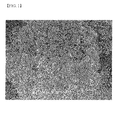
FIG. 1 is a scanning electron microscope (SEM) image of a cathode active material prepared according to Example 1; -
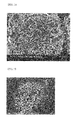
FIG. 2 is an SEM image of a cathode active material prepared according to Comparative Example 1; and -
FIG. 3 is an SEM cross-sectional image of the cathode active material of Example 1. - Now, the present invention will be described in more detail with reference to the following examples. These examples are provided only for illustration of the present invention and should not be construed as limiting the scope and spirit of the present invention.
- A metal hydroxide, M(OH0.6)2 where M=Ni0.6Mn0.2Co0.2, as a primary precursor formed of a transition metal hydrate and Co as a metal material were prepared, the metal hydroxide was coated with 3 wt% of Co through electrolytic decomposition, and the coated metal hydroxide was sintered at a temperature of 890°C to 930°C for 10 hours in air, thereby completing preparation of a Co-coated cathode active material.
- A metal hydroxide, M(OH0.6)2 where M=Ni0.6Mn0.2Co0.2, as a primary precursor was calcined without plating through electrolysis to prepare LiNi0.6Mn0.2Co0.2O2 as a cathode active material for lithium secondary batteries.
- The Ni-based cathode active materials prepared according to Example 1 and Comparative Example 1 were observed using a scanning electron microscope (SEM) and observation results are shown in
FIGS. 1 and2 . In addition, energy-dispersive X-ray spectroscopy (EDX) analysis results of the cathode active material of Example 1 are shown in Table 1 below, and Region 1 and Region 2 shown in Table 1 are illustrated in the SEM cross-sectional image of the cathode active material of Example 1 ofFIG. 3 .[Table 1] Weight % Mn Co Ni Region 1 14.8 25.1 60.2 Region 2 16.8 22.4 60.8 - Referring to
FIG. 1 , it can be confirmed that Co is smoothly coated on a surface of the lithium nickel cobalt manganese oxide of Example 1. In addition, referring toFIG. 3 and Table 1, it can be confirmed that the amount of Co on the surface of the cathode active material is greater than that inside the cathode active material. This is because Co and the primary precursor inside the cathode active material have different synthesis temperatures and thus, even after calcination, Co does not permeate into the primary precursor, but forms a surface different than the inside thereof. - Although the preferred embodiments of the present invention have been disclosed for illustrative purposes, those skilled in the art will appreciate that various modifications, additions and substitutions are possible, without departing from the scope and spirit of the invention as disclosed in the accompanying claims.
- As described above, in a precursor of an electrode active material according to the present invention, even though a primary precursor coated with a metal material is subjected to a subsequent synthesis process, the coating material does not permeate the inside of the electrode active material, but remains on a surface thereof, thereby forming a uniform metal coated film. In addition, the precursor of the electrode active material maybe coated with various metals.
- In addition, according to a method of preparing the precursor of an electrode active material, a large amount of a primary precursor may be coated with a uniform amount of a metal material and may be coated with materials that cannot be coated through co-precipitation.
Claims (18)
- A precursor of an electrode active material for a lithium secondary battery, in which a metal material ionizable through electrolytic decomposition is uniformly coated on a surface of a primary precursor comprising a transition metal hydrate.
- The precursor according to claim 1, wherein the electrolytic decomposition is performed such that the metal material is ionized in an aqueous acid solution, forming an intermediate, followed by reduction.
- The precursor according to claim 2, wherein the intermediate is a metal salt.
- The precursor according to claim 3, wherein the metal salt is a sulfate or a nitrate.
- The precursor according to claim 1, wherein the electrolytic decomposition is performed using a catalyst.
- The precursor according to claim 5, wherein the catalyst is at least one selected from the group consisting of a ZnCl2-based catalyst, a CoCl2-based catalyst, a MnCl2-based catalyst, a NiCl2-based catalyst, and a SnCl2-based catalyst.
- The precursor according to claim 1, wherein the primary precursor is represented by Formula 1 below:
M(OH1-z)2 (1)
wherein 0.5<z<1; and
M comprises at least one element selected from the group consisting of Ni, Mn, Co, Al, Mg, Ti, and Fe, as a main component. - The precursor according to claim 7, wherein, in Formula 1, M is NiaMnbMec, wherein a+b≤1, 0.3≤a≤0.9, 0.1≤b≤0.8, and 0≤c≤0.2; and Me is at least one clement selected from the group consisting of Co, Al, Mg, Ti, Sr, Zn, B, Ca, Cr, Si, Ga, Sn, P, V, Sb, Nb, Ta, Mo, W, Zr, Y, and Fe.
- The precursor according to claim 8, wherein Me comprises Co.
- The precursor according to claim 1, wherein the metal material comprises at least one element selected from an electrolytically decomposable transition metal, P, and Al.
- The precursor according to claim 10, wherein the electrolytically decomposable transition metal is at least one element selected from the group consisting of Ni, Co, Mn, Fe, Sn, Mo, Nd, Zr, and Zn.
- The precursor according to claim 1, wherein the metal material has a coating thickness of 0.1 µm to 1 µm.
- The precursor according to claim 1, wherein an amount of the metal material is 0.01% to 5% based on a total weight of the precursor.
- The precursor according to claim 1, wherein the metal material is completely or partially coated on a surface of the primary precursor.
- A method of preparing the precursor according to claim 1, comprising:preparing a primary precursor in the form of a hydrate;coating the primary precursor with a metal material through electrolytic decomposition; anddrying the coated primary precursor.
- The method according to claim 15, wherein the coating is performed such that the metal material is ionized in an aqueous acid solution, forming an intermediate, followed by reduction.
- An electrode active material prepared by mixing the precursor according to claim 1 and a lithium precursor and heat-treating the mixture.
- The electrode active material according to claim 17, wherein the lithium precursor is at least one selected from the group consisting of LiOH and Li2CO3.
Applications Claiming Priority (2)
| Application Number | Priority Date | Filing Date | Title |
|---|---|---|---|
| KR1020120134343A KR101584114B1 (en) | 2012-11-26 | 2012-11-26 | Precursor for Electrode Active Material Coated with Metal and Method of Preparing the Same |
| PCT/KR2013/010794 WO2014081269A1 (en) | 2012-11-26 | 2013-11-26 | Precursor of electrode active material coated with metal, and method for preparing same |
Publications (3)
| Publication Number | Publication Date |
|---|---|
| EP2884567A1 true EP2884567A1 (en) | 2015-06-17 |
| EP2884567A4 EP2884567A4 (en) | 2016-03-23 |
| EP2884567B1 EP2884567B1 (en) | 2018-01-03 |
Family
ID=50776362
Family Applications (1)
| Application Number | Title | Priority Date | Filing Date |
|---|---|---|---|
| EP13856813.4A Active EP2884567B1 (en) | 2012-11-26 | 2013-11-26 | Method for preparing precursor of electrode active material coated with metal |
Country Status (9)
| Country | Link |
|---|---|
| US (1) | US10243208B2 (en) |
| EP (1) | EP2884567B1 (en) |
| JP (1) | JP5982577B2 (en) |
| KR (1) | KR101584114B1 (en) |
| CN (1) | CN104737334B (en) |
| BR (1) | BR112015007990B8 (en) |
| IN (1) | IN2015DN02619A (en) |
| TW (1) | TWI536641B (en) |
| WO (1) | WO2014081269A1 (en) |
Families Citing this family (5)
| Publication number | Priority date | Publication date | Assignee | Title |
|---|---|---|---|---|
| KR101970207B1 (en) * | 2016-01-05 | 2019-04-18 | 주식회사 에코프로비엠 | Manufacturing method of cobalt coated precusor for cathod active material, cobalt coated precusor made by the same, and cathod active material made using the same |
| EP3471181A4 (en) | 2016-12-21 | 2019-08-21 | LG Chem, Ltd. | COBALT PRECURSOR FOR THE PREPARATION OF AN ACTIVE SUBMERSIBLE BATTERY CATHODE MATERIAL DOPED WITH METAL |
| HUE068477T2 (en) * | 2017-11-21 | 2024-12-28 | Lg Energy Solution Ltd | Positive electrode active material precursor, preparation method thereof, positive electrode active material prepared using same, positive electrode and secondary battery |
| TWI663128B (en) * | 2018-03-27 | 2019-06-21 | 國立清華大學 | Electrode material for secondary battery and secondary battery |
| WO2021145493A1 (en) * | 2020-01-17 | 2021-07-22 | 주식회사 엘 앤 에프 | Precursor particle for producing positive electrode active material comprising coating layer |
Family Cites Families (25)
| Publication number | Priority date | Publication date | Assignee | Title |
|---|---|---|---|---|
| JP3489396B2 (en) | 1997-06-18 | 2004-01-19 | 住友金属鉱山株式会社 | Metal-coated nickel hydroxide for positive electrode material and method for producing the same |
| JP4177480B2 (en) | 1998-05-15 | 2008-11-05 | インターナショナル ソーラー エレクトリック テクノロジー,インコーポレイテッド | Compound semiconductor film and related electronic device manufacturing method |
| JP2000012026A (en) | 1998-06-24 | 2000-01-14 | Shin Kobe Electric Mach Co Ltd | Non-aqueous electrolyte secondary battery |
| JP3956765B2 (en) | 2002-04-30 | 2007-08-08 | 住友電気工業株式会社 | Alloy fine powder, conductive paste using the same, and electroluminescence device |
| KR100437340B1 (en) * | 2002-05-13 | 2004-06-25 | 삼성에스디아이 주식회사 | Method of preparing positive active material for rechargeable lithium battery |
| US7258778B2 (en) * | 2003-03-24 | 2007-08-21 | Eltech Systems Corporation | Electrocatalytic coating with lower platinum group metals and electrode made therefrom |
| CN1540037A (en) | 2003-10-31 | 2004-10-27 | 北京航空航天大学 | Method for preparing cobalt oxide material by adopting electrodeposition method |
| US7335245B2 (en) | 2004-04-22 | 2008-02-26 | Honda Motor Co., Ltd. | Metal and alloy nanoparticles and synthesis methods thereof |
| US7682739B2 (en) | 2004-05-12 | 2010-03-23 | Mitsui Mining & Smelting Co., Ltd. | Negative electrode for nonaqueous secondary battery and process of producing the same |
| US20070298512A1 (en) * | 2005-04-13 | 2007-12-27 | Lg Chem, Ltd. | Material for lithium secondary battery of high performance |
| JP5435063B2 (en) | 2005-11-11 | 2014-03-05 | 三菱マテリアル株式会社 | Method for producing composition for forming electrode of solar cell and method for forming the electrode |
| KR100752703B1 (en) * | 2006-06-29 | 2007-08-29 | 한양대학교 산학협력단 | Cathode active material for lithium secondary battery, manufacturing method thereof, and lithium secondary battery using same |
| KR100836659B1 (en) | 2006-07-06 | 2008-06-10 | 삼성전기주식회사 | Method for producing metal and metal oxide nanoparticles |
| KR100813014B1 (en) | 2006-10-12 | 2008-03-13 | 한국과학기술연구원 | Cathode active material for lithium secondary battery surface-modified with water-based alumina sol and method for preparing same |
| JP2008138268A (en) | 2006-12-04 | 2008-06-19 | Asahi Kasei Chemicals Corp | Method for manufacturing substrate having thin film |
| HUE060257T2 (en) | 2008-04-03 | 2023-02-28 | Lg Energy Solution Ltd | A new precursor for the production of lithium composite transition metal oxide |
| KR20100053758A (en) * | 2008-11-13 | 2010-05-24 | 한국전자통신연구원 | Method of forming cathode active material powder for lithium secondary cell and the powder formed thereby |
| KR101190226B1 (en) | 2008-11-19 | 2012-10-11 | 코스모신소재 주식회사 | Cathode active material for a lithium secondary battery, preparation thereof, and a lithium secondary battery containing the same |
| KR101147601B1 (en) | 2008-12-17 | 2012-05-21 | 주식회사 엘지화학 | Cathode Active Material with Modified Surface |
| CN102292853B (en) * | 2009-02-04 | 2014-05-14 | 独立行政法人产业技术综合研究所 | Fiber electrodes for lithium secondary batteries, manufacturing method therefor, and lithium secondary batteries provided with fiber electrodes |
| CN101510606B (en) * | 2009-03-27 | 2010-11-10 | 北京化工大学 | Composite metal oxide coating spinelle type LiMn2O4 anode material and preparation method |
| JP5720909B2 (en) * | 2010-08-17 | 2015-05-20 | ユミコア | Cathode material precursor with aluminum dry coating and heat treatment |
| JP2013544038A (en) | 2010-11-22 | 2013-12-09 | イー・アイ・デュポン・ドウ・ヌムール・アンド・カンパニー | Ink and method for producing chalcogen-containing semiconductors |
| US9755229B2 (en) | 2011-06-14 | 2017-09-05 | Brookhaven Science Associates, Llc | Intermetallic M—Sn5 (M=Fe, Cu, Co, Ni) compound and a method of synthesis thereof |
| CN102386391B (en) * | 2011-10-27 | 2013-01-30 | 中南大学 | Method for preparing ternary complex anode material (LiNixCoyMn1-x-yO2) |
-
2012
- 2012-11-26 KR KR1020120134343A patent/KR101584114B1/en active Active
-
2013
- 2013-11-26 US US14/440,194 patent/US10243208B2/en active Active
- 2013-11-26 EP EP13856813.4A patent/EP2884567B1/en active Active
- 2013-11-26 JP JP2015532982A patent/JP5982577B2/en active Active
- 2013-11-26 TW TW102143155A patent/TWI536641B/en active
- 2013-11-26 IN IN2619DEN2015 patent/IN2015DN02619A/en unknown
- 2013-11-26 BR BR112015007990A patent/BR112015007990B8/en active IP Right Grant
- 2013-11-26 WO PCT/KR2013/010794 patent/WO2014081269A1/en not_active Ceased
- 2013-11-26 CN CN201380055182.6A patent/CN104737334B/en active Active
Also Published As
| Publication number | Publication date |
|---|---|
| JP5982577B2 (en) | 2016-08-31 |
| BR112015007990B8 (en) | 2023-01-10 |
| KR101584114B1 (en) | 2016-01-13 |
| CN104737334B (en) | 2018-03-23 |
| BR112015007990A2 (en) | 2017-07-04 |
| TWI536641B (en) | 2016-06-01 |
| TW201434196A (en) | 2014-09-01 |
| EP2884567A4 (en) | 2016-03-23 |
| KR20140073607A (en) | 2014-06-17 |
| US10243208B2 (en) | 2019-03-26 |
| CN104737334A (en) | 2015-06-24 |
| JP2015536018A (en) | 2015-12-17 |
| IN2015DN02619A (en) | 2015-09-18 |
| BR112015007990B1 (en) | 2021-09-14 |
| EP2884567B1 (en) | 2018-01-03 |
| WO2014081269A1 (en) | 2014-05-30 |
| US20150280225A1 (en) | 2015-10-01 |
Similar Documents
| Publication | Publication Date | Title |
|---|---|---|
| JP6359323B2 (en) | Surface-modified lithium-containing composite oxide for lithium ion secondary battery positive electrode | |
| KR20220050112A (en) | Lithium secondary battery and preparation method thereof | |
| US7205072B2 (en) | Layered cathode materials for lithium ion rechargeable batteries | |
| EP2940762B1 (en) | Anode active material coated with manganese potassium oxide for lithium secondary battery and method for manufacturing same | |
| KR102420008B1 (en) | Lithium secondary battery and preparation method thereof | |
| US20150079471A1 (en) | Lithium-ion battery positive electrode material and preparation method thereof | |
| EP4080607A1 (en) | Positive electrode active material, method for producing same, and lithium secondary battery including same | |
| KR102156796B1 (en) | Methods of forming carbon coatings | |
| KR101977995B1 (en) | Positive electrode active material coated with boron compounds for lithium secondary battery and preparation method thereof | |
| KR102201686B1 (en) | Positive active material for rechargeable lithium battery, method of preparing the same, and rechargeable lithium battery including the same | |
| CN115191040A (en) | Na-excess P3 type layered oxide Na x M y O z Wherein x is more than or equal to 0.66, y is more than or equal to 0.8 and less than or equal to 1.0, and z is less than or equal to 2 and is used as a cathode material of the sodium-ion battery | |
| JP6493406B2 (en) | Positive electrode active material for non-aqueous electrolyte secondary battery | |
| CN112005409A (en) | Positive electrode active material and battery provided with the same | |
| KR20160059948A (en) | Positive active material for rechargeable lithium battery, and positive active material layer and rechargeable lithium battery including the same | |
| US10243208B2 (en) | Precursor of electrode active material coated with metal and method of preparing the same | |
| EP4080609A1 (en) | Positive electrode active material, method for producing same, and lithium secondary battery including same | |
| JP2022521083A (en) | A lithium secondary battery containing a positive electrode active material, a method for producing the same, and a positive electrode containing the positive electrode. | |
| JP2006344567A (en) | Positive electrode active material for non-aqueous electrolyte secondary battery, method for producing the same, and non-aqueous electrolyte secondary battery using the positive electrode active material | |
| KR20150067004A (en) | Positive electrode for rechargeable lithium battery, preparing the same, and rechargeable lithium battery | |
| JP2023162559A (en) | Lithium composite oxide and its manufacturing method | |
| JP7439748B2 (en) | Positive electrode active material for non-aqueous electrolyte secondary batteries and its manufacturing method | |
| KR102120072B1 (en) | Method for preparing cathode active material for potassium ion secondary battery, positive electrode prepared thereby and potassium ion secondary battery containing the same | |
| JP2008130287A (en) | Manufacturing method of positive electrode active material for non-aqueous electrolyte secondary battery and non-aqueous electrolyte secondary battery | |
| KR20250060117A (en) | Positive electrode active material, battery, and method of manufacturing positive electrode active material |
Legal Events
| Date | Code | Title | Description |
|---|---|---|---|
| PUAI | Public reference made under article 153(3) epc to a published international application that has entered the european phase |
Free format text: ORIGINAL CODE: 0009012 |
|
| 17P | Request for examination filed |
Effective date: 20150311 |
|
| AK | Designated contracting states |
Kind code of ref document: A1 Designated state(s): AL AT BE BG CH CY CZ DE DK EE ES FI FR GB GR HR HU IE IS IT LI LT LU LV MC MK MT NL NO PL PT RO RS SE SI SK SM TR |
|
| AX | Request for extension of the european patent |
Extension state: BA ME |
|
| DAX | Request for extension of the european patent (deleted) | ||
| RA4 | Supplementary search report drawn up and despatched (corrected) |
Effective date: 20160224 |
|
| RIC1 | Information provided on ipc code assigned before grant |
Ipc: C01G 53/00 20060101ALI20160218BHEP Ipc: H01M 10/0525 20100101ALI20160218BHEP Ipc: H01M 4/587 20100101ALN20160218BHEP Ipc: H01M 4/36 20060101ALI20160218BHEP Ipc: H01M 4/505 20100101AFI20160218BHEP Ipc: H01M 4/525 20100101ALI20160218BHEP |
|
| 17Q | First examination report despatched |
Effective date: 20160727 |
|
| REG | Reference to a national code |
Ref country code: DE Ref legal event code: R079 Ref document number: 602013031811 Country of ref document: DE Free format text: PREVIOUS MAIN CLASS: H01M0004130000 Ipc: H01M0004505000 |
|
| GRAP | Despatch of communication of intention to grant a patent |
Free format text: ORIGINAL CODE: EPIDOSNIGR1 |
|
| INTG | Intention to grant announced |
Effective date: 20170906 |
|
| RIC1 | Information provided on ipc code assigned before grant |
Ipc: H01M 4/525 20100101ALI20170825BHEP Ipc: C01G 53/00 20060101ALI20170825BHEP Ipc: H01M 4/36 20060101ALI20170825BHEP Ipc: H01M 4/505 20100101AFI20170825BHEP Ipc: H01M 4/587 20100101ALN20170825BHEP Ipc: H01M 10/0525 20100101ALI20170825BHEP |
|
| GRAS | Grant fee paid |
Free format text: ORIGINAL CODE: EPIDOSNIGR3 |
|
| GRAA | (expected) grant |
Free format text: ORIGINAL CODE: 0009210 |
|
| AK | Designated contracting states |
Kind code of ref document: B1 Designated state(s): AL AT BE BG CH CY CZ DE DK EE ES FI FR GB GR HR HU IE IS IT LI LT LU LV MC MK MT NL NO PL PT RO RS SE SI SK SM TR |
|
| REG | Reference to a national code |
Ref country code: GB Ref legal event code: FG4D |
|
| REG | Reference to a national code |
Ref country code: CH Ref legal event code: EP Ref country code: AT Ref legal event code: REF Ref document number: 961062 Country of ref document: AT Kind code of ref document: T Effective date: 20180115 |
|
| REG | Reference to a national code |
Ref country code: IE Ref legal event code: FG4D |
|
| REG | Reference to a national code |
Ref country code: DE Ref legal event code: R096 Ref document number: 602013031811 Country of ref document: DE |
|
| REG | Reference to a national code |
Ref country code: NL Ref legal event code: MP Effective date: 20180103 |
|
| REG | Reference to a national code |
Ref country code: LT Ref legal event code: MG4D |
|
| REG | Reference to a national code |
Ref country code: AT Ref legal event code: MK05 Ref document number: 961062 Country of ref document: AT Kind code of ref document: T Effective date: 20180103 |
|
| PG25 | Lapsed in a contracting state [announced via postgrant information from national office to epo] |
Ref country code: NL Free format text: LAPSE BECAUSE OF FAILURE TO SUBMIT A TRANSLATION OF THE DESCRIPTION OR TO PAY THE FEE WITHIN THE PRESCRIBED TIME-LIMIT Effective date: 20180103 |
|
| PG25 | Lapsed in a contracting state [announced via postgrant information from national office to epo] |
Ref country code: LT Free format text: LAPSE BECAUSE OF FAILURE TO SUBMIT A TRANSLATION OF THE DESCRIPTION OR TO PAY THE FEE WITHIN THE PRESCRIBED TIME-LIMIT Effective date: 20180103 Ref country code: NO Free format text: LAPSE BECAUSE OF FAILURE TO SUBMIT A TRANSLATION OF THE DESCRIPTION OR TO PAY THE FEE WITHIN THE PRESCRIBED TIME-LIMIT Effective date: 20180403 Ref country code: HR Free format text: LAPSE BECAUSE OF FAILURE TO SUBMIT A TRANSLATION OF THE DESCRIPTION OR TO PAY THE FEE WITHIN THE PRESCRIBED TIME-LIMIT Effective date: 20180103 Ref country code: ES Free format text: LAPSE BECAUSE OF FAILURE TO SUBMIT A TRANSLATION OF THE DESCRIPTION OR TO PAY THE FEE WITHIN THE PRESCRIBED TIME-LIMIT Effective date: 20180103 Ref country code: CY Free format text: LAPSE BECAUSE OF FAILURE TO SUBMIT A TRANSLATION OF THE DESCRIPTION OR TO PAY THE FEE WITHIN THE PRESCRIBED TIME-LIMIT Effective date: 20180103 |
|
| PG25 | Lapsed in a contracting state [announced via postgrant information from national office to epo] |
Ref country code: GR Free format text: LAPSE BECAUSE OF FAILURE TO SUBMIT A TRANSLATION OF THE DESCRIPTION OR TO PAY THE FEE WITHIN THE PRESCRIBED TIME-LIMIT Effective date: 20180404 Ref country code: BG Free format text: LAPSE BECAUSE OF FAILURE TO SUBMIT A TRANSLATION OF THE DESCRIPTION OR TO PAY THE FEE WITHIN THE PRESCRIBED TIME-LIMIT Effective date: 20180403 Ref country code: PL Free format text: LAPSE BECAUSE OF FAILURE TO SUBMIT A TRANSLATION OF THE DESCRIPTION OR TO PAY THE FEE WITHIN THE PRESCRIBED TIME-LIMIT Effective date: 20180103 Ref country code: SE Free format text: LAPSE BECAUSE OF FAILURE TO SUBMIT A TRANSLATION OF THE DESCRIPTION OR TO PAY THE FEE WITHIN THE PRESCRIBED TIME-LIMIT Effective date: 20180103 Ref country code: IS Free format text: LAPSE BECAUSE OF FAILURE TO SUBMIT A TRANSLATION OF THE DESCRIPTION OR TO PAY THE FEE WITHIN THE PRESCRIBED TIME-LIMIT Effective date: 20180503 Ref country code: LV Free format text: LAPSE BECAUSE OF FAILURE TO SUBMIT A TRANSLATION OF THE DESCRIPTION OR TO PAY THE FEE WITHIN THE PRESCRIBED TIME-LIMIT Effective date: 20180103 Ref country code: RS Free format text: LAPSE BECAUSE OF FAILURE TO SUBMIT A TRANSLATION OF THE DESCRIPTION OR TO PAY THE FEE WITHIN THE PRESCRIBED TIME-LIMIT Effective date: 20180103 Ref country code: AT Free format text: LAPSE BECAUSE OF FAILURE TO SUBMIT A TRANSLATION OF THE DESCRIPTION OR TO PAY THE FEE WITHIN THE PRESCRIBED TIME-LIMIT Effective date: 20180103 |
|
| REG | Reference to a national code |
Ref country code: DE Ref legal event code: R097 Ref document number: 602013031811 Country of ref document: DE |
|
| REG | Reference to a national code |
Ref country code: FR Ref legal event code: PLFP Year of fee payment: 6 |
|
| PG25 | Lapsed in a contracting state [announced via postgrant information from national office to epo] |
Ref country code: EE Free format text: LAPSE BECAUSE OF FAILURE TO SUBMIT A TRANSLATION OF THE DESCRIPTION OR TO PAY THE FEE WITHIN THE PRESCRIBED TIME-LIMIT Effective date: 20180103 Ref country code: AL Free format text: LAPSE BECAUSE OF FAILURE TO SUBMIT A TRANSLATION OF THE DESCRIPTION OR TO PAY THE FEE WITHIN THE PRESCRIBED TIME-LIMIT Effective date: 20180103 Ref country code: IT Free format text: LAPSE BECAUSE OF FAILURE TO SUBMIT A TRANSLATION OF THE DESCRIPTION OR TO PAY THE FEE WITHIN THE PRESCRIBED TIME-LIMIT Effective date: 20180103 Ref country code: RO Free format text: LAPSE BECAUSE OF FAILURE TO SUBMIT A TRANSLATION OF THE DESCRIPTION OR TO PAY THE FEE WITHIN THE PRESCRIBED TIME-LIMIT Effective date: 20180103 |
|
| PLBE | No opposition filed within time limit |
Free format text: ORIGINAL CODE: 0009261 |
|
| STAA | Information on the status of an ep patent application or granted ep patent |
Free format text: STATUS: NO OPPOSITION FILED WITHIN TIME LIMIT |
|
| PG25 | Lapsed in a contracting state [announced via postgrant information from national office to epo] |
Ref country code: CZ Free format text: LAPSE BECAUSE OF FAILURE TO SUBMIT A TRANSLATION OF THE DESCRIPTION OR TO PAY THE FEE WITHIN THE PRESCRIBED TIME-LIMIT Effective date: 20180103 Ref country code: SM Free format text: LAPSE BECAUSE OF FAILURE TO SUBMIT A TRANSLATION OF THE DESCRIPTION OR TO PAY THE FEE WITHIN THE PRESCRIBED TIME-LIMIT Effective date: 20180103 Ref country code: SK Free format text: LAPSE BECAUSE OF FAILURE TO SUBMIT A TRANSLATION OF THE DESCRIPTION OR TO PAY THE FEE WITHIN THE PRESCRIBED TIME-LIMIT Effective date: 20180103 Ref country code: DK Free format text: LAPSE BECAUSE OF FAILURE TO SUBMIT A TRANSLATION OF THE DESCRIPTION OR TO PAY THE FEE WITHIN THE PRESCRIBED TIME-LIMIT Effective date: 20180103 |
|
| 26N | No opposition filed |
Effective date: 20181005 |
|
| PG25 | Lapsed in a contracting state [announced via postgrant information from national office to epo] |
Ref country code: SI Free format text: LAPSE BECAUSE OF FAILURE TO SUBMIT A TRANSLATION OF THE DESCRIPTION OR TO PAY THE FEE WITHIN THE PRESCRIBED TIME-LIMIT Effective date: 20180103 |
|
| REG | Reference to a national code |
Ref country code: CH Ref legal event code: PL |
|
| PG25 | Lapsed in a contracting state [announced via postgrant information from national office to epo] |
Ref country code: LU Free format text: LAPSE BECAUSE OF NON-PAYMENT OF DUE FEES Effective date: 20181126 Ref country code: MC Free format text: LAPSE BECAUSE OF FAILURE TO SUBMIT A TRANSLATION OF THE DESCRIPTION OR TO PAY THE FEE WITHIN THE PRESCRIBED TIME-LIMIT Effective date: 20180103 |
|
| REG | Reference to a national code |
Ref country code: BE Ref legal event code: MM Effective date: 20181130 |
|
| REG | Reference to a national code |
Ref country code: IE Ref legal event code: MM4A |
|
| PG25 | Lapsed in a contracting state [announced via postgrant information from national office to epo] |
Ref country code: LI Free format text: LAPSE BECAUSE OF NON-PAYMENT OF DUE FEES Effective date: 20181130 Ref country code: CH Free format text: LAPSE BECAUSE OF NON-PAYMENT OF DUE FEES Effective date: 20181130 |
|
| PG25 | Lapsed in a contracting state [announced via postgrant information from national office to epo] |
Ref country code: IE Free format text: LAPSE BECAUSE OF NON-PAYMENT OF DUE FEES Effective date: 20181126 |
|
| PG25 | Lapsed in a contracting state [announced via postgrant information from national office to epo] |
Ref country code: BE Free format text: LAPSE BECAUSE OF NON-PAYMENT OF DUE FEES Effective date: 20181130 |
|
| PG25 | Lapsed in a contracting state [announced via postgrant information from national office to epo] |
Ref country code: MT Free format text: LAPSE BECAUSE OF NON-PAYMENT OF DUE FEES Effective date: 20181126 |
|
| PG25 | Lapsed in a contracting state [announced via postgrant information from national office to epo] |
Ref country code: TR Free format text: LAPSE BECAUSE OF FAILURE TO SUBMIT A TRANSLATION OF THE DESCRIPTION OR TO PAY THE FEE WITHIN THE PRESCRIBED TIME-LIMIT Effective date: 20180103 |
|
| PG25 | Lapsed in a contracting state [announced via postgrant information from national office to epo] |
Ref country code: PT Free format text: LAPSE BECAUSE OF FAILURE TO SUBMIT A TRANSLATION OF THE DESCRIPTION OR TO PAY THE FEE WITHIN THE PRESCRIBED TIME-LIMIT Effective date: 20180103 |
|
| PG25 | Lapsed in a contracting state [announced via postgrant information from national office to epo] |
Ref country code: MK Free format text: LAPSE BECAUSE OF NON-PAYMENT OF DUE FEES Effective date: 20180103 Ref country code: HU Free format text: LAPSE BECAUSE OF FAILURE TO SUBMIT A TRANSLATION OF THE DESCRIPTION OR TO PAY THE FEE WITHIN THE PRESCRIBED TIME-LIMIT; INVALID AB INITIO Effective date: 20131126 |
|
| P01 | Opt-out of the competence of the unified patent court (upc) registered |
Effective date: 20230323 |
|
| REG | Reference to a national code |
Ref country code: DE Ref legal event code: R081 Ref document number: 602013031811 Country of ref document: DE Owner name: LG ENERGY SOLUTION, LTD., KR Free format text: FORMER OWNER: LG CHEM. LTD., SEOUL, KR |
|
| REG | Reference to a national code |
Ref country code: GB Ref legal event code: 732E Free format text: REGISTERED BETWEEN 20230824 AND 20230831 |
|
| REG | Reference to a national code |
Ref country code: FI Ref legal event code: PCE Owner name: LG ENERGY SOLUTION, LTD., KR |
|
| PGFP | Annual fee paid to national office [announced via postgrant information from national office to epo] |
Ref country code: DE Payment date: 20251020 Year of fee payment: 13 |
|
| PGFP | Annual fee paid to national office [announced via postgrant information from national office to epo] |
Ref country code: GB Payment date: 20251023 Year of fee payment: 13 |
|
| PGFP | Annual fee paid to national office [announced via postgrant information from national office to epo] |
Ref country code: FI Payment date: 20251020 Year of fee payment: 13 |
|
| PGFP | Annual fee paid to national office [announced via postgrant information from national office to epo] |
Ref country code: FR Payment date: 20251021 Year of fee payment: 13 |