EP2881949A1 - Library device, control method therefor, and library control device - Google Patents
Library device, control method therefor, and library control device Download PDFInfo
- Publication number
- EP2881949A1 EP2881949A1 EP13825278.8A EP13825278A EP2881949A1 EP 2881949 A1 EP2881949 A1 EP 2881949A1 EP 13825278 A EP13825278 A EP 13825278A EP 2881949 A1 EP2881949 A1 EP 2881949A1
- Authority
- EP
- European Patent Office
- Prior art keywords
- recording medium
- take
- drive device
- library
- destination drive
- Prior art date
- Legal status (The legal status is an assumption and is not a legal conclusion. Google has not performed a legal analysis and makes no representation as to the accuracy of the status listed.)
- Granted
Links
Images



Classifications
-
- G—PHYSICS
- G11—INFORMATION STORAGE
- G11B—INFORMATION STORAGE BASED ON RELATIVE MOVEMENT BETWEEN RECORD CARRIER AND TRANSDUCER
- G11B27/00—Editing; Indexing; Addressing; Timing or synchronising; Monitoring; Measuring tape travel
- G11B27/002—Programmed access in sequence to a plurality of record carriers or indexed parts, e.g. tracks, thereof, e.g. for editing
-
- G—PHYSICS
- G11—INFORMATION STORAGE
- G11B—INFORMATION STORAGE BASED ON RELATIVE MOVEMENT BETWEEN RECORD CARRIER AND TRANSDUCER
- G11B15/00—Driving, starting or stopping record carriers of filamentary or web form; Driving both such record carriers and heads; Guiding such record carriers or containers therefor; Control thereof; Control of operating function
- G11B15/675—Guiding containers, e.g. loading, ejecting cassettes
- G11B15/68—Automatic cassette changing arrangements; automatic tape changing arrangements
- G11B15/682—Automatic cassette changing arrangements; automatic tape changing arrangements with fixed magazines having fixed cassette storage cells, e.g. in racks
- G11B15/6835—Automatic cassette changing arrangements; automatic tape changing arrangements with fixed magazines having fixed cassette storage cells, e.g. in racks the cassettes being transferred to a fixed recorder or player using a moving carriage
-
- G—PHYSICS
- G11—INFORMATION STORAGE
- G11B—INFORMATION STORAGE BASED ON RELATIVE MOVEMENT BETWEEN RECORD CARRIER AND TRANSDUCER
- G11B15/00—Driving, starting or stopping record carriers of filamentary or web form; Driving both such record carriers and heads; Guiding such record carriers or containers therefor; Control thereof; Control of operating function
- G11B15/675—Guiding containers, e.g. loading, ejecting cassettes
- G11B15/68—Automatic cassette changing arrangements; automatic tape changing arrangements
- G11B15/6885—Automatic cassette changing arrangements; automatic tape changing arrangements the cassettes being conveyed within a cassette storage location, e.g. within a storage bin or conveying by belt
-
- G—PHYSICS
- G11—INFORMATION STORAGE
- G11B—INFORMATION STORAGE BASED ON RELATIVE MOVEMENT BETWEEN RECORD CARRIER AND TRANSDUCER
- G11B15/00—Driving, starting or stopping record carriers of filamentary or web form; Driving both such record carriers and heads; Guiding such record carriers or containers therefor; Control thereof; Control of operating function
- G11B15/675—Guiding containers, e.g. loading, ejecting cassettes
- G11B15/68—Automatic cassette changing arrangements; automatic tape changing arrangements
- G11B15/689—Control of the cassette changing arrangement
-
- G—PHYSICS
- G11—INFORMATION STORAGE
- G11B—INFORMATION STORAGE BASED ON RELATIVE MOVEMENT BETWEEN RECORD CARRIER AND TRANSDUCER
- G11B17/00—Guiding record carriers not specifically of filamentary or web form, or of supports therefor
- G11B17/22—Guiding record carriers not specifically of filamentary or web form, or of supports therefor from random access magazine of disc records
- G11B17/225—Guiding record carriers not specifically of filamentary or web form, or of supports therefor from random access magazine of disc records wherein the disks are transferred from a fixed magazine to a fixed playing unit using a moving carriage
-
- G—PHYSICS
- G11—INFORMATION STORAGE
- G11B—INFORMATION STORAGE BASED ON RELATIVE MOVEMENT BETWEEN RECORD CARRIER AND TRANSDUCER
- G11B17/00—Guiding record carriers not specifically of filamentary or web form, or of supports therefor
- G11B17/22—Guiding record carriers not specifically of filamentary or web form, or of supports therefor from random access magazine of disc records
- G11B17/228—Control systems for magazines
Definitions
- the drive device management table 742 may be stored in the memory unit 84 of the library management device 8.
- the take-out control unit 72 Since the take-out request target recording medium 2 is assumed to be a recording medium 2 (A), the take-out control unit 72 reads, from the recording medium management table, the "rear position" information, which is the recorded storage position information associated with the recording medium 2 (A). As a result, the take-out control unit 72 determines to perform an evacuation process. When performing the evacuation process, the take-out control unit 72 first identifies the drive device that is going to be the evacuation destination of the recording medium 2 stored in the front position of the recording medium 2 (A). In the case of performing an evacuation destination drive device detection process, the take-out control unit 72 reads the identification information of the take-out destination drive device from the take-out command.
- the memory unit 74 of the library control device 7 stores a drive device management table 742.
- the memory unit 84 of the library management device 8 may store the drive device management table 742.
- the management unit 83 of the library management device 8 may identify the evacuation destination drive device 5 by means of a process similar to the process described above, and may notify the library control device 7.
- the take-out control unit 72 After the operation interruption control unit 73 has transmitted the "medium absent status request", as an evacuation process, the take-out control unit 72 reads from the recording medium management table 741 the identification information of the recording medium 2 that is stored in the front position of the recording medium 2 (A) that is the take-out request target.
- the identification information of the recording medium 2 stored in the front position of the recording medium 2 (A) is recording medium 2 (B). Therefore, the take-out control unit 72 identifies the recording medium 2 (B) stored in the front position of the recording medium 2 (A) that is the take-out request target, as being the evacuation target recording medium 2.
- the take-out control unit 72 outputs to the accessor 6, a discharge control signal that includes: the identification information "cell C (2)" of the cell in which the evacuation target recording medium 2 (B) is stored; the storage position information "front”; and the identification information of the evacuation destination drive device 5 (step S106).
- the accessor 6 Based on the cell identification information "cell C (2)" and the storage position information "front”, the accessor 6 performs an operation of taking out the recording medium 2 (B) to the evacuation destination drive device 5. Specifically, (the driving unit of) the accessor 6 that takes out the recording medium 2 takes out the recording medium 2 (B) from the front storage position of the cell C (2), then drives on the rail on the front side of the library 3 to make parallel movement, and stops in front of the drive device 5.
- the accessor 6 moves the recording medium 2 (B) in the up-down direction to the height of the front entrance of the drive device 5, and positions it at the front entrance.
- the recording medium 2 (B) stored at the front position of the take-out request target recording medium 2 (A) is positioned at the front entrance of the evacuation destination drive device 5.
- the accessor 6 transmits an evacuation completion indication signal to the library control device 7.
- the take-out control unit 72 of the library control device 7 receives the signal that indicates the evacuation completion (step S107). Consequently, the take-out control unit 72 removes information of the recording medium 2 (B) that is recorded in the recording medium management table 741. Furthermore, the take-out control unit 72 records the identification information of the recording medium 2 (B) in the drive device management table 742 while associating it with the identification information of the drive device 5.
- the take-out control unit 72 may record, in a memory or the like, the identification information and storage position information of the original cell from which the recording medium 2 (B) is to be taken out and in which it was stored.
- the take-out control unit 72 instead of the identification information of the recording medium 2 (B) recorded in the recording medium management table 741, may record information that indicates the original storage position of the recording medium 2 (B), in a record position of the recording medium management table 741.
- the take-out control unit 72 outputs to the accessor 6, a discharge control signal that includes: the identification information "cell C (2)" of the cell in which the take-out request target recording medium 2 (A) is stored; the storage position information "rear”; and the identification information of the take-out destination drive device 4 (step S108). Consequently, based on the cell identification information "cell C (2)" and the storage position information "rear", the accessor 6 performs an operation of taking out the recording medium 2 (A) to the take-out destination drive device 4. Specifically, the accessor 6 takes out the recording medium 2 (A) from the rear storage position of the cell C (2), drives on the rail on the front side of the library 3 to make parallel movement, and stops in front of the drive device 4.
- the accessor 6 moves the recording medium 2 (A) in the up-down direction to the height of the front entrance of the drive device 4, and positions it at the front entrance.
- the take-out request target recording medium 2 (A) is positioned at the front entrance of the take-out destination drive device 4.
- the operation interruption control unit 73 of the library control device 7 does not transmit a "medium absent status request" to the drive device 4. Therefore, when the recording medium 2 (A) positioned at the front entrance has been detected by a sensor, the drive device 4 outputs a "medium present” indication signal in response to polling from the library management device 8 (step S109).
- the management unit 83 of the library management device 8 receives the signal indicating "medium present”. In response to the reception of this signal, the management unit 83 outputs to the library control device 7, a signal that instructs a draw-in operation for information reading/writing to be performed on the recording medium 2 (A) that is discharged to the drive device 4 (step S110).
- the take-out control unit 72 outputs to the accessor 6, a discharge control signal that includes: the identification information of the recording medium 2 (B); the identification information "cell C (2)" of the cell, which is the original storage location of the recording medium 2 (B); and the storage position information "front” (step S 114).
- the accessor 6 Based on the cell identification information "cell C (2)" and the storage position information "front", the accessor 6 performs an operation of taking out the recording medium 2 (B) to the storage location of the library 3, from which it was originally taken out. Specifically, the accessor 6 takes out the recording medium 2 (B) from the front entrance of the drive device 5, then moves parallelly on the rail on the front side of the library 3, and stops in front of the cell C (2) in the library 3. Furthermore, the accessor 6 stores the recording medium 2 (B) in the front storage position of the cell C (2). As a result, the evacuation target recording medium 2 (B) has been moved to the front storage location of the cell C (2), from which it was originally taken out.
- the take-out control unit 72 transmits a "status release request" to the drive device 5 that has been identified as an evacuation destination (step S115). As a result, the drive device 5 releases the status change based on the "medium absent status request”. Then, the drive device 5 transmits to the library control device 7, a signal that indicates the status release completion (step S116). Accordingly, in response to polling from the library management device 8, the drive device 5 transmits "medium present” information if a recording medium 2 is present at the front entrance.
- take-out control unit 72 determines in step S102 that the evacuation process is not performed, it performs the normal take-out process described below (step S117). That is to say, if the storage position of the take-out request target recording medium 2 is "front", the take-out control unit 72 reads the identification information of the take-out request target recording medium 2 and the identification information of the take-out destination drive device based on the take-out command received from the library management device 8. As an alternative method, the take-out control unit 72 may identify the take-out destination drive device 4 based on a predetermined process. The take-out control unit 72 reads the identification information of the cell that is recorded in the recording medium management table while being associated with the identification information of the take-out request target recording medium 2. The take-out control unit 72 then identifies the cell which has been read as being the identification information of the cell in which the take-out request target recording medium 2 is stored.
- the operation interruption control unit 73 of the library control device 7 when performing a draw-in operation interruption control, the operation interruption control unit 73 of the library control device 7 outputs, to the drive device used as an evacuation destination of the recording medium 2, a detection interruption request for the recording medium 2.
- the evacuation destination drive device when a detection interruption request has been received, the evacuation destination drive device, even in a state of having detected the recording medium 2, interrupts the detection notification of the recording medium 2 to the library management device 8. Accordingly, the library management device 8 does not instruct an operation of drawing the recording medium 2 into the evacuation destination drive device.
- the drive device In the case where the sensor detects a recording medium using the reflection of light emitted to the recording medium, there may be performed a control of stopping the light emission or lowering the light intensity. Accordingly, the drive device becomes unable to detect recording media, and no longer transmits "medium present” in response to polling from the library management device 8.
- the drive device may perform any type of control as long as the control eliminates transmission of "medium present” in response to polling from the library management device 8, based on a detection interruption request such as "medium absent status request". For example, it may be considered that the drive device moves the recording medium placed at the front entrance, to a position where it structurally cannot be detected by the sensor, or signals from the sensor are interrupted.
- the cell C stores at least the recording medium 2 (B) (first recording medium), and the recording medium 2 (A) (second recording medium) that is a take-out request target.
- the accessor 6 takes out the recording medium 2 (A) from the cell C after taking out the recording medium 2 (B) from the cell C.
- the drive device 5 (evacuation destination drive device) receives the recording medium 2 (B) taken out by the accessor 6.
- the drive device 4 draws in the recording medium 2 (A) taken out by the accessor 6.
- the operation interruption control unit 74 performs a control that interrupts an operation of the drive device 5 drawing in the recording medium 2 (A) taken in the drive device 5.
- the opening portion O of the cell C discharges the recording media 2 (A) and 2 (B).
- the cell C stores the recording medium 2 (A) in the rear of the recording medium 2 (B) with respect to the opening portion O.
- the accessor 6 takes out the recording medium 2(B) from the drive device 5 after the drive device 5 receives the recording medium 2 (B) and before the drive device 5 draws in the recording medium 2(B).
- the accessor 6 takes out the recording medium 2 (B) from the take-out drive device after the drive device 4 draws in the recording medium 2 (A) and before the drive device 5 draws in the recording medium 2 (B).
- the respective devices in the above description may have a computer system internally.
- the steps of the respective processes described above may be stored in a program format on a computer-readable recording medium, and the processes may be performed by a computer reading and executing this program.
- Examples of computer-readable recording medium include magnetic disk, magnetic optical disk, CD-ROM, DVD-ROM, and semiconductor memory.
- This computer program may be distributed through a communication line, and another computer that received this distribution may execute the program.
- difference file difference program
- the present invention may be applied to a library device, a control method therefor, and a library control device.
- the process of taking out a recording medium which is a take-out request target, can be completed normally, and information can normally be read from or written in the recording medium without any effort by the administrator.
Landscapes
- Automatic Tape Cassette Changers (AREA)
- Automatic Disk Changers (AREA)
Abstract
Description
- The present invention relates to a library device including a recording medium storage unit which stores a plurality of memory media, a control method therefor, and a library control device.
- Up until now, as an example of a library device, there has been known a deep-cell type library device (for example, refer to Patent Document 1). This deep-cell type library device includes a recording medium storage unit, a drive device, and an accessor mechanism. The recording medium storage unit stores a plurality of recording media (for example, data cartridges such as tapes and disks) in a manner of arranging them in the depth direction from the front side to the rear side. The drive device reads information recorded on the recording medium and writes information in the recording medium. The accessor mechanism takes a recording medium from the recording medium storage unit to the drive device, and takes a recording medium from the drive device to the recording medium storage unit. Moreover, the accessor mechanism pulls a recording medium from the drive device, and inserts a recording medium into the drive device.
- [Patent Document 1] Japanese Unexamined Patent Application, First Publication No.
2011-146087 - Here is described a case where a library device that employs an deep-cell type technique such as one described above receives a request from a server for taking out a recording medium stored in the rear of the recording medium storage unit, in order to read/write information. In this case, the library device performs a control such that a recording medium that is stored in front of the recording medium of the take-out request target is taken out first, and it is then taken to the front entrance of a drive device of its evacuation destination. Then, the library device performs a control such that the take-out target recording medium is taken out to a drive device that draws in and drives the recording medium. The library device transports and returns the recording medium, which has temporarily been evacuated to the front entrance of the evacuation destination drive device, to the original recording medium storage unit in this manner, and thereby it notifies a library management device of the server of the completion of the process of taking out the take-out target recording medium.
- In the case where, in order to take out a rear recording medium, a recording medium that has been stored in front thereof is temporarily taken out to an evacuation destination drive device, the evacuation destination drive device may detect the recording medium that has been brought in and evacuated temporarily at the front entrance of the drive device itself in some cases. In this type of case, the drive device notifies the library management device of the server that the recording medium has been brought to the front entrance. When the library management device receives this type of notification, it transmits a draw-in operation start command to the drive device in order to cause the drive device to read/write information of the recording medium that has been temporarily evacuated at the front entrance. In this case, the evacuation destination drive device draws in the recording medium that has been temporarily evacuated at the front entrance, and, for example, an information reading operation starts.
- In this type of case, the evacuation target recording medium is drawn into the drive device, and an information reading operation starts. Accordingly, in order to immediately stop this operation, the library management device needs to transmit a force termination command to the drive device. Therefore, it becomes impossible, after having transported the take-out target recording medium to a transport destination drive device, to immediately transport and return the recording medium that has been temporarily evacuated at the front entrance of the evacuation destination drive device to the original recording medium storage unit, without an effort of the administrator. Accordingly, the control origin of the library device is unable to notify the server of the completion of the take-out process of the take-out target recording medium. Consequently, the server is unable to receive notification of the completion of the take-out process of the take-out target recording medium. As a result, smooth command output becomes compromised for information reading/writing processes (such as a backup process) to be performed on the take-out target recording medium.
- If the library device is a library device that can store only a single recording medium in the depth direction unlike the one that employs the deep-cell type technique, there is no need for performing control for evacuating the recording medium stored in front of the take-out target recording medium. However, this type of library device has a reduced recording medium storage location, and has disadvantages such as the maximum number of mountable recording media being reduced.
- An exemplary object of the present invention is to provide a library device, a library control device, and a control method therefore, capable of solving the problem above.
- A library device according to an aspect of the present invention includes: a recording medium storage unit that stores at least a first recording medium, and a second recording medium that is a take-out request target; an accessor that takes out the second recording medium from the recording medium storage unit after taking out the first recording medium from the recording medium storage unit; an evacuation destination drive device that receives the first recording medium taken out by the accessor; a take-out destination drive device that draws in the second recording medium taken out by the accessor; and an operation interruption control unit that performs a control that interrupts an operation of the evacuation destination drive drawing in the second recording medium taken in the evacuation destination drive device.
- A library control device according to an aspect of the present invention controls a library device including a recording medium storage unit that stores at least a first recording medium, and a second recording medium that is a take-out request target. The library control device includes: a take-out control unit that instructs an accessor to take out the second recording medium from the recording medium storage unit after taking out the first recording medium from the recording medium storage unit, the take-out control unit instructing a take-out destination drive device to draw in the first recording medium taken in the take-out destination drive device; and an operation interruption control unit that performs a control that interrupts an operation of the evacuation destination drive drawing in the second recording medium taken in the evacuation destination drive device.
- A control method according an aspect of the present invention, for controlling a library device including a recording medium storage unit that stores at least a first recording medium, and a second recording medium that is a take-out request target, includes: instructing an accessor to take out the second recording medium from the recording medium storage unit after taking out the first recording medium from the recording medium storage unit; instructing a take-out destination drive device to draw in the first recording medium taken in the take-out destination drive device; and performing a control that interrupts an operation of the evacuation destination drive drawing in the second recording medium taken in the evacuation destination drive device.
- According to the present invention, the process of taking out a recording medium which is a take-out request target, can be completed normally, and information can normally be read from or written in the recording medium without any effort by the administrator.
-
-
FIG. 1 is a block diagram showing a configuration of a library device according to an exemplary embodiment of the present invention. -
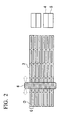
FIG. 2 is an external view of the library device according to the exemplary embodiment of the present invention. -
FIG. 3 is a function block diagram of a library control device according to the exemplary embodiment of the present invention. -
FIG. 4 is a function block diagram of a library management device according to the exemplary embodiment of the present invention. -
FIG. 5 is a diagram showing a recording medium management table stored in the library control device according to the exemplary embodiment of the present invention. -
FIG. 6 is a diagram showing a drive device management table stored in the library control device according to the exemplary embodiment of the present invention. -
FIG. 7 is a diagram showing a process flow of the library control device and the library management device according to the exemplary embodiment of the present invention. - Hereunder, a library device and a library control device according to exemplary embodiments of the present invention are described, with reference to the drawings.
-
FIG. 1 is a block diagram showing a configuration of a library device according to an exemplary embodiment of the present invention. -
FIG. 1 shows an example of a case where alibrary device 1 according to the exemplary embodiment of the present invention is seen from above. Thelibrary device 1 includes alibrary 3, and drivedevices library 3 stores a plurality of recordingmedia 2. Thedrive devices recording medium 2 and write information in therecording medium 2. Thelibrary device 1 includes an accessor 6 that takes out recording media stored in thelibrary 3 to thedrive devices library control device 7 equipped therewith. Thelibrary device 1 may include configurations other than that described above. - The
library 3 has a plurality of recording medium storage units that store a plurality of recordingmedia 2 in a manner of arranging them in the depth direction from the front side to the rear side. One recording medium storage unit is referred to as cell C. In thelibrary 3, the cells C may be provided in the up-down and left-right directions.FIG. 1 shows a state where each cell C stores tworecording media 2 in the depth direction as an example, however it is not limited to this configuration. Each cell C may be configured so as to be able to store three or more recording media. Therecording media 2 may be data cartridges such as tapes and disks. Therecording media 2 may also be other types of recording media. - When a
recording medium 2 is positioned at the front entrance of the draw-in entry by the accessor 6, thedrive devices recording medium 2. Next, thedrive devices recording medium 2, and draw in therecording medium 2 based on a command from the external device. In the present exemplary embodiment, an example of a case where thelibrary device 1 includes twodrive devices 2 is described, however the configuration is not limited to this. Thelibrary device 1 may include three or more drive devices. - The accessor 6 functions as a driving unit that, based on external control, takes out a
recording medium 2 stored in each cell C of thelibrary 3, and transports it to thedrive device 4 or thedrive device 5. Moreover, the accessor 6 functions as a driving unit that, based on external control, takes out arecording medium 2 from thedrive device 4 or thedrive device 5, and transports it to thelibrary 3. In the present exemplary embodiment, an example of a case where the accessor 6 has alibrary control device 7 equipped therewith is described, however the configuration is not limited to this. Thelibrary control device 7 may control, via a communication line or the like, an accessor 6 that is installed at another location within thelibrary device 1. - The arrow R1 in
FIG. 1 denotes the accessor 6 transporting a recording medium 2 (A) ("recording medium A" inFIG. 1 ) to thedrive device 4. The arrow R2 denotes the accessor 6 evacuating a recording medium 2 (B) ("recording medium B" inFIG. 1 ) to thedrive device 5, and then returning the recording medium 2 (B) to the original position. - The
library management device 8 shown inFIG. 1 is connected to thelibrary device 1 via a communication network. Thelibrary management device 8 includes a computer server. Thelibrary management device 8 executes a preliminarily stored library management application program by means of a CPU (central processing unit). By means of functions of this application program, thelibrary management device 8 outputs various command signals to thelibrary control device 7 and thedrive devices -
FIG. 2 is an external view of the library device according to the exemplary embodiment of the present invention. -
FIG. 2 shows an example of a case where thelibrary device 1 is seen from the front. As shown inFIG. 2 , thelibrary 3 has a plurality of cells C arranged in the up-down and left-right directions. As shown inFIG. 2 , each cell C has an opening portion O through which arecording medium 2 is discharged. As described above, each cell C stores a plurality ofrecording media 2 in a manner of arranging them in the depth direction of the cell C. In the present exemplary embodiment, thedrive devices library 3. Moreover, in the present exemplary embodiment, the accessor 6 is installed, so as to be capable of parallel movement, at a position that enables it to take arecording medium 2 in and out of thedrive devices library 3. Thelibrary 3, and thedrive devices library 3 and thedrive devices -
FIG. 3 is a function block diagram of the library control device according to the exemplary embodiment of the present invention. - As shown in
FIG. 3 , thelibrary control device 7 includes each function unit of acommunication unit 71, a take-outcontrol unit 72, and an operationinterruption control unit 73. Moreover, thelibrary control device 7 includes amemory unit 74. - The
communication unit 71 performs communication with thelibrary management device 8 and thedrive devices - Based on controls of the
library management device 8, the take-outcontrol unit 72 controls transportation ofrecording media 2 from thelibrary 3 to thedrive devices library management device 8, the take-outcontrol unit 72 controls transportation ofrecording media 2 from thedrive devices library 3 performed by the accessor 6. - The operation
interruption control unit 73 performs a control for interrupting a draw-in operation performed by thedrive devices - The
memory unit 74 stores information used by thelibrary control device 7 for respective controls. -
FIG. 4 is a function block diagram of the library management device according to the exemplary embodiment of the present invention. - As shown in
FIG. 4 , thelibrary management device 8 includes each function unit of acommunication unit 81, acontrol unit 82, and amanagement unit 83. These functional units are realized on a computer of thelibrary management device 8 by the computer executing a library management application program. Moreover, thelibrary management device 8 includes amemory unit 84. - The
communication unit 81 performs communication with thelibrary control device 7 and thedrive devices - The
control unit 82 controls each function unit of thelibrary management device 8. - The management unit 83 (draw-in operation instruction unit) performs management processing of the
library control device 7 and thedrive devices - The
memory unit 84 stores information used by thelibrary management device 8 for respective processes. - According to the library device of the present exemplary embodiment, when a take-out request
target recording medium 2 stored in the rear among therecording media 2 stored in thelibrary 3 is to be taken out, the take-outcontrol unit 72 of thelibrary control device 7 performs a control such that therecording medium 2 that is stored in front of therecording medium 2 of the take-out request target is taken out first, and it is then taken to a drive device of its evacuation destination. Then, thelibrary control device 7 performs a control such that the take-out requesttarget recording medium 2 is taken out to a drive device that drives therecording medium 2 for information reading/writing. Here, upon receiving a notification of detection of therecording medium 2 from the drive device, thelibrary management device 8 performs a process to instruct the drive device to perform a draw-in operation for reading/writing information from/into the detectedrecording medium 2. Accordingly, in the case where therecording medium 2 has been transported to the evacuation destination drive device, the operationinterruption control unit 73 of thelibrary control device 7 performs a control for interrupting a draw-in operation to be performed on therecording medium 2 by the evacuation destination drive device. - In the present exemplary embodiment, when performing this draw-in operation interruption control, the operation
interruption control unit 73 of thelibrary control device 7 outputs to the drive device identified as an evacuation destination of therecording medium 2, a detection interruption request for therecording medium 2. When a detection interruption request has been received, the evacuation destination drive device, even in a state of having detected therecording medium 2, interrupts the detection notification of therecording medium 2 to thelibrary management device 8. Thereby, thelibrary management device 8 instructs the evacuation destination drive device to interrupt the draw-in operation of therecording medium 2. At this time, even when therecording medium 2 is positioned at the front entrance of the draw-in entry of the evacuation destination drive device and therecording medium 2 has been detected, the draw-in operation is not performed. Therefore, the accessor 6 can, after having transported the take-out requesttarget recording medium 2 to the take-out destination drive device (driving drive device), take out the evacuatedrecording medium 2 and transport it to the original cell C of thelibrary 3. As a result, the take-out process of the take-out requesttarget recording medium 2 is completed normally. In this case, the evacuated recording medium will not be drawn into the drive device, and hence there is no need for the administrator to perform an operation for forced termination, which is performed after the medium has been drawn in. Therefore, information reading/writing on therecording medium 2, which is a take-out request target, can be completed normally without delays and without any effort being made by the administrator. -
FIG. 5 is a diagram showing a recording medium management table stored in the library control device according to the exemplary embodiment of the present invention. - The
memory unit 74 of thelibrary control device 7 stores a recording medium management table 741. As shown inFIG. 5 , the recording medium management table 741 stores identification information ofrecording media 2 while associating the identification number of each cell C (cell C (1) through C (3)) with storage position information indicating the "front" position and the "rear" position of each cell C. - The
library control device 7 reads information of the recording medium management table 741. Thereby, thelibrary control device 7 can detect, for example, a recording medium 2 (B) being stored in the front position of the cell C (2) and a recording media 2 (A) being stored in the rear position of the cell C (2). - The recording medium management table 741 may be stored in the
memory unit 84 of thelibrary management device 8. -
FIG. 6 is a diagram showing a drive device management table stored in the library control device according to the exemplary embodiment of the present invention. - The
memory unit 74 of thelibrary control device 7 stores a drive device management table 742. As shown inFIG. 6 , the drive device management table 742 stores information indicating usage status of thedrive devices library control device 7 determines that transportation of arecording medium 2 to this drive device is possible. For a drive device that is associated with information indicating the in-use status in the drive device management table 742, thelibrary control device 7 determines that transportation of arecording medium 2 to this drive device is not possible. In the case where information indicating the in-use status of a drive device is recorded in the drive device management table 742, the identification information of therecording medium 2 that has been taken out to this drive device may be associated with the identification information of the drive device and recorded as recording medium identification information. - The drive device management table 742 may be stored in the
memory unit 84 of thelibrary management device 8. - Next, details of a process flow of the
library control device 7 and thelibrary management device 8 according to the exemplary embodiment of the present invention are described sequentially, with reference toFIG. 7 . - First, based for example on a backup command or the like, the
management unit 83 of thelibrary management device 8 detects that a process of backing up information stored in arecording medium 2 is to be performed. Moreover, themanagement unit 83 detects the identification information of therecording medium 2, which is the target of the take-out command to a drive device, for the backup process. Here, it is assumed that the take-out requesttarget recording medium 2 is a recording medium 2 (A). Themanagement unit 83 transmits a take-out command that includes the identification information of the recording medium 2 (A) to thelibrary control device 7 via the communication unit 81 (step S101). The take-out command may include the identification information of the take-out destination drive device determined by themanagement unit 83. Alternatively, the take-outcontrol unit 72 of thelibrary control device 7 may identify a take-out destination drive device among the drive devices that are associated with information from the drive device management table 742 indicating the not-in-use status. - Upon receiving the take-out command via the
communication unit 71, the take-outcontrol unit 72 of thelibrary control device 7 reads the identification information of the recording medium 2 (A) from the take-out command, and detects the recording medium 2 (A) as being a take-out request target. Then, the take-outcontrol unit 72 reads, from the recording medium management table 741 stored in thememory unit 74, storage position information recorded in and associated with the identification information of therecording medium 2, which is the take-out request target. The take-outcontrol unit 72 performs a take-out process for the take-out requesttarget recording medium 2 based on the read storage position information. At this time, the take-outcontrol unit 72 determines whether or not to perform an evacuation process (step S102). Specifically, the take-outcontrol unit 72 determines not to perform an evacuation process if the read storage position information indicates the front position. On the other hand, the take-outcontrol unit 72 determines to perform an evacuation process if the read storage position information indicates the rear position. - Since the take-out request
target recording medium 2 is assumed to be a recording medium 2 (A), the take-outcontrol unit 72 reads, from the recording medium management table, the "rear position" information, which is the recorded storage position information associated with the recording medium 2 (A). As a result, the take-outcontrol unit 72 determines to perform an evacuation process. When performing the evacuation process, the take-outcontrol unit 72 first identifies the drive device that is going to be the evacuation destination of therecording medium 2 stored in the front position of the recording medium 2 (A). In the case of performing an evacuation destination drive device detection process, the take-outcontrol unit 72 reads the identification information of the take-out destination drive device from the take-out command. Then, the take-outcontrol unit 72 identifies, from the drive device management table 742, whether a drive device that is not in use is present among the drive devices other than the take-out destination drive device. The take-out command is assumed to include identification information of the "drive device 4" as the identification of the take-out destination drive device. In this case, the take-outcontrol unit 72 reads the identification information of the drive devices that are associated with identification information of drive devices other than thedrive device 4, and that have information indicating the not-in-use status (not in use) recorded therefor (such as drive device 5). For example, the take-outcontrol unit 72 identifies the identification information of thedrive device 5, which is one of the read identification information, as the identification information of the evacuation destination drive device. The take-outcontrol unit 72 then notifies the operationinterruption control unit 73 of the identification information of the identified drive device. Then, based on the identification information of the evacuation destination drive device, the operationinterruption control unit 73 reads the communication address of the evacuation destination drive device from thememory unit 74. The operationinterruption control unit 73 transmits to the communication address a "medium absent status request (detection interruption request)" (step S103). - In the present exemplary embodiment, there has been an example of a case where the
memory unit 74 of thelibrary control device 7 stores a drive device management table 742. However, thememory unit 84 of thelibrary management device 8 may store the drive device management table 742. In this case, themanagement unit 83 of thelibrary management device 8 may identify the evacuationdestination drive device 5 by means of a process similar to the process described above, and may notify thelibrary control device 7. - The
drive device 4 or thedrive device 5 normally, in the case where arecording medium 2 is positioned at the front entrance of the draw-in entry thereof and is detected by a sensor, outputs a signal that indicates "medium present (that a recording medium is present)", in response to polling from thelibrary management device 8. As a result, themanagement unit 83 of thelibrary management device 8 outputs, to thedrive device 4 or thedrive device 5 that output the signal indicating "medium present", a signal that instructs a draw-in operation for information reading/writing to be performed on therecording medium 2. Thedrive device 4 or thedrive device 5 that received this signal performs an operation to draw in therecording medium 2 positioned at the front entrance. However, in the present exemplary embodiment, thedrive device 5 has received a "medium absent status request". Accordingly, thedrive device 5, even if arecording medium 2 is positioned at the front entrance of the draw-in entry thereof and is detected, does not output a signal that indicates "medium present" in response to polling from thelibrary management device 8, and sets the status so that a "medium absent" indication signal is output (step S104). Therefore, thedrive device 5 outputs a "medium absent" indication signal in response to polling from thelibrary management device 8. Thereby themanagement unit 83 of thelibrary management device 8 does not output, to thedrive device 5, a signal that instructs a draw-in operation. As a result, thedrive device 5 does not perform the operation of drawing in therecording medium 2. Upon completion of status setting, thedrive device 5 transmits to thelibrary control device 7, a signal that indicates the status setting completion (step S105). - After the operation
interruption control unit 73 has transmitted the "medium absent status request", as an evacuation process, the take-outcontrol unit 72 reads from the recording medium management table 741 the identification information of therecording medium 2 that is stored in the front position of the recording medium 2 (A) that is the take-out request target. Here, the identification information of therecording medium 2 stored in the front position of the recording medium 2 (A) is recording medium 2 (B). Therefore, the take-outcontrol unit 72 identifies the recording medium 2 (B) stored in the front position of the recording medium 2 (A) that is the take-out request target, as being the evacuationtarget recording medium 2. The take-outcontrol unit 72 reads identification information "cell C (2)" of the cell that is recorded in the recording medium management table 741 while being associated with the identification information of the evacuation target recording medium 2 (B). The take-outcontrol unit 72 then identifies the cell C (2) as being the identification information of the cell in which the recording medium 2 (B) is stored. - The take-out
control unit 72 outputs to the accessor 6, a discharge control signal that includes: the identification information "cell C (2)" of the cell in which the evacuation target recording medium 2 (B) is stored; the storage position information "front"; and the identification information of the evacuation destination drive device 5 (step S106). Based on the cell identification information "cell C (2)" and the storage position information "front", the accessor 6 performs an operation of taking out the recording medium 2 (B) to the evacuationdestination drive device 5. Specifically, (the driving unit of) the accessor 6 that takes out therecording medium 2 takes out the recording medium 2 (B) from the front storage position of the cell C (2), then drives on the rail on the front side of thelibrary 3 to make parallel movement, and stops in front of thedrive device 5. Furthermore, the accessor 6 moves the recording medium 2 (B) in the up-down direction to the height of the front entrance of thedrive device 5, and positions it at the front entrance. As a result, the recording medium 2 (B) stored at the front position of the take-out request target recording medium 2 (A) is positioned at the front entrance of the evacuationdestination drive device 5. Then, the accessor 6 transmits an evacuation completion indication signal to thelibrary control device 7. - The take-out
control unit 72 of thelibrary control device 7 receives the signal that indicates the evacuation completion (step S107). Consequently, the take-outcontrol unit 72 removes information of the recording medium 2 (B) that is recorded in the recording medium management table 741. Furthermore, the take-outcontrol unit 72 records the identification information of the recording medium 2 (B) in the drive device management table 742 while associating it with the identification information of thedrive device 5. The take-outcontrol unit 72 may record, in a memory or the like, the identification information and storage position information of the original cell from which the recording medium 2 (B) is to be taken out and in which it was stored. Alternatively, the take-outcontrol unit 72, instead of the identification information of the recording medium 2 (B) recorded in the recording medium management table 741, may record information that indicates the original storage position of the recording medium 2 (B), in a record position of the recording medium management table 741. - The recording medium management table 741 may be recorded in the
memory unit 84 of thelibrary management device 8. In this case, themanagement unit 83 of thelibrary management device 8 may identify the evacuation target recording medium 2 (B), may detect the cell or storage position where the recording medium 2 (B) is stored, and may notify it to thelibrary control device 7. - Next, based on the take-out command received from the
library management device 8, the take-outcontrol unit 72 of thelibrary control device 7 that has received the evacuation completion indication signal reads the identification information of the take-out request target recording medium 2 (A) and the identification information of the take-outdestination drive device 4. Alternatively, the take-outcontrol unit 72 may identify the take-outdestination drive device 4 by means of a predetermined process. The take-outcontrol unit 72 then reads the identification information "cell C (2)" of the cell that is recorded in the recording medium management table while being associated with the identification information of the take-out request target recording medium 2 (A), and identifies the cell C (2) as being the identification information of the cell in which the recording medium 2 (A) is stored. - The take-out
control unit 72 outputs to the accessor 6, a discharge control signal that includes: the identification information "cell C (2)" of the cell in which the take-out request target recording medium 2 (A) is stored; the storage position information "rear"; and the identification information of the take-out destination drive device 4 (step S108). Consequently, based on the cell identification information "cell C (2)" and the storage position information "rear", the accessor 6 performs an operation of taking out the recording medium 2 (A) to the take-outdestination drive device 4. Specifically, the accessor 6 takes out the recording medium 2 (A) from the rear storage position of the cell C (2), drives on the rail on the front side of thelibrary 3 to make parallel movement, and stops in front of thedrive device 4. Furthermore, the accessor 6 moves the recording medium 2 (A) in the up-down direction to the height of the front entrance of thedrive device 4, and positions it at the front entrance. As a result, the take-out request target recording medium 2 (A) is positioned at the front entrance of the take-outdestination drive device 4. - Here, the operation
interruption control unit 73 of thelibrary control device 7 does not transmit a "medium absent status request" to thedrive device 4. Therefore, when the recording medium 2 (A) positioned at the front entrance has been detected by a sensor, thedrive device 4 outputs a "medium present" indication signal in response to polling from the library management device 8 (step S109). Themanagement unit 83 of thelibrary management device 8 receives the signal indicating "medium present". In response to the reception of this signal, themanagement unit 83 outputs to thelibrary control device 7, a signal that instructs a draw-in operation for information reading/writing to be performed on the recording medium 2 (A) that is discharged to the drive device 4 (step S110). In response to the reception of this signal, the take-outcontrol unit 72 of thelibrary control device 7 outputs to thedrive device 4, a signal that instructs a draw-in operation (step S111). In response to the reception of this signal, thedrive device 4 performs an operation to draw in the recording medium 2 (A) positioned at the front entrance. Then, thedrive device 4 transmits to thelibrary control device 7, a signal that indicates the draw-in completion of the recording medium 2 (A) (step S 112). The take-outcontrol unit 72 of thelibrary control device 7 receives the signal that indicates the draw-in completion (step S113). - Moreover, the
library control device 7 notifies thelibrary management device 8 of the signal that indicates the draw-in completion of the recording medium 2 (A). As a result, themanagement unit 83 of thelibrary management device 8 detects that thedrive device 4 has completed the draw-in operation for the recording medium 2 (A). In response to this, take-outcontrol unit 72 of thelibrary control device 7 removes the identification information of the recording medium 2 (A) from the recording medium management table 741. Furthermore, the take-outcontrol unit 72 records the identification information of the recording medium 2 (A) in the drive device management table 742 while associating it with the identification information of thedrive device 4. - Then, the take-out
control unit 72 performs a control for returning the recording medium 2 (B), which has temporarily been evacuated, to the original storage position. Specifically, based on the identification information of the recording medium 2 (B), the take-outcontrol unit 72 reads, from the drive device management table 742 or the memory, the identification information of thedrive device 5 in which the evacuated recording medium 2 (B) is positioned. As a result, as the original storage location of the recording medium 2 (B), the take-outcontrol unit 72 reads the cell identification information "cell C (2)" and the storage position information "front". The take-outcontrol unit 72 outputs to the accessor 6, a discharge control signal that includes: the identification information of the recording medium 2 (B); the identification information "cell C (2)" of the cell, which is the original storage location of the recording medium 2 (B); and the storage position information "front" (step S 114). - Based on the cell identification information "cell C (2)" and the storage position information "front", the accessor 6 performs an operation of taking out the recording medium 2 (B) to the storage location of the
library 3, from which it was originally taken out. Specifically, the accessor 6 takes out the recording medium 2 (B) from the front entrance of thedrive device 5, then moves parallelly on the rail on the front side of thelibrary 3, and stops in front of the cell C (2) in thelibrary 3. Furthermore, the accessor 6 stores the recording medium 2 (B) in the front storage position of the cell C (2). As a result, the evacuation target recording medium 2 (B) has been moved to the front storage location of the cell C (2), from which it was originally taken out. - Having moved the evacuation target recording medium 2 (B) to its original storage location, the take-out
control unit 72 transmits a "status release request" to thedrive device 5 that has been identified as an evacuation destination (step S115). As a result, thedrive device 5 releases the status change based on the "medium absent status request". Then, thedrive device 5 transmits to thelibrary control device 7, a signal that indicates the status release completion (step S116). Accordingly, in response to polling from thelibrary management device 8, thedrive device 5 transmits "medium present" information if arecording medium 2 is present at the front entrance. - If take-out
control unit 72 determines in step S102 that the evacuation process is not performed, it performs the normal take-out process described below (step S117). That is to say, if the storage position of the take-out requesttarget recording medium 2 is "front", the take-outcontrol unit 72 reads the identification information of the take-out requesttarget recording medium 2 and the identification information of the take-out destination drive device based on the take-out command received from thelibrary management device 8. As an alternative method, the take-outcontrol unit 72 may identify the take-outdestination drive device 4 based on a predetermined process. The take-outcontrol unit 72 reads the identification information of the cell that is recorded in the recording medium management table while being associated with the identification information of the take-out requesttarget recording medium 2. The take-outcontrol unit 72 then identifies the cell which has been read as being the identification information of the cell in which the take-out requesttarget recording medium 2 is stored. - The take-out
control unit 72 outputs to the accessor 6, a discharge control signal that includes: the identification information of the cell in which the take-out requesttarget recording medium 2 is stored; the storage position information "front"; and the identification information of the take-out destination drive device. The accessor 6 receives the discharge control signal, and performs an operation of taking out the take-out requesttarget recording medium 2 to the take-out destination drive device, using the cell identification information and the storage position information "front". Specifically, the accessor 6 takes out the take-out requesttarget recording medium 2 from the front storage position of the cell C, and positions it at the front entrance of the take-out destination drive device. - Here, the take-out
control unit 72 of thelibrary control device 7 does not transmit a "medium absent status request" to the take-out destination drive device. Therefore, the take-out destination drive device, if the take-out requesttarget recording medium 2 positioned at the front entrance has been detected by the sensor, transmits a "medium present" indication signal in response to polling from thelibrary management device 8. Upon receiving the signal indicating "medium present", themanagement unit 83 of thelibrary management device 8 transmits to the take-out destination drive device, a signal that instructs a draw-in operation for reading/writing information from/into the take-out requesttarget recording medium 2. The drive device that receives this signal performs the operation to draw in therecording medium 2 positioned at the front entrance. - The take-out destination drive device transmits to the
library control device 7, a signal that indicates the draw-in completion of the take-out requesttarget recording medium 2. Moreover, the take-outcontrol unit 72 of thelibrary control device 7 notifies thelibrary management device 8 of the signal that indicates the draw-in completion of the take-out requesttarget recording medium 2. As a result, themanagement unit 83 of thelibrary management device 8 detects the completion of the draw-in operation of the take-out requesttarget recording medium 2 performed by the take-out destination drive device. The take-outcontrol unit 72 of thelibrary control device 7 that has detected the completion of the draw-in operation of the take-out requesttarget recording medium 2, removes the identification information of therecording medium 2 from the recording medium management table 741. Furthermore, the take-outcontrol unit 72 records the identification information of the take-out requesttarget recording medium 2 in the drive device management table 742 while associating it with the identification information of the take-out destination drive device. - The above is a description of the library device and library control device according to the exemplary embodiment of the present invention. According to this type of library device and library control device, when performing a draw-in operation interruption control, the operation
interruption control unit 73 of thelibrary control device 7 outputs, to the drive device used as an evacuation destination of therecording medium 2, a detection interruption request for therecording medium 2. When a detection interruption request has been received, the evacuation destination drive device, even in a state of having detected therecording medium 2, interrupts the detection notification of therecording medium 2 to thelibrary management device 8. Accordingly, thelibrary management device 8 does not instruct an operation of drawing therecording medium 2 into the evacuation destination drive device. Therefore, even when therecording medium 2 is positioned at the front entrance of the draw-in entry and thisrecording medium 2 has been detected, the evacuation destination drive device does not perform the draw-in operation. Therefore, the accessor 6 can, after having transported the take-out requesttarget recording medium 2 to the take-out destination drive device, take out the evacuatedrecording medium 2 and transport it to the original cell C of thelibrary 3. As a result, the take-out process of the take-out requesttarget recording medium 2 is completed normally. Moreover, information reading/writing on thisrecording medium 2 can be completed normally without any effort being made by the administrator. - Furthermore, it is possible, without changing the library to one with a library structure that allows only a single recording medium to be stored in the depth direction, to provide a
library device 1 with a mechanism in which the evacuated drive device will not be drawn in. As a result, the user can operate thelibrary device 1 without making any effort. - In the above description, there has been described an example of the case where, in performing the control of interrupting the draw-in operation, the
library control device 7 transmits a "medium absent status request (detection interruption request)" to the drive device, and this drive device changes the information recorded as a status, to "medium absent". However, the configuration is not limited to this. The driver device may perform a control to lower the sensitivity level of the sensor for recording medium detection, based on reception of a "medium absent status request (detection interruption request)". For example, electric power supply to the sensor that detects a recording medium being placed at the front entrance may be cut off by means of a switching circuit or the like. In the case where the sensor detects a recording medium using the reflection of light emitted to the recording medium, there may be performed a control of stopping the light emission or lowering the light intensity. Accordingly, the drive device becomes unable to detect recording media, and no longer transmits "medium present" in response to polling from thelibrary management device 8. In addition, the drive device may perform any type of control as long as the control eliminates transmission of "medium present" in response to polling from thelibrary management device 8, based on a detection interruption request such as "medium absent status request". For example, it may be considered that the drive device moves the recording medium placed at the front entrance, to a position where it structurally cannot be detected by the sensor, or signals from the sensor are interrupted. - As described above, in the
library device 1 according to the exemplary embodiment of the present invention, for example, the cell C stores at least the recording medium 2 (B) (first recording medium), and the recording medium 2 (A) (second recording medium) that is a take-out request target. The accessor 6 takes out the recording medium 2 (A) from the cell C after taking out the recording medium 2 (B) from the cell C. The drive device 5 (evacuation destination drive device) receives the recording medium 2 (B) taken out by the accessor 6. The drive device 4 (take-out destination drive device) draws in the recording medium 2 (A) taken out by the accessor 6. The operationinterruption control unit 74 performs a control that interrupts an operation of thedrive device 5 drawing in the recording medium 2 (A) taken in thedrive device 5. - The opening portion O of the cell C discharges the recording media 2 (A) and 2 (B). The cell C stores the recording medium 2 (A) in the rear of the recording medium 2 (B) with respect to the opening portion O.
- The operation
interruption control unit 72 instructs thedrive device 5 to output, as a response to polling, a signal indicating that a recording medium is not taken in. In a state of receiving the recording medium 2 (B), thedrive device 5 outputs, as a response to polling, a signal indicating that a recording medium is not taken in. - The accessor 6 takes out the recording medium 2(B) from the
drive device 5 after thedrive device 5 receives the recording medium 2 (B) and before thedrive device 5 draws in the recording medium 2(B). - The accessor 6 takes out the recording medium 2 (B) from the take-out drive device after the
drive device 4 draws in the recording medium 2 (A) and before thedrive device 5 draws in the recording medium 2 (B). - The respective devices in the above description may have a computer system internally. The steps of the respective processes described above may be stored in a program format on a computer-readable recording medium, and the processes may be performed by a computer reading and executing this program. Examples of computer-readable recording medium include magnetic disk, magnetic optical disk, CD-ROM, DVD-ROM, and semiconductor memory. This computer program may be distributed through a communication line, and another computer that received this distribution may execute the program.
- The above program may realize part of the functions described above.
- It may be a so-called difference file (difference program), which can realize the functions described above in combination with a program that is preliminarily recorded on the computer system.
- While the invention has been shown and described with reference to exemplary embodiments thereof, the invention is not limited to these embodiments. It will be understood by those of ordinary skill in the art that various changes in form and details may be made therein without departing from the scope of the present invention as defined by the claims.
- This application is based upon and claims the benefit of priority from Japanese patent application No.
2012-172707, filed on August 3, 2012 - The present invention may be applied to a library device, a control method therefor, and a library control device. By application of the present invention, the process of taking out a recording medium, which is a take-out request target, can be completed normally, and information can normally be read from or written in the recording medium without any effort by the administrator.
-
- 1
- Library device
- 2
- Recording medium
- 3
- Library
- 4, 5
- Drive device
- 6
- Accessor
- 7
- Library control device
- 8
- Library management device
- 71, 81
- Communication unit
- 72
- Take-out control unit
- 73
- Operation interruption control unit
- 74, 84
- Memory unit
- 82
- Control unit
- 83
- Management unit
Claims (10)
- A library device comprising:a recording medium storage unit that stores at least a first recording medium, and a second recording medium that is a take-out request target;an accessor that takes out the second recording medium from the recording medium storage unit after taking out the first recording medium from the recording medium storage unit;an evacuation destination drive device that receives the first recording medium taken out by the accessor;a take-out destination drive device that draws in the second recording medium taken out by the accessor; andan operation interruption control unit that performs a control that interrupts an operation of the evacuation destination drive drawing in the second recording medium taken in the evacuation destination drive device.
- The library device according to claim 1, wherein
the operation interruption control unit outputs, to the evacuation destination drive device, a detection interruption request for a recording medium, and
when the evacuation destination drive device receives the detection interruption request, the evacuation destination drive device interrupts a recording medium detection notification to a library management device in a state of detecting the first recording medium. - The library device according to claim 1 or 2, further comprising:a take-out control unit that instructs the accessor to take out to the recording medium storage unit the first recording medium taken out to the evacuation destination drive device when the take-out control unit detects completion of taking out the second recording medium that is the take-out target.
- The library device according to any one of claims 1 to 3, wherein the operation interruption control unit releases the interruption control when the operation interruption control unit detects completion of taking out to the recording medium storage unit the first recording medium taken out to the evacuation destination drive device.
- The library device according to any one of claims 1 to 4, wherein the recording medium storage unit includes an opening portion discharging the first and second recording media, and stores the second recording medium in rear of the first recording medium with respect to the opening portion.
- The library device according to any one of claims 1 to 5, wherein
the operation interruption control unit instructs the evacuation destination drive device to output, as a response to polling, a signal indicating that a recording medium is not taken in, and
in a state of receiving the first recording medium, the evacuation destination drive device outputs, as a response to polling, a signal indicating that a recording medium is not taken in. - The library device according to any one of claims I to 6, wherein the accessor takes out the first recording medium from the take-out destination drive device after the evacuation destination drive device receives the first recording medium and before the evacuation destination drive device draws in the first recording medium.
- The library device according to any one of claims 1 to 7, wherein the accessor takes out the first recording medium from the evacuation destination drive device after the take-out destination drive device draws in the second recording medium and before the evacuation destination drive device draws in the first recording medium.
- A library control device for controlling a library device, the library device including a recording medium storage unit that stores at least a first recording medium, and a second recording medium that is a take-out request target, the library control device comprising:a take-out control unit that instructs an accessor to take out the second recording medium from the recording medium storage unit after taking out the first recording medium from the recording medium storage unit, the take-out control unit instructing a take-out destination drive device to draw in the first recording medium taken in the take-out destination drive device; andan operation interruption control unit that performs a control that interrupts an operation of the evacuation destination drive drawing in the second recording medium taken in the evacuation destination drive device.
- A control method for controlling a library device, the library device including a recording medium storage unit that stores at least a first recording medium, and a second recording medium that is a take-out request target, the control method comprising:instructing an accessor to take out the second recording medium from the recording medium storage unit after taking out the first recording medium from the recording medium storage unit;instructing a take-out destination drive device to draw in the first recording medium taken in the take-out destination drive device; andperforming a control that interrupts an operation of the evacuation destination drive drawing in the second recording medium taken in the evacuation destination drive device.
Applications Claiming Priority (2)
| Application Number | Priority Date | Filing Date | Title |
|---|---|---|---|
| JP2012172707A JP6032732B2 (en) | 2012-08-03 | 2012-08-03 | Library apparatus, library control apparatus and control method thereof |
| PCT/JP2013/070724 WO2014021373A1 (en) | 2012-08-03 | 2013-07-31 | Library device, control method therefor, and library control device |
Publications (3)
| Publication Number | Publication Date |
|---|---|
| EP2881949A1 true EP2881949A1 (en) | 2015-06-10 |
| EP2881949A4 EP2881949A4 (en) | 2016-04-13 |
| EP2881949B1 EP2881949B1 (en) | 2022-10-12 |
Family
ID=50028043
Family Applications (1)
| Application Number | Title | Priority Date | Filing Date |
|---|---|---|---|
| EP13825278.8A Active EP2881949B1 (en) | 2012-08-03 | 2013-07-31 | Library device, control method therefor, and library control device |
Country Status (4)
| Country | Link |
|---|---|
| US (1) | US9368154B2 (en) |
| EP (1) | EP2881949B1 (en) |
| JP (1) | JP6032732B2 (en) |
| WO (1) | WO2014021373A1 (en) |
Families Citing this family (1)
| Publication number | Priority date | Publication date | Assignee | Title |
|---|---|---|---|---|
| US10423334B2 (en) | 2017-01-03 | 2019-09-24 | International Business Machines Corporation | Predetermined placement for tape cartridges in an automated data storage library |
Family Cites Families (6)
| Publication number | Priority date | Publication date | Assignee | Title |
|---|---|---|---|---|
| US7505224B2 (en) * | 2006-03-13 | 2009-03-17 | International Business Machines Corporation | Management of data cartridges in multiple-cartridge cells in an automated data storage library |
| US7474497B2 (en) * | 2006-03-14 | 2009-01-06 | International Business Machines Corporation | Deep slot magazine storage library |
| US7477478B2 (en) * | 2006-03-30 | 2009-01-13 | International Business Machines Corporation | Deep storage slot with a constant spring force |
| US8265786B2 (en) * | 2008-08-28 | 2012-09-11 | International Business Machines Corporation | Depth spreading placement of data storage cartridges in multi-cartridge deep slot cells of an automated data storage library |
| JP5475478B2 (en) * | 2010-01-13 | 2014-04-16 | Necエンベデッドプロダクツ株式会社 | Medium transport control device, medium transport control method, and program |
| JP2012128901A (en) * | 2010-12-14 | 2012-07-05 | Nec Corp | Magnetic tape library device |
-
2012
- 2012-08-03 JP JP2012172707A patent/JP6032732B2/en not_active Expired - Fee Related
-
2013
- 2013-07-31 US US14/419,117 patent/US9368154B2/en not_active Expired - Fee Related
- 2013-07-31 WO PCT/JP2013/070724 patent/WO2014021373A1/en not_active Ceased
- 2013-07-31 EP EP13825278.8A patent/EP2881949B1/en active Active
Also Published As
| Publication number | Publication date |
|---|---|
| WO2014021373A1 (en) | 2014-02-06 |
| EP2881949B1 (en) | 2022-10-12 |
| EP2881949A4 (en) | 2016-04-13 |
| JP2014032722A (en) | 2014-02-20 |
| JP6032732B2 (en) | 2016-11-30 |
| US9368154B2 (en) | 2016-06-14 |
| US20150194183A1 (en) | 2015-07-09 |
Similar Documents
| Publication | Publication Date | Title |
|---|---|---|
| CN101395667B (en) | Automatic data storage library and method of managing data cartridges in multiple-cartridge cells in an automated data storage library | |
| JP5857521B2 (en) | Tape drive device, tape cartridge, tape library device, and data storage method | |
| US7882272B2 (en) | Media processing device and control method for a media processing | |
| EP2881949B1 (en) | Library device, control method therefor, and library control device | |
| US10658000B2 (en) | Remotely controlling a magnetic tape cartridge | |
| US7395368B2 (en) | Information processing system, storage unit, and storage control program recorded computer-readable recording medium | |
| US8482875B2 (en) | Tape library control apparatus and tape library control method | |
| US10566029B2 (en) | Reduced friction retention of a data storage cartridge within a storage cell | |
| EP2821996A2 (en) | Data management apparatus and control method of a data management apparatus | |
| JP4847674B2 (en) | Hard disk management device | |
| US10223192B2 (en) | Automated data storage library snapshot for host detected errors | |
| JP5840037B2 (en) | Vehicle detection system, vehicle detection method, vehicle detection device, program, and recording medium | |
| JP2005122843A (en) | Method of migrating data between systems connected to library device and library device | |
| US6295179B1 (en) | Library system communication and control arrangement | |
| KR20140104675A (en) | Archive system | |
| US8576508B2 (en) | Tape library system and method of diagnosing tape cartridges | |
| US10276205B2 (en) | Library control device and library control method for removing malfunctioning media from magazine by rewriting its slot position | |
| JP2009015996A (en) | Disk device | |
| JP3020587B2 (en) | Method and method for controlling use of storage medium transport device in library device | |
| US9377965B2 (en) | Storage control device for controlling physical storage device in storage system including virtual storage device, storage system including physical storage device and virtual storage device, and computer-readable recording medium storing control program for physical storage device in storage system including virtual storage device | |
| JP2001225917A (en) | Library system | |
| JP2008234796A (en) | Input-output device with changer and control method thereof | |
| JPH08227548A (en) | External storage device and control method thereof | |
| WO2009093329A1 (en) | Virtual storage device, and its control section and control method | |
| JP2009076131A (en) | Media processing system and method for controlling media processing system |
Legal Events
| Date | Code | Title | Description |
|---|---|---|---|
| PUAI | Public reference made under article 153(3) epc to a published international application that has entered the european phase |
Free format text: ORIGINAL CODE: 0009012 |
|
| 17P | Request for examination filed |
Effective date: 20150302 |
|
| AK | Designated contracting states |
Kind code of ref document: A1 Designated state(s): AL AT BE BG CH CY CZ DE DK EE ES FI FR GB GR HR HU IE IS IT LI LT LU LV MC MK MT NL NO PL PT RO RS SE SI SK SM TR |
|
| AX | Request for extension of the european patent |
Extension state: BA ME |
|
| DAX | Request for extension of the european patent (deleted) | ||
| RIC1 | Information provided on ipc code assigned before grant |
Ipc: G11B 15/68 20060101AFI20160303BHEP Ipc: G11B 17/22 20060101ALI20160303BHEP |
|
| RA4 | Supplementary search report drawn up and despatched (corrected) |
Effective date: 20160310 |
|
| STAA | Information on the status of an ep patent application or granted ep patent |
Free format text: STATUS: EXAMINATION IS IN PROGRESS |
|
| 17Q | First examination report despatched |
Effective date: 20180313 |
|
| GRAP | Despatch of communication of intention to grant a patent |
Free format text: ORIGINAL CODE: EPIDOSNIGR1 |
|
| STAA | Information on the status of an ep patent application or granted ep patent |
Free format text: STATUS: GRANT OF PATENT IS INTENDED |
|
| INTG | Intention to grant announced |
Effective date: 20220607 |
|
| RIN1 | Information on inventor provided before grant (corrected) |
Inventor name: SATO SHIN |
|
| GRAS | Grant fee paid |
Free format text: ORIGINAL CODE: EPIDOSNIGR3 |
|
| GRAA | (expected) grant |
Free format text: ORIGINAL CODE: 0009210 |
|
| STAA | Information on the status of an ep patent application or granted ep patent |
Free format text: STATUS: THE PATENT HAS BEEN GRANTED |
|
| AK | Designated contracting states |
Kind code of ref document: B1 Designated state(s): AL AT BE BG CH CY CZ DE DK EE ES FI FR GB GR HR HU IE IS IT LI LT LU LV MC MK MT NL NO PL PT RO RS SE SI SK SM TR |
|
| REG | Reference to a national code |
Ref country code: GB Ref legal event code: FG4D |
|
| REG | Reference to a national code |
Ref country code: CH Ref legal event code: EP |
|
| REG | Reference to a national code |
Ref country code: DE Ref legal event code: R096 Ref document number: 602013082675 Country of ref document: DE |
|
| REG | Reference to a national code |
Ref country code: IE Ref legal event code: FG4D |
|
| REG | Reference to a national code |
Ref country code: AT Ref legal event code: REF Ref document number: 1524664 Country of ref document: AT Kind code of ref document: T Effective date: 20221115 |
|
| REG | Reference to a national code |
Ref country code: LT Ref legal event code: MG9D |
|
| REG | Reference to a national code |
Ref country code: NL Ref legal event code: MP Effective date: 20221012 |
|
| REG | Reference to a national code |
Ref country code: AT Ref legal event code: MK05 Ref document number: 1524664 Country of ref document: AT Kind code of ref document: T Effective date: 20221012 |
|
| PG25 | Lapsed in a contracting state [announced via postgrant information from national office to epo] |
Ref country code: NL Free format text: LAPSE BECAUSE OF FAILURE TO SUBMIT A TRANSLATION OF THE DESCRIPTION OR TO PAY THE FEE WITHIN THE PRESCRIBED TIME-LIMIT Effective date: 20221012 |
|
| PG25 | Lapsed in a contracting state [announced via postgrant information from national office to epo] |
Ref country code: SE Free format text: LAPSE BECAUSE OF FAILURE TO SUBMIT A TRANSLATION OF THE DESCRIPTION OR TO PAY THE FEE WITHIN THE PRESCRIBED TIME-LIMIT Effective date: 20221012 Ref country code: PT Free format text: LAPSE BECAUSE OF FAILURE TO SUBMIT A TRANSLATION OF THE DESCRIPTION OR TO PAY THE FEE WITHIN THE PRESCRIBED TIME-LIMIT Effective date: 20230213 Ref country code: NO Free format text: LAPSE BECAUSE OF FAILURE TO SUBMIT A TRANSLATION OF THE DESCRIPTION OR TO PAY THE FEE WITHIN THE PRESCRIBED TIME-LIMIT Effective date: 20230112 Ref country code: LT Free format text: LAPSE BECAUSE OF FAILURE TO SUBMIT A TRANSLATION OF THE DESCRIPTION OR TO PAY THE FEE WITHIN THE PRESCRIBED TIME-LIMIT Effective date: 20221012 Ref country code: FI Free format text: LAPSE BECAUSE OF FAILURE TO SUBMIT A TRANSLATION OF THE DESCRIPTION OR TO PAY THE FEE WITHIN THE PRESCRIBED TIME-LIMIT Effective date: 20221012 Ref country code: ES Free format text: LAPSE BECAUSE OF FAILURE TO SUBMIT A TRANSLATION OF THE DESCRIPTION OR TO PAY THE FEE WITHIN THE PRESCRIBED TIME-LIMIT Effective date: 20221012 Ref country code: AT Free format text: LAPSE BECAUSE OF FAILURE TO SUBMIT A TRANSLATION OF THE DESCRIPTION OR TO PAY THE FEE WITHIN THE PRESCRIBED TIME-LIMIT Effective date: 20221012 |
|
| PG25 | Lapsed in a contracting state [announced via postgrant information from national office to epo] |
Ref country code: RS Free format text: LAPSE BECAUSE OF FAILURE TO SUBMIT A TRANSLATION OF THE DESCRIPTION OR TO PAY THE FEE WITHIN THE PRESCRIBED TIME-LIMIT Effective date: 20221012 Ref country code: PL Free format text: LAPSE BECAUSE OF FAILURE TO SUBMIT A TRANSLATION OF THE DESCRIPTION OR TO PAY THE FEE WITHIN THE PRESCRIBED TIME-LIMIT Effective date: 20221012 Ref country code: LV Free format text: LAPSE BECAUSE OF FAILURE TO SUBMIT A TRANSLATION OF THE DESCRIPTION OR TO PAY THE FEE WITHIN THE PRESCRIBED TIME-LIMIT Effective date: 20221012 Ref country code: IS Free format text: LAPSE BECAUSE OF FAILURE TO SUBMIT A TRANSLATION OF THE DESCRIPTION OR TO PAY THE FEE WITHIN THE PRESCRIBED TIME-LIMIT Effective date: 20230212 Ref country code: HR Free format text: LAPSE BECAUSE OF FAILURE TO SUBMIT A TRANSLATION OF THE DESCRIPTION OR TO PAY THE FEE WITHIN THE PRESCRIBED TIME-LIMIT Effective date: 20221012 Ref country code: GR Free format text: LAPSE BECAUSE OF FAILURE TO SUBMIT A TRANSLATION OF THE DESCRIPTION OR TO PAY THE FEE WITHIN THE PRESCRIBED TIME-LIMIT Effective date: 20230113 |
|
| REG | Reference to a national code |
Ref country code: DE Ref legal event code: R097 Ref document number: 602013082675 Country of ref document: DE |
|
| PG25 | Lapsed in a contracting state [announced via postgrant information from national office to epo] |
Ref country code: SM Free format text: LAPSE BECAUSE OF FAILURE TO SUBMIT A TRANSLATION OF THE DESCRIPTION OR TO PAY THE FEE WITHIN THE PRESCRIBED TIME-LIMIT Effective date: 20221012 Ref country code: RO Free format text: LAPSE BECAUSE OF FAILURE TO SUBMIT A TRANSLATION OF THE DESCRIPTION OR TO PAY THE FEE WITHIN THE PRESCRIBED TIME-LIMIT Effective date: 20221012 Ref country code: EE Free format text: LAPSE BECAUSE OF FAILURE TO SUBMIT A TRANSLATION OF THE DESCRIPTION OR TO PAY THE FEE WITHIN THE PRESCRIBED TIME-LIMIT Effective date: 20221012 Ref country code: DK Free format text: LAPSE BECAUSE OF FAILURE TO SUBMIT A TRANSLATION OF THE DESCRIPTION OR TO PAY THE FEE WITHIN THE PRESCRIBED TIME-LIMIT Effective date: 20221012 Ref country code: CZ Free format text: LAPSE BECAUSE OF FAILURE TO SUBMIT A TRANSLATION OF THE DESCRIPTION OR TO PAY THE FEE WITHIN THE PRESCRIBED TIME-LIMIT Effective date: 20221012 |
|
| PLBE | No opposition filed within time limit |
Free format text: ORIGINAL CODE: 0009261 |
|
| STAA | Information on the status of an ep patent application or granted ep patent |
Free format text: STATUS: NO OPPOSITION FILED WITHIN TIME LIMIT |
|
| PG25 | Lapsed in a contracting state [announced via postgrant information from national office to epo] |
Ref country code: SK Free format text: LAPSE BECAUSE OF FAILURE TO SUBMIT A TRANSLATION OF THE DESCRIPTION OR TO PAY THE FEE WITHIN THE PRESCRIBED TIME-LIMIT Effective date: 20221012 Ref country code: AL Free format text: LAPSE BECAUSE OF FAILURE TO SUBMIT A TRANSLATION OF THE DESCRIPTION OR TO PAY THE FEE WITHIN THE PRESCRIBED TIME-LIMIT Effective date: 20221012 |
|
| 26N | No opposition filed |
Effective date: 20230713 |
|
| PG25 | Lapsed in a contracting state [announced via postgrant information from national office to epo] |
Ref country code: SI Free format text: LAPSE BECAUSE OF FAILURE TO SUBMIT A TRANSLATION OF THE DESCRIPTION OR TO PAY THE FEE WITHIN THE PRESCRIBED TIME-LIMIT Effective date: 20221012 |
|
| PGFP | Annual fee paid to national office [announced via postgrant information from national office to epo] |
Ref country code: DE Payment date: 20230719 Year of fee payment: 11 |
|
| PG25 | Lapsed in a contracting state [announced via postgrant information from national office to epo] |
Ref country code: MC Free format text: LAPSE BECAUSE OF FAILURE TO SUBMIT A TRANSLATION OF THE DESCRIPTION OR TO PAY THE FEE WITHIN THE PRESCRIBED TIME-LIMIT Effective date: 20221012 |
|
| PG25 | Lapsed in a contracting state [announced via postgrant information from national office to epo] |
Ref country code: MC Free format text: LAPSE BECAUSE OF FAILURE TO SUBMIT A TRANSLATION OF THE DESCRIPTION OR TO PAY THE FEE WITHIN THE PRESCRIBED TIME-LIMIT Effective date: 20221012 |
|
| REG | Reference to a national code |
Ref country code: CH Ref legal event code: PL |
|
| REG | Reference to a national code |
Ref country code: BE Ref legal event code: MM Effective date: 20230731 |
|
| PG25 | Lapsed in a contracting state [announced via postgrant information from national office to epo] |
Ref country code: LU Free format text: LAPSE BECAUSE OF NON-PAYMENT OF DUE FEES Effective date: 20230731 |
|
| GBPC | Gb: european patent ceased through non-payment of renewal fee |
Effective date: 20230731 |
|
| PG25 | Lapsed in a contracting state [announced via postgrant information from national office to epo] |
Ref country code: LU Free format text: LAPSE BECAUSE OF NON-PAYMENT OF DUE FEES Effective date: 20230731 |
|
| REG | Reference to a national code |
Ref country code: IE Ref legal event code: MM4A |
|
| PG25 | Lapsed in a contracting state [announced via postgrant information from national office to epo] |
Ref country code: CH Free format text: LAPSE BECAUSE OF NON-PAYMENT OF DUE FEES Effective date: 20230731 Ref country code: GB Free format text: LAPSE BECAUSE OF NON-PAYMENT OF DUE FEES Effective date: 20230731 |
|
| PG25 | Lapsed in a contracting state [announced via postgrant information from national office to epo] |
Ref country code: IT Free format text: LAPSE BECAUSE OF FAILURE TO SUBMIT A TRANSLATION OF THE DESCRIPTION OR TO PAY THE FEE WITHIN THE PRESCRIBED TIME-LIMIT Effective date: 20221012 Ref country code: FR Free format text: LAPSE BECAUSE OF NON-PAYMENT OF DUE FEES Effective date: 20230731 Ref country code: BE Free format text: LAPSE BECAUSE OF NON-PAYMENT OF DUE FEES Effective date: 20230731 |
|
| PG25 | Lapsed in a contracting state [announced via postgrant information from national office to epo] |
Ref country code: IE Free format text: LAPSE BECAUSE OF NON-PAYMENT OF DUE FEES Effective date: 20230731 |
|
| PG25 | Lapsed in a contracting state [announced via postgrant information from national office to epo] |
Ref country code: IE Free format text: LAPSE BECAUSE OF NON-PAYMENT OF DUE FEES Effective date: 20230731 |
|
| PG25 | Lapsed in a contracting state [announced via postgrant information from national office to epo] |
Ref country code: BG Free format text: LAPSE BECAUSE OF FAILURE TO SUBMIT A TRANSLATION OF THE DESCRIPTION OR TO PAY THE FEE WITHIN THE PRESCRIBED TIME-LIMIT Effective date: 20221012 |
|
| PG25 | Lapsed in a contracting state [announced via postgrant information from national office to epo] |
Ref country code: BG Free format text: LAPSE BECAUSE OF FAILURE TO SUBMIT A TRANSLATION OF THE DESCRIPTION OR TO PAY THE FEE WITHIN THE PRESCRIBED TIME-LIMIT Effective date: 20221012 |
|
| REG | Reference to a national code |
Ref country code: DE Ref legal event code: R119 Ref document number: 602013082675 Country of ref document: DE |
|
| PG25 | Lapsed in a contracting state [announced via postgrant information from national office to epo] |
Ref country code: DE Free format text: LAPSE BECAUSE OF NON-PAYMENT OF DUE FEES Effective date: 20250201 |
|
| PG25 | Lapsed in a contracting state [announced via postgrant information from national office to epo] |
Ref country code: CY Free format text: LAPSE BECAUSE OF FAILURE TO SUBMIT A TRANSLATION OF THE DESCRIPTION OR TO PAY THE FEE WITHIN THE PRESCRIBED TIME-LIMIT; INVALID AB INITIO Effective date: 20130731 |
|
| PG25 | Lapsed in a contracting state [announced via postgrant information from national office to epo] |
Ref country code: HU Free format text: LAPSE BECAUSE OF FAILURE TO SUBMIT A TRANSLATION OF THE DESCRIPTION OR TO PAY THE FEE WITHIN THE PRESCRIBED TIME-LIMIT; INVALID AB INITIO Effective date: 20130731 |
|
| PG25 | Lapsed in a contracting state [announced via postgrant information from national office to epo] |
Ref country code: TR Free format text: LAPSE BECAUSE OF FAILURE TO SUBMIT A TRANSLATION OF THE DESCRIPTION OR TO PAY THE FEE WITHIN THE PRESCRIBED TIME-LIMIT Effective date: 20221012 |