EP2834329B1 - Succinimidaktivierte nitroxylverbindungen und verfahren zur verwendung davon zur nitroxylierung von proteinen - Google Patents
Succinimidaktivierte nitroxylverbindungen und verfahren zur verwendung davon zur nitroxylierung von proteinen Download PDFInfo
- Publication number
- EP2834329B1 EP2834329B1 EP13771756.7A EP13771756A EP2834329B1 EP 2834329 B1 EP2834329 B1 EP 2834329B1 EP 13771756 A EP13771756 A EP 13771756A EP 2834329 B1 EP2834329 B1 EP 2834329B1
- Authority
- EP
- European Patent Office
- Prior art keywords
- lysine
- protein
- hemoglobin
- peg
- nitroxylated
- Prior art date
- Legal status (The legal status is an assumption and is not a legal conclusion. Google has not performed a legal analysis and makes no representation as to the accuracy of the status listed.)
- Active
Links
- 0 CC(*)(*)N(C(*)(*)CC(C(ON(C(CC1)=O)C1=O)=O)N)O Chemical compound CC(*)(*)N(C(*)(*)CC(C(ON(C(CC1)=O)C1=O)=O)N)O 0.000 description 10
Images









Classifications
-
- C—CHEMISTRY; METALLURGY
- C07—ORGANIC CHEMISTRY
- C07K—PEPTIDES
- C07K14/00—Peptides having more than 20 amino acids; Gastrins; Somatostatins; Melanotropins; Derivatives thereof
- C07K14/795—Porphyrin- or corrin-ring-containing peptides
- C07K14/805—Haemoglobins; Myoglobins
-
- A—HUMAN NECESSITIES
- A61—MEDICAL OR VETERINARY SCIENCE; HYGIENE
- A61K—PREPARATIONS FOR MEDICAL, DENTAL OR TOILETRY PURPOSES
- A61K38/00—Medicinal preparations containing peptides
- A61K38/16—Peptides having more than 20 amino acids; Gastrins; Somatostatins; Melanotropins; Derivatives thereof
- A61K38/41—Porphyrin- or corrin-ring-containing peptides
- A61K38/42—Haemoglobins; Myoglobins
-
- A—HUMAN NECESSITIES
- A61—MEDICAL OR VETERINARY SCIENCE; HYGIENE
- A61P—SPECIFIC THERAPEUTIC ACTIVITY OF CHEMICAL COMPOUNDS OR MEDICINAL PREPARATIONS
- A61P1/00—Drugs for disorders of the alimentary tract or the digestive system
-
- A—HUMAN NECESSITIES
- A61—MEDICAL OR VETERINARY SCIENCE; HYGIENE
- A61P—SPECIFIC THERAPEUTIC ACTIVITY OF CHEMICAL COMPOUNDS OR MEDICINAL PREPARATIONS
- A61P1/00—Drugs for disorders of the alimentary tract or the digestive system
- A61P1/04—Drugs for disorders of the alimentary tract or the digestive system for ulcers, gastritis or reflux esophagitis, e.g. antacids, inhibitors of acid secretion, mucosal protectants
-
- A—HUMAN NECESSITIES
- A61—MEDICAL OR VETERINARY SCIENCE; HYGIENE
- A61P—SPECIFIC THERAPEUTIC ACTIVITY OF CHEMICAL COMPOUNDS OR MEDICINAL PREPARATIONS
- A61P1/00—Drugs for disorders of the alimentary tract or the digestive system
- A61P1/16—Drugs for disorders of the alimentary tract or the digestive system for liver or gallbladder disorders, e.g. hepatoprotective agents, cholagogues, litholytics
-
- A—HUMAN NECESSITIES
- A61—MEDICAL OR VETERINARY SCIENCE; HYGIENE
- A61P—SPECIFIC THERAPEUTIC ACTIVITY OF CHEMICAL COMPOUNDS OR MEDICINAL PREPARATIONS
- A61P11/00—Drugs for disorders of the respiratory system
-
- A—HUMAN NECESSITIES
- A61—MEDICAL OR VETERINARY SCIENCE; HYGIENE
- A61P—SPECIFIC THERAPEUTIC ACTIVITY OF CHEMICAL COMPOUNDS OR MEDICINAL PREPARATIONS
- A61P15/00—Drugs for genital or sexual disorders; Contraceptives
-
- A—HUMAN NECESSITIES
- A61—MEDICAL OR VETERINARY SCIENCE; HYGIENE
- A61P—SPECIFIC THERAPEUTIC ACTIVITY OF CHEMICAL COMPOUNDS OR MEDICINAL PREPARATIONS
- A61P17/00—Drugs for dermatological disorders
- A61P17/02—Drugs for dermatological disorders for treating wounds, ulcers, burns, scars, keloids, or the like
-
- A—HUMAN NECESSITIES
- A61—MEDICAL OR VETERINARY SCIENCE; HYGIENE
- A61P—SPECIFIC THERAPEUTIC ACTIVITY OF CHEMICAL COMPOUNDS OR MEDICINAL PREPARATIONS
- A61P25/00—Drugs for disorders of the nervous system
-
- A—HUMAN NECESSITIES
- A61—MEDICAL OR VETERINARY SCIENCE; HYGIENE
- A61P—SPECIFIC THERAPEUTIC ACTIVITY OF CHEMICAL COMPOUNDS OR MEDICINAL PREPARATIONS
- A61P27/00—Drugs for disorders of the senses
- A61P27/02—Ophthalmic agents
-
- A—HUMAN NECESSITIES
- A61—MEDICAL OR VETERINARY SCIENCE; HYGIENE
- A61P—SPECIFIC THERAPEUTIC ACTIVITY OF CHEMICAL COMPOUNDS OR MEDICINAL PREPARATIONS
- A61P31/00—Antiinfectives, i.e. antibiotics, antiseptics, chemotherapeutics
- A61P31/04—Antibacterial agents
-
- A—HUMAN NECESSITIES
- A61—MEDICAL OR VETERINARY SCIENCE; HYGIENE
- A61P—SPECIFIC THERAPEUTIC ACTIVITY OF CHEMICAL COMPOUNDS OR MEDICINAL PREPARATIONS
- A61P33/00—Antiparasitic agents
- A61P33/02—Antiprotozoals, e.g. for leishmaniasis, trichomoniasis, toxoplasmosis
- A61P33/06—Antimalarials
-
- A—HUMAN NECESSITIES
- A61—MEDICAL OR VETERINARY SCIENCE; HYGIENE
- A61P—SPECIFIC THERAPEUTIC ACTIVITY OF CHEMICAL COMPOUNDS OR MEDICINAL PREPARATIONS
- A61P35/00—Antineoplastic agents
-
- A—HUMAN NECESSITIES
- A61—MEDICAL OR VETERINARY SCIENCE; HYGIENE
- A61P—SPECIFIC THERAPEUTIC ACTIVITY OF CHEMICAL COMPOUNDS OR MEDICINAL PREPARATIONS
- A61P39/00—General protective or antinoxious agents
- A61P39/02—Antidotes
-
- A—HUMAN NECESSITIES
- A61—MEDICAL OR VETERINARY SCIENCE; HYGIENE
- A61P—SPECIFIC THERAPEUTIC ACTIVITY OF CHEMICAL COMPOUNDS OR MEDICINAL PREPARATIONS
- A61P41/00—Drugs used in surgical methods, e.g. surgery adjuvants for preventing adhesion or for vitreum substitution
-
- A—HUMAN NECESSITIES
- A61—MEDICAL OR VETERINARY SCIENCE; HYGIENE
- A61P—SPECIFIC THERAPEUTIC ACTIVITY OF CHEMICAL COMPOUNDS OR MEDICINAL PREPARATIONS
- A61P43/00—Drugs for specific purposes, not provided for in groups A61P1/00-A61P41/00
-
- A—HUMAN NECESSITIES
- A61—MEDICAL OR VETERINARY SCIENCE; HYGIENE
- A61P—SPECIFIC THERAPEUTIC ACTIVITY OF CHEMICAL COMPOUNDS OR MEDICINAL PREPARATIONS
- A61P7/00—Drugs for disorders of the blood or the extracellular fluid
-
- A—HUMAN NECESSITIES
- A61—MEDICAL OR VETERINARY SCIENCE; HYGIENE
- A61P—SPECIFIC THERAPEUTIC ACTIVITY OF CHEMICAL COMPOUNDS OR MEDICINAL PREPARATIONS
- A61P7/00—Drugs for disorders of the blood or the extracellular fluid
- A61P7/02—Antithrombotic agents; Anticoagulants; Platelet aggregation inhibitors
-
- A—HUMAN NECESSITIES
- A61—MEDICAL OR VETERINARY SCIENCE; HYGIENE
- A61P—SPECIFIC THERAPEUTIC ACTIVITY OF CHEMICAL COMPOUNDS OR MEDICINAL PREPARATIONS
- A61P7/00—Drugs for disorders of the blood or the extracellular fluid
- A61P7/04—Antihaemorrhagics; Procoagulants; Haemostatic agents; Antifibrinolytic agents
-
- A—HUMAN NECESSITIES
- A61—MEDICAL OR VETERINARY SCIENCE; HYGIENE
- A61P—SPECIFIC THERAPEUTIC ACTIVITY OF CHEMICAL COMPOUNDS OR MEDICINAL PREPARATIONS
- A61P7/00—Drugs for disorders of the blood or the extracellular fluid
- A61P7/06—Antianaemics
-
- A—HUMAN NECESSITIES
- A61—MEDICAL OR VETERINARY SCIENCE; HYGIENE
- A61P—SPECIFIC THERAPEUTIC ACTIVITY OF CHEMICAL COMPOUNDS OR MEDICINAL PREPARATIONS
- A61P7/00—Drugs for disorders of the blood or the extracellular fluid
- A61P7/08—Plasma substitutes; Perfusion solutions; Dialytics or haemodialytics; Drugs for electrolytic or acid-base disorders, e.g. hypovolemic shock
-
- A—HUMAN NECESSITIES
- A61—MEDICAL OR VETERINARY SCIENCE; HYGIENE
- A61P—SPECIFIC THERAPEUTIC ACTIVITY OF CHEMICAL COMPOUNDS OR MEDICINAL PREPARATIONS
- A61P9/00—Drugs for disorders of the cardiovascular system
-
- A—HUMAN NECESSITIES
- A61—MEDICAL OR VETERINARY SCIENCE; HYGIENE
- A61P—SPECIFIC THERAPEUTIC ACTIVITY OF CHEMICAL COMPOUNDS OR MEDICINAL PREPARATIONS
- A61P9/00—Drugs for disorders of the cardiovascular system
- A61P9/04—Inotropic agents, i.e. stimulants of cardiac contraction; Drugs for heart failure
-
- A—HUMAN NECESSITIES
- A61—MEDICAL OR VETERINARY SCIENCE; HYGIENE
- A61P—SPECIFIC THERAPEUTIC ACTIVITY OF CHEMICAL COMPOUNDS OR MEDICINAL PREPARATIONS
- A61P9/00—Drugs for disorders of the cardiovascular system
- A61P9/08—Vasodilators for multiple indications
-
- A—HUMAN NECESSITIES
- A61—MEDICAL OR VETERINARY SCIENCE; HYGIENE
- A61P—SPECIFIC THERAPEUTIC ACTIVITY OF CHEMICAL COMPOUNDS OR MEDICINAL PREPARATIONS
- A61P9/00—Drugs for disorders of the cardiovascular system
- A61P9/10—Drugs for disorders of the cardiovascular system for treating ischaemic or atherosclerotic diseases, e.g. antianginal drugs, coronary vasodilators, drugs for myocardial infarction, retinopathy, cerebrovascula insufficiency, renal arteriosclerosis
-
- A—HUMAN NECESSITIES
- A61—MEDICAL OR VETERINARY SCIENCE; HYGIENE
- A61P—SPECIFIC THERAPEUTIC ACTIVITY OF CHEMICAL COMPOUNDS OR MEDICINAL PREPARATIONS
- A61P9/00—Drugs for disorders of the cardiovascular system
- A61P9/14—Vasoprotectives; Antihaemorrhoidals; Drugs for varicose therapy; Capillary stabilisers
-
- C—CHEMISTRY; METALLURGY
- C07—ORGANIC CHEMISTRY
- C07D—HETEROCYCLIC COMPOUNDS
- C07D207/00—Heterocyclic compounds containing five-membered rings not condensed with other rings, with one nitrogen atom as the only ring hetero atom
- C07D207/02—Heterocyclic compounds containing five-membered rings not condensed with other rings, with one nitrogen atom as the only ring hetero atom with only hydrogen or carbon atoms directly attached to the ring nitrogen atom
- C07D207/30—Heterocyclic compounds containing five-membered rings not condensed with other rings, with one nitrogen atom as the only ring hetero atom with only hydrogen or carbon atoms directly attached to the ring nitrogen atom having two double bonds between ring members or between ring members and non-ring members
- C07D207/34—Heterocyclic compounds containing five-membered rings not condensed with other rings, with one nitrogen atom as the only ring hetero atom with only hydrogen or carbon atoms directly attached to the ring nitrogen atom having two double bonds between ring members or between ring members and non-ring members with hetero atoms or with carbon atoms having three bonds to hetero atoms with at the most one bond to halogen, e.g. ester or nitrile radicals, directly attached to ring carbon atoms
- C07D207/36—Oxygen or sulfur atoms
- C07D207/40—2,5-Pyrrolidine-diones
- C07D207/416—2,5-Pyrrolidine-diones with hetero atoms or with carbon atoms having three bonds to hetero atoms with at the most one bond to halogen, e.g. ester or nitrile radicals, directly attached to other ring carbon atoms
-
- C—CHEMISTRY; METALLURGY
- C07—ORGANIC CHEMISTRY
- C07D—HETEROCYCLIC COMPOUNDS
- C07D401/00—Heterocyclic compounds containing two or more hetero rings, having nitrogen atoms as the only ring hetero atoms, at least one ring being a six-membered ring with only one nitrogen atom
- C07D401/02—Heterocyclic compounds containing two or more hetero rings, having nitrogen atoms as the only ring hetero atoms, at least one ring being a six-membered ring with only one nitrogen atom containing two hetero rings
- C07D401/12—Heterocyclic compounds containing two or more hetero rings, having nitrogen atoms as the only ring hetero atoms, at least one ring being a six-membered ring with only one nitrogen atom containing two hetero rings linked by a chain containing hetero atoms as chain links
-
- C—CHEMISTRY; METALLURGY
- C07—ORGANIC CHEMISTRY
- C07D—HETEROCYCLIC COMPOUNDS
- C07D401/00—Heterocyclic compounds containing two or more hetero rings, having nitrogen atoms as the only ring hetero atoms, at least one ring being a six-membered ring with only one nitrogen atom
- C07D401/14—Heterocyclic compounds containing two or more hetero rings, having nitrogen atoms as the only ring hetero atoms, at least one ring being a six-membered ring with only one nitrogen atom containing three or more hetero rings
-
- C—CHEMISTRY; METALLURGY
- C07—ORGANIC CHEMISTRY
- C07D—HETEROCYCLIC COMPOUNDS
- C07D403/00—Heterocyclic compounds containing two or more hetero rings, having nitrogen atoms as the only ring hetero atoms, not provided for by group C07D401/00
- C07D403/02—Heterocyclic compounds containing two or more hetero rings, having nitrogen atoms as the only ring hetero atoms, not provided for by group C07D401/00 containing two hetero rings
- C07D403/12—Heterocyclic compounds containing two or more hetero rings, having nitrogen atoms as the only ring hetero atoms, not provided for by group C07D401/00 containing two hetero rings linked by a chain containing hetero atoms as chain links
-
- C—CHEMISTRY; METALLURGY
- C07—ORGANIC CHEMISTRY
- C07K—PEPTIDES
- C07K14/00—Peptides having more than 20 amino acids; Gastrins; Somatostatins; Melanotropins; Derivatives thereof
- C07K14/435—Peptides having more than 20 amino acids; Gastrins; Somatostatins; Melanotropins; Derivatives thereof from animals; from humans
- C07K14/76—Albumins
- C07K14/765—Serum albumin, e.g. HSA
Definitions
- the present invention generally relates to succinimide-activated nitroxyl compounds and methods for the synthesis of succcinimide-activated nitroxyl compounds.
- the present invention also relates to the use of succinimide-activated nitroxyl compounds to prepare nitroxylated proteins, for example nitroxylated heme proteins (e.g., nitroxylated hemoglobin and nitroxylated myoglobin).
- the nitroxylated proteins are optionally also conjugated to a polyalkylene oxide (PAO), for example to a polyethylene glycol (PEG).
- PAO polyalkylene oxide
- PEG polyethylene glycol
- Polynitroxylated heme proteins are useful as oxygen therapeutic agents (OTAs) and are capable of delivering molecular oxygen, carbon monoxide, nitric oxide and mixtures thereof.
- OTAs oxygen therapeutic agents
- the invention further includes pharmaceutical compositions of the nitroxylated proteins and nitroxylated proteins for use in the treatment of various conditions.
- Hemoglobin-based oxygen carriers have long been associated with vasoconstriction that has been attributed to nitric oxide (NO) scavenging by heme.
- Oxygen carriers that are useful as oxygen therapeutics (sometimes referred to as “oxygen-carrying plasma expanders"), such as stabilized hemoglobin (Hb), have been shown to have limited efficacy because they scavenge nitric oxide, causing vasoconstriction and hypertension.
- oxygen-carrying plasma expanders such as stabilized hemoglobin (Hb)
- Hb stabilized hemoglobin
- the propensity of these oxygen carrying solutions to cause vasoconstriction can manifest as hypertension in animals and man.
- the first approach used site-directed mutagenesis of the distal heme pocket in an attempt to create a recombinant hemoglobin with reduced NO-binding affinity ( Eich, R.F. et al., 1996, Biochem. 35:6976-83 ).
- the second approach used a chemical modification approach wherein the size of the Hb was enhanced through oligomerization in an attempt to reduce or possibly completely inhibit the extravasation of Hb from the vascular space into the interstitial space ( Hess, J.R. et al., 1978, J. Appl. Physiol. 74:1769-78 ; Muldoon, S.M.
- a polyalkylene oxide (“PAO") conjugated Hb having a molecular weight greater than 84,000 Daltons was prepared by Enzon, Inc. ( U.S. Pat. No. 5,650,388 ) that carried about 10 copies of PEG-5,000 chains linked to Hb at its ⁇ and ⁇ -amino groups. This degree of substitution was described as avoiding clinically significant nephrotoxicity associated with hemoglobinuria in mammals. However, the conjugation reaction resulted in a heterogeneous conjugate population and contained other undesirable reactants that had to be removed by column chromatography.
- PAO polyalkylene oxide
- PEG conjugation is typically carried out through the reaction of an activated PEG moiety with a functional group on the surface of biomolecules.
- the most common functional groups are the amino groups of lysine, imidazole groups of histidine residues, and the N-terminus of proteins; thiol groups of cysteine residues; and the hydroxyl groups of serine, threonine and tyrosine residues and the C-terminus of the protein.
- PEG is usually activated by converting the hydroxyl terminus to a reactive moiety capable of reacting with these functional groups in a mild aqueous environment.
- mPEG-OH methoxy-PEG
- PEG diol high molecular weight bifunctional PEG
- Intramolecular cross-linking chemically binds together subunits of the tetrameric hemoglobin unit to prevent the formation of dimers which are prematurely excreted by the kidney. (See, e.g ., U.S. Pat. No. 5,296,465 )
- Nitroxides are well-established antioxidant compounds of low toxicity that attenuate oxidative damage in animal models of inflammatory disease and preserve bioavailable NO gas. They are believed to exert protective effects principally by acting as SOD mimetics or radical scavengers. Thus, polynitroxylated compounds have antioxidant and anti-inflammatory properties. This is not to be confused with combining HBOCs with nitric oxide (NO) donor molecules, which have been reported to enhance vascular relaxation. See, e.g., U.S. Patent Application Publication No. 2010/0311657 . However, SOD-mimetic nitroxides have a short plasma half-life due to their small size, and thus it is difficult to maintain the antioxidant efficacy of these molecules in vivo.
- One aspect of the present invention relates to a nitroxylating agent of formula (I): wherein each of R 1 , R 2 , R 3 , and R 4 is independently C 1 -C 4 alkyl; X is oxygen, sulfur, nitrogen, phosphorus, or silicon; Y is CH 2 ; n is 0 or 1; and m is 0 or 1.
- Another aspect of the invention relates to a method for preparing a nitroxylating agent of the formula (II): comprising reacting a compound having the formula (III) with N,N'-disuccinimidyl carbonate (DSC) in the presence of an organic base; wherein each of R 1 , R 2 , R 3 , and R 4 is independently C 1 -C 4 alkyl; X is oxygen, sulfur, nitrogen, phosphorus, or silicon; Y is CH 2 ; and m is 0 or 1.
- Yet another aspect of the invention is also directed to a method for preparing a nitroxylating agent of the formula (IV): comprising reacting a compound having the formula (V) with N-hydroxysuccinimide (NHS) in the presence of N,N'-dicyclohexylcarbodiimide (DCC); wherein each of R 1 , R 2 , R 3 , and R 4 is independently C 1 -C 4 alkyl; Y is CH 2 ; and m is 0 or 1.
- a further aspect is a nitroxylated protein comprising at least one nitroxylated amino group and the nitroxylated protein can have the structure (VI): wherein Z represents the protein; each of R 1 , R 2 , R 3 , and R 4 are independently C 1 -C 4 alkyl; X is oxygen, sulfur, nitrogen, phosphorus, or silicon; Y is CH 2 ; m is 0 or 1; n is the average number of activated-PEG polymers conjugated to the protein, the -NH- group is an amine group of the protein and N is a nitrogen of the protein.
- nitroxylated protein that can comprise at least one nitroxylated amino group, the nitroxylated protein having the structure (VII): wherein Z represents the protein; each of R 1 , R 2 , R 3 , and R 4 are independently C 1 -C 4 alkyl; Y is CH 2 ; m is 0 or 1; n is the average number of activated-PEG polymers conjugated to the protein; the -NH- group is an amine group of the protein; and N is a nitrogen of the protein.
- Another aspect is a nitroxylated protein having a conjugated PEG that is a maleimide-PEG, wherein the maleimide-PEG conjugated to an intrinsic thiol moiety of a cysteine residue or conjugated to a thiol moiety of a thiolated lysine residue has the structure (VIII) wherein Z represents the protein, S is the thiol group of the protein, R 3 is an alkylene or phenylene group, X is a terminal group, m is the average number of activated-PEG polymers conjugated to the protein, and n represents the average number of oxyethylene units of a PEG having an average molecular weight of about 2,000 to about 20,000 Daltons.
- VIII wherein Z represents the protein, S is the thiol group of the protein, R 3 is an alkylene or phenylene group, X is a terminal group, m is the average number of activated-PEG polymers conjugated to the protein, and n represents the
- a further aspect is a nitroxylated protein having a conjugated PEG that is a maleimide-PEG, wherein the maleimide-PEG conjugated to an intrinsic thiol moiety of a cysteine residue or conjugated to a thiol moiety of a thiolated lysine residue has the structure (VIII) wherein Z represents the protein, S is the thiol group of the protein, R 3 is an alkylene or phenylene group, X is a terminal group, m is the average number of activated-PEG polymers conjugated to the protein, and n represents the average number of oxyethylene units of a PEG having an average molecular weight of about 2,000 to about 20,000 Daltons.
- VIII wherein Z represents the protein, S is the thiol group of the protein, R 3 is an alkylene or phenylene group, X is a terminal group, m is the average number of activated-PEG polymers conjugated to the protein, and n represents
- Another aspect of the invention is a method for preparing a nitroxylated protein comprising reacting the protein with a nitroxylating agent of formula (IV): wherein each of R 1 , R 2 , R 3 , and R 4 is independently C 1 -C 4 alkyl; Y is CH 2 ; and m is 0 or 1. method of claim G2, wherein each of R 1 , R 2 , R 3 , and R 4 is independently -CH 3 .
- a further aspect is a method for making a nitroxylated protein using the nitroxylating agent of formula (II) or (IV) wherein the maleimide-PEG conjugated to an intrinsic thiol moiety of a cysteine residue has the structure (VIII) wherein Z represents the protein, R 3 is an alkylene or phenylene group, S is the thiol group of the protein, m is the average number of activated-PEG polymers conjugated to the protein, and n represents the average number of oxyethylene units of a PEG having an average molecular weight of about 2,000 to about 20,000 Daltons.
- Activated polyalkylene oxide or “activated PAO” as used herein refer to a PAO molecule that has at least one functional group.
- a functional group is a reactive moiety that interacts with free amines, sulfhydryls or carboxyl groups on a molecule to be conjugated with PAO.
- one such functional group that reacts with free sulfhydryls is a maleimide group.
- a functional group that reacts with free amines is a succinimide group.
- Deoxyhemoglobin or "unliganded hemoglobin” means any hemoglobin to which no exogenous ligand is bound to heme.
- Hemoglobin refers generally to a heme protein that transports oxygen.
- each molecule of Hb has 4 subunits, 2 ⁇ -chain subunits and 2 ⁇ -chain subunits, which are arranged in a tetrameric structure.
- Each subunit also contains one heme group, which is the iron-containing center that in the ferrous (Fe 2+ ) binds the ligands O 2 , NO or CO.
- each Hb molecule can bind up to 4 ligand molecules, making HbO 2 , HbNO, or HbCO liganded compounds, respectively.
- the hemoglobin may be liganded with mixtures of O 2 , NO and CO.
- Hemoglobin based oxygen carriers refers to hemoglobins that carry oxygen, but are also useful for carrying other molecular gases, such as carbon monoxide and nitric oxide.
- High oxygen affinity refers to hemoglobin that has been modified to exhibit an oxygen affinity greater than that of stroma free-hemoglobin (SFH).
- SFH stroma free-hemoglobin
- Hb has a P50 less than that of SFH, which has a P50 of 15 mmHg as measured at 37°C and pH 7.4.
- Ligand hemoglobin means hemoglobin to which an exogenous ligand is bound to heme.
- Common preferred ligands include oxygen, carbon monoxide, and nitric oxide.
- MalPEG refers to maleimidyl polyethylene glycol, and includes a maleimidyl moiety attached to polyethylene glycol via a linker.
- MalPEG-Hb refers to Hb to which maleimidyl-activated PEG has been conjugated.
- the conjugation is performed by reacting MalPEG with thiol groups (and to a lesser extent, amino groups) on the Hb to form MalPEG-Hb.
- Thiol groups are found in cysteine residues present in the amino acid sequence of Hb, such as the two intrinsic thiols at ⁇ Cys 93, and can also be introduced by modifying surface amino groups to contain a thiol group.
- An exemplary MalPEG-Hb known as MP4 has the following formula: wherein Hb is hemoglobin; S is a thiol group on the hemoglobin; n is the number of oxyethylene units of the 5,000-Dalton polyalkylene oxide polymer; and m is the average number of maleimidyl-activated polyalkylene oxide polymers conjugated to the hemoglobin and is 7-8.
- MetalHb refers to an oxidized form of Hb that contains iron in the ferric state. MetHb does not function as an oxygen or CO carrier.
- metalhemoglobin % refers to the percentage of oxidized Hb to total Hb.
- Method-PEG or “mPEG-OH” refer to PEG wherein the hydrogen of the hydroxyl terminus is replaced with a methyl (-CH 3 ) group.
- Modified hemoglobin or “modified Hb” refers to Hb that has been altered by a chemical reaction, such as intra- and inter-molecular crosslinking, polymerization, conjugation, and /or recombinant techniques, such that the Hb is no longer in its “native” state.
- hemoglobin or “Hb” refer to both native unmodified Hb and modified Hb, unless otherwise indicated.
- Nitrite reductase activity or "NRA” is the ability of hemoglobin or a hemoglobin-based protein to reduce nitrite to nitric oxide.
- Maximum nitrite reductase activity is the maximum rate that hemoglobin or a hemoglobin-based protein is able to reduce nitrite to nitric oxide.
- Initial nitrite reductase activity is the initial rate that hemoglobin or a hemoglobin-based protein reduces nitrite to nitric oxide when nitrite is added to the fully deoxygenated protein.
- non-oxygenated means that the heme protein or hemoglobin is in the non-liganded, deoxygenated state, or it is liganded with a gas other than O 2 , such as NO or CO.
- Oxygen affinity refers to the avidity with which an oxygen carrier, such as Hb, binds molecular oxygen. This characteristic is defined by the oxygen equilibrium curve, which relates the degree of saturation of Hb molecules with oxygen (Y axis) with the partial pressure of oxygen (X axis). The position of this curve is denoted by the “P 50 " value, which is the partial pressure of oxygen at which the oxygen carrier is half-saturated with oxygen, and is inversely related to oxygen affinity. Hence, the lower the P 50 , the higher the oxygen affinity.
- the oxygen affinity of whole blood (and components of whole blood, such as red blood cells and Hb) can be measured by a variety of methods known in the art. ( see , e.g ., Winslow, R.M.
- Oxygen affinity may also be determined using a commercially available HEMOXTM Analyzer (TCS Scientific Corporation, New Hope, PA). ( see , e.g ., Vandegriff and Shrager in "Methods in Enzymology” (Everse et al., eds.) 232:460 (1994 )); and Vandegriff, et al., Anal. Biochem. 256(1): 107-116 (1998 )).
- oxygen therapeutic agent refers to a heme protein that is capable of binding to and carrying molecular oxygen to cells/tissues/organs in need thereof.
- oxygen therapeutic agent When administered in the form of a CO- or NO-liganded heme protein, once the CO or NO is released from the heme moiety, the heme groups are then free to bind to and carry molecular oxygen.
- Polyethylene glycol or “PEG” refer to a polymer of the general chemical formula H(OCH 2 CH 2 ) n OH where "n" is greater than or equal to 4, preferably about 45 to about 500, more preferably about 70 to about 250, and most preferably about 90 to about 140, or about 115.
- the polymer can be substituted or unsubstituted, and the terminal hydroxy group can be replaced with a different conventional terminal group, such as methoxy or carboxy.
- PEGs are commercially available from many sources (e.g .,CarbowaxTM(Dow Chemical, Midland, MI), Poly-G® (Arch Chemicals, Norwalk, CT) and Solbase).
- Polyethylene glycol-conjugated hemoglobin refers to Hb to which at least one PEG is covalently attached.
- Solution refers to a liquid mixture and the term “aqueous solution” refers to a solution that contains some water and may also contain one or more other liquid substances with water to form a multi-component solution.
- Sproma-free hemoglobin or "SFH” refer to Hb from which red blood cell membranes have been removed.
- “Surface-modified hemoglobin” refers to hemoglobin to which chemical groups, usually polymers, have been attached, such as dextran or polyalkylene oxide.
- the term “surface-modified oxygenated hemoglobin” refers to Hb that is in the "R” state when it is surface modified.
- Terminal activity is an indication of the percentage of PAO that is functionalized with a moiety capable of reacting with a reactive group of the heme protein or hemoglobin.
- 100% Terminal activity indicates that the molar excess of the PAO used in the conjugation reaction is expressed on a basis that all of the PAO has a moiety capable of reacting with a reactive group of the heme protein or hemoglobin. For example, if an available Mal-PEG has 80% terminal activity such that 80% of the PEGs are functionalized with Mal, and the Mal-PEG is used in 20-fold molar excess over hemoglobin, then this molar ratio can be expressed as a 16-fold molar excess of Mal-PEG over hemoglobin based on 100% terminal activity.
- Thiolation refers to a process that increases the number of sulfhydryl groups on a molecule. For example, reacting a protein with 2-iminothiolane ("2-IT") converts free amines on the surface of the protein to sulfhydryl groups. These sulfhydryl groups are then available for reaction with a thiol reactive moiety, such as a maleimide.
- 2-IT 2-iminothiolane
- Unliganded hemoglobin refers to any hemoglobin containing at least one heme moiety that is not liganded to a molecular gas such as oxygen, carbon monoxide or nitric oxide. As such, the hemoglobin is considered “unliganded” if only one of the heme moieties is not liganded to a molecular gas.
- heme protein as used herein to any single or multiple chain protein that bears a heme moiety that binds gases, such as oxygen, nitric oxide or carbon monoxide.
- nitroxide refers to stable nitroxide free radicals, their precursors and derivatives thereof. This term is not to be confused with nitric oxide donor molecules.
- the present invention generally relates to succinimide-activated nitroxyl compounds that can be used to nitroxylate proteins.
- nitroxyl compounds can be used to nitroxylate a heme protein such as hemoglobin.
- Nitroxylation of a heme protein with the succinimide-activated nitroxyl compounds counteracts the oxidation of NO and other biomolecules by oxidative substances, such as superoxide and hydrogen peroxide.
- the polynitroxylated heme proteins of the present invention are useful as oxygen therapeutic agents (OTAs) that are capable of delivering molecular oxygen, carbon monoxide, nitric oxide, and mixtures thereof.
- OTAs oxygen therapeutic agents
- the present invention relates to succinimidyl nitroxide reagents that can be used to nitroxylate the amino groups of proteins.
- the succinimidyl nitroxide reagents generally comprise a succinimide linked to a nitroxide group, for example a TEMPO (2,2,6,6-tetramethylpiperidine-1-oxyl) or PROXYL (2,2,5,5-tetramethylpyrrolidine-N-oxyl) nitroxide group.
- the linkage between the succinimide and the nitroxide can be, for example, a carboxy linkage or a carbonate linkage.
- Such reagents for example nitroxyl succinimidyl carbonates, are highly reactive, making coupling between the amines of proteins and succinimide highly efficient.
- the present invention relates to a nitroxylating agent of formula (I): wherein each of R 1 , R 2 , R 3 , and R 4 is independently C 1 -C 4 alkyl; X is oxygen, sulfur, nitrogen, phosphorus, or silicon; Y is CH 2 ; n is 0 or 1; and m is 0 or 1.
- the nitroxylating agent of formula (I) can have a structure wherein X, Y, n, and m are as defined above and each of R 1 , R 2 , R 3 , and R 4 is -CH 3 .
- the nitroxylating agent of formula (I) can have a structure wherein R 1 , R 2 , R 3 , R 4 , Y, n, and m are as defined above and X is oxygen or sulfur.
- the nitroxylating agent of formula (I) can have a structure wherein R 1 , R 2 , R 3 , R 4 , Y, n, and m are as defined above and X is oxygen.
- the nitroxylating agent of formula (I) can also have a structure wherein Y, n, and m are as defined above, X is oxygen and each of R 1 , R 2 , R 3 , and R 4 is -CH 3 .
- the nitroxylating agent of formula (I) can have a structure wherein R 1 , R 2 , R 3 , R 4 , Y, and m are as defined above and n is 0.
- the nitroxylating agent of formula (I) can also have a structure wherein R 1 , R 2 , R 3 , R 4 , Y, and m are as defined above and n is 1.
- nitroxylating agent of formula (I) can have a structure wherein R 1 , R 2 , R 3 , R 4 , Y, and n are as defined above and m is 0.
- the nitroxylating agent of formula (I) can also have a structure wherein R 1 , R 2 , R 3 , R 4 , Y, and n are as defined above and m is 1.
- the nitroxylating agent of formula (I) can be selected from 4-Succinimidyl-TEMPO-Carbonate (4-STC), 3-Succinimidyl-PROXYL-Carbonate (3-SPC), 4-succinimidyl-carboxy-TEMPO (4-SCT), and 3-Succinimidyl-Carboxy-PROXYL (3-SCP).
- nitroxylating agent of formula (I) can have the following structure:
- succinimidyl nitroxide reagents can be synthesized using simple one-step activation chemistry using readily available reagents. Furthermore, the activation reaction can be performed under mild conditions.
- the invention further relates to a method for preparing a nitroxylating agent of the formula (II): comprising reacting a compound having the formula (III) with N,N'-disuccinimidyl carbonate (DSC) in the presence of an organic base; wherein each of R 1 , R 2 , R 3 , and R 4 is independently C 1 -C 4 alkyl; X is oxygen, sulfur, nitrogen, phosphorus, or silicon; Y is CH 2 ; and m is 0 or 1.
- the method for preparing a nitroxylating agent of the formula (II) can have structures of Formulae (II) and (III) wherein X, Y, and m are as defined above and each of R 1 , R 2 , R 3 , and R 4 is -CH 3 .
- the method for preparing a nitroxylating agent of the formula (II) can have structures of Formulae (II) and (III) wherein R 1 , R 2 , R 3 , and R 4 , Y, and m are as defined above and X is oxygen or sulfur.
- the method for preparing a nitroxylating agent of the formula (II) can have structures of Formulae (II) and (III) wherein R 1 , R 2 , R 3 , and R 4 , Y, and m are as defined above and X is oxygen.
- the method for preparing a nitroxylating agent of the formula (II) can have structures of Formulae (II) and (III) wherein Y and m are as defined above, X is oxygen and each of R 1 , R 2 , R 3 , and R 4 is -CH 3 .
- the method for preparing a nitroxylating agent of the formula (II) can have structures of Formulae (II) and (III) wherein R 1 , R 2 , R 3 , and R 4 , X, and Y are as defined above and m is 0.
- the method for preparing a nitroxylating agent of the formula (II) can have structures of Formulae (II) and (III) wherein R 1 , R 2 , R 3 , and R 4 , X, and Y are as defined above and m is 1.
- the method for preparing a nitroxylating agent of the formula (II) can have structures of Formulae (II) and (III) wherein R 1 , R 2 , R 3 , and R 4 , X, Y, and m are as defined above, and wherein the organic base comprises triethylamine (TEA), N,N-diisopropylethylamine, 4-dimethylaminopyridine, pyridine, N-methylpiperidine, or a combination thereof.
- TAA triethylamine
- N,N-diisopropylethylamine 4-dimethylaminopyridine
- pyridine pyridine
- N-methylpiperidine or a combination thereof.
- the method for preparing a nitroxylating agent of the formula (II) can have structures of Formulae (II) and (III) wherein R 1 , R 2 , R 3 , and R 4 , X, Y, and m are as defined above and wherein the organic base comprises triethylamine.
- the method for preparing a nitroxylating agent of the formula (II) can have structures of Formulae (II) and (III) wherein R 1 , R 2 , R 3 , and R 4 , X, Y, and m are as defined above, wherein the organic base comprises triethylamine, and wherein the compound of formula (III), the N,N'-disuccinimidyl carbonate, and the triethylamine are present in a ratio of about 1:2:3.
- the reaction can be carried out at a temperature of about 2°C to about 30°C; about 15°C to about 25°C; about 4°C; or about 20°C.
- the reaction can be allowed to proceed for about three to about six hours.
- the reaction can be carried out in a polar aprotic solvent.
- the polar aprotic solvent can comprise acetonitrile (ACN), tetrahydrofuran (THF), ethyl acetate (EtOAc), acetone, dimethylformamide (DMF), dimethyl sulfoxide (DMSO), or a combination thereof.
- the polar aprotic solvent can comprise acetonitrile.
- a reaction scheme for the preparation of 4-Succinimidyl-TEMPO-Carbonate is shown below.
- 4-hydroxy-TEMPO (4-Hydroxy-2,2,6,6-tetramethylpiperidine 1-oxyl) is used to prepare 4-succinmidyl- TEMPO-carbonate using one-step activation chemistry.
- Activation of TEMPOL to 4-Succinimidyl-TEMPO-Carbonate is achieved by reaction of TEMPOL with N,N'-Disuccinimidyl-Carbonate in presence of triethylamine.
- the organic base (TEA in the reaction scheme above) is used as a catalyst that deprotonates the -OH group of the hydroxyl nitroxide (TEMPOL in the reaction scheme above), making it more reactive such that it can act as a nucleophile and attack the electrophilic carbonyl of N,N'-Disuccinimidyl-Carbonate (DSC).
- the invention is also directed to a method for preparing a nitroxylating agent of the formula (IV): comprising reacting a compound having the formula (V) with N-hydroxysuccinimide (NHS) in the presence of N,N'-dicyclohexylcarbodiimide (DCC); wherein each of R 1 , R 2 , R 3 , and R 4 is independently C 1 -C 4 alkyl; Y is CH 2 ; and m is 0 or 1.
- the method for preparing a nitroxylating agent of the formula (IV) can use structures of formulae (IV) and (V) wherein Y and m are as defined above in connection with formulae (IV) and (V) and wherein each of R 1 , R 2 , R 3 , and R 4 is independently -CH 3 .
- the compound of formula (IV), the N-hydroxysuccinimide, and the N,N'-dicyclohexylcarbodiimide can be present in a reaction mixture in a molar ratio of about 1:1.1:1.1.
- the method for preparing a nitroxylating agent of the formula (IV) can use structures of formulae (IV) and (V) wherein Y and R 1 , R 2 , R 3 , and R 4 are as defined above in connection with formulae (IV) and (V) and m is 0.
- the method can also use structures wherein m is 1.
- the reaction is carried out at a temperature of about 2°C to about 30°C; about 15°C to about 25°C; about 4°C; or about 20°C.
- the reaction can be allowed to proceed for about 6 to about 24 hours.
- the reaction can carried out at a pH of about 7.2 to about 7.6; or at a pH of about 7.4.
- the present invention also relates to nitroxylated proteins which have at least one nitroxylated amino group.
- the nitroxylated proteins are also optionally conjugated to one or more a polyalkylene oxide (PAO) molecules, e.g., to one or more polyethylene glycol (PEG) molecules.
- PAO polyalkylene oxide
- PEG polyethylene glycol
- Polyethylene oxides for use in conjugating proteins include, but are not limited to, polyethylene oxide, polypropylene oxide and a polyethylene/polypropylene oxide copolymer.
- the PAO has a molecular weight of about 2,000 to about 20,000 Daltons, preferably from about 3,000 to about 10,000 Daltons, more preferably from 4,000 to about 6,000 Daltons, and most preferably about 5,000 Daltons.
- the most common PAO presently used to modify the surface of proteins is PEG because of its pharmaceutical acceptability and commercial availability.
- PEG is available in a variety of molecular weights based on the number of repeating subunits of ethylene oxide ( i.e. -CH 2 CH 2 O-) within the molecule, to achieve a desired molecular weight based on the number and size of the PEG molecules conjugated to a protein.
- One or both of the terminal end groups of the PAO polymer are converted into a reactive functional group ("activated").
- PEG-OH has been used to prepare PEG-halide, mesylate or tosylate, which is then converted to PEG-amine ("PEG-NH 2 ”) by performing a nucleophilic displacement reaction with aqueous ammonia ( Zalipsky, S. et al., 1983, Eur. Polym. J. 19:1177-1183 ), sodium azide or potassium phthalimide.
- the activated PEG can then be conjugated to a protein through the interaction of the PEG amine group (-"NH 2 ”) with a carboxyl group (“-COOH”) of the protein.
- PEGs that are activated therewith are known to be used in the art.
- PEG may be activated with p-nitrophenyl carbonate, aldehyde, aminopropyl, aminoethyl, thiol, aminoxy, hydrazide, and iodoacetamide, to name a few.
- Such functional PEG can be conjugated to the surface amino acid side chains of proteins using known methods.
- PEG-NH 2 can be further functionalized to conjugate with groups other than carboxyl.
- U.S. Pat. No. 6,828,401 discloses the reaction of PEG-NH 2 with maleimide to form mPEG-maleimide.
- mPEG-OH is reacted with a tosylating reagent (p-toluenesulfonyl chloride) and a base catalyst (triethyleneamine) in the presence of an organic solvent (dichloromethane) to produce mPEG-tosylate.
- a tosylating reagent p-toluenesulfonyl chloride
- a base catalyst triethyleneamine
- the mPEG-tosylate is then reacted with 28% ammonia water and maleic acid anhydride in an organic solvent mixture of N, N-dimethylacetamide (“DMAc”) and N-cyclohexylpyrrolidinone (“CHP”) to produce a maleamic acid compound.
- DMAc N, N-dimethylacetamide
- CHP N-cyclohexylpyrrolidinone
- This compound is then reacted with pentafluorophenyltrifluoroacetate in the presence of dichloromethane to produce the mPEG-maleimide.
- mPEG-maleimide can be made by reacting mPEG-OH with a tosylating reagent (p-toluenesulfonyl chloride) and a base catalyst (triethyleneamine) in the presence of an organic solvent (dichloromethane) to produce mPEG-tosylate.
- a tosylating reagent p-toluenesulfonyl chloride
- a base catalyst triethyleneamine
- the mPEG-tosylate is then reacted with 28% ammonia to prepare mPEG-NH 2 .
- the mPEG-NH 2 is then reacted with N-methoxy carbonyl maleimide (MCM) in the presence of saturated sodium hydrocarbonate (NaHCO 3 ) to produce mPEG-maleimide.
- MCM N-methoxy carbonyl maleimide
- Non-limiting examples of amino acid residue side chains of human Hb that can be modified using amine reactive chemistry for conjugation to PAO are presented in Table 1 below: Table 1 - Amine Reactive Chemistry and Potential Sites of Modification ⁇ -chain Residues Positions Reacts With Lys 7, 11, 16, 40, 56, 60, 61, 90, 99, 127 and 139 Succinimide; NPC (p-nitrophenyl carbonate); isocyanate; aldehyde; isothiocyanate; epoxides.
- One method to increase the number of available conjugation sites on Hb is to introduce sulfhydryl groups (also known as thiolation), which tend to be more reactive with MalPEG than free amines.
- sulfhydryl groups also known as thiolation
- a variety of methods are known for protein thiolation.
- protein free amines are reacted with succinimidyl 3-(2-pyridyldithio) propionate followed by reduction with dithiothreitol (“DTT”), or tris(2-carboxyethyl)phosphine (“TCEP”). This reaction releases the 2-pyridinethione chromophore, which can be used to determine the degree of thiolation.
- Amines can also be indirectly thiolated by reaction with succinimidylacetylthioacetate, followed by 50 mM hydroxylamine, or hydrazine at near-neutral pH.
- MalPEG can be conjugated to Hb by thiolating an amine of the Hb to introduce thiol groups on the surface of the Hb.
- the two intrinsic thiol groups of Hb that are available for reaction are at ⁇ Cys93, and added thiol groups on the surface of the Hb can react with the maleimide of the maleimidyl PAO to form a pegylated Hb conjugate.
- the maleimide-PEG includes a linker to attach the maleimide to the PEG.
- Linkers can include, but are not limited to, alkylene such as ethylene, propylene, or isopropylene, phenylene, amide (-NH-C(O)-), or phenyl carbamate (e.g., -Ph-NH-C(O)-).
- Non-limiting examples of amino acid residue side chains that can be modified using thiol reactive chemistry are presented in Table 2 below: Table 2 - Thiol Reactive Chemistry and Potential Sites of Modification ⁇ -chain Residues Positions Reacts With Cys 104 Maleimide; iodoacetamide; orthopyridyl-disulfide (OPSS); vinylsulfone. ⁇ -chain Residues Positions Reacts With Cys 93 and 112 Maleimide; iodoacetamide; orthopyridyl-disulfide (OPSS); vinylsulfone.
- the molecular weight of the PAO-Hb can be regulated by the conjugation reaction.
- these excess molar ratios resulted in the binding of only 6 ⁇ 1 PEG molecules per Hb (see U.S. Pat. No. 7,501,499 ).
- Hemoglobin is conjugated with polyalkylene oxide when it is in the oxygenated state to increase the oxygen affinity of the Hb-PAO conjugate.
- the nitroxylated proteins have at least one nitroxylated amino group.
- the nitroxylated protein comprises at least one nitroxylated amino group and the nitroxylated protein can have the structure (VI): wherein Z represents the protein; each of R 1 , R 2 , R 3 , and R 4 are independently C 1 -C 4 alkyl; X is oxygen, sulfur, nitrogen, phosphorus, or silicon; Y is CH 2 ; m is 0 or 1; n is the average number of activated-PEG polymers conjugated to the protein, the -NH- group is an amine group of the protein, and N is a nitrogen of the protein.
- the nitroxylated protein can comprise at least one nitroxylated amino group, the nitroxylated protein can have the structure (VI) wherein R 1 , R 2 , R 3 , R 4 , Y, m, n, and Z are as defined above in connection with formula (VI) and X is oxygen or sulfur.
- the nitroxylated protein can comprise at least one nitroxylated amino group, the nitroxylated protein can have the structure (VI) wherein R 1 , R 2 , R 3 , R 4 , Y, m, n, and Z are as defined above in connection with formula (VI) and X is oxygen.
- the nitroxylated protein can comprise at least one nitroxylated amino group, the nitroxylated protein can have the structure (VI) wherein Y, m, n, and Z are as defined above in connection with formula (VI), X is oxygen, and each of R 1 , R 2 , R 3 , and R 4 is -CH 3 .
- the nitroxylated protein can comprise at least one nitroxylated amino group, the nitroxylated protein having the structure (VII): wherein Z represents the protein; each of R 1 , R 2 , R 3 , and R 4 are independently C 1 -C 4 alkyl; Y is CH 2 ; m is 0 or 1; n is the average number of activated-PEG polymers conjugated to the protein; the -NH- group is an amine group of the protein; and N is a nitrogen of the protein.
- the nitroxylated protein can comprise at least one nitroxylated amino group, the nitroxylated protein can have the structure (VI) or (VII) wherein X, Y, m, n, and Z are as defined in connection with formula (VI) or (VII) and each of R 1 , R 2 , R 3 , and R 4 is -CH 3 .
- the nitroxylated protein can comprise at least one nitroxylated amino group, the nitroxylated protein having the structure (VI) or (VII) wherein R 1 , R 2 , R 3 , R 4 , X, Y, M, n, and Z are defined as in connection with formula (VI) or (VII) and m is 0.
- the nitroxylated protein can comprise at least one nitroxylated amino group, the nitroxylated protein having the structure (VI) or (VII) wherein R 1 , R 2 , R 3 , R 4 , X, Y, M, n, and Z are defined as in connection with formulae (VI) or (VII) and wherein m is 1.
- the at least one nitroxylated amino group can be the N-terminal amino group of the protein or an epsilon ( ⁇ )-amino group of a lysine residue.
- nitroxylated proteins can suitably be polynitroxylated proteins.
- n is about 1 to about 25; n is at least about 2; n is at least about 5; n is at least about 10; or n is about 15 to about 20.
- the polynitroxylated protein can be a polynitroxylated heme protein.
- Heme proteins are useful in the practice of the present invention.
- this includes single chain (monomeric) natural or recombinant heme proteins, such as those described in BMC Structural Biology, 11:13, which is accessible at http://www.biomedcentral.com/content/pdf/1472-6807-11-13.pdf.
- Other examples of heme proteins can be found in The Journal of Experimental Biology, 201: 1085-1098 (1998 ).
- Hbs may be utilized with the present invention.
- the Hb may be obtained from animal sources, such as human, bovine, porcine, or equine hemoglobin. Human Hb is preferred.
- the Hb can be obtained from natural sources or can be produced by known recombinant methods.
- the hemoglobins of the present invention have a high oxygen affinity greater than that of stroma-free hemoglobin. This means that the hemoglobins will have a P 50 less than 15 mmHg as measured at 37°C and pH 7.4, preferably from about 2 to about 10 mmHg, and most preferably from about 2 to about 8 mmHg or about 2 to about 5 mmHg.
- the nitroxylated protein can comprise a hemoglobin ⁇ -subunit, a hemoglobin ⁇ -subunit, a hemoglobin tetramer, or a myoglobin.
- the nitroxylated protein can comprise a hemoglobin ⁇ -subunit, a hemoglobin ⁇ -subunit, a hemoglobin tetramer, a myoglobin, or an albumin.
- the nitroxylated protein can comprise a serum albumin.
- the serum albumin can comprise human serum albumin (HSA).
- HSA is a single polypeptide having 585 amino aicds.
- BSA contains 60 lysines, 17 pairs of disulfide bridges and one free cysteine, and has a molecular weight of approximately ⁇ 67kD.
- the nitroxylated protein can comprise a hemoglobin ⁇ -subunit or a hemoglobin ⁇ -subunit or hemoglobin tetramer.
- the nitroxylated protein can comprise an animal hemoglobin ⁇ -subunit, an animal hemoglobin ⁇ -subunit, or a hemoglobin tetramer comprising animal hemoglobin ⁇ -subunits and ⁇ -subunits.
- the nitroxylated protein can comprise a human hemoglobin ⁇ -subunit, an human hemoglobin ⁇ -subunit, or a hemoglobin tetramer comprising human hemoglobin ⁇ -subunits and ⁇ -subunits.
- the hemoglobin can be intramolecularly cross-linked. Intramolecularly crosslinked hemoglobins prevent dissociation into dimers and to avoid being cleared by the kidneys, extending circulation half-life.
- a variety of methods are known in the art for intramolecularly crosslinking Hb.
- Chemical crosslinking reagents include glutaraldehyde ( U.S. Pat. No. 7,005,414 ), polyaldehydes ( U.S. Pat. No. 4,857,636 ), diaspirin ( U.S. Pat. No. 4,529,719 ), pyridoxyl-5'-phosphate ( U.S. Pat. No.
- the hemoglobin tetramer can comprise a cross-linked ⁇ dimer or a cross-linked ⁇ dimer.
- the ⁇ - and ⁇ - subunits of human hemoglobin N-terminal valine residues that can be nitroxylated on the N-terminal amino group.
- the ⁇ - and ⁇ - subunits of human hemoglobin contain a number of lysine groups that can be nitroxylated at the ⁇ -amino group.
- the nitroxylated protein can comprise a human hemoglobin ⁇ -subunit.
- the human hemoglobin ⁇ -subunit can be nitroxylated at the ⁇ -amino group of the N-terminal valine residue.
- the human hemoglobin ⁇ -subunit can be nitroxylated at the ⁇ -amino group of a lysine residue selected from the group consisting of lysine-7, lysine-11, lysine-16, lysine-40, lysine-56, lysine-60, lysine-61, lysine-90, lysine-99, lysine-127, lysine-139, and a combination thereof.
- the nitroxylated protein can also comprise a human hemoglobin ⁇ -subunit.
- the human hemoglobin ⁇ -subunit can be nitroxylated at the ⁇ -amino group of the N-terminal valine residue.
- the human hemoglobin ⁇ -subunit can also be nitroxylated at the ⁇ -amino group of a lysine residue selected from the group consisting of lysine-8, lysine-17, lysine-59, lysine-61, lysine-65, lysine-66, lysine-82, lysine-95, lysine-120, lysine-132, lysine-144, and a combination thereof.
- nitroxylated protein can comprise a hemoglobin tetramer and the hemoglobin tetramer can comprise about seventeen nitroxylated amino groups.
- the nitroxylated protein can also be conjugated to a polyalkylene oxide (PAO).
- PAO can be a polyethylene glycol (PEG).
- the PEG can have an average molecular weight of about 2,000 to about 20,000 Daltons; about 3,000 to about 10,000 Daltons; about 4,000 to about 6,000 Daltons; or about 5,000 Daltons.
- the nitroxylated protein can also be conjugated to a PEG that is a maleimide-PEG.
- the maleimide can be linked to the PEG via an alkylene or phenylene linker.
- the alkylene linker can be an ethylene linker.
- the nitroxylated protein can have a conjugated PEG that is a maleimide-PEG conjugated to a thiol moiety of the protein selected from the group consisting of an intrinsic thiol moiety of a cysteine residue of the protein, a thiol moiety of a thiolated lysine residue of the protein, and a combination thereof.
- a conjugated PEG that is a maleimide-PEG conjugated to a thiol moiety of the protein selected from the group consisting of an intrinsic thiol moiety of a cysteine residue of the protein, a thiol moiety of a thiolated lysine residue of the protein, and a combination thereof.
- the nitroxylated protein can have a conjugated PEG that is a maleimide-PEG, wherein the maleimide-PEG conjugated to an intrinsic thiol moiety of a cysteine residue or conjugated to a thiol moiety of a thiolated lysine residue has the structure (VIII) wherein Z represents the protein, S is the thiol group of the protein, R 3 is an alkylene or phenylene group, X is a terminal group, m is the average number of activated-PEG polymers conjugated to the protein, and n represents the average number of oxyethylene units of a PEG having an average molecular weight of about 2,000 to about 20,000 Daltons.
- the nitroxylated protein can have the structure of formula (VIII) wherein R 3 is ethylene.
- the nitroxylated protein can have the structure of formula (VIII) wherein m is about 6 to about 10.
- the nitroxylated protein can have the structure of formula (VIII) wherein X is methoxy (-OCH 3 ) or carboxylate (-COOH).
- the nitroxylated protein can have the structure of formula (VIII) wherein the maleimide-PEG is conjugated to a thiol moiety of a cysteine-93 residue of a hemoglobin ⁇ -subunit.
- nitroxylated protein having the structure of formula (VIII) wherein the maleimide-PEG is conjugated to a thiol moiety of a thiolated lysine residue of a hemoglobin ⁇ -subunit or ⁇ -subunit.
- the nitroxylated protein having the structure of formula (VIII) wherein the thiolated lysine residue is a thiolated lysine residue of a human hemoglobin ⁇ -subunit selected from the group consisting of lysine-7, lysine-11, lysine-16, lysine-40, lysine-56, lysine-60, lysine-61, lysine-90, lysine-99, lysine-127, lysine-139, and a combination thereof.
- a human hemoglobin ⁇ -subunit selected from the group consisting of lysine-7, lysine-11, lysine-16, lysine-40, lysine-56, lysine-60, lysine-61, lysine-90, lysine-99, lysine-127, lysine-139, and a combination thereof.
- thiolated lysine residue is a thiolated lysine residue of a human hemoglobin ⁇ -subunit selected from the group consisting of lysine-8, lysine-17, lysine-59, lysine-61, lysine-65, lysine-66, lysine-82, lysine-95, lysine-120, lysine-132, lysine-144, and a combination thereof.
- a hemoglobin tetramer comprising at least one ⁇ -subunit or at least one ⁇ -subunit of any one of the nitroxylated hemoglobins described herein is provided.
- hemoglobin tetramers can have at least one ⁇ -subunit and at least one ⁇ -subunit of any one of the nitroxylated hemoglobins described herein.
- the hemoglobin tetramers can comprise two ⁇ -subunits and two ⁇ -subunits of any one of the nitroxylated hemoglobins described herein.
- the hemoglobin in the hemoglobin tetramers described herein, can be conjugated to on average 5 to 10 PAO molecules per tetramer, e.g., the hemoglobin can be conjugated to on average 7.1 to 8.9 PAO molecules per tetramer.
- the hemoglobin tetramer can be oxygenated.
- the hemoglobin tetramer can be deoxygenated.
- the hemoglobin tetramer can be liganded with CO, NO, or a mixture of CO and NO.
- the hemoglobin conjugates of the invention can be in oxygenated or deoxygenated form, can be liganded to CO or NO, or can be a mixture including two or more of these four forms.
- HbO 2 is prepared by equilibrating non-oxygenated hemoglobin with air, pure O 2 gas or O 2 / nitrogen gas mixtures.
- Deoxygenation can be performed by any method known in the art.
- One simple method is to expose the hemoglobin solution to an inert gas, such as nitrogen, argon or helium.
- an inert gas such as nitrogen, argon or helium.
- the Hb solution is circulated in this process.
- Monitoring deoxygenation to attain desired levels may be performed by using a Co-oximeter 682 (Instrument Laboratories). If partial reoxygenation is desired, deoxygenated Hb may be exposed to oxygen or to a gas mixture containing oxygen, such as air.
- Gas exchange to replace molecular oxygen with another gas may be accomplished through a gas-permeable membrane, such as a polypropylene or cellulose acetate membrane.
- a gas-permeable membrane such as a polypropylene or cellulose acetate membrane.
- Commercially available gas-exchange devices utilizing these membranes include the CelgardTM polypropylene microporous hollow fiber device from Hoechst-Celanese (Dallas, TX) or the Cell-PharmTM hollow fiber oxygenator from American Laboratory (East Lyme, CT).
- oxygenated Hb is deoxygenated by passing an aqueous Hb solution through polypropylene microporous hollow filters at 10-100 ml/min/ft 2 while the system is purged with nitrogen at 5-20 psi.
- the Hb is generally circulated for about 5 to 30 minutes to achieve the desired percentage of deoxyHb.
- Another method for producing deoxygenated Hb comprises exposing a Hb solution to a chemical reducing agent such as sodium ascorbate, sodium dithionate and sodium bisulfite.
- Hb is partially deoxygenated by adjusting the reducing agent concentration, reaction time and temperature.
- a reducing agent may be used to substantially deoxygenate Hb, and then oxygen may be reintroduced to form a partially deoxygenated product.
- Hb can be exposed to a 100 mM concentration of sodium bisulfite for about one hour before adding antioxidants.
- Hb can be liganded to CO using any known methods for forming oxyhemoglobin, simply by substituting CO for O 2 .
- HbNO can be prepared by reacting deoxygenated hemoglobin with nitric oxide gas, or by exposing CO-Hb to NO gas such that the NO exchanges for CO.
- HbNO can also be made by reacting deoxygenated hemoglobin with a small NO-donor molecule like PROLINONOateTM (i.e., 1-(hydroxy-NNO-azoxy)-L-proline, disodium salt; Cayman Chemical, Ann Arbor, Michigan).
- PROLINONOateTM i.e., 1-(hydroxy-NNO-azoxy)-L-proline, disodium salt
- hemoglobin to which NO, a free radical, is bound to the amino acid side groups in the globin chain are not NO-Hb complexes as defined herein, since such compounds do not contain diatomic (nonionic) NO as a ligand in the heme pocket instead of oxygen.
- NO nonionic
- nitrosylhemoglobin is formed when native hemoglobin is exposed to a NO donor under conditions that cause it to bind to free sulfhydryl groups ( U.S. Pat. No. 6,627,738 ).
- Such nitrosylhemoglobins still carry oxygen, whereas the NO-Hb complexes of the present invention do not.
- the modified hemoglobin is formed by a reaction directed towards sulfhydryl moieties such as described above, these moieties are no longer available for NO binding.
- the present invention also relates to methods for nitroxylation of proteins, including PAO-modified proteins.
- the methods of the present invention provide site-specific nitroxylation and can be performed under favorable reaction conditions. Nitroxylated-PEGylated hemoglobin produced using these methods has enhanced circulation time and protein stability, as well as a high oxygen affinity.
- the nitroxylated protein can be prepared by reacting the protein with a nitroxylating agent of formula (II) wherein each of R 1 , R 2 , R 3 , and R 4 is independently C 1 -C 4 alkyl; X is oxygen, sulfur, nitrogen, phosphorus, or silicon; Y is CH 2 ; and m is 0 or 1.
- a nitroxylating agent of formula (II) wherein each of R 1 , R 2 , R 3 , and R 4 is independently C 1 -C 4 alkyl; X is oxygen, sulfur, nitrogen, phosphorus, or silicon; Y is CH 2 ; and m is 0 or 1.
- nitroxylated protein wherein the nitroxylating agent of formula (II) has R 1 , R 2 , R 3 , R 4 , Y, and m as defined in connection with formula (II) and X is oxygen or sulfur.
- a method for preparing a nitroxylated protein comprising reacting the protein with a nitroxylating agent of formula (IV): wherein each of R 1 , R 2 , R 3 , and R 4 is independently C 1 -C 4 alkyl; Y is CH 2 ; and m is 0 or 1.
- method of claim G2 wherein each of R 1 , R 2 , R 3 , and R 4 is independently -CH 3 .
- the method for making a nitroxylated protein using the nitroxylating agent of formula (II) or (IV) wherein the protein comprises an ⁇ - or ⁇ -subunit of a hemoglobin tetramer comprising a hemoglobin tetramer.
- the method wherein the hemoglobin tetramer is a non-oxygenated hemoglobin tetramer.
- the method wherein the non-oxygenated hemoglobin tetramer is a CO-liganded hemoglobin tetramer.
- the method wherein the hemoglobin tetramer is a deoxygenated hemoglobin tetramer.
- the method for making a nitroxylated protein using the nitroxylating agent of formula (II) or (IV) wherein the protein comprises a hemoglobin tetramer the reaction is carried out at a pH of about 7.2 and a temperature of about 2°C to about 8°C and is allowed to proceed for about sixteen hours, and wherein the method yields a nitroxylated hemoglobin tetramer having about 17 nitroxylated amino groups.
- PAO polyalkylene oxide
- the method further comprising mixing the protein with 2-iminothiolane (2-IT) in an aqueous diluent to form a thiolated protein; and adding PAO-maleimide to the thiolated protein in the aqueous diluent to form a PAO-maleimide conjugated protein.
- the method wherein the PAO is a polyethylene glycol (PEG).
- PAO polyalkylene oxide
- PEG polyethylene glycol
- the method for making a nitroxylated protein using the nitroxylating agent of formula (II) or (IV) wherein the maleimide-PEG conjugated to an intrinsic thiol moiety of a cysteine residue has the structure (VIII) wherein Z represents the protein, R 3 is an alkylene or phenylene group, S is the thiol group of the protein, m is the average number of activated-PEG polymers conjugated to the protein, and n represents the average number of oxyethylene units of a PEG having an average molecular weight of about 2,000 to about 20,000 Daltons.
- the method wherein the maleimide-PEG conjugated to an intrinsic thiol moiety of a cysteine residue has the structure (VIII) wherein R 3 is ethylene.
- the method wherein the protein comprises a hemoglobin ⁇ -subunit, a hemoglobin ⁇ -subunit, a hemoglobin tetramer, a myoglobin, or an albumin.
- the method wherein the protein comprises a serum albumin.
- the method wherein the serum albumin comprises human serum albumin (HSA).
- HSA human serum albumin
- hemoglobin tetramer comprises a cross-linked ⁇ dimer or a cross-linked ⁇ dimer.
- thiolated lysine residue is a thiolated lysine residue of a human hemoglobin ⁇ -subunit selected from the group consisting of lysine-7, lysine-11, lysine-16, lysine-40, lysine-56, lysine-60, lysine-61, lysine-90, lysine-99, lysine-127, lysine-139, and a combination thereof.
- thiolated lysine residue is a thiolated lysine residue of a human hemoglobin ⁇ -subunit selected from the group consisting of lysine-8, lysine-17, lysine-59, lysine-61, lysine-65, lysine-66, lysine-82, lysine-95, lysine-120, lysine-132, lysine-144, and a combination thereof.
- the method for making a nitroxylated protein using the nitroxylating agent of formula (II) or (IV) wherein the step of adding the PAO-maleimide to the thiolated protein to form a PAO-maleimide conjugated protein is carried out at a pH of between about 6.5 and about 8.5; or at a pH of about 7.5.
- the SVA-PEG can be conjugated to an amino moiety of the protein selected from an ⁇ -amino moiety of a lysine residue of the protein, an ⁇ -amino moiety of a terminal valine residue of the protein, or a combination thereof.
- the SVA-PEG can also be conjugated to an ⁇ -amino moiety of a lysine residue of the protein or an ⁇ -amino moiety of a terminal valine residue of the protein has the structure (IX) wherein Z is the protein, N is a nitrogen of the protein, X is a terminal group, m is the number of activated-PEG polymers conjugated to the protein, and n is the average number of oxyethylene units of a PEG having an average molecular weight of from about 2,000 to about 20,000 Daltons.
- X is a terminal group of the PAO, and can be hydroxy, aryloxy such as benzyloxy, or C 1 -C 20 alkoxy, more preferably C 1 -C 10 alkoxy group, and still more preferably a C 1 -C 5 alkoxy group such as methoxy or ethoxy.
- the SVA-PEG is conjugated to an ⁇ -amino moiety of a lysine residue of a hemoglobin ⁇ -subunit or ⁇ -subunit.
- the SVA-PEG is conjugated to an ⁇ -amino moiety of a terminal valine residue of a hemoglobin ⁇ -subunit or ⁇ -subunit.
- lysine residue is a lysine residue of a human hemoglobin ⁇ -subunit selected from the group consisting of lysine-7, lysine-11, lysine-16, lysine-40, lysine-56, lysine-60, lysine-61, lysine-90, lysine-99, lysine-127, lysine-139, and a combination thereof.
- the lysine residue is a lysine residue of a human hemoglobin ⁇ -subunit selected from the group consisting of lysine-8, lysine-17, lysine-59, lysine-61, lysine-65, lysine-66, lysine-82, lysine-95, lysine-120, lysine-132, lysine-144, and a combination thereof.
- the method for making a nitroxylated protein using the nitroxylating agent of formula (II) or (IV) wherein the protein is conjugated to PAO prior to nitroxylation of the protein The step of adding the PAO-maleimide to the thiolated protein to form a PAO-maleimide conjugated protein can be performed concurrently with nitroxylation of the protein. The step of adding the succinimidyl valerate PAO to the protein to form a PAO-valerate conjugated protein is performed concurrently with nitroxylation of the protein.
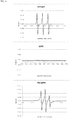
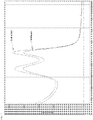
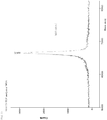
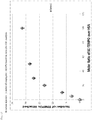
- the degree of nitroxyl substitution can be evaluated and quantified using electron paramagnetic resonance (EPR) or MALDI-TOF mass spectroscopy
- the PAO-Hb conjugates of the present invention can be formulated as a pharmaceutical composition comprising the PAO-Hb conjugate in a pharmaceutically acceptable carrier for parenteral administration, such as an aqueous diluent.
- concentration of the PAO-Hb conjugate in the carrier can vary according to the application.
- the PAO-Hb conjugate concentration ranges from about 0.1 g/dl to about 10 g/dl, more preferably from about 2.0 g/dl to about 8.0 g/dl, and most preferably about 4.0 to about 6.0 g/dl.
- the selection of an appropriate concentration of hemoglobin depends on the colloidal osmotic (oncotic) properties of the final hemoglobin product.
- the compositions of the invention are normo-oncotic as compared to whole blood or hyperoncotic as compared to plasma. The hemoglobin concentration can be adjusted to obtain the desired oncotic pressure for each indication.
- the solution When the composition is formulated as a parenteral, the solution generally comprises a physiologically compatible electrolyte carrier isosmotic with whole blood and which maintains the reversible oxygen-, CO- or NO-carrying and delivery properties of the hemoglobin.
- the pharmaceutically acceptable carrier can be an aqueous diluent.
- the aqueous diluent can comprise an aqueous solution of a colloid or an aqueous solution of a non-oxygen carrying component, such as an aqueous solution of proteins such as albumin, an aqueous solution of glycoproteins, an aqueous solution of polysaccharides, or a combination thereof.
- the aqueous diluent can comprise an aqueous cell-free solution.
- Suitable aqueous diluents include, but are not limited to, physiological saline, a saline-glucose mixture, Ringer's solution, lactated Ringer's solution, Locke-Ringer's solution, Krebs-Ringer's solution, Hartmann's balanced saline, heparinized sodium citrate-citric acid-dextrose solution, an acetate solution, a multiple electrolyte solution (e.g., Plasma Lyte® or Plasma Lyte-A® from Baxter International, Deerfield, IL), a lactobionate solution, and polymeric plasma substitutes, such as polyethylene oxide, polyvinyl pyrrolidone, polyvinyl alcohol, an ethylene oxide-propylene glycol condensate, or a combination thereof.
- physiological saline a saline-glucose mixture
- Ringer's solution lactated Ringer's solution
- Locke-Ringer's solution Locke-R
- the composition can additionally comprise pharmaceutically-acceptable fillers, salts, and other materials well-known in the art, the selection of which depends on the dosage form, the condition being treated, the particular purpose to be achieved according to the determination of the ordinarily skilled artisan in the field and the properties of such additives.
- the composition can include physiological buffers, carbohydrates (e.g. glucose, mannitol, or sorbitol), alcohols or poly alcohols, pharmaceutically acceptable salts (e.g., sodium or potassium chloride), surfactants (e.g., polysorbate 80), anti-oxidants, anti-bacterial agents, oncotic pressure agents (e.g. albumin or polyethylene glycols) or reducing agents (e.g., ascorbic acid, glutathione, or N-acetyl cysteine).
- carbohydrates e.g. glucose, mannitol, or sorbitol
- alcohols or poly alcohols e.g., pharmaceutically acceptable salts (e.g., sodium or potassium chloride)
- the pharmaceutical compositions have a viscosity of at least about 2 centipoise (cP). More specifically, the viscosity ranges from about 2 to about 5 cP, and particularly about 2.5 to about 4.5 cP.
- the pharmaceutical composition is of high purity, i.e. free from stroma, phospholipids, and pyrogens, having an endotoxin level of no more than 0.25 EU/ml, as measured by the LAL (limulus amebocyte lysate) test, and having less than 8% methemoglobin.
- compositions can be administered parenterally, such as by subcutaneous, intravenous, or intramuscular injection, or as large volume parenteral solutions.
- the compositions can also be administered by gavage.
- a typical dose of hemoglobin conjugate as a therapeutic agent can be from about 1 to about 15,000 milligrams of hemoglobin per kilogram of patient body weight.
- the dosage when used as an oxygen therapeutic, the dosage will range between 100 to 7500 mg/kg patient body weight, more preferably 500 to 5000 mg/kg body weight, and most preferably 700 to 3000 mg/kg body weight.
- a typical dose for a human patient might be from a gram to over 1000 grams.
- the unit content of active ingredients contained in an individual dose of each dosage form need not in itself constitute an effective amount, as the necessary effective amount could be reached by administration of a number of individual doses. The selection of dosage depends upon the dosage form utilized, the condition being treated, and the particular purpose to be achieved according to the determination of those skilled in the art.
- the PAO-Hb conjugates and pharmaceutical compositions can be used to deliver oxygen, CO and/or NO to a subject.
- the PAO-Hb conjugates and pharmaceutical compositions can be used in a method of delivering oxygen, nitric oxide, carbon monoxide or mixtures thereof to tissue and reducing nitrite to produce further endogenous nitric oxide (NO) in the microvasculature including administering the hemoglobin conjugate or the composition to a subject in need thereof, wherein following administration, the hemoglobin becomes unliganded and converts nitrite to nitric oxide in the microvasculature.
- the hemoglobin conjugates and compositions thereof of the invention can be used: to treat acute liver failure, beta thalassemia, a burn, chronic critical limb ischemia, carbon dioxide or cyanide poisoning, chronic obstructive pulmonary disease (COPD) (e.g., acute exacerbations), congestive heart failure (e.g., acute heart failure, chronic heart failure), hypoxia (e.g., high altitude use including for pulmonary edema, decompression sickness), malaria (e.g., cerebral malaria (Falciparum occlusive events), organ ischemia (e.g., acute bowel ischemia (torsion), acute bowel ischemia (embolism), cardiogenic shock, acute vascular organ ischemia, stroke (before CAT scan), stroke (after CAT scan), myocardial infarction / severe cardiac ischemia), peripheral vascular disease, porphyria, pre-eclampsia in pregnancy, sepsis, sickle cell disease (e.g., stroke
- hemoglobins and compositions of the invention can be used to treat non-traumatic hemorrhagic shock, pre-hospital setting trauma, traumatic hemorrhagic shock, acute lung injury, adult respiratory distress syndrome, traumatic brain injury, stroke, solid tumor cancer, organ degradation (ex-vivo), organ degradation (in recipient), severe sepsis / septic shock, myocardial infarction / cardiac ischemia, cardiogenic shock, acute heart failure, pulmonary embolism, various conditions by surgery (e.g., adjunct to angioplasty, adjunct to thoracic aortic repairs, adjunct to cardiopulmonary bypass, priming solution for cardiopulmonary bypass), or a combination thereof.
- surgery e.g., adjunct to angioplasty, adjunct to thoracic aortic repairs, adjunct to cardiopulmonary bypass, priming solution for cardiopulmonary bypass
- hemoglobins and compositions of the present invention are useful include the following:
- the hemoglobins and compositions thereof can also be used in non-humans, such as domestic animals (e.g., livestock and companion animals such as dogs, cats, horses, birds, reptiles. It is contemplated that the present invention finds utility in the emergency treatment of domestic and wild animals suffering a loss of blood due to injury, hemolytic anemias, etc.
- domestic animals e.g., livestock and companion animals such as dogs, cats, horses, birds, reptiles. It is contemplated that the present invention finds utility in the emergency treatment of domestic and wild animals suffering a loss of blood due to injury, hemolytic anemias, etc.
- Veterinary uses include treatment of loss of blood due to injury, hemolytic anemia, equine infectious anemia, feline infectious anemia, bacterial infection, Factor IV fragmentation, hypersplenation and splenomegaly, hemorrhagic syndrome in poultry, hypoplastic anemia, aplastic anemia, idiopathic immune hemolytic conditions, iron deficiency, isoimmune hemolytic anemia, microangiopathic hemolytic anemia, parasitism, or surgicalanesthesia induced brain damage.
- the organic phase was separated and 0.5g of Na 2 SO 4 per gram of TEMPOL was added to the organic phase.
- the solution was mixed for 15min at room temperature followed by filtration. Filtered solution was evaporated under reduced pressure.
- 3-Succinimidyl-PROXYL-Carbonate can be prepared using a method similar to those described above in Example 1 for 4-Succinimidyl-TEMPO-Carbonate, using 3-hydroxy-2,2,5,5-tetramethylpyrrolidin-1-oxyl instead of TEMPOL as a starting material.
- the organic phase was separated and 0.5g of Na 2 SO 4 per gram of 4-Carboxy TEMPO was added to the organic phase.
- the solution was mixed for 15 min at room temperature followed by filtration. Filtered solution was evaporated under the reduced pressure.
- the product, 4-Succinimidyl-Carboxy-TEMPO was precipitated by adding n-Heptane, filtered, and dried under vacuum at room temperature.
- 3-Succinimidyl-Carboxy Proxyl can be synthesized using the same chemistry as described above in Example 3 for 4-Succinimidyl-Carboxy-TEMPO, using 3-carboxy-2,2,5,5-tetramethylpyrrolidin-1-oxyl (3-Carboxy PROXYL) instead of 4-Carboxy TEMPO as a starting material.
- Polynitoxylated hemoglobin was prepared in two step process: a) Preparation of PEG-conjugated hemoglobin and b) Polynitoxylation of PEG-Hb.
- PEG was conjugated to stroma-free hemoglobin (SFH) by reacting the SFH with a 9-fold molar excess of 2-iminothiolane (2-IT) for 2.5 hours and a 16-fold molar excess of Maleimide PEG 5000 (MalPEG5000) for 2 hours.
- SFH stroma-free hemoglobin
- 2-IT 2-iminothiolane
- MalPEG5000 Maleimide PEG 5000
- R 1 , R 2 , and R 3 represent the remainder of the hemoglobin main chain
- R 4 is ethylene
- n represents the number of oxyethylene units in a 5,000 dalton PEG chain.
- Polynitroxylation of the PEG-Hb was performed using carboxy-PEG-Hb.
- the reaction was performed using a 30-fold molar excess of 4-Succinimidyl-TEMPO-Carbonate (4-STC) over hemoglobin under an atmosphere of CO at room temperature or in refrigerated conditions.
- the number of nitroxyl groups per hemoglobin molecule can be varied by varying the molar excess of 4-STC over hemoglobin, the temperature at which the reaction is carried out, and/or reaction time.
- the polynitroxylated hemoglobin was purified using 70 kDa tangential flow filtration and the final product was sterile filtered and stored under an atmosphere of CO.
- a reaction scheme for the preparation of PN-PEG-Hb from PEG-Hb is shown below: R 1 , R 2 , and R 3 represent the remainder of the hemoglobin main chain.
- FIG. 4 shows Electron Paramagnetic Resonance (EPR) spectra for non-paired electrons of TEMPOL (upper panel), and PEGylated hemoglobin (MP4) both before (middle panel) and after (lower panel) polynitroxylation (PN-MP4).
- EPR Electron Paramagnetic Resonance
- Figure 5 presents size exclusion analysis profiles of PEGylated hemoglobin (PEG-Hb; upper panel) and polynitroxylated PEGylated hemoglobin (PEG-Hb-PN; lower panel). Size exclusion analysis was performed using a Superose-12 column and protein was eluted using phosphate-buffered saline (PBS).
- PBS phosphate-buffered saline
- Figure 6 shows a characteristic UV-Visible spectrum for polynitroxylated PEGylated hemoglobin (PEG-Hb-PN).
- Figure 7 shows UV-Vis spectra of plasma hemoglobin at the end of infusion and at one hour post infusion.
- Figure 8 shows the results of an experiment wherein PEGylated hemoglobin (MP4) was nitroxylated using a 5-, 10-, 20, 30-, 50-, or 100-fold molar excess of 4-Succinimidyl-TEMPO-Carbonate (4-STC).
- MP4 PEGylated hemoglobin
- 4-Succinimidyl-TEMPO-Carbonate (4-STC) The degree of nitroxylation increased in a dose-dependent manner as the molar excess of 4-STC was increased from 5-fold to 30-fold.
- the degree of nitroxylation was approximately the same when a 30-fold, 50-fold, or 100-fold molar excess of 4-STC was used.
- Polynitroxylation of the Albumin was performed using 25% Human Serum Albumin solution.
- the number of nitroxyl groups per albumin molecule was varied by varying the molar excess of 4-STC over albumin.
- the reaction was performed using a 5-, 10-, 20-, 30-, 50 or 100-fold molar excess of 4-Succinimidyl-TEMPO-Carbonate (4-STC) over albumin at pH of 7.4 for 17 to 24 hours at room temperature or in refrigerated conditions.
- the polynitroxylated albumin was purified by gel filtration and analyzed by MALDI-TOF mass spectrometry to identify the number of nitroxyl groups per albumin molecule.
- a reaction scheme for the preparation of PN-Albumin from albumin using 4-Succinimidyl-TEMPO-Carbonate (4-STC) is shown below: R 1 and R 2 represent the remainder of the albumin main chain.
- the MALDI-TOF mass spectra are shown in Figures 9 and 13 (non-nitoxylated HSA) and 10-12 and 14-16 (HSA nitroxylated using a 5-, 10-, 20-, 30-, 50 or 100-fold molar excess of 4-STC, respectively).
- Figure 17 provides a graphical representation of these data, and shows that the degree of nitroxylation increased in a dose-dependent manner as the molar excess of 4-STC was increased from 5- to 100-fold.
- Polynitoxylated PEGylated albumin was prepared in two step process: a) Preparation of PEG-conjugated albumin and b) Polynitoxylation of PEG-Alb.
- PEG was conjugated to albumin by reacting the albumin with a 9-fold molar excess of 2-iminothiolane (2-IT) for 2.5 hours and a 16-fold molar excess of Maleimide PEG 5000 (MalPEG5000) for 2 hours.
- the thiolation and PEGylation reactions were performed in phosphate-buffered saline (PBS) at pH 7.4.
- PBS phosphate-buffered saline
- the PEG-albumin conjugate was passed through 70 kDa tangential flow filtration to remove unreacted reagents and formulate in formulation buffer.
- Polynitroxylation was performed by reacting PEG-albumin with 4-Succinimidyl-TEMPO-Carbonate (4-STC) using a 100-fold molar excess of 4-Succinimidyl-TEMPO-Carbonate (4-STC) over albumin at room temperature or in refrigerated conditions.
- the number of nitroxyl groups per albumin molecule can be varied by varying the molar excess of 4-STC over albumin, the temperature at which the reaction is carried out, and/or reaction time.
- the polynitroxylated albumin was purified using 70 kDa tangential flow filtration.
- R 1 , R 2 , and R 3 represent the remainder of the albumin main chain
- R 4 is ethylene
- n represents the number of oxyethylene units in a 5,000 dalton PEG chain.
Landscapes
- Health & Medical Sciences (AREA)
- Chemical & Material Sciences (AREA)
- Organic Chemistry (AREA)
- Life Sciences & Earth Sciences (AREA)
- General Health & Medical Sciences (AREA)
- Medicinal Chemistry (AREA)
- Veterinary Medicine (AREA)
- Public Health (AREA)
- Animal Behavior & Ethology (AREA)
- Pharmacology & Pharmacy (AREA)
- Engineering & Computer Science (AREA)
- Bioinformatics & Cheminformatics (AREA)
- Nuclear Medicine, Radiotherapy & Molecular Imaging (AREA)
- General Chemical & Material Sciences (AREA)
- Chemical Kinetics & Catalysis (AREA)
- Cardiology (AREA)
- Gastroenterology & Hepatology (AREA)
- Diabetes (AREA)
- Heart & Thoracic Surgery (AREA)
- Hematology (AREA)
- Proteomics, Peptides & Aminoacids (AREA)
- Biophysics (AREA)
- Molecular Biology (AREA)
- Genetics & Genomics (AREA)
- Biochemistry (AREA)
- Epidemiology (AREA)
- Immunology (AREA)
- Vascular Medicine (AREA)
- Tropical Medicine & Parasitology (AREA)
- Toxicology (AREA)
- Biomedical Technology (AREA)
- Communicable Diseases (AREA)
- Pulmonology (AREA)
- Neurology (AREA)
- Endocrinology (AREA)
- Reproductive Health (AREA)
- Hospice & Palliative Care (AREA)
- Dermatology (AREA)
- Ophthalmology & Optometry (AREA)
- Oncology (AREA)
Claims (15)
- Nitroxyliertes Protein mit der Struktur (VI):
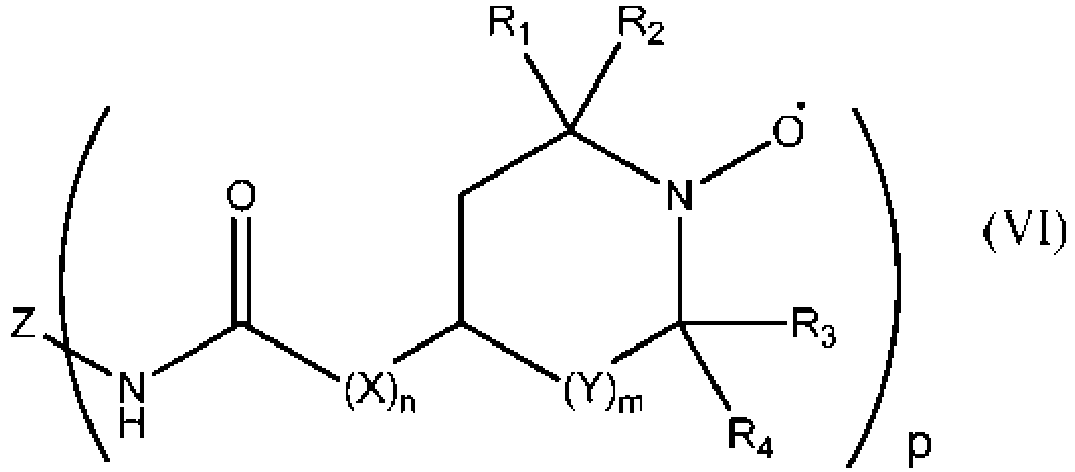 Z das Protein darstellt;jedes von R1, R2, R3 und R4 unabhängig C1-C4-Alkyl ist;X Sauerstoff, Schwefel, Stickstoff, Phosphor oder Silicium ist;Y CH2 ist;m 0 oder 1 ist;n 0 oder 1 ist;p die mittlere Anzahl von an das Protein konjugierten Nitroxylgruppen ist; undN ein Stickstoff des Proteins ist.
 - Verfahren zum Herstellen eines nitroxylierten Proteins, umfassend das Umsetzen des Proteins mit einem Nitroxylierungsmittel der Formel (I):
 jedes von R1, R2, R3 und R4 unabhängig C1-C4-Alkyl ist;X Sauerstoff, Schwefel, Stickstoff, Phosphor oder Silicium ist;Y CH2 ist;n 0 oder 1 ist; undm 0 oder 1 ist.
 - Nitroxyliertes Protein oder Verfahren nach Anspruch 1 oder 2, wobei
jedes von R1, R2, R3 und R4 -CH3 ist;
n 1 ist;
X Sauerstoff oder Schwefel ist; und/oder
m 1 ist. - Nitroxyliertes Protein nach Anspruch 1 oder 3, wobei:die N-terminale Aminogruppe des Proteins nitroxyliert ist oder mindestens eine epsilon(ε)-Aminogruppe eines Lysinrests nitroxyliert ist; und/oderp etwa 1 bis etwa 25 ist.
- Nitroxyliertes Protein nach einem der Ansprüche 1, 3 und 4, wobei das Protein eine Hämoglobin(Hb)-α-Untereinheit, eine Hämoglobin-β-Untereinheit, ein Hämoglobin-Tetramer, ein Myoglobin oder ein Albumin umfasst, und wobei gegebenenfalls:das Albumin ein Serumalbumin umfasst (gegebenenfalls ein menschliches Serumalbumin (HSA));die Hämoglobin-α-Untereinheit eine menschliche Hämoglobin-α-Untereinheit umfasst, die Hämoglobin-β-Untereinheit eine menschliche Hämoglobin-β-Untereinheit umfasst oder das Hämoglobin-Tetramer menschliche Hämoglobin-α-Untereinheiten und β-Untereinheiten umfasst;das Hämoglobin-Tetramer ein vernetztes αα-Dimer oder ein vernetztes ββ-Dimer umfasst; und/oderdas Hämoglobin-Tetramer etwa siebzehn nitroxylierte Aminogruppen umfasst.
- Nitroxyliertes Protein nach Anspruch 5, wobei das Hämoglobin-Tetramer ein vernetztes αα-Dimer oder ein vernetztes ββ-Dimer umfasst;
das Hämoglobin-Tetramer eine menschliche Hämoglobin-α-Untereinheit umfasst, wobei die menschliche Hämoglobin-α-Untereinheit an der α-Aminogruppe des N-terminalen Valinrests und/oder an der ε-Aminogruppe eines Lysinrests, ausgewählt aus der Gruppe bestehend aus Lysin-7, Lysin-11, Lysin-16, Lysin-40, Lysin-56, Lysin-60, Lysin-61, Lysin-90, Lysin-99, Lysin-127, Lysin-139, und einer Kombination davon nitroxyliert ist; und
das Hämoglobin-Tetramer gegebenenfalls des Weiteren eine menschliche Hämoglobin-β-Untereinheit umfasst, wobei die menschliche Hämoglobin-β-Untereinheit an der α-Aminogruppe des N-terminalen Valinrests und/oder an der ε-Aminogruppe eines Lysinrests, ausgewählt aus der Gruppe bestehend aus Lysin-8, Lysin-17, Lysin-59, Lysin-61, Lysin-65, Lysin-66, Lysin-82, Lysin-95, Lysin-120, Lysin-132, Lysin-144, und einer Kombination davon nitroxyliert ist. - Nitroxyliertes Protein nach einem der Ansprüche 1, 2 und 4-6, wobei das nitroxylierte Protein an ein Polyalkylenoxid (PAO) konjugiert ist, wobei das PAO gegebenenfalls ein Polyethylenglykol (PEG) ist und:das PEG gegebenenfalls ein mittleres Molekulargewicht von etwa 2.000 bis etwa 20.000 Dalton aufweist;das PEG gegebenenfalls ein Maleimid-PEG ist, wobei das Maleimid gegebenenfalls über einen Alkylen- oder Phenylen-Linker mit dem PEG verknüpft ist und der Alkylen-Linker gegebenenfalls ein Ethylen-Linker ist; und/oderdas PEG gegebenenfalls ein Succinimidylvalerat-PEG (SVA-PEG) ist.
- Nitroxyliertes Protein nach Anspruch 7, wobei das Maleimid-PEG an eine Thioleinheit des Proteins konjugiert ist, ausgewählt aus der Gruppe bestehend aus einer intrinsischen Thioleinheit eines Cysteinrests des Proteins, einer Thioleinheit eines thiolierten Lysinrests des Proteins und einer Kombination davon, und das Maleimid-PEG gegebenenfalls die Struktur (VIII) aufweist:
 Z das Protein darstellt,S ein Thiol des Proteins ist,R3 eine Alkylen- oder Phenylengruppe ist,X eine terminale Gruppe ist,m die mittlere Anzahl aktivierter PEG-Polymere ist, die an das Protein konjugiert sind, undn die mittlere Anzahl von Oxyethyleneinheiten eines PEG mit einem mittleren Molekulargewicht von etwa 2.000 bis etwa 20.000 Dalton darstellt.
 - Nitroxyliertes Protein nach Anspruch 8, wobei:R3 Ethylen ist,m etwa 6 bis etwa 10 ist;X Methoxy (-OCH3) oder Carboxylat (-COOH) ist;das Maleimid-PEG an eine Thioleinheit eines Cystein-93-Rests einer Hämoglobin-β-Untereinheit konjugiert ist; und/oderdas Maleimid-PEG an eine Thioleinheit eines thiolierten Lysinrests einer Hämoglobin-α-Untereinheit oder -β-Untereinheit konjugiert ist, wobei der thiolierte Lysinrest gegebenenfalls ein thiolierter Lysinrest einer menschlichen Hämoglobin-α-Untereinheit, ausgewählt aus der Gruppe bestehend aus Lysin-7, Lysin-11, Lysin-16, Lysin-40, Lysin-56, Lysin-60, Lysin-61, Lysin-90, Lysin-99, Lysin-127, Lysin-139, und einer Kombination davon, oder ein thiolierter Lysinrest einer menschlichen Hämoglobin-β-Untereinheit, ausgewählt aus der Gruppe bestehend aus Lysin-8, Lysin-17, Lysin-59, Lysin-61, Lysin-65, Lysin-66, Lysin-82, Lysin-95, Lysin-120, Lysin-132, Lysin-144, und einer Kombination davon ist.
- Nitroxyliertes Protein nach Anspruch 7, wobei das PEG ein Succinimidylvalerat-PEG (SVA-PEG) ist, wobei das SVA-PEG an eine Aminoeinheit des Proteins konjugiert ist, die aus einer ε-Aminoeinheit eines Lysinrests des Proteins, einer α-Aminoeinheit eines terminalen Valinrests des Proteins oder einer Kombination davon ausgewählt ist, und das SVA-PEG gegebenenfalls die Struktur (IX) aufweist:
 Z das Protein ist,N eine Aminogruppe des Proteins ist,X eine terminale Gruppe ist,m die Anzahl aktivierter PEG-Polymere ist, die an das Protein konjugiert sind, undn die mittlere Anzahl von Oxyethyleneinheiten eines PEG mit einem mittleren Molekulargewicht von etwa 2.000 bis etwa 20.000 Dalton ist.
 - Nitroxyliertes Protein nach Anspruch 10, wobei:X Methoxy (-OCH3) oder Carboxylat (-COOH) ist;das nitroxylierte Protein ein Hämoglobin-Tetramer umfasst und m im Mittel etwa 6 bis etwa 10 PAO-Moleküle pro Tetramer beträgt;das SVA-PEG an eine ε-Aminoeinheit eines Lysinrests einer Hämoglobin-α-Untereinheit oder-β-Untereinheit konjugiert ist, wobei der Lysinrest gegebenenfalls ein Lysinrest einer menschlichen Hämoglobin-α-Untereinheit, ausgewählt aus der Gruppe bestehend aus Lysin-7, Lysin-11, Lysin-16, Lysin-40, Lysin-56, Lysin-60, Lysin-61, Lysin-90, Lysin-99, Lysin-127, Lysin-139, und einer Kombination davon, oder ein thiolierter Lysinrest einer menschlichen Hämoglobin-β-Untereinheit, ausgewählt aus der Gruppe bestehend aus Lysin-8, Lysin-17, Lysin-59, Lysin-61, Lysin-65, Lysin-66, Lysin-82, Lysin-95, Lysin-120, Lysin-132, Lysin-144, und einer Kombination davon ist; und/oderdas SVA-PEG an eine α-Aminoeinheit eines terminalen Valinrests einer Hämoglobin-α-Untereinheit oder -β-Untereinheit konjugiert ist.
- Hämoglobin-Tetramer, umfassend mindestens eine α-Untereinheit nach einem der Ansprüche 5-11 und/oder mindestens eine β-Untereinheit nach einem der Ansprüche 5-11, wobei:das Hämoglobin gegebenenfalls an im Mittel 5 bis 10 PAO-Moleküle pro Tetramer konjugiert ist; und/oderdas Hämoglobin sauerstoffangereichert, sauerstoffabgereichert oder mit einem Liganden wie CO, NO oder einer Mischung aus CO und NO verbunden ist.
- Pharmazeutische Zusammensetzung, umfassend ein nitroxyliertes Protein nach einem der Ansprüche 1 und 3-11 oder ein Hämoglobin-Tetramer nach Anspruch 12 sowie einen pharmazeutisch unbedenklichen Träger, wobei:die Zusammensetzung normoonkotisch zu Blut oder hyperonkotisch verglichen mit Blut ist;der pharmazeutisch unbedenkliche Träger ein wässriges Verdünnungsmittel umfasst;der pharmazeutisch unbedenkliche Träger physiologische Kochsalzlösung, eine Kochsalzlösung-Glukose-Mischung, Ringer-Lösung, Ringer-Laktat-Lösung, Locke-Ringer-Lösung, Krebs-Ringer-Lösung, balancierte Kochsalzlösung nach Hartmann, heparinisierte Natriumcitrat-Citronensäure-Dextrose-Lösung, eine Acetat-Lösung, eine multiple Elektrolytlösung, eine Lactobionat-Lösung, einen polymeren Plasmaersatz oder eine Kombination davon umfasst; und/oderder pharmazeutisch unbedenkliche Träger einen Füllstoff, ein Salz, einen physiologischen Puffer, ein Kohlenhydrat, einen Alkohol, einen Polyalkohol, ein Antioxidans, ein antibakterielles Mittel, ein Mittel für onkotischen Druck, ein Reduktionsmittel oder einen Kombination davon umfasst.
- Pharmazeutische Zusammensetzung nach Anspruch 13, wobei:das wässrige Verdünnungsmittel eine wässrige Lösung eines Kolloids oder eine wässrige Lösung einer nicht Sauerstoff tragenden Komponente umfasst;das wässrige Verdünnungsmittel eine wässrige zellfreie Lösung umfasst (gegebenenfalls eine wässrige zellfreie Lösung von Albumin);die wässrige Lösung eine wässrige Lösung von Proteinen, eine wässrige Lösung von Glykoproteinen, eine wässrige Lösung von Polysacchariden oder eine Kombination davon umfasst;der polymere Plasmaersatz Polyethylenoxid, Polyvinylpyrrolidon, Polyvinylalkohol, ein Ethylenoxid-Propylenglykol-Kondensat oder eine Kombination davon umfasst; und/oder das Reduktionsmittel Ascorbinsäure, Glutathion, N-Acetylcystein oder eine Kombination davon umfasst.
- Pharmazeutische Zusammensetzung nach Anspruch 13 oder 14 zur:Verwendung bei der Behandlung von akutem Leberversagen, beta-Thalassämie, einer Verbrennung, chronischer kritischer Gliedmaßen-Ischämie, Kohlendioxid- oder Cyanidvergiftung, chronisch-obstruktiver Lungenerkrankung (COPD), kongestiver Herzinsuffizienz, Hypoxie, Malaria, Organischämie (gegebenenfalls umfassend akute Darmischämie (Torsion), akute Darmischämie (Embolie), kardiogenen Schock, akute vaskuläre Organischämie, Hirnschlag, Myokardinfarkt oder schwere Herzischämie), einer peripheren Gefäßerkrankung, Porphyrie, Präeklampsie bei Schwangerschaft, Sepsis, Sichelzellenerkrankung, einer Netzhauterkrankung, eines intraokulären Zustands, Hodentorsion, Trauma, Schock, traumatischer Hirnverletzung, Geschwüren, Vasospasmen oder einer Kombination davon;Verwendung bei der Behandlung eines nicht traumatischen hämorrhagischen Schocks, eines Traumas vor einem Krankenhausaufenthalt, eines traumatischen hämorrhagischen Schocks, einer akuten Lungenverletzung, einem akuten progressiven Lungenversagen, einer traumatischen Hirnverletzung, Hirnschlag, Krebs mit solidem Tumor, Organzerfall (ex-vivo), Organzerfall (im Rezipienten), schwerer Sepsis, septischem Schock, Myokardinfarkt, Herzischämie, kardiogenem Schock, akutem Herzversagen, Lungenembolie oder einer Kombination davon;Verwendung als Zusatz zu einer Angioplastie, als Zusatz bei plastischer Chirurgie oder als ein Zusatz beim Implantieren einer ventrikulären Hilfsvorrichtung; als Blutersatz, Herzschutzmittel, Kryokonservierungsmittel, Hämodialysezusatz, Onkologie-Mittel, Organkonservierungsmittel, als Leistung verstärkendes Mittel, chirurgischer Zusatz oder Wundheilungsmittel, bei Bildgebung, zur Verbesserung der Lungenfunktion oder einer Kombination davon; oderVerwendung bei der tierärztlichen Behandlung eines Blutverlusts aufgrund einer Verletzung, hämolytischer Anämie, infektiöser Anämie, bakterieller Infektion, Faktor-IV-Fragmentierung, Hypersplenismus und Splenomegalie, eines hämorrhagischen Syndroms bei Geflügel, hypoplastischer Anämie, aplastischer Anämie, idiopathischen autoimmunhämolytischen Zuständen, Eisenmangel, isoimmuner hämolytischer Anämie, mikroangiopathischer hämolytischer Anämie, Parasitismus oder chirurgisch-anästhetisch induziertem Hirnschaden.
Applications Claiming Priority (3)
| Application Number | Priority Date | Filing Date | Title |
|---|---|---|---|
| US201261619783P | 2012-04-03 | 2012-04-03 | |
| US201261619768P | 2012-04-03 | 2012-04-03 | |
| PCT/US2013/032704 WO2013151776A1 (en) | 2012-04-03 | 2013-03-15 | Succinimide-activated nitroxyl compounds and methods for the use thereof for nitroxylation of proteins |
Publications (3)
| Publication Number | Publication Date |
|---|---|
| EP2834329A1 EP2834329A1 (de) | 2015-02-11 |
| EP2834329A4 EP2834329A4 (de) | 2015-12-23 |
| EP2834329B1 true EP2834329B1 (de) | 2018-10-17 |
Family
ID=49300942
Family Applications (1)
| Application Number | Title | Priority Date | Filing Date |
|---|---|---|---|
| EP13771756.7A Active EP2834329B1 (de) | 2012-04-03 | 2013-03-15 | Succinimidaktivierte nitroxylverbindungen und verfahren zur verwendung davon zur nitroxylierung von proteinen |
Country Status (9)
| Country | Link |
|---|---|
| US (3) | US20150094267A1 (de) |
| EP (1) | EP2834329B1 (de) |
| JP (2) | JP2015514718A (de) |
| KR (1) | KR102076874B1 (de) |
| CN (1) | CN104411807B (de) |
| AU (2) | AU2013243875B2 (de) |
| CA (1) | CA2908238C (de) |
| MX (1) | MX358784B (de) |
| WO (1) | WO2013151776A1 (de) |
Families Citing this family (10)
| Publication number | Priority date | Publication date | Assignee | Title |
|---|---|---|---|---|
| JP2015514718A (ja) | 2012-04-03 | 2015-05-21 | サンガート, インコーポレイテッド | スクシンイミド活性化されたニトロキシル化合物およびタンパク質のニトロキシル化のためのその使用のための方法 |
| MX373193B (es) * | 2013-03-15 | 2020-05-07 | Sangart Inc | Conjugados de hemoglobina óxido de polialquileno valerato. |
| EP2894476A1 (de) * | 2014-01-14 | 2015-07-15 | Universität Konstanz | Genetisch codiertes Spin-Label |
| US20170143844A1 (en) | 2015-11-24 | 2017-05-25 | AntiRadical Therapeutics LLC | Composition and Methods of Use of Nano Anti-Radical Therapeutics To Inhibit Cancer |
| CN105777893B (zh) * | 2016-03-24 | 2019-10-25 | 杭州亚慧生物科技有限公司 | 一种高强度血清白蛋白骨修复材料及其制备方法 |
| EP3655019A4 (de) | 2017-07-18 | 2021-04-21 | Virtech Bio, Inc. | Hämoglobin enthaltende blutersatzstoffe und verfahren zu deren herstellung |
| CN114279777A (zh) * | 2020-09-28 | 2022-04-05 | 深圳市瑞图生物技术有限公司 | 一种含有脒基类化合物的溶血剂及其血液分析试剂盒 |
| CU24689B1 (es) * | 2020-10-05 | 2023-12-07 | Ct Inmunologia Molecular | CONJUGADOS COVALENTES DEL DOMINIO DE UNIÓN AL RECEPTOR DEL VIRUS SARS-CoV-2 Y UNA PROTEÍNA PORTADORA Y PROCEDIMIENTO DE OBTENCIÓN |
| CN118684612B (zh) * | 2024-08-26 | 2025-11-18 | 浙江瑞奥生物科技有限公司 | 一种马来聚乙二醇药物偶联剂的合成方法 |
| CN120682395B (zh) * | 2025-08-20 | 2025-11-07 | 复星安特金(成都)生物制药有限公司 | 一种活化细菌荚膜多糖的方法 |
Family Cites Families (32)
| Publication number | Priority date | Publication date | Assignee | Title |
|---|---|---|---|---|
| US4240797A (en) | 1977-10-18 | 1980-12-23 | The Governing Council Of The University Of Toronto | Assay for reserve bilirubin binding capacity |
| US4529719A (en) | 1983-05-04 | 1985-07-16 | Tye Ross W | Modified crosslinked stroma-free tetrameric hemoglobin |
| US5004809A (en) * | 1986-02-04 | 1991-04-02 | University Of Cincinnati | Nitroxide labeled nucleotides and nitroxide labeled hybridization probes |
| CA1312009C (en) | 1986-11-10 | 1992-12-29 | Carl W. Rausch | Extra pure semi-synthetic blood substitute |
| GB8710598D0 (en) | 1987-05-05 | 1987-06-10 | Star Medical Diagnostics Ltd | Hemoglobin based blood substitute |
| US5312808A (en) * | 1989-11-22 | 1994-05-17 | Enzon, Inc. | Fractionation of polyalkylene oxide-conjugated hemoglobin solutions |
| US5234903A (en) | 1989-11-22 | 1993-08-10 | Enzon, Inc. | Chemically modified hemoglobin as an effective, stable non-immunogenic red blood cell substitute |
| US5650388A (en) | 1989-11-22 | 1997-07-22 | Enzon, Inc. | Fractionated polyalkylene oxide-conjugated hemoglobin solutions |
| US5250665A (en) | 1991-05-31 | 1993-10-05 | The University Of Toronto Innovations Foundation | Specifically β-β cross-linked hemoglobins and method of preparation |
| TW381022B (en) | 1993-08-16 | 2000-02-01 | Hsia Jen Chang | Compositions and methods utilizing nitroxides to avoid oxygen toxicity, particularly in stabilized, polymerized, conjugated, or encapsulated hemoglobin used as a red cell substitute |
| US5840701A (en) * | 1993-08-16 | 1998-11-24 | Hsia; Jen-Chang | Compositions and methods utilizing nitroxides in combination with biocompatible macromolecules |
| US6458758B1 (en) | 1993-08-16 | 2002-10-01 | Synzyme Technologies, Inc. | Compositions and methods utilizing nitroxides in combination with biocompatible macromolecules |
| SG95590A1 (en) * | 1995-03-31 | 2003-04-23 | Synzyme Technologies Inc | Compositions and method utilizing nitroxides in combination with biocompatible macromolecules |
| US5585484A (en) | 1995-04-19 | 1996-12-17 | Albert Einstein College Of Medicine Of Yeshiva University, A Division Of Yeshiva University | Hemoglobin crosslinkers |
| US6627738B2 (en) | 1995-09-15 | 2003-09-30 | Duke University | No-modified hemoglobins and uses therefor |
| DE10031740A1 (de) | 2000-06-29 | 2002-02-14 | Sanguibio Tech Ag | Künstliche Sauerstoffträger aus vernetztem modifizierten Human- oder Schweinehämoglobin mit verbesserten Eigenschaften, Verfahren zu ihrer technisch einfachen Herstellung aus gereinigtem Material in hohen Ausbeuten, sowie deren Verwendung |
| US20030153491A1 (en) | 2002-01-11 | 2003-08-14 | Winslow Robert M. | Methods and compositions for oxygen transport comprising a high oxygen affinity modified hemoglobin |
| CN100337689C (zh) * | 2002-07-24 | 2007-09-19 | 弗·哈夫曼-拉罗切有限公司 | 聚亚烷基二醇酸加合物 |
| DE10393955T5 (de) * | 2002-12-23 | 2005-12-29 | L'oreal | Zusammensetzung zum Färben von Keratinfasern, die mindestens eine freiradikalische Verbindung vom Nitroxyl-Typ und mindestens einen primären oder sekundären Alkohol enthält |
| EP1585538B1 (de) | 2002-12-23 | 2011-02-09 | Albert Einstein College Of Medicine Of Yeshiva University | Nicht-hypertensive pegylierte hämoglobine und deren herstellungsverfahren |
| KR100512483B1 (ko) | 2003-05-07 | 2005-09-05 | 선바이오(주) | 신규한 폴리에틸렌글리콜-말레이미드 유도체의 합성방법 |
| WO2006014968A2 (en) | 2004-07-27 | 2006-02-09 | Teva Pharmaceutical Industries, Ltd. | Propargyl nitroxydes and indanyl nitroxides and their use for the treatment of neurologic diseases and disorders |
| TW200616604A (en) * | 2004-08-26 | 2006-06-01 | Nicholas Piramal India Ltd | Nitric oxide releasing prodrugs containing bio-cleavable linker |
| CA2600927C (en) | 2005-03-07 | 2017-04-18 | Sangart, Inc. | Compositions and methods for delivering carbon monoxide (co) and nitric oxide (no) to tissue using heme proteins as carriers |
| WO2006135740A1 (en) * | 2005-06-10 | 2006-12-21 | Albert Einstein College Of Medicine Of Yeshiva University | Pegylated hemoglobin and albumin and uses thereof |
| WO2009018490A1 (en) * | 2007-07-31 | 2009-02-05 | Burnham Institute For Medical Research | Bi-dentate compounds as kinase inhibitors |
| EP2030624A1 (de) * | 2007-08-28 | 2009-03-04 | Johannes Gutenberg Universität | Antioxidationsmittel und paramagnetische Heparinnitroxid-Derivate |
| LT2440239T (lt) | 2009-06-09 | 2017-12-11 | Prolong Pharmaceuticals, LLC | Hemoglobino kompozicijos |
| US8273857B2 (en) | 2009-09-22 | 2012-09-25 | Jen-Chang Hsia | Compositions and methods of use of neurovascular protective multifunctional polynitroxylated pegylated carboxy hemoglobins for transfusion and critical care medicine |
| JP2013520512A (ja) * | 2010-02-25 | 2013-06-06 | サンガート, インコーポレイテッド | 低い反応成分比を用いて、peg−ヘモグロビン結合体を調製するための方法 |
| CN102249987B (zh) * | 2011-05-06 | 2013-07-24 | 兰州大学 | 一种考布他汀类化合物及其制备方法和用途 |
| JP2015514718A (ja) | 2012-04-03 | 2015-05-21 | サンガート, インコーポレイテッド | スクシンイミド活性化されたニトロキシル化合物およびタンパク質のニトロキシル化のためのその使用のための方法 |
-
2013
- 2013-03-15 JP JP2015504603A patent/JP2015514718A/ja active Pending
- 2013-03-15 WO PCT/US2013/032704 patent/WO2013151776A1/en not_active Ceased
- 2013-03-15 EP EP13771756.7A patent/EP2834329B1/de active Active
- 2013-03-15 KR KR1020147030716A patent/KR102076874B1/ko not_active Expired - Fee Related
- 2013-03-15 US US14/390,559 patent/US20150094267A1/en not_active Abandoned
- 2013-03-15 CA CA2908238A patent/CA2908238C/en active Active
- 2013-03-15 MX MX2014011944A patent/MX358784B/es active IP Right Grant
- 2013-03-15 AU AU2013243875A patent/AU2013243875B2/en not_active Ceased
- 2013-03-15 CN CN201380028719.XA patent/CN104411807B/zh not_active Expired - Fee Related
-
2018
- 2018-02-22 AU AU2018201285A patent/AU2018201285B2/en not_active Ceased
- 2018-05-08 JP JP2018089859A patent/JP6686067B2/ja not_active Expired - Fee Related
- 2018-09-14 US US16/131,487 patent/US11359004B2/en active Active
-
2022
- 2022-05-09 US US17/740,001 patent/US20230026348A1/en not_active Abandoned
Non-Patent Citations (1)
| Title |
|---|
| None * |
Also Published As
| Publication number | Publication date |
|---|---|
| EP2834329A4 (de) | 2015-12-23 |
| US20190127445A1 (en) | 2019-05-02 |
| JP2015514718A (ja) | 2015-05-21 |
| AU2013243875A1 (en) | 2014-11-20 |
| CN104411807B (zh) | 2018-10-02 |
| JP2018150335A (ja) | 2018-09-27 |
| KR20140144262A (ko) | 2014-12-18 |
| CN104411807A (zh) | 2015-03-11 |
| US20150094267A1 (en) | 2015-04-02 |
| CA2908238A1 (en) | 2013-10-10 |
| CA2908238C (en) | 2023-01-10 |
| AU2013243875B2 (en) | 2017-11-30 |
| MX358784B (es) | 2018-09-04 |
| US11359004B2 (en) | 2022-06-14 |
| EP2834329A1 (de) | 2015-02-11 |
| AU2018201285B2 (en) | 2020-05-14 |
| US20230026348A1 (en) | 2023-01-26 |
| MX2014011944A (es) | 2015-06-05 |
| WO2013151776A1 (en) | 2013-10-10 |
| KR102076874B1 (ko) | 2020-02-12 |
| JP6686067B2 (ja) | 2020-04-22 |
| HK1207659A1 (en) | 2016-02-05 |
| AU2018201285A1 (en) | 2018-03-22 |
Similar Documents
| Publication | Publication Date | Title |
|---|---|---|
| US20230026348A1 (en) | Nitroxylated proteins and methods for the use thereof | |
| EP2968597B1 (de) | Polyalkylenoxid-valerat-hämoglobinkonjugate | |
| JP2019089789A (ja) | ジアスピリン架橋pegヘモグロビン | |
| CN1186431A (zh) | 应用与硝基氧化合物结合的生物相容性大分子的组合物和方法 | |
| HK40008755A (en) | Diaspirin crosslinked pegylated hemoglobin | |
| HK1207659B (zh) | 琥珀酰亚胺活化型硝酰化合物及其用於蛋白质硝酰化的使用方法 | |
| HK1219053B (zh) | 聚环氧烷戊酸酯血红蛋白缀合物 |
Legal Events
| Date | Code | Title | Description |
|---|---|---|---|
| PUAI | Public reference made under article 153(3) epc to a published international application that has entered the european phase |
Free format text: ORIGINAL CODE: 0009012 |
|
| 17P | Request for examination filed |
Effective date: 20141031 |
|
| AK | Designated contracting states |
Kind code of ref document: A1 Designated state(s): AL AT BE BG CH CY CZ DE DK EE ES FI FR GB GR HR HU IE IS IT LI LT LU LV MC MK MT NL NO PL PT RO RS SE SI SK SM TR |
|
| AX | Request for extension of the european patent |
Extension state: BA ME |
|
| RAP1 | Party data changed (applicant data changed or rights of an application transferred) |
Owner name: SCHINDLER, WILLIAM |
|
| DAX | Request for extension of the european patent (deleted) | ||
| RA4 | Supplementary search report drawn up and despatched (corrected) |
Effective date: 20151120 |
|
| RIC1 | Information provided on ipc code assigned before grant |
Ipc: C10L 1/22 20060101AFI20151113BHEP |
|
| GRAP | Despatch of communication of intention to grant a patent |
Free format text: ORIGINAL CODE: EPIDOSNIGR1 |
|
| INTG | Intention to grant announced |
Effective date: 20160920 |
|
| GRAJ | Information related to disapproval of communication of intention to grant by the applicant or resumption of examination proceedings by the epo deleted |
Free format text: ORIGINAL CODE: EPIDOSDIGR1 |
|
| STAA | Information on the status of an ep patent application or granted ep patent |
Free format text: STATUS: REQUEST FOR EXAMINATION WAS MADE |
|
| GRAP | Despatch of communication of intention to grant a patent |
Free format text: ORIGINAL CODE: EPIDOSNIGR1 |
|
| STAA | Information on the status of an ep patent application or granted ep patent |
Free format text: STATUS: GRANT OF PATENT IS INTENDED |
|
| INTC | Intention to grant announced (deleted) | ||
| INTG | Intention to grant announced |
Effective date: 20170209 |
|
| GRAJ | Information related to disapproval of communication of intention to grant by the applicant or resumption of examination proceedings by the epo deleted |
Free format text: ORIGINAL CODE: EPIDOSDIGR1 |
|
| STAA | Information on the status of an ep patent application or granted ep patent |
Free format text: STATUS: REQUEST FOR EXAMINATION WAS MADE |
|
| GRAP | Despatch of communication of intention to grant a patent |
Free format text: ORIGINAL CODE: EPIDOSNIGR1 |
|
| INTC | Intention to grant announced (deleted) | ||
| STAA | Information on the status of an ep patent application or granted ep patent |
Free format text: STATUS: GRANT OF PATENT IS INTENDED |
|
| INTG | Intention to grant announced |
Effective date: 20170706 |
|
| GRAJ | Information related to disapproval of communication of intention to grant by the applicant or resumption of examination proceedings by the epo deleted |
Free format text: ORIGINAL CODE: EPIDOSDIGR1 |
|
| STAA | Information on the status of an ep patent application or granted ep patent |
Free format text: STATUS: REQUEST FOR EXAMINATION WAS MADE |
|
| GRAP | Despatch of communication of intention to grant a patent |
Free format text: ORIGINAL CODE: EPIDOSNIGR1 |
|
| STAA | Information on the status of an ep patent application or granted ep patent |
Free format text: STATUS: GRANT OF PATENT IS INTENDED |
|
| INTC | Intention to grant announced (deleted) | ||
| INTG | Intention to grant announced |
Effective date: 20171130 |
|
| GRAJ | Information related to disapproval of communication of intention to grant by the applicant or resumption of examination proceedings by the epo deleted |
Free format text: ORIGINAL CODE: EPIDOSDIGR1 |
|
| GRAP | Despatch of communication of intention to grant a patent |
Free format text: ORIGINAL CODE: EPIDOSNIGR1 |
|
| GRAJ | Information related to disapproval of communication of intention to grant by the applicant or resumption of examination proceedings by the epo deleted |
Free format text: ORIGINAL CODE: EPIDOSDIGR1 |
|
| STAA | Information on the status of an ep patent application or granted ep patent |
Free format text: STATUS: REQUEST FOR EXAMINATION WAS MADE |
|
| INTG | Intention to grant announced |
Effective date: 20171130 |
|
| REG | Reference to a national code |
Ref country code: DE Ref legal event code: R079 Ref document number: 602013045268 Country of ref document: DE Free format text: PREVIOUS MAIN CLASS: C10L0001220000 Ipc: C07D0207416000 |
|
| GRAP | Despatch of communication of intention to grant a patent |
Free format text: ORIGINAL CODE: EPIDOSNIGR1 |
|
| STAA | Information on the status of an ep patent application or granted ep patent |
Free format text: STATUS: GRANT OF PATENT IS INTENDED |
|
| INTC | Intention to grant announced (deleted) | ||
| RIC1 | Information provided on ipc code assigned before grant |
Ipc: C07D 403/12 20060101ALI20180416BHEP Ipc: C07D 401/12 20060101ALI20180416BHEP Ipc: C07D 401/14 20060101ALI20180416BHEP Ipc: C07K 14/765 20060101ALI20180416BHEP Ipc: C07K 14/805 20060101ALI20180416BHEP Ipc: C07D 207/416 20060101AFI20180416BHEP Ipc: A61K 38/42 20060101ALI20180416BHEP |
|
| INTG | Intention to grant announced |
Effective date: 20180507 |
|
| GRAS | Grant fee paid |
Free format text: ORIGINAL CODE: EPIDOSNIGR3 |
|
| GRAA | (expected) grant |
Free format text: ORIGINAL CODE: 0009210 |
|
| STAA | Information on the status of an ep patent application or granted ep patent |
Free format text: STATUS: THE PATENT HAS BEEN GRANTED |
|
| AK | Designated contracting states |
Kind code of ref document: B1 Designated state(s): AL AT BE BG CH CY CZ DE DK EE ES FI FR GB GR HR HU IE IS IT LI LT LU LV MC MK MT NL NO PL PT RO RS SE SI SK SM TR |
|
| REG | Reference to a national code |
Ref country code: GB Ref legal event code: FG4D |
|
| REG | Reference to a national code |
Ref country code: CH Ref legal event code: EP Ref country code: CH Ref legal event code: NV Representative=s name: NOVAGRAAF INTERNATIONAL SA, CH |
|
| REG | Reference to a national code |
Ref country code: SE Ref legal event code: TRGR |
|
| REG | Reference to a national code |
Ref country code: IE Ref legal event code: FG4D |
|
| REG | Reference to a national code |
Ref country code: DE Ref legal event code: R096 Ref document number: 602013045268 Country of ref document: DE Ref country code: AT Ref legal event code: REF Ref document number: 1053849 Country of ref document: AT Kind code of ref document: T Effective date: 20181115 |
|
| REG | Reference to a national code |
Ref country code: NL Ref legal event code: MP Effective date: 20181017 |
|
| REG | Reference to a national code |
Ref country code: LT Ref legal event code: MG4D |
|
| REG | Reference to a national code |
Ref country code: AT Ref legal event code: MK05 Ref document number: 1053849 Country of ref document: AT Kind code of ref document: T Effective date: 20181017 |
|
| PG25 | Lapsed in a contracting state [announced via postgrant information from national office to epo] |
Ref country code: NL Free format text: LAPSE BECAUSE OF FAILURE TO SUBMIT A TRANSLATION OF THE DESCRIPTION OR TO PAY THE FEE WITHIN THE PRESCRIBED TIME-LIMIT Effective date: 20181017 |
|
| PG25 | Lapsed in a contracting state [announced via postgrant information from national office to epo] |
Ref country code: ES Free format text: LAPSE BECAUSE OF FAILURE TO SUBMIT A TRANSLATION OF THE DESCRIPTION OR TO PAY THE FEE WITHIN THE PRESCRIBED TIME-LIMIT Effective date: 20181017 Ref country code: AT Free format text: LAPSE BECAUSE OF FAILURE TO SUBMIT A TRANSLATION OF THE DESCRIPTION OR TO PAY THE FEE WITHIN THE PRESCRIBED TIME-LIMIT Effective date: 20181017 Ref country code: NO Free format text: LAPSE BECAUSE OF FAILURE TO SUBMIT A TRANSLATION OF THE DESCRIPTION OR TO PAY THE FEE WITHIN THE PRESCRIBED TIME-LIMIT Effective date: 20190117 Ref country code: BG Free format text: LAPSE BECAUSE OF FAILURE TO SUBMIT A TRANSLATION OF THE DESCRIPTION OR TO PAY THE FEE WITHIN THE PRESCRIBED TIME-LIMIT Effective date: 20190117 Ref country code: LT Free format text: LAPSE BECAUSE OF FAILURE TO SUBMIT A TRANSLATION OF THE DESCRIPTION OR TO PAY THE FEE WITHIN THE PRESCRIBED TIME-LIMIT Effective date: 20181017 Ref country code: FI Free format text: LAPSE BECAUSE OF FAILURE TO SUBMIT A TRANSLATION OF THE DESCRIPTION OR TO PAY THE FEE WITHIN THE PRESCRIBED TIME-LIMIT Effective date: 20181017 Ref country code: IS Free format text: LAPSE BECAUSE OF FAILURE TO SUBMIT A TRANSLATION OF THE DESCRIPTION OR TO PAY THE FEE WITHIN THE PRESCRIBED TIME-LIMIT Effective date: 20190217 Ref country code: LV Free format text: LAPSE BECAUSE OF FAILURE TO SUBMIT A TRANSLATION OF THE DESCRIPTION OR TO PAY THE FEE WITHIN THE PRESCRIBED TIME-LIMIT Effective date: 20181017 Ref country code: HR Free format text: LAPSE BECAUSE OF FAILURE TO SUBMIT A TRANSLATION OF THE DESCRIPTION OR TO PAY THE FEE WITHIN THE PRESCRIBED TIME-LIMIT Effective date: 20181017 Ref country code: PL Free format text: LAPSE BECAUSE OF FAILURE TO SUBMIT A TRANSLATION OF THE DESCRIPTION OR TO PAY THE FEE WITHIN THE PRESCRIBED TIME-LIMIT Effective date: 20181017 |
|
| PG25 | Lapsed in a contracting state [announced via postgrant information from national office to epo] |
Ref country code: AL Free format text: LAPSE BECAUSE OF FAILURE TO SUBMIT A TRANSLATION OF THE DESCRIPTION OR TO PAY THE FEE WITHIN THE PRESCRIBED TIME-LIMIT Effective date: 20181017 Ref country code: PT Free format text: LAPSE BECAUSE OF FAILURE TO SUBMIT A TRANSLATION OF THE DESCRIPTION OR TO PAY THE FEE WITHIN THE PRESCRIBED TIME-LIMIT Effective date: 20190217 Ref country code: GR Free format text: LAPSE BECAUSE OF FAILURE TO SUBMIT A TRANSLATION OF THE DESCRIPTION OR TO PAY THE FEE WITHIN THE PRESCRIBED TIME-LIMIT Effective date: 20190118 Ref country code: RS Free format text: LAPSE BECAUSE OF FAILURE TO SUBMIT A TRANSLATION OF THE DESCRIPTION OR TO PAY THE FEE WITHIN THE PRESCRIBED TIME-LIMIT Effective date: 20181017 |
|
| REG | Reference to a national code |
Ref country code: DE Ref legal event code: R097 Ref document number: 602013045268 Country of ref document: DE |
|
| PG25 | Lapsed in a contracting state [announced via postgrant information from national office to epo] |
Ref country code: CZ Free format text: LAPSE BECAUSE OF FAILURE TO SUBMIT A TRANSLATION OF THE DESCRIPTION OR TO PAY THE FEE WITHIN THE PRESCRIBED TIME-LIMIT Effective date: 20181017 Ref country code: DK Free format text: LAPSE BECAUSE OF FAILURE TO SUBMIT A TRANSLATION OF THE DESCRIPTION OR TO PAY THE FEE WITHIN THE PRESCRIBED TIME-LIMIT Effective date: 20181017 Ref country code: IT Free format text: LAPSE BECAUSE OF FAILURE TO SUBMIT A TRANSLATION OF THE DESCRIPTION OR TO PAY THE FEE WITHIN THE PRESCRIBED TIME-LIMIT Effective date: 20181017 |
|
| PLBE | No opposition filed within time limit |
Free format text: ORIGINAL CODE: 0009261 |
|
| STAA | Information on the status of an ep patent application or granted ep patent |
Free format text: STATUS: NO OPPOSITION FILED WITHIN TIME LIMIT |
|
| PG25 | Lapsed in a contracting state [announced via postgrant information from national office to epo] |
Ref country code: SK Free format text: LAPSE BECAUSE OF FAILURE TO SUBMIT A TRANSLATION OF THE DESCRIPTION OR TO PAY THE FEE WITHIN THE PRESCRIBED TIME-LIMIT Effective date: 20181017 Ref country code: RO Free format text: LAPSE BECAUSE OF FAILURE TO SUBMIT A TRANSLATION OF THE DESCRIPTION OR TO PAY THE FEE WITHIN THE PRESCRIBED TIME-LIMIT Effective date: 20181017 Ref country code: SM Free format text: LAPSE BECAUSE OF FAILURE TO SUBMIT A TRANSLATION OF THE DESCRIPTION OR TO PAY THE FEE WITHIN THE PRESCRIBED TIME-LIMIT Effective date: 20181017 Ref country code: EE Free format text: LAPSE BECAUSE OF FAILURE TO SUBMIT A TRANSLATION OF THE DESCRIPTION OR TO PAY THE FEE WITHIN THE PRESCRIBED TIME-LIMIT Effective date: 20181017 |
|
| 26N | No opposition filed |
Effective date: 20190718 |
|
| PG25 | Lapsed in a contracting state [announced via postgrant information from national office to epo] |
Ref country code: MC Free format text: LAPSE BECAUSE OF FAILURE TO SUBMIT A TRANSLATION OF THE DESCRIPTION OR TO PAY THE FEE WITHIN THE PRESCRIBED TIME-LIMIT Effective date: 20181017 Ref country code: SI Free format text: LAPSE BECAUSE OF FAILURE TO SUBMIT A TRANSLATION OF THE DESCRIPTION OR TO PAY THE FEE WITHIN THE PRESCRIBED TIME-LIMIT Effective date: 20181017 |
|
| PG25 | Lapsed in a contracting state [announced via postgrant information from national office to epo] |
Ref country code: LU Free format text: LAPSE BECAUSE OF NON-PAYMENT OF DUE FEES Effective date: 20190315 |
|
| REG | Reference to a national code |
Ref country code: BE Ref legal event code: MM Effective date: 20190331 |
|
| PG25 | Lapsed in a contracting state [announced via postgrant information from national office to epo] |
Ref country code: IE Free format text: LAPSE BECAUSE OF NON-PAYMENT OF DUE FEES Effective date: 20190315 |
|
| PG25 | Lapsed in a contracting state [announced via postgrant information from national office to epo] |
Ref country code: BE Free format text: LAPSE BECAUSE OF NON-PAYMENT OF DUE FEES Effective date: 20190331 |
|
| PG25 | Lapsed in a contracting state [announced via postgrant information from national office to epo] |
Ref country code: TR Free format text: LAPSE BECAUSE OF FAILURE TO SUBMIT A TRANSLATION OF THE DESCRIPTION OR TO PAY THE FEE WITHIN THE PRESCRIBED TIME-LIMIT Effective date: 20181017 |
|
| PG25 | Lapsed in a contracting state [announced via postgrant information from national office to epo] |
Ref country code: MT Free format text: LAPSE BECAUSE OF NON-PAYMENT OF DUE FEES Effective date: 20190315 |
|
| PG25 | Lapsed in a contracting state [announced via postgrant information from national office to epo] |
Ref country code: CY Free format text: LAPSE BECAUSE OF FAILURE TO SUBMIT A TRANSLATION OF THE DESCRIPTION OR TO PAY THE FEE WITHIN THE PRESCRIBED TIME-LIMIT Effective date: 20181017 |
|
| PG25 | Lapsed in a contracting state [announced via postgrant information from national office to epo] |
Ref country code: HU Free format text: LAPSE BECAUSE OF FAILURE TO SUBMIT A TRANSLATION OF THE DESCRIPTION OR TO PAY THE FEE WITHIN THE PRESCRIBED TIME-LIMIT; INVALID AB INITIO Effective date: 20130315 |
|
| PG25 | Lapsed in a contracting state [announced via postgrant information from national office to epo] |
Ref country code: MK Free format text: LAPSE BECAUSE OF FAILURE TO SUBMIT A TRANSLATION OF THE DESCRIPTION OR TO PAY THE FEE WITHIN THE PRESCRIBED TIME-LIMIT Effective date: 20181017 |
|
| P01 | Opt-out of the competence of the unified patent court (upc) registered |
Effective date: 20230525 |
|
| PGFP | Annual fee paid to national office [announced via postgrant information from national office to epo] |
Ref country code: DE Payment date: 20240220 Year of fee payment: 12 Ref country code: GB Payment date: 20240220 Year of fee payment: 12 |
|
| PGFP | Annual fee paid to national office [announced via postgrant information from national office to epo] |
Ref country code: SE Payment date: 20240220 Year of fee payment: 12 Ref country code: FR Payment date: 20240221 Year of fee payment: 12 |
|
| PGFP | Annual fee paid to national office [announced via postgrant information from national office to epo] |
Ref country code: CH Payment date: 20240401 Year of fee payment: 12 |
|
| REG | Reference to a national code |
Ref country code: DE Ref legal event code: R119 Ref document number: 602013045268 Country of ref document: DE |
|
| REG | Reference to a national code |
Ref country code: CH Ref legal event code: H13 Free format text: ST27 STATUS EVENT CODE: U-0-0-H10-H13 (AS PROVIDED BY THE NATIONAL OFFICE) Effective date: 20251023 |
|
| REG | Reference to a national code |
Ref country code: SE Ref legal event code: EUG |
|
| GBPC | Gb: european patent ceased through non-payment of renewal fee |
Effective date: 20250315 |
|
| PG25 | Lapsed in a contracting state [announced via postgrant information from national office to epo] |
Ref country code: DE Free format text: LAPSE BECAUSE OF NON-PAYMENT OF DUE FEES Effective date: 20251001 |
|
| PG25 | Lapsed in a contracting state [announced via postgrant information from national office to epo] |
Ref country code: GB Free format text: LAPSE BECAUSE OF NON-PAYMENT OF DUE FEES Effective date: 20250315 |
|
| PG25 | Lapsed in a contracting state [announced via postgrant information from national office to epo] |
Ref country code: FR Free format text: LAPSE BECAUSE OF NON-PAYMENT OF DUE FEES Effective date: 20250331 |
|
| PG25 | Lapsed in a contracting state [announced via postgrant information from national office to epo] |
Ref country code: CH Free format text: LAPSE BECAUSE OF NON-PAYMENT OF DUE FEES Effective date: 20250331 |
|
| PG25 | Lapsed in a contracting state [announced via postgrant information from national office to epo] |
Ref country code: SE Free format text: LAPSE BECAUSE OF NON-PAYMENT OF DUE FEES Effective date: 20250316 |