EP2827706B1 - Transgenes tiermodell für gemütskrankheiten - Google Patents
Transgenes tiermodell für gemütskrankheiten Download PDFInfo
- Publication number
- EP2827706B1 EP2827706B1 EP13711608.3A EP13711608A EP2827706B1 EP 2827706 B1 EP2827706 B1 EP 2827706B1 EP 13711608 A EP13711608 A EP 13711608A EP 2827706 B1 EP2827706 B1 EP 2827706B1
- Authority
- EP
- European Patent Office
- Prior art keywords
- ptn
- protein
- test
- anxiety
- depression
- Prior art date
- Legal status (The legal status is an assumption and is not a legal conclusion. Google has not performed a legal analysis and makes no representation as to the accuracy of the status listed.)
- Not-in-force
Links
Images








Classifications
-
- G—PHYSICS
- G01—MEASURING; TESTING
- G01N—INVESTIGATING OR ANALYSING MATERIALS BY DETERMINING THEIR CHEMICAL OR PHYSICAL PROPERTIES
- G01N33/00—Investigating or analysing materials by specific methods not covered by groups G01N1/00 - G01N31/00
- G01N33/48—Biological material, e.g. blood, urine; Haemocytometers
- G01N33/50—Chemical analysis of biological material, e.g. blood, urine; Testing involving biospecific ligand binding methods; Immunological testing
- G01N33/68—Chemical analysis of biological material, e.g. blood, urine; Testing involving biospecific ligand binding methods; Immunological testing involving proteins, peptides or amino acids
- G01N33/6893—Chemical analysis of biological material, e.g. blood, urine; Testing involving biospecific ligand binding methods; Immunological testing involving proteins, peptides or amino acids related to diseases not provided for elsewhere
- G01N33/6896—Neurological disorders, e.g. Alzheimer's disease
-
- A—HUMAN NECESSITIES
- A01—AGRICULTURE; FORESTRY; ANIMAL HUSBANDRY; HUNTING; TRAPPING; FISHING
- A01K—ANIMAL HUSBANDRY; AVICULTURE; APICULTURE; PISCICULTURE; FISHING; REARING OR BREEDING ANIMALS, NOT OTHERWISE PROVIDED FOR; NEW BREEDS OF ANIMALS
- A01K67/00—Rearing or breeding animals, not otherwise provided for; New or modified breeds of animals
- A01K67/027—New or modified breeds of vertebrates
- A01K67/0275—Genetically modified vertebrates, e.g. transgenic
-
- C—CHEMISTRY; METALLURGY
- C07—ORGANIC CHEMISTRY
- C07K—PEPTIDES
- C07K14/00—Peptides having more than 20 amino acids; Gastrins; Somatostatins; Melanotropins; Derivatives thereof
- C07K14/435—Peptides having more than 20 amino acids; Gastrins; Somatostatins; Melanotropins; Derivatives thereof from animals; from humans
- C07K14/475—Growth factors; Growth regulators
-
- C—CHEMISTRY; METALLURGY
- C07—ORGANIC CHEMISTRY
- C07K—PEPTIDES
- C07K16/00—Immunoglobulins [IG], e.g. monoclonal or polyclonal antibodies
- C07K16/18—Immunoglobulins [IG], e.g. monoclonal or polyclonal antibodies against material from animals or humans
- C07K16/22—Immunoglobulins [IG], e.g. monoclonal or polyclonal antibodies against material from animals or humans against growth factors ; against growth regulators
-
- C—CHEMISTRY; METALLURGY
- C12—BIOCHEMISTRY; BEER; SPIRITS; WINE; VINEGAR; MICROBIOLOGY; ENZYMOLOGY; MUTATION OR GENETIC ENGINEERING
- C12N—MICROORGANISMS OR ENZYMES; COMPOSITIONS THEREOF; PROPAGATING, PRESERVING, OR MAINTAINING MICROORGANISMS; MUTATION OR GENETIC ENGINEERING; CULTURE MEDIA
- C12N15/00—Mutation or genetic engineering; DNA or RNA concerning genetic engineering, vectors, e.g. plasmids, or their isolation, preparation or purification; Use of hosts therefor
- C12N15/09—Recombinant DNA-technology
- C12N15/11—DNA or RNA fragments; Modified forms thereof; Non-coding nucleic acids having a biological activity
- C12N15/113—Non-coding nucleic acids modulating the expression of genes, e.g. antisense oligonucleotides; Antisense DNA or RNA; Triplex- forming oligonucleotides; Catalytic nucleic acids, e.g. ribozymes; Nucleic acids used in co-suppression or gene silencing
- C12N15/1136—Non-coding nucleic acids modulating the expression of genes, e.g. antisense oligonucleotides; Antisense DNA or RNA; Triplex- forming oligonucleotides; Catalytic nucleic acids, e.g. ribozymes; Nucleic acids used in co-suppression or gene silencing against growth factors, growth regulators, cytokines, lymphokines or hormones
-
- C—CHEMISTRY; METALLURGY
- C12—BIOCHEMISTRY; BEER; SPIRITS; WINE; VINEGAR; MICROBIOLOGY; ENZYMOLOGY; MUTATION OR GENETIC ENGINEERING
- C12N—MICROORGANISMS OR ENZYMES; COMPOSITIONS THEREOF; PROPAGATING, PRESERVING, OR MAINTAINING MICROORGANISMS; MUTATION OR GENETIC ENGINEERING; CULTURE MEDIA
- C12N15/00—Mutation or genetic engineering; DNA or RNA concerning genetic engineering, vectors, e.g. plasmids, or their isolation, preparation or purification; Use of hosts therefor
- C12N15/09—Recombinant DNA-technology
- C12N15/63—Introduction of foreign genetic material using vectors; Vectors; Use of hosts therefor; Regulation of expression
- C12N15/79—Vectors or expression systems specially adapted for eukaryotic hosts
- C12N15/85—Vectors or expression systems specially adapted for eukaryotic hosts for animal cells
- C12N15/8509—Vectors or expression systems specially adapted for eukaryotic hosts for animal cells for producing genetically modified animals, e.g. transgenic
-
- C—CHEMISTRY; METALLURGY
- C12—BIOCHEMISTRY; BEER; SPIRITS; WINE; VINEGAR; MICROBIOLOGY; ENZYMOLOGY; MUTATION OR GENETIC ENGINEERING
- C12Q—MEASURING OR TESTING PROCESSES INVOLVING ENZYMES, NUCLEIC ACIDS OR MICROORGANISMS; COMPOSITIONS OR TEST PAPERS THEREFOR; PROCESSES OF PREPARING SUCH COMPOSITIONS; CONDITION-RESPONSIVE CONTROL IN MICROBIOLOGICAL OR ENZYMOLOGICAL PROCESSES
- C12Q1/00—Measuring or testing processes involving enzymes, nucleic acids or microorganisms; Compositions therefor; Processes of preparing such compositions
- C12Q1/68—Measuring or testing processes involving enzymes, nucleic acids or microorganisms; Compositions therefor; Processes of preparing such compositions involving nucleic acids
- C12Q1/6876—Nucleic acid products used in the analysis of nucleic acids, e.g. primers or probes
- C12Q1/6883—Nucleic acid products used in the analysis of nucleic acids, e.g. primers or probes for diseases caused by alterations of genetic material
-
- G—PHYSICS
- G01—MEASURING; TESTING
- G01N—INVESTIGATING OR ANALYSING MATERIALS BY DETERMINING THEIR CHEMICAL OR PHYSICAL PROPERTIES
- G01N33/00—Investigating or analysing materials by specific methods not covered by groups G01N1/00 - G01N31/00
- G01N33/48—Biological material, e.g. blood, urine; Haemocytometers
- G01N33/50—Chemical analysis of biological material, e.g. blood, urine; Testing involving biospecific ligand binding methods; Immunological testing
- G01N33/5005—Chemical analysis of biological material, e.g. blood, urine; Testing involving biospecific ligand binding methods; Immunological testing involving human or animal cells
- G01N33/5008—Chemical analysis of biological material, e.g. blood, urine; Testing involving biospecific ligand binding methods; Immunological testing involving human or animal cells for testing or evaluating the effect of chemical or biological compounds, e.g. drugs, cosmetics
- G01N33/5044—Chemical analysis of biological material, e.g. blood, urine; Testing involving biospecific ligand binding methods; Immunological testing involving human or animal cells for testing or evaluating the effect of chemical or biological compounds, e.g. drugs, cosmetics involving specific cell types
- G01N33/5058—Neurological cells
-
- G—PHYSICS
- G01—MEASURING; TESTING
- G01N—INVESTIGATING OR ANALYSING MATERIALS BY DETERMINING THEIR CHEMICAL OR PHYSICAL PROPERTIES
- G01N33/00—Investigating or analysing materials by specific methods not covered by groups G01N1/00 - G01N31/00
- G01N33/48—Biological material, e.g. blood, urine; Haemocytometers
- G01N33/50—Chemical analysis of biological material, e.g. blood, urine; Testing involving biospecific ligand binding methods; Immunological testing
- G01N33/5005—Chemical analysis of biological material, e.g. blood, urine; Testing involving biospecific ligand binding methods; Immunological testing involving human or animal cells
- G01N33/5008—Chemical analysis of biological material, e.g. blood, urine; Testing involving biospecific ligand binding methods; Immunological testing involving human or animal cells for testing or evaluating the effect of chemical or biological compounds, e.g. drugs, cosmetics
- G01N33/5082—Supracellular entities, e.g. tissue, organisms
- G01N33/5088—Supracellular entities, e.g. tissue, organisms of vertebrates
-
- A—HUMAN NECESSITIES
- A01—AGRICULTURE; FORESTRY; ANIMAL HUSBANDRY; HUNTING; TRAPPING; FISHING
- A01K—ANIMAL HUSBANDRY; AVICULTURE; APICULTURE; PISCICULTURE; FISHING; REARING OR BREEDING ANIMALS, NOT OTHERWISE PROVIDED FOR; NEW BREEDS OF ANIMALS
- A01K2217/00—Genetically modified animals
- A01K2217/05—Animals comprising random inserted nucleic acids (transgenic)
- A01K2217/052—Animals comprising random inserted nucleic acids (transgenic) inducing gain of function
-
- A—HUMAN NECESSITIES
- A01—AGRICULTURE; FORESTRY; ANIMAL HUSBANDRY; HUNTING; TRAPPING; FISHING
- A01K—ANIMAL HUSBANDRY; AVICULTURE; APICULTURE; PISCICULTURE; FISHING; REARING OR BREEDING ANIMALS, NOT OTHERWISE PROVIDED FOR; NEW BREEDS OF ANIMALS
- A01K2217/00—Genetically modified animals
- A01K2217/20—Animal model comprising regulated expression system
- A01K2217/206—Animal model comprising tissue-specific expression system, e.g. tissue specific expression of transgene, of Cre recombinase
-
- A—HUMAN NECESSITIES
- A01—AGRICULTURE; FORESTRY; ANIMAL HUSBANDRY; HUNTING; TRAPPING; FISHING
- A01K—ANIMAL HUSBANDRY; AVICULTURE; APICULTURE; PISCICULTURE; FISHING; REARING OR BREEDING ANIMALS, NOT OTHERWISE PROVIDED FOR; NEW BREEDS OF ANIMALS
- A01K2227/00—Animals characterised by species
- A01K2227/10—Mammal
- A01K2227/105—Murine
-
- A—HUMAN NECESSITIES
- A01—AGRICULTURE; FORESTRY; ANIMAL HUSBANDRY; HUNTING; TRAPPING; FISHING
- A01K—ANIMAL HUSBANDRY; AVICULTURE; APICULTURE; PISCICULTURE; FISHING; REARING OR BREEDING ANIMALS, NOT OTHERWISE PROVIDED FOR; NEW BREEDS OF ANIMALS
- A01K2267/00—Animals characterised by purpose
- A01K2267/03—Animal model, e.g. for test or diseases
- A01K2267/0306—Animal model for genetic diseases
-
- A—HUMAN NECESSITIES
- A01—AGRICULTURE; FORESTRY; ANIMAL HUSBANDRY; HUNTING; TRAPPING; FISHING
- A01K—ANIMAL HUSBANDRY; AVICULTURE; APICULTURE; PISCICULTURE; FISHING; REARING OR BREEDING ANIMALS, NOT OTHERWISE PROVIDED FOR; NEW BREEDS OF ANIMALS
- A01K2267/00—Animals characterised by purpose
- A01K2267/03—Animal model, e.g. for test or diseases
- A01K2267/035—Animal model for multifactorial diseases
- A01K2267/0356—Animal model for processes and diseases of the central nervous system, e.g. stress, learning, schizophrenia, pain, epilepsy
-
- C—CHEMISTRY; METALLURGY
- C12—BIOCHEMISTRY; BEER; SPIRITS; WINE; VINEGAR; MICROBIOLOGY; ENZYMOLOGY; MUTATION OR GENETIC ENGINEERING
- C12N—MICROORGANISMS OR ENZYMES; COMPOSITIONS THEREOF; PROPAGATING, PRESERVING, OR MAINTAINING MICROORGANISMS; MUTATION OR GENETIC ENGINEERING; CULTURE MEDIA
- C12N2830/00—Vector systems having a special element relevant for transcription
- C12N2830/008—Vector systems having a special element relevant for transcription cell type or tissue specific enhancer/promoter combination
-
- C—CHEMISTRY; METALLURGY
- C12—BIOCHEMISTRY; BEER; SPIRITS; WINE; VINEGAR; MICROBIOLOGY; ENZYMOLOGY; MUTATION OR GENETIC ENGINEERING
- C12Q—MEASURING OR TESTING PROCESSES INVOLVING ENZYMES, NUCLEIC ACIDS OR MICROORGANISMS; COMPOSITIONS OR TEST PAPERS THEREFOR; PROCESSES OF PREPARING SUCH COMPOSITIONS; CONDITION-RESPONSIVE CONTROL IN MICROBIOLOGICAL OR ENZYMOLOGICAL PROCESSES
- C12Q2600/00—Oligonucleotides characterized by their use
- C12Q2600/118—Prognosis of disease development
-
- C—CHEMISTRY; METALLURGY
- C12—BIOCHEMISTRY; BEER; SPIRITS; WINE; VINEGAR; MICROBIOLOGY; ENZYMOLOGY; MUTATION OR GENETIC ENGINEERING
- C12Q—MEASURING OR TESTING PROCESSES INVOLVING ENZYMES, NUCLEIC ACIDS OR MICROORGANISMS; COMPOSITIONS OR TEST PAPERS THEREFOR; PROCESSES OF PREPARING SUCH COMPOSITIONS; CONDITION-RESPONSIVE CONTROL IN MICROBIOLOGICAL OR ENZYMOLOGICAL PROCESSES
- C12Q2600/00—Oligonucleotides characterized by their use
- C12Q2600/136—Screening for pharmacological compounds
-
- C—CHEMISTRY; METALLURGY
- C12—BIOCHEMISTRY; BEER; SPIRITS; WINE; VINEGAR; MICROBIOLOGY; ENZYMOLOGY; MUTATION OR GENETIC ENGINEERING
- C12Q—MEASURING OR TESTING PROCESSES INVOLVING ENZYMES, NUCLEIC ACIDS OR MICROORGANISMS; COMPOSITIONS OR TEST PAPERS THEREFOR; PROCESSES OF PREPARING SUCH COMPOSITIONS; CONDITION-RESPONSIVE CONTROL IN MICROBIOLOGICAL OR ENZYMOLOGICAL PROCESSES
- C12Q2600/00—Oligonucleotides characterized by their use
- C12Q2600/158—Expression markers
-
- G—PHYSICS
- G01—MEASURING; TESTING
- G01N—INVESTIGATING OR ANALYSING MATERIALS BY DETERMINING THEIR CHEMICAL OR PHYSICAL PROPERTIES
- G01N2333/00—Assays involving biological materials from specific organisms or of a specific nature
- G01N2333/435—Assays involving biological materials from specific organisms or of a specific nature from animals; from humans
- G01N2333/475—Assays involving growth factors
-
- G—PHYSICS
- G01—MEASURING; TESTING
- G01N—INVESTIGATING OR ANALYSING MATERIALS BY DETERMINING THEIR CHEMICAL OR PHYSICAL PROPERTIES
- G01N2500/00—Screening for compounds of potential therapeutic value
- G01N2500/10—Screening for compounds of potential therapeutic value involving cells
-
- G—PHYSICS
- G01—MEASURING; TESTING
- G01N—INVESTIGATING OR ANALYSING MATERIALS BY DETERMINING THEIR CHEMICAL OR PHYSICAL PROPERTIES
- G01N2800/00—Detection or diagnosis of diseases
- G01N2800/30—Psychoses; Psychiatry
- G01N2800/301—Anxiety or phobic disorders
-
- G—PHYSICS
- G01—MEASURING; TESTING
- G01N—INVESTIGATING OR ANALYSING MATERIALS BY DETERMINING THEIR CHEMICAL OR PHYSICAL PROPERTIES
- G01N2800/00—Detection or diagnosis of diseases
- G01N2800/30—Psychoses; Psychiatry
- G01N2800/304—Mood disorders, e.g. bipolar, depression
-
- G—PHYSICS
- G01—MEASURING; TESTING
- G01N—INVESTIGATING OR ANALYSING MATERIALS BY DETERMINING THEIR CHEMICAL OR PHYSICAL PROPERTIES
- G01N2800/00—Detection or diagnosis of diseases
- G01N2800/50—Determining the risk of developing a disease
Definitions
- the present invention relates to a marker for psychiatric illness, particularly mood disorders such as Major Depressive Disorder (MDD), Anxiety and Bipolar Disorder (BD), to animal models utilising the marker, and to methods of screening for agents that affect the marker and which may have therapeutic potential.
- MDD Major Depressive Disorder
- BD Anxiety and Bipolar Disorder
- Psychiatric disorders such as major depression, anxiety or bipolar disorder are becoming one of the major public-health problems on a global scale.
- the causes of these disorders are as yet poorly understood, although genetic factors undoubtedly play an important role in their aetiology.
- these illnesses do not develop because of the alteration of one single gene but more likely due to changes in a group of genes, which makes them multi-factor illnesses.
- Mood disorders such as major depression, anxiety and bipolar disorders are the most common psychiatric disorders in modern society. About 16% and 1% of the population are estimated to be affected by major depression and bipolar disorder one or more times during their lifetime, respectively. Such disorders affect approximately 121 million people worldwide, with 20% of women and 12% of men estimated to experience a depressive episode in any 1-year period and with evidence of suicidality in 15% of those affected. In this context, major depression has been projected to become the second leading cause of disability worldwide by 2020 (second to ischemic heart disease) (Lee et al., 2010) (www.who.int).
- Depression is related to the normal emotions of sadness and bereavement, but it does not remit when the external cause of these emotions dissipates, and it is disproportionate to their cause. It is defined by episodes of depressed mood lasting for greater than 2 weeks accompanied by additional symptoms including disturbed sleep and appetite, reduced concentration and energy, excessive guilt, slowed movements and suicidal thoughts. Also, depression is associated with considerable morbidity and excess mortality (Sullivan et al., 2000;Belmaker and Agam, 2008). Interestingly, approximately one-third of patients suffering from MDD are refractory to any kind of antidepressant treatment.
- Cytokines which are humoral mediators of innate and adaptive immunity, are also important modulators of mood. Cytokine receptors within the central nervous system are activated by both peripherally and centrally synthesized cytokines.
- IL-1 interleukin 1
- cytokines such as interferon- ⁇ , tumour necrosis factor- ⁇ (TNF- ⁇ ), IL-6 and IL-1 ⁇ , which activate the hypothalamic-pituitary-adrenal axis and central monoamine systems.
- TNF- ⁇ tumour necrosis factor- ⁇
- IL-6 IL-6
- IL-1 ⁇ pro-inflammatory cytokines
- Animal models are widely used to study the neurobiological mechanisms of depression and anxiety but mouse models that mimic the full phenotypic spectrum of a psychiatric disorder, such as major depression, are virtually impossible. However, a recreation of some phenotypic components is feasible and animal models of this disease often try to mimic some symptoms of the disorder. Ideal animal depression models must be reasonably analogous to the human symptoms, be able to be monitored objectively, be reversed by the same treatment modalities as humans, and be reproducible between laboratories. Interestingly, antidepressant treatment has been shown to affect the behavioural responses in these models indicating that certain depression paradigms are pharmacologically sensitive, and therefore, can be used in the testing of antidepressant drugs in mice.
- mice have a central role in discovering the causes of psychiatric disorders and generating novel mechanism-based treatments.
- One of the most important advances in understanding psychiatric disorders has been the development of mice with genetically altered expression of a specific protein. These new tools have the potential to examine novel targets for antidepressant activity. Additionally, these mice will enable better testing of the validity of current molecular theories of depression.
- WO 2004/047727 describes compositions and methods for diagnosing and treating mood disorders.
- WO 2006/020684 describes methods of regulating differentiation and treating multiple myeloma.
- WO 01/64944 describes modulation of pleiotrophin signalling by receptor-type protein tyrosine phosphatase ⁇ / ⁇ .
- WO 2005/047530 describes a method for assaying compounds that modulate the activity of protein tyrosine phosphatase receptor zeta.
- WO 2005/017203 describes systems and methods for diagnosing and treating psychological and behavioural conditions.
- HB-GAM Heparin-Binding Growth-Associated Molecule
- WO 2010/039526 describes genes and single nucleotide polymorphisms for genetic testing in bipolar disorder.
- WO 2006/002262 describes genes and pathways differentially expressed in bipolar disorder and/or major depressive disorder.
- Pleiotrophin PTN or Heparin Binding Growth Associated Molecule: HB-GAM
- HB-GAM Heparin Binding Growth Associated Molecule
- PTN inactivates the receptor protein tyrosine phosphatase (RPTP) ⁇ / ⁇ inducing its dimerization.
- PTN stimulates phosphorylation (activation) of Anaplastic Lymphoma Kinase (ALK) (a tyrosine receptor kinase) through the PTN/RPTP ⁇ / ⁇ signaling pathway.
- ALK Anaplastic Lymphoma Kinase
- PTN can also interact with the Syndecan-3 receptor.
- the interaction of PTN with RPTP ⁇ / ⁇ disrupts normal association of ⁇ -catenin with E-cadherin (Deuel et al., 2002;Furuta et al., 2004).
- the present invention provides a transgenic rodent having a polynucleotide encoding a pleiotrophin (PTN) polypeptide, which polynucleotide is operably linked to a neuron-specific promoter, wherein said transgenic rodent has greater than wild-type expression of the PTN polypeptide in at least one brain region, and wherein said neuron-specific promoter is selected from the group consisting of: a Thy1 gene promoter, Neuron specific enolase (NSE) gene promoter; Rhombotin I gene promoter; PGK gene promoter; Neurofilament Low (NF-L) gene promoter; dopamine beta-hydroxylase (DBH) gene promoter; and Synapsin-1 gene promoter, and wherein the transgenic rodent exhibits at least one anxiety and/or depressive-like behaviour.
- PTN pleiotrophin
- the transgenic mice described in detail herein were created with inclusion of a neuronal specific promoter, the Thy promoter, which is more neuronal specific than PDGF promoter which is expressed also in other tissues (Tesseur et al., 2000).
- the PDGF promoter was used to create transgenic mice that also over express PTN not only in neurons (Pavlov et al., 2002).
- the PTN mice of Pavlov et al., 2002 were found to exhibit decreased anxiety in the elevated plus maze test (i.e. more entries on the open arms). This is in marked contrast to the present findings, wherein the PTN mice of the present invention, as described in detail herein, were found to exhibit greater anxiety-like behaviour than wild-type controls (e.g.
- the choice of promoter and the corresponding tissue expression of the PTN transgene has an important effect on the behaviour of the PTN transgenic animal, such that the PTN mice of Pavlov et al., 2002, are unsuited to use as a model for psychiatric illness, particularly disorders of mood, whereas the PTN transgenic mouse of the present invention, having more neuronal-specific expression of the PTN transgene as compared with the PTN mice of Pavlov et al. 2002, exhibit at least one anxiety and/or depressive-like behaviours, e.g.
- one or more anxiety and/or depression-related behaviours selected from: reduced motor activity in an open-field test; reduced time spent in open arms of an elevated plus maze; reduced time spend in the lit portion of a light-dark box; increased latency to feed in a Novelty Suppressed Feeding Test; increased immobility time in tail suspension test; and decreased sucrose intake.
- the present inventors believe that the greater neuronal-specificity of the Thy1 promoter employed herein as compared with the PDGF beta promoter employed by Pavlov et al., 2002, contributes to the anxiety and/or depression-related behaviour of the transgenic mouse of the present invention.
- the PTN transgenic mice described in the Examples herein having the PTN gene under the control of a Thy1 promoter, exhibit up-regulation of PTN expression in multiple brain regions that is in the range approximately 2.1 to as high as 6.4-fold higher than wild-type littermates (PTN ratio of TG (transgenic) to WT (wild-type). This is a greater level of over-expression than that reported for Pavlov et al., 2002 (approximately 2-fold overexpression in the hippocampus as determined by Western Blot). Greater neuronal expression of another gene, human Apolipoprotein E4, has been reported when the Thy1 promoter is compared with the PDGF beta promoter (Tesseur, et al., 2000).
- Neuron-Specific Promoters that can be used to create transgenic mice, in accordance with the present invention, that overexpress PTN specifically in brain include (see Table 4): Neuron specific enolase (NSE); Rhombotin I; PGK; Neurofilament Low (NF-L); dopamine beta-hydroxylase (DBH); Synapsin-1.
- NSE Neuron specific enolase
- PGK Neurofilament Low
- DH dopamine beta-hydroxylase
- Synapsin-1 Synapsin-1.
- the Thy1 promoter shows a brain tissue-specific expression pattern, focusing mainly in cortex and the hippocampus, two key regions in the development of Mood Disorders, whereas the PDGF promoter shows a generalized expression in the brain and even in other organs (Tesseur et al., 2000).
- the use of mouse promoter may also be key to obtain a better animal model of Mood Disorders comparing with the PDGF promoter of human origin, due to the advantage of using a DNA sequence with the same origin as the expression machinery to be used.
- the transgenic rodent of the invention may contain a foreign gene or promoter (i.e. genetic material from another species) or it may not contain any foreign gene or promoter.
- the latter case is considered transgenic herein by virtue of an alteration in the location, copy number or sequence of a PTN-encoding polynucleotide and/or an alternation in the promoter controlling expression of the PTN-encoding polynucleotide.
- the transgenic rodent of the invention may have said polynucleotide encoding a PTN polypeptide present in a higher than wild-type copy number.
- the transgenic rodent may carry a native or non-native ptn gene in higher than diploid copy number.
- the transgenic rodent of the invention may have the polynucleotide encoding a PTN polypeptide operably linked to a promoter which is selected from the group consisting of: the human or mouse Thy1 gene promoter; human or mouse Neuron specific enolase (NSE); human or mouse Rhombotin I; PGK; human or mouse Neurofilament Low (NF-L); human or mouse dopamine beta-hydroxylase (DBH); human or mouse Synapsin-1.
- a promoter which is selected from the group consisting of: the human or mouse Thy1 gene promoter; human or mouse Neuron specific enolase (NSE); human or mouse Rhombotin I; PGK; human or mouse Neurofilament Low (NF-L); human or mouse dopamine beta-hydroxylase (DBH); human or mouse Synapsin-1.
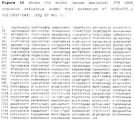
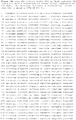
- said polynucleotide encodes a PTN polypeptide which is a mouse, rat or human PTN polypeptide, a variant (such as a splice variant), precursor (such as the 168 amino acid human pleiotrophin precursor sequence available at NCBI accession number NP_002816; GI: 4506281 or the 168 amino acid mouse pleiotrophin precursor sequence available at NCBI accession number NP_032999; GI: 6679543), derivative (such as a post-translationally processed polypeptide), homologue or orthologue from another species (preferably a mammalian homologue or orthologue) or fragment.
- a variant such as a splice variant
- precursor such as the 168 amino acid human pleiotrophin precursor sequence available at NCBI accession number NP_002816; GI: 4506281 or the 168 amino acid mouse pleiotrophin precursor sequence available at NCBI accession number NP_032999; GI: 6679543
- the PTN polypeptide or fragment thereof preferably exhibits biological activity, particularly the ability to bind to its specific receptors such as RPTP ⁇ / ⁇ , ALK or Syndecan 3.
- said polynucleotide encodes:
- the transgenic rodent according to the invention has a brain-specific promoter selected from the group consisting of: the human or mouse Thy1 gene promoter; human or mouse Neuron specific enolase (NSE); human or mouse Rhombotin I; PGK; human or mouse Neurofilament Low (NF-L); human or mouse dopamine beta-hydroxylase (DBH); human or mouse Synapsin-1. Further details of the promoters are provided in Table 4 below.
- a particularly preferred promoter is the promoter of the Thy1 gene, especially a Thy1 promoter of the same species as the transgenic rodent.
- the Thy1 promoter may comprise or consist of a polynucleotide having at least 80%, 90%, 95% or 99% nucleotide sequence identity to the sequence of SEQ ID NO: 5.
- the present inventors have found that the Thy1 promoter permits elevated expression of PTN in a targeted manner; expression is largely confined to cortical and hippocampal neurons, and also in other regions as the amygdala.
- use of the Thy1 promoter to drive expression of PTN provides an advantageous way to induce the desired anxious and/or depressive-like phenotype of certain embodiments of the transgenic rodent of the invention.
- the transgenic rodent of the invention has greater than wild-type expression of the PTN polypeptide, as defined herein, in at least one brain region selected from: cortex and hippocampus. Results disclosed herein indicate that elevated expression of PTN in one or more of these brain regions contributes to, or underlies the anxious-depressive-like phenotype observed.
- the elevated expression may, in some cases, be a relatively modest increase in expression compared with wild-type (e.g. compared with the expression in the same brain region of a species-, gender- and age-matched wild-type rodent which does not carry any genetic alteration relating to PTN or its promoter).
- elevated expression may be at least 10%, 20%, 30%, 50%, 100%, 200%, 300% or 400% or greater expression of the PTN polypeptide in said at least one brain region.
- techniques for measuring expression of PTN including techniques for direct measurement of protein levels (e.g. Western blot and immunofluorescence) and techniques for indirect measurement based on measurement of mRNA encoding the PTN polypeptide (e.g. qPCR).
- the transgenic animal of the invention is a rodent, such as a mouse or rat. Most preferably, the transgenic rodent is a mouse (e.g. Mus musculus ).
- the present invention provides a method of producing a transgenic rodent of the first aspect of the invention, comprising:
- the present invention provides an in vivo method for identifying an agent for use in the treatment of neuropsychiatric illnesses, particularly mood disorders such as anxiety and/or major depression, comprising:
- the method of this aspect of the invention may further comprise isolating the test agent and, optionally, formulating the test agent into a pharmaceutical composition with at least one pharmaceutically acceptable salt, carrier or excipient.
- the present invention provides a method of assessing the presence of or susceptibility to anxiety and/or depression in a subject, comprising:
- test subject has not previously been diagnosed as having a neuropsychiatric illness, such as anxiety and/or major depression. In certain other cases of the method of this aspect of the invention the test subject has previously been diagnosed as having a neuropsychiatric illness.
- the method of this aspect of the invention may be used to assess the stage and/or severity of the neuropsychiatric illness, to select the patients that will benefit from the treatments, or to monitor the effect of a treatment administered to the test subject.
- subject or “individual” refer to members of mammalian animal species and include, but are not limited to, domestic animals, primates and humans; the subject is preferably a male or female human being of any age or race.
- neuropsychiatric illness includes a wide range of undesirable psychiatric and neurological conditions, such as schizophrenia, bipolar disorder, anxiety, major depression, schizoaffective disorder, psychiatric conditions (defined in the DMS IV manual) and neurological illnesses caused by alterations of the central nervous system.
- gene refers to a region of a molecular chain of deoxyribonucleotides that encodes a protein and which could represent the complete coding sequence or a portion of it.
- DNA refers to deoxyribonucleic acid.
- a DNA sequence is a sequence of deoxyribonucleotides.
- RNA refers to ribonucleic acid.
- An RNA sequence is a sequence of ribonucleotides.
- mRNA refers to messenger ribonucleic acid, which is the fraction of total RNA that is translated into proteins.
- cDNA refers to a sequence of nucleotides that is complementary to an mRNA sequence.
- mRNA transcribed from refers to the transcription of the gene (DNA) into mRNA, as the first step for the gene to be expressed and translated into protein.
- nucleotide sequence refers equally to a sequence of ribonucleotides (RNA) or deoxyribonucleotides (DNA).
- protein refers to a molecular chain of amino acids joined by covalent or noncovalent bonds. This term includes all types of post-translational modification, such as glycosylation, phosphorylation or acetylation.
- peptide and “polypeptide” refer to molecular chains of amino acids that represent a protein fragment.
- protein and “peptide” are used indistinctly.
- antibody refers to a glycoprotein that displays specific binding to a target molecule, which is termed the "antigen”.
- antibody includes monoclonal antibodies or polyclonal antisera, either intact or fragments thereof; it includes human, humanised and non-human antibodies.
- Monoclonal antibodies are homogeneous populations of highly specific antibodies that target a unique antigenic site or “determinant”.
- Polyclonal antisera include heterogeneous populations of antibodies that target different antigenic determinants.
- epitope refers to an antigenic determinant of a protein, which is the amino acid sequence of the protein that a specific antibody recognises.
- solid phase refers to a non-aqueous matrix to which an antibody can be bound.
- solid phase materials include glass, polysaccharides such as agarose, polyacrylamide, polystyrene, polyvinyl alcohol and silicones.
- solid phase forms are the well of a test plate or a purification column.
- oligonucleotide and “oligonucleotide primer” are used indistinctly and as used in the present invention, refer to nucleotide sequences that are complementary to a nucleotide sequence in the ptn gene. Each primer hybridises with its target nucleotide sequence and acts as a starting point for nucleotide polymerisation catalysed by DNA polymerase, RNA polymerase or reverse transcriptase.
- probe refers to a nucleotide sequence that is complementary to a nucleotide sequence derived from the ptn gene and which can be used to detect this nucleotide sequence derived from the ptn gene.
- therapeutic target refers to nucleotide or peptide sequences against which a drug or therapeutic compound can be designed and applied clinically.
- antagonist refers to any molecule that inhibits the biological activity of the antagonised molecule.
- antagonists include, amongst others, proteins, peptides, sequence variations of natural peptides and small organic molecules (molecular weights of less than 500 Daltons).
- exogenous promoter means a promoter other than the PTN gene promoter.
- to exhibit depressive symptoms means, but is by no means limited to, particularly to exhibit an increase in immobility time in the tail suspension test as described below.
- to exhibit anxious symptoms means, but is by no means limited to, particularly to exhibit a reduction in time spent in the open arms in the elevated plus maze as described below.
- animal model of mood disorders means an animal which may be used in detecting an effect of a test substance on the treatment for anxiety and/or depression or screening for an agent for treating anxiety and/or depression.
- PTN polypeptide may be a native PTN polypeptide from a mammalian species, particularly a mouse, human or rat.
- PTN protein is also known by the names: HBBM (Heparin-binding brain mitogen), HBGF-8 (Heparin-binding growth factor 8), HB-GAM (Heparin-binding growth-associated molecule), HBNF-1 (Heparin-binding neurite outgrowth-promoting factor 1) and OSF-1 (Osteoblast-specific factor 1).
- PTN polypeptide as used herein are variants (such as a splice variant), precursors (such as the 168 amino acid human pleiotrophin precursor sequence available at NCBI accession number NP_002816; GI: 4506281 or the 168 amino acid mouse pleiotrophin precursor sequence available at NCBI accession number NP_032999; GI: 6679543), derivatives (such as a post-translationally processed polypeptide) and fragments thereof.
- variants such as a splice variant
- precursors such as the 168 amino acid human pleiotrophin precursor sequence available at NCBI accession number NP_002816; GI: 4506281 or the 168 amino acid mouse pleiotrophin precursor sequence available at NCBI accession number NP_032999; GI: 6679543
- derivatives such as a post-translationally processed polypeptide
- the PTN polypeptide or fragment thereof preferably exhibits biological activity, particularly the ability to bind to a cell surface receptor such as Protein Tyrosine Phosphatase beta/zeta (RPTP ⁇ / ⁇ ), Anaplastic Lymphoma Kinase Receptor (ALK) or N-Syndecan (SDC3) (for example a cell surface receptor of the same species).
- RPTP ⁇ / ⁇ Protein Tyrosine Phosphatase beta/zeta
- ALK Anaplastic Lymphoma Kinase Receptor
- SDC3 N-Syndecan
- PTN-encoding polynucleotide or similar expression refers to any nucleic acid (DNA or RNA) that encodes a PTN polypeptide as defined herein.
- Preferred PTN-encoding polynucleotides include those having at least 80%, 90%, 95% or 99% nucleotide sequence identity to the polynucleotide sequence of SEQ ID NO: 1 or 3.
- Particularly preferred PTN-encoding polynucleotides comprise or consist of a polynucleotide having the polynucleotide sequence of SEQ ID NO: 1 or 3.
- the Thy promoter may be a variant or homologue from a non-mouse species, wherein said variant or homologue comprises or consists of a polynucleotide sequence having at least 80%, 90%, 95% or 99% sequence identity to the polynucleotide sequence of SEQ ID NO: 5, or a fragment thereof having promoter activity.
- the Thy1 promoter comprises or consists of a polynucleotide sequence having the polynucleotide sequence of SEQ ID NO: 5.
- Neuro-specific promoters i.e. other than the Thy1 promoter
- NSE or ENO2 human or mouse Neuron specific enolase
- LMO1 human or mouse Rhombotin I
- PGK or PGK11 human or mouse Phosphoglycerate kinase 1
- NF-L light polypeptide
- DH human or mouse dopamine beta-hydroxylase
- SYN1 human or mouse Synapsin-1
- the non-human transgenic animal of the invention is a rodent, most preferably a mouse.
- a variety of suitable techniques may be used to alter the mouse genome to enhance PTN expression in at least one brain region.
- a vector as defined herein is introduced into a rodent embryo.
- the incorporated polynucleotide encoding a PTN polypeptide and under control of a promoter is preferably transmissible between generations. This facilitates establishment of a colony of transgenic rodents. Genomic incorporation of the polynucleotide is verified by extraction and characterisation of DNA from the transgenic animal and/or its offspring.
- this agent When an agent reduces the expression levels of the ptn gene or reverses the effects due to increased expression of said gene, this agent becomes a candidate for the treatment of neuropsychiatric disorders.
- the invention relates to the use of nucleotide or peptide sequences from the ptn gene in methods to search for, identify, develop and assess the efficacy of compounds to treat neuropsychiatric illnesses, especially mood disorders such as anxiety and/or major depression.
- the importance of screening methods in the search for drugs based on the binding, competitive or otherwise, of a potential drug molecule to the therapeutic target should be stressed.
- Another object of the invention consists of providing agents characterised by their inhibition of the expression and/or activity of the PTN protein.
- agents which can be identified and assessed according to the present invention may be chosen from the group formed by:
- compositions that contain a therapeutically effective quantity of one or more agents identified in a screening method of the invention together with one or more excipients and/or transport substances. Furthermore, said composition may comprise a further active ingredient that inhibits the function of the PTN protein.
- the excipients, transport substances and auxiliary substances should be pharmaceutically and pharmacologically acceptable such that they can be combined with other components of the formulation or preparation and they do not cause adverse effects on the treated organism.
- the pharmaceutical compositions or formulations include those that are appropriate for oral or parenteral (including subcutaneous, intradermal, intramuscular and intravenous) administration, although the best administration route depends on the state of the patient.
- the formulations can be in the form of simple doses and the formulations are prepared according to known methods in the field of pharmacology.
- the amounts of active substances to be administered can vary depending on the therapeutic needs.
- Methods of the present invention for assessing the presence of or susceptibility to a neuropsychiatric illness are based on the observation that subjects or individuals diagnosed with neuropsychiatric illnesses, especially mood disorders, such as anxiety and/or depression, present much higher levels of the protein coded for the ptn gene (PTN protein) than the corresponding levels in subjects with no clinical history of these illnesses.
- PTN protein protein coded for the ptn gene
- the method presented involves a subject sampling step, and can work with different biological fluids such as, for example: blood, plasma, serum or cerebrospinal fluid.
- the sample comprises CNS tissue.
- the samples can be taken from subjects previously diagnosed with a given neuropsychiatric illness or from undiagnosed individuals, as well as from a subject receiving treatment or who has been treated previously for a neuropsychiatric illness, particularly mood disorders such as anxiety and/or depression.
- the present method may also involve an extraction step.
- Any conventional in vitro test can be used for measurement of the concentration of the PTN protein, in samples collected from the individuals to be analysed and from control individuals.
- the present invention provides an in vitro method for detecting the presence of anxiety and/or depression in an individual, , to determine the state or severity of this illness in the individual, or to monitor the effect of a treatment administered to an individual who presents this illness, based either on measuring the concentration of the PTN protein.
- the method may comprise an initial step where the protein extract from the sample is mixed with one or more specific antibodies against one or more epitopes of the PTN protein, and a second step where the complexes formed between these antibodies and the protein PTN are quantified.
- the PTN protein can be quantified with antibodies such as specific monoclonal and polyclonal antibodies, either intact or recombinant fragments thereof, combibodies, and Fab or scFv antibody fragments against the PTN protein.
- antibodies can be human, humanised or non-human in origin.
- the antibodies used in these tests can be labelled or not and the unlabelled antibodies can be used in clumping tests while the marked antibodies can be used in a wide range of tests.
- the labelling molecules that can be used to label the antibodies include radionuclides, enzymes, fluorophores, chemoluminescent reagents, enzymatic substrates or cofactors, enzyme inhibitors, particles, colorants and derivatives.
- a wide range of well-known tests that use unlabelled (primary antibody) and labelled antibodies (secondary antibody) can be used with the invention dealt with here.
- These techniques include the Western blot or Western transfer, ELISA ( Enzyme-Linked inmunosorbent assay ), RIA ( Radioimmunoassay ), competitive EIA ( competitive enzyme immunoassay ), DAS-ELISA ( double antibody sandwich-ELISA ), immunocytochemical and immunohistochemical techniques, techniques based on the use of biochips or protein microarrays that include specific antibodies or tests based on colloidal precipitation in formats such as dipsticks.
- Other methods of detecting and quantifying the PTN protein include affinity chromatography techniques, ligand binding tests, mass spectrometry or lectin binding tests.
- the method may involve comparing the amount of the PTN protein detected in the sample taken from the subject with the amount of PTN protein, detected in samples from one or more control subjects or with one or more pre-determined reference values.
- An increase of around 10%, preferably 20%, 30%, 50% or greater may indicate the presence of or susceptibility to anxiety and/or depression in the subject.
- Example 1 Analysis of brain tissue using microarray data analysis
- Samples of postmortem prefrontal cortex were obtained at autopsies performed in the Forensic Anatomical Institute, Bilbao, Spain, and stored at -80°C. The study was developed in compliance with policies of research and ethical review boards for postmortem brain studies (Basque Institute of Legal Medicine, Bilbao). Deaths recorded as suicide were subjected to retrospective careful searching for previous medical diagnosis and treatment using examiner's information and records of hospitals and mental health centres. Depressed victims were selected according to the following criteria: suicide by violent method, lifetime diagnosis of Major Depression made according to DSM-IV and DSM-IV-R (American Psychiatric Association. Diagnostic and Statistical Manual of Mental Disorders , 4 rd edition revised.
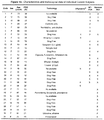
- the MAS5.0 Change algorithm was used to select a further set of genes that consistently had an Increase or Decrease call across the different case-control pair wise comparisons, including 62 upregulated sequences and 95 downregulated sequences.
- Our cutoff criterion was rather relaxed for this analysis, due to variability issues. This method shared only one probe set with the previous method, with no relevance to the biological data mining of the results.
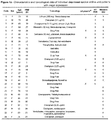
- the final list of 383 selected genes is showed in table Annex 1.
- Microarray results were investigated using quantitative PCR. Eighty three genes were selected for quantitative PCR to validate their mRNA expression on a larger sample set, by using Low Density Arrays (Annex 2). Seven genes (RPL10, B2M, ENO2, ZFP207, ACTB, GAPDH and NEFH) were selected to be used as reference genes. Validation was carried out using Low Density Arrays (Applied Biosystems) in a total of 40 prefrontal cortex samples (20 case and 20 control samples). This tool allowed the simultaneous interrogation of all the chosen target genes with two replicates for each gene using TaqMan® technology. Briefly, a 384-well microfluidic card is loaded with the selected gene expression assays.
- Each card is composed of eight sample-loading ports, each connected to 48 reaction wells.
- One microgram of RNA from each sample was reversed transcribed using a high-capacity cDNA archive kit (Applied Biosystems) and random primers. 25 ⁇ l of cDNA are used for preparation of PCR mastermix. Samples are then pipetted into each port. After centrifuging, the card is placed on the 7900HT Fast Real Time PCR System (Applied Biosystems). All protocols followed manufacturer's directions. For signal detection, the ABI Prism 7700 Sequence Detector System was used. The Ct value (cycle number at threshold) was used as a measure of relative amount of mRNA molecules. All measurements were produced in duplicate, and the average of the two was taken for analysis.
- Human brain samples (100 mg) were homogenized in cold 50 mM Tris-HCl buffer, pH 7.5, containing various protease inhibitors (Sigma protease inhibitor cocktail 50 ⁇ l/g, antipain and chymostatin 10 ⁇ l/ml), and phosphatase inhibitors (1 mM cantharidin, 1 mM sodium fluoride, and 1 mM sodium orthovanadate). Then, a mix of detergents (10% igepal, 5% sodium deoxycholate, 1% sodium dodecyl sulfate (SDS), and CHAPS 250 mM) was added and samples were centrifuged at 14,000xg for 10 min.
- various protease inhibitors Sigma protease inhibitor cocktail 50 ⁇ l/g, antipain and chymostatin 10 ⁇ l/ml
- phosphatase inhibitors (1 mM cantharidin, 1 mM sodium fluoride, and 1 mM sodium orthovanadate. Then,
- pellet protein content was determined with the BCA protein assay kit (Pierce, Madrid, Spain) using bovine serum albumin as a standard. Aliquots of this mixture were combined with solubilization loading buffer (25% glycerol, 5% 2-mercaptoethanol, 2% SDS, 0.01% bromophenol blue, and 62.5 mM Tris-HCl, pH 6.8), to reach a final concentration of 2 mg/ml. The mixture was denatures at 95°C for 5 min, and stored at -80°C until use.
- solubilization loading buffer (25% glycerol, 5% 2-mercaptoethanol, 2% SDS, 0.01% bromophenol blue, and 62.5 mM Tris-HCl, pH 6.8
- the polynucleotide to be introduced contains a promoter sequence capable of controlling the expression of the depression-related protein and, if desired, may further contain an enhancer sequence.
- the depression-related protein may be expressed specifically in the brain.
- the promoter for preparing the model animal in the present example was specifically chosen. This promoter is the Thy-1 (THYmocyte differentiation antigen 1), also known as CD90, T25 or Thy1.2.
- the Thy-1 gene is a neuronal gene specifically expressed in neurons. Therefore, a desired gene (in this case PTN) can be selectively expressed in the brain, particularly in neurons, by using the promoter region of a Thy-1 gene.
- the transgenic mice were found to exhibit anxiety and/or depression symptoms as a result of overexpression of PTN in the brain.
- a 1.6 kb EcoR1-XhoI fragment containing the entire coding sequence of the mouse PTN gen was introduced downstream of the Thy-1 promoter (SEQ ID NO: 5) at XhoI site in the pTSC-a2 plasmid, which contained the regulatory regions responsible for tissue specific expression of Thy-1 gene.
- Transgenic mice were generated by standard pronucleus microinjection of the 5.8 kb fragment from the Thy1-PTN construct on a hybrid B6/SJL-F1J genetic background ( Figure 3a ).
- Successful introduction of the gene may be determined by extracting DNA from a part of the body (for example the tail tip) and confirming the presence of the introduced polynucleotide. Animals testing positive for the introduced gene are regarded as founders. The introduced polynucleotide is transmitted to 50% of the offspring, and it is possible to efficiently obtain wild type and mutated animals ( Figure 3c ).
- transgenic animal prepared as described above and its offspring exhibiting anxiety and/or depression symptoms are useful in detecting a therapeutic effect on anxiety and/or depression and screening for a therapeutic agent or agents for anxiety and/or depression.
- Proteins were obtained from the organic phase of the previously described TRI Reagent mRNA extraction. After ethanol addition, samples were centrifuged at 4.600 rpm for 5 min at 4°C. The supernatant was transferred to a new tube, incubated with isopronanol for 10 min at RT, and centrifuged at 12,000 g for 10 min at 4°C. After washing the pellet three times with guanidine hydrochloride in 95% ethanol, it was disaggregated with a manual homogenizer for 30 sec and incubated for 10 min at RT.
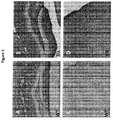
- mice Male mice were anesthetized with 0.2 ml pentobarbital (50 mg/kg) and transcardially perfused (1: 75 ml NaCl 0.9%; 2: 75 ml paraformaldehyde 4%). After brain extraction, 4 hour post-fixation was carried out with paraformaldehyde 4% and the brains were incubated in sacarose 30% for 36 hours. Once dry and frozen, 40 ⁇ m coronal sections were cut along the hippocampus and the cerebral cortex. Immunohistochemistry was performed as following standard protocols and the following antibodies were used: goat anti-PTN primary antibody (1:200) from R&D Systems (Ref.
- Transgenic animals show a higher intensity signal of PTN expression, compared to their wild-type littermates, both in the hippocampus and the cerebral cortex ( Figure 5 ).
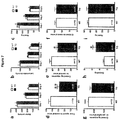
- the objective of this experiment was to evaluate the possible influence of the locomotor responses in the behavioral phenotype of transgenic mice overexpressing PTN.
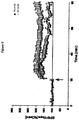
- locomotor activity was evaluated in wild-type and PTN-OE mice under non-stressful conditions using locomotor activity boxes ( Figure 7a-c ) and under stressful conditions using a high-illuminated open field ( Figure 7d-i ).
- Spontaneous horizontal and vertical locomotor activities were measured during three consecutive days under non-stressful conditions by using individual small Plexiglas activity boxes (9x20x11 cm, Imetronic, France). Each box contained a line of photocells 2 cm above the floor to measure horizontal locomotor activity, and another line located 6 cm above the floor to measure vertical activity (rearing). Mice were placed in the boxes and total activity, horizontal activity and number of rearings were recorded during 30 min in a low luminosity environment (20 ⁇ 25 lux). Data obtained in the locomotor activity boxes were analyzed by using a two-way analysis of variance (ANOVA) with genotype (wild-type or transgenic) as between-subjects factor and day as within-subject factor. Differences were considered significant at P ⁇ 0.05. All results are expressed as mean ⁇ S.E.M. The statistical analysis was performed using SPSS software version 15.0 (SPSS Inc., Chicago, IL, USA).
- Locomotor activity was also evaluated under stressful conditions by using an open field.
- the open field was a white rectangular area (70 cm wide, 90 cm long and 60 cm high) brightly illuminated from the top (500 lux).
- a total of 63 squares (10 x 10 cm) were drawn with black lines on the white floor of the field.
- Six events were recorded during an observation period of 5 min: time spent in central area, crossing squares in central area, entries in central area, crossing squares in peripheral area, number of rearings and number of groomings.
- Data obtained in the open field were analyzed by using a one-way ANOVA with genotype (wild-type or transgenic) as between-subjects factor. Differences were considered significant at P ⁇ 0.05. All results are expressed as mean ⁇ S.E.M. The statistical analysis was performed using SPSS software version 15.0 (SPSS Inc., Chicago, IL, USA).
- the elevated plus-maze consists of a black Plexiglas apparatus with four arms (16 cm long x 5 cm wide) set in cross from a neutral central square (5 x 5 cm). Two opposite arms are delimited by vertical walls (closed arms), while the two other opposite arms have unprotected edges (open arms).
- the maze is elevated 40 cm above the ground and placed in indirect light (100 Lux) at 22°C. At the beginning of the 5 min observation session, each mouse is placed in the central neutral zone, facing one of the open arms. The total numbers of visits to the closed and open arms, and the time spent in the closed and open arms, are then observed on a monitor through a videocamera system (ViewPoint, France). The maze was cleaned between sessions using 70% ethanol.
- the box consists of a small (15 x20x25 cm) dimly lit (5 lux) compartment, with black walls and a black floor, connected by a 4 cm long tunnel leading to a larger compartment (30x20x25 cm) intensely lit (500 lux) with white walls and white floor. Lines are drawn on the floor of both compartments to allow measurement of locomotor activity by counting the number of squares (5x5 cm) crossed.
- Floor lines separate the lit compartment into three equal zones, from the tunnel to the opposite wall, designated as proximal, median and distal zone. Each animal is placed in the dark compartment facing the tunnel at the beginning of the observation session. Latency to go for the first time to the lit compartment, time spent, number of squares crossed and number of visits into each zone of the lit compartment are recorded for 5 min through a videocamera system (ViewPoint, France).
- TST -Tail suspension test
- mice are individually suspended by adhesive tape, 1 cm from the tip of the tail 50 cm above a bench top for a 6 min period. The time that the animal is totally inactive during this period is recorded.
- mice are habituated for 2 days to drink a sucrose solution (1% sucrose in water in graduated feeding bottles with an anti-dripping system). 24 hours after drinking deprivation, the amount of sucrose intake is recorded for 1 hour.
- a sucrose solution 1% sucrose in water in graduated feeding bottles with an anti-dripping system.
- fEPSPs Field excitatory postsynaptic potentials
- the averaged values of the initial slope of the fEPSP were analyzed by a repeated measure ANOVA. Unpaired t-tests were performed for assessing specific group differences in the average of the fEPSP measured during 5 consecutive minutes at different times of the recording assay. In all the cases, statistical differences were considered significant if the probability of error was less than 5%. All calculations were performed using SPSS statistical package 15.0 version.
- Example 8 Method of screening agents as potential anxiety and / or depression therapeutics
- a potential therapeutic agent for the treatment of anxiety and/or depression can be tested by administering the test substance to a transgenic animal of the invention.
- the behavioural tests for example behavioural tests as disclosed in Example 6 above
- the one or more behavioural tests are additionally performed on one or more untreated transgenic animals of the invention to act as controls.
- a potential therapeutic agent may be classified as a candidate for further investigation on the basis of a positive screening result.
- a positive screening result may be one in which the test agent is found to restore or normalise a behavioural outcome of an animal of the invention to or towards the behavioural outcome of a normal animal (e.g. an animal not having altered levels of PTN but otherwise identical to the animal of the invention).
- the behavioural outcome may be quantified and the degree of restoration or normalisation of the behavioural outcome measured.
- a predetermined threshold level may be set to allow classification of an agent being screened as positive or negative for restoration or normalisation of behaviour.
- Agents classified as positive in this way may then be subjected to further animal testing and/or human clinical testing for safety and/or efficacy in the treatment of a psychiatric illness, e.g. anxiety and/or depression.
- the substances which can be used for the screening method are not limited, but may include for example: commercially available compounds (GSK-1838705A (Sabbatini et al., 2009); Crizotinib (Christensen et al., 2007); Imatinib (Heinrich et al., 2003)), various known compounds registered in compound databases (Huang et al., 2003), compounds obtained by combinatorial chemical files, compounds obtained by combinatorial chemistry techniques, or chemically or biologically modified compounds derived from other compounds, culture supernatants of microorganisms, natural components derived from plants or marine organisms, animal tissue, interference RNA (Calvet et al., 2006;Yao et al., 2011), peptides (Hamma-Kourbali et al., 2008;Diamantopoulou et al., 2010;Mikelis et al., 2011), splice forms (Lorente et al., 2005) and antibodies (Ch
- one or more positive control compounds which are known to have therapeutic activity in the treatment of psychiatric illness, particularly depression, are used in the screening method as a reference against which to compare the effects of any test agent.
- Preferred positive control compounds include Tricyclic Antidepressant such as Imipramine and Amitriptiline; Selective Serotonin Reuptake inhibitors (SSRI) such as Fluoxetine, Paroxetine, Sertraline, Citalopram, Dapoxetine, Escitalopram, Fluvoxamine and Vilazodone; Serotonin noradrenaline reuptake inhibitors (SNRI) such as Duloxetine and Velafaxine.
- SSRI Selective Serotonin Reuptake inhibitors
- SNRI Serotonin noradrenaline reuptake inhibitors
- Example 9 Novelty suppressed feeding test assesses anxiety and / or depression
- Novelty suppressed feeding test assesses anxiety and/or depression by measuring the latency of an animal to approach and eat food in a novel environment following chronic treatment with antidepressants.
- the Fluoxetine was delivered ad libitum in the drinking water at a concentration of 160 mg/l (approximately doses of 20-25 mg/kg/day) during 4 weeks. Mice were weighed and food was removed from their cage. Twenty four hr after removal of food, mice were transferred to the testing room, placed in a clean holding cage and allowed to habituate for at least 30 min.
- the testing apparatus consisted of a clear Plexiglas open-field (50x50x25 cm) under an aversive condition (100 lux luminosity). The floor was covered with 2 cm of corncob bedding. A small piece of mouse chow was placed in the center of the arena. At the start of the experiment, each mouse was placed in the corner of the testing area, and the time to the first feeding event was recorded. After all mice from a single cage were tested, mice were returned to their home cage. A longer latency to feed reflects an anxiety-like behaviour.
- HBS1L 0,64 211990_at major histocompatibility complex, class II, DP alpha 1 HLA-DPA1 0,64 218578_at hyperparathyroidism 2 (with jaw tumor)
- HRPT2 0,64 219564_at potassium inwardly-rectifying channel, subfamily J, member 16 KCNJ16 0,64 212942_s_at KIAA1199 KIAA1199 0,64 214658_at transmembrane emp24 protein transport domain containing 7 TMED7 0,64 221645_s_at zinc finger protein 83 (HPF1) ZNF83 0,64 204273_at endothelin receptor type B EDNRB 0,65 218053_at formin binding protein 3 FNBP3 0,65 203222_s_at transducin-like enhancer of split 1 (E(sp1) homolog, Drosophila) TLE1 0,65 204520_x_at bromodomain containing 1 BRD1 0,66 201842_s_at EGF-containing fibulin-
- pombe RAD21 0,85 212749_s_at ring finger and CHY zinc finger domain containing 1 RCHY1 0,85 203908_at solute carrier family 4, sodium bicarbonate cotransporter, member 4 SLC4A4 0,85 201273_s_at signal recognition particle 9kDa SRP9 0,85 212388_at ubiquitin specific protease 24 USP24 0,85 203420_at family with sequence similarity 8, member A1 FAM8A1 0,86 210111_s_at kelch domain containing 10 KLHDC10 0,86 219156_at synaptojanin 2 binding protein SYNJ2BP 0,86 219935_at a disintegrin-like and metalloprotease (reprolysin type) with thrombospondin type 1 motif, 5 (aggrecanase-2) ADAMTS5 0,87 202834_at angiotensinogen (serine (or cysteine) proteinase inhibitor, clade A (alpha-1 antiproteinas
Landscapes
- Health & Medical Sciences (AREA)
- Life Sciences & Earth Sciences (AREA)
- Engineering & Computer Science (AREA)
- Chemical & Material Sciences (AREA)
- Biomedical Technology (AREA)
- Molecular Biology (AREA)
- Genetics & Genomics (AREA)
- Immunology (AREA)
- Organic Chemistry (AREA)
- Biotechnology (AREA)
- General Health & Medical Sciences (AREA)
- Biochemistry (AREA)
- Zoology (AREA)
- Hematology (AREA)
- Bioinformatics & Cheminformatics (AREA)
- Urology & Nephrology (AREA)
- Microbiology (AREA)
- Physics & Mathematics (AREA)
- Proteomics, Peptides & Aminoacids (AREA)
- Wood Science & Technology (AREA)
- Cell Biology (AREA)
- Medicinal Chemistry (AREA)
- Analytical Chemistry (AREA)
- General Engineering & Computer Science (AREA)
- Biophysics (AREA)
- Pathology (AREA)
- General Physics & Mathematics (AREA)
- Food Science & Technology (AREA)
- Toxicology (AREA)
- Veterinary Medicine (AREA)
- Environmental Sciences (AREA)
- Tropical Medicine & Parasitology (AREA)
- Neurosurgery (AREA)
- Neurology (AREA)
- Plant Pathology (AREA)
- Gastroenterology & Hepatology (AREA)
- Animal Behavior & Ethology (AREA)
- Animal Husbandry (AREA)
- Biodiversity & Conservation Biology (AREA)
- Endocrinology (AREA)
Claims (13)
- Transgenes Nagetier, das ein Polynucleotid aufweist, das für ein Pleiotrophin-(PTN-) Polypeptid kodiert, wobei dieses Polynucleotid an einen Neuronen-spezifischen Promotor operabel gebunden ist, wobei das transgene Nagetier in zumindest einer Gehirnregion eine stärkere als die Wildtyp-Expression des PTN-Polypeptids aufweist und wobei der Neuronen-spezifische Promotor aus der aus Folgendem bestehenden Gruppe ausgewählt ist: einem Thy1-Gen-Promotor, einem Neuronen-spezifischen Enolase- (NSE-) Gen-Promotor, Rhombotin-I-Gen-Promotor, PGK-Gen-Promotor, Neurofilament-Low- (NF-L-) Genpromotor, Dopamin-β-Hydroxylase- (DBH-) Gen-Promotor und Synapsin-1-Gen-Promotor, und wobei das transgene Nagetier zumindest ein angst- und/oder depressionsähnliches Verhalten aufweist.
- Transgenes Nagetier nach Anspruch 1, wobei das Polynucleotid für Folgendes kodiert:(i) ein PTN-Polypeptid mit einer Aminosäuresequenz mit zumindest 80 % Aminosäuresequenzidentität in Bezug auf Seq.-ID Nr. 2;(ii) ein PTN-Polypeptid mit der Aminosäuresequenz von Seq.-ID Nr. 2;(iii) ein PTN-Polypeptid mit einer Aminosäuresequenz mit zumindest 80 % Aminosäuresequenzidentität in Bezug auf Seq.-ID Nr. 4;(iv) ein PTN-Polypeptid mit der Aminosäuresequenz von Seq.-ID Nr. 4;und wobei das PTN-Polypeptid nach einem der Punkte (i) bis (iv) in der Lage ist, an die spezifischen Rezeptoren RPTBβ/ζ, ALK oder Syndecan-3-Polypeptid zu binden.
- Transgenes Nagetier nach Anspruch 1 oder 2, wobei der Neuronen-spezifische Promotor ein Thy1-Gen-Promotor ist.
- Transgenes Nagetier nach Anspruch 3, wobei der Thy1-Promotor ein Polynucleotid mit zumindest 80 % Nucleinsäuresequenzidentität in Bezug auf Seq.-ID Nr. 5 umfasst.
- Transgenes Nagetier nach einem der vorangegangenen Ansprüche, wobei die zumindest eine Gehirnregion aus Cortex und Hippocampus ausgewählt ist.
- Transgenes Nagetier nach einem der vorangegangenen Ansprüche, das eine Maus ist.
- Transgenes Nagetier nach einem der vorangegangenen Ansprüche, wobei das angst- und/oder depressionsähnliche Verhalten aus der aus Folgendem bestehenden Gruppe ausgewählt ist: verbringt weniger Zeit in offenen Armen eines erhöhten Pluslabyrinths; verbringt weniger Zeit im zentralen Bereich bei einem offenen Feldversuch; verbringt weniger Zeit im Licht in einem Versuch mit Hell-Dunkel-Box; längere Verzögerung beim Fressen in einem Novelty-Suppressed-Feeding-Test; gesteigerte Immobilitätsdauer beim Tail-Suspension-Test und geringere Saccharose-Aufnahme beim Saccharoseaufnahmetest.
- Verfahren zur Herstellung eines transgenen Nagetiers nach einem der Ansprüche 1 bis 7, wobei das Verfahren Folgendes umfasst:das Einführen eines Vektors, der ein Polynucleotid umfasst, das für einen Gehirn-spezifischen Promotor, ausgewählt aus der Gruppe bestehend aus einem Thy1-Gen-Promotor, einem Neuronen-spezifischen Enolase- (NSE-) Gen-Promotor, Rhombotin-I-Gen-Promotor, PGK-Gen-Promotor, Neurofilament-Low- (NF-L-) Genpromotor, Dopamin-β-Hydroxylase- (DBH-) Gen-Promotor und Synapsin-1-Gen-Promotor, kodiert, in eine oder mehrere Zellen des Nagetiers in der Embryonalstufe unddas anschließende Extrahieren von DNA aus dem Nagetier, um den Einbau des Polynucleotids in das Genom des Nagetiers zu bestätigen, wobei das transgene Nagetier ein Nagetier mit einem angst- und/oder depressionsähnlichen Verhalten ist.
- In-vivo-Verfahren zur Identifikation eines Mittels zur Verwendung bei der Behandlung einer neuropsychiatrischen Erkrankung, insbesondere für eine Stimmungsstörung wie Angst und/oder Depression, wobei das Verfahren Folgendes umfasst:(i) das Verabreichen eines Testmittels an ein transgenes Nagetier nach einem der Ansprüche 1 bis 7 und das anschließende direkte oder indirekte Messen der Expression eines PTN-Polypeptids in zumindest einer Gehirnregion im Vergleich zur Expression des PTN-Polypeptids in zumindest einer Gehirnregion eines transgenen Kontrollnagetiers nach einem der Ansprüche 1 bis 7, das der Testverbindung nicht ausgesetzt wurde; und/oder(ii) das Verabreichen eines Testmittels an ein transgenes Nagetier nach einem der Ansprüche 1 bis 7 und das anschließende Bewerten des Vorliegens und/oder der Schwere einer oder mehrerer mit Angst und/oder Depression zusammenhängender Verhaltensweisen bei dem transgenen Nagetier im Vergleich zu der einen oder mehreren mit Angst und/oder Depression zusammenhängenden Verhaltensweisen in einem transgenen Kontrollnagetier nach einem der Ansprüche 1 bis 7, das dem Testmittel nicht ausgesetzt wurde; und/oder(iii) das Verabreichen eines Testmittels an ein transgenes Nagetier nach einem der Ansprüche 1 bis 7 und das anschließende Bewerten von Neurogenese- und/oder Synaptogeneseprozessen in dem transgenen Nagetier im Vergleich zu Neurogenese- und/oder Synaptogeneseprozessen in einem transgenen Kontrollnagetier nach einem der Ansprüche 1 bis 7, das dem Testmittel nicht ausgesetzt wurde,wobei eine Reduktion der Expression bei (i) und/oder einer oder mehrerer mit Angst und/oder Depression zusammenhängender Verhaltensweisen bei (ii) und/oder ein Anstieg der Neurogenese- und/oder Synaptogeneseprozess bei (iii) aufgrund des Testmittels anzeigen, dass das Testmittel potenziell nützlich zur Behandlung einer neuropsychiatrischen Erkrankung, insbesondere einer Stimmungsstörung wie Angst und/oder Depression, ist.
- Verfahren nach Anspruch 9, wobei die eine oder die mehreren, mit Angst und/oder Depression zusammenhängenden Verhaltensweisen aus folgenden ausgewählt ist/sind: reduzierte motorische Aktivität in einem offenen Feldversuch; reduzierte Aufenthaltsdauer in offenen Armen eines erhöhten Pluslabyrinths; reduzierte Aufenthaltsdauer in dem beleuchteten Teil der Hell-Dunkel-Box; erhöhte Verzögerung bei Nahrungsaufnahme in einem Novelty-Suppressed-Feeding-Test; gesteigerte Immobilität in einem Tail-Suspension-Test und geringere Saccharoseaufnahme.
- Verfahren nach Anspruch 9 oder 10, wobei festgestellt wird, dass das Testmittel die Expression bei (i) und/oder eine oder mehrere mit Angst und/oder Depression zusammenhängende Verhaltensweisen bei (ii) reduziert und/oder Neurogenese- und/ oder Synaptogeneseprozess bei (iii) steigert.
- Verfahren zur Bewertung des Vorliegens von oder der Anfälligkeit für Angst und/ oder Depression in einem Testindividuum, wobei das Verfahren Folgendes umfasst:das Detektieren und/oder Ermitteln der Menge eines PTN-Polypeptids in einer Probe, die aus dem Testindividuum stammt, unddas Vergleichen der Menge an PTN-Polypeptid mit einem oder mehreren Referenzwerten, die der Menge an PTN-Polypeptid in einer Kontrollprobe von einem Kontrollindividuum ohne neuropsychiatrische Erkrankung entsprechen, wobei ein Anstieg um zumindest 10 % dieser Menge an PTN-Polypeptid in der Probe aus dem Testindividuum im Vergleich zu dem Referenzwert das Vorliegen von oder einer Anfälligkeit für Angst und/oder Depression in dem Individuum anzeigt,und wobei die Probe aus der aus Blut, Plasma, Serum, Zerebrospinalflüssigkeit (CSF) und Zentralnervensystemgewebe bestehenden Gruppe ausgewählt ist.
- Verfahren nach Anspruch 12, wobei:(a)fürdas Testindividuum zuvor keine neuropsychiatrische Erkrankung diagnostiziert wurde oder(b) für das Testindividuum zuvor eine neuropsychiatrische Erkrankung diagnostiziert wurde und das Verfahren angewandt wird, um das Stadium und/oder die Schwere der Krankheit zu bewerten, um Patienten auszuwählen, die von einer Behandlung profitieren, oder die Wirkung einer an ein Testindividuum verabreichten Behandlung zu überwachen.
Applications Claiming Priority (2)
| Application Number | Priority Date | Filing Date | Title |
|---|---|---|---|
| GBGB1204816.1A GB201204816D0 (en) | 2012-03-19 | 2012-03-19 | Transgenic animal model of mood disorders |
| PCT/EP2013/055253 WO2013139676A1 (en) | 2012-03-19 | 2013-03-14 | Transgenic animal model of mood disorders |
Publications (3)
| Publication Number | Publication Date |
|---|---|
| EP2827706A1 EP2827706A1 (de) | 2015-01-28 |
| EP2827706B1 true EP2827706B1 (de) | 2017-04-12 |
| EP2827706B8 EP2827706B8 (de) | 2017-08-02 |
Family
ID=46052180
Family Applications (1)
| Application Number | Title | Priority Date | Filing Date |
|---|---|---|---|
| EP13711608.3A Not-in-force EP2827706B8 (de) | 2012-03-19 | 2013-03-14 | Transgenes tiermodell für gemütskrankheiten |
Country Status (6)
| Country | Link |
|---|---|
| US (2) | US9398761B2 (de) |
| EP (1) | EP2827706B8 (de) |
| CA (1) | CA2867652A1 (de) |
| ES (1) | ES2627537T3 (de) |
| GB (1) | GB201204816D0 (de) |
| WO (1) | WO2013139676A1 (de) |
Families Citing this family (3)
| Publication number | Priority date | Publication date | Assignee | Title |
|---|---|---|---|---|
| EP3870292A4 (de) | 2018-10-26 | 2022-11-09 | The Research Foundation for The State University of New York | Kombination von serotonin-spezifischem wiederaufnahmeinhibitor und serotonin-1a-rezeptor-partialagonist zur verminderung von l-dopa-induzierter dyskinesie |
| CN113519417B (zh) * | 2021-07-14 | 2022-03-29 | 中国水产科学研究院黄海水产研究所 | 一种斑石鲷陆海接力养殖方法 |
| CN116287239B (zh) * | 2023-01-05 | 2026-04-24 | 山西高等创新研究院 | 用于诊断癌症的分子标志物、试剂盒及其应用 |
Family Cites Families (15)
| Publication number | Priority date | Publication date | Assignee | Title |
|---|---|---|---|---|
| JPH10504964A (ja) | 1994-09-01 | 1998-05-19 | メルク エンド カンパニー インコーポレーテッド | 家族性型ヒトアミロイド前駆タンパク質を発現するトランスジェニック動物 |
| EP0920495B1 (de) | 1996-07-24 | 2008-05-07 | Novartis AG | Transgentier-modell für die krankheit von alzheimer |
| CA2283954A1 (en) * | 1997-03-12 | 1998-09-17 | Meiji Milk Products Co., Ltd. | Preventive and therapeutic compositions for drug induced nephropathy and hepatitis |
| GB9924513D0 (en) * | 1999-10-15 | 1999-12-15 | Novartis Ag | Organic compounds |
| AU4334201A (en) * | 2000-02-29 | 2001-09-12 | Barnes Jewish Hospital | Modulation of pleiotrophin signaling by receptor-type protein tyrosine phosphatase beta/zeta |
| CA2405504A1 (en) * | 2000-04-24 | 2001-11-15 | Wyeth | Transgenic animal |
| AU2003291720A1 (en) * | 2002-11-01 | 2004-06-18 | The Board Of Trustees Of The Leland Stanford Junior University | Compositions and methods for diagnosing and treating mood disorders |
| US7888485B2 (en) * | 2003-03-26 | 2011-02-15 | Georgetown University | Anti-pleiotrophin antibodies and methods of use thereof |
| US20050084880A1 (en) * | 2003-07-11 | 2005-04-21 | Ronald Duman | Systems and methods for diagnosing & treating psychological and behavioral conditions |
| WO2005047530A2 (en) * | 2003-11-10 | 2005-05-26 | Aventis Pharmaceuticals Inc. | Method for assaying compounds that modulate the activity of protein tyrosine phosphatase receptor zeta (ptprzeta) |
| DK1766077T3 (da) * | 2004-06-21 | 2012-07-16 | Univ Leland Stanford Junior | Differentielt udtrykte gener og veje i bipolar forstyrrelse og/eller alvorlig depressiv forstyrrelse |
| AU2005272920B2 (en) * | 2004-08-10 | 2011-05-12 | Institute For Multiple Myeloma And Bone Cancer Research | Methods of regulating differentiation and treating of multiple myeloma |
| AT501628B1 (de) | 2005-04-14 | 2007-09-15 | Jsw Res Forschungslabor Gmbh | Promotor zur expression von fremdgenen in neuronalen zellen |
| WO2010039526A1 (en) * | 2008-09-23 | 2010-04-08 | Indiana University Research And Technology Corporation | Genes and single nucleotide polymorphisms for genetic testing in bipolar disorder |
| WO2011154037A1 (en) * | 2010-06-08 | 2011-12-15 | Georg-August-Universität Göttingen Stiftung Öffentlichen Rechts, Universitätsmedizin | Transgenic mouse model expressing amyloid beta 4 - 42 peptide |
-
2012
- 2012-03-19 GB GBGB1204816.1A patent/GB201204816D0/en not_active Ceased
-
2013
- 2013-03-14 EP EP13711608.3A patent/EP2827706B8/de not_active Not-in-force
- 2013-03-14 CA CA2867652A patent/CA2867652A1/en not_active Abandoned
- 2013-03-14 ES ES13711608.3T patent/ES2627537T3/es active Active
- 2013-03-14 WO PCT/EP2013/055253 patent/WO2013139676A1/en not_active Ceased
- 2013-03-14 US US14/386,319 patent/US9398761B2/en active Active
-
2016
- 2016-06-21 US US15/188,264 patent/US20160305963A1/en not_active Abandoned
Non-Patent Citations (1)
| Title |
|---|
| ANONYMOUS: "Tissue expression of PTN - Summary - The Human Protein Atlas", INTERNET ARTICLE, 1 January 2016 (2016-01-01), XP055245302, Retrieved from the Internet <URL:http://www.proteinatlas.org/ENSG00000105894-PTN/tissue> [retrieved on 20160127] * |
Also Published As
| Publication number | Publication date |
|---|---|
| US20160305963A1 (en) | 2016-10-20 |
| GB201204816D0 (en) | 2012-05-02 |
| US20150047060A1 (en) | 2015-02-12 |
| WO2013139676A1 (en) | 2013-09-26 |
| ES2627537T3 (es) | 2017-07-28 |
| US9398761B2 (en) | 2016-07-26 |
| EP2827706A1 (de) | 2015-01-28 |
| EP2827706B8 (de) | 2017-08-02 |
| CA2867652A1 (en) | 2013-09-26 |
Similar Documents
| Publication | Publication Date | Title |
|---|---|---|
| Parras et al. | Autism-like phenotype and risk gene mRNA deadenylation by CPEB4 mis-splicing | |
| AU2007243475B2 (en) | Pre-B cell proliferation and lymphoblastic leukemia/high-grade lymphoma in miR155 transgenic mice | |
| Gstrein et al. | Mutations in Vps15 perturb neuronal migration in mice and are associated with neurodevelopmental disease in humans | |
| EP2321417B1 (de) | Stxbp1 als psychiatrischer biomarker im mausmodellsystem und deren anwendungen | |
| EP3638246A1 (de) | Diagnostische und therapeutische verfahren für irak4-vermittelte erkrankungen und zustände | |
| KR20150122731A (ko) | 암 전이의 예후 및 치료 방법 | |
| CN111518884B (zh) | miRNA30簇作为阿尔茨海默病诊断标志物的应用 | |
| WO2009048747A2 (en) | Candidate genes and blood biomarkers for bipolar mood disorder, alcoholism and stress disorder | |
| JP2011083279A (ja) | 皮膚炎症性疾患の診断方法 | |
| US20160305963A1 (en) | Transgenic animal model of mood disorders | |
| AU2018422285A1 (en) | Determining cancer responsiveness to treatment | |
| Talbot et al. | Sonic hedgehog medulloblastomas are dependent on Netrin-1 for survival | |
| JP2019533987A (ja) | リンパ系疾患の診断及び治療のための組成物及び方法 | |
| US20050158733A1 (en) | EGR genes as targets for the diagnosis and treatment of schizophrenia | |
| EP2393498A1 (de) | Krebsdiagnose und behandlung | |
| US10704098B2 (en) | Diagnosis and treatment of genetic alterations associated with eosinophilic esophagitis | |
| US11041205B2 (en) | Molecular targets for ALS and related disorders | |
| WO2014020070A1 (en) | Tif1-gamma for treating and diagnosing inflammatory diseases | |
| Pan et al. | Gene expression profiling in the submandibular gland, stomach, and duodenum of CAVI-deficient mice | |
| US7230155B2 (en) | Method for identifying an agonist of neuronal calcium sensor-1 (NCS-1), for therapy of CNS disorders | |
| JP4929277B2 (ja) | 神経変性疾患に対する診断上及び治療上の標的prkxタンパク質 | |
| Class et al. | Patent application title: TRANSGENIC ANIMAL MODEL OF MOOD DISORDERS Inventors: David Arteta (Derio, ES) Marcelo Ferrer (Derio, ES) Laureano Simon (Derio, ES) Laureano Simon (Derio, ES) Antonio Martinez (Derio, ES) Antonio Martinez (Derio, ES) Maria Uribarri (Derio, ES) Assignees: BRAINCO BIOPHARMA, SL | |
| EP1250931A1 (de) | Verwendung von neuralem Calcium Sensor-1 (NCS-1) zur Behandlung von Zentralnervensystemerkrankungen und zur Entwicklung von Therapeutika | |
| JPWO2008111634A1 (ja) | 脳・神経に特異的あるいは神経分化に特異的なバイオマーカー | |
| KR102763266B1 (ko) | Axl을 포함하는 지방간 예방 또는 치료용 조성물 |
Legal Events
| Date | Code | Title | Description |
|---|---|---|---|
| PUAI | Public reference made under article 153(3) epc to a published international application that has entered the european phase |
Free format text: ORIGINAL CODE: 0009012 |
|
| 17P | Request for examination filed |
Effective date: 20141003 |
|
| AK | Designated contracting states |
Kind code of ref document: A1 Designated state(s): AL AT BE BG CH CY CZ DE DK EE ES FI FR GB GR HR HU IE IS IT LI LT LU LV MC MK MT NL NO PL PT RO RS SE SI SK SM TR |
|
| AX | Request for extension of the european patent |
Extension state: BA ME |
|
| DAX | Request for extension of the european patent (deleted) | ||
| 17Q | First examination report despatched |
Effective date: 20150729 |
|
| RIC1 | Information provided on ipc code assigned before grant |
Ipc: C07K 14/475 20060101ALI20160913BHEP Ipc: G01N 33/50 20060101ALI20160913BHEP Ipc: C12Q 1/68 20060101ALI20160913BHEP Ipc: C12N 15/113 20100101ALI20160913BHEP Ipc: A01K 67/027 20060101AFI20160913BHEP Ipc: C07K 16/22 20060101ALI20160913BHEP Ipc: G01N 33/68 20060101ALI20160913BHEP Ipc: C12N 15/85 20060101ALI20160913BHEP |
|
| GRAP | Despatch of communication of intention to grant a patent |
Free format text: ORIGINAL CODE: EPIDOSNIGR1 |
|
| INTG | Intention to grant announced |
Effective date: 20161028 |
|
| RAP1 | Party data changed (applicant data changed or rights of an application transferred) |
Owner name: PROGENIKA BIOPHARMA, S.A. |
|
| GRAS | Grant fee paid |
Free format text: ORIGINAL CODE: EPIDOSNIGR3 |
|
| GRAA | (expected) grant |
Free format text: ORIGINAL CODE: 0009210 |
|
| AK | Designated contracting states |
Kind code of ref document: B1 Designated state(s): AL AT BE BG CH CY CZ DE DK EE ES FI FR GB GR HR HU IE IS IT LI LT LU LV MC MK MT NL NO PL PT RO RS SE SI SK SM TR |
|
| REG | Reference to a national code |
Ref country code: GB Ref legal event code: FG4D |
|
| REG | Reference to a national code |
Ref country code: CH Ref legal event code: EP |
|
| RIN2 | Information on inventor provided after grant (corrected) |
Inventor name: CALLADO, LUIS FELIPE Inventor name: FERRER, MARCELO Inventor name: ARTETA, DAVID Inventor name: MARTINEZ, ANTONIO Inventor name: SIMON, LAUREANO Inventor name: MEANA, JOSE JAVIER Inventor name: URIBARRI, MARIA |
|
| REG | Reference to a national code |
Ref country code: IE Ref legal event code: FG4D |
|
| REG | Reference to a national code |
Ref country code: AT Ref legal event code: REF Ref document number: 882943 Country of ref document: AT Kind code of ref document: T Effective date: 20170515 |
|
| RAP2 | Party data changed (patent owner data changed or rights of a patent transferred) |
Owner name: PROGENIKA BIOPHARMA, S.A. Owner name: UNIVERSIDAD DEL PAIS VASCO/EUSKAL HERRIKO UNIBERTS |
|
| REG | Reference to a national code |
Ref country code: DE Ref legal event code: R096 Ref document number: 602013019723 Country of ref document: DE |
|
| REG | Reference to a national code |
Ref country code: ES Ref legal event code: FG2A Ref document number: 2627537 Country of ref document: ES Kind code of ref document: T3 Effective date: 20170728 |
|
| REG | Reference to a national code |
Ref country code: NL Ref legal event code: MP Effective date: 20170412 |
|
| REG | Reference to a national code |
Ref country code: LT Ref legal event code: MG4D |
|
| REG | Reference to a national code |
Ref country code: AT Ref legal event code: MK05 Ref document number: 882943 Country of ref document: AT Kind code of ref document: T Effective date: 20170412 |
|
| PG25 | Lapsed in a contracting state [announced via postgrant information from national office to epo] |
Ref country code: NL Free format text: LAPSE BECAUSE OF FAILURE TO SUBMIT A TRANSLATION OF THE DESCRIPTION OR TO PAY THE FEE WITHIN THE PRESCRIBED TIME-LIMIT Effective date: 20170412 |
|
| PG25 | Lapsed in a contracting state [announced via postgrant information from national office to epo] |
Ref country code: LT Free format text: LAPSE BECAUSE OF FAILURE TO SUBMIT A TRANSLATION OF THE DESCRIPTION OR TO PAY THE FEE WITHIN THE PRESCRIBED TIME-LIMIT Effective date: 20170412 Ref country code: FI Free format text: LAPSE BECAUSE OF FAILURE TO SUBMIT A TRANSLATION OF THE DESCRIPTION OR TO PAY THE FEE WITHIN THE PRESCRIBED TIME-LIMIT Effective date: 20170412 Ref country code: AT Free format text: LAPSE BECAUSE OF FAILURE TO SUBMIT A TRANSLATION OF THE DESCRIPTION OR TO PAY THE FEE WITHIN THE PRESCRIBED TIME-LIMIT Effective date: 20170412 Ref country code: NO Free format text: LAPSE BECAUSE OF FAILURE TO SUBMIT A TRANSLATION OF THE DESCRIPTION OR TO PAY THE FEE WITHIN THE PRESCRIBED TIME-LIMIT Effective date: 20170712 Ref country code: HR Free format text: LAPSE BECAUSE OF FAILURE TO SUBMIT A TRANSLATION OF THE DESCRIPTION OR TO PAY THE FEE WITHIN THE PRESCRIBED TIME-LIMIT Effective date: 20170412 Ref country code: GR Free format text: LAPSE BECAUSE OF FAILURE TO SUBMIT A TRANSLATION OF THE DESCRIPTION OR TO PAY THE FEE WITHIN THE PRESCRIBED TIME-LIMIT Effective date: 20170713 |
|
| PG25 | Lapsed in a contracting state [announced via postgrant information from national office to epo] |
Ref country code: PL Free format text: LAPSE BECAUSE OF FAILURE TO SUBMIT A TRANSLATION OF THE DESCRIPTION OR TO PAY THE FEE WITHIN THE PRESCRIBED TIME-LIMIT Effective date: 20170412 Ref country code: SE Free format text: LAPSE BECAUSE OF FAILURE TO SUBMIT A TRANSLATION OF THE DESCRIPTION OR TO PAY THE FEE WITHIN THE PRESCRIBED TIME-LIMIT Effective date: 20170412 Ref country code: IS Free format text: LAPSE BECAUSE OF FAILURE TO SUBMIT A TRANSLATION OF THE DESCRIPTION OR TO PAY THE FEE WITHIN THE PRESCRIBED TIME-LIMIT Effective date: 20170812 Ref country code: BG Free format text: LAPSE BECAUSE OF FAILURE TO SUBMIT A TRANSLATION OF THE DESCRIPTION OR TO PAY THE FEE WITHIN THE PRESCRIBED TIME-LIMIT Effective date: 20170712 Ref country code: LV Free format text: LAPSE BECAUSE OF FAILURE TO SUBMIT A TRANSLATION OF THE DESCRIPTION OR TO PAY THE FEE WITHIN THE PRESCRIBED TIME-LIMIT Effective date: 20170412 Ref country code: RS Free format text: LAPSE BECAUSE OF FAILURE TO SUBMIT A TRANSLATION OF THE DESCRIPTION OR TO PAY THE FEE WITHIN THE PRESCRIBED TIME-LIMIT Effective date: 20170412 |
|
| REG | Reference to a national code |
Ref country code: DE Ref legal event code: R097 Ref document number: 602013019723 Country of ref document: DE |
|
| REG | Reference to a national code |
Ref country code: FR Ref legal event code: PLFP Year of fee payment: 6 |
|
| PG25 | Lapsed in a contracting state [announced via postgrant information from national office to epo] |
Ref country code: CZ Free format text: LAPSE BECAUSE OF FAILURE TO SUBMIT A TRANSLATION OF THE DESCRIPTION OR TO PAY THE FEE WITHIN THE PRESCRIBED TIME-LIMIT Effective date: 20170412 Ref country code: DK Free format text: LAPSE BECAUSE OF FAILURE TO SUBMIT A TRANSLATION OF THE DESCRIPTION OR TO PAY THE FEE WITHIN THE PRESCRIBED TIME-LIMIT Effective date: 20170412 Ref country code: RO Free format text: LAPSE BECAUSE OF FAILURE TO SUBMIT A TRANSLATION OF THE DESCRIPTION OR TO PAY THE FEE WITHIN THE PRESCRIBED TIME-LIMIT Effective date: 20170412 Ref country code: EE Free format text: LAPSE BECAUSE OF FAILURE TO SUBMIT A TRANSLATION OF THE DESCRIPTION OR TO PAY THE FEE WITHIN THE PRESCRIBED TIME-LIMIT Effective date: 20170412 Ref country code: SK Free format text: LAPSE BECAUSE OF FAILURE TO SUBMIT A TRANSLATION OF THE DESCRIPTION OR TO PAY THE FEE WITHIN THE PRESCRIBED TIME-LIMIT Effective date: 20170412 |
|
| PLBE | No opposition filed within time limit |
Free format text: ORIGINAL CODE: 0009261 |
|
| STAA | Information on the status of an ep patent application or granted ep patent |
Free format text: STATUS: NO OPPOSITION FILED WITHIN TIME LIMIT |
|
| PG25 | Lapsed in a contracting state [announced via postgrant information from national office to epo] |
Ref country code: IT Free format text: LAPSE BECAUSE OF FAILURE TO SUBMIT A TRANSLATION OF THE DESCRIPTION OR TO PAY THE FEE WITHIN THE PRESCRIBED TIME-LIMIT Effective date: 20170412 Ref country code: SM Free format text: LAPSE BECAUSE OF FAILURE TO SUBMIT A TRANSLATION OF THE DESCRIPTION OR TO PAY THE FEE WITHIN THE PRESCRIBED TIME-LIMIT Effective date: 20170412 |
|
| 26N | No opposition filed |
Effective date: 20180115 |
|
| PG25 | Lapsed in a contracting state [announced via postgrant information from national office to epo] |
Ref country code: SI Free format text: LAPSE BECAUSE OF FAILURE TO SUBMIT A TRANSLATION OF THE DESCRIPTION OR TO PAY THE FEE WITHIN THE PRESCRIBED TIME-LIMIT Effective date: 20170412 |
|
| REG | Reference to a national code |
Ref country code: CH Ref legal event code: PL |
|
| PG25 | Lapsed in a contracting state [announced via postgrant information from national office to epo] |
Ref country code: MC Free format text: LAPSE BECAUSE OF FAILURE TO SUBMIT A TRANSLATION OF THE DESCRIPTION OR TO PAY THE FEE WITHIN THE PRESCRIBED TIME-LIMIT Effective date: 20170412 |
|
| REG | Reference to a national code |
Ref country code: BE Ref legal event code: MM Effective date: 20180331 |
|
| REG | Reference to a national code |
Ref country code: IE Ref legal event code: MM4A |
|
| PG25 | Lapsed in a contracting state [announced via postgrant information from national office to epo] |
Ref country code: LU Free format text: LAPSE BECAUSE OF NON-PAYMENT OF DUE FEES Effective date: 20180314 |
|
| PG25 | Lapsed in a contracting state [announced via postgrant information from national office to epo] |
Ref country code: IE Free format text: LAPSE BECAUSE OF NON-PAYMENT OF DUE FEES Effective date: 20180314 |
|
| PG25 | Lapsed in a contracting state [announced via postgrant information from national office to epo] |
Ref country code: CH Free format text: LAPSE BECAUSE OF NON-PAYMENT OF DUE FEES Effective date: 20180331 Ref country code: LI Free format text: LAPSE BECAUSE OF NON-PAYMENT OF DUE FEES Effective date: 20180331 Ref country code: BE Free format text: LAPSE BECAUSE OF NON-PAYMENT OF DUE FEES Effective date: 20180331 |
|
| PG25 | Lapsed in a contracting state [announced via postgrant information from national office to epo] |
Ref country code: MT Free format text: LAPSE BECAUSE OF NON-PAYMENT OF DUE FEES Effective date: 20180314 |
|
| PG25 | Lapsed in a contracting state [announced via postgrant information from national office to epo] |
Ref country code: TR Free format text: LAPSE BECAUSE OF FAILURE TO SUBMIT A TRANSLATION OF THE DESCRIPTION OR TO PAY THE FEE WITHIN THE PRESCRIBED TIME-LIMIT Effective date: 20170412 |
|
| PG25 | Lapsed in a contracting state [announced via postgrant information from national office to epo] |
Ref country code: PT Free format text: LAPSE BECAUSE OF FAILURE TO SUBMIT A TRANSLATION OF THE DESCRIPTION OR TO PAY THE FEE WITHIN THE PRESCRIBED TIME-LIMIT Effective date: 20170412 Ref country code: HU Free format text: LAPSE BECAUSE OF FAILURE TO SUBMIT A TRANSLATION OF THE DESCRIPTION OR TO PAY THE FEE WITHIN THE PRESCRIBED TIME-LIMIT; INVALID AB INITIO Effective date: 20130314 |
|
| PG25 | Lapsed in a contracting state [announced via postgrant information from national office to epo] |
Ref country code: CY Free format text: LAPSE BECAUSE OF FAILURE TO SUBMIT A TRANSLATION OF THE DESCRIPTION OR TO PAY THE FEE WITHIN THE PRESCRIBED TIME-LIMIT Effective date: 20170412 Ref country code: MK Free format text: LAPSE BECAUSE OF NON-PAYMENT OF DUE FEES Effective date: 20170412 |
|
| PG25 | Lapsed in a contracting state [announced via postgrant information from national office to epo] |
Ref country code: AL Free format text: LAPSE BECAUSE OF FAILURE TO SUBMIT A TRANSLATION OF THE DESCRIPTION OR TO PAY THE FEE WITHIN THE PRESCRIBED TIME-LIMIT Effective date: 20170412 |
|
| P01 | Opt-out of the competence of the unified patent court (upc) registered |
Effective date: 20230515 |
|
| PGFP | Annual fee paid to national office [announced via postgrant information from national office to epo] |
Ref country code: DE Payment date: 20240221 Year of fee payment: 12 Ref country code: GB Payment date: 20240219 Year of fee payment: 12 |
|
| PGFP | Annual fee paid to national office [announced via postgrant information from national office to epo] |
Ref country code: FR Payment date: 20240223 Year of fee payment: 12 |
|
| PGFP | Annual fee paid to national office [announced via postgrant information from national office to epo] |
Ref country code: ES Payment date: 20240401 Year of fee payment: 12 |
|
| REG | Reference to a national code |
Ref country code: DE Ref legal event code: R119 Ref document number: 602013019723 Country of ref document: DE |
|
| GBPC | Gb: european patent ceased through non-payment of renewal fee |
Effective date: 20250314 |
|
| PG25 | Lapsed in a contracting state [announced via postgrant information from national office to epo] |
Ref country code: DE Free format text: LAPSE BECAUSE OF NON-PAYMENT OF DUE FEES Effective date: 20251001 |
|
| PG25 | Lapsed in a contracting state [announced via postgrant information from national office to epo] |
Ref country code: GB Free format text: LAPSE BECAUSE OF NON-PAYMENT OF DUE FEES Effective date: 20250314 |
|
| PG25 | Lapsed in a contracting state [announced via postgrant information from national office to epo] |
Ref country code: FR Free format text: LAPSE BECAUSE OF NON-PAYMENT OF DUE FEES Effective date: 20250331 |
|
| REG | Reference to a national code |
Ref country code: ES Ref legal event code: FD2A Effective date: 20260504 |