EP2824967B1 - Vorrichtungserkennungsverfahren, vorrichtung und system - Google Patents
Vorrichtungserkennungsverfahren, vorrichtung und system Download PDFInfo
- Publication number
- EP2824967B1 EP2824967B1 EP12874260.8A EP12874260A EP2824967B1 EP 2824967 B1 EP2824967 B1 EP 2824967B1 EP 12874260 A EP12874260 A EP 12874260A EP 2824967 B1 EP2824967 B1 EP 2824967B1
- Authority
- EP
- European Patent Office
- Prior art keywords
- user
- identifier
- broadcast information
- logs
- short
- Prior art date
- Legal status (The legal status is an assumption and is not a legal conclusion. Google has not performed a legal analysis and makes no representation as to the accuracy of the status listed.)
- Active
Links
Images




Classifications
-
- H—ELECTRICITY
- H04—ELECTRIC COMMUNICATION TECHNIQUE
- H04W—WIRELESS COMMUNICATION NETWORKS
- H04W8/00—Network data management
- H04W8/005—Discovery of network devices, e.g. terminals
-
- H—ELECTRICITY
- H04—ELECTRIC COMMUNICATION TECHNIQUE
- H04W—WIRELESS COMMUNICATION NETWORKS
- H04W48/00—Access restriction; Network selection; Access point selection
- H04W48/08—Access restriction or access information delivery, e.g. discovery data delivery
- H04W48/10—Access restriction or access information delivery, e.g. discovery data delivery using broadcasted information
-
- H—ELECTRICITY
- H04—ELECTRIC COMMUNICATION TECHNIQUE
- H04W—WIRELESS COMMUNICATION NETWORKS
- H04W48/00—Access restriction; Network selection; Access point selection
- H04W48/16—Discovering, processing access restriction or access information
-
- H—ELECTRICITY
- H04—ELECTRIC COMMUNICATION TECHNIQUE
- H04W—WIRELESS COMMUNICATION NETWORKS
- H04W64/00—Locating users or terminals or network equipment for network management purposes, e.g. mobility management
-
- H—ELECTRICITY
- H04—ELECTRIC COMMUNICATION TECHNIQUE
- H04W—WIRELESS COMMUNICATION NETWORKS
- H04W76/00—Connection management
- H04W76/10—Connection setup
- H04W76/14—Direct-mode setup
Definitions
- the present invention relates to the field of communication technologies, and in particular, to a device discovery method, device, and system.
- a method for implementing short-distance discovery is performed based on an absolute position of a user.
- This method requires a user to report, in real time, a position of the user, for example, cell ID information or GPS position information of the user, to a certain location server in a network.
- the location server in the network calculates a distance between two users according to cell ID information or the GPS position information of devices of the two users, and if a certain condition is satisfied, determines that the two users fall within a "short-distance" range.
- short-distance communication can be established between two short-distance devices.
- the method for learning devices within a short-distance range according to a cell ID can implement short-distance discovery between devices, but cannot ensure precision of short-distance user discovery, which degrades experience of a user when using short-distance discovery.
- US 8090616 B discloses using a central server to draw on stored information and content associated with the entities, and perform exchange of the application data flow, for facilitating the exchange of information and transactions between two entities associated with two wireless devices when the devices are in close proximity to each other.
- Embodiments of the present invention provide a device discovery method, apparatus, which can improve precision of short-distance user discovery.
- the technical solutions are as follows:
- a device discovery method includes:
- a device discovery method is further provided, where the method includes:
- a device discovery method is further provided, where the method includes:
- a device discovery method is further provided, where the method includes:
- a device discovery method is further provided, where the method includes:
- a device discovery method including:
- a device discovery apparatus includes:
- an application server is further provided, where the server includes:
- another application server is further provided, where the server includes:
- a short-distance server is further provided, where the server includes:
- another short-distance server is further provided, where the server includes:
- another device discovery apparatus is further provided, where the apparatus includes:
- a device discovery system includes: the device discovery apparatus described above, the application server described above, the another short-distance server described above, and the another device discovery apparatus described above.
- a device discovery system includes: the device discovery apparatus described above, the another application server described above, the short-distance server described above, and the another device discovery apparatus described above.
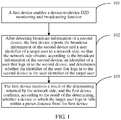
- a first device enables a device-to-device D2D monitoring and broadcasting function; after the first device detects broadcast information of a second device, sends the broadcast information of the second device and a user identifier of a target user to a network side, so that the network side obtains, according to the broadcast information of the second device, an identifier of a user that logs in to the second device, and determines whether the identifier of the user that logs in to the second device in the user identifier of the target user; and the first device receives a result of the determining returned by the network side, and the first device confirms, according to the result of the determining, whether a device to which the target user logs in falls within a preset distance from the first device.
- the first device can monitor broadcast information of another device within the preset distance
- the first device sends, after detecting broadcast information of the another device, the detected broadcast information and the user identifier of the target user that needs to be discovered to the network side, so that the network side can confirm whether the target user falls within the preset distance from the first device according to the broadcast information and the user identifier of the target user.
- short-distance communication has a certain distance limit
- when cell ID information is used to determine whether two UEs fall within a short-distance range on one hand, if a cell in which the two UEs are located has a relatively large radius, even if it is determined according to cell IDs of the two UEs that two users fall within a "short-distance" range, it is possible that an actual distance between the two UEs is very large, and may not satisfy a requirement of short-distance communication; on the other hand, two users belonging to two neighboring cells but within a very short distance may also be determined to be not within a short-distance range, resulting in that two devices that communicate within a short distance cannot implement short-distance communication. In some areas, for example, a large indoor shopping mall, a user cannot receive a GPS signal.
- the foregoing short-distance discovery method cannot ensure precision of short-distance user discovery, which degrades experience of a user when using short-distance discovery.
- the present invention provides the following technical solution:
- an embodiment provides a device discovery method, which includes the following:
- a first device enables a device-to-device D2D monitoring and broadcasting function; after the first device detects broadcast information of a second device, the first device sends the broadcast information of the second device and a user identifier of a target user to a network side, so that the network side obtains, according to the broadcast information of the second device, an identifier of a user that logs in to the second device, and determines whether the identifier of the user that logs in to the second device in the user identifier of the target user; and the first device receives a result of the determining returned by the network side, and the first device confirms, according to the result of the determining, whether a device to which the target user logs in falls within a preset distance from the first device.
- the first device can monitor broadcast information of another device within the preset distance
- the first device only needs to send, after detecting the broadcast information of the another device, the detected broadcast information and the user identifier of the target user that needs to be discovered to the network side, so that the network side can confirm, according to the broadcast information and the user identifier of the target user, whether the target user falls within the preset distance from the first device.
- an embodiment provides another device discovery method, which includes the following:
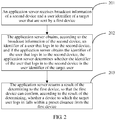
- An application server receives broadcast information of a second device and a user identifier of a target user that are sent by a first device; the application server obtains, according to the broadcast information of the second device, an identifier of a user that logs in to the second device, and if the application server obtains the identifier of the user that logs in to the second device, determines whether the identifier of the user that logs in to the second device in the user identifier of the target user; and the application server returns a result of the determining to the first device, so that the first device can confirm, according to a result of the determining, whether a device to which the target user logs in falls within a preset distance from the first device.
- the first device can monitor broadcast information of another device within the preset distance
- the first device sends, after detecting the broadcast information of the another device, the detected broadcast information and the user identifier of the target user that needs to be discovered to the application server, so that the application server can confirm, according to the broadcast information and the user identifier of the target user, whether the target user falls within the preset distance from the first device.
- an embodiment provides a device discovery method, which includes the following:
- an application server receives a device identification of a second device and a user identifier of a target user that are sent by a first device, where the device identification of the second device is obtained by the first device by requesting from a short-distance server according to detected broadcast information of the second device; the application server queries, according to the device identification of the second device, an identifier of a user that logs in to the second device, and if the application server finds the identifier of the user that logs in to second device, determines whether the identifier of the user that logs in to the second device is the user identifier of the target user; and the application server returns a result of the determining to the first device, so that the first device can confirm, according to the result of the determining, whether a device to which the target user logs in falls within a preset distance from the first device.
- the first device can monitor broadcast information of another device within the preset distance
- the first device obtains, after detecting the broadcast information of the another device, a device identification of the second device by using the detected broadcast information, and sends the device identification of the second device and the user identifier of the target user to the application server, so that the application server can confirm, according to the device identification of the second device and the user identifier of the target user, whether the target user falls within the preset distance from the first device.
- an embodiment provides a device discovery method, which includes the following:
- a short-distance server receives broadcast information, which is detected by a first device and sent by the first device, of a second device; the short-distance server queries a device identification of the second device according to the broadcast information of the second device, and if the short-distance server finds the device identification of the second device, returns the device identification of the second device to the first device, so that the first device sends the device identification of the second device and a user identifier of a target user to an application server, the application server queries, according to the device identification of the second device, an identifier of a user that logs in to the second device, and determines whether the identifier of the user that logs in to the second device is the user identifier of the target user, and returns a result of the determining to the first device, and the first device can confirm, according to the result of the determining, whether a device to which the target user logs in falls within a preset distance from the first device.
- the first device can monitor broadcast information of another device within the preset distance
- the first device sends, after detecting the broadcast information of the another device, the detected broadcast information to the short-distance server to obtain the device identification of the second device, and sends the device identification of the second device and the user identifier of the target user to the application server, so that the application server can confirm, according to the device identification of the second device and the user identifier of the target user, whether the target user falls within the preset distance from the first device.
- an embodiment provides a device discovery method, which includes the following:
- a short-distance server receives broadcast information, which is detected by a first device and sent by an application server, of a second device; the short-distance server queries, according to the broadcast information of the second device, a device identification of the second device, and if the short-distance server finds the device identification of the second device, the short-distance server returns the device identification of the second device to the application server, so that the application server queries, according to the device identification of the second device, the identifier of the user that logs in to the second device, and determines whether the identifier of the user that logs in to the second device is the user identifier of the target user, and returns a result of the determining to the first device, and the first device can confirm, according to the result of the determining, whether a device to which the target user logs in falls within a preset distance from the first device.
- the first device can monitor broadcast information of another device within the preset distance
- the first device sends, after detecting the broadcast information of the another device, the detected broadcast information and the user identifier of the target user to the application server, so that the application server obtains the device identification of the second device from the short-distance server according to the broadcast information, so as to confirm whether the target user falls within the preset distance from the first device.
- an embodiment provides a device discovery method, which includes the following:
- a second device enables a device-to-device D2D monitoring and broadcasting function; the second device broadcasts broadcast information of the second device by using the D2D broadcasting function, so that a first device can detect the broadcast information of the second device and the first device reports the broadcast information of the second device and a user identifier of a target user to a network side, so as to confirm whether a device to which the target user logs in falls within a preset distance from the first device. Because the first device can monitor broadcast information of another device within the preset distance, the second device enables the D2D function and broadcasts the broadcast information of the second device, so that the first device can detect the broadcast information of the second device.
- the first device After detecting the broadcast information of the second device, the first device reports the broadcast information of the second device and the user identifier of the target user to the network side, so as to confirm whether the target user falls within the preset distance from the first device.
- an embodiment provides a device discovery method, which includes the following:
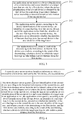
- a device discovery service request is initiated to a network side; the network side, after receiving the request of the first device, assigns broadcast information (Broadcast Code) to the first device.
- the first device broadcasts the broadcast information of the first device after enabling a D2D (Device-Device, device-to-device) broadcasting and monitoring function, so that another device can discover the first device. Meanwhile, the first device also monitors Broadcast Code sent by all other devices around.
- the first device may perform broadcasting and monitoring at a preset interval, for example, at an interval of 5 seconds, 8 seconds, 10 seconds, or 1 minute, where the embodiment sets no specific limit thereto.
- the first device may also perform broadcasting and monitoring according to scheduling of a base station. The embodiment sets no specific limit to a manner in which the first device performs the D2D broadcasting and monitoring function.
- the initiating, by the first device, a device discovery service request to a network side to obtain the broadcast information of the first device includes the following:
- the method used by the first device to obtain the broadcast information of the first device is an operation performed in the network attachment process.
- this step may not be performed in the specific device discovery process.
- the initiating, by the first device, a device discovery service request to a network side to obtain the broadcast information of the first device includes the following:
- the method used by the first device to obtain the broadcast information of the first device is obtained from the short-distance server; however, in a specific device discovery process, it is possible that the device has obtained the broadcast information from the short-distance server. Therefore, this step may not be performed in the specific device discovery process.
- this embodiment sets no specific limit to a method that is specifically used by the first device to initiate the device discovery service request to the network side to obtain the broadcast information of the first device.
- This embodiment is described by using the first device as an example; a process for initiating a device discovery service request by another device to a network side is the same as or similar to that of the first device, which is not specifically described in this embodiment.
- the user of the first device may log in to the application server by using an application.
- the user logs in to an instant messaging application server by using an instant messaging chat tool.
- the user needs to enter a corresponding user identifier when logging in to the application server by using a certain application; the first device, after obtaining the identifier of the local user that requests to log in, initiates a registration request to the application server according to the user identifier, and carries a device identification (Device ID) of the first device in the registration request; and the application server stores the device identification of the first device, and stores a mapping relationship between the identifier of the user that logs in to the first device and the device identification of the first device.
- the application server performs authentication and authorization on the user of the first device according to the user identifier after receiving the registration request of the first device.
- each device corresponds to one unique device identification.
- this step is performed when the device registers with the application server; however, in a specific operation, it is possible that the device has completed a registration process. Therefore, this step may not be performed in a specific device discovery process. Alternatively, when the first device in this embodiment starts the device discovery service not because of an application, this step may also not be performed, where this embodiment sets no specific limit thereto.
- all devices that receive a login request of a user initiate a registration request to an application server.
- This embodiment is described by using the first device as an example; a process in which another device initiates registration with an application server is the same as or similar to that the process of the first device, which is not specifically described in this embodiment.
- the D2D broadcasting and monitoring function of the first device is performed to monitor broadcast information of another device except the first device and broadcast the broadcast information of the first device at the same time. It is possible that one or more pieces of broadcast information are detected by the first device, where this embodiment sets no specific limit thereto. This embodiment is described by using an example in which the broadcast information of the second device is detected by the first device.
- the user of the first device may initiate a registration request to the application server after the first device enables the D2D broadcasting and monitoring function; therefore, this embodiment sets no specific limit to a sequence of performing the step 702 and step 703.
- the first device after detecting the broadcast information of the another device, the first device initiates a device discovery request to the network side and sends the user identifier of the target user that needs to be discovered and the detected broadcast information of the another device to the network side, so that the network side obtains, according to the broadcast information of the another device, an identifier of a user that logs in to the device, and determines whether the identifier of the user that logs in to the device is the user identifier of the target user that the first device needs to discover.
- the network side includes an application server and a short-distance server, and communication can be performed between the application server and the short-distance server; the reporting, by the first device, the detected broadcast information of the second device and a user identifier of a target user to a network side, so that the network side obtains, according to the broadcast information of the second device, an identifier of a user that logs in to the second device, and determines whether the identifier of the user that logs in to the second device is the user identifier of the target user includes the following:
- the application server returns the result of the determining to the first device after determining whether the identifier of the user that logs in to the second device is the user identifier of the target user that the first device needs to discover.
- the network side includes an application server and a short-distance server, and communication cannot be performed between the application server and the short-distance server; the reporting, by the first device, the broadcast information of the second device and a user identifier of a target user to a network side, so that the network side obtains, according to the broadcast information of the second device, an identifier of a user that logs in to the second device, and determines whether the identifier of the user that logs in to the second device is the user identifier of the target user includes the following:
- this embodiment sets no specific limit to a specific method that is used to obtain the result of the determining.
- the first device confirms that the device of the target user that needs to be discovered falls within the preset distance from the first device; if the result of the determining returned by the application server to the first device is no, that is, a result indicating that the identifier of the user that logs in to the second device is not the user identifier of the user that needs to be discovered, the first device confirms that the device of the target user that needs to be discovered does not fall within the preset distance from the first device.
- a step/message in the foregoing embodiments is not necessarily a newly defined step/message, where transmission may also be performed by expanding an existing step/message between two same network elements.
- This principle is applicable to an interface between a device and any two network elements, for example, between a UE and an MME/HSS, between a UE and an application server, where this embodiment sets no specific limit thereto.
- a first device enables a device-to-device D2D monitoring and broadcasting function; after the first device detects broadcast information of a second device, the first device sends the broadcast information of the second device and a user identifier of a target user to a network side, so that the network side obtains, according to the broadcast information of the second device, an identifier of a user that logs in to the second device, and determines whether the identifier of the user that logs in to the second device in the user identifier of the target user; and the first device receives a result of the determining returned by the network side, and the first device confirms, according to the result of the determining, whether a device to which the target user logs in falls within a preset distance from the first device.
- the first device can monitor broadcast information of another device within the preset distance
- the first device only needs to send, after detecting the broadcast information of the another device, the detected broadcast information and the user identifier of the target user that needs to be discovered to the network side, so that the network side can confirm, according to the broadcast information and the user identifier of the target user, whether the target user falls within the preset distance from the first device.
- the first device can monitor the second device, it is highly possible that the first device can establish short-distance communication with the second device, which increases a success probability of short-distance communication.
- the device obtains the broadcast information of the first device in a network attachment process or obtains the broadcast information by using the short-distance server, which is easy to implement and simplifies operations, and causes no additional heavy burden on an existing network.
- the user can initiate a device discovery service by using an application, where the application stores a friend of the device user, which makes it more convenient for the user to discover a friend that exists within a short distance, thereby improving experience of the user using device discovery.
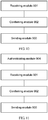
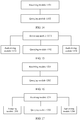
- an embodiment provides a device discovery apparatus 800, which includes an enabling module 801, an application module 802, and a device discovery module 803.
- the enabling module 801 is configured to enable a device-to-device D2D monitoring and broadcasting function.
- the application module 802 is configured to: after the enabling module 801 enables the D2D monitoring and broadcasting function, if broadcast information of a second device is detected, report the broadcast information of the second device and a user identifier of a target user to a network side, so that the network side obtains, according to the broadcast information of the second device, an identifier of a user that logs in to the second device, and determines whether the identifier of the user that logs in to the second device is the user identifier of the target user.
- the device discovery module 803 is configured to: after the application module reports the broadcast information of the second device and the user identifier of the target user, receive a result of the determining returned by the network side, and confirm, according to the result of the determining, whether a device to which the target user logs in to falls within a preset distance from the device discovery module.
- the apparatus further includes:
- the obtaining module 804 includes:
- the obtaining module 804 includes:
- the apparatus further includes: a registering module 806, configured to: before the enabling module 801 enables the D2D monitoring and broadcasting function, obtain a local user identifier, and initiate a registration request to an application server according to the user identifier, where the registration request includes the device identification, so that the application server stores the device identification and performs authentication and authorization on the user identifier.
- a registering module 806 configured to: before the enabling module 801 enables the D2D monitoring and broadcasting function, obtain a local user identifier, and initiate a registration request to an application server according to the user identifier, where the registration request includes the device identification, so that the application server stores the device identification and performs authentication and authorization on the user identifier.
- the application module 802 includes: a sending unit, configured to: when the network side includes the application server and the short-distance server, and communication can be performed between the application server and the short-distance server, send the broadcast information, which is detected by the application module, of the second device and the user identifier of the target user to the application server, so as to trigger the application server to obtain locally or obtain by using the short-distance server, according to the broadcast information of the second device, the identifier of the user that logs in to the second device, and determine whether the identifier of the user that logs in to the second device is the user identifier of the target user.
- a sending unit configured to: when the network side includes the application server and the short-distance server, and communication can be performed between the application server and the short-distance server, send the broadcast information, which is detected by the application module, of the second device and the user identifier of the target user to the application server, so as to trigger the application server to obtain locally or obtain by using the short-di
- the application module 802 includes: a second sending unit, configured to: when the network side includes the application server and the short-distance server, and communication cannot be performed between the application server and the short-distance server, send the broadcast information, which is detected by the application module, of the second device to the short-distance server, so as to trigger the short-distance server to query a device identification of the second device.
- a second sending unit configured to: when the network side includes the application server and the short-distance server, and communication cannot be performed between the application server and the short-distance server, send the broadcast information, which is detected by the application module, of the second device to the short-distance server, so as to trigger the short-distance server to query a device identification of the second device.
- the apparatus further includes:
- An enabling module is configured to enable a device-to-device D2D monitoring and broadcasting function
- an application module is configured to: after the enabling module enables the D2D monitoring and broadcasting function, and if detecting broadcast information of a second device, report the broadcast information of the second device and a user identifier of a target user to a network side, so that the network side obtains, according to the broadcast information of the second device, an identifier of a user that logs in to the second device, and determines whether the identifier of the user that logs in to the second device is the user identifier of the target user; and a device discovery module is configured to: after the application module reports the broadcast information of the second device and the user identifier of the target user, receive a result of the determining returned by the network side, and confirm, according to the result of the determining, whether a device to which the target user logs in to falls within a preset distance from the device discovery module.
- the apparatus can monitor broadcast information of another device within the preset distance, and after broadcast information of the another device is detected, send the detected broadcast information and the user identifier of the target user to the network side, so that the network side can confirm whether the target user falls within the preset distance from the first device according to the broadcast information and the user identifier of the target user.
- This improves precision of short-distance user discovery, and solves a problem in the prior art in which precision of short-distance user discovery cannot be ensured by using a cell ID.
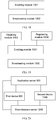
- an embodiment provides an application server 900, which includes a receiving module 901, a confirming module 902, and a sending module 903.
- the receiving module 901 is configured to send broadcast information of a second device and a user identifier of a target user that are sent by a first device.
- the confirming module 902 is configured to obtain, according to the broadcast information, which is received by the receiving module 901, of the second device, an identifier of a user that logs in to the second device, and if the identifier of the user that logs in to the second device is obtained, determine whether the identifier of the user that logs in to the second device is the user identifier, which is received by the receiving module 901, of the target user.
- the sending module 903 is configured to return a result of the determining, which is confirmed by the confirming module 902, to the first device, so that the first device can confirm, according to the result of the determining, whether a device to which the target user logs in falls within a preset distance from the first device.
- the confirming module 902 is specifically configured to:
- the server further includes: an authenticating module 904, configured to: before the receiving module 901 receives the broadcast information of the second device and the user identifier of the target user that are sent by the first device, receive a registration request sent by the first device, where the registration request includes a device identification of the first device and an identifier of a user that logs in to the first device, store the device identification of the first device, and perform authentication and authorization on the user identifier.
- an authenticating module 904 configured to: before the receiving module 901 receives the broadcast information of the second device and the user identifier of the target user that are sent by the first device, receive a registration request sent by the first device, where the registration request includes a device identification of the first device and an identifier of a user that logs in to the first device, store the device identification of the first device, and perform authentication and authorization on the user identifier.
- An application server receives broadcast information of a second device and a user identifier of a target user that are sent by a first device; the application server obtains, according to the broadcast information of the second device, an identifier of a user that logs in to the second device, and if the application server obtains the identifier of the user that logs in to the second device, determines whether the identifier of the user that logs in to the second device in the user identifier of the target user; and the application server returns a result of the determining to the first device, so that the first device can confirm, according to the result of the determining, whether a device to which the target user logs in falls within a preset distance from the first device.
- the first device can monitor broadcast information of another device within the preset distance
- the first device sends, after detecting the broadcast information of the another device, the detected broadcast information and the user identifier of the target user that needs to be discovered to the application server, so that the application server can determine, according to the broadcast information and the user identifier of the target user, whether the target user falls within the preset distance from the first device.
- an embodiment provides an application server 1000, which includes a receiving module 1001, a confirming module 1002, and a sending module 1003.
- the receiving module 1001 is configured to receive a device identification of a second device and a user identifier of a target user that are sent by a first device, where the device identification of the second device is obtained by the first device by requesting from a short-distance server according to detected broadcast information of the second device.
- the confirming module 1002 is configured to query, according to the device identification, which is received by the receiving module 1001, of the second device, an identifier of a user that logs in to the second device, and if the application server finds the identifier of the user that logs in to the second device, determine whether the identifier of the user that logs in to the second device is the user identifier, which is received by the receiving module 1001, of the target user.
- the sending module 1003 is configured to return a result of the determining, which is confirmed by the confirming module 1002, to the first device, so that the first device can confirm, according to a result of the determining, whether a device to which the target user logs in falls within a preset distance from the first device.
- the server further includes: an authenticating module 1004, configured to: before the receiving module 1001 receives the device identification of the second device and the user identifier of the target user that are sent by the first device, receive a registration request sent by the first device, where the registration request includes a device identification of the first device and an identifier of a user that logs in to the first device, store the device identification of the first device, and perform authentication and authorization on the user identifier.
- an authenticating module 1004 configured to: before the receiving module 1001 receives the device identification of the second device and the user identifier of the target user that are sent by the first device, receive a registration request sent by the first device, where the registration request includes a device identification of the first device and an identifier of a user that logs in to the first device, store the device identification of the first device, and perform authentication and authorization on the user identifier.
- an application server receives a device identification of a second device and a user identifier of a target user that are sent by a first device, where the device identification of the second device is obtained by the first device by requesting from a short-distance server according to detected broadcast information of the second device; the application server queries, according to the device identification of the second device, an identifier of a user that logs in to the second device, and if the application server finds the identifier of the user that logs in to second device, determines whether the identifier of the user that logs in to the second device is the user identifier of the target user; and the application server returns a result of the determining to the first device, so that the first device can confirm, according to the result of the determining, whether a device to which the target user logs in falls within a preset distance from the first device.
- the first device can monitor broadcast information of another device within the preset distance
- the first device obtains, after detecting the broadcast information of the another device, a device identification of the second device by using the detected broadcast information, and sends the device identification of the second device and the user identifier of the target user to the application server, so that the application server can confirm, according to the device identification of the second device and the user identifier of the target user, whether the target user falls within the preset distance from the first device.
- an embodiment further provides a short-distance server 1100, which includes a receiving module 1101 and a querying module 1102.
- the receiving module 1101 is configured to receive broadcast information, which is detected by a first device and sent by the first device, of a second device.
- the querying module 1102 is configured to query a device identification of the second device according to the broadcast information, which is received by the receiving module 1101, of the second device, and if the short-distance server finds the device identification of the second device, return the device identification of the second device to the application server, so that the application server queries, according to the device identification of the second device, an identifier of a user that logs in to the second device, determines whether the identifier of the user that logs in to the second device is a user identifier of a target user, and returns a result of the determining to the first device, so that the first device can confirm, according to the result of the determining, whether a device to which the target user logs in falls within a preset distance from the first device.
- the receiving module 1101 is further configured to: before receiving the broadcast information, which is detected by the first device and sent by the first device, of the second device, receive a request initiated by a mobility management entity MME to which the first device belongs for obtaining broadcast information of the first device.
- the server further includes: an assigning module 1102, configured to assign the broadcast information to the first device according to the request initiated by the MME, and return the broadcast information to the first device by using the MME.
- an assigning module 1102 configured to assign the broadcast information to the first device according to the request initiated by the MME, and return the broadcast information to the first device by using the MME.
- the receiving module 1101 is further configured to: before the broadcast information, which is detected by the first device and sent by the first device, of the second device, receive a registration request initiated by the first device.
- the server further includes: an authorizing module 1103, configured to perform authorization on the first device according to the request initiated by the first device, and assign broadcast information to the first device after the authorization succeeds.
- an authorizing module 1103 configured to perform authorization on the first device according to the request initiated by the first device, and assign broadcast information to the first device after the authorization succeeds.
- the authorizing module 1103 is specifically configured to:
- a short-distance server receives broadcast information, which is detected by a first device and sent by the first device, of a second device; the short-distance server queries a device identification of the second device according to the broadcast information of the second device, and if the short-distance server finds the device identification of the second device, returns the device identification of the second device to the first device, so that the first device sends the device identification of the second device and a user identifier of a target user to an application server, the application server queries, according to the device identification of the second device, an identifier of a user that logs in to the second device, and determines whether the identifier of the user that logs in to the second device is the user identifier of the target user, and returns a result of the determining to the first device, and the first device can confirm, according to the result of the determining, whether a device to which the target user logs in falls within a preset distance from the first device.
- the first device can monitor broadcast information of another device within the preset distance
- the first device sends, after detecting the broadcast information of the another device, the detected broadcast information to the short-distance server to obtain the device identification of the second device, and sends the device identification of the second device and the user identifier of the target user to the application server, so that the application server can confirm, according to the device identification of the second device and the user identifier of the target user, whether the target user falls within the preset distance from the first device.
- an embodiment further provides a short-distance server 1200, which includes a receiving module 1201 and a querying module 1202.
- the receiving module 1101 is configured to receive broadcast information, which is detected by a first device and sent by an application server, of a second device.
- the querying module 1102 is configured to query a device identification of the second device according to the broadcast information, which is received by the receiving module 1101, of the second device, and if the device identification of the second device is found, return the device identification of the second device to the application server, so that the application server queries, according to the device identification of the second device, an identifier of a user that logs in to the second device, determines whether the identifier of the user that logs in to the second device is a user identifier of a target user, and returns a result of the determining to the first device, so that the first device can confirm, according to the result of the determining, whether a device to which the target user logs in falls within a preset distance from the first device.
- the receiving module 1201 is further configured to: before receiving the broadcast information, which is detected by the first device and sent by the application server, of the second device, receive a request initiated by a mobility management entity MME to which the first device belongs for obtaining broadcast information of the first device.
- the server further includes: an assigning module 1202, configured to assign the broadcast information to the first device according to the request initiated by the MME, and return the broadcast information to the first device by using the MME.
- an assigning module 1202 configured to assign the broadcast information to the first device according to the request initiated by the MME, and return the broadcast information to the first device by using the MME.
- the receiving module 1201 is further configured to: before the broadcast information, which is detected by the first device and sent by the application server, of the second device, receive a registration request initiated by the first device.
- the server further includes: an authorizing module 1203, configured to perform authorization on the first device according to the request initiated by the first device, and assign broadcast information to the first device after the authorization succeeds.
- an authorizing module 1203 configured to perform authorization on the first device according to the request initiated by the first device, and assign broadcast information to the first device after the authorization succeeds.
- the authorizing module 1203 is specifically configured to:
- a short-distance server receives broadcast information, which is detected by a first device and sent by an application server, of a second device; the short-distance server queries, according to the broadcast information of the second device, a device identification of the second device, and if the short-distance server finds the device identification of the second device, returns the device identification of the second device to the application server, so that the application server queries, according to the device identification of the second device, the identifier of the user that logs in to the second device, and determines whether the identifier of the user that logs in to the second device is the user identifier of the target user, and returns a result of the determining to the first device, and the first device can confirm, according to the result of the determining, whether a device to which the target user logs in falls within a preset distance from the first device.
- the first device can monitor broadcast information of another device within the preset distance
- the first device sends, after detecting the broadcast information of the another device, the detected broadcast information and the user identifier of the target user to the application server, so that the application server obtains the device identification of the second device from the short-distance server according to the broadcast information, so as to confirm whether the target user falls within the preset distance from the first device.
- an embodiment provides a device discovery apparatus, which includes an enabling module 1301 and a broadcasting module 1302.
- the enabling module 1301 is configured to enable a device-to-device D2D monitoring and broadcasting function.
- the broadcasting module 1302 is configured to broadcast broadcast information of the apparatus after the enabling module 1301 enables the monitoring and broadcasting function, so that a first device can detects the broadcast information and the first device reports the broadcast information and a user identifier of a target user to a network side, so as to confirm whether a device to which the target user logs in falls within a preset distance from the first device.
- the apparatus further includes: an obtaining module 1303, configured to: before the enabling module 1301 enables the D2D monitoring and broadcasting function, obtain the broadcast information of the apparatus, so that another device except the apparatus can discover the second device according to the broadcast information.
- the obtaining module 1303 includes:
- the obtaining module 1303 includes:
- the apparatus further includes: a registering module 1304, configured to: before the enabling module 1301 enables the D2D monitoring and broadcasting function, obtain a local user identifier, and initiate a registration request to an application server according to the user identifier, where the registration request includes a device identification thereof, so that the application server stores the device identification and performs authentication and authorization on the user identifier.
- a registering module 1304 configured to: before the enabling module 1301 enables the D2D monitoring and broadcasting function, obtain a local user identifier, and initiate a registration request to an application server according to the user identifier, where the registration request includes a device identification thereof, so that the application server stores the device identification and performs authentication and authorization on the user identifier.
- An enabling module is configured to enable a device-to-device D2D monitoring and broadcasting function; a broadcasting module, is configured to broadcast broadcast information of the first device after the enabling module enables the monitoring and broadcasting function, so that a first device can detect the broadcast information, and the first device reports the broadcast information and a user identifier of a target user to a network side, so as to confirm whether a device to which the target user logs in falls within a preset distance from the first device. Because the first device can monitor broadcast information of another device within the preset distance, the apparatus enables the D2D function and broadcasts the broadcast information of the first device, so that the first device can detect the broadcast information of the apparatus.
- the first device After detecting the broadcast information of the apparatus, the first device reports the broadcast information of the second device and the user identifier of the target user to the network side, so as to confirm whether the target user falls within the preset distance from the first device.
- an embodiment further provides a device discovery system, where the system includes the device discovery apparatus 800 described above, the application server 900 described above, the short-distance server 1200 described above, and the device discovery apparatus 1300 described above.
- a second device enables a device-to-device D2D monitoring and broadcasting function; the second device broadcasts broadcast information of the second device by using the D2D broadcasting function, so that a first device can detect the broadcast information of the second device, and the first device reports the broadcast information of the second device and a user identifier of a target user to a network side, so as to confirm whether a device to which the target user logs in falls within a preset distance from the first device.
- the second device enables the D2D function and broadcasts the broadcast information of the second device, so that the first device can detect the broadcast information of the second device, and the first device reports the broadcast information of the second device and the user identifier of the target user to the network side after the broadcast information of the second device is detected, so as to confirm whether the target user falls within the preset distance from the first device, thereby improving precision of discovering a short-distance user, which solves a problem in the prior art in which precision of discovering a short-distance user cannot be ensured by using a cell ID.
- an embodiment further provides a device discovery system, where the system includes the device discovery apparatus 800 described above, the application server 1000 described above, the short-distance server 1100 described above, and the device discovery apparatus 1300 described above.
- a short-distance server receives broadcast information, which is detected by a first device and sent by an application server, of a second device; the short-distance server queries, according to the broadcast information of the second device, a device identification of the second device, and if the short-distance server finds the device identification of the second device, returns the device identification of the second device to the application server, so that the application server queries, according to the device identification of the second device, the identifier of the user that logs in to the second device, and determines whether the identifier of the user that logs in to the second device is the user identifier of the target user, and returns a result of the determining to the first device, and the first device can confirm, according to the result of the determining, whether a device to which the target user logs in falls within a preset distance from the first device.
- the first device can monitor broadcast information of another device within the preset distance
- the first device sends, after detecting the broadcast information of the another device, the detected broadcast information and the user identifier of the target user to the application server, so that the application server obtains the device identification of the second device from the short-distance server according to the broadcast information, so as to confirm whether the target user falls within the preset distance from the first device.
- the device discovery apparatus, application server, short-distance server, and system provided by the embodiments specifically belong to a same concept as the method embodiments, and reference may be made to the method embodiments for specific implementation processes thereof, which are not described repeatedly herein.
- modules included are divided according to functional logic, but are not limited to the forgoing division as long as corresponding functions are implemented.
- specific names of the functional modules are only for differentiating therebetween and are not used to limit the protection scope of the present invention.
- the program may be stored in a computer readable storage medium.
- the storage medium may include: a read-only memory, a magnetic disk, or an optical disc.
Landscapes
- Engineering & Computer Science (AREA)
- Computer Networks & Wireless Communication (AREA)
- Signal Processing (AREA)
- Databases & Information Systems (AREA)
- Computer Security & Cryptography (AREA)
- Mobile Radio Communication Systems (AREA)
- Telephonic Communication Services (AREA)
- Telephone Function (AREA)
- Information Transfer Between Computers (AREA)
Claims (16)
- Vorrichtungsentdeckungsverfahren, wobei das Verfahren Folgendes umfasst:Freigeben einer Überwachungs- und Rundsendefunktion von Vorrichtung zu Vorrichtung bzw. D2D durch eine erste Vorrichtung;nachdem die erste Vorrichtung Rundsendeinformationen einer zweiten Vorrichtung detektiert, Melden der Rundsendeinformationen der zweiten Vorrichtung und einer Benutzerkennung eines Zielbenutzers an eine Netzseite, wobei die Netzseite gemäß den Rundsendeinformationen der zweiten Vorrichtung eine Kennung eines Benutzers, der sich bei der zweiten Vorrichtung anmeldet, erhält und bestimmt, ob die Kennung des Benutzers, der sich bei der zweiten Vorrichtung anmeldet, die Benutzerkennung des Zielbenutzers ist; undEmpfangen eines durch die Netzseite zurückgegebenen Ergebnisses des Bestimmens durch die erste Vorrichtung und Bestätigen durch die erste Vorrichtung gemäß dem Ergebnis des Bestimmens, ob eine Vorrichtung, bei der sich der Zielbenutzer anmeldet, in eine voreingestellte Distanz von der ersten Vorrichtung fällt;wobei, wenn das durch die Netzseite an die erste Vorrichtung zurückgegebene Ergebnis des Bestimmens Ja ist, die erste Vorrichtung ausgelegt ist zum Bestätigen, dass die Vorrichtung des Zielbenutzers in die voreingestellte Distanz von der ersten Vorrichtung fällt; und wenn das durch die Netzseite an die erste Vorrichtung zurückgegebene Ergebnis des Bestimmens Nein ist, die erste Vorrichtung ausgelegt ist zum Bestätigen, dass die Vorrichtung des Zielbenutzers nicht in die voreingestellte Distanz von der ersten Vorrichtung fällt.
- Verfahren nach Anspruch 1, das vor dem Freigeben einer Überwachungs- und Rundsendefunktion von Vorrichtung zu Vorrichtung bzw. D2D durch eine erste Vorrichtung ferner Folgendes umfasst:Erhalten von Rundsendeinformationen der ersten Vorrichtung durch die erste Vorrichtung; undnachdem die erste Vorrichtung die D2D-Überwachungs- und -Rundsendefunktion freigibt, Rundsenden der Rundsendeinformationen der ersten Vorrichtung durch die erste Vorrichtung, wobei eine andere Vorrichtung außer der ersten Vorrichtung die erste Vorrichtung gemäß den Rundsendeinformationen der ersten Vorrichtung entdeckt.
- Verfahren nach Anspruch 2, wobei das Erhalten von Rundsendeinformationen der ersten Vorrichtung durch die erste Vorrichtung Folgendes umfasst:Einleiten einer Vorrichtungsentdeckungsdienstanforderung an eine "Mobility Management Entity" MME, zu der die erste Vorrichtung gehört, durch die erste Vorrichtung, Triggern der MME, die Rundsendeinformationen der ersten Vorrichtung von einem Kurzdistanzserver zu erhalten; undEmpfangen der durch die MME zurückgegebenen Rundsendeinformationen der ersten Vorrichtung durch die erste Vorrichtung.
- Verfahren nach Anspruch 2, wobei das Erhalten von Rundsendeinformationen der ersten Vorrichtung durch die erste Vorrichtung Folgendes umfasst:Einleiten einer Registrationsanforderung an einen Kurzdistanzserver durch die erste Vorrichtung, Triggern des Kurzdistanzservers, die Rundsendeinformationen an die erste Vorrichtung zu vergeben; undEmpfangen der durch den Kurzdistanzserver zurückgegebenen Rundsendeinformationen der ersten Vorrichtung durch die erste Vorrichtung.
- Verfahren nach einem der Ansprüche 1 bis 4, wobei die Netzseite den Anwendungsserver und den Kurzdistanzserver umfasst und Kommunikation zwischen dem Anwendungsserver und dem Kurzdistanzserver durchgeführt werden kann; das Melden der Rundsendeinformationen der zweiten Vorrichtung und einer Benutzerkennung eines Zielbenutzers an eine Netzseite durch die erste Vorrichtung, die Netzseite gemäß den Rundsendeinformationen der zweiten Vorrichtung eine Kennung eines Benutzers erhält, der sich bei der zweiten Vorrichtung anmeldet, und bestimmt, ob die Kennung des Benutzers, der sich bei der zweiten Vorrichtung anmeldet, die Benutzerkennung des Zielbenutzers ist, Folgendes umfasst:
Senden der Rundsendeinformationen der zweiten Vorrichtung und der Benutzerkennung des Zielbenutzers zu dem Anwendungsserver durch die erste Vorrichtung, Triggern des Anwendungsservers, gemäß den Rundsendeinformationen der zweiten Vorrichtung die Kennung des Benutzers, der sich bei der zweiten Vorrichtung anmeldet, lokal zu erhalten oder durch Verwendung des Kurzdistanzservers zu erhalten, und Bestimmen, ob die Kennung des Benutzers, der sich bei der zweiten Vorrichtung anmeldet, die Benutzerkennung des Zielbenutzers ist. - Verfahren nach einem der Ansprüche 1 bis 4, wobei die Netzseite den Anwendungsserver und den Kurzdistanzserver umfasst und Kommunikation zwischen dem Anwendungsserver und dem Kurzdistanzserver nicht durchgeführt werden kann; das Melden der Rundsendeinformationen der zweiten Vorrichtung und einer Benutzerkennung eines Zielbenutzers an eine Netzseite durch die erste Vorrichtung, die Netzseite gemäß den Rundsendeinformationen der zweiten Vorrichtung eine Kennung eines Benutzers erhält, der sich bei der zweiten Vorrichtung anmeldet, und bestimmt, ob die Kennung des Benutzers, der sich bei der zweiten Vorrichtung anmeldet, die Benutzerkennung des Zielbenutzers ist, Folgendes umfasst:Senden der Rundsendeinformationen der zweiten Vorrichtung zu dem Kurzdistanzserver durch die erste Vorrichtung, Triggern des Kurzdistanzservers, eine Vorrichtungsidentifikation der zweiten Vorrichtung abzufragen;Empfangen der durch den Kurzdistanzserver zurückgegebenen Vorrichtungsidentifikation der zweiten Vorrichtung durch die erste Vorrichtung; und Senden der Vorrichtungsidentifikation der zweiten Vorrichtung und der Benutzerkennung des Zielbenutzers zu dem Anwendungsserver durch die erste Vorrichtung, wobei der Anwendungsserver gemäß der Identifikation der zweiten Vorrichtung die Kennung des Benutzers, der sich bei der zweiten Vorrichtung anmeldet, abfragt, und Bestimmen, ob die Kennung des Benutzers, der sich bei der zweiten Vorrichtung anmeldet, die Benutzerkennung des Zielbenutzers ist.
- Vorrichtungsentdeckungsverfahren, wobei das Verfahren Folgendes umfasst:Empfangen von Rundsendeinformationen einer zweiten Vorrichtung und einer Benutzerkennung eines Zielbenutzers, die durch eine erste Vorrichtung gesendet werden, durch einen Anwendungsserver;Erhalten einer Kennung eines Benutzers, der sich bei der zweiten Vorrichtung anmeldet, durch den Anwendungsserver gemäß den Rundsendeinformationen der zweiten Vorrichtung, und wenn der Anwendungsserver die Kennung des Benutzers, der sich bei der zweiten Vorrichtung anmeldet, erhält, Bestimmen, ob die Kennung des Benutzers, der sich bei der zweiten Vorrichtung anmeldet, die Benutzerkennung des Zielbenutzers ist; undZurückgeben eines Ergebnisses des Bestimmens an die erste Vorrichtung durch den Anwendungsserver, wobei das Ergebnis des Bestimmens durch die erste Vorrichtung verwendet wird, um zu bestätigen, ob eine Vorrichtung, bei der sich der Zielbenutzer anmeldet, in eine voreingestellte Distanz von der ersten Vorrichtung fällt;wobei, wenn das durch den Anwendungsserver an die erste Vorrichtung zurückgegebene Ergebnis des Bestimmens Ja ist, die erste Vorrichtung ausgelegt ist zum Bestätigen, dass die Vorrichtung des Zielbenutzers in die voreingestellte Distanz von der ersten Vorrichtung fällt; und wenn das durch den Anwendungsserver an die erste Vorrichtung zurückgegebene Ergebnis des Bestimmens Nein ist, die erste Vorrichtung ausgelegt ist zum Bestätigen, dass die Vorrichtung des Zielbenutzers nicht in die voreingestellte Distanz von der ersten Vorrichtung fällt.
- Verfahren nach Anspruch 7, wobei das Erhalten einer Kennung eines Benutzers, der sich bei der zweiten Vorrichtung anmeldet, durch den Anwendungsserver gemäß den Rundsendeinformationen der zweiten Vorrichtung Folgendes umfasst:lokales Abfragen der Kennung, die den Rundsendeinformationen der zweiten Vorrichtung entspricht, des Benutzers, der sich bei der zweiten Vorrichtung anmeldet, durch den Anwendungsserver und Erhalten der Kennung des Benutzers, der sich bei der zweiten Vorrichtung anmeldet; oderAnfordern einer Vorrichtungsidentifikation der zweiten Vorrichtung von einem Kurzdistanzserver durch den Anwendungsserver gemäß den Rundsendeinformationen der zweiten Vorrichtung; Empfangen und Speichern der durch den Kurzdistanzserver zurückgegebenen Vorrichtungsidentifikation der zweiten Vorrichtung durch den Anwendungsserver; und Abfragen der Kennung des Benutzers, der sich bei der zweiten Vorrichtung anmeldet, gemäß der Vorrichtungsidentifikation der zweiten Vorrichtung und Erhalten der Kennung des Benutzers, der sich bei der zweiten Vorrichtung anmeldet.
- Vorrichtungsentdeckungseinrichtung, wobei die Einrichtung Folgendes umfasst:ein Freigabemodul (801), ausgelegt zum Freigeben einer Überwachungs- und Rundsendefunktion von Vorrichtung zu Vorrichtung bzw. D2D;ein Anwendungsmodul (802), das für Folgendes ausgelegt ist: nachdem das Freigabemodul die D2D-Überwachungs und -Rundsendefunktion freigibt und wenn Rundsendeinformationen einer zweiten Vorrichtung detektiert werden, Melden der Rundsendeinformationen der zweiten Vorrichtung und einer Benutzerkennung eines Zielbenutzers an eine Netzseite; undein Vorrichtungsentdeckungsmodul (803), das für Folgendes ausgelegt ist: nachdem das Anwendungsmodul die Rundsendeinformationen der zweiten Vorrichtung und die Benutzerkennung des Zielbenutzers meldet, Empfangen eines durch die Netzseite zurückgegebenen Ergebnisses eines Bestimmens, ob die Kennung des Benutzers, der sich bei der zweiten Vorrichtung anmeldet, die Benutzerkennung des Zielbenutzers ist, und Bestätigen, ob eine Vorrichtung, bei der sich der Zielbenutzer anmeldet, in eine voreingestellte Distanz von dem Vorrichtungsentdeckungsmodul fällt, gemäß dem Ergebnis des Bestimmens;wobei, wenn das durch die Netzseite an die erste Vorrichtung zurückgegebene Ergebnis des Bestimmens Ja ist, die erste Vorrichtung ausgelegt ist zum Bestätigen, dass die Vorrichtung des Zielbenutzers in die voreingestellte Distanz von der ersten Vorrichtung fällt; und wenn das durch die Netzseite an die erste Vorrichtung zurückgegebene Ergebnis des Bestimmens Nein ist, die erste Vorrichtung ausgelegt ist zum Bestätigen, dass die Vorrichtung des Zielbenutzers nicht in die voreingestellte Distanz von der ersten Vorrichtung fällt.
- Einrichtung nach Anspruch 9, wobei die Einrichtung ferner Folgendes umfasst:
ein Erhaltemodul (804), ausgelegt zum Erhalten von Rundsendeinformationen der Einrichtung, bevor das Freigabemodul die D2D-Überwachungs- und -Rundsendefunktion freigibt; wobei die Einrichtung ferner Folgendes umfasst:
ein Rundsendemodul (805), ausgelegt zum Rundsenden der durch das Erhaltemodul erhaltenen Rundsendeinformationen, nachdem das Freigabemodul die D2D-Überwachungs- und -Rundsendefunktion freigibt; wobei die Einrichtung dafür ausgelegt ist, durch eine andere Vorrichtung außer der Einrichtung gemäß den Rundsendeinformationen entdeckt zu werden. - Einrichtung nach Anspruch 10, wobei das Erhaltemodul Folgendes umfasst:eine erste Anforderungseinheit, ausgelegt zum Einleiten einer Vorrichtungsentdeckungsdienstanforderung an eine "Mobility Management Entity" MME, zu der die erste Anforderungseinheit gehört; wobei die MME ausgelegt ist, getriggert zu werden, die Rundsendeinformationen der Einrichtung von einem Kurzdistanzserver zu erhalten; undeine erste Empfangseinheit, ausgelegt zum Empfangen der durch die MME zurückgegebenen Rundsendeinformationen der Einrichtung, nachdem die erste Anforderungseinheit die Vorrichtungsentdeckungsdienstanforderung einleitet.
- Einrichtung nach Anspruch 10, wobei das Erhaltemodul Folgendes umfasst:eine zweite Anforderungseinheit, ausgelegt zum Einleiten einer Registrationsanforderung an einen Kurzdistanzserver; wobei der Kurzdistanzserver ausgelegt ist, dazu getriggert zu werden, die Rundsendeinformationen an die Einrichtung zu vergeben; undeine zweite Empfangseinheit, ausgelegt zum Empfangen der durch den Kurzdistanzserver zurückgegebenen Rundsendeinformationen der Einrichtung, nachdem die zweite Anforderungseinheit die Registrationsanforderung einleitet.
- Einrichtung nach einem der Ansprüche 9 bis 12, wobei das Anwendungsmodul Folgendes umfasst:
eine erste Sendeeinheit, die für Folgendes ausgelegt ist: wenn die Netzseite den Anwendungsserver und den Kurzdistanzserver umfasst und Kommunikation zwischen dem Anwendungsserver und dem Kurzdistanzserver durchgeführt werden kann, Senden der durch das Anwendungsmodul detektierten Rundsendeinformationen der zweiten Vorrichtung und der Benutzerkennung des Zielbenutzers zu dem Anwendungsserver. - Einrichtung nach einem der Ansprüche 9 bis 12, wobei das Anwendungsmodul Folgendes umfasst:
eine zweite Sendeeinheit, die für Folgendes ausgelegt ist: wenn die Netzseite den Anwendungsserver und den Kurzdistanzserver umfasst und Kommunikation zwischen dem Anwendungsserver und dem Kurzdistanzserver nicht durchgeführt werden kann, Senden der durch das Anwendungsmodul detektierten Rundsendeinformationen der zweiten Vorrichtung zu dem Kurzdistanzserver; wobei die Einrichtung ferner Folgendes umfasst:eine dritte Empfangseinheit, ausgelegt zum Empfangen der durch den Kurzdistanzserver zurückgegebenen Vorrichtungsidentifikation der zweiten Vorrichtung; wobeidie zweite Sendeeinheit ferner ausgelegt ist zum Senden der durch die dritte Empfangseinheit empfangenen Vorrichtungsidentifikation der zweiten Vorrichtung und der Benutzerkennung des Zielbenutzers zu dem Anwendungsserver und der Anwendungsserver ausgelegt ist zum Abfragen der Kennung des Benutzers, der sich bei der zweiten Vorrichtung anmeldet, gemäß der Vorrichtungsidentifikation der zweiten Vorrichtung und Bestimmen, ob die Kennung des Benutzers, der sich bei der zweiten Vorrichtung anmeldet, die Benutzerkennung des Zielbenutzers ist. - Anwendungsserver, wobei der Server Folgendes umfasst:ein Empfangsmodul (901), ausgelegt zum Empfangen von Rundsendeinformationen einer zweiten Vorrichtung und einer Benutzerkennung eines Zielbenutzers, die durch eine erste Vorrichtung gesendet werden;ein Bestätigungsmodul (902), ausgelegt zum Erhalten einer Kennung eines Benutzers, der sich bei der zweiten Vorrichtung anmeldet, gemäß den durch das Empfangsmodul empfangenen Rundsendeinformationen der zweiten Vorrichtung, und wenn die Kennung des Benutzers, der sich bei der zweiten Vorrichtung anmeldet, erhalten wird, Bestimmen, ob die Kennung des Benutzers, der sich bei der zweiten Vorrichtung anmeldet, die durch das Empfangsmodul empfangene Benutzerkennung des Zielbenutzers ist; undein Sendemodul (903), ausgelegt zum Zurückgeben eines Ergebnisses des Bestimmens an die erste Vorrichtung.
- Server nach Anspruch 15, wobei das Bestätigungsmodul speziell ausgelegt ist zum lokalen Abfragen der Kennung, die den Rundsendeinformationen der zweiten Vorrichtung entspricht, des Benutzers, der sich bei der zweiten Vorrichtung anmeldet, und Erhalten der Kennung des Benutzers, der sich bei der zweiten Vorrichtung anmeldet; oder
Anfordern einer Vorrichtungsidentifikation der zweiten Vorrichtung von einem Kurzdistanzserver gemäß den Rundsendeinformationen der zweiten Vorrichtung; Empfangen und Speichern der durch den Kurzdistanzserver zurückgegebenen Vorrichtungsidentifikation der zweiten Vorrichtung und Abfragen der Kennung des Benutzers, der sich bei der zweiten Vorrichtung anmeldet, gemäß der Vorrichtungsidentifikation der zweiten Vorrichtung und Erhalten der Kennung des Benutzers, der sich bei der zweiten Vorrichtung anmeldet.
Applications Claiming Priority (1)
| Application Number | Priority Date | Filing Date | Title |
|---|---|---|---|
| PCT/CN2012/074021 WO2013152507A1 (zh) | 2012-04-13 | 2012-04-13 | 设备发现的方法、设备和系统 |
Publications (3)
| Publication Number | Publication Date |
|---|---|
| EP2824967A1 EP2824967A1 (de) | 2015-01-14 |
| EP2824967A4 EP2824967A4 (de) | 2015-08-05 |
| EP2824967B1 true EP2824967B1 (de) | 2018-06-13 |
Family
ID=49327017
Family Applications (1)
| Application Number | Title | Priority Date | Filing Date |
|---|---|---|---|
| EP12874260.8A Active EP2824967B1 (de) | 2012-04-13 | 2012-04-13 | Vorrichtungserkennungsverfahren, vorrichtung und system |
Country Status (5)
| Country | Link |
|---|---|
| US (1) | US9451439B2 (de) |
| EP (1) | EP2824967B1 (de) |
| JP (1) | JP5897763B2 (de) |
| CN (1) | CN103460760B (de) |
| WO (1) | WO2013152507A1 (de) |
Families Citing this family (11)
| Publication number | Priority date | Publication date | Assignee | Title |
|---|---|---|---|---|
| EP3496334B2 (de) | 2012-04-27 | 2023-11-08 | InterDigital Patent Holdings, Inc. | Verfahren und system zur unterstützung von näherungserkennungsverfahren |
| WO2013163595A2 (en) * | 2012-04-27 | 2013-10-31 | Interdigital Patent Holdings, Inc. | Method and apparatus for optimizing proximity data path setup |
| JP6101473B2 (ja) * | 2012-11-22 | 2017-03-22 | 株式会社Nttドコモ | 移動局及び無線基地局 |
| CN105144597B (zh) * | 2013-11-15 | 2017-06-27 | 华为技术有限公司 | 一种近距离终端识别方法、装置及设备 |
| US20150245334A1 (en) * | 2014-02-27 | 2015-08-27 | Innovative Sonic Corporation | Method and apparatus for device to device service in a wireless communication system |
| CN112788574A (zh) * | 2014-04-18 | 2021-05-11 | 诺基亚技术有限公司 | 运营商间的设备至设备操作 |
| CN110191440B (zh) | 2014-04-22 | 2024-03-01 | 华为技术有限公司 | 一种d2d通信的发现方法、装置及系统 |
| WO2020077566A1 (zh) * | 2018-10-17 | 2020-04-23 | 北京小米移动软件有限公司 | 基于物物直连建立单播连接的方法及装置 |
| US11129092B2 (en) * | 2019-09-24 | 2021-09-21 | Verizon Patent And Licensing Inc. | Application specific location discovery |
| CN111683342B (zh) * | 2020-06-10 | 2022-01-18 | 联想(北京)有限公司 | 一种信息处理方法、装置及系统 |
| US11563815B2 (en) * | 2021-01-20 | 2023-01-24 | Vmware, Inc. | Session passing between smart devices |
Family Cites Families (14)
| Publication number | Priority date | Publication date | Assignee | Title |
|---|---|---|---|---|
| GB2425919B (en) * | 2005-05-06 | 2007-05-23 | Meetme Ltd | Methods and systems for position co-ordination |
| CN1527621A (zh) * | 2003-03-07 | 2004-09-08 | 皇家飞利浦电子股份有限公司 | 无线通信网络中建立点到点对等通信的方法和装置 |
| US7545784B2 (en) * | 2004-02-11 | 2009-06-09 | Yahoo! Inc. | System and method for wireless communication between previously known and unknown users |
| CN101388782B (zh) * | 2007-09-13 | 2013-03-27 | 中国移动通信集团公司 | 信息推送方法及系统 |
| JP5100368B2 (ja) * | 2007-12-28 | 2012-12-19 | パナソニック株式会社 | 無線通信端末および端末認識方法 |
| US8606873B2 (en) * | 2008-06-27 | 2013-12-10 | Qualcomm Incorporated | Methods and apparatus for securely advertising identification and/or discovery information |
| US8385913B2 (en) * | 2008-09-08 | 2013-02-26 | Proxicom Wireless, Llc | Using a first wireless link to exchange identification information used to communicate over a second wireless link |
| EP2340681B1 (de) * | 2008-09-25 | 2014-11-12 | Nokia Corporation | Synchronisation für eine gerät-zu-gerät-kommunikation |
| JP2010141578A (ja) * | 2008-12-11 | 2010-06-24 | Nec Corp | 端末情報通知システム、端末情報通知サーバ、端末情報通知方法及び端末情報通知プログラム |
| US8605625B2 (en) * | 2009-04-02 | 2013-12-10 | Qualcomm Incorporated | Methods and apparatus for peer discovery in a communications system |
| US8312392B2 (en) | 2009-10-02 | 2012-11-13 | Qualcomm Incorporated | User interface gestures and methods for providing file sharing functionality |
| US8666403B2 (en) * | 2009-10-23 | 2014-03-04 | Nokia Solutions And Networks Oy | Systems, methods, and apparatuses for facilitating device-to-device connection establishment |
| US8812657B2 (en) * | 2010-04-15 | 2014-08-19 | Qualcomm Incorporated | Network-assisted peer discovery |
| US9055020B2 (en) * | 2010-09-27 | 2015-06-09 | Nokia Technologies Oy | Method and apparatus for sharing user information |
-
2012
- 2012-04-13 EP EP12874260.8A patent/EP2824967B1/de active Active
- 2012-04-13 WO PCT/CN2012/074021 patent/WO2013152507A1/zh not_active Ceased
- 2012-04-13 JP JP2015504835A patent/JP5897763B2/ja active Active
- 2012-04-13 CN CN201280001418.3A patent/CN103460760B/zh active Active
-
2014
- 2014-10-10 US US14/511,417 patent/US9451439B2/en active Active
Non-Patent Citations (1)
| Title |
|---|
| None * |
Also Published As
| Publication number | Publication date |
|---|---|
| US9451439B2 (en) | 2016-09-20 |
| JP2015518327A (ja) | 2015-06-25 |
| EP2824967A4 (de) | 2015-08-05 |
| WO2013152507A1 (zh) | 2013-10-17 |
| EP2824967A1 (de) | 2015-01-14 |
| CN103460760A (zh) | 2013-12-18 |
| US20150024745A1 (en) | 2015-01-22 |
| CN103460760B (zh) | 2016-10-05 |
| JP5897763B2 (ja) | 2016-03-30 |
Similar Documents
| Publication | Publication Date | Title |
|---|---|---|
| EP2824967B1 (de) | Vorrichtungserkennungsverfahren, vorrichtung und system | |
| US9961151B2 (en) | Method, apparatus and system for device discovery | |
| JP6066538B1 (ja) | ピアベースの認証 | |
| EP2982084B1 (de) | Verfahren und vorrichtung zum routen von nähebasierten kurznachrichten in einem drahtloskommunikationssystem | |
| JP6671527B2 (ja) | 端末デバイスが別の端末デバイスを発見するための方法および装置 | |
| KR101812396B1 (ko) | 근접 통신 서비스의 실현 방법 및 장치 | |
| EP3200486B1 (de) | Verbindungsaufbauverfahren, -vorrichtung und -system | |
| WO2012094879A1 (zh) | 一种mtc服务器共享密钥的方法及系统 | |
| EP2555545B1 (de) | Verfahren und system zur auswahl eines mobilitätsmanagements | |
| CN101322331B (zh) | 位置信息系统及基于位置执行通知的方法 | |
| CN103167403A (zh) | 电子渠道业务的认证方法及系统 | |
| CN102196356B (zh) | 通信网络中的移动业务推荐方法和系统 | |
| WO2013123716A1 (zh) | 一种监控终端行为异常的方法和系统 | |
| WO2020244631A1 (zh) | 业务呼叫处理方法及装置 | |
| CN103581895B (zh) | 基于mtc设备组的触发方法及系统 | |
| US9525980B2 (en) | Method and system for triggering terminal group | |
| WO2013139073A1 (zh) | 一种发送终端监控报告的方法及系统 | |
| CN105052183A (zh) | 近距离发现方法和装置 | |
| WO2012152046A1 (zh) | 终端接入方法及系统 | |
| WO2015131375A1 (zh) | 近距离业务的控制方法、装置及系统 | |
| CN105794238B (zh) | 近距离业务解析方法、装置及设备 | |
| WO2004112409A1 (en) | A processing method of area change location information request | |
| WO2015154406A1 (zh) | 监听信息的发送方法、装置和监听方法及装置 |
Legal Events
| Date | Code | Title | Description |
|---|---|---|---|
| PUAI | Public reference made under article 153(3) epc to a published international application that has entered the european phase |
Free format text: ORIGINAL CODE: 0009012 |
|
| 17P | Request for examination filed |
Effective date: 20141009 |
|
| AK | Designated contracting states |
Kind code of ref document: A1 Designated state(s): AL AT BE BG CH CY CZ DE DK EE ES FI FR GB GR HR HU IE IS IT LI LT LU LV MC MK MT NL NO PL PT RO RS SE SI SK SM TR |
|
| AX | Request for extension of the european patent |
Extension state: BA ME |
|
| DAX | Request for extension of the european patent (deleted) | ||
| RA4 | Supplementary search report drawn up and despatched (corrected) |
Effective date: 20150708 |
|
| RIC1 | Information provided on ipc code assigned before grant |
Ipc: H04W 48/10 20090101AFI20150702BHEP |
|
| 17Q | First examination report despatched |
Effective date: 20160907 |
|
| STAA | Information on the status of an ep patent application or granted ep patent |
Free format text: STATUS: EXAMINATION IS IN PROGRESS |
|
| GRAP | Despatch of communication of intention to grant a patent |
Free format text: ORIGINAL CODE: EPIDOSNIGR1 |
|
| STAA | Information on the status of an ep patent application or granted ep patent |
Free format text: STATUS: GRANT OF PATENT IS INTENDED |
|
| INTG | Intention to grant announced |
Effective date: 20171206 |
|
| GRAS | Grant fee paid |
Free format text: ORIGINAL CODE: EPIDOSNIGR3 |
|
| GRAA | (expected) grant |
Free format text: ORIGINAL CODE: 0009210 |
|
| STAA | Information on the status of an ep patent application or granted ep patent |
Free format text: STATUS: THE PATENT HAS BEEN GRANTED |
|
| AK | Designated contracting states |
Kind code of ref document: B1 Designated state(s): AL AT BE BG CH CY CZ DE DK EE ES FI FR GB GR HR HU IE IS IT LI LT LU LV MC MK MT NL NO PL PT RO RS SE SI SK SM TR |
|
| REG | Reference to a national code |
Ref country code: GB Ref legal event code: FG4D |
|
| REG | Reference to a national code |
Ref country code: CH Ref legal event code: EP Ref country code: AT Ref legal event code: REF Ref document number: 1009816 Country of ref document: AT Kind code of ref document: T Effective date: 20180615 |
|
| REG | Reference to a national code |
Ref country code: IE Ref legal event code: FG4D |
|
| REG | Reference to a national code |
Ref country code: DE Ref legal event code: R096 Ref document number: 602012047555 Country of ref document: DE |
|
| REG | Reference to a national code |
Ref country code: NL Ref legal event code: MP Effective date: 20180613 |
|
| REG | Reference to a national code |
Ref country code: LT Ref legal event code: MG4D |
|
| PG25 | Lapsed in a contracting state [announced via postgrant information from national office to epo] |
Ref country code: BG Free format text: LAPSE BECAUSE OF FAILURE TO SUBMIT A TRANSLATION OF THE DESCRIPTION OR TO PAY THE FEE WITHIN THE PRESCRIBED TIME-LIMIT Effective date: 20180913 Ref country code: FI Free format text: LAPSE BECAUSE OF FAILURE TO SUBMIT A TRANSLATION OF THE DESCRIPTION OR TO PAY THE FEE WITHIN THE PRESCRIBED TIME-LIMIT Effective date: 20180613 Ref country code: SE Free format text: LAPSE BECAUSE OF FAILURE TO SUBMIT A TRANSLATION OF THE DESCRIPTION OR TO PAY THE FEE WITHIN THE PRESCRIBED TIME-LIMIT Effective date: 20180613 Ref country code: NO Free format text: LAPSE BECAUSE OF FAILURE TO SUBMIT A TRANSLATION OF THE DESCRIPTION OR TO PAY THE FEE WITHIN THE PRESCRIBED TIME-LIMIT Effective date: 20180913 Ref country code: ES Free format text: LAPSE BECAUSE OF FAILURE TO SUBMIT A TRANSLATION OF THE DESCRIPTION OR TO PAY THE FEE WITHIN THE PRESCRIBED TIME-LIMIT Effective date: 20180613 Ref country code: CY Free format text: LAPSE BECAUSE OF FAILURE TO SUBMIT A TRANSLATION OF THE DESCRIPTION OR TO PAY THE FEE WITHIN THE PRESCRIBED TIME-LIMIT Effective date: 20180613 Ref country code: LT Free format text: LAPSE BECAUSE OF FAILURE TO SUBMIT A TRANSLATION OF THE DESCRIPTION OR TO PAY THE FEE WITHIN THE PRESCRIBED TIME-LIMIT Effective date: 20180613 |
|
| PG25 | Lapsed in a contracting state [announced via postgrant information from national office to epo] |
Ref country code: LV Free format text: LAPSE BECAUSE OF FAILURE TO SUBMIT A TRANSLATION OF THE DESCRIPTION OR TO PAY THE FEE WITHIN THE PRESCRIBED TIME-LIMIT Effective date: 20180613 Ref country code: RS Free format text: LAPSE BECAUSE OF FAILURE TO SUBMIT A TRANSLATION OF THE DESCRIPTION OR TO PAY THE FEE WITHIN THE PRESCRIBED TIME-LIMIT Effective date: 20180613 Ref country code: HR Free format text: LAPSE BECAUSE OF FAILURE TO SUBMIT A TRANSLATION OF THE DESCRIPTION OR TO PAY THE FEE WITHIN THE PRESCRIBED TIME-LIMIT Effective date: 20180613 Ref country code: GR Free format text: LAPSE BECAUSE OF FAILURE TO SUBMIT A TRANSLATION OF THE DESCRIPTION OR TO PAY THE FEE WITHIN THE PRESCRIBED TIME-LIMIT Effective date: 20180914 |
|
| REG | Reference to a national code |
Ref country code: AT Ref legal event code: MK05 Ref document number: 1009816 Country of ref document: AT Kind code of ref document: T Effective date: 20180613 |
|
| PG25 | Lapsed in a contracting state [announced via postgrant information from national office to epo] |
Ref country code: NL Free format text: LAPSE BECAUSE OF FAILURE TO SUBMIT A TRANSLATION OF THE DESCRIPTION OR TO PAY THE FEE WITHIN THE PRESCRIBED TIME-LIMIT Effective date: 20180613 |
|
| PG25 | Lapsed in a contracting state [announced via postgrant information from national office to epo] |
Ref country code: EE Free format text: LAPSE BECAUSE OF FAILURE TO SUBMIT A TRANSLATION OF THE DESCRIPTION OR TO PAY THE FEE WITHIN THE PRESCRIBED TIME-LIMIT Effective date: 20180613 Ref country code: PL Free format text: LAPSE BECAUSE OF FAILURE TO SUBMIT A TRANSLATION OF THE DESCRIPTION OR TO PAY THE FEE WITHIN THE PRESCRIBED TIME-LIMIT Effective date: 20180613 Ref country code: AT Free format text: LAPSE BECAUSE OF FAILURE TO SUBMIT A TRANSLATION OF THE DESCRIPTION OR TO PAY THE FEE WITHIN THE PRESCRIBED TIME-LIMIT Effective date: 20180613 Ref country code: IS Free format text: LAPSE BECAUSE OF FAILURE TO SUBMIT A TRANSLATION OF THE DESCRIPTION OR TO PAY THE FEE WITHIN THE PRESCRIBED TIME-LIMIT Effective date: 20181013 Ref country code: CZ Free format text: LAPSE BECAUSE OF FAILURE TO SUBMIT A TRANSLATION OF THE DESCRIPTION OR TO PAY THE FEE WITHIN THE PRESCRIBED TIME-LIMIT Effective date: 20180613 Ref country code: RO Free format text: LAPSE BECAUSE OF FAILURE TO SUBMIT A TRANSLATION OF THE DESCRIPTION OR TO PAY THE FEE WITHIN THE PRESCRIBED TIME-LIMIT Effective date: 20180613 Ref country code: SK Free format text: LAPSE BECAUSE OF FAILURE TO SUBMIT A TRANSLATION OF THE DESCRIPTION OR TO PAY THE FEE WITHIN THE PRESCRIBED TIME-LIMIT Effective date: 20180613 |
|
| PG25 | Lapsed in a contracting state [announced via postgrant information from national office to epo] |
Ref country code: SM Free format text: LAPSE BECAUSE OF FAILURE TO SUBMIT A TRANSLATION OF THE DESCRIPTION OR TO PAY THE FEE WITHIN THE PRESCRIBED TIME-LIMIT Effective date: 20180613 Ref country code: IT Free format text: LAPSE BECAUSE OF FAILURE TO SUBMIT A TRANSLATION OF THE DESCRIPTION OR TO PAY THE FEE WITHIN THE PRESCRIBED TIME-LIMIT Effective date: 20180613 |
|
| REG | Reference to a national code |
Ref country code: DE Ref legal event code: R097 Ref document number: 602012047555 Country of ref document: DE |
|
| PLBE | No opposition filed within time limit |
Free format text: ORIGINAL CODE: 0009261 |
|
| STAA | Information on the status of an ep patent application or granted ep patent |
Free format text: STATUS: NO OPPOSITION FILED WITHIN TIME LIMIT |
|
| 26N | No opposition filed |
Effective date: 20190314 |
|
| PG25 | Lapsed in a contracting state [announced via postgrant information from national office to epo] |
Ref country code: DK Free format text: LAPSE BECAUSE OF FAILURE TO SUBMIT A TRANSLATION OF THE DESCRIPTION OR TO PAY THE FEE WITHIN THE PRESCRIBED TIME-LIMIT Effective date: 20180613 Ref country code: SI Free format text: LAPSE BECAUSE OF FAILURE TO SUBMIT A TRANSLATION OF THE DESCRIPTION OR TO PAY THE FEE WITHIN THE PRESCRIBED TIME-LIMIT Effective date: 20180613 |
|
| PG25 | Lapsed in a contracting state [announced via postgrant information from national office to epo] |
Ref country code: AL Free format text: LAPSE BECAUSE OF FAILURE TO SUBMIT A TRANSLATION OF THE DESCRIPTION OR TO PAY THE FEE WITHIN THE PRESCRIBED TIME-LIMIT Effective date: 20180613 |
|
| REG | Reference to a national code |
Ref country code: CH Ref legal event code: PL |
|
| REG | Reference to a national code |
Ref country code: BE Ref legal event code: MM Effective date: 20190430 |
|
| PG25 | Lapsed in a contracting state [announced via postgrant information from national office to epo] |
Ref country code: LU Free format text: LAPSE BECAUSE OF NON-PAYMENT OF DUE FEES Effective date: 20190413 Ref country code: MC Free format text: LAPSE BECAUSE OF FAILURE TO SUBMIT A TRANSLATION OF THE DESCRIPTION OR TO PAY THE FEE WITHIN THE PRESCRIBED TIME-LIMIT Effective date: 20180613 |
|
| PG25 | Lapsed in a contracting state [announced via postgrant information from national office to epo] |
Ref country code: LI Free format text: LAPSE BECAUSE OF NON-PAYMENT OF DUE FEES Effective date: 20190430 Ref country code: CH Free format text: LAPSE BECAUSE OF NON-PAYMENT OF DUE FEES Effective date: 20190430 |
|
| PG25 | Lapsed in a contracting state [announced via postgrant information from national office to epo] |
Ref country code: BE Free format text: LAPSE BECAUSE OF NON-PAYMENT OF DUE FEES Effective date: 20190430 Ref country code: FR Free format text: LAPSE BECAUSE OF NON-PAYMENT OF DUE FEES Effective date: 20190430 |
|
| PG25 | Lapsed in a contracting state [announced via postgrant information from national office to epo] |
Ref country code: TR Free format text: LAPSE BECAUSE OF FAILURE TO SUBMIT A TRANSLATION OF THE DESCRIPTION OR TO PAY THE FEE WITHIN THE PRESCRIBED TIME-LIMIT Effective date: 20180613 |
|
| PG25 | Lapsed in a contracting state [announced via postgrant information from national office to epo] |
Ref country code: IE Free format text: LAPSE BECAUSE OF NON-PAYMENT OF DUE FEES Effective date: 20190413 |
|
| PG25 | Lapsed in a contracting state [announced via postgrant information from national office to epo] |
Ref country code: PT Free format text: LAPSE BECAUSE OF FAILURE TO SUBMIT A TRANSLATION OF THE DESCRIPTION OR TO PAY THE FEE WITHIN THE PRESCRIBED TIME-LIMIT Effective date: 20181015 |
|
| PG25 | Lapsed in a contracting state [announced via postgrant information from national office to epo] |
Ref country code: HU Free format text: LAPSE BECAUSE OF FAILURE TO SUBMIT A TRANSLATION OF THE DESCRIPTION OR TO PAY THE FEE WITHIN THE PRESCRIBED TIME-LIMIT; INVALID AB INITIO Effective date: 20120413 Ref country code: MT Free format text: LAPSE BECAUSE OF FAILURE TO SUBMIT A TRANSLATION OF THE DESCRIPTION OR TO PAY THE FEE WITHIN THE PRESCRIBED TIME-LIMIT Effective date: 20180613 |
|
| PG25 | Lapsed in a contracting state [announced via postgrant information from national office to epo] |
Ref country code: MK Free format text: LAPSE BECAUSE OF FAILURE TO SUBMIT A TRANSLATION OF THE DESCRIPTION OR TO PAY THE FEE WITHIN THE PRESCRIBED TIME-LIMIT Effective date: 20180613 |
|
| PGFP | Annual fee paid to national office [announced via postgrant information from national office to epo] |
Ref country code: GB Payment date: 20250306 Year of fee payment: 14 |
|
| PGFP | Annual fee paid to national office [announced via postgrant information from national office to epo] |
Ref country code: DE Payment date: 20250305 Year of fee payment: 14 |