EP2820133B1 - Synthetische lipidbiologie für kombinatorische herstellung von endotoxin - Google Patents
Synthetische lipidbiologie für kombinatorische herstellung von endotoxin Download PDFInfo
- Publication number
- EP2820133B1 EP2820133B1 EP13709667.3A EP13709667A EP2820133B1 EP 2820133 B1 EP2820133 B1 EP 2820133B1 EP 13709667 A EP13709667 A EP 13709667A EP 2820133 B1 EP2820133 B1 EP 2820133B1
- Authority
- EP
- European Patent Office
- Prior art keywords
- lipid
- pagp
- pqlinkn
- pagl
- lpxe
- Prior art date
- Legal status (The legal status is an assumption and is not a legal conclusion. Google has not performed a legal analysis and makes no representation as to the accuracy of the status listed.)
- Not-in-force
Links
Images















Classifications
-
- C—CHEMISTRY; METALLURGY
- C12—BIOCHEMISTRY; BEER; SPIRITS; WINE; VINEGAR; MICROBIOLOGY; ENZYMOLOGY; MUTATION OR GENETIC ENGINEERING
- C12N—MICROORGANISMS OR ENZYMES; COMPOSITIONS THEREOF; PROPAGATING, PRESERVING, OR MAINTAINING MICROORGANISMS; MUTATION OR GENETIC ENGINEERING; CULTURE MEDIA
- C12N15/00—Mutation or genetic engineering; DNA or RNA concerning genetic engineering, vectors, e.g. plasmids, or their isolation, preparation or purification; Use of hosts therefor
- C12N15/09—Recombinant DNA-technology
- C12N15/63—Introduction of foreign genetic material using vectors; Vectors; Use of hosts therefor; Regulation of expression
- C12N15/70—Vectors or expression systems specially adapted for E. coli
-
- A—HUMAN NECESSITIES
- A61—MEDICAL OR VETERINARY SCIENCE; HYGIENE
- A61K—PREPARATIONS FOR MEDICAL, DENTAL OR TOILETRY PURPOSES
- A61K39/00—Medicinal preparations containing antigens or antibodies
- A61K39/02—Bacterial antigens
- A61K39/025—Enterobacteriales, e.g. Enterobacter
- A61K39/0258—Escherichia
-
- C—CHEMISTRY; METALLURGY
- C08—ORGANIC MACROMOLECULAR COMPOUNDS; THEIR PREPARATION OR CHEMICAL WORKING-UP; COMPOSITIONS BASED THEREON
- C08B—POLYSACCHARIDES; DERIVATIVES THEREOF
- C08B37/00—Preparation of polysaccharides not provided for in groups C08B1/00 - C08B35/00; Derivatives thereof
-
- A—HUMAN NECESSITIES
- A61—MEDICAL OR VETERINARY SCIENCE; HYGIENE
- A61K—PREPARATIONS FOR MEDICAL, DENTAL OR TOILETRY PURPOSES
- A61K39/00—Medicinal preparations containing antigens or antibodies
- A61K2039/51—Medicinal preparations containing antigens or antibodies comprising whole cells, viruses or DNA/RNA
- A61K2039/52—Bacterial cells; Fungal cells; Protozoal cells
- A61K2039/522—Bacterial cells; Fungal cells; Protozoal cells avirulent or attenuated
-
- A—HUMAN NECESSITIES
- A61—MEDICAL OR VETERINARY SCIENCE; HYGIENE
- A61K—PREPARATIONS FOR MEDICAL, DENTAL OR TOILETRY PURPOSES
- A61K39/00—Medicinal preparations containing antigens or antibodies
- A61K2039/51—Medicinal preparations containing antigens or antibodies comprising whole cells, viruses or DNA/RNA
- A61K2039/52—Bacterial cells; Fungal cells; Protozoal cells
- A61K2039/523—Bacterial cells; Fungal cells; Protozoal cells expressing foreign proteins
-
- Y—GENERAL TAGGING OF NEW TECHNOLOGICAL DEVELOPMENTS; GENERAL TAGGING OF CROSS-SECTIONAL TECHNOLOGIES SPANNING OVER SEVERAL SECTIONS OF THE IPC; TECHNICAL SUBJECTS COVERED BY FORMER USPC CROSS-REFERENCE ART COLLECTIONS [XRACs] AND DIGESTS
- Y02—TECHNOLOGIES OR APPLICATIONS FOR MITIGATION OR ADAPTATION AGAINST CLIMATE CHANGE
- Y02A—TECHNOLOGIES FOR ADAPTATION TO CLIMATE CHANGE
- Y02A50/00—TECHNOLOGIES FOR ADAPTATION TO CLIMATE CHANGE in human health protection, e.g. against extreme weather
- Y02A50/30—Against vector-borne diseases, e.g. mosquito-borne, fly-borne, tick-borne or waterborne diseases whose impact is exacerbated by climate change
Definitions
- LPS lipopolysaccharide
- Lipid A is recognized by the innate immune system through the conserved pattern recognition receptor, Toll-like receptor 4/myeloid differentiation factor 2 (TLR4/MD-2) complex, which initiates a robust signal cascade that leads to production of inflammatory cytokines. This signaling is crucial for detection and clearance of infection, but can be potent enough to result in lethal endotoxic shock (Raetz et al. 2002). Such tremendous immunogenicity makes LPS an attractive therapeutic tool, but its toxicity is a major concern.
- TLR4/MD-2 Toll-like receptor 4/myeloid differentiation factor 2
- Efforts have been made to dampen the toxicity of whole bacteria by altering the degree of LPS acylation.
- One approach has been to inactivate lpxM, a gene encoding the acyltransferase responsible for converting lipid A from a penta-acylated to a hexa-acylated species.
- LpxM mutants are under investigation in the development of meningococcal vaccines, oncolytic Salmonella strains that specifically target tumors, and bacterial strains designed for gene therapy.
- Other efforts to detoxify cells or outer membrane vesicles have included acyl chain modification by the enzymes PagL or PagP.
- no strains have been previously generated using a complex combinatorial approach to yield a diverse library in one species of bacterium.
- the present invention provides an engineered strain of E. coli comprising deletions of the lpxT, eptA, and pagP genes.
- the engineered strain may also comprise deletions of the Kan R cassette and lpxM gene.
- the present engineered strain may comprise at least one expression vector that comprises at least one gene encoding a lipid A modification enzyme selected from the group consisting of lpxE, lpxF, lpxO, lpxR, pagL, and pagP.
- the present invention provides an engineered strain of E. coli comprising deletions of the lpxT, eptA, and pagP genes and further comprising an expression vector that comprises the lpxE, pagL, and pagP genes.
- the present invention provides an engineered strain of E. coli comprising deletions of the lpxT, eptA, and pagP genes and further comprising an expression vector that comprises the lpxE, pagL, lpxO, and pagP genes.
- the present invention also provides a method for synthesizing 3- O -deacyl-4'-monophosphoryl lipid A without the need for acid and base treatment of the synthesized lipid A.
- Said method comprises providing at least one engineered bacterium of E. coli comprising deletions of the lpxT, eptA, and pagP genes, introducing the bacterium to a plasmid comprising an expression vector that comprises the lpxE, pagL,and pagP genes or an expression vector that comprises the lpxE, pagL, lpxO, and pagP genes, and allowing the engineered bacterium to grow under conditions to produce 3-0-deacyl-4'-monophosphoryl lipid A.
- a lipopolysaccharide purified from an engineered strain of E. coli comprising deletions of the lpxT, eptA, and pagP genes and further comprising at least one expression vector that comprises at least one gene encoding a lipid A modification enzyme selected from the group consisting of lpxE, lpxF, lpxO, lpxR, pagL, and pagP, wherein said strain may or may not comprise delections of the Kan R cassette and lpxM gene.
- a vaccine adjuvant comprising a lipopolysaccharide purified from an engineered strain of E. coli comprising deletions of the lpxT, eptA, and pagP genes and further comprising at least one expression vector that comprises at least one gene encoding a lipid A modification enzyme selected from the group consisting of lpxE, lpxF, LpxO, lpxR, pagL, and pagP, wherein said strain may or may not comprise delections of the Kan R cassette and lpxM gene.
- the present invention provides a whole cell vaccine comprising an engineered strain of E. coli comprising deletions of the lpxT, eptA, and pagP genes and further comprising at least one expression vector that comprises at least one gene encoding a lipid A modification enzyme selected from the group consisting of lpxE, lpxF, lpxO, lpxR, pagL, and pagP, wherein said strain may or may not comprise delections of the Kan R cassette and lpxM gene, and wherein said vaccine further comprises a pharmaceutically acceptable excipient or carrier.
- the present disclosure generally relates to genetic engineering of bacteria. More particularly, the present disclosure relates to genetic engineering of Gram-negative bacteria expressing different species of lipid A on their surface.
- LPS lipopolysaccharide
- Lipid A endotoxin
- TLR4/MD2 receptor mammalian innate immune systems
- Gram-negative bacteria have evolved to covalently modify their endotoxin structure, aiding in evasion of the immune response.
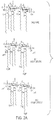
- combinations of endotoxin modification enzymes were used to generate a library of E. coli strains (Table 1), each presenting unique lipid A species on its surface.
- Engineered bacterial cells and purified LPS from their surface stimulated a wide range of TLR4 activation, resulting in differential cytokine induction.
- lipid A modification enzymes and knowledge of lipid A/TLR4 interaction allows a library of LPS molecules exhibiting a wide range of toxicity to be constructed ( FIG. 1 ).
- the present disclosure provides for the generation of a library of 61 E. coli strains producing LPS molecules with unique lipid A anchors (Table 1 and FIG. 2C ). Presentation of these lipids on a bacterial surface has generated LPS molecules with a broad range of effect on innate immune recognition and cytokine production.
- the present disclosure offers the ability to select from a range of inflammation and cytokine induction that current adjuvant options cannot provide.
- Combinatorial strains of the library of the present disclosure were generated by transformation of BN1 and BN2 with a pQLinkN plasmid expressing combinations of the 6 lipid A modifying enzymes.
- BN1 and BN2 were generated by modification of E. coli K12 strain W3110.
- Each enzyme is abbreviated by its final letter and ordered alphabetically in the plasmid name, for example, LpxE is abbreviated E, LpxF is F, LpxR is R, PagP is P, PagL is L, and LpxO is O.
- the present disclosure also provides engineered strains that are non-toxic.
- BN2, BN2 pEF, BN2 pF, BN2 pE, BN2 pFR, BN2 pEFR, BN2 pEFPR, BN2 pLR, BN2 pEL, BN2 pELR, BN1 pER, BN1 pEPR, BN1 pLOPR, BN1 pR, BN1 pLR, BN1 pELR in whole cell form contain non-toxic LPS.
- purified LPS from these strains may also be non-toxic.
- non-toxic purified LPS includes, but is not limited to, LPS purified from BN2, BN2 pEL, and BN2 pEF.
- the library of the present disclosure provides specifically modified strains as a template that may be used, for example, for basic research into bacterial membranes, membrane proteins, and lipid A modification enzymes.
- the Gram-negative bacteria used according to the present disclosure are Escherichia coli ( E. coli ) that have been engineered to synthesize homogeneous, unmodified lipid A.
- E. coli Escherichia coli
- other Gram-negative bacteria may be used that have been engineered to synthesize homogeneous, unmodified lipid A.
- the surface of almost all Gram-negative bacteria is composed of LPS, but some species that synthesize unique LPS structures are fastidious and difficult to work with in a laboratory setting.
- E. coli on the other hand, has long been developed as a laboratory system and is very well-characterized and easy to grow.
- the E. coli strains of the present disclosure have the benefit of simple growth requirements yet can synthesize many complex and unique LPS structures.
- E. coli is ideal for inexpensive mass production of molecules such as DNA and protein, but LPS is a major contaminant in such pharmaceutical preparations.
- LPS is a major contaminant in such pharmaceutical preparations.
- many purification methods have been developed.
- the variety of biotechnological applications utilizing E. coli makes it difficult to establish general methodologies for removal of LPS. Additionally, these steps often sacrifice yield for purity, add hours to sample preparation, and require large-scale, expensive disposable supplies.
- the present disclosure provides, in certain embodiments, for the use of engineered E. coli strains with a decreased threat of endotoxic impurity so as to eliminate the need for difficult purification methods.
- the surface structure of the E. coli strains in the library of the present disclosure is modified by proteins encoded on a plasmid.
- the genes encoding the proteins are selected from lpxE, lpxF, lpxO, lpxR, pagL, and pagP.
- the plasmids may be lost from the bacterium during long-term growth inside a host. Such bacterial growth can be necessary in whole cell vaccines. However, if plasmid expression is not induced and the plasmid is lost, the surface structure of the cells will revert to a wild type, unmodified form. In one embodiment, this disadvantage can be overcome by genetically engineering the genes encoding each enzyme into the chromosome of the strain to remove dependence on plasmid maintenance. The limitation caused by plasmid expression only occurs when whole cells need to be maintained for many generations in vivo, and is not a problem when the cells are used in the laboratory or when LPS is purified from the strains.
- E. coli lipid A with six acyl chains and two phosphate groups, is critical for complete activation of human TLR4/MD-2.
- Many bacteria have evolved enzymes that modify lipid A, aiding in evasion of the immune system. These enzymes have various functions, such as modifying acyl chain number, removing phosphate groups, or adding polar functional groups, which leads to alteration of the host immune response.
- structural variation of lipid A can stimulate select TLR4 pathways through the recruitment of different sets of adaptor proteins. Exploiting lipid A modifications to obtain differential TLR4 stimulation could allow the selection of specific cytokine production for many applications, such as improved vaccines, detoxified protein expression strains, anti-sepsis drugs, and gene therapy strains.
- the library of the present disclosure provides 61 E. coli strains that could be utilized as whole cells, LPS, or lipid A suitable for numerous applications.
- the library of the present disclosure can be used in atoxic bacterial expression systems (protein purification, for example), bacterial strains for gene therapy, cancer vaccines, and attenuated whole bacterial vaccines.
- the library of LPS/lipid A molecules of the present disclosure can be used, for example, as adjuvants, antisepsis drugs, and for cancer treatments.
- the library of the present disclosure also provides a versatile tool and illustrates the utility of E. coli for production of modified lipid A molecules.
- the ability to select an optimal inflammatory response to cells, LPS, and lipid A could be beneficial to many applications, including, but not limited to, protein purification strains, gene therapy strains, vaccine adjuvants, and anti-sepsis drugs.
- the high inflammatory response to E. coli is an obstacle to gene therapy.
- Gene therapy strains are engineered to lyse upon phagocytosis and transfer a plasmid with mammalian expression machinery to the host. For this purpose, a strain producing penta-acylated lipid A was generated to reduce the proinflammatory activity (Grilo-Courvalin et al., 2011), but an intermediate immune response might offer an elegant balance between high phagocytosis and lowered endotoxicity.
- Gene therapy strains can also be engineered to colonize tumors and express tumor antigens to initiate an oncolytic response. This reaction is partly due to the lipid A/TLR4 response and the production of tumor necrosis factor (Rockwell et al., 2009).
- lipid A immunogenicity has been shown to be responsible for tumor regression in various models and tissue types (Carswell et al., 1975).
- the library of the present disclosure may allow for the selection of a strain of E. coli which will produce an intermediate immune response suitable for use in gene therapy applications.
- the library of the present disclosure is also designed to provide means for further exploration of the potential of LPS.
- These strains were constructed using single plasmid-based combinatorial expression of lipid A modification enzymes and the resultant lipid A phenotypes were confirmed by both TLC and MS. Bioactivity of engineered cells and purified LPS was explored through TLR4 and cytokine assays, revealing significant variation between strains.
- Engineered LPS can be utilized in a number of ways including, but not limited to, as (i) the major immunogenic surface component of whole bacteria, (ii) to create a purified LPS molecule, or (iii) to create free lipid A molecules following LPS hydrolysis. These components can be used for diverse applications, including but not limited to, the design of improved vaccines, anti-sepsis drugs, cancer therapeutics, gene therapy and atoxic bacterial expression systems.
- MPLTM One LPS derivative with reduced toxicity, termed MPLTM, has been approved to supplement an adjuvant system in vaccines worldwide.
- MPLTM is actually a mixture of lipid A species from Salmonella minnesota R595 that have been chemically detoxified.
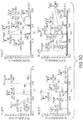
- the primary lipid A species present in MPLTM is 3- O -deacyl-4'-monophosphoryl lipid A ( FIG. 7 ).
- MPLTM induces a cytokine profile that is less inflammatory than LPS, yet it remains an effective adjuvant.
- the library of the present disclosure includes E. coli strains producing lipid A species of MPLTM (BN1 pELP and BN1 pELOP).
- the present disclosure provides a method for preparing MPLTM. Generally, preparation of MPLTM requires purification of the lipid A moiety followed by chemical treatment, involving successive acid and base hydrolysis.
- liquid chromatography can be performed to isolate the desired species.
- Strains in the library of the present disclosure BN1 pELP and BN1 pELOP, synthesize MPLTM lipid A structure independently, eliminating the need for acid and base treatment.
- Purification of 3- O -deacyl-4'-monophosphoryl lipid A produced by strain BN1 pELP was performed by reverse-phase chromatography ( FIG. 13 ) with ⁇ 0.4-0.6 mg of the target lipid obtained per liter of culture.
- lipid A synthesized Based upon TLC analysis, approximately 1/3 rd of the lipid A synthesized is 3- O -deacyl-4'-monophosphoryl lipid A. Assuming there are 10 9 CFU/ml of bacteria at an OD 600 of 1.0 and ⁇ 10 6 lipid A molecules per cell (Raetz 2007), the maximum yield of the target lipid would be ⁇ 1 mg/L of culture.
- lipid A of the library of the present disclosure would be made available in a spectrum of endotoxicity. For example, minimal endotoxicity is desirable for bacterial expression systems, whereas modest immunogenicity is more suitable for safe use in vaccines.
- lipid A modification enzymes produced a range of TLR4 responses and cytokine profiles.
- Some enzyme combinations confirmed previously untested assumptions. Strains containing LpxR, for example, showed greatly reduced TLR4 stimulation. However, other combinations could not have been predicted, like BN2 pFL, which is tetra-acylated and 4'-dephosphorylated yet consistently shows higher TLR4 stimulation by both whole bacterial cells and LPS than its penta-acylated, bis-phosphorylated parent ( FIG. 4 ).
- purified LPS and lipid A engineered according the present disclosure may be used in the treatment of cancer.
- One major hindrance to the use of purified LPS and lipid A in cancer treatments is tolerance. Tolerance develops even after one treatment, with downregulation of the immune response to LPS. Although this is detrimental to cancer treatment, it is a beneficial development for protection against sepsis for immunosuppressed patients.
- the present disclosure may provide for improved delivery of vaccines.
- MPLTM is a derivative from LPS that is also less inflammatory, but it is insoluble and must be adsorbed to other adjuvants for mechanical delivery.
- the engineered LPS molecules of the present disclosure contain both lipid (e.g. MPLTM) and carbohydrate moieties increasing solubility.
- the present disclosure provides improved vaccine adjuvants generated from the library of the present disclosure.
- Tolerance has excluded MPLTM from cancer treatments but has not eliminated it from attention as a cancer vaccine adjuvant.
- MPLTM is the only lipid A to date that has been tested in human clinical cancer vaccine trials. Considering the evidence that TLR4 signaling can be biased to produce certain types of responses, other lipid A structures should be explored as well. Few studies have directly compared the effects of other lipid A structures to MPLTM and to LPS.
- lipid A is insoluble and requires adsorption onto other adjuvants to enable delivery, so a modified LPS of the present disclosure could offer more options for a soluble molecule with the lowered endotoxicity of MPLTM.
- the combinatorial approach of the present disclosure allows investigation into the potential for custom induction of immune responses.
- Targeting a particular TLR4 response by administering engineered LPS could offer better vaccine adjuvants.
- predominant adjuvants e.g. aluminum salts
- LPS does not sufficiently induce antibacterial and antiviral TH1 immune responses.
- LPS does elicit a strong TH1 response, but the molecule is too inflammatory for safe use.
- the engineering of modified LPS molecules according to the present disclosure could also greatly impact subunit vaccine development. In cancer vaccines and other subunit vaccines, pathogen specific antigens are often too weakly immunogenic to be effective and require an adjuvant to boost the antigen-specific immune response.
- the library of the present disclosure may provide for long lasting, specific immunity in vaccines.
- E. coli strains with modified LPS have been engineered that induce a lower immune response but are still able to elicit a strong TH1 response.
- adjuvants such as aluminum salts that do not sufficiently stimulate a TH1 response and wild type LPS that is too inflammatory.
- the present disclosure provides more options to control the level of boost that each subunit needs to elicit the appropriate TH1 response.
- insufficient immunogenicity can be enhanced by LPS adjuvants, and those antigens with intermediate immune responses can be slightly elevated by selecting LPS molecules from the library of the present disclosure.
- lipid A species in the library possess antagonistic properties. As antisepsis drugs, they could reduce the high number of deaths in intensive care units due to septic shock. Additionally, supplementation with antagonist species of LPS has been shown to downregulate a hyperinflammatory response to some antigens or whole cell vaccines (Peri et al., 2011; Geurtsen et al., 2008). Some of these antagonists could also treat neuropathic pain, which has been linked to TLR4 stimulation.
- Table 1 The Library Strain Generated Genotype or description 1 BN1 W3110 ⁇ eptA, ⁇ lpxT, ⁇ pagP 2 BN2 BN1 ⁇ lpxM::kan 3 BN1 pE BN1 pQLinkN containing lpxE 4 BN1 pL BN1 pQLinkN containing pagL 5 BN1 pO BN1 pQLinkN containing lpxO 6 BN1 pP BN1 pQLinkN containing pagP 7 BN1 pR BN1 pQLinkN containing lpxR 8 BN1 pEL BN1 pQLinkN containing lpxE, pagL 9 BN1 pEO BN1 pQLinkN containing lpxE, lpxO 10 BN1 pEP BN1 pQLinkN containing lpxE, pagP 11 BN1 pER BN1 pQ
- Table 2 shows the bacterial strains and plasmids used in this study. All gene deletions were performed by P1 vir phage transduction using Keio collection mutants as donors, as previously described (Herrera et al., 2010, Baba et al., 2006). Antibiotic cassettes were removed as described previously (Datsenko et al, 2000).
- BN1 was generated from BN0, an lpxT and eptA double mutant.
- the LpxT enzyme functions to add a third phosphate to lipid A, and when mutated the lipid A should be bis -phosphorylated.
- LpxT inhibition activates EptA, which adds a phosphoethanolamine to the 1-position of lipid A.
- LpxM is responsible for adding a myristate to the 3' acyl chain on the glucosamine disaccharide of lipid A.
- Strains were confirmed by PCR using primers flanking each gene, 32 P radiolabeling, and MS (Table 3, data not shown, FIG. 7 ) (Baba et al., 2006). Table 2.
- lipid A was isolated from 7ml cultures for analysis by TLC as previously described (Tran et al., 2006). Densitometry was calculated using Quantity One software. For MS, lipid A was prepared from 15ml cultures as described previously (Hankins et al., 2011). Samples were analyzed using a MALDI-TOF/TOF (ABI 4700 Proteomics Analyzer) mass spectrometer as previously described (Touze et al., 2008). Lipid A profiles from each strain were analyzed by negative ion linear mode MS. However, in strains expressing both phosphatases, LpxE and LxpF, lipids were detected in the positive mode.
- LPS was isolated from 13 of the strains by phenol extraction and purified as previously described (Hankins et al., 2011). Quantification of each was achieved using the 3-deoxy-d-manno-octulosonic acid (Kdo) colorimetric assay to normalize the samples to 0.5 mg/ml using E. coli K12 LPS (LPS EK-Ultrapure, Invivogen) as a standard.
- Kdo 3-deoxy-d-manno-octulosonic acid
- Whole cells for assays were prepared by growing a diluted overnight culture to an OD 600 of 1.0 at 37° C in LB containing 100 ⁇ g/ml ampicillin and 50 ⁇ M to 1 mM IPTG. Cells were washed in sterile phosphate buffered saline (PBS) to remove lysed cells or outer membrane vesicles. Cell pellets were gently resuspended in 5 mls of PBS, and the OD 600 was measured. 5 x 10 9 cells were harvested by centrifugation, gently resuspended in 1 ml PBS and aliquoted for storage at -80° C. CFU plating after storage at -80° C confirmed equivalent cell counts between samples.
- PBS sterile phosphate buffered saline
- HEK-BlueTM hTLR4, HEK-BlueTM hTLR2, and THP1-XBlueTM-MD2-CD14 cell lines were purchased from Invivogen and maintained according to their specifications.
- Whole cell aliquots and LPS samples were thawed and serial diluted immediately prior to use in assays done as previously described (Hankins et al., 2011) with the following modification: whole cell stimulation assays were done in 30 ⁇ g/ml chloramphenicol instead of 50 U/ml - 50 ⁇ g/ml Pen-Strep to maintain a bacteriostatic effect. At least two biological replicates were each done in triplicate and one representative set was shown here, normalized to data for the BN1 pQLinkN strain.
- THP-1 human monocytes were maintained according to ATCC's specifications. THP-1 monocytes were differentiated into macrophages by transferring cells into 24-well tissue culture plates at 1 x 10 5 cells/well in the presence of 50 ng/ml phorbol myristate acetate. Following incubation at 37°C with 5% CO 2 for 36 h, the differentiated cells were washed with Hanks balanced salt solution (Invitrogen) and stimulated for 24 h with 10 and 100 ng/ml LPS.
- Hanks balanced salt solution Invitrogen
- the culture supernatants from triplicate wells were harvested and sent to Ocean Ridge Biosciences (Palm Beach Gardens, FL) for detection and quantification of the following cytokines: TNF- ⁇ , IL-1 ⁇ , IL-6, IL-8, G-CSF, RANTES and MCP-1.
- FIG. 8 To produce an E. coli library with defined lipid A structures, two background strains that synthesize homogeneous, unmodified lipid A profiles were generated.
- Strain BN1 produces hexa-acylated, bis -phosphorylated lipid A, the highly endotoxic, major species synthesized by E. coli.
- BN1 was generated by deletion of genes that modify E. coli lipid A under normal growth conditions.
- Thin-layer chromatography (TLC) and MALDI-TOF mass spectrometry (MS) confirmed a homogeneous lipid A profile ( FIG. 8A, B ).
- BN1 and BN2 provide two distinct templates suitable for alteration by endotoxin modifying enzymes.
- BN1 and BN2 were transformed with the pQLinkN vector harboring combinations of genes encoding the lipid A modification enzymes PagP, PagL, LpxR, LpxE, LpxF and LpxO.
- FIG. 2 summarizes each enzyme, its source organism, activity, and active site topology, along with the 61 strains engineered. Considering enzyme specificities, some combinations were omitted. For example, Francisella LpxF does not function on hexa-acylated lipid A substrate, so LpxF was not introduced into BN1. Additionally, Salmonella LpxO hydroxylates the 3'-acyloxyacyl chain, which is absent in BN2, precluding the use of LpxO in this strain.
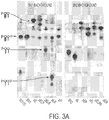
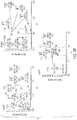
- FIG. 3A demonstrates the diversity of endotoxin species produced in BN1 and BN2 expressing combinations of lipid A modifying enzymes. 12 strains were selected to represent simple and complex strains ( Fig. 3A ), although all strains were confirmed by TLC (data not shown). In some strains, like BN2 pL, 99.2% of lipid A molecules are modified by PagL, while in other strains, like BN1 pP, PagP is less efficient. Many strains express multiple enzymes with various efficiency, so strains like BN2 pELPR produce a heterogeneous mixture of endotoxin ( Fig 3A ).
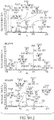
- FIG. 9 highlights examples of MS results for three categories of strains: phosphate modified (B), acyl chain modified (C), or a combination (D).
- B phosphate modified
- C acyl chain modified
- D a combination
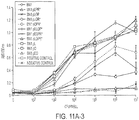
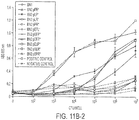
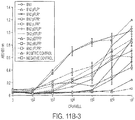
- TLR4 stimulation by BN1 strains expressing a single enzyme generally did not differ from the BN1 background strain, even in BN1 pL, in which PagL cleaves the majority of the lipid A to penta-acylated form predicted to be less inflammatory ( FIG. 4 , FIG. 9 ).
- the strong TLR4 response of strains with only one enzyme indicates that a combinatorial approach might more effectively lower endotoxicity.
- BN1 pLPR LpxR and PagL deacylase activities greatly reduce TLR4 stimulation in the precursor strain, BN1 pLR ( FIG. 4A ).
- TLR4 stimulation rises to an intermediate level because PagP increases acylation.
- an increase in TLR4 stimulation was unexpected.
- BN2 induces a low TLR4 response that is increased when LpxF and PagL are expressed (BN2 pFL).
- Strain BN1 pELP which produces lipid A that mimics MPLTM, only differs significantly from the BN1 control at 10 3 - 10 4 CFU/well in the whole cell assay and only at 0.1 ng/ml in the LPS assay ( FIG. 4B ). Although this LPS remains an activator of TLR4, the MS lipid A profile is remarkably similar to vaccine grade MPLTM prepared from S. minnesota, but no longer requires chemical treatment.
- BN1 pELP and another similar strain, BN1 pELOP also show a higher percentage of the predominant species, 3-O-deacyl-4'-monophosphoryl lipid A, found in MPLTM ( FIG. 13 ).
- TLR2 Toll-like receptor 2
- Lipid A modification is sufficient to reduce stimulation of monocytes expressing multiple pattern recognition receptors
- TLR4 THP1-XBlue-MD2-CD14 monocytes. These cells express all TLRs and NOD (nucleotide-oligomerization domain) proteins, recognizing conserved bacterial patterns such as flagellar proteins, lipoproteins, and peptidoglycan. Results for all strains were significantly lower than BN1 at 10 4 CFU/well (p ⁇ 0.05) ( FIG. 5A ). Strains with reduced TLR4 stimulation also had a reduced response in this assay. This confirms that alteration of the lipid A portion of LPS is sufficient to affect the overall response between 10 3 -10 5 CFU/well, regardless of other cell surface bacterial mediators of inflammation.
- NOD nucleotide-oligomerization domain
- the cytokine profile of THP-1 monocytes following LPS stimulation was analyzed to further predict the potential immune response induced from the combinatorial strains.
- two major TLR4 pathways were investigated: the MyD88-Dependent and TRIF pathways ( FIG. 5 , FIG. 12 ).
- the MyD88 pathway activates the highly proinflammatory response to LPS, although some low level MyD88 induction is beneficial for long lasting immunity in vaccines.
- the TRIF pathway is less inflammatory yet remains an effective pathway for adaptive immune responses important to vaccine adjuvants.
- TNF- ⁇ , IL-6, IL-1 ⁇ , and IL-8 were quantified.
- a full spectrum of cytokine levels was observed ( FIG. 5B ), reflecting the results of the TLR4 assay using LPS.
- the TRIF pathway was detected by production of the cytokines G-CSF, RANTES, and MCP-1 ( FIG. 5C ).
- LPS from the BN1 background strain strongly stimulated all three cytokines, and LPS with engineered lipid A domains showed variation in cytokine production, with some cases of complete elimination.
- Lipid A from various strains induces a strong acquired immune response in mice
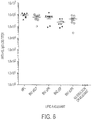
- mice were immunized with emulsions of the antigen Hen Egg Lysozyme (HEL) and purified lipid A from 4 strains, BN1 pELP, BN1 pPR, BN2 pEP, and BN1 pLPR.
- HEL Hen Egg Lysozyme
- MPLTM MPLTM
- all lipid formulations resulted in high anti-HEL IgG titers, and only BN2 pEP was significantly lower than MPL ( FIG. 6 ).
- the similar titers between lipid A samples in contrast to the variation found in the human cytokine response, could be due to the lower specificity of the murine TLR4 than human TLR4 (data not shown).
Landscapes
- Health & Medical Sciences (AREA)
- Life Sciences & Earth Sciences (AREA)
- Chemical & Material Sciences (AREA)
- Genetics & Genomics (AREA)
- Engineering & Computer Science (AREA)
- Organic Chemistry (AREA)
- General Health & Medical Sciences (AREA)
- Zoology (AREA)
- Wood Science & Technology (AREA)
- Biotechnology (AREA)
- Bioinformatics & Cheminformatics (AREA)
- General Engineering & Computer Science (AREA)
- Microbiology (AREA)
- Biomedical Technology (AREA)
- Biochemistry (AREA)
- Molecular Biology (AREA)
- Medicinal Chemistry (AREA)
- Plant Pathology (AREA)
- Biophysics (AREA)
- Physics & Mathematics (AREA)
- Epidemiology (AREA)
- Pharmacology & Pharmacy (AREA)
- Immunology (AREA)
- Mycology (AREA)
- Veterinary Medicine (AREA)
- Public Health (AREA)
- Animal Behavior & Ethology (AREA)
- Chemical Kinetics & Catalysis (AREA)
- Polymers & Plastics (AREA)
- Materials Engineering (AREA)
- Medicines Containing Antibodies Or Antigens For Use As Internal Diagnostic Agents (AREA)
- Micro-Organisms Or Cultivation Processes Thereof (AREA)
- Oil, Petroleum & Natural Gas (AREA)
- General Chemical & Material Sciences (AREA)
Claims (8)
- Ein konstruierter Stamm von E. coli umfassend Deletionen der lpxT, eptA und pagP Gene und ein exprimiertes modifiziertes Lipid A auf seiner Oberfläche.
- Der konstruierte Stamm nach Anspruch 1, ferner umfassend Deletionen der KanR Kassette und des lpxM Gens.
- Der konstruierte Stamm nach Anspruch 1, ferner umfassend mindestens einen Expressionsvektor, der mindestens ein Lipid A Modifikationsenzym kodierendes Gen umfasst, wobei das Lipid A Modifikationsenzym kodierende Gen ausgewählt ist aus der Gruppe bestehend aus lpxE, lpxF, lpxO, lpxR, pagL und pagP.
- Der konstruierte Stamm nach Anspruch 2, ferner umfassend mindestens einen Expressionsvektor, der mindestens ein Lipid A Modifikationsenzym kodierendes Gen umfasst, wobei das Lipid A Modifikationsenzym kodierende Gen ausgewählt ist aus der Gruppe bestehend aus lpxE, lpxF, lpxO, lpxR, pagL und pagP.
- Ein konstruierter Stamm von E. coli umfassend Deletionen der lpxT, eptA und pagP Gene und ferner umfassend einen Expressionsvektor, der lpxE, pagL, pagP umfasst.
- Ein konstruierter Stamm von E. coli umfassend Deletionen der lpxT, eptA und pagP Gene und ferner umfassend einen Expressionsvektor, der lpxE, pagL, lpxO, pagP umfasst.
- Ein Verfahren zur Synthese von 3-O-deacy-4'-monophosphoryl Lipid A ohne Notwendigkeit der Säure- oder Basenbehandlung des synthetisierten Lipid A umfassend:Bereitstellen mindestens eines konstruierten Bakteriums von E. coli nach Anspruch 1, Präsentieren des Bakteriums an ein Plasmid umfassend ein Expressionsvektor, der lpxE, pagL, pagP umfasst oder ein Expressionsvektor, der lpxE, pagL, lpxO, pagP umfasst, Erlauben des konstruierten Bakteriums unter Bedingungen zu wachsen um 3-O-decyl-4'-monophosphoryl Lipid A zu bilden.
- Ein Gesamtzellen-Impfstoff umfassend den konstruierten Stamm nach Anspruch 3 oder 4 und ein pharmazeutisch verträglicher Exzipient oder Träger.
Applications Claiming Priority (2)
| Application Number | Priority Date | Filing Date | Title |
|---|---|---|---|
| US201261604306P | 2012-02-28 | 2012-02-28 | |
| PCT/US2013/028281 WO2013130779A1 (en) | 2012-02-28 | 2013-02-28 | Synthetic lipid biology for combinatorial engineering of endotoxin |
Publications (2)
| Publication Number | Publication Date |
|---|---|
| EP2820133A1 EP2820133A1 (de) | 2015-01-07 |
| EP2820133B1 true EP2820133B1 (de) | 2017-08-02 |
Family
ID=47884561
Family Applications (1)
| Application Number | Title | Priority Date | Filing Date |
|---|---|---|---|
| EP13709667.3A Not-in-force EP2820133B1 (de) | 2012-02-28 | 2013-02-28 | Synthetische lipidbiologie für kombinatorische herstellung von endotoxin |
Country Status (4)
| Country | Link |
|---|---|
| US (1) | US8945587B2 (de) |
| EP (1) | EP2820133B1 (de) |
| CA (1) | CA2865248A1 (de) |
| WO (1) | WO2013130779A1 (de) |
Families Citing this family (10)
| Publication number | Priority date | Publication date | Assignee | Title |
|---|---|---|---|---|
| US10420833B2 (en) | 2014-05-19 | 2019-09-24 | Board Of Regents, The University Of Texas System | Combinatorial platform for the display of surface adjuvants and antigens |
| CN104388368B (zh) * | 2014-10-30 | 2017-02-15 | 四川农业大学 | 一株低内毒素大肠杆菌原核表达工程菌突变株及构建方法 |
| RU2617934C1 (ru) * | 2015-12-29 | 2017-04-28 | Федеральное бюджетное учреждение науки Государственный научный центр прикладной микробиологии и биотехнологии (ФБУН ГНЦ ПМБ) | Способ получения рекомбинантной фосфатазы бактериальных липополисахаридов |
| KR101761348B1 (ko) * | 2016-01-06 | 2017-07-26 | 한국과학기술연구원 | 헥사 아실화된 모노포스포릴 지질 a를 생산하는 세균, 및 이를 이용한 헥사 아실화된 모노포스포릴 지질 a 생산 방법 |
| KR102019331B1 (ko) * | 2017-07-05 | 2019-09-09 | 한국과학기술연구원 | 모노포스포릴 지질 a를 구성적으로 생산하는 세균, 및 이를 이용한 모노포스포릴 지질 a 생산 방법 |
| DK3713586T5 (da) * | 2017-11-20 | 2024-08-26 | Codex Dna Inc | Vibrio sp. organismer med modificeret lipopolysaccharid |
| CN108395458A (zh) * | 2018-03-01 | 2018-08-14 | 江南大学 | 减毒类脂a的制备与应用 |
| EP3799884A1 (de) | 2019-10-01 | 2021-04-07 | GlaxoSmithKline Biologicals S.A. | Immunogene zusammensetzungen |
| US11878057B2 (en) * | 2020-12-11 | 2024-01-23 | Trustees Of Boston University | Immunomodulatory lipopolysaccharide compositions |
| CN120204382B (zh) * | 2025-05-27 | 2026-03-27 | 北京绿竹生物技术股份有限公司 | 一种Kdo-MPLA佐剂 |
Family Cites Families (1)
| Publication number | Priority date | Publication date | Assignee | Title |
|---|---|---|---|---|
| AU2011226697B2 (en) * | 2010-03-12 | 2015-03-12 | Research Corporation Technologies | Viable gram negative bacteria lacking outer membrane agonists of TLR4/MD-2 |
-
2013
- 2013-02-28 CA CA2865248A patent/CA2865248A1/en not_active Abandoned
- 2013-02-28 WO PCT/US2013/028281 patent/WO2013130779A1/en not_active Ceased
- 2013-02-28 US US13/780,805 patent/US8945587B2/en active Active
- 2013-02-28 EP EP13709667.3A patent/EP2820133B1/de not_active Not-in-force
Non-Patent Citations (1)
| Title |
|---|
| A. M. DIDIERLAURENT ET AL: "AS04, an Aluminum Salt- and TLR4 Agonist-Based Adjuvant System, Induces a Transient Localized Innate Immune Response Leading to Enhanced Adaptive Immunity", THE JOURNAL OF IMMUNOLOGY, vol. 183, no. 10, 15 November 2009 (2009-11-15), pages 6186 - 6197, XP055068455, ISSN: 0022-1767, DOI: 10.4049/jimmunol.0901474 * |
Also Published As
| Publication number | Publication date |
|---|---|
| CA2865248A1 (en) | 2013-09-06 |
| US20130230555A1 (en) | 2013-09-05 |
| US8945587B2 (en) | 2015-02-03 |
| EP2820133A1 (de) | 2015-01-07 |
| WO2013130779A1 (en) | 2013-09-06 |
Similar Documents
| Publication | Publication Date | Title |
|---|---|---|
| US8945587B2 (en) | Synthetic lipid biology for combinatorial engineering of endotoxin | |
| JP6944886B2 (ja) | フコシル化オリゴ糖の生産における使用に適したアルファ(1,2)フコシルトランスフェラーゼ | |
| Sela et al. | An infant-associated bacterial commensal utilizes breast milk sialyloligosaccharides | |
| CA2348928C (en) | Lps with reduced toxicity from genetically modified gram negative bacteria | |
| KR20050109928A (ko) | 유산균으로부터 유래된 소염 활성 | |
| Narasaki et al. | Lipopolysaccharide of Coxiella burnetii | |
| Hopkins et al. | Transport and catabolism of the sialic acids N-glycolylneuraminic acid and 3-keto-3-deoxy-D-glycero-D-galactonononic acid by Escherichia coli K-12 | |
| HUE030981T2 (en) | Viable Non-Toxic Gram-negative Bacteria | |
| EP3789495A1 (de) | Herstellung von sialylierten oligosacchariden in bacillus-zellen | |
| EP2964254B1 (de) | Immuntherapeutisches potenzial von modifizierten lipooligosacchariden/lipid a | |
| Saha et al. | Lipid A heterogeneity and its role in the host interactions with pathogenic and commensal bacteria | |
| Kawasaki et al. | Lipid A 3′-O-deacylation by Salmonella outer membrane enzyme LpxR modulates the ability of lipid A to stimulate Toll-like receptor 4 | |
| Nowotny | Review of the molecular requirements of endotoxic actions | |
| CN109071587B (zh) | 经修饰的六酰化奈瑟球菌lps | |
| Rick et al. | Microbial pathways of lipid A biosynthesis | |
| Coats et al. | Porphyromonas gingivalis resistance to polymyxin B is determined by the lipid A 4′‐Phosphatase, PGN_0524 | |
| Jin et al. | Engineering Escherichia coli for constitutive production of monophosphoryl lipid A vaccine adjuvant | |
| Rottem | Sterols and acylated proteins in mycoplasmas | |
| KR101795524B1 (ko) | 마이코플라즈마 감염증용 백신 | |
| Wang et al. | Engineering Escherichia coli MG1655 to efficiently produce 3-deacyl-4′-monophosphoryl lipid A | |
| AU2020293566B2 (en) | Rhamnose-polysaccharides | |
| Xu et al. | Development of antibacterial drugs by targeting toll-like receptors | |
| Holst et al. | On the Chemistry and Biology of Bacterial Endotoxic | |
| US10864266B2 (en) | Modified lipopolysaccharide glycoform and method of use | |
| Needham | Modulating the innate immune response and bacterial fitness by combinatorial engineering of endotoxin |
Legal Events
| Date | Code | Title | Description |
|---|---|---|---|
| PUAI | Public reference made under article 153(3) epc to a published international application that has entered the european phase |
Free format text: ORIGINAL CODE: 0009012 |
|
| 17P | Request for examination filed |
Effective date: 20140910 |
|
| AK | Designated contracting states |
Kind code of ref document: A1 Designated state(s): AL AT BE BG CH CY CZ DE DK EE ES FI FR GB GR HR HU IE IS IT LI LT LU LV MC MK MT NL NO PL PT RO RS SE SI SK SM TR |
|
| AX | Request for extension of the european patent |
Extension state: BA ME |
|
| DAX | Request for extension of the european patent (deleted) | ||
| 17Q | First examination report despatched |
Effective date: 20160609 |
|
| STAA | Information on the status of an ep patent application or granted ep patent |
Free format text: STATUS: EXAMINATION IS IN PROGRESS |
|
| GRAP | Despatch of communication of intention to grant a patent |
Free format text: ORIGINAL CODE: EPIDOSNIGR1 |
|
| STAA | Information on the status of an ep patent application or granted ep patent |
Free format text: STATUS: GRANT OF PATENT IS INTENDED |
|
| INTG | Intention to grant announced |
Effective date: 20170224 |
|
| GRAS | Grant fee paid |
Free format text: ORIGINAL CODE: EPIDOSNIGR3 |
|
| GRAA | (expected) grant |
Free format text: ORIGINAL CODE: 0009210 |
|
| STAA | Information on the status of an ep patent application or granted ep patent |
Free format text: STATUS: THE PATENT HAS BEEN GRANTED |
|
| AK | Designated contracting states |
Kind code of ref document: B1 Designated state(s): AL AT BE BG CH CY CZ DE DK EE ES FI FR GB GR HR HU IE IS IT LI LT LU LV MC MK MT NL NO PL PT RO RS SE SI SK SM TR |
|
| REG | Reference to a national code |
Ref country code: CH Ref legal event code: EP Ref country code: AT Ref legal event code: REF Ref document number: 914527 Country of ref document: AT Kind code of ref document: T Effective date: 20170815 |
|
| REG | Reference to a national code |
Ref country code: IE Ref legal event code: FG4D |
|
| REG | Reference to a national code |
Ref country code: DE Ref legal event code: R096 Ref document number: 602013024327 Country of ref document: DE |
|
| REG | Reference to a national code |
Ref country code: CH Ref legal event code: NV Representative=s name: ALDO ROEMPLER PATENTANWALT, CH |
|
| REG | Reference to a national code |
Ref country code: NL Ref legal event code: MP Effective date: 20170802 |
|
| REG | Reference to a national code |
Ref country code: AT Ref legal event code: MK05 Ref document number: 914527 Country of ref document: AT Kind code of ref document: T Effective date: 20170802 |
|
| REG | Reference to a national code |
Ref country code: LT Ref legal event code: MG4D |
|
| PG25 | Lapsed in a contracting state [announced via postgrant information from national office to epo] |
Ref country code: HR Free format text: LAPSE BECAUSE OF FAILURE TO SUBMIT A TRANSLATION OF THE DESCRIPTION OR TO PAY THE FEE WITHIN THE PRESCRIBED TIME-LIMIT Effective date: 20170802 Ref country code: AT Free format text: LAPSE BECAUSE OF FAILURE TO SUBMIT A TRANSLATION OF THE DESCRIPTION OR TO PAY THE FEE WITHIN THE PRESCRIBED TIME-LIMIT Effective date: 20170802 Ref country code: NO Free format text: LAPSE BECAUSE OF FAILURE TO SUBMIT A TRANSLATION OF THE DESCRIPTION OR TO PAY THE FEE WITHIN THE PRESCRIBED TIME-LIMIT Effective date: 20171102 Ref country code: SE Free format text: LAPSE BECAUSE OF FAILURE TO SUBMIT A TRANSLATION OF THE DESCRIPTION OR TO PAY THE FEE WITHIN THE PRESCRIBED TIME-LIMIT Effective date: 20170802 Ref country code: FI Free format text: LAPSE BECAUSE OF FAILURE TO SUBMIT A TRANSLATION OF THE DESCRIPTION OR TO PAY THE FEE WITHIN THE PRESCRIBED TIME-LIMIT Effective date: 20170802 Ref country code: LT Free format text: LAPSE BECAUSE OF FAILURE TO SUBMIT A TRANSLATION OF THE DESCRIPTION OR TO PAY THE FEE WITHIN THE PRESCRIBED TIME-LIMIT Effective date: 20170802 Ref country code: NL Free format text: LAPSE BECAUSE OF FAILURE TO SUBMIT A TRANSLATION OF THE DESCRIPTION OR TO PAY THE FEE WITHIN THE PRESCRIBED TIME-LIMIT Effective date: 20170802 |
|
| PG25 | Lapsed in a contracting state [announced via postgrant information from national office to epo] |
Ref country code: GR Free format text: LAPSE BECAUSE OF FAILURE TO SUBMIT A TRANSLATION OF THE DESCRIPTION OR TO PAY THE FEE WITHIN THE PRESCRIBED TIME-LIMIT Effective date: 20171103 Ref country code: LV Free format text: LAPSE BECAUSE OF FAILURE TO SUBMIT A TRANSLATION OF THE DESCRIPTION OR TO PAY THE FEE WITHIN THE PRESCRIBED TIME-LIMIT Effective date: 20170802 Ref country code: ES Free format text: LAPSE BECAUSE OF FAILURE TO SUBMIT A TRANSLATION OF THE DESCRIPTION OR TO PAY THE FEE WITHIN THE PRESCRIBED TIME-LIMIT Effective date: 20170802 Ref country code: PL Free format text: LAPSE BECAUSE OF FAILURE TO SUBMIT A TRANSLATION OF THE DESCRIPTION OR TO PAY THE FEE WITHIN THE PRESCRIBED TIME-LIMIT Effective date: 20170802 Ref country code: IS Free format text: LAPSE BECAUSE OF FAILURE TO SUBMIT A TRANSLATION OF THE DESCRIPTION OR TO PAY THE FEE WITHIN THE PRESCRIBED TIME-LIMIT Effective date: 20171202 Ref country code: RS Free format text: LAPSE BECAUSE OF FAILURE TO SUBMIT A TRANSLATION OF THE DESCRIPTION OR TO PAY THE FEE WITHIN THE PRESCRIBED TIME-LIMIT Effective date: 20170802 Ref country code: BG Free format text: LAPSE BECAUSE OF FAILURE TO SUBMIT A TRANSLATION OF THE DESCRIPTION OR TO PAY THE FEE WITHIN THE PRESCRIBED TIME-LIMIT Effective date: 20171102 |
|
| PG25 | Lapsed in a contracting state [announced via postgrant information from national office to epo] |
Ref country code: RO Free format text: LAPSE BECAUSE OF FAILURE TO SUBMIT A TRANSLATION OF THE DESCRIPTION OR TO PAY THE FEE WITHIN THE PRESCRIBED TIME-LIMIT Effective date: 20170802 Ref country code: CZ Free format text: LAPSE BECAUSE OF FAILURE TO SUBMIT A TRANSLATION OF THE DESCRIPTION OR TO PAY THE FEE WITHIN THE PRESCRIBED TIME-LIMIT Effective date: 20170802 Ref country code: DK Free format text: LAPSE BECAUSE OF FAILURE TO SUBMIT A TRANSLATION OF THE DESCRIPTION OR TO PAY THE FEE WITHIN THE PRESCRIBED TIME-LIMIT Effective date: 20170802 |
|
| REG | Reference to a national code |
Ref country code: DE Ref legal event code: R097 Ref document number: 602013024327 Country of ref document: DE |
|
| PG25 | Lapsed in a contracting state [announced via postgrant information from national office to epo] |
Ref country code: SM Free format text: LAPSE BECAUSE OF FAILURE TO SUBMIT A TRANSLATION OF THE DESCRIPTION OR TO PAY THE FEE WITHIN THE PRESCRIBED TIME-LIMIT Effective date: 20170802 Ref country code: IT Free format text: LAPSE BECAUSE OF FAILURE TO SUBMIT A TRANSLATION OF THE DESCRIPTION OR TO PAY THE FEE WITHIN THE PRESCRIBED TIME-LIMIT Effective date: 20170802 Ref country code: SK Free format text: LAPSE BECAUSE OF FAILURE TO SUBMIT A TRANSLATION OF THE DESCRIPTION OR TO PAY THE FEE WITHIN THE PRESCRIBED TIME-LIMIT Effective date: 20170802 Ref country code: EE Free format text: LAPSE BECAUSE OF FAILURE TO SUBMIT A TRANSLATION OF THE DESCRIPTION OR TO PAY THE FEE WITHIN THE PRESCRIBED TIME-LIMIT Effective date: 20170802 |
|
| PLBE | No opposition filed within time limit |
Free format text: ORIGINAL CODE: 0009261 |
|
| STAA | Information on the status of an ep patent application or granted ep patent |
Free format text: STATUS: NO OPPOSITION FILED WITHIN TIME LIMIT |
|
| 26N | No opposition filed |
Effective date: 20180503 |
|
| PG25 | Lapsed in a contracting state [announced via postgrant information from national office to epo] |
Ref country code: SI Free format text: LAPSE BECAUSE OF FAILURE TO SUBMIT A TRANSLATION OF THE DESCRIPTION OR TO PAY THE FEE WITHIN THE PRESCRIBED TIME-LIMIT Effective date: 20170802 |
|
| REG | Reference to a national code |
Ref country code: DE Ref legal event code: R119 Ref document number: 602013024327 Country of ref document: DE |
|
| REG | Reference to a national code |
Ref country code: CH Ref legal event code: PL |
|
| PG25 | Lapsed in a contracting state [announced via postgrant information from national office to epo] |
Ref country code: MC Free format text: LAPSE BECAUSE OF FAILURE TO SUBMIT A TRANSLATION OF THE DESCRIPTION OR TO PAY THE FEE WITHIN THE PRESCRIBED TIME-LIMIT Effective date: 20170802 |
|
| GBPC | Gb: european patent ceased through non-payment of renewal fee |
Effective date: 20180228 |
|
| REG | Reference to a national code |
Ref country code: IE Ref legal event code: MM4A |
|
| REG | Reference to a national code |
Ref country code: BE Ref legal event code: MM Effective date: 20180228 |
|
| PG25 | Lapsed in a contracting state [announced via postgrant information from national office to epo] |
Ref country code: LU Free format text: LAPSE BECAUSE OF NON-PAYMENT OF DUE FEES Effective date: 20180228 Ref country code: CH Free format text: LAPSE BECAUSE OF NON-PAYMENT OF DUE FEES Effective date: 20180228 Ref country code: LI Free format text: LAPSE BECAUSE OF NON-PAYMENT OF DUE FEES Effective date: 20180228 |
|
| REG | Reference to a national code |
Ref country code: FR Ref legal event code: ST Effective date: 20181031 |
|
| PG25 | Lapsed in a contracting state [announced via postgrant information from national office to epo] |
Ref country code: IE Free format text: LAPSE BECAUSE OF NON-PAYMENT OF DUE FEES Effective date: 20180228 Ref country code: DE Free format text: LAPSE BECAUSE OF NON-PAYMENT OF DUE FEES Effective date: 20180901 |
|
| PG25 | Lapsed in a contracting state [announced via postgrant information from national office to epo] |
Ref country code: FR Free format text: LAPSE BECAUSE OF NON-PAYMENT OF DUE FEES Effective date: 20180228 Ref country code: GB Free format text: LAPSE BECAUSE OF NON-PAYMENT OF DUE FEES Effective date: 20180228 Ref country code: BE Free format text: LAPSE BECAUSE OF NON-PAYMENT OF DUE FEES Effective date: 20180228 |
|
| PG25 | Lapsed in a contracting state [announced via postgrant information from national office to epo] |
Ref country code: MT Free format text: LAPSE BECAUSE OF NON-PAYMENT OF DUE FEES Effective date: 20180228 |
|
| PG25 | Lapsed in a contracting state [announced via postgrant information from national office to epo] |
Ref country code: TR Free format text: LAPSE BECAUSE OF FAILURE TO SUBMIT A TRANSLATION OF THE DESCRIPTION OR TO PAY THE FEE WITHIN THE PRESCRIBED TIME-LIMIT Effective date: 20170802 |
|
| PG25 | Lapsed in a contracting state [announced via postgrant information from national office to epo] |
Ref country code: HU Free format text: LAPSE BECAUSE OF FAILURE TO SUBMIT A TRANSLATION OF THE DESCRIPTION OR TO PAY THE FEE WITHIN THE PRESCRIBED TIME-LIMIT; INVALID AB INITIO Effective date: 20130228 Ref country code: PT Free format text: LAPSE BECAUSE OF FAILURE TO SUBMIT A TRANSLATION OF THE DESCRIPTION OR TO PAY THE FEE WITHIN THE PRESCRIBED TIME-LIMIT Effective date: 20170802 |
|
| PG25 | Lapsed in a contracting state [announced via postgrant information from national office to epo] |
Ref country code: MK Free format text: LAPSE BECAUSE OF NON-PAYMENT OF DUE FEES Effective date: 20170802 Ref country code: CY Free format text: LAPSE BECAUSE OF FAILURE TO SUBMIT A TRANSLATION OF THE DESCRIPTION OR TO PAY THE FEE WITHIN THE PRESCRIBED TIME-LIMIT Effective date: 20170802 |
|
| PG25 | Lapsed in a contracting state [announced via postgrant information from national office to epo] |
Ref country code: AL Free format text: LAPSE BECAUSE OF FAILURE TO SUBMIT A TRANSLATION OF THE DESCRIPTION OR TO PAY THE FEE WITHIN THE PRESCRIBED TIME-LIMIT Effective date: 20170802 |