EP2813470A1 - Method for decomposition of formic acid using zeolite catalysts - Google Patents
Method for decomposition of formic acid using zeolite catalysts Download PDFInfo
- Publication number
- EP2813470A1 EP2813470A1 EP13171967.6A EP13171967A EP2813470A1 EP 2813470 A1 EP2813470 A1 EP 2813470A1 EP 13171967 A EP13171967 A EP 13171967A EP 2813470 A1 EP2813470 A1 EP 2813470A1
- Authority
- EP
- European Patent Office
- Prior art keywords
- formic acid
- catalyst
- process according
- formiate
- decomposition
- Prior art date
- Legal status (The legal status is an assumption and is not a legal conclusion. Google has not performed a legal analysis and makes no representation as to the accuracy of the status listed.)
- Withdrawn
Links
- BDAGIHXWWSANSR-UHFFFAOYSA-N methanoic acid Natural products OC=O BDAGIHXWWSANSR-UHFFFAOYSA-N 0.000 title claims abstract description 89
- 238000000034 method Methods 0.000 title claims abstract description 51
- 235000019253 formic acid Nutrition 0.000 title claims abstract description 45
- OSWFIVFLDKOXQC-UHFFFAOYSA-N 4-(3-methoxyphenyl)aniline Chemical group COC1=CC=CC(C=2C=CC(N)=CC=2)=C1 OSWFIVFLDKOXQC-UHFFFAOYSA-N 0.000 title claims abstract description 44
- 239000010457 zeolite Substances 0.000 title claims abstract description 17
- HNPSIPDUKPIQMN-UHFFFAOYSA-N dioxosilane;oxo(oxoalumanyloxy)alumane Chemical compound O=[Si]=O.O=[Al]O[Al]=O HNPSIPDUKPIQMN-UHFFFAOYSA-N 0.000 title claims abstract description 16
- 229910021536 Zeolite Inorganic materials 0.000 title claims abstract description 15
- 239000003054 catalyst Substances 0.000 title description 42
- 238000000354 decomposition reaction Methods 0.000 title description 19
- 239000002638 heterogeneous catalyst Substances 0.000 claims abstract description 19
- UGFAIRIUMAVXCW-UHFFFAOYSA-N Carbon monoxide Chemical compound [O+]#[C-] UGFAIRIUMAVXCW-UHFFFAOYSA-N 0.000 claims abstract description 17
- 229910002091 carbon monoxide Inorganic materials 0.000 claims abstract description 17
- 229910052782 aluminium Inorganic materials 0.000 claims abstract description 9
- XAGFODPZIPBFFR-UHFFFAOYSA-N aluminium Chemical compound [Al] XAGFODPZIPBFFR-UHFFFAOYSA-N 0.000 claims abstract description 9
- 229910052710 silicon Inorganic materials 0.000 claims abstract description 9
- 239000010703 silicon Substances 0.000 claims abstract description 9
- 239000000203 mixture Substances 0.000 claims abstract description 4
- ZMXDDKWLCZADIW-UHFFFAOYSA-N N,N-Dimethylformamide Chemical compound CN(C)C=O ZMXDDKWLCZADIW-UHFFFAOYSA-N 0.000 claims description 18
- 150000004675 formic acid derivatives Chemical class 0.000 claims description 17
- 238000004519 manufacturing process Methods 0.000 claims description 17
- XLYOFNOQVPJJNP-UHFFFAOYSA-N water Substances O XLYOFNOQVPJJNP-UHFFFAOYSA-N 0.000 claims description 13
- BDAGIHXWWSANSR-UHFFFAOYSA-M Formate Chemical compound [O-]C=O BDAGIHXWWSANSR-UHFFFAOYSA-M 0.000 claims description 11
- SUAKHGWARZSWIH-UHFFFAOYSA-N N,N‐diethylformamide Chemical compound CCN(CC)C=O SUAKHGWARZSWIH-UHFFFAOYSA-N 0.000 claims description 9
- ZHNUHDYFZUAESO-UHFFFAOYSA-N Formamide Chemical compound NC=O ZHNUHDYFZUAESO-UHFFFAOYSA-N 0.000 claims description 8
- 150000003948 formamides Chemical class 0.000 claims description 6
- 239000007788 liquid Substances 0.000 claims description 5
- ZMANZCXQSJIPKH-UHFFFAOYSA-O triethylammonium ion Chemical compound CC[NH+](CC)CC ZMANZCXQSJIPKH-UHFFFAOYSA-O 0.000 claims description 4
- RKBCYCFRFCNLTO-UHFFFAOYSA-N triisopropylamine Chemical compound CC(C)N(C(C)C)C(C)C RKBCYCFRFCNLTO-UHFFFAOYSA-N 0.000 claims description 4
- QGZKDVFQNNGYKY-UHFFFAOYSA-O Ammonium Chemical compound [NH4+] QGZKDVFQNNGYKY-UHFFFAOYSA-O 0.000 claims description 3
- KLOLNRGPRQYTIW-UHFFFAOYSA-N [2-[3-[(4-amino-2-methylpyrimidin-5-yl)methyl]-4-methyl-1,3-thiazol-3-ium-5-yl]ethoxy-hydroxyphosphoryl] hydrogen phosphate;tetrahydrate Chemical compound O.O.O.O.CC1=C(CCOP(O)(=O)OP(O)([O-])=O)SC=[N+]1CC1=CN=C(C)N=C1N KLOLNRGPRQYTIW-UHFFFAOYSA-N 0.000 claims description 3
- VZTDIZULWFCMLS-UHFFFAOYSA-N ammonium formate Chemical compound [NH4+].[O-]C=O VZTDIZULWFCMLS-UHFFFAOYSA-N 0.000 claims description 3
- UNBDDZDKBWPHAX-UHFFFAOYSA-N n,n-di(propan-2-yl)formamide Chemical compound CC(C)N(C=O)C(C)C UNBDDZDKBWPHAX-UHFFFAOYSA-N 0.000 claims description 3
- 238000006243 chemical reaction Methods 0.000 description 39
- 239000002253 acid Substances 0.000 description 11
- 239000000758 substrate Substances 0.000 description 10
- 238000002474 experimental method Methods 0.000 description 9
- 230000009849 deactivation Effects 0.000 description 8
- 238000004817 gas chromatography Methods 0.000 description 8
- 239000000047 product Substances 0.000 description 8
- 229910052680 mordenite Inorganic materials 0.000 description 7
- 239000000126 substance Substances 0.000 description 7
- 238000012360 testing method Methods 0.000 description 7
- WSFSSNUMVMOOMR-UHFFFAOYSA-N Formaldehyde Chemical compound O=C WSFSSNUMVMOOMR-UHFFFAOYSA-N 0.000 description 6
- 230000002378 acidificating effect Effects 0.000 description 6
- 230000000694 effects Effects 0.000 description 6
- QAOWNCQODCNURD-UHFFFAOYSA-N sulfuric acid Substances OS(O)(=O)=O QAOWNCQODCNURD-UHFFFAOYSA-N 0.000 description 6
- VEXZGXHMUGYJMC-UHFFFAOYSA-N Hydrochloric acid Chemical compound Cl VEXZGXHMUGYJMC-UHFFFAOYSA-N 0.000 description 5
- 238000010521 absorption reaction Methods 0.000 description 5
- 238000004458 analytical method Methods 0.000 description 5
- 229910052500 inorganic mineral Inorganic materials 0.000 description 5
- 239000011707 mineral Substances 0.000 description 5
- 238000003860 storage Methods 0.000 description 5
- 150000007513 acids Chemical class 0.000 description 4
- 239000004411 aluminium Substances 0.000 description 4
- 230000003197 catalytic effect Effects 0.000 description 4
- 238000005984 hydrogenation reaction Methods 0.000 description 4
- 239000012263 liquid product Substances 0.000 description 4
- UFHFLCQGNIYNRP-UHFFFAOYSA-N Hydrogen Chemical compound [H][H] UFHFLCQGNIYNRP-UHFFFAOYSA-N 0.000 description 3
- 244000309464 bull Species 0.000 description 3
- 230000018044 dehydration Effects 0.000 description 3
- 238000006297 dehydration reaction Methods 0.000 description 3
- 238000006356 dehydrogenation reaction Methods 0.000 description 3
- 229910052739 hydrogen Inorganic materials 0.000 description 3
- 239000001257 hydrogen Substances 0.000 description 3
- 229910044991 metal oxide Inorganic materials 0.000 description 3
- 150000004706 metal oxides Chemical class 0.000 description 3
- VWQMDHRZIPQGJQ-UHFFFAOYSA-N n-ethylethanamine;formic acid Chemical compound [O-]C=O.CC[NH2+]CC VWQMDHRZIPQGJQ-UHFFFAOYSA-N 0.000 description 3
- 241000196324 Embryophyta Species 0.000 description 2
- VYPSYNLAJGMNEJ-UHFFFAOYSA-N Silicium dioxide Chemical compound O=[Si]=O VYPSYNLAJGMNEJ-UHFFFAOYSA-N 0.000 description 2
- 230000015572 biosynthetic process Effects 0.000 description 2
- 239000006227 byproduct Substances 0.000 description 2
- 239000012159 carrier gas Substances 0.000 description 2
- 230000000875 corresponding effect Effects 0.000 description 2
- 238000005260 corrosion Methods 0.000 description 2
- 230000007797 corrosion Effects 0.000 description 2
- 238000003795 desorption Methods 0.000 description 2
- HPNMFZURTQLUMO-UHFFFAOYSA-O diethylammonium Chemical compound CC[NH2+]CC HPNMFZURTQLUMO-UHFFFAOYSA-O 0.000 description 2
- 239000012013 faujasite Substances 0.000 description 2
- 239000000446 fuel Substances 0.000 description 2
- 239000007789 gas Substances 0.000 description 2
- TZIHFWKZFHZASV-UHFFFAOYSA-N methyl formate Chemical compound COC=O TZIHFWKZFHZASV-UHFFFAOYSA-N 0.000 description 2
- 229920000642 polymer Polymers 0.000 description 2
- 239000011949 solid catalyst Substances 0.000 description 2
- PTMFUWGXPRYYMC-UHFFFAOYSA-N triethylazanium;formate Chemical compound OC=O.CCN(CC)CC PTMFUWGXPRYYMC-UHFFFAOYSA-N 0.000 description 2
- HZAXFHJVJLSVMW-UHFFFAOYSA-N 2-Aminoethan-1-ol Chemical compound NCCO HZAXFHJVJLSVMW-UHFFFAOYSA-N 0.000 description 1
- ZAMOUSCENKQFHK-UHFFFAOYSA-N Chlorine atom Chemical compound [Cl] ZAMOUSCENKQFHK-UHFFFAOYSA-N 0.000 description 1
- 229910002796 Si–Al Inorganic materials 0.000 description 1
- NINIDFKCEFEMDL-UHFFFAOYSA-N Sulfur Chemical compound [S] NINIDFKCEFEMDL-UHFFFAOYSA-N 0.000 description 1
- PNEYBMLMFCGWSK-UHFFFAOYSA-N aluminium oxide Inorganic materials [O-2].[O-2].[O-2].[Al+3].[Al+3] PNEYBMLMFCGWSK-UHFFFAOYSA-N 0.000 description 1
- JYIBXUUINYLWLR-UHFFFAOYSA-N aluminum;calcium;potassium;silicon;sodium;trihydrate Chemical compound O.O.O.[Na].[Al].[Si].[K].[Ca] JYIBXUUINYLWLR-UHFFFAOYSA-N 0.000 description 1
- 150000001412 amines Chemical class 0.000 description 1
- 150000001414 amino alcohols Chemical class 0.000 description 1
- 238000001354 calcination Methods 0.000 description 1
- 230000015556 catabolic process Effects 0.000 description 1
- 238000006555 catalytic reaction Methods 0.000 description 1
- 239000007795 chemical reaction product Substances 0.000 description 1
- 239000000460 chlorine Substances 0.000 description 1
- 229910052801 chlorine Inorganic materials 0.000 description 1
- 229910001603 clinoptilolite Inorganic materials 0.000 description 1
- 230000002860 competitive effect Effects 0.000 description 1
- 238000010276 construction Methods 0.000 description 1
- 238000001816 cooling Methods 0.000 description 1
- 230000002596 correlated effect Effects 0.000 description 1
- 239000013078 crystal Substances 0.000 description 1
- 230000003247 decreasing effect Effects 0.000 description 1
- 238000006731 degradation reaction Methods 0.000 description 1
- 238000011161 development Methods 0.000 description 1
- 238000005868 electrolysis reaction Methods 0.000 description 1
- 238000005265 energy consumption Methods 0.000 description 1
- 238000005516 engineering process Methods 0.000 description 1
- 230000032050 esterification Effects 0.000 description 1
- 238000005886 esterification reaction Methods 0.000 description 1
- 238000004231 fluid catalytic cracking Methods 0.000 description 1
- ZGLZWNUJPHIQOP-UHFFFAOYSA-N formic acid;n-propan-2-ylpropan-2-amine Chemical compound [O-]C=O.CC(C)[NH2+]C(C)C ZGLZWNUJPHIQOP-UHFFFAOYSA-N 0.000 description 1
- 239000011521 glass Substances 0.000 description 1
- 238000010438 heat treatment Methods 0.000 description 1
- 238000004128 high performance liquid chromatography Methods 0.000 description 1
- 238000009533 lab test Methods 0.000 description 1
- 239000000463 material Substances 0.000 description 1
- 238000002156 mixing Methods 0.000 description 1
- 231100000252 nontoxic Toxicity 0.000 description 1
- 230000003000 nontoxic effect Effects 0.000 description 1
- 230000002085 persistent effect Effects 0.000 description 1
- 239000002243 precursor Substances 0.000 description 1
- 230000000750 progressive effect Effects 0.000 description 1
- 238000000746 purification Methods 0.000 description 1
- 238000005201 scrubbing Methods 0.000 description 1
- 239000004065 semiconductor Substances 0.000 description 1
- 238000000926 separation method Methods 0.000 description 1
- 239000000377 silicon dioxide Substances 0.000 description 1
- 238000013112 stability test Methods 0.000 description 1
- 229910001220 stainless steel Inorganic materials 0.000 description 1
- 239000010935 stainless steel Substances 0.000 description 1
- 229910052717 sulfur Inorganic materials 0.000 description 1
- 239000011593 sulfur Substances 0.000 description 1
- 150000003866 tertiary ammonium salts Chemical class 0.000 description 1
- 238000012546 transfer Methods 0.000 description 1
Images

Classifications
-
- B—PERFORMING OPERATIONS; TRANSPORTING
- B01—PHYSICAL OR CHEMICAL PROCESSES OR APPARATUS IN GENERAL
- B01J—CHEMICAL OR PHYSICAL PROCESSES, e.g. CATALYSIS OR COLLOID CHEMISTRY; THEIR RELEVANT APPARATUS
- B01J29/00—Catalysts comprising molecular sieves
- B01J29/04—Catalysts comprising molecular sieves having base-exchange properties, e.g. crystalline zeolites
- B01J29/06—Crystalline aluminosilicate zeolites; Isomorphous compounds thereof
- B01J29/40—Crystalline aluminosilicate zeolites; Isomorphous compounds thereof of the pentasil type, e.g. types ZSM-5, ZSM-8 or ZSM-11, as exemplified by patent documents US3702886, GB1334243 and US3709979, respectively
-
- B—PERFORMING OPERATIONS; TRANSPORTING
- B01—PHYSICAL OR CHEMICAL PROCESSES OR APPARATUS IN GENERAL
- B01J—CHEMICAL OR PHYSICAL PROCESSES, e.g. CATALYSIS OR COLLOID CHEMISTRY; THEIR RELEVANT APPARATUS
- B01J29/00—Catalysts comprising molecular sieves
- B01J29/04—Catalysts comprising molecular sieves having base-exchange properties, e.g. crystalline zeolites
- B01J29/06—Crystalline aluminosilicate zeolites; Isomorphous compounds thereof
- B01J29/08—Crystalline aluminosilicate zeolites; Isomorphous compounds thereof of the faujasite type, e.g. type X or Y
- B01J29/084—Y-type faujasite
-
- B—PERFORMING OPERATIONS; TRANSPORTING
- B01—PHYSICAL OR CHEMICAL PROCESSES OR APPARATUS IN GENERAL
- B01J—CHEMICAL OR PHYSICAL PROCESSES, e.g. CATALYSIS OR COLLOID CHEMISTRY; THEIR RELEVANT APPARATUS
- B01J37/00—Processes, in general, for preparing catalysts; Processes, in general, for activation of catalysts
- B01J37/08—Heat treatment
-
- C—CHEMISTRY; METALLURGY
- C01—INORGANIC CHEMISTRY
- C01B—NON-METALLIC ELEMENTS; COMPOUNDS THEREOF; METALLOIDS OR COMPOUNDS THEREOF NOT COVERED BY SUBCLASS C01C
- C01B32/00—Carbon; Compounds thereof
- C01B32/40—Carbon monoxide
Definitions
- the invention relates to a process for manufacturing of high-purity carbon monoxide, comprising the step of reacting formic acid or/and at least one formic acid derivative in the presence of a heterogeneous catalyst to form carbon monoxide.
- H 2 a well-known clean energy resource
- H 2 storage is also a challenging topic in these years since it is difficult to store and transport gaseous H 2 in a large amount, and many methods have been proposed to facilitate hydrogen storage.
- An interesting H 2 storage medium is formic acid which is liquid at room temperature and non-toxic. In this case, hydrogen is stored by CO 2 hydrogenation to formic acid.
- formic acid is more than just a H 2 storage medium. It is also a potential intermediate for CO 2 utilization since many derivatives can be obtained from formic acid via different reactions. CO 2 can be trapped from power plants via scrubbing. Monoethanolamine and some other amino alcohols can be used for this purpose ( Bai H., Yeh, A.C. Ind. Eng. Chem. Res., 1997, 36, 2490-2493 ). Dehydration of formic acid can supply CO for syngas which is an important building block in modem chemical industry ( M. Malinowski, K. Malinowska, L.W. Zatorski. Bull. Soc. Chim. Belg., 1983, 92, 225-227 ).
- formic acid can be transferred into methyl formate, another famous C1 building block in chemical industry ( J.S. Lee, J.C. Kim, Y.G. Kim. Appl. Catal., 1990, 57, 1-30 ).
- Production of formaldehyde from formic acid is also possible, and formaldehyde is widely used in the production of chemicals and polymers.
- formic acid can be directly used as a monomeric precursor in polymer production ( C.G. Gebelein. J. Poly. Sci.: Part A-1, 1972, 10, 1763-1771 ).
- JP 1-07413 relates to a manufacturing method of high purity carbon monoxide. It is related with the manufacturing method of the high purity carbon monoxide which has in more detail not less than 99.99% of purity used by semiconductor manufacturing fields, such as an integrated circuit. Therefore, a Mordenite (MOR) based catalyst is used for the decomposition of formic acid at high temperatures of about 250 °C to obtain good activity. By lowering temperature, as expected, the conversion suffers due to the decrease in reaction rate. Moreover this catalyst suffers of deactivation. Water, as byproduct of reaction, tends to absorb and block the active sites, unless it is desorbed due to the high temperature.
- MOR Mordenite
- JP 7-33421 also relates to a manufacturing method of high purity carbon monoxide.
- the formic acid reacts to carbon monoxide under the existence of a zeolitic catalyst and by adding mineral acids, like hydrochloric or sulfuric acid.
- JP-7-33421 employs as feed a mixture of formic acid and hydrochloric acid (0,7%) to boost the conversion. This increases the conversion and prevents deactivation of the catalyst. Even in this case the temperature used is relatively high with up to 350 °C.
- Decomposition of Formic acid by concentrated acids is a well-known process since almost a century ( J.S. Morgan, J. Chem. Soc. Trans., 1916109, 274 (1916 ); P.G. Bowers, G. Rawji, J. Phys. Chem., 1977, 81 (16), 1549-1551 ).
- JP 6-305722 discloses a method for manufacturing of carbon monoxide using H-Mordenite as a catalyst by decomposing formic acid thermally, wherein the reaction temperature is usually 150-300 °C.
- H-Mordenite is used as a catalyst by the method of this invention, catalytic activity can continue over a long time and the carbon monoxide of the high grade in which a hydrogen content is lower than formic acid can be comparatively obtained.
- the decomposition of formic acid has been also studied by Malinowski et al. at 250-400 °C on some heterogeneous catalysts ( M. Malinowski, K. Malinowska, L.W. Zatorski. Bull. Soc. Chim. Belg., 1983, 92, 225-227 ).
- Alumina, silica, natural (clinoptilolite) and synthetic zeolites were used as catalysts.
- formic acid decomposition can proceed in acidic conditions to H 2 O and CO. For example, mixing formic acid and concentrated sulfuric acid is the standard way to obtain small amounts of CO in the chemical laboratories.
- the known prior art addresses the problem of decomposition of formic acid to carbon monoxide with a multitude of proposed industrial solutions. Decomposition over acidic catalysts would be the preferred solution, in terms of economic efficiency and purity due to no side products. Moreover the process involving an active heterogeneous catalyst can be scaled up industrially.
- the invention has solved said problem by providing a process for manufacturing of high-purity carbon monoxide, comprising the step of reacting formic acid or/and at least one formic acid derivative in the presence of a heterogeneous catalyst to form carbon monoxide, characterized in that the heterogeneous catalyst is H-ZSM-5or Zeolite Y and the silicon/aluminum ratio of the heterogeneous catalyst is from 8 to 200.
- the catalyst used in the process of the invention shows higher activity at lower temperatures and shows no deactivation. This improves the economic efficiency of the process, reduces the energy demand due to a low reaction temperature, the reactor size and increases the catalyst lifetime.
- the catalyst according to the present invention does not require any addition of other chemicals, reducing costs and complexity, improving the product purity (e.g. content of chlorine or sulfur) and shows a comparably high performance.
- utilization of such mineral acid free catalyst(s) prevents corrosion (e.g. corrosion of reactor wall and/or pipe), which improves the plant safety and the lifetime of plants.
- the invention relates to an acidic zeolite catalyst that is able to decompose formic acid and/or formic acid derivatives with high conversions (>99.9%) and selectivity (>99.99%) at moderate temperatures (180-190°C) without suffering deactivation and without the addition of other acids (mineral acids like H 2 SO 4 or HCl).
- acidic zeolite catalyst that is able to decompose formic acid and/or formic acid derivatives with high conversions (>99.9%) and selectivity (>99.99%) at moderate temperatures (180-190°C) without suffering deactivation and without the addition of other acids (mineral acids like H 2 SO 4 or HCl).
- the catalyst used in the process of the invention has a specific acidity and crystallite structure.
- the acid sites are required to perform the reaction, so more and stronger acid sites result in higher activity.
- the water present in the feed and as co-product of the reaction HCOOH ⁇ CO + H 2 O interacts with them. If the site is too strong then water is absorbed and the site is blocked resulting in a progressive deactivation.
- the solution was found in a balanced catalyst with intermediate acidity which is enough to activate the reaction, but not enough to obtain a permanent absorption of water.
- the previous art circumvents this issue either by excessively increasing the temperature or by adding mineral acid to replenish the lost acid site.
- the invention has advantage above both.
- Mordenite that is used in the prior art, is a very acidic catalyst but has alternated straight and cross channels resulting in a physically hindered water desorption.
- the catalyst used in the process of the invention is H-ZSM-5 and/or Zeolite Y, which have an mordenite framework inverted (MFI) or Faujasite (FAU) structure respectively and only straight channels resulting in a facile desorption of the co-product water.
- MFI mordenite framework inverted
- FAU Faujasite
- the aforementioned problem was solved by providing a process for manufacturing of high-purity carbon monoxide, comprising the step of reacting formic acid or/and at least one formic acid derivative in the presence of a heterogeneous catalyst to form carbon monoxide, characterized in that the heterogeneous catalyst is H-ZSM-5 or Zeolite Y and the silicon/aluminum ratio of the heterogeneous catalyst is from 8 to 200.
- the silicon/aluminium ratio of the heterogeneous catalyst is from 20 to 100. In a further embodiment, the silicon/aluminium ratio of the heterogeneous catalyst is from 27 to 90. In a further embodiment of the invention, the silicon/aluminium ratio of the heterogeneous catalyst is from 30 to 80, preferably from 40 to 70, more preferably from 50 to 60. In a particularly preferred embodiment, the silicon/aluminium ratio of the heterogeneous catalyst is 55. H-ZSM5 or Zeolite Y is used as catalyst in the process of the invention, as it offers particular advantages as far as the reaction is concerned, as well as with regard to process economics.
- Zeolite ZSM-5 and Zeolite Y are used in the petrochemical industry for large processes like the Fluid Catalytic Cracking. Due to the economy of scale it is the only zeolite with a modest production cost, representing an advantage for the process. Using a different zeolite is possible, but would have disadvantages, if not from the reaction side, at least from the process economics.
- the Si-Al ratio can be changed inside some limits given by the zeolite production process, and it is directly correlated to the acidity of the material. More acidity will lead to a better initial performance, but a faster deactivation due to the persistent absorption of the products. A weaker acidity will not have the catalytic advantage. A balanced acidity (between 27 and 90, preferably 55) will give the best performance.
- the step of reacting is carried out at temperatures from 180-200°C for formic acid and 200-280°C for formic acid derivatives.
- Formic acid derivatives due to their acid-base nature, have a worse decomposition thermodynamic and a higher absorption affinity on the catalyst. A higher reaction temperature is expected in such a case. A reduction of the temperature is possible but will result in a slower reaction kinetic and in a faster catalyst deactivation by absorption. A higher temperature will speed up the reaction and prevent absorption, but will challenge the catalyst stability and increase the energetic costs of the process.
- the optimum is again the lowest temperature compatible with the catalyst and substrate.
- Formic acid the optimum for our process lies between 180-200°C and for derivatives between 200-280°C depending on substrate.
- the process pressure of the step of reacting is from 1 bar to 6 bar, preferably from 1 bar to 2 bar absolute pressure.
- the reaction converts one equivalent of formic acid or formic acid derivative vapor in 2 or 3 equivalents of products. According to the reaction equilibrium (Le Chatelier's principle) reaction that produces more equivalents are favored at lower pressures. The preferred reaction pressure is thus low. Due to engineering constrains and cost wise, a process between 1-6 bar (preferred between 1-2 bar) is preferred to favor the reaction and limit the reactor volume and construction costs.
- the preferred liquid hour space velocity (LHSV) of the step of reacting is from 0,5 h -1 to 2 h -1 , preferably 1 h -1 .
- the LHSV is related to the catalyst activity. We found experimentally that for the claimed catalyst/process a LHSV of 1 h -1 allows to reach 100% conversion of Formic acid and ca. 50% conversion of formic acid derivatives.
- the LHSV could be decreased, to increase the conversion, for example in the case of derivatives, or can be increased to increase the reactor productivity. In this case however more catalyst or an higher temperature should be used to compensate for the effect.
- the at least one formic acid derivative is selected from the group comprising formamides and ammonium formiates.
- the at least one formic acid derivative can also be dissolved in water.
- Formamides and ammonium formiates are the preferred products from the CO 2 hydrogenation process (see for example C. Federsel, R. Jackstell, M. Beller. Angew. Chem. Int. Ed., 2010, 49, 6245-6257 ; F. Joó. ChemSusChem, 2008, 1, 05-808 ). From this process these products either come dissolved or mixed with water.
- the process of the invention that is able to decompose the products directly from this water solution without a separation/purification process clearly has a competitive economic advantage.
- a preferred further embodiment of the process is characterized in that the formamide is selected from the group comprising N,N-Dimethylformamide, N,N-Diethylformamide and N,N-Diisopropyl-formamide.
- Formamides are the preferred substrate because they are easier to decompose than the formiates. Smaller is formamide, and thereforethe decomposition is easier, simply for thermodynamic reasons. Thus N,N-Dimethylformamide is preferred over N,N-Diethylformamide which in turn is preferred over N,N-Diisopropyl-formamide. Larger Formamides are less preferred as they tend to be more difficult to decompose.
- the ammonium formiate is selected from the group comprising Trimethylammonium formiate, Triethylammonium formiate and Triisopropylammonium formiate.
- Formiates are more difficult to decompose than the formamides, but easier to obtain in the process of hydrogenation ( C. Federsel, R. Jackstell, M. Beller. Angew. Chem. Int. Ed., 2010, 49, 6245-6257 ; F. Joó. ChemSusChem, 2008, 1, 05-808 ). Smaller is the formiate, and thereforethe decomposition is easier, simply for thermodynamic reasons.
- Trimethylammonium formiate >> Triethylammonium formiate > Triisopropylammonium formiate. Larger formiates will be too difficult and expensive to decompose.
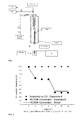
- the reaction set-up consisted of a syringe pump connected to an evaporator, where substrate vapor was also mixed with a carrier gas as illustrated in FIG 1 .
- the evaporator was directly connected to a tubular reactor. Liquid reaction products and unreacted substrate where collected in a cold trap.
- the reaction temperature was controlled by a thermocouple placed in the catalyst bed.
- a catalyst sample was calcined in a muffle oven in air atmosphere. During the calcination the catalyst sample was heated at 100 °C. After 1 h temperature was raised to 200 °C and remained constant for 0.5 h, raised to 400 °C and remained constant for 0.5 h, and finally, raised to 600 °C and remained constant for 5 h. After cooling down, 0.6 g of the sample was placed in center of the reactor. Afterwards, the catalyst sample was held at 250 °C under constant Ar flow. After 1 h of heating the temperature was raised to a value used in an experiment. All experiments were carried out under atmospheric pressure.
Landscapes
- Chemical & Material Sciences (AREA)
- Organic Chemistry (AREA)
- Engineering & Computer Science (AREA)
- Materials Engineering (AREA)
- Chemical Kinetics & Catalysis (AREA)
- Crystallography & Structural Chemistry (AREA)
- Inorganic Chemistry (AREA)
- Physics & Mathematics (AREA)
- Thermal Sciences (AREA)
- Organic Low-Molecular-Weight Compounds And Preparation Thereof (AREA)
- Catalysts (AREA)
Abstract
The invention provides an highly effective and stable method to decompose formic acid and/or its derivatives into carbon monoxide in the presence of a heterogeneous catalyst being H-ZSM-5, Zeolite Y or a mixture of them having a silicon/aluminum ratio from 8 to 200.
Description
- The invention relates to a process for manufacturing of high-purity carbon monoxide, comprising the step of reacting formic acid or/and at least one formic acid derivative in the presence of a heterogeneous catalyst to form carbon monoxide.
- Sustainable supply of energy and decrease in CO2 emission are two of the challenges in the future development of human society. Therefore, the modem energy supply should be based on renewable resources. On the other hand, the consumption of new energy should not release more CO2 to our environment, which has been suffering from "greenhouse effect" induced by CO2 from fossil energy consumption. In this respect, wind and solar energies are promising.
- However, the supplies of wind and solar energies are not stable because they depend on whether wind and sunshine are available or not. Hence, the storage of these energies is of particular importance. One of the methods to store these energies is to transfer them into chemical energy. An efficient route is producing H2, a well-known clean energy resource, by water electrolysis using wind and solar energies. In fact, H2 storage is also a challenging topic in these years since it is difficult to store and transport gaseous H2 in a large amount, and many methods have been proposed to facilitate hydrogen storage. An interesting H2 storage medium is formic acid which is liquid at room temperature and non-toxic. In this case, hydrogen is stored by CO2 hydrogenation to formic acid. Based on the formation and dehydrogenation of formic acid over catalysts a clean H2 energy supply is possible. In the past years, this energy supply circle has been proven to be feasible. Formic acid formation by CO2 hydrogenation at the lower temperatures has been established and highly pure H2 from formic acid decomposition also has been achieved (C. Federsel, R. Jackstell, M. Beller. Angew. Chem. Int. Ed., 2010, 49, 6245-6257; F. Joó. ChemSusChem, 2008, 1, 05-808).
- Factually, formic acid is more than just a H2 storage medium. It is also a potential intermediate for CO2 utilization since many derivatives can be obtained from formic acid via different reactions. CO2 can be trapped from power plants via scrubbing. Monoethanolamine and some other amino alcohols can be used for this purpose (Bai H., Yeh, A.C. Ind. Eng. Chem. Res., 1997, 36, 2490-2493). Dehydration of formic acid can supply CO for syngas which is an important building block in modem chemical industry (M. Malinowski, K. Malinowska, L.W. Zatorski. Bull. Soc. Chim. Belg., 1983, 92, 225-227). By esterification, formic acid can be transferred into methyl formate, another famous C1 building block in chemical industry (J.S. Lee, J.C. Kim, Y.G. Kim. Appl. Catal., 1990, 57, 1-30). Production of formaldehyde from formic acid is also possible, and formaldehyde is widely used in the production of chemicals and polymers. Moreover, formic acid can be directly used as a monomeric precursor in polymer production (C.G. Gebelein. J. Poly. Sci.: Part A-1, 1972, 10, 1763-1771).
- Using of syngas to produce transportation fuels and chemicals has attracted much attention in the recent years. If CO can be produced economically from formic acid, this process should be a promising route for CO2 utilization. Highly pure CO production from formic acid, which is catalyzed by concentrated sulfuric acid, is a well-known method in laboratory practice. However, usage of H2SO4 is not environment-friendly, so this process is not suitable for industrial application, and it is necessary to develop a 'green catalyst' for the achievement of 'green dream' from CO2 to CO. A heterogeneous catalyst is preferred in order to have more control over the process. In fact, some solid catalysts, for example, metal oxides, had been studied widely in formic acid decomposition before 1980s (P. Mars, J.J.F. Scholten, P. Zwietering. Advances in catalysis, 1963, 14, 35-113; J.M. Trillo, G. Munuera, J.M. Criado. Catal. Rev., 1972, 7, 51-86). The acidic sites on a metal oxide surface are considered as the active sites for dehydration to CO and H2O, while the basic sites are functioning for formic acid dehydrogenation to H2 and CO2 (M. Ai. J. Catal., 1977, 50, 291-300). Because of the increasing interest in H2 fuel cell in these years, formic acid dehydrogenation becomes a hot topic in catalytic science. Comparatively, much less attention has been paid to formic acid dehydration to CO. Only several publications are available in this field in past 30 years, and acidic metal oxides displayed attractive performance, especially in terms of CO selectivity, which can be high up to 99% (M. Malinowski, K. Malinowska, L.W. Zatorski. Bull. Soc. Chim. Belg., 1983, 92, 225-227).
- Decomposition of formic acid to CO on solid catalyst is a process studied in the past.
JP 1-07413 -
JP 7-33421 JP 1-07413 JP-7-33421 -
JP 6-305722 - The decomposition of formic acid has been also studied by Malinowski et al. at 250-400 °C on some heterogeneous catalysts (M. Malinowski, K. Malinowska, L.W. Zatorski. Bull. Soc. Chim. Belg., 1983, 92, 225-227). Alumina, silica, natural (clinoptilolite) and synthetic zeolites were used as catalysts. As known in prior art formic acid decomposition can proceed in acidic conditions to H2O and CO. For example, mixing formic acid and concentrated sulfuric acid is the standard way to obtain small amounts of CO in the chemical laboratories. The known prior art addresses the problem of decomposition of formic acid to carbon monoxide with a multitude of proposed industrial solutions. Decomposition over acidic catalysts would be the preferred solution, in terms of economic efficiency and purity due to no side products. Moreover the process involving an active heterogeneous catalyst can be scaled up industrially.
- Starting from the prior art described above, it has therefore been the problem of the invention to provide an alternative process for manufacturing of high-purity carbon monoxide.
- The invention has solved said problem by providing a process for manufacturing of high-purity carbon monoxide, comprising the step of reacting formic acid or/and at least one formic acid derivative in the presence of a heterogeneous catalyst to form carbon monoxide, characterized in that the heterogeneous catalyst is H-ZSM-5or Zeolite Y and the silicon/aluminum ratio of the heterogeneous catalyst is from 8 to 200.
- The catalyst used in the process of the invention shows higher activity at lower temperatures and shows no deactivation. This improves the economic efficiency of the process, reduces the energy demand due to a low reaction temperature, the reactor size and increases the catalyst lifetime. Compared to catalysts treated with mineral acid aided catalysts, where acid should prevent deactivation and increase performance, the catalyst according to the present invention does not require any addition of other chemicals, reducing costs and complexity, improving the product purity (e.g. content of chlorine or sulfur) and shows a comparably high performance. Furthermore, utilization of such mineral acid free catalyst(s) prevents corrosion (e.g. corrosion of reactor wall and/or pipe), which improves the plant safety and the lifetime of plants.
- The invention relates to an acidic zeolite catalyst that is able to decompose formic acid and/or formic acid derivatives with high conversions (>99.9%) and selectivity (>99.99%) at moderate temperatures (180-190°C) without suffering deactivation and without the addition of other acids (mineral acids like H2SO4 or HCl). Thus a process for the production of high purity CO from formic acid was envisioned.
- The catalyst used in the process of the invention has a specific acidity and crystallite structure. The acid sites are required to perform the reaction, so more and stronger acid sites result in higher activity. At the same time the water present in the feed and as co-product of the reaction
HCOOH → CO + H2O
interacts with them. If the site is too strong then water is absorbed and the site is blocked resulting in a progressive deactivation. The solution was found in a balanced catalyst with intermediate acidity which is enough to activate the reaction, but not enough to obtain a permanent absorption of water. The previous art circumvents this issue either by excessively increasing the temperature or by adding mineral acid to replenish the lost acid site. The invention has advantage above both. - Also the crystal structure of the catalyst is important. Mordenite (MOR structure) that is used in the prior art, is a very acidic catalyst but has alternated straight and cross channels resulting in a physically hindered water desorption. The catalyst used in the process of the invention is H-ZSM-5 and/or Zeolite Y, which have an mordenite framework inverted (MFI) or Faujasite (FAU) structure respectively and only straight channels resulting in a facile desorption of the co-product water.
- The aforementioned problem was solved by providing a process for manufacturing of high-purity carbon monoxide, comprising the step of reacting formic acid or/and at least one formic acid derivative in the presence of a heterogeneous catalyst to form carbon monoxide, characterized in that the heterogeneous catalyst is H-ZSM-5 or Zeolite Y and the silicon/aluminum ratio of the heterogeneous catalyst is from 8 to 200.
- In a further embodiment of the invention, the silicon/aluminium ratio of the heterogeneous catalyst is from 20 to 100. In a further embodiment, the silicon/aluminium ratio of the heterogeneous catalyst is from 27 to 90. In a further embodiment of the invention, the silicon/aluminium ratio of the heterogeneous catalyst is from 30 to 80, preferably from 40 to 70, more preferably from 50 to 60. In a particularly preferred embodiment, the silicon/aluminium ratio of the heterogeneous catalyst is 55. H-ZSM5 or Zeolite Y is used as catalyst in the process of the invention, as it offers particular advantages as far as the reaction is concerned, as well as with regard to process economics. Zeolite ZSM-5 and Zeolite Y are used in the petrochemical industry for large processes like the Fluid Catalytic Cracking. Due to the economy of scale it is the only zeolite with a modest production cost, representing an advantage for the process. Using a different zeolite is possible, but would have disadvantages, if not from the reaction side, at least from the process economics. The Si-Al ratio can be changed inside some limits given by the zeolite production process, and it is directly correlated to the acidity of the material. More acidity will lead to a better initial performance, but a faster deactivation due to the persistent absorption of the products. A weaker acidity will not have the catalytic advantage. A balanced acidity (between 27 and 90, preferably 55) will give the best performance.
- In a preferred embodiment the step of reacting is carried out at temperatures from 180-200°C for formic acid and 200-280°C for formic acid derivatives. Formic acid derivatives, due to their acid-base nature, have a worse decomposition thermodynamic and a higher absorption affinity on the catalyst. A higher reaction temperature is expected in such a case. A reduction of the temperature is possible but will result in a slower reaction kinetic and in a faster catalyst deactivation by absorption. A higher temperature will speed up the reaction and prevent absorption, but will challenge the catalyst stability and increase the energetic costs of the process. The optimum is again the lowest temperature compatible with the catalyst and substrate. For Formic acid, the optimum for our process lies between 180-200°C and for derivatives between 200-280°C depending on substrate.
- In another preferred embodiment the process pressure of the step of reacting is from 1 bar to 6 bar, preferably from 1 bar to 2 bar absolute pressure. The reaction converts one equivalent of formic acid or formic acid derivative vapor in 2 or 3 equivalents of products. According to the reaction equilibrium (Le Chatelier's principle) reaction that produces more equivalents are favored at lower pressures. The preferred reaction pressure is thus low. Due to engineering constrains and cost wise, a process between 1-6 bar (preferred between 1-2 bar) is preferred to favor the reaction and limit the reactor volume and construction costs.
- In the context of the invention, the preferred liquid hour space velocity (LHSV) of the step of reacting is from 0,5 h-1 to 2 h-1, preferably 1 h-1. The LHSV is related to the catalyst activity. We found experimentally that for the claimed catalyst/process a LHSV of 1 h-1 allows to reach 100% conversion of Formic acid and ca. 50% conversion of formic acid derivatives. The LHSV could be decreased, to increase the conversion, for example in the case of derivatives, or can be increased to increase the reactor productivity. In this case however more catalyst or an higher temperature should be used to compensate for the effect.
- In a particularly preferred further embodiment of the process the at least one formic acid derivative is selected from the group comprising formamides and ammonium formiates. The at least one formic acid derivative can also be dissolved in water. Formamides and ammonium formiates are the preferred products from the CO2 hydrogenation process (see for example C. Federsel, R. Jackstell, M. Beller. Angew. Chem. Int. Ed., 2010, 49, 6245-6257; F. Joó. ChemSusChem, 2008, 1, 05-808). From this process these products either come dissolved or mixed with water. The process of the invention that is able to decompose the products directly from this water solution without a separation/purification process clearly has a competitive economic advantage.
- A preferred further embodiment of the process is characterized in that the formamide is selected from the group comprising N,N-Dimethylformamide, N,N-Diethylformamide and N,N-Diisopropyl-formamide. Formamides are the preferred substrate because they are easier to decompose than the formiates. Smaller is formamide, and thereforethe decomposition is easier, simply for thermodynamic reasons. Thus N,N-Dimethylformamide is preferred over N,N-Diethylformamide which in turn is preferred over N,N-Diisopropyl-formamide. Larger Formamides are less preferred as they tend to be more difficult to decompose.
- In an alternative embodiment of the process the ammonium formiate is selected from the group comprising Trimethylammonium formiate, Triethylammonium formiate and Triisopropylammonium formiate. Formiates are more difficult to decompose than the formamides, but easier to obtain in the process of hydrogenation (C. Federsel, R. Jackstell, M. Beller. Angew. Chem. Int. Ed., 2010, 49, 6245-6257; F. Joó. ChemSusChem, 2008, 1, 05-808). Smaller is the formiate, and thereforethe decomposition is easier, simply for thermodynamic reasons. Trimethylammonium formiate >> Triethylammonium formiate > Triisopropylammonium formiate. Larger formiates will be too difficult and expensive to decompose.
- The invention, including preferred embodiments will be described in conjunction with the following drawings and examples, without being limited thereto. The embodiments may be combined, unless the contrary is clearly not out of context.
-
FIG. 1 : Scheme of the reactor system used for the laboratory experiments. The system is built either in glass or stainless steel and placed directly inside an electric furnace. The online analytic attached is described in the experimental section. -
FIG. 2 : Conversion of formic acid vs. LHSV. The points represent experimental data and the line the kinetic model considering a first order kinetic. The good agreement demonstrates the experiments were performed in a kinetically controlled regime. -
FIG. 3 : Long time stability test. The catalyst and process according to invention is stable both in terms of conversion and selectivity for long time on stream. After 220h no appreciable degradation of the conversion or selectivity, which remains above 99,99%, is observed. -
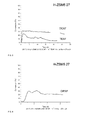
FIG. 4 : Conversion of N,N-Dimethylformamide and N,N-Diethylformamide on different zeolithes with different Si/Al ratios. For the decomposition of derivatives, due to their more stable nature, higher temperature (280°C) and stronger zeolites (module 27) are preferable. The catalyst is again stable in these conditions. -
FIG. 5 : Conversion of Diethylammonium formiate and Triethylammonium formiate. Diethylammonium formiate reach similar conversion of N,N-Diethylformamide (corresponding formamide) while the tertiary ammonium salts have generally lower conversion. -
FIG. 6 : Conversion of Triisopropylammonium formiate. Conversion of ammonium formiate salts can also proceed in the same conditions, even if the conversion is in this case even lower, due to the higher stability of the derivative. - Hereinafter, the invention is described in more detail and specifically with reference to the Examples, which however are not intended to limit the invention.
- All experiments with formic acid derivatives were carried out in a plug-flow reactor. The reaction set-up consisted of a syringe pump connected to an evaporator, where substrate vapor was also mixed with a carrier gas as illustrated in
FIG 1 . The evaporator was directly connected to a tubular reactor. Liquid reaction products and unreacted substrate where collected in a cold trap. The reaction temperature was controlled by a thermocouple placed in the catalyst bed. - Before each experiment a catalyst sample was calcined in a muffle oven in air atmosphere. During the calcination the catalyst sample was heated at 100 °C. After 1 h temperature was raised to 200 °C and remained constant for 0.5 h, raised to 400 °C and remained constant for 0.5 h, and finally, raised to 600 °C and remained constant for 5 h. After cooling down, 0.6 g of the sample was placed in center of the reactor. Afterwards, the catalyst sample was held at 250 °C under constant Ar flow. After 1 h of heating the temperature was raised to a value used in an experiment. All experiments were carried out under atmospheric pressure.
- In all the experiments Ar was used as a carrier gas (Ar flow = 0.275 L/h). All catalysts were tested at 1 h-1 liquid hourly space velocity (LHSV). Dimethylformamide (DMF), diethylformamide (DEF), diethylammonium formate (DEAF), triethylammonium formate (TEAF), and diisopropylammonium formate (DiPAF) were used as a feedstock. Only DEAF and DiPAF mixtures contained water - 8.97% and 26.4%, respectively. Catalytic tests were conducted over H forms of various ZSM5 zeolites (Süd-Chemie-Clariant), differing from each other by Si/Al (module) values.
- CO analysis was conducted by an online gas chromatography (GC) (Focus GC - Thermo Scientific) equipped with a TCD detector. Analysis of collected liquid products was carried out by a HPLC (Agilent Technologies 1200 Series) equipped with RID detector and INERSIL ODS-3 column. Water was used as a mobile phase in the above mentioned technique. Only analysis of liquid products coming from diethylformamide (DEF) decomposition was carried out by a GC (Hewlett Packard HP6890). Unreacted substrate and corresponding amine were separated in a CP-Sil-PONA-CB column and detected by a FID detector.
- The optimized protocol for formic acid decomposition reactions was as following:
- 0.6 g of calcined zeolite (see "General experimental procedure description") was placed in center of the reactor. Catalyst was heated up to 150 °C and kept at the mentioned temperature for 1 h under constant Ar flow (1.5 L/h) under atmospheric pressure. Afterwards, the catalyst temperature was raised to 190 °C, which was a standard temperature used in the test reactions. In the same time the Ar flow was set to 0.275 L/h and kept constant throughout the whole test. After the temperature and the Ar flow stabilized, a continuous feed (LHSV = 1 h-1) of the substrate was started. Atmospheric pressure inside the reactor remained constant throughout the test. Turning on the syringe pump was taken as time zero. The online GC was analyzing the gas stream coming from the reactor each 12 minutes. Analysis of the liquid products and unreacted substrate was performed in order to confirm the online GC results. See
FIG. 2 and3 . - The optimized protocol for formic acid derivatives decomposition reactions was as following:
- 0.6 g of calcined zeolite (see "General experimental procedure description" paragraph) was placed in center of the reactor. Catalyst was heated up to 250 °C and kept at the mentioned temperature for 1 h under constant Ar flow (1,5 L/h) under atmospheric pressure. Afterwards, the catalyst temperature was raised to 280 °C, which was a standard temperature used in the test reactions. In the same time the Ar flow was set to 0.275 L/h and kept constant throughout the whole test. After the temperature and the Ar flow stabilized, a continuous feed (LHSV = 1 h-1) of the substrate was started. Atmospheric pressure inside the reactor remained constant throughout the test. Turning on the syringe pump was taken as time zero. The online GC was analyzing the gas stream coming from the reactor each 12 minutes. Analysis of the liquid products and unreacted substrate was performed in order to confirm the online GC results. See
FIG. 4 ,5 and 6 .
Claims (9)
- A process for manufacturing of high-purity carbon monoxide, comprising the step of reacting formic acid or/and at least one formic acid derivative in the presence of a heterogeneous catalyst to form carbon monoxide,
characterized in that
the heterogeneous catalyst is H-ZSM-5, Zeolite Y or a mixture of them and
the silicon/aluminum ratio of the heterogeneous catalyst is from 8 to 200. - The process according to Claim 1 characterized in that the silicon/aluminum ratio of the heterogeneous catalyst is from 20 to 100, preferably from 27 to 90, more preferably from 30 to 80, more preferably from 40 to 70, even more preferably from 50 to 60, and most preferably 55.
- The process according to Claim 1 or 2 characterized in that the step of reacting is carried out at temperatures from 180-200°C for formic acid and 200-280°C for formic acid derivatives.
- The process according to Claim 1 to 3 characterized in that the process pressure of the step of reacting is from 1 bar to 6 bar, preferably from 1 bar to 2 bar absolute pressure.
- The process according to Claim 1 to 4 characterized in that the liquid hour space velocity of the step of reacting is from 0,5 h-1 and 2 h-1, preferably 1 h-1.
- The process according to Claim 1 to 5 characterized in that the at least one formic acid derivative is selected from the group consisting of formamides and ammonium formiates.
- The process according to Claim 6 characterized in that the at least one formic acid derivative is dissolved in water.
- The process according to Claim 6 characterized in that the formamide is selected from the group consisting of N,N-Dimethylformamide, N,N-Diethylformamide and N,N-Diisopropyl-formamide.
- The process according to Claim 6 characterized in that the ammonium formiate is selected from the group consisting of Trimethylammonium formiate, Triethylammonium formiate and Triisopropylammonium formiate.
Priority Applications (2)
| Application Number | Priority Date | Filing Date | Title |
|---|---|---|---|
| EP13171967.6A EP2813470A1 (en) | 2013-06-14 | 2013-06-14 | Method for decomposition of formic acid using zeolite catalysts |
| PCT/EP2014/062301 WO2014198859A1 (en) | 2013-06-14 | 2014-06-13 | Method for decomposition of formic acid using zeolite catalysts |
Applications Claiming Priority (1)
| Application Number | Priority Date | Filing Date | Title |
|---|---|---|---|
| EP13171967.6A EP2813470A1 (en) | 2013-06-14 | 2013-06-14 | Method for decomposition of formic acid using zeolite catalysts |
Publications (1)
| Publication Number | Publication Date |
|---|---|
| EP2813470A1 true EP2813470A1 (en) | 2014-12-17 |
Family
ID=48613494
Family Applications (1)
| Application Number | Title | Priority Date | Filing Date |
|---|---|---|---|
| EP13171967.6A Withdrawn EP2813470A1 (en) | 2013-06-14 | 2013-06-14 | Method for decomposition of formic acid using zeolite catalysts |
Country Status (2)
| Country | Link |
|---|---|
| EP (1) | EP2813470A1 (en) |
| WO (1) | WO2014198859A1 (en) |
Cited By (2)
| Publication number | Priority date | Publication date | Assignee | Title |
|---|---|---|---|---|
| CN116273143A (en) * | 2023-02-22 | 2023-06-23 | 中船(邯郸)派瑞特种气体股份有限公司 | Catalyst for preparing high-purity carbon monoxide by formic acid dehydration and synthetic method and application thereof |
| TWI918988B (en) | 2021-08-18 | 2026-03-21 | 日商住友精化股份有限公司 | Method and apparatus for producing carbon monoxide |
Families Citing this family (4)
| Publication number | Priority date | Publication date | Assignee | Title |
|---|---|---|---|---|
| KR101790223B1 (en) | 2016-12-19 | 2017-11-20 | 대성산업가스 주식회사 | High Quality CO generating apparatus using recycle process and CO generating method |
| DE102020212022A1 (en) * | 2020-07-09 | 2022-01-13 | Siemens Aktiengesellschaft | Process and device for producing carbon monoxide from carbon dioxide |
| US20240294386A1 (en) * | 2021-06-23 | 2024-09-05 | Sumitomo Seika Chemicals Co., Ltd. | Method and device for manufacturing carbon monoxide |
| CN117794858B (en) * | 2021-08-18 | 2026-01-16 | 住友精化株式会社 | Method and apparatus for producing carbon monoxide |
Citations (3)
| Publication number | Priority date | Publication date | Assignee | Title |
|---|---|---|---|---|
| JPH06305722A (en) * | 1993-04-19 | 1994-11-01 | Sumitomo Seika Chem Co Ltd | Production of high purity carbon monoxide |
| JPH0733421A (en) * | 1993-07-12 | 1995-02-03 | Sumitomo Seika Chem Co Ltd | Production of high purity carbon monoxide |
| JPH107413A (en) * | 1996-06-18 | 1998-01-13 | Sumitomo Seika Chem Co Ltd | Production of highly pure carbon monoxide |
-
2013
- 2013-06-14 EP EP13171967.6A patent/EP2813470A1/en not_active Withdrawn
-
2014
- 2014-06-13 WO PCT/EP2014/062301 patent/WO2014198859A1/en not_active Ceased
Patent Citations (3)
| Publication number | Priority date | Publication date | Assignee | Title |
|---|---|---|---|---|
| JPH06305722A (en) * | 1993-04-19 | 1994-11-01 | Sumitomo Seika Chem Co Ltd | Production of high purity carbon monoxide |
| JPH0733421A (en) * | 1993-07-12 | 1995-02-03 | Sumitomo Seika Chem Co Ltd | Production of high purity carbon monoxide |
| JPH107413A (en) * | 1996-06-18 | 1998-01-13 | Sumitomo Seika Chem Co Ltd | Production of highly pure carbon monoxide |
Non-Patent Citations (1)
| Title |
|---|
| MAREK MALINOWSKI ET AL: "The Catalytic Decomposition of Formic Acid into Carbon Monoxide", BULLETIN DES SOCIETES CHIMIQUES BELGES, LOUVAIN [U.A.] : CENTERICK, BE, vol. 92, no. 3, 1 January 1983 (1983-01-01), pages 225 - 227, XP008165723, ISSN: 0037-9646 * |
Cited By (2)
| Publication number | Priority date | Publication date | Assignee | Title |
|---|---|---|---|---|
| TWI918988B (en) | 2021-08-18 | 2026-03-21 | 日商住友精化股份有限公司 | Method and apparatus for producing carbon monoxide |
| CN116273143A (en) * | 2023-02-22 | 2023-06-23 | 中船(邯郸)派瑞特种气体股份有限公司 | Catalyst for preparing high-purity carbon monoxide by formic acid dehydration and synthetic method and application thereof |
Also Published As
| Publication number | Publication date |
|---|---|
| WO2014198859A1 (en) | 2014-12-18 |
Similar Documents
| Publication | Publication Date | Title |
|---|---|---|
| AU2014218628B2 (en) | Carbon dioxide conversion to fuels and chemicals | |
| CN101948391B (en) | Process for continuously producing diethanolamine by using selective catalyst | |
| WO2014198859A1 (en) | Method for decomposition of formic acid using zeolite catalysts | |
| KR101960146B1 (en) | Method for producing isobutylene from isobutanol | |
| RU2656599C2 (en) | Process for carbonylation of dimethyl ether | |
| CN104338550A (en) | Preparation method of catalyst used in dilute nitric acid treating and alkyl nitrite generating | |
| CN111233653A (en) | A cost-effective co-production process and device of perfluoronitrile and perfluoroketone | |
| US20180057439A1 (en) | Process For The Sustainable Production Of Acrylic Acid | |
| CN1895776B (en) | Catalyst for producing dimethyl ether by methanol liquid-phase or mixed-phase dewatering method | |
| CN100586922C (en) | A kind of preparation method of acrylic acid | |
| Meng et al. | Catalytic membrane reactors for SO3 decomposition in Iodine–Sulfur thermochemical cycle: A simulation study | |
| CN101628849A (en) | Preparation method of Z-1,2,3,3,3-pentafluoropropylene | |
| CN103028430A (en) | MWW type molecular sieve carrier catalyst, and preparation method and application thereof | |
| JP6396246B2 (en) | Carbon monoxide production method | |
| CN103044190A (en) | Preparation method of trifluoroethylene | |
| CN102247847A (en) | Copper-silicon catalyst used in process of synthesizing ethylene glycol by hydrogenating oxalate | |
| CN105669453B (en) | A kind of method for preparing methyl formate co-production dimethyl ether | |
| CN104722301A (en) | Preparation method of catalyst for preparing dihydroxy acetone by selective oxidation of glycerinum and application method thereof | |
| CA3065140A1 (en) | A process for oxidation of a lower alkane at low temperatures in ammonia-containing gas mixtures | |
| JP2011144102A (en) | Method for synthesizing ammonia | |
| CN104926596B (en) | Method for continuously preparing methyl bromide by using microchannel reactor | |
| CN108484352B (en) | Method for preparing chloromethane by hydrochlorinating methanol | |
| CN104710306A (en) | Method for preparing acetate through ester interchange-adsorption ethanol removal combined technology | |
| JPH107413A (en) | Production of highly pure carbon monoxide | |
| CN101628850A (en) | Preparation method of Z-1,2,3,3,3-pentafluoropropylene |
Legal Events
| Date | Code | Title | Description |
|---|---|---|---|
| 17P | Request for examination filed |
Effective date: 20130614 |
|
| AK | Designated contracting states |
Kind code of ref document: A1 Designated state(s): AL AT BE BG CH CY CZ DE DK EE ES FI FR GB GR HR HU IE IS IT LI LT LU LV MC MK MT NL NO PL PT RO RS SE SI SK SM TR |
|
| AX | Request for extension of the european patent |
Extension state: BA ME |
|
| PUAI | Public reference made under article 153(3) epc to a published international application that has entered the european phase |
Free format text: ORIGINAL CODE: 0009012 |
|
| STAA | Information on the status of an ep patent application or granted ep patent |
Free format text: STATUS: THE APPLICATION IS DEEMED TO BE WITHDRAWN |
|
| 18D | Application deemed to be withdrawn |
Effective date: 20150618 |