EP2810422B1 - Dad-ns-ausgelöste adressenauflösung zum schutz vor dos-angriffen - Google Patents
Dad-ns-ausgelöste adressenauflösung zum schutz vor dos-angriffen Download PDFInfo
- Publication number
- EP2810422B1 EP2810422B1 EP13713970.5A EP13713970A EP2810422B1 EP 2810422 B1 EP2810422 B1 EP 2810422B1 EP 13713970 A EP13713970 A EP 13713970A EP 2810422 B1 EP2810422 B1 EP 2810422B1
- Authority
- EP
- European Patent Office
- Prior art keywords
- network element
- address
- network
- target address
- message
- Prior art date
- Legal status (The legal status is an assumption and is not a legal conclusion. Google has not performed a legal analysis and makes no representation as to the accuracy of the status listed.)
- Not-in-force
Links
- 230000001960 triggered effect Effects 0.000 title 1
- 230000004044 response Effects 0.000 claims description 35
- 238000000034 method Methods 0.000 claims description 18
- 238000001514 detection method Methods 0.000 claims description 11
- 238000003860 storage Methods 0.000 claims description 9
- 230000008569 process Effects 0.000 claims description 6
- CNQCVBJFEGMYDW-UHFFFAOYSA-N lawrencium atom Chemical compound [Lr] CNQCVBJFEGMYDW-UHFFFAOYSA-N 0.000 description 12
- 238000010586 diagram Methods 0.000 description 10
- 230000007246 mechanism Effects 0.000 description 4
- 230000006855 networking Effects 0.000 description 3
- 238000004891 communication Methods 0.000 description 2
- 230000003287 optical effect Effects 0.000 description 2
- 238000005457 optimization Methods 0.000 description 2
- 230000002776 aggregation Effects 0.000 description 1
- 238000004220 aggregation Methods 0.000 description 1
- 210000001072 colon Anatomy 0.000 description 1
- 230000008878 coupling Effects 0.000 description 1
- 238000010168 coupling process Methods 0.000 description 1
- 238000005859 coupling reaction Methods 0.000 description 1
- 238000009826 distribution Methods 0.000 description 1
- 230000000694 effects Effects 0.000 description 1
- 238000004134 energy conservation Methods 0.000 description 1
- 230000007717 exclusion Effects 0.000 description 1
- 230000006870 function Effects 0.000 description 1
- 238000012423 maintenance Methods 0.000 description 1
- 230000000116 mitigating effect Effects 0.000 description 1
- 230000000737 periodic effect Effects 0.000 description 1
- 230000000644 propagated effect Effects 0.000 description 1
- 230000011664 signaling Effects 0.000 description 1
Images



Classifications
-
- H—ELECTRICITY
- H04—ELECTRIC COMMUNICATION TECHNIQUE
- H04L—TRANSMISSION OF DIGITAL INFORMATION, e.g. TELEGRAPHIC COMMUNICATION
- H04L63/00—Network architectures or network communication protocols for network security
- H04L63/14—Network architectures or network communication protocols for network security for detecting or protecting against malicious traffic
- H04L63/1441—Countermeasures against malicious traffic
- H04L63/1458—Denial of Service
-
- H—ELECTRICITY
- H04—ELECTRIC COMMUNICATION TECHNIQUE
- H04L—TRANSMISSION OF DIGITAL INFORMATION, e.g. TELEGRAPHIC COMMUNICATION
- H04L61/00—Network arrangements, protocols or services for addressing or naming
- H04L61/09—Mapping addresses
- H04L61/10—Mapping addresses of different types
- H04L61/103—Mapping addresses of different types across network layers, e.g. resolution of network layer into physical layer addresses or address resolution protocol [ARP]
-
- H—ELECTRICITY
- H04—ELECTRIC COMMUNICATION TECHNIQUE
- H04L—TRANSMISSION OF DIGITAL INFORMATION, e.g. TELEGRAPHIC COMMUNICATION
- H04L61/00—Network arrangements, protocols or services for addressing or naming
- H04L61/50—Address allocation
- H04L61/5092—Address allocation by self-assignment, e.g. picking addresses at random and testing if they are already in use
-
- H—ELECTRICITY
- H04—ELECTRIC COMMUNICATION TECHNIQUE
- H04L—TRANSMISSION OF DIGITAL INFORMATION, e.g. TELEGRAPHIC COMMUNICATION
- H04L61/00—Network arrangements, protocols or services for addressing or naming
- H04L61/58—Caching of addresses or names
-
- H—ELECTRICITY
- H04—ELECTRIC COMMUNICATION TECHNIQUE
- H04L—TRANSMISSION OF DIGITAL INFORMATION, e.g. TELEGRAPHIC COMMUNICATION
- H04L2101/00—Indexing scheme associated with group H04L61/00
- H04L2101/60—Types of network addresses
- H04L2101/618—Details of network addresses
- H04L2101/659—Internet protocol version 6 [IPv6] addresses
Definitions
- Embodiments of the invention relate to the field of computer networking; and, more specifically, to triggering address resolution in a network utilizing neighbor discovery protocols.
- IPv6 Internet Protocol Version 6
- IPv6 ND Neighbor Discovery
- DAD Duplicate Address Detection
- IPv6 IP version 6
- RRC Request for Comments
- the network element As a network element generates, or retransmits, packets destined for a neighbor, the network element looks up the destination's IP address in the NC and utilizes a corresponding entry to determine the link-layer address of the destination. However, the network element may lookup an IP address that is not in the NC, which results in a NC miss. In response to a NC miss, the network element broadcasts a neighbor solicitation (NS) message to request the link-layer address of the destination.
- NS neighbor solicitation
- Many implementations of the IPv6 ND protocol generate an incomplete, or unresolved, NC entry for the destination while waiting for a response from the destination. The maintenance of a NC can be further explained with reference to existing operations in Figure 1 .
- Figure 1 is a flow diagram illustrating prior art operations for handling IPv6 neighbor discovery.
- three network elements are shown as 101, 103, and 104.
- Network elements 103 and 104 are part of a network 102 while network element 101 exists outside of network 102.
- Network element 103 is a network element such as a router, or gateway, between network element 101 and network element 104. As such, packets arriving from network element 101 that are destined for network element 104 are relayed by network element 103.
- network element 104 transmits a Neighbor Solicitation message intended for duplicate address detection (a DAD-NS message) at step 105 that includes a target address (TA) which the network element 104 intends to assign to its interface with network 102.
- a DAD-NS message is an NS message used to perform duplicate address detection (DAD), and such an NS messages contains a specified (non-zero) target IP address (TA) with an unspecified (zero) source IP address, without the source link-layer address option. It is a broadcast message to other nodes on the network and the specified TA indicates the IP address the network element will be assigning to its interface on that network.
- the network element may utilize the TA on its interface.
- the TA at step 105 is noted as 2001::234/128 which is common IPv6 address notation starting with 2001, ending with 234, and containing zeros between as indicated by the double colon.
- network element 104 After transmitting the DAD-NS message, network element 104 waits a period of time to wait for an NA indicating the TA is being used by another node. This is the DAD timer period 110. Assuming that an NA is not received for the TA, then the network element 104 assigns the address 2001::234/128 to its interface in step 115.
- a packet arrives at network element 103 destined for the address 2001:234/128 in step 120.
- network element 103 checks its NC for an entry matching the address with a corresponding link-layer address. In this instance, the NC does not have this entry as it has not yet been created and thus a NC miss event occurs on address 2001::234/128 at step 125.
- network element 103 adds an empty entry, also known as an incomplete entry or unconfirmed entry, into the NC with an IP address of 2001::234/128 in step 130 and broadcasts an NS message with a target address of 2001::234/128 in step 135.
- this NS contains a target address of 2001::234/128 and a source IP address of the interface belonging to network element 103 in network 102, and also contains a source link-layer address of the interface belonging to network element 103 if the link layer has addresses.
- network element 104 In response to the NS message, network element 104, assuming it has already performed step 115, responds with an NA message indicating its target address of 2001::234/128 and its link-layer address, shown as DE:EB:AA:5F:C4:02, in step 140.
- network element 103 In response to receiving the NA message from step 140, network element 103 is able to update its NC entry corresponding with the IP address 2001::234/128 to associate the received link-layer address of DE:EB:AA:5F:C4:02 in step 145; thereby, associating the IP address and link-layer address to network element 104. Using this newly discovered association, the network element 103 is able to route the packet received at step 120 to network element 104 using the link-layer address of DE:EB:AA:5F:C4:02 in step 150.
- Figure 1 illustrates that a second packet arrives from network element 101 at network element 103 in step 155.
- This packet is destined for the IP address 2001::285/128.
- network element 103 checks its NC for an entry matching the IP address with a corresponding link-layer address. In this instance, the NC does not have this entry for address 2001::285/128 and, thus, experiences a NC miss event at step 160.
- network element 103 adds an empty entry into the NC with an IP address of 2001::285/128 in step 165 and broadcasts an NS message with a TA of 2001::285/128 in step 170.
- NA message with a TA of 2001::285/128 because there are no network elements with that IP address in network 102.
- NC misses are necessary. If NC misses can be ignored, then an off-link flooding denial of service (DoS) attack that uses NC misses to kill a router can be neutralized.
- DoS off-link flooding denial of service
- one technique to eliminate the need for NC misses is to, for each resolved neighbor, the IPv6 ND protocol actively monitors the reachability of that neighbor by extending the lifetime of the neighbor entry for that neighbor through periodic NS messages and retains the neighbor entry in the NC for as long as the neighbor entry's lifetime has not expired.
- NC miss events Another potential issue arises when a network element rate limits the NC miss events.
- many NC miss events may occur but the network element limits the number of acknowledged NC miss events, i.e. limits the number of events to which the network element reacts.
- the network element may receive legitimate or illegitimate traffic including IP addresses that are not in the NC.
- the network element may react to very few NC miss events to the exclusion of learning the link-layer address of the legitimate traffic.
- IPv6 Neighbor Discovery was not designed for non-transitive wireless links. The traditional IPv6 link concept and heavy use of multicast make the protocol inefficient and sometimes impractical in a low power and lossy network. They disclose optimizations to IPv6 Neighbor Discovery, addressing mechanisms and duplicate address detection for 6LoWPAN and similar networks.
- IPv6 Stateless Address Autoconfiguration from Network Working Group, September 2007 disclose the steps a host takes in deciding how to autoconfigure its interfaces in IP version 6.
- the autoconfiguration process includes generating a link-local address, generating global addresses via stateless address autoconfiguration, and the Duplicate Address Detection procedure to verify the uniqueness of the addresses on a link.
- IPv6 Neighbor Discovery ND
- AH IPsec Authentication Header
- the present invention provides a method performed by a first network element coupled with a plurality of other network elements for pre-filling a neighbor cache in the first network element with a plurality of reachable neighbor cache entries each entry to associate an internet protocol address with a link-layer address according to Claim 1.
- the present invention also provides a network element, to be coupled to a network, configured to receive packets from a plurality of other network elements of the network, process those packets, and maintain a neighbor cache for associating internet protocol, addresses with their corresponding link-layer addresses according to Claim 4.
- the present invention also provides a tangible non-transitory machine-readable storage medium comprising instructions for at least one microprocessor of a processing device according to Claim 7.
- references in the specification to "one embodiment,” “an embodiment,” “an example embodiment,” etc., indicate that the embodiment described may include a particular feature, structure, or characteristic, but every embodiment may not necessarily include the particular feature, structure, or characteristic. Moreover, such phrases are not necessarily referring to the same embodiment. Further, when a particular feature, structure, or characteristic is described in connection with an embodiment, it is submitted that it is within the knowledge of one skilled in the art to effect such feature, structure, or characteristic in connection with other embodiments whether or not explicitly described.
- Coupled is used to indicate that two or more elements, which may or may not be in direct physical or electrical contact with each other, co-operate or interact with each other.
- Connected is used to indicate the establishment of communication between two or more elements that are coupled with each other.
- a network element e.g., a router, switch, bridge also referred to as a network device or network node
- a network element is a piece of networking equipment, including hardware and software, that communicatively interconnects other equipment on the network (e.g., other network elements, end stations).
- Some network elements are "multiple services network elements" that provide support for multiple networking functions (e.g., routing, bridging, switching, Layer 2 aggregation, session border control, Quality of Service, and/or subscriber management), and/or provide support for multiple application services (e.g., data, voice, and video).
- Subscriber end stations e.g., servers, workstations, laptops, netbooks, palm tops, mobile phones, smartphones, multimedia phones, Voice Over Internet Protocol (VOIP) phones, user equipment, terminals, portable media players, GPS units, gaming systems, set-top boxes access content/services provided over the Internet and/or content/services provided on virtual private networks (VPNs) overlaid on (e.g., tunneled through) the Internet.
- VOIP Voice Over Internet Protocol
- VPNs virtual private networks
- the content and/or services are typically provided by one or more end stations (e.g., server end stations) belonging to a service or content provider or end stations participating in a peer to peer service, and may include, for example, public webpages (e.g., free content, store fronts, search services), private webpages (e.g., username/password accessed webpages providing email services), and/or corporate networks over VPNs.
- end stations e.g., server end stations
- subscriber end stations are coupled (e.g., through customer premise equipment coupled to an access network (wired or wirelessly)) to edge network elements, which are coupled (e.g., through one or more core network elements) to other edge network elements, which are coupled to other end stations (e.g., server end stations).
- Network elements are commonly separated into a control plane and a data plane (sometimes referred to as a forwarding plane or a media plane).
- the control plane typically determines how data (e.g., packets) is to be routed (e.g., the next hop for the data and the outgoing port for that data), and the data plane is in charge of forwarding that data.
- control plane typically includes one or more routing protocols (e.g., Border Gateway Protocol (BGP), Interior Gateway Protocol(s) (IGP) (e.g., Open Shortest Path First (OSPF), Routing Information Protocol (RIP), Intermediate System to Intermediate System (IS-IS)), Label Distribution Protocol (LDP), Resource Reservation Protocol (RSVP)) that communicate with other network elements to exchange routes and select those routes based on one or more routing metrics.
- Border Gateway Protocol BGP
- IGP Interior Gateway Protocol
- OSPF Open Shortest Path First
- RIP Routing Information Protocol
- IS-IS Intermediate System to Intermediate System
- LDP Label Distribution Protocol
- RSVP Resource Reservation Protocol
- embodiments of the invention provide mechanisms to add reachable entries to the NC to preempt NC miss events for reachable nodes coupled with the network element.
- the NC will contain valid entries and would not be full of only invalid entries in the case of a DoS attack based on packets addressed to unassigned or unreachable destination IP addresses.
- the network element would already contain an IP address to link-layer address association for reachable nodes thus avoiding the NC miss event entirely for those entries.
- Figure 2 is a flow diagram that illustrates exemplary operations for adding entries preemptively to a neighbor cache in response to duplicate address detection neighbor solicitation messages.
- three network elements are shown as 201, 203, and 204.
- Network elements 203 and 204 are part of a network 202 while network element 201 exists outside of network 202.
- Network element 203 is a network element such as a router, or gateway, between network element 201 and network element 204. As such, packets arriving from network element 201 that are destined for network element 204 are relayed by network element 203.
- network element 204 transmits a DAD-NS message at operation205 that includes a TA of 2001::234/128 which the network element 204 intends to assign to its interface with network 202.
- network element 204 waits a period of time for an NA indicating the TA is being used by another node, this is the DAD timer period 210. Assuming that no NA is received for the TA, then the network element 204 assigns the address 2001::234/128 to its interface in operation220.
- Network element 203 receives the DAD-NS message from network element 204. In one embodiment, the network element 203 also waits a DAD timer period 215 before proceeding. In operation 225, the network element 203 broadcasts an NS message with a target address of 2001::234/128. This message is sent to determine the link-layer address of a network interface of a network element to the network 202 that is assigned the target IP address 2001::234/128 because the network element 203 would like to fill its NC with a reachable entry it anticipates it might need in the future based on recognizing that a node initialized an interface with that TA from the DAD-NS message.
- network element 204 transmits an NA message indicating its target address of 2001::234/128 and link-layer address, shown as DE:EB:AA:5F:C4:02, in operation230.
- network element 203 records the received link-layer address of DE:EB:AA:5F:C4:02 in the NC to associate it with the corresponding with the IP address 2001::234/128 in operation240; thereby, pre-caching an association between the link-layer address and the IP address prior to any NC miss event for that IP address.
- the recordation of the link-layer address is performed along with updating an NC entry to the reachable state.
- the network element 203 may only react to DAD-NS messages that include a TA that matches prefixes that network element 203 has advertised specifically for Stateless Address Auto Configuration (SLAAC).
- SLAAC Stateless Address Auto Configuration
- a packet arrives at network element 203 destined for the address 2001:234/128 in operation 245.
- network element 203 checks its NC for an entry matching the address with a corresponding link-layer address. Using the pre-cached NC entry, the network element 203 is able to route the packet received at operation 245 to network element 204 using the link-layer address of DE:EB:AA:5F:C4:02 in operation 250.
- the network element 203 may determine that the TA in the DAD-NS message is already assigned to an interface of another network element within the network 202. This may occur because the network element 203 already has a reachable entry in the NC for the TA of 2001::234/128. Further, it may be that the network element 203 receives an NA message with the TA of 2001::234/128 that indicates that TA is already being used. In either case, network element would not need to react to the DAD-NS message, and may in fact not even start the DAD timer period, since the network element 204 will need to attempt a second DAD-NS message with a new TA. Though in the embodiment in which the network element 203 receives an NA message, the network element 203 may update its NC to reflect the IP address to link-layer address association included within that NA though the network element did not initiate an NS message.
- network element 203 continuously monitors neighbor reachability of neighbors included in the NC to retain resolved neighbors.
- the network element 203 can minimize, if not eliminate, NC miss events of reachable neighbors to further neutralize off-link flooding DoS attacks.
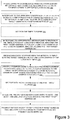
- Figure 3 illustrates a flow diagram that illustrates exemplary operations for adding entries preemptively to a neighbor cache in response to address appropriation messages.
- a first network element is operating on a network comprised of at least a second network element.
- the first network element receives an appropriation message from the second network element indicating the second network element intends to appropriate a first TA which is included in the appropriation message for its use.
- the appropriation message is a DAD-NS message with reference to IPv6 ND.
- the first network element optionally initializes a timer in response to the appropriation message.
- This timer is based on a time period being the expected period of time which the second network element will wait prior to assigning the first TA to its network interface. This time period is often configured such that the second network element will wait a long enough period of time to receive some conflict message should another device be utilizing the first TA.
- the first network element waits for the timer to expire prior to continuing in operation 315.
- the first network element broadcasts a discovery message indicating the first TA at operation 320.
- the discovery message acts as mechanism for the first network element to request details of the device that is utilizing the first TA, in this case the second network element.
- the first network element may desire the link-layer address of the second network element.
- this discovery message is an NS message indicating the first TA (and the source IP address of the first network element).
- the first network element receiving a discovery response from a device on the network that is utilizing the first TA at operation 325.
- This discovery response includes at least the first TA and the link-layer address of the responding network device, which in this case is the second network element.
- this discovery response is an NA message indicating the first TA and the second network element's link-layer address.
- the first network element updates its NC to include a pre-cached NC entry associating the link-layer address and the first TA at operation 330.
- This preemptive determination the link-layer address to IP address association prevents at least one future NC miss associated with that IP address. For example, it may be that sometime after the preemptive caching of the NC entry the first network element receives a data packet from another network element that is addressed to the second network element via the first TA, which is an IP address, at operation 335.
- the first network element can then utilize the pre-cached NC entry to match and obtain the link-layer address based on the first TA in operation 340.
- the first network element can then transmit the data packet to the second network element based on the link-layer address obtained from the pre-cached NC entry in operation 345.
- Figure 4 illustrates a block diagram of an exemplary first network element coupled with a second network element and a third network element according to embodiments of the invention.
- the first network element 400 and at least the second network element 480A are enabled to utilize the discovery requests and discovery responses as previously described, such as the IPv6 ND protocol.
- Network element 400 comprises a set of one or more microprocessor units 420 that are coupled with a memory 430 and a neighbor cache 440.
- the neighbor cache (NC) 440 is specialized memory, such as a content-addressable-memory (CAM) for looking up entries by IP address.
- the NC 440 is a set of memory locations within memory 430 that comprise the NC entries.
- Still further embodiments may utilize specialized data structures or storage devices to comprise the NC.
- the set of microprocessors 420 are further coupled with a plurality of network interfaces 415A-415N that coupled the first network element 400 with the second network element 480A and the third network element 480Z.
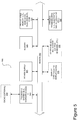
- Figure 5 illustrates a block diagram of an exemplary computer system according to embodiments of the invention.
- Those skilled in the art would recognize that other computer systems used to implement network elements may have more or less components and may be used to in embodiments of the invention.
- the computer system 500 includes a bus(es) 550 which is coupled with a processing system 520, a power supply 525, volatile memory 530 (e.g., double data rate random access memory (DDR-RAM), single data rate (SDR) RAM), nonvolatile memory 540 (e.g., hard drive, flash memory, Phase-Change Memory (PCM).
- volatile memory 530 e.g., double data rate random access memory (DDR-RAM), single data rate (SDR) RAM
- nonvolatile memory 540 e.g., hard drive, flash memory, Phase-Change Memory (PCM).
- PCM Phase-Change Memory
- the processing system 520 may be further coupled to a processing system cache 510.
- the processing system 520 may retrieve instruction(s) from the volatile memory 530 and/or the nonvolatile memory 540, and execute the instruction to perform operations described above.
- the bus(es) 550 couples the above components together and further couples a display controller 570, one or more input/output devices 580 (e.g., a network interface card, a cursor control (e.g., a mouse, trackball, touchscreen, touchpad, etc.), a keyboard, etc.), and, optionally, one or more wireless transceivers 590 (e.g., Bluetooth, WiFi, Infrared, etc.).
- the display controller 570 is further coupled to a display device.
- instructions may refer to specific configurations of hardware such as application specific integrated circuits (ASICs) configured to perform certain operations or having a pre-determined functionality or software instructions stored in memory embodied in a non-transitory computer readable medium.
- ASICs application specific integrated circuits
- the techniques shown in the figures can be implemented using code and data stored and executed on one or more electronic devices (e.g., an end station, a network element).
- Such electronic devices store and communicate (internally and/or with other electronic devices over a network) code and data using computer -readable media, such as non-transitory computer -readable storage media (e.g., magnetic disks; optical disks; random access memory; read only memory; flash memory devices; phase-change memory) and transitory computer-readable communication media (e.g., electrical, optical, acoustical or other form of propagated signals - such as carrier waves, infrared signals, digital signals).
- non-transitory computer -readable storage media e.g., magnetic disks; optical disks; random access memory; read only memory; flash memory devices; phase-change memory
- transitory computer-readable communication media e.g., electrical, optical, acoustical or other form of propagated signals - such as carrier waves, infrared signals, digital signals.
- such electronic devices typically include a set of one or more microprocessors coupled to one or more other components, such as one or more storage devices (non-transitory machine-readable storage media), user input/output devices (e.g., a keyboard, a touchscreen, and/or a display), and network connections.
- storage devices non-transitory machine-readable storage media
- user input/output devices e.g., a keyboard, a touchscreen, and/or a display
- network connections e.g., a network connections.
- the coupling of the set of microprocessors and other components is typically through one or more busses and bridges (also termed as bus controllers).
- busses and bridges also termed as bus controllers
Landscapes
- Engineering & Computer Science (AREA)
- Computer Networks & Wireless Communication (AREA)
- Signal Processing (AREA)
- Computer Security & Cryptography (AREA)
- Computer Hardware Design (AREA)
- Computing Systems (AREA)
- General Engineering & Computer Science (AREA)
- Data Exchanges In Wide-Area Networks (AREA)
Claims (9)
- Verfahren, das durch ein erstes Netzwerkelement (203) durchgeführt wird, das mit einer Vielzahl von anderen Netzwerkelementen (204) gekoppelt ist, zum Vorfüllen eines Neighbor Cache in dem ersten Netzwerkelement (203) mit einer Vielzahl von erreichbaren Einträgen im Neighbor Cache, wobei jeder Eintrag eine Internetprotokolladresse (internet protocol address - IP-address - IP-Adresse) mit einer Link-Layer-Adresse verknüpfen soll, wobei das Verfahren die folgenden Schritte umfasst:Empfangen (205, 305) einer Verwendungsnachricht von einem zweiten Netzwerkelement (204) der Vielzahl von anderen Netzwerkelementen (204), die eine erste Zieladresse anzeigt, die das zweite Netzwerkelement (204) für seine Benutzung zu verwenden beabsichtigt;Ausstrahlen (225, 320) einer Ermittlungsnachricht an die Vielzahl von anderen Netzwerkelementen (204) als Antwort auf die Verwendungsnachricht, wobei die Ermittlungsnachricht die erste Zieladresse anzeigt und ausgestrahlt wird, um eine Link-Layer-Adresse in Verbindung mit der ersten Zieladresse anzufordern;Empfangen (230, 325) einer Ermittlungsantwort von dem zweiten Netzwerkelement (204) mit der ersten Zieladresse und der Link-Layer-Adresse des zweiten Netzwerkelements (204); undAktualisieren (240, 330) des Neighbor Cache, um einen vorgecachten Eintrag im Neighbor Cache einzuschließen, der die Link-Layer-Adresse mit der ersten Zieladresse verbindet, wobei eine oder mehrere zukünftige Neighbor Cache Misses, die mit der ersten Zieladresse verbunden sind, verhindert werden,wobei die Verwendungsnachricht eine Duplicate Address Detection (DAD) Neighbor Solicitation (NS) ist, die Ermittlungsnachricht eine NS ist und die Ermittlungsantwort ein Neighbor Advertisement (NA) ist, und wobei das erste Netzwerkelement (203) ein IPV6-fähiges (IP version 6) Routing-Netzwerkelement ist.
- Verfahren nach Anspruch 1, ferner umfassend die folgenden Schritte:Initialisieren (310) eines Timers basierend auf einer Zeitspanne (215), die ein erwarteter Zeitraum ist, den das zweite Netzwerkelement (204) vor dem Zuweisen der Zieladresse an seine Netzwerkschnittstelle warten wird, als Antwort auf die Verwendungsnachricht; undWarten (315), dass der Timer abläuft, bevor die Ermittlungsnachricht ausgestrahlt (225, 320) wird, wobei die erwartete Zeit abgelaufen sein wird, die von dem zweiten Netzwerkelement (204) benötigt wird, um die Zieladresse seiner Schnittstelle zuzuweisen.
- Verfahren nach Anspruch 1, ferner umfassend die folgenden Schritte:Empfangen (245, 335) einer Datenpaketadresse an die erste Zieladresse;Nutzen (340) des vorgecachten Eintrags im Neighbor Cache, um die Link-Layer-Adresse basierend auf der ersten Zieladresse zu vergleichen und zu erlangen; undÜbertragen (250, 345) des Datenpakets an das zweite Netzwerkelement (204), basierend auf der Link-Layer-Adresse, die von dem vorgecachten Eintrag im Neighbor Cache erlangt wird.
- Netzwerkelement (203), das an ein Netzwerk (202) gekoppelt werden soll, das dazu konfiguriert ist, Pakete von einer Vielzahl von anderen Netzwerkelementen (204) des Netzwerks (202) zu empfangen, diese Pakete zu verarbeiten und einen Neighbor Cache zum Verbinden von Internetprotokolladressen (internet protocol addresses - IP-addresses - IP-Adressen) mit ihren entsprechenden Link-Layer-Adressen zu erhalten, wobei das Netzwerkelement (203) Folgendes umfasst:eine Vielzahl von Netzwerkschnittstellen (415A, 415N), die dazu konfiguriert sind, Pakete von der Vielzahl von anderen Netzwerkelementen (204) des Netzwerks (202) zu empfangen;einen Satz von einem oder mehreren Mikroprozessoren (420), der an die Vielzahl von Netzwerkschnittstellen (415A, 415N) gekoppelt ist; undeinen Speicher (430), der mit dem Satz von einem oder mehreren Mikroprozessoren (420) gekoppelt ist, der dazu konfiguriert ist, Anweisungen zu speichern, die, wenn sie von dem Satz von einem oder mehreren Mikroprozessoren (420) durchgeführt werden, den Satz von einem oder mehreren Mikroprozessoren (420) dazu veranlassen, Verwendungsnachrichten von der Vielzahl von anderen Netzwerkelementen (204) zu verarbeiten, wobei jede Verwendungsnachricht von einem ursprünglichen Netzwerkelement (204) ist und eine Zieladresse anzeigt, die das ursprüngliche Netzwerkelement (204) für seine Benutzung zu verwenden beabsichtigt, wobei das Verarbeiten jeder Verwendungsnachricht Folgendes beinhaltet:Ausstrahlen einer Ermittlungsnachricht an die Vielzahl von anderen Netzwerkelementen (204) des Netzwerks (202) als Antwort auf die Verwendungsnachricht, wobei die Ermittlungsnachricht die Zieladresse anzeigt und ausgestrahlt wird, um eine Link-Layer-Adresse anzufordern, die von einem der Vielzahl von anderen Netzwerkelementen (204) benutzt wird, das die Zieladresse nutzt,Empfangen einer Ermittlungsantwort, die eine Verbindung zwischen der Zieladresse und der Link-Layer-Adresse anzeigt, die von einem der Vielzahl von anderen Netzwerkelementen (204) benutzt wird, das die Zieladresse nutzt, undAktualisieren des Neighbor Cache, um einen vorgecachten Eintrag im Neighbor Cache einzuschließen, um die Zieladresse und die Link-Layer-Adresse zu verbinden, die von dem einen der Vielzahl von anderen Netzwerkelementen (204) benutzt wird, das die Zieladresse nutzt,wobei die Verwendungsnachricht eine Duplicate Address Detection (DAD) Neighbor Solicitation (NS) ist, die Ermittlungsnachricht eine NS ist und die Ermittlungsantwort ein Neighbor Advertisement (NA) ist, und wobei das Netzwerkelement (203) ein IPV6-fähiges (IP version 6) Routing-Netzwerkelement ist.
- Netzwerkelement nach Anspruch 4, wobei der Speicher (430) dazu konfiguriert ist, ferner Anweisungen zu speichern, die, wenn sie von dem Satz von einem oder mehreren Mikroprozessoren (420) ausgeführt werden, den Satz von einem oder mehreren Mikroprozessoren (420) dazu veranlassen, Verwendungsnachrichten weiter zu verarbeiten, einschließlich:Initialisieren eines Timers basierend auf einer Zeitspanne, die ein erwarteter Zeitraum ist, den das ursprüngliche Netzwerkelement (204) vor dem Zuweisen der Zieladresse an seine Netzwerkschnittstelle (415A, 415N) warten wird, als Antwort auf die Verwendungsnachricht; undWarten, dass der Timer abläuft, bevor die Ermittlungsnachricht ausgestrahlt wird, wobei die erwartete Zeit abgelaufen sein wird, die von dem ursprünglichen Netzwerkelement (204) benötigt wird, um die Zieladresse seiner Schnittstelle zuzuweisen.
- Netzwerkelement nach Anspruch 4, wobei der Speicher (430) dazu konfiguriert ist, ferner Anweisungen zu speichern, die, wenn sie von dem Satz von einem oder mehreren Mikroprozessoren (420) ausgeführt werden, den Satz von einem oder mehreren Mikroprozessoren (420) dazu veranlassen, eine Vielzahl von eingehenden Datenpaketen zu verarbeiten, die an eine Vielzahl von Destinationsnetzwerkelementen der Vielzahl von anderen Netzwerkelementen (204) adressiert sind, einschließlich:Nutzen des Neighbor Cache, um einen oder mehrere vorgecachte Einträge im Neighbor Cache entsprechend dem einen oder den mehreren der Vielzahl von Destinationsnetzwerkelementen zu finden; undÜbertragen eines oder mehrerer der Vielzahl von eingehenden Datenpaketen an das entsprechende Destinationsnetzwerkelement dieser Pakete basierend auf einer Link-Layer-Adresse, die von einem entsprechenden des einen oder der mehreren vorgecachten Einträge im Neighbor Cache erlangt werden.
- Greifbares nichtflüchtiges maschinenlesbares Speichermedium, umfassend Anweisungen für mindestens einen Mikroprozessor (920) einer Verarbeitungsvorrichtung, die, wenn sie durch einen Mikroprozessor (420) durchgeführt wird, den Mikroprozessor (420) dazu veranlassen, Vorgänge durchzuführen, die Folgendes umfassen:Empfangen (205, 305) einer Verwendungsnachricht von einem ersten Netzwerkelement (204), die eine erste Zieladresse anzeigt, die das erste Netzwerkelement (204) für seine Benutzung zu verwenden beabsichtigt;Ausstrahlen (225, 320) einer Ermittlungsnachricht an eine Vielzahl von Netzwerkelementen (204), einschließlich des ersten Netzwerkelements, als Antwort auf die Verwendungsnachricht, wobei die Ermittlungsnachricht die erste Zieladresse anzeigt und ausgestrahlt wird, um eine Link-Layer-Adresse in Verbindung mit der ersten Zieladresse anzufordern;Empfangen (230, 325) einer Ermittlungsantwort von dem ersten Netzwerkelement (204) mit der ersten Zieladresse und der Link-Layer-Adresse des zweiten Netzwerkelements (204); undAktualisieren (240, 330) des Neighbor Cache, um einen vorgecachten Eintrag im Neighbor Cache einzuschließen, der die Link-Layer-Adresse mit der ersten Zieladresse verbindet, wobei eine oder mehrere zukünftige Neighbor Cache Misses, die mit der ersten Zieladresse verbunden sind, verhindert werden,wobei die Verwendungsnachricht eine Duplicate Address Detection (DAD) Neighbor Solicitation (NS) ist, die Ermittlungsnachricht eine NS ist und die Ermittlungsantwort ein Neighbor Advertisement (NA) ist, und wobei die Anweisungen in einem IPV6-fähigen (IP version 6) Routing-Netzwerkelement durchgeführt werden sollen.
- Greifbares nichtflüchtiges maschinenlesbares Speichermedium nach Anspruch 7, ferner umfassend Anweisungen, die den Mikroprozessor (420) dazu veranlassen, Vorgänge durchzuführen, die Folgendes umfassen:Initialisieren (310) eines Timers basierend auf einer Zeitspanne (215), die ein erwarteter Zeitraum ist, den das erste Netzwerkelement (204) vor dem Zuweisen der Zieladresse an seine Netzwerkschnittstelle warten wird, als Antwort auf die Verwendungsnachricht; undWarten (315), dass der Timer abläuft, bevor die Ermittlungsnachricht ausgestrahlt (225, 320) wird, wobei die erwartete Zeit abgelaufen sein wird, die von dem ersten Netzwerkelement (204) benötigt wird, um die Zieladresse seiner Schnittstelle zuzuweisen.
- Greifbares nichtflüchtiges maschinenlesbares Speichermedium nach Anspruch 7, ferner umfassend Anweisungen, die den Mikroprozessor (420) dazu veranlassen, Vorgänge durchzuführen, die Folgendes umfassen:Empfangen (245, 335) eines Datenpakets, das an die erste Zieladresse adressiert ist;Nutzen (340) des vorgecachten Eintrags im Neighbor Cache, um die Link-Layer-Adresse basierend auf der ersten Zieladresse zu vergleichen und zu erlangen; undÜbertragen (250, 345) des Datenpakets an das zweite Netzwerkelement (204), basierend auf der Link-Layer-Adresse, die von dem vorgecachten Eintrag im Neighbor Cache erlangt wird.
Applications Claiming Priority (2)
| Application Number | Priority Date | Filing Date | Title |
|---|---|---|---|
| US13/366,141 US8625421B2 (en) | 2012-02-03 | 2012-02-03 | DAD-NS triggered address resolution for DoS attack protection |
| PCT/IB2013/050877 WO2013114336A1 (en) | 2012-02-03 | 2013-02-01 | Dad-ns triggered address resolution for dos attack protection |
Publications (2)
| Publication Number | Publication Date |
|---|---|
| EP2810422A1 EP2810422A1 (de) | 2014-12-10 |
| EP2810422B1 true EP2810422B1 (de) | 2020-05-20 |
Family
ID=48045605
Family Applications (1)
| Application Number | Title | Priority Date | Filing Date |
|---|---|---|---|
| EP13713970.5A Not-in-force EP2810422B1 (de) | 2012-02-03 | 2013-02-01 | Dad-ns-ausgelöste adressenauflösung zum schutz vor dos-angriffen |
Country Status (4)
| Country | Link |
|---|---|
| US (2) | US8625421B2 (de) |
| EP (1) | EP2810422B1 (de) |
| CN (1) | CN104081749B (de) |
| WO (1) | WO2013114336A1 (de) |
Families Citing this family (11)
| Publication number | Priority date | Publication date | Assignee | Title |
|---|---|---|---|---|
| US9025494B1 (en) * | 2012-03-27 | 2015-05-05 | Infoblox Inc. | IPv6 network device discovery |
| US20140118160A1 (en) * | 2012-10-30 | 2014-05-01 | Quantitative Sampling Technologies, LLC | Controller for supervising data acquisition devices |
| US9742798B2 (en) | 2015-03-16 | 2017-08-22 | Cisco Technology, Inc. | Mitigating neighbor discovery-based denial of service attacks |
| US10313206B1 (en) | 2015-12-23 | 2019-06-04 | Apstra, Inc. | Verifying service status |
| WO2017180999A2 (en) * | 2016-04-15 | 2017-10-19 | Convida Wireless, Llc | Enhanced 6lowpan neighbor discovery for supporting mobility and multiple border routers |
| US11567994B2 (en) | 2017-01-24 | 2023-01-31 | Apstra, Inc. | Configuration, telemetry, and analytics of a computer infrastructure using a graph model |
| CN110875840B (zh) * | 2018-09-03 | 2021-10-15 | 中兴通讯股份有限公司 | 一种网元管理方法、装置、系统及存储介质 |
| US11075805B1 (en) | 2019-04-24 | 2021-07-27 | Juniper Networks, Inc. | Business policy management for self-driving network |
| FR3119502B1 (fr) * | 2021-01-29 | 2024-03-15 | Sagemcom Broadband Sas | Procede de determination si une adresse ip est attribuee a un terminal dans un reseau de communication |
| CN116527511B (zh) * | 2022-01-20 | 2025-11-25 | 中兴通讯股份有限公司 | 网元上线的方法、网元管理设备、计算机可读介质 |
| US11956270B2 (en) * | 2022-02-11 | 2024-04-09 | Oracle International Corporation | Parallel network-based vulnerability scanning |
Family Cites Families (13)
| Publication number | Priority date | Publication date | Assignee | Title |
|---|---|---|---|---|
| US6172981B1 (en) * | 1997-10-30 | 2001-01-09 | International Business Machines Corporation | Method and system for distributing network routing functions to local area network stations |
| JP4076482B2 (ja) * | 2003-07-02 | 2008-04-16 | 株式会社エヌ・ティ・ティ・ドコモ | 移動ノード、移動通信システム及び通信制御方法 |
| US7729284B2 (en) * | 2005-01-19 | 2010-06-01 | Emulex Design & Manufacturing Corporation | Discovery and configuration of devices across an Ethernet interface |
| CN100426790C (zh) * | 2005-02-01 | 2008-10-15 | 华为技术有限公司 | 提高移动ip网络中家乡代理报文转发性能的方法 |
| CN101138207B (zh) * | 2005-03-10 | 2011-08-17 | 汤姆森许可贸易公司 | 混合网格路由选择的方法和接入点 |
| JP4457058B2 (ja) * | 2005-08-26 | 2010-04-28 | アラクサラネットワークス株式会社 | フィルタリングを備えるパケット転送装置 |
| US7843845B2 (en) * | 2005-11-28 | 2010-11-30 | Alcatel Lucent | Diagnostic tool and method for troubleshooting multicast connectivity flow problem(s) in a layer 2 aggregation network |
| JP4634320B2 (ja) * | 2006-02-28 | 2011-02-16 | 株式会社日立製作所 | 対異常通信防御を行うための装置とネットワークシステム |
| CN101119291A (zh) * | 2006-07-31 | 2008-02-06 | 华为技术有限公司 | 层三切换的处理方法及其系统 |
| US8312541B2 (en) * | 2007-07-17 | 2012-11-13 | Cisco Technology, Inc. | Detecting neighbor discovery denial of service attacks against a router |
| US8200752B2 (en) * | 2009-12-23 | 2012-06-12 | Citrix Systems, Inc. | Systems and methods for policy based transparent client IP insertion |
| US8438390B2 (en) * | 2010-12-22 | 2013-05-07 | Konica Minolta Laboratory U.S.A., Inc. | Method and system for using neighbor discovery unspecified solicitation to obtain link local address |
| US9246939B2 (en) | 2011-06-21 | 2016-01-26 | Telefonaktiebolaget L M Ericsson (Publ) | Preventing neighbor-discovery based denial of service attacks |
-
2012
- 2012-02-03 US US13/366,141 patent/US8625421B2/en active Active
-
2013
- 2013-02-01 EP EP13713970.5A patent/EP2810422B1/de not_active Not-in-force
- 2013-02-01 WO PCT/IB2013/050877 patent/WO2013114336A1/en not_active Ceased
- 2013-02-01 CN CN201380007761.3A patent/CN104081749B/zh not_active Expired - Fee Related
- 2013-12-11 US US14/103,800 patent/US8942234B2/en active Active
Non-Patent Citations (1)
| Title |
|---|
| None * |
Also Published As
| Publication number | Publication date |
|---|---|
| CN104081749B (zh) | 2018-09-14 |
| CN104081749A (zh) | 2014-10-01 |
| EP2810422A1 (de) | 2014-12-10 |
| US20130201874A1 (en) | 2013-08-08 |
| WO2013114336A1 (en) | 2013-08-08 |
| US20140101760A1 (en) | 2014-04-10 |
| US8625421B2 (en) | 2014-01-07 |
| US8942234B2 (en) | 2015-01-27 |
Similar Documents
| Publication | Publication Date | Title |
|---|---|---|
| EP2810422B1 (de) | Dad-ns-ausgelöste adressenauflösung zum schutz vor dos-angriffen | |
| EP2845365B1 (de) | Verfahren und vorrichtungen zum schützen von nachbarschaftserkennungs-caches gegen dos-angriffe | |
| US9621581B2 (en) | IPV6/IPV4 resolution-less forwarding up to a destination | |
| US9743334B2 (en) | Method and apparatus for enabling data path selection in a virtual home gateway | |
| EP2724508B1 (de) | Verhinderung von dienstverweigerungsangriffen auf der basis der erkennung von nachbarzellen | |
| US20120176936A1 (en) | Network based on identity identifier and location separation architecture backbone network, and network element thereof | |
| KR101503677B1 (ko) | 액세스 네트워크에서 멀티캐스트 ip 패킷들을 제어하기 위한 방법 및 장치 | |
| US20180167231A1 (en) | Managing multiple virtual network memberships | |
| EP1988679B1 (de) | Neuer flussbasierter Layer-2-Handovermechanismus für mobilen Knoten mit Multi-Netzwerkschnittstellen | |
| US9565098B2 (en) | Method and system for implementing border gateway protocol on network devices | |
| Seliem et al. | Performance evaluation and optimization of neighbor discovery implementation over Contiki OS | |
| Thaler | Evolution of the IP Model | |
| JP2016524383A (ja) | 通信インタフェースを選択する方法およびデバイス | |
| CN101552714B (zh) | 一种多归属多地址空间网络中实现流量工程的方法和设备 | |
| CN104468305B (zh) | 实现三层虚拟专用网方法和设备 | |
| Kuntz et al. | Multiple mobile routers in nemo: How neighbor discovery can assist default router selection | |
| Xiao et al. | RFC 9898 Neighbor Discovery Considerations in IPv6 Deployments | |
| Thaler | RFC 6250: Evolution of the IP Model |
Legal Events
| Date | Code | Title | Description |
|---|---|---|---|
| PUAI | Public reference made under article 153(3) epc to a published international application that has entered the european phase |
Free format text: ORIGINAL CODE: 0009012 |
|
| 17P | Request for examination filed |
Effective date: 20140825 |
|
| AK | Designated contracting states |
Kind code of ref document: A1 Designated state(s): AL AT BE BG CH CY CZ DE DK EE ES FI FR GB GR HR HU IE IS IT LI LT LU LV MC MK MT NL NO PL PT RO RS SE SI SK SM TR |
|
| AX | Request for extension of the european patent |
Extension state: BA ME |
|
| DAX | Request for extension of the european patent (deleted) | ||
| STAA | Information on the status of an ep patent application or granted ep patent |
Free format text: STATUS: EXAMINATION IS IN PROGRESS |
|
| 17Q | First examination report despatched |
Effective date: 20181122 |
|
| GRAP | Despatch of communication of intention to grant a patent |
Free format text: ORIGINAL CODE: EPIDOSNIGR1 |
|
| STAA | Information on the status of an ep patent application or granted ep patent |
Free format text: STATUS: GRANT OF PATENT IS INTENDED |
|
| INTG | Intention to grant announced |
Effective date: 20200207 |
|
| GRAS | Grant fee paid |
Free format text: ORIGINAL CODE: EPIDOSNIGR3 |
|
| GRAA | (expected) grant |
Free format text: ORIGINAL CODE: 0009210 |
|
| STAA | Information on the status of an ep patent application or granted ep patent |
Free format text: STATUS: THE PATENT HAS BEEN GRANTED |
|
| AK | Designated contracting states |
Kind code of ref document: B1 Designated state(s): AL AT BE BG CH CY CZ DE DK EE ES FI FR GB GR HR HU IE IS IT LI LT LU LV MC MK MT NL NO PL PT RO RS SE SI SK SM TR |
|
| REG | Reference to a national code |
Ref country code: GB Ref legal event code: FG4D |
|
| REG | Reference to a national code |
Ref country code: CH Ref legal event code: EP |
|
| REG | Reference to a national code |
Ref country code: DE Ref legal event code: R096 Ref document number: 602013069240 Country of ref document: DE |
|
| REG | Reference to a national code |
Ref country code: AT Ref legal event code: REF Ref document number: 1273392 Country of ref document: AT Kind code of ref document: T Effective date: 20200615 |
|
| REG | Reference to a national code |
Ref country code: LT Ref legal event code: MG4D |
|
| REG | Reference to a national code |
Ref country code: NL Ref legal event code: MP Effective date: 20200520 |
|
| PG25 | Lapsed in a contracting state [announced via postgrant information from national office to epo] |
Ref country code: FI Free format text: LAPSE BECAUSE OF FAILURE TO SUBMIT A TRANSLATION OF THE DESCRIPTION OR TO PAY THE FEE WITHIN THE PRESCRIBED TIME-LIMIT Effective date: 20200520 Ref country code: IS Free format text: LAPSE BECAUSE OF FAILURE TO SUBMIT A TRANSLATION OF THE DESCRIPTION OR TO PAY THE FEE WITHIN THE PRESCRIBED TIME-LIMIT Effective date: 20200920 Ref country code: NO Free format text: LAPSE BECAUSE OF FAILURE TO SUBMIT A TRANSLATION OF THE DESCRIPTION OR TO PAY THE FEE WITHIN THE PRESCRIBED TIME-LIMIT Effective date: 20200820 Ref country code: SE Free format text: LAPSE BECAUSE OF FAILURE TO SUBMIT A TRANSLATION OF THE DESCRIPTION OR TO PAY THE FEE WITHIN THE PRESCRIBED TIME-LIMIT Effective date: 20200520 Ref country code: GR Free format text: LAPSE BECAUSE OF FAILURE TO SUBMIT A TRANSLATION OF THE DESCRIPTION OR TO PAY THE FEE WITHIN THE PRESCRIBED TIME-LIMIT Effective date: 20200821 Ref country code: LT Free format text: LAPSE BECAUSE OF FAILURE TO SUBMIT A TRANSLATION OF THE DESCRIPTION OR TO PAY THE FEE WITHIN THE PRESCRIBED TIME-LIMIT Effective date: 20200520 Ref country code: PT Free format text: LAPSE BECAUSE OF FAILURE TO SUBMIT A TRANSLATION OF THE DESCRIPTION OR TO PAY THE FEE WITHIN THE PRESCRIBED TIME-LIMIT Effective date: 20200921 |
|
| PG25 | Lapsed in a contracting state [announced via postgrant information from national office to epo] |
Ref country code: LV Free format text: LAPSE BECAUSE OF FAILURE TO SUBMIT A TRANSLATION OF THE DESCRIPTION OR TO PAY THE FEE WITHIN THE PRESCRIBED TIME-LIMIT Effective date: 20200520 Ref country code: BG Free format text: LAPSE BECAUSE OF FAILURE TO SUBMIT A TRANSLATION OF THE DESCRIPTION OR TO PAY THE FEE WITHIN THE PRESCRIBED TIME-LIMIT Effective date: 20200820 Ref country code: HR Free format text: LAPSE BECAUSE OF FAILURE TO SUBMIT A TRANSLATION OF THE DESCRIPTION OR TO PAY THE FEE WITHIN THE PRESCRIBED TIME-LIMIT Effective date: 20200520 Ref country code: RS Free format text: LAPSE BECAUSE OF FAILURE TO SUBMIT A TRANSLATION OF THE DESCRIPTION OR TO PAY THE FEE WITHIN THE PRESCRIBED TIME-LIMIT Effective date: 20200520 |
|
| REG | Reference to a national code |
Ref country code: AT Ref legal event code: MK05 Ref document number: 1273392 Country of ref document: AT Kind code of ref document: T Effective date: 20200520 |
|
| PG25 | Lapsed in a contracting state [announced via postgrant information from national office to epo] |
Ref country code: NL Free format text: LAPSE BECAUSE OF FAILURE TO SUBMIT A TRANSLATION OF THE DESCRIPTION OR TO PAY THE FEE WITHIN THE PRESCRIBED TIME-LIMIT Effective date: 20200520 Ref country code: AL Free format text: LAPSE BECAUSE OF FAILURE TO SUBMIT A TRANSLATION OF THE DESCRIPTION OR TO PAY THE FEE WITHIN THE PRESCRIBED TIME-LIMIT Effective date: 20200520 |
|
| PG25 | Lapsed in a contracting state [announced via postgrant information from national office to epo] |
Ref country code: DK Free format text: LAPSE BECAUSE OF FAILURE TO SUBMIT A TRANSLATION OF THE DESCRIPTION OR TO PAY THE FEE WITHIN THE PRESCRIBED TIME-LIMIT Effective date: 20200520 Ref country code: IT Free format text: LAPSE BECAUSE OF FAILURE TO SUBMIT A TRANSLATION OF THE DESCRIPTION OR TO PAY THE FEE WITHIN THE PRESCRIBED TIME-LIMIT Effective date: 20200520 Ref country code: ES Free format text: LAPSE BECAUSE OF FAILURE TO SUBMIT A TRANSLATION OF THE DESCRIPTION OR TO PAY THE FEE WITHIN THE PRESCRIBED TIME-LIMIT Effective date: 20200520 Ref country code: CZ Free format text: LAPSE BECAUSE OF FAILURE TO SUBMIT A TRANSLATION OF THE DESCRIPTION OR TO PAY THE FEE WITHIN THE PRESCRIBED TIME-LIMIT Effective date: 20200520 Ref country code: RO Free format text: LAPSE BECAUSE OF FAILURE TO SUBMIT A TRANSLATION OF THE DESCRIPTION OR TO PAY THE FEE WITHIN THE PRESCRIBED TIME-LIMIT Effective date: 20200520 Ref country code: AT Free format text: LAPSE BECAUSE OF FAILURE TO SUBMIT A TRANSLATION OF THE DESCRIPTION OR TO PAY THE FEE WITHIN THE PRESCRIBED TIME-LIMIT Effective date: 20200520 Ref country code: SM Free format text: LAPSE BECAUSE OF FAILURE TO SUBMIT A TRANSLATION OF THE DESCRIPTION OR TO PAY THE FEE WITHIN THE PRESCRIBED TIME-LIMIT Effective date: 20200520 Ref country code: EE Free format text: LAPSE BECAUSE OF FAILURE TO SUBMIT A TRANSLATION OF THE DESCRIPTION OR TO PAY THE FEE WITHIN THE PRESCRIBED TIME-LIMIT Effective date: 20200520 |
|
| REG | Reference to a national code |
Ref country code: DE Ref legal event code: R097 Ref document number: 602013069240 Country of ref document: DE |
|
| PG25 | Lapsed in a contracting state [announced via postgrant information from national office to epo] |
Ref country code: PL Free format text: LAPSE BECAUSE OF FAILURE TO SUBMIT A TRANSLATION OF THE DESCRIPTION OR TO PAY THE FEE WITHIN THE PRESCRIBED TIME-LIMIT Effective date: 20200520 Ref country code: SK Free format text: LAPSE BECAUSE OF FAILURE TO SUBMIT A TRANSLATION OF THE DESCRIPTION OR TO PAY THE FEE WITHIN THE PRESCRIBED TIME-LIMIT Effective date: 20200520 |
|
| PLBE | No opposition filed within time limit |
Free format text: ORIGINAL CODE: 0009261 |
|
| STAA | Information on the status of an ep patent application or granted ep patent |
Free format text: STATUS: NO OPPOSITION FILED WITHIN TIME LIMIT |
|
| 26N | No opposition filed |
Effective date: 20210223 |
|
| PG25 | Lapsed in a contracting state [announced via postgrant information from national office to epo] |
Ref country code: SI Free format text: LAPSE BECAUSE OF FAILURE TO SUBMIT A TRANSLATION OF THE DESCRIPTION OR TO PAY THE FEE WITHIN THE PRESCRIBED TIME-LIMIT Effective date: 20200520 |
|
| PG25 | Lapsed in a contracting state [announced via postgrant information from national office to epo] |
Ref country code: MC Free format text: LAPSE BECAUSE OF FAILURE TO SUBMIT A TRANSLATION OF THE DESCRIPTION OR TO PAY THE FEE WITHIN THE PRESCRIBED TIME-LIMIT Effective date: 20200520 |
|
| REG | Reference to a national code |
Ref country code: BE Ref legal event code: MM Effective date: 20210228 |
|
| PG25 | Lapsed in a contracting state [announced via postgrant information from national office to epo] |
Ref country code: LU Free format text: LAPSE BECAUSE OF NON-PAYMENT OF DUE FEES Effective date: 20210201 Ref country code: LI Free format text: LAPSE BECAUSE OF NON-PAYMENT OF DUE FEES Effective date: 20210228 Ref country code: CH Free format text: LAPSE BECAUSE OF NON-PAYMENT OF DUE FEES Effective date: 20210228 |
|
| REG | Reference to a national code |
Ref country code: DE Ref legal event code: R079 Ref document number: 602013069240 Country of ref document: DE Free format text: PREVIOUS MAIN CLASS: H04L0029120000 Ipc: H04L0067286900 |
|
| PG25 | Lapsed in a contracting state [announced via postgrant information from national office to epo] |
Ref country code: IE Free format text: LAPSE BECAUSE OF NON-PAYMENT OF DUE FEES Effective date: 20210201 |
|
| PG25 | Lapsed in a contracting state [announced via postgrant information from national office to epo] |
Ref country code: BE Free format text: LAPSE BECAUSE OF NON-PAYMENT OF DUE FEES Effective date: 20210228 |
|
| PGFP | Annual fee paid to national office [announced via postgrant information from national office to epo] |
Ref country code: FR Payment date: 20230223 Year of fee payment: 11 |
|
| PG25 | Lapsed in a contracting state [announced via postgrant information from national office to epo] |
Ref country code: HU Free format text: LAPSE BECAUSE OF FAILURE TO SUBMIT A TRANSLATION OF THE DESCRIPTION OR TO PAY THE FEE WITHIN THE PRESCRIBED TIME-LIMIT; INVALID AB INITIO Effective date: 20130201 |
|
| PGFP | Annual fee paid to national office [announced via postgrant information from national office to epo] |
Ref country code: GB Payment date: 20230227 Year of fee payment: 11 Ref country code: DE Payment date: 20230223 Year of fee payment: 11 |
|
| P01 | Opt-out of the competence of the unified patent court (upc) registered |
Effective date: 20230524 |
|
| PG25 | Lapsed in a contracting state [announced via postgrant information from national office to epo] |
Ref country code: CY Free format text: LAPSE BECAUSE OF FAILURE TO SUBMIT A TRANSLATION OF THE DESCRIPTION OR TO PAY THE FEE WITHIN THE PRESCRIBED TIME-LIMIT Effective date: 20200520 |
|
| PG25 | Lapsed in a contracting state [announced via postgrant information from national office to epo] |
Ref country code: MK Free format text: LAPSE BECAUSE OF FAILURE TO SUBMIT A TRANSLATION OF THE DESCRIPTION OR TO PAY THE FEE WITHIN THE PRESCRIBED TIME-LIMIT Effective date: 20200520 |
|
| PG25 | Lapsed in a contracting state [announced via postgrant information from national office to epo] |
Ref country code: TR Free format text: LAPSE BECAUSE OF FAILURE TO SUBMIT A TRANSLATION OF THE DESCRIPTION OR TO PAY THE FEE WITHIN THE PRESCRIBED TIME-LIMIT Effective date: 20200520 |
|
| REG | Reference to a national code |
Ref country code: DE Ref legal event code: R119 Ref document number: 602013069240 Country of ref document: DE |
|
| PG25 | Lapsed in a contracting state [announced via postgrant information from national office to epo] |
Ref country code: MT Free format text: LAPSE BECAUSE OF FAILURE TO SUBMIT A TRANSLATION OF THE DESCRIPTION OR TO PAY THE FEE WITHIN THE PRESCRIBED TIME-LIMIT Effective date: 20200520 |
|
| GBPC | Gb: european patent ceased through non-payment of renewal fee |
Effective date: 20240201 |
|
| PG25 | Lapsed in a contracting state [announced via postgrant information from national office to epo] |
Ref country code: DE Free format text: LAPSE BECAUSE OF NON-PAYMENT OF DUE FEES Effective date: 20240903 |
|
| PG25 | Lapsed in a contracting state [announced via postgrant information from national office to epo] |
Ref country code: GB Free format text: LAPSE BECAUSE OF NON-PAYMENT OF DUE FEES Effective date: 20240201 |
|
| PG25 | Lapsed in a contracting state [announced via postgrant information from national office to epo] |
Ref country code: FR Free format text: LAPSE BECAUSE OF NON-PAYMENT OF DUE FEES Effective date: 20240229 |
|
| PG25 | Lapsed in a contracting state [announced via postgrant information from national office to epo] |
Ref country code: GB Free format text: LAPSE BECAUSE OF NON-PAYMENT OF DUE FEES Effective date: 20240201 Ref country code: FR Free format text: LAPSE BECAUSE OF NON-PAYMENT OF DUE FEES Effective date: 20240229 Ref country code: DE Free format text: LAPSE BECAUSE OF NON-PAYMENT OF DUE FEES Effective date: 20240903 |