EP2764112B1 - Direkte nukleinsäureanalyse - Google Patents
Direkte nukleinsäureanalyse Download PDFInfo
- Publication number
- EP2764112B1 EP2764112B1 EP12838982.2A EP12838982A EP2764112B1 EP 2764112 B1 EP2764112 B1 EP 2764112B1 EP 12838982 A EP12838982 A EP 12838982A EP 2764112 B1 EP2764112 B1 EP 2764112B1
- Authority
- EP
- European Patent Office
- Prior art keywords
- nucleic acid
- pcr
- reaction
- concentration
- cap
- Prior art date
- Legal status (The legal status is an assumption and is not a legal conclusion. Google has not performed a legal analysis and makes no representation as to the accuracy of the status listed.)
- Active
Links
- OPTNHQYRRVFYPJ-LLVKDONJSA-N CCCC[C@H](CC(C)C)NCC Chemical compound CCCC[C@H](CC(C)C)NCC OPTNHQYRRVFYPJ-LLVKDONJSA-N 0.000 description 1
Images




Classifications
-
- C—CHEMISTRY; METALLURGY
- C12—BIOCHEMISTRY; BEER; SPIRITS; WINE; VINEGAR; MICROBIOLOGY; ENZYMOLOGY; MUTATION OR GENETIC ENGINEERING
- C12Q—MEASURING OR TESTING PROCESSES INVOLVING ENZYMES, NUCLEIC ACIDS OR MICROORGANISMS; COMPOSITIONS OR TEST PAPERS THEREFOR; PROCESSES OF PREPARING SUCH COMPOSITIONS; CONDITION-RESPONSIVE CONTROL IN MICROBIOLOGICAL OR ENZYMOLOGICAL PROCESSES
- C12Q1/00—Measuring or testing processes involving enzymes, nucleic acids or microorganisms; Compositions therefor; Processes of preparing such compositions
- C12Q1/68—Measuring or testing processes involving enzymes, nucleic acids or microorganisms; Compositions therefor; Processes of preparing such compositions involving nucleic acids
- C12Q1/6844—Nucleic acid amplification reactions
- C12Q1/686—Polymerase chain reaction [PCR]
-
- C—CHEMISTRY; METALLURGY
- C12—BIOCHEMISTRY; BEER; SPIRITS; WINE; VINEGAR; MICROBIOLOGY; ENZYMOLOGY; MUTATION OR GENETIC ENGINEERING
- C12Q—MEASURING OR TESTING PROCESSES INVOLVING ENZYMES, NUCLEIC ACIDS OR MICROORGANISMS; COMPOSITIONS OR TEST PAPERS THEREFOR; PROCESSES OF PREPARING SUCH COMPOSITIONS; CONDITION-RESPONSIVE CONTROL IN MICROBIOLOGICAL OR ENZYMOLOGICAL PROCESSES
- C12Q1/00—Measuring or testing processes involving enzymes, nucleic acids or microorganisms; Compositions therefor; Processes of preparing such compositions
- C12Q1/68—Measuring or testing processes involving enzymes, nucleic acids or microorganisms; Compositions therefor; Processes of preparing such compositions involving nucleic acids
- C12Q1/6806—Preparing nucleic acids for analysis, e.g. for polymerase chain reaction [PCR] assay
Definitions
- the invention relates to the field of diagnostic assays, in particular nucleic acid amplification-based assays.
- Nucleic acids are used frequently in the clinical setting to identify genetic mutations and to diagnose bacterial and/or viral infections. Such methods generally require use of nucleic acids isolated or extracted from biological samples.
- a commonly used method for isolating DNA from a biological sample involves lysing the cells contained in the sample with a combination of a proteolytic enzyme and a detergent followed by extracting the mixture with an organic solvent, e.g., phenol and chloroform, so that the DNA enters the aqueous phase and the protein enters the organic phase.
- the DNA in the aqueous phase is then concentrated by alcohol precipitation and resuspended in a suitable volume for analysis.
- Such methods are, however, time-consuming and generally require the use of toxic reagents.
- DNAzolTM Direct (Molecular Research Center, Inc.) is an alkaline solution containing polyethylene glycol and other additives. Buccal swabs and whole saliva samples are incubated in DNAzolTM Direct for 15 min. The resulting lysate may be added directly to a polymerase chain reaction (PCR) mix, where the lysate should be less than 10% of the PCR mix by volume.
- PCR polymerase chain reaction
- 0.25 ⁇ l to 5 ⁇ l of whole saliva or buccal swab sample may be added directly into a 50 ⁇ l PCR mixture containing 1X EzWayTM Direct PCR Buffer ( Koma Biotech).
- the PCR cycling program should use an initial denaturation of 95°C for 5 min followed by cycling denaturation steps of 94°C for 30 sec to 60 sec.
- DNAzolTM Direct and EzWayTM Direct PCR Buffer require the use of special reagents and specific incubation or denaturation conditions.
- Another approach to bypassing the DNA purification step is the use of specially-modified DNA polymerase enzymes that are resistant to inhibitors in samples.
- the PhusionTM Human Specimen Direct PCR Kit (Finnzymes) claims to allow PCR directly from unpurified human samples. A tiny amount of sample is used directly in the PCR reaction with no prior purification steps. Suitable sample materials include buccal swabs, saliva, amniotic fluid, hair, fingernails, teeth, and skin biopsies.
- the kit is based on modified PhusionTM Hot Start II High-Fidelity DNA Polymerase. This specially engineered proofreading DNA polymerase is fast, robust and highly tolerant of many PCR inhibitors present in human tissues.
- the disadvantage of this approach is that it requires a proprietary DNA polymerase that may be more expensive than standard DNA polymerase.
- French et al. (2002) performed direct PCR amplification from whole saliva using HyBeaconTM probes on the LightCyclerTM instrument.
- PCR volumes were typically 20 ⁇ l, containing 2 ⁇ l of saliva.
- Saliva samples were diluted to 50% in water.
- the PCR mixtures used 1 unit of Taq DNA polymerase ( Taq from Amersham Pharmacia Biotech or Z - Taq from TaKaRa).
- the final concentration of PCR primers was 0.5 ⁇ M each, and the final concentration of HyBeaconTM fluorescent probe was 150 nM.
- the PCR cycling program used an initial denaturation step of 95°C for 5 min followed by cycling denaturation steps of 95°C for 0 seconds (i.e., the thermal cycler ramped up to 95°C and immediately ramped down to the extension temperature).
- Saliva samples were typed on the same day that they were collected, although a significant reduction in assay efficiency was not observed with saliva samples stored at 4°C for 2-3 days, or -20°C.
- WO2011/121454 (which proceeded to grant in the European Patent Office under No EP2253122B1 ) discloses a diagnostic assay method that involves contacting a collected biological sample comprising a nucleic acid with a nucleic acid amplification reagent in a container, without any intervening steps carried out on the collected biological sample.
- the nucleic acid amplification comprises at least one of a DNA polymerase concentration of at least 1.0 U/reaction, a primer concentration of at least 0.2 ⁇ M, and a probe concentration of at least 0.2 ⁇ M.
- the nucleic acid amplification reaction is generally performed within 120 minutes of contacting the sample with the nucleic acid amplification reagent.
- WO2011/121454 was published on 6 October 2011 , namely after the priority date for the present application. The disclosure of WO2011/121454 is therefore only relevant to the novelty of the present invention under Article 54(3) EPC.
- the present invention provides a diagnostic assay method that is based on that disclosed in WO2011/121454 .
- the nucleic acid amplification reagent comprises an anionic surfactant present in a concentration that is less than or equal to 0.005% (w/v) so that it does not inhibit the nucleic acid amplification reaction.
- amplification refers to methods known in the art for copying a target sequence from a template nucleic acid, thereby increasing the number of copies of the target sequence in a sample. Amplification may be exponential or linear. A template nucleic acid may be either DNA or RNA. The target sequences amplified in this manner form an "amplified region" or "amplicon.” While the exemplary methods described hereinafter relate to amplification using PCR, numerous other methods are known in the art for amplification of target nucleic acid sequences (e.g., isothermal methods, rolling circle methods, etc.). The skilled artisan will understand that these other methods may be used either in place of, or together with, PCR methods.
- amplification methods suitable for use with the present methods include, for example, reverse transcription PCR (RT-PCR), ligase chain reaction (LCR), transcription-based amplification system (TAS), nucleic acid sequence based amplification (NASBA) reaction, self-sustained sequence replication (3SR), strand displacement amplification (SDA) reaction, boomerang DNA amplification (BDA), Q-beta replication, or isothermal nucleic acid sequence based amplification.
- RT-PCR reverse transcription PCR
- LCR ligase chain reaction
- TAS transcription-based amplification system
- NASBA nucleic acid sequence based amplification
- SDA self-sustained sequence replication
- BDA boomerang DNA amplification
- Q-beta replication or isothermal nucleic acid sequence based amplification.
- forward primer refers to a primer that hybridizes to the anti-sense strand of dsDNA.
- reverse primer hybridizes to the sense-strand of dsDNA.
- genomic DNA refers to some or all of the DNA from the nucleus of a cell. Genomic DNA may be intact or fragmented (e.g., digested with restriction endonucleases by methods known in the art). In some embodiments, genomic DNA may include sequences from all or a portion of a single gene or from multiple genes, sequences from one or more chromosomes, or sequences from all chromosomes of a cell.
- hybridize and “hybridization” refer to a process where two complementary or partially-complementary nucleic acid strands anneal to each other as a result of Watson-Crick base pairing.
- Nucleic acid hybridization techniques are well known in the art. See, e.g., Sambrook, et al., 1989, Molecular Cloning: A Laboratory Manual, Second Edition, Cold Spring Harbor Press, Plainview, N.Y . Those skilled in the art understand how to estimate and adjust the stringency of hybridization conditions such that sequences having at least a desired level of complementarities will form stable hybrids, while those having lower complementarities will not.
- nucleic acid refers broadly to genomic DNA, segments of a chromosome, segments or portions of DNA, cDNA, and/or RNA. Nucleic acids may be derived or obtained from an originally isolated nucleic acid sample from any source (e.g., isolated from, purified from, amplified from, cloned from, reverse transcribed from sample DNA or RNA). Nucleic acids include those resident in a biological sample, preferably a cell sample or a cellular body fluid sample.
- sense strand means the strand of double-stranded DNA (dsDNA) that includes at least a portion of a coding sequence of a functional protein.
- Anti-sense strand means the strand of dsDNA that is the reverse complement of the sense strand.
- the term "swab sample” means a sample obtained with a collection tool.
- the collection tool may include a small piece of cotton or soft porous foam on the end of the tool, but is not required to.
- the present invention provides methods and reaction mixtures for amplifying nucleic acids.
- the methods involve contacting a sample including a nucleic acid with a nucleic acid amplification reagent without intervening steps such as purification of nucleic acids from the sample.
- the surfactant is present at a defined concentration that does not inhibit the nucleic acid amplification reaction (also referred to herein as a "non-inhibitory concentration").
- the nucleic acid amplification reagent also contains a probe.
- the method according to the invention employs a surfactant that is an anionic surfactant.
- the anionic surfactant is selected from the group consisting of caprylic acid, cholic acid, dexocholic acid, glycocholic acid, sodium dodecyl sulfate (SDS), salts thereof and combinations thereof.
- the anionic surfactant is sodium dodecyl sulfate (SDS).
- the concentration of anionic surfactant (e.g., SDS) in the nucleic acid amplification reaction is less than or equal to about 0.005% (w/v).
- the concentration of anionic surfactant (e.g., SDS) in the nucleic acid amplification reaction is in the range of about 0.001% to about 0.005% (w/v), e.g., about 0.002% to about 0.005% (w/v), about 0.003% to about 0.005% (w/v), or about 0.004% to about 0.005% (w/v).
- the concentration of anionic surfactant (e.g., SDS) in the nucleic acid amplification reagent is about 0.005% (w/v). In some embodiments these same concentration values are expressed as the concentration in the nucleic acid amplification reagent that the sample (e.g., swab sample) is added to.
- the surfactant further comprises a non-ionic surfactant.
- the non-ionic surfactant is selected from the group consisting of polysorbates (e.g., polysorbate 20 or polyoxyethylene (20) sorbitan monolaurate, polysorbate 40 or polyoxyethylene (20) sorbitan monopalmitate, polysorbate 60 or polyoxyethylene (20) sorbitan monostearate, or polysorbate 80 or polyoxyethylene (20) sorbitan monooleate), polyoxyethylene ethers (e.g., one of the TritonTM surfactants such as TritonTM X-100 or polyoxyethylene octyl phenyl ether), octylphenol ethylene oxides (e.g., one of the NonidetTM surfactants such as NonidetTM P-40 or octylphenoxy polyethoxy ethanol), and combinations thereof.
- polysorbates e.g., polysorbate 20 or polyoxyethylene (20) sorbitan monolaurate,
- the number 20 following the polyoxyethylene part refers to the total number of oxyethylene -(CH 2 CH 2 O)- groups found in the molecule.
- the number following the polysorbate part is related to the type of fatty acid associated with the polyoxyethylene sorbitan part of the molecule.
- Monolaurate is indicated by 20
- monopalmitate is indicated by 40
- monstearate by 60
- monooleate by 80.
- the nonionic surfactant is TritonTM X-100 or polyoxyethylene octyl phenyl ether.
- the concentration of non-ionic surfactant (e.g., TritonTM X-100) in the nucleic acid amplification reaction is less than about 0.1% (w/v). In some embodiments, the concentration of nonionic surfactant (e.g., TritonTM X-100) in the nucleic acid amplification reaction is in the range of about 0.001% to about 0.1% (w/v), e.g., about 0.005% to about 0.05% (w/v), about 0.005% to about 0.02% (w/v), or about 0.005% to about 0.015% (w/v).
- the concentration of nonionic surfactant (e.g., TritonTM X-100) in the nucleic acid amplification reaction is about 0.01% (w/v). In some embodiments these same concentration values are expressed as the concentration in the nucleic acid amplification reagent that the sample (e.g., swab sample) is added to.
- the surfactant is a combination of an anionic surfactant and a nonionic surfactant.
- the anionic surfactant is selected from the group consisting of caprylic acid, cholic acid, dexocholic acid, glycocholic acid, sodium dodecyl sulfate (SDS), salts thereof and combinations thereof and the nonionic surfactant is selected from the group consisting of polysorbates (e.g., polysorbate 20 or polyoxyethylene (20) sorbitan monolaurate, polysorbate 40 or polyoxyethylene (20) sorbitan monopalmitate, polysorbate 60 or polyoxyethylene (20) sorbitan monostearate, or polysorbate 80 or polyoxyethylene (20) sorbitan monooleate), polyoxyethylene ethers (e.g., one of the TritonTM surfactants such as TritonTM X-100 or polyoxyethylene octyl phenyl ether) octylphenol ethylene oxides (
- the anionic surfactant e.g., SDS
- the nonionic surfactant e.g., TritonTM X-100
- the surfactant is a combination of SDS and TritonTM X-100.
- the concentration of SDS in the nucleic acid amplification reaction is about 0.005% (w/v) and the concentration of TritonTM X-100 in the nucleic acid amplification reagent is about 0.01 % (w/v). In some embodiments these same concentration values are expressed as the concentration in the nucleic acid amplification reagent that the sample (e.g., swab sample) is added to.
- a swab sample may be collected by contacting a sample source with a physical structure. Any physical structure that collects a swab sample when contacted with the sample source may be used for this purpose.
- the physical structure may comprise an absorbent material (e.g., cotton).
- the physical structure may be made of plastic and may collect the swab sample as a result of friction.
- the swab sample may be collected using a buccal swab such as the EasySwabTM (TrimGen, Cat. No. ES-100).
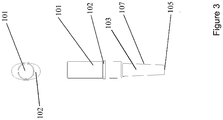
- the nucleic acid amplification reaction is performed in a reaction vessel 100, which has a cap 101 (e.g., the cap of a Spartan DX-12 tube as shown in Figures 1-4 ), which cap is used to collect the swab sample. It is to be understood that any cap configuration may be used for this purpose.
- cap 101 is made of a plastic material.
- cap 101 has a tip 106 that protrudes inside the reaction vessel 103 as shown in Figures 1-4 .
- Tip 106 of cap 101 is used to collect the buccal sample.
- cap 101 is separated from the body of the reaction vessel for this collection step, as shown in Figure 4 , while in other embodiments cap 101 remains connected to the body of reaction vessel 103 via a flexible arm or cord (not shown).
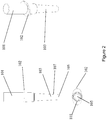
- Figures 2-4 provide additional view of the cap and reaction vessel illustrated in Figure 1 .
- Figure 2 shows front, bottom, and perspective views of a Spartan DX-12 tube of Figure 1 with the cap fully inserted.
- the tube body of reaction vessel 103 may have be tapered, for example at a 5° angle, in accordance with various embodiments.
- Figure 3 shows side and top views of a Spartan DX-12 tube of Figure 1 with the cap fully inserted. The side view provided by Figure 3 illustrates that lip 102 of tube 103 may extend on only a portion of the periphery of the tube.
- Figure 4 shows perspective views of a Spartan DX-12 tube of Figure 1 with the cap removed from the tube.
- tip 106 of cap 101 may contain a series of graduations such that the outer diameters of the tip substantially corresponding to the various inner diameters of tube 103.
- a means for holding cap 101 of the reaction vessel 103 is used when collecting the swab sample. Any structure that is capable of holding cap 101 may be used for this purpose.
- at least a portion of tip 106 of cap 101 is formed into a shape corresponding to at least a portion of the shape of the inner volume of reaction vessel 103, such that the vessel and tip engage in a mating configuration.
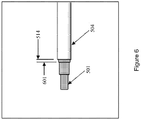
- the end of cap 101 opposing tip 106 is shaped to engage in a mating configuration with means for holding the cap in accordance with some embodiments of the present invention. Exemplary structures for holding cap 101 are shown in Figures 5-6 , as discussed further herein.
- the swab sample is collected from a mammal (e.g., a human, dog, cat, cow, sheep, pig, etc.). In some embodiments, the mammal is a human. In some embodiments, the swab sample is collected from an open body cavity (e.g., mouth, nose, throat, ear, rectum, vagina, and wound). In some embodiments, the swab sample is a buccal sample. In some embodiments, the buccal sample may be collected by contacting (e.g., touching and/or swiping) cap 101 on the inside of a cheek. In some embodiments, the buccal sample may be collected by contacting cap 101 with a tongue rather than a cheek.
- a mammal e.g., a human, dog, cat, cow, sheep, pig, etc.
- the mammal is a human.
- the swab sample is collected from an open body cavity (e.g., mouth, nose, throat,
- the swab sample is collected from a body surface (e.g., skin). In some embodiments, the swab sample is collected from the palm of a hand, inside the folds of the pinna of an ear, an armpit, or inside a nasal cavity. Any of the aforementioned samples may be obtained by touching and/or swiping the relevant surface with a physical structure (e.g., a buccal swab or cap 101 of reaction vessel 103).
- a physical structure e.g., a buccal swab or cap 101 of reaction vessel 103.
- the swab sample is collected from a foodstuff.
- the foodstuff is raw.
- the foodstuff is a fruit, a vegetable, a meat, a fish, or a shellfish.
- the meat is pork, beef, chicken or lamb.
- the swab sample may be collected by touching and/or swiping the relevant foodstuff.
- two or more buccal samples may be collected from the same source and subsequently processed according to the methods of the present disclosure. As discussed in connection with examples provided herein, testing two or more samples from the same source may reduce and even eliminate situations where no results are obtained for a particular source.
- the two or more samples may be collected from about the same location within the source (e.g., both from the inner cheek or both from the tongue in the case of a buccal sample).
- the samples may be collected from different locations (e.g., one from the cheek and one from the tongue in the case of a buccal sample).
- one sample may be collected and split into two aliquots that are then processed separately.
- one sample is collected with a reaction vessel cap or buccal swab and the cap or swab is then sequentially contacted with nucleic acid amplification reagents in separate reaction vessels.
- a cap is used for this purpose and used to cap off the second reaction vessel (a fresh sterile cap being used to cap off the first reaction vessel).
- the two or more samples may be processed in sequence, in parallel or a combination thereof.
- the swab sample may be collected from a subject using cap 101 of reaction vessel 103, such as the Spartan DX-12 tube cap (Spartan Bioscience, Ottawa, Canada). It is to be understood that any cap configuration may be used for this purpose.
- the cap may be held by a cap holder device such as in the Spartan swab (Spartan Bioscience, Ottawa, Canada).
- samples which may be buccal swab samples, are collected and contacted with nucleic acid amplification reagents without purification of nucleic acids in the sample.
- the term "without purification” means that the nucleic acids in the sample are not subjected to a purification technique that involves physically or chemically separating nucleic acids from other components in the cells that originally contained the nucleic acids.
- the collected buccal samples are directly contacted with nucleic acid amplification reagents without any intervening steps.
- This may be achieved by, for example, placing nucleic acid amplification reagents in a reaction vessel, using the cap of the vessel to collect a buccal sample, immediately inserting the cap into the reaction vessel, and then bringing the nucleic acid amplification reagents into contact with the buccal sample (e.g., by flicking the reaction vessel, inverting the reaction vessel, shaking the reaction vessel, vortexing the reaction vessel, etc.).
- the swab may be dipped directly into the nucleic acid amplification reagents.
- template nucleic acids from the buccal sample may be amplified using polymerase chain reaction (PCR) or reverse transcription PCR (RT-PCR); however, as noted previously, the skilled artisan will understand that numerous methods are known in the art for amplification of nucleic acids, and that these methods may be used either in place of, or together with, PCR or RT-PCR.
- PCR polymerase chain reaction
- RT-PCR reverse transcription PCR
- LCR ligase chain reaction
- TAS transcription-based amplification system
- NASBA nucleic acid sequence based amplification
- SDA self-sustained sequence replication
- BDA boomerang DNA amplification
- Q-beta replication isothermal nucleic acid sequence based amplification
- nucleic acid amplification methods such as PCR, RT-PCR, isothermal methods, rolling circle methods, etc., are well known to the skilled artisan. See, e.g., Saiki, "Amplification of Genomic DNA” in PCR Protocols, Innis et al. (1990). Eds.
- the nucleic acid amplification reagents that are involved in each of these amplification methods contain DNA polymerase at a concentration higher than typically used in PCR reactions (1.0 U/reaction).
- the DNA polymerase concentration is greater than 1.0 U/reaction, e.g., greater than 1.2 U/reaction, greater than 1.4 U/reaction, greater than 1.6 U/reaction, greater than 1.8U/reaction, or greater than 2.0 U/reaction.
- the DNA polymerase concentration is greater than 1.0 U/reaction and less than 3.0 U/reaction, less than 2.5 U/reaction, less than 2.0 U/reaction.
- the DNA polymerase concentration is about 2.0 U/reaction.
- nucleic acid amplification reagents that are involved in each of these amplification methods may vary but are also well known in the art and readily available from commercial sources (e.g., see catalogues from Invitrogen, Biotools, New England Biolabs, Bio-Rad, QIAGEN, Sigma-Aldrich, Agilent Technologies, R&D Systems, etc.). It will also be appreciated that the specific primers and/or probes that are used in any given method will depend on the template nucleic acid and the target sequence that is being amplified and that those skilled in the art may readily design and make suitable primers and/or probes for different template nucleic acids and target sequences. Primers and probes may also be prepared by commercial suppliers (e.g., Integrated DNA Technologies).
- the nucleic acid amplification reaction contains primer and probe concentrations higher than typically used in PCR reactions (0.1-0.2 ⁇ M).
- the primer concentration is greater than 0.2 ⁇ M, e.g., greater than 0.3 ⁇ M, greater than 0.4 ⁇ M, greater than 0.5 ⁇ M, greater than 0.6 ⁇ M, greater than 0.7 ⁇ M. In some embodiments, the primer concentration is greater than 0.2 ⁇ M and less than 1 ⁇ M, e.g., less than 0.7 ⁇ M, less than 0.5 ⁇ M. In some embodiments the primer concentration is about 0.5 ⁇ M. It is to be understood that these values refer to the concentration of each primer (e.g., the concentration of the forward primer or the reverse primer). In some embodiments these same concentration values are expressed as the concentration in the nucleic acid amplification reagent that the sample (e.g., swab sample) is added to.
- the probe concentration is greater than 0.2 ⁇ M, e.g., greater than 0.3 ⁇ M, greater than 0.4 ⁇ M, greater than 0.5 ⁇ M, greater than 0.6 ⁇ M, greater than 0.7 ⁇ M. In some embodiments, the probe concentration is greater than 0.2 ⁇ M and less than 1 ⁇ M, e.g., less than 0.7 ⁇ M, less than 0.5 ⁇ M. In some embodiments the primer concentration is about 0.7 ⁇ M. It is to be understood that these values refer to the concentration of each probe (e.g., the concentration of the wild-type probe or the mutant probe if both are present). In some embodiments these same concentration values are expressed as the concentration in the nucleic acid amplification reagent that the sample (e.g., swab sample) is added to.
- the primer and probe concentrations are greater than 0.2 ⁇ M, e.g., greater than 0.3 ⁇ M, greater than 0.4 ⁇ M, greater than 0.5 ⁇ M, greater than 0.6 ⁇ M, greater than 0.7 ⁇ M. In some embodiments, the primer and probe concentrations are greater than 0.2 ⁇ M and less than 1 ⁇ M, e.g., less than 0.7 ⁇ M, less than 0.5 ⁇ M. In some embodiments, the primer concentration is about 0.5 ⁇ M and the probe concentration is about 0.7 ⁇ M.
- the nucleic acid amplification reaction contains DNA polymerase, primer, and probe concentrations that are higher than typically used in PCR reactions. In some embodiments the concentrations are taken from any one of the aforementioned ranges or sub-ranges. In some embodiments, the DNA polymerase concentration is about 2.0 U/reaction; the primer concentration is about 0.5 ⁇ M; and the probe concentration is about 0.7 ⁇ M.
- PCR is a technique for making many copies of a specific target sequence within a template DNA.
- the reaction consists of multiple amplification cycles and is initiated using a pair of primer oligonucleotides that hybridize to the 5' and 3' ends of the target sequence.
- the amplification cycle includes an initial denaturation and typically up to 50 cycles of hybridization, strand elongation (or extension), and strand separation (denaturation).
- the hybridization and extension steps may be combined into a single step.
- the target sequence between the primers is copied.
- Primers may hybridize to the copied DNA amplicons as well as the original template DNA, so the total number of copies increases exponentially with time/PCR cycle number.
- PCR may be performed according to methods described in Whelan et al. (1995). Journal of Clinical Microbiology. 33(3):556-561 .
- the nucleic acid amplification reagents include two specific primers per target sequence, dNTPs, a DNA polymerase (e.g., approximately 0.25 U of the enzyme Taq polymerase), and a buffer (e.g., 1X PCR Buffer).
- the amplification reaction itself is performed using a thermal cycler. Cycling parameters may be varied, depending on, for example, the melting temperatures of the primers or the length of the target sequence(s) to be extended.
- the length of the amplification primers for use in the present methods depends on several factors including the level of nucleotide sequence identity between the primers and complementary regions of the template nucleic acid and also the temperature at which the primers are hybridized to the template nucleic acid.
- the considerations necessary to determine a preferred length for an amplification primer of a particular sequence identity are well-known to a person of ordinary skill in the art and include considerations described herein.
- the length and sequence of a primer may relate to its desired hybridization specificity or selectivity.
- the nucleic acid amplification reaction is performed within 120 minutes of contacting the buccal sample with the nucleic acid amplification reagents. In some embodiments, the nucleic acid amplification reaction is performed even sooner, e.g., within 60, 30, 15, 10, 5 or even 1 minute(s) of contacting the swab sample with the nucleic acid amplification reagents.
- the nucleic acid amplification reaction comprises an initial heat denaturation step of 15 minutes or less.
- the initial heat denaturation step is shorter, e.g., 5 minutes or less, 3 minutes or less, or 1 minute or less.
- the initial heat denaturation step is performed at a temperature in the range of about 85 °C to about 99°C, e.g., about 93°C to about 97°C, about 93°C to about 95°C, or about 95°C to about 97°C, etc. In some embodiments, the initial heat denaturation step is performed at about 95°C.
- amplified target sequences or amplicons may be detected by any of a variety of well-known methods.
- electrophoresis may be used (e.g., gel electrophoresis or capillary electrophoresis).
- Amplicons may also be subjected to differential methods of detection, for example, methods that involve the selective detection of variant sequences (e.g., detection of single nucleotide polymorphisms or SNPs using sequence specific probes).
- amplicons are detected by real-time PCR.
- Real-time PCR or end-point PCR may be performed using probes in combination with a suitable amplification/analyzer such as the Spartan DX-12 desktop DNA analyzer, which is a low-throughput PCR system with fluorescent detection capabilities.
- a suitable amplification/analyzer such as the Spartan DX-12 desktop DNA analyzer, which is a low-throughput PCR system with fluorescent detection capabilities.
- probes specific for the amplified target sequence e.g. molecular beacons, TaqMan probes
- molecular beacons contain a loop region complementary to the target sequence of interest and two self-complementary stem sequences at the 5' and 3' end. This configuration enables molecular beacon probes to form hairpin structures in the absence of a target complementary to the loop.
- a reporter dye is positioned at the 5' end and a quencher dye at the 3' end.
- the fluorophore and quencher are positioned in close proximity and contact quenching occurs.
- the fluorescently labeled probes hybridize to their respective target sequences; the hairpin structure is lost, resulting in separation of the fluorophore and quencher and generation of a fluorescent signal.
- TaqMan probes contain a reporter dye at the 5' end and a quencher dye at the 3' end.
- the fluorescent labeled TaqMan probes hybridize to their respective target sequences; the 5' nuclease activity of the DNA polymerase (e.g., Taq polymerase) cleaves the reporter dye from the probe and a fluorescent signal is generated.
- the DNA polymerase e.g., Taq polymerase
- probes that hybridize to different target sequences are typically conjugated with a different fluorescent reporter dye.
- a different fluorescent reporter dye In this way, more than one target sequence may be assayed for in the same reaction vessel. The increase in fluorescence signal is detected only if the target sequence is complementary to the probe and is amplified during PCR. A mismatch between probe and target sequences greatly reduces the efficiency of probe hybridization and cleavage.
- the Spartan DX-12 has the capability to measure fluorescence at the beginning and end of the PCR thermal cycling, providing convenient "end-point" detection of amplicon accumulation.
- the present disclosure also provides a kit comprising a reaction vessel, a cap for the reaction vessel, and a means for holding the cap, wherein the cap comprises a tip that is capable of protruding into and mating with the reaction vessel and an end opposing the tip that is capable of mating with the means for holding the cap.
- the kit further comprises any one of the nucleic acid amplification reagent embodiments that are described herein.
- the cap is mated with the reaction vessel and the nucleic acid amplification reagents are located within the reaction vessel.
- the reaction vessel is empty and the nucleic acid amplification reagents are located within one or more containers that form part of the kit.
- the cap is mated with the reaction vessel. In some embodiments, the cap is mated with the means for holding the cap. In some embodiments, the reaction vessel and cap are as shown in Figures 1-4 . In some embodiments, the means for holding the cap is as shown in Figure 5-6 .
- the kit further comprises a means for controlling a nucleic acid amplification reaction in the reaction vessel.
- the means for controlling a nucleic acid amplification reaction in the reaction vessel comprises a thermal cycler with a well for receiving the reaction vessel. It will be appreciated that any thermal cycler may be used for this purpose.
- the kit further comprises a means for determining whether an amplification product has been produced as a result of the nucleic acid amplification reaction.
- the means for determining whether an amplification product has been produced as a result of the nucleic acid amplification reaction comprises a device for measuring fluorescence in the reaction vessel while the reaction vessel is located within the means for controlling a nucleic acid amplification reaction in the reaction vessel.
- the components of the kit operate as follows. First, a swab sample is collected by contacting the cap of the reaction vessel (e.g., a Spartan DX-12 tube) with the sample source, then the cap is directly contacted with nucleic acid amplification reagents (e.g., primers, dNTPs, DNA polymerase and buffer) that have been loaded into the reaction vessel. The tube is then placed in the thermal cycler (e.g., of a Spartan DX-12 instrument) where a nucleic acid amplification reaction takes place as a result of thermal cycling.
- the thermal cycler e.g., of a Spartan DX-12 instrument
- the amplification products are detected using a system that is capable of detecting fluorescence within the reaction vessels when loaded within the thermal cycler (e.g., the detection components of the Spartan DX-12 instrument). Finally, the fluorescent results are manually or automatically analyzed to determine (and optionally quantify) whether an amplification product has been produced as a result of the nucleic acid amplification reaction (e.g., with the Spartan Analyzer Software or with MicrosoftTM ExcelTM).
- the present disclosure also provides the use of an amplification reaction mixture comprising a template nucleic acid, a surfactant, a DNA polymerase with a concentration of at least 1.0 U/reaction, a primer with a concentration of at least 0.2 ⁇ M, and a probe with a concentration of at least 0.2 ⁇ M, wherein the surfactant is present at a concentration that does not inhibit the nucleic acid amplification reaction, the mixture further comprising a non-ionic surfactant wherein the non-ionic surfactant is present in the reaction at a concentration less than 0.1% (w/v) in the diagnostic assay method of the invention.
- Figures 7 and 8 show graphs demonstrating the effect of Taq DNA polymerase concentration on the Endpoint Florescence (EPF) of buccal samples amplified by a FAM probe and a CalFluor 610 probe in accordance with embodiments of the present invention.
- PCR primers were designed to amplify a 91 base pair amplicon from the human CYP 2C19 gene.
- the forward primer sequence was 5'-TgCAATAATTTTCCCACTATCATTg-3' (SEQ ID NO:1) and the reverse primer sequence was 5'-CCAAAATATCACTTTCCATAAAAg CA-3' (SEQ ID NO:2).
- Primers were manufactured by Integrated DNA Technologies.
- the molecular beacon probe sequence for the wild-type gene was 5'-cgcagATTTCCC[G]GGAACCCctgcg-3' (SEQ ID NO:3). The probe was labeled at the 5' end with FAM and at the 3' end with Black Hole Quencher-1 (BHQ1).
- the square brackets indicate the location of the wild-type single nucleotide polymorphism (SNP).
- the stem portion of the molecular beacon is shown in lower case and the loop portion is shown in upper case.
- the molecular beacon probe sequence for the mutant gene was 5'-cgcagTTATTTCCC[A]GGAACCCctgcg-3' (SEQ ID NO:4).
- the probe was labeled at the 5' end with CalFluor 610 (CF610) and at the 3' end with Black Hole Quencher-2 (BHQ2).
- the brackets indicate the location of the mutant SNP.
- the stem portion of the molecular beacon is shown in lower case and the loop portion is shown in upper case. Probes were manufactured by Biosearch Technologies. All individuals included in the study were known to carry both a wild-type and a mutant allele and are therefore expected to be successful for PCR and generate a fluorescent signal for both probes.
- the PCR master mix contained final concentrations of the following components:
- PCR reaction volume was 20 ⁇ l. Positive reactions contained buccal samples from individuals as detailed above. Negative control samples contained no buccal material. A total of 18 positive reactions and 5-6 negative control reactions were performed at each condition (1 U, 2 U, 3 U Taq) were performed. PCR was performed using the Spartan DX-12 instrument (Spartan Bioscience) in Spartan DX-12 tubes (Spartan Bioscience).
- the PCR program had the following steps:
- Endpoint fluorescence was calculated for the FAM and CalFluor610 channels as the difference between fluorescence levels at the first and last cycles of the PCR.
- the final EPF was higher for samples containing 2 U or 3 U of Taq DNA polymerase than for samples containing 1 U of Taq DNA polymerase for both the FAM channel and the CalFluor 610 channel.
- the average and standard deviation (SD) EPF values were as follows:
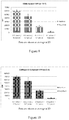
- Figures 9 and 10 show graphs demonstrating the effects of primer and probe concentrations on Endpoint Florescence (EPF) of buccal samples amplified by a FAM probe and by a CalFluor 610 probe in accordance with embodiments of the present invention.
- EPF Endpoint Florescence
- PCR primers and probes were designed to amplify a 91 base pair amplicon from the human CYP 2C 19 gene.
- the primers and probes used were as described in Example 1. All individuals included in the study were known to carry both a wild-type and a mutant allele and are therefore expected to be successful for PCR and generate a fluorescent signal for both probes.
- the PCR master mix contained final concentrations of the following components:
- PCR reaction volume was 20 ⁇ l. Positive reactions contained buccal samples from individuals as detailed above. Negative control samples contained no buccal material. A total of 3-4 negative control reactions and 4 positive reactions were performed for each primer/probe concentration. PCR was performed using the Spartan DX-12 instrument (Spartan Bioscience, Ottawa, Canada) in Spartan DX-12 tubes (Spartan Bioscience, Ottawa, Canada).
- the PCR program had the following steps:
- Endpoint fluorescence was calculated for the FAM and CalFluor 610 channels as the difference between fluorescence levels at the first and last cycles of the PCR.
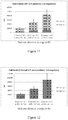
- FIGS 11 and 12 show graphs demonstrating the combined effect of Taq DNA polymerase, primer, and probe concentration on Endpoint Florescence (EPF) of buccal samples amplified by a FAM probe and a CalFluor 610 probe, respectively, in accordance with embodiments of the present invention.
- EPF Endpoint Florescence
- the buccal samples collected from an individual were added to one of three PCR master mixes, containing the following final amount of Taq DNA polymerase and concentrations of primers and probes: [Primer] ( ⁇ M) [Probe] ( ⁇ M) Taq DNA polymerase (Units) 0.2 0.2 1.0 0.5 0.7 1.0 0.5 0.7 2.0
- PCR primers and probes were designed to amplify a 91 base pair amplicon from the human CYP 2C19 gene.
- the primers and probes used were as described in Example 1. All individuals included in the study were known to carry both a wild-type and a mutant allele and are therefore expected to be successful for PCR and generate a fluorescent signal for both probes.
- the PCR master mix contained final concentrations of the following components:
- PCR reaction volume was 20 ⁇ l. Positive reactions contained buccal samples from individuals as detailed above. Negative control samples contained no buccal material. A total of 4 negative controls and 6 positive reactions were performed for each PCR master mix (see table above). PCR was performed using the Spartan DX-12 instrument (Spartan Bioscience) in Spartan DX-12 tubes (Spartan Bioscience).
- the PCR program had the following steps:
- Endpoint fluorescence was calculated for the FAM and CalFluor 610 channels as the difference between fluorescence levels at the first and last cycles of the PCR.
- Buccal samples were collected using three different methods of swabbing. Subjects were asked not to eat or drink anything but water for 5 min prior to sample collection. Subjects were asked to rinse their mouths once with water prior to sample collection
- PCR primers were designed to amplify a 91 base pair amplicon from the human CYP 2C19 gene.
- the forward primer sequence was 5'-TgCAATAATTTTCCCACTATCATTg-3' (SEQ ID NO:1) and the reverse primer sequence was 5'-CCAAAATATCACTTTCCATAAAAg CA-3' (SEQ ID NO:2).
- Primers were manufactured by Integrated DNA Technologies.
- the TaqMan probe sequence for the wild-type gene was 5'-ttatttccc[g]ggaacc-3' (SEQ ID NO:5). The probe was labeled at the 5' end with FAM and at the 3' end with Black Hole Quencher-1 plus (BHQ1plus).
- the brackets indicate the location of the wild-type single nucleotide polymorphism (SNP).
- the TaqMan probe sequence for the mutant gene was 5'-ttatttccc[a]ggaacc-3' (SEQ ID NO:6).
- the probe was labeled at the 5' end with CalFluor 610 (CF610) and at the 3' end with Black Hole Quencher-2 (BHQ2).
- the brackets indicate the location of the mutant SNP. Probes were manufactured by Biosearch Technologies. All individuals are expected to be successful for PCR and generate a fluorescent signal for the FAM probe because all individuals tested were known to carry at least one copy of the wild-type the target allele and thus the reaction contains an internal positive control.
- the PCR master mix contained final concentrations of the following components:
- the PCR reaction volume was 20 ⁇ l PCR was performed using the Spartan DX-12 instrument (Spartan Bioscience) in Spartan DX-12 tubes (Spartan Bioscience).
- the PCR program had the following steps:
- Endpoint fluorescence was calculated for the FAM channel as the difference between fluorescence levels at the first and last cycles of the PCR. For each swabbing method tested, a reaction was deemed to have failed if the EPF value in the FAM channel was smaller than or equal to the average EPF of multiple negative control reactions containing no nucleic acid template.
- buccal swabs enable significantly higher PCR reliability rates compared with direct amplification from whole saliva samples ( Ochert AS et al. (1994). Inhibitory effect of salivary fluids on PCR: potency and removal. Genome Research. 3: 365-368 .).
- Another unexpected result was that the reliability rates were high across four of the five sample collection methods (TrimGen swab, Spartan cap swiped on cheek, Spartan cap touched on tongue, Large bore pipette tip), despite the fact that these methods collect significantly different amounts of buccal material.
- the fact that the reliability rate decreased for samples with a low amount of material demonstrates that there is a lower limit of buccal material required for optimal reaction performance.
- the range of buccal material collected by the Spartan cap methods were determined by spectrophotometric analysis of samples collected by the "Spartan DX-12 cap on cheek” and “Spartan DX-12 cap on tongue” methods. Specifically, a single individual self-collected 24 buccal samples using the "cap on cheek” technique and 12 buccal samples using the "cap on tongue” technique, as previously described. Absorbance of the samples at 230 nm, 260 nm, and 280 nm was measured by loading a 1.5 ⁇ l aliquot onto the pedestal of the NanoDropTM spectrophotometer (Thermo Scientific). A 1.5 ⁇ l aliquot of sterile water was used as the control sample. Each buccal sample was measured in duplicate.
- the tubes containing PCR master mix and buccal sample or purified DNA were incubated at room temperature for different times before performing PCR:
- results showed that the final end-point fluorescence (fluorescence at the last cycle minus fluorescence at the first cycle) was lower when the buccal sample and PCR master mix were incubated for longer times at room temperature before performing PCR.
- Example 6 PCR success rate for buccal samples with different initial heating times
- buccal swab Six individuals were instructed to swab the inside of their cheek using a buccal swab (EasySwabTM, TrimGen Corp., Cat. No. ES-100). Subjects were asked not to eat or drink for 5 min prior to sample collection. Subjects were asked to rinse their mouths once with water prior to sample collection. For each subject, the buccal swab was dipped into a PCR master mix, as described in Examples 4 and 5. This master mix was then mixed and aliquoted equally into five Spartan DX-12 tubes. This ensured that each tube had the same amount of buccal material.
- PCR primers and probes were the same as described in Example 4.
- EPF Endpoint fluorescence
- Results showed that an initial denaturation time of 1 min was sufficient for successful amplification of 5 out of 6 buccal samples. In contrast, an initial denaturation time of 3, 5, 7, or 15 minutes was sufficient for successful amplification of 6 out of 6 buccal samples.
- Results showed that an initial denaturation time of 1 min was sufficient for successful amplification of 5 out of 6 buccal samples. In contrast, an initial denaturation time of 3, 5, 7, or 15 minutes was sufficient for successful amplification of 6 out of 6 buccal samples.
- Example 7 Higher diagnostic success rate by testing two swabs at the same time from the same individual
- Buccal samples were collected from 25 individuals by the same technician. Subjects were asked not to eat or drink for 5 min prior to sample collection. The technician collected samples by taking the cap from a Spartan DX-12 tube (Spartan Bioscience) and swiping the part of the cap containing the sample inside of the cheek (one swipe up, one swipe down, repeated three times). The cap was then inserted into the tube, and the tube was tapped gently to ensure contact of the liquid with the part of the cap containing the sample of the cap. Tubes were briefly centrifuged to pull down the liquid into the bottom of the tube. Two samples were collected consecutively from each subject from roughly the same area of the cheek using a separate cap for each sample.
- Spartan DX-12 tube Spartan Bioscience
- PCR primers and probes were the same as described in Example 4.
- the PCR success rate was 24 out of 25 samples.
- the PCR success rate was 23 out of 25 samples.
- the unexpected result was that failed samples were from different individuals for the first and second set of samples.
- the sample that failed PCR in the first set of samples came from an individual whose second sample resulted in a successful PCR.
- the two individuals whose second samples failed PCR had first samples which resulted in successful PCR.
- the diagnostic success rate from collecting and testing a single sample ranged from 92% to 96%, whereas the combined diagnostic success rate for two samples collected at the same time was 100%.
- a clinically useful result only requires that one of the samples be amplifiable by PCR.
- Example 8 Cap holder device and swabbing procedure
- the assembly process is as follows:
- a swab has been manufactured out of a Spartan DX-12 tube cap and the drinking straws. While members 501-505 are described as straws, these members may be composed of other tubular structures in accordance with various embodiments of the present invention.
- An exemplary swabbing procedure for using the manufactured swab is as follows:
- Example 9 Higher PCR success rate using dual HPLC purified probes and cap holder device
- PCR master mix was freshly mixed; aliquoted into Spartan DX-12 tubes; capped with Spartan DX-12 tube caps; and left at room temperature for 10 min.
- the cap with the buccal sample was then inserted into the tube containing PCR master mix, and the tube was tapped gently to ensure contact of the liquid with the part of the cap containing the sample.
- the capped tube with buccal sample was inserted into a Spartan DX-12 instrument 10 min after mixing the sample.
- PCR primers were designed to amplify a 91 base pair amplicon from the human CYP 2C19 gene.
- the forward primer sequence was 5'-TgCAATAATTTTCCCACTATCATTg-3' (SEQ ID NO:1) and the reverse primer sequence was 5'-CCAAAATATCACTTTCCATAAAAg CA-3' (SEQ ID NO:2).
- Primers were manufactured by Integrated DNA Technologies.
- the TaqMan probe sequence for the wild-type gene was 5'-ttatttccc[g]ggaacc-3' (SEQ ID NO:5). The probe was labeled at the 5' end with FAM and at the 3' end with Black Hole Quencher-1 plus (BHQ1plus).
- the brackets indicate the location of the wild-type single nucleotide polymorphism (SNP).
- the TaqMan probe sequence for the mutant gene was 5'-ttatttccc[a]ggaacc-3' (SEQ ID NO:6).
- the probe was labeled at the 5' end with CalFluor 610 (CF610) and at the 3' end with Black Hole Quencher-2 (BHQ2).
- the brackets indicate the location of the mutant SNP. Probes were manufactured by Biosearch Technologies. All the individuals are expected to be successful for PCR and generate a fluorescent signal for the FAM probe because all individuals tested were known to carry at least one copy of the wild-type target allele; thus, the reaction contains an internal positive control.
- the PCR master mix contained final concentrations of the following components:
- the PCR reaction volume was 20 ⁇ l. PCR was performed using the Spartan DX-12 instrument (Spartan Bioscience).
- the PCR program had the following steps:
- Endpoint fluorescence was calculated for each sample by subtracting the fluorescence value at the first cycle from the fluorescence value at the last cycle.
- a test result was called as successful if the EPF for the FAM channel was greater than 9,800 arbitrary units.
- a test result was called as unsuccessful if the EPF for the FAM channel was less than or equal to 9,800 arbitrary units.
- Overall PCR success rate was calculated as total number of successful results divided by total number of results.
- the third method only differed from the second method in that the cap holder device and swabbing method described in Example 8 were used to collect the buccal sample from subjects.
- the overall PCR success rates for the three methods were 91.7 percent for the first method (24 subjects) 95.8 percent for the second method (24 subjects), and 97.9 percent for the third method (48 subjects).
- PCR success rate may be improved by using dual HPLC purified probes.
- PCR success rate may be improved by using the cap holder device of Example 8 for the Spartan DX-12 tube cap to collect a concentration range of buccal material that is compatible with direct amplification without purification.
- the increase in PCR success rate was found to be additive when combined with the use of dual HPLC purified probes.
- Example 10 Direct amplification without purification from non-buccal human samples
- Samples were collected from various body parts of one individual whose CYP450 2C19 *1 and *2 genotypes had been determined previously. The samples were collected by rubbing a cap from the Spartan DX-12 tube on the body part. Four samples each were collected from the palm, armpit, inside the folds of the pinna of the ear, and inside the nasal cavity. Prior to sample collection from the palm, the individual had been clenching his fist and his palm was sweaty.
- the cap was inserted into a tube containing PCR master mix, and the tube was tapped gently to ensure contact of the liquid with the part of the cap containing the sample.
- the capped tube with sample was inserted into a Spartan DX-12 instrument 10 min after mixing the sample.
- PCR primers were designed to amplify a 91 base pair amplicon from the human CYP 2C19 gene.
- the forward primer sequence was 5'-TgCAATAATTTTCCCACTATCATTg-3' (SEQ ID NO:1) and the reverse primers sequence was 5'-CCAAAATATCACTTTCCATA AAAgCA-3' (SEQ ID NO:2).
- Primers were manufactured by Integrated DNA Technologies. Both primers were HPLC purified.
- the TaqMan probe sequence for the wild-type gene was 5'-ttatttccc[g]ggaacc-3' (SEQ ID NO:5). The probe was labeled at the 5' end with FAM and at the 3' end with Black Hole Quencher-1 plus (BHQ1plus).
- the brackets indicate the location of the wild-type single nucleotide polymorphism (SNP).
- SNP single nucleotide polymorphism
- the TaqMan probe sequence for the mutant gene was 5'-ttatttccc[a]ggaacc-3' (SEQ ID NO:6).
- the probe was labeled at the 5' end with CalFluor 610 (CF610) and at the 3' end with Black Hole Quencher-2 plus (BHQ2plus).
- the brackets indicate the location of the mutant SNP. Probes were manufactured by Biosearch Technologies. Both probes were dual HPLC purified.
- the PCR master mix contained final concentrations of the following components:
- the PCR reaction volume was 21 ⁇ l. PCR was performed using the Spartan DX-12 instrument (Spartan Bioscience).
- the PCR program had the following steps:
- EPF Endpoint fluorescence
- Results showed that the correct genotype was obtained in 3 out of 4 palm samples, 1 out of 4 armpit samples, 2 out of 4 ear samples, and 3 out of 4 nose samples. These results indicate that non-buccal samples may also be used for direct nucleic acid amplification without purification.
- Example 11 Direct amplification without purification from non - buccal non-human samples
- PCR primers were designed to amplify a 130 base pair amplicon from the porcine Cytochrome B gene ( Tanabe S et al. (2007). A quantitative PCR detection method for pork, chicken, beef, mutton, and horseflesh in foods. Bioscience, Biotechnology, and Biochemistry. 71(12): 3131-3135 .).
- the forward primer sequence was 5'-gttgcaaatcctaacaggcctg-3' (SEQ ID NO:7) and the reverse primer sequence was 5'-cgtttgcatgtagatagcgaataac-3' (SEQ ID NO:8). Primers were manufactured by Integrated DNA Technologies.
- the PCR master mix contained final concentrations of the following components:
- the final amount of DNA in the reaction mixture was 21 ng.
- the PCR reaction volume was 20 ⁇ l. PCR was performed using the Spartan DX-12 instrument (Spartan Bioscience).
- the PCR program had the following steps:
- Amplicons were analyzed using gel electrophoresis. PCR generated amplicons of the expected size for DNA purified from blood and samples collected by rubbing the Spartan DX-12 cap on the raw pork chop.
- non-human samples may be used for direct amplification without purification according to the method described in this invention.
- suitable non-human samples may include and are not limited to fish, shellfish, beef, chicken, and lamb.
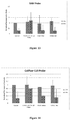
- Figures 13 and 14 show graphs demonstrating the effect of 0.005% SDS + 0.01% TritonTM X-100; 0.01% TritonTM X-100; and 0.005% SDS on the fluorescent amplitudes of 0.18X and 0.03X buccal samples amplified by a FAM probe and a CalFluor 610 probe in accordance with embodiments of the present invention.
- a concentration of 0.18X of a buccal swab would be the equivalent of taking the buccal material from a single buccal swab and diluting it to a concentration of 0.18X.
- Each of the two diluted concentrations of buccal swab were used as the DNA template in a PCR master mix containing final concentrations of 0.005% SDS + 0.01% TritonTM X-100; 0.01% TritonTM X-100; or 0.005% SDS.
- the negative control was PCR master mix containing 1X buffer with no SDS or TritonTM X-100.
- PCR primers were designed to amplify a 132 base pair amplicon from the human ABCBI gene.
- the forward primer sequence was 5'-gaacattgcctatggagaca-3' (SEQ ID NO:9) and the reverse primer sequence was 5'-ccaggctgtttatttgaaga-3' (SEQ ID NO:10).
- Primers were manufactured by Integrated DNA Technologies.
- the molecular beacon probe sequence for the wild-type gene was 5'-cgggacCTGCCCTCAC[G]ATCTCTTCgtcccg-3' (SEQ ID NO:11). The probe was labeled at the 5' end with FAM and at the 3' end with Black Hole Quencher-1 (BHQ1).
- the square brackets indicate the location of the wild-type single nucleotide polymorphism (SNP).
- the stem portion of the molecular beacon is shown in lower case and the loop portion is shown in upper case.
- the molecular beacon probe sequence for the mutant gene was 5'-cgtgcaGCTGCCCTCAC[A]ATCTCTTtgcacg-3' (SEQ ID NO:12).
- the probe was labeled at the 5' end with CalFluor 610 (CF610) and at the 3' end with Black Hole Quencher-2 (BHQ2).
- the brackets indicate the location of the mutant SNP.
- the stem portion of the molecular beacon is shown in lower case and the loop portion is shown in upper case. Probes were manufactured by Biosearch Technologies. The individual included in the experiment was known to carry both a wild-type and a mutant allele, and is therefore expected to be successful for PCR and generate a fluorescent signal for both probes.
- the PCR master mix contained final concentrations of the following components:
- the PCR reaction volume was 21 ⁇ l. Reactions contained 0.18X or 0.03X concentrations of buccal swab material as detailed above. A total of 5 replicates was performed for each experimental condition. The experiment was repeated twice. Thus, each data point in the graphs represents the average of 10 results.
- the PCR program had the following steps:
- Results were analyzed using MicrosoftTM ExcelTM. Fluorescence amplitudes were calculated for the FAM and CalFluor 610 channels as the difference between fluorescence levels from cycles 45 and 23. Data were normalized to the average of the 0.18X control fluorescence amplitudes.
- the fluorescence amplitudes for buccal material corresponding to 0.03X of a swab were highest with 0.005% SDS + 0.01% TritonTM X-100, followed by 0.01% TritonTM X-100, and 0.005% SDS. The same pattern was seen with both the FAM probe and the CalFluor 610 probe.
- the fluorescence amplitudes for 0.005% SDS + 0.01% TritonTM X-100; 0.01% TritonTM X-100; and 0.005% SDS were higher than the negative control with 1X buffer containing no SDS or TritonTM X-100.
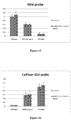
- Figures 15 and 16 show graphs demonstrating the effect of 0.005% SDS + 0.01% TritonTM X-100 on the fluorescent amplitudes of 1X buccal samples amplified by a FAM probe and a CalFluor 610 probe in accordance with embodiments of the present invention.
- Buccal swabs were collected from at least 6 individuals, including at least 2 individuals with wild-type genotypes; 2 individuals with heterozygous genotypes; and 2 individuals with mutant genotypes. The subjects were asked to rinse their mouth once with water prior to sample collection. The buccal samples were collected as described in Example 12.
- the collected buccal samples were directly contacted with 1X PCR master mix containing 0.005% SDS + 0.01% TritonTM X-100.
- the negative control was 1X PCR master mix with no SDS or TritonTM X-100.
- PCR primers and probes were the same as described in Example 12.
- the 1X PCR master mix contained final concentrations of the following components:
- the PCR reaction volume was 21 ⁇ l.
- each genotype wild type; heterozygous; mutant
- 14 to 18 replicates were performed.
- each data point in the graphs represents the average of 14 to 18 results.
- Results were analyzed using MicrosoftTM ExcelTM. Fluorescence amplitudes were calculated for the FAM and CalFluor 610 channels as the difference between fluorescence levels from cycles 45 and 23. Data for the FAM probe were normalized to the average of the wild-type control fluorescence amplitudes. Data for the CalFluor 610 probe were normalized to the average of the mutant control fluorescence amplitudes.
Landscapes
- Chemical & Material Sciences (AREA)
- Organic Chemistry (AREA)
- Life Sciences & Earth Sciences (AREA)
- Zoology (AREA)
- Proteomics, Peptides & Aminoacids (AREA)
- Health & Medical Sciences (AREA)
- Engineering & Computer Science (AREA)
- Wood Science & Technology (AREA)
- Analytical Chemistry (AREA)
- Chemical Kinetics & Catalysis (AREA)
- Biophysics (AREA)
- Microbiology (AREA)
- Molecular Biology (AREA)
- Immunology (AREA)
- Biotechnology (AREA)
- Physics & Mathematics (AREA)
- Biochemistry (AREA)
- Bioinformatics & Cheminformatics (AREA)
- General Engineering & Computer Science (AREA)
- General Health & Medical Sciences (AREA)
- Genetics & Genomics (AREA)
- Measuring Or Testing Involving Enzymes Or Micro-Organisms (AREA)
Claims (15)
- Diagnostisches Assay-Verfahren, welches folgende Schritte umfasst:Inkontaktbringen einer biologischen Abstrichprobe, welche Nukleinsäuren umfasst, mit einem Nukleinsäure-Amplifizierungsreagenz, ohne Aufreinigen der Nukleinsäuren von der Abstrichprobe und Ausführen einer Nukleinsäure-Amplifizierungsreaktion auf der biologischen Abstrichprobe,wobei die Nukleinsäure-Amplifizierungsreaktion innerhalb von 120 Minuten des Inkontaktbringens der biologischen Abstrichprobe mit dem Nukleinsäure-Amplifizierungsreagenz ausgeführt wird und/oderwobei das Nukleinsäure-Amplifizierungsreagenz eine DNA Polymerase mit einer Konzentration von mindestens 1,0 U/Reaktion, einen Primer mit einer Konzentration von mindestens 0,2 µM, eine Sonde mit einer Konzentration von mindestens 0,2 µM oder eine Kombination davon umfasst, dadurch charakterisiert, dass das Nukleinsäure-Amplifizierungsreagenz ein anionisches Surfactant in einer Konzentration von weniger oder gleich 0,005% (w/v) enthält, so dass dieses die Nukleinsäure-Ampflifizierungsreaktion nicht inhibiert.
- Verfahren von Anspruch 1, wobei das anionische Surfactant eine oder mehrere Caprylsäure, Cholsäure, Dexocholsäure, Glykocholsäure und Natriumdodecylsulfat (SDS) oder ein Salz davon ist.
- Verfahren von Anspruch 1 oder 2, wobei das anionische Surfactant in der Reaktion in einer Konzentration im Bereich von 0,001% bis 0,005% vorliegt.
- Verfahren von einem der Ansprüche 1 bis 3, wobei das Nukleinsäure-Amplifizierungsreagenz weiterhin ein nichtionisches Surfactant umfasst.
- Verfahren von Anspruch 4, wobei das nichtionische Surfactant ein oder mehrere Polysorbate, Polyoxyethylenether und Octylphenolethylenoxide ist.
- Verfahren von Anspruch 4 oder 5, wobei das nichtionische Surfactant in der Reaktion in einer Konzentration von weniger als 0,1% (w/v), zum Beispiel im Bereich von 0,001 % bis 0,1 % vorliegt.
- Verfahren von einem der Ansprüche 1 bis 6, wobei das Nukleinsäure-Amplifizierungsreagenz weiterhin eine DNA Polymerase, einen Primer und eine Sonde umfasst.
- Verfahren von einem der Ansprüche 1 bis 7, welches weiterhin umfasst, zu ermitteln, ob ein Nukleinsäure-Amplifizierungsprodukt als ein Ergebnis der Nukleinsäure-Amplifizierungsreaktion produziert wurde.
- Verfahren von einem der Ansprüche 1 bis 8, wobei die Nukleinsäure-Amplifizierungsreaktion einen ersten Hitzedenaturierungsschritt von 15 Minuten oder weniger, wie z.B. 5 Minuten oder weniger umfasst.
- Verfahren von einem der Ansprüche 1 bis 9, wobei die biologische Probe aus einem möglicherweise rohen Nahrungsmittel oder von einem Säugetier, wie z.B. einem Menschen entnommen wurde.
- Verfahren von einem der Ansprüche 1 bis 10 wobei die Nukleinsäure-Amplifizierungsreaktion in einem Reaktionsgefäß (100) mit einem abnehmbaren Deckel (101) ausgeführt wird und der Deckel für die Entnahme der biologischen Probe verwendet wurde.
- Verfahren von Anspruch 11, wobei der Deckel zum Verschließen des Reaktionsgefäßes verwendet wird, nachdem die biologische Probe entnommen wurde.
- Verfahren von Anspruch 11 oder 12, wobei die biologische Probe aus einer Quelle entnommen wird und das diagnostische Assay-Verfahren mit mindestens einer anderen biologischen Probe aus derselben Quelle wiederholt wird.
- Verwenden einer Nukleinsäure-Amplifizierungsreaktionsmischung, welche eine Matrizen-Nukleinsäure, eine DNA Polymerase mit einer Konzentration von mindestens 1,0 U/Reaktion, einen Primer mit einer Konzentration von mindestens 0,2 µM, eine Sonde mit einer Konzentration von mindestens 0,2 µM umfasst, dadurch charakterisiert, dass die Mischung weiterhin ein anionisches Surfactant in einer Konzentration von weniger oder gleich 0,005% (w/v) enthält, so dass dieses die Nukleinsäure-Ampflifizierungsreaktion nicht inhibiert, die Mischung weiterhin ein nichtionisches Surfactant umfasst, wobei das nichtionische Surfactant in der Reaktion in einer Konzentration von weniger als 0,1% (w/v) in dem diagnostischen Assay-Verfahren eines der Ansprüche 1 bis 13 vorliegt.
- Verwenden der Reaktionsmischung von Anspruch 14, wobei das anionische Surfactant in Anspruch 2 oder 3 definiert ist und/oder wobei das nichtionische Surfactant in Anspruch 5 definiert ist oder in einer Konzentration im Bereich von 0,001 bis 0,1% vorliegt.
Applications Claiming Priority (2)
| Application Number | Priority Date | Filing Date | Title |
|---|---|---|---|
| US201161543740P | 2011-10-05 | 2011-10-05 | |
| PCT/IB2012/002849 WO2013050881A2 (en) | 2011-10-05 | 2012-10-04 | Direct nucleic acid analysis |
Publications (3)
| Publication Number | Publication Date |
|---|---|
| EP2764112A2 EP2764112A2 (de) | 2014-08-13 |
| EP2764112A4 EP2764112A4 (de) | 2015-03-18 |
| EP2764112B1 true EP2764112B1 (de) | 2018-04-18 |
Family
ID=48044244
Family Applications (1)
| Application Number | Title | Priority Date | Filing Date |
|---|---|---|---|
| EP12838982.2A Active EP2764112B1 (de) | 2011-10-05 | 2012-10-04 | Direkte nukleinsäureanalyse |
Country Status (3)
| Country | Link |
|---|---|
| US (1) | US9593369B2 (de) |
| EP (1) | EP2764112B1 (de) |
| WO (1) | WO2013050881A2 (de) |
Families Citing this family (19)
| Publication number | Priority date | Publication date | Assignee | Title |
|---|---|---|---|---|
| DK2718260T3 (en) | 2011-06-08 | 2018-11-19 | Life Technologies Corp | DESIGN AND DEVELOPMENT OF NEW DETERGENTS FOR USE IN PCR SYSTEMS |
| US9567628B2 (en) | 2011-06-08 | 2017-02-14 | Life Technologies Corporation | Polymerization of nucleic acids using proteins having low isoelectric points |
| EP2764112B1 (de) | 2011-10-05 | 2018-04-18 | Spartan Bioscience Inc. | Direkte nukleinsäureanalyse |
| CN108872555B (zh) | 2013-03-11 | 2021-04-09 | 克忧健康公司 | 用于检测和量化分析物的系统和方法 |
| US10545161B2 (en) | 2013-03-11 | 2020-01-28 | Cue Health Inc. | Systems and methods for detection and quantification of analytes |
| US9623409B2 (en) | 2013-03-11 | 2017-04-18 | Cue Inc. | Cartridges, kits, and methods for enhanced mixing for detection and quantification of analytes |
| US9914964B2 (en) | 2013-10-25 | 2018-03-13 | Life Technologies Corporation | Compounds for use in PCR systems and applications thereof |
| USD745423S1 (en) | 2014-05-12 | 2015-12-15 | Cue Inc. | Automated analyzer test cartridge and sample collection device for analyte detection |
| CN104789652A (zh) * | 2015-02-13 | 2015-07-22 | 重庆京因生物科技有限责任公司 | Abcb1基因型快速检测试剂盒及其方法 |
| CN104711345A (zh) * | 2015-02-13 | 2015-06-17 | 重庆京因生物科技有限责任公司 | Cyp2c19*2基因型快速检测试剂盒及其方法 |
| CN104673914A (zh) * | 2015-02-13 | 2015-06-03 | 重庆京因生物科技有限责任公司 | 用于基因快速检测的细胞裂解液 |
| EP4434628A1 (de) | 2015-07-17 | 2024-09-25 | Cue Health Inc. | Systeme und verfahren für verbesserten nachweis und quantifizierung von analyten |
| WO2017098321A1 (en) * | 2015-12-11 | 2017-06-15 | Spartan Bioscience Inc. | Tube sealing system and methods for nucleic acid amplification |
| WO2018140540A1 (en) | 2017-01-25 | 2018-08-02 | Cue Health Inc. | Systems and methods for enhanced detection and quantification of analytes |
| US20210102245A1 (en) * | 2017-04-28 | 2021-04-08 | Spartan Bioscience Inc. | Direct nucleic acid analysis of environmental and biological samples |
| CN110218778B (zh) * | 2019-06-21 | 2021-05-28 | 珠海宝锐生物科技有限公司 | Pcr反应体系、试剂、试剂盒和pcr方法 |
| CN110684839A (zh) * | 2019-11-11 | 2020-01-14 | 福建医科大学附属第一医院 | 一种cyp2c19*2与cyp2c19*3的数字pcr检测试剂盒及其检测方法 |
| CZ309658B6 (cs) * | 2021-02-08 | 2023-06-21 | Bioinova, A.S. | Roztok pro molekulární diagnostiku virových infekcí pomocí PCR a odběrová sada |
| CN114480575B (zh) * | 2022-01-19 | 2024-04-09 | 武汉承启医学科技有限公司 | 一种快速检测病原体的方法 |
Family Cites Families (14)
| Publication number | Priority date | Publication date | Assignee | Title |
|---|---|---|---|---|
| DE4212555A1 (de) | 1992-04-15 | 1993-10-21 | Boehringer Mannheim Gmbh | Verfahren zum Nachweis von Nukleinsäuren |
| JP3062250B2 (ja) * | 1994-03-10 | 2000-07-10 | ジェン−プローブ・インコーポレイテッド | イオン性界面活性剤による、酵素により媒介される反応に対する阻害の抑制方法 |
| EP1210358A4 (de) * | 1999-08-13 | 2005-01-05 | Univ Brandeis | Nachweis von nukleinsäuren |
| US7998673B2 (en) | 2000-03-29 | 2011-08-16 | Lgc Limited | Hybridisation beacon and method of rapid sequence detection and discrimination |
| JP4470275B2 (ja) | 2000-04-27 | 2010-06-02 | 株式会社島津製作所 | 核酸合成法 |
| US20040259226A1 (en) | 2003-05-30 | 2004-12-23 | Robey W. Wade | Monitoring for and detecting microbes used in bioterrorism |
| US7682824B2 (en) * | 2002-12-04 | 2010-03-23 | Smiths Detection Inc. | Holder for PCR sample collection and preparation |
| US20040170981A1 (en) | 2003-02-10 | 2004-09-02 | Mckenney Keith | Real-time polymerase chain reaction using large target amplicons |
| US7727718B2 (en) * | 2005-01-04 | 2010-06-01 | Molecular Research Center, Inc. | Reagents for storage and preparation of samples for DNA analysis |
| US20080233587A1 (en) | 2007-03-23 | 2008-09-25 | Applera Corporation | Method for direct amplification from crude nucleic acid samples |
| WO2009082747A1 (en) | 2007-12-24 | 2009-07-02 | Zeus Scientific, Inc. | Methods and compositions including diagnostic kits for the detection of staphylococcus aureus |
| WO2010065924A1 (en) * | 2008-12-05 | 2010-06-10 | Dna Polymerase Technology Inc. | Compositions for improving gene amplification |
| EP2553122B1 (de) | 2010-03-31 | 2017-08-09 | Spartan Bioscience Inc. | Direkte nukleinsäureanalyse |
| EP2764112B1 (de) | 2011-10-05 | 2018-04-18 | Spartan Bioscience Inc. | Direkte nukleinsäureanalyse |
-
2012
- 2012-10-04 EP EP12838982.2A patent/EP2764112B1/de active Active
- 2012-10-04 US US14/349,638 patent/US9593369B2/en active Active
- 2012-10-04 WO PCT/IB2012/002849 patent/WO2013050881A2/en not_active Ceased
Non-Patent Citations (1)
| Title |
|---|
| None * |
Also Published As
| Publication number | Publication date |
|---|---|
| US20140335520A1 (en) | 2014-11-13 |
| EP2764112A4 (de) | 2015-03-18 |
| EP2764112A2 (de) | 2014-08-13 |
| US9593369B2 (en) | 2017-03-14 |
| WO2013050881A3 (en) | 2013-08-22 |
| WO2013050881A2 (en) | 2013-04-11 |
Similar Documents
| Publication | Publication Date | Title |
|---|---|---|
| EP2764112B1 (de) | Direkte nukleinsäureanalyse | |
| EP2553122B1 (de) | Direkte nukleinsäureanalyse | |
| Zhou et al. | A two-step procedure for extracting genomic DNA from dried blood spots on filter paper for polymerase chain reaction amplification | |
| EP1468114B1 (de) | Late-pcr | |
| CN108368539A (zh) | 环境或生物样本中的核酸纯化 | |
| US10519484B2 (en) | Lytic composition and application thereof, kit, method for preparing nucleic acid by utilizing lytic composition, and nucleic acid analysis method | |
| CN108342463B (zh) | 一种免于核酸纯化的基因检测试剂盒 | |
| US20200232014A1 (en) | Systems and methods for isolating nucleic acids | |
| EP2982762A1 (de) | Verfahren zur nukleinsäureamplifikation mittels eines allelspezifischen reaktiven primers | |
| EP3033434A2 (de) | Zusammensetzungen und verfahren zur multimodalen analyse von cmet-nukleinsäuren | |
| WO2011043365A1 (ja) | 遺伝子型判定方法 | |
| EP3033432A1 (de) | Zusammensetzungen und verfahren zur multiplex-analyse von nras- und braf-nukleinsäuren | |
| WO2017009198A1 (en) | Listeria monocytogenes clonogrouping and assessment of infectivity | |
| Lee et al. | Rapid ABO genotyping using whole blood without DNA purification | |
| Hanselle et al. | Isolation of genomic DNA from buccal swabs for forensic analysis, using fully automated silica-membrane purification technology | |
| EP2753710B1 (de) | Molekularer detektionstest | |
| Tripathi | A simplified and cheapest method for the diagnosis of sickle cell using whole blood PCR and RFLP in Nepal | |
| JP4491276B2 (ja) | 標的dna配列において一塩基変異多型の存在を検出する方法及びキット | |
| EP3438280A1 (de) | Hämoplasmadetektionsverfahren | |
| EP1942196A2 (de) | Late-Pcr | |
| CN106834475B (zh) | 一种智慧基因的检测试剂盒 | |
| Huang et al. | Single-tube-genotyping of gastric cancer related SNPs by directly using whole blood and paper-dried blood as starting materials | |
| KR101374045B1 (ko) | 중합효소연쇄반응을 이용한 생물학적 시료내에서 퀴놀론 내성 캠필로박터균을 검출하는 방법 및 이에 사용되는 키트 | |
| Mishra et al. | The significance of gtf genes in caries expression: A rapid identification of: Streptococcus mutans: from dental plaque of child patients | |
| JP2011115122A (ja) | 試料の前処理方法及び遺伝子の検出方法 |
Legal Events
| Date | Code | Title | Description |
|---|---|---|---|
| PUAI | Public reference made under article 153(3) epc to a published international application that has entered the european phase |
Free format text: ORIGINAL CODE: 0009012 |
|
| 17P | Request for examination filed |
Effective date: 20140501 |
|
| AK | Designated contracting states |
Kind code of ref document: A2 Designated state(s): AL AT BE BG CH CY CZ DE DK EE ES FI FR GB GR HR HU IE IS IT LI LT LU LV MC MK MT NL NO PL PT RO RS SE SI SK SM TR |
|
| DAX | Request for extension of the european patent (deleted) | ||
| A4 | Supplementary search report drawn up and despatched |
Effective date: 20150212 |
|
| RIC1 | Information provided on ipc code assigned before grant |
Ipc: C12Q 1/68 20060101ALI20150206BHEP Ipc: C12P 19/34 20060101AFI20150206BHEP |
|
| 17Q | First examination report despatched |
Effective date: 20150225 |
|
| GRAP | Despatch of communication of intention to grant a patent |
Free format text: ORIGINAL CODE: EPIDOSNIGR1 |
|
| INTG | Intention to grant announced |
Effective date: 20171114 |
|
| GRAS | Grant fee paid |
Free format text: ORIGINAL CODE: EPIDOSNIGR3 |
|
| GRAA | (expected) grant |
Free format text: ORIGINAL CODE: 0009210 |
|
| RAP1 | Party data changed (applicant data changed or rights of an application transferred) |
Owner name: SPARTAN BIOSCIENCE INC. |
|
| AK | Designated contracting states |
Kind code of ref document: B1 Designated state(s): AL AT BE BG CH CY CZ DE DK EE ES FI FR GB GR HR HU IE IS IT LI LT LU LV MC MK MT NL NO PL PT RO RS SE SI SK SM TR |
|
| REG | Reference to a national code |
Ref country code: GB Ref legal event code: FG4D |
|
| REG | Reference to a national code |
Ref country code: CH Ref legal event code: EP |
|
| REG | Reference to a national code |
Ref country code: AT Ref legal event code: REF Ref document number: 990520 Country of ref document: AT Kind code of ref document: T Effective date: 20180515 |
|
| REG | Reference to a national code |
Ref country code: IE Ref legal event code: FG4D |
|
| REG | Reference to a national code |
Ref country code: DE Ref legal event code: R096 Ref document number: 602012045434 Country of ref document: DE |
|
| REG | Reference to a national code |
Ref country code: NL Ref legal event code: MP Effective date: 20180418 |
|
| REG | Reference to a national code |
Ref country code: LT Ref legal event code: MG4D |
|
| PG25 | Lapsed in a contracting state [announced via postgrant information from national office to epo] |
Ref country code: NL Free format text: LAPSE BECAUSE OF FAILURE TO SUBMIT A TRANSLATION OF THE DESCRIPTION OR TO PAY THE FEE WITHIN THE PRESCRIBED TIME-LIMIT Effective date: 20180418 |
|
| REG | Reference to a national code |
Ref country code: FR Ref legal event code: PLFP Year of fee payment: 7 |
|
| PG25 | Lapsed in a contracting state [announced via postgrant information from national office to epo] |
Ref country code: BG Free format text: LAPSE BECAUSE OF FAILURE TO SUBMIT A TRANSLATION OF THE DESCRIPTION OR TO PAY THE FEE WITHIN THE PRESCRIBED TIME-LIMIT Effective date: 20180718 Ref country code: FI Free format text: LAPSE BECAUSE OF FAILURE TO SUBMIT A TRANSLATION OF THE DESCRIPTION OR TO PAY THE FEE WITHIN THE PRESCRIBED TIME-LIMIT Effective date: 20180418 Ref country code: SE Free format text: LAPSE BECAUSE OF FAILURE TO SUBMIT A TRANSLATION OF THE DESCRIPTION OR TO PAY THE FEE WITHIN THE PRESCRIBED TIME-LIMIT Effective date: 20180418 Ref country code: ES Free format text: LAPSE BECAUSE OF FAILURE TO SUBMIT A TRANSLATION OF THE DESCRIPTION OR TO PAY THE FEE WITHIN THE PRESCRIBED TIME-LIMIT Effective date: 20180418 Ref country code: LT Free format text: LAPSE BECAUSE OF FAILURE TO SUBMIT A TRANSLATION OF THE DESCRIPTION OR TO PAY THE FEE WITHIN THE PRESCRIBED TIME-LIMIT Effective date: 20180418 Ref country code: PL Free format text: LAPSE BECAUSE OF FAILURE TO SUBMIT A TRANSLATION OF THE DESCRIPTION OR TO PAY THE FEE WITHIN THE PRESCRIBED TIME-LIMIT Effective date: 20180418 Ref country code: AL Free format text: LAPSE BECAUSE OF FAILURE TO SUBMIT A TRANSLATION OF THE DESCRIPTION OR TO PAY THE FEE WITHIN THE PRESCRIBED TIME-LIMIT Effective date: 20180418 Ref country code: NO Free format text: LAPSE BECAUSE OF FAILURE TO SUBMIT A TRANSLATION OF THE DESCRIPTION OR TO PAY THE FEE WITHIN THE PRESCRIBED TIME-LIMIT Effective date: 20180718 |
|
| PG25 | Lapsed in a contracting state [announced via postgrant information from national office to epo] |
Ref country code: LV Free format text: LAPSE BECAUSE OF FAILURE TO SUBMIT A TRANSLATION OF THE DESCRIPTION OR TO PAY THE FEE WITHIN THE PRESCRIBED TIME-LIMIT Effective date: 20180418 Ref country code: RS Free format text: LAPSE BECAUSE OF FAILURE TO SUBMIT A TRANSLATION OF THE DESCRIPTION OR TO PAY THE FEE WITHIN THE PRESCRIBED TIME-LIMIT Effective date: 20180418 Ref country code: HR Free format text: LAPSE BECAUSE OF FAILURE TO SUBMIT A TRANSLATION OF THE DESCRIPTION OR TO PAY THE FEE WITHIN THE PRESCRIBED TIME-LIMIT Effective date: 20180418 Ref country code: GR Free format text: LAPSE BECAUSE OF FAILURE TO SUBMIT A TRANSLATION OF THE DESCRIPTION OR TO PAY THE FEE WITHIN THE PRESCRIBED TIME-LIMIT Effective date: 20180719 |
|
| REG | Reference to a national code |
Ref country code: AT Ref legal event code: MK05 Ref document number: 990520 Country of ref document: AT Kind code of ref document: T Effective date: 20180418 |
|
| PG25 | Lapsed in a contracting state [announced via postgrant information from national office to epo] |
Ref country code: PT Free format text: LAPSE BECAUSE OF FAILURE TO SUBMIT A TRANSLATION OF THE DESCRIPTION OR TO PAY THE FEE WITHIN THE PRESCRIBED TIME-LIMIT Effective date: 20180820 |
|
| REG | Reference to a national code |
Ref country code: DE Ref legal event code: R097 Ref document number: 602012045434 Country of ref document: DE |
|
| PG25 | Lapsed in a contracting state [announced via postgrant information from national office to epo] |
Ref country code: EE Free format text: LAPSE BECAUSE OF FAILURE TO SUBMIT A TRANSLATION OF THE DESCRIPTION OR TO PAY THE FEE WITHIN THE PRESCRIBED TIME-LIMIT Effective date: 20180418 Ref country code: SK Free format text: LAPSE BECAUSE OF FAILURE TO SUBMIT A TRANSLATION OF THE DESCRIPTION OR TO PAY THE FEE WITHIN THE PRESCRIBED TIME-LIMIT Effective date: 20180418 Ref country code: RO Free format text: LAPSE BECAUSE OF FAILURE TO SUBMIT A TRANSLATION OF THE DESCRIPTION OR TO PAY THE FEE WITHIN THE PRESCRIBED TIME-LIMIT Effective date: 20180418 Ref country code: CZ Free format text: LAPSE BECAUSE OF FAILURE TO SUBMIT A TRANSLATION OF THE DESCRIPTION OR TO PAY THE FEE WITHIN THE PRESCRIBED TIME-LIMIT Effective date: 20180418 Ref country code: AT Free format text: LAPSE BECAUSE OF FAILURE TO SUBMIT A TRANSLATION OF THE DESCRIPTION OR TO PAY THE FEE WITHIN THE PRESCRIBED TIME-LIMIT Effective date: 20180418 Ref country code: DK Free format text: LAPSE BECAUSE OF FAILURE TO SUBMIT A TRANSLATION OF THE DESCRIPTION OR TO PAY THE FEE WITHIN THE PRESCRIBED TIME-LIMIT Effective date: 20180418 |
|
| PLBE | No opposition filed within time limit |
Free format text: ORIGINAL CODE: 0009261 |
|
| STAA | Information on the status of an ep patent application or granted ep patent |
Free format text: STATUS: NO OPPOSITION FILED WITHIN TIME LIMIT |
|
| PG25 | Lapsed in a contracting state [announced via postgrant information from national office to epo] |
Ref country code: SM Free format text: LAPSE BECAUSE OF FAILURE TO SUBMIT A TRANSLATION OF THE DESCRIPTION OR TO PAY THE FEE WITHIN THE PRESCRIBED TIME-LIMIT Effective date: 20180418 |
|
| 26N | No opposition filed |
Effective date: 20190121 |
|
| PG25 | Lapsed in a contracting state [announced via postgrant information from national office to epo] |
Ref country code: SI Free format text: LAPSE BECAUSE OF FAILURE TO SUBMIT A TRANSLATION OF THE DESCRIPTION OR TO PAY THE FEE WITHIN THE PRESCRIBED TIME-LIMIT Effective date: 20180418 |
|
| REG | Reference to a national code |
Ref country code: CH Ref legal event code: PL |
|
| REG | Reference to a national code |
Ref country code: BE Ref legal event code: MM Effective date: 20181031 |
|
| PG25 | Lapsed in a contracting state [announced via postgrant information from national office to epo] |
Ref country code: MC Free format text: LAPSE BECAUSE OF FAILURE TO SUBMIT A TRANSLATION OF THE DESCRIPTION OR TO PAY THE FEE WITHIN THE PRESCRIBED TIME-LIMIT Effective date: 20180418 Ref country code: LU Free format text: LAPSE BECAUSE OF NON-PAYMENT OF DUE FEES Effective date: 20181004 |
|
| REG | Reference to a national code |
Ref country code: IE Ref legal event code: MM4A |
|
| PG25 | Lapsed in a contracting state [announced via postgrant information from national office to epo] |
Ref country code: BE Free format text: LAPSE BECAUSE OF NON-PAYMENT OF DUE FEES Effective date: 20181031 Ref country code: CH Free format text: LAPSE BECAUSE OF NON-PAYMENT OF DUE FEES Effective date: 20181031 Ref country code: LI Free format text: LAPSE BECAUSE OF NON-PAYMENT OF DUE FEES Effective date: 20181031 |
|
| PG25 | Lapsed in a contracting state [announced via postgrant information from national office to epo] |
Ref country code: IE Free format text: LAPSE BECAUSE OF NON-PAYMENT OF DUE FEES Effective date: 20181004 |
|
| PG25 | Lapsed in a contracting state [announced via postgrant information from national office to epo] |
Ref country code: MT Free format text: LAPSE BECAUSE OF NON-PAYMENT OF DUE FEES Effective date: 20181004 |
|
| PG25 | Lapsed in a contracting state [announced via postgrant information from national office to epo] |
Ref country code: TR Free format text: LAPSE BECAUSE OF FAILURE TO SUBMIT A TRANSLATION OF THE DESCRIPTION OR TO PAY THE FEE WITHIN THE PRESCRIBED TIME-LIMIT Effective date: 20180418 |
|
| PG25 | Lapsed in a contracting state [announced via postgrant information from national office to epo] |
Ref country code: MK Free format text: LAPSE BECAUSE OF NON-PAYMENT OF DUE FEES Effective date: 20180418 Ref country code: CY Free format text: LAPSE BECAUSE OF FAILURE TO SUBMIT A TRANSLATION OF THE DESCRIPTION OR TO PAY THE FEE WITHIN THE PRESCRIBED TIME-LIMIT Effective date: 20180418 Ref country code: HU Free format text: LAPSE BECAUSE OF FAILURE TO SUBMIT A TRANSLATION OF THE DESCRIPTION OR TO PAY THE FEE WITHIN THE PRESCRIBED TIME-LIMIT; INVALID AB INITIO Effective date: 20121004 |
|
| PG25 | Lapsed in a contracting state [announced via postgrant information from national office to epo] |
Ref country code: IS Free format text: LAPSE BECAUSE OF FAILURE TO SUBMIT A TRANSLATION OF THE DESCRIPTION OR TO PAY THE FEE WITHIN THE PRESCRIBED TIME-LIMIT Effective date: 20180818 |
|
| P01 | Opt-out of the competence of the unified patent court (upc) registered |
Effective date: 20230530 |
|
| PGFP | Annual fee paid to national office [announced via postgrant information from national office to epo] |
Ref country code: FR Payment date: 20250930 Year of fee payment: 14 |
|
| PGFP | Annual fee paid to national office [announced via postgrant information from national office to epo] |
Ref country code: DE Payment date: 20250930 Year of fee payment: 14 |
|
| PGFP | Annual fee paid to national office [announced via postgrant information from national office to epo] |
Ref country code: GB Payment date: 20251001 Year of fee payment: 14 |
|
| PGFP | Annual fee paid to national office [announced via postgrant information from national office to epo] |
Ref country code: IT Payment date: 20251022 Year of fee payment: 14 |