EP2757093A1 - Guanidinobenzoic acid compound - Google Patents
Guanidinobenzoic acid compound Download PDFInfo
- Publication number
- EP2757093A1 EP2757093A1 EP12831685.8A EP12831685A EP2757093A1 EP 2757093 A1 EP2757093 A1 EP 2757093A1 EP 12831685 A EP12831685 A EP 12831685A EP 2757093 A1 EP2757093 A1 EP 2757093A1
- Authority
- EP
- European Patent Office
- Prior art keywords
- esi
- substituted
- compound
- lower alkylene
- oxy
- Prior art date
- Legal status (The legal status is an assumption and is not a legal conclusion. Google has not performed a legal analysis and makes no representation as to the accuracy of the status listed.)
- Granted
Links
- 0 *CNCC(C1)C=CC=C1NS(N*)(=O)=O Chemical compound *CNCC(C1)C=CC=C1NS(N*)(=O)=O 0.000 description 30
- KRMAMSOLXYOXOE-UHFFFAOYSA-N CC(C(O)=O)c(ccc(OC(c(cc1)ccc1N/C(/NC(OC(C)(C)C)=O)=N\C(OC(C)(C)C)=O)=O)c1)c1Cl Chemical compound CC(C(O)=O)c(ccc(OC(c(cc1)ccc1N/C(/NC(OC(C)(C)C)=O)=N\C(OC(C)(C)C)=O)=O)c1)c1Cl KRMAMSOLXYOXOE-UHFFFAOYSA-N 0.000 description 1
- YFFPVBQBOZZUOG-UHFFFAOYSA-N CC(C(OCc1ccccc1)=O)c(c(Cl)c1)ccc1O Chemical compound CC(C(OCc1ccccc1)=O)c(c(Cl)c1)ccc1O YFFPVBQBOZZUOG-UHFFFAOYSA-N 0.000 description 1
- CTMZFYGKVHZVAW-UHFFFAOYSA-N CC(C)(C)OC(N(C)c(cc1)c(C)cc1OCc1ccccc1)=O Chemical compound CC(C)(C)OC(N(C)c(cc1)c(C)cc1OCc1ccccc1)=O CTMZFYGKVHZVAW-UHFFFAOYSA-N 0.000 description 1
- IMUKSHWYLZUYCZ-UHFFFAOYSA-N CC(C)(C)OC(N/C(/Nc(cc1)ccc1C(OC(C=CC1=C(C)CC2)=CC1=CC=C2C(O)=O)=O)=N/C(OC(C)(C)C)=O)=O Chemical compound CC(C)(C)OC(N/C(/Nc(cc1)ccc1C(OC(C=CC1=C(C)CC2)=CC1=CC=C2C(O)=O)=O)=N/C(OC(C)(C)C)=O)=O IMUKSHWYLZUYCZ-UHFFFAOYSA-N 0.000 description 1
- BRIVPIBDUKZESF-UHFFFAOYSA-N CC(C)(C)OC(N/C(/Nc(cc1)ccc1C(Oc(cc1)cc(Cl)c1NC(OCc1ccccc1)=O)=O)=N/C(OC(C)(C)C)=O)=O Chemical compound CC(C)(C)OC(N/C(/Nc(cc1)ccc1C(Oc(cc1)cc(Cl)c1NC(OCc1ccccc1)=O)=O)=N/C(OC(C)(C)C)=O)=O BRIVPIBDUKZESF-UHFFFAOYSA-N 0.000 description 1
- NSCATDFWSOQFMU-UHFFFAOYSA-N CC(C)(C)OC(N/C(/Nc(cc1)ccc1C(Oc1cc(Cl)c(CCCCC(O)=O)cc1)=O)=N/C(OC(C)(C)C)=O)=O Chemical compound CC(C)(C)OC(N/C(/Nc(cc1)ccc1C(Oc1cc(Cl)c(CCCCC(O)=O)cc1)=O)=N/C(OC(C)(C)C)=O)=O NSCATDFWSOQFMU-UHFFFAOYSA-N 0.000 description 1
- JBARXAPWZCFJOQ-UHFFFAOYSA-N CC(C)(C)OC(N/C(/Nc(cc1)ccc1C(Oc1ccc(CCCC(OCc2ccccc2)=O)cc1)=O)=N/C(OC(C)(C)C)=O)=O Chemical compound CC(C)(C)OC(N/C(/Nc(cc1)ccc1C(Oc1ccc(CCCC(OCc2ccccc2)=O)cc1)=O)=N/C(OC(C)(C)C)=O)=O JBARXAPWZCFJOQ-UHFFFAOYSA-N 0.000 description 1
- DXYAMOFBJXYXGC-UHFFFAOYSA-N CC(C)(C)OC(N/C(/Nc(cc1)ccc1C(Oc1ccc(cc(C(OCc2ccccc2)=O)[n]2C)c2c1)=O)=N/C(OC(C)(C)C)=O)=O Chemical compound CC(C)(C)OC(N/C(/Nc(cc1)ccc1C(Oc1ccc(cc(C(OCc2ccccc2)=O)[n]2C)c2c1)=O)=N/C(OC(C)(C)C)=O)=O DXYAMOFBJXYXGC-UHFFFAOYSA-N 0.000 description 1
- DEKAEUHEAWLPSY-VGROZXHLSA-N CC1(C(C=C2)=CC(OC(c(cc3)ccc3NC(N)=N)=O)=CC1)N=C2C(N(C[C@H](C1)Oc(cc2)ccc2C(O)=O)[C@@H]1C(O)=O)=O Chemical compound CC1(C(C=C2)=CC(OC(c(cc3)ccc3NC(N)=N)=O)=CC1)N=C2C(N(C[C@H](C1)Oc(cc2)ccc2C(O)=O)[C@@H]1C(O)=O)=O DEKAEUHEAWLPSY-VGROZXHLSA-N 0.000 description 1
- ODTVGLAOJZRRGU-UHFFFAOYSA-N CC1(CC(O)=O)C2(CC(CCc(cc3)ccc3OC(c(cc3)ccc3NC(N)=N)=O)=O)C1C2 Chemical compound CC1(CC(O)=O)C2(CC(CCc(cc3)ccc3OC(c(cc3)ccc3NC(N)=N)=O)=O)C1C2 ODTVGLAOJZRRGU-UHFFFAOYSA-N 0.000 description 1
- QUPYBCMOLPCECI-UHFFFAOYSA-N COc(ccc(CN(CC(O)=O)C(CCc(ccc(OC(c(cc1)ccc1NC(N)=N)=O)c1)c1Cl)=O)c1)c1C(O)=O Chemical compound COc(ccc(CN(CC(O)=O)C(CCc(ccc(OC(c(cc1)ccc1NC(N)=N)=O)c1)c1Cl)=O)c1)c1C(O)=O QUPYBCMOLPCECI-UHFFFAOYSA-N 0.000 description 1
- YCQGSGIDDJMDPX-UHFFFAOYSA-N C[n](c(C(OCc1ccccc1)=O)c1)c2c1ccc(O)c2 Chemical compound C[n](c(C(OCc1ccccc1)=O)c1)c2c1ccc(O)c2 YCQGSGIDDJMDPX-UHFFFAOYSA-N 0.000 description 1
- DOSNEKDVCJUOGE-INIZCTEOSA-N Cc1ccc(C[C@@H](C(OCc2ccccc2)=O)N)cc1 Chemical compound Cc1ccc(C[C@@H](C(OCc2ccccc2)=O)N)cc1 DOSNEKDVCJUOGE-INIZCTEOSA-N 0.000 description 1
- JSZYMXNPOFDWTN-QFIPXVFZSA-N NC(N)Nc(cc1)ccc1C(Oc1ccc(CC(N(Cc2c(C3)cccc2)[C@@H]3C(O)=O)=O)c(Cl)c1)=O Chemical compound NC(N)Nc(cc1)ccc1C(Oc1ccc(CC(N(Cc2c(C3)cccc2)[C@@H]3C(O)=O)=O)c(Cl)c1)=O JSZYMXNPOFDWTN-QFIPXVFZSA-N 0.000 description 1
- VGVWKPDHGSCYQV-UHFFFAOYSA-N NC(Nc(cc1)ccc1C(Oc1cc(Cl)c(CCC(N(CC(O)=O)Cc2cc(C(N3)=NOC3=O)ccc2)=O)cc1)=O)=N Chemical compound NC(Nc(cc1)ccc1C(Oc1cc(Cl)c(CCC(N(CC(O)=O)Cc2cc(C(N3)=NOC3=O)ccc2)=O)cc1)=O)=N VGVWKPDHGSCYQV-UHFFFAOYSA-N 0.000 description 1
- ZQKIULTYLSTXBM-UHFFFAOYSA-N NC(Nc(cc1)ccc1C(Oc1cc(Cl)c(CCC(N(CC(O)=O)Cc2cc(C(O)=O)cc(C(O)=O)c2)=O)cc1)=O)=N Chemical compound NC(Nc(cc1)ccc1C(Oc1cc(Cl)c(CCC(N(CC(O)=O)Cc2cc(C(O)=O)cc(C(O)=O)c2)=O)cc1)=O)=N ZQKIULTYLSTXBM-UHFFFAOYSA-N 0.000 description 1
- CVZXCKMTKAOJFD-UHFFFAOYSA-N OCCCc(ccc(OCc1ccccc1)c1)c1Cl Chemical compound OCCCc(ccc(OCc1ccccc1)c1)c1Cl CVZXCKMTKAOJFD-UHFFFAOYSA-N 0.000 description 1
- UUQZSXPCRPVFPB-UHFFFAOYSA-N Oc(cc1)cc(cc2)c1nc2C(OCc1ccccc1)=O Chemical compound Oc(cc1)cc(cc2)c1nc2C(OCc1ccccc1)=O UUQZSXPCRPVFPB-UHFFFAOYSA-N 0.000 description 1
Classifications
-
- C—CHEMISTRY; METALLURGY
- C07—ORGANIC CHEMISTRY
- C07C—ACYCLIC OR CARBOCYCLIC COMPOUNDS
- C07C279/00—Derivatives of guanidine, i.e. compounds containing the group, the singly-bound nitrogen atoms not being part of nitro or nitroso groups
- C07C279/18—Derivatives of guanidine, i.e. compounds containing the group, the singly-bound nitrogen atoms not being part of nitro or nitroso groups having nitrogen atoms of guanidine groups bound to carbon atoms of six-membered aromatic rings
-
- A—HUMAN NECESSITIES
- A61—MEDICAL OR VETERINARY SCIENCE; HYGIENE
- A61P—SPECIFIC THERAPEUTIC ACTIVITY OF CHEMICAL COMPOUNDS OR MEDICINAL PREPARATIONS
- A61P13/00—Drugs for disorders of the urinary system
- A61P13/12—Drugs for disorders of the urinary system of the kidneys
-
- A—HUMAN NECESSITIES
- A61—MEDICAL OR VETERINARY SCIENCE; HYGIENE
- A61P—SPECIFIC THERAPEUTIC ACTIVITY OF CHEMICAL COMPOUNDS OR MEDICINAL PREPARATIONS
- A61P43/00—Drugs for specific purposes, not provided for in groups A61P1/00-A61P41/00
-
- C—CHEMISTRY; METALLURGY
- C07—ORGANIC CHEMISTRY
- C07D—HETEROCYCLIC COMPOUNDS
- C07D207/00—Heterocyclic compounds containing five-membered rings not condensed with other rings, with one nitrogen atom as the only ring hetero atom
- C07D207/02—Heterocyclic compounds containing five-membered rings not condensed with other rings, with one nitrogen atom as the only ring hetero atom with only hydrogen or carbon atoms directly attached to the ring nitrogen atom
- C07D207/04—Heterocyclic compounds containing five-membered rings not condensed with other rings, with one nitrogen atom as the only ring hetero atom with only hydrogen or carbon atoms directly attached to the ring nitrogen atom having no double bonds between ring members or between ring members and non-ring members
- C07D207/10—Heterocyclic compounds containing five-membered rings not condensed with other rings, with one nitrogen atom as the only ring hetero atom with only hydrogen or carbon atoms directly attached to the ring nitrogen atom having no double bonds between ring members or between ring members and non-ring members with hetero atoms or with carbon atoms having three bonds to hetero atoms with at the most one bond to halogen, e.g. ester or nitrile radicals, directly attached to ring carbon atoms
- C07D207/16—Carbon atoms having three bonds to hetero atoms with at the most one bond to halogen, e.g. ester or nitrile radicals
-
- C—CHEMISTRY; METALLURGY
- C07—ORGANIC CHEMISTRY
- C07D—HETEROCYCLIC COMPOUNDS
- C07D209/00—Heterocyclic compounds containing five-membered rings, condensed with other rings, with one nitrogen atom as the only ring hetero atom
- C07D209/02—Heterocyclic compounds containing five-membered rings, condensed with other rings, with one nitrogen atom as the only ring hetero atom condensed with one carbocyclic ring
- C07D209/04—Indoles; Hydrogenated indoles
- C07D209/10—Indoles; Hydrogenated indoles with substituted hydrocarbon radicals attached to carbon atoms of the hetero ring
- C07D209/18—Radicals substituted by carbon atoms having three bonds to hetero atoms with at the most one bond to halogen, e.g. ester or nitrile radicals
- C07D209/20—Radicals substituted by carbon atoms having three bonds to hetero atoms with at the most one bond to halogen, e.g. ester or nitrile radicals substituted additionally by nitrogen atoms, e.g. tryptophane
-
- C—CHEMISTRY; METALLURGY
- C07—ORGANIC CHEMISTRY
- C07D—HETEROCYCLIC COMPOUNDS
- C07D209/00—Heterocyclic compounds containing five-membered rings, condensed with other rings, with one nitrogen atom as the only ring hetero atom
- C07D209/02—Heterocyclic compounds containing five-membered rings, condensed with other rings, with one nitrogen atom as the only ring hetero atom condensed with one carbocyclic ring
- C07D209/04—Indoles; Hydrogenated indoles
- C07D209/30—Indoles; Hydrogenated indoles with hetero atoms or with carbon atoms having three bonds to hetero atoms with at the most one bond to halogen, directly attached to carbon atoms of the hetero ring
- C07D209/42—Carbon atoms having three bonds to hetero atoms with at the most one bond to halogen, e.g. ester or nitrile radicals
-
- C—CHEMISTRY; METALLURGY
- C07—ORGANIC CHEMISTRY
- C07D—HETEROCYCLIC COMPOUNDS
- C07D211/00—Heterocyclic compounds containing hydrogenated pyridine rings, not condensed with other rings
- C07D211/04—Heterocyclic compounds containing hydrogenated pyridine rings, not condensed with other rings with only hydrogen or carbon atoms directly attached to the ring nitrogen atom
- C07D211/06—Heterocyclic compounds containing hydrogenated pyridine rings, not condensed with other rings with only hydrogen or carbon atoms directly attached to the ring nitrogen atom having no double bonds between ring members or between ring members and non-ring members
- C07D211/36—Heterocyclic compounds containing hydrogenated pyridine rings, not condensed with other rings with only hydrogen or carbon atoms directly attached to the ring nitrogen atom having no double bonds between ring members or between ring members and non-ring members with hetero atoms or with carbon atoms having three bonds to hetero atoms with at the most one bond to halogen, e.g. ester or nitrile radicals, directly attached to ring carbon atoms
- C07D211/60—Carbon atoms having three bonds to hetero atoms with at the most one bond to halogen, e.g. ester or nitrile radicals
- C07D211/62—Carbon atoms having three bonds to hetero atoms with at the most one bond to halogen, e.g. ester or nitrile radicals attached in position 4
-
- C—CHEMISTRY; METALLURGY
- C07—ORGANIC CHEMISTRY
- C07D—HETEROCYCLIC COMPOUNDS
- C07D213/00—Heterocyclic compounds containing six-membered rings, not condensed with other rings, with one nitrogen atom as the only ring hetero atom and three or more double bonds between ring members or between ring members and non-ring members
- C07D213/02—Heterocyclic compounds containing six-membered rings, not condensed with other rings, with one nitrogen atom as the only ring hetero atom and three or more double bonds between ring members or between ring members and non-ring members having three double bonds between ring members or between ring members and non-ring members
- C07D213/04—Heterocyclic compounds containing six-membered rings, not condensed with other rings, with one nitrogen atom as the only ring hetero atom and three or more double bonds between ring members or between ring members and non-ring members having three double bonds between ring members or between ring members and non-ring members having no bond between the ring nitrogen atom and a non-ring member or having only hydrogen or carbon atoms directly attached to the ring nitrogen atom
- C07D213/60—Heterocyclic compounds containing six-membered rings, not condensed with other rings, with one nitrogen atom as the only ring hetero atom and three or more double bonds between ring members or between ring members and non-ring members having three double bonds between ring members or between ring members and non-ring members having no bond between the ring nitrogen atom and a non-ring member or having only hydrogen or carbon atoms directly attached to the ring nitrogen atom with hetero atoms or with carbon atoms having three bonds to hetero atoms with at the most one bond to halogen, e.g. ester or nitrile radicals, directly attached to ring carbon atoms
- C07D213/78—Carbon atoms having three bonds to hetero atoms, with at the most one bond to halogen, e.g. ester or nitrile radicals
- C07D213/79—Acids; Esters
-
- C—CHEMISTRY; METALLURGY
- C07—ORGANIC CHEMISTRY
- C07D—HETEROCYCLIC COMPOUNDS
- C07D215/00—Heterocyclic compounds containing quinoline or hydrogenated quinoline ring systems
- C07D215/02—Heterocyclic compounds containing quinoline or hydrogenated quinoline ring systems having no bond between the ring nitrogen atom and a non-ring member or having only hydrogen atoms or carbon atoms directly attached to the ring nitrogen atom
- C07D215/16—Heterocyclic compounds containing quinoline or hydrogenated quinoline ring systems having no bond between the ring nitrogen atom and a non-ring member or having only hydrogen atoms or carbon atoms directly attached to the ring nitrogen atom with hetero atoms or with carbon atoms having three bonds to hetero atoms with at the most one bond to halogen, e.g. ester or nitrile radicals, directly attached to ring carbon atoms
- C07D215/20—Oxygen atoms
-
- C—CHEMISTRY; METALLURGY
- C07—ORGANIC CHEMISTRY
- C07D—HETEROCYCLIC COMPOUNDS
- C07D215/00—Heterocyclic compounds containing quinoline or hydrogenated quinoline ring systems
- C07D215/02—Heterocyclic compounds containing quinoline or hydrogenated quinoline ring systems having no bond between the ring nitrogen atom and a non-ring member or having only hydrogen atoms or carbon atoms directly attached to the ring nitrogen atom
- C07D215/16—Heterocyclic compounds containing quinoline or hydrogenated quinoline ring systems having no bond between the ring nitrogen atom and a non-ring member or having only hydrogen atoms or carbon atoms directly attached to the ring nitrogen atom with hetero atoms or with carbon atoms having three bonds to hetero atoms with at the most one bond to halogen, e.g. ester or nitrile radicals, directly attached to ring carbon atoms
- C07D215/48—Carbon atoms having three bonds to hetero atoms with at the most one bond to halogen
- C07D215/50—Carbon atoms having three bonds to hetero atoms with at the most one bond to halogen attached in position 4
-
- C—CHEMISTRY; METALLURGY
- C07—ORGANIC CHEMISTRY
- C07D—HETEROCYCLIC COMPOUNDS
- C07D217/00—Heterocyclic compounds containing isoquinoline or hydrogenated isoquinoline ring systems
- C07D217/22—Heterocyclic compounds containing isoquinoline or hydrogenated isoquinoline ring systems with hetero atoms or with carbon atoms having three bonds to hetero atoms with at the most one bond to halogen, e.g. ester or nitrile radicals, directly attached to carbon atoms of the nitrogen-containing ring
- C07D217/26—Carbon atoms having three bonds to hetero atoms with at the most one bond to halogen
-
- C—CHEMISTRY; METALLURGY
- C07—ORGANIC CHEMISTRY
- C07D—HETEROCYCLIC COMPOUNDS
- C07D233/00—Heterocyclic compounds containing 1,3-diazole or hydrogenated 1,3-diazole rings, not condensed with other rings
- C07D233/54—Heterocyclic compounds containing 1,3-diazole or hydrogenated 1,3-diazole rings, not condensed with other rings having two double bonds between ring members or between ring members and non-ring members
- C07D233/64—Heterocyclic compounds containing 1,3-diazole or hydrogenated 1,3-diazole rings, not condensed with other rings having two double bonds between ring members or between ring members and non-ring members with substituted hydrocarbon radicals attached to ring carbon atoms, e.g. histidine
-
- C—CHEMISTRY; METALLURGY
- C07—ORGANIC CHEMISTRY
- C07D—HETEROCYCLIC COMPOUNDS
- C07D257/00—Heterocyclic compounds containing rings having four nitrogen atoms as the only ring hetero atoms
- C07D257/02—Heterocyclic compounds containing rings having four nitrogen atoms as the only ring hetero atoms not condensed with other rings
- C07D257/04—Five-membered rings
-
- C—CHEMISTRY; METALLURGY
- C07—ORGANIC CHEMISTRY
- C07D—HETEROCYCLIC COMPOUNDS
- C07D271/00—Heterocyclic compounds containing five-membered rings having two nitrogen atoms and one oxygen atom as the only ring hetero atoms
- C07D271/02—Heterocyclic compounds containing five-membered rings having two nitrogen atoms and one oxygen atom as the only ring hetero atoms not condensed with other rings
- C07D271/06—1,2,4-Oxadiazoles; Hydrogenated 1,2,4-oxadiazoles
- C07D271/07—1,2,4-Oxadiazoles; Hydrogenated 1,2,4-oxadiazoles with oxygen, sulfur or nitrogen atoms, directly attached to ring carbon atoms, the nitrogen atoms not forming part of a nitro radical
-
- C—CHEMISTRY; METALLURGY
- C07—ORGANIC CHEMISTRY
- C07D—HETEROCYCLIC COMPOUNDS
- C07D277/00—Heterocyclic compounds containing 1,3-thiazole or hydrogenated 1,3-thiazole rings
- C07D277/02—Heterocyclic compounds containing 1,3-thiazole or hydrogenated 1,3-thiazole rings not condensed with other rings
- C07D277/20—Heterocyclic compounds containing 1,3-thiazole or hydrogenated 1,3-thiazole rings not condensed with other rings having two or three double bonds between ring members or between ring members and non-ring members
- C07D277/32—Heterocyclic compounds containing 1,3-thiazole or hydrogenated 1,3-thiazole rings not condensed with other rings having two or three double bonds between ring members or between ring members and non-ring members with hetero atoms or with carbon atoms having three bonds to hetero atoms with at the most one bond to halogen, e.g. ester or nitrile radicals, directly attached to ring carbon atoms
- C07D277/56—Carbon atoms having three bonds to hetero atoms with at the most one bond to halogen
-
- C—CHEMISTRY; METALLURGY
- C07—ORGANIC CHEMISTRY
- C07D—HETEROCYCLIC COMPOUNDS
- C07D295/00—Heterocyclic compounds containing polymethylene-imine rings with at least five ring members, 3-azabicyclo [3.2.2] nonane, piperazine, morpholine or thiomorpholine rings, having only hydrogen atoms directly attached to the ring carbon atoms
- C07D295/04—Heterocyclic compounds containing polymethylene-imine rings with at least five ring members, 3-azabicyclo [3.2.2] nonane, piperazine, morpholine or thiomorpholine rings, having only hydrogen atoms directly attached to the ring carbon atoms with substituted hydrocarbon radicals attached to ring nitrogen atoms
- C07D295/12—Heterocyclic compounds containing polymethylene-imine rings with at least five ring members, 3-azabicyclo [3.2.2] nonane, piperazine, morpholine or thiomorpholine rings, having only hydrogen atoms directly attached to the ring carbon atoms with substituted hydrocarbon radicals attached to ring nitrogen atoms substituted by singly or doubly bound nitrogen atoms
- C07D295/125—Heterocyclic compounds containing polymethylene-imine rings with at least five ring members, 3-azabicyclo [3.2.2] nonane, piperazine, morpholine or thiomorpholine rings, having only hydrogen atoms directly attached to the ring carbon atoms with substituted hydrocarbon radicals attached to ring nitrogen atoms substituted by singly or doubly bound nitrogen atoms with the ring nitrogen atoms and the substituent nitrogen atoms attached to the same carbon chain, which is not interrupted by carbocyclic rings
- C07D295/13—Heterocyclic compounds containing polymethylene-imine rings with at least five ring members, 3-azabicyclo [3.2.2] nonane, piperazine, morpholine or thiomorpholine rings, having only hydrogen atoms directly attached to the ring carbon atoms with substituted hydrocarbon radicals attached to ring nitrogen atoms substituted by singly or doubly bound nitrogen atoms with the ring nitrogen atoms and the substituent nitrogen atoms attached to the same carbon chain, which is not interrupted by carbocyclic rings to an acyclic saturated chain
-
- C—CHEMISTRY; METALLURGY
- C07—ORGANIC CHEMISTRY
- C07D—HETEROCYCLIC COMPOUNDS
- C07D333/00—Heterocyclic compounds containing five-membered rings having one sulfur atom as the only ring hetero atom
- C07D333/02—Heterocyclic compounds containing five-membered rings having one sulfur atom as the only ring hetero atom not condensed with other rings
- C07D333/04—Heterocyclic compounds containing five-membered rings having one sulfur atom as the only ring hetero atom not condensed with other rings not substituted on the ring sulphur atom
- C07D333/26—Heterocyclic compounds containing five-membered rings having one sulfur atom as the only ring hetero atom not condensed with other rings not substituted on the ring sulphur atom with hetero atoms or with carbon atoms having three bonds to hetero atoms with at the most one bond to halogen, e.g. ester or nitrile radicals, directly attached to ring carbon atoms
- C07D333/38—Carbon atoms having three bonds to hetero atoms with at the most one bond to halogen, e.g. ester or nitrile radicals
- C07D333/40—Thiophene-2-carboxylic acid
-
- C—CHEMISTRY; METALLURGY
- C07—ORGANIC CHEMISTRY
- C07B—GENERAL METHODS OF ORGANIC CHEMISTRY; APPARATUS THEREFOR
- C07B2200/00—Indexing scheme relating to specific properties of organic compounds
- C07B2200/07—Optical isomers
-
- C—CHEMISTRY; METALLURGY
- C07—ORGANIC CHEMISTRY
- C07C—ACYCLIC OR CARBOCYCLIC COMPOUNDS
- C07C2601/00—Systems containing only non-condensed rings
- C07C2601/02—Systems containing only non-condensed rings with a three-membered ring
-
- C—CHEMISTRY; METALLURGY
- C07—ORGANIC CHEMISTRY
- C07C—ACYCLIC OR CARBOCYCLIC COMPOUNDS
- C07C2601/00—Systems containing only non-condensed rings
- C07C2601/12—Systems containing only non-condensed rings with a six-membered ring
- C07C2601/14—The ring being saturated
Definitions
- the present invention relates to a guanidinobenzoic acid compound which is useful as an active ingredient of a pharmaceutical composition, for example, a pharmaceutical composition for treating renal failure.
- CKD Chronic Kidney Disease
- the mechanism has not still been clarified, but is thought to (1) reduce the total amount of the nitrogen compounds resulting from the protein, and decrease the glomerular loading, (2) suppress the production of uremic toxins which cause renal injury, (3) suppress the accumulation of phosphorous or potassium, (4) suppress the production of acids, and the like, by inhibiting the intake of the protein derived from diet.
- the effect of the low-protein diet therapy on inhibiting CKD progression has also been proved in some clinical tests ((a) " The New England Journal of Medicine", 1989, Vol. 321, No. 26, p. 1773-1777 ; (b) " The Lancer", 1991, Vol.
- trypsin is involved in the proliferation of influenza viruses, because it is necessary that hemagglutinin (HA) on the virus surface should be cleaved into two subunits of HA1 and HA2 by the trypsin in the airway or mucosal intestinal epithelium in order to obtain the infectivity of the virus, but by inhibition of the trypsin, the cleavage of this HA is suppressed and the virus loses infectivity, whereby the proliferation is suppressed.
- a compound inhibits the trypsin can also be used as an anti-influenza drug (" Antiviral Research", 2011, Vol. 92, No.1, p.
- A is -N(R 1 , R 2 ) or the like, and R 1 and R 2 are each H, lower alkyl having 1 to 8 carbon atoms, aralkyl which may have a substituent, or the like.
- X is an oxygen atom or a sulfur atom
- R is -C(O)N(R 1 )-(CH 2 ) m -(1-azabicyclo[3.3.0]octan-5-yl) or the like.
- R 1 is a hydrogen atom or a halogen atom
- R 2 is -OCOR 3 or the like.
- A is (CH 2 ) n or a styrene group
- R 2 is -NH(CH 2 ) n COOR 4 , -NHCH-(-R 5 )-COOR 4 , -NH-C 6 H 4 -(CH 2 ) p -COOR 4 , or the like
- n is 0 to 5
- p is an integer of 0 or 1
- R 4 is a hydrogen atom, lower alkyl, or a substituted or unsubstituted benzyl group
- R 5 is a substituted or unsubstituted benzyl group, a methoxycarbonylmethyl group
- the substituent of the substituted benzyl group means a halogen atom, a nitro group, a lower alkyl group, a hydroxy group, an alkoxy group having 2 to 6 carbon atoms, or the like.
- X represents lower alkylene or the like
- Y represents a carbonyl group or the like
- A represents -NR 6 R 7
- R 6 and R 7 may be the same as or different from each other and each represents a hydrogen atom, a lower alkyl group which may have a substituent, or the like, or R 6 and R 7 may be bonded to each other to form a cyclic amino group which may have a substituent.
- R 2 is a substituted phenyl group, or the like
- R 3 is any of various substituents.
- Patent Document 9 As a guanidino compound having an effect of inhibiting the production and release of inflammatory cytokines, Compound (J) (Patent Document 9) has been reported. However, there is no disclosure or suggestion of a specific compound as the compound of the formula (I) or a salt thereof of the present application as described later in these documents.
- R is a guanidino group, an amidino group, or the like, A 1 , A 2 and A 3 are each a bond or the like, L is an arylene group or the like, X is -COO- or the like, M is an arylene group, a divalent heterocyclic group, which has at least one hetero atom selected from a nitrogen atom, a sulfur atom, or an oxygen atom, and may form a fused ring, or the like, R 5 is a hydrogen atom or the like, R 6 is -CR 12 R 13 -(CH 2 ) m -R 11 or the like, R 12 and R 13 are a hydrogen atom or the like, R 11 is -COOR 16 , is R 16 is a hydrogen atom or the like.
- R 16 is a hydrogen atom or the like.
- a guanidinobenzoic acid compound which is useful as an active ingredient of a pharmaceutical composition, for example, a pharmaceutical composition for preventing and/or treating renal diseases, is provided.
- the ingested proteins from meals are digested by various proteases in the duodenum and intestine, and finally absorbed as amino acids or peptides.
- Trypsin which is produced in the pancreas and secreted in the small intestine in the proteolytic process is a particularly important proteolytic enzyme. Further, by suppressing the enzyme it is expected that the low-protein diet state in which the diet-derived proteolysis is suppressed and the absorption is also suppressed may be mimicked. That is, it is considered that a trypsin inhibitor which acts in the gut may potentially be used as an agent that will substitute low-protein diet therapy. In this regard, the present inventors have conducted extensive studies on compounds having a trypsin inhibitory action.
- the guanidinobenzoic acid compound of the present invention has a trypsin inhibitory action, and is useful for prevention and treatment of renal diseases as an agent which will substitute the low-protein diet therapy, thereby completing the present invention.
- the present invention relates to a compound of the formula (I) or a salt thereof, and a pharmaceutical composition including the compound of the formula (I) or a salt thereof, and an excipient.
- Ring A is the following formula (a), (b), or (c)
- R 1 's are the same as or different from each other, and are lower alkyl, halogen, or -OH
- R 2 is H, (lower alkyl which may be substituted with at least one substituent selected from the group consisting of halogen, -CO 2 H, -OH, -O-lower alkyl, cycloalkyl which may be substituted, aryl which may be substituted, aromatic heterocycle which may be substituted, and non-aromatic heterocycle which may be substituted), cycloalkyl which may be substituted, aryl which may be substituted, aromatic heterocycle which may be substituted, non-aromatic heterocycle which may be substituted, or -C(O)-lower alkylene-ary
- the compound for example, in the case where Ring A is the formula (a), the compound means a compound of the following formula (II) or a salt thereof.
- the compound for example, in the case where L 1 is -Y 1 -lower alkylene-Y 2 -, the compound means a compound of the following formula (III) or a salt thereof. (wherein L Z represents lower alkylene).
- the present invention relates to a pharmaceutical composition for preventing and/or treating renal diseases (renal failure, diabetic nephropathy, chronic nephropathy, nephrosis, gout kidney, and the like), and trypsin-related diseases (pancreatitis, gastroesophageal reflux disease, hepatic encephalopathy, influenza, and the like), including the compound of the formula (I) or a salt thereof.
- renal diseases renal failure, diabetic nephropathy, chronic nephropathy, nephrosis, gout kidney, and the like
- trypsin-related diseases pancreatitis, gastroesophageal reflux disease, hepatic encephalopathy, influenza, and the like
- the pharmaceutical composition includes an agent for preventing and/or treating renal diseases (renal failure, diabetic nephropathy, chronic nephropathy, nephrosis, gout kidney, and the like), and trypsin-related diseases (pancreatitis, gastroesophageal reflux disease, hepatic encephalopathy, influenza, and the like), including the compound of the formula (I) or a salt thereof,
- the present invention relates to use of the compound of the formula (I) or a salt thereof for the manufacture of a pharmaceutical composition for preventing and/or treating renal diseases or trypsin-related diseases; a compound of the formula (I) or a salt thereof for preventing and/or treating renal diseases or trypsin-related diseases; and a method for preventing and/or treating renal diseases or trypsin-related diseases, comprising administering an effective amount of the compound of the formula (I) or a salt thereof to a subject.
- the "subject” is a human or another mammal in need of such prevention or treatment, and in a certain embodiment, a human in need of such prevention or treatment.
- the compound of the formula (I) or a salt thereof has a trypsin inhibitory action, and can be used as an agent for preventing and/or treating renal disease as an agent which will substitute low-protein diet therapy, and an agent for preventing and/or treating trypsin-related diseases, for example, pancreatitis, gastroesophageal reflux disease, hepatic encephalopathy, influenza, and the like.
- the "lower alkyl” refers to linear or branched alkyl having 1 to 6 carbon atoms (which is hereinafter simply referred to as C 1-6 ), examples of which include methyl, ethyl, propyl, isopropyl, butyl, tert-butyl, pentyl, and hexyl, or the like; in a further embodiment, C 1-3 alkyl; in a still further embodiment, methyl, ethyl, propyl, and isopropyl; in a still further embodiment, methyl or ethyl; in a still further embodiment, methyl; and in a still further embodiment, ethyl.
- the "lower alkylene” is a divalent group formed by the removal of any hydrogen atom of the "lower alkyl", examples of which include methylene, ethylene, trimethylene, tetramethylene, pentamethylene, hexamethylene, methylmethylene, dimethylmethylene, ethylmethylene, isobutylmethylene, methylethylene, dimethylethylene, ethylethylene, methyltetramethylene, methyltrimethylene, dimethyltetramethylene and the like; in a further embodiment, methylene and ethylene; in a still further embodiment, methylene; and in a still further embodiment, ethylene.
- lower alkenylene refers to linear or branched C 2-6 alkenylene, examples of which include vinylene, ethylidene, propenylene, butenylene, pentenylene, hexenylene, 1,3-butadienylene, 1,3-pentadienylene and the like; in a further embodiment, C 2-4 alkenylene; and in a still further embodiment, vinylene and ethylidene.
- cycloalkyl refers to a saturated hydrocarbon ring group having 3 to 10 ring members, in which the cycloalkyl may have a bridge and may be fused with a benzene ring, and a part of the bonds may be unsaturated, specific examples of which include cyclopropyl, cyclobutyl, cyclopentyl, cyclohexyl, cycloheptyl, cyclooctyl, adamantyl, cyclohexenyl, indanyl, indenyl and the like; in a further embodiment, a saturated hydrocarbon ring group having 3 to 6 ring members; in a still further embodiment, cyclopropyl, cyclopentyl, and cyclohexyl; and in a still further embodiment, cyclohexyl.
- aryl refers to a monocyclic to tricyclic aromatic hydrocarbon ring group having 6 to 14 carbon atoms, and specifically, phenyl, naphthyl, anthranyl and the like; in a further embodiment, phenyl; and in a still further embodiment, naphthyl.
- aromatic heterocycle is an aromatic monocyclic hetero group having 5 to 6 ring members, containing at least one hetero atom selected from O, N, and S as a ring-constituting atom, or an aromatic bicyclic heterocyclic group formed by fusion of the aromatic monocyclic heterocyclic group with a benzene ring or a thiophene ring, specific examples of which include pyrrolyl, furyl, thienyl, pyrazolyl, imidazolyl, oxazolyl, thiazolyl, oxadiazolyl, thiadiazolyl, tetrazolyl, pyridyl, pyridazinyl, pyrimidinyl, pyrazyl, indolyl, isoindolyl, benzofuryl, benzothienyl, indazolyl, benzoimidazolyl, benzooxazolyl, benzothiazolyl, quinolyl
- non-aromatic heterocycle is a non-aromatic heterocyclic group having 3 to 7 ring members, containing at least one hetero atom selected from O, N, and S as a ring-constituting atom, and the non-aromatic heterocycle may be combined with a benzene ring, a thiophene ring, or a cyclohexane ring to form a fused ring, and a part of the bonds may be unsaturated. Further, the sulfur atom that is a ring-constituting atom may be oxidized.
- the non-aromatic heterocycle may also be substituted with -oxo.
- cyclic amino is a non-aromatic heterocyclic group having a nitrogen atom among the above “non-aromatic heterocycles", which has a bonding arm on the nitrogen atom, and specific examples thereofinclude pyrrolidin-1-yl, pipcridin-1-yl, azepan-1-yl, oxazolidin-3-yl, thiazolidin-3-yl, 1,1-dioxidothiazolidin-3-yl, isoxazolidin-2-yl, isothiazolidin-2-yl, 1,1-dioxidoisothiazolidin-2-yl, piperazin-1-yl, morpholin-4-yl, thiomorpholin-4-yl, 1,1-dioxidothiomorpholin-4-yl, indolin-1-yl, isoindolin-2-yl, 1,2,3,4-tetrahydroquinolin-1-yl, 1,2,3,4-tetrahydroisoquinolin
- halogen refers to F, Cl, Br, or I; and in a further embodiment, F or Cl.
- 1,2-phenylene, 1,3-phenylene and 1,4-phenylene are involved, and in an embodiment with "cyclohexanediyl", cyclohexane-1,2-diyl, cyclohexane-1,3-diyl, and cyclohexane-1,4-diyl are involved.
- a biological equivalent of -CO 2 H means another atom or atom group having common biological properties equivalent to -CO 2 H, wich is capable of releasing acidic protons.
- Examples thereof include -C(O)-NH-OH, -C(O)-NH-O-lower alkyl, -C(O)-NH-CN, -C(O)-NH-SO 2 -lower alkyl, -C(O)-NH-SO 2 -N(lower alkyl) 2 , or tetrazolyl, oxadiazolonyl, oxadiazolethionyl, and oxathiadiazolyl, thiadiazolonyl, triazolethionyl, hydroxyisoxazolyl; in a further embodiment, - C(O)-NH-SO 2 -lower alkyl, -C(O)-NH-SO 2 -N(lower alkyl) 2 , or tetrazolyl and the
- the expression "which may be substituted” represents non-substitution or substitution with 1 to 5 substituents". Further, regarding having a plurality of substituents, the substituents may be the same as or different from one other.
- Group D1 Another embodiment of Group D1 includes:
- a further embodiment of Group D1 includes:
- Embodiments of the compound of the formula (I) or a salt thereof are shown below.
- Examples of the specific compounds included in the compound of the formula (I) or a salt thereof include the following compounds:
- the compound of the formula (I) may exist in the form of tautomers or geometrical isomers depending on the kind of substituents.
- the compound of the formula (I) shall be described in only one form of isomer, yet the present invention includes other isomers, isolated forms of the isomers, or a mixture thereof.
- the compound of the formula (I) may have asymmetric carbon atoms or axial asymmetry in some cases, and correspondingly, it may exist in the form of optical isomers based thereon.
- the present invention includes both an isolated form of the optical isomers of the compound of the formula (I) or a mixture thereof.
- the present invention also includes a pharmaceutically acceptable prodrug of the compound represented by the formula (I).
- the pharmaceutically acceptable prodrug is a compound having a group that can be converted into an amino group, a hydroxyl group, a carboxyl group, or the like through solvolysis or under physiological conditions. Examples of the group forming the prodrug include the groups described in Prog. Med., 5, 2157-2161 (1985 ) and " Pharmaceutical Research and Development” (Hirokawa Publishing Company, 1990), Vol. 7, Molecular Design, 163-198 .
- the salt of the compound of the formula (I) is a pharmaceutically acceptable salt of the compound of the formula (I) and may form an acid addition salt or a salt with a base depending on the kind of substituents.
- Specific examples thereof include acid addition salts with inorganic acids such as hydrochloric acid, hydrobromic acid, hydroiodic acid, sulfuric acid, nitric acid, phosphoric acid, and the like, and with organic acids such as formic acid, acetic acid, propionic acid, oxalic acid, malonic acid, succinic acid, fumaric acid, maleic acid, lactic acid, malic acid, mandelic acid, tartaric acid, dibenzoyltartaric acid, ditoluoyltartaric acid, citric acid, methanesulfonic acid, ethanesulfonic acid, benzenesulfonic acid, p-toluenesulfonic acid, aspartic acid, glutamic acid, and the like, and salts with
- the present invention also includes various hydrates or solvates, and polymorphic crystalline substances of the compound of the formula (I) and salts thereof.
- the present invention also includes compounds labeled with various radioactive or nonradioactive isotopes.
- the compound of the formula (I) and a salt thereof can be prepared using the characteristics based on the basic structure or the type of substituents thereof and by applying various known synthesis methods.
- replacement of the relevant functional group with a suitable protective group (a group that can be easily converted into the relevant functional group) at the stage from starting material to an intermediate may be effective depending on the type of the functional group in the production technology in some cases.
- the protective group for such a functional group may include, for example, the protective groups described in " Greene's Protective Groups in Organic Synthesis (4th edition, 2006)", P. G. M. Wuts and T. W. Greene , and one of these may be selected and used as necessary depending on the reaction conditions.
- a desired compound can be obtained by introducing the protective group, by carrying out the reaction and by eliminating the protective group as necessary.
- the prodrug of the compound of the formula (I) can be prepared by introducing a specific group at the stage from a starting material to an intermediate, or by carrying out the reaction using the obtained compound of the formula (I), as in the case of the above-mentioned protective group.
- the reaction can be carried out using methods known to those skilled in the art, such as ordinary esterification, amidation, dehydration, and the like.
- Boc represents tert-butoxycarbonyl
- R 7 represents H or tert-butyl
- the present production process is a method for preparing a compound (I) which is the compound of the present invention by deprotecting a compound 1.
- the present reaction is carried out by using the compound 1 and a deprotecting reagent in equivalent amounts, or either thereof in an excess amount, and stirring the mixture in a solvent which is inert to the reaction or in the absence of a solvent, in a range of from cooling to heating and refluxing, usually for 0.1 hours to 5 days.
- a solvent which is inert to the reaction or in the absence of a solvent, in a range of from cooling to heating and refluxing, usually for 0.1 hours to 5 days.
- the solvent used herein are not particularly limited, but include ethers such as diethyl ether, tetrahydrofuran, dioxane, dimethoxyethane and the like, halogenated hydrocarbons such as dichloromethane, 1,2-dichloroethane, chloroform and the like.
- the deprotecting reagent are not particularly limited, but include a solution of hydrogen chloride in dioxane, a solution of hydrogen chloride in ethyl acetate,
- the starting compound can be prepared by using any of, for example, the methods below, the methods described in Preparation Examples as described later, known methods, or modified methods thereof.
- L X represents a bond, -N(R 6 )-, -lower alkylene-N(R 6 )-, -lower alkylene-C(O)-N(R 6 )-, -lower alkylene- or -lower alkenylene
- L Y represents a bond, -N(R 6 )-, -lower alkylene-N(R 6 )-, -lower alkylene-C(O)-N(R 6 )- or -lower alkylene-
- R c represents benzyl, benzyloxymethyl, phenacyl, triphenylmethyl, 9-anthrylmethyl, 2-(9,10-dioxo)anthrylmethyl, piperonyl or trimethylsilyl
- R 8 represents benzyl, benzyloxymethyl or tert-butyl
- the production process is a method for preparing a compound 2g, in which L 1 is -C(O)-lower alkylene-, -C(O)-lower alkylene-N(R 6 )-, -C(O)-, -C(O)-N(R 6 )- or -C(O)-lower alkylene-C(O)-N(R 6 )-, among the compounds 1 of Production Process 1.
- the present step is a step of obtaining a compound 2c by the condensation reaction of a compound 2a with a compound 2b prepared by the method described in Tetrahedron Letters, 1993, Vol. 34, No. 21, p. 3389-3392 , or a method equivalent thereto.
- the present step is carried out by using the compound 2a and the compound 2b in equivalent amounts, or either thereof in an excess amount, and stirring the mixture, in a solvent which is inert to the reaction, in a range of from cooling to heating and refluxing, and preferably at -20°C to 60°C, usually 0.1 hours to 5 days, in the presence of a condensing agent.
- solvent used herein examples include aromatic hydrocarbons such as benzene, toluene, xylene and the like, halogenated hydrocarbons such as dichloromethane, 1,2-dichloroethane, chloroform and the like, ethers such as diethyl ether, tetrahydrofuran (THF), dioxane, dimethoxyethane and the like, N,N-dimethylformamide (DMF), dimethyl sulfoxide (DMSO), ethyl acetate, acetonitrile, water, or a mixture thereof.
- aromatic hydrocarbons such as benzene, toluene, xylene and the like
- halogenated hydrocarbons such as dichloromethane, 1,2-dichloroethane, chloroform and the like
- ethers such as diethyl ether, tetrahydrofuran (THF), dioxane, dimethoxyethane and the like,
- condensing agent examples include, but are not limited to, 1-(3-dimethylaminopropyl)-3-ethylcarbodiimide, dicyclohexylcarbodiimide, 1,1'-carbonyldiimidazole, diphenylphosphorylazide, phosphorus oxychloride, O-(7-azabenzotriazol-1-yl)-N,N,N',N'-tetramethyluroniumhexafluorophosphate (HATU) and the like. It is preferable in some cases for the progress of the reaction to use an additive such as 1-hydroxybenzotriazole.
- organic bases such as triethylamine, N,N-diisopropylethylamine, N-methylmorpholine, dimethylaminopyridine, pyridine and the like
- inorganic bases such as potassium carbonate, sodium carbonate, potassium hydroxide and the like.
- the present step is a step of obtaining a compound 2d by deprotecting the R c group in the ester group moiety (R c O-C(O)-) in the compound 2c.
- the present step is carried out by stirring the compound 2c in a solvent which is inert to the reaction, in a range from at room temperature to heating and refluxing, and preferably at room temperature, usually for 0.1 hours to 5 days, under a hydrogen atmosphere, in the presence of a metal catalyst.
- a solvent which is inert to the reaction
- examples of the solvent used herein are not particularly limited, but include alcohols such as methanol, ethanol, 2-propanol and the like, ethers such as diethyl ether, tetrahydrofuran, dioxane, dimethoxyethane and the like, water, ethyl acetate, N,N-dimethylformamide, dimethyl sulfoxide and a mixture thereof.
- palladium catalysts such as palladium carbon, palladium black, palladium hydroxide and the like, platinum catalysts such as a platinum plate, platinum oxide and the like, nickel catalysts such as reduced nickel, Raney nickel and the like, rhodium catalysts such as tetrakistriphenylphosphine chlororhodium and the like, or iron catalysts such as reduced iron and the like are suitably used. It is preferable to carry out the reaction under a hydrogen atmosphere in a range of normal pressure to 3 atm. It is preferable in some cases for the progress of the reaction to use an inorganic acid such as hydrochloric acid.
- a compound formed by reducing a double bond of a compound having -lower alkenylene in an L x part by the present step can be synthesized simultaneously.
- the present step is a step of obtaining a compound 2f by the amidation of the compound 2d with a predetermined amine compound 2e.
- the method of the first step in the starting material synthesis 1 can be used, and further, 1-chloro-N,N,2-trimethylprop-1-en-1-amine described in Journal of the Chemical Society. Chemical communications, 1979, Vol. 24, p. 1180-1181 can also be used instead of the condensing agent.
- the present step is a step of obtaining a compound 2g from the compound 2f by deprotecting a benzyl group or a benzyloxymethyl group, in addition to the above step, in a case where R 8 is the benzyl group or the benzyloxymethyl group.
- the method of the second step in the starting material synthesis 1 can be used.
- the present production process is a method for preparing a compound 2g in which L 1 is - C(O)-lower alkylene-, -C(O)-lower alkylene-N(R 6 )-, -C(O)-, -C(O)-N(R 6 )- or -C(O)-lower alkylene-C(O)-N(R 6 )-, among the starting compounds 1 of the production process 1.
- the present step is a step of obtaining a compound 3b by the amidation of the compound 3a with a predetermined amine compound 2e.
- the method of the first step in the starting material synthesis 1 can be used.
- the present step is a step of obtaining a compound 2f by the condensation reaction of the compound 3b with the compound 2b prepared by the method described in Tetrahedron Letters, 1993, Vol. 34, No. 21, p. 3389-3392 , or a method equivalent thereto.
- the method of the first step in the starting material synthesis 1 can be used.
- the present step is a step of obtaining the compound 2g from the compound 2f by deprotecting a benzyl group or a benzyloxymethyl group, in addition to the above step, in a case where R 8 is the benzyl group or the benzyloxymethyl group.
- the method of the second step in the starting material synthesis 1 can be used.
- the present production process is a method for preparing a compound 4d in which L 1 is - C(O)-N(R 6 )-, among the starting compounds 1 of the production process 1.
- the present step is a step of obtaining a compound 4b by the condensation reaction of the compound 4a with the compound 2b prepared by the method described in Tetrahedron Letters, 1993, Vol. 34, No. 21, p. 3389-3392 , or a method equivalent thereto.
- the method of the first step in the starting material synthesis 1 can be used.
- the present step is a method for preparing a compound 4c by forming an isocyanate compound by the condensation reaction of a predetermined amine compound 2e with triphosgene, and subsequently the condensation of the compound with the compound 4b.
- the reaction is carried out by using a predetermined amine compound 2e and triphosgene in equivalent amounts, or either thereof in an excess amount, and stirring a mixture thereof in a solvent which is inert to the reaction, in a range of from cooling to heating and refluxing, and preferably from at -20°C to at room temperature, usually for 0.1 hours to 5 days, in the presence of a base.
- a solvent which is inert to the reaction in a range of from cooling to heating and refluxing, and preferably from at -20°C to at room temperature, usually for 0.1 hours to 5 days, in the presence of a base.
- the solvent used herein are not particularly limited, but include halogenated hydrocarbons such as dichloromethane, 1,2-dichloroethane, chloroform and the like.
- an organic base such as triethylamine, pyridine and the like as a base.
- the compound 4b in an equivalent amount or an excess amount is added to the isocyanate compound, and the mixture is stirred in a solvent which is inert to the reaction, in a range of from cooling to heating and refluxing, and preferably at room temperature, usually for 0.1 hours to 5 days, in the presence of a base.
- a solvent which is inert to the reaction, in a range of from cooling to heating and refluxing, and preferably at room temperature, usually for 0.1 hours to 5 days, in the presence of a base.
- the solvent used herein are not particularly limited, but include halogenated hydrocarbons such as dichloromethane, 1,2-dichloroethane, chloroform and the like.
- an organic base such as triethylamine, pyridine as a base and the like.
- the present step is a step of obtaining a compound 4d from the compound 4c by deprotecting a benzyl group or a benzyloxymethyl group, in addition to the above step, in a case where R 8 is the benzyl group or the benzyloxymethyl group.
- the method of the second step in the starting material synthesis 1 can be used.
- the present production process is a method for preparing a compound 5e in which L 1 is - lower alkylene-C(O)-N(R 6 )-, among the starting compounds 1 of the production process 1.
- the present step is a step of obtaining a compound 5b by the amidation of the compound 4a with a predetermined acyl compound 5a.
- the reaction is carried out by using the compound 4a and a predetermined acyl compound 5a in equivalent amounts, or either thereof in an excess amount, and stirring a mixture thereof in a solvent which is inert to the reaction, in a range of from cooling to heating and refluxing, and preferably from at -20°C to 60°C, usually for 0.1 hours to 5 days, in the presence of a base.
- a solvent which is inert to the reaction
- examples of the solvent used herein are not particularly limited, but include halogenated hydrocarbons such as dichloromethane, 1,2-dichloroethane, chloroform and the like.
- an organic base such as triethylamine, pyridine and the like as a base.
- the present step is a step of obtaining a compound 5c by alkylation of the compound 5b with a predetermined amine compound 2e.
- the reaction is carried out by using the compound 5b and a predetermined amine compound 2e in equivalent amounts, or either thereof in an excess amount, and stirring a mixture thereof in a solvent which is inert to the reaction, in a range of from cooling to heating and refluxing, and preferably from at room temperature to 100°C, usually for 0.1 hours to 5 days, in the presence of a base.
- solvent used herein examples include aromatic hydrocarbons such as benzene, toluene, xylene and the like, halogenated hydrocarbons such as dichloromethane, 1,2-dichloroethane, chloroform and the like, ethers such as diethyl ether, tetrahydrofuran (THF), dioxane, dimethoxyethane and the like, N,N-dimethylformamide (DMF), dimethyl sulfoxide (DMSO), ethyl acetate, acetonitrile, or a mixture thereof.
- aromatic hydrocarbons such as benzene, toluene, xylene and the like
- halogenated hydrocarbons such as dichloromethane, 1,2-dichloroethane, chloroform and the like
- ethers such as diethyl ether, tetrahydrofuran (THF), dioxane, dimethoxyethane and the like, N,
- organic bases such as triethylamine, N,N-diisopropylethylamine, N-methylmorpholine, dimethylaminopyridine, pyridine and the like
- inorganic bases such as potassium carbonate, sodium carbonate, potassium hydroxide and the like.
- potassium iodide or the like it is preferable in some cases for the progress of the reaction to use potassium iodide or the like as an additive.
- the present step is a step of obtaining a compound 5d by the condensation reaction of the compound 5c with the compound 2b prepared by the method described in Tetrahedron Letters, 1993, Vol. 34, No. 21, p. 3389-3392 , or a method equivalent thereto.
- the method of the first step in the starting material synthesis 1 can be used.
- the present step is a step of obtaining the compound 5e from the compound 5d by deprotecting a benzyl group or a benzyloxymethyl group, in addition to the above step, in a case where R 8 is the benzyl group or the benzyloxymethyl group.
- the method of the second step in the starting material synthesis 1 can be used.
- R 9 represents H or lower alkyl
- L P represents a bond, -lower alkylene- or -lower alkylene-NR 6 -
- L Q represents -lower alkylene- or -lower alkylene-NR 6 -
- the present production process is a method for preparing a compound 6d in which L 1 is - lower alkylene- or -lower allcylene-NR 6 -, among the starting compounds 1 of the production process 1.
- the present step is a step of obtaining a compound 6b by the reductive amination of the compound 6a with a predetermined amine compound 2e.
- the reaction is carried out by using the compound 6a and a predetermined amine compound 2e in equivalent amounts, or either thereof in an excess amount, and stirring a mixture thereof in a solvent which is inert to the reaction, in a range of from at -45°C to heating and refluxing, and preferably from 0°C to room temperature, usually for 0.1 hours to 5 days, in the presence of a reducing agent.
- Examples of the solvent used herein are not particularly limited, but include halogenated hydrocarbons such as dichloromethane, 1,2-dichloroethane, chloroform and the like, alcohols such as methanol, ethanol and the like, ethers such as diethyl ether, tetrahydrofuran, dioxane, dimethoxyethane and the like, and a mixture thereof.
- Examples of the reducing agent include sodium cyanoborohydride, sodium triacetoxyborohydride, sodium borohydride and the like.
- a dehydrating agent such as molecular sieves or an acid such as acetic acid, hydrochloric acid, a titanium (IV) isopropoxide complex and the like.
- imine may be generated by the condensation of the compound 6a with the compound 2e, and isolated as a stable intermediate in some cases.
- a compound 6b can be obtained by the reduction reaction of the imine intermediate.
- a reducing catalyst for example, palladium on carbon, Raney nickel, and the like
- an acid such as acetic acid, hydrochloric acid and the like
- a solvent such as methanol, ethanol, ethyl acetate and the like
- the present step is a step of obtaining a compound 6c by the condensation reaction of the compound 6b with the compound 2b prepared by the method described in Tetrahedron Letters, 1993, Vol. 34, No. 21, p. 3389-3392 , or a method equivalent thereto.
- the method of the first step in the starting material synthesis 1 can be used.
- the present step is a step of obtaining a compound 6d from the compound 6c by deprotecting a benzyl group or a benzyloxymethyl group, in addition to the above step, in a case where R 8 is the benzyl group or the benzyloxymethyl group.
- the method of the second step in the starting material synthesis 1 can be used.
- the compounds of the formula (I) can be isolated and purified as their free compounds, salts, hydrates, solvates, or polymorphic crystalline substances thereof.
- the salts of the compound of the formula (I) can be prepared by carrying out the treatment of a conventional salt forming reaction.
- Isolation and purification are carried out by employing ordinary chemical operations such as extraction, fractional crystallization, various types of fractional chromatography, and the like.
- Various isomers can be prepared by selecting an appropriate starting compound or separated by using the difference in the physicochemical properties between the isomers.
- the optical isomers can be obtained by means of a general method for designing optical resolution of racemic products (for example, fractional crystallization for inducing diastereomer salts with optically active bases or acids, chromatography using a chiral column or the like, and others), and further, the isomers can also be prepared from an appropriate optically active starting compound.
- mice The small intestine contents and the gastrointestinal tract of 10 mice were suspended in PBS using Polytron and subjected to centrifugation at 15,000xg several times. The supernatant was mixed at 4°C for 16 hours with a Benzamidine Sepharose 4 Fast Flow Resin (GE Healthcare: #17-5123-10). After washing the resin with PBS, m-trypsin was eluted with a glycine elution buffer (pH 3.0). It was confirmed by Western blot analysis that the purified fraction was recognized as Anti-mouse Trypsin Antibody (Santa Cruz Biotechnology, Inc.: sc-67388)).
- the compound was dissolved in dimethyl sulfoxide (DMSO), and diluted to an arbitrary concentration (A).
- A was 100-fold diluted with a buffer (0.1 M Tris (pH 8.0), 0.15 M NaCl, 10 mM CaCl 2 , 0.05% Brij38) (B).
- B The r-h trypsin was diluted with a buffer to 0.088 ⁇ g/mL, and the m-trypsin was diluted with a buffer to 1/50 (C).
- the dilution ratio of the m-trypsin (1/50) was set to exhibit the same activity as the 0.088 ⁇ g/mL r-h trypsin as determined by kinetic analysis.
- the substrate solution of a substrate for the enzyme reaction, BZiPAR, (Rhodamine Reference Substrate) was diluted with a buffer to 5 ⁇ mol/L (D).
- B; 5 ⁇ L, C; 5 ⁇ L, and D; 10 ⁇ L were added to a 384-plate, and incubated at room temperature for 30 minutes.
- the compound was reviewed from 2500 nM to its 3-fold value, 0.0075 nM, at 12 concentrations, and the inhibitory rate of each compound was calculated by assuming the inhibition without addition of the compound (DMSO alone) in the presence of an enzyme as 0% inhibition, and assuming the inhibition without addition of the compound in the absence of an enzyme as 100°lo inhibition. Based on the obtained inhibitory rates, IC 5o values (nM) were calculated from the non-linear regression. The test was carried out in the same manner, using camostat as a control compound.
- Some representative compounds exhibited good trypsin inhibitory actions, as compared to camostat which is the control compound.
- mice 6-weeks old ICR mice (male) were used, and the experiment was carried out in five per group.
- the control group was forcibly orally administered with a 0.5% methyl cellulose (MC) solution
- the test drug group was forcibly orally administered (5 mg/kg) with a solution or suspension obtained by dissolving or suspending the compound in the 0.5% MC solution.
- the fasting was stopped immediately thereafter, free feeding (CE-2) started and then the feces were collected from after 3 hours to after 9 hours. All of the obtained feces were dissolved and suspended in 6 mL of distilled water, and centrifuged for 10 minutes at 3000 rpm.
- the protein concentration in the supernatant was measured by a Bradford method, and the amount of the protein in 1 g of feces was calculated by dividing the protein concentration in the feces by the total weight of feces. Further, the efficacy was investigated from the ratio to the control. For the compounds that were evaluated multiple times, the average values were calculated.
- Some representative compounds have shown that the dietary protein is discharged as undigested by the trypsin activity inhibitory action, and thus, the protein uptake in the biological body is suppressed well.
- BALB/mice female
- DXR was injected via the caudal vein to induce nephropathy.
- the test compound was orally administered once a day immediately after administration of DXR.
- the amounts to be administered were set to three doses, 3,10, and 30 mg/kg, and for the control group, a vehicle was administered at the same doses.
- urine collection on each was carried out and the amount of protein excreted in urine was measured. Further, after the end of urine collection at week 4, blood sampling was performed, and the amount of creatinine in plasma and the amount of urea nitrogen (BUN) were measured.
- BUN urea nitrogen
- the compound favorably suppressed the symptoms of reduced renal function, such as increased amount of protein excreted in urine, and suppressed the deterioration of the disease state.
- Uninephrectomy was performed in the left kidney of 10-weeks old Wistar rats (male), and at one week thereafter, DXR (5 mg/kg) was administered via the caudal vein to prepare a model.
- a test compound was suspended in 0.5% methylcellulose (MC) immediately after the preparation of the model, and was forcibly orally administered twice daily at each of doses of 3, 10, and 30 mg/kg.
- 0.5% MC was forcibly orally administered to each of a sham group and a control group.
- 24-hour urine collection was performed, and the amount of the excreted protein in urine was measured. Blood sampling was performed after the end of the urine collection at week 4, the concentration of creatinine in plasma was measured, and the effect on the renal function was also confirmed.
- certain compounds of the present invention significantly suppressed the amount of protein excreted in urine in a dose-dependent manner, as compared with the control group, and suppressed by about 45% at a maximal degree. Further, the present compound significantly suppressed the increase of creatinine in plasma in a dose-dependent manner, and suppressed by about 70% at a maximal degree.
- some representative compounds of the present invention have a good inhibitory activity of trypsin and an inhibitory effects for protein absorption by an amount of protein for suppression discharged into the feces, an effects of lowering the protein excretion in urine in a model with renal function suppression, an action of lowering the amount of BUN, and an effects of inhibiting the increase in creatinine in plasma.
- the compounds of the formula (I) can be used as an agent for preventing and/or treating trypsin-related diseases as well as an an agent for preventing and/or treating renal diseases, specifically, chronic kidney disease, diabetic nephropathy, chronic nephritis, nephrosis, gout kidney, and the like as an agent which will substitute low protein diet.
- a pharmaceutical composition containing one or two or more kinds of the compound of the formula (I) or a salt thereof as an active ingredient can be prepared using excipients that are usually used in the art, that is, excipients for pharmaceutical preparations, carriers for pharmaceutical preparations, and the like according to the methods usually used.
- Administration can be accomplished either by oral administration via tablets, pills, capsules, granules, powders, solutions, and the like, or parenteral administration, such as injections such as intraarticular, intravenous, and intramuscular injections, suppositories, ophthalmic solutions, eye ointments, transdermal liquid preparations, ointments, transdermal patches, transmucosal liquid preparations, transmucosal patches, inhalers, and the like.
- parenteral administration such as injections such as intraarticular, intravenous, and intramuscular injections, suppositories, ophthalmic solutions, eye ointments, transdermal liquid preparations, ointments, transdermal patches, transmucosal liquid preparations, transmucosal patches, inhalers, and the like.
- the solid composition for use in the oral administration is used in the form of tablets, powders, granules, or the like.
- one or more active ingredient(s) are mixed with at least one inactive excipient.
- the composition may contain inactive additives, such as a lubricant, a disintegrating agent, a stabilizer, or a solubilization assisting agent. If necessary, tablets or pills may be coated with sugar or a film of a gastric or enteric coating substance.
- the liquid composition for oral administration contains pharmaceutically acceptable emulsions, solutions, suspensions, syrups, elixirs, or the like, and also contains generally used inert diluents, for example, purified water or ethanol.
- the liquid composition may also contain auxiliary agents, such as a solubilization assisting agent, a moistening agent, and a suspending agent, sweeteners, flavors, aromatics, or antiseptics.
- the injections for parenteral administration include sterile aqueous or non-aqueous solutions, suspensions and emulsions.
- the aqueous solvent includes, for example, distilled water for injection and physiological saline.
- the non-aqueous solvent include alcohols such as ethanol.
- Such a composition may further contain a tonicity agent, an antiseptic, a moistening agent, an emulsifying agent, a dispersing agent, a stabilizer, or a solubilizing assisting agent. These are sterilized, for example, by filtration through a bacteria retaining filter, by a bactericide being blended in, or irradiation. In addition, these can also be used by preparing a sterile solid composition, and dissolving or suspending in sterile water or a sterile solvent for injection prior to its use.
- the agent for external use includes ointments, plasters, creams, jellies, poultices, sprays, lotions, eye drops, eye ointments, and the like.
- the agents contain generally used ointment bases, lotion bases, aqueous or non-aqueous liquid preparations, suspensions, emulsions, and the like.
- transmucosal agents such as an inhaler, a transnasal agent, and the like, those in the form of a solid, liquid, or semi-solid state are used, and can be prepared in accordance with a conventionally known method.
- a known excipient and also a pH adjusting agent, an antiseptic, a surfactant, a lubricant, a stabilizer, a thickening agent, or the like may be appropriately added thereto.
- an appropriate device for inhalation or blowing can be used.
- a compound may be administered alone or as a powder of formulated mixture, or as a solution or suspension in combination with a pharmaceutically acceptable carrier, using a known device or sprayer, such as a measured administration inhalation device, and the like.
- a dry powder inhaler or the like may be for single or multiple administration use, and a dry powder or a powder-containing capsule may be used.
- this may be in a form such as a pressurized aerosol spray which uses an appropriate ejection agent, for example, a suitable gas such as chlorofluoroalkane, carbon dioxide, and the like.
- the daily dose is appropriately from about 0.001 to 100 mg/kg, preferably from 0.1 to 30 mg/kg, and more preferably 0.1 to 10 mg/kg, per body weight, administered in one portion or in 2 to 4 separate portions.
- the daily dose is suitably administered from about 0.0001 to 10 mg/kg per body weight, once a day or two or more times a day.
- a transmucosal agent is administered at a dose from about 0.001 to 100 mg/kg per body weight, once a day or two or more times a day.
- the dose is appropriately decided in response to the individual case by taking the symptoms, the age, and the gender, and the like into consideration.
- the pharmaceutical composition of the present invention contains 0.01 to 100% by weight, and in a certain embodiment, 0.01 to 50% by weight of one or more kinds of the compound of the formula (I) or a salt thereof, which is an active ingredient.
- the compound of the formula (I) can be used in combination with various agents for treating or preventing the diseases for which the compound of the formula (I) is considered to be effective, as described above.
- the combined preparation may be administered simultaneously, or separately and continuously, or at a desired time interval.
- the preparations to be administered simultaneously may be a blend, or may be prepared individually.
- the preparation methods for the compound of the formula (I) or a salt thereof will be described in more detail with reference to Examples, but the present invention is not limited to the compounds described in the Examples as described below. Furthermore, the production processes for the starting compounds will be described in Preparation Examples. Further, the preparation methods for the compound of the formula (I) are not limited to the preparation methods of the specific Examples as below, but the compound of the formula (I) can be prepared by any combination of the preparation methods or the methods that are apparent to a person skilled in the art.
- HCl represents hydrochloride
- TFA represents trifluoroacetate
- MsOH represents mesylate
- the numeral before HCl represents a molar ratio.
- 2HCl means dihydrochloride.
- a compound having double bonds crossing (for example, PEx. 107) represents a mixture of an E-isomer and a Z-isomer.
- DSC Analysis Differential Scanning Calorimetry (DSC Analysis)
- the DSC analysis was carried out using Q2000 and Q 1000, each manufactured by TA Instruments. Approximately 2 mg of a sample was charged in an exclusively-used aluminum-made sample pan, and the change in heat amount generated between the sample and a reference (an empty aluminum-made sample pan), with a measurement range from room temperature to 300°C under a nitrogen atmosphere (50 mL/min) and a temperature elevating rate of 10°C/min was continuously measured and recorded. Furthermore, the devices including data processing were handled in accordance to the methods and procedures as instructed for each device.
- the term "around" as used in the values of the endothermic onset temperature in DSC largely means the values of the temperature of the endothermic onset (extrapolation initiation), and preferably means that the values be not more or less than the values by 2°C ( ⁇ 2°C), and more preferably means that the values be not more or less than the values by 1°C ( ⁇ 1°C).
- reaction suspension was filtered through Celite, and then the filtrate was concentrated under reduced pressure to obtain [4-( ⁇ 4-[N',N"-bis(tert-butoxycarbonyl)carbamimidamido]benzoyl ⁇ oxy)-3-chlorophenyl]acetic acid (1.78 g).
- reaction mixture was filtered through Celite, and the filtrate was concentrated under reduced pressure to obtain N- ⁇ [4-( ⁇ 4-[N',N"-bis(tert-butoxycarbonyl)carbamimidamido]benzoyl ⁇ ]oxy)-2-chlorophenyl]acetyl ⁇ -3-fluoro-L-phenylalanine (187 mg).
- N,N-Dimethylformamide (10.0 mL) was bubbled with argon, and then 4-bromo-3-chlorophenol (1.00 g), benzyl acrylate (1.00 mL), bis(dibenzylideneacetone)palladium (0) (85.0 mg), tris(2-methylphenyl)phosphine (150 mg), and triethylamine (0.700 mL) were added thereto, followed by stirring at 100°C overnight under an argon atmosphere. The reaction suspension was air-cooled to room temperature, and then water was added thereto, followed by extraction with ethyl acetate.
- tert-Butyl N-(3-cyanobenzyl)-N-(trifluoroacetyl)glycinate (1.15 g) and hydroxylamine hydrochloride (703 mg) were suspended in ethanol (23.1 mL), and triethylamine (1.41 mL) was added thereto at room temperature, followed by stirring at 65°C for 6 hours.
- the reaction suspension was concentrated under reduced pressure, and then to the residue was added water, followed by extraction with ethyl acetate.
- the organic layer was dried over anhydrous magnesium sulfate, and then concentrated under reduced pressure.
- tert-butyl 3-(chloromethyl)benzoate 500 mg
- N,N-dimethylformamide 10.0 mL
- tert-butyl 4-aminobenzoate 426 mg
- potassium carbonate 610 mg
- potassium iodide 36.6 mg
- To the reaction suspension was added water, followed by extraction with ethyl acetate.
- the organic layer was washed with water and a saturated aqueous sodium chloride solution, then dried over anhydrous sodium sulfate, and concentrated under reduced pressure.
- tert-butyl (3-formylphenoxy)acetate (1.50 g) in dichloroethane (20.0 mL) were added tert-butyl glycinate (874 mg) and acetic acid (1.09 mL), and then sodium triacetoxyborohydride (2.69 g) was added thereto under ice-cooling.
- the reaction suspension was stirred at room temperature for 16 hours.
- a saturated aqueous sodium hydrogen carbonate solution followed by extraction with ethyl acetate.
- the organic layer was washed with a saturated aqueous sodium chloride solution, dried over anhydrous sodium sulfate, and concentrated under reduced pressure.
- tert-butyl [2-(chloromethyl)phenyl]acetate (2.31 g) in acetonitrile (23.1 mL) were added tert-butyl glycinate hydrochloride (2.41 g) and triethylamine (4.01 mL), followed by heating at 60°C for 3 hours.
- the reaction suspension was concentrated under reduced pressure, then to the residue were added water and ethyl acetate, and the organic layer was extracted. The organic layer was dried over anhydrous magnesium sulfate and concentrated under reduced pressure.
- tert-butyl [4-(aminomethyl)phenyl]acetate (1.00 g) in acetonitrile (15.0 mL) were added tert-butyl bromoacetate (0.668 mL) and triethylamine (0.693 mL), followed by stirring at room temperature for 4 hours.
- the reaction suspension was concentrated under reduced pressure, and then to the residue was added ethyl acetate.
- the organic layer was washed with 0.1 M hydrochloric acid, a saturated aqueous sodium hydrogen carbonate solution, and a saturated aqueous sodium chloride solution in this order, dried over anhydrous magnesium sulfate, and concentrated under reduced pressure.
- the dried product (354 mg) was suspended in a 33% aqueous acetonitrile solution (9.00 mL), and then methane sulfonic acid (0.100 mL) was added thereto. After stirring at 60°C for 30 minutes, water (6.00 mL) was added thereto, followed by stirring at room temperature overnight. The precipitated crystals were collected by filtration, washed with a 10% aqueous acetonitrile solution, and then dried under reduced pressure to obtain 3- ⁇ [( ⁇ 6-[(4-carbamimidamidobenzoyl)oxy]quinolin-2-yl ⁇ carbonyl)(carboxymethyl)amino]methyl ⁇ benzoic acid (236 mg).
- the product was preparatively purified with LC (aqueous formic acid solution/methanol) by means of an MS trigger, and then concentrated under reduced pressure to obtain N-(3- ⁇ 4-[(4-carbamimidamidobenzoyl)oxy]phenyl ⁇ propanoyl)-L-aspartic acid (4.7 mg).
- LC aqueous formic acid solution/methanol
- the chemical structural formulae of the compounds of Preparation Examples are shown in Tables 4 to 60; the preparation methods and the physicochemical data of the compounds of Preparation Examples are shown in Tables 61 to 66; the chemical structural formulae of the compounds of Examples are shown in Tables 67 to 89; and the preparation methods and the physicochemical data of the compounds of Examples are shown in Tables 90 to 95. Further, the compounds of Examples A2 to A45 shown in Tables below were prepared in the same manner as the method of Example A1. The chemical structural formulae, the physicochemical data, and RT of the respective compounds of Examples are shown in Tables 96 to 103.
- the compound of the formula (I) or a salt thereof has a trypsin inhibitory action, and can be used as an agent for preventing and/or treating renal disease as an agent which will substitute low-protein diet therapy, and an agent for preventing and/or treating trypsin-related diseases, for example, pancreatitis, gastroesophageal reflux disease, hepatic encephalopathy, influenza, and the like.
Landscapes
- Chemical & Material Sciences (AREA)
- Organic Chemistry (AREA)
- Health & Medical Sciences (AREA)
- Veterinary Medicine (AREA)
- Life Sciences & Earth Sciences (AREA)
- General Chemical & Material Sciences (AREA)
- Medicinal Chemistry (AREA)
- Nuclear Medicine, Radiotherapy & Molecular Imaging (AREA)
- Bioinformatics & Cheminformatics (AREA)
- Pharmacology & Pharmacy (AREA)
- Chemical Kinetics & Catalysis (AREA)
- Animal Behavior & Ethology (AREA)
- General Health & Medical Sciences (AREA)
- Public Health (AREA)
- Engineering & Computer Science (AREA)
- Urology & Nephrology (AREA)
- Pharmaceuticals Containing Other Organic And Inorganic Compounds (AREA)
- Acyclic And Carbocyclic Compounds In Medicinal Compositions (AREA)
- Hydrogenated Pyridines (AREA)
- Heterocyclic Carbon Compounds Containing A Hetero Ring Having Nitrogen And Oxygen As The Only Ring Hetero Atoms (AREA)
- Organic Low-Molecular-Weight Compounds And Preparation Thereof (AREA)
- Heterocyclic Compounds Containing Sulfur Atoms (AREA)
- Pyridine Compounds (AREA)
- Pyrane Compounds (AREA)
- Plural Heterocyclic Compounds (AREA)
- Pyrrole Compounds (AREA)
- Indole Compounds (AREA)
- Quinoline Compounds (AREA)
- Thiazole And Isothizaole Compounds (AREA)
- Other In-Based Heterocyclic Compounds (AREA)
Abstract
Description
- The present invention relates to a guanidinobenzoic acid compound which is useful as an active ingredient of a pharmaceutical composition, for example, a pharmaceutical composition for treating renal failure.
- Low-protein diet therapy for Chronic Kidney Disease (which will be hereinafter referred to CKD) has been practiced for a long time. The mechanism has not still been clarified, but is thought to (1) reduce the total amount of the nitrogen compounds resulting from the protein, and decrease the glomerular loading, (2) suppress the production of uremic toxins which cause renal injury, (3) suppress the accumulation of phosphorous or potassium, (4) suppress the production of acids, and the like, by inhibiting the intake of the protein derived from diet. In recent years, the effect of the low-protein diet therapy on inhibiting CKD progression has also been proved in some clinical tests ((a) "The New England Journal of Medicine", 1989, Vol. 321, No. 26, p. 1773-1777; (b) "The Lancer", 1991, Vol. 337, No. 8753, p. 1299-1304; (c) "American Journal of Kidney Diseases", 2003, Vol. 41, No. 3, p. S31-S34), and is established in the guidelines (Japan Society of Nephrology, "Evidence-Based CKD Guidelines 2009", 2009, p. 40-49). Recently, it is suggested that the low-protein diet therapy prevent not only the pregression of the CKD but also diabetic nephropathy, chronic nephritis, nephrosis, gout kidney, hepatic encephalopathy, and the like, and thus, is now being practiced clinically. However, it is known that since the therapy, as seen from one point of view, requires specialized knowledge, close cooperation among a doctor, dietitian doctor and a patient is necessary, and further, since the low-protein diet itself is a special diet, it is difficult to practice the diet.
- On the other hand, it is known that a compound which inhibits trypsin, which is one of enzymes classified as a serine protease, is useful for diseases involving this enzyme, such as, pancreatitis and gastroesophageal reflux disease, and camostat mesylate (which will be hereinafter described camostat) (A) (Patent Document 1) has been actually used for chronic pancreatitis and gastroesophageal reflux disease in clinical practice. Further, it has also been reported that camostat reduce the urinary albumin excretion in animal models with diabetes mellitus ("Nephron", 1996, Vol. 74, No. 4, p. 709-712).

- In addition, it has also been reported that trypsin is involved in the proliferation of influenza viruses, because it is necessary that hemagglutinin (HA) on the virus surface should be cleaved into two subunits of HA1 and HA2 by the trypsin in the airway or mucosal intestinal epithelium in order to obtain the infectivity of the virus, but by inhibition of the trypsin, the cleavage of this HA is suppressed and the virus loses infectivity, whereby the proliferation is suppressed. Therefor, a compound inhibits the trypsin can also be used as an anti-influenza drug ("Antiviral Research", 2011, Vol. 92, No.1, p. 27-36; (b) "Protease Groups of Individuals which Determine Susceptibility to Infection of Influenza Virus and Pathogenesis of Influenza-Associated Encephalopathy", "The Japanese Journal of Pharmacology", 2003, Vol. 122, p. 45-53).
- As a compound exhibiting a trypsin inhibitory action, other than camostat, Compound (B) (Patent Document 2), Compound (C) (Patent Document 3), Compound (D) (Patent Document 4), Compound (E) (Patent Document 5), Compound (F) (Patent Document 6), Compound (G) (Patent Document 7), and Compound (H) (Patent Document 8) have been reported. However, there is no disclosure of the compound of the formula (I) or a salt thereof of the present application as described later in these documents.

- (In the formula (C), A is -N(R1, R2) or the like, and R1 and R2 are each H, lower alkyl having 1 to 8 carbon atoms, aralkyl which may have a substituent, or the like. In the formula (D), X is an oxygen atom or a sulfur atom, and R is -C(O)N(R1)-(CH2)m-(1-azabicyclo[3.3.0]octan-5-yl) or the like. In the formula (E), R1 is a hydrogen atom or a halogen atom, and R2 is -OCOR3 or the like. In the formula (F), A is (CH2)n or a styrene group, R2 is -NH(CH2)nCOOR4, -NHCH-(-R5)-COOR4, -NH-C6H4-(CH2)p-COOR4, or the like, n is 0 to 5, p is an integer of 0 or 1, R4 is a hydrogen atom, lower alkyl, or a substituted or unsubstituted benzyl group, R5 is a substituted or unsubstituted benzyl group, a methoxycarbonylmethyl group, and the substituent of the substituted benzyl group means a halogen atom, a nitro group, a lower alkyl group, a hydroxy group, an alkoxy group having 2 to 6 carbon atoms, or the like. In the formula (G), X represents lower alkylene or the like, Y represents a carbonyl group or the like, A represents -NR6R7, R6 and R7 may be the same as or different from each other and each represents a hydrogen atom, a lower alkyl group which may have a substituent, or the like, or R6 and R7 may be bonded to each other to form a cyclic amino group which may have a substituent. In the formula (H), R2 is a substituted phenyl group, or the like, and R3 is any of various substituents. For the other symbols, refer to the corresponding patent publications.)
- Furthermore, as a guanidino compound having an effect of inhibiting the production and release of inflammatory cytokines, Compound (J) (Patent Document 9) has been reported. However, there is no disclosure or suggestion of a specific compound as the compound of the formula (I) or a salt thereof of the present application as described later in these documents.

-
- Patent Document 1:
JP-A-52-089640 - Patent Document 2:
JP-A-57-053454 - Patent Document 3: Pamphlet of International Publication
WO 1994/013631 - Patent Document 4:
JP-A-7-053500 - Patent Document 5: Pamphlet of International Publication
WO 1991/018869 - Patent Document 6:
JP-A-8-048664 - Patent Document 7: Pamphlet of International Publication
WO 2011/071048 - Patent Document 8: Pamphlet of International Publication
WO 1997/037969 - Patent Document 9:
JP-A-9-0124571 - A guanidinobenzoic acid compound, which is useful as an active ingredient of a pharmaceutical composition, for example, a pharmaceutical composition for preventing and/or treating renal diseases, is provided.
- The ingested proteins from meals are digested by various proteases in the duodenum and intestine, and finally absorbed as amino acids or peptides. Trypsin which is produced in the pancreas and secreted in the small intestine in the proteolytic process is a particularly important proteolytic enzyme. Further, by suppressing the enzyme it is expected that the low-protein diet state in which the diet-derived proteolysis is suppressed and the absorption is also suppressed may be mimicked. That is, it is considered that a trypsin inhibitor which acts in the gut may potentially be used as an agent that will substitute low-protein diet therapy. In this regard, the present inventors have conducted extensive studies on compounds having a trypsin inhibitory action. As a result, they have found that the guanidinobenzoic acid compound of the present invention has a trypsin inhibitory action, and is useful for prevention and treatment of renal diseases as an agent which will substitute the low-protein diet therapy, thereby completing the present invention.
- Specifically, the present invention relates to a compound of the formula (I) or a salt thereof, and a pharmaceutical composition including the compound of the formula (I) or a salt thereof, and an excipient.

Ring A is the following formula (a), (b), or (c),
R2 is H, (lower alkyl which may be substituted with at least one substituent selected from the group consisting of halogen, -CO2H, -OH, -O-lower alkyl, cycloalkyl which may be substituted, aryl which may be substituted, aromatic heterocycle which may be substituted, and non-aromatic heterocycle which may be substituted), cycloalkyl which may be substituted, aryl which may be substituted, aromatic heterocycle which may be substituted, non-aromatic heterocycle which may be substituted, or -C(O)-lower alkylene-aryl which may be substituted,
L1 is -Y1-lower alkylene-Y2- or -C(O)-N(R6)-, and when Ring A is the formula (b) or the formula (c), L1 may also be -C(O)-,
L2 is -(lower alkylene which may be substituted with at least one substituent selected from the group consisting of halogen, -CO2H, -OH, -O-lower alkyl, cycloalkyl which may be substituted, aryl which may be substituted, aromatic heterocycle which may be substituted, and non-aromatic heterocycle which may be substituted)-, -Y3-cyclohexanediyl-Y4- or -Y3-phenylene-Y4-, and L2 may be combined with the nitrogen atom bonded thereto and the R2 group on the nitrogen atom to form cyclic amino which may be substituted,
R3 is H, lower alkyl which may be substituted with halogen, halogen, -OH, -O-lower alkyl, cycloalkyl, aryl, aromatic heterocycle or non-aromatic heterocycle, provided that when -L2-N(R2)-L1- is -(CH2)n-NH-C(O)-(CH2)n-, -CH(-Rz)-NH-C(O)-(CH2)n-, or -(CH2)r-phenylene-NH-C(O)-(CH2)n- (wherein n's are the same as or different from each other and represent an integer of 0 to 5, r is 0 or 1, Rz represents benzyl or -CH2-C(O)-OCH3, and the benzyl may have substituent (s) selected from the group consisting of halogen, nitro, lower alkyl, -OH and-O-lower alkyl), and R3 is a group other than H,
R4's are the same as or different from each other, and are lower alkyl which may be substituted with halogen, halogen, -OH, -O-lower alkyl, cycloalkyl, aryl, aromatic heterocycle, or non-aromatic heterocycle,
R5 is H or lower alkyl,
R6 is H or lower alkyl,
X1, X2 and X3 are the same as or different from each other and are CH or N, provided that at least one of X1, X2 and X3 is N,
Y1 is a bond or -C(O)-,
Y2 is a bond, -N(R6)- or -C(O)-N(R6)-,
Y3's are the same as or different from each other, and represent a bond or lower alkylene,
Y4's are the same as or different from each other, and are a bond, lower alkylene or -C(O)-,
m is an integer of 0 to 4,
p is an integer of 0 to 3, and
q is an integer of 0 to 4). - Furthermore, unless specified otherwise, in the case where the symbols of the formulae in the present specification are also used in other chemical formulae, the same symbols denote the same meanings.
- In the formula (I), for example, in the case where Ring A is the formula (a), the compound means a compound of the following formula (II) or a salt thereof.

- In the formula (I), for example, in the case where L1 is -Y1-lower alkylene-Y2-, the compound means a compound of the following formula (III) or a salt thereof.

- Moreover, the present invention relates to a pharmaceutical composition for preventing and/or treating renal diseases (renal failure, diabetic nephropathy, chronic nephropathy, nephrosis, gout kidney, and the like), and trypsin-related diseases (pancreatitis, gastroesophageal reflux disease, hepatic encephalopathy, influenza, and the like), including the compound of the formula (I) or a salt thereof. Further, the pharmaceutical composition includes an agent for preventing and/or treating renal diseases (renal failure, diabetic nephropathy, chronic nephropathy, nephrosis, gout kidney, and the like), and trypsin-related diseases (pancreatitis, gastroesophageal reflux disease, hepatic encephalopathy, influenza, and the like), including the compound of the formula (I) or a salt thereof,
- In addition, the present invention relates to use of the compound of the formula (I) or a salt thereof for the manufacture of a pharmaceutical composition for preventing and/or treating renal diseases or trypsin-related diseases; a compound of the formula (I) or a salt thereof for preventing and/or treating renal diseases or trypsin-related diseases; and a method for preventing and/or treating renal diseases or trypsin-related diseases, comprising administering an effective amount of the compound of the formula (I) or a salt thereof to a subject. Further, the "subject" is a human or another mammal in need of such prevention or treatment, and in a certain embodiment, a human in need of such prevention or treatment.
- The compound of the formula (I) or a salt thereof has a trypsin inhibitory action, and can be used as an agent for preventing and/or treating renal disease as an agent which will substitute low-protein diet therapy, and an agent for preventing and/or treating trypsin-related diseases, for example, pancreatitis, gastroesophageal reflux disease, hepatic encephalopathy, influenza, and the like.
- Hereinafter, the present invention will be described in detail.
- In the present specification, the "lower alkyl" refers to linear or branched alkyl having 1 to 6 carbon atoms (which is hereinafter simply referred to as C1-6), examples of which include methyl, ethyl, propyl, isopropyl, butyl, tert-butyl, pentyl, and hexyl, or the like; in a further embodiment, C1-3 alkyl; in a still further embodiment, methyl, ethyl, propyl, and isopropyl; in a still further embodiment, methyl or ethyl; in a still further embodiment, methyl; and in a still further embodiment, ethyl.
- The "lower alkylene" is a divalent group formed by the removal of any hydrogen atom of the "lower alkyl", examples of which include methylene, ethylene, trimethylene, tetramethylene, pentamethylene, hexamethylene, methylmethylene, dimethylmethylene, ethylmethylene, isobutylmethylene, methylethylene, dimethylethylene, ethylethylene, methyltetramethylene, methyltrimethylene, dimethyltetramethylene and the like; in a further embodiment, methylene and ethylene; in a still further embodiment, methylene; and in a still further embodiment, ethylene.
- The "lower alkenylene" refers to linear or branched C2-6 alkenylene, examples of which include vinylene, ethylidene, propenylene, butenylene, pentenylene, hexenylene, 1,3-butadienylene, 1,3-pentadienylene and the like; in a further embodiment, C2-4 alkenylene; and in a still further embodiment, vinylene and ethylidene.
- The "cycloalkyl" refers to a saturated hydrocarbon ring group having 3 to 10 ring members, in which the cycloalkyl may have a bridge and may be fused with a benzene ring, and a part of the bonds may be unsaturated, specific examples of which include cyclopropyl, cyclobutyl, cyclopentyl, cyclohexyl, cycloheptyl, cyclooctyl, adamantyl, cyclohexenyl, indanyl, indenyl and the like; in a further embodiment, a saturated hydrocarbon ring group having 3 to 6 ring members; in a still further embodiment, cyclopropyl, cyclopentyl, and cyclohexyl; and in a still further embodiment, cyclohexyl.
- The "aryl" refers to a monocyclic to tricyclic aromatic hydrocarbon ring group having 6 to 14 carbon atoms, and specifically, phenyl, naphthyl, anthranyl and the like; in a further embodiment, phenyl; and in a still further embodiment, naphthyl.
- The "aromatic heterocycle" is an aromatic monocyclic hetero group having 5 to 6 ring members, containing at least one hetero atom selected from O, N, and S as a ring-constituting atom, or an aromatic bicyclic heterocyclic group formed by fusion of the aromatic monocyclic heterocyclic group with a benzene ring or a thiophene ring, specific examples of which include pyrrolyl, furyl, thienyl, pyrazolyl, imidazolyl, oxazolyl, thiazolyl, oxadiazolyl, thiadiazolyl, tetrazolyl, pyridyl, pyridazinyl, pyrimidinyl, pyrazyl, indolyl, isoindolyl, benzofuryl, benzothienyl, indazolyl, benzoimidazolyl, benzooxazolyl, benzothiazolyl, quinolyl, isoquinolyl, cinnolinyl, phthalazinyl, quinazolinyl, quinoxalinyl, thienopyridyl, thienopyrimidinyl, thienopyrazyl and the like; in a certain embodiment, an aromatic monocyclic heterocycle; in a further embodiment, an aromatic bicyclic heterocycle; in a still further embodiment, thienyl, imidazolyl, thiazolyl, oxadiazolyl, tetrazolyl, indolyl, pyridyl, quinolyl, or isoquinolyl; in a still further embodiment, thienyl, thiazolyl, pyridyl, quinolyl, thienyl, imidazolyl, or indolyl; in a still further embodiment, thienyl, tetrazolyl, oxadiazolyl, or quinolyl; and in a still further embodiment, quinolyl.
- The "non-aromatic heterocycle" is a non-aromatic heterocyclic group having 3 to 7 ring members, containing at least one hetero atom selected from O, N, and S as a ring-constituting atom, and the non-aromatic heterocycle may be combined with a benzene ring, a thiophene ring, or a cyclohexane ring to form a fused ring, and a part of the bonds may be unsaturated. Further, the sulfur atom that is a ring-constituting atom may be oxidized. The non-aromatic heterocycle may also be substituted with -oxo. Specific examples thereof include aziridinyl, azetidinyl, pyrrolidinyl, piperidinyl, azepanyl, oxetanyl, tetrahydrofuryl, tetrahydropyranyl, thietanyl, tetrahydrothienyl, tetrahydrothiopyranyl, 1,1-dioxidotetrahydrothiopyranyl, oxazolidinyl, thiazolidinyl, 1,1-dioxidothiazolidinyl, isooxazolidinyl, isothiazolidinyl, 4,5-dihydro-1,2,4-oxadiazolinyl, 5-oxo-1,2,4-oxadiazolinyl, 1,1-dioxidoisothiazolidinyl, piperazinyl, morpholinyl, thiomorpholinyl, 1,1-dioxidothiomorpholinyl, dioxanyl, indolinyl, isoindolinyl, dihydroquinolyl, tetrahydroquinolyl, dihydroisoquinolyl, tetrahydroisoquinolyl, decahydroisoquinolyl, tetrahydrothienopyridyl, tetrahydrobenzoazepine, tetrahydrobenzodiazepine, dihydrobenzofuryl, dihydrobenzothienyl, dihydrobenzopyranyl, dihydrobenzothiopyranyl, dihydrobenzodioxynyl, benzodioxolyl and the like; in a further embodiment, pyrrolidinyl, tetrahydroisoquinolyl, 5-oxo-1,2,4-oxadiazolinyl, piperidinyl, morpholinyl, and tetrahydropyranyl; and in a still further embodiment, pyrrolidinyl, piperidinyl, morpholinyl, and tetrahydropyranyl.
- The "cyclic amino" is a non-aromatic heterocyclic group having a nitrogen atom among the above "non-aromatic heterocycles", which has a bonding arm on the nitrogen atom, and specific examples thereofinclude pyrrolidin-1-yl, pipcridin-1-yl, azepan-1-yl, oxazolidin-3-yl, thiazolidin-3-yl, 1,1-dioxidothiazolidin-3-yl, isoxazolidin-2-yl, isothiazolidin-2-yl, 1,1-dioxidoisothiazolidin-2-yl, piperazin-1-yl, morpholin-4-yl, thiomorpholin-4-yl, 1,1-dioxidothiomorpholin-4-yl, indolin-1-yl, isoindolin-2-yl, 1,2,3,4-tetrahydroquinolin-1-yl, 1,2,3,4-tetrahydroisoquinolin-2-yl, decahydroquinolin-1-yl, decahydroquinolin-2-yl, 4,5,6,7-tetrahydrothieno[3,2-c]pyridin-5-yl and the like; in a further embodiment, pyrrolidin-1-yl, 1,2,3,4-tetrahydroquinolin-1-yl, and 1,2,3,4-tetrahydroisoquinolin-2-yl; and in a still further embodiment, pyrrolidin-1-yl and 1,2,3,4-tetrahydroisoquinolin-2-yl.
- The "halogen" refers to F, Cl, Br, or I; and in a further embodiment, F or Cl.
- In an embodiment with "phenylene", 1,2-phenylene, 1,3-phenylene and 1,4-phenylene are involved, and in an embodiment with "cyclohexanediyl", cyclohexane-1,2-diyl, cyclohexane-1,3-diyl, and cyclohexane-1,4-diyl are involved.
- The "a biological equivalent of -CO2H" means another atom or atom group having common biological properties equivalent to -CO2H, wich is capable of releasing acidic protons. Examples thereof include -C(O)-NH-OH, -C(O)-NH-O-lower alkyl, -C(O)-NH-CN, -C(O)-NH-SO2-lower alkyl, -C(O)-NH-SO2-N(lower alkyl)2, or tetrazolyl, oxadiazolonyl, oxadiazolethionyl, and oxathiadiazolyl, thiadiazolonyl, triazolethionyl, hydroxyisoxazolyl; in a further embodiment, - C(O)-NH-SO2-lower alkyl, -C(O)-NH-SO2-N(lower alkyl)2, or tetrazolyl and the like; and in a still further embodiment, tetrazolyl.
- In the present specification, the expression "which may be substituted" represents non-substitution or substitution with 1 to 5 substituents". Further, regarding having a plurality of substituents, the substituents may be the same as or different from one other.
- Examples of the substituent in "cycloalkyl which may be substituted", "aryl which may be substituted", "aromatic heterocycle which may be substituted", "non-aromatic heterocycle which may be substituted" in R2 of the formula (I), and "cycloalkyl which may be substituted", "aryl which may be substituted", "aromatic heterocycle which may be substituted", "non-aromatic heterocycle which may be substituted", and "cyclic amino which may be substituted" in L2 include substituents selected from Group D 1.
Group D1 - (1) halogen,
- (2) -OH and -O-lower alkyl,
- (3) -SH and -S-lower alkyl,
- (4) -S(O)-lower alkyl and -S(O)2-lower alkyl,
- (5) -CN,
- (6)-NO2,
- (7) -NH2, -NH-(lower alkyl) and -N(lower alkyl)2,
- (8) -C(O)-lower alkyl,
- (9) -C(O)-NH2, -C(O)-NH-(lower alkyl) and -C(O)-N(lower alkyl)2,
- (10) -O-C(O)-lower alkyl,
- (11) cycloalkyl which may be substituted with at least one substituent selected from the group consisting of lower alkyl, -O-lower alkyl, halogen and -OH,
- (12) aryl which may be substituted with at least one substituent selected from the group consisting of lower alkyl, -O-lower alkyl, halogen and -OH,
- (13) aromatic heterocycle which may be substituted with at least one substituent selected from the group consisting of lower alkyl, -O-lower alkyl, halogen and -OH,
- (14) non-aromatic heterocycle which may be substituted with at least one substituent selected from the group consisting of lower alkyl, -O-lower alkyl, halogen and -OH,
- (15) -C(O)-lower alkylene-NH2, -C(O)-lower alkylene-NH(lower alkyl) and -C(O)-lower alkylene-N(lower alkyl)2,
- (16) -C(O)-O-lower alkyl and -CO2H or a biological equivalent thereof,
- (17) -NH-S(O)2-NH2, and
- (18) -O-(aryl which may be substituted with -CO2H),
- (19 -oxo, and
- (20) lower alkyl, -O-lower alkyl and lower alkenyl, each of which may be substituted with at least one substituent selected from the group consisting of the substituents described in (1) to (18) above.
- Another embodiment of Group D1 includes:
- (1) halogen,
- (2) -OH,
- (3) -O-lower alkyl,
- (4) aromatic heterocycle which may be substituted with -OH
- (5) -CO2H, and
- (6) lower alkyl and -O-lower alkyl, each of which may be substituted with at least one substituent selected from the group consisting of the substituents described in (1) to (5) above.
- A further embodiment of Group D1 includes:
- (1) halogen,
- (2) -OH,
- (3) -O-lower alkyl,
- (4) aromatic heterocycle which may be substituted with -OH,
- (5) -CO2H,
- (6) lower alkyl which may be substituted with halogen, and
- (7) -O-lower alkylene-CO2H.
- Embodiments of the compound of the formula (I) or a salt thereof are shown below.
- (1) The compound or a salt thereof, wherein Ring A is the formula (a) or the formula (b); in a further embodiment, the compound or a salt thereof, wherein Ring A is the formula (a); in a still further embodiment, the compound or a salt thereof, wherein Ring A is the formula (b); and in a still further embodiment, the compound or a salt thereof, wherein Ring A is the formula (a), and R3 in the formula (a) is halogen.
- (2) The compound or a salt thereof, wherein R1 is lower alkyl; and in a further embodiment, the compound or a salt thereof, wherein R1 is halogen.
- (3) The compound or a salt thereof, wherein R2 is lower alkyl which may be substituted with at least one substituent selected from the group consisting of halogen, -CO2H, -OH, -O-lower alkyl, cycloalkyl which may be substituted, aryl which may be substituted, aromatic heterocycle which may be substituted, and non-aromatic heterocycle which may be substituted, cycloalkyl which may be substituted with -CO2H, non-aromatic heterocycle, or H; in a further embodiment, the compound or a salt thereof, wherein R2 is lower alkyl which may be substituted with at least one substituent selected from the group consisting of halogen, -CO2H, -OH, -O-lower alkyl, cycloalkyl which may be substituted, aryl which may be substituted, aromatic heterocycle which may be substituted, and non-aromatic heterocycle which may be substituted, or H; in a further embodiment, the compound or a salt thereof, wherein R2 is lower alkyl which may be substituted with at least one substituent selected from the group consisting of -CO2H, -OH, (aryl which may be substituted with a group selected from the group consisting of -O-lower alkyl, halogen, -CO2H, -O-lower alkylene-CO2H -NHSO2NH2 -lower alkylene-CO2H and (aromatic heterocycle which may be substituted with -OH)), (aromatic heterocycle which may be substituted with -CO2H) and (non-aromatic heterocycle which may be substituted with -CO2H), cycloalkyl which may be substituted with -CO2H, non-aromatic heterocycle, or H; in a still further embodiment, the compound or a salt thereof, wherein R2 is lower alkyl which is substituted with at least one substituent selected from the group consisting of -CO2H, aryl substituted with one or more -CO2H, and aromatic heterocycle substituted with one or more -CO2H, or H; in a still further embodiment, the compound or a salt thereof, wherein R2 is lower alkyl which is substituted with at least one substituent selected from the group consisting of -CO2H and aromatic heterocycle substituted with one or more -CO2H, or H; in a still further embodiment, the compound or a salt thereof, wherein R2 is lower alkyl substituted with -CO2H, or H; in a still further embodiment, the compound or a salt thereof, wherein R2 is lower alkyl which is substituted with at least one substituent selected from the group consisting of -CO2H and aromatic heterocycle substituted with one or more -CO2H; in a still further embodiment, the compound or a salt thereof, wherein R2 is lower alkyl substituted with -CO2H; and in a still further embodiment, the compound or a salt thereof, wherein R2 is H.
- (4) The compound or a salt thereof, wherein L1 is -C(O)-lower alkylene-, -C(O)-N(R6)-, -C(O)-lower alkylene-N(R6)-, -lower alkylene-C(O)-N(R6)-, -lower alkylene- or -C(O)-; in a further embodiment, the compound or a salt thereof, wherein L1 is -lower alkylene-, -C(O)-lower alkylene-, -lower alkylene-C(O)-N(R6)- or -C(O)-N(R6)-; in a further embodiment, the compound or a salt thereof, wherein L1 is -C(O)-lower alkylene-, -C(O)-N(R6)- or -C(O)-; in a still further embodiment, the compound or a salt thereof, wherein L1 is -C(O)-lower alkylene-, -C(O)-N(lower alkyl)- or -C(O)-; in a still further embodiment, the compound or a salt thereof, wherein L1 is -C(O)-lower alkylene- or -C(O)-N(R6)-; in a still further embodiment, the compound or a salt thereof, wherein L1 is -C(O)-lower alkylene- or -C(O)-N(lower alkyl)-; in a still further embodiment, the compound or a salt thereof, wherein L1 is -C(O)-lower alkylene- or -C(O)-; in a still further embodiment, the compound or a salt thereof, wherein L1 is -C(O)-lower alkylene-; in a still further embodiment, the compound or a salt thereof, wherein Lt is -C(O)-N(lower alkyl)-; and in a still further embodiment, the compound or a salt thereof, wherein L1 is -C(O)-.
- (5) The compound or a salt thereof, wherein L2 is -(lower alkylene which may be substituted with at least one substituent selected from the group consisting of halogen, -CO2H, -OH, -O-lower alkyl, cycloalkyl which may be substituted, aryl which may be substituted, aromatic heterocycle which may be substituted, and non-aromatic heterocycle which may be substituted)-, -lower alkylene-phenylene-, -phenylene-lower alkylene- or -lower alkylene-phenylene-lower alkylene-; in a further embodiment, the compound or a salt thereof, wherein L2 is -(lower alkylene which may be substituted with at least one substituent selected from the group consisting of aromatic heterocycle which may be substituted with at least one group selected from the group consisting of -OH and -CO2H, and aryl which may be substituted with a substituent selected from the group consisting of lower alkyl which may be substituted with halogen, halogen, -OH, -O-lower alkyl, -CO2H and -O-lower alkylene-CO2H)-, -lower alkylene-phenylene-, -phenylene-lower alkylene- or -lower alkylene-phenylene-lower alkylene-; in a further embodiment, the compound or a salt thereof, wherein L2 is lower alkylene substituted with aryl which may be substituted with a substituent selected from the group consisting of lower alkyl which may be substituted with halogen, halogen, -OH, -O-lower alkyl, -CO2H and -O-lower alkylene-CO2H, -lower alkylene-phenylene-, -phenylene-lower alkylene- or -lower alkylene-phenylene-lower alkylene-; in a still further embodiment, the compound or a salt thereof, wherein L2 is -lower alkylene which may be substituted with aryl which may be substituted-, -lower alkylene-phenylene-, -phenylene-lower alkylene- or -lower alkylene-phenylene-lower alkylene-; in a still further embodiment, the compound or a salt thereof, wherein L2 is -(lower alkylene which may be substituted with aryl which may be substituted with at least one substituent selected from the group consisting of -CO2H and -O-lower alkylene-CO2H)-, -lower alkylene-phenylene-, -phenylene-lower alkylene-, -lower alkylene-phenylene-lower alkylene-; in a still further embodiment, the compound or a salt thereof, wherein L2 is -(lower alkylene which may be substituted with aryl which may be substituted with -O-lower alkylene-CO2H)- or -phenylene-lower alkylene-; in a still further embodiment, the compound or a salt thereof, wherein L2 is -lower alkylene- or -phenylene-lower alkylene-; in a still further embodiment, the compound or a salt thereof, wherein L2 is lower alkylene substituted with aryl which may be substituted with a substituent selected from the group consisting of lower alkyl which may be substituted with halogen, halogen, -OH, -O-lower alkyl, -CO2H and -O-lower alkylene-CO2H; in a still further embodiment, the compound or a salt thereof, wherein L2 is -phenylene-C1-3 alkylene-; and in a still further embodiment, the compound or a salt thereof, wherein L2 is -C1-3 alkylene-phenylene-.
- (6) The compound or a salt thereof, wherein R3 is lower alkyl which may be substituted with halogen, halogen, cycloalkyl or aryl; in a further embodiment, the compound or a salt thereof, wherein R3 is lower alkyl substituted with halogen, halogen, cycloalkyl or aryl; in a further embodiment, the compound or a salt thereof, wherein R3 is lower alkyl which may be substituted with halogen, or halogen; in a still further embodiment, the compound or a salt thereof, wherein R3 is lower alkyl substituted with F, or halogen; in a still further embodiment, the compound or a salt thereof, wherein R3 is lower alkyl substituted with F; and in a still further embodiment, the compound or a salt thereof, wherein R3 is halogen.
- (7) The compound or a salt thereof, wherein R4 is halogen.
- (8) The compound or a salt thereof, wherein R5 is H or C1-3 alkyl; in a further embodiment, the compound or a salt thereof, wherein R5 is H; and in a further embodiment, the compound or a salt thereof, wherein R5 is C1-3 alkyl.
- (9) The compound or a salt thereof, wherein R6 is lower alkyl; in a further embodiment, the compound or a salt thereof, wherein R6 is C1-3 alkyl; and in a further embodiment, the compound or a salt thereof, wherein R6 is methyl.
- (10) The compound or a salt thereof, wherein the total number of N's of X1, X2 and X3 is 1; in a further embodiment, the compound or a salt thereof, wherein X1 is N, and X2 and X3 are CH; and in a further embodiment, the compound or a salt thereof, wherein X3 is N, and X1 and X2 are CH.
- (11) The compound or a salt thereof, wherein m is an integer of 0 to 2; and in a further embodiment, the compound or a salt thereof, wherein m is 0.
- (12) The compound or a salt thereof, wherein p is an integer of 0 or 1; in a further embodiment, the compound or a salt thereof, wherein p is 0; and in a further embodiment, the compound or a salt thereof, wherein p is 1.
- (13) The compound or a salt thereof, wherein q is an integer of 0 or 1; and in a further embodiment, the compound or a salt thereof, wherein q is 0.
- (14) The compound or a salt thereof, which is a combination of any two or more of the embodiments of (1) to (13) as described above.
The compound or a salt thereof, which is a combination of any two or more of the embodiments of (1) to (13) as described above, is also included in the present invention, as described in (14) above, and the specific examples thereof also include the following embodiments. - (15) The compound or a salt thereof, wherein Ring A is the formula (a) or the formula (b), m is 0, and p is an integer of 0 or 1.
- (16) The compound or a salt thereof as described in (15), wherein Ring A is the formula (a), and R3 is lower alkyl which may be substituted with halogen, halogen, cycloalkyl or aryl.
- (17) The compound or a salt thereof as described in (16), wherein R2 is lower alkyl which may be substituted with at least one substituent selected from the group consisting of halogen, -CO2H, -OH, -O-lower alkyl, cycloalkyl which may be substituted, aryl which may be substituted, aromatic heterocycle which may be substituted, and non-aromatic heterocycle which may be substituted, or H, L1 is -lower alkylene-, -C(O)-lower alkylene-, -lower alkylene-C(O)-N(R6)- or -C(O)-N(R6)-, L2 is -(lower alkylene which may be substituted with at least one substituent selected from the group consisting of halogen, -CO2H, -OH, -O-lower alkyl, cycloalkyl which may be substituted, aryl which may be substituted, aromatic heterocycle which may be substituted, and non-aromatic heterocycle which may be substituted)-, -lower alkylene-phenylene-, -phenylene-lower alkylene- or -lower alkylene-phenylene-lower alkylene-.
- (18) The compound or a salt thereof as described in (17), wherein R3 is halogen, R2 is lower alkyl which is substituted with at least one substituent selected from the group consisting of -CO2H, aryl substituted with one or more -CO2H and aromatic heterocycle substituted with one or more -CO2H, or H, p is 0, L1 is -C(O)-lower alkylene- or -C(O)-N(R6)-, L2 is -(lower alkylene which may be substituted with aryl which may be substituted with at least one substituent selected from the group consisting of -CO2H and -O-lower alkylene-CO2H)-, -lower alkylene-phenylene-, -phenylene-lower alkylene-, or -lower alkylene-phenylene-lower alkylene-.
- (19) The compound or a salt thereof as described in (18), wherein L2 is -(lower alkylene which may be substituted with aryl which may be substituted with -O-lower alkylene-CO2H)- or -phenylene-lower alkylene-.
- (20) The compound or a salt thereof, wherein Ring A is the formula (b), X1 is N, X2 and X3 are CH, L1 is -C(O)-, L2 is -lower alkylene which may be substituted with aryl which may be substituted-, -lower alkylene-phenylene-,-phenylene-lower alkylene- or -lower alkylene-phenylene-lower alkylene-, R2 is lower alkyl which is substituted with at least one substituent selected from the group consisting of -CO2H and aromatic heterocycle substituted with one or more -CO2H, or H, m is 0, and p is 0.
- (21) The compound or a salt thereof as described in (20), wherein L2 is -lower alkylene-, -phenylene-lower alkylene- or -lower alkylene-phenylene-lower alkylene-, R2 is lower alkyl which is substituted with at least one substituent selected from the group consisting of -CO2H and aromatic heterocycle substituted with one or more -CO2H.
- (22) The compound or a salt thereof as described in (21), wherein L2 is -lower alkylene- or -phenylene-lower alkylene-.
- (23) The compound or a salt thereof, wherein Ring A is the formula (a) or the formula (b), R2 is lower alkyl which may be substituted with at least one substituent selected from the group consisting of halogen, -CO2H, -OH, -O-lower alkyl, cycloalkyl which may be substituted, aryl which may be substituted, aromatic heterocycle which may be substituted, and non-aromatic heterocycle which may be substituted, or H, m is 0, p is an integer of 0 to 1, and L1 is -C(O)-lower alkylene-, -C(O)-N(R6)- or -C(O)-, L2 is -(lower alkylene which may be substituted with at least one substituent selected from the group consisting of halogen, -CO2H, -OH, -O-lower alkyl, cycloalkyl which may be substituted, aryl which may be substituted, aromatic heterocycle which may be substituted, and non-aromatic heterocycle which may be substituted)-, -lower alkylene-phenylene-,-phenylene-lower alkylene- or -lower alkylene-phenylene-lower alkylene-.
- (24) The compound or a salt thereof as described in (23), wherein Ring A is the formula (a), R2 is lower alkyl substituted with -CO2H, or H, R3 is halogen, and p is 0.
- (25) The compound or a salt thereof as described in (23), wherein Ring A is the formula (b), X1 is N, X2 and X3 are CH, R2 is lower alkyl substituted with -CO2H, or H, and p is 0.
- Examples of the specific compounds included in the compound of the formula (I) or a salt thereof include the following compounds:
- N-({4-[(4-carbamimidamidobenzoyl)oxy]-2-chlorophenyl}acetyl)-4-carboxy-L-phenylalanine,
- 3- {[((3-{4-[(4-carbamimidamidobenzoyl)oxy]-2-chlorophenyl}propanoyl)(carboxymethyl)amino]methyl}benzoic acid,
- N-(3- {4-[(4-carbamimidamidobenzoyl)oxy]-2-chlorophenyl}propanoyl)-N-[3-(carboxymethyl)phenyl]glycine,
- 3-{[((3-{4-[(4-carbamimidamidobenzoyl)axy]-2-chlorophenyl}propanoyl)(2-carboxyethyl)amino]methyl}benzoic acid,
- 2- {[((3-{4-[(4-carbamimidamidobenzoyl)oxy]-2-chlorophenyl}propanoyl)amino]methyl}benzoic acid,
- 2-{[((3-{4-[(4-carbamimidamidobenzoyl)oxy]-2-chlorophenyl}propanoyl)(carboxymethyl)amino]methyl}benzoic acid,
- N-({4-[(4-carbamimidamidobenzoyl)oxy]-2-chlorophenyl}acetyl)-O-(carboxymethyl)-L-tyrosine,
- 3-{2-[(3-{4-[(4-carbamimidamidobenzoyl)oxy]-2-chlorophenyl}propanoyl)(carboxymethyl)amino]ethyl}benzoic acid,
- 3-{[({6-[(4-carbamimidamidobenzoyl)oxy]quinolin-2-yl}carbonyl)(carboxymethyl)amino]methyl}benzoic acid,
- 3-{[((2-{4-[(4-carbamimidamidobenzoyl)oxy]-2-chlorophenyl}propanoyl)(carboxymethyl)amino]methyl}benzoic acid,
- 3-({[{4-[(4-carbamimidamidobenzoyl)oxy]-2-chlorophenyl}(methyl)carbamoyl](carboxymethyl)amino}methyl)benzoic acid,
- 4-{[((3-{4-[(4-carbamimidamidobenzoyl)oxy]-2-chlorophenyl}propanoyl)(carboxymethyl)amino]methyl}thiophene-2-carboxylic acid,
- 5-{[((3-{4-[(4-carbamimidamidobenzoyl)oxy]-2-chlorophenyl}propanoyl)(carboxymethyl)amino]methyl}isophthalic acid,
- N-(3-{4-[(4-carbamimidamidobenzoyl)oxy]-2-chlorophenyl}propanoyl)-N-[3-(carboxymethyl)benzyl]glycine,
- 4-{[({6-[(4-carbamimidamidabenzoyl)oxy]quinolin-2-yl}carbonyl)(carboxymethyl)amino]methyl}thiophene-2-carboxylic acid,
- N-({4-[(4-carbamimidamidobenzoyl)oxy]-2-chlorophenyl}acetyl)-O-(2-carboxypropan-2-yl)-L-tyrosine,
- N-(3-{(4-[(4-carbamimidamidobenzoyl)oxy]-2-chlorophenyl}propanoyl)-O-(2-carboxypropan-2-yl)-L-tyrosine,
- 4-({({6-[(4-carbamimidamidobenzoyl)oxy]quinolin-2-yl}-carbonyl)[(1R)-1-carboxyethyl]amino}methyl)thiophene-2-carboxylic acid,
- 3-{[((2-{4-[(4-carbamimidamidobenzoyl)oxy]-2-chlorophenyl}propanoyl)(carboxymethyl)amino]methyl}benzoic acid,
- 4-({[{4-[(4-carbamimidamidobenzoyl)oxy]-2-chlorophenyl}(methyl)carbamoyl](carboxymethyl)amino}methyl)thiophene-2-carboxylic acid,
- N-({6-[(4-carbamimidamidobenzoyl)oxy]quinolin-2-yl}carbonyl)-N-[4-(carboxymethyl)benzyl]glycine, or
- N-({6-[(4-carbamimidamidobenzoyl)oxy]-1H-indol-2-yl}carbanyl)-L-phenylalanine,
- The compound of the formula (I) may exist in the form of tautomers or geometrical isomers depending on the kind of substituents. In the present specification, the compound of the formula (I) shall be described in only one form of isomer, yet the present invention includes other isomers, isolated forms of the isomers, or a mixture thereof.
- In addition, the compound of the formula (I) may have asymmetric carbon atoms or axial asymmetry in some cases, and correspondingly, it may exist in the form of optical isomers based thereon. The present invention includes both an isolated form of the optical isomers of the compound of the formula (I) or a mixture thereof.
- Moreover, the present invention also includes a pharmaceutically acceptable prodrug of the compound represented by the formula (I). The pharmaceutically acceptable prodrug is a compound having a group that can be converted into an amino group, a hydroxyl group, a carboxyl group, or the like through solvolysis or under physiological conditions. Examples of the group forming the prodrug include the groups described in Prog. Med., 5, 2157-2161 (1985) and "Pharmaceutical Research and Development" (Hirokawa Publishing Company, 1990), Vol. 7, Molecular Design, 163-198.
- Furthermore, the salt of the compound of the formula (I) is a pharmaceutically acceptable salt of the compound of the formula (I) and may form an acid addition salt or a salt with a base depending on the kind of substituents. Specific examples thereof include acid addition salts with inorganic acids such as hydrochloric acid, hydrobromic acid, hydroiodic acid, sulfuric acid, nitric acid, phosphoric acid, and the like, and with organic acids such as formic acid, acetic acid, propionic acid, oxalic acid, malonic acid, succinic acid, fumaric acid, maleic acid, lactic acid, malic acid, mandelic acid, tartaric acid, dibenzoyltartaric acid, ditoluoyltartaric acid, citric acid, methanesulfonic acid, ethanesulfonic acid, benzenesulfonic acid, p-toluenesulfonic acid, aspartic acid, glutamic acid, and the like, and salts with inorganic bases such as sodium, potassium, magnesium, calcium, aluminum, and the like or organic bases such as methylamine, ethylamine, ethanolamine, lysine, ornithine, and the like, salts with various amino acids or amino acid derivatives such as acetylleucine and the like, ammonium salts, etc.
- In addition, the present invention also includes various hydrates or solvates, and polymorphic crystalline substances of the compound of the formula (I) and salts thereof. In addition, the present invention also includes compounds labeled with various radioactive or nonradioactive isotopes.
- The compound of the formula (I) and a salt thereof can be prepared using the characteristics based on the basic structure or the type of substituents thereof and by applying various known synthesis methods. During the preparation, replacement of the relevant functional group with a suitable protective group (a group that can be easily converted into the relevant functional group) at the stage from starting material to an intermediate may be effective depending on the type of the functional group in the production technology in some cases. The protective group for such a functional group may include, for example, the protective groups described in "Greene's Protective Groups in Organic Synthesis (4th edition, 2006)", P. G. M. Wuts and T. W. Greene, and one of these may be selected and used as necessary depending on the reaction conditions. In this kind of method, a desired compound can be obtained by introducing the protective group, by carrying out the reaction and by eliminating the protective group as necessary.
- In addition, the prodrug of the compound of the formula (I) can be prepared by introducing a specific group at the stage from a starting material to an intermediate, or by carrying out the reaction using the obtained compound of the formula (I), as in the case of the above-mentioned protective group. The reaction can be carried out using methods known to those skilled in the art, such as ordinary esterification, amidation, dehydration, and the like.
- Hereinbelow, the representative preparation methods for the compound of the formula (I) will be described. Each of the production processes may also be carried out with reference to the references appended in the present description. Further, the preparation methods of the present invention are not limited to the examples as shown below.
-

- The present production process is a method for preparing a compound (I) which is the compound of the present invention by deprotecting a compound 1.
- The present reaction is carried out by using the compound 1 and a deprotecting reagent in equivalent amounts, or either thereof in an excess amount, and stirring the mixture in a solvent which is inert to the reaction or in the absence of a solvent, in a range of from cooling to heating and refluxing, usually for 0.1 hours to 5 days. Examples of the solvent used herein are not particularly limited, but include ethers such as diethyl ether, tetrahydrofuran, dioxane, dimethoxyethane and the like, halogenated hydrocarbons such as dichloromethane, 1,2-dichloroethane, chloroform and the like. Examples of the deprotecting reagent are not particularly limited, but include a solution of hydrogen chloride in dioxane, a solution of hydrogen chloride in ethyl acetate, trifluoroacetic acid and the like.
- In the preparation method above, the starting compound can be prepared by using any of, for example, the methods below, the methods described in Preparation Examples as described later, known methods, or modified methods thereof.
-

- The production process is a method for preparing a compound 2g, in which L1 is -C(O)-lower alkylene-, -C(O)-lower alkylene-N(R6)-, -C(O)-, -C(O)-N(R6)- or -C(O)-lower alkylene-C(O)-N(R6)-, among the compounds 1 of Production Process 1.
- The present step is a step of obtaining a compound 2c by the condensation reaction of a compound 2a with a compound 2b prepared by the method described in Tetrahedron Letters, 1993, Vol. 34, No. 21, p. 3389-3392, or a method equivalent thereto.
- The present step is carried out by using the compound 2a and the compound 2b in equivalent amounts, or either thereof in an excess amount, and stirring the mixture, in a solvent which is inert to the reaction, in a range of from cooling to heating and refluxing, and preferably at -20°C to 60°C, usually 0.1 hours to 5 days, in the presence of a condensing agent. Examples of the solvent used herein are not particularly limited, but include aromatic hydrocarbons such as benzene, toluene, xylene and the like, halogenated hydrocarbons such as dichloromethane, 1,2-dichloroethane, chloroform and the like, ethers such as diethyl ether, tetrahydrofuran (THF), dioxane, dimethoxyethane and the like, N,N-dimethylformamide (DMF), dimethyl sulfoxide (DMSO), ethyl acetate, acetonitrile, water, or a mixture thereof. Examples of the condensing agent include, but are not limited to, 1-(3-dimethylaminopropyl)-3-ethylcarbodiimide, dicyclohexylcarbodiimide, 1,1'-carbonyldiimidazole, diphenylphosphorylazide, phosphorus oxychloride, O-(7-azabenzotriazol-1-yl)-N,N,N',N'-tetramethyluroniumhexafluorophosphate (HATU) and the like. It is preferable in some cases for the progress of the reaction to use an additive such as 1-hydroxybenzotriazole. In addition, it is preferable in some cases for the progress of the reaction to use organic bases such as triethylamine, N,N-diisopropylethylamine, N-methylmorpholine, dimethylaminopyridine, pyridine and the like, or inorganic bases such as potassium carbonate, sodium carbonate, potassium hydroxide and the like.
- The present step is a step of obtaining a compound 2d by deprotecting the Rc group in the ester group moiety (RcO-C(O)-) in the compound 2c.
- The present step is carried out by stirring the compound 2c in a solvent which is inert to the reaction, in a range from at room temperature to heating and refluxing, and preferably at room temperature, usually for 0.1 hours to 5 days, under a hydrogen atmosphere, in the presence of a metal catalyst. Examples of the solvent used herein are not particularly limited, but include alcohols such as methanol, ethanol, 2-propanol and the like, ethers such as diethyl ether, tetrahydrofuran, dioxane, dimethoxyethane and the like, water, ethyl acetate, N,N-dimethylformamide, dimethyl sulfoxide and a mixture thereof. As the metal catalyst, palladium catalysts such as palladium carbon, palladium black, palladium hydroxide and the like, platinum catalysts such as a platinum plate, platinum oxide and the like, nickel catalysts such as reduced nickel, Raney nickel and the like, rhodium catalysts such as tetrakistriphenylphosphine chlororhodium and the like, or iron catalysts such as reduced iron and the like are suitably used. It is preferable to carry out the reaction under a hydrogen atmosphere in a range of normal pressure to 3 atm. It is preferable in some cases for the progress of the reaction to use an inorganic acid such as hydrochloric acid.
- Furthermore, a compound formed by reducing a double bond of a compound having -lower alkenylene in an Lx part by the present step can be synthesized simultaneously.
- The present step is a step of obtaining a compound 2f by the amidation of the compound 2d with a predetermined amine compound 2e.
- For the amidation, the method of the first step in the starting material synthesis 1 can be used, and further, 1-chloro-N,N,2-trimethylprop-1-en-1-amine described in Journal of the Chemical Society. Chemical communications, 1979, Vol. 24, p. 1180-1181 can also be used instead of the condensing agent.
- The present step is a step of obtaining a compound 2g from the compound 2f by deprotecting a benzyl group or a benzyloxymethyl group, in addition to the above step, in a case where R8 is the benzyl group or the benzyloxymethyl group.
- For the deprotection, the method of the second step in the starting material synthesis 1 can be used.
-
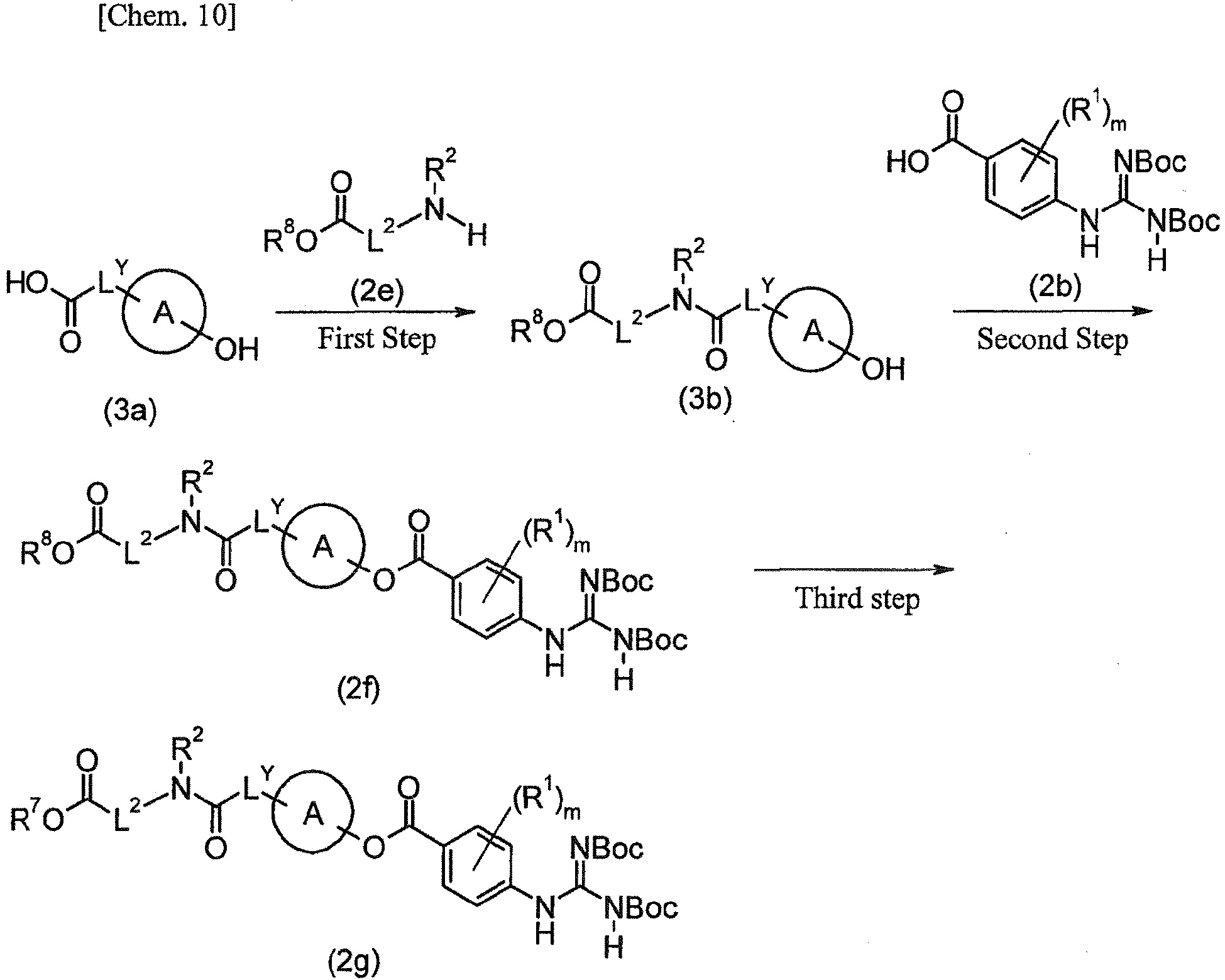
- The present production process is a method for preparing a compound 2g in which L1 is - C(O)-lower alkylene-, -C(O)-lower alkylene-N(R6)-, -C(O)-, -C(O)-N(R6)- or -C(O)-lower alkylene-C(O)-N(R6)-, among the starting compounds 1 of the production process 1.
- The present step is a step of obtaining a compound 3b by the amidation of the compound 3a with a predetermined amine compound 2e.
- For the amidation, the method of the first step in the starting material synthesis 1 can be used.
- The present step is a step of obtaining a compound 2f by the condensation reaction of the compound 3b with the compound 2b prepared by the method described in Tetrahedron Letters, 1993, Vol. 34, No. 21, p. 3389-3392, or a method equivalent thereto.
- For the condensation reaction, the method of the first step in the starting material synthesis 1 can be used.
- The present step is a step of obtaining the compound 2g from the compound 2f by deprotecting a benzyl group or a benzyloxymethyl group, in addition to the above step, in a case where R8 is the benzyl group or the benzyloxymethyl group.
- For the deprotection, the method of the second step in the starting material synthesis 1 can be used.
-

- The present production process is a method for preparing a compound 4d in which L1 is - C(O)-N(R6)-, among the starting compounds 1 of the production process 1.
- The present step is a step of obtaining a compound 4b by the condensation reaction of the compound 4a with the compound 2b prepared by the method described in Tetrahedron Letters, 1993, Vol. 34, No. 21, p. 3389-3392, or a method equivalent thereto.
- For the condensation reaction, the method of the first step in the starting material synthesis 1 can be used.
- The present step is a method for preparing a compound 4c by forming an isocyanate compound by the condensation reaction of a predetermined amine compound 2e with triphosgene, and subsequently the condensation of the compound with the compound 4b.
- The reaction is carried out by using a predetermined amine compound 2e and triphosgene in equivalent amounts, or either thereof in an excess amount, and stirring a mixture thereof in a solvent which is inert to the reaction, in a range of from cooling to heating and refluxing, and preferably from at -20°C to at room temperature, usually for 0.1 hours to 5 days, in the presence of a base. Examples of the solvent used herein are not particularly limited, but include halogenated hydrocarbons such as dichloromethane, 1,2-dichloroethane, chloroform and the like. In addition, it is preferable in some cases for the progress of the reaction to use an organic base such as triethylamine, pyridine and the like as a base.
- Next, the compound 4b in an equivalent amount or an excess amount is added to the isocyanate compound, and the mixture is stirred in a solvent which is inert to the reaction, in a range of from cooling to heating and refluxing, and preferably at room temperature, usually for 0.1 hours to 5 days, in the presence of a base. Examples of the solvent used herein are not particularly limited, but include halogenated hydrocarbons such as dichloromethane, 1,2-dichloroethane, chloroform and the like. In addition, it is preferable in some cases for the progress of the reaction to use an organic base such as triethylamine, pyridine as a base and the like.
- The present step is a step of obtaining a compound 4d from the compound 4c by deprotecting a benzyl group or a benzyloxymethyl group, in addition to the above step, in a case where R8 is the benzyl group or the benzyloxymethyl group.
- For the deprotection, the method of the second step in the starting material synthesis 1 can be used.
-

- The present production process is a method for preparing a compound 5e in which L1 is - lower alkylene-C(O)-N(R6)-, among the starting compounds 1 of the production process 1.
- The present step is a step of obtaining a compound 5b by the amidation of the compound 4a with a predetermined acyl compound 5a.
- The reaction is carried out by using the compound 4a and a predetermined acyl compound 5a in equivalent amounts, or either thereof in an excess amount, and stirring a mixture thereof in a solvent which is inert to the reaction, in a range of from cooling to heating and refluxing, and preferably from at -20°C to 60°C, usually for 0.1 hours to 5 days, in the presence of a base. Examples of the solvent used herein are not particularly limited, but include halogenated hydrocarbons such as dichloromethane, 1,2-dichloroethane, chloroform and the like. In addition, it is preferable in some cases for the progress of the reaction to use an organic base such as triethylamine, pyridine and the like as a base.
- The present step is a step of obtaining a compound 5c by alkylation of the compound 5b with a predetermined amine compound 2e.
- The reaction is carried out by using the compound 5b and a predetermined amine compound 2e in equivalent amounts, or either thereof in an excess amount, and stirring a mixture thereof in a solvent which is inert to the reaction, in a range of from cooling to heating and refluxing, and preferably from at room temperature to 100°C, usually for 0.1 hours to 5 days, in the presence of a base. Examples of the solvent used herein are not particularly limited, but include aromatic hydrocarbons such as benzene, toluene, xylene and the like, halogenated hydrocarbons such as dichloromethane, 1,2-dichloroethane, chloroform and the like, ethers such as diethyl ether, tetrahydrofuran (THF), dioxane, dimethoxyethane and the like, N,N-dimethylformamide (DMF), dimethyl sulfoxide (DMSO), ethyl acetate, acetonitrile, or a mixture thereof. In addition, it is preferable in some cases for the progress of the reaction to use organic bases such as triethylamine, N,N-diisopropylethylamine, N-methylmorpholine, dimethylaminopyridine, pyridine and the like, or inorganic bases such as potassium carbonate, sodium carbonate, potassium hydroxide and the like. Furthermore, it is preferable in some cases for the progress of the reaction to use potassium iodide or the like as an additive.
- The present step is a step of obtaining a compound 5d by the condensation reaction of the compound 5c with the compound 2b prepared by the method described in Tetrahedron Letters, 1993, Vol. 34, No. 21, p. 3389-3392, or a method equivalent thereto.
- For the condensation reaction, the method of the first step in the starting material synthesis 1 can be used.
- The present step is a step of obtaining the compound 5e from the compound 5d by deprotecting a benzyl group or a benzyloxymethyl group, in addition to the above step, in a case where R8 is the benzyl group or the benzyloxymethyl group.
- For the deprotection, the method of the second step in the starting material synthesis 1 can be used.
-

- The present production process is a method for preparing a compound 6d in which L1 is - lower alkylene- or -lower allcylene-NR6-, among the starting compounds 1 of the production process 1.
- The present step is a step of obtaining a compound 6b by the reductive amination of the compound 6a with a predetermined amine compound 2e.
- The reaction is carried out by using the compound 6a and a predetermined amine compound 2e in equivalent amounts, or either thereof in an excess amount, and stirring a mixture thereof in a solvent which is inert to the reaction, in a range of from at -45°C to heating and refluxing, and preferably from 0°C to room temperature, usually for 0.1 hours to 5 days, in the presence of a reducing agent. Examples of the solvent used herein are not particularly limited, but include halogenated hydrocarbons such as dichloromethane, 1,2-dichloroethane, chloroform and the like, alcohols such as methanol, ethanol and the like, ethers such as diethyl ether, tetrahydrofuran, dioxane, dimethoxyethane and the like, and a mixture thereof. Examples of the reducing agent include sodium cyanoborohydride, sodium triacetoxyborohydride, sodium borohydride and the like. It is preferable in some cases to carry out the reaction in the presence of a dehydrating agent such as molecular sieves or an acid such as acetic acid, hydrochloric acid, a titanium (IV) isopropoxide complex and the like. Depending on the reaction, imine may be generated by the condensation of the compound 6a with the compound 2e, and isolated as a stable intermediate in some cases. In such a case, a compound 6b can be obtained by the reduction reaction of the imine intermediate. Further, instead of the treatment with the reducing agent, a reducing catalyst (for example, palladium on carbon, Raney nickel, and the like) can be used in the presence or absence of an acid such as acetic acid, hydrochloric acid and the like in a solvent such as methanol, ethanol, ethyl acetate and the like to carry out the reaction. In this case, it is preferable to carry out the reaction under a hydrogen atmosphere from normal pressure to 50 atm in a range of from cooling to heating.
- "Comprehensive Organic Functional Group Transformations II", A. R. Katritzky and R. J. K. Taylor, Vol. 2, Elsevier Pergamon, 2005
- "Courses in Experimental Chemistry (th Ed.)", edited by The Chemical Society of Japan, Vol. 14 (2005) (Maruzen)
- The present step is a step of obtaining a compound 6c by the condensation reaction of the compound 6b with the compound 2b prepared by the method described in Tetrahedron Letters, 1993, Vol. 34, No. 21, p. 3389-3392, or a method equivalent thereto.
- For the condensation reaction, the method of the first step in the starting material synthesis 1 can be used.
- The present step is a step of obtaining a compound 6d from the compound 6c by deprotecting a benzyl group or a benzyloxymethyl group, in addition to the above step, in a case where R8 is the benzyl group or the benzyloxymethyl group.
- For the deprotection, the method of the second step in the starting material synthesis 1 can be used.
- The compounds of the formula (I) can be isolated and purified as their free compounds, salts, hydrates, solvates, or polymorphic crystalline substances thereof. The salts of the compound of the formula (I) can be prepared by carrying out the treatment of a conventional salt forming reaction.
- Isolation and purification are carried out by employing ordinary chemical operations such as extraction, fractional crystallization, various types of fractional chromatography, and the like.
- Various isomers can be prepared by selecting an appropriate starting compound or separated by using the difference in the physicochemical properties between the isomers. For example, the optical isomers can be obtained by means of a general method for designing optical resolution of racemic products (for example, fractional crystallization for inducing diastereomer salts with optically active bases or acids, chromatography using a chiral column or the like, and others), and further, the isomers can also be prepared from an appropriate optically active starting compound.
- The pharmacological activity of the compound of the formula (I) was confirmed by the tests shown below.
- In the experiment, human recombinant trypsin (r-h trypsin; manufactured by WAKE, cat. # 206-17171) and mouse trypsin (m-trypsin; purified from the mouse small intestine contents by the present Company) were used.
- The method to extract the trypsin from the mouse small intestine is shown below.
- The small intestine contents and the gastrointestinal tract of 10 mice were suspended in PBS using Polytron and subjected to centrifugation at 15,000xg several times. The supernatant was mixed at 4°C for 16 hours with a Benzamidine Sepharose 4 Fast Flow Resin (GE Healthcare: #17-5123-10). After washing the resin with PBS, m-trypsin was eluted with a glycine elution buffer (pH 3.0). It was confirmed by Western blot analysis that the purified fraction was recognized as Anti-mouse Trypsin Antibody (Santa Cruz Biotechnology, Inc.: sc-67388)).
- The outline of the measurement method is shown below.
- The compound was dissolved in dimethyl sulfoxide (DMSO), and diluted to an arbitrary concentration (A). A was 100-fold diluted with a buffer (0.1 M Tris (pH 8.0), 0.15 M NaCl, 10 mM CaCl2, 0.05% Brij38) (B). The r-h trypsin was diluted with a buffer to 0.088 µg/mL, and the m-trypsin was diluted with a buffer to 1/50 (C). The dilution ratio of the m-trypsin (1/50) was set to exhibit the same activity as the 0.088 µg/mL r-h trypsin as determined by kinetic analysis. The substrate solution of a substrate for the enzyme reaction, BZiPAR, (Rhodamine Reference Substrate) was diluted with a buffer to 5 µmol/L (D). B; 5 µL, C; 5 µL, and D; 10 µL were added to a 384-plate, and incubated at room temperature for 30 minutes. The fluorescent signals were detected with Ex/Em = 497/520 using Tecan Safire Fluorometer. The compound was reviewed from 2500 nM to its 3-fold value, 0.0075 nM, at 12 concentrations, and the inhibitory rate of each compound was calculated by assuming the inhibition without addition of the compound (DMSO alone) in the presence of an enzyme as 0% inhibition, and assuming the inhibition without addition of the compound in the absence of an enzyme as 100°lo inhibition. Based on the obtained inhibitory rates, IC5o values (nM) were calculated from the non-linear regression. The test was carried out in the same manner, using camostat as a control compound.
- The IC50 values (nM) of several representative compounds are shown in Table 1. Ex in the table represents the Example No. as denoted below.
[Table 1] Ex r-h Trypsin Mouse trypsin Ex r-h Trypsin Mouse trypsin 1 0.17 0.19 52 0.30 0.39 2 0.92 0.49 53 0.45 0.35 11 0.76 0.45 54 0.42 0.38 13 0.91 0.84 56 0.88 0.64 14 0.23 0.22 58 0.73 0.68 15 0.2 0.19 59 0.27 0.31 16 0.23 0.26 60 0.21 0.21 17 0.43 0.27 61 0.23 0.14 20 0.90 0.54 62 0.29 0.17 21 0.26 0.17 63 0.43 0.41 22 0.29 0.20 64 0.37 0.70 23 0.34 0.28 65 0.40 0.45 24 0.21 0.17 66 0.35 0.45 25 0.29 0.25 71 0.18 0.23 26 0.29 0.18 78 0.49 0.39 27 0.26 0.19 80 0.21 0.30 28 0.24 0.17 93 0.40 0.56 29 0.31 0.21 94 0.42 0.39 30 0.26 0.19 95 0.66 0.64 31 0.31 0.34 96 0.22 0.46 33 0.88 0.6 102 0.29 0.30 34 0.36 0.24 108 0.19 0.14 35 0.44 0.28 111 0.54 0.44 36 0.43 0.38 113 0.24 0.28 37 0.38 0.34 119 8.6 7.5 40 0.50 0.45 131 0.51 0.40 41 0.32 0.31 camostat 4.6 1.6 45 0.57 0.66 51 0.46 0.47 - Some representative compounds exhibited good trypsin inhibitory actions, as compared to camostat which is the control compound.
- For the experiment, 6-weeks old ICR mice (male) were used, and the experiment was carried out in five per group. After fasting the mice for 15 hours, the control group was forcibly orally administered with a 0.5% methyl cellulose (MC) solution, and the test drug group was forcibly orally administered (5 mg/kg) with a solution or suspension obtained by dissolving or suspending the compound in the 0.5% MC solution. The fasting was stopped immediately thereafter, free feeding (CE-2) started and then the feces were collected from after 3 hours to after 9 hours. All of the obtained feces were dissolved and suspended in 6 mL of distilled water, and centrifuged for 10 minutes at 3000 rpm. The protein concentration in the supernatant was measured by a Bradford method, and the amount of the protein in 1 g of feces was calculated by dividing the protein concentration in the feces by the total weight of feces. Further, the efficacy was investigated from the ratio to the control. For the compounds that were evaluated multiple times, the average values were calculated.
- For some representative compounds, the protein increasing activities in feces are shown in Table 2, assuming a value for the control as 1. Ex in the table represents the Example No. as denoted below of the test compound.
[Table 2] Ex fold vs control 13 1.85 15 1.67 16 1.70 36 1.92 41 1.77 45 1.65 52 1.82 53 1.79 56 2.02 58 1.79 59 2.17 60 2.27 61 1.67 63 1.84 64 1.98 78 1.67 80 1.89 95 1.88 96 2.02 102 2.31 108 1.85 111 2.01 113 1.93 119 1.39 - Some representative compounds have shown that the dietary protein is discharged as undigested by the trypsin activity inhibitory action, and thus, the protein uptake in the biological body is suppressed well.
- For the experiment, BALB/mice (female) were used. At a time when they were 6-weeks old, DXR was injected via the caudal vein to induce nephropathy. The test compound was orally administered once a day immediately after administration of DXR. The amounts to be administered were set to three doses, 3,10, and 30 mg/kg, and for the control group, a vehicle was administered at the same doses. At 1, 2, 3, and 4 weeks after the start of administration of a drug, urine collection on each was carried out and the amount of protein excreted in urine was measured. Further, after the end of urine collection at week 4, blood sampling was performed, and the amount of creatinine in plasma and the amount of urea nitrogen (BUN) were measured.
- As a result of the test above, it was confirmed that certain compounds of the present invention significantly reduced the amount of protein excreted in urine, as compared to the control group. In addition, it was confirmed that an increase in the amount of creatinine in plasma was not recognized, and the amount of BUN was significantly reduced, as compared to the control group.
- From the results of the present test, it was confirmed that the compound favorably suppressed the symptoms of reduced renal function, such as increased amount of protein excreted in urine, and suppressed the deterioration of the disease state.
- Uninephrectomy was performed in the left kidney of 10-weeks old Wistar rats (male), and at one week thereafter, DXR (5 mg/kg) was administered via the caudal vein to prepare a model. A test compound was suspended in 0.5% methylcellulose (MC) immediately after the preparation of the model, and was forcibly orally administered twice daily at each of doses of 3, 10, and 30 mg/kg. 0.5% MC was forcibly orally administered to each of a sham group and a control group. At 1, 2, 3, and 4 weeks after the start of administration of a test drug, 24-hour urine collection was performed, and the amount of the excreted protein in urine was measured. Blood sampling was performed after the end of the urine collection at week 4, the concentration of creatinine in plasma was measured, and the effect on the renal function was also confirmed.
- As a result of the test above, certain compounds of the present invention significantly suppressed the amount of protein excreted in urine in a dose-dependent manner, as compared with the control group, and suppressed by about 45% at a maximal degree. Further, the present compound significantly suppressed the increase of creatinine in plasma in a dose-dependent manner, and suppressed by about 70% at a maximal degree.
- From the results of the present test, it was confirmed that the compounds suppressed the increase in the amount of protein excreted study in urine, and suppressed the increase of creatinine in plasma, and thus, the progression of the disease state was suppressed.
- As seen in the test above, it was confirmed that some representative compounds of the present invention have a good inhibitory activity of trypsin and an inhibitory effects for protein absorption by an amount of protein for suppression discharged into the feces, an effects of lowering the protein excretion in urine in a model with renal function suppression, an action of lowering the amount of BUN, and an effects of inhibiting the increase in creatinine in plasma. Therefore, the compounds of the formula (I) can be used as an agent for preventing and/or treating trypsin-related diseases as well as an an agent for preventing and/or treating renal diseases, specifically, chronic kidney disease, diabetic nephropathy, chronic nephritis, nephrosis, gout kidney, and the like as an agent which will substitute low protein diet.
- A pharmaceutical composition containing one or two or more kinds of the compound of the formula (I) or a salt thereof as an active ingredient can be prepared using excipients that are usually used in the art, that is, excipients for pharmaceutical preparations, carriers for pharmaceutical preparations, and the like according to the methods usually used.
- Administration can be accomplished either by oral administration via tablets, pills, capsules, granules, powders, solutions, and the like, or parenteral administration, such as injections such as intraarticular, intravenous, and intramuscular injections, suppositories, ophthalmic solutions, eye ointments, transdermal liquid preparations, ointments, transdermal patches, transmucosal liquid preparations, transmucosal patches, inhalers, and the like.
- The solid composition for use in the oral administration is used in the form of tablets, powders, granules, or the like. In such a solid composition, one or more active ingredient(s) are mixed with at least one inactive excipient. In a conventional method, the composition may contain inactive additives, such as a lubricant, a disintegrating agent, a stabilizer, or a solubilization assisting agent. If necessary, tablets or pills may be coated with sugar or a film of a gastric or enteric coating substance.
- The liquid composition for oral administration contains pharmaceutically acceptable emulsions, solutions, suspensions, syrups, elixirs, or the like, and also contains generally used inert diluents, for example, purified water or ethanol. In addition to the inert diluent, the liquid composition may also contain auxiliary agents, such as a solubilization assisting agent, a moistening agent, and a suspending agent, sweeteners, flavors, aromatics, or antiseptics.
- The injections for parenteral administration include sterile aqueous or non-aqueous solutions, suspensions and emulsions. The aqueous solvent includes, for example, distilled water for injection and physiological saline. Examples of the non-aqueous solvent include alcohols such as ethanol. Such a composition may further contain a tonicity agent, an antiseptic, a moistening agent, an emulsifying agent, a dispersing agent, a stabilizer, or a solubilizing assisting agent. These are sterilized, for example, by filtration through a bacteria retaining filter, by a bactericide being blended in, or irradiation. In addition, these can also be used by preparing a sterile solid composition, and dissolving or suspending in sterile water or a sterile solvent for injection prior to its use.
- The agent for external use includes ointments, plasters, creams, jellies, poultices, sprays, lotions, eye drops, eye ointments, and the like. The agents contain generally used ointment bases, lotion bases, aqueous or non-aqueous liquid preparations, suspensions, emulsions, and the like.
- As the transmucosal agents such as an inhaler, a transnasal agent, and the like, those in the form of a solid, liquid, or semi-solid state are used, and can be prepared in accordance with a conventionally known method. For example, a known excipient, and also a pH adjusting agent, an antiseptic, a surfactant, a lubricant, a stabilizer, a thickening agent, or the like may be appropriately added thereto. For their administration, an appropriate device for inhalation or blowing can be used. For example, a compound may be administered alone or as a powder of formulated mixture, or as a solution or suspension in combination with a pharmaceutically acceptable carrier, using a known device or sprayer, such as a measured administration inhalation device, and the like. A dry powder inhaler or the like may be for single or multiple administration use, and a dry powder or a powder-containing capsule may be used. Alternatively, this may be in a form such as a pressurized aerosol spray which uses an appropriate ejection agent, for example, a suitable gas such as chlorofluoroalkane, carbon dioxide, and the like.
- In oral administration, the daily dose is appropriately from about 0.001 to 100 mg/kg, preferably from 0.1 to 30 mg/kg, and more preferably 0.1 to 10 mg/kg, per body weight, administered in one portion or in 2 to 4 separate portions. In the case of intravenous administration, the daily dose is suitably administered from about 0.0001 to 10 mg/kg per body weight, once a day or two or more times a day. In addition, a transmucosal agent is administered at a dose from about 0.001 to 100 mg/kg per body weight, once a day or two or more times a day. The dose is appropriately decided in response to the individual case by taking the symptoms, the age, and the gender, and the like into consideration.
- Although varying depending on administration routes, dosage forms, administration sites, or the types of excipients and additives, the pharmaceutical composition of the present invention contains 0.01 to 100% by weight, and in a certain embodiment, 0.01 to 50% by weight of one or more kinds of the compound of the formula (I) or a salt thereof, which is an active ingredient.
- The compound of the formula (I) can be used in combination with various agents for treating or preventing the diseases for which the compound of the formula (I) is considered to be effective, as described above. The combined preparation may be administered simultaneously, or separately and continuously, or at a desired time interval. The preparations to be administered simultaneously may be a blend, or may be prepared individually.
- Hereinbelow, the preparation methods for the compound of the formula (I) or a salt thereof will be described in more detail with reference to Examples, but the present invention is not limited to the compounds described in the Examples as described below. Furthermore, the production processes for the starting compounds will be described in Preparation Examples. Further, the preparation methods for the compound of the formula (I) are not limited to the preparation methods of the specific Examples as below, but the compound of the formula (I) can be prepared by any combination of the preparation methods or the methods that are apparent to a person skilled in the art.
- Furthermore, the following abbreviations may be used in some cases in the Examples, Preparation Examples, and Tables below.
- PEx: Preparation Example No. (the compounds in which "*" is attached in the tables denotes that the compounds are optically active forms), Ex: Example No. (also, the compounds in which "*" is attached in the tables denote that the compounds are optically active forms), PSyn: Preparation Example No. prepared by the same method, Syn: Example No. prepared by the same method, No: Compound No., Str: Structural formula, (Me: methyl, iPr: isopropyl, iBu: isobutyl, tBu: tert-butyl, Ph: phenyl, Boc: tert-butoxycarbonyl, Bn: benzyl, TBS: tert-butyldimethylsilyl), Data: Physicochemical Data, ESI+: m/z values in mass spectroscopy (Ionization ESI, representing (M+H)+ unless otherwise specified), ESI-: m/z values in mass spectroscopy (Ionization ESI, representing (M-H)- unless otherwise specified), APCI+: m/z values (atmospheric pressure chemical ionization APCI, representing (M+H)+ unless otherwise specified), APCI-: m/z values (atmospheric pressure chemical ionization APCI, representing (M-H)- unless otherwise specified), APCI/ESI+: APCI/ESI-MS[M+H]+ (APCI/ESI means the simultaneous measurement of APCI and ESI), APCI/ESI-: APCI/ESI-MS[M-H]- (APCI/ESI means the simultaneous measurement of APCI and ESI), EI: EI[M]+, CI: CI[M]+, NMR1: δ (ppm) in 1H NMR in DMSO-d6, NMR2: δ (ppm) in 1H NMR in CDCl3, mp: melting point (°C), in which the melting point was measured by a method described for thermal analysis measurement. "M" in Preparation Examples and Examples: mol/L, RT: showing a retention time in supercritical chromatography or liquid chromatography, in a unit of minutes (min).
- Further, in the structural formulae, HCl represents hydrochloride, TFA represents trifluoroacetate, MsOH represents mesylate, and the numeral before HCl represents a molar ratio. For example, 2HCl means dihydrochloride.
- In the structural formula, a compound having double bonds crossing (for example, PEx. 107) represents a mixture of an E-isomer and a Z-isomer.
- (Differential Scanning Calorimetry (DSC Analysis)) The DSC analysis was carried out using Q2000 and Q 1000, each manufactured by TA Instruments. Approximately 2 mg of a sample was charged in an exclusively-used aluminum-made sample pan, and the change in heat amount generated between the sample and a reference (an empty aluminum-made sample pan), with a measurement range from room temperature to 300°C under a nitrogen atmosphere (50 mL/min) and a temperature elevating rate of 10°C/min was continuously measured and recorded. Furthermore, the devices including data processing were handled in accordance to the methods and procedures as instructed for each device.
- In addition, the term "around" as used in the values of the endothermic onset temperature in DSC largely means the values of the temperature of the endothermic onset (extrapolation initiation), and preferably means that the values be not more or less than the values by 2°C (±2°C), and more preferably means that the values be not more or less than the values by 1°C (±1°C).
- To a solution of 4-(4-hydroxyphenyl)butanoic acid (2.00 g) in N,N-dimethylformamide (28.0 mL) were added potassium carbonate (1.61 g) and benzyl bromide (1.46 mL), followed by stirring at room temperature overnight. The reaction suspension was concentrated under reduced pressure, and then to the residue was added water, followed by extraction with ethyl acetate. The organic layer was washed with water and a saturated aqueous sodium chloride solution, then dried over anhydrous sodium sulfate, and concentrated under reduced pressure. The residue was purified by silica gel column chromatography (hexane-ethyl acetate) to obtain benzyl 4-(4-hydroxyphenyl)butanoate (2.64 g).
- To a solution of 4-[N',N"-bis(tert-butoxycarbonyl)carbamimidamido]benzoic acid (2.96 g) in dichloromethane (20.0 mL) were added 1-[3-(dimethylamino)propyl]-3-ethylcarbodiimide hydrochloride (1.80 g), benzyl 4-(4-hydroxyphenyl)butanoate (2.00 g), and N,N-dimethyl-4-aminopyridine (286 mg), followed by stirring at room temperature overnight. To a reaction solution was added 1 M hydrochloric acid, followed by concentrating under reduced pressure. The residue was purified by silica gel column chromatography (hexane-ethyl acetate) to obtain 4-[4-(benzyloxy)-4-oxobutyl]phenyl 4-[N',N"-bis(tert-butoxycarbonyl)carbamimidamido]benzoate (3.98 g).
- To a solution of 4-[4-(benzyloxy)-4-oxobutyl]phenyl 4-[N',N"-bis(tert-butoxycarbonyl)carbamimidamido]benzoate (3.98 g) in tetrahydrofuran (40.0 mL) was added 10% palladium-carbon (398 mg), followed by stirring at room temperature for 3 hours under a hydrogen pressure of 3 atm. The reaction suspension was filtered through Celite, and then the filtrate was concentrated under reduced pressure to obtain 4-[4-({4-[N',N"-bis(tert-butoxycarbonyl)carbamimidamido]benzoyl}oxy)phenyl]butanoic acid (3.30 g).
- To a solution of 4-[4-({4-[N',N"-bis(tert-butoxycarbonyl)carbamimidamido]benzoyl}oxy)phenyl]butanoic acid (250 mg) in N,N-dimethylformamide (5.00 mL) were added tert-butyl O-tert-butyl-L-tyrosinate hydrochloride (152 mg), 1-[3-(dimethylamino)propyl]-3-ethylcarbodiimide hydrochloride (88.5 mg), IH-benzotriazol-1-ol (62.4 mg), and triethylamine (0.0643 mL), followed by stirring at room temperature overnight. To a reaction solution was added water, followed by extraction with ethyl acetate. The organic layer was washed with water and a saturated aqueous sodium chloride solution in this order, then dried over anhydrous sodium sulfate, and concentrated under reduced pressure. The residue was purified by silica gel column chromatography (hexane-ethyl acetate) to obtain tert-butyl N-{4-[4-({4-[N',N"-bis(tert-butoxycarbonyl)carbamimidamido]benzoyl}oxy)phenyl]butanoyl}-O-tert-butyl-L-tyrosinate (327 mg).
- To a solution of benzyl (2-bromo-4-hydroxyphenyl)acetate (400 mg) in dimethoxyethane (4.00 mL) and water (1.20 mL) were added phenyl boronic acid (182 mg), sodium carbonate (396 mg), and 1,1'-bis(diphenylphosphino) ferrocene palladium (II) dichloride dichloromethane complex (50.9 mg), followed by stirring at 80°C overnight. To the reaction mixture was added water, followed by extraction with ethyl acetate. The organic layer was washed with water and a saturated aqueous sodium chloride solution in this order, then dried over anhydrous sodium sulfate, and concentrated under reduced pressure. The residue was purified by silica gel column chromatography (hexane-ethyl acetate) to obtain benzyl (5-hydroxybiphenyl-2-yl)acetate (344 mg).
- To a solution of 4-methoxy-2-(trifluoromethyl)phenylacetic acid (500 mg) in acetic acid (5.00 mL) was added a 48% aqueous hydrobromic acid solution (5.00 mL), followed by stirring at 145°C overnight. The reaction suspension was concentrated under reduced pressure, to the residue was then added water, and the resulting solid was collected by filtration to obtain 4-hydroxy-2-(trifluoromethyl)phenylacetic acid (300 mg).
- To a solution of benzyl (2-bromo-4-hydroxyphenyl)acetate (2.00 g) in dichloromethane (30.0 mL) were added tert-butyl (chloro)dimethylsilane (1.13 g) and N,N-dimethyl-4-aminopyridine (913 mg) under ice-cooling, followed by stirring for 2 hours under ice-cooling. The reaction mixture was diluted with water, followed by extraction with ethyl acetate. The organic layer was dried over anhydrous sodium sulfate and concentrated under reduced pressure. The residue was purified by silica gel column chromatography (hexane-ethyl acetate) to obtain benzyl (2-bromo-4-{[tert-butyl(dimethyl)silyl]oxy}phenyl)acetate (2.63 g).
- To a solution of benzyl (2-bromo-4-{[tert-butyl(dimethyl)silyl]oxy}phenyl)acetate (250 mg) in toluene (5.00 mL) were added water (0.250 mL), potassium phosphate (366 mg), tricyclohexylphosphine (64.4 mg), palladium (II) acetate (25.8 mg), and cyclopropylboronic acid (98.6 mg), followed by stirring at 110°C overnight. To the reaction mixture was added water, followed by extraction with ethyl acetate. The organic layer was washed with water and a saturated aqueous sodium chloride solution in this order, then dried over anhydrous sodium sulfate, and concentrated under reduced pressure. The residue was purified by silica gel column chromatography (hexane-ethyl acetate) to obtain benzyl (4-{[tert-butyl(dimethyl)silyl]oxy}-2-cyclopropylphenyl)acetate (210 mg).
- To a solution of benzyl (4-{[tert-butyl(dimethyl}silyl]oxy}-2-cyclopropylphenyl)acetate (586 mg) in tetrahydrofuran (6.89 mL) was added a 1 M solution of tetra-n-butylammonium fluoride in tetrahydrofuran (2.23 mL) under ice-cooling, followed by stirring at room temperature overnight. To a reaction solution was added water, followed by extraction with ethyl acetate. The organic layer was washed with water and a saturated aqueous sodium chloride solution in this order, then dried over anhydrous sodium sulfate, and concentrated under reduced pressure. The residue was purified by silica gel column chromatography (hexane-ethyl acetate) to obtain benzyl (2-cyclopropyl-4-hydroxyphenyl)acetate (398 mg).
- To a solution of 4-[2-(benzyloxy)-2-oxoethyl]-2-chlorophenyl 4-[N',N"-bis(tert-butoxycarbonyl)carbamimidamido]benzoate (1.98 g) in tetrahydrofuran (27.1 mL) was added 10% palladium-carbon (196 mg), followed by stirring at room temperature for 1 hour at normal pressure under a hydrogen atmosphere. The reaction suspension was filtered through Celite, and then the filtrate was concentrated under reduced pressure to obtain [4-({4-[N',N"-bis(tert-butoxycarbonyl)carbamimidamido]benzoyl}oxy)-3-chlorophenyl]acetic acid (1.78 g).
- To a mixture of 1,3-dichloro-5-methoxybenzene (10.0 g), paraformaldehyde (2.21 g), and concentrated hydrochloric acid (100 mL) was added concentrated sulfuric acid (1.00 mL) at room temperature. After heating and refluxing at 100°C for 8 hours, and leaving to be cooled to room temperature, water was added thereto, followed by extraction with ethyl acetate. The organic layer was washed with water, a saturated aqueous sodium hydrogen carbonate solution, and a saturated aqueous sodium chloride solution, then dried over anhydrous magnesium sulfate, and concentrated under reduced pressure. To the residue were added dioxane (56.0 mL) and a 1 M aqueous sodium hydroxide solution (113 mL), followed by heating and refluxing at 100°C for 3 hours. The reaction solution was left to be cooled, and then water was added thereto, followed by extraction with chloroform. The organic layer was washed with a saturated aqueous sodium chloride solution, dried over anhydrous magnesium sulfate, and then concentrated under reduced pressure. The residue was purified by silica gel column chromatography (hexane-ethyl acetate) to obtain (2,6-dichloro-4-methoxyphenyl)methanol (4.67 g).
- To a solution of (2,6-dichloro-4-methoxyphenyl)methanol (4.66 g) in tetrahydrofuran (50.0 mL) was added phosphorus tribromide (0.846 mL) under ice-cooling, followed by stirring for 1 hour under ice-cooling. To the reaction suspension was added a saturated aqueous sodium hydrogen carbonate solution, followed by extraction with ethyl acetate. The organic layer was washed with water and a saturated aqueous sodium chloride solution, and then dried over anhydrous sodium sulfate. The solvent was concentrated under reduced pressure to obtain 2-(bromomethyl)-1,3-dichloro-5-methoxybenzene (5.45 g).
- To a solution of 1,2-dichloro-3-methoxybenzene (5.00 g) in acetic acid (14.0 mL) were added paraformaldehyde (1.00 g) and a 25% solution of hydrobromic acid in acetic acid (8.00 mL), followed by stirring at 90°C for 5 hours. The reaction mixture was left to be cooled to room temperature, ice water was added to the mixture, and the resulting solid was collected by filtration. The obtained solid was recrystallized from hexane to obtain 1-(bromomethyl)-2,3-dichloro-4-methoxybenzene (3.90 g).
- To a mixture of 1-(bromomethyl)-2,3-dichloro-4-methoxybenzene (1.00 g), water (3.00 mL), methanol (6.00 mL), and dimethyl sulfoxide (2.00 mL) was added sodium cyanide (246 mg) at room temperature, followed by stirring at 40°C for 5 hours. The reaction mixture was concentrated under reduced pressure, and then water was added thereto. The resulting solid was collected by filtration to obtain (2,3-dichloro-4-methoxyphenyl)acetonitrile (776 mg).
- (2,3-Dichloro-4-methoxyphenyl)acetonitrile (770 mg) was dissolved in a 50% aqueous acetic acid solution (8.00 mL), and then concentrated sulfuric acid (4.00 mL) was added thereto, followed by stirring at 110°C overnight. The reaction mixture was cooled to room temperature, then ice water was added to the mixture, and the resulting solid was collected by filtration and washed with water to obtain (2,3-dichloro-4-methoxyphenyl)acetic acid (737 mg).
- To a solution of N-[(benzyloxy)carbonyl]-4-(tert-butoxycarbonyl)-L-phenylalanine (500 mg) in tetrahydrofuran (4.00 mL) and tert-butyl alcohol (4.00 mL) were added di-tert-butyl dicarbonate (656 mg) and N,N-dimethyl-4-aminopyridine (30.6 mg), followed by stirring at room temperature overnight. To a reaction solution was added water, followed by extraction with ethyl acetate. The organic layer was washed with water, a saturated aqueous sodium hydrogen carbonate solution, and a saturated aqueous sodium chloride solution in this order, then dried over anhydrous sodium sulfate, and concentrated under reduced pressure to obtain tert-butyl N-[(benzyloxy)carbonyl]-4-(tert-butoxycarbonyl)-L-phenylalaninate (641 mg).
- To a solution of tert-butyl N-[(benzyloxy)carbonyl]-4-(tert-butoxycarbonyl)-L-phenylalaninate (570 mg) in ethanol (3.00 mL) and tetrahydrofuran (3.00 mL) was added 10% palladium-carbon (138 mg) under an argon atmosphere, and then followed by stirring at room temperature overnight under a hydrogen atmosphere. The reaction suspension was filtered through Celite, and the filtrate was concentrated under reduced pressure to obtain tert-butyl 4-(tert-butoxycarbonyl)-L-phenylalaninate (431 mg).
- Under an argon atmosphere, to a suspension of 4-(2-{[(benzyloxy)carbonyl]amino}ethyl)benzoic acid (469 mg) in toluene (10.0 mL) was added 1,1-di-tert-butoxy-N,N-dimethylmethaneamine (1.50 mL) at 80°C, followed by stirring at 80°C for 30 minutes. After cooling to room temperature, the reaction solution was concentrated under reduced pressure. The residue was purified by silica gel column chromatography (hexane-ethyl acetate) to obtain tert-butyl 4-(2-{[(benzyloxy)carbonyl]amino}ethyl)benzoate (439 mg).
- To a solution of tert-butyl 4-(2-{[(benzyloxy)carbonyl]amino}ethyl)benzoate (515 mg) in N,N-dimethylformamide (10.0 mL) was added 55% sodium hydride (65.0 mg) under ice-cooling, followed by stirring for 30 minutes under ice-cooling. Under ice-cooling, tert-butyl bromoacetate (0.300 mL) was added thereto, followed by stirring at room temperature overnight. To the reaction mixture was added a saturated aqueous ammonium chloride solution under ice-cooling, followed by extraction with ethyl acetate. The organic layer was washed with water and then dried over anhydrous magnesium sulfate. The solvent was concentrated under reduced pressure, and then the residue was purified by silica gel column chromatography (hexane-ethyl acetate) to obtain tert-butyl 4-(2-{[(benzyloxy)carbonyl](2-tert-butoxy-2-oxoethyl)amino}ethyl)benzoate (473 mg).
- To a solution of benzyl (2-bromo-4-hydroxyphenyl)acetate (500 mg) in N,N-dimethylformamide (12.5 mL) was added cuprous chloride (1.62 g), followed by stirring at 140°C overnight. The reaction mixture was left to be cooled, and then ice water and 1 M hydrochloric acid was added thereto, followed by stirring. After extraction with ethyl acetate, the organic layer was washed with water, a saturated aqueous sodium hydrogen carbonate solution, and a saturated aqueous sodium chloride solution, dried over anhydrous sodium sulfate, and concentrated under reduced pressure. Then, the residue was purified by silica gel column chromatography (hexane-ethyl acetate) to obtain benzyl (2-chloro-4-hydroxyphenyl)acetate (381 mg).
- To benzyl N-(tert-butoxycarbonyl)-3-fluoro-L-phenylalaninate (659 mg) was added a 4 M solution of hydrogen chloride in dioxane (8.82 mL), followed by stirring at room temperature overnight. The reaction mixture was concentrated under reduced pressure to obtain benzyl 3-fluoro-L-phenylalaninate hydrochloride (505 mg).
- To a solution of benzyl N-{[4-({4-[N',N"-bis(tert-butoxycarbonyl)carbamimidamido]benzoyl}oxy)-2-chlorophenyl]acetyl}-3-fluoro-L-phenylalaninate (260 mg) in tetrahydrofuran (4.00 mL) was added one drop of 1 M hydrochloric acid, and 10% palladium-carbon (20.5 mg) was added under an argon atmosphere, followed by stirring at room temperature for 1 hour at normal pressure under a hydrogen atmosphere. The reaction mixture was filtered through Celite, and the filtrate was concentrated under reduced pressure to obtain N-{[4-({4-[N',N"-bis(tert-butoxycarbonyl)carbamimidamido]benzoyl}]oxy)-2-chlorophenyl]acetyl}-3-fluoro-L-phenylalanine (187 mg).
- To a solution of tert-butyl L-phenylalaninate hydrochloride (800 mg) in dimethyl sulfoxide (3.20 mL) were added potassium carbonate (429 mg) and tert-butyl acrylate (0.901 mL), followed by stirring at 150°C for 1 hour under microwave. After cooling to room temperature, water was added thereto, followed by extraction with ethyl acetate. The organic layer was dried over anhydrous sodium sulfate and then concentrated under reduced pressure. The residue was purified by silica gel column chromatography (hexane-ethyl acetate) to obtain tert-butyl N-(3-tert-butoxy-3-oxopropyl)-L-phenylalaninate (266 mg).
- To a solution of tert-butyl L-phenylalaninate hydrochloride (456 mg) in acetonitrile (8.00 mL) were added potassium carbonate (510 mg) and tert-butyl 3-(bromomethyl)benzoate (400 mg), followed by stirring at room temperature overnight. To the reaction suspension was added water, followed by extraction with ethyl acetate. The organic layer was dried over anhydrous sodium sulfate and concentrated under reduced pressure. The residue was purified by silica gel column chromatography (hexane-ethyl acetate) to obtain tert-butyl N-[3-(tert-butoxycarbonyl)benzyl]-L-phenylalaninate (340 mg).
- To a solution of tert-butyl 3-(2-aminoethyl)benzoate (900 mg) in N,N-dimethylformamide (20.0 mL) were added potassium carbonate (600 mg) and tert-butyl bromoacetate (0.600 mL) under ice-cooling, followed by stirring at room temperature for 5 hours. To the reaction suspension was added water, followed by extraction with ethyl acetate. The organic layer was washed with water, dried over anhydrous magnesium sulfate, and concentrated under reduced pressure. The residue was purified by silica gel column chromatography (hexane-ethyl acetate) to obtain tert-butyl 3-{2-[(2-tert-butoxy-2-oxoethyl)amino]ethyl}benzoate (738 mg).
- To a solution of [4-({4-[N,N"-bis(tert-butoxycarbonyl)carbamimidamido]benzoyl}oxy)-2-chlorophenyl]acetic acid (300 mg) in N,N-dimethylformamide (4.00 mL) were added O-(7-azabenzotriazole-1-yl)-N,N,N',N'-tetramethyluronium hexafluorophosphate (207 mg), diisopropylethylamine (0.0950 mL), and tert-butyl N-(2-phenylethyl)glycinate (128 mg) under ice-cooling, followed by stirring at room temperature for 5 hours. To the reaction mixture was added water, followed by extraction with ethyl acetate. The organic layer was washed with water, dried over anhydrous magnesium sulfate, and concentrated under reduced pressure. The residue was purified by silica gel column chromatography (hexane-ethyl acetate) to obtain 4-{2-[(2-tert-butoxy-2-oxoethyl)(2-phenylethyl)amino]-2-oxoethyl}-3-chlorophenyl 4-[N',N"-bis(tert-butoxycarbonyl)carbamimidamido]benzoate (267 mg).
- N,N-Dimethylformamide (10.0 mL) was bubbled with argon, and then 4-bromo-3-chlorophenol (1.00 g), benzyl acrylate (1.00 mL), bis(dibenzylideneacetone)palladium (0) (85.0 mg), tris(2-methylphenyl)phosphine (150 mg), and triethylamine (0.700 mL) were added thereto, followed by stirring at 100°C overnight under an argon atmosphere. The reaction suspension was air-cooled to room temperature, and then water was added thereto, followed by extraction with ethyl acetate. The organic layer was washed with a saturated aqueous sodium chloride solution, dried over anhydrous magnesium sulfate, and then concentrated under reduced pressure. The residue was purified by silica gel column chromatography (hexane-ethyl acetate) to obtain benzyl (2E)-3-(2-chloro-4-hydroxyphenyl)acrylate (1.25 g).
- To a solution of tert-butyl 3-(chloromethyl)benzoate (25.3 g) in N,N-dimethylformamide (250 mL) were added tert-butyl glycinate hydrochloride (37.4 g) and potassium carbonate (61.7 g), followed by stirring at 60°C overnight. To the reaction suspension was added water, followed by extraction with ethyl acetate. The organic layer was washed with water and a saturated aqueous sodium chloride solution, then dried over anhydrous sodium sulfate, and concentrated under reduced pressure. The residue was purified by silica gel column chromatography (hexane-ethyl acetate) to obtain tert-butyl 3-{[(2-tert-butoxy-2-oxoethyl)amino]methyl}benzoate (23.0 g).
- To a solution of tert-butyl N-(3-nitrobenzyl)glycinate (3.39 g) in dichloromethane (20.0 mL) was added triethylamine (7.99 mL). Under ice-cooling, a solution of trifluoroacetic anhydride (2.70 mL) in dichloromethane (13.0 mL) was added thereto, followed by stirring at room temperature for 4 hours. Under ice-cooling, the mixture was diluted with water, followed by extraction with chloroform. The organic layer was washed with water and a saturated aqueous sodium chloride solution, dried over anhydrous magnesium sulfate, and then concentrated under reduced pressure. The residue was purified by silica gel column chromatography (hexane-ethyl acetate) to obtain tert-butyl N-(3-nitrobenzyl)-N-(trifluoroacetyl)glycinate (4.30 g).
- To a mixture of tert-butyl N-(3-nitrobenzyl)-N-(trifluoroacetyl)glycinate (4.30 g), iron (13.2 g), water (41.8 mL), and ethanol (83.5 mL) was added ammonium chloride (2.54 g) at room temperature, followed by heating and refluxing at 100°C for 1 hour. After leaving to be cooled, the reaction suspension was filtered through Celite and the filtrate was concentrated under reduced pressure. To the residue was added water, followed by extraction with ethyl acetate. The organic layer was dried over anhydrous magnesium sulfate and then concentrated under reduced pressure to obtain tert-butyl N-(3-aminobenzyl)-N-(trifiuoroacetyl)glycinate (3.76 g).
- To a solution of tert-butyl N-(3-aminobenzyl)-N-(trifluoroacetyl)glycinate (1.95 g) and triethylamine (0.981 mL) in dichloromethane (19.5 mL) was added a solution of tert-butyl (chlorosulfonyl)carbamate (1.52 g) in dichloromethane (10.0 mL) under ice-cooling, followed by stirring at room temperature for 3 hours. To the reaction mixture was added water, followed by extraction with ethyl acetate. The organic layer was washed with a saturated aqueous sodium hydrogen carbonate solution and a saturated aqueous sodium chloride solution, then dried over anhydrous magnesium sulfate, and concentrated under reduced pressure. To the residue was added ethyl acetate, and n-hexane was added thereto. The precipitated solid was collected by filtration to obtain tert-butyl N-(3-{[(tert-butoxycarbonyl)sulfamoyl]amino}benzyl)-N-(trifluoroacetyl)glycinate (2.19 g).
- To tert-butyl N-(3-{[(tert-butoxycarbonyl)sulfamoyl]amino}benzyl)-N-(trifluoroacetyl)glycinate (2.19 g) were added a 50% aqueous methanol solution (43.9 mL) and potassium carbonate (1.19 g), followed by stirring at room temperature for 5 hours. The reaction mixture was concentrated under reduced pressure, and then the residue was dissolved in water, followed by neutralization with 1 M hydrochloric acid. The mixture was extracted with a mixed solvent of n-butanol and ethyl acetate, dried over anhydrous magnesium sulfate, and concentrated under reduced pressure. The residue was purified by silica gel column chromatography (methanol-chloroform) to obtain tert-butyl N-(3-{[(tert-butoxycarbonyl)sulfamoyl]amino}benzyl)glycinate (1.38 g).
- tert-Butyl N-(3-cyanobenzyl)-N-(trifluoroacetyl)glycinate (1.15 g) and hydroxylamine hydrochloride (703 mg) were suspended in ethanol (23.1 mL), and triethylamine (1.41 mL) was added thereto at room temperature, followed by stirring at 65°C for 6 hours. The reaction suspension was concentrated under reduced pressure, and then to the residue was added water, followed by extraction with ethyl acetate. The organic layer was dried over anhydrous magnesium sulfate, and then concentrated under reduced pressure. The residue was purified by silica gel column chromatography (hexane-ethyl acetate) to obtain tert-butyl N-[3-(N'-hydroxycarbamimidoyl)benzyl]-N-(trifluoroacetyl)glycinate (853 mg).
- To a solution of tert-butyl N-[3-(N'-hydroxycarbamimidoyl)benzyl]-N-(trifluoroacetyl)glycinate (853 mg) in 1,4-dioxane (17.1 mL) was added 1,1'-carbonyldiimidazole (479 mg), followed by stirring at 100°C for 2 hours. The reaction mixture was left to be cooled, and then concentrated under reduced pressure. To the residue was added water, followed by extraction with ethyl acetate. The organic layer was washed with water and a saturated aqueous sodium chloride solution, then dried over anhydrous magnesium sulfate, and concentrated under reduced pressure to obtain tert-butyl N-[3-(5-oxo-4,5-dihydro-1,2,4-oxadiazol-3-yl)benzyl]-N-(trifluoroacetyl)glycinate (1.01 g).
- To a solution of ethyl 6-formylpyridine-2-carboxylate (1.74 g) in dichloroethane (30.0 mL) were added tert-butyl glycinate hydrochloride (4.89 g), triethylamine (4.06 mL), and acetic acid (2.78 mL), and sodium triacetoxyborohydride (6.18 g) under ice-cooling. The reaction suspension was stirred at room temperature overnight. To the reaction mixture was added a saturated aqueous sodium hydrogen carbonate solution, and then sodium hydrogen carbonate was added thereto until the solution became basic. The reaction mixture was extracted with chloroform, and the organic layer was dried over anhydrous sodium sulfate and concentrated under reduced pressure. The residue was purified by basic silica gel column chromatography (hexane-ethyl acetate) to obtain ethyl 6-{[(2-tert-butoxy-2-oxoethyl)amino]methyl}pyridine-2-carboxylate (2.83 g).
- To a solution of ethyl 6-{[(2-tert-butoxy-2-oxoethyl)amino]methyl}pyridine-2-carboxylate (2.81 g) in tetrahydrofuran (30.0 mL) were added water (30.0 mL) and sodium hydrogen carbonate (962 mg), and then benzyl chloroformate (1.47 mL) was added thereto under ice-cooling. The reaction suspension was stirred at room temperature overnight and extracted with ethyl acetate, and the organic layer was washed with a saturated aqueous sodium chloride solution, then dried over anhydrous sodium sulfate, and concentrated under reduced pressure. The residue was purified by silica gel column chromatography (hexane-ethyl acetate) to obtain ethyl 6-({[(benzyloxy)carbonyl](2-tert-butoxy-2-oxoethyl)amino}methyl)pyridine-2-carboxylate (3.27 g).
- To a solution of ethyl 6-({[(benzyloxy)carbonyl](2-tert-butoxy-2-oxoethyl)amino}methyl)pyridine-2-carboxylate (3.26 g) in tetrahydrofuran (10.0 mL) were added a 1 M aqueous sodium hydroxide solution (8.00 mL), followed by stirring at room temperature overnight. To the reaction mixture was added 1 M hydrochloric acid (8.00 mL), followed by extraction with chloroform. The organic layer was dried over anhydrous sodium sulfate and then concentrated under reduced pressure. The residue was purified by silica gel column chromatography (hexane-ethyl acetate) to obtain 6-({[(benzyloxy)carbonyl](2-tert-butoxy-2-oxoethyl)amino}methyl)pyridine-2-carboxylic acid (2.08 g).
- To a mixture of tert-butyl 2-methylquinoline-4-carboxylate (4.61 g) and carbon tetrachloride (50.0 mL) were added N-bromosuccinimide (3.71 g) and azobisisobutyronitrile (156 mg), followed by stirring at 90°C for 5 hours. The reaction suspension was filtered, and the filtrate was concentrated under reduced pressure. The residue was purified by silica gel column chromatography (hexane-ethyl acetate) to obtain tert-butyl 2-(bromomethyl)quinoline-4-carboxylate (2.62 g).
- To a mixed solution of tert-butyl 3-cyano-5-fluorobenzoate (3.00 g) in tetrahydrofuran (60.0 mL)-methanol (30.0 mL) was added a mixture of cobalt (II) chloride (4.40 g) and water (60.0 mL) under ice-cooling, and then sodium borohydride (1.54 g) was added under an argon flow, followed by stirring at room temperature for 30 minutes. The insoluble material was filtered through Celite and then washed with a mixed solvent of tetrahydrofuran-methanol-water (2:1:2, and then the filtrate was concentrated under reduced pressure. To the residue was added a saturated aqueous sodium chloride solution, followed by extraction with chloroform. The organic layer was dried over magnesium sulfate and then concentrated under reduced pressure. The residue was purified by basic silica gel column chromatography (chloroform-methanol) to obtain tert-butyl 3-(aminomethyl)-5-fluorobenzoate (1.46 g).
- To a solution of tert-butyl 3-(chloromethyl)benzoate (500 mg) in N,N-dimethylformamide (10.0 mL) were added tert-butyl 4-aminobenzoate (426 mg), potassium carbonate (610 mg), and potassium iodide (36.6 mg), followed by stirring at 60°C overnight. To the reaction suspension was added water, followed by extraction with ethyl acetate. The organic layer was washed with water and a saturated aqueous sodium chloride solution, then dried over anhydrous sodium sulfate, and concentrated under reduced pressure. The residue was purified by silica gel column chromatography (hexane-ethyl acetate) to obtain tert-butyl 3-({[4-(tert-butoxycarbonyl)phenyl]amino}methyl)benzoate (671 mg).
- To a solution of 3-[4-({4-[N',N"-bis(tert-butoxycarbonyl)carbamimidamido]benzoyl}oxy)-2-chlorophenyl]propanoic acid (200 mg) in dichloromethane (3.00 mL) was added 1-chloro-N,N,2-trimethylprop-1-en-1-amine (0.0700 mL) under ice-cooling, followed by stirring at room temperature for 1 hour. Under ice-cooling, a solution of tert-butyl N-[3-(2-tert-butoxy-2-oxoethyl)phenyl]glycinate (170 mg) and pyridine (0.0500 mL) in dichloromethane (3.00 mL) was added thereto, followed by stirring at room temperature overnight. To the reaction mixture was added water, followed by extraction with chloroform. The organic layer was dried over anhydrous magnesium sulfate and concentrated under reduced pressure. The residue was purified by silica gel column chromatography (hexane-ethyl acetate) to obtain 4-(3-{(2-tert-butoxy-2-oxoethyl)[3-(2-tert-butoxy-2-oxoethyl)phenyl]amino}-3-oxopropyl)-3-chlorophenyl 4-[N',N"-bis(tert-butoxycarbonyl)carbamimidamido]benzoate (210 mg).
- To a solution of methyl 2-({[3-(2-chloro-4-hydroxyphenyl)propanoyl]amino}methyl)benzoate (380 mg) in N,N-dimethylformamide (4.00 mL) were added chloro tert-butyl dimethylsilane (215 mg) and imidazole (114 mg), followed by stirring at room temperature for 4 hours. To the reaction mixture were added water and 1 M hydrochloric acid, followed by extraction with ethyl acetate. The organic layer was washed with a saturated aqueous sodium chloride solution, then dried over anhydrous sodium sulfate, and concentrated under reduced pressure. The residue was purified by silica gel column chromatography (hexane-ethyl acetate) to obtain methyl 2-({[3-(4-{[tert-butyl(dimethyl)silyl]oxy}-2-chlorophenyl)propanoyl]amino}methyl)benzoate (500 mg).
- A solution of methyl 2-({[3-(4-{[tert-butyl(dimethyl)silyl]oxy}-2-chlorophenyl)propanoyl]amino}methyl)benzoate (460 mg) in concentrated hydrochloric acid (10.0 mL) was stirred at 50°C for 4 days. The reaction mixture was concentrated under reduced pressure, then to the residue was added chloroform-methanol, and the insoluble material was separated by filtration. The filtrate was concentrated under reduced pressure, and the residue was purified by silica gel column chromatography (chloroform-methanol) to obtain 2-({[3-(2-chloro-4-hydroxyphenyl)propanoyl]amino}methyl)benzoic acid (140 mg).
- To a solution of tert-butyl 3-[4-(benzyloxy)-2-chlorophenyl]propanoate (22.5 g) in dichloromethane (67.6 mL) was added trifluoroacetic acid (24.8 mL), followed by stirring at room temperature for 3 hours. The reaction mixture was concentrated under reduced pressure, and then the residue was purified by silica gel column chromatography (hexane-ethyl acetate) to obtain 3-[4-(benzyloxy)-2-chlorophenyl]propanoic acid (13.5 g).
- To a solution of benzyl [4-(benzyloxy)-2-chlorophenyl]acetate (4.39 g) in tetrahydrofuran (80.0 mL) was added a 1 M solution of diisobutylaluminum hydride in toluene (37.0 mL) under ice-cooling under an argon atmosphere, followed by stirring for 1 hour under ice-cooling. To the reaction mixture was added a saturated aqueous Rochelle salt solution under ice-cooling. After stirring at room temperature for 2 hours, water was added thereto, followed by extraction with ethyl acetate. The organic layer was dried over anhydrous magnesium sulfate and the solvent was concentrated under reduced pressure. The residue was purified by silica gel column chromatography (hexane-ethyl acetate) to obtain 2-[4-(benzyloxy)-2-chlorophenyl]ethanol (3.01 g).
- To a solution of 2-[4-(benzyloxy)-2-chlorophenyl]ethanol (1.50 g) in dichloromethane (30.0 mL) was added 1,1,1-triacetoxy-1,1-dihydro-1,2-benziodaxol-3(1H)-one (2.70 g) under ice-cooling, followed by stirring at room temperature for 1 hour. To the reaction mixture was added a 1 M aqueous sodium thiosulfate solution, followed by extraction with chloroform. The organic layer was washed with a saturated aqueous sodium hydrogen carbonate solution and a saturated aqueous sodium chloride solution, then dried over anhydrous sodium sulfate, and concentrated under reduced pressure. The residue was purified by silica gel column chromatography (hexane-ethyl acetate) to obtain [4-(benzyloxy)-2-chlorophenyl]acetaldehyde (1.01 g).
- To a solution of (2-chloro-4-methoxyphenyl)acetaldehyde (1.22 g) in toluene (30.0 mL) was added tert-butyl (triphenylphosphoranylidene)acetate (2.75 g), followed by stirring at 80°C overnight. The reaction mixture was air-cooled to room temperature, and then concentrated under reduced pressure. The residue was purified by silica gel column chromatography (hexane-ethyl acetate) to obtain tert-butyl (2E)-4-(2-chloro-4-methoxyphenyl)but-2-enoate (1.67 g).
- To a solution of tert-butyl 4-(2-chloro-4-methoxyphenyl)butanoate (1.73 g) in dichloromethane (10.0 mL) were added under ice-cooling, and a 1 M solution of boron tribromide in dichloromethane (12.2 mL), followed by stirring at room temperature overnight. The reaction mixture was concentrated under reduced pressure and basified by the addition of a saturated aqueous sodium hydrogen carbonate solution, and 1 M hydrochloric acid was added thereto until the liquid became acidic. The precipitated insoluble material was collected by filtration and dried under reduced pressure to obtain 4-(2-chloro-4-hydroxyphenyl)butanoic acid (647 mg).
- To a solution of methyl 5-(2-chloro-4-hydroxyphenyl)pentanoate (2.28 g) in methanol (20.0 mL) was added a I M aqueous sodium hydroxide solution (28.2 mL), followed by stirring at room temperature for 1 hour. To a reaction solution was added 1 M hydrochloric acid (28.2 mL), followed by extraction with chloroform. The organic layer was dried over anhydrous sodium sulfate and then concentrated under reduced pressure. The residue was purified by silica gel column chromatography (hexane-ethyl acetate) to obtain 5-(2-chloro-4-hydroxyphenyl)pentanoic acid (2.22 g) as a mixture.
- To a solution of 3-[4-(benzyloxy)-2-chlorophenyl]propanoic acid (1.00 g) in tetrahydrofuran (20.0 mL) was added 1,1'-carbonyldiimidazole (1.11 g), followed by stirring at room temperature for 2 hours. Subsequently, sodium borohydride (520 mg) and water (4.00 mL) were added thereto, followed by stirring at room temperature for 1 hour. To the reaction mixture was added 1 M hydrochloric acid, followed by extraction with ethyl acetate. The organic layer was washed with a saturated aqueous sodium hydrogen carbonate solution, then dried over anhydrous sodium sulfate, and concentrated under reduced pressure. The residue was purified by silica gel column chromatography (hexane-ethyl acetate) to obtain 3-[4-(benzyloxy)-2-chlorophenyl]propan-1-ol (861 mg).
- To a solution of 4-amino-3-chlorophenol hydrochloride (3.00 g) in pyridine (20.0 mL) were added benzyl chloroformate (2.62 mL) under ice-cooling, followed by stirring at room temperature overnight. The reaction mixture was concentrated under reduced pressure, and then the residue was purified by silica gel column chromatography (hexane-ethyl acetate) to obtain benzyl (2-chloro-4-hydroxyphenyl)carbamate (1.59 g).
- To a solution of 4-amino-3-chloropheol 4-[N',N"-bis(tert-butoxycarbonyl)carbamimidamido]benzoate (600 mg) in ethanol (6.00 mL)-tetrahydrofuran (6.00 mL) was added 1H-1,2,3-benzotriazole-1-ylmethanol (195 mg), followed by stirring at room temperature overnight. The reaction mixture was concentrated under reduced pressure, and then to the residue were added N,N-dimethylformamide (6.00 mL) and tetrahydrofuran (6.00 mL). Sodium borohydride (89.9 mg) was added thereto under ice-cooling, followed by stirring at room temperature for 3 hours. To the reaction mixture was added water, followed by extraction with ethyl acetate. The organic layer was washed with water and a saturated aqueous sodium chloride solution, then dried over anhydrous sodium sulfate, and concentrated under reduced pressure. The residue was purified by silica gel column chromatography (hexane-ethyl acetate) to obtain 3-chloro-4-(methylamino)phenyl 4-[N',N"-bis(tert-butoxycarbonyl)carbamimidamido]benzoate (362 mg).
- To a solution of 3-chloro-4-(methylamino)phenyl 4-[N',N"-bis(tert-butoxycarbonyl)carbamimidamido]benzoate (200 mg) in dichloromethane (4.00 mL) were added pyridine (0.0341 mL), and a solution of triphosgene (40.0 mg) in dichloromethane (2.00 mL) under ice-cooling, followed by stirring at the same temperature for 30 minutes. Further, pyridine (0.0155 mL), and a solution of triphosgene (22.9 mg) in dichloromethane (2.00 mL) were added thereto, followed by stirring at the same temperature for 30 minutes. To a reaction solution was added water, followed by extraction with chloroform. The organic layer was dried over anhydrous sodium sulfate and concentrated under reduced pressure. To the residue was added dichloromethane (4.00 mL), and then pyridine (33.5 mg) and a solution of tert-butyl 3-{[(2-tert-butoxy-2-oxoethyl)amino]methyl}benzoate (124 mg) in dichloromethane (4.00 mL) were added thereto under ice-cooling, followed by stirring at room temperature overnight. To the reaction mixture was added water, followed by extraction with ethyl acetate. The organic layer was washed with water and a saturated aqueous sodium chloride solution, then dried over anhydrous sodium sulfate, and concentrated under reduced pressure. The residue was purified by silica gel column chromatography (hexane-ethyl acetate) to obtain tert-butyl 3-{[{[4-({4-[N',N"-bis(tert-butoxycarbonyl)carbamimidamido]benzoyl}oxy)-2-chlorophenyl](methyl)carbamoyl}(2-tert-butoxy-2-oxoethyl)amino]methyl}benzoate (315 mg).
- To a solution of tert-butyl [4-(benzyloxy)-2-chlorophenyl]carbamate (3.00 g) in N,N-dimethylformamide (45.0 mL) was added 55% sodium hydride (471 mg) under ice-cooling and a nitrogen flow, followed by stirring for 30 minutes under ice-cooling. Iodomethane (0.673 mL) was added thereto under ice-cooling, followed by stirring for 30 minutes. To the reaction mixture was added water, followed by extraction with ethyl acetate. The organic layer was dried over anhydrous sodium sulfate and concentrated under reduced pressure. The residue was purified by silica gel column chromatography (hexane-ethyl acetate) to obtain tert-butyl [4-(benzyloxy)-2-chlorophenyl]methylcarbamate (1.42 g).
- To a solution of benzyl (2-chloro-4-hydroxyphenyl)carbamate (9.26 g) in dichloromethane (100 mL) were added tetra-n-butylammonium iodide (12.3 g), diisopropyl ethylamine (11.4 mL), and [2-(chloromethoxy)ethyl](trimethyl)silane (11.8 mL) under ice-cooling, followed by stirring at room temperature for 2 hours. To the reaction mixture was added water, followed by extraction with ethyl acetate. The organic layer was dried over anhydrous sodium sulfate and concentrated under reduced pressure. The residue was purified by silica gel column chromatography (hexane-ethyl acetate) to obtain benzyl (2-chloro-4-{[2-(trimethylsilyl)ethoxy]methoxy}phenyl)carbamate (10.3 g).
- To a solution of 2-chloro-N-methyl-4-{[2-(trimethylsilyl)ethoxy]methoxy}aniline (1.00 g) in dichloromethane (20.0 mL) were added chloroacetyl chloride (0.415 mL) and triethylamine (0.872 mL) under ice-cooling, followed by stirring for 1 hour under ice-cooling. To the reaction mixture was added water, followed by extraction with ethyl acetate. The organic layer was washed with a saturated aqueous sodium chloride solution, then dried over anhydrous sodium sulfate, and concentrated under reduced pressure. The residue was purified by silica gel column chromatography (hexane-ethyl acetate) to obtain 2-chloro-N-(2-chloro-4-{[2-(trimethylsilyl)ethoxy]methoxy}phenyl)-N-methylacetamide (1.08 g).
- To a solution of 2-chloro-N-(2-chloro-4-{[2-(trimethylsilyl)ethoxy]methoxy}phenyl)-N-methylacetamide (500 mg) in acetonitrile (8.95 mL) were added tert-butyl 3-{[(2-tert-butoxy-2-oxoethyl)amino]methyl}benzoate (441 mg), potassium carbonate (285 mg), and potassium iodide (22.8 mg), followed by stirring at 60°C overnight. To the reaction suspension was added water, followed by extraction with ethyl acetate. The organic layer was washed with water and a saturated aqueous sodium chloride solution, dried over anhydrous sodium sulfate, and concentrated under reduced pressure. The residue was purified by silica gel column chromatography (hexane-ethyl acetate) to obtain tert-butyl 3-{[(2-tert-butoxy-2-oxoethyl){2-[(2-chloro-4-{[2-(trimethylsilyl)ethoxy]methoxy}phenyl)(methyl)amino]-2-oxoethyl}amino]methyl}benzoate (809 mg).
- To a solution of tert-butyl 3-{[(2-tert-butoxy-2-oxoethyl){2-[(2-chloro-4-{[2-(trimethylsilyl)ethoxy]methoxy}phenyl)(methyl)amino]-2-oxoethyl}amino]methyl}benzoate (805 mg) in tetrahydrofuran (16.1 mL) was added a 1 M solution of tetra-n-butylammonium in tetrahydrofuran (3.72 mL), followed by stirring at 50°C for 4 days. To a reaction solution was added water, followed by extraction with ethyl acetate. The organic layer was washed with water and a saturated aqueous sodium chloride solution, then dried over anhydrous sodium sulfate, and concentrated under reduced pressure. The residue was purified by silica gel column chromatography (hexane-ethyl acetate) to obtain tert-butyl 3-{[(2-tert-butoxy-2-oxoethyl){2-[(2-chloro-4-hydroxyphenyl)(methyl)amino]-2-oxoethyl}amino]methyl}benzoate (583 mg).
- To a solution of tert-butyl N-[(benzyloxy)carbonyl]-L-tyrosinate (1.00 g) in N,N-dimethylformamide (10.0 mL) were added potassium carbonate (2.71 g) and tert-butyl 2-bromo-2-methylpropanoate (2.01 mL), followed by stirring at 90°C overnight. To the reaction suspension was added water, followed by extraction with ethyl acetate. The organic layer was dried over anhydrous sodium sulfate and concentrated under reduced pressure. The residue was purified by silica gel column chromatography (hexane-ethyl acetate) to obtain tert-butyl N-[(benzyloxy)carbonyl]-4-(1-tert-butoxy-2-methyl-1-oxopropan-2-yl)-L-tyrosinate (1.21 g).
- To a solution of 6-hydroxy-1H-indole-2-carboxylic acid (2.66 g) in N,N-dimethylformamide (25.0 mL) was added lithium carbonate (1.22 g), followed by stirring at room temperature for 10 minutes. Benzyl bromide (2.14 mL) was added thereto, followed by stirring at 100°C for 2 hours. The reaction mixture was lowered to 60°C, and 1 M hydrochloric acid (40.0 mL) was added thereto, followed by leaving to be cooled and extracting with ethyl acetate. The organic layer was washed with a saturated aqueous sodium hydrogen carbonate solution and a saturated aqueous sodium chloride solution, dried over anhydrous sodium sulfate, and then concentrated under reduced pressure. The residue was purified by silica gel column chromatography (hexane-ethyl acetate), and the crude purified product was washed with cold ethanol (5.00 mL) to obtain benzyl 6-hydroxy-1H-indole-2-carboxylate (1.95 g).
- To a solution of 6-hydroxy-1H-indole-3-carboxylic acid (1.05 g) in N,N-dimethylformamide (11.0 mL) were added sodium carbonate (722 mg) and benzyl bromide (0.775 mL), followed by stirring at room temperature overnight. To the reaction suspension was added water, followed by extraction with ethyl acetate. The organic layer was washed with water and a saturated aqueous sodium chloride solution, then dried over anhydrous sodium sulfate, and concentrated under reduced pressure. The residue was purified by silica gel column chromatography (chloroform-methanol) to obtain benzyl 6-hydroxy-1H-indole-3-carboxylate (1.04 g).
- To a solution of tert-butyl 4-(bromomethyl)thiophene-2-carboxylate (2.00 g) in N,N-dimethylformamide (19.8 mL) were added tert-butyl L-alaninate hydrochloride (2.62 g) and triethylamine (4.02 mL), followed by heating at 60°C for 12 hours. To the reaction suspension was added water, followed by extraction with ethyl acetate. The organic layer was washed with a saturated aqueous sodium chloride solution, then dried over anhydrous magnesium sulfate, and concentrated under reduced pressure. The residue was purified by silica gel column chromatography (hexane-ethyl acetate) to obtain tert-butyl 4-({[(2S)-1-tert-butoxy-1-oxopropan-2-yl]amino}methyl)thiophene-2-carboxylate (1.31 g).
- tert-Butyl 3-(2,6-difluoro-4-methoxyphenyl)propanate (11.7 g) was suspended in 48% aqueous hydrogen bromide (200 mL), followed by stirring at 120°C for 16 hours. The reaction mixture was concentrated under reduced pressure, and then to the residue was added water, followed by extraction with ethyl acetate. The organic layer was washed with water and a saturated aqueous sodium chloride solution, then dried over anhydrous sodium sulfate, and concentrated under reduced pressure. The residue was purified by silica gel column chromatography (hexane-ethyl acetate) to obtain 3-(2,6-difluoro-4-hydroxyphenyl)propanoic acid (3.17 g).
- To a solution of tert-butyl 4-{[(2-tert-butoxy-2-oxoethyl){2-[(4-{[tert-butyl(dimethyl)silyl]oxy}-2-chlorophenyl)amino]-2-oxocthyl}amino]methyl}thiophene-2-carboxylate (375 mg) in tetrahydrofuran (7.50 mL) was added 55% sodium hydride (25.2 mg) under ice-cooling, followed by stirring at room temperature for 30 minutes. Iodomethane (0.187 mL) was added thereto at room temperature, followed by stirring at room temperature for 2 hours. To the reaction mixture was added ethyl acetate, and water and a saturated aqueous ammonium chloride solution was added thereto under ice-cooling. The organic layer was extracted, then dried over anhydrous magnesium sulfate, and concentrated under reduced pressure. The residue was purified by silica gel column chromatography (hexane-ethyl acetate) to obtain tert-butyl 4-{[(2-tert-butoxy-2-oxoethyl){2-[(4-{[tert-butyl(dimethyl)silyl]oxy}-2-chlorophenyl)(methyl)amino]-2-oxoethyl}amino]methyl}thiophene-2-carboxylate (209 mg).
- To a solution of 4-amino-3-fluorobenzoic acid (500 mg) in tetrahydrofuran (10. 0 mL) was added N,N'-bis-tert-butoxycarbonyl-1-guanylpyrazole (1.20 g), followed by stirring at room temperature for 3 days. The reaction suspension was concentrated under reduced pressure, and then the residue was purified by silica gel column chromatography (chloroform-methanol) to obtain 4-[N',N"-bis(tert-butoxycarbonyl)carbamimidamido]-3-fluorobenzoic acid (669 mg).
- To a solution of tert-butyl (3-formylphenoxy)acetate (1.50 g) in dichloroethane (20.0 mL) were added tert-butyl glycinate (874 mg) and acetic acid (1.09 mL), and then sodium triacetoxyborohydride (2.69 g) was added thereto under ice-cooling. The reaction suspension was stirred at room temperature for 16 hours. To the reaction mixture was added a saturated aqueous sodium hydrogen carbonate solution, followed by extraction with ethyl acetate. The organic layer was washed with a saturated aqueous sodium chloride solution, dried over anhydrous sodium sulfate, and concentrated under reduced pressure. The residue was purified by silica gel column chromatography (chloroform-methanol) to obtain tert-butyl N-[3-(2-tert-butoxy-2-oxoethoxy)benzyl] glycinate (1.18 g).
- To a solution of tert-butyl [2-(chloromethyl)phenyl]acetate (2.31 g) in acetonitrile (23.1 mL) were added tert-butyl glycinate hydrochloride (2.41 g) and triethylamine (4.01 mL), followed by heating at 60°C for 3 hours. The reaction suspension was concentrated under reduced pressure, then to the residue were added water and ethyl acetate, and the organic layer was extracted. The organic layer was dried over anhydrous magnesium sulfate and concentrated under reduced pressure. The residue was purified by silica gel column chromatography (hexane-ethyl acetate) to obtain tert-butyl N-[2-(2-tert-butoxy-2-oxoethyl)benzyl]glycinate (2.54 g).
- To a solution of 5-methyl-1-benzothiophene-2-carboxylic acid (1.50 g) in N,N-dimethylformamide (10.5 mL) was added 1,1'-carbonyldiimidazole (1.27 g), followed by stirring at room temperature for 2.5 hours. Subsequently, tert-butyl alcohol (1.44 mL) and 1,8-diazabicyclo[5.4.0]undeca-7-ene (1.17 mL) were added thereto, followed by heating at 50°C for 24 hours. To the reaction mixture was added ethyl acetate, and the organic layer was washed with 1 M hydrochloric acid and a saturated aqueous sodium chloride solution in this order, and then concentrated under reduced pressure. The residue was purified by silica gel column chromatography (hexane-ethyl acetate) to obtain tert-butyl 5-methyl-1-benzothiophene-2-carboxylate (1.78 g).
- tert-Butyl 3-{[{2-[4-({4-[N',N"-bis(tert-butoxycarbonyl)carbamimidamido]benzoyl}oxy)-2-chlorophenyl]propanoyl}(2-tert-butoxy-2-oxoethyl)amino]methyl}benzoate (300 mg) was preparatively purified by a supercritical chromatography method (CO2-methanol) by means of a UV trigger, and then concentrated under reduced pressure to obtain PEx.69-1 (135 mg, RT: 5.90 min) and PEx. 69-2 (134 mg, RT: 7.35 min), respectively, as both enantiomers of tert-butyl 3-{[{2-[4-({4-[N',N"-bis(tert-butoxycarbonyl)carbamimidamido]benzoyl}oxy)-2-chlorophenyl]propanoyl}(2-tert-butoxy-2-oxoethyl)amino]methyl}benzoate. Further, the conditions for the supercritical chromatography method carried out to obtain RT are shown below.
- Column; CHIRALPAK IC 10x250 mm (particle diameter: 5 µm) (manufactured by Daicel Chemical Industries, Ltd.
- Mobile phase; CO2 70%, methanol 30%
- Flow rate; 10 mL/min
- Detection wavelength; 220 to 300 nm
- Column temperature; 40°C
- Discharge pressure; 100 bar
- Injection amount; 200 µL
- Compound concentration; 20 mg/mL
- Dissolution solvent; methanol
- To a solution of tert-butyl [4-(aminomethyl)phenyl]acetate (1.00 g) in acetonitrile (15.0 mL) were added tert-butyl bromoacetate (0.668 mL) and triethylamine (0.693 mL), followed by stirring at room temperature for 4 hours. The reaction suspension was concentrated under reduced pressure, and then to the residue was added ethyl acetate. The organic layer was washed with 0.1 M hydrochloric acid, a saturated aqueous sodium hydrogen carbonate solution, and a saturated aqueous sodium chloride solution in this order, dried over anhydrous magnesium sulfate, and concentrated under reduced pressure. The residue was purified by silica gel column chromatography (hexane-ethyl acetate) to obtain tert-butyl N-[4-(2-tert-butoxy-2-oxoethyl)benzyl]glycinate (747 mg).
- To a mixture of 1-[4-(benzyloxy)-2-chlorophenyl]ethanone (500 mg) and toluene (15.0 mL) were added p-toluenesulfonic acid (110 mg) and tert-butyl glycinate (0.800 mL), followed by heating at 120°C for 18 hours. After completion, the reaction mixture was left to be cooled, and then concentrated under reduced pressure. To the residue was added methanol (10.0 mL), and the sodium borohydride (90.0 mg) was added there to under ice-cooling, followed by stirring under ice-cooling for 2 hours. To the reaction mixture were added a saturated aqueous ammonium chloride solution and ethyl acetate, and the organic layer was extracted. The organic layer was dried over anhydrous magnesium sulfate and concentrated under reduced pressure. The residue was purified by silica gel column chromatography (hexane-ethyl acetate) to obtain tert-butyl N-{1-[4-(benzyloxy)-2-chlorophenyl]ethyl}glycinate (560 mg).
- To a solution of 2-benzyl 1-tert-butyl (2S,4R)-4-hydroxypyrrolidine-1,2-dicarboxylate (565 mg) in tetrahydrofuran (10.0 mL) were added benzyl 4-hydroxybenzoate (405 mg) and 1,1'-(azodicarbonyl)dipiperidine (555 mg), and then tri-n-butyl phosphine (0.540 mL) was added thereto under ice-cooling, followed by stirring at room temperature overnight. The reaction mixture was concentrated under reduced pressure, and then the residue was purified by silica gel column chromatography (hexane-ethyl acetate) to obtain 2-benzyl 1-tert-butyl (2S,4S)-4-{4-[(benzyloxy)carbonyl]phenoxy}pyrrolidine-1,2-dicarboxylate (273 mg).
- To a solution of 2-chloro-4-hydroxybenzaldehyde (400 mg) in dichloromethane (4.00 mL) were added anhydrous magnesium sulfate (615 mg) and tert-butyl glycinate hydrochloride (679 mg), followed by stirring at room temperature overnight. The reaction mixture was filtered, and then the filtrate was concentrated under reduced pressure. The residue was dissolved in methanol (12.0 mL), and sodium borohydride (193 mg) was added thereto, followed by stirring at room temperature for 2 hours. To the reaction mixture were added water and ethyl acetate, and the organic layer was extracted. The organic layer was washed with a saturated aqueous sodium chloride solution, then dried over anhydrous magnesium sulfate, and concentrated under reduced pressure to obtain tert-butyl N-(2-chloro-4-hydroxybenzyl)glycinate (613 mg).
- To a solution of dimethyl (benzyloxycarbonyl)methylphosphonate (2.20 g) in tetrahydrofuran (32.0 mL) was added 55% sodium hydride (406 mg) under ice-cooling, followed by stirring at room temperature for 30 minutes. Subsequently, tert-butyl 3-formylbenzoate (1.60 g) was added thereto, followed by stirring at room temperature for 16 hours. To the reaction mixture were added water and ethyl acetate, and the organic layer was extracted. The organic layer was washed with a saturated aqueous sodium hydrogen carbonate solution and a saturated aqueous sodium chloride solution, then dried over anhydrous sodium sulfate, and concentrated under reduced pressure. The residue was purified by silica gel column chromatography (hexane-ethyl acetate) to obtain tert-butyl 3-[(1E)-3-(benzyloxy)-3-oxopropa-1-en-1-yl]benzoate (1.60 g).
- To a solution of di-tert-butyl 5-(bromomethyl) isophthalic acid (1.00 g) in tetrahydrofuran (10.0 mL) were added a 70% aqueous ethylamine solution (2.21 mL), followed by stirring at room temperature overnight. To the reaction mixture were added water and ethyl acetate, and the organic layer was extracted. The organic layer was washed with water, dried over anhydrous sodium sulfate, and concentrated under reduced pressure. The residue was purified by silica gel column chromatography (hexane-ethyl acetate, and subsequently chloroform-methanol) to obtain di-tert-butyl 5-[ethylamino(methyl)] isophthalic acid (558 mg).
- To a solution of ethyl 3-(2-chloro-4-{[2-(trimethylsilyl)ethoxy]methoxy}phenyl)buta-2-enoate (525 mg) in tetrahydrofuran (10.0 mL) was added 5% rhodium carbon (200 mg), followed by stirring at room temperature for 18 hours under hydrogen atmosphere. The reaction suspension was filtered through Celite, the filtrate was concentrated under reduced pressure, and then the residue was purified by silica gel column chromatography (hexane-ethyl acetate) to obtain ethyl 3-(2-chloro-4-{[2-(trimethylsilyl)ethoxy]methoxy}phenyl)butanoate (282 mg).
- To a solution of 55% sodium hydride (128 mg) in tetrahydrofuran (15.0 mL) was added benzyl 2-(dimethoxyphosphoryl)propanoate (796 mg) under ice-cooling, followed by stirring for 30 minutes under ice-cooling. Subsequently, a solution of 4-{[tert-butyl(dimethyl)silyl]oxy}-2-chlorobenzaldehyde (720 mg) in tetrahydrofuran (3.00 mL) was added thereto, followed by stirring at room temperature for 4 hours. To the reaction mixture were added a saturated aqueous ammonium chloride solution, water, and ethyl acetate, and the organic layer was extracted. The organic layer was dried over anhydrous magnesium sulfate and concentrated under reduced pressure. To a solution of the residue in tetrahydrofuran (10.0 mL) was added a 1 M solution of tetra-n-butylammonium fluoride in tetrahydrofuran (2.70 mL) under ice-cooling, followed by stirring for 30 minutes under ice-cooling. After completion, to the reaction mixture were added a saturated aqueous ammonium chloride solution, water, and ethyl acetate, and the organic layer was extracted. The organic layer was dried over anhydrous magnesium sulfate and concentrated under reduced pressure. The residue was purified by silica gel column chromatography (hexane-ethyl acetate) to obtain benzyl (2E)-3-(2-chloro-4-hydroxyphenyl)-2-methylacrylate (587 mg).
- To a solution of 6-hydroxyquinoline-2-carboxylic acid (2.00 g) in N,N-dimethylformamide (20.0 mL) were added potassium carbonate (3.07 g) and benzyl bromide (3.02 mL), followed by stirring at 50°C for 6 hours. The reaction mixture was left to be cooled, 1 M hydrochloric acid, ethyl acetate, and tetrahydrofuran were added thereto, and the organic layer was extracted. The organic layer was washed with water and a saturated aqueous sodium chloride solution, then dried over anhydrous sodium sulfate, and concentrated under reduced pressure. The residue was purified by hexane-ethyl acetate to obtain benzyl 6-(benzyloxy)quinoline-2-carboxylate (1.80 g).
- To a solution of benzyl 6-(benzyloxy)quinoline-2-carboxylate (650 mg) in tetrahydrofuran (13.0 mL) was added a 1 M solution diisobutylaluminum hydride in toluene (2.64 mL) at -78°C, followed by stirring at -78°C for 1 hour. To the reaction mixture was added sodium sulfate decahydrate (680 mg), followed by stirring at room temperature overnight. The insoluble material was collected by filtration and the filtrate was concentrated under reduced pressure. The residue was purified by silica gel column chromatography (hexane-ethyl acetate) to obtain 6-(benzyloxy)quinoline-2-carbaldehyde (170 mg).
- To a solution of 2-bromo-1,3,5-trimethylbenzene (1.22 g) in tetrahydrofuran (20.0 mL) was added a 1.59 M solution of n-butyllithium in n-hexane (3.86 mL) at -78°C, followed by stirring at - 78°C for 30 minutes. Subsequently, a solution oftert-butyl (4-bromo-2-thienyl)acetate (1.55 g) in tetrahydrofuran (15.0 mL) was added thereto, followed by stirring at -78°C for 30 minutes. Subsequently, a 1.59 M solution of n-butyllithium in n-hexane (3.51 mL) was added thereto at - 78°C, followed by stirring at -78°C for 30 minutes. Further, N,N-dimethylformamide (0.451 mL) was added thereto, followed by stirring at -78°C for 1 hour. To the reaction mixture were added a saturated aqueous ammonium chloride solution and ethyl acetate, and the organic layer was extracted. The organic layer was dried over anhydrous magnesium sulfate and concentrated under reduced pressure. The residue was purified by silica gel column chromatography (hexane-ethyl acetate) to obtain tert-butyl (4-formyl-2-thienyl)acetate (355 mg).
- To tert-butyl N-{[4-({4-[N',N"-bis(tert-butoxycarbonyl)carbamimidamido]benzoyl}oxy)-2-chlorophenyl]acetyl}-O-tert-butyl-L-tyrosinate (210 mg) was added a 4 M solution of hydrogen chloride in dioxane (6.38 mL), followed by stirring overnight. The reaction mixture was concentrated under reduced pressure to obtain N-(4-{4-[(4-carbamimidamidobenzoyl)oxy]-2-chlorophenyl}acetyl)-L-tyrosine hydrochloride (120 mg).
- To a solution of tert-butyl N-{[4-({4-[N',N"-bis(tert-butoxycarbonyl)carbamimidamido]benzoyl}oxy)-2-chlorophenyl]acetyl}-1-trityl-L-histidinate (265 mg) in dichloromethane (2.70 mL) was added trifluoroacetic acid (0.619 mL) under ice-cooling, followed by stirring at room temperature overnight. The reaction mixture was concentrated under reduced pressure and washed with water, and the filtrate was concentrated under reduced pressure. The residue was purified by ODS silica gel column chromatography (0.01 M hydrochloric acid-acetonitrile), and the purified product was dried under reduced pressure to obtain N-({4-[(4-carbamimidamidobenzoyl)oxy]-2-chlorophenyl}acetyl)-L-histidine 2 hydrochloride (54.1 mg).
- 3-{[(3-{4-[(4-Carbamimidamidobenzoyl)oxy]-2-chlorophenyl}propanoyl)(carboxymethyl)amino]methyl}benzoic acid hydrochloride (727 mg) was dissolved in a 50% aqueous acetonitrile solution (24.0 mL), and a 1 M aqueous sodium hydroxide solution (1.20 mL) was added thereto at room temperature. After stirring at room temperature for 5 hours, the resulting solid was collected by filtration and washed with a 50% aqueous acetonitrile solution. To the obtained solid was added a 50% aqueous acetonitrile solution (50.0 mL), followed by stirring at 100°C for 30 minutes, then slowly cooling to room temperature, and stirring at room temperature overnight. The resulting solid was collected by filtration, washed with a 50% aqueous acetonitrile solution, and dried at 40°C under reduced pressure. The obtained solid (601 mg) was suspended in a 50% aqueous acetone solution (16.0 mL), and methane sulfonic acid (0.160 mL) was added thereto at room temperature. After stirring at room temperature overnight, the solvent was evaporated under reduced pressure. Next, acetone (25.0 mL) was added thereto, followed by stirring at 50°C for 2 hours. After cooling to room temperature, the precipitated crystals were collected by filtration and then dried at 40°C under reduced pressure to obtain 3-{[(3-{4-[(4-carbamimidamidobenzoyl)oxy]-2-chlorophenyl}propanoyl)(carboxymethyl)amino]methyl}benzoic acid mesylate (679 mg).
- To a solution of tert-butyl 3-{[{[6-({4-[N',N"-bis(tert-butoxycarbonyl)carbamimidamido]benzoyl}oxy)quinolin-2-yl]carbonyl}(2-tert-butoxy-2-oxoethyl)amino]methyl}benzoate (659 mg) in dichloromethane (5.00 mL) was added trifluoroacetic acid (2.40 mL), followed by stirring at room temperature overnight. The reaction solution was concentrated under reduced pressure, and then to the residue was added acetonitrile (20.0 mL), followed by concentrating under reduced pressure again. This operation was repeated twice, and then acetonitrile (20.0 mL) was added thereto, followed by stirring at room temperature for 1 hour, and further heating and refluxing at 100°C for 2 hours. The reaction solution was ice-cooled, and then 1 M sodium hydroxide (1.54 mL) was added thereto. Subsequently, a saturated aqueous sodium hydrogen carbonate solution was added thereto to adjust the pH to around 5. After stirring for 1 hour under ice-cooling, the insoluble matter was collected by filtration, and the filtrate was washed with a 50% aqueous acetonitrile solution and then dried at 50°C for under reduced pressure. The dried product (354 mg) was suspended in a 33% aqueous acetonitrile solution (9.00 mL), and then methane sulfonic acid (0.100 mL) was added thereto. After stirring at 60°C for 30 minutes, water (6.00 mL) was added thereto, followed by stirring at room temperature overnight. The precipitated crystals were collected by filtration, washed with a 10% aqueous acetonitrile solution, and then dried under reduced pressure to obtain 3-{[({6-[(4-carbamimidamidobenzoyl)oxy]quinolin-2-yl}carbonyl)(carboxymethyl)amino]methyl}benzoic acid (236 mg).
- To a solution of tert-butyl 3-{[{2-[4-({4-[N',N"-bis(tert-butoxycarbonyl)carbamimidamido]benzoyl}oxy)-2-chlorophenyl]propanoyl}(2-tert-butoxy-2-oxoethyl)amino]methyl}benzoate (180 mg) in dichloromethane (1.92 mL) was added trifluoroacetic acid (0.646 mL), followed by stirring at room temperature overnight. After completion, the reaction solution was concentrated under reduced pressure, and then to the residue was added acetonitrile (20.0 mL), followed by concentrating under reduced pressure again. This operation was repeated twice, to the residue was added a 50% aqueous acetonitrile solution (5.00 mL), and a 1 M aqueous sodium hydroxide solution (0.208 mL) was added thereto under ice-cooling. After stirring for 1 hour under ice-cooling, the precipitated crystals were collected by filtration, and washed with a 10% aqueous acetonitrile solution and then dried under reduced pressure to obtain 3-{[(2-{4-[(4-carbamimidamidobenzoyl)oxy]-2-chlorophenyl}propanoyl)(carboxymethyl)amino]methyl}benzoic acid (92 mg).
- To a solution of di-tert-butyl L-aspartate hydrochloride (40 µmoL) were added 0.5 mL of a solution of 3-(4-hydroxyphenyl)propionic acid (299 mg) and 4-dimethylaminopyridine (220 mg) in N,N-dimethylformamide (30 mL), and 0.5 mL of a solution of N-(3-dimethylaminopropyl)-N'-ethylcarbodiimide hydrochloride (518 mg) in N,N-dimethylformamide (30 mL), followed by stirring at room temperature overnight. After concentrating under reduced pressure, 1.0 mL of a solution of 4-[N',N"-bis(tert-butoxycarbonyl)carbamimidamido]benzoic acid (911 mg) in dichloromethane (60 mL) and 0.5 mL of a solution of N-(3-dimethylaminopropyl)-N'-ethylcarbodiimide hydrochloride (518 mg) in dichloromethane (30 mL) were added thereto, followed by stirring at room temperature overnight. Trifluoroacetic acid (0.5 mL) was added thereto, followed by stirring further at room temperature overnight. After concentrating under reduced pressure, the product was preparatively purified with LC (aqueous formic acid solution/methanol) by means of an MS trigger, and then concentrated under reduced pressure to obtain N-(3-{4-[(4-carbamimidamidobenzoyl)oxy]phenyl}propanoyl)-L-aspartic acid (4.7 mg).
- Here, the conditions for HPLC carried out to obtain a retention time (RT) are shown below.
- Liquid column chromatography system: ACQUITY UPLC System
- Column: ACQUITY UPLC HSS T3 (Waters) (particle diameter: 1.8 µm, internal diameter: 2.1 mm, and length: 50 mm)
- Mobile phase: A Solution 0.1% aqueous formic acid solution, and B Solution 0.1 % formic acid solution in methanol
- Flow rate: 0.7 mL/min; Detection wavelength: 254 nm; Column temperature: 40.0°C; Injection amount: 1 µL
- The compounds shown in Tables below were prepared in the same manner as in Preparation Examples and Examples as described above.
- The chemical structural formulae of the compounds of Preparation Examples are shown in Tables 4 to 60; the preparation methods and the physicochemical data of the compounds of Preparation Examples are shown in Tables 61 to 66; the chemical structural formulae of the compounds of Examples are shown in Tables 67 to 89; and the preparation methods and the physicochemical data of the compounds of Examples are shown in Tables 90 to 95. Further, the compounds of Examples A2 to A45 shown in Tables below were prepared in the same manner as the method of Example A1. The chemical structural formulae, the physicochemical data, and RT of the respective compounds of Examples are shown in Tables 96 to 103.
[Table 4] PEx Str 1 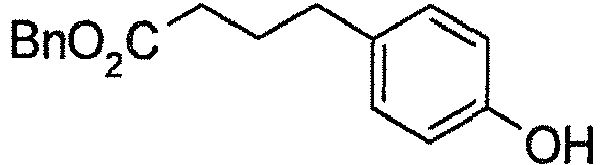
2 
3 
4 
5 
6 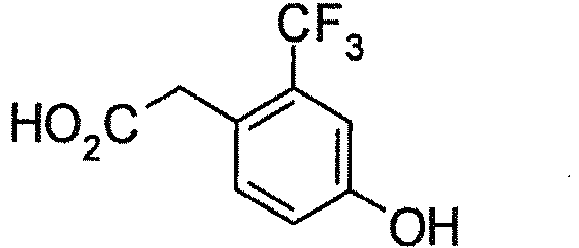
7 
8 
[Table 5] PEx Str 9 
10 
11 
12 
13 
14 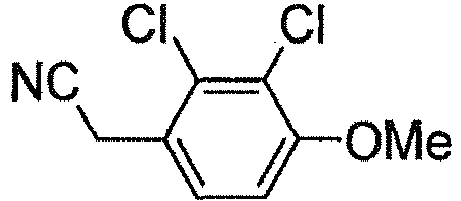
15 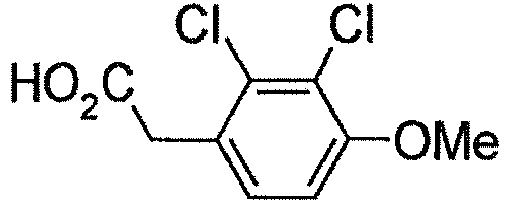
16 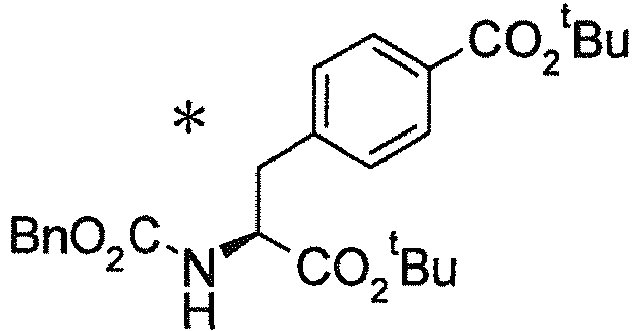
17 
[Table 6] PEx Str 18 
19 
20 
21 
22 
23 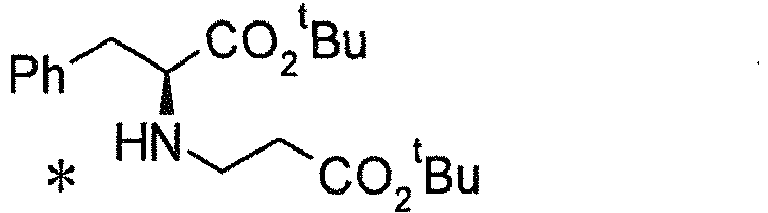
24 
25 
[Table 7] PEx Str 26 
27 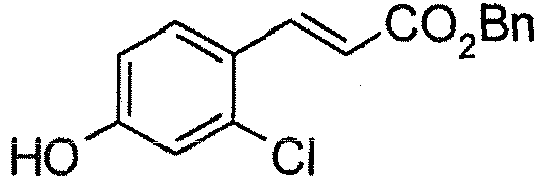
28 
29 
30 
31 
32 
33 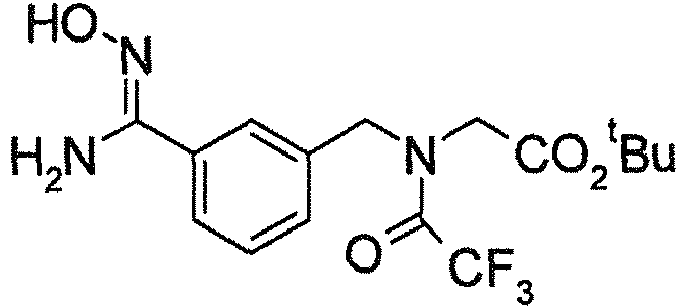
34 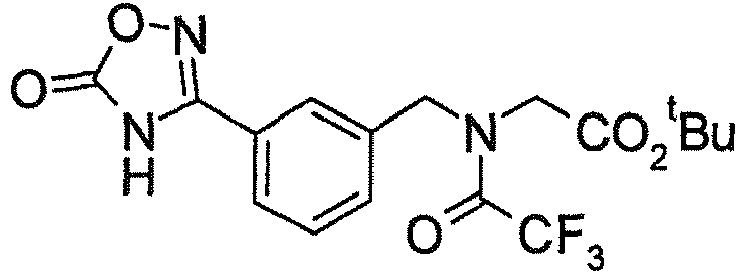
[Table 8] PEx Str 35 
36 
37 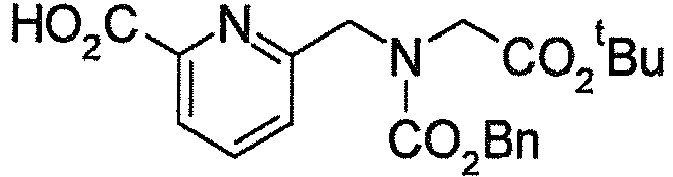
38 
39 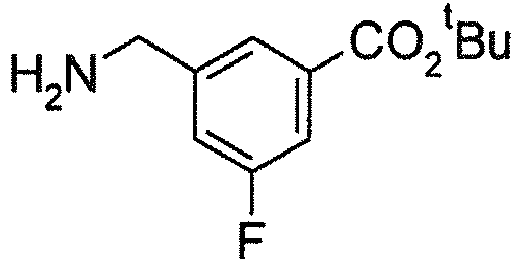
40 
41 
42 
43 
[Table 9] PEx Str 44 
45 
46 
47 
48 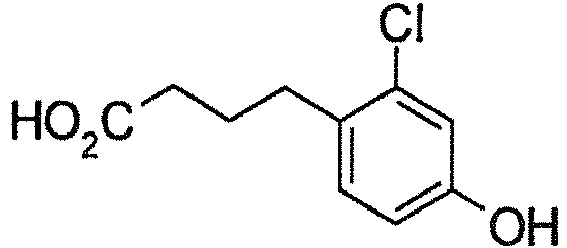
49 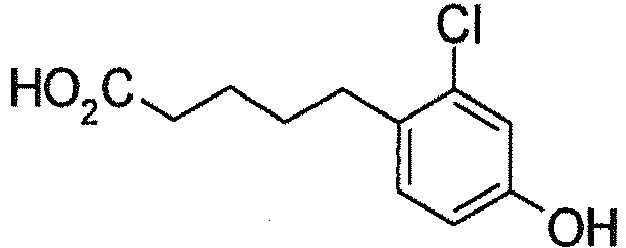
50 
51 
52 
[Table 10] PEx Str 53 
54 
55 
56 
57 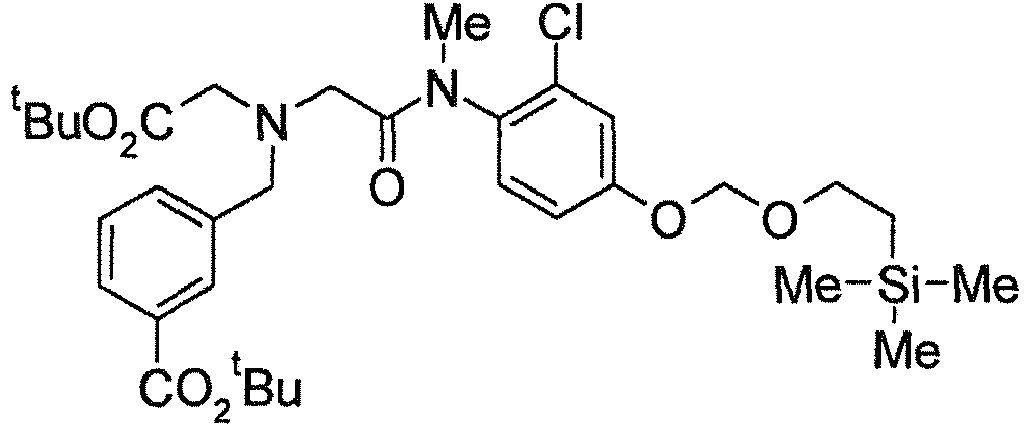
58 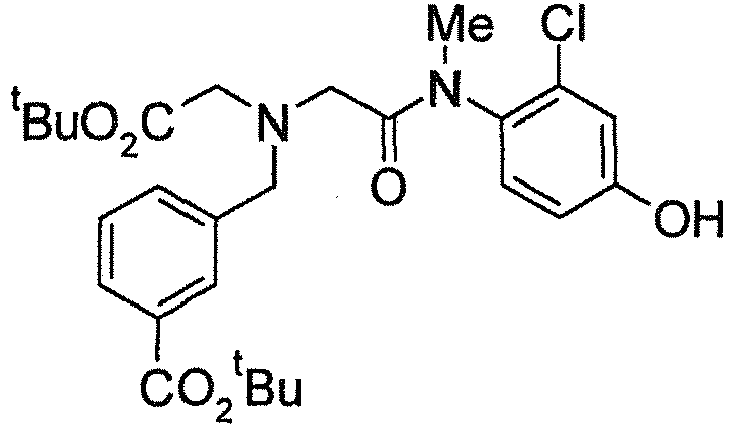
59 
[Table 11] PEx Str 60 
61 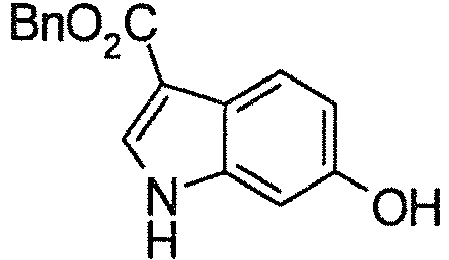
62 
63 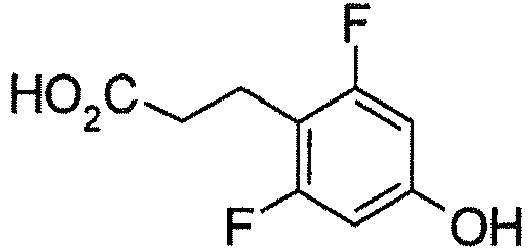
64 
65 
66 
67 
[Table 12] PEx Str 68 
69-1 
69-2 
70 
71 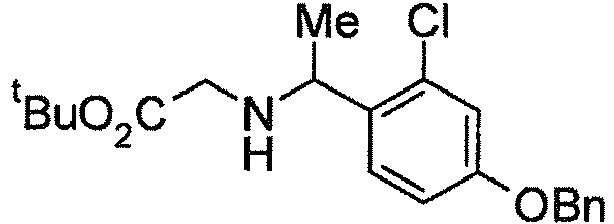
72 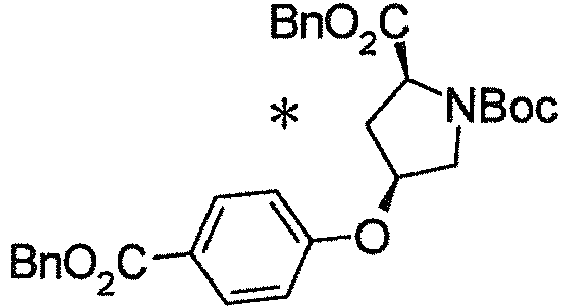
73 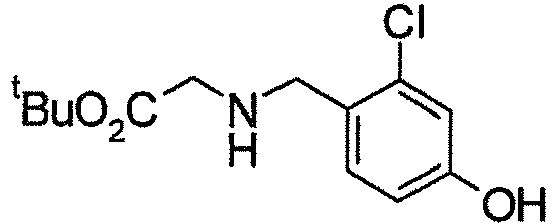
[Table 13] PEx Str 74 
75 
76 
77 
78 
79 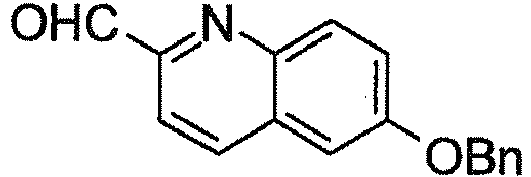
80 
81 
82 
[Table 14] PEx Str 83 
84 
85 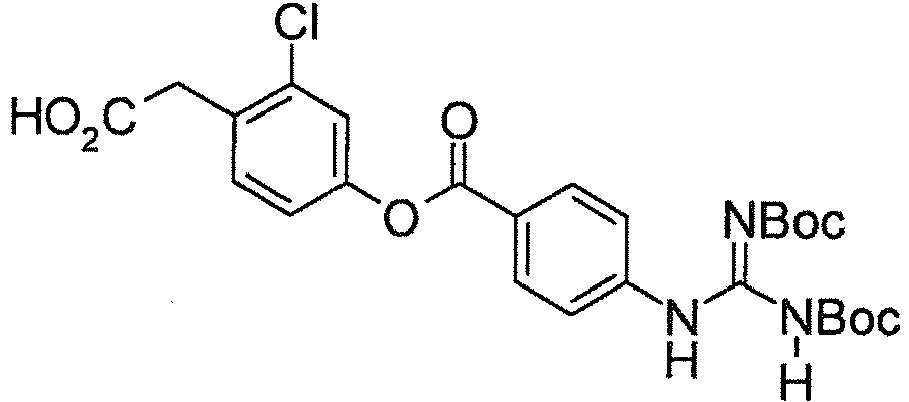
86 
87 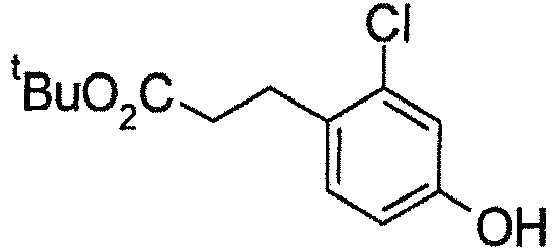
88 
89 
[Table 15] PEx Str 90 
91 
92 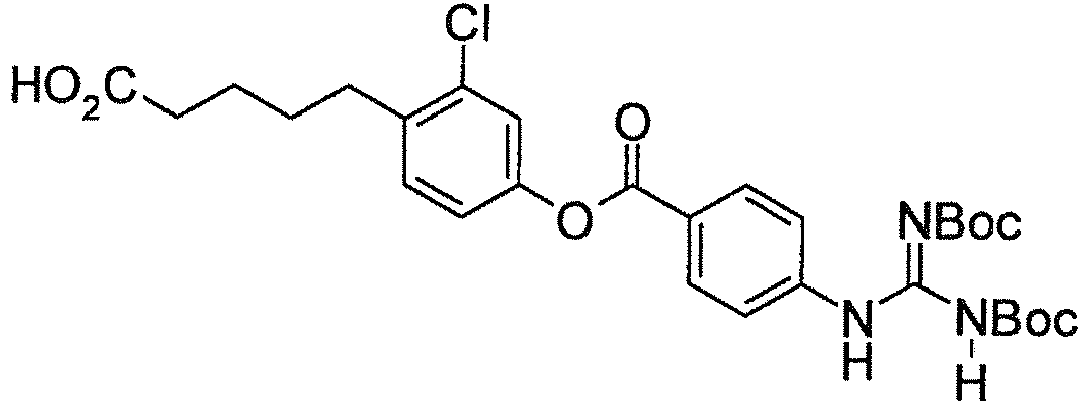
93 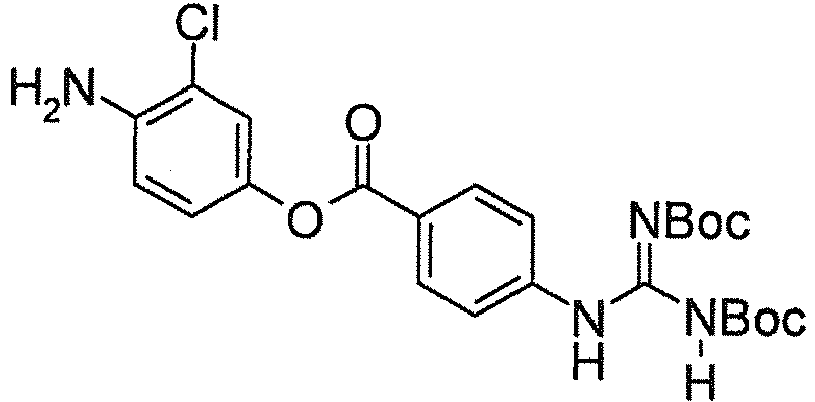
94 
95 
96 
97 
[Table 16] PEx Str 98 
99 
100 
101 
102 
103 
104 
105 
106 
107 
[Table 17] PEx Str 108 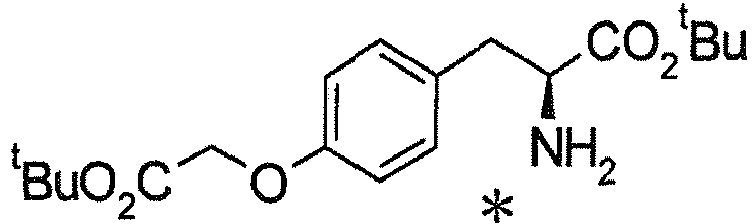
109 
110 
111 
112 
113 
114 
115 
116 
[Table 18] PEx Str 117 
118 
119 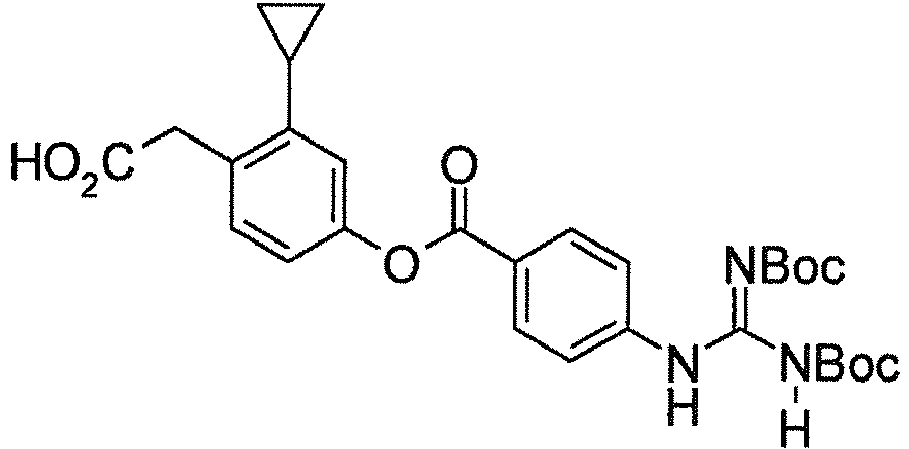
120 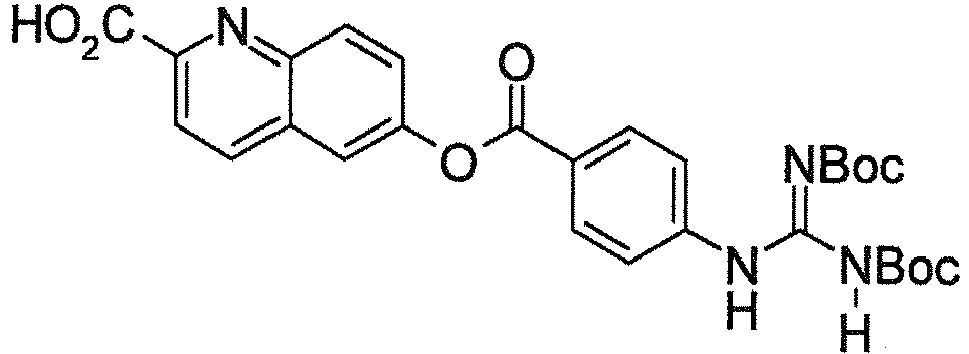
121 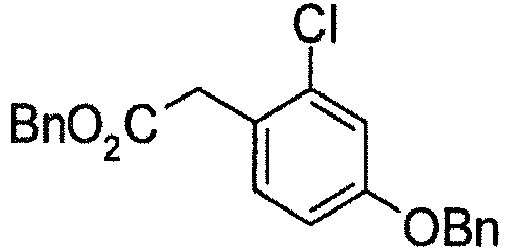
122 
123 
124 
[Table 19] PEx Str 125 
126 
127 
128 
129 
130 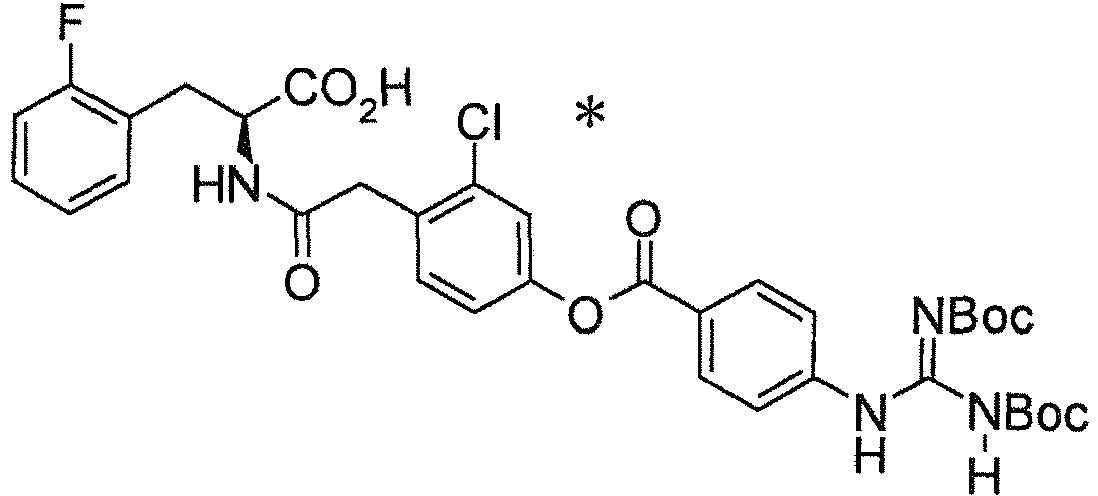
[Table 20] PEx Str 131 
132 
133 
134 
135 
136 
[Table 21] PEx Str 137 
138 
139 
140 
141 
142 
143 
144 
145 
[Table 22] PEx Str 146 
147 
148 
149 
150 
151 
[Table 23] PEx Str 152 
153 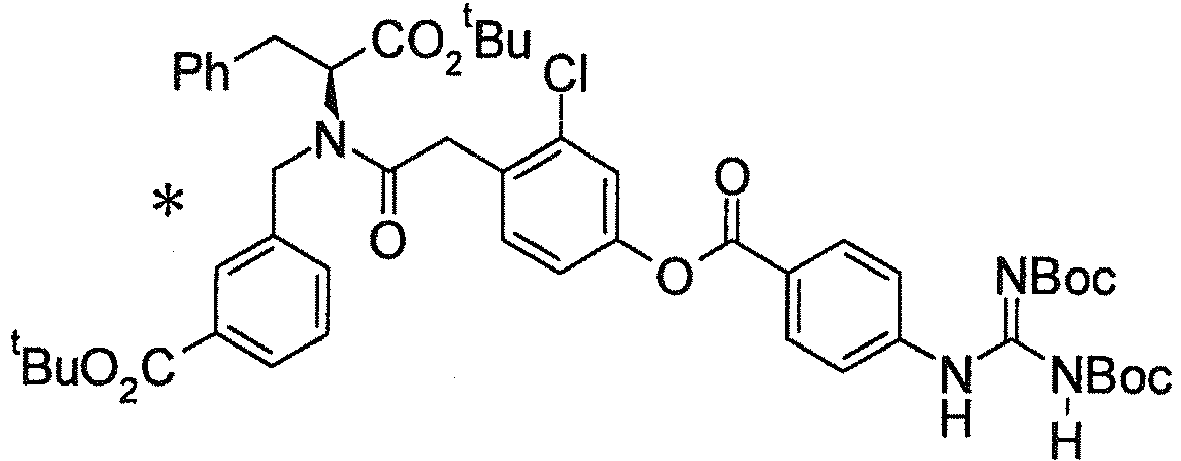
154 
155 
156 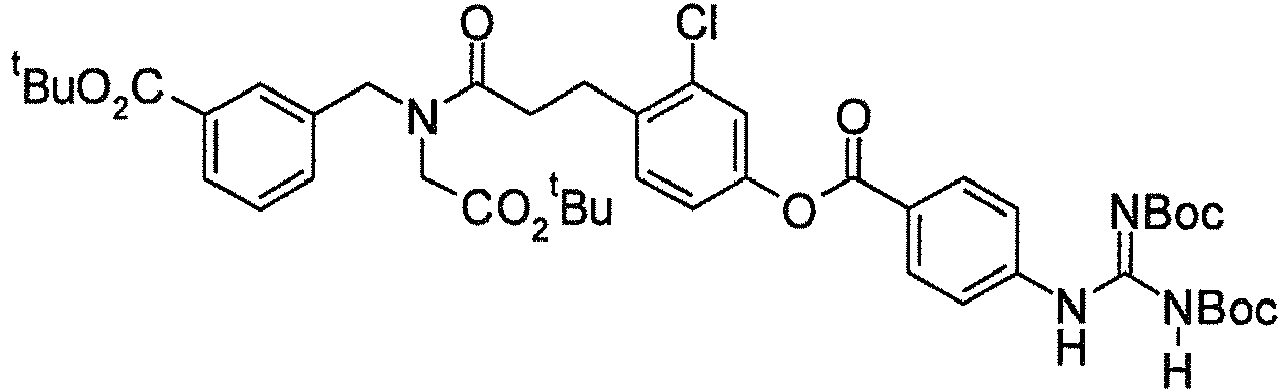
[Table 24] PEx Str 157 
158 
159 
160 
161 
162 
[Table 25] PEx Str 163 
164 
165 
166 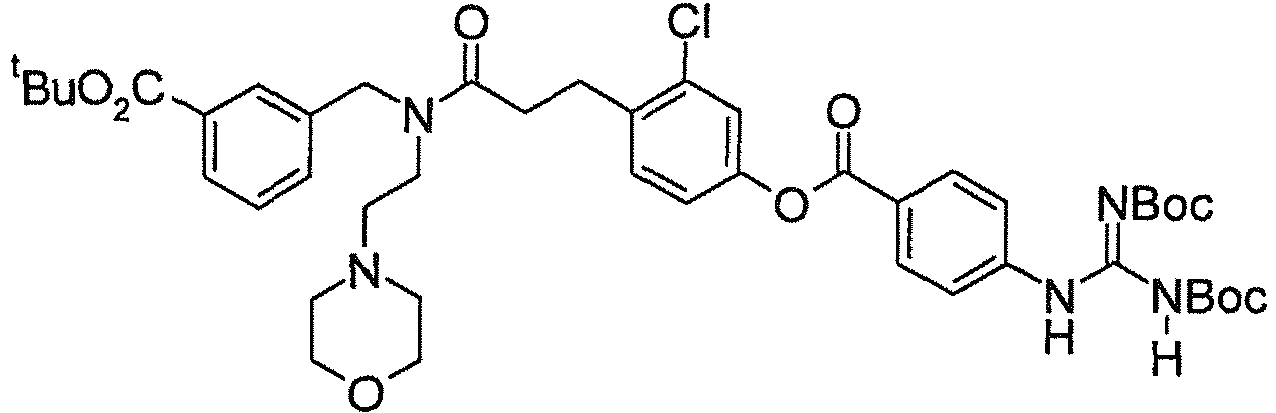
167 
168 
[Table 26] PEx Str 169 
170 
171 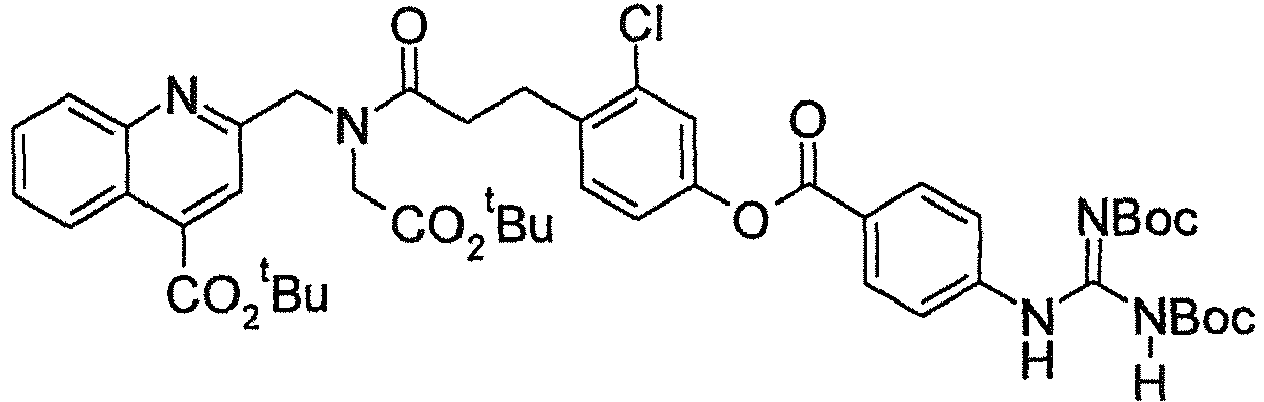
172 
173 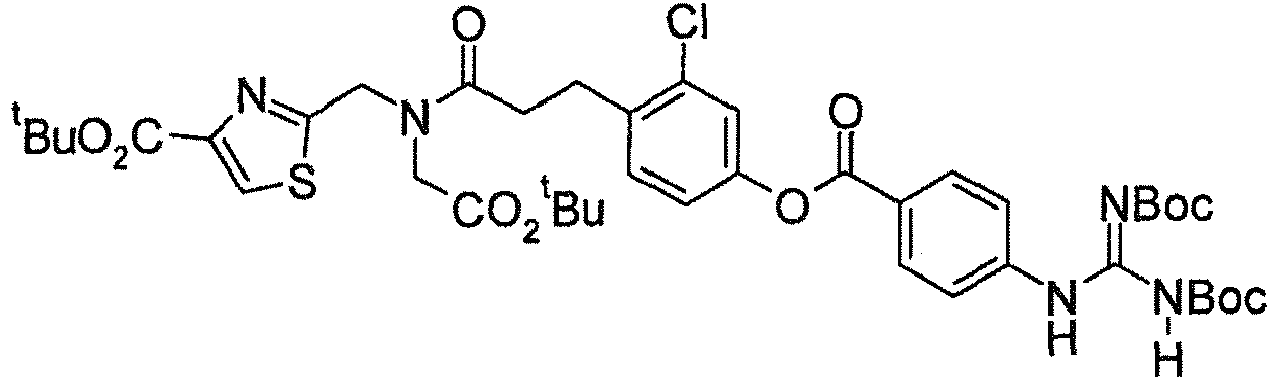
174 
[Table 27] PEx Str 175 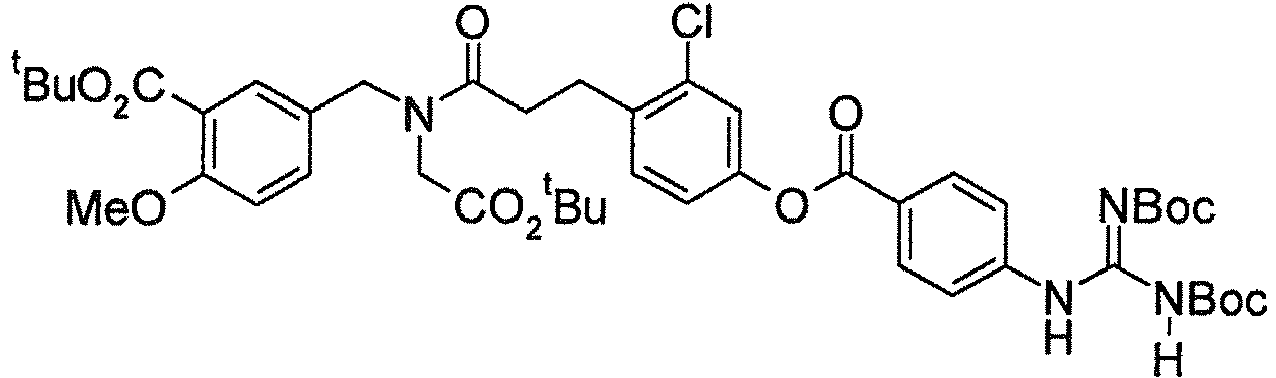
176 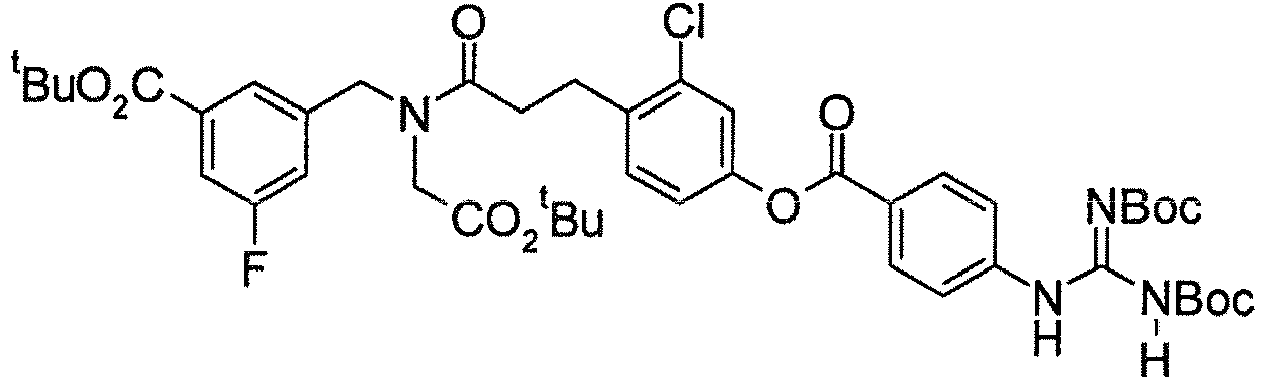
177 
178 
179 
180 
[Table 28] PEx Str 181 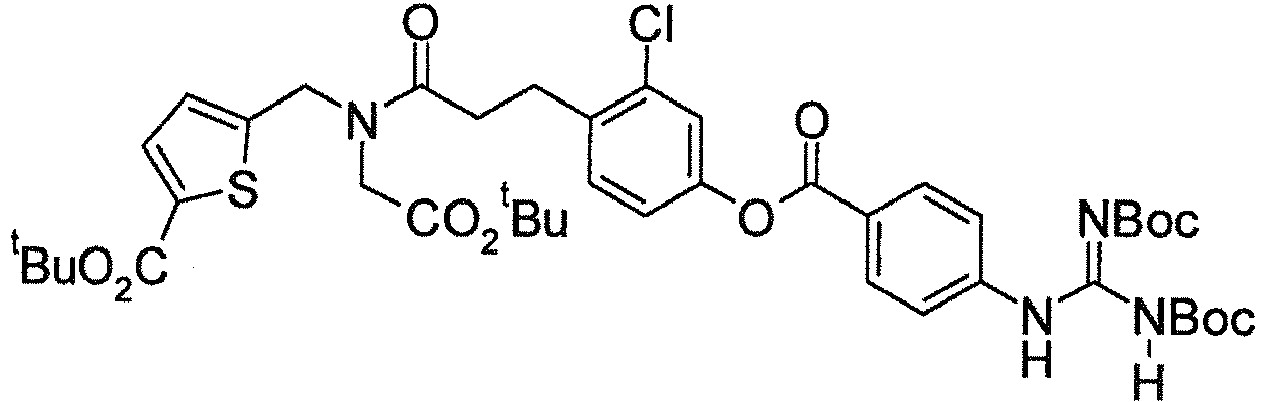
182 
183 
184 
185 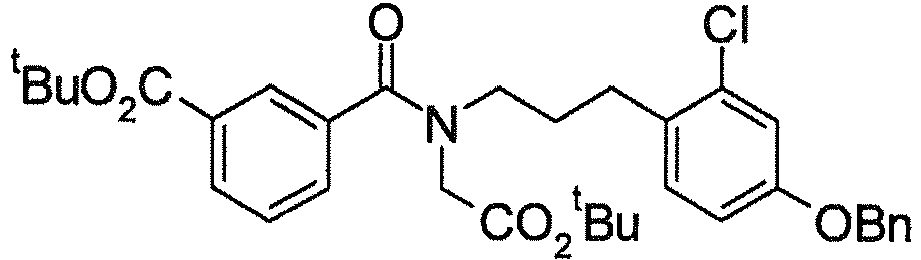
186 
[Table 29] PEx Str 187 
188 
189 
190 
191 
192 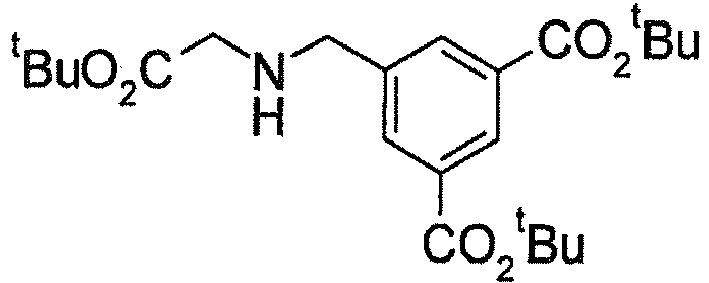
193 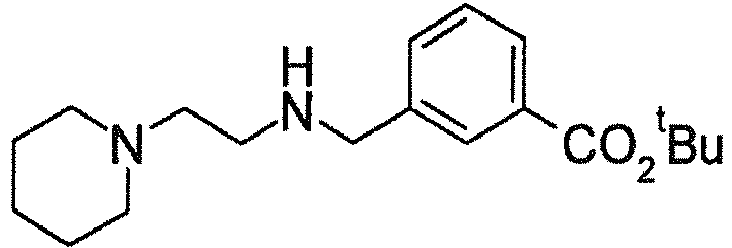
194 
195 
[Table 30] PEx Str 196 
197 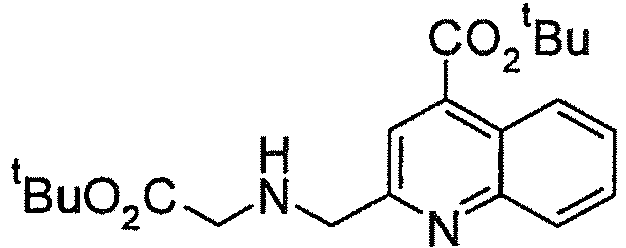
198 
199 
200 
201 
202 
203 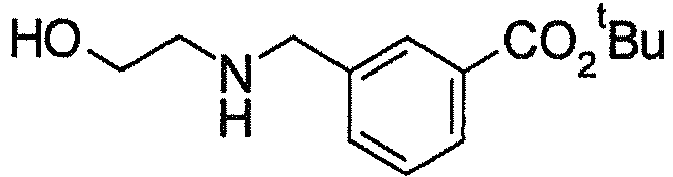
204 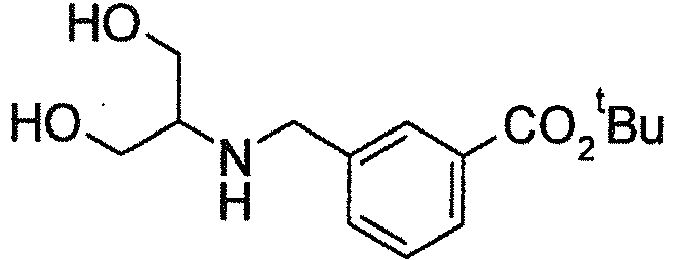
205 
[Table 31] PEx Str 206 
207 
208 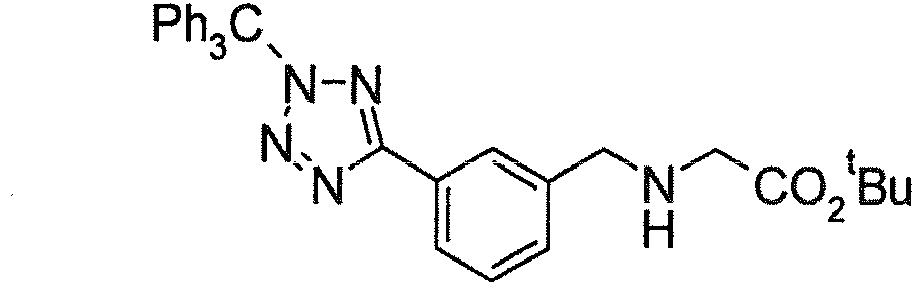
209 
210 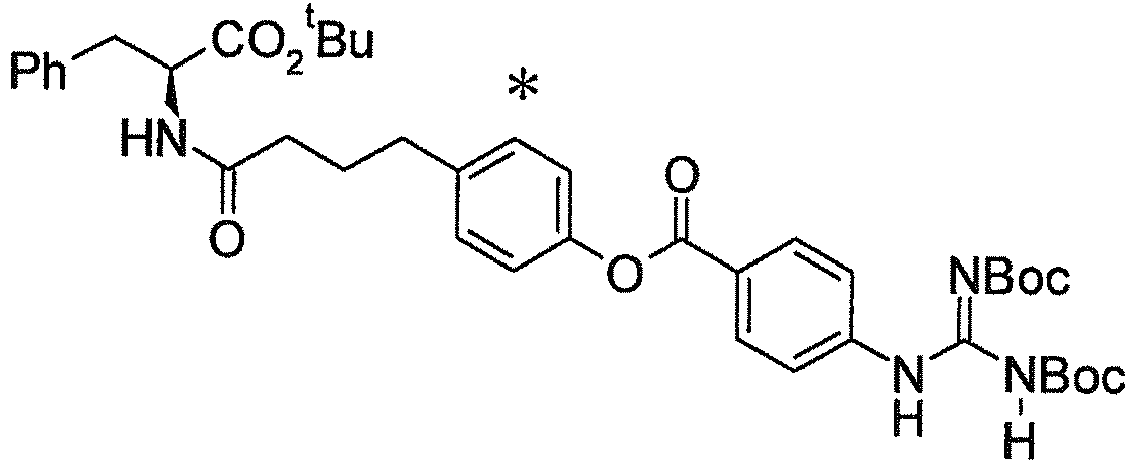
211 
212 
[Table 32] PEx Str 213 
214 
215 
216 
217 
[Table 33] PEx Str 218 
219 
220 
221 
222 
223 
[Table 34] PEx Str 224 
225 
226 
227 
228 
[Table 35] PEx Str 229 
230 
231 
232 
233 
[Table 36] PEx Str 234 
235 
236 
237 
238 
[Table 37] PEx Str 239 
240 
241 
242 
243 
[Table 38] PEx Str 244 
245 
246 
247 
248 
249 
[Table 39] PEx Str 250 
251 
252 
253 
254 
255 
[Table 40] PEx Str 256 
257 
258 
259 
260 
261 
262 
263 
264 
265 
266 
[Table 41] PEx Str 267 
268 
269 
270 
271 
272 
273 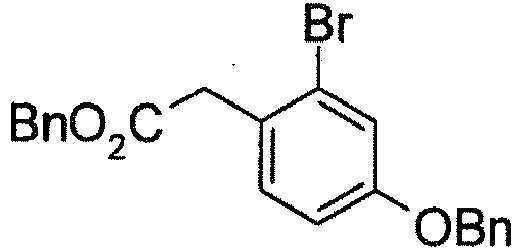
274 
275 
276 
[Table 42] PEx Str 277 
278 
279 
280 
281 
282 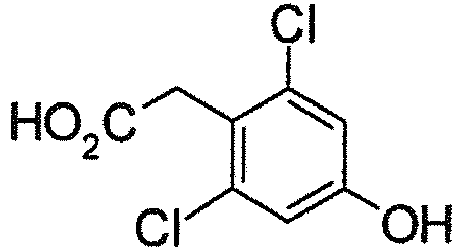
283 
[Table 43] PEx Str 284 
285 
286 
287 
288 
289 
290 
[Table 44] PEx Str 291 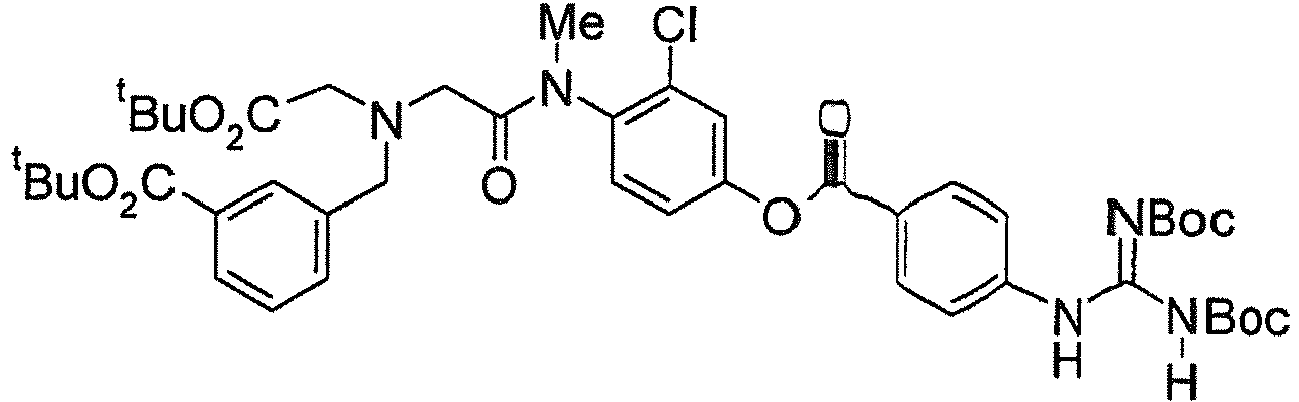
292 
293 
294 
295 
296 
[Table 45] PEx Str 297 
298 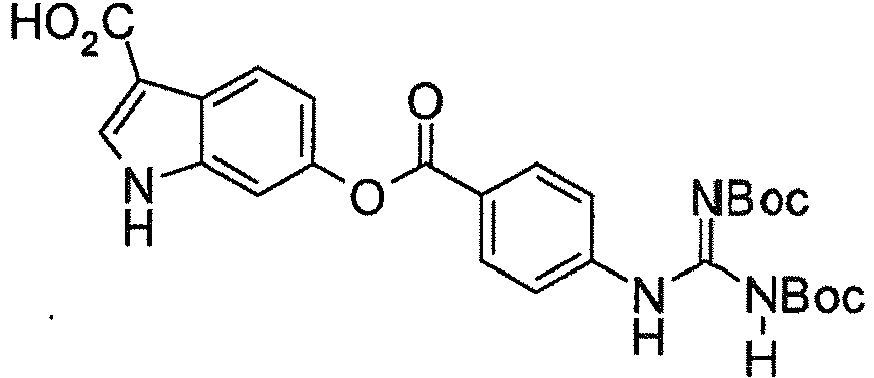
299 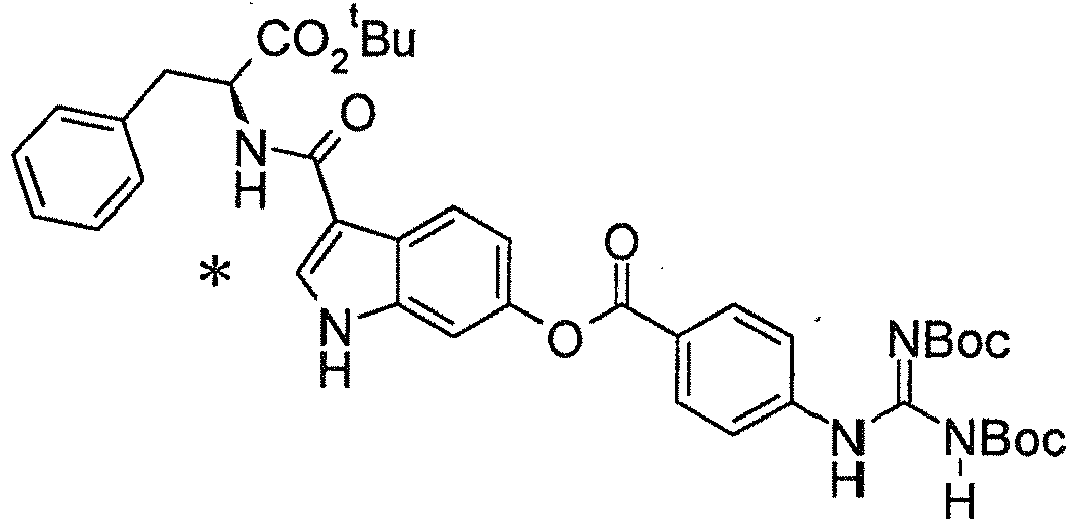
300 
301 
302 
[Table 46] PEx Str 303 
304 
305 
306 
307 
308 
[Table 47] PEx Str 309 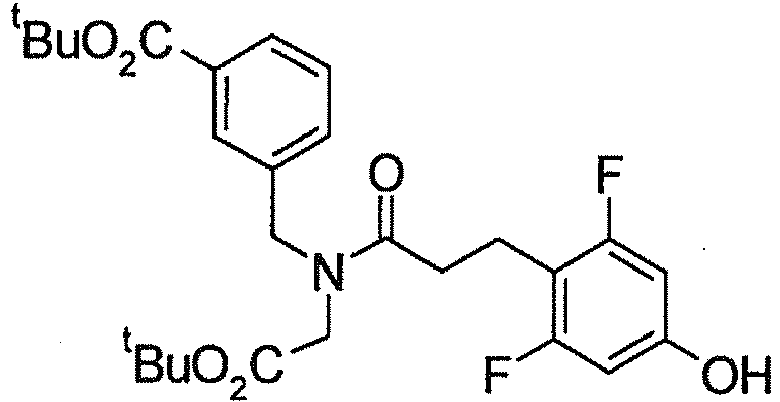
310 
311 
312 
313 
314 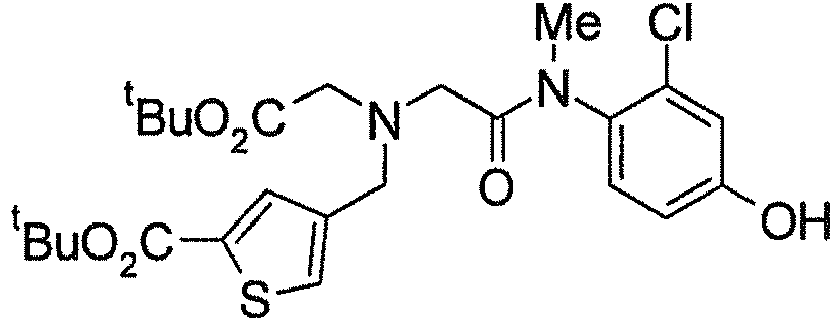
[Table 48] PEx Str 315 
316 
317 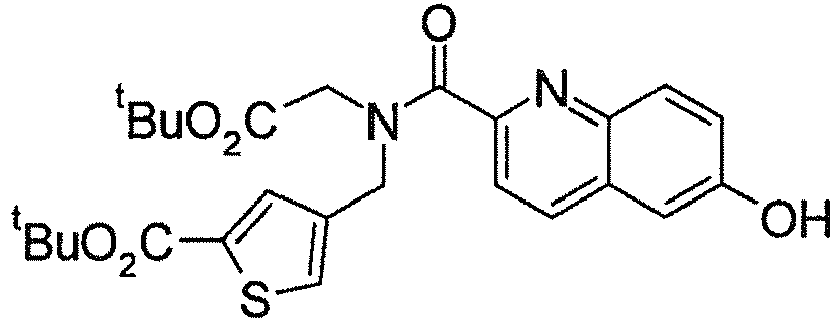
318 
319 
320 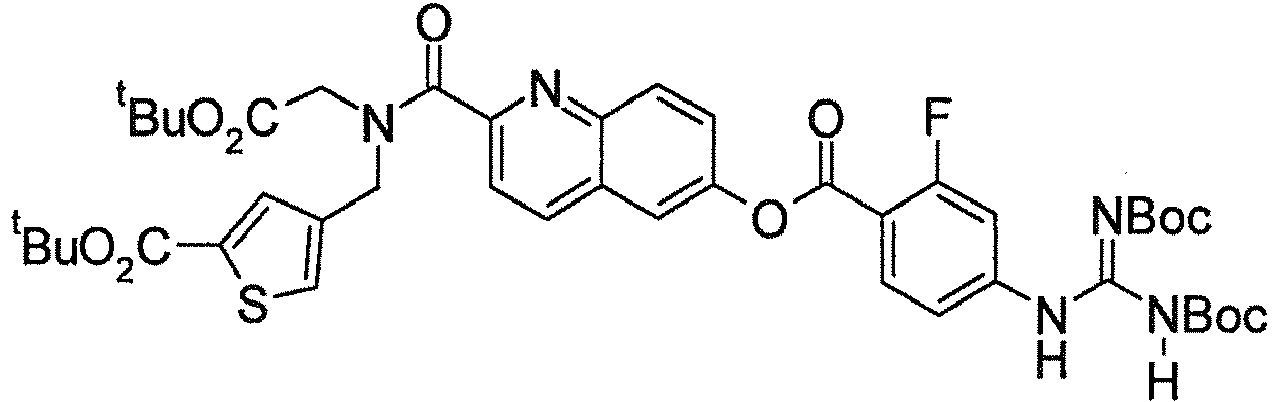
[Table 49] PEx Str 321 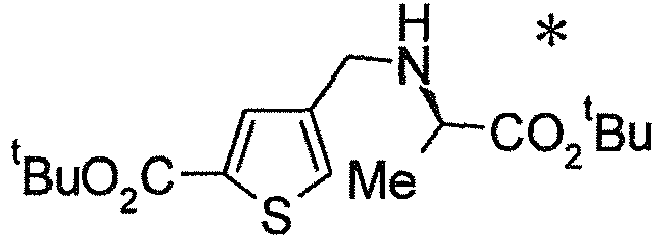
322 
323 
324 
325 
326 
[Table 50] PEx Str 327 
328 
329 
330 
331 
332 
333 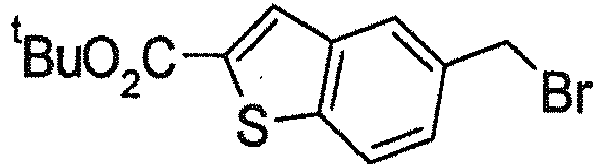
[Table 51] PEx Str 334 
335 
336 
337 
338 
339 
[Table 52] PEx Str 340 
341 
342 
343 
344 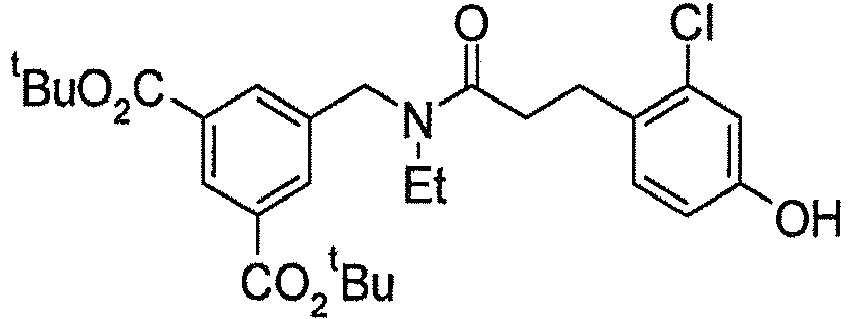
345 
[Table 53] PEx Str 346 
347 
348 
349 
350 
351 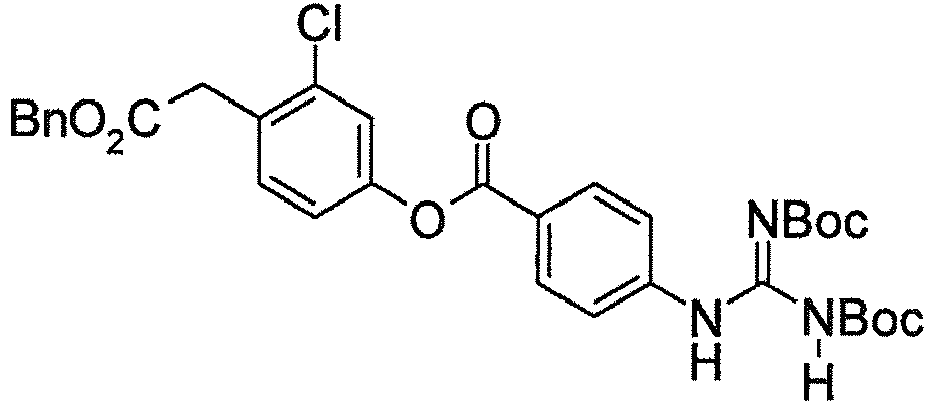
352 
[Table 54] PEx Str 353 
354 
355 
356 
357 
358 
359 
[Table 55] PEx Str 360 
361 
362 
363 
364 
365 
366 
367 
[Table 56] PEx Str 368 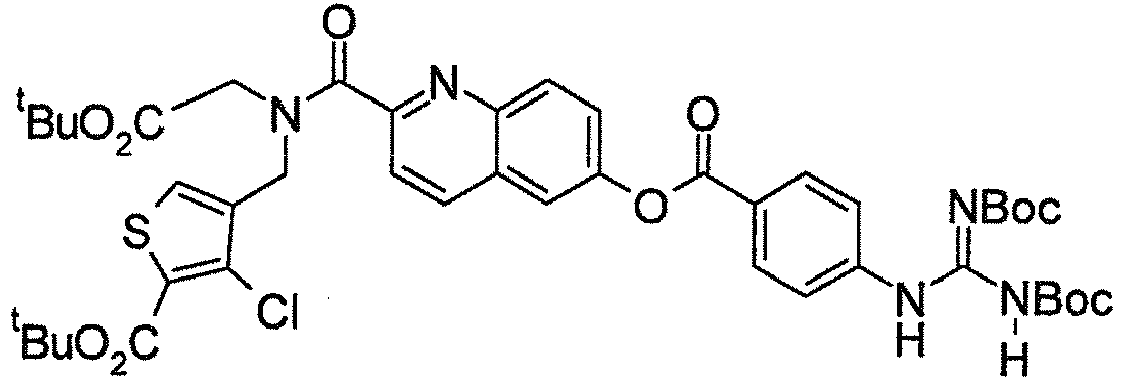
369 
370 
371 
372 
373 
374 
[Table 57] PEx Str 375 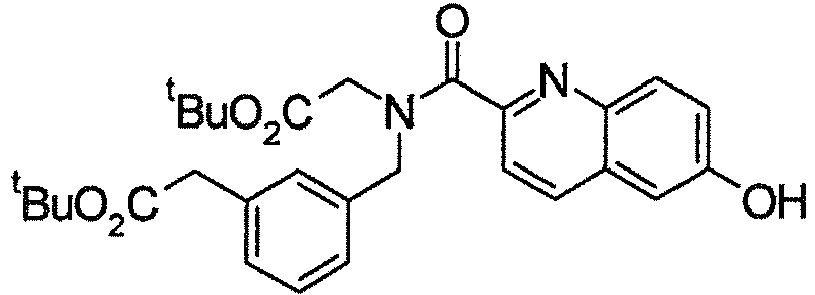
376 
377 
378 
379 
380 
381 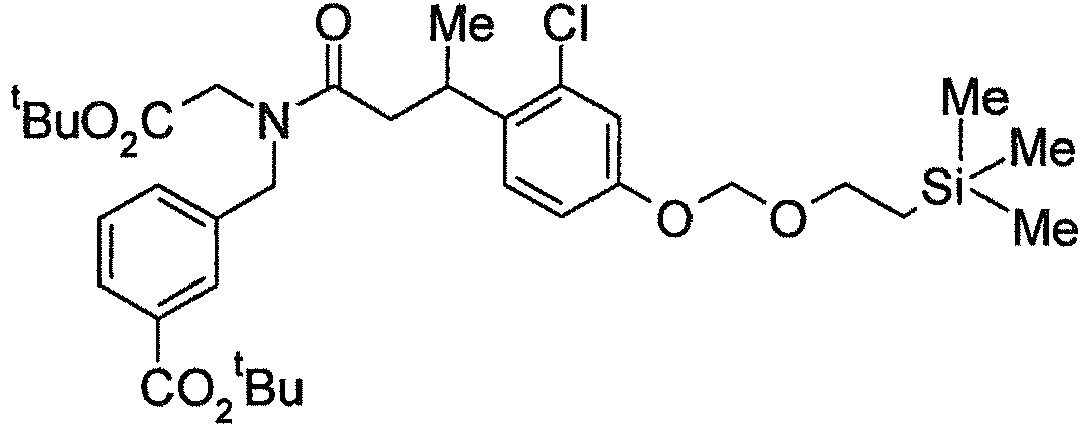
[Table 58] PEx Str 382 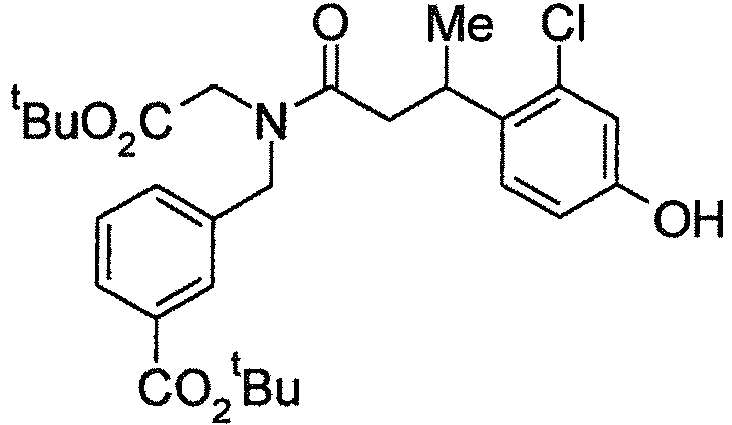
383 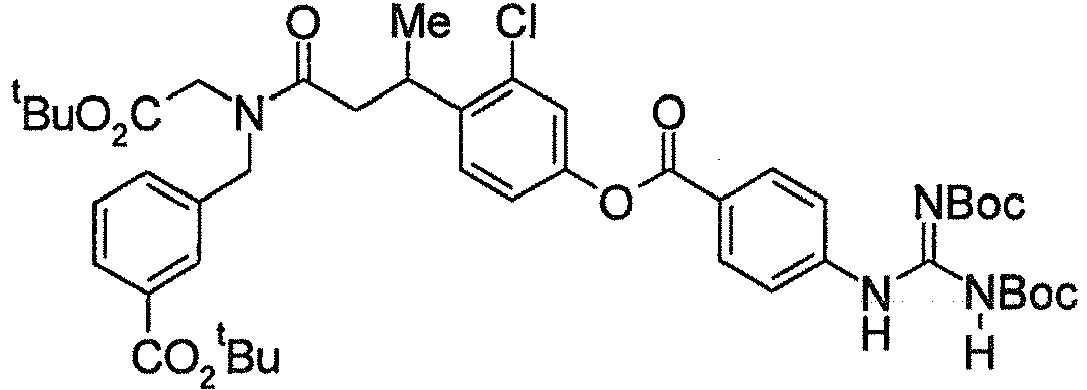
384 
385 
386 
387 
388 
[Table 59] PEx Str 389 
390 
391 
392 
393 
394 
[Table 60] PEx Str 395 
396 
[Table 61] PEx Psyn Data 31 31 ESI-:510 1 1 ESI+:271 PEx PSyn Data 2 2 ESI+:632 32 32 ESI+:416 3 3 ESI+:542 33 33 ESI+:376 4 4 NMR1:1.24(9H,s),1 .31(9H,s),1.43(9H,s ),1.52(9H,s),1.69-1.81(2H,m),2.12(2 H,t,J=7.6Hz),2.46-2.56(2H,m),2.76-2.94(2H,m),4.31-4.40(1H,m),6.83-6.89(2H,m),7.05-7.25(7H,m),7.81(2 H,d,J=8.4Hz),8.09( 2H,d,J=8.4Hz),8.20 (1H,d,J=7.6Hz),10. 24(1H,s),11.22(1H, s) 34 34 ESI-:400 35 35 ESI+:295 36 36 ESI+:429 37 37 ESI+:401 38 38 ESI+:322,324 39 39 ESI+:226 40 40 ESI+:384 41 41 ESI+:865,867 42 42 ESI+:462 43 43 ESI+:334 44 44 ESI-:289 45 45 EI:262,264 46 46 EI:260,262 47 47 EI:282,284 5 5 ESI+:319 48 48 ESI+:215 6 6 ESI-:219 49 49 EI:228,230 7 7 EI:434,436 50 50 ESI+:277 8 8 ESI+:397 51 51 ESI+:278 9 9 ESI+:283 52 52 ESI+:519,521 10 10 ESI+:548 53 53 ESI+:866,868 11 11 EI:206 54 54 ESI+:348 12 12 EI:268 55 55 ESI+:408,410 13 13 EI:268 56 56 ESI+:364,366 14 14 EI:215 57 57 ESI+:649,651 15 15 ESI-:233 58 58 ESI+:519,521 16 16 ESI+:456 59 59 ESI+:514 17 17 ESI+:322 60 60 ESI+:268 18 18 ESI+:378[M+Na]+ 61 61 ESI+:268 19 19 ESI+:492[M+Na]+ 62 62 APCI/ESI+:342 20 20 ESI+:277 63 63 EI:203 21 21 ESI+:274 64 64 ESI+:639, 41 22 22 ESI+:713 65 65 APCI/ESI+:398 23 23 ESI+:350 66 66 ESI+:352 24 24 ESI+:412 67 67 ESI+:336 25 25 ESI+:336 68 68 APCI/ESI+:271 26 26 ESI+:765 69-1 69 ESI+:865 27 27 ESI+:289 69-2 69 ESI+:865 28 28 ESI+:322 70 70 ESI+:336 29 29 ESI+:385[M+Na]+ 71 71 ESI+:376 30 30 ESI+:333 [Table 62] PEx PSyn Data PEx PSyn Data 72 72 NMR2:1.33-1.49(9H,m),2.39-2.58(2H,m),3.62-3.89(2H,m),4.43-4.67(1H,m),4.91-4.99(1H,m),5.01-5.27(2H,m), 5.34(2 H,s),6.71(2H,d,J=8. 4Hz),7.21-7.47(10H,m),7.94-8.02(2H,m) 102 18 ESI+:223 103 16 ESI+:222 104 16 ESI+:199 105 16 EI:198 106 60 ESI+:280 107 74 ESI+:393[M+Na]+ 108 17 ESI+:352 109 17 ESI+:336 110 17 ESI+:323 111 18 ESI+:457 73 73 APCI/ESI+:272 112 18 ESI+:390,392 74 74 ESI+:361[M+Na]+ 113 19 ESI+:594 75 75 NMR2:1.14(3H,t,J= 7.6Hz),1.61(18H,s), 2.69(2H,q,J=7.6Hz) ,3.87(2H,s),8.07-8.10(2H,m),8.44-8.47(1H,m) 114 3 ESI+:544 115 3 ESI+:532 116 3 ESI+:589 117 3 ESI+:550 118 3 ESI+:582 119 10 ESI+:554 76 76 C1+:372 120 3 ESI+:551 77 77 ESI-:301 121 20 ESI+:367 78 78 ESI+:370 122 21 ESI+:274 79 79 ESI+:264 123 21 ESI+:324 80 80 ESI+:249[M+Na]+ 124 21 ESI+:270 81 2 ESI+:680 125 21 ESI+:248,250 82 2 ESI+:641 126 21 ESI+:306,308 83 2 ESI+:639,641 127 22 ESI+:713 84 2 ESI+:880,882 128 22 ESI+:729 85 10 ESI+:548 129 22 ESI+:725,727 86 10 ESI+:562,564 130 22 ESI+:713 87 10 EI:256,258 131 22 ESI+:763,765 88 10 EI:284,286 132 22 ESI+:709,711 89 10 ESI+:576,578 133 22 ESI+:709 90 10 ESI+:504 134 22 ESI+:745 91 10 ESI+:243 135 22 ESI+:562,564 92 10 ESI+:590,592 136 22 EI:200 93 10 ESI+:505,507 137 22 ESI+:504,506 94 13 CI+:268 138 22 ESI+:476,478 95 14 EI:215 139 22 ESI+:504,506 96 14 CI+:216 140 22 ESI,+:519,521 97 15 ESI+:235 141 23 ESI:+336 98 15 ESI+:235 142 24 ESI+:322 99 16 ESI+:244 143 24 ESI+:336 100 16 ESI+:200 144 24 ESI+:340 101 16 ESI+:211 145 24 ESI+:322 [Table 63] PEx PSyn Data PEx PSyn Data 146 24 ESI+:322 190 27 ESI+:239 147 25 ESI+:362,364 191 28 ESI+:328 148 26 ESI+:865 192 28 ESI+:422 149 26 ESI+:865,867 193 28 ESI+:319 150 26 ESI+:851 194 28 ESI+:321 151 26 ESI+:763 195 28 ESI+:292 152 26 ESI+:879,881 196 28 ESI+:419 153 26 ESI+:941 197 28 ESI+:373,375 154 26 ESI+:865,867 198 28 ESI+:390 155 26 ESI+:865,867 199 28 ESI+:329 156 26 ESI+:865 200 28 ESI+:340 157 26 ESI+:887[M+Na]+ 201 28 ESI+:352 158 26 ESI+:879,881 202 28 ESI+:236 159 26 ESI+:879 203 28 ESI+:252 160 26 ESI+:765 204 28 ESI+:282 161 26 ESI+:871 205 28 ESI+:328 162 26 ESI+:965 206 28 ESI+:328 163 26 ESI+:959 207 28 ESI+:398 164 26 ESI+:849 208 28 ESI+:532 165 26 ESI+:862 209 29 ESI+:343 166 26 ESI+:864 210 4 ESI+:745 167 26 ESI+:835 211 4 ESI+:747 168 26 ESI+:962 212 4 NMR1:1.28-1.60(27H,m),2.85-3.05(2H,m),3.49(2 H,s),4.34-4.43(1H,m),7.11 7.31(5H,m),7.34(1 H,d,J=8.0Hz), 7.43( 1H,d,J=1.6Hz),7.83 (2H,d,J=8.8Hz),8.1 2(2H,d,J=8.8Hz),8. 52(1H,d,J=7.6Hz),1 0.10-10.32(1H,m),11.19( 1H,s) 169 26 ESI+:866 170 26 ESI+:879,881 171 26 ESI+:916 172 26 ESI+:933,935 173 26 ESI+:872,874 174 26 ESI+:883 175 26 ESI+:895,897 176 26 ESI+:883,885 177 26 ESI+:779,781 178 26 ESI+:795 179 26 ESI+:825 180 26 ESI+:871 181 26 ESI+:871 213 4 ESI+:793 182 26 ESI+:941 214 4 ESI+:753 183 26 ESI+:594 215 4 ESI+:785 184 26 ESI+:879,881 216 4 ESI+:779[M+Na]+ 185 26 ESI+:594 186 26 ESI+:854 187 26 ESI+:860 188 26 ESI+:609 189 27 EI:254,256 [Table 64] PEx PSyn Data Ex PSyn Data 217 4 NMR1:1.20-1.63(27H,m),2.84-3.05(2H,m),3.49(2 H,s),4.34-4.44(1H,m),7.03-7.09(1H,m),7.14-7.36(6H,m), 7.83(2H,d,J=8.8Hz) ,8.11(2H,d,J=8.8Hz ),8.51(1H,d,J=8.0H z),10.26(1H,s),11.1 9(1H,s) 251 4 ESI+:740 252 4 ESI+:754 253 4 ESI+:884 254 32 ESI-:304 255 35 ESI+:566,568 256 35 ESI+:376,378 257 35 ESI+;390,392 258 38 ESI+:277,279 259 38 ESI+:289 260 38 ESI+:301 261 38 EI:276 218 4 ESI+:424 262 38 EI:276 219 4 ESI+:424 263 1 ESI+:273 220 4 ESI+:424 264 1 ESI+:261 221 4 ESI+:823 265 1 ESI+:279 222 4 ESI+:751 266 1 ESI+:311 223 4 ESI+:873[M+Na]+ 267 1 ESI+:277 224 4 ESI+:737 268 1 ESI+:321 225 4 ESI+:737 269 1 ESI+:374 226 4 ESI+:881 270 1 ESI+:446[M+Na]+ 227 4 ESI+:803 271 1 EI:290,292 228 4 ESI+:803 272 1 ESI+:347 229 4 ESI+:819,821 273 1 EI:410 230 4 ESI+:815,817 274 1 ESI+:305 231 4 ESI+:803,805 275 1 ESI+:319 232 4 ESI+:853 276 1 ESI+:334,336 233 4 ESI+:799 277 41 ESI+:865 234 4 ESI+:799 278 41 ESI+:927,929 235 4 ESI+:835,837 279 41 ESI+:1075 236 4 ESI+:983 280 46 EI:274,276 237 4 ESI:765 281 6 ESI-:219 238 4 ESI+:751 282 6 ESI-:219 239 4 ESI+:751,753 283 6 ESI-:219 240 4 ESI+:751 284 17 ESI+;350 241 4 ESI+:751 285 4 ESI+:909,911 242 4 ESI+:751 286 4 ESI+:923,925 243 4 ESI+:765,767 287 54 ESI+:422,424 244 4 ESI+:895,897 288 4 ESI+:583 245 4 ESI+:348,350 289 3 ESI+:493 246 4 ESI+:404 290 22 ESI+:288,290 247 4 ESI+:779,781 291 2 ESI+:880 248 4 ESI+:793 292 2 ESI+:629 249 4 ESI+:754 293 10 ESI+:539 250 4 ESI+:740 [Table 65] PEx PSyn Data PEx PSyn Data 294 4 ESI+:814 333 38 NMR2:1.61-1.63(9H,m),4.62(2H, s),7.47(1H,dd,J=1.6,8 .4Hz),7.79-7.90(2H,m),7.91-7.98(1H,m) 295 4 ESI+:742 296 26 ESI+:728 297 2 ESI+:629 298 10 ESI+:539 299 4 ESI+:742 300 61 ESI+:282 334 62 APCI/ESI+:378 301 2 ESI+:643 335 26 APCI/ESI+:932 302 10 ESI+:553 336 2 ESI+:785 303 4 ESI+:742 337 2 ESI+:854 304 2 ESI+:634 338 26 NMR2:1.42(9H,s),1. 50-1.57(27H,m),2.44-2.59(2H,m),3.01-3.18(4H,m),4.74-4.82(1H,m),5.90(1H, d,J=7.6Hz),7.06(1H,d d,J=2.4,8.4Hz),7.13(2 H,d,J=8.4Hz),7.27-7.32(1H,m),7.81(2H, d,J=8.8Hz),7.89(2H,d ,J=8.4Hz),8.13(2H,d, J=8.8Hz),10.64(1H,s) ,11.61(1H,s) 305 26 MCI/ESI+:513 306 2 APCI/ESI+:874 307 17 ESI+:273 308 2 ESI+:622 309 4 APCI/ESI-:504 310 2 APCI/ESI+:867 311 56 ESI+:378, 380 312 24 ESI+:625, 627 313 2 ESI+:680 314 9 ESI+:525, 527 315 2 ESI+:886 316 2 ESI+:640 317 26 ESI+:499 339 53 ESI+:872 318 2 ESI+:878 340 41 ESI+:854 319 65 APCI/ESI+:398 341 2 ESI+:785 320 2 ESI+:878 342 41 ESI+:868 321 62 APCI/ESI+:342 343 2 ESI+:751,753 322 26 APCI/ESI+:513 344 26 APCI/ESI+:518 323 2 APCI/ESI+:875 345 2 NMR2:1.09-1.17(3H,m),1.45-1.65(36H,m),2.57-2.80(2H,m),3.06-3.50(4H,m),4.48-4.72(2H,m),6.99-7.11(1H,m),7.19-7.33(3H,m),7.38(1H, d,J=8.4Hz),7.78-7.85(2H,m),7.92-8.02(2H,m),8.09-8.17(2H,m),8.43-8.50(1H,m),10.65(1H ,brs),11.62(1H,brs) 324 2 ESI+:672 325 4 ESI+:884 326 4 ESI+:854 327 4 ESI+:510 328 2 ESI+:871 329 16 EI:240 330 2 ESI+:644 331 26 ESI+:868 332 2 ESI+:638 346 26 ESI+:594 [Table 66] PEx PSyn Data PEx PSyn Data 347 10 ESI+:504 388 16 Cl+:276,278 348 2 ESI+:865 389 2 ESI+:837 349 26 ESI+:513 390 2 ESI+:664 350 2 ESI+:874 391 76 ESI+:576 351 2 ESI+:638 392 4 ESI+:879 352 21 APCI/ESI+:432 393 4 ESI+:885,887 353 26 APCI/ESI+:603 394 2 ESI+:865,867 354 2 ESI+:964 395 2 ESI+:666 355 17 APCI/ESI-:782 396 66 APCI/ESI+:379 356 26 APCI/ESI+:507 357 2 ESI+:868 358 26 APCI/ESI+:614 359 2 APCI/ESI+:975 360 17 APCI/ESI+:795 361 2 ESI+:652,654 362 3 ESI-:249 363 4 ESI+:504 364 2 ESI+:865 365 18 EI:232 366 38 EI:309,311 367 70 ESI+:362,364 368 4 ESI+:894 369 66 ESI+:380 370 26 ESI+:551 371 2 ESI+:912 372 2 ESI+:865 373 66 ESI+:342 374 2 ESI+:785 375 26 ESI+:507 376 2 ESI+:868 377 55 ESI+:301 378 2 ESI+:650 379 2 ESI+:865,867 380 37 ESI-:343 381 4 ESI+:670,672 382 58 ESI+:518 383 2 ESI+:879,881 384 4 ESI+:676,678 385 58 ESI+:524 386 2 ESI+:885 387 54 ESI+:273 [Table 67] Ex Str 1 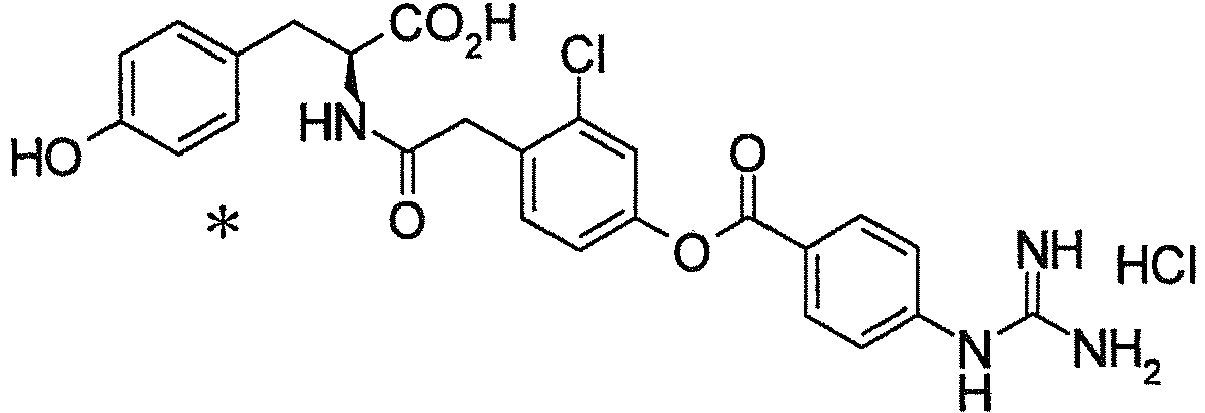
2 
3 
4 
5 
6 
[Table 68] Ex Str 7 
8 
9 
10 
11 
12 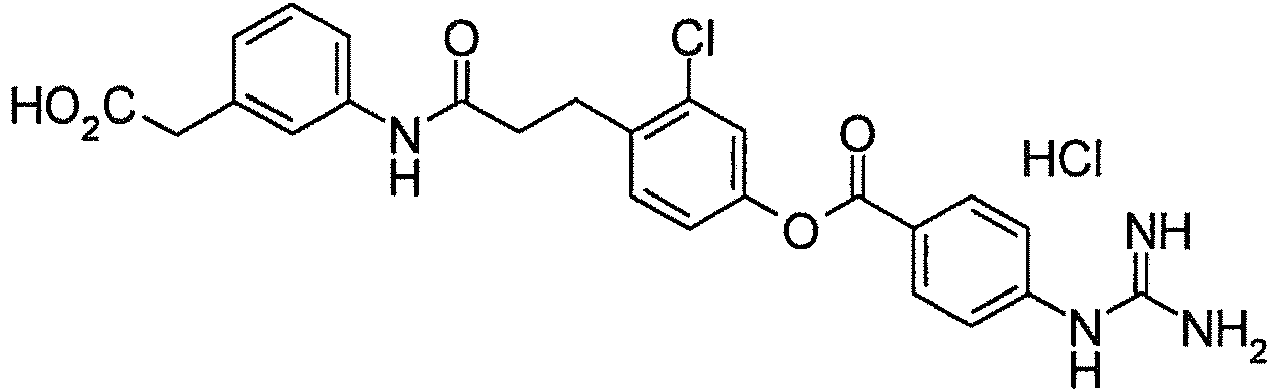
[Table 69] Ex Str 13 
14 
15 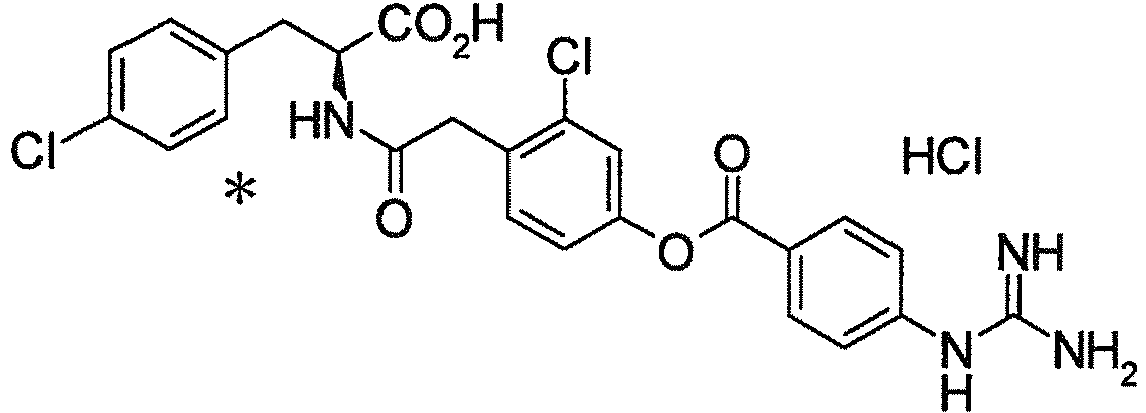
16 
17 
18 
[Table 70] Ex Str 19 
20 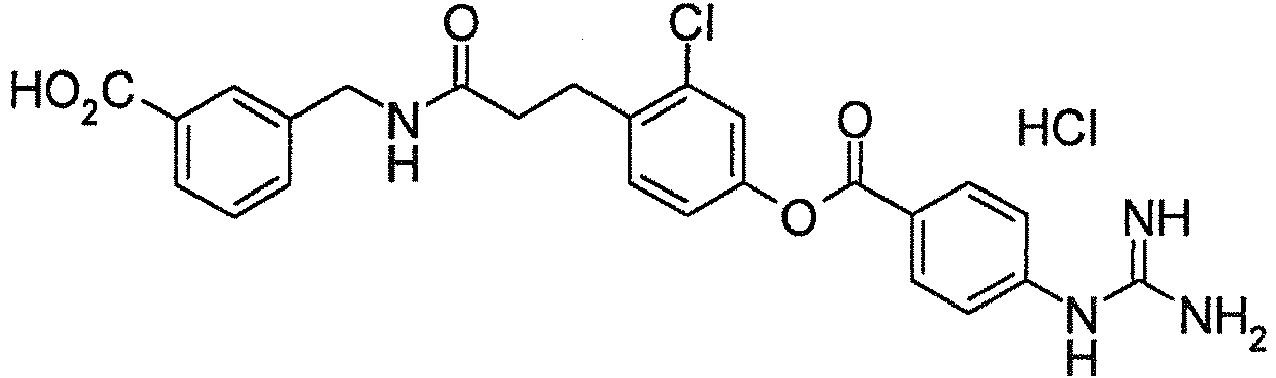
21 
22 
23 
24 
[Table 71] Ex Str 25 
26 
27 
28 
29 
30 
[Table 72] Ex Str 31 
32 
33 
34 
35 
36 
[Table 73] Ex Str 37 
38 
39 
40 
41 
42 
[Table 74] Ex Str 43 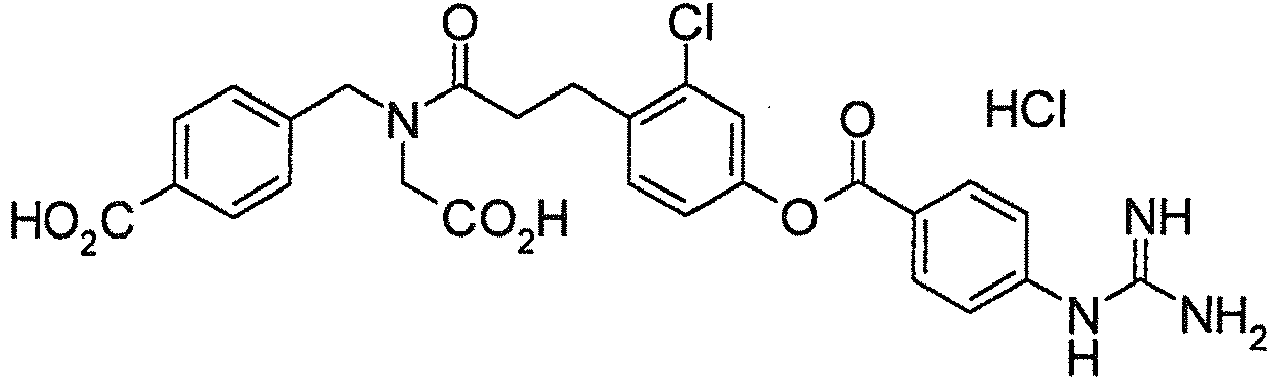
44 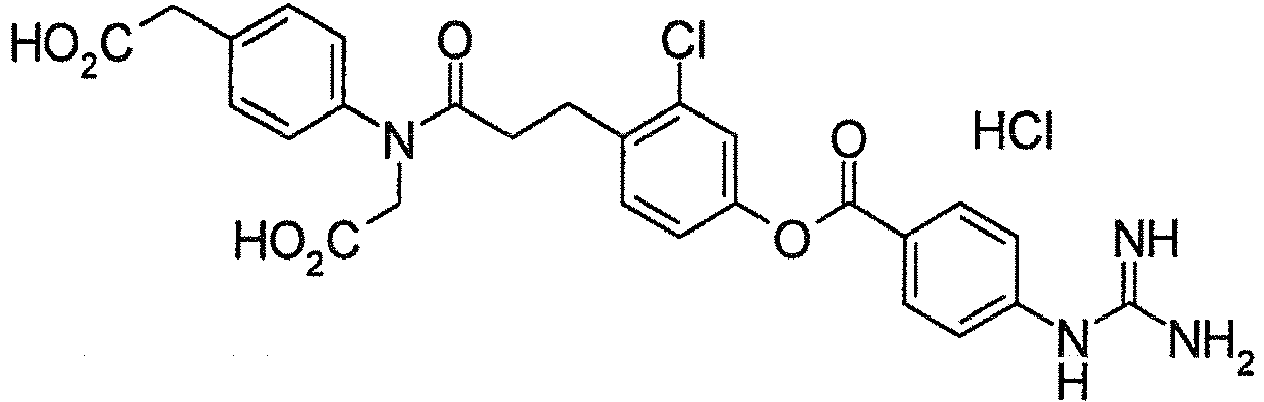
45 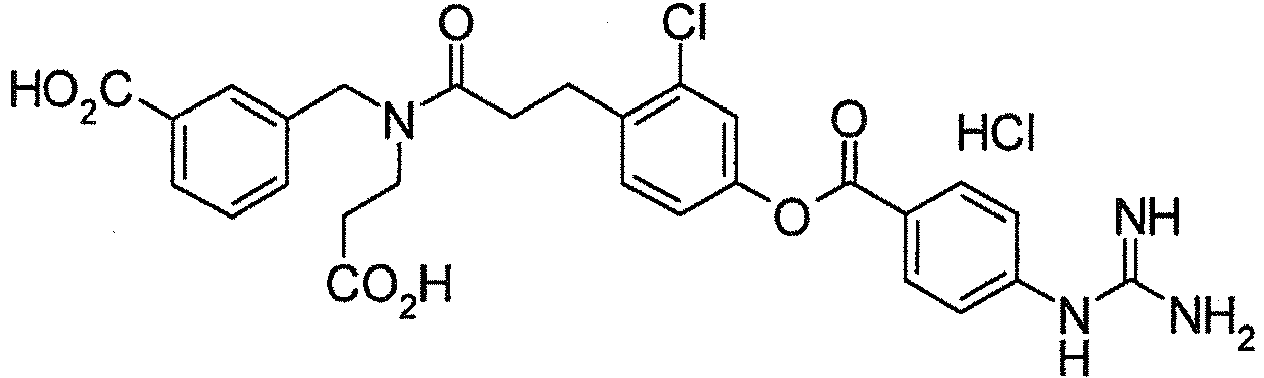
46 
47 
48 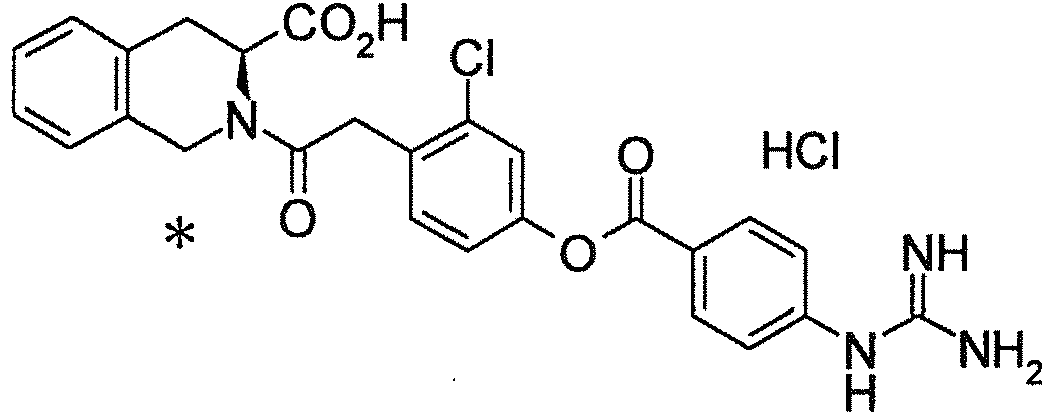
[Table 75] Ex Str 49 
50 
51 
52 
53 
54 
[Table 76] Ex Str 55 
56 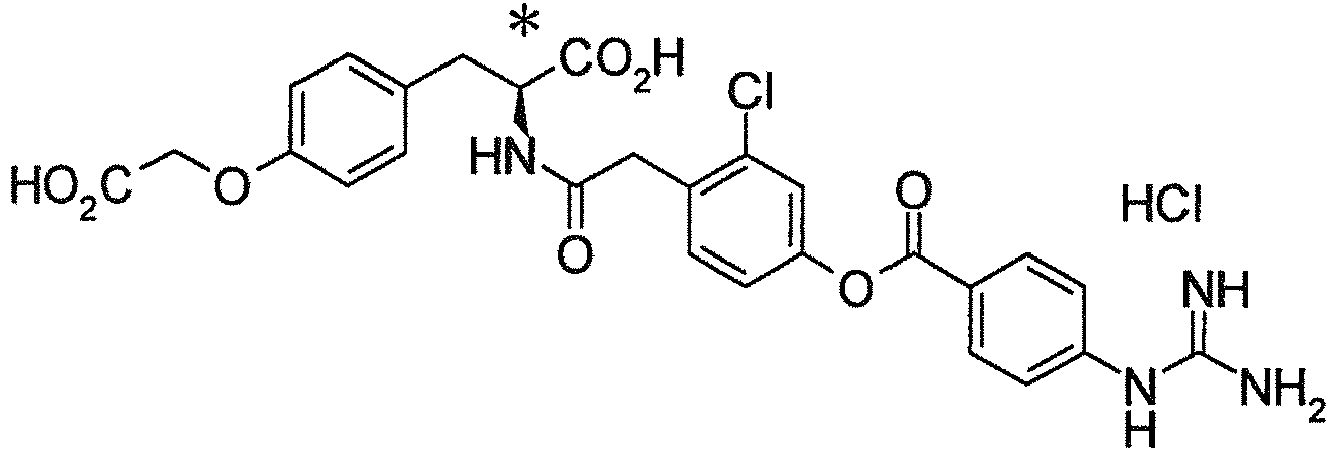
57 
58 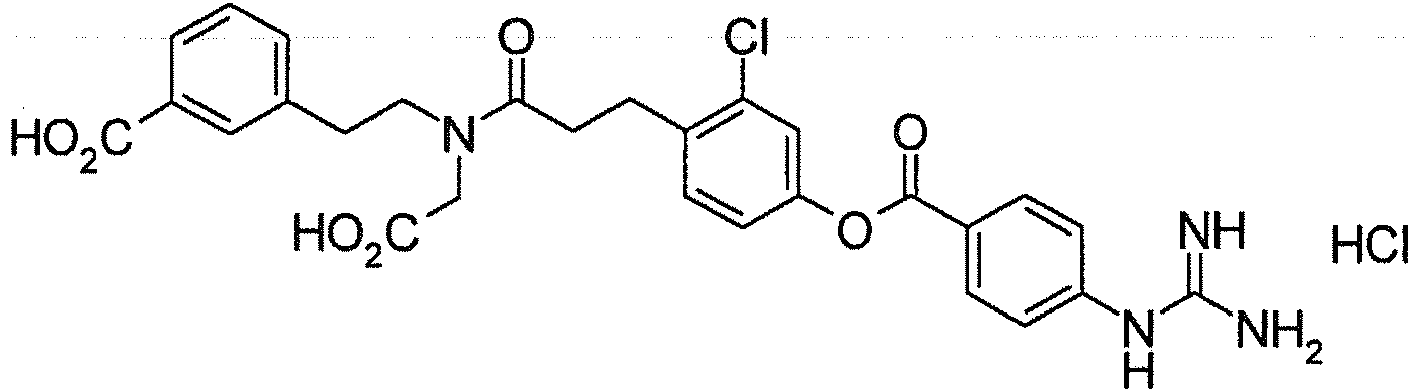
59 
[Table 77] Ex Str 60 
61 
62 
63 
64 
[Table 78] Ex Str 65 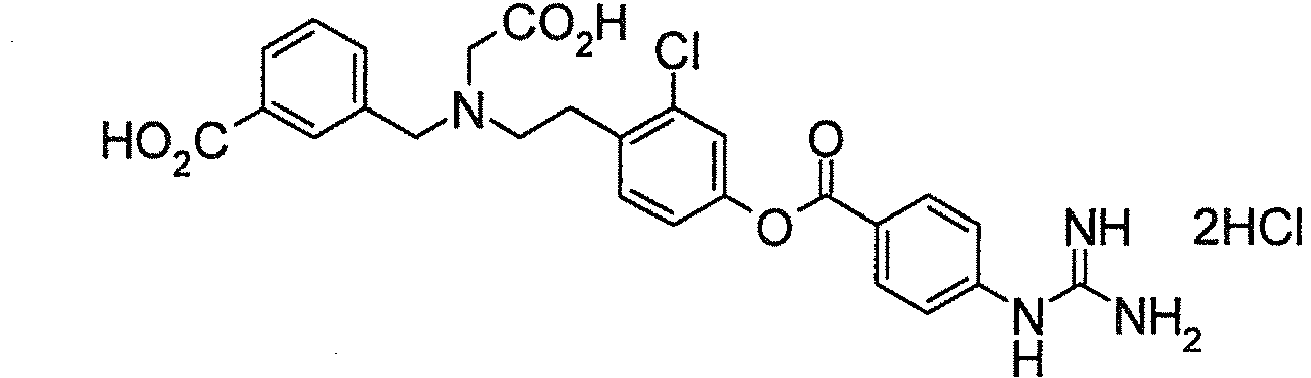
66 
67 
68 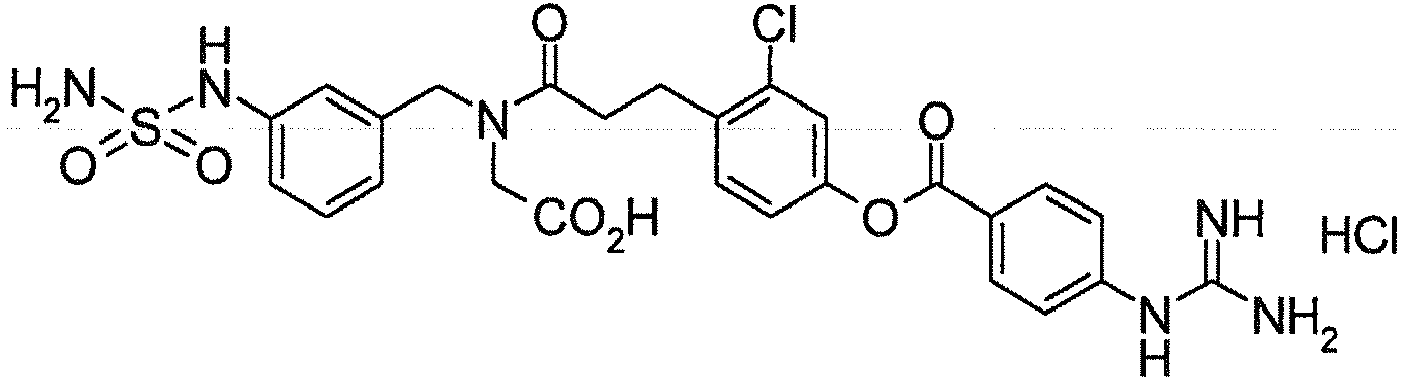
69 
70 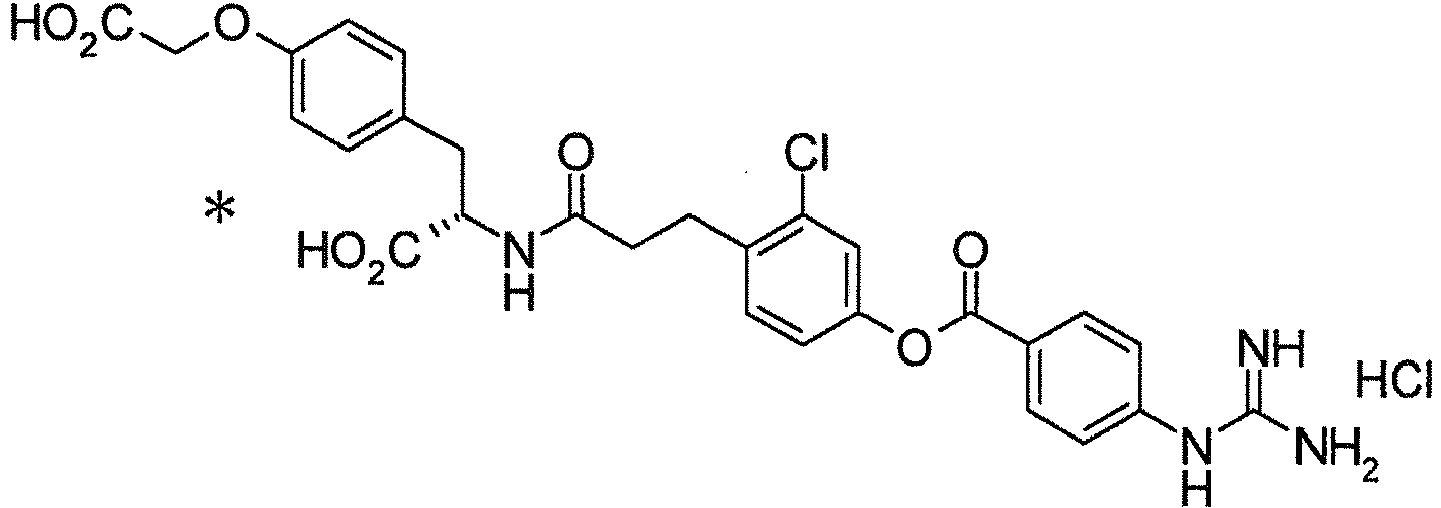
[Table 79] Ex Str 71 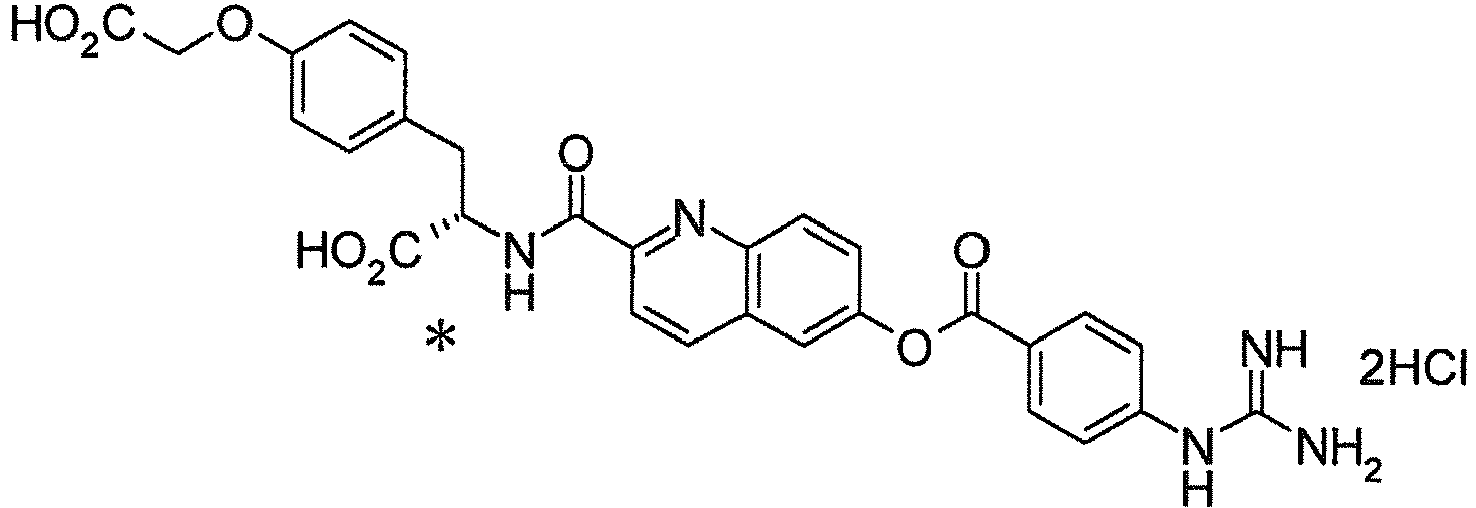
72 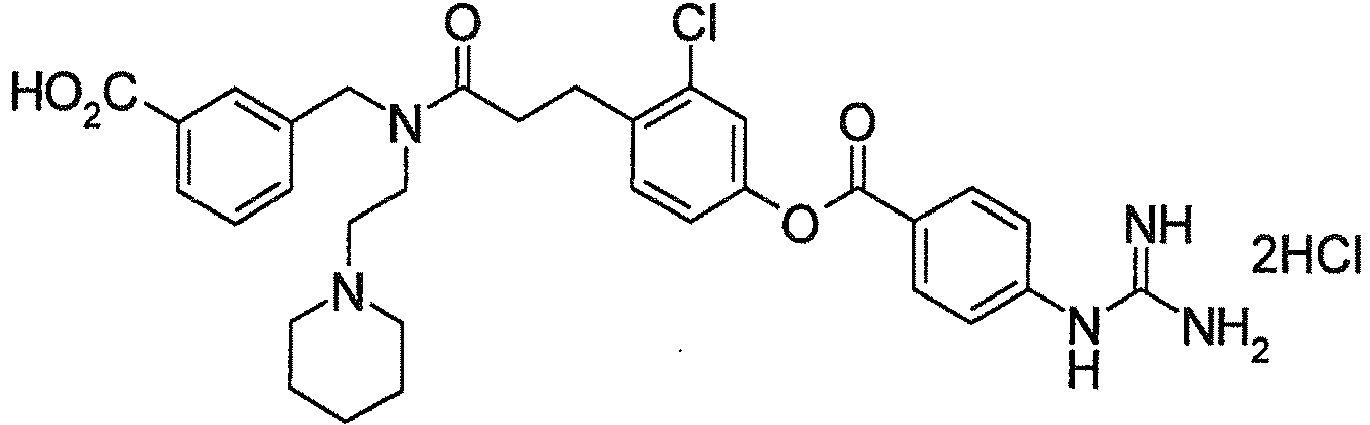
73 
74 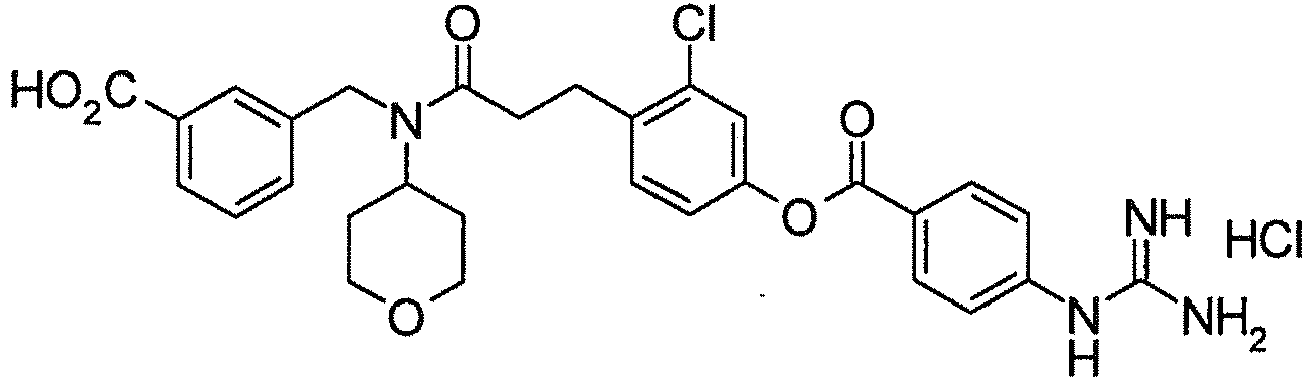
75 
[Table 80] Ex Str 76 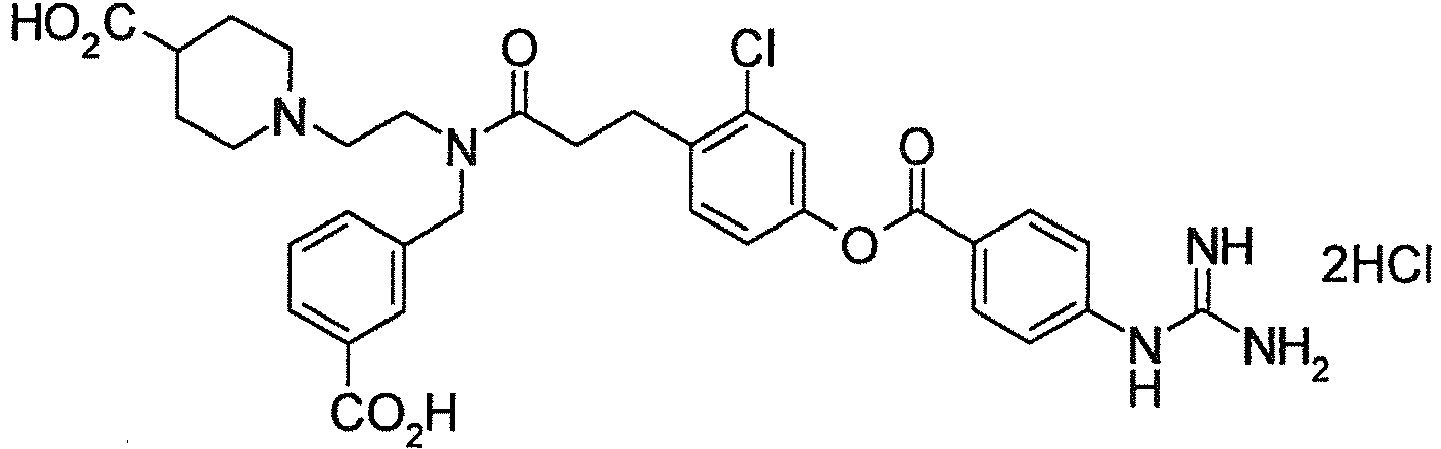
77 
78 
79 
80 
81 
[Table 81] Ex Str 82 
83 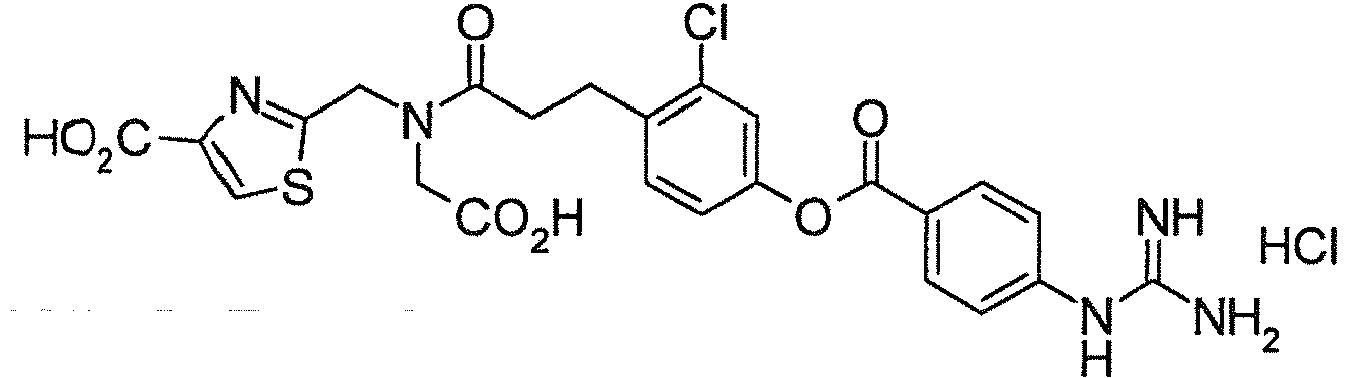
84 
85 
86 
87 
[Table 82] Ex Str 88 
89 
90 
91 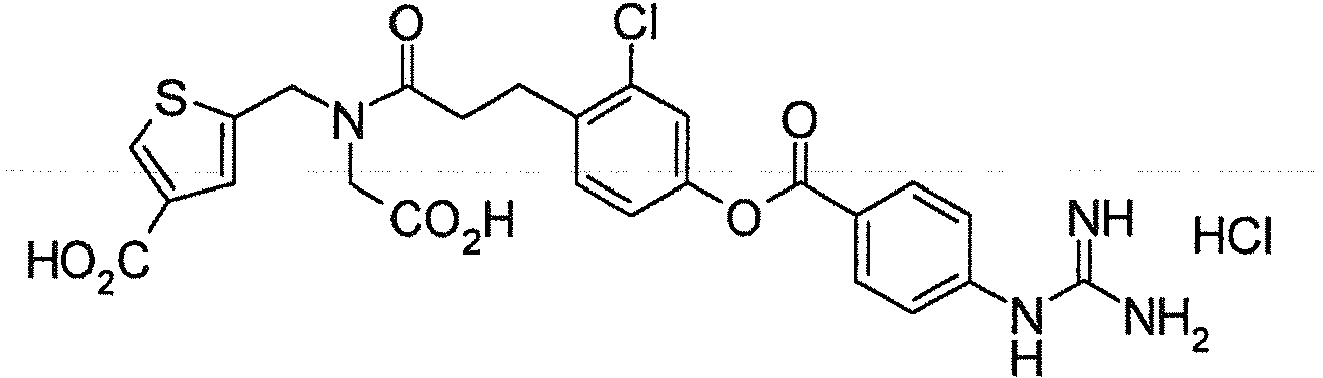
92 
93 
[Table 83] Ex Str 94 
95 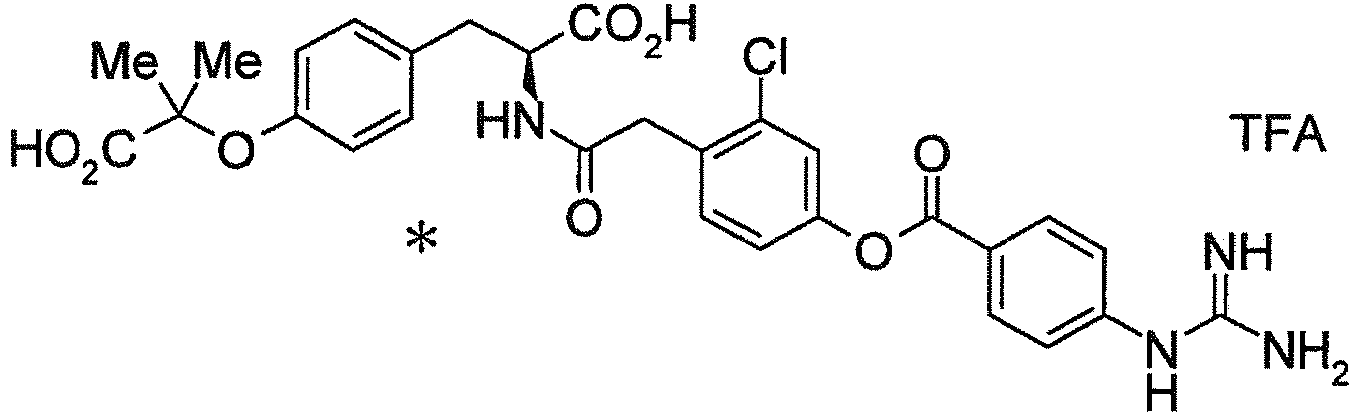
96 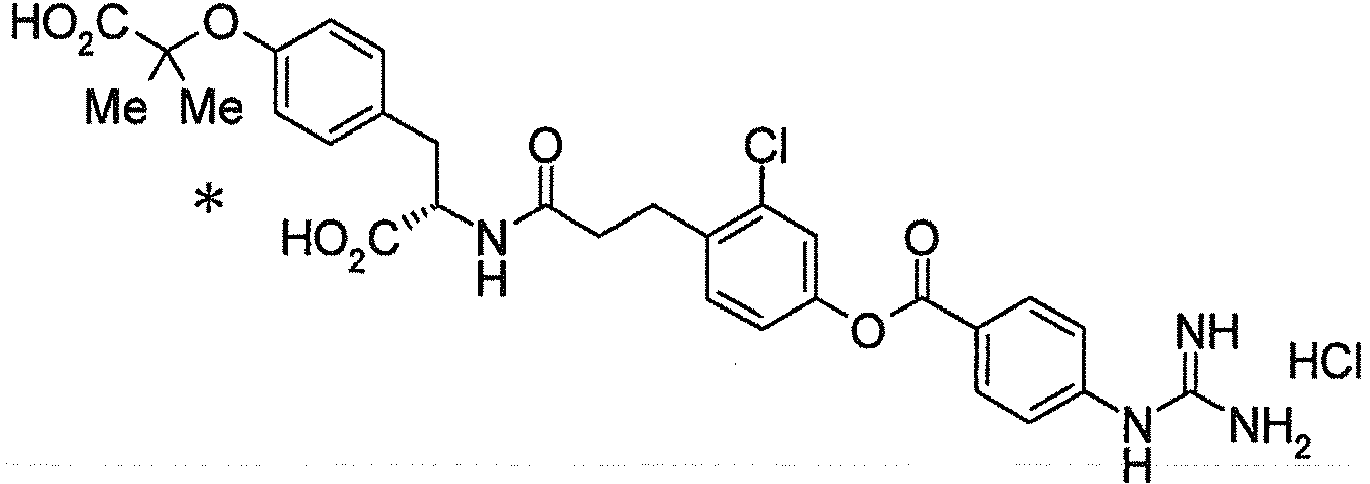
97 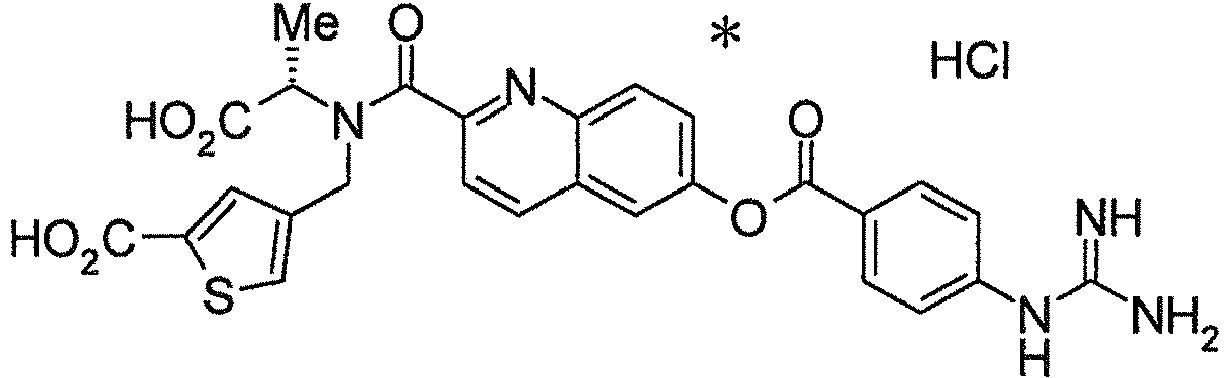
98 
[Table 84] Ex Str 99 
100 
101 
102 
103 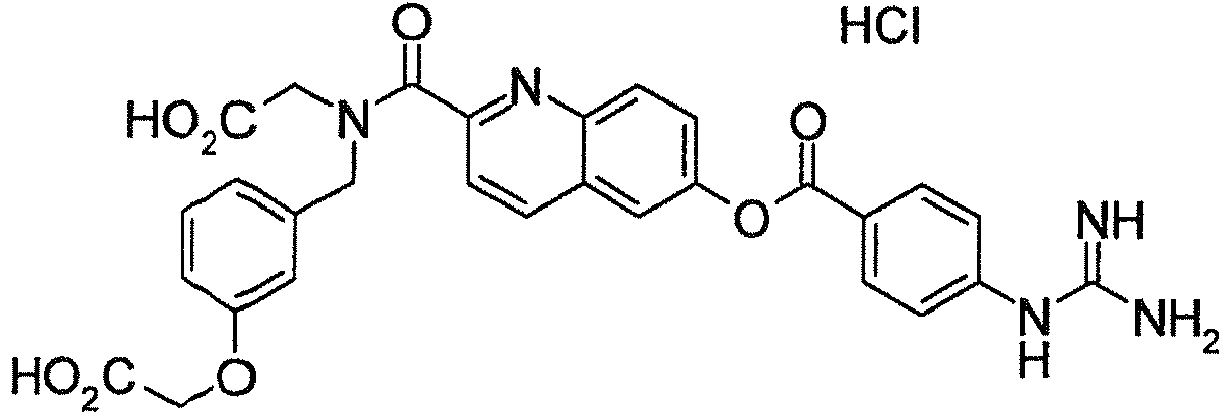
104 
[Table 85] Ex Str 105 
106 
107 
108 
109 
110 
[Table 86] Ex Str 111 
112 
113 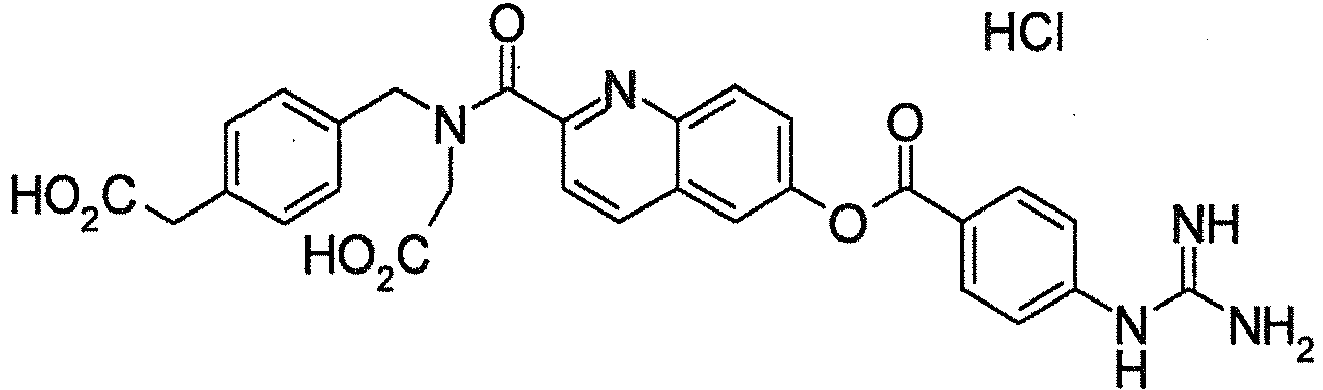
114 
115 
116 
[Table 87] Ex Str 117 
118 
119 
120 
121 
122 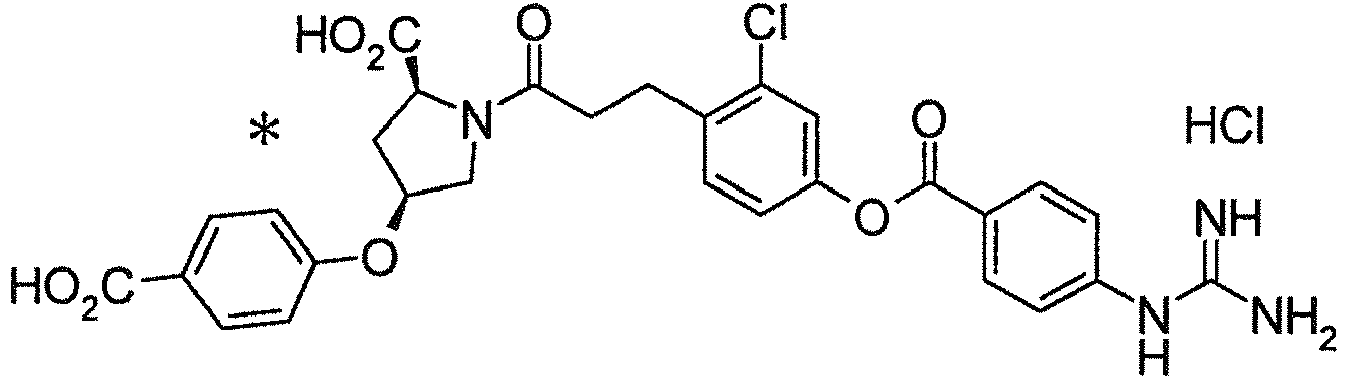
[Table 88] Ex Str 123 
124 
125 
126 
127 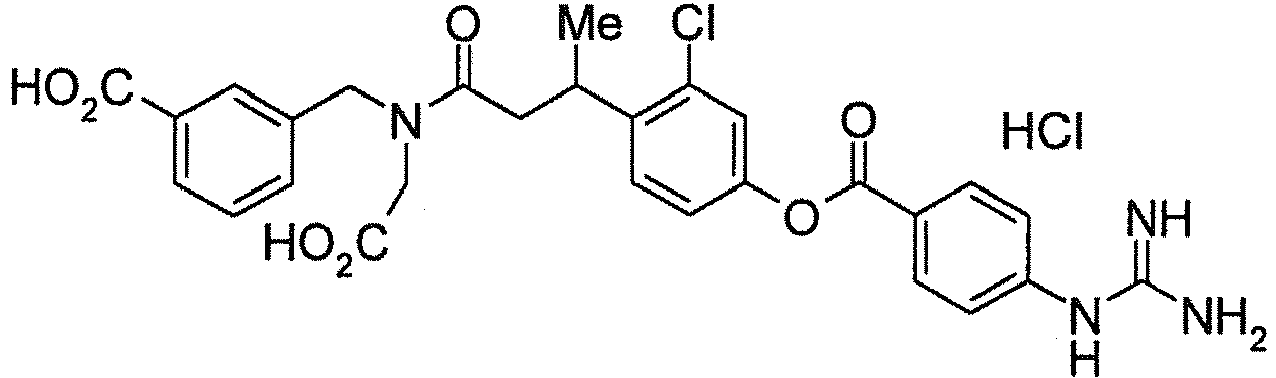
128 
[Table 89] Ex Str 129 
130 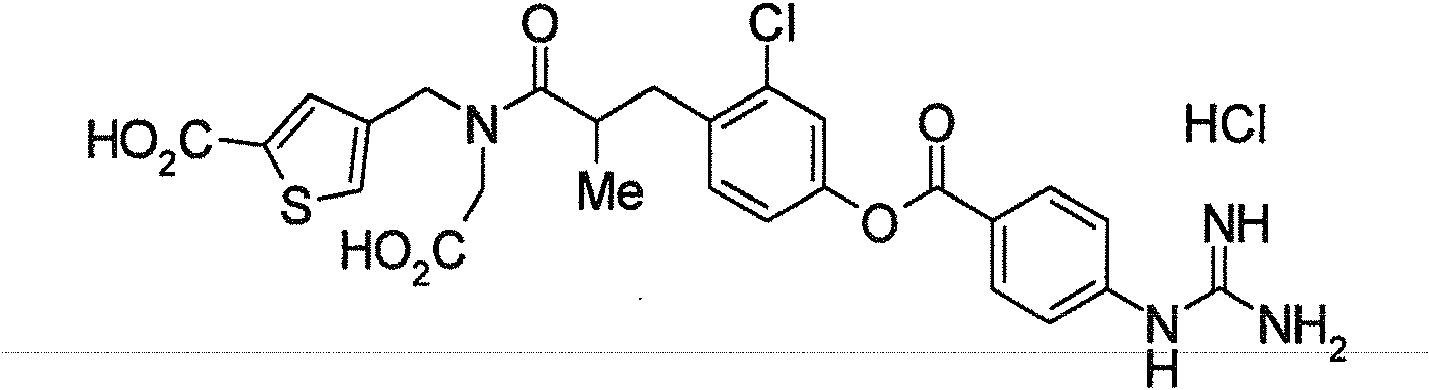
131 
132 
133 
134 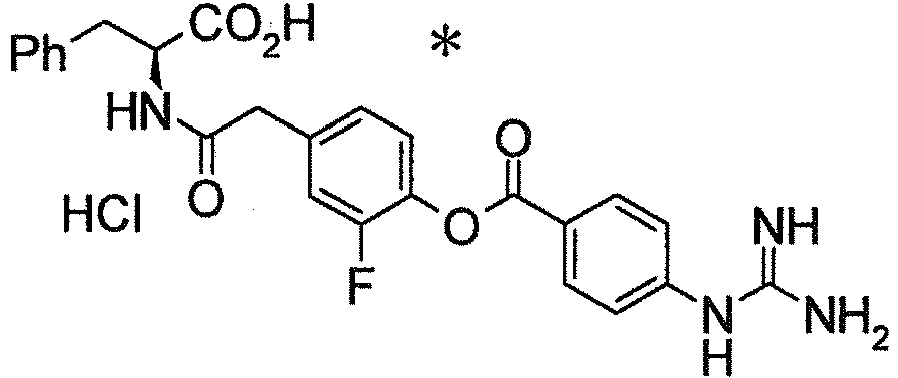
[Table 90] Ex Syn Data 1 1 ESI+:511, 513 2 2 ESI+:485, 487 3 3 ESI+:553,555, mp: 197°C NMR1:2.34(3H,s),2.59-2.74(2H,m),2.88-3.03(2H,m),3.94-4.15(2H,m),4.54-4.78(2H,m),7.14-7.24(1H,m),7.36-7.53(6H,m),7.74(4H,s),7.80-7.88(2H,m),8.10-8.18(2H,m),10.06(1H,s),12.91(2H,brs) 4 4 ESI+:542, mp: 255°C NMR1:3.84-4.16(2H,m),4.65-4.95(2H,m),7.10-8.58(18H,m) 5 5 ESI+:553,555, mp: 208°C NMR1:1.31(3H,dd,J=6.8,17.6Hz),3.36-4.96(5H,m),7.14-7.24(1H,m),7.28-7.61(6H,m),7.69-7.86(2H,m),8.10(2H,dd,J=8.8,14.8Hz),8.36(4H,brs),12.73(2H,brs) 6 1 ESI+:502 7 1 ESI+:498 8 1 ESI+:472 9 2 ESI+:486 10 2 ESI+:486 11 1 ESI+:495,497 12 1 ESI+:495,497 13 1 ESI+:539,541 NMR1:2.90-3.03(1H,m),3.12-3.22(1H,m),3.55-3.65(2H,m),4.46-4.59(1H,m),7.15(1H,dd,J=2.4,8.4Hz),7.25-7.48(6H,m),7.79(4H,s),7.85(2H,d,J=8.4Hz),8.15(2H,d,J=8.8Hz),8.51(1H,d,J=8. 4Hz),10.30(1H,brs),12.83(2H,brs) 14 1 ESI+:513,515 15 1 ESI+:529,531 NMR1:2.88(1H,dd,J=10.0,14.0Hz),3.10(1H,dd,J=6.0,14.0Hz),3.54-3.68(2H,m),4.43-4.55(1H,m),7.17(1H,dd,J=4.6,8.0Hz),7.23-7.36(5H,m),7.39-7.47(3H,m),7.77(4H,brs),8.15(2H,d,J=2.8Hz),8.48(1H,d,J=8.7Hz) 16 1 ESI+:525,527 NMR1:2.76-2.88(1H,m),2.97-3.13(1H,m),3.58-3.63(2H,m),3.68-3.74(3H,s),4.35-4.45(1H,m),6.83(2H,d,J=8.6Hz),7.10-7.20(3H,m),7.32(1H,d,J=8.5Hz),7.39-7.50(3H,m),7.83(4H,brs),8.15(2H,d,J=8.6Hz),8.29-8.40(1H,m) 17 1 ESI+:537 18 1 ESI+:495,497 19 1 ESI+:495,497 20 1 ESI+:495,497 21 1 ESI+:484 22 1 ESI+:484 23 1 E8I+:509,511 24 1 ESI+:497 25 1 ESI+:529 [Table 91] Ex Syn Data 26 1 ESI+:529,531 27 1 ESI+:529,531 28 1 ESI+:498 29 1 ESI+:513,515 30 1 ESI+:513,515 31 1 ESI+:563,565 32 1 ESI+:509,511 33 1 ESI+:509,511 34 1 ESI+:501 35 1 ESI+:509,511 36 1 ESI+:553,555 NMR1:2.61-2.74(2H,m),2.88-3.04(2H,m),3.94-4.17(2H,m),4.52-4.79(2H,m),7.14-7.26(1H,m),7.35-7.54(6H,m),7.73-7.92(6H,m),8.10-8.20(2H,m),10.31-10.41(1H,m),12.93(2H,brs) 37 1 ESI+:537,539 38 1 ESI+:529,531 39 1 ESI+:553 40 1 ESI+:553 NMR1:2.95-3.08(1H,m),3.12-3.27(1H,m),3.48-4.27(3H,m),4.70-4.95(1H,m),7.12-7.36(7H,m),7.37-7.48(3H,m),7.80(4H, s),8.11-8.21(2H,m),10.33(1H,brs) 41 1 ESI+:553,555 NMR1:2.34-2.42(2H,m),2.85-2.94(2H,m),3.60(2H,s),4.23(2H,s),7.15-7.45(9H,m),7.79(4H,brs),8.09-8.17(2H,m),10.32(1H,brs),12.50(1H,brs) 42 1 ESI+:481,483 43 1 ESI+:553,555 44 1 ESI+:553,555 45 1 ESI+:567,569 NMR1:2.42-2.57(2H,m),2.58-2.69(1H,m),2.76-2.88(1H,m),2.90-3.05(2H,m),3.41-3.55(2H,m),4.55-4.76(2H,m),7.14-7.26(1H,m),7.35-7.55(6H,m),7.70-7.90(6H,m),8.15(2H,dd,J=6.4,8.8Hz),10.40(1H,brs),12.62(2H,brs) 46 1 ESI+:481,483 47 1 ESI+:539,541 48 1 ESI+:507,509 49 1 ESI+:545 50 1 ESI+:523,525 51 1 ESI+:567,569 52 1 ESI+:495,497 NMR1:2.57(2H,t,J=7.6Hz),2.97(2H,t,J=7.6Hz),4.60(2H,d,J=6.0Hz),7.18-7.29(2H,m),7.34(1H,t,J=7.6Hz),7.39-7.54(5H,m),7.75-7.92(5H,m),8.16(2H,d,J=8.4Hz),8.34(1H,t,J=6.0Hz),10.45(1H,s) [Table 92] Ex Syn Data 53 1 ESI+:553,555 NMR1:2.57(1H,t,J=7.6Hz),2.70(1H,t,J=7.6Hz),2.87-3.04(2H,m),3.91-4.21(2H,m),4.81-5.07(2H,m),7.14-7.28(2H,m),7.32-7.61(6H,m),7.70-7.97(5H,m),8.00-8.20(2H,m),10.32(1H,s),12.44-13.30(2H,m) 54 1 ESI+:567,569 55 1 ESI+:629,631 56 1 ESI+:569,571 NMR1:2.83(1H,dd,J=9.6,13.8Hz), 3.02(1H,dd,J=4.8,13.6Hz),3.62(2H,s),4.37-4.47(1H,m),4.62(2H,s),6.78-6.85(2H,m),7.10-7.22(3H,m),7.31(1H,d,J=8.8Hz),7.39-7.47(3H,m),7.81(4H,s),8.12-8.19(2H,m),8.44(1H,d,J=8.4Hz),10.36(1H,s),12.84(1H,brs) 57 1 ESI+:553 58 1 ESI+:567 NMR1:2.45-2.60(2H,m),2.76-2.99(4H,m),3.44-3.64(2H,m),3.96-4.23(2H,m),7.15-7.26(1H,m),7.28-7.53(6H,m),7.73-7.91(6H,m),8.15(2H,d,J=8.8Hz),10.33(1H,s),12.30-13.25(2H,m) 59 1 ESI+:542 NMR1:4.05-4.47(2H,m),4.77-4.92(2H,m),7.46-7.55(3H,m),7.66-8.27(13H,m),8.53-8.58(1H,m),10.53-10.59(1H,m) 60 1 ESI+:553,555 NMR1:1.33(3H,dd,J=8.0,16.0Hz),3.84-4.11(2H,m),4.20-4.86(3H,m),7.21-7.32(1H,m),7.34-7.56(6H,m),7.69-7.98(6H,m),8.15(2H,d,J=8.0Hz),10.48(1H,d,J=4.0Hz),12.90(1H,brs) 61 1 ESI+:554,556 NMR1:3.01(3H,s),3.66(2H,s),4.38(2H,s),7.19(1H,dd,J=2.5,8.6Hz),7.28-7.49(6H,m),7.64(1H,s),7.72-7.88(5H,m),8.08-8.16(2H,m),10.33(1H,s),12.30-13.04(2H,m) 62 1 ESI+:509,511 63 1 ESI+:559 NMR1:2.55-2.65(1H,m),2.66-2.77(1H,m),2.87-3.01(2H,m),3.95-4.17(2H,m),4.43-4.66(2H,m),7.17-7.25(1H,m),7.34-7.50(4H,m),7.59-7.70(2H,m),7.85(4H,brs),8.07-8.19(2H,m),10.45-10.52(1H,m), 64 1 ESI+:597,599 NMR1:2.61-2.75(2H,m),2.87-3.04(2H,m),3.97-4.23(2H,m),4.58-4.87(2H,m),7.12-7.26(1H,m),7.31-7.51(4H,m),7.85(4H,s),8.02-8.19(4H,m),8.34-8.40(1H,m),10.49(1H,brs),13.15(2H,brs) 65 1 ESI+:525,527 66 1 ESI+:553,555 NMR1:2.84-3.09(2H,m),3.48-3.88(4H,m),3.94-4.30(2H,m),7.15-7.30(1H,m),7.34-7.59(6H,m),7.68-7.94(6H,m),8.08-8.22(2H,m),10.34-10.46(1H,m),12.86(1H,brs) 67 2 ESI+:577,579 68 1 ESI+:603 [Table 93] Ex Syn Data 69 1 ESI+:593,595 70 1 ESI+:583 71 1 ESI+:572 NMR1:3.21(2H,d,J=8.0Hz),4.60(2H,s),4.71-4.80(1H,m),6.82(2H,d,J=8.0Hz),7.19(2H,d,J=8.0Hz),7.48(2H,d,J=8.0Hz),7.77-9.96(5H,m),8.06(1H,d,J=4.0Hz),8.18(1H,d,12.0Hz),8.24(3H,d,J=8.0Hz),8.61(1 H,d,J=8.0Hz),8.85(1H,d,J=8.0Hz),10.50(1H,s) 72 1 ESI+:606 73 1 ESI+:608,610 74 1 ESI+:579 75 1 ESI+:553 76 1 ESI+:650 77 1 ESI+:554 78 1 ESI+:567,569 NMR1:2.60-2.75(2H,m),2.88-3.04(2H,m),3.50-3.60(2H,m),3.88-4.13(2H,m),4.45-4.70(2H,m),7.04-7.52(9H,m),7.72-7.91(4H,m),8.11-8.20(2H,m),10.31-10.41(1H,m),12.00-13.30(2H,m) 79 1 ESI+:604 80 1 ESI+:548 NMR1:4.06-4.46(2H,m),4.64-4.80(2H,m),7.47(2H,d,J=8.0Hz),7.75-8.14(10H,m),8.23(2H,d,J=8.0Hz),8.51-8.60(1H,m),10.39-10.48(1H,m) 81 1 ESI+:568 82 1 ESI+:621,623 83 1 ESI+:560,562 84 1 ESI+:571 85 1 ESI+:583,585 86 1 ESI+:571 87 1 ESI+:523,525 88 1 ESI+:539 89 1 ESI+:569 90 1 ESI+:615,617 91 1 ESI+:559 92 1 ESI+:559 93 1 ESI+:629 94 2 ESI+:568 95 2 ESI+:597,599 NMR1:1.47(6H,s),2.75-2.88(1H,m),2.96-3.08(1H,m),3.55-3.67(2H,m),4.33-4.44(1H,m),6.73(2H,d,J=8.8Hz),7.07-7.22(3H,m),7.33(1H,d,J=8.4Hz),7.38-7.47(3H,m),7.95(4H,s),8.14(2H,d,J=8.4Hz),8.28-8.40(1H,m) 96 2 ESI+:611,613 NMR1:1.44-1.48(6H,m),2.38-2.46(2H,m),2.73-2.90(3H,m),2.98(1H,dd,J=4.8,13.6Hz),4.34-4.43(1H,m),6.70-6.76(2H,m),7.07-7.12(2H,m),7.17(1H,dd,J=2.4,8.4Hz),7.32(1H,d,J=8.4Hz),7.41-7.46(3H,m),7.80(4H,s),8.12-8.18(2H,m),8.25(1H,d,J=8.0Hz),10.32(1H,s),12.82(2H,brs) [Table 94] Ex Syn Data 97 1 ESI+:564 98 1 ESI+:555 99 2 ESI+:574 100 2 ESI+:566,568 101 2 ESI+:566,568 102 1 ESI+:562 NMR1:1.37(3H,t,J=7.8Hz),4.28-4.44(1H,m),4.53-5.09(2H,m),7.45(2H,d,J=8.4Hz),7.58-8.55(12H,m) 103 2 ESI+:572 104 2 ESI+:542 105 1 ESI+:537 106 2 ESI+:556 107 2 ESI+:598 108 2 ESI+:553 NMR1:1.33(3H,dd,J=8.0,16.0Hz),3.84-4.10(2H,m),4.21-4.85(3H,m),7.07-7.98(13H,m),5.15 (2H,d,J=8.0Hz),10.49(1H,d,J=4.0Hz),12.92(1H,brs) 109 2 ESI+:553 110 2 ESI+:553,555 111 1 ESI+:560,562 NMR1:3.04(3H,s),3.68(2H,s),4.26(2H,s),7.23(1H,dd,J=2.8,8.8Hz),7.37-7.48(5H,m),7.51( d, H,J=2.8Hz),7.83(4H,s),8.10-8.16(2H,m),10.41(1H,s) 112 2 ESI+:542 113 2 ESI+:556 NMR1:3.34-3.83(2H,m),4.02-4.38(2H,m),4.70-4.84(2H,m),7.25(2H,dd,J=8.4,15.2Hz),7.33-7.41(2H,m), 7.43-7.51 (2H,m),7.74-7.92(6H,m),8.00(1H,d,J=2.8Hz),8.05-8.13(1H,m),8.19-8.27(2H,m),8.51-8.57(1H,m), 10.31(1H,d,J=4.4Hz) 114 1 ESI+:567 115 2 ESI+:553,555 116 1 ESI+:584 117 1 ESI+:556 118 1 ESI+:495, 497 119 1 ESI+:486 NMR1:3.08(1H,dd,J=1.0.8,13.9Hz),3.22(1H,dd,J=4.4,13.9Hz),4.61-4.70(1H,m),6.94(1H,dd,J=2.1,8.6Hz),7.14-7.36(7H,m),7.44(2H,d,J=8.8Hz),7.70(1H,d,J=8.8Hz),7.79(4H,brs),8.18(2 H,d,J=8.8Hz),8.75(1H,d,J=8.4Hz),10.35(1H,brs),11.64-11.70(1H,m),12.83(1H,brs) 120 2 ESI+:542 121 2 ESI+:562 122 1 ESI+:595,597 123 2 ESI+:553 124 2 ESI+:582,584 [Table 95] Ex Syn Data 125 2 ESI+:600 126 2 ESI+:556 127 2 ESI+:567,569 128 2 ESI+:573 129 2 ESI+:567 130 2 ESI+:573 131 1 ESI+:509,511 132 1 ESI+:491 133 1 ESI+;495,497 134 1 ESI+:479 [Table 96] Ex Str ESI+ RT A1 
443 1.42 A2 
425 1.63 A3 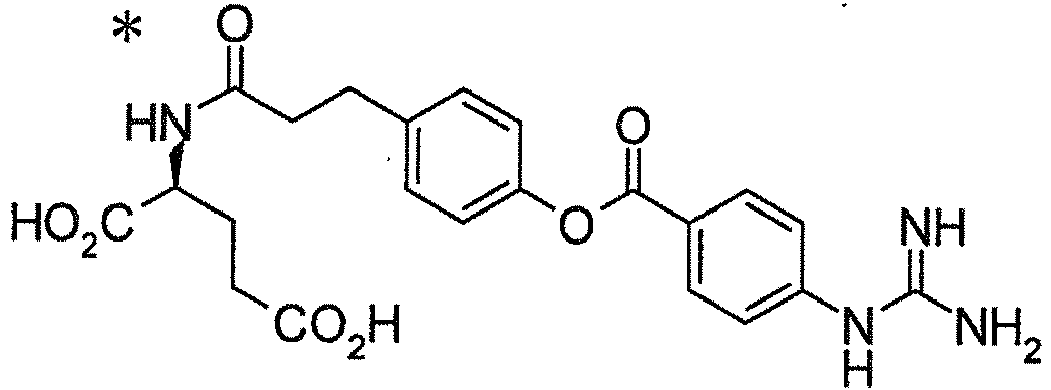
457 1.4 A4 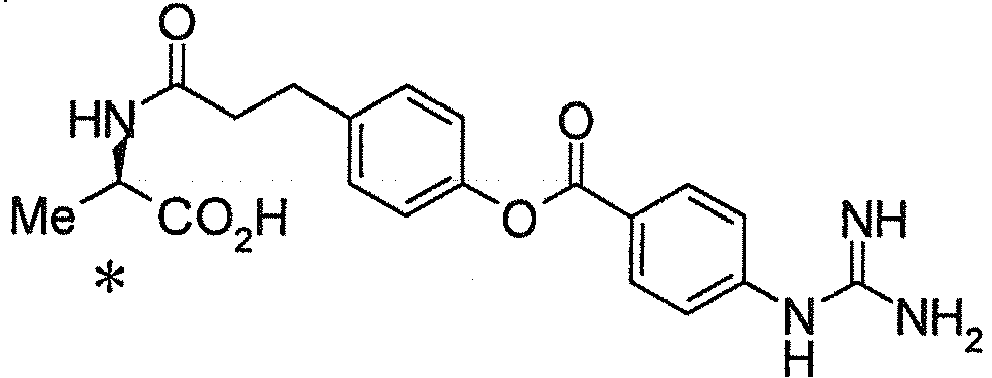
399 1.55 A5 
425 1.62 A6 
457 1.42 [Table 97] Ex Str ESI+ RT A7 
461 1.84 A8 
413 1.52 A9 
489 1.96 A10 
489 1.94 A11 
475 1.8 A12 
455 1.89 [Table 98] Ex Str ESI+ RT A13 
455 1.89 A14 
399 1.55 A15 
429 1.38 A16 
453 1.76 A17 
443 1.42 A18 
441 1.95 [Table 99] Ex Str ESI+ RT A19 
427 1.77 A20 
514 1.94 A21 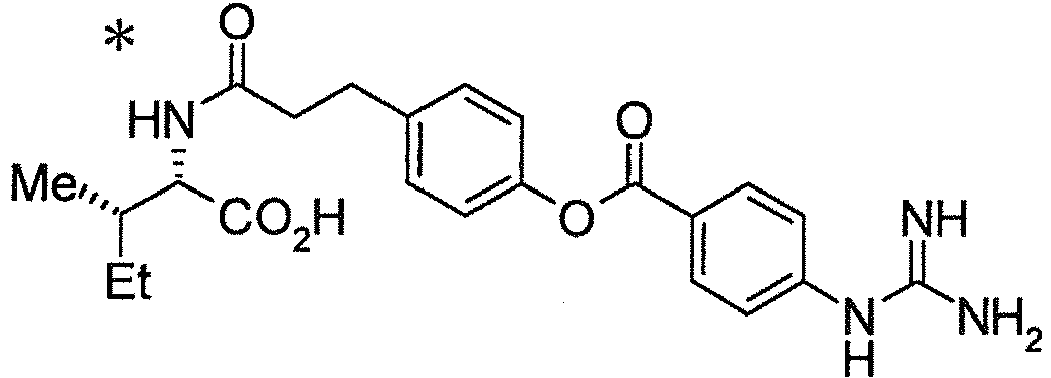
441 1.89 A22 
441 1.91 A23 
427 1.73 A24 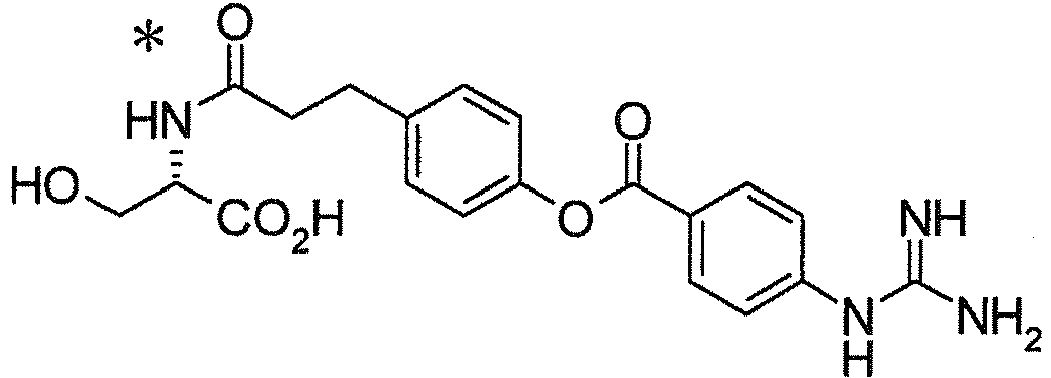
415 1.37 [Table 100] Ex Str ESI+ RT A25 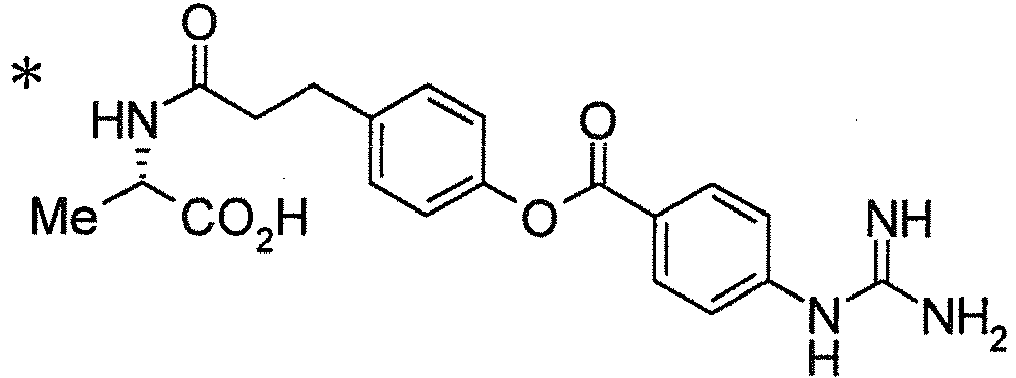
399 1.54 A26 
411 1.55 A27 
385 1.37 A28 
411 1.55 A29 
447 1.73 A30 
399 1.35 [Table 101] Ex Str ESI+ RT A31 
475 1.85 A32 
475 1.85 A33 
461 1.72 A34 
441 1.83 A35 
415 1.3 A36 
439 1.63 A37 
429 1.26 [Table 102] Ex Str ESI+ RT A38 
427 1.86 A39 
413 1.68 A40 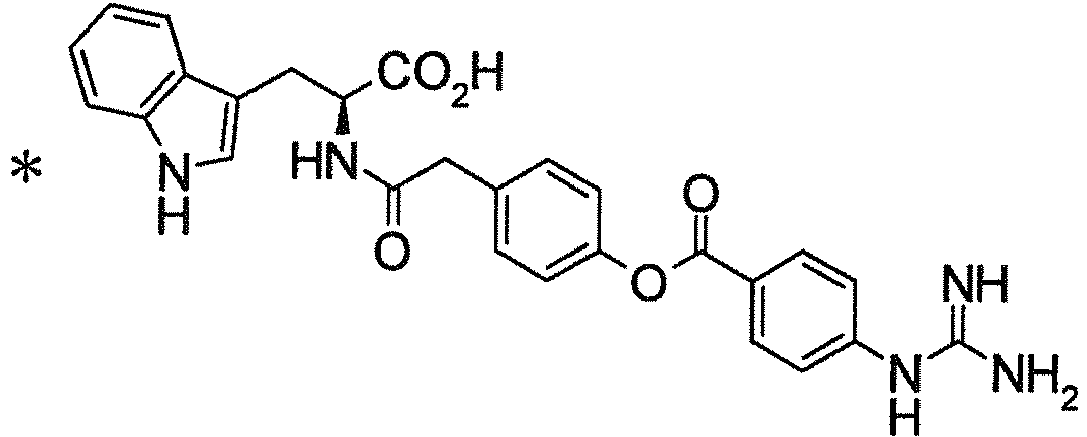
500 1.88 A41 
427 1.85 A42 
427 1.86 A43 
413 1.62 [Table 103] Ex Str ESI+ RT A44 
401 1.19 A45 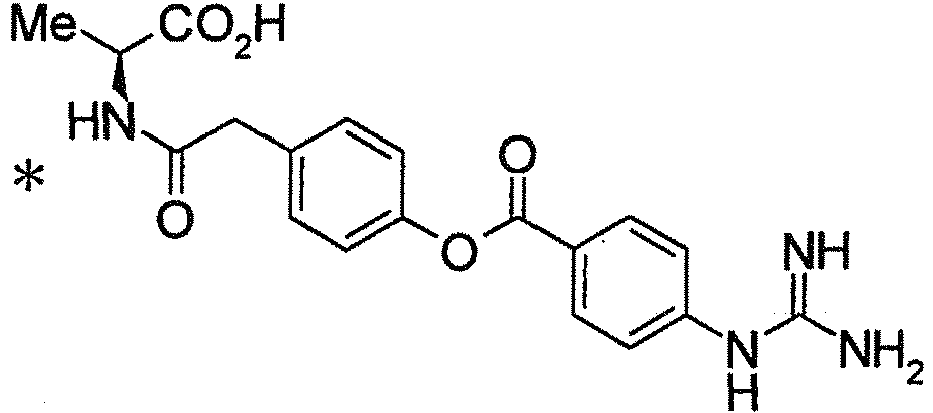
385 1.38 - The compound of the formula (I) or a salt thereof has a trypsin inhibitory action, and can be used as an agent for preventing and/or treating renal disease as an agent which will substitute low-protein diet therapy, and an agent for preventing and/or treating trypsin-related diseases, for example, pancreatitis, gastroesophageal reflux disease, hepatic encephalopathy, influenza, and the like.
| Time (min) | A sol (%) | B sol (%) | Elution |
| 0-3 | 95 | 5 | Gradient |
| 3-4 | 10 | 90 | Isocratic |
Claims (16)
- A compound of the formula (I) or a salt thereof:

Ring A is the following formula (a), (b), or (c),
R2 is H, (lower alkyl which may be substituted with at least one substituent selected from the group consisting of halogen, -CO2H, -OH, -O-lower alkyl, cycloalkyl which may be substituted, aryl which may be substituted, aromatic heterocycle which may be substituted, and non-aromatic heterocycle which may be substituted), cycloalkyl which may be substituted, aryl which may be substituted, aromatic heterocycle which may be substituted, non-aromatic heterocycle which may be substituted, or -C(O)-lower alkylene-aryl which may be substituted,
L1 is -Y1-lower alkylene-Y2- or -C(O)-N(R6)-, and when Ring A is the formula (b) or the formula (c), L1 may also be -C(O)-,
L2 is -(lower alkylene which may be substituted with at least one substituent selected from the group consisting of halogen, -CO2H, -OH, -O-lower alkyl, cycloalkyl which may be substituted, aryl which may be substituted, aromatic heterocycle which may be substituted, and non-aromatic heterocycle which may be substituted)-, -Y3-cyclohexanediyl-Y4- or -Y3-phenylene-Y4-, and L2 may be combined with the nitrogen atom bonded thereto and the R2 group on the nitrogen atom to form cyclic amino which may be substituted,
R3 is H, lower alkyl which may be substituted with halogen, halogen, -OH, -O-lower alkyl, cycloalkyl, aryl, aromatic heterocycle or non-aromatic heterocycle, provided that when -L2-N(R2)-L1- is -(CH2)n-NH-C(O)-(CH2)n-, -CH(-R2)-NH-C(O)-(CH2)n-, or -(CH2)r-Phenylene-NH-C(O)-(CH2)n- (wherein n's are the same as or different from each other and represent an integer of 0 to 5, r is 0 or 1, Rz represents benzyl or -CH2-C(O)-OCH3, and the benzyl may have substituent (s) selected from the group consisting of halogen, nitro, lower alkyl, -OH and-O-lower alkyl), and R3 is a group other than H,
R4's are the same as or different from each other, lower alkyl which may be substituted with halogen, halogen, -OH, -O-lower alkyl, cycloalkyl, aryl, aromatic heterocycle, or non-aromatic heterocycle,
R5 is H or lower alkyl,
R6 is H or lower alkyl,
X1, X2 and X3 are the same as or different from each other and are CH or N, provided that at least one of X1, X2 and X3 is N,
Y1 is a bond or -C(O)-,
Y2 is a bond, -N(R6)- or -C(O)-N(R6)-,
Y3,s are the same as or different from each other, and represent a bond or lower alkylene, Y4,s are the same as or different from each other, and are a bond, lower alkylene or -C(O)-, m is an integer of 0 to 4,
p is an integer of 0 to 3, and
q is an integer of 0 to 4). - The compound or a salt thereof according to claim 1, wherein Ring A is the formula (a) or the formula (b), m is 0, and p is an integer of 0 or 1.
- The compound or a salt thereof according to claim 2, wherein Ring A is the formula (a), and R3 is lower alkyl which may be substituted with halogen, halogen, cycloalkyl or aryl.
- The compound or a salt thereof according to claim 3, wherein R2 is lower alkyl which may be substituted with at least one substituent selected from the group consisting of halogen, -CO2H, -OH, -O-lower alkyl, cycloalkyl which may be substituted, aryl which may be substituted, aromatic heterocycle which may be substituted, and non-aromatic heterocycle which may be substituted, or H, L1 is -lower alkylene-, -C(O)-lower alkylene-, -lower alkylene-C(O)-N(R6)- or -C(O)-N(R6)-, L2 is -(lower alkylene which may be substituted with at least one substituent selected from the group consisting of halogen, -CO2H, -OH, -O-lower alkyl, cycloalkyl which may be substituted, aryl which may be substituted, aromatic heterocycle which may be substituted, and non-aromatic heterocycle which may be substituted)-, -lower alkylene-phenylene-, -phenylene-lower alkylene- or -lower alkylene-phenylene-lower alkylene-.
- The compound or a salt thereof according to claim 4, wherein R3 is halogen, R2 is lower alkyl substituted with at least one substituent selected from the group consisting of -CO2H, aryl substituted with one or more -CO2H, and aromatic heterocycle substituted with one or more -CO2H, or H, p is 0, L1 is -C(O)-lower alkylene- or -C(O)-N(R6)-, L2 is -(lower alkylene which may be substituted with aryl which may be substituted with at least one substituent selected from the group consisting of -CO2H and -O-lower alkylene-CO2H)-, -lower alkylene-phenylene-, - phenylene-lower alkylene-, or -lower alkylene-phenylene-lower alkylene-.
- The compound or a salt thereof according to claim 5, wherein L2 is -(-lower alkylene which may be substituted with aryl which may be substituted with O-lower alkylene-CO2H)- or -phenylene-lower alkylene-.
- The compound or a salt thereof according to claim 2, wherein Ring A is the formula (b), X1 is N, X2 and X3 are CH, L1 is -C(O)-, L2 is -lower alkylene which may be substituted with aryl which may be substituted-, -lower alkylene-phenylene-, -phenylene-lower alkylene- or -lower alkylene-phenylene-lower alkylene-, R2 is lower alkyl substituted with at least one substituent selected from the group consisting of -CO2H and aromatic heterocycle substituted with one or more -CO2H, or H, m is 0, and p is 0.
- The compound or a salt thereof according to claim 7, wherein L2 is -lower alkylene-, -phenylene-lower alkylene- or -lower alkylene-phenylene-lower alkylene-, and R2 is lower alkyl substituted with at least one substituent selected from the group consisting of -CO2H and aromatic heterocycle substituted with one or more -CO2H.
- The compound or a salt thereof according to claim 8, wherein L2 is -lower alkylene- or - phenylene-lower alkylene-.
- The compound or a salt thereof according to claim 1, which isN-({4-[(4-carbamimidamidobenzoyl)oxy]-2-chlorophenyl}acetyl)-4-carboxy-L-phenylalanine,3-{[((3-{4-[(4-carbamimidamidobenzoyl)oxy]-2-chlorophenyl}propanoyl)(carboxymethyl)amino]methyl}benzoic acid,N-(3-{4-[(4-carbamimidamidobenzoyl)oxy]-2-chlorophenyl}propanoyl)-N-[3-(carboxymethyl)phenyl]glycine,3-{[((3-{4-[(4-carbamimidamidobenzoyl)oxy]-2-chlorophenyl}propanoyl)(2-carboxyethyl)amino]methyl}benzoic acid,2-{[((3-{4-[(4-carbamimidamidobenzoyl)oxy]-2-chlorophenyl}propanoyl)amino]methyl}benzoic acid,2-{[((3-{4-[(4-carbamimidamidobenzoyl)oxy]-2-chlorophenyl}propanoyl)(carboxymethyl)amino]methyl}benzoic acid,N-({4-[(4-carbamimidamidobenzoyl)oxy]-2-chlorophenyl}acetyl)-O-(carbaxymethyl)-L-tyrosine,3-{2-[(3-{4-[(4-carbamimidamidobenzoyl)oxy]-2-chlorophenyl}propanoyl)(carboxymethyl)amino]ethyl}benzoic acid,3-{[({6-[(4-carbamimidamidobenzoyl)oxy]quinolin-2-yl}carbonyl)(carboxymethyl)amino]methyl}benzoic acid,3-{[((2-{4-[(4-carbamimidamidobenzoyl)oxy]-2-chlorophenyl}propanoyl)(carboxymethyl)amino]methyl}benzoic acid,3-({[{4-[(4-carbamimidamidobenzoyl)oxy]-2-chlorophenyl}(methyl)carbamoyl](carboxymethyl)amino}methyl)benzoic acid,4-{{[((3-{4-[(4-carbamimidamidobenzoyl)oxy]-2-chlorophenyl}prapanoyl)(carboxymethyl)amino]methyl}thiophene-2-carboxylic acid,5-{[((3-{4-[(4-carbamimidamidobenzoyl)oxy]-2-chlorophenyl}propanoyl)(carboxymethyl)amino]methyl}isophthalic acid,N-(3-{4-[(4-carbamimidamidobenzoyl)oxy]-2-chlorophenyl}propanoyl)-N-[3-(carboxymethyl)benzyl]glycine,4-{[({6-[(4-carbamimidamidobenzoyl)oxy]quinolin-2-yl}carbonyl)(carboxymethyl)amino]methyl}thiophene-2-carboxylic acid,N-({4-[(4-carbamimidamidobenzoyl)oxy]-2-chlorophenyl}acetyl)-O-(2-carboxypropan-2-yl)-L-tyrosine,N-(3-{4-[(4-carbarnimidamidobenzoyl)oxy]-2-chlorophenyl}propanoyl)-O-(2-carboxypropan-2-yl)-L-tyrosine,4-({({6-[(4-carbamimidamidobenzoyl)oxy]quinolin-2-yl}carbonyl)[(1R)-1-carbaxyethyl]amino}methyl)thiophene-2-carboxylic acid,3-{[((2-{4-[(4-carbamimidamidobenzoyl)oxy]-2-chlorophenyl}propanoyl)(carboxymethyl)amino]methyl}benzoic acid,4-({[{4-[(4-carbamimidamidobenzoyl)oxy]-2-chlorophenyl}(methyl)carbamoyl](carboxymethyl)amino}methyl)thiophene-2-carboxylic acid,N-({6-[(4-carbamimidamidobenzoyl)oxy]quinolin-2-yl}carbonyl)-N-[4-(carboxymethyl)benzyl]glycine, orN-({6-[(4-carbamidamidobenzoyl)oxy]-1H-indol-2-yl}carbonyl)-L-phenylalanine,or a salt thereof.
- A pharmaceutical composition comprising the compound or a salt thereof according to claim 1 and a pharmaceutically acceptable excipient.
- The pharmaceutical composition according to claim 1, which is a pharmaceutical composition for preventing or treating renal diseases.
- Use of the compound or a salt thereof according to claim 1, for the manufacture of a pharmaceutical composition for preventing or treating renal diseases.
- Use of the compound or a salt thereof according to claim 1 for preventing or treating renal diseases.
- The compound or a salt thereof according to claim 1 for preventing or treating renal diseases.
- A method for preventing or treating renal diseases, comprising administering to a subject an effective amount of the compound or a salt thereof according to claim 1.
Priority Applications (1)
| Application Number | Priority Date | Filing Date | Title |
|---|---|---|---|
| PL12831685T PL2757093T3 (en) | 2011-09-15 | 2012-09-14 | Guanidinobenzoic acid compound |
Applications Claiming Priority (2)
| Application Number | Priority Date | Filing Date | Title |
|---|---|---|---|
| JP2011201651 | 2011-09-15 | ||
| PCT/JP2012/073576 WO2013039187A1 (en) | 2011-09-15 | 2012-09-14 | Guanidinobenzoic acid compound |
Publications (3)
| Publication Number | Publication Date |
|---|---|
| EP2757093A1 true EP2757093A1 (en) | 2014-07-23 |
| EP2757093A4 EP2757093A4 (en) | 2015-02-25 |
| EP2757093B1 EP2757093B1 (en) | 2016-12-07 |
Family
ID=47883403
Family Applications (1)
| Application Number | Title | Priority Date | Filing Date |
|---|---|---|---|
| EP12831685.8A Active EP2757093B1 (en) | 2011-09-15 | 2012-09-14 | Guanidinobenzoic acid compound |
Country Status (19)
| Country | Link |
|---|---|
| US (1) | US9199927B2 (en) |
| EP (1) | EP2757093B1 (en) |
| JP (1) | JP6048409B2 (en) |
| KR (1) | KR101981347B1 (en) |
| CN (1) | CN103796992B (en) |
| AU (1) | AU2012309438A1 (en) |
| BR (1) | BR112014006125B1 (en) |
| CA (1) | CA2848561C (en) |
| EA (1) | EA025164B1 (en) |
| ES (1) | ES2617514T3 (en) |
| IL (1) | IL231499A0 (en) |
| IN (1) | IN2014CN01930A (en) |
| MX (1) | MX362948B (en) |
| PH (1) | PH12014500573A1 (en) |
| PL (1) | PL2757093T3 (en) |
| PT (1) | PT2757093T (en) |
| TW (1) | TW201326099A (en) |
| WO (1) | WO2013039187A1 (en) |
| ZA (1) | ZA201401901B (en) |
Cited By (4)
| Publication number | Priority date | Publication date | Assignee | Title |
|---|---|---|---|---|
| US9346821B2 (en) | 2011-06-07 | 2016-05-24 | Ajinomoto Co., Inc. | Heterocyclic carboxylic acid ester derivative |
| US9346776B2 (en) | 2014-02-13 | 2016-05-24 | Takeda Pharmaceutical Company Limited | Fused heterocyclic compound |
| EP2975023A4 (en) * | 2013-03-13 | 2016-08-03 | Astellas Pharma Inc | Guanidinobenzoic acid ester compound |
| US9428470B2 (en) | 2014-02-13 | 2016-08-30 | Takeda Pharmaceutical Company Limited | Heterocyclic compound |
Families Citing this family (11)
| Publication number | Priority date | Publication date | Assignee | Title |
|---|---|---|---|---|
| US9024044B2 (en) | 2012-06-14 | 2015-05-05 | Ajinomoto Co., Inc. | Heteroarylcarboxylic acid ester derivative |
| EP3239142B1 (en) * | 2014-12-26 | 2019-07-03 | Takeda Pharmaceutical Company Limited | Condensed heterocyclic compound |
| KR102121647B1 (en) | 2015-01-15 | 2020-06-10 | 고꾸리쯔 다이가꾸 호우징 오사까 다이가꾸 | Method for inducing differentiation of corneal epithelial cells from pluripotent stem cells |
| JP2018080109A (en) * | 2015-03-16 | 2018-05-24 | 武田薬品工業株式会社 | Therapeutic agent |
| JP6634070B2 (en) * | 2015-03-27 | 2020-01-22 | 武田薬品工業株式会社 | Fused heterocyclic compound |
| CN105801481A (en) * | 2016-05-20 | 2016-07-27 | 湖南欧亚生物有限公司 | Lenvatinib synthesizing method |
| CN107721853B (en) * | 2016-08-10 | 2020-05-22 | 上虞新和成生物化工有限公司 | A kind of method for synthesizing laoxacephate side chain |
| CN106397174B (en) * | 2016-08-24 | 2018-12-21 | 河北诚信集团有限公司 | A method of preparing the chloro- O-Anisic Acid of 3,6- bis- |
| JPWO2019088270A1 (en) * | 2017-11-02 | 2020-12-03 | 宇部興産株式会社 | Double-headed inhibitor of proteolytic enzyme |
| CN117551011B (en) * | 2022-08-06 | 2026-05-29 | 山东康乔生物科技有限公司 | Preparation method of benzylamine compound |
| CN117624079B (en) * | 2023-11-29 | 2025-08-08 | 东营施普瑞石油工程技术有限公司 | A zwitterionic drainage agent and its synthesis method |
Family Cites Families (18)
| Publication number | Priority date | Publication date | Assignee | Title |
|---|---|---|---|---|
| JPS5289640A (en) | 1976-01-21 | 1977-07-27 | Ono Pharmaceut Co Ltd | Guanidinobenzoic acid derivatives, and antiplasmin agents and remedies for pancreas diseases containing the said guanidinobensolc acid deriv atives |
| GB2044760B (en) * | 1979-03-01 | 1983-03-23 | Ono Pharmaceutical Co | Guanidinobenzoic acid derivatives |
| JPS5753454A (en) | 1980-09-16 | 1982-03-30 | Torii Yakuhin Kk | Guanidinobenzoate and anticomplementary agent |
| AU527371B2 (en) | 1980-09-16 | 1983-03-03 | Torii & Co., Ltd. | Amidine |
| JPS62103058A (en) * | 1985-07-26 | 1987-05-13 | Kowa Co | Benzoic acid ester |
| JPH0324571A (en) * | 1989-06-21 | 1991-02-01 | Fujitsu Ltd | Developing device |
| JPH0446148A (en) | 1990-06-08 | 1992-02-17 | Asahi Chem Ind Co Ltd | 4-guadininobenzoic phenyl ester derivative and protease inhibitor containing the same |
| JP3220225B2 (en) | 1992-04-10 | 2001-10-22 | 小野薬品工業株式会社 | Guanidinophenol derivatives |
| JPH06192085A (en) * | 1992-08-31 | 1994-07-12 | Yuji Inada | Therapeutic agent for mite allergy |
| US5432178A (en) | 1992-09-18 | 1995-07-11 | Ono Pharmaceutical Co., Ltd. | Amidinophenol derivatives |
| EP0673924A4 (en) | 1992-12-10 | 1996-04-24 | Teikoku Chem Ind Co Ltd | Propionic acid derivative. |
| JPH0753500A (en) | 1993-08-16 | 1995-02-28 | Sanwa Kagaku Kenkyusho Co Ltd | Guanidinobenzoic acid derivative and protease inhibitor with the same as active ingredient |
| JPH0848664A (en) | 1994-08-05 | 1996-02-20 | Hisamitsu Pharmaceut Co Inc | New guanidinobenzoic acid ester derivative |
| JPH09124571A (en) | 1995-11-01 | 1997-05-13 | Japan Tobacco Inc | Amide and its use |
| EP0893437A4 (en) | 1996-04-10 | 2000-12-27 | Ono Pharmaceutical Co | Tryptase inhibitor and novel guanidino derivatives |
| JPH10101556A (en) * | 1996-09-27 | 1998-04-21 | Ono Pharmaceut Co Ltd | Factor D inhibitor |
| JPH10306025A (en) * | 1997-05-07 | 1998-11-17 | Touin Yokohama Univ | Pollen protease inhibitor |
| CN102822154B (en) | 2009-12-07 | 2016-06-01 | 味之素株式会社 | Heteroarylcarboxylicacid acid ester derivative |
-
2012
- 2012-09-14 JP JP2013533725A patent/JP6048409B2/en not_active Expired - Fee Related
- 2012-09-14 CA CA2848561A patent/CA2848561C/en not_active Expired - Fee Related
- 2012-09-14 CN CN201280044954.1A patent/CN103796992B/en not_active Expired - Fee Related
- 2012-09-14 PL PL12831685T patent/PL2757093T3/en unknown
- 2012-09-14 US US14/344,377 patent/US9199927B2/en not_active Expired - Fee Related
- 2012-09-14 MX MX2014003229A patent/MX362948B/en active IP Right Grant
- 2012-09-14 BR BR112014006125-4A patent/BR112014006125B1/en not_active IP Right Cessation
- 2012-09-14 ES ES12831685.8T patent/ES2617514T3/en active Active
- 2012-09-14 IN IN1930CHN2014 patent/IN2014CN01930A/en unknown
- 2012-09-14 AU AU2012309438A patent/AU2012309438A1/en not_active Abandoned
- 2012-09-14 EA EA201490632A patent/EA025164B1/en not_active IP Right Cessation
- 2012-09-14 PH PH1/2014/500573A patent/PH12014500573A1/en unknown
- 2012-09-14 TW TW101133785A patent/TW201326099A/en unknown
- 2012-09-14 WO PCT/JP2012/073576 patent/WO2013039187A1/en not_active Ceased
- 2012-09-14 EP EP12831685.8A patent/EP2757093B1/en active Active
- 2012-09-14 KR KR1020147009549A patent/KR101981347B1/en not_active Expired - Fee Related
- 2012-09-14 PT PT128316858T patent/PT2757093T/en unknown
-
2014
- 2014-03-13 IL IL231499A patent/IL231499A0/en unknown
- 2014-03-14 ZA ZA2014/01901A patent/ZA201401901B/en unknown
Non-Patent Citations (2)
| Title |
|---|
| See also references of WO2013039187A1 * |
| ZLATOIDSKY P ET AL: "Synthesis and structure-activity relationship study of the new set of trypsin-like proteinase inhibitors", EUROPEAN JOURNAL OF MEDICINAL CHEMISTRY, EDITIONS SCIENTIFIQUE ELSEVIER, PARIS, FR, vol. 34, no. 12, 1 December 1999 (1999-12-01), pages 1023-1034, XP004186871, ISSN: 0223-5234, DOI: 10.1016/S0223-5234(99)00123-3 * |
Cited By (8)
| Publication number | Priority date | Publication date | Assignee | Title |
|---|---|---|---|---|
| US9346821B2 (en) | 2011-06-07 | 2016-05-24 | Ajinomoto Co., Inc. | Heterocyclic carboxylic acid ester derivative |
| EP2975023A4 (en) * | 2013-03-13 | 2016-08-03 | Astellas Pharma Inc | Guanidinobenzoic acid ester compound |
| AU2014230583B2 (en) * | 2013-03-13 | 2017-09-28 | Takeda Pharmaceutical Company Limited | Guanidinobenzoic acid ester compound |
| US9969709B2 (en) | 2013-03-13 | 2018-05-15 | Takeda Pharmaceutical Company Limited | Guanidinobenzoic acid ester compound |
| US9346776B2 (en) | 2014-02-13 | 2016-05-24 | Takeda Pharmaceutical Company Limited | Fused heterocyclic compound |
| US9428470B2 (en) | 2014-02-13 | 2016-08-30 | Takeda Pharmaceutical Company Limited | Heterocyclic compound |
| US9969705B2 (en) | 2014-02-13 | 2018-05-15 | Takeda Pharmaceutical Company Limited | Fused heterocyclic compound |
| US10023544B2 (en) | 2014-02-13 | 2018-07-17 | Takeda Pharmaceutical Company Limited | Heterocyclic compound |
Also Published As
| Publication number | Publication date |
|---|---|
| CA2848561C (en) | 2019-04-02 |
| PL2757093T3 (en) | 2017-06-30 |
| EP2757093B1 (en) | 2016-12-07 |
| BR112014006125B1 (en) | 2022-05-10 |
| ZA201401901B (en) | 2015-09-30 |
| CN103796992A (en) | 2014-05-14 |
| CA2848561A1 (en) | 2013-03-21 |
| IL231499A0 (en) | 2014-04-30 |
| JPWO2013039187A1 (en) | 2015-03-26 |
| WO2013039187A1 (en) | 2013-03-21 |
| MX362948B (en) | 2019-02-27 |
| EP2757093A4 (en) | 2015-02-25 |
| US20140378459A1 (en) | 2014-12-25 |
| KR101981347B1 (en) | 2019-05-22 |
| ES2617514T3 (en) | 2017-06-19 |
| PH12014500573A1 (en) | 2014-04-14 |
| MX2014003229A (en) | 2014-11-21 |
| CN103796992B (en) | 2016-04-27 |
| TW201326099A (en) | 2013-07-01 |
| EA201490632A1 (en) | 2014-08-29 |
| BR112014006125A2 (en) | 2017-06-13 |
| IN2014CN01930A (en) | 2015-09-04 |
| US9199927B2 (en) | 2015-12-01 |
| PT2757093T (en) | 2017-01-31 |
| KR20140061515A (en) | 2014-05-21 |
| AU2012309438A1 (en) | 2014-03-27 |
| JP6048409B2 (en) | 2016-12-21 |
| EA025164B1 (en) | 2016-11-30 |
Similar Documents
| Publication | Publication Date | Title |
|---|---|---|
| US9199927B2 (en) | Guanidinobenzoic acid compound | |
| US8163777B2 (en) | Benzimidazolyl-pyridine compounds for inflammation and immune-related uses | |
| US8119643B2 (en) | Benzoimidazolyl-pyrazine compounds for inflammation and immune-related uses | |
| EP1846372B1 (en) | Compounds for inflammation and immune-related uses | |
| US20150005320A9 (en) | Compounds for inflammation and immune-related uses | |
| JP6020460B2 (en) | Aminoalkyl-substituted N-thienylbenzamide derivatives | |
| EP2050446B1 (en) | Sulfonamide compound or salt thereof | |
| US8324219B2 (en) | Substituted benzoimidazolyl-pyrazine compounds for inflammation and immune-related uses | |
| EP2975023B1 (en) | Guanidinobenzoic acid ester compound | |
| HK1216246B (en) | Guanidinobenzoic acid ester compound | |
| JPWO1995021856A1 (en) | Carbamoylmethyl urea derivatives | |
| CN101370771A (en) | Diphenyl derivatives as calcium channel blockers |
Legal Events
| Date | Code | Title | Description |
|---|---|---|---|
| PUAI | Public reference made under article 153(3) epc to a published international application that has entered the european phase |
Free format text: ORIGINAL CODE: 0009012 |
|
| 17P | Request for examination filed |
Effective date: 20140314 |
|
| AK | Designated contracting states |
Kind code of ref document: A1 Designated state(s): AL AT BE BG CH CY CZ DE DK EE ES FI FR GB GR HR HU IE IS IT LI LT LU LV MC MK MT NL NO PL PT RO RS SE SI SK SM TR |
|
| AX | Request for extension of the european patent |
Extension state: BA ME |
|
| A4 | Supplementary search report drawn up and despatched |
Effective date: 20150126 |
|
| 17Q | First examination report despatched |
Effective date: 20160303 |
|
| GRAP | Despatch of communication of intention to grant a patent |
Free format text: ORIGINAL CODE: EPIDOSNIGR1 |
|
| RIC1 | Information provided on ipc code assigned before grant |
Ipc: C07D 233/64 20060101ALI20160613BHEP Ipc: C07D 207/16 20060101ALI20160613BHEP Ipc: C07D 209/20 20060101ALI20160613BHEP Ipc: C07D 277/20 20060101ALI20160613BHEP Ipc: C07D 333/38 20060101ALI20160613BHEP Ipc: C07D 295/12 20060101ALI20160613BHEP Ipc: C07D 213/79 20060101ALI20160613BHEP Ipc: C07D 271/06 20060101ALI20160613BHEP Ipc: C07D 209/42 20060101ALI20160613BHEP Ipc: A61P 43/00 20060101ALI20160613BHEP Ipc: A61P 13/12 20060101ALI20160613BHEP Ipc: C07C 307/10 20060101ALI20160613BHEP Ipc: C07D 277/56 20060101ALI20160613BHEP Ipc: A61K 31/404 20060101ALI20160613BHEP Ipc: C07D 215/20 20060101ALI20160613BHEP Ipc: C07D 215/48 20060101ALI20160613BHEP Ipc: C07C 279/18 20060101AFI20160613BHEP Ipc: C07D 215/50 20060101ALI20160613BHEP Ipc: C07D 211/62 20060101ALI20160613BHEP Ipc: C07D 257/04 20060101ALI20160613BHEP |
|
| INTG | Intention to grant announced |
Effective date: 20160708 |
|
| RAP1 | Party data changed (applicant data changed or rights of an application transferred) |
Owner name: ASTELLAS PHARMA INC. |
|
| GRAS | Grant fee paid |
Free format text: ORIGINAL CODE: EPIDOSNIGR3 |
|
| GRAA | (expected) grant |
Free format text: ORIGINAL CODE: 0009210 |
|
| AK | Designated contracting states |
Kind code of ref document: B1 Designated state(s): AL AT BE BG CH CY CZ DE DK EE ES FI FR GB GR HR HU IE IS IT LI LT LU LV MC MK MT NL NO PL PT RO RS SE SI SK SM TR |
|
| AX | Request for extension of the european patent |
Extension state: BA ME |
|
| REG | Reference to a national code |
Ref country code: GB Ref legal event code: FG4D |
|
| REG | Reference to a national code |
Ref country code: AT Ref legal event code: REF Ref document number: 851559 Country of ref document: AT Kind code of ref document: T Effective date: 20161215 Ref country code: CH Ref legal event code: EP |
|
| REG | Reference to a national code |
Ref country code: IE Ref legal event code: FG4D |
|
| REG | Reference to a national code |
Ref country code: DE Ref legal event code: R096 Ref document number: 602012026409 Country of ref document: DE |
|
| REG | Reference to a national code |
Ref country code: PT Ref legal event code: SC4A Ref document number: 2757093 Country of ref document: PT Date of ref document: 20170131 Kind code of ref document: T Free format text: AVAILABILITY OF NATIONAL TRANSLATION Effective date: 20170118 |
|
| REG | Reference to a national code |
Ref country code: NL Ref legal event code: FP |
|
| REG | Reference to a national code |
Ref country code: SE Ref legal event code: TRGR |
|
| PG25 | Lapsed in a contracting state [announced via postgrant information from national office to epo] |
Ref country code: LV Free format text: LAPSE BECAUSE OF FAILURE TO SUBMIT A TRANSLATION OF THE DESCRIPTION OR TO PAY THE FEE WITHIN THE PRESCRIBED TIME-LIMIT Effective date: 20161207 |
|
| REG | Reference to a national code |
Ref country code: LT Ref legal event code: MG4D |
|
| PG25 | Lapsed in a contracting state [announced via postgrant information from national office to epo] |
Ref country code: LT Free format text: LAPSE BECAUSE OF FAILURE TO SUBMIT A TRANSLATION OF THE DESCRIPTION OR TO PAY THE FEE WITHIN THE PRESCRIBED TIME-LIMIT Effective date: 20161207 Ref country code: NO Free format text: LAPSE BECAUSE OF FAILURE TO SUBMIT A TRANSLATION OF THE DESCRIPTION OR TO PAY THE FEE WITHIN THE PRESCRIBED TIME-LIMIT Effective date: 20170307 |
|
| PG25 | Lapsed in a contracting state [announced via postgrant information from national office to epo] |
Ref country code: HR Free format text: LAPSE BECAUSE OF FAILURE TO SUBMIT A TRANSLATION OF THE DESCRIPTION OR TO PAY THE FEE WITHIN THE PRESCRIBED TIME-LIMIT Effective date: 20161207 Ref country code: FI Free format text: LAPSE BECAUSE OF FAILURE TO SUBMIT A TRANSLATION OF THE DESCRIPTION OR TO PAY THE FEE WITHIN THE PRESCRIBED TIME-LIMIT Effective date: 20161207 Ref country code: RS Free format text: LAPSE BECAUSE OF FAILURE TO SUBMIT A TRANSLATION OF THE DESCRIPTION OR TO PAY THE FEE WITHIN THE PRESCRIBED TIME-LIMIT Effective date: 20161207 |
|
| REG | Reference to a national code |
Ref country code: ES Ref legal event code: FG2A Ref document number: 2617514 Country of ref document: ES Kind code of ref document: T3 Effective date: 20170619 |
|
| PG25 | Lapsed in a contracting state [announced via postgrant information from national office to epo] |
Ref country code: SK Free format text: LAPSE BECAUSE OF FAILURE TO SUBMIT A TRANSLATION OF THE DESCRIPTION OR TO PAY THE FEE WITHIN THE PRESCRIBED TIME-LIMIT Effective date: 20161207 Ref country code: RO Free format text: LAPSE BECAUSE OF FAILURE TO SUBMIT A TRANSLATION OF THE DESCRIPTION OR TO PAY THE FEE WITHIN THE PRESCRIBED TIME-LIMIT Effective date: 20161207 Ref country code: CZ Free format text: LAPSE BECAUSE OF FAILURE TO SUBMIT A TRANSLATION OF THE DESCRIPTION OR TO PAY THE FEE WITHIN THE PRESCRIBED TIME-LIMIT Effective date: 20161207 Ref country code: IS Free format text: LAPSE BECAUSE OF FAILURE TO SUBMIT A TRANSLATION OF THE DESCRIPTION OR TO PAY THE FEE WITHIN THE PRESCRIBED TIME-LIMIT Effective date: 20170407 Ref country code: EE Free format text: LAPSE BECAUSE OF FAILURE TO SUBMIT A TRANSLATION OF THE DESCRIPTION OR TO PAY THE FEE WITHIN THE PRESCRIBED TIME-LIMIT Effective date: 20161207 |
|
| PG25 | Lapsed in a contracting state [announced via postgrant information from national office to epo] |
Ref country code: BG Free format text: LAPSE BECAUSE OF FAILURE TO SUBMIT A TRANSLATION OF THE DESCRIPTION OR TO PAY THE FEE WITHIN THE PRESCRIBED TIME-LIMIT Effective date: 20170307 Ref country code: SM Free format text: LAPSE BECAUSE OF FAILURE TO SUBMIT A TRANSLATION OF THE DESCRIPTION OR TO PAY THE FEE WITHIN THE PRESCRIBED TIME-LIMIT Effective date: 20161207 |
|
| REG | Reference to a national code |
Ref country code: DE Ref legal event code: R097 Ref document number: 602012026409 Country of ref document: DE |
|
| REG | Reference to a national code |
Ref country code: FR Ref legal event code: PLFP Year of fee payment: 6 |
|
| PLBE | No opposition filed within time limit |
Free format text: ORIGINAL CODE: 0009261 |
|
| STAA | Information on the status of an ep patent application or granted ep patent |
Free format text: STATUS: NO OPPOSITION FILED WITHIN TIME LIMIT |
|
| 26N | No opposition filed |
Effective date: 20170908 |
|
| PG25 | Lapsed in a contracting state [announced via postgrant information from national office to epo] |
Ref country code: DK Free format text: LAPSE BECAUSE OF FAILURE TO SUBMIT A TRANSLATION OF THE DESCRIPTION OR TO PAY THE FEE WITHIN THE PRESCRIBED TIME-LIMIT Effective date: 20161207 Ref country code: SI Free format text: LAPSE BECAUSE OF FAILURE TO SUBMIT A TRANSLATION OF THE DESCRIPTION OR TO PAY THE FEE WITHIN THE PRESCRIBED TIME-LIMIT Effective date: 20161207 |
|
| PG25 | Lapsed in a contracting state [announced via postgrant information from national office to epo] |
Ref country code: MC Free format text: LAPSE BECAUSE OF FAILURE TO SUBMIT A TRANSLATION OF THE DESCRIPTION OR TO PAY THE FEE WITHIN THE PRESCRIBED TIME-LIMIT Effective date: 20161207 |
|
| PG25 | Lapsed in a contracting state [announced via postgrant information from national office to epo] |
Ref country code: LU Free format text: LAPSE BECAUSE OF NON-PAYMENT OF DUE FEES Effective date: 20170914 |
|
| REG | Reference to a national code |
Ref country code: FR Ref legal event code: PLFP Year of fee payment: 7 |
|
| PG25 | Lapsed in a contracting state [announced via postgrant information from national office to epo] |
Ref country code: MT Free format text: LAPSE BECAUSE OF NON-PAYMENT OF DUE FEES Effective date: 20170914 |
|
| REG | Reference to a national code |
Ref country code: AT Ref legal event code: UEP Ref document number: 851559 Country of ref document: AT Kind code of ref document: T Effective date: 20161207 |
|
| PG25 | Lapsed in a contracting state [announced via postgrant information from national office to epo] |
Ref country code: HU Free format text: LAPSE BECAUSE OF FAILURE TO SUBMIT A TRANSLATION OF THE DESCRIPTION OR TO PAY THE FEE WITHIN THE PRESCRIBED TIME-LIMIT; INVALID AB INITIO Effective date: 20120914 |
|
| PG25 | Lapsed in a contracting state [announced via postgrant information from national office to epo] |
Ref country code: CY Free format text: LAPSE BECAUSE OF NON-PAYMENT OF DUE FEES Effective date: 20161207 |
|
| PG25 | Lapsed in a contracting state [announced via postgrant information from national office to epo] |
Ref country code: MK Free format text: LAPSE BECAUSE OF FAILURE TO SUBMIT A TRANSLATION OF THE DESCRIPTION OR TO PAY THE FEE WITHIN THE PRESCRIBED TIME-LIMIT Effective date: 20161207 |
|
| PG25 | Lapsed in a contracting state [announced via postgrant information from national office to epo] |
Ref country code: AL Free format text: LAPSE BECAUSE OF FAILURE TO SUBMIT A TRANSLATION OF THE DESCRIPTION OR TO PAY THE FEE WITHIN THE PRESCRIBED TIME-LIMIT Effective date: 20161207 |
|
| PGFP | Annual fee paid to national office [announced via postgrant information from national office to epo] |
Ref country code: NL Payment date: 20220819 Year of fee payment: 11 |
|
| PGFP | Annual fee paid to national office [announced via postgrant information from national office to epo] |
Ref country code: TR Payment date: 20220913 Year of fee payment: 11 Ref country code: SE Payment date: 20220811 Year of fee payment: 11 Ref country code: PT Payment date: 20220912 Year of fee payment: 11 Ref country code: IT Payment date: 20220811 Year of fee payment: 11 Ref country code: IE Payment date: 20220809 Year of fee payment: 11 Ref country code: GB Payment date: 20220728 Year of fee payment: 11 Ref country code: DE Payment date: 20220621 Year of fee payment: 11 Ref country code: AT Payment date: 20220825 Year of fee payment: 11 |
|
| PGFP | Annual fee paid to national office [announced via postgrant information from national office to epo] |
Ref country code: PL Payment date: 20220812 Year of fee payment: 11 Ref country code: GR Payment date: 20220816 Year of fee payment: 11 Ref country code: FR Payment date: 20220808 Year of fee payment: 11 Ref country code: BE Payment date: 20220823 Year of fee payment: 11 |
|
| PGFP | Annual fee paid to national office [announced via postgrant information from national office to epo] |
Ref country code: ES Payment date: 20221004 Year of fee payment: 11 |
|
| PGFP | Annual fee paid to national office [announced via postgrant information from national office to epo] |
Ref country code: CH Payment date: 20221001 Year of fee payment: 11 |
|
| REG | Reference to a national code |
Ref country code: DE Ref legal event code: R119 Ref document number: 602012026409 Country of ref document: DE |
|
| PG25 | Lapsed in a contracting state [announced via postgrant information from national office to epo] |
Ref country code: PT Free format text: LAPSE BECAUSE OF NON-PAYMENT OF DUE FEES Effective date: 20240314 |
|
| REG | Reference to a national code |
Ref country code: CH Ref legal event code: PL Ref country code: SE Ref legal event code: EUG |
|
| REG | Reference to a national code |
Ref country code: NL Ref legal event code: MM Effective date: 20231001 |
|
| REG | Reference to a national code |
Ref country code: AT Ref legal event code: MM01 Ref document number: 851559 Country of ref document: AT Kind code of ref document: T Effective date: 20230914 |
|
| REG | Reference to a national code |
Ref country code: BE Ref legal event code: MM Effective date: 20230930 |
|
| GBPC | Gb: european patent ceased through non-payment of renewal fee |
Effective date: 20230914 |
|
| PG25 | Lapsed in a contracting state [announced via postgrant information from national office to epo] |
Ref country code: NL Free format text: LAPSE BECAUSE OF NON-PAYMENT OF DUE FEES Effective date: 20231001 |
|
| PG25 | Lapsed in a contracting state [announced via postgrant information from national office to epo] |
Ref country code: NL Free format text: LAPSE BECAUSE OF NON-PAYMENT OF DUE FEES Effective date: 20231001 |
|
| REG | Reference to a national code |
Ref country code: IE Ref legal event code: MM4A |
|
| PG25 | Lapsed in a contracting state [announced via postgrant information from national office to epo] |
Ref country code: IE Free format text: LAPSE BECAUSE OF NON-PAYMENT OF DUE FEES Effective date: 20230914 |
|
| PG25 | Lapsed in a contracting state [announced via postgrant information from national office to epo] |
Ref country code: GB Free format text: LAPSE BECAUSE OF NON-PAYMENT OF DUE FEES Effective date: 20230914 |
|
| PG25 | Lapsed in a contracting state [announced via postgrant information from national office to epo] |
Ref country code: GR Free format text: LAPSE BECAUSE OF NON-PAYMENT OF DUE FEES Effective date: 20240408 |
|
| PG25 | Lapsed in a contracting state [announced via postgrant information from national office to epo] |
Ref country code: CH Free format text: LAPSE BECAUSE OF NON-PAYMENT OF DUE FEES Effective date: 20230930 |
|
| PG25 | Lapsed in a contracting state [announced via postgrant information from national office to epo] |
Ref country code: AT Free format text: LAPSE BECAUSE OF NON-PAYMENT OF DUE FEES Effective date: 20230914 |
|
| PG25 | Lapsed in a contracting state [announced via postgrant information from national office to epo] |
Ref country code: IE Free format text: LAPSE BECAUSE OF NON-PAYMENT OF DUE FEES Effective date: 20230914 Ref country code: GR Free format text: LAPSE BECAUSE OF NON-PAYMENT OF DUE FEES Effective date: 20240408 Ref country code: GB Free format text: LAPSE BECAUSE OF NON-PAYMENT OF DUE FEES Effective date: 20230914 Ref country code: FR Free format text: LAPSE BECAUSE OF NON-PAYMENT OF DUE FEES Effective date: 20230930 Ref country code: DE Free format text: LAPSE BECAUSE OF NON-PAYMENT OF DUE FEES Effective date: 20240403 Ref country code: CH Free format text: LAPSE BECAUSE OF NON-PAYMENT OF DUE FEES Effective date: 20230930 Ref country code: AT Free format text: LAPSE BECAUSE OF NON-PAYMENT OF DUE FEES Effective date: 20230914 |
|
| PG25 | Lapsed in a contracting state [announced via postgrant information from national office to epo] |
Ref country code: SE Free format text: LAPSE BECAUSE OF NON-PAYMENT OF DUE FEES Effective date: 20230915 Ref country code: BE Free format text: LAPSE BECAUSE OF NON-PAYMENT OF DUE FEES Effective date: 20230930 |
|
| PG25 | Lapsed in a contracting state [announced via postgrant information from national office to epo] |
Ref country code: PL Free format text: LAPSE BECAUSE OF NON-PAYMENT OF DUE FEES Effective date: 20230914 |
|
| REG | Reference to a national code |
Ref country code: ES Ref legal event code: FD2A Effective date: 20241029 |
|
| PG25 | Lapsed in a contracting state [announced via postgrant information from national office to epo] |
Ref country code: PL Free format text: LAPSE BECAUSE OF NON-PAYMENT OF DUE FEES Effective date: 20230914 |
|
| PG25 | Lapsed in a contracting state [announced via postgrant information from national office to epo] |
Ref country code: IT Free format text: LAPSE BECAUSE OF NON-PAYMENT OF DUE FEES Effective date: 20230914 |
|
| PG25 | Lapsed in a contracting state [announced via postgrant information from national office to epo] |
Ref country code: IT Free format text: LAPSE BECAUSE OF NON-PAYMENT OF DUE FEES Effective date: 20230914 |
|
| PG25 | Lapsed in a contracting state [announced via postgrant information from national office to epo] |
Ref country code: ES Free format text: LAPSE BECAUSE OF NON-PAYMENT OF DUE FEES Effective date: 20230915 |
|
| PG25 | Lapsed in a contracting state [announced via postgrant information from national office to epo] |
Ref country code: ES Free format text: LAPSE BECAUSE OF NON-PAYMENT OF DUE FEES Effective date: 20230915 |
|
| PG25 | Lapsed in a contracting state [announced via postgrant information from national office to epo] |
Ref country code: TR Free format text: LAPSE BECAUSE OF NON-PAYMENT OF DUE FEES Effective date: 20230914 |