EP2746337A1 - Carbon fiber composite material - Google Patents
Carbon fiber composite material Download PDFInfo
- Publication number
- EP2746337A1 EP2746337A1 EP12825966.0A EP12825966A EP2746337A1 EP 2746337 A1 EP2746337 A1 EP 2746337A1 EP 12825966 A EP12825966 A EP 12825966A EP 2746337 A1 EP2746337 A1 EP 2746337A1
- Authority
- EP
- European Patent Office
- Prior art keywords
- resin
- carbon
- carbon fiber
- composite material
- fiber composite
- Prior art date
- Legal status (The legal status is an assumption and is not a legal conclusion. Google has not performed a legal analysis and makes no representation as to the accuracy of the status listed.)
- Granted
Links
Images


Classifications
-
- C—CHEMISTRY; METALLURGY
- C08—ORGANIC MACROMOLECULAR COMPOUNDS; THEIR PREPARATION OR CHEMICAL WORKING-UP; COMPOSITIONS BASED THEREON
- C08J—WORKING-UP; GENERAL PROCESSES OF COMPOUNDING; AFTER-TREATMENT NOT COVERED BY SUBCLASSES C08B, C08C, C08F, C08G or C08H
- C08J5/00—Manufacture of articles or shaped materials containing macromolecular substances
- C08J5/04—Reinforcing macromolecular compounds with loose or coherent fibrous material
- C08J5/0405—Reinforcing macromolecular compounds with loose or coherent fibrous material with inorganic fibres
- C08J5/042—Reinforcing macromolecular compounds with loose or coherent fibrous material with inorganic fibres with carbon fibres
-
- C—CHEMISTRY; METALLURGY
- C08—ORGANIC MACROMOLECULAR COMPOUNDS; THEIR PREPARATION OR CHEMICAL WORKING-UP; COMPOSITIONS BASED THEREON
- C08J—WORKING-UP; GENERAL PROCESSES OF COMPOUNDING; AFTER-TREATMENT NOT COVERED BY SUBCLASSES C08B, C08C, C08F, C08G or C08H
- C08J5/00—Manufacture of articles or shaped materials containing macromolecular substances
- C08J5/04—Reinforcing macromolecular compounds with loose or coherent fibrous material
- C08J5/06—Reinforcing macromolecular compounds with loose or coherent fibrous material using pretreated fibrous materials
-
- D—TEXTILES; PAPER
- D06—TREATMENT OF TEXTILES OR THE LIKE; LAUNDERING; FLEXIBLE MATERIALS NOT OTHERWISE PROVIDED FOR
- D06M—TREATMENT, NOT PROVIDED FOR ELSEWHERE IN CLASS D06, OF FIBRES, THREADS, YARNS, FABRICS, FEATHERS OR FIBROUS GOODS MADE FROM SUCH MATERIALS
- D06M10/00—Physical treatment of fibres, threads, yarns, fabrics or fibrous goods made from such materials, e.g. by ultrasonic waves, corona discharge, irradiation, electric currents or magnetic fields; Physical treatment combined with treatment with chemical compounds or elements
- D06M10/04—Physical treatment combined with treatment with chemical compounds or elements
-
- D—TEXTILES; PAPER
- D06—TREATMENT OF TEXTILES OR THE LIKE; LAUNDERING; FLEXIBLE MATERIALS NOT OTHERWISE PROVIDED FOR
- D06M—TREATMENT, NOT PROVIDED FOR ELSEWHERE IN CLASS D06, OF FIBRES, THREADS, YARNS, FABRICS, FEATHERS OR FIBROUS GOODS MADE FROM SUCH MATERIALS
- D06M11/00—Treating fibres, threads, yarns, fabrics or fibrous goods made from such materials, with inorganic substances or complexes thereof; Such treatment combined with mechanical treatment, e.g. mercerising
- D06M11/73—Treating fibres, threads, yarns, fabrics or fibrous goods made from such materials, with inorganic substances or complexes thereof; Such treatment combined with mechanical treatment, e.g. mercerising with carbon or compounds thereof
- D06M11/74—Treating fibres, threads, yarns, fabrics or fibrous goods made from such materials, with inorganic substances or complexes thereof; Such treatment combined with mechanical treatment, e.g. mercerising with carbon or compounds thereof with carbon or graphite; with carbides; with graphitic acids or their salts
-
- D—TEXTILES; PAPER
- D06—TREATMENT OF TEXTILES OR THE LIKE; LAUNDERING; FLEXIBLE MATERIALS NOT OTHERWISE PROVIDED FOR
- D06M—TREATMENT, NOT PROVIDED FOR ELSEWHERE IN CLASS D06, OF FIBRES, THREADS, YARNS, FABRICS, FEATHERS OR FIBROUS GOODS MADE FROM SUCH MATERIALS
- D06M13/00—Treating fibres, threads, yarns, fabrics or fibrous goods made from such materials, with non-macromolecular organic compounds; Such treatment combined with mechanical treatment
- D06M13/322—Treating fibres, threads, yarns, fabrics or fibrous goods made from such materials, with non-macromolecular organic compounds; Such treatment combined with mechanical treatment with compounds containing nitrogen
- D06M13/35—Heterocyclic compounds
- D06M13/355—Heterocyclic compounds having six-membered heterocyclic rings
-
- D—TEXTILES; PAPER
- D06—TREATMENT OF TEXTILES OR THE LIKE; LAUNDERING; FLEXIBLE MATERIALS NOT OTHERWISE PROVIDED FOR
- D06M—TREATMENT, NOT PROVIDED FOR ELSEWHERE IN CLASS D06, OF FIBRES, THREADS, YARNS, FABRICS, FEATHERS OR FIBROUS GOODS MADE FROM SUCH MATERIALS
- D06M15/00—Treating fibres, threads, yarns, fabrics, or fibrous goods made from such materials, with macromolecular compounds; Such treatment combined with mechanical treatment
- D06M15/19—Treating fibres, threads, yarns, fabrics, or fibrous goods made from such materials, with macromolecular compounds; Such treatment combined with mechanical treatment with synthetic macromolecular compounds
- D06M15/21—Macromolecular compounds obtained by reactions only involving carbon-to-carbon unsaturated bonds
- D06M15/227—Macromolecular compounds obtained by reactions only involving carbon-to-carbon unsaturated bonds of hydrocarbons, or reaction products thereof, e.g. afterhalogenated or sulfochlorinated
-
- D—TEXTILES; PAPER
- D06—TREATMENT OF TEXTILES OR THE LIKE; LAUNDERING; FLEXIBLE MATERIALS NOT OTHERWISE PROVIDED FOR
- D06M—TREATMENT, NOT PROVIDED FOR ELSEWHERE IN CLASS D06, OF FIBRES, THREADS, YARNS, FABRICS, FEATHERS OR FIBROUS GOODS MADE FROM SUCH MATERIALS
- D06M15/00—Treating fibres, threads, yarns, fabrics, or fibrous goods made from such materials, with macromolecular compounds; Such treatment combined with mechanical treatment
- D06M15/19—Treating fibres, threads, yarns, fabrics, or fibrous goods made from such materials, with macromolecular compounds; Such treatment combined with mechanical treatment with synthetic macromolecular compounds
- D06M15/37—Macromolecular compounds obtained otherwise than by reactions only involving carbon-to-carbon unsaturated bonds
-
- C—CHEMISTRY; METALLURGY
- C08—ORGANIC MACROMOLECULAR COMPOUNDS; THEIR PREPARATION OR CHEMICAL WORKING-UP; COMPOSITIONS BASED THEREON
- C08J—WORKING-UP; GENERAL PROCESSES OF COMPOUNDING; AFTER-TREATMENT NOT COVERED BY SUBCLASSES C08B, C08C, C08F, C08G or C08H
- C08J2323/00—Characterised by the use of homopolymers or copolymers of unsaturated aliphatic hydrocarbons having only one carbon-to-carbon double bond; Derivatives of such polymers
- C08J2323/02—Characterised by the use of homopolymers or copolymers of unsaturated aliphatic hydrocarbons having only one carbon-to-carbon double bond; Derivatives of such polymers not modified by chemical after treatment
- C08J2323/10—Homopolymers or copolymers of propene
- C08J2323/12—Polypropene
-
- D—TEXTILES; PAPER
- D06—TREATMENT OF TEXTILES OR THE LIKE; LAUNDERING; FLEXIBLE MATERIALS NOT OTHERWISE PROVIDED FOR
- D06M—TREATMENT, NOT PROVIDED FOR ELSEWHERE IN CLASS D06, OF FIBRES, THREADS, YARNS, FABRICS, FEATHERS OR FIBROUS GOODS MADE FROM SUCH MATERIALS
- D06M2101/00—Chemical constitution of the fibres, threads, yarns, fabrics or fibrous goods made from such materials, to be treated
- D06M2101/40—Fibres of carbon
-
- Y—GENERAL TAGGING OF NEW TECHNOLOGICAL DEVELOPMENTS; GENERAL TAGGING OF CROSS-SECTIONAL TECHNOLOGIES SPANNING OVER SEVERAL SECTIONS OF THE IPC; TECHNICAL SUBJECTS COVERED BY FORMER USPC CROSS-REFERENCE ART COLLECTIONS [XRACs] AND DIGESTS
- Y10—TECHNICAL SUBJECTS COVERED BY FORMER USPC
- Y10T—TECHNICAL SUBJECTS COVERED BY FORMER US CLASSIFICATION
- Y10T442/00—Fabric [woven, knitted, or nonwoven textile or cloth, etc.]
- Y10T442/20—Coated or impregnated woven, knit, or nonwoven fabric which is not [a] associated with another preformed layer or fiber layer or, [b] with respect to woven and knit, characterized, respectively, by a particular or differential weave or knit, wherein the coating or impregnation is neither a foamed material nor a free metal or alloy layer
- Y10T442/2041—Two or more non-extruded coatings or impregnations
- Y10T442/2098—At least two coatings or impregnations of different chemical composition
Definitions
- the present invention relates to a carbon fiber composite material having high-strength.
- Priority is claimed on Japanese Patent Application No. 2011-179628, filed on August 19, 2011 , and the content of which is incorporated herein by reference.
- Carbon fiber composite materials in which matrix resins such as thermoset resins, thermoplastic resins and the like are reinforced with carbon fibers have excellent modulus of tensile elasticity and tensile strength, and thus they have been utilized in sports, leisure, aerospace, and in addition, in blades for wind power generation and the like.
- a matrix resin is a resin of low-polarity, such as polypropylene
- an oxidation treatment on surfaces of carbon fibers does not sufficiently increase adhesive strength, and thus polypropylene should also be treated with maleic acid graft and the like, which results in a higher cost.
- Patent Document 1 discloses the example to improve adhesiveness of carbon fibers to an unsaturated polyester resin by using a surface treatment agent for carbon fibers, which consists of an epoxy resin; an alkylene oxide adduct of monocyclic or polycyclic phenols; and a polyester condensate of an unsaturated dibasic acid or an ester forming derivative thereof and an alkylene oxide adduct of vinylphenols.
- Patent Document 1 Japanese Unexamined Patent Application, First Publication No. H10-60779 .
- Patent Document 1 the surface treatment agent for carbon fibers described in Patent Document 1 does not sufficiently improve adhesiveness of a polypropylene resin, which has an extremely low-polarity.
- the aim of the present invention is to provide a carbon fiber composite material having good adhesiveness between a matrix resin and carbon fibers, which results in high-strength, even if a matrix resin having difficulties on adhesion, such as a polypropylene resin is used.
- the present inventors have found that, surfaces of carbon fibers coated with amorphous carbon in advance is useful to enhance adhesiveness to a matrix resin, particularly adhesiveness to a polypropylene resin, which has been known to be difficult to adhere, and have developed the following structures. That is, the present invention provides a carbon fiber composite material having the following structures.
- the carbon fiber composite material of the present invention surfaces of carbon fibers coated with amorphous carbon strongly adhere to a matrix resin that is difficult to be adhered, such as polypropylene, and for the resulting high-strength, the carbon fiber composite material can be applied to various uses.
- the carbon fiber composite material of the present invention contains carbon fibers coated with amorphous carbon, and a matrix resin.
- carbon fibers coated with amorphous carbon are not particularly limited, and both PAN and PITCH can be used.
- the present invention can be applied to any shapes.
- diameters of fibers to be used are usually from 4 to 20 ⁇ m.
- cut lengths of fibers milled fibers which are shortly cut to 2 mm or less, chopped strand shapes having lengths of 3 to 30 mm, and continuous fibers can also be used.
- filaments of continuous fibers the assembled number of fibers is usually from 500 to 30,000, and carbon fiber cloths in which filaments are woven vertically and horizontally can also be used. According to the present invention, surfaces of these carbon fibers are coated in advance.
- amorphous carbon for coating of carbon fibers is not particularly limited, provided that it has an amorphous structure, and consists of carbon.
- a method for coating surfaces of carbon fibers with amorphous carbon is not particularly limited, and a variety of methods can be taken into consideration. Specifically, an example is a method in which dipping carbon fibers in a solution, in which a resin is dissolved in a suitable solvent, to allow the carbon fibers are impregnated with the resin solution, or by spraying a resin solution to surfaces of carbon fibers, drying the resin solution by heating, and heating at a high temperature to carbonize the resin.
- the carbonized resin is amorphous, and can be referred to as amorphous carbon.
- a material referred to as carbon is amorphous, and a determination thereof can be done easily by using the Raman spectrum.
- the Raman spectra of carbon materials generally show two large peaks. Each of them is referred to as G band (around 1580 cm -1 ) and D band (around 1360 cm -1 ) respectively (see FIG. 1 ).
- G band around 1580 cm -1
- D band around 1360 cm -1
- FIG. 1 shows that is, when the two peaks of G band and D band are clearly recognized as (A) of FIG. 1 , it can be determined as amorphous carbon.
- resins can be carbonized by heating at a high temperature; however, heat treatments at high temperatures of 300 °C or above result in high costs, and thus resins used for coating of surfaces of carbon fibers with amorphous carbon are preferably be carbonized at temperatures as low as possible, and phenol resins are particularly preferable.
- Phenol resins are one of thermoset resins, which can be obtained by reacting phenols with formaldehyde, and are particularly easy to be carbonized.
- an oxazine resin is more preferable because it can be easily carbonized at low temperatures.
- the resin referred to herein as an oxazine resin is generally classified into phenol resins, it is a thermoset resin that can be obtained by reacting phenols with formaldehyde, as well as with amines. Note that when a certain type of phenols in which a phenol ring further has an amino group, for example, paraaminophenol, is used, amines are not required in the above reaction, and also carbonization tends to occur easily. As will be mentioned below, carbonization more easily occurs by using naphthalene rings instead of benzene rings.
- Oxazine resins include a benzoxazine resin and a naphthoxazine resin. Among them, a naphthoxazine resin is preferable because it tends to be carbonized at the lowest temperature.
- the following Formula (1) shows a partial structure of the benzoxazine resin
- Formula (2) shows a partial structure of the naphthoxazine resin.
- the oxazine resin is referred to as a resin having 6-membered rings attached to a benzene ring or a naphthalene ring, and the 6-membered rings contain oxygen and nitrogen, which are the origin of the name.
- films of amorphous carbon can be obtained at considerably low temperatures compared to other resins such as an epoxy resin. Carbonization can be performed specifically at temperatures of 200 °C or below.
- Oxazine resins include a benzoxazine resin and a naphthoxazine resin.
- a naphthoxazine resin that is more easily carbonized will be explained.
- Dihydroxynaphthalene as phenols, formaldehyde, and amines are used as raw materials of a naphthoxazine resin.
- dihydroxynaphthalene there are many isomers of dihydroxynaphthalene, and examples include 1,3 -dihydroxynaphthalene, 1,5-dihydroxynaphthalene, 1,6-dihydroxynaphthalene, 1,7-dihydroxynaphthalene, 2,3-dihydroxynaphthalene, 2,6-dihydroxynaphthalene, and 2,7-dihydroxynaphthalene.
- 1,5-dihydroxynaphthalene and 2,6-dihydroxynaphthalene are preferable for their high-reactivities. Since 1,5-dihydroxynaphthalene has the highest reactivity, this is more preferable.
- formalin which is a formaldehyde solution
- formalin usually contains a small amount of methanol as a stabilizer.
- formalin can be used as formaldehyde, provided that formaldehyde content thereof is clearly known.
- Paraformaldehyde which is a polymerized form of formaldehyde, can also be used as a raw material; however, its reactivity is lower, and the aforementioned formalin is preferable.
- aliphatic amines are particularly preferably used.
- R-NH 2 The general formula of aliphatic amines is represented by R-NH 2 , in which R is preferably an alkyl group of 5 or less carbon atoms.
- R is preferably an alkyl group of 5 or less carbon atoms.
- alkyl group of 5 or less carbon atoms include a methyl group, an ethyl group, an n-propyl group, an isopropyl group, a cyclopropyl group, an n-butyl group, an isobutyl group, an s-butyl group, a t-butyl group, a cyclobutyl group, a cyclopropylmethyl group, an n-pentyl group, a cyclopentyl group, a cyclopropylethyl group, and a cyclobutylmethyl group, but not limited thereto.
- the substituent R is preferably a methyl group, an ethyl group, a propyl group or the like, and methylamine, ethylamine, propyl amine or the like is preferably used as an actual compound. Methylamine is most preferable for its smallest molecular weight.
- dihydroxynaphthalene an aliphatic amine
- formaldehyde most preferably 1 mole of dihydroxynaphthalene, 1 mole of an aliphatic amine, and 2 moles of formaldehyde are mixed.
- the most preferable mixing ratio is not limited to the ratio of above; however, preferable mixing ratios are within the range of 1 mole of dihydroxynaphthalene, 0.8 to 1.2 moles of an aliphatic amine, and 1.6 to 2.4 moles of formaldehyde.
- an oxazine ring can sufficiently be formed, and thus polymerization preferably proceeds.
- an aliphatic amine is 1.2 moles or less, formaldehyde required for a reaction is not consumed too much, and thus the reaction favorably proceeds to obtain desired naphthoxazine.
- formaldehyde is 1.6 moles or more, an oxazine ring can sufficiently be formed, and thus polymerization preferably proceeds.
- a solvent to dissolve these raw materials to react can be used.
- any solvent can be applied if the raw materials can be dissolved therein.
- the solvent include conventional solvents for dissolving resins, such as tetrahydrofuran, dioxane, dimethylformamide, dimethylacetamide, dimethyl sulfoxide, N-methylpyrrolidone and the like.
- An adding ratio of solvent is not particularly limited; however, when raw materials including dihydroxynaphthalene, an aliphatic amine, and formaldehyde are 100 parts by mass, it is usually preferable to mix a solvent within a range from 100 to 3000 parts by mass. When a solvent is 100 parts by mass or more, a solute can sufficiently be dissolved to form a uniform film, and when it is 5000 parts by mass or less, a concentration required for a surface treatment can be kept.
- a naphthoxazine resin can be manufactured by dissolving the above-described raw materials in a solvent to make a solution, and then proceeding a reaction.
- reaction proceeds at normal temperatures, warming to 50 °C or above is preferable to shorten a reaction time.
- a produced oxazine ring is opened and polymerized to increase a molecular weight, and thereby a polynaphthoxazine resin is produced. Note that if the reaction proceeds further, a viscosity of the solution is increased, and it will not be suitable for coating.
- a method for coating is also not particularly limited, and a resin can be evenly coated on surfaces of carbon fibers by spraying the resin solution of after the above-described reaction to surfaces of carbon fibers, or impregnating carbon fibers with the resin solution, and then removing the excess solution by pinching with a rotating roll or the like.
- a resin can be evenly coated on surfaces of carbon fibers by drying and removing the solvent with hot air or the like.
- a drying method by heating is also not particularly limited.
- a thickness of a resin to coat surfaces of carbon fibers is not particularly limited, and can be determined depending on kinds of carbon fibers and resins, and kinds of matrix resins and the like.
- the easiest way to control a thickness of a resin for coating is changing a resin concentration in a solution.
- a solvent is 100 parts by mass or more for 100 parts by mass of raw materials, sufficient solubility to a solvent and film formability can be obtained, and when it is 5000 parts by mass or less, a concentration required for a surface treatment can be kept.
- a method for carbonizing a coated resin to make it amorphous carbon is not particularly limited, and a resin can be carbonized by a conventional method with a heating oven or the like.
- amorphous carbon when a phenol resin, which can be carbonized at low temperatures, is used, amorphous carbon can be produced by heating at a temperature of 300 °C or below with a heating oven or the like.
- an oxazine resin that can be carbonized at low temperatures (particularly a naphthoxazine resin, which can be carbonized at especially low temperatures), is used, it can be carbonized even at a temperature of 200 °C or below.
- an inert gas such as nitrogen does not need to be used for heating, and thus easy and preferable.
- carbon fibers whose surfaces are coated with amorphous carbon can be obtained by carbonization.
- a matrix resin is not particularly limited; however, by coating carbon fibers with amorphous carbon in the present invention, the carbon fibers can be applied to a resin of low-polarity, which is deemed to have low-adhesiveness to carbon fibers, and thus a resin of low-polarity is preferably used as a matrix resin, and polypropylene is particularly preferably used.
- Polypropylene is a thermoplastic resin produced by polymerizing propylene, and is classified as isotactic, syndiotactic, atactic and the like by differences of tacticity.
- isotactic is preferably used from a point of view of mechanical properties.
- polypropylene can include other units, as long as the polypropylene includes a portion in which propylene units are polymerized.
- random polymers and block polymers which contain a small amount of ethylene, 1-butene and the like as components, can also be used.
- polypropylene is preferably selected from polypropylene of an injection grade available from various companies.
- a method for manufacturing a carbon fiber composite material is not particularly limited, and conventional methods can be employed.
- a carbon fiber woven cloth can be impregnated with a molten matrix resin by injection molding a molten matrix resin into a film-shape by using a sheet die or the like, laminating the matrix resin sheet and a previously manufactured carbon fiber woven cloth, which is coated with amorphous carbon, and compressing the laminate while heating. After that, a sheet-like carbon fiber composite material can easily be obtained by cooling.
- a ratio between carbon fibers and a matrix resin for use can be considered as a mass ratio of fibers in a composite.
- a preferable mass ratio depends on the form of carbon fibers to be used, and for example, when a carbon fiber cloth is used, a mass ratio of fibers is preferably within a range of 40 to 60%.
- Plate-like carbon fiber composite materials having optional thicknesses can also be obtained by heating and compressing laminates, in which desired numbers of the sheet-like carbon fiber composite material described above are laminated.
- Varian Inova 1H-NMR 600MHz
- Deuterated dimethyl sulfoxide was used for measurements, and the number of spectral integration was 256, relaxation time was 10 seconds.
- the equipment used was InviaRaman Microscope, manufactured by RENISHAW Plc. Laser light of 530 nm was selected.
- Test machine Autograph AB-10TB, manufactured by SHIMADZU Corporation.
- a mix solution was prepared by stirring lightly with a glass rod to dissolve the raw materials. After the mix solution was left for 3 hours at a normal temperature, a portion of the mix solution was taken to obtain an NMR chart following the method described above. The NMR chart is shown in FIG. 2 .
- the solution was further left, and after 5 hours were passed, the solution was coated on a glass plate with a knife coater.
- the glass plate was placed on a hot plate whose temperature was set to 170 °C for 1 hour, and thereby drying and a carbonization treatment of the solvent were performed at the same time.
- the Raman spectrum of a resin film formed on the glass plate in such a way was obtained following the method described above.
- the Raman spectrum is shown in FIG. 3 .
- This solution was heated in a water bath of 100 °C for 10 minutes while stirring to produce a naphthoxazine resin solution.
- a carbon fiber woven cloth (TORAYCA cloth CO6343B, NISSEI Limited) was impregnated with the above-described solution. After the carbon fiber woven cloth was taken out, it was pinched between gum rollers to remove the excess resin solution, and then was dried at a normal temperature for 5 hours while hanging to remove the solvent. After that, the carbon fiber woven cloth was placed in a heating oven set to 170 °C for 30 minutes, and thereby a naphthoxazine resin on a surface was carbonized.
- This sheet was laminated onto the carbon fiber woven cloth which was given the aforementioned surface treatment, and the laminate was compressed with a hot plate heated to 200 °C to impregnate the woven cloth with molten polypropylene (30 t press TOYO SEIKI Co., Ltd.).
- the press pressure was about 10 kgf/cm 2 , and the press time was about 2 minutes.
- the carbon fiber woven cloth impregnated with the resin was cooled to produce a desired carbon fiber composite material, and the tensile strength properties thereof were measured by the method described above. The results of the tensile strength properties are shown in Table 1.
- Example 2 A sample was prepared in the same manner as in Example 2, except that a carbon fiber woven cloth (TORAYCA cloth CO6343B, NISSEI Limited) whose surface was not treated was used, and a test was performed. The results of the tensile strength properties are shown in Table 1.
- a prepreg (TORAYCA prepreg F6343B, NISSEI Limited), which was previously impregnated with an epoxy resin, was compressed with a hot plate heated to 130 °C (30 t press, TOYO SEIKI Co., Ltd.) to polymerize the uncured epoxy resin with which the prepreg was impregnated, and thus a carbon fiber composite material was prepared.
- the press pressure was about 1 kgf/cm 2
- the press time was 1 hour.
- Table 1 The results of the tensile strength properties are shown in Table 1.
- Example 2 values of both modulus of elasticity and maximum point stress were higher than those in Comparative Example 1, which was not subjected to the surface treatment, and these values were also higher than those in Comparative Example 2, in which a thermoset resin was used as a matrix resin.
- the carbon fiber composite material of the present invention has good adhesiveness between a matrix resin and carbon fibers, which results in high-strength, even if a matrix resin having difficulties on adhesion is used, and thus it can be preferably used in, for example, wings for wind power generation and the like.
Landscapes
- Chemical & Material Sciences (AREA)
- Engineering & Computer Science (AREA)
- Chemical Kinetics & Catalysis (AREA)
- Textile Engineering (AREA)
- Materials Engineering (AREA)
- Manufacturing & Machinery (AREA)
- Health & Medical Sciences (AREA)
- Medicinal Chemistry (AREA)
- Polymers & Plastics (AREA)
- Organic Chemistry (AREA)
- Inorganic Chemistry (AREA)
- Treatments For Attaching Organic Compounds To Fibrous Goods (AREA)
- Compositions Of Macromolecular Compounds (AREA)
Abstract
Description
- The present invention relates to a carbon fiber composite material having high-strength. Priority is claimed on Japanese Patent Application No.
2011-179628, filed on August 19, 2011 - Carbon fiber composite materials in which matrix resins such as thermoset resins, thermoplastic resins and the like are reinforced with carbon fibers have excellent modulus of tensile elasticity and tensile strength, and thus they have been utilized in sports, leisure, aerospace, and in addition, in blades for wind power generation and the like.
- Mechanical characteristics, such as strength, modulus of elasticity and the like of carbon fiber composite materials are largely affected with affinity and adhesive strength between carbon fibers and matrix resins. Accordingly, oxidation treatments such as introductions of functional oxygen groups onto surfaces of carbon fibers are usually performed. As oxidation treatments, chemical oxidation, electrolytic oxidation, gas phase oxidation and the like in liquid phases have been known.
- However, when a matrix resin is a resin of low-polarity, such as polypropylene, an oxidation treatment on surfaces of carbon fibers does not sufficiently increase adhesive strength, and thus polypropylene should also be treated with maleic acid graft and the like, which results in a higher cost.
- On the other hand, in addition to an oxidation treatment on surfaces of carbon fibers, it has been attempted to further coat the surface of the carbon fibers with a resin. For example,
Patent Document 1 discloses the example to improve adhesiveness of carbon fibers to an unsaturated polyester resin by using a surface treatment agent for carbon fibers, which consists of an epoxy resin; an alkylene oxide adduct of monocyclic or polycyclic phenols; and a polyester condensate of an unsaturated dibasic acid or an ester forming derivative thereof and an alkylene oxide adduct of vinylphenols. - [Patent Document 1] Japanese Unexamined Patent Application, First Publication No.
H10-60779 - However, the surface treatment agent for carbon fibers described in
Patent Document 1 does not sufficiently improve adhesiveness of a polypropylene resin, which has an extremely low-polarity. - In light of such a situation, the aim of the present invention is to provide a carbon fiber composite material having good adhesiveness between a matrix resin and carbon fibers, which results in high-strength, even if a matrix resin having difficulties on adhesion, such as a polypropylene resin is used.
- The present inventors have found that, surfaces of carbon fibers coated with amorphous carbon in advance is useful to enhance adhesiveness to a matrix resin, particularly adhesiveness to a polypropylene resin, which has been known to be difficult to adhere, and have developed the following structures. That is, the present invention provides a carbon fiber composite material having the following structures.
- (1) A carbon fiber composite material containing carbon fibers coated with amorphous carbon, and a matrix resin.
- (2) The carbon fiber composite material described in (1), in which the amorphous carbon has peaks around 1580 cm-1 and 1360 cm-1 in the Raman spectrum.
- (3) The carbon fiber composite material described in (1) or (2), in which the matrix resin is polypropylene.
- (4) The carbon fiber composite material described in any one of (1)-(3), in which the amorphous carbon is derived from a phenol resin.
- (5) The carbon fiber composite material described in (4), in which the amorphous carbon is derived from an oxazine resin.
- (6) The carbon fiber composite material described in (5), in which the amorphous carbon is derived from a naphthoxazine resin.
- (7) A method for manufacturing the carbon fiber composite material described in any one of (1)-(6), including the steps of: manufacturing a carbon fiber woven cloth coated with amorphous carbon by dipping carbon fibers in a solution, in which a phenol resin is dissolved in a solvent, to allow the carbon fibers are impregnated with the resin solution, or by spraying a resin solution to the surfaces of carbon fibers, drying the resin solution by heating, and heating at a high temperature to carbonize the resin; injection molding a molten matrix resin into a film-shape; and laminating, compressing, and then cooling the carbon fiber woven cloth coated with the amorphous carbon and the matrix resin sheet injection molded into the film-shape.
- In the carbon fiber composite material of the present invention, surfaces of carbon fibers coated with amorphous carbon strongly adhere to a matrix resin that is difficult to be adhered, such as polypropylene, and for the resulting high-strength, the carbon fiber composite material can be applied to various uses.
-
-
FIG. 1 shows Raman spectrographs of (A) amorphous carbon, (B) pyrolytic graphite, (C) highly-oriented pyrolytic graphite, and (D) diamond. -
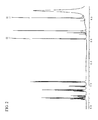
FIG. 2 shows an NMR chart of a naphthoxazine resin solution. -
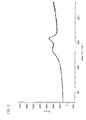
FIG. 3 shows a Raman spectrograph of a carbonized naphthoxazine resin. -
FIG. 4 shows a photograph of a fracture surface of the carbon fiber composite material of Example 2, which was observed with a light microscope. -
FIG. 5 shows a photograph of a fracture surface of the carbon fiber composite material of Comparative Example 1, which was observed with a light microscope. - The carbon fiber composite material of the present invention contains carbon fibers coated with amorphous carbon, and a matrix resin.
- In the present invention, carbon fibers coated with amorphous carbon are not particularly limited, and both PAN and PITCH can be used. Also, the present invention can be applied to any shapes. For example, diameters of fibers to be used are usually from 4 to 20 µm. Regarding cut lengths of fibers, milled fibers which are shortly cut to 2 mm or less, chopped strand shapes having lengths of 3 to 30 mm, and continuous fibers can also be used. Regarding filaments of continuous fibers, the assembled number of fibers is usually from 500 to 30,000, and carbon fiber cloths in which filaments are woven vertically and horizontally can also be used. According to the present invention, surfaces of these carbon fibers are coated in advance.
- In the present invention, amorphous carbon for coating of carbon fibers is not particularly limited, provided that it has an amorphous structure, and consists of carbon.
- A method for coating surfaces of carbon fibers with amorphous carbon is not particularly limited, and a variety of methods can be taken into consideration. Specifically, an example is a method in which dipping carbon fibers in a solution, in which a resin is dissolved in a suitable solvent, to allow the carbon fibers are impregnated with the resin solution, or by spraying a resin solution to surfaces of carbon fibers, drying the resin solution by heating, and heating at a high temperature to carbonize the resin. In this case, the carbonized resin is amorphous, and can be referred to as amorphous carbon.
- Generally, a material referred to as carbon is amorphous, and a determination thereof can be done easily by using the Raman spectrum. The Raman spectra of carbon materials generally show two large peaks. Each of them is referred to as G band (around 1580 cm-1) and D band (around 1360 cm-1) respectively (see
FIG. 1 ). As shown in (C) highly-oriented pyrolytic graphite ofFIG. 1 , when a carbon material is crystalline, D band among the aforementioned two bands is minimized. That is, when the two peaks of G band and D band are clearly recognized as (A) ofFIG. 1 , it can be determined as amorphous carbon. - Generally, resins can be carbonized by heating at a high temperature; however, heat treatments at high temperatures of 300 °C or above result in high costs, and thus resins used for coating of surfaces of carbon fibers with amorphous carbon are preferably be carbonized at temperatures as low as possible, and phenol resins are particularly preferable.
- Phenol resins are one of thermoset resins, which can be obtained by reacting phenols with formaldehyde, and are particularly easy to be carbonized.
- Among phenol resins, an oxazine resin is more preferable because it can be easily carbonized at low temperatures. Although the resin referred to herein as an oxazine resin is generally classified into phenol resins, it is a thermoset resin that can be obtained by reacting phenols with formaldehyde, as well as with amines. Note that when a certain type of phenols in which a phenol ring further has an amino group, for example, paraaminophenol, is used, amines are not required in the above reaction, and also carbonization tends to occur easily. As will be mentioned below, carbonization more easily occurs by using naphthalene rings instead of benzene rings.
- Oxazine resins include a benzoxazine resin and a naphthoxazine resin. Among them, a naphthoxazine resin is preferable because it tends to be carbonized at the lowest temperature. As a part of the structure of the oxazine resin, the following Formula (1) shows a partial structure of the benzoxazine resin, and Formula (2) shows a partial structure of the naphthoxazine resin.
- As stated, the oxazine resin is referred to as a resin having 6-membered rings attached to a benzene ring or a naphthalene ring, and the 6-membered rings contain oxygen and nitrogen, which are the origin of the name.

- By using an oxazine resin, films of amorphous carbon can be obtained at considerably low temperatures compared to other resins such as an epoxy resin. Carbonization can be performed specifically at temperatures of 200 °C or below.
- Oxazine resins include a benzoxazine resin and a naphthoxazine resin. Hereinafter, a naphthoxazine resin that is more easily carbonized will be explained.
- Dihydroxynaphthalene as phenols, formaldehyde, and amines are used as raw materials of a naphthoxazine resin.
- There are many isomers of dihydroxynaphthalene, and examples include 1,3 -dihydroxynaphthalene, 1,5-dihydroxynaphthalene, 1,6-dihydroxynaphthalene, 1,7-dihydroxynaphthalene, 2,3-dihydroxynaphthalene, 2,6-dihydroxynaphthalene, and 2,7-dihydroxynaphthalene.
- Among them, 1,5-dihydroxynaphthalene and 2,6-dihydroxynaphthalene are preferable for their high-reactivities. Since 1,5-dihydroxynaphthalene has the highest reactivity, this is more preferable.
- Since formaldehyde is unstable, formalin, which is a formaldehyde solution, is preferably used. In addition to formaldehyde and water, formalin usually contains a small amount of methanol as a stabilizer. In the present invention, formalin can be used as formaldehyde, provided that formaldehyde content thereof is clearly known.
- Paraformaldehyde, which is a polymerized form of formaldehyde, can also be used as a raw material; however, its reactivity is lower, and the aforementioned formalin is preferable.
- As amines, aliphatic amines are particularly preferably used.
- The general formula of aliphatic amines is represented by R-NH2, in which R is preferably an alkyl group of 5 or less carbon atoms. Examples of an alkyl group of 5 or less carbon atoms include a methyl group, an ethyl group, an n-propyl group, an isopropyl group, a cyclopropyl group, an n-butyl group, an isobutyl group, an s-butyl group, a t-butyl group, a cyclobutyl group, a cyclopropylmethyl group, an n-pentyl group, a cyclopentyl group, a cyclopropylethyl group, and a cyclobutylmethyl group, but not limited thereto.
- Since smaller molecular weights are preferable, the substituent R is preferably a methyl group, an ethyl group, a propyl group or the like, and methylamine, ethylamine, propyl amine or the like is preferably used as an actual compound. Methylamine is most preferable for its smallest molecular weight.
- Regarding a ratio between three components: dihydroxynaphthalene, an aliphatic amine, and formaldehyde, most preferably 1 mole of dihydroxynaphthalene, 1 mole of an aliphatic amine, and 2 moles of formaldehyde are mixed.
- In some reaction conditions, since raw materials may be lost by volatilization or the like during reactions, the most preferable mixing ratio is not limited to the ratio of above; however, preferable mixing ratios are within the range of 1 mole of dihydroxynaphthalene, 0.8 to 1.2 moles of an aliphatic amine, and 1.6 to 2.4 moles of formaldehyde.
- When an aliphatic amine is 0.8 moles or more, an oxazine ring can sufficiently be formed, and thus polymerization preferably proceeds. Also, when an aliphatic amine is 1.2 moles or less, formaldehyde required for a reaction is not consumed too much, and thus the reaction favorably proceeds to obtain desired naphthoxazine. Similarly, when formaldehyde is 1.6 moles or more, an oxazine ring can sufficiently be formed, and thus polymerization preferably proceeds.
- Also, 2.4 moles or less of formaldehyde is preferable to reduce side reactions.
- When these three components are used as raw materials, a solvent to dissolve these raw materials to react can be used.
- Any solvent can be applied if the raw materials can be dissolved therein. Examples of the solvent include conventional solvents for dissolving resins, such as tetrahydrofuran, dioxane, dimethylformamide, dimethylacetamide, dimethyl sulfoxide, N-methylpyrrolidone and the like.
- An adding ratio of solvent is not particularly limited; however, when raw materials including dihydroxynaphthalene, an aliphatic amine, and formaldehyde are 100 parts by mass, it is usually preferable to mix a solvent within a range from 100 to 3000 parts by mass. When a solvent is 100 parts by mass or more, a solute can sufficiently be dissolved to form a uniform film, and when it is 5000 parts by mass or less, a concentration required for a surface treatment can be kept.
- A naphthoxazine resin can be manufactured by dissolving the above-described raw materials in a solvent to make a solution, and then proceeding a reaction.
- Although the reaction proceeds at normal temperatures, warming to 50 °C or above is preferable to shorten a reaction time. When it is continuously warmed, a produced oxazine ring is opened and polymerized to increase a molecular weight, and thereby a polynaphthoxazine resin is produced. Note that if the reaction proceeds further, a viscosity of the solution is increased, and it will not be suitable for coating.
- A method for coating carbon fibers by using the naphthoxazine resin solution produced as described above will be explained.
- A method for coating is also not particularly limited, and a resin can be evenly coated on surfaces of carbon fibers by spraying the resin solution of after the above-described reaction to surfaces of carbon fibers, or impregnating carbon fibers with the resin solution, and then removing the excess solution by pinching with a rotating roll or the like.
- In addition, after coating, a resin can be evenly coated on surfaces of carbon fibers by drying and removing the solvent with hot air or the like. A drying method by heating is also not particularly limited.
- A thickness of a resin to coat surfaces of carbon fibers is not particularly limited, and can be determined depending on kinds of carbon fibers and resins, and kinds of matrix resins and the like. The easiest way to control a thickness of a resin for coating is changing a resin concentration in a solution. As mentioned above, when a solvent is 100 parts by mass or more for 100 parts by mass of raw materials, sufficient solubility to a solvent and film formability can be obtained, and when it is 5000 parts by mass or less, a concentration required for a surface treatment can be kept.
- A method for carbonizing a coated resin to make it amorphous carbon is not particularly limited, and a resin can be carbonized by a conventional method with a heating oven or the like.
- Among them, when a phenol resin, which can be carbonized at low temperatures, is used, amorphous carbon can be produced by heating at a temperature of 300 °C or below with a heating oven or the like.
- In addition, when an oxazine resin that can be carbonized at low temperatures (particularly a naphthoxazine resin, which can be carbonized at especially low temperatures), is used, it can be carbonized even at a temperature of 200 °C or below.
- As mentioned, when carbonization is performed at low temperatures, an inert gas such as nitrogen does not need to be used for heating, and thus easy and preferable.
- In the method described above, carbon fibers whose surfaces are coated with amorphous carbon can be obtained by carbonization.
- In the present invention, a matrix resin is not particularly limited; however, by coating carbon fibers with amorphous carbon in the present invention, the carbon fibers can be applied to a resin of low-polarity, which is deemed to have low-adhesiveness to carbon fibers, and thus a resin of low-polarity is preferably used as a matrix resin, and polypropylene is particularly preferably used.
- Polypropylene is a thermoplastic resin produced by polymerizing propylene, and is classified as isotactic, syndiotactic, atactic and the like by differences of tacticity. In the present invention, mainly, isotactic is preferably used from a point of view of mechanical properties.
- Also, polypropylene can include other units, as long as the polypropylene includes a portion in which propylene units are polymerized. For example, random polymers and block polymers, which contain a small amount of ethylene, 1-butene and the like as components, can also be used.
- From a point of view of impregnation of a carbon resin, the MFR (melt flow rate), which reflects a molecular weight, is preferably higher. Therefore, polypropylene is preferably selected from polypropylene of an injection grade available from various companies.
- A method for manufacturing a carbon fiber composite material is not particularly limited, and conventional methods can be employed. For example, a carbon fiber woven cloth can be impregnated with a molten matrix resin by injection molding a molten matrix resin into a film-shape by using a sheet die or the like, laminating the matrix resin sheet and a previously manufactured carbon fiber woven cloth, which is coated with amorphous carbon, and compressing the laminate while heating. After that, a sheet-like carbon fiber composite material can easily be obtained by cooling.
- A ratio between carbon fibers and a matrix resin for use can be considered as a mass ratio of fibers in a composite. A preferable mass ratio depends on the form of carbon fibers to be used, and for example, when a carbon fiber cloth is used, a mass ratio of fibers is preferably within a range of 40 to 60%.
- Plate-like carbon fiber composite materials having optional thicknesses can also be obtained by heating and compressing laminates, in which desired numbers of the sheet-like carbon fiber composite material described above are laminated.
- Further, by arranging a shape of a die at the time of compression, shaping becomes possible.
- Varian Inova 1H-NMR (600MHz) manufactured by Agilent Technologies, Inc. was used. Deuterated dimethyl sulfoxide was used for measurements, and the number of spectral integration was 256, relaxation time was 10 seconds.
- The equipment used was InviaRaman Microscope, manufactured by RENISHAW Plc. Laser light of 530 nm was selected.
- Test machine: Autograph AB-10TB, manufactured by SHIMADZU Corporation.
- Tensile speed: 5 mm/minutes.
- Excised with a width of 10 mm, and performed with a span of 50 mm.
- Observations were performed by using Eclipse L200, manufactured by Nikon Corporation. Images were photographed by using Coolpix (registered trademark, manufactured by Nikon Corporation).
- As raw materials, 0.16 g (1 mmole) of 1,5-dihydroxynaphthalene (Wako Pure Chemical Industries, Ltd., Cat. No. 048-02342), 0.08 g (1 mmole) of 40% methylamine aqueous solution (Wako Pure Chemical Industries, Ltd., Cat. No. 132-01857), and 0.16 g (2 mmoles) of 37% formaldehyde aqueous solution (Wako Pure Chemical Industries, Ltd., Cat. No.064-00406) were added in this order to a 50 cc beaker containing 4.8 g of dimethyl sulfoxide-d6 (Wako Pure Chemical Industries, Ltd., Cat. No. 044-29086).
- Then, a mix solution was prepared by stirring lightly with a glass rod to dissolve the raw materials. After the mix solution was left for 3 hours at a normal temperature, a portion of the mix solution was taken to obtain an NMR chart following the method described above. The NMR chart is shown in
FIG. 2 . - From the result of
FIG. 2 , it was confirmed that a methylene group of "benzene ring-CH2-N" of a naphthoxazine ring was observed at 3.95 ppm, and a methylene group of "O-CH2-N" was observed at 4.92 ppm, with almost equivalent strengths, and thus it can be concluded that a forming reaction of a naphthoxazine ring was sufficiently proceeded. - The solution was further left, and after 5 hours were passed, the solution was coated on a glass plate with a knife coater. The glass plate was placed on a hot plate whose temperature was set to 170 °C for 1 hour, and thereby drying and a carbonization treatment of the solvent were performed at the same time.
- The Raman spectrum of a resin film formed on the glass plate in such a way was obtained following the method described above. The Raman spectrum is shown in
FIG. 3 . - In the Raman spectrum of
FIG. 3 , the G and D bands can be clearly observed. Since any other peaks are not observed, it can be confirmed that the naphthoxazine resin was changed to amorphous carbon. - As a solvent, 20 g of dimethylformamide (Wako Pure Chemical Industries, Ltd., Cat. No. 045-02916); and as raw materials, 1.6 g of 1,5-dihydroxynaphthalene (Wako Pure Chemical Industries, Ltd., Cat. No. 048-02342), 0.8 g of 40% methylamine aqueous solution (Wako Pure Chemical Industries, Ltd., Cat. No. 132-01857), and 1.6 g of 37% formaldehyde aqueous solution (Wako Pure Chemical Industries, Ltd., Cat. No.064-00406) were added in this order to a beaker, and were stirred to prepare a solution.
- This solution was heated in a water bath of 100 °C for 10 minutes while stirring to produce a naphthoxazine resin solution.
- A carbon fiber woven cloth (TORAYCA cloth CO6343B, NISSEI Limited) was impregnated with the above-described solution. After the carbon fiber woven cloth was taken out, it was pinched between gum rollers to remove the excess resin solution, and then was dried at a normal temperature for 5 hours while hanging to remove the solvent. After that, the carbon fiber woven cloth was placed in a heating oven set to 170 °C for 30 minutes, and thereby a naphthoxazine resin on a surface was carbonized.
- The injection molding grade polypropylene (MFR=10, Cat. No.MA3H, Japan Polypropylene Corporation) was shaped in a sheet-like form having a thickness of about 160 µm by using a hot press. This sheet was laminated onto the carbon fiber woven cloth which was given the aforementioned surface treatment, and the laminate was compressed with a hot plate heated to 200 °C to impregnate the woven cloth with molten polypropylene (30 t press TOYO SEIKI Co., Ltd.). At this time, the press pressure was about 10 kgf/cm2, and the press time was about 2 minutes. The carbon fiber woven cloth impregnated with the resin was cooled to produce a desired carbon fiber composite material, and the tensile strength properties thereof were measured by the method described above. The results of the tensile strength properties are shown in Table 1.
- An appearance of the fracture surface after the tensile test was checked with a light microscope, and it was confirmed that, any carbon fibers were not pulled out from the resin, but firmly adhered to the resin. A photograph of the fracture surface of the carbon fiber composite material, which was checked with a light microscope is shown in
FIG. 4 . - A sample was prepared in the same manner as in Example 2, except that a carbon fiber woven cloth (TORAYCA cloth CO6343B, NISSEI Limited) whose surface was not treated was used, and a test was performed. The results of the tensile strength properties are shown in Table 1.
- An appearance of the fracture surface after the tensile test was checked with a light microscope, and it was confirmed that, many carbon fibers were pulled out from the resin, and not sufficiently adhered to the resin. A photograph of the fracture surface of the carbon fiber composite material, which was checked with a light microscope is shown in
FIG 5 . - A prepreg (TORAYCA prepreg F6343B, NISSEI Limited), which was previously impregnated with an epoxy resin, was compressed with a hot plate heated to 130 °C (30 t press, TOYO SEIKI Co., Ltd.) to polymerize the uncured epoxy resin with which the prepreg was impregnated, and thus a carbon fiber composite material was prepared. At this time, the press pressure was about 1 kgf/cm2, and the press time was 1 hour. The results of the tensile strength properties are shown in Table 1.
[Table 1] Tensile direction Modulus of tensile elasticity (GPa) Maximum point stress (MPa) Break point distortion (%) Fiber direction Comparative Example 2 9.55 71.4 0.79 Comparative Example 1 8.53 104 2.06 Example 2 12.8 130.6 1.67 45° direction Comparative Example 2 4.69 47.2 2.38 Comparative Example 1 0.79 38.9 37.3 Example 1 3.55 29 13.08 - To compare physical properties of composites, evaluations are preferably made for values obtained in fiber directions. In Example 2, values of both modulus of elasticity and maximum point stress were higher than those in Comparative Example 1, which was not subjected to the surface treatment, and these values were also higher than those in Comparative Example 2, in which a thermoset resin was used as a matrix resin.
- As a reference, values of tensile properties were obtained also in a direction deviated in 45° from the fiber direction. Although the value of modulus of elasticity was not as good as that in Comparative Example 2, in which a thermoset resin was used as a matrix resin, the value was largely improved over that of Comparative Example 1, which was untreated, and thus it can be concluded that strong adhesion to carbon fibers were made.
- The carbon fiber composite material of the present invention has good adhesiveness between a matrix resin and carbon fibers, which results in high-strength, even if a matrix resin having difficulties on adhesion is used, and thus it can be preferably used in, for example, wings for wind power generation and the like.
Claims (5)
- A carbon fiber composite material comprising carbon fibers coated with amorphous carbon, and a matrix resin.
- The carbon fiber composite material according to Claim 1, in which the matrix resin is polypropylene.
- The carbon fiber composite material according to Claim 1 or 2, in which the amorphous carbon is derived from a phenol resin.
- The carbon fiber composite material according to Claim 3, in which the amorphous carbon is derived from an oxazine resin.
- The carbon fiber composite material according to Claim 4, in which the amorphous carbon is derived from a naphthoxazine resin.
Applications Claiming Priority (2)
| Application Number | Priority Date | Filing Date | Title |
|---|---|---|---|
| JP2011179628 | 2011-08-19 | ||
| PCT/JP2012/070916 WO2013027674A1 (en) | 2011-08-19 | 2012-08-17 | Carbon fiber composite material |
Publications (3)
| Publication Number | Publication Date |
|---|---|
| EP2746337A1 true EP2746337A1 (en) | 2014-06-25 |
| EP2746337A4 EP2746337A4 (en) | 2015-04-15 |
| EP2746337B1 EP2746337B1 (en) | 2017-10-04 |
Family
ID=47746417
Family Applications (1)
| Application Number | Title | Priority Date | Filing Date |
|---|---|---|---|
| EP12825966.0A Not-in-force EP2746337B1 (en) | 2011-08-19 | 2012-08-17 | Carbon fiber composite material |
Country Status (4)
| Country | Link |
|---|---|
| US (2) | US20140194018A1 (en) |
| EP (1) | EP2746337B1 (en) |
| JP (1) | JP5883875B2 (en) |
| WO (1) | WO2013027674A1 (en) |
Cited By (2)
| Publication number | Priority date | Publication date | Assignee | Title |
|---|---|---|---|---|
| EP3213912A4 (en) * | 2014-09-29 | 2018-07-11 | Sekisui Chemical Co., Ltd. | Carbon coated heat conducting material |
| CN113439109A (en) * | 2019-02-20 | 2021-09-24 | 积水化学工业株式会社 | Resin composition, cured product, black matrix, color filter, liquid crystal display device, organic electroluminescent display device, and method for producing resin composition |
Families Citing this family (9)
| Publication number | Priority date | Publication date | Assignee | Title |
|---|---|---|---|---|
| JP5934127B2 (en) * | 2013-02-26 | 2016-06-15 | 積水化学工業株式会社 | Manufacturing method of fiber bundle |
| JP5966093B1 (en) * | 2014-09-29 | 2016-08-10 | 積水化学工業株式会社 | Cathode active material for lithium ion battery |
| JP2016097654A (en) * | 2014-11-26 | 2016-05-30 | 積水化学工業株式会社 | Fiber base material, resin sheet, method for producing fiber base material and method for producing resin sheet |
| EP3418334A4 (en) * | 2016-02-18 | 2019-10-09 | Sekisui Chemical Co., Ltd. | BLACK PARTICLES AND PROCESS FOR PRODUCING BLACK PARTICLES |
| CN109219749A (en) * | 2016-11-11 | 2019-01-15 | 积水化学工业株式会社 | Phase chromatography-use column packing |
| US11643771B2 (en) | 2017-09-29 | 2023-05-09 | Sekisui Chemical Co., Ltd. | Reinforcing fiber bundle, reinforcing fiber-opening woven fabric, fiber reinforced composite, and methods for producing thereof |
| JP2019167427A (en) * | 2018-03-22 | 2019-10-03 | 積水化学工業株式会社 | Manufacturing method of oxazine resin particle |
| JP2020051020A (en) * | 2018-09-21 | 2020-04-02 | 積水化学工業株式会社 | Opened carbon fiber bundle, fiber-reinforced composite material, and method for producing opened carbon fiber bundle |
| WO2022045341A1 (en) * | 2020-08-31 | 2022-03-03 | 積水化学工業株式会社 | Near-infrared light transmitting black material |
Family Cites Families (23)
| Publication number | Priority date | Publication date | Assignee | Title |
|---|---|---|---|---|
| US3853610A (en) * | 1972-03-10 | 1974-12-10 | Dow Chemical Co | Composite materials comprising epoxy resin matrix and carbon fibers |
| US3908061A (en) * | 1972-03-10 | 1975-09-23 | Dow Chemical Co | Composite materials comprising resin matrix and carbon fibers |
| US4215161A (en) * | 1978-03-20 | 1980-07-29 | Mcdonnell Douglas Corporation | Fiber-resin-carbon composites and method of fabrication |
| US5152939A (en) * | 1991-03-12 | 1992-10-06 | Edison Polymer Innovation Corp. | Composite densification with benzoxazines |
| JP2545171B2 (en) * | 1991-12-16 | 1996-10-16 | 日東紡績株式会社 | Resin coated carbon fiber chopped strand |
| US5641572A (en) * | 1993-12-27 | 1997-06-24 | Mitsubishi Chemical Corporation | Short carbon fiber bundling mass, process for producing the same and fiber-reinforced thermoplastic resin composition |
| JPH1060779A (en) | 1996-08-08 | 1998-03-03 | Sanyo Chem Ind Ltd | Surface treatment agent for carbon fiber |
| JP2001019546A (en) * | 1999-07-02 | 2001-01-23 | Unitika Ltd | Amorphous carbon composite |
| CN1239593C (en) * | 2000-02-25 | 2006-02-01 | 阿尔卑斯电气株式会社 | Conductive resin composition and coded switch using said composition |
| GB0020630D0 (en) * | 2000-08-22 | 2000-10-11 | Cytec Tech Corp | Support structure or carrier for a curable composition |
| US7025166B2 (en) * | 2000-09-20 | 2006-04-11 | Sean Thomas | Light weight integrated body/chassis structure for road or rail vehicle |
| EP1473130B1 (en) * | 2001-12-06 | 2011-08-24 | Toray Industries, Inc. | Fiber-reinforced composite material and method for production thereof |
| JP2003249239A (en) * | 2002-02-26 | 2003-09-05 | Unitika Ltd | Separator for fuel cell and manufacturing method |
| JP4266679B2 (en) * | 2003-03-20 | 2009-05-20 | 三菱鉛筆株式会社 | Electron emission source and manufacturing method |
| JP4945888B2 (en) * | 2003-10-09 | 2012-06-06 | 富士ゼロックス株式会社 | Composite and production method thereof |
| JP4834953B2 (en) * | 2003-10-31 | 2011-12-14 | 富士ゼロックス株式会社 | Aliphatic polyketone polymers and process for producing aliphatic polyketone polymers-containing composition |
| JP2005225712A (en) * | 2004-02-12 | 2005-08-25 | Mitsubishi Corp | Amorphous carbon particles and composite materials using the same |
| ES2523645T3 (en) * | 2005-07-08 | 2014-11-28 | Henkel Corporation | Priming compositions for adhesive bonding systems |
| KR100818255B1 (en) * | 2006-05-29 | 2008-04-02 | 삼성에스디아이 주식회사 | Polybenzoxazine Compounds, Electrolyte Membranes Containing the Same, and Fuel Cells Employing the Same |
| US8071205B2 (en) * | 2008-07-31 | 2011-12-06 | Toray Industries, Inc. | Prepreg, preform, molded product, and method for manufacturing prepreg |
| WO2011004660A1 (en) * | 2009-07-10 | 2011-01-13 | 日本碍子株式会社 | Method for producing carbon film, carbon film and separator |
| JP2011068829A (en) * | 2009-09-28 | 2011-04-07 | Sekisui Chem Co Ltd | Method of manufacturing heat resistant film |
| EP2738842A4 (en) * | 2011-07-29 | 2015-03-11 | Sumitomo Bakelite Co | Method for producing carbon material for lithium ion secondary batteries, carbon material for lithium ion secondary batteries, negative electrode active material for lithium ion secondary batteries, composition, carbon composite material for negative electrodes of lithium ion secondary batteries, negative electrode mixture for lithium ion secondary batteries, negative electrode for lithium ion secondary batteries, and lithium ion secondary battery |
-
2012
- 2012-08-17 JP JP2013530001A patent/JP5883875B2/en not_active Expired - Fee Related
- 2012-08-17 WO PCT/JP2012/070916 patent/WO2013027674A1/en not_active Ceased
- 2012-08-17 US US14/237,955 patent/US20140194018A1/en not_active Abandoned
- 2012-08-17 EP EP12825966.0A patent/EP2746337B1/en not_active Not-in-force
-
2016
- 2016-11-16 US US15/352,733 patent/US10696804B2/en active Active
Cited By (4)
| Publication number | Priority date | Publication date | Assignee | Title |
|---|---|---|---|---|
| EP3213912A4 (en) * | 2014-09-29 | 2018-07-11 | Sekisui Chemical Co., Ltd. | Carbon coated heat conducting material |
| CN113439109A (en) * | 2019-02-20 | 2021-09-24 | 积水化学工业株式会社 | Resin composition, cured product, black matrix, color filter, liquid crystal display device, organic electroluminescent display device, and method for producing resin composition |
| EP3929252A4 (en) * | 2019-02-20 | 2022-12-14 | Sekisui Chemical Co., Ltd. | RESIN COMPOSITION, CURED PRODUCT, BLACK MATRIX, COLORED FILTER, LIQUID CRYSTAL DISPLAY DEVICE, ORGANIC ELECTROLUMINESCENT DISPLAY DEVICE AND RESIN COMPOSITION PRODUCTION METHOD |
| CN113439109B (en) * | 2019-02-20 | 2023-06-23 | 积水化学工业株式会社 | Resin composition, cured product, black matrix, color filter, liquid crystal display device, organic electroluminescent display device and method for producing resin composition |
Also Published As
| Publication number | Publication date |
|---|---|
| US10696804B2 (en) | 2020-06-30 |
| US20140194018A1 (en) | 2014-07-10 |
| JPWO2013027674A1 (en) | 2015-03-19 |
| EP2746337A4 (en) | 2015-04-15 |
| EP2746337B1 (en) | 2017-10-04 |
| WO2013027674A1 (en) | 2013-02-28 |
| US20170066887A1 (en) | 2017-03-09 |
| JP5883875B2 (en) | 2016-03-15 |
Similar Documents
| Publication | Publication Date | Title |
|---|---|---|
| US10696804B2 (en) | Carbon fiber composite material | |
| AU2013240174A1 (en) | Benzoxazines and compositions containing the same | |
| US11746445B2 (en) | Carbon fiber bundle, prepreg, and fiber-reinforced composite material | |
| CN104974521B (en) | Prepreg, carbon fiber reinforced composite material and manipulator | |
| CN101313106A (en) | Carbon fiber bundles, preforms and carbon fiber reinforced composites | |
| AU2015374285B2 (en) | Benzoxazines and compositions containing the same | |
| CN1115772A (en) | Open-loop polymerized phenolic resin and relevant composite fibre-reinforced material | |
| JP5864172B2 (en) | Polyparaphenylene terephthalamide fiber composite, its production method and its use | |
| JP5245266B2 (en) | Method for producing fiber-reinforced molded substrate | |
| JP2013173811A (en) | Resin composition, molding material and method for producing the same | |
| EP1848755A2 (en) | Improved phthalonitrile composites | |
| CN111989359B (en) | Prepreg, laminate, fiber-reinforced composite material, and method for producing fiber-reinforced composite material | |
| TW201706269A (en) | Curable compositions containing benzoxazine epoxy blend and use thereof | |
| US20160115300A1 (en) | Thermoplastic composite material comprising a reinforcing component and a poly(phenylene) polymer and process to make said thermoplastic composite material | |
| TWI848992B (en) | Prepreg, and fiber-reinforced composite resin shaped article | |
| CN109689744B (en) | Catalyst doped sizing agent for preparing high area weight fiber storage stable prepregs or molded composite intermediates | |
| WO2021039557A1 (en) | Filament for 3d printer, wound body, method for producing filament for 3d printer, and method for producing shaped article | |
| TW202140602A (en) | Epoxy resin composition, prepreg and fiber reinforced composite material | |
| JP7826878B2 (en) | carbon fiber composite materials | |
| RU2777895C2 (en) | Epoxy binder, prepreg based on it, and product made of it | |
| JP2004043769A (en) | Epoxy resin composition, roving prepreg and its manufacturing method | |
| EP4596612A1 (en) | Prepreg, and method for producing fiber-reinforced composite material using said prepreg | |
| EP3907248A1 (en) | Manufacturing method for composite materials |
Legal Events
| Date | Code | Title | Description |
|---|---|---|---|
| PUAI | Public reference made under article 153(3) epc to a published international application that has entered the european phase |
Free format text: ORIGINAL CODE: 0009012 |
|
| 17P | Request for examination filed |
Effective date: 20140210 |
|
| AK | Designated contracting states |
Kind code of ref document: A1 Designated state(s): AL AT BE BG CH CY CZ DE DK EE ES FI FR GB GR HR HU IE IS IT LI LT LU LV MC MK MT NL NO PL PT RO RS SE SI SK SM TR |
|
| DAX | Request for extension of the european patent (deleted) | ||
| RA4 | Supplementary search report drawn up and despatched (corrected) |
Effective date: 20150317 |
|
| RIC1 | Information provided on ipc code assigned before grant |
Ipc: C08K 7/06 20060101ALI20150311BHEP Ipc: D06M 15/19 20060101ALI20150311BHEP Ipc: C08L 23/12 20060101AFI20150311BHEP Ipc: C08K 3/04 20060101ALI20150311BHEP Ipc: D06M 11/73 20060101ALI20150311BHEP Ipc: C08K 9/04 20060101ALI20150311BHEP |
|
| 17Q | First examination report despatched |
Effective date: 20160817 |
|
| GRAP | Despatch of communication of intention to grant a patent |
Free format text: ORIGINAL CODE: EPIDOSNIGR1 |
|
| RIC1 | Information provided on ipc code assigned before grant |
Ipc: D06M 101/40 20060101ALI20170329BHEP Ipc: D06M 11/74 20060101ALI20170329BHEP Ipc: C08K 7/06 20060101ALI20170329BHEP Ipc: C08K 9/04 20060101ALI20170329BHEP Ipc: C08K 3/04 20060101ALI20170329BHEP Ipc: D06M 13/355 20060101ALI20170329BHEP Ipc: C08J 5/06 20060101ALI20170329BHEP Ipc: C08J 5/04 20060101ALI20170329BHEP Ipc: D06M 15/37 20060101ALI20170329BHEP Ipc: C08L 23/12 20060101AFI20170329BHEP |
|
| INTG | Intention to grant announced |
Effective date: 20170412 |
|
| GRAS | Grant fee paid |
Free format text: ORIGINAL CODE: EPIDOSNIGR3 |
|
| GRAA | (expected) grant |
Free format text: ORIGINAL CODE: 0009210 |
|
| AK | Designated contracting states |
Kind code of ref document: B1 Designated state(s): AL AT BE BG CH CY CZ DE DK EE ES FI FR GB GR HR HU IE IS IT LI LT LU LV MC MK MT NL NO PL PT RO RS SE SI SK SM TR |
|
| REG | Reference to a national code |
Ref country code: GB Ref legal event code: FG4D |
|
| REG | Reference to a national code |
Ref country code: CH Ref legal event code: EP |
|
| REG | Reference to a national code |
Ref country code: AT Ref legal event code: REF Ref document number: 933991 Country of ref document: AT Kind code of ref document: T Effective date: 20171015 |
|
| REG | Reference to a national code |
Ref country code: IE Ref legal event code: FG4D |
|
| REG | Reference to a national code |
Ref country code: DE Ref legal event code: R096 Ref document number: 602012038220 Country of ref document: DE |
|
| REG | Reference to a national code |
Ref country code: NL Ref legal event code: FP |
|
| REG | Reference to a national code |
Ref country code: LT Ref legal event code: MG4D |
|
| REG | Reference to a national code |
Ref country code: AT Ref legal event code: MK05 Ref document number: 933991 Country of ref document: AT Kind code of ref document: T Effective date: 20171004 |
|
| PG25 | Lapsed in a contracting state [announced via postgrant information from national office to epo] |
Ref country code: SE Free format text: LAPSE BECAUSE OF FAILURE TO SUBMIT A TRANSLATION OF THE DESCRIPTION OR TO PAY THE FEE WITHIN THE PRESCRIBED TIME-LIMIT Effective date: 20171004 Ref country code: FI Free format text: LAPSE BECAUSE OF FAILURE TO SUBMIT A TRANSLATION OF THE DESCRIPTION OR TO PAY THE FEE WITHIN THE PRESCRIBED TIME-LIMIT Effective date: 20171004 Ref country code: LT Free format text: LAPSE BECAUSE OF FAILURE TO SUBMIT A TRANSLATION OF THE DESCRIPTION OR TO PAY THE FEE WITHIN THE PRESCRIBED TIME-LIMIT Effective date: 20171004 Ref country code: NO Free format text: LAPSE BECAUSE OF FAILURE TO SUBMIT A TRANSLATION OF THE DESCRIPTION OR TO PAY THE FEE WITHIN THE PRESCRIBED TIME-LIMIT Effective date: 20180104 Ref country code: ES Free format text: LAPSE BECAUSE OF FAILURE TO SUBMIT A TRANSLATION OF THE DESCRIPTION OR TO PAY THE FEE WITHIN THE PRESCRIBED TIME-LIMIT Effective date: 20171004 |
|
| PG25 | Lapsed in a contracting state [announced via postgrant information from national office to epo] |
Ref country code: RS Free format text: LAPSE BECAUSE OF FAILURE TO SUBMIT A TRANSLATION OF THE DESCRIPTION OR TO PAY THE FEE WITHIN THE PRESCRIBED TIME-LIMIT Effective date: 20171004 Ref country code: HR Free format text: LAPSE BECAUSE OF FAILURE TO SUBMIT A TRANSLATION OF THE DESCRIPTION OR TO PAY THE FEE WITHIN THE PRESCRIBED TIME-LIMIT Effective date: 20171004 Ref country code: AT Free format text: LAPSE BECAUSE OF FAILURE TO SUBMIT A TRANSLATION OF THE DESCRIPTION OR TO PAY THE FEE WITHIN THE PRESCRIBED TIME-LIMIT Effective date: 20171004 Ref country code: IS Free format text: LAPSE BECAUSE OF FAILURE TO SUBMIT A TRANSLATION OF THE DESCRIPTION OR TO PAY THE FEE WITHIN THE PRESCRIBED TIME-LIMIT Effective date: 20180204 Ref country code: LV Free format text: LAPSE BECAUSE OF FAILURE TO SUBMIT A TRANSLATION OF THE DESCRIPTION OR TO PAY THE FEE WITHIN THE PRESCRIBED TIME-LIMIT Effective date: 20171004 Ref country code: BG Free format text: LAPSE BECAUSE OF FAILURE TO SUBMIT A TRANSLATION OF THE DESCRIPTION OR TO PAY THE FEE WITHIN THE PRESCRIBED TIME-LIMIT Effective date: 20180104 Ref country code: GR Free format text: LAPSE BECAUSE OF FAILURE TO SUBMIT A TRANSLATION OF THE DESCRIPTION OR TO PAY THE FEE WITHIN THE PRESCRIBED TIME-LIMIT Effective date: 20180105 |
|
| REG | Reference to a national code |
Ref country code: DE Ref legal event code: R097 Ref document number: 602012038220 Country of ref document: DE |
|
| PG25 | Lapsed in a contracting state [announced via postgrant information from national office to epo] |
Ref country code: DK Free format text: LAPSE BECAUSE OF FAILURE TO SUBMIT A TRANSLATION OF THE DESCRIPTION OR TO PAY THE FEE WITHIN THE PRESCRIBED TIME-LIMIT Effective date: 20171004 Ref country code: CZ Free format text: LAPSE BECAUSE OF FAILURE TO SUBMIT A TRANSLATION OF THE DESCRIPTION OR TO PAY THE FEE WITHIN THE PRESCRIBED TIME-LIMIT Effective date: 20171004 Ref country code: EE Free format text: LAPSE BECAUSE OF FAILURE TO SUBMIT A TRANSLATION OF THE DESCRIPTION OR TO PAY THE FEE WITHIN THE PRESCRIBED TIME-LIMIT Effective date: 20171004 Ref country code: SK Free format text: LAPSE BECAUSE OF FAILURE TO SUBMIT A TRANSLATION OF THE DESCRIPTION OR TO PAY THE FEE WITHIN THE PRESCRIBED TIME-LIMIT Effective date: 20171004 |
|
| PLBE | No opposition filed within time limit |
Free format text: ORIGINAL CODE: 0009261 |
|
| STAA | Information on the status of an ep patent application or granted ep patent |
Free format text: STATUS: NO OPPOSITION FILED WITHIN TIME LIMIT |
|
| REG | Reference to a national code |
Ref country code: FR Ref legal event code: PLFP Year of fee payment: 7 |
|
| PG25 | Lapsed in a contracting state [announced via postgrant information from national office to epo] |
Ref country code: SM Free format text: LAPSE BECAUSE OF FAILURE TO SUBMIT A TRANSLATION OF THE DESCRIPTION OR TO PAY THE FEE WITHIN THE PRESCRIBED TIME-LIMIT Effective date: 20171004 Ref country code: PL Free format text: LAPSE BECAUSE OF FAILURE TO SUBMIT A TRANSLATION OF THE DESCRIPTION OR TO PAY THE FEE WITHIN THE PRESCRIBED TIME-LIMIT Effective date: 20171004 Ref country code: RO Free format text: LAPSE BECAUSE OF FAILURE TO SUBMIT A TRANSLATION OF THE DESCRIPTION OR TO PAY THE FEE WITHIN THE PRESCRIBED TIME-LIMIT Effective date: 20171004 |
|
| 26N | No opposition filed |
Effective date: 20180705 |
|
| PG25 | Lapsed in a contracting state [announced via postgrant information from national office to epo] |
Ref country code: SI Free format text: LAPSE BECAUSE OF FAILURE TO SUBMIT A TRANSLATION OF THE DESCRIPTION OR TO PAY THE FEE WITHIN THE PRESCRIBED TIME-LIMIT Effective date: 20171004 |
|
| PG25 | Lapsed in a contracting state [announced via postgrant information from national office to epo] |
Ref country code: MC Free format text: LAPSE BECAUSE OF FAILURE TO SUBMIT A TRANSLATION OF THE DESCRIPTION OR TO PAY THE FEE WITHIN THE PRESCRIBED TIME-LIMIT Effective date: 20171004 |
|
| REG | Reference to a national code |
Ref country code: CH Ref legal event code: PL |
|
| PG25 | Lapsed in a contracting state [announced via postgrant information from national office to epo] |
Ref country code: CH Free format text: LAPSE BECAUSE OF NON-PAYMENT OF DUE FEES Effective date: 20180831 Ref country code: LI Free format text: LAPSE BECAUSE OF NON-PAYMENT OF DUE FEES Effective date: 20180831 Ref country code: LU Free format text: LAPSE BECAUSE OF NON-PAYMENT OF DUE FEES Effective date: 20180817 |
|
| REG | Reference to a national code |
Ref country code: BE Ref legal event code: MM Effective date: 20180831 |
|
| REG | Reference to a national code |
Ref country code: IE Ref legal event code: MM4A |
|
| PG25 | Lapsed in a contracting state [announced via postgrant information from national office to epo] |
Ref country code: IE Free format text: LAPSE BECAUSE OF NON-PAYMENT OF DUE FEES Effective date: 20180817 |
|
| PG25 | Lapsed in a contracting state [announced via postgrant information from national office to epo] |
Ref country code: BE Free format text: LAPSE BECAUSE OF NON-PAYMENT OF DUE FEES Effective date: 20180831 |
|
| PG25 | Lapsed in a contracting state [announced via postgrant information from national office to epo] |
Ref country code: MT Free format text: LAPSE BECAUSE OF NON-PAYMENT OF DUE FEES Effective date: 20180817 |
|
| PG25 | Lapsed in a contracting state [announced via postgrant information from national office to epo] |
Ref country code: TR Free format text: LAPSE BECAUSE OF FAILURE TO SUBMIT A TRANSLATION OF THE DESCRIPTION OR TO PAY THE FEE WITHIN THE PRESCRIBED TIME-LIMIT Effective date: 20171004 |
|
| PG25 | Lapsed in a contracting state [announced via postgrant information from national office to epo] |
Ref country code: PT Free format text: LAPSE BECAUSE OF FAILURE TO SUBMIT A TRANSLATION OF THE DESCRIPTION OR TO PAY THE FEE WITHIN THE PRESCRIBED TIME-LIMIT Effective date: 20171004 Ref country code: HU Free format text: LAPSE BECAUSE OF FAILURE TO SUBMIT A TRANSLATION OF THE DESCRIPTION OR TO PAY THE FEE WITHIN THE PRESCRIBED TIME-LIMIT; INVALID AB INITIO Effective date: 20120817 |
|
| PG25 | Lapsed in a contracting state [announced via postgrant information from national office to epo] |
Ref country code: CY Free format text: LAPSE BECAUSE OF FAILURE TO SUBMIT A TRANSLATION OF THE DESCRIPTION OR TO PAY THE FEE WITHIN THE PRESCRIBED TIME-LIMIT Effective date: 20171004 Ref country code: MK Free format text: LAPSE BECAUSE OF NON-PAYMENT OF DUE FEES Effective date: 20171004 |
|
| PG25 | Lapsed in a contracting state [announced via postgrant information from national office to epo] |
Ref country code: AL Free format text: LAPSE BECAUSE OF FAILURE TO SUBMIT A TRANSLATION OF THE DESCRIPTION OR TO PAY THE FEE WITHIN THE PRESCRIBED TIME-LIMIT Effective date: 20171004 |
|
| P01 | Opt-out of the competence of the unified patent court (upc) registered |
Effective date: 20230522 |
|
| PGFP | Annual fee paid to national office [announced via postgrant information from national office to epo] |
Ref country code: NL Payment date: 20230718 Year of fee payment: 12 |
|
| PGFP | Annual fee paid to national office [announced via postgrant information from national office to epo] |
Ref country code: IT Payment date: 20230711 Year of fee payment: 12 Ref country code: GB Payment date: 20230629 Year of fee payment: 12 |
|
| PGFP | Annual fee paid to national office [announced via postgrant information from national office to epo] |
Ref country code: FR Payment date: 20230703 Year of fee payment: 12 Ref country code: DE Payment date: 20230627 Year of fee payment: 12 |
|
| REG | Reference to a national code |
Ref country code: DE Ref legal event code: R119 Ref document number: 602012038220 Country of ref document: DE |
|
| REG | Reference to a national code |
Ref country code: NL Ref legal event code: MM Effective date: 20240901 |
|
| GBPC | Gb: european patent ceased through non-payment of renewal fee |
Effective date: 20240817 |
|
| PG25 | Lapsed in a contracting state [announced via postgrant information from national office to epo] |
Ref country code: NL Free format text: LAPSE BECAUSE OF NON-PAYMENT OF DUE FEES Effective date: 20240901 |
|
| PG25 | Lapsed in a contracting state [announced via postgrant information from national office to epo] |
Ref country code: DE Free format text: LAPSE BECAUSE OF NON-PAYMENT OF DUE FEES Effective date: 20250301 |
|
| PG25 | Lapsed in a contracting state [announced via postgrant information from national office to epo] |
Ref country code: GB Free format text: LAPSE BECAUSE OF NON-PAYMENT OF DUE FEES Effective date: 20240817 |
|
| PG25 | Lapsed in a contracting state [announced via postgrant information from national office to epo] |
Ref country code: IT Free format text: LAPSE BECAUSE OF NON-PAYMENT OF DUE FEES Effective date: 20240817 |
|
| PG25 | Lapsed in a contracting state [announced via postgrant information from national office to epo] |
Ref country code: FR Free format text: LAPSE BECAUSE OF NON-PAYMENT OF DUE FEES Effective date: 20240831 |