EP2723450B1 - Combination therapy - Google Patents
Combination therapy Download PDFInfo
- Publication number
- EP2723450B1 EP2723450B1 EP12767025.5A EP12767025A EP2723450B1 EP 2723450 B1 EP2723450 B1 EP 2723450B1 EP 12767025 A EP12767025 A EP 12767025A EP 2723450 B1 EP2723450 B1 EP 2723450B1
- Authority
- EP
- European Patent Office
- Prior art keywords
- pme
- sirna
- cancer
- cells
- combination
- Prior art date
- Legal status (The legal status is an assumption and is not a legal conclusion. Google has not performed a legal analysis and makes no representation as to the accuracy of the status listed.)
- Not-in-force
Links
Images



Classifications
-
- C—CHEMISTRY; METALLURGY
- C12—BIOCHEMISTRY; BEER; SPIRITS; WINE; VINEGAR; MICROBIOLOGY; ENZYMOLOGY; MUTATION OR GENETIC ENGINEERING
- C12N—MICROORGANISMS OR ENZYMES; COMPOSITIONS THEREOF; PROPAGATING, PRESERVING, OR MAINTAINING MICROORGANISMS; MUTATION OR GENETIC ENGINEERING; CULTURE MEDIA
- C12N15/00—Mutation or genetic engineering; DNA or RNA concerning genetic engineering, vectors, e.g. plasmids, or their isolation, preparation or purification; Use of hosts therefor
- C12N15/09—Recombinant DNA-technology
- C12N15/11—DNA or RNA fragments; Modified forms thereof; Non-coding nucleic acids having a biological activity
- C12N15/113—Non-coding nucleic acids modulating the expression of genes, e.g. antisense oligonucleotides; Antisense DNA or RNA; Triplex- forming oligonucleotides; Catalytic nucleic acids, e.g. ribozymes; Nucleic acids used in co-suppression or gene silencing
- C12N15/1137—Non-coding nucleic acids modulating the expression of genes, e.g. antisense oligonucleotides; Antisense DNA or RNA; Triplex- forming oligonucleotides; Catalytic nucleic acids, e.g. ribozymes; Nucleic acids used in co-suppression or gene silencing against enzymes
-
- A—HUMAN NECESSITIES
- A61—MEDICAL OR VETERINARY SCIENCE; HYGIENE
- A61K—PREPARATIONS FOR MEDICAL, DENTAL OR TOILETRY PURPOSES
- A61K31/00—Medicinal preparations containing organic active ingredients
- A61K31/33—Heterocyclic compounds
- A61K31/395—Heterocyclic compounds having nitrogen as a ring hetero atom, e.g. guanethidine or rifamycins
- A61K31/55—Heterocyclic compounds having nitrogen as a ring hetero atom, e.g. guanethidine or rifamycins having seven-membered rings, e.g. azelastine, pentylenetetrazole
- A61K31/551—Heterocyclic compounds having nitrogen as a ring hetero atom, e.g. guanethidine or rifamycins having seven-membered rings, e.g. azelastine, pentylenetetrazole having two nitrogen atoms, e.g. dilazep
-
- A—HUMAN NECESSITIES
- A61—MEDICAL OR VETERINARY SCIENCE; HYGIENE
- A61K—PREPARATIONS FOR MEDICAL, DENTAL OR TOILETRY PURPOSES
- A61K31/00—Medicinal preparations containing organic active ingredients
- A61K31/33—Heterocyclic compounds
- A61K31/395—Heterocyclic compounds having nitrogen as a ring hetero atom, e.g. guanethidine or rifamycins
- A61K31/55—Heterocyclic compounds having nitrogen as a ring hetero atom, e.g. guanethidine or rifamycins having seven-membered rings, e.g. azelastine, pentylenetetrazole
- A61K31/551—Heterocyclic compounds having nitrogen as a ring hetero atom, e.g. guanethidine or rifamycins having seven-membered rings, e.g. azelastine, pentylenetetrazole having two nitrogen atoms, e.g. dilazep
- A61K31/5513—1,4-Benzodiazepines, e.g. diazepam or clozapine
-
- A—HUMAN NECESSITIES
- A61—MEDICAL OR VETERINARY SCIENCE; HYGIENE
- A61K—PREPARATIONS FOR MEDICAL, DENTAL OR TOILETRY PURPOSES
- A61K31/00—Medicinal preparations containing organic active ingredients
- A61K31/33—Heterocyclic compounds
- A61K31/395—Heterocyclic compounds having nitrogen as a ring hetero atom, e.g. guanethidine or rifamycins
- A61K31/55—Heterocyclic compounds having nitrogen as a ring hetero atom, e.g. guanethidine or rifamycins having seven-membered rings, e.g. azelastine, pentylenetetrazole
- A61K31/553—Heterocyclic compounds having nitrogen as a ring hetero atom, e.g. guanethidine or rifamycins having seven-membered rings, e.g. azelastine, pentylenetetrazole having at least one nitrogen and one oxygen as ring hetero atoms, e.g. loxapine, staurosporine
-
- A—HUMAN NECESSITIES
- A61—MEDICAL OR VETERINARY SCIENCE; HYGIENE
- A61K—PREPARATIONS FOR MEDICAL, DENTAL OR TOILETRY PURPOSES
- A61K31/00—Medicinal preparations containing organic active ingredients
- A61K31/70—Carbohydrates; Sugars; Derivatives thereof
- A61K31/7088—Compounds having three or more nucleosides or nucleotides
- A61K31/713—Double-stranded nucleic acids or oligonucleotides
-
- A—HUMAN NECESSITIES
- A61—MEDICAL OR VETERINARY SCIENCE; HYGIENE
- A61K—PREPARATIONS FOR MEDICAL, DENTAL OR TOILETRY PURPOSES
- A61K45/00—Medicinal preparations containing active ingredients not provided for in groups A61K31/00 - A61K41/00
- A61K45/06—Mixtures of active ingredients without chemical characterisation, e.g. antiphlogistics and cardiaca
-
- A—HUMAN NECESSITIES
- A61—MEDICAL OR VETERINARY SCIENCE; HYGIENE
- A61P—SPECIFIC THERAPEUTIC ACTIVITY OF CHEMICAL COMPOUNDS OR MEDICINAL PREPARATIONS
- A61P17/00—Drugs for dermatological disorders
- A61P17/06—Antipsoriatics
-
- A—HUMAN NECESSITIES
- A61—MEDICAL OR VETERINARY SCIENCE; HYGIENE
- A61P—SPECIFIC THERAPEUTIC ACTIVITY OF CHEMICAL COMPOUNDS OR MEDICINAL PREPARATIONS
- A61P35/00—Antineoplastic agents
-
- A—HUMAN NECESSITIES
- A61—MEDICAL OR VETERINARY SCIENCE; HYGIENE
- A61P—SPECIFIC THERAPEUTIC ACTIVITY OF CHEMICAL COMPOUNDS OR MEDICINAL PREPARATIONS
- A61P43/00—Drugs for specific purposes, not provided for in groups A61P1/00-A61P41/00
-
- A—HUMAN NECESSITIES
- A61—MEDICAL OR VETERINARY SCIENCE; HYGIENE
- A61P—SPECIFIC THERAPEUTIC ACTIVITY OF CHEMICAL COMPOUNDS OR MEDICINAL PREPARATIONS
- A61P9/00—Drugs for disorders of the cardiovascular system
-
- C—CHEMISTRY; METALLURGY
- C12—BIOCHEMISTRY; BEER; SPIRITS; WINE; VINEGAR; MICROBIOLOGY; ENZYMOLOGY; MUTATION OR GENETIC ENGINEERING
- C12N—MICROORGANISMS OR ENZYMES; COMPOSITIONS THEREOF; PROPAGATING, PRESERVING, OR MAINTAINING MICROORGANISMS; MUTATION OR GENETIC ENGINEERING; CULTURE MEDIA
- C12N15/00—Mutation or genetic engineering; DNA or RNA concerning genetic engineering, vectors, e.g. plasmids, or their isolation, preparation or purification; Use of hosts therefor
- C12N15/09—Recombinant DNA-technology
- C12N15/11—DNA or RNA fragments; Modified forms thereof; Non-coding nucleic acids having a biological activity
- C12N15/113—Non-coding nucleic acids modulating the expression of genes, e.g. antisense oligonucleotides; Antisense DNA or RNA; Triplex- forming oligonucleotides; Catalytic nucleic acids, e.g. ribozymes; Nucleic acids used in co-suppression or gene silencing
- C12N15/1135—Non-coding nucleic acids modulating the expression of genes, e.g. antisense oligonucleotides; Antisense DNA or RNA; Triplex- forming oligonucleotides; Catalytic nucleic acids, e.g. ribozymes; Nucleic acids used in co-suppression or gene silencing against oncogenes or tumor suppressor genes
-
- C—CHEMISTRY; METALLURGY
- C12—BIOCHEMISTRY; BEER; SPIRITS; WINE; VINEGAR; MICROBIOLOGY; ENZYMOLOGY; MUTATION OR GENETIC ENGINEERING
- C12N—MICROORGANISMS OR ENZYMES; COMPOSITIONS THEREOF; PROPAGATING, PRESERVING, OR MAINTAINING MICROORGANISMS; MUTATION OR GENETIC ENGINEERING; CULTURE MEDIA
- C12N2310/00—Structure or type of the nucleic acid
- C12N2310/10—Type of nucleic acid
- C12N2310/14—Type of nucleic acid interfering nucleic acids [NA]
-
- C—CHEMISTRY; METALLURGY
- C12—BIOCHEMISTRY; BEER; SPIRITS; WINE; VINEGAR; MICROBIOLOGY; ENZYMOLOGY; MUTATION OR GENETIC ENGINEERING
- C12N—MICROORGANISMS OR ENZYMES; COMPOSITIONS THEREOF; PROPAGATING, PRESERVING, OR MAINTAINING MICROORGANISMS; MUTATION OR GENETIC ENGINEERING; CULTURE MEDIA
- C12N2320/00—Applications; Uses
- C12N2320/30—Special therapeutic applications
- C12N2320/31—Combination therapy
Definitions
- This invention relates to the field of combination cancer therapeutics.
- Cancer is a devastating disease afflicting all communities worldwide. It has been estimated that 1 out of 2 men and 1 out 3 women will develop some form cancer within their lifetime.
- PP2A is a widely conserved protein serine/threonine phosphatase (PSP) that functions as a trimeric protein complex consisting of a catalytic subunit (PP2Ac or C), a scaffold subunit (PR65 or A), and one of the alternative regulatory B subunits.
- PSP protein serine/threonine phosphatase
- Identification of PP2A inhibiting mechanisms might provide opportunities for development of novel class of cancer therapeutics re-activating PP2A tumor suppressor activity. This idea would be similar to cancer therapy approaches aiming at re-activation of tumor suppressor activity of p53 by small-molecules such as Nutlin-3 ( Vassilev et al., Science, 2004, 303:844-48 ).
- PME-1 Protein phosphatase methylesterase 1
- PME-1 inhibits PP2A activity was proposed by structural analysis of PME-1-PP2A complex demonstrating that PME-1 directly binds to catalytic cleft of the PP2Ac subunit ( Xing et al., Cell, 2008, 133:154-163 ).
- PME-1 expression has been reported to correlate with human glioblastoma (GBM) progression, and with proliferation, as well as ERK MAPK pathway activity in human patient samples of GBM.
- the present invention is based on a surprising, synergistic effect of PME-1 gene silencing and certain small molecule chemical agents on the level of apoptosis in hyperproliferative cells.
- the invention provides a combination of a PME-1 silencing agents and a chemical compound having a general Formula (I):
- R' is H or alkyl;
- R" is H or alkoxy;
- R1 and R2 are H or together form oxo;
- R3 and R4 are independently H, OH or together form oxo:
- dsRNA small double-stranded RNA
- the invention provides a pharmaceutical composition comprising the above-mentioned combination.
- said PME-1 silencing is obtained by an agent selected from the group consisting of an siRNA molecule, DsiRNA molecule, artificial miRNA precursor, shRNA molecule, antisense oligonucleotide, ribozyme, and any combinations thereof.
- the PME-1 silencing agent comprises a nucleic acid sequence selected from the group consisting of SEQ ID NO:s 1 to 39.
- the hyperproliferative disease to be treated by the present combination or pharmaceutical composition is selected from a group consisting of psoriasis, myocardial hypertrophy, benign tumors, solid cancers and haematological cancers.
- solid cancers include squamous cell carcinomas of the head and neck, colon cancer, gastric cancer, breast cancer, ovarian cancer, prostate cancer, cervical cancer, brain cancer, glioma, astrocytoma, and glioblastoma.
- the present invention is based on a surprising finding that silencing PME-1 gene sensitizes cancer cells for apoptosis-inducing activity of certain small molecule chemotherapeutic agents. Concomitant silencing of PME-1 gene and administration of said chemotherapeutic agent results in synergistic increase in the level of apoptosis.
- the invention provides a combination of PME-1 depletion and said chemotherapeutic agents for use in therapy.
- RNA interference RNA interference
- siRNA small interfering RNA
- siRNA duplex molecule comprises an antisense region and a sense strand wherein said antisense strand comprises sequence complementary to a target region in an mRNA sequence encoding a certain protein, and the sense strand comprises sequence complementary to the said antisense strand.
- the siRNA duplex molecule is assembled from two nucleic acid fragments wherein one fragment comprises the antisense strand and the second fragment comprises the sense strand of said siRNA molecule.
- siRNAs are small double-stranded RNAs (dsRNAs).
- the sense strand and antisense strand can be covalently connected via a linker molecule, which can be a polynucleotide linker or a non-nucleotide linker.
- the length of the antisense and sense strands may vary and is typically about 19 to 21 nucleotides each. In some cases, the siRNA may comprise 22, 23 or 24 nucleotides.
- RNAi-based PME-1 silencing is to use longer, typically 25-35 nt, Dicer substrate siRNAs (DsiRNAs), which in some cases have been reported to be more potent than corresponding conventional 21-mer siRNAs ( Kim et al., Nat Biotechol, 2005, 23: 222-226 ). DsiRNAs are processed in vivo into active siRNAs by Dicer.
- RISC RNA-induced silencing complex
- dsRNA refers to both siRNAs and DsiRNAs.
- the antisense strand and the sense strand of dsRNA both comprise a 3'-terminal overhang of a few, typically 1 to 3 nucleotides.
- the 3' overhang may include one or more modified nucleotides, such as a 2'-O-methyl ribonucleotide.
- the 5'-terminal of the antisense is typically a phosphate group (P).
- P phosphate group
- the dsRNA duplexes having terminal phosphate groups (P) are easier to administrate into the cell than a single stranded antisense.
- the 5'-terminal of the sense strand or of both antisense and sense strands may comprise a P group.
- RNA normal, unmodified RNA has low stability under physiological conditions because of its degradation by ribonuclease enzymes present in the living cell. If the oligonucleotide shall be administered exogenously, it is highly desirable to modify the molecule according to known methods so as to enhance its stability against chemical and enzymatic degradation.
- nucleotides to be administered exogenously in vivo are extensively described in the art (e.g. in US 2005/0255487 ). Principally, any part of the nucleotide, i.e the ribose sugar, the base and/or internucleotidic phosphodiester strands can be modified. For example, removal of the 2'-OH group from the ribose unit to give 2'-deoxyribosenucleotides results in improved stability. Prior disclosed are also other modifications at this group: the replacement of the ribose 2'-OH group with alkyl, alkenyl, allyl, alkoxyalkyl, halo, amino, azido or sulfhydryl groups. Also other modifications at the ribose unit can be performed: locked nucleic acids (LNA) containing methylene linkages between the 2'- and 4'- positions of the ribose can be employed to create higher intrinsic stability.
- LNA locked nucleic acids
- internucleotidic phosphodiester linkage can, for example, be modified so that one or more oxygen is replaced by sulfur, amino, alkyl or alkoxy groups.
- the base in the nucleotides can be modified.
- the oligonucleotide comprises modifications of one or more 2'-hydroxyl groups at ribose sugars, and/or modifications in one or more internucleotidic phosphodiester linkages, and/or one or more locked nucleic acid (LNA) modification between the 2'- and 4'-position of the ribose sugars.
- LNA locked nucleic acid
- Particularly preferable modifications are, for example, replacement of one or more of the 2'-OH groups by 2'-deoxy, 2'-0-methyl, 2'-halo, e.g. fluoro or 2'-methoxyethyl.
- oligonucleotides where some of the internucleotide phoshodiester linkages also are modified, e.g. replaced by phosphorothioate linkages.
- dsRNAs may contain one or more synthetic or natural nucleotide analogs including, but not limited to, phosphorothioates, phosphoramidates, methyl phosphonates, chiral-methyl phosphonates, and peptide-nucleic acids (PNAs) as long as dsRNAs retain their PME-1 silencing ability.
- synthetic or natural nucleotide analogs including, but not limited to, phosphorothioates, phosphoramidates, methyl phosphonates, chiral-methyl phosphonates, and peptide-nucleic acids (PNAs) as long as dsRNAs retain their PME-1 silencing ability.
- RNAi RNA-binding protein
- genes with incomplete complementarity are inadvertently downregulated by the dsRNA, leading to problems in data interpretation and potential toxicity. This however can be partly addressed by carefully designing appropriate dsRNAs with design algorithms. These computer programs sieve out given target sequence with a set of rules to find sequence stretches with low GC content, a lack of internal repeats, an A/U rich 5 -end and high local free binding energy which are features that enhance the silencing effect of dsRNA.
- PME-1 siRNAs were designed by using commercial and non-commercial algorithms. To this end, full length cDNA sequence of PME-1 was loaded to siRNA algorithm programs (Eurofins MWG Operon's Online Design Tool) and stand-alone program developed by Cuia et al. (Biomedicine, 2004, 75: 67-73 ). Further, algorithm generated siRNA sequences were then screened trough genome wide DNA sequence alignment (BLAST) to eliminate siRNAs which are not free from off-targeting. In other words, all those siRNAs which had even short sequence regions matching with other genes than target gene (PME-1) were considered invaluable for further use.
- BLAST genome wide DNA sequence alignment
- PME-1 specific siRNAs SEQ ID NO siRNA sense sequence (5' to 3') % PME-1 inhibition (protein level) 1 GGA AGU GAG UCU AUA AGC A >90% 2 UCA UAG AGG AAG AAG A >55% 3 AGG UCA AGA AUC CUG AAG A >84% 4 ACA GUG UGA AGG AAU UAC A >85% 5 UCU AUA GUG GAA GGA AUC A >80% 6 GGU ACA GCU AUG GAU GCA C 64%
- PME-1 specific siRNAs suitable for use in various embodiments of the present invention have been disclosed in US 2009/182134 and are listed in Table 2. Table 2.
- Further PME-1 specific siRNAs SEQ ID NO siRNA sense sequence (5' to 3') 7 GGAAGGAAUCAUAGAGGAA 8 GGCCAAAGCCUAUGGAAUU 9 AUGUAGAAGUAGAGAAUGA 10 GGUCAAGAAUCCUGAAGAU 11 CUGCAGAAACAAUGGCAAA 12 GCGAAGUCAUGGUGAAACA 13 CAUGGAAGAUGUAGAAGUA 14 AGAAGAAGAAGAUGAGGAA 15 GCGAAUGGGCCCUGGAAGA 16 AGGAAGAAGAAGAAGAUGA 17 AGAUGUAGAAGUAGAGAAU 18 UCUAUAAGCAAGAGGAAAA 19 AAUCAUAGAGGAAGAAGAA 20 GGGUAAAGCCUCCAGAUUU 21 CAAACAGUGUGAAGGAAUU 22 GGAGAAUUGAACUGGCAAA 23 UCAUAGAGGAAGAAGAAGA 24 GCUAUUG
- Suitable dsRNAs include those having a greater than 80% sequence identity, e.g., 80%, 81 %, 82%, 83%, 84%, 85%, 86%, 87%, 88%, 89%, 90%, 91 %, 92%, 93%, 94%, 95%, 96%, 97%, 98%, 99% or even 100% sequence identity with SEQ ID NO:s 1 to 36, as long as they have similar binding properties and PME-1 silencing activity as the reference dsRNAs.
- PME-1 specific dsRNAs suitable for use in various embodiments of the present invention can be designed and synthetized according to methods known in the art. Any such isolated dsRNA must be sufficiently complementary to PME-1 cDNA sequence in order to silence PME-1 gene.
- RNA precursors are another class of small RNAs suitable for mediating RNAi.
- artificial miRNA precursors are about 21-25 nucleotides in length, and they may have 1 to 3, typically 2, overhanging 3' nucleotides.
- PME-1 silencing artificial miRNA precursors may be designed and synthetized by methods known in the art.
- Short-hairpin RNAs are still another way of silencing PME-1.
- ShRNAs consist of i) a short nucleotide sequence, typically ranging from 19 to 29 nucleotides, derived from the target gene; ii) a loop, typically ranging between 4 to 23 nucleotides; and iii) a short nucleotide sequence reversely complementary to the initial target sequence, typically ranging from 19 to 29 nucleotides.
- PME-1 silencing shRNAs may be designed and synthetized by means and methods known to a skilled person. Non-limiting examples of PME-1 specific shRNAs include those listed in Table 3. Table 3.
- PME-1 specific shRNAs SEQ ID NO shRNA sequence (5' to 3') 37 CTGGTGTTGATAGATTGGATA 38 CCCAGGTTAAATACAGCCCAT 39 GCTTATCCAATCTCTTTCTTA
- PME-1 silencing may also be obtained by antisense therapy, where relatively short (typically 13-25 nucleotides) synthetic single-stranded DNA or RNA oligonucleotides inactivate PME-1 gene by binding to a corresponding mRNA.
- Antisense oligonucleotides may be unmodified or chemically modified.
- the hydrogen at the 2'-position of ribose is replaced by an O-alkyl group, such as methyl.
- antisense oligonucleotides may contain one or more synthetic or natural nucleotide analogs including, but not limited to PNAs.
- PME-1 silencing may obtained by ribozymes cleaving the PME-1 mRNA.
- the ribozyme technology is described, for example, by Li et al. in Adv. Cancer Res., 2007, 96:103-43 .
- PME-1 silencing refers to complete or partial reduction of PME-1 gene expression.
- PME-1 gene expression is reduced by at least 50%, or at least 80%, 81 %, 82%, 83%, 84%, 85%, 86%, 87%, 88%, 89%, 90%, 91%, 92%, 93%, 94%, 95%, 96%, 97%, 98%, 99%, or 100% when PME-1-specific dsRNA, artificial miRNA precursor, shRNA, antisense oligonucleotide, ribozyme, or any combination thereof is introduced into a human or animal subject.
- blocking or inhibiting agents include, but are not limited to, recombinantly or chemically produced modified or unmodified peptides and partial peptides, as well as non-peptide molecules, such as small molecule chemical compounds. Methods for identifying such agents have been disclosed e.g. in WO 2009/100173 and US 2009/239244 .
- Chemical compounds suitable for use in combination therapy include those listed in Table 4 and any stereoisomers, salts, solvates, or prodrugs thereof.
- suitable compounds have a general formula (I): wherein R' is H or alkyl; R" is H or alkoxy; R1 and R2 are H or together form oxo; R3 and R4 are independently H or OH, or together form oxo:
- alkyl referred to above include both linear and branched C 1-6 alkyl groups, such as methyl, ethyl, propyl, butyl, pentyl, hexyl, and the like.
- the alkyl group is a C 1-3 alkyl group containing 1 to 3 carbon atoms.
- alkoxy refers to both linear and branched C 1-6 alkoxy groups, such as methoxy, ethoxy, propoxy, and the like.
- the alkoxy group is a C 1-3 alkoxy group containing 1 to 3 carbon atoms.
- hydroxyalkyl refers to any of the above-mentioned C 1-6 alkyl groups substituted by -OH.
- alkoxycarbonyl refers to any of the above-mentioned C 1-6 alkoxy groups substituted by -COOH.
- amino refers to -NH 2 .
- monoalkylamino includes any of the above-mentioned alkyl groups substituted with an amino group.
- dialkylamino refers to any of the above-mentioned alkyl groups substituted with two amino groups.
- stereoisomer is a general term for all isomers of individual molecules that differ only in the orientation of their atoms in space. It includes enantiomers and isomers of compounds with more than one chiral center that are not mirror images of one another (diastereomers).
- chiral center or “asymmetric center” refers to a carbon atom to which four different groups are attached.
- enantiomer refers to a molecule that is nonsuperimposeable on its mirror image and hence optically active, wherein the enantiomer rotates the plane of polarized light in one direction and its mirror image rotates the plane of polarized light in the opposite direction.
- racemic refers to a mixture of equal parts of enantiomers and which is optically inactive.
- any of the disclosed compounds may be converted to a pharmaceutically acceptable salt.
- the pharmaceutically acceptable salt is not particularly limited as long as it is non-toxic.
- Non-limiting examples of salts with an inorganic or organic base include alkali metal salts (.e.g. sodium salt, potassium salt and the like), alkaline earth metal salts (e.g. calcium salt, magnesium salt and the like), ammonium salts, amine salts (e.g. triethylamine salt), and the like.
- Non-limiting examples of acid addition salts derived from mineral acid e.g. hydrochloride acid, hydrobromic acid, hydroiodic acid, phosphoric acid, nitric acid, sulphuric acid and the like
- salts derived from organic acids e.g. tartaric acid, acetic acid, citric acid, malic acid, lactic acid, fumaric acid, maleic acid, benzoic acid, glycol acid, gluconic acid, succinic acid and the like).
- prodrug refers to any compound that can be converted to an active drug in vivo after administration, e.g. by being metabolized.
- Non-limiting examples of compounds having Formula (I) include staurosporine (STS), PKC412, K252a, UCN-01, CEP-701, and SB-218078 listed in Table 4. Table 4. Examples of staurosporine analogues/derivatives tested. The amount of apoptotic nuclear fragmentation (Potentiation %) in T98G glioblastoma cells after transfection with PME-1 specific dsRNA and treatment with an indicated concentration of different staurosporine analogues/ derivatives are shown.
- PME-1 dsRNAs and compounds of formula (I) may be concomitant, simultaneous, or subsequent.
- PME-1 specific dsRNAs can be accomplished in two principally different ways: 1) endogenous transcription of a nucleic acid sequence encoding the oligonucleotide, where the nucleic acid sequence is located in an expression construct or 2) exogenous delivery of the oligonucleotide.
- PME-1 specific dsRNAs may be inserted into suitable expression systems using methods known in the art.
- suitable expression systems include retroviral vectors, adenoviral vectors, lentiviral vectors, other viral vectors, expression cassettes, and plasmids, such as those encapsulated in pegylated immunoliposomes (PILs), with or without one or more inducible promoters known in the art.
- PILs pegylated immunoliposomes
- Both dsRNA strands may be expressed in a single expression construct from the same or separate promoters, or the strands may be expressed in separate expression constructs.
- the above-mentioned expression systems may also be used for the delivery of PME-1 silencing artificial miRNA precursors and shRNAs.
- expression constructs are formulated into pharmaceutical compositions prior to administration to a human or animal subject (e.g. a canine subject). Administration may be performed by any suitable method known in the art, including systemic and local delivery. The formulation depends on the intended route of administration as known to a person skilled in the art.
- the expression construct may be delivered in a pharmaceutically acceptable carrier or diluent, or it may be embedded in a suitable slow release composition.
- the pharmaceutical composition may contain one or more cells producing the expression construct.
- bacteria may be used for RNAi delivery. For instance, recombinantly engineered Escherichia coli can enter mammalian cells after in vivo delivery and transfer shRNAs. A related approach is to use minicells derived e.g. from Salmonella enterica.
- dsRNA molecules are typically complexed with liposome or lipid-based carriers, cholesterol conjugates, or polyethyleneimine (PEI).
- PEI polyethyleneimine
- SNALPs stable nucleic acid lipid particles
- Suitable routes of administration for exogenous delivery, with or without said complexing include, but are not limited to, parenteral delivery (e.g. intravenous injection), enteral delivery (e.g. orally), local administration, topical administration (.e.g. dermally or transdermally) as known to a person skilled in the art. Since surgical removal of a tumour is usually the primary clinical intervention, dsRNAs may be administered directly to the resected tumour cavity.
- Chemotherapeutic agents of formula (I) may be administered to a human or animal subject by any suitable route known in the art including, but not limited to, those listed for the administration of PME-1 specific dsRNAs.
- dsRNA molecules and compounds of formula (1) may be formulated into the same or separate pharmaceutical composition.
- administration may be concomitant, simultaneous, or subsequent.
- the formulation and/or route of administration for dsRNA molecules and compounds of formula (I) may be selected independently from each other.
- the pharmaceutical composition may comprise one or more different PME-1 silencing dsRNAs and/or one or more chemotherapeutic agents of formula (I).
- compositions may be administered in any appropriate pharmacological carrier suitable for administration. They can be administered in any form that effect prophylactic, palliative, preventive or curing hyperproliferative diseases, such as cancer, in human or animal patients.
- dsRNAs and/or compounds of formula (I) may be formulated, for instance, as solutions, suspensions or emulsions.
- the formulations may comprise aqueous or non-aqueous solvents, co-solvents, solubilizers, dispersing or wetting agents, suspending agents and/or viscosity agents, as needed.
- non-aqueous solvents are propylene glycol, polyethylene glycol, vegetable oil, fish oil, and injectable organic esters.
- Aqueous carriers include, for instance, water, water-alcohol solutions, including saline and buffered medial parenteral vehicles including sodium chloride solution, Ringer's dextrose solution, dextrose plus sodium chloride solution, Ringer's solution containing lactose, or fixed oils.
- Non-limiting examples of intravenous vehicles include fluid and nutrient replenishers, electrolyte replenishers, such as those based on Ringer's dextrose and the like.
- Aqueous compositions may comprise suitable buffer agents, such as sodium and potassium phosphates, citrate, acetate, carbonate or glycine buffers depending on the targeted pH-range. The use of sodium chloride as a tonicity adjuster is also useful.
- compositions may also include other excipients, such as stabilizing agents or preservatives.
- useful stabilizing excipients include surfactants (polysorbate 20 & 80, poloxamer 407), polymers (polyethylene glycols, povidones), carbohydrates (sucrose, mannitol, glucose, lactose), alcohols (sorbitol, glycerol propylene glycol, ethylene glycol), suitable proteins (albumin), suitable amino acids (glycine, glutamic acid), fatty acids (ethanolamine), antioxidants (ascorbic acid, cysteine etc.), chelating agents (EDTA salts, histidine, aspartic acid) or metal ions (Ca, Ni, Mg, Mn).
- useful preservative agents are benzyl alcohol, chlorbutanol, benzalkonium chloride and possibly parabens.
- Solid dosage forms for oral administration include, but are not limited to, capsules, tablets, pills, troches, lozenges, powders and granules.
- dsRNAs and/or compounds of formula (I) may be admixed with at least one inert diluent such as sucrose, lactose or starch.
- Such dosage forms may also comprise, as is normal practice, pharmaceutical adjuvant substances, e.g. stearate lubricating agents or flavouring agents.
- Solid oral preparations can also be prepared with enteric or other coatings which modulate release of the active ingredients.
- Non-limiting examples of liquid dosage forms for oral administration include pharmaceutically acceptable emulsions, solutions, suspensions, syrups and elixirs containing inert non-toxic diluents commonly used in the art, such as water and alcohol.
- Such compositions may also comprise adjuvants, such as wetting agents, buffers, emulsifying, suspending, sweetening and flavouring agents.
- the pharmaceutical composition may be provided in a concentrated form or in a form of a powder to be reconstituted on demand.
- certain cryoprotectants are preferred, including polymers (povidones, polyethylene glycol, dextran), sugars (sucrose, glucose, lactose), amino acids (glycine, arginine, glutamic acid) and albumin.
- solution for reconstitution is added to the packaging, it may consist e.g., of sterile water for injection or sodium chloride solution or dextrose or glucose solutions.
- Means and methods for formulating the present pharmaceutical preparations are known to persons skilled in the art, and may be manufactured in a manner which is in itself known, for example, by means of conventional mixing, granulating, dissolving, lyophilizing or similar processes.
- the present combination of at least one PME-1 silencing agent and a compound of Formula (I) may be used to treat human or animal hyperproliferative diseases including, but not limited to psoriasis, myocardial hypertrophy, benign tumors such as adenoma, hamartoma and chondroma, as well as cancers such as squamous cell carcinomas of the head and neck, colon cancer, gastric cancer, breast cancer, ovarian cancer, prostate cancer, cervical cancer, brain cancers (e.g. gliomas, astrocytomas, and glioblastomas), and haematological cancers (e.g. chronic and acute myeloid leukaemia).
- hyperproliferative diseases including, but not limited to psoriasis, myocardial hypertrophy, benign tumors such as adenoma, hamartoma and chondroma, as well as cancers such as squamous cell carcinomas of the head and neck, colon cancer, gas
- treatment refers not only to complete cure of a disease, but also to prevention, alleviation, and amelioration of a disease or symptoms related thereto.
- an “efficient amount” of a combination of dsRNAs and compounds of formula (I) is meant an amount in which the harmful effects of a tumor are, at a minimum, ameliorated.
- Amounts and regimens for the administration of the present combination therapy can be determined readily by those with ordinary skill in the clinical art of treating cancer-related disorders.
- the dosage of the present combination therapy depend on considerations such as: age, gender and general health of the patient to be treated; kind of concurrent treatment, if any; frequency of treatment and nature of the effect desired; extent of tissue damage; duration of the symptoms; and other variables to be adjusted by the individual physician.
- ⁇ desired dose can be administered in one or more applications to obtain the desired results.
- Pharmaceutical compositions according to the present embodiments may be provided in unit dosage forms.
- dsRNAs may be administered in an effective amount within the dosage range of about 0.01 ⁇ g/kg to about 10 mg/kg, or about 1.0 ⁇ g/kg to about 10 ⁇ g/kg. DsRNAs may be administered in a single daily dose, or the total daily dosage may be administered in divided doses, e.g. of two, three or four times daily.
- compounds of formula (I) may be administered in an effective amount within the dosage range of about 0.1 ⁇ g/kg to about 300 mg/kg, or about 1.0 ⁇ g/kg to about 10 mg/kg.
- the compounds of formula (I) may be administered in a single daily dose, or the total daily dosage may be administered in divided doses, e.g. of two, three or four times daily.
- the dosing schedule may be selected independently from the dosing schedule of dsRNAs.
- T98G, U118MG, U251 MG and U87MG human glioblastoma cell lines.
- T98G and U251 MG cells were cultured in Eagle's MEM, U118MG in DMEM (Sigma-Aldrich) and U87MG in DMEM/F-12 (Gibco Products, Invitrogen) media supplemented with 10% heat-inactivated FCS and penicillin (100 units/mL)-streptomycin (100 Ag/mL) in a humidified atmosphere of 5% CO2 at 37°C.
- siRNA transfections were performed with Lipofectamine RNAiMAX reagent (Invitrogen) according to the manufacturer's instructions. Transfections were performed using forward transfection protocol in all the experiments except for CellTiter-glo and Caspase-glo assay, where reverse transfections were performed in 96-well plates.
- siRNA sequences were used: scrambled (5'-GUA ACA AUG AGA GCA CGG C-3'; SEQ ID NO:40), PME-1 (5'-GGA AGU GAG UCU AUA AGC A-3'; SEQ ID NO:1), PME-1 (5'-UCA UAG AGG AAG AAG A-3'; SEQ ID NO:2) or PME-1 (5'-AGG UCA AGA AUC CUG AAG A-3'; SEQ ID NO:3), CIP2A (5'-CUG UGG UUG UGU UUG CAC U-3'; SEQ ID NO:41), PPP2R2A (5'-CUG CAG AUG AUU UGC GGA U-3'; SEQ ID NO:42), PPP2R2C (5'-ACC GCU CAU UCU UCU CGG AAA -3'; SEQ ID NO:43), PPP2R3B (5'-CAC GUG UCU CUG UCA CGU G-3'; SEQ ID NO:44), PPP2
- a small inhibitor screening set containing H-7, H-8, H-89, Chelerythrine chloride (Chl CI), Sunitinib, Tandutinib, Lapatinib, Vandetanib, PKC412 and K252a was purchased from Biaffin GmbH & Co KG.
- Topotecan Hydrochloride was purchased from Selleck Chemicals.
- UO126, LY 294002, RO-31-8220, GO 6976 and SB 218078 were purchased from Calbiochem.
- Staurosporine (STS), CEP-701, UCN-01 were obtained from Sigma-Aldrich; Temozolomide (TMZ), Arcyriaflavin-A and K252c from Tocris Bioscience; Rebeccamycin from Enzo Life Sciences and Enzastaurin from LC laboratories.
- Pan-caspase inhibitor Z-VAD-FMK, PP2A inhibitor Okadaic acid, and activators Sodium selenate and Xylulose-5-phosphate were obtained from Sigma-Aldrich.
- Another PP2A activator FTY720 was purchased from Cayman chemicals.
- TRAIL human recombinant Fc-FasL fusion protein and human recombinant isoleucine-zipper TRAIL (TRAIL) were a gift from Professor John Eriksson (Abo Akademi University). All the chemicals were reconstituted as recommended by the supplier in either water or DMSO.
- Cell viability assay Cell viability was determined by CellTiter-glo (CTG) assay which measures the cellular ATP levels as an indicator of metabolically active and viable cells.
- CTG reagent kit was purchased from Promega Corp. and assays were performed according to their recommendations. Assays were performed in white polystyrene 96-well plates (Nunc, Thermo Fisher Scientific Inc.) and luminescence was measured with Perkin Elmer Victor2 Plate Reader.
- Caspase-3 and -7 activity was measured by luminescence based method, which utilize a substrate containing Caspase-3 and -7 target peptide DEVD, named Caspase-Glo 3/7 Assay (Promega Corp.). Assays were performed in white polystyrene 96-well plates (Nunc, Thermo Fisher Scientific Inc.) according to manufacturer's instructions and luminescence was measured with Perkin Elmer Victor2 Plate Reader.
- Apoptosis assay by sub-G0/G1 fraction estimation The percentage of the sub-G0/G1 fraction containing fragmented nuclei stained with Propidium iodide (PI) was taken as a measure of apoptotic cells.
- PI Propidium iodide
- Colony formation assay Cells plated in very low density (4-6 x 10 3 ) in 6-well plates were allowed to grow for about 7 days until they form small colonies. These cells were then transfected with Scrambled or PME-1 siRNA using Lipofectamine RNAiMAX reagent (Invitrogen) according to the manufacturer's instructions. After 48 hrs, treatments were given with indicated concentration of chemical drugs for another 48 hrs. Cell colonies were washed with PBS, fixed with 3.7% formaldehyde and stained with 0.2% crystal violet solution (made in 10% ethanol) for 15 minutes at room temperature each. Excess stain was removed by repeated washings with PBS. Plates were dried and pictures were taken with Olympus SP-600UZ camera or Epson perfection V700 scanner and analysed with ImageJ.
- T98G cells containing normal or reduced levels of PME-1 were treated with different chemical drugs including broadly specific inhibitors of serine-threonine protein kinases (H7, H8, H89, Chelerythrine chloride, UO126, LY 294002 and Staurosporine), inhibitors of tyrosine kinases (Sunitinib, Tandutinib, Lapatinib and Vandetanib), DNA topoisomerase I inhibitor (Topotecan) and a DNA methylating drug, Temozolomide, which is currently used for the treatment of glioblastoma multiforme (GBM).
- GBM glioblastoma multiforme
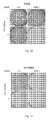
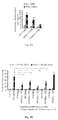
- T98G cells transfected with siRNA for 48hrs were given drug treatments for 24 hrs and were subsequently lysed, and their nuclei were stained using hypotonic propidium iodide buffer.
- the lysates were analysed for changes in the sub-G0/G1 fraction of fragmented nuclei by flow cytometry (FACS) ( Figure-1 B). Condensation and fragmentation of nucleus is a key biochemical feature of apoptosis and sub-G0/G1 analysis has been widely used for detection of apoptosis ( FEBS Lett., 1986, 194(2):347-50 ; Cytometry, 1991, 12(4):323-329 ; Nature Protocols, 2006, 1:1458-1461 ).
- H7, Sunitinib and LY 294002 showed moderate levels of apoptosis in PME-1 depleted cells.
- the chemotherapeutic drug Temozolomide also induced cell death in glioblastoma cells to moderate levels, but did not benefit much when used in combination with PME-1 siRNA.
- the most outstanding candidate of all tested drugs was Staurosporine (STS) which induced very high level of apoptosis in PME-1 depleted glioblastoma T98G cells with STS concentration that did not alone induce significant nuclear fragmentation.
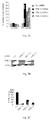
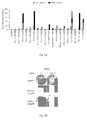
- PME-1 siRNA depicted in SEQ ID NO: 1 three different PME-1 specific siRNA sequences (SEQ ID NO:s 1 to 3) were transfected to T98G cells and apoptotic nuclear fragmentation was analysed following STS treatment ( Figure-2A). Effectiveness of these PME-1 siRNAs was measured by western blotting ( Figure-2B), and band intensities were quantified and normalised with respect to beta-actin ( Figure-2C). All PME-1 siRNA sequences were capable of sensitizing glioblastoma T98G cells to STS mediated apoptosis.
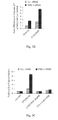
- FIG. 4B shows that the cells co-depleted for either PPP2R2a, PPP2R3b, PPP2R5a, or PPP2R5b B-subunit are capable of significantly reversing the STS mediated apoptosis in PME-1 depleted cells.
- simultaneous depletion of either PPP2R2c ( Figure-4B) or other tested B-subunits (data not shown) could not affect the apoptosis of cells receiving PME-1 siRNA and STS treatment. Therefore, we can conclude that PME-1 inhibition promotes STS-mediated apoptosis by reactivation of PP2A trimers containing above four B-subunits.
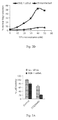
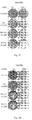
- STS has been documented in the literature to be a broadly specific inhibitor of kinases, it is considered less significant in the field of cancer chemotherapeutics. But, some STS derivatives are known which are far more specific and have fewer side effects and are currently in clinical trials for treatment of different diseases. So, we replaced STS with its derivatives, PKC412, K252a, RO-31-8220, GO 6976, SB 218078, Arcyriaflavin A, K252c, Rebeccamycin, Enzastaurin, UCN-01 or CEP-701 in our experimental setup at different concentrations (Figure-5A).
- PKC-412, K252a, UCN-01 and CEP-701 being capable of inducing apoptosis in PME-1 depleted glioblastoma cells at levels even higher than STS itself.
- SB 218078 induced moderate levels of apoptosis at higher concentration.
- RO-31-8220 and the other tested STS derivatives were not active in these cells.
- the biochemical features, structure and potentiation to apoptosis of all these drugs in PME-1 depleted T98G cells are also listed in the Table 4.
Landscapes
- Health & Medical Sciences (AREA)
- Life Sciences & Earth Sciences (AREA)
- Chemical & Material Sciences (AREA)
- General Health & Medical Sciences (AREA)
- Engineering & Computer Science (AREA)
- Medicinal Chemistry (AREA)
- Pharmacology & Pharmacy (AREA)
- Animal Behavior & Ethology (AREA)
- Public Health (AREA)
- Veterinary Medicine (AREA)
- Genetics & Genomics (AREA)
- Epidemiology (AREA)
- Organic Chemistry (AREA)
- Biomedical Technology (AREA)
- Bioinformatics & Cheminformatics (AREA)
- Molecular Biology (AREA)
- General Engineering & Computer Science (AREA)
- Wood Science & Technology (AREA)
- Zoology (AREA)
- Biotechnology (AREA)
- Biochemistry (AREA)
- General Chemical & Material Sciences (AREA)
- Chemical Kinetics & Catalysis (AREA)
- Nuclear Medicine, Radiotherapy & Molecular Imaging (AREA)
- Physics & Mathematics (AREA)
- Biophysics (AREA)
- Plant Pathology (AREA)
- Microbiology (AREA)
- Oncology (AREA)
- Virology (AREA)
- Dermatology (AREA)
- Heart & Thoracic Surgery (AREA)
- Cardiology (AREA)
- Pharmaceuticals Containing Other Organic And Inorganic Compounds (AREA)
- Medicines That Contain Protein Lipid Enzymes And Other Medicines (AREA)
Applications Claiming Priority (3)
| Application Number | Priority Date | Filing Date | Title |
|---|---|---|---|
| US201161499750P | 2011-06-22 | 2011-06-22 | |
| FI20115640A FI20115640A0 (fi) | 2011-06-22 | 2011-06-22 | Yhdistelmähoito |
| PCT/FI2012/050618 WO2012175798A2 (en) | 2011-06-22 | 2012-06-15 | Combination therapy |
Publications (2)
| Publication Number | Publication Date |
|---|---|
| EP2723450A2 EP2723450A2 (en) | 2014-04-30 |
| EP2723450B1 true EP2723450B1 (en) | 2016-05-18 |
Family
ID=44206849
Family Applications (1)
| Application Number | Title | Priority Date | Filing Date |
|---|---|---|---|
| EP12767025.5A Not-in-force EP2723450B1 (en) | 2011-06-22 | 2012-06-15 | Combination therapy |
Country Status (8)
| Country | Link |
|---|---|
| US (1) | US9476050B2 (enExample) |
| EP (1) | EP2723450B1 (enExample) |
| JP (1) | JP6001655B2 (enExample) |
| CN (1) | CN103781514A (enExample) |
| CA (1) | CA2839807A1 (enExample) |
| DK (1) | DK2723450T3 (enExample) |
| FI (1) | FI20115640A0 (enExample) |
| WO (1) | WO2012175798A2 (enExample) |
Families Citing this family (6)
| Publication number | Priority date | Publication date | Assignee | Title |
|---|---|---|---|---|
| CA2883356A1 (en) * | 2012-08-30 | 2014-03-06 | Turun Yliopisto | Method of selecting individualized brain cancer therapy |
| US9663789B2 (en) * | 2013-04-26 | 2017-05-30 | Medical Diagnostic Laboratories, Llc | PME-1 as a biomarker to predict and diagnose endometrial and breast cancer and gene silencing of PME-1 to inhibit epithelial to mesenchymal transition |
| WO2015138638A1 (en) | 2014-03-11 | 2015-09-17 | Theraly Pharmaceuticals, Inc. | Long acting trail receptor agonists for treatment of autoimmune diseases |
| US11007251B2 (en) | 2015-12-17 | 2021-05-18 | The Johns Hopkins University | Ameliorating systemic sclerosis with death receptor agonists |
| CN109195620B (zh) | 2016-04-07 | 2022-06-28 | 约翰霍普金斯大学 | 用死亡受体激动剂治疗胰腺炎和疼痛的组合物和方法 |
| WO2021138391A1 (en) | 2019-12-30 | 2021-07-08 | Tyra Biosciences, Inc. | Indazole compounds |
Family Cites Families (20)
| Publication number | Priority date | Publication date | Assignee | Title |
|---|---|---|---|---|
| US6133437A (en) * | 1997-02-13 | 2000-10-17 | Apoptogen, Inc. | Modulation of IAPs for the treatment of proliferative diseases |
| US6214986B1 (en) * | 1998-10-07 | 2001-04-10 | Isis Pharmaceuticals, Inc. | Antisense modulation of bcl-x expression |
| US20030190635A1 (en) | 2002-02-20 | 2003-10-09 | Mcswiggen James A. | RNA interference mediated treatment of Alzheimer's disease using short interfering RNA |
| EP1386004A4 (en) | 2001-04-05 | 2005-02-16 | Ribozyme Pharm Inc | MODULATION OF GENE EXPRESSION ASSOCIATED WITH INFLAMMATORY PROLIFERATION AND GROWTH OF NEURITIES BY METHODS INVOLVING NUCLEIC ACID |
| US20030175950A1 (en) | 2001-05-29 | 2003-09-18 | Mcswiggen James A. | RNA interference mediated inhibition of HIV gene expression using short interfering RNA |
| US20040019001A1 (en) | 2002-02-20 | 2004-01-29 | Mcswiggen James A. | RNA interference mediated inhibition of protein typrosine phosphatase-1B (PTP-1B) gene expression using short interfering RNA |
| AU2003290083A1 (en) * | 2002-08-13 | 2004-03-11 | Cell Center Cologne Gmbh | Use of iap for the diagnosis and of iap-inhibitors for the treatment of hodgkin's lymphomas |
| EP1658304A4 (en) | 2002-09-28 | 2009-01-14 | Massachusetts Inst Technology | THERAPY ANTIGRIPPALE |
| US20040077083A1 (en) | 2002-10-17 | 2004-04-22 | Isis Pharmaceuticals Inc. | Antisense modulation of histone deacetylase 4 expression |
| US20040077084A1 (en) | 2002-10-17 | 2004-04-22 | Isis Pharmaceuticals Inc. | Antisense modulation of histone deacetylase 4 expression |
| EP2305813A3 (en) | 2002-11-14 | 2012-03-28 | Dharmacon, Inc. | Fuctional and hyperfunctional sirna |
| US20090182134A1 (en) | 2002-11-14 | 2009-07-16 | Dharmacon, Inc. | siRNA targeting phosphatases |
| EP1618217A4 (en) * | 2003-04-25 | 2008-11-26 | Dana Farber Cancer Inst Inc | BCL2L12 polypeptides and inhibitors |
| US20050043266A1 (en) | 2003-07-25 | 2005-02-24 | Sumedha Jayasena | Short interfering RNA as an antiviral agent for hepatitis C |
| WO2005011598A2 (en) | 2003-07-31 | 2005-02-10 | University Of South Florida | Leukemia treatment method and composition |
| MX2007001155A (es) | 2004-07-29 | 2007-08-14 | Creabilis Therapeutics Spa | Uso de inhibidores de k-252a y de quinasa para la prevencion o el tratamiento de patologias asociadas con hmgb1. |
| US20080021198A1 (en) | 2005-10-12 | 2008-01-24 | Yigong Shi | Modulators of protein phosphatase 2A and PP2A methyl esterase |
| GB0612542D0 (en) * | 2006-06-23 | 2006-08-02 | Novartis Ag | Combinations comprising staurosporines |
| US20090274682A1 (en) | 2008-02-05 | 2009-11-05 | The Trustees Of Princeton University | Demethylation and inactivation of protein phosphatase 2a |
| AR075239A1 (es) | 2009-02-04 | 2011-03-16 | Bipar Sciences Inc | Tratamiento del cancer de pulmon con un inhibidor de la parp en combinacion con un inhibidor de un factor de crecimiento. composicion farmaceutica. uso |
-
2011
- 2011-06-22 FI FI20115640A patent/FI20115640A0/fi not_active Application Discontinuation
-
2012
- 2012-06-15 EP EP12767025.5A patent/EP2723450B1/en not_active Not-in-force
- 2012-06-15 CN CN201280040838.2A patent/CN103781514A/zh active Pending
- 2012-06-15 US US14/128,342 patent/US9476050B2/en not_active Expired - Fee Related
- 2012-06-15 DK DK12767025.5T patent/DK2723450T3/en active
- 2012-06-15 CA CA2839807A patent/CA2839807A1/en not_active Abandoned
- 2012-06-15 JP JP2014516405A patent/JP6001655B2/ja not_active Expired - Fee Related
- 2012-06-15 WO PCT/FI2012/050618 patent/WO2012175798A2/en not_active Ceased
Also Published As
| Publication number | Publication date |
|---|---|
| JP6001655B2 (ja) | 2016-10-05 |
| DK2723450T3 (en) | 2016-07-04 |
| WO2012175798A3 (en) | 2013-04-11 |
| US20140135377A1 (en) | 2014-05-15 |
| US9476050B2 (en) | 2016-10-25 |
| FI20115640A0 (fi) | 2011-06-22 |
| WO2012175798A2 (en) | 2012-12-27 |
| CN103781514A (zh) | 2014-05-07 |
| EP2723450A2 (en) | 2014-04-30 |
| CA2839807A1 (en) | 2012-12-27 |
| JP2014523426A (ja) | 2014-09-11 |
Similar Documents
| Publication | Publication Date | Title |
|---|---|---|
| EP2753316B1 (en) | Pharmaceutical combination comprising a cip2a silencing agent for use in the treatment of a hyperproliferative disorder, preferably one with impaired p53 function | |
| CN103555722B (zh) | 利用不对称双链rna特异性抑制kras的方法和组合物 | |
| US9476050B2 (en) | Combination therapy | |
| EP3587579A1 (en) | Methods and compositions for the specific inhibition of beta-catenin by double-stranded rna | |
| WO2008109353A1 (en) | Nucleic acid compounds for inhibiting map2k gene expression and uses thereof | |
| WO2011097221A2 (en) | Methods of promoting tissue growth and tissue regeneration | |
| US20100055783A1 (en) | Nucleic acid compounds for inhibiting ras gene expression and uses thereof | |
| US20110236972A1 (en) | Nucleic acid compounds for inhibiting birc5 gene expression and uses thereof | |
| US10094834B2 (en) | Method of selecting individualized brain cancer therapy | |
| EP2872631B1 (en) | Combination therapy |
Legal Events
| Date | Code | Title | Description |
|---|---|---|---|
| PUAI | Public reference made under article 153(3) epc to a published international application that has entered the european phase |
Free format text: ORIGINAL CODE: 0009012 |
|
| 17P | Request for examination filed |
Effective date: 20140107 |
|
| AK | Designated contracting states |
Kind code of ref document: A2 Designated state(s): AL AT BE BG CH CY CZ DE DK EE ES FI FR GB GR HR HU IE IS IT LI LT LU LV MC MK MT NL NO PL PT RO RS SE SI SK SM TR |
|
| DAX | Request for extension of the european patent (deleted) | ||
| 17Q | First examination report despatched |
Effective date: 20141128 |
|
| GRAP | Despatch of communication of intention to grant a patent |
Free format text: ORIGINAL CODE: EPIDOSNIGR1 |
|
| INTG | Intention to grant announced |
Effective date: 20150729 |
|
| INTG | Intention to grant announced |
Effective date: 20151218 |
|
| GRAS | Grant fee paid |
Free format text: ORIGINAL CODE: EPIDOSNIGR3 |
|
| GRAA | (expected) grant |
Free format text: ORIGINAL CODE: 0009210 |
|
| AK | Designated contracting states |
Kind code of ref document: B1 Designated state(s): AL AT BE BG CH CY CZ DE DK EE ES FI FR GB GR HR HU IE IS IT LI LT LU LV MC MK MT NL NO PL PT RO RS SE SI SK SM TR |
|
| REG | Reference to a national code |
Ref country code: GB Ref legal event code: FG4D |
|
| RAP2 | Party data changed (patent owner data changed or rights of a patent transferred) |
Owner name: TURUN YLIOPISTO |
|
| REG | Reference to a national code |
Ref country code: CH Ref legal event code: EP |
|
| REG | Reference to a national code |
Ref country code: IE Ref legal event code: FG4D Ref country code: AT Ref legal event code: REF Ref document number: 799899 Country of ref document: AT Kind code of ref document: T Effective date: 20160615 |
|
| REG | Reference to a national code |
Ref country code: DE Ref legal event code: R096 Ref document number: 602012018666 Country of ref document: DE Ref country code: FR Ref legal event code: PLFP Year of fee payment: 5 |
|
| REG | Reference to a national code |
Ref country code: DK Ref legal event code: T3 Effective date: 20160624 |
|
| PGFP | Annual fee paid to national office [announced via postgrant information from national office to epo] |
Ref country code: FR Payment date: 20160630 Year of fee payment: 5 |
|
| REG | Reference to a national code |
Ref country code: SE Ref legal event code: TRGR |
|
| REG | Reference to a national code |
Ref country code: NL Ref legal event code: MP Effective date: 20160518 |
|
| REG | Reference to a national code |
Ref country code: LT Ref legal event code: MG4D |
|
| PG25 | Lapsed in a contracting state [announced via postgrant information from national office to epo] |
Ref country code: LT Free format text: LAPSE BECAUSE OF FAILURE TO SUBMIT A TRANSLATION OF THE DESCRIPTION OR TO PAY THE FEE WITHIN THE PRESCRIBED TIME-LIMIT Effective date: 20160518 Ref country code: NO Free format text: LAPSE BECAUSE OF FAILURE TO SUBMIT A TRANSLATION OF THE DESCRIPTION OR TO PAY THE FEE WITHIN THE PRESCRIBED TIME-LIMIT Effective date: 20160818 Ref country code: NL Free format text: LAPSE BECAUSE OF FAILURE TO SUBMIT A TRANSLATION OF THE DESCRIPTION OR TO PAY THE FEE WITHIN THE PRESCRIBED TIME-LIMIT Effective date: 20160518 |
|
| PGFP | Annual fee paid to national office [announced via postgrant information from national office to epo] |
Ref country code: FI Payment date: 20160822 Year of fee payment: 5 Ref country code: GB Payment date: 20160823 Year of fee payment: 5 Ref country code: IT Payment date: 20160921 Year of fee payment: 5 Ref country code: DK Payment date: 20160823 Year of fee payment: 5 Ref country code: CH Payment date: 20160920 Year of fee payment: 5 Ref country code: DE Payment date: 20160823 Year of fee payment: 5 |
|
| REG | Reference to a national code |
Ref country code: AT Ref legal event code: MK05 Ref document number: 799899 Country of ref document: AT Kind code of ref document: T Effective date: 20160518 |
|
| PG25 | Lapsed in a contracting state [announced via postgrant information from national office to epo] |
Ref country code: PT Free format text: LAPSE BECAUSE OF FAILURE TO SUBMIT A TRANSLATION OF THE DESCRIPTION OR TO PAY THE FEE WITHIN THE PRESCRIBED TIME-LIMIT Effective date: 20160919 Ref country code: ES Free format text: LAPSE BECAUSE OF FAILURE TO SUBMIT A TRANSLATION OF THE DESCRIPTION OR TO PAY THE FEE WITHIN THE PRESCRIBED TIME-LIMIT Effective date: 20160518 Ref country code: RS Free format text: LAPSE BECAUSE OF FAILURE TO SUBMIT A TRANSLATION OF THE DESCRIPTION OR TO PAY THE FEE WITHIN THE PRESCRIBED TIME-LIMIT Effective date: 20160518 Ref country code: HR Free format text: LAPSE BECAUSE OF FAILURE TO SUBMIT A TRANSLATION OF THE DESCRIPTION OR TO PAY THE FEE WITHIN THE PRESCRIBED TIME-LIMIT Effective date: 20160518 Ref country code: LV Free format text: LAPSE BECAUSE OF FAILURE TO SUBMIT A TRANSLATION OF THE DESCRIPTION OR TO PAY THE FEE WITHIN THE PRESCRIBED TIME-LIMIT Effective date: 20160518 Ref country code: GR Free format text: LAPSE BECAUSE OF FAILURE TO SUBMIT A TRANSLATION OF THE DESCRIPTION OR TO PAY THE FEE WITHIN THE PRESCRIBED TIME-LIMIT Effective date: 20160819 |
|
| PG25 | Lapsed in a contracting state [announced via postgrant information from national office to epo] |
Ref country code: BE Free format text: LAPSE BECAUSE OF NON-PAYMENT OF DUE FEES Effective date: 20160630 |
|
| PG25 | Lapsed in a contracting state [announced via postgrant information from national office to epo] |
Ref country code: RO Free format text: LAPSE BECAUSE OF FAILURE TO SUBMIT A TRANSLATION OF THE DESCRIPTION OR TO PAY THE FEE WITHIN THE PRESCRIBED TIME-LIMIT Effective date: 20160518 Ref country code: CZ Free format text: LAPSE BECAUSE OF FAILURE TO SUBMIT A TRANSLATION OF THE DESCRIPTION OR TO PAY THE FEE WITHIN THE PRESCRIBED TIME-LIMIT Effective date: 20160518 Ref country code: SK Free format text: LAPSE BECAUSE OF FAILURE TO SUBMIT A TRANSLATION OF THE DESCRIPTION OR TO PAY THE FEE WITHIN THE PRESCRIBED TIME-LIMIT Effective date: 20160518 Ref country code: EE Free format text: LAPSE BECAUSE OF FAILURE TO SUBMIT A TRANSLATION OF THE DESCRIPTION OR TO PAY THE FEE WITHIN THE PRESCRIBED TIME-LIMIT Effective date: 20160518 |
|
| REG | Reference to a national code |
Ref country code: DE Ref legal event code: R097 Ref document number: 602012018666 Country of ref document: DE |
|
| PG25 | Lapsed in a contracting state [announced via postgrant information from national office to epo] |
Ref country code: SM Free format text: LAPSE BECAUSE OF FAILURE TO SUBMIT A TRANSLATION OF THE DESCRIPTION OR TO PAY THE FEE WITHIN THE PRESCRIBED TIME-LIMIT Effective date: 20160518 Ref country code: PL Free format text: LAPSE BECAUSE OF FAILURE TO SUBMIT A TRANSLATION OF THE DESCRIPTION OR TO PAY THE FEE WITHIN THE PRESCRIBED TIME-LIMIT Effective date: 20160518 Ref country code: AT Free format text: LAPSE BECAUSE OF FAILURE TO SUBMIT A TRANSLATION OF THE DESCRIPTION OR TO PAY THE FEE WITHIN THE PRESCRIBED TIME-LIMIT Effective date: 20160518 Ref country code: BE Free format text: LAPSE BECAUSE OF FAILURE TO SUBMIT A TRANSLATION OF THE DESCRIPTION OR TO PAY THE FEE WITHIN THE PRESCRIBED TIME-LIMIT Effective date: 20160518 |
|
| PGFP | Annual fee paid to national office [announced via postgrant information from national office to epo] |
Ref country code: SE Payment date: 20160622 Year of fee payment: 5 |
|
| REG | Reference to a national code |
Ref country code: IE Ref legal event code: MM4A |
|
| PLBE | No opposition filed within time limit |
Free format text: ORIGINAL CODE: 0009261 |
|
| STAA | Information on the status of an ep patent application or granted ep patent |
Free format text: STATUS: NO OPPOSITION FILED WITHIN TIME LIMIT |
|
| PG25 | Lapsed in a contracting state [announced via postgrant information from national office to epo] |
Ref country code: MC Free format text: LAPSE BECAUSE OF FAILURE TO SUBMIT A TRANSLATION OF THE DESCRIPTION OR TO PAY THE FEE WITHIN THE PRESCRIBED TIME-LIMIT Effective date: 20160518 |
|
| 26N | No opposition filed |
Effective date: 20170221 |
|
| PG25 | Lapsed in a contracting state [announced via postgrant information from national office to epo] |
Ref country code: SI Free format text: LAPSE BECAUSE OF FAILURE TO SUBMIT A TRANSLATION OF THE DESCRIPTION OR TO PAY THE FEE WITHIN THE PRESCRIBED TIME-LIMIT Effective date: 20160518 Ref country code: IE Free format text: LAPSE BECAUSE OF NON-PAYMENT OF DUE FEES Effective date: 20160615 |
|
| REG | Reference to a national code |
Ref country code: DE Ref legal event code: R119 Ref document number: 602012018666 Country of ref document: DE |
|
| REG | Reference to a national code |
Ref country code: DK Ref legal event code: EBP Effective date: 20170630 |
|
| REG | Reference to a national code |
Ref country code: SE Ref legal event code: EUG |
|
| PG25 | Lapsed in a contracting state [announced via postgrant information from national office to epo] |
Ref country code: FI Free format text: LAPSE BECAUSE OF NON-PAYMENT OF DUE FEES Effective date: 20170615 |
|
| REG | Reference to a national code |
Ref country code: CH Ref legal event code: PL |
|
| GBPC | Gb: european patent ceased through non-payment of renewal fee |
Effective date: 20170615 |
|
| PG25 | Lapsed in a contracting state [announced via postgrant information from national office to epo] |
Ref country code: SE Free format text: LAPSE BECAUSE OF NON-PAYMENT OF DUE FEES Effective date: 20170616 |
|
| REG | Reference to a national code |
Ref country code: FR Ref legal event code: ST Effective date: 20180228 |
|
| PG25 | Lapsed in a contracting state [announced via postgrant information from national office to epo] |
Ref country code: DE Free format text: LAPSE BECAUSE OF NON-PAYMENT OF DUE FEES Effective date: 20180103 Ref country code: CH Free format text: LAPSE BECAUSE OF NON-PAYMENT OF DUE FEES Effective date: 20170630 Ref country code: GB Free format text: LAPSE BECAUSE OF NON-PAYMENT OF DUE FEES Effective date: 20170615 Ref country code: LI Free format text: LAPSE BECAUSE OF NON-PAYMENT OF DUE FEES Effective date: 20170630 |
|
| PG25 | Lapsed in a contracting state [announced via postgrant information from national office to epo] |
Ref country code: HU Free format text: LAPSE BECAUSE OF FAILURE TO SUBMIT A TRANSLATION OF THE DESCRIPTION OR TO PAY THE FEE WITHIN THE PRESCRIBED TIME-LIMIT; INVALID AB INITIO Effective date: 20120615 Ref country code: IT Free format text: LAPSE BECAUSE OF NON-PAYMENT OF DUE FEES Effective date: 20170615 Ref country code: FR Free format text: LAPSE BECAUSE OF NON-PAYMENT OF DUE FEES Effective date: 20170630 |
|
| PG25 | Lapsed in a contracting state [announced via postgrant information from national office to epo] |
Ref country code: LU Free format text: LAPSE BECAUSE OF NON-PAYMENT OF DUE FEES Effective date: 20160615 Ref country code: MK Free format text: LAPSE BECAUSE OF FAILURE TO SUBMIT A TRANSLATION OF THE DESCRIPTION OR TO PAY THE FEE WITHIN THE PRESCRIBED TIME-LIMIT Effective date: 20160518 Ref country code: CY Free format text: LAPSE BECAUSE OF FAILURE TO SUBMIT A TRANSLATION OF THE DESCRIPTION OR TO PAY THE FEE WITHIN THE PRESCRIBED TIME-LIMIT Effective date: 20160518 Ref country code: TR Free format text: LAPSE BECAUSE OF FAILURE TO SUBMIT A TRANSLATION OF THE DESCRIPTION OR TO PAY THE FEE WITHIN THE PRESCRIBED TIME-LIMIT Effective date: 20160518 Ref country code: MT Free format text: LAPSE BECAUSE OF NON-PAYMENT OF DUE FEES Effective date: 20160630 Ref country code: IS Free format text: LAPSE BECAUSE OF FAILURE TO SUBMIT A TRANSLATION OF THE DESCRIPTION OR TO PAY THE FEE WITHIN THE PRESCRIBED TIME-LIMIT Effective date: 20160518 |
|
| PG25 | Lapsed in a contracting state [announced via postgrant information from national office to epo] |
Ref country code: DK Free format text: LAPSE BECAUSE OF NON-PAYMENT OF DUE FEES Effective date: 20170630 Ref country code: BG Free format text: LAPSE BECAUSE OF FAILURE TO SUBMIT A TRANSLATION OF THE DESCRIPTION OR TO PAY THE FEE WITHIN THE PRESCRIBED TIME-LIMIT Effective date: 20160518 |
|
| PG25 | Lapsed in a contracting state [announced via postgrant information from national office to epo] |
Ref country code: AL Free format text: LAPSE BECAUSE OF FAILURE TO SUBMIT A TRANSLATION OF THE DESCRIPTION OR TO PAY THE FEE WITHIN THE PRESCRIBED TIME-LIMIT Effective date: 20160518 |