EP2687222A1 - Bleomycin hydrolase production promoting agent - Google Patents
Bleomycin hydrolase production promoting agent Download PDFInfo
- Publication number
- EP2687222A1 EP2687222A1 EP12757563.7A EP12757563A EP2687222A1 EP 2687222 A1 EP2687222 A1 EP 2687222A1 EP 12757563 A EP12757563 A EP 12757563A EP 2687222 A1 EP2687222 A1 EP 2687222A1
- Authority
- EP
- European Patent Office
- Prior art keywords
- extract
- bleomycin hydrolase
- skin
- expression
- irf
- Prior art date
- Legal status (The legal status is an assumption and is not a legal conclusion. Google has not performed a legal analysis and makes no representation as to the accuracy of the status listed.)
- Granted
Links
Images










Classifications
-
- A—HUMAN NECESSITIES
- A61—MEDICAL OR VETERINARY SCIENCE; HYGIENE
- A61K—PREPARATIONS FOR MEDICAL, DENTAL OR TOILETRY PURPOSES
- A61K36/00—Medicinal preparations of undetermined constitution containing material from algae, lichens, fungi or plants, or derivatives thereof, e.g. traditional herbal medicines
- A61K36/18—Magnoliophyta (angiosperms)
- A61K36/185—Magnoliopsida (dicotyledons)
- A61K36/23—Apiaceae or Umbelliferae (Carrot family), e.g. dill, chervil, coriander or cumin
-
- A—HUMAN NECESSITIES
- A61—MEDICAL OR VETERINARY SCIENCE; HYGIENE
- A61K—PREPARATIONS FOR MEDICAL, DENTAL OR TOILETRY PURPOSES
- A61K31/00—Medicinal preparations containing organic active ingredients
- A61K31/045—Hydroxy compounds, e.g. alcohols; Salts thereof, e.g. alcoholates
- A61K31/047—Hydroxy compounds, e.g. alcohols; Salts thereof, e.g. alcoholates having two or more hydroxy groups, e.g. sorbitol
-
- A—HUMAN NECESSITIES
- A61—MEDICAL OR VETERINARY SCIENCE; HYGIENE
- A61K—PREPARATIONS FOR MEDICAL, DENTAL OR TOILETRY PURPOSES
- A61K31/00—Medicinal preparations containing organic active ingredients
- A61K31/185—Acids; Anhydrides, halides or salts thereof, e.g. sulfur acids, imidic, hydrazonic or hydroximic acids
- A61K31/19—Carboxylic acids, e.g. valproic acid
-
- A—HUMAN NECESSITIES
- A61—MEDICAL OR VETERINARY SCIENCE; HYGIENE
- A61K—PREPARATIONS FOR MEDICAL, DENTAL OR TOILETRY PURPOSES
- A61K31/00—Medicinal preparations containing organic active ingredients
- A61K31/185—Acids; Anhydrides, halides or salts thereof, e.g. sulfur acids, imidic, hydrazonic or hydroximic acids
- A61K31/19—Carboxylic acids, e.g. valproic acid
- A61K31/195—Carboxylic acids, e.g. valproic acid having an amino group
- A61K31/197—Carboxylic acids, e.g. valproic acid having an amino group the amino and the carboxyl groups being attached to the same acyclic carbon chain, e.g. gamma-aminobutyric acid [GABA], beta-alanine, epsilon-aminocaproic acid or pantothenic acid
-
- A—HUMAN NECESSITIES
- A61—MEDICAL OR VETERINARY SCIENCE; HYGIENE
- A61K—PREPARATIONS FOR MEDICAL, DENTAL OR TOILETRY PURPOSES
- A61K36/00—Medicinal preparations of undetermined constitution containing material from algae, lichens, fungi or plants, or derivatives thereof, e.g. traditional herbal medicines
- A61K36/18—Magnoliophyta (angiosperms)
- A61K36/185—Magnoliopsida (dicotyledons)
- A61K36/23—Apiaceae or Umbelliferae (Carrot family), e.g. dill, chervil, coriander or cumin
- A61K36/232—Angelica
-
- A—HUMAN NECESSITIES
- A61—MEDICAL OR VETERINARY SCIENCE; HYGIENE
- A61K—PREPARATIONS FOR MEDICAL, DENTAL OR TOILETRY PURPOSES
- A61K36/00—Medicinal preparations of undetermined constitution containing material from algae, lichens, fungi or plants, or derivatives thereof, e.g. traditional herbal medicines
- A61K36/18—Magnoliophyta (angiosperms)
- A61K36/185—Magnoliopsida (dicotyledons)
- A61K36/23—Apiaceae or Umbelliferae (Carrot family), e.g. dill, chervil, coriander or cumin
- A61K36/236—Ligusticum (licorice-root)
-
- A—HUMAN NECESSITIES
- A61—MEDICAL OR VETERINARY SCIENCE; HYGIENE
- A61K—PREPARATIONS FOR MEDICAL, DENTAL OR TOILETRY PURPOSES
- A61K36/00—Medicinal preparations of undetermined constitution containing material from algae, lichens, fungi or plants, or derivatives thereof, e.g. traditional herbal medicines
- A61K36/18—Magnoliophyta (angiosperms)
- A61K36/185—Magnoliopsida (dicotyledons)
- A61K36/53—Lamiaceae or Labiatae (Mint family), e.g. thyme, rosemary or lavender
-
- A—HUMAN NECESSITIES
- A61—MEDICAL OR VETERINARY SCIENCE; HYGIENE
- A61K—PREPARATIONS FOR MEDICAL, DENTAL OR TOILETRY PURPOSES
- A61K36/00—Medicinal preparations of undetermined constitution containing material from algae, lichens, fungi or plants, or derivatives thereof, e.g. traditional herbal medicines
- A61K36/18—Magnoliophyta (angiosperms)
- A61K36/185—Magnoliopsida (dicotyledons)
- A61K36/73—Rosaceae (Rose family), e.g. strawberry, chokeberry, blackberry, pear or firethorn
- A61K36/738—Rosa (rose)
-
- A—HUMAN NECESSITIES
- A61—MEDICAL OR VETERINARY SCIENCE; HYGIENE
- A61K—PREPARATIONS FOR MEDICAL, DENTAL OR TOILETRY PURPOSES
- A61K36/00—Medicinal preparations of undetermined constitution containing material from algae, lichens, fungi or plants, or derivatives thereof, e.g. traditional herbal medicines
- A61K36/18—Magnoliophyta (angiosperms)
- A61K36/185—Magnoliopsida (dicotyledons)
- A61K36/75—Rutaceae (Rue family)
- A61K36/756—Phellodendron, e.g. corktree
-
- A—HUMAN NECESSITIES
- A61—MEDICAL OR VETERINARY SCIENCE; HYGIENE
- A61K—PREPARATIONS FOR MEDICAL, DENTAL OR TOILETRY PURPOSES
- A61K8/00—Cosmetics or similar toiletry preparations
- A61K8/18—Cosmetics or similar toiletry preparations characterised by the composition
- A61K8/30—Cosmetics or similar toiletry preparations characterised by the composition containing organic compounds
- A61K8/33—Cosmetics or similar toiletry preparations characterised by the composition containing organic compounds containing oxygen
- A61K8/34—Alcohols
- A61K8/345—Alcohols containing more than one hydroxy group
-
- A—HUMAN NECESSITIES
- A61—MEDICAL OR VETERINARY SCIENCE; HYGIENE
- A61K—PREPARATIONS FOR MEDICAL, DENTAL OR TOILETRY PURPOSES
- A61K8/00—Cosmetics or similar toiletry preparations
- A61K8/18—Cosmetics or similar toiletry preparations characterised by the composition
- A61K8/30—Cosmetics or similar toiletry preparations characterised by the composition containing organic compounds
- A61K8/46—Cosmetics or similar toiletry preparations characterised by the composition containing organic compounds containing sulfur
-
- A—HUMAN NECESSITIES
- A61—MEDICAL OR VETERINARY SCIENCE; HYGIENE
- A61K—PREPARATIONS FOR MEDICAL, DENTAL OR TOILETRY PURPOSES
- A61K8/00—Cosmetics or similar toiletry preparations
- A61K8/18—Cosmetics or similar toiletry preparations characterised by the composition
- A61K8/30—Cosmetics or similar toiletry preparations characterised by the composition containing organic compounds
- A61K8/46—Cosmetics or similar toiletry preparations characterised by the composition containing organic compounds containing sulfur
- A61K8/466—Cosmetics or similar toiletry preparations characterised by the composition containing organic compounds containing sulfur containing sulfonic acid derivatives; Salts
-
- A—HUMAN NECESSITIES
- A61—MEDICAL OR VETERINARY SCIENCE; HYGIENE
- A61K—PREPARATIONS FOR MEDICAL, DENTAL OR TOILETRY PURPOSES
- A61K8/00—Cosmetics or similar toiletry preparations
- A61K8/18—Cosmetics or similar toiletry preparations characterised by the composition
- A61K8/96—Cosmetics or similar toiletry preparations characterised by the composition containing materials, or derivatives thereof of undetermined constitution
- A61K8/97—Cosmetics or similar toiletry preparations characterised by the composition containing materials, or derivatives thereof of undetermined constitution from algae, fungi, lichens or plants; from derivatives thereof
-
- A—HUMAN NECESSITIES
- A61—MEDICAL OR VETERINARY SCIENCE; HYGIENE
- A61K—PREPARATIONS FOR MEDICAL, DENTAL OR TOILETRY PURPOSES
- A61K8/00—Cosmetics or similar toiletry preparations
- A61K8/18—Cosmetics or similar toiletry preparations characterised by the composition
- A61K8/96—Cosmetics or similar toiletry preparations characterised by the composition containing materials, or derivatives thereof of undetermined constitution
- A61K8/97—Cosmetics or similar toiletry preparations characterised by the composition containing materials, or derivatives thereof of undetermined constitution from algae, fungi, lichens or plants; from derivatives thereof
- A61K8/9783—Angiosperms [Magnoliophyta]
- A61K8/9789—Magnoliopsida [dicotyledons]
-
- A—HUMAN NECESSITIES
- A61—MEDICAL OR VETERINARY SCIENCE; HYGIENE
- A61P—SPECIFIC THERAPEUTIC ACTIVITY OF CHEMICAL COMPOUNDS OR MEDICINAL PREPARATIONS
- A61P17/00—Drugs for dermatological disorders
-
- A—HUMAN NECESSITIES
- A61—MEDICAL OR VETERINARY SCIENCE; HYGIENE
- A61P—SPECIFIC THERAPEUTIC ACTIVITY OF CHEMICAL COMPOUNDS OR MEDICINAL PREPARATIONS
- A61P17/00—Drugs for dermatological disorders
- A61P17/16—Emollients or protectives, e.g. against radiation
-
- A—HUMAN NECESSITIES
- A61—MEDICAL OR VETERINARY SCIENCE; HYGIENE
- A61P—SPECIFIC THERAPEUTIC ACTIVITY OF CHEMICAL COMPOUNDS OR MEDICINAL PREPARATIONS
- A61P37/00—Drugs for immunological or allergic disorders
- A61P37/08—Antiallergic agents
-
- A—HUMAN NECESSITIES
- A61—MEDICAL OR VETERINARY SCIENCE; HYGIENE
- A61P—SPECIFIC THERAPEUTIC ACTIVITY OF CHEMICAL COMPOUNDS OR MEDICINAL PREPARATIONS
- A61P43/00—Drugs for specific purposes, not provided for in groups A61P1/00-A61P41/00
-
- A—HUMAN NECESSITIES
- A61—MEDICAL OR VETERINARY SCIENCE; HYGIENE
- A61Q—SPECIFIC USE OF COSMETICS OR SIMILAR TOILETRY PREPARATIONS
- A61Q19/00—Preparations for care of the skin
-
- A—HUMAN NECESSITIES
- A61—MEDICAL OR VETERINARY SCIENCE; HYGIENE
- A61Q—SPECIFIC USE OF COSMETICS OR SIMILAR TOILETRY PREPARATIONS
- A61Q19/00—Preparations for care of the skin
- A61Q19/007—Preparations for dry skin
Definitions
- the present invention provides a bleomycin hydrolase production promotor, and a natural moisturizing factor production promotor or a dry skin remedy comprising the same.
- Keratin fibers of the epidermal granular layer aggregate by binding to a protein referred to as filaggrin during keratinization, creating a specific form referred to as a "keratin pattern".
- a precursor of filaggrin profilaggrin (comprising 10 to 12 tandemly repeated filaggrin units) is present in large amounts in the keratohyalin granules of granule cells, during keratinization, keratin fibers are aggregated by dephosphorylation together with the formation of filaggrin monomers.
- PAD induces deimination of filaggrin by acting on the arginine residue thereof and converting it to a citrulline residue. It is considered that as a result of filaggrin being deiminated in this manner, affinity between filaggrin and keratin fibers weakens and the keratin fibers are released, thereby resulting in filaggrin being more susceptible to the action of proteases, which is ultimately degraded into NMF.
- calpain-1 as an enzyme that degrades filaggrin following its deimination by PAD, and determined that the degradation products thereof in the form of small peptide fragments are degraded into amino acid units, namely NMF, by bleomycin hydrolase (BH) ( Journal of Investigative Dermatology (2008), Volume 128, Abstracts, S90, 539 ; Joint Conference of the 30th Annual Meeting of the Molecular Biology Society of Japan and the 80th Conference of the Japanese Biochemical Society, Collection of Presentation Abstracts, p. 583 ; Journal of Biological Chemistry, 284, No. 19, pp. 12829-12836, 2009, 30P-0251 ; and, Japanese Unexamined Patent Publication No. 2008-135944 (to be referred to as Application No. 944).
- BH bleomycin hydrolase
- atopic dermatitis is known to occur due to an abnormality of the profilaggrin gene, and abnormalities of this gene are observed in roughly 5% to 50% of atopic dermatitis patients ( Smith, F.J.D., et al., Nat. Genet. 38:337-42 (2006 ); Aileen Sandilands, et al., J. I. Dermatol., 127, 1282-1284 (2007 ); and, Nomura, T., et al., J. I. Dermatol., 128(6):1436-41 (2008 )).
- this does not necessarily mean that the expression of filaggrin decreases dramatically in the skin of atopic dermatitis patients.
- An object of the present invention is to provide a bleomycin hydrolase production promotor.
- the inventor of the present invention clearly determined that promotion of the activity of bleomycin hydrolase improves the barrier function of skin via the production of NMF. In this manner, bleomycin hydrolase is thought to act in the final stage of NMF production. However, it is interesting to note that, since expression of filaggrin continues to be observed in numerous atopic dermatitis patients with respect to dry skin caused by atopic dermatitis, this action is thought to be caused by a different factor than an abnormality of the filaggrin gene.
- the inventors of the present invention examined fluctuations in the expression of bleomycin hydrolase according to a dry skin test in human subjects and analyzed the mechanism for controlling that expression based on the hypothesis that decreased expression of bleomycin hydrolase in human skin is not only related to a decrease in the skin's barrier function caused by an abnormality of the NMF production mechanism, but also is related to atopic dermatitis mainly caused by immune disorders and dry skin and the like caused by that dermatitis.
- the inventors of the present invention found that decreased expression of bleomycin hydrolase is related to dry skin caused by atopic dermatitis, and that a control region that prominently induces expression of that enzyme is present in the 5'-flanking region of the gene that encodes that enzyme.
- BH bleomycin hydrolase
- the inventors of the present invention found that transcription of BH is most likely regulated during both differentiation and inflammation.
- the inventors of the present invention found that certain drugs and herbal medicines have that activity, thereby leading to completion of the present invention.
- the present invention enables provision of a novel NMF production promotor and a dry skin remedy.
- Bleomycin hydrolase is a cytoplasmic cysteine peptide hydrolytic enzyme having a molecular weight of 250 kDa to 280 kDa (hexamer), and its initially known function was metabolic deactivation of the glycopeptide bleomycin, which is frequently used in cancer combination chemotherapy.
- Bleomycin hydrolase contains the characteristic active site residues of the papain superfamily of cysteine proteases, and its encoding gene is present at genetic locus 17q11.2 in humans ( Takeda, et al., J. Biochem., 119, 29-36, 1996 ). It is present in all tissues and although it is known to also be present in skin ( Kamata, et al., J. Biochem., 141, 69-76, 2007 ), its relationship with filaggrin was completely unknown until revealed by the inventors of the present invention.
- bleomycin hydrolase was determined to be expressed at high levels in the upper layer of the epidermis in normal skin in the same manner as filaggrin ( FIG. 8 ).
- the expression of this enzyme as well as filaggrin decreases at locations of atopic rash ( FIG. 9 ).
- the cause of atopic dermatitis is not an abnormality of the profilaggrin gene, but rather an abnormality of the enzyme system responsible for its degradation.
- bleomycin hydrolase activity is significantly lower not only in the lesional areas of the skin of atopic dermatitis patients, but also in non-lesional areas as well (data not shown).
- a region extending at least 216 bp downstream from the coding sequence of bleomycin hydrolase is required to be included in order to express this enzyme.
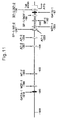
- the expression of bleomycin hydrolase is thought to be especially promoted by promoting the binding activity of those transcription factors among the transcription factors described in FIG. 11 of IRF-1, IRF-2, MZF-1, SP-1 and GATA-1 contained in this region.
- UV ultraviolet
- cytokines For example, interleukin-4 (IL-4), which is a type of Th2 cytokine known to be involved in atopic dermatitis, down-regulates the expression of bleomycin hydrolase. This supports the low expression levels of bleomycin hydrolase observed in the skin of atopic dermatitis patients.
- interferon- ⁇ which is a typical representative of a Th1 cytokine having the ability to inhibit IgE production in contrast to IL-4, significantly increases the expression of bleomycin hydrolase.
- Th2 cytokine that is also a typical example of an inflammatory cytokine, tumor necrosis factor alpha (TNF ⁇ ) also significantly increases expression of this enzyme.
- TNF ⁇ tumor necrosis factor alpha
- expression and/or activity of bleomycin hydrolase is also increased by UV irradiation. Although the results thereof are not shown, on the surface of the body as well, the activity of bleomycin hydrolase in the skin of the cheeks susceptible to UV irradiation has been confirmed to be increased by UV irradiation.
- chestnut rose extract Although chestnut rose extract, angelica root extract, cork tree bark extract, lamium album extract and rosemary extract are used in external skin preparations, none of these extracts were known to have bleomycin hydrolase production promoting effects, NMF production promoting effects or effects for improving dry skin.
- chestnut rose extract is only known to have a ceramide synthesis promoting effect (Japanese Unexamined Patent Publication No. 2006-111560 ) and a collagenase inhibitory effect (Japanese Unexamined Patent Publication No. 2006-241148 ).
- benzenesulfonyl GABA benzenesulfonyl ⁇ -aminobutyric acid
- erythritol are also similarly used in external skin preparations, neither of these drugs were known to have bleomycin hydrolase production promoting effects or NMF production promoting effects.
- the aforementioned extracts can be obtained in accordance with ordinary methods, and for example, can be obtained by immersing or refluxing a portion or all of a source plant with an extraction solvent either at normal temperature or while heating, followed by filtration and concentration.
- the extracted site may be dried prior to solvent extraction.
- Any solvent can be used for the extraction solvent provided it is a solvent that is normally used for extraction, and examples of thereof include organic solvents in the manner of alcohols such as methanol, ethanol, propylene glycol, 1,3-butylene glycol or glycerin, water-containing alcohols, chloroform, dichloroethane, carbon tetrachloride, acetone, ethyl acetate, hexane, as well as aqueous solvents such as water, physiological saline, phosphate buffer or borate buffer, and these can be used either alone or in combination.
- One type or two or more types selected from the group consisting of water, methanol, ethanol and 1,3-butylene glycol are preferably used as solvent.
- Extract obtained by extracting with solvent in the manner described above can be used directly or after concentrating by freeze-drying and the like, or as necessary, may be removed of impurities using an adsorption method such as an ion exchange resin, or can be used after adsorbing with a porous polymer column (such as the Amberlite XAD-2 column), eluting with a desired solvent and then concentrating.
- an adsorption method such as an ion exchange resin
- a porous polymer column such as the Amberlite XAD-2 column
- Extracts such as chestnut rose extract, angelica root extract, cork tree bark extract, lamium album extract and rosemary extract, and drugs such as benzenesulfonyl GABA and erythritol, demonstrate an action that concentration-dependently promotes production of bleomycin hydrolase.
- the incorporated amounts of extracts such as chestnut rose extract, angelica root extract, cork tree bark extract, lamium album extract and/or rosemary extract in the bleomycin hydrolase production promotor of the present invention is 0.0001% by weight to 20.0% by weight, preferably 0.0001% by weight to 10.0% by weight, and more preferably 0.001% by weight to 1% by weight as the dry weight thereof based on the total weight of the agent.
- the incorporated amount of a drugs such as benzenesulfonyl GABA and/or erythritol is 0.0001 mmol to 20.0 mmol, preferably 0.0001 mmol to 10.0 mmol and more preferably 0.001 mmol to 1 mmol as the dry weight thereof based on the total weight of the agent.
- the bleomycin hydrolase production promotor according to the present invention can be produced in accordance with ordinary methods.
- components normally used in external skin preparations such as cosmetics or pharmaceuticals containing quasi drugs are also suitably incorporated as necessary, examples of which include oils, surfactants, powders, colorants, water, alcohols, thickeners, chelating agents, silicones, antioxidants, ultraviolet absorbers, moisturizers, fragrances, various medicinal ingredients, antiseptics, pH regulators and neutralizers.
- the dosage form of the bleomycin hydrolase production promotor of the present invention can have an any arbitrary form such as a solution system, solubilized system, emulsified system, powder dispersed system, water-oil double-layered system, water-oil-powder triple-layered system, ointment, gel or aerosol.
- a beauty wash milky lotion, cream, essence, jelly, gel, ointment, facial pack, mask or foundation.
- the bleomycin hydrolase production promotor of the present invention can be used in beauty treatments for preventing and/or improving dry skin.
- the manner of use or dosage of the bleomycin hydrolase production promotor of the present invention when used in such beauty treatments typically a suitable amount of from 0.1 ml to 1 ml per cm 2 is rubbed directly into the skin or that suitable amount is impregnated into a piece of gauze and then applied to the skin several times per day, and for example, 1 to 5 times per day.
- Calpain-1 was purchased from EMD Biosciences, Inc. Bleomycin hydrolase was prepared from the horny layer of human epidermis in accordance with Non-Patent Document 5.
- Human IL-4 and IFN- ⁇ were purchased from Peprotech EC (London, England).
- Human IL-13 and IL-17A/F were manufactured by R&D Systems Inc. (Minneapolis, MN).
- Citrulline 4-methylcoumaryl-7-amide (Cit-MCA) was acquired from Bachem Bioscience AG (Bubendorf, Switzerland). Reagent grade chemicals were used for all other chemical substances used.
- Bleomycin hydrolase is thought to act in the final stage of NMF production. In this case, there is the possibility of expression of this enzyme being decreased in dry skin. In this experiment, a study was conducted as to whether or not decreases in expression and/or activity of bleomycin hydrolase in skin are related to dry skin.
- Skin horny layer samples were collected by tape stripping consisting of affixing clear adhesive tape (CelloTapeTM, Nichiban Co., Ltd.) to a skin surface on the arm followed by peeling off the tape.
- the tape having the skin horny layer adhered thereto was then cut into pieces, immersed in extraction buffer (0.1 M Tris-HCl (pH 8.0), 0.14 M NaCl, 0.1% Tween-20, 1 ml) and then subjected to ultrasonic treatment (20 sec ⁇ 4 rounds) to prepare horny layer extracts. These extracts were then subjected to western blotting.
- the anti-bleomycin hydrolase (BH) antibody used was produced according to the method of Kamata, et al.
- Specimen 1 indicates a skin horny layer sample of a person personally thought to have dry skin
- Specimen 2 is a skin horny layer sample of a healthy student thought not to have dry skin
- Specimens T and A in FIG. 2 are from subjects not having dry skin
- Specimen N is from a subject having somewhat dry skin
- Specimen M is from a subject having dry skin.
- the expression level of bleomycin hydrolase in Specimen 1 was low, the expression level of that enzyme in Specimen 2 was high.
- Specimens 1 and 2 can be understood to be derived from dry skin and moist skin, respectively.
- Specimens T and A indicate western blots of extracts obtained from specimens not particularly aware of having dry skin
- Specimens N and M indicate western blots of extracts obtained from specimens strongly aware of having dry skin.
- a statistical analysis was conducted relating to bleomycin hydrolase and various skin parameters for the aforementioned horny layer extracts.
- the horny layer extracts of 40 subjects were classified into the following two types. After having digitized the amounts of bleomycin hydrolase determined on the basis of western blotting with a densitometer, those extracts in which the amount of bleomycin hydrolase is less than 10, in the case of indicating based on an arbitrary unit of 1, and enzyme activity is less than 1.5 nmol/min/ml were classified as having a low amount of bleomycin hydrolase protein and having low enzyme activity (BH low), while all other extracts were classified as having a high amount of protein and high enzyme activity (BH high).
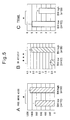
- Free amino acids were measured in accordance with the method of Kamata, et al. (J. Biol. Chem., Vol. 284, Issue 19, 12829-12836, May 8, 2009 ). More specifically, filaggrin peptide degraded with calpain-1 was allowed to react with each extract followed by measurement of the amount of free amino acids by quantifying amino groups using fluorescamine. The results of measuring free amino acids are shown in FIG. 5A . Units on the vertical axis in FIG. 5A indicate the total amount of free amino acids (nmol) in 3 ml of measurement sample.
- Bleomycin hydrolase activity was evaluated by measuring the amount of a fluorescent substrate, Cit- ⁇ -Na degraded by the aminopeptidase of this enzyme as previously described. The results of measuring bleomycin hydrolase activity are shown in FIG. 5B . Units on the vertical axis in FIG. 5B indicate the degraded amount of Cit- ⁇ -Na (nmol/min/ml).
- Transepidermal water loss (TEWL) of the skin of the aforementioned students was measured using a Vapometer (Delfin Technologies, Ltd., Finland) and expressed as g/m 2 /h. Results of measuring TEWL are shown in FIG. 5C .
- FIG. 5C there was a significant difference in horny layer moisture content between the low bleomycin hydrolase activity group (less than 2.5 U) and the high group. Moreover, there were few free amino acids and TEWL was high in a group having both low enzyme amounts and activity ( FIGS. 5A and 5C ).
- Sections of human atopic dermatitis (lesional skin and non-lesional skin) and normal skin were incubated with anti-rat BH IgG and anti-human filaggrin IgG for 1 hour at room temperature followed by washing with PBS and further incubating with fluorescent-bound secondary antibody, Alexa Fluor 555 or 488 (Molecular Probes Inc., Eugene, OR).
- fluorescent-bound secondary antibody Alexa Fluor 555 or 488 (Molecular Probes Inc., Eugene, OR).
- DAPI 4',6'-diamidino-2-phenylindole, Molecular Probes Inc.
- FIG. 8 The results for immunostaining normal skin are shown in FIG. 8 , while the results of comparing skin from a healthy individual (normal skin) with skin from an atopic dermatitis patient (atopic rash) are shown in FIG. 9 .
- bleomycin hydrolase is highly expressed in the upper layer of the epidermis and demonstrated the same localization as filaggrin.
- FIG. 9 expression of bleomycin hydrolase and filaggrin was lower in comparison with that of normal skin ( FIG. 9 ).
- the expression level of bleomycin hydrolase in keratinocytes was measured by quantitative PCR according to the following method using Light Cycler 480 (Roche Diagnostics GmbH, Mannheim, Germany). Light Cycler FastStart DNA Master CYBR Green I was used for the reagent. 0.6 ⁇ l aliquots of each of the following bleomycin hydrolase primers and 6.8 ⁇ l of water were added to 10 ⁇ l of SYBR Green I Master Mix followed by bringing to a total volume of 20 ⁇ l and carrying out PCR for 45 cycles consisting of 15 seconds at 95°C, 20 seconds at 55°C and 20 seconds at 72°C. The results obtained were corrected by comparing with the results for a housekeeping gene, G3PDH.
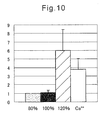
- FIG. 10 The results of the aforementioned quantitative PCR are shown in FIG. 10 .
- bleomycin hydrolase was more highly expressed in keratinocytes that had reached confluence, namely differentiated keratinocytes, than keratinocytes at 80% confluence, namely undifferentiated keratinocytes.
- this enzyme can be understood to not be expressed that much in basal cells prior to differentiation.
- Lysis buffer 200 ⁇ l was added to keratinocytes in the proliferation stage (roughly 80% confluence) or following differentiation (after reaching confluence, obtained by exposing to air, adding 2 mM calcium and continuing to culture for 2 more days) to lyse the cells.
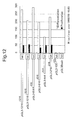
- the Bright-Glo Luciferase Assay System (Promega Co., Madison, WI, USA) was used for measurement. 20 ⁇ l of sample were transferred to a prescribed tube and measured using the Auto Lumat Plus (LB953, Berthold GmbH & Co. KG, Bad Wilbad, Germany). Based on the results shown in FIG. 12 , it was determined that a region extending at least 216 bp downstream from the coding sequence of bleomycin hydrolase must be present in the aforementioned transcription regulatory region in order to express this enzyme.
- RNA was recovered by a prescribed method 3 hours, 24 hours and 48 hours after irradiating with UVB at 30 mJ or 60 mJ (Torex F120S-E-30/DMR, 20 W, Toshiba Medical Supply Co., Ltd.), and mRNA expression levels of bleomycin hydrolase and calpain were measured by quantitative PCR. As a result of these measurements, the highest level of bleomycin hydrolase mRNA was expressed by the sample recovered 48 hours after irradiating at 30 mJ ( FIG. 13 ).
- IL-4 final concentration: 0.1, 1.0 or 10 ng/ml
- TNF ⁇ final concentration: 0.1, 1.0 or 10 ng/ml
- IFN ⁇ final concentration: 1.0, 10 or 100 ng/ml
- the 5'-flanking region was amplified based on the nucleotide sequence of human BH gene using the Genome Walker Kit (Clontech Laboratories, Inc., Mountain View, CA) in accordance with the instructions provided by the manufacturer and using Gene-Specific Primer 1 (GSP1): 5'-tccctcgagtctgtatcagagcagctaca-3' (SEQ ID NO: 3) and Gene-Specific Primer 2 (GSP-2): 5'-tgaacacgcgtccgagctgctcatggcg-3' (SEQ ID NO: 4).
- GSP1 Gene-Specific Primer 1
- GSP-2 Gene-Specific Primer 2
- primary PCR was carried out using GSP1 and an Adapter Primer (AP) 1 according to the two-step PCR protocol recommended by the manufacturer (consisting of 7 cycles at 94°C for 25 seconds and 72°C for 4 minutes, followed by 32 cycles of 94°C for 25 seconds and 67°C for 4 minutes, and finally extension at 67°C for 4 minutes) using Ex Taq DNA Polymerase (Takara Corp., Shiga, Japan) in the presence of 5% dimethylsulfoxide.
- Ex Taq DNA Polymerase Tekara Corp., Shiga, Japan
- the primary PCR mixture was diluted and then used as a template for secondary PCR amplification using GSP2 and AP2.
- PCR was carried out under the conditions of 30 cycles of initial denaturation consisting of 4 minutes at 94°C, 30 seconds at 94°C, 1 minute at 60°C and 1 minute at 72°C, and finally extension for 4 minutes at 72°C, using pGEM-T-1216/+1 as template and a pair of specific BH primers containing restriction sites KpnI and MIuI (5'-ccgggtaccatcagagttccttagaa-3' (SEQ ID NO: 5) and 5'-taaatacgcgttggcgcccacgctgccg-3' (SEQ ID NO: 6)).
- pGL3-Basic Vector contains firefly luciferase gene. All constructs were prepared using the Qiagen Plasmid Midi Kit (Qiagen GmbH, Dusseldorf, Germany).
- Mutagenesis at MZF-1, Sp-1 and IRF-1/2 binding sites was carried out by using the Quick Change Site-Directed Mutagenesis Kit (Stratagene Corp., La Jolla, CA).
- primers were used consisting of 5'-ggaccccgtttcagcctccccgcc-3' (SEQ ID NO: 7) (forward primer of mutant SP-1 site) and 5'-ggcggggaggctgaaacggggtcc-3' (SEQ ID NO: 8) (reverse primer of mutant Sp-1 site).
- primers were used consisting of 5'-gactcagcaacgcggttttgtccctcgc-3' (SEQ ID NO: 9) (forward primer of mutant MZF-1 site) and 5'-gcggagggacaaaaccgcgttgctgagtca-3' (SEQ ID NO: 10) (reverse primer of mutant MSF-1 site).
- primers consisting of 5'-gccgccgagcctccggcgctcc-3' (SEQ ID NO: 11) (forward primer of mutant IRF-1/2 site) and 5'-ggagcgccggaggctcggcggc-3' (SEQ ID NO: 12) (reverse primer of mutant IRF-1/2 site).
- Keratinocytes were cultured in a 12-well tissue culture plate at a density of 5 ⁇ 10 4 cells/well followed by transfection with 1 ⁇ g aliquots of each construct using FuGene HD Transfection Reagent (Roche Diagnostics AG, Basel, Switzerland). In order to correct for transfection efficiency, all cells were simultaneously transfected with pGL4.74[hRluc-TK] vector (Promega Co.) containing sea pansy (Renilla) luciferase gene under the control of HSV-TK promoter. Unless specifically indicated otherwise, the cells were collected 24 hours after transfection and lysed using 250 ⁇ l of Passive Lysis Buffer (Promega Co.) per well.
- Luciferase activity was analyzed using the Dual Luciferase Reporter Assay System (Promega Co.) and Auto Lumat Plus Luminometer (Berthold Technologies GmbH, Bad Wilbad, Germany). Firefly luciferase activity was standardized for sea pansy luciferase activity. Three transfections were independently carried out for each construct and results were expressed as the mean value thereof.
- keratinocytes were transfected using 40 nM siIRF-1, siIRF-2 and siControl A (Santa Cruz Biotechnology Inc., Santa Cruz, CA) together with Lipofectamine RNAi Max (Invitrogen Corp., Carlsbad, CA) in accordance with the instructions provided by the manufacturer. After culturing the cells for 24 hours in antibiotic-free medium, total RNA was extracted and analyzed by real-time RT-PCR in the manner previously described.
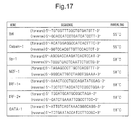
- Double-stranded oligonucleotide probes were prepared by annealing a single-stranded biotinylated oligonucleotide and single-stranded non-labeled oligonucleotide ( FIG. 17 ).
- Nuclear extraction and EMSA were carried out by using the Nuclear Extraction Kit and EMSA Gel Shift Kit (Panomics, Inc., Santa Clara, CA).
- the nuclear extracts (4 ⁇ g) were incubated with 1 ⁇ binding buffer, 1 ⁇ g of Polyd (I-C) and biotinylated probes (50 pmol) corresponding to the MZF-1, Sp-1, IRF-1/2 and GATA-1 binding sites for 30 minutes at 15°C.
- a two-fold excess amount of unlabeled probe was added to the binding reaction prior to addition of biotinylated probe.
- These incubated mixtures were electrophoresed in 8% polyacrylamide gel together with 5x TBE buffer and then transferred to a Biodyne B Nylon Membrane (Pall Corp., Port Washington, NY). Bands were visualized using the chemiluminescence detection reagent provided in the EMSA Gel Shift Kit.
- FIG. 18A A large number of presumed transcription factor binding sites in the 5'-flanking region of human BH were identified by searching with the Genome Net Motif program ( FIG. 18A ). Since sequences closely coinciding with the consensus sequences recognized by MZF-1, Sp-1, IRF-1/2 and GATA-1/2 were present in the -216/+1 region close to the transcription initiation site in particular, these transcription factors were suggested to be involved in the regulation of BH promoter activity. A deletion analysis was carried out in order to more precisely determine the BH promoter region ( FIG. 18B ). The highest level of luciferase activity was detected in differentiated keratinocytes transfected with pGL3-816.
- an electrophoretic mobility shift assay (EMSA) was carried out using nuclear extracts from cultured keratinocytes and biotinylated double-stranded oligonucleotide probes containing the MZF-1, Sp-1, GATA-1 or IRF-1/2 binding site.
- FIG. 19B although Sp-1, MZF-1 and IRF-1/2 bound to target sites corresponding to BH promoter, GATA-1/2 did not bind.
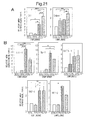
- FIG. 20A indicates the dose-dependent down-regulation of BH mRNA expression by a Th1 cytokine, IFN- ⁇ in proliferating keratinocytes.
- Th2 and Th17 cytokines did not demonstrate any significant effects on BH expression. Similar results were obtained with differentiated keratinocytes (data not shown).
- a promoter assay was carried out to identify cytokine response elements. As shown in FIG.
- IFN- ⁇ down-regulated BH promoter activity in cultured keratinocytes transfected with pGL3-BH-616 containing IRF-1/2 binding sites between -131 and -120. IFN- ⁇ no longer suppressed promoter activity after this sequence was deleted ( FIG. 20B ).
- IRF-1/2 is an essential mediator of IFN- ⁇ -induced down-regulation of BH
- IRF-1 and IRF-2 gene expression was suppressed using small interfering RNA (siRNA).
- siRNA small interfering RNA
- the activity of IFN- ⁇ was significantly inhibited in cultured keratinocytes transfected with either IRF-1 or IRF-2 siRNA (40 nM) ( FIG. 20C ).
- BH mRNA was up-regulated in differentiated keratinocytes, such as those obtained two days after confluence (by 3.6 times) or those cultured at a high calcium concentration (by 8.6 times) in comparison with proliferating keratinocytes. These results coincide with the promoter assay data ( FIG. 18B ). Similar results were obtained with respect to calpain-1 (up-regulated by about 2.5 times).
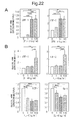
- FIG. 22A indicates that IFN- ⁇ demonstrates potent dose-dependent up-regulation of IRF-1 mRNA expression. Similarly, IRF-2 expression was also up-regulated in the presence or IFN- ⁇ . In contrast, expression of IRF-1 and IRF-2 was significantly amplified only in the presence of IL-4 at 100 ng/ml ( FIG. 22B ). It is interesting to note that both MZF-1 and Sp-1 were down-regulated most effectively in the presence of IL-4 at 10 ng/ml ( FIG. 22C ). These results suggest that BH expression is regulated by Th1 cytokine and Th2 cytokine directly and indirectly, respectively.
- MZF-1 is a transcription factor belonging to the Kruppel family of zinc finger proteins, and is expressed in differentiated pluripotent hematopoietic cells and bone marrow progenitor cells.
- MZF-1 is a transcription factor belonging to the Kruppel family of zinc finger proteins, and is expressed in differentiated pluripotent hematopoietic cells and bone marrow progenitor cells.
- the function of MZF-1 in the regulation of transcription in mammalian epidermis has not been reported.
- MZF-1, Sp-1 and BH were found to be simultaneously up-regulated in differentiated keratinocytes in comparison with proliferating keratinocytes ( FIG. 21B ), thus demonstrating the role of BH in differentiation rather than a housekeeping role.
- IRF-1/2 binding sites in this region.
- Direct binding of IRFs to the BH promoter region was confirmed using EMSA ( FIG. 19B ).
- Site-specific mutagenesis of this binding sequence brought about a significant decrease in BH promoter activity ( FIG. 19A ). Consequently, IRF-1/2 transcription factors are also most likely required for minimal promoter activity of BH gene under basic conditions.
- the IRF family consists of a group of transcription factors and at present, nine members of the IRF family (IRF-1 to IRF-9) have been identified in various cell types and tissues.
- IRF-1 and IRF-2 have been shown to function as agonists and antagonists involved in the regulation of numerous IFN- ⁇ -induced genes.
- IFN- ⁇ remarkably suppressed expression of BH mRNA ( FIGS. 20A and 20B ).
- the IRF-1/2 binding sites were confirmed to be involved in IFN- ⁇ -mediated suppression of BH expression ( FIGS. 20B and 20C ).
- Th2 cytokines, IL-4 and IL-13 did not demonstrate any direct action whatsoever during 24 hours of incubation ( FIG. 20A ).
- these Th2 cytokines significantly suppressed expression of activator molecules, MZF-1 and Sp-1. Accordingly, it is reasonable to think that Th2 cytokines negatively regulate BH expression.
- BH was also shown to be dramatically down-regulated in lesional and non-lesional AD skin ( FIGS. 23A and 23B ).
- filaggrin mutations are major risk factors for barrier impairment-related diseases such as AD, in an analysis of such mutations, these mutations account for less than 50% of the occurrences of such diseases in Ireland and only account for no more than 20% of their occurrences in Japan.
- filaggrin synthesis disorders but also impairment of filaggrin degradation was hypothesized to be involved in disruption of the skin's barrier function. It is clear that decreased NMF brings about dry skin and causes progression of barrier disruption.
- AD is widely known to be a Th2-polarized disease.
- Th1 cytokines also play a role in AD.
- Intrinsic AD is characterized immunologically by low expression of IL-4, IL-5 and IL-13 and high expression of IFN- ⁇ .
- a shift from Th1 to Th2 occurs during transformation from the acute phase to chronic phase in AD skin.
- Our results indicate the possibility of IFN- ⁇ playing a more important role that was previously thought.
- Human keratinocytes derived from normal foreskin (Cascade Biologics Inc., Portland, MD) were cultured for 24 hours at room temperature in the presence of each of the herbal medicine extracts or pharmaceutical agents (5 ⁇ g/ml to 50 ⁇ g/ml) shown in FIG. 24 in keratinocyte growth medium consisting of MCDB medium supplemented with epidermal growth factor (0.1 ng/ml), insulin (10 ⁇ g/ml), hydrocortisone (0.5 ⁇ g/ml), bovine pituitary extract (0.4%), gentamycin (50 ⁇ g/ml) and amphotericin B (50 ng/ml). 0.1% 1,3-butylene glycol was used as a control.
- keratinocyte growth medium consisting of MCDB medium supplemented with epidermal growth factor (0.1 ng/ml), insulin (10 ⁇ g/ml), hydrocortisone (0.5 ⁇ g/ml), bovine pituitary extract (0.4%), gent
- Total RNA (500 ng) isolated from the human keratinocytes cultured in the manner described above was reverse-transcribed using random hexamers and Superscript II RNase H-transcriptase (Gibco-BRL Corp., Gaithersburg, MD), followed by subjecting to PCR amplification using Taq DNA polymerase (Takara Corp., Kyoto, Japan) and the following primers. 40 amplification cycles were carried out consisting of 30 seconds at 94°C, 1 minute at 60°C and 1 minute at 72°C.
- extracts such as chestnut rose extract (10 ⁇ g/ml), angelica root extract (10 ⁇ g/ml), cork tree bark extract (10 ⁇ g/ml), lamium album extract (10 ⁇ g/ml) and rosemary extract (10 ⁇ g/ml) as well as benzenesulfonyl GABA (50 ⁇ g/ml) and erythritol (50 ⁇ g/ml) can be understood to significantly increase expression of bleomycin hydrolase in comparison with the control.
- each of these extracts can be understood to promote expression of bleomycin hydrolase.
- the primers used in PCR are indicated below.
Landscapes
- Health & Medical Sciences (AREA)
- Life Sciences & Earth Sciences (AREA)
- Natural Medicines & Medicinal Plants (AREA)
- General Health & Medical Sciences (AREA)
- Animal Behavior & Ethology (AREA)
- Public Health (AREA)
- Veterinary Medicine (AREA)
- Epidemiology (AREA)
- Chemical & Material Sciences (AREA)
- Medicinal Chemistry (AREA)
- Pharmacology & Pharmacy (AREA)
- Engineering & Computer Science (AREA)
- Mycology (AREA)
- Microbiology (AREA)
- Biotechnology (AREA)
- Botany (AREA)
- Medical Informatics (AREA)
- Alternative & Traditional Medicine (AREA)
- Birds (AREA)
- Dermatology (AREA)
- Bioinformatics & Cheminformatics (AREA)
- Organic Chemistry (AREA)
- Nuclear Medicine, Radiotherapy & Molecular Imaging (AREA)
- General Chemical & Material Sciences (AREA)
- Chemical Kinetics & Catalysis (AREA)
- Emergency Medicine (AREA)
- Pulmonology (AREA)
- Immunology (AREA)
- Toxicology (AREA)
- Medicines Containing Plant Substances (AREA)
- Medicines That Contain Protein Lipid Enzymes And Other Medicines (AREA)
- Acyclic And Carbocyclic Compounds In Medicinal Compositions (AREA)
- Enzymes And Modification Thereof (AREA)
- Cosmetics (AREA)
- Measuring Or Testing Involving Enzymes Or Micro-Organisms (AREA)
- Compounds Of Unknown Constitution (AREA)
- Medicines Containing Material From Animals Or Micro-Organisms (AREA)
Abstract
Description
- The present invention provides a bleomycin hydrolase production promotor, and a natural moisturizing factor production promotor or a dry skin remedy comprising the same.
- Keratin fibers of the epidermal granular layer aggregate by binding to a protein referred to as filaggrin during keratinization, creating a specific form referred to as a "keratin pattern". Although a precursor of filaggrin, profilaggrin (comprising 10 to 12 tandemly repeated filaggrin units) is present in large amounts in the keratohyalin granules of granule cells, during keratinization, keratin fibers are aggregated by dephosphorylation together with the formation of filaggrin monomers. Subsequently, after the aggregated fibers have been deiminated by the action of an enzyme known as peptidyl arginine deiminase (PAD) and released from keratin, they are degraded into amino acids and the like in the upper horny layer. These amino acids are referred to as natural moisturizing factors (NMF), and are known to play an important role in retaining moisture in the horny layer and absorbing ultraviolet rays (Blank, I.H., J. I. Dermatol., 18, 433 (1952); Blank, I.H., J. I. Dermatol., 21, 259 (1953)).
- Ever since amino acids serving as the main component of NMF were clearly determined to originate in filaggrin, research has proceeded on the correlation between pathological states presenting with dry skin and filaggrin. In recent years, amino acids have been clearly determined to decrease in dry skin associated with senile xerosis, atopic diseases and the like (Horii, I., et al., Br. J. Dermatol., 121, 587-592 (1989); Tanaka, M., et al., Br. J. Dermatol., 139, 618-621 (1989)).
- PAD induces deimination of filaggrin by acting on the arginine residue thereof and converting it to a citrulline residue. It is considered that as a result of filaggrin being deiminated in this manner, affinity between filaggrin and keratin fibers weakens and the keratin fibers are released, thereby resulting in filaggrin being more susceptible to the action of proteases, which is ultimately degraded into NMF.
- The inventors of the present invention identified calpain-1 as an enzyme that degrades filaggrin following its deimination by PAD, and determined that the degradation products thereof in the form of small peptide fragments are degraded into amino acid units, namely NMF, by bleomycin hydrolase (BH) (Journal of Investigative Dermatology (2008), Volume 128, Abstracts, S90, 539; Joint Conference of the 30th Annual Meeting of the Molecular Biology Society of Japan and the 80th Conference of the Japanese Biochemical Society, Collection of Presentation Abstracts, p. 583; Journal of Biological Chemistry, 284, No. 19, pp. 12829-12836, 2009, 30P-0251; and, Japanese Unexamined Patent Publication No.
2008-135944 - According to more recent research, some atopic dermatitis is known to occur due to an abnormality of the profilaggrin gene, and abnormalities of this gene are observed in roughly 5% to 50% of atopic dermatitis patients (Smith, F.J.D., et al., Nat. Genet. 38:337-42 (2006); Aileen Sandilands, et al., J. I. Dermatol., 127, 1282-1284 (2007); and, Nomura, T., et al., J. I. Dermatol., 128(6):1436-41 (2008)). However, this does not necessarily mean that the expression of filaggrin decreases dramatically in the skin of atopic dermatitis patients.
-
- Non-Patent Document 1: Blank, I.H., J. I. Dermatol., 18, 433 (1952)
- Non-Patent Document 2: Blank, I.H., J. I. Dermatol., 21, 259 (1953)
- Non-Patent Document 3: Horii, I., et al., Br. J. Dermatol., 121, 587-592 (1989)
- Non-Patent Document 4: Tanaka, M., et al., Br. J. Dermatol., 139, 618-621 (1989)
- Non-Patent Document 5: Kamata, et al., J. Biochem., 141, 69-76, 2007
- Non-Patent Document 6: Journal of Investigative Dermatology (2008), Volume 128, Abstracts, S90, 539
- Non-Patent Document 7: Joint Conference of the 30th Annual Meeting of the Molecular Biology Society of Japan and the 80th Conference of the Japanese Biochemical Society, Collection of Presentation Abstracts, p. 583 3P-0251
- Non-Patent Document 8: Journal of Biological Chemistry, 284, No. 19, pp. 12829-12836, 2009
- Non-Patent Document 9: Smith, F.J.D., et al., Nat. Genet. 38:337-42 (2006)
- Non-Patent Document 10: Aileen Sandilands, et al., J. I. Dermatol., 127, 1282-1284
- An object of the present invention is to provide a bleomycin hydrolase production promotor.
- In the aforementioned Application No. 944, the inventor of the present invention clearly determined that promotion of the activity of bleomycin hydrolase improves the barrier function of skin via the production of NMF. In this manner, bleomycin hydrolase is thought to act in the final stage of NMF production. However, it is interesting to note that, since expression of filaggrin continues to be observed in numerous atopic dermatitis patients with respect to dry skin caused by atopic dermatitis, this action is thought to be caused by a different factor than an abnormality of the filaggrin gene.
- The inventors of the present invention examined fluctuations in the expression of bleomycin hydrolase according to a dry skin test in human subjects and analyzed the mechanism for controlling that expression based on the hypothesis that decreased expression of bleomycin hydrolase in human skin is not only related to a decrease in the skin's barrier function caused by an abnormality of the NMF production mechanism, but also is related to atopic dermatitis mainly caused by immune disorders and dry skin and the like caused by that dermatitis. As a result, the inventors of the present invention found that decreased expression of bleomycin hydrolase is related to dry skin caused by atopic dermatitis, and that a control region that prominently induces expression of that enzyme is present in the 5'-flanking region of the gene that encodes that enzyme. More specifically, the inventors of the present invention cloned the 5'-flanking region of bleomycin hydrolase (BH). In a deletion analysis thereof, a region important for BH promoter activity was identified -216 bp upstream therefrom. An electrophoretic mobility shift assay demonstrated that MZF-1, Sp-1 and interferon regulator factors (IRF)-1/2 are able to bind to this region in vitro. Moreover, BH promoter activity decreased considerably by site-specific mutagenesis of the MZF-1 and Sp-1 motifs. These data suggested that BH expression is up-regulated via MZF-1 and Sp-1. It is interesting to note that the Th1 cytokine, interferon (IFN)-γ significantly decreases expression of BH. Inhibitory effects of IFN-γ on BH expression were verified in an analysis using site-specific mutagenesis and small interfering RNA. On the other hand, the Th2 cytokine, IL-4, did not demonstrate any direct action whatsoever on BH expression. However, IL-4 down-regulated MZF-1 and Sp-1 in cultured keratinocytes and thus it is suggested that it acts as a suppressor of BH regulation. Finally, expression of BH was investigated in the skin of patients suffering from atopic dermatitis (AD). Since the activity and expression of BH decreased considerably in AD lesional skin, a defect in the filaggrin degradation pathway was suggested to be present in AD. As has been described above, the inventors of the present invention found that transcription of BH is most likely regulated during both differentiation and inflammation. Thus, as a result of investigating the bleomycin hydrolase production promoting activity of various pharmaceutical agents and herbal medicines, the inventors of the present invention found that certain drugs and herbal medicines have that activity, thereby leading to completion of the present invention.
- The present application includes the inventions indicated below.
- (1) A bleomycin hydrolase production promotor comprising as an active ingredient thereof one or a plurality of ingredients selected from the group consisting of chestnut rose extract, angelica root extract, cork tree bark extract, lamium album extract, rosemary extract, benzenesulfonyl GABA and erythritol.
- (2) The bleomycin hydrolase production promotor described in (1) that is a natural moisturizing factor production promotor comprising as an active ingredient thereof one or a plurality of ingredients selected from the group consisting of chestnut rose extract, angelica root extract, cork tree bark extract, lamium album extract, rosemary extract, benzenesulfonyl GABA and erythritol.
- (3) The bleomycin hydrolase production promotor described in (1) that is a dry skin remedy comprising as an active ingredient thereof one or a plurality of ingredients selected from the group consisting of chestnut rose extract, angelica root extract, cork tree bark extract, lamium album extract, rosemary extract, benzenesulfonyl GABA and erythritol.
- (4) A method for improving or preventing dry skin, comprising: applying the bleomycin hydrolase production promotor described in any of (1) to (3) to a subject requiring improvement or prevention of dry skin.
- (5) The method of (4), wherein the dry skin is caused by atopic dermatitis.
- (6) Use of the bleomycin hydrolase production promotor described in any of (1) to (3) for the improvement or prevention of dry skin.
- (7) The use of (6), wherein the dry skin is caused by atopic dermatitis.
- The present invention enables provision of a novel NMF production promotor and a dry skin remedy.
-
-
FIG. 1 is a western blot diagram indicating the relationship between the amounts of bleomycin hydrolase in human skin extracts obtained by tape stripping and the number of times tape stripping is performed. -
FIG. 2 is a western blot diagram indicating the relationship between the amounts of bleomycin hydrolase in human skin extracts and dry skin, wherein T and A indicate samples derived from subjects not having dry skin, N indicates a sample derived from a subject having somewhat dry skin, and M indicates a sample derived from a subject having dry skin. -
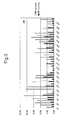
FIG. 3 is a graph indicating the relationship between the amounts of bleomycin hydrolase present in a horny layer extract obtained from the arms of human subjects and the enzyme activity thereof, wherein the numbers indicated on the horizontal axis represent subject identification numbers. -
FIG. 4 indicates values obtained by first order approximation using the least-squares method for the relationship between the amounts of bleomycin hydrolase obtained inFIG. 3 and the activity thereof. -
FIG. 5 indicates the results of statistical analyses relating to bleomycin hydrolase present in a corny layer extract obtained from the arm of a human subject and skin parameters (A: free amino acids, B: activity, C: transepidermal water loss (TEWL)), wherein "BH low" indicates an amount of bleomycin hydrolase of less than 10 and activity of less than 1.5 (nmol/min/ml), and "BH high" indicates an amount of bleomycin hydrolase of equal to or greater than 10 and activity of equal to or greater than 1.5 (nmol/min/ml). -
FIG. 6 is a flow chart of a questionnaire for classifying skin. -
FIG. 7 indicates the results of measuring skin parameters of the corny layer of subjects classified according to the flow chart ofFIG. 6 . -
FIG. 8 indicates tissue staining diagrams showing localization of bleomycin hydrolase and filaggrin in normal skin. -
FIG. 9 indicates tissue staining diagrams showing localization of bleomycin hydrolase and filaggrin in the skin of atopic dermatitis patients. -
FIG. 10 is a graph indicating the relationship between keratinocyte differentiation and expression levels of bleomycin hydrolase using quantitative PCR, wherein values on the vertical axis represent relative amounts in the case of assigning a value of 1 for the expression level after reaching 80% confluence. -
FIG. 11 is a schematic diagram showing the 5'-flanking region of the gene that encodes bleomycin hydrolase. -
FIG. 12 is a graph indicating the results of a luciferase assay of BH promoter using human epidermal keratinocytes. -
FIG. 13 is a graph indicating the relationship between expression of transcription factors Sp-1, MZF-1 and GATA-1 and UV irradiation. -
FIG. 14 is a graph indicating the relationship between bleomycin hydrolase levels in normal human epidermal keratinocytes and protease expression. -
FIG. 15 indicates primers used to produce mutants having consecutive 5'-defects in the 5'-flanking region of BH by PCR. -
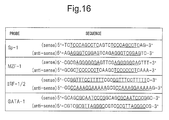
FIG. 16 indicates primers used to analyze the transcription levels of BH and related factors by quantitative real-time RT-PCR. -
FIG. 17 indicates probes used to analyze electrophoretic mobility shift. -
FIG. 18(A) indicates a schematic drawing of the 5'-flanking region of human BH, wherein the presumed transcription factor binding site in the 5'-flanking region was determined by a search using the Genome Net Motif Program.FIG. 18(B) indicates the BH promoter region as determined by deletion analysis.FIG. 18(C) indicates the nucleotide sequence of the -216/-1 region containing the minimal promoter sequence of BH and the presumed transcription factor binding sites, wherein the presumed transcription factor binding sites are underlined. -
FIG. 19(A) indicates the results of determining properties of transcription factor binding sites in BH promoter by site-specific mutagenesis consisting of a schematic diagram of a deletion construct of the presumed transcription factor binding site that indicates the luciferase activity thereof in cultured keratinocytes, wherein site-specific mutagenesis was carried out using a construct that spans the nucleotide sequence of the - 616/+1 region.FIG. 19(B) indicates the binding of MZF-1, Sp-1, GATA-1 or IRF-1/2 to a cis-acting element of BH promoter, wherein an experiment was carried out in the form of an electrophoretic mobility shift assay (EMSA) using nuclear extracts obtained from cultured keratinocytes and biotinylated double-stranded oligonucleotide probes containing presumed transcription binding site MZF-1, Sp-1, GATA-1 or IRF-1/2, withlane 1 indicating the binding profile of biotinylated probe in the nuclear extract, andlane 2 indicating the binding profile of biotinylated probe following competitive binding with a non-labeled probe present in excess in an amount twice that of the biotinylated probe. -
FIG. 20(A) indicates the results of a real-time RT-PCR analysis of BH expression showing the effects of Th1, Th2 and Th17 cytokines on expression of BH gene.FIG. 20(B) indicates the results of a mutation analysis of the IRF-1/2 binding site showing BH promoter activity in cultured keratinocytes in the presence of IFN-γ as determined by transfecting keratinocytes with pGL3-216 containing the intact IRF-1/2 binding sites of the BH promoter region followed by treating with IFN-γ for 24 hours (upper panel), and by transfecting keratinocytes with ΔpGL3-616 (IRF-1/2 deletion mutant) followed by treating for 24 hours in the presence or absence of IFN-γ or IL-4 at a concentration of 10 mg/ml (lower panel).FIG. 20(C) indicates the results of measuring expression of IRF-1 and IRF-2 genes using small interfering RNA (siRNA) for determining whether or not IRF-1/2 is an essential mediator for IFN-γ-induced down-regulation by transfecting keratinocytes with siRNA of IRF-1 or IRF-2 (40 nM) followed by culturing for 24 hours, treating with 10 ng/ml IFN-γ and further culturing for 24 hours followed by isolating the RNA, with the panel on the right side indicating the silencing effects of IRF-1 and IRF-2. -
FIG. 21(A) indicates the results of an analysis of the expression of BH, calpain-1 and presumed transcription factors in proliferating cells or differentiated cells by real-time PCR for investigating regulation of transcription in the epidermis.FIG. 21(B) indicates the results of an analysis of the expression patterns of transcription factors MZF-1, Sp-1, GATA-1, IRF-1 and IRF-2 in cultured keratinocytes. -
FIG. 22(A) indicates the effects of IFN-γ on expression of presumed transcription factors IRF-1 and IRF-2.FIG. 22(B) indicates the effects of IL-4 on expression of presumed transcription factors IRF-1, IRF-2, MZF-1 and Sp-1. -
FIG. 23(A) indicates simultaneous localization of BH and filaggrin in the granular layer as indicated by double staining with anti-BH antibody and anti-filaggrin antibody in normal epidermis.FIG. 23(B) indicates the BH activities of extracts from lesional skin and non-lesional skin of an AD patient. -
FIG. 24 indicates the promoting effects of various herbal medicines and drugs on production of bleomycin hydrolase. - Bleomycin hydrolase is a cytoplasmic cysteine peptide hydrolytic enzyme having a molecular weight of 250 kDa to 280 kDa (hexamer), and its initially known function was metabolic deactivation of the glycopeptide bleomycin, which is frequently used in cancer combination chemotherapy. Bleomycin hydrolase contains the characteristic active site residues of the papain superfamily of cysteine proteases, and its encoding gene is present at genetic locus 17q11.2 in humans (Takeda, et al., J. Biochem., 119, 29-36, 1996). It is present in all tissues and although it is known to also be present in skin (Kamata, et al., J. Biochem., 141, 69-76, 2007), its relationship with filaggrin was completely unknown until revealed by the inventors of the present invention.
- Based on the results of tissue staining, bleomycin hydrolase was determined to be expressed at high levels in the upper layer of the epidermis in normal skin in the same manner as filaggrin (
FIG. 8 ). On the other hand, in patients with atopic dermatitis, the expression of this enzyme as well as filaggrin decreases at locations of atopic rash (FIG. 9 ). This strongly suggests that the cause of atopic dermatitis is not an abnormality of the profilaggrin gene, but rather an abnormality of the enzyme system responsible for its degradation. In addition, bleomycin hydrolase activity is significantly lower not only in the lesional areas of the skin of atopic dermatitis patients, but also in non-lesional areas as well (data not shown). - Moreover, as a result of examining fluctuations in expression levels of bleomycin hydrolase using cultured keratinocytes, in contrast to this enzyme being hardly expressed at all in undifferentiated keratinocytes, it was determined to be highly expressed in keratinocytes that have reached confluence and in which differentiation has progressed, and although hardly expressed at all in basal cells, was determined to be highly expressed after migrating to epidermal cells after differentiation had progressed (
FIG. 10 ). This result supports the results of the aforementioned cell staining. The 5'-flanking region of the gene that encodes bleomycin hydrolase, and particularly, the transcription regulatory region and transcription factors binding to this region, are shown inFIG. 11 . A region extending at least 216 bp downstream from the coding sequence of bleomycin hydrolase is required to be included in order to express this enzyme. The expression of bleomycin hydrolase is thought to be especially promoted by promoting the binding activity of those transcription factors among the transcription factors described inFIG. 11 of IRF-1, IRF-2, MZF-1, SP-1 and GATA-1 contained in this region. In fact, when the expression of bleomycin hydrolase is promoted by ultraviolet (UV) irradiation (data not shown), a correlation is observed between promotion of expression of MZF-1 and GATA-1 and the intensity and duration of UV irradiation (FIG. 13 ). - Promotion of the production of bleomycin hydrolase is also affected by cytokines. For example, interleukin-4 (IL-4), which is a type of Th2 cytokine known to be involved in atopic dermatitis, down-regulates the expression of bleomycin hydrolase. This supports the low expression levels of bleomycin hydrolase observed in the skin of atopic dermatitis patients. On the other hand, interferon-γ, which is a typical representative of a Th1 cytokine having the ability to inhibit IgE production in contrast to IL-4, significantly increases the expression of bleomycin hydrolase. In addition, a Th2 cytokine that is also a typical example of an inflammatory cytokine, tumor necrosis factor alpha (TNFα) also significantly increases expression of this enzyme. In addition to these substances, expression and/or activity of bleomycin hydrolase is also increased by UV irradiation. Although the results thereof are not shown, on the surface of the body as well, the activity of bleomycin hydrolase in the skin of the cheeks susceptible to UV irradiation has been confirmed to be increased by UV irradiation.
- Although chestnut rose extract, angelica root extract, cork tree bark extract, lamium album extract and rosemary extract are used in external skin preparations, none of these extracts were known to have bleomycin hydrolase production promoting effects, NMF production promoting effects or effects for improving dry skin. For example, chestnut rose extract is only known to have a ceramide synthesis promoting effect (Japanese Unexamined Patent Publication No.
2006-111560 2006-241148 - The aforementioned extracts can be obtained in accordance with ordinary methods, and for example, can be obtained by immersing or refluxing a portion or all of a source plant with an extraction solvent either at normal temperature or while heating, followed by filtration and concentration. The extracted site may be dried prior to solvent extraction. Any solvent can be used for the extraction solvent provided it is a solvent that is normally used for extraction, and examples of thereof include organic solvents in the manner of alcohols such as methanol, ethanol, propylene glycol, 1,3-butylene glycol or glycerin, water-containing alcohols, chloroform, dichloroethane, carbon tetrachloride, acetone, ethyl acetate, hexane, as well as aqueous solvents such as water, physiological saline, phosphate buffer or borate buffer, and these can be used either alone or in combination. One type or two or more types selected from the group consisting of water, methanol, ethanol and 1,3-butylene glycol are preferably used as solvent.
- Extract obtained by extracting with solvent in the manner described above can be used directly or after concentrating by freeze-drying and the like, or as necessary, may be removed of impurities using an adsorption method such as an ion exchange resin, or can be used after adsorbing with a porous polymer column (such as the Amberlite XAD-2 column), eluting with a desired solvent and then concentrating.
- Extracts such as chestnut rose extract, angelica root extract, cork tree bark extract, lamium album extract and rosemary extract, and drugs such as benzenesulfonyl GABA and erythritol, demonstrate an action that concentration-dependently promotes production of bleomycin hydrolase. Thus, from this viewpoint, the incorporated amounts of extracts such as chestnut rose extract, angelica root extract, cork tree bark extract, lamium album extract and/or rosemary extract in the bleomycin hydrolase production promotor of the present invention is 0.0001% by weight to 20.0% by weight, preferably 0.0001% by weight to 10.0% by weight, and more preferably 0.001% by weight to 1% by weight as the dry weight thereof based on the total weight of the agent. The incorporated amount of a drugs such as benzenesulfonyl GABA and/or erythritol is 0.0001 mmol to 20.0 mmol, preferably 0.0001 mmol to 10.0 mmol and more preferably 0.001 mmol to 1 mmol as the dry weight thereof based on the total weight of the agent.
- The bleomycin hydrolase production promotor according to the present invention can be produced in accordance with ordinary methods. In addition, although it can also be prepared by using one type or two or more types of the aforementioned extracts and drugs as components of the bleomycin hydrolase production promotor, components normally used in external skin preparations such as cosmetics or pharmaceuticals containing quasi drugs are also suitably incorporated as necessary, examples of which include oils, surfactants, powders, colorants, water, alcohols, thickeners, chelating agents, silicones, antioxidants, ultraviolet absorbers, moisturizers, fragrances, various medicinal ingredients, antiseptics, pH regulators and neutralizers.
- There are no particular limitations on the dosage form of the bleomycin hydrolase production promotor of the present invention, and it can have an any arbitrary form such as a solution system, solubilized system, emulsified system, powder dispersed system, water-oil double-layered system, water-oil-powder triple-layered system, ointment, gel or aerosol. In addition, there are also no particular limitations on the form of use, and can be used in any arbitrary form such as a beauty wash, milky lotion, cream, essence, jelly, gel, ointment, facial pack, mask or foundation.
- Since the bleomycin hydrolase production promotor of the present invention is applied to the skin, it can be used in beauty treatments for preventing and/or improving dry skin. There are no particular limitations on the manner of use or dosage of the bleomycin hydrolase production promotor of the present invention when used in such beauty treatments, and although the manner of use and dosage is suitably determined according to the drug form or status of skin wrinkling to be treated, typically a suitable amount of from 0.1 ml to 1 ml per cm2 is rubbed directly into the skin or that suitable amount is impregnated into a piece of gauze and then applied to the skin several times per day, and for example, 1 to 5 times per day.
- The following provides a more detailed explanation of the present invention by indicating specific examples thereof. Furthermore, the present invention is not limited thereto.
- The following materials were used in the present experiments.
- Calpain-1 was purchased from EMD Biosciences, Inc. Bleomycin hydrolase was prepared from the horny layer of human epidermis in accordance with
Non-Patent Document 5. Human IL-4 and IFN-γ were purchased from Peprotech EC (London, England). Human IL-13 and IL-17A/F were manufactured by R&D Systems Inc. (Minneapolis, MN). Citrulline 4-methylcoumaryl-7-amide (Cit-MCA) was acquired from Bachem Bioscience AG (Bubendorf, Switzerland). Reagent grade chemicals were used for all other chemical substances used. - Normal human epidermal keratinocytes derived from neonatal epidermis (Kurabo Industries, Ltd., Osaka, Japan) were cultured in EpiLife medium (Cascade Biologics, Inc., Portland, OR) containing low-concentration (0.03 mM) calcium and HKGS Growth Supplement (Cascade Biologics, Inc.). All cells were incubated at 37°C in the presence of 5% CO2 and were used within 4 passages of subculturing. Cells were collected at 70% confluence, 100% confluence, 2 days after reaching confluence, and 2 days after reaching confluence in 2 mM calcium.
- Bleomycin hydrolase is thought to act in the final stage of NMF production. In this case, there is the possibility of expression of this enzyme being decreased in dry skin. In this experiment, a study was conducted as to whether or not decreases in expression and/or activity of bleomycin hydrolase in skin are related to dry skin.
- Skin horny layer samples were collected by tape stripping consisting of affixing clear adhesive tape (CelloTape™, Nichiban Co., Ltd.) to a skin surface on the arm followed by peeling off the tape. The tape having the skin horny layer adhered thereto was then cut into pieces, immersed in extraction buffer (0.1 M Tris-HCl (pH 8.0), 0.14 M NaCl, 0.1% Tween-20, 1 ml) and then subjected to ultrasonic treatment (20 sec × 4 rounds) to prepare horny layer extracts. These extracts were then subjected to western blotting. The anti-bleomycin hydrolase (BH) antibody used was produced according to the method of Kamata, et al. (Journal of Biological Chemistry 2009). More specifically, after subjecting the horny layer extract to electrophoresis, it was transferred to Immobilon-P (Millipore Corp.), and after washing the transferred film, was allowed to react with anti-BH antibody for 1 hour at room temperature. After removing the antibody by additional washing, the extract was reacted with HRP-bound secondary antibody. After washing, the BH protein band illuminated with the ECL Plus Western Blotting Kit (GE Healthcare Inc.) was baked onto X-ray film and expression levels were estimated based on the degree of shading of the band. The results are shown in
FIGS. 1 and 2 . - In
FIG. 1 ,Specimen 1 indicates a skin horny layer sample of a person personally thought to have dry skin, whileSpecimen 2 is a skin horny layer sample of a healthy student thought not to have dry skin. In addition, Specimens T and A inFIG. 2 are from subjects not having dry skin, Specimen N is from a subject having somewhat dry skin, and Specimen M is from a subject having dry skin. Although the expression level of bleomycin hydrolase inSpecimen 1 was low, the expression level of that enzyme inSpecimen 2 was high. On the basis of this result,Specimens Specimen 1, in the case of dry skin, it appears that the amount of bleomycin hydrolase decreases at sites closer to the epidermal surface where NMF production occurs. InFIG. 2 , Specimens T and A indicate western blots of extracts obtained from specimens not particularly aware of having dry skin, while Specimens N and M indicate western blots of extracts obtained from specimens strongly aware of having dry skin. - In this experiment, a study was conducted of individual differences in the amount and activity of bleomycin hydrolase in human skin along with an examination of the relationship between those amounts and activity. Horny layer extracts were prepared from skin of the arms of 40
female students age 20 to 25 in accordance with the method described inExperiment 1.
The amount and activity of bleomycin hydrolase present in the extracts were measured in accordance with the method of Kamata, et al. (J. Biol. Chem., Vol. 284, Issue 19, 12829-12836, May 8, 2009). Expression levels were evaluated by western blotting, while enzyme activity was evaluated for the aminopeptidase activity of this enzyme by measuring the degraded amount of a fluorescent substrate, Cit-β-NA. The results are shown inFIG. 3 , while a correlation diagram is shown inFIG. 4 . As is clear from the results shown inFIG. 4 , a correlation exists between the amount of bleomycin hydrolase and the activity thereof. - Continuing, a statistical analysis was conducted relating to bleomycin hydrolase and various skin parameters for the aforementioned horny layer extracts. In this experiment, the horny layer extracts of 40 subjects were classified into the following two types. After having digitized the amounts of bleomycin hydrolase determined on the basis of western blotting with a densitometer, those extracts in which the amount of bleomycin hydrolase is less than 10, in the case of indicating based on an arbitrary unit of 1, and enzyme activity is less than 1.5 nmol/min/ml were classified as having a low amount of bleomycin hydrolase protein and having low enzyme activity (BH low), while all other extracts were classified as having a high amount of protein and high enzyme activity (BH high).
- Free amino acids were measured in accordance with the method of Kamata, et al. (J. Biol. Chem., Vol. 284, Issue 19, 12829-12836, May 8, 2009). More specifically, filaggrin peptide degraded with calpain-1 was allowed to react with each extract followed by measurement of the amount of free amino acids by quantifying amino groups using fluorescamine. The results of measuring free amino acids are shown in
FIG. 5A . Units on the vertical axis inFIG. 5A indicate the total amount of free amino acids (nmol) in 3 ml of measurement sample. - Bleomycin hydrolase activity was evaluated by measuring the amount of a fluorescent substrate, Cit-β-Na degraded by the aminopeptidase of this enzyme as previously described. The results of measuring bleomycin hydrolase activity are shown in
FIG. 5B . Units on the vertical axis inFIG. 5B indicate the degraded amount of Cit-β-Na (nmol/min/ml). - Transepidermal water loss (TEWL) of the skin of the aforementioned students was measured using a Vapometer (Delfin Technologies, Ltd., Finland) and expressed as g/m2/h. Results of measuring TEWL are shown in
FIG. 5C . - As shown in
FIG. 5C , there was a significant difference in horny layer moisture content between the low bleomycin hydrolase activity group (less than 2.5 U) and the high group. Moreover, there were few free amino acids and TEWL was high in a group having both low enzyme amounts and activity (FIGS. 5A and 5C ). - Although the data is not shown, a significant difference in the amounts of NMF and urocanic acid was present between free amino acid low (less than 1000) and high groups, and a significant difference in the amount of urocanic was present between NMF low (less than 0.8) and high groups. In addition, significant differences in NMF, lactic acid and urea were present between the TEWL low (less than 2.5) and high groups. When considering that urocanic acid is produced from histidine contained in large amounts in filaggrin, bleomycin hydrolase can be understood to be important in the degradation of filaggrin.
- Based on the results of this experiment, in cases in which the absolute amount of bleomycin hydrolase is low, both the amount of free amino acids and barrier function can be understood to decrease significantly. Although the data is not shown, even in the case of using a cheek-derived horny layer extract, a proportional relationship was confirmed between the amount of bleomycin hydrolase and the skin's barrier function.
- In this experiment, a survey was conducted among the aforementioned female students based on the flow chart shown in
FIG. 6 , and the skin of each student was classified into one of four categories consisting of moist skin, dry skin, dry oily skin or oily skin. The survey results and correlations with the results for skin parameters measured in theaforementioned Experiment 2 are shown inFIG. 7 . Based on the data shown inFIG. 7 , bleomycin hydrolase activity was significantly higher in those students classified as having oily dry skin. - In this experiment, a study was conducted for the amount of bleomycin hydrolase present in skin and localization of filaggrin.
- Immunohistochemical staining was carried out according to the method of Kamata, et al. (J. Biol. Chem., Vol. 284, Issue 19, 12829-12836, May 8, 2009). Samples consisted of frozen sections of human skin having a thickness of 5 µm, and anti-rat BH IgG were used. More specifically, human skin specimens were obtained from patients suffering from atopic dermatitis being treated at the Tokyo Medical University after obtaining their informed consent. This study was approved by the Institutional Review Board of Tokyo Medical University relating to Human Ethics and by a special subcommittee of Shiseido Co., Ltd.
- Sections of human atopic dermatitis (lesional skin and non-lesional skin) and normal skin were incubated with anti-rat BH IgG and anti-human filaggrin IgG for 1 hour at room temperature followed by washing with PBS and further incubating with fluorescent-bound secondary antibody, Alexa Fluor 555 or 488 (Molecular Probes Inc., Eugene, OR). DAPI (4',6'-diamidino-2-phenylindole, Molecular Probes Inc.) was used to visualize nuclei.
- The results for immunostaining normal skin are shown in
FIG. 8 , while the results of comparing skin from a healthy individual (normal skin) with skin from an atopic dermatitis patient (atopic rash) are shown inFIG. 9 . As shown inFIG. 8 , bleomycin hydrolase is highly expressed in the upper layer of the epidermis and demonstrated the same localization as filaggrin. On the other hand, at locations of atopic rash, expression of bleomycin hydrolase and filaggrin was lower in comparison with that of normal skin (FIG. 9 ). - The expression level of bleomycin hydrolase in keratinocytes was measured by quantitative PCR according to the following method using Light Cycler 480 (Roche Diagnostics GmbH, Mannheim, Germany). Light Cycler FastStart DNA Master CYBR Green I was used for the reagent. 0.6 µl aliquots of each of the following bleomycin hydrolase primers and 6.8 µl of water were added to 10 µl of SYBR Green I Master Mix followed by bringing to a total volume of 20 µl and carrying out PCR for 45 cycles consisting of 15 seconds at 95°C, 20 seconds at 55°C and 20 seconds at 72°C. The results obtained were corrected by comparing with the results for a housekeeping gene, G3PDH.
- Forward primer: TGTGGTTTGGCTGTGATGTT (SEQ ID NO: 1)
- Reverse primer: GCACCATCCTGATCATCCTT (SEQ ID NO: 2)
- The results of the aforementioned quantitative PCR are shown in
FIG. 10 . As shown inFIG. 10 , bleomycin hydrolase was more highly expressed in keratinocytes that had reached confluence, namely differentiated keratinocytes, than keratinocytes at 80% confluence, namely undifferentiated keratinocytes. In other words, according to the results of this experiment, this enzyme can be understood to not be expressed that much in basal cells prior to differentiation. These results of quantitative PCR support the results of the aforementioned tissue staining. - Lysis buffer (200 µl) was added to keratinocytes in the proliferation stage (roughly 80% confluence) or following differentiation (after reaching confluence, obtained by exposing to air, adding 2 mM calcium and continuing to culture for 2 more days) to lyse the cells. The Bright-Glo Luciferase Assay System (Promega Co., Madison, WI, USA) was used for measurement. 20 µl of sample were transferred to a prescribed tube and measured using the Auto Lumat Plus (LB953, Berthold GmbH & Co. KG, Bad Wilbad, Germany). Based on the results shown in
FIG. 12 , it was determined that a region extending at least 216 bp downstream from the coding sequence of bleomycin hydrolase must be present in the aforementioned transcription regulatory region in order to express this enzyme. - RNA was recovered by a
prescribed method 3 hours, 24 hours and 48 hours after irradiating with UVB at 30 mJ or 60 mJ (Torex F120S-E-30/DMR, 20 W, Toshiba Medical Supply Co., Ltd.), and mRNA expression levels of bleomycin hydrolase and calpain were measured by quantitative PCR. As a result of these measurements, the highest level of bleomycin hydrolase mRNA was expressed by the sample recovered 48 hours after irradiating at 30 mJ (FIG. 13 ). - IL-4 (final concentration: 0.1, 1.0 or 10 ng/ml), TNFα (final concentration: 0.1, 1.0 or 10 ng/ml) and IFNγ (final concentration: 1.0, 10 or 100 ng/ml) were respectively added to cultured keratinocytes in the proliferation stage, and after incubating for 24 hours, RNA was collected using Isogen. Expression of bleomycin hydrolase mRNA was measured by quantitative PCR. Those results are shown in
FIG. 14 . Based on the results shown inFIG. 14 , a type of cytokine, interleukin-4 (IL-4) can be understood to down-regulate expression of bleomycin hydrolase. - The 5'-flanking region was amplified based on the nucleotide sequence of human BH gene using the Genome Walker Kit (Clontech Laboratories, Inc., Mountain View, CA) in accordance with the instructions provided by the manufacturer and using Gene-Specific Primer 1 (GSP1): 5'-tccctcgagtctgtatcagagcagctaca-3' (SEQ ID NO: 3) and Gene-Specific Primer 2 (GSP-2): 5'-tgaacacgcgtccgagctgctcatggcg-3' (SEQ ID NO: 4). In brief, primary PCR was carried out using GSP1 and an Adapter Primer (AP) 1 according to the two-step PCR protocol recommended by the manufacturer (consisting of 7 cycles at 94°C for 25 seconds and 72°C for 4 minutes, followed by 32 cycles of 94°C for 25 seconds and 67°C for 4 minutes, and finally extension at 67°C for 4 minutes) using Ex Taq DNA Polymerase (Takara Corp., Shiga, Japan) in the presence of 5% dimethylsulfoxide. Next, the primary PCR mixture was diluted and then used as a template for secondary PCR amplification using GSP2 and AP2. Secondary PCR was carried out in the same manner as primary PCR with the exception of initially carrying out 5 cycles instead of 7 cycles, and subsequently carrying out 20 cycles instead of 32 cycles. Consecutive 5'-deletion mutant strains of the 5'-flanking region of BH were produced by PCR using the primers listed in
FIG. 15 . Following amplification, all PCR products were cloned into pGEM-T Easy Vector (Promega Co., Madison, WI) and then subjected to sequencing using the ABI Prism 310 Genetic Analyzer (Applied Biosystems Inc., Foster City, CA). - In order to construct a reporter plasmid pGL3-1216/+1, PCR was carried out under the conditions of 30 cycles of initial denaturation consisting of 4 minutes at 94°C, 30 seconds at 94°C, 1 minute at 60°C and 1 minute at 72°C, and finally extension for 4 minutes at 72°C, using pGEM-T-1216/+1 as template and a pair of specific BH primers containing restriction sites KpnI and MIuI (5'-ccgggtaccatcagagttccttagaa-3' (SEQ ID NO: 5) and 5'-taaatacgcgttggcgcccacgctgccg-3' (SEQ ID NO: 6)). The resulting PCR products were digested with KpnI and MIuI and cloned in pGL3-Basic Vector (Promega Co.). Furthermore, pGL3-Basic Vector contains firefly luciferase gene. All constructs were prepared using the Qiagen Plasmid Midi Kit (Qiagen GmbH, Dusseldorf, Germany).
- Mutagenesis at MZF-1, Sp-1 and IRF-1/2 binding sites was carried out by using the Quick Change Site-Directed Mutagenesis Kit (Stratagene Corp., La Jolla, CA). In order to create a deletion mutation in Sp-1, primers were used consisting of 5'-ggaccccgtttcagcctccccgcc-3' (SEQ ID NO: 7) (forward primer of mutant SP-1 site) and 5'-ggcggggaggctgaaacggggtcc-3' (SEQ ID NO: 8) (reverse primer of mutant Sp-1 site). With respect to the MZF-1 mutation, primers were used consisting of 5'-gactcagcaacgcggttttgtccctccgc-3' (SEQ ID NO: 9) (forward primer of mutant MZF-1 site) and 5'-gcggagggacaaaaccgcgttgctgagtca-3' (SEQ ID NO: 10) (reverse primer of mutant MSF-1 site). With respect to the IRF-1/2 mutant, primers were used consisting of 5'-gccgccgagcctccggcgctcc-3' (SEQ ID NO: 11) (forward primer of mutant IRF-1/2 site) and 5'-ggagcgccggaggctcggcggc-3' (SEQ ID NO: 12) (reverse primer of mutant IRF-1/2 site).
- Keratinocytes were cultured in a 12-well tissue culture plate at a density of 5 × 10⁴ cells/well followed by transfection with 1 µg aliquots of each construct using FuGene HD Transfection Reagent (Roche Diagnostics AG, Basel, Switzerland). In order to correct for transfection efficiency, all cells were simultaneously transfected with pGL4.74[hRluc-TK] vector (Promega Co.) containing sea pansy (Renilla) luciferase gene under the control of HSV-TK promoter. Unless specifically indicated otherwise, the cells were collected 24 hours after transfection and lysed using 250 µl of Passive Lysis Buffer (Promega Co.) per well. Luciferase activity was analyzed using the Dual Luciferase Reporter Assay System (Promega Co.) and Auto Lumat Plus Luminometer (Berthold Technologies GmbH, Bad Wilbad, Germany). Firefly luciferase activity was standardized for sea pansy luciferase activity. Three transfections were independently carried out for each construct and results were expressed as the mean value thereof.
- Transcription levels of BH and related factors were analyzed by quantitative real-time RT-PCR. Total RNA was extracted from cultured cells using Isogen (Nippon Gene Co., Ltd., Tokyo, Japan) in accordance with the instructions provided by the manufacturer. Reverse transcription of cDNA was carried out using SuperScript™ II (Invitrogen Corp., Carlsbad, CA). Real-time RT-PCR was carried out with the Light Cycler Raid Cycler System using the Light Cycler 480 SYBR Green I Master Mix (Roche Diagnostics GmbH) in accordance with the instructions provided by the manufacturer. Information relating to the primers used is shown in
FIG. 16 . Glyceraldehyde 3-phosphate dehydrogenase (GAPDH) was used as a housekeeping gene. Specificity of the amplified fragments was confirmed by quantitative analysis of melting curves by Light Cycler analytical software. The amounts of mRNA were standardized with respect to GAPDH mRNA, and finally indicated as a ratio to the mRNA of an untreated control. - Cultured keratinocytes were transfected using 40 nM siIRF-1, siIRF-2 and siControl A (Santa Cruz Biotechnology Inc., Santa Cruz, CA) together with Lipofectamine RNAi Max (Invitrogen Corp., Carlsbad, CA) in accordance with the instructions provided by the manufacturer. After culturing the cells for 24 hours in antibiotic-free medium, total RNA was extracted and analyzed by real-time RT-PCR in the manner previously described.
- Double-stranded oligonucleotide probes were prepared by annealing a single-stranded biotinylated oligonucleotide and single-stranded non-labeled oligonucleotide (
FIG. 17 ). Nuclear extraction and EMSA were carried out by using the Nuclear Extraction Kit and EMSA Gel Shift Kit (Panomics, Inc., Santa Clara, CA). - The nuclear extracts (4 µg) were incubated with 1× binding buffer, 1 µg of Polyd (I-C) and biotinylated probes (50 pmol) corresponding to the MZF-1, Sp-1, IRF-1/2 and GATA-1 binding sites for 30 minutes at 15°C. In order to conduct a competitive assay, a two-fold excess amount of unlabeled probe was added to the binding reaction prior to addition of biotinylated probe. These incubated mixtures were electrophoresed in 8% polyacrylamide gel together with 5x TBE buffer and then transferred to a Biodyne B Nylon Membrane (Pall Corp., Port Washington, NY). Bands were visualized using the chemiluminescence detection reagent provided in the EMSA Gel Shift Kit.
- A large number of presumed transcription factor binding sites in the 5'-flanking region of human BH were identified by searching with the Genome Net Motif program (
FIG. 18A ). Since sequences closely coinciding with the consensus sequences recognized by MZF-1, Sp-1, IRF-1/2 and GATA-1/2 were present in the -216/+1 region close to the transcription initiation site in particular, these transcription factors were suggested to be involved in the regulation of BH promoter activity. A deletion analysis was carried out in order to more precisely determine the BH promoter region (FIG. 18B ). The highest level of luciferase activity was detected in differentiated keratinocytes transfected with pGL3-816. However, the relative luciferase activity of the deletion plasmids remained high until deletion proceeded to pGL3-216. In this construct (indicated as pGL3-444), a plasmid containing the fragment -444/+1 demonstrated significantly lower activity in cultured keratinocytes, thereby suggesting the presence of upstream suppressor activity in the -616/-444 region. Since these results verified that the -216/-1 region contains the minimal promoter sequence for BH gene transcription, the nucleotide sequence thereof is shown inFIG. 18C . Since this sequence does not contain a TATA- or CCAAT-box, this gene was suggested to have housekeeping properties. On the other hand, several transcription factor binding sites, such as MZF-1, Sp-1, IRF-1/2 and GATA-1/2, were present in this core promoter region. - In order to determine the latent cis element of the minimal promoter sequence involved in regulating transcription of BH gene expression, a new series of deletion mutant strains were constructed that were targeted at each cis element. Promoter activity was considerably down-regulated in the case of having deleted the MZF-1, Sp-1 and IRF-1/2 binding sites (
FIG. 19A ). - Moreover, an investigation was conducted as to whether or not these transcription factors are actually capable of bind to each presumed binding site. Thus, an electrophoretic mobility shift assay (EMSA) was carried out using nuclear extracts from cultured keratinocytes and biotinylated double-stranded oligonucleotide probes containing the MZF-1, Sp-1, GATA-1 or IRF-1/2 binding site. As shown in
FIG. 19B , although Sp-1, MZF-1 and IRF-1/2 bound to target sites corresponding to BH promoter, GATA-1/2 did not bind. These results indicate that these binding sites of the -216 bp to -105 bp promoter region are essential for the cis element for BH transcription. - Since BH is an NMF-producing enzyme, it has the possibility of being involved in the pathophysiology of AD. Accordingly, an investigation was conducted of the effects of Th1, Th2 and Th17 cytokines on BH gene expression.
FIG. 20A indicates the dose-dependent down-regulation of BH mRNA expression by a Th1 cytokine, IFN-γ in proliferating keratinocytes. On the other hand, Th2 and Th17 cytokines did not demonstrate any significant effects on BH expression. Similar results were obtained with differentiated keratinocytes (data not shown). In order to clarify the role of IFN-γ in the regulation of BH gene expression, a promoter assay was carried out to identify cytokine response elements. As shown inFIG. 20B , IFN-γ down-regulated BH promoter activity in cultured keratinocytes transfected with pGL3-BH-616 containing IRF-1/2 binding sites between -131 and -120. IFN-γ no longer suppressed promoter activity after this sequence was deleted (FIG. 20B ). In addition, in order to determine whether or not IRF-1/2 is an essential mediator of IFN-γ-induced down-regulation of BH, IRF-1 and IRF-2 gene expression was suppressed using small interfering RNA (siRNA). The activity of IFN-γ was significantly inhibited in cultured keratinocytes transfected with either IRF-1 or IRF-2 siRNA (40 nM) (FIG. 20C ). These results strongly suggest that the IRF-1/2 binding sequence is essential for IFN-γ-induced down-regulation of BH gene expression. - In order to investigate the mechanism of transcription regulation in the epidermis, the expression of BH, calpain-1 and presumed transcription factors was analyzed in proliferating and differentiated cells by real-time PCR. As shown in
FIG. 21A , BH mRNA was up-regulated in differentiated keratinocytes, such as those obtained two days after confluence (by 3.6 times) or those cultured at a high calcium concentration (by 8.6 times) in comparison with proliferating keratinocytes. These results coincide with the promoter assay data (FIG. 18B ). Similar results were obtained with respect to calpain-1 (up-regulated by about 2.5 times). In addition, the expression patterns of various transcription factors, such as MZF-1, Sp-1, GATA-1, IRF-1 and IRF-2, were investigated in cultured keratinocytes. As shown inFIG. 21B , these transcription factors were up-regulated in differentiated keratinocytes in parallel with BH expression. However, expression of GATA-1 mRNA was significantly lower in comparison with other factors (less than 1/32). GATA-1 is therefore not considered to play an important role in keratinocytes. Accordingly, it was suggested that BH is synthesized by a differentiation-dependent mode that is mediated by MZF-1 and Sp-1. The fact that IRF-1 and IRF-2 were also up-regulated as a result of being stimulated by differentiation indicates that BH expression is extremely sensitive to IFN-γ. - An investigation was conducted of the cytokine-dependent regulation of these transcription factors.
-
FIG. 22A indicates that IFN-γ demonstrates potent dose-dependent up-regulation of IRF-1 mRNA expression. Similarly, IRF-2 expression was also up-regulated in the presence or IFN-γ. In contrast, expression of IRF-1 and IRF-2 was significantly amplified only in the presence of IL-4 at 100 ng/ml (FIG. 22B ). It is interesting to note that both MZF-1 and Sp-1 were down-regulated most effectively in the presence of IL-4 at 10 ng/ml (FIG. 22C ). These results suggest that BH expression is regulated by Th1 cytokine and Th2 cytokine directly and indirectly, respectively. - Although loss-of-function mutations of FLG are related to the pathogenic mechanism of AD, gene defects as well as disorders of the degradation pathway may also be related to the pathology of AD. Consequently, the following investigation was conducted for the localization of BH and filaggrin along with BH activity in lesional skin and non-lesional skin of AD patients. In the normal epidermis, double-staining with anti-BH antibody and anti-filaggrin antibody indicated simultaneous localization of BH and filaggrin in the upper epidermis, and particularly in the granular layer as previously reported (
FIG. 23A ). At higher magnifications, although BH was observed to be localized from the granular layer to the horny layer, filaggrin was clearly shown to be limited to granule cells. In contrast, BH expression dramatically decreased in lesional skin and non-lesional skin of AD patients (n=7) examined in this study. In all of these patients, even though significant staining was detected at all times, filaggrin was stained comparatively weakly (FIG. 23A ). In addition to immunohistochemistry, BH activity was measured in keratinocyte extracts acquired from tape stripped samples obtained from 18 AD patients and 30 healthy volunteers. Extracts obtained from lesional skin and non-lesional skin of the AD patients demonstrated substantially lower BH activity in comparison with that of the healthy volunteers (decreasing by 27.1% and 8.8%, respectively) (FIG. 23B ). These results demonstrated that BH is localized simultaneous to filaggrin, and that the activity thereof is lowered dramatically in the skin of patients suffering from AD. - In this study, the regulatory mechanism of BH gene expression was examined by cloning the promoter region and characterizing its function. In the promoter analysis, a region important for BH promoter activity was identified 16 bp upstream (
FIG. 18B ). In this region, the presumed MZF-1 and Sp-1 binding sites demonstrated significant effects on BH promoter activity (FIGS. 18C and19A ). It is interesting to note that Sp-1 and MZF-1 have also been reported to be involved as transcription factors in the regulation of PAD1, and important enzyme for initiation of filaggrin degradation. Sp-1 is a typical member of the Sp/Kruppel-like family of zinc finger proteins that function as transcription factors in mammalian cells. It is considered to be involved in nearly all aspects of cell function, including proliferation, apoptosis, differentiation and neoplastic transformation. In the human epidermis, Sp-1 is an important regulatory factor of genes participating in epidermal differentiation, including those of involucrin, loricrin, transglutaminase andPAD FIG. 21B ), thus demonstrating the role of BH in differentiation rather than a housekeeping role. Our results clearly indicated that these transcription factors function as activation factors for basic regulation of transcription of BH in keratinocytes undergoing terminal differentiation. - On the other hand, an investigation of cis-acting elements further defined the IRF-1/2 binding sites in this region. Direct binding of IRFs to the BH promoter region was confirmed using EMSA (
FIG. 19B ). Site-specific mutagenesis of this binding sequence brought about a significant decrease in BH promoter activity (FIG. 19A ). Consequently, IRF-1/2 transcription factors are also most likely required for minimal promoter activity of BH gene under basic conditions. The IRF family consists of a group of transcription factors and at present, nine members of the IRF family (IRF-1 to IRF-9) have been identified in various cell types and tissues. These IRF molecules play a role in antiviral defense, immune response/regulation and cell growth regulation when stimulated by IFN-α, IFN-β and IFN-γ. IRF-1 and IRF-2 have been shown to function as agonists and antagonists involved in the regulation of numerous IFN-γ-induced genes. Interestingly, IFN-γ remarkably suppressed expression of BH mRNA (FIGS. 20A and 20B ). In knockdown and site-specific mutagenesis analyses, the IRF-1/2 binding sites were confirmed to be involved in IFN-γ-mediated suppression of BH expression (FIGS. 20B and 20C ). These results clearly indicate that IRF-1/2 are mediators of IFN-γ-mediated down-regulation of BH gene in human keratinocytes. On the other hand, Th2 cytokines, IL-4 and IL-13 did not demonstrate any direct action whatsoever during 24 hours of incubation (FIG. 20A ). However, these Th2 cytokines significantly suppressed expression of activator molecules, MZF-1 and Sp-1. Accordingly, it is reasonable to think that Th2 cytokines negatively regulate BH expression. - In addition, BH was also shown to be dramatically down-regulated in lesional and non-lesional AD skin (
FIGS. 23A and 23B ). Although filaggrin mutations are major risk factors for barrier impairment-related diseases such as AD, in an analysis of such mutations, these mutations account for less than 50% of the occurrences of such diseases in Ireland and only account for no more than 20% of their occurrences in Japan. Thus, not only filaggrin synthesis disorders but also impairment of filaggrin degradation was hypothesized to be involved in disruption of the skin's barrier function. It is clear that decreased NMF brings about dry skin and causes progression of barrier disruption. Moreover, AD is widely known to be a Th2-polarized disease. However, recent reports have suggested that Th1 cytokines also play a role in AD. For example, "intrinsic AD" is characterized immunologically by low expression of IL-4, IL-5 and IL-13 and high expression of IFN-γ. In addition, a shift from Th1 to Th2 occurs during transformation from the acute phase to chronic phase in AD skin. Our results indicate the possibility of IFN-γ playing a more important role that was previously thought. - In conclusion, our results indicate that BH transcription in human epidermis is regulated by a dual mode. One of the pathways is under the control of keratinocyte terminal differentiation, while the other pathway is dependent on Th1 and Th2 cytokines. Since these pathways are interrelated, the balance between them is thought to easily shift towards down-regulation of BH expression. A decrease in BH brings about a shortage of NMF, and skin becomes dry or the skin's barrier function is disrupted as a result thereof. These results provide new insights into BH regulation and the mechanism of occurrence of AD.
- Human keratinocytes derived from normal foreskin (Cascade Biologics Inc., Portland, MD) were cultured for 24 hours at room temperature in the presence of each of the herbal medicine extracts or pharmaceutical agents (5 µg/ml to 50 µg/ml) shown in
FIG. 24 in keratinocyte growth medium consisting of MCDB medium supplemented with epidermal growth factor (0.1 ng/ml), insulin (10 µg/ml), hydrocortisone (0.5 µg/ml), bovine pituitary extract (0.4%), gentamycin (50 µg/ml) and amphotericin B (50 ng/ml). 0.1% 1,3-butylene glycol was used as a control. - Total RNA (500 ng) isolated from the human keratinocytes cultured in the manner described above was reverse-transcribed using random hexamers and Superscript II RNase H-transcriptase (Gibco-BRL Corp., Gaithersburg, MD), followed by subjecting to PCR amplification using Taq DNA polymerase (Takara Corp., Kyoto, Japan) and the following primers. 40 amplification cycles were carried out consisting of 30 seconds at 94°C, 1 minute at 60°C and 1 minute at 72°C.
- According to the results shown in
FIG. 24 , extracts such as chestnut rose extract (10 µg/ml), angelica root extract (10 µg/ml), cork tree bark extract (10 µg/ml), lamium album extract (10 µg/ml) and rosemary extract (10 µg/ml) as well as benzenesulfonyl GABA (50 µg/ml) and erythritol (50 µg/ml) can be understood to significantly increase expression of bleomycin hydrolase in comparison with the control. Thus, each of these extracts can be understood to promote expression of bleomycin hydrolase. The primers used in PCR are indicated below. - Forward primer: 5'-TGTGGTTTGGCTGTGATGTT-3' (SEQ ID NO: 13)
- Reverse primer: 5'-GCACCATCCTGATCATCCTT-3' (SEQ ID NO: 14)
- In addition, GAPDH was amplified by PCR for use as an internal control, and the primers used at that time are indicated below.
- Forward primer: GGTGAAGGTCGGAGTCAACGGATTTGGTCG (SEQ ID NO: 15)
- Reverse primer: TATTGGAACATGTAAACCATGTAGTTGAGG (SEQ ID NO: 16)


Claims (3)
- A bleomycin hydrolase production promotor comprising as an active ingredient thereof one or a plurality of ingredients selected from the group consisting of chestnut rose extract, angelica root extract, cork tree bark extract, lamium album extract, rosemary extract, benzenesulfonyl GABA and erythritol.
- The bleomycin hydrolase production promotor according to claim 1 that is a natural moisturizing factor production promotor comprising as an active ingredient thereof one or a plurality of ingredients selected from the group consisting of chestnut rose extract, angelica root extract, cork tree bark extract, lamium album extract, rosemary extract, benzenesulfonyl GABA and erythritol.
- The bleomycin hydrolase production promotor according to claim 1 that is dry skin remedy comprising as an active ingredient thereof one or a plurality of ingredients selected from the group consisting of chestnut rose extract, angelica root extract, cork tree bark extract, lamium album extract, rosemary extract, benzenesulfonyl GABA and erythritol.
Priority Applications (1)
| Application Number | Priority Date | Filing Date | Title |
|---|---|---|---|
| EP19151688.9A EP3498286A1 (en) | 2011-03-15 | 2012-03-14 | Bleomycin hydrolase production promotor |
Applications Claiming Priority (2)
| Application Number | Priority Date | Filing Date | Title |
|---|---|---|---|
| JP2011057126A JP6009147B2 (en) | 2011-03-15 | 2011-03-15 | Bleomycin hydrolase production promoter |
| PCT/JP2012/056581 WO2012124738A1 (en) | 2011-03-15 | 2012-03-14 | Bleomycin hydrolase production promoting agent |
Related Child Applications (2)
| Application Number | Title | Priority Date | Filing Date |
|---|---|---|---|
| EP19151688.9A Division-Into EP3498286A1 (en) | 2011-03-15 | 2012-03-14 | Bleomycin hydrolase production promotor |
| EP19151688.9A Division EP3498286A1 (en) | 2011-03-15 | 2012-03-14 | Bleomycin hydrolase production promotor |
Publications (3)
| Publication Number | Publication Date |
|---|---|
| EP2687222A1 true EP2687222A1 (en) | 2014-01-22 |
| EP2687222A4 EP2687222A4 (en) | 2014-10-15 |
| EP2687222B1 EP2687222B1 (en) | 2019-02-27 |
Family
ID=46830803
Family Applications (2)
| Application Number | Title | Priority Date | Filing Date |
|---|---|---|---|
| EP12757563.7A Active EP2687222B1 (en) | 2011-03-15 | 2012-03-14 | Bleomycin hydrolase production promotor |
| EP19151688.9A Withdrawn EP3498286A1 (en) | 2011-03-15 | 2012-03-14 | Bleomycin hydrolase production promotor |
Family Applications After (1)
| Application Number | Title | Priority Date | Filing Date |
|---|---|---|---|
| EP19151688.9A Withdrawn EP3498286A1 (en) | 2011-03-15 | 2012-03-14 | Bleomycin hydrolase production promotor |
Country Status (8)
| Country | Link |
|---|---|
| US (2) | US20140010901A1 (en) |
| EP (2) | EP2687222B1 (en) |
| JP (1) | JP6009147B2 (en) |
| KR (1) | KR20140033344A (en) |
| CN (2) | CN105770077B (en) |
| ES (1) | ES2723177T3 (en) |
| TW (1) | TWI586358B (en) |
| WO (1) | WO2012124738A1 (en) |
Families Citing this family (3)
| Publication number | Priority date | Publication date | Assignee | Title |
|---|---|---|---|---|
| JP6656946B2 (en) * | 2016-02-22 | 2020-03-04 | 株式会社 資生堂 | How to correct the amount of stratum corneum extracted protein |
| CN107802543B (en) * | 2017-12-05 | 2020-08-07 | 贵州四季常青药业有限公司 | Roxburgh rose element skin-refreshing biological fiber mask and preparation method thereof |
| JP7901884B2 (en) * | 2020-12-24 | 2026-08-07 | アスパック企業株式会社 | Atopic dermatitis treatment |
Family Cites Families (31)
| Publication number | Priority date | Publication date | Assignee | Title |
|---|---|---|---|---|
| DE2234399A1 (en) * | 1972-07-17 | 1974-01-31 | Thomae Gmbh Dr K | SKIN PROTECTION PRODUCTS |
| JPH07138125A (en) * | 1993-11-19 | 1995-05-30 | Shiseido Co Ltd | Topical skin |
| JPH09176030A (en) * | 1995-12-27 | 1997-07-08 | Lion Corp | Sebum secretagogue |
| JP3513873B2 (en) * | 1999-01-26 | 2004-03-31 | 株式会社コーセー | External preparation for skin |
| JP2001354579A (en) * | 2000-06-15 | 2001-12-25 | Lion Corp | Anti-inflammatory cosmetics |
| WO2002053127A1 (en) * | 2000-12-28 | 2002-07-11 | Shiseido Company, Ltd. | Agents for inhibiting or restoring skin damage caused by drying and method of evaluating the same |
| US7572469B2 (en) * | 2002-04-15 | 2009-08-11 | Tetsuo Santo | Therapeutic lotion for dermatitis |
| US7282226B2 (en) * | 2003-08-11 | 2007-10-16 | I-Hung Chu | Vapor fraction from seeds of Glycine max (L.) Merr. and composition thereof |
| JP2005089403A (en) * | 2003-09-19 | 2005-04-07 | Ogawa & Co Ltd | Antipruritic agent for external use |
| DE10347487A1 (en) * | 2003-09-30 | 2005-04-21 | Kneipp Werke Kneipp Mittel Zen | Cosmetic or dermatological composition for topical use |
| JP2006045181A (en) * | 2003-11-18 | 2006-02-16 | Sekisui Chem Co Ltd | Skin external composition |
| JP4495979B2 (en) * | 2004-01-23 | 2010-07-07 | 花王株式会社 | Scalp hair cosmetics |
| JP4138679B2 (en) * | 2004-02-25 | 2008-08-27 | 株式会社資生堂 | Irritation relief agent |
| JP4768238B2 (en) * | 2004-07-01 | 2011-09-07 | 丸善製薬株式会社 | Profilagrin mRNA expression promoter |
| JP2006111560A (en) | 2004-10-14 | 2006-04-27 | Nippon Menaade Keshohin Kk | Ceramide synthesis accelerator |
| JP2006163539A (en) * | 2004-12-03 | 2006-06-22 | Fuji Electric Retail Systems Co Ltd | Coin sorting device |
| JP2006241148A (en) | 2005-02-07 | 2006-09-14 | Kose Corp | Collagenase inhibitor and anti-aging skin external preparation |
| JP4838537B2 (en) * | 2005-05-25 | 2011-12-14 | 株式会社 資生堂 | Inadequate keratinization inhibitor, pore-reducing agent, skin roughening preventive / improving agent, and composition for external use on skin |
| KR20070028816A (en) * | 2005-09-08 | 2007-03-13 | 김상구 | Herbal cream, fragrance and cream composition for skin moisturizing and soothing to skin dryness and itching due to atopic skin |
| CN101062002B (en) * | 2006-04-24 | 2010-06-16 | 王筑平 | Skin-care combination including plant extracts |
| JP2008007411A (en) * | 2006-06-27 | 2008-01-17 | Maruzen Pharmaceut Co Ltd | Transglutaminase production promoter and epidermal keratinization normalizing agent |
| EP1889608B1 (en) * | 2006-08-09 | 2012-11-28 | Korea Atomic Energy Research Institute | Therapeutic hydrogel for atopic dermatitis and preparation method thereof |
| JP4803004B2 (en) | 2006-11-28 | 2011-10-26 | 旭硝子株式会社 | High frequency glass antenna for automobile and window glass plate |
| JP5501758B2 (en) * | 2007-03-16 | 2014-05-28 | 株式会社 資生堂 | Anti-wrinkle / improving agent |
| US20100324111A1 (en) * | 2007-05-22 | 2010-12-23 | Galderma Research & Development | Combination comprising pyrrolidone-5-carboxylic acid and at least one compound from citrulline, arginine and aspragine, and use thereof in the tratment of atopic dermatitis |
| FR2916351B1 (en) * | 2007-05-22 | 2012-12-07 | Galderma Res & Dev | PHARMACEUTICAL COMPOSITION COMPRISING AT LEAST TWO COMPOUNDS SELECTED BY PYRROLIDONE-5-CARBOXYLIC ACID, CITRULLINE, ARGININE AND ASPARAGINE AND THEIR USE IN THE TREATMENT OF ATOPIC DERMATITIS |
| JP2009143898A (en) * | 2007-11-19 | 2009-07-02 | Neochemir Inc | Composition for external use and moisturizer using the same |
| FR2927801B1 (en) * | 2008-02-22 | 2010-03-05 | Sederma Sa | MOISTURIZING COSMETIC COMPOSITION COMPRISING A COMBINATION OF HOMARIN AND ERYTHRITOL |
| US20110165607A1 (en) * | 2008-05-23 | 2011-07-07 | Shiseido Company, Ltd. | Method for evaluating status of skin barrier function of natural moisturizing factor using bleomycin hydrolase activity as indicator |
| JP2010105980A (en) * | 2008-10-31 | 2010-05-13 | Geol Kagaku Kk | Cosmetic product containing kudzu starch |
| JP5729936B2 (en) * | 2009-07-31 | 2015-06-03 | 株式会社 資生堂 | Screening method for chronic inflammation inhibitor or cancer metastasis inhibitor using inhibition of binding between empurin and S100A9 as an index |
-
2011
- 2011-03-15 JP JP2011057126A patent/JP6009147B2/en active Active
-
2012
- 2012-03-14 WO PCT/JP2012/056581 patent/WO2012124738A1/en not_active Ceased
- 2012-03-14 ES ES12757563T patent/ES2723177T3/en active Active
- 2012-03-14 CN CN201610118362.XA patent/CN105770077B/en active Active
- 2012-03-14 EP EP12757563.7A patent/EP2687222B1/en active Active
- 2012-03-14 CN CN201280023435.7A patent/CN103533946A/en active Pending
- 2012-03-14 US US14/004,977 patent/US20140010901A1/en not_active Abandoned
- 2012-03-14 EP EP19151688.9A patent/EP3498286A1/en not_active Withdrawn
- 2012-03-14 KR KR1020137024324A patent/KR20140033344A/en not_active Ceased
- 2012-03-15 TW TW101108961A patent/TWI586358B/en active
-
2020
- 2020-02-06 US US16/783,860 patent/US20200215139A1/en not_active Abandoned
Also Published As
| Publication number | Publication date |
|---|---|
| EP2687222B1 (en) | 2019-02-27 |
| HK1222573A1 (en) | 2017-07-07 |
| US20200215139A1 (en) | 2020-07-09 |
| EP2687222A4 (en) | 2014-10-15 |
| JP6009147B2 (en) | 2016-10-19 |
| TWI586358B (en) | 2017-06-11 |
| US20140010901A1 (en) | 2014-01-09 |
| JP2012193136A (en) | 2012-10-11 |
| TW201249469A (en) | 2012-12-16 |
| ES2723177T3 (en) | 2019-08-22 |
| CN103533946A (en) | 2014-01-22 |
| CN105770077B (en) | 2020-04-07 |
| WO2012124738A1 (en) | 2012-09-20 |
| EP3498286A1 (en) | 2019-06-19 |
| CN105770077A (en) | 2016-07-20 |
| KR20140033344A (en) | 2014-03-18 |
Similar Documents
| Publication | Publication Date | Title |
|---|---|---|
| Bowman et al. | Age-dependent decrease of mitochondrial complex II activity in human skin fibroblasts | |
| Visscher et al. | Epidermal immunity and function: origin in neonatal skin | |
| US20200215139A1 (en) | Bleomycin hydrolase production promotor | |
| McGovern et al. | Attenuated kallikrein‐related peptidase activity disrupts desquamation and leads to stratum corneum thickening in human skin equivalent models | |
| US9068228B2 (en) | Method for screening ameliorants of dry skin caused by atopic dermatitis using bleomycin hydrolase activity as indicator | |
| Göblös et al. | Keratinocytes express functional CARD18, a negative regulator of inflammasome activation, and its altered expression in psoriasis may contribute to disease pathogenesis | |
| CN119490563A (en) | Bird's nest peptides that promote filaggrin and inhibit the expression of inflammatory factors | |
| Yue et al. | NLRX1 deficiency exacerbates skin inflammation in atopic dermatitis by disrupting mitophagy | |
| Kim et al. | Skin recovery by Lavandula angustifolia leaf callus extract: redox control of Nrf2 signaling | |
| Chang et al. | Metallothionein 1 isoform gene expression induced by cadmium in human peripheral blood lymphocytes | |
| CN102498221A (en) | Methods for screening for anti-graying agents on the basis of AFF-4 | |
| Gao et al. | REGγ regulates hair cycle by activating Lgr5 positive hair follicle stem cells | |
| Jaeger et al. | Characterization of cationic amino acid transporters (hCATs) 1 and 2 in human skin | |
| HK1222573B (en) | Bleomycin hydrolase production promoting agent | |
| HK1193353A (en) | Bleomycin hydrolase production promoting agent | |
| van Ee et al. | CD14 Is Induced by Retinoic Acid and Is Required for Double Stranded Noncoding RNA–Induced Regeneration | |
| Rusbjerg-Weberskov et al. | Mapping the Periostin splice isoforms in atopic dermatitis and an in vitro asthma model–A multi-platform analysis using mass spectrometry and RT-qPCR | |
| Wagner et al. | Is Up-Regulated in Activated Mast α HIF-1 | |
| HK1174054B (en) | Method of screening for agent for improving dry skin associated with atopic dermatitis employing activity of bleomycin hydrolase activity as measure | |
| Briot et al. | 204 Is the proteasome activity involved in filaggrin breakdown? | |
| WO2012080747A2 (en) | Anti-ageing agents |
Legal Events
| Date | Code | Title | Description |
|---|---|---|---|
| PUAI | Public reference made under article 153(3) epc to a published international application that has entered the european phase |
Free format text: ORIGINAL CODE: 0009012 |
|
| 17P | Request for examination filed |
Effective date: 20131011 |
|
| AK | Designated contracting states |
Kind code of ref document: A1 Designated state(s): AL AT BE BG CH CY CZ DE DK EE ES FI FR GB GR HR HU IE IS IT LI LT LU LV MC MK MT NL NO PL PT RO RS SE SI SK SM TR |
|
| DAX | Request for extension of the european patent (deleted) | ||
| RIC1 | Information provided on ipc code assigned before grant |
Ipc: A61Q 19/00 20060101ALI20140820BHEP Ipc: A61K 8/46 20060101ALI20140820BHEP Ipc: A61K 31/047 20060101ALI20140820BHEP Ipc: A61K 36/53 20060101ALI20140820BHEP Ipc: A61P 17/16 20060101ALI20140820BHEP Ipc: A61K 36/75 20060101ALI20140820BHEP Ipc: A61K 8/97 20060101ALI20140820BHEP Ipc: A61K 36/23 20060101ALI20140820BHEP Ipc: A61P 43/00 20060101ALI20140820BHEP Ipc: A61K 8/34 20060101ALI20140820BHEP Ipc: A61P 37/08 20060101ALI20140820BHEP Ipc: A61K 36/73 20060101AFI20140820BHEP Ipc: A61K 31/197 20060101ALI20140820BHEP |
|
| A4 | Supplementary search report drawn up and despatched |
Effective date: 20140915 |
|
| RIC1 | Information provided on ipc code assigned before grant |
Ipc: A61K 36/53 20060101ALI20140908BHEP Ipc: A61K 36/75 20060101ALI20140908BHEP Ipc: A61K 31/197 20060101ALI20140908BHEP Ipc: A61P 37/08 20060101ALI20140908BHEP Ipc: A61P 43/00 20060101ALI20140908BHEP Ipc: A61K 31/047 20060101ALI20140908BHEP Ipc: A61P 17/16 20060101ALI20140908BHEP Ipc: A61K 8/97 20060101ALI20140908BHEP Ipc: A61K 8/46 20060101ALI20140908BHEP Ipc: A61Q 19/00 20060101ALI20140908BHEP Ipc: A61K 36/73 20060101AFI20140908BHEP Ipc: A61K 8/34 20060101ALI20140908BHEP Ipc: A61K 36/23 20060101ALI20140908BHEP |
|
| 17Q | First examination report despatched |
Effective date: 20151123 |
|
| STAA | Information on the status of an ep patent application or granted ep patent |
Free format text: STATUS: EXAMINATION IS IN PROGRESS |
|
| GRAP | Despatch of communication of intention to grant a patent |
Free format text: ORIGINAL CODE: EPIDOSNIGR1 |
|
| STAA | Information on the status of an ep patent application or granted ep patent |
Free format text: STATUS: GRANT OF PATENT IS INTENDED |
|
| INTG | Intention to grant announced |
Effective date: 20180920 |
|
| RIN1 | Information on inventor provided before grant (corrected) |
Inventor name: FUKUSHIMA, HIDEKAZU Inventor name: HIBINO, TOSHIHIKO Inventor name: YAMADA, SHOKO |
|
| GRAS | Grant fee paid |
Free format text: ORIGINAL CODE: EPIDOSNIGR3 |
|
| GRAA | (expected) grant |
Free format text: ORIGINAL CODE: 0009210 |
|
| STAA | Information on the status of an ep patent application or granted ep patent |
Free format text: STATUS: THE PATENT HAS BEEN GRANTED |
|
| AK | Designated contracting states |
Kind code of ref document: B1 Designated state(s): AL AT BE BG CH CY CZ DE DK EE ES FI FR GB GR HR HU IE IS IT LI LT LU LV MC MK MT NL NO PL PT RO RS SE SI SK SM TR |
|
| REG | Reference to a national code |
Ref country code: GB Ref legal event code: FG4D |
|
| REG | Reference to a national code |
Ref country code: CH Ref legal event code: EP |
|
| REG | Reference to a national code |
Ref country code: DE Ref legal event code: R096 Ref document number: 602012057148 Country of ref document: DE |
|
| REG | Reference to a national code |
Ref country code: AT Ref legal event code: REF Ref document number: 1100354 Country of ref document: AT Kind code of ref document: T Effective date: 20190315 |
|
| REG | Reference to a national code |
Ref country code: IE Ref legal event code: FG4D |
|
| REG | Reference to a national code |
Ref country code: NL Ref legal event code: MP Effective date: 20190227 |
|
| REG | Reference to a national code |
Ref country code: LT Ref legal event code: MG4D |
|
| PG25 | Lapsed in a contracting state [announced via postgrant information from national office to epo] |
Ref country code: NL Free format text: LAPSE BECAUSE OF FAILURE TO SUBMIT A TRANSLATION OF THE DESCRIPTION OR TO PAY THE FEE WITHIN THE PRESCRIBED TIME-LIMIT Effective date: 20190227 Ref country code: SE Free format text: LAPSE BECAUSE OF FAILURE TO SUBMIT A TRANSLATION OF THE DESCRIPTION OR TO PAY THE FEE WITHIN THE PRESCRIBED TIME-LIMIT Effective date: 20190227 Ref country code: LT Free format text: LAPSE BECAUSE OF FAILURE TO SUBMIT A TRANSLATION OF THE DESCRIPTION OR TO PAY THE FEE WITHIN THE PRESCRIBED TIME-LIMIT Effective date: 20190227 Ref country code: NO Free format text: LAPSE BECAUSE OF FAILURE TO SUBMIT A TRANSLATION OF THE DESCRIPTION OR TO PAY THE FEE WITHIN THE PRESCRIBED TIME-LIMIT Effective date: 20190527 Ref country code: PT Free format text: LAPSE BECAUSE OF FAILURE TO SUBMIT A TRANSLATION OF THE DESCRIPTION OR TO PAY THE FEE WITHIN THE PRESCRIBED TIME-LIMIT Effective date: 20190627 Ref country code: FI Free format text: LAPSE BECAUSE OF FAILURE TO SUBMIT A TRANSLATION OF THE DESCRIPTION OR TO PAY THE FEE WITHIN THE PRESCRIBED TIME-LIMIT Effective date: 20190227 |
|
| REG | Reference to a national code |
Ref country code: ES Ref legal event code: FG2A Ref document number: 2723177 Country of ref document: ES Kind code of ref document: T3 Effective date: 20190822 |
|
| PG25 | Lapsed in a contracting state [announced via postgrant information from national office to epo] |
Ref country code: IS Free format text: LAPSE BECAUSE OF FAILURE TO SUBMIT A TRANSLATION OF THE DESCRIPTION OR TO PAY THE FEE WITHIN THE PRESCRIBED TIME-LIMIT Effective date: 20190627 Ref country code: BG Free format text: LAPSE BECAUSE OF FAILURE TO SUBMIT A TRANSLATION OF THE DESCRIPTION OR TO PAY THE FEE WITHIN THE PRESCRIBED TIME-LIMIT Effective date: 20190527 Ref country code: HR Free format text: LAPSE BECAUSE OF FAILURE TO SUBMIT A TRANSLATION OF THE DESCRIPTION OR TO PAY THE FEE WITHIN THE PRESCRIBED TIME-LIMIT Effective date: 20190227 Ref country code: RS Free format text: LAPSE BECAUSE OF FAILURE TO SUBMIT A TRANSLATION OF THE DESCRIPTION OR TO PAY THE FEE WITHIN THE PRESCRIBED TIME-LIMIT Effective date: 20190227 Ref country code: LV Free format text: LAPSE BECAUSE OF FAILURE TO SUBMIT A TRANSLATION OF THE DESCRIPTION OR TO PAY THE FEE WITHIN THE PRESCRIBED TIME-LIMIT Effective date: 20190227 Ref country code: GR Free format text: LAPSE BECAUSE OF FAILURE TO SUBMIT A TRANSLATION OF THE DESCRIPTION OR TO PAY THE FEE WITHIN THE PRESCRIBED TIME-LIMIT Effective date: 20190528 |
|
| REG | Reference to a national code |
Ref country code: AT Ref legal event code: MK05 Ref document number: 1100354 Country of ref document: AT Kind code of ref document: T Effective date: 20190227 |
|
| PG25 | Lapsed in a contracting state [announced via postgrant information from national office to epo] |
Ref country code: AL Free format text: LAPSE BECAUSE OF FAILURE TO SUBMIT A TRANSLATION OF THE DESCRIPTION OR TO PAY THE FEE WITHIN THE PRESCRIBED TIME-LIMIT Effective date: 20190227 Ref country code: SK Free format text: LAPSE BECAUSE OF FAILURE TO SUBMIT A TRANSLATION OF THE DESCRIPTION OR TO PAY THE FEE WITHIN THE PRESCRIBED TIME-LIMIT Effective date: 20190227 Ref country code: EE Free format text: LAPSE BECAUSE OF FAILURE TO SUBMIT A TRANSLATION OF THE DESCRIPTION OR TO PAY THE FEE WITHIN THE PRESCRIBED TIME-LIMIT Effective date: 20190227 Ref country code: DK Free format text: LAPSE BECAUSE OF FAILURE TO SUBMIT A TRANSLATION OF THE DESCRIPTION OR TO PAY THE FEE WITHIN THE PRESCRIBED TIME-LIMIT Effective date: 20190227 Ref country code: RO Free format text: LAPSE BECAUSE OF FAILURE TO SUBMIT A TRANSLATION OF THE DESCRIPTION OR TO PAY THE FEE WITHIN THE PRESCRIBED TIME-LIMIT Effective date: 20190227 Ref country code: CZ Free format text: LAPSE BECAUSE OF FAILURE TO SUBMIT A TRANSLATION OF THE DESCRIPTION OR TO PAY THE FEE WITHIN THE PRESCRIBED TIME-LIMIT Effective date: 20190227 |
|
| REG | Reference to a national code |
Ref country code: CH Ref legal event code: PL |
|
| REG | Reference to a national code |
Ref country code: DE Ref legal event code: R097 Ref document number: 602012057148 Country of ref document: DE |
|
| PG25 | Lapsed in a contracting state [announced via postgrant information from national office to epo] |
Ref country code: SM Free format text: LAPSE BECAUSE OF FAILURE TO SUBMIT A TRANSLATION OF THE DESCRIPTION OR TO PAY THE FEE WITHIN THE PRESCRIBED TIME-LIMIT Effective date: 20190227 Ref country code: LU Free format text: LAPSE BECAUSE OF NON-PAYMENT OF DUE FEES Effective date: 20190314 Ref country code: PL Free format text: LAPSE BECAUSE OF FAILURE TO SUBMIT A TRANSLATION OF THE DESCRIPTION OR TO PAY THE FEE WITHIN THE PRESCRIBED TIME-LIMIT Effective date: 20190227 |
|
| REG | Reference to a national code |
Ref country code: BE Ref legal event code: MM Effective date: 20190331 |
|
| PG25 | Lapsed in a contracting state [announced via postgrant information from national office to epo] |
Ref country code: MC Free format text: LAPSE BECAUSE OF FAILURE TO SUBMIT A TRANSLATION OF THE DESCRIPTION OR TO PAY THE FEE WITHIN THE PRESCRIBED TIME-LIMIT Effective date: 20190227 Ref country code: AT Free format text: LAPSE BECAUSE OF FAILURE TO SUBMIT A TRANSLATION OF THE DESCRIPTION OR TO PAY THE FEE WITHIN THE PRESCRIBED TIME-LIMIT Effective date: 20190227 |
|
| PLBE | No opposition filed within time limit |
Free format text: ORIGINAL CODE: 0009261 |
|
| STAA | Information on the status of an ep patent application or granted ep patent |
Free format text: STATUS: NO OPPOSITION FILED WITHIN TIME LIMIT |
|
| PG25 | Lapsed in a contracting state [announced via postgrant information from national office to epo] |
Ref country code: CH Free format text: LAPSE BECAUSE OF NON-PAYMENT OF DUE FEES Effective date: 20190331 Ref country code: LI Free format text: LAPSE BECAUSE OF NON-PAYMENT OF DUE FEES Effective date: 20190331 Ref country code: IE Free format text: LAPSE BECAUSE OF NON-PAYMENT OF DUE FEES Effective date: 20190314 |
|
| 26N | No opposition filed |
Effective date: 20191128 |
|
| PG25 | Lapsed in a contracting state [announced via postgrant information from national office to epo] |
Ref country code: SI Free format text: LAPSE BECAUSE OF FAILURE TO SUBMIT A TRANSLATION OF THE DESCRIPTION OR TO PAY THE FEE WITHIN THE PRESCRIBED TIME-LIMIT Effective date: 20190227 Ref country code: BE Free format text: LAPSE BECAUSE OF NON-PAYMENT OF DUE FEES Effective date: 20190331 |
|
| PG25 | Lapsed in a contracting state [announced via postgrant information from national office to epo] |
Ref country code: TR Free format text: LAPSE BECAUSE OF FAILURE TO SUBMIT A TRANSLATION OF THE DESCRIPTION OR TO PAY THE FEE WITHIN THE PRESCRIBED TIME-LIMIT Effective date: 20190227 |
|
| PGFP | Annual fee paid to national office [announced via postgrant information from national office to epo] |
Ref country code: IT Payment date: 20200310 Year of fee payment: 9 |
|
| PG25 | Lapsed in a contracting state [announced via postgrant information from national office to epo] |
Ref country code: MT Free format text: LAPSE BECAUSE OF NON-PAYMENT OF DUE FEES Effective date: 20190314 |
|
| PGFP | Annual fee paid to national office [announced via postgrant information from national office to epo] |
Ref country code: ES Payment date: 20200407 Year of fee payment: 9 |
|
| PG25 | Lapsed in a contracting state [announced via postgrant information from national office to epo] |
Ref country code: CY Free format text: LAPSE BECAUSE OF FAILURE TO SUBMIT A TRANSLATION OF THE DESCRIPTION OR TO PAY THE FEE WITHIN THE PRESCRIBED TIME-LIMIT Effective date: 20190227 |
|
| PG25 | Lapsed in a contracting state [announced via postgrant information from national office to epo] |
Ref country code: HU Free format text: LAPSE BECAUSE OF FAILURE TO SUBMIT A TRANSLATION OF THE DESCRIPTION OR TO PAY THE FEE WITHIN THE PRESCRIBED TIME-LIMIT; INVALID AB INITIO Effective date: 20120314 |
|
| PG25 | Lapsed in a contracting state [announced via postgrant information from national office to epo] |
Ref country code: IT Free format text: LAPSE BECAUSE OF NON-PAYMENT OF DUE FEES Effective date: 20210314 |
|
| REG | Reference to a national code |
Ref country code: ES Ref legal event code: FD2A Effective date: 20220523 |
|
| PG25 | Lapsed in a contracting state [announced via postgrant information from national office to epo] |
Ref country code: MK Free format text: LAPSE BECAUSE OF FAILURE TO SUBMIT A TRANSLATION OF THE DESCRIPTION OR TO PAY THE FEE WITHIN THE PRESCRIBED TIME-LIMIT Effective date: 20190227 |
|
| PG25 | Lapsed in a contracting state [announced via postgrant information from national office to epo] |
Ref country code: ES Free format text: LAPSE BECAUSE OF NON-PAYMENT OF DUE FEES Effective date: 20210315 |
|
| P01 | Opt-out of the competence of the unified patent court (upc) registered |
Effective date: 20230521 |
|
| PGFP | Annual fee paid to national office [announced via postgrant information from national office to epo] |
Ref country code: DE Payment date: 20250218 Year of fee payment: 14 |
|
| PGFP | Annual fee paid to national office [announced via postgrant information from national office to epo] |
Ref country code: FR Payment date: 20250218 Year of fee payment: 14 |
|
| PGFP | Annual fee paid to national office [announced via postgrant information from national office to epo] |
Ref country code: GB Payment date: 20250221 Year of fee payment: 14 |