EP2660592A2 - Verfahren zur auswahl von getreidesamen für den verzehr durch zöliakie-patienten - Google Patents
Verfahren zur auswahl von getreidesamen für den verzehr durch zöliakie-patienten Download PDFInfo
- Publication number
- EP2660592A2 EP2660592A2 EP11852487.5A EP11852487A EP2660592A2 EP 2660592 A2 EP2660592 A2 EP 2660592A2 EP 11852487 A EP11852487 A EP 11852487A EP 2660592 A2 EP2660592 A2 EP 2660592A2
- Authority
- EP
- European Patent Office
- Prior art keywords
- gliadin
- oats
- antibody
- seq
- gluten
- Prior art date
- Legal status (The legal status is an assumption and is not a legal conclusion. Google has not performed a legal analysis and makes no representation as to the accuracy of the status listed.)
- Withdrawn
Links
Images


Classifications
-
- C—CHEMISTRY; METALLURGY
- C07—ORGANIC CHEMISTRY
- C07K—PEPTIDES
- C07K16/00—Immunoglobulins [IGs], e.g. monoclonal or polyclonal antibodies
- C07K16/16—Immunoglobulins [IGs], e.g. monoclonal or polyclonal antibodies against material from plants
-
- A—HUMAN NECESSITIES
- A23—FOODS OR FOODSTUFFS; TREATMENT THEREOF, NOT COVERED BY OTHER CLASSES
- A23L—FOODS, FOODSTUFFS OR NON-ALCOHOLIC BEVERAGES, NOT OTHERWISE PROVIDED FOR; PREPARATION OR TREATMENT THEREOF
- A23L7/00—Cereal-derived products; Malt products; Preparation or treatment thereof
- A23L7/10—Cereal-derived products
- A23L7/198—Dry unshaped finely divided cereal products, not provided for in groups A23L7/117 - A23L7/196 and A23L29/00, e.g. meal, flour, powder, dried cereal creams or extracts
-
- G—PHYSICS
- G01—MEASURING; TESTING
- G01N—INVESTIGATING OR ANALYSING MATERIALS BY DETERMINING THEIR CHEMICAL OR PHYSICAL PROPERTIES
- G01N33/00—Investigating or analysing materials by specific methods not covered by groups G01N1/00 - G01N31/00
- G01N33/02—Food
-
- G—PHYSICS
- G01—MEASURING; TESTING
- G01N—INVESTIGATING OR ANALYSING MATERIALS BY DETERMINING THEIR CHEMICAL OR PHYSICAL PROPERTIES
- G01N33/00—Investigating or analysing materials by specific methods not covered by groups G01N1/00 - G01N31/00
- G01N33/48—Biological material, e.g. blood, urine; Haemocytometers
- G01N33/50—Chemical analysis of biological material, e.g. blood, urine; Testing involving biospecific ligand binding methods; Immunological testing
- G01N33/5097—Chemical analysis of biological material, e.g. blood, urine; Testing involving biospecific ligand binding methods; Immunological testing involving plant cells
-
- G—PHYSICS
- G01—MEASURING; TESTING
- G01N—INVESTIGATING OR ANALYSING MATERIALS BY DETERMINING THEIR CHEMICAL OR PHYSICAL PROPERTIES
- G01N2333/00—Assays involving biological materials from specific organisms or of a specific nature
- G01N2333/415—Assays involving biological materials from specific organisms or of a specific nature from plants
Definitions
- the present invention relates to a simple system for immunological detection to quantify the immunogenic gluten peptides in order to know whether a cereal variety, preferably oat, can be used to produce suitable seed which may form part of the diet of a celiac. It is based on immunological assays with monoclonal antibodies that detect the 33-mer peptide from gliadin and other related peptides toxic to celiac patients.
- Celiac disease is defined as an alteration of the proximal small intestine mucosa associated with a permanent intolerance to gluten in genetically predisposed individuals, in which environmental factors are added.
- morphological changes of the intestinal mucosa are developed, with elongation of crypts and full or partial atrophy of intestinal villi after ingestion of cereal products, including those derived from wheat, barley, rye and possibly oats.
- CD is associated with autoimmune disorders such as Addison's disease, autoimmune thyroiditis, autoimmune hepatitis, etc.
- autoimmune disorders such as Addison's disease, autoimmune thyroiditis, autoimmune hepatitis, etc.
- celiac disease There are other diseases associated with celiac disease such as Down syndrome, Turner syndrome, Williams syndrome, IgA deficiency and neurological, endocrine, hepatic, musculoskeletal, cardiac, skin diseasesetc., including malignant tumors in different locations, mainly digestives.
- Gluten is a complex mixture of polypeptides present in cereals such as wheat, barley, rye and oats.
- the main immunogenic components of gluten belong to a family of proteins characterized by their high content of proline and glutamine residues, known as prolamins.
- the prolamins from wheat, barley, rye and oats are called gliadins, hordeins, secalins and avenins, respectively.
- the disease is triggered by the presence of peptides derived from the prolamins fragmentation, which are not digested by gastrointestinal proteases and which are found to be toxic for celiac patients.
- Peptide structure is essential to produce the toxic effect, because when the polypeptides from the prolamins are hydrolyzed to the constituent amino acids, it loses the ability to damage the intestine.
- the so-called 33-mer (SEQ ID NO. 1, residues 57-89 of gliadin), containing 6 epitopes for T cell recognition, is one of the most immunogenic peptides present in gliadin and one of the responsible for the immune reaction that is triggered in the intestine of celiac patients ( Shan et al., 2002, Science, 297: 2275:2279 ; Sollid, 2002, Nat Rev Immunol., 2:647-655 ).
- the immunological assays performed with the G12 antibody demonstrated that it is the only one, besides moAb A1, described in the market capable of recognizing 33-mer peptide with a high specificity ( Morón et al., 2008, Am J Clin Nutr., 87:405-414 ; 2008, PloS One, 3:e2294 ).
- Studies with T cells indicated that the activation of these cells by gluten digested with glutenases (enzymes that digest gluten peptides) decreased in an equivalent way to the detection of toxic peptides with the antibodies ( Morón et al., 2008, PloS One, 3:e2294 ; Ehren et al., 2009, Plos One, 4:e6313 ).
- the immunological systems described are capable of detecting other immunogenic peptides that participate in the innate and adaptive immunity of celiac disease.
- the present invention describes a method that can be industrially applied to identify oat seeds and other grains that are tolerable and safe for celiac patients. It is based on simple immunological assays mediated by one or more monoclonal antibodies which detect the 33-mer peptide and other related peptides toxic to celiac people.
- the described method is able to detect epitopes which are sufficiently similar in oats to that previously described as the most immunotoxic in wheat, and are detectable in some varieties of oat and not in others.
- the intensity of the signal obtained with the anti-33-mer antibody is proportional to the potential damage caused to celiac subjects, measured by cell proliferation and production of interferon-gamma (INF- ⁇ ) by T cells from these patients.
- the method described in this invention is specific and reliable to detect oat varieties potentially safe for celiac patients.
- Seeds that give no reactivity with the anti-gliadin 33-mer antibody would be safe to be consumed by celiac patients, could be cultivated and sold certified for their safety in the consumption by celiac people, since the only effective treatment to date for this disease is a gluten-free diet.
- These immunological methods would be preferably ELISAs, but also contemplate immunochromatographic strips, labeled fluorescent microparticles coated with antibodies (for example Xmap technology by Luminex), Western blots and biosensors with detection by antibodies. These methods consist of one or several monoclonal antibodies capable of identifying and quantifying the most immunogenic epitopes from gluten.
- the preferred antibody for its use in the seed selection would be anti-gliadin antibody G12, which has the recognition epitope SEQ ID No.
- a preferred form of the invention would be to perform a competitive ELISA type immunoassay wherein the monoclonal antibody is the moAb G12 which would be conjugated to an enzyme typically used in these methods such as alkaline phosphatase or peroxidase. It could be used in the assay gliadin, hydrolyzed gliadin or 33-mer peptide as standards.
- the validity of the concept would be manifested by the proportionality relation between the signal obtained by reactivity with the anti-gliadin 33-mer monoclonal antibody, preferably G12, and the potential damage caused by toxic proteins in celiac individuals measured by cell proliferation and INF- ⁇ production by T cells from patients with CD.
- Another object of the invention is the application of a competitive ELISA, a sandwich ELISA or a Western blot with the G12 antibody characterized by its ability to detect prolamins from wheat, barley, rye, and, according to their immunogenic potential, oat prolamins.
- This process is characterized by its ability to identify and quantify the most immunogenic gluten peptides in different varieties of a cereal, as well as for the selection of cereals used in the preparation of ingredients forming part of drug carriers, and other industrial applications in products to be ingested by celiac people.
- This invention provides a rational path towards the selection of varieties of cereals, particularly oats, that might be safe for a gluten-free diet, which would allow the incorporation of this cereal in the diet of celiac patients, giving a great benefit to this group, since in recent years the interest in oats for human consumption has increased due to the recognition of its nutritional value and health benefits.
- Oat grains contain high amounts of nutrients such as soluble fiber, proteins, unsaturated fatty acids, vitamins, minerals and phytochemicals.
- the incorporation of some varieties of oats and other cereals determined as safe by this method could be introduced in the gluten-free diet of celiac people, which would improve the quality of nutrition of celiac patients and allow its use in the diets of certain diseases.
- Another object of the present invention is the selection of other cereals by the same immunological method that can have high variability in immunotoxic peptides content, as wheat and other cereals seeds genetically manipulated in order to suppress immunotoxic peptides. This previous selection of seeds could be subsequently verified by immunological assays in cells from celiac patients.
- the present example shows the importance of checking the purity of oat seeds that are going to be analyzed before determining its immunotoxic potential, since any contamination of other cereals (barley, wheat, etc.) would give false positives.
- Previous work has suggested that the toxicity of foods elaborated with oats is due to contamination with other cereals toxic for celiac patients (wheat, barley and rye).
- An example of this is the work published by Hernando et al.
- PCR has been applied to the detection of genetically modified organisms, pathogenic fungi, microorganisms and viruses as well as for the identification of animal species in meat products or for the detection and discrimination of contamination with cereals in gluten-free food.
- the presence of cereal proteins is related to the presence of DNA, in this study the PCR technology has been used to detect nucleic acid from various cereals (wheat, rye and barley) in the oat samples.
- the primers used for amplification of ⁇ -gliadin, ⁇ -secalin, ⁇ -hordein and ⁇ -avenin genes were designed with the software PRIMER3 (http://frodo.wi.mit.edu/cgi-bin/primer3/primer3 _www.cgi).
- the specific forward and reverse primers were: 5'-TCTGCCCTATCAACTTTCGATGGTA-3 'and 5'-AATTTGCGCGCCTGCTGCCTTCCTT-3' for the 18S ribosomal gene, 5'-CAGAAAGCGAGTGGAAAGATGAAAG-3 'and 5'-GCAAGGAGGACAAAGA TGAGGGAA-3' for the gene ⁇ -gliadin (amplified fragment length of 181 bp), 5'-TTTTTCAGAAAGCGAGTTCAATGATG-3 'and 5'-CGAGGACAAAGATGAGGAAGGTCT-3' for the ⁇ -secalin gene (amplified fragment length of 181 bp), 5'-ATTAATTCCCAAACTGAACGACTA-3 'and 5'-CATGGCGAACAATGTGAAC-3' for the ⁇ -hordein gene (amplified fragment length of 164 bp), 5'-CGCTCAGTGGCTTCTAAGA-3 'and 5'-CG
- PCR system was used for the amplification of prolamins genes from wheat, barley, rye and oats.
- oat Avena sativa
- OM719, OE717, OL715, OA729, OH727, OC723, OF720, OR721 and OP722 supplied by different Spanish and Australian commercial sources were used.
- Wheat Triticum durum, variety Don Pedro, CSIC, Córdoba, Spain
- rice Oryza sativa subspecies Japonica, variety J. Sendra, Rice Federation, Seville, Spain
- DNA was eluted in 60 mL of Tris-HCl 10 mmol/L (pH 8.0) containing 20 ⁇ L/mL of RNase (RNase A Solution, Promega). DNA concentrations were determined by UV absorption at 260 nm and purity of the DNA solution was evaluated by absorption ratio 260/280 nm.
- PCR premix (Biotools B&M Labs, Madrid, Spain) was used with 1 pmol of each primer and 50 ng of DNA template.
- the amplification reaction was performed under the following conditions: cycle 1, 95 ° C for 3 min; cycle 2, 95 ° C for 30 s, 52 ° C for 30 s and 72 ° C for 30 s (repeating the same conditions for 35 cycles); cycle 3, 72 ° C for 5 min.
- PCR products were analyzed by gel electrophoresis at 2% (w/v) agarose MS (Roche Diagnostics, Mannheim, Germany).
- the present example of the application shows that there is a large variability of avenins from different oats cultivars, which in principle is also indicative of a potential diversity in potential immunotoxicity.
- MALDI-TOF MS technology matrix-assisted laser desorption/ionization time-of-flight mass spectrometry
- the samples were measured in the PE Biosystems MALDI-TOF Voyager DE-PRO system with a standard configuration.
- the mass spectrum was recorded in positive linear mode with an acceleration voltage of 25 kV and the final spectrum was obtained by accumulating 200 spectra of single laser shot under irradiation threshold.
- the equipment was externally calibrated using single and double BSA load signals with molecular masses of 66,430 and 33,215 Da respectively.
- Identification of avenins by MALDI-TOF MS showed characteristic profiles of protonated masses ( Camafeita et al., 1977, J Mass Spectrom., 32:444-449 ).
- prolamins previously extracted were diluted in running buffer (Tris-HCl 62.5 mM at pH 6.8, 10% glycerol, 2% SDS, 0.001% bromophenol blue and 5% 2-mercapto-ethanol) and denatured by boiling at 100 °C for 5 min This step was repeated a total of three times. Samples were run on 12.5% polyacrylamide gel at a constant voltage of 100 V using MiniProtein system (BioRad Laboratories). The separated proteins in the gel electrophoresis were stained using silver staining.
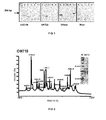
- the number and relative intensity of the peaks obtained by MALDI-TOF in the 9 cultivars was highly variable, which indicates that differences exist between the avenins extracted from different cultivars.
- the variability in size and protein distribution was also evident in SDS gels; the bands obtained differ in electrophoretic mobility and intensity.
- Example 3 Differential reactivity of an anti-gliadin 33-mer antibody against different oat varieties
- This example demonstrates how an antibody that recognizes the peptide 33-mer of gliadin, can have a great variability in reactivity with the different varieties of oats.
- the example shows how the G12 moAb that was able to detect epitopes related to the 33-mer peptide in several cereal prolamins, reacts differently with different varieties of oats being its reactivity null in some of these varieties.
- the results indicate that the anti 33-mer moAb shows reactivity against prolamins of wheat, barley and rye, cereals toxic for celiac patients.
- This antibody was also able to detect avenins present in oats, although the sensitivity obtained in this case was lower, which may be due in part to the smaller proportion of these prolamins with respect to total protein content of this cereal in relation to the proportion of gliadins, hordeins or secalins in their respective grains, and mainly to the lower affinity of this antibody to epitopes of the avenins.
- G12 antibody did not react with prolamins extracted from rice (orzenin) and corn (zein), cereals that are not toxic for celiac patients. The reduced sensitivity of the G12 antibody against oat prolamins could be due to a lower prevalence of recognition epitopes of the antibody in the avenins with respect to the gliadins, hordeins and secalins.
- the affinity of the antibody was determined by competitive ELISA.
- Maxisorp microtiter plates were used (Nunc, Roskilde, Denmark), which were coated with 100 ⁇ L/well of gliadin solution Sigma (5 ⁇ g/mL) in 0.1 M carbonate buffer (Na 2 C0 3 -NaHC0 3 , pH 9.6), and incubated at 4°C overnight. The plates were washed with PBS 0.05% Tween ® 20 and blocked with blocking solution (PBS, 5% skimmed milk) for 1 h at room temperature.
- an assay was performed by immunoblotting using moAb G12. Initially obtained protein extracts were separated by SDS-PAGE gel and then incubated with antibody G12 on PVDF membranes. The extracts were incubated in blocking buffer (TBS with 5% skim milk) overnight and after that G12 antibody was added (dilution 1: 5000 in blocking solution). After 3 washes, membranes were incubated with secondary antibody anti-mouse IgG conjugated to phosphatase (Sigma, St. Louis, MO) (dilution 1: 2000 in blocking solution). The membrane was developed using Sigma-Fast system.
- This example shows how the equivalent concentration of 33-mer peptide in seeds can be determined using an anti-gliadin 33-mer antibody with a peptide with this sequence as a reference.
- the 33-mer peptide has been identified as one of the main contributors to the immunotoxicity of gluten ( Shan et al., 2002, Science, 297:2275-2279 ).
- This peptide from the ⁇ -gliadin contains 6 recognition epitopes for T cells and is very resistant to proteolysis.
- G12 monoclonal antibody is specific for the epitope of 6 amino acids SEQ ID No. 2, which appears 3 times along the peptide sequence of the 33-mer.
- This monoclonal antibody is able to recognize other immunoreactive peptides present in the gliadin and other toxic prolamins ( Morón et al., 2008, PloS One, 3:e2294 ; Ehren et al., 2009, PLoS One, 4:e6313 ).
- the present example shows how changes in reactivity of the anti-33-mer antibody observed for the different oats varieties are correlated with the degree of immunogenicity of the cereal.
- Immunogenicity was determined by assays of T-cell proliferation and production of INF- ⁇ . Avenins ability to induce the immune response was analyzed using peripheral blood lymphocytes of individuals with celiac disease, using wheat gliadin as positive control and rice prolamins as negative control.
- three cultivars of oats were selected, one of each group previously identified; thus the variety OM719 represented the group that showed greater affinity for the antibody G12, OH727 the intermediate reactivity group, and OF720 the group that was not recognized by the antibody. It was evaluated whether there was a correlation between immunotoxic potential of the different oats varieties and its reactivity against the antibody G12. To do this the following procedures were carried out:
- the diagnosis of celiac disease patients was performed by serological test accompanied by intestinal biopsy and confirmation of a clinical response to the exclusion of gluten from the diet. Endomysial antibodies, anti-gliadin antibodies, anti-tissue transglutaminase antibodies and HLA typing specific for celiac disease (HLA-DQ) were determined.
- the INF- ⁇ is the main cytokine involved in the inflammatory response of celiac disease. For that reason the secretion of IFN- ⁇ was analyzed in the culture medium after exposure of peripheral T lymphocytes to deaminated avenin peptides ( Figure 6 ). According to this analysis, gliadin and the variety OM719, were highly immunogenic, with higher values of secretion of INF- ⁇ (0.11 IU/mL and 0.09 IU/mL, respectively), while exposure to OH727 induced a lower secretion of INF- ⁇ (0.07 IU / mL). Finally OF720 and rice were less immunogenic (0.024 IU/mL and 0.015 IU/mL, respectively).
- Example 6 Potential immunotoxic detection with cereals with other antibodies with cross-reactivity against the 33-mer.
- the QQPFP peptide values obtained in OM719, OA729, OE717 and OH727 varieties ranged between 25.18 and 97.86 mg peptide/g cereal, which correspond according to supplier instructions to gliadin values between 100 and 400 ppm.
- the peptide levels were between 1.5 and 9.2 mg peptide/g cereal respectively (6.3 to 37.2 ppm of gliadin, respectively).
- This example shows how in cereal seed genetically engineered to suppress the levels of the toxic gliadin, the level of reactivity with anti-33-mer antibody dicrease to a proportional extent to the immunogenicity.
- the transgenic lines published by Gil-Humanes et al. 2010, Proc Natl Acad Sci USA, 107:17023-17028 ) were tested with the monoclonal antibody G12 determining the concentration of toxic peptides present in each of these lines with respect to the controls.
- Transgenic lines 28A, 28B, D783, X387, D770, D793, D894 and X077 transformed with vector pDhp- ⁇ / ⁇ ; E35, transformed with vector pDhp- ⁇ / ⁇ + pghpg8.1; A 1152 and C655 transformed with the pghpg8.1 vector were analyzed with respect to control BW208.
- the toxic peptide 33-mer concentration was determined by competitive ELISA G12.
- the immunological assay showed a significant reduction of toxic peptide levels above 90% in the lines 28A, 28B, D783, X387, D770, D793 and X077.
- D894 and E35 lines showed a reduction of 42.42 and 48.57 %.
- the lines transformed with the vector pghpg8.1 showed no significant reduction in the levels of 33-mer with respect to the line BW208.
- transgenic lines were also analyzed as D874, D876, X678 (transformed with vector pDhp- ⁇ / ⁇ ), C217 and D598 (transformed with vector pghpg8.1) with respect to control BW2003.
- D874, D876 and X678 present a reduction greater than 95%.
- the reduction percentage of toxic peptide was 52.21 and 43.96%, respectively.
Landscapes
- Health & Medical Sciences (AREA)
- Life Sciences & Earth Sciences (AREA)
- Chemical & Material Sciences (AREA)
- Engineering & Computer Science (AREA)
- Immunology (AREA)
- Food Science & Technology (AREA)
- Molecular Biology (AREA)
- Hematology (AREA)
- Biomedical Technology (AREA)
- Urology & Nephrology (AREA)
- Biochemistry (AREA)
- General Health & Medical Sciences (AREA)
- Medicinal Chemistry (AREA)
- General Physics & Mathematics (AREA)
- Pathology (AREA)
- Botany (AREA)
- Analytical Chemistry (AREA)
- Physics & Mathematics (AREA)
- Cell Biology (AREA)
- Biotechnology (AREA)
- Microbiology (AREA)
- Nutrition Science (AREA)
- Polymers & Plastics (AREA)
- Organic Chemistry (AREA)
- Proteomics, Peptides & Aminoacids (AREA)
- Genetics & Genomics (AREA)
- Biophysics (AREA)
- Peptides Or Proteins (AREA)
- Breeding Of Plants And Reproduction By Means Of Culturing (AREA)
- Measuring Or Testing Involving Enzymes Or Micro-Organisms (AREA)
Applications Claiming Priority (2)
| Application Number | Priority Date | Filing Date | Title |
|---|---|---|---|
| ES201001632A ES2385463B1 (es) | 2010-12-28 | 2010-12-28 | Procedimiento para la selección de semillas de cereales aptas para ser consumidas por los enfermos celíacos. |
| PCT/ES2011/000378 WO2012089867A2 (es) | 2010-12-28 | 2011-12-28 | Procedimiento para la selección de semillas de cereales aptas para ser consumidas por los enfermos celíacos |
Publications (2)
| Publication Number | Publication Date |
|---|---|
| EP2660592A2 true EP2660592A2 (de) | 2013-11-06 |
| EP2660592A4 EP2660592A4 (de) | 2014-05-21 |
Family
ID=46383572
Family Applications (1)
| Application Number | Title | Priority Date | Filing Date |
|---|---|---|---|
| EP11852487.5A Withdrawn EP2660592A4 (de) | 2010-12-28 | 2011-12-28 | Verfahren zur auswahl von getreidesamen für den verzehr durch zöliakie-patienten |
Country Status (6)
| Country | Link |
|---|---|
| US (1) | US20190191748A1 (de) |
| EP (1) | EP2660592A4 (de) |
| AU (1) | AU2011351324A1 (de) |
| CA (1) | CA2825977A1 (de) |
| ES (1) | ES2385463B1 (de) |
| WO (1) | WO2012089867A2 (de) |
Cited By (1)
| Publication number | Priority date | Publication date | Assignee | Title |
|---|---|---|---|---|
| EP3421995A4 (de) * | 2016-02-23 | 2019-01-09 | Tanaka Kikinzoku Kogyo K.K. | Immunchromatografische analysevorrichtung zum nachweis von gliadin, immunchromatrografisches analysekit und immunchromatografisches analyseverfahren |
Family Cites Families (1)
| Publication number | Priority date | Publication date | Assignee | Title |
|---|---|---|---|---|
| MX2010001734A (es) * | 2007-08-13 | 2010-08-04 | Commw Scient Ind Res Org | Cebada con bajos niveles de hordeinas. |
-
2010
- 2010-12-28 ES ES201001632A patent/ES2385463B1/es active Active
-
2011
- 2011-12-28 CA CA2825977A patent/CA2825977A1/en not_active Abandoned
- 2011-12-28 AU AU2011351324A patent/AU2011351324A1/en not_active Abandoned
- 2011-12-28 WO PCT/ES2011/000378 patent/WO2012089867A2/es not_active Ceased
- 2011-12-28 EP EP11852487.5A patent/EP2660592A4/de not_active Withdrawn
- 2011-12-28 US US13/982,073 patent/US20190191748A1/en not_active Abandoned
Cited By (1)
| Publication number | Priority date | Publication date | Assignee | Title |
|---|---|---|---|---|
| EP3421995A4 (de) * | 2016-02-23 | 2019-01-09 | Tanaka Kikinzoku Kogyo K.K. | Immunchromatografische analysevorrichtung zum nachweis von gliadin, immunchromatrografisches analysekit und immunchromatografisches analyseverfahren |
Also Published As
| Publication number | Publication date |
|---|---|
| EP2660592A4 (de) | 2014-05-21 |
| AU2011351324A1 (en) | 2013-10-24 |
| WO2012089867A3 (es) | 2012-08-16 |
| US20190191748A1 (en) | 2019-06-27 |
| WO2012089867A2 (es) | 2012-07-05 |
| ES2385463B1 (es) | 2013-06-06 |
| CA2825977A1 (en) | 2012-07-05 |
| ES2385463A1 (es) | 2012-07-25 |
Similar Documents
| Publication | Publication Date | Title |
|---|---|---|
| Arentz–Hansen et al. | Celiac lesion T cells recognize epitopes that cluster in regions of gliadins rich in proline residues | |
| Wieser et al. | The biochemical basis of celiac disease | |
| Kahlenberg et al. | Monoclonal antibody R5 for detection of putatively coeliac-toxic gliadin peptides | |
| Comino et al. | Significant differences in coeliac immunotoxicity of barley varieties | |
| Rallabhandi et al. | Immunological characterization of the gluten fractions and their hydrolysates from wheat, rye and barley | |
| Mamone et al. | Proteomic analysis in allergy and intolerance to wheat products | |
| Ballabio et al. | Molecular characterisation of 36 oat varieties and in vitro assessment of their suitability for coeliacs’ diet | |
| Picariello et al. | Shotgun proteome analysis of beer and the immunogenic potential of beer polypeptides | |
| Tanner et al. | Gluten, celiac disease, and gluten intolerance and the impact of gluten minimization treatments with prolylendopeptidase on the measurement of gluten in beer | |
| Mitea et al. | Fine specificity of monoclonal antibodies against celiac disease–inducing peptides in the gluteome | |
| Mena et al. | Analytical tools for gluten detection: Policies and regulation | |
| Schalk et al. | Quantitation of specific barley, rye, and oat marker peptides by targeted liquid chromatography–mass spectrometry to determine gluten concentrations | |
| Mamone et al. | Analytical and functional approaches to assess the immunogenicity of gluten proteins | |
| EP2660593B1 (de) | Bestimmung des spiegels immunogener glutenpeptide in menschlichen proben | |
| Alves et al. | Determination of gluten peptides associated with celiac disease by mass spectrometry | |
| Birinyi et al. | Immunoanalytic investigation of grain proteins antigenic for celiac disease patients in an einkorn collection | |
| EP1779115B1 (de) | Verfahren zum nachweis von gluten | |
| Gell et al. | Celiac disease-specific prolamin peptide content of wheat relatives and wild species determined by ELISA assays and bioinformatics analyses | |
| EP2660592A2 (de) | Verfahren zur auswahl von getreidesamen für den verzehr durch zöliakie-patienten | |
| Mujico et al. | Natural variation in avenin epitopes among oat varieties: Implications for celiac disease | |
| Sousa et al. | Sensitive Detection of Cereal Fractions that Are Toxic to Coeliac Disease Patients, Using Monoclonal Antibodies to a Main Immunogenic Gluten Peptide | |
| Wieser et al. | Celiac disease-multidisciplinary approaches | |
| Chirdo et al. | Cereal proteins: immunostimulatory and toxic peptides | |
| Scherf | Gluten and wheat-related disorders | |
| KR102855473B1 (ko) | 가공 식품 내 알레르기 유발 식품인 들깨 검출용 펩타이드 및 이를 이용한 검출 방법 |
Legal Events
| Date | Code | Title | Description |
|---|---|---|---|
| PUAI | Public reference made under article 153(3) epc to a published international application that has entered the european phase |
Free format text: ORIGINAL CODE: 0009012 |
|
| 17P | Request for examination filed |
Effective date: 20130726 |
|
| AK | Designated contracting states |
Kind code of ref document: A2 Designated state(s): AL AT BE BG CH CY CZ DE DK EE ES FI FR GB GR HR HU IE IS IT LI LT LU LV MC MK MT NL NO PL PT RO RS SE SI SK SM TR |
|
| DAX | Request for extension of the european patent (deleted) | ||
| A4 | Supplementary search report drawn up and despatched |
Effective date: 20140417 |
|
| RIC1 | Information provided on ipc code assigned before grant |
Ipc: A23L 1/10 20060101ALI20140411BHEP Ipc: G01N 33/50 20060101AFI20140411BHEP Ipc: C07K 16/16 20060101ALI20140411BHEP |
|
| 17Q | First examination report despatched |
Effective date: 20151215 |
|
| STAA | Information on the status of an ep patent application or granted ep patent |
Free format text: STATUS: EXAMINATION IS IN PROGRESS |
|
| STAA | Information on the status of an ep patent application or granted ep patent |
Free format text: STATUS: THE APPLICATION IS DEEMED TO BE WITHDRAWN |
|
| 18D | Application deemed to be withdrawn |
Effective date: 20170701 |