EP2615554B1 - Testfallanordnung und -ausführung - Google Patents
Testfallanordnung und -ausführung Download PDFInfo
- Publication number
- EP2615554B1 EP2615554B1 EP13150390.6A EP13150390A EP2615554B1 EP 2615554 B1 EP2615554 B1 EP 2615554B1 EP 13150390 A EP13150390 A EP 13150390A EP 2615554 B1 EP2615554 B1 EP 2615554B1
- Authority
- EP
- European Patent Office
- Prior art keywords
- test case
- state
- test
- execution
- cases
- Prior art date
- Legal status (The legal status is an assumption and is not a legal conclusion. Google has not performed a legal analysis and makes no representation as to the accuracy of the status listed.)
- Not-in-force
Links
Images




Classifications
-
- G—PHYSICS
- G06—COMPUTING OR CALCULATING; COUNTING
- G06F—ELECTRIC DIGITAL DATA PROCESSING
- G06F11/00—Error detection; Error correction; Monitoring
- G06F11/36—Prevention of errors by analysis, debugging or testing of software
- G06F11/3668—Testing of software
- G06F11/3672—Test management
- G06F11/3688—Test management for test execution, e.g. scheduling of test suites
-
- G—PHYSICS
- G06—COMPUTING OR CALCULATING; COUNTING
- G06F—ELECTRIC DIGITAL DATA PROCESSING
- G06F11/00—Error detection; Error correction; Monitoring
- G06F11/36—Prevention of errors by analysis, debugging or testing of software
- G06F11/3668—Testing of software
- G06F11/3696—Methods or tools to render software testable
-
- G—PHYSICS
- G06—COMPUTING OR CALCULATING; COUNTING
- G06F—ELECTRIC DIGITAL DATA PROCESSING
- G06F9/00—Arrangements for program control, e.g. control units
- G06F9/06—Arrangements for program control, e.g. control units using stored programs, i.e. using an internal store of processing equipment to receive or retain programs
- G06F9/44—Arrangements for executing specific programs
Definitions
- Test automation Automated testing techniques, typically referred to as "test automation,” are used to automatically perform such testing. Test automation often involves developing other software applications or environments that can automatically execute the software application that is being tested. Automated tests typically may be performed relatively quickly more reliably than manual techniques.
- US patent application publication, publication number US2004/0148590 A1 relates to a test suite that provides functionality for hierarchical testing of software.
- US patent application publication, publication number US2009/0222697 A1 relates to methods and systems that provide dynamic functional testing coverage based on Failure Dependency Graphs.
- the invention provides advantageous methods and systems for developing and executing automated testing using multiple test cases, without requiring conventional setup and tear-down, or cleanup steps before and after execution of each test case.
- An embodiment of the disclosed subject matter may include obtaining a tree having a plurality of test case nodes that identify one of a plurality of test cases to be executed by a computer system as defined in independent claims 1 and 3 and in their dependent claims.
- Another embodiment of the disclosure is a method including receiving a description of a plurality of test cases that may be executed by a computer system in a first state, which, upon execution, cause the computer system to be in a different state, as defined in independent claim 5 and in its dependent claims.
- test automation harnesses such as Test Director available from Mercury Interactive Corporation and HPSoftware, or the Selenium web application testing system, operate based on a "single test case, single execution code path" principle. That is, each presumes that a developer will construct and test individual test cases, with each test case requiring its own setup and tear-down.
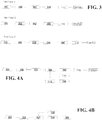
- FIG. 3 shows an example execution of three test cases of a software application in a conventional automated testing system.
- Each node identifies an operation performable within a software application being tested, such as a button press, menu item selection, icon selection, or the like.
- Test Case 1 which validates results of operation or state 104, operations 101, 102, and 103 are performed in order, at the end of which the system is in the state for operation 104 to be performed and tested. Operation 104 is then performed, the results are logged, and any necessary cleanup is performed. Cleanup may be necessary because the performance of a specific operation (such as operation 104 in Test Case 1) may influence, or pollute the state of the preceding operation (such as operation 103 in Test Case 1).
- Cleanup therefore includes removing any effects of the performance of prior operations, such as to uninstall and reinstall the software application being tested, for example.
- Test Case 2 is performed.
- Test Case 2 is designed to test operation or state 105, which occurs or is possible in the application after operations 101, 102, and 103 have been performed.
- Test Case 2 proceeds similarly to Test Case 1, with operation 105 being performed after operation 103 instead of operation 104.
- the results are logged, and any needed cleanup is performed.
- operation or state 106 which occurs or may be performed after operation 104, is to be tested.
- operations 101, 102, 103, and 104 are performed as a prerequisite to the testing of operation 106.
- the results are again logged and any needed cleanup is performed.
- Embodiments of the present invention may reduce the amount of time required to set up and/or run a particular test case or set of test cases.
- the test cases may be developed and executed without requiring duplicate code in the prerequisite. This may improve the maintainability and consistency of the test code.
- test cases may be created and arranged in a tree-like structure, with each node representing a separate test case.
- State management also may be performed at each node in the tree.
- Each node may be executed in a depth-first, serialized fashion which may remove or reduce the need for duplicate work, such as the cleanup and duplicative performance of operations necessary to re-establish a state that existed prior to a particular test.
- a test case may require an exclusive execution of a given parent node or nodes.
- embodiments may provide for the ability to generate a virtual clone of earlier cases in the tree, after which the node may be executed in the normal order.
- State management may be handled at each node to assure that each appropriate component is present before execution of a particular test case, and to assure that the execution of other test cases has not polluted the test environment in a harmful way.
- each test case may be a structured entity containing relational information (e.g., parent and/or child information) for the tree, a unique identifier (GUID), a method of communicating with the state manager, pre and post execution steps (if needed), a reference to an ancestor from which an exclusive execution path is needed, a timeout value, execution steps, a human readable friendly name, or any combination thereof.
- GUID unique identifier
- clones of all ancestors between the test case and the identified case may be created and appended to the tree to force exclusive execution for execution of the test case. These may be marked as "volatile,” and may be discarded if or when the tree is unloaded.
- the top level node of the tree may be run first. Since it is the first entry into the test case, a state manager may be called to take a snapshot of the current target product. Any tasks that are required to run before the test can be run also may be performed. The test itself then may be run, along with any desired validation. Post-test processes may then be executed. The state manager may be called to verify that the state is still as expected when the test case was entered. For example, the state manager may be called to determine if a state variable contains a value within expected limits, such as confirmation that a text box within which text is required is not empty, or that a required checkbox has been checked, for example.
- each child test case of the current test case may be executed in a depth-first recursive fashion.
- the state manager may be called to validate each test case before each execution.
- each test case may be relatively small, for example only one or two logical operations.
- a test case may include generating a click on a button or other action, such as to launch a wizard, select a file, open a directory, or the like. Because the functionality associated with each test case is limited, the system may readily adapt to new changes, such as a new panel in a wizard, a new file dialog, or the like, by inserting a small set of one or more of new cases for the added functionality. In general, test cases that exist further down the tree may need no alteration to account for the changes.
- the state manager may contain state information for each test case in an execution path. This may be useful since the failure of any one test case could pollute the environment and incorrectly influence the results of other test cases, such as those that depend from the failed test case. The failure is attributed to the offending test case, so remaining test cases can then be marked blocked and not run, thus reducing both test execution time and undue failures.
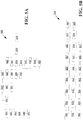
- FIGS. 4A-4C show the example test cases shown in FIG. 3 , after being integrated into a tree according to an embodiment of the present invention.
- operations 101, 102, 103, and 104 may be executed as described with respect to FIG. 3 .
- the results of performing the test by executing operation104 may be logged.
- a test case for operation 104 also referred to generally as "test case 104”
- execution may be halted. Otherwise, after execution of the test case 104, the system is in a state suitable for execution of the test case 106, which is then performed and the results logged.
- the test system may then return to or otherwise obtain the state needed to perform test case 105.
- a virtual copy of the application state being tested may be made at operation 103.
- the virtual copy is a duplicate of the state resulting from execution of test case 103, or the state of operation 103.
- the virtual copy may be accessed to do so.
- any state changes resulting from execution of test case 106 will not impact execution of test case 105.
- the virtual state may be discarded and other cleanup performed. Notably, only a single cleanup may be performed after the tree is executed, in contrast to the arrangement shown in FIG. 3 in which multiple setup and cleanup, or tear-down steps are required.
- FIG. 4B shows a relational tree illustration of the arrangement shown in FIG. 4A .
- FIG. 4C shows the same tree with an "exclusive" execution of test case 103, i.e., where execution of operation 103 causes a state change that renders the system unsuitable for execution of both test cases 104 and 105.
- execution of test case 103 may include deleting or modifying a file that is needed in its original state for execution of one or more subsequent test cases, such as test case 105.
- a virtual copy of the state in which test case 103 is to be executed, node 103', shown by the dashed outline, may be created after execution of test case 102. The virtual copy 103' may then be used to execute test case 105.
- FIG. 4D shows an example execution order for the tree shown in FIG. 4A .
- operations 101, 102, and 103 may be performed followed by test case 104.
- the results of test case 104 may be logged as previously described, after which test case 106 may be executed and the results logged.
- a virtual copy of the state of operation 103, 103' may be created and used to execute test case 105.
- the results of test case 105 may be logged. Once all test cases are complete, the system may perform any needed cleanup.
- the virtual copy 103' may be created at any convenient time. For example, where sufficient information is available regarding the relevant states of the system the virtual copy 103' may be created prior to traversal of the tree, such as during construction of the test tree. As another example, the virtual copy 103' may be created once a system such as the test system is in the appropriate state. More generally, embodiments of the disclosed subject matter allow for creation of virtual copies at any time prior to execution a test case that is associated with the virtual copy.
- FIG. 5A shows an example test case tree 500 according to an embodiment of the invention.
- FIG. 5B shows an example execution order 550 for the tree 500 shown in FIG. 5A .
- the tree 500 may be traversed and each test case executed using, for example, a depth-first recursion of the tree 500.
- An example procedure used to traverse the tree 500 is provided below. Generally any technique that reaches each test case in the tree that is to be executed may be used.
- An example procedure to traverse the tree may include the following actions:
- test case may be logged. If any test case indicates a failure, the system may exit the node and perform cleanup without executing subsequent nodes if the failed test case may affect execution of subsequent test cases.
- FIG. 6 shows an example process for executing test cases according to an embodiment.
- FIG. 6 may be used, for example, in conjunction with the example test case trees previously described.
- a test case tree may be obtained.
- the test case tree may include multiple test case nodes, each of which identifies a test case to be executed.
- a first test case to be executed may be identified.
- the first test case may be, for example, a node in the tree that does not have a parent node.
- the first test case selected may be the test case that caused traversal to halt. This may be the case where an error associated with the test case node which caused the halt has been corrected and the test case is to be re-run, but the error does not affect other nodes in the tree.
- the first test case may be run, and the results may be logged at 640.
- the first test case may place the system being tested into a state associated with completion of the first test case, which may be suitable for further test cases to be executed.
- one or more subsequent test cases may be identified in the tree, such as those associated with child nodes of the first test case node.
- a subsequent test case may be executed at 660 and the results logged at 670.
- the subsequent test case may be run without changing the state of the system being tested, for example, without performing any clean-up steps typically associated with a conventional test case.
- the test system may determine whether there is an unexecuted test case represented in the tree and, if so, return to step 650 or 660 to identify and/or execute the unexecuted test case.
- steps 650-680 may be performed repeatedly to traverse the entire tree, such as by using a depth-first traversal technique.
- traversal of the tree and execution of test cases may end at 690. If any cleanup is required, it may be performed at 690, after execution of all test cases in the tree.
- FIG. 7 shows an example process for constructing a test case tree according to an embodiment, such as for constructing the test case trees illustrated in FIGS. 4 and 5 .
- a computer system may receive information about test cases to be included in the tree.
- the information may include, for example, a description of the start and end state of a test system before and after execution of the test case, an indication of which test cases may be executed before or after other test cases, an explicit execution order of one or more of the test cases, or any other relevant information.
- an execution arrangement for the test cases may be determined and/or constructed.
- the system may match start and end states of the test cases, such that a test case which may be executed from a state resulting from execution of another test case is placed into the test case tree as a child of the other test case.
- those test cases requiring exclusive execution relative to other test cases may be identified, and the test cases placed into the tree appropriately as previously described.
- those points in the tree where a virtual test case should be created may be noted, and/or various data for generating the virtual test case may be stored with the tree.
- the test case tree may be arranged such that traversal of the tree by a processor allows the processor to execute each of the test cases without requiring a clean-up or equivalent step to be performed between each execution.
- a tree may be constructed at 730 based upon the matches or other criteria, and any virtual test case information may be stored at 740.
- FIG. 1 is an example computer 20 suitable for implementing embodiments of the invention.
- the computer 20 includes a bus 21 which interconnects major components of the computer 20, such as a central processor 24, a memory 27 (typically RAM, but which may also include ROM, flash RAM, or the like), an input/output controller 28, a user display 22, such as a display screen via a display adapter, a user input interface 26, which may include one or more controllers and associated user input devices such as a keyboard, mouse, and the like, and may be closely coupled to the I/O controller 28, fixed storage 23, such as a hard drive, flash storage, Fibre Channel network, SAN device, SCSI device, and the like, and a removable media component 25 operative to control and receive an optical disk, flash drive, and the like.
- a bus 21 which interconnects major components of the computer 20, such as a central processor 24, a memory 27 (typically RAM, but which may also include ROM, flash RAM, or the like), an input/output controller 28, a user display 22, such as a
- the bus 21 allows data communication between the central processor 24 and the memory 27, which may include read-only memory (ROM) or flash memory (neither shown), and random access memory (RAM) (not shown), as previously noted.
- the RAM is generally the main memory into which the operating system and application programs are loaded.
- the ROM or flash memory can contain, among other code, the Basic Input-Output system (BIOS) which controls basic hardware operation such as the interaction with peripheral components.
- BIOS Basic Input-Output system
- Applications resident with the computer 20 are generally stored on and accessed via a computer readable medium, such as a hard disk drive (e.g., fixed storage 23), an optical drive, floppy disk, or other storage medium 25.
- a network interface 29 may provide a direct connection to a remote server via a telephone link, to the Internet via an internet service provider (ISP), or a direct connection to a remote server via a direct network link to the Internet via a POP (point of presence) or other technique.
- the network interface 29 may provide such connection using wireless techniques, including digital cellular telephone connection, Cellular Digital Packet Data (CDPD) connection, digital satellite data connection or the like.
- CDPD Cellular Digital Packet Data
- the network interface 29 may allow the computer to communicate with other computers via one or more local, wide-area, or other networks, as shown in FIG. 2 .
- FIG. 1 Many other devices or components (not shown) may be connected in a similar manner (e.g., document scanners, digital cameras and so on). Conversely, all of the components shown in FIG. 1 need not be present to practice the present disclosure. The components can be interconnected in different ways from that shown. The operation of a computer such as that shown in FIG. 1 is readily known in the art and is not discussed in detail in this application. Code to implement the present disclosure can be stored in computer-readable storage media such as one or more of the memory 27, fixed storage 23, removable media 25, or on a remote storage location.
- FIG. 2 shows an example network arrangement according to an embodiment.
- One or more clients 10, 11, such as local computers, smart phones, tablet computing devices, and the like may connect to other devices via one or more networks 7.
- the network may be a local network, wide-area network, the Internet, or any other suitable communication network or networks, and may be implemented on any suitable platform including wired and/or wireless networks.
- the clients may communicate with one or more servers 13 and/or databases 15.
- the devices may be directly accessible by the clients 10, 11, or one or more other devices may provide intermediary access such as where a server 13 provides access to resources stored in a database 15.
- the clients 10, 11 also may access remote platforms 17 or services provided by remote platforms 17 such as cloud computing arrangements and services.
- the remote platform 17 may include one or more servers 13 and/or databases 15.
- embodiments may include or be embodied in the form of computer-implemented processes and apparatuses for practicing those processes.
- Embodiments also may be embodied in the form of a computer program product having computer program code containing instructions embodied in non-transitory and/or tangible media, such as floppy diskettes, CD-ROMs, hard drives, USB (universal serial bus) drives, or any other machine readable storage medium, wherein, when the computer program code is loaded into and executed by a computer, the computer becomes an apparatus for practicing embodiments of the invention.
- Embodiments also may be embodied in the form of computer program code, for example, whether stored in a storage medium, loaded into and/or executed by a computer, or transmitted over some transmission medium, such as over electrical wiring or cabling, through fiber optics, or via electromagnetic radiation, wherein when the computer program code is loaded into and executed by a computer, the computer becomes an apparatus for practicing embodiments of the invention.
- the computer program code segments configure the microprocessor to create specific logic circuits.
- a set of computer-readable instructions stored on a computer-readable storage medium may be implemented by a general-purpose processor, which may transform the general-purpose processor or a device containing the general-purpose processor into a special-purpose device configured to implement or carry out the instructions.
- Embodiments may be implemented using hardware that may include a processor, such as a general purpose microprocessor and/or an Application Specific Integrated Circuit (ASIC) that embodies all or part of the techniques according to various embodiments in hardware and/or firmware.
- the processor may be coupled to memory, such as RAM, ROM, flash memory, a hard disk or any other device capable of storing electronic information.
- the memory may store instructions adapted to be executed by the processor to perform the techniques disclosed herein.
Landscapes
- Engineering & Computer Science (AREA)
- Theoretical Computer Science (AREA)
- Physics & Mathematics (AREA)
- General Engineering & Computer Science (AREA)
- General Physics & Mathematics (AREA)
- Computer Hardware Design (AREA)
- Quality & Reliability (AREA)
- Software Systems (AREA)
- Debugging And Monitoring (AREA)
Claims (7)
- Computerimplementiertes Verfahren, das die folgenden, von einem Prozessor (24) eines Computersystems (20) durchgeführten Schritte aufweist:Erhalten eines Baums (500), der eine Vielzahl von Testfallknoten aufweist, wobei jeder der Vielzahl von Testfallknoten einen von einer Vielzahl von Testfällen bezeichnet, die durch das Computersystem (20) auszuführen sind;Identifizieren eines ersten Testfalls der Vielzahl von Testfällen;Ausführen des ersten Testfalls, wobei der erste Testfall veranlasst, dass das Computersystem (20) bei Abschluss des ersten Testfalls in einem ersten Zustand ist;Protokollieren eines Ergebnisses der Ausführung des ersten Testfalls;Identifizieren eines zweiten Testfalls der Vielzahl von Testfällen, wobei der zweite Testfall an dem ersten Zustand beginnt;vor dem Ändern des Zustands des Computersystems von dem ersten Zustand Ausführen des zweiten Testfalls, wobei der zweite Testfall veranlasst, dass das Computersystem (20) bei Abschluss des zweiten Testfalls in einem zweiten Zustand ist;Protokollieren eines Ergebnisses der Ausführung des zweiten Testfalls;Identifizieren eines dritten Testfalls der Vielzahl von Testfällen, wobei der dritte Testfall an dem ersten Zustand beginnt und ab dem zweiten Zustand nicht ausführbar ist;Zugreifen auf einen mit dem ersten Zustand äquivalenten virtuellen Zustand, wobei der virtuelle Zustand vor Ausführung des zweiten Testfalls erzeugt wird, wobei der virtuelle Zustand ein Duplikat des ersten Zustands ist;Ausführen des dritten Testfalls ab dem genannten virtuellen Zustand undProtokollieren eines Ergebnisses der Ausführung des dritten Testfalls.
- Verfahren nach Anspruch 1, wobei wenigstens einer der Vielzahl von Testfällen ab dem gleichen Zustand wie wenigstens ein weiterer der Vielzahl von Testfällen ausgeführt wird und das Computersystem (20) nach der Ausführung in einen anderen Zustand als den wenigstens einen weiteren der Vielzahl von Testfällen versetzt.
- System, das Folgendes aufweist:ein computerlesbares Medium, das einen Baum (500) speichert, der eine Vielzahl von Testfallknoten aufweist, wobei jeder der Vielzahl von Testfallknoten einen von einer Vielzahl von Testfällen bezeichnet, die durch das Computersystem (20) auszuführen sind;einen Prozessor (24), der konfiguriert ist zum:Erhalten des Baums;Identifizieren eines ersten Testfalls der Vielzahl von Testfällen;Ausführen des ersten Testfalls, wobei der erste Testfall veranlasst, dass das Computersystem (20) nach Abschluss des ersten Testfalls in einem ersten Zustand ist;Protokollieren eines Ergebnisses der Ausführung des ersten Testfalls;Identifizieren eines zweiten Testfalls der Vielzahl von Testfällen, wobei der zweite Testfall an dem ersten Zustand beginnt;vor dem Ändern des Zustands des Computersystems von dem ersten Zustand Ausführen des zweiten Testfalls, wobei der zweite Testfall veranlasst, dass das Computersystem (20) bei Abschluss des zweiten Testfalls in einem zweiten Zustand ist;Protokollieren eines Ergebnisses der Ausführung des zweiten Testfalls;Identifizieren eines dritten Testfalls der Vielzahl von Testfällen, wobei der dritte Testfall an dem ersten Zustand beginnt und ab dem zweiten Zustand nicht ausführbar ist;Zugreifen auf einen mit dem ersten Zustand äquivalenten virtuellen Zustand, wobei der virtuelle Zustand vor Ausführung des zweiten Testfalls erzeugt wird, wobei der virtuelle Zustand ein Duplikat des ersten Zustands ist;Ausführen des dritten Testfalls ab dem genannten virtuellen Zustand undProtokollieren eines Ergebnisses der Ausführung des dritten Testfalls.
- System nach Anspruch 3, wobei wenigstens einer der Vielzahl von Testfällen ab dem gleichen Zustand wie wenigstens ein weiterer der Vielzahl von Testfällen ausgeführt wird und das Computersystem nach der Ausführung in einen anderen Zustand als den wenigstens einen weiteren der Vielzahl von Testfällen versetzt.
- System, das Folgendes aufweist:einen Prozessor (24), der konfiguriert ist zum:Empfangen einer Beschreibung einer Vielzahl von Testfällen, wobei jeder Testfall ausführbar ist, wenn das Computersystem (20) in einem ersten Zustand ist, und bei Ausführung das Computersystem (20) veranlasst, dass es in einem von dem ersten Zustand verschiedenen Zustand ist;Identifizieren eines ersten Testfalls der Vielzahl von Testfällen, der das Computersystem (20) veranlasst, bei Abschluss in einem anderen Zustand zu sein, der zur Ausführung eines zweiten Testfalls der Vielzahl von Testfällen geeignet ist;Identifizieren eines dritten Testfalls der Vielzahl von Testfällen, für die der andere Zustand zur Ausführung geeignet ist und der nicht ab dem Zustand ausgeführt werden kann, in dem das Computersystem (20) bei Abschluss des zweiten Testfalls ist; Erzeugen einer virtuellen Kopie des anderen Zustands; undAufbauen eines Testfallbaums (500), der den ersten, zweiten und dritten Testfällen entsprechende Knoten aufweist, wobei das Durchqueren des Baums durch einen Prozessor es dem Prozessor (24) ermöglicht, jeden der ersten und zweiten Testfälle auszuführen, ohne zwischen den Ausführungen jeweils die Durchführung eines Reinigungsschritts zu erfordern.
- System nach Anspruch 5, wobei der genannte Prozessor (24) ferner konfiguriert ist zum:
Speichern von Informationen mit dem Testfallbaum, die angeben, wann ein oder mehr virtuelle Testfälle während des Durchqueren des Baums durch einen Prozessor zu erzeugen sind. - System nach Anspruch 5, wobei der erste Zustand für jeden der Vielzahl von Testfällen von dem ersten Zustand für jeden anderen der Vielzahl von Testfällen verschieden ist.
Applications Claiming Priority (1)
| Application Number | Priority Date | Filing Date | Title |
|---|---|---|---|
| US13/347,947 US9135149B2 (en) | 2012-01-11 | 2012-01-11 | Test case arrangment and execution |
Publications (2)
| Publication Number | Publication Date |
|---|---|
| EP2615554A1 EP2615554A1 (de) | 2013-07-17 |
| EP2615554B1 true EP2615554B1 (de) | 2020-12-16 |
Family
ID=47632814
Family Applications (1)
| Application Number | Title | Priority Date | Filing Date |
|---|---|---|---|
| EP13150390.6A Not-in-force EP2615554B1 (de) | 2012-01-11 | 2013-01-07 | Testfallanordnung und -ausführung |
Country Status (2)
| Country | Link |
|---|---|
| US (1) | US9135149B2 (de) |
| EP (1) | EP2615554B1 (de) |
Families Citing this family (12)
| Publication number | Priority date | Publication date | Assignee | Title |
|---|---|---|---|---|
| US9762450B2 (en) * | 2014-09-04 | 2017-09-12 | Accenture Global Services Limited | System architecture for cloud-platform infrastructure layouts |
| US10210076B2 (en) | 2016-09-26 | 2019-02-19 | International Business Machines Corporation | White box testing |
| US10303464B1 (en) * | 2016-12-29 | 2019-05-28 | EMC IP Holding Company LLC | Automated code testing with traversal of code version and data version repositories |
| CN108874671A (zh) * | 2018-06-20 | 2018-11-23 | 上海哔哩哔哩科技有限公司 | 测试用例管理方法、装置、系统及存储介质 |
| CN113127335B (zh) * | 2020-01-16 | 2024-07-16 | 北京京东振世信息技术有限公司 | 一种系统测试的方法和装置 |
| US11068387B1 (en) * | 2020-04-20 | 2021-07-20 | Webomates Inc. | Classifying a test case executed on a software |
| CN111309637B (zh) * | 2020-05-14 | 2020-08-21 | 四川新网银行股份有限公司 | 基于银行微服务的软件测试分析方法 |
| US11567857B1 (en) | 2020-05-18 | 2023-01-31 | Amazon Technologies, Inc. | Bypassing generation of non-repeatable parameters during software testing |
| US11775417B1 (en) * | 2020-05-18 | 2023-10-03 | Amazon Technologies, Inc. | Sharing execution states among storage nodes during testing of stateful software |
| US20220413991A1 (en) * | 2021-06-25 | 2022-12-29 | Microsoft Technology Licensing, Llc | Techniques for Improved Statistically Accurate A/B Testing of Software Build Versions |
| CN114706791B (zh) * | 2022-05-13 | 2026-02-24 | 北京百度网讯科技有限公司 | 测试用例处理方法、装置、电子设备及可读存储介质 |
| CN116107833A (zh) * | 2022-12-09 | 2023-05-12 | 北京航天云路有限公司 | 基于selenium的web应用程序监控方法及装置 |
Family Cites Families (11)
| Publication number | Priority date | Publication date | Assignee | Title |
|---|---|---|---|---|
| US5671351A (en) * | 1995-04-13 | 1997-09-23 | Texas Instruments Incorporated | System and method for automated testing and monitoring of software applications |
| US6031990A (en) * | 1997-04-15 | 2000-02-29 | Compuware Corporation | Computer software testing management |
| US6725399B1 (en) * | 1999-07-15 | 2004-04-20 | Compuware Corporation | Requirements based software testing method |
| US20040148590A1 (en) | 2003-01-27 | 2004-07-29 | Sun Microsystems, Inc., A Delaware Corporation | Hierarchical test suite |
| US7664989B2 (en) * | 2005-10-24 | 2010-02-16 | Infosys Technologies Ltd. | Automated software testing architecture using a multi-level framework |
| US20070266349A1 (en) * | 2006-05-09 | 2007-11-15 | Craig Jesse E | Directed random verification |
| US7937622B2 (en) * | 2006-12-29 | 2011-05-03 | International Business Machines Corporation | Method and system for autonomic target testing |
| US8443336B2 (en) * | 2007-10-03 | 2013-05-14 | Siemens Corporation | System and method for applying model-based testing to train control systems |
| US7787599B2 (en) * | 2007-12-13 | 2010-08-31 | Verizon Patent And Licensing Inc. | Method and system for protocol embedded automated test control |
| US8132056B2 (en) | 2008-02-28 | 2012-03-06 | International Business Machines Corporation | Dynamic functional testing coverage based on failure dependency graph |
| US8174996B2 (en) * | 2008-06-24 | 2012-05-08 | Verizon Patent And Licensing Inc. | Adaptive test system for network function and performance evaluation |
-
2012
- 2012-01-11 US US13/347,947 patent/US9135149B2/en not_active Expired - Fee Related
-
2013
- 2013-01-07 EP EP13150390.6A patent/EP2615554B1/de not_active Not-in-force
Non-Patent Citations (1)
| Title |
|---|
| None * |
Also Published As
| Publication number | Publication date |
|---|---|
| US20130179734A1 (en) | 2013-07-11 |
| US9135149B2 (en) | 2015-09-15 |
| EP2615554A1 (de) | 2013-07-17 |
Similar Documents
| Publication | Publication Date | Title |
|---|---|---|
| US9135149B2 (en) | Test case arrangment and execution | |
| JP7110415B2 (ja) | 故障注入方法、装置、電子設備、記憶媒体、及びプログラム | |
| CN109726093B (zh) | 用于执行测试用例的方法、设备和计算机程序产品 | |
| US10216509B2 (en) | Continuous and automatic application development and deployment | |
| Hanappi et al. | Asserting reliable convergence for configuration management scripts | |
| US10936476B2 (en) | Regression testing of new software version and deployment | |
| US8954930B2 (en) | System and method for reducing test effort by object risk analysis | |
| CN111124850A (zh) | Mqtt服务器性能测试方法、系统、计算机设备及存储介质 | |
| US20050278273A1 (en) | System and method for using root cause analysis to generate a representation of resource dependencies | |
| US20150106791A1 (en) | System and method for automating build deployment and testing processes | |
| CN108804215B (zh) | 一种任务处理方法、装置以及电子设备 | |
| US9292423B1 (en) | Monitoring applications for compatibility issues | |
| US20130159994A1 (en) | Application runtime expert for deployment of an application on multiple computer systems | |
| US9983979B1 (en) | Optimized dynamic matrixing of software environments for application test and analysis | |
| WO2012080262A1 (en) | Software error code injection | |
| CN110659198A (zh) | 应用程序的测试用例执行方法、装置和软件测试系统 | |
| CN113687858A (zh) | 配置文件的检查方法、装置、电子设备及存储介质 | |
| CN117667643A (zh) | 测试用例集的演化方法、装置、计算设备集群及存储介质 | |
| CN112527368B (zh) | 集群内核版本更新方法、装置、电子设备和存储介质 | |
| CN116149707B (zh) | 分布式系统的升级风险检测和规避方法及装置 | |
| CN119544497B (zh) | 服务器配置方法、计算机设备及存储介质 | |
| US20060168568A1 (en) | Method, system and computer program product for testing computer programs | |
| CN118796201A (zh) | 跨架构的DevOps实现方法、装置及存储介质 | |
| US12093686B2 (en) | Code maintenance system | |
| JP2017129970A (ja) | 管理装置,管理方法および管理プログラム |
Legal Events
| Date | Code | Title | Description |
|---|---|---|---|
| PUAI | Public reference made under article 153(3) epc to a published international application that has entered the european phase |
Free format text: ORIGINAL CODE: 0009012 |
|
| AK | Designated contracting states |
Kind code of ref document: A1 Designated state(s): AL AT BE BG CH CY CZ DE DK EE ES FI FR GB GR HR HU IE IS IT LI LT LU LV MC MK MT NL NO PL PT RO RS SE SI SK SM TR |
|
| AX | Request for extension of the european patent |
Extension state: BA ME |
|
| 17P | Request for examination filed |
Effective date: 20140116 |
|
| RBV | Designated contracting states (corrected) |
Designated state(s): AL AT BE BG CH CY CZ DE DK EE ES FI FR GB GR HR HU IE IS IT LI LT LU LV MC MK MT NL NO PL PT RO RS SE SI SK SM TR |
|
| 17Q | First examination report despatched |
Effective date: 20140220 |
|
| STAA | Information on the status of an ep patent application or granted ep patent |
Free format text: STATUS: EXAMINATION IS IN PROGRESS |
|
| RAP1 | Party data changed (applicant data changed or rights of an application transferred) |
Owner name: QUADIENT DATA USA INC. |
|
| RAP1 | Party data changed (applicant data changed or rights of an application transferred) |
Owner name: SATORI SOFTWARE INC. |
|
| REG | Reference to a national code |
Ref country code: DE Ref legal event code: R079 Ref document number: 602013074710 Country of ref document: DE Free format text: PREVIOUS MAIN CLASS: G06F0011360000 Ipc: G06F0009440000 |
|
| RIC1 | Information provided on ipc code assigned before grant |
Ipc: G06F 11/36 20060101ALI20200526BHEP Ipc: G06F 9/44 20180101AFI20200526BHEP |
|
| GRAP | Despatch of communication of intention to grant a patent |
Free format text: ORIGINAL CODE: EPIDOSNIGR1 |
|
| STAA | Information on the status of an ep patent application or granted ep patent |
Free format text: STATUS: GRANT OF PATENT IS INTENDED |
|
| INTG | Intention to grant announced |
Effective date: 20200703 |
|
| GRAS | Grant fee paid |
Free format text: ORIGINAL CODE: EPIDOSNIGR3 |
|
| GRAA | (expected) grant |
Free format text: ORIGINAL CODE: 0009210 |
|
| STAA | Information on the status of an ep patent application or granted ep patent |
Free format text: STATUS: THE PATENT HAS BEEN GRANTED |
|
| AK | Designated contracting states |
Kind code of ref document: B1 Designated state(s): AL AT BE BG CH CY CZ DE DK EE ES FI FR GB GR HR HU IE IS IT LI LT LU LV MC MK MT NL NO PL PT RO RS SE SI SK SM TR |
|
| REG | Reference to a national code |
Ref country code: GB Ref legal event code: FG4D |
|
| REG | Reference to a national code |
Ref country code: DE Ref legal event code: R096 Ref document number: 602013074710 Country of ref document: DE |
|
| REG | Reference to a national code |
Ref country code: IE Ref legal event code: FG4D |
|
| REG | Reference to a national code |
Ref country code: AT Ref legal event code: REF Ref document number: 1346210 Country of ref document: AT Kind code of ref document: T Effective date: 20210115 |
|
| PG25 | Lapsed in a contracting state [announced via postgrant information from national office to epo] |
Ref country code: RS Free format text: LAPSE BECAUSE OF FAILURE TO SUBMIT A TRANSLATION OF THE DESCRIPTION OR TO PAY THE FEE WITHIN THE PRESCRIBED TIME-LIMIT Effective date: 20201216 Ref country code: FI Free format text: LAPSE BECAUSE OF FAILURE TO SUBMIT A TRANSLATION OF THE DESCRIPTION OR TO PAY THE FEE WITHIN THE PRESCRIBED TIME-LIMIT Effective date: 20201216 Ref country code: NO Free format text: LAPSE BECAUSE OF FAILURE TO SUBMIT A TRANSLATION OF THE DESCRIPTION OR TO PAY THE FEE WITHIN THE PRESCRIBED TIME-LIMIT Effective date: 20210316 Ref country code: GR Free format text: LAPSE BECAUSE OF FAILURE TO SUBMIT A TRANSLATION OF THE DESCRIPTION OR TO PAY THE FEE WITHIN THE PRESCRIBED TIME-LIMIT Effective date: 20210317 |
|
| REG | Reference to a national code |
Ref country code: AT Ref legal event code: MK05 Ref document number: 1346210 Country of ref document: AT Kind code of ref document: T Effective date: 20201216 |
|
| REG | Reference to a national code |
Ref country code: NL Ref legal event code: MP Effective date: 20201216 |
|
| PG25 | Lapsed in a contracting state [announced via postgrant information from national office to epo] |
Ref country code: SE Free format text: LAPSE BECAUSE OF FAILURE TO SUBMIT A TRANSLATION OF THE DESCRIPTION OR TO PAY THE FEE WITHIN THE PRESCRIBED TIME-LIMIT Effective date: 20201216 Ref country code: LV Free format text: LAPSE BECAUSE OF FAILURE TO SUBMIT A TRANSLATION OF THE DESCRIPTION OR TO PAY THE FEE WITHIN THE PRESCRIBED TIME-LIMIT Effective date: 20201216 Ref country code: BG Free format text: LAPSE BECAUSE OF FAILURE TO SUBMIT A TRANSLATION OF THE DESCRIPTION OR TO PAY THE FEE WITHIN THE PRESCRIBED TIME-LIMIT Effective date: 20210316 |
|
| PG25 | Lapsed in a contracting state [announced via postgrant information from national office to epo] |
Ref country code: NL Free format text: LAPSE BECAUSE OF FAILURE TO SUBMIT A TRANSLATION OF THE DESCRIPTION OR TO PAY THE FEE WITHIN THE PRESCRIBED TIME-LIMIT Effective date: 20201216 Ref country code: HR Free format text: LAPSE BECAUSE OF FAILURE TO SUBMIT A TRANSLATION OF THE DESCRIPTION OR TO PAY THE FEE WITHIN THE PRESCRIBED TIME-LIMIT Effective date: 20201216 |
|
| REG | Reference to a national code |
Ref country code: LT Ref legal event code: MG9D |
|
| PG25 | Lapsed in a contracting state [announced via postgrant information from national office to epo] |
Ref country code: LT Free format text: LAPSE BECAUSE OF FAILURE TO SUBMIT A TRANSLATION OF THE DESCRIPTION OR TO PAY THE FEE WITHIN THE PRESCRIBED TIME-LIMIT Effective date: 20201216 Ref country code: RO Free format text: LAPSE BECAUSE OF FAILURE TO SUBMIT A TRANSLATION OF THE DESCRIPTION OR TO PAY THE FEE WITHIN THE PRESCRIBED TIME-LIMIT Effective date: 20201216 Ref country code: PT Free format text: LAPSE BECAUSE OF FAILURE TO SUBMIT A TRANSLATION OF THE DESCRIPTION OR TO PAY THE FEE WITHIN THE PRESCRIBED TIME-LIMIT Effective date: 20210416 Ref country code: SK Free format text: LAPSE BECAUSE OF FAILURE TO SUBMIT A TRANSLATION OF THE DESCRIPTION OR TO PAY THE FEE WITHIN THE PRESCRIBED TIME-LIMIT Effective date: 20201216 Ref country code: SM Free format text: LAPSE BECAUSE OF FAILURE TO SUBMIT A TRANSLATION OF THE DESCRIPTION OR TO PAY THE FEE WITHIN THE PRESCRIBED TIME-LIMIT Effective date: 20201216 Ref country code: CZ Free format text: LAPSE BECAUSE OF FAILURE TO SUBMIT A TRANSLATION OF THE DESCRIPTION OR TO PAY THE FEE WITHIN THE PRESCRIBED TIME-LIMIT Effective date: 20201216 Ref country code: EE Free format text: LAPSE BECAUSE OF FAILURE TO SUBMIT A TRANSLATION OF THE DESCRIPTION OR TO PAY THE FEE WITHIN THE PRESCRIBED TIME-LIMIT Effective date: 20201216 |
|
| PG25 | Lapsed in a contracting state [announced via postgrant information from national office to epo] |
Ref country code: PL Free format text: LAPSE BECAUSE OF FAILURE TO SUBMIT A TRANSLATION OF THE DESCRIPTION OR TO PAY THE FEE WITHIN THE PRESCRIBED TIME-LIMIT Effective date: 20201216 Ref country code: AT Free format text: LAPSE BECAUSE OF FAILURE TO SUBMIT A TRANSLATION OF THE DESCRIPTION OR TO PAY THE FEE WITHIN THE PRESCRIBED TIME-LIMIT Effective date: 20201216 |
|
| REG | Reference to a national code |
Ref country code: CH Ref legal event code: PL |
|
| REG | Reference to a national code |
Ref country code: DE Ref legal event code: R081 Ref document number: 602013074710 Country of ref document: DE Owner name: SATORI SOFTWARE LLC, ROCHESTER, US Free format text: FORMER OWNER: SATORI SOFTWARE INC., SEATTLE, WA, US Ref country code: DE Ref legal event code: R081 Ref document number: 602013074710 Country of ref document: DE Owner name: BCC SOFTWARE, LLC (N.D. GES. D. STAATES DELAWA, US Free format text: FORMER OWNER: SATORI SOFTWARE INC., SEATTLE, WA, US |
|
| REG | Reference to a national code |
Ref country code: DE Ref legal event code: R097 Ref document number: 602013074710 Country of ref document: DE |
|
| PG25 | Lapsed in a contracting state [announced via postgrant information from national office to epo] |
Ref country code: MC Free format text: LAPSE BECAUSE OF FAILURE TO SUBMIT A TRANSLATION OF THE DESCRIPTION OR TO PAY THE FEE WITHIN THE PRESCRIBED TIME-LIMIT Effective date: 20201216 Ref country code: IS Free format text: LAPSE BECAUSE OF FAILURE TO SUBMIT A TRANSLATION OF THE DESCRIPTION OR TO PAY THE FEE WITHIN THE PRESCRIBED TIME-LIMIT Effective date: 20210416 Ref country code: LU Free format text: LAPSE BECAUSE OF NON-PAYMENT OF DUE FEES Effective date: 20210107 |
|
| REG | Reference to a national code |
Ref country code: BE Ref legal event code: MM Effective date: 20210131 |
|
| PLBE | No opposition filed within time limit |
Free format text: ORIGINAL CODE: 0009261 |
|
| STAA | Information on the status of an ep patent application or granted ep patent |
Free format text: STATUS: NO OPPOSITION FILED WITHIN TIME LIMIT |
|
| PG25 | Lapsed in a contracting state [announced via postgrant information from national office to epo] |
Ref country code: IT Free format text: LAPSE BECAUSE OF FAILURE TO SUBMIT A TRANSLATION OF THE DESCRIPTION OR TO PAY THE FEE WITHIN THE PRESCRIBED TIME-LIMIT Effective date: 20201216 Ref country code: AL Free format text: LAPSE BECAUSE OF FAILURE TO SUBMIT A TRANSLATION OF THE DESCRIPTION OR TO PAY THE FEE WITHIN THE PRESCRIBED TIME-LIMIT Effective date: 20201216 |
|
| 26N | No opposition filed |
Effective date: 20210917 |
|
| PG25 | Lapsed in a contracting state [announced via postgrant information from national office to epo] |
Ref country code: LI Free format text: LAPSE BECAUSE OF NON-PAYMENT OF DUE FEES Effective date: 20210131 Ref country code: ES Free format text: LAPSE BECAUSE OF FAILURE TO SUBMIT A TRANSLATION OF THE DESCRIPTION OR TO PAY THE FEE WITHIN THE PRESCRIBED TIME-LIMIT Effective date: 20201216 Ref country code: DK Free format text: LAPSE BECAUSE OF FAILURE TO SUBMIT A TRANSLATION OF THE DESCRIPTION OR TO PAY THE FEE WITHIN THE PRESCRIBED TIME-LIMIT Effective date: 20201216 Ref country code: CH Free format text: LAPSE BECAUSE OF NON-PAYMENT OF DUE FEES Effective date: 20210131 |
|
| PG25 | Lapsed in a contracting state [announced via postgrant information from national office to epo] |
Ref country code: IE Free format text: LAPSE BECAUSE OF NON-PAYMENT OF DUE FEES Effective date: 20210107 |
|
| PG25 | Lapsed in a contracting state [announced via postgrant information from national office to epo] |
Ref country code: SI Free format text: LAPSE BECAUSE OF FAILURE TO SUBMIT A TRANSLATION OF THE DESCRIPTION OR TO PAY THE FEE WITHIN THE PRESCRIBED TIME-LIMIT Effective date: 20201216 |
|
| PG25 | Lapsed in a contracting state [announced via postgrant information from national office to epo] |
Ref country code: IS Free format text: LAPSE BECAUSE OF FAILURE TO SUBMIT A TRANSLATION OF THE DESCRIPTION OR TO PAY THE FEE WITHIN THE PRESCRIBED TIME-LIMIT Effective date: 20210416 |
|
| PG25 | Lapsed in a contracting state [announced via postgrant information from national office to epo] |
Ref country code: BE Free format text: LAPSE BECAUSE OF NON-PAYMENT OF DUE FEES Effective date: 20210131 |
|
| REG | Reference to a national code |
Ref country code: GB Ref legal event code: 732E Free format text: REGISTERED BETWEEN 20220908 AND 20220914 |
|
| PGFP | Annual fee paid to national office [announced via postgrant information from national office to epo] |
Ref country code: GB Payment date: 20221101 Year of fee payment: 11 |
|
| PGFP | Annual fee paid to national office [announced via postgrant information from national office to epo] |
Ref country code: FR Payment date: 20230109 Year of fee payment: 11 |
|
| PG25 | Lapsed in a contracting state [announced via postgrant information from national office to epo] |
Ref country code: HU Free format text: LAPSE BECAUSE OF FAILURE TO SUBMIT A TRANSLATION OF THE DESCRIPTION OR TO PAY THE FEE WITHIN THE PRESCRIBED TIME-LIMIT; INVALID AB INITIO Effective date: 20130107 |
|
| PGFP | Annual fee paid to national office [announced via postgrant information from national office to epo] |
Ref country code: DE Payment date: 20230106 Year of fee payment: 11 |
|
| P01 | Opt-out of the competence of the unified patent court (upc) registered |
Effective date: 20230523 |
|
| PG25 | Lapsed in a contracting state [announced via postgrant information from national office to epo] |
Ref country code: CY Free format text: LAPSE BECAUSE OF FAILURE TO SUBMIT A TRANSLATION OF THE DESCRIPTION OR TO PAY THE FEE WITHIN THE PRESCRIBED TIME-LIMIT Effective date: 20201216 |
|
| REG | Reference to a national code |
Ref country code: DE Ref legal event code: R081 Ref document number: 602013074710 Country of ref document: DE Owner name: BCC SOFTWARE, LLC (N.D. GES. D. STAATES DELAWA, US Free format text: FORMER OWNER: SATORI SOFTWARE LLC, ROCHESTER, NY, US |
|
| PG25 | Lapsed in a contracting state [announced via postgrant information from national office to epo] |
Ref country code: MK Free format text: LAPSE BECAUSE OF FAILURE TO SUBMIT A TRANSLATION OF THE DESCRIPTION OR TO PAY THE FEE WITHIN THE PRESCRIBED TIME-LIMIT Effective date: 20201216 |
|
| PG25 | Lapsed in a contracting state [announced via postgrant information from national office to epo] |
Ref country code: TR Free format text: LAPSE BECAUSE OF FAILURE TO SUBMIT A TRANSLATION OF THE DESCRIPTION OR TO PAY THE FEE WITHIN THE PRESCRIBED TIME-LIMIT Effective date: 20201216 |
|
| REG | Reference to a national code |
Ref country code: DE Ref legal event code: R119 Ref document number: 602013074710 Country of ref document: DE |
|
| GBPC | Gb: european patent ceased through non-payment of renewal fee |
Effective date: 20240107 |
|
| PG25 | Lapsed in a contracting state [announced via postgrant information from national office to epo] |
Ref country code: MT Free format text: LAPSE BECAUSE OF FAILURE TO SUBMIT A TRANSLATION OF THE DESCRIPTION OR TO PAY THE FEE WITHIN THE PRESCRIBED TIME-LIMIT Effective date: 20201216 |
|
| PG25 | Lapsed in a contracting state [announced via postgrant information from national office to epo] |
Ref country code: DE Free format text: LAPSE BECAUSE OF NON-PAYMENT OF DUE FEES Effective date: 20240801 |
|
| PG25 | Lapsed in a contracting state [announced via postgrant information from national office to epo] |
Ref country code: GB Free format text: LAPSE BECAUSE OF NON-PAYMENT OF DUE FEES Effective date: 20240107 |
|
| PG25 | Lapsed in a contracting state [announced via postgrant information from national office to epo] |
Ref country code: FR Free format text: LAPSE BECAUSE OF NON-PAYMENT OF DUE FEES Effective date: 20240131 |
|
| PG25 | Lapsed in a contracting state [announced via postgrant information from national office to epo] |
Ref country code: GB Free format text: LAPSE BECAUSE OF NON-PAYMENT OF DUE FEES Effective date: 20240107 Ref country code: FR Free format text: LAPSE BECAUSE OF NON-PAYMENT OF DUE FEES Effective date: 20240131 Ref country code: DE Free format text: LAPSE BECAUSE OF NON-PAYMENT OF DUE FEES Effective date: 20240801 |