EP2594769A2 - Exhaust purification apparatus of engine - Google Patents
Exhaust purification apparatus of engine Download PDFInfo
- Publication number
- EP2594769A2 EP2594769A2 EP12190385.0A EP12190385A EP2594769A2 EP 2594769 A2 EP2594769 A2 EP 2594769A2 EP 12190385 A EP12190385 A EP 12190385A EP 2594769 A2 EP2594769 A2 EP 2594769A2
- Authority
- EP
- European Patent Office
- Prior art keywords
- exhaust
- temperature
- exhaust purification
- fuel
- catalyst
- Prior art date
- Legal status (The legal status is an assumption and is not a legal conclusion. Google has not performed a legal analysis and makes no representation as to the accuracy of the status listed.)
- Granted
Links
Images



Classifications
-
- F—MECHANICAL ENGINEERING; LIGHTING; HEATING; WEAPONS; BLASTING
- F02—COMBUSTION ENGINES; HOT-GAS OR COMBUSTION-PRODUCT ENGINE PLANTS
- F02D—CONTROLLING COMBUSTION ENGINES
- F02D41/00—Electrical control of supply of combustible mixture or its constituents
- F02D41/02—Circuit arrangements for generating control signals
- F02D41/021—Introducing corrections for particular conditions exterior to the engine
- F02D41/0235—Introducing corrections for particular conditions exterior to the engine in relation with the state of the exhaust gas treating apparatus
- F02D41/027—Introducing corrections for particular conditions exterior to the engine in relation with the state of the exhaust gas treating apparatus to purge or regenerate the exhaust gas treating apparatus
- F02D41/0275—Introducing corrections for particular conditions exterior to the engine in relation with the state of the exhaust gas treating apparatus to purge or regenerate the exhaust gas treating apparatus the exhaust gas treating apparatus being a NOx trap or adsorbent
- F02D41/028—Desulfurisation of NOx traps or adsorbent
-
- F—MECHANICAL ENGINEERING; LIGHTING; HEATING; WEAPONS; BLASTING
- F02—COMBUSTION ENGINES; HOT-GAS OR COMBUSTION-PRODUCT ENGINE PLANTS
- F02D—CONTROLLING COMBUSTION ENGINES
- F02D41/00—Electrical control of supply of combustible mixture or its constituents
- F02D41/30—Controlling fuel injection
- F02D41/38—Controlling fuel injection of the high pressure type
- F02D41/40—Controlling fuel injection of the high pressure type with means for controlling injection timing or duration
- F02D41/402—Multiple injections
- F02D41/405—Multiple injections with post injections
-
- F—MECHANICAL ENGINEERING; LIGHTING; HEATING; WEAPONS; BLASTING
- F02—COMBUSTION ENGINES; HOT-GAS OR COMBUSTION-PRODUCT ENGINE PLANTS
- F02D—CONTROLLING COMBUSTION ENGINES
- F02D2200/00—Input parameters for engine control
- F02D2200/02—Input parameters for engine control the parameters being related to the engine
- F02D2200/08—Exhaust gas treatment apparatus parameters
- F02D2200/0802—Temperature of the exhaust gas treatment apparatus
-
- F—MECHANICAL ENGINEERING; LIGHTING; HEATING; WEAPONS; BLASTING
- F02—COMBUSTION ENGINES; HOT-GAS OR COMBUSTION-PRODUCT ENGINE PLANTS
- F02D—CONTROLLING COMBUSTION ENGINES
- F02D41/00—Electrical control of supply of combustible mixture or its constituents
- F02D41/02—Circuit arrangements for generating control signals
- F02D41/021—Introducing corrections for particular conditions exterior to the engine
- F02D41/0235—Introducing corrections for particular conditions exterior to the engine in relation with the state of the exhaust gas treating apparatus
- F02D41/024—Introducing corrections for particular conditions exterior to the engine in relation with the state of the exhaust gas treating apparatus to increase temperature of the exhaust gas treating apparatus
- F02D41/025—Introducing corrections for particular conditions exterior to the engine in relation with the state of the exhaust gas treating apparatus to increase temperature of the exhaust gas treating apparatus by changing the composition of the exhaust gas, e.g. for exothermic reaction on exhaust gas treating apparatus
-
- F—MECHANICAL ENGINEERING; LIGHTING; HEATING; WEAPONS; BLASTING
- F02—COMBUSTION ENGINES; HOT-GAS OR COMBUSTION-PRODUCT ENGINE PLANTS
- F02D—CONTROLLING COMBUSTION ENGINES
- F02D41/00—Electrical control of supply of combustible mixture or its constituents
- F02D41/02—Circuit arrangements for generating control signals
- F02D41/14—Introducing closed-loop corrections
- F02D41/1401—Introducing closed-loop corrections characterised by the control or regulation method
- F02D41/1406—Introducing closed-loop corrections characterised by the control or regulation method with use of a optimisation method, e.g. iteration
-
- Y—GENERAL TAGGING OF NEW TECHNOLOGICAL DEVELOPMENTS; GENERAL TAGGING OF CROSS-SECTIONAL TECHNOLOGIES SPANNING OVER SEVERAL SECTIONS OF THE IPC; TECHNICAL SUBJECTS COVERED BY FORMER USPC CROSS-REFERENCE ART COLLECTIONS [XRACs] AND DIGESTS
- Y02—TECHNOLOGIES OR APPLICATIONS FOR MITIGATION OR ADAPTATION AGAINST CLIMATE CHANGE
- Y02T—CLIMATE CHANGE MITIGATION TECHNOLOGIES RELATED TO TRANSPORTATION
- Y02T10/00—Road transport of goods or passengers
- Y02T10/10—Internal combustion engine [ICE] based vehicles
- Y02T10/40—Engine management systems
Definitions
- a turbocharger 27 is provided halfway through the intake pipe 21 and the exhaust pipe 25.
- An intercooler 28 is disposed in the intake pipe 21 downstream of the turbocharger 27.
- a throttle valve 29 for opening and closing the intake pipe (intake path) 21 is provided in the intake pipe 21 downstream of the intercooler 28.
- An EGR pipe (EGR path) 30 communicating with the exhaust pipe 25 upstream of the turbocharger 27 is connected to the intake pipe 21 downstream of the throttle valve 29.
- An EGR cooler 31 is provided in the EGR pipe 30, and an EGR valve 32 is provided in a junction of the EGR pipe 30 with the intake pipe 21.
- the ECU 70 concurrently functions as a part of the exhaust purification apparatus 50, and controls the fuel injection valve 33, as appropriate, based on information from the various sensors such as the exhaust temperature sensors 55 and the air-fuel ratio sensor 56.
- the ECU 70 has a regeneration process execution means 71, and this regeneration process execution means 71 carries out the aforementioned regeneration process for the NO x storage catalyst 52 (S purge) .
- the regenerationprocess execution means 71 controls the fuel injection valve 33 to inject fuel (hydrocarbon) intermittently with predetermined timings, thereby enriching the air-fuel ratio of the exhaust flowing out of the NO x storage catalyst 52 (catalyst air-fuel ratio).
- the catalyst air-fuel ratio is detected, for example, by the air-fuel ratio sensor 56 provided in the vicinity of the exit from the NO x storage catalyst 52.
- post-injections Po2 after combustion are intermittently carried out so that the catalyst air-fuel ratio is kept rich.
- the post-injection Po2 after combustion is temporarily interrupted so that the catalyst air-fuel ratio becomes lean.
- the above-mentioned adjustment of the fuel injection volume bythepost-injectionPolduringcombustion namely, the adjustment of the oxygen concentration of the exhaust, is performed, as appropriate, based on the temperature of the NO x storage catalyst 52 (catalyst temperature). That is, an oxygen concentration adjusting means 72 of the ECU 70 controls the fuel injection valve 33 based on the temperature of the NO x storage catalyst 52 (catalyst temperature) to change, as appropriate, the fuel injection volume by the post-injection Po1 during combustion, thereby adjusting the oxygen concentration of the exhaust.
- the temperature of the NO x storage catalyst 52 (catalyst temperature) is found based on the results of detection by the exhaust temperature sensor 55 provided near the exit of the NO x storage catalyst 52.
- the oxygen concentration adjusting means 72 increases the fuel injection volume as the temperature difference Te3 between the catalyst temperature Te1 and the set temperature Te2 increases. In other words, the higher the catalyst temperature Te1, the longer the injection period t1 is rendered to lower the oxygen concentration of the exhaust.
- the oxygen concentration adjusting means 72 decreases the fuel injection volume as the temperature difference Te3 increases. In other words, the lower the catalyst temperature Te1, the shorter the injection period t1 is rendered to raise the oxygen concentration of the exhaust. By so doing, the catalyst temperature Te1 can be raised or lowered, so that the catalyst temperature Te1 becomes easier to maintain at a nearly constant temperature (in the present embodiment, the set temperature Te2).
- the present invention is a novel invention established on the new finding that when the air-fuel ratio of the NO x storage catalyst 52 (catalyst air-fuel ratio) is rich during the regeneration process, the catalyst air-fuel ratio of the exhaust flowing into the catalyst is shifted to the lean side, whereby the catalyst temperature Te1 rises.
- the regeneration process execution means 71 exercises F/F (feedforward) control of the fuel injection valve 33 to enrich the catalyst air-fuel ratio at an early stage, when the rich continuation period Ta is started.
- the interval between injections of fuel by the fuel injection valve 33, (i.e., lean time) Tl is made shorter than the time during which fuel is injected, (i.e., rich time) Tr (see Fig. 2 ) . That is, the R/L ratio, the ratio between the rich time Tr and the lean time Tl, is rendered lower than the initial value.
- step S16 the oxygen concentration adj ustingmeans 72 decreases the injection period t1 in the post-injection Po1 during combustion to a predetermined value (minimum value), irrespective of the temperature difference Te3, to raise the oxygen concentration of the exhaust. Then, the program proceeds to step S15.
- the fuel injection volume (injection period t1) by the fuel injection valve 33 is changed according to the temperature difference Te3, during the regeneration process (S purge), to adjust the oxygen concentration of the exhaust.
- the temperature of the NO x storage catalyst (exhaust purification catalyst) 52 can be regulated appropriately. That is, it becomes easy to maintain the temperature of the NO x storage catalyst 52 at a nearly constant temperature, without changing the air-fuel ratio of the NO x storage catalyst 52 beyond a required range.
- exhaust components can be efficiently released from the catalyst by the regeneration process (S purge), and the time to the completion of S purge can be shortened.
- S purge is exemplified as a regeneration process, but the present invention is not limited to this embodiment.
- the present invention can be applied in performing NO x purge.
- the S purge technique is exemplified in which the reducing agent is intermittently supplied during the rich continuation period to maintain the catalyst in a rich state.
- the present invention is not limited to this embodiment.
- the present invention can be applied to a technique which comprises supplying the reducing agent continuously during the rich continuation period to enrich the catalyst.
- post-injection after combustion is performed from the fuel injection valve to adjust the air-fuel ratio of the exhaust.
- an injector separately, at a predetermined position of the exhaust pipe, for example, near the entrance to the oxidation catalyst, and to inject fuel from this injector into the exhaust pipe, instead of performing post-injection after combustion.
- a reducing agent other than fuel i.e., hydrocarbon
- diesel engine is taken as an example for illustration, but needless to say, the present invention can be applied to other engines.
Landscapes
- Engineering & Computer Science (AREA)
- Chemical & Material Sciences (AREA)
- Combustion & Propulsion (AREA)
- Mechanical Engineering (AREA)
- General Engineering & Computer Science (AREA)
- Exhaust Gas After Treatment (AREA)
- Exhaust Gas Treatment By Means Of Catalyst (AREA)
- Electrical Control Of Air Or Fuel Supplied To Internal-Combustion Engine (AREA)
Abstract
Description
- This invention relates to an exhaust purification apparatus of an engine. More specifically, the invention relates to a technology which supplies the fuel or the like as a reducing agent to an exhaust to regenerate an exhaust purification catalyst.
- An exhaust gas discharged from an engine installed in an automobile or the like contains exhaust gas components, such as carbon monoxide (CO), hydrocarbons (HC), nitrogen oxides (NOx), and particulate matter (PM). An exhaust path of the engine, therefore, is provided with, for example, a three way catalyst for decomposing (for example, bringing to reduction) these substances, and a particulate filter for trapping PM.
- In the case of an engine, such as a diesel engine, whoseair-fuel ratio is controlled to a lean air-fuel ratio side as compared with a stoichiometric air-fuel ratio to perform combustion in an oxidizing atmosphere, the three way catalyst cannot fully purify the nitrogen oxides (NOx) in the exhaust gas. Some exhaust paths of this type of engine, therefore, have a NOx storage catalyst, an exhaust purification catalyst, provided together with the three way catalyst. The NOx storage catalyst stores NOx contained in the exhaust when the air-fuel ratio of the exhaust is lean, but releases and reduces the stored NOx when the air-fuel ratio of the exhaust is rich. In the diesel engine or the like, the air-fuel ratio of the exhaust is normally lean, so that nitrogen oxides are stored in the NOx storage catalyst. Thus, there is need to carry out a regeneration process (NOx purge) in which a fuel (light oil) or the like, for example, is injected into the exhaust path with a predetermined timing to enrich the air-fuel ratio of the exhaust, thereby decomposing (reducing) the NOx stored in the NOx storage catalyst.
- The fuel also contains a sulfur component as a noxious component. Thus, the sulfur component reacts with oxygen to turn into sulfur oxides (SOx) , which are absorbed to the NOx storage catalyst instead of NOx (Spoisoning). It is necessary, therefore, to perform a regeneration process (S purge) for removing the sulfur oxides (SOx) with a predetermined timing. This regeneration process (S purge) requires that the air-fuel ratio of the exhaust be enriched as in the NOx purge, and the NOx storage catalyst be heated to a high temperature equal to or higher than a predetermined temperature.
- Various proposals have been made for the regeneration process (Spurge) . An example comprises controlling a fuel inj ectionmeans, which injects a fuel (reducing agent), while maintaining the NOx storage catalyst in a rich atmosphere, to repeat, alternately, periods of frequent fuel addition and periods of infrequent fuel addition, thereby heating the NOx storage catalyst to a high temperature (see, for example, Patent Document 1).
- [Patent Document 1] Japanese Patent No.
3972864 - By so repeating the periods of frequent fuel addition and the periods of infrequent fuel addition alternately during the S purge, it becomes possible to suppress the emission of HC and efficiently release SOx. If the temperature of the NOx storage catalyst falls during the S purge, however, the problem arises that the amounts of sulfur oxides released decrease accordingly. That is, the efficiency of the S purge may decline.
- When the temperature of the NOx storage catalyst falls, the amounts of emission of hydrocarbons (HC) , etc. also increase. With the invention described in Patent Document 1, when the catalyst temperature is low, discharge of hydrocarbons (HC) is suppressed by increasing the proportion of the periods of infrequent fuel addition, but in accordance with this increase, the amount of removal of sulfur oxides is also decreased (see
Fig. 3 ). That is, the invention described in Patent Document 1 also poses the problem that the efficiency of S purge lowers. - The temperature regulation of the NOx storage catalyst during the regeneration process is performed, for example, by changing the frequency of fuel addition to the exhaust. Concretely, when the temperature of the NOx storage catalyst is to be raised, the frequency of fuel addition is increased, but when the temperature of the NOx storage catalyst is to be lowered, the frequency of fuel addition is decreased. However, the mere adjustment of the frequency of fuel addition is limited in the temperature range operable, posing difficulty in appropriately regulating the temperature of the NOx storage catalyst.
- The present invention has been accomplished in the light of the above-mentioned situations. It is an object of this invention to provide an exhaust purification apparatus of an engine, which can regulate the temperature of an exhaust purification catalyst appropriately and can release components of an exhaust efficiently by a regeneration process.
This object can be achieved by the features defined in the claims. - Particularly, a first aspect of the present invention for solving the above problems is an exhaust purification apparatus of an engine, comprising: fuel injection means for injecting fuel into a cylinder of an engine; an exhaust purification catalyst provided in an exhaust path of the engine for purifying an exhaust; temperature detection means for detecting a temperature (Te1) of the exhaust purification catalyst; regeneration process execution means for performing a regeneration process which supplies a hydrocarbon into the exhaust flowing into the exhaust purification catalyst to keep rich an air-fuel ratio of the exhaust flowing out of the exhaust purification catalyst, and which renders the temperature of the exhaust purification catalyst equal to or higher than a set temperature (Te2) to release exhaust components stored in the exhaust purification catalyst;and oxygen concentration adjusting means for adjusting an oxygen concentration of the exhaust at a time of supply of the hydrocarbon by the regeneration process execution means, in accordance with a temperature difference (Te3) between the temperature of the exhaust purification catalyst detected by the temperature detection means and the set temperature, during execution of the regeneration process by the regeneration process execution means.
- A second aspect of the present invention is the exhaust purification apparatus of an engine according to the first aspect, characterized in that the oxygen concentration adjusting means lowers the oxygen concentration of the exhaust as the temperature difference (Te3) becomes greater when the temperature (Te1) of the exhaust purification catalyst is higher than the set temperature (Te2) .
- A third aspect of the present invention is the exhaust purification apparatus of an engine according to the first or second aspect, characterized in that the oxygen concentration adjusting means raises the oxygen concentration of the exhaust as the temperature difference (Te3) becomes greater when the temperature (Te1) of the exhaust purification catalyst is lower than the set temperature (Te2).
- A fourth aspect of the present invention is the exhaust purification apparatus of an engine according to any one of the first to third aspects, characterized in that the regeneration process execution means performs, with a predetermined timing, a rich interruption process in which supply of a reducing agent into the exhaust is interrupted to lean the air-fuel ratio of the exhaust flowing out of the exhaust purification catalyst, and the oxygen concentration adjusting means raises the oxygen concentration of the exhaust, regardless of the temperature difference (Te3) between the temperature (Te1) of the exhaust purification catalyst and the set temperature (Te2), during a period (Tb) during which the rich interruption process is performed.
- A fifth aspect of the present invention is the exhaust purification apparatus of an engine according to any one of the first to fourth aspects, characterized in that the oxygen concentration adjusting means controls the fuel injection means to change an amount of the fuel burned in the cylinder of the engine.
- A sixth aspect of the present invention is the exhaust purification apparatus of an engine according to the fifth aspect, characterized in that the oxygen concentration adjusting means changes a fuel injection volume by post-injection (Po1) during combustion to be performed with a timing which continues from combustion by main injection and with which combustion is possible.
- A seventh aspect of the present invention is the exhaust purification apparatus of an engine according to any one of the first to sixth aspects, characterized in that the regeneration process execution means performs post-injection (Po2) after combustion, in which the fuel is injected from the fuel injection means after combustion by main injection, thereby supplying the hydrocarbon into the exhaust.
- An eighth aspect of the present invention is the exhaust purification apparatus of an engine according to the seventh aspect, characterized in that the regeneration process execution means exercises feedforward control such that an interval between implementations of the post-injection (Po2) after combustion by the fuel injection means is shorter than a period during which fuel is injected.
- A ninth aspect of the present invention is the exhaust purification apparatus of an engine according to the eighth aspect, characterized in that the regeneration process execution means terminates the feedforward control when the air-fuel ratio of the exhaust is richer than a predetermined air-fuel ratio, which has been set beforehand, within a rich continuation period (Ta) of the regeneration process.
- A tenth aspect of the present invention is the exhaust purification apparatus of an engine according to the ninth aspect, characterized in that the regeneration process execution means exercises feedback control of a fuel injection volume from the fuel injection means so as to bring the air-fuel ratio of the exhaust close to a target air-fuel ratio after terminating the feedforward control.
- According to the present invention described above, the temperature of the exhaust purification catalyst is appropriately regulatedduring the executionof the regenerationprocess, whereby a fall in the temperature of the exhaust purification catalyst can be suppressed. Hence, sulfur oxides (SOx) and nitrogen oxides (NOx) , for example, can be discharged efficiently from the exhaust purification catalyst by the regeneration process.
- This invention is described in detail in conjunction with the drawings, in which:
- [
Fig. 1 ] is a schematic configurational drawing showing an engine including an exhaust purification apparatus according to an embodiment of the present invention, - [
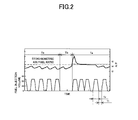
Fig. 2 ] is a graph showing the course of the catalyst air-fuel ratio during S purge, and the course of the fuel injection volume by post-injection after combustion, - [
Fig. 3 ] is a view showing the timing of fuel injection during each operation in relation to the cylinder pressure, - [
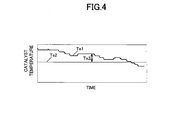
Fig. 4 ] is a graph showing an example of changes in the catalyst temperature during S purge, and - [
Fig. 5 ] is a flow chart showing an example of control during S purge by the exhaust purification apparatus according to the embodiment of the present invention. - The embodiment of the present invention will now be described in detail with reference to the accompanying drawings.
- The overall configuration of an
engine 10 including an exhaust purification apparatus according to the embodiment of the present invention will be described first. Theengine 10 shown inFig. 1 is a diesel engine, in which anengine body 11 includes acylinder head 12 and acylinder block 13, and apiston 15 is accommodated within eachcylinder bore 14 of thecylinder block 13. Thepiston 15 is connected to acrankshaft 17 via a connectingrod 16. Thepiston 15, the cylinder bore 14, and thecylinder head 12 constitute acombustion chamber 18. - An
intake port 19 is formed in thecylinder head 12, and an intake pipe (intake path) 21 including anintake manifold 20 is connected to theintake port 19. Anintake valve 22 is provided within theintake port 19, and theintake port 19 is opened and closed by theintake valve 22. Anexhaust port 23 is formed in thecylinder head 12 , and an exhaust pipe (exhaust path) 25 including anexhaust manifold 24 is connected to the interior of theexhaust port 23. Theexhaust port 23 is provided with anexhaust valve 26 and, like theintake port 19, theexhaust port 23 is opened and closed by theexhaust valve 26. - A
turbocharger 27 is provided halfway through theintake pipe 21 and theexhaust pipe 25. Anintercooler 28 is disposed in theintake pipe 21 downstream of theturbocharger 27. Athrottle valve 29 for opening and closing the intake pipe (intake path) 21 is provided in theintake pipe 21 downstream of theintercooler 28. An EGR pipe (EGR path) 30 communicating with theexhaust pipe 25 upstream of theturbocharger 27 is connected to theintake pipe 21 downstream of thethrottle valve 29. An EGRcooler 31 is provided in the EGRpipe 30, and anEGR valve 32 is provided in a junction of the EGRpipe 30 with theintake pipe 21. - The
cylinder head 12 is provided with afuel injection valve 33 for injecting a fuel into thecombustion chamber 18 of each cylinder. Thefuel injection valve 33 is supplied with a fuel from a common-rail 34. The common-rail 34 is supplied with a fuel in a fuel tank (not shown) by asupply pump 35, and the fuel is supplied at a predetermined pressure from thesupply pump 35 to the common-rail 34 in accordance with the rotational speed of theengine body 11. In the common-rail 34, the fuel is adjusted to a predetermined fuel pressure, and a high pressure fuel controlled to the predetermined fuel pressure is supplied from the common-rail 34 to thefuel injection valve 33. - In the
exhaust pipe 25 downstream of theturbocharger 27, a diesel oxidation catalyst (will hereinafter be referred to simply as an oxidation catalyst) 51, a NOx storage catalyst 52 as an exhaust purification catalyst, and a diesel particulate filter (DPF; will hereinafter be referred to as DPF) 53, which constitute anexhaust purification apparatus 50 according to the present embodiment, are arranged in this order, starting on an upstream side. -
Exhaust temperature sensors 55 are providednear the entrances of theoxidation catalyst 51, the NOx storage catalyst 52 and theDPF 53 and near an exit from theDPF 53. Furthermore, an air-fuel ratio sensor 56 for detecting the air-fuel ratio of an exhaust gas is provided near the exit of theDPF 53. In the present embodiment, as will be described later, the air-fuel ratio of the exhaust flowing out of the NOx storage catalyst 52 (hereinafter will also be referred to as "catalyst air-fuel ratio") is detected by this air-fuel ratio sensor 56. The air-fuel ratio sensor 56 may be one which detects the oxygen concentration in the exhaust gas. - The
oxidation catalyst 51 comprises, for example, a precious metal, such as platinum (Pt) or palladium (Pd) , carried on a carrier of a honeycomb structure formed from a ceramic material. When the exhaust gas flows into theoxidation catalyst 51, nitrogen monoxide (NO) in the exhaust gas is oxidized to formnitrogen dioxide (NO2) . - The NOx storage catalyst 52 comprises, for example, a precious metal, such as platinum (Pt) or palladium (Pd) , carried on a carrier of a honeycomb structure formed from a ceramic material, and also has an alkali metal or an alkaline earth metal, such as barium (Ba) , carried as a storage agent on the carrier. In the NOx
storage catalyst 52, NOx, which is an exhaust component, is once stored in an oxidizing atmosphere, and the NOx is released in a reducing atmosphere containing, for example, carbon monoxide (CO), hydrocarbons (HC) , etc. , and is thereby reduced to nitrogen (N2) or the like. Normally, in the NOx storage catalyst 52, NOx is only adsorbed, and the adsorbed NOx is not decomposed (reduced) . When a predetermined amount of NOx is adsorbed to the NOx storage catalyst 52, the fuel (light oil) as a reducing agent is injected from thefuel injection valve 33. As a result, the exhaust gas mixed with the fuel is passed through theoxidation catalyst 51 and supplied to the NOx storage catalyst 52. Consequently, the interior of the NOx storage catalyst 52 is brought to a reducing atmosphere, and the stored NOx is decomposed (reduced) (NOx purge). - Moreover, the NOx storage catalyst 52 stores sulfur oxides (SOx) , which are an exhaust component, as well as nitrogen oxides (NOx) . As with NOx purge, the fuel (light oil) as a reducing agent is injected from the
fuel injection valve 33 with a predetermined timing, and the NOx storage catalyst 52 is heated to a high temperature equal to or higher than a predetermined temperature, whereby the stored sulfur oxides (SOx) are decomposed (reduced) (S purge). - The
DPF 53 is, for example, a filter of a honeycomb structure formed from a ceramic material. PM trapped by theDPF 53 is oxidized (burned) by NO2 contained in the exhaust gas, and is discharged as CO2. NO2 remaining within theDPF 53 is decomposed into N2, and discharged. - The
engine 10 is equipped with an electronic control unit (ECU) 70, and theECU 70 is furnished with an input-output device, a storage device for storing a control program, a control map, etc., a central processing unit, and timers and counters. Based on information from each of the sensors, theECU 70 exercises integrated control over theengine 10 loaded with theexhaust purification apparatus 50. - The
ECU 70 concurrently functions as a part of theexhaust purification apparatus 50, and controls thefuel injection valve 33, as appropriate, based on information from the various sensors such as theexhaust temperature sensors 55 and the air-fuel ratio sensor 56. For example, theECU 70 has a regeneration process execution means 71, and this regeneration process execution means 71 carries out the aforementioned regeneration process for the NOx storage catalyst 52 (S purge) . With the S purge, the regenerationprocess execution means 71 controls thefuel injection valve 33 to inject fuel (hydrocarbon) intermittently with predetermined timings, thereby enriching the air-fuel ratio of the exhaust flowing out of the NOx storage catalyst 52 (catalyst air-fuel ratio). The catalyst air-fuel ratio is detected, for example, by the air-fuel ratio sensor 56 provided in the vicinity of the exit from the NOx storage catalyst 52. - With the S purge, moreover, the catalyst air-fuel ratio is enriched as described above, and the NOx storage catalyst 52 is heated to a high temperature equal to or higher than a set temperature . By so doing, sulfur compounds (SOx) , as the exhaust component stored in the NOx storage catalyst 52, can be efficiently discharged by the S purge.
- While the S purge is being carried out, however, the temperature of the NOx storage catalyst 52 (may hereinafter be referred to simply as "catalyst temperature") may change because of various factors. A fall in the catalyst temperature during the implementation of the S purge may decrease the amount of discharge of sulfur oxides (SOx) from the NOx storage catalyst 52. That is, the regeneration efficiency of the NOx storage catalyst 52 by the S purge may lower.
- With the present invention, therefore, the amount of fuel burned within the cylinder of the
engine 10 is changed according to the catalyst temperature. By this measure, the oxygen concentration of the exhaust at the time of supply of hydrocarbon into the exhaust by the regeneration process execution means 71 is adjusted so that the catalyst temperature during S purge is maintained at as constant a temperature as possible. Consequently, decreases or variations in the amount of discharge of sulfur oxides (SOx) from the NOx storage catalyst 52 are suppressed, and the NOx storage catalyst 52 can be efficiently regenerated. - The regeneration process (S purge) for the exhaust purification catalyst (NOx storage catalyst) in the
exhaust purification apparatus 50 according to the present embodiment will be described in detail below. - As shown in
Fig. 2 , when the regeneration process (S purge) is performed by the regeneration process execution means 71, rich continuation periods Ta during which the air-fuel ratio of the exhaust flowing out of the NOx storage catalyst 52 (catalyst air-fuel ratio) is kept rich, and rich interruption periods Tb during which the catalyst air-fuel ratio is rendered lean are implemented alternately and repeatedly. - As shown in
Fig. 3 , pre-injection Pu, main-injection Ma and after-injection Af as the main injection by thefuel injection valve 33, and post-injection Po1 during combustion are performed during normal operation. The post-injection Po1 during combustion is post-injection to be carried out with a timing which continues from combustion by main injection and with which combustion is possible. In the present embodiment, the post-injection Po1 during combustion is performed subsequently to after-injection Af. During the regeneration-process (S purge) operation, on the other hand, after post-injection Po1 during combustion is carried out, post-injection Po2 after combustion is further performed. Concretely, during the rich continuation period Ta, post-injections Po2 after combustion are intermittently carried out so that the catalyst air-fuel ratio is kept rich. During the rich interruption period Tb, the post-injection Po2 after combustion is temporarily interrupted so that the catalyst air-fuel ratio becomes lean. - The post-injection Po2 after combustion refers to post-injection which is performed after completion of combustion by main injection (including, in the present embodiment, pre-injection Pu, main-injection Ma, and after-injection Af). Upon implementation of this post-injection Po2 after combustion, fuel (hydrocarbon) as a reducing agent is supplied to the exhaust. By supplying fuel by means of the post-injection Po2 after combustion, the path length beginning with the supply of fuel and ending at the NOx storage catalyst 52 is increased to promote the mixing of fuel and exhaust. By this procedure, the reaction in the catalyst is ameliorated compared with the supply of fuel in the vicinity of the catalyst, and the deposition of fuel (hydrocarbon) on the catalyst is suppressed. Thus, the exhaust flowing into the NOx storage catalyst 52 during fuel supply and after completion of fuel supply becomes easy to guide into a desired air-fuel ratio. Hence, fuel supplybythepost-injectionPo2 after combustion facilitates control of the catalyst temperature, as compared with fuel supply near the catalyst.
- With the present embodiment, moreover, the amount of fuel supply by the post-injection Po1 during combustion is changed according to the catalyst temperature. By so doing, the oxygen concentration at the time of supply of fuel (hydrocarbons) into the exhaust by the post-injection Po2 after combustion is adjusted so that the catalyst temperature during S purge is maintained at as constant a temperature as possible. When the fuel injection volume by the post-injection Po1 during combustion is increased, the oxygen concentration of the exhaust lowers, and the temperature of the NOx storage catalyst 52 falls accordingly. When the fuel injection volume by the post-injection Po1 during combustion is decreased, on the other hand, the oxygen concentration of the exhaust increases, and the temperature of the NOx storage catalyst 52 rises accordingly. Fluctuations in the amount of fuel supply by the post-injection Po1 during combustion are less influential on the engine-generated torque than are fluctuations in the amount of fuel supply by the pre-injection Pu, main-injection Ma and after-injection Af as the main injection. Hence, torque fluctuations can be suppressed by the adjustment of the oxygen concentration of the exhaust resulting from changes in the amount of fuel supply by the post-injection Po1 during combustion.
- The above-mentioned adjustment of the fuel injection volume bythepost-injectionPolduringcombustion, namely, the adjustment of the oxygen concentration of the exhaust, is performed, as appropriate, based on the temperature of the NOx storage catalyst 52 (catalyst temperature). That is, an oxygen concentration adjusting means 72 of the
ECU 70 controls thefuel injection valve 33 based on the temperature of the NOx storage catalyst 52 (catalyst temperature) to change, as appropriate, the fuel injection volume by the post-injection Po1 during combustion, thereby adjusting the oxygen concentration of the exhaust. In the present embodiment, the temperature of the NOx storage catalyst 52 (catalyst temperature) is found based on the results of detection by theexhaust temperature sensor 55 provided near the exit of the NOx storage catalyst 52. - Concretely as shown in
Fig. 4 , the oxygen concentration adjusting means 72 changes, as appropriate, the injection period t1 of thefuel injection valve 33 by the post-injection Po1 during combustion in accordance with a temperature difference Te3 between the temperature of the NOx storage catalyst 52, (catalyst temperature) Te1, based on the results of detection by theexhaust temperature sensor 55 and a set temperature Te2 which has been set beforehand. The set temperature Te2 is set, for example, at a value in the vicinity of the minimum temperature of the NOx storage catalyst 52 necessary for S purge. - During the rich continuation period Ta, when the catalyst temperature Te1 is higher than the set temperature Te2, for example, the oxygen concentration adjusting means 72 increases the fuel injection volume as the temperature difference Te3 between the catalyst temperature Te1 and the set temperature Te2 increases. In other words, the higher the catalyst temperature Te1, the longer the injection period t1 is rendered to lower the oxygen concentration of the exhaust. When the catalyst temperature Te1 is lower than the set temperature Te2, on the other hand, the oxygen concentration adjusting means 72 decreases the fuel injection volume as the temperature difference Te3 increases. In other words, the lower the catalyst temperature Te1, the shorter the injection period t1 is rendered to raise the oxygen concentration of the exhaust. By so doing, the catalyst temperature Te1 can be raised or lowered, so that the catalyst temperature Te1 becomes easier to maintain at a nearly constant temperature (in the present embodiment, the set temperature Te2).
- During the rich interruption period Tb, the air-fuel ratio of the exhaust is leaned, and the catalyst temperature Te1 lowers accordingly. Thus, even in a state where the catalyst temperature Te1 is higher than the set temperature Te2, the implementation of the rich interruption period Tb makes the catalyst temperature Te1 prone to be lower than the set temperature Te2. During the rich interruption period Tb, therefore, the oxygen concentration adjusting means 72 preferably decreases the fuel injection volume by the post-injection Po1 during combustion (injection period t1) to raise the oxygen concentration of the exhaust, no matter how the temperature difference Te3 between the catalyst temperature Te1 and the set temperature Te2 is great.
- By this procedure, the air-fuel ratio of the exhaust discharged from the NOx storage catalyst 52 is leaned in a relatively short time. In short, the rich interruption period Tb, the period during which the catalyst temperature Te1 tends to lower, is shortened. As a result, a fall in the catalyst temperature Te1 can be curtailed.
- The present invention is a novel invention established on the new finding that when the air-fuel ratio of the NOx storage catalyst 52 (catalyst air-fuel ratio) is rich during the regeneration process, the catalyst air-fuel ratio of the exhaust flowing into the catalyst is shifted to the lean side, whereby the catalyst temperature Te1 rises.
- Immediately after start of the rich continuation period Ta, the catalyst air-fuel ratio is lean. Thus, the regeneration process execution means 71 exercises F/F (feedforward) control of the
fuel injection valve 33 to enrich the catalyst air-fuel ratio at an early stage, when the rich continuation period Ta is started. Concretely, in the post-inj ection Po2 after combustion, the interval between injections of fuel by thefuel injection valve 33, (i.e., lean time) Tl, is made shorter than the time during which fuel is injected, (i.e., rich time) Tr (seeFig. 2 ) . That is, the R/L ratio, the ratio between the rich time Tr and the lean time Tl, is rendered lower than the initial value. By this measure, the fuel injected from thefuel injection valve 33 per unit time by the post-injection Po2 after combustion is increased to achieve early enrichment of the catalyst air-fuel ratio. - The F/F control of the post-injection Po2 after combustion by the
fuel injection valve 33 is finishedwhenthe catalyst air-fuel ratio becomes richer than a target air-fuel ratio which has been set beforehand (for example, the target air-fuel ratio is a stoichiometric air-fuel ratio) . Then, the rich time Tr and the lean time Tl in the post-injection Po2 after combustion are F/B (feedback) -controlled based on the catalyst air-fuel ratio. - The change of the fuel injection volume (injection period t1) based on the catalyst temperature will be described further by reference to the flow chart of
Fig. 5 . - As shown in
Fig. 5 , when S purge is implemented, it is determined in step S11 whether the period is the rich continuation period Ta or not. If a determination of the rich continuation period Ta is made (step S11: YES), the program proceeds to step S12. In step S12, the temperature Te1 of the NOx storage catalyst 52 based on the results of detection by theexhaust temperature sensor 55 is found. Then, in step S13 , the temperature difference Te3 between the catalyst temperature Te1 and the set temperature Te2 is obtained. In step S14, the oxygen concentration adjusting means 72 changes the fuel injection volume (injection period t1) in the post-injection Po1 during combustion, according to the temperature difference Te3, for example, by reference to a prestored map or the like. If it is desired to raise the catalyst temperature Te1, for example, the injection period t1 is shortened to increase the oxygen concentration of the exhaust. Thereafter, the post-injection Po1 during combustion of thefuel injection valve 33 is F/B-controlled based on the changed injection period t1 to continue the regeneration process (step S15). - If it is determined in step S11 that the period is not the rich continuation period Ta, that is, if a determination of the rich interruption period Tb is made (step S11: NO), in step S16, the oxygen concentration adj ustingmeans 72 decreases the injection period t1 in the post-injection Po1 during combustion to a predetermined value (minimum value), irrespective of the temperature difference Te3, to raise the oxygen concentration of the exhaust. Then, the program proceeds to step S15.
- With the present invention, as described above, the fuel injection volume (injection period t1) by the
fuel injection valve 33 is changed according to the temperature difference Te3, during the regeneration process (S purge), to adjust the oxygen concentration of the exhaust. Thus, the temperature of the NOx storage catalyst (exhaust purification catalyst) 52 can be regulated appropriately. That is, it becomes easy to maintain the temperature of the NOx storage catalyst 52 at a nearly constant temperature, without changing the air-fuel ratio of the NOx storage catalyst 52 beyond a required range. In association with this advantage, exhaust components can be efficiently released from the catalyst by the regeneration process (S purge), and the time to the completion of S purge can be shortened. - The present invention has been described in regard to its embodiment, but it is to be noted that the present invention is in no way limited to this embodiment.
- In the foregoing embodiment, for example, an explanation has been offered for an example in which the oxygen concentration adjusting means changes the fuel injection volume by the post-injection during combustion to adjust the oxygen concentration of the exhaust. However, there is no limitation on the method of adjusting the oxygen concentration of the exhaust. Any method would be available if it could adjust, as appropriate, the oxygen concentration of the exhaust at the time of supply of hydrocarbon by the regeneration process execution means. If the influence on the engine-generated torque is not problematic to the running of the vehicle, for example, the oxygen concentration of the exhaust may be adjusted by changing the amount of fuel supply by main injection.
- In the above-described embodiment, moreover, S purge is exemplified as a regeneration process, but the present invention is not limited to this embodiment. For example, the present invention can be applied in performing NOx purge.
- In the above embodiment, moreover, the S purge technique is exemplified in which the reducing agent is intermittently supplied during the rich continuation period to maintain the catalyst in a rich state. However, the present invention is not limited to this embodiment. For example, the present invention can be applied to a technique which comprises supplying the reducing agent continuously during the rich continuation period to enrich the catalyst.
- In the above embodiment, moreover, post-injection after combustion is performed from the fuel injection valve to adjust the air-fuel ratio of the exhaust. However, it is permissible to provide an injector, separately, at a predetermined position of the exhaust pipe, for example, near the entrance to the oxidation catalyst, and to inject fuel from this injector into the exhaust pipe, instead of performing post-injection after combustion. In this case, a reducing agent other than fuel (i.e., hydrocarbon) may be injected from the injector.
- In the above embodiment, additionally, the diesel engine is taken as an example for illustration, but needless to say, the present invention can be applied to other engines.
-
- 10
- Engine
- 11
- Engine body
- 12
- Cylinder head
- 13
- Cylinder block
- 14
- Cylinder bore
- 15
- Piston
- 16
- Connecting rod
- 17
- Crankshaft
- 18
- Combustion chamber
- 19
- Intake port
- 20
- Intake manifold
- 21
- Intake pipe
- 22
- Intake valve
- 23
- Exhaust port
- 24
- Exhaust manifold
- 25
- Exhaust pipe (exhaust path)
- 26
- Exhaust valve
- 27
- Turbocharger
- 28
- Intercooler
- 29
- Throttle valve
- 30
- EGR pipe
- 31
- EGR cooler
- 32
- EGR valve
- 33
- Fuel injection valve
- 34
- Common-rail
- 35
- Supply pump
- 50
- Exhaust purification apparatus
- 51
- Oxidation catalyst
- 52
- NOx storage catalyst
- 53
- DPF
- 55
- Exhaust temperature sensor
- 56
- Air-fuel ratio sensor
- 70
- ECU
- 71
- Regeneration process execution means
- 72
- Oxygen concentration adjusting means
Claims (10)
- An exhaust purification apparatus of an engine, comprising:fuel injection means (33) for injecting fuel into a cylinder of an engine (10) ;an exhaust purification catalyst (52) provided in an exhaust path (25) of the engine for purifying an exhaust;temperature detection means (55) for detecting a temperature (Te1) of the exhaust purification catalyst;regeneration process execution means (71) for performing a regeneration process which supplies a hydrocarbon into the exhaust flowing into the exhaust purification catalyst to keep rich an air-fuel ratio of the exhaust flowing out of the exhaust purification catalyst, and which renders the temperature of the exhaust purification catalyst equal to or higher than a set temperature (Te2) to release exhaust components stored in the exhaust purification catalyst; andoxygen concentration adjusting means (72) for adjusting an oxygen concentration of the exhaust at a time of supply of the hydrocarbon by the regeneration process execution means, in accordance with a temperature difference (Te3) between the temperature of the exhaust purification catalyst detected by the temperature detection means and the set temperature, during execution of the regeneration process by the regeneration process execution means.
- The exhaust purification apparatus of an engine according to claim 1, characterized in that
the oxygen concentration adjusting means (72) lowers the oxygen concentration of the exhaust as the temperature difference (Te3) becomes greater when the temperature (Te1) of the exhaust purification catalyst (52) is higher than the set temperature (Te2) . - The exhaust purification apparatus of an engine according to claim 1 or 2, characterized in that
the oxygen concentration adjusting means (72) raises the oxygen concentration of the exhaust as the temperature difference (Te3) becomes greater when the temperature (Te1) of the exhaust purification catalyst (52) is lower than the set temperature (Te2) . - The exhaust purification apparatus of an engine according to any one of claims 1 to 3, characterized in that
the regeneration process execution means (71) performs, with a predetermined timing, a rich interruption process in which supply of a reducing agent into the exhaust is interrupted to lean the air-fuel ratio of the exhaust flowing out of the exhaust purification catalyst, and
the oxygen concentration adjusting means (72) raises the oxygen concentration of the exhaust, regardless of the temperature difference (Te3) between the temperature (Te1) of the exhaust purification catalyst (52) and the set temperature (Te2), during a period (Tb) during which the rich interruption process is performed. - The exhaust purification apparatus of an engine according to any one of claims 1 to 4, characterized in that
the oxygen concentration adjusting means (72) controls the fuel injection means (33) to change an amount of the fuel burned in the cylinder of the engine (10). - The exhaust purification apparatus of an engine according to claim 5, characterized in that
the oxygen concentration adjusting means (72) changes a fuel injection volume by post-injection (Po1) during combustion to be performed with a timing which continues from combustion by main injection and with which combustion is possible. - The exhaust purification apparatus of an engine according to any one of claims 1 to 6, characterized in that
the regeneration process execution means (71) performs post-injection (Po2) after combustion, in which the fuel is injected from the fuel injection means (33) after combustion by maininjection,thereby supplying the hydrocarbon into the exhaust. - The exhaust purification apparatus of an engine according to claim 7, characterized in that
the regeneration process execution means (71) exercises feedforward control such that an interval between implementations of the post-injection (Po2) after combustion by the fuel injection means (33) is shorter than a period during which fuel is injected. - The exhaust purification apparatus of an engine according to claim 8, characterized in that
the regeneration process execution means (71) terminates the feedforward control when the air-fuel ratio of the exhaust is richer than a predetermined air-fuel ratio, which has been set beforehand, within a rich continuation period (Ta) of the regeneration process. - The exhaust purification apparatus of an engine according to claim 9, characterized in that
the regeneration process execution means (71) exercises feedback control of a fuel injection volume from the fuel injection means (33) so as to bring the air-fuel ratio of the exhaust close to a target air-fuel ratio after terminating the feedforward control.
Applications Claiming Priority (1)
| Application Number | Priority Date | Filing Date | Title |
|---|---|---|---|
| JP2011253292A JP5862868B2 (en) | 2011-11-18 | 2011-11-18 | Engine exhaust purification system |
Publications (3)
| Publication Number | Publication Date |
|---|---|
| EP2594769A2 true EP2594769A2 (en) | 2013-05-22 |
| EP2594769A3 EP2594769A3 (en) | 2014-09-17 |
| EP2594769B1 EP2594769B1 (en) | 2018-01-10 |
Family
ID=47088738
Family Applications (1)
| Application Number | Title | Priority Date | Filing Date |
|---|---|---|---|
| EP12190385.0A Active EP2594769B1 (en) | 2011-11-18 | 2012-10-29 | Exhaust purification apparatus of engine |
Country Status (3)
| Country | Link |
|---|---|
| EP (1) | EP2594769B1 (en) |
| JP (1) | JP5862868B2 (en) |
| CN (1) | CN103122783B (en) |
Cited By (2)
| Publication number | Priority date | Publication date | Assignee | Title |
|---|---|---|---|---|
| WO2016082988A1 (en) * | 2014-11-28 | 2016-06-02 | Robert Bosch Gmbh | Method and apparatus for controlling an internal combustion engine |
| EP3273022A4 (en) * | 2015-03-18 | 2018-08-08 | Isuzu Motors Limited | Exhaust purification system |
Families Citing this family (3)
| Publication number | Priority date | Publication date | Assignee | Title |
|---|---|---|---|---|
| US10221792B2 (en) * | 2013-08-15 | 2019-03-05 | Ford Global Technologies, Llc | Two-stage catalyst regeneration |
| JP6439334B2 (en) * | 2014-09-12 | 2018-12-19 | いすゞ自動車株式会社 | Exhaust purification system |
| JP6604323B2 (en) * | 2016-12-28 | 2019-11-13 | トヨタ自動車株式会社 | Exhaust gas purification system for internal combustion engine and method of using exhaust gas purification catalyst |
Family Cites Families (17)
| Publication number | Priority date | Publication date | Assignee | Title |
|---|---|---|---|---|
| US5493858A (en) * | 1992-06-23 | 1996-02-27 | Mitsubishi Denki Kabushiki Kaisha | Controlling apparatus for introduction air into exhaust pipe of internal combustion engine |
| US6367246B1 (en) * | 1997-04-24 | 2002-04-09 | Toyota Jidosha Kabushiki Kaisha | Exhaust gas purification device for internal combustion engine |
| JP3838339B2 (en) * | 2001-03-27 | 2006-10-25 | 三菱ふそうトラック・バス株式会社 | Exhaust gas purification device for internal combustion engine |
| JP3972864B2 (en) * | 2003-06-04 | 2007-09-05 | トヨタ自動車株式会社 | Exhaust gas purification system for internal combustion engine |
| US7047729B2 (en) * | 2003-10-27 | 2006-05-23 | Ford Global Technologies, Llc | Control method and system for diesel particulate filter regeneration |
| CN101006252A (en) * | 2004-06-18 | 2007-07-25 | 约翰逊马西有限公司 | Reductant addition in exhaust system comprising nox-absorbent |
| FR2876733B1 (en) * | 2004-10-20 | 2006-12-22 | Renault Sas | SYSTEM AND METHOD FOR CONTROLLING THE REGENERATION OF A PARTICLE FILTER OF AN INTERNAL COMBUSTION ENGINE |
| JP2008038812A (en) * | 2006-08-08 | 2008-02-21 | Honda Motor Co Ltd | Control device for internal combustion engine |
| JP4699331B2 (en) * | 2006-10-20 | 2011-06-08 | 本田技研工業株式会社 | Exhaust gas purification device for internal combustion engine |
| JP4435300B2 (en) * | 2006-12-12 | 2010-03-17 | 本田技研工業株式会社 | Control device for internal combustion engine |
| JP4816599B2 (en) * | 2007-09-04 | 2011-11-16 | トヨタ自動車株式会社 | Exhaust gas purification system for internal combustion engine |
| FR2927372A1 (en) * | 2008-02-12 | 2009-08-14 | Renault Sas | Fuel supply controlling method for internal combustion engine e.g. oil engine, of automobile, involves injecting fuel flows after regulating richness during regeneration of sulfur products of nitrogen oxide trap |
| CN101676531B (en) * | 2008-09-19 | 2012-07-04 | 通用汽车环球科技运作公司 | Temperature control system and method for particulate filter regeneration |
| JP4654287B2 (en) * | 2008-11-11 | 2011-03-16 | 本田技研工業株式会社 | Air-fuel ratio control device for internal combustion engine |
| US8713914B2 (en) * | 2009-09-29 | 2014-05-06 | GM Global Technology Operations LLC | Method and apparatus for monitoring a hydrocarbon-selective catalytic reduction device |
| DE102009045379A1 (en) * | 2009-10-06 | 2011-04-07 | Robert Bosch Gmbh | Method for controlling regeneration of diesel particle filter in exhaust gas after treatment system of diesel engine, involves lowering temperatures in oxidation catalyst and particle filter below respective target temperatures |
| JP5900728B2 (en) * | 2011-10-05 | 2016-04-06 | 三菱自動車工業株式会社 | Engine exhaust purification system |
-
2011
- 2011-11-18 JP JP2011253292A patent/JP5862868B2/en active Active
-
2012
- 2012-10-29 EP EP12190385.0A patent/EP2594769B1/en active Active
- 2012-11-16 CN CN201210465595.9A patent/CN103122783B/en active Active
Non-Patent Citations (1)
| Title |
|---|
| None |
Cited By (4)
| Publication number | Priority date | Publication date | Assignee | Title |
|---|---|---|---|---|
| WO2016082988A1 (en) * | 2014-11-28 | 2016-06-02 | Robert Bosch Gmbh | Method and apparatus for controlling an internal combustion engine |
| US10422291B2 (en) | 2014-11-28 | 2019-09-24 | Robert Bosch Gmbh | Method and device for controlling an internal combustion engine |
| EP3273022A4 (en) * | 2015-03-18 | 2018-08-08 | Isuzu Motors Limited | Exhaust purification system |
| US10480437B2 (en) | 2015-03-18 | 2019-11-19 | Isuzu Motors Limited | Exhaust purification system |
Also Published As
| Publication number | Publication date |
|---|---|
| JP2013108421A (en) | 2013-06-06 |
| JP5862868B2 (en) | 2016-02-16 |
| CN103122783B (en) | 2015-03-18 |
| CN103122783A (en) | 2013-05-29 |
| EP2594769B1 (en) | 2018-01-10 |
| EP2594769A3 (en) | 2014-09-17 |
Similar Documents
| Publication | Publication Date | Title |
|---|---|---|
| US7197867B2 (en) | Method for the simultaneous desulfation of a lean NOx trap and regeneration of a Diesel particulate filter | |
| US8316634B2 (en) | Ammonia load control for SCR catalyst prior to DPF regeneration | |
| US7993582B2 (en) | Sulfur purge control device for an internal combustion engine | |
| EP2578833B1 (en) | Exhaust Gas Purification Apparatus of an Internal Combustion Engine | |
| EP2594769B1 (en) | Exhaust purification apparatus of engine | |
| US6792751B2 (en) | Exhaust gas purification device and method for diesel engine | |
| US7827783B2 (en) | Exhaust gas purifying apparatus for internal combustion engine | |
| JP6665523B2 (en) | Exhaust gas purification device | |
| US8347608B2 (en) | Exhaust gas purification system for an internal combustion engine | |
| JP5041168B2 (en) | Exhaust purification device | |
| JP5131477B2 (en) | Engine exhaust purification system | |
| EP1887202B1 (en) | Sulfur purge control device for an internal combustion engine | |
| JP3820990B2 (en) | Exhaust gas purification device for internal combustion engine | |
| JP2014095303A (en) | Control device of engine | |
| JP2002047923A (en) | Exhaust gas purification device for internal combustion engine | |
| CN101228341A (en) | Exhaust purification device | |
| JP6504339B2 (en) | Engine exhaust purification system | |
| EP2309104A1 (en) | Exhaust purification system for internal combustion engine | |
| JP2016109062A (en) | Exhaust emission control device of engine | |
| EP2949898A1 (en) | Exhaust gas purifier and exhaust gas purification method for an internal combustion engine | |
| JP2004068786A (en) | Exhaust gas purification device for internal combustion engine | |
| EP3467278A2 (en) | Engine with exhaust emission control device | |
| JP2007154771A (en) | Exhaust emission control device | |
| KR20070016948A (en) | Exhaust purifier | |
| JP2020056363A (en) | Exhaust gas purification system |
Legal Events
| Date | Code | Title | Description |
|---|---|---|---|
| PUAI | Public reference made under article 153(3) epc to a published international application that has entered the european phase |
Free format text: ORIGINAL CODE: 0009012 |
|
| 17P | Request for examination filed |
Effective date: 20121128 |
|
| AK | Designated contracting states |
Kind code of ref document: A2 Designated state(s): AL AT BE BG CH CY CZ DE DK EE ES FI FR GB GR HR HU IE IS IT LI LT LU LV MC MK MT NL NO PL PT RO RS SE SI SK SM TR |
|
| AX | Request for extension of the european patent |
Extension state: BA ME |
|
| PUAL | Search report despatched |
Free format text: ORIGINAL CODE: 0009013 |
|
| AK | Designated contracting states |
Kind code of ref document: A3 Designated state(s): AL AT BE BG CH CY CZ DE DK EE ES FI FR GB GR HR HU IE IS IT LI LT LU LV MC MK MT NL NO PL PT RO RS SE SI SK SM TR |
|
| AX | Request for extension of the european patent |
Extension state: BA ME |
|
| RIC1 | Information provided on ipc code assigned before grant |
Ipc: F02D 41/14 20060101ALI20140813BHEP Ipc: F02D 41/40 20060101ALI20140813BHEP Ipc: F02D 41/02 20060101AFI20140813BHEP |
|
| 17Q | First examination report despatched |
Effective date: 20160222 |
|
| GRAP | Despatch of communication of intention to grant a patent |
Free format text: ORIGINAL CODE: EPIDOSNIGR1 |
|
| INTG | Intention to grant announced |
Effective date: 20170719 |
|
| GRAS | Grant fee paid |
Free format text: ORIGINAL CODE: EPIDOSNIGR3 |
|
| GRAA | (expected) grant |
Free format text: ORIGINAL CODE: 0009210 |
|
| AK | Designated contracting states |
Kind code of ref document: B1 Designated state(s): AL AT BE BG CH CY CZ DE DK EE ES FI FR GB GR HR HU IE IS IT LI LT LU LV MC MK MT NL NO PL PT RO RS SE SI SK SM TR |
|
| REG | Reference to a national code |
Ref country code: CH Ref legal event code: EP Ref country code: AT Ref legal event code: REF Ref document number: 962679 Country of ref document: AT Kind code of ref document: T Effective date: 20180115 |
|
| REG | Reference to a national code |
Ref country code: IE Ref legal event code: FG4D |
|
| REG | Reference to a national code |
Ref country code: DE Ref legal event code: R096 Ref document number: 602012041781 Country of ref document: DE |
|
| REG | Reference to a national code |
Ref country code: NL Ref legal event code: MP Effective date: 20180110 |
|
| REG | Reference to a national code |
Ref country code: AT Ref legal event code: MK05 Ref document number: 962679 Country of ref document: AT Kind code of ref document: T Effective date: 20180110 |
|
| PG25 | Lapsed in a contracting state [announced via postgrant information from national office to epo] |
Ref country code: NL Free format text: LAPSE BECAUSE OF FAILURE TO SUBMIT A TRANSLATION OF THE DESCRIPTION OR TO PAY THE FEE WITHIN THE PRESCRIBED TIME-LIMIT Effective date: 20180110 |
|
| PG25 | Lapsed in a contracting state [announced via postgrant information from national office to epo] |
Ref country code: LT Free format text: LAPSE BECAUSE OF FAILURE TO SUBMIT A TRANSLATION OF THE DESCRIPTION OR TO PAY THE FEE WITHIN THE PRESCRIBED TIME-LIMIT Effective date: 20180110 Ref country code: CY Free format text: LAPSE BECAUSE OF FAILURE TO SUBMIT A TRANSLATION OF THE DESCRIPTION OR TO PAY THE FEE WITHIN THE PRESCRIBED TIME-LIMIT Effective date: 20180110 Ref country code: FI Free format text: LAPSE BECAUSE OF FAILURE TO SUBMIT A TRANSLATION OF THE DESCRIPTION OR TO PAY THE FEE WITHIN THE PRESCRIBED TIME-LIMIT Effective date: 20180110 Ref country code: ES Free format text: LAPSE BECAUSE OF FAILURE TO SUBMIT A TRANSLATION OF THE DESCRIPTION OR TO PAY THE FEE WITHIN THE PRESCRIBED TIME-LIMIT Effective date: 20180110 Ref country code: NO Free format text: LAPSE BECAUSE OF FAILURE TO SUBMIT A TRANSLATION OF THE DESCRIPTION OR TO PAY THE FEE WITHIN THE PRESCRIBED TIME-LIMIT Effective date: 20180410 Ref country code: HR Free format text: LAPSE BECAUSE OF FAILURE TO SUBMIT A TRANSLATION OF THE DESCRIPTION OR TO PAY THE FEE WITHIN THE PRESCRIBED TIME-LIMIT Effective date: 20180110 |
|
| PG25 | Lapsed in a contracting state [announced via postgrant information from national office to epo] |
Ref country code: SE Free format text: LAPSE BECAUSE OF FAILURE TO SUBMIT A TRANSLATION OF THE DESCRIPTION OR TO PAY THE FEE WITHIN THE PRESCRIBED TIME-LIMIT Effective date: 20180110 Ref country code: LV Free format text: LAPSE BECAUSE OF FAILURE TO SUBMIT A TRANSLATION OF THE DESCRIPTION OR TO PAY THE FEE WITHIN THE PRESCRIBED TIME-LIMIT Effective date: 20180110 Ref country code: RS Free format text: LAPSE BECAUSE OF FAILURE TO SUBMIT A TRANSLATION OF THE DESCRIPTION OR TO PAY THE FEE WITHIN THE PRESCRIBED TIME-LIMIT Effective date: 20180110 Ref country code: AT Free format text: LAPSE BECAUSE OF FAILURE TO SUBMIT A TRANSLATION OF THE DESCRIPTION OR TO PAY THE FEE WITHIN THE PRESCRIBED TIME-LIMIT Effective date: 20180110 Ref country code: BG Free format text: LAPSE BECAUSE OF FAILURE TO SUBMIT A TRANSLATION OF THE DESCRIPTION OR TO PAY THE FEE WITHIN THE PRESCRIBED TIME-LIMIT Effective date: 20180410 Ref country code: IS Free format text: LAPSE BECAUSE OF FAILURE TO SUBMIT A TRANSLATION OF THE DESCRIPTION OR TO PAY THE FEE WITHIN THE PRESCRIBED TIME-LIMIT Effective date: 20180510 Ref country code: PL Free format text: LAPSE BECAUSE OF FAILURE TO SUBMIT A TRANSLATION OF THE DESCRIPTION OR TO PAY THE FEE WITHIN THE PRESCRIBED TIME-LIMIT Effective date: 20180110 Ref country code: GR Free format text: LAPSE BECAUSE OF FAILURE TO SUBMIT A TRANSLATION OF THE DESCRIPTION OR TO PAY THE FEE WITHIN THE PRESCRIBED TIME-LIMIT Effective date: 20180411 |
|
| REG | Reference to a national code |
Ref country code: FR Ref legal event code: PLFP Year of fee payment: 7 |
|
| REG | Reference to a national code |
Ref country code: DE Ref legal event code: R097 Ref document number: 602012041781 Country of ref document: DE |
|
| PG25 | Lapsed in a contracting state [announced via postgrant information from national office to epo] |
Ref country code: AL Free format text: LAPSE BECAUSE OF FAILURE TO SUBMIT A TRANSLATION OF THE DESCRIPTION OR TO PAY THE FEE WITHIN THE PRESCRIBED TIME-LIMIT Effective date: 20180110 Ref country code: RO Free format text: LAPSE BECAUSE OF FAILURE TO SUBMIT A TRANSLATION OF THE DESCRIPTION OR TO PAY THE FEE WITHIN THE PRESCRIBED TIME-LIMIT Effective date: 20180110 Ref country code: EE Free format text: LAPSE BECAUSE OF FAILURE TO SUBMIT A TRANSLATION OF THE DESCRIPTION OR TO PAY THE FEE WITHIN THE PRESCRIBED TIME-LIMIT Effective date: 20180110 Ref country code: IT Free format text: LAPSE BECAUSE OF FAILURE TO SUBMIT A TRANSLATION OF THE DESCRIPTION OR TO PAY THE FEE WITHIN THE PRESCRIBED TIME-LIMIT Effective date: 20180110 |
|
| PLBE | No opposition filed within time limit |
Free format text: ORIGINAL CODE: 0009261 |
|
| STAA | Information on the status of an ep patent application or granted ep patent |
Free format text: STATUS: NO OPPOSITION FILED WITHIN TIME LIMIT |
|
| PG25 | Lapsed in a contracting state [announced via postgrant information from national office to epo] |
Ref country code: SM Free format text: LAPSE BECAUSE OF FAILURE TO SUBMIT A TRANSLATION OF THE DESCRIPTION OR TO PAY THE FEE WITHIN THE PRESCRIBED TIME-LIMIT Effective date: 20180110 Ref country code: SK Free format text: LAPSE BECAUSE OF FAILURE TO SUBMIT A TRANSLATION OF THE DESCRIPTION OR TO PAY THE FEE WITHIN THE PRESCRIBED TIME-LIMIT Effective date: 20180110 Ref country code: DK Free format text: LAPSE BECAUSE OF FAILURE TO SUBMIT A TRANSLATION OF THE DESCRIPTION OR TO PAY THE FEE WITHIN THE PRESCRIBED TIME-LIMIT Effective date: 20180110 Ref country code: CZ Free format text: LAPSE BECAUSE OF FAILURE TO SUBMIT A TRANSLATION OF THE DESCRIPTION OR TO PAY THE FEE WITHIN THE PRESCRIBED TIME-LIMIT Effective date: 20180110 |
|
| 26N | No opposition filed |
Effective date: 20181011 |
|
| PG25 | Lapsed in a contracting state [announced via postgrant information from national office to epo] |
Ref country code: SI Free format text: LAPSE BECAUSE OF FAILURE TO SUBMIT A TRANSLATION OF THE DESCRIPTION OR TO PAY THE FEE WITHIN THE PRESCRIBED TIME-LIMIT Effective date: 20180110 |
|
| REG | Reference to a national code |
Ref country code: CH Ref legal event code: PL |
|
| GBPC | Gb: european patent ceased through non-payment of renewal fee |
Effective date: 20181029 |
|
| REG | Reference to a national code |
Ref country code: BE Ref legal event code: MM Effective date: 20181031 |
|
| PG25 | Lapsed in a contracting state [announced via postgrant information from national office to epo] |
Ref country code: MC Free format text: LAPSE BECAUSE OF FAILURE TO SUBMIT A TRANSLATION OF THE DESCRIPTION OR TO PAY THE FEE WITHIN THE PRESCRIBED TIME-LIMIT Effective date: 20180110 Ref country code: LU Free format text: LAPSE BECAUSE OF NON-PAYMENT OF DUE FEES Effective date: 20181029 |
|
| REG | Reference to a national code |
Ref country code: IE Ref legal event code: MM4A |
|
| PG25 | Lapsed in a contracting state [announced via postgrant information from national office to epo] |
Ref country code: LI Free format text: LAPSE BECAUSE OF NON-PAYMENT OF DUE FEES Effective date: 20181031 Ref country code: CH Free format text: LAPSE BECAUSE OF NON-PAYMENT OF DUE FEES Effective date: 20181031 Ref country code: BE Free format text: LAPSE BECAUSE OF NON-PAYMENT OF DUE FEES Effective date: 20181031 |
|
| PG25 | Lapsed in a contracting state [announced via postgrant information from national office to epo] |
Ref country code: GB Free format text: LAPSE BECAUSE OF NON-PAYMENT OF DUE FEES Effective date: 20181029 Ref country code: IE Free format text: LAPSE BECAUSE OF NON-PAYMENT OF DUE FEES Effective date: 20181029 |
|
| PG25 | Lapsed in a contracting state [announced via postgrant information from national office to epo] |
Ref country code: MT Free format text: LAPSE BECAUSE OF NON-PAYMENT OF DUE FEES Effective date: 20181029 |
|
| PG25 | Lapsed in a contracting state [announced via postgrant information from national office to epo] |
Ref country code: TR Free format text: LAPSE BECAUSE OF FAILURE TO SUBMIT A TRANSLATION OF THE DESCRIPTION OR TO PAY THE FEE WITHIN THE PRESCRIBED TIME-LIMIT Effective date: 20180110 |
|
| PG25 | Lapsed in a contracting state [announced via postgrant information from national office to epo] |
Ref country code: PT Free format text: LAPSE BECAUSE OF FAILURE TO SUBMIT A TRANSLATION OF THE DESCRIPTION OR TO PAY THE FEE WITHIN THE PRESCRIBED TIME-LIMIT Effective date: 20180110 |
|
| PG25 | Lapsed in a contracting state [announced via postgrant information from national office to epo] |
Ref country code: MK Free format text: LAPSE BECAUSE OF NON-PAYMENT OF DUE FEES Effective date: 20180110 Ref country code: HU Free format text: LAPSE BECAUSE OF FAILURE TO SUBMIT A TRANSLATION OF THE DESCRIPTION OR TO PAY THE FEE WITHIN THE PRESCRIBED TIME-LIMIT; INVALID AB INITIO Effective date: 20121029 |
|
| PGFP | Annual fee paid to national office [announced via postgrant information from national office to epo] |
Ref country code: FR Payment date: 20240909 Year of fee payment: 13 |
|
| PGFP | Annual fee paid to national office [announced via postgrant information from national office to epo] |
Ref country code: DE Payment date: 20240904 Year of fee payment: 13 |