EP2594636B1 - Culture medium composition for culturing amnion-derived mesenchymal stem cell, and method for culturing amnion-derived mesenchymal stem cell by using same - Google Patents
Culture medium composition for culturing amnion-derived mesenchymal stem cell, and method for culturing amnion-derived mesenchymal stem cell by using same Download PDFInfo
- Publication number
- EP2594636B1 EP2594636B1 EP11807097.8A EP11807097A EP2594636B1 EP 2594636 B1 EP2594636 B1 EP 2594636B1 EP 11807097 A EP11807097 A EP 11807097A EP 2594636 B1 EP2594636 B1 EP 2594636B1
- Authority
- EP
- European Patent Office
- Prior art keywords
- mesenchymal stem
- stem cells
- amnion
- medium
- dmem
- Prior art date
- Legal status (The legal status is an assumption and is not a legal conclusion. Google has not performed a legal analysis and makes no representation as to the accuracy of the status listed.)
- Not-in-force
Links
- 210000002901 mesenchymal stem cell Anatomy 0.000 title claims description 59
- 210000001691 amnion Anatomy 0.000 title claims description 46
- 238000012258 culturing Methods 0.000 title claims description 19
- 238000000034 method Methods 0.000 title claims description 13
- 239000000203 mixture Substances 0.000 title description 5
- 239000001963 growth medium Substances 0.000 title description 3
- JYGXADMDTFJGBT-VWUMJDOOSA-N hydrocortisone Chemical compound O=C1CC[C@]2(C)[C@H]3[C@@H](O)C[C@](C)([C@@](CC4)(O)C(=O)CO)[C@@H]4[C@@H]3CCC2=C1 JYGXADMDTFJGBT-VWUMJDOOSA-N 0.000 claims description 16
- NOESYZHRGYRDHS-UHFFFAOYSA-N insulin Chemical compound N1C(=O)C(NC(=O)C(CCC(N)=O)NC(=O)C(CCC(O)=O)NC(=O)C(C(C)C)NC(=O)C(NC(=O)CN)C(C)CC)CSSCC(C(NC(CO)C(=O)NC(CC(C)C)C(=O)NC(CC=2C=CC(O)=CC=2)C(=O)NC(CCC(N)=O)C(=O)NC(CC(C)C)C(=O)NC(CCC(O)=O)C(=O)NC(CC(N)=O)C(=O)NC(CC=2C=CC(O)=CC=2)C(=O)NC(CSSCC(NC(=O)C(C(C)C)NC(=O)C(CC(C)C)NC(=O)C(CC=2C=CC(O)=CC=2)NC(=O)C(CC(C)C)NC(=O)C(C)NC(=O)C(CCC(O)=O)NC(=O)C(C(C)C)NC(=O)C(CC(C)C)NC(=O)C(CC=2NC=NC=2)NC(=O)C(CO)NC(=O)CNC2=O)C(=O)NCC(=O)NC(CCC(O)=O)C(=O)NC(CCCNC(N)=N)C(=O)NCC(=O)NC(CC=3C=CC=CC=3)C(=O)NC(CC=3C=CC=CC=3)C(=O)NC(CC=3C=CC(O)=CC=3)C(=O)NC(C(C)O)C(=O)N3C(CCC3)C(=O)NC(CCCCN)C(=O)NC(C)C(O)=O)C(=O)NC(CC(N)=O)C(O)=O)=O)NC(=O)C(C(C)CC)NC(=O)C(CO)NC(=O)C(C(C)O)NC(=O)C1CSSCC2NC(=O)C(CC(C)C)NC(=O)C(NC(=O)C(CCC(N)=O)NC(=O)C(CC(N)=O)NC(=O)C(NC(=O)C(N)CC=1C=CC=CC=1)C(C)C)CC1=CN=CN1 NOESYZHRGYRDHS-UHFFFAOYSA-N 0.000 claims description 14
- 239000012091 fetal bovine serum Substances 0.000 claims description 12
- 239000013028 medium composition Substances 0.000 claims description 11
- 108091003079 Bovine Serum Albumin Proteins 0.000 claims description 10
- 108090000379 Fibroblast growth factor 2 Proteins 0.000 claims description 10
- 102000003974 Fibroblast growth factor 2 Human genes 0.000 claims description 9
- MIJPAVRNWPDMOR-ZAFYKAAXSA-N L-ascorbic acid 2-phosphate Chemical compound OC[C@H](O)[C@H]1OC(=O)C(OP(O)(O)=O)=C1O MIJPAVRNWPDMOR-ZAFYKAAXSA-N 0.000 claims description 9
- MTCFGRXMJLQNBG-REOHCLBHSA-N (2S)-2-Amino-3-hydroxypropansäure Chemical compound OC[C@H](N)C(O)=O MTCFGRXMJLQNBG-REOHCLBHSA-N 0.000 claims description 8
- DHMQDGOQFOQNFH-UHFFFAOYSA-N Glycine Chemical compound NCC(O)=O DHMQDGOQFOQNFH-UHFFFAOYSA-N 0.000 claims description 8
- PWKSKIMOESPYIA-BYPYZUCNSA-N L-N-acetyl-Cysteine Chemical compound CC(=O)N[C@@H](CS)C(O)=O PWKSKIMOESPYIA-BYPYZUCNSA-N 0.000 claims description 8
- DCXYFEDJOCDNAF-REOHCLBHSA-N L-asparagine Chemical compound OC(=O)[C@@H](N)CC(N)=O DCXYFEDJOCDNAF-REOHCLBHSA-N 0.000 claims description 8
- 229960000890 hydrocortisone Drugs 0.000 claims description 8
- 102000004877 Insulin Human genes 0.000 claims description 7
- 108090001061 Insulin Proteins 0.000 claims description 7
- 239000003797 essential amino acid Substances 0.000 claims description 7
- 235000020776 essential amino acid Nutrition 0.000 claims description 7
- 229940125396 insulin Drugs 0.000 claims description 7
- UXVMQQNJUSDDNG-UHFFFAOYSA-L Calcium chloride Chemical compound [Cl-].[Cl-].[Ca+2] UXVMQQNJUSDDNG-UHFFFAOYSA-L 0.000 claims description 5
- WHUUTDBJXJRKMK-VKHMYHEASA-N L-glutamic acid Chemical compound OC(=O)[C@@H](N)CCC(O)=O WHUUTDBJXJRKMK-VKHMYHEASA-N 0.000 claims description 5
- 239000001110 calcium chloride Substances 0.000 claims description 5
- 229910001628 calcium chloride Inorganic materials 0.000 claims description 5
- CKLJMWTZIZZHCS-UHFFFAOYSA-N D-OH-Asp Natural products OC(=O)C(N)CC(O)=O CKLJMWTZIZZHCS-UHFFFAOYSA-N 0.000 claims description 4
- QNAYBMKLOCPYGJ-UHFFFAOYSA-N D-alpha-Ala Natural products CC([NH3+])C([O-])=O QNAYBMKLOCPYGJ-UHFFFAOYSA-N 0.000 claims description 4
- 239000004471 Glycine Substances 0.000 claims description 4
- QNAYBMKLOCPYGJ-UWTATZPHSA-N L-Alanine Natural products C[C@@H](N)C(O)=O QNAYBMKLOCPYGJ-UWTATZPHSA-N 0.000 claims description 4
- CKLJMWTZIZZHCS-UWTATZPHSA-N L-Aspartic acid Natural products OC(=O)[C@H](N)CC(O)=O CKLJMWTZIZZHCS-UWTATZPHSA-N 0.000 claims description 4
- ONIBWKKTOPOVIA-BYPYZUCNSA-N L-Proline Chemical compound OC(=O)[C@@H]1CCCN1 ONIBWKKTOPOVIA-BYPYZUCNSA-N 0.000 claims description 4
- QNAYBMKLOCPYGJ-REOHCLBHSA-N L-alanine Chemical compound C[C@H](N)C(O)=O QNAYBMKLOCPYGJ-REOHCLBHSA-N 0.000 claims description 4
- CKLJMWTZIZZHCS-REOHCLBHSA-N L-aspartic acid Chemical compound OC(=O)[C@@H](N)CC(O)=O CKLJMWTZIZZHCS-REOHCLBHSA-N 0.000 claims description 4
- 229930182821 L-proline Natural products 0.000 claims description 4
- 229960003767 alanine Drugs 0.000 claims description 4
- 229960001230 asparagine Drugs 0.000 claims description 4
- 229960005261 aspartic acid Drugs 0.000 claims description 4
- 229960002429 proline Drugs 0.000 claims description 4
- 229960001153 serine Drugs 0.000 claims description 4
- 239000002609 medium Substances 0.000 description 51
- 210000004027 cell Anatomy 0.000 description 50
- 210000000130 stem cell Anatomy 0.000 description 13
- 210000001519 tissue Anatomy 0.000 description 11
- 238000000684 flow cytometry Methods 0.000 description 7
- 230000007959 normoxia Effects 0.000 description 7
- 239000006228 supernatant Substances 0.000 description 7
- 206010021143 Hypoxia Diseases 0.000 description 5
- 230000004069 differentiation Effects 0.000 description 5
- 102100022464 5'-nucleotidase Human genes 0.000 description 4
- CIWBSHSKHKDKBQ-JLAZNSOCSA-N Ascorbic acid Chemical compound OC[C@H](O)[C@H]1OC(=O)C(O)=C1O CIWBSHSKHKDKBQ-JLAZNSOCSA-N 0.000 description 4
- 102100032912 CD44 antigen Human genes 0.000 description 4
- 102100031573 Hematopoietic progenitor cell antigen CD34 Human genes 0.000 description 4
- 101000678236 Homo sapiens 5'-nucleotidase Proteins 0.000 description 4
- 101000868273 Homo sapiens CD44 antigen Proteins 0.000 description 4
- 101000777663 Homo sapiens Hematopoietic progenitor cell antigen CD34 Proteins 0.000 description 4
- 101000935043 Homo sapiens Integrin beta-1 Proteins 0.000 description 4
- 101000738771 Homo sapiens Receptor-type tyrosine-protein phosphatase C Proteins 0.000 description 4
- 102100025304 Integrin beta-1 Human genes 0.000 description 4
- 102100024616 Platelet endothelial cell adhesion molecule Human genes 0.000 description 4
- 102100037422 Receptor-type tyrosine-protein phosphatase C Human genes 0.000 description 4
- 210000004504 adult stem cell Anatomy 0.000 description 4
- 238000005119 centrifugation Methods 0.000 description 4
- 230000035755 proliferation Effects 0.000 description 4
- JKYKXTRKURYNGW-UHFFFAOYSA-N 3,4-dihydroxy-9,10-dioxo-9,10-dihydroanthracene-2-sulfonic acid Chemical compound O=C1C2=CC=CC=C2C(=O)C2=C1C(O)=C(O)C(S(O)(=O)=O)=C2 JKYKXTRKURYNGW-UHFFFAOYSA-N 0.000 description 3
- 239000006144 Dulbecco’s modified Eagle's medium Substances 0.000 description 3
- FAPWRFPIFSIZLT-UHFFFAOYSA-M Sodium chloride Chemical compound [Na+].[Cl-] FAPWRFPIFSIZLT-UHFFFAOYSA-M 0.000 description 3
- 239000000427 antigen Substances 0.000 description 3
- 102000036639 antigens Human genes 0.000 description 3
- 108091007433 antigens Proteins 0.000 description 3
- 210000002449 bone cell Anatomy 0.000 description 3
- 210000001185 bone marrow Anatomy 0.000 description 3
- 239000002771 cell marker Substances 0.000 description 3
- 230000004663 cell proliferation Effects 0.000 description 3
- 239000000306 component Substances 0.000 description 3
- 210000003754 fetus Anatomy 0.000 description 3
- 230000007954 hypoxia Effects 0.000 description 3
- 230000001900 immune effect Effects 0.000 description 3
- 230000001965 increasing effect Effects 0.000 description 3
- 210000002894 multi-fate stem cell Anatomy 0.000 description 3
- 230000009818 osteogenic differentiation Effects 0.000 description 3
- 210000002826 placenta Anatomy 0.000 description 3
- 210000002966 serum Anatomy 0.000 description 3
- 239000011780 sodium chloride Substances 0.000 description 3
- 239000000243 solution Substances 0.000 description 3
- 102000029816 Collagenase Human genes 0.000 description 2
- 108060005980 Collagenase Proteins 0.000 description 2
- 102000004142 Trypsin Human genes 0.000 description 2
- 108090000631 Trypsin Proteins 0.000 description 2
- 239000003963 antioxidant agent Substances 0.000 description 2
- 230000003078 antioxidant effect Effects 0.000 description 2
- 235000006708 antioxidants Nutrition 0.000 description 2
- 235000010323 ascorbic acid Nutrition 0.000 description 2
- 239000011668 ascorbic acid Substances 0.000 description 2
- 229960005070 ascorbic acid Drugs 0.000 description 2
- 229960002424 collagenase Drugs 0.000 description 2
- 210000004700 fetal blood Anatomy 0.000 description 2
- MHMNJMPURVTYEJ-UHFFFAOYSA-N fluorescein-5-isothiocyanate Chemical compound O1C(=O)C2=CC(N=C=S)=CC=C2C21C1=CC=C(O)C=C1OC1=CC(O)=CC=C21 MHMNJMPURVTYEJ-UHFFFAOYSA-N 0.000 description 2
- 230000001146 hypoxic effect Effects 0.000 description 2
- 238000011534 incubation Methods 0.000 description 2
- 238000002955 isolation Methods 0.000 description 2
- 239000012533 medium component Substances 0.000 description 2
- 210000004379 membrane Anatomy 0.000 description 2
- 239000012528 membrane Substances 0.000 description 2
- 239000002244 precipitate Substances 0.000 description 2
- 238000010186 staining Methods 0.000 description 2
- 238000009168 stem cell therapy Methods 0.000 description 2
- 238000009580 stem-cell therapy Methods 0.000 description 2
- 239000012588 trypsin Substances 0.000 description 2
- OYPRJOBELJOOCE-UHFFFAOYSA-N Calcium Chemical compound [Ca] OYPRJOBELJOOCE-UHFFFAOYSA-N 0.000 description 1
- 241000283707 Capra Species 0.000 description 1
- 102100037241 Endoglin Human genes 0.000 description 1
- 102100024785 Fibroblast growth factor 2 Human genes 0.000 description 1
- 238000012413 Fluorescence activated cell sorting analysis Methods 0.000 description 1
- ZWQVYZXPYSYPJD-RYUDHWBXSA-N Glu-Gly-Phe Chemical compound OC(=O)CC[C@H](N)C(=O)NCC(=O)N[C@H](C(O)=O)CC1=CC=CC=C1 ZWQVYZXPYSYPJD-RYUDHWBXSA-N 0.000 description 1
- 102000006354 HLA-DR Antigens Human genes 0.000 description 1
- 108010058597 HLA-DR Antigens Proteins 0.000 description 1
- 239000012981 Hank's balanced salt solution Substances 0.000 description 1
- 101000881679 Homo sapiens Endoglin Proteins 0.000 description 1
- 101000800116 Homo sapiens Thy-1 membrane glycoprotein Proteins 0.000 description 1
- 102100033523 Thy-1 membrane glycoprotein Human genes 0.000 description 1
- 239000000654 additive Substances 0.000 description 1
- RGCKGOZRHPZPFP-UHFFFAOYSA-N alizarin Chemical compound C1=CC=C2C(=O)C3=C(O)C(O)=CC=C3C(=O)C2=C1 RGCKGOZRHPZPFP-UHFFFAOYSA-N 0.000 description 1
- 239000003242 anti bacterial agent Substances 0.000 description 1
- 239000007640 basal medium Substances 0.000 description 1
- 230000003115 biocidal effect Effects 0.000 description 1
- 230000000903 blocking effect Effects 0.000 description 1
- 210000004204 blood vessel Anatomy 0.000 description 1
- 210000004556 brain Anatomy 0.000 description 1
- 239000000872 buffer Substances 0.000 description 1
- 239000007853 buffer solution Substances 0.000 description 1
- 229910052791 calcium Inorganic materials 0.000 description 1
- 239000011575 calcium Substances 0.000 description 1
- 238000007796 conventional method Methods 0.000 description 1
- 230000003247 decreasing effect Effects 0.000 description 1
- 238000011161 development Methods 0.000 description 1
- 239000003814 drug Substances 0.000 description 1
- 210000002889 endothelial cell Anatomy 0.000 description 1
- 238000005516 engineering process Methods 0.000 description 1
- 238000002474 experimental method Methods 0.000 description 1
- 230000001605 fetal effect Effects 0.000 description 1
- 239000012737 fresh medium Substances 0.000 description 1
- 229960002989 glutamic acid Drugs 0.000 description 1
- 210000003958 hematopoietic stem cell Anatomy 0.000 description 1
- 238000000338 in vitro Methods 0.000 description 1
- 230000006698 induction Effects 0.000 description 1
- 230000001939 inductive effect Effects 0.000 description 1
- 210000000265 leukocyte Anatomy 0.000 description 1
- 210000005229 liver cell Anatomy 0.000 description 1
- 210000001161 mammalian embryo Anatomy 0.000 description 1
- 239000003550 marker Substances 0.000 description 1
- 210000005087 mononuclear cell Anatomy 0.000 description 1
- 210000003205 muscle Anatomy 0.000 description 1
- 239000013642 negative control Substances 0.000 description 1
- 210000000056 organ Anatomy 0.000 description 1
- 230000011164 ossification Effects 0.000 description 1
- 210000005009 osteogenic cell Anatomy 0.000 description 1
- 208000014488 papillary tumor of the pineal region Diseases 0.000 description 1
- 210000005059 placental tissue Anatomy 0.000 description 1
- 210000001778 pluripotent stem cell Anatomy 0.000 description 1
- 238000011002 quantification Methods 0.000 description 1
- 210000003491 skin Anatomy 0.000 description 1
- 229940124597 therapeutic agent Drugs 0.000 description 1
- 210000003014 totipotent stem cell Anatomy 0.000 description 1
- 238000005406 washing Methods 0.000 description 1
Images





Classifications
-
- C—CHEMISTRY; METALLURGY
- C12—BIOCHEMISTRY; BEER; SPIRITS; WINE; VINEGAR; MICROBIOLOGY; ENZYMOLOGY; MUTATION OR GENETIC ENGINEERING
- C12N—MICROORGANISMS OR ENZYMES; COMPOSITIONS THEREOF; PROPAGATING, PRESERVING, OR MAINTAINING MICROORGANISMS; MUTATION OR GENETIC ENGINEERING; CULTURE MEDIA
- C12N5/00—Undifferentiated human, animal or plant cells, e.g. cell lines; Tissues; Cultivation or maintenance thereof; Culture media therefor
- C12N5/06—Animal cells or tissues; Human cells or tissues
- C12N5/0602—Vertebrate cells
- C12N5/0603—Embryonic cells ; Embryoid bodies
- C12N5/0605—Cells from extra-embryonic tissues, e.g. placenta, amnion, yolk sac, Wharton's jelly
-
- C—CHEMISTRY; METALLURGY
- C12—BIOCHEMISTRY; BEER; SPIRITS; WINE; VINEGAR; MICROBIOLOGY; ENZYMOLOGY; MUTATION OR GENETIC ENGINEERING
- C12N—MICROORGANISMS OR ENZYMES; COMPOSITIONS THEREOF; PROPAGATING, PRESERVING, OR MAINTAINING MICROORGANISMS; MUTATION OR GENETIC ENGINEERING; CULTURE MEDIA
- C12N5/00—Undifferentiated human, animal or plant cells, e.g. cell lines; Tissues; Cultivation or maintenance thereof; Culture media therefor
- C12N5/06—Animal cells or tissues; Human cells or tissues
- C12N5/0602—Vertebrate cells
- C12N5/0652—Cells of skeletal and connective tissues; Mesenchyme
- C12N5/0662—Stem cells
- C12N5/0668—Mesenchymal stem cells from other natural sources
-
- C—CHEMISTRY; METALLURGY
- C12—BIOCHEMISTRY; BEER; SPIRITS; WINE; VINEGAR; MICROBIOLOGY; ENZYMOLOGY; MUTATION OR GENETIC ENGINEERING
- C12N—MICROORGANISMS OR ENZYMES; COMPOSITIONS THEREOF; PROPAGATING, PRESERVING, OR MAINTAINING MICROORGANISMS; MUTATION OR GENETIC ENGINEERING; CULTURE MEDIA
- C12N2500/00—Specific components of cell culture medium
- C12N2500/05—Inorganic components
- C12N2500/10—Metals; Metal chelators
- C12N2500/12—Light metals, i.e. alkali, alkaline earth, Be, Al, Mg
- C12N2500/14—Calcium; Ca chelators; Calcitonin
-
- C—CHEMISTRY; METALLURGY
- C12—BIOCHEMISTRY; BEER; SPIRITS; WINE; VINEGAR; MICROBIOLOGY; ENZYMOLOGY; MUTATION OR GENETIC ENGINEERING
- C12N—MICROORGANISMS OR ENZYMES; COMPOSITIONS THEREOF; PROPAGATING, PRESERVING, OR MAINTAINING MICROORGANISMS; MUTATION OR GENETIC ENGINEERING; CULTURE MEDIA
- C12N2500/00—Specific components of cell culture medium
- C12N2500/30—Organic components
- C12N2500/32—Amino acids
-
- C—CHEMISTRY; METALLURGY
- C12—BIOCHEMISTRY; BEER; SPIRITS; WINE; VINEGAR; MICROBIOLOGY; ENZYMOLOGY; MUTATION OR GENETIC ENGINEERING
- C12N—MICROORGANISMS OR ENZYMES; COMPOSITIONS THEREOF; PROPAGATING, PRESERVING, OR MAINTAINING MICROORGANISMS; MUTATION OR GENETIC ENGINEERING; CULTURE MEDIA
- C12N2501/00—Active agents used in cell culture processes, e.g. differentation
- C12N2501/10—Growth factors
- C12N2501/115—Basic fibroblast growth factor (bFGF, FGF-2)
-
- C—CHEMISTRY; METALLURGY
- C12—BIOCHEMISTRY; BEER; SPIRITS; WINE; VINEGAR; MICROBIOLOGY; ENZYMOLOGY; MUTATION OR GENETIC ENGINEERING
- C12N—MICROORGANISMS OR ENZYMES; COMPOSITIONS THEREOF; PROPAGATING, PRESERVING, OR MAINTAINING MICROORGANISMS; MUTATION OR GENETIC ENGINEERING; CULTURE MEDIA
- C12N2501/00—Active agents used in cell culture processes, e.g. differentation
- C12N2501/30—Hormones
- C12N2501/33—Insulin
-
- C—CHEMISTRY; METALLURGY
- C12—BIOCHEMISTRY; BEER; SPIRITS; WINE; VINEGAR; MICROBIOLOGY; ENZYMOLOGY; MUTATION OR GENETIC ENGINEERING
- C12N—MICROORGANISMS OR ENZYMES; COMPOSITIONS THEREOF; PROPAGATING, PRESERVING, OR MAINTAINING MICROORGANISMS; MUTATION OR GENETIC ENGINEERING; CULTURE MEDIA
- C12N2501/00—Active agents used in cell culture processes, e.g. differentation
- C12N2501/30—Hormones
- C12N2501/38—Hormones with nuclear receptors
- C12N2501/39—Steroid hormones
Definitions
- the present invention relates to a medium for culturing mesenchymal stem cells, and more particularly to a medium composition for culturing mesenchymal stem cells, which contains basal medium, L-ascorbic acid 2-phosphate, fetal bovine serum, basic fibroblast growth factor (b-FGF), non-essential amino acids (NEAAs), insulin, N-acetyl-L-cysteine, calcium chloride, and hydrocortisone as defined in the claims, and a method of culturing mesenchymal stem cells using the same.
- basal medium L-ascorbic acid 2-phosphate
- fetal bovine serum fetal bovine serum
- b-FGF basic fibroblast growth factor
- NEAAs non-essential amino acids
- insulin N-acetyl-L-cysteine
- calcium chloride calcium chloride
- hydrocortisone hydrocortisone
- Stem cells refer to cells having not only self-replicating ability but also the ability to differentiate into at least two types of cells, and can be divided into totipotent stem cells, pluripotent stem cells, and multipotent stem cells.
- Multipotent stem cells were first isolated from adult bone marrow ( Y. Jiang et al., Nature, 418:41, 2002 ), and then also found in other several adult tissues ( C.M. Verfaillie, Trends Cell Biol., 12:502, 2002 ).
- bone marrow is the most widely known source of stem cells
- multipotent stem cells were also found in the skin, blood vessels, muscles, and brain ( J.G. Toma et al., Nat. Cell Biol., 3:778, 2001 ; M. Sampaolesi et al., Science, 301:487, 2003 ; Y. Jiang et al., Exp. Hematol., 30:896, 2002 ).
- stem cells are very rarely present in adult tissue such as bone marrow, and such cells are difficult to culture without inducing differentiation, and thus difficult to culture in the absence of specifically screened media. Namely, it is very difficult to maintain the isolated stem cells in vitro. Meanwhile, the results of studies on the isolation of mesenchymal stem cells from fetal tissue revealed that there are abundant mesenchymal stem cells in fetal tissue. However, the use of fetal tissue as the source of cell therapeutic agents has been limited due to ethical concerns. Mesenchymal stem cells were also isolated from umbilical cord blood (UCB) as the source of fetal mesenchymal stem cells (MSCs), but their numbers were very small, and they showed poor proliferation.
- UMB umbilical cord blood
- mesenchymal stem cells are present in the amnion (amniotic membrane or amniotic lining membrane), i.e., the thin innermost membrane sag surrounding the placenta and a developing mammalian embryo.
- amnion amniotic membrane or amniotic lining membrane
- technologies for isolating and culturing such mesenchymal stem cells have been developed ( PCT International Patent Publication No. WO 2006/019357 , Korean Patent Registration Nos. 0795708 and 0818214 ).
- WO 2005/085422 discloses a culture medium for adult human stem cells, comprising calcium, NAC, hydrocortisone, insulin, EGF, 10% fetal bovine serum and an antioxidant (claims 74, 86).
- the antioxidant can be A2P (claim 79).
- D1 thus discloses a medium composition comprising all the additives required in claim 1, except for bFGF and NEAAs.
- the medium is to be used for adult stem cells, including mesenchymal stem cells (e.g. claim 54).
- the same medium is also disclosed in Lin et al., Stem cells and Development 14, 92-102 (2005 ).
- WO 2009/061024 also shows a medium composition comprising FBS, ascorbic acid, hydrocortisone, NAC, and insulin for use in culturing adult stem cells from amnion (p. 12, 1. 4-9).
- D2 discloses another medium composition (p. 12, 1. 1-4) which comprises DMEM, ascorbic acid, EGF and NEAAs (but not hydrocortisone and NAC).
- the present inventors have made extensive efforts to develop a method capable of increasing the proliferation rate of amnion-derived stem cells while maintaining the ability to differentiate, and as a result, have found that, when amnion-derived stem cells are cultured in a medium containing DMEM-P and KSFM-P, the ability of the cells to proliferate can be increased while maintaining the ability to differentiate, thereby completing the present invention.
- Another object of the present invention is to provide a method of culturing mesenchymal stem cells using the above medium.
- the present invention provides a medium composition for culturing mesenchymal stem cells, the medium comprises:
- the present invention also provides a method for culturing mesenchymal stem cells, the method comprising culturing the mesenchymal stem cells in the above medium composition.
- the present invention is directed to a medium composition for culturing mesenchymal stem cells, which contains:
- the mesenchymal stem cells may be derived from amnion.
- the present invention is directed to a method for culturing mesenchymal stem cells, the method comprising culturing the mesenchymal stem cells in the above medium composition.
- the mesenchymal stem cells may be derived from amnion.
- Amnion-derived mesenchymal stem cells used in one example of the present invention are not various kinds of cells extracted from the whole amnion isolated from the placenta, but are only amnion-derived mesenchymal stem cells.
- amnion tissue was isolated from placental tissue collected during delivery, and the isolated amnion tissue was washed with sterile saline and cut as finely as possible with surgical scissors. A collagenase solution was added to and mixed well with the finely cut tissue. The mixture was placed in a flask which was then incubated in a 5% CO 2 incubator at 37° C for 90 minutes to lyse the tissue. The lysed tissue was filtered through a cell strainer and centrifuged.
- amnion-derived mesenchymal stem cells showed a higher cell proliferation rate in a mixed medium of DMEM-P and KSFM-P than in DMEM-P or KSFM-P alone.
- amnion-derived mesenchymal stem cells showed the highest proliferation rate in a medium consisting of DMEM-P and KSFM-P mixed at a ratio of 66:33.
- Example 1 Isolation of mesenchymal stem cells from amnion tissue
- Amnion tissue used in the example of the present invention was isolated from the placenta, and the isolated tissue was placed in an antibiotic-containing saline or DMEM (Dulbecco modified Eagle medium) medium and then transferred to the laboratory.
- antibiotic-containing saline or DMEM Dulbecco modified Eagle medium
- Example 2 Culture of isolated amnion mesenchymal stem cells in mixed medium of DMEM-P and KSFM-P
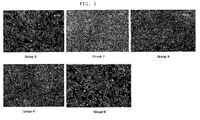
- Example 1 The amnion-derived mesenchymal stem cells obtained in Example 1 were dispensed in a T175 flask at a density of 1.0x10 6 cells and cultured in mixed media consisting of DMEM-P medium (Table 1) and KSFM-P medium (Table 3) mixed at the ratios shown in Table 4, while the media were replaced at 2-day intervals. Cell photographs taken at 3 days and 4 days of culture are shown in FIGS. 1 and 2 . Table 1: Components of DMEM-P medium Components Purchase Source Concentration DMEM-HG WelGENE, Inc.
- amnion-derived mesenchymal stem cells were washed with HBSS buffer, and then incubated in TrypLE-Express (Gibco) or 0.25% Trypsin-EDTA at 37 °C for 10 minutes. FBS-containing medium was added thereto to inactivate the trypsin, and then the number of the resulting amnion-derived mesenchymal stem cells was counted.
- the amnion-derived stem cells grew much faster in a mixed medium of DMEM-P medium and KSFM-P medium than in DMEM-P medium or KSFM-P medium alone, and the number of the cells at 4 days of culture was also significantly larger when the cells were cultured in the mixed medium of DMEM-P medium and KSFM-P medium.
- a medium of Group 2 consisting of DMEM-P medium and KSFM-P medium mixed at a ratio of 66:33 showed the highest cell proliferation rate.
- the mixed medium of Group 2 was used in subculture.
- Table 5 Change in cell number as a function of ratio of mixing of media Groups DMEM-P : KSFM-P The number of cells 1 100 : 0 1.2x 10 7 2 66 : 33 3.7x 10 7 3 50 : 50 2.4x 10 7 4 25 : 75 2.0x 10 7 5 0 : 100 1.4x 10 7
- the amnion-derived mesenchymal stem cells cultured in the mixed culture in Example 2 were characterized with CD series antigen markers. FACS analysis were performed using CD29 (mononuclear cell marker), CD31 (endothelial cell and stem cell marker), CD34 (hematopoietic stem cell marker), CD44, CD45 (PTPR, ASV, leukocyte marker) and CD73.
- the amnion-derived mesenchymal stem cells obtained in Example 1 were washed with PBS and treated with trypsin, after which the cells were collected and centrifuged at 1500 rpm for 5 minutes. The supernatant was removed, and the cells were incubated in a blocking buffer solution (5% serum (normal goat serum + normal horse serum)) at 4 °C for 60 minutes, followed by centrifugation at 1500 rpm for 5 minutes. After the supernatant has been removed, the cells were suspended in PBS and dispensed in each well at a density of 1 x 10 5 cells corresponding to the number of negative control and CD antigen markers.
- a blocking buffer solution 5% serum (normal goat serum + normal horse serum)
- R-phycoerythrin (PE)/FITC (fluorescein isothiocyanate)-conjugated mouse anti-human monoclonal antibody was added to each well and incubated at 4 °C for 40 minutes, followed by centrifugation at 1500 rpm for 3 minutes. The supernatant was removed, and the cells were washed with PBS and centrifuged at 1500 rpm for 3 minutes. Then, the process of removing the supernatant, washing the cells with PBS and centrifuging the cells at 1500 rpm for 3 minutes was repeated once more. After the supernatant has been removed, the cells were analyzed using a flow cytometer.
- amnion-derived mesenchymal stem cells of each group were all immunologically positive for CD29, CD44 and CD73 and immunologically negative for CD31, CD34 and CD45 (see FIGS. 3 to 8 ).
- Example 4 Comparison of proliferation ability between amnion-derived mesenchymal stem cells subcultured in mixed medium
- Example 1 The cells cultured in Example 1 were subcultured at a concentration of 1.0x10 6 cells/T175 flask, and the abilities of passage 1 (P1) and passage 2 (P2) cells to proliferate were examined.
- the P2 cells of the group cultured in DMEM-P medium alone (Group 1) were measured to be 3.4x 10 6 cells after 4 days of culture, and thus the number of the proliferated cells decreased compared to the number of the P1 cells.
- the P2 cells of the group cultured in the mixed medium of DMEM-P and KSFM-P (66:33) (Group 2) were measured to be 1.38x10 7 cells after 4 days of culture, and thus the number of the P2 cells increased compared to the P1 cells (see FIG. 10 ).
- P1 and P2 cells were obtained by subculture using each of DMEM-P medium alone and a mixed medium of DMEM-P and KSFM-P (66:33).
- the immunological characteristics of the P1 and P2 cells were examined, and as a result, the amnion-derived mesenchymal stem cells of each group were all immunologically positive for CD29, CD44, CD73, CD90, CD105 and HLA-ABC and immunologically negative for CD31, CD34, CD45 and HLA-DR.
- Example 6 Quantification of osteogenic differentiation of amnion-derived mesenchymal stem cells cultured in mixed medium
- amnion-derived mesenchymal stem cells cultured in each of DMEM-P medium alone and the mixed medium of DMEM-P/KSFM-P in Example 1 were cultured in osteogenesis induction medium (nonhematopoietic OsteoDiff medium, Miltenyi Biotec) for 18 days (37 °C; 5% CO 2 ; medium replacement cycle: 3-4 days) to induce differentiation into bone cells, and the differentiation medium was replaced with fresh medium at 2-day intervals.
- the differentiation of the amnion-derived mesenchymal stem cells into bone cells was performed in each of a normoxic state and a hypoxic state (1-5%) under the conditions shown in Table 6 below.
- a number of mesenchymal stem cells required for stem cell therapy can be obtained in a short time, and the ability of mesenchymal stem cells to differentiate is improved so that they are useful for stem cell therapy of the present invention.
Landscapes
- Health & Medical Sciences (AREA)
- Life Sciences & Earth Sciences (AREA)
- Engineering & Computer Science (AREA)
- Biomedical Technology (AREA)
- Zoology (AREA)
- Developmental Biology & Embryology (AREA)
- Organic Chemistry (AREA)
- Biotechnology (AREA)
- Chemical & Material Sciences (AREA)
- Bioinformatics & Cheminformatics (AREA)
- Genetics & Genomics (AREA)
- Wood Science & Technology (AREA)
- Microbiology (AREA)
- Cell Biology (AREA)
- Biochemistry (AREA)
- General Engineering & Computer Science (AREA)
- General Health & Medical Sciences (AREA)
- Gynecology & Obstetrics (AREA)
- Reproductive Health (AREA)
- Rheumatology (AREA)
- Pregnancy & Childbirth (AREA)
- Micro-Organisms Or Cultivation Processes Thereof (AREA)
Description
- The present invention relates to a medium for culturing mesenchymal stem cells, and more particularly to a medium composition for culturing mesenchymal stem cells, which contains basal medium, L-ascorbic acid 2-phosphate, fetal bovine serum, basic fibroblast growth factor (b-FGF), non-essential amino acids (NEAAs), insulin, N-acetyl-L-cysteine, calcium chloride, and hydrocortisone as defined in the claims, and a method of culturing mesenchymal stem cells using the same.
- Stem cells refer to cells having not only self-replicating ability but also the ability to differentiate into at least two types of cells, and can be divided into totipotent stem cells, pluripotent stem cells, and multipotent stem cells.
- Adult stem cells are obtained by taking cells from various human organs and developing the cells into stem cells and are characterized in that they differentiate into only specific tissues. However, recently, experiments for differentiating adult stem cells into various tissues, including liver cells, were dramatically successful, which comes into spotlight.
- Multipotent stem cells were first isolated from adult bone marrow (Y. Jiang et al., Nature, 418:41, 2002), and then also found in other several adult tissues (C.M. Verfaillie, Trends Cell Biol., 12:502, 2002). In other words, bone marrow is the most widely known source of stem cells, multipotent stem cells were also found in the skin, blood vessels, muscles, and brain (J.G. Toma et al., Nat. Cell Biol., 3:778, 2001; M. Sampaolesi et al., Science, 301:487, 2003; Y. Jiang et al., Exp. Hematol., 30:896, 2002). However, stem cells are very rarely present in adult tissue such as bone marrow, and such cells are difficult to culture without inducing differentiation, and thus difficult to culture in the absence of specifically screened media. Namely, it is very difficult to maintain the isolated stem cells in vitro. Meanwhile, the results of studies on the isolation of mesenchymal stem cells from fetal tissue revealed that there are abundant mesenchymal stem cells in fetal tissue. However, the use of fetal tissue as the source of cell therapeutic agents has been limited due to ethical concerns. Mesenchymal stem cells were also isolated from umbilical cord blood (UCB) as the source of fetal mesenchymal stem cells (MSCs), but their numbers were very small, and they showed poor proliferation.
- In recent years, it was known that mesenchymal stem cells are present in the amnion (amniotic membrane or amniotic lining membrane), i.e., the thin innermost membrane sag surrounding the placenta and a developing mammalian embryo. Thus, technologies for isolating and culturing such mesenchymal stem cells have been developed (
PCT International Patent Publication No. WO 2006/019357 , Korean Patent Registration Nos.0795708 0818214 -
WO 2005/085422 discloses a culture medium for adult human stem cells, comprising calcium, NAC, hydrocortisone, insulin, EGF, 10% fetal bovine serum and an antioxidant (claims 74, 86). The antioxidant can be A2P (claim 79). D1 thus discloses a medium composition comprising all the additives required inclaim 1, except for bFGF and NEAAs. The medium is to be used for adult stem cells, including mesenchymal stem cells (e.g. claim 54). The same medium is also disclosed in Lin et al., Stem cells and Development 14, 92-102 (2005). -
WO 2009/061024 also shows a medium composition comprising FBS, ascorbic acid, hydrocortisone, NAC, and insulin for use in culturing adult stem cells from amnion (p. 12, 1. 4-9). D2 discloses another medium composition (p. 12, 1. 1-4) which comprises DMEM, ascorbic acid, EGF and NEAAs (but not hydrocortisone and NAC). - However, conventional methods for culturing amnion-derived stem cells have a shortcoming in that the time taken for stem cells to proliferate is long.
- Accordingly, the present inventors have made extensive efforts to develop a method capable of increasing the proliferation rate of amnion-derived stem cells while maintaining the ability to differentiate, and as a result, have found that, when amnion-derived stem cells are cultured in a medium containing DMEM-P and KSFM-P, the ability of the cells to proliferate can be increased while maintaining the ability to differentiate, thereby completing the present invention.
- It is an object of the present invention to provide a medium for culturing mesenchymal stem cells, which shows a high cell proliferation rate while maintaining the ability of the cells to differentiate.
- Another object of the present invention is to provide a method of culturing mesenchymal stem cells using the above medium.
- To achieve the above objects, the present invention provides a medium composition for culturing mesenchymal stem cells, the medium comprises:
- (i) DMEM-P containing DMEM-HG, 0.2mM of L-ascorbic acid 2-phosphate,10% fetal bovine serum, lOng/ml of basic fibroblast growth factor (b-FGF), 10pl/ml of non-essential amino acid (NEAA); and
- (ii) KSFM-P containing defined Keratinocyte-SFM, 0.2mM of L-ascorbic acid 2-phosphate, 5ug/ml of insulin, 2mM of N-acetyl-L-cysteine, 0.09mM of calcium chloride, 74ng/ml of hydrocortisone, 5% fetal bovine serum,
- The present invention also provides a method for culturing mesenchymal stem cells, the method comprising culturing the mesenchymal stem cells in the above medium composition.
- Other features and embodiments of the present invention will be more apparent from the following detailed descriptions and the appended claims
-
-
FIG. 1 shows photographs of amnion-derived mesenchymal stem cells cultured in DMEM-P, KSFM-P or a mixed medium of DMEM-P and KSFM-P for 3 days. -
FIG. 2 photographs of amnion-derived mesenchymal stem cells cultured in DMEM-P, KSFM-P or a mixed medium of DMEM-P and KSFM-P for 4 days. -
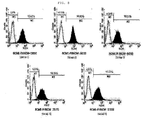
FIG. 3 shows the results of flow cytometry analysis of each group for CD31. -
FIG. 4 shows the results of flow cytometry analysis of each group for CD34. -
FIG. 5 shows the results of flow cytometry analysis of each group for CD45. -
FIG. 6 shows the results of flow cytometry analysis of each group for CD29. -
FIG. 7 shows the results of flow cytometry analysis of each group for CD44. -
FIG. 8 shows the results of flow cytometry in each group for CD73. -
FIG. 9 is a set of photographs showing amnion mesenchymal stem cells cultured in a mixed medium of DMEM-P and KSFM-P (Group 2) in passage 1 (P1). -
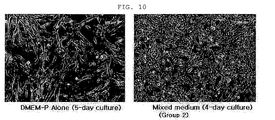
FIG. 10 is a set of photographs showing amnion mesenchymal stem cells cultured in a mixed medium of DMEM-P and KSFM-P (Group 2) in passage 2 (P2). -
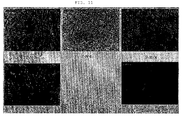
FIG. 11 shows the results of analyzing the osteogenic differentiation of amnion mesenchymal stem cells, cultured in a mixed medium of DMEM-P and KSFM-P (Group 2), using Alizarin red S staining under various conditions. -
FIG. 12 is a graph showing a comparison between the quantified concentration of Alizarin red S in amnion-derived mesenchymal stem cells, cultured in DMEM-P or a mixed medium (Group 2) and differentiated into bone cells under various conditions, and that in a control group (whose osteogenic differentiation was not induced). - In one aspect, the present invention is directed to a medium composition for culturing mesenchymal stem cells, which contains:
- (i) DMEM-P containing DMEM-HG, 0.2mM of L-ascorbic acid 2-phosphate,10% fetal bovine serum, 10ng/ml of basic fibroblast growth factor (b-FGF), 10µl/ml of non-essential amino acid (NEAA); and
- (ii) KSFM-P containing defined Keratinocyte-SFM, 0.2mM of L-ascorbic acid 2-phosphate, 5µg/ml of insulin, 2mM of N-acetyl-L-cysteine, 0.09mM of calcium chloride, 74ng/ml of hydrocortisone, 5% fetal bovine serum,
- In the present invention, the mesenchymal stem cells may be derived from amnion.
- In another aspect, the present invention is directed to a method for culturing mesenchymal stem cells, the method comprising culturing the mesenchymal stem cells in the above medium composition.
- In the present invention, the mesenchymal stem cells may be derived from amnion.
- Amnion-derived mesenchymal stem cells used in one example of the present invention are not various kinds of cells extracted from the whole amnion isolated from the placenta, but are only amnion-derived mesenchymal stem cells.
- In one example of the present invention, with respect to a method for isolating amnion-derived mesenchymal stem cells, amnion tissue was isolated from placental tissue collected during delivery, and the isolated amnion tissue was washed with sterile saline and cut as finely as possible with surgical scissors. A collagenase solution was added to and mixed well with the finely cut tissue. The mixture was placed in a flask which was then incubated in a 5% CO2 incubator at 37° C for 90 minutes to lyse the tissue. The lysed tissue was filtered through a cell strainer and centrifuged. After centrifugation, the supernatant was removed, and the cell precipitate was suspended in DMEM-P and inoculated into a T-flask, which was then incubated in a 5% CO2 incubator at 37° C for 3-4 days. Then, only mesenchymal stem cells attached to the culture flask were collected.
- In one example of the present invention, amnion-derived mesenchymal stem cells showed a higher cell proliferation rate in a mixed medium of DMEM-P and KSFM-P than in DMEM-P or KSFM-P alone. Particularly, amnion-derived mesenchymal stem cells showed the highest proliferation rate in a medium consisting of DMEM-P and KSFM-P mixed at a ratio of 66:33.
- Hereinafter, the present invention will be described in further detail with reference to examples. It will be obvious to a person having ordinary skill in the art that these examples are illustrative purposes only and are not to be construed to limit the scope of the present invention.
- Amnion tissue used in the example of the present invention was isolated from the placenta, and the isolated tissue was placed in an antibiotic-containing saline or DMEM (Dulbecco modified Eagle medium) medium and then transferred to the laboratory.
- In a clean bench, 5 g of amnion tissue was washed with sterile saline, and in a Petri dish, the washed amnion tissue was cut as finely as possible with surgical scissors. A collagenase solution was added to and mixed well with the finely cut tissue. The mixture was placed in a flask which was then incubated in a 5% CO2 incubator at 37 °C for 90 minutes to lyse the tissue. The lysed tissue was filtered through a cell strainer in a 50 mL tube and centrifuged. After centrifugation, the supernatant was removed, and the cell precipitate was suspended in DMEM-P and inoculated into a T-flask, which was then incubated in a 5% CO2 incubator at 37 °C for 3-4 days. Then, only mesenchymal stem cells attached to the culture flask were collected.
- The amnion-derived mesenchymal stem cells obtained in Example 1 were dispensed in a T175 flask at a density of 1.0x10⁶ cells and cultured in mixed media consisting of DMEM-P medium (Table 1) and KSFM-P medium (Table 3) mixed at the ratios shown in Table 4, while the media were replaced at 2-day intervals. Cell photographs taken at 3 days and 4 days of culture are shown in
FIGS. 1 and2 .Table 1: Components of DMEM-P medium Components Purchase Source Concentration DMEM-HG WelGENE, Inc. L-ascorbic acid 2-phosphate Sigma-aldrich 0.2 mM Fetal Bovine Serum Invitrogen 10% b- FGF Invitrogen 10 ng/ mℓ NEAA Invitrogen 10 µℓ/mℓ Table 2: Composition of NEAA NEAA Components Concentration (mg/L) Glycine 750 L-Alanine 890 L-Asparagine 1,320 L-Aspartic acid 1,330 L-Glutamic Acid 1,470 L-Proline 1,150 L-Serine 1,050 Table 3: Components of KSFM-P medium Components Purchase Source Concentration Defined Keratinocyte-SFM Invitrogen L-ascorbic acid 2-phosphate Sigma-aldrich 0.2 mM Insulin Millipore 5 µg/mℓ N-acetyl-L-cysteine Sigma- aldrich 2 mM Calcium chloride Sigma-aldrich 0.09 mM Hydrocortisone Sigma-aldrich 74 ng/mℓ Fetal Bovine Serum Invitrogen 5% Table 4: Mixing ratio of DMEM-P and KSFM-P Groups DMEM-P KSFM- P 1 100 0 2 66 33 3 50 50 4 25 75 5 0 100 - At 4 days of culture, the amnion-derived mesenchymal stem cells were washed with HBSS buffer, and then incubated in TrypLE-Express (Gibco) or 0.25% Trypsin-EDTA at 37 °C for 10 minutes. FBS-containing medium was added thereto to inactivate the trypsin, and then the number of the resulting amnion-derived mesenchymal stem cells was counted.
- As a result, as can be seen in Table 4 and
FIGS. 1 and2 , the amnion-derived stem cells grew much faster in a mixed medium of DMEM-P medium and KSFM-P medium than in DMEM-P medium or KSFM-P medium alone, and the number of the cells at 4 days of culture was also significantly larger when the cells were cultured in the mixed medium of DMEM-P medium and KSFM-P medium. - As shown in Table 5 below, a medium of
Group 2 consisting of DMEM-P medium and KSFM-P medium mixed at a ratio of 66:33 showed the highest cell proliferation rate. Thus, the mixed medium ofGroup 2 was used in subculture.Table 5: Change in cell number as a function of ratio of mixing of media Groups DMEM-P : KSFM-P The number of cells 1 100 : 0 1.2x 10⁷ 2 66 : 33 3.7x 10⁷ 3 50 : 50 2.4x 10⁷ 4 25 : 75 2.0x 10⁷ 5 0 : 100 1.4x 10⁷ - The amnion-derived mesenchymal stem cells cultured in the mixed culture in Example 2 were characterized with CD series antigen markers. FACS analysis were performed using CD29 (mononuclear cell marker), CD31 (endothelial cell and stem cell marker), CD34 (hematopoietic stem cell marker), CD44, CD45 (PTPR, ASV, leukocyte marker) and CD73.
- The amnion-derived mesenchymal stem cells obtained in Example 1 were washed with PBS and treated with trypsin, after which the cells were collected and centrifuged at 1500 rpm for 5 minutes. The supernatant was removed, and the cells were incubated in a blocking buffer solution (5% serum (normal goat serum + normal horse serum)) at 4 °C for 60 minutes, followed by centrifugation at 1500 rpm for 5 minutes. After the supernatant has been removed, the cells were suspended in PBS and dispensed in each well at a density of 1 x 10⁵ cells corresponding to the number of negative control and CD antigen markers. R-phycoerythrin (PE)/FITC (fluorescein isothiocyanate)-conjugated mouse anti-human monoclonal antibody was added to each well and incubated at 4 °C for 40 minutes, followed by centrifugation at 1500 rpm for 3 minutes. The supernatant was removed, and the cells were washed with PBS and centrifuged at 1500 rpm for 3 minutes. Then, the process of removing the supernatant, washing the cells with PBS and centrifuging the cells at 1500 rpm for 3 minutes was repeated once more. After the supernatant has been removed, the cells were analyzed using a flow cytometer.
- As a result, the amnion-derived mesenchymal stem cells of each group were all immunologically positive for CD29, CD44 and CD73 and immunologically negative for CD31, CD34 and CD45 (see
FIGS. 3 to 8 ). - The cells cultured in Example 1 were subcultured at a concentration of 1.0x10⁶ cells/T175 flask, and the abilities of passage 1 (P1) and passage 2 (P2) cells to proliferate were examined.
- The subculture was performed under the same conditions as those of Example 1.
- As a result, the P1 cells of the group cultured in DMEM-P medium alone (Group 1) were measured to be 5.4x 10⁶ cells after 5 days of culture, whereas the P1 cells of the group cultured in the mixed medium of DMEM-P and KSFM-P (66:33) (Group 2) were measured to be 1.25x10⁷ cells after 4 days of culture, suggesting that the cells showed a significantly high ability to proliferate in the mixed medium (see
FIG. 9 ). - The P2 cells of the group cultured in DMEM-P medium alone (Group 1) were measured to be 3.4x 10⁶ cells after 4 days of culture, and thus the number of the proliferated cells decreased compared to the number of the P1 cells. However, the P2 cells of the group cultured in the mixed medium of DMEM-P and KSFM-P (66:33) (Group 2) were measured to be 1.38x10⁷ cells after 4 days of culture, and thus the number of the P2 cells increased compared to the P1 cells (see
FIG. 10 ). - In the same manner as Example 2, P1 and P2 cells were obtained by subculture using each of DMEM-P medium alone and a mixed medium of DMEM-P and KSFM-P (66:33). The immunological characteristics of the P1 and P2 cells were examined, and as a result, the amnion-derived mesenchymal stem cells of each group were all immunologically positive for CD29, CD44, CD73, CD90, CD105 and HLA-ABC and immunologically negative for CD31, CD34, CD45 and HLA-DR.
- The amnion-derived mesenchymal stem cells cultured in each of DMEM-P medium alone and the mixed medium of DMEM-P/KSFM-P in Example 1 were cultured in osteogenesis induction medium (nonhematopoietic OsteoDiff medium, Miltenyi Biotec) for 18 days (37 °C; 5% CO2; medium replacement cycle: 3-4 days) to induce differentiation into bone cells, and the differentiation medium was replaced with fresh medium at 2-day intervals. The differentiation of the amnion-derived mesenchymal stem cells into bone cells was performed in each of a normoxic state and a hypoxic state (1-5%) under the conditions shown in Table 6 below.
- At 18 days after the start of culture, it was confirmed by Alizarin red S staining that the amnion-derived mesenchymal stem cells differentiated into osteogenic cells. In addition, the cells cultured in the mixed medium (Group 2) differentiated at a rate higher than the cells cultured in DMEM-P medium alone, and the cells (M-H-N) cultured in the hypoxic state showed a higher ability to differentiate (see
FIGS. 11 and12 ).Table 6 P2 Culture Conditions P3 Differentiation Conditions OD405 Alizarin Red Concentration Symbols Culture Media Incubation Incubation DMEM-P Normoxia Normoxia 0.125 4.20712 P-N-N Normoxia Hypoxia 0.045333 1.6289 P-N-H Hypoxia Normoxia 0.134333 4.509159 P-H-N DMEM-P+ KSFM-P-Mix Normoxia Normoxia 0.164 5.469256 M-N-N Hypoxia Normoxia 0.208 6.893204 M-H-N - According to the present invention, a number of mesenchymal stem cells required for stem cell therapy can be obtained in a short time, and the ability of mesenchymal stem cells to differentiate is improved so that they are useful for stem cell therapy of the present invention. Thus, the substantial scope of the present invention will be defined by the appended claims.
Claims (4)
- A medium composition for culturing mesenchymal stem cells, the medium comprises:(i) DMEM-P containing DMEM-HG, 0.2mM of L-ascorbic acid 2-phosphate,10% fetal bovine serum, 10ng/ml of basic fibroblast growth factor (b-FGF), 10µg/ml of non-essential amino acid (NEAA); and(ii) KSFM-P containing defined Keratinocyte-SFM, 0.2mM of L-ascorbic acid 2-phosphate, 5µg/ml of insulin, 2mM of N-acetyl-L-cysteine, 0.09mM of calcium chloride, 74ng/ml of hydrocortisone, 5% fetal bovine serum,wherein the non-essential amino acid (NEAA) consists of 750mg/L of glycine, 890mg/L of L-alanine, 1,320mg/L of L-asparagine, 1,330mg/L of L-aspartic acid, 1,470mg/L of L-glutaminic acid, 1,150 mg/L of L-proline, and 1,050mg/L of L-serine, and the volume ratio of DMEM-P : KSFM-P is 2:1, 1:1 or 1:3.
- The medium composition of claim 1, wherein the mesenchymal stem cells are derived from amnion.
- A method for culturing mesenchymal stem cells, the method comprising culturing the mesenchymal stem cells in the medium composition of claim 1.
- The method of claim 3, wherein the mesenchymal stem cells are derived from amnion.
Applications Claiming Priority (2)
| Application Number | Priority Date | Filing Date | Title |
|---|---|---|---|
| KR1020100068959A KR101211913B1 (en) | 2010-07-16 | 2010-07-16 | Medium for Culturing Mesenchymal Stem Cells Derived from Amnion and Method for Culturing Mesenchymal Stem Cells Derived from Amnion Using thereof |
| PCT/KR2011/005258 WO2012008813A2 (en) | 2010-07-16 | 2011-07-18 | Culture medium composition for culturing amnion-derived mesenchymal stem cell, and method for culturing amnion-derived mesenchymal stem cell by using same |
Publications (3)
| Publication Number | Publication Date |
|---|---|
| EP2594636A2 EP2594636A2 (en) | 2013-05-22 |
| EP2594636A4 EP2594636A4 (en) | 2014-01-22 |
| EP2594636B1 true EP2594636B1 (en) | 2014-11-26 |
Family
ID=45469969
Family Applications (1)
| Application Number | Title | Priority Date | Filing Date |
|---|---|---|---|
| EP11807097.8A Not-in-force EP2594636B1 (en) | 2010-07-16 | 2011-07-18 | Culture medium composition for culturing amnion-derived mesenchymal stem cell, and method for culturing amnion-derived mesenchymal stem cell by using same |
Country Status (10)
| Country | Link |
|---|---|
| US (1) | US8871513B2 (en) |
| EP (1) | EP2594636B1 (en) |
| JP (1) | JP5750159B2 (en) |
| KR (1) | KR101211913B1 (en) |
| CN (1) | CN103154241B (en) |
| AU (1) | AU2011277156B2 (en) |
| BR (1) | BR112013001089A2 (en) |
| ES (1) | ES2527253T3 (en) |
| SG (1) | SG187114A1 (en) |
| WO (1) | WO2012008813A2 (en) |
Families Citing this family (23)
| Publication number | Priority date | Publication date | Assignee | Title |
|---|---|---|---|---|
| KR101382566B1 (en) * | 2012-02-01 | 2014-04-10 | 동아대학교 산학협력단 | Methods for Culturing Mesenchymal Stem Cell Derived from Placenta Amniotic Membrane and Compositions Comprising Mesenchymal Stem Cell for Repairing Peripheral arterial disease |
| CN104520423B (en) | 2012-04-18 | 2017-07-04 | K-干细胞有限公司 | There is the method for being suitable to the stem cell of the size of intravascular administration for producing |
| KR101523040B1 (en) * | 2012-06-26 | 2015-05-26 | 라정찬 | Method for Preparing High Concentration of Stem Cells |
| KR20140038236A (en) * | 2012-09-20 | 2014-03-28 | 메디포스트(주) | Method for preparing mesenchymal stem cell aggregates |
| CN103333856B (en) * | 2013-07-25 | 2015-08-26 | 张潇潇 | Human umbilical cord mesenchymal stem cell culture medium |
| CN104371970B (en) * | 2013-08-15 | 2017-08-04 | 协和华东干细胞基因工程有限公司 | A kind of culture medium for being used to cultivate human amnion membrane |
| CN104450608B (en) * | 2013-09-12 | 2017-10-24 | 佛教慈济医疗财团法人 | Adjuvant for promoting human mesenchymal stem cell proliferation, method for amplifying human mesenchymal stem cells, pharmaceutical composition, growth factor and application thereof |
| CN103966159B (en) * | 2014-02-13 | 2015-08-05 | 天津和泽干细胞科技有限公司 | Human plactnta Subaerial blue green algae and stem cell bank construction process thereof |
| EP3140417B1 (en) * | 2014-05-09 | 2021-04-21 | Reelabs Private Limited | Foetal polymix of mesenchymal stem cells under hypoxic conditions for the treatment of clinical disorders |
| CA2958533C (en) | 2014-08-21 | 2023-03-14 | Ajinomoto Co., Inc. | Culture medium for mesenchymal stem cells |
| CA2968048A1 (en) * | 2014-10-29 | 2016-05-06 | R Bio Co., Ltd. | Medium composition for culturing stem cells |
| CN106032527B (en) * | 2015-03-17 | 2019-08-13 | 广州市搏克肿瘤研究所 | A feeder-free culture medium for human pluripotent stem cells that tolerates low density |
| CN105176912B (en) * | 2015-08-28 | 2019-02-22 | 广州赛莱拉干细胞科技股份有限公司 | A kind of culture medium and its application, preparation method |
| KR101779932B1 (en) * | 2015-09-15 | 2017-09-21 | 주식회사 스템랩 | Method for producing of composition for promoting hair growth from human amniotic fluid-derived mesenchymal stem cells with nanog |
| CN105420184A (en) * | 2015-12-11 | 2016-03-23 | 郭镭 | Method for culturing umbilical cord mesenchymal stem cells in separated mode from umbilical cord outer layer amnion tissue |
| CN105754936B (en) * | 2016-02-25 | 2018-06-08 | 付清玲 | Method of people's inductive pluripotent stem cells induction for mescenchymal stem cell |
| US11111480B2 (en) * | 2016-04-29 | 2021-09-07 | Hope Biosctences, Llc | Culture media for multipotent stem cells |
| US10959425B2 (en) * | 2016-04-29 | 2021-03-30 | Hope Biosciences, Llc | Method of banking stem cells |
| US10894947B1 (en) * | 2016-04-29 | 2021-01-19 | Hope Biosciences, Llc | Method for generating protein rich conditioned medium |
| CN110484500A (en) * | 2019-09-23 | 2019-11-22 | 上海亚载生物科技有限公司 | A method of separation and amplification human urine source mescenchymal stem cell |
| JP7348892B2 (en) * | 2019-12-30 | 2023-09-21 | 佛教慈濟醫療財團法人 | Compositions and methods for preventing or treating eye diseases |
| GB2596216A (en) * | 2021-05-09 | 2021-12-22 | Zhejiang Legou Tech Co Ltd | An elliptical trainer with protective function |
| KR20250023295A (en) | 2023-08-08 | 2025-02-18 | 주식회사 현대메디텍 | Method for culturing tonsillar-derived mesenchymal stem cells using N-acetylcysteine (NAC) |
Family Cites Families (9)
| Publication number | Priority date | Publication date | Assignee | Title |
|---|---|---|---|---|
| US20080152629A1 (en) * | 2000-12-06 | 2008-06-26 | James Edinger | Placental stem cell populations |
| WO2005085422A1 (en) * | 2004-02-27 | 2005-09-15 | Michigan State University | Adult stem cells and uses thereof |
| EP2597149A1 (en) | 2004-08-16 | 2013-05-29 | CellResearch Corporation Pte Ltd | Isolation, cultivation and uses of stem/progenitor cells |
| KR100679642B1 (en) * | 2005-11-16 | 2007-02-06 | 주식회사 알앤엘바이오 | Multipotent Stem Cells Derived from Human Adipose Tissue and Cell Therapeutic Agents Comprising the Same |
| ES2708933T3 (en) * | 2005-12-29 | 2019-04-12 | Celularity Inc | Populations of placental stem cells |
| KR100818214B1 (en) | 2006-09-29 | 2008-04-01 | 재단법인서울대학교산학협력재단 | Amniotic membrane or decidual-derived multipotent stem cells of human placental tissue and a method of manufacturing the same |
| US20080159999A1 (en) * | 2006-10-23 | 2008-07-03 | Konstantinos Stefanidis | Compositions and methods for identifying, isolating and enriching germline-like stem cells from amniotic fluid |
| KR100795708B1 (en) | 2006-12-26 | 2008-01-17 | 주식회사 알앤엘바이오 | Isolation and Culture Method of Adult Stem Cells Derived from Human Amniotic Epithelial Cells |
| US8455251B2 (en) | 2007-11-09 | 2013-06-04 | Rnl Bio Co., Ltd. | Method for isolating and culturing adult stem cells derived from human amniotic epithelium |
-
2010
- 2010-07-16 KR KR1020100068959A patent/KR101211913B1/en active Active
-
2011
- 2011-07-18 BR BR112013001089A patent/BR112013001089A2/en not_active IP Right Cessation
- 2011-07-18 EP EP11807097.8A patent/EP2594636B1/en not_active Not-in-force
- 2011-07-18 CN CN201180038199.1A patent/CN103154241B/en not_active Expired - Fee Related
- 2011-07-18 WO PCT/KR2011/005258 patent/WO2012008813A2/en not_active Ceased
- 2011-07-18 ES ES11807097.8T patent/ES2527253T3/en active Active
- 2011-07-18 JP JP2013520643A patent/JP5750159B2/en active Active
- 2011-07-18 US US13/810,334 patent/US8871513B2/en active Active
- 2011-07-18 SG SG2013003777A patent/SG187114A1/en unknown
- 2011-07-18 AU AU2011277156A patent/AU2011277156B2/en not_active Ceased
Also Published As
| Publication number | Publication date |
|---|---|
| EP2594636A4 (en) | 2014-01-22 |
| EP2594636A2 (en) | 2013-05-22 |
| KR20120008223A (en) | 2012-01-30 |
| WO2012008813A3 (en) | 2012-05-03 |
| US20130164849A1 (en) | 2013-06-27 |
| BR112013001089A2 (en) | 2019-09-24 |
| US8871513B2 (en) | 2014-10-28 |
| CN103154241A (en) | 2013-06-12 |
| WO2012008813A2 (en) | 2012-01-19 |
| ES2527253T3 (en) | 2015-01-21 |
| SG187114A1 (en) | 2013-02-28 |
| AU2011277156B2 (en) | 2014-06-05 |
| JP2013530721A (en) | 2013-08-01 |
| AU2011277156A1 (en) | 2013-02-07 |
| KR101211913B1 (en) | 2012-12-13 |
| JP5750159B2 (en) | 2015-07-15 |
| CN103154241B (en) | 2015-05-20 |
Similar Documents
| Publication | Publication Date | Title |
|---|---|---|
| US8871513B2 (en) | Culture medium composition for culturing amnion-derived mesenchymal stem cell, and method for culturing amnion-derived mesenchymal stem cell by using same | |
| Jung et al. | Ex vivo expansion of human mesenchymal stem cells in defined serum‐free media | |
| Kang et al. | Advanced properties of urine derived stem cells compared to adipose tissue derived stem cells in terms of cell proliferation, immune modulation and multi differentiation | |
| US11254915B2 (en) | Method for separating and culturing mesenchymal stem cells from Wharton's jelly tissue of umbilical cord | |
| US8455251B2 (en) | Method for isolating and culturing adult stem cells derived from human amniotic epithelium | |
| Mimuma et al. | Growth factor-defined culture medium for human mesenchymal stem cells | |
| US20110312091A1 (en) | Pluripotent stem cells, method for preparation thereof and uses thereof | |
| CN104726406B (en) | It is a kind of to induce the method that dental pulp Derived from Mesenchymal Stem Cells is nerve cell | |
| KR100908481B1 (en) | Mesenchymal stem cell culture medium and culture method of mesenchymal stem cells using the same | |
| JP2012520671A (en) | Method for separating umbilical cord blood-derived universal stem cells expressing ZNF281 | |
| Naeem et al. | A comparison of isolation and culture protocols for human amniotic mesenchymal stem cells | |
| US11091739B2 (en) | Reagent kit for step-by-step hUC-MSC culture and hUC-MSC acquired using said reagent kit | |
| CN112481202B (en) | Method for serum-free separation culture of umbilical cord mesenchymal stem cells by using platelet lysate | |
| KR20190060716A (en) | Serum-free medium composition | |
| KR20180044801A (en) | Methods for improving proliferation of stem cell using ethionamide | |
| KR20210053725A (en) | Culture medium composition for culturing urine-derived stem cells, and method for culturing urine-derived stem cells by using same | |
| KR102435452B1 (en) | Mesenchymal stem cells with excellent anti-senescence ability and stemness property, and culture method of the same | |
| Kadivar et al. | Isolation, culture and characterization of postnatal human umbilical vein-derived mesenchymal stem cells | |
| Ding et al. | Enhanced differentiation and clonogenicity of human endometrial polyp stem cells | |
| CN102533641B (en) | In vitro serum-free adult stem cell scale-up culture method and its culture medium | |
| Savchenkova | Culture of Equine Adipose Tissue-Derived Mesenchymal Stem/Stromal Cells in Serum-Free Media | |
| CN1920010A (en) | Method of separating multipotent adult progenitor cells from umbilical cord blood | |
| Zhang et al. | Isolation, Culture, Identification and Differentiation of Canine Amniotic Mesenchymal Stem Cells in Vitro | |
| EP3978599A1 (en) | Methods for promoting proliferation and propagation of stem cells | |
| Sun et al. | Expansion of semi-automatic processed human adipose-derived stem cells in medium supplemented with autologous serum and antioxidants |
Legal Events
| Date | Code | Title | Description |
|---|---|---|---|
| PUAI | Public reference made under article 153(3) epc to a published international application that has entered the european phase |
Free format text: ORIGINAL CODE: 0009012 |
|
| 17P | Request for examination filed |
Effective date: 20130115 |
|
| AK | Designated contracting states |
Kind code of ref document: A2 Designated state(s): AL AT BE BG CH CY CZ DE DK EE ES FI FR GB GR HR HU IE IS IT LI LT LU LV MC MK MT NL NO PL PT RO RS SE SI SK SM TR |
|
| DAX | Request for extension of the european patent (deleted) | ||
| A4 | Supplementary search report drawn up and despatched |
Effective date: 20131220 |
|
| RIC1 | Information provided on ipc code assigned before grant |
Ipc: C12N 5/02 20060101ALI20131216BHEP Ipc: C12N 5/0775 20100101AFI20131216BHEP |
|
| 17Q | First examination report despatched |
Effective date: 20140526 |
|
| GRAP | Despatch of communication of intention to grant a patent |
Free format text: ORIGINAL CODE: EPIDOSNIGR1 |
|
| INTG | Intention to grant announced |
Effective date: 20140806 |
|
| GRAS | Grant fee paid |
Free format text: ORIGINAL CODE: EPIDOSNIGR3 |
|
| GRAA | (expected) grant |
Free format text: ORIGINAL CODE: 0009210 |
|
| AK | Designated contracting states |
Kind code of ref document: B1 Designated state(s): AL AT BE BG CH CY CZ DE DK EE ES FI FR GB GR HR HU IE IS IT LI LT LU LV MC MK MT NL NO PL PT RO RS SE SI SK SM TR |
|
| REG | Reference to a national code |
Ref country code: GB Ref legal event code: FG4D |
|
| REG | Reference to a national code |
Ref country code: CH Ref legal event code: EP |
|
| REG | Reference to a national code |
Ref country code: AT Ref legal event code: REF Ref document number: 698227 Country of ref document: AT Kind code of ref document: T Effective date: 20141215 |
|
| REG | Reference to a national code |
Ref country code: IE Ref legal event code: FG4D |
|
| REG | Reference to a national code |
Ref country code: DE Ref legal event code: R096 Ref document number: 602011011799 Country of ref document: DE Effective date: 20150108 |
|
| REG | Reference to a national code |
Ref country code: ES Ref legal event code: FG2A Ref document number: 2527253 Country of ref document: ES Kind code of ref document: T3 Effective date: 20150121 |
|
| REG | Reference to a national code |
Ref country code: NL Ref legal event code: VDEP Effective date: 20141126 |
|
| REG | Reference to a national code |
Ref country code: AT Ref legal event code: MK05 Ref document number: 698227 Country of ref document: AT Kind code of ref document: T Effective date: 20141126 |
|
| REG | Reference to a national code |
Ref country code: LT Ref legal event code: MG4D |
|
| PG25 | Lapsed in a contracting state [announced via postgrant information from national office to epo] |
Ref country code: PT Free format text: LAPSE BECAUSE OF FAILURE TO SUBMIT A TRANSLATION OF THE DESCRIPTION OR TO PAY THE FEE WITHIN THE PRESCRIBED TIME-LIMIT Effective date: 20150326 Ref country code: NL Free format text: LAPSE BECAUSE OF FAILURE TO SUBMIT A TRANSLATION OF THE DESCRIPTION OR TO PAY THE FEE WITHIN THE PRESCRIBED TIME-LIMIT Effective date: 20141126 Ref country code: FI Free format text: LAPSE BECAUSE OF FAILURE TO SUBMIT A TRANSLATION OF THE DESCRIPTION OR TO PAY THE FEE WITHIN THE PRESCRIBED TIME-LIMIT Effective date: 20141126 Ref country code: IS Free format text: LAPSE BECAUSE OF FAILURE TO SUBMIT A TRANSLATION OF THE DESCRIPTION OR TO PAY THE FEE WITHIN THE PRESCRIBED TIME-LIMIT Effective date: 20150326 Ref country code: NO Free format text: LAPSE BECAUSE OF FAILURE TO SUBMIT A TRANSLATION OF THE DESCRIPTION OR TO PAY THE FEE WITHIN THE PRESCRIBED TIME-LIMIT Effective date: 20150226 Ref country code: LT Free format text: LAPSE BECAUSE OF FAILURE TO SUBMIT A TRANSLATION OF THE DESCRIPTION OR TO PAY THE FEE WITHIN THE PRESCRIBED TIME-LIMIT Effective date: 20141126 |
|
| PG25 | Lapsed in a contracting state [announced via postgrant information from national office to epo] |
Ref country code: RS Free format text: LAPSE BECAUSE OF FAILURE TO SUBMIT A TRANSLATION OF THE DESCRIPTION OR TO PAY THE FEE WITHIN THE PRESCRIBED TIME-LIMIT Effective date: 20141126 Ref country code: AT Free format text: LAPSE BECAUSE OF FAILURE TO SUBMIT A TRANSLATION OF THE DESCRIPTION OR TO PAY THE FEE WITHIN THE PRESCRIBED TIME-LIMIT Effective date: 20141126 Ref country code: LV Free format text: LAPSE BECAUSE OF FAILURE TO SUBMIT A TRANSLATION OF THE DESCRIPTION OR TO PAY THE FEE WITHIN THE PRESCRIBED TIME-LIMIT Effective date: 20141126 Ref country code: CY Free format text: LAPSE BECAUSE OF FAILURE TO SUBMIT A TRANSLATION OF THE DESCRIPTION OR TO PAY THE FEE WITHIN THE PRESCRIBED TIME-LIMIT Effective date: 20141126 Ref country code: HR Free format text: LAPSE BECAUSE OF FAILURE TO SUBMIT A TRANSLATION OF THE DESCRIPTION OR TO PAY THE FEE WITHIN THE PRESCRIBED TIME-LIMIT Effective date: 20141126 Ref country code: GR Free format text: LAPSE BECAUSE OF FAILURE TO SUBMIT A TRANSLATION OF THE DESCRIPTION OR TO PAY THE FEE WITHIN THE PRESCRIBED TIME-LIMIT Effective date: 20150227 Ref country code: SE Free format text: LAPSE BECAUSE OF FAILURE TO SUBMIT A TRANSLATION OF THE DESCRIPTION OR TO PAY THE FEE WITHIN THE PRESCRIBED TIME-LIMIT Effective date: 20141126 |
|
| PG25 | Lapsed in a contracting state [announced via postgrant information from national office to epo] |
Ref country code: SK Free format text: LAPSE BECAUSE OF FAILURE TO SUBMIT A TRANSLATION OF THE DESCRIPTION OR TO PAY THE FEE WITHIN THE PRESCRIBED TIME-LIMIT Effective date: 20141126 Ref country code: DK Free format text: LAPSE BECAUSE OF FAILURE TO SUBMIT A TRANSLATION OF THE DESCRIPTION OR TO PAY THE FEE WITHIN THE PRESCRIBED TIME-LIMIT Effective date: 20141126 Ref country code: EE Free format text: LAPSE BECAUSE OF FAILURE TO SUBMIT A TRANSLATION OF THE DESCRIPTION OR TO PAY THE FEE WITHIN THE PRESCRIBED TIME-LIMIT Effective date: 20141126 Ref country code: CZ Free format text: LAPSE BECAUSE OF FAILURE TO SUBMIT A TRANSLATION OF THE DESCRIPTION OR TO PAY THE FEE WITHIN THE PRESCRIBED TIME-LIMIT Effective date: 20141126 Ref country code: RO Free format text: LAPSE BECAUSE OF FAILURE TO SUBMIT A TRANSLATION OF THE DESCRIPTION OR TO PAY THE FEE WITHIN THE PRESCRIBED TIME-LIMIT Effective date: 20141126 |
|
| REG | Reference to a national code |
Ref country code: DE Ref legal event code: R097 Ref document number: 602011011799 Country of ref document: DE |
|
| PG25 | Lapsed in a contracting state [announced via postgrant information from national office to epo] |
Ref country code: PL Free format text: LAPSE BECAUSE OF FAILURE TO SUBMIT A TRANSLATION OF THE DESCRIPTION OR TO PAY THE FEE WITHIN THE PRESCRIBED TIME-LIMIT Effective date: 20141126 |
|
| PLBE | No opposition filed within time limit |
Free format text: ORIGINAL CODE: 0009261 |
|
| STAA | Information on the status of an ep patent application or granted ep patent |
Free format text: STATUS: NO OPPOSITION FILED WITHIN TIME LIMIT |
|
| 26N | No opposition filed |
Effective date: 20150827 |
|
| PG25 | Lapsed in a contracting state [announced via postgrant information from national office to epo] |
Ref country code: SI Free format text: LAPSE BECAUSE OF FAILURE TO SUBMIT A TRANSLATION OF THE DESCRIPTION OR TO PAY THE FEE WITHIN THE PRESCRIBED TIME-LIMIT Effective date: 20141126 Ref country code: MC Free format text: LAPSE BECAUSE OF FAILURE TO SUBMIT A TRANSLATION OF THE DESCRIPTION OR TO PAY THE FEE WITHIN THE PRESCRIBED TIME-LIMIT Effective date: 20141126 |
|
| REG | Reference to a national code |
Ref country code: CH Ref legal event code: PL |
|
| PG25 | Lapsed in a contracting state [announced via postgrant information from national office to epo] |
Ref country code: LU Free format text: LAPSE BECAUSE OF FAILURE TO SUBMIT A TRANSLATION OF THE DESCRIPTION OR TO PAY THE FEE WITHIN THE PRESCRIBED TIME-LIMIT Effective date: 20150718 |
|
| REG | Reference to a national code |
Ref country code: IE Ref legal event code: MM4A |
|
| PG25 | Lapsed in a contracting state [announced via postgrant information from national office to epo] |
Ref country code: CH Free format text: LAPSE BECAUSE OF NON-PAYMENT OF DUE FEES Effective date: 20150731 Ref country code: LI Free format text: LAPSE BECAUSE OF NON-PAYMENT OF DUE FEES Effective date: 20150731 |
|
| REG | Reference to a national code |
Ref country code: FR Ref legal event code: PLFP Year of fee payment: 6 |
|
| PG25 | Lapsed in a contracting state [announced via postgrant information from national office to epo] |
Ref country code: IE Free format text: LAPSE BECAUSE OF NON-PAYMENT OF DUE FEES Effective date: 20150718 |
|
| PGFP | Annual fee paid to national office [announced via postgrant information from national office to epo] |
Ref country code: ES Payment date: 20160613 Year of fee payment: 6 |
|
| PG25 | Lapsed in a contracting state [announced via postgrant information from national office to epo] |
Ref country code: MT Free format text: LAPSE BECAUSE OF FAILURE TO SUBMIT A TRANSLATION OF THE DESCRIPTION OR TO PAY THE FEE WITHIN THE PRESCRIBED TIME-LIMIT Effective date: 20141126 |
|
| PG25 | Lapsed in a contracting state [announced via postgrant information from national office to epo] |
Ref country code: HU Free format text: LAPSE BECAUSE OF FAILURE TO SUBMIT A TRANSLATION OF THE DESCRIPTION OR TO PAY THE FEE WITHIN THE PRESCRIBED TIME-LIMIT; INVALID AB INITIO Effective date: 20110718 Ref country code: BG Free format text: LAPSE BECAUSE OF FAILURE TO SUBMIT A TRANSLATION OF THE DESCRIPTION OR TO PAY THE FEE WITHIN THE PRESCRIBED TIME-LIMIT Effective date: 20141126 Ref country code: SM Free format text: LAPSE BECAUSE OF FAILURE TO SUBMIT A TRANSLATION OF THE DESCRIPTION OR TO PAY THE FEE WITHIN THE PRESCRIBED TIME-LIMIT Effective date: 20141126 |
|
| REG | Reference to a national code |
Ref country code: FR Ref legal event code: PLFP Year of fee payment: 7 |
|
| PG25 | Lapsed in a contracting state [announced via postgrant information from national office to epo] |
Ref country code: BE Free format text: LAPSE BECAUSE OF FAILURE TO SUBMIT A TRANSLATION OF THE DESCRIPTION OR TO PAY THE FEE WITHIN THE PRESCRIBED TIME-LIMIT Effective date: 20141126 |
|
| PG25 | Lapsed in a contracting state [announced via postgrant information from national office to epo] |
Ref country code: MK Free format text: LAPSE BECAUSE OF FAILURE TO SUBMIT A TRANSLATION OF THE DESCRIPTION OR TO PAY THE FEE WITHIN THE PRESCRIBED TIME-LIMIT Effective date: 20141126 |
|
| REG | Reference to a national code |
Ref country code: FR Ref legal event code: PLFP Year of fee payment: 8 |
|
| REG | Reference to a national code |
Ref country code: ES Ref legal event code: FD2A Effective date: 20181026 |
|
| PG25 | Lapsed in a contracting state [announced via postgrant information from national office to epo] |
Ref country code: AL Free format text: LAPSE BECAUSE OF FAILURE TO SUBMIT A TRANSLATION OF THE DESCRIPTION OR TO PAY THE FEE WITHIN THE PRESCRIBED TIME-LIMIT Effective date: 20141126 |
|
| PGFP | Annual fee paid to national office [announced via postgrant information from national office to epo] |
Ref country code: IT Payment date: 20180720 Year of fee payment: 8 Ref country code: DE Payment date: 20180719 Year of fee payment: 8 Ref country code: FR Payment date: 20180726 Year of fee payment: 8 |
|
| PGFP | Annual fee paid to national office [announced via postgrant information from national office to epo] |
Ref country code: TR Payment date: 20180718 Year of fee payment: 8 Ref country code: GB Payment date: 20180718 Year of fee payment: 8 |
|
| PG25 | Lapsed in a contracting state [announced via postgrant information from national office to epo] |
Ref country code: ES Free format text: LAPSE BECAUSE OF NON-PAYMENT OF DUE FEES Effective date: 20170719 |
|
| REG | Reference to a national code |
Ref country code: DE Ref legal event code: R119 Ref document number: 602011011799 Country of ref document: DE |
|
| GBPC | Gb: european patent ceased through non-payment of renewal fee |
Effective date: 20190718 |
|
| PG25 | Lapsed in a contracting state [announced via postgrant information from national office to epo] |
Ref country code: GB Free format text: LAPSE BECAUSE OF NON-PAYMENT OF DUE FEES Effective date: 20190718 Ref country code: DE Free format text: LAPSE BECAUSE OF NON-PAYMENT OF DUE FEES Effective date: 20200201 |
|
| PG25 | Lapsed in a contracting state [announced via postgrant information from national office to epo] |
Ref country code: FR Free format text: LAPSE BECAUSE OF NON-PAYMENT OF DUE FEES Effective date: 20190731 |
|
| PG25 | Lapsed in a contracting state [announced via postgrant information from national office to epo] |
Ref country code: IT Free format text: LAPSE BECAUSE OF NON-PAYMENT OF DUE FEES Effective date: 20190718 |
|
| PG25 | Lapsed in a contracting state [announced via postgrant information from national office to epo] |
Ref country code: TR Free format text: LAPSE BECAUSE OF NON-PAYMENT OF DUE FEES Effective date: 20190718 |