EP2582093B1 - Verfahren zur erkennung von meldungsschleifen, routingagent und netzwerksystem - Google Patents
Verfahren zur erkennung von meldungsschleifen, routingagent und netzwerksystem Download PDFInfo
- Publication number
- EP2582093B1 EP2582093B1 EP11846804.0A EP11846804A EP2582093B1 EP 2582093 B1 EP2582093 B1 EP 2582093B1 EP 11846804 A EP11846804 A EP 11846804A EP 2582093 B1 EP2582093 B1 EP 2582093B1
- Authority
- EP
- European Patent Office
- Prior art keywords
- request message
- link
- sending
- message
- routing
- Prior art date
- Legal status (The legal status is an assumption and is not a legal conclusion. Google has not performed a legal analysis and makes no representation as to the accuracy of the status listed.)
- Not-in-force
Links
- 238000000034 method Methods 0.000 title claims description 52
- 230000006855 networking Effects 0.000 title description 31
- 230000004044 response Effects 0.000 claims description 33
- 230000011664 signaling Effects 0.000 claims description 26
- 238000010586 diagram Methods 0.000 description 14
- 238000012545 processing Methods 0.000 description 11
- 230000005540 biological transmission Effects 0.000 description 4
- 230000007547 defect Effects 0.000 description 2
- 238000005516 engineering process Methods 0.000 description 2
- 230000003993 interaction Effects 0.000 description 2
- 230000007774 longterm Effects 0.000 description 2
- 238000004891 communication Methods 0.000 description 1
- 230000001419 dependent effect Effects 0.000 description 1
- 238000001514 detection method Methods 0.000 description 1
- 230000008030 elimination Effects 0.000 description 1
- 238000003379 elimination reaction Methods 0.000 description 1
- 238000010295 mobile communication Methods 0.000 description 1
- 238000012986 modification Methods 0.000 description 1
- 230000004048 modification Effects 0.000 description 1
- 230000008569 process Effects 0.000 description 1
- 238000006467 substitution reaction Methods 0.000 description 1
- 238000012546 transfer Methods 0.000 description 1
- 238000013519 translation Methods 0.000 description 1
Images



Classifications
-
- H—ELECTRICITY
- H04—ELECTRIC COMMUNICATION TECHNIQUE
- H04L—TRANSMISSION OF DIGITAL INFORMATION, e.g. TELEGRAPHIC COMMUNICATION
- H04L45/00—Routing or path finding of packets in data switching networks
- H04L45/18—Loop-free operations
Definitions
- Embodiments of the present invention relate to the field of communication techniques, and particularly, to a method for detecting a message loop, routing agent apparatus and networking system.
- Diameter protocol which uses stream control transmission protocol (Stream Control Transmission Protocol, simply referred as SCTP) or transmission control protocol (Transmission Control Protocol: simply referred as TCP) as underlying protocol, is the protocol broadly applied in policy and charging control (Policy and Charging Control, simply referred as PCC) architecture of the 3rd generation mobile communication technology network, and network of long term evolution (Long Term Evolution, simply referred as LTE) and IMS, IP multimedia subsystem (IP Multimedia Subsystem, simply referred as IMS) network.
- Policy and Charging Control simply referred as PCC
- PCC Policy and Charging Control
- LTE Long Term Evolution
- IMS IP multimedia subsystem
- Diameter routing agent Diameter Routing Agent, simply referred as DRA
- DRA Diameter Routing Agent
- a message loop in a DRA is a major defect affecting regular services of the network.
- a peer identity for a received message is added into a route-record (Route-Record) attribute value pair (Attribute Value Pair, simply referred as AVP) of the received message, when a DRA forwards the received message.
- AVP Route-Record attribute value Pair
- the DRA receives a Diameter request message, it is checked firstly that whether the Route-Record AVP of the request message has an identity of the DRA. If the Route-Record AVP of the request message has the identity of the DRA, it means a message loop occurs, and the DRA sends a response message of DIAMETER LOOP DETECTED. The response message is returned back to a client (Client) along the same route to inform the Client of a problem occurring at the route.
- Client Client
- a DRA 1 receives a Diameter request message sent by a Client, and sends the Diameter request message to a DRA 2, wherein an identity of the Client is added into the Route-Record AVP in the Diameter request message by the DRA 1.
- the DRA 2 then sends the Diameter request message to the DRA 1, wherein an identity of the DRA 1 is added into the Route-Record AVP in the Diameter request message.
- the DRA 1 Upon the DRA 1 receives the Diameter request message, the DRA 1 detects that the Route-Record AVP in the Diameter request message has the identity of the DRA 1. Thus, the DRA 1 determines that a message loop occurs. It is required that the DRA 1 firstly return a response message of DIAMETER_LOOP_DETECTED to the DRA 2 along the same route, then the DRA 2 returns the response message of DIAMETER_LOOP_DETECTED to the DRA 1, and then the DRA 1 returns the response message of DIAMETER_LOOP_DETECTED to the Client. Processing efficiency for such a method for detecting a message loop between two DRA is low.
- Calhoun Airespace et al: "Diameter Base Protocol; rfc3588.txt", 20030901, 1 September 2003 (2003-09-01), ISSN: 0000-0003 relates to Diameter Base Protocol, and specifies the message format, transport, error reporting, accounting and security services to be used by all Diameter applications.
- the document specifically discloses "A relay or proxy agent must check for forwarding loops when receiving requests. A loop is detected if the server finds its own identity in a Route-Record AVP. When such an event occurs, the agent must answer with the Result-Code AVP set to DIAMETER_LOOP_DETECTED".
- US 2008/304417 A1 relates to a method, a network apparatus, and a tangible machine-medium thereof for detecting a looping network packet by comparing related parameters of a routing table with related parameters of a network packet.
- the document provides a method for detecting the routing loop of the network packets when they are sent, without modifying the current network structures.
- the method includes: step 203, in which an address related parameter, sequence number related parameter and radius related parameter of the network packet are retrieved; step 205, in which it is determined whether the address related parameter, sequence number related parameter, and radius related parameter of the routing table have been replaced within a predetermined period of time; step 209, in which it is determined whether the address related parameters of the routing table and the network packet are equal.
- EP 1215854 A2 relates to a method for routing data packets, routing unit, and associated program.
- the reference forwarding unit (ISB) forwards data packet to adjacent forwarding unit (ISW), which are received according to directional data contained in a data packet, as determined in the reference forwarding unit.
- ISW adjacent forwarding unit
- the reference is determined a forwarding unit according to directional data contained in the data packet in the first forwarding process.
- the data packet is transmitted to determined forwarding unit only when the determined unit is not the adjacent forwarding unit.
- US 5862129 A relates to an apparatus and a method for the detection and elimination of circular routed SS7 global title translated messages in a telecommunications network.
- the method includes the steps of receiving a message, and determining a derived destination point code for the received message.
- the derived destination point code is then compared with an originating point code in the message.
- a circular routed message is detected if the derived destination point code is the same as the originating point code. This comparison may be disabled and instead the routing information for routing the message indicated by the derived destination code may be compared with the originating point code.
- the network identifiers indicated by the derived destination point code and the originating point code are compared.
- US 2004/264675 A1 relates to methods and systems for detecting and preventing signaling connection control part (SCCP) looping.
- a signal transfer point receives a message and performs global title translation (GTT) for the message.
- the STP compares the originating point code (OPC) in the signaling message with the post-GTT destination point code (DPC) in the message. If the incoming message OPC matches the post-GTT DPC, SCCP looping is detected and the message is discarded. If the incoming message OPC does not match the post-GTT DPC, the STP may correlate the incoming message OPC or the DPC to one or more additional point codes to identify the presence of SCCP looping.
- OPC originating point code
- DPC post-GTT destination point code
- Embodiments of the present invention provide a method for detecting a message loop, routing agent apparatus and networking system, in order to address the defect of low processing efficiency for the method for detecting a message loop between a network element apparatus and a routing agent apparatus in the prior art.
- the present invention is defined in the independent claims. Preferred embodiments are defined in the dependent claims.
- the method for detecting a message loop, routing agent apparatus and networking system of the embodiments of the present invention are configured to: receive a request message sent by a network element apparatus; acquire routing information for sending the request message to a server apparatus; detect whether a next-hop link for sending the request message and a link for receiving the request message belong to a same link or different links of a same link set, wherein the next-hop link is in the routing information; send a response that a message loop is detected to the network element apparatus, when it is detected that the link for sending the request message in the routing information and the link for receiving the request message belong to the same link or different links of the same link set.
- the efficiency of detecting the message loop is improved using the technical solution of the embodiments of the present invention, which therefore reduces the load of additional signaling in networking, reducing signaling congestion, providing guarantee for the processing of regular services of subsequent messages, and thus having strong practicability.
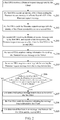
- Fig. 1 is a flow diagram illustrating a method for detecting a message loop provided by Embodiment 1 of the present invention.
- the executor for the method for the detecting the message loop in the present embodiment is DRA.
- the method for detecting the message loop in the present embodiment specifically comprises the following steps:
- the request message of the present embodiment can be a Diameter request message.
- the Diameter request message can specifically be an authentication-requesting message, or a location-reporting message, or a charging-requesting message.
- the DRA receives a Diameter request message sent by a network element apparatus. Then the DRA acquires routing information for sending the Diameter request message from the DRA to a server apparatus (e.g., Server), and detects whether a next-hop link for sending the Diameter request message in the routing information and a link for receiving the Diameter request message belong to a same link set. Wherein, it comprises two cases that the next-hop link for sending the request message in the routing information and the link for receiving the request message belong to a same link set specifically.
- a server apparatus e.g., Server
- next-hop link for sending the request message and the link for receiving the request message belong to a same link.
- the other one case is the next-hop link for sending the request message and the link for receiving the request message belong to different links of a same link set, e.g., the next-hop link for sending the request message is sent through link 1 between the network element apparatus and the DRA, whereas the link for receiving the Diameter request message sent by the network element apparatus is link 3 between the network element apparatus and the DRA.
- link 1 and the link 3 belong to different links of a same link set.
- the link for receiving the Diameter request message by the DRA in the present embodiment is the link from the network element apparatus to the DRA.
- the DRA detects the next-hop link for sending the Diameter request message in the acquired routing information is the link from the DRA to the network element apparatus, it is determined that the next-loop link for sending the Diameter request message in the acquired routing information and the link for receiving the Diameter request message belong to a same link set. In this case, the DRA sends a response indicating that the message loop is detected to the network element apparatus.
- the network element apparatus can reselect the routing information for the Diameter request message, and resend the Diameter request message or directly issue an alert signal which is to be processed by an operator so that expediting the services corresponding to the Diameter request message to normally run.
- the method for detecting the message loop in the present embodiment can be adapted to detecting of the message loop between two network elements.
- the method can be applied in the detecting of the message loop between two DRAs in the networking system comprising the two DRAs and the detecting of the message loop between one DRA and a client (Client). That is, the network element apparatus in the present embodiment can specifically be a client (Client) or can be one DRA.
- the method for detecting the message loop of the present embodiment is realized as: receiving a Diameter request message sent by the network element apparatus, and acquiring the routing information for sending the Diameter request message to the Server; detecting whether the next-hop link for sending the Diameter request message in the routing information and the link for receiving the Diameter request message belong to a same link set; when belonging to a same link set, sending the response indicating that the message loop is detected to the network element apparatus.
- the efficiency of detecting the message loop can be improved using the technical solution of the present embodiment, which therefore reduces the load of additional signaling in networking, reducing signaling congestion, providing guarantee for the processing of regular services of subsequent messages, and thus having strong practicability.
- Fig. 2 is a flow diagram illustrating a method for detecting a message loop provided by Embodiment 2 of the present invention.
- An applicable scenario for the method for detecting the message loop in the present embodiment occurs in the networking system composed of two DRAs, one Client and one Server.
- the method for detecting the message loop in the present embodiment specifically comprises the following steps:
- the routing information for sending the Diameter request message from the second DRA to the Server has been configured when the networking is performed.
- the second DRA can detect and acquire routing information corresponding to a link available for sending the Diameter request message.
- Step 205 the second DRA acquires a next-hop link for sending the Diameter request message from the routing information; and then performs step 206.
- Step 206 whether the next-hop link for sending the Diameter request message in the routing information and the link for receiving the Diameter request message belong to a same link set is detected; and when belonging to a same link set, step 207 is performed, or else when not belonging to a same link set, step 209 is performed.
- the present embodiment only comprises two DRAs, there are two pieces of routing information from the second DRA to the Server.
- One piece is from the second DRA to the Server, and the other one piece is from the second DRA to the first DRA then to the Server.
- the routing information from the second DRA to the Server is preferred.
- the routing information acquired by the second DRA is the routing information from the second DRA to the first DRA then to the Server.
- the next-hop link for sending the Diameter request message by the second DRA is a link from the second DRA to the first DRA.
- next-hop for sending the Diameter request message in the routing information is directed to the second DRA
- the routing information acquired by the second DRA can be only the routing information from the second DRA to the Server, and the next-hop link for sending the Diameter request message and the link for receiving the Diameter request message do not belong to a same link set.
- Step 207 a response indicating a message loop is detected is sent to the first DRA; and step 208 is performed.
- Step 208 the first DRA sends the response indicating the message loop is detected to the Client.
- This step is used for sending the response indicating the message loop is detected to the Client, to inform the Client about the occurrence of the message loop.
- the Client can reselect the routing for the Diameter request message for resending.
- step 208 may alternatively not by conducted; but directly after step 207, upon the first DRA receives the response indicating the message loop is detected, the routing for sending the Diameter request message starts to be reselected from the first DRA or an alert is directly to be made so that a corresponding processing is performed by an operator.
- Step 209 it is determined that there is no message loop between the first DRA and the second DRA.
- the Diameter request message would continuously be forwarded according to the next-hop link for sending the Diameter request message in the routing information, or alternatively other operations can be performed.
- the method for detecting the message loop of the present embodiment is realized as: receiving the Diameter request message sent by the first DRA, and acquiring the routing information for sending the Diameter request message to the Server; detecting whether the link for sending the Diameter request message in the routing information and the link for receiving the Diameter request message belong to a same link set, and when belonging to a same link set, sending the response indicating the message loop is detected to the first DRA; and sending, by the first DRA, the response indicating the message loop is detected to the Client.
- the efficiency of detecting the message loop can be improved using the technical solution of the present embodiment, which therefore reduces the load of additional signaling in networking, reducing signaling congestion, providing guarantee for the processing of regular services of subsequent messages, and thus having strong practicability.
- Fig. 3 is a flow diagram illustrating a method for detecting a message loop provided by Embodiment 3 of the present invention.
- An applicable scenario for the method for detecting the message loop in the present embodiment occurs between a DRA and a Client.
- the method for detecting the message loop in the present embodiment specifically comprises the following steps:
- the routing information from the DRA to the Server may be incorrectly configured as routing information from DRA to Client to...then to Server.
- the DRA detects the next-hop link for sending the Diameter request message in the routing information is a link from the DRA to the Client.
- the link for receiving the Diameter message request by the DRA is a link from the Client to the DRA.
- the next-hop link for sending the Diameter request message in the routing information and the link for receiving the Diameter request message belong to a same link set.
- the routing information pre-configured in the networking is correct, the above case generally would not occur, the next-hop link for sending the Diameter request message in the routing information and the link for receiving the Diameter request message not belonging to a same link set.
- Step 305 the DRA sends a response indicating a message loop is detected to the Client.
- Step 306 it is determined that there is no message loop between the DRA and the Client.
- the Diameter request message would continuously be forwarded according to the next-hop link for sending the Diameter request message in the routing information, or alternatively other operations can be performed.
- the method for detecting the message loop of the present embodiment is realized as: receiving the Diameter request message sent by the Client, and acquiring the routing information for sending the Diameter request message to the Server; detecting whether the link for sending the Diameter request message in the routing information and the link for receiving the Diameter request message belong to a same link set, and when belonging to a same link set, sending the response indicating the message loop is detected to the first DRA; and sending, by the first DRA, the response indicating the message loop is detected to the Client.
- the efficiency of detecting the message loop can be improved using the technical solution of the present embodiment, which therefore reduces the load of additional signaling in networking, reducing signaling congestion, providing guarantee for the processing of regular services of subsequent messages, and thus having strong practicability.
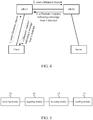
- Fig. 4 is a diagram for the networking structure comprising two DRAs provided by Embodiment 4 of the present invention.
- a method for detecting a message loop of the present invention is described in detail using the two DRAs in the networking structure as shown in Fig.4 .
- the networking structure comprises DRA 1 and DRA 2 as well as a client (Client) and a server (Server).
- the signaling interaction between them comprises the following steps:
- the routing 1 is a preferred routing and the routing 2 is a reserved routing.
- the DRA 2 discovers a link for the routing 1 is not available (specifically for example, a data configuration error results in unavailable routing or a broken link results in unavailable routing)
- the reserved routing 2 is selected.
- the DRA 2 can detect a next-hop link of the reserved routing 2 is from the DRA 2 to the DRA 1.
- a link for receiving the Diameter request recorded by the DRA 2 is from the DRA 1 to DRA 2.
- the two links are found to be same.
- the DRA 2 can then determine there is a message loop between the DRA 1 and DRA 2.
- the DRA 2 returns a Diameter response indicating the message loop is detected to the DRA 1.
- the Diameter response indicating the message loop is detected comprises an error code that is loop-detect (Loop-Detect) or unable-to-deliver (Unable-to-Deliver).
- Step 4 the DRA 1 receives the Diameter response indicating the message loop is detected from the DRA 2, such as a Loop-Detect response, and sends the Loop-Detect response to the Client to inform the Client.
- the method for detecting the message loop of the present embodiment can be adapted to a base networking comprising two DRA apparatuses, and have strong practicability.
- the method for detecting the message loop of the present embodiment can reduce the interaction between the two DRAs, and send the response indicating the message loop is detected to the Client as soon as possible; therefore improve the efficiency of detecting the message loop; then reduce the load of additional signaling in networking, reduce signaling congestion, provide guarantee for the processing of regular services of subsequent messages, and thus have strong practicability.
- the program can be stored in a computer-readable storage media, and when being executed, perform the steps in the above-mentioned method embodiments; and the computer-readable storage media comprises various media that can store program codes, such as ROM, RAM, disc or optic, etc.
- Fig. 5 is a schematic diagram illustrating the structure of a routing agent apparatus provided by Embodiment 5 of the present invention.
- the routing agent apparatus of the present embodiment can be referred as a message routing agent apparatus, for example, it specifically can be a DRA.
- the routing agent apparatus of the present embodiment specifically comprises a receiving module 10, an acquiring module 11, a detecting module 12, and a sending module 13.
- the receiving module 10 in the routing agent apparatus of the present embodiment is configured to receive a request message sent by a network element apparatus.
- the acquiring module 11 is connected with the receiving module 10, and is configured to acquire routing information for sending the request message received by the receiving module 10 to a server apparatus.
- the detecting module 12 is connected with the acquiring module 11, and is configured to detect whether a next-hop link for sending the request message in the routing information acquired by the acquiring module 11 and a link for receiving the request message belong to a same link set.
- the sending module 13 is connected with the detecting module 12, and is configured to send a response indicating a message loop is detected to the network element apparatus, when it is detected by the detecting module 12 that the link for sending the request message in the routing information and the link for receiving the request message belong to a same link set.
- the routing agent apparatus of the present embodiment implements the same scheme for detecting the message loop through the above-mentioned modules, as compared with that implemented in the above-mentioned related method embodiments.
- the disclosure of the above-mentioned related method embodiments are detailed for reference, and thus will not described again herein.
- the request message in the present embodiment can be a Diameter request message. Wherein, it comprises two cases whether the next-hop link for sending the request message in the routing information acquired by the acquiring module 11 and the link for receiving the request message belong to a same link set detected by the detecting module 12. The details can be referred to from the disclosure of the above-mentioned related method embodiments.
- the routing agent apparatus of the present embodiment implements through the above-mentioned modules: receiving a request message sent by a network element apparatus, and acquiring routing information for sending the request message to a Server; detecting whether the next-hop link for sending the request message in the routing information and the link for receiving the request message belong to a same link set, and sending a response indicating a message loop is detected to the network element apparatus, when belonging to a same link set.
- the efficiency of detecting the message loop is improved using the technical solution of the present embodiment, which therefore reduces the load of additional signaling in networking, reducing signaling congestion, providing guarantee for the processing of regular services of subsequent messages, and thus having strong practicability.
- Fig. 6 is a schematic diagram illustrating the structure of a routing agent apparatus provided by Embodiment 6 of the present invention.
- the routing agent apparatus of the present embodiment can specifically further comprise a recording module 14, based on the routing agent apparatus described by Embodiment5.
- the recording module 14 is connected with the receiving module 10, and is configured to record the link for receiving the request message by the receiving module 10.
- the acquiring module 11 is further configured to acquire the next-hop link for sending the request message from the acquired routing information.
- the detecting module 12 can be connection with the recording module 14 and the acquiring module 11, respectively.
- the detecting module 12 is configured to detect whether the next-hop link for sending the request message acquired by the acquiring module 11 and the link for receiving the request message recorded by the recording module 14 belong to a same link set.
- the sending module 13 performs as detailed in the disclosure of the above-mentioned embodiments, and thus will not be described again herein.
- the receiving module 10 receives the request message sent from a network element apparatus.
- the network element apparatus herein can also be a routing agent apparatus, or a client (Client).
- the routing agent apparatus of the present embodiment implements the same scheme for detecting the message loop through the above-mentioned modules, as compared with that implemented in the above-mentioned related method embodiments.
- the disclosure of the above-mentioned related method embodiments are detailed for reference, and thus will not described again herein.
- the routing agent apparatus of the present embodiment implements the detecting of the message loop through the above-mentioned modules, thus can improve the efficiency of detecting the message loop, then reduce the load of additional signaling in networking, reduce signaling congestion, provide guarantee for the processing of regular services of subsequent messages, and thus have strong practicability.
- the detecting module 12 is specifically configured to detect whether the next-hop for sending the request message is directed to the network element apparatus, wherein the next-hop is in the routing information acquired by the acquiring module 11. For example, once the next-hop link for sending the request message is acquired, a targeted network element to which the next-hop for sending the request message is directed can be acquired. When the next-hop for sending the request message in the routing information acquired by the acquiring module 11 is directed to the network element apparatus, it is determined that the link for sending the request message in the routing information and the link for receiving the request message belong to a same link set.
- Fig.7 is a schematic diagram illustrating the structure of a networking system provided by Embodiment 7 of the present invention, which specifically comprises a network element apparatus 20 and a routing agent apparatus 30.
- the network element apparatus 20 is communicatively connected with the routing agent apparatus 30.
- the network element apparatus 20 is configured to send a request message to the routing agent apparatus 30, the request message can be a Diameter request message.
- the routing agent apparatus 30 is configured to: receive the request message sent by the network element apparatus 20 and acquire routing information for sending the request message to a server apparatus; detect whether a next-hop link for sending the request message and a link for receiving the request message belong to a same link set, wherein the next-hop link is in the acquired routing information; send a response indicating a message loop is detected to the network element apparatus 20, when it is detected that the link for sending the request message in the routing information and the link for receiving the request message belong to a same link set.
- the routing agent apparatus 30 in the present embodiment can specifically employ the routing agent apparatuses as depicted in Fig.5 or Fig.6 .
- the detecting of the message loop can specifically be implemented using schemes of the above-mentioned method embodiments, which can be referred to from the disclosure of the above-mentioned related embodiments for details and thus will not repeated again.
- the networking system of the present embodiment can be used for detecting whether there is message loop between the network element apparatus 20 and the routing agent apparatus 30.
- the network element apparatus 20 can specifically be a client apparatus or another routing agent apparatus.
- the networking system of the present embodiment is not limited to including only the network element apparatus 20 and the routing agent apparatus 30, for example, the networking system can further includes a server apparatus. According to specific requirements, the networking system of the present embodiment can further include other routing agent apparatuses, network element apparatuses, and etc.
- the networking system of the present embodiment is implemented through the above-mentioned routing agent apparatus, which can improve the efficiency of detecting the message loop, then reduce the load of additional signaling in networking, reduce signaling congestion, provide guarantee for the processing of regular services of subsequent messages, and thus have strong practicability.
Landscapes
- Engineering & Computer Science (AREA)
- Computer Networks & Wireless Communication (AREA)
- Signal Processing (AREA)
- Data Exchanges In Wide-Area Networks (AREA)
Claims (12)
- Verfahren zum Detektieren einer Nachrichtenschleife zwischen einem "Diameter"-Routing-Agenten und einer Netzwerkelementvorrichtung in einem Signalisierungsnetzwerk, das die folgenden Schritte umfasst, die durch den "Diameter"-Routing-Agenten ausgeführt werden:Empfangen einer "Diameter"-Anforderungsnachricht, die durch die Netzwerkelementvorrichtung im Netzwerk gesendet wird;Erfassen von Routing-Informationen zum Senden der Anforderungsnachricht zu einer Servervorrichtung;dadurch gekennzeichnet, dass das Verfahren ferner Folgendes umfasst:Detektieren, ob eine Verbindung des nächsten Sprungs zum Senden der Anforderungsnachricht und eine Verbindung zum Empfangen der Anforderungsnachricht zu unterschiedlichen Verbindungen derselben Verbindungsmenge im Netzwerk gehören, wobei sich die Verbindung des nächsten Sprungs in den Routing-Informationen befindet; undSenden einer Antwort, die angibt, dass die Nachrichtenschleife detektiert wird, zur Netzwerkelementvorrichtung, wenn detektiert wird, dass die Verbindung des nächsten Sprungs zum Senden der Anforderungsnachricht in den Routing-Informationen und die Verbindung zum Empfangen der Anforderungsnachricht zu unterschiedlichen Verbindungen derselben Verbindungsmenge gehören.
- Verfahren zum Detektieren einer Nachrichtenschleife nach Anspruch 1, das ferner Folgendes umfasst:
Aufzeichnen der Verbindung zum Empfangen der Anforderungsnachricht. - Verfahren zum Detektieren einer Nachrichtenschleife nach Anspruch 1, wobei das Detektieren, ob die Verbindung des nächsten Sprungs zum Senden der Anforderungsnachricht in den Routing-Informationen und die Verbindung zum Empfangen der Anforderungsnachricht zu derselben Verbindungsmenge gehören, spezifisch Folgendes umfasst:Detektieren, ob der nächste Sprung zum Senden der Anforderungsnachricht in den Routing-Informationen zur Netzwerkelementvorrichtung gerichtet ist; undBestimmen, dass die Verbindung zum Senden der Anforderungsnachricht in den Routing-Informationen und die Verbindung zum Empfangen der Anforderungsnachricht zu derselben Verbindungsmenge gehören, wenn der nächste Sprung zum Senden der Anforderungsnachricht in den Routing-Informationen zur Netzwerkelementvorrichtung gerichtet ist.
- Verfahren zum Detektieren einer Nachrichtenschleife nach Anspruch 1, wobei die Routing-Informationen zum Senden der Anforderungsnachricht in einem Netzwerk vorkonfiguriert werden, wobei das Netzwerk die Routing-Agentenvorrichtung umfasst.
- Verfahren zum Detektieren einer Nachrichtenschleife nach Anspruch 1, wobei die Antwort, die angibt, dass eine Nachrichtenschleife detektiert wird, einen Fehlercode umfasst, der Schleifendetektion oder Unzustellbar lautet.
- "Diameter"-Routing-Agentenvorrichtung in einem Signalisierungsnetzwerk, die Folgendes umfasst:ein Empfangsmodul, das konfiguriert ist zum Empfangen einer "Diameter"-Anforderungsnachricht, die durch eine Netzwerkelementvorrichtung im Netzwerk gesendet wird;ein Erfassungsmodul, das konfiguriert ist zum Erfassen von Routing-Informationen zum Senden der Anforderungsnachricht zu einer Servervorrichtung;dadurch gekennzeichnet, dass die Routing-Agentenvorrichtung ferner Folgendes umfasst:ein Detektionsmodul, das konfiguriert ist zum Detektieren, ob eine Verbindung des nächsten Sprungs zum Senden der Anforderungsnachricht in den Routing-Informationen und eine Verbindung zum Empfangen der Anforderungsnachricht zu unterschiedlichen Verbindungen derselben Verbindungsmenge im Netzwerk gehören; undein Sendemodul, das konfiguriert ist zum Senden einer Antwort, die angibt, dass eine Nachrichtenschleife zwischen der "Diameter"-Routing-Agentenvorrichtung und der Netzwerkelementvorrichtung detektiert wird, zur Netzwerkelementvorrichtung, wenn detektiert wird, dass die Verbindung zum Senden der Anforderungsnachricht in den Routing-Informationen und die Verbindung zum Empfangen der Anforderungsnachricht zu unterschiedlichen Verbindungen derselben Verbindungsmenge gehören.
- "Diameter"-Routing-Agentenvorrichtung nach Anspruch 6, die ferner Folgendes umfasst:
ein Aufzeichnungsmodul, das konfiguriert ist zum Aufzeichnen der Verbindung zum Empfangen der Anforderungsnachricht. - "Diameter"-Routing-Agentenvorrichtung nach Anspruch 6, wobei das Detektionsmodul spezifisch zu Folgendem konfiguriert ist:Detektieren, ob der nächste Sprung zum Senden der Anforderungsnachricht in den Routing-Informationen zur Netzwerkelementvorrichtung gerichtet ist; undBestimmen, dass die Verbindung zum Senden der Anforderungsnachricht in den Routing-Informationen und die Verbindung zum Empfangen der Anforderungsnachricht zu derselben Verbindungsmenge gehören, wenn der nächste Sprung zum Senden der Anforderungsnachricht in den Routing-Informationen zur Netzwerkelementvorrichtung gerichtet ist.
- "Diameter"-Routing-Agentenvorrichtung nach Anspruch 6, wobei die Routing-Informationen zum Senden der Anforderungsnachricht in einem Netzwerk vorkonfiguriert werden, wobei das Netzwerk die Routing-Agentenvorrichtung umfasst.
- "Diameter"-Routing-Agentenvorrichtung nach Anspruch 6, wobei die Antwort, die angibt, dass eine Nachrichtenschleife detektiert wird, einen Fehlercode umfasst, der Schleifendetektion oder Unzustellbar lautet.
- Signalisierungsnetzwerksystem, das eine Netzwerkelementvorrichtung und eine "Diameter"-Routing-Agentenvorrichtung umfasst;
wobei die Netzwerkelementvorrichtung konfiguriert ist zum Senden einer "Diameter"-Anforderungsnachricht zur Routing-Agentenvorrichtung;
wobei die Routing-Agentenvorrichtung zu Folgendem konfiguriert ist:Empfangen der Anforderungsnachricht, die durch die Netzwerkelementvorrichtung gesendet wird, und Erfassen von Routing-Informationen zum Senden der Anforderungsnachricht zu einer Servervorrichtung;dadurch gekennzeichnet, dass die Routing-Agentenvorrichtung ferner zu Folgendem konfiguriert ist:Detektieren, ob eine Verbindung des nächsten Sprungs zum Senden der Anforderungsnachricht in den Routing-Informationen und eine Verbindung zum Empfangen der Anforderungsnachricht zu unterschiedlichen Verbindungen derselben Verbindungsmenge im Netzwerk gehören; undSenden einer Antwort, die angibt, dass eine Nachrichtenschleife zwischen der "Diameter"-Routing-Agentenvorrichtung und der Netzwerkelementvorrichtung detektiert wird, zur Netzwerkelementvorrichtung, wenn detektiert wird, dass die Verbindung zum Senden der Anforderungsnachricht in den Routing-Informationen und die Verbindung zum Empfangen der Anforderungsnachricht zu unterschiedlichen Verbindungen derselben Verbindungsmenge gehören. - Signalisierungsnetzwerksystem nach Anspruch 11, wobei die Netzwerkelementvorrichtung eine Client-Vorrichtung oder eine andere Routing-Agentenvorrichtung ist.
Applications Claiming Priority (2)
| Application Number | Priority Date | Filing Date | Title |
|---|---|---|---|
| CN201010590396.1A CN102143018B (zh) | 2010-12-07 | 2010-12-07 | 消息循环的检测方法、路由代理设备及组网系统 |
| PCT/CN2011/083564 WO2012075934A1 (zh) | 2010-12-07 | 2011-12-06 | 消息循环的检测方法、路由代理设备及组网系统 |
Publications (3)
| Publication Number | Publication Date |
|---|---|
| EP2582093A1 EP2582093A1 (de) | 2013-04-17 |
| EP2582093A4 EP2582093A4 (de) | 2013-07-24 |
| EP2582093B1 true EP2582093B1 (de) | 2018-06-20 |
Family
ID=44410258
Family Applications (1)
| Application Number | Title | Priority Date | Filing Date |
|---|---|---|---|
| EP11846804.0A Not-in-force EP2582093B1 (de) | 2010-12-07 | 2011-12-06 | Verfahren zur erkennung von meldungsschleifen, routingagent und netzwerksystem |
Country Status (4)
| Country | Link |
|---|---|
| US (1) | US9231856B2 (de) |
| EP (1) | EP2582093B1 (de) |
| CN (1) | CN102143018B (de) |
| WO (1) | WO2012075934A1 (de) |
Families Citing this family (8)
| Publication number | Priority date | Publication date | Assignee | Title |
|---|---|---|---|---|
| CN102143018B (zh) | 2010-12-07 | 2014-04-30 | 华为技术有限公司 | 消息循环的检测方法、路由代理设备及组网系统 |
| EP2883384B1 (de) | 2012-08-10 | 2019-10-16 | iBasis, Inc. | Signalisierungsverkehrsreduktion in mobilkommunikationssystemen |
| WO2014139794A1 (en) * | 2013-03-15 | 2014-09-18 | Deutsche Telekom Ag | Method for indicating routing capacity related data or routing delay related data by means of signalling messages in a core network of a telecommunications network using diameter messages, a mobile communication networks |
| WO2015000514A1 (en) * | 2013-07-03 | 2015-01-08 | Telefonaktiebolaget L M Ericsson (Publ) | Selection of a policy and charging control unit by a diameter routing unit |
| CN105991429B (zh) * | 2015-02-10 | 2019-02-05 | 中国移动通信集团公司 | 一种路由重选判定方法及装置 |
| CN107612823B (zh) * | 2016-07-11 | 2021-04-02 | 中兴通讯股份有限公司 | 路由重选方法及系统 |
| CN110266530B (zh) * | 2019-06-14 | 2022-05-27 | 浪潮思科网络科技有限公司 | 一种基于Opendaylight框架的链路发现方法及装置 |
| TWI809593B (zh) * | 2021-12-08 | 2023-07-21 | 中華電信股份有限公司 | 用於網路電話信令迴圈的根因分析的電子裝置和方法 |
Family Cites Families (20)
| Publication number | Priority date | Publication date | Assignee | Title |
|---|---|---|---|---|
| US562129A (en) * | 1896-06-16 | Whiffletree | ||
| US5862129A (en) * | 1996-12-23 | 1999-01-19 | Dsc Telecom L.P. | Apparatus and method for the detection and elimination of circular routed SS7 global title translated messages in a telecommunications network |
| JP3688877B2 (ja) * | 1997-08-08 | 2005-08-31 | 株式会社東芝 | ノード装置及びラベルスイッチングパスのループ検出方法 |
| DE10062375B4 (de) * | 2000-12-14 | 2004-07-15 | Siemens Ag | Verfahren zum Weiterleiten von Datenpaketen, Weiterleitungseinheit und zugehöriges Programm |
| US7293106B2 (en) * | 2002-05-28 | 2007-11-06 | Hewlett-Packard Development Company, L.P. | Method of finding a path between two nodes in a network |
| US7466815B2 (en) * | 2003-06-27 | 2008-12-16 | Tekelec | Methods and systems for detecting and preventing signaling connection control part (SCCP) looping |
| US7606927B2 (en) * | 2003-08-27 | 2009-10-20 | Bbn Technologies Corp | Systems and methods for forwarding data units in a communications network |
| US7889712B2 (en) * | 2004-12-23 | 2011-02-15 | Cisco Technology, Inc. | Methods and apparatus for providing loop free routing tables |
| US8130759B2 (en) * | 2005-07-29 | 2012-03-06 | Opnet Technologies, Inc. | Routing validation |
| US7684350B2 (en) * | 2006-03-16 | 2010-03-23 | Cisco Technology, Inc. | Method and apparatus for distributing labels in a label distribution protocol multicast network |
| US8264949B2 (en) * | 2006-08-30 | 2012-09-11 | Rockstar Bidco Lp | Method and apparatus for selecting between available neighbors in a rapid alternate path calculation |
| CN101155179B (zh) * | 2006-09-30 | 2010-04-21 | 华为技术有限公司 | 一种多协议标签交换中环路拆除的方法 |
| CN101001411A (zh) * | 2007-01-19 | 2007-07-18 | 华为技术有限公司 | 一种消息传送的方法、装置和消息中心 |
| TW200849894A (en) * | 2007-06-07 | 2008-12-16 | Inst Information Industry | Method, network apparatus, application program, and computer readable medium thereof for detecting a re-sent network packet |
| CN101159780B (zh) * | 2007-11-01 | 2012-03-07 | 中兴通讯股份有限公司 | 一种电信综合业务接入网关网间路由系统及其方法 |
| US20090210523A1 (en) * | 2008-02-14 | 2009-08-20 | Matthew Edward Duggan | Network management method and system |
| CN101730027A (zh) * | 2008-10-15 | 2010-06-09 | 中国移动通信集团公司 | 前转业务处理方法、处理系统及循环检测控制器 |
| CN102362470B (zh) * | 2009-03-23 | 2015-01-28 | 日本电气株式会社 | 路径设置服务器和路径设置方法 |
| WO2011114627A1 (ja) * | 2010-03-17 | 2011-09-22 | 日本電気株式会社 | 経路選択方法、情報処理装置、ネットワークシステムおよび経路選択プログラム |
| CN102143018B (zh) * | 2010-12-07 | 2014-04-30 | 华为技术有限公司 | 消息循环的检测方法、路由代理设备及组网系统 |
-
2010
- 2010-12-07 CN CN201010590396.1A patent/CN102143018B/zh not_active Expired - Fee Related
-
2011
- 2011-12-06 WO PCT/CN2011/083564 patent/WO2012075934A1/zh not_active Ceased
- 2011-12-06 EP EP11846804.0A patent/EP2582093B1/de not_active Not-in-force
-
2013
- 2013-03-06 US US13/787,075 patent/US9231856B2/en active Active
Non-Patent Citations (1)
| Title |
|---|
| None * |
Also Published As
| Publication number | Publication date |
|---|---|
| WO2012075934A1 (zh) | 2012-06-14 |
| US9231856B2 (en) | 2016-01-05 |
| CN102143018A (zh) | 2011-08-03 |
| EP2582093A4 (de) | 2013-07-24 |
| US20130183962A1 (en) | 2013-07-18 |
| EP2582093A1 (de) | 2013-04-17 |
| CN102143018B (zh) | 2014-04-30 |
Similar Documents
| Publication | Publication Date | Title |
|---|---|---|
| US9231856B2 (en) | Method for detecting message loop, routing agent apparatus and networking system | |
| US10868734B2 (en) | Service function chain detection path method and device | |
| US11985111B2 (en) | Method for message filtering in an edge node based on data analytics | |
| CN101699786B (zh) | 一种丢包检测的方法、装置和系统 | |
| EP2187565B1 (de) | Verfahren und vorrichtung zur erkennung und verarbeitung von knotenfehlern in einem peer-to-peer netzwerk | |
| US8699358B2 (en) | Troubleshooting method and apparatus | |
| US8295176B2 (en) | Priority call routing | |
| US11831732B2 (en) | Methods, systems, and computer readable media for generating, conveying, and using attempted producer network function (NF) instance communication information | |
| EP2437538B1 (de) | Multi-netz und -ebenen smsc-system und verfahren | |
| US9332092B2 (en) | Method and system for processing data record packet | |
| RU2640573C1 (ru) | Способ устранения отказа, сеть пакетной передачи данных, узел управления мобильностью и сетевая система | |
| WO2021093640A1 (zh) | 通信链路检测方法、通信装置、存储介质 | |
| EP2976867B1 (de) | Umleiten von diameter kommandos zur korrekten vergebührung | |
| US20100005263A1 (en) | Information backup method, firewall and network system | |
| US20240349059A1 (en) | Methods, systems, and computer readable media for performing location and velocity check at security edge protection proxy (sepp) using service communication proxy (scp) | |
| US12262208B2 (en) | Methods, systems, and computer readable media for performing location and velocity check at security edge protection proxy (SEPP) to avoid spoofing | |
| CN114079956A (zh) | 业务保障方法、系统、存储介质和服务提供系统 | |
| US7693066B2 (en) | Methods, systems, and computer program products for reducing signaling link congestion | |
| CN105450519A (zh) | 报文的发送方法及核心交换机 | |
| CN102625345B (zh) | 一种应用层信令路由保护方法和设备 | |
| CN101115268A (zh) | 一种网元监控方法和装置及具有该装置的无线通讯系统 | |
| CN113824595A (zh) | 链路切换控制方法、装置和网关设备 | |
| CN106059913B (zh) | 一种邻居建立方法及装置 | |
| US12381810B2 (en) | Systems and methods for cloaking routes | |
| US8804498B2 (en) | Methods for sending and processing an SIP response |
Legal Events
| Date | Code | Title | Description |
|---|---|---|---|
| PUAI | Public reference made under article 153(3) epc to a published international application that has entered the european phase |
Free format text: ORIGINAL CODE: 0009012 |
|
| 17P | Request for examination filed |
Effective date: 20130108 |
|
| AK | Designated contracting states |
Kind code of ref document: A1 Designated state(s): AL AT BE BG CH CY CZ DE DK EE ES FI FR GB GR HR HU IE IS IT LI LT LU LV MC MK MT NL NO PL PT RO RS SE SI SK SM TR |
|
| REG | Reference to a national code |
Ref country code: DE Ref legal event code: R079 Ref document number: 602011049472 Country of ref document: DE Free format text: PREVIOUS MAIN CLASS: H04L0012260000 Ipc: H04L0012705000 |
|
| A4 | Supplementary search report drawn up and despatched |
Effective date: 20130621 |
|
| RIC1 | Information provided on ipc code assigned before grant |
Ipc: H04L 12/705 20130101AFI20130617BHEP |
|
| DAX | Request for extension of the european patent (deleted) | ||
| 17Q | First examination report despatched |
Effective date: 20150717 |
|
| GRAP | Despatch of communication of intention to grant a patent |
Free format text: ORIGINAL CODE: EPIDOSNIGR1 |
|
| INTG | Intention to grant announced |
Effective date: 20180122 |
|
| GRAS | Grant fee paid |
Free format text: ORIGINAL CODE: EPIDOSNIGR3 |
|
| GRAA | (expected) grant |
Free format text: ORIGINAL CODE: 0009210 |
|
| AK | Designated contracting states |
Kind code of ref document: B1 Designated state(s): AL AT BE BG CH CY CZ DE DK EE ES FI FR GB GR HR HU IE IS IT LI LT LU LV MC MK MT NL NO PL PT RO RS SE SI SK SM TR |
|
| REG | Reference to a national code |
Ref country code: GB Ref legal event code: FG4D |
|
| REG | Reference to a national code |
Ref country code: IE Ref legal event code: FG4D |
|
| REG | Reference to a national code |
Ref country code: AT Ref legal event code: REF Ref document number: 1011343 Country of ref document: AT Kind code of ref document: T Effective date: 20180715 |
|
| REG | Reference to a national code |
Ref country code: DE Ref legal event code: R096 Ref document number: 602011049472 Country of ref document: DE |
|
| REG | Reference to a national code |
Ref country code: NL Ref legal event code: MP Effective date: 20180620 |
|
| PG25 | Lapsed in a contracting state [announced via postgrant information from national office to epo] |
Ref country code: BG Free format text: LAPSE BECAUSE OF FAILURE TO SUBMIT A TRANSLATION OF THE DESCRIPTION OR TO PAY THE FEE WITHIN THE PRESCRIBED TIME-LIMIT Effective date: 20180920 Ref country code: NO Free format text: LAPSE BECAUSE OF FAILURE TO SUBMIT A TRANSLATION OF THE DESCRIPTION OR TO PAY THE FEE WITHIN THE PRESCRIBED TIME-LIMIT Effective date: 20180920 Ref country code: FI Free format text: LAPSE BECAUSE OF FAILURE TO SUBMIT A TRANSLATION OF THE DESCRIPTION OR TO PAY THE FEE WITHIN THE PRESCRIBED TIME-LIMIT Effective date: 20180620 Ref country code: SE Free format text: LAPSE BECAUSE OF FAILURE TO SUBMIT A TRANSLATION OF THE DESCRIPTION OR TO PAY THE FEE WITHIN THE PRESCRIBED TIME-LIMIT Effective date: 20180620 Ref country code: LT Free format text: LAPSE BECAUSE OF FAILURE TO SUBMIT A TRANSLATION OF THE DESCRIPTION OR TO PAY THE FEE WITHIN THE PRESCRIBED TIME-LIMIT Effective date: 20180620 |
|
| REG | Reference to a national code |
Ref country code: LT Ref legal event code: MG4D |
|
| PG25 | Lapsed in a contracting state [announced via postgrant information from national office to epo] |
Ref country code: LV Free format text: LAPSE BECAUSE OF FAILURE TO SUBMIT A TRANSLATION OF THE DESCRIPTION OR TO PAY THE FEE WITHIN THE PRESCRIBED TIME-LIMIT Effective date: 20180620 Ref country code: HR Free format text: LAPSE BECAUSE OF FAILURE TO SUBMIT A TRANSLATION OF THE DESCRIPTION OR TO PAY THE FEE WITHIN THE PRESCRIBED TIME-LIMIT Effective date: 20180620 Ref country code: GR Free format text: LAPSE BECAUSE OF FAILURE TO SUBMIT A TRANSLATION OF THE DESCRIPTION OR TO PAY THE FEE WITHIN THE PRESCRIBED TIME-LIMIT Effective date: 20180921 Ref country code: RS Free format text: LAPSE BECAUSE OF FAILURE TO SUBMIT A TRANSLATION OF THE DESCRIPTION OR TO PAY THE FEE WITHIN THE PRESCRIBED TIME-LIMIT Effective date: 20180620 |
|
| REG | Reference to a national code |
Ref country code: AT Ref legal event code: MK05 Ref document number: 1011343 Country of ref document: AT Kind code of ref document: T Effective date: 20180620 |
|
| PG25 | Lapsed in a contracting state [announced via postgrant information from national office to epo] |
Ref country code: NL Free format text: LAPSE BECAUSE OF FAILURE TO SUBMIT A TRANSLATION OF THE DESCRIPTION OR TO PAY THE FEE WITHIN THE PRESCRIBED TIME-LIMIT Effective date: 20180620 |
|
| PG25 | Lapsed in a contracting state [announced via postgrant information from national office to epo] |
Ref country code: EE Free format text: LAPSE BECAUSE OF FAILURE TO SUBMIT A TRANSLATION OF THE DESCRIPTION OR TO PAY THE FEE WITHIN THE PRESCRIBED TIME-LIMIT Effective date: 20180620 Ref country code: PL Free format text: LAPSE BECAUSE OF FAILURE TO SUBMIT A TRANSLATION OF THE DESCRIPTION OR TO PAY THE FEE WITHIN THE PRESCRIBED TIME-LIMIT Effective date: 20180620 Ref country code: IS Free format text: LAPSE BECAUSE OF FAILURE TO SUBMIT A TRANSLATION OF THE DESCRIPTION OR TO PAY THE FEE WITHIN THE PRESCRIBED TIME-LIMIT Effective date: 20181020 Ref country code: RO Free format text: LAPSE BECAUSE OF FAILURE TO SUBMIT A TRANSLATION OF THE DESCRIPTION OR TO PAY THE FEE WITHIN THE PRESCRIBED TIME-LIMIT Effective date: 20180620 Ref country code: AT Free format text: LAPSE BECAUSE OF FAILURE TO SUBMIT A TRANSLATION OF THE DESCRIPTION OR TO PAY THE FEE WITHIN THE PRESCRIBED TIME-LIMIT Effective date: 20180620 Ref country code: CZ Free format text: LAPSE BECAUSE OF FAILURE TO SUBMIT A TRANSLATION OF THE DESCRIPTION OR TO PAY THE FEE WITHIN THE PRESCRIBED TIME-LIMIT Effective date: 20180620 Ref country code: SK Free format text: LAPSE BECAUSE OF FAILURE TO SUBMIT A TRANSLATION OF THE DESCRIPTION OR TO PAY THE FEE WITHIN THE PRESCRIBED TIME-LIMIT Effective date: 20180620 |
|
| PG25 | Lapsed in a contracting state [announced via postgrant information from national office to epo] |
Ref country code: IT Free format text: LAPSE BECAUSE OF FAILURE TO SUBMIT A TRANSLATION OF THE DESCRIPTION OR TO PAY THE FEE WITHIN THE PRESCRIBED TIME-LIMIT Effective date: 20180620 Ref country code: SM Free format text: LAPSE BECAUSE OF FAILURE TO SUBMIT A TRANSLATION OF THE DESCRIPTION OR TO PAY THE FEE WITHIN THE PRESCRIBED TIME-LIMIT Effective date: 20180620 Ref country code: ES Free format text: LAPSE BECAUSE OF FAILURE TO SUBMIT A TRANSLATION OF THE DESCRIPTION OR TO PAY THE FEE WITHIN THE PRESCRIBED TIME-LIMIT Effective date: 20180620 |
|
| REG | Reference to a national code |
Ref country code: DE Ref legal event code: R097 Ref document number: 602011049472 Country of ref document: DE |
|
| PLBE | No opposition filed within time limit |
Free format text: ORIGINAL CODE: 0009261 |
|
| STAA | Information on the status of an ep patent application or granted ep patent |
Free format text: STATUS: NO OPPOSITION FILED WITHIN TIME LIMIT |
|
| 26N | No opposition filed |
Effective date: 20190321 |
|
| PG25 | Lapsed in a contracting state [announced via postgrant information from national office to epo] |
Ref country code: DK Free format text: LAPSE BECAUSE OF FAILURE TO SUBMIT A TRANSLATION OF THE DESCRIPTION OR TO PAY THE FEE WITHIN THE PRESCRIBED TIME-LIMIT Effective date: 20180620 |
|
| REG | Reference to a national code |
Ref country code: CH Ref legal event code: PL |
|
| PG25 | Lapsed in a contracting state [announced via postgrant information from national office to epo] |
Ref country code: MC Free format text: LAPSE BECAUSE OF FAILURE TO SUBMIT A TRANSLATION OF THE DESCRIPTION OR TO PAY THE FEE WITHIN THE PRESCRIBED TIME-LIMIT Effective date: 20180620 Ref country code: SI Free format text: LAPSE BECAUSE OF FAILURE TO SUBMIT A TRANSLATION OF THE DESCRIPTION OR TO PAY THE FEE WITHIN THE PRESCRIBED TIME-LIMIT Effective date: 20180620 Ref country code: LU Free format text: LAPSE BECAUSE OF NON-PAYMENT OF DUE FEES Effective date: 20181206 |
|
| REG | Reference to a national code |
Ref country code: IE Ref legal event code: MM4A |
|
| REG | Reference to a national code |
Ref country code: BE Ref legal event code: MM Effective date: 20181231 |
|
| PG25 | Lapsed in a contracting state [announced via postgrant information from national office to epo] |
Ref country code: FR Free format text: LAPSE BECAUSE OF NON-PAYMENT OF DUE FEES Effective date: 20181231 Ref country code: IE Free format text: LAPSE BECAUSE OF NON-PAYMENT OF DUE FEES Effective date: 20181206 |
|
| PG25 | Lapsed in a contracting state [announced via postgrant information from national office to epo] |
Ref country code: AL Free format text: LAPSE BECAUSE OF FAILURE TO SUBMIT A TRANSLATION OF THE DESCRIPTION OR TO PAY THE FEE WITHIN THE PRESCRIBED TIME-LIMIT Effective date: 20180620 Ref country code: BE Free format text: LAPSE BECAUSE OF NON-PAYMENT OF DUE FEES Effective date: 20181231 |
|
| PG25 | Lapsed in a contracting state [announced via postgrant information from national office to epo] |
Ref country code: CH Free format text: LAPSE BECAUSE OF NON-PAYMENT OF DUE FEES Effective date: 20181231 Ref country code: LI Free format text: LAPSE BECAUSE OF NON-PAYMENT OF DUE FEES Effective date: 20181231 |
|
| PG25 | Lapsed in a contracting state [announced via postgrant information from national office to epo] |
Ref country code: MT Free format text: LAPSE BECAUSE OF NON-PAYMENT OF DUE FEES Effective date: 20181206 |
|
| PG25 | Lapsed in a contracting state [announced via postgrant information from national office to epo] |
Ref country code: TR Free format text: LAPSE BECAUSE OF FAILURE TO SUBMIT A TRANSLATION OF THE DESCRIPTION OR TO PAY THE FEE WITHIN THE PRESCRIBED TIME-LIMIT Effective date: 20180620 |
|
| PG25 | Lapsed in a contracting state [announced via postgrant information from national office to epo] |
Ref country code: PT Free format text: LAPSE BECAUSE OF FAILURE TO SUBMIT A TRANSLATION OF THE DESCRIPTION OR TO PAY THE FEE WITHIN THE PRESCRIBED TIME-LIMIT Effective date: 20180620 |
|
| PG25 | Lapsed in a contracting state [announced via postgrant information from national office to epo] |
Ref country code: CY Free format text: LAPSE BECAUSE OF FAILURE TO SUBMIT A TRANSLATION OF THE DESCRIPTION OR TO PAY THE FEE WITHIN THE PRESCRIBED TIME-LIMIT Effective date: 20180620 Ref country code: MK Free format text: LAPSE BECAUSE OF NON-PAYMENT OF DUE FEES Effective date: 20180620 Ref country code: HU Free format text: LAPSE BECAUSE OF FAILURE TO SUBMIT A TRANSLATION OF THE DESCRIPTION OR TO PAY THE FEE WITHIN THE PRESCRIBED TIME-LIMIT; INVALID AB INITIO Effective date: 20111206 |
|
| REG | Reference to a national code |
Ref country code: DE Ref legal event code: R079 Ref document number: 602011049472 Country of ref document: DE Free format text: PREVIOUS MAIN CLASS: H04L0012705000 Ipc: H04L0045180000 |
|
| PGFP | Annual fee paid to national office [announced via postgrant information from national office to epo] |
Ref country code: GB Payment date: 20221103 Year of fee payment: 12 Ref country code: DE Payment date: 20220622 Year of fee payment: 12 |
|
| P01 | Opt-out of the competence of the unified patent court (upc) registered |
Effective date: 20230524 |
|
| REG | Reference to a national code |
Ref country code: DE Ref legal event code: R119 Ref document number: 602011049472 Country of ref document: DE |
|
| GBPC | Gb: european patent ceased through non-payment of renewal fee |
Effective date: 20231206 |
|
| PG25 | Lapsed in a contracting state [announced via postgrant information from national office to epo] |
Ref country code: DE Free format text: LAPSE BECAUSE OF NON-PAYMENT OF DUE FEES Effective date: 20240702 |
|
| PG25 | Lapsed in a contracting state [announced via postgrant information from national office to epo] |
Ref country code: GB Free format text: LAPSE BECAUSE OF NON-PAYMENT OF DUE FEES Effective date: 20231206 |
|
| PG25 | Lapsed in a contracting state [announced via postgrant information from national office to epo] |
Ref country code: GB Free format text: LAPSE BECAUSE OF NON-PAYMENT OF DUE FEES Effective date: 20231206 Ref country code: DE Free format text: LAPSE BECAUSE OF NON-PAYMENT OF DUE FEES Effective date: 20240702 |