EP2577779B1 - Use of expanded graphite in lithium/sulphur batteries - Google Patents
Use of expanded graphite in lithium/sulphur batteries Download PDFInfo
- Publication number
- EP2577779B1 EP2577779B1 EP11723423.7A EP11723423A EP2577779B1 EP 2577779 B1 EP2577779 B1 EP 2577779B1 EP 11723423 A EP11723423 A EP 11723423A EP 2577779 B1 EP2577779 B1 EP 2577779B1
- Authority
- EP
- European Patent Office
- Prior art keywords
- sulphur
- expanded graphite
- lithium
- solid composite
- graphite
- Prior art date
- Legal status (The legal status is an assumption and is not a legal conclusion. Google has not performed a legal analysis and makes no representation as to the accuracy of the status listed.)
- Active
Links
Images
Classifications
-
- H—ELECTRICITY
- H01—ELECTRIC ELEMENTS
- H01M—PROCESSES OR MEANS, e.g. BATTERIES, FOR THE DIRECT CONVERSION OF CHEMICAL ENERGY INTO ELECTRICAL ENERGY
- H01M4/00—Electrodes
- H01M4/02—Electrodes composed of, or comprising, active material
- H01M4/13—Electrodes for accumulators with non-aqueous electrolyte, e.g. for lithium-accumulators; Processes of manufacture thereof
- H01M4/133—Electrodes based on carbonaceous material, e.g. graphite-intercalation compounds or CFx
-
- H—ELECTRICITY
- H01—ELECTRIC ELEMENTS
- H01M—PROCESSES OR MEANS, e.g. BATTERIES, FOR THE DIRECT CONVERSION OF CHEMICAL ENERGY INTO ELECTRICAL ENERGY
- H01M4/00—Electrodes
- H01M4/02—Electrodes composed of, or comprising, active material
- H01M4/13—Electrodes for accumulators with non-aqueous electrolyte, e.g. for lithium-accumulators; Processes of manufacture thereof
- H01M4/136—Electrodes based on inorganic compounds other than oxides or hydroxides, e.g. sulfides, selenides, tellurides, halogenides or LiCoFy
-
- H—ELECTRICITY
- H01—ELECTRIC ELEMENTS
- H01M—PROCESSES OR MEANS, e.g. BATTERIES, FOR THE DIRECT CONVERSION OF CHEMICAL ENERGY INTO ELECTRICAL ENERGY
- H01M10/00—Secondary cells; Manufacture thereof
- H01M10/05—Accumulators with non-aqueous electrolyte
-
- H—ELECTRICITY
- H01—ELECTRIC ELEMENTS
- H01M—PROCESSES OR MEANS, e.g. BATTERIES, FOR THE DIRECT CONVERSION OF CHEMICAL ENERGY INTO ELECTRICAL ENERGY
- H01M10/00—Secondary cells; Manufacture thereof
- H01M10/05—Accumulators with non-aqueous electrolyte
- H01M10/052—Li-accumulators
- H01M10/0525—Rocking-chair batteries, i.e. batteries with lithium insertion or intercalation in both electrodes; Lithium-ion batteries
-
- H—ELECTRICITY
- H01—ELECTRIC ELEMENTS
- H01M—PROCESSES OR MEANS, e.g. BATTERIES, FOR THE DIRECT CONVERSION OF CHEMICAL ENERGY INTO ELECTRICAL ENERGY
- H01M4/00—Electrodes
- H01M4/02—Electrodes composed of, or comprising, active material
- H01M4/13—Electrodes for accumulators with non-aqueous electrolyte, e.g. for lithium-accumulators; Processes of manufacture thereof
- H01M4/139—Processes of manufacture
- H01M4/1397—Processes of manufacture of electrodes based on inorganic compounds other than oxides or hydroxides, e.g. sulfides, selenides, tellurides, halogenides or LiCoFy
-
- H—ELECTRICITY
- H01—ELECTRIC ELEMENTS
- H01M—PROCESSES OR MEANS, e.g. BATTERIES, FOR THE DIRECT CONVERSION OF CHEMICAL ENERGY INTO ELECTRICAL ENERGY
- H01M4/00—Electrodes
- H01M4/02—Electrodes composed of, or comprising, active material
- H01M4/36—Selection of substances as active materials, active masses, active liquids
- H01M4/38—Selection of substances as active materials, active masses, active liquids of elements or alloys
-
- H—ELECTRICITY
- H01—ELECTRIC ELEMENTS
- H01M—PROCESSES OR MEANS, e.g. BATTERIES, FOR THE DIRECT CONVERSION OF CHEMICAL ENERGY INTO ELECTRICAL ENERGY
- H01M4/00—Electrodes
- H01M4/02—Electrodes composed of, or comprising, active material
- H01M4/36—Selection of substances as active materials, active masses, active liquids
- H01M4/58—Selection of substances as active materials, active masses, active liquids of inorganic compounds other than oxides or hydroxides, e.g. sulfides, selenides, tellurides, halogenides or LiCoFy; of polyanionic structures, e.g. phosphates, silicates or borates
- H01M4/581—Chalcogenides or intercalation compounds thereof
- H01M4/5815—Sulfides
-
- H—ELECTRICITY
- H01—ELECTRIC ELEMENTS
- H01M—PROCESSES OR MEANS, e.g. BATTERIES, FOR THE DIRECT CONVERSION OF CHEMICAL ENERGY INTO ELECTRICAL ENERGY
- H01M4/00—Electrodes
- H01M4/02—Electrodes composed of, or comprising, active material
- H01M4/36—Selection of substances as active materials, active masses, active liquids
- H01M4/58—Selection of substances as active materials, active masses, active liquids of inorganic compounds other than oxides or hydroxides, e.g. sulfides, selenides, tellurides, halogenides or LiCoFy; of polyanionic structures, e.g. phosphates, silicates or borates
- H01M4/583—Carbonaceous material, e.g. graphite-intercalation compounds or CFx
-
- H—ELECTRICITY
- H01—ELECTRIC ELEMENTS
- H01M—PROCESSES OR MEANS, e.g. BATTERIES, FOR THE DIRECT CONVERSION OF CHEMICAL ENERGY INTO ELECTRICAL ENERGY
- H01M4/00—Electrodes
- H01M4/02—Electrodes composed of, or comprising, active material
- H01M4/36—Selection of substances as active materials, active masses, active liquids
- H01M4/58—Selection of substances as active materials, active masses, active liquids of inorganic compounds other than oxides or hydroxides, e.g. sulfides, selenides, tellurides, halogenides or LiCoFy; of polyanionic structures, e.g. phosphates, silicates or borates
- H01M4/583—Carbonaceous material, e.g. graphite-intercalation compounds or CFx
- H01M4/587—Carbonaceous material, e.g. graphite-intercalation compounds or CFx for inserting or intercalating light metals
-
- H—ELECTRICITY
- H01—ELECTRIC ELEMENTS
- H01M—PROCESSES OR MEANS, e.g. BATTERIES, FOR THE DIRECT CONVERSION OF CHEMICAL ENERGY INTO ELECTRICAL ENERGY
- H01M4/00—Electrodes
- H01M4/02—Electrodes composed of, or comprising, active material
- H01M4/62—Selection of inactive substances as ingredients for active masses, e.g. binders, fillers
-
- H—ELECTRICITY
- H01—ELECTRIC ELEMENTS
- H01M—PROCESSES OR MEANS, e.g. BATTERIES, FOR THE DIRECT CONVERSION OF CHEMICAL ENERGY INTO ELECTRICAL ENERGY
- H01M4/00—Electrodes
- H01M4/02—Electrodes composed of, or comprising, active material
- H01M4/62—Selection of inactive substances as ingredients for active masses, e.g. binders, fillers
- H01M4/621—Binders
- H01M4/622—Binders being polymers
- H01M4/623—Binders being polymers fluorinated polymers
-
- H—ELECTRICITY
- H01—ELECTRIC ELEMENTS
- H01M—PROCESSES OR MEANS, e.g. BATTERIES, FOR THE DIRECT CONVERSION OF CHEMICAL ENERGY INTO ELECTRICAL ENERGY
- H01M4/00—Electrodes
- H01M4/02—Electrodes composed of, or comprising, active material
- H01M4/62—Selection of inactive substances as ingredients for active masses, e.g. binders, fillers
- H01M4/624—Electric conductive fillers
- H01M4/625—Carbon or graphite
-
- H—ELECTRICITY
- H01—ELECTRIC ELEMENTS
- H01M—PROCESSES OR MEANS, e.g. BATTERIES, FOR THE DIRECT CONVERSION OF CHEMICAL ENERGY INTO ELECTRICAL ENERGY
- H01M10/00—Secondary cells; Manufacture thereof
- H01M10/05—Accumulators with non-aqueous electrolyte
- H01M10/052—Li-accumulators
-
- H—ELECTRICITY
- H01—ELECTRIC ELEMENTS
- H01M—PROCESSES OR MEANS, e.g. BATTERIES, FOR THE DIRECT CONVERSION OF CHEMICAL ENERGY INTO ELECTRICAL ENERGY
- H01M4/00—Electrodes
- H01M4/02—Electrodes composed of, or comprising, active material
- H01M4/04—Processes of manufacture in general
- H01M4/0483—Processes of manufacture in general by methods including the handling of a melt
- H01M4/0485—Casting
-
- H—ELECTRICITY
- H01—ELECTRIC ELEMENTS
- H01M—PROCESSES OR MEANS, e.g. BATTERIES, FOR THE DIRECT CONVERSION OF CHEMICAL ENERGY INTO ELECTRICAL ENERGY
- H01M4/00—Electrodes
- H01M4/02—Electrodes composed of, or comprising, active material
- H01M4/62—Selection of inactive substances as ingredients for active masses, e.g. binders, fillers
- H01M4/621—Binders
-
- Y—GENERAL TAGGING OF NEW TECHNOLOGICAL DEVELOPMENTS; GENERAL TAGGING OF CROSS-SECTIONAL TECHNOLOGIES SPANNING OVER SEVERAL SECTIONS OF THE IPC; TECHNICAL SUBJECTS COVERED BY FORMER USPC CROSS-REFERENCE ART COLLECTIONS [XRACs] AND DIGESTS
- Y02—TECHNOLOGIES OR APPLICATIONS FOR MITIGATION OR ADAPTATION AGAINST CLIMATE CHANGE
- Y02E—REDUCTION OF GREENHOUSE GAS [GHG] EMISSIONS, RELATED TO ENERGY GENERATION, TRANSMISSION OR DISTRIBUTION
- Y02E60/00—Enabling technologies; Technologies with a potential or indirect contribution to GHG emissions mitigation
- Y02E60/10—Energy storage using batteries
Definitions
- the present invention relates to a solid composite for the cathode of a lithium-sulphur electric current producing cell wherein the solid composite comprises 1 to 75 wt.-% of expanded graphite and 25 to 99 wt.% of sulphur, based on the total amount of the solid composite, a lithium-sulphur electric current producing cell comprising (i) a cathode comprising the solid composite, (ii) an anode and (iii) an electrolyte interposed between said cathode and said anode and a process for preparing the solid composite.
- Li-ion rechargeable batteries are the most common batteries used.
- a further kind of rechargeable batteries with promising characteristics is the lithium-sulphur (Li/S) battery.
- Li/S-batteries the anode is formed by Li-metal and the cathode is formed by sulphur.
- Li 0 dissociates into an electron and a Li + -ion which is dissolved in the electrolyte. This process is called lithium stripping.
- the sulphur is initially reduced to polysulfides like Li 2 S 8 , Li 2 S 6 , Li 2 S 4 , and Li 2 S 3 . These polysulfides are soluble in the electrolyte.
- Li 2 S 2 and Li 2 S are formed which precipitate.
- Li + -ion is reduced to Li 0 at the anode.
- the Li + -ion is removed from the electrolyte and precipitated on the anode, thereby. This called lithium plating.
- Li 2 S 2 and Li 2 S are oxidized to polysulfides (like Li 2 S 4 , Li 2 S 6 , and Li 2 S 8 ) and sulphur (S 8 ) at the cathode.
- Li/S-batteries have a four times higher theoretical specific energy than Li-ion batteries, especially their gravimetric energy density (Wh/kg) is higher than that of Li-ion batteries. This is an important feature for their possible use as rechargeable energy source for automobiles.
- the sulphur used as main material in the cathode of the Li/S-batteries is much cheaper than the Li-ion intercalation compounds used in Li-ion batteries.
- Li/S-batteries One problem of Li/S-batteries is the good solubility of the polysulfides in the electolye which may diffuse from the cathodic region into the anodic region. There, the polysulfides are reduced to solid precipitates (Li 2 S 2 and/or Li 2 S), resulting in a loss of active material at the cathode and therefore decreasing the capacity of the Li/S- battery.
- US 2009/0226809 A1 describes Li/S batteries and cathodes wherein the cathode comprises a composition containing 20 to 90 wt.-% of sulfur and 0.01 to 50 wt.% of a metal oxide like CuO, SnO and ZnO and may further contain a binder and an electrically conductive carbon material like carbon black, synthetic graphite including expanded graphite, graphite nanosheets, graphite nanoplatelets, graphene sheets, non-synthetic graphite (including natural graphite and coke) and graphitized carbon nano-fibres. It is said that the metal oxide contributes in holding polysulfides within the cathode. These compositions have the drawback that the discharge voltage is reduced more or less depending on the metal oxide used. Furthermore, the gravimetric energy density is lower due to the higher density of the transitional metal oxides in comparision with sulfur.
- a second major problem is that sulphur itself is an electrically insulating material and therefore an electrically conductive agent is necessary to connect the sulphur with the current collector and current supply, respectively. Furthermore, the sulphur has to be in contact with the electrolyte to be electrochemically active.
- conductive agents Several materials have been suggested as conductive agents in the prior art.
- US 2004/0058246 A1 describes a positive active material for a Li/S-battery wherein the conductive agent is selected from carbon black, graphite, carbon fibre, carbon nanotubes, activated carbon, a metal powder or metal compound and mixtures thereof.
- X. Ji et al. Nature Materials, Vol. 8 (2009), pages 500-506 disclose a highly ordered nanostructured carbon-sulphur cathode for Li-S-batteries. They used mesoporous carbon comprising an assembly of hollow 6.5 nm thick carbon rods separated by empty 3-4 nm wide channel voids (CMK-3) which were filled with sulphur afterwards.
- CMK-3 3-4 nm wide channel voids
- Li/S-batteries which are capable of being charged/dis-charged a high number of cycles without losing too much of their capacity. This is a prerequisite for a widespread commercial use of Li/S-batteries. Furthermore, the percentage of sulphur utilized in the charge/discharge cycles should be increased compared to conventional Li/S-batteries.
- the solid composite comprises
- Lithium-sulphur (abbreviated Li/S) electric current producing cells comprising the inventive solid composite can be discharged/charged a high number of cycles without losing too much of their capacity.
- the inventive solid composite can be charged/discharged with a significant higher sulphur usage compared to conventional sulphur cathodes.
- the sulphur usage at the 5. cycle was about 20% higher (1200 mAh/g) than for the comparative example representing the state of the art (benchmark).
- the expanded graphite used as a conductive agent combines a high surface area with good electrical conductivity.
- the expanded graphite has pocket-like voids between its expanded layers. Inside these voids the sulphur and the electrolyte are present. Due to this structure of the expanded graphite the diffusion path of the sulphur becomes longer and the sulphur stays longer in the cathode material. Consequently, the contact of this sulphur via the expanded graphite with the current collector/supply and with the electrolyte is improved.
- expanded graphite is a very cheap conductive agent in comparison with complicated carbon structures like nanotubes.
- a further advantage of the present invention is that the use of metal oxide as additive to hold the polysulfides within the cathode is not necessary due to the fact that expanded graphite is used in the composition of the cathode. This allows higher amounts of S to be present in the composition whereby the discharge voltage remains high as well as the specific capacity. Expanded graphite is a low cost raw material and has fewer limitations in respect to environmental aspects as well as graphene. According to a preferred embodiment the inventive composition for the cathode of Li/S current producing cells does not contain metal oxide.
- electrical current producing cell as used herein is intended to include batteries, primary and secondary electrochemical cells and especially rechargeable batteries.
- the solid composition for use in the cathode of a Li/S electric current producing cell comprises 1 to 75 wt.-%, preferred 2 to 60 wt.-% and more preferred 5 to 45 wt.-% of expanded graphite, based on the total weight of the solid composite.
- Graphite is a layered compound formed by carbon atoms, in each layer the carbon atoms are arranged in a hexagonal lattice.
- intercalation compounds By incorporation of ions or molecules like alkali metals (electron donators) or strong Lewis acids (electron acceptors) into the layers intercalation compounds are formed.
- the layered structure of the graphite is substantially maintained but the distance of the layers is enlarged.
- Such intercalation compounds of graphite are known in the state of the art.
- Expanded graphite is usually produced from a graphitic or partially graphitic starting material selected from the group consisting of natural graphite, pyrolytic graphite, kish graphite, compressed expanded graphite, partially oxidized graphite and graphite fibres.
- the starting material is reacted with substances capable of intercalation or mixtures of substances capable of intercalation (intercalating material(s)) to give an intercalation compound which subsequently is expanded.
- Intercalating materials may be halogens, SO 3 , NO 3 , alkali metals or other compounds.
- the intercalation compound is obtained by treating the starting material, preferably graphite, with a strong acid, preferably concentrated sulphuric acid in combination with an oxidizing agent or with concentrated nitric acid.
- Organic acids like formic acid or acetic acid are suitable as well.
- the intercalated compound e.g. the intercalated graphite
- the intercalated compound is washed and/or dried. Processes for preparation of intercalated compounds are known to the person skilled in the art; see for example Chen et al., Carbon Vol. 34, No. 12, 1996, 1599-1603 .
- Intercalated compounds suitable for preparing the expanded graphite comprised in the solid composition according to the present invention are commercially available under the designation expandable graphite, e.g. from NGS Naturgraphit GmbH, Germany, LUH GmbH, Germany and TECHNOGRAFIT GmbH, Germany.
- the intercalated compound Upon rapid heating of the intercalated compound to 200°C to about 1000° it reacts by thermal decomposition of the intercalated material like N- or S-compounds and the crystal layers of the graphite are delaminated to release the gaseous decomposition products.
- the heat treatment may be carried out in an expansion oven, a plasma oven or by means of microwaves, for instance.
- the volume of the expanded graphite may increase up to 280 times of the starting volume.
- the expansion volume obtained depends on different parameters, e.g. the particle size of the graphite used, the kind of the starting material (for example natural graphite or synthetic graphite) and the type and velocity of the heating.
- expanded graphite The preparation of expanded graphite is known to the person skilled in the art. A description of a method for the preparation of expanded graphite may be found for instance in EP 1 491 497 B1 . Expanded graphite is commercially available, e.g. from NGS Naturgraphit GmbH, Germany.
- the expandable graphite used to prepare the expanded graphite in the present invention typically contains up to 40 wt.-% of intercalating material and usually has a particle size of 50 ⁇ m to 800 ⁇ m before expansion determined by sieving.
- the intercalated compound used for preparing the expanded graphite according to the present invention has an expansion rate of 120 to 350 cm 3 /g upon heating and a starting temperature of expansion of 160 to 300°C.
- the expanded graphite contains typically at least 85 wt.-%, preferred at least 90 wt.-%, more preferred at least 95 wt.-%, most preferred at least 98 wt.-%, in particular at least 99 wt.-% of carbon.
- the surface area of the expanded graphite used in the present invention usually is 100 to 1.000 cm 2 /g, measured by Hg-porosimetry.
- Micrographs of the expanded graphite from electron transmission microscopy reveal that the expanded graphite has a layered structure with pockets or pores between the still connected layers. It is preferred according to the present invention that the averaged distance of the boundaries of these pockets or pores is 1 to 5 ⁇ m, more preferred 1 to 2 ⁇ m. The averaged distance may be determined by SEM (scanning electron microscopy) or Hg-porosimetry.
- the expanded graphite may be ground before used for the preparation of the solid composite according to the invention, e.g. in a ball mill.
- the solid composite for use in the cathode of a Li/S electric current producing cell further comprises 25 to 99 wt.-% of sulphur, preferred 40 to 98 wt.-% and especially preferred 55 to 95 wt.-% of sulphur, based on the total amount of the solid composite.
- elemental sulphur for the preparation of the solid composite.
- elemental sulphur is crystalline with S 8 -molecules at room temperature.
- the S 8 -molecule is the theoretical final oxidation state of the sulphur in the Li/S current producing cell.
- the corresponding theoretical final reduction state of sulphur is Li 2 S.
- Sulphur shows complicated redox reactions wherein polysulfides with various chain lengths and different oxidation states are generated.
- the sulphides Li 2 S 2 and Li 2 S are normally non-soluble in the electrolyte; the polysulfides formed during the complicated redox reaction are soluble in the electrolyte.
- the solid composite for the cathode of a Li/S electric current producing cell may emit a part of the sulphur as polysulfides into the electrolyte during the discharge of the electric current producing cell.
- the sulphur used for the preparation of the solid composite of the present invention may be milled before the preparation e.g. in a ball mill.
- the solid composite according to the present invention comprises one or more conductive agents other than expanded graphite in addition to the expanded graphite.
- said one or more conductive agents are selected from the group consisting of carbon black, graphite, carbon fibres, graphene, carbon nanotubes, activated carbon, carbon prepared by heat treating cork or pitch, a metal powder, metal flakes, a metal compound or a mixture thereof.
- the carbon black may include ketjen black, denka black, acetylene black, thermal black and channel black.
- the metal powder and the metal flakes may be selected from Sc, Ti, V, Cr, Mn, Sn, Ag, Fe, Co, Ni, Cu, Zn, Al, etc.
- the conductive agent may be electrically conductive polymers and electrically conductive metal chalcogenides.
- the solid composite for use in the cathode of a lithium-sulphur electric current producing cell comprises in addition to the expanded graphite one or more further conductive agents other than expanded graphite. If the one or more further conductive agents other than expanded graphite is present in the composition its concentration is of at least 1 wt.-% up to 50 wt.-%, preferred of at least 2 wt.-% up to 40 wt.-% and most preferred of at least 5 wt.-% up to 25 wt.-%, based on the total amount of the solid composition of the invention.
- the amount of the one or more further conductive agents other than expanded graphite is preferably selected in such a way, that the weight ratio of the amount of expanded graphite and the amount of the one or more conductive agents other than expanded graphite is at least 1:50, preferred at least 1:5.
- the solid composite optionally further comprises one or more binder.
- the binder binds the sulphur, the expanded graphite and the one or more conductive agents tightly as network to maintain the conductive network structure of the solid composite and to bind the solid composite to the current collector/supply.
- the one or more binder are preferably selected from the group consisting of polyvinylacetate, polyvinylalcohol, polyethylene oxide, polyvinyl pyrrolidone, alkylated polyethylene oxide, cross linked polyethylene oxide, polyvinyl ether, poly(methyl methacrylate), polyvinylidene fluoride, a copolymer of polyhexafluoropropylene and polyvinylidene fluoride, poly(ethyl acrylate), polytetrafluoroethylene, polyvinyl chloride, polyacrylonitrile, polyvinylpyridine, polystyrene, polypyrrole, polythiophene, derivatives thereof, blends thereof, and copolymers thereof.
- the amount of binder may vary widely. If one or more binder is present, the amount of binder may be from 0.1 to 50 wt.-% preferred from 0.5 to 40 wt.-% and more preferred from 1 to 25 wt.-%.
- the amount of the one or more binder is from 0.1 to 15 wt.-%, preferred from 0.5 to 12 wt.-%, and more preferred 1 to 10 wt.-%, based on the total weight of the solid composite.
- the solid composite preferably comprises expanded graphite, one or more further conductive agents other than expanded graphite and one or more binder.
- the solid composite according to the invention may comprise one or more electrolytes.
- the one or more electrolytes preferably comprise one or more material selected from the group consisting of liquid electrolytes, gel polymer electrolytes, and solid polymer electrolyte. More preferred, the one or more electrolytes comprise
- the one or more ionic electrolyte salts are preferably selected from the group consisting of lithium salts including lithium cations, salts including organic cations, or a mixture thereof.
- lithium salts examples include LiPF 6 , LiBF 4 , LiB(C 6 H 5 ) 4 , LiSbF 6 , LiAsF 6 , LiClO 4 , LiCF 3 SO 3 , Li(CF 3 SO 2 ) 2N , LiC 4 F 9 SO 3 , LiAlO 4 , LiAlCl 4 , LiN(C x F 2x+1 SO 2 )(C y F 2y+1 SO 2 ) (wherein x and y are natural numbers), LiSCN, LiCl, LiBr and Lil.
- Examples for organic cation included salts are cationic heterocyclic compounds like pyridinium, pyridazinium, pyrimidinium, pyrazinium, imidazolium, pyrazolium, thiazolium, oxazolium, pyrolidinium, and triazolium, or derivatives thereof.
- Examples for imidazolium compounds are 1-ethyl-3-methyl-imidazolium (EMI), 1,2-dimethyl-3-propylimidazolium (DMPI), and 1-butyl-3-methylimidazolium (BMI).
- the anion of the organic cation including salts may be bis(perfluoroethylsulfonyl)imide (N(C 2 F 5 SO 2 ) 2 - , bis(trifluoromethylsulfonyl)imide(NCF 3 SO 2 ) 2 - ), tris(trifluoromethylsulfonylmethide(C(CF 3 SO 2 ) 2 - , trifluoromethansulfonimide, trifluoromethylsulfonimide, trifluoromethylsulfonat, AsF 6 - , ClO 4 - , PF 6 - , BF 4 - , B(C 6 H 5 ) 4 - , SbF 6 - , CF 3 SO 3 - , C 4 F 9 SO 3 - , AlO 4 - , AlCl 4 - , [N(C x F 2x+1 SO 2 )] [(C y F 2y+1 SO 2
- the electrolyte may contain ionic N-O electrolyte additives as described in WO 2005/069409 on page 10.
- the electrolyte contains LiNO 3 , guanidine nitrate and/or pyridinium nitrate.
- the electrolyte salts are preferably selected from the group consisting of LiCF 3 SO 3 , Li(CF 3 SO 2 ) 2 N, LiC 4 F 9 SO 3 and Lil.
- the one or more electrolyte solvents are non-aqueous according to the invention.
- Glymes comprise diethylene glycol dimethylether (diglyme), triethylenglycol dimethyl ether (triglyme), tetraethylene glycol dimethylether (tetraglyme) and higher glymes.
- Polyethers comprise glymes, ethylene glycol divinyl ether, diethylene glycol divinyl ether, triethylene glycol divinyl ether, dipropylene glycol dimethyl ether, and butylenes glycol ethers.
- Acylic ethers include dimethylether, dipropyl ether, dibutylether, dimethoxy methane, trimethoxymethane, dimethoxyethane, diethoxymethane, 1,2-dimethoxy propane, and 1,3-dimethoxy propane.
- Cyclic ethers comprise tetrahydrofuran, tetrahydropyran, 2-methyltetrahydrofuran, 1,4-dioxane, trioxane, and dioxolanes.
- the one or more solvents may be mixtures of two or more solvents.
- the one or more electrolyte solvents are preferably selected from the group consisting of dioxolanes and glymes.
- the one or more electrolyte comprise
- a further object of the present invention is a lithium-sulphur electric current producing cell comprising
- the cathode of the inventive lithium-sulphur electric current producing cell comprises the inventive solid composite described above.
- the lithium-sulphur electric current producing cell contains an anode, wherein the anode comprises one or more anode-active materials selected from the group consisting of lithium metal; lithium containing alloys like lithium-aluminium alloys, lithium-tin alloys, Li-Mg-alloys, Li-Ag-alloys; lithium-intercalated carbons; and lithium-intercalated graphite. All these materials are capable of reversibly intercalating lithium ions as Li 0 or reversibly reacting with lithium ions to form a lithium (Li 0 ) containing compound, a lithium alloy and/or a lithium metal.
- Lithium intercalating carbon materials are capable of reversibly intercalating and deintercalating lithium ions. These materials usually include crystalline carbon, amorphous carbon, or a mixture thereof.
- the inventive lithium-sulphur electric current producing cell comprises an electrolyte interposed between the cathode and the anode.
- the electrolytes function as a medium for the storage and transport of ions.
- the electrolyte may be a solid phase or a liquid phase. Any ionic conductive material can be used as long as the ionic conductive material is electrochemical stable. Suitable electrolytes are the electrolytes described above.
- the lithium-sulphur electric current producing cell comprises a solid or a gel polymer electrolyte
- this solid/gel polymer electrolyte acts as separator separating mechanically the anodic region from the cathodic region and serves as well as a medium to transport metal ions.
- the solid electrolyte separator may comprise a non-aqueous organic solvent.
- the electrolyte may further comprise a suitable gelling agent to decrease the fluidity of the organic solvent.
- the Li/S electric current producing cell according to the present invention may further contain a separator between the anodic and the cathodic region of the cell. This is especially preferred if the electrolyte is a liquid phase.
- the separator is a porous non-conductive or insulative material which separates or insulates the anodic and the cathodic region from each other and which permits the transport of ions through the separator between the anodic and the cathodic region of the cell.
- the separator is usually selected from the group consisting of porous glass, porous plastic, porous ceramic and porous polymer separators.
- the lithium-sulphur electric current producing cell further comprises a current collector which further acts as current supply in the charge modus of the electric current producing cell.
- the current collector/current supply may be prepared from conductive materials like stainless steel, aluminium, copper or titanium.
- a further object of the present invention is a process for preparing the solid composite of the present invention comprising the steps
- the sulphur, the expanded graphite, the one or more conductive agent other than expanded graphite, optionally the binder and optionally further additives like a dispersing agent are mixed with a solvent.
- the sulphur, the expanded graphite and the optional one or more conductive agents other than expanded graphite may be ground alone or together before preparing the slurry. It is also possible to prepare a mixture of a solvent, sulphur and/or expanded graphite and/or the optional one or more conductive agent other than expanded graphite and to wetmill this mixture before further processing.
- the binder may be added as solution or in substance. It is also possible to add an dispersing agent to obtain a homogeneous slurry.
- the liquid medium for preparing the slurry may be water or an organic solvent like alcohols, ethers or mixtures of organic solvents and may contain water.
- step (II) of the preparation process of the solid composite the slurry provided in step (I) is casted on a substrate or placed into a mould.
- the slurry is casted on the current collector/supply of an electric current producing cell.
- step (III) the casted slurry or the slurry placed into a mould is dried, this means some or all of the liquid medium from the slurry is removed to form a solid composite. This is usually carried out at temperatures from 20 to 200°C, preferred from 40 to 120°C.
- Comparative example 1 Solid composite comprising S and expanded graphite prepared by melting and milling
- Example 2 Solid composite comprising S, carbon black, and expanded graphite, prepared by melting and milling
- Example 3 Solid composite comprising S, carbon black, expanded graphite, and binder
- a slurry of 3.032 g of elemental sulphur, 0.804 g of carbon black (Super P), 0.021 g of expanded graphite (EX 350 F5, Kropfmühl AG, Germany) and 0.04 g of a polyvinylalcohol in a solvent was prepared.
- the slurry was casted on Al foil and dried for 15 h at 60 °C.
- the solid composite comprised 74.4 wt.% of sulphur, 4.9 wt.-% of expanded graphite, 19.7 wt.% of carbon black and 1.0 wt.-% of binder.
- Example 4 Solid composite comprising S, carbon black, expanded graphite, and binder
- the solid composite comprised 71.0 wt.% of sulphur, 7.89 wt.-% of expanded graphite, 20.11 wt.% of carbon black and 1.0 wt.-% of binder, based on the total weight of the solid composite.
- Example 5 Solid composite containing S, expanded graphite, carbon black and binder
- the solid composite comprised 69.3 wt.-% of sulphur, 19.8 wt.-% of carbon black, 9.9 wt.-% of expanded graphite and 0.99 wt.-% of binder, based on the total weight of the solid composite.
- Example 6 Solid composite containing S, carbon black, graphite and binder.
- the solid composite comprised 74.4 wt.-% of sulphur, 4.9 wt.-% of graphite, 19.7 wt.-% of carbon black and 1.0 wt.-% of binder.
- Example 7 Testing the solid composite as anodic material
- An electrochemical cell comprising a Li-S-anode prepared from the solid composites according to examples 3 to 5 (inventive), respectively, and a sulphur cathode including a porous polyolefin separator (15 ⁇ m thickness, Tonen, Exxon).
- the electrolyte used was composed of 8 wt.-% of LiTFSI (LiN(SO 2 CF 3 ) 2 ), 4 wt.-% of LiNO 3 , 44 wt.-% of Dioxolan and 44 wt.-% of Dimethoxyethan.
- Cathode slurry made from Sulphur (55%wt.), Expanded Graphite (EG-H-218/A) (40%wt.) and Polyvinyl alcohol (5%wt.) as a binder in water/ i -propanol (3:2) media was coated onto 12 ⁇ m Al foil with 2 ⁇ m Sion primer.
- electrochemical cells were prepared.
- the anode was lithium foil with a thickness of 50 ⁇ m
- the separator was Celgard® 2340 (trilayered polypropylene/polyethylene/polypropylene battery separator from Celgard, N.C, USA) with a thickness of 38 ⁇ m
- the aluminium foils obtained as described above were used as cathode.
- the electrolyte was a one-molar solution of LiN(SO 2 CF 3 ) 2 in a 1:1 mixture of dioxolane and dimethoxyethane containing 2 wt.-% of LiNO 3 .
- the Li/S current producing cell comprising the comparative composition containing as major conductive agent carbon black and a small amount of synthetic graphite (no expanded graphite, example 16) shows a rapid decrease of its capacity.
- the Li/S current producing cell comprising the composition containing only expanded graphite (example 15) shows a much smaller decrease of its capacity during the testing cycles.
- the best results were obtained by the inventive compositions containing expanded graphite and synthetic graphite (example 14) or expanded graphite, carbon black and synthetic graphite (example 15).
- the cathode contained a similar amount of S and binder.
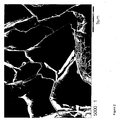
- FIG. 2 An electromicrograph of the expanded graphite used in the examples presented above is shown in figure 2 .
- the expanded graphite has a pore size of from 1 to 5 ⁇ m.
Landscapes
- Chemical & Material Sciences (AREA)
- Chemical Kinetics & Catalysis (AREA)
- Electrochemistry (AREA)
- General Chemical & Material Sciences (AREA)
- Engineering & Computer Science (AREA)
- Inorganic Chemistry (AREA)
- Materials Engineering (AREA)
- Manufacturing & Machinery (AREA)
- Battery Electrode And Active Subsutance (AREA)
- Secondary Cells (AREA)
Description
- The present invention relates to a solid composite for the cathode of a lithium-sulphur electric current producing cell wherein the solid composite comprises 1 to 75 wt.-% of expanded graphite and 25 to 99 wt.% of sulphur, based on the total amount of the solid composite, a lithium-sulphur electric current producing cell comprising (i) a cathode comprising the solid composite, (ii) an anode and (iii) an electrolyte interposed between said cathode and said anode and a process for preparing the solid composite.
- There is a high demand for long lasting rechargeable electric current producing cells having high energy density. Such electric current producing cells are used for portable devices as notebooks or digital cameras and will play a major role in the future for the storage of electric energy produced by renewable sources.
- At the time being, Li-ion rechargeable batteries are the most common batteries used. A further kind of rechargeable batteries with promising characteristics is the lithium-sulphur (Li/S) battery. In Li/S-batteries, the anode is formed by Li-metal and the cathode is formed by sulphur. In the discharge modus Li0 dissociates into an electron and a Li+-ion which is dissolved in the electrolyte. This process is called lithium stripping. At the cathode the sulphur is initially reduced to polysulfides like Li2S8, Li2S6, Li2S4, and Li2S3. These polysulfides are soluble in the electrolyte. Upon further reduction Li2S2 and Li2S are formed which precipitate.
- In the charge modus of the Li/S-battery the Li+-ion is reduced to Li0 at the anode. The Li+-ion is removed from the electrolyte and precipitated on the anode, thereby. This called lithium plating. Li2S2 and Li2S are oxidized to polysulfides (like Li2S4, Li2S6, and Li2S8) and sulphur (S8) at the cathode.
- Li/S-batteries have a four times higher theoretical specific energy than Li-ion batteries, especially their gravimetric energy density (Wh/kg) is higher than that of Li-ion batteries. This is an important feature for their possible use as rechargeable energy source for automobiles. In addition, the sulphur used as main material in the cathode of the Li/S-batteries is much cheaper than the Li-ion intercalation compounds used in Li-ion batteries.
- One problem of Li/S-batteries is the good solubility of the polysulfides in the electolye which may diffuse from the cathodic region into the anodic region. There, the polysulfides are reduced to solid precipitates (Li2S2 and/or Li2S), resulting in a loss of active material at the cathode and therefore decreasing the capacity of the Li/S- battery.
-
US 2009/0226809 A1 describes Li/S batteries and cathodes wherein the cathode comprises a composition containing 20 to 90 wt.-% of sulfur and 0.01 to 50 wt.% of a metal oxide like CuO, SnO and ZnO and may further contain a binder and an electrically conductive carbon material like carbon black, synthetic graphite including expanded graphite, graphite nanosheets, graphite nanoplatelets, graphene sheets, non-synthetic graphite (including natural graphite and coke) and graphitized carbon nano-fibres. It is said that the metal oxide contributes in holding polysulfides within the cathode. These compositions have the drawback that the discharge voltage is reduced more or less depending on the metal oxide used. Furthermore, the gravimetric energy density is lower due to the higher density of the transitional metal oxides in comparision with sulfur. - A second major problem is that sulphur itself is an electrically insulating material and therefore an electrically conductive agent is necessary to connect the sulphur with the current collector and current supply, respectively. Furthermore, the sulphur has to be in contact with the electrolyte to be electrochemically active.
- Several materials have been suggested as conductive agents in the prior art. For example,
US 2004/0058246 A1 describes a positive active material for a Li/S-battery wherein the conductive agent is selected from carbon black, graphite, carbon fibre, carbon nanotubes, activated carbon, a metal powder or metal compound and mixtures thereof. - X. Ji et al., Nature Materials, Vol. 8 (2009), pages 500-506 disclose a highly ordered nanostructured carbon-sulphur cathode for Li-S-batteries. They used mesoporous carbon comprising an assembly of hollow 6.5 nm thick carbon rods separated by empty 3-4 nm wide channel voids (CMK-3) which were filled with sulphur afterwards.
- Despite the fact that there has been long and intense research in the field of Li/S-batteries, there is still the need for further improvements of this kind of batteries to obtain Li/S-batteries which are capable of being charged/dis-charged a high number of cycles without losing too much of their capacity. This is a prerequisite for a widespread commercial use of Li/S-batteries. Furthermore, the percentage of sulphur utilized in the charge/discharge cycles should be increased compared to conventional Li/S-batteries.
- This object is solved according to the present invention by a solid composite for use in the cathode of a lithium-sulphur electric current producing cell wherein the solid composite comprises
- 1 to 75 wt.-% of expanded graphite,
- 25 to 99 wt.-% of sulphur,
- 1 to 50 wt.-% of one or more further conductive agents other than expanded graphite, and
- 0 to 50 wt.-% of one or more binder,
- based on the total amount of the solid composite.
- More preferred the solid composite comprises
- 2 to 60 wt.-% of expanded graphite,
- 40 to 98 wt.-% of sulphur,
- 1 to 50 wt.-% of one or more further conductive agents other than expanded graphite, and
- 0 to 40 wt.-% of one or more binder,
- based on the total amount of the solid composite,
- 5 to 45 wt.-% of expanded graphite,
- 55 to 95 wt.-% of sulphur,
- 1 to 50 wt.% of one or more further conductive agents other than expanded graphite and
- 0 to 25 wt.-% of one or more binder,
- based on the total amount of the solid composite.
- Lithium-sulphur (abbreviated Li/S) electric current producing cells comprising the inventive solid composite can be discharged/charged a high number of cycles without losing too much of their capacity. The inventive solid composite can be charged/discharged with a significant higher sulphur usage compared to conventional sulphur cathodes.
- For inventive compositions comprising expanded graphite the sulphur usage at the 5. cycle was about 20% higher (1200 mAh/g) than for the comparative example representing the state of the art (benchmark). The expanded graphite used as a conductive agent combines a high surface area with good electrical conductivity. The expanded graphite has pocket-like voids between its expanded layers. Inside these voids the sulphur and the electrolyte are present. Due to this structure of the expanded graphite the diffusion path of the sulphur becomes longer and the sulphur stays longer in the cathode material. Consequently, the contact of this sulphur via the expanded graphite with the current collector/supply and with the electrolyte is improved. Furthermore, expanded graphite is a very cheap conductive agent in comparison with complicated carbon structures like nanotubes.
- A further advantage of the present invention is that the use of metal oxide as additive to hold the polysulfides within the cathode is not necessary due to the fact that expanded graphite is used in the composition of the cathode. This allows higher amounts of S to be present in the composition whereby the discharge voltage remains high as well as the specific capacity. Expanded graphite is a low cost raw material and has fewer limitations in respect to environmental aspects as well as graphene. According to a preferred embodiment the inventive composition for the cathode of Li/S current producing cells does not contain metal oxide.
- Below the present invention is described in detail.
- The term "electric current producing cell" as used herein is intended to include batteries, primary and secondary electrochemical cells and especially rechargeable batteries.
- According to of the present invention, the solid composition for use in the cathode of a Li/S electric current producing cell comprises 1 to 75 wt.-%, preferred 2 to 60 wt.-% and more preferred 5 to 45 wt.-% of expanded graphite, based on the total weight of the solid composite.
- Graphite is a layered compound formed by carbon atoms, in each layer the carbon atoms are arranged in a hexagonal lattice. By incorporation of ions or molecules like alkali metals (electron donators) or strong Lewis acids (electron acceptors) into the layers intercalation compounds are formed. The layered structure of the graphite is substantially maintained but the distance of the layers is enlarged. Such intercalation compounds of graphite are known in the state of the art.
- Expanded graphite is usually produced from a graphitic or partially graphitic starting material selected from the group consisting of natural graphite, pyrolytic graphite, kish graphite, compressed expanded graphite, partially oxidized graphite and graphite fibres. The starting material is reacted with substances capable of intercalation or mixtures of substances capable of intercalation (intercalating material(s)) to give an intercalation compound which subsequently is expanded. Intercalating materials may be halogens, SO3, NO3, alkali metals or other compounds. Preferably the intercalation compound is obtained by treating the starting material, preferably graphite, with a strong acid, preferably concentrated sulphuric acid in combination with an oxidizing agent or with concentrated nitric acid. Organic acids like formic acid or acetic acid are suitable as well. After the treatment with the intercalating material, the intercalated compound, e.g. the intercalated graphite, is washed and/or dried. Processes for preparation of intercalated compounds are known to the person skilled in the art; see for example Chen et al., Carbon Vol. 34, No. 12, 1996, 1599-1603. Intercalated compounds suitable for preparing the expanded graphite comprised in the solid composition according to the present invention are commercially available under the designation expandable graphite, e.g. from NGS Naturgraphit GmbH, Germany, LUH GmbH, Germany and TECHNOGRAFIT GmbH, Germany.
- Upon rapid heating of the intercalated compound to 200°C to about 1000° it reacts by thermal decomposition of the intercalated material like N- or S-compounds and the crystal layers of the graphite are delaminated to release the gaseous decomposition products. The heat treatment may be carried out in an expansion oven, a plasma oven or by means of microwaves, for instance. The volume of the expanded graphite may increase up to 280 times of the starting volume. The expansion volume obtained depends on different parameters, e.g. the particle size of the graphite used, the kind of the starting material (for example natural graphite or synthetic graphite) and the type and velocity of the heating.
- The preparation of expanded graphite is known to the person skilled in the art. A description of a method for the preparation of expanded graphite may be found for instance in
EP 1 491 497 B1 - The expandable graphite used to prepare the expanded graphite in the present invention typically contains up to 40 wt.-% of intercalating material and usually has a particle size of 50 µm to 800 µm before expansion determined by sieving. Typically the intercalated compound used for preparing the expanded graphite according to the present invention has an expansion rate of 120 to 350 cm3/g upon heating and a starting temperature of expansion of 160 to 300°C. After expansion the expanded graphite contains typically at least 85 wt.-%, preferred at least 90 wt.-%, more preferred at least 95 wt.-%, most preferred at least 98 wt.-%, in particular at least 99 wt.-% of carbon.
- The surface area of the expanded graphite used in the present invention usually is 100 to 1.000 cm2/g, measured by Hg-porosimetry. Micrographs of the expanded graphite from electron transmission microscopy reveal that the expanded graphite has a layered structure with pockets or pores between the still connected layers. It is preferred according to the present invention that the averaged distance of the boundaries of these pockets or pores is 1 to 5 µm, more preferred 1 to 2 µm. The averaged distance may be determined by SEM (scanning electron microscopy) or Hg-porosimetry.
- The expanded graphite may be ground before used for the preparation of the solid composite according to the invention, e.g. in a ball mill.
- In addition to the expanded graphite , the solid composite for use in the cathode of a Li/S electric current producing cell further comprises 25 to 99 wt.-% of sulphur, preferred 40 to 98 wt.-% and especially preferred 55 to 95 wt.-% of sulphur, based on the total amount of the solid composite.
- It is preferred according to the present invention to use elemental sulphur for the preparation of the solid composite. Usually elemental sulphur is crystalline with S8-molecules at room temperature. In this case the S8-molecule is the theoretical final oxidation state of the sulphur in the Li/S current producing cell. The corresponding theoretical final reduction state of sulphur is Li2S. Sulphur shows complicated redox reactions wherein polysulfides with various chain lengths and different oxidation states are generated. The sulphides Li2S2 and Li2S are normally non-soluble in the electrolyte; the polysulfides formed during the complicated redox reaction are soluble in the electrolyte. As a result, the solid composite for the cathode of a Li/S electric current producing cell may emit a part of the sulphur as polysulfides into the electrolyte during the discharge of the electric current producing cell. The sulphur used for the preparation of the solid composite of the present invention may be milled before the preparation e.g. in a ball mill.
- The solid composite according to the present invention comprises one or more conductive agents other than expanded graphite in addition to the expanded graphite. Preferably, said one or more conductive agents are selected from the group consisting of carbon black, graphite, carbon fibres, graphene, carbon nanotubes, activated carbon, carbon prepared by heat treating cork or pitch, a metal powder, metal flakes, a metal compound or a mixture thereof. The carbon black may include ketjen black, denka black, acetylene black, thermal black and channel black. The metal powder and the metal flakes may be selected from Sc, Ti, V, Cr, Mn, Sn, Ag, Fe, Co, Ni, Cu, Zn, Al, etc. Furthermore, the conductive agent may be electrically conductive polymers and electrically conductive metal chalcogenides.
- According to the present invention the solid composite for use in the cathode of a lithium-sulphur electric current producing cell comprises in addition to the expanded graphite one or more further conductive agents other than expanded graphite. If the one or more further conductive agents other than expanded graphite is present in the composition its concentration is of at least 1 wt.-% up to 50 wt.-%, preferred of at least 2 wt.-% up to 40 wt.-% and most preferred of at least 5 wt.-% up to 25 wt.-%, based on the total amount of the solid composition of the invention. The amount of the one or more further conductive agents other than expanded graphite is preferably selected in such a way, that the weight ratio of the amount of expanded graphite and the amount of the one or more conductive agents other than expanded graphite is at least 1:50, preferred at least 1:5.
- According to the present invention the solid composite optionally further comprises one or more binder. The binder binds the sulphur, the expanded graphite and the one or more conductive agents tightly as network to maintain the conductive network structure of the solid composite and to bind the solid composite to the current collector/supply. The one or more binder are preferably selected from the group consisting of polyvinylacetate, polyvinylalcohol, polyethylene oxide, polyvinyl pyrrolidone, alkylated polyethylene oxide, cross linked polyethylene oxide, polyvinyl ether, poly(methyl methacrylate), polyvinylidene fluoride, a copolymer of polyhexafluoropropylene and polyvinylidene fluoride, poly(ethyl acrylate), polytetrafluoroethylene, polyvinyl chloride, polyacrylonitrile, polyvinylpyridine, polystyrene, polypyrrole, polythiophene, derivatives thereof, blends thereof, and copolymers thereof.
- Preference is given according to the invention, to solid composites comprising one or more binder. The amount of binder may vary widely. If one or more binder is present, the amount of binder may be from 0.1 to 50 wt.-% preferred from 0.5 to 40 wt.-% and more preferred from 1 to 25 wt.-%.
- In a further embodiment of the invention, the amount of the one or more binder is from 0.1 to 15 wt.-%, preferred from 0.5 to 12 wt.-%, and more preferred 1 to 10 wt.-%, based on the total weight of the solid composite.
- According to an embodiment of the invention the solid composite preferably comprises expanded graphite, one or more further conductive agents other than expanded graphite and one or more binder.
- Further the solid composite according to the invention may comprise one or more electrolytes. The one or more electrolytes preferably comprise one or more material selected from the group consisting of liquid electrolytes, gel polymer electrolytes, and solid polymer electrolyte. More preferred, the one or more electrolytes comprise
- (a) one or more ionic electrolyte salts; and
- (b) one or more polymers selected from the group consisting of polyethers, polyethylene oxides, polypropylene oxides, polyimides, polyphophazenes, polyacrylonitriles, polysiloxanes; derivatives thereof, blends thereof, and copolymers thereof; and/or
- (c) one or more electrolyte solvents selected from the group consisting of N-methyl acetamide, acetonitrile, carbonates, sulfolanes, sulfones, N-substituted pyrrolidones, acyclic ethers, cyclic ethers, xylene, polyether including glymes, and siloxanes.
- The one or more ionic electrolyte salts are preferably selected from the group consisting of lithium salts including lithium cations, salts including organic cations, or a mixture thereof.
- Examples of lithium salts include LiPF6, LiBF4, LiB(C6H5)4, LiSbF6, LiAsF6, LiClO4, LiCF3SO3, Li(CF3SO2)2N, LiC4F9SO3, LiAlO4, LiAlCl4, LiN(CxF2x+1SO2)(CyF2y+1SO2) (wherein x and y are natural numbers), LiSCN, LiCl, LiBr and Lil.
- Examples for organic cation included salts are cationic heterocyclic compounds like pyridinium, pyridazinium, pyrimidinium, pyrazinium, imidazolium, pyrazolium, thiazolium, oxazolium, pyrolidinium, and triazolium, or derivatives thereof. Examples for imidazolium compounds are 1-ethyl-3-methyl-imidazolium (EMI), 1,2-dimethyl-3-propylimidazolium (DMPI), and 1-butyl-3-methylimidazolium (BMI). The anion of the organic cation including salts may be bis(perfluoroethylsulfonyl)imide (N(C2F5SO2)2 -, bis(trifluoromethylsulfonyl)imide(NCF3SO2)2 -), tris(trifluoromethylsulfonylmethide(C(CF3SO2)2 -, trifluoromethansulfonimide, trifluoromethylsulfonimide, trifluoromethylsulfonat, AsF6 -, ClO4 -, PF6 -, BF4 -, B(C6H5)4 -, SbF6 -, CF3SO3 -, C4F9SO3 -, AlO4 -, AlCl4 -, [N(CxF2x+1SO2)] [(CyF2y+1SO2)] (wherein x and y are natural numbers), SCN-, Cl-, Br- and I-.
- Furthermore, the electrolyte may contain ionic N-O electrolyte additives as described in
WO 2005/069409 on page 10. Preferably according to the present invention, the electrolyte contains LiNO3, guanidine nitrate and/or pyridinium nitrate. - According to the present invention the electrolyte salts are preferably selected from the group consisting of LiCF3SO3, Li(CF3SO2)2N, LiC4F9SO3 and Lil.
- The one or more electrolyte solvents are non-aqueous according to the invention.
- Glymes comprise diethylene glycol dimethylether (diglyme), triethylenglycol dimethyl ether (triglyme), tetraethylene glycol dimethylether (tetraglyme) and higher glymes. Polyethers comprise glymes, ethylene glycol divinyl ether, diethylene glycol divinyl ether, triethylene glycol divinyl ether, dipropylene glycol dimethyl ether, and butylenes glycol ethers.
- Acylic ethers include dimethylether, dipropyl ether, dibutylether, dimethoxy methane, trimethoxymethane, dimethoxyethane, diethoxymethane, 1,2-dimethoxy propane, and 1,3-dimethoxy propane.
- Cyclic ethers comprise tetrahydrofuran, tetrahydropyran, 2-methyltetrahydrofuran, 1,4-dioxane, trioxane, and dioxolanes.
- The one or more solvents may be mixtures of two or more solvents.
- The one or more electrolyte solvents are preferably selected from the group consisting of dioxolanes and glymes.
- Most preferred the one or more electrolyte comprise
- (a) one or more ionic electrolyte salts; and
- (c) one or more electrolyte solvents selected from the group consisting of N-methyl acetamide, acetonitrile, carbonates, sulfolanes, sulfones, N-substituted pyrrolidones, acyclic ethers, cyclic ethers, xylene, polyether including glymes, and siloxanes.
- A further object of the present invention is a lithium-sulphur electric current producing cell comprising
- (i) a cathode comprising the solid composite as described above,
- (ii) an anode,
- (iii) an electrolyte interposed between said cathode and said anode.
- The cathode of the inventive lithium-sulphur electric current producing cell comprises the inventive solid composite described above.
- Furthermore, the lithium-sulphur electric current producing cell according to the present invention contains an anode, wherein the anode comprises one or more anode-active materials selected from the group consisting of lithium metal; lithium containing alloys like lithium-aluminium alloys, lithium-tin alloys, Li-Mg-alloys, Li-Ag-alloys; lithium-intercalated carbons; and lithium-intercalated graphite. All these materials are capable of reversibly intercalating lithium ions as Li0 or reversibly reacting with lithium ions to form a lithium (Li0) containing compound, a lithium alloy and/or a lithium metal. Lithium intercalating carbon materials are capable of reversibly intercalating and deintercalating lithium ions. These materials usually include crystalline carbon, amorphous carbon, or a mixture thereof.
- Furthermore, the inventive lithium-sulphur electric current producing cell comprises an electrolyte interposed between the cathode and the anode. The electrolytes function as a medium for the storage and transport of ions. The electrolyte may be a solid phase or a liquid phase. Any ionic conductive material can be used as long as the ionic conductive material is electrochemical stable. Suitable electrolytes are the electrolytes described above.
- If the lithium-sulphur electric current producing cell comprises a solid or a gel polymer electrolyte, this solid/gel polymer electrolyte acts as separator separating mechanically the anodic region from the cathodic region and serves as well as a medium to transport metal ions. The solid electrolyte separator may comprise a non-aqueous organic solvent. In this case the electrolyte may further comprise a suitable gelling agent to decrease the fluidity of the organic solvent.
- The Li/S electric current producing cell according to the present invention may further contain a separator between the anodic and the cathodic region of the cell. This is especially preferred if the electrolyte is a liquid phase. Typically, the separator is a porous non-conductive or insulative material which separates or insulates the anodic and the cathodic region from each other and which permits the transport of ions through the separator between the anodic and the cathodic region of the cell. The separator is usually selected from the group consisting of porous glass, porous plastic, porous ceramic and porous polymer separators.
- In a preferred embodiment of the invention the lithium-sulphur electric current producing cell further comprises a current collector which further acts as current supply in the charge modus of the electric current producing cell. The current collector/current supply may be prepared from conductive materials like stainless steel, aluminium, copper or titanium.
- A further object of the present invention is a process for preparing the solid composite of the present invention comprising the steps
- (I) preparing a slurry comprising sulphur, expanded graphite or graphene, respectively and optionally further components in a liquid medium by dispersing the sulphur, the expanded graphite or graphene, respectively, and optionally the further components in the liquid medium;
- (II) casting the slurry provided in step (I) on a substrate or placing the slurry provided in step (I) into a mold; and
- (III) removing some or all of the liquid medium from the slurry cast in step (II) to form a solid composite.
- According to the present invention, the sulphur, the expanded graphite, the one or more conductive agent other than expanded graphite, optionally the binder and optionally further additives like a dispersing agent are mixed with a solvent. The sulphur, the expanded graphite and the optional one or more conductive agents other than expanded graphite may be ground alone or together before preparing the slurry. It is also possible to prepare a mixture of a solvent, sulphur and/or expanded graphite and/or the optional one or more conductive agent other than expanded graphite and to wetmill this mixture before further processing. The binder may be added as solution or in substance. It is also possible to add an dispersing agent to obtain a homogeneous slurry. The liquid medium for preparing the slurry may be water or an organic solvent like alcohols, ethers or mixtures of organic solvents and may contain water.
- Instead of mixing the sulphur and/or the expanded graphite and/or the one or more conductive agent other than expanded graphite mechanically by milling, it is also possible to prepare a mixture containing sulphur and/or expanded graphite and/or the optional one or more conductive agents other than expanded graphite by melting these ingredients and milling the cooled solid mixture before using the mixture in step (I) to prepare the slurry in the process for preparing the solid composite.
- In step (II) of the preparation process of the solid composite the slurry provided in step (I) is casted on a substrate or placed into a mould. Preferably, the slurry is casted on the current collector/supply of an electric current producing cell.
- In step (III) the casted slurry or the slurry placed into a mould is dried, this means some or all of the liquid medium from the slurry is removed to form a solid composite. This is usually carried out at temperatures from 20 to 200°C, preferred from 40 to 120°C.
- Below the present invention is explained by examples.
- 1.0 g expanded graphite (EX TD 98 320 250 20 SC, NGS Naturgraphit GmbH, Germany) and 10 g of sulphur were mixed and the sulphur was crushed. The mixture was homogenized carefully in a mortar and was heated at 150°C for 6 hours. A homogeneous composite of grey colour was formed. Afterwards, the composite was milled and a slurry with the mixture of graphite and sulphur and the other components in a solvent (65 wt-% H2O, 30 wt.-% isopropanol, 5 wt-% 1-methoxy-2-propanol) was prepared.
- 1.0 g expanded graphite (ES 100 C 10, NGS Naturgraphit GmbH, Germany), 2,0 g carbon black (Super P) and 7 g of elemental sulphur were mixed, wherein the sulphur and the carbon black were crushed. The mixture was homogenized carefully in a mortar and was heated to 150°C for six hours. A composite of grey colour was formed. Afterwards the composite was milled and a slurry of the mixture with the other components in a solvent was prepared (65 wt-% H2O, 30 wt.-% isopropanol, 5 wt-% 1-methoxy-2-propanol).
- A slurry of 3.032 g of elemental sulphur, 0.804 g of carbon black (Super P), 0.021 g of expanded graphite (EX 350 F5, Kropfmühl AG, Germany) and 0.04 g of a polyvinylalcohol in a solvent (65 wt-% H2O, 30 wt.% isopropanol, 5 wt-% 1-methoxy-2-propanol) was prepared.
- The slurry was casted on Al foil and dried for 15 h at 60 °C.
- The solid composite comprised 74.4 wt.% of sulphur, 4.9 wt.-% of expanded graphite, 19.7 wt.% of carbon black and 1.0 wt.-% of binder.
- 3.166 g of the composite of example 1, 0.807 g of carbon black (Super P) and 0.04 g of polyvinylalcohol binder were dispersed in a solvent (65 wt-% H2O, 30 wt.% isopropanol, 5 wt-% 1-methoxy-2-propanol). The slurry was casted on Al foil.
- The solid composite comprised 71.0 wt.% of sulphur, 7.89 wt.-% of expanded graphite, 20.11 wt.% of carbon black and 1.0 wt.-% of binder, based on the total weight of the solid composite.
- 2.003 g of the composite of example 2 and 0.02 g of polyvinylalcohol binder were dispersed in water. The slurry was casted on a substrate (Al foil) and dried for 15 h at 60 °C.
- The solid composite comprised 69.3 wt.-% of sulphur, 19.8 wt.-% of carbon black, 9.9 wt.-% of expanded graphite and 0.99 wt.-% of binder, based on the total weight of the solid composite.
- A slurry of 3.032 g of elemental sulphur, 0.804 g of carbon black (Super P), 0.021 g of graphite (Timcal KS6) and 0.04 g of a polyvinylalcohol (Celanese) in a solvent (65 wt.-% H2O, 30 wt.-% isopropanol, 5 wt.-% 1-methoxy-2-propanol) was prepared. The slurry was casted on Al foil and dried for 15 h at 60°C.
- The solid composite comprised 74.4 wt.-% of sulphur, 4.9 wt.-% of graphite, 19.7 wt.-% of carbon black and 1.0 wt.-% of binder.
- An electrochemical cell comprising a Li-S-anode prepared from the solid composites according to examples 3 to 5 (inventive), respectively, and a sulphur cathode including a porous polyolefin separator (15 µm thickness, Tonen, Exxon). The electrolyte used was composed of 8 wt.-% of LiTFSI (LiN(SO2CF3)2), 4 wt.-% of LiNO3, 44 wt.-% of Dioxolan and 44 wt.-% of Dimethoxyethan.
- The discharge-charge cycling of the cells was performed at 11 mA with discharge cut at a voltage of 1.7 V and charge cut off 2.5 V. the cell capacity was about 110 m Ah. The cycling was carried out at room temperature. The results are shown in table 1.
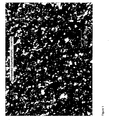
Table 1 example capacity 5. cycle [mAh/g S] capacity 10. cycle [mAh/g S] 6 (comparison) benchmark 920 880 3 (inventive) 1200 1050 4 (inventive) 1050 1050 5 (inventive) 1300 1100 - Cathode slurry made from Sulphur (55%wt.), Expanded Graphite (EG-H-218/A) (40%wt.) and Polyvinyl alcohol (5%wt.) as a binder in water/i-propanol (3:2) media was coated onto 12 µm Al foil with 2 µm Sion primer. Cathode was first dried at room temperature and then in the oven at 85-125 °C. Loading of active cathode material was 1.79 mg/cm2, thickness of cathode was 60 µm. An optical microscope image of this cathode is shown in
figure 1 . - Mixtures containing 0.02 g polyvinylalcohol, 16.0 g water/isopropanol, [w] g carbon black (Super P, Timcal AG, Switzerland), [x] g synthetic graphite (KS-6, Timcal AG, Switzerland), [y] g expanded graphite (200 95 40 SC, NGS Natur Graphit GmbH, Germany) and [z] g sulphur were prepared. The exact values for [w], [x], [y] and [z] are listed in table 3a), the resulting solid compositions after removing of the water and the isopropanol are shown in table 3b).
Table 3 a) example carbon black [w] [g] graphite [x] [g] expanded graphite[y] [g] s [z] [g] PVOH [g] 13 (inventive) 0,47 0,07 0,61 0,95 0,02 14 (inventive) 0,07 0,98 0,94 0,02 15 (comparison) 1,03 0,97 0,02 16 (comparision) 1,15 0,07 0,93 0,02 b) example carbon black [wit.-%] graphite [wt.-%] expanded graphite [wt.-%] S[wt.-%] PVOH [wt.-%] 13 (inventive) 22,00 3.30 28,77 44.81 0.94 14 (inventive) 0,00 3,48 48,76 44,34 0,94 15 (comparison) 0,00 0,00 50,99 45,75 0,94 16 (comparision) 53,00 3,23 0,00 43,87 0,94 [wt.-%]: weight percent based on the total weight of the solid composition after removing the water and the isopropanol used for preparation the composition. - Each mixture was transferred into a ball mill (stainless steel, pulverisette, Fritsch GmbH, Germany) and was milled for 30 minutes at 300 rounds/minutes with balls of stainless steels. A very homogenous ink with a creamy texture was obtained. The ink was airbrushed onto aluminium foil on a vacuum table at 60 °C. Nitrogen gas was used for airbrushing. The aluminium foil was covered by 2.9 mg/cm2 of the solid composition.
- From the aluminium foils obtained electrochemical cells were prepared. In each case the anode was lithium foil with a thickness of 50 µm, the separator was Celgard® 2340 (trilayered polypropylene/polyethylene/polypropylene battery separator from Celgard, N.C, USA) with a thickness of 38 µm, the aluminium foils obtained as described above were used as cathode. The electrolyte was a one-molar solution of LiN(SO2CF3)2 in a 1:1 mixture of dioxolane and dimethoxyethane containing 2 wt.-% of LiNO3.
- The cells were tested with a current of 7.50 mA and at an electric voltage of between 1.8 and 2.5 V. The results are shown in table 4.
Table 4 example capacity capacity capacity 5. cycle [mAh/g S] 10. cycle [mAh/g S] 50. cycle [mAh/g S] 16 (comparison) 1150 810 - 13 (inventive) 1200 1150 1000 14 (inventive) 1150 1100 950 15 (comparison) 980 910 720 - The Li/S current producing cell comprising the comparative composition containing as major conductive agent carbon black and a small amount of synthetic graphite (no expanded graphite, example 16) shows a rapid decrease of its capacity. The Li/S current producing cell comprising the composition containing only expanded graphite (example 15) shows a much smaller decrease of its capacity during the testing cycles. The best results were obtained by the inventive compositions containing expanded graphite and synthetic graphite (example 14) or expanded graphite, carbon black and synthetic graphite (example 15). In all 4 examples the cathode contained a similar amount of S and binder. The discrepancy of the capacity after the 5th cycle between comparative examples 16 and 6 are likely due to the higher amount of conductive agents present in example 16 (about 55 wt.-% in comparison to about 25 wt.-% in example 6) leading to a better contact of the sulphur with the conductive agents present in the composition.
- An electromicrograph of the expanded graphite used in the examples presented above is shown in
figure 2 . As can be seen, the expanded graphite has a pore size of from 1 to 5 µm.
Claims (16)
- A solid composite for use in the cathode of a lithium-sulphur electric current producing cell wherein the solid composite comprises1 to 75 wt.-% of expanded graphite,25 to 99 wt.-% of sulphur,1 to 50 wt.% of one or more further conductive agents other than expanded graphite, and0 to 50 wt.-% of one or more binder,based on the total amount of the solid composite.
- The solid composite according to claim 1 wherein the solid composite comprises5 to 45 wt.-% of expanded graphite,55 to 95 wt.% of sulphur,1 to 50 wt.% of one or more further conductive agents other than expanded graphite, and0 to 25 wt.-% of one or more binder,based on the total amount of the solid composite.
- The solid composite according to claim 1 or 2 wherein the distance between the expanded layers of the expanded graphite has an average value of 1 to 5 micrometer.
- The solid composite according to any of claims 1 to 3 comprising 5 to 25 wt.-% of the one or more conductive agents other than expanded graphite based on the total amount of the solid composite.
- The solid composite according to claim 4 wherein the one or more conductive agents are selected from the group consisting of carbon black, graphite, graphene, carbon fibres, carbon nanotubes, activated carbon, carbon prepared by heat-treating cork or pitch, metal flakes, a metal powder, a metal compound, or a mixture thereof.
- The solid composite according to any of claims 1 to 5 wherein the composite further comprises one or more binder.
- The solid composite according to claim 6 wherein the one or more binder is selected from the group consisting of polyvinylacetate, polyvinylalcohol, polyethylene oxide, polyvinyl pyrrolidone, alkylated polyethylene oxide, cross linked polyethylene oxide, polyvinyl ether, poly(methyl methacrylate), polyvinylidene fluoride, a copolymer of polyhexafluoropropylene and polyvinylidene fluoride, poly(ethyl acrylate), polytetrafluoroethylene, polyvinyl chloride, polyacrylonitrile, polyvinylpyridine, polystyrene, polypyrrole, polythiophene, derivatives thereof, blends thereof, and copolymers thereof.
- The solid composite according to any of claims 1 to 7 wherein the composite further comprises one or more electrolytes.
- A lithium-sulphur electric current producing cell comprising(i) a cathode comprising the solid composite according to any of claims 1 to 8,(ii) an anode,(iii) an electrolyte interposed between said cathode and said anode.
- The lithium-sulphur electric current producing cell according to claim 9 wherein the anode comprises one or more anode active materials selected from the group consisting of lithium metal; Lithium containing alloys like lithium-aluminum alloys, lithium-tin alloys, Li-Mg alloys and Li-Ag alloys; lithium-intercalated carbons; and lithium-intercalated graphite.
- The lithium-sulphur electric current producing cell according to claim 9 or 10 wherein the electrolyte comprises one or more materials selected from the group consisting of liquid electrolytes, gel polymer electrolytes, and solid polymer electrolytes.
- The lithium-sulphur electric current producing cell according to any of claims 9 to 11 wherein the electrolyte comprises(a) one or more ionic electrolyte salts; and(b) one or more polymers selected from the group consisting of polyethers, polyethylene oxides, polypropylene oxides, polyimides, polyphophazenes, polyacrylonitriles, polysiloxanes; derivatives thereof, blends thereof, and copolymers thereof; and/or(c) one or more electrolyte solvents selected from the group consisting of N-methyl acetamide, acetonitrile, carbonates, sulfolanes, sulfones, N-substituted pyrrolidones, acyclic ethers, cyclic ethers, xylene, polyether including glymes, and siloxanes.
- The lithium-sulphur electric current producing cell according to any of claims 9 to 12 wherein the cathode further comprises a current collector.
- The lithium-sulphur electric current producing cell according to any of claims 9 to 13 wherein the cell further comprises a separator between the anode and the cathode.
- A process for preparing the solid composite according to any of claims 1 to 8 comprising the steps(I) preparing a slurry comprising sulphur, expanded graphite, and optionally further components in a liquid medium by dispersing the sulphur, the expanded graphite, and optionally the further components in the liquid medium;(II) casting the slurry provided in step (I) on a substrate or placing the slurry provided in step (I) into a mold; and(III) removing some or all of the liquid medium from the slurry cast in step (II) to form a solid composite.
- The process according to claim 15 wherein a mixture is prepared by melting the sulphur together with the expanded graphite and/or optionally the one or more conductive agents other than expanded graphite; and milling the cooled solid mixture before using the components contained in the mixture in step (I).
Priority Applications (1)
| Application Number | Priority Date | Filing Date | Title |
|---|---|---|---|
| EP11723423.7A EP2577779B1 (en) | 2010-05-28 | 2011-05-26 | Use of expanded graphite in lithium/sulphur batteries |
Applications Claiming Priority (6)
| Application Number | Priority Date | Filing Date | Title |
|---|---|---|---|
| US34922910P | 2010-05-28 | 2010-05-28 | |
| US34923210P | 2010-05-28 | 2010-05-28 | |
| EP10164339 | 2010-05-28 | ||
| EP10164341 | 2010-05-28 | ||
| PCT/EP2011/058651 WO2011147924A1 (en) | 2010-05-28 | 2011-05-26 | Use of expanded graphite in lithium/sulphur batteries |
| EP11723423.7A EP2577779B1 (en) | 2010-05-28 | 2011-05-26 | Use of expanded graphite in lithium/sulphur batteries |
Publications (2)
| Publication Number | Publication Date |
|---|---|
| EP2577779A1 EP2577779A1 (en) | 2013-04-10 |
| EP2577779B1 true EP2577779B1 (en) | 2014-06-04 |
Family
ID=44310327
Family Applications (1)
| Application Number | Title | Priority Date | Filing Date |
|---|---|---|---|
| EP11723423.7A Active EP2577779B1 (en) | 2010-05-28 | 2011-05-26 | Use of expanded graphite in lithium/sulphur batteries |
Country Status (7)
| Country | Link |
|---|---|
| US (1) | US9577243B2 (en) |
| EP (1) | EP2577779B1 (en) |
| JP (1) | JP5856609B2 (en) |
| KR (1) | KR20130121001A (en) |
| CN (1) | CN102918684B (en) |
| TW (1) | TWI496333B (en) |
| WO (1) | WO2011147924A1 (en) |
Cited By (2)
| Publication number | Priority date | Publication date | Assignee | Title |
|---|---|---|---|---|
| CN104681853A (en) * | 2015-02-26 | 2015-06-03 | 广东烛光新能源科技有限公司 | A preparation method of lithium-sulfur battery and lithium-sulfur battery prepared by the method |
| US12176549B2 (en) | 2018-08-28 | 2024-12-24 | Ppg Industries Ohio, Inc. | Battery comprising an intumescent layer |
Families Citing this family (127)
| Publication number | Priority date | Publication date | Assignee | Title |
|---|---|---|---|---|
| JP5856609B2 (en) | 2010-05-28 | 2016-02-10 | ビーエーエスエフ ソシエタス・ヨーロピアBasf Se | Solid composite material used for positive electrode of lithium-sulfur current generation cell, method for producing the same, and lithium-sulfur current generation cell |
| EP2609647B1 (en) | 2010-08-24 | 2017-03-15 | Sion Power Corporation | Electrolyte materials for use in electrochemical cells |
| WO2012113884A1 (en) | 2011-02-24 | 2012-08-30 | Basf Se | Novel illumination devices |
| US9099744B2 (en) | 2011-03-31 | 2015-08-04 | Basf Se | Particulate porous carbon material and use thereof in lithium cells |
| CN103517964B (en) | 2011-05-10 | 2018-05-18 | 巴斯夫欧洲公司 | Novel color converter |
| US9105937B2 (en) | 2011-06-08 | 2015-08-11 | Basf Se | Electrode materials for electrical cells |
| US9093709B2 (en) | 2011-06-09 | 2015-07-28 | Basf Se | Electrode materials for electrical cells |
| WO2012168395A1 (en) | 2011-06-10 | 2012-12-13 | Basf Se | Novel color converter |
| US9673452B2 (en) * | 2011-09-30 | 2017-06-06 | The Regents Of The University Of California | Graphene oxide as a sulfur immobilizer in high performance lithium/sulfur cells |
| CN107681153A (en) * | 2011-12-19 | 2018-02-09 | 索尔维特殊聚合物意大利有限公司 | Form composition for electrodes |
| CN103187570B (en) * | 2011-12-28 | 2015-09-30 | 清华大学 | The preparation method of sulphur-graphene composite material |
| CN103187558B (en) * | 2011-12-28 | 2015-07-01 | 清华大学 | Preparation method for sulfur-graphene composite |
| JP5912550B2 (en) * | 2012-01-11 | 2016-04-27 | 出光興産株式会社 | Electrode material, electrode and battery using the same |
| JP5912551B2 (en) * | 2012-01-11 | 2016-04-27 | 出光興産株式会社 | Electrode material, electrode and battery using the same |
| JP5912549B2 (en) * | 2012-01-11 | 2016-04-27 | 出光興産株式会社 | Electrode material, electrode and battery using the same |
| EP2826084A4 (en) * | 2012-02-16 | 2015-09-09 | Bosch Gmbh Robert | COMPOSITE CONTAINING SULFUR FOR LITHIUM SULFUR BATTERY, ELECTRODE MATERIAL AND LITHIUM SULFUR BATTERY COMPRISING SAID COMPOSITE |
| CN102614871B (en) * | 2012-03-05 | 2013-10-09 | 天津大学 | A kind of method that liquid phase method prepares graphene/silver nanoparticle composite material |
| JP6167561B2 (en) * | 2012-03-09 | 2017-07-26 | 東レ株式会社 | Carbon sulfur composite, electrochemical device using the same, and lithium ion battery |
| KR20140146107A (en) * | 2012-03-14 | 2014-12-24 | 바스프 에스이 | Composite materials, production thereof and use thereof in electrochemical cells |
| WO2013172334A1 (en) * | 2012-05-15 | 2013-11-21 | 日本ゼオン株式会社 | Conductive composition |
| JP5668993B2 (en) * | 2012-10-22 | 2015-02-12 | トヨタ自動車株式会社 | Sealed nonaqueous electrolyte secondary battery and method for manufacturing the same |
| CN104904040B (en) * | 2012-11-30 | 2017-10-31 | 上海交通大学 | The preparation method of cathode material and the cathode material for Li S batteries, the negative electrode being made up of the cathode material and the Li S batteries comprising the negative electrode |
| US9577289B2 (en) | 2012-12-17 | 2017-02-21 | Sion Power Corporation | Lithium-ion electrochemical cell, components thereof, and methods of making and using same |
| US10014518B2 (en) | 2012-12-28 | 2018-07-03 | Johnson Controls Technology Company | Cathode formed using aqueous slurry |
| PL2784851T3 (en) * | 2013-03-25 | 2015-12-31 | Oxis Energy Ltd | The way of charging a lithium-sulfur cell |
| DE102013106114B4 (en) * | 2013-06-12 | 2019-05-09 | Heraeus Quarzglas Gmbh & Co. Kg | Lithium-ion cell for a secondary battery |
| KR20160021848A (en) * | 2013-06-21 | 2016-02-26 | 더 리젠츠 오브 더 유니버시티 오브 캘리포니아 | A long-life, ligh rate lithium/sulfur cell utilizing a holistic approach to enhancing cell performance |
| US9455447B2 (en) | 2013-09-26 | 2016-09-27 | Eaglepicher Technologies, Llc | Lithium-sulfur battery and methods of preventing insoluble solid lithium-polysulfide deposition |
| WO2015166030A1 (en) | 2014-05-01 | 2015-11-05 | Basf Se | Electrode fabrication methods and associated articles |
| WO2015185731A2 (en) | 2014-06-06 | 2015-12-10 | Robert Bosch Gmbh | Polymer electrlyte for a lithium sulfur cell |
| DE102014221736A1 (en) | 2014-10-24 | 2016-04-28 | Robert Bosch Gmbh | Polymer electrolyte for lithium-sulfur cell |
| DE102014221731A1 (en) | 2014-06-06 | 2016-01-21 | Robert Bosch Gmbh | Polymer electrolyte for lithium-sulfur cell |
| DE102014009554A1 (en) | 2014-06-12 | 2015-12-17 | Daimler Ag | Electrode material for an electrochemical storage, method for producing an electrode material and electrochemical energy storage |
| US20170229703A1 (en) * | 2014-08-07 | 2017-08-10 | Academia Sinica | Method of preparation a battery electrode by spray coating, an electrode and a battery made by method thereof |
| EP3193397B1 (en) * | 2014-09-08 | 2018-12-26 | JSR Corporation | Binder composition for storage device electrode, slurry for storage device electrode, storage device electrode, and storage device |
| FR3027604B1 (en) * | 2014-10-27 | 2016-11-04 | Arkema France | PREPARATION OF A MASTER MIXTURE BASED ON SULFUR AND CARBON NANOCHARGES, THE MIXTURE OBTAINED AND USES THEREOF |
| US10381680B2 (en) * | 2014-11-12 | 2019-08-13 | J-Innotech Co., Ltd | Lithium-sulfur battery |
| GB2533672B (en) * | 2014-12-22 | 2018-07-25 | Oxis Energy Ltd | A cathode for a Li/S battery |
| KR101659348B1 (en) * | 2014-12-24 | 2016-09-26 | 주식회사 포스코 | Positive active material for lithium sulfur battery, method for manufacturing the same, and lithium sulfur battery including the same |
| JP6932083B2 (en) | 2015-05-21 | 2021-09-08 | ビーエイエスエフ・ソシエタス・エウロパエアBasf Se | Glass-ceramic electrolyte for lithium-sulfur batteries |
| US10840539B2 (en) | 2015-06-22 | 2020-11-17 | King Abdullah University Of Science And Technology | Lithium batteries, anodes, and methods of anode fabrication |
| JP6731663B2 (en) * | 2015-09-02 | 2020-07-29 | 住友ゴム工業株式会社 | Sulfur-based positive electrode active material, positive electrode and lithium ion secondary battery |
| KR102810119B1 (en) | 2015-11-13 | 2025-05-19 | 시온 파워 코퍼레이션 | Additives for electrochemical cells |
| CN117558971A (en) | 2015-11-24 | 2024-02-13 | 锡安能量公司 | Ion conducting compounds and related uses |
| CN106865495B (en) * | 2016-02-03 | 2019-08-27 | 宁夏和兴碳基材料有限公司 | Lithium sulphur battery electrode material and lithium-sulfur cell is prepared using this kind of electrode material |
| KR102457505B1 (en) | 2016-06-21 | 2022-10-20 | 시온 파워 코퍼레이션 | Coatings for parts of electrochemical cells |
| US11441036B2 (en) | 2016-10-06 | 2022-09-13 | Basf Se | 2-phenylphenoxy-substituted perylene bisimide compounds and their use |
| KR102006727B1 (en) | 2016-11-02 | 2019-08-02 | 주식회사 엘지화학 | Sulfur-carbon composite and lithium-sulfur battery including the same |
| EP3340346B1 (en) | 2016-12-23 | 2022-02-16 | Sion Power Corporation | Protected electrode structure for electrochemical cells |
| CN106848318B (en) * | 2017-01-09 | 2019-06-04 | 迟钝 | A kind of lithium sulfur battery anode material and its preparation method and application |
| CN106784770A (en) * | 2017-02-28 | 2017-05-31 | 南开大学 | The lithium magnesium alloy of content of magnesium high is the lithium-sulfur rechargeable battery of negative pole |
| US11024923B2 (en) | 2017-03-09 | 2021-06-01 | Sion Power Corporation | Electrochemical cells comprising short-circuit resistant electronically insulating regions |
| WO2018170413A1 (en) | 2017-03-17 | 2018-09-20 | Sion Power Corporation | Electrode edge protection in electrochemical cells |
| CN110392947B (en) * | 2017-03-29 | 2022-11-25 | 松下知识产权经营株式会社 | Secondary battery |
| US10868306B2 (en) | 2017-05-19 | 2020-12-15 | Sion Power Corporation | Passivating agents for electrochemical cells |
| KR102664549B1 (en) | 2017-05-19 | 2024-05-09 | 시온 파워 코퍼레이션 | Passivation agent for electrochemical cells |
| WO2018218057A2 (en) | 2017-05-24 | 2018-11-29 | Sion Power Corporation | Ionically conductive compounds and related uses |
| US11489152B2 (en) | 2017-06-05 | 2022-11-01 | Sekisui Chemical Co., Ltd. | Sulfur-carbon material composite body, positive electrode material for lithium sulfur secondary batteries, and lithium sulfur secondary battery |
| CN110710048B (en) | 2017-06-09 | 2023-03-07 | 赛昂能源有限公司 | in situ current collector |
| KR102138693B1 (en) * | 2017-07-11 | 2020-07-28 | 한양대학교 산학협력단 | Electrolyte and lithium-sulfur battery comprising the same |
| US20200259207A1 (en) * | 2017-09-12 | 2020-08-13 | Qatar Foundation For Education, Science And Community Development | Lithium-sulfur rechargeable battery |
| JP2020534647A (en) | 2017-09-15 | 2020-11-26 | シオン・パワー・コーポレーション | Protective layer for electrochemical cells |
| DE102017219163A1 (en) * | 2017-10-25 | 2019-04-25 | Robert Bosch Gmbh | Electrochemical cell comprising fluorinated graphene as active material |
| US11555799B2 (en) | 2018-01-04 | 2023-01-17 | Lyten, Inc. | Multi-part nontoxic printed batteries |
| US11239466B2 (en) * | 2018-01-09 | 2022-02-01 | Saudi Arabian Oil Company | Nanocomposite cathode materials for use in batteries |
| US10424782B2 (en) | 2018-01-09 | 2019-09-24 | Saudi Arabian Oil Company | Nanocomposite electrode materials for use in high temperature and high pressure rechargeable batteries |
| CN111542947A (en) * | 2018-01-11 | 2020-08-14 | 株式会社Lg化学 | Positive electrode slurry composition, positive electrode manufactured using the same, and battery including the same |
| EP3788666A4 (en) | 2018-04-30 | 2022-01-19 | Lyten, Inc. | LITHIUM ION BATTERY AND BATTERY MATERIALS |
| KR102543246B1 (en) | 2018-07-03 | 2023-06-14 | 주식회사 엘지에너지솔루션 | Sulfur-carbon complex, positive eletrode for lithium-sulfur battery and lithium-sulfur battery comprising the same |
| KR102800768B1 (en) | 2018-07-31 | 2025-04-25 | 시온 파워 코퍼레이션 | Multiplex Charge Discharge Battery Management System |
| KR102293892B1 (en) * | 2018-09-19 | 2021-08-24 | 주식회사 엘지화학 | Method for manufacturing a sulfur-carbon complex, sulfur-carbon complex manufactured thereby, cathode comprising the same, and lithium secondary battery comprising the electrode |
| AU2019380872A1 (en) | 2018-11-12 | 2021-06-03 | Monash University | Method of producing thick sulphur cathodes for Li-S batteries |
| JP7596273B2 (en) | 2018-12-27 | 2024-12-09 | シオン・パワー・コーポレーション | Electrochemical devices and related articles, components, configurations and methods |
| US11322804B2 (en) | 2018-12-27 | 2022-05-03 | Sion Power Corporation | Isolatable electrodes and associated articles and methods |
| US11637353B2 (en) | 2018-12-27 | 2023-04-25 | Sion Power Corporation | Electrodes, heaters, sensors, and associated articles and methods |
| WO2020237015A1 (en) | 2019-05-22 | 2020-11-26 | Sion Power Corporation | Electrically coupled electrodes, and associated articles and methods |
| US11710828B2 (en) | 2019-05-22 | 2023-07-25 | Sion Power Corporation | Electrochemical devices including porous layers |
| CN114128024A (en) | 2019-06-21 | 2022-03-01 | 赛昂能源有限公司 | Method, system and device for applying force to an electrochemical device |
| CN114342026A (en) | 2019-07-09 | 2022-04-12 | 沙特阿拉伯石油公司 | Method for manufacturing nanocomposite materials for high temperature electrochemical energy storage devices |
| US11198611B2 (en) | 2019-07-30 | 2021-12-14 | Lyten, Inc. | 3D self-assembled multi-modal carbon-based particle |
| US11335911B2 (en) | 2019-08-23 | 2022-05-17 | Lyten, Inc. | Expansion-tolerant three-dimensional (3D) carbon-based structures incorporated into lithium sulfur (Li S) battery electrodes |
| US11539074B2 (en) | 2019-10-25 | 2022-12-27 | Lyten, Inc. | Artificial solid electrolyte interface (A-SEI) cap layer including graphene layers with flexible wrinkle areas |
| US11489161B2 (en) | 2019-10-25 | 2022-11-01 | Lyten, Inc. | Powdered materials including carbonaceous structures for lithium-sulfur battery cathodes |
| US11133495B2 (en) | 2019-10-25 | 2021-09-28 | Lyten, Inc. | Advanced lithium (LI) ion and lithium sulfur (LI S) batteries |
| US11127942B2 (en) | 2019-10-25 | 2021-09-21 | Lyten, Inc. | Systems and methods of manufacture of carbon based structures incorporated into lithium ion and lithium sulfur (li s) battery electrodes |
| US11631893B2 (en) | 2019-10-25 | 2023-04-18 | Lyten, Inc. | Artificial solid electrolyte interface cap layer for an anode in a Li S battery system |
| US11127941B2 (en) | 2019-10-25 | 2021-09-21 | Lyten, Inc. | Carbon-based structures for incorporation into lithium (Li) ion battery electrodes |
| US11342561B2 (en) | 2019-10-25 | 2022-05-24 | Lyten, Inc. | Protective polymeric lattices for lithium anodes in lithium-sulfur batteries |
| US11398622B2 (en) | 2019-10-25 | 2022-07-26 | Lyten, Inc. | Protective layer including tin fluoride disposed on a lithium anode in a lithium-sulfur battery |
| US12126024B2 (en) | 2019-10-25 | 2024-10-22 | Lyten, Inc. | Battery including multiple protective layers |
| US11508966B2 (en) | 2019-10-25 | 2022-11-22 | Lyten, Inc. | Protective carbon layer for lithium (Li) metal anodes |
| US11309545B2 (en) | 2019-10-25 | 2022-04-19 | Lyten, Inc. | Carbonaceous materials for lithium-sulfur batteries |
| US11424492B2 (en) | 2019-10-31 | 2022-08-23 | Sion Power Corporation | System and method for operating a rechargeable electrochemical cell or battery |
| US11056728B2 (en) | 2019-10-31 | 2021-07-06 | Sion Power Corporation | System and method for operating a rechargeable electrochemical cell or battery |
| US11791511B2 (en) | 2019-11-19 | 2023-10-17 | Sion Power Corporation | Thermally insulating compressible components for battery packs |
| US11984575B2 (en) | 2019-11-19 | 2024-05-14 | Sion Power Corporation | Battery alignment, and associated systems and methods |
| US11978917B2 (en) | 2019-11-19 | 2024-05-07 | Sion Power Corporation | Batteries with components including carbon fiber, and associated systems and methods |
| JP2023502993A (en) | 2019-11-19 | 2023-01-26 | シオン・パワー・コーポレーション | BATTERY AND RELATED SYSTEMS AND METHODS |
| WO2021127159A2 (en) | 2019-12-20 | 2021-06-24 | Sion Power Corporation | Lithium metal electrodes |
| EP4078717A1 (en) | 2019-12-20 | 2022-10-26 | Sion Power Corporation | Systems and methods for providing, assembling, and managing integrated power bus for rechargeable electrochemical cell or battery |
| WO2021183858A1 (en) | 2020-03-13 | 2021-09-16 | Sion Power Corporation | Application of pressure to electrochemical devices including deformable solids, and related systems |
| EP3913705A1 (en) | 2020-05-19 | 2021-11-24 | Theion GmbH | Advanced monolithic sulphur wafer-like cathode based on hyper-branched super-structures and method of manufacture thereof |
| WO2021248245A1 (en) | 2020-06-12 | 2021-12-16 | Supercap Technologies Corp. | Sulphur cathodes, sulphur cathode materials, and apparatus and methods for making same |
| US20230275256A1 (en) | 2020-08-03 | 2023-08-31 | Sion Power Corporation | Electrochemical cell clamps and related methods |
| US11826861B1 (en) | 2020-08-12 | 2023-11-28 | Sion Power Corporation | Joining systems, clamping fixtures, and related systems and methods |
| WO2022051308A1 (en) * | 2020-09-01 | 2022-03-10 | Sion Power Corporation | Multiplexed battery management system |
| US11705554B2 (en) | 2020-10-09 | 2023-07-18 | Sion Power Corporation | Electrochemical cells and/or components thereof comprising nitrogen-containing species, and methods of forming them |
| KR20230088405A (en) | 2020-10-13 | 2023-06-19 | 시온 파워 코퍼레이션 | Electrolyte for Lithium Battery |
| EP4229706A1 (en) | 2020-10-14 | 2023-08-23 | Sion Power Corporation | Electrolytes for reduced gassing |
| US20220336872A1 (en) | 2021-02-05 | 2022-10-20 | Sion Power Corporation | Charge/discharge management in electrochemical cells, including partial cycle control |
| US11404692B1 (en) | 2021-07-23 | 2022-08-02 | Lyten, Inc. | Lithium-sulfur battery cathode formed from multiple carbonaceous regions |
| US12476274B2 (en) | 2021-02-16 | 2025-11-18 | Lyten, Inc. | Polymeric-inorganic hybrid layer for a lithium anode |
| US11367895B1 (en) | 2021-07-23 | 2022-06-21 | Lyten, Inc. | Solid-state electrolyte for lithium-sulfur batteries |
| US12418027B2 (en) | 2021-02-16 | 2025-09-16 | Lyten, Inc. | Plasticizer-inclusive polymeric-inorganic hybrid layer for a lithium anode in a lithium-sulfur battery |
| US12494555B2 (en) | 2021-07-23 | 2025-12-09 | Lyten, Inc. | Method of manufacturing tab-less cylindrical cells |
| US12469851B2 (en) | 2021-04-01 | 2025-11-11 | Lyten, Inc. | Anode protective layer for lithium-sulfur cells |
| KR20230167411A (en) | 2021-04-08 | 2023-12-08 | 시온 파워 코퍼레이션 | Electrolyte for lithium batteries |
| KR102864163B1 (en) * | 2021-06-15 | 2025-09-24 | 주식회사 엘지에너지솔루션 | Positive electrode for lithium-sulfur battery and lithium-sulfur battery comprising thereof |
| US12255309B2 (en) | 2021-06-16 | 2025-03-18 | Lyten, Inc. | Lithium-air battery |
| US11735745B2 (en) | 2021-06-16 | 2023-08-22 | Lyten, Inc. | Lithium-air battery |
| US11600876B2 (en) | 2021-07-23 | 2023-03-07 | Lyten, Inc. | Wound cylindrical lithium-sulfur battery including electrically-conductive carbonaceous materials |
| US12009470B2 (en) | 2021-07-23 | 2024-06-11 | Lyten, Inc. | Cylindrical lithium-sulfur batteries |
| US12444749B2 (en) | 2021-07-23 | 2025-10-14 | Lyten, Inc. | Anode protective layer for lithium-sulfur cylindrical cells |
| WO2023004006A1 (en) | 2021-07-23 | 2023-01-26 | Sion Power Corporation | Battery module with multiplexing and associated systems and methods |
| US11670826B2 (en) | 2021-07-23 | 2023-06-06 | Lyten, Inc. | Length-wise welded electrodes incorporated in cylindrical cell format lithium-sulfur batteries |
| CN114864866A (en) * | 2022-06-21 | 2022-08-05 | 合肥国轩高科动力能源有限公司 | Lithium-magnesium composite cathode, preparation method thereof, lithium-sulfur battery prepared by lithium-magnesium composite cathode and all-solid-state battery |
| US11870063B1 (en) | 2022-10-24 | 2024-01-09 | Lyten, Inc. | Dual layer gradient cathode electrode structure for reducing sulfide transfer |
Family Cites Families (22)
| Publication number | Priority date | Publication date | Assignee | Title |
|---|---|---|---|---|
| DE3022449A1 (en) | 1980-06-14 | 1982-01-07 | Brown, Boveri & Cie Ag, 6800 Mannheim | ELECTROCHEMICAL STORAGE CELL |
| JP3102002B2 (en) * | 1989-03-23 | 2000-10-23 | 松下電器産業株式会社 | Hydrogen storage electrode and method for producing the same |
| JPH10188993A (en) * | 1996-12-24 | 1998-07-21 | Ricoh Co Ltd | Non-aqueous electrolyte secondary battery |
| US6302928B1 (en) * | 1998-12-17 | 2001-10-16 | Moltech Corporation | Electrochemical cells with high volumetric density of electroactive sulfur-containing materials in cathode active layers |
| JP2003208897A (en) | 2002-01-16 | 2003-07-25 | Matsushita Electric Ind Co Ltd | Lithium battery and its manufacturing method |
| KR100484642B1 (en) | 2002-09-23 | 2005-04-20 | 삼성에스디아이 주식회사 | Positive active material for lithium-sulfur battery and method for preparing the same |
| DE10328342B4 (en) | 2003-06-24 | 2006-05-04 | Graphit Kropfmühl AG | Process for producing expanded graphite, expanded graphite and use |
| US7358012B2 (en) | 2004-01-06 | 2008-04-15 | Sion Power Corporation | Electrolytes for lithium sulfur cells |
| JP4456449B2 (en) * | 2004-09-22 | 2010-04-28 | アオイ電子株式会社 | Battery positive electrode material containing sulfur and / or sulfur compound having S—S bond and method for producing the same |
| JP4244041B2 (en) * | 2005-04-07 | 2009-03-25 | シャープ株式会社 | Lithium ion secondary battery and manufacturing method thereof |
| EP2212248B1 (en) | 2007-10-19 | 2017-05-24 | University Of Wollongong | Process for the preparation of graphene |
| CA2717767C (en) | 2008-03-05 | 2016-08-30 | Eaglepicher Technologies, Llc | Lithium-sulfur battery and cathode therefor |
| US8076028B2 (en) * | 2008-04-16 | 2011-12-13 | The Gillette Company | Lithium cell with cathode including iron disulfide and iron sulfide |
| TW201029242A (en) | 2008-12-23 | 2010-08-01 | Basf Se | Nonrechargeable thin-film batteries having cationically functionalized polymers as separators |
| TW201027821A (en) | 2008-12-23 | 2010-07-16 | Basf Se | Nonrechargeable thin-film batteries having anionically functionalized polymers as separators |
| EP2396344A2 (en) | 2009-02-13 | 2011-12-21 | Novartis AG | Nucleic acid molecule of a biosynthetic cluster encoding non ribosomal peptide synthases and uses thereof |
| KR20120007024A (en) | 2009-04-03 | 2012-01-19 | 바스프 에스이 | Electroactive materials, and their use in anodes for lithium-ion batteries |
| WO2011039292A1 (en) | 2009-10-01 | 2011-04-07 | Basf Se | Method for producing functionalized expandable graphite intercalation compounds |
| DE102009056731A1 (en) | 2009-12-04 | 2011-06-09 | Rev Renewable Energy Ventures, Inc. | Halogenated polysilanes and polygermanes |
| US20110260100A1 (en) | 2010-04-21 | 2011-10-27 | Basf Se | Novel Metal-Organic Frameworks as Electrode Material for Lithium Ion Accumulators |
| JP5856609B2 (en) | 2010-05-28 | 2016-02-10 | ビーエーエスエフ ソシエタス・ヨーロピアBasf Se | Solid composite material used for positive electrode of lithium-sulfur current generation cell, method for producing the same, and lithium-sulfur current generation cell |
| WO2012149672A1 (en) | 2011-05-03 | 2012-11-08 | Shanghai Jiao Tong University | Cathode material containing graphene for li-s battery and method for forming the same |
-
2011
- 2011-05-26 JP JP2013512844A patent/JP5856609B2/en active Active
- 2011-05-26 US US13/700,696 patent/US9577243B2/en active Active
- 2011-05-26 EP EP11723423.7A patent/EP2577779B1/en active Active
- 2011-05-26 CN CN201180026415.0A patent/CN102918684B/en active Active
- 2011-05-26 WO PCT/EP2011/058651 patent/WO2011147924A1/en not_active Ceased
- 2011-05-26 KR KR1020127033805A patent/KR20130121001A/en not_active Ceased
- 2011-05-27 TW TW100118778A patent/TWI496333B/en not_active IP Right Cessation
Cited By (3)
| Publication number | Priority date | Publication date | Assignee | Title |
|---|---|---|---|---|
| CN104681853A (en) * | 2015-02-26 | 2015-06-03 | 广东烛光新能源科技有限公司 | A preparation method of lithium-sulfur battery and lithium-sulfur battery prepared by the method |
| CN104681853B (en) * | 2015-02-26 | 2017-03-01 | 广东烛光新能源科技有限公司 | A kind of lithium-sulfur cell preparation method and the lithium-sulfur cell using the method preparation |
| US12176549B2 (en) | 2018-08-28 | 2024-12-24 | Ppg Industries Ohio, Inc. | Battery comprising an intumescent layer |
Also Published As
| Publication number | Publication date |
|---|---|
| JP2013527579A (en) | 2013-06-27 |
| TW201214836A (en) | 2012-04-01 |
| KR20130121001A (en) | 2013-11-05 |
| JP5856609B2 (en) | 2016-02-10 |
| CN102918684A (en) | 2013-02-06 |
| CN102918684B (en) | 2016-09-14 |
| TWI496333B (en) | 2015-08-11 |
| US20130164635A1 (en) | 2013-06-27 |
| EP2577779A1 (en) | 2013-04-10 |
| US9577243B2 (en) | 2017-02-21 |
| WO2011147924A1 (en) | 2011-12-01 |
Similar Documents
| Publication | Publication Date | Title |
|---|---|---|
| US9577243B2 (en) | Use of expanded graphite in lithium/sulphur batteries | |
| KR102571111B1 (en) | Hybrid Solid State Electrolyte for Lithium Secondary Battery | |
| EP3043412B1 (en) | Solid-state battery and method for manufacturing electrode active material | |
| EP2495795B1 (en) | Lithium secondary battery | |
| KR101009993B1 (en) | Method for producing positive electrode active material for lithium secondary battery, positive electrode active material for lithium secondary battery manufactured by this method and lithium secondary battery comprising same | |
| EP2717365B1 (en) | Method for manufacturing a carbon-sulfur composite | |
| EP3117474B1 (en) | Cathode for lithium batteries | |
| EP3783704B1 (en) | Sulfur-carbon composite, method for producing same, and positive electrode for lithium-sulfur battery and lithium-sulfur battery which comprise same | |
| WO2019070414A1 (en) | Anode for fluoride ion battery | |
| WO2009143324A1 (en) | Iron oxyfluoride electrodes for electochemcial energy storage | |
| JP2019021620A (en) | Negative electrode active material and battery | |
| EP4550449A1 (en) | Secondary battery and electrical apparatus | |
| KR20240037037A (en) | Solid electrolyte and lithium secondary battery comprising the same | |
| KR102851216B1 (en) | Solid electrolyte, and lithium secondary battery comprising the same | |
| US20250357529A1 (en) | Methods for improving critical current density in a sulfide-based all-solid-state lithium-ion battery | |
| KR20240101137A (en) | Solid electrolyte, electrochemical cell containing same and electric vehicle | |
| US10680243B2 (en) | Negative electrode active material containing carbon and boron, and nitrogen or phosphorus, and battery including the same | |
| KR20240044093A (en) | Solid electrolyte, methods of manufacturing the same and lithium secondary battery comprising the same | |
| KR101233410B1 (en) | Cathode active material for lithium secondary battery, method for preparing same, and lithium battery comprising same | |
| KR101044577B1 (en) | High voltage lithium secondary battery | |
| KR100826074B1 (en) | Overcharge prevention electrode additive and its manufacturing method | |
| Qiu et al. | Lithium–sulfur battery | |
| EP4117054A1 (en) | Positive electrode material and battery | |
| Abdelaal et al. | Na5YSi4O12-polymer composite coating for hard carbon: a strategy to improve sodium-ion storage performance | |
| EP4287321B1 (en) | Electrolytic solution for non-aqueous secondary battery, and non-aqueous secondary battery |
Legal Events
| Date | Code | Title | Description |
|---|---|---|---|
| PUAI | Public reference made under article 153(3) epc to a published international application that has entered the european phase |
Free format text: ORIGINAL CODE: 0009012 |
|
| 17P | Request for examination filed |
Effective date: 20130102 |
|
| AK | Designated contracting states |
Kind code of ref document: A1 Designated state(s): AL AT BE BG CH CY CZ DE DK EE ES FI FR GB GR HR HU IE IS IT LI LT LU LV MC MK MT NL NO PL PT RO RS SE SI SK SM TR |
|
| DAX | Request for extension of the european patent (deleted) | ||
| REG | Reference to a national code |
Ref country code: DE Ref legal event code: R079 Ref document number: 602011007452 Country of ref document: DE Free format text: PREVIOUS MAIN CLASS: H01M0004380000 Ipc: H01M0004139700 |
|
| GRAP | Despatch of communication of intention to grant a patent |
Free format text: ORIGINAL CODE: EPIDOSNIGR1 |
|
| RIC1 | Information provided on ipc code assigned before grant |
Ipc: H01M 10/052 20100101ALN20131125BHEP Ipc: H01M 4/62 20060101ALI20131125BHEP Ipc: H01M 4/136 20100101ALI20131125BHEP Ipc: H01M 4/38 20060101ALI20131125BHEP Ipc: H01M 4/1397 20100101AFI20131125BHEP Ipc: H01M 4/04 20060101ALI20131125BHEP |
|
| INTG | Intention to grant announced |
Effective date: 20131212 |
|
| GRAS | Grant fee paid |
Free format text: ORIGINAL CODE: EPIDOSNIGR3 |
|
| GRAA | (expected) grant |
Free format text: ORIGINAL CODE: 0009210 |
|
| AK | Designated contracting states |
Kind code of ref document: B1 Designated state(s): AL AT BE BG CH CY CZ DE DK EE ES FI FR GB GR HR HU IE IS IT LI LT LU LV MC MK MT NL NO PL PT RO RS SE SI SK SM TR |
|
| REG | Reference to a national code |
Ref country code: GB Ref legal event code: FG4D |
|
| REG | Reference to a national code |
Ref country code: CH Ref legal event code: EP |
|
| REG | Reference to a national code |
Ref country code: AT Ref legal event code: REF Ref document number: 671535 Country of ref document: AT Kind code of ref document: T Effective date: 20140615 |
|
| REG | Reference to a national code |
Ref country code: IE Ref legal event code: FG4D |
|
| REG | Reference to a national code |
Ref country code: DE Ref legal event code: R096 Ref document number: 602011007452 Country of ref document: DE Effective date: 20140717 |
|
| REG | Reference to a national code |
Ref country code: AT Ref legal event code: MK05 Ref document number: 671535 Country of ref document: AT Kind code of ref document: T Effective date: 20140604 |
|
| REG | Reference to a national code |
Ref country code: NL Ref legal event code: VDEP Effective date: 20140604 |
|
| PG25 | Lapsed in a contracting state [announced via postgrant information from national office to epo] |
Ref country code: GR Free format text: LAPSE BECAUSE OF FAILURE TO SUBMIT A TRANSLATION OF THE DESCRIPTION OR TO PAY THE FEE WITHIN THE PRESCRIBED TIME-LIMIT Effective date: 20140905 Ref country code: LT Free format text: LAPSE BECAUSE OF FAILURE TO SUBMIT A TRANSLATION OF THE DESCRIPTION OR TO PAY THE FEE WITHIN THE PRESCRIBED TIME-LIMIT Effective date: 20140604 Ref country code: CY Free format text: LAPSE BECAUSE OF FAILURE TO SUBMIT A TRANSLATION OF THE DESCRIPTION OR TO PAY THE FEE WITHIN THE PRESCRIBED TIME-LIMIT Effective date: 20140604 Ref country code: FI Free format text: LAPSE BECAUSE OF FAILURE TO SUBMIT A TRANSLATION OF THE DESCRIPTION OR TO PAY THE FEE WITHIN THE PRESCRIBED TIME-LIMIT Effective date: 20140604 Ref country code: NO Free format text: LAPSE BECAUSE OF FAILURE TO SUBMIT A TRANSLATION OF THE DESCRIPTION OR TO PAY THE FEE WITHIN THE PRESCRIBED TIME-LIMIT Effective date: 20140904 |
|
| REG | Reference to a national code |
Ref country code: LT Ref legal event code: MG4D |
|
| PG25 | Lapsed in a contracting state [announced via postgrant information from national office to epo] |
Ref country code: RS Free format text: LAPSE BECAUSE OF FAILURE TO SUBMIT A TRANSLATION OF THE DESCRIPTION OR TO PAY THE FEE WITHIN THE PRESCRIBED TIME-LIMIT Effective date: 20140604 Ref country code: AT Free format text: LAPSE BECAUSE OF FAILURE TO SUBMIT A TRANSLATION OF THE DESCRIPTION OR TO PAY THE FEE WITHIN THE PRESCRIBED TIME-LIMIT Effective date: 20140604 Ref country code: LV Free format text: LAPSE BECAUSE OF FAILURE TO SUBMIT A TRANSLATION OF THE DESCRIPTION OR TO PAY THE FEE WITHIN THE PRESCRIBED TIME-LIMIT Effective date: 20140604 Ref country code: SE Free format text: LAPSE BECAUSE OF FAILURE TO SUBMIT A TRANSLATION OF THE DESCRIPTION OR TO PAY THE FEE WITHIN THE PRESCRIBED TIME-LIMIT Effective date: 20140604 Ref country code: HR Free format text: LAPSE BECAUSE OF FAILURE TO SUBMIT A TRANSLATION OF THE DESCRIPTION OR TO PAY THE FEE WITHIN THE PRESCRIBED TIME-LIMIT Effective date: 20140604 |
|
| PG25 | Lapsed in a contracting state [announced via postgrant information from national office to epo] |
Ref country code: SK Free format text: LAPSE BECAUSE OF FAILURE TO SUBMIT A TRANSLATION OF THE DESCRIPTION OR TO PAY THE FEE WITHIN THE PRESCRIBED TIME-LIMIT Effective date: 20140604 Ref country code: CZ Free format text: LAPSE BECAUSE OF FAILURE TO SUBMIT A TRANSLATION OF THE DESCRIPTION OR TO PAY THE FEE WITHIN THE PRESCRIBED TIME-LIMIT Effective date: 20140604 Ref country code: EE Free format text: LAPSE BECAUSE OF FAILURE TO SUBMIT A TRANSLATION OF THE DESCRIPTION OR TO PAY THE FEE WITHIN THE PRESCRIBED TIME-LIMIT Effective date: 20140604 Ref country code: RO Free format text: LAPSE BECAUSE OF FAILURE TO SUBMIT A TRANSLATION OF THE DESCRIPTION OR TO PAY THE FEE WITHIN THE PRESCRIBED TIME-LIMIT Effective date: 20140604 Ref country code: PT Free format text: LAPSE BECAUSE OF FAILURE TO SUBMIT A TRANSLATION OF THE DESCRIPTION OR TO PAY THE FEE WITHIN THE PRESCRIBED TIME-LIMIT Effective date: 20141006 Ref country code: ES Free format text: LAPSE BECAUSE OF FAILURE TO SUBMIT A TRANSLATION OF THE DESCRIPTION OR TO PAY THE FEE WITHIN THE PRESCRIBED TIME-LIMIT Effective date: 20140604 |
|
| PG25 | Lapsed in a contracting state [announced via postgrant information from national office to epo] |
Ref country code: IS Free format text: LAPSE BECAUSE OF FAILURE TO SUBMIT A TRANSLATION OF THE DESCRIPTION OR TO PAY THE FEE WITHIN THE PRESCRIBED TIME-LIMIT Effective date: 20141004 Ref country code: PL Free format text: LAPSE BECAUSE OF FAILURE TO SUBMIT A TRANSLATION OF THE DESCRIPTION OR TO PAY THE FEE WITHIN THE PRESCRIBED TIME-LIMIT Effective date: 20140604 Ref country code: NL Free format text: LAPSE BECAUSE OF FAILURE TO SUBMIT A TRANSLATION OF THE DESCRIPTION OR TO PAY THE FEE WITHIN THE PRESCRIBED TIME-LIMIT Effective date: 20140604 |
|
| REG | Reference to a national code |
Ref country code: DE Ref legal event code: R097 Ref document number: 602011007452 Country of ref document: DE |
|
| PLBE | No opposition filed within time limit |
Free format text: ORIGINAL CODE: 0009261 |
|
| STAA | Information on the status of an ep patent application or granted ep patent |
Free format text: STATUS: NO OPPOSITION FILED WITHIN TIME LIMIT |
|
| PG25 | Lapsed in a contracting state [announced via postgrant information from national office to epo] |
Ref country code: DK Free format text: LAPSE BECAUSE OF FAILURE TO SUBMIT A TRANSLATION OF THE DESCRIPTION OR TO PAY THE FEE WITHIN THE PRESCRIBED TIME-LIMIT Effective date: 20140604 |
|
| 26N | No opposition filed |
Effective date: 20150305 |
|
| REG | Reference to a national code |
Ref country code: DE Ref legal event code: R097 Ref document number: 602011007452 Country of ref document: DE Effective date: 20150305 |
|
| PG25 | Lapsed in a contracting state [announced via postgrant information from national office to epo] |
Ref country code: BE Free format text: LAPSE BECAUSE OF FAILURE TO SUBMIT A TRANSLATION OF THE DESCRIPTION OR TO PAY THE FEE WITHIN THE PRESCRIBED TIME-LIMIT Effective date: 20140604 |
|
| PG25 | Lapsed in a contracting state [announced via postgrant information from national office to epo] |
Ref country code: SI Free format text: LAPSE BECAUSE OF FAILURE TO SUBMIT A TRANSLATION OF THE DESCRIPTION OR TO PAY THE FEE WITHIN THE PRESCRIBED TIME-LIMIT Effective date: 20140604 |
|
| REG | Reference to a national code |
Ref country code: CH Ref legal event code: PL |
|
| PG25 | Lapsed in a contracting state [announced via postgrant information from national office to epo] |
Ref country code: LU Free format text: LAPSE BECAUSE OF FAILURE TO SUBMIT A TRANSLATION OF THE DESCRIPTION OR TO PAY THE FEE WITHIN THE PRESCRIBED TIME-LIMIT Effective date: 20150526 Ref country code: LI Free format text: LAPSE BECAUSE OF NON-PAYMENT OF DUE FEES Effective date: 20150531 Ref country code: CH Free format text: LAPSE BECAUSE OF NON-PAYMENT OF DUE FEES Effective date: 20150531 Ref country code: MC Free format text: LAPSE BECAUSE OF FAILURE TO SUBMIT A TRANSLATION OF THE DESCRIPTION OR TO PAY THE FEE WITHIN THE PRESCRIBED TIME-LIMIT Effective date: 20140604 |
|
| REG | Reference to a national code |
Ref country code: IE Ref legal event code: MM4A |
|
| PG25 | Lapsed in a contracting state [announced via postgrant information from national office to epo] |
Ref country code: IE Free format text: LAPSE BECAUSE OF NON-PAYMENT OF DUE FEES Effective date: 20150526 |
|
| REG | Reference to a national code |
Ref country code: FR Ref legal event code: PLFP Year of fee payment: 6 |
|
| PG25 | Lapsed in a contracting state [announced via postgrant information from national office to epo] |
Ref country code: MT Free format text: LAPSE BECAUSE OF FAILURE TO SUBMIT A TRANSLATION OF THE DESCRIPTION OR TO PAY THE FEE WITHIN THE PRESCRIBED TIME-LIMIT Effective date: 20140604 |
|
| REG | Reference to a national code |
Ref country code: FR Ref legal event code: PLFP Year of fee payment: 7 |
|
| PG25 | Lapsed in a contracting state [announced via postgrant information from national office to epo] |
Ref country code: BG Free format text: LAPSE BECAUSE OF FAILURE TO SUBMIT A TRANSLATION OF THE DESCRIPTION OR TO PAY THE FEE WITHIN THE PRESCRIBED TIME-LIMIT Effective date: 20140604 Ref country code: SM Free format text: LAPSE BECAUSE OF FAILURE TO SUBMIT A TRANSLATION OF THE DESCRIPTION OR TO PAY THE FEE WITHIN THE PRESCRIBED TIME-LIMIT Effective date: 20140604 Ref country code: HU Free format text: LAPSE BECAUSE OF FAILURE TO SUBMIT A TRANSLATION OF THE DESCRIPTION OR TO PAY THE FEE WITHIN THE PRESCRIBED TIME-LIMIT; INVALID AB INITIO Effective date: 20110526 |
|
| PG25 | Lapsed in a contracting state [announced via postgrant information from national office to epo] |
Ref country code: TR Free format text: LAPSE BECAUSE OF FAILURE TO SUBMIT A TRANSLATION OF THE DESCRIPTION OR TO PAY THE FEE WITHIN THE PRESCRIBED TIME-LIMIT Effective date: 20140604 |
|
| REG | Reference to a national code |
Ref country code: GB Ref legal event code: 732E Free format text: REGISTERED BETWEEN 20180412 AND 20180418 |
|
| REG | Reference to a national code |
Ref country code: FR Ref legal event code: PLFP Year of fee payment: 8 |
|
| PG25 | Lapsed in a contracting state [announced via postgrant information from national office to epo] |
Ref country code: MK Free format text: LAPSE BECAUSE OF FAILURE TO SUBMIT A TRANSLATION OF THE DESCRIPTION OR TO PAY THE FEE WITHIN THE PRESCRIBED TIME-LIMIT Effective date: 20140604 |
|
| REG | Reference to a national code |
Ref country code: DE Ref legal event code: R082 Ref document number: 602011007452 Country of ref document: DE Representative=s name: DEHNS PATENT AND TRADEMARK ATTORNEYS, DE Ref country code: DE Ref legal event code: R082 Ref document number: 602011007452 Country of ref document: DE Representative=s name: DEHNS, DE Ref country code: DE Ref legal event code: R081 Ref document number: 602011007452 Country of ref document: DE Owner name: SION POWER CORP., TUCSON, US Free format text: FORMER OWNERS: BASF SE, 67063 LUDWIGSHAFEN, DE; SION POWER CORP., TUCSON, ARIZ., US Ref country code: DE Ref legal event code: R082 Ref document number: 602011007452 Country of ref document: DE Representative=s name: DEHNS GERMANY, DE |
|
| REG | Reference to a national code |
Ref country code: FR Ref legal event code: TP Owner name: SION POWER CORPORATION, US Effective date: 20180727 |
|
| PG25 | Lapsed in a contracting state [announced via postgrant information from national office to epo] |
Ref country code: AL Free format text: LAPSE BECAUSE OF FAILURE TO SUBMIT A TRANSLATION OF THE DESCRIPTION OR TO PAY THE FEE WITHIN THE PRESCRIBED TIME-LIMIT Effective date: 20140604 |
|
| PGFP | Annual fee paid to national office [announced via postgrant information from national office to epo] |
Ref country code: DE Payment date: 20250521 Year of fee payment: 15 |
|
| PGFP | Annual fee paid to national office [announced via postgrant information from national office to epo] |
Ref country code: GB Payment date: 20250521 Year of fee payment: 15 |
|
| PGFP | Annual fee paid to national office [announced via postgrant information from national office to epo] |
Ref country code: IT Payment date: 20250527 Year of fee payment: 15 |
|
| PGFP | Annual fee paid to national office [announced via postgrant information from national office to epo] |
Ref country code: FR Payment date: 20250528 Year of fee payment: 15 |