EP2569914B1 - Minimierung von protokoll-overhead bei einzelblock-paketzugangsverfahren - Google Patents
Minimierung von protokoll-overhead bei einzelblock-paketzugangsverfahren Download PDFInfo
- Publication number
- EP2569914B1 EP2569914B1 EP11723123.3A EP11723123A EP2569914B1 EP 2569914 B1 EP2569914 B1 EP 2569914B1 EP 11723123 A EP11723123 A EP 11723123A EP 2569914 B1 EP2569914 B1 EP 2569914B1
- Authority
- EP
- European Patent Office
- Prior art keywords
- mtc
- message
- udp
- sgsn
- protocol
- Prior art date
- Legal status (The legal status is an assumption and is not a legal conclusion. Google has not performed a legal analysis and makes no representation as to the accuracy of the status listed.)
- Ceased
Links
- 238000000034 method Methods 0.000 title claims description 71
- 238000004891 communication Methods 0.000 claims description 53
- 238000005457 optimization Methods 0.000 claims description 28
- 238000012545 processing Methods 0.000 claims description 22
- 230000004913 activation Effects 0.000 claims description 15
- 230000001419 dependent effect Effects 0.000 claims description 6
- 238000013507 mapping Methods 0.000 claims description 6
- 230000004044 response Effects 0.000 claims description 6
- 230000011664 signaling Effects 0.000 description 15
- 230000005540 biological transmission Effects 0.000 description 13
- 238000010586 diagram Methods 0.000 description 6
- 238000005259 measurement Methods 0.000 description 4
- 101000741965 Homo sapiens Inactive tyrosine-protein kinase PRAG1 Proteins 0.000 description 2
- 102100038659 Inactive tyrosine-protein kinase PRAG1 Human genes 0.000 description 2
- 238000001514 detection method Methods 0.000 description 2
- 238000012544 monitoring process Methods 0.000 description 2
- 230000008569 process Effects 0.000 description 2
- 239000000523 sample Substances 0.000 description 2
- 238000013475 authorization Methods 0.000 description 1
- VYLDEYYOISNGST-UHFFFAOYSA-N bissulfosuccinimidyl suberate Chemical compound O=C1C(S(=O)(=O)O)CC(=O)N1OC(=O)CCCCCCC(=O)ON1C(=O)C(S(O)(=O)=O)CC1=O VYLDEYYOISNGST-UHFFFAOYSA-N 0.000 description 1
- 230000008030 elimination Effects 0.000 description 1
- 238000003379 elimination reaction Methods 0.000 description 1
- 238000005516 engineering process Methods 0.000 description 1
- 230000002708 enhancing effect Effects 0.000 description 1
- 230000036541 health Effects 0.000 description 1
- 230000003993 interaction Effects 0.000 description 1
- 230000007774 longterm Effects 0.000 description 1
- 238000012806 monitoring device Methods 0.000 description 1
- 230000009467 reduction Effects 0.000 description 1
Images




Classifications
-
- H—ELECTRICITY
- H04—ELECTRIC COMMUNICATION TECHNIQUE
- H04W—WIRELESS COMMUNICATION NETWORKS
- H04W28/00—Network traffic management; Network resource management
- H04W28/02—Traffic management, e.g. flow control or congestion control
- H04W28/0215—Traffic management, e.g. flow control or congestion control based on user or device properties, e.g. MTC-capable devices
-
- H—ELECTRICITY
- H04—ELECTRIC COMMUNICATION TECHNIQUE
- H04L—TRANSMISSION OF DIGITAL INFORMATION, e.g. TELEGRAPHIC COMMUNICATION
- H04L69/00—Network arrangements, protocols or services independent of the application payload and not provided for in the other groups of this subclass
- H04L69/04—Protocols for data compression, e.g. ROHC
-
- H—ELECTRICITY
- H04—ELECTRIC COMMUNICATION TECHNIQUE
- H04W—WIRELESS COMMUNICATION NETWORKS
- H04W28/00—Network traffic management; Network resource management
- H04W28/02—Traffic management, e.g. flow control or congestion control
- H04W28/06—Optimizing the usage of the radio link, e.g. header compression, information sizing, discarding information
-
- H—ELECTRICITY
- H04—ELECTRIC COMMUNICATION TECHNIQUE
- H04W—WIRELESS COMMUNICATION NETWORKS
- H04W4/00—Services specially adapted for wireless communication networks; Facilities therefor
- H04W4/70—Services for machine-to-machine communication [M2M] or machine type communication [MTC]
-
- H—ELECTRICITY
- H04—ELECTRIC COMMUNICATION TECHNIQUE
- H04W—WIRELESS COMMUNICATION NETWORKS
- H04W80/00—Wireless network protocols or protocol adaptations to wireless operation
- H04W80/06—Transport layer protocols, e.g. TCP [Transport Control Protocol] over wireless
-
- H—ELECTRICITY
- H04—ELECTRIC COMMUNICATION TECHNIQUE
- H04W—WIRELESS COMMUNICATION NETWORKS
- H04W88/00—Devices specially adapted for wireless communication networks, e.g. terminals, base stations or access point devices
- H04W88/14—Backbone network devices
-
- H—ELECTRICITY
- H04—ELECTRIC COMMUNICATION TECHNIQUE
- H04W—WIRELESS COMMUNICATION NETWORKS
- H04W80/00—Wireless network protocols or protocol adaptations to wireless operation
- H04W80/04—Network layer protocols, e.g. mobile IP [Internet Protocol]
Definitions
- the present application relates to machine-type communication devices and in particular to handling machine-type communication messages traversing a wireless network.
- GPRS General Packet Radio Service
- BTS Base Transceiver Station
- BSC Base Station Controller
- MSC Mobile Switching Center
- the GPRS communication system network also includes a Serving GPRS Support Node (SGSN) 112 connected to a Gateway GPRS Support Node (GGSN) 116 via a GPRS IP Backbone 114; these components form the GPRS core network.
- the GPRS network 100 provides packet data services to mobile stations 102, 104, and 106 and allows them to access data services provided by an application server 120 across the Internet 118.
- the mobile station 102, 104, or 106 When the mobile station 102, 104, or 106 powers up, it initiates GSM registration and location update procedures with a MSC/VLR 122, and GPRS registration and routing area update procedures with a Serving GPRS Support Node (SGSN) 112. These two registration processes can be combined and may be referred to as "attach.” Once attached, a mobile station carries out its location updates with the MSC/VLR 122 and its routing area updates with the SGSN 112. During the GPRS registration (GPRS attach), the mobile station 102, 104, or 106 initiates a GPRS Attach Request to be sent to the SGSN 112.
- GPRS attach GPRS Attach Request
- the SGSN 112 authenticates the identity of the mobile station with the MSC 122, receives from the MSC 122 the authorization of services for the mobile station, and assigns a Packet Temporary Mobile Subscriber Identity (P-TMSI) to the mobile station.
- P-TMSI Packet Temporary Mobile Subscriber Identity
- PDP Packet Data Protocol
- a PDP context includes parameters such as a requested QoS for this particular PDP context and certain protocol configuration options. Establishment of a PDP context is handled by messaging between the mobile stations 102, 104, or 106, the SGSN 112, and the SGSN 112/GGSN 116.
- PDP context activation may be initiated by a mobile station, a GGSN or an SGSN, and usually involves a series of messages transmitted between the mobile station, the SGSN, and the GGSN.
- PDP context establishment is initiated by the mobile station 102
- the mobile station 102 sends an Activate PDP Context Request message to the SGSN 112.
- the PDP Context Activation Request message includes a requested PDP address of the mobile station, an Access Point Name (APN), a requested NSAPI (Network Service Access Point Identifier), a requested QoS, etc.
- API Access Point Name
- NSAPI Network Service Access Point Identifier
- the SGSN 112 After receiving the Activate PDP Context Request message, the SGSN 112 then derives the address of the intended GGSN from the APN included in the Activation Request and sends a Create PDP Context Request message to the intended GGSN, for example, the GGSN 116.
- the Create PDP Context Request message includes a Tunnel Endpoint Identifier (TEID), the APN, and the requested PDP address, etc.
- the GGSN 116 may send to the SGSN 112 a Create PDP Context Response message that includes the results of the PDP context creation.
- the SGSN 112 Upon receiving the PDP Context Response message from the GGSN 116, the SGSN 112 sends an Activate PDP Context Accept message to the mobile station.
- the Activate PDP Context Accept message may include the negotiated PDP address assigned for the mobile station, a PFI (Packet Flow Identifier) value associated with the PDP Context and an LLC SAPI (Service Access Point Identifier at the LLC layer) value.
- LLC SAPI identifies an access point at the LLC layer that can be used for GPRS data services.
- MTC machine-type communication
- MTC devices include smart meters, surveillance cameras, health monitoring devices, etc.
- An MTC device usually runs an MTC application and engages in machine to machine communications over a GPRS communication network with an MTC serve located on the Internet.
- Machine to machine communications involve no or very limited human interaction.
- the communication network can be based on, for example, xDSL (digital subscriber line), LTE (3GPP Long Term Evolution), LTE advanced, WiMAX (worldwide interoperability for microwave access), WLAN (wireless local area network), etc.
- MTC traffic is expected to place a large capacity demand on wireless communication networks, which are designed primarily for human-to-human communications.
- PDP context activation at least four signaling messages (Activate PDP Context Request, Create PDP Context Request, PDP Context Response, and PDP Context Accept) are transmitted if the activation is initiated by a mobile station. More messages are involved if the activation is initiated by a GGSN or an SGSN.
- PDP Context activation related signaling messages are transmitted if the activation is initiated by a mobile station. More messages are involved if the activation is initiated by a GGSN or an SGSN.
- GPRS standards define a Single-block Packet Access procedure that does not involve the establishment of an uplink Temporary Block Flow (TBF).
- TBF link is a connection at the physical layer between a mobile station and a Base Station System that is allocated temporarily for data transmission.
- Single-block Packet Access procedures are used by a mobile station for sending Packet Measurement Report messages.
- a mobile station Before transmitting a measurement report message, a mobile station first sends a Packet Channel Request message on the Radio Access Channel to the BSS to request a single-block packet access without the establishment of an uplink TBF.
- the BSS Upon receiving the Channel Request message from the mobile station, the BSS assigns a single radio block to the mobile station and sends an Immediate Assignment message to the mobile station on the Access Grant Channel.
- the Immediate Assignment message contains a packet uplink resource description that includes power control parameter settings and a starting time for the first frame number of the single block.
- the mobile station After receiving the Immediate Assignment message, the mobile station sends a Packet Measurement Report message at the start time of the assigned radio block on the Packet Data Channel.
- no acknowledgement by the BSS is provided and therefore no ACK/NACK messages are involved.
- 3GPP 3 rd Generation Partnership Project
- MTC Universal Mobile Telecommunications Systems
- MTC devices exert payload demands in both signaling plane and transmission plane.
- Methods and techniques related to MTC traffic reduction in both the signaling (control) plane and data transmission (user) plane are needed to reduce system overload and improve network efficiency.
- a SIP proxy server e.g. CSCF
- SIP traffic involving IP/UDP protocol layer via the interface Gi between the SIP proxy and the GGSN
- the SIP traffic is received at the GGSN including the IP/UDP layer.
- the GGSN Upon processing the received IPIUDP/SIP traffic, the GGSN detects the service type of the traffic (based on filter information contained in the PDP context) and, in downlink direction, removes upon detection the IP/UDP protocol layer from the protocol stack.
- the GGSN forwards the SIP traffic directly on top of the packet domain bearer, transparently for the SGSN (SGSN only relay the traffic), to the terminal, i.e. the mobile station including terminal equipment and mobile terminal.
- the terminal i.e. the mobile station including terminal equipment and mobile terminal.
- the GGSN detects the specific service type, and adds the IP/UDP protocol layer thereto, in order that the SIP traffic with IP/UDP is forwarded over Gi interface towards the SIP proxy.
- SIP proxy address and type of header to be added are known from configuration by the GGSN.
- GB 2 402 027 A discloses a network based RTP proxy for IP header elimination where to support Voice over IP sessions on a 3G network, whilst maintaining similar call/user capacities to existing circuit based solutions, the RTP headers are stripped (or removed) from packets at a network node and not transported over the air interface. A terminal or node will regenerate the headers as necessary from control signaling and dynamic measurements.
- US 2001/033563 A1 discloses a method and a system which provide a data packet encapsulated with a specialized protocol data.
- a data packet for communication may be associated with a TLLI and a NSAPI identifying a communications path between a BSS and a SGSN.
- the method and system provides a BVC associated with the BSS and the SGSN and a NSE that provides communication service to the BVC over NS-VC.
- the BVC, NSE and NS-VC may be associated with the TLLI and NSAPI.
- the encapsulated protocol data comprises UDP and IP.
- UDP provides UDP ports associated with NS-VC.
- IP provides an IP address identifying the NSE providing service to the BVC.
- the data packet encapsulated with UDP and IP provides for more efficient, flexible and reliable communications between a BSS and an SGSN.
- EP 1 725 007 A1 discloses a system and a method for subscriber tracking and creating subscriber records in a GPRS or UMTS network.
- a local mapping record is created on a probe monitoring a Gi interface upon the detection of Access Start messages. Additional information is sent from a probe monitoring a Gn/Gp interface, and this information is added to the local mapping record. The processing of the captured messages and the creation of local mapping record is prioritized to ensure that records for different subscribers who used the same IP address are not improperly combined.
- Gi traffic is tagged with unique subscriber information, such as the International Mobile Subscriber Identity (IMSI), not previously present on the Gi network.
- IMSI International Mobile Subscriber Identity
- the present invention provides a method of protocol stack optimization according to Claim 1.
- the present invention also provides a method of relaying a machine-type communication message according to Claim 4.
- the present invention also provides a method of protocol stack optimization according to Claim 6.
- the present invention also provides a method of relaying a machine-type communication message according to Claim 9.
- the present invention also provides a method of delivering a machine-type communication message according to Claim 11.
- the present invention also provides a wireless-type communication device according to Claim 13.
- the present invention also provides a wireless machine-type communication device according to Claim 14.
- protocol stack optimizations for MTC devices to reduce the total volume of user plane payload sent when an MTC message requires transmission.
- Signaling optimizations are provided for MTC devices to reduce or even eliminate some of the end-to-end signaling procedures such as MTC device-to-SGSN NAS (non-access stratum) signaling typically required for legacy mobile devices.
- Such optimizations can also include using optimized single-block packet access procedures for transmitting MTC messages.
- the number of protocol layers required in the protocol stack can be reduced and therefore the bandwidth needed can be reduced as well when MTC application layer messages are transmitted to or from an MTC device over the air interface.
- the MTC device constructs an optimized message for delivery to a target application at an MTC application server located on the Internet.
- the optimized message does not include an IP header or a UDP header.
- the MTC device sets a pre-specified value in a pre-specified data field in the optimized message to indicate to the SGSN that an IP header and a UDP header must be added to the optimized message before delivery to the target application.
- the pre-specified data field is the Service Access Point Identifier field at the Logical Link Control layer.
- the optimized message sent by the MTC device does not include an IP header or a TCP header.
- the pre-specified data field in the optimized message is set to a value that tells the SGSN to add an IP and a TCP header to the optimized message before delivery to the target application.
- the SGSN receives a message from the MTC and ascertains that the received message is an optimized message by checking a pre-specified data-field. To forward this optimized message to a GGSN, the SGSN fills the message with a UDP source port number, a UDP destination port number, an IP source address and an IP destination address.
- the User Datagram Port (UDP) port numbers may be stored in a pre-specified data field.
- the IP source address is retrieved by mapping a Packet Temporary Mobile Subscriber Identity (P-TMSI) number associated with the mobile station to a Packet Data Protocol address associated with the mobile station and the IP destination address is retrieved by mapping a Packet Temporary Mobile Subscriber Identity (P-TMSI) number included in the received message to an IP address of the MTC server stored by the SGSN during a PDP Context creation procedure.
- P-TMSI Packet Temporary Mobile Subscriber Identity
- P-TMSI Packet Temporary Mobile Subscriber Identity
- the method includes constructing an optimized message at the mobile station for delivery to a target application in a target network node via a User Datagram Protocol (UDP) packet relayed using an Internet Protocol (IP) packet.
- UDP User Datagram Protocol
- IP Internet Protocol
- the optimized message uses the Network Service Access Point Identifier field at a Sub-Network Dependent Convergence Protocol layer of the protocol stack to convey UDP port numbers.
- the SGSN receives a message that does not include a User Datagram Protocol (UDP) header or an Internet Protocol (IP) header due to protocol stack optimization.
- UDP User Datagram Protocol
- IP Internet Protocol
- the SGSN retrieves the UDP port number information from a Network Service Access Point Identifier field at a Sub-Network Dependent Convergence Protocol layer of the protocol stack.
- the SGSN also retrieves an IP destination address and an IP source address using the P-TMSI stored in the message.
- the SGSN constructs, based on the derived UDP port information and the retrieved IP addresses, an IP header and a UDP header, and adds the IP header and the UDP header to the message.
- the SGSN then transmits the message to the MTC application server via the GGSN.
- the SGSN and the mobile station communicate through an optimized protocol stack.
- the SGSN receives a message from a GGSN that is destined for the mobile station and removes the UDP and IP headers from the received message according to the optimized protocol stack.
- the SGSN sets a data field in the message, e.g., a Service Access Point Identifier field at a Logical Link Control layer of the protocol stack, to a pre-specified value to indicate that the message is optimized and transmits the optimized message to the mobile station.
- a mobile station is configured to communicate with an SGSN through a protocol stack that comprises one or more protocol layers and capable of supporting protocol stack optimization.
- the mobile station includes a receiving unit for receiving messages from an application layer in the wireless network node, a transmitting unit for transmitting messages over the radio interface and a processing unit for processing messages received from the receiving unit.
- the processing unit of the mobile station may be configured to construct an optimized message for delivery to a target application in a target network node and transmit the optimized message to the SGSN.
- the optimized message does not include a UDP header or an IP header but includes a pre-specified data field that is set to a value to indicate to the SGSN that a UDP and an IP header must be added to the optimized message before delivery to the target application.
- a mobile station is configured to communicate with an SGSN through a protocol stack that comprises one or more protocol layers.
- the mobile station is capable of supporting protocol stack optimization.
- the mobile station includes a receiving unit for receiving messages on the radio interface, a transmitting unit for transmitting received messages to the application layer in the wireless network node, and a processing unit for processing messages received from the receiving unit and preparing messages to be transmitted by the transmitting unit.
- the processing unit of the mobile station is configured to receive a message that does not include a User Datagram Protocol (UDP) or an Internet Protocol (IP) header due to protocol stack optimization, and derive User Datagram Protocol (UDP) port number information using a pre-specified data field in the message before delivering the message to the target application based on the derived UDP port number information.
- the pre-specified data field is a Network Service Access Point Identifier field at a Sub-Network dependent Convergence Protocol layer of the protocol stack.
- An SGSN located in a GPRS communication network may be configured to communicate with a GGSN and may be capable of supporting protocol stack optimization.
- the SGSN includes an input unit for receiving messages, an output unit for transmitting messages, a processing unit for processing messages received from the input unit and for preparing messages to be transmitted by the output unit.
- the processing unit of the SGSN is configured to receive a message that does not include a UDP header or an IP header due to protocol stack optimization and is configured to derive the UDP port number information using a pre-specified data field in the message and to retrieve an IP destination address and an IP source address using the P-TMSI.
- the processing unit of the SGSN is further configured to construct, based on the extracted UDP port information and the retrieved IP addresses, an IP header and a UDP header, and add the IP and UDP header to the message to form UDP/IP data packet before transmitting the UDP/IP data packet to the target application in a target network node via the GGSN.
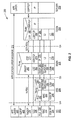
- FIG. 2 illustrates protocol stacks implemented at the different network nodes in a standard GPRS communication network.
- Figure 2 also illustrates several messages that are sent between these protocol stacks.
- a protocol stack 202 at a mobile station includes a GSM RF layer 234, a MAC (Medium Access Control) layer 232, a RLC (Radio Link Control) layer 230, a LLC (Logic Link Control) layer 228, a SNDPCP (Sub-Network Dependent Control Protocol) layer 226, a UDP/IP layer, and an application layer 220.
- application layer 220 is on top of a transport layer, the UDP layer 222, and a network layer, the IP layer 224.
- the application layer 220 is a UDP/IP type of application.
- the application layer 220 may be a TCP/IP type of application or some other IP related applications.
- the SNDPCP layer 226 of the protocol stack 202 understands packet protocols, such as TCP/IP, X.25, etc. and is employed to encapsulate the upper packet layers from the underlying GPRS access layers and connect the upper layer packet protocols with the underlying GPRS access protocol layers.
- LLC layer 228 provides a logic layer connection between the mobile station and the SGSN.
- RLC layer 230 maintains reliable radio link between the mobile station and the BSS.
- MAC layer 232 is responsible for accessing BSS radio resources by the mobile station.
- GSM RF layer 234 is a physical layer and handles radio transmissions occurring in the physical GSM channels and packet channels, such as Radio Access Channel and Packet Radio Access Channel, etc.
- the protocol stack 204 implemented in a BSS includes a RLC layer 242, a MAC layer 244 and a GSM RF layer 246 that communicate with mobile stations on the Um interface side.
- protocol stack 204 includes a BSSGP layer 248, a network service layer 250, and a L1 Bis layer 252 that communicate with an SGSN.
- the BSS and SGSN are connected over a Frame Relay network.
- the Gb interface side of the protocol stack 206 includes a BSSGP layer 264, a Network Service layer 266 and a L1 Bis layer 268 that communicate with the BSS, and a LLC layer 262 and an SNDCP layer 260 that communicate with the mobile station above the Frame Relay layer of the BSS.
- the Gn interface side of the protocol stack 206 on the SGSN includes a GTP-U layer 272, a TCP/UDP layer 274, an IP layer 276, and an L2/L1 layer 278.
- the SGSN communicates with a GGSN over the Gn interface.
- the Gn interface side of the protocol stack includes a GTP-U layer 280, a TCP/UDP layer 282, an IP layer 284, and an L2/L1 layer 286.
- the GGSN interfaces with a packet data network and communicates with data application servers through TCP/UDP/IP protocols, as employed by the protocol stack 210 implemented on an MTC server.
- a GGSN is an entry point into the packet data network with which the GGSN interfaces.
- the mobile station in Fig. 1 supports an MTC application at application layer 220
- the mobile station is referred to as an MTC device in the present application.
- the number of MTC devices and the MTC related traffic have been increasing steadily over the years.
- Various methods and techniques can be employed to reduce MTC related traffic in both the control plane and the user plane, especially for communications over the air interface between mobile stations and BSS.
- PDP context activation procedures can be eliminated for MTC devices, to reduce traffic load in the control plane.
- a PDP context associated with a mobile station specifies a PDP address, i.e., an IP address for the mobile station, an Access Point Name, i.e., a reference to the GGSN the mobile station is using for packet data network access in this particular PDP context, and a requested QoS.
- a mobile station can activate PDP context activation procedures for multiple applications and can be associated with more than one PDP context.
- Eliminating PDP context activation procedures for MTC devices reduces signaling loads in the network.
- the information normally specified in a PDP context is still needed for data transmissions by an MTC device.
- the APN specified in a PDP context is needed for an SGSN to identify the GGSN for the MTC device.
- the requested QoS is needed for a BSS to apply the QoS to the radio channels.
- the PDP address is needed by a GGSN to identify the MTC device.
- One solution is for an SGSN to perform a one-time PDP context activation procedure immediately following a successful GPRS Attach or just before sending an Attach Accept message to the MTC device.
- the SGSN For an SGSN to trigger a PDP context activation procedure, the SGSN needs to receive from the MTC device an APN of its preferred GGSN and the address of the MTC server the MTC device intends to communicate with. These two pieces of information can be included in the Attach Request message sent by the MTC device to the SGSN. Alternatively, the SGSN can retrieve either of these two pieces of information from the Home Location Register (HLR) during the attachment procedure. The SGSN then maps the APN into an IP address of the GGSN and maps the address of the MTC server into an IP address of the MTC server. The SGSN stores the IP address of the MTC server and associates it with the MTC device, which may be represented by a P-TMSI.
- HLR Home Location Register
- the SGSN then triggers a Create PDP Context procedure with the GGSN by sending a Create PDP Context Request to the GGSN.
- the Create PDP Context Request the SGSN includes an indication that the corresponding mobile station is a MTC device and therefore only one PDP context will be needed for this MTC device.
- the GGSN assigns a PDP address (IP address for the mobile station) to the mobile station and transmits the PDP address back to the SGSN via the Create PDP Context Response or as part of in-band signaling within the transmission plane.
- the SGSN After the SGSN receives the PDP address created for the MTC device by the GGSN during the PDP context creation, the SGSN associates the PDP address of the MTC device with the APN contained in the Attach Request message sent from the MTC device, thus creates a PDP address/APN pair for use in relaying MTC messages.
- an MTC device can send and receive MTC messages without further requesting PDP context activation.
- a mobile station can transmit packet data to a BSS using one of the following three procedures: multi-block one-phase access, multi-block two-phase access or single-block packet access.
- Signaling in a single-block packet access procedure involves three messages: an EGPRS Packet Channel Request message on the Radio Access Channel sent by the mobile station to the BSS, an Immediate Assignment message on the Access Grant Channel sent by the BSS to the mobile station, and the MTC message sent on the Packet Data channel by the mobile station.
- signaling in a multi-block one-phase access procedure or a multi-block two-phase access procedure requires establishment of a temporary flow block (TBF).
- TBF temporary flow block
- both multi-block access procedures also require a Packet resource Request message on the Packet Data Channel, a Packet Uplink Assignment message on the Packet Access Control Channel, and multiple ACK/NACK messages.
- single-block packet access procedures minimize signaling traffic over the air interface between the MTC device and the BSS, and would be a viable option for MTC message transmission.
- the size of an assigned single radio block is 22 octets. It is expected that a significant number of MTC devices will commonly transmit short MTC messages consisting of 10 or less octets of information.
- MTC applications runs on top of TCP/UDP/IP protocol layers and incurs significant overhead.
- the UDP/IP layers alone generate 46 to 48 octets of overhead for every MTC message. This is because the UDP/IP layers include an eight octet IP6 header, a sixteen octet IPv6 source address, a sixteen octet IPv6 destination address, and an eight octet UDP header.
- Protocol stack optimizations can be utilized to minimize the protocol overhead when sending MTC messages over the air interface.
- the UDP/IP layers are removed from the UDP/IP/SNDCP/IP protocol stack.
- other transport layers that are related to the IP protocol such as TCP, are removed along with the IP layer from the protocol stack.
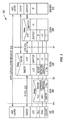
- Fig. 3 illustrates one embodiment of protocol stack optimization.
- the UDP/IP layers are removed from the UDP/IP/SNDCP/IP protocol stack that is associated with the radio interface (Um) between the mobile station and the BSS.
- Um radio interface
- an application layer message 312 is transmitted using the optimized protocol stack and is then relayed from the SGSN to MTC server via the GGSN without optimization (i.e. with the UDP/IP layers present).
- a short MTC message such as the application layer message 312
- SNDCP at the BSS as an N-PDU 316 with no UDP/IP packets included the N-PDU, using the single-block packet access procedure.
- the MTC device can send an EGPRS Packet Channel Request with an optimized single-block packet access indication, whenever the MTC device needs to send a short MTC message using the optimized protocol stack.
- the reception of an EGPRS Packet Channel Request indicating the use of optimized single-block packet access indicates that the MTC message (N-PDU) to be sent using the single radio block will be carried within the context of the optimized protocol stack (i.e., the MTC message/SNDCP/LLC/RLC stack).
- the BSS can grant the request by sending an Immediate Assignment message to the MTC device with the assigned single radio block.
- the MTC device then sends the MTC message as an N-PDU 316 via the LLC layer.
- the N-PDU 316 includes an indication that the LLC PDU payload consists of an SN-PDU carrying a complete MTC message.
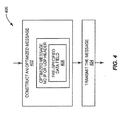
- Fig. 4 illustrates a flow chart of an MTC device sending a short MTC message using the optimized protocol stack.
- the MTC device constructs an optimized message that has no IP or UDP header.
- the message also contains a pre-specified data field 406 to indicate that the message is an optimized message.
- the MTC device transmits the optimized message over the radio interface to the corresponding BSS.
- the BSS When the BSS receives the LLC N-PDU 316 sent on the assigned single radio block over the Packet Data Channel, it relays the N-PDU 316 to the SGSN.
- SGSN Upon receiving an SN-PDU, the SGSN checks whether the message is sent using the optimized protocol stack by checking the SAPI value. If the message is sent using the optimized protocol stack, the SGSN serves as a proxy by inserting the required UDP/IP packets before forwarding the MTC message to the GGSN.
- Fig. 5 illustrates an exemplary flow chart of an SGSN processing an optimized application layer message. In Step 502 of Fig. 5 , the SGSN decides that it has received an optimized message and needs to insert an UDP header and an IP header into the message.
- the SGSN needs to derive a source Port number and a destination Port number (Step 504).
- eleven UDP port values can be allocated for MTC application purposes.
- the NSAPI field in the SNDCP layer can be used to convey UDP port information. For example, whenever an MTC message is sent using the optimized protocol stack by the mobile station, values of the NSAPI field in the 5-15 range can be dynamically configured and can be mapped to any pair of eleven corresponding UDP port values allocated for MTC applications.
- the source Port number and destination Port number can be conveyed to the SGSN as part of new information sent from mobile station to the SGSN when the mobile station triggers the attach procedure. This is possible for the case where the mobile station supports only a single MTC application which always communicates with the same MTC application on the MTC server.
- SGSN needs to derive an IP source address and an IP destination address (Step 506).
- the IP source address maps the P-TMSI assigned to the mobile station during GPRS attach into the PDP address that is assigned to the mobile station during the PDP context creation initiated by the SGSN during the attach procedure.
- the IP destination address the SGSN uses the stored IP address of the MTC server associated with the MTC device. The IP address of the MTC server is obtained by the SGSN as part of new information sent from mobile station to the SGSN when the mobile station triggers the attach procedure.
- the SGSN adds the newly built IP header and UDP header to the SN-PDU it receives from the BSS to build a new N-PDU (Step 508).
- the SGSN also retrieves the TEID established for the MTC device obtained during the Create PDP Context procedure and generates a GTP-U PDU for carrying the new N-PDU.
- the GTP-U PDU is then forwarded to the corresponding GGSN (Step 510).
- the GGSN then forwards the received GTP-U PDU as any regular GTP-U PDU to the MTC server based on the IP destination address of the MTC server.
- an SGSN can serve as a proxy for terminating the UDP/IP layers by deciding to reduce the size of an N-PDU received from the GGSN by removing the UDP/IP layers.
- Fig. 6 illustrates one such embodiment.
- the SGSN receives a GTP-U PDU from the GGSN (Step 602), it uses legacy procedures to identify the corresponding target mobile station and determines that the target mobile station is an MTC device. If the MTC device supports the optimized protocol stack, the SGSN can then optionally decide to reduce the size of an N-PDU carried within the GTP-U PDU by removing the UDP/IP layers such that the new N-PDU now consists of an MTC message (Step 604).
- the NSAPI within the SN-PDU header can be used again to convey UDP port number information that is extracted from the UDP header.
- the SGSN then sets a pre-specified data field, such as field SAPI in the LLC header, to indicate that the new PDU is optimized (Step 606) and then transmits the new PDU via a BSSGP PDU over the Gb interface towards the BSS.
- the BSSGP PDU containing the new N-PDU is sent to the BSS along with an indication that the optimized protocol stack is used.
- the BSS proceeds to establish a downlink TBF and delivers the new N-PDU to the MTC device.
- SAPI currently reserved SAPI value
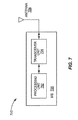
- Figs. 7 and 8 illustrate an exemplary embodiment of a mobile station and an SGSN respectively.
- a mobile station 708 is shown to include a processing unit 702 for data processing and a transceiver unit 704 of transmitting and receiving wireless data to and from BSSs over the air interface.
- an SGSN 802 is shown to include a processor 804 an Input/Output unit 802.
- the processing unit 702 and the processor 804 may correspond to one or more commercially available or custom microprocessors, microcontrollers, or digital signal processors.
- both mobile station 708 and SGSN 802 may include memory devices containing the software, firmware, and data used to implement the functionalities described above.
- These memory devices may include, but are not limited to, the following types of devices: cache, ROM, PROM, EPROM, EEPROM, flash, SRAM, and DRAM.
Landscapes
- Engineering & Computer Science (AREA)
- Computer Networks & Wireless Communication (AREA)
- Signal Processing (AREA)
- Computer Security & Cryptography (AREA)
- Mobile Radio Communication Systems (AREA)
Claims (15)
- Verfahren (400) zur Protokollstapeloptimierung für Datenkommunikation zwischen einer Maschinentyp-Kommunikations, MTC,-Vorrichtung (708) und einem versorgenden GPRS-Unterstützungsknoten, SGSN, (802), wobei die MTC-Vorrichtung und der SGSN durch einen Protokollstapel kommunizieren, der eine oder mehrere Protokollschichten umfasst, wobei das Verfahren umfasst:Erstellen (402) einer MTC-Nachricht (312) an der MTC-Vorrichtung zur Übermittlung an eine Ziel-MTC-Anwendung in einem Zielnetzknoten unter Verwendung eines Internetprotokoll (IP)-Pakets, wobei die MTC-Vorrichtung einen Protokollstapel ohne Benutzer-Datagrammprotokoll (UDP)/IP-Schichten aufweist, undSenden (404) der MTC-Nachricht von der MTC-Vorrichtung an den SGSN;wobei die MTC-Nachricht keine UDP/IP-Header umfasst, und wobei ein im Voraus festgelegtes Datenfeld in der MTC-Nachricht auf einen Wert gesetzt wird, der dem SGSN anzeigt, dass ein Transportschicht-Header vom UDP-Typ und ein IP-Header zur MTC-Nachricht vor ihrer Übermittlung an die Ziel-MTC-Anwendung hinzugefügt werden müssen.
- Verfahren nach Anspruch 1, wobei die MTC-Vorrichtung und der SGSN in einem GPRS-Netz sind, und wobei das im Voraus festgelegte Datenfeld ein Dienstzugriffspunkt-Kennungsfeld auf einer logischen Verbindungssteuerungsschicht des Protokollstapels ist.
- Verfahren nach Anspruch 1, wobei die MTC-Nachricht keinen UDP-Header umfasst, und wobei das im Voraus festgelegte Datenfeld in der MTC-Nachricht auf einen Wert gesetzt wird, der dem SGSN anzeigt, dass ein UDP-Header und ein IP-Header zur MTC-Nachricht vor ihrer Übermittlung an die Ziel-MTC-Anwendung hinzugefügt werden müssen.
- Verfahren (500) zur Weiterleitung einer Maschinentyp-Kommunikations, MTC,-Nachricht (312) für Datenkommunikation zwischen einer MTC-Vorrichtung (708) und einem versorgenden GPRS-Unterstützungsknoten, SGSN, (802), die durch einen Protokollstapel kommunizieren, der eine oder mehrere Protokollschichten umfasst, wobei das Verfahren umfasst:Empfangen (502) einer MTC-Nachricht am SGSN, wobei die MTC-Nachricht weder einen Benutzer-Datagrammprotokoll (UDP)-Header noch einen Internetprotokoll (IP)-Header umfasst, da die MTC-Vorrichtung, welche die MTC-Nachricht sandte, einen Protokollstapel ohne Benutzer-Datagrammprotokoll (UDP)/IP-Schichten aufweist;Bestimmen, dass die empfangene MTC-Nachricht eine optimierte MTC-Nachricht ist, durch Prüfen eines im Voraus festgelegten Datenfeldes;Abrufen (504) einer Benutzer-Datagrammprotokoll (UDP)-Ursprungsportnummer und einer UDP-Zielportnummer, die in der MTC-Nachricht fehlen, und Abrufen (506) einer Internetprotokoll (IP)-Zieladresse und einer IP-Ursprungsadresse, die in der MTC-Nachricht fehlen, in Reaktion auf das Bestimmen, dass die empfangene MTC-Nachricht eine optimierte Nachricht ist;Erstellen (508) basierend auf den abgerufenen UDP-Portnummern und IP-Adressen eines UDP-Headers und eines IP-Headers, die zur MTC-Nachricht hinzugefügt werden sollen; undSenden der MTC-Nachricht.
- Verfahren nach Anspruch 4, wobei die MTC-Vorrichtung und der SGSN in einem GPRS-Netz sind, und die IP-Ursprungsadresse durch Zuordnen einer Nummer einer temporären Paket-Mobilteilnehmeridentität (P-TMSI), die der empfangenen MTC-Nachricht entspricht, zu einer Paketdatenprotokoll-Adresse, die mit der MTC-Vorrichtung assoziiert ist, abgerufen wird.
- Verfahren (400) zur Protokollstapeloptimierung für Datenkommunikation zwischen einer Maschinentyp-Kommunikations, MTC,-Vorrichtung (708) und einem versorgenden GPRS-Unterstützungsknoten, SGSN, (802), wobei die MTC-Vorrichtung und der SGSN durch einen Protokollstapel kommunizieren, der eine oder mehrere Protokollschichten umfasst, wobei das Verfahren gekennzeichnet ist durch:Erstellen (402) einer MTC-Nachricht an der MTC-Vorrichtung zur Übermittlung an eine Ziel-MTC-Anwendung in einem Zielnetzknoten über ein Benutzer-Datagrammprotokoll (UDP)-Paket, das unter Verwendung eines Internetprotokoll (IP)-Pakets weitergeleitet wird, wobei die MTC-Vorrichtung einen Protokollstapel ohne Benutzer-Datagrammprotokoll (UDP)/IP-Schichten aufweist, undSenden (404) der MTC-Nachricht von der MTC-Vorrichtung an den SGSN;wobei die MTC-Nachricht weder einen UDP-Header noch einen IP-Header umfasst, und wobei ein im Voraus festgelegtes Datenfeld in der MTC-Nachricht und eine Netzknoten-Identitätsnummer, die der MTC-Nachricht entspricht, verwendet werden, um Benutzer-Datagrammprotokoll (UDP)-Portnummer-Informationen abzuleiten, und ein zweites im Voraus festgelegtes Datenfeld anzeigt, dass die MTC-Nachricht optimiert ist.
- Verfahren nach Anspruch 6, wobei die MTC-Vorrichtung und der SGSN in einem GPRS-Netz sind, und wobei das im Voraus festgelegte Datenfeld ein Netzdienstzugriffspunkt-Kennungsfeld auf einer subnetzabhängigen Konvergenzprotokollschicht des Protokollstapels ist und die Netzknoten-Identitätsnummer eine temporäre Paket-Mobilteilnehmeridentität (P-TMSI) ist.
- Verfahren nach Anspruch 6, wobei die entsprechende Netzknoten-Identitätsnummer eine temporäre Paket-Mobilteilnehmeridentität (P-TMSI) ist, die der MTC-Vorrichtung während einer Anschlussprozedur zugeordnet wird und für welche entsprechende IP-Adressinformationen und UDP-Port-Informationen unter Verwendung von Informationen identifiziert werden, die zwischen der MTC-Vorrichtung und dem SGSN während der Anschlussprozedur und PDP-Kontextaktivierungsprozeduren weitergegeben werden.
- Verfahren (500) zur Weiterleitung einer Maschinentyp-Kommunikations, MTC,-Nachricht (312) für Datenkommunikation zwischen einer MTC-Vorrichtung (708) und einem versorgenden GPRS-Unterstützungsknoten, SGSN, (802), die durch einen Protokollstapel kommunizieren, der eine oder mehrere Protokollschichten umfasst, wobei das Verfahren gekennzeichnet ist durch:Empfangen (502) einer MTC-Nachricht am SGSN, wobei die MTC-Nachricht weder einen Benutzer-Datagrammprotokoll (UDP)-Header noch einen Internetprotokoll (IP)-Header umfasst, da die MTC-Vorrichtung, welche die MTC-Nachricht sandte, einen Protokollstapel ohne Benutzer-Datagrammprotokoll (UDP)/IP-Schichten aufweist;Ableiten (504) von Benutzer-Datagrammprotokoll (UDP)-Portnummer-Informationen unter Verwendung eines im Voraus festgelegten Datenfeldes in der MTC-Nachricht und einer Netzknoten-Identitätsnummer, die der MTC-Nachricht entspricht;Abrufen (506) einer IP-Zieladresse und einer IP-Ursprungsadresse unter Verwendung der Netzknoten-Identitätsnummer, die der MTC-Nachricht entspricht;Erstellen (508) basierend auf den abgeleiteten UDP-Port-Informationen und den abgerufenen IP-Adressen eines IP-Headers und eines UDP-Headers und Hinzufügen des IP-Headers und des UDP-Headers zur MTC-Nachricht; undSenden (510) der MTC-Nachricht.
- Verfahren nach Anspruch 9, ferner umfassend ein Bestimmen, dass die empfangene MTC-Nachricht eine optimierte MTC-Nachricht ist, durch Prüfen eines zweiten im Voraus festgelegten Datenfeldes, wobei das zweite im Voraus festgelegte Datenfeld ein Dienstzugriffspunkt-Kennungsfeld auf einer logischen Verbindungssteuerungsschicht des Protokollstapels ist.
- Verfahren (600) zur Übermittlung einer Maschinentyp-Kommunikations, MTC-Nachricht (312) von einem versorgenden GPRS-Unterstützungsknoten, SGSN, (802) an ein Basisstationssubsystem, BSS, wobei der SGSN und das BSS durch einen Protokollstapel kommunizieren, der eine oder mehrere Protokollschichten umfasst, und das BSS zum Unterstützen von Protokollstapeloptimierung imstande ist, wobei das Verfahren gekennzeichnet ist durch:Empfangen (602) einer MTC-Nachricht am SGSN;Entfernen (604) eines Benutzer-Datagrammprotokoll (UDP)-Headers und eines Internetprotokoll (IP)-Headers aus der empfangenen Nachricht zur Protokollstapeloptimierung;Setzen (606) eines Datenfeldes in der Nachricht auf einen im Voraus festgelegten Wert, um anzuzeigen, dass die MTC-Nachricht optimiert ist, undSenden (608) der MTC-Nachricht an das BSS, das die MTC-Nachricht an eine MTC-Vorrichtung (708) übermittelt, welche einen Protokollstapel ohne Benutzer-Datagrammprotokoll (UDP)/IP-Schichten aufweist.
- Verfahren nach Anspruch 11, wobei der SGSN und das BSS in einem GPRS-Netz sind.
- Drahtlose Maschinentyp-Kommunikations, MTC,-Vorrichtung (708), die so konfiguriert ist, dass sie mit einem versorgenden GPRS-Unterstützungsknoten, SGSN, (802) durch einen Protokollstapel kommuniziert, der eine oder mehrere Protokollschichten umfasst, und zum Unterstützen von Protokollstapeloptimierung imstande ist, wobei die drahtlose MTC-Vorrichtung gekennzeichnet ist durch:eine Empfangseinheit (704) zum Empfangen von Nachrichten von einer Anwendungsschicht in der drahtlosen MTC-Vorrichtung;eine Sendeeinheit (704) zum Senden von Nachrichten über die Funkschnittstelle;eine Verarbeitungseinheit (702) zum Verarbeiten von Nachrichten, die von der Empfangseinheit empfangen werden, wobei die Verarbeitungseinheit konfiguriert ist zum:Erstellen einer MTC-Nachricht zur Übermittlung an eine Ziel-MTC-Anwendung in einem Zielnetzknoten über ein Benutzer-Datagrammprotokoll (UDP)/Internetprotokoll (IP)-Paket; undSenden der MTC-Nachricht an den SGSN;wobei die MTC-Nachricht weder einen UDP-Header noch einen IP-Header umfasst, und wobei ein im Voraus festgelegtes Datenfeld in der MTC-Nachricht auf einen Wert gesetzt ist, der dem SGSN anzeigt, dass ein UDP-Header und ein IP-Header zur MTC-Nachricht vor ihrer Übermittlung an die Ziel-MTC-Anwendung hinzugefügt werden müssen, wobei die MTC-Vorrichtung einen Protokollstapel ohne Benutzer-Datagrammprotokoll (UDP)/IP-Schichten aufweist.
- Drahtlose Maschinentyp-Kommunikations, MTC,-Vorrichtung (708), die so konfiguriert ist, dass sie mit einem versorgenden GPRS-Unterstützungsknoten, SGSN, (802) durch einen Protokollstapel kommuniziert, der eine oder mehrere Protokollschichten umfasst, und zum Unterstützen von Protokollstapeloptimierung imstande ist, wobei die drahtlose MTC-Vorrichtung gekennzeichnet ist durch:eine Empfangseinheit (704) zum Empfangen von MTC-Nachrichten an der Funkschnittstelle;eine Sendeeinheit (704) zum Senden von empfangenen Nachrichten an eine Anwendungsschicht in der drahtlosen MTC-Vorrichtung;eine Verarbeitungseinheit (720) zum Verarbeiten von MTC-Nachrichten, die von der Empfangseinheit empfangen werden, und Erstellen von MTC-Nachrichten, die durch die Sendeeinheit gesendet werden sollen, wobei die Verarbeitungseinheit konfiguriert ist zum:Empfangen einer MTC-Nachricht (312), wobei die Nachricht aufgrund von Protokollstapeloptimierung weder einen Benutzer-Datagrammprotokoll (UDP)-noch einen Internetprotokoll (IP)-Header umfasst;Ableiten von Benutzer-Datagrammprotokoll (UDP)-Portnummer-Informationen unter Verwendung eines im Voraus festgelegten Datenfeldes im Datenpaket; undÜbermitteln der MTC-Nachricht an die Anwendungsschicht basierend auf den abgeleiteten UDP-Portnummer-Informationen, wobei die MTC-Vorrichtung einen Protokollstapel ohne Benutzer-Datagrammprotokoll (UDP)/IP-Schichten aufweist.
- Drahtlose MTC-Vorrichtung nach Anspruch 14, wobei die drahtlose MTC-Vorrichtung und der SGSN in einem GPRS-Netz sind, und das im Voraus festgelegte Datenfeld ein Netzdienstzugriffspunkt-Kennungsfeld auf einer subnetzabhängigen Konvergenzprotokollschicht des Protokollstapels ist.
Applications Claiming Priority (3)
| Application Number | Priority Date | Filing Date | Title |
|---|---|---|---|
| US33299110P | 2010-05-10 | 2010-05-10 | |
| US13/051,825 US9769287B2 (en) | 2010-05-10 | 2011-03-18 | Reducing protocol overhead in single-block packet access procedures |
| PCT/IB2011/051705 WO2011141834A1 (en) | 2010-05-10 | 2011-04-20 | Reducing protocol overhead in single-block packet access procedures |
Publications (2)
| Publication Number | Publication Date |
|---|---|
| EP2569914A1 EP2569914A1 (de) | 2013-03-20 |
| EP2569914B1 true EP2569914B1 (de) | 2015-04-08 |
Family
ID=44901867
Family Applications (1)
| Application Number | Title | Priority Date | Filing Date |
|---|---|---|---|
| EP11723123.3A Ceased EP2569914B1 (de) | 2010-05-10 | 2011-04-20 | Minimierung von protokoll-overhead bei einzelblock-paketzugangsverfahren |
Country Status (8)
| Country | Link |
|---|---|
| US (1) | US9769287B2 (de) |
| EP (1) | EP2569914B1 (de) |
| JP (1) | JP5684901B2 (de) |
| KR (1) | KR101763976B1 (de) |
| CN (1) | CN102972007B (de) |
| CA (1) | CA2800608A1 (de) |
| TW (1) | TWI520541B (de) |
| WO (1) | WO2011141834A1 (de) |
Families Citing this family (25)
| Publication number | Priority date | Publication date | Assignee | Title |
|---|---|---|---|---|
| US8995336B2 (en) * | 2010-05-11 | 2015-03-31 | Telefonaktiebolaget L M Ericsson (Publ) | MTC service activation |
| CN102223412B (zh) * | 2010-06-18 | 2014-06-25 | 开曼群岛威睿电通股份有限公司 | 机器类型通信方法及装置 |
| WO2012018225A2 (en) * | 2010-08-03 | 2012-02-09 | Samsung Electronics Co., Ltd. | Method and apparatus of communicating packet data units in a wireless network environment and system using thereof |
| CN102378376B (zh) * | 2010-08-24 | 2014-09-03 | 华为技术有限公司 | 资源立即指派方法、装置和系统 |
| EP2652928A4 (de) * | 2010-11-05 | 2017-12-20 | Intel Corporation | Logische persistente datentunnel |
| WO2012072144A1 (en) * | 2010-12-03 | 2012-06-07 | Nokia Siemens Networks Oy | Facilitating device-to-device communication |
| US20120182934A1 (en) * | 2011-01-18 | 2012-07-19 | John Diachina | Application layer communication via an intermediate node |
| EP2677781A4 (de) * | 2011-12-19 | 2014-04-23 | Huawei Tech Co Ltd | Verfahren, vorrichtung und system für dienstantwort |
| GB2500374A (en) | 2012-03-13 | 2013-09-25 | Ibm | Optimisation of mobile data communication using byte caching |
| US20130273855A1 (en) * | 2012-04-16 | 2013-10-17 | Qualcomm Incorporated | Systems, methods, and apparatus for machine to machine device triggering |
| CN103581892A (zh) * | 2012-08-06 | 2014-02-12 | 电信科学技术研究院 | 目的mtc服务器确定方法、设备及系统 |
| JP5900629B2 (ja) * | 2012-09-12 | 2016-04-06 | 日本電気株式会社 | 移動通信システム、データ通信方法、ゲートウェイ装置及び基地局 |
| KR20140045215A (ko) * | 2012-10-08 | 2014-04-16 | 삼성전자주식회사 | 그룹 기반 연결 설정 방법 및 장치 |
| US9973966B2 (en) | 2013-01-11 | 2018-05-15 | Interdigital Patent Holdings, Inc. | User-plane congestion management |
| WO2014191053A1 (en) * | 2013-05-31 | 2014-12-04 | Telefonaktiebolaget L M Ericsson (Publ) | Service layer control aware control signalling in a communication network |
| US9819552B2 (en) * | 2013-07-02 | 2017-11-14 | Seven Networks, Llc | Modeling network signaling in a mobile network |
| US20150230121A1 (en) * | 2014-02-07 | 2015-08-13 | Telefonaktiebolaget L M Ericsson (Publ) | Mtc device, serving node, and various methods for implementing a downlink stack reduction feature |
| US20150230122A1 (en) * | 2014-02-07 | 2015-08-13 | Telefonaktiebolaget L M Ericsson (Publ) | Mtc device, serving node, and various methods for implementing an uplink stack reduction feature |
| US9883012B2 (en) * | 2014-09-09 | 2018-01-30 | Telefonaktiebolaget Lm Ericsson (Publ) | Simplified notification of network triggered reporting—second core network node (e.g., SGSN) and method |
| US9716653B2 (en) * | 2014-11-18 | 2017-07-25 | Hauwei Technologies Co., Ltd. | System and method for flow-based addressing in a mobile environment |
| WO2017019118A1 (en) * | 2015-07-28 | 2017-02-02 | Intel Corporation | Network attach process through a combined general packet radio service (gprs) attach message and a packet data protocol (pdp) context activation procedure |
| US10129689B2 (en) | 2015-11-02 | 2018-11-13 | Definition Networks, Inc. | Systems and methods for machine-type communication |
| US10298627B2 (en) * | 2016-02-01 | 2019-05-21 | Oracle International Corporation | Concentration of independent tunneled encapsulated media |
| US10219198B2 (en) | 2016-05-24 | 2019-02-26 | At&T Intellectual Property I, L.P. | System and method for short message delivery in a mobility network |
| CN109196895B (zh) * | 2016-09-19 | 2020-07-21 | 华为技术有限公司 | 一种报文传输方法、装置及系统 |
Family Cites Families (18)
| Publication number | Priority date | Publication date | Assignee | Title |
|---|---|---|---|---|
| US7420951B1 (en) * | 1999-11-12 | 2008-09-02 | Nortel Networks Limited | Packet-switched communications in a mobile network |
| US6839339B1 (en) * | 2000-02-02 | 2005-01-04 | Lucent Technologies Inc. | Header compression for general packet radio service tunneling protocol (GTP)-encapsulated packets |
| AU2001238343A1 (en) * | 2000-02-16 | 2001-08-27 | Nokia Networks Oy | Method and system for communicating data between a mobile communications architecture and a packet switched architecture |
| ATE413075T1 (de) * | 2000-05-08 | 2008-11-15 | Nokia Siemens Networks Oy | Verfahren und system zur änderung des inhaltes einer datenbank eines kommunikationsnetzwerkes und kommunikationsnetzwerk |
| US20020064164A1 (en) * | 2000-10-06 | 2002-05-30 | Barany Peter A. | Protocol header construction and/or removal for messages in wireless communications |
| DE10131561A1 (de) * | 2001-06-29 | 2003-01-16 | Nokia Corp | Verfahren zur Übertragung von Anwendungspaketdaten |
| NO20014064D0 (no) * | 2001-08-21 | 2001-08-21 | Ericsson Telefon Ab L M | Fremgangsmate for handtering av en mobil abonnent i et telekommunikasjonssystem |
| TW588524B (en) * | 2002-01-23 | 2004-05-21 | Ind Tech Res Inst | System and method to apply multi-protocol label switching network in GPRS |
| SE0201143D0 (sv) * | 2002-04-15 | 2002-04-15 | Ericsson Telefon Ab L M | Packet switched Services |
| GB2402027A (en) | 2003-05-21 | 2004-11-24 | Hutchison Whampoa Three G Ip | Network based RTP proxy for IP header elimination |
| JP2005217626A (ja) * | 2004-01-28 | 2005-08-11 | Kddi Corp | 無線アクセスネットワークを介するパケットデータ交換ノード、端末及びそのプログラム |
| EP1810460B1 (de) | 2004-11-02 | 2009-07-22 | Nokia Corporation | Informieren einer empfängereinrichtung über nachrichteninhaltseigenschaften |
| KR20060054662A (ko) * | 2004-11-15 | 2006-05-23 | 삼성전자주식회사 | 광대역 무선 통신 시스템에서 헤더 압축 장치 및 방법 |
| US7535848B2 (en) | 2005-05-17 | 2009-05-19 | Tektronix, Inc. | System and method for associating IP services to mobile subscribers |
| US7907609B2 (en) * | 2006-01-06 | 2011-03-15 | Qualcomm, Incorporated | Method and apparatus for enhancing RoHC performance when encountering silence suppression |
| KR101384865B1 (ko) * | 2007-01-09 | 2014-04-16 | 엘지전자 주식회사 | 충돌 해결을 위한 랜덤 액세스 방법 |
| JP4882959B2 (ja) * | 2007-10-26 | 2012-02-22 | 富士通株式会社 | パケット通信方法並びにパケット通信システム、管理装置、無線端末及びパケット通信装置 |
| US8126509B2 (en) * | 2008-08-01 | 2012-02-28 | Mediatek Inc. | Methods for handling packet-switched data transmissions by mobile station with subscriber identity cards and systems utilizing the same |
-
2011
- 2011-03-18 US US13/051,825 patent/US9769287B2/en active Active
- 2011-04-20 EP EP11723123.3A patent/EP2569914B1/de not_active Ceased
- 2011-04-20 CN CN201180034231.9A patent/CN102972007B/zh not_active Expired - Fee Related
- 2011-04-20 KR KR1020127032226A patent/KR101763976B1/ko not_active Expired - Fee Related
- 2011-04-20 JP JP2013509639A patent/JP5684901B2/ja not_active Expired - Fee Related
- 2011-04-20 WO PCT/IB2011/051705 patent/WO2011141834A1/en not_active Ceased
- 2011-04-20 CA CA2800608A patent/CA2800608A1/en not_active Abandoned
- 2011-05-09 TW TW100116261A patent/TWI520541B/zh not_active IP Right Cessation
Also Published As
| Publication number | Publication date |
|---|---|
| CN102972007A (zh) | 2013-03-13 |
| CN102972007B (zh) | 2015-11-25 |
| KR101763976B1 (ko) | 2017-08-01 |
| US9769287B2 (en) | 2017-09-19 |
| KR20130064751A (ko) | 2013-06-18 |
| WO2011141834A1 (en) | 2011-11-17 |
| EP2569914A1 (de) | 2013-03-20 |
| TWI520541B (zh) | 2016-02-01 |
| TW201220788A (en) | 2012-05-16 |
| CA2800608A1 (en) | 2011-11-17 |
| US20110274042A1 (en) | 2011-11-10 |
| JP2013530614A (ja) | 2013-07-25 |
| JP5684901B2 (ja) | 2015-03-18 |
Similar Documents
| Publication | Publication Date | Title |
|---|---|---|
| US9769287B2 (en) | Reducing protocol overhead in single-block packet access procedures | |
| US12149922B2 (en) | Communications device, infrastructure equipment, wireless communications network and methods | |
| KR101753935B1 (ko) | Mtc 디바이스 대역폭 감소 | |
| US9179391B2 (en) | Method for offloading processing service, communication apparatus and network system | |
| EP3370446A1 (de) | Unterstützung von transaktionen auf benutzerebene über ein mobiles netzwerk | |
| HK1183183B (en) | Mtc device bandwidth reduction |
Legal Events
| Date | Code | Title | Description |
|---|---|---|---|
| PUAI | Public reference made under article 153(3) epc to a published international application that has entered the european phase |
Free format text: ORIGINAL CODE: 0009012 |
|
| 17P | Request for examination filed |
Effective date: 20121122 |
|
| AK | Designated contracting states |
Kind code of ref document: A1 Designated state(s): AL AT BE BG CH CY CZ DE DK EE ES FI FR GB GR HR HU IE IS IT LI LT LU LV MC MK MT NL NO PL PT RO RS SE SI SK SM TR |
|
| DAX | Request for extension of the european patent (deleted) | ||
| REG | Reference to a national code |
Ref country code: DE Ref legal event code: R079 Ref document number: 602011015465 Country of ref document: DE Free format text: PREVIOUS MAIN CLASS: H04L0029060000 Ipc: H04W0004000000 |
|
| GRAP | Despatch of communication of intention to grant a patent |
Free format text: ORIGINAL CODE: EPIDOSNIGR1 |
|
| RIC1 | Information provided on ipc code assigned before grant |
Ipc: H04L 29/06 20060101ALI20141107BHEP Ipc: H04W 80/04 20090101ALN20141107BHEP Ipc: H04W 4/00 20090101AFI20141107BHEP |
|
| INTG | Intention to grant announced |
Effective date: 20141125 |
|
| GRAS | Grant fee paid |
Free format text: ORIGINAL CODE: EPIDOSNIGR3 |
|
| GRAA | (expected) grant |
Free format text: ORIGINAL CODE: 0009210 |
|
| AK | Designated contracting states |
Kind code of ref document: B1 Designated state(s): AL AT BE BG CH CY CZ DE DK EE ES FI FR GB GR HR HU IE IS IT LI LT LU LV MC MK MT NL NO PL PT RO RS SE SI SK SM TR |
|
| RAP1 | Party data changed (applicant data changed or rights of an application transferred) |
Owner name: TELEFONAKTIEBOLAGET L M ERICSSON (PUBL) |
|
| REG | Reference to a national code |
Ref country code: GB Ref legal event code: FG4D |
|
| REG | Reference to a national code |
Ref country code: CH Ref legal event code: EP |
|
| REG | Reference to a national code |
Ref country code: IE Ref legal event code: FG4D |
|
| REG | Reference to a national code |
Ref country code: AT Ref legal event code: REF Ref document number: 721334 Country of ref document: AT Kind code of ref document: T Effective date: 20150515 |
|
| REG | Reference to a national code |
Ref country code: DE Ref legal event code: R096 Ref document number: 602011015465 Country of ref document: DE Effective date: 20150521 |
|
| REG | Reference to a national code |
Ref country code: NL Ref legal event code: T3 |
|
| REG | Reference to a national code |
Ref country code: NL Ref legal event code: T3 |
|
| REG | Reference to a national code |
Ref country code: AT Ref legal event code: MK05 Ref document number: 721334 Country of ref document: AT Kind code of ref document: T Effective date: 20150408 |
|
| REG | Reference to a national code |
Ref country code: LT Ref legal event code: MG4D |
|
| PG25 | Lapsed in a contracting state [announced via postgrant information from national office to epo] |
Ref country code: PT Free format text: LAPSE BECAUSE OF FAILURE TO SUBMIT A TRANSLATION OF THE DESCRIPTION OR TO PAY THE FEE WITHIN THE PRESCRIBED TIME-LIMIT Effective date: 20150810 Ref country code: NO Free format text: LAPSE BECAUSE OF FAILURE TO SUBMIT A TRANSLATION OF THE DESCRIPTION OR TO PAY THE FEE WITHIN THE PRESCRIBED TIME-LIMIT Effective date: 20150708 Ref country code: FI Free format text: LAPSE BECAUSE OF FAILURE TO SUBMIT A TRANSLATION OF THE DESCRIPTION OR TO PAY THE FEE WITHIN THE PRESCRIBED TIME-LIMIT Effective date: 20150408 Ref country code: HR Free format text: LAPSE BECAUSE OF FAILURE TO SUBMIT A TRANSLATION OF THE DESCRIPTION OR TO PAY THE FEE WITHIN THE PRESCRIBED TIME-LIMIT Effective date: 20150408 Ref country code: ES Free format text: LAPSE BECAUSE OF FAILURE TO SUBMIT A TRANSLATION OF THE DESCRIPTION OR TO PAY THE FEE WITHIN THE PRESCRIBED TIME-LIMIT Effective date: 20150408 Ref country code: LT Free format text: LAPSE BECAUSE OF FAILURE TO SUBMIT A TRANSLATION OF THE DESCRIPTION OR TO PAY THE FEE WITHIN THE PRESCRIBED TIME-LIMIT Effective date: 20150408 |
|
| PG25 | Lapsed in a contracting state [announced via postgrant information from national office to epo] |
Ref country code: GR Free format text: LAPSE BECAUSE OF FAILURE TO SUBMIT A TRANSLATION OF THE DESCRIPTION OR TO PAY THE FEE WITHIN THE PRESCRIBED TIME-LIMIT Effective date: 20150709 Ref country code: LV Free format text: LAPSE BECAUSE OF FAILURE TO SUBMIT A TRANSLATION OF THE DESCRIPTION OR TO PAY THE FEE WITHIN THE PRESCRIBED TIME-LIMIT Effective date: 20150408 Ref country code: AT Free format text: LAPSE BECAUSE OF FAILURE TO SUBMIT A TRANSLATION OF THE DESCRIPTION OR TO PAY THE FEE WITHIN THE PRESCRIBED TIME-LIMIT Effective date: 20150408 Ref country code: RS Free format text: LAPSE BECAUSE OF FAILURE TO SUBMIT A TRANSLATION OF THE DESCRIPTION OR TO PAY THE FEE WITHIN THE PRESCRIBED TIME-LIMIT Effective date: 20150408 Ref country code: IS Free format text: LAPSE BECAUSE OF FAILURE TO SUBMIT A TRANSLATION OF THE DESCRIPTION OR TO PAY THE FEE WITHIN THE PRESCRIBED TIME-LIMIT Effective date: 20150808 |
|
| REG | Reference to a national code |
Ref country code: CH Ref legal event code: PL |
|
| REG | Reference to a national code |
Ref country code: DE Ref legal event code: R097 Ref document number: 602011015465 Country of ref document: DE |
|
| PG25 | Lapsed in a contracting state [announced via postgrant information from national office to epo] |
Ref country code: IT Free format text: LAPSE BECAUSE OF FAILURE TO SUBMIT A TRANSLATION OF THE DESCRIPTION OR TO PAY THE FEE WITHIN THE PRESCRIBED TIME-LIMIT Effective date: 20150408 Ref country code: CH Free format text: LAPSE BECAUSE OF NON-PAYMENT OF DUE FEES Effective date: 20150430 Ref country code: MC Free format text: LAPSE BECAUSE OF FAILURE TO SUBMIT A TRANSLATION OF THE DESCRIPTION OR TO PAY THE FEE WITHIN THE PRESCRIBED TIME-LIMIT Effective date: 20150408 Ref country code: EE Free format text: LAPSE BECAUSE OF FAILURE TO SUBMIT A TRANSLATION OF THE DESCRIPTION OR TO PAY THE FEE WITHIN THE PRESCRIBED TIME-LIMIT Effective date: 20150408 Ref country code: LI Free format text: LAPSE BECAUSE OF NON-PAYMENT OF DUE FEES Effective date: 20150430 Ref country code: DK Free format text: LAPSE BECAUSE OF FAILURE TO SUBMIT A TRANSLATION OF THE DESCRIPTION OR TO PAY THE FEE WITHIN THE PRESCRIBED TIME-LIMIT Effective date: 20150408 |
|
| PLBE | No opposition filed within time limit |
Free format text: ORIGINAL CODE: 0009261 |
|
| STAA | Information on the status of an ep patent application or granted ep patent |
Free format text: STATUS: NO OPPOSITION FILED WITHIN TIME LIMIT |
|
| PG25 | Lapsed in a contracting state [announced via postgrant information from national office to epo] |
Ref country code: PL Free format text: LAPSE BECAUSE OF FAILURE TO SUBMIT A TRANSLATION OF THE DESCRIPTION OR TO PAY THE FEE WITHIN THE PRESCRIBED TIME-LIMIT Effective date: 20150408 Ref country code: RO Free format text: LAPSE BECAUSE OF NON-PAYMENT OF DUE FEES Effective date: 20150408 Ref country code: SK Free format text: LAPSE BECAUSE OF FAILURE TO SUBMIT A TRANSLATION OF THE DESCRIPTION OR TO PAY THE FEE WITHIN THE PRESCRIBED TIME-LIMIT Effective date: 20150408 Ref country code: CZ Free format text: LAPSE BECAUSE OF FAILURE TO SUBMIT A TRANSLATION OF THE DESCRIPTION OR TO PAY THE FEE WITHIN THE PRESCRIBED TIME-LIMIT Effective date: 20150408 |
|
| 26N | No opposition filed |
Effective date: 20160111 |
|
| REG | Reference to a national code |
Ref country code: FR Ref legal event code: PLFP Year of fee payment: 6 |
|
| PG25 | Lapsed in a contracting state [announced via postgrant information from national office to epo] |
Ref country code: SI Free format text: LAPSE BECAUSE OF FAILURE TO SUBMIT A TRANSLATION OF THE DESCRIPTION OR TO PAY THE FEE WITHIN THE PRESCRIBED TIME-LIMIT Effective date: 20150408 |
|
| PG25 | Lapsed in a contracting state [announced via postgrant information from national office to epo] |
Ref country code: BE Free format text: LAPSE BECAUSE OF FAILURE TO SUBMIT A TRANSLATION OF THE DESCRIPTION OR TO PAY THE FEE WITHIN THE PRESCRIBED TIME-LIMIT Effective date: 20150408 |
|
| PG25 | Lapsed in a contracting state [announced via postgrant information from national office to epo] |
Ref country code: MT Free format text: LAPSE BECAUSE OF FAILURE TO SUBMIT A TRANSLATION OF THE DESCRIPTION OR TO PAY THE FEE WITHIN THE PRESCRIBED TIME-LIMIT Effective date: 20150408 |
|
| REG | Reference to a national code |
Ref country code: FR Ref legal event code: PLFP Year of fee payment: 7 |
|
| PG25 | Lapsed in a contracting state [announced via postgrant information from national office to epo] |
Ref country code: HU Free format text: LAPSE BECAUSE OF FAILURE TO SUBMIT A TRANSLATION OF THE DESCRIPTION OR TO PAY THE FEE WITHIN THE PRESCRIBED TIME-LIMIT; INVALID AB INITIO Effective date: 20110420 Ref country code: BG Free format text: LAPSE BECAUSE OF FAILURE TO SUBMIT A TRANSLATION OF THE DESCRIPTION OR TO PAY THE FEE WITHIN THE PRESCRIBED TIME-LIMIT Effective date: 20150408 Ref country code: SM Free format text: LAPSE BECAUSE OF FAILURE TO SUBMIT A TRANSLATION OF THE DESCRIPTION OR TO PAY THE FEE WITHIN THE PRESCRIBED TIME-LIMIT Effective date: 20150408 |
|
| PG25 | Lapsed in a contracting state [announced via postgrant information from national office to epo] |
Ref country code: SE Free format text: LAPSE BECAUSE OF FAILURE TO SUBMIT A TRANSLATION OF THE DESCRIPTION OR TO PAY THE FEE WITHIN THE PRESCRIBED TIME-LIMIT Effective date: 20150408 Ref country code: CY Free format text: LAPSE BECAUSE OF FAILURE TO SUBMIT A TRANSLATION OF THE DESCRIPTION OR TO PAY THE FEE WITHIN THE PRESCRIBED TIME-LIMIT Effective date: 20150408 |
|
| PG25 | Lapsed in a contracting state [announced via postgrant information from national office to epo] |
Ref country code: LU Free format text: LAPSE BECAUSE OF NON-PAYMENT OF DUE FEES Effective date: 20150420 |
|
| REG | Reference to a national code |
Ref country code: FR Ref legal event code: PLFP Year of fee payment: 8 |
|
| PG25 | Lapsed in a contracting state [announced via postgrant information from national office to epo] |
Ref country code: MK Free format text: LAPSE BECAUSE OF FAILURE TO SUBMIT A TRANSLATION OF THE DESCRIPTION OR TO PAY THE FEE WITHIN THE PRESCRIBED TIME-LIMIT Effective date: 20150408 |
|
| PG25 | Lapsed in a contracting state [announced via postgrant information from national office to epo] |
Ref country code: AL Free format text: LAPSE BECAUSE OF FAILURE TO SUBMIT A TRANSLATION OF THE DESCRIPTION OR TO PAY THE FEE WITHIN THE PRESCRIBED TIME-LIMIT Effective date: 20150408 |
|
| PGFP | Annual fee paid to national office [announced via postgrant information from national office to epo] |
Ref country code: SE Payment date: 20190508 Year of fee payment: 17 |
|
| PGFP | Annual fee paid to national office [announced via postgrant information from national office to epo] |
Ref country code: TR Payment date: 20200401 Year of fee payment: 10 |
|
| PG25 | Lapsed in a contracting state [announced via postgrant information from national office to epo] |
Ref country code: IE Free format text: LAPSE BECAUSE OF NON-PAYMENT OF DUE FEES Effective date: 20200420 |
|
| PGFP | Annual fee paid to national office [announced via postgrant information from national office to epo] |
Ref country code: DE Payment date: 20210428 Year of fee payment: 11 Ref country code: FR Payment date: 20210426 Year of fee payment: 11 |
|
| PG25 | Lapsed in a contracting state [announced via postgrant information from national office to epo] |
Ref country code: TR Free format text: LAPSE BECAUSE OF NON-PAYMENT OF DUE FEES Effective date: 20210420 |
|
| PGFP | Annual fee paid to national office [announced via postgrant information from national office to epo] |
Ref country code: NL Payment date: 20220426 Year of fee payment: 12 |
|
| PGFP | Annual fee paid to national office [announced via postgrant information from national office to epo] |
Ref country code: GB Payment date: 20220427 Year of fee payment: 12 |
|
| REG | Reference to a national code |
Ref country code: DE Ref legal event code: R119 Ref document number: 602011015465 Country of ref document: DE |
|
| PG25 | Lapsed in a contracting state [announced via postgrant information from national office to epo] |
Ref country code: FR Free format text: LAPSE BECAUSE OF NON-PAYMENT OF DUE FEES Effective date: 20220430 Ref country code: DE Free format text: LAPSE BECAUSE OF NON-PAYMENT OF DUE FEES Effective date: 20221103 |
|
| REG | Reference to a national code |
Ref country code: NL Ref legal event code: MM Effective date: 20230501 |
|
| GBPC | Gb: european patent ceased through non-payment of renewal fee |
Effective date: 20230420 |
|
| PG25 | Lapsed in a contracting state [announced via postgrant information from national office to epo] |
Ref country code: GB Free format text: LAPSE BECAUSE OF NON-PAYMENT OF DUE FEES Effective date: 20230420 |
|
| PG25 | Lapsed in a contracting state [announced via postgrant information from national office to epo] |
Ref country code: NL Free format text: LAPSE BECAUSE OF NON-PAYMENT OF DUE FEES Effective date: 20230501 Ref country code: GB Free format text: LAPSE BECAUSE OF NON-PAYMENT OF DUE FEES Effective date: 20230420 |