EP2561702B1 - Zellverfolgung für Zellneuauswahl in einem Mobilfunkkommunikationssystem - Google Patents
Zellverfolgung für Zellneuauswahl in einem Mobilfunkkommunikationssystem Download PDFInfo
- Publication number
- EP2561702B1 EP2561702B1 EP11711880.2A EP11711880A EP2561702B1 EP 2561702 B1 EP2561702 B1 EP 2561702B1 EP 11711880 A EP11711880 A EP 11711880A EP 2561702 B1 EP2561702 B1 EP 2561702B1
- Authority
- EP
- European Patent Office
- Prior art keywords
- ranking
- track
- amt
- neighbor
- cell
- Prior art date
- Legal status (The legal status is an assumption and is not a legal conclusion. Google has not performed a legal analysis and makes no representation as to the accuracy of the status listed.)
- Not-in-force
Links
- 230000010267 cellular communication Effects 0.000 title description 7
- 238000000034 method Methods 0.000 claims description 109
- 230000008569 process Effects 0.000 claims description 89
- 238000005259 measurement Methods 0.000 claims description 26
- 238000010295 mobile communication Methods 0.000 claims description 4
- 238000010586 diagram Methods 0.000 description 15
- 230000006870 function Effects 0.000 description 11
- 238000012544 monitoring process Methods 0.000 description 8
- 238000012545 processing Methods 0.000 description 8
- 238000013459 approach Methods 0.000 description 6
- 230000009471 action Effects 0.000 description 5
- 230000000694 effects Effects 0.000 description 5
- 230000004044 response Effects 0.000 description 3
- 238000012935 Averaging Methods 0.000 description 2
- 230000009286 beneficial effect Effects 0.000 description 1
- 230000001413 cellular effect Effects 0.000 description 1
- 238000004891 communication Methods 0.000 description 1
- 238000013461 design Methods 0.000 description 1
- 230000003287 optical effect Effects 0.000 description 1
- 230000001603 reducing effect Effects 0.000 description 1
- 230000003068 static effect Effects 0.000 description 1
Images


Classifications
-
- H—ELECTRICITY
- H04—ELECTRIC COMMUNICATION TECHNIQUE
- H04W—WIRELESS COMMUNICATION NETWORKS
- H04W48/00—Access restriction; Network selection; Access point selection
- H04W48/16—Discovering, processing access restriction or access information
Definitions
- the present invention relates to cellular communications systems, and more particularly to methods and apparatuses for tracking cells to facilitate cell-reselection in a cellular communication system
- a user equipment (UE) operating in a cellular system such as a system compliant with the Global System for Mobile Communications (GSM) selects the most suitable cell to camp on when it is first powered up.
- GSM Global System for Mobile Communications
- UE user equipment
- GSM Global System for Mobile Communications
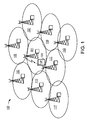
- FIG. 1 illustrates an exemplary arrangement in which these various procedures are performed.
- a cellular communications system 100 includes a number of cells, including a cell 101 that serves a UE 103.
- Neighbor cells of the UE 103 include the neighbor cells 105, 107, 109, 111, 113, 115, 117, and 119.
- the UE 103 is camped on the cell 101, and monitors some group of the neighbor cells 105, 107, 111, 113, 115, 117, 119 for a possible cell reselection.
- a UE operating in GSM mode while in idle mode, monitors cells by performing measurements on, and reading relevant Broadcast Control Channel (BCCH) data from, the UE's serving cell and the six strongest neighboring cells.
- BCCH Broadcast Control Channel
- a UE operating in GSM mode while in idle mode, monitors cells by performing measurements on, and reading relevant Broadcast Control Channel (BCCH) data from, the UE's serving cell and the six strongest neighboring cells.
- BCCH Broadcast Control Channel
- RXLEV the highest measured received signal level
- the foregoing and other objects are achieved in methods and apparatuses for tracking neighbor cells of a user equipment operating in a serving cell in a mobile communication system.
- Such techniques involve operating the user equipment to periodically perform a signal measurement process and operating the user equipment to periodically perform a neighbor tracking process.
- the signal measurement process comprises ascertaining a received signal level for each of a number of the neighbor cells.
- the received signal levels are compared with one another to ascertain, for each of the neighbor cells, a present ranking indicative of the neighbor cell's received signal level relative to the received signal levels of other neighbor cells, wherein a neighbor cell having the strongest received signal level has a ranking of "first" and is denoted a present candidate for cell reselection.
- the present ranking is compared with a previous ranking of the neighbor cell and if the present ranking and the previous ranking are not the same, then a timestamp is associated with the neighbor cell, wherein the timestamp indicates a time that the neighbor cell's present ranking was ascertained. It is then ascertained whether the ranking of any neighbor cell has changed from an earlier ranking of (AMT Track + m ) TH strongest received signal level to a present ranking equal to ( AMT Track ) TH strongest received signal level, wherein
- TH represents an ordinal number corresponding to a cardinal number ""
- AMT Track is a cardinal integer greater than or equal to 1
- m is a cardinal integer greater than or equal to 1.
- operating the user equipment to periodically perform the neighbor tracking process that comprises ascertaining whether the present candidate for cell reselection is a same one of the neighbor cells as a previous candidate for cell reselection includes, if the present candidate for cell reselection is the same as the previous candidate for cell reselection, then performing an information collection process for only those ones of the neighbor cells presently ranked first through ( AMT Track ) TH . If the present candidate for cell reselection is not the same as the previous candidate for cell reselection then a tracking adjustment process is performed followed by the information collection process for only those ones of the neighbor cells presently ranked first place through ( AMT Track ) TH .
- the tracking adjustment process comprises determining a rate at which the ranking of the present candidate for cell reselection changed from a ranking of (1+ i ) TH to a ranking equal to 1 st , wherein i is an integer greater than or equal to 1.
- the value of AMT Track is adjusted such that the higher the rate at which the present candidate for cell reselection changed from the ranking of (1+ i ) TH to the ranking equal to 1 st , the larger the value of AMT Track .
- operating the user equipment to periodically perform the signal measurement process comprises ascertaining whether the ranking of any neighbor cell has changed from an earlier ranking of (AMT Track + m ) TH strongest received signal level to a present ranking of (AMT Track - n ) TH strongest received signal level, wherein n is an integer greater than or equal to 1, and if the ranking of any neighbor cell has changed from the earlier ranking greater of ( AMT Track + m ) TH strongest received signal level to the present ranking of ( AMT Track - n ) TH strongest received signal level then immediately invoking the information collection process to be performed for the neighbor cell having the present ranking of ( AMT Track - n ) TH strongest _ received signal level.
- determining the rate at which the ranking of the present candidate for cell reselection changed from the ranking of (1+ i ) TH to a ranking equal to 1 st comprises ascertaining a current time value t current ; ascertaining a past time value, t past , that occurred a predetermined amount of time prior to the current time; and ascertaining the ranking that the present candidate for cell reselection had at the past time, t past .
- adjusting the value of AMT Track such that the higher the rate at which the present candidate for cell reselection changed from the ranking of (1+ i ) TH to the ranking equal to 1 st comprises setting AMT Track to a value representing the cardinal number corresponding to the ranking that the present candidate for cell reselection had at the past time, t past .
- the predetermined amount of time is determined by ascertaining an average amount of time it takes to perform the information collection process for one neighbor cell.
- the information collection process comprises, for any one of the neighbor cells, obtaining a base station identification code and capturing broadcast control channel information that has been broadcast by the neighbor cell.
- adjusting the value of AMT Track comprises ensuring that the value of AMT Track is not lower than a predefined fixed minimum amount of neighbors to be tracked.
- the predefined fixed minimum amount of neighbors to be tracked can be set equal to two.
- circuitry configured to perform one or more described actions is used herein to refer to any such embodiment (i.e., one or more specialized circuits and/or one or more programmed processors).
- the invention can additionally be considered to be embodied entirely within any form of computer readable carrier, such as solid-state memory, magnetic disk, or optical disk containing an appropriate set of computer instructions that would cause a processor to carry out the techniques described herein.
- computer readable carrier such as solid-state memory, magnetic disk, or optical disk containing an appropriate set of computer instructions that would cause a processor to carry out the techniques described herein.
- the various aspects of the invention may be embodied in many different forms, and all such forms are contemplated to be within the scope of the invention as defined by the appended claims.
- any such form of embodiments as described above may be referred to herein as "logic configured to" perform a described action, or alternatively as “logic that" performs a described action.
- the inventor of the subject matter described herein has recognized that strict compliance with neighbor cell monitoring standards as described earlier leads to unnecessary processing and radio "on" time that is not always fruitful and ends up only wasting a UE's resources (e.g., processing capacity and battery power).
- the standards regarding cell neighbor cell monitoring call for what can conceptually be considered to comprise two different types of activities: 1) the making of signal level measurements (RXLEV measurements) of all detectable neighbor base stations to ascertain which six have the strongest signal levels and 2) a neighbor cell tracking process that includes an information collection process (e.g., performing the BSIC check and BCCH update processes) applied to the six strongest neighbor cells.
- the first activity i.e., RXLEV measurements
- RXLEV measurements can be accomplished at very little cost to the UE's resources, and therefore does not call out for ameliorative steps to be taken.
- a UE when in idle mode operating in Discontinuous Reception mode (DRX mode), can perform the neighbor cell signal level measurements during the frames of the serving cell's paging block that the UE is required to listen to anyway. Hence, no additional radio resources are needed to comply with this aspect of the neighbor cell tracking requirements.
- DRX mode Discontinuous Reception mode
- the inventor of the presently described subject matter has ascertained that, in practical embodiments, the rate at which system information (information on the BCCH) changes is much slower than the "once every 5 minutes" rate that is called for in the specifications. To the contrary, once a base station is tuned in by an operator, its system information is, in a practical sense, almost never changed.
- a UE's operation is made more efficient by reducing activities associated with the neighbor cell information collection process.
- static approaches e.g., always collecting information relating to only the strongest three instead the strongest six neighbor cells
- There is always a trade-off between how many cells to track and how much power to save The fewer cells tracked, the less processing, the less radio-on time and hence the less power consumed.
- the risk that a cell that has not been tracked will suddenly become a candidate for cell reselection.
- there will surely be a delay in the cell reselection process because the UE will need to perform the tracking steps at a late stage, and this delay poses a potential risk of losing coverage.
- an aspect of embodiments consistent with the invention involves tracking only that number of neighbor cells that is statistically shown to be needed for the current radio conditions experienced by the UE.
- the number of neighbor cells that are tracked is therefore dynamically adapted in response to the UE's detected environment.
- very few neighbor cells are tracked (perhaps even fewer than the three strongest neighbors) and in an unstable radio environment, more cells are tracked (e.g., four, five, or six depending on the experience that the UE has built up).
- Principles upon which embodiments consistent with the invention operate include ascertaining, for a specific UE and the area it is moving around in: 1) how long it takes to track a cell; and 2) how stable the radio environment is (e.g., how quickly a neighbor cell's detected status changes from that of not being a candidate for cell selection to being one.
- a UE only needs to track cells that may become a candidate for reselection faster in time compared to the time it takes to perform the tracking operations. This way the UE can make sure that it is tracking just enough cells to maintain a desired performance level while, at the same time, minimizing the risk of a candidate for cell reselection not having been tracked prior to its becoming a candidate for cell reselection.
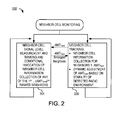
- FIG. 2 is, in one respect, a flow diagram of processes that are performed by UE circuitry to perform the neighbor cell monitoring processes (i.e., signal level measuring and information collection).
- FIG. 2 is a high level block diagram of circuitry 200 in a UE (e.g., the UE 103) comprising circuitry configured to carry out the described functions.
- each illustrated block of circuitry can be implemented by means of a one or more processors combined with suitable program code adapted to cause the one or more processors to carry out the described function(s).
- a ranking of "first” means that a neighbor cell's received signal level is the strongest among all of the measured neighbor cells
- a ranking of "second” means that a neighbor cell's received signal level is the second strongest among all of the measured neighbor cells (i.e., the signal level is surpassed only by that of the "first” ranked neighbor cell), and so on.
- the first ranked neighbor cell could be that having the weakest signal level
- the “second” ranked neighbor cell is the one having the next weakest signal level, and so on.
- the first approach is easier to describe, and is therefore used throughout this document. It should be understood that any reference to aspects of the first approach are intended also to refer to the equivalent aspects that would be expressed in the alternative ranking strategy.
- This "measurement" process 201 is aware that the number of neighbor cells being tracked (i.e., the number of neighbor cells for which information collection is performed) is dynamically adjustable, with the adjustment being made by a second “tracking" process 203 to be described below.
- the number of neighbor cells being tracked is herein denoted by the variable number AMT Track , which is a cardinal integer greater than or equal to 1.
- the particular ones of the neighbor cells that are tracked are those whose present ranking falls within the range 1 st ... ( AMT Track ) TH , wherein "(...) TH " denotes the ordinal number corresponding to the cardinal number enclosed within the brackets.
- the value of AMT Track is determined by the neighbor cell tracking process 203 and provided to the neighbor cell measurement process 201.
- the neighbor cell management process 201 in turn provides the neighbor cell tracking process 203 with information identifying which neighbor cells are presently ranked 1 st ... ( AMT Track ) TH .
- the term “immediately” is not used in the strict sense to mean “instantly without delay.” Rather, by “immediately” is herein meant that although there may in fact be some delay between determining that neighbor cell collection should be invoked and the actual performance of neighbor cell collection, that performance is caused to happen without waiting for the normally scheduled time associated with the repeatedly performed neighbor cell process 203.
- the neighbor cell tracking process/circuitry 203 performs neighbor cell information collection for those neighbor cells that are presently ranked 1 st ... ( AMT Track ) TH .
- the neighbor cell tracking process/circuitry 203 also dynamically adjusts the value of AMT Track based on the stability of the UE's detected radio environment.
- the neighbor cell tracking process 203 is performed repeatedly at a rate independent of that of the neighbor cell signal level measurement process 201.
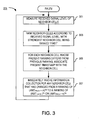
- the received signal level of a number of neighbor cells is measured (step 301). Circuitry and techniques for making such measurements are well known in the art and therefore need not be described herein in further detail.
- the number of cells that are measured is not limited to only those being tracked, but can, for example, include all detectable neighbor cells.
- the neighbor cells are then ranked according to their corresponding received signal level, with the strongest neighbor cell being ranked "first", the next strongest neighbor cell being ranked "second', and so on (step 303).
- Ranking therefore, involves comparing the measured receive signal levels with one another to ascertain an ordering of the received signal levels from strongest to weakest and thereby to ascertain, for each of the neighbor cells, a present ranking indicative of the neighbor cell's received signal level relative to the received signal levels of other neighbor cells.
- the ordering can be from weakest to strongest.
- the neighbor cell having the strongest measured signal level (i.e., in this exemplary embodiment, the "first" ranked neighbor cell) is denoted a candidate for cell reselection.
- Another aspect of embodiments consistent with the invention involves maintaining a history of a particular cell's ranking over time. This will be used to determine a rate at which a neighbor cell has ascended to the "first" ranked position within the ranking.
- this history is created by identifying each neighbor cell whose present ranking differs from its previous ranking, and for each of those identified neighbor cells, associating a present timestamp with the neighbor cell and its present ranking (step 305), wherein the timestamp indicates a time that the neighbor cell's present ranking was ascertained.
- the number of neighbor cells for which timestamp histories are maintained can be capped at a maximum number, such as the number of neighbor cells that are supposed to be tracked according to standards (e.g., maintaining histories for no more than the six strongest cells as set forth in the 3GPP standards).
- a maximum number such as the number of neighbor cells that are supposed to be tracked according to standards (e.g., maintaining histories for no more than the six strongest cells as set forth in the 3GPP standards).
- the term “cap” means "to set an upper limit on.”
- the circuitry ascertains whether the ranking of any neighbor cell has changed from an earlier ranking of (AMT Track + m ) TH strongest received signal level to a present ranking equal to ( AMT Track ) TH strongest received signal level, wherein AMT Track is a cardinal integer greater than or equal to 1, and m is a cardinal integer greater than or equal to 1, and if any such neighbor cell is identified, then the circuitry "immediately" invokes an information collection process to be performed for the neighbor cell having the present ranking equal to ( AMT Track ) TH strongest received signal level (step 307).
- the neighbor cell measurement process is repeated periodically, as indicated in FIG. 3 by the arrow from step 307 to step 301.
- FIG. 4 is a block diagram of circuitry 203 in a UE (e.g., the UE 103) comprising circuitry configured to carry out the described functions.
- a UE e.g., the UE 103
- each illustrated block of circuitry can be implemented by means of a one or more processors combined with suitable program code adapted to cause the one or more processors to carry out the described function(s).
- the value of AMT Track is set equal to an initial value (step 401), such as a value, Min_AMT Track , representing a minimum number of neighbor cells that should be tracked.
- Min_AMT Track can be equal to "2", but this can be different in alternative embodiments.
- Max_AMT Track it may be advantageous to let Max_AMT Track have a value of "6", in correspondence with the number of neighbor cells that would conventionally be tracked.
- This tracking adjustment process is followed by an information collection process for only those ones of the neighbor cells presently ranked 1 st through ( AMT Track ) TH (step 411).
- FIG. 5 is, in one respect, a flow diagram of processes that are performed by UE circuitry to perform the dynamic adjustment of the number of neighbor cells to track (i.e., adjustment of the variable AMT Track ) (step 405) in accordance with a number of exemplary embodiments consistent with the invention.
- FIG. 5 is a block diagram of circuitry 405 in a UE (e.g., the UE 103) comprising circuitry configured to carry out the described functions.
- each illustrated block of circuitry can be implemented by means of a one or more processors combined with suitable program code adapted to cause the one or more processors to carry out the described function(s).
- dynamic adjustment of the variable AMT Track involves determining a rate at which the ranking of the present candidate for cell reselection changed from a ranking of (1+ i ) TH (i.e., a ranking indicating that the neighbor cell did not have the strongest receive level) to a ranking equal to 1 st (i.e., a ranking indicating that the neighbor cell has the strongest receive level and is now the present candidate for cell reselection), wherein i is an integer greater than or equal to 1 (step 501).
- determining the rate at which the ranking of the present candidate for cell reselection changed from the ranking of (1+ i ) TH to the ranking equal to 1 st comprises ascertaining the ranking that the present candidate for cell reselection had at a past time, t past , wherein the past time, t past , is a predetermined amount of time prior to the current time, t current .
- the closer the past ranking is to the present ranking of first position the more slowly the candidate for cell reselection changed rankings, and hence the more stable the UE's current radio environment is.
- the more distant the past ranking is from the present ranking of first position the more quickly the candidate for cell reselection changed rankings, and hence the less stable the UE's current radio environment is.
- the predetermined amount of time can be selected in any number of ways.
- the predetermined amount of time is chosen to be the average amount of time it takes to track a single neighbor cell, Track AVG . It will be understood that this is an average taken over all cells; there is not a different average tracking time per cell.
- the averaging can be obtained, for example, by means of an Infinite Impulse Response (IIR) with only two values (current and previous) equally weighted. As this is only an example, however, it will be further understood that averaging can be performed by any other type of filter (e.g. a Finite Impulse Response -- FIR -- filter) and/or weighting can be performed in any other way.
- IIR Infinite Impulse Response
- a rationale for selecting the average amount of time it takes to track a single neighbor cell as the predetermined amount of time is that a neighbor cell that has newly moved up in ranking to the ( AMT Track ) TH position could, within the predetermined amount of time, move up further to the 1 st place position within the ranking. It is therefore beneficial to get information collection invoked as soon as possible for such a cell and to have enough time to actually collect the information for that cell before it (possibly) actually finds itself in the 1 st place position.
- the tracking time is taken to mean the time it takes to perform BSIC identification plus the time it takes to capture the relevant BCCH information from a neighbor cell.
- the BSIC check mentioned earlier is really two types of checks: the first time a cell is found, an initial BSIC identification is performed. Subsequent BSIC checks on the same neighbor cell incorporate a faster BSIC re-identification process that is much quicker to perform. For example, initial BSIC identification can take twice as long or longer than the BSIC re-identification process.
- the exemplary embodiment is assumed to take into account the longer of these two types of tracking times (i.e. initial BSIC identification) just to be more conservative.
- Some embodiments can predetermine an average tracking time, and use this consistently. However, it is advantageous to dynamically determine an actual average value instead of relying on a fixed calculated value because this will better cover actual operating conditions that can arise, such as when a UE is situated in an area with poor coverage and experiences problems in the BSIC identification and/or BCCH capturing processes. Solely as a non-limiting example, it is further mentioned that the two steps of BSIC identification and BCCH capturing for a neighbor cell can in theory be up to 1.6 seconds.
- determining the rate at which the present candidate for cell reselection changed from a ranking of (1+ i ) ST to a ranking equal to 1 st place can comprise ascertaining an average amount of time it takes to track a single neighbor cell, Track AVG , as described above (step 505).
- the past point in time, t past can be used as an index into the stored history (see, e.g., step 305) that has been maintained for the present candidate for cell reselection to ascertain the ranking that the present candidate for cell reselection had at the point in time t past (step 511).
- AMT Track As adjusting adjustment of the number of neighbor cells to track, AMT Track , it will be recalled that this is performed such that the higher the rate at which the present candidate for cell reselection changed from a ranking of (1+ i ) st to a ranking equal to 1 st place, the larger the value of AMT Track . This can be accomplished by setting the value of AMT Track equal to the cardinal number corresponding to the ranking that the present candidate for cell reselection had at the past point in time, t past (step 513).
- FIG. 6 is a block diagram of an exemplary UE 601 comprising circuitry configured to carry out the various aspects of the invention.
- the UE 601 comprises transceiver circuitry 603 that can be configured in any known way to enable the UE 601 to be served by a cellular communication system base station or equivalent communication system network node.
- Such circuitry is well known in the art and therefore need not be described here in further detail.
- the UE 601 further includes control circuitry 605 that is configured to carry out the various aspects of the invention as described herein, for example with reference to FIGS. 2 , 3 , 4 , and 5 .
- the control circuitry can be implemented in any number of ways using well-known design techniques, using the desired functionality as a starting point.
- the control circuitry 605 can be implemented as one or more programmable processors.
- the UE 601 further includes one or more memory devices (illustrated in FIG. 6 as the memory 607).
- the memory 607 includes one or more sets of program instructions configured for execution by the one or more processors to cause the one or more processors to carry out the various functions described herein.
- a memory device to include data 611 (e.g., AMT Track , ranking information associated with the neighbor cells, timestamp information) generated by the functions described herein.
- data 611 e.g., AMT Track , ranking information associated with the neighbor cells, timestamp information
- the control circuitry is configured to exchange control signals and data with the transceiver circuitry 603 and memory 607.
- Various embodiments of the invention enable UEs to operate with reduced processing and battery power consumption because fewer neighbor cells are tracked while in idle mode.
- the number of neighbor cells to be tracked is adapted to the radio environment that the UE finds itself in, so that performance can be comparable to that which would be received if a conventional tracking approach, using more power and processing resources, had been employed.
Landscapes
- Engineering & Computer Science (AREA)
- Computer Security & Cryptography (AREA)
- Computer Networks & Wireless Communication (AREA)
- Signal Processing (AREA)
- Mobile Radio Communication Systems (AREA)
Claims (18)
- Verfahren zur Verfolgung von Nachbarzellen einer Benutzereinrichtung, die in einer versorgenden Zelle in einem Mobilkommunikationssystem agiert, wobei das Verfahren umfasst:derartiges Betreiben der Benutzereinrichtung, dass sie periodisch einen Signalmessprozess durchführt, der umfasst:Ermitteln eines Empfangssignalpegels für jede einer Anzahl der Nachbarzellen;Vergleichen der Empfangssignalpegel miteinander, um für jede der Nachbarzellen einen gegenwärtigen Rang zu ermitteln, welcher den Empfangssignalpegel der Nachbarzelle in Bezug auf die Empfangssignalpegel von anderen Nachbarzellen anzeigt, wobei eine Nachbarzelle mit dem stärksten Empfangssignalpegel einen Rang als "erste" einnimmt und als ein gegenwärtiger Kandidat für Zellneuauswahl angegeben wird;Vergleichen für jede der Nachbarzellen des gegenwärtigen Ranges mit einem vorherigen Rang der Nachbarzelle und dann, wenn der gegenwärtige Rang und der vorherige Rang nicht gleich sind, Zuordnen eines Zeitstempels zur Nachbarzelle, wobei der Zeitstempel eine Zeit anzeigt, zu welcher der gegenwärtige Rang der Nachbarzelle ermittelt wurde; undErmitteln, ob sich der Rang irgendeiner Nachbarzelle von einem früheren Rang eines (AMTTrack + m)-stärksten Empfangssignalpegels in einen gegenwärtigen Rang geändert hat, der einem (AMTTrack)-stärksten Empfangssignalpegel entspricht, wobei (...)-ter eine Ordinalzahl darstellt, die einer Kardinalzahl "..." entspricht, AMTTrack eine ganze Kardinalzahl ist, die eine Anzahl von Nachbarzellen darstellt, die verfolgt werden, und einen Wert hat, der größer oder gleich 1 ist, und m eine ganze Kardinalzahl größer oder gleich 1 ist, und dann, wenn sich der Rang irgendeiner Nachbarzelle vom früheren Rang des (AMTTrack + m)-stärksten Empfangssignalpegels in einen gegenwärtigen Rang geändert hat, der einem (AMTTrack )-stärksten Empfangssignalpegel entspricht, Aufrufen ohne Abwarten einer vorher festgesetzten Zeit zum Aufrufen eines Informationserfassungsprozesses des Informationserfassungsprozesses, der für die Nachbarzelle mit dem gegenwärtigen Rang, der dem (AMTTrack )-stärksten Empfangssignalpegel entspricht, durchgeführt werden soll; undderartiges Betreiben der Benutzereinrichtung, dass sie periodisch einen Nachbarverfolgungsprozess durchführt, der umfasst:Ermitteln, ob der gegenwärtige Kandidat für Zellneuauswahl eine gleiche der Nachbarzellen wie ein vorheriger Kandidat für Zellneuauswahl ist;Durchführen dann, wenn der gegenwärtige Kandidat für Zellneuauswahl der gleiche wie der vorherige Kandidat für Zellneuauswahl ist, eines Informationserfassungsprozesses nur für diejenigen der Nachbarzellen, die gegenwärtig den ersten bis (AMTTrack )-ten Rang einnehmen; undDurchführen dann, wenn der gegenwärtige Kandidat für Zellneuauswahl nicht der gleiche wie der vorherige Kandidat für Zellneuauswahl ist, eines Verfolgungsanpassungsprozesses gefolgt vom Informationserfassungsprozesses nur für diejenigen der Nachbarzellen, die gegenwärtig den ersten bis (AMTTrack )-ten Rang einnehmen, wobei der Verfolgungsanpassungsprozess umfasst:Bestimmen einer Rate, bei welcher sich der Rang des gegenwärtigen Kandidaten für Zellneuauswahl von einem (1+i)-ten Rang in einen Rang geändert hat, der dem 1-sten entspricht, wobei i eine ganze Zahl größer oder gleich 1 ist; undderartiges Anpassen des Wertes von AMTTrack, dass der Wert von AMTTrack umso größer ist, je höher die Rate ist, bei welcher der gegenwärtige Kandidat für Zellneuauswahl vom (1+i)-ten Rang in den Rang gewechselt ist, der dem 1-sten entspricht.
- Verfahren nach Anspruch 1, wobei das derartige Betreiben der Benutzereinrichtung, dass sie periodisch den Signalmessprozesses durchführt, ein Ermitteln, ob sich der Rang irgendeiner Nachbarzelle von einem früheren Rang eines (AMT Track + m)- stärksten Empfangssignalpegels in einen gegenwärtigen Rang eines (AMTTrack - n)-stärksten Empfangssignalpegels geändert hat, wobei n eine ganze Zahl größer oder gleich 1 ist, und Aufrufen dann, wenn sich der Rang irgendeiner Nachbarzelle vom früheren höheren Rang eines (AMTTrack + m)-stärksten Empfangssignalpegels in den gegenwärtigen Rang des (AMTTrack - n)-stärksten Empfangssignalpegels geändert hat, ohne Abwarten einer vorher festgesetzten Zeit zum Aufrufen eines Informationserfassungsprozesses des Informationserfassungsprozesses umfasst, der für die Nachbarzelle mit dem gegenwärtigen Rang des (AMTTrack - n)-stärksten Empfangssignalpegels durchgeführt werden soll.
- Verfahren nach Anspruch 1, wobei:das Bestimmen der Rate, bei welcher sich der Rang des gegenwärtigen Kandidaten für Zellneuauswahl vom (1+i)-ten Rang in einen Rang geändert hat, der dem 1-sten entspricht, umfasst:Ermitteln eines aktuellen Zeitwerts, tcurrent;Ermitteln eines früheren Zeitwerts, tpast, der eine vorbestimmte Zeitdauer vor der aktuellen Zeit aufgetreten ist; undErmitteln des Ranges, welchen der gegenwärtige Kandidat für Zellneuauswahl zur früheren Zeit, tpast, einnahm; unddas derartige Anpassen des Wertes von AMTTrack, dass der Wert von AMTTrack umso größer ist, je höher die Rate ist, bei welcher der gegenwärtige Kandidat für Zellneuauswahl vom (1+i)-ten Rang in den Rang gewechselt ist, der dem 1-sten entspricht, umfasst:Setzen von AMTTrack auf einen Wert, der die Kardinalzahl darstellt, die dem Rang entspricht, den der gegenwärtige Kandidat für Zellneuauswahl zur früheren Zeit, tpast, einnahm.
- Verfahren nach Anspruch 3, umfassend ein Bestimmen der vorbestimmten Zeitdauer durch Ermitteln einer mittleren Dauer von Zeit, die es braucht, um den Informationserfassungsprozess für eine Nachbarzelle durchzuführen.
- Verfahren nach Anspruch 1, wobei der Informationserfassungsprozess für eine beliebige der Nachbarzellen ein Einholen eines Basisstationsidentifikationscodes und Erfassen von Broadcast-Steuerkanalinformationen umfasst, die durch die Nachbarzelle per Broadcast gesendet wurden.
- Verfahren nach Anspruch 1, wobei der Schritt des Anpassens des Wertes von AMTTrack ein Begrenzen des Wertes von AMTTrack auf nicht mehr als eine feste Höchstmenge von zu verfolgenden Nachbarzellen umfasst.
- Verfahren nach Anspruch 6, wobei die feste Höchstanzahl von zu verfolgenden Nachbarzellen sechs entspricht.
- Verfahren nach Anspruch 1, wobei der Schritt des Anpassens des Wertes von AMTTrack ein Sicherstellen umfasst, dass der Wert von AMTTrack nicht niedriger als eine vordefinierte feste Mindestmenge von zu verfolgenden Nachbarzellen ist.
- Verfahren nach Anspruch 8, wobei die vordefinierte feste Mindestmenge von zu verfolgenden Nachbarn zwei beträgt.
- Vorrichtung zum Verfolgen von Nachbarzellen einer Benutzereinrichtung, die in einer versorgenden Zelle in einem Mobilkommunikationssystems agiert, wobei die Vorrichtung umfasst:Schaltungsanordnung, die so konfiguriert ist, dass sie die Benutzereinrichtung so betreibt, dass sie periodisch einen Signalmessprozess durchführt, der umfasst:Ermitteln eines Empfangssignalpegels für jede einer Anzahl der Nachbarzellen;Vergleichen der Empfangssignalpegel miteinander, um für jede der Nachbarzellen einen gegenwärtigen Rang zu ermitteln, welcher den Empfangssignalpegel der Nachbarzelle in Bezug auf die Empfangssignalpegel von anderen Nachbarzellen anzeigt, wobei eine Nachbarzelle mit dem stärksten Empfangssignalpegel einen Rang als "erste" einnimmt und als ein gegenwärtiger Kandidat für Zellneuauswahl angegeben wird;Vergleichen für jede der Nachbarzellen des gegenwärtigen Ranges mit einem vorherigen Rang der Nachbarzelle und dann, wenn der gegenwärtige Rang und der vorherige Rang nicht gleich sind, Zuordnen eines Zeitstempels zur Nachbarzelle, wobei der Zeitstempel eine Zeit anzeigt, zu welcher der gegenwärtige Rang der Nachbarzelle ermittelt wurde; undErmitteln, ob sich der Rang irgendeiner Nachbarzelle von einem früheren Rang eines (AMTTrack + m)-stärksten Empfangssignalpegels in einen gegenwärtigen Rang geändert hat, der einem (AMTTrack )-stärksten Empfangssignalpegel entspricht, wobei (...)-ter eine Ordinalzahl darstellt, die einer Kardinalzahl "..." entspricht, AMTTrack eine ganze Kardinalzahl ist, die eine Anzahl von Nachbarzellen darstellt, die verfolgt werden, und einen Wert hat, der größer oder gleich 1 ist, und m eine ganze Kardinalzahl größer oder gleich 1 ist, und dann, wenn sich der Rang irgendeiner Nachbarzelle vom früheren Rang des (AMTTrack + m)-stärksten Empfangssignalpegels in einen gegenwärtigen Rang geändert hat, der einem (AMTTrack )-stärksten Empfangssignalpegel entspricht, Aufrufen ohne Abwarten einer vorher festgesetzten Zeit zum Aufrufen eines Informationserfassungsprozesses eines Informationserfassungsprozesses, der für die Nachbarzelle mit dem gegenwärtigen Rang, der dem (AMTTrack )-stärksten Empfangssignalpegel entspricht, durchgeführt werden soll; undSchaltungsanordnung, die so konfiguriert ist, dass sie die Benutzereinrichtung so betreibt, dass sie periodisch einen Nachbarverfolgungsprozess durchführt, der umfasst:Ermitteln, ob der gegenwärtige Kandidat für Zellneuauswahl eine gleiche der Nachbarzellen wie ein vorheriger Kandidat für Zellneuauswahl ist;Durchführen dann, wenn der gegenwärtige Kandidat für Zellneuauswahl der gleiche wie der vorherige Kandidat für Zellneuauswahl ist, eines Informationserfassungsprozesses nur für diejenigen der Nachbarzellen, die gegenwärtig den ersten bis (AMTTrack )-ten Rang einnehmen; undDurchführen dann, wenn der gegenwärtige Kandidat für Zellneuauswahl nicht der gleiche wie der vorherige Kandidat für Zellneuauswahl ist, eines Verfolgungsanpassungsprozesses gefolgt vom Informationserfassungsprozesses nur für diejenigen der Nachbarzellen, die gegenwärtig den ersten bis (AMTTrack )-ten Rang einnehmen, wobei der Verfolgungsanpassungsprozess umfasst:Bestimmen einer Rate, bei welcher sich der Rang des gegenwärtigen Kandidaten für Zellneuauswahl von einem (1+i)-ten Rang in einen Rang geändert hat, der dem 1-sten entspricht, wobei i eine ganze Zahl größer oder gleich 1 ist; undderartiges Anpassen des Wertes von AMTTrack, dass der Wert von AMTTrack umso größer ist, je höher die Rate ist, bei welcher der gegenwärtige Kandidat für Zellneuauswahl vom (1+i)-ten Rang in den Rang gewechselt ist, der dem 1-sten entspricht.
- Vorrichtung nach Anspruch 10, wobei die Schaltungsanordnung, die so konfiguriert ist, dass sie die Benutzereinrichtung so betreibt, dass sie periodisch den Signalmessprozesses durchführt, Schaltungsanordnung umfasst, die so konfiguriert ist, dass sie ermittelt, ob sich der Rang irgendeiner Nachbarzelle von einem früheren Rang eines (AMTTrack + m)- stärksten Empfangssignalpegels in einen gegenwärtigen Rang eines (AMTTrack - n)-stärksten Empfangssignalpegels geändert hat, wobei n eine ganze Zahl größer oder gleich 1 ist, und dann, wenn sich der Rang irgendeiner Nachbarzelle vom früheren höheren Rang eines (AMT Track + m)-stärksten Empfangssignalpegels in den gegenwärtigen Rang des (AMTTrack - n)-stärksten Eingangssignalpegels geändert hat, ohne Abwarten einer vorher festgesetzten Zeit zum Aufrufen eines Informationserfassungsprozesses den Informationserfassungsprozesses aufruft, der für die Nachbarzelle mit dem gegenwärtigen Rang des (AMTTrack - n)-stärksten Empfangssignalpegels durchgeführt werden soll.
- Vorrichtung nach Anspruch 10, wobei:das Bestimmen der Rate, bei welcher sich der Rang des gegenwärtigen Kandidaten für Zellneuauswahl vom (1+i)-ten Rang in einen Rang geändert hat, der dem 1-sten entspricht, umfasst:Ermitteln eines aktuellen Zeitwerts tcurrent ;Ermitteln eines früheren Zeitwerts, tpast, der eine vorbestimmte Zeitdauer vor der aktuellen Zeit aufgetreten ist; undErmitteln des Ranges, welchen der gegenwärtige Kandidat für Zellneuauswahl zur früheren Zeit, tpast, einnahm; unddas derartige Anpassen des Wertes von AMTTrack, dass der Wert von AMTTrack umso größer ist, je höher die Rate ist, bei welcher der gegenwärtige Kandidat für Zellneuauswahl vom (1+i)-ten Rang in den Rang gewechselt ist, der dem 1-sten entspricht, umfasst:Setzen von AMTTrack auf einen Wert, der die Kardinalzahl darstellt, die dem Rang entspricht, den der gegenwärtige Kandidat für Zellneuauswahl zur früheren Zeit, tpast, einnahm.
- Vorrichtung nach Anspruch 12, umfassend Schaltungsanordnung, die so konfiguriert ist, dass sie die vorbestimmte Zeitdauer durch Ermitteln einer mittleren Dauer von Zeit bestimmt, die es braucht, um den Informationserfassungsprozess für eine Nachbarzelle durchzuführen.
- Vorrichtung nach Anspruch 10, wobei der Informationserfassungsprozess für eine beliebige der Nachbarzellen ein Einholen eines Basisstationsidentifikationscodes und Erfassen von Broadcast-Steuerkanalinformationen umfasst, die durch die Nachbarzelle per Broadcast gesendet wurden.
- Vorrichtung nach Anspruch 10, wobei das Anpassen des Wertes von AMTTrack ein Begrenzen des Wertes von AMTTrack auf nicht mehr als eine feste Höchstmenge von zu verfolgenden Nachbarzellen umfasst.
- Vorrichtung nach Anspruch 15, wobei die feste Höchstanzahl von zu verfolgenden Nachbarzellen sechs entspricht.
- Vorrichtung nach Anspruch 10, wobei das Anpassen des Wertes von AMTTrack ein Sicherstellen umfasst, dass der Wert von AMTTrack nicht niedriger als eine vordefinierte feste Mindestmenge von zu verfolgenden Nachbarzellen ist.
- Vorrichtung nach Anspruch 17, wobei die vordefinierte feste Mindestmenge von zu verfolgenden Nachbarn zwei beträgt.
Applications Claiming Priority (2)
| Application Number | Priority Date | Filing Date | Title |
|---|---|---|---|
| US12/765,951 US8185115B2 (en) | 2010-04-23 | 2010-04-23 | Tracking cells for cell-reselection in a cellular communications system |
| PCT/EP2011/055002 WO2011131466A1 (en) | 2010-04-23 | 2011-03-31 | Tracking cells for cell-reselection in a cellular communications system |
Publications (2)
| Publication Number | Publication Date |
|---|---|
| EP2561702A1 EP2561702A1 (de) | 2013-02-27 |
| EP2561702B1 true EP2561702B1 (de) | 2014-03-05 |
Family
ID=44259880
Family Applications (1)
| Application Number | Title | Priority Date | Filing Date |
|---|---|---|---|
| EP11711880.2A Not-in-force EP2561702B1 (de) | 2010-04-23 | 2011-03-31 | Zellverfolgung für Zellneuauswahl in einem Mobilfunkkommunikationssystem |
Country Status (4)
| Country | Link |
|---|---|
| US (1) | US8185115B2 (de) |
| EP (1) | EP2561702B1 (de) |
| AR (1) | AR081490A1 (de) |
| WO (1) | WO2011131466A1 (de) |
Families Citing this family (7)
| Publication number | Priority date | Publication date | Assignee | Title |
|---|---|---|---|---|
| US8977310B2 (en) * | 2010-12-30 | 2015-03-10 | Motorola Solutions, Inc. | Methods for coordinating wireless coverage between different wireless networks for members of a communication group |
| US8964663B2 (en) * | 2011-01-06 | 2015-02-24 | Qualcomm Incorporated | Method and apparatus for signaling paging configurations and channel state information reference signal (CSI-RS) configurations |
| US9363738B2 (en) * | 2011-12-30 | 2016-06-07 | Qualcomm Incorporated | Apparatus and method for dynamic pilot acquisition in a wireless communication system |
| US20150119043A1 (en) * | 2013-10-31 | 2015-04-30 | Qualcomm Incorporated | Pruning target inter-radio access technology (irat) handover candidate cells |
| CN105898777B (zh) * | 2016-04-19 | 2019-10-25 | 华为技术有限公司 | 邻区测量方法及装置 |
| CN116391391B (zh) | 2020-10-22 | 2025-10-24 | 苹果公司 | 非地面网络(ntn)网络的小区选择和重选标准 |
| WO2023023922A1 (en) * | 2021-08-24 | 2023-03-02 | Qualcomm Incorporated | User equipment support for tracking timing of non-serving cells |
Family Cites Families (22)
| Publication number | Priority date | Publication date | Assignee | Title |
|---|---|---|---|---|
| US4718081A (en) | 1986-11-13 | 1988-01-05 | General Electric Company | Method and apparatus for reducing handoff errors in a cellular radio telephone communications system |
| US5509051A (en) * | 1993-09-09 | 1996-04-16 | Hughes Aircraft Company | Prioritization of neighboring cells |
| US5966657A (en) | 1997-07-24 | 1999-10-12 | Telefonaktiebolaget L M Ericsson (Publ) | Method and system for radio frequency measurement and automatic frequency planning in a cellular radio system |
| US6771960B1 (en) * | 2000-11-06 | 2004-08-03 | Motorola, Inc. | Method for a cellular radiotelephone to scan for service from adjacent cells |
| EP1405538B1 (de) | 2001-07-03 | 2009-09-09 | Telefonaktiebolaget LM Ericsson (publ) | Verfahren zum einstufen von nachbarzellen als kandidaten für eine weiterreichung |
| KR20030015531A (ko) * | 2001-08-16 | 2003-02-25 | 엘지전자 주식회사 | 차세대 단말기의 셀 선택 개선 방법 |
| EP1467586B1 (de) * | 2003-04-09 | 2010-05-19 | Samsung Electronics Co., Ltd. | Verfahren zur Zellenwiederwahl in einem MBMS Mobilkommunikationssystem |
| JP4415598B2 (ja) * | 2003-07-30 | 2010-02-17 | 日本電気株式会社 | 移動通信システム、移動局及びそれに用いる周辺セル検出監視方法 |
| US7444150B2 (en) | 2003-10-08 | 2008-10-28 | Qualcomm Incorporated | Cell reselection with power scan and parallel decoding |
| US7308264B2 (en) * | 2004-02-05 | 2007-12-11 | Interdigital Technology Corporation | Method for identifying pre-candidate cells for a mobile unit operating with a switched beam antenna in a wireless communication system, and corresponding system |
| JP2006165972A (ja) | 2004-12-07 | 2006-06-22 | Nec Access Technica Ltd | 電波状態モニター方法及びその装置、これを用いたセルリセル方法及びその装置並びに移動無線装置 |
| US7110766B1 (en) | 2005-05-31 | 2006-09-19 | Motorola, Inc. | Method of generating a handoff candidate list |
| KR100796850B1 (ko) | 2005-12-30 | 2008-01-22 | 삼성전자주식회사 | Gsm 통신 장치의 총 배터리 수명을 개선하는 시스템 |
| US7925292B2 (en) | 2006-01-26 | 2011-04-12 | Qualcomm Incorporated | Methods, devices and systems relating to reselecting cells in a cellular wireless communications system |
| KR100725777B1 (ko) * | 2006-02-06 | 2007-06-08 | 삼성전자주식회사 | 이동통신 단말기에서 셀 재선택을 위한 측정 회수 감소방법 |
| TWI321963B (en) * | 2006-05-19 | 2010-03-11 | Benq Corp | A method of determining strongest neighbor cells in cell reselection tasks in a mobile station |
| US7843886B2 (en) | 2006-11-30 | 2010-11-30 | Sony Ericsson Communications Ab | Methods, mobile stations, and systems for determining base station identifier codes for handover candidates in a network |
| WO2008085838A1 (en) | 2007-01-04 | 2008-07-17 | Interdigital Technology Corporation | Method and apparatus for handover using a candidate set |
| US8140076B2 (en) | 2007-12-17 | 2012-03-20 | Motorola Mobility, Inc. | Method for facilitating a mobile station to perform a fast handoff |
| WO2009116753A2 (en) * | 2008-03-17 | 2009-09-24 | Lg Electronics Inc. | Method of cell selection in heirarchical cell structure based on cell quality |
| JP5035131B2 (ja) * | 2008-06-19 | 2012-09-26 | 富士通株式会社 | 基地局装置、無線通信システム、無線通信制御方法および無線通信制御プログラム |
| US9204349B2 (en) * | 2009-02-10 | 2015-12-01 | Qualcomm Incorporated | Method and apparatus for facilitating a hand-in of user equipment to femto cells |
-
2010
- 2010-04-23 US US12/765,951 patent/US8185115B2/en not_active Expired - Fee Related
-
2011
- 2011-03-31 EP EP11711880.2A patent/EP2561702B1/de not_active Not-in-force
- 2011-03-31 WO PCT/EP2011/055002 patent/WO2011131466A1/en not_active Ceased
- 2011-04-20 AR ARP110101394A patent/AR081490A1/es unknown
Also Published As
| Publication number | Publication date |
|---|---|
| EP2561702A1 (de) | 2013-02-27 |
| US20110263254A1 (en) | 2011-10-27 |
| WO2011131466A1 (en) | 2011-10-27 |
| US8185115B2 (en) | 2012-05-22 |
| AR081490A1 (es) | 2012-09-19 |
Similar Documents
| Publication | Publication Date | Title |
|---|---|---|
| EP2798885B1 (de) | Verfahren zur energieeinsparung für eine drahtlose vorrichtung im diskontinuierlichen empfangsbetrieb | |
| EP2673978B1 (de) | Prioritätsregeln für kanalmessungsgelegenheiten | |
| US8185115B2 (en) | Tracking cells for cell-reselection in a cellular communications system | |
| US7110765B2 (en) | Limiting cell reselection based on pilot power | |
| KR101591217B1 (ko) | 액세스 단말기들이 적은 이동도 또는 무 이동도를 나타낼 경우 변경된 셀 재선택 파라미터들 및 절차들을 용이하게 하는 방법들 및 디바이스들 | |
| US9307463B2 (en) | Fast reselection between different radio access technology networks | |
| EP2176968B1 (de) | Verfahren zur reduzierung des stromverbrauchs eines benutzergerätes im leerlaufmodus des benutzergerätes | |
| EP2566247B1 (de) | Übergabe-Vorrichtung und -verfahren eines tragbaren Endgeräts | |
| EP2645772B1 (de) | Messungen von Nachbarzellen | |
| US20040116110A1 (en) | Searching for neighbor cells within a fixed time duration | |
| US20160183192A1 (en) | Mobility and channel condition based power conservation | |
| EP2717631A1 (de) | Verfahren, Vorrichtung und Computerprogramm zum Steuern eines Kommunikationszustands einer Vorrichtung | |
| KR20150105655A (ko) | 전력 최적화된 복조기 전단 (demfront) 수신기 서브시스템 | |
| CN102647767A (zh) | 一种小区重选测量的方法、装置及终端设备 | |
| CN110679091B (zh) | 用于抑制无线充电导致的无线连接劣化的方法、系统和设备 | |
| EP3138331B1 (de) | Verfahren und vorrichtung zur echtzeitübertragungsleistungssteuerung in drahtloskommunikationssystem | |
| EP2852224A2 (de) | Schnelle Wiederwahl zwischen Netzen mit verschiedenen Funkzugangstechnologien | |
| EP2621222A1 (de) | Durchführung von Ruhezustandsmobilitätsmessungen in einem mobilen Kommunikationsnetzwerk | |
| US20150264603A1 (en) | Methods and apparatus for handling time-to-trigger during intra-rat cell reselection and handover | |
| RU2605358C2 (ru) | Выбор ячейки системы мобильной связи при наличии неприемлемых ячеек | |
| US20150117231A1 (en) | Inter frequency measurement scheduling in discontinuous reception (drx) mode | |
| EP1949720B1 (de) | Vorrichtung, verfahren und computerprogrammprodukt zur bereitstellung von zur ereignisevaluierung verwendeten automatisch justierten zeitperioden | |
| GB2574851A (en) | Cell measurements | |
| HK1081778A1 (zh) | 空闲模式小区的重新获取和重新选择 |
Legal Events
| Date | Code | Title | Description |
|---|---|---|---|
| PUAI | Public reference made under article 153(3) epc to a published international application that has entered the european phase |
Free format text: ORIGINAL CODE: 0009012 |
|
| 17P | Request for examination filed |
Effective date: 20121101 |
|
| AK | Designated contracting states |
Kind code of ref document: A1 Designated state(s): AL AT BE BG CH CY CZ DE DK EE ES FI FR GB GR HR HU IE IS IT LI LT LU LV MC MK MT NL NO PL PT RO RS SE SI SK SM TR |
|
| DAX | Request for extension of the european patent (deleted) | ||
| GRAP | Despatch of communication of intention to grant a patent |
Free format text: ORIGINAL CODE: EPIDOSNIGR1 |
|
| INTG | Intention to grant announced |
Effective date: 20131105 |
|
| GRAS | Grant fee paid |
Free format text: ORIGINAL CODE: EPIDOSNIGR3 |
|
| GRAA | (expected) grant |
Free format text: ORIGINAL CODE: 0009210 |
|
| AK | Designated contracting states |
Kind code of ref document: B1 Designated state(s): AL AT BE BG CH CY CZ DE DK EE ES FI FR GB GR HR HU IE IS IT LI LT LU LV MC MK MT NL NO PL PT RO RS SE SI SK SM TR |
|
| REG | Reference to a national code |
Ref country code: GB Ref legal event code: FG4D |
|
| REG | Reference to a national code |
Ref country code: CH Ref legal event code: EP |
|
| REG | Reference to a national code |
Ref country code: AT Ref legal event code: REF Ref document number: 655574 Country of ref document: AT Kind code of ref document: T Effective date: 20140315 |
|
| REG | Reference to a national code |
Ref country code: IE Ref legal event code: FG4D |
|
| REG | Reference to a national code |
Ref country code: DE Ref legal event code: R096 Ref document number: 602011005283 Country of ref document: DE Effective date: 20140417 |
|
| REG | Reference to a national code |
Ref country code: AT Ref legal event code: MK05 Ref document number: 655574 Country of ref document: AT Kind code of ref document: T Effective date: 20140305 |
|
| REG | Reference to a national code |
Ref country code: NL Ref legal event code: VDEP Effective date: 20140305 |
|
| PG25 | Lapsed in a contracting state [announced via postgrant information from national office to epo] |
Ref country code: LT Free format text: LAPSE BECAUSE OF FAILURE TO SUBMIT A TRANSLATION OF THE DESCRIPTION OR TO PAY THE FEE WITHIN THE PRESCRIBED TIME-LIMIT Effective date: 20140305 Ref country code: NO Free format text: LAPSE BECAUSE OF FAILURE TO SUBMIT A TRANSLATION OF THE DESCRIPTION OR TO PAY THE FEE WITHIN THE PRESCRIBED TIME-LIMIT Effective date: 20140605 |
|
| REG | Reference to a national code |
Ref country code: LT Ref legal event code: MG4D |
|
| PG25 | Lapsed in a contracting state [announced via postgrant information from national office to epo] |
Ref country code: SE Free format text: LAPSE BECAUSE OF FAILURE TO SUBMIT A TRANSLATION OF THE DESCRIPTION OR TO PAY THE FEE WITHIN THE PRESCRIBED TIME-LIMIT Effective date: 20140305 Ref country code: AT Free format text: LAPSE BECAUSE OF FAILURE TO SUBMIT A TRANSLATION OF THE DESCRIPTION OR TO PAY THE FEE WITHIN THE PRESCRIBED TIME-LIMIT Effective date: 20140305 Ref country code: CY Free format text: LAPSE BECAUSE OF FAILURE TO SUBMIT A TRANSLATION OF THE DESCRIPTION OR TO PAY THE FEE WITHIN THE PRESCRIBED TIME-LIMIT Effective date: 20140305 Ref country code: FI Free format text: LAPSE BECAUSE OF FAILURE TO SUBMIT A TRANSLATION OF THE DESCRIPTION OR TO PAY THE FEE WITHIN THE PRESCRIBED TIME-LIMIT Effective date: 20140305 |
|
| PG25 | Lapsed in a contracting state [announced via postgrant information from national office to epo] |
Ref country code: LV Free format text: LAPSE BECAUSE OF FAILURE TO SUBMIT A TRANSLATION OF THE DESCRIPTION OR TO PAY THE FEE WITHIN THE PRESCRIBED TIME-LIMIT Effective date: 20140305 Ref country code: HR Free format text: LAPSE BECAUSE OF FAILURE TO SUBMIT A TRANSLATION OF THE DESCRIPTION OR TO PAY THE FEE WITHIN THE PRESCRIBED TIME-LIMIT Effective date: 20140305 Ref country code: RS Free format text: LAPSE BECAUSE OF FAILURE TO SUBMIT A TRANSLATION OF THE DESCRIPTION OR TO PAY THE FEE WITHIN THE PRESCRIBED TIME-LIMIT Effective date: 20140305 |
|
| PG25 | Lapsed in a contracting state [announced via postgrant information from national office to epo] |
Ref country code: EE Free format text: LAPSE BECAUSE OF FAILURE TO SUBMIT A TRANSLATION OF THE DESCRIPTION OR TO PAY THE FEE WITHIN THE PRESCRIBED TIME-LIMIT Effective date: 20140305 Ref country code: NL Free format text: LAPSE BECAUSE OF FAILURE TO SUBMIT A TRANSLATION OF THE DESCRIPTION OR TO PAY THE FEE WITHIN THE PRESCRIBED TIME-LIMIT Effective date: 20140305 Ref country code: BG Free format text: LAPSE BECAUSE OF FAILURE TO SUBMIT A TRANSLATION OF THE DESCRIPTION OR TO PAY THE FEE WITHIN THE PRESCRIBED TIME-LIMIT Effective date: 20140605 Ref country code: RO Free format text: LAPSE BECAUSE OF FAILURE TO SUBMIT A TRANSLATION OF THE DESCRIPTION OR TO PAY THE FEE WITHIN THE PRESCRIBED TIME-LIMIT Effective date: 20140305 Ref country code: CZ Free format text: LAPSE BECAUSE OF FAILURE TO SUBMIT A TRANSLATION OF THE DESCRIPTION OR TO PAY THE FEE WITHIN THE PRESCRIBED TIME-LIMIT Effective date: 20140305 Ref country code: IS Free format text: LAPSE BECAUSE OF FAILURE TO SUBMIT A TRANSLATION OF THE DESCRIPTION OR TO PAY THE FEE WITHIN THE PRESCRIBED TIME-LIMIT Effective date: 20140705 Ref country code: BE Free format text: LAPSE BECAUSE OF FAILURE TO SUBMIT A TRANSLATION OF THE DESCRIPTION OR TO PAY THE FEE WITHIN THE PRESCRIBED TIME-LIMIT Effective date: 20140305 |
|
| REG | Reference to a national code |
Ref country code: CH Ref legal event code: PL |
|
| PG25 | Lapsed in a contracting state [announced via postgrant information from national office to epo] |
Ref country code: ES Free format text: LAPSE BECAUSE OF FAILURE TO SUBMIT A TRANSLATION OF THE DESCRIPTION OR TO PAY THE FEE WITHIN THE PRESCRIBED TIME-LIMIT Effective date: 20140305 Ref country code: SK Free format text: LAPSE BECAUSE OF FAILURE TO SUBMIT A TRANSLATION OF THE DESCRIPTION OR TO PAY THE FEE WITHIN THE PRESCRIBED TIME-LIMIT Effective date: 20140305 Ref country code: PL Free format text: LAPSE BECAUSE OF FAILURE TO SUBMIT A TRANSLATION OF THE DESCRIPTION OR TO PAY THE FEE WITHIN THE PRESCRIBED TIME-LIMIT Effective date: 20140305 |
|
| REG | Reference to a national code |
Ref country code: DE Ref legal event code: R097 Ref document number: 602011005283 Country of ref document: DE |
|
| PG25 | Lapsed in a contracting state [announced via postgrant information from national office to epo] |
Ref country code: PT Free format text: LAPSE BECAUSE OF FAILURE TO SUBMIT A TRANSLATION OF THE DESCRIPTION OR TO PAY THE FEE WITHIN THE PRESCRIBED TIME-LIMIT Effective date: 20140707 |
|
| REG | Reference to a national code |
Ref country code: IE Ref legal event code: MM4A |
|
| PLBE | No opposition filed within time limit |
Free format text: ORIGINAL CODE: 0009261 |
|
| STAA | Information on the status of an ep patent application or granted ep patent |
Free format text: STATUS: NO OPPOSITION FILED WITHIN TIME LIMIT |
|
| PG25 | Lapsed in a contracting state [announced via postgrant information from national office to epo] |
Ref country code: IE Free format text: LAPSE BECAUSE OF NON-PAYMENT OF DUE FEES Effective date: 20140331 Ref country code: LI Free format text: LAPSE BECAUSE OF NON-PAYMENT OF DUE FEES Effective date: 20140331 Ref country code: CH Free format text: LAPSE BECAUSE OF NON-PAYMENT OF DUE FEES Effective date: 20140331 Ref country code: MC Free format text: LAPSE BECAUSE OF FAILURE TO SUBMIT A TRANSLATION OF THE DESCRIPTION OR TO PAY THE FEE WITHIN THE PRESCRIBED TIME-LIMIT Effective date: 20140305 Ref country code: DK Free format text: LAPSE BECAUSE OF FAILURE TO SUBMIT A TRANSLATION OF THE DESCRIPTION OR TO PAY THE FEE WITHIN THE PRESCRIBED TIME-LIMIT Effective date: 20140305 |
|
| 26N | No opposition filed |
Effective date: 20141208 |
|
| REG | Reference to a national code |
Ref country code: FR Ref legal event code: ST Effective date: 20150212 |
|
| REG | Reference to a national code |
Ref country code: DE Ref legal event code: R097 Ref document number: 602011005283 Country of ref document: DE Effective date: 20141208 |
|
| PG25 | Lapsed in a contracting state [announced via postgrant information from national office to epo] |
Ref country code: IT Free format text: LAPSE BECAUSE OF FAILURE TO SUBMIT A TRANSLATION OF THE DESCRIPTION OR TO PAY THE FEE WITHIN THE PRESCRIBED TIME-LIMIT Effective date: 20140305 |
|
| PG25 | Lapsed in a contracting state [announced via postgrant information from national office to epo] |
Ref country code: FR Free format text: LAPSE BECAUSE OF NON-PAYMENT OF DUE FEES Effective date: 20140505 Ref country code: SI Free format text: LAPSE BECAUSE OF FAILURE TO SUBMIT A TRANSLATION OF THE DESCRIPTION OR TO PAY THE FEE WITHIN THE PRESCRIBED TIME-LIMIT Effective date: 20140305 |
|
| GBPC | Gb: european patent ceased through non-payment of renewal fee |
Effective date: 20150331 |
|
| PG25 | Lapsed in a contracting state [announced via postgrant information from national office to epo] |
Ref country code: GB Free format text: LAPSE BECAUSE OF NON-PAYMENT OF DUE FEES Effective date: 20150331 |
|
| PG25 | Lapsed in a contracting state [announced via postgrant information from national office to epo] |
Ref country code: MT Free format text: LAPSE BECAUSE OF FAILURE TO SUBMIT A TRANSLATION OF THE DESCRIPTION OR TO PAY THE FEE WITHIN THE PRESCRIBED TIME-LIMIT Effective date: 20140305 |
|
| PG25 | Lapsed in a contracting state [announced via postgrant information from national office to epo] |
Ref country code: SM Free format text: LAPSE BECAUSE OF FAILURE TO SUBMIT A TRANSLATION OF THE DESCRIPTION OR TO PAY THE FEE WITHIN THE PRESCRIBED TIME-LIMIT Effective date: 20140305 |
|
| PG25 | Lapsed in a contracting state [announced via postgrant information from national office to epo] |
Ref country code: GR Free format text: LAPSE BECAUSE OF FAILURE TO SUBMIT A TRANSLATION OF THE DESCRIPTION OR TO PAY THE FEE WITHIN THE PRESCRIBED TIME-LIMIT Effective date: 20140606 |
|
| PG25 | Lapsed in a contracting state [announced via postgrant information from national office to epo] |
Ref country code: LU Free format text: LAPSE BECAUSE OF NON-PAYMENT OF DUE FEES Effective date: 20140331 Ref country code: TR Free format text: LAPSE BECAUSE OF FAILURE TO SUBMIT A TRANSLATION OF THE DESCRIPTION OR TO PAY THE FEE WITHIN THE PRESCRIBED TIME-LIMIT Effective date: 20140305 Ref country code: HU Free format text: LAPSE BECAUSE OF FAILURE TO SUBMIT A TRANSLATION OF THE DESCRIPTION OR TO PAY THE FEE WITHIN THE PRESCRIBED TIME-LIMIT; INVALID AB INITIO Effective date: 20110331 |
|
| PG25 | Lapsed in a contracting state [announced via postgrant information from national office to epo] |
Ref country code: MK Free format text: LAPSE BECAUSE OF FAILURE TO SUBMIT A TRANSLATION OF THE DESCRIPTION OR TO PAY THE FEE WITHIN THE PRESCRIBED TIME-LIMIT Effective date: 20140305 |
|
| PGFP | Annual fee paid to national office [announced via postgrant information from national office to epo] |
Ref country code: DE Payment date: 20180328 Year of fee payment: 8 |
|
| PG25 | Lapsed in a contracting state [announced via postgrant information from national office to epo] |
Ref country code: AL Free format text: LAPSE BECAUSE OF FAILURE TO SUBMIT A TRANSLATION OF THE DESCRIPTION OR TO PAY THE FEE WITHIN THE PRESCRIBED TIME-LIMIT Effective date: 20140305 |
|
| REG | Reference to a national code |
Ref country code: DE Ref legal event code: R119 Ref document number: 602011005283 Country of ref document: DE |
|
| PG25 | Lapsed in a contracting state [announced via postgrant information from national office to epo] |
Ref country code: DE Free format text: LAPSE BECAUSE OF NON-PAYMENT OF DUE FEES Effective date: 20191001 |