EP2524033B1 - Method for screening induced pluripotent stem cells - Google Patents
Method for screening induced pluripotent stem cells Download PDFInfo
- Publication number
- EP2524033B1 EP2524033B1 EP11733018.3A EP11733018A EP2524033B1 EP 2524033 B1 EP2524033 B1 EP 2524033B1 EP 11733018 A EP11733018 A EP 11733018A EP 2524033 B1 EP2524033 B1 EP 2524033B1
- Authority
- EP
- European Patent Office
- Prior art keywords
- mir
- rna
- mmu
- hsa
- cells
- Prior art date
- Legal status (The legal status is an assumption and is not a legal conclusion. Google has not performed a legal analysis and makes no representation as to the accuracy of the status listed.)
- Not-in-force
Links
Images




Classifications
-
- C—CHEMISTRY; METALLURGY
- C12—BIOCHEMISTRY; BEER; SPIRITS; WINE; VINEGAR; MICROBIOLOGY; ENZYMOLOGY; MUTATION OR GENETIC ENGINEERING
- C12Q—MEASURING OR TESTING PROCESSES INVOLVING ENZYMES, NUCLEIC ACIDS OR MICROORGANISMS; COMPOSITIONS OR TEST PAPERS THEREFOR; PROCESSES OF PREPARING SUCH COMPOSITIONS; CONDITION-RESPONSIVE CONTROL IN MICROBIOLOGICAL OR ENZYMOLOGICAL PROCESSES
- C12Q1/00—Measuring or testing processes involving enzymes, nucleic acids or microorganisms; Compositions therefor; Processes of preparing such compositions
- C12Q1/68—Measuring or testing processes involving enzymes, nucleic acids or microorganisms; Compositions therefor; Processes of preparing such compositions involving nucleic acids
- C12Q1/6876—Nucleic acid products used in the analysis of nucleic acids, e.g. primers or probes
- C12Q1/6881—Nucleic acid products used in the analysis of nucleic acids, e.g. primers or probes for tissue or cell typing, e.g. human leukocyte antigen [HLA] probes
-
- C—CHEMISTRY; METALLURGY
- C12—BIOCHEMISTRY; BEER; SPIRITS; WINE; VINEGAR; MICROBIOLOGY; ENZYMOLOGY; MUTATION OR GENETIC ENGINEERING
- C12Q—MEASURING OR TESTING PROCESSES INVOLVING ENZYMES, NUCLEIC ACIDS OR MICROORGANISMS; COMPOSITIONS OR TEST PAPERS THEREFOR; PROCESSES OF PREPARING SUCH COMPOSITIONS; CONDITION-RESPONSIVE CONTROL IN MICROBIOLOGICAL OR ENZYMOLOGICAL PROCESSES
- C12Q2600/00—Oligonucleotides characterized by their use
- C12Q2600/158—Expression markers
-
- C—CHEMISTRY; METALLURGY
- C12—BIOCHEMISTRY; BEER; SPIRITS; WINE; VINEGAR; MICROBIOLOGY; ENZYMOLOGY; MUTATION OR GENETIC ENGINEERING
- C12Q—MEASURING OR TESTING PROCESSES INVOLVING ENZYMES, NUCLEIC ACIDS OR MICROORGANISMS; COMPOSITIONS OR TEST PAPERS THEREFOR; PROCESSES OF PREPARING SUCH COMPOSITIONS; CONDITION-RESPONSIVE CONTROL IN MICROBIOLOGICAL OR ENZYMOLOGICAL PROCESSES
- C12Q2600/00—Oligonucleotides characterized by their use
- C12Q2600/178—Oligonucleotides characterized by their use miRNA, siRNA or ncRNA
Definitions
- the present invention relates to a method for screening induced pluripotent stem cells. More specifically, the present invention relates to miRNA or genes that are expressed in induced pluripotent stem cells, or a method for selecting induced pluripotent stem cells having functions equivalent to those of embryonic stem cells.
- iPS cells mouse and human induced pluripotent stem cells
- Yamanaka et al. have induced iPS cells by introducing Oct3/4, Sox2, Klf4, and c-Myc genes into mouse-derived fibroblasts so as to enable the forced expression of such genes
- iPS cells can also be prepared using 3 of the above factors excluding the c-Myc gene ( Nakagawa, M. et al., Nat. Biotethnol., 26: 101-106 (2008 )). Furthermore, Yamanaka et al., have succeeded establishing iPS cells by introducing the 4 above genes into human skin-derived fibroblasts, similarly to the case involving mice ( WO 2007/069666 A1 and Takahashi, K. et al., Cell, 131: 861-872 (2007 )).
- An object of the present invention is to provide an index for conveniently screening for an induced pluripotent stem cell(s) (iPS cell(s)) having unlimitedly high differentiation potency and being capable of germline transmission.
- the iPS cells can be induced from somatic cells of a subject, which is an animal, preferably a mammal including humans, mice, rats, pigs, cows, and the like.
- the present inventors have confirmed microRNA (hereinafter, miRNA) expression using iPS cells having various backgrounds to achieve the above object.
- miRNA microRNA
- the present inventors have found that iPS cells capable of germline transmission and iPS cells incapable of germline transmission can be distinguished based on miRNA that is expressed in the Dlkl-Dio3 region as an imprinted region.
- the present inventors have found that, among the expression levels of genes located within the same region as that of the above miRNA, a similar correlation exists with regard to the expression levels of genes that are expressed from maternally derived chromosomes.
- miRNA can be used as an index for screening for iPS cells in which germline transmission occurs.
- iPS cells can be similarly screened for by confirming DNA methylation in a region that controls the expression of genes of the Dlkl-Dio3 region.
- iPS cells having unlimitedly high differentiation potency and being capable of germline transmission as in the case of ES cells can be selected by detecting miRNA or the gene of imprinted region or DNA methylation in imprinted region. Thus, they have completed the present invention.
- the present invention is as follows.
- the present invention provides a method for screening for induced pluripotent stem cells (iPS cells) having unlimitedly high differentiation potency and being capable of germline transmission.
- iPS cells induced pluripotent stem cells
- iPS cells can be prepared by introducing a specific nuclear reprogramming substance in the form of DNA or protein into somatic cells.
- iPS cells are somatic cell-derived artificial stem cells having properties almost equivalent to those of ES cells, such as pluripotency and proliferation potency via self-renewal ( K. Takahashi and S. Yamanaka (2006) Cell, 126: 663-676 ; K. Takahashi et al. (2007) Cell, 131: 861-872 ; J. Yu et al. (2007) Science, 318: 1917-1920 ; M. Nakagawa et al. (2008) Nat. Biotechnol., 26: 101-106 ; international publication WO 2007/069666 ).
- a nuclear reprogramming substance may be a gene specifically expressed in ES cells, a gene playing an important role in maintenance of undifferentiation of ES cells, or a gene product thereof.
- Examples of such nuclear reprogramming substance include, but are not particularly limited to, Oct3/4, Klf4, Klf1, Klf2, Klf5, Sox2, Sox1, Sox3, So15, Sox17, Sox18, c-Myc, L-Myc, N-Myc, TERT, SV40 Large T antigen, HPV16 E6, HPV16 E7, Bmil, Lin28, Lin28b, Nanog, Esrrb, and Esrrg.
- These reprogramming substances may be used in combination upon establishment of iPS cells. Such combination may contain at least one, two, or three reprogramming substances above and preferably contains 4 reprogramming substances above.
- the nucleotide sequence information of the mouse or human cDNA of each of the above nuclear reprogramming substances and the amino acid sequence information of a protein encoded by the cDNA can be obtained by referring to NCBI accession numbers described in WO 2007/069666 .
- the mouse and human cDNA sequence and amino acid sequence information of L-Myc, Lin28, Lin28b, Esrrb, and Esrrg can be each obtained by referring to the following NCBI accession numbers.
- Persons skilled in the art can prepare desired nuclear reprogramming substances by a conventional technique based on the cDNA sequence or amino acid sequence information.
- nuclear reprogramming substances may be introduced in the form of protein or mature mRNA into somatic cells by a technique such as lipofection, binding with a cell membrane-permeable peptide, or microinjection.
- they can also be introduced in the form of DNA into somatic cells by a technique such as a technique using a vector such as a virus, a plasmid, or an artificial chromosome, lipofection, a technique using a liposome, or microinjection.
- a viral vector include a retrovirus vector, a lentivirus vector (these are according to Cell, 126, pp.663-676, 2006 ; Cell, 131, pp.861-872, 2007 ; and Science, 318, pp.
- an artificial chromosome vector examples include a human artificial chromosome (HAC), a yeast artificial chromosome (YAC), and a bacterial artificial chromosome (BAC and PAC).
- HAC human artificial chromosome
- YAC yeast artificial chromosome
- BAC and PAC bacterial artificial chromosome
- a plasmid a plasmid for mammalian cells can be used ( Science, 322: 949-953, 2008 ).
- a vector can contain regulatory sequences such as a promoter, an enhancer, a ribosome binding sequence, a terminator, and a polyadenylation site, so that a nuclear reprogramming substance can be expressed.
- a vector may further contain, if necessary, a selection marker sequence such as a drug resistant gene (e.g., a neomycin resistant gene, an ampicillin resistant gene, and a puromycin resistant gene), a thymidine kinase gene, and a diphtheria toxin gene, and a reporter gene sequence such as a green fluorescent protein (GFP), ⁇ glucuronidase (GUS), and FLAG.
- GFP green fluorescent protein
- GUS ⁇ glucuronidase
- the above vector may have LoxP sequences located before and after the relevant portion.
- the above vector may also contain EBNA-1 and oriP, or Large T and SV40ori sequences so that they can be episomally present and replicated without incorporation into a chromosome.
- HDAC histone deacetylase
- trichostatin A sodium butyrate
- MC 1293 sodium butyrate
- M344 and nucleic acid expression inhibitors
- siRNA and shRNA against HDAC e.g., HDAC1 siRNA Smartpool ® (Millipore) and HuSH 29mer shRNA Constructs against HDAC1 (OriGene)
- DNA methyltransferase inhibitors e.g., 5'-azacytidine
- G9a histone methyltransferase inhibitors e.g., low-molecular-weight inhibitors such as BIX-01294 ( Cell Stem Cell, 2: 525-528 (2008 )) and nucleic acid expression inhibitors such as siRNA and shRNA against G9a (e.g., G9a siRNA (human) ( Santa Cruz Biotechnology ))], L-channel calcium agonists (e.g., Bayk8644) ( Cell Stem Cell, 3, 568-574 (2008 )), p53 inhibitors (e.g., siRNA and shRNA against p53) ( Cell Stem Cell, 3, 475-479 (2008 )), Wnt Signaling (e.g., soluble Wnt3a) ( Cell Stem Cell, 3, 132-135 (2008 )), cytokines such as LIF or bFGF, ALK5 inhibitors (e.g., SB431542) ( Nat Methods, 6
- Examples of a culture medium for inducing iPS cells include, but are not limited to, (1) a DMEM, DMEM/F12, or DME medium containing 10-15% FBS (these media may further appropriately contain LIF, penicillin/streptomycin, puromycin, L-glutamine, nonessential amino acids, Beta-mercaptoethanol, and the like), (2) a medium for ES cell culture containing bFGF or SCF, such as a medium for mouse ES cell culture (e.g., TX-WES medium (Thromb-X)), and a medium for primate ES cell culture (e.g., a medium for primate (human &monkey) ES cells, ReproCELL, Kyoto, Japan).
- a medium for ES cell culture containing bFGF or SCF such as a medium for mouse ES cell culture (e.g., TX-WES medium (Thromb-X)
- a medium for primate ES cell culture e.g., a medium for
- Somatic cells are brought into contact with nuclear reprogramming substances (DNA or protein) on a DMEM or DMEM/F12 medium containing 10% FBS at 37°C in the presence of 5% CO 2 and are cultured for about 4 to 7 days. Subsequently, the cells are reseeded on feeder cells (e.g., mitomycin C-treated STO cells or SNL cells). About 10 days after contact between the somatic cells and the nuclear reprogramming factors, cells are cultured in a bFGF-containing medium for primate ES cell culture. About 30-45 days or more after the contact, iPS cell-like colonies can be formed. Cells may also be cultured under conditions in which the oxygen concentration is as low as 5%-10% in order to increase the efficiency for inducing iPS cells.
- feeder cells e.g., mitomycin C-treated STO cells or SNL cells.
- cells may be cultured using a DMEM medium containing 10% FBS (which may further appropriately contain LIF, penicillin/streptomycin, L-glutamine, nonessential amino acids, beta-mercaptoethanol, and the like) on feeder cells (e.g., mitomycin C-treated STO cells or SNL cells). After about 25-30 days or more, ES cell-like colonies can be formed.
- FBS fetal bovine serum
- feeder cells e.g., mitomycin C-treated STO cells or SNL cells.
- medium exchange with fresh medium is preferably performed once a day from day 2 after the start of culture.
- the number of somatic cells to be used for nuclear reprogramming is not limited, but ranges from approximately 5 ⁇ 10 3 to approximately 5 ⁇ 10 6 cells per culture dish (100 cm 2 ).
- cells expressing the marker gene can be selected by culturing the cells in a medium (selective medium) containing the relevant drug. Also, cells expressing the marker gene can be detected when the marker gene is a fluorescent protein gene, through observation with a fluorescence microscope, by adding a luminescent substrate in the case of a luminescent enzyme gene, or adding a chromogenic substrate in the case of a chromogenic enzyme gene.
- somatic cells may refer to any cells other than germ cells from mammals (e.g., humans, mice, monkeys, pigs, and rats).
- somatic cells include keratinizing epithelial cells (e.g., keratinizing epidermal cells), mucosal epithelial cells (e.g., epithelial cells of the surface layer of tongue), exocrine epithelial cells (e.g., mammary glandular cells), hormone-secreting cells (e.g., adrenal medullary cells), cells for metabolism and storage (e.g., hepatocytes), boundary-forming luminal epithelial cells (e.g., type I alveolar cells), luminal epithelial cells of internal tubules (e.g., vascular endothelial cells), ciliated cells having carrying capacity (e.g., airway epithelial cells), cells for secretion to extracellular matrix (e.g., fibroblasts), contractile cells
- undifferentiated precursor cells also including somatic stem cells
- terminally-differentiated mature cells can be similarly used as origins for somatic cells in the present invention.
- undifferentiated precursor cells include tissue stem cells (somatic stem cells) such as neural stem cells, hematopoietic stem cells, mesenchymal stem cells, and dental pulp stem cells.
- individual mammals from which somatic cells are collected are not particularly limited but are preferably humans.
- iPS cells are subjected to detection of the expression of miRNA in at least one imprinted region or a gene to be expressed from a maternally derived chromosome from among genes located in such at least one imprinting region, or, DNA methylation in a region controling expression of the gene locatedn in an imprinted region.
- imprinted region refers to a region encoding a gene that is selectively expressed from either maternally- or paternally-derived chromosome, wherein imprinted region is the Dlk1-Dio3 region.
- miRNA refers to "pri-miRNA”, “pre-miRNA” and “mature-miRNA”, which concerns regulation of gene expression via inhibition of translation from mRNA to protein or mRNA degradation.
- the "pri-miRNA” is single strand RNA which transcribed from DNA and has a hairpin loop structure containing miRNA and its complementary strand.
- the "pre-miRNA” is produced from pri-miRNA partially cleaving by an intranuclear enzyme called Drosha.
- the "mature-miRNA” is single strand RNA (20-25 nucleotides) which is produced from pre-miRNA cleaveing by Dicer outside the nucleus. Therefore, miRNA to be detected in the present invention is not limited to any of these forms including pri-miRNA, pre-miRNA, and mature-miRNA.
- miRNA in the present invention is miRNA transcribed from chromosome 12 in the case of mice and from chromosome 14 in the case of humans and is miRNA located in Dlk1-Dio3 region.
- the pri-miRNA and mature-miRNA are respectively shown in Table 1 and Table 2.
- the pri-miRNA and mature-miRNA are respectively shown in Table 3 and Table 4.
- Examples of a method for detecting the above miRNA include, but are not particularly limited to, Northern blotting, hybridization such as in situ hybridization, an RNase protection assay, a PCR method, a real-time PCR method, and a microarray method.
- a preferable detection method involves: the use of hybridization of either miRNA, which is/includes pri-miRNA and/or mature miRNA such as those listed in Tables 1 and 3 or Tables 2 and 4 (see below), or a gene such as that listed in Table 5 (see below), with a nucleic acid, which is capable of hybridizing with the miRNA or the gene, as a probe; or the use of a PCR method with primers, which are capable of amplifying a sequence of DNA encoding the miRNA or a sequence of the gene.
- the miRNA or the gene is located in the Dlk1-Dio3 region, of an induced pluripotent stem cell.
- the gene is MEG3 or MEG8.
- the probe or primer nucleic acid examples include the whole or partial sequences of the RNA listed in Tables 1, 2, 3, and 4 or cDNA encoding the RNA, or the whole or partial sequences of the genes listed in Table 5 or cDNA thereof, or sequences complementary to said whole or partial sequences.
- the size of the probe is generally at least 15 nucleotides, preferably at least 20 nucleotides, for example 20-30 nucleotides, 30-70 nucleotides, 70-100 nucleotide or more, etc.
- the size of the primer is generally 17-30 or more, preferably 20-25.
- the synthesis of the probe or primer can be conducted chemically using a commercially available automated nucleic acid synthesizer, for example.
- the probe also may be an artificial nucleic acid, such as LNA (locked nucleic acid) (this is also referred to as bridged nucleic acid (BNA)) or PNA (peptide nucleic acid), serving as an alternate for RNA having a sequence complementary to the nucleotide sequence of miRNA.
- LNA locked nucleic acid
- PNA peptide nucleic acid
- LNA has a cross-linked structure in which position 2' and position 4' of RNA ribose are covalently bound via methylene groups ( A.A. Koshkin et al., Tetrahedron, 54: 3607 (1998 ); S. Obika et al., Tetrahedron Lett., 39: 5401 (1998 )).
- PNA lacks ribose, but has a structure containing amide and ethylene imine bonds in the backbone.
- PNA is as described in P.E. Nielsen et al., Science 254: 1497 (1991 ), P.E.Nielsen ed., Peptide Nucleic Acids: Protocols and Applications, 2nd ed.
- miRNA to be detected and an artificial nucleic acid probe hybridizable thereto such as LNA and PNA bind onto carriers on a microarray or the like, so that a large number of miRNAs can be detected and quantitatively determined simultaneously.
- the size of an artificial nucleic acid may range from about 10 mer to 25 mer.
- the probe as described above may be labeled.
- a fluorescent label e.g., cyan, fluorescamine, rhodamine, and a derivative thereof, such as Cy3, Cy5, FITC, and TRITC
- Cy3, Cy5 FITC e.g., FITC, and TRITC
- the number of miRNA to be detected may be any number and is at least 1, at least 5, at least 10, at least 20, at least 30, at least 40 or at least 50. More preferably the number of such miRNA is 36.
- genes located in imprinted region are genes located in the Dlk1-Dio3 region.
- examples of such genes include Dlk1, Gtl2/Meg3, Rtl1, Rtl1 as, Meg8/Rian, Meg9/Mirg, and Dio3.
- the genes analysed in the present invention are imprinting genes that are expressed from only a maternally derived chromosome, which are shown in Table 5.
- Examples of a method for detecting the expression of the above genes include, but are not particularly limited to, Northern blotting, Southern blotting, hybridization such as Northern hybridization, Southern hybridization, and in situ hybridization, RNase protection assay, a PCR method, quantitative PCR, a real-time PCR method, and a microarray method.
- Detection can be performed by microarray method containing following steps of (i) extracting total RNA containing mRNA from a biological sample, (ii) obtaining mRNA using a poly T column, (iii) synthesizing cDNA by a reverse transcription reaction, (iv) amplifying using a phage or a PCR cloning method, and then (v) performing hybridization with a probe consisting of about 20 mer-70 mer or a larger size complementary to the target DNA or by quantitative PCR using about 20 mer-30 mer primers, for example.
- a label for hybridization or PCR a fluorescent label can be used.
- cyan, fluorescamine, rhodamine, or a derivative thereof such as Cy3, Cy5, FITC, and TRITC can be used.
- the number of a gene to be detected may be any number and is at least 1, at least 2, or at least 3. More preferably the number of such gene is 4.
- Table 5 Maternally-derived genomic imprinting genes of Dlk1-Dio3 region Gene name Accession NO Mouse Human Gtl2/MEG3 NR_003633 (SEQ ID No:270) NR_002766 (SEQ ID NO:274) Rtl1 as/anti-Peg11 NR_002848 (SEQ ID NO:271) - Rian/MEG8 NR_028261 (SEQ ID NO:272) NR_024149 (SEQ ID NO:275) Mirg/Meg9 NR_028265 (SEQ ID NO:273) -
- a value detected by the above method for control cells which are iPS cells or embryonic stem cells (ES cells) known to perform germline transmission is designated as the reference value (positive reference value).
- Subject iPS cells for which the value is equivalent to or higher than the positive reference value may be selected as iPS cells capable of germline transmission.
- a value detected by the above method for control cells which are iPS cells or embryonic stem cells (ES cells) that are known not to perform germline transmission is designated as the reference gene (negative reference gene).
- Subject iPS cells for which the value is higher than the negative reference value may be selected as iPS cells capable of germline transmission.
- Another embodiment involves preparing Table 6 in advance using a series of cells known to perform or known not to be able to perform germline transmission and then designating the reference value so that the values for each or both sensitivity and specificity shown in Table 6 are 0.9 or more, preferably 0.95 or more, and more preferably 0.99 or more.
- the subject iPS cells can be screened for as iPS cells capable of germline transmission.
- the values for both sensitivity and specificity are 1.
- a result in which both sensitivity and specificity are 1 indicates that the reference value is an identical reference value that will have neither a false-positive result nor a false-negative result.
- method for screening iPS cells capable of germline transmission may also be performed by detecting methylation of DNA in region controling expression of the gene located in the Dlkl-Dio3 region.
- a region to be detected is a region that is referred to as a CpG island, which is the region having a high content of sequence consisting of cytosine and guanine, located between the region encoding Dlk1 and the region encoding Gtl2/MEG3, wherein its DNA methylation state in a maternally derived chromosomeis different from that in a paternally derived chromosome.
- a preferable example of such region is an intergenic differentially methylated region (IG-DMR) or MEG3-DMR (Gtl2-DMR).
- IG-DMR intergenic differentially methylated region
- MEG3-DMR MEG3-DMR
- examples of the above IG-DMR and MEG3-DMR include, but are not particularly limited to, regions as described in Cytogenet Genome Res 113:223-229, (2006 ), Nat Genet. 40:237-42, (2008 ) or Nat Genet. 35:97-102. (2003 ).
- a more specific example of the above IG-DMR is, in the case of mice, a region with a length of 351 bp ranging from nucleotide 80479 to nucleotide 80829 in the AJ320506 sequence of NCBI.
- Examples of a method for detecting DNA methylation include methods that involve cleaving a subject recognition sequence using a restriction enzyme and methods that involve hydrolyzing unmethylated cytosine using bisulfite.
- the former methods use a methylation-sensitive or -insensitive restriction enzyme, which is based on the fact that if a nucleotide in a recognition sequence is methylated, the cleaving activity of the restriction enzyme is altered.
- the thus generated DNA fragment is subjected to electrophoresis and then the fragment length of interest is measured by Southern blotting or the like, so that a methylated site is detected.
- the latter methods include a method that involves performing bisulfite treatment, PCR, and then sequencing, a method that involves using methylation-specific oligonucleotide (MSO) microarrays, or methylation-specific PCR that involves causing PCR primers to recognize a difference between a sequence before bisulfite treatment and the sequence after bisulfite treatment and then determining the presence or the absence of methylated DNA based on the presence or the absence of PCR products.
- MSO methylation-specific oligonucleotide
- methylation-specific PCR that involves causing PCR primers to recognize a difference between a sequence before bisulfite treatment and the sequence after bisulfite treatment and then determining the presence or the absence of methylated DNA based on the presence or the absence of PCR products.
- DNA-methylated regions can be detected from specific regions by extracting DNA sequences within DNA-methylated regions, performing PCR, and then performing sequencing.
- subject iPS cells in which the subject region in one chromosome is in a DNA-methylated state, but the same region in homologous chromosome is not in a DNA-methylated state as detected by the above method can be selected as iPS cells having unlimitedly high differentiation potency or capable of germline transmission.
- the expression, "the subject region in one chromosome is in a DNA-methylated state, but the same region in homologous chromosome is not in a DNA-methylated state” refers to, for example, a state in which the detected methylated CpGs in the subject region account for 30% or more and 70% or less, preferably 40% or more and 60% or less, more preferably 45% or more and 55% or less, and particularly preferably 50% of all detected CpGs.
- a paternally derived chromosome alone is methylated and the same region of the maternally derived chromosome in the same cell is not methylated.
- the percentage accounted for methylated DNAs can be calculated by compareing the amount of unfragmented DNA with fragmented DNA determined by Southern blotting.
- arbitrarily selected chromosomes are sequenced.
- the percentage can be calculated by repeatedly sequencing a template to which a PCR product has been cloned a plurality of times such as 2 or more times, preferably 5 or more times, and more preferably 10 or more times and then comparing the number of sequenced clones with the number of clones for which DNA methylation has been detected.
- the percentage can also be directly determined by measuring amout of cytosine or thymine (the amount of cytosine means amount of methylated DNAs and the amount of thymine means amount of unmethylated DNAs). Also, in the case of a chromosome immunoprecipitation method using a DNA methylation-specific antibody, the amount of precipitated DNA of interest and the amount of DNA before precipitation are detected by PCR and then compared, so that the percentage accounted for by methylated DNAs can be detected.
- the kit for screening iPS cells contains a reagent for miRNA measurement, a reagent for gene measurement, or a reagent for measuring DNA methylation for the above detection method.
- Examples of the reagent for miRNA measurement are probe or primer nucleic acids, including the whole or partial sequences of the RNA listed in Tables 1, 2, 3, and 4 or cDNA encoding the RNA.
- the size of the probe is generally at least 15 nucleotides, preferably at least 20 nucleotides, for example 20-30 nucleotides, 30-70 nucleotides, 70-100 nucleotide or more, etc.
- the reagent for miRNA measurement also may contain, as an alternative to RNA having a sequence complementary to the nucleotide sequence of an miRNA shown in any of Tables 1-4 above, an artificial nucleic acid such as LNA (locked nucleic acid; also LNA referred to as bridged nucleic acid (BNA)) or PNA (peptide nucleic acid) as a probe.
- an artificial nucleic acid such as LNA (locked nucleic acid; also LNA referred to as bridged nucleic acid (BNA)) or PNA (peptide nucleic acid) as a probe.
- a reagent for gene measurement can contain nucleic acid probes of a size of about 20 mer-70 mer or more in size that are fragments of target DNA or mRNA of an imprinting gene described in Table 5 above or nucleic acids complementary to the fragments, or a primer set or primers of about 20 mer-30 mer in size derived from said fragments and nucleic acids complementary thereto.
- the kit can also contain microarrays prepared by binding the above-described probes to carriers, such as glassor polymers.
- a reagent for DNA methylation measurement contains a reagent and microarrays to be used for an MSO (methylation-specific oligonucleotide) microarray method for detection of methylation of cytosine nucleotides using a bisulfite reaction ( Izuho Hatada, Experimental Medicine, Vol. 24, No. 8 (Extra Number), pp. 212-219 (2006 ), YODOSHA (Japan)).
- a bisulfite reaction Izuho Hatada, Experimental Medicine, Vol. 24, No. 8 (Extra Number), pp. 212-219 (2006 ), YODOSHA (Japan)
- bisulfite method a single-stranded DNA is treated with bisulfite (sodium sulfite), so as to convert cytosine to uracil, but methylated cytosine is not converted to uracil.
- methylation is detected using a bisulfite reaction.
- PCR is performed for DNA treated with bisulfite by selecting sequences (containing no CpG sequences) that remain unaltered regardless of methylation as primers.
- unmethylated cytosine is amplified as thymine and methylated cytosine is amplified as cytosine.
- Oligonucleotides complementary to sequences in which thymine has been altered from unmethylated cytosine (in the case of unmethylated cytosine) and oligonucleotides complementary to sequences in which cytosine has remained unaltered (in the case of methylated cytosine) are immobilized to carriers of microarrays.
- the thus amplified DNA is fluorescence-labeled and then hybridized to the microarrays. Methylation can be quantitatively determined based on the occurrence of hybridization.
- a kit for determining a DNA methylation state of IG-DMR and/or Gtl2/MEG3-DMR for screening of induced pluripotent stem cells can contain a methylation-sensitive restriction enzyme, or a bisulfite reagent, and nucleic acids for amplification of IG-DMR and/or Gtl2/MEG3-DMR.
- Example of the methylation-sensitive restriction enzymes include, but are not limited to, AatII, AccII, BssHII, ClaI, CpoI, Eco52I, HaeII, MluI, NaeI, NotI, NsbI, PvuI, SacII, SalI, etc.
- the kit for screening iPS cells can also contain a reagent for miRNA extraction, a reagent for gene extraction, or a reagent for chromosome extraction, for example.
- a kit for diagnosis may contain means for discrimination analysis such as documents or instructions containing procedures for discrimination analysis, a program for implementing the procedures for discrimination analysis by a computer, the program list, a recording medium containing the program recorded therein, which is readable by the computer (e.g., flexible disk, optical disk, CD-ROM, CD-R, and CD-RW), and an apparatus or a system (e.g., computer) for implementation of discrimination analysis.
- means for discrimination analysis such as documents or instructions containing procedures for discrimination analysis, a program for implementing the procedures for discrimination analysis by a computer, the program list, a recording medium containing the program recorded therein, which is readable by the computer (e.g., flexible disk, optical disk, CD-ROM, CD-R, and CD-RW), and an apparatus or a system
- Mouse ES cells (RF8, Nanog ES, and Fbx(-/-)ES) shown in Table 7 were cultured and sample iPS cells were established and cultured by conventional methods ( Takahashi K and Yamanaka S, Cell 126 (4), 663, 2006 ; Okita K, et al., Nature 448 (7151), 313, 2007 ; Nakagawa M, et al., Nat Biotechnol 26 (1), 101, 2008 , Aoi, T. et al., Science 321, 699-702, 2008 ; and Okita K, et al., Science 322, 949, 2008 ).
- Table 7 shows the results of studying the generation of chimeric mice from each cell and the presence or the absence of germline transmission according to conventional methods.
- "origin” indicates somatic cells serving as origins
- “MEF” indicates Mouse Embryonic Fibroblast
- TTF indicates Tail-Tip Fibroblast
- Hep indicates hepatocytes
- "Stomach” indicates gastric epithelial cells.
- Transgene “O” indicates Oct3/4, “S” indicates Sox2, “M” indicates c-Myc, and “K” indicates Klf4.
- “no (plasmid OSMK) indicates that iPS cells were prepared by a plasmid method and no transgene was incorporated into a chromosome.
- Fbx iPS 4-7 OSMK No N.D.
- Fbx iPS 4-3 TTF OSMK No N.D.
- Fbx iPS WT1 OSMK No N.D.
- SNL feeder MEF TTF Soma Hepatocyte Stomach
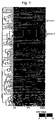
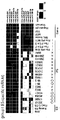
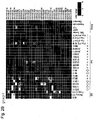
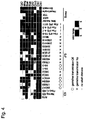
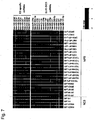
- Fig. 1 211 probes determined to be ineffective for all the 29 samples were removed from 672 miRNA array probes. Hierarchical clustering was performed for a total of 461 probes. The results are shown in Fig. 1 . Group I miRNA not expressed in somatic cells but expressed in ES cells and iPS cells and Group II miRNA expressed in various manners among iPS cells were extracted. Group I is shown in Fig. 2A and Table 9 and Group II is shown in Fig. 2B and Table 10. When Group II miRNA was analyzed, all members were found to be contained in the miRNA cluster of chromosome 12.
- Group I miRNA was expressed to an extent equivalent to that in the case of ES cells in the case of iPS cell clones contributing to the birth of chimeric mice, but in the case of 4 clones of Fbx iPS cells not contributing to the birth of chimeric mice, only low expression levels were detected, compared with the case of ES cells. Thus, it was suggested that Group I miRNA can be used as a marker for iPS cells contributing to the birth of chimeric mice.
- Group II miRNA was expressed in all clones (20D17, 178B5, 492B4, and 103C1) for which germline transmission could be confirmed, excluding 2 clones (99-1 and 99-3) of gastric-epithelial-cell-derived iPS cells. Also, among iPS clones prepared from MEF, the expression of Group II miRNA was observed in 2 clones (38C2 and 38D2) for which no germline transmission could be confirmed, but Group II miRNA was never expressed or expressed at levels lower than that in the case of ES cells in iPS clones prepared from TTF. It was suggested by the results that examination of Group II miRNA as a marker for iPS cells that are very similar to ES cells in which germline transmission occurs is useful.
- Group IV human miRNA was expressed in ES cell clones (KhES1 and KhES3) and iPS cell clones (201B2, 201B7, TIG103-4F4, TIG114-4F1, TIG120-4F1, 1375-4F1, 1687-4F2 and DP31): Table 11 Group III human miRNA ID Accession Sequence SEQ ID NO: hsa-miR-302a* MIMAT0000683 acuuaaacguggauguacuugcu 262 hsa-miR-367 MIMAT0000719 aauugcacuuuagcaaugguga 263 hsa-miR-302c MIMAT0000717 uaagugcuuccauguuucagugg 264 hsa-miR-302d MIMAT0000718 uaagugcuuccauguuugagugu 265 hsa-miR-302c* MIMAT0000716 uuuaacauggggguaccu
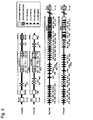
- DNA methylation was confirmed by treating DNA extracted from subject cells using a MethylEasy Xceed Rapid DNA Bisulphite Modification Kit (Human genetics) as a reagent for bisulfite treatment, amplifying IG-DMR by PCR, and then analyzing the cloned PCR products using a capillary sequencer. The experiment was conducted a plurality of times. One of the results is shown in Fig. 5 . In the case of ES cells (RF8), 62% of 61 clones measured were methylated; and in the case of 178B5 iPS cells, 50% of 54 clones measured were methylated.
- ES cells RF8
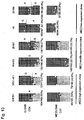
- Fig. 10 the concentration of methylated cytosine in IG-DMR CG4 and MEG3-DMR CG7 shown in Fig. 9 was examind in human cells.
- the result of each clones (KhES1, DP31-4F1, KhES3, 201B7, H1 and 201B6) is shown in Fig. 10 , wherein KhES1 and DP31-4F1 were exemplified as the high MEG3 expression clones, KhES3 and 201B7 as middle MEG3 expression clones and H1 and 201B6 as low MEG3 expression clones according to result of qPCR shown in Fig. 8 .
- the degree of DNA methylation in IG-DMR CG4 and MEG3-DMR CG7 was inversely-correlating with the expression of MEG3 and MEG8 mRNA.
- 65% cytosines in IG-DMR CG4 were methylated in IG-DMR of DP31-4F1 which was highly expressing MEG3 and MEG8 mRNA.
- 93% cytosine in IG-DMR CG4 were methylated in IG-DMR of 201B6 which less expressed MEG3 and MEG8 mRNA.
- SFEBq method was performed with method comprising following steps of:
- TIG108-4F3 (relative value of MEG3 and MEG8 mRNA expression shown in Fig. 8 are 0 and 0.00083) and TIG118-4F1 (relative value of MEG3 and MEG8 mRNA expression shown in Fig. 8 are 0.012 and 0.017) still included Oct3/4 positive cells when checking by flow cytometer.
- clones of KhES1, 201B7 (relative value of MEG3 and MEG8 mRNA expression shown in Fig. 8 are 0.61 and 0.64) and so on included no Oct3/4 positive cells.
Landscapes
- Life Sciences & Earth Sciences (AREA)
- Chemical & Material Sciences (AREA)
- Health & Medical Sciences (AREA)
- Proteomics, Peptides & Aminoacids (AREA)
- Organic Chemistry (AREA)
- Zoology (AREA)
- Immunology (AREA)
- Analytical Chemistry (AREA)
- Wood Science & Technology (AREA)
- Engineering & Computer Science (AREA)
- Molecular Biology (AREA)
- Bioinformatics & Cheminformatics (AREA)
- Biotechnology (AREA)
- Biophysics (AREA)
- Physics & Mathematics (AREA)
- Cell Biology (AREA)
- Biochemistry (AREA)
- Microbiology (AREA)
- General Engineering & Computer Science (AREA)
- General Health & Medical Sciences (AREA)
- Genetics & Genomics (AREA)
- Measuring Or Testing Involving Enzymes Or Micro-Organisms (AREA)
- Micro-Organisms Or Cultivation Processes Thereof (AREA)
- Apparatus Associated With Microorganisms And Enzymes (AREA)
Applications Claiming Priority (2)
| Application Number | Priority Date | Filing Date | Title |
|---|---|---|---|
| US28229510P | 2010-01-15 | 2010-01-15 | |
| PCT/JP2011/051144 WO2011087154A1 (en) | 2010-01-15 | 2011-01-17 | Method for screening induced pluripotent stem cells |
Publications (3)
| Publication Number | Publication Date |
|---|---|
| EP2524033A1 EP2524033A1 (en) | 2012-11-21 |
| EP2524033A4 EP2524033A4 (en) | 2013-06-26 |
| EP2524033B1 true EP2524033B1 (en) | 2016-04-13 |
Family
ID=44304416
Family Applications (1)
| Application Number | Title | Priority Date | Filing Date |
|---|---|---|---|
| EP11733018.3A Not-in-force EP2524033B1 (en) | 2010-01-15 | 2011-01-17 | Method for screening induced pluripotent stem cells |
Country Status (4)
| Country | Link |
|---|---|
| US (1) | US20120283130A1 (enExample) |
| EP (1) | EP2524033B1 (enExample) |
| JP (1) | JP5936131B2 (enExample) |
| WO (1) | WO2011087154A1 (enExample) |
Families Citing this family (9)
| Publication number | Priority date | Publication date | Assignee | Title |
|---|---|---|---|---|
| US20130035241A1 (en) * | 2010-04-07 | 2013-02-07 | Institute Of Zoology, Chinese Academy Of Sciences | Key genes, micrornas, other non-coding rnas and combination thereof for identifying and regulating the pluripotent status of cells |
| JP6143265B2 (ja) | 2011-07-25 | 2017-06-07 | 国立大学法人京都大学 | 人工多能性幹細胞の選別方法 |
| CN103403158B (zh) * | 2011-08-11 | 2015-01-28 | 松下电器产业株式会社 | 检测g-四联体螺旋形成的方法 |
| US20150292040A1 (en) * | 2012-01-06 | 2015-10-15 | Kyoto Prefectural Public University Corporation | DEVELOPMENT OF SIMPLE DISCRIMINATION METHOD FOR LOW-QUALITY ES CELLS AND iPS CELLS AS INDICATOR OF BIOLOGICAL CLOCK, AND DEVELOPMENT OF CELL EVALUATION METHOD AS INDICATOR OF BIOLOGICAL CLOCK |
| CN103571929B (zh) * | 2012-07-24 | 2016-05-11 | 中国科学院动物研究所 | 无损检测细胞miRNA的表达量及确定细胞类型与状态的方法 |
| EP3452593B1 (en) * | 2016-05-02 | 2020-12-23 | Medizinische Hochschule Hannover | The incrna meg3 for therapy and diagnosis of cardiac remodelling |
| JP6718303B2 (ja) * | 2016-05-12 | 2020-07-08 | パナソニック株式会社 | 細胞培養装置および細胞培養方法 |
| KR102193271B1 (ko) * | 2016-12-27 | 2020-12-22 | 풀스템 코., 엘티디. | 3차원 다공성 지지체로부터의 배양세포 회수 방법 |
| EP3743531A1 (en) * | 2018-01-22 | 2020-12-02 | Sistemic Scotland Ltd | Cell contamination assay |
-
2011
- 2011-01-17 US US13/522,223 patent/US20120283130A1/en not_active Abandoned
- 2011-01-17 EP EP11733018.3A patent/EP2524033B1/en not_active Not-in-force
- 2011-01-17 JP JP2012548681A patent/JP5936131B2/ja not_active Expired - Fee Related
- 2011-01-17 WO PCT/JP2011/051144 patent/WO2011087154A1/en not_active Ceased
Non-Patent Citations (2)
| Title |
|---|
| KAZUTOSHI TAKAHASHI ET AL: "Induction of Pluripotent Stem Cells from Adult Human Fibroblasts by Defined Factors", CELL, CELL PRESS, US, vol. 131, no. 5, 30 November 2007 (2007-11-30), pages 861 - 872, XP008155962, ISSN: 0092-8674, DOI: 10.1016/J.CELL.2007.11.019 * |
| KAZUTOSHI TAKAHASHI ET AL: "Induction of Pluripotent Stem Cells from Mouse Embryonic and Adult Fibroblast Cultures by Defined Factors", CELL, CELL PRESS, US, vol. 126, no. 4, 25 August 2006 (2006-08-25), pages 663 - 676, XP008157317, ISSN: 0092-8674, DOI: 10.1016/J.CELL.2006.07.024 * |
Also Published As
| Publication number | Publication date |
|---|---|
| WO2011087154A1 (en) | 2011-07-21 |
| US20120283130A1 (en) | 2012-11-08 |
| JP2013516982A (ja) | 2013-05-16 |
| EP2524033A1 (en) | 2012-11-21 |
| EP2524033A4 (en) | 2013-06-26 |
| JP5936131B2 (ja) | 2016-06-15 |
Similar Documents
| Publication | Publication Date | Title |
|---|---|---|
| US20120283130A1 (en) | Method for screening induced pluripotent stem cells | |
| Rugg-Gunn et al. | Cell-surface proteomics identifies lineage-specific markers of embryo-derived stem cells | |
| EP2733219B1 (en) | Diagnostic miRNA markers for Alzheimer | |
| CN103459611B (zh) | 对多能干细胞的效用和安全性进行表征的功能基因组学研究 | |
| US20130150256A1 (en) | Novel micrornas for the detection and isolation of human embryonic stem cell-derived cardiac cell types | |
| WO2016103269A1 (en) | Populations of neural progenitor cells and methods of producing and using same | |
| US10385407B2 (en) | Method for screening induced pluripotent stem cells | |
| US20230340595A1 (en) | Use of pluripotent markers to detect contaminating residual undifferentiated pluripotent stem cells | |
| Stelzer et al. | Global analysis of parental imprinting in human parthenogenetic induced pluripotent stem cells | |
| Russell et al. | An atlas of small non-coding RNAs in human preimplantation development | |
| WO2011109612A2 (en) | Method for selecting an ips cell | |
| WO2023118050A1 (en) | Use of novel markers to detect pluripotent stem cells | |
| WO2011046635A1 (en) | Differentially methylated regions of reprogrammed induced pluripotent stem cells, method and compositions thereof | |
| EP4538384A1 (en) | Detection method and detection reagent for undifferentiated pluripotent stem cells | |
| WO2012029316A1 (en) | Method for screening differentiation-responsive induced pluripotent stem cell | |
| WO2010017518A2 (en) | Connecting microrna genes to the core transcriptional regulatory circuitry of embryonic stem cells | |
| WO2026092716A1 (zh) | TERT基因在检测iPSC残留中的应用 | |
| Inčiūraitė | The Role of Intestinal Epithelial MicroRNAs and Gut Microbiota in the Pathogenesis of Ulcerative Colitis | |
| US20130071919A1 (en) | Method of selecting induced pluripotent stem cell | |
| Roussos et al. | From compartments to gene loops: Functions of the 3D genome in the human brain | |
| Barzegar et al. | Profiling miRNAs involved in Human Oligodendrocyte Precursor Cell Differentiation and Maturation | |
| CN117821374A (zh) | 利用mRNA的N4-胞苷酸乙酰化修饰调控细胞命运转化 |
Legal Events
| Date | Code | Title | Description |
|---|---|---|---|
| PUAI | Public reference made under article 153(3) epc to a published international application that has entered the european phase |
Free format text: ORIGINAL CODE: 0009012 |
|
| 17P | Request for examination filed |
Effective date: 20120813 |
|
| AK | Designated contracting states |
Kind code of ref document: A1 Designated state(s): AL AT BE BG CH CY CZ DE DK EE ES FI FR GB GR HR HU IE IS IT LI LT LU LV MC MK MT NL NO PL PT RO RS SE SI SK SM TR |
|
| DAX | Request for extension of the european patent (deleted) | ||
| REG | Reference to a national code |
Ref country code: DE Ref legal event code: R079 Ref document number: 602011025280 Country of ref document: DE Free format text: PREVIOUS MAIN CLASS: C12N0005073000 Ipc: C12Q0001680000 |
|
| A4 | Supplementary search report drawn up and despatched |
Effective date: 20130528 |
|
| RIC1 | Information provided on ipc code assigned before grant |
Ipc: C12Q 1/68 20060101AFI20130522BHEP |
|
| 17Q | First examination report despatched |
Effective date: 20140207 |
|
| GRAP | Despatch of communication of intention to grant a patent |
Free format text: ORIGINAL CODE: EPIDOSNIGR1 |
|
| INTG | Intention to grant announced |
Effective date: 20151022 |
|
| GRAS | Grant fee paid |
Free format text: ORIGINAL CODE: EPIDOSNIGR3 |
|
| GRAA | (expected) grant |
Free format text: ORIGINAL CODE: 0009210 |
|
| AK | Designated contracting states |
Kind code of ref document: B1 Designated state(s): AL AT BE BG CH CY CZ DE DK EE ES FI FR GB GR HR HU IE IS IT LI LT LU LV MC MK MT NL NO PL PT RO RS SE SI SK SM TR |
|
| REG | Reference to a national code |
Ref country code: GB Ref legal event code: FG4D |
|
| REG | Reference to a national code |
Ref country code: AT Ref legal event code: REF Ref document number: 790223 Country of ref document: AT Kind code of ref document: T Effective date: 20160415 Ref country code: CH Ref legal event code: EP |
|
| REG | Reference to a national code |
Ref country code: IE Ref legal event code: FG4D |
|
| REG | Reference to a national code |
Ref country code: DE Ref legal event code: R096 Ref document number: 602011025280 Country of ref document: DE |
|
| REG | Reference to a national code |
Ref country code: LT Ref legal event code: MG4D |
|
| REG | Reference to a national code |
Ref country code: AT Ref legal event code: MK05 Ref document number: 790223 Country of ref document: AT Kind code of ref document: T Effective date: 20160413 |
|
| REG | Reference to a national code |
Ref country code: NL Ref legal event code: MP Effective date: 20160413 |
|
| PG25 | Lapsed in a contracting state [announced via postgrant information from national office to epo] |
Ref country code: NO Free format text: LAPSE BECAUSE OF FAILURE TO SUBMIT A TRANSLATION OF THE DESCRIPTION OR TO PAY THE FEE WITHIN THE PRESCRIBED TIME-LIMIT Effective date: 20160713 Ref country code: PL Free format text: LAPSE BECAUSE OF FAILURE TO SUBMIT A TRANSLATION OF THE DESCRIPTION OR TO PAY THE FEE WITHIN THE PRESCRIBED TIME-LIMIT Effective date: 20160413 Ref country code: NL Free format text: LAPSE BECAUSE OF FAILURE TO SUBMIT A TRANSLATION OF THE DESCRIPTION OR TO PAY THE FEE WITHIN THE PRESCRIBED TIME-LIMIT Effective date: 20160413 Ref country code: FI Free format text: LAPSE BECAUSE OF FAILURE TO SUBMIT A TRANSLATION OF THE DESCRIPTION OR TO PAY THE FEE WITHIN THE PRESCRIBED TIME-LIMIT Effective date: 20160413 Ref country code: LT Free format text: LAPSE BECAUSE OF FAILURE TO SUBMIT A TRANSLATION OF THE DESCRIPTION OR TO PAY THE FEE WITHIN THE PRESCRIBED TIME-LIMIT Effective date: 20160413 |
|
| PG25 | Lapsed in a contracting state [announced via postgrant information from national office to epo] |
Ref country code: HR Free format text: LAPSE BECAUSE OF FAILURE TO SUBMIT A TRANSLATION OF THE DESCRIPTION OR TO PAY THE FEE WITHIN THE PRESCRIBED TIME-LIMIT Effective date: 20160413 Ref country code: LV Free format text: LAPSE BECAUSE OF FAILURE TO SUBMIT A TRANSLATION OF THE DESCRIPTION OR TO PAY THE FEE WITHIN THE PRESCRIBED TIME-LIMIT Effective date: 20160413 Ref country code: GR Free format text: LAPSE BECAUSE OF FAILURE TO SUBMIT A TRANSLATION OF THE DESCRIPTION OR TO PAY THE FEE WITHIN THE PRESCRIBED TIME-LIMIT Effective date: 20160714 Ref country code: PT Free format text: LAPSE BECAUSE OF FAILURE TO SUBMIT A TRANSLATION OF THE DESCRIPTION OR TO PAY THE FEE WITHIN THE PRESCRIBED TIME-LIMIT Effective date: 20160816 Ref country code: ES Free format text: LAPSE BECAUSE OF FAILURE TO SUBMIT A TRANSLATION OF THE DESCRIPTION OR TO PAY THE FEE WITHIN THE PRESCRIBED TIME-LIMIT Effective date: 20160413 Ref country code: AT Free format text: LAPSE BECAUSE OF FAILURE TO SUBMIT A TRANSLATION OF THE DESCRIPTION OR TO PAY THE FEE WITHIN THE PRESCRIBED TIME-LIMIT Effective date: 20160413 Ref country code: RS Free format text: LAPSE BECAUSE OF FAILURE TO SUBMIT A TRANSLATION OF THE DESCRIPTION OR TO PAY THE FEE WITHIN THE PRESCRIBED TIME-LIMIT Effective date: 20160413 Ref country code: SE Free format text: LAPSE BECAUSE OF FAILURE TO SUBMIT A TRANSLATION OF THE DESCRIPTION OR TO PAY THE FEE WITHIN THE PRESCRIBED TIME-LIMIT Effective date: 20160413 |
|
| REG | Reference to a national code |
Ref country code: FR Ref legal event code: PLFP Year of fee payment: 7 |
|
| PG25 | Lapsed in a contracting state [announced via postgrant information from national office to epo] |
Ref country code: IT Free format text: LAPSE BECAUSE OF FAILURE TO SUBMIT A TRANSLATION OF THE DESCRIPTION OR TO PAY THE FEE WITHIN THE PRESCRIBED TIME-LIMIT Effective date: 20160413 Ref country code: BE Free format text: LAPSE BECAUSE OF FAILURE TO SUBMIT A TRANSLATION OF THE DESCRIPTION OR TO PAY THE FEE WITHIN THE PRESCRIBED TIME-LIMIT Effective date: 20160413 |
|
| REG | Reference to a national code |
Ref country code: DE Ref legal event code: R097 Ref document number: 602011025280 Country of ref document: DE |
|
| PG25 | Lapsed in a contracting state [announced via postgrant information from national office to epo] |
Ref country code: SK Free format text: LAPSE BECAUSE OF FAILURE TO SUBMIT A TRANSLATION OF THE DESCRIPTION OR TO PAY THE FEE WITHIN THE PRESCRIBED TIME-LIMIT Effective date: 20160413 Ref country code: DK Free format text: LAPSE BECAUSE OF FAILURE TO SUBMIT A TRANSLATION OF THE DESCRIPTION OR TO PAY THE FEE WITHIN THE PRESCRIBED TIME-LIMIT Effective date: 20160413 Ref country code: RO Free format text: LAPSE BECAUSE OF FAILURE TO SUBMIT A TRANSLATION OF THE DESCRIPTION OR TO PAY THE FEE WITHIN THE PRESCRIBED TIME-LIMIT Effective date: 20160413 Ref country code: CZ Free format text: LAPSE BECAUSE OF FAILURE TO SUBMIT A TRANSLATION OF THE DESCRIPTION OR TO PAY THE FEE WITHIN THE PRESCRIBED TIME-LIMIT Effective date: 20160413 Ref country code: EE Free format text: LAPSE BECAUSE OF FAILURE TO SUBMIT A TRANSLATION OF THE DESCRIPTION OR TO PAY THE FEE WITHIN THE PRESCRIBED TIME-LIMIT Effective date: 20160413 |
|
| PLBE | No opposition filed within time limit |
Free format text: ORIGINAL CODE: 0009261 |
|
| STAA | Information on the status of an ep patent application or granted ep patent |
Free format text: STATUS: NO OPPOSITION FILED WITHIN TIME LIMIT |
|
| PG25 | Lapsed in a contracting state [announced via postgrant information from national office to epo] |
Ref country code: SM Free format text: LAPSE BECAUSE OF FAILURE TO SUBMIT A TRANSLATION OF THE DESCRIPTION OR TO PAY THE FEE WITHIN THE PRESCRIBED TIME-LIMIT Effective date: 20160413 |
|
| 26N | No opposition filed |
Effective date: 20170116 |
|
| PG25 | Lapsed in a contracting state [announced via postgrant information from national office to epo] |
Ref country code: SI Free format text: LAPSE BECAUSE OF FAILURE TO SUBMIT A TRANSLATION OF THE DESCRIPTION OR TO PAY THE FEE WITHIN THE PRESCRIBED TIME-LIMIT Effective date: 20160413 |
|
| REG | Reference to a national code |
Ref country code: CH Ref legal event code: PL |
|
| PG25 | Lapsed in a contracting state [announced via postgrant information from national office to epo] |
Ref country code: MC Free format text: LAPSE BECAUSE OF FAILURE TO SUBMIT A TRANSLATION OF THE DESCRIPTION OR TO PAY THE FEE WITHIN THE PRESCRIBED TIME-LIMIT Effective date: 20160413 |
|
| PG25 | Lapsed in a contracting state [announced via postgrant information from national office to epo] |
Ref country code: CH Free format text: LAPSE BECAUSE OF NON-PAYMENT OF DUE FEES Effective date: 20170131 Ref country code: LI Free format text: LAPSE BECAUSE OF NON-PAYMENT OF DUE FEES Effective date: 20170131 |
|
| REG | Reference to a national code |
Ref country code: IE Ref legal event code: MM4A |
|
| PG25 | Lapsed in a contracting state [announced via postgrant information from national office to epo] |
Ref country code: LU Free format text: LAPSE BECAUSE OF NON-PAYMENT OF DUE FEES Effective date: 20170117 |
|
| REG | Reference to a national code |
Ref country code: FR Ref legal event code: PLFP Year of fee payment: 8 |
|
| PG25 | Lapsed in a contracting state [announced via postgrant information from national office to epo] |
Ref country code: IE Free format text: LAPSE BECAUSE OF NON-PAYMENT OF DUE FEES Effective date: 20170117 |
|
| PG25 | Lapsed in a contracting state [announced via postgrant information from national office to epo] |
Ref country code: MT Free format text: LAPSE BECAUSE OF NON-PAYMENT OF DUE FEES Effective date: 20170117 |
|
| PG25 | Lapsed in a contracting state [announced via postgrant information from national office to epo] |
Ref country code: AL Free format text: LAPSE BECAUSE OF FAILURE TO SUBMIT A TRANSLATION OF THE DESCRIPTION OR TO PAY THE FEE WITHIN THE PRESCRIBED TIME-LIMIT Effective date: 20160413 |
|
| PG25 | Lapsed in a contracting state [announced via postgrant information from national office to epo] |
Ref country code: HU Free format text: LAPSE BECAUSE OF FAILURE TO SUBMIT A TRANSLATION OF THE DESCRIPTION OR TO PAY THE FEE WITHIN THE PRESCRIBED TIME-LIMIT; INVALID AB INITIO Effective date: 20110117 |
|
| PG25 | Lapsed in a contracting state [announced via postgrant information from national office to epo] |
Ref country code: BG Free format text: LAPSE BECAUSE OF FAILURE TO SUBMIT A TRANSLATION OF THE DESCRIPTION OR TO PAY THE FEE WITHIN THE PRESCRIBED TIME-LIMIT Effective date: 20160413 |
|
| PG25 | Lapsed in a contracting state [announced via postgrant information from national office to epo] |
Ref country code: CY Free format text: LAPSE BECAUSE OF NON-PAYMENT OF DUE FEES Effective date: 20160413 |
|
| PG25 | Lapsed in a contracting state [announced via postgrant information from national office to epo] |
Ref country code: MK Free format text: LAPSE BECAUSE OF FAILURE TO SUBMIT A TRANSLATION OF THE DESCRIPTION OR TO PAY THE FEE WITHIN THE PRESCRIBED TIME-LIMIT Effective date: 20160413 |
|
| PG25 | Lapsed in a contracting state [announced via postgrant information from national office to epo] |
Ref country code: TR Free format text: LAPSE BECAUSE OF FAILURE TO SUBMIT A TRANSLATION OF THE DESCRIPTION OR TO PAY THE FEE WITHIN THE PRESCRIBED TIME-LIMIT Effective date: 20160413 |
|
| PG25 | Lapsed in a contracting state [announced via postgrant information from national office to epo] |
Ref country code: IS Free format text: LAPSE BECAUSE OF FAILURE TO SUBMIT A TRANSLATION OF THE DESCRIPTION OR TO PAY THE FEE WITHIN THE PRESCRIBED TIME-LIMIT Effective date: 20160813 |
|
| REG | Reference to a national code |
Ref country code: DE Ref legal event code: R082 Ref document number: 602011025280 Country of ref document: DE Representative=s name: D YOUNG & CO LLP, DE |
|
| PGFP | Annual fee paid to national office [announced via postgrant information from national office to epo] |
Ref country code: FR Payment date: 20210122 Year of fee payment: 11 |
|
| PGFP | Annual fee paid to national office [announced via postgrant information from national office to epo] |
Ref country code: DE Payment date: 20210120 Year of fee payment: 11 Ref country code: GB Payment date: 20210121 Year of fee payment: 11 |
|
| REG | Reference to a national code |
Ref country code: DE Ref legal event code: R119 Ref document number: 602011025280 Country of ref document: DE |
|
| GBPC | Gb: european patent ceased through non-payment of renewal fee |
Effective date: 20220117 |
|
| PG25 | Lapsed in a contracting state [announced via postgrant information from national office to epo] |
Ref country code: GB Free format text: LAPSE BECAUSE OF NON-PAYMENT OF DUE FEES Effective date: 20220117 Ref country code: DE Free format text: LAPSE BECAUSE OF NON-PAYMENT OF DUE FEES Effective date: 20220802 |
|
| PG25 | Lapsed in a contracting state [announced via postgrant information from national office to epo] |
Ref country code: FR Free format text: LAPSE BECAUSE OF NON-PAYMENT OF DUE FEES Effective date: 20220131 |