EP2499921A2 - Preparation method of flavored teas using wood, and flavored teas prepared thereby - Google Patents
Preparation method of flavored teas using wood, and flavored teas prepared thereby Download PDFInfo
- Publication number
- EP2499921A2 EP2499921A2 EP10828584A EP10828584A EP2499921A2 EP 2499921 A2 EP2499921 A2 EP 2499921A2 EP 10828584 A EP10828584 A EP 10828584A EP 10828584 A EP10828584 A EP 10828584A EP 2499921 A2 EP2499921 A2 EP 2499921A2
- Authority
- EP
- European Patent Office
- Prior art keywords
- teas
- wood
- tea
- flavors
- flavored
- Prior art date
- Legal status (The legal status is an assumption and is not a legal conclusion. Google has not performed a legal analysis and makes no representation as to the accuracy of the status listed.)
- Granted
Links
- 239000002023 wood Substances 0.000 title claims abstract description 126
- 235000020335 flavoured tea Nutrition 0.000 title claims abstract description 50
- 238000002360 preparation method Methods 0.000 title abstract description 7
- 239000000796 flavoring agent Substances 0.000 claims abstract description 72
- 235000019634 flavors Nutrition 0.000 claims abstract description 72
- 238000000034 method Methods 0.000 claims abstract description 31
- 235000013616 tea Nutrition 0.000 claims description 84
- 244000269722 Thea sinensis Species 0.000 claims description 58
- 240000005109 Cryptomeria japonica Species 0.000 claims description 20
- 241000219492 Quercus Species 0.000 claims description 16
- 241000894007 species Species 0.000 claims description 14
- 241000723436 Chamaecyparis obtusa Species 0.000 claims description 12
- 235000019225 fermented tea Nutrition 0.000 claims description 11
- 238000009738 saturating Methods 0.000 claims description 10
- 241000332822 Cedrus libani Species 0.000 claims description 8
- 235000009569 green tea Nutrition 0.000 claims description 8
- 235000020279 black tea Nutrition 0.000 claims description 6
- 240000005308 Juniperus chinensis Species 0.000 claims description 5
- 241000437872 Paulownia coreana Species 0.000 claims description 5
- 238000010438 heat treatment Methods 0.000 claims description 4
- 235000019629 palatability Nutrition 0.000 abstract description 40
- 239000000463 material Substances 0.000 description 40
- 238000012360 testing method Methods 0.000 description 19
- 229920006395 saturated elastomer Polymers 0.000 description 11
- 229910001220 stainless steel Inorganic materials 0.000 description 9
- 239000010935 stainless steel Substances 0.000 description 9
- 235000011194 food seasoning agent Nutrition 0.000 description 8
- 238000011835 investigation Methods 0.000 description 5
- 235000020339 pu-erh tea Nutrition 0.000 description 5
- 235000019224 Camellia sinensis var Qingmao Nutrition 0.000 description 3
- 241000218691 Cupressaceae Species 0.000 description 3
- 238000004458 analytical method Methods 0.000 description 3
- 235000013399 edible fruits Nutrition 0.000 description 3
- 235000013305 food Nutrition 0.000 description 3
- 238000004519 manufacturing process Methods 0.000 description 3
- 235000014143 Camellia sinensis var assamica Nutrition 0.000 description 2
- 240000008441 Camellia sinensis var. assamica Species 0.000 description 2
- 241000723437 Chamaecyparis Species 0.000 description 2
- 240000007594 Oryza sativa Species 0.000 description 2
- 235000007164 Oryza sativa Nutrition 0.000 description 2
- 125000003118 aryl group Chemical group 0.000 description 2
- 239000003086 colorant Substances 0.000 description 2
- 235000009566 rice Nutrition 0.000 description 2
- 241001465754 Metazoa Species 0.000 description 1
- 241000218641 Pinaceae Species 0.000 description 1
- 235000011613 Pinus brutia Nutrition 0.000 description 1
- 241000013557 Plantaginaceae Species 0.000 description 1
- 241000593922 Quercus acutissima Species 0.000 description 1
- 241001480053 Quercus dentata Species 0.000 description 1
- 240000008751 Quercus petraea Species 0.000 description 1
- 240000008289 Quercus suber Species 0.000 description 1
- 235000016977 Quercus suber Nutrition 0.000 description 1
- 229920002472 Starch Polymers 0.000 description 1
- 241000282887 Suidae Species 0.000 description 1
- 235000006468 Thea sinensis Nutrition 0.000 description 1
- 238000005452 bending Methods 0.000 description 1
- 239000002775 capsule Substances 0.000 description 1
- 239000007799 cork Substances 0.000 description 1
- 238000005034 decoration Methods 0.000 description 1
- 230000003247 decreasing effect Effects 0.000 description 1
- 238000004043 dyeing Methods 0.000 description 1
- 230000000694 effects Effects 0.000 description 1
- 238000005516 engineering process Methods 0.000 description 1
- 238000011156 evaluation Methods 0.000 description 1
- 235000021107 fermented food Nutrition 0.000 description 1
- 210000004209 hair Anatomy 0.000 description 1
- 238000012545 processing Methods 0.000 description 1
- 239000002994 raw material Substances 0.000 description 1
- 239000003566 sealing material Substances 0.000 description 1
- 235000021264 seasoned food Nutrition 0.000 description 1
- 230000001953 sensory effect Effects 0.000 description 1
- 238000003892 spreading Methods 0.000 description 1
- 235000019698 starch Nutrition 0.000 description 1
- 239000008107 starch Substances 0.000 description 1
- 238000010025 steaming Methods 0.000 description 1
- 235000018553 tannin Nutrition 0.000 description 1
- 229920001864 tannin Polymers 0.000 description 1
- 239000001648 tannin Substances 0.000 description 1
- 235000019640 taste Nutrition 0.000 description 1
- 238000010998 test method Methods 0.000 description 1
- 238000011514 vinification Methods 0.000 description 1
Images







Classifications
-
- A—HUMAN NECESSITIES
- A23—FOODS OR FOODSTUFFS; TREATMENT THEREOF, NOT COVERED BY OTHER CLASSES
- A23F—COFFEE; TEA; THEIR SUBSTITUTES; MANUFACTURE, PREPARATION, OR INFUSION THEREOF
- A23F3/00—Tea; Tea substitutes; Preparations thereof
- A23F3/40—Tea flavour; Tea oil; Flavouring of tea or tea extract
- A23F3/405—Flavouring with flavours other than natural tea flavour or tea oil
-
- A—HUMAN NECESSITIES
- A23—FOODS OR FOODSTUFFS; TREATMENT THEREOF, NOT COVERED BY OTHER CLASSES
- A23F—COFFEE; TEA; THEIR SUBSTITUTES; MANUFACTURE, PREPARATION, OR INFUSION THEREOF
- A23F3/00—Tea; Tea substitutes; Preparations thereof
- A23F3/40—Tea flavour; Tea oil; Flavouring of tea or tea extract
-
- A—HUMAN NECESSITIES
- A23—FOODS OR FOODSTUFFS; TREATMENT THEREOF, NOT COVERED BY OTHER CLASSES
- A23F—COFFEE; TEA; THEIR SUBSTITUTES; MANUFACTURE, PREPARATION, OR INFUSION THEREOF
- A23F3/00—Tea; Tea substitutes; Preparations thereof
- A23F3/06—Treating tea before extraction; Preparations produced thereby
Definitions
- the present invention relates to a method for preparing flavored teas by using wood, and flavored teas prepared thereby, and more particularly, to a method for preparing flavored teas and flavored teas prepared thereby wherein various natural wood is used to apply given flavors to tea materials, at appropriate temperatures for an appropriate period of flavoring time, thereby providing the flavored teas with excellent palatability and flavors.
- the inventors have studied to develop a method for manufacturing flavored teas by using wood having excellent palatability so as to provide the flavored teas with excellent palatability and flavors, and they have developed a method for manufacturing flavored teas by using wood, in which given teas are flavored at appropriate temperatures for an appropriate period of flavoring time, thereby providing the flavored teas with excellent palatability and flavors.
- a method for preparing flavored teas by using wood including the steps of: saturating a sealed space with natural wood flavors; and positioning a given tea in the sealed space so as to apply the natural wood flavors to the given tea.
- the method for preparing flavored teas by using wood has a flavoring process and a seasoning process conducted with various kinds of wood, thereby providing the flavored teas with excellent palatability and flavors.
- the method for preparing flavored teas by using wood includes the steps of: saturating a sealed space with natural wood flavors; and positioning a given tea in the sealed space so as to apply the natural wood flavors to the given tea.
- the saturating step and the flavoring step are at the same time or sequentially carried out.
- the sealed space is formed by means of, for example, a stainless steel casing and a casing (wood casing) made of natural wood.
- the casing is saturated with the flavors of the natural wood by themselves, and natural wood chips may further be put into the natural wood casing with tea, thereby allowing the interior of the casing to be saturated with the flavors of the natural wood chips.
- the casing itself is formed of a sealed casing, and alternatively, the casing is sealable by means of a sealing material like Parafilm.
- the natural wood constituting the wood casing or the wood chips can be made of any kinds of wood, only if it enhances the flavors of teas, and for example, the natural wood is one or more species selected from the group consisting of Chamaecyparis obtusa, Cedrus libani, Juniperus chinensis, Cryptomeria japonica, Paulownia coreana, and Quercus.
- Chamaecyparis obtusa is a species of Cypress, and it is a slow-growing tree which grows to 40m tall with a trunk up to 2m in diameter with a broadly conical crown that spreads horizontally.
- the bark is dark red-brown, filamented, and is very stringy vertically.
- the leaves are arranged in opposite pairs, and they are thick and have scale-like shapes having a length of 1 to 1.5mm, with a Y-shaped white stomatal band at the base of each scale-leaf. Also, one line is formed on the surface of each leaf and a white spot is formed on the underside thereof.
- the cones are globose, have 10-12 mm in diameter, and red-brown, with 8-12 cone scales. Each cone scale has 2 seeds. Each seed has a length of 3mm and 2 pockets, with small wings. It is an endemic species of Japan and is good in quality, so that it is cultivated in the South of Korea, as the tree species for plantation
- Cedrus libani is a species of Pinaceae, which is mentioned in the Bible, especially in the Old Testament. It is recorded that it manly grows in the mountains in Levanon. It often means power, glory, and luxury.
- Juniperus chinensis is a species of Cupressaceae, and it reaches about 20m tall, and newly spreading branches are green, three-year old branches black-brown, and seven or eight-year old branches have scale shaped leaves.
- the sprouts have sharp needles on the leaves.
- the leaves are twisted and bushy.
- the wood is used as aroma materials. It grows in deep mountains, especially, at the island Ulleng in Korea, but it mostly disappears. It is generally planted as an ornamental tree.
- the wood is mostly used for making pencils, and additionally, it is used for sculture, furniture, and decoration materials. It is distributed in Korea, Japan, China and Mongol.
- Cryptomeria japonica is a species of Taxodiaceae, which is well grown on the valleys in annual temperature averages between 12°C and 14°C and annual rainfall averages of 3,000mm. It is an endemic species of Japan. It reaches 40m tall and 1 to 2m in diameter.
- the barks are reddish brown, and split vertically, and the branches and leaves are dense to have a conical tree performance.
- the leaves take bent needle-like shapes and are spirally arranged, and even though they are dried, they are not dropped. It has various variations in accordance with the colors of the barks, the splited state of the barks, the tree performances, the angles of the branches, the colors, shapes, lengths, and bending degrees of the leaves, and glowing areas. It is divided into the species for gardens and the species for forest building, and since the age of tree is very long, the many kinds of tree have a variety of legends. Big and old trees are used as wood.
- Paulownia coreana is a species of Scrophulariaceae, and reaches 15m tall.
- the leaves are arranged in opposite pairs and have heart-like shapes, with sharp tips.
- the flowers are produced on May to June in spring, and the fruit is a dry egg-shaped capsule with a length of 3cm. It is sharp in the tip, with no hairs and is matured on October.
- the wood is used for making cabinets, boxes, musical instruments, and the like, and the tree is the endemic species of Korea, especially growing at the south Pyongan in North Korea and at the south Gyeonggi in South Korea.
- Quercus is a species of Quercus Sessilis Pedunculat, which is a leaf tree or an evergreen tall tree. Sometimes, it is a shrub. The tree is a total name involved in one genus, but it often means Quercus acutissima. Starch is obtained from acorns as fruits to make acorn curd for eating. Especially, the fruits are good food for mountain animals like boars. The barks contain a large quantity of tannin, which are used for dyeing fishnets. Since the wood is very hard, it is used in a variety of purposes, especially for making a barrel. The Quercus means good wood in Celtic languages, and it also means rear wood in Korean language.
- Quercus dentata Thunberg has large, thick and fragrant leaves, which are used for steaming rice cake. In Japan, they are used for wrapping rice cake. Cork is obtained in Cork Oak, and in warm temperature forest areas, Quercus suber produced in Mediterranean Sea is cultivated as economical resources of producing corks.
- the natural wood that is available in the preferred embodiment of the present invention is not limited to the above-noted wood, but it is selected easily from the commercial natural wood or is taken directly in well-known typical manners.
- the given tea is placed in the sealed space for the purpose of performing the application of the natural wood flavors to the given tea.
- the tea may be placed in the sealed space on the saturating step of the natural wood flavors or after the saturating step thereof.
- the kinds of teas that are available in the preferred embodiment of the present invention are any kinds of commercial teas, for example, green tea, pre-fermented teas like Seonhyang tea, Woonhyang tea, Tieguanyin tea and Wuyi cliff tea, black teas like Assam tea and Darjeeling tea, and post-fermented teas like Damhyang tea and Pu-Erh tea.
- the step of saturating the sealed space with the natural wood flavors or the step of positioning the given tea in the sealed space so as to apply the natural wood flavors to the given tea is performed at an appropriate temperature and for an appropriate period of time, so that the natural wood flavors are sufficiently saturated in the sealed space and the flavoring efficiency is enhanced to obtain the teas having excellent flavors.
- the saturating step or the flavoring step is carried out in the temperature range between about 4°C and 50°C for about 7 to 180 days, and desirably in the temperature range between about 15°C and 40°C for about 30 to 180 days.
- the method further includes the step of heating the flavored teas after the flavoring step so as to fix the flavors and obtain well balanced flavors.
- the heating step is carried out in the temperature range between about 30°C and 80°C for about 5 to 120 minutes.
- Wood consisting of nine kinds of Chamaecyparis obtusa, Cedrus libani, Juniperus chinensis (Chinese and American), Cryptomeria japonica (Chinese and of Jeju in Korea), Paulownia coreana, and Quercus A and B (French) was prepared from commercial wood wholesalers and wood processing places by district and was made as square wood casings having the internal surface areas of 2400cm 2 , 5400cm 2 , 9600cm 2 and 15000cm 2 .
- the wood chips were used with ones generated during the manufacturing of the wood casings.
- the present invention made use of various kinds of teas being sold in the market. Green tea was used with Sulloc Sejak tea made by Amore Pacific, pre-fermented teas were used as Sulloc Seonhyang and Woonhyang teas made by Amore Pacific, Tieguanyin tea and Wuyi cliff tea imported from China, and black teas were used as Assam tea and Darjeeling tea produced from India. Lastly, post-fermented teas were used as Sulloc Damhyang tea made by Amore Pacific and Pu-Erh tea in China.
- Such prepared teas were heated in the temperature range between 50°C and 120°C for 5 to 60 minutes so as to remove a nasty smell therefrom and then used as the material teas for applying flavors thereto.
- the above-mentioned various kinds of teas were put into the square wood casings having the internal surface areas of 2400cm 2 , 5400cm 2 , 9600cm 2 and 15000cm 2 , and the wood casings were sealed. After that, the teas were left in the temperature range between 4°C and 50°C for 7 to 180 days so as to perform seasoning and flavoring. After finishing the natural flavoring, the teas were heated in the temperature range between 30°C and 80°C for 5 to 120 minutes to fix the flavors thereto, thereby completing preparing the flavored teas.
- the above-mentioned various kinds of teas and wood chips were put into the square stainless steel casings having the internal surface areas of 2400cm 2 , 5400cm 2 , 9600cm 2 and 15000cm 2 , and the stainless steel casings were sealed. After that, the teas were left in the temperature range between 4°C and 50°C for 7 to 180 days so as to perform seasoning and flavoring. After finishing the natural flavoring, the teas were heated in the temperature range between 30°C and 80°C for 5 to 120 minutes to fix the flavors thereto, thereby completing preparing the flavored teas.
- the above-mentioned various kinds of teas and wood chips were put into the square wood casings having the internal surface areas of 2400cm 2 , 5400cm 2 , 9600cm 2 and 15000cm 2 , and the wood casings were sealed. After that, the teas were left in the temperature range between 4°C and 50°C for 7 to 180 days so as to perform seasoning and flavoring. After finishing the natural flavoring, the teas were heated in the temperature range between 30°C and 80°C for 5 to 120 minutes to fix the flavors thereto, thereby completing preparing the flavored teas.
- Wood has different ratios of materials being volatile according to temperatures, and accordingly, the palatability of the flavors being volatile by temperature may be changed. It was investigated whether the flavors were volatile at any temperature, by using the wood casing made of Cryptomeria japonica (of Jeju in Korea), and the results were shown in FIG.11 .
- the test was conducted at the temperature of 25°C to find the relation between ratio of tea materials and the internal surface areas of the wood casing (made of Jeju Cryptomeria japonica) and flavoring days.
- the various kinds of material teas were put into the sealed casings from which the flavor components are not volatile, and the ratios of the material teas and the internal surface areas of the wood casing were changed.
- Table 2 Wood casing length(cm) Material tea (g) Internal surface area (cm 2 ) Ratio (g/cm 2 ) Palatability of flavor by flavoring day 7 15 30 60 90 120 180 50 43750 15000 2.92 4.9 5.1 5.5 6.3 7.0 7.5 8.0 40 22400 9600 2.33 5.7 6.0 6.4 7.2 7.8 8.0 7.8 30 9450 5400 1.75 6.2 6.5 7.0 7.8 8.0 7.8 7.1 20 2800 2400 1.17 6.7 7.3 7.8 7.9 7.7 7.3 6.5
- the palatability of the flavored tea obtained by applying the flavor of the wood casing made of Cryptomeria japonica (of Jeju) to the material teas having various flavors was investigated, and as a result, it was appreciated that the overall tastes and flavors were differentiated from the existing material teas and the palatability of the flavored teas were improved greatly.
- Sejak tea which was the representative test group of the green tea, had the palatability of its natural flavor significantly increased
- Seonhyang tea, Woonhyang tea, Tieguanyin tea, and Wuyi cliff tea which were the pre-fermented teas, had the palatability of their natural flavors increased greatly in Chamaecyparis obtusa and Cryptomeria japonica.
- black tea which was complete fermented tea, had the palatability increased greatly in all of Chamaecyparis obtuse, Cryptomeria japonica, and Quercus A and B, and Damhyang tea and Pu-Erh tea, which were the post-fermented teas, had the palatability increased in all kinds of wood, especially increased greatly in Chamaecyparis obtusa and Cryptomeria japonica.
- this test was conducted at the temperature of 25°C to find the relation between ratio of tea materials and the surface areas of the wood chips (made of Jeju Cryptomeria japonica) and flavoring days.
- the various kinds of material teas and wood chips were filled into sealed stainless steel casings having different sizes, and the ratios of the weights of the filled material teas and the surface areas of the wood chips were differently set.
Landscapes
- Life Sciences & Earth Sciences (AREA)
- Chemical & Material Sciences (AREA)
- Engineering & Computer Science (AREA)
- Food Science & Technology (AREA)
- Polymers & Plastics (AREA)
- Tea And Coffee (AREA)
Abstract
Description
- The present invention relates to a method for preparing flavored teas by using wood, and flavored teas prepared thereby, and more particularly, to a method for preparing flavored teas and flavored teas prepared thereby wherein various natural wood is used to apply given flavors to tea materials, at appropriate temperatures for an appropriate period of flavoring time, thereby providing the flavored teas with excellent palatability and flavors.
- From old times, many endeavors have been made over the world to improve the palatability of fermented and seasoned food and to apply the inherent flavors of the food to the food. Among them, the fermenting and seasoning process using Quercus used mainly in a wine-making process is most popular. With the inherent flavor of Quercus itself and the flavor generated from a toasting process in which Quercus is directly heated, the flavor of the wine is more improved. Until now, however, there has been no method for applying natural flavoring and seasoning technology to teas by using wood.
- Therefore, the inventors have studied to develop a method for manufacturing flavored teas by using wood having excellent palatability so as to provide the flavored teas with excellent palatability and flavors, and they have developed a method for manufacturing flavored teas by using wood, in which given teas are flavored at appropriate temperatures for an appropriate period of flavoring time, thereby providing the flavored teas with excellent palatability and flavors.
- It is an object of the present invention to provide a method for preparing flavored teas by using wood, through which the flavored teas have excellent palatability and flavors.
- To accomplish the above object, according to the present invention, there is provided a method for preparing flavored teas by using wood, including the steps of: saturating a sealed space with natural wood flavors; and positioning a given tea in the sealed space so as to apply the natural wood flavors to the given tea.
- According to the present invention, the method for preparing flavored teas by using wood has a flavoring process and a seasoning process conducted with various kinds of wood, thereby providing the flavored teas with excellent palatability and flavors.
-
-
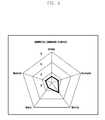
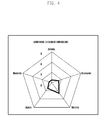
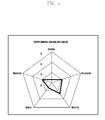
FIGS.1 to 9 are graphs showing in the evaluation results of the five flavors generated from wood casings made of nine kinds of wood. -
FIG.10 is a graph showing the investigation results of the palatability of the flavors for the wood casings made of nine kinds of wood. -
FIG.11 is a graph showing the intensities of the flavor according to flavoring temperatures. -
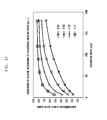
FIG.12 is a graph showing the variations of the intensities of the flavors according to flavoring days. -
FIG.13 is a graph showing the variations of the palatability of the flavors according to flavoring days. -
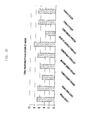
FIG.14 is a graph showing the investigation results of palatability of flavored teas according to tea materials and wood casings. - Hereinafter, an explanation on a method for preparing flavored teas by using wood according to the present invention will be given in detail with reference to the attached drawings.
- The method for preparing flavored teas by using wood according to the present invention includes the steps of: saturating a sealed space with natural wood flavors; and positioning a given tea in the sealed space so as to apply the natural wood flavors to the given tea. The saturating step and the flavoring step are at the same time or sequentially carried out.
- The sealed space is formed by means of, for example, a stainless steel casing and a casing (wood casing) made of natural wood.
- In the case where the sealed space is formed by means of the stainless steel casing, natural wood chips are put into the stainless steel casing, thereby allowing the interior of the casing to be saturated with the flavors of the natural wood chips.
- In addition, in the case where the sealed space is formed by means of the natural wood casing, the casing is saturated with the flavors of the natural wood by themselves, and natural wood chips may further be put into the natural wood casing with tea, thereby allowing the interior of the casing to be saturated with the flavors of the natural wood chips.
- At this time, so as to prevent the flavors of the natural wood saturated in the interior of the stainless steel casing or the natural wood casing from being emitted to the outside, the casing itself is formed of a sealed casing, and alternatively, the casing is sealable by means of a sealing material like Parafilm.
- Further, the natural wood constituting the wood casing or the wood chips can be made of any kinds of wood, only if it enhances the flavors of teas, and for example, the natural wood is one or more species selected from the group consisting of Chamaecyparis obtusa, Cedrus libani, Juniperus chinensis, Cryptomeria japonica, Paulownia coreana, and Quercus.
- Chamaecyparis obtusa is a species of Cypress, and it is a slow-growing tree which grows to 40m tall with a trunk up to 2m in diameter with a broadly conical crown that spreads horizontally. The bark is dark red-brown, filamented, and is very stringy vertically. The leaves are arranged in opposite pairs, and they are thick and have scale-like shapes having a length of 1 to 1.5mm, with a Y-shaped white stomatal band at the base of each scale-leaf. Also, one line is formed on the surface of each leaf and a white spot is formed on the underside thereof. The cones are globose, have 10-12 mm in diameter, and red-brown, with 8-12 cone scales. Each cone scale has 2 seeds. Each seed has a length of 3mm and 2 pockets, with small wings. It is an endemic species of Japan and is good in quality, so that it is cultivated in the South of Korea, as the tree species for plantation.
- Cedrus libani is a species of Pinaceae, which is mentioned in the Bible, especially in the Old Testament. It is recorded that it manly grows in the mountains in Levanon. It often means power, glory, and luxury.
- Juniperus chinensis is a species of Cupressaceae, and it reaches about 20m tall, and newly spreading branches are green, three-year old branches black-brown, and seven or eight-year old branches have scale shaped leaves. The sprouts have sharp needles on the leaves. The leaves are twisted and bushy. The wood is used as aroma materials. It grows in deep mountains, especially, at the island Ulleng in Korea, but it mostly disappears. It is generally planted as an ornamental tree. The wood is mostly used for making pencils, and additionally, it is used for sculture, furniture, and decoration materials. It is distributed in Korea, Japan, China and Mongol.
- Cryptomeria japonica is a species of Taxodiaceae, which is well grown on the valleys in annual temperature averages between 12°C and 14°C and annual rainfall averages of 3,000mm. It is an endemic species of Japan. It reaches 40m tall and 1 to 2m in diameter. The barks are reddish brown, and split vertically, and the branches and leaves are dense to have a conical tree performance. The leaves take bent needle-like shapes and are spirally arranged, and even though they are dried, they are not dropped. It has various variations in accordance with the colors of the barks, the splited state of the barks, the tree performances, the angles of the branches, the colors, shapes, lengths, and bending degrees of the leaves, and glowing areas. It is divided into the species for gardens and the species for forest building, and since the age of tree is very long, the many kinds of tree have a variety of legends. Big and old trees are used as wood.
- Paulownia coreana is a species of Scrophulariaceae, and reaches 15m tall. The leaves are arranged in opposite pairs and have heart-like shapes, with sharp tips. The flowers are produced on May to June in spring, and the fruit is a dry egg-shaped capsule with a length of 3cm. It is sharp in the tip, with no hairs and is matured on October. The wood is used for making cabinets, boxes, musical instruments, and the like, and the tree is the endemic species of Korea, especially growing at the south Pyongan in North Korea and at the south Gyeonggi in South Korea.
- Quercus is a species of Quercus Sessilis Pedunculat, which is a leaf tree or an evergreen tall tree. Sometimes, it is a shrub. The tree is a total name involved in one genus, but it often means Quercus acutissima. Starch is obtained from acorns as fruits to make acorn curd for eating. Especially, the fruits are good food for mountain animals like boars. The barks contain a large quantity of tannin, which are used for dyeing fishnets. Since the wood is very hard, it is used in a variety of purposes, especially for making a barrel. The Quercus means good wood in Celtic languages, and it also means rear wood in Korean language. Quercus dentata Thunberg has large, thick and fragrant leaves, which are used for steaming rice cake. In Japan, they are used for wrapping rice cake. Cork is obtained in Cork Oak, and in warm temperature forest areas, Quercus suber produced in Mediterranean Sea is cultivated as economical resources of producing corks.
- The natural wood that is available in the preferred embodiment of the present invention is not limited to the above-noted wood, but it is selected easily from the commercial natural wood or is taken directly in well-known typical manners.
- The given tea is placed in the sealed space for the purpose of performing the application of the natural wood flavors to the given tea. The tea may be placed in the sealed space on the saturating step of the natural wood flavors or after the saturating step thereof.
- The kinds of teas that are available in the preferred embodiment of the present invention are any kinds of commercial teas, for example, green tea, pre-fermented teas like Seonhyang tea, Woonhyang tea, Tieguanyin tea and Wuyi cliff tea, black teas like Assam tea and Darjeeling tea, and post-fermented teas like Damhyang tea and Pu-Erh tea.
- The step of saturating the sealed space with the natural wood flavors or the step of positioning the given tea in the sealed space so as to apply the natural wood flavors to the given tea is performed at an appropriate temperature and for an appropriate period of time, so that the natural wood flavors are sufficiently saturated in the sealed space and the flavoring efficiency is enhanced to obtain the teas having excellent flavors. For example, the saturating step or the flavoring step is carried out in the temperature range between about 4°C and 50°C for about 7 to 180 days, and desirably in the temperature range between about 15°C and 40°C for about 30 to 180 days.
- According to the present invention, the method further includes the step of heating the flavored teas after the flavoring step so as to fix the flavors and obtain well balanced flavors. The heating step is carried out in the temperature range between about 30°C and 80°C for about 5 to 120 minutes.
- Hereinafter, an explanation on the method for preparing flavored teas by using wood according to the present invention will be given in detail with reference to the embodiment of the present invention and the experimental examples. While the present invention has been described with reference to the particular illustrative embodiments, it is not to be restricted by the embodiments but only by the appended claims. It is to be appreciated that those skilled in the art can change or modify the embodiments without departing from the scope and spirit of the present invention.
- Wood consisting of nine kinds of Chamaecyparis obtusa, Cedrus libani, Juniperus chinensis (Chinese and American), Cryptomeria japonica (Chinese and of Jeju in Korea), Paulownia coreana, and Quercus A and B (French) was prepared from commercial wood wholesalers and wood processing places by district and was made as square wood casings having the internal surface areas of 2400cm2, 5400cm2, 9600cm2 and 15000cm2.
- The wood chips were used with ones generated during the manufacturing of the wood casings.
- The present invention made use of various kinds of teas being sold in the market. Green tea was used with Sulloc Sejak tea made by Amore Pacific, pre-fermented teas were used as Sulloc Seonhyang and Woonhyang teas made by Amore Pacific, Tieguanyin tea and Wuyi cliff tea imported from China, and black teas were used as Assam tea and Darjeeling tea produced from India. Lastly, post-fermented teas were used as Sulloc Damhyang tea made by Amore Pacific and Pu-Erh tea in China.
- Such prepared teas were heated in the temperature range between 50°C and 120°C for 5 to 60 minutes so as to remove a nasty smell therefrom and then used as the material teas for applying flavors thereto.
- The above-mentioned various kinds of teas were put into the square wood casings having the internal surface areas of 2400cm2, 5400cm2, 9600cm2 and 15000cm2, and the wood casings were sealed. After that, the teas were left in the temperature range between 4°C and 50°C for 7 to 180 days so as to perform seasoning and flavoring. After finishing the natural flavoring, the teas were heated in the temperature range between 30°C and 80°C for 5 to 120 minutes to fix the flavors thereto, thereby completing preparing the flavored teas.
- The above-mentioned various kinds of teas and wood chips were put into the square stainless steel casings having the internal surface areas of 2400cm2, 5400cm2, 9600cm2 and 15000cm2, and the stainless steel casings were sealed. After that, the teas were left in the temperature range between 4°C and 50°C for 7 to 180 days so as to perform seasoning and flavoring. After finishing the natural flavoring, the teas were heated in the temperature range between 30°C and 80°C for 5 to 120 minutes to fix the flavors thereto, thereby completing preparing the flavored teas.
- The above-mentioned various kinds of teas and wood chips were put into the square wood casings having the internal surface areas of 2400cm2, 5400cm2, 9600cm2 and 15000cm2, and the wood casings were sealed. After that, the teas were left in the temperature range between 4°C and 50°C for 7 to 180 days so as to perform seasoning and flavoring. After finishing the natural flavoring, the teas were heated in the temperature range between 30°C and 80°C for 5 to 120 minutes to fix the flavors thereto, thereby completing preparing the flavored teas.
- So as to set the conditions for the natural flavoring in the preparing processes of the flavored teas according to the
Embodiment 1 of the present invention, panel tests were conducted to check the palatability and flavors of the natural flavored teas in accordance with temperatures, days, and the kinds of material teas, through the panel composed of ten experts. The test methods were carried out wherein each expert answered given items with a 9-point scale. According to the test results, the higher the estimated point was, the greater the degree of satisfaction to the palatability and flavors was. - Representative five items, that is, smoky, aromatic, woody, spicy and metallic flavors, as the wood flavors of the wood casings consisting of nine kinds of Chamaecyparis obtusa, Cedrus libani, Juniperus chinensis (Chinese and American), Cryptomeria japonica (Chinese and of Jeju in Korea), Paulownia coreana, and Quercus A and B (French) were estimated with the 9-point scale, and the estimated results were listed in
FIGS.1 to 9 . - It was found from the graphs in
FIGS.1 to 9 that aromatic flavors were higher in a group of Chamaecyparis obtusa, Cedrus libani, and Cryptomeria japonica (of Jeju in Korea) and the smoky flavors were higher in a group of Quercus A and B (French). - Further, the total palatability on the wood casings made of nine kinds of wood was estimated and the results were shown in
FIG.10 . It was found from the graph inFIG.10 that Chamaecyparis obtuse (Korean), Cedrus libani (Chinese), Cryptomeria japonica (Chinese and of Jeju in Korea), and Quercus A and B (French) obtained the total palatability of more than 7 points, which were very popular to general consumers. - Wood has different ratios of materials being volatile according to temperatures, and accordingly, the palatability of the flavors being volatile by temperature may be changed. It was investigated whether the flavors were volatile at any temperature, by using the wood casing made of Cryptomeria japonica (of Jeju in Korea), and the results were shown in
FIG.11 . - It was found from the graph in
FIG.11 that Cryptomeria japonica flavor was increased as the temperature was raised and was a little decreased at the temperature of 30°C. It was appreciated that the palatability of the flavor is highest in the temperature range between 15°C and 40°C. Generally, since 7 points or more on the 9-point scale of palatability are considered having palatability, it is concluded that the temperature up to 45°C does not have any influence on the palatability according to the sensory estimation. - According to the above test results, the test was conducted at the temperature of 25°C to find the relation between ratio of tea materials and the internal surface areas of the wood casing (made of Jeju Cryptomeria japonica) and flavoring days. The various kinds of material teas were put into the sealed casings from which the flavor components are not volatile, and the ratios of the material teas and the internal surface areas of the wood casing were changed.
- First, the intensities of the flavor felt from the flavored tea were checked in accordance with the ratios of the material teas and the internal surface areas of the wood casing, and the results were shown in Table 1 and
FIG.12 .Table 1 Wood casing length(cm) Material tea (g) Internal surface area (cm2) Ratio (g/cm2) Flavor intensities by flavoring day 7 15 30 60 90 120 180 50 43750 15000 2.92 1.8 2.4 3.3 4.4 5.3 6.2 7.3 40 22400 9600 2.33 2.8 3.6 4.6 5.8 6.6 7.1 7.7 30 9450 5400 1.75 3.8 5.0 6.1 7.0 7.5 7.8 8.0 20 2800 2400 1.17 5.2 6.4 7.3 7.9 8.1 8.2 8.3 - It was found from Table 1 and
FIG.12 that the flavoring in the test group wherein the surface area of the wood contacted with the material tea was large was conducted rapidly, and after about 60 days, the flavor intensities reached the saturated state. However, it was found that in the test group wherein the surface area of the wood contacted with the material tea was small the flavor intensities were continuously increased and the intensities when saturated were strong as the surface area of the wood contacted with the material tea was large. - Based upon the results of the experimental example 2, the palatability of consumers was estimated on a 9-point scale, and the results were shown in the following Table 2 and
FIG.13 .Table 2 Wood casing length(cm) Material tea (g) Internal surface area (cm2) Ratio (g/cm2) Palatability of flavor by flavoring day 7 15 30 60 90 120 180 50 43750 15000 2.92 4.9 5.1 5.5 6.3 7.0 7.5 8.0 40 22400 9600 2.33 5.7 6.0 6.4 7.2 7.8 8.0 7.8 30 9450 5400 1.75 6.2 6.5 7.0 7.8 8.0 7.8 7.1 20 2800 2400 1.17 6.7 7.3 7.8 7.9 7.7 7.3 6.5 - It was found from Table 2 and
FIG.13 that the changes of palatability of independent patterns existed irrespective of the intensities of flavor, and in case of the test group wherein the ratio of the green tea and the surface area of the wood casing was 1.17g/cm2, when the natural flavoring and seasoning were conducted for 7 to 135 days, the palatability of consumers had 7 points or more. Further, it was found that in case of the test group wherein the ratio of the green tea and the surface area of the wood casing was 1.75g/cm2, 30 to 180 days for the natural flavoring and seasoning were needed, in case of the test group wherein the ratio was 2.33g/cm2, 50 days or more therefor were needed, and in case of the test group wherein the ratio was 2.92g/cm2, 90 days or more therefor were needed. - Through such optimizing method, the palatability of the flavored tea obtained by applying the flavor of the wood casing made of Cryptomeria japonica (of Jeju) to the material teas having various flavors was investigated, and as a result, it was appreciated that the overall tastes and flavors were differentiated from the existing material teas and the palatability of the flavored teas were improved greatly.
- The optimizing tests for other wood except Cryptomeria japonica (of Jeju) were conducted in the same manner as the experimental example 2, and the analysis results of palatability of the flavored teas prepared according to various material teas were shown in Table 3 and
FIG.14 .Table 3 Wood Green tea Pre-fermented teas Black teas Post-fermented teas Sejak Seonhyang Woonhyang Tiegu anyin Wuyi cliff Assam Darjeeling Damhyang Pu-Erh Untreated group 7.1 6.8 6.9 6.5 6.3 5.7 6.3 5.6 3.8 Chamae-cyparis obtusa (Korean) 7.0 7.3 7.5 7.0 7.7 8.1 8.0 7.9 6.8 Cryptomeria japonica (of Jeju) 7.0 7.0 7.0 7.1 7.3 8.1 8.0 7.9 6.8 Cedrus libani (Chinese) 7.0 6.5 7.0 6.3 6.5 6.0 6.5 5.8 4.0 Quercus A (French) 7.0 6.5 6.7 6.5 6.1 6.6 7.2 7.0 5.8 Quercus B (French) 6.8 6.6 6.6 6.5 6.3 6.7 7.5 7.2 6.2 - It was found from Table 3 and
FIG.14 that Sejak tea, which was the representative test group of the green tea, had the palatability of its natural flavor significantly increased, and Seonhyang tea, Woonhyang tea, Tieguanyin tea, and Wuyi cliff tea, which were the pre-fermented teas, had the palatability of their natural flavors increased greatly in Chamaecyparis obtusa and Cryptomeria japonica. It was further found that black tea, which was complete fermented tea, had the palatability increased greatly in all of Chamaecyparis obtuse, Cryptomeria japonica, and Quercus A and B, and Damhyang tea and Pu-Erh tea, which were the post-fermented teas, had the palatability increased in all kinds of wood, especially increased greatly in Chamaecyparis obtusa and Cryptomeria japonica. - According to the test results of the experimental example 1, this test was conducted at the temperature of 25°C to find the relation between ratio of tea materials and the surface areas of the wood chips (made of Jeju Cryptomeria japonica) and flavoring days. The various kinds of material teas and wood chips were filled into sealed stainless steel casings having different sizes, and the ratios of the weights of the filled material teas and the surface areas of the wood chips were differently set.
- First, the intensities of the flavor felt from the flavored tea were checked in accordance with the ratios of the material teas and the surface areas of the wood chips, and the results were shown in Table 4.
Table 4 Stainless steel casing length(cm) Material tea (g) Wood chips surface area (cm2) Ratio (g/cm2) Flavor intensities by flavoring day 7 15 30 60 90 120 180 50 43750 15000 2.92 1.7 2.2 3.3 4.5 5.3 6.3 7.2 40 22400 9600 2.33 2.6 3.5 4.7 5.7 6.5 7.1 7.6 30 9450 5400 1.75 3.6 5.0 6.2 7.2 7.4 7.7 8.1 20 2800 2400 1.17 5.1 6.3 7.2 7.9 8.3 8.3 8.3 - It was found from Table 4 that the flavoring in the test group wherein the surface area of the wood contacted with the material tea was large was conducted rapidly, and after about 60 days, the flavor intensities reached the saturated state. However, it was found that in the test group wherein the surface area of the wood contacted with the material tea was small the flavor intensities were continuously increased and the intensities when saturated were strong as the surface area of the wood contacted with the material tea was large. It was therefore appreciated that the flavoring using the wood casings and the flavoring using the wood chips were very similar to each other.
- Based upon the results of the experimental example 4, the palatability of consumers was estimated on a 9-point scale, and the results were shown in the following Table 5.
Table 5 Stainless steel casing length(cm) Raw material tea (g) Wood chips surface area (cm2) Ratio (g/cm2) Palatability of flavor by flavoring day 7 15 30 60 90 120 180 50 43750 15000 2.92 4.7 5.0 5.5 6.2 7.1 7.4 7.9 40 22400 9600 2.33 5.5 6.1 6.5 7.1 7.7 8.1 7.9 30 9450 5400 1.75 6.0 6.4 7.0 7.6 8.0 7.8 7.0 20 2800 2400 1.17 6.5 7.1 7.8 7.9 7.9 7.6 6.8 - It was found from Table 5 that the flavoring in the test group wherein the surface area of the wood chips contacted with the material tea was large was conducted rapidly, and after about 60 days, the flavor intensities reached the saturated state. However, it was found that in the test group wherein the surface area of the wood chips contacted with the material tea was small the flavor intensities were continuously increased and the intensities when saturated were strong as the surface area of the wood chips contacted with the material tea was large. It was therefore appreciated that this experimental results were very similar to the results of the experimental example 2.
- So as to check whether palatability is increased when the wood flavors were mixed to each other, the materials of the wood casings and the materials of the wood chips mixed thereto were different from each other, and the optimizing tests were conducted in the same manner as the experimental example 2, so that the analysis results of palatability of the flavored teas prepared according to various material teas were shown in Table 6.
Table 6 Casing material+ Wood chips material Green tea Pre-fermented teas Black teas Post-fermented teas Sejak Seonhyang Woonhyang Tieguanyin Wuyi cliff Assam Darjeeling Damhyang Pu-Erh Untreated group 7.1 6.8 6.9 6.5 6.3 5.7 6.3 5.6 3.8 Chamaecyparis obtusa (of Jeju)+ Cryptomeria japonica (of Jeju) 7.0 7.2 7.5 7.0 7.7 8.1 8.0 7.9 6.8 Cryptomeria japonica (of Jeju) + Chamaecyparis obtusa (of Jeju) 7.0 7.1 7.4 7.1 7.5 8.1 8.0 7.9 6.8 Quercus (French)+ Cryptomeria japonica (of Jeju) 6.7 6.5 6.7 6.5 6.1 6.6 7.2 7.0 5.8 Quercus (French)+ Chamaecyparis obtusa (of Jeju) 6.8 6.6 6.6 6.5 6.3 6.7 7.4 7.2 6.0 - It was found from Table 6 that the analysis results of the palatability through the wood casings and the wood chips did not show a significant difference from each other and the palatability could be increased through the mixed flavors of the two wood materials.
Claims (10)
- A method for preparing flavored teas by using wood, comprising the steps of:saturating a sealed space with natural wood flavors; andpositioning a given tea in the sealed space so as to apply the natural wood flavors to the given tea.
- The method for preparing flavored teas according to claim 1, wherein the sealed space is formed in a casing made of natural wood.
- The method for preparing flavored teas according to claim 1, wherein the seal space further has wood chips positioned therein.
- The method for preparing flavored teas according to claim 1, further comprising the step of heating the flavored teas after the flavoring step.
- The method for preparing flavored teas according to claim 4, wherein the heating step is carried out in the temperature range between 30°C and 80°C for 5 to 120 minutes.
- The method for preparing flavored teas according to claim 1, wherein the natural wood is one or more species selected from the group consisting of Chamaecyparis obtusa, Cedrus libani, Juniperus chinensis, Cryptomeria japonica, Paulownia coreana, and Quercus.
- The method for preparing flavored teas according to claim 1, wherein the given tea is one or more teas from the group consisting of green teas, pre-fermented teas, black teas, and post-fermented teas.
- The method for preparing flavored teas according to claim 1, wherein the saturating step and the flavoring step are at the same time or sequentially carried out.
- The method for preparing flavored teas according to claim 1, wherein the saturating step or the flavoring step is carried out in the temperature range between 4°C and 50°C for 7 to 180 days.
- Flavored teas prepared by the method according to any one of claims 1 to 9.
Applications Claiming Priority (2)
| Application Number | Priority Date | Filing Date | Title |
|---|---|---|---|
| KR1020090107573A KR101199113B1 (en) | 2009-11-09 | 2009-11-09 | Method for manufacturing flavored tea using wood and flavored tea manufactured by the same |
| PCT/KR2010/007879 WO2011056049A2 (en) | 2009-11-09 | 2010-11-09 | Preparation method of flavored teas using wood, and flavored teas prepared thereby |
Publications (3)
| Publication Number | Publication Date |
|---|---|
| EP2499921A2 true EP2499921A2 (en) | 2012-09-19 |
| EP2499921A4 EP2499921A4 (en) | 2017-05-17 |
| EP2499921B1 EP2499921B1 (en) | 2018-09-26 |
Family
ID=43970594
Family Applications (1)
| Application Number | Title | Priority Date | Filing Date |
|---|---|---|---|
| EP10828584.2A Not-in-force EP2499921B1 (en) | 2009-11-09 | 2010-11-09 | Preparation method of flavored teas using wood, and flavored teas prepared thereby |
Country Status (6)
| Country | Link |
|---|---|
| US (1) | US8440247B2 (en) |
| EP (1) | EP2499921B1 (en) |
| JP (1) | JP2013509873A (en) |
| KR (1) | KR101199113B1 (en) |
| CN (1) | CN102724882B (en) |
| WO (1) | WO2011056049A2 (en) |
Cited By (1)
| Publication number | Priority date | Publication date | Assignee | Title |
|---|---|---|---|---|
| US9862622B2 (en) | 2012-06-28 | 2018-01-09 | Postech Academy-Industry Foundation | Superhydrophobic filter structure for selectively separating water and oil |
Families Citing this family (3)
| Publication number | Priority date | Publication date | Assignee | Title |
|---|---|---|---|---|
| US20110110968A1 (en) * | 2009-11-12 | 2011-05-12 | Stanley Goldman | Human optimized Bacillus anthracis protective antigen |
| FR3054410B1 (en) * | 2016-07-28 | 2019-09-13 | Janat International | PROCESS FOR POST-FERMENTATION INTO OAK SHEETS NATURALLY INTENSIFYING THE WOOD FLAVORS AND THE ANTI-OXIDANT PROPERTIES OF THE |
| CN111802455A (en) * | 2020-07-01 | 2020-10-23 | 中山莱客咖啡企业管理有限公司 | Storage method of pear flower coffee beans |
Family Cites Families (18)
| Publication number | Priority date | Publication date | Assignee | Title |
|---|---|---|---|---|
| JPS60130365A (en) * | 1983-12-19 | 1985-07-11 | Keisuke Yoshida | Boiling down material contained in filter bag |
| KR0152731B1 (en) | 1995-05-09 | 1998-10-01 | 전수경 | Method of manufacturing flavored wood |
| JPH11155487A (en) | 1997-11-21 | 1999-06-15 | Hiba:Kk | Oolong tea having good flavor and excellent preservability and its production |
| US6287614B1 (en) * | 1998-12-14 | 2001-09-11 | Jacqueline Peiffer | Method and apparatus for improving the organoleptic properties of alcoholic and other beverages |
| EP1040762A3 (en) * | 1999-03-31 | 2002-07-17 | Unilever Plc | Process for producing tea concentrates |
| JP2002272380A (en) * | 2001-03-19 | 2002-09-24 | Shoichi Irie | Apparatus for producing timber-flavored steamed confectionery |
| KR100395873B1 (en) * | 2002-11-22 | 2003-08-27 | 무안군 | A manufacturing process of white lotus incense tea |
| KR100718189B1 (en) * | 2004-01-29 | 2007-05-16 | 남종현 | Natural tea effective for relieving hangovers and restoring liver function and its manufacturing method |
| KR100623991B1 (en) | 2004-09-13 | 2006-09-15 | 서분례 | Manufacturing method of white lotus leaf tea flavored with white scent of flowers |
| JP4149451B2 (en) | 2005-02-21 | 2008-09-10 | 有限会社大迫工業 | Method for producing onion tea and onion tea |
| CN1718035A (en) * | 2005-05-12 | 2006-01-11 | 张洪河 | Cypress leaf tea processing method |
| CN100534315C (en) * | 2006-07-21 | 2009-09-02 | 重庆市农业科学院 | Method for preparing flower fragrance flavor tea |
| JP2007289155A (en) | 2007-02-20 | 2007-11-08 | Kazutoshi Ueki | Method for producing non-alcoholic drink/food improved in fragrance by adding flavor of barrel using oak chip and the like |
| CN101053354B (en) * | 2007-05-28 | 2010-06-16 | 李美辉 | Producing technology for natural pine needle tea |
| JP4964758B2 (en) | 2007-12-28 | 2012-07-04 | キリンビバレッジ株式会社 | Smoke non-fermented tea leaves and method for producing the same |
| CN201160492Y (en) * | 2008-02-02 | 2008-12-10 | 红塔辽宁烟草有限责任公司 | A Liumu Baorun flavoring barrel for processing tobacco |
| CN101496633B (en) * | 2008-02-02 | 2011-11-16 | 红塔辽宁烟草有限责任公司 | Tobacco processing method for promotion of natural original fragrance emission from tobacco |
| KR100863818B1 (en) | 2008-04-23 | 2008-10-16 | 시흥시 | Fragrance tea and its manufacturing method |
-
2009
- 2009-11-09 KR KR1020090107573A patent/KR101199113B1/en active Active
-
2010
- 2010-11-09 CN CN2010800503585A patent/CN102724882B/en not_active Expired - Fee Related
- 2010-11-09 WO PCT/KR2010/007879 patent/WO2011056049A2/en not_active Ceased
- 2010-11-09 EP EP10828584.2A patent/EP2499921B1/en not_active Not-in-force
- 2010-11-09 JP JP2012537827A patent/JP2013509873A/en active Pending
- 2010-11-09 US US13/508,835 patent/US8440247B2/en active Active
Non-Patent Citations (1)
| Title |
|---|
| See references of WO2011056049A2 * |
Cited By (1)
| Publication number | Priority date | Publication date | Assignee | Title |
|---|---|---|---|---|
| US9862622B2 (en) | 2012-06-28 | 2018-01-09 | Postech Academy-Industry Foundation | Superhydrophobic filter structure for selectively separating water and oil |
Also Published As
| Publication number | Publication date |
|---|---|
| US8440247B2 (en) | 2013-05-14 |
| KR101199113B1 (en) | 2012-11-09 |
| KR20110050958A (en) | 2011-05-17 |
| CN102724882A (en) | 2012-10-10 |
| JP2013509873A (en) | 2013-03-21 |
| WO2011056049A3 (en) | 2011-10-06 |
| EP2499921A4 (en) | 2017-05-17 |
| WO2011056049A2 (en) | 2011-05-12 |
| EP2499921B1 (en) | 2018-09-26 |
| CN102724882B (en) | 2013-12-18 |
| US20120231146A1 (en) | 2012-09-13 |
Similar Documents
| Publication | Publication Date | Title |
|---|---|---|
| CN102217683B (en) | Xinyang red black tea processing technique | |
| CN102132752B (en) | Preparation process for black tea and prepared black tea | |
| CN105053300B (en) | A kind of plateau Green tea processing technology | |
| CN105010608B (en) | Mount Huang purple tea and preparation method thereof | |
| CN105104613B (en) | A kind of production method of Gu tea tree black tea | |
| CN107410576A (en) | A kind of kumquat tea and preparation method thereof | |
| CN109619221B (en) | A kind of blended tea and its processing method | |
| EP2499921B1 (en) | Preparation method of flavored teas using wood, and flavored teas prepared thereby | |
| KR101565742B1 (en) | Dendropanax morbifera Lev. tea in liquid and process for preparing the same | |
| CN112715702A (en) | Method for processing cinnamon black tea from fresh cinnamon leaves | |
| CN104472745A (en) | Processing method of three-season-tea-in-one Chloranthus spicatus Mak scented tea | |
| CN103349136B (en) | Preparation method of Tujia waving tea | |
| KR20170133709A (en) | Production method of soy source and soybean paste using extract of Dendropanax morbifera Lev | |
| CN114468079A (en) | A kind of compound Fu brick tea based on mixed fermentation of probiotics and golden flower fungi and its processing method | |
| CN113287670A (en) | Method for keeping effective components of green kumquats and preparation method of green kumquat lemon tea | |
| CN104522195A (en) | Processing method of usnea jade buds | |
| CN112385712A (en) | Blending method of fruit tea raw material made of oolong tea | |
| CN109123017A (en) | Xinjiang mulberry leaf tea and preparation method thereof | |
| CN109619222B (en) | Red-light-ratio green tea with tooth leaves and processing method thereof | |
| JP3991162B2 (en) | Miscellaneous sake | |
| Langát | Typology of Processed Tea (Camellia sinensis (L.) O. Kuntze): A Review | |
| JP6951422B2 (en) | Manufacturing method of tea leaf products | |
| CN120283851A (en) | A preparation method of spring Amomum villosum and tangerine peel black tea | |
| KR20160056860A (en) | Method of producing a fermented Chaga ginseng vinegar. | |
| CN120615996A (en) | Perfume lemon tea and composite tea product |
Legal Events
| Date | Code | Title | Description |
|---|---|---|---|
| PUAI | Public reference made under article 153(3) epc to a published international application that has entered the european phase |
Free format text: ORIGINAL CODE: 0009012 |
|
| 17P | Request for examination filed |
Effective date: 20120427 |
|
| AK | Designated contracting states |
Kind code of ref document: A2 Designated state(s): AL AT BE BG CH CY CZ DE DK EE ES FI FR GB GR HR HU IE IS IT LI LT LU LV MC MK MT NL NO PL PT RO RS SE SI SK SM TR |
|
| DAX | Request for extension of the european patent (deleted) | ||
| A4 | Supplementary search report drawn up and despatched |
Effective date: 20170421 |
|
| RIC1 | Information provided on ipc code assigned before grant |
Ipc: A23F 3/06 20060101ALI20170411BHEP Ipc: A23F 3/40 20060101AFI20170411BHEP |
|
| GRAP | Despatch of communication of intention to grant a patent |
Free format text: ORIGINAL CODE: EPIDOSNIGR1 |
|
| STAA | Information on the status of an ep patent application or granted ep patent |
Free format text: STATUS: GRANT OF PATENT IS INTENDED |
|
| INTG | Intention to grant announced |
Effective date: 20180412 |
|
| GRAS | Grant fee paid |
Free format text: ORIGINAL CODE: EPIDOSNIGR3 |
|
| GRAA | (expected) grant |
Free format text: ORIGINAL CODE: 0009210 |
|
| STAA | Information on the status of an ep patent application or granted ep patent |
Free format text: STATUS: THE PATENT HAS BEEN GRANTED |
|
| AK | Designated contracting states |
Kind code of ref document: B1 Designated state(s): AL AT BE BG CH CY CZ DE DK EE ES FI FR GB GR HR HU IE IS IT LI LT LU LV MC MK MT NL NO PL PT RO RS SE SI SK SM TR |
|
| REG | Reference to a national code |
Ref country code: GB Ref legal event code: FG4D |
|
| REG | Reference to a national code |
Ref country code: CH Ref legal event code: EP |
|
| REG | Reference to a national code |
Ref country code: AT Ref legal event code: REF Ref document number: 1044937 Country of ref document: AT Kind code of ref document: T Effective date: 20181015 |
|
| REG | Reference to a national code |
Ref country code: IE Ref legal event code: FG4D |
|
| REG | Reference to a national code |
Ref country code: DE Ref legal event code: R096 Ref document number: 602010053932 Country of ref document: DE |
|
| REG | Reference to a national code |
Ref country code: NL Ref legal event code: MP Effective date: 20180926 |
|
| PG25 | Lapsed in a contracting state [announced via postgrant information from national office to epo] |
Ref country code: RS Free format text: LAPSE BECAUSE OF FAILURE TO SUBMIT A TRANSLATION OF THE DESCRIPTION OR TO PAY THE FEE WITHIN THE PRESCRIBED TIME-LIMIT Effective date: 20180926 Ref country code: FI Free format text: LAPSE BECAUSE OF FAILURE TO SUBMIT A TRANSLATION OF THE DESCRIPTION OR TO PAY THE FEE WITHIN THE PRESCRIBED TIME-LIMIT Effective date: 20180926 Ref country code: LT Free format text: LAPSE BECAUSE OF FAILURE TO SUBMIT A TRANSLATION OF THE DESCRIPTION OR TO PAY THE FEE WITHIN THE PRESCRIBED TIME-LIMIT Effective date: 20180926 Ref country code: BG Free format text: LAPSE BECAUSE OF FAILURE TO SUBMIT A TRANSLATION OF THE DESCRIPTION OR TO PAY THE FEE WITHIN THE PRESCRIBED TIME-LIMIT Effective date: 20181226 Ref country code: GR Free format text: LAPSE BECAUSE OF FAILURE TO SUBMIT A TRANSLATION OF THE DESCRIPTION OR TO PAY THE FEE WITHIN THE PRESCRIBED TIME-LIMIT Effective date: 20181227 Ref country code: NO Free format text: LAPSE BECAUSE OF FAILURE TO SUBMIT A TRANSLATION OF THE DESCRIPTION OR TO PAY THE FEE WITHIN THE PRESCRIBED TIME-LIMIT Effective date: 20181226 Ref country code: SE Free format text: LAPSE BECAUSE OF FAILURE TO SUBMIT A TRANSLATION OF THE DESCRIPTION OR TO PAY THE FEE WITHIN THE PRESCRIBED TIME-LIMIT Effective date: 20180926 |
|
| REG | Reference to a national code |
Ref country code: LT Ref legal event code: MG4D |
|
| PG25 | Lapsed in a contracting state [announced via postgrant information from national office to epo] |
Ref country code: HR Free format text: LAPSE BECAUSE OF FAILURE TO SUBMIT A TRANSLATION OF THE DESCRIPTION OR TO PAY THE FEE WITHIN THE PRESCRIBED TIME-LIMIT Effective date: 20180926 Ref country code: LV Free format text: LAPSE BECAUSE OF FAILURE TO SUBMIT A TRANSLATION OF THE DESCRIPTION OR TO PAY THE FEE WITHIN THE PRESCRIBED TIME-LIMIT Effective date: 20180926 Ref country code: AL Free format text: LAPSE BECAUSE OF FAILURE TO SUBMIT A TRANSLATION OF THE DESCRIPTION OR TO PAY THE FEE WITHIN THE PRESCRIBED TIME-LIMIT Effective date: 20180926 |
|
| REG | Reference to a national code |
Ref country code: AT Ref legal event code: MK05 Ref document number: 1044937 Country of ref document: AT Kind code of ref document: T Effective date: 20180926 |
|
| PG25 | Lapsed in a contracting state [announced via postgrant information from national office to epo] |
Ref country code: CZ Free format text: LAPSE BECAUSE OF FAILURE TO SUBMIT A TRANSLATION OF THE DESCRIPTION OR TO PAY THE FEE WITHIN THE PRESCRIBED TIME-LIMIT Effective date: 20180926 Ref country code: IT Free format text: LAPSE BECAUSE OF FAILURE TO SUBMIT A TRANSLATION OF THE DESCRIPTION OR TO PAY THE FEE WITHIN THE PRESCRIBED TIME-LIMIT Effective date: 20180926 Ref country code: IS Free format text: LAPSE BECAUSE OF FAILURE TO SUBMIT A TRANSLATION OF THE DESCRIPTION OR TO PAY THE FEE WITHIN THE PRESCRIBED TIME-LIMIT Effective date: 20190126 Ref country code: AT Free format text: LAPSE BECAUSE OF FAILURE TO SUBMIT A TRANSLATION OF THE DESCRIPTION OR TO PAY THE FEE WITHIN THE PRESCRIBED TIME-LIMIT Effective date: 20180926 Ref country code: PL Free format text: LAPSE BECAUSE OF FAILURE TO SUBMIT A TRANSLATION OF THE DESCRIPTION OR TO PAY THE FEE WITHIN THE PRESCRIBED TIME-LIMIT Effective date: 20180926 Ref country code: NL Free format text: LAPSE BECAUSE OF FAILURE TO SUBMIT A TRANSLATION OF THE DESCRIPTION OR TO PAY THE FEE WITHIN THE PRESCRIBED TIME-LIMIT Effective date: 20180926 Ref country code: EE Free format text: LAPSE BECAUSE OF FAILURE TO SUBMIT A TRANSLATION OF THE DESCRIPTION OR TO PAY THE FEE WITHIN THE PRESCRIBED TIME-LIMIT Effective date: 20180926 Ref country code: ES Free format text: LAPSE BECAUSE OF FAILURE TO SUBMIT A TRANSLATION OF THE DESCRIPTION OR TO PAY THE FEE WITHIN THE PRESCRIBED TIME-LIMIT Effective date: 20180926 Ref country code: RO Free format text: LAPSE BECAUSE OF FAILURE TO SUBMIT A TRANSLATION OF THE DESCRIPTION OR TO PAY THE FEE WITHIN THE PRESCRIBED TIME-LIMIT Effective date: 20180926 |
|
| PG25 | Lapsed in a contracting state [announced via postgrant information from national office to epo] |
Ref country code: PT Free format text: LAPSE BECAUSE OF FAILURE TO SUBMIT A TRANSLATION OF THE DESCRIPTION OR TO PAY THE FEE WITHIN THE PRESCRIBED TIME-LIMIT Effective date: 20190126 Ref country code: SM Free format text: LAPSE BECAUSE OF FAILURE TO SUBMIT A TRANSLATION OF THE DESCRIPTION OR TO PAY THE FEE WITHIN THE PRESCRIBED TIME-LIMIT Effective date: 20180926 Ref country code: SK Free format text: LAPSE BECAUSE OF FAILURE TO SUBMIT A TRANSLATION OF THE DESCRIPTION OR TO PAY THE FEE WITHIN THE PRESCRIBED TIME-LIMIT Effective date: 20180926 |
|
| REG | Reference to a national code |
Ref country code: DE Ref legal event code: R119 Ref document number: 602010053932 Country of ref document: DE |
|
| REG | Reference to a national code |
Ref country code: CH Ref legal event code: PL |
|
| PG25 | Lapsed in a contracting state [announced via postgrant information from national office to epo] |
Ref country code: LU Free format text: LAPSE BECAUSE OF NON-PAYMENT OF DUE FEES Effective date: 20181109 Ref country code: DK Free format text: LAPSE BECAUSE OF FAILURE TO SUBMIT A TRANSLATION OF THE DESCRIPTION OR TO PAY THE FEE WITHIN THE PRESCRIBED TIME-LIMIT Effective date: 20180926 Ref country code: MC Free format text: LAPSE BECAUSE OF FAILURE TO SUBMIT A TRANSLATION OF THE DESCRIPTION OR TO PAY THE FEE WITHIN THE PRESCRIBED TIME-LIMIT Effective date: 20180926 |
|
| PLBE | No opposition filed within time limit |
Free format text: ORIGINAL CODE: 0009261 |
|
| STAA | Information on the status of an ep patent application or granted ep patent |
Free format text: STATUS: NO OPPOSITION FILED WITHIN TIME LIMIT |
|
| REG | Reference to a national code |
Ref country code: BE Ref legal event code: MM Effective date: 20181130 |
|
| REG | Reference to a national code |
Ref country code: IE Ref legal event code: MM4A |
|
| PG25 | Lapsed in a contracting state [announced via postgrant information from national office to epo] |
Ref country code: LI Free format text: LAPSE BECAUSE OF NON-PAYMENT OF DUE FEES Effective date: 20181130 Ref country code: CH Free format text: LAPSE BECAUSE OF NON-PAYMENT OF DUE FEES Effective date: 20181130 |
|
| 26N | No opposition filed |
Effective date: 20190627 |
|
| PG25 | Lapsed in a contracting state [announced via postgrant information from national office to epo] |
Ref country code: SI Free format text: LAPSE BECAUSE OF FAILURE TO SUBMIT A TRANSLATION OF THE DESCRIPTION OR TO PAY THE FEE WITHIN THE PRESCRIBED TIME-LIMIT Effective date: 20180926 Ref country code: DE Free format text: LAPSE BECAUSE OF NON-PAYMENT OF DUE FEES Effective date: 20190601 Ref country code: FR Free format text: LAPSE BECAUSE OF NON-PAYMENT OF DUE FEES Effective date: 20181126 Ref country code: IE Free format text: LAPSE BECAUSE OF NON-PAYMENT OF DUE FEES Effective date: 20181109 |
|
| PG25 | Lapsed in a contracting state [announced via postgrant information from national office to epo] |
Ref country code: BE Free format text: LAPSE BECAUSE OF NON-PAYMENT OF DUE FEES Effective date: 20181130 |
|
| PG25 | Lapsed in a contracting state [announced via postgrant information from national office to epo] |
Ref country code: MT Free format text: LAPSE BECAUSE OF NON-PAYMENT OF DUE FEES Effective date: 20181109 |
|
| PG25 | Lapsed in a contracting state [announced via postgrant information from national office to epo] |
Ref country code: TR Free format text: LAPSE BECAUSE OF FAILURE TO SUBMIT A TRANSLATION OF THE DESCRIPTION OR TO PAY THE FEE WITHIN THE PRESCRIBED TIME-LIMIT Effective date: 20180926 |
|
| PG25 | Lapsed in a contracting state [announced via postgrant information from national office to epo] |
Ref country code: CY Free format text: LAPSE BECAUSE OF FAILURE TO SUBMIT A TRANSLATION OF THE DESCRIPTION OR TO PAY THE FEE WITHIN THE PRESCRIBED TIME-LIMIT Effective date: 20180926 Ref country code: HU Free format text: LAPSE BECAUSE OF FAILURE TO SUBMIT A TRANSLATION OF THE DESCRIPTION OR TO PAY THE FEE WITHIN THE PRESCRIBED TIME-LIMIT; INVALID AB INITIO Effective date: 20101109 Ref country code: MK Free format text: LAPSE BECAUSE OF NON-PAYMENT OF DUE FEES Effective date: 20180926 |
|
| PGFP | Annual fee paid to national office [announced via postgrant information from national office to epo] |
Ref country code: GB Payment date: 20210927 Year of fee payment: 12 |
|
| GBPC | Gb: european patent ceased through non-payment of renewal fee |
Effective date: 20221109 |
|
| PG25 | Lapsed in a contracting state [announced via postgrant information from national office to epo] |
Ref country code: GB Free format text: LAPSE BECAUSE OF NON-PAYMENT OF DUE FEES Effective date: 20221109 |