EP2467486B1 - Schwermetallaufbereitungssystem - Google Patents
Schwermetallaufbereitungssystem Download PDFInfo
- Publication number
- EP2467486B1 EP2467486B1 EP10810626.1A EP10810626A EP2467486B1 EP 2467486 B1 EP2467486 B1 EP 2467486B1 EP 10810626 A EP10810626 A EP 10810626A EP 2467486 B1 EP2467486 B1 EP 2467486B1
- Authority
- EP
- European Patent Office
- Prior art keywords
- mercury
- gene
- bacteria
- bacterial cell
- concentrations
- Prior art date
- Legal status (The legal status is an assumption and is not a legal conclusion. Google has not performed a legal analysis and makes no representation as to the accuracy of the status listed.)
- Not-in-force
Links
Images





Classifications
-
- C—CHEMISTRY; METALLURGY
- C12—BIOCHEMISTRY; BEER; SPIRITS; WINE; VINEGAR; MICROBIOLOGY; ENZYMOLOGY; MUTATION OR GENETIC ENGINEERING
- C12N—MICROORGANISMS OR ENZYMES; COMPOSITIONS THEREOF; PROPAGATING, PRESERVING, OR MAINTAINING MICROORGANISMS; MUTATION OR GENETIC ENGINEERING; CULTURE MEDIA
- C12N15/00—Mutation or genetic engineering; DNA or RNA concerning genetic engineering, vectors, e.g. plasmids, or their isolation, preparation or purification; Use of hosts therefor
- C12N15/09—Recombinant DNA-technology
- C12N15/63—Introduction of foreign genetic material using vectors; Vectors; Use of hosts therefor; Regulation of expression
-
- C—CHEMISTRY; METALLURGY
- C02—TREATMENT OF WATER, WASTE WATER, SEWAGE, OR SLUDGE
- C02F—TREATMENT OF WATER, WASTE WATER, SEWAGE, OR SLUDGE
- C02F3/00—Biological treatment of water, waste water, or sewage
- C02F3/34—Biological treatment of water, waste water, or sewage characterised by the microorganisms used
- C02F3/341—Consortia of bacteria
-
- C—CHEMISTRY; METALLURGY
- C12—BIOCHEMISTRY; BEER; SPIRITS; WINE; VINEGAR; MICROBIOLOGY; ENZYMOLOGY; MUTATION OR GENETIC ENGINEERING
- C12N—MICROORGANISMS OR ENZYMES; COMPOSITIONS THEREOF; PROPAGATING, PRESERVING, OR MAINTAINING MICROORGANISMS; MUTATION OR GENETIC ENGINEERING; CULTURE MEDIA
- C12N1/00—Microorganisms; Compositions thereof; Processes of propagating, maintaining or preserving microorganisms or compositions thereof; Processes of preparing or isolating a composition containing a microorganism; Culture media therefor
- C12N1/20—Bacteria; Culture media therefor
-
- C—CHEMISTRY; METALLURGY
- C12—BIOCHEMISTRY; BEER; SPIRITS; WINE; VINEGAR; MICROBIOLOGY; ENZYMOLOGY; MUTATION OR GENETIC ENGINEERING
- C12N—MICROORGANISMS OR ENZYMES; COMPOSITIONS THEREOF; PROPAGATING, PRESERVING, OR MAINTAINING MICROORGANISMS; MUTATION OR GENETIC ENGINEERING; CULTURE MEDIA
- C12N15/00—Mutation or genetic engineering; DNA or RNA concerning genetic engineering, vectors, e.g. plasmids, or their isolation, preparation or purification; Use of hosts therefor
- C12N15/09—Recombinant DNA-technology
- C12N15/63—Introduction of foreign genetic material using vectors; Vectors; Use of hosts therefor; Regulation of expression
- C12N15/70—Vectors or expression systems specially adapted for E. coli
-
- C—CHEMISTRY; METALLURGY
- C12—BIOCHEMISTRY; BEER; SPIRITS; WINE; VINEGAR; MICROBIOLOGY; ENZYMOLOGY; MUTATION OR GENETIC ENGINEERING
- C12Q—MEASURING OR TESTING PROCESSES INVOLVING ENZYMES, NUCLEIC ACIDS OR MICROORGANISMS; COMPOSITIONS OR TEST PAPERS THEREFOR; PROCESSES OF PREPARING SUCH COMPOSITIONS; CONDITION-RESPONSIVE CONTROL IN MICROBIOLOGICAL OR ENZYMOLOGICAL PROCESSES
- C12Q1/00—Measuring or testing processes involving enzymes, nucleic acids or microorganisms; Compositions therefor; Processes of preparing such compositions
- C12Q1/34—Measuring or testing processes involving enzymes, nucleic acids or microorganisms; Compositions therefor; Processes of preparing such compositions involving hydrolase
-
- G—PHYSICS
- G01—MEASURING; TESTING
- G01N—INVESTIGATING OR ANALYSING MATERIALS BY DETERMINING THEIR CHEMICAL OR PHYSICAL PROPERTIES
- G01N33/00—Investigating or analysing materials by specific methods not covered by groups G01N1/00 - G01N31/00
- G01N33/48—Biological material, e.g. blood, urine; Haemocytometers
- G01N33/50—Chemical analysis of biological material, e.g. blood, urine; Testing involving biospecific ligand binding methods; Immunological testing
- G01N33/52—Use of compounds or compositions for colorimetric, spectrophotometric or fluorometric investigation, e.g. use of reagent paper and including single- and multilayer analytical elements
- G01N33/521—Single-layer analytical elements
- G01N33/523—Single-layer analytical elements the element being adapted for a specific analyte
-
- G—PHYSICS
- G01—MEASURING; TESTING
- G01N—INVESTIGATING OR ANALYSING MATERIALS BY DETERMINING THEIR CHEMICAL OR PHYSICAL PROPERTIES
- G01N33/00—Investigating or analysing materials by specific methods not covered by groups G01N1/00 - G01N31/00
- G01N33/48—Biological material, e.g. blood, urine; Haemocytometers
- G01N33/50—Chemical analysis of biological material, e.g. blood, urine; Testing involving biospecific ligand binding methods; Immunological testing
- G01N33/84—Chemical analysis of biological material, e.g. blood, urine; Testing involving biospecific ligand binding methods; Immunological testing involving inorganic compounds or pH
-
- C—CHEMISTRY; METALLURGY
- C02—TREATMENT OF WATER, WASTE WATER, SEWAGE, OR SLUDGE
- C02F—TREATMENT OF WATER, WASTE WATER, SEWAGE, OR SLUDGE
- C02F2101/00—Nature of the contaminant
- C02F2101/10—Inorganic compounds
- C02F2101/20—Heavy metals or heavy metal compounds
Definitions
- Mercury has been introduced into the environment as a byproduct of industrial and natural processes and can accumulate in soil and sediments in high concentrations. Patra, M. and Sharma A., Bot. Rev. 66:379-422 (2000 ). In the United States, coal burning power plants emit about 48 tons of mercury annually, while in Asia and Africa coal burning power plants release more than 1500 tons per year. Clean Air Mercury Rule. U.S. Environmental Protection Agency ("EPA") 2009, Retrieved February 8, 2009, www.epa.gov/air/mercuryrule/basic.htm. Globally the annual mercury emissions from all sources are estimated at 4800-8300 tons. Mercury Human Exposure, EPA 2008, Retrieved February 8, 2009, www.usepa.gov/mercury/exposure.htm.
- Bioremediation the use of organisms for the restoration of contaminated environments, may present a potentially low cost and environmentally friendly approach.
- bacteria can break down certain toxic compounds into their non-toxic metabolites.
- heavy metal elements such as mercury, cadmium and lead, can not be detoxified into non-toxic metabolites.
- a method of mercury bioremediation, by volatilization of mercury relies on the expression of the mer operon, which manages the transport and reduction of Hg 2+ .
- One of the mar operon genes, merA codes for mercuric ion reductase, an enzyme that catalyzes the conversion of Hg 2+ to Hg 0 .
- Hg 0 is a less volatile, less-reactive and less toxic form of mercury. Jackson, W.J. and Summers, A.O., J. Bacteriol. 151:962-970 (1982 ).
- elemental mercury is released into the environment where it can be converted into more toxic forms.
- Another disadvantage to the volatilization method is that it is not suitable for water treatment, because bacteria release the volatilized elemental mercury into the same water that is being remediated.
- Bacteria do not have endogenous mechanisms that provide high resistance to mercury, while allowing mercury accumulation inside the cell. Genetic engineering has been used to integrate genes from other organisms with the goal of increasing mercury resistance and accumulation. Molecules known as chelators or sequestration agents have been proposed as suitable heavy metal scavenging agents that can be expressed in organisms with the goal of recovering the heavy metals from soil or water.
- Metallothionein and polyphosphate in bacterial systems have been implied in the detoxification of some heavy metals. These two agents, expressed in E. coli , can sequester mercury, cadmium and lead and thus protect the bacteria from certain levels of these heavy metal elements. The results to date, however, have been discouraging. The bacteria can not effectively sequester these elements and do not survive high levels of these heavy metals. These results are attributed to a perceived lack of stability of the chelator protein agent, creating bacterial systems with weak tolerance for the heavy metal.
- Metallothioneins are encoded by the mt genes found in mammals, plants, and fungi. Sousa, C. et al., J. Bacteriol. 180:2280-2284 (1998 ).
- Metallothionein (MT) has been shown to be unstable when expressed in bacteria. Berka, T. et al., J. Bacteriol. 170:21-26 (1988 ). Because the MT protein was found to be unstable when expressed in bacteria, the mt gene has been fused with stabilizing agents such as glutathione-S-transferase (GST) creating GST-MT fusions. Chen, S. and Wilson D.B., Appl. Env. Microbiol. 63:2442-2445 (1997 ).
- GST glutathione-S-transferase
- GST-MT constructs included S. cervisiae (GST-YMT), human (GST-HMT) and pea (GST-PMT).
- GST-HMT S. cervisiae
- YMT and PMT constructs have been shown to tolerate liquids having at most 5 ⁇ M mercury, a level that is barely toxic. More importantly, cells expressing these two constructs do not appear to accumulate mercury or protect the cell from mercury, unless the cell is further engineered to express mercury transport genes of the mer operon.
- Various unsuccessful attempts have also been made to engineer multiple copies of mt gene of N .
- Metallothionein fusion genes expressed in bacteria have shown to provide but marginal tolerance to cadmium toxicity to up to 50 mg/liter (about 150 ⁇ M). Odawara, F. et . al ., Id .; Keasling, J.D., and Hupf, G.A. Applied Env. Microbiol. 62:743-746(1996 ). These studies do not indicate that bacteria can grow well in high cadmium concentrations because after 50mg/L of cadmium the transgenic cell had a substantial decrease in growth in comparison with transgenic cells growing in media without cadmium.
- ppk polyphosphate kinase
- the ppk enzyme is responsible for the synthesis of long linear polymers of orthophosphates known to absorb (sequester) mercury.
- ppk fusion constructs have been proposed and utilized.
- the Klebsiella aerogenes ppk gene has been fused with Pseudomonas derived merT and merP genes.
- the merT and merP genes facilitate internalization of mercury.
- the fusion was meant to improve stability and the fusion components were chosen in part due to the belief that mercury internalization would be limited, which would also limit the bioremediation effect of the bacteria expressing the ppk gene.
- Bacteria expressing these constructs are capable of accumulating up to 16 ⁇ M mercury and 24 ⁇ M of an organo-mercury compound from solutions. Bacterial growth in the presence of elemental mercury was abolished at 16 ⁇ M mercury. Increased resistance to mercury has been shown when the engineered bacteria expressing the constructs were placed on alginate beads. Nevertheless, mercury remediation is inactivated and the bacteria loses viability in the presence of 40-80 ⁇ M mercury. Kyono, M. et al., Appl. Microbiol. Biotechnol. 62:274-278 (2003 ).
- Wilson et al. (BioTechniques 32:551-558 (2002 )) describes bacterium-based heavy metal biosorbents and the enhanced uptake of cadmium by E. coli expressing a metallothionein fused to galactosidase.
- Kao et al. (Biotechnol Prog. 22(5):1256-64 (2006 ) describes the localization effect on the metal biosorption capability of recombinant mammalian and fish metallothioneins in E. coli .
- Pazirandeh et al. Appl Environ Microbiol.
- Phytoremediation and mycoremediation have been the methods used to attempt to bioremediate lead, by accumulating lead in the roots or leaf.
- Huang, L.Z. et al. Biodegradation 20:651-660 (2009 ); Vimala, R. and Das, N., J., Hazard. Mat. 168:376-382 (2009 ).
- No effective bacterial bioremediation technology has been proposed for lead as of today.
- the invention provides a bacterial cell comprising a transgenic chelator agent encoded by at least one from among a mammalian mt gene, a ⁇ -gal gene, or a ppk gene as defined in Claims 1 to 10 or 15.
- the invention provides a method to decontaminate mercury from a liquid as defined in Claim 11 or 14.
- the invention provides a kit for detection of heavy metal contamination as defined in Claim 13 or 14.
- Also described herein is a vector for expression of a heavy metal chelating gene in a bacterium, comprising functionally connected elements:
- the mt gene is a mammalian methallothionein. More preferably the chelator agent is encoded by a mouse mt1 gene sequence and the bacterium is resistant to up to about 160 ⁇ M mercury, at least 250 ⁇ M cadmium, 1,000 ⁇ M zinc or 3,000 ⁇ M lead.
- the chelator agent is encoded by a ⁇ -galactosidase (lacZ) gene sequence and the bacterium is resistant to up to about 140 ⁇ M mercury and at least 250 ⁇ M cadmium, 1,000 ⁇ M zinc or 3,000 ⁇ M lead.
- lacZ ⁇ -galactosidase
- the invention provides a bacterium comprising a transgenic chelator agent encoded by at least one from among a mammalian mt gene, a ⁇ -gal gene, or a ppk gene, wherein the bacterium is resistant to between at least about 25 ⁇ M and at least about 80 ⁇ M Hg.
- the chelator agent gene is transcribed from a strong promoter, flanked by select 5' UTR, and optionally, 3'UTR, such as at least between 4,000 and 8,500 copies of stable transcripts per ng total mRNA correspond to the chelator gene, more preferably between 6,000 and 7,500 copies of stable transcripts per ng total mRNA correspond to the chelator gene.
- the bacterium comprises mt, ppk, or ⁇ -gal gene sequences, which are functionally connected to a transgene expression system further comprising:
- the bacterium when in a liquid environment containing mercury, cadmium, zinc or lead, accumulates the mercury, cadmium, zinc or lead and turns dark in coloring in the presence of mercury.
- the ability of ⁇ -galactosidase to cleave 5-Bromo-4-chloro-3-indolyl-ß-D-galactopyranoside (X-gal) is reduced by the presence of a heavy metal, proportionally in respect to the concentration of the heavy metal.
- a method to monitor mercury levels comprising adding a bacterial culture expressing ⁇ -galactosidase gene to the liquid, wherein bacteria in the bacterial culture is resistant to between about 25 ⁇ M Hg and at least about 140 ⁇ M Hg, and adding X-gal to a sample and testing the sample to determine the ability of the bacteria to metabolize 5-Bromo-4-chloro-3-indolyl-ß-D-galactopyranoside (X-gal) to produce blue coloring in order to determine the concentration of mercury in the sample.
- X-gal 5-Bromo-4-chloro-3-indolyl-ß-D-galactopyranoside
- a bacterial cell comprising a plasmid for the expression of chelating agents in a bacterial cell was provided.
- the plasmid comprised an expression cassette with a chelator gene and other elements that allow the plasmid to express the chelator gene in a bacterial cell to high levels.
- the other elements included a promoter sequence, a translational enhancer sequence and a transcription termination sequence, all functionally connected in a manner well understood by an artisan skilled in the art. It should be noted that the chelator gene might be sufficiently expressed to levels described herein even absent a transcription termination sequence, although the presence of all three expression elements, selected for their ability to strongly enhance expression, is desirable.
- a constitutive promoter derived from the plastid 16S rrn gene sequence was utilized. Sriraman, P. et al., Plant Physiol. 117:1495-1499 (1998 ) and Yukawa, M. et al., Plant Molecular Biology 23:359-365 (2005 ).
- the 16S rrn promoter sequence was integrated as a functional element of the cassette.
- the mt1 gene was amplified by polymerase chain reaction (PCR) from the plasmid pCMV-SPORT 10 that contains the cDNA for the mt1 gene.
- PCR polymerase chain reaction
- Another preferred chelator agent gene sequence is a ppk sequence that codes for polyphosphate kinase enzyme, which is responsible for the synthesis of strongly chelating polyphosphates.
- Inorganic polyphosphates are negatively charged long linear polymer chains of orthophosphates linked by high-energy phosphoanhydride bonds. Kornberg, A., J. Bacteriol. 177:491-496 (1995 ). These phosphate polymers can vary in length and are ubiquitous to all living organisms.
- the enzyme polyphosphate kinase encoded by the ppk gene undertakes the polymerization of gamma phosphates from ATP to form the long polyphosphate chains.
- a preferred ppk gene is derived from a bacterium, especially from an E.
- ppk chelator agents are the polyphosphate kinase enzyme expressed from this gene and the polyphosphate products of this polyphosphate kinase enzyme.
- the ppk gene was amplified by PCR from E. coli K12 using PCR amplification primers designed off the NCBI sequence NC 000913. (The ppk gene is the 2.07 kb region from base 2,621,066 to 2,623,132 on the above NCBI sequence.) Akiyama, M. et al., J. Biol. Chem .267:22556-22561 (1992 ) and Blattner, F.R. et al., Science. 277:1453-1474 (1997 ).
- the invention generally refers herein and exemplifies sequestration of inorganic mercury unless specifically discussed otherwise.
- the invention allows also for organic mercury sequestration if the system includes also a functional transgenic lyase, such as, for example, the merB gene. Ruiz, O. et al., Plant Physiol. 132:1344-1352(2003 ); Bizily S., Proc Natl Acad Sci USA 96:6808-6813 (1999 ).
- the transcription termination sequence is a 3'UTR rho-independent transcriptional terminator sequence.
- preferred 3'-UTR sequences include bacterial and the plastid-derived rps16 .
- Description for the bacterial rrnB terminator sequence is provided by Abe, H. et al., Genes to Cells, 4:87-97 (1999 ).
- a particularly preferred terminator is the plastid-derived ips16 terminator described by Hayes, M.L., et al., Nucleic Acids Res.
- a convenient approach to the creation of cassettes comprising these genetic elements is to create synthetic oligonucleotides which are PCR primers for the transgene, where the two PCR primers comprise the 5' control elements (promoter, enhancer) and the 3'-UTR, respectively.
- the two PCR primers comprise the 5' control elements (promoter, enhancer) and the 3'-UTR, respectively.
- promoter promoter
- 3'-UTR 3'-UTR
- a vector construct may be introduced via calcium chloride/heatshock method (chemically competent cells method), electroporation, via plasmid conjugation, particle bombardment and so on.
- the vector is transformed into an organism in order to express a chelating agent.
- the vector is transformed into an organism that may be utilized for bioremediation, such as a plant, a fungus, an algae, or a bacterium.
- the organism is a bacterium.
- a preferred bacterium is an environmentally ubiquitous, non-finicky growing, easily sustainable in a natural environment bacterium.
- Particularly preferred bacteria for transformation with the expression cassettes and/or the transgene(s) encoding the sequestration agent(s) of the invention are E. coli , Pseudomonas sp (e.g. Pseudomonas, aeuriginosa) , Cyanobacteria sp ( e.g. Nostoc commune or Oscillatoria amoena ) and Bacillus sp ( e.g. Bacillus cereus ).
- the chelator agent gene sequence is lacZ , mt1 or ppk .
- the transgenic bacteria expressing ⁇ -galactosidase, metallothionein and polyphosphate kinase were shown capable of removing heavy metals and mercury from liquids.
- the bacterial constructs described above have shown significant improvement in mercury resistance and accumulation to levels at least 8-fold higher than previously reported.
- ⁇ -galactosidase is a tetra peptide enzyme required in bacteria for lactose metabolism.
- ⁇ -gal has been well known since its protein sequence was unveiled in 1970.
- ⁇ -gal protein was not known to sequester heavy metals or mercury.
- ⁇ -gal has now been shown to have a high affinity for mercury and to bind mercury efficiently when over-expressed. It was not known that ⁇ -gal can confer resistance to bacteria exposed to large concentrations of mercury. Also ⁇ -gal protected against the harmful effects of high concentrations of cadmium, zinc, and lead.
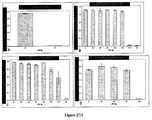
- bacteria when transformed with ⁇ -gal in accordance to the invention, can resist, and replicate in media containing up to at least about 250 ⁇ M cadmium (See Figure 10 ). Also, the bacteria transformed with ⁇ -gal in accordance to the invention was able to resist and efficiently replicate in media containing up to at least about 1,000 ⁇ M zinc. This same transgenic bacteria demonstrated resistance up to at least about 3,000 ⁇ M lead.
- the bacterial clone expressing mt1 in accordance to the invention can resist and replicate in media containing up to at least about 250 ⁇ M cadmium, and up to at least 1000 ⁇ M zinc.
- the bacterial clones expressing mt1 also presented resistance to up to at least about 3,000 ⁇ M lead. See Figure 10 .
- the vectors comprising the plastid 16S rrn-derived promoter, the T7 gene 10-derived 5'UTR and the bacterial-derived rrnB or the plastid-derived rps16 3'UTR are expressing these illustrated chelator genes in high copy numbers.
- these expression control sequences in combination can be used to express other genes at a high level, with similar copy numbers as seen for the chelator genes, or at least about 4,000; 4,500; 5,000; 5,500; 6,000; 6,500; 7,000; 7,500; 8,000; 8,500 full length copies per ng total mRNA.
- Any genetic construct in a bacteria which comprises a strong promoter and/or appropriate 5'UTR and 3'UTR to cause production of at least about 4,000; 4,500; 5,000; 5,500; 6,000; 6,500; 7,000; 7,500; 8,000; 8,500 full length copies per ng total mRNA of a chelating agent mRNA in bacteria enables a bacteria comprising such construct to effectively remediate heavy metal containing liquids or solids, by chelating the heavy metal while resisting and propagating in an environment comprising the heavy metal.
- the bacteria expresses about 6,000 to 7,500 copies of the chelator agent per ng total mRNA.
- the transgenic bacteria having a plasmid comprising the ⁇ -galactosidase gene may be effectively used also as a biosensor for detection of mercury and mercury contamination and spills, and other heavy metals.
- the cleavage of X-gal releases 5,5'-dibromo-4,4'-dichloro-indigo, an insoluble blue compound.
- Transgenic bacteria expressing ⁇ -galactosidase in the presence of the compound X-Gal (and X-gal analogs) produces an easily distinguishable deep blue color reaction. However, it was now observed that the intensity of the blue color was reduced in proportion to the concentration of mercury. See Figure 8 and Figure 9 . Similarly, the presence of other heavy metals, e.g .
- ⁇ -gal suitable as a biosensor in situ or in vitro . Therefore, expression of ⁇ -galactosidase in bacteria protects the bacteria from the harmful effects of mercury, but also reduces the enzyme's ability to metabolize lactose and lactose-analogs, such as X-Gal.
- kits for detection of heavy metals as defined in Claim 12 or 13 comprises a test vial or container for fluids, a bacterial culture expressing ⁇ -galactosidase or a ⁇ -galactosidase enzyme on a testing strip, 5-Bromo-4-chloro-3-indolyl-ß-D-galactopyranoside (X-gal) and an indicator strip.
- the indicator strip contains color markers identifying the extent to which ⁇ -galactosidase reduces X-gal. Each marker may have a different shade of blue, such shade predetermined by exposure to different concentrations of the heavy metal, e.g . mercury.
- the kit is utilized to implement a method of detecting mercury or other heavy metals including cadmium, lead and zinc.
- the method comprises the steps of placing a test sample in the container for fluids.
- a test sample in case the test sample is a solid, liquid is added to release mercury/heavy metal from the solid.
- X-gal is added.
- the fluid is placed in contact with the bacterial culture or a testing strip comprising ⁇ -gal protein for a predetermined period of time.
- the color of the culture is compared with the markers on the indicator strip to determine whether mercury is present in the fluid and in which concentration.
- the kit may only provide a positive/negative result and not indicate a full range of concentrations.
- kits described above may further comprise a set of standards.
- the standards may include various standard containers with various concentrations of Hg in solution.
- the containers may have the following Hg concentrations A:0 ⁇ M; B:5 5 ⁇ M; C:10 ⁇ M; and D:20 ⁇ M.
- the kit may be utilized in the following manner.
- a specified volume of test material and liquid (if the material is a solid) is placed in a test vial, a volume of Hg standard at the indicated concentrations is placed in each standard vial A:0 ⁇ M; B:5 ⁇ M; C:10 ⁇ M; and D:20 ⁇ M.
- a volume of transgenic bacteria is placed in each of the test and standard vials.
- X-gal is added to each vial.
- the culture is allowed to incubate for a specified period of time. Preferably the time of incubation is between about 1 minute and 20 minutes, more preferably between 5 and 10 minutes. After the incubation period ends, the coloring of the test vial is compared to the standard vials in order to determine the approximate concentration of mercury in the sample.
- the bacterium is provided in a non-liquid form (e.g.
- the bacterium comprising the ⁇ -gal is an environmental strain of bacteria, the incubation take place at a particular temperature, for example at 37°C or at room temperature, purified ⁇ -gal is employed instead of a bacterium expressing the ⁇ -gal gene, or a ⁇ -gal expression vector or ⁇ -gal enzyme in the culture mix increases the range where the colored assay can correlate with concentrations of mercury.
- the test sample is a solid or a liquid wash of a solid.
- alternative color assays and/or the use of optical instruments (e.g. , spectrophotometers, colorimeters) to precisely measure color change is possible. The use of color effect enhancing techniques are also known and possible. These alternative designs and others are well known to an artisan skilled in the art and are within the scope of the present invention.
- the ⁇ -galactosidase protein itself, i . e ., absent a cellular carrier, may be used as a chelating agent for heavy metals or mercury as part of a spill cleanup system for in situ and in vitro applications.
- ⁇ -gal is available commercially and can easily be purified from organisms expressing the enzyme by well known, standard separation techniques. The isolation of large quantities of the enzyme may be facilitated by its over expression and the commercial availability of antibodies to the enzyme.
- ⁇ -gal's expression in cells can be manipulated/increased by addition of IPTG.
- Commercial suppliers of ⁇ -gal protein are known, e.g. , Sigma-Aldrich.
- metallothionein and the polyphosphate products of polyphosphate kinase may be utilized by themselves, i . e ., absent a cellular carrier, as chelating agents for heavy metals including zinc, cadmium, lead, or mercury in remediation efforts.
- a strong promoter or specific 5'UTR and 3'UTR, or preferably, the specific combination of a strong plastid promoter, a bacteriophage T7 enhancer, and an effective plastid derived transcriptional terminator sequences allow the expression of metallothionein ( mt1 gene), polyphosphate kinase ( ppk gene), and ⁇ -galactosidase ( lacZ gene) in bacteria to levels that permit their use and commercialization as an effective bioremediation system for mercury and other metals.
- the plasmid described above provides an enhanced gene expression construct capable of producing high mRNA transcription and protein translation of these and other transgenes.
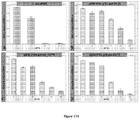
- the bacteria comprising the sequestering agents of the invention acquired properties that make them ideally suited for bioremediation by sequestration. For one, they were resistant to high levels of mercury for prolonged periods of time. See Figures 1 and 2 . Not only they were resistant to high levels of mercury, but also they propagated at these levels. In controlled experiments, untransformed bacteria displayed reduced growth in the presence of 5 ⁇ M mercury, and no growth at 10 ⁇ M mercury. By contrast, the bacteria transformed with constructs expressing the pkk genes showed little or no reduction in growth in media containing 10 ⁇ M mercury and grew at concentrations of up to about 100 ⁇ M mercury. Significantly, the bacterial propagation continued over time.
- the lacZ construct showed further growth over time in up to about 140 ⁇ M mercury, undistinguishable in total growth level to untransformed bacteria grown without mercury.
- the mt1 construct showed further growth at up to 160 ⁇ M mercury (albeit at a somewhat reduced growth rate), undistinguishable in total growth level of the transformed or untransformed bacteria grown without mercury, and reduced but significant growth in media containing up to 160 ⁇ M mercury.
- the ppk construct showed further growth at up to 80 ⁇ M mercury, undistinguishable in total growth level of the transformed bacteria grown without mercury.
- the ppk construct showed a small reduction in growth at any concentration of mercury, from 0-80 ⁇ M. It is possible that phosphate availability had a small impact on the growth of bacteria transformed with the ppk gene.
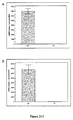
- Quantitative data produced by atomic absorption spectrometry analysis showed the remediation efficiency of the transgenic bacteria. See Figure 11 .
- Atomic absorption spectrometry analysis showed very high level accumulation of mercury in the transgenic E. coli bacteria that expressed the lacZ gene.
- LacZ-expressing E. coli cells were grown in LB media with 120 ⁇ M Hg for 120 hours at 37°C.
- the method of preparing the cells and media for spectrometric analysis is essentially in accordance with the Environmental Protection Agency Method 3010A.
- the aggregation and dark shading properties can, individually or in combination, be put to good use in bioremediation. Accordingly, the present invention also provides a novel, simple, and low-cost mechanism for heavy metals or mercury bioremediation and uptake from liquids.
- the dark pigmentation is useful to indicate the process has progressed to the point where removal of the bacteria is required, or as a quality control that the process is actually under way, and the particular shading level can be utilized, by methods paralleling these described above for mercury monitoring with the lacZ system, to indicate or monitor the levels of mercury present in a contaminated environment.
- bacteria expressing the chelation agents in accordance to the invention form a self-sustained biofilm to use as part of filtration systems to remove heavy metals or mercury from liquid and solid matrices.
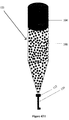
- a bioremediation system comprising a water reservoir 104; a porous solid matrix 108; a cellular biofilm 100 in the water reservoir and/or in the porous solid matrix, wherein the Hg resistant bacteria comprising the genetic constructs of the invention make up the biofilm 100; a porous filter 112; and a treated water outlet 116.
- Genetically engineered bacteria may be grown onto the porous solid matrix 108 to form the biofilm 100.
- the bacteria are highly resistant to mercury and other heavy metals, it efficiently removes mercury from the liquid while accumulating it in high concentrations inside the cells. High mercury tolerance also allows the bacterial cells to divide and grow, which prolongs the useful life of the bio-filter. Coloring of the bacteria on the filter can indicate their bioremediation activity and when bacteria replacement is desirable.
- contaminated water is loaded onto the water reservoir 104.
- the water is allowed to run through the porous solid matrix 208 and contact the cellular biofilm 100.
- the cells in the biofilm sequester heavy metal contaminants, such as mercury.
- the clean water passes through the porous filter 112 where any cellular matter dislodged from the biofilm 100 and other impurities are removed. Clean water is then released through the treated water outlet 116.
- the combination of sequences described in this application may be used as a novel bioremediation system in various in-vitro systems, cell systems and organisms including bacteria, algae, plants, animals and fungi.
- the cell or organism may be genetically engineered to express the sequestering agents thereby becoming resistant to the heavy metals and cleaning the pollutant from the media by chelation.
- the organisms may be recovered and the heavy metal or mercury can be recovered and recycled for industrial applications.
- the in-vitro system, cell, or organism expressing or containing the proteins encoded by these sequences may also be used as part of a bioreactor or for in situ remediation of soil, water, and sediments.
- a bacterial cell comprising the heavy metal or mercury chelation system described above and a heavy metal/mercury transport mechanism.
- a plasmid in accordance to the invention may also comprise the gene sequence for the merT and MerC gene of the mer operon. The plasmid may then be transformed into a bacterial cell conferring both the ability to transport mercury or other heavy metal into the cytoplasmic space and then sequester mercury within the cell.
- genes of the mer operon may also be utilized in order to enhance sequestration of heavy metals within the cell and to provide resistance to organomercurials such as methyl-mercury, dimethyl-mercury, and phenyl mercuric acetate.
- organomercurials such as methyl-mercury, dimethyl-mercury, and phenyl mercuric acetate.
- other heavy metal transport systems may be used in combination with the sequestration agents of the invention in a manner as described in the invention.
- sequestration agents other than sequestration
- their activity as sequestering agents are also different (e.g. direct sequestration or the formation of polyphosphate molecules).
- sequestration agent is expected to be relatively well tolerated by the host cell/organism.
- EXAMPLE 1 The sequestration agents of the invention provide tolerance to and allow bacterial growth in the presence of high concentrations of mercury, cadmium, zinc, and lead .
- a plasmid comprising a vector sold under the trademark pBlueScript ® (Stratagene) was constructed to express transgenes at high level.
- the expression cassette in this vector comprised: the plastid 16S rrn gene promoter; the 5'UTR translational enhancer element is from bacteriophage T7 gene 10; the transgene; and the 3'UTR Rho-independent terminator as shown in Figure 5 .
- the 3' UTR was the chloroplast rps16 sequence.
- the 5'UTR from Gene 10 was created from synthetic oligonucleotides.
- the other regulatory sequences were constructed via polymerase chain reaction.
- the genetic elements were created to comprise convenient restriction enzyme sites near the termini of each element. These methods are well known to artisans skilled in the art. See , for example, Sambrook, J., and Rusell, D., Molecular cloning: A laboratory manual. Cold Spring Harbor Lab press, Cold Spring Harbor, NY (2001 ). Multiple plasmid constructs were created, where the transgene encoded lacZ , mt1 , or ppk.
- Figure 1 The bacterial clones containing these constructs were grown for 16 hours in LB media containing different concentration of HgCl 2 , as shown in Figure 1 .
- Figure 1A represents untransformed E. coli strain JM109
- Figure 1B represents transgenic E. coli comprising the pBSK-P16S-g10-lacZ-3'UTR vector
- Figure 1C represents transgenic E. coli comprising the pBSK-P16S-g10-mtl-3'UTR vector
- Figure 1D represents transgenic E. coli clone carrying the pBSK-P16S-g10-ppk-3'UTR vector.
- a seed bacteria inoculum was added to bacterial culture flasks, and the flask was incubated with shaking at 37°C, in a typical fashion for growing bacterial cultures. At the end of the 16 hour incubation period, the absorbance of the culture media was measured at OD 600 nm.
- polyphosphate kinase provides better resistance to Hg than metallothionein when both proteins are expressed at lower levels, such as in the case of the pBSK-g10-mt1-rpsT and pBSK-g10-ppk-rpsT vectors.
- the metallothionein provided higher protection against the toxic effects of Hg than polyphosphate kinase.
- the invention is not limited by any mechanism of action of the specific chelator agents. Nonetheless, the difference in resistance to mercury in bacteria expressing ppk or mt1 at relatively lower or higher levels might be explained by the mechanism of action of the two proteins.
- polyphosphate kinase which can produce higher levels of polyphosphates even at lower enzyme concentrations because it is an enzyme. At higher enzyme concentrations, the increment in Hg resistance might be lower than expected because the availability of the enzyme substrate in the cell might be in a short supply, thereby limiting its activity.
- Polyphosphate kinase undertakes the polymerization of gamma phosphates from ATP to form the long polyphosphate chains.
- coli can continue to grow even in the presence of higher concentrations of mercury, and the cultures achieve higher densities after 120 hours incubation in LB media containing the various indicated concentrations of Hg, up to about mercury concentrations of: 100 ⁇ M for the ppk construct; 140 ⁇ M for the ⁇ -gal construct; and 160 ⁇ M for the mt1 construct. Accordingly, the bacteria resisted and continued growing at these high concentrations of mercury.
- EXAMPLE 2 The constructs of the invention (pBSK-P16S-g10-chelator agent-3'UTR) transcribed the chelator agent element to very high levels .
- mRNA was collected from untransformed bacteria and the mt1 and ppk expressing bacterial clones. The total cellular RNA was isolated by using the RNeasy Mini Kit (Qiagen) and protocol from 1 ml of bacterial clones and untransformed E. coli JM109 cultures grown in Luria Bertani (LB) broth for 16 hours at 37°C with 300 rpm agitation. The RNA samples were treated with DNAse I at a concentration of 100 ⁇ g/ml.
- the samples were normalized and reversed transcribed by random primer amplification using the AccuScript cDNA Kit (Stratagene).
- the cDNA was analyzed by quantitative real-time PCR using a two-step real-time PCR amplification program with post-amplification melt curve analysis. Gene-specific standard curves were produced for quantification from synthetic oligonucleotide.
- Real time PCR using transgene specific primers produced cDNA, in proportional amounts to the mRNA template. Control experiments using as template mRNA from untransformed bacteria showed no expression of the transgene. The copy number of the transgene specific mRNA was calculated and normalized to the total mRNA present.
- the clones contained about 7,000 copies of each of the transcripts per ng of total mRNA. Similar data is obtained with the construct comprising the B-gal element. An artisan skilled in the art will recognize that these numbers indicate the transgenes were transcribed to very high level.
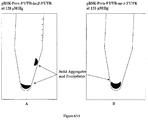
- EXAMPLE 3 Bacteria containing the sequestration agents of the invention form aggregates when they accumulate mercury . Dark coloring, aggregation and precipitation were observed when the bacteria were grown in mercury at sufficiently high concentrations or at lower concentrations for sufficient lengths of time.
- pBSK-P16S-g10 (5'UTR)- mt1 -3'UTR (" mt1 ")
- pBSK-P16S-g10 (5'UTR)- lacZ- 3'UTR (“ lacZ ”) samples after incubation in LB media containing 120 ⁇ M Hg form aggregates that accumulate at the bottom of the container.
- transgenic bacteria comprising the mt1 or ppk genes grow in the presence of 80 ⁇ M mercury. The changes were observed after about 24 hours and they increased over time, proportional with accumulation. All the three bacterial clones were grown with agitation (at about 280 rpm) in a 15 ml conical tube. The aggregation and precipitation occurred during agitation, without the need for a stationary incubation. These color change and precipitation effects occur with each of the three chelator agents tested.
- the transgenic bacteria that accumulates mercury acquires a dark color, which serves as an indication of high mercury concentration in the cell.
- the darkening of the cells can be appreciated at 40 ⁇ M Hg or higher.
- the aggregation, precipitation, and coloring effects are very useful characteristics for identification and recovery of the bacterial cells once they accumulate high mercury concentrations; they can be useful markers to determine when a cell is ready to be harvested from the environment being cleaned, and can also help reduce the cost of applying these bacterial systems for mercury bioremediation. This is the first report of morphological changes triggered in bacterial cells due to the accumulation of mercury in high concentrations.
- EXAMPLE 4 After treatment of culture media by exposure to bacteria comprising the constructs of the invention, the treated culture media is substantially free of heavy metals; the mercury was sequestered . As shown in Figure 7 , untransformed E. coli JM109 was cultured in LB media without mercury (0 ⁇ M), in Treated Media, and in LB media having a concentration of 120 ⁇ M HgCl 2 .
- Treated Media is LB media that initially contained 120 ⁇ M HgCl 2 and in which either bacterial clone pBSK-Prrn-5'UTR-lacZ-3'UTR or pBSK-Prrn-5'UTR-mt1-3'UTR were grown for 120 hours.
- Bacterial cells were removed from the liquid media by centrifugation at 13,000 rpm for 2 minutes and the liquid media was sterilized by passing it through a 0.22 ⁇ M filter to remove any transgenic bacterial cells left from the centrifugation process.
- the Treated Media was re-inoculated with untransformed E. coli JM109.
- the Treated Media was media treated with bacteria comprising the pBSK-Prrn-5'UTR- lacZ -3'UTR (" lacZ ") construct.
- the Treated Media was media treated with bacteria comprising the pBSK-Prrn-5'UTR-mt1-3'UTR (" mt1 ") construct.
- the untransformed bacteria were allowed to grow for 16 hours in the respective Treated Media, at 37°C under standard bacterial culture conditions, and then the OD 600 absorbance of the culture was measured. Results show normal growth rate of the untransformed E.
- transgenic clones of the invention can be used for remedial treatment of liquids containing very high concentrations of mercury.
- the treatment reduced Hg to non-toxic levels (less than about 5 ⁇ M) and allowed normal growth of E. coli JM109.
- EXAMPLE 5 The Mercury is Sequestered within the Bacteria; the Transgenic Bacteria Reduces the Mercury to Sub-Bacterial inhibitory Dosage.
- CVAAS cold vapor atomic absorption spectrometry
- pBSK-P16S-g10-lacZ-rpsT bacterial pellets obtained from 5 ml cultures in LB media with 120 ⁇ M Hg after 120 hours.
- the cells were removed from the culture by centrifugation, washed, and resuspended in 1ml of LB media.
- the cells and the supernatant were acid-digested, individually, following EPA method 3010A (EPA Method 3010A.
- EXAMPLE 6 ⁇ -galactosidase Bioassay. Mercury reduces ⁇ -gal's ability to cleave X-gal.
- a bacterial clone comprising the pBSK-P16S-g10-lacZ-rps16 plasmid was grown at the indicated concentrations of Hg +2 .
- Panel I shows the bacterial growth measurements (OD 600nm ) after 16 hours in concentrations of Hg +2 ranging from 0 to 20 ⁇ M Hg +2 .
- Duplicate cuvettes were then prepared for each bacteria grown at the indicated Hg concentration. See Panels II and III. 100 ⁇ g/ml X-gal was added to the cuvettes of Panel III.
- a reduction in the conversion of X-Gal to blue color was observed to be proportional to the increase in concentration of mercury, up to 20 ⁇ M Hg +2 .
- bacterial growth of the transgenic clone was not affected by increasing concentrations of mercury within this range of concentrations. This indicates that the reduction in blue color is a factor of the reduction of ⁇ -gal enzymatic activity and not due to lack of bacterial growth.
- Figure 8 presents drawings of the pictures of actual cuvettes containing samples in Panels II and III.
- the shading in the drawing are in accordance the shading of the pictures and the relative darkness of the cuvettes containing bacteria exposed to the different concentrations of Hg is preserved.
- Panel II is an exact drawing rendition of a picture of the cuvettes that shows bacterial growth after 16 hours in 0 to 20 ⁇ M Hg +2 .
- Panel III is an exact drawing rendition of a picture of the cuvettes that shows that increased exposure and chelation of Hg +2 by ⁇ -galactosidase reduces the enzyme's ability to convert X-gal substrate into a blue color metabolite.
- the shade for cuvette "D" in Panels II and III is visually identical.
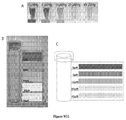
- FIG. 9 Panel A shows actual photographs of similar experiments where the ⁇ -gal expressing bacterial clone was grown in the presence of 100 ⁇ g/ml X-gal and the indicated concentrations of mercury, for 16 hours at 37°C. As can be seen, the culture grown at 40 ⁇ M mercury starts developing a darker color. This darkening in color is the effect of accumulation in the cell of sequestered mercury. The colored bars at the bottom of each vial are color coding strips developed to mimic/capture the shade of the culture when exposed to the indicated concentrations of mercury.
- Panel B shows a prototype kit for detection of heavy metal contamination.
- a container is provided, where test liquids are added, as well as concentrated X-gal and a construct expressing ⁇ -gal or purified ⁇ -gal. Attached to the culture tube or in near proximity is a color code chart, to allow visual comparison of the test result to the color chart.
- Figure A is a schematic of the kit in Figure 9B . After a period of incubation under standardized conditions, the color of the culture is compared to the color chart.
- EXAMPLE 7 The sequestration agents provide resistance to zinc, cadmium, and lead.
- E. Coli JM109 wt
- bacterial culture expressing the lacZ , mt1 , and ppk genes were seeded with bacteria at 0.01 OD6oo and were grown for 24 hrs in LB media supplemented with 1,000 ⁇ M ZnCl 2 ( Figure 10 , Panel A); 250 ⁇ M CdCl 2 (Panel B); and 3,000 ⁇ M Pb(C 2 H 3 ) 2 )2 ⁇ 3H 2 O (Panel C).
- the wt bacteria showed a certain level of resistance to these toxins.
- the transgenic bacteria was significantly more resistant.
Landscapes
- Life Sciences & Earth Sciences (AREA)
- Health & Medical Sciences (AREA)
- Engineering & Computer Science (AREA)
- Chemical & Material Sciences (AREA)
- Organic Chemistry (AREA)
- Genetics & Genomics (AREA)
- Biomedical Technology (AREA)
- Biotechnology (AREA)
- Microbiology (AREA)
- Wood Science & Technology (AREA)
- Zoology (AREA)
- Molecular Biology (AREA)
- Immunology (AREA)
- Bioinformatics & Cheminformatics (AREA)
- General Health & Medical Sciences (AREA)
- Biochemistry (AREA)
- Hematology (AREA)
- General Engineering & Computer Science (AREA)
- Physics & Mathematics (AREA)
- Urology & Nephrology (AREA)
- Analytical Chemistry (AREA)
- Medicinal Chemistry (AREA)
- Biophysics (AREA)
- Pathology (AREA)
- Proteomics, Peptides & Aminoacids (AREA)
- General Physics & Mathematics (AREA)
- Food Science & Technology (AREA)
- Cell Biology (AREA)
- Plant Pathology (AREA)
- Hydrology & Water Resources (AREA)
- Inorganic Chemistry (AREA)
- Biodiversity & Conservation Biology (AREA)
- Virology (AREA)
- Environmental & Geological Engineering (AREA)
- Water Supply & Treatment (AREA)
- Tropical Medicine & Parasitology (AREA)
- Micro-Organisms Or Cultivation Processes Thereof (AREA)
- Processing Of Solid Wastes (AREA)
- Measuring Or Testing Involving Enzymes Or Micro-Organisms (AREA)
- Purification Treatments By Anaerobic Or Anaerobic And Aerobic Bacteria Or Animals (AREA)
Claims (15)
- Bakterienzelle, die ein transgenes Chelatisierungsmittel umfasst, das durch mindestens eines von einem mt-Säugetiergen, einem β-gal-Gen oder einem ppk-Gen kodiert wird, worin das Chelatisierungsmittel von einem starken Promotor exprimiert wird und von einem selektierten 5'-UTR und optional von einem selektierten 3'-UTR flankiert wird, sodass die Bakterienzelle mindestens zwischen 4 000 und 8 500 Kopien in vollständiger Länge von mRNA des Chelatisierungsmittels pro ng der gesamten mRNA erzeugt, und die Bakterienzelle resistent gegenüber zwischen mindestens etwa 25 µM und etwa 80 µM Hg ist und darin replizieren kann und worin das genannte transgene Chelatisierungsmittel ein Protein ist, das exprimiert wird, ohne Teil eines Fusionsproteins zu sein.
- Bakterienzelle nach Anspruch 1, die aus E. Coli, Pseudomonas, Cyanobakterien und Bacillus ausgewählt ist.
- Bakterienzelle nach Anspruch 1,
worin die Bakterienzelle weiter resistent gegenüber Cadmiumkonzentrationen von bis zu etwa 250 µM, Zinkkonzentrationen von bis zu etwa 1000 µM oder Bleikonzentrationen von bis zu etwa 3 000 µM ist und darin replizieren kann. - Bakterienzelle nach Anspruch 1, worin die das Chelatisierungsmittel kodierende Sequenz einem mt1-Mausgen entspricht und wo die Bakterienzelle weiter resistent gegenüber Cadmiumkonzentrationen von bis zu etwa 250 µM, Zinkkonzentrationen von bis zu etwa 1000 µM oder Bleikonzentrationen von bis zu etwa 3 000 µM ist und darin replizieren kann.
- Bakterienzelle nach Anspruch 1, worin die das Chelatisierungsmittel kodierende Sequenz einem β-gal-Gen entspricht und wo die Bakterienzelle weiter resistent gegenüber mindestens etwa 250 µM Cadmium, mindestens etwa 1000 µM Zink oder mindestens etwa 3 000 µM Blei ist und darin replizieren kann.
- Bakterienzelle nach Anspruch 1, worin die das Chelatisierungsmittel kodierende Sequenz einem ppk-Gen entspricht und wo die Bakterienzelle weiter resistent gegenüber Cadmiumkonzentrationen von bis zu etwa 250 µM, Zinkkonzentrationen von bis zu etwa 1000 µM oder Bleikonzentrationen von bis zu etwa 3 000 µM ist und darin replizieren kann.
- Bakterienzelle nach Anspruch 1, worin das Chelatisierungsmittel von einer transkriptionellen konstitutiven Promotorsequenz transkribiert wird, die von dem 16S-rm-Plastidengen stammt, und von einer transkriptionellen 5'-UTR-Enhancer-Element-Sequenz, die vom T7-Bakteriophagengen 10 stammt, und einer rps16-Plastidengen- oder E. Coli rrnB-Gen-, Rho-unabhängigen transkriptionellen 3'UTR-Terminatorsequenz flankiert wird.
- Bakterienzelle nach Anspruch 1, die, wenn sie in einer flüssigen Umgebung, die Quecksilber, Cadmium, Zink oder Blei enthält, vorliegt, das Quecksilber, Cadmium, Zink oder Blei anreichert und sich dunkel färbt.
- Bakterienzelle nach Anspruch 1, die, wenn sie in einer flüssigen Umgebung, die Quecksilber, Cadmium, Zink oder Blei enthält, vorliegt, Quecksilber, Cadmium, Zink oder Blei anreichert, Aggregate bildet und ausfällt.
- Bakterienzelle nach Anspruch 1, worin das Chelator-Transgen β-Galactosidase ist und die Fähigkeit von β-Galactosidase zur Spaltung von 5-Brom-4-chlor-3-indolyl-β-D-galactopyranosid (X-Gal) oder eines Analogons davon durch die Gegenwart eines Schwermetalls vermindert ist.
- Verfahren zur Dekontamination von Quecksilber aus einer Flüssigkeit, das Folgendes umfasst:Zugeben einer Kultur der Bakterienzelle nach Anspruch 1 zu der Flüssigkeit undEntfernen der Bakterien aus der Flüssigkeit nach einer Zeitdauer, die ausreicht, um eine Sequestrierung des Schwermetalls zu ermöglichen.
- Kit für den Nachweis von Schwermetallkontamination, der Folgendes umfasst:einen Behälter für Flüssigkeiten,eine Kultur der Bakterienzelle nach Anspruch 1 undeinen Indikatorstreifen, der eine dunkle Verfärbung anzeigt, die der Verfärbung der Bakterienkultur entspricht, die β-Galactosidase, ppk oder mt1 exprimiert, wenn sie in Gegenwart von verschiedenen Konzentrationen der Schwermetalle zwischen etwa 0 µM und 40 µM in einer Flüssigkeit wächst.
- Kit für den Nachweis von Schwermetallkontamination, der Folgendes umfasst:eine Kultur der Bakterienzelle nach Anspruch 1, die β-Galactosidase exprimiert, was sich in zunehmender Farbveränderung zeigt, wenn sie verschiedenen Quecksilberkonzentrationen von etwa 5 µM bis etwa 40 µM Schwermetalllösungen in Gegenwart von X-Gal ausgesetzt wird, worin die Bakterienkultur, die β-Galactosidase exprimiert, resistent gegenüber zwischen mindestens etwa 25 µM und etwa 80 µM Hg ist und in dessen Gegenwart replizieren kann,X-Gal undeine Skala, die die Färbung zeigt, die verschiedenen Konzentrationen eines Schwermetalls in einer Flüssigkeit im Kontakt mit der Bakterienkultur, die β-Galactosidase exprimiert, entspricht.
- Verfahren nach Anspruch 11, wo die Bakterienzelle weiter resistent gegenüber Cadmiumkonzentrationen von bis zu etwa 250 µM, Zinkkonzentrationen von bis zu etwa 1000 µM oder Bleikonzentrationen von bis zu etwa 3 000 µM ist und darin replizieren kann.
- Bakterienzelle nach Anspruch 1, worin die Bakterienzelle keine transgene, durch das mer-Operon kodierte Transportfunktion exprimiert.
Applications Claiming Priority (2)
| Application Number | Priority Date | Filing Date | Title |
|---|---|---|---|
| US23562409P | 2009-08-20 | 2009-08-20 | |
| PCT/US2010/046084 WO2011022590A2 (en) | 2009-08-20 | 2010-08-20 | Heavy metal remediation system |
Publications (3)
| Publication Number | Publication Date |
|---|---|
| EP2467486A2 EP2467486A2 (de) | 2012-06-27 |
| EP2467486A4 EP2467486A4 (de) | 2013-06-12 |
| EP2467486B1 true EP2467486B1 (de) | 2016-04-06 |
Family
ID=43607596
Family Applications (1)
| Application Number | Title | Priority Date | Filing Date |
|---|---|---|---|
| EP10810626.1A Not-in-force EP2467486B1 (de) | 2009-08-20 | 2010-08-20 | Schwermetallaufbereitungssystem |
Country Status (14)
| Country | Link |
|---|---|
| US (2) | US8785174B2 (de) |
| EP (1) | EP2467486B1 (de) |
| JP (1) | JP2013502223A (de) |
| KR (1) | KR101812629B1 (de) |
| CN (2) | CN103992980A (de) |
| AU (1) | AU2010284144B2 (de) |
| BR (1) | BR112012003726A2 (de) |
| CA (1) | CA2771528C (de) |
| CL (1) | CL2012000436A1 (de) |
| CO (1) | CO6511252A2 (de) |
| IL (1) | IL218196A (de) |
| NZ (1) | NZ598789A (de) |
| RU (1) | RU2571222C2 (de) |
| WO (1) | WO2011022590A2 (de) |
Families Citing this family (19)
| Publication number | Priority date | Publication date | Assignee | Title |
|---|---|---|---|---|
| US10792315B2 (en) * | 2010-04-08 | 2020-10-06 | National University Corporation Asahikawa Medical University | Intestinal protectant |
| CN103525849B (zh) * | 2013-10-24 | 2016-01-20 | 舒海燕 | 一种用于清除工业废水汞污染的重组质粒、构建方法、重组工程菌及应用 |
| CN104445845B (zh) * | 2014-10-31 | 2016-05-25 | 杭州师范大学 | 一种快速缓解重金属对厌氧氨氧化污泥活性抑制的方法 |
| CN106630490A (zh) * | 2015-07-26 | 2017-05-10 | 李娜 | 一种去除含镉污水污染物的方法 |
| US20170157013A1 (en) * | 2015-12-07 | 2017-06-08 | Colgate-Palmolive Company | Metal Amino Acid Complexes for Bacterial Aggregation |
| CN107916243A (zh) * | 2016-10-10 | 2018-04-17 | 中国科学院微生物研究所 | 用于处理重金属污染的微生物细胞和蛋白、相应的处理方法和试剂盒 |
| US10759683B2 (en) * | 2018-07-10 | 2020-09-01 | University Of Ottawa | Methods for removing mercury contaminant from aqueous solutions, and bioreactors therefor |
| CN109943571B (zh) * | 2019-04-11 | 2022-09-02 | 中国科学院遗传与发育生物学研究所农业资源研究中心 | 一种金属硫蛋白基因mt20、其编码得到的金属硫蛋白及其表达和应用 |
| CN110819551B (zh) * | 2019-07-02 | 2023-04-21 | 南阳师范学院 | 一株可阻控叶菜类蔬菜富集Cd和Pb的布甘氏肠杆菌CH6及其用途 |
| US11794893B2 (en) | 2020-09-08 | 2023-10-24 | Frederick William MacDougall | Transportation system for transporting organic payloads |
| CA3191564A1 (en) | 2020-09-08 | 2022-03-17 | Frederick William Macdougall | Coalification and carbon sequestration using deep ocean hydrothermal borehole vents |
| CN112961794B (zh) * | 2021-01-19 | 2023-01-03 | 西安中地环境科技有限公司 | 一种吸附汞的复合菌制剂及应用 |
| CN114181841A (zh) * | 2021-11-24 | 2022-03-15 | 浙江大学 | 治理汞污染的真菌、生物菌剂及应用和除汞方法以及鉴定治理汞污染能力真菌的方法 |
| CN114231459B (zh) * | 2021-12-27 | 2023-05-26 | 中南大学 | 一种大肠埃希氏菌、微生物菌剂、组合物及应用 |
| CN114152601B (zh) * | 2021-12-28 | 2023-09-15 | 军事科学院军事医学研究院环境医学与作业医学研究所 | 一种现场快速检测水中汞离子的方法、试剂盒及其应用 |
| PL443378A1 (pl) * | 2022-12-31 | 2024-07-01 | Instytut Biotechnologii I Medycyny Molekularnej | 7 aminokwasowe sekwencje oraz klony fagowe wiążące selektywnie jony niklu |
| CN116656586A (zh) * | 2023-03-17 | 2023-08-29 | 成都中医药大学 | 金属硫蛋白表面展示菌在川芎镉污染防治中的应用的方法 |
| CN118792323B (zh) * | 2024-08-21 | 2025-10-21 | 上海市农业科学院 | 一种在植物中串联表达的基因组合及其在提高植物耐镉性能中的应用 |
| CN119082152B (zh) * | 2024-08-21 | 2025-09-16 | 上海市农业科学院 | 提高植物富集镉和耐镉性能的基因组合、多基因表达盒与应用 |
Family Cites Families (5)
| Publication number | Priority date | Publication date | Assignee | Title |
|---|---|---|---|---|
| WO2003011487A1 (en) * | 2001-07-27 | 2003-02-13 | Global Biosciences, Inc. | Remediation of metal contaminants with hydrocarbon-utilizing bacteria |
| US8440791B2 (en) * | 2001-09-06 | 2013-05-14 | Mgp Biotechnologies, Llc | Thimerosal removal device |
| RU2224604C1 (ru) * | 2002-06-27 | 2004-02-27 | Шулаева Раиса Васильевна | Способ ремедиации нефтезагрязненных грунтов |
| EP1833976A2 (de) * | 2004-12-03 | 2007-09-19 | Xoma Technology Ltd. | Verfahren und materialien zur expression eines rekombinanten proteins |
| BRPI0907501B1 (pt) * | 2008-02-01 | 2021-02-23 | Ceres, Inc | construto de vetor, método para dirigir a transcrição, método de expressão de uma região de codificação exógena, método de alteração da expressão de um gene e método de produção de uma planta transgênica |
-
2010
- 2010-08-19 US US12/859,590 patent/US8785174B2/en not_active Expired - Fee Related
- 2010-08-20 JP JP2012525707A patent/JP2013502223A/ja active Pending
- 2010-08-20 AU AU2010284144A patent/AU2010284144B2/en not_active Ceased
- 2010-08-20 EP EP10810626.1A patent/EP2467486B1/de not_active Not-in-force
- 2010-08-20 RU RU2012110039/10A patent/RU2571222C2/ru active
- 2010-08-20 KR KR1020127007234A patent/KR101812629B1/ko not_active Expired - Fee Related
- 2010-08-20 CN CN201410165439.XA patent/CN103992980A/zh active Pending
- 2010-08-20 NZ NZ598789A patent/NZ598789A/en not_active IP Right Cessation
- 2010-08-20 CA CA2771528A patent/CA2771528C/en active Active
- 2010-08-20 BR BR112012003726A patent/BR112012003726A2/pt not_active IP Right Cessation
- 2010-08-20 CN CN201080045997.2A patent/CN102753691B/zh not_active Expired - Fee Related
- 2010-08-20 WO PCT/US2010/046084 patent/WO2011022590A2/en not_active Ceased
-
2012
- 2012-02-19 IL IL218196A patent/IL218196A/en active IP Right Grant
- 2012-02-20 CL CL2012000436A patent/CL2012000436A1/es unknown
- 2012-03-20 CO CO12046735A patent/CO6511252A2/es not_active Application Discontinuation
-
2014
- 2014-05-30 US US14/292,668 patent/US9719096B2/en not_active Expired - Fee Related
Non-Patent Citations (4)
| Title |
|---|
| KAY TERPE: "Overview of bacterial expression systems for heterologous protein production: from molecular and biochemical fundamentals to commercial systems", APPLIED MICROBIOLOGY AND BIOTECHNOLOGY, SPRINGER, BERLIN, DE, vol. 72, no. 2, 22 June 2006 (2006-06-22), pages 211 - 222, XP019422070, ISSN: 1432-0614, DOI: 10.1007/S00253-006-0465-8 * |
| ROSS WILMA ET AL: "Escherichia coli promoters with UP elements of different strengths: Modular structure of bacterial promoters", JOURNAL OF BACTERIOLOGY, AMERICAN SOCIETY FOR MICROBIOLOGY, US, vol. 180, no. 20, 1 October 1998 (1998-10-01), pages 5375 - 5383, XP002246877, ISSN: 0021-9193 * |
| SWARTZ J R: "Advances in Escherichia coli production of therapeutic proteins", CURRENT OPINION IN BIOTECHNOLOGY, LONDON, GB, vol. 12, no. 2, 1 April 2001 (2001-04-01), pages 195 - 201, XP002343663, ISSN: 0958-1669, DOI: 10.1016/S0958-1669(00)00199-3 * |
| WILLIAM S REZNIKO ET AL: "THE REGULATION OF TRANSCRIPTION INITIATION IN BACTERIA CONTENTS", 1 January 1985 (1985-01-01), pages 355 - 87, XP055214350, Retrieved from the Internet <URL:http://www.annualreviews.org/doi/pdf/10.1146/annurev.ge.19.120185.002035> [retrieved on 20150918] * |
Also Published As
| Publication number | Publication date |
|---|---|
| NZ598789A (en) | 2013-12-20 |
| IL218196A (en) | 2016-05-31 |
| RU2012110039A (ru) | 2013-09-27 |
| CO6511252A2 (es) | 2012-08-31 |
| CL2012000436A1 (es) | 2013-03-08 |
| US20110220570A1 (en) | 2011-09-15 |
| JP2013502223A (ja) | 2013-01-24 |
| WO2011022590A2 (en) | 2011-02-24 |
| CA2771528C (en) | 2018-10-30 |
| CN102753691A (zh) | 2012-10-24 |
| AU2010284144B2 (en) | 2015-07-23 |
| EP2467486A2 (de) | 2012-06-27 |
| EP2467486A4 (de) | 2013-06-12 |
| KR101812629B1 (ko) | 2017-12-27 |
| US20140273161A1 (en) | 2014-09-18 |
| US8785174B2 (en) | 2014-07-22 |
| AU2010284144A1 (en) | 2012-04-12 |
| KR20120064078A (ko) | 2012-06-18 |
| CN103992980A (zh) | 2014-08-20 |
| RU2571222C2 (ru) | 2015-12-20 |
| IL218196A0 (en) | 2012-04-30 |
| US9719096B2 (en) | 2017-08-01 |
| WO2011022590A3 (en) | 2011-07-28 |
| CA2771528A1 (en) | 2011-02-24 |
| BR112012003726A2 (pt) | 2017-07-04 |
| CN102753691B (zh) | 2014-05-14 |
Similar Documents
| Publication | Publication Date | Title |
|---|---|---|
| US9719096B2 (en) | Heavy metal remediation system | |
| Toth et al. | Anaerobic benzene biodegradation linked to the growth of highly specific bacterial clades | |
| Rojas et al. | Characterization of the metabolically modified heavy metal-resistant Cupriavidus metallidurans strain MSR33 generated for mercury bioremediation | |
| Yu et al. | Proteomic mechanism of decabromodiphenyl ether (BDE-209) biodegradation by Microbacterium Y2 and its potential in remediation of BDE-209 contaminated water-sediment system | |
| Huang et al. | Arsenic speciation and volatilization from flooded paddy soils amended with different organic matters | |
| Mahbub et al. | Bioremediation of mercury: not properly exploited in contaminated soils! | |
| Macur et al. | Microbial populations associated with the reduction and enhanced mobilization of arsenic in mine tailings | |
| Yang et al. | Organohalide respiration with chlorinated ethenes under low pH conditions | |
| Ruiz et al. | Characterization of mercury bioremediation by transgenic bacteria expressing metallothionein and polyphosphate kinase | |
| Waller et al. | Perchlorate‐reducing microorganisms isolated from contaminated sites | |
| Biondo et al. | Synthetic phytochelatin surface display in Cupriavidus metallidurans CH34 for enhanced metals bioremediation | |
| Saleem et al. | Perspectives on microbial cell surface display in bioremediation | |
| Leclerc et al. | Relationship between extracellular low-molecular-weight thiols and mercury species in natural lake periphytic biofilms | |
| Yamamura et al. | Soil microbial communities involved in reductive dissolution of arsenic from arsenate-laden minerals with different carbon sources | |
| JP2013502223A5 (de) | ||
| Sonune | Microbes: a potential tool for bioremediation | |
| Heun et al. | Functional specificity of extracellular nucleases of Shewanella oneidensis MR-1 | |
| Ranchou‐Peyruse et al. | The sequence capture by hybridization: a new approach for revealing the potential of mono‐aromatic hydrocarbons bioattenuation in a deep oligotrophic aquifer | |
| Kundu et al. | Linking increased isotope fractionation at low concentrations to enzyme activity regulation: 4-Cl phenol degradation by Arthrobacter chlorophenolicus A6 | |
| Szentgyörgyi et al. | Development of a bacterial consortium from Variovorax paradoxus and Pseudomonas veronii isolates applicable in the removal of BTEX | |
| Su et al. | Microbiological activity and oxygen availability influence arsenic mobilization and redox transformation in an arsenic-rich aquifer | |
| Knossow et al. | Isotope Fractionation (δ13C, δ15N) in the microbial degradation of bromoxynil by aerobic and anaerobic soil enrichment cultures | |
| Lee et al. | Removal of methylmercury and tributyltin (TBT) using marine microorganisms | |
| Hadi | Microbial degradation of 3-chloropropionic acid | |
| Farid et al. | Role of Microbial Ecology to Manage Remediation and Degradation Processes in the Environment |
Legal Events
| Date | Code | Title | Description |
|---|---|---|---|
| PUAI | Public reference made under article 153(3) epc to a published international application that has entered the european phase |
Free format text: ORIGINAL CODE: 0009012 |
|
| 17P | Request for examination filed |
Effective date: 20120320 |
|
| AK | Designated contracting states |
Kind code of ref document: A2 Designated state(s): AL AT BE BG CH CY CZ DE DK EE ES FI FR GB GR HR HU IE IS IT LI LT LU LV MC MK MT NL NO PL PT RO SE SI SK SM TR |
|
| DAX | Request for extension of the european patent (deleted) | ||
| A4 | Supplementary search report drawn up and despatched |
Effective date: 20130510 |
|
| RIC1 | Information provided on ipc code assigned before grant |
Ipc: C02F 3/34 20060101ALI20130503BHEP Ipc: C12N 1/21 20060101ALI20130503BHEP Ipc: G01N 33/52 20060101ALI20130503BHEP Ipc: G01N 33/20 20060101ALI20130503BHEP Ipc: C12N 15/63 20060101AFI20130503BHEP |
|
| 17Q | First examination report despatched |
Effective date: 20140108 |
|
| GRAP | Despatch of communication of intention to grant a patent |
Free format text: ORIGINAL CODE: EPIDOSNIGR1 |
|
| INTG | Intention to grant announced |
Effective date: 20151023 |
|
| RIN1 | Information on inventor provided before grant (corrected) |
Inventor name: RUIZ, OSCAR |
|
| GRAS | Grant fee paid |
Free format text: ORIGINAL CODE: EPIDOSNIGR3 |
|
| GRAA | (expected) grant |
Free format text: ORIGINAL CODE: 0009210 |
|
| AK | Designated contracting states |
Kind code of ref document: B1 Designated state(s): AL AT BE BG CH CY CZ DE DK EE ES FI FR GB GR HR HU IE IS IT LI LT LU LV MC MK MT NL NO PL PT RO SE SI SK SM TR |
|
| REG | Reference to a national code |
Ref country code: GB Ref legal event code: FG4D |
|
| REG | Reference to a national code |
Ref country code: AT Ref legal event code: REF Ref document number: 787875 Country of ref document: AT Kind code of ref document: T Effective date: 20160415 Ref country code: CH Ref legal event code: EP |
|
| REG | Reference to a national code |
Ref country code: IE Ref legal event code: FG4D |
|
| REG | Reference to a national code |
Ref country code: DE Ref legal event code: R096 Ref document number: 602010032170 Country of ref document: DE |
|
| REG | Reference to a national code |
Ref country code: NL Ref legal event code: FP |
|
| REG | Reference to a national code |
Ref country code: FR Ref legal event code: PLFP Year of fee payment: 7 |
|
| REG | Reference to a national code |
Ref country code: LT Ref legal event code: MG4D |
|
| REG | Reference to a national code |
Ref country code: AT Ref legal event code: MK05 Ref document number: 787875 Country of ref document: AT Kind code of ref document: T Effective date: 20160406 |
|
| PG25 | Lapsed in a contracting state [announced via postgrant information from national office to epo] |
Ref country code: IS Free format text: LAPSE BECAUSE OF FAILURE TO SUBMIT A TRANSLATION OF THE DESCRIPTION OR TO PAY THE FEE WITHIN THE PRESCRIBED TIME-LIMIT Effective date: 20160806 Ref country code: PL Free format text: LAPSE BECAUSE OF FAILURE TO SUBMIT A TRANSLATION OF THE DESCRIPTION OR TO PAY THE FEE WITHIN THE PRESCRIBED TIME-LIMIT Effective date: 20160406 Ref country code: FI Free format text: LAPSE BECAUSE OF FAILURE TO SUBMIT A TRANSLATION OF THE DESCRIPTION OR TO PAY THE FEE WITHIN THE PRESCRIBED TIME-LIMIT Effective date: 20160406 Ref country code: NO Free format text: LAPSE BECAUSE OF FAILURE TO SUBMIT A TRANSLATION OF THE DESCRIPTION OR TO PAY THE FEE WITHIN THE PRESCRIBED TIME-LIMIT Effective date: 20160706 Ref country code: LT Free format text: LAPSE BECAUSE OF FAILURE TO SUBMIT A TRANSLATION OF THE DESCRIPTION OR TO PAY THE FEE WITHIN THE PRESCRIBED TIME-LIMIT Effective date: 20160406 |
|
| PG25 | Lapsed in a contracting state [announced via postgrant information from national office to epo] |
Ref country code: GR Free format text: LAPSE BECAUSE OF FAILURE TO SUBMIT A TRANSLATION OF THE DESCRIPTION OR TO PAY THE FEE WITHIN THE PRESCRIBED TIME-LIMIT Effective date: 20160707 Ref country code: SE Free format text: LAPSE BECAUSE OF FAILURE TO SUBMIT A TRANSLATION OF THE DESCRIPTION OR TO PAY THE FEE WITHIN THE PRESCRIBED TIME-LIMIT Effective date: 20160406 Ref country code: AT Free format text: LAPSE BECAUSE OF FAILURE TO SUBMIT A TRANSLATION OF THE DESCRIPTION OR TO PAY THE FEE WITHIN THE PRESCRIBED TIME-LIMIT Effective date: 20160406 Ref country code: HR Free format text: LAPSE BECAUSE OF FAILURE TO SUBMIT A TRANSLATION OF THE DESCRIPTION OR TO PAY THE FEE WITHIN THE PRESCRIBED TIME-LIMIT Effective date: 20160406 Ref country code: LV Free format text: LAPSE BECAUSE OF FAILURE TO SUBMIT A TRANSLATION OF THE DESCRIPTION OR TO PAY THE FEE WITHIN THE PRESCRIBED TIME-LIMIT Effective date: 20160406 Ref country code: PT Free format text: LAPSE BECAUSE OF FAILURE TO SUBMIT A TRANSLATION OF THE DESCRIPTION OR TO PAY THE FEE WITHIN THE PRESCRIBED TIME-LIMIT Effective date: 20160808 |
|
| PG25 | Lapsed in a contracting state [announced via postgrant information from national office to epo] |
Ref country code: BE Free format text: LAPSE BECAUSE OF FAILURE TO SUBMIT A TRANSLATION OF THE DESCRIPTION OR TO PAY THE FEE WITHIN THE PRESCRIBED TIME-LIMIT Effective date: 20160406 Ref country code: IT Free format text: LAPSE BECAUSE OF FAILURE TO SUBMIT A TRANSLATION OF THE DESCRIPTION OR TO PAY THE FEE WITHIN THE PRESCRIBED TIME-LIMIT Effective date: 20160406 |
|
| REG | Reference to a national code |
Ref country code: DE Ref legal event code: R097 Ref document number: 602010032170 Country of ref document: DE |
|
| PG25 | Lapsed in a contracting state [announced via postgrant information from national office to epo] |
Ref country code: SK Free format text: LAPSE BECAUSE OF FAILURE TO SUBMIT A TRANSLATION OF THE DESCRIPTION OR TO PAY THE FEE WITHIN THE PRESCRIBED TIME-LIMIT Effective date: 20160406 Ref country code: RO Free format text: LAPSE BECAUSE OF FAILURE TO SUBMIT A TRANSLATION OF THE DESCRIPTION OR TO PAY THE FEE WITHIN THE PRESCRIBED TIME-LIMIT Effective date: 20160406 Ref country code: CZ Free format text: LAPSE BECAUSE OF FAILURE TO SUBMIT A TRANSLATION OF THE DESCRIPTION OR TO PAY THE FEE WITHIN THE PRESCRIBED TIME-LIMIT Effective date: 20160406 Ref country code: EE Free format text: LAPSE BECAUSE OF FAILURE TO SUBMIT A TRANSLATION OF THE DESCRIPTION OR TO PAY THE FEE WITHIN THE PRESCRIBED TIME-LIMIT Effective date: 20160406 Ref country code: DK Free format text: LAPSE BECAUSE OF FAILURE TO SUBMIT A TRANSLATION OF THE DESCRIPTION OR TO PAY THE FEE WITHIN THE PRESCRIBED TIME-LIMIT Effective date: 20160406 |
|
| PLBE | No opposition filed within time limit |
Free format text: ORIGINAL CODE: 0009261 |
|
| STAA | Information on the status of an ep patent application or granted ep patent |
Free format text: STATUS: NO OPPOSITION FILED WITHIN TIME LIMIT |
|
| PG25 | Lapsed in a contracting state [announced via postgrant information from national office to epo] |
Ref country code: SM Free format text: LAPSE BECAUSE OF FAILURE TO SUBMIT A TRANSLATION OF THE DESCRIPTION OR TO PAY THE FEE WITHIN THE PRESCRIBED TIME-LIMIT Effective date: 20160406 |
|
| 26N | No opposition filed |
Effective date: 20170110 |
|
| PG25 | Lapsed in a contracting state [announced via postgrant information from national office to epo] |
Ref country code: MC Free format text: LAPSE BECAUSE OF FAILURE TO SUBMIT A TRANSLATION OF THE DESCRIPTION OR TO PAY THE FEE WITHIN THE PRESCRIBED TIME-LIMIT Effective date: 20160406 |
|
| REG | Reference to a national code |
Ref country code: CH Ref legal event code: PL |
|
| PG25 | Lapsed in a contracting state [announced via postgrant information from national office to epo] |
Ref country code: LI Free format text: LAPSE BECAUSE OF NON-PAYMENT OF DUE FEES Effective date: 20160831 Ref country code: CH Free format text: LAPSE BECAUSE OF NON-PAYMENT OF DUE FEES Effective date: 20160831 |
|
| PG25 | Lapsed in a contracting state [announced via postgrant information from national office to epo] |
Ref country code: SI Free format text: LAPSE BECAUSE OF FAILURE TO SUBMIT A TRANSLATION OF THE DESCRIPTION OR TO PAY THE FEE WITHIN THE PRESCRIBED TIME-LIMIT Effective date: 20160406 |
|
| REG | Reference to a national code |
Ref country code: FR Ref legal event code: PLFP Year of fee payment: 8 |
|
| PG25 | Lapsed in a contracting state [announced via postgrant information from national office to epo] |
Ref country code: LU Free format text: LAPSE BECAUSE OF NON-PAYMENT OF DUE FEES Effective date: 20160820 |
|
| PGFP | Annual fee paid to national office [announced via postgrant information from national office to epo] |
Ref country code: NL Payment date: 20170814 Year of fee payment: 8 |
|
| PGFP | Annual fee paid to national office [announced via postgrant information from national office to epo] |
Ref country code: FR Payment date: 20170714 Year of fee payment: 8 Ref country code: DE Payment date: 20170815 Year of fee payment: 8 Ref country code: GB Payment date: 20170816 Year of fee payment: 8 |
|
| PGFP | Annual fee paid to national office [announced via postgrant information from national office to epo] |
Ref country code: IE Payment date: 20170809 Year of fee payment: 8 |
|
| PG25 | Lapsed in a contracting state [announced via postgrant information from national office to epo] |
Ref country code: CY Free format text: LAPSE BECAUSE OF FAILURE TO SUBMIT A TRANSLATION OF THE DESCRIPTION OR TO PAY THE FEE WITHIN THE PRESCRIBED TIME-LIMIT Effective date: 20160406 Ref country code: ES Free format text: LAPSE BECAUSE OF NON-PAYMENT OF DUE FEES Effective date: 20170821 Ref country code: HU Free format text: LAPSE BECAUSE OF FAILURE TO SUBMIT A TRANSLATION OF THE DESCRIPTION OR TO PAY THE FEE WITHIN THE PRESCRIBED TIME-LIMIT; INVALID AB INITIO Effective date: 20100820 |
|
| PG25 | Lapsed in a contracting state [announced via postgrant information from national office to epo] |
Ref country code: MT Free format text: LAPSE BECAUSE OF NON-PAYMENT OF DUE FEES Effective date: 20160831 Ref country code: TR Free format text: LAPSE BECAUSE OF FAILURE TO SUBMIT A TRANSLATION OF THE DESCRIPTION OR TO PAY THE FEE WITHIN THE PRESCRIBED TIME-LIMIT Effective date: 20160406 Ref country code: MK Free format text: LAPSE BECAUSE OF FAILURE TO SUBMIT A TRANSLATION OF THE DESCRIPTION OR TO PAY THE FEE WITHIN THE PRESCRIBED TIME-LIMIT Effective date: 20160406 |
|
| PG25 | Lapsed in a contracting state [announced via postgrant information from national office to epo] |
Ref country code: BG Free format text: LAPSE BECAUSE OF FAILURE TO SUBMIT A TRANSLATION OF THE DESCRIPTION OR TO PAY THE FEE WITHIN THE PRESCRIBED TIME-LIMIT Effective date: 20160406 |
|
| PG25 | Lapsed in a contracting state [announced via postgrant information from national office to epo] |
Ref country code: AL Free format text: LAPSE BECAUSE OF FAILURE TO SUBMIT A TRANSLATION OF THE DESCRIPTION OR TO PAY THE FEE WITHIN THE PRESCRIBED TIME-LIMIT Effective date: 20160406 |
|
| REG | Reference to a national code |
Ref country code: DE Ref legal event code: R119 Ref document number: 602010032170 Country of ref document: DE |
|
| REG | Reference to a national code |
Ref country code: NL Ref legal event code: MM Effective date: 20180901 |
|
| GBPC | Gb: european patent ceased through non-payment of renewal fee |
Effective date: 20180820 |
|
| REG | Reference to a national code |
Ref country code: IE Ref legal event code: MM4A |
|
| PG25 | Lapsed in a contracting state [announced via postgrant information from national office to epo] |
Ref country code: NL Free format text: LAPSE BECAUSE OF NON-PAYMENT OF DUE FEES Effective date: 20180901 |
|
| PG25 | Lapsed in a contracting state [announced via postgrant information from national office to epo] |
Ref country code: IE Free format text: LAPSE BECAUSE OF NON-PAYMENT OF DUE FEES Effective date: 20180820 Ref country code: DE Free format text: LAPSE BECAUSE OF NON-PAYMENT OF DUE FEES Effective date: 20190301 |
|
| PG25 | Lapsed in a contracting state [announced via postgrant information from national office to epo] |
Ref country code: FR Free format text: LAPSE BECAUSE OF NON-PAYMENT OF DUE FEES Effective date: 20180831 |
|
| PG25 | Lapsed in a contracting state [announced via postgrant information from national office to epo] |
Ref country code: GB Free format text: LAPSE BECAUSE OF NON-PAYMENT OF DUE FEES Effective date: 20180820 |