EP2445929B1 - Methode zur transformierung eines bakteriums des genus streptococcus durch natürliche genetische transformation - Google Patents
Methode zur transformierung eines bakteriums des genus streptococcus durch natürliche genetische transformation Download PDFInfo
- Publication number
- EP2445929B1 EP2445929B1 EP10724544.1A EP10724544A EP2445929B1 EP 2445929 B1 EP2445929 B1 EP 2445929B1 EP 10724544 A EP10724544 A EP 10724544A EP 2445929 B1 EP2445929 B1 EP 2445929B1
- Authority
- EP
- European Patent Office
- Prior art keywords
- peptide
- fragment
- competence
- thermophilus
- acid sequence
- Prior art date
- Legal status (The legal status is an assumption and is not a legal conclusion. Google has not performed a legal analysis and makes no representation as to the accuracy of the status listed.)
- Active
Links
Images


Classifications
-
- C—CHEMISTRY; METALLURGY
- C12—BIOCHEMISTRY; BEER; SPIRITS; WINE; VINEGAR; MICROBIOLOGY; ENZYMOLOGY; MUTATION OR GENETIC ENGINEERING
- C12N—MICROORGANISMS OR ENZYMES; COMPOSITIONS THEREOF; PROPAGATING, PRESERVING, OR MAINTAINING MICROORGANISMS; MUTATION OR GENETIC ENGINEERING; CULTURE MEDIA
- C12N15/00—Mutation or genetic engineering; DNA or RNA concerning genetic engineering, vectors, e.g. plasmids, or their isolation, preparation or purification; Use of hosts therefor
- C12N15/09—Recombinant DNA-technology
- C12N15/63—Introduction of foreign genetic material using vectors; Vectors; Use of hosts therefor; Regulation of expression
- C12N15/67—General methods for enhancing the expression
-
- A—HUMAN NECESSITIES
- A23—FOODS OR FOODSTUFFS; TREATMENT THEREOF, NOT COVERED BY OTHER CLASSES
- A23K—FODDER
- A23K10/00—Animal feeding-stuffs
- A23K10/10—Animal feeding-stuffs obtained by microbiological or biochemical processes
- A23K10/16—Addition of microorganisms or extracts thereof, e.g. single-cell proteins, to feeding-stuff compositions
-
- A—HUMAN NECESSITIES
- A23—FOODS OR FOODSTUFFS; TREATMENT THEREOF, NOT COVERED BY OTHER CLASSES
- A23K—FODDER
- A23K10/00—Animal feeding-stuffs
- A23K10/10—Animal feeding-stuffs obtained by microbiological or biochemical processes
- A23K10/16—Addition of microorganisms or extracts thereof, e.g. single-cell proteins, to feeding-stuff compositions
- A23K10/18—Addition of microorganisms or extracts thereof, e.g. single-cell proteins, to feeding-stuff compositions of live microorganisms
-
- A—HUMAN NECESSITIES
- A23—FOODS OR FOODSTUFFS; TREATMENT THEREOF, NOT COVERED BY OTHER CLASSES
- A23K—FODDER
- A23K20/00—Accessory food factors for animal feeding-stuffs
- A23K20/10—Organic substances
- A23K20/142—Amino acids; Derivatives thereof
- A23K20/147—Polymeric derivatives, e.g. peptides or proteins
-
- A—HUMAN NECESSITIES
- A23—FOODS OR FOODSTUFFS; TREATMENT THEREOF, NOT COVERED BY OTHER CLASSES
- A23L—FOODS, FOODSTUFFS OR NON-ALCOHOLIC BEVERAGES, NOT OTHERWISE PROVIDED FOR; PREPARATION OR TREATMENT THEREOF
- A23L33/00—Modifying nutritive qualities of foods; Dietetic products; Preparation or treatment thereof
- A23L33/10—Modifying nutritive qualities of foods; Dietetic products; Preparation or treatment thereof using additives
- A23L33/135—Bacteria or derivatives thereof, e.g. probiotics
-
- A—HUMAN NECESSITIES
- A61—MEDICAL OR VETERINARY SCIENCE; HYGIENE
- A61K—PREPARATIONS FOR MEDICAL, DENTAL OR TOILETRY PURPOSES
- A61K39/00—Medicinal preparations containing antigens or antibodies
- A61K39/02—Bacterial antigens
- A61K39/09—Lactobacillales, e.g. aerococcus, enterococcus, lactobacillus, lactococcus, streptococcus
- A61K39/092—Streptococcus
-
- C—CHEMISTRY; METALLURGY
- C07—ORGANIC CHEMISTRY
- C07K—PEPTIDES
- C07K14/00—Peptides having more than 20 amino acids; Gastrins; Somatostatins; Melanotropins; Derivatives thereof
-
- C—CHEMISTRY; METALLURGY
- C07—ORGANIC CHEMISTRY
- C07K—PEPTIDES
- C07K14/00—Peptides having more than 20 amino acids; Gastrins; Somatostatins; Melanotropins; Derivatives thereof
- C07K14/195—Peptides having more than 20 amino acids; Gastrins; Somatostatins; Melanotropins; Derivatives thereof from bacteria
- C07K14/315—Peptides having more than 20 amino acids; Gastrins; Somatostatins; Melanotropins; Derivatives thereof from bacteria from Streptococcus (G), e.g. Enterococci
-
- C—CHEMISTRY; METALLURGY
- C07—ORGANIC CHEMISTRY
- C07K—PEPTIDES
- C07K7/00—Peptides having 5 to 20 amino acids in a fully defined sequence; Derivatives thereof
- C07K7/04—Linear peptides containing only normal peptide links
- C07K7/06—Linear peptides containing only normal peptide links having 5 to 11 amino acids
-
- C—CHEMISTRY; METALLURGY
- C07—ORGANIC CHEMISTRY
- C07K—PEPTIDES
- C07K7/00—Peptides having 5 to 20 amino acids in a fully defined sequence; Derivatives thereof
- C07K7/04—Linear peptides containing only normal peptide links
- C07K7/08—Linear peptides containing only normal peptide links having 12 to 20 amino acids
-
- C—CHEMISTRY; METALLURGY
- C12—BIOCHEMISTRY; BEER; SPIRITS; WINE; VINEGAR; MICROBIOLOGY; ENZYMOLOGY; MUTATION OR GENETIC ENGINEERING
- C12N—MICROORGANISMS OR ENZYMES; COMPOSITIONS THEREOF; PROPAGATING, PRESERVING, OR MAINTAINING MICROORGANISMS; MUTATION OR GENETIC ENGINEERING; CULTURE MEDIA
- C12N15/00—Mutation or genetic engineering; DNA or RNA concerning genetic engineering, vectors, e.g. plasmids, or their isolation, preparation or purification; Use of hosts therefor
- C12N15/09—Recombinant DNA-technology
- C12N15/87—Introduction of foreign genetic material using processes not otherwise provided for, e.g. co-transformation
Definitions
- the present invention relates to a method for transforming a bacterium belonging to the Streptococcus genus by natural competence.
- Streptococcus thermophilus is widely used for the manufacture of yoghurt and Swiss or Italian-type cheeses. These products have a market value of approximately $40 billion per year, making S. thermophilus a species that has major economic importance. Even though the fermentation properties of this bacterium have been gradually improved by selection and classical methods, there is great potential for further improvement through natural processes or by genetic engineering. To be able to improve naturally, without any genetic engineering technology involved, S. thermophilus technological performances, physiological properties, behaviour in different growth media is of key importance for fermented food and feed industries. The obtained improved strains of S. thermophilus will be in total compliance with all current regulations concerning living microorganisms for food and feed.
- Competence is the ability of a cell to take up extracellular ("naked") DNA from its environment and to integrate this DNA (or part thereof) in its genome. Competence can be separated into natural competence and artificial competence. Natural competence is a genetically specified ability of bacterial strain to perform this DNA uptake. It is thought to occur spontaneously in natural environment and is observed as well in laboratory conditions. Natural competence seems to be a common trait among streptococci (2, 3). By contrast, artificial competence is provoked in laboratory conditions and consists of rendering the cells transiently permeable to naked DNA.
- Natural genetic transformation is the process by which a given bacterial strain can be transformed, i.e. modified to integrate a polynucleotide in its genome, through natural competence.
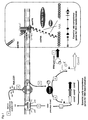
- Streptococcal natural competence has been most extensively studied in Streptococcus pneumoniae , and appears to be a common feature to streptococci species. Competence is generally tightly regulated and involves two sets of genes: the early and the late competence genes (4).
- CSP pheromone
- the early competence genes encode a two-component system (TCS: ComD and ComE), its cognate induction factor (CSP: ComC), and the components of an ABC transporter dedicated to CSP export and maturation (ComA and ComB).
- TCS transcription of the competence sigma factor ComX ( ⁇ X).
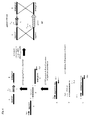
- This alternative sigma factor is the central regulator of natural competence since it positively regulates all essential late genes necessary for DNA uptake, protection and integration into the chromosome (4). See figure 1 for schematic representation.
- thermophilus LMD-9 can be induced during growth in a chemically defined medium.
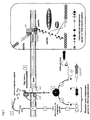
- the transporter Ami was shown to be specifically required for the transcriptional induction of comX in those conditions (7).
- the Ami system actively imports oligopeptides present in the extracellular medium and is known to have both nutritive and signaling functions in Gram-positive bacteria (7, 8, 9). Since this chemically defined medium is a peptide-free medium, Gardan et al. (7) hypothesized that, in those growth conditions, the bacterium synthesizes and secretes a specific competence-stimulating peptide, which is then sensed and re-imported by the Ami system.
- this pheromone would then interact with a specific cytoplasmic regulator, leading to the transcriptional induction of comX (for a model, see figure 2 ).
- the pheromone and the transcriptional regulator responsible for comX expression and natural transformation in the chemically defined medium conditions are still unknown.
- Gardan et al. (Journal of Bacteriology, American Society For Microbiology, vol. 191, no. 14, 15 May 2009, pages 4647-4655 ) teaches that the oligopeptide transport system may play a role in the development of natural competence in Streptococcus thermophilus strain LMD-9.
- Knutsen et al. (Journal of Bacteriology, American Society For Microbiology, vol. 186, no. 10, 1 May 2004, page 3078, l.h. column) teaches that two separate quorum-sensing systems allegedly upregulate transcription of the same ABC transporter in Streptococcus pneumonia .
- Shp316 having the amino acid sequence as set forth in SEQ ID NO:1, that is involved in natural competence in Streptococcus thermophilus strains. Further, they have demonstrated that fragments of this peptide are capable of inducing natural competence in a bacterium belonging to the Streptococcus genus.
- Shp316 has the following amino acid sequence:
- the invention relates to a peptide having the amino acid sequence as set forth in SEQ ID NO:1 or a fragment of said peptide, wherein said fragment contains at least 7 amino acids and comprises the amino acid sequence PYFAGCL, wherein the peptide or said fragment contains at most 24 amino acids and wherein said peptide or said fragment is capable of inducing or increasing competence in a S . thermophilus strain.
- said peptide or fragment thereof is capable of inducing or increasing competence in the S. thermophilus strain LMD-9 in which the gene encoding SEQ ID NO : 1 has been inactivated.
- the expression "the peptide of the invention” encompasses both the peptide having the amino acid sequence SEQ ID NO:1 and fragments thereof (also named “mature” peptides), wherein said fragment contains at least 7 amino acids and comprises the amino acid sequence PYFAGCL, wherein the peptide or said fragment contains at most 24 amino acids and wherein said peptide or said fragment is capable of inducing or increasing competence in S . thermophilus strain.
- Examples of peptides according to the invention are disclosed in Annex III.
- the expression « capable of inducing or increasing competence in the S. thermophilus strain LMD-9 in which the gene encoding SEQ ID NO :1 has been inactivated » refers to any peptide which is capable of increasing the transformation rate by a factor of at least 10, preferably at least 50, at least 100, even more preferably at least 1000 in test A.
- Test A for testing the ability of a peptide to induce or increase competence, is performed as described in the Examples and as follows:
- a mutant strain of LMD-9 in which the shp316 gene (which is the gene encoding the peptide Shp316) has been inactivated such as strain LMD9- ⁇ blp ::P comX -luxABd ⁇ shp316:: P32 -cat (see Example 2 for details on this strain) is pre-cultivated in M17-lactose medium.
- the cells of the preculture are harvested (5000 g, 9 minutes, 20°C) and washed twice in Chemically Defined Medium (CDM, see Annex I) and then resuspended in CDM.
- the washed cells are diluted in fresh CDM medium to obtain an optical density of 0.05 at 600 nm, and then incubated at 37°C.
- the culture is separated in 2 aliquots of 10 mL and 0 or 1000 nM of peptide are added in the culture samples. Finally, each 10 mL-aliquot is divided in 2 samples of 5 mL each.
- One of the 2 samples receives 1 ⁇ g/mL pGIUD0855ery, a plasmid bearing an erythromycin resistance gene.
- the competence phenotype of the samples is studied by performing natural transformation experiments as described in example 1. The cultures are grown for 6 hours and serial dilutions are plated on the surface of M17-lactose agar medium containing or not 2.5 ⁇ g/mL of erythromycin. The transformation rate in the presence or absence of peptide is calculated for each sample; it is expressed as the ratio of erythromycin-resistant cells among the total bacterial population.
- the peptide is deemed to have induced or increased competence in the LMD-9 strain in which the shp316 gene has been inactivated if the ratio of the transformation rate in the presence of the peptide to the transformation rate in the absence of peptide is at least 10, preferably at least 50, more preferably at least 100, even more preferably at least 1000.
- the C-terminal end of a peptide of the invention has the following amino acid sequence: PYFAGCL, LPYFAGCL, ILPYFAGCL, AILPYFAGCL or PYFTGCL.
- Similarity between two amino acid sequences is determined by using a similarity score matrix based on chemical similarity or evolutionary distance between amino acids.
- a similarity score matrix based on chemical similarity or evolutionary distance between amino acids.
- An example of such a matrix commonly used is the BLOSUM62 matrix (12), the default matrix for the BLAST suite of programs.
- One aspect of the present invention provides a peptide having the amino acid sequence as set forth in SEQ ID NO:2 or a fragment of said peptide, wherein said fragment contains at least 7 amino acids and comprises the amino acid sequence PYFAGCL, wherein the peptide or said fragment contains at most 24 amino acids and wherein said peptide or said fragment is capable of inducing or increasing competence in a S . thermophilus strain.
- Another aspect of the present invention provides a peptide having the amino acid sequence as set forth in SEQ ID NO:3 or a fragment of said peptide, wherein said fragment contains at least 7 amino acids and comprises the amino acid sequence PYFTGCL, wherein the peptide or said fragment contains at most 24 amino acids and wherein said peptide or said fragment is capable of inducing or increasing competence in a S. thermophilus strain.
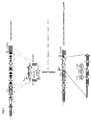
- Shp316 is the precursor of the competence-inducing peptide; Shp316 is matured and secreted in the extracellular medium in the form of a fragment (named “mature” Shp316) and at a critical concentration, said "mature” Shp316 induces competence through the activation of comX expression.
- the involvement of the oligopeptide transporter Ami in the signaling cascade (7) and of the Rgg regulator STER_0316 (see example 1) further suggests that "mature” Shp316 is re-imported into the cell to interact with STER_0316. This interaction would then activate STER_0316, which in turn, will directly or not, induce comX transcription (For a model, see figure 5 ).
- Shp316 displays a positively-charged N-terminal end, a hydrophobic core and a short C-terminal sequence (CL).
- the sequence corresponding to the amino acids in position 6-24 is the sequence:
- the peptide of the invention has the amino acid sequence as set forth in SEQ ID NO: 4.
- the present invention provides a peptide having the amino acid sequence as set forth in SEQ ID NO:4 or a fragment of said peptide, wherein said fragment contains at least 7 amino acids and comprises the amino acid sequence PYFAGCL, wherein the peptide or said fragment contains at most 19 amino acids and wherein said peptide or said fragment is capable of inducing or increasing competence in a S . thermophilus strain.
- the peptide of the invention comprises the amino acid sequence PYFAGCL, LPYFAGCL, ILPYFAGCL, AILPYFAGCL or PYFTGCL.
- the peptide of the invention has the amino acid sequence PYFAGCL. It corresponds to the positions 18-24 of SEQ ID NO :1. This peptide was deduced from the genome of the S. thermophilus strain LMD-9 or strain CNCM I-2423.
- the peptide of the invention has the amino acid sequence PYFTGCL. It corresponds to the positions 18-24 of SEQ ID NO :3. This peptide was deduced from the genome of the S . salivarius strain SK126 (accession number NZ_ACLO01000018), strain known in the prior art.
- the peptide of the invention has an amino acid sequence selected from the group consisting of the sequences disclosed in Annex III.
- the invention also relates to an isolated nucleic acid encoding a peptide as described above.
- An isolated nucleic acid which may comprise the sequence as set forth in SEQ ID NO:6 or a sequence having at least 80% identity with SEQ ID NO:6 as disclosed herein.
- SEQ ID NO:6 corresponds to shp316 (the gene encoding Shp316) and corresponds to the following sequence:
- the isolated nucleic acid may have at least 80 % identity with SEQ ID NO :6, preferably at least 85% identity with SEQ ID NO :6, more preferably at least 90% identity with SEQ ID NO :6, more preferably at least 95% identity with SEQ ID NO :6, even more preferably at least 98% identity with SEQ ID NO :6.
- the isolated nucleic acid has the following sequence: This sequence has more than 98% identity with SEQ ID NO :6. It was detected in the genome of the S. thermophilus strain CNCM I-2423.
- the isolated nucleic acid has the following sequence: This sequence has more than 84% identity with SEQ ID NO :6. It was detected in the genome of the S. salivarius strain SK126 (accession number NZ_ACLO01000018).
- the invention also relates to a vector comprising an isolated nucleic acid as described above.
- said vector can be a plasmid, i.e. a circular double-stranded DNA molecule which is auto-replicative (i.e. it contains an origin of replication) or an integrative vector.
- the peptides, nucleic acids and vectors described above can be used to induce or increase competence in a bacterium belonging to the Streptococcus genus, in particular a bacterium belonging to the S. thermophilus species or S. salivarius species. Consequently, the peptides, nucleic acids and vectors of the invention are useful for transforming a bacterium belonging to the Streptococcus genus, in particular a bacterium belonging to the S. thermophilus species or S. salivarius species, by natural genetic transformation.
- the invention also relates to a method for inducing competence in a bacterium belonging to the Streptococcus genus comprising the step of transforming said bacterium with an expression vector as described above.
- the invention also relates to a method (method B) for inducing and/or increasing competence in a bacterium belonging to the Streptococcus genus wherein said bacterium is incubated in a medium comprising a peptide according to the invention and/or a bacterium producing a peptide according to the invention.
- the invention also concerns the competent bacteria and the bacteria with improved competence obtainable by this method B.
- kit-of-parts comprising:
- the invention also relates to a method (method C) for transforming a bacterium belonging to the Streptococcus genus by natural genetic transformation with a polynucleotide, comprising the steps of:
- the bacterium is incubated in a growth medium which comprises:
- said peptide can be used at a concentration comprised between 100 nM and 10 ⁇ M, preferably between 500 nM and 2500 nM, even more preferably between 200 nM and 2000 nM, even more preferably at about 1000 nM.
- the peptide is secreted by a bacterium, which is added as a co-culture to the bacterium belonging to the Streptococcus genus.
- the peptides, nucleic acids, vectors, methods and bacteria described above can be used to improve Streptococcus bacterial strains, and in particular strains of S. thermophilus or S. salivarius, for the fermented food and feed industry (or other industry using S . thermophilus or S. salivarius strains) by transferring interesting traits (proteolytic activity, amino acid biosynthesis, bacteriocin production, exopolysaccharide production, production of flavouring metabolite, phage resistance, natural competence...) from the DNA of one strain to another strain, allowing the generation of unique combinations in the same genetic background. It falls within the ability of the skilled person in the art to select the appropriate polynucleotide to be used for this transformation, depending on the desired trait.
- the bacteria belonging to the Streptococcus genus obtained according to the methods described above may be used in the food industry, in particular for the manufacture of a dairy product.
- the bacterium is classified as Generally Recognized As Safe (GRAS).
- a method for obtaining a food product or a feed product comprising the step of using a bacterium obtained according to the methods described above (methods B and C) is taught herein.
- a food product or a feed product obtainable by said method is disclosed herein.
- a food product or a feed product containing a bacterium obtained according to the methods described above is disclosed herein.
- said bacterium belonging to the Streptococcus genus may express STER_0316 , the gene which encodes the transcriptional regulator STER_0316.
- the inventors have also discovered a method for blocking the natural competence in a bacterium belonging to the Streptococcus genus, in particular a bacterium belonging to the Streptococcus thermophilus species. Indeed, they have found that both Shp316 (or any "mature" Shp316) and its cognate regulator STER_0316 are necessary for natural competence.
- the transcription regulator (Rgg) STER_0316 (SEQ ID NO :9) is disclosed herein.
- a polypeptide having the amino acid sequence as set forth in SEQ ID NO :9 or a variant thereof having at least 85% identity with SEQ ID NO :9, preferably at least 90% identity with SEQ ID NO :9, more preferably at least 95% identity with SEQ ID NO :9, even more preferably at least 98% identity with SEQ ID NO :9 is taught herein.
- a polypeptide which has the sequence SEQ ID NO: 10 is disclosed herein. This sequence has more than 98% identity with SEQ ID NO :9. It was deduced from the genome of the S. thermophilus strain CNCM I-2423.
- a polypeptide has the sequence SEQ ID NO:11 is disclosed herein. This sequence has more than 93% identity with SEQ ID NO :9. It was deduced from the genome of the S . salivarius strain SK126.
- An isolated nucleic acid STER_0316 (which encodes the transcription regulator STER_0316), comprising SEQ ID NO :12 or a variant thereof having at least 80% identity with SEQ ID NO :12, preferably at least 85% identity with SEQ ID NO:12, preferably at least 90% identity with SEQ ID NO :12, more preferably at least 95% identity with SEQ ID NO :12, even more preferably at least 98% identity with SEQ ID NO :12 is disclosed herein.
- SEQ ID NO: 13 An isolated nucleic acid which has the sequence SEQ ID NO: 13 is disclosed herein. This sequence has more than 99% identity with SEQ ID NO :12. It was detected in the genome of the S. thermophilus strain CNCM I-2423.
- SEQ ID NO: 14 An isolated nucleic acid which has the sequence SEQ ID NO: 14 is disclosed herein. This sequence has more than 91% identity with SEQ ID NO :12. It was detected in the genome of the S. salivarius strain SK126.
- a method for blocking natural competence in a bacterium belonging to the Streptococcus genus, in particular a bacterium belonging to the S. thermophilus species or S. salivarius species, comprising the step of inactivating the STER _ 0316 gene and/or the shp316 gene is disclosed herein.
- a method for increasing natural competence in a bacterium belonging to the Streptococcus genus, in particular a bacterium belonging to the S. thermophilus species or S . salivarius species, comprising the step of overexpressing the STER _ 0316 gene and/or the shp316 gene is taught herein.
- STER_0316 gene and “shp316 gene” include the STER_0316 and shp316 genes described above for the S . thermophilus strain LMD-9 (respectively SEQ ID N°12 and SEQ ID N°6) and their respective homologues in S. thermophilus strain CNCM I-2423 and S. salivarius SK126 and other S. thermophilus species or S. salivarius species.
- Mutants of a bacterium that are unable to express STER _ 0316 and/or shp316 or that do not have these genes in their genome, wherein the STER_0316 and/or shp316 gene(s) is (are) introduced are disclosed herein.
- a S. thermophilus strain was constructed in order to have luminescence genes under the control of the promoter of comX gene. In such a construct, a luminescence increase will only be measured when the comX gene is expressed.
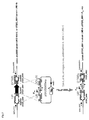
- the constructed strain was named LMD9- ⁇ blp ::P comx - luxAB .
- the construct is presented in figure 4 . In this construct, part of the blp operon (from blpD to blpX ) was deleted (6) and replaced by a reporter cassette in which the luciferase genes luxAB of Photorabdus luminescens are fused to P comX . This promoter was chosen because it was demonstrated that comX is strongly induced during development of natural competence in S. thermophilus LMD-9 growing in CDM (7).
- the inventors performed the deletion of a Rgg-encoding gene, STER _ 0316 , in strain LMD9 -Ablp :: P comX -luxAB.
- the protocol used to perform targeted mutagenesis is described below (see figure 6 ).
- DNA fragments containing the desired insertion/deletion were made in vitro by overlapping PCR and transferred by competence in strain LMD9- ⁇ blp ::P comX -luxAB in CDM growth conditions (7).
- the overlapping fragment consists of two 1.2 kb-recombining fragments flanking the target gene and separated by a P32-cat fragment ( figure 6 ).
- the desired mutant was then selected on chloramphenicol-containing M17-lactose agar medium (5 ⁇ g/mL chloramphenicol) and its identity is checked by PCR with the primer pair Ch0316A/Ch0316B.
- the following primers were used:
- LMD9 - ⁇ blp ::P comX -luxAB derivatives were precultivated in M17-lactose medium.
- the cells of the precultures were harvested (5000 g, 9 minutes, 20°C) and washed twice in CDM medium.
- the washed cells were used to inoculate CDM medium in order to obtain an optical density of 0.05 at 600 nm.
- a small volume of S. thermophilus cultures (300 ⁇ l) was then transferred in white microplate with a transparent bottom (655095; Greiner, Alphen a/d Rijn, The Netherlands) and grown at 37°C.
- Luminescence at 595 nm and optical density at 600 nm (OD 600 ) were recorded with the automatic Synergy HT multi-mode microplate reader.
- the luciferase activity catalysed by LuxAB requires the presence of nonanal as substrate.
- we supplied nonanal in a volatile form to the cultures by placing 50 ⁇ l of a solution containing 1% nonanal (Acros Organics ref. 204-688-5) diluted in mineral oil in the spaces between the wells of a covered microplate (11).
- the nonanal present in the solution will become volatile and there will be an equilibrium between the concentration of nonanal present in the air and in the culture samples.
- the luminescence and absorbance were scanned every 10 minutes during 6 hours.
- Table 1 Maximum luciferase activity of LMD9 - ⁇ blp ::P comX -luxAB derivatives cultivated in CDM Rgg-encoding genes deleted Strain Maximum luciferase activity (RLU/OD) none LMD9 - ⁇ blp ::P comX -luxAB 9970 STER_0316 LMD9 - ⁇ blp :: P ComX -luxAB ⁇ STER_0316::P32cat 103.8
- strains LMD9- ⁇ blp :: P comX - luxAB and LMD9- ⁇ blp :: P comX -luxAB ⁇ STER_0316:: P32 -cat were compared. Both strains are sensitive to erythromycin.
- the donor DNA was the plasmid pGIUD0855ery ( figure 3 ). This plasmid is unable to replicate in S. thermophilus. It contains an operational erythromycin resistance gene (P ery -ery) fused with the left and right ends of stu0855 , a S . thermophilus gene from strain LMG18311. Assays were made in order to render strain LMD-9 resistant to erythromycin upon acquisition of P ery -ery expression cassette.
- Both strains were grown in 300 ⁇ L CDM in microplates, in the presence or not of added plasmid pGIUD0855ery. Pre-culture and cultures were performed as described above. In one set of experiment, 1 ⁇ g/mL of plasmid pGIUD0855ery was added to the culture in the same time as inoculation and in the second set of experiment no plasmid DNA was added. The cultures were grown during 6 hours and serial dilutions were plated on the surface of M17-lactose agar medium containing erythromycin. Table 2 below presents the results of the assays.
- strain LMD9- ⁇ blp The results obtained with strain LMD9- ⁇ blp :: P comX -luxAB show that erythromycin resistant clones were only obtained upon addition of plasmid pGIUD0855ery in the cultivation medium. Ten of the isolated clones were further analysed to localise the P ery -ery gene. The integration of the P ery -ery in all clones at the LMD-9 locus corresponding to stu0855 was demonstrated by PCR using primers Upstu0855 (5'-GGTATTGATCCCGAATTCAGATGTTTGTAG-3') and Downstu0855 (5'-GGCTGGATGGCATAACCGAGCTTTTGTTTC-3'). However, such erythromycin-resistant clones were not obtained in the strain deleted for STER_0316.
- STER_0316 is an essential transcriptional activator of comX , that acts either directly by binding on comX promoter sequence or indirectly by stimulating the transcription of a second regulator. For this reason, STER_0316 is expected to be part of a Rgg regulator/signaling peptide system controlling competence induction in S. thermophilus LMD-9.
- the mature signaling peptides that interact with regulators of the Rgg family are generally hydrophobic and small.
- the peptides involved in the regulation of conjugation in Enterococcus faecalis and virulence in Bacillus cereus are synthesized as larger precursor peptides in the cytoplasm. They then undergo several maturation steps leading to the release of the active pheromone in the extracellular medium (8, 9).
- the inventors identified a 75 bp-long ORF that was not annotated in the public sequence databases.
- the ORF is located 32 bp downstream of STER _ 0316 in the genome of S. thermophilus LMD-9 and was named shp316 (SHP for small hydrophobic peptide).
- shp316 SHP for small hydrophobic peptide.
- the nucleotide sequence is the following:
- shp316 complements the competence defect of strain LMD9 - ⁇ blp ::P comX -luxAB ⁇ shp316:: P32 -cat
- strain LMD9 - ⁇ blp ::P comX -luxAB ⁇ shp316:: P32 -cat is unable to develop competence in CDM growing conditions. Since it cannot be excluded that this phenotype results from polar effects induced by the insertion of the chloramphenicol resistance cassette, competence complementation experiments of strain LMD9- ⁇ blp ::P comX - luxAB ⁇ shp316:: P32- cat were performed.
- the inventors constructed a shp316 -expression plasmid by cloning shp316 downstream of the constitutive P32 promoter in plasmid pMG36ET (6).
- the pMG36ET vector contains a replication origin that is functional in S.
- thermophilus encodes an erythromycin-resistance gene.
- the cloning strategy is the following: (i) shp316 ORF was PCR-amplified with primer pair pMGSHP316sur1 (5'-AGCTCTAGATAAATAATAGTTAAAAGGAG-3') and pMGSHP316sur2 (5'-TTTCTGCAGTTACATTTTGGCATGATGGCTCC-3') (ii) the PCR products and the plasmid pMG36ET were cut with the restriction enzymes Xba I and Pst I, and (iii) ligated together. The obtained plasmid was named pMGSHP316.
- plasmid pMGSHP316 was introduced by electroporation in strain LMD9- ⁇ blp ::P comX - luxAB ⁇ shp316 ::P32- cat.
- the obtained strain was named LMD9- ⁇ blp ::P comX - luxAB ⁇ shp316:: P32- cat [pMGSHP316].
- the empty pMG36ET plasmid was also introduced by electroporation in strains LMD9- ⁇ blp ::P comX -luxAB ⁇ shp316:: P32- cat and LMD9- ⁇ blp ::P comX - luxAB .
- the experimental procedure was the same as those described in examples 1 and 2, except that the donor DNA used is the plasmid pGIDUDrpsl.
- This plasmid is unable to replicate in S. thermophilus and contains a 3.8 kb-fragment encoding a mutated rpsL gene conferring resistance to streptomycin.
- Assays were made in order to render LMD-9 resistant to streptomycin upon acquisition of the mutated rpsL gene.
- Table 4 Transformation rates and maximum luciferase activity of LMD9- ⁇ blp ::P comX -luxAB derivatives cultivated in CDM containing erythromycin.
- Shp316 is the precursor of the pheromone responsible for comX induction and natural transformation in S. thermophilus.
- Shp316, MKTLK IFVLFSLLIAILPYFAG CL (SEQ ID NO: 1), displays the characteristics of signal sequences from lipoproteins (between 20 and 25 amino acids, positively-charged N-terminal end and an hydrophobic core).
- the conjugation pheromones of E. faecalis are also part of the signal sequences of lipoproteins. All mature conjugation peptides identified to date correspond to the hydrophobic core of lipoprotein signal sequences (9).
- Results show that there is a dose-response of the amount of this peptide, which is typical of pheromone-regulated systems. Indeed, concentrations of PYFAGCL lower than 100 nM did not restore the competence of LMD9- ⁇ blp ::P comX - luxAB ⁇ shp316: :P32- cat; while response was almost exponential from 100 nM and 500 nM. Maximum efficiency of the peptide was recorded for a concentration of 1 ⁇ M. Transformation efficiency of LMD9 - ⁇ blp ::P comX - luxAB ⁇ shp316:: P32- cat then reached a plateau, indicating saturation of the peptide induction.
- strains LMD-9, LMG18311, CNRZ1066 and JIM8777 were pre-cultivated in M17-lactose medium.
- the cells of the precultures were harvested (5000 g, 9 minutes, 20°C) and washed twice in CDM and then resuspended in CDM.
- the washed cells were diluted in fresh CDM medium to obtain an optical density of 0.05, and then incubated at 37°C. After 1.5 h of incubation, in one set of experiment, 1 ⁇ M of one of the tested synthetic peptides and 1 ⁇ g/mL of pGIUD0855ery DNA (in case of S .
- thermophilus strains or 1 ⁇ g/ml of pG+host09 DNA (in case of S. salivarius strains) were added to the culture, whereas 1 ⁇ g/mL of DNA but no synthetic peptide was added to the second set of experiment.
- the cultures were grown during 6 hours and serial dilutions were plated on the surface of M17-lactose agar medium containing 2.5 ⁇ g/mL of erythromycin to measure transformation efficiency.
- Transformed S. thermophilus and S. salivarius cells are selected at 37°C and 29°C, respectively. Results are reported in table 5.
- thermophilus LMD-9 4.46 x 10 -4 3.10 x 10 -3 S. thermophilus LMG18311 2,08 x 10 -7 3.17 x 10 -4 S. thermophilus CNRZ1066 ⁇ 10 -8 3.69 x 10 -4 S. salivarius JIM8777 ⁇ 10 -8 3.07 x 10 -6
- a synthetic peptide derived from Shp316 is able to induce natural competence in many S. thermophilus strains.
- various S. thermophilus strains including LMD-9, CNRZ1066 and LMG18311 used as controls, were pre-cultivated in M17-lactose medium.
- the cells of the precultures were harvested (5000 g, 9 minutes, 20°C) and washed twice in CDM and then resuspended in CDM.
- the washed cells were diluted in fresh CDM medium to obtain an optical density of 0.05, and then incubated at 37°C.
- Plasmid pGIUD0855cat is a pUC18-derivative containing a chloramphenicol resistance cassette flanked by 1-kb fragments corresponding to the upstream and downstream regions of stu0855. Upon transformation, it promotes the genetic replacement of stu0855 by P32-cat through homologous recombination ( Figure 7 ).
- thermophilus LMG18311 3.4 x 10 -6 1.3 x 10 -1 S. thermophilus CNRZ1066 ⁇ 10 -8 3 x 10 -2 S. thermophilus DGCC715 ⁇ 10 -8 1.2 x 10 -2 S. thermophilus DGCC782 ⁇ 10 -8 2 x 10 -3 S. thermophilus DGCC3367 4.7 x 10 -7 1.8 x 10 -3 S. thermophilus DGCC7666 1.8 x 10 -6 4.2 x 10 -2 S. thermophilus DGCC7694 ⁇ 10 -8 3.9 x 10 -2 S. thermophilus DGCC7710 6.8 x 10 -7 1 x 10 -2 S.
- PrtS The fast acidifying properties of S. thermophilus strains depends on the activity of the cell-wall protease PrtS (13). PrtS hydrolyses milk caseins into smaller peptides, which can next be imported through specific transporters into the cells. Thus, PrtS ameliorates the growth of S . thermophilus in milk, improving their ability to produce lactic acid that acidifies the milk.
- the FSDA Fest Strain Differentiating Agar
- LMD-9 is a fast acidifying S. thermophilus strain that was shown to possess a prtS gene.
- the prtS gene ( STER _ 0846 ) is located in a chromosomal region that is flanked by genes ciaH (STER_0839) and rpsT (STER_0850) (Accession number CP000419 (15)).
- LMD-9 colonies appears big and white.
- CNRZ1066 is a slow-acidifying strain forming small and translucent colonies on FSDA.
- CNRZ1066 does not contain any prtS gene, neither between ciaH and rpsT genes, nor anywhere else on its chromosome (16).
- the cells of the precultures were harvested (5000 g, 9 minutes, 20°C) and washed twice in CDM and then resuspended in CDM.
- the washed cells were diluted in fresh CDM medium to obtain an optical density of 0.05, and then incubated at 37°C.
- 1 ⁇ M of PYFAGCL synthetic peptide and 1.6 ⁇ g/mL of the PCR-amplified prtS locus were added to the culture.
- the culture was grown during 6 hours and serial dilutions were plated on the surface of FSDA in order to have about 10 5 colonies per plate. Following a 24-hour incubation at 37°C, the plates were investigated for the presence of large white colonies in the background of small translucent colonies.
- Acidification properties of a strain can be characterized by its kinetic of acidification of milk and more specifically by its maximum speed of acidification.
- the kinetic of acidification is measured by monitoring the change of pH over time and the maximum speed of acidification can be calculated from this kinetic.
- the CINAC is an apparatus that is extensively used in the dairy industry to measure acidification kinetics of lactic acid bacteria.
- the CINAC automated system is described in (17).
- CNRZ1066 prtS was further analysed for its kinetic of acidification comparatively to CNRZ1066.
- Kinetics of acidification can be described by: i) the time to reach a certain pH, ii) the maximum speed of acidification Vm (pH Unit/min) that is the maximum value of the derived pH curve, and the duration of the lag phase of acidification Ta (min) that is time to obtain a pH reduction of 0.08 pHU.
- CNRZ1066 and CNRZ1066 prtS were pre-cultivated overnight in milk (10% (w/v) skim milk powder dissolved in distilled water then autoclaved for 20 min at 110°C).
- the pre-cultures were used to inoculate at 1% (w/v) 100 ml of milk then incubated at 42°C.
- the evolution of pH over time was monitored using a CINAC device (Ysebaert, France)
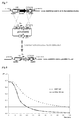
- the CINAC curves are displayed in figure 7 .
- CNRZ1066 prtS displayed a different kinetic of acidification.
- the Ta is shorter by 27 min (68 min compare to 95 min).
- the time to reach pH 4.5 is shorter by 610 min (310 min compare to 920 min).
- the calculated Vm is faster for CNRZ1066 prtS (-0.0162 pHU/min) than for CNRZ1066 (-0.0070 pHU/min). This shows the benefit for a strain to acquire prtS in order to increase its speed of acidification of milk.
- strain LMG18311 contained all genes necessary for the biosynthesis of all amino acids with the exception of histidine for which only hisK, a putative histidinol-phosphatase, is present (Hols et al., 2005, (1)). This result is in contrast with the presence of a complete his gene cluster in the LMD-9 genome (Hols et al., 2005, (1)).
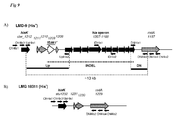
- the genetic organisation of the his locus of LMD-9 strain ( figure 9A ) is composed of ten genes (7.3 kb; STER_1198 to STER _ 1207 ) organised in a putative operon and followed by hisK ( STER _ 1212 ) located 3.3 kb downstream. These two regions are separated by three genes (STER_1208, STER_1210, and STER _ 1211 ) and a truncated transposase (pseudogene, STER _ 1209 ).
- STER_1210 codes for a protein potentially involved in EPS biosynthesis and the two others ( STER _ 1208 and STER _ 1211 ) code for uncharacterised proteins.
- rodA STER _ 1197
- RodA, STER _ 1210 and STER_1211 share an identity reaching 99% with their homologues present on the LMG18311 genome ( STU _ 1229 , STU _ 1230 and STU1231; figure 9B ).
- Fragment A corresponds to the upstream region of the his operon. Fragment A is amplified with the primer pair UpDelHis1/UpDelHis2.
- Fragment B corresponds to the chloramphenicol expression cassette P32 -cat and is amplified with primer pair Uplox66/DNlox71 from the pNZ5319 vector.
- Fragment C corresponds to the downstream region of the gene of interest and is amplified with the primer pair DNDelHis1/DNDelHis2.
- Uplox66 and DNlox71 are respectively complementary to the 5' end of UpDelHis2 and 5' end of DNDelHis1 and their association creates two different lox sites, lox66 and low71.
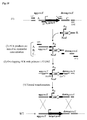
- the three PCR products, A, B and C, were then mixed in equimolar concentration and an overlapping PCR were performed with the primer pair UpDelHis1/ DNDelHis2 to join fragments A, B and C together ( figure 10 ).
- strain LMD-9 was pre-cultivated in M17-lactose medium.
- the cells of the precultures were harvested (5000 g, 9 minutes, 20°C) and washed twice in CDM and then resuspended in CDM.
- the washed cells were diluted in fresh CDM medium to obtain an optical density of 0.05, and then incubated at 37°C. After 1.5 hour of incubation, 1 ⁇ M of LPYFAGCL synthetic peptide and 1 ⁇ g/mL of the PCR product prepared above (joining the A, B and C fragments) were added to the culture.
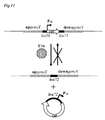
- the lox66- P32 cat-lox71 cassette can then be removed and transformed into a single in-frame lox72 site by using the site-specific Cre recombinase ( figure 11 ). Recombination between the lox71 and the lox66 mutant creates the loxP double mutant site lox72, which has a strongly reduced affinity for the Cre recombinase, and thus avoid the re-introduction of the cassette.
- the erythromycin-selectable Cre expression vector was transferred through natural competence in CB15 (as described above).
- the transformation rate of the pGhostCre vector was 1.7 x 10 -4 (27000 Erythromycin-resistant CFU/ml).
- 50 Ery R colonies were analysed on M17L containing Chloramphenicol and 96% were Cm s indicating the excision of cat. Deletion of the target loci was then verified by PCR using the following primers: CKDelHis3: 5'- TAAGTTGGAGTATGCTGTTGGTCGTGTGGACGC -3' and CKDelHis4 : 5'- TTATCTTTAGCCTTGACCAATTCTTGTGAGGCC -3' on 43 isolated colonies.
- the Cre expression vector was allowed to be lost spontaneously by culturing CB2 without selective pressure at 37°C. Upon 4 sub-cultures in M17 medium then plating on M17 agar medium, 32 colonies were selected and tested sensitive to erythromycin. The loss of the plasmid was controlled by PCR using the following primers: PGhost1: 5'-TTTATGCGTGAGAATGTTACAGTCTA-3' and PGhost2: 5'-TGTAAATTTGGAAAGTTACACGTTAC-3' and was confirmed for 84% of them.
- One isolate designated LMD-9deltaHis was selected for further analysis.
- LMD-9deltaHis The growth of LMD-9deltaHis was tested in 300 ⁇ l CDM and CDM deprived of histidine at 37°C. Growth was monitored at 20-minutes intervals in the Varioskan Flash multi-mode reader (ThermoFisher Scientific, Zellic, Belgium). The results are presented in figure 12 . In CDM, no significant difference was observed between LMD-9 and the his mutant. On the contrary, in the medium deprived of histidine, the growth of LMD-9deltaHis was totally abolished whereas the parental strain presented a normal growth curve.
- the his operon from LMD-9 was transferred to the genome of LMG18311 using a DNA fragment amplified from LMD-9 chromosome. Selection of the modified cells was performed on a CDM agar deprived of histidine.
- the his operon (13 kb) from LMD-9 was amplified by PCR using primers UpDelHis1 (5'-TTATGTCTTGGCCCTTGTCAAGGATTTGGG -3') and DNDelHis2 (5'-TTTACTAGTCCCAGATGCACGCATACGACG -3') (see figure 9A ).
- the transformation rate of the PCR product containing the histidine operon was 4.9 x 10 -6 (30 CFU/mL on CDM without histidine).
- Insertion position of the his locus was verified for 6 isolates by PCR using the following primer pairs CKDelHis3 (5'- TAAGTTGGAGTATGCTGTTGGTCGTGTGGACGC -3') UpDelHis2 (5'-CCTTATGGGATTTATCTTCCTTATTCAATCTTTCGTAATCCTTT -3') CKDelHis4 (5'- TTATCTTTAGCCTTGACCAATTCTTGTGAGGCC -3') DNDelHis 1 (5'-TACATTCCCTTTAGTAACGTGAAAAAGCAATGTTCATGACC-3').
- LMG18311::His was selected. The integrity of the his operon was verified by PCR using the following primer pair: InDelHis1: 5'-CTACCGAGTTAACAGCGGTTGGTTGGGC-3' and InDelHis2: 5'-TTGGTCCTCAAAACCAGCCTCCAACTG -3' (see figure 9A ).
- LGM18311::His was grown in 300 ⁇ l CDM and in CDM without histidine at 37°C comparatively to LMG18311. Growth was monitored at 20-minutes intervals in the Varioskan Flash multi-mode reader (ThermoFisher Scientific, Zellic, Belgium).
- induced natural competence was used to transfer to LMG18311 the genetic elements conferring to LMD-9 the ability to synthesize histidine.
- the whole genome extracted from LMD-9 is used as genetic material for the transfer.
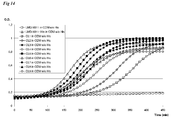
- the isolates were tested for their ability to grow in CDM without histidine at 37°C using an automatic multi-mode reader.
- the results presented on figure 14 show dissimilar growth curves from one isolate to another. Since no disparity was observed for the growth of the three isolates obtained when the his -PCR was used as the transforming DNA (example 9, not shown), one can hypothesize that other genetic modification had occurred in these isolates upon transformation using LMD-9 total genomic DNA. To check for the possibility of multiple DNA transfer in these isolates, 5 PCRs specific of various chromosomal regions of LMD-9 were performed.
- prtS using the primer pair STER_0847/SeqPRTSII
- STER_1299 ChoSTER1299A/ChSTER1299B
- STER1684A/ChSTER1684B STER1684A/ChSTER1684B
- STER_0136 ChoSTER0136A/ChSTER0136B
- Steer_0657 Steer_0657A/ChSTER0657B
- This example showed the possibility to transfer simultaneously genes from different loci (for example the his locus together with the prtS locus) by the induction of natural competence and the use of genomic DNA. As well, it opens the door to the transfer of very large DNA fragments (up to 100 kb or even more; that can not be enzymatically synthesized by PCR) directly obtained from a bacterial cell by extracting its whole genomic DNA.
Landscapes
- Life Sciences & Earth Sciences (AREA)
- Chemical & Material Sciences (AREA)
- Health & Medical Sciences (AREA)
- Genetics & Genomics (AREA)
- Engineering & Computer Science (AREA)
- Organic Chemistry (AREA)
- Zoology (AREA)
- Microbiology (AREA)
- Biochemistry (AREA)
- Molecular Biology (AREA)
- Biotechnology (AREA)
- Biomedical Technology (AREA)
- Polymers & Plastics (AREA)
- General Health & Medical Sciences (AREA)
- Biophysics (AREA)
- General Engineering & Computer Science (AREA)
- Bioinformatics & Cheminformatics (AREA)
- Wood Science & Technology (AREA)
- Proteomics, Peptides & Aminoacids (AREA)
- Food Science & Technology (AREA)
- Medicinal Chemistry (AREA)
- Physics & Mathematics (AREA)
- Plant Pathology (AREA)
- Animal Husbandry (AREA)
- Gastroenterology & Hepatology (AREA)
- Physiology (AREA)
- Mycology (AREA)
- Nutrition Science (AREA)
- Public Health (AREA)
- Epidemiology (AREA)
- Animal Behavior & Ethology (AREA)
- Pharmacology & Pharmacy (AREA)
- Veterinary Medicine (AREA)
- Immunology (AREA)
- Micro-Organisms Or Cultivation Processes Thereof (AREA)
- Peptides Or Proteins (AREA)
- Medicines Containing Antibodies Or Antigens For Use As Internal Diagnostic Agents (AREA)
- Measuring Or Testing Involving Enzymes Or Micro-Organisms (AREA)
Claims (23)
- Peptid mit der Aminosäuresequenz gemäß SEQ ID NO: 1 oder ein Fragment dieses Peptids, wobei das Fragment wenigstens 7 Aminosäuren enthält und die Aminosäuresequenz PYFAGCL umfasst, wobei das Peptid bzw. das Fragment höchstens 24 Aminosäuren enthält und wobei das Peptid bzw. das Fragment in der Lage ist, Kompetenz bei einem S. thermophilus-Stamm zu induzieren oder zu erhöhen.
- Peptid mit der Aminosäuresequenz gemäß SEQ ID NO: 2 oder ein Fragment dieses Peptids, wobei das Fragment wenigstens 7 Aminosäuren enthält und die Aminosäuresequenz PYFAGCL umfasst, wobei das Peptid bzw. das Fragment höchstens 24 Aminosäuren enthält und wobei das Peptid bzw. das Fragment in der Lage ist, Kompetenz bei einem S. thermophilus-Stamm zu induzieren oder zu erhöhen.
- Peptid mit der Aminosäuresequenz gemäß SEQ ID NO: 3 oder ein Fragment dieses Peptids, wobei das Fragment wenigstens 7 Aminosäuren enthält und die Aminosäuresequenz PYFTGCL umfasst, wobei das Peptid bzw. das Fragment höchstens 24 Aminosäuren enthält und wobei das Peptid bzw. das Fragment in der Lage ist, Kompetenz bei einem S. thermophilus-Stamm zu induzieren oder zu erhöhen.
- Peptid mit der Aminosäuresequenz gemäß SEQ ID NO: 4 oder ein Fragment dieses Peptids, wobei das Fragment wenigstens 7 Aminosäuren enthält und die Aminosäuresequenz PYFAGCL umfasst, wobei das Peptid bzw. das Fragment höchstens 19 Aminosäuren enthält und wobei das Peptid bzw. das Fragment in der Lage ist, Kompetenz bei einem S. thermophilus-Stamm zu induzieren oder zu erhöhen.
- Peptid oder Fragment davon nach einem der Ansprüche 1-4, wobei das Peptid bzw. Fragment davon in der Lage ist, Kompetenz bei dem S. thermophilus-Stamm LMD-9, in dem das SEQ ID NO: 1 codierende Gen inaktiviert ist, zu induzieren oder zu erhöhen.
- Peptid oder Fragment davon nach einem der Ansprüche 1 bis 3, wobei das Peptid bzw. Fragment davon höchstens 23 Aminosäuren, höchstens 22 Aminosäuren, höchstens 21 Aminosäuren, höchstens 20 Aminosäuren, vorzugsweise höchstens 19, höchstens 18, höchstens 17, höchstens 16, höchstens 15, höchstens 14, höchstens 13, höchstens 12, höchstens 11, höchstens 10, höchstens 9, noch stärker bevorzugt höchstens 8 oder höchstens 7 Aminosäuren enthält.
- Peptid oder Fragment davon nach Anspruch 4, wobei das Peptid bzw. Fragment davon höchstens 18, höchstens 17, höchstens 16, höchstens 15, höchstens 14, höchstens 13, höchstens 12, höchstens 11, höchstens 10, höchstens 9, noch stärker bevorzugt höchstens 8 oder höchstens 7 Aminosäuren enthält.
- Peptid oder Fragment davon nach einem der Ansprüche 1, 2 oder 4, wobei das C-terminale Ende des Peptids bzw. Fragments davon eine aus der aus PYFAGCL, LPYFAGCL, ILPYFAGCL bestehenden Gruppe ausgewählte Aminosäuresequenz aufweist.
- Peptid oder Fragment davon nach Anspruch 1, wobei das C-terminale Ende des Peptids bzw. Fragments davon eine aus der aus AILPYFAGCL bestehenden Gruppe ausgewählte Aminosäuresequenz aufweist.
- Peptid oder Fragment davon nach Anspruch 1, wobei das Peptid bzw. Fragment die aus der aus KTLKIFVLFSLLIAILPYFAGCL, TLKIFVLFSLLIAILPYFAGCL, LKIFVLFSLLIAILPYFAGCL, KIFVLFSLLIAILPYFAGCL, IFVLFSLLIAILPYFAGCL, FVLFSLLIAILPYFAGCL, VLFSLLIAILPYFAGCL, LFSLLIAILPYFAGCL, FSLLIAILPYFAGCL, SLLIAILPYFAGCL, LLIAILPYFAGCL, LIAILPYFAGCL, IAILPYFAGCL, AILPYFAGCL, ILPYFAGCL, LPYFAGCL und PYFAGCL bestehenden Gruppe ausgewählte Aminosäuresequenz umfasst.
- Peptid oder Fragment davon nach Anspruch 2, wobei das Peptid bzw. Fragment die aus der aus KTLKIFVLFSLLIPILPYFAGCL, TLKIFVLFSLLIPILPYFAGCL, LKIFVLFSLLIPILPYFAGCL, KIFVLFSLLIPILPYFAGCL, IFVLFSLLIPILPYFAGCL, FVLFSLLIPILPYFAGCL, VLFSLLIPILPYFAGCL, LFSLLIPILPYFAGCL, FSLLIPILPYFAGCL, SLLIPILPYFAGCL, LLIPILPYFAGCL, LIPILPYFAGCL, IPILPYFAGCL und PILPYFAGCL bestehenden Gruppe ausgewählte Aminosäuresequenz umfasst.
- Peptid oder Fragment davon nach Anspruch 3, wobei das Peptid bzw. Fragment die aus der aus KKLKLFTLFSLLITILPYFTGCL, KLKLFTLFSLLITILPYFTGCL, LKLFTLFSLLITILPYFTGCL, KLFTLFSLLITILPYFTGCL, LFTLFSLLITILPYFTGCL, FTLFSLLITILPYFTGCL, TLFSLLITILPYFTGCL, LFSLLITILPYFTGCL, FSLLITILPYFTGCL, SLLITILPYFTGCL, LLITILPYFTGCL, LITILPYFTGCL, ITILPYFTGCL, TILPYFTGCL, ILPYFTGCL, LPYFTGCL und PYFTGCL bestehenden Gruppe ausgewählte Aminosäuresequenz umfasst.
- Peptid oder Fragment davon nach einem der obigen Ansprüche, wobei das Peptid bzw. Fragment davon die Aminosäuresequenz LPYFAGCL, PYFAGCL, ILPYFAGCL, AILPYFAGCL oder PYFTGCL ist oder umfasst.
- Peptid oder Fragment davon nach einem der vorhergehenden Ansprüche, wobei das Peptid bzw. Fragment synthetisch ist.
- Isolierte Nukleinsäure, codierend ein Peptid oder Fragment nach einem der Ansprüche 2 bis 14.
- Isolierte Nukleinsäure nach Anspruch 15 mit der Sequenz gemäß SEQ ID NO:7.
- Isolierte Nukleinsäure nach Anspruch 15 mit der Sequenz gemäß SEQ ID NO:8.
- Vektor, umfassend eine isolierte Nukleinsäure nach einem der Ansprüche 15 bis 17.
- Verfahren zum Induzieren und/oder Erhöhen von Kompetenz bei einem zur Gattung Streptococcus gehörenden Bakterium, wobei das Bakterium in einem Medium inkubiert wird, das ein Peptid nach einem der Ansprüche 1 bis 14 und/oder ein ein Peptid nach einem der Ansprüche 1 bis 14 produzierendes Bakterium umfasst.
- Kit-of-parts, umfassend:- ein zur Gattung Streptococcus gehörendes Bakterium in einem ersten Teil (Part); und- in einem zweiten Teil (Part) ein Peptid nach einem der Ansprüche 1 bis 14 und/oder ein ein Peptid nach einem der Ansprüche 1 bis 14 produzierendes Bakterium.
- Verfahren zum Transformieren eines zur Gattung Streptococcus gehörenden Bakteriums durch natürliche genetische Transformation mit einem Polynukleotid, umfassend die Schritte:a) Zugeben eines Peptids nach einem der Ansprüche 1 bis 14 und/oder eines ein Peptid nach einem der Ansprüche 1 bis 14 produzierenden Bakteriums zum Medium des zur Gattung Streptococcus gehörenden Bakteriums; undb) Zugeben des Polynukleotids.
- Verfahren nach Anspruch 21, wobei es sich bei dem zur Gattung Streptococcus gehörenden Bakterium um Streptococcus thermophilus handelt.
- Verfahren nach Anspruch 21 oder 22, wobei das Polynukleotid zwischen 10 Bp und 100 kBp groß ist.
Applications Claiming Priority (3)
| Application Number | Priority Date | Filing Date | Title |
|---|---|---|---|
| US21943609P | 2009-06-23 | 2009-06-23 | |
| US23989609P | 2009-09-04 | 2009-09-04 | |
| PCT/EP2010/058947 WO2010149721A1 (en) | 2009-06-23 | 2010-06-23 | A method for transforming a bacterium belonging to the streptococcus genus by natural competence |
Publications (2)
| Publication Number | Publication Date |
|---|---|
| EP2445929A1 EP2445929A1 (de) | 2012-05-02 |
| EP2445929B1 true EP2445929B1 (de) | 2016-05-11 |
Family
ID=42371378
Family Applications (1)
| Application Number | Title | Priority Date | Filing Date |
|---|---|---|---|
| EP10724544.1A Active EP2445929B1 (de) | 2009-06-23 | 2010-06-23 | Methode zur transformierung eines bakteriums des genus streptococcus durch natürliche genetische transformation |
Country Status (5)
| Country | Link |
|---|---|
| US (2) | US8663655B2 (de) |
| EP (1) | EP2445929B1 (de) |
| CN (2) | CN102574898B (de) |
| DK (1) | DK2445929T3 (de) |
| WO (1) | WO2010149721A1 (de) |
Families Citing this family (13)
| Publication number | Priority date | Publication date | Assignee | Title |
|---|---|---|---|---|
| WO2010091294A2 (en) * | 2009-02-05 | 2010-08-12 | The Regents Of The University Of California | New targeted antimicrobial moieties |
| EP2248823A1 (de) | 2009-04-28 | 2010-11-10 | Institut National de la Recherche Agronomique | Neues die Funktionsfähigkeit stimulierendes Peptid |
| ES3008933T3 (en) | 2015-09-29 | 2025-03-25 | Merz Pharmaceuticals Llc | Sustained release compositions of 4-aminopyridine |
| WO2018114983A1 (en) | 2016-12-19 | 2018-06-28 | Dupont Nutrition Biosciences Aps | Methods and strain |
| CA3059180C (en) | 2017-04-06 | 2023-10-17 | Acorda Therapeutics, Inc. | Sustained release compositions of 4-aminopyridine |
| WO2021219777A1 (en) | 2020-04-29 | 2021-11-04 | Dupont Nutrition Biosciences Aps | Lactic acid bacteria having improved sugar metabolism |
| CN116194568A (zh) * | 2020-08-21 | 2023-05-30 | 株式会社明治 | 乳酸菌酵种、发酵乳的制造方法及发酵乳 |
| US20240360429A1 (en) | 2021-08-12 | 2024-10-31 | International N&H Denmark Aps | Compositions and methods for controlling adaptive immunity in bacteria |
| JP2025501485A (ja) | 2021-12-14 | 2025-01-22 | ダニスコ・ユーエス・インク | アルロースを産生するための組成物及び方法 |
| WO2025049292A1 (en) | 2023-08-25 | 2025-03-06 | Danisco Us Inc. | Allulose production |
| WO2025129043A2 (en) | 2023-12-13 | 2025-06-19 | Danisco Us Inc. | Methods for reducing syrup viscosity |
| WO2025163125A1 (en) * | 2024-02-02 | 2025-08-07 | International N&H Denmark Aps | Methods for unlocking competence for natural transformation in lactic acid bacteria |
| WO2025207659A1 (en) | 2024-03-26 | 2025-10-02 | Danisco Us Inc. | Methods and systems for producing crude palm oil |
Citations (1)
| Publication number | Priority date | Publication date | Assignee | Title |
|---|---|---|---|---|
| EP2248823A1 (de) * | 2009-04-28 | 2010-11-10 | Institut National de la Recherche Agronomique | Neues die Funktionsfähigkeit stimulierendes Peptid |
Family Cites Families (4)
| Publication number | Priority date | Publication date | Assignee | Title |
|---|---|---|---|---|
| US6800744B1 (en) | 1997-07-02 | 2004-10-05 | Genome Therapeutics Corporation | Nucleic acid and amino acid sequences relating to Streptococcus pneumoniae for diagnostics and therapeutics |
| US7393663B2 (en) * | 1997-08-01 | 2008-07-01 | Serono Genetics Institute S.A. | Expressed sequence tags and encoded human proteins |
| US8106174B2 (en) * | 2000-05-08 | 2012-01-31 | Monsanto Technology Llc | Nucleic acid molecules and other molecules associated with plants and uses thereof for plant improvement |
| GB0608966D0 (en) * | 2006-05-05 | 2006-06-14 | Norwegian University Of Life S | Method and product |
-
2010
- 2010-06-23 EP EP10724544.1A patent/EP2445929B1/de active Active
- 2010-06-23 WO PCT/EP2010/058947 patent/WO2010149721A1/en not_active Ceased
- 2010-06-23 CN CN201080028500.6A patent/CN102574898B/zh not_active Expired - Fee Related
- 2010-06-23 DK DK10724544.1T patent/DK2445929T3/en active
- 2010-06-23 CN CN201510054370.8A patent/CN104650197B/zh not_active Expired - Fee Related
- 2010-06-23 US US13/380,273 patent/US8663655B2/en active Active
-
2014
- 2014-01-23 US US14/162,398 patent/US9243254B2/en active Active
Patent Citations (1)
| Publication number | Priority date | Publication date | Assignee | Title |
|---|---|---|---|---|
| EP2248823A1 (de) * | 2009-04-28 | 2010-11-10 | Institut National de la Recherche Agronomique | Neues die Funktionsfähigkeit stimulierendes Peptid |
Also Published As
| Publication number | Publication date |
|---|---|
| CN104650197A (zh) | 2015-05-27 |
| CN104650197B (zh) | 2018-03-02 |
| US8663655B2 (en) | 2014-03-04 |
| US20120129264A1 (en) | 2012-05-24 |
| EP2445929A1 (de) | 2012-05-02 |
| WO2010149721A1 (en) | 2010-12-29 |
| CN102574898B (zh) | 2016-02-03 |
| US20140134295A1 (en) | 2014-05-15 |
| DK2445929T3 (en) | 2016-08-29 |
| US9243254B2 (en) | 2016-01-26 |
| CN102574898A (zh) | 2012-07-11 |
Similar Documents
| Publication | Publication Date | Title |
|---|---|---|
| EP2445929B1 (de) | Methode zur transformierung eines bakteriums des genus streptococcus durch natürliche genetische transformation | |
| EP1356073B1 (de) | Verfahren zur fermentativen herstellung von heterologen genprodukten in milchsäurebakterien | |
| Alcántara et al. | Peptide and amino acid metabolism is controlled by an OmpR‐family response regulator in Lactobacillus casei | |
| EP3555320B1 (de) | Verfahren und stamm | |
| AU2002210401A1 (en) | Fermentation method for production of heterologous gene products in lactic acid bacteria | |
| Kilpi et al. | Angiotensin I-converting enzyme inhibitory activity in milk fermented by wild-type and peptidase-deletion derivatives of Lactobacillus helveticus CNRZ32 | |
| Cheng et al. | The dsg gene of Myxococcus xanthus encodes a protein similar to translation initiation factor IF3 | |
| US8741622B2 (en) | Stress tolerant Bifidobacteria | |
| Zhao et al. | Efficient production of nisin a from low-value dairy side streams using a nonengineered dairy Lactococcus lactis strain with low lactate dehydrogenase activity | |
| US20160251610A1 (en) | Microbes with controlled adhesive properties | |
| JP2003339377A (ja) | 新規バクテリオシン | |
| Wei et al. | Two tandem promoters to increase gene expression in Lactococcus lactis | |
| US20230101904A1 (en) | Gram-positive bacteria of the species lactococcus lactis or streptococcus thermophilus having a very low surface proteolysis, processes for obtaining them and uses thereof | |
| Wooldridge et al. | Sensitivity of Escherichia coli to cloacin DF13 involves the major outer membrane protein OmpF | |
| EP1801117A1 (de) | Mittel und Methoden zur Regulierung des Aminosäurevorrats bzw. -transports | |
| EP3430173B1 (de) | Verfahren zur herstellung eines milchprodukts und verfahren zum gentransfer durch konjugation | |
| Martinez-Canamero et al. | phoR1, a gene encoding a new histidine protein kinase in Myxococcus xanthus | |
| EP4453011A1 (de) | Isolierter s. salivarius-stamm und seine verwendung als antimikrobielles probiotikum | |
| Joshi | Recombinase based in vivo expression technology (R-IVET) in the probiotic strain Lactobacillus rhamnosus GG | |
| Lemme | Cell-Cell communication in Streptococcus mutans–From a global view to the single cell perspective |
Legal Events
| Date | Code | Title | Description |
|---|---|---|---|
| PUAI | Public reference made under article 153(3) epc to a published international application that has entered the european phase |
Free format text: ORIGINAL CODE: 0009012 |
|
| 17P | Request for examination filed |
Effective date: 20120112 |
|
| AK | Designated contracting states |
Kind code of ref document: A1 Designated state(s): AL AT BE BG CH CY CZ DE DK EE ES FI FR GB GR HR HU IE IS IT LI LT LU LV MC MK MT NL NO PL PT RO SE SI SK SM TR |
|
| RAP1 | Party data changed (applicant data changed or rights of an application transferred) |
Owner name: DUPONT NUTRITION BIOSCIENCES APS |
|
| RAP1 | Party data changed (applicant data changed or rights of an application transferred) |
Owner name: DUPONT NUTRITION BIOSCIENCES APS |
|
| DAX | Request for extension of the european patent (deleted) | ||
| 17Q | First examination report despatched |
Effective date: 20140424 |
|
| GRAP | Despatch of communication of intention to grant a patent |
Free format text: ORIGINAL CODE: EPIDOSNIGR1 |
|
| INTG | Intention to grant announced |
Effective date: 20151117 |
|
| GRAS | Grant fee paid |
Free format text: ORIGINAL CODE: EPIDOSNIGR3 |
|
| GRAR | Information related to intention to grant a patent recorded |
Free format text: ORIGINAL CODE: EPIDOSNIGR71 |
|
| GRAA | (expected) grant |
Free format text: ORIGINAL CODE: 0009210 |
|
| INTG | Intention to grant announced |
Effective date: 20160330 |
|
| AK | Designated contracting states |
Kind code of ref document: B1 Designated state(s): AL AT BE BG CH CY CZ DE DK EE ES FI FR GB GR HR HU IE IS IT LI LT LU LV MC MK MT NL NO PL PT RO SE SI SK SM TR |
|
| REG | Reference to a national code |
Ref country code: GB Ref legal event code: FG4D |
|
| REG | Reference to a national code |
Ref country code: CH Ref legal event code: EP |
|
| REG | Reference to a national code |
Ref country code: AT Ref legal event code: REF Ref document number: 798594 Country of ref document: AT Kind code of ref document: T Effective date: 20160515 |
|
| RAP2 | Party data changed (patent owner data changed or rights of a patent transferred) |
Owner name: DUPONT NUTRITION BIOSCIENCES APS |
|
| REG | Reference to a national code |
Ref country code: IE Ref legal event code: FG4D |
|
| REG | Reference to a national code |
Ref country code: DE Ref legal event code: R096 Ref document number: 602010033272 Country of ref document: DE |
|
| REG | Reference to a national code |
Ref country code: FR Ref legal event code: PLFP Year of fee payment: 7 |
|
| REG | Reference to a national code |
Ref country code: NL Ref legal event code: FP |
|
| REG | Reference to a national code |
Ref country code: DK Ref legal event code: T3 Effective date: 20160822 |
|
| REG | Reference to a national code |
Ref country code: SE Ref legal event code: TRGR |
|
| REG | Reference to a national code |
Ref country code: LT Ref legal event code: MG4D |
|
| PG25 | Lapsed in a contracting state [announced via postgrant information from national office to epo] |
Ref country code: LT Free format text: LAPSE BECAUSE OF FAILURE TO SUBMIT A TRANSLATION OF THE DESCRIPTION OR TO PAY THE FEE WITHIN THE PRESCRIBED TIME-LIMIT Effective date: 20160511 Ref country code: NO Free format text: LAPSE BECAUSE OF FAILURE TO SUBMIT A TRANSLATION OF THE DESCRIPTION OR TO PAY THE FEE WITHIN THE PRESCRIBED TIME-LIMIT Effective date: 20160811 |
|
| REG | Reference to a national code |
Ref country code: AT Ref legal event code: MK05 Ref document number: 798594 Country of ref document: AT Kind code of ref document: T Effective date: 20160511 |
|
| PG25 | Lapsed in a contracting state [announced via postgrant information from national office to epo] |
Ref country code: ES Free format text: LAPSE BECAUSE OF FAILURE TO SUBMIT A TRANSLATION OF THE DESCRIPTION OR TO PAY THE FEE WITHIN THE PRESCRIBED TIME-LIMIT Effective date: 20160511 Ref country code: LV Free format text: LAPSE BECAUSE OF FAILURE TO SUBMIT A TRANSLATION OF THE DESCRIPTION OR TO PAY THE FEE WITHIN THE PRESCRIBED TIME-LIMIT Effective date: 20160511 Ref country code: PT Free format text: LAPSE BECAUSE OF FAILURE TO SUBMIT A TRANSLATION OF THE DESCRIPTION OR TO PAY THE FEE WITHIN THE PRESCRIBED TIME-LIMIT Effective date: 20160912 Ref country code: HR Free format text: LAPSE BECAUSE OF FAILURE TO SUBMIT A TRANSLATION OF THE DESCRIPTION OR TO PAY THE FEE WITHIN THE PRESCRIBED TIME-LIMIT Effective date: 20160511 Ref country code: GR Free format text: LAPSE BECAUSE OF FAILURE TO SUBMIT A TRANSLATION OF THE DESCRIPTION OR TO PAY THE FEE WITHIN THE PRESCRIBED TIME-LIMIT Effective date: 20160812 |
|
| PG25 | Lapsed in a contracting state [announced via postgrant information from national office to epo] |
Ref country code: CZ Free format text: LAPSE BECAUSE OF FAILURE TO SUBMIT A TRANSLATION OF THE DESCRIPTION OR TO PAY THE FEE WITHIN THE PRESCRIBED TIME-LIMIT Effective date: 20160511 Ref country code: RO Free format text: LAPSE BECAUSE OF FAILURE TO SUBMIT A TRANSLATION OF THE DESCRIPTION OR TO PAY THE FEE WITHIN THE PRESCRIBED TIME-LIMIT Effective date: 20160511 Ref country code: SK Free format text: LAPSE BECAUSE OF FAILURE TO SUBMIT A TRANSLATION OF THE DESCRIPTION OR TO PAY THE FEE WITHIN THE PRESCRIBED TIME-LIMIT Effective date: 20160511 Ref country code: EE Free format text: LAPSE BECAUSE OF FAILURE TO SUBMIT A TRANSLATION OF THE DESCRIPTION OR TO PAY THE FEE WITHIN THE PRESCRIBED TIME-LIMIT Effective date: 20160511 |
|
| REG | Reference to a national code |
Ref country code: DE Ref legal event code: R097 Ref document number: 602010033272 Country of ref document: DE |
|
| PG25 | Lapsed in a contracting state [announced via postgrant information from national office to epo] |
Ref country code: AT Free format text: LAPSE BECAUSE OF FAILURE TO SUBMIT A TRANSLATION OF THE DESCRIPTION OR TO PAY THE FEE WITHIN THE PRESCRIBED TIME-LIMIT Effective date: 20160511 Ref country code: PL Free format text: LAPSE BECAUSE OF FAILURE TO SUBMIT A TRANSLATION OF THE DESCRIPTION OR TO PAY THE FEE WITHIN THE PRESCRIBED TIME-LIMIT Effective date: 20160511 Ref country code: SM Free format text: LAPSE BECAUSE OF FAILURE TO SUBMIT A TRANSLATION OF THE DESCRIPTION OR TO PAY THE FEE WITHIN THE PRESCRIBED TIME-LIMIT Effective date: 20160511 |
|
| PLBE | No opposition filed within time limit |
Free format text: ORIGINAL CODE: 0009261 |
|
| STAA | Information on the status of an ep patent application or granted ep patent |
Free format text: STATUS: NO OPPOSITION FILED WITHIN TIME LIMIT |
|
| PG25 | Lapsed in a contracting state [announced via postgrant information from national office to epo] |
Ref country code: MC Free format text: LAPSE BECAUSE OF FAILURE TO SUBMIT A TRANSLATION OF THE DESCRIPTION OR TO PAY THE FEE WITHIN THE PRESCRIBED TIME-LIMIT Effective date: 20160511 |
|
| 26N | No opposition filed |
Effective date: 20170214 |
|
| REG | Reference to a national code |
Ref country code: FR Ref legal event code: PLFP Year of fee payment: 8 |
|
| PG25 | Lapsed in a contracting state [announced via postgrant information from national office to epo] |
Ref country code: SI Free format text: LAPSE BECAUSE OF FAILURE TO SUBMIT A TRANSLATION OF THE DESCRIPTION OR TO PAY THE FEE WITHIN THE PRESCRIBED TIME-LIMIT Effective date: 20160511 |
|
| PG25 | Lapsed in a contracting state [announced via postgrant information from national office to epo] |
Ref country code: IT Free format text: LAPSE BECAUSE OF NON-PAYMENT OF DUE FEES Effective date: 20160623 |
|
| REG | Reference to a national code |
Ref country code: FR Ref legal event code: PLFP Year of fee payment: 9 |
|
| PG25 | Lapsed in a contracting state [announced via postgrant information from national office to epo] |
Ref country code: CY Free format text: LAPSE BECAUSE OF FAILURE TO SUBMIT A TRANSLATION OF THE DESCRIPTION OR TO PAY THE FEE WITHIN THE PRESCRIBED TIME-LIMIT Effective date: 20160511 Ref country code: HU Free format text: LAPSE BECAUSE OF FAILURE TO SUBMIT A TRANSLATION OF THE DESCRIPTION OR TO PAY THE FEE WITHIN THE PRESCRIBED TIME-LIMIT; INVALID AB INITIO Effective date: 20100623 |
|
| PG25 | Lapsed in a contracting state [announced via postgrant information from national office to epo] |
Ref country code: TR Free format text: LAPSE BECAUSE OF FAILURE TO SUBMIT A TRANSLATION OF THE DESCRIPTION OR TO PAY THE FEE WITHIN THE PRESCRIBED TIME-LIMIT Effective date: 20160511 Ref country code: IS Free format text: LAPSE BECAUSE OF FAILURE TO SUBMIT A TRANSLATION OF THE DESCRIPTION OR TO PAY THE FEE WITHIN THE PRESCRIBED TIME-LIMIT Effective date: 20160511 Ref country code: MK Free format text: LAPSE BECAUSE OF FAILURE TO SUBMIT A TRANSLATION OF THE DESCRIPTION OR TO PAY THE FEE WITHIN THE PRESCRIBED TIME-LIMIT Effective date: 20160511 Ref country code: MT Free format text: LAPSE BECAUSE OF NON-PAYMENT OF DUE FEES Effective date: 20160630 Ref country code: LU Free format text: LAPSE BECAUSE OF NON-PAYMENT OF DUE FEES Effective date: 20160623 |
|
| PG25 | Lapsed in a contracting state [announced via postgrant information from national office to epo] |
Ref country code: BG Free format text: LAPSE BECAUSE OF FAILURE TO SUBMIT A TRANSLATION OF THE DESCRIPTION OR TO PAY THE FEE WITHIN THE PRESCRIBED TIME-LIMIT Effective date: 20160511 |
|
| PG25 | Lapsed in a contracting state [announced via postgrant information from national office to epo] |
Ref country code: AL Free format text: LAPSE BECAUSE OF FAILURE TO SUBMIT A TRANSLATION OF THE DESCRIPTION OR TO PAY THE FEE WITHIN THE PRESCRIBED TIME-LIMIT Effective date: 20160511 |
|
| PGFP | Annual fee paid to national office [announced via postgrant information from national office to epo] |
Ref country code: IE Payment date: 20200609 Year of fee payment: 11 Ref country code: FI Payment date: 20200609 Year of fee payment: 11 Ref country code: DE Payment date: 20200609 Year of fee payment: 11 Ref country code: CH Payment date: 20200616 Year of fee payment: 11 |
|
| PGFP | Annual fee paid to national office [announced via postgrant information from national office to epo] |
Ref country code: SE Payment date: 20200610 Year of fee payment: 11 Ref country code: BE Payment date: 20200515 Year of fee payment: 11 Ref country code: GB Payment date: 20200610 Year of fee payment: 11 |
|
| REG | Reference to a national code |
Ref country code: DE Ref legal event code: R082 Ref document number: 602010033272 Country of ref document: DE Representative=s name: D YOUNG & CO LLP, DE |
|
| PGFP | Annual fee paid to national office [announced via postgrant information from national office to epo] |
Ref country code: FR Payment date: 20210513 Year of fee payment: 12 |
|
| REG | Reference to a national code |
Ref country code: DE Ref legal event code: R119 Ref document number: 602010033272 Country of ref document: DE |
|
| REG | Reference to a national code |
Ref country code: FI Ref legal event code: MAE |
|
| REG | Reference to a national code |
Ref country code: SE Ref legal event code: EUG |
|
| PG25 | Lapsed in a contracting state [announced via postgrant information from national office to epo] |
Ref country code: FI Free format text: LAPSE BECAUSE OF NON-PAYMENT OF DUE FEES Effective date: 20210623 |
|
| REG | Reference to a national code |
Ref country code: CH Ref legal event code: PL |
|
| GBPC | Gb: european patent ceased through non-payment of renewal fee |
Effective date: 20210623 |
|
| REG | Reference to a national code |
Ref country code: BE Ref legal event code: MM Effective date: 20210630 |
|
| PG25 | Lapsed in a contracting state [announced via postgrant information from national office to epo] |
Ref country code: LI Free format text: LAPSE BECAUSE OF NON-PAYMENT OF DUE FEES Effective date: 20210630 Ref country code: IE Free format text: LAPSE BECAUSE OF NON-PAYMENT OF DUE FEES Effective date: 20210623 Ref country code: GB Free format text: LAPSE BECAUSE OF NON-PAYMENT OF DUE FEES Effective date: 20210623 Ref country code: DE Free format text: LAPSE BECAUSE OF NON-PAYMENT OF DUE FEES Effective date: 20220101 Ref country code: CH Free format text: LAPSE BECAUSE OF NON-PAYMENT OF DUE FEES Effective date: 20210630 |
|
| PG25 | Lapsed in a contracting state [announced via postgrant information from national office to epo] |
Ref country code: SE Free format text: LAPSE BECAUSE OF NON-PAYMENT OF DUE FEES Effective date: 20210624 |
|
| PG25 | Lapsed in a contracting state [announced via postgrant information from national office to epo] |
Ref country code: BE Free format text: LAPSE BECAUSE OF NON-PAYMENT OF DUE FEES Effective date: 20210630 |
|
| PG25 | Lapsed in a contracting state [announced via postgrant information from national office to epo] |
Ref country code: FR Free format text: LAPSE BECAUSE OF NON-PAYMENT OF DUE FEES Effective date: 20220630 |
|
| P01 | Opt-out of the competence of the unified patent court (upc) registered |
Effective date: 20230530 |
|
| REG | Reference to a national code |
Ref country code: NL Ref legal event code: HC Owner name: INTERNATIONAL N&H DENMARK APS; DK Free format text: DETAILS ASSIGNMENT: CHANGE OF OWNER(S), CHANGE OF OWNER(S) NAME; FORMER OWNER NAME: DUPONT NUTRITION BIOSCIENCES APS Effective date: 20240603 |
|
| PGFP | Annual fee paid to national office [announced via postgrant information from national office to epo] |
Ref country code: NL Payment date: 20250516 Year of fee payment: 16 |
|
| PGFP | Annual fee paid to national office [announced via postgrant information from national office to epo] |
Ref country code: DK Payment date: 20250618 Year of fee payment: 16 |