EP2443853B1 - Verfahren zum einbuchen eines mobilfunkgeräts in ein mobilfunknetz - Google Patents
Verfahren zum einbuchen eines mobilfunkgeräts in ein mobilfunknetz Download PDFInfo
- Publication number
- EP2443853B1 EP2443853B1 EP10722138.4A EP10722138A EP2443853B1 EP 2443853 B1 EP2443853 B1 EP 2443853B1 EP 10722138 A EP10722138 A EP 10722138A EP 2443853 B1 EP2443853 B1 EP 2443853B1
- Authority
- EP
- European Patent Office
- Prior art keywords
- computer system
- token
- user
- attribute
- external
- Prior art date
- Legal status (The legal status is an assumption and is not a legal conclusion. Google has not performed a legal analysis and makes no representation as to the accuracy of the status listed.)
- Active
Links
Images


Classifications
-
- H—ELECTRICITY
- H04—ELECTRIC COMMUNICATION TECHNIQUE
- H04W—WIRELESS COMMUNICATION NETWORKS
- H04W12/00—Security arrangements; Authentication; Protecting privacy or anonymity
- H04W12/06—Authentication
-
- H—ELECTRICITY
- H04—ELECTRIC COMMUNICATION TECHNIQUE
- H04W—WIRELESS COMMUNICATION NETWORKS
- H04W8/00—Network data management
- H04W8/02—Processing of mobility data, e.g. registration information at HLR [Home Location Register] or VLR [Visitor Location Register]; Transfer of mobility data, e.g. between HLR, VLR or external networks
- H04W8/04—Registration at HLR or HSS [Home Subscriber Server]
-
- H—ELECTRICITY
- H04—ELECTRIC COMMUNICATION TECHNIQUE
- H04L—TRANSMISSION OF DIGITAL INFORMATION, e.g. TELEGRAPHIC COMMUNICATION
- H04L63/00—Network architectures or network communication protocols for network security
- H04L63/08—Network architectures or network communication protocols for network security for authentication of entities
- H04L63/0823—Network architectures or network communication protocols for network security for authentication of entities using certificates
Definitions
- the invention relates to a method for registering a mobile device in a mobile network, a computer program product, an ID token and a mobile radio system.
- the registration of a mobile device in a GSM mobile network using the International Mobile Subscriber Identity is stored in the Subscriber Identity Module (SIM).
- SIM Subscriber Identity Module
- HLR Home Location Register
- token-based authentication methods are for example US 2001/0045451 A1 and US Pat. No. 6,257,486 B1 as well as the WO 2005/119931 A1 known.
- the invention has for its object to provide an improved method for booking a mobile device in a mobile network, a computer program, an ID token and a mobile system.
- the registration of a mobile device in a mobile network using at least one stored in an ID token attribute the ID token is assigned to a user, with the following steps: authentication of the user against the ID token, establishing a connection between the ID token and a first computer system via the mobile device and the mobile network, authentication of the first computer system against the ID token, after successful authentication of the user and the first computer system against the ID token, read access of the first computer system to the at least one in attribute stored on the ID token over the connection, using the at least one attribute for the login.
- Embodiments of the invention are particularly advantageous because no SIM card is required for the registration of the mobile device, but an ID token assigned to the user, which may be, for example, an identity document, in particular an electronic identity card, of the user.
- an ID token assigned to the user which may be, for example, an identity document, in particular an electronic identity card, of the user.
- a SIM card is not additionally required to register the user's mobile device in the mobile network.
- Another particular advantage is that a newly added user, ie a so-called subscriber, can immediately book his mobile device in the mobile network without having to wait for the sending of a SIM card.
- Embodiments of the invention allow one or more of the attributes stored in an ID token to be read by the first computer system, wherein the connection between the ID token and the first computer system may be established over the cellular network, particularly the Internet.
- the at least one attribute may be an indication as to the identity of the user assigned to the ID token, in particular with regard to its so-called digital identity.
- the first computer system reads the attributes name, first name, address in order to forward these attributes to a second computer system, for example a mobile radio network component of the mobile radio network, in particular a central database or a Home Location Register (HLR).
- HLR Home Location Register
- the attribute stored in the ID token is an identifier.
- the identifier can be designed such that it uniquely identifies the user and, in addition, a home location register of the mobile radio network responsible for this user.
- a "home location register” here means any network component of a mobile radio network that is used to register mobile devices in the mobile radio network.
- the process of "booking in" a mobile device in a mobile network is understood here as any process in which the identity of a user of the mobile device is communicated to the mobile network, so that the user is registered with the help of his mobile device as an active participant who make voice calls, for example or can receive, send or receive messages, and / or use other services offered over the cellular network, such as downloading data over the cellular network.
- the ID token may be a portable electronic device, e.g. in the form of a so-called USB stick, act or a document, in particular a value or security document.
- a "document” is understood as meaning paper-based and / or plastic-based documents, such as passport documents, identity cards, visas and driving licenses, vehicle registration documents, vehicle documents, company identity cards, health cards or other ID documents as well as chip cards, means of payment, in particular bank cards and Credit cards or other credentials in which a data store for storing the at least one attribute is integrated
- Embodiments of the invention are thus particularly advantageous since the at least one attribute is read from a particularly trustworthy document, for example an official document.
- a particularly trustworthy document for example an official document.
- the invention enables a particularly high degree of trustworthiness with regard to the communication of the attributes belonging to a digital identity, combined with optimum data protection and extremely convenient handling.
- the first computer system has at least one certificate which is used for authentication of the first computer system to the ID token.
- the certificate includes an indication of those attributes for which the first computer system has read permission.
- the ID token uses this certificate to verify that the first computer system has the read permission to read the attribute before such read access can be performed by the first computer system.
- the first computer system sends the at least one attribute read by the ID token directly to a second computer system.
- the second computer system may, for example, be a mobile radio network component of the mobile radio network through which the login takes place.
- the transmission of the attributes read from the ID token from the first computer system first takes place to the mobile device of the user.
- the attributes read from the ID token are signed by the first computer system and then transmitted to the mobile device.
- the user of the mobile device can thus read the attributes, but without being able to change them. Only after release by the user, the attributes are forwarded from the mobile device to the second computer system.
- the user may supplement the attributes with further data before they are forwarded, for example attributes which are required for the provision of a service which is to be provided by the user via the mobile radio network.
- the mobile device is a mobile phone, in particular a smartphone, a personal digital assistant with a mobile radio interface, a portable computer with a mobile radio interface or another portable electronic device (“electronic applicance”), such as a digital camera, with a cellular interface.
- a mobile phone in particular a smartphone, a personal digital assistant with a mobile radio interface, a portable computer with a mobile radio interface or another portable electronic device (“electronic applicance”), such as a digital camera, with a cellular interface.
- the identifiers such as the users' IMSIs, are stored in a database. With the at least one attribute read from the ID token, the database is accessed to read out the identifier associated with the user from the database. The identifier also identifies the home location register responsible for the user. In this responsible for the user Home Location Register then the user's mobile device is checked. The user can then use his mobile device to make or receive any calls over the mobile network or use the mobile network for other purposes, such as to download data or other online services, such as the use of the Internet.
- the telephone number assigned to the user is also stored in the database. With the aid of the at least one attribute, not only the identifier, but also the telephone number assigned to the user is read from the database. This telephone number is then transmitted to the identified by the identifier Home Location Register, which is responsible for the user, and stored there at least for the period during which the mobile device is registered in the mobile network.
- the telephone number can also be stored permanently in the home location register responsible for the user.
- the phone number does not have to be predetermined by the operator of the mobile network, but that the user can determine his own phone number, unless the desired phone number is already taken.
- the telephone number desired by the user is entered into the database and / or the responsible HLR and stored, with which it is then determined for the further.
- the registration of the telephone number in the database and / or the responsible HLR can be done by the user, for example via an Internet platform made available by the operator of the mobile network.
- a first identifier is stored in the mobile device of the user.
- a second identifier is read out of the database, the key used for accessing the database being at least one attribute read out of the user's ID token.
- the first and second identifiers are then compared with one another on the network side. If the two identifiers match, the mobile device is registered in the home location register identified by the first and second identifiers, which is responsible for the user.
- the at least one attribute that is stored in the ID token is an identifier by means of which the user is uniquely identified, as well as the home location register of the mobile radio network responsible for the user.
- the identifier is designed as IMSI.
- the first computer system transfers the identifier read out of the ID token to the responsible home location register, which is identified by the identifier, so that the mobile device of the user in question can be registered by this home location register.
- the communication between the mobile device and the ID token takes place without contact, in particular by means of an RFID or a Near Field Communication (NFC) standard.
- the range of the communication method used for the data exchange between the mobile device and the ID token is in the range of less than 50 cm, in particular in the range of at most 30 cm.
- the data exchange between the mobile device and the ID token with the aid of radio signals, in particular according to an RFID or an NFC standard, has special handling advantages for the user.
- the user carries the ID token in a pocket, especially a wallet.
- the user does not have to take the ID token out of his pocket, since this is not necessary for the communication by means of radio signals. Due to the short range of the communication method used for the data exchange, it is simultaneously ensured that the communication does not take place between the user's mobile device and the ID token of another user that is located nearby.
- the invention relates to a computer program product with instructions executable by a computer system for carrying out a method according to the invention.
- the computer program product may be modular so that certain modules are executed by the first computer system and other modules by the second computer system.
- the invention relates to an ID token, such as an identity document, in particular an electronic identity card, with a protected memory area for storing at least one attribute, means for authenticating a user associated with the ID token against the ID token, Means for authenticating a first computer system against the ID token, means for establishing a secure connection to the first computer system via a mobile device, wherein the first computer system can read the at least one attribute on the protected connection, with a necessary condition for reading the at least an attribute from the ID token by the first computer system is the successful authentication of the user and the first computer system against the ID token, and wherein at least one attribute, a Home Location Register of a mobile network is identifiable.
- an ID token such as an identity document, in particular an electronic identity card
- the invention in another aspect, relates to a mobile radio system for registering a mobile device in a mobile network using at least one stored in an ID token attribute, the ID token is assigned to a user, with means for establishing a connection between the ID token and a first computer system via the mobile device and the mobile radio network, means for authentication the first computer system opposite to the ID token, means for performing a read access of the first computer system to the at least one attribute stored in the ID token via the connection, wherein the read access is feasible after the user and the first computer system oppose the ID Authenticating tokens, and means for using the at least one login attribute.
- the ID token has means for end-to-end encryption. This makes it possible to establish the connection between the ID token and the first computer system via the user's mobile device, since the user can not make any changes to the data transmitted via the connection due to the end-to-end encryption.
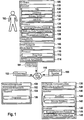
- the FIG. 1 shows a mobile device 100 of a user 102.
- the mobile device 100 may be a portable computer, such as a laptop or palmtop computer, a personal digital assistant, a mobile telecommunications device, in particular a mobile phone, a smart phone, or the like ,
- the mobile device 100 has an interface 104 for communicating with an ID token 106 having a corresponding interface 108.
- the interface 104 may be a radio interface, in particular an RFID or an NFC interface.
- the ID token 106 may be a document, in particular a value or security document, such as a machine-readable travel document (MRTD), such as an electronic passport or electronic identity card, or a means of payment, such as for example, a credit card.
- MRTD machine-readable travel document
- a means of payment such as for example, a credit card.
- the mobile device 100 has at least one processor 110 for executing program instructions 112 as well as a mobile network crunching station 114 for communication via a mobile radio network 116.
- the mobile radio network can be a GSM, UMTS, CDMA 2000 network or a mobile network according to another mobile radio standard. such as 3GPP Long Term Evolution or 4G.
- the ID token 106 has an electronic memory 118 with protected memory areas 120, 122, and 124.
- the protected memory area 120 serves to store a reference value needed for authenticating the user 102 to the ID token 106.
- This reference value is, for example, an identifier, in particular a so-called personal identification number (PIN), or reference data for a biometric feature of the user 102, which can be used for the authentication of the user against the ID token 106.
- PIN personal identification number
- the protected area 122 is for storing a private key and the protected memory area 124 is for storing attributes, such as the user 102, such as name, place of residence, date of birth, gender, and / or attributes including the ID token itself, such as the institution that created or issued the ID token, the validity period of the ID token, a passport number, or a credit card number.
- attributes such as the user 102, such as name, place of residence, date of birth, gender, and / or attributes including the ID token itself, such as the institution that created or issued the ID token, the validity period of the ID token, a passport number, or a credit card number.
- an identifier can be stored in the memory area 124, by means of which the user 102, who is assigned the ID token 106, is uniquely identified.
- the identifier may further identify a network component 150 of the mobile network 116. By means of this network component 150, the registration of the mobile device 100 in the mobile radio network 116 is initiated or carried out.
- the identifier can be designed as IMSI.
- the identifier may be formed as a multi-digit number, predetermined digits of this multi-digit number forming an HLR number, by which the HLR responsible for the user 102 is identified.
- the electronic memory 118 may further include a memory area 126 for storing a certificate.
- the certificate includes a public key associated with the private key stored in the protected storage area 122.
- the certificate may have been created according to a public key infrastructure (PKI) standard, for example according to the X.509 standard.
- PKI public key infrastructure
- the certificate does not necessarily have to be stored in the electronic memory 118 of the ID token 106.
- the certificate can also be stored in a public directory server.
- the ID token 106 has a processor 128.
- the processor 128 is for executing program instructions 130, 132, and 134.
- the program instructions 130 are for user authentication, that is, for authenticating the user 102 to the ID token.
- the user 102 enters his PIN for authentication in the ID token 106, for example, via the mobile device 100.
- Execution of the program instructions 130 then accesses the protected memory area 120 to store the entered PIN with the PIN stored therein Reference value of the PIN to compare. In the event that the entered PIN matches the reference value of the PIN, the user 102 is considered authenticated.
- a biometric feature of the user 102 is captured.
- the ID token 106 for this purpose has a fingerprint sensor or a fingerprint sensor is connected to the mobile device 100 or integrated in this.
- the biometric data acquired by the user 102 is compared to the biometric reference data stored in the protected memory area 120 by executing the program instructions 130 in this embodiment. If the biometric data acquired by the user 102 sufficiently matches the biometric reference data, the user 102 is considered authenticated.
- the program instructions 134 are used to execute the ID token 106 steps of a cryptographic protocol for authentication of an ID provider computer system 136 against the ID token 106.
- the cryptographic protocol may be a challenge-response protocol based on a act symmetric key or an asymmetric key pair.
- the cryptographic protocol implements an Extended Access Control method as specified for machine-readable travel documents (MRTD) by the International Aviation Authority (ICAO).
- MRTD machine-readable travel documents
- ICAO International Aviation Authority
- the ID provider computer system 136 authenticates against the ID token, thereby verifying its readability to read the attributes stored in the protected storage area 124.
- the authentication may also be mutually exclusive, ie the ID token 106 must then be opposite authenticate to the ID provider computer system 136 according to the same or another cryptographic protocol.
- the program instructions 132 serve for the end-to-end encryption of data transmitted between the ID token 106 and the ID provider computer system 136, or at least the attributes read from the protected memory area 124 by the ID provider computer system 136.
- a symmetric key may be used which is agreed, for example, during the execution of the cryptographic protocol between the ID token 106 and the ID provider computer system 136.
- the mobile device 100 with its interface 104 can not communicate directly with the interface 108, but via a reader 104 connected to the interface 104 for the ID token 106.
- a reader 104 connected to the interface 104 for the ID token 106.
- the ID provider computer system 136 has a cellular network interface 138 for communicating over the cellular network 116 or with a network component of the cellular network 116, particularly via the so-called backbone or core network of the cellular network 116.
- the ID provider computer system 136 also has a memory 140 in which a private key 142 of the ID provider computer system 136 and the corresponding certificate 144 are stored.
- this certificate may be, for example, a certificate according to a PKI standard, such as X.509.
- the ID provider computer system 136 further has at least one processor 145 for executing program instructions 146 and 148. By executing the program instructions 146, the steps of the cryptographic protocol concerning the ID provider computer system 136 are executed. Overall, therefore, the cryptographic protocol by execution of the program instructions 134 by the processor 128 of the ID token 106 and by execution of the program instructions 146 implemented by the processor 145 of the ID provider computer system 136.
- the program instructions 148 are used to implement the end-to-end encryption on the part of the ID provider computer system 136, for example, based on the symmetric key, which is used when executing the cryptographic protocol between the ID token 106 and the ID provider.
- the symmetric key which is used when executing the cryptographic protocol between the ID token 106 and the ID provider.
- any method known per se for agreeing the symmetric key for end-to-end encryption such as a Diffie-Hallman key exchange, may be used.
- the ID provider computer system 136 is preferably located in a particularly protected environment, in particular in a so-called trust center, so that the ID provider computer system 136 in combination with the necessity of authenticating the user 102 to the ID token 106 Trust anchor for the authenticity of the read from the ID token 106 attributes.
- the ID provider computer system 136 may also form an integral part of the network component 150.
- the network component 150 can be configured as a home location register or the network component 150 can be designed to interact with the home location registers of the mobile radio network 116 in order to make or initiate the registration of mobile radio devices.
- the network component 150 has a mobile network interface 152 for connection to the mobile network 116 or to another network component of the mobile network 116, in particular via the so-called backbone or core network of the mobile network 116.
- the communication between the network component 150 and the ID provider computer system 136 may be via the backbone or core network of the mobile network 116.
- the network component 150 has at least one processor 154 for executing program instructions 156.
- the program instructions 156 By executing the program instructions 156, the entry is made, e.g. of the mobile device in the mobile network 116 based on the at least one attribute or the booking is thereby initiated.
- the user 102 authenticates himself to the ID token 106.
- the user 102 for this purpose enters his PIN, for example, via the mobile device 100 or a smart card terminal connected thereto or integrated.
- the ID token 106 then checks the correctness of the entered PIN. If the entered PIN matches the reference value of the PIN stored in the protected memory area 120, then the user 102 is considered authenticated.
- An analogous procedure can be used if a biometric feature of the user 102 is used for its authentication, as described above.
- a connection between the ID token 106 and the ID provider computer system 136 via the mobile device 100 and the mobile network 116 is established.
- the ID provider computer system 136 transmits its certificate 144 via this connection to the ID token 106.
- the program instructions 134 then generate a so-called challenge, ie for example, a random number.
- This random number is encrypted with the public key of the ID provider computer system 136 contained in the certificate 144.
- the resulting cipher is sent from the ID token 106 over the connection to the ID provider computer system 136.
- the ID provider computer system 136 decrypts the ciphertext using its private key 142, thus obtaining the random number.
- the random number returns ID provider computer system 136 to ID token 106 via the connection.
- the program instructions 134 By executing the program instructions 134, it is checked whether the random number received from the ID provider computer system 136 matches the originally generated random number, ie, the challenge. If so, the ID provider computer system 136 is deemed authenticated to the ID token 106.
- the random number can be used as a symmetric key for end-to-end encryption.
- the ID provider computer system 136 After the user 102 has successfully authenticated against the ID token 106, and after the ID provider computer system 136 has successfully authenticated against the ID token 106, the ID provider computer system 136 obtains a read permission to read one, a plurality or all of the attributes stored in the protected storage area 124. On the basis of a corresponding read command, which the ID provider computer system 136 sends via the connection to the ID token 106, the requested attributes are read from the protected memory area 124 and encrypted by execution of the program instructions 132. The encrypted attributes are transmitted over the connection to the ID provider computer system 136 and decrypted there by execution of the program instructions 148. As a result, the ID provider computer system 136 receives knowledge of the attributes read from the ID token 106.
- These attributes are signed by the ID provider computer system using its certificate 144 and sent via the mobile device 100 or directly to the Network component 150 transferred.
- the network component 150 is informed about the attributes read from the ID token 106, so that the network component 150 can log the mobile device 100 into the mobile network 116 using these attributes or initiate the log-on 5 on the basis of the attributes.
- the need to authenticate the user 102 to the ID token 106 and to authenticate the ID provider computer system 136 against the ID token 106 provides the necessary trust anchor so that the network component 150 can be sure that it has received it from the ID User 102 attributes communicated to user 102 are true and not corrupted.
- the order of authentication may be different. For example, provision may be made for the user 102 first to have to authenticate against the ID token 106 and subsequently for the ID provider computer system 136. However, it is also fundamentally possible for the ID provider computer system 136 to be initially opposite the ID Token 106 must authenticate and only subsequently the user 102.
- the ID token 106 is configured to be enabled by the user 102 only by entering a correct PIN or biometric feature. Only this activation allows the start of the program instructions 132 and 134 and thus the authentication of the ID provider computer system 136th
- a start of the program instructions 132 and 134 is already possible if the user 102 has not yet authenticated against the ID token 106.
- the program instructions 134 are designed such that the ID provider computer system 136 only then provides read access to the protected memory area 124 for reading out one or more the attribute can be performed after the successful authentication of the user 102 has been signaled by the program instructions 130.
- the mobile device 100 To register the mobile device 100, the mobile device 100, for example, send a signal 101 via its network interface 114 to the mobile network 116. The transmission of this signal 101 is already possible if the mobile device 100 is not registered in the mobile network 116.
- the signal 101 is processed by the network component 150 of the mobile network 116 by the network component 150 directing a request 103 to the ID provider computer system 136.
- the ID provider computer system 136 reads at least one attribute value from the ID token 106 after the authentication of the user 102 and the ID provider computer system 136 has taken place.
- the ID provider computer system 136 responds to the request 103 with a message 105 including the at least one attribute value and its signature. This message is received by the network component 150 or other network component of the mobile network 116 and used for logging in the mobile device 100 of the user 102.
- the communication between the ID token 106 and the ID provider computer system 136 can also be made prior to the registration of the mobile device 100 via the mobile network 116. For example, this is the mobile device 100 due to the receipt of the signal 101 from the mobile network 116 associated with a temporary identifier that is used for communication over the mobile network 116 to the mobile device 100, as long as the mobile device 100 is not yet booked.
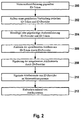
- FIG. 2 shows an embodiment of a method according to the invention.
- the procedure is, for example, as follows: authenticated in step 200 the user faces the ID token. This can be done so that the user enters his PIN via a keyboard of the mobile device, which is transmitted from the mobile device via its interface to the interface of the ID token. If the authentication of the user to the ID token was successful, then in step 202, a connection is established between the ID token and the ID provider computer system.
- This is preferably a secure connection, for example according to a so-called secure messaging method.
- step 204 at least one authentication of the ID provider computer system to the ID token takes place via the connection set up in step 202.
- authentication of the ID token against the ID provider computer system may be provided.
- the ID provider computer system obtains from the ID token access to read at least one of the attributes.
- the ID provider computer system sends one or more read commands to retrieve the required attributes from the ID token.
- the attributes are then transmitted via end-to-end encryption over the secure connection to the ID provider computer system and decrypted there.
- the read attribute values are signed by the ID provider computer system in step 208.
- the ID provider computer system sends the signed attribute values to a network component.
- the transmission of the attribute value or values can take place via the mobile radio network.
- the ID provider computer system is part of the network component, so no transmission is required.
- the signed attribute values reach the network component either directly or via the mobile device. In the latter case, the user may have the opportunity to take note of the signed attribute values and / or to supplement them with further data. It may be provided that the signed attribute values, if appropriate with the supplemented data, are forwarded by the mobile device to the network component only after release by the user. This provides the greatest possible transparency for the user with regard to the attributes sent by the ID provider computer system to the network component.
- step 212 the mobile radio device is then booked by the network component into the mobile radio network on the basis of the attribute values read from the ID token.
- FIG. 3 shows a further embodiment of a method according to the invention.
- the user 102 To register its mobile device 100 in the mobile network 116, the user 102 initially authenticates against the ID token 106. After successful authentication of the user 102 against the ID token 106, the mobile device 100 sends a signal via the mobile network 116 to the network component 150 of the mobile network to signal to the mobile network that the mobile device 100 should be logged into the mobile network.
- the network component 150 then sends a request to the ID provider computer system 136.
- This request may be sent over the cellular network 116.
- the request may also be communicated directly from the network component 150 to the ID provider computer system 136, particularly if the ID provider computer system 136 is an integral part of the network component 150.
- the ID provider computer system 136 authenticates to the ID token 106 and directs a read request to read one or more of the attributes to the ID token 106.
- the ID token 106 responds to the read request with the desired attributes.
- the ID provider computer system 136 signs the attributes and sends the signed attributes to the mobile device 100. After being approved by the user 102 at the mobile device 100, the signed attributes are then transmitted to the network component 150. The network component 150 then initiates the registration of the mobile device 100.
- the FIG. 4 shows an embodiment of a mobile radio system according to the invention with a database 158.
- the database 158 includes at least one database table 160 in which for each registered user of the mobile network 116, a unique identifier and a telephone number is stored. To read out the identifier and the telephone number of the user 102, it is necessary to know at least one attribute value that has to be read from the ID token 106 of the user 102 from the ID provider computer system 136.
- the database 158 has at least one processor 162 for executing program instructions 164. By executing the program instructions 164, the database table 160 can be accessed to use the attribute value read from the ID token 106 of the user 102 to identify the identifier and the telephone number of the user User 102 read out.
- the mobile network 116 has a number I of home location registers HLR1, HLR2, ..., HLRi, .... HLRI.
- the identifiers stored in the database table 160 for each of the registered users of the mobile radio network 116 may be embodied, for example, as IMSIs.
- At least one attribute value is retrieved from the ID token 106 from the ID provider computer system 136, after the user 102 and the ID provider computer system 136 have decided against the ID tokens 106, for example, as with reference to FIG FIGS. 1 . 2 and 3 described above.
- the ID provider computer system 136 then sends the message 105 with the attribute value to the database 158.
- a database access is then performed using the attribute value to retrieve from the database table 160 the user 102 using the attribute value as a key assigned identifier and the phone number of the user 102 read.
- the database 158 then sends a message 107 to communicate this identifier and the telephone number of the user 102 to the mobile network 116.
- the message 107 is received by the home location register identified by the identifier, which then logs in the mobile device 100.
- FIG. 5 shows an alternative embodiment in which the identifier is stored in a memory 166 of the mobile device 100.
- This identifier may, for example, be entered manually by the user 102 into the mobile device 100 so that it is stored in the memory 166.
- the identifier may be automatically written to memory 166 of mobile device 100 using an over-the-air (OTA) technique.
- OTA over-the-air
- the mobile device 100 sends the identifier stored in its memory 166 to the database 158 via the mobile radio network 116.
- the database table 160 only the identifiers but not the telephone numbers are stored in the embodiment considered here.
- the phone numbers of the registered users are stored in local databases of each Home Location Register.
- the FIG. 5 shows by way of example the database 168 of the Home Location Register 1, in which the telephone numbers of those registered users are stored, for which the Home Location Register 1 is responsible. An access to this telephone number can be done with the identifiers of the respective users.
- the processor 162 of the database 158 additionally serves to execute program instructions 170 in the embodiment considered here. By executing the program instructions 170, it is checked whether the identifier received by the mobile device 100 is identical to the identifier read from the database table 160. Only if this is the case does the database 158 send the message 107, otherwise the logon will be rejected.
- the database 158 reads out from the database table 160 the identifier of the user 102 using the attribute value. Further, by executing the program instructions 170, the database 158 checks whether the identifier received from the mobile device 100 matches the identifier read from the database table 160. Only if If this is the case, the database 158 sends the message 107, so that the posting in the competent Home Location Register, such as the Home Location Register 1, can be done. The responsible Home Location Register accesses its local database 168 with the identifier as a key to determine the telephone number of the user 102. For the thus determined telephone number then the booking is made in the mobile network.
- FIG. 6 shows a further embodiment of a mobile radio system according to the invention.
- the identifier for example the IMSI, of the user 102 is stored as an attribute value in the protected memory area 124 of the ID token 106.
- the procedure is such that the ID provider computer system 136 reads out the identifier from the ID token 106 after the user 102 and the ID provider computer system 136 have authenticated against the ID token 106, analogous to the above-described embodiments of FIGS. 1 to 5 .
- the ID provider computer system 136 then sends the message 105 with the identifier that receives the home location register of the mobile network 116 identified by the identifier, such as the HLR1.
- the responsible Home Location Register performs a database access to its local database 168 in order to determine with the identifier contained in the message 105 the telephone number of the user 102, with which the registration of the mobile device 100 then takes place.
Landscapes
- Engineering & Computer Science (AREA)
- Computer Networks & Wireless Communication (AREA)
- Signal Processing (AREA)
- Computer Security & Cryptography (AREA)
- Computer Hardware Design (AREA)
- Computing Systems (AREA)
- General Engineering & Computer Science (AREA)
- Databases & Information Systems (AREA)
- Mobile Radio Communication Systems (AREA)
- Telephonic Communication Services (AREA)
Applications Claiming Priority (2)
| Application Number | Priority Date | Filing Date | Title |
|---|---|---|---|
| DE102009026953A DE102009026953A1 (de) | 2009-06-16 | 2009-06-16 | Verfahren zum Einbuchen eines Mobilfunkgeräts in ein Mobilfunknetz |
| PCT/EP2010/058093 WO2010145979A1 (de) | 2009-06-16 | 2010-06-09 | Verfahren zum einbuchen eines mobilfunkgeräts in ein mobilfunknetz |
Publications (2)
| Publication Number | Publication Date |
|---|---|
| EP2443853A1 EP2443853A1 (de) | 2012-04-25 |
| EP2443853B1 true EP2443853B1 (de) | 2016-08-10 |
Family
ID=42797225
Family Applications (1)
| Application Number | Title | Priority Date | Filing Date |
|---|---|---|---|
| EP10722138.4A Active EP2443853B1 (de) | 2009-06-16 | 2010-06-09 | Verfahren zum einbuchen eines mobilfunkgeräts in ein mobilfunknetz |
Country Status (7)
| Country | Link |
|---|---|
| EP (1) | EP2443853B1 (enExample) |
| JP (1) | JP5601729B2 (enExample) |
| KR (1) | KR101676893B1 (enExample) |
| CN (1) | CN102461231B (enExample) |
| DE (1) | DE102009026953A1 (enExample) |
| SG (1) | SG176839A1 (enExample) |
| WO (1) | WO2010145979A1 (enExample) |
Families Citing this family (24)
| Publication number | Priority date | Publication date | Assignee | Title |
|---|---|---|---|---|
| DE102009027686A1 (de) | 2009-07-14 | 2011-01-20 | Bundesdruckerei Gmbh | Verfahren zum Lesen von Attributen aus einem ID-Token |
| DE102009027681A1 (de) | 2009-07-14 | 2011-01-20 | Bundesdruckerei Gmbh | Verfahren und Lesen von Attributen aus einem ID-Token |
| DE102009027682A1 (de) * | 2009-07-14 | 2011-01-20 | Bundesdruckerei Gmbh | Verfahren zur Erzeugung eines Soft-Tokens |
| DE102009027676A1 (de) | 2009-07-14 | 2011-01-20 | Bundesdruckerei Gmbh | Kommunikationsverfahren, Computerprogrammprodukt, Vorrichtung und Computersystem |
| DE102009027723A1 (de) | 2009-07-15 | 2011-01-27 | Bundesdruckerei Gmbh | Verfahren zum Lesen von Attributen aus einem ID-Token |
| DE102009046205B4 (de) | 2009-10-30 | 2025-01-16 | Bundesdruckerei Gmbh | Verfahren zur Erzeugung einer Web-Seite |
| DE102010028133A1 (de) | 2010-04-22 | 2011-10-27 | Bundesdruckerei Gmbh | Verfahren zum Lesen eines Attributs aus einem ID-Token |
| DE102011082101B4 (de) | 2011-09-02 | 2018-02-22 | Bundesdruckerei Gmbh | Verfahren zur Erzeugung eines Soft-Tokens, Computerprogrammprodukt und Dienst-Computersystem |
| DE102012219618B4 (de) | 2012-10-26 | 2016-02-18 | Bundesdruckerei Gmbh | Verfahren zur Erzeugung eines Soft-Tokens, Computerprogrammprodukt und Dienst-Computersystem |
| WO2015103048A1 (en) | 2014-01-03 | 2015-07-09 | Mcafee, Inc. | Mechanisms for conserving resources of wearable devices |
| CN104219650B (zh) * | 2014-09-22 | 2017-12-12 | 北京电子科技学院 | 发送用户身份认证信息的方法及用户设备 |
| CN105530094B (zh) * | 2014-09-28 | 2019-04-23 | 中国移动通信集团公司 | 一种身份认证方法、装置、系统以及密码器 |
| DE102015017061A1 (de) | 2015-01-13 | 2016-07-28 | Bundesdruckerei Gmbh | Verfahren zum Lesen von Attributen aus einem ID-Token |
| DE102015200313A1 (de) | 2015-01-13 | 2016-07-14 | Bundesdruckerei Gmbh | Verfahren zum Lesen von Attributen aus einem ID-Token |
| DE102015017060A1 (de) | 2015-01-13 | 2016-07-14 | Bundesdruckerei Gmbh | Verfahren zum Lesen von Attributen aus einem ID-Token |
| DE102015209073B4 (de) | 2015-05-18 | 2019-02-07 | Bundesdruckerei Gmbh | Verfahren zum Lesen von Attributen aus einem ID-Token |
| DE102015213312A1 (de) | 2015-07-15 | 2017-01-19 | Bundesdruckerei Gmbh | Verfahren zum Verwalten von Attributen aus einem ID-Token, ID-Token, Attribut-Provider-Computersystem und Computersystem |
| DE102015222347B4 (de) | 2015-11-12 | 2017-07-06 | Bundesdruckerei Gmbh | Elektronisches Bezahlverfahren und Servercomputer |
| DE102016206916B4 (de) | 2016-04-22 | 2023-07-06 | Bundesdruckerei Gmbh | Elektronisches Verfahren zur kryptographisch gesicherten Überweisung eines Betrags einer Kryptowährung |
| DE102016208038A1 (de) | 2016-05-10 | 2017-11-16 | Bundesdruckerei Gmbh | Verfahren zum Lesen von Attributen aus einem ID-Token |
| DE102016208040A1 (de) | 2016-05-10 | 2017-11-16 | Bundesdruckerei Gmbh | Verfahren zum Lesen von Attributen aus einem ID-Token |
| DE102016208512A1 (de) | 2016-05-18 | 2017-11-23 | Bundesdruckerei Gmbh | Zugangskontrolle mit einem Mobilfunkgerät |
| DE102016222170A1 (de) | 2016-11-11 | 2018-05-17 | Bundesdruckerei Gmbh | Verfahren zum Lesen von Attributen aus einem ID-Token |
| CN108769043B (zh) * | 2018-06-06 | 2021-02-02 | 中国联合网络通信集团有限公司 | 可信应用认证系统和可信应用认证方法 |
Family Cites Families (17)
| Publication number | Priority date | Publication date | Assignee | Title |
|---|---|---|---|---|
| JPH10177552A (ja) * | 1996-12-17 | 1998-06-30 | Fuji Xerox Co Ltd | 認証応答方法およびその方法を用いた認証応答装置 |
| US6257486B1 (en) | 1998-11-23 | 2001-07-10 | Cardis Research & Development Ltd. | Smart card pin system, card, and reader |
| US20010045451A1 (en) | 2000-02-28 | 2001-11-29 | Tan Warren Yung-Hang | Method and system for token-based authentication |
| AU2003265034A1 (en) * | 2002-10-07 | 2004-04-23 | Telefonaktiebolaget Lm Ericsson (Publ) | Security and privacy enhancements for security devices |
| JP4313171B2 (ja) * | 2003-12-09 | 2009-08-12 | 株式会社日立製作所 | 認証制御装置および認証制御方法 |
| JP2005311520A (ja) * | 2004-04-19 | 2005-11-04 | Sony Ericsson Mobilecommunications Japan Inc | 携帯端末装置 |
| DE102004027311B4 (de) | 2004-06-04 | 2016-02-11 | Giesecke & Devrient Gmbh | Telekommunikationsanordnung |
| JP2006113872A (ja) * | 2004-10-15 | 2006-04-27 | Toshiba Tec Corp | 登録者idカード、個人情報登録サーバ及び個人情報要求装置並びにこれらを使用した個人情報提供システム |
| US8904040B2 (en) | 2004-10-29 | 2014-12-02 | Go Daddy Operating Company, LLC | Digital identity validation |
| JP4763726B2 (ja) * | 2005-02-04 | 2011-08-31 | クゥアルコム・インコーポレイテッド | 無線通信のための安全なブートストラッピング |
| CN100596084C (zh) * | 2006-04-20 | 2010-03-24 | 华为技术有限公司 | 移动电路域用户接入ims网络的系统及其接入的注册方法 |
| CN1929492A (zh) * | 2006-09-26 | 2007-03-14 | 华为技术有限公司 | 移动终端号码实名制的实现系统及方法 |
| DE102007012965A1 (de) | 2007-03-14 | 2008-10-16 | Bundesdruckerei Gmbh | Verfahren zur Authentifizierung einer Person gegenüber einer Kontrolleinrichtung |
| DE102008000067C5 (de) | 2008-01-16 | 2012-10-25 | Bundesdruckerei Gmbh | Verfahren zum Lesen von Attributen aus einem ID-Token |
| DE102008040416A1 (de) | 2008-07-15 | 2010-01-21 | Bundesdruckerei Gmbh | Verfahren zum Lesen von Attributen aus einem ID-Token |
| DE102008042262B4 (de) | 2008-09-22 | 2010-05-27 | Bundesdruckerei Gmbh | Verfahren zur Speicherung von Daten, Computerprogrammprodukt, ID-Token und Computersystem |
| JP4849116B2 (ja) * | 2008-11-10 | 2012-01-11 | 大日本印刷株式会社 | 端末装置、プログラム、及び記録媒体 |
-
2009
- 2009-06-16 DE DE102009026953A patent/DE102009026953A1/de not_active Withdrawn
-
2010
- 2010-06-09 EP EP10722138.4A patent/EP2443853B1/de active Active
- 2010-06-09 JP JP2012515432A patent/JP5601729B2/ja active Active
- 2010-06-09 KR KR1020117028814A patent/KR101676893B1/ko active Active
- 2010-06-09 CN CN201080025670.9A patent/CN102461231B/zh active Active
- 2010-06-09 SG SG2011092475A patent/SG176839A1/en unknown
- 2010-06-09 WO PCT/EP2010/058093 patent/WO2010145979A1/de not_active Ceased
Also Published As
| Publication number | Publication date |
|---|---|
| JP5601729B2 (ja) | 2014-10-08 |
| EP2443853A1 (de) | 2012-04-25 |
| DE102009026953A1 (de) | 2010-12-23 |
| KR101676893B1 (ko) | 2016-11-16 |
| WO2010145979A1 (de) | 2010-12-23 |
| SG176839A1 (en) | 2012-02-28 |
| CN102461231A (zh) | 2012-05-16 |
| CN102461231B (zh) | 2016-08-03 |
| JP2012530311A (ja) | 2012-11-29 |
| KR20120037380A (ko) | 2012-04-19 |
Similar Documents
| Publication | Publication Date | Title |
|---|---|---|
| WO2010145979A1 (de) | Verfahren zum einbuchen eines mobilfunkgeräts in ein mobilfunknetz | |
| EP3574625B1 (de) | Verfahren zum durchführen einer authentifizierung | |
| EP3289508B1 (de) | Verfahren zur erzeugung einer elektronischen signatur | |
| EP2338255B1 (de) | Verfahren, computerprogrammprodukt und system zur authentifizierung eines benutzers eines telekommunikationsnetzwerkes | |
| DE102008042262B4 (de) | Verfahren zur Speicherung von Daten, Computerprogrammprodukt, ID-Token und Computersystem | |
| EP2415228B1 (de) | Verfahren zum lesen von attributen aus einem id-token über eine mobilfunkverbindung | |
| DE102010028133A1 (de) | Verfahren zum Lesen eines Attributs aus einem ID-Token | |
| EP2454700A1 (de) | Verfahren zur erzeugung eines soft-tokens | |
| EP2245573A1 (de) | Verfahren zum lesen von attributen aus einem id-token | |
| EP3246839A1 (de) | Zugangskontrolle mit einem mobilfunkgerät | |
| DE102020108828A1 (de) | Personalisierter, serverindividueller Authentifizierungsmechanismus | |
| EP3289509B1 (de) | Verfahren zur erzeugung einer elektronischen signatur | |
| EP3528159B1 (de) | Verfahren zur erzeugung eines pseudonyms mit hilfe eines id-tokens | |
| EP3540623B1 (de) | Verfahren zur erzeugung eines pseudonyms mit hilfe eines id-tokens | |
| EP3319003B1 (de) | Verfahren und system zur authentifizierung eines mobilen telekommunikationsendgeräts an einem dienst-computersystem und mobiles telekommunikationsendgerät | |
| DE102008042582A1 (de) | Telekommunikationsverfahren, Computerprogrammprodukt und Computersystem | |
| EP3882796A1 (de) | Nutzerauthentifizierung unter verwendung zweier unabhängiger sicherheitselemente | |
| WO2007073842A1 (de) | Verfahren zur vorbereitung einer chipkarte für elektronische signaturdienste | |
| EP2381712B1 (de) | Sicheres Auslesen von Daten aus einem Funkgerät mit festintegriertem TPM | |
| EP2397960B1 (de) | Verfahren zum Lesen von Attributen aus einem ID-Token über eine Telekommunikations-Chipkarte und ein Server-Computersystem | |
| DE102004051403B4 (de) | Mobiles Kommunikationsendgerät mit Authentifizierungseinrichtung, ein solches Gerät enthaltende Netzwerkanordnung und Authentifizierungsverfahren |
Legal Events
| Date | Code | Title | Description |
|---|---|---|---|
| PUAI | Public reference made under article 153(3) epc to a published international application that has entered the european phase |
Free format text: ORIGINAL CODE: 0009012 |
|
| 17P | Request for examination filed |
Effective date: 20120116 |
|
| AK | Designated contracting states |
Kind code of ref document: A1 Designated state(s): AL AT BE BG CH CY CZ DE DK EE ES FI FR GB GR HR HU IE IS IT LI LT LU LV MC MK MT NL NO PL PT RO SE SI SK SM TR |
|
| DAX | Request for extension of the european patent (deleted) | ||
| 17Q | First examination report despatched |
Effective date: 20150730 |
|
| GRAP | Despatch of communication of intention to grant a patent |
Free format text: ORIGINAL CODE: EPIDOSNIGR1 |
|
| INTG | Intention to grant announced |
Effective date: 20160311 |
|
| GRAS | Grant fee paid |
Free format text: ORIGINAL CODE: EPIDOSNIGR3 |
|
| GRAA | (expected) grant |
Free format text: ORIGINAL CODE: 0009210 |
|
| AK | Designated contracting states |
Kind code of ref document: B1 Designated state(s): AL AT BE BG CH CY CZ DE DK EE ES FI FR GB GR HR HU IE IS IT LI LT LU LV MC MK MT NL NO PL PT RO SE SI SK SM TR |
|
| REG | Reference to a national code |
Ref country code: GB Ref legal event code: FG4D Free format text: NOT ENGLISH |
|
| REG | Reference to a national code |
Ref country code: CH Ref legal event code: EP Ref country code: AT Ref legal event code: REF Ref document number: 820039 Country of ref document: AT Kind code of ref document: T Effective date: 20160815 |
|
| REG | Reference to a national code |
Ref country code: IE Ref legal event code: FG4D Free format text: LANGUAGE OF EP DOCUMENT: GERMAN |
|
| REG | Reference to a national code |
Ref country code: DE Ref legal event code: R096 Ref document number: 502010012159 Country of ref document: DE |
|
| REG | Reference to a national code |
Ref country code: LT Ref legal event code: MG4D |
|
| REG | Reference to a national code |
Ref country code: NL Ref legal event code: MP Effective date: 20160810 |
|
| PG25 | Lapsed in a contracting state [announced via postgrant information from national office to epo] |
Ref country code: FI Free format text: LAPSE BECAUSE OF FAILURE TO SUBMIT A TRANSLATION OF THE DESCRIPTION OR TO PAY THE FEE WITHIN THE PRESCRIBED TIME-LIMIT Effective date: 20160810 Ref country code: LT Free format text: LAPSE BECAUSE OF FAILURE TO SUBMIT A TRANSLATION OF THE DESCRIPTION OR TO PAY THE FEE WITHIN THE PRESCRIBED TIME-LIMIT Effective date: 20160810 Ref country code: HR Free format text: LAPSE BECAUSE OF FAILURE TO SUBMIT A TRANSLATION OF THE DESCRIPTION OR TO PAY THE FEE WITHIN THE PRESCRIBED TIME-LIMIT Effective date: 20160810 Ref country code: IS Free format text: LAPSE BECAUSE OF FAILURE TO SUBMIT A TRANSLATION OF THE DESCRIPTION OR TO PAY THE FEE WITHIN THE PRESCRIBED TIME-LIMIT Effective date: 20161210 Ref country code: IT Free format text: LAPSE BECAUSE OF FAILURE TO SUBMIT A TRANSLATION OF THE DESCRIPTION OR TO PAY THE FEE WITHIN THE PRESCRIBED TIME-LIMIT Effective date: 20160810 Ref country code: NL Free format text: LAPSE BECAUSE OF FAILURE TO SUBMIT A TRANSLATION OF THE DESCRIPTION OR TO PAY THE FEE WITHIN THE PRESCRIBED TIME-LIMIT Effective date: 20160810 Ref country code: NO Free format text: LAPSE BECAUSE OF FAILURE TO SUBMIT A TRANSLATION OF THE DESCRIPTION OR TO PAY THE FEE WITHIN THE PRESCRIBED TIME-LIMIT Effective date: 20161110 |
|
| PG25 | Lapsed in a contracting state [announced via postgrant information from national office to epo] |
Ref country code: LV Free format text: LAPSE BECAUSE OF FAILURE TO SUBMIT A TRANSLATION OF THE DESCRIPTION OR TO PAY THE FEE WITHIN THE PRESCRIBED TIME-LIMIT Effective date: 20160810 Ref country code: GR Free format text: LAPSE BECAUSE OF FAILURE TO SUBMIT A TRANSLATION OF THE DESCRIPTION OR TO PAY THE FEE WITHIN THE PRESCRIBED TIME-LIMIT Effective date: 20161111 Ref country code: SE Free format text: LAPSE BECAUSE OF FAILURE TO SUBMIT A TRANSLATION OF THE DESCRIPTION OR TO PAY THE FEE WITHIN THE PRESCRIBED TIME-LIMIT Effective date: 20160810 Ref country code: ES Free format text: LAPSE BECAUSE OF FAILURE TO SUBMIT A TRANSLATION OF THE DESCRIPTION OR TO PAY THE FEE WITHIN THE PRESCRIBED TIME-LIMIT Effective date: 20160810 Ref country code: PT Free format text: LAPSE BECAUSE OF FAILURE TO SUBMIT A TRANSLATION OF THE DESCRIPTION OR TO PAY THE FEE WITHIN THE PRESCRIBED TIME-LIMIT Effective date: 20161212 Ref country code: PL Free format text: LAPSE BECAUSE OF FAILURE TO SUBMIT A TRANSLATION OF THE DESCRIPTION OR TO PAY THE FEE WITHIN THE PRESCRIBED TIME-LIMIT Effective date: 20160810 |
|
| PG25 | Lapsed in a contracting state [announced via postgrant information from national office to epo] |
Ref country code: RO Free format text: LAPSE BECAUSE OF FAILURE TO SUBMIT A TRANSLATION OF THE DESCRIPTION OR TO PAY THE FEE WITHIN THE PRESCRIBED TIME-LIMIT Effective date: 20160810 Ref country code: EE Free format text: LAPSE BECAUSE OF FAILURE TO SUBMIT A TRANSLATION OF THE DESCRIPTION OR TO PAY THE FEE WITHIN THE PRESCRIBED TIME-LIMIT Effective date: 20160810 |
|
| REG | Reference to a national code |
Ref country code: DE Ref legal event code: R097 Ref document number: 502010012159 Country of ref document: DE |
|
| PG25 | Lapsed in a contracting state [announced via postgrant information from national office to epo] |
Ref country code: CZ Free format text: LAPSE BECAUSE OF FAILURE TO SUBMIT A TRANSLATION OF THE DESCRIPTION OR TO PAY THE FEE WITHIN THE PRESCRIBED TIME-LIMIT Effective date: 20160810 Ref country code: DK Free format text: LAPSE BECAUSE OF FAILURE TO SUBMIT A TRANSLATION OF THE DESCRIPTION OR TO PAY THE FEE WITHIN THE PRESCRIBED TIME-LIMIT Effective date: 20160810 Ref country code: BG Free format text: LAPSE BECAUSE OF FAILURE TO SUBMIT A TRANSLATION OF THE DESCRIPTION OR TO PAY THE FEE WITHIN THE PRESCRIBED TIME-LIMIT Effective date: 20161110 Ref country code: SM Free format text: LAPSE BECAUSE OF FAILURE TO SUBMIT A TRANSLATION OF THE DESCRIPTION OR TO PAY THE FEE WITHIN THE PRESCRIBED TIME-LIMIT Effective date: 20160810 Ref country code: SK Free format text: LAPSE BECAUSE OF FAILURE TO SUBMIT A TRANSLATION OF THE DESCRIPTION OR TO PAY THE FEE WITHIN THE PRESCRIBED TIME-LIMIT Effective date: 20160810 |
|
| PLBE | No opposition filed within time limit |
Free format text: ORIGINAL CODE: 0009261 |
|
| STAA | Information on the status of an ep patent application or granted ep patent |
Free format text: STATUS: NO OPPOSITION FILED WITHIN TIME LIMIT |
|
| REG | Reference to a national code |
Ref country code: FR Ref legal event code: PLFP Year of fee payment: 8 |
|
| 26N | No opposition filed |
Effective date: 20170511 |
|
| PG25 | Lapsed in a contracting state [announced via postgrant information from national office to epo] |
Ref country code: SI Free format text: LAPSE BECAUSE OF FAILURE TO SUBMIT A TRANSLATION OF THE DESCRIPTION OR TO PAY THE FEE WITHIN THE PRESCRIBED TIME-LIMIT Effective date: 20160810 |
|
| PG25 | Lapsed in a contracting state [announced via postgrant information from national office to epo] |
Ref country code: MC Free format text: LAPSE BECAUSE OF FAILURE TO SUBMIT A TRANSLATION OF THE DESCRIPTION OR TO PAY THE FEE WITHIN THE PRESCRIBED TIME-LIMIT Effective date: 20160810 |
|
| REG | Reference to a national code |
Ref country code: CH Ref legal event code: PL |
|
| REG | Reference to a national code |
Ref country code: IE Ref legal event code: MM4A |
|
| PG25 | Lapsed in a contracting state [announced via postgrant information from national office to epo] |
Ref country code: LI Free format text: LAPSE BECAUSE OF NON-PAYMENT OF DUE FEES Effective date: 20170630 Ref country code: LU Free format text: LAPSE BECAUSE OF NON-PAYMENT OF DUE FEES Effective date: 20170609 Ref country code: CH Free format text: LAPSE BECAUSE OF NON-PAYMENT OF DUE FEES Effective date: 20170630 Ref country code: IE Free format text: LAPSE BECAUSE OF NON-PAYMENT OF DUE FEES Effective date: 20170609 |
|
| REG | Reference to a national code |
Ref country code: BE Ref legal event code: MM Effective date: 20170630 |
|
| REG | Reference to a national code |
Ref country code: FR Ref legal event code: PLFP Year of fee payment: 9 |
|
| REG | Reference to a national code |
Ref country code: AT Ref legal event code: MM01 Ref document number: 820039 Country of ref document: AT Kind code of ref document: T Effective date: 20170609 |
|
| PG25 | Lapsed in a contracting state [announced via postgrant information from national office to epo] |
Ref country code: BE Free format text: LAPSE BECAUSE OF NON-PAYMENT OF DUE FEES Effective date: 20170630 |
|
| PG25 | Lapsed in a contracting state [announced via postgrant information from national office to epo] |
Ref country code: MT Free format text: LAPSE BECAUSE OF FAILURE TO SUBMIT A TRANSLATION OF THE DESCRIPTION OR TO PAY THE FEE WITHIN THE PRESCRIBED TIME-LIMIT Effective date: 20160810 |
|
| PG25 | Lapsed in a contracting state [announced via postgrant information from national office to epo] |
Ref country code: AL Free format text: LAPSE BECAUSE OF FAILURE TO SUBMIT A TRANSLATION OF THE DESCRIPTION OR TO PAY THE FEE WITHIN THE PRESCRIBED TIME-LIMIT Effective date: 20160810 |
|
| PG25 | Lapsed in a contracting state [announced via postgrant information from national office to epo] |
Ref country code: AT Free format text: LAPSE BECAUSE OF NON-PAYMENT OF DUE FEES Effective date: 20170609 |
|
| PG25 | Lapsed in a contracting state [announced via postgrant information from national office to epo] |
Ref country code: HU Free format text: LAPSE BECAUSE OF FAILURE TO SUBMIT A TRANSLATION OF THE DESCRIPTION OR TO PAY THE FEE WITHIN THE PRESCRIBED TIME-LIMIT; INVALID AB INITIO Effective date: 20100609 |
|
| PG25 | Lapsed in a contracting state [announced via postgrant information from national office to epo] |
Ref country code: CY Free format text: LAPSE BECAUSE OF NON-PAYMENT OF DUE FEES Effective date: 20160810 |
|
| PG25 | Lapsed in a contracting state [announced via postgrant information from national office to epo] |
Ref country code: MK Free format text: LAPSE BECAUSE OF FAILURE TO SUBMIT A TRANSLATION OF THE DESCRIPTION OR TO PAY THE FEE WITHIN THE PRESCRIBED TIME-LIMIT Effective date: 20160810 |
|
| PG25 | Lapsed in a contracting state [announced via postgrant information from national office to epo] |
Ref country code: TR Free format text: LAPSE BECAUSE OF FAILURE TO SUBMIT A TRANSLATION OF THE DESCRIPTION OR TO PAY THE FEE WITHIN THE PRESCRIBED TIME-LIMIT Effective date: 20160810 |
|
| P01 | Opt-out of the competence of the unified patent court (upc) registered |
Effective date: 20230526 |
|
| PGFP | Annual fee paid to national office [announced via postgrant information from national office to epo] |
Ref country code: DE Payment date: 20250618 Year of fee payment: 16 |
|
| PGFP | Annual fee paid to national office [announced via postgrant information from national office to epo] |
Ref country code: GB Payment date: 20250620 Year of fee payment: 16 |
|
| PGFP | Annual fee paid to national office [announced via postgrant information from national office to epo] |
Ref country code: FR Payment date: 20250618 Year of fee payment: 16 |