EP2438823A1 - Enzyme preparation for reforming processed meat products and manufacturing method for processed meat products - Google Patents
Enzyme preparation for reforming processed meat products and manufacturing method for processed meat products Download PDFInfo
- Publication number
- EP2438823A1 EP2438823A1 EP10783490A EP10783490A EP2438823A1 EP 2438823 A1 EP2438823 A1 EP 2438823A1 EP 10783490 A EP10783490 A EP 10783490A EP 10783490 A EP10783490 A EP 10783490A EP 2438823 A1 EP2438823 A1 EP 2438823A1
- Authority
- EP
- European Patent Office
- Prior art keywords
- phospholipase
- meat
- processed meat
- enzyme
- solution
- Prior art date
- Legal status (The legal status is an assumption and is not a legal conclusion. Google has not performed a legal analysis and makes no representation as to the accuracy of the status listed.)
- Withdrawn
Links
Images

Classifications
-
- C—CHEMISTRY; METALLURGY
- C12—BIOCHEMISTRY; BEER; SPIRITS; WINE; VINEGAR; MICROBIOLOGY; ENZYMOLOGY; MUTATION OR GENETIC ENGINEERING
- C12Y—ENZYMES
- C12Y301/00—Hydrolases acting on ester bonds (3.1)
- C12Y301/04—Phosphoric diester hydrolases (3.1.4)
- C12Y301/04003—Phospholipase C (3.1.4.3)
-
- A—HUMAN NECESSITIES
- A23—FOODS OR FOODSTUFFS; TREATMENT THEREOF, NOT COVERED BY OTHER CLASSES
- A23L—FOODS, FOODSTUFFS OR NON-ALCOHOLIC BEVERAGES, NOT OTHERWISE PROVIDED FOR; PREPARATION OR TREATMENT THEREOF
- A23L13/00—Meat products; Meat meal; Preparation or treatment thereof
- A23L13/40—Meat products; Meat meal; Preparation or treatment thereof containing additives
- A23L13/42—Additives other than enzymes or microorganisms in meat products or meat meals
- A23L13/426—Addition of proteins, carbohydrates or fibrous material from vegetable origin other than sugars or sugar alcohols
-
- A—HUMAN NECESSITIES
- A23—FOODS OR FOODSTUFFS; TREATMENT THEREOF, NOT COVERED BY OTHER CLASSES
- A23L—FOODS, FOODSTUFFS OR NON-ALCOHOLIC BEVERAGES, NOT OTHERWISE PROVIDED FOR; PREPARATION OR TREATMENT THEREOF
- A23L13/00—Meat products; Meat meal; Preparation or treatment thereof
- A23L13/40—Meat products; Meat meal; Preparation or treatment thereof containing additives
- A23L13/48—Addition of, or treatment with, enzymes
-
- A—HUMAN NECESSITIES
- A23—FOODS OR FOODSTUFFS; TREATMENT THEREOF, NOT COVERED BY OTHER CLASSES
- A23L—FOODS, FOODSTUFFS OR NON-ALCOHOLIC BEVERAGES, NOT OTHERWISE PROVIDED FOR; PREPARATION OR TREATMENT THEREOF
- A23L13/00—Meat products; Meat meal; Preparation or treatment thereof
- A23L13/60—Comminuted or emulsified meat products, e.g. sausages; Reformed meat from comminuted meat product
Definitions
- the present invention relates to enzyme preparations for modifying a processed meat product, and to a method for manufacturing a processed meat, for use in suppressing water separation from a processed meat product.
- Processed meat products such as hams and sausages are processed food that contains non-meat components. Such processed meat products have become indispensable in our dietary life for a number of reasons, including convenience, broad utility, and uniformity in mass production. These products are typically distributed by being refrigerated. However, there are cases where the components added with the meat raw material cause water separation during the distribution of the refrigerated products. This is not a small problem.
- JP-A-2002-281942 describes co-use of alginic acid ester with an enzyme, which is described as being amylase, invertase, catalase, cellulase, papain, protease, pectinase, lysozyme, lipase, trypsin, pancreatin, bromelain, pepsine, peptidase, or actinidin.
- an enzyme which is described as being amylase, invertase, catalase, cellulase, papain, protease, pectinase, lysozyme, lipase, trypsin, pancreatin, bromelain, pepsine, peptidase, or actinidin.
- the publication does not specifically describe any effect that results from using alginic acid ester and an enzyme together. Rather, it merely represents a general description concerning technical possibility.
- lipid acyltransferase Aside from lipase, the action of other lipid-modifying enzymes on physical properties is reported, as in the use of lipid acyltransferase ( WO2004/064537 , WO2005/066347 ). According to these patents, the use of lipid acyltransferase with high transfer activity in combination with an emulsifier improves the effect of modifying the physical properties of food compared to lipase, and such modifying effects are reported in dairy products, bread, frozen dough, noodle, whip cream, chocolate, and in processed meat products. However, the use of lipase is described to increase free fatty acid, and thus as being unsuitable for modifying the physical properties of food.
- the activity is the phospholipase A2 activity (or phospholipase A1 activity), not the phospholipase C or phospholipase D activity. It is therefore not possible to draw analogy to the functions of phospholipases C and D.
- JP-A-58-152481 , JP-A-2006-223119 , and JP-A-2006-180738 describe the basic properties of phospholipase C or D.
- these publications do not describe anything about the use for processed meat products.
- the present invention provides an enzyme preparation for modifying a processed meat product, and a method for manufacturing a processed meat product, whereby the water-separation during the storage can be suppressed without deteriorating the texture, such as hardness and flexibility, of the processed meat product.
- the present inventor conducted intensive studies, and found that phospholipases C and D can be used to suppress the water separation during the storage without deteriorating the texture, such as hardness and flexibility, of the processed meat products.
- the present invention has been completed based on this finding. Specifically, the present invention includes the following.
- the enzyme preparation for modifying a processed meat product of the present invention contains phospholipase C and/or phospholipase D.
- Phospholipase is an enzyme that hydrolyzes phospholipids, and is broadly classified into A1, A2, C, and D.
- the present invention uses phospholipase C and/or phospholipase D.
- the enzyme preparation of the present invention may contain bulking agents for food, in addition to phospholipase C and phospholipase D.
- the bulking agents for food may be common bulking agents for food, such as lactose, maltitol, sorbitol, dextrin, glucose, starches, polysaccharides, gums, and pectin.
- Substrate components of phospholipase and enzyme activity stimulators also may be contained to help increase in the enzyme activity.
- the enzyme preparation of the present invention may also appropriately contain other materials, including food protein materials such as egg white and soy protein, seasonings, common salts, sugar, colorants, color producing agents, erythorbic acid and salts thereof, and emulsifiers, as required.
- food protein materials such as egg white and soy protein
- seasonings common salts
- sugar, colorants color producing agents
- color producing agents erythorbic acid and salts thereof
- emulsifiers as required.
- the use of such auxiliary agents can impart functions of improving the stability and dispersibility of the enzyme preparation, and of preventing dusting.
- the method of the present invention for manufacturing a processed meat product is characterized that the phospholipase C and/or phospholipase D are allowed to act on a meat raw material.
- the meat raw material used in the present invention includes any type of meat considered as edible meat.
- Non-limiting examples include beef, pork, horse meat, mutton and lamb, goat meat, domestic rabbit meat, chicken, turkey, duck, goose meat, and Japanese quail meat.
- the processed meat products of the present invention collectively refer to processed products made from minced meat used as the main raw material, and include, for example, sausage, ham, hamburger steak, meat loaf, and meatball.
- the producing methods of these products per se are known to a skilled artisan.
- the production involves kneading minced meat with a common salt, dissolving out salt-soluble proteins, kneading and shaping the meat, and heating and gelling the meat product.
- starch and various other auxiliary raw materials, including seasonings, spices, and color producing agents are appropriately added.
- the phospholipase C and/or phospholipase D may be added at any time in the kneading step. Preferably, these are added during the kneading step after adding a common salt, because it produces a more elastic product.
- the phospholipase C and/or phospholipase D that act on the meat raw material are used in an amount of preferably 0.0005 g to 0.05 g, more preferably 0.001 to 0.01 g per 100 g of the meat raw material, or, preferably 15 to 1,500 units, more preferably 30 to 300 units per 100 g of the meat raw material.
- the phospholipase C activity is measured according to the following method. First, 0.9 ml of a first reaction reagent mixture is accurately dispensed into a small test tube, and preliminarily heated at 37°C. After 5 minutes, an enzyme sample solution (100 ⁇ l) is accurately added and mixed to start a first reaction at 37°C. After 10 minutes, a reaction stop solution (1 ml) is added and mixed, and, immediately, 1 ml of a second reaction reagent mixture is added and mixed to start a second reaction at 37°C. For blinding, 100 ⁇ l of an enzyme sample solution is added at this stage. After 20 minutes, absorbance at 500 nm is measured.
- the measured absorbance is "As” for the sample solution, and "Ab” for the blind solution.
- ⁇ A (As - Ab) ⁇ 0.30 Abs
- Activity U ⁇ A / 10 / 12.0 ⁇ 3.00 / 0.10
- the first reaction reagent mixture is a composition as a mixture of 0.2 M DMG-NaOH buffer (pH 7.5; 0.2 ml), 10 mM egg-yolk lecithin solution (0.2 ml), and purified water (0.5 ml).
- the 10 mM egg-yolk lecithin solution is a homogenous solution prepared by removing egg-yolk lecithin (100 mg) with ether, and adding 13.5 ml of a 0.5% DOC solution to the resulting product dried with a rotary evaporator under reduced pressure.
- the 0.5% DOC solution is a solution prepared by suspending deoxycholic acid in purified water (40 ml), dissolving it with 4M NaOH added thereto so as to have a pH of about 8.0, and adjusting the total volume to 50 ml with purified water.
- the second reaction reagent mixture is a mixture of 15 mM 4-AA solution (0.1 ml), 0.2% (W/V) phenol solution (0.1 ml), 30 U/ml COD solution (0.1 ml), 90 U/ml POD solution (0.1 ml), 80 U/ml ALP solution, and 50 mM tris-HCl buffer (pH 8.0; 0.5 ml).
- the reaction stop solution is a 1 M tris-HCl buffer (pH 8.0) that contains 0.2% (W/V) sodium dodecyl sulfonate.
- the first reaction reagent mixture is a composition as a mixture of 0.1 M tris-HCl buffer (pH 8.0; 20 ml) , 0.1 M calcium chloride solution (0.05 ml), 25 mM substrate solution (0.1 ml), and purified water (0.15 ml).
- the substrate solution is a solution of dioleoylphosphatidylcholine (88.5 mg) in 5% (W/V) Triton X-100 solution (4.5 ml).
- the second reaction reagent mixture is a mixture of 15 mM 4-AA solution (0.1 ml), 0.2% (W/V) phenol solution (0.1 ml), 60 mM EDTA solution (pH 8.0; 0.1 ml), 50 mM tris-HCl buffer (pH 8.0; 2 ml), 90 U/ml POD solution (0.1 ml), and 30 U/ml COD solution (0.1 ml).
- a 10 mM tris-HCl buffer (pH 8.0) containing 0.05% (W/V) BSA and 0.1% (W/V) Triton X-100 was used as the enzyme dissolving and diluting solution.
- the enzyme reaction can be expected to exhibit effects, either in short reaction time or long. For example, it is sufficient to provide 0.05 to 48 hours at 0 to 60°C in the processed meat product producing process. It should also be noted that the enzyme is considered to be deactivated by the heat of the processed meat product producing process, and there is no remaining activity in the final product.
- the kneaded meat so obtained was degassed in a vacuum, filled into a casing, and heat-treated in a constant-temperature vessel (at 60 degrees for 30 min, and then at 75°C for 30 min). The meat was quickly cooled, and stored in a refrigerator for 7 days. An enzyme-free sausage was used as a control.
- Table 1 Enzymes and amounts added No. Enzyme Manufacturer Amount added with respect to meat (%) 1 Lipase G (lipase) Amano Enzyme Inc. 0.25 2 Lipase R (lipase) Amano Enzyme Inc.
- the stored sample sausage was taken out of the casing after 7 days, and the moisture was wiped off.
- a weight reduction from the weight before wiping was regarded as the amount of water separation, and the ratio with respect to the amount of water separation in the control was determined.
- the ratio was positive when the amount of water separation was greater than that of the control. In other words, if the percentage of water separation ratio shows negative, it has the water-separation suppressing effect.
- the results were shown in Fig. 1 .
- Auxiliary raw materials and water were weighed according to the formulation shown in Table 2, and mixed with a mixer to prepare a basic pickle.
- 100 weight parts of a pork leg after removing fat to leave only lean meat was tenderized once on each side with a sinew cutter, and minced with an 8 mm-hole plate.
- 110 weight parts of the pickle prepared according to the formulation of Table 2 was added to 100 weight parts of the meat, followed by tumbling at 5°C with a tumbler (for a total of 16 hours in a cycle of 15-min rotation at 90 rpm and 15-min rest).
- the resulting meat was used as salted meat.
- the meat was then filled into vinylidene chloride (a diameter of 12.2 cm in the filling step), tied, and heated. Heating was performed in a constant-temperature vessel at 60°C for 2 hours, and for another 2 hours at 80°C (the center temperature reaching 72°C). The heated meat was rapidly cooled with cold water, and sliced into a 1.2-mm thickness. The slices were vacuum-packed (about 100 g/pouch), and stored at 5°C.
- the stored ham samples were taken out of the casing after 7 days, and the moisture was wiped off.
- a weight reduction from the weight before wiping was regarded as the amount of water separation, and a ratio with respect to the amount of water separation in the control was determined.
- the ratio was positive when the amount of water separation was greater than that of the control. In other words, if the percentage of water separation ratio shows negative, it has the water-separation suppressing effect.
- the results were shown in Fig. 4 .
- the results confirmed the water-separation suppressing effect in the enzymes phospholipase C and phospholipase D. From the results of sensory evaluation ( Fig. 5 ) and physical property evaluation ( Fig.
- the phospholipase C and phospholipase D were shown to have the effect of imparting hardness and flexibility as with the transglutaminase. These results thus also confirmed that the phospholipase C and phospholipase D had the physical property improving effect and the water-separation suppressing effect. On the other hand, the water-separation suppressing effect and the physical property improving effect were not confirmed in phospholipase A1 in their application to ham.
- the present invention relates to a quality improving agent for products such as processed meat products, intended to suppress water separation during the storage of processed meat products, and to a method for manufacturing a processed meat product using the improving agent.
- the invention realizes both quality improvement and effective use, and is thus highly useful in the field of food processing.
Landscapes
- Life Sciences & Earth Sciences (AREA)
- Health & Medical Sciences (AREA)
- Chemical & Material Sciences (AREA)
- Engineering & Computer Science (AREA)
- Nutrition Science (AREA)
- Food Science & Technology (AREA)
- Polymers & Plastics (AREA)
- Organic Chemistry (AREA)
- Biochemistry (AREA)
- Bioinformatics & Cheminformatics (AREA)
- General Engineering & Computer Science (AREA)
- General Health & Medical Sciences (AREA)
- Genetics & Genomics (AREA)
- Molecular Biology (AREA)
- Wood Science & Technology (AREA)
- Zoology (AREA)
- Microbiology (AREA)
- Meat, Egg Or Seafood Products (AREA)
Abstract
Description
- The present invention relates to enzyme preparations for modifying a processed meat product, and to a method for manufacturing a processed meat, for use in suppressing water separation from a processed meat product.
- Processed meat products such as hams and sausages are processed food that contains non-meat components. Such processed meat products have become indispensable in our dietary life for a number of reasons, including convenience, broad utility, and uniformity in mass production. These products are typically distributed by being refrigerated. However, there are cases where the components added with the meat raw material cause water separation during the distribution of the refrigerated products. This is not a small problem.
- Various techniques have been developed to suppress such water separation. For example, methods that use modified egg white are known as the technique that makes use of protein (
JP-A-2008-086306 JP-A-2008-035811 JP-A-2007-312771 JP-A-2006-223189 JP-A-2006-006236 JP-A-2004-180550 JP-A-11-046723 JP-A-09-056342 JP-A-08-084573 JP-A-10-511857 PCT international application, 98/017126 2529052 JP-A-2002-281942 JP-A-2002-281942 JP-A-2005-261351 - There are some reports of food modifying techniques using lipase. Examples include improving egg quality with phospholipase A2 (
US Patent No. 4,034,124 , Dutihl & Groger 1981 J. Sci. Food Agric. 32, 451-458), a method that uses esterase, lipase, and phospholipase to improve the stability of an acidic oil-in-water emulsion composition (JP-A-2004-201672 JP-A-2000-014358 JP-A-11-164655 2985953 EP05859888 WO94/04035 JP-A-2009-65984 - Aside from lipase, the action of other lipid-modifying enzymes on physical properties is reported, as in the use of lipid acyltransferase (
WO2004/064537 ,WO2005/066347 ). According to these patents, the use of lipid acyltransferase with high transfer activity in combination with an emulsifier improves the effect of modifying the physical properties of food compared to lipase, and such modifying effects are reported in dairy products, bread, frozen dough, noodle, whip cream, chocolate, and in processed meat products. However, the use of lipase is described to increase free fatty acid, and thus as being unsuitable for modifying the physical properties of food. Although a weak degradative activity is confirmed in the enzymes described in the foregoing patents, the activity is the phospholipase A2 activity (or phospholipase A1 activity), not the phospholipase C or phospholipase D activity. It is therefore not possible to draw analogy to the functions of phospholipases C and D. -
JP-A-58-152481 JP-A-2006-223119 JP-A-2006-180738 - The present invention provides an enzyme preparation for modifying a processed meat product, and a method for manufacturing a processed meat product, whereby the water-separation during the storage can be suppressed without deteriorating the texture, such as hardness and flexibility, of the processed meat product.
- The present inventor conducted intensive studies, and found that phospholipases C and D can be used to suppress the water separation during the storage without deteriorating the texture, such as hardness and flexibility, of the processed meat products. The present invention has been completed based on this finding. Specifically, the present invention includes the following.
- (1) An enzyme preparation for modifying a processed meat product, which comprises phospholipase C and/or phospholipase D.
- (2) A method for producing a processed meat product, wherein phospholipase C and/or phospholipase D are allowed to act on a meat raw material.
- (3) The method according to (2), wherein the amount of phospholipase C and/or phospholipase D that act on the meat raw material is in a range of 0.0005 to 0.05 g per 100 g of the meat raw material.
- (4) The method according to (2), wherein the amount of phospholipase C and/or phospholipase D that act on the meat raw material is in a range of 15 to 1,500 units per 100 g of the meat raw material.
- (5) The method according to (2), wherein the processed meat product is a ham, a sausage, a hamburger steak, a meat loaf, or a meatball.
- The present invention is described below in detail.
- The enzyme preparation for modifying a processed meat product of the present invention contains phospholipase C and/or phospholipase D. Phospholipase is an enzyme that hydrolyzes phospholipids, and is broadly classified into A1, A2, C, and D. The present invention uses phospholipase C and/or phospholipase D. The enzyme preparation of the present invention may contain bulking agents for food, in addition to phospholipase C and phospholipase D. The bulking agents for food may be common bulking agents for food, such as lactose, maltitol, sorbitol, dextrin, glucose, starches, polysaccharides, gums, and pectin. Substrate components of phospholipase and enzyme activity stimulators also may be contained to help increase in the enzyme activity. In addition to the bulking agents, the enzyme preparation of the present invention may also appropriately contain other materials, including food protein materials such as egg white and soy protein, seasonings, common salts, sugar, colorants, color producing agents, erythorbic acid and salts thereof, and emulsifiers, as required. The use of such auxiliary agents can impart functions of improving the stability and dispersibility of the enzyme preparation, and of preventing dusting.
- The method of the present invention for manufacturing a processed meat product is characterized that the phospholipase C and/or phospholipase D are allowed to act on a meat raw material.
- The meat raw material used in the present invention includes any type of meat considered as edible meat. Non-limiting examples include beef, pork, horse meat, mutton and lamb, goat meat, domestic rabbit meat, chicken, turkey, duck, goose meat, and Japanese quail meat.
- The processed meat products of the present invention collectively refer to processed products made from minced meat used as the main raw material, and include, for example, sausage, ham, hamburger steak, meat loaf, and meatball. The producing methods of these products per se are known to a skilled artisan. In principle, the production involves kneading minced meat with a common salt, dissolving out salt-soluble proteins, kneading and shaping the meat, and heating and gelling the meat product. Here, starch and various other auxiliary raw materials, including seasonings, spices, and color producing agents are appropriately added.
- The phospholipase C and/or phospholipase D may be added at any time in the kneading step. Preferably, these are added during the kneading step after adding a common salt, because it produces a more elastic product.
- The phospholipase C and/or phospholipase D that act on the meat raw material are used in an amount of preferably 0.0005 g to 0.05 g, more preferably 0.001 to 0.01 g per 100 g of the meat raw material, or, preferably 15 to 1,500 units, more preferably 30 to 300 units per 100 g of the meat raw material.
- The phospholipase C activity is measured according to the following method. First, 0.9 ml of a first reaction reagent mixture is accurately dispensed into a small test tube, and preliminarily heated at 37°C. After 5 minutes, an enzyme sample solution (100 µl) is accurately added and mixed to start a first reaction at 37°C. After 10 minutes, a reaction stop solution (1 ml) is added and mixed, and, immediately, 1 ml of a second reaction reagent mixture is added and mixed to start a second reaction at 37°C. For blinding, 100 µl of an enzyme sample solution is added at this stage. After 20 minutes, absorbance at 500 nm is measured. The measured absorbance is "As" for the sample solution, and "Ab" for the blind solution. When ΔA = (As - Ab) ≤ 0.30 Abs, the activity can be calculated as follows.

- 12.0: Millimole molecular extinction coefficient of quinonimine dye at 500 nm
- 10: Enzyme reaction time (min)
- 3.00: Total reaction liquid volume (ml)
- 0.10: Enzyme sample solution volume used for the reaction (ml)
- Note that the first reaction reagent mixture is a composition as a mixture of 0.2 M DMG-NaOH buffer (pH 7.5; 0.2 ml), 10 mM egg-yolk lecithin solution (0.2 ml), and purified water (0.5 ml). The 10 mM egg-yolk lecithin solution is a homogenous solution prepared by removing egg-yolk lecithin (100 mg) with ether, and adding 13.5 ml of a 0.5% DOC solution to the resulting product dried with a rotary evaporator under reduced pressure. The 0.5% DOC solution is a solution prepared by suspending deoxycholic acid in purified water (40 ml), dissolving it with 4M NaOH added thereto so as to have a pH of about 8.0, and adjusting the total volume to 50 ml with purified water. The second reaction reagent mixture is a mixture of 15 mM 4-AA solution (0.1 ml), 0.2% (W/V) phenol solution (0.1 ml), 30 U/ml COD solution (0.1 ml), 90 U/ml POD solution (0.1 ml), 80 U/ml ALP solution, and 50 mM tris-HCl buffer (pH 8.0; 0.5 ml). The reaction stop solution is a 1 M tris-HCl buffer (pH 8.0) that contains 0.2% (W/V) sodium dodecyl sulfonate. A 10 mM DMG-NaOH buffer (pH 7.5) containing 0.1% (W/V) BSA was used as the enzyme dissolving and diluting solution.
- The phospholipase D activity is measured according to the following method. First, 0.5 ml of a first reaction reagent mixture is accurately dispensed into a small test tube, and preliminarily heated at 37°C. After 5 minutes, an enzyme sample solution (50 µl) is accurately added and mixed to start a first reaction at 37°C. After 10 minutes, a second reaction reagent mixture (2.5 ml) is added and mixed to start a second reaction at 37°C. For blinding, 50 µl of an enzyme sample solution is added at this stage. After 20 minutes, absorbance at 500 nm is measured. The measured absorbance is "As" for the sample solution, and "Ab" for the blind solution. When ΔA = (As - Ab) ≤ 0.40 Abs, the activity can be calculated as follows.

- 12.2: Millimole molecular extinction coefficient of quinonimine dye at 500 nm
- 10: Enzyme reaction time (min)
- 3.05: Total reaction liquid volume (ml)
- 0.05: Enzyme sample solution volume used for the reaction (ml)
- Note that the first reaction reagent mixture is a composition as a mixture of 0.1 M tris-HCl buffer (pH 8.0; 20 ml) , 0.1 M calcium chloride solution (0.05 ml), 25 mM substrate solution (0.1 ml), and purified water (0.15 ml). The substrate solution is a solution of dioleoylphosphatidylcholine (88.5 mg) in 5% (W/V) Triton X-100 solution (4.5 ml). The second reaction reagent mixture is a mixture of 15 mM 4-AA solution (0.1 ml), 0.2% (W/V) phenol solution (0.1 ml), 60 mM EDTA solution (pH 8.0; 0.1 ml), 50 mM tris-HCl buffer (pH 8.0; 2 ml), 90 U/ml POD solution (0.1 ml), and 30 U/ml COD solution (0.1 ml). A 10 mM tris-HCl buffer (pH 8.0) containing 0.05% (W/V) BSA and 0.1% (W/V) Triton X-100 was used as the enzyme dissolving and diluting solution.
- The enzyme reaction can be expected to exhibit effects, either in short reaction time or long. For example, it is sufficient to provide 0.05 to 48 hours at 0 to 60°C in the processed meat product producing process. It should also be noted that the enzyme is considered to be deactivated by the heat of the processed meat product producing process, and there is no remaining activity in the final product.
-
-
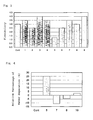
Fig. 1 is a diagram showing the comparison of the percentages of water separation in sausage according to Example 1 of the present invention. -
Fig. 2 is a diagram showing the comparison of sausage hardness according to Example 1 of the present invention. -
Fig. 3 is a diagram showing the comparison of sausage flexibility according to Example 1 of the present invention. -
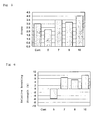
Fig. 4 is a diagram showing the comparison of the percentages of water separation in ham according to Example 2 of the present invention. -
Fig. 5 is a diagram showing the comparison of the flexibility of ham according to Example 2 of the present invention. -
Fig. 6 is a diagram showing the comparison of the breaking stress of ham according to Example 2 of the present invention. - The present invention is described in more detail below based on Examples. The present invention is in no way limited by the following Examples.
- 1.5 weight parts of common salt was added to 82 weight parts of a frozen short loin of pork processed with a 3-mm plate, and the meat was thoroughly stirred with a Stephan cutter. To the mixture were then added 0.3 weight parts of polyphosphare, 0.1 weight parts of sodium ascorbate , 0.01 weight parts of sodium nitrite, 0.2 weight parts of seasoning ("I-7", Aj inomoto Co., Inc.), water to make the final total 100 weight parts, and the predetermined amount of the enzyme presented in Table 1. The mixture was then stirred with a Stephan cutter to make the
final product temperature 10°C or less. The kneaded meat so obtained was degassed in a vacuum, filled into a casing, and heat-treated in a constant-temperature vessel (at 60 degrees for 30 min, and then at 75°C for 30 min). The meat was quickly cooled, and stored in a refrigerator for 7 days. An enzyme-free sausage was used as a control.Table 1 Enzymes and amounts added No. Enzyme Manufacturer Amount added with respect to meat (%) 1 Lipase G (lipase) Amano Enzyme Inc. 0.25 2 Lipase R (lipase) Amano Enzyme Inc. 0.25 3 Sumizyme RO (lipase) Shin-Nihon Chemical 0.5 4 Palatase (lipase) Novozymes 0.25 5 Phospholipase A1 MFC Lifetech 0.05 6 PLA2 Nagase (phospholipase A2) Nagase ChemteX Corporation 0.05 7 PLC (phospholipase C) Asahi Kasei 0.0025 8 PLC (phospholipase D) Asahi Kasei 0.0025 9 Activa TG-S (transglutaminase) Ajinomoto Co., Inc. 0.4 - The stored sample sausage was taken out of the casing after 7 days, and the moisture was wiped off. A weight reduction from the weight before wiping was regarded as the amount of water separation, and the ratio with respect to the amount of water separation in the control was determined. The ratio was positive when the amount of water separation was greater than that of the control. In other words, if the percentage of water separation ratio shows negative, it has the water-separation suppressing effect. The results were shown in
Fig. 1 . - Hardness and flexibility were also measured by sensory evaluations. Evaluations were made by five panelists trained to evaluate the sensory attributes of meat products. The samples were evaluated in the scale of 1 to 5, 3 being the score of the control. The results were shown in
Fig. 2 (hardness) and inFig. 3 (flexibility). - The water-separation suppressing effect was confirmed in phospholipase A1, phospholipase C, and phospholipase D. However, the sensory evaluations revealed decreases in hardness and flexibility in phospholipase A1, suggesting a quality deterioration in physical property. On the other hand, there was no such decrease in phospholipase C and phospholipase D, apparently showing the presence of the water-separation suppressing effect.
- Auxiliary raw materials and water were weighed according to the formulation shown in Table 2, and mixed with a mixer to prepare a basic pickle. 100 weight parts of a pork leg after removing fat to leave only lean meat was tenderized once on each side with a sinew cutter, and minced with an 8 mm-hole plate. Then, 110 weight parts of the pickle prepared according to the formulation of Table 2 was added to 100 weight parts of the meat, followed by tumbling at 5°C with a tumbler (for a total of 16 hours in a cycle of 15-min rotation at 90 rpm and 15-min rest). The resulting meat was used as salted meat. After mixing 5 weight parts of a milk protein (Super Rakuto #1) with 95 weight parts of the salted meat, the meat was cut with a silent cutter to prepare a binder. Then, 60 weight parts of the salted meat, 35 weight parts of the binder, and 5 weight parts of a potato starch (Nisshoku Ginrei) were mixed with a Hobart mixer for 3 minutes. Here, the enzyme No.5 (phospholipase A1), No.7 (phospholipase C), and No.8 (phospholipase D) with the confirmed effect in Example 1 were added from among the enzymes of Table 1. An enzyme-free sample was used as a control. For comparison, enzyme No.10 (transglutaminase) was also used. The meat was then filled into vinylidene chloride (a diameter of 12.2 cm in the filling step), tied, and heated. Heating was performed in a constant-temperature vessel at 60°C for 2 hours, and for another 2 hours at 80°C (the center temperature reaching 72°C). The heated meat was rapidly cooled with cold water, and sliced into a 1.2-mm thickness. The slices were vacuum-packed (about 100 g/pouch), and stored at 5°C.
Table 2 Formulation of auxiliary raw materials Raw material Formulation Ratio (%) Soy protein <New Fujipro 1700> 4 Egg protein <powder egg white> 4.5 Milk protein < Super Lacto # 1 >3.5 Common salt <Nakuru M> 2.65 Polphosphate preparation <Polygon C> 0.95 Sodium ascorbate <food additive> 0.1 Sodium nitrite <food additive) 0.03 Sodium glutamate 0.5 glutinous starch syrup <Amamiru> 12 Cochineal dye <Sun Red> 0.01 Adjusting water 71.76 Total 100 - The stored ham samples were taken out of the casing after 7 days, and the moisture was wiped off. A weight reduction from the weight before wiping was regarded as the amount of water separation, and a ratio with respect to the amount of water separation in the control was determined. The ratio was positive when the amount of water separation was greater than that of the control. In other words, if the percentage of water separation ratio shows negative, it has the water-separation suppressing effect. The results were shown in
Fig. 4 . The results confirmed the water-separation suppressing effect in the enzymes phospholipase C and phospholipase D. From the results of sensory evaluation (Fig. 5 ) and physical property evaluation (Fig. 6 ), the phospholipase C and phospholipase D were shown to have the effect of imparting hardness and flexibility as with the transglutaminase. These results thus also confirmed that the phospholipase C and phospholipase D had the physical property improving effect and the water-separation suppressing effect. On the other hand, the water-separation suppressing effect and the physical property improving effect were not confirmed in phospholipase A1 in their application to ham. - The present invention relates to a quality improving agent for products such as processed meat products, intended to suppress water separation during the storage of processed meat products, and to a method for manufacturing a processed meat product using the improving agent. The invention realizes both quality improvement and effective use, and is thus highly useful in the field of food processing.
Claims (5)
- An enzyme preparation for modifying a processed meat product, which comprises phospholipase C and/or phospholipase D.
- A method for producing a processed meat product, wherein phospholipase C and/or phospholipase D are allowed to act on a meat raw material.
- The method according to claim 2, wherein the amount of phospholipase C and/or phospholipase D that act on the meat raw material is in a range of 0.0005 to 0.05 g per 100 g of the meat raw material.
- The method according to claim 2, wherein the amount of phospholipase C and/or phospholipase D that act on the meat raw material is in a range of 15 to 1,500 units per 100 g of the meat raw material.
- The method according to claim 2, wherein the processed meat product is a ham, a sausage, a hamburger steak, a meat loaf, or a meatball.
Applications Claiming Priority (2)
| Application Number | Priority Date | Filing Date | Title |
|---|---|---|---|
| JP2009136392 | 2009-06-05 | ||
| PCT/JP2010/059806 WO2010140708A1 (en) | 2009-06-05 | 2010-06-03 | Enzyme preparation for reforming processed meat products and manufacturing method for processed meat products |
Publications (2)
| Publication Number | Publication Date |
|---|---|
| EP2438823A1 true EP2438823A1 (en) | 2012-04-11 |
| EP2438823A4 EP2438823A4 (en) | 2014-06-11 |
Family
ID=43297839
Family Applications (1)
| Application Number | Title | Priority Date | Filing Date |
|---|---|---|---|
| EP10783490.5A Withdrawn EP2438823A4 (en) | 2009-06-05 | 2010-06-03 | Enzyme preparation for reforming processed meat products and manufacturing method for processed meat products |
Country Status (5)
| Country | Link |
|---|---|
| US (1) | US20120135111A1 (en) |
| EP (1) | EP2438823A4 (en) |
| JP (1) | JPWO2010140708A1 (en) |
| MX (1) | MX2011012860A (en) |
| WO (1) | WO2010140708A1 (en) |
Cited By (1)
| Publication number | Priority date | Publication date | Assignee | Title |
|---|---|---|---|---|
| EP3427595A4 (en) * | 2016-03-10 | 2019-08-28 | Ajinomoto Co., Inc. | FOOD MANUFACTURING METHOD COMPRISING PLANT PROTEIN |
Families Citing this family (7)
| Publication number | Priority date | Publication date | Assignee | Title |
|---|---|---|---|---|
| EP2850952A1 (en) * | 2012-05-17 | 2015-03-25 | Nagase ChemteX Corporation | Enzyme preparation for modifying food material |
| EP2970939A4 (en) * | 2013-03-12 | 2016-10-26 | Wisconsin Alumni Res Found | COMPOSITIONS AND METHOD FOR PRESERVING MUSCLE TISSUE |
| EP4098131A4 (en) * | 2020-01-31 | 2024-03-20 | Ajinomoto Co., Inc. | METHOD FOR PRODUCING MEAT OR MEAT-LIKE PROCESSED FOODS |
| WO2022231003A1 (en) * | 2021-04-30 | 2022-11-03 | 味の素株式会社 | Kneaded meat product with improved quality |
| WO2024162404A1 (en) * | 2023-01-31 | 2024-08-08 | 味の素株式会社 | Method for producing modified protein-containing food |
| WO2024172143A1 (en) * | 2023-02-15 | 2024-08-22 | 味の素株式会社 | Method for producing modified protein-containing food |
| WO2024172144A1 (en) * | 2023-02-15 | 2024-08-22 | 味の素株式会社 | Method for producing modified protein-containing liquid food |
Family Cites Families (31)
| Publication number | Priority date | Publication date | Assignee | Title |
|---|---|---|---|---|
| GB1525929A (en) | 1974-11-25 | 1978-09-27 | Unilever Ltd | Stabilised emulsions comprising phospholipoprotein |
| JPS58152481A (en) | 1982-03-05 | 1983-09-10 | Toyo Jozo Co Ltd | Novel phospholipase d-p and preparation thereof |
| JP2877439B2 (en) * | 1989-05-17 | 1999-03-31 | 協和醗酵工業株式会社 | How to modify eggs |
| CA2058056C (en) * | 1990-12-21 | 1996-11-05 | Chiaki Saito | Method of decreasing cholesterol concentration in food |
| JP2529052B2 (en) | 1991-01-25 | 1996-08-28 | 雪印乳業株式会社 | Whey protein-containing solution, whey protein gel product using the same, whey protein powder, and processed food |
| ES2087646T3 (en) | 1992-07-27 | 1996-07-16 | Gist Brocades Nv | ENZYMATIC PRODUCT AND METHOD TO IMPROVE THE QUALITY OF BREAD. |
| DK104592D0 (en) | 1992-08-21 | 1992-08-21 | Novo Nordisk As | COURSE OF ACTION |
| JP3274029B2 (en) | 1994-09-19 | 2002-04-15 | マルハ株式会社 | How to make flaked food |
| GB9500579D0 (en) | 1995-01-12 | 1995-03-01 | Zeneca Ltd | Texturised foodstuffs |
| JP3486266B2 (en) | 1995-08-17 | 2004-01-13 | 日本食品化工株式会社 | How to control food moisture |
| JP2780089B2 (en) | 1996-07-03 | 1998-07-23 | 日本クレセント株式会社 | A rotating dining table that can be transported in a vertical direction |
| JPH1146723A (en) | 1997-07-30 | 1999-02-23 | Asahi Chem Ind Co Ltd | Stabilizer for meat product and meat product composition |
| JP2985953B2 (en) | 1997-12-05 | 1999-12-06 | ニッピコラーゲン工業株式会社 | Water separation inhibitor for frozen foods |
| JP3054401B2 (en) | 1998-06-30 | 2000-06-19 | キユーピー株式会社 | Egg white composition |
| JP2002281942A (en) | 2001-01-16 | 2002-10-02 | Kibun Food Chemifa Co Ltd | Texture-improving agent both for processed meat article and processed fish article |
| EP1363506B1 (en) | 2001-02-21 | 2005-11-23 | Novozymes A/S | Production of starchy food products |
| JP3836819B2 (en) | 2002-07-01 | 2006-10-25 | 花王株式会社 | Acid oil-in-water emulsified composition |
| JP2004089181A (en) * | 2002-07-08 | 2004-03-25 | Ajinomoto Co Inc | Method for modifying food material |
| JP4184054B2 (en) | 2002-12-02 | 2008-11-19 | 新田ゼラチン株式会社 | Meat processing products |
| EP3323887A3 (en) | 2003-01-17 | 2018-09-12 | DuPont Nutrition Biosciences ApS | Method for the in situ production of an emulsifier in a foodstuff |
| KR101169265B1 (en) | 2003-12-24 | 2012-08-02 | 대니스코 에이/에스 | Proteins |
| JP4387228B2 (en) | 2004-03-19 | 2009-12-16 | ネピュレ株式会社 | Production method of sausage by ultra high speed centrifugal mixer |
| DK1729591T3 (en) * | 2004-03-24 | 2017-01-30 | Novozymes As | Process for making cheese |
| JP2006006236A (en) | 2004-06-28 | 2006-01-12 | Kikkoman Corp | Method for preventing syneresis of processed food and syneresis-preventing agent |
| JP2006180738A (en) | 2004-12-27 | 2006-07-13 | Tokyo Univ Of Pharmacy & Life Science | Novel PLC-like protein and use thereof |
| JP4679923B2 (en) | 2005-02-15 | 2011-05-11 | 三菱化学フーズ株式会社 | New phospholipase C |
| JP2006223189A (en) | 2005-02-17 | 2006-08-31 | Kibun Food Chemifa Co Ltd | Food improving agent |
| CN101296626B (en) * | 2005-11-02 | 2012-10-03 | 诺维信公司 | meat based food |
| JP4774008B2 (en) | 2006-04-27 | 2011-09-14 | 博衛 小川 | Flavor quality improver for crustacean or livestock meat and method for treating crustacean or livestock meat using the same |
| JP4578448B2 (en) | 2006-08-08 | 2010-11-10 | キユーピー株式会社 | Powdered egg and food using the same |
| JP4806655B2 (en) | 2006-09-07 | 2011-11-02 | キユーピー株式会社 | Modified dried egg white and method for producing the same, and food containing modified dried egg white |
-
2010
- 2010-06-03 EP EP10783490.5A patent/EP2438823A4/en not_active Withdrawn
- 2010-06-03 MX MX2011012860A patent/MX2011012860A/en not_active Application Discontinuation
- 2010-06-03 JP JP2011518568A patent/JPWO2010140708A1/en active Pending
- 2010-06-03 WO PCT/JP2010/059806 patent/WO2010140708A1/en not_active Ceased
-
2011
- 2011-11-30 US US13/307,565 patent/US20120135111A1/en not_active Abandoned
Cited By (1)
| Publication number | Priority date | Publication date | Assignee | Title |
|---|---|---|---|---|
| EP3427595A4 (en) * | 2016-03-10 | 2019-08-28 | Ajinomoto Co., Inc. | FOOD MANUFACTURING METHOD COMPRISING PLANT PROTEIN |
Also Published As
| Publication number | Publication date |
|---|---|
| EP2438823A4 (en) | 2014-06-11 |
| MX2011012860A (en) | 2012-01-25 |
| US20120135111A1 (en) | 2012-05-31 |
| JPWO2010140708A1 (en) | 2012-11-22 |
| WO2010140708A1 (en) | 2010-12-09 |
Similar Documents
| Publication | Publication Date | Title |
|---|---|---|
| US20120135111A1 (en) | Enzyme preparation for reforming processed meat products and manufacturing method for processed meat products | |
| EP0743011B1 (en) | Processed meat, meat material using the same, and method of processing meat | |
| EP3222156B1 (en) | Flavor improvement method for yeast cells and food quality improving agent | |
| KR101468888B1 (en) | Process for the production of meat-processed food or fish-processed food and enzyme preparation for the modification of meat-processed food or processed fishery product | |
| EP3427595A1 (en) | Method for producing vegetable protein-containing food | |
| Armenteros et al. | Biochemical and sensory properties of dry-cured loins as affected by partial replacement of sodium by potassium, calcium, and magnesium | |
| JP6181049B2 (en) | Enzyme preparation for food material modification | |
| EP2314173A1 (en) | Meat Additive, Pickling Liquid and Processed Meat Product | |
| CN103687501A (en) | Meat Quality Improver | |
| JP4385632B2 (en) | Preparation for simple meat products and method for producing simple meat products using the preparation | |
| JP2000157218A (en) | Oil-in-water drop type emulsified liquid for processing meat, processed meat product in which the emulsified liquid is injected and its production | |
| US20100323058A1 (en) | Method for producing fish paste product, and enzyme preparation for fish paste products | |
| JP4138889B2 (en) | Meat modifier | |
| Phumsombat et al. | Influence of cooking methods on physicochemical characteristics and in vitro protein digestibility of restructured pork steak hydrolyzed by bromelain and reformed by κ-carrageenan | |
| JPWO1998041101A1 (en) | Meat improver | |
| JP2001037425A (en) | Fry food and its production | |
| WO2022231003A1 (en) | Kneaded meat product with improved quality | |
| JP5466363B2 (en) | A method for producing a simple meat product without egg white and a pickle for a simple meat product without egg white | |
| JP2001112427A (en) | Batter liquid and method for producing the same | |
| JP3469379B2 (en) | Production method of animal meat and fish meat-containing food | |
| JP2018126135A (en) | Process for producing processed meat products or processed fishery products with improved physical properties | |
| JP2000316521A (en) | Acidic oil-in-water type emulsified product | |
| JP4189566B2 (en) | Protein composition for meat products and meat products using the same | |
| JPH09299065A (en) | Production of fish-paste product of fish meat and animal meat | |
| JPH09234024A (en) | Production of fishery or livestock paste food and quality-improving agent |
Legal Events
| Date | Code | Title | Description |
|---|---|---|---|
| PUAI | Public reference made under article 153(3) epc to a published international application that has entered the european phase |
Free format text: ORIGINAL CODE: 0009012 |
|
| 17P | Request for examination filed |
Effective date: 20120104 |
|
| AK | Designated contracting states |
Kind code of ref document: A1 Designated state(s): AL AT BE BG CH CY CZ DE DK EE ES FI FR GB GR HR HU IE IS IT LI LT LU LV MC MK MT NL NO PL PT RO SE SI SK SM TR |
|
| DAX | Request for extension of the european patent (deleted) | ||
| A4 | Supplementary search report drawn up and despatched |
Effective date: 20140514 |
|
| RIC1 | Information provided on ipc code assigned before grant |
Ipc: A23L 1/317 20060101ALI20140508BHEP Ipc: A23L 1/03 20060101ALI20140508BHEP Ipc: A23L 1/314 20060101ALI20140508BHEP Ipc: A23J 3/34 20060101ALI20140508BHEP Ipc: A23L 1/31 20060101AFI20140508BHEP |
|
| 17Q | First examination report despatched |
Effective date: 20140613 |
|
| GRAP | Despatch of communication of intention to grant a patent |
Free format text: ORIGINAL CODE: EPIDOSNIGR1 |
|
| INTG | Intention to grant announced |
Effective date: 20150904 |
|
| STAA | Information on the status of an ep patent application or granted ep patent |
Free format text: STATUS: THE APPLICATION IS DEEMED TO BE WITHDRAWN |
|
| 18D | Application deemed to be withdrawn |
Effective date: 20160115 |