EP2438187B1 - Mirna fingerprint in the diagnosis of multiple sclerosis - Google Patents
Mirna fingerprint in the diagnosis of multiple sclerosis Download PDFInfo
- Publication number
- EP2438187B1 EP2438187B1 EP10722116.0A EP10722116A EP2438187B1 EP 2438187 B1 EP2438187 B1 EP 2438187B1 EP 10722116 A EP10722116 A EP 10722116A EP 2438187 B1 EP2438187 B1 EP 2438187B1
- Authority
- EP
- European Patent Office
- Prior art keywords
- hsa
- mir
- rna
- homo sapiens
- seq
- Prior art date
- Legal status (The legal status is an assumption and is not a legal conclusion. Google has not performed a legal analysis and makes no representation as to the accuracy of the status listed.)
- Not-in-force
Links
- 108091070501 miRNA Proteins 0.000 title claims description 160
- 201000006417 multiple sclerosis Diseases 0.000 title claims description 79
- 238000003745 diagnosis Methods 0.000 title claims description 26
- 239000002679 microRNA Substances 0.000 claims description 275
- 208000037265 diseases, disorders, signs and symptoms Diseases 0.000 claims description 91
- 201000010099 disease Diseases 0.000 claims description 90
- -1 hsa-miR-92b* Proteins 0.000 claims description 69
- 230000014509 gene expression Effects 0.000 claims description 51
- 238000000034 method Methods 0.000 claims description 44
- 108091069002 Homo sapiens miR-145 stem-loop Proteins 0.000 claims description 40
- 239000008280 blood Substances 0.000 claims description 36
- 210000004369 blood Anatomy 0.000 claims description 35
- 108091070511 Homo sapiens let-7c stem-loop Proteins 0.000 claims description 30
- 108091007772 MIRLET7C Proteins 0.000 claims description 30
- 108091069527 Homo sapiens miR-223 stem-loop Proteins 0.000 claims description 25
- 108091066902 Homo sapiens miR-330 stem-loop Proteins 0.000 claims description 21
- 238000009396 hybridization Methods 0.000 claims description 19
- 108091069004 Homo sapiens miR-125a stem-loop Proteins 0.000 claims description 18
- 108091044903 Homo sapiens miR-1234 stem-loop Proteins 0.000 claims description 16
- 108091067627 Homo sapiens miR-182 stem-loop Proteins 0.000 claims description 15
- 108091032093 Homo sapiens miR-422a stem-loop Proteins 0.000 claims description 15
- 210000000601 blood cell Anatomy 0.000 claims description 14
- 108091069046 Homo sapiens let-7g stem-loop Proteins 0.000 claims description 13
- 108091068960 Homo sapiens miR-195 stem-loop Proteins 0.000 claims description 13
- 108091067692 Homo sapiens miR-199a-1 stem-loop Proteins 0.000 claims description 13
- 108091067467 Homo sapiens miR-199a-2 stem-loop Proteins 0.000 claims description 13
- 108091069047 Homo sapiens let-7i stem-loop Proteins 0.000 claims description 12
- 108091068928 Homo sapiens miR-107 stem-loop Proteins 0.000 claims description 12
- 108091092303 Homo sapiens miR-497 stem-loop Proteins 0.000 claims description 12
- 102000039446 nucleic acids Human genes 0.000 claims description 12
- 108020004707 nucleic acids Proteins 0.000 claims description 12
- 150000007523 nucleic acids Chemical class 0.000 claims description 12
- 210000002966 serum Anatomy 0.000 claims description 12
- 108091068956 Homo sapiens miR-186 stem-loop Proteins 0.000 claims description 10
- 108091064508 Homo sapiens miR-501 stem-loop Proteins 0.000 claims description 10
- 108091063808 Homo sapiens miR-574 stem-loop Proteins 0.000 claims description 10
- 108091063765 Homo sapiens miR-584 stem-loop Proteins 0.000 claims description 10
- 108091070514 Homo sapiens let-7b stem-loop Proteins 0.000 claims description 8
- 108091070508 Homo sapiens let-7e stem-loop Proteins 0.000 claims description 8
- 108091068993 Homo sapiens miR-142 stem-loop Proteins 0.000 claims description 8
- 230000000295 complement effect Effects 0.000 claims description 8
- 210000002381 plasma Anatomy 0.000 claims description 8
- 108091070512 Homo sapiens let-7d stem-loop Proteins 0.000 claims description 7
- 108091079273 Homo sapiens miR-1913 stem-loop Proteins 0.000 claims description 7
- 210000001772 blood platelet Anatomy 0.000 claims description 7
- 210000003743 erythrocyte Anatomy 0.000 claims description 7
- 210000000265 leukocyte Anatomy 0.000 claims description 7
- 108091034117 Oligonucleotide Proteins 0.000 claims description 6
- 238000001514 detection method Methods 0.000 claims description 6
- 108091033319 polynucleotide Proteins 0.000 claims description 6
- 102000040430 polynucleotide Human genes 0.000 claims description 6
- 239000002157 polynucleotide Substances 0.000 claims description 6
- 230000003321 amplification Effects 0.000 claims description 4
- 238000003199 nucleic acid amplification method Methods 0.000 claims description 4
- 238000004949 mass spectrometry Methods 0.000 claims description 3
- 238000007899 nucleic acid hybridization Methods 0.000 claims description 3
- 238000012163 sequencing technique Methods 0.000 claims description 3
- 238000011529 RT qPCR Methods 0.000 claims description 2
- 238000003757 reverse transcription PCR Methods 0.000 claims 1
- 241000282414 Homo sapiens Species 0.000 description 881
- 108091032973 (ribonucleotides)n+m Proteins 0.000 description 872
- 108700011259 MicroRNAs Proteins 0.000 description 117
- 239000000523 sample Substances 0.000 description 59
- 239000000090 biomarker Substances 0.000 description 27
- 230000002074 deregulated effect Effects 0.000 description 23
- 239000012472 biological sample Substances 0.000 description 21
- 238000013459 approach Methods 0.000 description 19
- 238000003556 assay Methods 0.000 description 13
- 108091070494 Homo sapiens miR-22 stem-loop Proteins 0.000 description 12
- 238000002493 microarray Methods 0.000 description 12
- 238000000692 Student's t-test Methods 0.000 description 11
- 238000004458 analytical method Methods 0.000 description 11
- 239000002773 nucleotide Substances 0.000 description 11
- 125000003729 nucleotide group Chemical group 0.000 description 11
- 230000035945 sensitivity Effects 0.000 description 11
- 238000012353 t test Methods 0.000 description 11
- 238000012360 testing method Methods 0.000 description 11
- 108091061599 Homo sapiens miR-593 stem-loop Proteins 0.000 description 10
- 230000001105 regulatory effect Effects 0.000 description 10
- 108020005187 Oligonucleotide Probes Proteins 0.000 description 9
- 238000002372 labelling Methods 0.000 description 9
- 239000002751 oligonucleotide probe Substances 0.000 description 9
- 108091062151 Homo sapiens miR-1301 stem-loop Proteins 0.000 description 8
- 206010028980 Neoplasm Diseases 0.000 description 8
- 108091067580 Homo sapiens miR-214 stem-loop Proteins 0.000 description 7
- 108091067259 Homo sapiens miR-362 stem-loop Proteins 0.000 description 7
- 108091062099 Homo sapiens miR-766 stem-loop Proteins 0.000 description 7
- 201000011510 cancer Diseases 0.000 description 7
- 238000007620 mathematical function Methods 0.000 description 7
- 125000006850 spacer group Chemical group 0.000 description 7
- 108091044777 Homo sapiens miR-1275 stem-loop Proteins 0.000 description 6
- 108091079276 Homo sapiens miR-1908 stem-loop Proteins 0.000 description 6
- 108091067995 Homo sapiens miR-192 stem-loop Proteins 0.000 description 6
- 108091070395 Homo sapiens miR-31 stem-loop Proteins 0.000 description 6
- 108091062137 Homo sapiens miR-454 stem-loop Proteins 0.000 description 6
- 206010058467 Lung neoplasm malignant Diseases 0.000 description 6
- 201000005202 lung cancer Diseases 0.000 description 6
- 208000020816 lung neoplasm Diseases 0.000 description 6
- 238000012706 support-vector machine Methods 0.000 description 6
- YBJHBAHKTGYVGT-ZKWXMUAHSA-N (+)-Biotin Chemical compound N1C(=O)N[C@@H]2[C@H](CCCCC(=O)O)SC[C@@H]21 YBJHBAHKTGYVGT-ZKWXMUAHSA-N 0.000 description 5
- 238000000018 DNA microarray Methods 0.000 description 5
- 108091044878 Homo sapiens miR-1251 stem-loop Proteins 0.000 description 5
- 108091067286 Homo sapiens miR-363 stem-loop Proteins 0.000 description 5
- 108091032542 Homo sapiens miR-452 stem-loop Proteins 0.000 description 5
- 108091061647 Homo sapiens miR-621 stem-loop Proteins 0.000 description 5
- 239000011324 bead Substances 0.000 description 5
- 230000003247 decreasing effect Effects 0.000 description 5
- 238000013461 design Methods 0.000 description 5
- 230000006870 function Effects 0.000 description 5
- 210000003819 peripheral blood mononuclear cell Anatomy 0.000 description 5
- 238000003753 real-time PCR Methods 0.000 description 5
- 238000011282 treatment Methods 0.000 description 5
- 108091069017 Homo sapiens miR-140 stem-loop Proteins 0.000 description 4
- 108091079272 Homo sapiens miR-1912 stem-loop Proteins 0.000 description 4
- 108091066993 Homo sapiens miR-339 stem-loop Proteins 0.000 description 4
- 108091067258 Homo sapiens miR-361 stem-loop Proteins 0.000 description 4
- 108091067254 Homo sapiens miR-367 stem-loop Proteins 0.000 description 4
- 108091092229 Homo sapiens miR-491 stem-loop Proteins 0.000 description 4
- 108091087072 Homo sapiens miR-509-3 stem-loop Proteins 0.000 description 4
- 108091063565 Homo sapiens miR-532 stem-loop Proteins 0.000 description 4
- 108091061783 Homo sapiens miR-598 stem-loop Proteins 0.000 description 4
- 108091061781 Homo sapiens miR-613 stem-loop Proteins 0.000 description 4
- 108091061621 Homo sapiens miR-627 stem-loop Proteins 0.000 description 4
- 108091061601 Homo sapiens miR-646 stem-loop Proteins 0.000 description 4
- 108091086709 Homo sapiens miR-675 stem-loop Proteins 0.000 description 4
- 108091086652 Homo sapiens miR-885 stem-loop Proteins 0.000 description 4
- 108091087115 Homo sapiens miR-942 stem-loop Proteins 0.000 description 4
- 230000002596 correlated effect Effects 0.000 description 4
- 230000000875 corresponding effect Effects 0.000 description 4
- 238000002790 cross-validation Methods 0.000 description 4
- 230000001965 increasing effect Effects 0.000 description 4
- 238000013179 statistical model Methods 0.000 description 4
- 108091067982 Homo sapiens miR-197 stem-loop Proteins 0.000 description 3
- 108091067572 Homo sapiens miR-221 stem-loop Proteins 0.000 description 3
- 108091053840 Homo sapiens miR-486 stem-loop Proteins 0.000 description 3
- 108091059229 Homo sapiens miR-486-2 stem-loop Proteins 0.000 description 3
- 108091070377 Homo sapiens miR-93 stem-loop Proteins 0.000 description 3
- 239000003153 chemical reaction reagent Substances 0.000 description 3
- 238000011161 development Methods 0.000 description 3
- 230000018109 developmental process Effects 0.000 description 3
- 238000007477 logistic regression Methods 0.000 description 3
- 238000010801 machine learning Methods 0.000 description 3
- 239000000203 mixture Substances 0.000 description 3
- 238000012986 modification Methods 0.000 description 3
- 230000004048 modification Effects 0.000 description 3
- 238000001558 permutation test Methods 0.000 description 3
- 238000012549 training Methods 0.000 description 3
- 230000003827 upregulation Effects 0.000 description 3
- 208000016192 Demyelinating disease Diseases 0.000 description 2
- 108090000790 Enzymes Proteins 0.000 description 2
- 102000004190 Enzymes Human genes 0.000 description 2
- 108010072051 Glatiramer Acetate Proteins 0.000 description 2
- 108091064864 Homo sapiens miR-1470 stem-loop Proteins 0.000 description 2
- 108091067005 Homo sapiens miR-328 stem-loop Proteins 0.000 description 2
- 108091061649 Homo sapiens miR-625 stem-loop Proteins 0.000 description 2
- 108091061631 Homo sapiens miR-629 stem-loop Proteins 0.000 description 2
- 108091070376 Homo sapiens miR-96 stem-loop Proteins 0.000 description 2
- 102000003996 Interferon-beta Human genes 0.000 description 2
- 108090000467 Interferon-beta Proteins 0.000 description 2
- 241000124008 Mammalia Species 0.000 description 2
- 108091030146 MiRBase Proteins 0.000 description 2
- FHEAIOHRHQGZPC-KIWGSFCNSA-N acetic acid;(2s)-2-amino-3-(4-hydroxyphenyl)propanoic acid;(2s)-2-aminopentanedioic acid;(2s)-2-aminopropanoic acid;(2s)-2,6-diaminohexanoic acid Chemical compound CC(O)=O.C[C@H](N)C(O)=O.NCCCC[C@H](N)C(O)=O.OC(=O)[C@@H](N)CCC(O)=O.OC(=O)[C@@H](N)CC1=CC=C(O)C=C1 FHEAIOHRHQGZPC-KIWGSFCNSA-N 0.000 description 2
- 230000008901 benefit Effects 0.000 description 2
- 235000020958 biotin Nutrition 0.000 description 2
- 239000011616 biotin Substances 0.000 description 2
- 229960002685 biotin Drugs 0.000 description 2
- 238000010804 cDNA synthesis Methods 0.000 description 2
- 210000003169 central nervous system Anatomy 0.000 description 2
- 238000006243 chemical reaction Methods 0.000 description 2
- 238000002405 diagnostic procedure Methods 0.000 description 2
- 230000002255 enzymatic effect Effects 0.000 description 2
- 238000002474 experimental method Methods 0.000 description 2
- 238000000605 extraction Methods 0.000 description 2
- 239000012530 fluid Substances 0.000 description 2
- 229960003776 glatiramer acetate Drugs 0.000 description 2
- 229960001388 interferon-beta Drugs 0.000 description 2
- 230000003902 lesion Effects 0.000 description 2
- 239000003550 marker Substances 0.000 description 2
- 239000000463 material Substances 0.000 description 2
- 238000012544 monitoring process Methods 0.000 description 2
- 238000007481 next generation sequencing Methods 0.000 description 2
- 238000010606 normalization Methods 0.000 description 2
- 230000037361 pathway Effects 0.000 description 2
- 230000002093 peripheral effect Effects 0.000 description 2
- 230000004044 response Effects 0.000 description 2
- 238000007619 statistical method Methods 0.000 description 2
- 230000001225 therapeutic effect Effects 0.000 description 2
- 238000002560 therapeutic procedure Methods 0.000 description 2
- 210000001519 tissue Anatomy 0.000 description 2
- MEOVPKDOYAIVHZ-UHFFFAOYSA-N 2-chloro-1-(1-methylpyrrol-2-yl)ethanol Chemical compound CN1C=CC=C1C(O)CCl MEOVPKDOYAIVHZ-UHFFFAOYSA-N 0.000 description 1
- 208000023275 Autoimmune disease Diseases 0.000 description 1
- 235000000638 D-biotin Nutrition 0.000 description 1
- 239000011665 D-biotin Substances 0.000 description 1
- 206010012305 Demyelination Diseases 0.000 description 1
- 108060002716 Exonuclease Proteins 0.000 description 1
- 108091044765 Homo sapiens miR-1272 stem-loop Proteins 0.000 description 1
- 108091092238 Homo sapiens miR-146b stem-loop Proteins 0.000 description 1
- 108091068958 Homo sapiens miR-184 stem-loop Proteins 0.000 description 1
- 108091032109 Homo sapiens miR-423 stem-loop Proteins 0.000 description 1
- 108091092305 Homo sapiens miR-493 stem-loop Proteins 0.000 description 1
- 108091061784 Homo sapiens miR-599 stem-loop Proteins 0.000 description 1
- 206010061218 Inflammation Diseases 0.000 description 1
- 238000000585 Mann–Whitney U test Methods 0.000 description 1
- 241001465754 Metazoa Species 0.000 description 1
- 108091028684 Mir-145 Proteins 0.000 description 1
- 102000006386 Myelin Proteins Human genes 0.000 description 1
- 108010083674 Myelin Proteins Proteins 0.000 description 1
- 208000016222 Pancreatic disease Diseases 0.000 description 1
- 206010061902 Pancreatic neoplasm Diseases 0.000 description 1
- 208000037273 Pathologic Processes Diseases 0.000 description 1
- 238000002123 RNA extraction Methods 0.000 description 1
- 208000007400 Relapsing-Remitting Multiple Sclerosis Diseases 0.000 description 1
- 241000220317 Rosa Species 0.000 description 1
- 208000034189 Sclerosis Diseases 0.000 description 1
- 208000008383 Wilms tumor Diseases 0.000 description 1
- 230000002159 abnormal effect Effects 0.000 description 1
- 230000001154 acute effect Effects 0.000 description 1
- 230000006978 adaptation Effects 0.000 description 1
- 238000003491 array Methods 0.000 description 1
- 238000013528 artificial neural network Methods 0.000 description 1
- 230000003376 axonal effect Effects 0.000 description 1
- 238000003705 background correction Methods 0.000 description 1
- 230000004888 barrier function Effects 0.000 description 1
- 230000006399 behavior Effects 0.000 description 1
- 238000001574 biopsy Methods 0.000 description 1
- 238000004159 blood analysis Methods 0.000 description 1
- 108010051489 calin Proteins 0.000 description 1
- 239000000969 carrier Substances 0.000 description 1
- 210000004027 cell Anatomy 0.000 description 1
- 238000002512 chemotherapy Methods 0.000 description 1
- 230000001684 chronic effect Effects 0.000 description 1
- 239000002131 composite material Substances 0.000 description 1
- 238000010276 construction Methods 0.000 description 1
- 230000004452 decreased vision Effects 0.000 description 1
- 238000010586 diagram Methods 0.000 description 1
- 230000009266 disease activity Effects 0.000 description 1
- 230000005750 disease progression Effects 0.000 description 1
- 208000035475 disorder Diseases 0.000 description 1
- 201000002491 encephalomyelitis Diseases 0.000 description 1
- 238000005516 engineering process Methods 0.000 description 1
- 230000007613 environmental effect Effects 0.000 description 1
- 230000000763 evoking effect Effects 0.000 description 1
- 102000013165 exonuclease Human genes 0.000 description 1
- 238000010195 expression analysis Methods 0.000 description 1
- 230000002068 genetic effect Effects 0.000 description 1
- 230000036541 health Effects 0.000 description 1
- 230000001900 immune effect Effects 0.000 description 1
- 230000006872 improvement Effects 0.000 description 1
- 238000007901 in situ hybridization Methods 0.000 description 1
- 230000008595 infiltration Effects 0.000 description 1
- 238000001764 infiltration Methods 0.000 description 1
- 210000004969 inflammatory cell Anatomy 0.000 description 1
- 230000002757 inflammatory effect Effects 0.000 description 1
- 230000004054 inflammatory process Effects 0.000 description 1
- 230000000977 initiatory effect Effects 0.000 description 1
- 238000003064 k means clustering Methods 0.000 description 1
- 108091091807 let-7a stem-loop Proteins 0.000 description 1
- 108091057746 let-7a-4 stem-loop Proteins 0.000 description 1
- 108091028376 let-7a-5 stem-loop Proteins 0.000 description 1
- 108091024393 let-7a-6 stem-loop Proteins 0.000 description 1
- 108091091174 let-7a-7 stem-loop Proteins 0.000 description 1
- 238000012417 linear regression Methods 0.000 description 1
- 210000004185 liver Anatomy 0.000 description 1
- 238000002595 magnetic resonance imaging Methods 0.000 description 1
- 208000015486 malignant pancreatic neoplasm Diseases 0.000 description 1
- 239000011159 matrix material Substances 0.000 description 1
- 201000001441 melanoma Diseases 0.000 description 1
- 108091047641 miR-186 stem-loop Proteins 0.000 description 1
- 108091039792 miR-20b stem-loop Proteins 0.000 description 1
- 108091055878 miR-20b-1 stem-loop Proteins 0.000 description 1
- 108091027746 miR-20b-2 stem-loop Proteins 0.000 description 1
- 108091088997 miR-890 stem-loop Proteins 0.000 description 1
- 238000010208 microarray analysis Methods 0.000 description 1
- 238000012775 microarray technology Methods 0.000 description 1
- 210000005087 mononuclear cell Anatomy 0.000 description 1
- 210000005012 myelin Anatomy 0.000 description 1
- 230000023105 myelination Effects 0.000 description 1
- 238000003012 network analysis Methods 0.000 description 1
- 230000009251 neurologic dysfunction Effects 0.000 description 1
- 208000015015 neurological dysfunction Diseases 0.000 description 1
- 230000000926 neurological effect Effects 0.000 description 1
- 108091027963 non-coding RNA Proteins 0.000 description 1
- 102000042567 non-coding RNA Human genes 0.000 description 1
- 239000000101 novel biomarker Substances 0.000 description 1
- 238000005457 optimization Methods 0.000 description 1
- 208000024691 pancreas disease Diseases 0.000 description 1
- 201000002528 pancreatic cancer Diseases 0.000 description 1
- 208000008443 pancreatic carcinoma Diseases 0.000 description 1
- 230000009054 pathological process Effects 0.000 description 1
- 210000005259 peripheral blood Anatomy 0.000 description 1
- 239000011886 peripheral blood Substances 0.000 description 1
- 210000004180 plasmocyte Anatomy 0.000 description 1
- 239000002243 precursor Substances 0.000 description 1
- 238000000513 principal component analysis Methods 0.000 description 1
- 230000008569 process Effects 0.000 description 1
- 238000004393 prognosis Methods 0.000 description 1
- 238000000746 purification Methods 0.000 description 1
- 238000001959 radiotherapy Methods 0.000 description 1
- 230000009257 reactivity Effects 0.000 description 1
- 238000011084 recovery Methods 0.000 description 1
- 238000005070 sampling Methods 0.000 description 1
- 238000012216 screening Methods 0.000 description 1
- 201000008628 secondary progressive multiple sclerosis Diseases 0.000 description 1
- 238000010187 selection method Methods 0.000 description 1
- 239000007790 solid phase Substances 0.000 description 1
- 238000010972 statistical evaluation Methods 0.000 description 1
- 238000013517 stratification Methods 0.000 description 1
- 208000024891 symptom Diseases 0.000 description 1
- 230000004797 therapeutic response Effects 0.000 description 1
- 238000011870 unpaired t-test Methods 0.000 description 1
- 210000002700 urine Anatomy 0.000 description 1
- 238000012795 verification Methods 0.000 description 1
- 230000003612 virological effect Effects 0.000 description 1
Images





























Classifications
-
- C—CHEMISTRY; METALLURGY
- C12—BIOCHEMISTRY; BEER; SPIRITS; WINE; VINEGAR; MICROBIOLOGY; ENZYMOLOGY; MUTATION OR GENETIC ENGINEERING
- C12Q—MEASURING OR TESTING PROCESSES INVOLVING ENZYMES, NUCLEIC ACIDS OR MICROORGANISMS; COMPOSITIONS OR TEST PAPERS THEREFOR; PROCESSES OF PREPARING SUCH COMPOSITIONS; CONDITION-RESPONSIVE CONTROL IN MICROBIOLOGICAL OR ENZYMOLOGICAL PROCESSES
- C12Q1/00—Measuring or testing processes involving enzymes, nucleic acids or microorganisms; Compositions therefor; Processes of preparing such compositions
- C12Q1/68—Measuring or testing processes involving enzymes, nucleic acids or microorganisms; Compositions therefor; Processes of preparing such compositions involving nucleic acids
- C12Q1/6876—Nucleic acid products used in the analysis of nucleic acids, e.g. primers or probes
- C12Q1/6883—Nucleic acid products used in the analysis of nucleic acids, e.g. primers or probes for diseases caused by alterations of genetic material
-
- C—CHEMISTRY; METALLURGY
- C12—BIOCHEMISTRY; BEER; SPIRITS; WINE; VINEGAR; MICROBIOLOGY; ENZYMOLOGY; MUTATION OR GENETIC ENGINEERING
- C12Q—MEASURING OR TESTING PROCESSES INVOLVING ENZYMES, NUCLEIC ACIDS OR MICROORGANISMS; COMPOSITIONS OR TEST PAPERS THEREFOR; PROCESSES OF PREPARING SUCH COMPOSITIONS; CONDITION-RESPONSIVE CONTROL IN MICROBIOLOGICAL OR ENZYMOLOGICAL PROCESSES
- C12Q1/00—Measuring or testing processes involving enzymes, nucleic acids or microorganisms; Compositions therefor; Processes of preparing such compositions
- C12Q1/68—Measuring or testing processes involving enzymes, nucleic acids or microorganisms; Compositions therefor; Processes of preparing such compositions involving nucleic acids
- C12Q1/6809—Methods for determination or identification of nucleic acids involving differential detection
-
- C—CHEMISTRY; METALLURGY
- C12—BIOCHEMISTRY; BEER; SPIRITS; WINE; VINEGAR; MICROBIOLOGY; ENZYMOLOGY; MUTATION OR GENETIC ENGINEERING
- C12Q—MEASURING OR TESTING PROCESSES INVOLVING ENZYMES, NUCLEIC ACIDS OR MICROORGANISMS; COMPOSITIONS OR TEST PAPERS THEREFOR; PROCESSES OF PREPARING SUCH COMPOSITIONS; CONDITION-RESPONSIVE CONTROL IN MICROBIOLOGICAL OR ENZYMOLOGICAL PROCESSES
- C12Q1/00—Measuring or testing processes involving enzymes, nucleic acids or microorganisms; Compositions therefor; Processes of preparing such compositions
- C12Q1/68—Measuring or testing processes involving enzymes, nucleic acids or microorganisms; Compositions therefor; Processes of preparing such compositions involving nucleic acids
- C12Q1/6876—Nucleic acid products used in the analysis of nucleic acids, e.g. primers or probes
- C12Q1/6883—Nucleic acid products used in the analysis of nucleic acids, e.g. primers or probes for diseases caused by alterations of genetic material
- C12Q1/6886—Nucleic acid products used in the analysis of nucleic acids, e.g. primers or probes for diseases caused by alterations of genetic material for cancer
-
- G—PHYSICS
- G16—INFORMATION AND COMMUNICATION TECHNOLOGY [ICT] SPECIALLY ADAPTED FOR SPECIFIC APPLICATION FIELDS
- G16B—BIOINFORMATICS, i.e. INFORMATION AND COMMUNICATION TECHNOLOGY [ICT] SPECIALLY ADAPTED FOR GENETIC OR PROTEIN-RELATED DATA PROCESSING IN COMPUTATIONAL MOLECULAR BIOLOGY
- G16B25/00—ICT specially adapted for hybridisation; ICT specially adapted for gene or protein expression
-
- G—PHYSICS
- G16—INFORMATION AND COMMUNICATION TECHNOLOGY [ICT] SPECIALLY ADAPTED FOR SPECIFIC APPLICATION FIELDS
- G16B—BIOINFORMATICS, i.e. INFORMATION AND COMMUNICATION TECHNOLOGY [ICT] SPECIALLY ADAPTED FOR GENETIC OR PROTEIN-RELATED DATA PROCESSING IN COMPUTATIONAL MOLECULAR BIOLOGY
- G16B25/00—ICT specially adapted for hybridisation; ICT specially adapted for gene or protein expression
- G16B25/10—Gene or protein expression profiling; Expression-ratio estimation or normalisation
-
- G—PHYSICS
- G16—INFORMATION AND COMMUNICATION TECHNOLOGY [ICT] SPECIALLY ADAPTED FOR SPECIFIC APPLICATION FIELDS
- G16B—BIOINFORMATICS, i.e. INFORMATION AND COMMUNICATION TECHNOLOGY [ICT] SPECIALLY ADAPTED FOR GENETIC OR PROTEIN-RELATED DATA PROCESSING IN COMPUTATIONAL MOLECULAR BIOLOGY
- G16B40/00—ICT specially adapted for biostatistics; ICT specially adapted for bioinformatics-related machine learning or data mining, e.g. knowledge discovery or pattern finding
-
- G—PHYSICS
- G16—INFORMATION AND COMMUNICATION TECHNOLOGY [ICT] SPECIALLY ADAPTED FOR SPECIFIC APPLICATION FIELDS
- G16B—BIOINFORMATICS, i.e. INFORMATION AND COMMUNICATION TECHNOLOGY [ICT] SPECIALLY ADAPTED FOR GENETIC OR PROTEIN-RELATED DATA PROCESSING IN COMPUTATIONAL MOLECULAR BIOLOGY
- G16B40/00—ICT specially adapted for biostatistics; ICT specially adapted for bioinformatics-related machine learning or data mining, e.g. knowledge discovery or pattern finding
- G16B40/20—Supervised data analysis
-
- G—PHYSICS
- G16—INFORMATION AND COMMUNICATION TECHNOLOGY [ICT] SPECIALLY ADAPTED FOR SPECIFIC APPLICATION FIELDS
- G16B—BIOINFORMATICS, i.e. INFORMATION AND COMMUNICATION TECHNOLOGY [ICT] SPECIALLY ADAPTED FOR GENETIC OR PROTEIN-RELATED DATA PROCESSING IN COMPUTATIONAL MOLECULAR BIOLOGY
- G16B40/00—ICT specially adapted for biostatistics; ICT specially adapted for bioinformatics-related machine learning or data mining, e.g. knowledge discovery or pattern finding
- G16B40/30—Unsupervised data analysis
-
- C—CHEMISTRY; METALLURGY
- C12—BIOCHEMISTRY; BEER; SPIRITS; WINE; VINEGAR; MICROBIOLOGY; ENZYMOLOGY; MUTATION OR GENETIC ENGINEERING
- C12Q—MEASURING OR TESTING PROCESSES INVOLVING ENZYMES, NUCLEIC ACIDS OR MICROORGANISMS; COMPOSITIONS OR TEST PAPERS THEREFOR; PROCESSES OF PREPARING SUCH COMPOSITIONS; CONDITION-RESPONSIVE CONTROL IN MICROBIOLOGICAL OR ENZYMOLOGICAL PROCESSES
- C12Q2600/00—Oligonucleotides characterized by their use
- C12Q2600/106—Pharmacogenomics, i.e. genetic variability in individual responses to drugs and drug metabolism
-
- C—CHEMISTRY; METALLURGY
- C12—BIOCHEMISTRY; BEER; SPIRITS; WINE; VINEGAR; MICROBIOLOGY; ENZYMOLOGY; MUTATION OR GENETIC ENGINEERING
- C12Q—MEASURING OR TESTING PROCESSES INVOLVING ENZYMES, NUCLEIC ACIDS OR MICROORGANISMS; COMPOSITIONS OR TEST PAPERS THEREFOR; PROCESSES OF PREPARING SUCH COMPOSITIONS; CONDITION-RESPONSIVE CONTROL IN MICROBIOLOGICAL OR ENZYMOLOGICAL PROCESSES
- C12Q2600/00—Oligonucleotides characterized by their use
- C12Q2600/112—Disease subtyping, staging or classification
-
- C—CHEMISTRY; METALLURGY
- C12—BIOCHEMISTRY; BEER; SPIRITS; WINE; VINEGAR; MICROBIOLOGY; ENZYMOLOGY; MUTATION OR GENETIC ENGINEERING
- C12Q—MEASURING OR TESTING PROCESSES INVOLVING ENZYMES, NUCLEIC ACIDS OR MICROORGANISMS; COMPOSITIONS OR TEST PAPERS THEREFOR; PROCESSES OF PREPARING SUCH COMPOSITIONS; CONDITION-RESPONSIVE CONTROL IN MICROBIOLOGICAL OR ENZYMOLOGICAL PROCESSES
- C12Q2600/00—Oligonucleotides characterized by their use
- C12Q2600/158—Expression markers
-
- C—CHEMISTRY; METALLURGY
- C12—BIOCHEMISTRY; BEER; SPIRITS; WINE; VINEGAR; MICROBIOLOGY; ENZYMOLOGY; MUTATION OR GENETIC ENGINEERING
- C12Q—MEASURING OR TESTING PROCESSES INVOLVING ENZYMES, NUCLEIC ACIDS OR MICROORGANISMS; COMPOSITIONS OR TEST PAPERS THEREFOR; PROCESSES OF PREPARING SUCH COMPOSITIONS; CONDITION-RESPONSIVE CONTROL IN MICROBIOLOGICAL OR ENZYMOLOGICAL PROCESSES
- C12Q2600/00—Oligonucleotides characterized by their use
- C12Q2600/178—Oligonucleotides characterized by their use miRNA, siRNA or ncRNA
Definitions
- MicroRNAs are a recently discovered class of small non-coding RNAs (17-14 nucleotides). Due to their function as regulators of gene expression they play a critical role both in physiological and in pathological processes, such as cancer (Calin and Croce 2006; Esquela-Kerscher and Slack 2006; Zhang, Pan et al. 2007; Sassen, Miska et al. 2008).
- miRNAs are not only found in tissues but also in human blood both as free circulating nucleic acids (also called circulating miRNAs) and in mononuclear cells.
- a recent proof-of-principle study demonstrated miRNA expression pattern in pooled blood sera and pooled blood cells, both in healthy individuals and in cancer patients including patients with lung cancer (Chen, Ba et al. 2008).
- a remarkable stability of miRNAs in human sera was recently demonstrated (Chen, Ba et al. 2008; Gilad, Meiri et al. 2008).
- MS Multiple sclerosis
- CNS central nervous system
- MS relapsing-remitting MS
- MS The diagnosis of MS generally relies on the presence of a neurological problem that remits and then returns at an unrelated site. This is confirmed by magnetic resonance imaging (MRI) or functional evidence of lesions in a particular pathway by abnormal evoked potentials.
- MRI magnetic resonance imaging
- the histological hallmark of MS at postmortem exam is multiple lesions at different sites showing loss of myelin and infiltration by a characteristic complement of inflammatory cells.
- the present invention provides novel methods for diagnosing diseases based on the determination of specific miRNAs that have altered expression levels in disease states compared to healthy or other relevant controls.
- the present invention particularly provides novel methods for the diagnosis and/or prognosis and/or monitoring of multiple sclerosis or related diseases in human individuals based on miRNA analysis from samples derived from blood.
- a first subject-matter of the invention is a method for diagnosing multiple sclerosis, comprising the steps
- a “biological sample” in terms of the invention means a sample of biological tissue or fluid.
- biological samples are sections of tissues, blood, blood fractions, plasma, serum, etc.
- a biological sample may be provided by removing a sample of cells from a subject, but can also be provided by using a previously isolated sample.
- a tissue sample can be removed from a subject suspected of having a disease by conventional biopsy techniques.
- a blood sample is taken from the subject.
- the blood or tissue sample is obtained from the subject prior to initiation of radiotherapy, chemotherapy or other therapeutic treatment.
- the biological sample preferably is a blood, plasma, or PBMC (peripheral blood mononuclear cell), or a serum sample.
- blood cells e.g. erythrocytes, leukocytes or thrombocytes.
- a biological sample from a patient means a sample from a subject suspected to be affected by a disease.
- the term "subject” refers to any mammal, including both human and other mammals.
- the methods of the present invention are applied to human subjects.
- an expression profile of a predetermined set of miRNAs is determined.
- the determination may be carried out by any convenient means for determining nucleic acids.
- qualitative, semi-quantitative and preferably quantitative detection methods can be used. A variety of techniques are well known to those of skill in the art.
- the determination may comprise nucleic acid hybridization and/or nucleic acid amplification steps.
- Nucleic acid hybridization may for example be performed using beads, a solid phase nucleic acid biochip array, in particular a microarray, beads, or in situ hybridization.
- the miRNA microarray technology affords the analysis of a complex biological sample for all expressed miRNAs. Nucleotides with complementarity to the corresponding miRNAs are spotted, or synthesized on coated carriers. E.g., miRNAs isolated from the sample of interest may be labelled, e.g. fluorescently labelled, so that upon hybridization of the miRNAs to the complementary sequences on the carrier the resulting signal indicates the occurrence of a distinct miRNA.
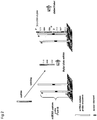
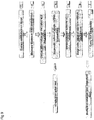
- microarray methods are employed that do not require labeling of the miRNAs prior to hybridization ( Fig.
- RNA input preferably the whole predetermined set of miRNAs can be analyzed.
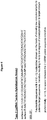
- Examples of preferred hybridization assays are shown in Figures 1-4 .
- the design of exemplary miRNA capture probes for use in hybridization assays is depicted in Figures 5 and 6 .
- RT-PCR quantitative real-time polymerase chain reaction
- bead-based assays e.g. the luminex platform, are also suitable.
- bead-based assays e.g. the Luminex platform
- bead-based assays e.g. the Luminex platform
- Alternative methods for obtaining expression profiles may also contain sequencing, next generation sequencing or mass spectroscopy.
- the predetermined set of miRNAs in step (a) of the method of the invention depends on the disease to be diagnosed.
- the inventors found out that single miRNA biomarkers lack sufficient accuracy, specificity and sensitivity, and therefore it is preferred to analyze more complex miRNA expression patterns, so-called miRNA signatures.
- the predetermined set of miRNAs comprises one or more, preferably a larger number of miRNAs (miRNA signatures) that are differentially regulated in samples of a patient affected by a particular disease compared to healthy or other relevant controls.
- the expression profile determined in step (a) is subsequently compared to a reference expression profile or a relevant reference in step (b).
- This reference may be a mathematical function or algorithm that allows for the diagnosis of the disease.
- This mathematical function or algorithm has been developed on the basis of a plurality of reference expression profiles.
- the reference expression profile is the expression profile of the same set of miRNAs in a biological sample originating from the same source as the biological sample from a patient but obtained from a healthy subject.
- both the reference expression profile and the expression profile of step (a) are determined in a blood or serum sample including whole blood, plasma, serum or fractions thereof, or in a sample of peripheral blood mononuclear cells, erythrocytes, leukocytes and/or thrombocytes.
- the reference expression profile is not necessarily obtained from a single healthy subject but may be an average expression profile of a plurality of healthy subjects. It is preferred to use a reference expression profile obtained from a person of the same gender, and a similar age as the patient. It is also understood that the reference expression profile is not necessarily determined for each test. Appropriate reference profiles stored in databases may also be used. These stored references profiles may, e.g., be derived from previous tests. The reference profile may also be a mathematical function or algorithm which is developed on a plurality of measured reference profiles.
- the disease to be determined is multiple sclerosis.
- miRNAs are differentially regulated in samples from MS patients as compared to health controls.
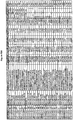
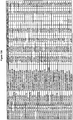
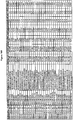
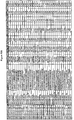
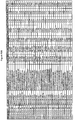
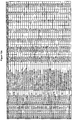
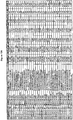
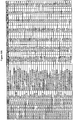
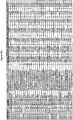
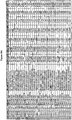
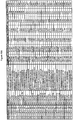
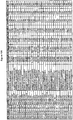
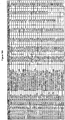
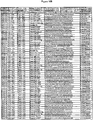
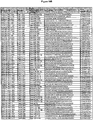
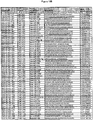
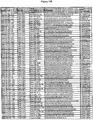
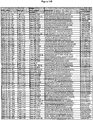
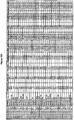
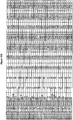
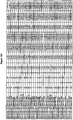
- a complete overview of all miRNAs that are found to be differentially regulated in blood samples of multiple sclerosis patients is provided in the tables shown in Figures 10A , 10B and 10C .
- 193 miRNAs were found to be significantly deregulated in blood cells of MS patients as compared to controls ( Fig. 10A ).
- - based on additional information - 165 miRNAs were found to be significantly deregulated in blood cells of MS patients as compared to controls ( Fig. 10B ).
- 308 miRNAs were found to be significantly deregulated in blood cells of MS patients as compared to controls ( Fig. 10C ).
- the predetermined set of miRNAs for the diagnosis of multiple sclerosis comprises one or more nucleic acids selected from the deregulated miRNAs presented in the tables in Figures 10A , 10B or 10C .
- the predetermined set of miRNAs should preferably comprise at least 7, preferably at least 10, 15, 20 or 24 of the indicated nucleic acids.
- the predetermined set of miRNAs for the diagnosis of MS comprises one or more nucleic acids selected from the 24 most deregulated miRNAs hsa-miR-145, hsa-miR-186, hsa-miR-664, hsa-miR-584, hsa-miR-20b, hsa-miR-223, hsa-miR-422a, hsa-miR-142-3p, hsa-let-7c, hsa-miR-151-3p, hsa-miR-491-5p, hsa-miR-942, hsa-miR-361-3p, hsa-miR-22*, hsa-miR-140-5p, hsa-miR-216a, hsa-miR-1275, hsa-miR-367, hsa-miR-146a, h
- the predetermined set of miRNAs comprises at least 7, preferably at least 10, 15, 20 or all of the above-indicated nucleic acids.
- the predetermined set of miRNAs comprises those miRNAs that were most significantly deregulated: hsa-miR-145, hsa-miR-186, hsa-miR-664, hsa-miR-584, hsa-miR-20b, hsa-miR-223, hsa-miR-422a, hsa-miR-142-3p, hsa-let-7c.
- the predetermined set of miRNAs for the diagnosis of MS comprises at least one preferred signature 1-84 as shown in Table 1. It should be noted that preferred diagnostic sets may also comprise one or more miRNAs of the miRNAs disclosed in Table 1 and any combination of the miRNAs together with one or more further diagnostically relevant miRNA from Figures 10A , 10B or 10C . Preferred predetermined sets of miRNA based on Table 1 comprise at least 3, 4, 5, 6, 7, 8, 9 or 10 miRNAs and up to 10, 15, or 20 or more miRNAs.
- kits for diagnosing a disease comprising means for determining an expression profile of a predetermined set of miRNAs in a biological sample, in particular in a blood, plasma, and/or serum sample including whole blood, plasma, serum or fractions thereof, or in a sample comprising peripheral blood mononuclear cells, erythrocytes, leukocytes and/or thrombocytes.
- one or more reference expression profiles or a relevant reference which may be a mathematical function or algorithm - which allows for the diagnosis of the disease - are also provided which show the expression profile of the same set of miRNAs in the same type of biological sample, in particular in a blood and/or serum sample, obtained from one or more healthy subjects.
- a comparison to said reference expression profile(s) or relevant reference incl. a mathematical function or algorithm allows for the diagnosis of the disease.
- the kit is preferably a test kit for detecting a predetermined set of miRNAs in sample by nucleic acid hybridisation and optionally amplification such as PCR or RT-PCR.
- the kit preferably comprises probes and/or primers and enzymes and reagents, including also reagent for cDNA-synthesis from miRNAs prior to real-time PCR for detecting a predetermined set of miRNAs.
- the kit may comprise enzymes and reagents, e.g. for cDNA synthesis from miRNAs prior to RT-PCR.
- a preferred embodiment of the present invention is a kit for diagnosing multiple sclerosis, comprising means for determining the expression profile of one or more relevant miRNAs presented in the table in Figure 10A , 10B or 10C as described above, preferably one or more miRNAs selected from the group consisting of hsa-miR-145, hsa-miR-186, hsa-miR-664, hsa-miR-584, hsa-miR-20b, hsa-miR-223, hsa-miR-422a, hsa-miR-142-3p, hsa-let-7c, hsa-miR-151-3p, hsa-miR-491-5p, hsa-miR-942, hsa-miR-361-3p, hsa-miR-22*, hsa-miR-140-5p, hsa-miR-216a,
- the kit comprises means for determining at least seven, preferably at least 10, 15, 20 or all of the indicated miRNAs. It is particularly preferred to include means for determining the 24, 20, 15, 10 or at least 7 first mentioned miRNAs in the order of their diagnostic significance as represented by their order in the table in Figure 10A , 10B , or 10C . Further, the kit may comprise means for determining the expression profile of a predetermined set of miRNAs based on Table 1 as described above.
- the kit for diagnosing MS is particularly suitable for diagnosing MS in a blood, plasma, and/or serum sample or in a sample comprising peripheral blood mononuclear cells, erythrocytes, leukocytes and/or thrombocytes.
- the means for determining a predetermined set of miRNAs may for example comprise a microarray comprising miRNA-specific oligonucleotide probes.
- the microarray comprises miRNA-specific oligonucleotide probes for one or more miRNAs oligonucleotide probes for one or more miRNAs.
- probes for different miRNAs may be included.
- a microarray intended for use in the diagnosis of multiple sclerosis preferably comprises miRNA specific oligonucleotide probes for one or more miRNAs presented in the table in Figures 10A , 10B or 10C as described above, preferably for one or more miRNAs selected from the group consisting of hsa-miR-145, hsa-miR-186, hsa-miR-664, hsa-miR-584, hsa-miR-20b, hsa-miR-223, hsa-miR-422a, hsa-miR-142-3p, hsa-let-7c, hsa-miR-151-3p, hsa-miR-491-5p, hsa-miR-942, hsa-miR-361-3p, hsa-miR-22*, hsa-miR-140-5p, hsa-miR
- the microarray comprises oligonucleotide probes for determining at least 7, preferably at least 10, 15, 20 or all of the indicated miRNAs. It is particularly preferred to include oligonucleotide probes for determining the most significant miRNAs, which is represented by their order in the table depicted in Figure 10A , 10B or 10C . In a further embodiment, the microarray comprises oligonucleotide probes for determining miRNA sets based on Table 1 as described above.
- the microarray can comprise oligonucleotide probes obtained from known or predicted miRNA sequences.
- the array may contain different oligonucleotide probes for each miRNA, for example one containing the active mature sequence and another being specific for the precursor of the miRNA.
- the array may also contain controls such as one or more sequences differing from the human orthologs by only a few bases, which can serve as controls for hybridization stringency conditions. It is also possible to include viral miRNAs or putative miRNAs as predicted from bioinformatic tools. Further, it is possible to include appropriate controls for non-specific hybridization on the microarray.
- the invention also relates to sets of oligo- or polynucleotides for diagnosing multiple sclerosis comprising the sequences of at least 7, preferably at least 10, 15, 20 or all of the indicated miRNAs, and/or the complement of such sequences. It is particularly preferred to include oligo- or polynucleotides for detecting the most significant miRNAs, which are represented by their order in the table depicted in Figure 10A , 10B or 10C . In a further embodiment, the set includes oligo- or polynucleotides for detecting of the miRNA sets based on Table 1 as described above.
- oligo- or polynucleotides preferably have a length of 10, 15 or 20 and up to 30, 40, 50, 100 or more nucleotides.
- the term "oligo- or polynucleotides" includes single- or double-stranded molecules, RNA molecules, DNA molecules or nucleic acid analogs such as PNA or LNA.
- Another embodiment of the present invention relates to a method for the assessment of a clinical condition related to multiple sclerosis of a patient.
- the present inventors developed a novel class of diagnostic tests improving the current test scenarios.
- the inventors found out that a variety of diseases are correlated with a specific expression profile of miRNAs.
- a patient is affected by a particular disease, several miRNAs are present in larger amounts compared to a healthy normal control, whereas the amount of other miRNAs is decreased.
- the amount of some miRNAs is deregulated, i.e. increased or decreased, in more than one disease.
- the miRNA profile for a particular disease therefore shows conformity with the miRNA profile of other diseases in regard of individual miRNAs while other miRNAs show significant differences.
- the comparison of the expression profile with a variety of reference expression profiles which are each characteristic for different diseases makes it possible to obtain information about the clinical condition of a certain patient and to determine, which disease(s) is/are present in said patient.
- a further subject matter of the invention is a method for the assessment of a clinical condition related to multiple sclerosis of a patient comprising the steps
- a “biological sample” in terms of the invention means a sample of biological tissue or fluid as described hereinabove.
- biological samples are sections of tissues, blood, blood fractions, plasma, serum, urine or samples from other peripheral sources.
- the set of miRNAs determined in step (d) preferably includes a large number of different miRNAs. It is particularly preferred to use at least 10, 20, 30, 50, preferably at least 100, 200, 500 or 1,000 miRNAs. Most preferably, all known miRNAs are included in the set of miRNAs determined in step (b) Such a complex set of miRNA-biomarkers enables a diagnosis with higher specificity and sensitivity compared to single biomarkers or sets of only a few dozens of such markers.
- the determination of the set of miRNAs can be done as described herein above.
- the determination is done on an experimental platform which shows a high degree of automation to minimize experimental variations, measure results time- and cost-efficiently, measures results highly reproduceably and be able for measuring more than one sample at once in order to ensure a high throughput.
- Step (c) preferably includes a comparison of the miRNA profile measured for a patient with a large number of different reference profiles to provide information about the presence of as many different diseases as possible.
- the reference expression profiles may be laid down in a database, e.g. an internet database, a centralized or a decentralized database.
- the reference profiles do not necessarily have to include information about all miRNAs included in step (b), which are determined in the sample of the patient. It is, according to the invention, sufficient if the reference profile provides information on those miRNAs which are altered to a large extent compared to the condition of a healthy individual in case of the presence of a disease.
- the said relevant reference may be a mathematical function or algorithm.
- an miRNA reference profile or the relevant reference according to the invention provides information on miRNA expression characteristic for a particular disease in the same type of biological sample as used in step (b) for determining a predetermined set of miRNAs in a sample from a patient, This means that, if a patient with an unknown disease is to be classified with the analysis of a blood sample, the comparison is preferably made with miRNA reference expression profiles, which do also relate to the miRNA expression pattern in a blood sample.
- the reference profiles or the relevant reference characteristic for particular diseases provide information on one or more miRNAs, which are, in case of the disease, highly deregulated, for example strongly increased or decreased, as compared to a healthy condition. It is not necessary for the reference profiles to provide information about all miRNAs included in the set of biomarkers determined in step (b). However, the more miRNAs are included in the reference profile or relevant reference, the more precise the diagnosis will be. If, for example, a reference profile for lung cancer is included, it is preferred to include the characteristic miRNAs for lung cancer. Equivalently, it is preferred to include into a reference profile for multiple sclerosis the characteristic miRNAs for multiple sclerosis as described hereinabove as well.
- the set of miRNAs to be determined in a biological sample from a patient preferably includes a large number of different miRNAs. It is particularly preferred to include all known miRNAs in the set of miRNAs to be determined. In each case, said predetermined set of miRNAs should include those miRNAs for which information is provided in the reference profiles characteristic for particular diseases. It is understood that only in case the set of miRNAs determined in a biological sample from a patient comprises those miRNAs included in the reference profile/reference for a disease, a diagnosis regarding this particular disease can be provided or otherwise the diagnosis may be less informative.
- the kit for the assessment of a clinical condition of a patient is suitable for diagnosing any diseases which are correlated with a characteristic miRNA profile.
- the kit for the assessment of a clinical condition preferably includes reference profiles/references for a plurality of diseases that are correlated with a characteristic miRNA profile. It is understood that all miRNAs that are significantly deregulated in the disease states for which reference profiles are provided should be included in the set of miRNAs to be determined in a biological sample from a patient. If the kit for the assessment of a clinical condition of a patient should provide information regarding, e.g. lung cancer or multiple sclerosis, a reference profile should be available providing information about the significantly deregulated miRNAs compared to a normal or any other relevant control individual or any other relevant control individual(s).
- a kit for the assessment of a clinical condition shall provide information on the presence of multiple sclerosis, a reference profile characteristic for multiple sclerosis should be included.
- Said reference profile preferably includes information on those miRNAs that are most significantly deregulated in the case of MS.
- the relevant miRNAs are as disclosed hereinabove.
- MPEA multifluidic-based enzymatic on-chip labelling of miRNAs
- the biochip was washed automatically and a program for signal enhancement was processed with the GRTA.
- the resulting detection pictures were evaluated using the Geniom Wizard Software.
- the median signal intensity was extracted from the raw data file such that for each miRNA seven intensity values have been calculated corresponding to each replicate copy of mirBase on the array. Following background correction, the seven replicate intensity values of each miRNA were summarized by their median value. To normalize the data across different arrays, quantile normalization was applied and all further analyses were carried out using the normalized and background subtracted intensity values.
- the Human miRNA Disease Database was used.
- a bipartite network was built where nodes correspond either to a miRNA or to a diseases. Only edges between miRNA and diseases nodes are allowed, where an edge between miRNA A and disease B means that the miRNA A is differentially regulated in disease B. Since for MS no deregulated miRNAs are known the node "MultipleSclerosis" was added to this network and linked to all miRNAs that were significant in the analysis.
- SVM Support Vector Machines
- different kernel linear, polynomial, sigmoid, radial basis function
- Support Vector Machines were evaluated, where the cost parameter was sampled from 0.01 to 10 in decimal powers.
- the measured miRNA profiles were classified using 100 repetitions of standard 10-fold cross-validation.
- As a subset selection technique we applied a filter approach based on t-test.
- the s miRNAs with lowest p-values were computed on the training set in each fold of the cross validation, where s was sampled from 1 to 866.
- the respective subset was used to train the SVM and to carry out the prediction of the test samples.
- the mean accuracy, specificity, and sensitivity were calculated together with the 95% Confidence Intervals (95% Cl) for each subset size.
- 95% Cl 95% Confidence Intervals
- the expression of 866 miRNAs and miRNA star sequences was analyzed in blood cells of 22 patients with MS. As a control blood cells of 22 volunteers without known disease were used.
- the miRNA expression profiles were measured by the Geniom Bioship miRNA homo sapiens in the GRTA (febit GmbH, Heidelberg). Following intensity value computation and quantile normalization of the miRNA profiles, a mean correlation value of 0.97 for technical replicates was determined by using purchased total RNA from Ambion (four heart and four liver replicates). For the biological replicates the different tumor samples were compared between each other and the different normal samples were compared between each other. The biological replicates showed a mean correlation of 0.87 and a variance of 0.009.
- the miRNAs that were most significantly deregulated included hsa-miR-145 (5,25*10 -9 ), hsa-miR-186 (3,42*10 -7 ), hsa-miR-664 (1,20*10 -5 ), hsa-miR-20b (1,98*10 -5 ), hsa-miR-584 (1,98*10 -5 ), hsa-miR-223 (2,14*10 -5 ), hsa-miR-422a (2,87*10 -5 ), hsa-miR-142-3p (3,01*10 -5 )and hsa-let-7c (7,68*10 -5 ).
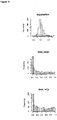
- bar-plots showing the intensity values for all MS and control samples are presented in Figures 12a and 12b .
- HMDD Human microRNA Disease Database
- a network containing 452 nodes was created, 137 belonging to diseases and 315 to miRNAs.
- the network also contained 1617 unique edges (some relations between miRNAs and diseases have been published in multiple papers).
- MS is not included as disease in this network.
- the network was modified as followings: a disease node "MultipleSclerosis" was added and edges between this node and all significant miRNAs were created. Additionally, all disease nodes that are not linked to any MS miRNA and all miRNAs belonging only to removed disease nodes were removed.
- the novel network thus contains only those miRNAs that are significant in MS and other diseases and those that are significant in MS, only.
- This shrunken network contained 77 disease nodes together with the 193 significant miRNAs. Remarkably, only 43 of the 193 (22%) miRNAs were related to a disease other than MS while the remaining 78% miRNAs were only connected to MS. Of these 146 miRNAs, 36 were so-called star sequences.
- thermometer For the molecular clinical thermometer, an arbitrary machine learning (feature extraction/ classification / regression/ clustering) technique can be applied.
- the workflow does not depend on the applied method that can be seen as a black box.
- This set consisting of a p x n matrix where n is the number of samples and p the number of biomarkers, is commonly denoted as training data set.
- a combination of feature extraction and supervised learning techniques (the process can be also carried out with slight modifications using unsupervised techniques) is applied to generate a statistical model, which describes the training data well.
- it is essential to control the model complexity in order to avoid so-called overtraining of the statistical models.
- multi-class cases can be carried out, we focus on two class comparisons, i.e., normal versus cancer 1, normal versus cancer 2, cancer 1 versus cancer 2.
- the statistical model can be used to compute the probability for each class and this new sample.
- Only one example are support vector machines, where the distance of a sample to the seperating hyperplane can be used to estimate the class probability via a regression approach.
- the specificity and sensitivity can be trade-off by shifting the probability threshold (which usually should be 0.5 or 50%).
- the probabilities in the previously described step can be used to generate so-called disease probability plots (DPP). These plots contain for each class and a single sample the probabilities to belong to a certain class. In detail, each class is described by a colored line of length 100 (representing a percentage range), where the lower rate is colored green (representing small probabilities) and the higher range red (higher probabilities). For each class, an arrow marks the probability for the patient and the respective disease. For class "normal” the minimal and maximal probability to be normal are shown.
- the DPPs thus allow for visualizing the complex statistical evaluation in a simple and well interpretable way.
Landscapes
- Life Sciences & Earth Sciences (AREA)
- Health & Medical Sciences (AREA)
- Engineering & Computer Science (AREA)
- Chemical & Material Sciences (AREA)
- Physics & Mathematics (AREA)
- Organic Chemistry (AREA)
- Proteomics, Peptides & Aminoacids (AREA)
- Genetics & Genomics (AREA)
- Bioinformatics & Cheminformatics (AREA)
- General Health & Medical Sciences (AREA)
- Biotechnology (AREA)
- Biophysics (AREA)
- Medical Informatics (AREA)
- Analytical Chemistry (AREA)
- Wood Science & Technology (AREA)
- Zoology (AREA)
- Molecular Biology (AREA)
- Theoretical Computer Science (AREA)
- Spectroscopy & Molecular Physics (AREA)
- Data Mining & Analysis (AREA)
- Evolutionary Biology (AREA)
- Bioinformatics & Computational Biology (AREA)
- Immunology (AREA)
- Pathology (AREA)
- General Engineering & Computer Science (AREA)
- Biochemistry (AREA)
- Microbiology (AREA)
- Computer Vision & Pattern Recognition (AREA)
- Evolutionary Computation (AREA)
- Public Health (AREA)
- Software Systems (AREA)
- Epidemiology (AREA)
- Databases & Information Systems (AREA)
- Bioethics (AREA)
- Artificial Intelligence (AREA)
- Hospice & Palliative Care (AREA)
- Oncology (AREA)
- Measuring Or Testing Involving Enzymes Or Micro-Organisms (AREA)
Description
- MicroRNAs (miRNA) are a recently discovered class of small non-coding RNAs (17-14 nucleotides). Due to their function as regulators of gene expression they play a critical role both in physiological and in pathological processes, such as cancer (Calin and Croce 2006; Esquela-Kerscher and Slack 2006; Zhang, Pan et al. 2007; Sassen, Miska et al. 2008).
- There is increasing evidence that miRNAs are not only found in tissues but also in human blood both as free circulating nucleic acids (also called circulating miRNAs) and in mononuclear cells. A recent proof-of-principle study demonstrated miRNA expression pattern in pooled blood sera and pooled blood cells, both in healthy individuals and in cancer patients including patients with lung cancer (Chen, Ba et al. 2008). In addition, a remarkable stability of miRNAs in human sera was recently demonstrated (Chen, Ba et al. 2008; Gilad, Meiri et al. 2008). These findings make miRNA a potential tool for diagnostics for various types of diseases based on blood analysis.
- Multiple sclerosis (MS), also known as disseminated sclerosis or encephalomyelitis disseminata) is an inflammatory autoimmune disease of the central nervous system (CNS). Causing MS appears to be a combination of immunological, genetic and environmental factors. It is a chronic demyelinating disease, which primarily affects young adults and is characterized by a highly variable course. The heterogeneous presentation of MS is characterized by a variety of clinical problems arising from multiple regions of demyelination and inflammation along axonal pathways. The signs and symptoms of MS are determined by the location of the affected regions.
- Mostly, the disease begins in the third or fourth decade of life. Its initial course is characterized by acute episodes of neurological dysfunction, such as decreased vision, followed by subsequent recovery. This course is known as relapsing-remitting MS. Over time, the improvement after attacks may be incomplete and the relapsing-remitting course may evolve into one of increasing progression of disability, termed secondary progressive MS.
- The diagnosis of MS generally relies on the presence of a neurological problem that remits and then returns at an unrelated site. This is confirmed by magnetic resonance imaging (MRI) or functional evidence of lesions in a particular pathway by abnormal evoked potentials. The histological hallmark of MS at postmortem exam is multiple lesions at different sites showing loss of myelin and infiltration by a characteristic complement of inflammatory cells.
- The key to identifying predictive markers is a deeper understanding of the factors that underlie the therapeutic response. Identification of biomarkers will in turn allow for stratification of MS patients for their response to a specific treatment, ultimately leading to improved therapeutic benefits and a personalized treatment approach for MS patients.
- Identification of reliable biomarkers in MS sclerosis patients bears the potential for an improved MS diagnosis, monitoring the disease activity and progression and also to evaluate response to treatments. The field of biomarker discovery has gradually shifted from the aim to find the perfect surrogate marker to the construction of composite markers with higher performances, taking advantage of technologies allowing unbiased screening, including microarray analyses. However, suitable biomarker sets allowing for a non-invasive diagnosis of MS based on peripheral profiles have not been detected, so far.
- Various markers have been proposed to indicate specific types of disorders such as cancer or MS. However, there is still a need for more efficient and effective methods and compositions for the diagnosis of diseases.
- The present invention provides novel methods for diagnosing diseases based on the determination of specific miRNAs that have altered expression levels in disease states compared to healthy or other relevant controls. The present invention particularly provides novel methods for the diagnosis and/or prognosis and/or monitoring of multiple sclerosis or related diseases in human individuals based on miRNA analysis from samples derived from blood.
- A first subject-matter of the invention is a method for diagnosing multiple sclerosis, comprising the steps
- (a) determining an expression profile of a predetermined set of miRNAs in a biological sample from a patient; and
- (b) comparing said expression profile to a reference expression profile,
- A "biological sample" in terms of the invention means a sample of biological tissue or fluid. Examples of biological samples are sections of tissues, blood, blood fractions, plasma, serum, etc. A biological sample may be provided by removing a sample of cells from a subject, but can also be provided by using a previously isolated sample. For example, a tissue sample can be removed from a subject suspected of having a disease by conventional biopsy techniques. In a preferred embodiment, a blood sample is taken from the subject. In one embodiment, the blood or tissue sample is obtained from the subject prior to initiation of radiotherapy, chemotherapy or other therapeutic treatment. According to the invention, the biological sample preferably is a blood, plasma, or PBMC (peripheral blood mononuclear cell), or a serum sample. Further, it is also preferred to use blood cells, e.g. erythrocytes, leukocytes or thrombocytes.
- A biological sample from a patient means a sample from a subject suspected to be affected by a disease. As used herein, the term "subject" refers to any mammal, including both human and other mammals. Preferably, the methods of the present invention are applied to human subjects.
- In step (a) of the method of the invention, an expression profile of a predetermined set of miRNAs is determined. The determination may be carried out by any convenient means for determining nucleic acids. For expression profiling, qualitative, semi-quantitative and preferably quantitative detection methods can be used. A variety of techniques are well known to those of skill in the art. In particular, the determination may comprise nucleic acid hybridization and/or nucleic acid amplification steps.
- Nucleic acid hybridization may for example be performed using beads, a solid phase nucleic acid biochip array, in particular a microarray, beads, or in situ hybridization. The miRNA microarray technology affords the analysis of a complex biological sample for all expressed miRNAs. Nucleotides with complementarity to the corresponding miRNAs are spotted, or synthesized on coated carriers. E.g., miRNAs isolated from the sample of interest may be labelled, e.g. fluorescently labelled, so that upon hybridization of the miRNAs to the complementary sequences on the carrier the resulting signal indicates the occurrence of a distinct miRNA. Preferably, microarray methods are employed that do not require labeling of the miRNAs prior to hybridization (
Fig. 3-4 ) and start directly from total RNA input. On one miRNA microarray, preferably the whole predetermined set of miRNAs can be analyzed. Examples of preferred hybridization assays are shown inFigures 1-4 . The design of exemplary miRNA capture probes for use in hybridization assays is depicted inFigures 5 and6 . - Further, quantitative real-time polymerase chain reaction (RT-PCR) can be used to detect also low abandoned miRNAs. Furthermore, bead-based assays, e.g. the luminex platform, are also suitable.
- Furthermore, bead-based assays, e.g. the Luminex platform, are also suited to carry out the present invention.
- Alternative methods for obtaining expression profiles may also contain sequencing, next generation sequencing or mass spectroscopy.
- The predetermined set of miRNAs in step (a) of the method of the invention depends on the disease to be diagnosed. The inventors found out that single miRNA biomarkers lack sufficient accuracy, specificity and sensitivity, and therefore it is preferred to analyze more complex miRNA expression patterns, so-called miRNA signatures. The predetermined set of miRNAs comprises one or more, preferably a larger number of miRNAs (miRNA signatures) that are differentially regulated in samples of a patient affected by a particular disease compared to healthy or other relevant controls.
- The expression profile determined in step (a) is subsequently compared to a reference expression profile or a relevant reference in step (b). This reference may be a mathematical function or algorithm that allows for the diagnosis of the disease. This mathematical function or algorithm has been developed on the basis of a plurality of reference expression profiles. The reference expression profile is the expression profile of the same set of miRNAs in a biological sample originating from the same source as the biological sample from a patient but obtained from a healthy subject. Preferably, both the reference expression profile and the expression profile of step (a) are determined in a blood or serum sample including whole blood, plasma, serum or fractions thereof, or in a sample of peripheral blood mononuclear cells, erythrocytes, leukocytes and/or thrombocytes. It is understood that the reference expression profile is not necessarily obtained from a single healthy subject but may be an average expression profile of a plurality of healthy subjects. It is preferred to use a reference expression profile obtained from a person of the same gender, and a similar age as the patient. It is also understood that the reference expression profile is not necessarily determined for each test. Appropriate reference profiles stored in databases may also be used. These stored references profiles may, e.g., be derived from previous tests. The reference profile may also be a mathematical function or algorithm which is developed on a plurality of measured reference profiles.
- The inventors succeeded in developing a generally applicable approach to arrive at miRNA signatures that are correlated with a particular disease. The general work flow is depicted in
Figure 9 . In more detail, the following steps are accomplished: - 1. miRNAs are extracted from a biological sample of a patient, preferably a blood or serum sample or a sample comprising erythrocytes, leukocytes or thrombocytes, using suitable kits / purification methods
- 2. The respective samples are measured using experimental techniques.
These techniques include but are not restricted to:- Array based approaches
- Real time quantitative polymerase chain reaction
- Bead based assays (e.g. Luminex)
- Sequencing
- Next Generation Sequencing
- Mass Spectroscopy
- 3. Mathematical approaches are applied to gather information on the value and the redundancy of single biomarkers. These methods include, but are not restricted to:
- basic mathematic approaches (e.g. Fold Quotients, Signal to Noise ratios, Correlation)
- statistical methods as hypothesis tests (e.g. t-test, Wilcoxon-Mann-Whitney test), the Area under the Receiver operator Characteristics Curve
- Information Theory approaches, (e.g. the Mutual Information, Cross-entropy)
- Probability theory (e.g. joint and conditional probabilities)
- Combinations and modifications of the previously mentioned examples
- 4. The information collected in 3) are used to estimate for each biomarker the diagnostic content or value. Usually, however, this diagnostic value is too small to get a highly accurate diagnosis with accuracy rates, specificities and sensitivities beyond the 90% barrier.
Please note that the diagnostic content for our miRNAs can be found inFigures 10A ,10B and10C . This table includes the miRNAs with the sequences, the fold quotient, the mutual information and the significance value as computed by a t-test. - 5. Thus statistical learning / machine learning / bioinformatics / computational approaches are applied to define subsets of biomarkers that are tailored for the detection of diseases. These techniques includes but are not restricted to
- Wrapper subset selection techniques (e.g. forward step-wise, backward step-wise, combinatorial approaches, optimization approaches)
- Filter subset selection methods (e.g. the methods mentioned in 3)
- Principal Component Analysis
- Combinations and modifications of such methods (e.g. hybrid approaches)
- 6. The diagnostic content of each detected set can be estimated by mathematical and/or computational techniques to define the diagnostic information content of subsets.
- 7. The subsets, detected in
step 5, which may range from only a small number (at least two) to all measured biomarkers is then used to carry out a diagnosis. To this end, statistical learning / machine learning / bioinformatics / computational approaches are applied that include but are not restricted to any type of supervised or unsupervised analysis:- Classification techniques (e.g. naive Bayes, Linear Discriminant Analysis, Quadratic Discriminant Analysis Neural Nets, Tree based approaches, Support Vector Machines, Nearest Neighbour Approaches)
- Regression techniques (e.g. linear Regression, Multiple Regression, logistic regression, probit regression, ordinal logistic regression ordinal Probit-Regression, Poisson Regression, negative binomial Regression, multinomial logistic Regression, truncated regression)
- Clustering techniques (e.g. k-means clustering, hierarchical clustering, PCA)
- Adaptations, extensions, and combinations of the previously mentioned approaches
- The inventors surprisingly found out that the described approach yields in miRNA signatures that provide high diagnostic accuracy, specificity and sensitivity in the determination of multiple sclerosis or related disease states/clinical conditions.
- According to a preferred embodiment of the invention, the disease to be determined is multiple sclerosis. Surprisingly, the inventors found out that miRNAs are differentially regulated in samples from MS patients as compared to health controls. A complete overview of all miRNAs that are found to be differentially regulated in blood samples of multiple sclerosis patients is provided in the tables shown in
Figures 10A ,10B and10C . In one embodiment, 193 miRNAs were found to be significantly deregulated in blood cells of MS patients as compared to controls (Fig. 10A ). In a further embodiment - based on additional information - 165 miRNAs were found to be significantly deregulated in blood cells of MS patients as compared to controls (Fig. 10B ). In a still further embodiment, 308 miRNAs were found to be significantly deregulated in blood cells of MS patients as compared to controls (Fig. 10C ). - Preferably, the predetermined set of miRNAs for the diagnosis of multiple sclerosis comprises one or more nucleic acids selected from the deregulated miRNAs presented in the tables in
Figures 10A ,10B or10C . The predetermined set of miRNAs should preferably comprise at least 7, preferably at least 10, 15, 20 or 24 of the indicated nucleic acids. It is particularly preferred to include the 24, 20, 15, 10 or at least 7 of the first mentioned miRNAs according to their order in the tables inFigures 10A ,10B or10C , preferably except hsa-miR-148a, hsa-miR-18b, hsa-miR-96, hsa-miR-96, hsa-miR-599, hsa-miR-493, hsa-miR-184, hsa-miR-193a. - Thus, preferably the predetermined set of miRNAs for the diagnosis of MS comprises one or more nucleic acids selected from the 24 most deregulated miRNAs hsa-miR-145, hsa-miR-186, hsa-miR-664, hsa-miR-584, hsa-miR-20b, hsa-miR-223, hsa-miR-422a, hsa-miR-142-3p, hsa-let-7c, hsa-miR-151-3p, hsa-miR-491-5p, hsa-miR-942, hsa-miR-361-3p, hsa-miR-22*, hsa-miR-140-5p, hsa-miR-216a, hsa-miR-1275, hsa-miR-367, hsa-miR-146a, hsa-miR-598, hsa-miR-613, hsa-miR-18a*, hsa-miR-302b, hsa-miR-501-5p. Preferably, the predetermined set of miRNAs comprises at least 7, preferably at least 10, 15, 20 or all of the above-indicated nucleic acids. Most preferably, the predetermined set of miRNAs comprises those miRNAs that were most significantly deregulated: hsa-miR-145, hsa-miR-186, hsa-miR-664, hsa-miR-584, hsa-miR-20b, hsa-miR-223, hsa-miR-422a, hsa-miR-142-3p, hsa-let-7c.
- In another embodiment, the predetermined set of miRNAs for the diagnosis of MS comprises at least one preferred signature 1-84 as shown in Table 1. It should be noted that preferred diagnostic sets may also comprise one or more miRNAs of the miRNAs disclosed in Table 1 and any combination of the miRNAs together with one or more further diagnostically relevant miRNA from
Figures 10A ,10B or10C . Preferred predetermined sets of miRNA based on Table 1 comprise at least 3, 4, 5, 6, 7, 8, 9 or 10 miRNAs and up to 10, 15, or 20 or more miRNAs.Table 1 Signature Signature SEQ-ID Nos miRNA -identifiers 1 A1 SEQ ID NO: 53, SEQ ID NO: 632, SEQ ID NO: 526 hsa-let-7b, hsa-miR-574-3p, hsa-miR-500 2 A2 SEQ ID NO: 526, SEQ ID NO: 790, SEQ ID NO: 806 hsa-miR-500, hsa-miR-1234, hsa-miR-125a-5p 3 A3 SEQ ID NO: 806, SEQ ID NO: 823, SEQ ID NO: 15 hsa-miR-125a-5p, hsa-miR-92b*, hsa-let-7c 4 A4 SEQ ID NO: 15, SEQ ID NO: 99, SEQ ID NO: 641 hsa-let-7c, hsa-miR-145, hsa-miR-330-3p 5 A5 SEQ ID NO: 641, SEQ ID NO: 50, SEQ ID NO: 75 hsa-miR-330-3p, hsa-miR-30e, hsa-miR-199a-5p 6 A6 SEQ ID NO: 75, SEQ ID NO: 51, SEQ ID NO: 13 hsa-miR-199a-5p, hsa-miR-223, hsa-miR-195 7 A7 SEQ ID NO: 13, SEQ ID NO: 129, SEQ ID NO: 750 hsa-miR-195, hsa-miR-182, hsa-miR-107 8 A8 SEQ ID NO: 750, SEQ ID NO: 87, SEQ ID NO: 137 hsa-miR-107, hsa-miR-497, hsa-miR-593* 9 A9 SEQ ID NO: 137, SEQ ID NO: 826, SEQ ID NO: 778 hsa-miR-593*, hsa-miR-422a, hsa-miR-1301 10 A10 SEQ ID NO: 778, SEQ ID NO: 232, SEQ ID NO: 644 hsa-miR-1301, hsa-miR-362-5p, hsa-miR-214 11 A11 SEQ ID NO: 644, SEQ ID NO: 217, SEQ ID NO: 358 hsa-miR-214, hsa-miR-31*, hsa-miR-24 12 A12 SEQ ID NO: 358, SEQ ID NO: 800, SEQ ID NO: 671 hsa-miR-24, hsa-miR-146a, hsa-miR-1908 13 A13 SEQ ID NO: 671, SEQ ID NO: 560, SEQ ID NO: 49 hsa-miR-1908, hsa-miR-103, hsa-miR-106a 14 A14 SEQ ID NO: 560, SEQ ID NO: 274, SEQ ID NO: 49 hsa-miR-103, hsa-miR-452*, hsa-miR-106a 15 A15 SEQ ID NO: 49, SEQ ID NO: 501, SEQ ID NO: 455 hsa-miR-106a, hsa-miR-621, hsa-miR-1251 16 A16 SEQ ID NO: 53, SEQ ID NO: 632, SEQ ID NO: 526, SEQ ID NO: 790, SEQ ID NO: 806 hsa-let-7b, hsa-miR-574-3p, hsa-miR-500, hsa-miR-1234, hsa-miR-125a-5p 17 A17 SEQ ID NO: 526, SEQ ID NO: 790, SEQ ID NO: 806, SEQ ID NO: 823, SEQ ID NO: 15 hsa-miR-500, hsa-miR-1234, hsa-miR-125a-5p, hsa-miR-92b*, hsa-let-7c 18 A18 SEQ ID NO: 806, SEQ ID NO: 823, SEQ ID NO: 15, SEQ ID NO: 99, SEQ ID NO: 641 hsa-miR-125a-5p, hsa-miR-92b*, hsa-let-7c, hsa-miR-145, hsa-miR-330-3p 19 A19 SEQ ID NO: 823, SEQ ID NO: 15, SEQ ID NO: 99, SEQ ID NO: 641, SEQ ID NO: 50 hsa-miR-92b*, hsa-let-7c, hsa-miR-145, hsa-miR-330-3p, hsa-miR-30e 20 A20 SEQ ID NO: 99, SEQ ID NO: 641, SEQ ID NO: 50, SEQ ID NO: 75, SEQ ID NO: 51 hsa-miR-145, hsa-miR-330-3p, hsa-miR-30e, hsa-miR-199a-5p, hsa-miR-223 21 A21 SEQ ID NO: 50, SEQ ID NO: 75, SEQ ID NO: 51, SEQ ID NO: 13, SEQ ID NO: 129 hsa-miR-30e, hsa-miR-199a-5p, hsa-miR-223, hsa-miR-195, hsa-miR-182 22 A22 SEQ ID NO: 75, SEQ ID NO: 51, SEQ ID NO: 13, SEQ ID NO: 129, SEQ ID NO: 750, SEQ ID NO: 87 hsa-miR-199a-5p, hsa-miR-223, hsa-miR-195, hsa-miR-182, hsa-miR-107, hsa-miR-497 23 A23 SEQ ID NO: 129, SEQ ID NO: 750, SEQ ID NO: 87, SEQ ID NO: 137, SEQ ID NO: 826, SEQ ID NO: 778 hsa-miR-182, hsa-miR-107, hsa-miR-497, hsa-miR-593*, hsa-miR-422a, hsa-miR-1301 24 A24 SEQ ID NO: 137, SEQ ID NO: 826, SEQ ID NO: 778, SEQ ID NO: 232, SEQ ID NO: 644, SEQ ID NO: 217 hsa-miR-593*, hsa-miR-422a, hsa-miR-1301, hsa-miR-362-5p, hsa-miR-214, hsa-miR-31* 25 A25 SEQ ID NO: 232, SEQ ID NO: 644, SEQ ID NO: 217, SEQ ID NO: 358, SEQ ID NO: 800, SEQ ID NO: 671 hsa-miR-362-5p, hsa-miR-214, hsa-miR-31*, hsa-miR-24, hsa-miR-146a, hsa-miR-1908 26 A26 SEQ ID NO: 358, SEQ ID NO: 800, SEQ ID NO: 671, SEQ ID NO: 814, SEQ ID NO: 560, SEQ ID NO: 274 hsa-miR-24, hsa-miR-146a, hsa-miR-1908, hsa-miR-675, hsa-miR-103, hsa-miR-452* 27 A27 SEQ ID NO: 814, SEQ ID NO: 560, SEQ ID NO: 274, SEQ ID NO: 49, SEQ ID NO: 501, SEQ ID NO: 455 hsa-miR-675, hsa-miR-103, hsa-miR-452*, hsa-miR-106a, hsa-miR-621, hsa-miR-1251 28 A28 SEQ ID NO: 49, SEQ ID NO: 501, SEQ ID NO: 455, SEQ ID NO: 528, SEQ ID NO: 259, SEQ ID NO: 619 hsa-miR-106a, hsa-miR-621, hsa-miR-1251, hsa-miR-20a*, hsa-miR-646, hsa-miR-885-3p 29 A29 SEQ ID NO: 528, SEQ ID NO: 259, SEQ ID NO: 619, SEQ ID NO: 363, SEQ ID NO: 169, SEQ ID NO: 11 hsa-miR-20a*, hsa-miR-646, hsa-miR-885-3p, hsa-miR-509-3-5p, hsa-miR-1912, hsa-miR-20b 30 A30 SEQ ID NO: 363, SEQ ID NO: 169, SEQ ID NO: 11, SEQ ID NO: 9, SEQ ID NO: 768, SEQ ID NO: 552 hsa-miR-509-3-5p, hsa-miR-1912, hsa-miR-20b, hsa-miR-574-5p, hsa-miR-221, hsa-miR-365 31 A31 SEQ ID NO: 53, SEQ ID NO: 632, SEQ ID NO: 526, SEQ ID NO: 790, SEQ ID NO: 806, SEQ ID NO: 823, SEQ ID NO: 15, SEQ ID NO: 99, SEQ ID NO: 641, SEQ ID NO: 50 hsa-let-7b, hsa-miR-574-3p, hsa-miR-500, hsa-miR-1234, hsa-miR-125a-5p, hsa-miR-92b*, hsa-let-7c, hsa-miR-145, hsa-miR-330-3p, hsa-miR-30e 32 A32 SEQ ID NO: 823, SEQ ID NO: 15, SEQ ID NO: 99, SEQ ID NO: 641, SEQ ID NO: 50, SEQ ID NO: 75, SEQ ID NO: 51, SEQ ID NO: 13, SEQ ID NO: 129, SEQ ID NO: 750, SEQ ID NO: 87 hsa-miR-92b*, hsa-let-7c, hsa-miR-145, hsa-miR-330-3p, hsa-miR-30e, hsa-miR-199a-5p, hsa-miR-223, hsa-miR-195, hsa-miR-182, hsa-miR-107, hsa-miR-497 33 A33 SEQ ID NO: 51, SEQ ID NO: 13, SEQ ID NO: 129, SEQ ID NO: 750, SEQ ID NO: 87, SEQ ID NO: 137, SEQ ID NO: 826, SEQ ID NO: 778, SEQ ID NO: 232, SEQ ID NO: 644 hsa-miR-223, hsa-miR-195, hsa-miR-182, hsa-miR-107, hsa-miR-497, hsa-miR-593*, hsa-miR-422a, hsa-miR-1301, hsa-miR-362-5p, hsa-miR-214 34 A34 SEQ ID NO: 137, SEQ ID NO: 826, SEQ ID NO: 778, SEQ ID NO: 232, SEQ ID NO: 644, SEQ ID NO: 217, SEQ ID NO: 358, SEQ ID NO: 800, SEQ ID NO: 671, SEQ ID NO: 814 hsa-miR-593*, hsa-miR-422a, hsa-miR-1301, hsa-miR-362-5p, hsa-miR-214, hsa-miR-31*, hsa-miR-24, hsa-miR-146a, hsa-miR-1908, hsa-miR-675 35 A35 SEQ ID NO: 217, SEQ ID NO: 358, SEQ ID NO: 800, SEQ ID NO: 671, SEQ ID NO: 814, SEQ ID NO: 560, SEQ ID NO: 274, SEQ ID NO: 49, SEQ ID NO: 501, SEQ ID NO: 455 hsa-miR-31*, hsa-miR-24, hsa-miR-146a, hsa-miR-1908, hsa-miR-675, hsa-miR-103, hsa-miR-452*, hsa-miR-106a, hsa-miR-621, hsa-miR-1251 36 A36 SEQ ID NO: 560, SEQ ID NO: 274, SEQ ID NO: 49, SEQ ID NO: 501, SEQ ID NO: 455, SEQ ID NO: 528, SEQ ID NO: 259, SEQ ID NO: 619, SEQ ID NO: 363, SEQ ID NO: 169 hsa-miR-103, hsa-miR-452*, hsa-miR-106a, hsa-miR-621, hsa-miR-1251, hsa-miR-20a*, hsa-miR-646, hsa-miR-885-3p, hsa-miR-509-3-5p, hsa-miR-1912 37 A37 SEQ ID NO: 528, SEQ ID NO: 259, SEQ ID NO: 619, SEQ ID NO: 363, SEQ ID NO: 169, SEQ ID NO: 11, SEQ ID NO: 9, SEQ ID NO: 768, SEQ ID NO: 552, SEQ ID NO: 789 hsa-miR-20a*, hsa-miR-646, hsa-miR-885-3p, hsa-miR-509-3-5p, hsa-miR-1912, hsa-miR-20b, hsa-miR-574-5p, hsa-miR-221, hsa-miR-365, hsa-miR-22* 38 A38 SEQ ID NO: 11, SEQ ID NO: 9, SEQ ID NO: 768, SEQ ID NO: 552, SEQ ID NO: 789, SEQ ID NO: 495, SEQ ID NO: 854, SEQ ID NO: 609, SEQ ID NO: 719, SEQ ID NO: 688 hsa-miR-20b, hsa-miR-574-5p, hsa-miR-221, hsa-miR-365, hsa-miR-22*, hsa-miR-1275, hsa-miR-625, hsa-miR-584, hsa-miR-328, hsa-miR-629 39 A39 SEQ ID NO: 495, SEQ ID NO: 854, SEQ ID NO: 609, SEQ ID NO: 719, SEQ ID NO: 688, SEQ ID NO: 313, SEQ ID NO: 667, SEQ ID NO: 491, SEQ ID NO: 320, SEQ ID NO: 84 hsa-miR-1275, hsa-miR-625, hsa-miR-584, hsa-miR-328, hsa-miR-629, hsa-miR-186, hsa-miR-142-3p, hsa-miR-7, hsa-miR-891a, hsa-miR-1272 40 A40 SEQ ID NO: 53, SEQ ID NO: 526, SEQ ID NO: 806, SEQ ID NO: 15, SEQ ID NO: 641 hsa-let-7b, hsa-miR-500, hsa-miR-125a-5p, hsa-let-7c, hsa-miR-330-3p 41 A41 SEQ ID NO: 790, SEQ ID NO: 823, SEQ ID NO: 99, SEQ ID NO: 50, SEQ ID NO: 51 hsa-miR-1234, hsa-miR-92b*, hsa-miR-145, hsa-miR-30e, hsa-miR-223 42 A42 SEQ ID NO: 99, SEQ ID NO: 50, SEQ ID NO: 51, SEQ ID NO: 129, SEQ ID NO: 87 hsa-miR-145, hsa-miR-30e, hsa-miR-223, hsa-miR-182, hsa-miR-497 43 B1 SEQ ID NO: 53, SEQ ID NO: 632, SEQ ID NO: 197 hsa-let-7b, hsa-miR-574-3p, hsa-miR-454 44 B2 SEQ ID NO: 197, SEQ ID NO: 526, SEQ ID NO: 737 hsa-miR-454, hsa-miR-500, hsa-miR-766 45 B3 SEQ ID NO: 737, SEQ ID NO: 14, SEQ ID NO: 790 hsa-miR-766, hsa-let-7e, hsa-miR-1234 46 B4 SEQ ID NO: 790, SEQ ID NO: 806, SEQ ID NO: 16 hsa-miR-1234, hsa-miR-125a-5p, hsa-let-7f 47 B5 SEQ ID NO: 16, SEQ ID NO: 823, SEQ ID NO: 15 hsa-let-7f, hsa-miR-92b*, hsa-let-7c 48 B6 SEQ ID NO: 15, SEQ ID NO: 18, SEQ ID NO: 99 hsa-let-7c, hsa-let-7g, hsa-miR-145 49 B7 SEQ ID NO: 99, SEQ ID NO: 3, SEQ ID NO: 622 hsa-miR-145, hsa-let-7i, hsa-miR-130b 50 B8 SEQ ID NO: 622, SEQ ID NO: 580, SEQ ID NO: 641 hsa-miR-130b, hsa-miR-1260, hsa-miR-330-3p 51 B9 SEQ ID NO: 641, SEQ ID NO: 50, SEQ ID NO: 4 hsa-miR-330-3p, hsa-miR-30e, hsa-let-7d 52 B10 SEQ ID NO: 4, SEQ ID NO: 436, SEQ ID NO: 565 hsa-let-7d, hsa-miR-501-3p, hsa-miR-1913 53 B11 SEQ ID NO: 565, SEQ ID NO: 75, SEQ ID NO: 5 hsa-miR-1913, hsa-miR-199a-5p, hsa-miR-22 54 B12 SEQ ID NO: 5, SEQ ID NO: 51, SEQ ID NO: 13 hsa-miR-22, hsa-miR-223, hsa-miR-195 55 B13 SEQ ID NO: 13, SEQ ID NO: 129, SEQ ID NO: 145 hsa-miR-195, hsa-miR-182, hsa-miR-30c 56 B14 SEQ ID NO: 129, SEQ ID NO: 67, SEQ ID NO: 145 hsa-miR-182, hsa-miR-192, hsa-miR-30c 57 B15 SEQ ID NO: 145, SEQ ID NO: 327, SEQ ID NO: 750 hsa-miR-30c, hsa-miR-363, hsa-miR-107 58 B16 SEQ ID NO: 53, SEQ ID NO: 632, SEQ ID NO: 197, SEQ ID NO: 526, SEQ ID NO: 737 hsa-tet-7b, hsa-miR-574-3p, hsa-miR-454, hsa-miR-500, hsa-miR-766 59 B17 SEQ ID NO: 197, SEQ ID NO: 526, SEQ ID NO: 737, SEQ ID NO: 14, SEQ ID NO: 790 hsa-miR-454, hsa-miR-500, hsa-miR-766, hsa-let-7e, hsa-miR-1234 60 B18 SEQ ID NO: 737, SEQ ID NO: 14, SEQ ID NO: 790, SEQ ID NO: 806, SEQ ID NO: 16 hsa-miR-766, hsa-let-7e, hsa-miR-1234, hsa-miR-125a-5p, hsa-let-7f 61 B19 SEQ ID NO: 14, SEQ ID NO: 790, SEQ ID NO: 806, SEQ ID NO: 16, SEQ ID NO: 823 hsa-let-7e, hsa-miR-1234, hsa-miR-125a-5p, hsa-let-7f, hsa-miR-92b* 62 B20 SEQ ID NO: 806, SEQ ID NO: 16, SEQ ID NO: 823, SEQ ID NO: 15, SEQ ID NO: 18 hsa-miR-125a-5p, hsa-let-7f, hsa-miR-92b*, hsa-let-7c, hsa-let-7g 63 B21 SEQ ID NO: 823, SEQ ID NO: 15, SEQ ID NO: 18, SEQ ID NO: 99, SEQ ID NO: 3 hsa-miR-92b*, hsa-let-7c, hsa-let-7g, hsa-miR-145, hsa-let-7i 64 B22 SEQ ID NO: 15, SEQ ID NO: 18, SEQ ID NO: 99, SEQ ID NO: 3, SEQ ID NO: 622, SEQ ID NO: 580 hsa-let-7c, hsa-let-7g, hsa-miR-145, hsa-let-7i, hsa-miR-130b, hsa-miR-1260 65 B23 SEQ ID NO: 3, SEQ ID NO: 622, SEQ ID NO: 580, SEQ ID NO: 641, SEQ ID NO: 50, SEQ ID NO: 4 hsa-let-7i, hsa-miR-130b, hsa-miR-1260, hsa-miR-330-3p, hsa-miR-30e, hsa-let-7d 66 B24 SEQ ID NO: 641, SEQ ID NO: 50, SEQ ID NO: 4, SEQ ID NO: 436, SEQ ID NO: 565, SEQ ID NO: 75 hsa-miR-330-3p, hsa-miR-30e, hsa-let-7d, hsa-miR-501-3p, hsa-miR-1913, hsa-miR-199a-5p 67 B25 SEQ ID NO: 436, SEQ ID NO: 565, SEQ ID NO: 75, SEQ ID NO: 5, SEQ ID NO: 51, SEQ ID NO: 13 hsa-miR-501-3p, hsa-miR-1913, hsa-miR-199a-5p, hsa-miR-22, hsa-miR-223, hsa-miR-195 68 B26 SEQ ID NO: 5, SEQ ID NO: 51, SEQ ID NO: 13, SEQ ID NO: 343, SEQ ID NO: 129, SEQ ID NO: 67 hsa-miR-22, hsa-miR-223, hsa-miR-195, hsa-miR-532-3p, hsa-miR-182, hsa-miR-192 69 B27 SEQ ID NO: 343, SEQ ID NO: 129, SEQ ID NO: 67, SEQ ID NO: 145, SEQ ID NO: 327, SEQ ID NO: 750 hsa-miR-532-3p, hsa-miR-182, hsa-miR-192, hsa-miR-30c, hsa-miR-363, hsa-miR-107 70 B28 SEQ ID NO: 145, SEQ ID NO: 327, SEQ ID NO: 750, SEQ ID NO: 675, SEQ ID NO: 87, SEQ ID NO: 20 hsa-miR-30c, hsa-miR-363, hsa-miR-107, hsa-miR-486-3p, hsa-miR-497, hsa-miR-339-5p 71 B29 SEQ ID NO: 675, SEQ ID NO: 87, SEQ ID NO: 20, SEQ ID NO: 137, SEQ ID NO: 237, SEQ ID NO: 670 hsa-miR-486-3p, hsa-miR-497, hsa-miR-339-5p, hsa-miR-593*, hsa-miR-194, hsa-miR-627 72 B30 SEQ ID NO: 137, SEQ ID NO: 237, SEQ ID NO: 670, SEQ ID NO: 521, SEQ ID NO: 808, SEQ ID NO: 198 hsa-miR-593*, hsa-miR-194, hsa-miR-627, hsa-miR-93, hsa-miR-197, hsa-miR-101 73 B31 SEQ ID NO: 53, SEQ ID NO: 632, SEQ ID NO: 197, SEQ ID NO: 526, SEQ ID NO: 737, SEQ ID NO: 14, SEQ ID NO: 790, SEQ ID NO: 806, SEQ ID NO: 16, SEQ ID NO: 823 hsa-let-7b, hsa-miR-574-3p, hsa-miR-454, hsa-miR-500, hsa-miR-766, hsa-let-7e, hsa-miR-1234, hsa-miR-125a-5p, hsa-let-7f, hsa-miR-92b* 74 B32 SEQ ID NO: 14, SEQ ID NO: 790, SEQ ID NO: 806, SEQ ID NO: 16, SEQ ID NO: 823, SEQ ID NO: 15, SEQ ID NO: 18, SEQ ID NO: 99, SEQ ID NO: 3, SEQ ID NO: 622, SEQ ID NO: 580 hsa-let-7e, hsa-miR-1234, hsa-miR-125a-5p, hsa-let-7f, hsa-miR-92b*, hsa-let-7c, hsa-let-7g, hsa-miR-145, hsa-let-7i, hsa-miR-130b, hsa-miR-1260 75 B33 SEQ ID NO: 18, SEQ ID NO: 99, SEQ ID NO: 3, SEQ ID NO: 622, SEQ ID NO: 580, SEQ ID NO: 641, SEQ ID NO: 50, SEQ ID NO: 4, SEQ ID NO: 436, SEQ ID NO: 565 hsa-let-7g, hsa-miR-145, hsa-let-7i, hsa-miR-130b, hsa-miR-1260, hsa-miR-330-3p, hsa-miR-30e, hsa-let-7d, hsa-miR-501-3p, hsa-miR-1913 76 B34 SEQ ID NO: 641, SEQ ID NO: 50, SEQ ID NO: 4, SEQ ID NO: 436, SEQ ID NO: 565, SEQ ID NO: 75, SEQ ID NO: 5, SEQ ID NO: 51, SEQ ID NO: 13, SEQ ID NO: 343 hsa-miR-330-3p, hsa-miR-30e, hsa-let-7d, hsa-miR-501-3p, hsa-miR-1913, hsa-miR-199a-5p, hsa-miR-22, hsa-miR-223, hsa-miR-195, hsa-miR-532-3p 77 B35 SEQ ID NO: 75, SEQ ID NO: 5, SEQ ID NO: 51, SEQ ID NO: 13, SEQ ID NO: 343, SEQ ID NO: 129, SEQ ID NO: 67, SEQ ID NO: 145, SEQ ID NO: 327, SEQ ID NO: 750 hsa-miR-199a-5p, hsa-miR-22, hsa-miR-223, hsa-miR-195, hsa-miR-532-3p, hsa-miR-182, hsa-miR-192, hsa-miR-30c, hsa-miR-363, hsa-miR-107 78 B36 SEQ ID NO: 129, SEQ ID NO: 67, SEQ ID NO: 145, SEQ ID NO: 327, SEQ ID NO: 750, SEQ ID NO: 675, SEQ ID NO: 87, SEQ ID NO: 20, SEQ ID NO: 137, SEQ ID NO: 237 hsa-miR-182, hsa-miR-192, hsa-miR-30c, hsa-miR-363, hsa-miR-107, hsa-miR-48fi-3p, hsa-miR-497, hsa-miR-339-5p, hsa-miR-593*, hsa-miR-194 79 B37 SEQ ID NO: 675, SEQ ID NO: 87, SEQ ID NO: 20, SEQ ID NO: 137, SEQ ID NO: 237, SEQ ID NO: 670, SEQ ID NO: 521, SEQ ID NO: 808, SEQ ID NO: 198, SEQ ID NO: 861 hsa-miR-486-3p, hsa-miR-497, hsa-miR-339-5p, hsa-miR-593*, hsa-miR-194, hsa-miR-627, hsa-miR-93, hsa-miR-197, hsa-miR-101, hsa-miR-92a 80 B38 SEQ ID NO: 670, SEQ ID NO: 521, SEQ ID NO: 808, SEQ ID NO: 198, SEQ ID NO: 861, SEQ ID NO: 826, SEQ ID NO: 850, SEQ ID NO: 778, SEQ ID NO: 43, SEQ ID NO: 232 hsa-miR-627, hsa-miR-93, hsa-miR-197, hsa-miR-101, hsa-miR-92a, hsa-miR-422a, hsa-miR-1470, hsa-miR-1301, hsa-miR-550*, hsa-miR-362-5p 81 B39 SEQ ID NO: 826, SEQ ID NO: 850, SEQ ID NO: 778, SEQ ID NO: 43, SEQ ID NO: 232, SEQ ID NO: 644, SEQ ID NO: 293, SEQ ID NO: 217, SEQ ID NO: 720, SEQ ID NO: 358 hsa-miR-422a, hsa-miR-1470, hsa-miR-1301, hsa-miR-550*, hsa-miR-362-5p, hsa-miR-214, hsa-miR-192*, hsa-miR-31*, hsa-miR-146b-5p, hsa-miR-24 82 B40 SEQ ID NO: 53, SEQ ID NO, 197, SEQ ID NO: 737, SEQ ID NO: 790, SEQ ID NO: 16 hsa-let-7b, hsa-miR-454, hsa-miR-766, hsa-miR-1234, hsa-let-7f 83 B41 SEQ ID NO: 526, SEQ ID NO: 14, SEQ ID NO: 806, SEQ ID NO: 823, SEQ ID NO: 18 hsa-miR-500, hsa-let-7e, hsa-miR-125a-5p, hsa-miR-92b*, hsa-let-7g 84 B42 SEQ ID NO: 806, SEQ ID NO: 823, SEQ ID NO: 18, SEQ ID NO: 3, SEQ ID NO: 580 hsa-miR-125a-5p, hsa-miR-92b*, hsa-let-7g, hsa-let-7i, hsa-miR-1260 - Another embodiment of the present invention is a kit for diagnosing a disease, comprising means for determining an expression profile of a predetermined set of miRNAs in a biological sample, in particular in a blood, plasma, and/or serum sample including whole blood, plasma, serum or fractions thereof, or in a sample comprising peripheral blood mononuclear cells, erythrocytes, leukocytes and/or thrombocytes. Preferably, one or more reference expression profiles or a relevant reference which may be a mathematical function or algorithm - which allows for the diagnosis of the disease - are also provided which show the expression profile of the same set of miRNAs in the same type of biological sample, in particular in a blood and/or serum sample, obtained from one or more healthy subjects. A comparison to said reference expression profile(s) or relevant reference incl. a mathematical function or algorithm allows for the diagnosis of the disease.
- The kit is preferably a test kit for detecting a predetermined set of miRNAs in sample by nucleic acid hybridisation and optionally amplification such as PCR or RT-PCR. The kit preferably comprises probes and/or primers and enzymes and reagents, including also reagent for cDNA-synthesis from miRNAs prior to real-time PCR for detecting a predetermined set of miRNAs. Further, the kit may comprise enzymes and reagents, e.g. for cDNA synthesis from miRNAs prior to RT-PCR.
- A preferred embodiment of the present invention is a kit for diagnosing multiple sclerosis, comprising means for determining the expression profile of one or more relevant miRNAs presented in the table in
Figure 10A ,10B or10C as described above, preferably one or more miRNAs selected from the group consisting of hsa-miR-145, hsa-miR-186, hsa-miR-664, hsa-miR-584, hsa-miR-20b, hsa-miR-223, hsa-miR-422a, hsa-miR-142-3p, hsa-let-7c, hsa-miR-151-3p, hsa-miR-491-5p, hsa-miR-942, hsa-miR-361-3p, hsa-miR-22*, hsa-miR-140-5p, hsa-miR-216a, hsa-miR-1275, hsa-miR-367, hsa-miR-146a, hsa-miR-598, hsa-miR-613, hsa-miR-18a*, hsa-miR-302b, hsa-miR-501-5p. - In a preferred embodiment the kit comprises means for determining at least seven, preferably at least 10, 15, 20 or all of the indicated miRNAs. It is particularly preferred to include means for determining the 24, 20, 15, 10 or at least 7 first mentioned miRNAs in the order of their diagnostic significance as represented by their order in the table in
Figure 10A ,10B , or10C . Further, the kit may comprise means for determining the expression profile of a predetermined set of miRNAs based on Table 1 as described above. The kit for diagnosing MS is particularly suitable for diagnosing MS in a blood, plasma, and/or serum sample or in a sample comprising peripheral blood mononuclear cells, erythrocytes, leukocytes and/or thrombocytes. - The means for determining a predetermined set of miRNAs may for example comprise a microarray comprising miRNA-specific oligonucleotide probes. In a preferred embodiment, the microarray comprises miRNA-specific oligonucleotide probes for one or more miRNAs oligonucleotide probes for one or more miRNAs. Depending on the intended use of the microarray in the diagnostic of a particular disease, probes for different miRNAs may be included.
- A microarray intended for use in the diagnosis of multiple sclerosis preferably comprises miRNA specific oligonucleotide probes for one or more miRNAs presented in the table in
Figures 10A ,10B or10C as described above, preferably for one or more miRNAs selected from the group consisting of hsa-miR-145, hsa-miR-186, hsa-miR-664, hsa-miR-584, hsa-miR-20b, hsa-miR-223, hsa-miR-422a, hsa-miR-142-3p, hsa-let-7c, hsa-miR-151-3p, hsa-miR-491-5p, hsa-miR-942, hsa-miR-361-3p, hsa-miR-22*, hsa-miR-140-5p, hsa-miR-216a, hsa-miR-1275, hsa-miR-367, hsa-miR-146a, hsa-miR-598, hsa-miR-613, hsa-miR-18a*, hsa-miR-302b, hsa-miR-501-5p. - In a preferred embodiment the microarray comprises oligonucleotide probes for determining at least 7, preferably at least 10, 15, 20 or all of the indicated miRNAs. It is particularly preferred to include oligonucleotide probes for determining the most significant miRNAs, which is represented by their order in the table depicted in
Figure 10A ,10B or10C . In a further embodiment, the microarray comprises oligonucleotide probes for determining miRNA sets based on Table 1 as described above. - The microarray can comprise oligonucleotide probes obtained from known or predicted miRNA sequences. The array may contain different oligonucleotide probes for each miRNA, for example one containing the active mature sequence and another being specific for the precursor of the miRNA. The array may also contain controls such as one or more sequences differing from the human orthologs by only a few bases, which can serve as controls for hybridization stringency conditions. It is also possible to include viral miRNAs or putative miRNAs as predicted from bioinformatic tools. Further, it is possible to include appropriate controls for non-specific hybridization on the microarray.
- The invention also relates to sets of oligo- or polynucleotides for diagnosing multiple sclerosis comprising the sequences of at least 7, preferably at least 10, 15, 20 or all of the indicated miRNAs, and/or the complement of such sequences. It is particularly preferred to include oligo- or polynucleotides for detecting the most significant miRNAs, which are represented by their order in the table depicted in
Figure 10A ,10B or10C . In a further embodiment, the set includes oligo- or polynucleotides for detecting of the miRNA sets based on Table 1 as described above. The oligo- or polynucleotides preferably have a length of 10, 15 or 20 and up to 30, 40, 50, 100 or more nucleotides. The term "oligo- or polynucleotides" includes single- or double-stranded molecules, RNA molecules, DNA molecules or nucleic acid analogs such as PNA or LNA. - Another embodiment of the present invention relates to a method for the assessment of a clinical condition related to multiple sclerosis of a patient.
- Recent developments have shown that there is a tendency towards smaller sets of biomarkers for the detection of diseases. However, for single biomarkers and small biomarker sets, there is only a basic understanding whether these biomarkers are specific for only the single diseases or whether they occur in any other disease.
- Therefore, the present inventors developed a novel class of diagnostic tests improving the current test scenarios. The inventors found out that a variety of diseases are correlated with a specific expression profile of miRNAs. In case a patient is affected by a particular disease, several miRNAs are present in larger amounts compared to a healthy normal control, whereas the amount of other miRNAs is decreased. Interestingly, the amount of some miRNAs is deregulated, i.e. increased or decreased, in more than one disease. The miRNA profile for a particular disease therefore shows conformity with the miRNA profile of other diseases in regard of individual miRNAs while other miRNAs show significant differences. If the expression profile of a large variety of miRNAs in a biological sample of a patient is measured, the comparison of the expression profile with a variety of reference expression profiles which are each characteristic for different diseases makes it possible to obtain information about the clinical condition of a certain patient and to determine, which disease(s) is/are present in said patient.
- A further subject matter of the invention is a method for the assessment of a clinical condition related to multiple sclerosis of a patient comprising the steps
- (a) providing a sample from the patient,
- (b) determining a predetermined set of miRNAs in said sample to obtain a miRNA expression profile,
- (c) comparing said miRNA expression profile with a plurality of miRNA reference expression profiles characteristic for different diseases, and
- (d) assessing the clinical condition of the patient based on the comparison of step (c).
- The inventors found out that the above method for the assessment of a clinical condition makes it possible to carry out an integrative diagnosis of a wide variety of diseases, particularly including multiple sclerosis. Comparing a miRNA profile obtained from a biological sample of a patient whose clinical condition is not known with a plurality of reference profiles characteristic for different diseases enables the diagnosis of a wide variety of diseases with high specificity and sensitivity.
- A "biological sample" in terms of the invention means a sample of biological tissue or fluid as described hereinabove. Examples of biological samples are sections of tissues, blood, blood fractions, plasma, serum, urine or samples from other peripheral sources.
- The set of miRNAs determined in step (d) preferably includes a large number of different miRNAs. It is particularly preferred to use at least 10, 20, 30, 50, preferably at least 100, 200, 500 or 1,000 miRNAs. Most preferably, all known miRNAs are included in the set of miRNAs determined in step (b) Such a complex set of miRNA-biomarkers enables a diagnosis with higher specificity and sensitivity compared to single biomarkers or sets of only a few dozens of such markers.
- The determination of the set of miRNAs can be done as described herein above. Preferably, the determination is done on an experimental platform which shows a high degree of automation to minimize experimental variations, measure results time- and cost-efficiently, measures results highly reproduceably and be able for measuring more than one sample at once in order to ensure a high throughput.
- Step (c) preferably includes a comparison of the miRNA profile measured for a patient with a large number of different reference profiles to provide information about the presence of as many different diseases as possible. The reference expression profiles may be laid down in a database, e.g. an internet database, a centralized or a decentralized database. The reference profiles do not necessarily have to include information about all miRNAs included in step (b), which are determined in the sample of the patient. It is, according to the invention, sufficient if the reference profile provides information on those miRNAs which are altered to a large extent compared to the condition of a healthy individual in case of the presence of a disease. Alternatively, the said relevant reference may be a mathematical function or algorithm.
- Preferably, an miRNA reference profile or the relevant reference according to the invention provides information on miRNA expression characteristic for a particular disease in the same type of biological sample as used in step (b) for determining a predetermined set of miRNAs in a sample from a patient, This means that, if a patient with an unknown disease is to be classified with the analysis of a blood sample, the comparison is preferably made with miRNA reference expression profiles, which do also relate to the miRNA expression pattern in a blood sample.
- The reference profiles or the relevant reference characteristic for particular diseases provide information on one or more miRNAs, which are, in case of the disease, highly deregulated, for example strongly increased or decreased, as compared to a healthy condition. It is not necessary for the reference profiles to provide information about all miRNAs included in the set of biomarkers determined in step (b). However, the more miRNAs are included in the reference profile or relevant reference, the more precise the diagnosis will be. If, for example, a reference profile for lung cancer is included, it is preferred to include the characteristic miRNAs for lung cancer. Equivalently, it is preferred to include into a reference profile for multiple sclerosis the characteristic miRNAs for multiple sclerosis as described hereinabove as well.
- Another embodiment of this aspect of the invention is a kit for the assessment of a clinical condition related to multiple sclerosis of a patient comprising
- (a) means for determining a predetermined set of miRNAs in a biological sample from a patient, and
- (b) a plurality of miRNA reference expression profiles characteristic for different diseases or a mathematical function that allows for the diagnosis on the basis of the data derived from the miRNA expression profiles of a patient.
- The set of miRNAs to be determined in a biological sample from a patient preferably includes a large number of different miRNAs. It is particularly preferred to include all known miRNAs in the set of miRNAs to be determined. In each case, said predetermined set of miRNAs should include those miRNAs for which information is provided in the reference profiles characteristic for particular diseases. It is understood that only in case the set of miRNAs determined in a biological sample from a patient comprises those miRNAs included in the reference profile/reference for a disease, a diagnosis regarding this particular disease can be provided or otherwise the diagnosis may be less informative.
- The assessment of a clinical condition of a patient according to the invention is suitable for diagnosing any diseases which are correlated with a characteristic miRNA profile. Accordingly, the kit for the assessment of a clinical condition preferably includes reference profiles/references for a plurality of diseases that are correlated with a characteristic miRNA profile. It is understood that all miRNAs that are significantly deregulated in the disease states for which reference profiles are provided should be included in the set of miRNAs to be determined in a biological sample from a patient. If the kit for the assessment of a clinical condition of a patient should provide information regarding, e.g. lung cancer or multiple sclerosis, a reference profile should be available providing information about the significantly deregulated miRNAs compared to a normal or any other relevant control individual or any other relevant control individual(s). A kit for the assessment of a clinical condition shall provide information on the presence of multiple sclerosis, a reference profile characteristic for multiple sclerosis should be included. Said reference profile preferably includes information on those miRNAs that are most significantly deregulated in the case of MS. The relevant miRNAs are as disclosed hereinabove.
- The invention will now be illustrated by the following figures and the nonlimiting experimental examples.
-
-
Figure 1 :- Scheme of a miRNA hybridization assay for use in the invention.
- miRNA capture probes consist of 1 miRNA probe sequence stretch that is linked to support via 3'-end or alternatively by 5'-end (not depicted here)
- the miRNA probe sequence stretches are complementary to miRNA target sequences
- each miRNA capture probe can bind 1 miRNA target sequences
- the miRNA target sequences are labeled prior to hybridisation (e.g, by biotin labeling)
- Scheme of a miRNA hybridization assay for use in the invention.
-
Figure 2 :- Scheme of an miRNA tandem hybridization assay for use in the invention
- miRNA capture probes consist of 2 DNA-based miRNA probe sequence stretches that are linked to each other by a spacer element
- the miRNA probe sequence stretches are complementary to miRNA target sequences
- each miRNA capture probe can bind 2 miRNA target sequences
- the spacer sequence consists of 0 - 8 nucleotides the miRNA target sequences are labeled prior to hybridisation (e.g. by biotin labeling)
- Scheme of an miRNA tandem hybridization assay for use in the invention
-
Figure 3 :- miRNA RAKE-Assay for use in the invention (PT Nelson et al., Nature Methods, 2004, 1(2), 1)
- the miRNA capture probes consist of one miRNA probe sequence stretch (green) and one elongation element (orange)
- probes are orientied 5'→3', presenting a free terminal 3'-OH
- the miRNA probe sequence stretch (green) is complementary to miRNA target sequences (dark green)
- the elongation sequences (orange) can be freely chosen and is typically between 1-12 nucleotides long, preferably a homomeric sequence
- each miRNA capture probe can bind 1 miRNA target sequence
- the miRNA target sequences are NOT labeled prior to hybridisation
- Labeling occurs after hybridisation during elongation by polymerase extension reaction
Biochip is not reusable due to exonuclease treatment
- miRNA RAKE-Assay for use in the invention (PT Nelson et al., Nature Methods, 2004, 1(2), 1)
-
Figure 4 :- miRNA MPEA-Assay for use in the invention (Vorwerk S. et al., Microfluidic-based enzymatic on-chip labeling of miRNAs, N. Biotechnol. 2008; 25(2-3):142-9. Epub 2008 Aug 20)
- the miRNA capture probes consist of one miRNA probe sequence stretch (green) and one elongation element (orange)
- probes are orientied 3'→5', presenting a free terminal 5'-OH the miRNA probe sequence stretch (green) is complementary to miRNA target sequences (dark green)
- the elongation sequences (orange) can be freely chosen and is typically between 1-12 nucleotides long, preferably a homomeric sequence
- each miRNA capture probe can bind 1 miRNA target sequences
- the miRNA target sequences are NOT labeled prior to hybridisation
- Labeling occurs after hybridisation during elongation by polymerase extension reaction
- Biochip is reusable after removal of target / elongated target
-
Figure 5 :- miRNA capture probe design (design MPEA/RAKE)
- Depicted is the design of a capture probe for the exemplary miRNA human mature miRNA let-7a for use in the various types of hybridization assays shown in
Figures 1-4 . SP = spacer element; EL = elongation element
-
Figure 6 :- Spacer Element.
Capture probes for use in e.g. a tandem hybridization assay as shown inFigure 2 may comprise a spacer element SP. The spacer element represents a nucleotide sequence with n = 0-12 nucleotides chosen on the basis of showing low complementarity to potential target sequences, therefore resulting in no to low degree of crosshybridization to target mixture. Preferably, n = 0, i.e. there is no spacer between the 2 miRNA probe sequence stretches.
- Spacer Element.
-
Figure 7 :- Elongation element (Design Probe MPEA/RAKE)
A capture probe, e.g. for use in a RAKE or MPEA assay as shown inFigures 3 and4 may include an elongation element. The elongation element comprises a nucleotide sequence with N= 0-30 nucleotides chosen on the basis of showing low complementarity to potential target sequences, therefore resulting in no to low degree of crosshybridization to target mixture. Preferred is a homomeric sequence stretch -Nn- with n = 1-30, N = A or C, or T, or G. Especially preferred is a homomeric sequence stretch -Nn- with n = 1-12, N = A or C, or T, or G.
- Elongation element (Design Probe MPEA/RAKE)
-
Figure 8 :- Pearson Correlation Coefficient depending on the number of elongated nucleotides in capture probes in an MPEA assay.
-
Figure 9 :- Diagram describing the general approach for determining miRNA signatures for use as biomarkers in disease diagnosis.
-
Figure 10A :- Overview of all miRNAs that are found to be differentially regulated in blood samples of MS patients, grouped according to their diagnostic information represented by the respective area under the curve (AUC) value in receiver-operator characteristic curves. The first 193 entries represent miRNAs with t-test p-values < 0.05.
-
Figure 10B :- Overview of all miRNAs that are found to be differentially regulated in blood samples of MS patients, grouped according to their diagnostic information represented by the t-test significance. The first 165 entries represent miRNAs with t-test p-values < 0.05. The grouping is based on additional information derived from further patients (compared to
Fig. 10A ).
- Overview of all miRNAs that are found to be differentially regulated in blood samples of MS patients, grouped according to their diagnostic information represented by the t-test significance. The first 165 entries represent miRNAs with t-test p-values < 0.05. The grouping is based on additional information derived from further patients (compared to
-
Figure 10C :- A further list of 308 entries representing miRNAs with t-test p-values < 0.05. The grouping is based on additional information derived from further patients (compared to
Fig. 10A and10B ).
- A further list of 308 entries representing miRNAs with t-test p-values < 0.05. The grouping is based on additional information derived from further patients (compared to
-
Figure 11 :- Histogram plots of the logarithm of fold quotions, the raw t-test p-values and the adjusted p-values. The histogram plots show in the upper part a histogram of logarithmized fold changes, detailing a manifold up-regulated miRNAs in Multiple Sclerosis compared to healthy subjects. The middle and lower part of the Figure describe raw significance values and adjusted significance values providing evidence for a wide variety of deregulated miRNAs that are well suited for MS detection.
-
Figure 12A and12B :- This Figure presents for two miRNAs, namely miR-145 and miR-186, the intensity values for all MS (left part) and control (right part) samples. Both miRNAs show a significant up-regulation in MS.
-
Figure 13 :- The Box-plots denote the accuracy, specificity and sensitivity of the diagnostic test of the invention. In comparison, random classification results are shown, providing evidence for a decreased classification accuracy of about 50% (corresponding to random guessing). Furthermore, the graphic shows that the true classification scenario is more stable while the random classifications entail high variances.
-
Figure 14 :- This graph illustrates a disease network containing nodes for each disease as blue-colored rhombs (lung cancer, multiple sclerosis, pancreatic cancer, melanoma and Wilm tumor). Additionally, it contains differentially colored and sized nodes, representing biomarker sets. The size of these nodes represents the number of biomarkers inside the set (additionally the number of biomarkers is given inside the corresponding circles). The color represents the information on the number of diseases that are significant for the biomarkers in the set. The nodes are connected to the respective diseases, e.g., each green colored node contains biomarkers, significant for two diseases and thus each green node is connected to two disease nodes. (blue = significant to one disease, rose = significant for 3 diseases, purple = significant to 5 diseases).
-
Figure 15 :- The bar graphs in
Figures 15a ), b) and c) depict the disease probability for a "normal" individual a), for an individual suffering from lung cancer b) and for an individual suffering from multiple sclerosis c).
- The bar graphs in
- Blood samples were obtained with patients' informed consent.
- Blood of MS patients and volunteers without known disease was extracted in PAXgene Blood RNA tubes (BD, Franklin Lakes, New Jersey USA). For each blood donor, 5 ml of peripheral blood were obtained. Total RNA was extracted from blood cells using the miRNeasy Mini Kit (Qiagen GmbH, Hilden, Germany) and the RNA has been stored at -70°C. Samples were analyzed with the Geniom Realtime Analyzer (GRTA, febit GmbH, Heidelberg, Germany) using the Geniom Biochip miRNA homo sapiens. Each array contains 7 replicates of 866 miRNAs and miRNA star sequences as annotated in the Sanger mirBase 12.0 . Sample labelling with Biotine has been carried out by multifluidic-based enzymatic on-chip labelling of miRNAs (MPEA).
- Following hybridization for 16 hours at 42°C the biochip was washed automatically and a program for signal enhancement was processed with the GRTA. The resulting detection pictures were evaluated using the Geniom Wizard Software. For each array, the median signal intensity was extracted from the raw data file such that for each miRNA seven intensity values have been calculated corresponding to each replicate copy of mirBase on the array. Following background correction, the seven replicate intensity values of each miRNA were summarized by their median value. To normalize the data across different arrays, quantile normalization was applied and all further analyses were carried out using the normalized and background subtracted intensity values.
- After having verified the normal distribution of the measured data, a parametric t-test (unpaired, two-tailed) was carried out for each miRNA separately, to detect miRNAs that show a different behavior in different groups of blood donors. The resulting p-values were adjusted for multiple testing by Benjamini-Hochberg adjustment.
- To find relations of the detected miRNAs to other diseases the Human miRNA Disease Database was used. In more detail, a bipartite network was built where nodes correspond either to a miRNA or to a diseases. Only edges between miRNA and diseases nodes are allowed, where an edge between miRNA A and disease B means that the miRNA A is differentially regulated in disease B. Since for MS no deregulated miRNAs are known the node "MultipleSclerosis" was added to this network and linked to all miRNAs that were significant in the analysis.
- In addition to the single biomarker analysis and network analysis, classification of samples using miRNA patterns was carried out using Support Vector Machines (SVM,) as implemented in the R e1071 package. In detail, different kernel (linear, polynomial, sigmoid, radial basis function) Support Vector Machines were evaluated, where the cost parameter was sampled from 0.01 to 10 in decimal powers. The measured miRNA profiles were classified using 100 repetitions of standard 10-fold cross-validation. As a subset selection technique we applied a filter approach based on t-test. In detail, the s miRNAs with lowest p-values were computed on the training set in each fold of the cross validation, where s was sampled from 1 to 866. The respective subset was used to train the SVM and to carry out the prediction of the test samples. As result, the mean accuracy, specificity, and sensitivity were calculated together with the 95% Confidence Intervals (95% Cl) for each subset size. To check for overtraining permutation tests were applied. Here the class labels were sampled randomly and classifications were carried out using the permuted class labels. All statistical analyzes were performed using R .
- The expression of 866 miRNAs and miRNA star sequences was analyzed in blood cells of 22 patients with MS. As a control blood cells of 22 volunteers without known disease were used.
- Following RNA isolation and the novel on-chip labeling technique, the miRNA expression profiles were measured by the Geniom Bioship miRNA homo sapiens in the GRTA (febit GmbH, Heidelberg). Following intensity value computation and quantile normalization of the miRNA profiles, a mean correlation value of 0.97 for technical replicates was determined by using purchased total RNA from Ambion (four heart and four liver replicates). For the biological replicates the different tumor samples were compared between each other and the different normal samples were compared between each other. The biological replicates showed a mean correlation of 0.87 and a variance of 0.009.
- To cross-check that age and gender do not have an influence on our analysis, t-tests for the normal samples were computed. In the case of males versus females there were no statistically significant deregulated miRNA.
- The most significant miRNA, hsa-miR-423, showed an adjusted significance level of 0.78.
- To test for the influence of donor age the profiles obtained from samples obtained from the oldest versus youngest patients were compared by splitting the group in half based on age. Here, the most significant miRNA, miR-890, obtained an adjusted p-value of 0.87. As for gender, there were no deregulated miRNAs, thus providing evidence that age and gender do not have a substantial influence on the miRNA profiles.
- Additionally, we checked the influence of a therapy. Patients were either treated with glatiramer acetate (n = 9), or interferon-β (n = 10), or did not get a therapy (n = 1). We compared the group of patients treated with glatiramer acetate to the group treated with interferon-β. As for the gender and the age we did not find any significant miRNA.
- Hypothesis testing was applied to identify miRNAs deregulated in the blood cells of MS patients as compared to the blood cells of the controls. Following verification of an approximately normal distribution, two-tailed unpaired t-tests were performed for each miRNA. The respective p-values were adjusted for multiple testing by the Benjamini-Hochberg approach. In
total 193 miRNAs significantly deregulated in blood cells of MS patients as compared to the controls were detected. Histogram plots of the logarithm of fold quotients, the raw t-test p-values and the adjusted p-values are presented inFigure 11 . A complete list of deregulated miRNAs is given in the Table inFigure 10A . The miRNAs that were most significantly deregulated included hsa-miR-145 (5,25*10-9), hsa-miR-186 (3,42*10-7), hsa-miR-664 (1,20*10-5), hsa-miR-20b (1,98*10-5), hsa-miR-584 (1,98*10-5), hsa-miR-223 (2,14*10-5), hsa-miR-422a (2,87*10-5), hsa-miR-142-3p (3,01*10-5)and hsa-let-7c (7,68*10-5). For the two best miRNAs, hsa-miR-186 and hsa-miR-145, bar-plots showing the intensity values for all MS and control samples are presented inFigures 12a and12b . - Notably, all the above-mentioned miRNAs showed a significant up-regulation in MS besides miR-20b. Table 2 shows the 24 most deregulated miRNAs. Of these 91.7% were up-regulated in MS while 8.3% were down-regulated, providing evidence for an overall up-regulation of miRNAs in MS.
- Additionally for the best miRNAs receiver operator characteristic curves (ROC) and the area under the curve value (AUC) were computed. The higher the AUC, the better the miRNA biomarker is, where a maximal value of 1 for miRNA A would mean that the highest control reactivity would be lower than the lowest MS intensity of miRNA A. For the best miRNA hsa-miR-145 an AUC value of 0.96 was obtained and four of the 44 samples were wrong classified (2 Ms sera as controls, so-called False Negatives, and 2 controls classified as MS samples, so-called False Positives).
Table 2: 24 most significant miRNAs for MS miRNA median g1 median g2 qmedian Log (qmedian) raw Pval adj. Pval AUC hsa-miR-145 602,719 174,344 3,457 1,240 6,08E-12 5,25E-09 0,962 hsa-miR-186 265,295 77,719 3,414 1,228 7,91E-10 3.42E-07 0,961 hsa-miR-664 707,168 285,703 2,475 0,906 4,17E-08 1,20E-05 0,916 hsa-miR-584 332,922 106,969 3,112 1,135 1,15E-07 1,98E-05 0,897 hsa-miR-20b 2689,207 5810,586 0,463 -0,770 9,83E-08 1,98E-05 0,056 hsa-miR-223 5118,574 2579,250 1,985 0,685 1,49E-07 2,14E-05 0,964 hsa-miR-422a 373,953 189,219 1,976 0,681 2,32E-07 2,87E-05 0,870 hsa-miR-142-3p 215,375 40,516 5,316 1,671 2,79E-07 3,01E-05 0,934 hsa-let-7c 1948,098 950,223 2,050 0,718 8,00E-07 7,68E-05 0,889 hsa-miR-151-3p 1021,363 571,344 1,788 0,581 1.81E-06 0,000156587 0,883 hsa-miR-491-5p 241,000 153,563 1,569 0,451 2,05E-06 0,000160884 0,876 hsa-miR-942 112,969 38,094 2,966 1,087 5,09E-06 0,000366A.52 0,882 hsa-miR-361-3p 325,766 181,375 1,796 0,586 5,77E-06 0,000383235 0,852 hsa-miR-22* 178,938 103,844 1,723 0,544 6,24E-06 0,000385004 0,868 hsa-miR-140-5p 105,063 48,250 2,177 0,778 7,99E-06 0,000399262 0,874 hsa-miR-216a 202,219 315,828 0.640 -0,446 8,24E-06 0,000399262 0,060 hsa-miR-1275 210,203 116,969 1,797 0,586 7,04E-06 0,000399262 0,907 hsa-miR-367 92,500 160,375 0,577 -0,550 8,32E-06 0,000399262 0,138 hsa-miR-146a 470,359 271,342 1,733 0,550 9,61E-06 0,000437137 0,862 hsa-miR-598 140,531 91,000 1,544 0,435 1,29E-05 0,000556416 0,841 hsa-miR-613 60,781 19,000 3,199 1,163 1,67E-05 0,000687276 0,862 hsa-miR-18a* 490,891 233,672 2,101 0,742 2,02E-05 0,000794863 0,876 hsa-miR-302b 54,469 21,406 2,545 0,934 2,23E-05 0,000838901 0,855 hsa-miR-501-5p 139,938 79,563 1,759 0,565 2,60E-05 0,000936279 0,866 - Since there is no evidence for de-regulated miRNAs in MS patients in the literature, it was checked whether the detected 193 miRNAs are already related to other human diseases. To this end, the Human microRNA Disease Database (HMDD) was grasped. This comprehensive database contains for over 100 human diseases information on deregulated miRNAs. Altogether, over 2000 relations are included in the HMDD. To analyze the respective data, a bipartite graph was created were nodes are either miRNAs or human diseases, and edges between a miRNA and a disease mean that the respective miRNA is deregulated in the respective disease.
- Thereby, a network containing 452 nodes was created, 137 belonging to diseases and 315 to miRNAs. The network also contained 1617 unique edges (some relations between miRNAs and diseases have been published in multiple papers). As mentioned previously, MS is not included as disease in this network. Thus, the network was modified as followings: a disease node "MultipleSclerosis" was added and edges between this node and all significant miRNAs were created. Additionally, all disease nodes that are not linked to any MS miRNA and all miRNAs belonging only to removed disease nodes were removed. The novel network thus contains only those miRNAs that are significant in MS and other diseases and those that are significant in MS, only. This shrunken network contained 77 disease nodes together with the 193 significant miRNAs. Remarkably, only 43 of the 193 (22%) miRNAs were related to a disease other than MS while the remaining 78% miRNAs were only connected to MS. Of these 146 miRNAs, 36 were so-called star sequences.
- Altogether, these results provide strong evidence that the detected complex miRNA profile is not disease specific but rather specific for MS.
- As discussed in Section 1.2.3, the best miRNA suffices to classify 20 of 22 MS samples and 20 of 22 control samples correctly. This obviously corresponds to a high specificity, sensitivity and accuracy of 90.8%. However, these results are not validated by a re-sampling technique as bootstrapping or cross-validation and are based only on a single marker.
- In order to improve the already high classification accuracy and the statistical reliability the predictive power of multiple miRNAs was combined by using statistical learning techniques. In detail, Support Vector Machines with different kernels (linear, polynomial, sigmoid, radial basis function) were applied to the data and a hypothesis test based subset selection was carried out as described in Material and Methods. To gain
statistical significance 100 repetitions of 10-fold cross validation were carried out. Likewise, 100 repetitions for the permutation tests were computed where samples with randomly assigned class labels were investigated. - The best results were obtained with radial basis function Support Vector Machines and a subset of 24 miRNAs (see Table 2). These miRNAs allowed for the discrimination between blood samples of MS patients and blood samples of controls with an accuracy of 95.5% a specificity of 95.5%, and a sensitivity of 95.5%.
- The permutation tests showed significantly decreased accuracy, specificity, and sensitivity rates, as detailed in
Figure 13 . These results show that the obtained results are not due to an overfit of the statistical model on the miRNA fingerprints. - Additionally, it was checked whether the relevant miRNAs were linked to one of over 100 other diseases as annotated in the HMDD. Remarkable over 80% of the respective miRNAs have not been linked to other diseases, so far.
- For the molecular clinical thermometer, an arbitrary machine learning (feature extraction/ classification / regression/ clustering) technique can be applied. The workflow does not depend on the applied method that can be seen as a black box.
- First, a sophisticated large set of samples for the diseases to be investigated has to be measured using a larger amount of biomarkers. This set, consisting of a p x n matrix where n is the number of samples and p the number of biomarkers, is commonly denoted as training data set.
- Now, a combination of feature extraction and supervised learning techniques (the process can be also carried out with slight modifications using unsupervised techniques) is applied to generate a statistical model, which describes the training data well. Here, it is essential to control the model complexity in order to avoid so-called overtraining of the statistical models. Although, in general, multi-class cases can be carried out, we focus on two class comparisons, i.e., normal versus
cancer 1, normal versuscancer 2,cancer 1 versuscancer 2. - Given the trained models and a new biomarker profile, the statistical model can be used to compute the probability for each class and this new sample. Only one example are support vector machines, where the distance of a sample to the seperating hyperplane can be used to estimate the class probability via a regression approach. The specificity and sensitivity can be trade-off by shifting the probability threshold (which usually should be 0.5 or 50%).
- The probabilities in the previously described step can be used to generate so-called disease probability plots (DPP). These plots contain for each class and a single sample the probabilities to belong to a certain class. In detail, each class is described by a colored line of length 100 (representing a percentage range), where the lower rate is colored green (representing small probabilities) and the higher range red (higher probabilities). For each class, an arrow marks the probability for the patient and the respective disease. For class "normal" the minimal and maximal probability to be normal are shown.
- The DPPs thus allow for visualizing the complex statistical evaluation in a simple and well interpretable way.
-
- Alvarez-GarCia, I. and E. A. Miska (2005). "MicroRNA functions in animal development and human disease." Development 132(21): 4653-62.
- Benjamini, Y. and Y. Hochberg (1995). "Controlling the false discovery rate: A practical and powerful approach to multiple testing." J R Statist Soc B 57: 289-300.
- Bolstad, B. M., R. A. Irizarry, et al. (2003). "A comparison of normalization methods for high density oligonucleotide array data based on variance and bias." Bioinformatics 19(2): 185-93.
- Calin, G. A. and C. M. Croce (2006). "MicroRNA-cancer connection: the beginning of a new tale." Cancer Res 66(15): 7390-4.
- Calin, G. A. and C. M. Croce (2006). "MicroRNA signatures in human cancers." Nat Rev Cancer 6(11): 857-66.
- Chen, X., Y. Ba, et al. (2008). "Characterization of microRNAs in serum: a novel class of biomarkers for diagnosis of cancer and other diseases." Cell Res 18(10): 997-1006.
- Crawford, M., E. Brawner, et al. (2008). "MicroRNA-126 inhibits invasion in non-small cell lung carcinoma cell lines." Biochem Biophys Res Commun 373(4): 607-12.
- Esquela-Kerscher, A. and F. J. Slack (2006). "Oncomirs - microRNAs with a role in cancer." Nat Rev Cancer 6(4): 259-69.
- Feitelson, M. A. and J. Lee (2007). "Hepatitis B virus integration, fragile sites, and hepatocarcinogenesis." Cancer Lett 252(2): 157-70.
- Gilad, S., E. Meiri, et al. (2008). "Serum microRNAs are promising novel biomarkers." PLoS ONE 3(9): e3148.
- Grifffihs-Jones, S., R. J. Grocock, et al. (2006). "miRBase: microRNA sequences, targets and gene nomenclature." Nucleic Acids Res 34(Database issue): D140-4.
- Griffiths-Jones, S., S. Moxon, et al. (2005). "Rfam: annotating non-coding RNAs in complete genomes." Nucleic Acids Res 33(Database issue): D121-4.
- Griffiths-Jones, S., H. K. Saini, et al. (2008). "miRBase: tools for microRNA genomics." Nucleic Acids Res 36(Database issue): D154-8.
- Guo, L., Z. X. Huang, et al. (2008). "Differential Expression Profiles of microRNAs in NIH3T3 Cells in Response to UVB Irradiation." Photochem Photobiol .
- Harris, T. A., M. Yamakuchi, et al. (2008). "MicroRNA-126 regulates endothelial expression of vascular .
- Hayashita, Y., H. Osada, et al. (2005). "A polycistronic microRNA cluster, miR-17-92, is overexpressed in human lung cancers and enhances cell proliferation." Cancer Res 65(21): 9628-32.
- He, L., J. M. Thomson, et al. (2005). "A microRNA polycistron as a potential human oncogene." Nature 435(7043): 828-33.
- Henschke, C. I. and D. F. Yankelevitz (2008). "CT screening for lung cancer: update 2007." Oncologist 13(1): 65-78.
- Hochberg, Y. (1988). "A sharper bonferroni procedure for multiple tests of significance." Biometrica 75: 185-193.
- Ichimi, T., H. Enokida, et al. (2009). "Identification of novel microRNA targets based on microRNA signatures in bladder cancer." Int J Cancer .
- Jemal, A., R. Siegel, et al. (2008). "Cancer statistics, 2008." CA Cancer J Clin 58(2): 71-96.
- Johnson, S. M., H. Grosshans, et al. (2005). "RAS is regulated by the let-7 microRNA family." Cell 120(5): 635-47.
- Keller, A., N. Ludwig, et al. (2006). "A minimally invasive multiple marker approach allows highly efficient detection of meningioma tumors." BMC Bioinformatics 7: 539.
- Lee, R. C., R. L. Feinbaum, et al. (1993). "The C. elegans heterochronic gene lin-4 encodes small RNAs with antisense complementarity to lin-14." Cell 75(5): 843-54.
- Lu, J., G. Getz, et al. (2005). "MicroRNA expression profiles classify human cancers." Nature 435(7043): 834-8.
- Mann, H. and F. Wilcoxon (1947). "On a test whether one of two random variables is stochastically larger than the other." Ann Mat Stat 18: 50-60.
- Sassen, S., E. A. Miska, et al. (2008). "MicroRNA: implications for cancer." Virchows Arch 452(1): 1-10.
- Scott, W. J., J. Howington, et al. (2007). "Treatment of non-small cell lung cancer stage I and stage II: ACCP evidence-based clinical practice guidelines (2nd edition)." Chest 132(3 Suppl): 234S-242S.
- Shannon, C. (1984). "A mathematical theory of communication." The Bell System Technical Journal 27: 623-656.
- Stahlhut Espinosa, C. E. and F. J. Slack (2006). "The role of microRNAs in cancer." Yale J Biol Med 79(3-4): 131-40.
- Takamizawa, J., H. Konishi, et al. (2004). "Reduced expression of the let-7 microRNAs in human lung cancers in association with shortened postoperative survival." Cancer Res 64(11): 3753-6.
- Team, R. D. C. (2008). R: A Language and Environment for Statistical Computing.. Vienna, Austria, R Foundation for Statistical Computing.
- Tong, A. W. (2006). "Small RNAs and non-small cell lung cancer." Curr Mol Med 6(3): 339-49.
- Vapnik, V. (2000). The Nature of Statistical Learning Theory., Springer.
- Volinia, S., G. A. Calin, et al. (2006). "A microRNA expression signature of human solid tumors defines cancer gene targets." Proc Natl Acad Sci U S A 103(7): 2257-61.
- Vorwerk, S., K. Ganter, et al. (2008). "Microfluidic-based enzymatic on-chip labeling of miRNAs." N Biotechnol 25(2-3):142-9.
- Wilcoxon, F. (1945). "Individual comparisons by ranking methods." Biometric Bull 1 : 80-83.
- Williams, A. E. (2008). "Functional aspects of animal microRNAs." Cell Mol Life Sci 65(4): 545-62.
- Yanaihara, N., N. Caplen, et al. (2006). "Unique microRNA molecular profiles in lung cancer diagnosis and prognosis." Cancer Cell 9(3): 189-98.
- Zhang, B., X. Pan, et al. (2007). "microRNAs as oncogenes and tumor suppressors." Dev Biol 302(1): 1-12.
- Zhang, B., Q. Wang, et al. (2007). "MicroRNAs and their regulatory roles in animals and plants." J Cell Physiol 210(2): 279-89.
-
- <110> febit holding GmbH
- <120> Complex miRNA sets as novel biomarkers for pancreatic diseases
- <130> 45828 miRNA fingerprints in the diagnosis of diseases
- <160>866
- <170> PatentIn version 3.5
- <210> 1
<211> 22
<212> RNA
<213> Homo sapiens
<400> 1
ucguaccgugaguaauaaugcg 22 - <210> 2
<211> 23
<212> RNA
<213> Homo sapiens
<400> 2
ugaggggcagagagcgagacuuu 23 - <210> 3
<211> 22
<212> RNA
<213> Homo sapiens
<400> 3
ugagguaguaguuugugcuguu 22 - <210> 4
<211> 22
<212> RNA
<213> Homo sapiens
<400> 4
agagguaguagguugcauaguu 22 - <210> 5
<211> 22
<212> RNA
<213> Homo sapiens
<400> 5
aagcugccaguugaagaacugu 22 - <210> 6
<211> 22
<212> RNA
<213> Homo sapiens
<400> 6
uagcagcacauaaugguuugug 22 - <210> 7
<211> 22
<212> RNA
<213> Homo sapiens
<400> 7
ugagguaguaaguuguauuguu 22 - <210> 8
<211> 23
<212> RNA
<213> Homo sapiens
<400> 8
ugugcaaaucuaugcaaaacuga 23 - <210> 9
<211> 23
<212> RNA
<213> Homo sapiens
<400> 9
ugagugugugugugugagugugu 23 - <210> 10
<211> 20
<212> RNA
<213> Homo sapiens
<400> 10
acugccccaggugcugcugg 20 - <210> 11
<211> 23
<212> RNA
<213> Homo sapiens
<400> 11
caaagugcucauagugcagguag 23 - <210> 12
<211> 22
<212> RNA
<213> Homo sapiens
<400> 12
cauugcacuugucucggucuga 22 - <210> 13
<211> 21
<212> RNA
<213> Homo sapiens
<400> 13
uagcagcacagaaauauuggc 21 - <210> 14
<211> 22
<212> RNA
<213> Homo sapiens
<400> 14
ugagguaggagguuguauaguu 22 - <210> 15
<211> 22
<212> RNA
<213> Homo sapiens
<400> 15
ugagguaguagguuguaugguu 22 - <210> 16
<211> 22
<212> RNA
<213> Homo sapiens
<400> 16
ugagguaguagauuguauaguu 22 - <210> 17
<211> 22
<212> RNA
<213> Homo sapiens
<400> 17
ugagguaguagguuguauaguu 22 - <210> 18
<211> 22
<212> RNA
<213> Homo sapiens
<400> 18
ugagguaguaguuuguacaguu 22 - <210> 19
<211> 21
<212> RNA
<213> Homo sapiens
<400> 19
uaccacaggguagaaccacgg 21 - <210> 20
<211> 23
<212> RNA
<213> Homo sapiens
<400> 20
ucccuguccuccaggagcucacg 23 - <210> 21
<211> 22
<212> RNA
<213> Homo sapiens
<400> 21
uuaucagaaucuccagggguac 22 - <210> 22
<211> 22
<212> RNA
<213> Homo sapiens
<400> 22
ucuacaaaggaaagcgcuuucu 22 - <210> 23
<211> 23
<212> RNA
<213> Homo sapiens
<400> 23
acugcccuaagugcuccuucugg 23 - <210> 24
<211> 21
<212> RNA
<213> Homo sapiens
<400> 24
uucaaguaauucaggauaggu 21 - <210> 25
<211> 19
<212> RNA
<213> Homo sapiens
<400> 25
aggcugcggaauucaggac 19 - <210> 26
<211> 23
<212> RNA
<213> Homo sapiens
<400> 26
agcucggucugaggccccucagu 23 - <210> 27
<211> 22
<212> RNA
<213> Homo sapiens
<400> 27
acugcugagcuagcacuucccg 22 - <210> 28
<211> 22
<212> RNA
<213> Homo sapiens
<400> 28
uagcaccaucugaaaucgguua 22 - <210> 29
<211> 27
<212> RNA
<213> Homo sapiens
<400> 29
accuucuuguauaagcacugugcuaaa 27 - <210> 30
<211> 22
<212> RNA
<213> Homo sapiens
<400> 30
cugugcgugugacagcggcuga 22 - <210> 31
<211> 23
<212> RNA
<213> Homo sapiens
<400> 31
ugugcaaauccaugcaaaacuga 23 - <210> 32
<211> 23
<212> RNA
<213> Homo sapiens
<400> 32
agguuguccguggugaguucgca 23 - <210> 33
<211> 21
<212> RNA
<213> Homo sapiens
<400> 33
cauuauuacuuuugguacgcg 21 - <210> 34
<211> 21
<212> RNA
<213> Homo sapiens
<400> 34
cucccacaugcaggguuugca 21 - <210> 35
<211> 22
<212> RNA
<213> Homo sapiens
<400> 35
uaguaccaguaccuuguguuca 22 - <210> 36
<211> 22
<212> RNA
<213> Homo sapiens
<400> 36
gggagccaggaaguauugaugu 22 - <210> 37
<211> 23
<212> RNA
<213> Homo sapiens
<400> 37
aaugacacgaucacucccguuga 23 - <210> 38
<211> 23
<212> RNA
<213> Homo sapiens
<400> 38
ugagcgccucgacgacagagccg 23 - <210> 39
<211> 23
<212> RNA
<213> Homo sapiens
<400> 39
ugucacucggcucggcccacuac 23 - <210> 40
<211> 22
<212> RNA
<213> Homo sapiens
<400> 40
cggguggaucacgaugcaauuu 22 - <210> 41
<211> 22
<212> RNA
<213> Homo sapiens
<400> 41
cgaaucauuauuugcugcucua 22 - <210> 42
<211> 22
<212> RNA
<213> Homo sapiens
<400> 42
ugaccgauuucuccugguguuc 22 - <210> 43
<211> 22
<212> RNA
<213> Homo sapiens
<400> 43
ugucuuacucccucaggcacau 22 - <210> 44
<211> 22
<212> RNA
<213> Homo sapiens
<400> 44
aaucacuaaccacacggccagg 22 - <210> 45
<211> 23
<212> RNA
<213> Homo sapiens
<400> 45
uaaagugcuuauagugcagguag 23 - <210> 46
<211> 22
<212> RNA
<213> Homo sapiens
<400> 46
uuauaauacaaccugauaagug 22 - <210> 47
<211> 22
<212> RNA
<213> Homo sapiens
<400> 47
ggauuccuggaaauacuguucu 22 - <210> 48
<211> 23
<212> RNA
<213> Homo sapiens
<400> 48
uaagugcuuccauguuuuaguag 23 - <210> 49
<211> 23
<212> RNA
<213> Homo sapiens
<400> 49
aaaagugcuuacagugcagguag 23 - <210> 50
<211> 22
<212> RNA
<213> Homo sapiens
<400> 50
uguaaacauccuugacuggaag 22 - <210> 51
<211> 22
<212> RNA
<213> Homo sapiens
<400> 51
ugucaguuugucaaauacccca 22 - <210> 52
<211> 22
<212> RNA
<213> Homo sapiens
<400> 52
cuggacugagccgugcuacugg 22 - <210> 53
<211> 22
<212> RNA
<213> Homo sapiens
<400> 53
ugagguaguagguugugugguu 22 - <210> 54
<211> 22
<212> RNA
<213> Homo sapiens
<400> 54
ugugacagauugauaacugaaa 22 - <210> 55
<211> 18
<212> RNA
<213> Homo sapiens
<400> 55
ugcuuccuuucagagggu 18 - <210> 56
<211> 22
<212> RNA
<213> Homo sapiens
<400> 56
aaaccguuaccauuacugaguu 22 - <210> 57
<211> 22
<212> RNA
<213> Homo sapiens
<400> 57
aaagugcaucuuuuuagaggau 22 - <210> 58
<211> 26
<212> RNA
<213> Homo sapiens
<400> 58
aaguaguugguuuguaugagaugguu 26 - <210> 59
<211> 23
<212> RNA
<213> Homo sapiens
<400> 59
gacacgggcgacagcugcggccc 23 - <210> 60
<211> 23
<212> RNA
<213> Homo sapiens
<400> 60
ucccccaggugugauucugauuu 23 - <210> 61
<211> 22
<212> RNA
<213> Homo sapiens
<400> 61
aguuuugcauaguugcacuaca 22 - <210> 62
<211> 22
<212> RNA
<213> Homo sapiens
<400> 62
aucaugaugggcuccucggugu 22 - <210> 63
<211> 22
<212> RNA
<213> Homo sapiens
<400> 63
cuccugagccauucugagccuc 22 - <210> 64
<211> 22
<212> RNA
<213> Homo sapiens
<400> 64
aaaaugguucccuuuagagugu 22 - <210> 65
<211> 22
<212> RNA
<213> Homo sapiens
<400> 65
aagugcuuccuuuuagaggguu 22 - <210> 66
<211> 22
<212> RNA
<213> Homo sapiens
<400> 66
cucuagagggaagcgcuuucug 22 - <210> 67
<211> 21
<212> RNA
<213> Homo sapiens
<400> 67
cugaccuaugaauugacagcc 21 - <210> 68
<211> 21
<212> RNA
<213> Homo sapiens
<400> 68
aagugaucuaaaggccuacau 21 - <210> 69
<211> 21
<212> RNA
<213> Homo sapiens
<400> 69
ucgaggagcucacagucuagu 21 - <210> 70
<211> 21
<212> RNA
<213> Homo sapiens
<400> 70
uggacugcccugaucuggaga 21 - <210> 71
<211> 23
<212> RNA
<213> Homo sapiens
<400> 71
uagcagcgggaacaguucugcag 23 - <210> 72
<211> 19
<212> RNA
<213> Homo sapiens
<400> 72
agguugacauacguuuccc 19 - <210> 73
<211> 22
<212> RNA
<213> Homo sapiens
<400> 73
gguggcccggccgugccugagg 22 - <210> 74
<211> 22
<212> RNA
<213> Homo sapiens
<400> 74
cuauacgaccugcugccuuucu 22 - <210> 75
<211> 23
<212> RNA
<213> Homo sapiens
<400> 75
cccaguguucagacuaccuguuc 23 - <210> 76
<211> 17
<212> RNA
<213> Homo sapiens
<400> 76
ucucgcuggggccucca 17 - <210> 77
<211> 19
<212> RNA
<213> Homo sapiens
<400> 77
aauggauuuuuggagcagg 19 - <210> 78
<211> 22
<212> RNA
<213> Homo sapiens
<400> 78
aacaauauccuggugcugagug 22 - <210> 79
<211> 21
<212> RNA
<213> Homo sapiens
<400> 79
auguaugugugcaugugcaug 21 - <210> 80
<211> 19
<212> RNA
<213> Homo sapiens
<400> 80
auggauaaggcuuuggcuu 19 - <210> 81
<211> 23
<212> RNA
<213> Homo sapiens
<400> 81
gcagcagagaauaggacuacguc 23 - <210> 82
<211> 22
<212> RNA
<213> Homo sapiens
<400> 82
uggagagaaaggcaguuccuga 22 - <210> 83
<211> 23
<212> RNA
<213> Homo sapiens
<400> 83
gcgaggaccccucggggucugac 23 - <210> 84
<211> 26
<212> RNA
<213> Homo sapiens
<400> 84
gaugaugauggcagcaaauucugaaa 26 - <210> 85
<211> 22
<212> RNA
<213> Homo sapiens
<400> 85
uucuggaauucugugugaggga 22 - <210> 86
<211> 22
<212> RNA
<213> Homo sapiens
<400> 86
uuuuucauuauugcuccugacc 22 - <210> 87
<211> 21
<212> RNA
<213> Homo sapiens
<400> 87
cagcagcacacugugguuugu 21 - <210> 88
<211> 18
<212> RNA
<213> Homo sapiens
<400> 88
ucagcuggcccucauuuc 18 - <210> 89
<211> 22
<212> RNA
<213> Homo sapiens
<400> 89
uagcagcacguaaauauuggcg 22 - <210> 90
<211> 22
<212> RNA
<213> Homo sapiens
<400> 90
uggaauguaaagaaguauguau 22 - <210> 91
<211> 24
<212> RNA
<213> Homo sapiens
<400> 91
uggcccugacugaagaccagcagu 24 - <210> 92
<211> 22
<212> RNA
<213> Homo sapiens
<400> 92
gcuauuucacgacaccaggguu 22 - <210> 93
<211> 23
<212> RNA
<213> Homo sapiens
<400> 93
acuccauuuguuuugaugaugga 23 - <210> 94
<211> 22
<212> RNA
<213> Homo sapiens
<400> 94
caaaaaccacaguuucuuuugc 22 - <210> 95
<211> 22
<212> RNA
<213> Homo sapiens
<400> 95
caaaguuuaagauccuugaagu 22 - <210> 96
<211> 22
<212> RNA
<213> Homo sapiens
<400> 96
aaaaguaaucgcgguuuuuguc 22 - <210> 97
<211> 21
<212> RNA
<213> Homo sapiens
<400> 97
gccccugggccuauccuagaa 21 - <210> 98
<211> 22
<212> RNA
<213> Homo sapiens
<400> 98
gcccaaaggugaauuuuuuggg 22 - <210> 99
<211> 23
<212> RNA
<213> Homo sapiens
<400> 99
guccaguuuucccaggaaucccu 23 - <210> 100
<211> 23
<212> RNA
<213> Homo sapiens
<400> 100
caaagugcuuacagugcagguag 23 - <210> 101
<211> 22
<212> RNA
<213> Homo sapiens
<400> 101
uguaaacauccuacacucagcu 22 - <210> 102
<211> 22
<212> RNA
<213> Homo sapiens
<400> 102
cuauacaaucuauugccuuccc 22 - <210> 103
<211> 22
<212> RNA
<213> Homo sapiens
<400> 103
uuuucaacucuaaugggagaga 22 - <210> 104
<211> 21
<212> RNA
<213> Homo sapiens
<400> 104
cuuuuugcggucugggcuugc 21 - <210> 105
<211> 21
<212> RNA
<213> Homo sapiens
<400> 105
ucguggccuggucuccauuau 21 - <210> 106
<211> 22
<212> RNA
<213> Homo sapiens
<400> 106
ccgcacuguggguacuugcugc 22 - <210> 107
<211> 24
<212> RNA
<213> Homo sapiens
<400> 107
gaccuggacauguuugugcccagu 24 - <210> 108
<211> 22
<212> RNA
<213> Homo sapiens
<400> 108
caaucagcaaguauacugcccu 22 - <210> 109
<211> 21
<212> RNA
<213> Homo sapiens
<400> 109
aauggcgccacuaggguugug 21 - <210> 110
<211> 22
<212> RNA
<213> Homo sapiens
<400> 110
aggcauugacuucucacuagcu 22 - <210> 111
<211> 22
<212> RNA
<213> Homo sapiens
<400> 111
acuguaguaugggcacuuccag 22 - <210> 112
<211> 21
<212> RNA
<213> Homo sapiens
<400> 112
caaaacgugaggcgcugcuau 21 - <210> 113
<211> 22
<212> RNA
<213> Homo sapiens
<400> 113
aucgugcaucccuuuagagugu 22 - <210> 114
<211> 22
<212> RNA
<213> Homo sapiens
<400> 114
ucuauacagacccuggcuuuuc 22 - <210> 115
<211> 22
<212> RNA
<213> Homo sapiens
<400> 115
acaguagucugcacauugguua 22 - <210> 116
<211> 20
<212> RNA
<213> Homo sapiens
<400> 116
guugugucaguuuaucaaac 20 - <210> 117
<211> 21
<212> RNA
<213> Homo sapiens
<400> 117
uaguagaccguauagcguacg 21 - <210> 118
<211> 21
<212> RNA
<213> Homo sapiens
<400> 118
aucacauugccagggauuacc 21 - <210> 119
<211> 21
<212> RNA
<213> Homo sapiens
<400> 119
uugggacauacuuaugcuaaa 21 - <210> 120
<211> 22
<212> RNA
<213> Homo sapiens
<400> 120
uggcaguguauuguuagcuggu 22 - <210> 121
<211> 19
<212> RNA
<213> Homo sapiens
<400> 121
aaaaacuguaauuacuuuu 19 - <210> 122
<211> 22
<212> RNA
<213> Homo sapiens
<400> 122
ugugucacucgaugaccacugu 22 - <210> 123
<211> 22
<212> RNA
<213> Homo sapiens
<400> 123
cacacacugcaauuacuuuugc 22 - <210> 124
<211> 22
<212> RNA
<213> Homo sapiens
<400> 124
acccgucccguucguccccgga 22 - <210> 125
<211> 21
<212> RNA
<213> Homo sapiens
<400> 125
uccugcgcgucccagaugccc 21 - <210> 126
<211> 23
<212> RNA
<213> Homo sapiens
<400> 126
ugaguaccgccaugucuguuggg 23 - <210> 127
<211> 23
<212> RNA
<213> Homo sapiens
<400> 127
ccuaguagguguccaguaagugu 23 - <210> 128
<211> 23
<212> RNA
<213> Homo sapiens
<400> 128
agguuacccgagcaacuuugcau 23 - <210> 129
<211> 24
<212> RNA
<213> Homo sapiens
<400> 129
uuuggcaaugguagaacucacacu 24 - <210> 130
<211> 25
<212> RNA
<213> Homo sapiens
<400> 130
ggcggagggaaguagguccguuggu 25 - <210> 131
<211> 21
<212> RNA
<213> Homo sapiens
<400> 131
augaccuaugaauugacagac 21 - <210> 132
<211> 22
<212> RNA
<213> Homo sapiens
<400> 132
gugugcggaaaugcuucugcua 22 - <210> 133
<211> 22
<212> RNA
<213> Homo sapiens
<400> 133
uguaaacauccccgacuggaag 22 - <210> 134
<211> 22
<212> RNA
<213> Homo sapiens
<400> 134
cuccugacuccagguccugugu 22 - <210> 135
<211> 22
<212> RNA
<213> Homo sapiens
<400> 135
accuggcauacaauguagauuu 22 - <210> 136
<211> 22
<212> RNA
<213> Homo sapiens
<400> 136
caaucacuaacuccacugccau 22 - <210> 137
<211> 25
<212> RNA
<213> Homo sapiens
<400> 137
aggcaccagccaggcauugcucagc 25 - <210> 138
<211> 21
<212> RNA
<213> Homo sapiens
<400> 138
aacaggugacugguuagacaa 21 - <210> 139
<211> 21
<212> RNA
<213> Homo sapiens
<400> 139
acuggacuuggagucagaagg 21 - <210> 140
<211> 22
<212> RNA
<213> Homo sapiens
<400> 140
ggugcagugcugcaucucuggu 22 - <210> 141
<211> 23
<212> RNA
<213> Homo sapiens
<400> 141
ccucagggcuguagaacagggcu 23 - <210> 142
<211> 21
<212> RNA
<213> Homo sapiens
<400> 142
gcuaguccugacucagccagu 21 - <210> 143
<211> 21
<212> RNA
<213> Homo sapiens
<400> 143
agaccuggcccagaccucagc 21 - <210> 144
<211> 20
<212> RNA
<213> Homo sapiens
<400> 144
aggguguuucucucaucucu 20 - <210> 145
<211> 23
<212> RNA
<213> Homo sapiens
<400> 145
uguaaacauccuacacucucagc 23 - <210> 146
<211> 22
<212> RNA
<213> Homo sapiens
<400> 146
aaggagcucacagucuauugag 22 - <210> 147
<211> 21
<212> RNA
<213> Homo sapiens
<400> 147
aucacauugccagggauuucc 21 - <210> 148
<211> 19
<212> RNA
<213> Homo sapiens
<400> 148
ucuaggcugguacugcuga 19 - <210> 149
<211> 21
<212> RNA
<213> Homo sapiens
<400> 149
guggcugcacucacuuccuuc 21 - <210> 150
<211> 22
<212> RNA
<213> Homo sapiens
<400> 150
acuuuaacauggaagugcuuuc 22 - <210> 151
<211> 21
<212> RNA
<213> Homo sapiens
<400> 151
guucaaauccagaucuauaac 21 - <210> 152
<211> 23
<212> RNA
<213> Homo sapiens
<400> 152
uggaguccaggaaucugcauuuu 23 - <210> 153
<211> 24
<212> RNA
<213> Homo sapiens
<400> 153
ccagacagaauucuaugcacuuuc 24 - <210> 154
<211> 23
<212> RNA
<213> Homo sapiens
<400> 154
uaaauuucaccuuucugagaagg 23 - <210> 155
<211> 24
<212> RNA
<213> Homo sapiens
<400> 155
uggggagcugaggcucugggggug 24 - <210> 156
<211> 23
<212> RNA
<213> Homo sapiens
<400> 156
uagcaccauuugaaaucaguguu 23 - <210> 157
<211> 20
<212> RNA
<213> Homo sapiens
<400> 157
accaggaggcugaggccccu 20 - <210> 158
<211> 23
<212> RNA
<213> Homo sapiens
<400> 158
uaaggugcaucuagugcagauag 23 - <210> 159
<211> 19
<212> RNA
<213> Homo sapiens
<400> 159
gugaggacucgggaggugg 19 - <210> 160
<211> 22
<212> RNA
<213> Homo sapiens
<400> 160
caaauucguaucuaggggaaua 22 - <210> 161
<211> 22
<212> RNA
<213> Homo sapiens
<400> 161
accaucgaccguugauuguacc 22 - <210> 162
<211> 22
<212> RNA
<213> Homo sapiens
<400> 162
caugguucugucaagcaccgcg 22 - <210> 163
<211> 23
<212> RNA
<213> Homo sapiens
<400> 163
aagugccgccaucuuuugagugu 23 - <210> 164
<211> 22
<212> RNA
<213> Homo sapiens
<400> 164
aucacacaaaggcaacuuuugu 22 - <210> 165
<211> 22
<212> RNA
<213> Homo sapiens
<400> 165
cagugguuuuacccuaugguag 22 - <210> 166
<211> 23
<212> RNA
<213> Homo sapiens
<400> 166
cagugcaauaguauugucaaagc 23 - <210> 167
<211> 22
<212> RNA
<213> Homo sapiens
<400> 167
uacguagauauauauguauuuu 22 - <210> 168
<211> 22
<212> RNA
<213> Homo sapiens
<400> 168
uucacauugugcuacugucugc 22 - <210> 169
<211> 22
<212> RNA
<213> Homo sapiens
<400> 169
uacccagagcaugcagugugaa 22 - <210> 170
<211> 22
<212> RNA
<213> Homo sapiens
<400> 170
aacuggcccucaaagucccgcu 22 - <210> 171
<211> 22
<212> RNA
<213> Homo sapiens
<400> 171
ugccugucuacacuugcugugc 22 - <210> 172
<211> 22
<212> RNA
<213> Homo sapiens
<400> 172
aaaucucugcaggcaaauguga 22 - <210> 173
<211> 17
<212> RNA
<213> Homo sapiens
<400> 173
uaauugcuuccauguuu 17 - <210> 174
<211> 22
<212> RNA
<213> Homo sapiens
<400> 174
cucuagagggaagcgcuuucug 22 - <210> 175
<211> 22
<212> RNA
<213> Homo sapiens
<400> 175
aaaaguaauugcggucuuuggu 22 - <210> 176
<211> 20
<212> RNA
<213> Homo sapiens
<400> 176
auguauaaauguauacacac 20 - <210> 177
<211> 19
<212> RNA
<213> Homo sapiens
<400> 177
aagugugcagggcacuggu 19 - <210> 178
<211> 21
<212> RNA
<213> Homo sapiens
<400> 178
ucccacguuguggcccagcag 21 - <210> 179
<211> 21
<212> RNA
<213> Homo sapiens
<400> 179
agcuacaucuggcuacugggu 21 - <210> 180
<211> 22
<212> RNA
<213> Homo sapiens
<400> 180
ugcuggaucagugguucgaguc 22 - <210> 181
<211> 22
<212> RNA
<213> Homo sapiens
<400> 181
ugcaacuuaccugagucauuga 22 - <210> 182
<211> 23
<212> RNA
<213> Homo sapiens
<400> 182
ucucacacagaaaucgcacccgu 23 - <210> 183
<211> 22
<212> RNA
<213> Homo sapiens
<400> 183
aagugcugucauagcugagguc 22 - <210> 184
<211> 23
<212> RNA
<213> Homo sapiens
<400> 184
aucccuugcaggggcuguugggu 23 - <210> 185
<211> 22
<212> RNA
<213> Homo sapiens
<400> 185
auaagacgaacaaaagguuugu 22 - <210> 186
<211> 22
<212> RNA
<213> Homo sapiens
<400> 186
ccaguauuaacugugcugcuga 22 - <210> 187
<211> 21
<212> RNA
<213> Homo sapiens
<400> 187
gcgacccauacuugguuucag 21 - <210> 188
<211> 22
<212> RNA
<213> Homo sapiens
<400> 188
ugcccuguggacucaguucugg 22 - <210> 189
<211> 21
<212> RNA
<213> Homo sapiens
<400> 189
aaagugcuuccuuuuagaggg 21 - <210> 190
<211> 22
<212> RNA
<213> Homo sapiens
<400> 190
aggcaguguauuguuagcuggc 22 - <210> 191
<211> 24
<212> RNA
<213> Homo sapiens
<400> 191
acaaagugcuucccuuuagagugu 24 - <210> 192
<211> 22
<212> RNA
<213> Homo sapiens
<400> 192
ugccuacugagcugaaacacag 22 - <210> 193
<211> 21
<212> RNA
<213> Homo sapiens
<400> 193
gaaagcgcuucucuuuagagg 21 - <210> 194
<211> 22
<212> RNA
<213> Homo sapiens
<400> 194
aaaccuguguuguucaagaguc 22 - <210> 195
<211> 22
<212> RNA
<213> Homo sapiens
<400> 195
uauugcacauuacuaaguugca 22 - <210> 196
<211> 21
<212> RNA
<213> Homo sapiens
<400> 196
cuagacugaagcuccuugagg 21 - <210> 197
<211> 23
<212> RNA
<213> Homo sapiens
<400> 197
uagugcaauauugcuuauagggu 23 - <210> 198
<211> 21
<212> RNA
<213> Homo sapiens
<400> 198
uacaguacugugauaacugaa 21 - <210> 199
<211> 23
<212> RNA
<213> Homo sapiens
<400> 199
aguuuugcagguuugcauccagc 23 - <210> 200
<211> 21
<212> RNA
<213> Homo sapiens
<400> 200
uacugcagacaguggcaauca 21 - <210> 201
<211> 20
<212> RNA
<213> Homo sapiens
<400> 201
uacaguauagaugauguacu 20 - <210> 202
<211> 23
<212> RNA
<213> Homo sapiens
<400> 202
uacuccagagggcgucacucaug 23 - <210> 203
<211> 21
<212> RNA
<213> Homo sapiens
<400> 203
aguuaaugaauccuggaaagu 21 - <210> 204
<211> 23
<212> RNA
<213> Homo sapiens
<400> 204
ugugcuugcucgucccgcccgca 23 - <210> 205
<211> 22
<212> RNA
<213> Homo sapiens
<400> 205
auccgcgcucugacucucugcc 22 - <210> 206
<211> 23
<212> RNA
<213> Homo sapiens
<400> 206
ugucugcccgcaugccugccucu 23 - <210> 207
<211> 21
<212> RNA
<213> Homo sapiens
<400> 207
uaaggcacccuucugaguaga 21 - <210> 208
<211> 22
<212> RNA
<213> Homo sapiens
<400> 208
uauguaacaugguccacuaacu 22 - <210> 209
<211> 23
<212> RNA
<213> Homo sapiens
<400> 209
ccugcagcgacuugauggcuucc 23 - <210> 210
<211> 23
<212> RNA
<213> Homo sapiens
<400> 210
uucauuugguauaaaccgcgauu 23 - <210> 211
<211> 22
<212> RNA
<213> Homo sapiens
<400> 211
uggguuccuggcaugcugauuu 22 - <210> 212
<211> 22
<212> RNA
<213> Homo sapiens
<400> 212
augggugaauuuguagaaggau 22 - <210> 213
<211> 22
<212> RNA
<213> Homo sapiens
<400> 213
uugcauagucacaaaagugauc 22 - <210> 214
<211> 21
<212> RNA
<213> Homo sapiens
<400> 214
aaagugcuuccuuuuugaggg 21 - <210> 215
<211> 19
<212> RNA
<213> Homo sapiens
<400> 215
gugucugcuuccuguggga 19 - <210> 216
<211> 22
<212> RNA
<213> Homo sapiens
<400> 216
cugcaauguaagcacuucuuac 22 - <210> 217
<211> 22
<212> RNA
<213> Homo sapiens
<400> 217
ugcuaugccaacauauugccau 22 - <210> 218
<211> 22
<212> RNA
<213> Homo sapiens
<400> 218
cagugccucggcagugcagccc 22 - <210> 219
<211> 22
<212> RNA
<213> Homo sapiens
<400> 219
uaugucugcugaccaucaccuu 22 - <210> 220
<211> 22
<212> RNA
<213> Homo sapiens
<400> 220
caagcucgugucuguggguccg 22 - <210> 221
<211> 22
<212> RNA
<213> Homo sapiens
<400> 221
uaguacugugcauaucaucuau 22 - <210> 222
<211> 23
<212> RNA
<213> Homo sapiens
<400> 222
uauggcuuuucauuccuauguga 23 - <210> 223
<211> 22
<212> RNA
<213> Homo sapiens
<400> 223
uagaguuacacccugggaguua 22 - <210> 224
<211> 21
<212> RNA
<213> Homo sapiens
<400> 224
cuccguuugccuguuucgcug 21 - <210> 225
<211> 22
<212> RNA
<213> Homo sapiens
<400> 225
cuuagcagguuguauuaucauu 22 - <210> 226
<211> 21
<212> RNA
<213> Homo sapiens
<400> 226
auugacacuucugugaguaga 21 - <210> 227
<211> 21
<212> RNA
<213> Homo sapiens
<400> 227
uaauuuuauguauaagcuagu 21 - <210> 228
<211> 21
<212> RNA
<213> Homo sapiens
<400> 228
aaacuacugaaaaucaaagau 21 - <210> 229
<211> 21
<212> RNA
<213> Homo sapiens
<400> 229
aauaauacaugguugaucuuu 21 - <210> 230
<211> 21
<212> RNA
<213> Homo sapiens
<400> 230
uugaaaggcuauuucuugguc 21 - <210> 231
<211> 21
<212> RNA
<213> Homo sapiens
<400> 231
ucacagugaaccggucucuuu 21 - <210> 232
<211> 24
<212> RNA
<213> Homo sapiens
<400> 232
aauccuuggaaccuaggugugagu 24 - <210> 233
<211> 23
<212> RNA
<213> Homo sapiens
<400> 233
aggaagcccuggaggggcuggag 23 - <210> 234
<211> 22
<212> RNA
<213> Homo sapiens
<400> 234
cugcccuggcccgagggaccga 22 - <210> 235
<211> 20
<212> RNA
<213> Homo sapiens
<400> 235
caccaggcauuguggucucc 20 - <210> 236
<211> 25
<212> RNA
<213> Homo sapiens
<400> 236
ugggaacggguuccggcagacgcug 25 - <210> 237
<211> 22
<212> RNA
<213> Homo sapiens
<400> 237
uguaacagcaacuccaugugga 22 - <210> 238
<211> 22
<212> RNA
<213> Homo sapiens
<400> 238
uagcagcacaucaugguuuaca 22 - <210> 239
<211> 21
<212> RNA
<213> Homo sapiens
<400> 239
aggggugcuaucugugauuga 21 - <210> 240
<211> 22
<212> RNA
<213> Homo sapiens
<400> 240
ucacaagucaggcucuugggac 22 - <210> 241
<211> 17
<212> RNA
<213> Homo sapiens
<400> 241
uucaaguaauucaggug 17 - <210> 242
<211> 22
<212> RNA
<213> Homo sapiens
<400> 242
ugugcgcagggagaccucuccc 22 - <210> 243
<211> 22
<212> RNA
<213> Homo sapiens
<400> 243
uuguacaugguaggcuuucauu 22 - <210> 244
<211> 23
<212> RNA
<213> Homo sapiens
<400> 244
ucaaaugcucagacuccuguggu 23 - <210> 245
<211> 22
<212> RNA
<213> Homo sapiens
<400> 245
uaacacugucugguaaagaugg 22 - <210> 246
<211> 22
<212> RNA
<213> Homo sapiens
<400> 246
aaccaucgaccguugaguggac 22 - <210> 247
<211> 22
<212> RNA
<213> Homo sapiens
<400> 247
aacuggccuacaaagucccagu 22 - <210> 248
<211> 23
<212> RNA
<213> Homo sapiens
<400> 248
uaagugcuuccauguuucagugg 23 - <210> 249
<211> 22
<212> RNA
<213> Homo sapiens
<400> 249
agaggcuggccgugaugaauuc 22 - <210> 250
<211> 22
<212> RNA
<213> Homo sapiens
<400> 250
aacaucacagcaagucugugcu 22 - <210> 251
<211> 22
<212> RNA
<213> Homo sapiens
<400> 251
ucagcaaacauuuauugugugc 22 - <210> 252
<211> 22
<212> RNA
<213> Homo sapiens
<400> 252
aaaaguaauugugguuuuggcc 22 - <210> 253
<211> 21
<212> RNA
<213> Homo sapiens
<400> 253
ugacaacuauggaugagcucu 21 - <210> 254
<211> 22
<212> RNA
<213> Homo sapiens
<400> 254
auucuaauuucuccacgucuuu 22 - <210> 255
<211> 21
<212> RNA
<213> Homo sapiens
<400> 255
uagauaaaauauugguaccug 21 - <210> 256
<211> 21
<212> RNA
<213> Homo sapiens
<400> 256
caaagaggaaggucccauuac 21 - <210> 257
<211> 21
<212> RNA
<213> Homo sapiens
<400> 257
uuuccauaggugaugagucac 21 - <210> 258
<211> 21
<212> RNA
<213> Homo sapiens
<400> 258
cacaagguauugguauuaccu 21 - <210> 259
<211> 19
<212> RNA
<213> Homo sapiens
<400> 259
aagcagcugccucugaggc 19 - <210> 260
<211> 22
<212> RNA
<213> Homo sapiens
<400> 260
auaauacaugguuaaccucuuu 22 - <210> 261
<211> 22
<212> RNA
<213> Homo sapiens
<400> 261
uccauuacacuacccugccucu 22 - <210> 262
<211> 22
<212> RNA
<213> Homo sapiens
<400> 262
ccaguggggcugcuguuaucug 22 - <210> 263
<211> 22
<212> RNA
<213> Homo sapiens
<400> 263
ugguuuaccgucccacauacau 22 - <210> 264
<211> 22
<212> RNA
<213> Homo sapiens
<400> 264
cuccuauaugaugccuuucuuc 22 - <210> 265
<211> 22
<212> RNA
<213> Homo sapiens
<400> 265
ugaaggucuacugugugccagg 22 - <210> 266
<211> 22
<212> RNA
<213> Homo sapiens
<400> 266
caaaccacacugugguguuaga 22 - <210> 267
<211> 22
<212> RNA
<213> Homo sapiens
<400> 267
aaagugcauccuuuuagagugu 22 - <210> 268
<211> 22
<212> RNA
<213> Homo sapiens
<400> 268
caagcucgcuucuaugggucug 22 - <210> 269
<211> 17
<212> RNA
<213> Homo sapiens
<400> 269
ucccaccgcugccaccc 17 - <210> 270
<211> 22
<212> RNA
<213> Homo sapiens
<400> 270
cucuagagggaagcgcuuucug 22 - <210> 271
<211> 22
<212> RNA
<213> Homo sapiens
<400> 271
gguccagaggggagauagguuc 22 - <210> 272
<211> 22
<212> RNA
<213> Homo sapiens
<400> 272
ugucuacuacuggagacacugg 22 - <210> 273
<211> 22
<212> RNA
<213> Homo sapiens
<400> 273
cuuucagucagauguuugcugc 22 - <210> 274
<211> 22
<212> RNA
<213> Homo sapiens
<400> 274
cucaucugcaaagaaguaagug 22 - <210> 275
<211> 22
<212> RNA
<213> Homo sapiens
<400> 275
caagaaccucaguugcuuuugu 22 - <210> 276
<211> 22
<212> RNA
<213> Homo sapiens
<400> 276
uaugcauuguauuuuuaggucc 22 - <210> 277
<211> 22
<212> RNA
<213> Homo sapiens
<400> 277
uauugcacucgucccggccucc 22 - <210> 278
<211> 22
<212> RNA
<213> Homo sapiens
<400> 278
ucgugcaucccuuuagaguguu 22 - <210> 279
<211> 22
<212> RNA
<213> Homo sapiens
<400> 279
caaaacuggcaauuacuuuugc 22 - <210> 280
<211> 22
<212> RNA
<213> Homo sapiens
<400> 280
uauaccucaguuuuaucaggug 22 - <210> 281
<211> 22
<212> RNA
<213> Homo sapiens
<400> 281
caggucgucuugcagggcuucu 22 - <210> 282
<211> 20
<212> RNA
<213> Homo sapiens
<400> 282
auuccuagaaauuguucaua 20 - <210> 283
<211> 19
<212> RNA
<213> Homo sapiens
<400> 283
aguguggcuuucuuagagc 19 - <210> 284
<211> 21
<212> RNA
<213> Homo sapiens
<400> 284
agaggauacccuuuguauguu 21 - <210> 285
<211> 22
<212> RNA
<213> Homo sapiens
<400> 285
cugguuucacaugguggcuuag 22 - <210> 286
<211> 22
<212> RNA
<213> Homo sapiens
<400> 286
gugacaucacauauacggcagc 22 - <210> 287
<211> 19
<212> RNA
<213> Homo sapiens
<400> 287
gggcgccugugaucccaac 19 - <210> 288
<211> 23
<212> RNA
<213> Homo sapiens
<400> 288
cggcccgggcugcugcuguuccu 23 - <210> 289
<211> 22
<212> RNA
<213> Homo sapiens
<400> 289
cacuagauugugagcuccugga 22 - <210> 290
<211> 22
<212> RNA
<213> Homo sapiens
<400> 290
cuauacagucuacugucuuucc 22 - <210> 291
<211> 19
<212> RNA
<213> Homo sapiens
<400> 291
gaugaugcugcugaugcug 19 - <210> 292
<211> 18
<212> RNA
<213> Homo sapiens
<400> 292
ugaggcaguagauugaau 18 - <210> 293
<211> 22
<212> RNA
<213> Homo sapiens
<400> 293
cugccaauuccauaggucacag 22 - <210> 294
<211> 17
<212> RNA
<213> Homo sapiens
<400> 294
uaagugcuuccaugcuu 17 - <210> 295
<211> 22
<212> RNA
<213> Homo sapiens
<400> 295
uauguaacacgguccacuaacc 22 - <210> 296
<211> 22
<212> RNA
<213> Homo sapiens
<400> 296
cagcagcaauucauguuuugaa 22 - <210> 297
<211> 22
<212> RNA
<213> Homo sapiens
<400> 297
uaacugguugaacaacugaacc 22 - <210> 298
<211> 22
<212> RNA
<213> Homo sapiens
<400> 298
guucucccaacguaagcccagc 22 - <210> 299
<211> 22
<212> RNA
<213> Homo sapiens
<400> 299
cuuaugcaagauucccuucuac 22 - <210> 300
<211> 22
<212> RNA
<213> Homo sapiens
<400> 300
aaagugcauccuuuuagagguu 22 - <210> 301
<211> 21
<212> RNA
<213> Homo sapiens
<400> 301
uaggacacauggucuacuucu 21 - <210> 302
<211> 22
<212> RNA
<213> Homo sapiens
<400> 302
cugaagcucagagggcucugau 22 - <210> 303
<211> 21
<212> RNA
<213> Homo sapiens
<400> 303
ugcaggaccaagaugagcccu 21 - <210> 304
<211> 22
<212> RNA
<213> Homo sapiens
<400> 304
accguggcuuucgauuguuacu 22 - <210> 305
<211> 20
<212> RNA
<213> Homo sapiens
<400> 305
gugcauugcuguugcauugc 20 - <210> 306
<211> 21
<212> RNA
<213> Homo sapiens
<400> 306
aaaacggugagauuuuguuuu 21 - <210> 307
<211> 20
<212> RNA
<213> Homo sapiens
<400> 307
auggagauagauauagaaau 20 - <210> 308
<211> 23
<212> RNA
<213> Homo sapiens
<400> 308
aaggagcuuacaaucuagcuggg 23 - <210> 309
<211> 22
<212> RNA
<213> Homo sapiens
<400> 309
cacuggcuccuuucuggguaga 22 - <210> 310
<211> 22
<212> RNA
<213> Homo sapiens
<400> 310
acaaagugcuucccuuuagagu 22 - <210> 311
<211> 22
<212> RNA
<213> Homo sapiens
<400> 311
augcaccugggcaaggauucug 22 - <210> 312
<211> 22
<212> RNA
<213> Homo sapiens
<400> 312
gaaaucaagcgugggugagacc 22 - <210> 313
<211> 22
<212> RNA
<213> Homo sapiens
<400> 313
caaagaauucuccuuuugggcu 22 - <210> 314
<211> 19
<212> RNA
<213> Homo sapiens
<400> 314
ugagcugcuguaccaaaau 19 - <210> 315
<211> 22
<212> RNA
<213> Homo sapiens
<400> 315
uucaaguaauccaggauaggcu 22 - <210> 316
<211> 22
<212> RNA
<213> Homo sapiens
<400> 316
augguacccuggcauacugagu 22 - <210> 317
<211> 22
<212> RNA
<213> Homo sapiens
<400> 317
uucccuuugucauccuucgccu 22 - <210> 318
<211> 22
<212> RNA
<213> Homo sapiens
<400> 318
uuugaggcuacagugagaugug 22 - <210> 319
<211> 21
<212> RNA
<213> Homo sapiens
<400> 319
ccaccaccgugucugacacuu 21 - <210> 320
<211> 22
<212> RNA
<213> Homo sapiens
<400> 320
ugcaacgaaccugagccacuga 22 - <210> 321
<211> 21
<212> RNA
<213> Homo sapiens
<400> 321
agagaagaagaucagccugca 21 - <210> 322
<211> 20
<212> RNA
<213> Homo sapiens
<400> 322
ucugcaggguuugcuuugag 20 - <210> 323
<211> 23
<212> RNA
<213> Homo sapiens
<400> 323
uuauugcuuaagaauacgcguag 23 - <210> 324
<211> 22
<212> RNA
<213> Homo sapiens
<400> 324
aaucauacacgguugaccuauu 22 - <210> 325
<211> 21
<212> RNA
<213> Homo sapiens
<400> 325
aggguaagcugaaccucugau 21 - <210> 326
<211> 22
<212> RNA
<213> Homo sapiens
<400> 326
gugaacgggcgccaucccgagg 22 - <210> 327
<211> 22
<212> RNA
<213> Homo sapiens
<400> 327
aauugcacgguauccaucugua 22 - <210> 328
<211> 22
<212> RNA
<213> Homo sapiens
<400> 328
aaaaccgucuaguuacaguugu 22 - <210> 329
<211> 22
<212> RNA
<213> Homo sapiens
<400> 329
agaguugagucuggacgucccg 22 - <210> 330
<211> 21
<212> RNA
<213> Homo sapiens
<400> 330
ccacaccguaucugacacuuu 21 - <210> 331
<211> 22
<212> RNA
<213> Homo sapiens
<400> 331
cucaguagccaguguagauccu 22 - <210> 332
<211> 21
<212> RNA
<213> Homo sapiens
<400> 332
cacauuacacggucgaccucu 21 - <210> 333
<211> 22
<212> RNA
<213> Homo sapiens
<400> 333
aucauagaggaaaauccauguu 22 - <210> 334
<211> 20
<212> RNA
<213> Homo sapiens
<400> 334
ccauggaucuccaggugggu 20 - <210> 335
<211> 23
<212> RNA
<213> Homo sapiens
<400> 335
gaacgcgcuucccuauagagggu 23 - <210> 336
<211> 23
<212> RNA
<213> Homo sapiens
<400> 336
acuuaaacguggauguacuugcu 23 - <210> 337
<211> 22
<212> RNA
<213> Homo sapiens
<400> 337
agagcuuagcugauuggugaac 22 - <210> 338
<211> 20
<212> RNA
<213> Homo sapiens
<400> 338
agaccauggguucucauugu 20 - <210> 339
<211> 21
<212> RNA
<213> Homo sapiens
<400> 339
uacucaaaaagcugucaguca 21 - <210> 340
<211> 22
<212> RNA
<213> Homo sapiens
<400> 340
guagauucuccuucuaugagua 22 - <210> 341
<211> 23
<212> RNA
<213> Homo sapiens
<400> 341
aaacucuacuuguccuucugagu 23 - <210> 342
<211> 23
<212> RNA
<213> Homo sapiens
<400> 342
gagggucuugggagggaugugac 23 - <210> 343
<211> 22
<212> RNA
<213> Homo sapiens
<400> 343
ccucccacacccaaggcuugca 22 - <210> 344
<211> 23
<212> RNA
<213> Homo sapiens
<400> 344
aacauucauugcugucggugggu 23 - <210> 345
<211> 22
<212> RNA
<213> Homo sapiens
<400> 345
aacgcacuucccuuuagagugu 22 - <210> 346
<211> 22
<212> RNA
<213> Homo sapiens
<400> 346
ucaguaaauguuuauuagauga 22 - <210> 347
<211> 22
<212> RNA
<213> Homo sapiens
<400> 347
auaaagcuagauaaccgaaagu 22 - <210> 348
<211> 20
<212> RNA
<213> Homo sapiens
<400> 348
ggggagcuguggaagcagua 20 - <210> 349
<211> 21
<212> RNA
<213> Homo sapiens
<400> 349
ugaguuggccaucugagugag 21 - <210> 350
<211> 23
<212> RNA
<213> Homo sapiens
<400> 350
acuugggcacugaaacaaugucc 23 - <210> 351
<211> 22
<212> RNA
<213> Homo sapiens
<400> 351
uaauacugccugguaaugauga 22 - <210> 352
<211> 22
<212> RNA
<213> Homo sapiens
<400> 352
uaugugccuuuggacuacaucg 22 - <210> 353
<211> 22
<212> RNA
<213> Homo sapiens
<400> 353
uggugguuuacaaaguaauuca 22 - <210> 354
<211> 22
<212> RNA
<213> Homo sapiens
<400> 354
acucaaaaugggggcgcuuucc 22 - <210> 355
<211> 22
<212> RNA
<213> Homo sapiens
<400> 355
ccucugaaauucaguucuucag 22 - <210> 356
<211> 22
<212> RNA
<213> Homo sapiens
<400> 356
aacgccauuaucacacuaaaua 22 - <210> 357
<211> 22
<212> RNA
<213> Homo sapiens
<400> 357
uugggaucauuuugcauccaua 22 - <210> 358
<211> 22
<212> RNA
<213> Homo sapiens
<400> 358
uggcucaguucagcaggaacag 22 - <210> 359
<211> 22
<212> RNA
<213> Homo sapiens
<400> 359
ucaggcucaguccccucccgau 22 - <210> 360
<211> 23
<212> RNA
<213> Homo sapiens
<400> 360
ucauagcccuguacaaugcugcu 23 - <210> 361
<211> 22
<212> RNA
<213> Homo sapiens
<400> 361
uauguaauaugguccacaucuu 22 - <210> 362
<211> 18
<212> RNA
<213> Homo sapiens
<400> 362
uucacagggaggugucau 18 - <210> 363
<211> 22
<212> RNA
<213> Homo sapiens
<400> 363
uacugcagacguggcaaucaug 22 - <210> 364
<211> 21
<212> RNA
<213> Homo sapiens
<400> 364
gcaggaacuugugagucuccu 21 - <210> 365
<211> 22
<212> RNA
<213> Homo sapiens
<400> 365
gaugagcucauuguaauaugag 22 - <210> 366
<211> 22
<212> RNA
<213> Homo sapiens
<400> 366
agaucgaccguguuauauucgc 22 - <210> 367
<211> 21
<212> RNA
<213> Homo sapiens
<400> 367
guguugaaacaaucucuacug 21 - <210> 368
<211> 23
<212> RNA
<213> Homo sapiens
<400> 368
ucugcucauaccccaugguuucu 23 - <210> 369
<211> 18
<212> RNA
<213> Homo sapiens
<400> 369
ugcuuccuuucagagggu 18 - <210> 370
<211> 22
<212> RNA
<213> Homo sapiens
<400> 370
aaagugcuuccuuuuagagggu 22 - <210> 371
<211> 22
<212> RNA
<213> Homo sapiens
<400> 371
caacuagacugugagcuucuag 22 - <210> 372
<211> 20
<212> RNA
<213> Homo sapiens
<400> 372
agagucuugugaugucuugc 20 - <210> 373
<211> 20
<212> RNA
<213> Homo sapiens
<400> 373
cuacaaagggaagcccuuuc 20 - <210> 374
<211> 23
<212> RNA
<213> Homo sapiens
<400> 374
cacucagccuugagggcacuuuc 23 - <210> 375
<211> 22
<212> RNA
<213> Homo sapiens
<400> 375
cuuaucagauuguauuguaauu 22 - <210> 376
<211> 25
<212> RNA
<213> Homo sapiens
<400> 376
cuagugagggacagaaccaggauuc 25 - <210> 377
<211> 21
<212> RNA
<213> Homo sapiens
<400> 377
uguucauguagauguuuaagc 21 - <210> 378
<211> 21
<212> RNA
<213> Homo sapiens
<400> 378
auauaugaugacuuagcuuuu 21 - <210> 379
<211> 21
<212> RNA
<213> Homo sapiens
<400> 379
cuccagagggaugcacuuucu 21 - <210> 380
<211> 22
<212> RNA
<213> Homo sapiens
<400> 380
caucuuaccggacagugcugga 22 - <210> 381
<211> 22
<212> RNA
<213> Homo sapiens
<400> 381
uggguggucuggagauuugugc 22 - <210> 382
<211> 23
<212> RNA
<213> Homo sapiens
<400> 382
aaagugcugcgacauuugagcgu 23 - <210> 383
<211> 22
<212> RNA
<213> Homo sapiens
<400> 383
aaaaguaauugcgaguuuuacc 22 - <210> 384
<211> 22
<212> RNA
<213> Homo sapiens
<400> 384
aaaaguacuugcggauuuugcu 22 - <210> 385
<211> 18
<212> RNA
<213> Homo sapiens
<400> 385
uugagaaggaggcugcug 18 - <210> 386
<211> 23
<212> RNA
<213> Homo sapiens
<400> 386
caagucuuauuugagcaccuguu 23 - <210> 387
<211> 21
<212> RNA
<213> Homo sapiens
<400> 387
gcgacccacucuugguuucca 21 - <210> 388
<211> 22
<212> RNA
<213> Homo sapiens
<400> 388
uagguaguuuccuguuguuggg 22 - <210> 389
<211> 22
<212> RNA
<213> Homo sapiens
<400> 389
caauuuagugugugugauauuu 22 - <210> 390
<211> 21
<212> RNA
<213> Homo sapiens
<400> 390
gugcauuguaguugcauugca 21 - <210> 391
<211> 22
<212> RNA
<213> Homo sapiens
<400> 391
aaaaguaauugugguuuuugcc 22 - <210> 392
<211> 22
<212> RNA
<213> Homo sapiens
<400> 392
agucauuggaggguuugagcag 22 - <210> 393
<211> 22
<212> RNA
<213> Homo sapiens
<400> 393
uggauuucuuugugaaucacca 22 - <210> 394
<211> 23
<212> RNA
<213> Homo sapiens
<400> 394
ugauuguagccuuuuggaguaga 23 - <210> 395
<211> 22
<212> RNA
<213> Homo sapiens
<400> 395
ccuauucuugauuacuuguuuc 22 - <210> 396
<211> 22
<212> RNA
<213> Homo sapiens
<400> 396
ucgugucuuguguugcagccgg 22 - <210> 397
<211> 22
<212> RNA
<213> Homo sapiens
<400> 397
acaguagucugcacauugguua 22 - <210> 398
<211> 22
<212> RNA
<213> Homo sapiens
<400> 398
aaucaugugcagugccaauaug 22 - <210> 399
<211> 23
<212> RNA
<213> Homo sapiens
<400> 399
uaaggugcaucuagugcaguuag 23 - <210> 400
<211> 21
<212> RNA
<213> Homo sapiens
<400> 400
cuggauggcuccuccaugucu 21 - <210> 401
<211> 22
<212> RNA
<213> Homo sapiens
<400> 401
ugauugguacgucuguggguag 22 - <210> 402
<211> 27
<212> RNA
<213> Homo sapiens
<400> 402
cacuguaggugauggugagagugggca 27 - <210> 403
<211> 19
<212> RNA
<213> Homo sapiens
<400> 403
agcugucugaaaaugucuu 19 - <210> 404
<211> 22
<212> RNA
<213> Homo sapiens
<400> 404
uucacaaggaggugucauuuau 22 - <210> 405
<211> 22
<212> RNA
<213> Homo sapiens
<400> 405
agacuucccauuugaagguggc 22 - <210> 406
<211> 23
<212> RNA
<213> Homo sapiens
<400> 406
ucuuugguuaucuagcuguauga 23 - <210> 407
<211> 22
<212> RNA
<213> Homo sapiens
<400> 407
aagugccuccuuuuagaguguu 22 - <210> 408
<211> 22
<212> RNA
<213> Homo sapiens
<400> 408
uucccuuugucauccuaugccu 22 - <210> 409
<211> 22
<212> RNA
<213> Homo sapiens
<400> 409
uagcaccauuugaaaucgguua 22 - <210> 410
<211> 18
<212> RNA
<213> Homo sapiens
<400> 410
cgggcguggugguggggg 18 - <210> 411
<211> 22
<212> RNA
<213> Homo sapiens
<400> 411
uggagugugacaaugguguuug 22 - <210> 412
<211> 22
<212> RNA
<213> Homo sapiens
<400> 412
caacaaaucccagucuaccuaa 22 - <210> 413
<211> 22
<212> RNA
<213> Homo sapiens
<400> 413
caggccauauugugcugccuca 22 - <210> 414
<211> 23
<212> RNA
<213> Homo sapiens
<400> 414
aacauucauuguugucggugggu 23 - <210> 415
<211> 21
<212> RNA
<213> Homo sapiens
<400> 415
ugauuguccaaacgcaauucu 21 - <210> 416
<211> 23
<212> RNA
<213> Homo sapiens
<400> 416
uaagugcuuccauguuugagugu 23 - <210> 417
<211> 22
<212> RNA
<213> Homo sapiens
<400> 417
uggcagugucuuagcugguugu 22 - <210> 418
<211> 21
<212> RNA
<213> Homo sapiens
<400> 418
aauauaacacagauggccugu 21 - <210> 419
<211> 22
<212> RNA
<213> Homo sapiens
<400> 419
caauguuuccacagugcaucac 22 - <210> 420
<211> 22
<212> RNA
<213> Homo sapiens
<400> 420
aaugcaccugggcaaggauuca 22 - <210> 421
<211> 21
<212> RNA
<213> Homo sapiens
<400> 421
ugguagacuauggaacguagg 21 - <210> 422
<211> 23
<212> RNA
<213> Homo sapiens
<400> 422
uuucaagccagggggcguuuuuc 23 - <210> 423
<211> 22
<212> RNA
<213> Homo sapiens
<400> 423
cucuagagggaagcacuuucug 22 - <210> 424
<211> 22
<212> RNA
<213> Homo sapiens
<400> 424
auauuaccauuagcucaucuuu 22 - <210> 425
<211> 21
<212> RNA
<213> Homo sapiens
<400> 425
auccuugcuaucugggugcua 21 - <210> 426
<211> 21
<212> RNA
<213> Homo sapiens
<400> 426
aggcaagaugcuggcauagcu 21 - <210> 427
<211> 22
<212> RNA
<213> Homo sapiens
<400> 427
aacccguagauccgaacuugug 22 - <210> 428
<211> 22
<212> RNA
<213> Homo sapiens
<400> 428
gaggguuggguggaggcucucc 22 - <210> 429
<211> 22
<212> RNA
<213> Homo sapiens
<400> 429
ggggguccccggugcucggauc 22 - <210> 430
<211> 21
<212> RNA
<213> Homo sapiens
<400> 430
caacaccagucgaugggcugu 21 - <210> 431
<211> 23
<212> RNA
<213> Homo sapiens
<400> 431
ggcagguucucacccucucuagg 23 - <210> 432
<211> 22
<212> RNA
<213> Homo sapiens
<400> 432
uuuaggauaagcuugacuuuug 22 - <210> 433
<211> 21
<212> RNA
<213> Homo sapiens
<400> 433
uggaggagaaggaaggugaug 21 - <210> 434
<211> 21
<212> RNA
<213> Homo sapiens
<400> 434
caaagguauuugugguuuuug 21 - <210> 435
<211> 22
<212> RNA
<213> Homo sapiens
<400> 435
agaauuguggcuggacaucugu 22 - <210> 436
<211> 22
<212> RNA
<213> Homo sapiens
<400> 436
aaugcacccgggcaaggauucu 22 - <210> 437
<211> 23
<212> RNA
<213> Homo sapiens
<400> 437
uaagugcuuccauguuuugguga 23 - <210> 438
<211> 22
<212> RNA
<213> Homo sapiens
<400> 438
uuccuaugcauauacuucuuug 22 - <210> 439
<211> 22
<212> RNA
<213> Homo sapiens
<400> 439
uggaauguaaggaagugugugg 22 - <210> 440
<211> 22
<212> RNA
<213> Homo sapiens
<400> 440
aaagugcuucucuuuggugggu 22 - <210> 441
<211> 22
<212> RNA
<213> Homo sapiens
<400> 441
aaaaguaauugcggauuuugcc 22 - <210> 442
<211> 21
<212> RNA
<213> Homo sapiens
<400> 442
gugucuuuugcucugcaguca 21 - <210> 443
<211> 22
<212> RNA
<213> Homo sapiens
<400> 443
uguaaacauccucgacuggaag 22 - <210> 444
<211> 21
<212> RNA
<213> Homo sapiens
<400> 444
ccccaccuccucucuccucag 21 - <210> 445
<211> 22
<212> RNA
<213> Homo sapiens
<400> 445
gaaggcgcuucccuuuagagcg 22 - <210> 446
<211> 22
<212> RNA
<213> Homo sapiens
<400> 446
guggguacggcccagugggggg 22 - <210> 447
<211> 22
<212> RNA
<213> Homo sapiens
<400> 447
cguguauuugacaagcugaguu 22 - <210> 448
<211> 22
<212> RNA
<213> Homo sapiens
<400> 448
uccgagccugggucucccucuu 22 - <210> 449
<211> 22
<212> RNA
<213> Homo sapiens
<400> 449
cgaaaacagcaauuaccuuugc 22 - <210> 450
<211> 22
<212> RNA
<213> Homo sapiens
<400> 450
aaaagcuggguugagagggcga 22 - <210> 451
<211> 23
<212> RNA
<213> Homo sapiens
<400> 451
uccaguaccacgugucagggcca 23 - <210> 452
<211> 23
<212> RNA
<213> Homo sapiens
<400> 452
uuacaguuguucaaccaguuacu 23 - <210> 453
<211> 22
<212> RNA
<213> Homo sapiens
<400> 453
gagcuuauucauaaaagugcag 22 - <210> 454
<211> 22
<212> RNA
<213> Homo sapiens
<400> 454
cuugguucagggagggucccca 22 - <210> 455
<211> 21
<212> RNA
<213> Homo sapiens
<400> 455
acucuagcugccaaaggcgcu 21 - <210> 456
<211> 23
<212> RNA
<213> Homo sapiens
<400> 456
uauucauuuauccccagccuaca 23 - <210> 457
<211> 21
<212> RNA
<213> Homo sapiens
<400> 457
cccagauaauggcacucucaa 21 - <210> 458
<211> 22
<212> RNA
<213> Homo sapiens
<400> 458
aaaacuguaauuacuuuuguac 22 - <210> 459
<211> 23
<212> RNA
<213> Homo sapiens
<400> 459
caguaacaaagauucauccuugu 23 - <210> 460
<211> 23
<212> RNA
<213> Homo sapiens
<400> 460
ucggggaucaucaugucacgaga 23 - <210> 461
<211> 22
<212> RNA
<213> Homo sapiens
<400> 461
ugauauguuugauauauuaggu 22 - <210> 462
<211> 22
<212> RNA
<213> Homo sapiens
<400> 462
augguuccgucaagcaccaugg 22 - <210> 463
<211> 22
<212> RNA
<213> Homo sapiens
<400> 463
acuguugcuaauaugcaacucu 22 - <210> 464
<211> 22
<212> RNA
<213> Homo sapiens
<400> 464
uuuugcgauguguuccuaauau 22 - <210> 465
<211> 22
<212> RNA
<213> Homo sapiens
<400> 465
aauugcacuuuagcaaugguga 22 - <210> 466
<211> 20
<212> RNA
<213> Homo sapiens
<400> 466
uaaggcacgcggugaaugcc 20 - <210> 467
<211> 23
<212> RNA
<213> Homo sapiens
<400> 467
ugcaccaugguugucugagcaug 23 - <210> 468
<211> 23
<212> RNA
<213> Homo sapiens
<400> 468
uaauacugccggguaaugaugga 23 - <210> 469
<211> 20
<212> RNA
<213> Homo sapiens
<400> 469
guccgcucggcgguggccca 20 - <210> 470
<211> 22
<212> RNA
<213> Homo sapiens
<400> 470
cucuagagggaagcacuuucug 22 - <210> 471
<211> 22
<212> RNA
<213> Homo sapiens
<400> 471
acaguagagggaggaaucgcag 22 - <210> 472
<211> 22
<212> RNA
<213> Homo sapiens
<400> 472
caaaaguaauuguggauuuugu 22 - <210> 473
<211> 22
<212> RNA
<213> Homo sapiens
<400> 473
uagcuuaucagacugauguuga 22 - <210> 474
<211> 21
<212> RNA
<213> Homo sapiens
<400> 474
ugguucuagacuugccaacua 21 - <210> 475
<211> 23
<212> RNA
<213> Homo sapiens
<400> 475
aggcaguguaguuagcugauugc 23 - <210> 476
<211> 22
<212> RNA
<213> Homo sapiens
<400> 476
uaauacugucugguaaaaccgu 22 - <210> 477
<211> 22
<212> RNA
<213> Homo sapiens
<400> 477
augcugacauauuuacuagagg 22 - <210> 478
<211> 22
<212> RNA
<213> Homo sapiens
<400> 478
acugauuucuuuugguguucag 22 - <210> 479
<211> 22
<212> RNA
<213> Homo sapiens
<400> 479
gccugcugggguggaaccuggu 22 - <210> 480
<211> 21
<212> RNA
<213> Homo sapiens
<400> 480
cuauacaaucuacugucuuuc 21 - <210> 481
<211> 22
<212> RNA
<213> Homo sapiens
<400> 481
caguuaucacagugcugaugcu 22 - <210> 482
<211> 21
<212> RNA
<213> Homo sapiens
<400> 482
uaaaguaaauaugcaccaaaa 21 - <210> 483
<211> 23
<212> RNA
<213> Homo sapiens
<400> 483
uacugcaucaggaacugauugga 23 - <210> 484
<211> 22
<212> RNA
<213> Homo sapiens
<400> 484
cucuagagggaagcgcuuucug 22 - <210> 485
<211> 22
<212> RNA
<213> Homo sapiens
<400> 485
cuuucagucggauguuuacagc 22 - <210> 486
<211> 20
<212> RNA
<213> Homo sapiens
<400> 486
guguguggaaaugcuucugc 20 - <210> 487
<211> 22
<212> RNA
<213> Homo sapiens
<400> 487
aaucguacagggucauccacuu 22 - <210> 488
<211> 22
<212> RNA
<213> Homo sapiens
<400> 488
gacugacaccucuuugggugaa 22 - <210> 489
<211> 22
<212> RNA
<213> Homo sapiens
<400> 489
uccuucauuccaccggagucug 22 - <210> 490
<211> 21
<212> RNA
<213> Homo sapiens
<400> 490
agugaaugauggguucugacc 21 - <210> 491
<211> 23
<212> RNA
<213> Homo sapiens
<400> 491
uggaagacuagugauuuuguugu 23 - <210> 492
<211> 21
<212> RNA
<213> Homo sapiens
<400> 492
agggcccccccucaauccugu 21 - <210> 493
<211> 23
<212> RNA
<213> Homo sapiens
<400> 493
aggaugagcaaagaaaguagauu 23 - <210> 494
<211> 22
<212> RNA
<213> Homo sapiens
<400> 494
ugguugaccauagaacaugcgc 22 - <210> 495
<211> 17
<212> RNA
<213> Homo sapiens
<400> 495
gugggggagaggcuguc 17 - <210> 496
<211> 22
<212> RNA
<213> Homo sapiens
<400> 496
ucucugggccugugucuuaggc 22 - <210> 497
<211> 22
<212> RNA
<213> Homo sapiens
<400> 497
aacuggaucaauuauaggagug 22 - <210> 498
<211> 22
<212> RNA
<213> Homo sapiens
<400> 498
caucaucgucucaaaugagucu 22 - <210> 499
<211> 22
<212> RNA
<213> Homo sapiens
<400> 499
caucuuccaguacaguguugga 22 - <210> 500
<211> 22
<212> RNA
<213> Homo sapiens
<400> 500
aucgugcauccuuuuagagugu 22 - <210> 501
<211> 21
<212> RNA
<213> Homo sapiens
<400> 501
ggcuagcaacagcgcuuaccu 21 - <210> 502
<211> 22
<212> RNA
<213> Homo sapiens
<400> 502
accuugccuugcugcccgggcc 22 - <210> 503
<211> 22
<212> RNA
<213> Homo sapiens
<400> 503
uggugggcacagaaucuggacu 22 - <210> 504
<211> 22
<212> RNA
<213> Homo sapiens
<400> 504
aaacauucgcggugcacuucuu 22 - <210> 505
<211> 22
<212> RNA
<213> Homo sapiens
<400> 505
ucuucucuguuuuggccaugug 22 - <210> 506
<211> 22
<212> RNA
<213> Homo sapiens
<400> 506
ccuauucuugguuacuugcacg 22 - <210> 507
<211> 23
<212> RNA
<213> Homo sapiens
<400> 507
aguauguucuuccaggacagaac 23 - <210> 508
<211> 22
<212> RNA
<213> Homo sapiens
<400> 508
uggacggagaacugauaagggu 22 - <210> 509
<211> 21
<212> RNA
<213> Homo sapiens
<400> 509
aucauagaggaaaauccacgu 21 - <210> 510
<211> 22
<212> RNA
<213> Homo sapiens
<400> 510
cguguucacagcggaccuugau 22 - <210> 511
<211> 24
<212> RNA
<213> Homo sapiens
<400> 511
agccuggaagcuggagccugcagu 24 - <210> 512
<211> 21
<212> RNA
<213> Homo sapiens
<400> 512
uggcagggaggcugggagggg 21 - <210> 513
<211> 22
<212> RNA
<213> Homo sapiens
<400> 513
uugagaaugaugaaucauuagg 22 - <210> 514
<211> 22
<212> RNA
<213> Homo sapiens
<400> 514
cuauacaaccuacugccuuccc 22 - <210> 515
<211> 22
<212> RNA
<213> Homo sapiens
<400> 515
ggagaaauuauccuuggugugu 22 - <210> 516
<211> 22
<212> RNA
<213> Homo sapiens
<400> 516
aaagugcuucccuuuggacugu 22 - <210> 517
<211> 19
<212> RNA
<213> Homo sapiens
<400> 517
ugggcguaucuguaugcua 19 - <210> 518
<211> 20
<212> RNA
<213> Homo sapiens
<400> 518
cuguaugcccucaccgcuca 20 - <210> 519
<211> 21
<212> RNA
<213> Homo sapiens
<400> 519
cugacuguugccguccuccag 21 - <210> 520
<211> 24
<212> RNA
<213> Homo sapiens
<400> 520
cugaagugauguguaacugaucag 24 - <210> 521
<211> 23
<212> RNA
<213> Homo sapiens
<400> 521
caaagugcuguucgugcagguag 23 - <210> 522
<211> 22
<212> RNA
<213> Homo sapiens
<400> 522
agggcuuagcugcuugugagca 22 - <210> 523
<211> 20
<212> RNA
<213> Homo sapiens
<400> 523
aggaauguuccuucuuugcc 20 - <210> 524
<211> 22
<212> RNA
<213> Homo sapiens
<400> 524
acacagggcuguugugaagacu 22 - <210> 525
<211> 21
<212> RNA
<213> Homo sapiens
<400> 525
gaaggcgcuucccuuuggagu 21 - <210> 526
<211> 23
<212> RNA
<213> Homo sapiens
<400> 526
uaauccuugcuaccugggugaga 23 - <210> 527
<211> 24
<212> RNA
<213> Homo sapiens
<400> 527
agccugauuaaacacaugcucuga 24 - <210> 528
<211> 22
<212> RNA
<213> Homo sapiens
<400> 528
acugcauuaugagcacuuaaag 22 - <210> 529
<211> 22
<212> RNA
<213> Homo sapiens
<400> 529
ggaggggucccgcacugggagg 22 - <210> 530
<211> 22
<212> RNA
<213> Homo sapiens
<400> 530
aucgggaaugucguguccgccc 22 - <210> 531
<211> 22
<212> RNA
<213> Homo sapiens
<400> 531
gagugccuucuuuuggagcguu 22 - <210> 532
<211> 22
<212> RNA
<213> Homo sapiens
<400> 532
agagguugcccuuggugaauuc 22 - <210> 533
<211> 22
<212> RNA
<213> Homo sapiens
<400> 533
agacccuggucugcacucuauc 22 - <210> 534
<211> 22
<212> RNA
<213> Homo sapiens
<400> 534
caaaaaucucaauuacuuuugc 22 - <210> 535
<211> 20
<212> RNA
<213> Homo sapiens
<400> 535
uaaagagcccuguggagaca 20 - <210> 536
<211> 23
<212> RNA
<213> Homo sapiens
<400> 536
agcugguguugugaaucaggccg 23 - <210> 537
<211> 21
<212> RNA
<213> Homo sapiens
<400> 537
ugucuugcaggccgucaugca 21 - <210> 538
<211> 22
<212> RNA
<213> Homo sapiens
<400> 538
ugaaacauacacgggaaaccuc 22 - <210> 539
<211> 22
<212> RNA
<213> Homo sapiens
<400> 539
uugcauauguaggaugucccau 22 - <210> 540
<211> 23
<212> RNA
<213> Homo sapiens
<400> 540
cuaauaguaucuaccacaauaaa 23 - <210> 541
<211> 22
<212> RNA
<213> Homo sapiens
<400> 541
aaucauacagggacauccaguu 22 - <210> 542
<211> 23
<212> RNA
<213> Homo sapiens
<400> 542
ucuggcuccgugucuucacuccc 23 - <210> 543
<211> 22
<212> RNA
<213> Homo sapiens
<400> 543
uauacaagggcagacucucucu 22 - <210> 544
<211> 27
<212> RNA
<213> Homo sapiens
<400> 544
auugaucaucgacacuucgaacgcaau 27 - <210> 545
<211> 22
<212> RNA
<213> Homo sapiens
<400> 545
ucggauccgucugagcuuggcu 22 - <210> 546
<211> 22
<212> RNA
<213> Homo sapiens
<400> 546
uccuguacugagcugccccgag 22 - <210> 547
<211> 22
<212> RNA
<213> Homo sapiens
<400> 547
ucagugcacuacagaacuuugu 22 - <210> 548
<211> 22
<212> RNA
<213> Homo sapiens
<400> 548
ugugagguuggcauuguugucu 22 - <210> 549
<211> 22
<212> RNA
<213> Homo sapiens
<400> 549
aaaaguauuugcggguuuuguc 22 - <210> 550
<211> 21
<212> RNA
<213> Homo sapiens
<400> 550
cauaaaguagaaagcacuacu 21 - <210> 551
<211> 21
<212> RNA
<213> Homo sapiens
<400> 551
uuaauaucggacaaccauugu 21 - <210> 552
<211> 22
<212> RNA
<213> Homo sapiens
<400> 552
uaaugccccuaaaaauccuuau 22 - <210> 553
<211> 22
<212> RNA
<213> Homo sapiens
<400> 553
cacccguagaaccgaccuugcg 22 - <210> 554
<211> 22
<212> RNA
<213> Homo sapiens
<400> 554
caucuuacugggcagcauugga 22 - <210> 555
<211> 22
<212> RNA
<213> Homo sapiens
<400> 555
uaacacugucugguaacgaugu 22 - <210> 556
<211> 21
<212> RNA
<213> Homo sapiens
<400> 556
aaagcgcuucccuucagagug 21 - <210> 557
<211> 25
<212> RNA
<213> Homo sapiens
<400> 557
gcugggcagggcuucugagcuccuu 25 - <210> 558
<211> 22
<212> RNA
<213> Homo sapiens
<400> 558
gugaauuaccgaagggccauaa 22 - <210> 559
<211> 22
<212> RNA
<213> Homo sapiens
<400> 559
ucagugcaucacagaacuuugu 22 - <210> 560
<211> 23
<212> RNA
<213> Homo sapiens
<400> 560
agcagcauuguacagggcuauga 23 - <210> 561
<211> 22
<212> RNA
<213> Homo sapiens
<400> 561
ccaaaacugcaguuacuuuugc 22 - <210> 562
<211> 21
<212> RNA
<213> Homo sapiens
<400> 562
cccggagccaggaugcagcuc 21 - <210> 563
<211> 22
<212> RNA
<213> Homo sapiens
<400> 563
uauagggauuggagccguggcg 22 - <210> 564
<211> 22
<212> RNA
<213> Homo sapiens
<400> 564
agaucagaaggugauuguggcu 22 - <210> 565
<211> 22
<212> RNA
<213> Homo sapiens
<400> 565
ucugcccccuccgcugcugcca 22 - <210> 566
<211> 23
<212> RNA
<213> Homo sapiens
<400> 566
gaagugcuucgauuuuggggugu 23 - <210> 567
<211> 20
<212> RNA
<213> Homo sapiens
<400> 567
acucaaacugugggggcacu 20 - <210> 568
<211> 24
<212> RNA
<213> Homo sapiens
<400> 568
agcagaagcagggagguucuccca 24 - <210> 569
<211> 22
<212> RNA
<213> Homo sapiens
<400> 569
uuugugaccugguccacuaacc 22 - <210> 570
<211> 23
<212> RNA
<213> Homo sapiens
<400> 570
acuucaccugguccacuagccgu 23 - <210> 571
<211> 23
<212> RNA
<213> Homo sapiens
<400> 571
caaagcgcuucucuuuagagugu 23 - <210> 572
<211> 24
<212> RNA
<213> Homo sapiens
<400> 572
ucagaacaaaugccgguucccaga 24 - <210> 573
<211> 22
<212> RNA
<213> Homo sapiens
<400> 573
acuuguaugcuagcucagguag 22 - <210> 574
<211> 22
<212> RNA
<213> Homo sapiens
<400> 574
uugugucaauaugcgaugaugu 2 - <210> 575
<211> 21
<212> RNA
<213> Homo sapiens
<400> 575
cacuguguccuuucugcguag 21 - <210> 576
<211> 22
<212> RNA
<213> Homo sapiens
<400> 576
aaauuauuguacaucggaugag 22 - <210> 577
<211> 22
<212> RNA
<213> Homo sapiens
<400> 577
aagauguggaaaaauuggaauc 22 - <210> 578
<211> 21
<212> RNA
<213> Homo sapiens
<400> 578
ucuuguguucucuagaucagu 21 - <210> 579
<211> 22
<212> RNA
<213> Homo sapiens
<400> 579
gacuauagaacuuucccccuca 22 - <210> 580
<211> 18
<212> RNA
<213> Homo sapiens
<400> 580
aucccaccucugccacca 18 - <210> 581
<211> 17
<212> RNA
<213> Homo sapiens
<400> 581
ucgccuccuccucuccc 17 - <210> 582
<211> 21
<212> RNA
<213> Homo sapiens
<400> 582
gaacggcuucauacaggaguu 21 - <210> 583
<211> 22
<212> RNA
<213> Homo sapiens
<400> 583
uuugguccccuucaaccagcua 22 - <210> 584
<211> 22
<212> RNA
<213> Homo sapiens
<400> 584
ggguggggauuuguugcauuac 22 - <210> 585
<211> 22
<212> RNA
<213> Homo sapiens
<400> 585
caagcuuguaucuauagguaug 22 - <210> 586
<211> 22
<212> RNA
<213> Homo sapiens
<400> 586
ugagaaccacgucugcucugag 22 - <210> 587
<211> 21
<212> RNA
<213> Homo sapiens
<400> 587
uugugcuugaucuaaccaugu 21 - <210> 588
<211> 21
<212> RNA
<213> Homo sapiens
<400> 588
caagucacuagugguuccguu 21 - <210> 589
<211> 22
<212> RNA
<213> Homo sapiens
<400> 589
ccaauauuacugugcugcuuua 22 - <210> 590
<211> 23
<212> RNA
<213> Homo sapiens
<400> 590
cagugcaaugauauugucaaagc 23 - <210> 591
<211> 21
<212> RNA
<213> Homo sapiens
<400> 591
ugauauguuugauauuggguu 21 - <210> 592
<211> 22
<212> RNA
<213> Homo sapiens
<400> 592
uuuguucguucggcucgcguga 22 - <210> 593
<211> 22
<212> RNA
<213> Homo sapiens
<400> 593
uagcaaaaacugcaguuacuuu 22 - <210> 594
<211> 22
<212> RNA
<213> Homo sapiens
<400> 594
aggggcuggcuuuccucugguc 22 - <210> 595
<211> 22
<212> RNA
<213> Homo sapiens
<400> 595
caaagugccucccuuuagagug 22 - <210> 596
<211> 23
<212> RNA
<213> Homo sapiens
<400> 596
uaaaucccauggugccuucuccu 23 - <210> 597
<211> 20
<212> RNA
<213> Homo sapiens
<400> 597
guagaggagauggcgcaggg 20 - <210> 598
<211> 22
<212> RNA
<213> Homo sapiens
<400> 598
acaggugagguucuugggagcc 22 - <210> 599
<211> 22
<212> RNA
<213> Homo sapiens
<400> 599
cuguugccacuaaccucaaccu 22 - <210> 600
<211> 22
<212> RNA
<213> Homo sapiens
<400> 600
cucuagagggaagcacuuucug 22 - <210> 601
<211> 22
<212> RNA
<213> Homo sapiens
<400> 601
aaaguucugagacacuccgacu 22 - <210> 602
<211> 21
<212> RNA
<213> Homo sapiens
<400> 602
uaacagucuccagucacggcc 21 - <210> 603
<211> 22
<212> RNA
<213> Homo sapiens
<400> 603
cgucaacacuugcugguuuccu 22 - <210> 604
<211> 22
<212> RNA
<213> Homo sapiens
<400> 604
ugaguauuacauggccaaucuc 22 - <210> 605
<211> 22
<212> RNA
<213> Homo sapiens
<400> 605
ucaaaacugaggggcauuuucu 22 - <210> 606
<211> 22
<212> RNA
<213> Homo sapiens
<400> 606
aaaaacugagacuacuuuugca 22 - <210> 607
<211> 21
<212> RNA
<213> Homo sapiens
<400> 607
ucuaguaagaguggcagucga 21 - <210> 608
<211> 22
<212> RNA
<213> Homo sapiens
<400> 608
cccugugcccggcccacuucug 22 - <210> 609
<211> 22
<212> RNA
<213> Homo sapiens
<400> 609
uuaugguuugccugggacugag 22 - <210> 610
<211> 22
<212> RNA
<213> Homo sapiens
<400> 610
auguagggcuaaaagccauggg 22 - <210> 611
<211> 21
<212> RNA
<213> Homo sapiens
<400> 611
uuaggccgcagaucuggguga 21 - <210> 612
<211> 22
<212> RNA
<213> Homo sapiens
<400> 612
uucaacggguauuuauugagca 22 - <210> 613
<211> 22
<212> RNA
<213> Homo sapiens
<400> 613
uuugguccccuucaaccagcug 22 - <210> 614
<211> 22
<212> RNA
<213> Homo sapiens
<400> 614
gucauacacggcucuccucucu 22 - <210> 615
<211> 25
<212> RNA
<213> Homo sapiens
<400> 615
aaaggauucugcugucggucccacu 25 - <210> 616
<211> 22
<212> RNA
<213> Homo sapiens
<400> 616
auauaauacaaccugcuaagug 22 - <210> 617
<211> 22
<212> RNA
<213> Homo sapiens
<400> 617
aacacaccugguuaaccucuuu 22 - <210> 618
<211> 22
<212> RNA
<213> Homo sapiens
<400> 618
aagacgggaggaaagaagggag 22 - <210> 619
<211> 22
<212> RNA
<213> Homo sapiens
<400> 619
aggcagcgggguguaguggaua 22 - <210> 620
<211> 22
<212> RNA
<213> Homo sapiens
<400> 620
cugcgcaagcuacugccuugcu 22 - <210> 621
<211> 23
<212> RNA
<213> Homo sapiens
<400> 621
ccaguuaccgcuuccgcuaccgc 23 - <210> 622
<211> 22
<212> RNA
<213> Homo sapiens
<400> 622
cagugcaaugaugaaagggcau 22 - <210> 623
<211> 18
<212> RNA
<213> Homo sapiens
<400> 623
gucccuguucaggcgcca 18 - <210> 624
<211> 22
<212> RNA
<213> Homo sapiens
<400> 624
ucaccagcccuguguucccuag 22 - <210> 625
<211> 22
<212> RNA
<213> Homo sapiens
<400> 625
cucuagagggaagcgcuuucug 22 - <210> 626
<211> 22
<212> RNA
<213> Homo sapiens
<400> 626
ugagccccugugccgcccccag 22 - <210> 627
<211> 21
<212> RNA
<213> Homo sapiens
<400> 627
gucagcggaggaaaagaaacu 21 - <210> 628
<211> 22
<212> RNA
<213> Homo sapiens
<400> 628
cggcaacaagaaacugccugag 22 - <210> 629
<211> 23
<212> RNA
<213> Homo sapiens
<400> 629
cuggagauauggaagagcugugu 23 - <210> 630
<211> 22
<212> RNA
<213> Homo sapiens
<400> 630
cuuggcaccuagcaagcacuca 22 - <210> 631
<211> 21
<212> RNA
<213> Homo sapiens
<400> 631
ugagcuaaaugugugcuggga 21 - <210> 632
<211> 22
<212> RNA
<213> Homo sapiens
<400> 632
cacgcucaugcacacacccaca 22 - <210> 633
<211> 20
<212> RNA
<213> Homo sapiens
<400> 633
ucguuugccuuuuucugcuu 20 - <210> 634
<211> 22
<212> RNA
<213> Homo sapiens
<400> 634
acagauucgauucuaggggaau 22 - <210> 635
<211> 22
<212> RNA
<213> Homo sapiens
<400> 635
uaaucucagcuggcaacuguga 22 - <210> 636
<211> 22
<212> RNA
<213> Homo sapiens
<400> 636
ggauaucaucauauacuguaag 22 - <210> 637
<211> 22
<212> RNA
<213> Homo sapiens
<400> 637
gggguuccuggggaugggauuu 22 - <210> 638
<211> 21
<212> RNA
<213> Homo sapiens
<400> 638
uuaagacuugcagugauguuu 21 - <210> 639
<211> 22
<212> RNA
<213> Homo sapiens
<400> 639
uauggcacugguagaauucacu 22 - <210> 640
<211> 22
<212> RNA
<213> Homo sapiens
<400> 640
caaccuggaggacuccaugcug 22 - <210> 641
<211> 23
<212> RNA
<213> Homo sapiens
<400> 641
gcaaagcacacggccugcagaga 23 - <210> 642
<211> 21
<212> RNA
<213> Homo sapiens
<400> 642
cuguacaggccacugccuugc 21 - <210> 643
<211> 21
<212> RNA
<213> Homo sapiens
<400> 643
ucacuccucuccucccgucuu 21 - <210> 644
<211> 22
<212> RNA
<213> Homo sapiens
<400> 644
acagcaggcacagacaggcagu 22 - <210> 645
<211> 23
<212> RNA
<213> Homo sapiens
<400> 645
uaggcagugucauuagcugauug 23 - <210> 646
<211> 22
<212> RNA
<213> Homo sapiens
<400> 646
acuuuaacauggaggcacuugc 22 - <210> 647
<211> 22
<212> RNA
<213> Homo sapiens
<400> 647
gaaguuguucgugguggauucg 22 - <210> 648
<211> 22
<212> RNA
<213> Homo sapiens
<400> 648
acccuaucaauauugucucugc 22 - <210> 649
<211> 21
<212> RNA
<213> Homo sapiens
<400> 649
gugccagcugcagugggggag 21 - <210> 650
<211> 20
<212> RNA
<213> Homo sapiens
<400> 650
agagguauagggcaugggaa 20 - <210> 651
<211> 22
<212> RNA
<213> Homo sapiens
<400> 651
auucugcauuuuuagcaaguuc 22 - <210> 652
<211> 19
<212> RNA
<213> Homo sapiens
<400> 652
ugucucugcugggguuucu 19 - <210> 653
<211> 20
<212> RNA
<213> Homo sapiens
<400> 653
cggcucugggucugugggga 20 - <210> 654
<211> 21
<212> RNA
<213> Homo sapiens
<400> 654
aaggcagggcccccgcucccc 21 - <210> 655
<211> 22
<212> RNA
<213> Homo sapiens
<400> 655
cuauacggccuccuagcuuucc 22 - <210> 656
<211> 21
<212> RNA
<213> Homo sapiens
<400> 656
uccuucugcuccgucccccag 21 - <210> 657
<211> 22
<212> RNA
<213> Homo sapiens
<400> 657
ugcccuaaaugccccuucuggc 22 - <210> 658
<211> 22
<212> RNA
<213> Homo sapiens
<400> 658
aguauucuguaccagggaaggu 22 - <210> 659
<211> 22
<212> RNA
<213> Homo sapiens
<400> 659
uucuccaaaagggagcacuuuc 22 - <210> 660
<211> 22
<212> RNA
<213> Homo sapiens
<400> 660
aacuguuugcagaggaaacuga 22 - <210> 661
<211> 22
<212> RNA
<213> Homo sapiens
<400> 661
ccuguucuccauuacuuggcuc 22 - <210> 662
<211> 22
<212> RNA
<213> Homo sapiens
<400> 662
aucuggagguaagaagcacuuu 22 - <210> 663
<211> 22
<212> RNA
<213> Homo sapiens
<400> 663
uaugugggaugguaaaccgcuu 22 - <210> 664
<211> 22
<212> RNA
<213> Homo sapiens
<400> 664
uauacaagggcaagcucucugu 22 - <210> 665
<211> 22
<212> RNA
<213> Homo sapiens
<400> 665
uuauaaagcaaugagacugauu 22 - <210> 666
<211> 22
<212> RNA
<213> Homo sapiens
<400> 666
uaacagucuacagccauggucg 22 - <210> 667
<211> 23
<212> RNA
<213> Homo sapiens
<400> 667
uguaguguuuccuacuuuaugga 23 - <210> 668
<211> 22
<212> RNA
<213> Homo sapiens
<400> 668
acggguuaggcucuugggagcu 22 - <210> 669
<211> 22
<212> RNA
<213> Homo sapiens
<400> 669
cugggagaaggcuguuuacucu 22 - <210> 670
<211> 22
<212> RNA
<213> Homo sapiens
<400> 670
gugagucucuaagaaaagagga 22 - <210> 671
<211> 21
<212> RNA
<213> Homo sapiens
<400> 671
cggcggggacggcgauugguc 21 - <210> 672
<211> 21
<212> RNA
<213> Homo sapiens
<400> 672
ccuguugaaguguaaucccca 21 - <210> 673
<211> 21
<212> RNA
<213> Homo sapiens
<400> 673
uuuugcaccuuuuggagugaa 21 - <210> 674
<211> 21
<212> RNA
<213> Homo sapiens
<400> 674
caucccuugcaugguggaggg 21 - <210> 675
<211> 21
<212> RNA
<213> Homo sapiens
<400> 675
cggggcagcucaguacaggau 21 - <210> 676
<211> 21
<212> RNA
<213> Homo sapiens
<400> 676
aagccugcccggcuccucggg 21 - <210> 677
<211> 22
<212> RNA
<213> Homo sapiens
<400> 677
ugggucuuugcgggcgagauga 22 - <210> 678
<211> 21
<212> RNA
<213> Homo sapiens
<400> 678
uccgguucucagggcuccacc 21 - <210> 679
<211> 22
<212> RNA
<213> Homo sapiens
<400> 679
ugccuacugagcugauaucagu 22 - <210> 680
<211> 22
<212> RNA
<213> Homo sapiens
<400> 680
aguuuugcagguuugcauuuca 22 - <210> 681
<211> 18
<212> RNA
<213> Homo sapiens
<400> 681
gcaugggugguucagugg 18 - <210> 682
<211> 22
<212> RNA
<213> Homo sapiens
<400> 682
auaagacgagcaaaaagcuugu 22 - <210> 683
<211> 23
<212> RNA
<213> Homo sapiens
<400> 683
uauggcuuuuuauuccuauguga 23 - <210> 684
<211> 22
<212> RNA
<213> Homo sapiens
<400> 684
cuagguauggucccagggaucc 22 - <210> 685
<211> 22
<212> RNA
<213> Homo sapiens
<400> 685
aacauucaaccugucggugagu 22 - <210> 686
<211> 21
<212> RNA
<213> Homo sapiens
<400> 686
augauccaggaaccugccucu 21 - <210> 687
<211> 22
<212> RNA
<213> Homo sapiens
<400> 687
cgcaggggccgggugcucaccg 22 - <210> 688
<211> 21
<212> RNA
<213> Homo sapiens
<400> 688
uggguuuacguugggagaacu 21 - <210> 689
<211> 23
<212> RNA
<213> Homo sapiens
<400> 689
uacccuguagauccgaauuugug 23 - <210> 690
<211> 22
<212> RNA
<213> Homo sapiens
<400> 690
aguggggaacccuuccaugagg 22 - <210> 691
<211> 23
<212> RNA
<213> Homo sapiens
<400> 691
aggaccugcgggacaagauucuu 23 - <210> 692
<211> 23
<212> RNA
<213> Homo sapiens
<400> 692
uucucgaggaaagaagcacuuuc 23 - <210> 693
<211> 22
<212> RNA
<213> Homo sapiens
<400> 693
uacucaggagaguggcaaucac 22 - <210> 694
<211> 20
<212> RNA
<213> Homo sapiens
<400> 694
ccccagggcgacgcggcggg 20 - <210> 695
<211> 23
<212> RNA
<213> Homo sapiens
<400> 695
ucucuggagggaagcacuuucug 23 - <210> 696
<211> 25
<212> RNA
<213> Homo sapiens
<400> 696
gggcgacaaagcaagacucuuucuu 25 - <210> 697
<211> 21
<212> RNA
<213> Homo sapiens
<400> 697
aggcggagacuugggcaauug 21 - <210> 698
<211> 22
<212> RNA
<213> Homo sapiens
<400> 698
ugcggggcuagggcuaacagca 22 - <210> 699
<211> 23
<212> RNA
<213> Homo sapiens
<400> 699
agugccugagggaguaagagccc 23 - <210> 700
<211> 21
<212> RNA
<213> Homo sapiens
<400> 700
uacuuggaaaggcaucaguug 21 - <210> 701
<211> 22
<212> RNA
<213> Homo sapiens
<400> 701
uuuagagacggggucuugcucu 22 - <210> 702
<211> 21
<212> RNA
<213> Homo sapiens
<400> 702
aggaggcagcgcucucaggac 21 - <210> 703
<211> 20
<212> RNA
<213> Homo sapiens
<400> 703
cgugccacccuuuuccccag 20 - <210> 704
<211> 21
<212> RNA
<213> Homo sapiens
<400> 704
gaagugugccguggugugucu 21 - <210> 705
<211> 22
<212> RNA
<213> Homo sapiens
<400> 705
cggaugagcaaagaaagugguu 22 - <210> 706
<211> 22
<212> RNA
<213> Homo sapiens
<400> 706
agaaggaaauugaauucauuua 22 - <210> 707
<211> 21
<212> RNA
<213> Homo sapiens
<400> 707
gcaguccaugggcauauacac 21 - <210> 708
<211> 22
<212> RNA
<213> Homo sapiens
<400> 708
gcugacuccuaguccagggcuc 22 - <210> 709
<211> 23
<212> RNA
<213> Homo sapiens
<400> 709
uuuggcacuagcacauuuuugcu 23 - <210> 710
<211> 18
<212> RNA
<213> Homo sapiens
<400> 710
cagggaggugaaugugau 18 - <210> 711
<211> 22
<212> RNA
<213> Homo sapiens
<400> 711
uucucaaggaggugucguuuau 22 - <210> 712
<211> 22
<212> RNA
<213> Homo sapiens
<400> 712
aaaaguaauugcgguuuuugcc 22 - <210> 713
<211> 22
<212> RNA
<213> Homo sapiens
<400> 713
aggcggggcgccgcgggaccgc 22 - <210> 714
<211> 20
<212> RNA
<213> Homo sapiens
<400> 714
aaaagcuggguugagagggu 20 - <210> 715
<211> 22
<212> RNA
<213> Homo sapiens
<400> 715
aaaagcuggguugagagggcaa 22 - <210> 716
<211> 22
<212> RNA
<213> Homo sapiens
<400> 716
uggugggccgcagaacaugugc 22 - <210> 717
<211> 20
<212> RNA
<213> Homo sapiens
<400> 717
ccucugggcccuuccuccag 20 - <210> 718
<211> 18
<212> RNA
<213> Homo sapiens
<400> 718
uccagugcccuccucucc 18 - <210> 719
<211> 22
<212> RNA
<213> Homo sapiens
<400> 719
cuggcccucucugcccuuccgu 22 - <210> 720
<211> 22
<212> RNA
<213> Homo sapiens
<400> 720
ugagaacugaauuccauaggcu 22 - <210> 721
<211> 21
<212> RNA
<213> Homo sapiens
<400> 721
cgcgggugcuuacugacccuu 21 - <210> 722
<211> 21
<212> RNA
<213> Homo sapiens
<400> 722
ugagugccggugccugcccug 21 - <210> 723
<211> 22
<212> RNA
<213> Homo sapiens
<400> 723
cucggcgcggggcgcgggcucc 22 - <210> 724
<211> 22
<212> RNA
<213> Homo sapiens
<400> 724
uccagcaucagugauuuuguug 22 - <210> 725
<211> 23
<212> RNA
<213> Homo sapiens
<400> 725
cgggucggaguuagcucaagcgg 23 - <210> 726
<211> 22
<212> RNA
<213> Homo sapiens
<400> 726
uggucuaggauuguuggaggag 22 - <210> 727
<211> 22
<212> RNA
<213> Homo sapiens
<400> 727
uucauucggcuguccagaugua 22 - <210> 728
<211> 21
<212> RNA
<213> Homo sapiens
<400> 728
ccaguccugugccugccgccu 21 - <210> 729
<211> 26
<212> RNA
<213> Homo sapiens
<400> 729
gugagggcaugcaggccuggaugggg 26 - <210> 730
<211> 23
<212> RNA
<213> Homo sapiens
<400> 730
aucaacagacauuaauugggcgc 23 - <210> 731
<211> 22
<212> RNA
<213> Homo sapiens
<400> 731
gcccgcguguggagccaggugu 22 - <210> 732
<211> 22
<212> RNA
<213> Homo sapiens
<400> 732
cugguacaggccugggggacag 22 - <210> 733
<211> 23
<212> RNA
<213> Homo sapiens
<400> 733
cucucaccacugcccucccacag 23 - <210> 734
<211> 22
<212> RNA
<213> Homo sapiens
<400> 734
acugcagugaaggcacuuguag 22 - <210> 735
<211> 19
<212> RNA
<213> Homo sapiens
<400> 735
aaaagcuggguugagagga 19 - <210> 736
<211> 23
<212> RNA
<213> Homo sapiens
<400> 736
uacccuguagaaccgaauuugug 23 - <210> 737
<211> 22
<212> RNA
<213> Homo sapiens
<400> 737
acuccagccccacagccucagc 22 - <210> 738
<211> 23
<212> RNA
<213> Homo sapiens
<400> 738
acuuacagacaagagccuugcuc 23 - <210> 739
<211> 24
<212> RNA
<213> Homo sapiens
<400> 739
aaagacauaggauagagucaccuc 24 - <210> 740
<211> 22
<212> RNA
<213> Homo sapiens
<400> 740
uccgucucaguuacuuuauagc 22 - <210> 741
<211> 22
<212> RNA
<213> Homo sapiens
<400> 741
acucaaaacccuucagugacuu 22 - <210> 742
<211> 21
<212> RNA
<213> Homo sapiens
<400> 742
cuccagagggaaguacuuucu 21 - <210> 743
<211> 21
<212> RNA
<213> Homo sapiens
<400> 743
aagcauucuuucauugguugg 21 - <210> 744
<211> 21
<212> RNA
<213> Homo sapiens
<400> 744
uugcucacuguucuucccuag 21 - <210> 745
<211> 22
<212> RNA
<213> Homo sapiens
<400> 745
cugggagguggauguuuacuuc 22 - <210> 746
<211> 22
<212> RNA
<213> Homo sapiens
<400> 746
cuccuacauauuagcauuaaca 22 - <210> 747
<211> 22
<212> RNA
<213> Homo sapiens
<400> 747
gcuacuucacaacaccagggcc 22 - <210> 748
<211> 22
<212> RNA
<213> Homo sapiens
<400> 748
aauccuuugucccugggugaga 22 - <210> 749
<211> 23
<212> RNA
<213> Homo sapiens
<400> 749
caacggaaucccaaaagcagcug 23 - <210> 750
<211> 23
<212> RNA
<213> Homo sapiens
<400> 750
agcagcauuguacagggcuauca 23 - <210> 751
<211> 23
<212> RNA
<213> Homo sapiens
<400> 751
aucgcugcgguugcgagcgcugu 23 - <210> 752
<211> 21
<212> RNA
<213> Homo sapiens
<400> 752
caaagcgcuucccuuuggagc 21 - <210> 753
<211> 21
<212> RNA
<213> Homo sapiens
<400> 753
uaaagugcugacagugcagau 21 - <210> 754
<211> 22
<212> RNA
<213> Homo sapiens
<400> 754
aagcccuuaccccaaaaagcau 22 - <210> 755
<211> 18
<212> RNA
<213> Homo sapiens
<400> 755
acguuggcucugguggug 18 - <210> 756
<211> 22
<212> RNA
<213> Homo sapiens
<400> 756
ggcuacaacacaggacccgggc 22 - <210> 757
<211> 22
<212> RNA
<213> Homo sapiens
<400> 757
ucccugagacccuaacuuguga 22 - <210> 758
<211> 22
<212> RNA
<213> Homo sapiens
<400> 758
gucccucuccaaaugugucuug 22 - <210> 759
<211> 22
<212> RNA
<213> Homo sapiens
<400> 759
cuuucagucggauguuugcagc 22 - <210> 760
<211> 22
<212> RNA
<213> Homo sapiens
<400> 760
ucuacagugcacgugucuccag 22 - <210> 761
<211> 22
<212> RNA
<213> Homo sapiens
<400> 761
acucggcguggcgucggucgug 22 - <210> 762
<211> 23
<212> RNA
<213> Homo sapiens
<400> 762
cugggaucuccggggucuugguu 23 - <210> 763
<211> 22
<212> RNA
<213> Homo sapiens
<400> 763
caugccuugaguguaggaccgu 22 - <210> 764
<211> 22
<212> RNA
<213> Homo sapiens
<400> 764
caacaaaucacagucugccaua 22 - <210> 765
<211> 22
<212> RNA
<213> Homo sapiens
<400> 765
uagguaguuucauguuguuggg 22 - <210> 766
<211> 22
<212> RNA
<213> Homo sapiens
<400> 766
uuagggcccuggcuccaucucc 22 - <210> 767
<211> 22
<212> RNA
<213> Homo sapiens
<400> 767
gcugcgcuuggauuucgucccc 22 - <210> 768
<211> 23
<212> RNA
<213> Homo sapiens
<400> 768
agcuacauugucugcuggguuuc 23 - <210> 769
<211> 23
<212> RNA
<213> Homo sapiens
<400> 769
agguugggaucgguugcaaugcu 23 - <210> 770
<211> 22
<212> RNA
<213> Homo sapiens
<400> 770
ucugggcaacaaagugagaccu 22 - <210> 771
<211> 22
<212> RNA
<213> Homo sapiens
<400> 771
cucuagagggaagcacuuucuc 22 - <210> 772
<211> 20
<212> RNA
<213> Homo sapiens
<400> 772
ugagcccuguccucccgcag 20 - <210> 773
<211> 19
<212> RNA
<213> Homo sapiens
<400> 773
uggauuuuuggaucaggga 19 - <210> 774
<211> 22
<212> RNA
<213> Homo sapiens
<400> 774
uacgucaucguugucaucguca 22 - <210> 775
<211> 22
<212> RNA
<213> Homo sapiens
<400> 775
ugagaccucuggguucugagcu 22 - <210> 776
<211> 23
<212> RNA
<213> Homo sapiens
<400> 776
gaacgccuguucuugccaggugg 23 - <210> 777
<211> 21
<212> RNA
<213> Homo sapiens
<400> 777
cuucuugugcucuaggauugu 21 - <210> 778
<211> 24
<212> RNA
<213> Homo sapiens
<400> 778
uugcagcugccugggagugacuuc 24 - <210> 779
<211> 24
<212> RNA
<213> Homo sapiens - <400> 779
uucuccaaaagaaagcacuuucug 24 - <210> 780
<211> 19
<212> RNA
<213> Homo sapiens
<400> 780
aggcacggugucagcaggc 19 - <210> 781
<211> 22
<212> RNA
<213> Homo sapiens
<400> 781
aaccagcaccccaacuuuggac 22 - <210> 782
<211> 22
<212> RNA
<213> Homo sapiens
<400> 782
caaagcgcuccccuuuagaggu 22 - <210> 783
<211> 23
<212> RNA
<213> Homo sapiens
<400> 783
cacccggcugugugcacaugugc 23 - <210> 784
<211> 21
<212> RNA
<213> Homo sapiens
<400> 784
aacauagaggaaauuccacgu 21 - <210> 785
<211> 22
<212> RNA
<213> Homo sapiens
<400> 785
ccaauauuggcugugcugcucc 22 - <210> 786
<211> 20
<212> RNA
<213> Homo sapiens
<400> 786
cugcaaagggaagcccuuuc 20 - <210> 787
<211> 23
<212> RNA
<213> Homo sapiens
<400> 787
guuugcacgggugggccuugucu 23 - <210> 788
<211> 21
<212> RNA
<213> Homo sapiens
<400> 788
gugggcgggggcaggugugug 21 - <210> 789
<211> 22
<212> RNA
<213> Homo sapiens
<400> 789
aguucuucaguggcaagcuuua 22 - <210> 790
<211> 22
<212> RNA
<213> Homo sapiens
<400> 790
ucggccugaccacccaccccac 22 - <210> 791
<211> 21
<212> RNA
<213> Homo sapiens
<400> 791
agggagggacgggggcugugc 21 - <210> 792
<211> 22
<212> RNA
<213> Homo sapiens
<400> 792
cugggagaggguuguuuacucc 22 - <210> 793
<211> 22
<212> RNA
<213> Homo sapiens
<400> 793
cgucuuacccagcaguguuugg 22 - <210> 794
<211> 21
<212> RNA
<213> Homo sapiens
<400> 794
ccgucgccgccacccgagccg 21 - <210> 795
<211> 22
<212> RNA
<213> Homo sapiens
<400> 795
aggugguccguggcgcguucgc 22 - <210> 796
<211> 20
<212> RNA
<213> Homo sapiens
<400> 796
gugucugggcggacagcugc 20 - <210> 797
<211> 22
<212> RNA
<213> Homo sapiens
<400> 797
gugaaauguuuaggaccacuag 22 - <210> 798
<211> 22
<212> RNA
<213> Homo sapiens
<400> 798
uuuaacauggggguaccugcug 22 - <210> 799
<211> 22
<212> RNA
<213> Homo sapiens
<400> 799
aacccguagauccgaucuugug 22 - <210> 800
<211> 22
<212> RNA
<213> Homo sapiens
<400> 800
ugagaacugaauuccauggguu 22 - <210> 801
<211> 21
<212> RNA
<213> Homo sapiens
<400> 801
aauauuauacagucaaccucu 21 - <210> 802
<211> 22
<212> RNA
<213> Homo sapiens
<400> 802
gaaagugcuuccuuuuagaggc 22 - <210> 803
<211> 22
<212> RNA
<213> Homo sapiens
<400> 803
aaguucuguuauacacucaggc 22 - <210> 804
<211> 23
<212> RNA
<213> Homo sapiens
<400> 804
aacauucaacgcugucggugagu 23 - <210> 805
<211> 21
<212> RNA
<213> Homo sapiens
<400> 805
acagucugcugagguuggagc 21 - <210> 806
<211> 24
<212> RNA
<213> Homo sapiens
<400> 806
ucccugagacccuuuaaccuguga 24 - <210> 807
<211> 21
<212> RNA
<213> Homo sapiens
<400> 807
ucagugcaugacagaacuugg 21 - <210> 808
<211> 22
<212> RNA
<213> Homo sapiens
<400> 808
uucaccaccuucuccacccagc 22 - <210> 809
<211> 21
<212> RNA
<213> Homo sapiens
<400> 809
uucacaguggcuaaguucugc 21 - <210> 810
<211> 22
<212> RNA
<213> Homo sapiens
<400> 810
ccucuuccccuugucucuccag 22 - <210> 811
<211> 22
<212> RNA
<213> Homo sapiens
<400> 811
aaacaaacauggugcacuucuu 22 - <210> 812
<211> 21
<212> RNA
<213> Homo sapiens
<400> 812
ugagaugaagcacuguagcuc 21 - <210> 813
<211> 22
<212> RNA
<213> Homo sapiens
<400> 813
aacacaccuauucaaggauuca 22 - <210> 814
<211> 23
<212> RNA
<213> Homo sapiens
<400> 814
uggugcggagagggcccacagug 23 - <210> 815
<211> 17
<212> RNA
<213> Homo sapiens
<400> 815
ucccuguucgggcgcca 17 - <210> 816
<211> 22
<212> RNA
<213> Homo sapiens
<400> 816
ggagacgcggcccuguuggagu 22 - <210> 817
<211> 21
<212> RNA
<213> Homo sapiens
<400> 817
acucuuucccuguugcacuac 21 - <210> 818
<211> 20
<212> RNA
<213> Homo sapiens
<400> 818
ucacaccugccucgcccccc 20 - <210> 819
<211> 22
<212> RNA
<213> Homo sapiens
<400> 819
uuuccggcucgcgugggugugu 22 - <210> 820
<211> 19
<212> RNA
<213> Homo sapiens
<400> 820
gagccaguuggacaggagc 19 - <210> 821
<211> 22
<212> RNA
<213> Homo sapiens
<400> 821
ugugacugguugaccagagggg 22 - <210> 822
<211> 21
<212> RNA
<213> Homo sapiens
<400> 822
ccuggaaacacugagguugug 21 - <210> 823
<211> 22
<212> RNA
<213> Homo sapiens
<400> 823
agggacgggacgcggugcagug 22 - <210> 824
<211> 22
<212> RNA
<213> Homo sapiens
<400> 824
uacccauugcauaucggaguug 22 - <210> 825
<211> 23
<212> RNA
<213> Homo sapiens
<400> 825
cucuugagggaagcacuuucugu 23 - <210> 826
<211> 22
<212> RNA
<213> Homo sapiens
<400> 826
acuggacuuagggucagaaggc 22 - <210> 827
<211> 21
<212> RNA
<213> Homo sapiens
<400> 827
acggugcuggauguggccuuu 21 - <210> 828
<211> 22
<212> RNA
<213> Homo sapiens
<400> 828
ugcccuuaaaggugaacccagu 22 - <210> 829
<211> 25
<212> RNA
<213> Homo sapiens
<400> 829
aggggugguguugggacagcuccgu 25 - <210> 830
<211> 17
<212> RNA
<213> Homo sapiens
<400> 830
ucauauugcuucuuucu 17 - <210> 831
<211> 22
<212> RNA
<213> Homo sapiens
<400> 831
acgcccuucccccccuucuuca 22 - <210> 832
<211> 24
<212> RNA
<213> Homo sapiens
<400> 832
ugccugggucucuggccugcgcgu 24 - <210> 833
<211> 20
<212> RNA
<213> Homo sapiens
<400> 833
ucacuguucagacaggcgga 20 - <210> 834
<211> 22
<212> RNA
<213> Homo sapiens
<400> 834
cagugcaauguuaaaagggcau 22 - <210> 835
<211> 22
<212> RNA
<213> Homo sapiens
<400> 835
uuuugcaauauguuccugaaua 22 - <210> 836
<211> 23
<212> RNA
<213> Homo sapiens
<400> 836
ucuuggaguaggucauugggugg 23 - <210> 837
<211> 22
<212> RNA
<213> Homo sapiens
<400> 837
gaauguugcucggugaaccccu 22 - <210> 838
<211> 20
<212> RNA
<213> Homo sapiens
<400> 838
cugcaaagggaagcccuuuc 20 - <210> 839
<211> 21
<212> RNA
<213> Homo sapiens
<400> 839
uccucuucucccuccucccag 21 - <210> 840
<211> 20
<212> RNA
<213> Homo sapiens
<400> 840
cuuccucgucugucugcccc 20 - <210> 841
<211> 22
<212> RNA
<213> Homo sapiens
<400> 841
ccucuagauggaagcacugucu 22 - <210> 842
<211> 22
<212> RNA
<213> Homo sapiens
<400> 842
cgggguuuugagggcgagauga 22 - <210> 843
<211> 22
<212> RNA
<213> Homo sapiens
<400> 843
cuacaaagggaagcacuuucuc 22 - <210> 844
<211> 21
<212> RNA
<213> Homo sapiens
<400> 844
aguuaggauuaggucguggaa 21 - <210> 845
<211> 22
<212> RNA
<213> Homo sapiens
<400> 845
uagguuauccguguugccuucg 22 - <210> 846
<211> 24
<212> RNA
<213> Homo sapiens
<400> 846
acugggggcuuucgggcucugcgu 24 - <210> 847
<211> 21
<212> RNA
<213> Homo sapiens
<400> 847
uuggccacaauggguuagaac 21 - <210> 848
<211> 23
<212> RNA
<213> Homo sapiens
<400> 848
uuaaugcuaaucgugauaggggu 23 - <210> 849
<211> 24
<212> RNA
<213> Homo sapiens
<400> 849
acuggcuagggaaaaugauuggau 24 - <210> 850
<211> 21
<212> RNA
<213> Homo sapiens
<400> 850
gcccuccgcccgugcaccccg 21 - <210> 851
<211> 22
<212> RNA
<213> Homo sapiens
<400> 851
acggauguuugagcaugugcua 22 - <210> 852
<211> 23
<212> RNA
<213> Homo sapiens
<400> 852
cgcauccccuagggcauuggugu 23 - <210> 853
<211> 22
<212> RNA
<213> Homo sapiens
<400> 853
aagcccuuaccccaaaaaguau 22 - <210> 854
<211> 21
<212> RNA
<213> Homo sapiens
<400> 854
agggggaaaguucuauagucc 21 - <210> 855
<211> 22
<212> RNA
<213> Homo sapiens
<400> 855
cucuagagggaagcgcuuucug 22 - <210> 856
<211> 22
<212> RNA
<213> Homo sapiens
<400> 856
accacugaccguugacuguacc 22 - <210> 857
<211> 23
<212> RNA
<213> Homo sapiens
<400> 857
cccaguguuuagacuaucuguuc 23 - <210> 858
<211> 21
<212> RNA
<213> Homo sapiens
<400> 858
uucacaguggcuaaguuccgc 21 - <210> 859
<211> 22
<212> RNA
<213> Homo sapiens
<400> 859
gaaagcgcuucccuuugcugga 22 - <210> 860
<211> 22
<212> RNA
<213> Homo sapiens
<400> 860
caggauguggucaaguguuguu 22 - <210> 861
<211> 22
<212> RNA
<213> Homo sapiens
<400> 861
uauugcacuugucccggccugu 22 - <210> 862
<211> 24
<212> RNA
<213> Homo sapiens
<400> 862
gcugguuucauauggugguuuaga 24 - <210> 863
<211> 22
<212> RNA
<213> Homo sapiens
<400> 863
ucucccaacccuuguaccagug 22 - <210> 864
<211> 23
<212> RNA
<213> Homo sapiens
<400> 864
ucaagagcaauaacgaaaaaugu 23 - <210> 865
<211> 25
<212> RNA
<213> Homo sapiens
<400> 865
agggaucgcgggcggguggcggccu 25 - 210> 866
<211> 20
<212> RNA
<213> Homo sapiens
<400> 866
aaaguagcuguaccauuugc 20
Claims (10)
- A method of diagnosing multiple sclerosis, comprising the steps(a) determining an expression profile of a predetermined set of miRNAs in a blood sample from a patient; said predetermined set of miRNAs comprising hsa-miR-145(b) comparing said expression profile to a reference expression profile,wherein the comparison of said determined expression profile to said reference expression profile allows for the diagnosis of multiple sclerosis.
- The method of claim 1, wherein the blood sample is selected from whole blood, blood cells, plasma and/or serum, or samples comprising erythrocytes, leukocytes or thrombocytes.
- The method of any one of claims 1 to 2, wherein said predetermined set of miRNAs comprises one or more miRNAs known to be differentially expressed in the disease state to be diagnosed.
- The method of any one of claims 1 to 3, wherein the determination of an expression profile in step (a) comprises nucleic acid hybridization, nucleic acid amplification, polymerase extension, sequencing, mass spectroscopy or any combinations thereof.
- The method of any one of claims 1 to 4, wherein the predetermined set of miRNAs comprises a signature selected from the group ofA4 : hsa-let-7c, hsa-miR-145, and hsa-miR-330-3p;A19: hsa-miR-92b*, hsa-let-7c, hsa-miR-145, hsa-miR-330-3p, and hsa-miR-30e;A41: hsa-miR-1234, hsa-miR-92b*, hsa-miR-145, hsa-miR-30e, and hsa-miR-223;B6: hsa-let-7c, hsa-let-7g, and hsa-miR-145;B7: hsa-miR-145, hsa-let-7i, and hsa-miR-130b;A18 : hsa-miR-125a-5p, hsa-miR-92b*, hsa-let-7c, hsa-miR-145, and hsa-miR-330-3p;A20: hsa-miR-145, hsa-miR-330-3p, hsa-miR-30e, hsa-miR-199a-5p, and hsa-miR-223;A31 : hsa-let-7b, hsa-miR-574-3p, hsa-miR-500, hsa-miR-1234, hsa-miR-125a-5p, hsa-miR-92b*, hsa-let-7c, hsa-miR-145, hsa-miR-330-3p, and hsa-miR-30e;A32: hsa-miR-92b*, hsa-let-7c, hsa-miR-145, hsa-miR-330-3p, hsa-miR-30e, hsa-miR-199a-5p, hsa-miR-223, hsa-miR-195, hsa-miR-182, hsa-miR-107, and hsa-miR-497;A42: hsa-miR-145, hsa-miR-30e, hsa-miR-223, hsa-miR-182, and hsa-miR-497;B21 : hsa-miR-92b*, hsa-let-7c, hsa-let-7g, hsa-miR-145, and hsa-let-7i;B22: hsa-let-7c, hsa-let-7g, hsa-miR-145, hsa-let-7i, hsa-miR-130b, and hsa-miR-1260;B32 : hsa-let-7e, hsa-miR-1234, hsa-miR-125a-5p, hsa-let-7f, hsa-miR-92b*, hsa-let-7c, hsa-let-7g, hsa-miR-145, hsa-let-7i, hsa-miR-130b, and hsa-miR-1260;B33: hsa-let-7g, hsa-miR-145, hsa-let-7i, hsa-miR-130b, hsa-miR-1260, hsa-miR-330-3p, hsa-miR-30e, hsa-let-7d, hsa-miR-501-3p, and hsa-miR-1913.
- The method of any one of claims 1 to 4, wherein said predetermined set of miRNAs comprises the miRNAs hsa-miR-145, hsa-miR-186, hsa-miR-664, hsa-miR-584, hsa-miR-20b, hsa-miR-223 and hsa-miR-422a.
- The method of any one of claims 1 to 4, wherein said predetermined set of miRNAs comprises the miRNAs hsa-miR-145, hsa-miR-186, hsa-miR-664, hsa-miR-584, hsa-miR-20b, hsa-miR-223, hsa-miR-422a, hsa-miR-142-3p, hsa-let-7c, hsa-miR-151-3p.
- Use of a kit for diagnosing multiple sclerosis, the kit comprising(a) means for determining an expression profile of a predetermined set of miRNAs in a blood sample from a patient, said predetermined set of miRNAs comprising hsa-miR-145, and(b) a reference expression profile of said predetermined set of miRNAs in a blood sample from a healthy subject,wherein said blood sample is selected from whole blood, blood cells, plasma, and/or serum or samples comprising erythrocytes, leukocytes or thrombocytes, and wherein the predetermined set of miRNAs is selected from the group consisting of miRNAs as defined in any one of claims 5 to 7.
- The use of claim 8, wherein the kit comprises means for performing a nucleic acid detection based on hybridisation and optionally amplification such as PCR, RT-PCR or qRT-PCR.
- Use of a set of oligo- or polynucleotides comprising the sequences of a set of miRNAs as defined in any one of claims 1 to 7, and/or the complement thereof for diagnosing multiple sclerosis.
Priority Applications (2)
| Application Number | Priority Date | Filing Date | Title |
|---|---|---|---|
| EP17155238.3A EP3184651B1 (en) | 2009-06-05 | 2010-06-07 | Mirna fingerprint in the diagnosis of multiple sclerosis |
| EP10722116.0A EP2438187B1 (en) | 2009-06-05 | 2010-06-07 | Mirna fingerprint in the diagnosis of multiple sclerosis |
Applications Claiming Priority (6)
| Application Number | Priority Date | Filing Date | Title |
|---|---|---|---|
| US18445209P | 2009-06-05 | 2009-06-05 | |
| US21397109P | 2009-08-03 | 2009-08-03 | |
| US28752109P | 2009-12-17 | 2009-12-17 | |
| EP09015668A EP2336353A1 (en) | 2009-12-17 | 2009-12-17 | miRNA fingerprints in the diagnosis of diseases |
| PCT/EP2010/057943 WO2010139811A1 (en) | 2009-06-05 | 2010-06-07 | miRNA FINGERPRINT IN THE DIAGNOSIS OF MULTIPLE SCLEROSIS |
| EP10722116.0A EP2438187B1 (en) | 2009-06-05 | 2010-06-07 | Mirna fingerprint in the diagnosis of multiple sclerosis |
Related Child Applications (2)
| Application Number | Title | Priority Date | Filing Date |
|---|---|---|---|
| EP17155238.3A Division-Into EP3184651B1 (en) | 2009-06-05 | 2010-06-07 | Mirna fingerprint in the diagnosis of multiple sclerosis |
| EP17155238.3A Division EP3184651B1 (en) | 2009-06-05 | 2010-06-07 | Mirna fingerprint in the diagnosis of multiple sclerosis |
Publications (2)
| Publication Number | Publication Date |
|---|---|
| EP2438187A1 EP2438187A1 (en) | 2012-04-11 |
| EP2438187B1 true EP2438187B1 (en) | 2017-03-22 |
Family
ID=42470815
Family Applications (9)
| Application Number | Title | Priority Date | Filing Date |
|---|---|---|---|
| EP09015668A Withdrawn EP2336353A1 (en) | 2009-06-05 | 2009-12-17 | miRNA fingerprints in the diagnosis of diseases |
| EP10722117.8A Active EP2438188B1 (en) | 2009-06-05 | 2010-06-07 | miRNA FINGERPRINT IN THE DIAGNOSIS OF DISEASES |
| EP14196310.8A Active EP2883966B1 (en) | 2009-06-05 | 2010-06-07 | miRNA fingerprint in the diagnosis of lung cancer |
| EP10722116.0A Not-in-force EP2438187B1 (en) | 2009-06-05 | 2010-06-07 | Mirna fingerprint in the diagnosis of multiple sclerosis |
| EP16182589.8A Pending EP3112479A1 (en) | 2009-06-05 | 2010-06-07 | Mirna fingerprint in the diagnosis of diseases |
| EP20151428.8A Withdrawn EP3683320A3 (en) | 2009-06-05 | 2010-06-07 | Mirna fingerprint in the diagnosis of lung cancer |
| EP10724072.3A Active EP2438190B1 (en) | 2009-06-05 | 2010-06-07 | Mirna fingerprint in the diagnosis of lung cancer |
| EP17155238.3A Active EP3184651B1 (en) | 2009-06-05 | 2010-06-07 | Mirna fingerprint in the diagnosis of multiple sclerosis |
| EP17185100.9A Active EP3296406B1 (en) | 2009-06-05 | 2010-06-07 | Mirna fingerprint in the diagnosis of lung cancer |
Family Applications Before (3)
| Application Number | Title | Priority Date | Filing Date |
|---|---|---|---|
| EP09015668A Withdrawn EP2336353A1 (en) | 2009-06-05 | 2009-12-17 | miRNA fingerprints in the diagnosis of diseases |
| EP10722117.8A Active EP2438188B1 (en) | 2009-06-05 | 2010-06-07 | miRNA FINGERPRINT IN THE DIAGNOSIS OF DISEASES |
| EP14196310.8A Active EP2883966B1 (en) | 2009-06-05 | 2010-06-07 | miRNA fingerprint in the diagnosis of lung cancer |
Family Applications After (5)
| Application Number | Title | Priority Date | Filing Date |
|---|---|---|---|
| EP16182589.8A Pending EP3112479A1 (en) | 2009-06-05 | 2010-06-07 | Mirna fingerprint in the diagnosis of diseases |
| EP20151428.8A Withdrawn EP3683320A3 (en) | 2009-06-05 | 2010-06-07 | Mirna fingerprint in the diagnosis of lung cancer |
| EP10724072.3A Active EP2438190B1 (en) | 2009-06-05 | 2010-06-07 | Mirna fingerprint in the diagnosis of lung cancer |
| EP17155238.3A Active EP3184651B1 (en) | 2009-06-05 | 2010-06-07 | Mirna fingerprint in the diagnosis of multiple sclerosis |
| EP17185100.9A Active EP3296406B1 (en) | 2009-06-05 | 2010-06-07 | Mirna fingerprint in the diagnosis of lung cancer |
Country Status (9)
| Country | Link |
|---|---|
| US (7) | US9187785B2 (en) |
| EP (9) | EP2336353A1 (en) |
| DK (1) | DK2883966T3 (en) |
| ES (1) | ES2642395T3 (en) |
| HU (1) | HUE035009T2 (en) |
| NO (1) | NO2883966T3 (en) |
| PL (1) | PL2883966T3 (en) |
| PT (1) | PT2883966T (en) |
| WO (3) | WO2010139812A1 (en) |
Families Citing this family (94)
| Publication number | Priority date | Publication date | Assignee | Title |
|---|---|---|---|---|
| US8415096B2 (en) | 2007-05-23 | 2013-04-09 | University Of South Florida | Micro-RNAs modulating immunity and inflammation |
| WO2010099342A2 (en) * | 2009-02-25 | 2010-09-02 | Cepheid | Methods of detecting lung cancer |
| WO2010124284A1 (en) * | 2009-04-24 | 2010-10-28 | Hemant Virkar | Methods for mapping data into lower dimensions |
| EP2336353A1 (en) * | 2009-12-17 | 2011-06-22 | febit holding GmbH | miRNA fingerprints in the diagnosis of diseases |
| WO2011076144A1 (en) * | 2009-12-24 | 2011-06-30 | Fudan University | Compositions and methods for microrna expession profiling in plasma of lung cancer |
| WO2011163214A2 (en) * | 2010-06-21 | 2011-12-29 | Diogenix, Inc. | Microrna profiles for evaluating multiple sclerosis |
| SG187101A1 (en) | 2010-07-16 | 2013-02-28 | Stichting Vu Vumc | A method of analysing a blood sample of a subject for the presence of a disease marker |
| US20120107825A1 (en) | 2010-11-01 | 2012-05-03 | Winger Edward E | Methods and compositions for assessing patients with reproductive failure using immune cell-derived microrna |
| WO2012083969A2 (en) * | 2010-12-22 | 2012-06-28 | Herlev Hospital | Microrna for diagnosis of pancreatic cancer |
| CN102127548A (en) * | 2010-12-28 | 2011-07-20 | 浙江大学 | Single-chain non-coding MicroRNA and application thereof |
| EP2505663A1 (en) | 2011-03-30 | 2012-10-03 | IFOM Fondazione Istituto Firc di Oncologia Molecolare | A method to identify asymptomatic high-risk individuals with early stage lung cancer by means of detecting miRNAs in biologic fluids |
| US20120244530A1 (en) * | 2011-01-26 | 2012-09-27 | Cepheid | Methods of detecting lung cancer |
| US20120214682A1 (en) * | 2011-01-28 | 2012-08-23 | Bigwood Douglas W | Microrna signatures indicative of immunomodulating therapy for multiple sclerosis |
| EP2668288B1 (en) * | 2011-01-28 | 2016-01-20 | Comprehensive Biomarker Center GmbH | Complex mirna sets as novel biomarkers for lung diseases |
| CN102643812B (en) * | 2011-02-18 | 2016-02-10 | 中国科学院上海药物研究所 | The antisense oligonucleotide of people miR-1227 and application thereof |
| AU2012231884B2 (en) * | 2011-03-18 | 2017-03-09 | Stichting Vumc | A method of analysing a blood sample of a subject for the presence of a disease marker |
| WO2012135091A2 (en) * | 2011-03-28 | 2012-10-04 | The Johns Hopkins University | Serum-based mirna microarray and its use in diagnosis and treatment of barrett's esophagus (be) and esophageal adenocarcinoma (eac) |
| JP6011945B2 (en) * | 2011-05-20 | 2016-10-25 | 公一 中城 | Composition comprising microRNA or expression system thereof |
| WO2012168448A2 (en) * | 2011-06-08 | 2012-12-13 | Febit Holding Gmbh | Complex sets of mirnas as non-invasive biomarkers for dilated cardiomyopathy |
| CN102851282B (en) * | 2011-06-30 | 2014-10-08 | 上海市肿瘤研究所 | MicroRNA markers for discriminating constitutional lung cancer tissue and paracancerous tissue |
| CN102250904B (en) * | 2011-07-13 | 2013-11-13 | 中国科学技术大学 | Medicine for preventing and/or treating melanoma |
| DE102011108254A1 (en) * | 2011-07-22 | 2013-01-24 | RUHR-UNIVERSITäT BOCHUM | Diagnosing malignant diseases, preferably cancer, comprises providing sample obtained from bodily fluid or bodily waste, and determining concentration of microRNA including microRNA-1246 and microRNA-1290 in the sample |
| US20130059753A1 (en) * | 2011-09-01 | 2013-03-07 | Holy and Undivided Trinity of Queen Elizabeth, near Dublin | Global Analysis of Serum microRNAs as Potential Biomarkers for Lung Adenocarcinoma |
| EP2578696A1 (en) * | 2011-10-06 | 2013-04-10 | febit holding GmbH | MiRNAs as non-invasive biomarkers for diagnosis |
| GB2533872B (en) | 2011-10-19 | 2016-08-31 | Council Scient Ind Res | Biomarkers useful for detection of types, grades and stages of human breast cancer |
| NO3051026T3 (en) * | 2011-10-21 | 2018-07-28 | ||
| US9745578B2 (en) | 2011-11-30 | 2017-08-29 | Cedars-Sinai Medical Center | Targeting microRNA miR-409-3P to treat prostate cancer |
| US9753043B2 (en) | 2011-12-18 | 2017-09-05 | 20/20 Genesystems, Inc. | Methods and algorithms for aiding in the detection of cancer |
| US9447471B2 (en) * | 2011-12-29 | 2016-09-20 | Quest Diagnostics Investments Incorporated | Microrna profiling for diagnosis of dysplastic nevi and melanoma |
| WO2013106766A2 (en) * | 2012-01-13 | 2013-07-18 | The Research Foundation Of State University Of New York | THERAPEUTIC INDICATIONS OF miR-1291 |
| US9353413B2 (en) * | 2012-01-13 | 2016-05-31 | Micromedmark Biotech Co., Ltd. | Internal reference genes for microRNAs normalization and uses thereof |
| WO2013131567A1 (en) * | 2012-03-07 | 2013-09-12 | Febit Holding Gmbh | Mirna based treatment monitoring in multiple sclerosis |
| EP3360977A3 (en) * | 2012-03-07 | 2018-10-10 | Hummingbird Diagnostics GmbH | Mi-rna based treatment monitoring in multiple sclerosis |
| WO2013155980A1 (en) * | 2012-04-19 | 2013-10-24 | 中国科学院上海生命科学研究院 | Auto-immune disease-related microrna and use thereof |
| EP2657348B1 (en) * | 2012-04-27 | 2017-11-15 | Siemens Aktiengesellschaft | Diagnostic miRNA profiles in multiple sclerosis |
| US8846316B2 (en) | 2012-04-30 | 2014-09-30 | Industrial Technology Research Institute | Biomarker for human liver cancer |
| US20150126621A1 (en) * | 2012-05-15 | 2015-05-07 | New York University | METHOD FOR PREDICTING RECURRENCE OF MELANOMA USING miRNA ALTERATIONS |
| CN102676526B (en) * | 2012-05-16 | 2013-05-29 | 北京旷博生物技术有限公司 | Breast cancer molecular marker miR-30c-1-3p |
| EP2682477A1 (en) * | 2012-07-06 | 2014-01-08 | National University of Ireland, Galway | miR-181a and miR652 as oncologic biomarker of breast cancer |
| DK2687607T3 (en) | 2012-07-19 | 2015-04-07 | St Josef Und St Elisabeth Hospital Gmbh | MicroRNA-profiles in the diagnosis of multiple sclerosis |
| US20150232939A1 (en) * | 2012-10-26 | 2015-08-20 | Gabriella Sozzi | Micro-rna biomarkers for haemolysis and methods of using same |
| CN103045597B (en) * | 2013-01-11 | 2014-06-11 | 南京大学 | Small nucleotide hsa-miR-1909 and application thereof |
| CN103305602A (en) * | 2013-03-08 | 2013-09-18 | 深圳市人民医院 | Method for diagnosing early lung cancer by detecting sputum microRNAs based on liquid phase chip |
| KR20150069375A (en) * | 2013-12-13 | 2015-06-23 | 연세대학교 산학협력단 | A Composition for Promoting Chondrogenesis from Stem Cells |
| EP3760741A1 (en) * | 2013-12-19 | 2021-01-06 | Hummingbird Diagnostics GmbH | Mirnas as non-invasive biomarkers for parkinson's disease |
| WO2015095632A1 (en) * | 2013-12-20 | 2015-06-25 | Acetylon Pharmaceuticals, Inc. | Histone deacetylase 6 (hdac6) biomarkers in multiple myeloma |
| PL406989A1 (en) | 2014-01-29 | 2015-08-03 | Gdański Uniwersytet Medyczny | Profile of micro RNA in blood as the test for detecting lung cancer |
| KR102401222B1 (en) | 2014-06-13 | 2022-05-24 | 국립연구개발법인 고쿠리츠간켄큐센터 | Breast cancer detection kit or device, and method for detecting breast cancer |
| KR20250005392A (en) | 2014-06-18 | 2025-01-09 | 도레이 카부시키가이샤 | Kit or device for detecting lung cancer, and lung cancer detection method |
| WO2016094330A2 (en) | 2014-12-08 | 2016-06-16 | 20/20 Genesystems, Inc | Methods and machine learning systems for predicting the liklihood or risk of having cancer |
| US20180037956A1 (en) * | 2015-03-04 | 2018-02-08 | Hummingbird Diagnostics Gmbh | Signature of health |
| PL411561A1 (en) | 2015-03-13 | 2016-09-26 | Gdański Uniwersytet Medyczny | MicroRNA profile combined with the profile of blood protein markers as the test for detecting the lung cancer |
| CN104789683B (en) * | 2015-05-01 | 2018-08-28 | 北京博奥医学检验所有限公司 | Biomarker and application thereof for diagnosis and treatment metastasis of cancer |
| WO2016177776A1 (en) | 2015-05-04 | 2016-11-10 | Academisch Medisch Centrum | Biomarkers for the detection of aspirin insensitivity |
| KR102552776B1 (en) * | 2015-11-30 | 2023-07-10 | (주)아모레퍼시픽 | Composition for inhibiting melanoma metastasis comprising miRNA |
| EP3184645A1 (en) | 2015-12-22 | 2017-06-28 | Siemens Healthcare GmbH | Diagnostic mirna signatures in ms and cis patients |
| WO2017110687A1 (en) * | 2015-12-24 | 2017-06-29 | 公益財団法人がん研究会 | Method for identifying cause of lung cancer by mirna, marker, detection kit, and method for screening therapeutic drugs |
| GB201603967D0 (en) | 2016-03-08 | 2016-04-20 | Univ Birmingham | Biomarkers of traumatic brain injury |
| KR20180132748A (en) * | 2016-04-01 | 2018-12-12 | 도레이 카부시키가이샤 | Detection kit or device for malignant brain tumor and detection method |
| WO2017196814A1 (en) * | 2016-05-09 | 2017-11-16 | The Children's Hospital Of Philadelphia | Functional targets of mir-6891-5p & applications thereof |
| WO2018041726A1 (en) | 2016-08-27 | 2018-03-08 | Academisch Medisch Centrum | Biomarkers for determining the presence of an unstable atherosclerotic plaque |
| KR101721811B1 (en) * | 2016-12-28 | 2017-03-30 | 경북대학교 산학협력단 | Pharmaceutical composition comprising microRNA-30b, microRNA-133a, or microRNA-202-5p inhibitor for inhibiting cancer |
| US10733214B2 (en) | 2017-03-20 | 2020-08-04 | International Business Machines Corporation | Analyzing metagenomics data |
| WO2018187624A1 (en) * | 2017-04-06 | 2018-10-11 | The United States Government As Represented By The Department Of Veterans Affairs | Methods of detecting lung cancer |
| EP4464797A3 (en) | 2017-06-29 | 2025-02-26 | Toray Industries, Inc. | Kit, device, and method for detecting lung cancer |
| WO2019000017A1 (en) * | 2017-06-29 | 2019-01-03 | The University Of Sydney | Intracellular microrna signatures of insulin- producing cells |
| WO2019068139A1 (en) * | 2017-10-03 | 2019-04-11 | GeneSeq Pty Ltd | A method of diagnosis, staging and monitoring of melanoma using microrna gene expression |
| CN109706146B (en) * | 2017-10-25 | 2023-06-06 | 上海翔琼生物技术有限公司 | Application of finger print composed of small RNAs in diagnosis and treatment of human cancerous pleural effusion |
| CN109288361B (en) * | 2018-10-10 | 2020-05-12 | 童小鸾 | A hanger for garment machinery |
| CN109207599A (en) * | 2018-11-12 | 2019-01-15 | 觅瑞(杭州)生物科技有限公司 | A kind of peripheral blood miRNA marker for Diagnosis of Non-Small Cell Lung |
| CN109224076B (en) * | 2018-11-14 | 2021-11-19 | 苏州吉玛基因股份有限公司 | Gene miR-140-3P related to lung cancer diagnosis and treatment, and mimics and application thereof |
| CN111197070A (en) * | 2018-11-16 | 2020-05-26 | 南京迈西可生物科技有限公司 | Method for identifying 2' -O-methylation modification in RNA molecule and application thereof |
| US11948684B2 (en) * | 2019-06-20 | 2024-04-02 | Latha Chakravarthy | Diagnostic process for disease detection using gene expression based multi layer PCA classifier |
| JP2023504334A (en) * | 2019-08-26 | 2023-02-03 | リキッド ラング ディーエックス | Biomarkers for diagnosis of lung cancer |
| JP7473941B2 (en) * | 2019-11-07 | 2024-04-24 | 学校法人産業医科大学 | Method and kit for assisting in the diagnosis of mesothelioma |
| KR102288359B1 (en) * | 2019-12-06 | 2021-08-10 | 주식회사 레피겐엠디 | Multi-Genetic Marker for Predicting Risk of Disease by Reduced Immunity and Methods of Predicting Risk of Disease Using the Same |
| US20230063506A1 (en) * | 2020-01-22 | 2023-03-02 | Srnalytics, Inc. | Small rna disease classifiers |
| EP3862441A3 (en) * | 2020-02-04 | 2021-10-27 | Artemisia S.p.A. | Method for the early diagnosis of cancer by means of ddpcr analysis of mirna and protein markers in liquid biopsy |
| EP3862442A3 (en) * | 2020-02-04 | 2021-10-27 | Artemisia S.p.A. | Method for the early diagnosis of cancer by means of ddpcr analysis of mirna in liquid biopsy |
| CN114774540B (en) * | 2020-03-30 | 2025-07-04 | 中国医学科学院肿瘤医院 | Including the application of exosome miR-106b-3p, miR-330-5p, etc. in the diagnosis of lung cancer |
| AU2021263680A1 (en) * | 2020-04-29 | 2022-11-24 | Freenome Holdings, Inc. | RNA markers and methods for identifying colon cell proliferative disorders |
| CN111850118B (en) * | 2020-05-22 | 2025-05-23 | 南京大学 | 3 '-Terminal-2' -O methylation modified miRNA marker combination related to gastric cancer diagnosis and application thereof |
| CN112501295B (en) * | 2020-12-01 | 2023-03-31 | 上海米然生物科技有限公司 | MiRNA combination, kit containing same and application of miRNA combination in lung cancer diagnosis |
| CN111793692A (en) * | 2020-08-04 | 2020-10-20 | 中国科学院昆明动物研究所 | A combination of characteristic miRNA expression profiles and an early prediction method for lung squamous cell carcinoma |
| US20220073992A1 (en) * | 2020-11-24 | 2022-03-10 | Hossein Abdul Tehrani Abdul Tehrani | Diagnosis of chronic kidney disease (ckd) and its subgroups |
| RU2755651C1 (en) * | 2020-12-21 | 2021-09-17 | федеральное государственное бюджетное учреждение «Национальный медицинский исследовательский центр имени академика Е.Н. Мешалкина» Министерства здравоохранения Российской Федерации (ФГБУ «НМИЦ им. ак. Е.Н. Мешалкина» Минздрава России) | Analytical system for diagnosing lung cancer using free and circulating micro-rnas associated with blood cells |
| US20240384277A1 (en) * | 2021-06-15 | 2024-11-21 | Modernatx, Inc. | Engineered polynucleotides for cell-type or microenvironment-specific expression |
| CN119790167A (en) * | 2022-06-28 | 2025-04-08 | 蜂鸟诊断有限责任公司 | Novel features for lung cancer detection |
| US20250174355A1 (en) * | 2022-07-04 | 2025-05-29 | Artificial Intelligence Expert Srl | Method and system for multi-cancer management in subject |
| CN115820858B (en) * | 2022-11-18 | 2023-06-20 | 昆明医科大学第一附属医院 | Application of a serum in the preparation of Yunnan Xuanwei lung cancer diagnostic drug |
| ES2989542A1 (en) * | 2023-05-17 | 2024-11-26 | Servicio Andaluz De Salud | Panel of microRNAs as biomarkers of non-segmental vitiligo (Machine-translation by Google Translate, not legally binding) |
| GB2634272B (en) * | 2023-10-04 | 2026-04-22 | Averywell Ltd | Methods |
| CN119491050B (en) * | 2024-10-04 | 2025-09-23 | 江西省肿瘤医院(江西省第二人民医院、江西省癌症中心) | Application of blood small extracellular vesicle microRNA combination in lung cancer diagnosis and differential diagnosis |
| CN119391861B (en) * | 2025-01-02 | 2025-05-30 | 浙江大学医学院附属第二医院 | Construction and application of a prognostic model for lung cancer brain metastasis based on plasma miRNA combination markers |
Family Cites Families (24)
| Publication number | Priority date | Publication date | Assignee | Title |
|---|---|---|---|---|
| US20020168640A1 (en) | 2001-02-22 | 2002-11-14 | Min Li | Biochips comprising nucleic acid/protein conjugates |
| US20030186248A1 (en) * | 2002-03-29 | 2003-10-02 | Erlander Mark G. | Interpreting cytological specimens via molecular histological signatures |
| WO2005111211A2 (en) * | 2004-05-14 | 2005-11-24 | Rosetta Genomics Ltd. | Micronas and uses thereof |
| EP2290073A3 (en) * | 2004-05-28 | 2011-08-31 | Asuragen, Inc. | Methods and compositions involving microRNA |
| US20060019258A1 (en) * | 2004-07-20 | 2006-01-26 | Illumina, Inc. | Methods and compositions for detection of small interfering RNA and micro-RNA |
| EP2502630B1 (en) * | 2006-01-05 | 2015-03-11 | The Ohio State University Research Foundation | MicroRNA-based methods and compositions for the diagnosis, prognosis and treatment of lung cancer |
| JP2010510964A (en) * | 2006-09-19 | 2010-04-08 | アシュラジェン インコーポレイテッド | MiR-15, miR-26, miR-31, miR-145, miR-147, miR-188, miR-215, miR-216, miR-331, mmu-miR-292 as targets for therapeutic intervention Genes and pathways regulated by 3p |
| WO2008063413A2 (en) * | 2006-11-13 | 2008-05-29 | Source Precision Medicine, Inc. | Gene expression profiling for identification, monitoring, and treatment of lung cancer |
| EP2126115A2 (en) | 2007-03-01 | 2009-12-02 | Rosetta Genomics Ltd | Diagnosis and prognosis of various types of cancers |
| WO2008117278A2 (en) | 2007-03-27 | 2008-10-02 | Rosetta Genomics Ltd. | Gene expression signature for classification of cancers |
| EP2188395A4 (en) | 2007-08-17 | 2010-10-13 | Catalyst Assets Llc | Diagnostic and prognostic use of human bladder cancer-associated micro rnas |
| WO2009033185A1 (en) * | 2007-09-06 | 2009-03-12 | University Of Massachusetts | Virus-specific mirna signatures for diagnosis and therapeutic treatment of viral infection |
| EP2198050A1 (en) * | 2007-09-14 | 2010-06-23 | Asuragen, INC. | Micrornas differentially expressed in cervical cancer and uses thereof |
| EP2610342B1 (en) * | 2007-09-14 | 2016-05-04 | The Ohio State University Research Foundation | MiRNA Expression in Human Peripheral Blood Microvesicles and uses Thereof |
| CA2700215A1 (en) | 2007-10-31 | 2009-05-07 | Rosetta Genomics Ltd. | Diagnosis and prognosis of specific cancers |
| CN101424640B (en) | 2007-11-02 | 2012-07-25 | 江苏命码生物科技有限公司 | Detection method of microribonucleic acid in serum, reagent kit for detection, biochip and its production and application method |
| CN101918594A (en) * | 2007-11-30 | 2010-12-15 | 俄亥俄州立大学研究基金会 | MicroRNA expression profiling and targeting in peripheral blood in lung cancer |
| US20110143948A1 (en) * | 2008-02-01 | 2011-06-16 | Ranjan Perera | Molecular signatures and biomarkers associated with melanoma and methods of use thereof |
| EP2250496A4 (en) * | 2008-02-28 | 2011-08-31 | Univ Ohio State Res Found | ASSOCIATED WITH CYTOGENETICS AND FORECAST MICRORNA SIGNATURES IN ACUTE MYELOUS LEUKEMIA (AML) AND THEIR USE |
| WO2009143379A2 (en) * | 2008-05-21 | 2009-11-26 | Fred Hutchinson Cancer Research Center | Use of extracellular rna to measure disease |
| WO2009147525A1 (en) | 2008-06-04 | 2009-12-10 | Karolinska Institutet Innovations Ab | Skin cancer associated micrornas |
| US9068974B2 (en) * | 2008-11-08 | 2015-06-30 | The Wistar Institute Of Anatomy And Biology | Biomarkers in peripheral blood mononuclear cells for diagnosing or detecting lung cancers |
| CN101475984A (en) | 2008-12-15 | 2009-07-08 | 江苏命码生物科技有限公司 | Non-small cell lung cancer detection marker, detection method thereof, related biochip and reagent kit |
| EP2336353A1 (en) * | 2009-12-17 | 2011-06-22 | febit holding GmbH | miRNA fingerprints in the diagnosis of diseases |
-
2009
- 2009-12-17 EP EP09015668A patent/EP2336353A1/en not_active Withdrawn
-
2010
- 2010-06-07 EP EP10722117.8A patent/EP2438188B1/en active Active
- 2010-06-07 EP EP14196310.8A patent/EP2883966B1/en active Active
- 2010-06-07 EP EP10722116.0A patent/EP2438187B1/en not_active Not-in-force
- 2010-06-07 ES ES14196310.8T patent/ES2642395T3/en active Active
- 2010-06-07 EP EP16182589.8A patent/EP3112479A1/en active Pending
- 2010-06-07 PT PT141963108T patent/PT2883966T/en unknown
- 2010-06-07 HU HUE14196310A patent/HUE035009T2/en unknown
- 2010-06-07 WO PCT/EP2010/057944 patent/WO2010139812A1/en not_active Ceased
- 2010-06-07 EP EP20151428.8A patent/EP3683320A3/en not_active Withdrawn
- 2010-06-07 EP EP10724072.3A patent/EP2438190B1/en active Active
- 2010-06-07 DK DK14196310.8T patent/DK2883966T3/en active
- 2010-06-07 NO NO14196310A patent/NO2883966T3/no unknown
- 2010-06-07 US US13/376,243 patent/US9187785B2/en active Active
- 2010-06-07 WO PCT/EP2010/057942 patent/WO2010139810A1/en not_active Ceased
- 2010-06-07 EP EP17155238.3A patent/EP3184651B1/en active Active
- 2010-06-07 US US13/376,281 patent/US9758827B2/en active Active
- 2010-06-07 US US13/376,225 patent/US9194002B2/en active Active
- 2010-06-07 PL PL14196310T patent/PL2883966T3/en unknown
- 2010-06-07 EP EP17185100.9A patent/EP3296406B1/en active Active
- 2010-06-07 WO PCT/EP2010/057943 patent/WO2010139811A1/en not_active Ceased
-
2015
- 2015-09-28 US US14/867,174 patent/US9702008B2/en active Active
- 2015-10-02 US US14/873,385 patent/US10000810B2/en active Active
-
2017
- 2017-08-08 US US15/671,856 patent/US20180087111A1/en not_active Abandoned
-
2021
- 2021-08-03 US US17/392,534 patent/US20220042102A1/en not_active Abandoned
Non-Patent Citations (1)
| Title |
|---|
| None * |
Also Published As
Similar Documents
| Publication | Publication Date | Title |
|---|---|---|
| EP3184651B1 (en) | Mirna fingerprint in the diagnosis of multiple sclerosis | |
| EP3268494B1 (en) | Method of determining the risk of developing breast cancer by detecting the expression levels of micrornas (mirnas) | |
| EP4137586B1 (en) | Microrna biomarker for the diagnosis of gastric cancer | |
| EP2531611B1 (en) | miRNA IN THE DIAGNOSIS OF OVARIAN CANCER | |
| US20130053263A1 (en) | miRNA FINGERPRINT IN THE DIAGNOSIS OF COPD | |
| KR20150036804A (en) | Plasma MicroRNAs for The Detection of Early Colorectal Cancer | |
| HK1230668A1 (en) | Mirna fingerprint in the diagnosis of diseases | |
| HK40053634A (en) | Method of determining the risk of developing breast cancer | |
| HK1252674B (en) | Mirna fingerprint in the diagnosis of lung cancer | |
| HK1249555B (en) | Method of determining the risk of developing breast cancer by detecting the expression levels of micrornas (mirnas) |
Legal Events
| Date | Code | Title | Description |
|---|---|---|---|
| PUAI | Public reference made under article 153(3) epc to a published international application that has entered the european phase |
Free format text: ORIGINAL CODE: 0009012 |
|
| 17P | Request for examination filed |
Effective date: 20120104 |
|
| AK | Designated contracting states |
Kind code of ref document: A1 Designated state(s): AL AT BE BG CH CY CZ DE DK EE ES FI FR GB GR HR HU IE IS IT LI LT LU LV MC MK MT NL NO PL PT RO SE SI SK SM TR |
|
| DAX | Request for extension of the european patent (deleted) | ||
| RAP1 | Party data changed (applicant data changed or rights of an application transferred) |
Owner name: COMPREHENSIVE BIOMARKER CENTER GMBH |
|
| RIN1 | Information on inventor provided before grant (corrected) |
Inventor name: MEESE, ECKART Inventor name: KELLER, ANDREAS Inventor name: BORRIES, ANNE Inventor name: BEIER, MARKUS Inventor name: STAEHLER, PEER FRIEDRICH |
|
| 17Q | First examination report despatched |
Effective date: 20150609 |
|
| RAP1 | Party data changed (applicant data changed or rights of an application transferred) |
Owner name: HUMMINGBIRD DIAGNOSTICS GMBH |
|
| GRAP | Despatch of communication of intention to grant a patent |
Free format text: ORIGINAL CODE: EPIDOSNIGR1 |
|
| INTG | Intention to grant announced |
Effective date: 20161020 |
|
| GRAS | Grant fee paid |
Free format text: ORIGINAL CODE: EPIDOSNIGR3 |
|
| STAA | Information on the status of an ep patent application or granted ep patent |
Free format text: STATUS: GRANT OF PATENT IS INTENDED |
|
| GRAA | (expected) grant |
Free format text: ORIGINAL CODE: 0009210 |
|
| STAA | Information on the status of an ep patent application or granted ep patent |
Free format text: STATUS: THE PATENT HAS BEEN GRANTED |
|
| RIN1 | Information on inventor provided before grant (corrected) |
Inventor name: BEIER, MARKUS Inventor name: MEESE, ECKART Inventor name: KELLER, ANDREAS Inventor name: BORRIES, ANNE Inventor name: STAEHLER, PEER FRIEDRICH |
|
| AK | Designated contracting states |
Kind code of ref document: B1 Designated state(s): AL AT BE BG CH CY CZ DE DK EE ES FI FR GB GR HR HU IE IS IT LI LT LU LV MC MK MT NL NO PL PT RO SE SI SK SM TR |
|
| REG | Reference to a national code |
Ref country code: GB Ref legal event code: FG4D |
|
| REG | Reference to a national code |
Ref country code: CH Ref legal event code: EP |
|
| REG | Reference to a national code |
Ref country code: AT Ref legal event code: REF Ref document number: 877824 Country of ref document: AT Kind code of ref document: T Effective date: 20170415 |
|
| REG | Reference to a national code |
Ref country code: IE Ref legal event code: FG4D |
|
| REG | Reference to a national code |
Ref country code: DE Ref legal event code: R096 Ref document number: 602010040936 Country of ref document: DE |
|
| REG | Reference to a national code |
Ref country code: FR Ref legal event code: PLFP Year of fee payment: 8 |
|
| REG | Reference to a national code |
Ref country code: NL Ref legal event code: MP Effective date: 20170322 |
|
| PG25 | Lapsed in a contracting state [announced via postgrant information from national office to epo] |
Ref country code: FI Free format text: LAPSE BECAUSE OF FAILURE TO SUBMIT A TRANSLATION OF THE DESCRIPTION OR TO PAY THE FEE WITHIN THE PRESCRIBED TIME-LIMIT Effective date: 20170322 Ref country code: LT Free format text: LAPSE BECAUSE OF FAILURE TO SUBMIT A TRANSLATION OF THE DESCRIPTION OR TO PAY THE FEE WITHIN THE PRESCRIBED TIME-LIMIT Effective date: 20170322 Ref country code: NO Free format text: LAPSE BECAUSE OF FAILURE TO SUBMIT A TRANSLATION OF THE DESCRIPTION OR TO PAY THE FEE WITHIN THE PRESCRIBED TIME-LIMIT Effective date: 20170622 Ref country code: GR Free format text: LAPSE BECAUSE OF FAILURE TO SUBMIT A TRANSLATION OF THE DESCRIPTION OR TO PAY THE FEE WITHIN THE PRESCRIBED TIME-LIMIT Effective date: 20170623 Ref country code: HR Free format text: LAPSE BECAUSE OF FAILURE TO SUBMIT A TRANSLATION OF THE DESCRIPTION OR TO PAY THE FEE WITHIN THE PRESCRIBED TIME-LIMIT Effective date: 20170322 |
|
| REG | Reference to a national code |
Ref country code: LT Ref legal event code: MG4D |
|
| REG | Reference to a national code |
Ref country code: AT Ref legal event code: MK05 Ref document number: 877824 Country of ref document: AT Kind code of ref document: T Effective date: 20170322 |
|
| PG25 | Lapsed in a contracting state [announced via postgrant information from national office to epo] |
Ref country code: SE Free format text: LAPSE BECAUSE OF FAILURE TO SUBMIT A TRANSLATION OF THE DESCRIPTION OR TO PAY THE FEE WITHIN THE PRESCRIBED TIME-LIMIT Effective date: 20170322 Ref country code: LV Free format text: LAPSE BECAUSE OF FAILURE TO SUBMIT A TRANSLATION OF THE DESCRIPTION OR TO PAY THE FEE WITHIN THE PRESCRIBED TIME-LIMIT Effective date: 20170322 Ref country code: BG Free format text: LAPSE BECAUSE OF FAILURE TO SUBMIT A TRANSLATION OF THE DESCRIPTION OR TO PAY THE FEE WITHIN THE PRESCRIBED TIME-LIMIT Effective date: 20170622 |
|
| PG25 | Lapsed in a contracting state [announced via postgrant information from national office to epo] |
Ref country code: NL Free format text: LAPSE BECAUSE OF FAILURE TO SUBMIT A TRANSLATION OF THE DESCRIPTION OR TO PAY THE FEE WITHIN THE PRESCRIBED TIME-LIMIT Effective date: 20170322 |
|
| PG25 | Lapsed in a contracting state [announced via postgrant information from national office to epo] |
Ref country code: AT Free format text: LAPSE BECAUSE OF FAILURE TO SUBMIT A TRANSLATION OF THE DESCRIPTION OR TO PAY THE FEE WITHIN THE PRESCRIBED TIME-LIMIT Effective date: 20170322 Ref country code: RO Free format text: LAPSE BECAUSE OF FAILURE TO SUBMIT A TRANSLATION OF THE DESCRIPTION OR TO PAY THE FEE WITHIN THE PRESCRIBED TIME-LIMIT Effective date: 20170322 Ref country code: EE Free format text: LAPSE BECAUSE OF FAILURE TO SUBMIT A TRANSLATION OF THE DESCRIPTION OR TO PAY THE FEE WITHIN THE PRESCRIBED TIME-LIMIT Effective date: 20170322 Ref country code: SK Free format text: LAPSE BECAUSE OF FAILURE TO SUBMIT A TRANSLATION OF THE DESCRIPTION OR TO PAY THE FEE WITHIN THE PRESCRIBED TIME-LIMIT Effective date: 20170322 Ref country code: CZ Free format text: LAPSE BECAUSE OF FAILURE TO SUBMIT A TRANSLATION OF THE DESCRIPTION OR TO PAY THE FEE WITHIN THE PRESCRIBED TIME-LIMIT Effective date: 20170322 Ref country code: ES Free format text: LAPSE BECAUSE OF FAILURE TO SUBMIT A TRANSLATION OF THE DESCRIPTION OR TO PAY THE FEE WITHIN THE PRESCRIBED TIME-LIMIT Effective date: 20170322 Ref country code: IT Free format text: LAPSE BECAUSE OF FAILURE TO SUBMIT A TRANSLATION OF THE DESCRIPTION OR TO PAY THE FEE WITHIN THE PRESCRIBED TIME-LIMIT Effective date: 20170322 |
|
| PG25 | Lapsed in a contracting state [announced via postgrant information from national office to epo] |
Ref country code: SM Free format text: LAPSE BECAUSE OF FAILURE TO SUBMIT A TRANSLATION OF THE DESCRIPTION OR TO PAY THE FEE WITHIN THE PRESCRIBED TIME-LIMIT Effective date: 20170322 Ref country code: IS Free format text: LAPSE BECAUSE OF FAILURE TO SUBMIT A TRANSLATION OF THE DESCRIPTION OR TO PAY THE FEE WITHIN THE PRESCRIBED TIME-LIMIT Effective date: 20170722 Ref country code: PT Free format text: LAPSE BECAUSE OF FAILURE TO SUBMIT A TRANSLATION OF THE DESCRIPTION OR TO PAY THE FEE WITHIN THE PRESCRIBED TIME-LIMIT Effective date: 20170724 Ref country code: PL Free format text: LAPSE BECAUSE OF FAILURE TO SUBMIT A TRANSLATION OF THE DESCRIPTION OR TO PAY THE FEE WITHIN THE PRESCRIBED TIME-LIMIT Effective date: 20170322 |
|
| REG | Reference to a national code |
Ref country code: DE Ref legal event code: R097 Ref document number: 602010040936 Country of ref document: DE |
|
| PLBE | No opposition filed within time limit |
Free format text: ORIGINAL CODE: 0009261 |
|
| STAA | Information on the status of an ep patent application or granted ep patent |
Free format text: STATUS: NO OPPOSITION FILED WITHIN TIME LIMIT |
|
| PG25 | Lapsed in a contracting state [announced via postgrant information from national office to epo] |
Ref country code: DK Free format text: LAPSE BECAUSE OF FAILURE TO SUBMIT A TRANSLATION OF THE DESCRIPTION OR TO PAY THE FEE WITHIN THE PRESCRIBED TIME-LIMIT Effective date: 20170322 Ref country code: MC Free format text: LAPSE BECAUSE OF FAILURE TO SUBMIT A TRANSLATION OF THE DESCRIPTION OR TO PAY THE FEE WITHIN THE PRESCRIBED TIME-LIMIT Effective date: 20170322 |
|
| REG | Reference to a national code |
Ref country code: CH Ref legal event code: PL |
|
| 26N | No opposition filed |
Effective date: 20180102 |
|
| PG25 | Lapsed in a contracting state [announced via postgrant information from national office to epo] |
Ref country code: SI Free format text: LAPSE BECAUSE OF FAILURE TO SUBMIT A TRANSLATION OF THE DESCRIPTION OR TO PAY THE FEE WITHIN THE PRESCRIBED TIME-LIMIT Effective date: 20170322 |
|
| REG | Reference to a national code |
Ref country code: IE Ref legal event code: MM4A |
|
| PG25 | Lapsed in a contracting state [announced via postgrant information from national office to epo] |
Ref country code: CH Free format text: LAPSE BECAUSE OF NON-PAYMENT OF DUE FEES Effective date: 20170630 Ref country code: LU Free format text: LAPSE BECAUSE OF NON-PAYMENT OF DUE FEES Effective date: 20170607 Ref country code: IE Free format text: LAPSE BECAUSE OF NON-PAYMENT OF DUE FEES Effective date: 20170607 Ref country code: LI Free format text: LAPSE BECAUSE OF NON-PAYMENT OF DUE FEES Effective date: 20170630 |
|
| REG | Reference to a national code |
Ref country code: BE Ref legal event code: MM Effective date: 20170630 |
|
| REG | Reference to a national code |
Ref country code: FR Ref legal event code: PLFP Year of fee payment: 9 |
|
| PG25 | Lapsed in a contracting state [announced via postgrant information from national office to epo] |
Ref country code: BE Free format text: LAPSE BECAUSE OF NON-PAYMENT OF DUE FEES Effective date: 20170630 |
|
| PG25 | Lapsed in a contracting state [announced via postgrant information from national office to epo] |
Ref country code: MT Free format text: LAPSE BECAUSE OF NON-PAYMENT OF DUE FEES Effective date: 20170607 |
|
| PG25 | Lapsed in a contracting state [announced via postgrant information from national office to epo] |
Ref country code: HU Free format text: LAPSE BECAUSE OF FAILURE TO SUBMIT A TRANSLATION OF THE DESCRIPTION OR TO PAY THE FEE WITHIN THE PRESCRIBED TIME-LIMIT; INVALID AB INITIO Effective date: 20100607 |
|
| PG25 | Lapsed in a contracting state [announced via postgrant information from national office to epo] |
Ref country code: CY Free format text: LAPSE BECAUSE OF NON-PAYMENT OF DUE FEES Effective date: 20170322 |
|
| REG | Reference to a national code |
Ref country code: DE Ref legal event code: R082 Ref document number: 602010040936 Country of ref document: DE Representative=s name: ZWICKER SCHNAPPAUF & PARTNER PATENTANWAELTE PA, DE |
|
| PG25 | Lapsed in a contracting state [announced via postgrant information from national office to epo] |
Ref country code: MK Free format text: LAPSE BECAUSE OF FAILURE TO SUBMIT A TRANSLATION OF THE DESCRIPTION OR TO PAY THE FEE WITHIN THE PRESCRIBED TIME-LIMIT Effective date: 20170322 |
|
| PG25 | Lapsed in a contracting state [announced via postgrant information from national office to epo] |
Ref country code: TR Free format text: LAPSE BECAUSE OF FAILURE TO SUBMIT A TRANSLATION OF THE DESCRIPTION OR TO PAY THE FEE WITHIN THE PRESCRIBED TIME-LIMIT Effective date: 20170322 |
|
| PG25 | Lapsed in a contracting state [announced via postgrant information from national office to epo] |
Ref country code: AL Free format text: LAPSE BECAUSE OF FAILURE TO SUBMIT A TRANSLATION OF THE DESCRIPTION OR TO PAY THE FEE WITHIN THE PRESCRIBED TIME-LIMIT Effective date: 20170322 |
|
| PGFP | Annual fee paid to national office [announced via postgrant information from national office to epo] |
Ref country code: GB Payment date: 20220623 Year of fee payment: 13 |
|
| PGFP | Annual fee paid to national office [announced via postgrant information from national office to epo] |
Ref country code: FR Payment date: 20220622 Year of fee payment: 13 |
|
| PGFP | Annual fee paid to national office [announced via postgrant information from national office to epo] |
Ref country code: DE Payment date: 20220628 Year of fee payment: 13 |
|
| REG | Reference to a national code |
Ref country code: DE Ref legal event code: R119 Ref document number: 602010040936 Country of ref document: DE |
|
| GBPC | Gb: european patent ceased through non-payment of renewal fee |
Effective date: 20230607 |
|
| PG25 | Lapsed in a contracting state [announced via postgrant information from national office to epo] |
Ref country code: DE Free format text: LAPSE BECAUSE OF NON-PAYMENT OF DUE FEES Effective date: 20240103 Ref country code: GB Free format text: LAPSE BECAUSE OF NON-PAYMENT OF DUE FEES Effective date: 20230607 |
|
| PG25 | Lapsed in a contracting state [announced via postgrant information from national office to epo] |
Ref country code: FR Free format text: LAPSE BECAUSE OF NON-PAYMENT OF DUE FEES Effective date: 20230630 |