EP2434422A1 - Verfahren zum sicheren Löschen von Daten, Firmwarekomponente und Verwendung einer Firmwarekomponente - Google Patents
Verfahren zum sicheren Löschen von Daten, Firmwarekomponente und Verwendung einer Firmwarekomponente Download PDFInfo
- Publication number
- EP2434422A1 EP2434422A1 EP11177810A EP11177810A EP2434422A1 EP 2434422 A1 EP2434422 A1 EP 2434422A1 EP 11177810 A EP11177810 A EP 11177810A EP 11177810 A EP11177810 A EP 11177810A EP 2434422 A1 EP2434422 A1 EP 2434422A1
- Authority
- EP
- European Patent Office
- Prior art keywords
- firmware
- computer system
- mass storage
- firmware component
- component
- Prior art date
- Legal status (The legal status is an assumption and is not a legal conclusion. Google has not performed a legal analysis and makes no representation as to the accuracy of the status listed.)
- Granted
Links
Images
Classifications
-
- G—PHYSICS
- G06—COMPUTING OR CALCULATING; COUNTING
- G06F—ELECTRIC DIGITAL DATA PROCESSING
- G06F21/00—Security arrangements for protecting computers, components thereof, programs or data against unauthorised activity
- G06F21/70—Protecting specific internal or peripheral components, in which the protection of a component leads to protection of the entire computer
- G06F21/78—Protecting specific internal or peripheral components, in which the protection of a component leads to protection of the entire computer to assure secure storage of data
- G06F21/80—Protecting specific internal or peripheral components, in which the protection of a component leads to protection of the entire computer to assure secure storage of data in storage media based on magnetic or optical technology, e.g. disks with sectors
-
- G—PHYSICS
- G06—COMPUTING OR CALCULATING; COUNTING
- G06F—ELECTRIC DIGITAL DATA PROCESSING
- G06F21/00—Security arrangements for protecting computers, components thereof, programs or data against unauthorised activity
- G06F21/50—Monitoring users, programs or devices to maintain the integrity of platforms, e.g. of processors, firmware or operating systems
- G06F21/57—Certifying or maintaining trusted computer platforms, e.g. secure boots or power-downs, version controls, system software checks, secure updates or assessing vulnerabilities
- G06F21/572—Secure firmware programming, e.g. of basic input output system [BIOS]
-
- G—PHYSICS
- G06—COMPUTING OR CALCULATING; COUNTING
- G06F—ELECTRIC DIGITAL DATA PROCESSING
- G06F21/00—Security arrangements for protecting computers, components thereof, programs or data against unauthorised activity
- G06F21/60—Protecting data
- G06F21/62—Protecting access to data via a platform, e.g. using keys or access control rules
- G06F21/6218—Protecting access to data via a platform, e.g. using keys or access control rules to a system of files or objects, e.g. local or distributed file system or database
-
- G—PHYSICS
- G06—COMPUTING OR CALCULATING; COUNTING
- G06F—ELECTRIC DIGITAL DATA PROCESSING
- G06F2221/00—Indexing scheme relating to security arrangements for protecting computers, components thereof, programs or data against unauthorised activity
- G06F2221/21—Indexing scheme relating to G06F21/00 and subgroups addressing additional information or applications relating to security arrangements for protecting computers, components thereof, programs or data against unauthorised activity
- G06F2221/2143—Clearing memory, e.g. to prevent the data from being stolen
Definitions
- the present invention relates to a method for securely erasing data from a computer system having at least one mass storage system. Moreover, the present invention relates to a firmware component for a computer system and to the use of the firmware component.
- Methods and programs for securely erasing data of a computer system having at least one mass storage system are widely known.
- utilities for various operating systems are known, with the aid of which individual files or entire partitions of a hard disk drive can be overwritten with a predetermined pattern in order to prevent subsequent recovery of the deleted files or partitions.
- Such programs are used in particular when a user of a computer system wants to delete data stored on a mass storage system in order to sell the computer system.
- auxiliary operating system for example a simple DOS environment or a bootable LINUX environment
- an external storage medium in particular a floppy disk or a CD-ROM.
- a utility for deleting data is started in the auxiliary operating system.
- the utility can then usually be selected which files or partitions of a mass storage system of the computer system to be deleted.
- the object of the present invention is to provide a method, which is particularly simple for the user, for the secure deletion of data from a computer system having at least one mass storage system.
- devices are to be specified which allow a simple implementation of such a method.
- a firmware component with program code for securely erasing data is integrated into a system firmware.
- a function for securely erasing the mass storage system is available immediately upon booting of the computer system and independent of an operating system of the computer system.
- an auxiliary operating system for booting the computer system is unnecessary.
- all data of the mass storage system in particular also data protected by the operating system itself, such as paging files, can be deleted by the firmware component.
- the problem is also solved by a firmware component for a computer system, the computer system having a mass storage system and at least one non-volatile memory for storing a system firmware to be executed when starting the computer system.
- the firmware component is characterized by comprising program code adapted to erase a predetermined portion of the mass storage system independently of an operating system of the computer system upon execution of the program code on the computer system.
- the firmware component is integrated as a platform-integrated firmware module in the system firmware.
- it is a so-called UEFI (Universal Extensible Firmware Interface) shell application or a UEFI driver, which is integrated into a system firmware according to the UEFI standard.
- UEFI Universal Extensible Firmware Interface
- the integration of the firmware component as a platform-integrated firmware module allows the integration of such a deletion function in the system firmware of different manufacturers and for different hardware components.
- the program code is set up to delete the content of the entire mass storage system at the request of a user of the computer system.
- the deletion of the entire contents of the mass storage system has the advantage that it is not inadvertently confidential Data remains on the mass storage system.
- the program code for setting the part of the mass storage system to be deleted is set up by a user interface.
- the user may choose to delete all or only part of the mass storage system as needed. This is particularly useful when only one of a plurality of operating systems or only the user data of an extended partition of the computer system to be deleted.
- the firmware component is characterized in that the system firmware and / or the firmware component provides a firmware interface for specifying the part of the mass storage system to be deleted by a utility program.
- the firmware component can be relatively easily controlled by a utility that runs, for example, within an operating system. For example, it is possible to select the paging file for deletion during operation of the computer system by a utility. However, this action is then not performed the same, but only at the next start of the computer system with subsequent execution of the firmware component.
- a firmware component of a modular system firmware is used in a computer system for securely erasing a mass storage system independent of an operating system of the computer system.
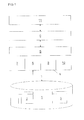
- FIG. 1 shows a schematic representation of a software architecture for a computer system with at least one mass storage system 1.
- the mass storage system 1 includes in the embodiment, a system partition 2 with data of an operating system and a data partition 3 with programs and data of a user.
- operating system data and user data can also be in the same partition or distributed over further partitions of a mass storage system 1.
- the computer system comprises a system firmware 4, which is of modular construction in the exemplary embodiment.
- a general firmware interface 5 which among other things to access of an operating system 6 running on the computer system serves individual services of the system firmware 4, it comprises a plurality of firmware components 7, 8, 9 and 10.
- the first firmware component 7 is a so-called boot loader, which is executed first when the computer system is started and subsequently optionally loads and executes further firmware components 8 to 10.
- the second firmware component 8 is a driver module for driving hardware resources of the computer system.
- the second firmware component 8 is a driver module for controlling the mass storage system 1.
- the third firmware component 9 is a firmware component with program code for securely erasing data of the mass storage system 1 in the form of a so-called UEFI shell application.
- the third firmware component 9 will be described later with reference to FIGS FIG. 2 described in more detail.
- the fourth firmware component 10 is, for example, program code for representing and executing a user interface for other firmware components of the system firmware 4.
- the fourth firmware component 10 is also used to control the shell application of the third firmware component 9.
- the third firmware component 9 can also be controlled by a utility 11 that is executed within the operating system 6.
- a file or partition for deletion by the third firmware component 9 can be selected by the utility 11.
- the utility 11 or operating system 6 determines a physical storage address of the selected file or partition on the mass storage system 1 and stores this address in a memory of the computer system to which the system firmware 4 has access.
- the address may be cached in a protected part of the hard disk, a nonvolatile memory device in which settings of the system firmware 4 are stored, or even in a protected part of the volatile main memory of the computer system, unless it is completely erased when the computer system is restarted.
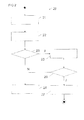
- FIG. 2 shows a schematic representation of a method 20 for erasing data of a mass storage system.
- a supply voltage is applied to all hardware components of the computer system required for operation, so that, for example, the mass storage system 1 starts and a processor starts executing program code stored at a predetermined address.
- a part of the system firmware 4 which is essential for starting the computer system is loaded and executed.
- the so-called boot loader of the first firmware component 7 is loaded by the processor and executed subsequently.
- further firmware components, in particular the second firmware component 8 can be loaded with a hardware driver and executed in whole or in part.
- a step 23 it is checked whether the third firmware component 9 is to be activated for the secure deletion of data. For example, at step 23, it may be checked whether a user has pressed a predetermined key on a screen of the computer system in response to an output of a corresponding message. Alternatively, such a function can also be activated interactively if, for example, the user has already called up a user interface of the fourth firmware component 10 of the system firmware 4 and manually requests the execution of the third firmware component 9 via the user interface. Furthermore, an automatic execution of the firmware component 9 is possible if a corresponding instruction was previously stored by a utility 11 before the computer system was restarted.
- the program code contained therein is loaded and executed in a step 25. During the execution of the third firmware component 9 can also be determined which part of the mass storage system 1 should be deleted.
- the third firmware component 9 searches all mass storage systems 1 of the computer system and selects them for deletion.
- the firmware component 9 automatically all hard drives of a computer system via suitable drivers of the second Find and select firmware component 8.
- a deletion takes place independently of any partitioning of the mass storage system or systems 1, that is, all memory sectors and / or blocks of the mass storage system 1 are selected for deletion.
- the selection may instead be made manually by a user, for example using the user interface of the third firmware component 10.
- the selection can be made either by the local user of the computer system or by a so-called remote maintenance function by an administrator of a network in which the computer system is integrated.
- a selection can also be made in advance via a utility 11 that runs under the operating system 6.
- a security prompt is displayed to the user of the computer system. Viewing the prompt will prevent the user from accidentally deleting all programs and data on the computer system. If the user aborts at this point, the operating system 6 is again executed as usual in step 24.
- step 27 the entire mass storage system 1 or the selected parts of the mass storage system 1 of the computer system are deleted. If the entire mass storage system is deleted in step 27, a subsequent execution of the operating system 24 is no longer possible. The computer system thus remains useless until a new operating system is installed on it becomes. This state is particularly suitable for a sale or other transfer of the computer system.
- the described method provides the user with a simple and effective method independent of data stored on a mass storage system 1 of a computer system from the function of an operating system 6 reliably delete. It is not necessary to create an additional boot medium to start an auxiliary operating system. Furthermore, the user does not need to purchase additional software to perform the deletion. The function is still available even if an operating system can no longer be started successfully, for example because a user has already completely or partially deleted programs or data of the computer system.
Landscapes
- Engineering & Computer Science (AREA)
- Computer Security & Cryptography (AREA)
- Theoretical Computer Science (AREA)
- Computer Hardware Design (AREA)
- Software Systems (AREA)
- General Engineering & Computer Science (AREA)
- General Physics & Mathematics (AREA)
- Physics & Mathematics (AREA)
- Databases & Information Systems (AREA)
- Health & Medical Sciences (AREA)
- Bioethics (AREA)
- General Health & Medical Sciences (AREA)
- Stored Programmes (AREA)
- Storage Device Security (AREA)
Abstract
Description
- Die vorliegende Erfindung betrifft ein Verfahren zum sicheren Löschen von Daten von einem Computersystem mit wenigstens einem Massenspeichersystem. Darüber hinaus betrifft die vorliegende Erfindung eine Firmwarekomponente für ein Computersystem sowie die Verwendung der Firmwarekomponente.
- Verfahren und Programme zum sicheren Löschen von Daten eines Computersystems mit wenigstens einem Massenspeichersystem sind vielfach bekannt. Beispielsweise sind Dienstprogramme für verschiedene Betriebssysteme bekannt, mit deren Hilfe einzelne Dateien oder gesamte Partitionen eines Festplattenlaufwerks mit einem vorbestimmten Muster überschrieben werden können, um eine spätere Wiederherstellung der gelöschten Dateien bzw. Partitionen zu verhindern. Solche Programme kommen insbesondere dann zum Einsatz, wenn ein Nutzer eines Computersystems auf einem Massenspeichersystem gespeicherten Daten löschen möchte, um das Computersystem zu veräußern.
- Sollen nur einzelne Dateien, wie beispielsweise Dokumente mit vertraulichen persönlichen oder finanziellen Daten, gelöscht werden, ist die Anwendung entsprechender Dienstprogramme verhältnismäßig einfach. Beispielsweise können Programme zum sicheren Löschen von einzelnen Dateien in einen Dateimanager eines Betriebssystems integriert werden.
- Aufgrund der Architektur und Arbeitsweise moderner Betriebssysteme reicht eine solche Löschung von einzelnen Dateien in der Regel jedoch nicht aus, um ein Computersystem sicher für einen Wiederverkauf zu machen. Dies liegt zum einen daran, dass nicht nur vertrauliche Dateien selbst, sondern auch durch entsprechende Softwarelizenzen geschützte Computerprogramme von dem Massenspeichersystem entfernt werden müssen. Darüber hinaus werden Inhalte einzelner Dateien oft in Systemeinstellungen oder Systemdateien ganz oder teilweise zwischengespeichert. Beispielsweise enthält die so genannte Auslagerungsdatei, durch die virtueller Arbeitsspeicher des Computersystems auf ein Massenspeichersystem abgebildet wird, Teile des Arbeitsspeicherinhalts des Computersystems. Solche und ähnliche Systemdateien können in der Regel nicht während des Betriebs des Betriebssystems selbst gelöscht werden.
- Um bei bekannten Computersystemen dennoch eine sichere Löschung des gesamten Massenspeichersystems durchzuführen, hat sich folgender Verfahrensablauf etabliert. Zunächst wird das Computersystem mit einem so genannten Hilfsbetriebssystem, beispielsweise einer einfachen DOS-Umgebung oder einer bootfähigen LINUX-Umgebung, von einem externen Speichermedium, insbesondere einer Diskette oder einer CD-ROM, gestartet. Sodann wird in dem Hilfsbetriebssystem ein Dienstprogramm zum Löschen von Daten gestartet. In dem Hilfsprogramm kann dann in der Regel ausgewählt werden, welche Dateien oder Partitionen eines Massenspeichersystems des Computersystems gelöscht werden sollen.
- Eine solche Vorgehensweise ist für einen ungeschulten Nutzer des Computersystems verhältnismäßig aufwändig und schwierig. Oft muss zunächst ein bootfähiges Medium erstellt werden, mit dessen Hilfe das Computersystem gestartet werden kann. Des Weiteren muss das Computersystem in der Regel umkonfiguriert werden, um ein Starten des Computersystems von einem externen Speichermedium zuzulassen. Schließlich muss der Benutzer gegebenenfalls gesonderte Software erwerben, die ein sicheres Löschen des Massenspeichersystems gestattet. Wegen der großen Komplexität werden daher manchmal nicht alle Dateien oder Partitionen gelöscht, so dass im Einzelfall doch noch vertrauliche Daten auf dem Computersystem verbleiben.
- Der vorliegenden Erfindung liegt die Aufgabe zugrunde, ein für den Benutzer besonders einfach durchzuführendes Verfahren zum sicheren Löschen von Daten von einem Computersystem mit wenigstens einem Massenspeichersystem anzugeben. Darüber hinaus sollen Vorrichtungen angegeben werden, die eine einfache Ausführung eines solchen Verfahrens gestatten.
- Die Aufgabe wird durch ein Verfahren zum sicheren Löschen von Daten von einem Computersystem mit wenigstens einem Massenspeichersystem gelöst, das die folgenden Schritte umfasst:
- Ausführen einer Systemfirmware des Computersystems,
- Laden einer Firmwarekomponente mit Programmcode zum sicheren Löschen von Daten durch die Systemfirmware,
- Festlegen eines vorbestimmten Teils des Massenspeichersystems und
- Löschen des vorbestimmten Teils des Massenspeichersystems durch Ausführen des Programmcodes innerhalb der Systemfirmware unabhängig von einem Betriebssystem des Computersystems.
- Gemäß dem vorgeschlagenen Verfahren wird eine Firmwarekomponente mit Programmcode zum sicheren Löschen von Daten in eine Systemfirmware integriert. Somit steht eine Funktion zum sicheren Löschen des Massenspeichersystems unmittelbar beim Booten des Computersystems und unabhängig von einem Betriebssystem des Computersystems zur Verfügung. Durch die Integration erübrigt sich der Einsatz eines Hilfsbetriebssystems zum Booten des Computersystems. Zugleich können sämtliche Daten des Massenspeichersystems, insbesondere auch durch das Betriebssystem selbst geschützte Daten wie etwa Auslagerungsdateien, durch die Firmwarekomponente gelöscht werden.
- Das Problem wird ebenso gelöst durch eine Firmwarekomponente für ein Computersystem, wobei das Computersystem ein Massenspeichersystem sowie wenigstens einen nicht flüchtigen Speicher zum Speichern einer beim Start des Computersystems auszuführenden Systemfirmware aufweist. Die Firmwarekomponente ist dadurch gekennzeichnet, dass sie Programmcode enthält, der dazu eingerichtet ist, beim Ausführen des Programmcodes auf dem Computersystem einen vorbestimmten Teil des Massenspeichersystems unabhängig von einem Betriebssystem des Computersystems zu löschen.
- Gemäß einer vorteilhaften Ausgestaltung ist die Firmwarekomponente als plattformintegriertes Firmwaremodul in die Systemfirmware integriert. Insbesondere handelt es sich um eine so genannte UEFI (Universal Extensible Firmware Interface) Shell-Anwendung oder um einen UEFI-Treiber, der in eine Systemfirmware gemäß dem UEFI-Standard integriert ist. Die Integration der Firmwarekomponente als plattformintegriertes Firmwaremodul erlaubt die Integration einer derartigen Löschfunktion in die Systemfirmware unterschiedlicher Hersteller und für unterschiedliche Hardwarekomponenten.
- Gemäß einer vorteilhaften Ausgestaltung ist der Programmcode dazu eingerichtet, den Inhalt des gesamten Massenspeichersystems auf Aufforderung eines Benutzers des Computersystems zu löschen. Das Löschen des gesamten Inhalts des Massenspeichersystems besitzt den Vorteil, dass nicht versehentlich vertrauliche Daten auf dem Massenspeichersystem verbleiben. Insbesondere kann bei einem Löschen des gesamten Massenspeichersystems unabhängig von darauf eventuell bestehenden, aber versteckten Partitionen sichergestellt werden, dass auch in den versteckten Partitionen enthaltene Anwenderdaten oder Daten eines Betriebssystems gelöscht werden.
- Gemäß einer weiteren vorteilhaften Ausgestaltung ist der Programmcode zum Festlegen des zu löschenden Teils des Massenspeichersystems durch eine Benutzerschnittstelle eingerichtet. Durch das Vorsehen einer Benutzerschnittstelle kann bei Bedarf durch den Benutzer ausgewählt werden, ob sämtliche Daten oder nur ein Teil des Massenspeichersystems gelöscht werden soll. Dies bietet sich insbesondere dann an, wenn nur eines einer Mehrzahl von Betriebssystemen oder nur die Anwenderdaten einer erweiterten Partition des Computersystems gelöscht werden sollen.
- Gemäß einer weiteren vorteilhaften Ausgestaltung ist die Firmwarekomponente dadurch gekennzeichnet, dass die Systemfirmware und/oder die Firmwarekomponente eine Firmwareschnittstelle zum Festlegen des zu löschenden Teils des Massenspeichersystems durch ein Dienstprogramm bereitstellt. Über eine solche Schnittstelle kann die Firmwarekomponente verhältnismäßig komfortabel durch ein Dienstprogramm, das beispielsweise innerhalb eines Betriebssystems abläuft, angesteuert werden. Zum Beispiel ist es möglich, im Betrieb des Computersystems durch ein Dienstprogramm die Auslagerungsdatei zum Löschen auszuwählen. Diese Aktion wird dann jedoch nicht gleich, sondern erst beim nächsten Start des Computersystems mit nachfolgender Ausführung der Firmwarekomponente durchgeführt.
- Gemäß einem weiteren Aspekt der Erfindung wird eine Firmwarekomponente einer modularen Systemfirmware in einem Computersystem zum sicheren Löschen eines Massenspeichersystems unabhängig von einem Betriebssystem des Computersystems verwendet.
- Weitere vorteilhafte Ausgestaltungen der vorliegenden Erfindung sind in den abhängigen Patentansprüchen sowie der nachfolgenden, ausführlichen Beschreibung angegeben.
- Die Erfindung wird nachfolgend anhand unterschiedlicher Ausführungsbeispiele unter Bezugnahme auf Figuren näher beschrieben. In den Figuren zeigen:
- Figur 1
- eine schematische Darstellung einer Softwarearchitektur, umfassend eine Firmwarekomponente, und
- Figur 2
- ein Ablaufdiagramm eines Verfahrens zum sicheren Löschen von Daten.
-
Figur 1 zeigt eine schematische Darstellung einer Softwarearchitektur für ein Computersystem mit wenigstens einem Massenspeichersystem 1. Das Massenspeichersystem 1 enthält im Ausführungsbeispiel eine Systempartition 2 mit Daten eines Betriebssystems sowie eine Datenpartition 3 mit Programmen und Daten eines Anwenders. Selbstverständlich können sich Betriebssystemdaten und Anwenderdaten auch in derselben Partition oder verteilt über weitere Partitionen eines Massenspeichersystems 1 befinden. - Das Computersystem umfasst eine Systemfirmware 4, die im Ausführungsbeispiel modular aufgebaut ist. Neben einer allgemeinen Firmwareschnittstelle 5, die unter anderem zum Zugriff eines auf dem Computersystem ausgeführten Betriebssystems 6 auf einzelne Dienste der Systemfirmware 4 dient, umfasst es mehrere Firmwarekomponenten 7, 8, 9 und 10.
- Beispielsweise handelt es sich bei der ersten Firmwarekomponente 7 um einen so genannten Boot-Loader, der beim Start des Computersystems als erstes ausgeführt wird und nachfolgend gegebenenfalls weitere Firmwarekomponenten 8 bis 10 lädt und ausführt. Bei der zweiten Firmwarekomponente 8 handelt es sich beispielsweise um ein Treibermodul zum Ansteuern von Hardwareressourcen des Computersystems. Beispielsweise handelt es sich bei der zweiten Firmwarekomponente 8 um ein Treibermodul zum Ansteuern des Massenspeichersystems 1. Bei der dritten Firmwarekomponente 9 handelt es sich um eine Firmwarekomponente mit Programmcode zum sicheren Löschen von Daten des Massenspeichersystems 1 in Form einer so genannten UEFI-Shell-Anwendung. Die dritte Firmwarekomponente 9 wird später unter Bezugnahme auf die
Figur 2 näher beschrieben. Bei der vierten Firmwarekomponente 10 handelt es sich beispielsweise um Programmcode zum Darstellen und Ausführen einer Benutzerschnittstelle für andere Firmwarekomponenten der Systemfirmware 4. Im Ausführungsbeispiel dient die vierte Firmwarekomponente 10 auch zur Ansteuerung der Shell-Anwendung der dritten Firmwarekomponente 9. - Zusätzlich oder alternativ kann die dritte Firmwarekomponente 9 auch durch ein Dienstprogramm 11, das innerhalb des Betriebssystems 6 ausgeführt wird, angesteuert werden. Beispielsweise kann durch das Dienstprogramm 11 eine Datei oder Partition zur Löschung durch die dritte Firmwarekomponente 9 ausgewählt werden. Das Dienstprogramm 11 oder das Betriebssystem 6 ermittelt dann eine physikalische Speicheradresse der ausgewählten Datei oder Partition auf dem Massenspeichersystem 1 und speichert diese Adresse in einem Speicher des Computersystems, auf den die Systemfirmware 4 Zugriff hat, ab. Beispielsweise kann die Adresse in einem geschützten Teil der Festplatte, einen nichtflüchtigen Speicherbaustein, in dem Einstellungen der Systemfirmware 4 gespeichert sind, oder auch in einem geschützten Teil des flüchtigen Hauptspeichers des Computersystems zwischengespeichert werden, sofern dieser bei einem Neustart des Computersystem nicht vollständig gelöscht wird. Bei einem nachfolgenden Start der Systemfirmware 4 wird dann die Firmwarekomponente 9 ausgeführt und, basierend auf den Adressangaben in dem Speicher, die ausgewählte Datei schon vor dem Start des Betriebssystems 6 gelöscht.
Figur 2 zeigt eine schematische Darstellung eines Verfahrens 20 zum Löschen von Daten eines Massenspeichersystems 1. - In einem ersten Schritt 21 wird das Computersystem initialisiert. Insbesondere wird eine Versorgungsspannung an sämtliche zum Betrieb erforderlichen Hardwarekomponenten des Computersystems angelegt, sodass beispielsweise das Massenspeichersystem 1 startet und ein Prozessor beginnt, an einer vorbestimmten Adresse gespeicherten Programmcode auszuführen.
- In einem nachfolgenden Schritt 22 wird ein für den Start des Computersystems unerlässlicher Teil der Systemfirmware 4 geladen und ausgeführt. Beispielsweise wird der so genannte Boot-Loader der ersten Firmwarekomponente 7 durch den Prozessor geladen und nachfolgend ausgeführt. In diesem Schritt können bei Bedarf auch weitere Firmwarekomponenten, insbesondere die zweite Firmwarekomponente 8 mit einem Hardwaretreiber geladen und ganz- oder teilweise ausgeführt werden.
- In einem Schritt 23 wird überprüft, ob die dritte Firmwarekomponente 9 zum sicheren Löschen von Daten aktiviert werden soll. Beispielsweise kann im Schritt 23 überprüft werden, ob ein Benutzer als Reaktion auf eine Ausgabe einer entsprechenden Meldung auf einem Bildschirm des Computersystems eine vorbestimmte Taste gedrückt hat. Alternativ kann eine solche Funktion auch interaktiv aktiviert werden, wenn der Benutzer beispielsweise schon eine Benutzeroberfläche der vierten Firmwarekomponente 10 der Systemfirmware 4 aufgerufen hat und über die Benutzeroberfläche manuell die Ausführung der dritten Firmwarekomponente 9 anfordert. Des Weiteren ist auch eine automatische Ausführung der Firmwarekomponente 9 möglich, wenn durch ein Dienstprogramm 11 zuvor eine entsprechende Anweisung vor dem Neustart des Computersystems gespeichert wurde.
- Soll der Programmcode der dritten Firmwarekomponente 9 nicht ausgeführt werden, wird in einem nachfolgenden Schritt 24 das Betriebssystem 6 wie gewohnt in den Hauptspeicher des Computersystems geladen und gestartet.
- Soll statt dessen die dritte Firmwarekomponente 9 ausgeführt werden, wird der darin enthaltene Programmcode in einem Schritt 25 geladen und ausgeführt. Während der Ausführung der dritten Firmwarekomponente 9 kann auch festgelegt werden, welcher Teil des Massenspeichersystems 1 gelöscht werden soll.
- Gemäß einer einfachen Ausgestaltung sucht die dritte Firmwarekomponente 9 sämtliche Massenspeichersysteme 1 des Computersystems und wählt diese zur Löschung aus. Beispielsweise kann die Firmwarekomponente 9 automatisch alle Festplatten eines Computersystems über geeignete Treiber der zweiten Firmwarekomponente 8 finden und auswählen. Dabei erfolgt eine Löschung unabhängig von einer eventuellen Partitionierung des oder der Massenspeichersysteme 1, das heißt, es werden alle Speichersektoren und/oder -blöcke des Massenspeichersystems 1 zur Löschung ausgewählt.
- Gemäß einer alternativen Ausgestaltung kann die Auswahl statt dessen manuell durch einen Benutzer, beispielsweise unter Verwendung der Benutzeroberfläche der dritten Firmwarekomponente 10, vorgenommen werden. Dabei kann die Auswahl entweder durch den lokalen Benutzer des Computersystems oder über eine so genannte Fernwartungsfunktion von einem Administrator eines Netzwerks, in das das Computersystem integriert ist, vorgenommen werden. Weiterhin kann, wie oben beschrieben, eine Auswahl auch vorab über ein Dienstprogramm 11, das unter dem Betriebssystem 6 abläuft, vorgenommen werden.
- In einem optionalen Schritt 26 wird dem Benutzer des Computersystems eine Sicherheitsabfrage angezeigt. Durch das Anzeigen der Sicherheitsabfrage soll vermieden werden, dass der Benutzer versehentlich sämtliche Programme und Daten des Computersystems löscht. Bricht der Benutzer an dieser Stelle ab, wird das Betriebssystem 6 wieder wie gewöhnlich in Schritt 24 ausgeführt.
- Bestätigt der Benutzer in Schritt 26 dagegen die Sicherheitsabfrage, werden in einem nachfolgenden Schritt 27 das gesamte Massenspeichersystem 1 oder die ausgewählten Teile des Massenspeichersystems 1 des Computersystems gelöscht. Sofern in Schritt 27 das gesamte Massenspeichersystem gelöscht wird, ist ein nachfolgendes Ausführen des Betriebssystems 24 nicht mehr möglich. Das Computersystem bleibt also so lange unbrauchbar, bis ein neues Betriebssystem auf ihm installiert wird. Dieser Zustand eignet sich insbesondere für einen Verkauf oder eine sonstige Weitergabe des Computersystems.
- Zum Löschen des Massenspeichersystems 1 in Schritt 27 können unterschiedliche Verfahren eingesetzt werden. In einem einfachen Ausführungsbeispiel wird lediglich die so genannte Partitionstabelle eines Festplattenspeicherlaufwerks gelöscht, sodass ein nachfolgendes Booten von dem Massenspeichersystem nicht mehr möglich ist. Ein solcher Ansatz hat jedoch den Nachteil, dass mit geeigneten Tools die vermeintlich gelöschten Daten wiederhergestellt werden können.
- Aus dem Bereich der Datensicherheit sind weitere sichere Löschverfahren bekannt, die nicht nur Metadaten löschen, wie beispielsweise die Partitionstabelle oder Eintragungen des Dateisystems eines Massenspeichersystems 1, sondern die Daten selbst in einem oder mehreren Durchläufen mit vorbestimmten Mustern überschreiben. Beispiele solcher Verfahren sind das ein- oder mehrfache Überschreiben mit vorgegebenen Mustern, wie beispielsweise Nullen oder Einsen, oder auch standardisierte Verfahren gemäß vorgegebenen Sicherheitsrichtlinien wie beispielsweise DOD-5220.22-M ECE des US-amerikanischen Verteidigungsministeriums, BSI/VSITR der Bundesamts für Sicherheit in der Informationstechnik oder der so genannte Peter-Gutmann-Algorithmus. Selbstverständlich ist die beschriebene Firmwarekomponente 9 bzw. das offenbarte Verfahren 20 nicht auf solche Löschalgorithmen beschränkt, sondern kann in Verbindung mit jedem geeigneten Löschverfahren eingesetzt werden.
- Das beschriebene Verfahren stellt dem Benutzer eine einfache und wirksame Methode zur Verfügung, auf einem Massenspeichersystem 1 eines Computersystem gespeicherten Daten unabhängig von der Funktion eines Betriebsystems 6 zuverlässig zu löschen. Dabei ist es nicht erforderlich, ein zusätzliches Bootmedium zum Starten eines Hilfsbetriebssystems zu erstellen. Des Weiteren muss der Benutzer auch keine zusätzliche Software zum Durchführen der Löschung erwerben. Die Funktion steht selbst dann noch zur Verfügung, wenn ein Betriebssystem nicht mehr erfolgreich gestartet werden kann, beispielsweise weil ein Benutzer Programme oder Daten des Computersystem schon ganz oder teilweise gelöscht hat.
-
- 1
- Massenspeichersystem
- 2
- Systempartition
- 3
- Datenpartition
- 4
- Systemfirmware
- 5
- Firmwareschnittstelle
- 6
- Betriebssystem
- 7
- erste Firmwarekomponente (Boot-Loader)
- 8
- zweite Firmwarekomponente (Treibermodul)
- 9
- dritte Firmwarekomponente (Shell-Anwendung)
- 10
- vierte Firmwarekomponente (Benutzerschnittstelle)
- 11
- Dienstprogramm
- 20
- Verfahren
- 21 bis 27
- Verfahrensschritte
Claims (10)
- Verfahren (20) zum sicheren Löschen von Daten von einem Computersystem mit wenigstens einem Massenspeichersystem (1), umfassend:- Ausführen einer Systemfirmware (4) des Computersystems;- Laden einer Firmwarekomponente (9) mit Programmcode zum sicheren Löschen von Daten durch die Systemfirmware (4);- Festlegen eines vorbestimmten Teils des Massenspeichersystems (1); und- Löschen des vorbestimmten Teils des Massenspeichersystems (1) durch Ausführen des Programmcodes innerhalb der Systemfirmware (4), unabhängig von einem Betriebssystem (6) des Computersystems.
- Verfahren (20) nach Anspruch 1,
dadurch gekennzeichnet, dass
die Ausführung des Programmcodes zum Löschen und/oder das Festlegen des vorbestimmten Teils über eine Benutzerschnittstelle der Systemfirmware (4) erfolgt. - Verfahren (20) nach Anspruch 1,
dadurch gekennzeichnet, dass
vor dem Ausführen der Systemfirmware (4) die folgenden Schritte ausgeführt werden:- Anfordern der Löschung und/oder Festlegen des vorbestimmten Teils durch ein Dienstprogramm (11), das innerhalb eines Betriebssystems (6) des Computersystems ausgeführt wird;- Übermitteln der Anforderung und/oder des festgelegten Teils über eine Firmwareschnittstelle (5) an die Firmwarekomponente (9); und- Neustart des Computersystems zum Ausführen der Systemfirmware (4). - Firmwarekomponente (9) für ein Computersystem mit einem Massenspeichersystem (1) sowie wenigstens einem nichtflüchtigen Speicher zum Speichern einer Systemfirmware (4), die beim Start des Computersystems ausgeführt wird,
gekennzeichnet durch
in der Firmwarekomponente (9) enthaltenen Programmcode, der dazu eingerichtet ist, beim Ausführen einen vorbestimmten Teil des Massenspeichersystems (1) unabhängig von einem Betriebssystem (6) des Computersystems zu löschen. - Firmwarekomponente (9) nach Anspruch 4,
dadurch gekennzeichnet, dass
die Firmwarekomponente (9) als plattformintegriertes Firmwaremodul in die Systemfirmware (4), insbesondere als Treiber oder Shell-Anwendung in eine Systemfirmware gemäß dem Universal Extensible Firmware Interface Standard, integrierbar ist. - Firmwarekomponente (9) nach Anspruch 4 oder 5,
dadurch gekennzeichnet, dass
der Programmcode dazu eingerichtet ist, den Inhalt des gesamten Massenspeichersystems (1) auf Aufforderung eines Benutzers des Computersystems zu löschen. - Firmwarekomponente (9) nach einem der Ansprüche 4 bis 6,
dadurch gekennzeichnet, dass
der Programmcode zum Festlegen des zu löschenden Teils des Massenspeichersystems (1) durch eine Benutzerschnittstelle eingerichtet ist. - Firmwarekomponente (9) nach einem der Ansprüche 4 bis 7,
dadurch gekennzeichnet, dass
die Systemfirmware (4) und/oder die Firmwarekomponente (9) eine Firmwareschnittstelle (5) zum Festlegen des zu löschenden Teils des Massenspeichersystems (1) durch ein Dienstprogramm (11) bereitstellt. - Firmwarekomponente (9) nach einem der Ansprüche 4 bis 8,
dadurch gekennzeichnet, dass
der Programmcode wenigstens einen Algorithmus zum sicheren Löschen von nichtflüchtigen Speichermedien umfasst. - Verwendung einer Firmwarekomponente (9) einer modularen Systemfirmware (4) in einem Computersystem zum sicheren Löschen eines Massenspeichersystems (1), unabhängig von einem Betriebssystem (6) des Computersystems.
Applications Claiming Priority (1)
| Application Number | Priority Date | Filing Date | Title |
|---|---|---|---|
| DE201010046405 DE102010046405A1 (de) | 2010-09-23 | 2010-09-23 | Verfahren zum sicheren Löschen von Daten, Firmwarekomponente und Verwendung einer Firmwarekomponente |
Publications (2)
| Publication Number | Publication Date |
|---|---|
| EP2434422A1 true EP2434422A1 (de) | 2012-03-28 |
| EP2434422B1 EP2434422B1 (de) | 2014-12-31 |
Family
ID=44508937
Family Applications (1)
| Application Number | Title | Priority Date | Filing Date |
|---|---|---|---|
| EP20110177810 Active EP2434422B1 (de) | 2010-09-23 | 2011-08-17 | Verfahren zum sicheren Löschen von Daten, Firmwarekomponente und Verwendung einer Firmwarekomponente |
Country Status (2)
| Country | Link |
|---|---|
| EP (1) | EP2434422B1 (de) |
| DE (1) | DE102010046405A1 (de) |
Cited By (1)
| Publication number | Priority date | Publication date | Assignee | Title |
|---|---|---|---|---|
| US20240029730A1 (en) * | 2019-12-12 | 2024-01-25 | Amazon Technologies, Inc. | Predictive deletion of user input |
Citations (2)
| Publication number | Priority date | Publication date | Assignee | Title |
|---|---|---|---|---|
| EP1491981A1 (de) * | 2003-06-26 | 2004-12-29 | Kabushiki Kaisha Toshiba | Informationsverarbeitungsgerät und Datenlöschverfahren zur Verwendung in diesem Informationsverarbeitungsgerät |
| US20050289289A1 (en) * | 2004-06-24 | 2005-12-29 | Chang Albert H | Software to erase a non-volatile storage device |
-
2010
- 2010-09-23 DE DE201010046405 patent/DE102010046405A1/de not_active Withdrawn
-
2011
- 2011-08-17 EP EP20110177810 patent/EP2434422B1/de active Active
Patent Citations (2)
| Publication number | Priority date | Publication date | Assignee | Title |
|---|---|---|---|---|
| EP1491981A1 (de) * | 2003-06-26 | 2004-12-29 | Kabushiki Kaisha Toshiba | Informationsverarbeitungsgerät und Datenlöschverfahren zur Verwendung in diesem Informationsverarbeitungsgerät |
| US20050289289A1 (en) * | 2004-06-24 | 2005-12-29 | Chang Albert H | Software to erase a non-volatile storage device |
Non-Patent Citations (1)
| Title |
|---|
| "EDKII User Manual", 8 June 2008 (2008-06-08), XP055013435, Retrieved from the Internet <URL:http://ignum.dl.sourceforge.net/project/edk2/General Documentation/EDKII User Manual V0.60.pdf> [retrieved on 20111129] * |
Cited By (1)
| Publication number | Priority date | Publication date | Assignee | Title |
|---|---|---|---|---|
| US20240029730A1 (en) * | 2019-12-12 | 2024-01-25 | Amazon Technologies, Inc. | Predictive deletion of user input |
Also Published As
| Publication number | Publication date |
|---|---|
| EP2434422B1 (de) | 2014-12-31 |
| DE102010046405A1 (de) | 2012-03-29 |
Similar Documents
| Publication | Publication Date | Title |
|---|---|---|
| DE102013215535B4 (de) | Sicherung oder wiederherstellung von daten mit hilfe eines hauptspeichers und nichtflüchtiger speichermedien | |
| DE69904462T2 (de) | Manipulation von partitionen virtueller und realer rechnerspeichervorrichtungen | |
| DE112011102076B4 (de) | Neuordnen des Zugriffs zum Verringern der Gesamtsuchzeit auf Bandmedien | |
| DE112010004931B4 (de) | Mehrphasige Wiederherstellung von Dateisystemen mit Selektiver Bedarfsweiser Verfügbarkeit von Daten | |
| DE60210434T2 (de) | Betriebssystemselektor und Datenplattenspeicher | |
| DE602004010563T2 (de) | Ausführliche Identifizierung von Hardware zur Verbindung der Software mit einem änderungstolerantem Computersystem | |
| DE112011104356B4 (de) | Aktualisieren von Software-Images auf der Grundlage von Streaming-Technik | |
| DE69603180T2 (de) | Verfahren und vorrichtung zur freispeicherverwaltung und zum datenstrukturintegritätsschutz in nichtflüchtigen speichern | |
| DE112013000900B4 (de) | Bewahren von Redundanz in Datendeduplizierungssystemen unter Verwendung eines Anzeigers | |
| DE112010004573T5 (de) | System und verfahren zur optimierten wiedernutzbarmachungsverarbeitung in einem virtuellen bandbibliotheksystem | |
| DE202010017644U1 (de) | Hybridspeichervorrichtung | |
| DE69914595T2 (de) | Geschütztes speichermedium für ein rechnersystem | |
| DE102017104080B4 (de) | Generalisiertes verifizierungsschema für sichere metadaten-modifizierung | |
| DE19846398C2 (de) | Verfahren zum Simulieren eines Computerspeichergeräts | |
| DE112012004893T5 (de) | Implementieren eines Software-Abbildes auf mehreren Zielen unter Verwendung einer Datenstromtechnik | |
| DE112021005198B4 (de) | Hochauflösendes Bandverzeichnis für bandgestützte Speicherung | |
| DE102008015272B4 (de) | Speichervorrichtung und Verfahren zum Schützen ihrer Partition | |
| DE102013209318A1 (de) | Durchführen von asynchronen Löschscans mit Zwischenspeicherungs- und Auslagerungsvorgängen | |
| EP1067460B1 (de) | Datenträger mit wiederherstellbarem Basisdatengrundzustand und Verfahren zu dessen Herstellung | |
| DE69517256T2 (de) | System und Verfahren zur Versorgung des Zugriffsschutzes auf Informationsspeichereinrichtung | |
| DE112011102139T5 (de) | Bandspeichereinheit und Schreibverfahren dafür | |
| EP2434422B1 (de) | Verfahren zum sicheren Löschen von Daten, Firmwarekomponente und Verwendung einer Firmwarekomponente | |
| DE112005003493T5 (de) | Verfahren zum Einrichten einer physischen Festplattenpartition | |
| EP2948894B1 (de) | Verfahren zum sicheren löschen eines nichtflüchtigen halbleiter-massenspeichers, computersystem sowie computerprogrammprodukt | |
| DE60210118T2 (de) | Sicherheitseinrichtung für eine massenspeicherung |
Legal Events
| Date | Code | Title | Description |
|---|---|---|---|
| PUAI | Public reference made under article 153(3) epc to a published international application that has entered the european phase |
Free format text: ORIGINAL CODE: 0009012 |
|
| AK | Designated contracting states |
Kind code of ref document: A1 Designated state(s): AL AT BE BG CH CY CZ DE DK EE ES FI FR GB GR HR HU IE IS IT LI LT LU LV MC MK MT NL NO PL PT RO RS SE SI SK SM TR |
|
| AX | Request for extension of the european patent |
Extension state: BA ME |
|
| 17P | Request for examination filed |
Effective date: 20120727 |
|
| 17Q | First examination report despatched |
Effective date: 20140618 |
|
| REG | Reference to a national code |
Ref country code: DE Ref legal event code: R079 Ref document number: 502011005450 Country of ref document: DE Free format text: PREVIOUS MAIN CLASS: G06F0021000000 Ipc: G06F0021570000 |
|
| GRAP | Despatch of communication of intention to grant a patent |
Free format text: ORIGINAL CODE: EPIDOSNIGR1 |
|
| RIC1 | Information provided on ipc code assigned before grant |
Ipc: G06F 21/57 20130101AFI20140723BHEP Ipc: G06F 21/62 20130101ALI20140723BHEP Ipc: G06F 21/80 20130101ALI20140723BHEP |
|
| INTG | Intention to grant announced |
Effective date: 20140813 |
|
| GRAS | Grant fee paid |
Free format text: ORIGINAL CODE: EPIDOSNIGR3 |
|
| GRAA | (expected) grant |
Free format text: ORIGINAL CODE: 0009210 |
|
| AK | Designated contracting states |
Kind code of ref document: B1 Designated state(s): AL AT BE BG CH CY CZ DE DK EE ES FI FR GB GR HR HU IE IS IT LI LT LU LV MC MK MT NL NO PL PT RO RS SE SI SK SM TR |
|
| REG | Reference to a national code |
Ref country code: CH Ref legal event code: EP Ref country code: GB Ref legal event code: FG4D Free format text: NOT ENGLISH |
|
| REG | Reference to a national code |
Ref country code: IE Ref legal event code: FG4D Free format text: LANGUAGE OF EP DOCUMENT: GERMAN |
|
| REG | Reference to a national code |
Ref country code: AT Ref legal event code: REF Ref document number: 704787 Country of ref document: AT Kind code of ref document: T Effective date: 20150215 |
|
| REG | Reference to a national code |
Ref country code: DE Ref legal event code: R096 Ref document number: 502011005450 Country of ref document: DE Effective date: 20150219 |
|
| PG25 | Lapsed in a contracting state [announced via postgrant information from national office to epo] |
Ref country code: FI Free format text: LAPSE BECAUSE OF FAILURE TO SUBMIT A TRANSLATION OF THE DESCRIPTION OR TO PAY THE FEE WITHIN THE PRESCRIBED TIME-LIMIT Effective date: 20141231 Ref country code: NO Free format text: LAPSE BECAUSE OF FAILURE TO SUBMIT A TRANSLATION OF THE DESCRIPTION OR TO PAY THE FEE WITHIN THE PRESCRIBED TIME-LIMIT Effective date: 20150331 Ref country code: LT Free format text: LAPSE BECAUSE OF FAILURE TO SUBMIT A TRANSLATION OF THE DESCRIPTION OR TO PAY THE FEE WITHIN THE PRESCRIBED TIME-LIMIT Effective date: 20141231 |
|
| REG | Reference to a national code |
Ref country code: NL Ref legal event code: VDEP Effective date: 20141231 |
|
| REG | Reference to a national code |
Ref country code: LT Ref legal event code: MG4D |
|
| PG25 | Lapsed in a contracting state [announced via postgrant information from national office to epo] |
Ref country code: RS Free format text: LAPSE BECAUSE OF FAILURE TO SUBMIT A TRANSLATION OF THE DESCRIPTION OR TO PAY THE FEE WITHIN THE PRESCRIBED TIME-LIMIT Effective date: 20141231 Ref country code: LV Free format text: LAPSE BECAUSE OF FAILURE TO SUBMIT A TRANSLATION OF THE DESCRIPTION OR TO PAY THE FEE WITHIN THE PRESCRIBED TIME-LIMIT Effective date: 20141231 Ref country code: SE Free format text: LAPSE BECAUSE OF FAILURE TO SUBMIT A TRANSLATION OF THE DESCRIPTION OR TO PAY THE FEE WITHIN THE PRESCRIBED TIME-LIMIT Effective date: 20141231 Ref country code: GR Free format text: LAPSE BECAUSE OF FAILURE TO SUBMIT A TRANSLATION OF THE DESCRIPTION OR TO PAY THE FEE WITHIN THE PRESCRIBED TIME-LIMIT Effective date: 20150401 Ref country code: HR Free format text: LAPSE BECAUSE OF FAILURE TO SUBMIT A TRANSLATION OF THE DESCRIPTION OR TO PAY THE FEE WITHIN THE PRESCRIBED TIME-LIMIT Effective date: 20141231 |
|
| PG25 | Lapsed in a contracting state [announced via postgrant information from national office to epo] |
Ref country code: NL Free format text: LAPSE BECAUSE OF FAILURE TO SUBMIT A TRANSLATION OF THE DESCRIPTION OR TO PAY THE FEE WITHIN THE PRESCRIBED TIME-LIMIT Effective date: 20141231 |
|
| PG25 | Lapsed in a contracting state [announced via postgrant information from national office to epo] |
Ref country code: ES Free format text: LAPSE BECAUSE OF FAILURE TO SUBMIT A TRANSLATION OF THE DESCRIPTION OR TO PAY THE FEE WITHIN THE PRESCRIBED TIME-LIMIT Effective date: 20141231 Ref country code: SK Free format text: LAPSE BECAUSE OF FAILURE TO SUBMIT A TRANSLATION OF THE DESCRIPTION OR TO PAY THE FEE WITHIN THE PRESCRIBED TIME-LIMIT Effective date: 20141231 Ref country code: CZ Free format text: LAPSE BECAUSE OF FAILURE TO SUBMIT A TRANSLATION OF THE DESCRIPTION OR TO PAY THE FEE WITHIN THE PRESCRIBED TIME-LIMIT Effective date: 20141231 Ref country code: RO Free format text: LAPSE BECAUSE OF FAILURE TO SUBMIT A TRANSLATION OF THE DESCRIPTION OR TO PAY THE FEE WITHIN THE PRESCRIBED TIME-LIMIT Effective date: 20141231 |
|
| PG25 | Lapsed in a contracting state [announced via postgrant information from national office to epo] |
Ref country code: IS Free format text: LAPSE BECAUSE OF FAILURE TO SUBMIT A TRANSLATION OF THE DESCRIPTION OR TO PAY THE FEE WITHIN THE PRESCRIBED TIME-LIMIT Effective date: 20150430 Ref country code: PL Free format text: LAPSE BECAUSE OF FAILURE TO SUBMIT A TRANSLATION OF THE DESCRIPTION OR TO PAY THE FEE WITHIN THE PRESCRIBED TIME-LIMIT Effective date: 20141231 |
|
| REG | Reference to a national code |
Ref country code: DE Ref legal event code: R097 Ref document number: 502011005450 Country of ref document: DE |
|
| PG25 | Lapsed in a contracting state [announced via postgrant information from national office to epo] |
Ref country code: EE Free format text: LAPSE BECAUSE OF FAILURE TO SUBMIT A TRANSLATION OF THE DESCRIPTION OR TO PAY THE FEE WITHIN THE PRESCRIBED TIME-LIMIT Effective date: 20141231 Ref country code: DK Free format text: LAPSE BECAUSE OF FAILURE TO SUBMIT A TRANSLATION OF THE DESCRIPTION OR TO PAY THE FEE WITHIN THE PRESCRIBED TIME-LIMIT Effective date: 20141231 |
|
| PLBE | No opposition filed within time limit |
Free format text: ORIGINAL CODE: 0009261 |
|
| STAA | Information on the status of an ep patent application or granted ep patent |
Free format text: STATUS: NO OPPOSITION FILED WITHIN TIME LIMIT |
|
| 26N | No opposition filed |
Effective date: 20151001 |
|
| REG | Reference to a national code |
Ref country code: DE Ref legal event code: R084 Ref document number: 502011005450 Country of ref document: DE |
|
| PG25 | Lapsed in a contracting state [announced via postgrant information from national office to epo] |
Ref country code: IT Free format text: LAPSE BECAUSE OF FAILURE TO SUBMIT A TRANSLATION OF THE DESCRIPTION OR TO PAY THE FEE WITHIN THE PRESCRIBED TIME-LIMIT Effective date: 20141231 |
|
| PG25 | Lapsed in a contracting state [announced via postgrant information from national office to epo] |
Ref country code: SI Free format text: LAPSE BECAUSE OF FAILURE TO SUBMIT A TRANSLATION OF THE DESCRIPTION OR TO PAY THE FEE WITHIN THE PRESCRIBED TIME-LIMIT Effective date: 20141231 |
|
| PG25 | Lapsed in a contracting state [announced via postgrant information from national office to epo] |
Ref country code: MC Free format text: LAPSE BECAUSE OF FAILURE TO SUBMIT A TRANSLATION OF THE DESCRIPTION OR TO PAY THE FEE WITHIN THE PRESCRIBED TIME-LIMIT Effective date: 20141231 Ref country code: LU Free format text: LAPSE BECAUSE OF FAILURE TO SUBMIT A TRANSLATION OF THE DESCRIPTION OR TO PAY THE FEE WITHIN THE PRESCRIBED TIME-LIMIT Effective date: 20150817 |
|
| REG | Reference to a national code |
Ref country code: CH Ref legal event code: PL |
|
| PG25 | Lapsed in a contracting state [announced via postgrant information from national office to epo] |
Ref country code: LI Free format text: LAPSE BECAUSE OF NON-PAYMENT OF DUE FEES Effective date: 20150831 Ref country code: CH Free format text: LAPSE BECAUSE OF NON-PAYMENT OF DUE FEES Effective date: 20150831 |
|
| REG | Reference to a national code |
Ref country code: IE Ref legal event code: MM4A |
|
| PG25 | Lapsed in a contracting state [announced via postgrant information from national office to epo] |
Ref country code: IE Free format text: LAPSE BECAUSE OF NON-PAYMENT OF DUE FEES Effective date: 20150817 |
|
| REG | Reference to a national code |
Ref country code: FR Ref legal event code: PLFP Year of fee payment: 6 |
|
| PG25 | Lapsed in a contracting state [announced via postgrant information from national office to epo] |
Ref country code: MT Free format text: LAPSE BECAUSE OF FAILURE TO SUBMIT A TRANSLATION OF THE DESCRIPTION OR TO PAY THE FEE WITHIN THE PRESCRIBED TIME-LIMIT Effective date: 20141231 |
|
| PG25 | Lapsed in a contracting state [announced via postgrant information from national office to epo] |
Ref country code: HU Free format text: LAPSE BECAUSE OF FAILURE TO SUBMIT A TRANSLATION OF THE DESCRIPTION OR TO PAY THE FEE WITHIN THE PRESCRIBED TIME-LIMIT; INVALID AB INITIO Effective date: 20110817 Ref country code: SM Free format text: LAPSE BECAUSE OF FAILURE TO SUBMIT A TRANSLATION OF THE DESCRIPTION OR TO PAY THE FEE WITHIN THE PRESCRIBED TIME-LIMIT Effective date: 20141231 Ref country code: BG Free format text: LAPSE BECAUSE OF FAILURE TO SUBMIT A TRANSLATION OF THE DESCRIPTION OR TO PAY THE FEE WITHIN THE PRESCRIBED TIME-LIMIT Effective date: 20141231 |
|
| PG25 | Lapsed in a contracting state [announced via postgrant information from national office to epo] |
Ref country code: CY Free format text: LAPSE BECAUSE OF FAILURE TO SUBMIT A TRANSLATION OF THE DESCRIPTION OR TO PAY THE FEE WITHIN THE PRESCRIBED TIME-LIMIT Effective date: 20141231 |
|
| PG25 | Lapsed in a contracting state [announced via postgrant information from national office to epo] |
Ref country code: BE Free format text: LAPSE BECAUSE OF NON-PAYMENT OF DUE FEES Effective date: 20150831 |
|
| REG | Reference to a national code |
Ref country code: FR Ref legal event code: PLFP Year of fee payment: 7 |
|
| PG25 | Lapsed in a contracting state [announced via postgrant information from national office to epo] |
Ref country code: TR Free format text: LAPSE BECAUSE OF FAILURE TO SUBMIT A TRANSLATION OF THE DESCRIPTION OR TO PAY THE FEE WITHIN THE PRESCRIBED TIME-LIMIT Effective date: 20141231 |
|
| REG | Reference to a national code |
Ref country code: AT Ref legal event code: MM01 Ref document number: 704787 Country of ref document: AT Kind code of ref document: T Effective date: 20160817 |
|
| PG25 | Lapsed in a contracting state [announced via postgrant information from national office to epo] |
Ref country code: AT Free format text: LAPSE BECAUSE OF NON-PAYMENT OF DUE FEES Effective date: 20160817 |
|
| PG25 | Lapsed in a contracting state [announced via postgrant information from national office to epo] |
Ref country code: MK Free format text: LAPSE BECAUSE OF FAILURE TO SUBMIT A TRANSLATION OF THE DESCRIPTION OR TO PAY THE FEE WITHIN THE PRESCRIBED TIME-LIMIT Effective date: 20141231 |
|
| PG25 | Lapsed in a contracting state [announced via postgrant information from national office to epo] |
Ref country code: PT Free format text: LAPSE BECAUSE OF FAILURE TO SUBMIT A TRANSLATION OF THE DESCRIPTION OR TO PAY THE FEE WITHIN THE PRESCRIBED TIME-LIMIT Effective date: 20141231 |
|
| REG | Reference to a national code |
Ref country code: FR Ref legal event code: PLFP Year of fee payment: 8 |
|
| PG25 | Lapsed in a contracting state [announced via postgrant information from national office to epo] |
Ref country code: AL Free format text: LAPSE BECAUSE OF FAILURE TO SUBMIT A TRANSLATION OF THE DESCRIPTION OR TO PAY THE FEE WITHIN THE PRESCRIBED TIME-LIMIT Effective date: 20141231 |
|
| REG | Reference to a national code |
Ref country code: DE Ref legal event code: R081 Ref document number: 502011005450 Country of ref document: DE Owner name: FUJITSU TECHNOLOGY SOLUTIONS GMBH, DE Free format text: FORMER OWNER: FUJITSU TECHNOLOGY SOLUTIONS INTELLECTUAL PROPERTY GMBH, 80807 MUENCHEN, DE Ref country code: DE Ref legal event code: R081 Ref document number: 502011005450 Country of ref document: DE Owner name: FSAS TECHNOLOGIES GMBH, DE Free format text: FORMER OWNER: FUJITSU TECHNOLOGY SOLUTIONS INTELLECTUAL PROPERTY GMBH, 80807 MUENCHEN, DE |
|
| REG | Reference to a national code |
Ref country code: GB Ref legal event code: 732E Free format text: REGISTERED BETWEEN 20230413 AND 20230419 |
|
| REG | Reference to a national code |
Ref country code: DE Ref legal event code: R081 Ref document number: 502011005450 Country of ref document: DE Owner name: FSAS TECHNOLOGIES GMBH, DE Free format text: FORMER OWNER: FUJITSU TECHNOLOGY SOLUTIONS GMBH, 80807 MUENCHEN, DE |
|
| PGFP | Annual fee paid to national office [announced via postgrant information from national office to epo] |
Ref country code: DE Payment date: 20250826 Year of fee payment: 15 |
|
| PGFP | Annual fee paid to national office [announced via postgrant information from national office to epo] |
Ref country code: GB Payment date: 20250822 Year of fee payment: 15 |
|
| PGFP | Annual fee paid to national office [announced via postgrant information from national office to epo] |
Ref country code: FR Payment date: 20250827 Year of fee payment: 15 |