EP2415482A2 - Pharmazeutische zusammensetzungen zur behandlung von metastasen - Google Patents
Pharmazeutische zusammensetzungen zur behandlung von metastasen Download PDFInfo
- Publication number
- EP2415482A2 EP2415482A2 EP10758102A EP10758102A EP2415482A2 EP 2415482 A2 EP2415482 A2 EP 2415482A2 EP 10758102 A EP10758102 A EP 10758102A EP 10758102 A EP10758102 A EP 10758102A EP 2415482 A2 EP2415482 A2 EP 2415482A2
- Authority
- EP
- European Patent Office
- Prior art keywords
- mannoprotein
- tumor
- kda
- use according
- binding
- Prior art date
- Legal status (The legal status is an assumption and is not a legal conclusion. Google has not performed a legal analysis and makes no representation as to the accuracy of the status listed.)
- Withdrawn
Links
Images






Classifications
-
- A—HUMAN NECESSITIES
- A61—MEDICAL OR VETERINARY SCIENCE; HYGIENE
- A61K—PREPARATIONS FOR MEDICAL, DENTAL OR TOILETRY PURPOSES
- A61K39/00—Medicinal preparations containing antigens or antibodies
- A61K39/395—Antibodies; Immunoglobulins; Immune serum, e.g. antilymphocytic serum
-
- A—HUMAN NECESSITIES
- A61—MEDICAL OR VETERINARY SCIENCE; HYGIENE
- A61K—PREPARATIONS FOR MEDICAL, DENTAL OR TOILETRY PURPOSES
- A61K31/00—Medicinal preparations containing organic active ingredients
-
- A—HUMAN NECESSITIES
- A61—MEDICAL OR VETERINARY SCIENCE; HYGIENE
- A61K—PREPARATIONS FOR MEDICAL, DENTAL OR TOILETRY PURPOSES
- A61K31/00—Medicinal preparations containing organic active ingredients
- A61K31/13—Amines
- A61K31/135—Amines having aromatic rings, e.g. ketamine, nortriptyline
-
- A—HUMAN NECESSITIES
- A61—MEDICAL OR VETERINARY SCIENCE; HYGIENE
- A61K—PREPARATIONS FOR MEDICAL, DENTAL OR TOILETRY PURPOSES
- A61K31/00—Medicinal preparations containing organic active ingredients
- A61K31/33—Heterocyclic compounds
- A61K31/395—Heterocyclic compounds having nitrogen as a ring hetero atom, e.g. guanethidine or rifamycins
- A61K31/41—Heterocyclic compounds having nitrogen as a ring hetero atom, e.g. guanethidine or rifamycins having five-membered rings with two or more ring hetero atoms, at least one of which being nitrogen, e.g. tetrazole
- A61K31/4164—1,3-Diazoles
- A61K31/4174—Arylalkylimidazoles, e.g. oxymetazolin, naphazoline, miconazole
-
- A—HUMAN NECESSITIES
- A61—MEDICAL OR VETERINARY SCIENCE; HYGIENE
- A61K—PREPARATIONS FOR MEDICAL, DENTAL OR TOILETRY PURPOSES
- A61K31/00—Medicinal preparations containing organic active ingredients
- A61K31/33—Heterocyclic compounds
- A61K31/395—Heterocyclic compounds having nitrogen as a ring hetero atom, e.g. guanethidine or rifamycins
- A61K31/495—Heterocyclic compounds having nitrogen as a ring hetero atom, e.g. guanethidine or rifamycins having six-membered rings with two or more nitrogen atoms as the only ring heteroatoms, e.g. piperazine or tetrazines
- A61K31/505—Pyrimidines; Hydrogenated pyrimidines, e.g. trimethoprim
-
- A—HUMAN NECESSITIES
- A61—MEDICAL OR VETERINARY SCIENCE; HYGIENE
- A61K—PREPARATIONS FOR MEDICAL, DENTAL OR TOILETRY PURPOSES
- A61K31/00—Medicinal preparations containing organic active ingredients
- A61K31/70—Carbohydrates; Sugars; Derivatives thereof
- A61K31/7042—Compounds having saccharide radicals and heterocyclic rings
- A61K31/7048—Compounds having saccharide radicals and heterocyclic rings having oxygen as a ring hetero atom, e.g. leucoglucosan, hesperidin, erythromycin, nystatin, digitoxin or digoxin
-
- A—HUMAN NECESSITIES
- A61—MEDICAL OR VETERINARY SCIENCE; HYGIENE
- A61P—SPECIFIC THERAPEUTIC ACTIVITY OF CHEMICAL COMPOUNDS OR MEDICINAL PREPARATIONS
- A61P29/00—Non-central analgesic, antipyretic or antiinflammatory agents, e.g. antirheumatic agents; Non-steroidal antiinflammatory drugs [NSAID]
-
- A—HUMAN NECESSITIES
- A61—MEDICAL OR VETERINARY SCIENCE; HYGIENE
- A61P—SPECIFIC THERAPEUTIC ACTIVITY OF CHEMICAL COMPOUNDS OR MEDICINAL PREPARATIONS
- A61P35/00—Antineoplastic agents
-
- A—HUMAN NECESSITIES
- A61—MEDICAL OR VETERINARY SCIENCE; HYGIENE
- A61P—SPECIFIC THERAPEUTIC ACTIVITY OF CHEMICAL COMPOUNDS OR MEDICINAL PREPARATIONS
- A61P35/00—Antineoplastic agents
- A61P35/04—Antineoplastic agents specific for metastasis
-
- A—HUMAN NECESSITIES
- A61—MEDICAL OR VETERINARY SCIENCE; HYGIENE
- A61P—SPECIFIC THERAPEUTIC ACTIVITY OF CHEMICAL COMPOUNDS OR MEDICINAL PREPARATIONS
- A61P9/00—Drugs for disorders of the cardiovascular system
Definitions
- the present invention relates to the use of an antifungal agent or of a compound capable of binding to a mannoprotein and blocking the binding of said mannoprotein to an endothelial cell receptor in the preparation of a pharmaceutical composition for treating a disease associated to an unwanted cell adhesion.
- the present invention also contemplates methods aimed at identifying a compound potentially useful for preventing and/or treating a disease associated to an unwanted cell adhesion, for predicting the probability of a patient suffering from cancer to suffer from metastasis and for designing a personalized therapy for a patient suffering from cancer.
- Glycoproteins are generally called mannoproteins in fungi because the main carbohydrate existing therein is mannose, although other sugar and phosphorus forming phosphodiester bonds can also be found.
- a and B Mannoproteins are distributed throughout the wall, being accumulated particularly on the surface thereof and in the proximities of the plasma membrane. The mannoproteins play an important role in the adhesion of yeasts to the endothelial cells ( Orozco et al., 2000; Infect Immun. 68: 1134-1141 ).
- mannoproteins located in the wall of the germ tubes and yeasts are secreted to the medium.
- the presence of mannoses in the host blood stream is quickly removed due to the presence of mannose receptors in several cell types ( Bijsterbosch et al., 1996; Eur J Biochem, 237: 344-349 ; Stahl & Ezekowitz, 1998; Current Opin Immunol. 10: 50-55 ; strigopoulos & McKenzie, 2001; Curr Mol Med, 1: 469-474 ).
- Mannan represents 15-23% of the dry weight of the wall and 40% of the polysaccharides thereof. It is covalently associated to the proteins by means of N-glycosidic and O-glycosidic bonds.
- This mannoprotein fraction is the main component of the cell wall matrix in which the microfibrillar skeleton of ⁇ -glucans and chitin is embedded.
- mannan has also been used to refer to the main immunodominant soluble component present outside the cell wall called phosphomannoprotein or phosphopeptidemannan complex. This fraction of the cell wall contains D-mannose homopolymers (as the main component), 3-5% of protein and 1-2% of phosphate. By paying attention to the type of binding between the sugar and the protein, the following can be distinguished:
- Metastasis (from Greek: meta, next; and stasis, placement) is the cellular mechanism whereby the cells detached from a malignant tumor is transferred from its site of generation to another site without direct anatomic connection where they reimplant. Its production involves a complex process integrated by a succession of interdependent stages ( Weiss, L. 1985. Principles of metastasis. New York, N.Y .), wherein the tumor cells manage to colonize other organ territories after being spread through inner cavities or from the lymphatic vascular flow and/or blood stream. Once established as metastasis, they parasite the invaded territory where damaging effects ranging from mechanical to endocrine effects are produced.
- the existence of receptors for extracellular matrix molecules on the cell surface could be of vital importance to assure the perfect attachment and subsequent proliferation of the tumor cell.
- the interaction between the circulating tumor cells and the endothelial cells is one of the processes which determines that the metastasis is organ-specific.
- Adhesion molecules which are expressed both by the tumor cell and by the endothelial cell take part In the process of adhesion between the tumor cell and the vascular endothelium. This fact suggests that the metastatic potential of each tumor cell can be influenced by the type of adhesion molecules which are expressed during the interaction between the tumor cell and the vascular endothelium, therefore the identification of those molecules is considered as one of the fundamental objectives for treating and preventing the tumor spreading.
- the specific adhesion of the tumor cells to the microvascular endothelium is a verified fact, its implication in the metastasis development is still not known. It has been suggested that the cells adhered to the endothelium could be more protected from the attack of the circulating cytotoxic cells and consequently have higher possibilities of prolonging their half life than staying in the blood stream.
- the tumor adhesion to the endothelium can also facilitate the cell motility necessary for its extravasation and contribute to another stage of the metastatic process, the tumor invasion of the parenchyma.
- the main value of the tumor adhesion to the endothelium corresponds to the translation of signals from the latter to the viable tumor cells, which would serve as stimulus for the intravascular proliferation in the placement sites.
- lung it has been observed that the proliferation of the tumor cells which are adhered to the endothelium causes the formation of intravascular micrometastasis without needing extravasation, which increases the size breaking the vascular wall.
- Many morphological studies of the tumor adhesion to the endothelium have indicated that the adhesion takes place preferably in the binding area between neighboring endothelial cells. It has been observed that this process continues with an endothelial retraction and the recanalization of the blood vessel around the tumor cells.
- the endothelial retraction exposes the basal membrane and promotes the tumor adhesion to the extracellular matrix.
- a simultaneous stimulation of the proteolytic enzyme synthesis and secretion by the endothelial cells could, in turn, favor this process.
- the endothelium damaged by the action of oxygen free radicals releases active collagenases capable of degenerating the basal membrane and facilitating the tumor invasion.
- the cytotoxic role of the endothelial cells on the tumor cells stands out. This cytotoxicity requires a direct contact between the tumor cells and the endothelium.
- the prevention and the therapeutic control of the metastasis is very difficult.
- the main reason of the medical failure lies on the inexistence of an accurate information on the pathogenesis thereof, which entails a lack of specific resources for the prophylaxis or inhibition thereof.
- the invention relates to the use of an antifungal agent in the preparation of a pharmaceutical composition for treating a disease associated to an unwanted cell adhesion.
- the invention relates to the use of a compound capable of binding to a mannoprotein, or to an equivalent functional variant thereof, and blocking the binding of said mannoprotein or equivalent functional variant thereof to an endothelial cell receptor in the preparation of a pharmaceutical composition for preventing and/or treating a disease associated to an unwanted cell adhesion.
- the invention in a third aspect, relates to a method for identifying a compound potentially useful for preventing and/or treating a disease associated to an unwanted cell adhesion, which comprises contacting an endothelial cell receptor and a mannoprotein or an equivalent functional variant thereof, and selecting a compound blocking the binding of said mannoprotein or equivalent functional variant thereof to said endothelial cell receptor.
- the invention relates to the use of a kit comprising a compound capable of binding to a mannoprotein or to an equivalent functional variant thereof, and blocking the binding of said mannoprotein or equivalent functional variant thereof to an endothelial cell receptor for preventing and/or treating a disease associated to an unwanted cell adhesion.
- the invention relates to an in vitro method for predicting the probability of a patient suffering from cancer to suffer from metastasis, which comprises detecting a yeast or a mannoprotein or an equivalent functional variant thereof in a sample from said patient, wherein if said yeast or mannoprotein or equivalent functional variant thereof is detected, then said patient has a high probability of suffering from metastasis.
- the invention relates to an in vitro method for designing a personalized therapy for a patient suffering from cancer which comprises detecting a yeast or a mannoprotein or an equivalent functional variant thereof in a sample from said patient, wherein if said yeast or mannoprotein or functional variant thereof is detected, then the patient is a candidate for receiving a treatment based on an antifungal agent or on a compound capable of binding to a mannoprotein or to an equivalent functional variant thereof, and blocking the binding of said mannoprotein or equivalent functional variant thereof to an endothelial cell receptor.
- the inventors of the present invention have discovered that the inflammation caused in response to the binding of Candida albicans to the endothelial receptors does not only have the effect of attracting phagocytes to the infected area to remove the invader, but surprisingly directly increases the risk of adhesion of the tumor cells to that same area in patients suffering from cancer, which involves the start of a metastatic process. Likewise, the inventors have discovered that said capacity of C.
- albicans to directly increase the risk of suffering from metastasis is due to the mannoproteins present in the mannoprotein fraction of the yeast, which interact with the endothelial cell receptors, such as the proinflammatory cytokine receptors, such as for example, the IL-1 ⁇ receptor, causing not only the inflammatory response to the infection, but also the adhesion of the tumor cells to the endothelium starting the metastatic process of the tumor.
- the endothelial cell receptors such as the proinflammatory cytokine receptors, such as for example, the IL-1 ⁇ receptor
- the present invention relates to the use of an antifungal agent in the preparation of a pharmaceutical composition for treating a disease associated to an unwanted cell adhesion.
- a "disease associated to an unwanted cell adhesion” includes the progress and the metastasis of cancer and tumors.
- diseases associated to an unwanted cell adhesion include cancer, metastasis, restenosis, diseases causing a cellular immune response and inflammatory diseases.
- the disease associated to an unwanted cell adhesion is a tumor process, a metastatic process, an inflammatory process, restenosis or a disease causing a cellular immune response.
- tumor process is understood as those diseases characterized by the development of a tumor, such as the case of cancer.
- tumors which can be treated with the pharmaceutical composition described in the present invention include, without being limiting, lung tumor, prostate tumor, head and neck tumor, testicle tumor, brain tumor, skin tumor, colon tumor, rectum tumor, esophagus tumor, tracheal tumor, pancreatic tumor, liver tumor, breast tumor, ovary tumor, tumor of the lymphatic system, leukemia, cervical tumor, melanoma, kidney tumor, bladder tumor, thyroid tumor, bone tumor and stomach tumor.
- Metastasis is understood as the process whereby cancerous cells propagate to other organs different from where the primary tumor was formed by means of lymphatic channels and blood vessels.
- the person skilled in the art will realize that the pharmaceutical composition of the invention can be used in the inhibition of any type of metastasis formed from virtually any type of tumor.
- the invention contemplates the use of antifungal agents in the preparation of a pharmaceutical composition for preventing or treating the metastasis in any organ of the body, such as head and neck (face, eye, mouth, tongue, teeth, nose, ears, scalp, larynx, pharynx, salivary glands, meninges, brain, thyroid gland and parathyroid), shoulder and backbone (vertebrae and spinal cord), thorax (mammary glands, ribs, lungs, heart, mediastinum, esophagus and diaphagram), abdomen (peritoneum, stomach, duodenum, intestine, colon, liver, kidney, adrenal gland, appendix and pancreas), pelvis (sacrum, coccyx, ovaries, Fallopian tube, uterus, vagina, vulva, clitoris, perineum, urinary bladder, testicles, rectum and penis) and extremities(muscle, bone, nerves, hand, wrist, elbow, shoulder, hip,
- the tumors from which the metastasis is originated include, without being limiting, lung tumor, prostate tumor, head and neck tumor, testicle tumor, brain tumor, skin tumor, colon tumor, rectum tumor, esophagus tumor, tracheal tumor, pancreatic tumor, liver tumor, breast tumor, ovary tumor, tumor of the lymphatic system, leukemia, cervical tumor, melanoma, kidney tumor, bladder tumor, thyroidal tumor, bone tumor and stomach tumor.
- the metastatic process is originated from a liver tumor.
- an inflammatory process or “inflammatory disease” is understood as that disease causing inflammation as a consequence of a cell proliferation associated with a proliferative dysfunction, e.g., proliferative glomerulonephritis , lupus erythematosus, scleroderma, temporal arthritis, thromboangiitis, mucocutaneous lymph node syndrome, etc.
- the inflammatory disease or inflammatory process is a cytokine mediated inflammatory process.
- restenosis is understood as that disease including an excessive proliferation and migration of cells as a result of the release of growth factors produced by a mechanical damage of the endothelial cells forming the coronary arteries.
- a disease causing a cellular immune response is understood as that disease causing a T-lymphocyte mediated adaptive immunologic response which acts like a defense mechanisms against intracellular microorganisms, e.g., virus, some bacteria and fungi, capable of surviving and proliferating inside the phagocytes and other host cells, site which cannot be accessed by the circulating antibodies, etc.
- the defense against this type of infections depends on the cellular immunity inducing the destruction of the resident microorganism in the phagocytes or of the infected cells.
- the antifungal or antimycotic agent used in the preparation of the pharmaceutical composition of the present invention encompasses any substance capable of producing an alteration such of the fungal cell structures that it attains an inhibition in their development, altering the viability or survival capacity either directly or indirectly thereof.
- the antifungal or antimycotic agents include a wide variety of substances with different chemical structures and mechanisms of action.
- the classification is made according to conventional criteria paying attention to their structure, their origin (if they are produced by living organisms or derived from chemical synthesis), their spectrum of action (wide or restricted) or their site of action.
- antifungal agents include, without being limiting, (i) polyenes, such as nystatin, natamycin and amphotericin B, (ii) azoles, such as imidazoles (miconazole, clotrimazole), triazoles (fluconazole, itraconazole, ketoconazole) and second generation triazoles (voriconazole, ravuconazole, posaconazole), (iii) allylamines, such as terbinafine and naftifine, (iv) lipopeptides, such as papulacandins, glycosylated triterpenes and echinocandins (caspofungin, anidulafungin, micafungin) and (v) fluorinated pyrimidines, such as flucyitosine.
- polyenes such as nystatin, natamycin and amphotericin B
- azoles such as imid
- antifungal agents include, for example, potassium iodide, cyclopirox, tolnaftate and griseofulvin.
- the antifungal agent is selected from a polyene, an azole, an allylamine, a lipopeptide and a fluorinated pyrimidine.
- the invention relates to the use of a compound capable of binding to a mannoprotein, or to an equivalent functional variant thereof, and blocking the binding of said mannoprotein or equivalent functional variant thereof to an endothelial cell receptor in the preparation of a pharmaceutical composition for preventing and/or treating a disease associated to a cell adhesion.
- mannoprotein is understood as a glycoprotein wherein the main carbohydrate existing therein is mannose.
- the mannoproteins are mainly found forming part of the fungi and yeast cell wall where they play an important role in the adhesion of the yeasts to the endothelial cells and endothelia.
- MNF mannoprotein fraction
- PF protein fraction
- the mannoprotein comes from the mannoprotein fraction of a yeast.
- yeasts are opportunistic pathogens which may cause infections compromising the immune system of affected people.
- yeasts include, without being limiting, yeasts from the genus Cryptococcus such as C . neoformans, or yeasts from the genus Candida, such as C . albicans, C . tropicalis, C . stellatoidea, C. glabrata, C . krusei, C . parapsilosis, C. guilliermondii, C. viswanathii, C. lusitaniae Candida famata, C. holmii, C. kefyr, C. pelliculosa, C. rugosa, C.
- the mannoprotein comes from the mannoprotein fraction of a yeast, preferably of a yeast from the genus Candida, more preferably, C. albicans.
- the MNF of a yeast can be obtained by any of the methods described in the state of the art for separating proteins such as, without being limiting, chromatography (for example, ion exchange chromatography, affinity chromatography (in Con-A Sepharose column activated with cyanogen bromide), hydrophobic interaction chromatography, gel filtration chromatography, HPLC), electrophoretic methods (preparative isoelectric focusing, preparative electrophoresis in polyacrylamide-SDS gels (one- and two-dimensional), preparative isoelectric focusing in the Rotofor), differential solubility (precipitation with ammonium sulfate), preparative ultracentrifugation in sucrose gradient. If it is necessary to concentrate the protein or to remove salts and ions which may be harmful, known techniques such as lyophilization or ultrafiltration are resorted to.
- chromatography for example, ion exchange chromatography, affinity chromatography (in Con-A Sepharose column activated with cyanogen bromide), hydrophobic interaction
- the mannoproteins are separated by one-dimensional electrophoresis which allows separating them according to their molecular weight (Mw).
- Mw molecular weight
- the analysis of the composition of the C. albicans MNF has given rise to 5 subfractions of different molecular weight, MNF1 (0 - 30 kDa), MNF2 (30-45 kDa), MNF3 (45-66 kDa), MNF4 (66-115 kDa) and MNF5 (>115 kDa).
- the mannoprotein fraction comprises at least one mannoprotein having a molecular weight between 30 and 45 kDa or between 45 and 66 kDa.
- the mannoprotein having a molecular weight between 45 and 66 kDa is a mannoprotein selected from disulfide isomerase, zinc protein, aminopeptidase Y, mitochondrial ketol acid-reductoisomerase, Tu elongation factor, Tu translation elongation factor, actin, enolase, alcohol dehydrogenase, 6-phosphogluconate dehydrogenase, fructose bisphosphate aldolase, 3-phosphoglycerate kinase, isocytrate dehydrogenase, GDP-mannose pyrophosphorylase, glutathione dependent formaldehyde dehydrogenase and ubiquinol cyt-c reductase.
- disulfide isomerase zinc protein
- aminopeptidase Y mitochondrial ketol acid-reductoisomerase
- Tu elongation factor Tu translation elongation factor
- actin actin
- enolase alcohol dehydrogenase
- the mannoproteins comprising a subfraction can be identified, for example, by means of a two-dimensional electrophoresis which allows separating the proteins not only based on their molecular weight but also according to their isoelectric point (pI), to obtain a peptide fingerprint.
- pI isoelectric point
- the mannoprotein fraction comprises at least one mannoprotein having a molecular weight between 45 and 66 kDa and an isoelectric point between 5 and 5.6.
- the mannoprotein having a molecular weight between 45 and 66 kDa and an isoelectric point between 5 and 5.6 comprises at least one mannoprotein selected from aminopeptidase Y, mitochondrial ketol acid-reductoisomerase, Tu elongation factor, Tu translation elongation factor, actin, enolase, ubiquinol cyt-c reductase and alcohol dehydrogenase.
- the present invention is based on the discovery of the capacity of C. albicans or of its mannoproteins for inducing the adhesion of tumor cells to endothelial cells, thus promoting the metastasis of the tumor. Therefore, the present invention relates to the use of a compound capable of binding to a mannoprotein and of blocking the binding of said mannoprotein to an endothelial cell receptor in the preparation of a pharmaceutical composition for preventing and/or treating a disease associated to an unwanted cell adhesion.
- a compound capable of binding to a mannoprotein and of blocking the binding of said mannoprotein to an endothelial cell receptor is understood as that compound which specifically recognizes a mannoprotein, or an equivalent functional variant thereof, and is bound covalently thereto thus blocking the binding of said mannoprotein or equivalent functional variant thereof to an endothelial cell receptor, thus inhibiting the cell adhesion of the tumor cells to the endothelial cells.
- Examples of compounds capable of specifically recognizing a mannoprotein and covalently binding thereto are, for example, the antibodies such as those described in the patent application WO03/089607 . Therefore, in a particular embodiment, the compound capable of binding to a mannoprotein or to an equivalent functional variant thereof, and blocking its binding to a receptor of the endothelia is an antibody.
- antibody must be interpreted in a broad sense and includes multispecific antibodies, polyclonal antibodies, monoclonal antibodies and Fab fragments thereof, F(ab' ) 2 , provided that they can bind specifically to a mannoprotein or to an equivalent functional variant thereof, and blocking the binding of said mannoprotein or equivalent functional variant thereof to an endothelial cell receptor, thus inhibiting the cell adhesion of the tumor cells to the endothelial cells.
- antibodies which can be used in this context are, for example and not limited to, polyclonal antibodies, monoclonal antibodies, recombinant antibodies, chimeric antibodies, humanized antibodies, completely human antibodies, etc.
- polyclonal antibodies are originally heterogeneous antibody molecule mixtures produced in the serum of animals which have been immunized with an antigen. They also include monospecific polyclonal antibodies obtained from heterogeneous mixtures, for example, by means of column chromatography with peptides of an individual epitope of the antigen of interest.
- a monoclonal antibody is a homogenous population of specific antibodies for an individual epitope of the antigen.
- These monoclonal antibodies can be prepared by means of conventional techniques which have been described, for example, in Köhler and Milstein [Nature, 1975; 256: 495-497 ] or Harlow and Lane ["Using Antibodies. A Laboratory Manual” by E. Harlow and D. Lane, Editor: Cold Spring Harbor Laboratory Press, Cold Spring Harbor, New York; 1998 (ISBN 978-0879695439 )].
- a chimeric antibody is a monoclonal antibody constructed by means of cloning or recombining antibodies of different animal species.
- the chimeric antibody includes a part of a monoclonal antibody, generally the variable (Fv) region which includes the antigen recognition and binding sites and the other part corresponding to a human antibody, generally the part which includes the constant region and the region adjacent to the constant region.
- Fv variable
- a completely human antibody is an antibody or antibodies which have been produced in transgenic animals with a human immune system or by means of in vitro immunization of human immune cells (including both genetic immunization and traditional immunization with or without adjuvants and pure or impure antigen; or by means of any method to expose the antigen to the immune system) or by means of native/synthetic libraries produced from human immune cells.
- These antibodies can be obtained and screened from transgenic animals (mice, for example) in which genes of the human immunoglobulins have been cloned and are immunized with the target antigen (the mannoprotein or an equivalent functional variant thereof).
- antibodies can be obtained by means of screening human single-chain variable regions (scFv) or antigen binding regions (Fab) presented in phages and subsequently cloning and injecting into a human antibody or by means of any other method known by the person skilled in the art, to produce and present the libraries generated by means of cloning the variables regions of both chains and subsequently cloning/mutating the same to generate antibody libraries.
- scFv single-chain variable regions
- Fab antigen binding regions
- a humanized antibody is a monoclonal antibody constructed by means of cloning and injecting the hypervariable complementarity determining regions (CDR) of a murine monoclonal antibody in a human antibody substituting his own hypervariable CDR regions.
- CDR complementarity determining regions
- the antibody with capacity of binding specifically to a mannoprotein can be obtained by means of conventional recombinant or genetic engineering techniques, conventional antibody production techniques, extraction and purification of biological fluids or tissues, or any other conventional technique to obtain proteins and antibodies which are widely known by the persons skilled in the art.
- Said techniques include, without this being any limitation: animal immunization techniques including transgenic animals for the human immunoglobulin genes, production of monoclonal antibodies by means of hybridomas, production by means of antibody libraries which can be native libraries, synthetic libraries, or derived from organisms immunized against the antigen of interest and which could be screened by means of different presentation methods (presentation in phage, presentation in ribosome, etc.) and subsequently, by means of genetic engineering techniques, they could be redesigned and expressed in vectors designed to produce recombinant antibodies with different sizes, composition and structure.
- "equivalent functional variant of a mannoprotein” is understood as a protein the amino acid sequence of which (i) is substantially homologous to the amino acid sequence of said mannoprotein and (ii) performs the same functions as said mannoprotein.
- the functional similarity of one protein with another specific protein can be determined by means of interference tests with the expression of the gene encoding the specific protein which, upon reducing the expression, would reduce the activity of that protein, and the subsequent recovery of the activity by means of expressing the sequence of the other protein. These experiments are performed using interference RNA sequences specific for and complementary to the sequence of the specific protein and expression vectors incorporating the specific sequence of the other protein regulated by an inducible or non-inducible promoter.
- An assay to ascertain whether a variant of a mannoprotein such as has been defined herein is functionally equivalent to a mannoprotein, and therefore, performs the same function (promotes the cell adhesion of the tumor cells to the epithelial cells), is a tumor adhesion assay, in this case induced by the variant of a mannoprotein to be assayed to ascertain whether it is functionally equivalent to the mannoprotein of which it is a variant, wherein the adhesion is measured using a method based on the fluorescence measurement.
- said assay comprises labeling tumor cells, for example, MB16 melanoma cells with a fluorescent agent (for example, BCECF-AM) and subsequently, contacting endothelial cells incubated with the variant to be assayed with the labeled tumor cells.
- a fluorescent agent for example, BCECF-AM
- the co-cultures were excited with light suitable for the marker used (in case of using BCECF-AM the wavelength to be applied is 488 nm) and the fluorescence emitted by the marker incorporated to the tumor cells (for example, by means of silver barrier) is recorded.
- adhesion medium is added and the fluorescence emitted is read again.
- the tumor relative adhesion can be measured which, compared with the control, allows identifying a variant as functionally equivalent if the relative data of fluorescence are greater than the data obtained by the control. More details on the assay can be found in the material and methods section of the examples accompanying the present description.
- An amino acid sequence is substantially homologous to a particular amino acid sequence when it has a degree of identity of at least 70%, advantageously of at least 75%, typically of at least 80%, preferably of at least 85%, more preferably of at least 90%, yet more preferably of at least 95%, 97%, 98% or 99%, with respect to said particular amino acid sequence.
- the degree of identity between two amino acid sequences can be determined by conventional methods, for example, by means of standard sequence alignment algorithms known in the state of the art, such as, for example BLAST [ Altschul S.F. et al. Basic local alignment search tool. J Mol Biol. 1990 Oct 5; 215(3):403-10 ].
- the mutations in the nucleotide sequence of a protein which give rise to conservative amino acid substitutions in positions noncritical for the functionality of the protein, are evolutionarily neutral mutations which do not affect the overall structure or the functionality thereof. Said variants fall within of the scope of the present invention. Those variants having insertions, deletions or modifications of one or more amino acids with respect to a mannoprotein and conserve, furthermore, the same functions as said mannoprotein are also included within of the scope of the invention.
- the term “equivalent functional variant” also includes any fragment of a mannoprotein.
- fragment relates to a peptide comprising a portion of a protein.
- a functionally equivalent fragment of a mannoprotein is a peptide or protein comprising a portion of a mannoprotein and the same functions as said mannoprotein.
- the capacity of C . albicans to directly increase the risk of a patient suffering from cancer to suffer from metastasis is due to the fact that the mannoproteins present in the mannoprotein fraction of the yeast interact with the endothelial cell receptors, causing an increase of the adhesion of the tumor cells to the endothelial cells.
- endothelial cell receptor is understood as those molecule receptors which are found on the surface of the endothelial cells and which allows the binding of ligands to the cells, thus triggering signal cascades activating or deactivating different cellular processes such as cell proliferation, apoptosis, cell aggregation, proinflammatory response, etc.
- the endothelial cell receptor is a proinflammatory cytokine receptor.
- proinflammatory cytokine receptors include, without being limiting, the receptor of the TNF- ⁇ , the IL-1 receptor, the IL-1 ⁇ receptor, the IL-6 receptor, the IL-8 receptor, etc.
- the proinflammatory cytokine receptor is the interleukin 1-beta receptor (IL1- ⁇ ).
- the invention relates to the use of a compound capable of binding to a mannoprotein and blocking the binding of said mannoprotein to an endothelial cell receptor in the preparation of a pharmaceutical composition for preventing and/or treating a disease associated to an unwanted cell adhesion or a disease caused by an infectious agent.
- the disease associated to an unwanted cell adhesion is a tumor process, a metastatic process, an inflammatory process preferably mediated by cytokines, restenosis or a disease causing a cellular immune response.
- the metastatic process is originated from liver tumor.
- the pharmaceutical composition comprises one or more pharmaceutically acceptable excipients and, additionally, in another particular embodiment, it may comprise an antifungal compound such as that mentioned above in the present specification.
- the pharmaceutical composition of the invention can be formulated in the form of prodrug, salt, solvate or clathrate, either in an isolated form or in combination with additional active ingredients.
- the excipients preferred for use in the present invention include sugar, starches, celluloses, rubbers and proteins.
- the pharmaceutical composition can be formulated in a solid pharmaceutical dosage form (for example, tablets, capsules, sugar coated tablets, granules, suppositories, amorphous or crystalline sterile solids which can be reconstructed to provide liquid forms, etc.), liquid (for example, solutions, suspensions, emulsions, elixirs, lotions, unguent etc.) or semisolid (gels, ointments, creams and the like).
- compositions comprising said supports can be formulated by means of conventional processes known in the state of the art.
- the invention relates to the use of a kit comprising a compound capable of binding to a mannoprotein, or to an equivalent functional variant thereof, and blocking the binding of said mannoprotein, or equivalent functional variant thereof, to an endothelial cell receptor for preventing and/or treating a disease associated to an unwanted cell adhesion.
- kits are understood as a product containing the different active ingredients or compounds of the invention (i.e., a compound capable of binding to a mannoprotein, or to an equivalent functional variant thereof, and blocking the binding of said mannoprotein or equivalent functional variant thereof to an endothelial cell receptor) forming the composition packaged such that it allows its transportation, storage and the simultaneous and sequential administration thereof.
- the kits of the invention can contain one or more suspensions, tablets, capsules, inhalers, syringes, patches and the like, which contain the active ingredients of the invention and which can be prepared in a single dose or as multiple doses.
- the kit can additionally contain a support suitable for resuspending the compositions of the invention such as an aqueous medium, such as saline solution, Ringer's solution, Ringer's lactate solution, dextrose and sodium chloride, water soluble media such as alcohol, polyethylene glycol, propylene glycol and water insoluble supports such as corn oil, cottonseed oil, peanut oil, sesame oil, ethyl oleate, isopropyl myristate and benzyl benzoate.
- a support suitable for resuspending the compositions of the invention such as an aqueous medium, such as saline solution, Ringer's solution, Ringer's lactate solution, dextrose and sodium chloride, water soluble media such as alcohol, polyethylene glycol, propylene glycol and water insoluble supports such as corn oil, cottonseed oil, peanut oil, sesame oil, ethyl oleate, isopropyl myristate and benzyl be
- the kit of the invention can additionally contain instructions for the simultaneous, sequential or separated administration of the different pharmaceutical formulations present in the kit. Therefore, in a form of particular embodiment, the kit of the invention further comprises instructions for the simultaneous, sequential or separated administration of the different components.
- Said instructions can be found in the form of printed material or in the form of electronic support which can store the instructions such that they can be read by a subject, such as electronic storage means (magnetic discs, tapes and the like), optical means (CD-ROM, DVD) and the like.
- the means can additionally or optionally contain Internet websites providing said instructions.
- the mannoprotein is from the mannoprotein fraction of a yeast, preferably, of a yeast from the genus candida, more preferably from Candida albicans.
- the mannoprotein fraction comprises at least one mannoprotein having a molecular weight between 30 and 45 kDa or between 45 and 66 kDa.
- the mannoprotein having a molecular weight between 45 and 66 kDa of molecular weight is a mannoprotein selected from disulfide isomerase, zinc protein, aminopeptidase Y, mitochondrial ketol acid-reductoisomerase, Tu elongation factor, Tu translation elongation factor, actin, enolase, alcohol dehydrogenase, 6-phosphogluconate dehydrogenase, fructose bisphosphate aldolase, 3-phosphoglycerate kinase, isocytrate dehydrogenase, GDP-mannose pyrophosphorylase, glutathione dependent formaldehyde dehydrogenase and ubiquinol cyt-c reductase.
- disulfide isomerase zinc protein
- aminopeptidase Y mitochondrial ketol acid-reductoisomerase
- Tu elongation factor Tu translation elongation factor
- actin actin
- enolase alcohol dehydrogen
- the mannoprotein fraction comprises at least one mannoprotein having a molecular weight between 45 and 66 kDa and an isoelectric point between 5 and 5.6.
- the mannoprotein having a molecular weight between 45 and 66 kDa and an isoelectric point between 5 and 5.6 comprises at least one mannoprotein selected from aminopeptidase Y, mitochondrial ketol acid-reductoisomerase, Tu elongation factor, Tu translation elongation factor, actin, enolase, ubiquinol cyt-c reductase and alcohol dehydrogenase.
- the endothelial cell receptor is a proinflammatory cytokine receptor, preferably the interleukin 1-beta receptor (IL1-( ⁇ ).
- IL1-( ⁇ ) interleukin 1-beta receptor
- the disease associated to an unwanted cell adhesion is a tumor process, a metastatic process, an inflammatory process preferably mediated by cytokines, restenosis or a disease causing a cellular immune response.
- the metastatic process is originated from liver tumor.
- the compound capable of binding to a mannoprotein, or an equivalent functional variant thereof, and blocking its binding to a proinflammatory cytokine receptor is an antibody.
- the discovery made by the inventors of the present invention based on the capacity of C. albicans or of the mannoproteins obtained from said yeast for inducing the adhesion of tumor cells to the endothelial cells through the interaction with the endothelial cell receptors, and thus promoting the metastasis, can be also used to identify a compound useful in the prevention and/or the treatment of a disease associated to an unwanted cell adhesion, since any compound blocking said interaction will prevent the adhesion and therefore the metastasis.
- the invention relates to a method for identifying a compound potentially useful for preventing and/or treating a disease associated to an unwanted cell adhesion, which comprises contacting an endothelial cell receptor and a mannoprotein or an equivalent functional variant thereof, and selecting a compound blocking the binding of said mannoprotein or equivalent functional variant thereof to said endothelial cell receptor.
- the mannoprotein is from the mannoprotein fraction of a yeast, preferably of a yeast from the genus candida, more preferably from Candida albicans.
- the mannoprotein fraction comprises at least one mannoprotein having a molecular weight between 30 and 45 kDa or between 45 and 66 kDa.
- the mannoprotein having a molecular weight between 45 and 66 kDa of molecular weight is a mannoprotein selected from disulfide isomerase, zinc protein, aminopeptidase Y, mitochondrial ketol acid-reductoisomerase, Tu elongation factor, Tu translation elongation factor, actin, enolase, alcohol dehydrogenase, 6-phosphogluconate dehydrogenase, fructose bisphosphate aldolase, 3-phosphoglycerate kinase, isocytrate dehydrogenase, GDP-mannose pyrophosphorylase, glutathione dependent formaldehyde dehydrogenase and ubiquinol cyt-c reductase.
- disulfide isomerase zinc protein
- aminopeptidase Y mitochondrial ketol acid-reductoisomerase
- Tu elongation factor Tu translation elongation factor
- actin actin
- enolase alcohol dehydrogen
- the mannoprotein fraction comprises at least one mannoprotein having a molecular weight between 45 and 66 kDa and an isoelectric point between 5 and 5.6.
- the mannoprotein having a molecular weight between 45 and 66 kDa and a isoelectric point between 5 and 5.6 comprises at least one mannoprotein selected from aminopeptidase Y, mitochondrial ketol acid-reductoisomerase, Tu elongation factor, Tu translation elongation factor, actin, enolase, ubiquinol cyt-c reductase and alcohol dehydrogenase.
- the endothelial cell receptor is a proinflammatory cytokine receptor, preferably the interleukin 1-beta receptor (IL1-( ⁇ ).
- IL1-( ⁇ ) interleukin 1-beta receptor
- the disease associated to an unwanted cell adhesion is a tumor process, a metastatic process, an inflammatory process preferably mediated by cytokines, restenosis or a disease causing a cellular immune response.
- the metastatic process is originated from liver tumor.
- the compound capable of binding to a mannoprotein, or an equivalent functional variant thereof, and blocking its binding to a proinflammatory cytokine receptor is an antibody.
- the invention in another aspect, relates to an in vitro method for predicting the probability of a patient suffering from cancer to suffer from metastasis, which comprises detecting a yeast or a mannoprotein or an equivalent functional variant thereof in a sample from said patient, wherein if said yeast or mannoprotein or equivalent functional variant thereof is detected, then said patient has a high probability of suffering metastasis.
- the invention relates to an in vitro method for designing a personalized therapy for a patient suffering from cancer which comprises detecting a yeast or a mannoprotein or an equivalent functional variant thereof in a sample from said patient, wherein if said yeast or mannoprotein, or functional variant thereof is detected, then the patient is a candidate to receive a treatment based on an antifungal agent or on a compound capable of binding to a mannoprotein, or to an equivalent functional variant thereof, and blocking the binding of said mannoprotein or equivalent functional variant thereof to an endothelial cell receptor.
- SDB Sabouraud broth
- SDA Sabouraud glucose agar
- 0.9% saline solution were used for maintaining the yeasts. All of them were sterilized in autoclave at 1.1 atm., 15 minutes.
- the strains were maintained at 4°C in inclined tubes of SDA medium after a prior incubation of 24 hours at 24°C and were reseeded monthly in the same maintenance medium.
- the blastospores were obtained by means of inoculating 10 6 cells/ml in 1 liter of SDB and it was incubated for 24 hours at 24°C. Subsequently, the cells were harvested by centrifugation for 5 minutes at 2,500 g and two washings were preformed with the Dulbecco PBS solution. 10 6 cells/ml from the precipitate were inoculated in M199 medium and they were incubated at 37°C for 4 hours. The germ tubes thus obtained were then harvested.
- C. albicans The inactivation of C. albicans was carried out from a suspension of yeasts at a concentration of 10 7 cells/ml which were killed by means of exposure to 20 mM or 50 mM sodium metaperiodate for 30 minutes at room temperature ( Filler et al., 1996 Infect Immun.; 64:2609-2617 .) or by incubation at 70°C for 30 minutes in a thermostatic bath. The viability of the cell suspension was confirmed by extension in SDA plates.
- the yeasts from the strain of C . albicans UPV1413 living or previously treated with metaperiodate at concentrations of 20 and 50 mM as has been described above were centrifuged and resuspended at a concentration of 10 7 cells/ml in TBS (Tris-HCl (pH 7.5) 50 mM, NaCl 150 mM) + 1 mM (MgC12 + MnCl2 + CaCl2) and Concanavalin-FITC (2 ⁇ g /ml) for 30 minutes at 37°C. After the incubation, the cells were centrifuged and were resuspended in TBS to be analyzed in the flow cytometry.
- the cytometry measurements were made by means of the FACSCalibur flow cytometry (Becton Dickinson). The samples were processed several times for a pre-determined time (1 minute) so that the results were repetitive and significant. The flow rate was determined before and after each session using the BD TruCOUNTTM tubes (Becton Dickinson). Subsequently, the data obtained were analyzed using the CellQuest software computer program (V 3.3; Becton Dickinson).
- the B16 melanoma (MB16) is a very undifferentiated malignant tumor which was isolated in the Jackson laboratories (Maine, USA) in 1954 from a spontaneous tumor emerged in the skin of a mouse of the strain C57BL/6J. In 1972, starting from this line IJ Fidler obtained cell variants with different metastatic potential by means of intravenously repeated implants of the tumor cells obtained from the pulmonary metastatic focuses. Thus a line with great metastatic capacity which is known as B16F10 was selected ( Fidler, IJ. et al. 1973. Nature, 242:148-149 ). This tumor was provided by the American Type Culture Collection.
- the B16 melanoma cells were cultured in Modified Dulbecco Eagle Medium (DMEM) supplemented with 10% fetal bovine serum, 100 units/ml of penicillin, and 100 mg/ml streptomycin. The cultures were maintained at 37°C in 5% CO2 atmosphere.
- DMEM Modified Dulbecco Eagle Medium
- mice The liver of anesthetize mice was perfused through the vena portal with the Gey saline solution (GBSS) (pH 7.4) at 1.5 ml/minute for 3 minutes. Then, the tissue was digested by means of in situ perfusion with 10 ml of solution A [ 10 ml GBSS, 0.1% pronase ] followed by 15 ml of solution B [ 15 ml GBSS, 0.083% (w/v) collagenase, 0.033% (w/v) pronase ].
- GBSS Gey saline solution
- the liver was then cut and mixed in 13 ml of solution C [ 13 ml GBSS, 0.038% collagenase, 0.038% pronase, 0.0005% (w/v) DNase I ] at 37°C for 10 minutes. After this final enzymatic digestion the solution was diluted with GBSS and all the volume was filtered through a sterile nylon gauze. The filtrate was distributed in two 50 ml tubes and was centrifuged at 1500 rpm for 7 minutes at 4°C. A second washing was performed in the same conditions.
- the cell suspension was centrifuged at 800 g for 15 minutes in metrizamide solution [ 10 ml GBSS, 17.5% metrizamide (2-(3-acetamide-5-methyl acetamide-2,4,6-triiodobenzamide )-2-deoxy-D-glucose) ] .
- the cells located in the upper part of the gradient were then collected, were resuspended in DMEM-HEPES (10 mM, pH 7.4) and were centrifuged at 500 g for 7 minutes at 4°C.
- the cell pellet obtained was resuspended in a small volume of DMEM to calculate the proportion of viable cells by means of an exclusion test with trypan blue and counting with hemocytometer.
- the endothelial cells recently isolated in DMEM with 10% FBS were added to 24-well plates blocked with type I collagen at a ratio of 106 cells/ml per well, and they were washed after 2 hours.
- the resulting HSE adherent cell cultures were considered as pure because the other cell types were removed completely in the washing.
- the HSE cell cultures were stabilized and maintained in pyrogen-free DMEM medium supplemented with 10% fetal bovine serum, 100 units/ml of penicillin and 100 mg/ml streptomycin at 37°C in a 5% CO2 atmosphere for at least 12 hours. After culturing, the endothelial cells were washed and were maintained in medium without serum for at least 4 hours before performing any type of assay. In these conditions, the endothelial cells can be maintained in culture for 4-5 days at most, starting from which they will lose their characteristics.
- Con-A Sepharose affinity chromatography column which was formed by Concanavalin A (ligand) coupled to a cross-linked agarose matrix (Sepharose 4B) activated with cyanogen bromide (GE-Healthcare) was used.
- the Con-A Sepharose was supplemented with 0.1 M pH 6 acetate buffer (1M NaCl, 1 mM CaCl2, 1 mM MnCl2 and 1 mM MgCl2).
- a solution containing 25% binding buffer [ 20 mM Tris-HCl (pH 7.4), 0.5 M NaCl, 1 mM MgCl2, 1 mM MnCl2, 1 mM CaCl2 ] and 75% gel (supplemented) which was poured into the column, was prepared.
- the volume of the bed of the column was washed 10 times with binding buffer to remove the merthiolate (0.01%), and refilling the column with binding buffer was completed and finally the upper part of the column was assembled.
- the maintenance flow was maintained at three times the volume of the bed of the column, using a flow of 0.8 ml/minute to pack the column.
- a total of 90 mg of protein dissolved in 30 ml of binding buffer at a flow speed of 0.2 ml/minutes were then loaded in the column.
- the fraction not retained in the column was collected by passing 40 ml of binding buffer therethrough. This fraction is called protein fraction (PF).
- the retained fraction or mannoprotein fraction (MNF) was eluted from the column passing 40 ml of elution buffer [ 20 mM Tris-HCl (pH 7.4), 0.5 M NaCl, 1 mM MgCl2, 1 mM MnCl2, 1 mM CaCl2, 0.5 M a-D-methymannoside] therethrough.
- the proteins were quantified by means of the RC/DC Protein Assay Reagent (Bio-Rad) using different concentrations of bovine serum albumin as standard line.
- the sugar was quantified using the anthrone method ( Chung & Nickerson, 1954. J Biol. Chem, 208: 395-407 ) using different concentrations of mannose to prepare the standard line.
- Table 1 Conditions used for fractioning the crude extract from the strain of C.albicans UPV1413 by means of preparative electrophoresis in 5 subfractions with different molecular weight.
- the electrophoresis were carried out with Preparative electrophoresis buffer (10x) [ 30.3 g/l Tris base, 144 g/l glycine, 10 g/l SDS ] and were migrated by adding 15 ⁇ l of Loading buffer [ 50 ⁇ l ⁇ -mercaptoethanol, 100 ⁇ l glycerine, Bromophenol blue traces ] on 50 ⁇ l of sample in gel tube of 28 mm inner diameter at 12 W as limiting factor, 50 mA and 300 V.
- each isolation process 80 tubes which were analyzed in fives by means of silver staining in 10% and 7.5% gels were recovered according to the molecular weight of the protein of interest to be analyzed. The analysis was performed by means of inoculating 25 ml of sample with loading buffer in each gel lane. Once the series of tubes containing the protein of interest is identified, these were analyzed one by one. The collected fractions were subsequently dialyzed against distilled water and were lyophilized.
- the crude extract was dialyzed against water and subsequently was diluted in distilled water until reaching a volume of 19 ml. 1 ml (2%) of ampholytes from the pI range in which the proteins were to be separated, was then added. To that end, two ranges, 3-10 and 3-5 were used to obtain two different fractionations.
- the membranes of both electrolytes were equilibrated for 24 hours in their respective buffers before performing the isoelectrophoretic separation.
- the cationic exchange membrane was equilibrated in the solution of acidic electrolyte [ 9.8 g/l H3PO4 ] and the anionic exchange membrane in the solution of basic electrolyte [ 4 g/l NaOH ] .
- the conditions at which the preparative isoelectric focusing was performed were 12 W constant for approximately 4 hours (until the volts were stabilized).
- the temperature at which the process was carried out was 4°C.
- the IPG gels were loaded with 150 ⁇ g of sample diluted in 100 ⁇ l of rehydration buffer [8 M urea, 2% (w/v) CHAPS, 2% (v/v) Pharmalytes, 2% (v/v) ⁇ -mercaptoethanol, 0.002% bromophenol blue] and were rehydrated for 12 hours in Ettan IPGphor (Amersham).
- the conditions are shown in Table 3.
- Table 3 conditions of isoelectric focusing. Volts Volts/hour 500 V 500 V/h 1000 V 1000 V/h 5000 V 15000 V/h
- the proteins were separated according to their molecular weight using two systems: - Miniprotean II (Bio-Rad) in the conditions of 70 mA, 100 W and 200 V for 1 hour. To obtain a good resolution, gels with a concentration of 10% acrylamide were used; and - Multiphor II, for which 8 - 18 gradient gels (GE Healthcare) were used.
- Table 4 Conditions of electrophoresis Volts mA W 600 20 30 600 40 30 600 40 30
- the molecular weight HMW markers (Sigma) used in the determination of the molecular weights of the bands are shown in Table 2.
- the gels were treated for at least 90 minutes in fixation solution [500 ml/l ethanol, 120 ml/l acetic acid, 50 ⁇ l/l formaldehyde (before use)]. Three 20 minutes washing were then performed with 30% ethanol. After subjecting the gels to a pretreatment with sodium thiosulfate pentahydrate (0.3 g/l) for 1 minute and washing them with deionized water three times for 20 seconds each time, they were incubated for 20 minutes in the impregnation solution [0.2 g/l silver nitrate, 0.75 ml/l formaldehyde (before use)].
- the gels were finally washed two times with deionized water and the developing solution was applied thereon [60 g/l sodium carbonate, 4 mg/l sodium thiosulfate (before use), 0.5 ml/l formaldehyde (before use)].
- the development was detained with the stop solution [500 ml/l ethanol, 120 ml/l acetic acid].
- the separated proteins were transferred to PVDF membranes in a NovaBlot system (GE Healthcare) in the presence of transfer buffer [ 14.41 g/l glycine, 3.025 g/l Tris, 200 ml/l methanol] for 1 hour for 1D gels and 1 hour 30 minutes for 2D gels at 400 mA and 60 V.
- transfer buffer [ 14.41 g/l glycine, 3.025 g/l Tris, 200 ml/l methanol] for 1 hour for 1D gels and 1 hour 30 minutes for 2D gels at 400 mA and 60 V.
- transfer buffer [ 14.41 g/l glycine, 3.025 g/l Tris, 200 ml/l methanol] for 1 hour for 1D gels and 1 hour 30 minutes for 2D gels at 400 mA and 60 V.
- the membranes were stained with a Red Ponceau solution [4 g/l Red Ponceau, 450 ml/l methanol, 100 ml/
- the membranes were washed for 1 hour with TBS buffer and were incubated with TBSL for 1 hour at 37°C. Three 10 minutes each washing were then preformed, the first two with TBS [(pH 7.5) 50 mM Tris-HCl, 150 mM NaCl] and the last one with TBS + 1 mM (MgCl2 + MnCl2 + CaCl2).
- the Immobilon-P (Millipore) membranes (previously treated in an organic solvent (methanol) and subsequently in deionized water) were incubated for 1 hour at 37°C with the lectin dissolved in TBS buffer + 1 mM (MgCl2+ MnCl2 + CaCl2) at a concentration of 0.2 ⁇ g/ml. The membranes were finally washed for 10 minutes three times with TBS. The reaction was viewed by means of chemiluminescence (Millipore).
- the free radicals were then blocked with TBSL [ 100 ml TBS, 5 g skim milk ] for 1 hour at 37°C under stirring. It was then incubated with the primary antibody (anti-mouse IL-1 ⁇ (R&D Systems)) in a 1/500 dilution in TBSL for 1 hour at 37°C. Subsequently three 5 minutes washing were preformed with TBS and it was incubated with the secondary antibody (anti-IgG-HRP) diluted 1/20000 in TBSL for 1 hour at room temperature. Finally, the membranes were washed for 10 minutes three times with TBS. The reaction was viewed by means of chemiluminescence with the Immobilon western reagent (Millipore) on Curix RP-2 film sheets (Kodak).
- the computer analysis of the electrophoresis of the different purified fractions was performed with the ImageMaster 2D Platinum computer program (GE Healthcare) from gels stained with Coomassie blue G250, with silver staining or developed with chemiluminescence.
- the mannoproteins from the MNF3 were identified by means of the MALDI-TOF MS peptide fingerprint technique in the CIC Biogune proteomic service (Zamudio) or by means of LC-MS/MS performed in the general proteomic service of the Universidad del Pais Vasco (UPV/EHU).
- the points were extracted from a polyacrylamide gel in 2D stained with Coomassie blue G250.
- the spectra obtained were analyzed by means of the GenBank and Matrix Science databases.
- the adhesion was measured using the method based on the fluorescence measurement.
- the MB16 cells were resuspended in a solution of 2',7'-bis-(2-carboxyethyl)-5.6-carboxyfluorescein acetoxymethyl ester (BCECF-AM) in DMEM-HEPES (40 ⁇ g/ml) and were incubated for 20 minutes at 37°C. The cells were then washed and resuspended in DMEM-HEPES at a concentration of 2 x 10 5 cells/ml. The autofluorescence of the HSE culture was determined.
- HSE cells were incubated with different strains and extracts of C . albicans (5 x 10 5 cells/well), MNF (2 ⁇ g carbohydrate/ml), EC (2 ⁇ g carbohydrate/ml), PF (2 ⁇ g protein/ml) or commercial mannan from Saccharomyces cerevisiae (100 ⁇ g/ml) for 8 hours.
- the non-treated HSE cells received basal medium as control.
- the MB16cells labeled with BCECF were added to the HSE culture (0.1 ml/well) and also to plastic or to control wells coated with type I collagen.
- the co-cultures were excited with light of wavelength 488 nm and the fluorescence emitted at 530 nm by the BCEF incorporated to the tumor cells in the scanning fluorometer in plate was recorded. Three vigorous washings of said co-cultures were then preformed, removing the tumor cells not adhered to the endothelial cell monolayer. Subsequently, 1 ml of the same adhesion medium was added in each well and the fluorescence emitted was read. Thus a relative value (in arbitrary units of fluorescence intensity) could be determined with respect to the number of tumor cells added.
- the relative adhesion was calculated for each well according to the formula: (A - C)/(B - C), wherein A is the fluorescence of the MB16 adhered to the incubated C . albicans HSE, B is the fluorescence of the MB16 adhered to the non-treated HSE cells and C is the fluorescence prior to the adhesion of tumor cells.
- IL-1Ra IL-1 antagonist receptor
- anti mouse CD206 anti-mannose receptor
- 2,550 cells/well (200 ⁇ l) were seeded in culture medium with 10% FBS [ 1 ml acetic acid, 99 ml distilled water, 0.4 mg sulforhodamine].
- the standard line relating the number of cells with the amount of fluorescence emitted was made from the serial dilution of the MB16 from a concentration of 675 up to 80,000 cells/well (200 ⁇ l) in a 96-well plate. Culture medium without cells was used to measure the blank. After three hours, when the cells were adhered to the plate, 50 ⁇ l of 64% acetic acid were added on the wells which made up the standard line. After 1 hour of incubation, the wells were washed with PBS and were left to dry.
- the medium with FBS was removed fresh medium without FBS being added together with the different treatments (MNF at a concentration of 2 ⁇ g carbohydrates/ml).
- the plate was incubated for 48 hours at 37°C with 5% of CO2. Once the time of incubation ended, 50 ⁇ l of 64% trichloroacetic acid was added on the wells for 1 hour. They were then washed with tap water and were left to dry in the stove at 50 °C for 30 minutes. 100 ⁇ l/well of sulforhodamine solution were then added for 30 minutes and was incubated at room temperature in darkness. The wells were then washed with 1% acetic acid and the plate was dried again in the stove at 50 °C for 30 minutes.
- a regression line was constructed with the fluorescence values obtained in the standard line, an equation which allowed relating the fluorescence emitted with the cells according to the number of cells/well being obtained.
- the concentration of TNF- ⁇ and IL-18 in the supernatants was determined using a monoclonal antibody-based commercial ELISA kit (R&D Systems) following the manufacturer's instructions.
- the tumor adhesion assays of C. albicans-induced tumor adhesion and B16 melanoma tumor cell proliferation assays in response to C. albicans were performed in collaboration with the company, Pharmakine S.L.
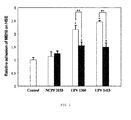
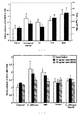
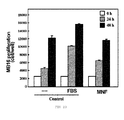
- Figure 2 shows how, despite being dead, the yeasts of the strain UPV1413 continue to cause a significant increase of the adhesion of the B16 cells on the HSE.
- the increase is more than the double of the tumor cells adhered if it is compared with the control situation.
- the cells killed both with heat and with metaperiodate at a concentration of 20 mM induce an increase of the tumor adhesion of more than 100% in comparison with the control, being higher than that produced by the living cells. This implies that neither the cell viability nor the germinative process are crucial to induce an increase of the tumor adhesion to the HSE.
- FCM Flow cytometry
- FIG. 3 shows a scatter cytogram wherein the cellular complexity (SSC) are compared with the size (FSC), and a mix cryptogram comparing the fluorescence (FL1) with the cell size (FSC).
- SSC cellular complexity
- FL1 fluorescence
- the living population not treated with metaperiodate (R1) has a high fluorescence as a consequence of the fact that the Concanavalin AFITC has bound thereto.
- the concentration of the treatment with metaperiodate increases, the binding of the Concanavalin A becomes more difficult and the fluorescence reduces.
- the population R2 treated with 20 mM of metaperiodate appears with lower fluorescence than the living populations, and the R3, treated with 50 mM, virtually lacks fluorescence as it shows the same fluorescence as the background noise.
- NCPF3153 7.01 1.74 1.95 0.23 0.29 0.05 UPV1360 6.69 1.72 1.58 0.20 0.25 0.07 UPV1413 6.52 0.97 2.23 0.31 0.34 0.03 CA2 5.88 2.06 1.23 0.21 0.23 0.07 NCPF3153 (germinated) 10.31 4.78 2.22 0.47 0.19 0.06 UPV1360 (germinated) 13.38 3.82 1.50 0.44 0.10 0.02 UPV1413 (germinated) 9.98 4.90 1.64 0.35 0.17 0.06
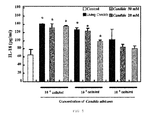
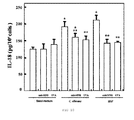
- the IL-18 has been described as a molecule responsible for increasing the adhesion of the MB16 cells to the murine hepatic endothelium and for increasing the capacity of metastasis of MB16 in mouse liver through the stimulation of the molecule VCAM-1 ( Carrascal et al., 2003. Cancer Research, 63: 49731-49734 ). For this reason, to confirm that it is also one of the cytokines that takes part in the process triggered by C. albicans, the production of this cytokine after the incubation of the HSE with living and dead yeasts was quantified by means of oxidation with metaperiodate at two different concentrations: 20 and 50 mM.
- C. albicans at a concentration of 106 cells/ml induces an increase of the production of IL-18 of approximately 100% with respect to the values of the control situation regardless of whether the yeasts are living or dead.
- the significant increase of the production of IL-18 is being maintained despite the fact that the concentration of yeasts is reduced to 105 cells/ml.
- the yeasts killed with 50 mM metaperiodate have a lower effect than the living yeasts and that the yeasts killed with a concentration of 20 mM, clearly showing the importance of completely removing the carbohydrates from the C. albicans cell surface.
- C. albicans induces the production of IL-18 in the HSE. This production is regardless of the concentration of cells, as well as of the concentration of carbohydrates present in the yeast wall.
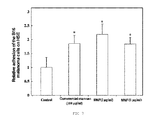
- the fractions were contacted with the endothelium cells and it was observed that at concentrations similar to those tested in the literature with commercial mannan (0.1 mg/ml), the fractions obtained in the current laboratory were toxic for the cells ( Figure 6 ).
- the samples must be diluted to 2 ⁇ g/ml and even to 1 ⁇ g/ml. At this concentration, the HSE cells were not damage and the increase of the tumor adhesion was similar to that of the 100 time more concentrated commercial mannan (0.1 mg/ml).
- the stimulation of the endothelium causes a cascade of cytokine which ends with the expression of adhesion molecules such as the VCAM-1 (Mendoza (cited at supra) 1998, Vidal-Vanaclocha et al. 2000. PNAS, 97: 734-739 ) wherein the tumor cells are adhered.
- adhesion molecules such as the VCAM-1 (Mendoza (cited at supra) 1998, Vidal-Vanaclocha et al. 2000. PNAS, 97: 734-739 ) wherein the tumor cells are adhered.
- the concentration of TNF- ⁇ , the cytokine which is described as one of the first and most important cytokines acting in the proinflammatory cascade described in the HSE was measured.
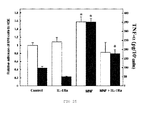
- the PF was not capable of stimulating an increase of the production of TNF- ⁇ in the endothelium with respect to the control.
- the incubation of the endothelium both with the crude extract and with the MNF did induced a significant increase in the production of TNF- ⁇ compared with the control situation.
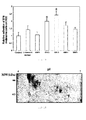
- the MNF showed a greater capacity of inducing the production of TNF- ⁇ than the crude extract since this did not induce an increase of 100% whereas the stimulation with the MNF produced approximately a 120% increase of production of TNF- ⁇ with respect to the control, reaching a values of 220 pg/106 cells.
- the mannoprotein fraction of C. albicans induces the adhesion of tumor cells to the HSE at a concentration 100 times more diluted than the commercial mannan.
- TNF- ⁇ is produced and it is toxic at high concentrations of extract. Both the tumor adhesion and the TNF- ⁇ increase by more than 100% with respect to the control when the HSE is stimulated with the MNF.
- albicans treated with 50 mM of sodium metaperiodate which removes the carbohydrates from the cell surface increases the tumor adhesion approximately 40% with respect to the control. This effect is maintained, although in a non-significant manner, despite adding the anti-mannose receptor.
- the mannose receptor is the one responsible for starting most of the response of the HSE against C. albicans triggering an increase of the tumor adhesion, but there is also an effect independent of the same.
- the IL-18 has been described as a molecule responsible for increasing the adhesion of MB16 cells to the murine hepatic endothelium in the inflammatory process started after the stimulation of the mannose receptor which ends with the expression of the VCAM molecule where the tumor cells are bound.
- the production of IL-18 by the HSE stimulated with C. albicans and its mannoproteins was studied, and the mannose receptor was blocked to check its influence in the production of this cytokine.
- the anti-mannose receptor antibody significantly reduces the production of IL-18 by the HSE stimulated by C. albicans.
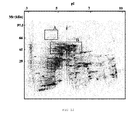
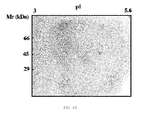
- the same was separated by means of two-dimensional electrophoresis and then the gels obtained were stained by means of silver staining because it is more sensitive than the staining with Coomassie blue and it better stains the mannoproteins.
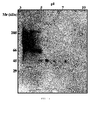
- the figures show that the crude extract has proteins distributed throughout the isoelectric point range comprised between 4 and 8, whereas by molecular weight the proteins having a size greater than 100 kDa were not detected.
- the amount of proteins containing the MNF was approximately 5 times lower than the amount which was in the PF. This meant that to achieve gels of the MNF in which the mannoproteins thereof could be viewed, a 5 times higher proportion of sample had to be added. To that end, the mannoproteins appearing in the gel of MNF are not visible in the gel of the crude extract because their concentration is 5 times lower.
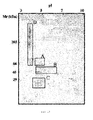
- the MNF shown in Figure 13 has a distribution much less homogenous than the other fractions. It was observed that the number of mannoproteins in relation to the total is small and that they are practically distributed entirely in the 3 areas mentioned above. Area A which is mostly formed by mannoproteins and which as can be seen in the drawing, is one of the most significant area of the MNF stands out in this case.
- a two-dimensional Western blot of the crude extract developed with chemiluminescence using Con A-HRP shows the high degree of mannosylation of the high molecular weight acidic mannoproteins which could not be detected in the silver staining of the crude extract but were detected in the gel of the MNF and were called as area D.
- area D There are also several highly mannosylated mannoproteins with a molecular weight of approximately 45 kDa. At lower molecular weights, the low degree of mannosylation did not allow them to be detected.
- the mannoprotein fraction has an important role in increasing the tumor adhesion to the HSE induced by C. albicans and that this process is produced by means of activating a cascade of cytokines among which include TNF- ⁇ and IL-18, the following objective that was proposed was to obtain different mannoprotein subfractions covering different molecular weights and different isoelectric points. Therefore, the effect of this fraction was further specified. In other words, whether its effect is generalized or is concentrated in some mannoproteins.
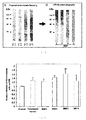
- Figure 16 depicts the carbohydrate/protein proportion of each of the fractions obtained. It demonstrates that the mannoproteins of higher molecular weight are most mannosylated. It is observed that both the MNF1 and the MNF2 have a greater proportion of protein than of carbohydrates, whereas the situation is reversed in the fractions MNF4 and MNF5. The MNF3 has a proportion of carbohydrate more or less equal to that of protein.
- the concentration of the 5 subfractions was adjusted to the same concentration of carbohydrates (2 ⁇ g/ml).
- the MNF2 and MNF3 induced a significant increase of the tumor adhesion, of 35 and 60% respectively, with respect to the commercial mannan, the latter having a concentration of carbohydrates 50 times higher.
- mannoproteins identified many of them were repeated in contiguous isoforms with the same molecular weight but with different isoelectric points such as in the case of the aminopeptidase, the fructose bisphosphate aldolase, the alcohol dehydrogenase or the enolase. The last two also have subunits in which both the molecular weight and the isoelectric point varied. This was also the case of, for example, the protein disulfide isomerase. Many of the sequenced mannoproteins have been previously described in the literature as antigens.
- the crude extract of C. albicans was separated into four subfractions differentiated according to the isoelectric point, and the mannoproteins were purified from each of them by means of affinity chromatography in Concanavalin A-Sepharose columns as has been described above. Rotofor system which allows performing preparative isoelectric focusing was used to separate the fractions according to their isoelectric point.
- Figure 19 shows the result from the separation of the crude extract into the 4 subfractions according to their isoelectric point and the result after their subsequent purification by means of affinity chromatography in Concanavalin A-Sepharose columns.
- the separation was satisfactory and, as can be seen in the western blot evaluated against Con A-HRP, the most mannosylated mannoproteins of more than 45 kDa are in acidic isoelectric points, whereas as the isoelectric point increases the greater the reaction is limited to a band of 45 kDa.
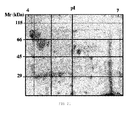
- the mannoproteins having the greatest importance in the tumor adhesion are between the mannoproteins identified as part of the subfraction three (MNF3) with an approximate isoelectric point between 5 and 5.6. Therefore, taking into account both the results from the fractioning according to the molecular weight and those obtained from the fractioning according to the isoelectric point, from the total of identified mannoproteins weighing between 45 and 66 kDa, those that exert greatest effect in the tumor adhesion are those that were further identified within of the range of isoelectric point from 5 to 5.6. This reduces the starting list of 15 mannoproteins to a total of 7, from which 4 have been described previously as antigens of C. albicans.
- Figure 21 shows a visual reproduction of the fractioning of the mannoproteins of C. albicans made according to the molecular weight and the isoelectric point Table 11:
- the Mw and pI refer to the experimental molecular weight and isoelectric point, respectively.
- the mannoproteins described as antigens are in bold print.
- the mannoproteins which have been described previously in the literature as antigens of C. albicans appear in Table 11 labeled in bold print. This means that four proteins from the seven forming this group are antigens. Thus this group of mannoproteins seems to have a high immunogenic potential and may have high endothelial activation.
- the alcohol dehydrogenase and aminopeptidase were included in the table due to the importance and their proximity to the range of isoelectric point and molecular weight, respectively.
- the four mannoproteins which have been described as antigens recognized by patient serums are: mitochondrial ketol acid-reductoisomerase, enolase, ubiquinol cyt-c reductase and alcohol dehydrogenase.
- the 3 mannoproteins of the group which still have not been described as antigens are the aminopeptidase, which is found between the MNF3 and MNF4, the actin, which is a protein forming an essential part of the cell cytoskeleton, and the Tu elongation factor, belonging to a family of proteins which is related with antigenicity, in fact, some elongation factors have already been described as antigens of C. albicans.
- the mannoprotein fractions of C. albicans comprised between 45 and 66 kDa according to the molecular weight and between 5 and 5.6 according to the isoelectric point are those that induce the most increase of the tumor adhesion to the hepatic sinusoidal endothelium. In that region 7 mannoproteins were identified, 4 of them with antigenic potential.
- the strain UPV1413 was chosen for the analysis due to its high capacity for stimulating the tumor adhesion to the endothelium, whereas the reference strain NCPF3153 was selected for having the opposite characteristic, since it had not shown the capacity of increasing the adhesion of tumor cells to the HSE.
- the strain UPV1360 showed capacity of increasing the tumor adhesion, although to a lesser extent than the UPV1413.
- To perform the analysis at least 3 gels having isoelectric point comprised between 4 and 7 were used for each strain and they were analyzed by means of the Image Master 2D Platinum computer system (GE Healthcare).
- the contrary case is found in one of the subunits of the enolase.
- the strain NCPF3153 and, above all, the strain UPV1360 expressed in large proportion one of the subunits of the enolase, specifically the most basic of them which had not been identified in the strain UPV1413. Therefore, differences of expression have been found in three mannoproteins of the MNF3 such as the enolase, the protein disulfide isomerase and the aminopeptidase, although it cannot be clearly related with a great increase of the tumor adhesion to the HSE.
- the effect of the mannoproteins of C. albicans in increasing the tumor adhesion to the hapatic endothelium has been demonstrated.
- the MB16 cell proliferation induced by the mannoprotein fraction of C. albicans was measured at 24 and 48 hours. The results obtained are shown in Figure 23 . It can be seen therein that the MB16 cells incubated with the mannoprotein fraction did not have a proliferation rate higher than the control cells. Despite that a proliferation greater than the control was produced at 24 hours, this was not corroborated at 48 hours. In both cases, the proliferation induced by the mannoprotein fraction was lower than that induced by the fetal bovine serum.
- results were corroborated after performing the test using the MNF3 (45-66 kDa) to stimulate the proliferation.
- the results shown in Figure 24 indicate that the MNF3 increases the proliferation with respect to the control situation, they also demonstrate that the MNF3 of C. albicans do not have capacity for inducing the proliferation of the tumor cells as much as the medium supplemented with FBS or the commercial mannan.
- the mannoprotein fraction of C. albicans does not induce a significant increase of the proliferation of the MB16 tumor cells.
- IL-1 ⁇ is a proinflammatory molecule which is related with the TNF- ⁇ because they both participate in the proinflammatory response of the endothelium and, according to the literature, in the proinflammatory response activated through the mannose receptor, the synthesis and release of TNF- ⁇ is prior to that of IL-1 ⁇ (Vidal-Vanaclocha et al., 2000 cited at supra ).
- IL-1Ra IL-1 Receptor antagonist
- Figure 25 demonstrates that the blocking of the IL-1 ⁇ receptor completely inhibited the effect that the mannoproteins have on the tumor adhesion. While the adhesion of tumor cells increased to 60% when the endothelium is activated with the MNF, this effect was completely inhibited as the function of the IL-1 ⁇ receptor is neutralized. This means that the mannoproteins of C. albicans trigger the cascade either at that point or before that receptor. It is however surprising that the production of TNF- ⁇ also reduced significantly when the IL-1R is blocked. The expected release of TNF- ⁇ which will not be affected if the actuation route of the cytokines was exclusively the mannose receptor was also reduced. In this case contrarily to what happened with the tumor adhesion, the reduction was not complete, and maintained, despite the reduction, a production of TNF- ⁇ significantly greater than the control situation.
- the anti IL-1 ⁇ antibody recognized a mannoprotein which by molecular weight coincided with the fraction MNF3 described in this invention as having the greatest capacity for stimulating the HSE and inducing an increase of the tumor adhesion to this endothelium. Furthermore, the molecular weight thereof is located approximately in the area which has served as limit between the MNF3 and MNF2, which also showed a significant effect. By paying attention to the isoelectric point thereof, the mannoprotein was also detected within the range of the fraction showing greater effect. Therefore, this mannoprotein was an important candidate to be the endothelium stimulator and therefore, stimulator of the increase of the tumor adhesion to the same.
- reaction obtained was reproducible in all the Western blot performed. However, said reaction was not clearly visible in the gels stained with Coomassie blue ( Figure 26 ). Despite that, the fragment of gel which provided reaction was manually extracted and sequenced by means of LC-MS/MS in the proteomic service of the UPV/EHU.
- IL-1 ⁇ receptor antagonist completely inhibits the increase of the tumor adhesion to the hepatic sinusoidal endothelium induced by the MNF. Furthermore, it partially reduces the release of TNF- ⁇ by the endothelium stimulated by the mannoproteins of C. albicans.
Landscapes
- Health & Medical Sciences (AREA)
- Life Sciences & Earth Sciences (AREA)
- Chemical & Material Sciences (AREA)
- Medicinal Chemistry (AREA)
- Pharmacology & Pharmacy (AREA)
- Veterinary Medicine (AREA)
- Public Health (AREA)
- General Health & Medical Sciences (AREA)
- Animal Behavior & Ethology (AREA)
- Epidemiology (AREA)
- Chemical Kinetics & Catalysis (AREA)
- Nuclear Medicine, Radiotherapy & Molecular Imaging (AREA)
- General Chemical & Material Sciences (AREA)
- Organic Chemistry (AREA)
- Bioinformatics & Cheminformatics (AREA)
- Engineering & Computer Science (AREA)
- Molecular Biology (AREA)
- Immunology (AREA)
- Mycology (AREA)
- Microbiology (AREA)
- Oncology (AREA)
- Rheumatology (AREA)
- Pain & Pain Management (AREA)
- Cardiology (AREA)
- Heart & Thoracic Surgery (AREA)
- Medicines That Contain Protein Lipid Enzymes And Other Medicines (AREA)
Applications Claiming Priority (2)
| Application Number | Priority Date | Filing Date | Title |
|---|---|---|---|
| ES200900907A ES2376931B1 (es) | 2009-04-02 | 2009-04-02 | Composiciones farmacéuticas para el tratamiento de la metástasis. |
| PCT/ES2010/070197 WO2010112657A2 (es) | 2009-04-02 | 2010-03-30 | Composiciones farmacéuticas para el tratamiento de la metástasis |
Publications (2)
| Publication Number | Publication Date |
|---|---|
| EP2415482A2 true EP2415482A2 (de) | 2012-02-08 |
| EP2415482A4 EP2415482A4 (de) | 2012-11-14 |
Family
ID=42828760
Family Applications (1)
| Application Number | Title | Priority Date | Filing Date |
|---|---|---|---|
| EP10758102A Withdrawn EP2415482A4 (de) | 2009-04-02 | 2010-03-30 | Pharmazeutische zusammensetzungen zur behandlung von metastasen |
Country Status (4)
| Country | Link |
|---|---|
| US (1) | US20120093836A1 (de) |
| EP (1) | EP2415482A4 (de) |
| ES (1) | ES2376931B1 (de) |
| WO (1) | WO2010112657A2 (de) |
Families Citing this family (2)
| Publication number | Priority date | Publication date | Assignee | Title |
|---|---|---|---|---|
| US9416173B2 (en) * | 2011-04-21 | 2016-08-16 | Board Of Supervisors Of Louisiana State University And Agricultural And Mechanical College | Peptide and conjugate vaccines for fungal infections |
| WO2020086440A1 (en) * | 2018-10-22 | 2020-04-30 | Beth Israel Deaconess Medical Center | Immunomodulatory compounds |
Family Cites Families (6)
| Publication number | Priority date | Publication date | Assignee | Title |
|---|---|---|---|---|
| CA2218446A1 (en) * | 1997-12-12 | 1999-06-12 | Mcgill University | New candida albicans kre9 and uses thereof |
| AU2003222640A1 (en) | 2002-04-18 | 2003-11-03 | Board Of Regents Of The University Of Texas System | Cell wall mannoproteins and active epitopes from candida albicans and antibodies recognizing them |
| MEP32508A (en) * | 2002-09-06 | 2010-10-10 | Amgen Inc | Therapeutic human anti-il-1r1 monoclonal antibody |
| US20050153361A1 (en) * | 2003-09-09 | 2005-07-14 | Sullivan Dianne C. | Therapeutic and diagnostic applications of protein disulphide isomerases |
| US20070015803A1 (en) * | 2005-04-12 | 2007-01-18 | Romark Laboratories L.C. | Methods for treating diseases through interruption of protein maturation, compounds that inhibit the function of molecular chaperones such as protein disulfide isomerases or interfere with glycosylation, pharmaceutical compositions comprising them, and screening methods for identifying therapeutic agents |
| KR100796637B1 (ko) * | 2006-09-29 | 2008-01-22 | 한국생명공학연구원 | 젤다나마이신 유도체, 이의 약학적으로 허용가능한 염,이의 제조방법 및 이를 유효성분으로 함유하는 암 예방 및치료제 |
-
2009
- 2009-04-02 ES ES200900907A patent/ES2376931B1/es active Active
-
2010
- 2010-03-30 WO PCT/ES2010/070197 patent/WO2010112657A2/es not_active Ceased
- 2010-03-30 US US13/262,440 patent/US20120093836A1/en not_active Abandoned
- 2010-03-30 EP EP10758102A patent/EP2415482A4/de not_active Withdrawn
Also Published As
| Publication number | Publication date |
|---|---|
| US20120093836A1 (en) | 2012-04-19 |
| ES2376931B1 (es) | 2013-06-25 |
| ES2376931A1 (es) | 2012-03-21 |
| WO2010112657A2 (es) | 2010-10-07 |
| EP2415482A4 (de) | 2012-11-14 |
| WO2010112657A3 (es) | 2010-11-25 |
Similar Documents
| Publication | Publication Date | Title |
|---|---|---|
| Xu et al. | Mesenchymal stem cell‐derived extracellular vesicles with high PD‐L1 expression for autoimmune diseases treatment | |
| San-Blas | Paracoccidioidomycosis and its etiologic agent Paracoccidioides brasiliensis | |
| US7241613B1 (en) | Identification of Candida cell surface proteins and their uses | |
| Bandara et al. | Emerging and future strategies in the management of recalcitrant Candida auris | |
| JP5569946B2 (ja) | 免疫抑制剤および自己免疫疾患の予防および治療剤 | |
| CN103201386A (zh) | 皮肤穿透及细胞进入(space)肽及其使用方法 | |
| CN114207117A (zh) | 用于调节巨噬细胞活性的方法 | |
| Hodgetts et al. | Efungumab and caspofungin: pre-clinical data supporting synergy | |
| Dong et al. | A chitin-like component on sclerotic cells of Fonsecaea pedrosoi inhibits Dectin-1-mediated murine Th17 development by masking β-glucans | |
| EP4306127A1 (de) | Pharmazeutische zusammensetzung zur behandlung oder prävention von myasthenia gravis | |
| JP2015120722A (ja) | カンジダに対する能動免疫及び受動免疫の標的としてのhyr1 | |
| Ahmad et al. | Role of a histamine 4 receptor as an anti‐inflammatory target in carrageenan‐induced pleurisy in mice | |
| CN105873950A (zh) | 用于治疗和诊断癌症的抗s100a7抗体 | |
| EP2415482A2 (de) | Pharmazeutische zusammensetzungen zur behandlung von metastasen | |
| Kandadi et al. | Expression of Concern: Toll‐like receptor 4 knockout protects against anthrax lethal toxin‐induced cardiac contractile dysfunction: role of autophagy | |
| Penteado et al. | Lomentospora prolificans fungemia in hematopoietic stem cell transplant patients: first report in South America and literature review | |
| Mishra et al. | A monoclonal antibody against 47.2 kDa cell surface antigen prevents adherence and affects biofilm formation of Candida albicans | |
| ES2425298A2 (es) | Composiciones farmacéuticas para el tratamiento de la metástasis | |
| ES2522390A2 (es) | Composiciones farmacéuticas para el tratamiento de la metástasis | |
| CN104136464A (zh) | 用于调节放射敏感性的her3抑制剂 | |
| Dunyo et al. | Ivermectin and albendazole alone and in combination for the treatment of lymphatic filariasis in Ghana: follow-up after re-treatment with the combination | |
| Egbulefu et al. | Induction of complementary immunogenic necroptosis and apoptosis cell death pathways inhibits cancer metastasis and relapse | |
| TW201733621A (zh) | 細胞穿透性之花青耦合抗體 | |
| RU2380116C2 (ru) | Лечение микозов | |
| EP2415782A1 (de) | Verbindungen als stimulatoren unerwünschter zellhaftung und ihre anwendung |
Legal Events
| Date | Code | Title | Description |
|---|---|---|---|
| PUAI | Public reference made under article 153(3) epc to a published international application that has entered the european phase |
Free format text: ORIGINAL CODE: 0009012 |
|
| 17P | Request for examination filed |
Effective date: 20111102 |
|
| AK | Designated contracting states |
Kind code of ref document: A2 Designated state(s): AT BE BG CH CY CZ DE DK EE ES FI FR GB GR HR HU IE IS IT LI LT LU LV MC MK MT NL NO PL PT RO SE SI SK SM TR |
|
| DAX | Request for extension of the european patent (deleted) | ||
| A4 | Supplementary search report drawn up and despatched |
Effective date: 20121015 |
|
| RIC1 | Information provided on ipc code assigned before grant |
Ipc: A61K 39/395 20060101AFI20121009BHEP Ipc: A61P 35/04 20060101ALI20121009BHEP |
|
| 17Q | First examination report despatched |
Effective date: 20130805 |
|
| STAA | Information on the status of an ep patent application or granted ep patent |
Free format text: STATUS: THE APPLICATION IS DEEMED TO BE WITHDRAWN |
|
| 18D | Application deemed to be withdrawn |
Effective date: 20151001 |