EP2397554B1 - Flowering inhibition - Google Patents
Flowering inhibition Download PDFInfo
- Publication number
- EP2397554B1 EP2397554B1 EP10184112.0A EP10184112A EP2397554B1 EP 2397554 B1 EP2397554 B1 EP 2397554B1 EP 10184112 A EP10184112 A EP 10184112A EP 2397554 B1 EP2397554 B1 EP 2397554B1
- Authority
- EP
- European Patent Office
- Prior art keywords
- nucleic acid
- plant
- sequences
- seq
- flowering
- Prior art date
- Legal status (The legal status is an assumption and is not a legal conclusion. Google has not performed a legal analysis and makes no representation as to the accuracy of the status listed.)
- Expired - Lifetime
Links
Images










Classifications
-
- C—CHEMISTRY; METALLURGY
- C07—ORGANIC CHEMISTRY
- C07K—PEPTIDES
- C07K14/00—Peptides having more than 20 amino acids; Gastrins; Somatostatins; Melanotropins; Derivatives thereof
- C07K14/415—Peptides having more than 20 amino acids; Gastrins; Somatostatins; Melanotropins; Derivatives thereof from plants
-
- C—CHEMISTRY; METALLURGY
- C12—BIOCHEMISTRY; BEER; SPIRITS; WINE; VINEGAR; MICROBIOLOGY; ENZYMOLOGY; MUTATION OR GENETIC ENGINEERING
- C12N—MICROORGANISMS OR ENZYMES; COMPOSITIONS THEREOF; PROPAGATING, PRESERVING, OR MAINTAINING MICROORGANISMS; MUTATION OR GENETIC ENGINEERING; CULTURE MEDIA
- C12N15/00—Mutation or genetic engineering; DNA or RNA concerning genetic engineering, vectors, e.g. plasmids, or their isolation, preparation or purification; Use of hosts therefor
- C12N15/09—Recombinant DNA-technology
- C12N15/63—Introduction of foreign genetic material using vectors; Vectors; Use of hosts therefor; Regulation of expression
- C12N15/79—Vectors or expression systems specially adapted for eukaryotic hosts
- C12N15/82—Vectors or expression systems specially adapted for eukaryotic hosts for plant cells, e.g. plant artificial chromosomes (PACs)
- C12N15/8241—Phenotypically and genetically modified plants via recombinant DNA technology
- C12N15/8261—Phenotypically and genetically modified plants via recombinant DNA technology with agronomic (input) traits, e.g. crop yield
- C12N15/8262—Phenotypically and genetically modified plants via recombinant DNA technology with agronomic (input) traits, e.g. crop yield involving plant development
- C12N15/827—Flower development or morphology, e.g. flowering promoting factor [FPF]
Definitions
- the present invention relates to nucleic acid fragments encoding amino acid sequences for proteins involved in the control of flowering in plants, and the use thereof for the modification of flowering, particularly inhibiting flowering.
- the GIGANTEA (GI) gene has been shown to affect flowering dramatically, and it is positioned early in the interface of the circadian clock and the photoperiod perception mechanisms 17-20 .
- the gene is present as a single copy in arabidopsis and in rice, and its manipulation in rice has similar consequences as in arabidopsis, further supporting validity of the arabidopsis model for at least the photoperiodic control 14 , both in short day and in long day plants.
- nucleic acid sequences encoding some of the proteins involved in the control of flowering have been isolated for certain species of plants, there remains a need for materials useful in the modification of flowering in a wide range of plants, and for methods for their use.
- the present invention provides substantially purified or isolated nucleic acids encoding amino acid sequences of FLOWERING LOCUS T (FT) and TERMINAL FLOWER (TFL) proteins, and functionally active fragments and variants thereof, according to the claims, the presence of which inhibits flowering.
- FT FLOWERING LOCUS T
- TNL TERMINAL FLOWER
- the present invention also provides substantially purified or isolated nucleic acid fragments encoding amino acid sequences for a class of proteins, which are related to FT and TFL, according to the claims, the presence of which inhibits flowering.
- Such polypeptides are referred to herein as FT-like and TFL-like respectively.
- the genes which encode these polypeptides are expressed in a similar manner to FT and TFL, respectively.
- the invention also encompasses functionally active fragments and variants of nucleic acids encoding such polypeptides.
- FT-like relates to polypeptides that are produced in the plant in substantially the same organs and at substantially the same developmental stages as FT.
- TFL-like relates to polypeptides that are produced in the plant in substantially the same organs and at substantially the same developmental stages as TFL.
- the nucleic acid fragments are obtained from ryegrass ( Lolium ) or fescue ( Festuca ) species. These species may be of any suitable type, including Italian or annual ryegrass, perennial ryegrass, tall fescue, meadow fescue and red fescue. Preferably the species is a ryegrass, more preferably perennial ryegrass ( L. perenne ).
- Nucleic acids according to the invention may be full-length genes or part thereof, and are also referred to as “nucleic acid fragments" and “nucleotide sequences" on this specification.
- the nucleic acid fragment may be of any suitable type and includes DNA (such as cDNA or genomic DNA) and RNA (such as mRNA) that is single- or double-stranded, optionally containing synthetic, non-natural or altered nucleotide bases, and combinations thereof.
- DNA such as cDNA or genomic DNA
- RNA such as mRNA
- isolated means that the material is removed from its original environment (eg. the natural environment if it is naturally occurring).
- a naturally occurring nucleic acid fragment or polypeptide present in a living plant is not isolated, but the same nucleic acid fragment or polypeptide separated from some or all of the coexisting materials in the natural system, is isolated.
- Such an isolated nucleic acid fragment could be part of a vector and/or such nucleic acid fragments could be part of a composition, and still be isolated in that such a vector or composition is not part of its natural environment.
- the fragment or variant in respect of a nucleotide sequence is meant that the fragment or variant (such as an analogue, derivative or mutant) is capable of modifying flowering in a plant.
- Such variants include naturally occurring allelic variants and non-naturally occurring variants. Additions, deletions, substitutions and derivatizations of one or more of the nucleotides are contemplated so long as the modifications do not result in loss of functional activity of the fragment or variant.
- the functionally active fragment or variant has at least approximately 80% identity to the relevant part of the above mentioned sequence, more preferably at least approximately 90% identity, most preferably at least approximately 95% identity.
- Such functionally active variants and fragments include, for example, those having nucleic acid changes which result in conservative amino acid substitutions of one or more residues in the corresponding amino acid sequence.
- the fragment has a size of at least 30 nucleotides, more preferably at least 45 nucleotides, most preferably at least 60 nucleotides.
- the fragment or variant has one or more of the biological properties of the FT, FT-like, TFL, or TFL-like, proteins. Additions, deletions, substitutions and derivatizations of one or more of the amino acids are contemplated so long as the modifications do not result in loss of functional activity of the fragment or variant.
- the functionally active fragment or variant has at least approximately 90% identity.
- Such functionally active variants and fragments include, for example, those having conservative amino acid substitutions of one or more residues in the corresponding amino acid sequence.
- the fragment has a size of at least 10 amino acids, more preferably at least 15 amino acids, most preferably at least 20 amino acids.
- a regulatory element is capable of causing expression of said nucleic acid in a plant cell and said terminator is capable of terminating expression of said nucleic acid in a plant cell.
- said regulatory element is upstream of said nucleic acid and said terminator is downstream of said nucleic acid.
- an effective amount is meant an amount sufficient to result in an identifiable phenotypic trait in said plant, or a plant, plant seed or other plant part derived therefrom. Such amounts can be readily determined by an appropriately skilled person, taking into account the type of plant, the route of administration and other relevant factors. Such a person will readily be able to determine a suitable amount and method of administration. See, for example, Maniatis et al, Molecular Cloning: A Laboratory Manual, Cold Spring Harbor Laboratory, Cold Spring Harb or.
- the substantially purified or isolated nucleic acid fragment encoding a FT or TFL protein includes a nucleotide sequence, according to the claims selected from the group consisting of (a) sequences shown in Figure 1 hereto (Sequence ID Nos: 4 and 5); (b) complements of the sequences recited in (a); (c) sequences antisense to the sequences recited in (a) and (b); (d) functionally active fragments and variants of the sequences recited in (a), (b) and (c); and (e) RNA sequences corresponding to the sequences recited in (a), (b), (c) and (d).
- a nucleotide sequence selected from the group consisting of (a) sequences shown in Figure 1 hereto (Sequence ID Nos: 4 and 5); (b) complements of the sequences recited in (a); (c) sequences antisense to the sequences recited in (a) and (b); (d) functionally active fragments
- the nucleic acid fragments of the present invention may be used to isolate cDNAs and genes encoding homologous proteins from the same or other plant species.
- genes encoding other flowering control proteins may be isolated directly by using all or a portion of the nucleic acid fragments of the present invention as hybridisation probes to screen libraries from the desired plant employing the methodology known to those skilled in the art.
- Specific oligonucleotide probes based upon the nucleic acid sequences of the present invention can be designed and synthesized by methods known in the art.
- the entire sequences can be used directly to synthesize DNA probes by methods known to the skilled artisan such as random primer DNA labelling, nick translation, or end-labelling techniques, or RNA probes using available in vitro transcription systems.
- primers can be designed and used to amplify a part or all of the sequences of the present invention.
- the resulting amplification products can be labelled directly during amplification reactions or labelled after amplification reactions, and used as probes to isolate full length cDNA or genomic fragments under conditions of appropriate stringency.
- two short segments of the nucleic acid fragments of the present invention may be used in polymerase chain reaction protocols to amplify longer nucleic acid fragments encoding homologous genes from DNA or RNA.
- the polymerase chain reaction may also be performed on a library of cloned nucleic acid fragments wherein the sequence of one primer is derived from the nucleic acid fragments of the present invention, and the sequence of the other primer takes advantage of the presence of the polyadenylic acid tracts to the 3' end of the mRNA precursor encoding plant genes.
- the second primer sequence may be based upon sequences derived from the cloning vector.
- RACE protocol 30 to generate cDNAs by using PCR to amplify copies of the region between a single point in the transcript and the 3' or 5' end.
- RACE and 5' RACE systems BBL
- specific 3' or 5' cDNA fragments can be isolated 31,32 .
- Products generated by the 3' and 5' RACE procedures can be combined to generate full-length cDNAs.
- a substantially purified or isolated polypeptide from a ryegrass ( Lolium ) or fescue ( Festuca ) species selected from the group consisting of FT, FT-like, TFL and TFL-like proteins, and functionally active fragments and variants thereof.
- the ryegrass ( Lolium ) or fescue ( Festuca ) species may be of any suitable type, including Italian or annual ryegrass, perennial ryegrass, tall fescue, meadow fescue and red fescue.
- the species is a ryegrass, more preferably perennial ryegrass ( L. perenne ).
- a substantially purified or isolated FT, FT-like, TFL or TFL-like polypeptide including an amino acid sequence selected from the group of sequences translated from nucleotide sequences shown in Figure 1 hereto (Sequence ID Nos. 4 and 5); and functionally active fragments and variants thereof.
- polypeptide recombinantly produced from a nucleic acid according to the present invention.
- Techniques for recombinantly producing polypeptides are known to those skilled in the art.
- polypeptide recombinantly produced from a nucleic acid according to the present invention.
- Techniques for recombinantly producing polypeptides are known to those skilled in the art.
- nucleotide sequences of the present invention facilitates immunological screening of cDNA expression libraries.
- Synthetic peptides representing portions of the instant amino acid sequences may be synthesized. These peptides can be used to immunise animals to produce polyclonal or monoclonal antibodies with specificity for peptides and/or proteins comprising the amino acid sequences. These antibodies can be then used to screen cDNA expression libraries to isolate full-length cDNA clones of interest.
- a genotype is the genetic constitution of an individual or group. Variations in genotype are essential in commercial breeding programs, in determining parentage, in diagnostics and fingerprinting, and the like. Genotypes can be readily described in terms of genetic markers.
- a genetic marker identifies a specific region or locus in the genome. The more genetic markers, the finer defined is the genotype.
- a genetic marker becomes particularly useful when it is allelic between organisms because it then may serve to unambiguously identify an individual.
- a genetic marker becomes particularly useful when it is based on nucleic acid sequence information that can unambiguously establish a genotype of an individual and when the function encoded by such nucleic acid is known and is associated with a specific trait.
- nucleic acids and/or nucleotide sequence information including single nucleotide polymorphisms (SNPs), variations in single nucleotides between allelic forms of such nucleotide sequence, can be used as perfect markers or candidate genes for the given trait.
- SNPs single nucleotide polymorphisms
- a method of isolating a nucleic acid of the present invention including a single nucleotide polymorphism (SNP), said method including sequencing nucleic acid fragments from a nucleic acid library.
- SNP single nucleotide polymorphism
- the nucleic acid library may be of any suitable type and is preferably a cDNA library.
- the nucleic acid fragments may be isolated from recombinant plasmids or may be amplified, for example using polymerase chain reaction.
- the sequencing may be performed by techniques known to those skilled in the art.
- nucleic acids of the present invention including SNP's, and/or nucleotide sequence information thereof, as molecular genetic markers.
- nucleic acid according to the present invention and/or nucleotide sequence information thereof, as a molecular genetic marker.
- nucleic acids according to the present invention and/or nucleotide sequence information thereof may be used as a molecular genetic marker for quantitative trait loci (QTL) tagging, QTL mapping, DNA fingerprinting and in marker assisted selection, particularly in ryegrasses and fescues.
- QTL quantitative trait loci
- nucleic acids according to the present invention and/or nucleotide sequence information thereof may be used as molecular genetic markers in forage and turf grass improvement, e.g.
- sequence information revealing SNPs in allelic variants of the nucleic acids of the present invention and/or nucleotide sequence information thereof may be used as molecular genetic markers for QTL tagging and mapping and in marker assisted selection, particularly in ryegrasses and fescues.
- a construct including a nucleic acid according to the present invention may be a vector.
- the vector may include a regulatory element such as a promoter, a nucleic acid according to the present invention and a terminator; said regulatory element, nucleic acid and terminator being operatively linked.
- the vector may be of any suitable type and may be viral or non-viral.
- the vector may be an expression vector.
- Such vectors include chromosomal, non-chromosomal and synthetic nucleic acid sequences, eg. derivatives of plant viruses; bacterial plasmids; derivatives of the Ti plasmid from Agrobacterium tumefaciens, derivatives of the Ri plasmid from Agrobacterium rhizogenes; phage DNA; yeast artificial chromosomes; bacterial artificial chromosomes; binary bacterial artificial chromosomes; vectors derived from combinations of plasmids and phage DNA.
- any other vector may be used as long as it is replicable, or integrative or viable in the plant cell.
- the regulatory element and terminator may be of any suitable type and may be endogenous to the target plant cell or may be exogenous, provided that they are functional in the target plant cell.
- the construct or vector may include more than one nucleic acid.
- the nucleic acids within the same construct or vector may have identical or differing sequences.
- the construct or vector has at least two nucleic acids encoding proteins involved in the control of flowering.
- the construct or vector may include one or more FT or FT-like nucleic acids and one or more TFL or TFL-like nucleic acids according to the present invention, or functionally active fragments or variants thereof, in combination with other genes involved in the control of flowering timing.
- the genes involved in the control of flowering timing may be selected from a group consisting of GIGANTEA (GI), GI-like, SVP and SVP-like, and fragments and variants thereof.
- one of the regulatory element is a promoter.
- promoters which may be employed in the vectors of the present invention are well known to those skilled in the art. Factors influencing the choice of promoter include the desired tissue specificity of the vector, and whether constitutive or inducible expression is desired and the nature of the plant cell to be transformed (eg. monocotyledon or dicotyledon).
- Particularly suitable constitutive promoters include the Cauliflower Mosaic Virus 35S (CaMV 35S) promoter, the maize Ubiquitin promoter, and the rice Actin promoter.
- terminators which may be employed in the vectors of the present invention are also well known to those skilled in the art. It may be from the same gene as the promoter sequence or a different gene. Particularly suitable terminators are polyadenylation signals, such as the CaMV 35S polyA and other terminators from the nopaline synthase (nos) and the octopine synthase (ocs) genes.
- the vector in addition to the regulatory element, the nucleic acid of the present invention and the terminator, may include further elements necessary for expression of the nucleic acid, in different combinations, for example vector backbone, origin of replication (ori), multiple cloning sites, spacer sequences, enhancers, introns (such as the maize Ubiquitin Ubi intron), antibiotic resistance genes and other selectable marker genes (such as the neomycin phosphotransferase ( npt2 ) gene, the hygromycin phosphotransferase ( hph ) gene, the phosphinothricin acetyltransferase ( bar or pat ) gene), and reporter genes (such as beta-glucuronidase (GUS) gene ( gusA ).
- the vector may also contain a ribosome binding site for translation initiation.
- the vector may also include appropriate sequences for amplifying expression.
- the presence of the construct or vector in transformed cells may be determined by other techniques well known in the art, such as PCR (polymerase chain reaction), Southern blot hybridisation analysis, histochemical GUS assays, northern and Western blot hybridisation analyses.
- constructs and vectors of the present invention may be incorporated into a variety of plants, including monocotyledons (such as grasses from the genera Lolium, Festuca, Paspalum, Pennisetum, Panicum and other forage and turfgrasses, corn, rice, sugarcane, oat, wheat and barley, dicotyledons, such as arabidopsis, tobacco, soybean, canola, cotton, potato, chickpea, medics, white clover, red clover, subterranean clover, alfalfa, eucalyptus, poplar, hybrid aspen, and gymnosperms (pine tree).
- monocotyledons such as grasses from the genera Lolium, Festuca, Paspalum, Pennisetum, Panicum and other forage and turfgrasses
- corn rice, sugarcane, oat, wheat and barley
- dicotyledons such as arabidopsis, tobacco, soybean, canola, cotton, potato
- the constructs and vectors are used to transform monocotyledons, preferably grass species such as ryegrasses ( Lolium species) and fescues ( Festuca species), even more preferably a ryegrass, most preferably perennial ryegrass, including forage- and turf-type cultivars.
- grass species such as ryegrasses ( Lolium species) and fescues ( Festuca species)
- fescues Festuca species
- a ryegrass most preferably perennial ryegrass, including forage- and turf-type cultivars.
- Techniques for incorporating the constructs and vectors of the present invention into plant cells are well known to those skilled in the art. Such techniques include Agrobacterium mediated introduction, electroporation to tissues, cells and protoplasts, protoplast fusion, injection into reproductive organs, injection into immature embryos and high velocity projectile introduction to cells, tissues, calli, immature and mature embryos. The choice of technique will depend largely on the type of plant to be transformed.
- Cells incorporating the constructs and vectors of the present invention may be selected, as described above, and then cultured in an appropriate medium to regenerate transformed plants, using techniques well known in the art.
- the culture conditions such as temperature, pH and the like, will be apparent to the person skilled in the art.
- the resulting plants may be reproduced, either sexually or asexually, using methods well known in the art, to produce successive generations of transformed plants.
- a plant cell, plant, plant seed or other plant part including, e.g. transformed with, a construct or vector of the present invention.
- the plant cell, plant, plant seed or other plant part may be from any suitable species, including monocotyledons, dicotyledons and gymnosperms.
- the plant cell, plant, plant seed or other plant part is from a monocotyledon, preferably a grass species, more preferably a ryegrass ( Lolium species) or fescue ( Festuca species), even more preferably a ryegrass, most preferably perennial ryegrass, including both forage- and turf-type cultivars.
- the present invention also provides a plant, plant seed or other plant part derived from a plant cell of the present invention.
- the present invention also provides a plant, plant seed or other plant part derived from a plant of the present invention.
- a method of modifying flowering in a plant including introducing into said plant an effective amount of a nucleic acid, construct and/or vector according to the present invention.
- the method includes inhibiting flowering in said plant.
- More than one regulatory gene may be manipulated, to inactivate multiple redundant and parallel genetic pathways that normally promote flowering in response to internal and external cues.
- the manipulated genes can be the FT/TFL family members, including both promoters and repressors; orthologs of the Gigantea (GI) gene, to disrupt the circadian clock, and therefore to interfere with the photoperiodic response; and the AGL24/SVP MADS box transcription factors, to interfere with response to autonomous and vernalization signals.
- GI Gigantea
- RNA interference in transgenic plants can be used, or naturally or artificially induced hypomorphic alleles could be identified and bred into a production cultivar.
- flowering may be accelerated or delayed. It may be accelerated, for example, by incorporating additional copies of a sense nucleic acid of the present invention. It may be delayed, for example, by incorporating an antisense nucleic acid or dsRNA or small interfering RNA (siRNA) derived from the nucleotide sequences of the present invention.
- siRNA small interfering RNA
- the number of copies of genes encoding for different proteins involved in the timing of flowering may be simultaneously manipulated to modify flowering.
- a preparation for transforming a plant comprising at least one nucleic acid according to the present invention.
- the preparation may contain vectors or other constructs to facilitate administration to and/or transformation of the plant with the nucleic acid.
- the principle of elimination of flowering combined attenuation of expression of genes that control different genetic pathways that is described here can be applied to ryegrass to better control pasture production cycle, and to improve persistence by allowing a more controlled heading.
- the technology to eliminate flowering can be used in combination with system for accelerating or initiating flowering to achieve complete artificial control over vegetative to floral transition that will be independent of weather and growth conditions. Consequently, its application should not be limited to just forage grasses, and such system can be applied to any agricultural crop to facilitate more controlled production, and reduce dependence of yields on weather.
- Partial sequences of the other two FT-like genes of ryegrass, called RgFT1 and 2, and 2 members of the TFL-like subfamily RgTFL1 and 2 were isolated. These share significant sequence similarity with FT, but perform the opposite function of floral repression in arabidopsis 8,9,33 rather than accelerating flowering.
- cDNAs for these genes were isolated using degenerate primers design to amplify conserved regions of the family. Complete cDNA sequences, where available, were obtained by 3' and 5'RACE. Sequences of these additional members of the ryegrass family are shown in Figure 1 .
- Partial cDNA sequence of the putative ryegrass orthologue was identified in the cDNA library. Complete cDNA sequence was obtained using 5'-RACE.
- the sequence shows that the cDNA sequence of the putative ryegrass GI gene has been isolated, based on comparison with GI-like genes from other grasses.
- the sequence contains uninterrupted open reading frame representing the full-size ryegrass GI protein.
- the perennial ryegrass population used for the genetic mapping of the rgFT3 SNP (single nucleotide polymorphism) marker and SSR (simple sequence repeat) markers was an F 1 progeny set derived from a pair cross between the heterozygous parental genotypes A8830/1030 (from the cultivar 'Grasslands Samson') and A10622/2 (from the cultivar 'Grasslands Impact').
- Genomic DNA was extracted by the 1 x CTAB method of Fulton et al. (1995).
- Genotypic data for 94 mapping population progeny was generated using 157 EST-SSRs and the RgGI SNP markers T87 and A125.
- EST-SSR PCR was conducted using the three primer protocol described by Schuelke (2000). An 8 ⁇ L reaction volume was used, containing 10 ng of genomic DNA, 2.5 mM magnesium chloride, 1x PCR buffer (Invitrogen, Carlsbad, California, USA), 0.05 mM of each dNTP, 0.0375 ⁇ M forward primer, 0.15 ⁇ M reverse primer, 0.15 ⁇ M of fluorescent-labelled M13 primer and 0.3 U of Platinum Taq DNA polymerase (Invitrogen).
- Fluorophores used were 6-FAMTM, NEDTM, VICTM and PETTM (Applied Biosystems, Foster City, California, USA).
- EST-SSR primers were synthesised and supplied by either Invitrogen or Integrated DNA Technologies (Coralville, Iowa, USA).
- PCR reactions were run in iCyclers (BioRad, Hercules, California, USA), employing the following profile: (1) 94°C for 4:00 minutes, (2) 30 cycles of: 94°C for 30 seconds, 55°C for 30 seconds and 72°C for 30 seconds, (3) 8 cycles of: 94°C for 30 seconds, 53°C for 30 seconds and 72°C for 30 seconds, (4) 72°C for 30 minutes.
- PCR products were analysed on an ABI 3100 Genetic Analyser using a 22 cm capillary array with POP-7TM polymer (Applied Biosystems). Electropherograms were analysed using ABI Prism GeneScan (v 3.7, Applied Biosystems), and genotype data was scored using ABI Prism Genotyper (v 3.7, Applied Biosystems). The allelic status of the RgGI SNPs was determined by direct sequencing of amplification products produced with oligonucleotides GIK16 5'CATGAAATGTGCAGAACAGG3' (SEQ ID No. 43) and GIK17 5'TGGTTGACTCTCCACATCTTC3' (SEQ ID No. 44).
- the A8830/1030 x A10622 population was analysed as a two-way pseudo-testcross (Grattapaglia and Sederoff 1994). Genetic linkage analysis was conducted using the CP module of JoinMap ® 3.0 software (www.kvyzma.nl ). Map distances in centimorgans (cM) were calculated using the Kosambi mapping function (Kosambi 1944). Genetic linkage maps were first established separately for A8830/1030 and A10622 using segregation data from EST-SSR and SNP markers that could be derived as dominant features.
- Polymorphic loci detected by the same EST-SSR primer pair at similar locations on the maps of both parents were used to identify and align homologous linkage groups in the two parental maps, and to check for consistency of recombination frequency between the parental genotypes.
- Parental datasets were then combined and a consensus genetic linkage map was constructed, using a maximum recombination frequency of 0.4 and minimum LOD threshold of 2.0.
- Ryegrass plants were grown outside and subjected to cold over the winter to achieve natural vernalization. They were then transferred to a glass house, and grown either in natural short day (SD) conditions ( ⁇ 11 hrs daylight), or with supplementary light to create artificial long day (LD) conditions (18 hr day). End of day in both conditions was at ⁇ 18:00. Plant samples were harvested as entire above-ground tillers 10 days after the long day treatment started, samples were taken every 2 hrs for 24 hours from both LD and SD treated plants.
- SD natural short day
- LD long day
- Quantitative RT-PCR was performed in the BioRad iCycler instrument using standard protocols and SyberGreen as reporting dye
- Actin gene levels were assayed using oligonucleotides GTF037 5'GCTGTTTTCCCTAGCATTGTTGG3' (SEQ ID No. 45) and GTF038 5'ATAAGAGAATCCGTGAGATCCCG3'(SEQ ID No. 46), and served as standards to normalize measurements of other genes.
- RgGI mRNA levels were measured using oligonucleotides GIK16 and GIK17 described in the mapping example.
- Amplifications were performed in triplicates, error rates were estimated by adding the average variance between triplicate samples, and average error of the standard curve fit of the standards of both the gene of interest and of the actin standard.
- the mRNA levels of the RgGI gene change significantly over the 24-hour cycle.
- the periodicity of expression suggests that the ryegrass gene, like its arabidopsis orthologue, is under the control of the circadian clock.
- the expression levels do not change significantly in photo inductive conditions, however, there may be a phase shift in long days to earlier increase, coincident with light exposure.
- Such circadian regulation of expression, as well as phase shift in long days strongly support the role of the RgGI gene in mediating and controlling the photoperiodic floral response of ryegrass, as postulated in the external coincidence hypothesis for arabidopsis
- the gene was identified in the EST collection, and the EST clone was completely sequenced. Diagram of the gene structure is shown in Figure 4 .
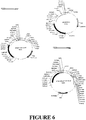
- RNA interference to inactivate the RgSVP gene were created as shown in the Figure 6 .
- RNAi-type constructs described here for FT/TFL and GI genes involved similar vector system and experimental approach.
- This invention can be applied to ryegrass Lolium perenne, for which we have developed efficient stable transformation system as follows: Materials florally induced tillers of Lolium perenne Na-hypochlorite (5% available chlorine) sterile ddH 2 O 100mm Petri plates containing LP5 medium* 100mm Petri plates containing LP3-OS medium 100mm Petri plates containing LP3 medium 100mm Petri plates containing LP3 medium + 200 mg/L Hygromycin (Hm) 100mm Petri plates containing MSK medium + 200 mg/L Hm 250 ml culture vessels containing MSO medium + 200mg/L Hygromycin stock solution (50 mg/ml in PDS, sterile)
- Weights and volumes required of each individual ingredient are specified in Table 1. Adjust media pH to 5.8 with KOH. The addition of a solidifying agent is required. Use agarose (for LP3, LP5 and LP3-OS) and 0.8% (w/v) Agar for MS0 and MSK prior to sterilising. Media LP3, LP5 and MSK are modified from Murashige and Skoog (1962).
Landscapes
- Health & Medical Sciences (AREA)
- Life Sciences & Earth Sciences (AREA)
- Genetics & Genomics (AREA)
- Chemical & Material Sciences (AREA)
- Organic Chemistry (AREA)
- Molecular Biology (AREA)
- Engineering & Computer Science (AREA)
- Biochemistry (AREA)
- Biomedical Technology (AREA)
- Biophysics (AREA)
- Biotechnology (AREA)
- General Engineering & Computer Science (AREA)
- General Health & Medical Sciences (AREA)
- Bioinformatics & Cheminformatics (AREA)
- Zoology (AREA)
- Wood Science & Technology (AREA)
- Microbiology (AREA)
- Plant Pathology (AREA)
- Physics & Mathematics (AREA)
- Cell Biology (AREA)
- Physiology (AREA)
- Botany (AREA)
- Gastroenterology & Hepatology (AREA)
- Medicinal Chemistry (AREA)
- Proteomics, Peptides & Aminoacids (AREA)
- Breeding Of Plants And Reproduction By Means Of Culturing (AREA)
- Micro-Organisms Or Cultivation Processes Thereof (AREA)
- Peptides Or Proteins (AREA)
- Measuring Or Testing Involving Enzymes Or Micro-Organisms (AREA)
Description
- The present invention relates to nucleic acid fragments encoding amino acid sequences for proteins involved in the control of flowering in plants, and the use thereof for the modification of flowering, particularly inhibiting flowering.
- Genetic pathways that control flowering time in the model plant Arabidopsis thaliana have been studied recently, and progress in identification of genes that control key steps in these pathways has been made, sere 1-4 for a review. It was found that increased expression of the FLOWERING LOCUS T (FT) gene leads to accelerated floral development, and almost complete loss of a normal photoperiodic response 5-7. This flowering promoting action of FT is counteracted in part by the TERMINAL FLOWER (TFL) gene product, which acts as a repressor, but has significant sequence similarity to FT 8,9. The FT family is comprised of 6 genes in arabidopsis, and of 9 genes in rice. With regard to this family, there is data to support validity of the arabidopsis model of the genetic control of flowering time when applied to other plant species. Rice heading date (flowering time) QTL mapping 10 and identification of the genes underlying natural variation revealed the same genetic pathway, at least for the photoperiodic control of flowering 11-13, despite the fact that rice has the short day photoperiod as opposed to the long day one of arabidopsis. Increased expression of the putative rice orthologue of FT called Hd3a seems to correlate with transition to flowering 14. The LpTFL gene Lolium perenne described previously has been shown to function in arabidopsis in the expected way 15,16 so these genes appear to be attractive targets for attenuating photoperiodic signalling.
- In addition to FT, which is believed to be at the final stage of the photoperiodic signal transduction chain, the GIGANTEA (GI) gene has been shown to affect flowering dramatically, and it is positioned early in the interface of the circadian clock and the photoperiod perception mechanisms 17-20. The gene is present as a single copy in arabidopsis and in rice, and its manipulation in rice has similar consequences as in arabidopsis, further supporting validity of the arabidopsis model for at least the photoperiodic control 14, both in short day and in long day plants.
- Another inductive pathway in arabidopsis combines autonomous cues and vernalization signalling. While the flowering locus C (FLC) MADS box gene appears to be a central integrator for much of this signalling in arabidopsis 21,22, no corresponding gene in the monocots has been reported to day that would match the FLC either by sequence homology or by the functional assay. In arabidopsis, additional MADS box genes apart from FLC has been implicated in both the autonomous and vernalization control, often found in pairs that seem to have opposite effects on the trait 23-28. Orthologues of these genes and combinations thereof could perform the FLC function in monocots, including cereals and forage grasses.
- While there are a great number of mutants that display a delay in flowering in arabidopsis, there is no single mutation that would lead to a complete loss of flowering. This perhaps reflects redundancy of the many genetic elements, and parallelism in signalling via different pathways. However, it was shown that combining mutations in the three major pathways that control flowering (autonomous, photoperiodic, and GA-dependent) leads to a complete loss of flowering in the absence of vernalization treatment29.
- Therefore, while nucleic acid sequences encoding some of the proteins involved in the control of flowering have been isolated for certain species of plants, there remains a need for materials useful in the modification of flowering in a wide range of plants, and for methods for their use.
- Accordingly, there is a need for a system that enables flowering to be reduced or delayed. In particular, such a system would be useful in forage plants.
- It is an object of the present invention to overcome, or at least alleviate, one or more of these needs in light of the prior art.
- In one aspect, the present invention provides substantially purified or isolated nucleic acids encoding amino acid sequences of FLOWERING LOCUS T (FT) and TERMINAL FLOWER (TFL) proteins, and functionally active fragments and variants thereof, according to the claims, the presence of which inhibits flowering.
- The present invention also provides substantially purified or isolated nucleic acid fragments encoding amino acid sequences for a class of proteins, which are related to FT and TFL, according to the claims, the presence of which inhibits flowering. Such polypeptides are referred to herein as FT-like and TFL-like respectively. The genes which encode these polypeptides are expressed in a similar manner to FT and TFL, respectively. The invention also encompasses functionally active fragments and variants of nucleic acids encoding such polypeptides.
- As used herein the term FT-like relates to polypeptides that are produced in the plant in substantially the same organs and at substantially the same developmental stages as FT.
- As used herein the term TFL-like relates to polypeptides that are produced in the plant in substantially the same organs and at substantially the same developmental stages as TFL.
- The nucleic acid fragments are obtained from ryegrass (Lolium) or fescue (Festuca) species. These species may be of any suitable type, including Italian or annual ryegrass, perennial ryegrass, tall fescue, meadow fescue and red fescue. Preferably the species is a ryegrass, more preferably perennial ryegrass (L. perenne).
- Nucleic acids according to the invention may be full-length genes or part thereof, and are also referred to as "nucleic acid fragments" and "nucleotide sequences" on this specification.
- The nucleic acid fragment may be of any suitable type and includes DNA (such as cDNA or genomic DNA) and RNA (such as mRNA) that is single- or double-stranded, optionally containing synthetic, non-natural or altered nucleotide bases, and combinations thereof.
- The term "isolated" means that the material is removed from its original environment (eg. the natural environment if it is naturally occurring). For example, a naturally occurring nucleic acid fragment or polypeptide present in a living plant is not isolated, but the same nucleic acid fragment or polypeptide separated from some or all of the coexisting materials in the natural system, is isolated. Such an isolated nucleic acid fragment could be part of a vector and/or such nucleic acid fragments could be part of a composition, and still be isolated in that such a vector or composition is not part of its natural environment.
- By "functionally active" in respect of a nucleotide sequence is meant that the fragment or variant (such as an analogue, derivative or mutant) is capable of modifying flowering in a plant. Such variants include naturally occurring allelic variants and non-naturally occurring variants. Additions, deletions, substitutions and derivatizations of one or more of the nucleotides are contemplated so long as the modifications do not result in loss of functional activity of the fragment or variant. Preferably the functionally active fragment or variant has at least approximately 80% identity to the relevant part of the above mentioned sequence, more preferably at least approximately 90% identity, most preferably at least approximately 95% identity. Such functionally active variants and fragments include, for example, those having nucleic acid changes which result in conservative amino acid substitutions of one or more residues in the corresponding amino acid sequence. Preferably the fragment has a size of at least 30 nucleotides, more preferably at least 45 nucleotides, most preferably at least 60 nucleotides.
- By "functionally active" in the context of a polypeptide is meant that the fragment or variant has one or more of the biological properties of the FT, FT-like, TFL, or TFL-like, proteins. Additions, deletions, substitutions and derivatizations of one or more of the amino acids are contemplated so long as the modifications do not result in loss of functional activity of the fragment or variant. Preferably the functionally active fragment or variant has at least approximately 90% identity. Such functionally active variants and fragments include, for example, those having conservative amino acid substitutions of one or more residues in the corresponding amino acid sequence. Preferably the fragment has a size of at least 10 amino acids, more preferably at least 15 amino acids, most preferably at least 20 amino acids.
- By "operatively linked" is meant that a regulatory element is capable of causing expression of said nucleic acid in a plant cell and said terminator is capable of terminating expression of said nucleic acid in a plant cell. Preferably, said regulatory element is upstream of said nucleic acid and said terminator is downstream of said nucleic acid.
- By "an effective amount" is meant an amount sufficient to result in an identifiable phenotypic trait in said plant, or a plant, plant seed or other plant part derived therefrom. Such amounts can be readily determined by an appropriately skilled person, taking into account the type of plant, the route of administration and other relevant factors. Such a person will readily be able to determine a suitable amount and method of administration. See, for example, Maniatis et al, Molecular Cloning: A Laboratory Manual, Cold Spring Harbor Laboratory, Cold Spring Harbor.
- It will also be understood that the term "comprises" (or its grammatical variants) as used in this specification is equivalent to the term "includes" and should not be taken as excluding the presence of other elements or features.
- Reference to any prior art in the specification is not, and should not be taken as, an acknowledgment or any form of suggestion that this prior art forms part of the common general knowledge in Australia or any other jurisdiction.
- In a preferred embodiment of this aspect of the invention, the substantially purified or isolated nucleic acid fragment encoding a FT or TFL protein includes a nucleotide sequence, according to the claims selected from the group consisting of (a) sequences shown in
Figure 1 hereto (Sequence ID Nos: 4 and 5); (b) complements of the sequences recited in (a); (c) sequences antisense to the sequences recited in (a) and (b); (d) functionally active fragments and variants of the sequences recited in (a), (b) and (c); and (e) RNA sequences corresponding to the sequences recited in (a), (b), (c) and (d). - The nucleic acid fragments of the present invention may be used to isolate cDNAs and genes encoding homologous proteins from the same or other plant species.
- Additionally, genes encoding other flowering control proteins, either as cDNAs or genomic DNAs, may be isolated directly by using all or a portion of the nucleic acid fragments of the present invention as hybridisation probes to screen libraries from the desired plant employing the methodology known to those skilled in the art. Specific oligonucleotide probes based upon the nucleic acid sequences of the present invention can be designed and synthesized by methods known in the art. Moreover, the entire sequences can be used directly to synthesize DNA probes by methods known to the skilled artisan such as random primer DNA labelling, nick translation, or end-labelling techniques, or RNA probes using available in vitro transcription systems. In addition, specific primers can be designed and used to amplify a part or all of the sequences of the present invention. The resulting amplification products can be labelled directly during amplification reactions or labelled after amplification reactions, and used as probes to isolate full length cDNA or genomic fragments under conditions of appropriate stringency.
- In addition, two short segments of the nucleic acid fragments of the present invention may be used in polymerase chain reaction protocols to amplify longer nucleic acid fragments encoding homologous genes from DNA or RNA. The polymerase chain reaction may also be performed on a library of cloned nucleic acid fragments wherein the sequence of one primer is derived from the nucleic acid fragments of the present invention, and the sequence of the other primer takes advantage of the presence of the polyadenylic acid tracts to the 3' end of the mRNA precursor encoding plant genes. Alternatively, the second primer sequence may be based upon sequences derived from the cloning vector. For example, those skilled in the art can follow the RACE protocol 30 to generate cDNAs by using PCR to amplify copies of the region between a single point in the transcript and the 3' or 5' end. Using commercially available 3' RACE and 5' RACE systems (BRL), specific 3' or 5' cDNA fragments can be isolated 31,32. Products generated by the 3' and 5' RACE procedures can be combined to generate full-length cDNAs.
- In a further aspect of the present invention there is provided a substantially purified or isolated polypeptide from a ryegrass (Lolium) or fescue (Festuca) species, selected from the group consisting of FT, FT-like, TFL and TFL-like proteins, and functionally active fragments and variants thereof.
- The ryegrass (Lolium) or fescue (Festuca) species may be of any suitable type, including Italian or annual ryegrass, perennial ryegrass, tall fescue, meadow fescue and red fescue. Preferably the species is a ryegrass, more preferably perennial ryegrass (L. perenne).
- In a preferred embodiment of this aspect of the invention, there is provided a substantially purified or isolated FT, FT-like, TFL or TFL-like polypeptide including an amino acid sequence selected from the group of sequences translated from nucleotide sequences shown in
Figure 1 hereto (Sequence ID Nos. 4 and 5); and functionally active fragments and variants thereof. - In a further embodiment of this aspect of the invention, there is provided a polypeptide recombinantly produced from a nucleic acid according to the present invention. Techniques for recombinantly producing polypeptides are known to those skilled in the art.
- In a further embodiment of this aspect of the invention, there is provided a polypeptide recombinantly produced from a nucleic acid according to the present invention. Techniques for recombinantly producing polypeptides are known to those skilled in the art.
- Availability of the nucleotide sequences of the present invention and deduced amino acid sequences facilitates immunological screening of cDNA expression libraries. Synthetic peptides representing portions of the instant amino acid sequences may be synthesized. These peptides can be used to immunise animals to produce polyclonal or monoclonal antibodies with specificity for peptides and/or proteins comprising the amino acid sequences. These antibodies can be then used to screen cDNA expression libraries to isolate full-length cDNA clones of interest.
- A genotype is the genetic constitution of an individual or group. Variations in genotype are essential in commercial breeding programs, in determining parentage, in diagnostics and fingerprinting, and the like. Genotypes can be readily described in terms of genetic markers. A genetic marker identifies a specific region or locus in the genome. The more genetic markers, the finer defined is the genotype. A genetic marker becomes particularly useful when it is allelic between organisms because it then may serve to unambiguously identify an individual. Furthermore, a genetic marker becomes particularly useful when it is based on nucleic acid sequence information that can unambiguously establish a genotype of an individual and when the function encoded by such nucleic acid is known and is associated with a specific trait. Such nucleic acids and/or nucleotide sequence information including single nucleotide polymorphisms (SNPs), variations in single nucleotides between allelic forms of such nucleotide sequence, can be used as perfect markers or candidate genes for the given trait.
- In a further aspect of the present invention there is provided a method of isolating a nucleic acid of the present invention including a single nucleotide polymorphism (SNP), said method including sequencing nucleic acid fragments from a nucleic acid library.
- The nucleic acid library may be of any suitable type and is preferably a cDNA library. The nucleic acid fragments may be isolated from recombinant plasmids or may be amplified, for example using polymerase chain reaction. The sequencing may be performed by techniques known to those skilled in the art.
- In a further aspect of the present invention, there is provided use of nucleic acids of the present invention including SNP's, and/or nucleotide sequence information thereof, as molecular genetic markers.
- In a further aspect of the present invention there is provided use of a nucleic acid according to the present invention, and/or nucleotide sequence information thereof, as a molecular genetic marker. More particularly, nucleic acids according to the present invention and/or nucleotide sequence information thereof may be used as a molecular genetic marker for quantitative trait loci (QTL) tagging, QTL mapping, DNA fingerprinting and in marker assisted selection, particularly in ryegrasses and fescues. Even more particularly, nucleic acids according to the present invention and/or nucleotide sequence information thereof may be used as molecular genetic markers in forage and turf grass improvement, e.g. tagging QTLs for herbage quality traits, dry matter digestibility, mechanical stress tolerance, disease resistance, insect pest resistance, plant stature, leaf and stem colour. Even more particularly, sequence information revealing SNPs in allelic variants of the nucleic acids of the present invention and/or nucleotide sequence information thereof may be used as molecular genetic markers for QTL tagging and mapping and in marker assisted selection, particularly in ryegrasses and fescues.
- In a still further aspect of the present invention there is provided a construct including a nucleic acid according to the present invention. The construct may be a vector. In a preferred embodiment of this aspect of the invention, the vector may include a regulatory element such as a promoter, a nucleic acid according to the present invention and a terminator; said regulatory element, nucleic acid and terminator being operatively linked.
- The vector may be of any suitable type and may be viral or non-viral. The vector may be an expression vector. Such vectors include chromosomal, non-chromosomal and synthetic nucleic acid sequences, eg. derivatives of plant viruses; bacterial plasmids; derivatives of the Ti plasmid from Agrobacterium tumefaciens, derivatives of the Ri plasmid from Agrobacterium rhizogenes; phage DNA; yeast artificial chromosomes; bacterial artificial chromosomes; binary bacterial artificial chromosomes; vectors derived from combinations of plasmids and phage DNA. However, any other vector may be used as long as it is replicable, or integrative or viable in the plant cell.
- The regulatory element and terminator may be of any suitable type and may be endogenous to the target plant cell or may be exogenous, provided that they are functional in the target plant cell.
- In another embodiment, the construct or vector may include more than one nucleic acid. The nucleic acids within the same construct or vector may have identical or differing sequences. In one preferred embodiment, the construct or vector has at least two nucleic acids encoding proteins involved in the control of flowering.
- The construct or vector may include one or more FT or FT-like nucleic acids and one or more TFL or TFL-like nucleic acids according to the present invention, or functionally active fragments or variants thereof, in combination with other genes involved in the control of flowering timing. The genes involved in the control of flowering timing may be selected from a group consisting of GIGANTEA (GI), GI-like, SVP and SVP-like, and fragments and variants thereof.
- Preferably one of the regulatory element is a promoter. A variety of promoters which may be employed in the vectors of the present invention are well known to those skilled in the art. Factors influencing the choice of promoter include the desired tissue specificity of the vector, and whether constitutive or inducible expression is desired and the nature of the plant cell to be transformed (eg. monocotyledon or dicotyledon). Particularly suitable constitutive promoters include the
Cauliflower Mosaic Virus 35S (CaMV 35S) promoter, the maize Ubiquitin promoter, and the rice Actin promoter. - A variety of terminators which may be employed in the vectors of the present invention are also well known to those skilled in the art. It may be from the same gene as the promoter sequence or a different gene. Particularly suitable terminators are polyadenylation signals, such as the
CaMV 35S polyA and other terminators from the nopaline synthase (nos) and the octopine synthase (ocs) genes. - The vector, in addition to the regulatory element, the nucleic acid of the present invention and the terminator, may include further elements necessary for expression of the nucleic acid, in different combinations, for example vector backbone, origin of replication (ori), multiple cloning sites, spacer sequences, enhancers, introns (such as the maize Ubiquitin Ubi intron), antibiotic resistance genes and other selectable marker genes (such as the neomycin phosphotransferase (npt2) gene, the hygromycin phosphotransferase (hph) gene, the phosphinothricin acetyltransferase (bar or pat) gene), and reporter genes (such as beta-glucuronidase (GUS) gene (gusA). The vector may also contain a ribosome binding site for translation initiation. The vector may also include appropriate sequences for amplifying expression.
- As an alternative to use of a selectable marker gene to provide a phenotypic trait for selection of transformed host cells, the presence of the construct or vector in transformed cells may be determined by other techniques well known in the art, such as PCR (polymerase chain reaction), Southern blot hybridisation analysis, histochemical GUS assays, northern and Western blot hybridisation analyses.
- Those skilled in the art will appreciate that the various components of the construct or vector are operatively linked, so as to result in expression of said nucleic acid. Techniques for operatively linking the components of the construct or vector of the present invention are well known to those skilled in the art. Such techniques include the use of linkers, such as synthetic linkers, for example including one or more restriction enzyme sites.
- The constructs and vectors of the present invention may be incorporated into a variety of plants, including monocotyledons (such as grasses from the genera Lolium, Festuca, Paspalum, Pennisetum, Panicum and other forage and turfgrasses, corn, rice, sugarcane, oat, wheat and barley, dicotyledons, such as arabidopsis, tobacco, soybean, canola, cotton, potato, chickpea, medics, white clover, red clover, subterranean clover, alfalfa, eucalyptus, poplar, hybrid aspen, and gymnosperms (pine tree). In a preferred embodiment, the constructs and vectors are used to transform monocotyledons, preferably grass species such as ryegrasses (Lolium species) and fescues (Festuca species), even more preferably a ryegrass, most preferably perennial ryegrass, including forage- and turf-type cultivars.
- Techniques for incorporating the constructs and vectors of the present invention into plant cells (for example by transduction, transfection or transformation) are well known to those skilled in the art. Such techniques include Agrobacterium mediated introduction, electroporation to tissues, cells and protoplasts, protoplast fusion, injection into reproductive organs, injection into immature embryos and high velocity projectile introduction to cells, tissues, calli, immature and mature embryos. The choice of technique will depend largely on the type of plant to be transformed.
- Cells incorporating the constructs and vectors of the present invention may be selected, as described above, and then cultured in an appropriate medium to regenerate transformed plants, using techniques well known in the art. The culture conditions, such as temperature, pH and the like, will be apparent to the person skilled in the art. The resulting plants may be reproduced, either sexually or asexually, using methods well known in the art, to produce successive generations of transformed plants.
- In a further aspect of the present invention there is provided a plant cell, plant, plant seed or other plant part, including, e.g. transformed with, a construct or vector of the present invention.
- The plant cell, plant, plant seed or other plant part may be from any suitable species, including monocotyledons, dicotyledons and gymnosperms. In a preferred embodiment the plant cell, plant, plant seed or other plant part is from a monocotyledon, preferably a grass species, more preferably a ryegrass (Lolium species) or fescue (Festuca species), even more preferably a ryegrass, most preferably perennial ryegrass, including both forage- and turf-type cultivars.
- The present invention also provides a plant, plant seed or other plant part derived from a plant cell of the present invention. The present invention also provides a plant, plant seed or other plant part derived from a plant of the present invention.
- In a further aspect of the present invention there is provided a method of modifying flowering in a plant, said method including introducing into said plant an effective amount of a nucleic acid, construct and/or vector according to the present invention. Preferably the method includes inhibiting flowering in said plant.
- More than one regulatory gene may be manipulated, to inactivate multiple redundant and parallel genetic pathways that normally promote flowering in response to internal and external cues. The manipulated genes can be the FT/TFL family members, including both promoters and repressors; orthologs of the Gigantea (GI) gene, to disrupt the circadian clock, and therefore to interfere with the photoperiodic response; and the AGL24/SVP MADS box transcription factors, to interfere with response to autonomous and vernalization signals.
- To inactivate a gene, either the RNA interference in transgenic plants can be used, or naturally or artificially induced hypomorphic alleles could be identified and bred into a production cultivar.
- Using the methods and materials of the present invention, flowering may be accelerated or delayed. It may be accelerated, for example, by incorporating additional copies of a sense nucleic acid of the present invention. It may be delayed, for example, by incorporating an antisense nucleic acid or dsRNA or small interfering RNA (siRNA) derived from the nucleotide sequences of the present invention. In addition, the number of copies of genes encoding for different proteins involved in the timing of flowering may be simultaneously manipulated to modify flowering.
- In a further aspect of the present invention there is provided a preparation for transforming a plant comprising at least one nucleic acid according to the present invention. The preparation may contain vectors or other constructs to facilitate administration to and/or transformation of the plant with the nucleic acid.
- The principle of elimination of flowering combined attenuation of expression of genes that control different genetic pathways that is described here can be applied to ryegrass to better control pasture production cycle, and to improve persistence by allowing a more controlled heading. The technology to eliminate flowering can be used in combination with system for accelerating or initiating flowering to achieve complete artificial control over vegetative to floral transition that will be independent of weather and growth conditions. Consequently, its application should not be limited to just forage grasses, and such system can be applied to any agricultural crop to facilitate more controlled production, and reduce dependence of yields on weather.
- Additionally, ability to eliminate natural flowering may be a prerequisite for the release of transgenic plants into the field due to regulatory requirements.
- The present invention will now be more fully described with reference to the accompanying Examples and drawings. It should be understood, however, that the description following is illustrative only and should not be taken in any way as a restriction on the generality of the invention described above.
- In the Figures:
-
Figure 1 shows the sequences of RgFT1 (SEQ ID No. 2), RgFT2 (SEQ ID No. 1), RgMFT (SEQ ID No. 3), RgTFL1 (SEQ ID No. 5) and RgTFL2 (SEQ ID No. 4). -
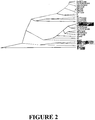
Figure 2 shows the alignment of translated protein sequences for RgFT2, RgFT1, RgTFL1 and RgTFL2 in comparison to the sequences from other species. -
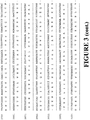
Figure 3 shows the sequence of the putative ryegrass ortholog of the GI gene (SEQ ID Nos. 6 and 7). -
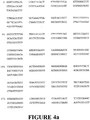
Figure 4a shows the complete cDNA sequence of the RgSVP gene (SEQ ID No. 8). -
Figure 4b shows a translation of the RgSVP coding region (SEQ ID No. 9). -
Figure 4c shows the gene structure of ryegrass SVP (SEQ ID Nos. 10-12). -
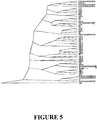
Figure 5 shows the alignment of RgSVP predicted protein sequence with SVP proteins for other species. -
Figure 6 shows the RNA interference construct to inactivate the RgSVP gene. -
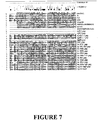
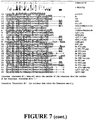
Figure 7 shows the alignment of protein translations of the ryegrass members of the FT/TFC family with those from other plant species (SEQ ID Nos. 13-38). -
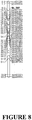
Figure 8 is a genetic linkage map of perennial ryegrass linkage group LG3, showing the position of the Gigantea gene in the ryegrass map of thelinkage group 3. Marker locus names are indicated on the right side of the bar, with centimorgan (cM) distances on the left. The RgGI SNP marker is indicated in bold. The remaining loci, prefixed 'pps', are EST-SSR loci. -
Figure 9 shows heading dates for LpG/ RNAi transgenics. The line FN5001 flowered substantially later then the others. -
Figure 10 shows delayed flowering phenotypes of a GI-RNAi ryegrass transformant FN5001 (right). -
Fig. 11 Circadian expression of the RgGI gene as measured by quantitative RT-PCR CL2 represents samples collected in long day conditions, CS2 samples were harvested in short days. - Partial sequences of the other two FT-like genes of ryegrass, called RgFT1 and 2, and 2 members of the TFL-like subfamily RgTFL1 and 2 were isolated. These share significant sequence similarity with FT, but perform the opposite function of floral repression in arabidopsis 8,9,33 rather than accelerating flowering. cDNAs for these genes were isolated using degenerate primers design to amplify conserved regions of the family. Complete cDNA sequences, where available, were obtained by 3' and 5'RACE. Sequences of these additional members of the ryegrass family are shown in
Figure 1 . - For the purposes of inactivation of normal transition, these genes can be manipulated as follows:
- RgFT1, 2 and 3 are inactivated via RNAi in transgenics, TILLING, or identification and selective breeding to fix hypomorphic natural alleles.
- RgTFL1, 2 and LpTFL are constitutively overexpressed, using appropriate transgenic constructs.
- We have identified the following polymorphisms within the ryegrass FT/TFL family of genes, which can be used in mapping and allele association studies for identification of hypomorphic alleles:
gene pos translation comment Rgft1 190 silent Rgft1 325 polyA 50 bp extra Rgft1 99 Q-R observed variant, more common in tfls Rgft1 325 polyA 90 bp extra Rgft1 156 L-P Rgft1 190 silent Rgft1 325 polyA 32 bp extra Rgft1 133 silent Rgft1 - wt wt sample Rgft1 270 3'utr Rgft2 337 3'utr Rgft2 356 polyA 21 bp extra Rgft2 356 polyA 28 bp extra Rgft2 106 silent the same as the one that defines entry clones as rgft1 Rgft2 184 silent Rgft2 - wt wt sample Rgft2 283 3'utr Rgft2 356 polyA 19 bp extra rgtfl1-1 rgtfl1-1 53 5' utr rgtfl1-1 160 silent rgtfl1-1 395 Trp->Arg rgtfl1-1 235 silent rgtfl1-1 250 silent rgtfl1-1 255 silent rgtfl1-1 259 silent rgtfl1-1 268 silent and some other silent ones not catalogued rgtfl1-1 275 Val->Ile rgtfl1-1 279 Val-Ala rgtfl1-1 281 Ser->Ala rgtfl1-1 293 Ile->Val rgtfl1-1 314 met->leu rgtfl1-1 405 Asn->Thr rgtfl1-1 407 Asn->Asp rgtfl1-2 12 5' utr rgtfl1-2 280 Agr->Ile rgtfl1-2 rgtfl1-2 247 Lys->Arg - Partial cDNA sequence of the putative ryegrass orthologue was identified in the cDNA library. Complete cDNA sequence was obtained using 5'-RACE.
- The cDNA sequence and corresponding translation are shown in
Figure 3 . - shows that the cDNA sequence of the putative ryegrass GI gene has been isolated, based on comparison with GI-like genes from other grasses. The sequence contains uninterrupted open reading frame representing the full-size ryegrass GI protein.
- By analysing diverse population of plants within a cultivar, and by comparison of the cultivars, we have identified the following genetic variation within the genomic sequence:
trace name wt mut pos translation comment h6 c t 209 silent b2 c/g het c 477 silent e2 c/g het c 477 silent in some others est c/g het c 477 silent g6 c/g het c 477 silent a2 T a/t het 607 intron b4 T a/t het 607 intron d4 T a/t het 607 intron d6 T a/t het 607 intron e2 T a/t het 607 intron e4 T a/t het 607 intron f2 T a/t het 607 intron f4 T a/t het 607 intron multi t g 637 intron both types and multi a g 644 intron both types and b4 t t/c 689 intron b4 t t/c 699 intron a2 ttaat wt/agaca 589-593 intron b4 ttaat wt/agaca 589-593 intron d4 ttaat wt/ agaca 589-593 intron d6 ttaat wt/agaca 589-593 intron e4 ttaat wt/agaca 589-593 intron f2 ttaat wt/agaca 589-593 intron f4 ttaat wt/agaca 589-593 intron - These variants are used to create markers, and to use in allele association studies.
- Additionally, we have identified the following sequence polymorphisms between the parental lines of the mapping population:
name before after A8830/1030 A10622/2 pos oligo T87 
CAATGTCTGTTCCC (SEQ ID No. 40) C Y 87 GIK17 A125 
ACAAAGCAAAAAAT (SEQ ID No. 41) T W 125 GIK17 - These polymorphisms were used to establish the map position of the ryegrass Gigantea gene as follows:
- The perennial ryegrass population used for the genetic mapping of the rgFT3 SNP (single nucleotide polymorphism) marker and SSR (simple sequence repeat) markers was an F1 progeny set derived from a pair cross between the heterozygous parental genotypes A8830/1030 (from the cultivar 'Grasslands Samson') and A10622/2 (from the cultivar 'Grasslands Impact'). Ninety-four individual progeny from the population were used for genetic linkage analysis. Genomic DNA was extracted by the 1 x CTAB method of Fulton et al. (1995).
- Genotypic data for 94 mapping population progeny was generated using 157 EST-SSRs and the RgGI SNP markers T87 and A125. EST-SSR PCR was conducted using the three primer protocol described by Schuelke (2000). An 8 µL reaction volume was used, containing 10 ng of genomic DNA, 2.5 mM magnesium chloride, 1x PCR buffer (Invitrogen, Carlsbad, California, USA), 0.05 mM of each dNTP, 0.0375 µM forward primer, 0.15 µM reverse primer, 0.15 µM of fluorescent-labelled M13 primer and 0.3 U of Platinum Taq DNA polymerase (Invitrogen). Fluorophores used were 6-FAM™, NED™, VIC™ and PET™ (Applied Biosystems, Foster City, California, USA). EST-SSR primers were synthesised and supplied by either Invitrogen or Integrated DNA Technologies (Coralville, Iowa, USA). PCR reactions were run in iCyclers (BioRad, Hercules, California, USA), employing the following profile: (1) 94°C for 4:00 minutes, (2) 30 cycles of: 94°C for 30 seconds, 55°C for 30 seconds and 72°C for 30 seconds, (3) 8 cycles of: 94°C for 30 seconds, 53°C for 30 seconds and 72°C for 30 seconds, (4) 72°C for 30 minutes.
- PCR products were analysed on an ABI 3100 Genetic Analyser using a 22 cm capillary array with POP-7™ polymer (Applied Biosystems). Electropherograms were analysed using ABI Prism GeneScan (v 3.7, Applied Biosystems), and genotype data was scored using ABI Prism Genotyper (v 3.7, Applied Biosystems). The allelic status of the RgGI SNPs was determined by direct sequencing of amplification products produced with oligonucleotides GIK16 5'CATGAAATGTGCAGAACAGG3' (SEQ ID No. 43) and GIK17 5'TGGTTGACTCTCCACATCTTC3' (SEQ ID No. 44).
- The A8830/1030 x A10622 population was analysed as a two-way pseudo-testcross (Grattapaglia and Sederoff 1994). Genetic linkage analysis was conducted using the CP module of JoinMap® 3.0 software (www.kvyzma.nl). Map distances in centimorgans (cM) were calculated using the Kosambi mapping function (Kosambi 1944). Genetic linkage maps were first established separately for A8830/1030 and A10622 using segregation data from EST-SSR and SNP markers that could be derived as dominant features. Polymorphic loci detected by the same EST-SSR primer pair at similar locations on the maps of both parents were used to identify and align homologous linkage groups in the two parental maps, and to check for consistency of recombination frequency between the parental genotypes. Parental datasets were then combined and a consensus genetic linkage map was constructed, using a maximum recombination frequency of 0.4 and minimum LOD threshold of 2.0.
- Genetic linkage analysis enabled the location of 126 EST-SSR loci and the RgGI SNP on a consensus map covering 354 cM across seven linkage groups (LG1 - LG7). The RgGI SNP mapped to a location at position 9 cM on LG3 (
Figure 8 ). - We have identified partial syntheny between the ryegrass LG3 and the
rice chromosome 1 around the GI gene, as shown in the following table:rg map position marker rice BLAST hit acc no. assigned to rice csome BAC/PAC Contig position on csome 0cM pps0133 b AP003215 1 OSJNBa0089K24 3724261bp-3878397bp 1.1 cM pps0502 a AC084763 10 OSJNBa0027P10 9.0 cM gi_T87 OsGI 1 AP003047_70329_141 4326527bp-4333377 983 bp 14.1 cM pps0710 a no hits 17.6 cM pps0639 z AP002903 1 P0509B06 4031060bp - 4135574bp 18.5 cM pps0488 c AP002835 1 P0417G05 6715722bp - 6863524bp 19.3 cM pps0558 a AC091749 10 OSJNBb0008A05 24.3 cM pps0488 a AP002835 1 P0417G05 6715722bp - 6863524bp 24.8 cM pps0642 b AP002481 1 P0702F03 7336755bp - 7477865bp - Strong sequence similarity, and sythenic position of the ryegrass gene on the map support our claim that the ryegrass GI gene we identified functions in controlling photoperiodic flowering in ryegrass, and can be used to manipulate flowering behaviour of the plant.
- We have generated transgenic ryegrass plants in which expression of the GI gene is reduced by RNA interference, using the 3' end part of the cDNA sequence shown above. Of >20 independent transgenic plants obtained using this construct, one displayed significant delay in flowering compared to the others and to the non-transformed control, as shown in
Fig. 9 and10 . - Ryegrass plants were grown outside and subjected to cold over the winter to achieve natural vernalization. They were then transferred to a glass house, and grown either in natural short day (SD) conditions (<11 hrs daylight), or with supplementary light to create artificial long day (LD) conditions (18 hr day). End of day in both conditions was at ∼18:00. Plant samples were harvested as entire above-
ground tillers 10 days after the long day treatment started, samples were taken every 2 hrs for 24 hours from both LD and SD treated plants. - Total RNA was extracted from samples using the Trizol protocol as follows:
- Extraction of RNA from 1g (nett) of L. perenne plant tissue using the Trizol® Reagent (Invitrogen)
- Remove relevant bags of plant tissue from -80°C freezer. Keep frozen in liquid N2 or on dry ice until ready for treatment. Prechill coffee grinder by processing two dry ice pellets (7g pellets).
- NB: In between samples, wipe out the coffee grinder with 75% ethanol soaked kim wipes and repeat prechill step
- Weigh bag of tissue (approx 7-10g). Empty contents into coffee grinder and blend until tissue is the consistency of salt granules (no larger). Pour coarsely ground tissue into a fresh prechilled bag and keep frozen until required for next stage. Reweigh just before taking sample for fine grinding (allowing for difference in bag weight). Homogenisation
- Add 2ml chloroform per sample. Cap and mix vigorously 15s by hand. Incubate RT 2-3min. Spin in swinging bucket rotor at 3200 x g for 30 min. Remove 4 ml to fresh tube (with modified carp*). There will be ∼1ml aqueous phase left, purposely done to reduce/avoid DNA contamination.

- Add 5ml Isopropanol. Mix by inversion ~6 times. Incubate for 10 min at RT. Centrifuge at ≤12,000 x g for 10 mins. Decant and discard supernatant.

- Add 10 ml 75% ethanol. Vortex and mix by inversion to wash lid.Centrifuge ≤7,500 x g, 5 mins, 4°C. Decant and discard supernatant. To reduce drying time, centrifuge again to collect excess wash solution to bottom of the tube at ≤7,500 x g, 2 mins, 4°C. Remove excess liquid with RNAse-free pipette tip and airdry pellet approx 10-15 min.

- Add 0.8ml of DEPC treated water. Gently resuspend pellet with pipette tip. Transfer liquid to eppendorf tube. An incubation at 55C for 10 min may be required if resuspension difficult.
- Store samples labelled well at -80°C with bulk sample~700ul and a 80ul working aliquot.
- Total RNA was converted to cDNA using standard protocols using 1-5ug of RNA as measured by OD260.
- Quantitative RT-PCR was performed in the BioRad iCycler instrument using standard protocols and SyberGreen as reporting dye
- Actin gene levels were assayed using oligonucleotides GTF037 5'GCTGTTTTCCCTAGCATTGTTGG3' (SEQ ID No. 45) and GTF038 5'ATAAGAGAATCCGTGAGATCCCG3'(SEQ ID No. 46), and served as standards to normalize measurements of other genes.
- RgGI mRNA levels were measured using oligonucleotides GIK16 and GIK17 described in the mapping example.
- To create a copy number calibration curve for individual genes, standards were made up from corresponding PCR products, measuring their concentration using gel serial dilution methods and spectrophotometry. Standard copy numbers were varied from 1 to 10^8 with 10x increments.
- Amplifications were performed in triplicates, error rates were estimated by adding the average variance between triplicate samples, and average error of the standard curve fit of the standards of both the gene of interest and of the actin standard.
- The mRNA levels of the RgGI gene change significantly over the 24-hour cycle. The periodicity of expression suggests that the ryegrass gene, like its arabidopsis orthologue, is under the control of the circadian clock. The expression levels do not change significantly in photo inductive conditions, however, there may be a phase shift in long days to earlier increase, coincident with light exposure. Such circadian regulation of expression, as well as phase shift in long days, strongly support the role of the RgGI gene in mediating and controlling the photoperiodic floral response of ryegrass, as postulated in the external coincidence hypothesis for arabidopsis
- The gene was identified in the EST collection, and the EST clone was completely sequenced. Diagram of the gene structure is shown in
Figure 4 . - Alignment of the RgSVP predicted protein translation has shown that it clusters with the arabidopsis SVP and AGL24 genes of arabidopsis, as shown in
Figure 5 . - While SVP seems to be a repressor of floral development, 26,34 acting largely in the autonomous pathway, AGL24 seems to be involved in some promotive vernalization signalling that bypasses the FLC 23,35, providing an attractive target for inactivation of vernalization pathway.
- The constructs for RNA interference to inactivate the RgSVP gene were created as shown in the
Figure 6 . - Other RNAi-type constructs described here for FT/TFL and GI genes involved similar vector system and experimental approach.
- The following SNPs were identified upon sequencing cDNA and genomic clones derived from the genetically diverse stocks:
allele wt mut seq before seq after pos cDNA translation wt aa conservation SVP1 T G CGCCATCGCCGCCTCCGA TCTCGCGCCTCTCCC 7 G W high SVP2 G T acggagagctcctc cgacgtcggcgtcgcatag 111 silent high SVP3 G T gtgctgtacttgtcgatga ccccaggttcttagaatg 213 silent medium SVP4 A G ttcaagtcaagagaaggctggt catacttactatgttctaa 261 silent medium SVP5 G A agactagcttccgcaagc gcctctcatctgtctaagtcg 315 silent medium SVP6 G C tcaacccctcaagcccctcg actgctggagttcatcaaca 356 S T medium SVP7 GA CC gcttcccgagtgcaacgccgtc gaaccatcatcgttatcctgt 619 E P SVP8 A G tctgaaccatcatcgttatc taatcccaatttcagggatac 645 silent medium These SNPs can be used for mapping of the gene, and for allele association studies and identification of hypomorphic alleles. - This invention can be applied to ryegrass Lolium perenne, for which we have developed efficient stable transformation system as follows:
Materials florally induced tillers of Lolium perenne Na-hypochlorite (5% available chlorine) sterile ddH2O 100mm Petri plates containing LP5 medium* 100mm Petri plates containing LP3-OS medium 100mm Petri plates containing LP3 medium 100mm Petri plates containing LP3 medium + 200 mg/L Hygromycin (Hm) 100mm Petri plates containing MSK medium + 200 mg/L Hm 250 ml culture vessels containing MSO medium + 200mg/L Hygromycin stock solution (50 mg/ml in PDS, sterile) -
- 1) Harvest and surface sterilise floral tillers of Lolium perenne in 5% available chlorine Na-hypochlorite for 15 minutes using a Mason jar (or equivalent) under constant agitation.
- 2) Rinse tillers with autoclaved ddH2O.
- 3) Aseptically dissect floral meristems.
- 4) Culture meristems on callus induction medium LP5 (16-20 explants per plate) and incubate in the dark for four to six weeks.
- 5) On the day of transformation transfer embryogenic callus material to high osmotic medium LP3-OS. Arrange approximately 4 cm2 of calli in the centre of the Petri dish.
- 6) Incubate calli for 4-6 hours at room temperature.
- 7) Prepare particles and perform biolistic transformation following the protocol: "Biolistic Transformation of Lolium perenne with the Bio-Rad Particle Delivery System (PDS)". Plasmids are co-transformed. One plasmid (pAcH1) contains the hygromycin phosphotransferase gene conferring resistance to the antibiotic hygromycin expressed from the rice actin promoter and the second plasmid contains the genetic construct of interest for transformation. Plasmids are mixed in a one to one ratio at 1µg/µLand simultaneously coated onto the microcarriers.
- 8) Incubate bombarded calli on high osmotic medium LP3-OS for an additional 12-16 hours (overnight) at 25°C in the dark.
- 9) Transfer bombarded calli to LP3 medium and incubate for 48 hours at 25°C in the dark
- 10)Plate calli on selection medium (LP3 + 200 mg/l Hygromycin (Hm)). Incubate at 25°C in the dark on selection medium for two weeks.
- 11)Transfer all Hm-resistant callus material to regeneration medium MSK + 200 mg/l Hm and incubate for four weeks at 25°C under a 16hour photoperiod.
- 12)Transfer developed shoots to MS0 + 200 mg/l Hm and incubate for another two to four weeks at 25°C under 16hour photoperiod.
- 13)Screen by PCR Hm-resistant plants growing on MSO + 200 mg/L Hm.
- Taken from the PDS-100/He manual. These procedures were developed by Sanford et al. (1992).
Materials and Solutions Bio-Rad Biolistic® PDS-1000/He Particle Delivery System Rupture disks (900 PSI) Macrocarriers Macrocarrier holders Microcarriers (1.0 µm) Stopping screens Autoclaved 1.5 ml eppendorf tubes Micropipette tips Vortex and microfuge Torque wrench tool Pen vac 70% Ethanol Absolute Ethanol 2.5 M CaCl2 100 mM Spermidine - For 120 bombardments using 500 µg per bombardment.
- 1. In a 1.5 ml microfuge tube, weigh out 60 mg of microparticles.
- 2. Add 1 ml of 70% ethanol, freshly prepared.
- 3. Vortex on a platform vortexer for 3-5 minutes.
- 4. Incubate for 15 minutes.
- 5. Pellet the microparticles by spinning for 5 seconds in a microfuge.
- 6. Remove the liquid and discard.
- 7. Repeat the following steps three times:
- a. Add 1 ml of sterile water
- b. Vortex for 1 minute
- c. Allow the particles to settle for 1 minute
- d. Pellet the microparticles by spinning for 2 seconds in a microfuge.
- e. Remove the liquid and discard.
- 8. Add sterile 50% glycerol to bring the microparticle concentration to 60 mg/ml (assume no loss during preparation).
- 9. Store the microparticles at room temperature for up to 2 weeks.
- The following procedure is sufficient for six bombardments; if fewer bombardments are needed, prepare enough microcarriers for three bombardments by reducing all volumes by one half. When removing aliquots of microcarriers, it is important to vortex the tube containing the microcarriers continuously in order to maximise uniform sampling.
- 1. Vortex the microcarriers prepared in 50% glycerol (60 mg/ml) for 5 minutes on a platform vortexer to resuspend and disrupt agglomerated particles.
- 2. Remove 50 µl (3 mg) of microcarriers to a 1.5 ml microfuge tube.
- 3. While vortexing vigorously, add in order:
- 5 µl DNA (1 µg/µl)
- 50 µl CaCl2 (2.5 M)
- 20 µl spermidine (0.1 M)
- 4. Continue vortexing for 2-3 minutes
- 5. Allow the microcarriers to settle for 1 minute
- 6. Pellet the microcarriers by spinning for 2 seconds in a microfuge
- 7. Remove the liquid and discard
- 8. Add 140 µl of 70% ethanol without disturbing the pellet
- 9. Remove the liquid and discard
- 10. Add 140 µl of 100% ethanol without disturbing the pellet
- 11. Remove the liquid and discard
- 12. Add 48 µl of 100% ethanol
- 13. Gently resuspend the pellet by tapping the side of the tube several times, and then by vortexing at low speed for 2-3 seconds
- 14. Remove six 6 µl aliquots of microcarriers and transfer them to the centre of a macrocarrier. An effort is made to remove equal amounts (500 µg) of microcarriers each time and to spread them evenly over the central 1 cm of the macrocarrier using the pipette tip. Desiccate immediately.
-
- 1) Open valve of helium cylinder
- 2) Adjust helium regulator by turning the helium pressure regulator to 200 PSI above chosen rupture disk (e.g. if a 900 PSI rupture disk will be used, the working pressure has to be adjusted to 1100 PSI)
- 3) Turn on vacuum pump
- 4) Place 900psi rupture disk in the rupture disk-retaining cap. Screw on and tighten retaining cap.
- 5) Place macrocarriers in sterile macrocarrier holder
- 6) Place stop screen and macrocarrier holder in the launch assembly, tighten screw lid and place below rupture disk-retaining cap. Launch assembly should be set to a Gap distance of !/4 inch and macrocarrier travel distance of 11 mm.
- 7) Place tissue sample at a target distance of 90mm.
- 8) Turn on main switch of PDS
- 9) Apply vacuum to 27 inches of Hg
- 10)Hold vacuum and press "fire" button until shot is performed (automatic)
- 11) Release "fire" button and vent chamber
- 12)After shooting close valve of helium cylinder and loosen pressure valve
- Weights and volumes required of each individual ingredient are specified in Table 1. Adjust media pH to 5.8 with KOH. The addition of a solidifying agent is required. Use agarose (for LP3, LP5 and LP3-OS) and 0.8% (w/v) Agar for MS0 and MSK prior to sterilising. Media LP3, LP5 and MSK are modified from Murashige and Skoog (1962).
-
- 1 Davis, S.J. (2002) Photoperiodism: the coincidental perception of the season. Curr Biol 12 (24), R841-843
- 2 Araki, T. (2001) Transition from vegetative to reproductive phase. Curr Opin Plant Biol 4 (1), 63-68.
- 3 Reeves, P.H. and Coupland, G. (2000) Response of plant development to environment: control of flowering by daylength and temperature. Current Opinion in Plant Biology 3 (1), 37-42
- 4 Colasanti, J. and Sundaresan, V. (2000) 'Florigen' enters the molecular age: long-distance signals that cause plants to flower. Trends Biochem Sci 25 (5), 236-240.
- 5 Kardailsky, I. et al. (1999) Activation Tagging of the Floral Inducer FT. Science 286 (5446), 1962-1965
- 6 Kobayashi, Y. et al. (1999) A Pair of Related Genes with Antagonistic Roles in Mediating Flowering Signals. Science 286 (5446), 1960-1962
- 7 Weigel, D. and Kardailsky, I. (2001) Flowering locus T (FT) and genetically modified plants having modulated flower development. Patent
6,225,530 - 8 Bradley, D.J. et al. (1997) Inflorescence commitment and architecture in Arabidopsis. Science 275 (5296), 80-83
- 9 Bradley, D. et al. (1997) Flowering genes. Patent
WO9710339 - 10 Yano, M. et al. (2001) Genetic control of flowering time in rice, a short-day plant. Plant Physiol 127 (4), 1425-1429
- 11 Kojima, S. et al. (2002) Hd3a, a rice ortholog of the Arabidopsis FT gene, promotes transition to flowering downstream of Hd1 under short-day conditions. Plant Cell Physiol 43 (10), 1096-1105
- 12 Yano, M. et al. (2000) Hd1, a major photoperiod sensitivity quantitative trait locus in rice, is closely related to the Arabidopsis flowering time gene CONSTANS. Plant Cell 12 (12), 2473-2484.
- 13 Takahashi, Y. et al. (2001) Hd6, a rice quantitative trait locus involved in photoperiod sensitivity, encodes the alpha subunit of protein kinase CK2. Proc Natl Acad Sci U S A 98 (14), 7922-7927
- 14 Hayama, R. et al. (2003) Adaptation of photoperiodic control pathways produces short-day flowering in rice. Nature 422 (6933), 719-722
- 15 Jensen, C.S. et al. (2001) A Terminal Flower1-Like Gene from Perennial Ryegrass Involved in Floral Transition and Axillary Meristem Identity. Plant Physiol 125 (3), 1517-1528.
- 16 Emmerlin, M. et al. (2002) MANIPULATION OF FLOWERING AND PLANT ARCHITECTURE. Patent
WO0233091 - 17 Fowler, S. et al. (1999) GIGANTEA: a circadian clock-controlled gene that regulates photoperiodic flowering in Arabidopsis and encodes a protein with several possible membrane-spanning domains. Embo J 18 (17), 4679-4688.
- 18 Coupland, G. et al. (1999) PLANT CONTROL GENES. Patent
WO9949064 - 19 Huq, E. et al. (2000) GIGANTEA is a nuclear protein involved in phytochrome signaling in Arabidopsis. Proc Natl Acad Sci U S A 97 (17), 9789-9794.
- 20 Park, D.H. et al. (1999) Control of circadian rhythms and photoperiodic flowering by the Arabidopsis GIGANTEA gene. Science 285 (5433), 1579-1582.
- 21 Michaels, S.D. and Amasino, R.M. (1999) FLOWERING LOCUS C Encodes a Novel MADS Domain Protein That Acts as a Repressor of Flowering. Plant Cell 11 (5), 949-956
- 22 Sheldon, C.C. et al. (1999) The FLF MADS box gene. A repressor of flowering in arabidopsis regulated by vernalization and methylation. Plant Cell 11 (3), 445-458
- 23 Michaels, S.D. et al. (2003) AGL24 acts as a promoter of flowering in Arabidopsis and is positively regulated by vernalization. Plant J 33 (5), 867-874
- 24 Scortecci, K.C. et al. (2001) Identification of a MADS-box gene, FLOWERING LOCUS M, that represses flowering. Plant J 26 (2), 229-236
- 25 Michaels, S. et al. (2000) ALTERATION OF FLOWERING TIME IN PLANTS.
Patent WO0050615 - 26 Hartmann, U. et al. (2000) Molecular cloning of SVP: a negative regulator of the floral transition in arabidopsis. Plant J 21 (4), 351-360
- 27 Lee, H. et al. (2000) The AGAMOUS-LIKE 20 MADS domain protein integrates floral inductive pathways in Arabidopsis. Genes Dev 14 (18), 2366-2376.
- 28 Michaels, S.D. and Amasino, R.M. (2001) Loss of flowering locus c activity eliminates the late-flowering phenotype of frigida and autonomous pathway mutations but not responsiveness to vernalization. Plant Cell 13 (4), 935-942.
- 29 Reeves, P.H. and Coupland, G. (2001) Analysis of flowering time control in arabidopsis by comparison of double and triple mutants. Plant Physiol 126 (3), 1085-1091
- 30 Frohman, M.A. et al. (1988) Rapid production of full-length cDNAs from rare transcripts: amplification using a single gene-specific oligonucleotide primer. Proc Natl Acad Sci U S A 85 (23), 8998-9002
- 31 Ohara, O. et al. (1989) One-sided polymerase chain reaction: the amplification of cDNA. Proc Natl Acad Sci U S A 86 (15), 5673-5677
- 32 Loh, E.Y. et al. (1989) Polymerase chain reaction with single-sided specificity: analysis of T cell receptor delta chain. Science 243 (4888), 217-220
- 33 Ratcliffe, O.J. et al. (1998) A common mechanism controls the life cycle and architecture of plants. Development 125 (9), 1609-1615
- 34 Saedler, H. et al. (2000) TRANSGENIC PLANTS EXHIBITING AN ALTERED FLOWERING TIME. Patent
EP1055729 - 35 Yu, H. et al. (2002) AGAMOUS-
-
- <110> Agriculture Victoria Services Pty Ltd AgResearch Limited
- <120> Flowering Inhibition
- <130> P055870EP
- <150>
2003902412
<151> 2003-05-16 - <150>
WO2004101792
<151> 2004-05-14 - <160> 46
- <170> PatentIn version 3.2
- <210> 1
<211> 393
<212> DNA
<213> Lolium perenne - <400> 1

- <210> 2
<211> 340
<212> DNA
<213> Lolium perenne - <400> 2

- <210> 3
<211> 381
<212> DNA
<213> Lolium perenne - <400> 3

- <210> 4
<211> 965
<212> DNA
<213> Lolium perenne - <400> 4
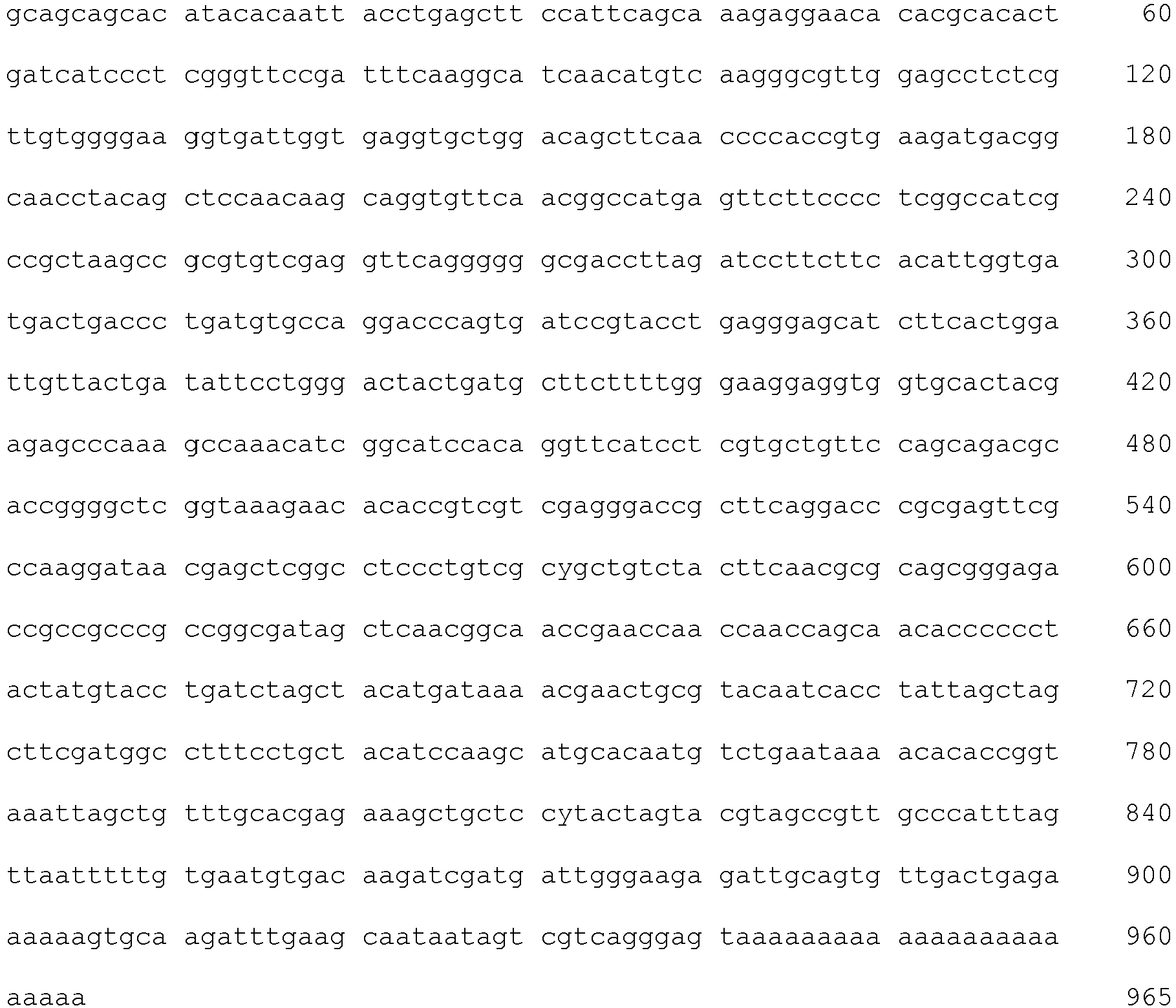
- <210> 5
<211> 811
<212> DNA
<213> Lolium perenne - <400> 5

- <210> 6
<211> 1658
<212> DNA
<213> Lolium perenne - <400> 6


- <210> 7
<211> 1389
<212> DNA
<213> Lolium perenne - <400> 7


- <210> 8
<211> 2652
<212> DNA
<213> Lolium perenne - <220>
<221> misc_feature
<222> (3)..(3)
<223> n is a, c, g, or t - <220>
<221> misc_feature
<222> (93)..(93)
<223> n is a, c, g, or t - <220>
<221> misc_feature
<222> (2583)..(2583)
<223> n is a, c, g, or t - <220>
<221> misc_feature
<222> (2649)..(2649)
<223> n is a, c, g, or t - <400> 8


- <210> 9
<211> 228
<212> PRT
<213> Lolium perenne - <220>
<221> misc_feature
<222> (119)..(119)
<223> Xaa can be any naturally occurring amino acid - <400> 9


- <210> 10
<211> 683
<212> DNA
<213> Lolium perenne - <400> 10


- <210> 11
<211> 447
<212> DNA
<213> Lolium perenne - <400> 11
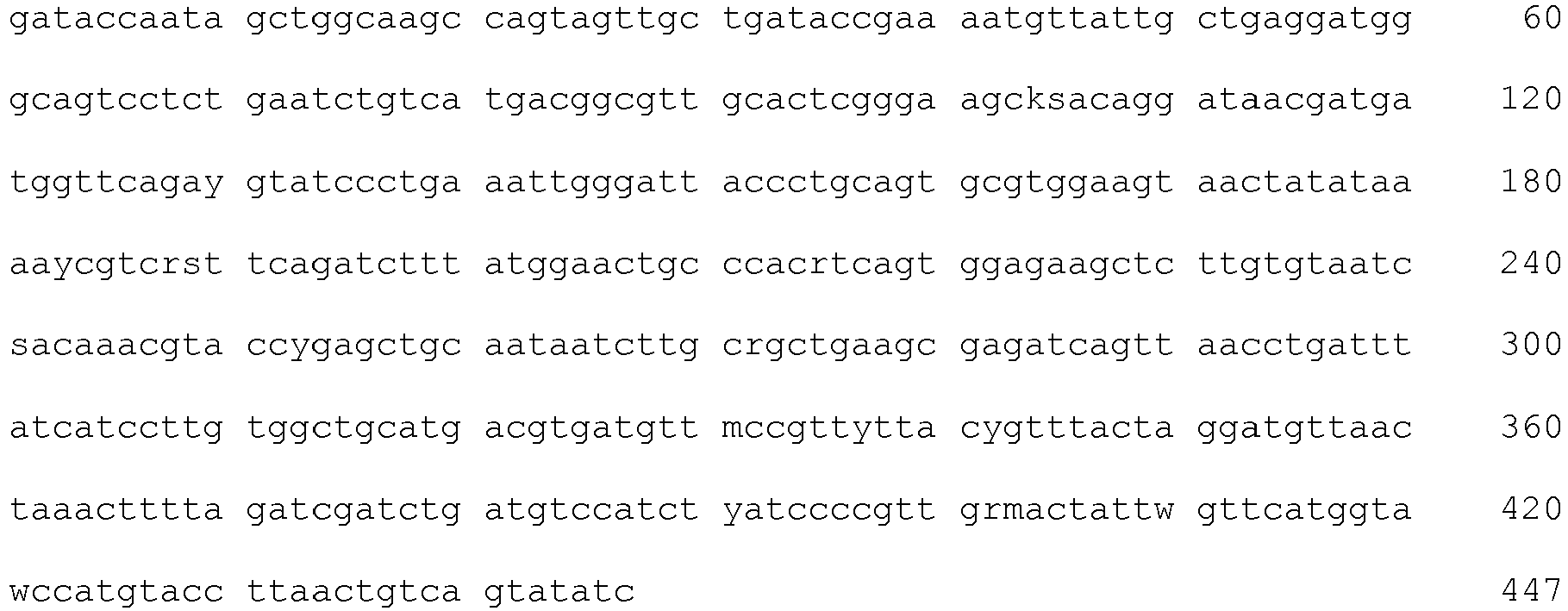
- <210> 12
<211> 228
<212> PRT
<213> Lolium perenne - <220>
<221> misc_feature
<222> (119)..(119)
<223> Xaa can be any naturally occurring amino acid - <220>
<221> misc_feature
<222> (207)..(207)
<223> Xaa can be any naturally occurring amino acid - <400> 12


- <210> 13
<211> 162
<212> PRT
<213> Arabidopsis thaliana - <400> 13


- <210> 14
<211> 174
<212> PRT
<213> Arabidopsis thaliana - <400> 14


- <210> 15
<211> 174
<212> PRT
<213> Arabidopsis thaliana - <400> 15


- <210> 16
<211> 171
<212> PRT
<213> Arabidopsis thaliana - <400> 16


- <210> 17
<211> 166
<212> PRT
<213> Arabidopsis thaliana - <400> 17

- <210> 18
<211> 165
<212> PRT
<213> Lolium perenne - <400> 18

- <210> 19
<211> 164
<212> PRT
<213> Arabidopsis thaliana - <400> 19


- <210> 20
<211> 72
<212> PRT
<213> Lolium perenne - <400> 20


- <210> 21
<211> 77
<212> PRT
<213> Lolium perenne - <400> 21
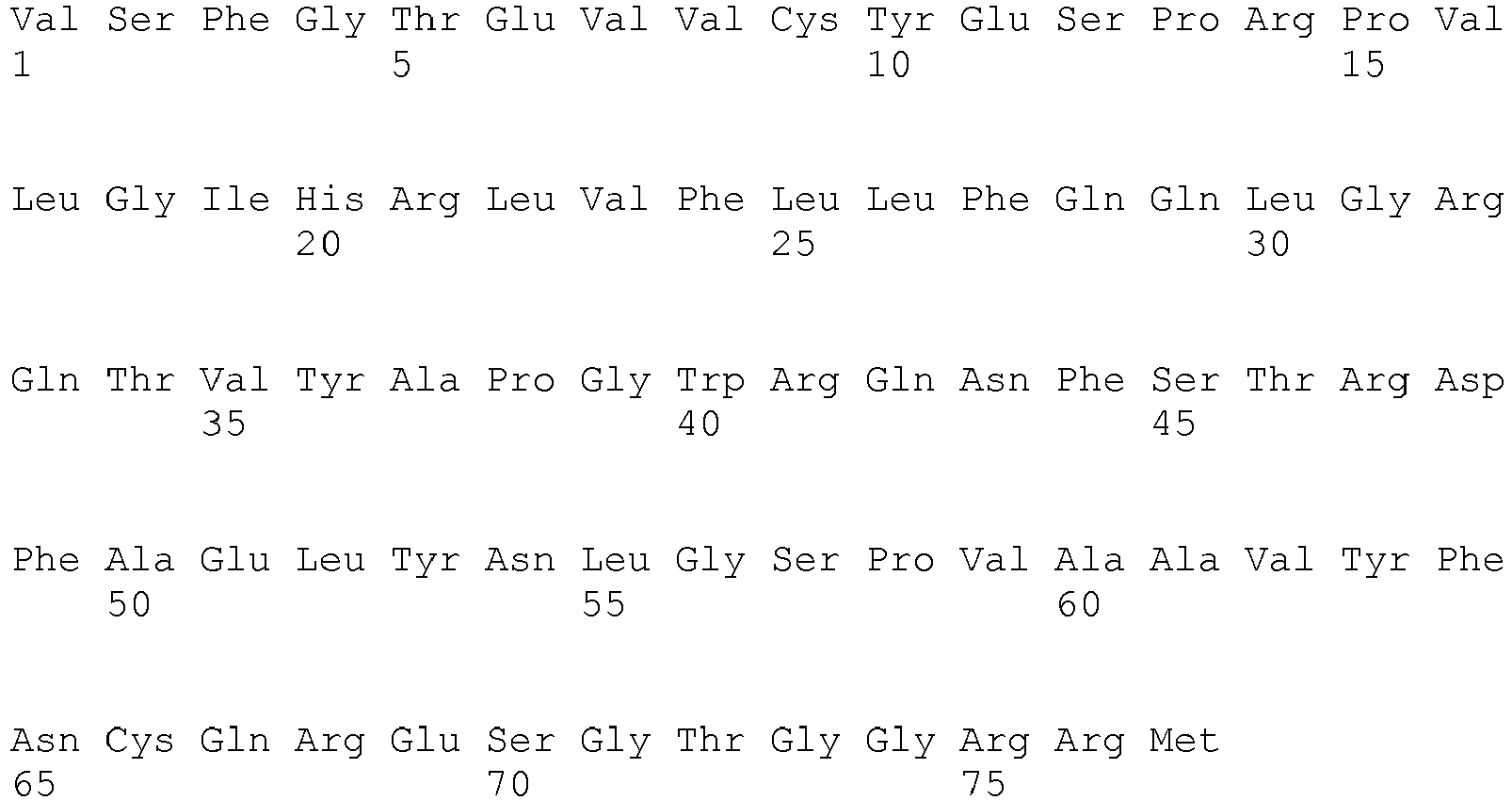
- <210> 22
<211> 77
<212> PRT
<213> Lolium perenne - <400> 22

- <210> 23
<211> 170
<212> PRT
<213> Lolium perenne - <400> 23

- <210> 24
<211> 171
<212> PRT
<213> Lolium perenne - <400> 24


- <210> 25
<211> 120
<212> PRT
<213> Lolium perenne - <400> 25


- <210> 26
<211> 176
<212> PRT
<213> Oryza sativa - <400> 26


- <210> 27
<211> 178
<212> PRT
<213> Oryza sativa - <400> 27

- <210> 28
<211> 170
<212> PRT
<213> Lolium perenne - <400> 28

- <210> 29
<211> 170
<212> PRT
<213> Oryza sativa - <400> 29


- <210> 30
<211> 178
<212> PRT
<213> Oryza sativa - <400> 30
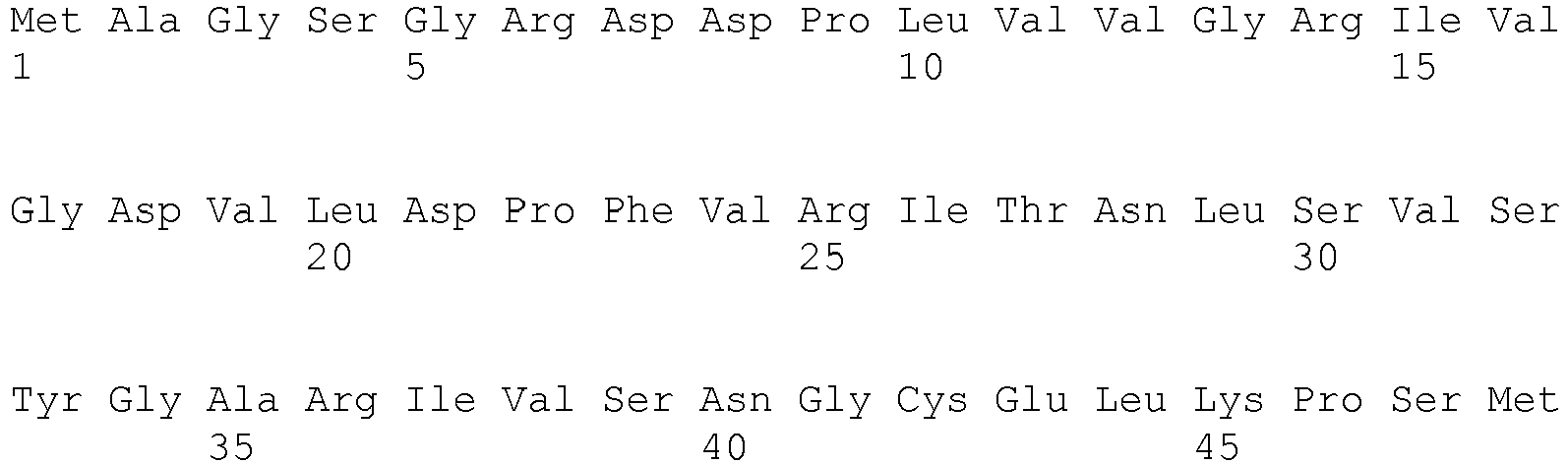

- <210> 31
<211> 180
<212> PRT
<213> Oryza sativa - <400> 31


- <210> 32
<211> 173
<212> PRT
<213> Oryza sativa - <400> 32


- <210> 33
<211> 174
<212> PRT
<213> Oryza sativa - <400> 33


- <210> 34
<211> 173
<212> PRT
<213> Oryza sativa - <400> 34

- <210> 35
<211> 185
<212> PRT
<213> Oryza sativa - <400> 35

- <210> 36
<211> 179
<212> PRT
<213> Oryza sativa - <400> 36

- <210> 37
<211> 177
<212> PRT
<213> Lolium perenne - <400> 37


- <210> 38
<211> 177
<212> PRT
<213> Lolium perenne - <400> 38


- <210> 39
<211> 26
<212> DNA
<213> Lolium perenne - <400> 39
tgatgcatgt catgaaggca atgaag 26 - <210> 40
<211> 14
<212> DNA
<213> Lolium perenne - <400> 40
caatgtctgt tccc 14 - <210> 41
<211> 21
<212> DNA
<213> Lolium perenne - <400> 41
cgtgaggaaa tgaacaacag a 21 - <210> 42
<211> 14
<212> DNA
<213> Lolium perenne - <400> 42
acaaagcaaa aaat 14 - <210> 43
<211> 20
<212> DNA
<213> Artificial - <220>
<223> synthetic primer - <400> 43
catgaaatgt gcagaacagg 20 - <210> 44
<211> 21
<212> DNA
<213> Artificial - <220>
<223> synthetic primer - <400> 44
tggttgactc tccacatctt c 21 - <210> 45
<211> 23
<212> DNA
<213> Artificial - <220>
<223> synthetic primer - <400> 45
gctgttttcc ctagcattgt tgg 23 - <210> 46
<211> 23
<212> DNA
<213> Artificial - <220>
<223> synthetic primer - <400> 46
ataagagaat ccgtgagatc ccg 23

| Media component | LP3 | LP5 | LP3-OS | MSK | MS0 |
| Macro elements (mg/l final concentration) | 1900 | 1900 | 1900 | 1900 | 1900 |
| KNO3 | 1650 | 1650 | 1650 | 1650 | 1650 |
| NH4NO3 | 440 | 440 | 440 | 440 | 440 |
| CaCl2 x 2H2O | 370 | 370 | 370 | 370 | 370 |
| MgSO4 x 2H2OKH2PO4 | 170 | 170 | 170 | 170 | 170 |
| KCl | |||||
| Micro elements (mg/l final concentration) | 37.3 | 37.3 | 37.3 | 37.3 | 37.3 |
| Na2EDTA | 27.8 | 27.8 | 27.8 | 27.8 | 27.8 |
| FeSO4 x 7H2O | 6.2 | 6.2 | 6.2 | 6.2 | 6.2 |
| H3BO3 | 0.83 | 0.83 | 0.83 | 0.83 | 0.83 |
| KI | 16.9 | 16.9 | 16.9 | 16.9 | 16.9 |
| MnSO4 x H2O | 8.6 | 8.6 | 8.6 | 8.6 | 8.6 |
| ZnSO4 x 7H2O | 0.025 | 0.025 | 0.025 | 0.025 | 0.025 |
| CuSO4 x 5H2O | 0.25 | 0.25 | 0.25 | 0.25 | 0.25 |
| Na2MoO4 x 2H2O | 0.025 | 0.025 | 0.025 | 0.025 | 0.025 |
| CoCl2 x 6H2O | |||||
| Carbohydrates (g/l final concentration) | 30 | 30 | 30 | 30 | 30 |
| Maltose | 64 | ||||
| D-Mannitol | |||||
| Hormones (mg/l final concentration) | 3.0 | 5.0 | 3.0 | ||
| 2,4-D | 0.2 | ||||
| Kinetin | |||||
| Vitamins (mg/l final concentration) | 0.5 | 0.5 | 0.5 | 0.5 | |
| Pyridoxine HCl | 0.1 | 0.1 | 0.1 | 0.1 | |
| Thiamine HCl | 0.5 | 0.5 | 0.5 | 0.5 | |
| Nicotinic acid | 100 | 100 | 100 | 100 | |
| Myo-Inositol | |||||
| Other organics (mg/l final concentration) | 2 | 2 | 2 | 2 | 2 |
| Glycine |
Claims (16)
- A purified or isolated nucleic acid encoding a TERMINAL FLOWER (TFL) polypeptide, or complementary or antisense to a sequence encoding TFL, the presence of which inhibits flowers, said nucleic acid including a nucleotide sequence selected from the group consisting of:(a) SEQ ID No 4 and SEQ ID No 5;(b) the complements of the sequences recited in (a);(c) sequences antisense to the sequences recited in (a) and (b) said antisense sequences delaying flowering when incorporated into a plant;(d) functionally active variants having at least approximately 95% identity with the sequences recited in (a) and (b); and(e) RNA sequences corresponding to the sequences recited in (a), (b), (c) and (d).
- A substantially purified or isolated nucleic acid according to claim 1, wherein said nucleic acid includes a nucleotide sequence selected from the group consisting of:(a) SEQ ID No 4 and SEQ ID No 5;(b) the complements of the sequences recited in (a);(c) sequences antisense to the sequences recited in (a) and (b) said antisense sequences delaying flowering when incorporated into a plant; and(d) RNA sequences corresponding to the sequences recited in (a), (b) and (c).
- A substantially purified or isolated nucleic acid according to claim 1, wherein said nucleic acid or nucleic acid fragment includes a nucleotide sequences selected from the group consisting of SEQ ID No 4 and SEQ ID No 5.
- A construct including one or more nucleic acids according to any one of claims 1 to 3.
- A construct according to claim 4, wherein the one or more nucleic acids are operably linked to one or more regulatory elements, such that one or more nucleic acids are each expressed.
- A construct according to claim 5, wherein the one or more regulatory elements include a promoter and a terminator, said promoter, nucleic acid and terminator being operatively linked.
- A construct according to any one of claims 4 to 6, wherein said construct is a vector.
- A transformed plant cell, plant, plant seed or other plant part, transformed with a vector according to claim 7.
- A transformed plant, plant seed or other plant part derived from a plant cell or plant according to claim 8 and transformed with a vector according to claim 7.
- A method of modifying flowering in a plant, said method including introducing into said plant an effective amount of a nucleic acid according to any one of claims 1 to 3, or a construct according to any one of claims 4 to 7.
- A method according to claim 10, wherein said method includes inhibiting flowering in said plant.
- Use of a nucleic acid according to any one of claims 1 to 3, and/or a nucleic acid including a single nucleotide polymorphism (SNP) from a nucleic acid according to any one of claims 1 to 3, as a molecular genetic marker, wherein said SNP is selected from the SNPs at positions 53, 160, 395, 235, 250, 255, 259, 268, 275, 279, 281, 293, 314, 405 and 407 of SEQ ID NO: 5 and positions 12, 280 and 247 of SEQ ID NO: 4.
- A substantially purified or isolated nucleic acid including a single nucleotide polymorphism (SNP) from a nucleic acid fragment according to any one of claims 1 to 3, wherein said SNP is selected from the SNPs at positions 53, 160, 395, 235, 250, 255, 259, 268, 275, 279, 281, 293, 314, 405 and 407 of SEQ ID NO: 5 and positions 12, 280 and 247 of SEQ ID NO: 4.
- A substantially purified or isolated TFL polypeptide, said polypeptide including an amino acid sequence selected from the group consisting of sequences translated from the nucleotide sequences of SEQ ID No 4 and SEQ ID No 5.
- A polypeptide encoded by a nucleic acid according to any one of claims 1 to 3.
- A preparation for transforming a plant comprising a nucleic acid according to any one of claims 1 to 3, or a construct according to any one of claims 4 to 7.
Applications Claiming Priority (2)
| Application Number | Priority Date | Filing Date | Title |
|---|---|---|---|
| AU2003902412A AU2003902412A0 (en) | 2003-05-16 | 2003-05-16 | Flowering inhibition |
| EP04732883A EP1627064A4 (en) | 2003-05-16 | 2004-05-14 | Flowering inhibition |
Related Parent Applications (2)
| Application Number | Title | Priority Date | Filing Date |
|---|---|---|---|
| EP04732883.6 Division | 2004-05-14 | ||
| EP04732883A Division EP1627064A4 (en) | 2003-05-16 | 2004-05-14 | Flowering inhibition |
Publications (2)
| Publication Number | Publication Date |
|---|---|
| EP2397554A1 EP2397554A1 (en) | 2011-12-21 |
| EP2397554B1 true EP2397554B1 (en) | 2017-08-02 |
Family
ID=31501279
Family Applications (2)
| Application Number | Title | Priority Date | Filing Date |
|---|---|---|---|
| EP04732883A Withdrawn EP1627064A4 (en) | 2003-05-16 | 2004-05-14 | Flowering inhibition |
| EP10184112.0A Expired - Lifetime EP2397554B1 (en) | 2003-05-16 | 2004-05-14 | Flowering inhibition |
Family Applications Before (1)
| Application Number | Title | Priority Date | Filing Date |
|---|---|---|---|
| EP04732883A Withdrawn EP1627064A4 (en) | 2003-05-16 | 2004-05-14 | Flowering inhibition |
Country Status (6)
| Country | Link |
|---|---|
| US (1) | US9120864B2 (en) |
| EP (2) | EP1627064A4 (en) |
| AU (3) | AU2003902412A0 (en) |
| DK (1) | DK2397554T3 (en) |
| NZ (3) | NZ566723A (en) |
| WO (1) | WO2004101792A1 (en) |
Families Citing this family (5)
| Publication number | Priority date | Publication date | Assignee | Title |
|---|---|---|---|---|
| EP1763582B1 (en) * | 2004-07-08 | 2014-12-10 | DLF - Trifolium A/S | Means and methods for controlling flowering in plants |
| UA108736C2 (en) | 2008-09-02 | 2015-06-10 | CHIMERABLE CONSTRUCTION TO PROVIDE RESISTANCE TO ARROW IN SUGAR BEET | |
| GB201003702D0 (en) * | 2010-03-05 | 2010-04-21 | Univ Warwick | Molecular engineering of a floral inducer for crop improvement |
| CN103694325B (en) * | 2013-08-22 | 2015-04-22 | 西南大学 | Herba epimedii EsSVP protein, gene coding same and application thereof |
| MX2024010443A (en) * | 2022-02-25 | 2024-09-11 | Univ Florida | Compositions and methods for suppression of flowering in sugarcane and energycane. |
Family Cites Families (16)
| Publication number | Priority date | Publication date | Assignee | Title |
|---|---|---|---|---|
| GB9518731D0 (en) | 1995-09-13 | 1995-11-15 | Innes John Centre | Flowering genes |
| CA2324515A1 (en) | 1998-03-20 | 1999-09-30 | Plant Bioscience Limited | Plant control genes |
| US6225530B1 (en) | 1998-04-15 | 2001-05-01 | The Salk Institute For Biological Studies | Flowering locus T (FT) and genetically modified plants having modulated flower development |
| US20010051335A1 (en) | 1998-04-21 | 2001-12-13 | Raghunath V. Lalgudi | Polynucleotides and polypeptides derived from corn tassel |
| US6476212B1 (en) | 1998-05-26 | 2002-11-05 | Incyte Genomics, Inc. | Polynucleotides and polypeptides derived from corn ear |
| AU3380600A (en) | 1999-02-25 | 2000-09-14 | Wisconsin Alumni Research Foundation | Alteration of flowering time in plants |
| EP1055729A1 (en) | 1999-05-18 | 2000-11-29 | Max-Planck-Gesellschaft zur Förderung der Wissenschaften e.V. | Transgenic plants exhibiting an altered flowering time |
| CA2386170A1 (en) * | 1999-10-12 | 2001-04-19 | Mendel Biotechnology, Inc. | Flowering time modification |
| AUPR087300A0 (en) | 2000-10-19 | 2000-11-16 | Agresearch Limited | Manipulation of flowering and plant architecture |
| JP2002153283A (en) * | 2000-11-24 | 2002-05-28 | National Institute Of Agrobiological Sciences | Gene Hd3a for inducing flowering of plant and use thereof |
| EP1364033A2 (en) * | 2000-11-28 | 2003-11-26 | E.I. Dupont De Nemours And Company | Floral development genes |
| EP1409696A2 (en) * | 2001-06-22 | 2004-04-21 | Syngenta Participations AG | Identification and characterization of plant genes |
| WO2003048319A2 (en) | 2001-11-30 | 2003-06-12 | Syngenta Participations Ag | Nucleotide sequences encoding proteins conferring abiotic stress tolerance in plants |
| US20050013996A1 (en) | 2002-03-08 | 2005-01-20 | Hatfield Stephen F. | Hot melt pressure sensitive adhesives for disposable articles |
| AU2003227061B2 (en) * | 2002-03-11 | 2008-06-05 | Dlf - Trifolium A/S | Method of repressing flowering in a plant |
| WO2004022755A2 (en) | 2002-09-05 | 2004-03-18 | Genesis Research And Development Corporation Limited | Polypeptides involved in the regulation of flowering in forage grasses |
-
2003
- 2003-05-16 AU AU2003902412A patent/AU2003902412A0/en not_active Abandoned
-
2004
- 2004-05-14 DK DK10184112.0T patent/DK2397554T3/en active
- 2004-05-14 NZ NZ566723A patent/NZ566723A/en not_active IP Right Cessation
- 2004-05-14 WO PCT/AU2004/000634 patent/WO2004101792A1/en not_active Ceased
- 2004-05-14 NZ NZ579787A patent/NZ579787A/en not_active IP Right Cessation
- 2004-05-14 AU AU2004238891A patent/AU2004238891B2/en not_active Ceased
- 2004-05-14 EP EP04732883A patent/EP1627064A4/en not_active Withdrawn
- 2004-05-14 US US10/557,031 patent/US9120864B2/en not_active Expired - Fee Related
- 2004-05-14 NZ NZ543674A patent/NZ543674A/en not_active IP Right Cessation
- 2004-05-14 EP EP10184112.0A patent/EP2397554B1/en not_active Expired - Lifetime
-
2009
- 2009-08-20 AU AU2009210389A patent/AU2009210389B2/en not_active Ceased
Non-Patent Citations (1)
| Title |
|---|
| None * |
Also Published As
| Publication number | Publication date |
|---|---|
| AU2009210389B2 (en) | 2012-07-12 |
| NZ543674A (en) | 2008-06-30 |
| NZ566723A (en) | 2009-10-30 |
| US20070192904A1 (en) | 2007-08-16 |
| EP2397554A1 (en) | 2011-12-21 |
| WO2004101792A1 (en) | 2004-11-25 |
| US9120864B2 (en) | 2015-09-01 |
| AU2004238891B2 (en) | 2009-05-21 |
| EP1627064A1 (en) | 2006-02-22 |
| AU2004238891A1 (en) | 2004-11-25 |
| NZ579787A (en) | 2011-06-30 |
| AU2009210389A1 (en) | 2009-09-17 |
| AU2003902412A0 (en) | 2003-06-05 |
| DK2397554T3 (en) | 2017-10-23 |
| EP1627064A4 (en) | 2006-11-22 |
Similar Documents
| Publication | Publication Date | Title |
|---|---|---|
| US6830930B2 (en) | Nucleic acid encoding GAI gene of arabidopsis thaliana | |
| CN104093842A (en) | Improving plant drought tolerance, nitrogen use efficiency and yield | |
| CN101484465A (en) | Maize genes for controlling plant growth and organ size and their use in improving crop plants | |
| AU2009210389B2 (en) | Flowering inhibition (2) | |
| CN101595222B (en) | Plants having improved seed yield-related traits and methods for their preparation | |
| AU2008255131B2 (en) | Modification of plant responses to salt (2) | |
| AU2012238271B2 (en) | Flowering inhibition (3) | |
| EP1627063B1 (en) | Flowering induction | |
| AU2004238890B2 (en) | Flowering induction | |
| AU2002252825B2 (en) | Modification of plant and seed development and plant responses to stresses and stimuli | |
| EP1761634B1 (en) | Cell number polynucleotides and polypeptides and methods of use thereof | |
| AU2011211347B2 (en) | Modification of plant and seed development and plant responses to stresses and stimuli (3) | |
| BRPI0619242A2 (en) | protein, methods for increasing seed production and / or increasing plant growth rate and growth rate, plant cell construction, and methods for producing a transgenic plant to improve plant growth characteristics and growth characteristics relative to corresponding wild type plants, to increase crop yield, plant seed count and plant seed yield | |
| AU2008201822A1 (en) | Modification of plant and seed development and plant responses to stresses and stimuli (2) |
Legal Events
| Date | Code | Title | Description |
|---|---|---|---|
| AC | Divisional application: reference to earlier application |
Ref document number: 1627064 Country of ref document: EP Kind code of ref document: P |
|
| AK | Designated contracting states |
Kind code of ref document: A1 Designated state(s): AT BE BG CH CY CZ DE DK EE ES FI FR GB GR HU IE IT LI LU MC NL PL PT RO SE SI SK TR |
|
| PUAI | Public reference made under article 153(3) epc to a published international application that has entered the european phase |
Free format text: ORIGINAL CODE: 0009012 |
|
| 17P | Request for examination filed |
Effective date: 20120621 |
|
| 17Q | First examination report despatched |
Effective date: 20121102 |
|
| GRAP | Despatch of communication of intention to grant a patent |
Free format text: ORIGINAL CODE: EPIDOSNIGR1 |
|
| INTG | Intention to grant announced |
Effective date: 20170216 |
|
| GRAS | Grant fee paid |
Free format text: ORIGINAL CODE: EPIDOSNIGR3 |
|
| GRAA | (expected) grant |
Free format text: ORIGINAL CODE: 0009210 |
|
| AC | Divisional application: reference to earlier application |
Ref document number: 1627064 Country of ref document: EP Kind code of ref document: P |
|
| AK | Designated contracting states |
Kind code of ref document: B1 Designated state(s): AT BE BG CH CY CZ DE DK EE ES FI FR GB GR HU IE IT LI LU MC NL PL PT RO SE SI SK TR |
|
| REG | Reference to a national code |
Ref country code: GB Ref legal event code: FG4D |
|
| REG | Reference to a national code |
Ref country code: CH Ref legal event code: EP Ref country code: AT Ref legal event code: REF Ref document number: 914526 Country of ref document: AT Kind code of ref document: T Effective date: 20170815 |
|
| REG | Reference to a national code |
Ref country code: IE Ref legal event code: FG4D |
|
| REG | Reference to a national code |
Ref country code: DE Ref legal event code: R096 Ref document number: 602004051625 Country of ref document: DE |
|
| REG | Reference to a national code |
Ref country code: DK Ref legal event code: T3 Effective date: 20171019 |
|
| REG | Reference to a national code |
Ref country code: NL Ref legal event code: FP |
|
| REG | Reference to a national code |
Ref country code: AT Ref legal event code: MK05 Ref document number: 914526 Country of ref document: AT Kind code of ref document: T Effective date: 20170802 |
|
| PG25 | Lapsed in a contracting state [announced via postgrant information from national office to epo] |
Ref country code: AT Free format text: LAPSE BECAUSE OF FAILURE TO SUBMIT A TRANSLATION OF THE DESCRIPTION OR TO PAY THE FEE WITHIN THE PRESCRIBED TIME-LIMIT Effective date: 20170802 Ref country code: FI Free format text: LAPSE BECAUSE OF FAILURE TO SUBMIT A TRANSLATION OF THE DESCRIPTION OR TO PAY THE FEE WITHIN THE PRESCRIBED TIME-LIMIT Effective date: 20170802 Ref country code: SE Free format text: LAPSE BECAUSE OF FAILURE TO SUBMIT A TRANSLATION OF THE DESCRIPTION OR TO PAY THE FEE WITHIN THE PRESCRIBED TIME-LIMIT Effective date: 20170802 |
|
| PG25 | Lapsed in a contracting state [announced via postgrant information from national office to epo] |
Ref country code: GR Free format text: LAPSE BECAUSE OF FAILURE TO SUBMIT A TRANSLATION OF THE DESCRIPTION OR TO PAY THE FEE WITHIN THE PRESCRIBED TIME-LIMIT Effective date: 20171103 Ref country code: PL Free format text: LAPSE BECAUSE OF FAILURE TO SUBMIT A TRANSLATION OF THE DESCRIPTION OR TO PAY THE FEE WITHIN THE PRESCRIBED TIME-LIMIT Effective date: 20170802 Ref country code: BG Free format text: LAPSE BECAUSE OF FAILURE TO SUBMIT A TRANSLATION OF THE DESCRIPTION OR TO PAY THE FEE WITHIN THE PRESCRIBED TIME-LIMIT Effective date: 20171102 Ref country code: ES Free format text: LAPSE BECAUSE OF FAILURE TO SUBMIT A TRANSLATION OF THE DESCRIPTION OR TO PAY THE FEE WITHIN THE PRESCRIBED TIME-LIMIT Effective date: 20170802 |
|
| PG25 | Lapsed in a contracting state [announced via postgrant information from national office to epo] |
Ref country code: CZ Free format text: LAPSE BECAUSE OF FAILURE TO SUBMIT A TRANSLATION OF THE DESCRIPTION OR TO PAY THE FEE WITHIN THE PRESCRIBED TIME-LIMIT Effective date: 20170802 Ref country code: RO Free format text: LAPSE BECAUSE OF FAILURE TO SUBMIT A TRANSLATION OF THE DESCRIPTION OR TO PAY THE FEE WITHIN THE PRESCRIBED TIME-LIMIT Effective date: 20170802 |
|
| REG | Reference to a national code |
Ref country code: DE Ref legal event code: R097 Ref document number: 602004051625 Country of ref document: DE |
|
| REG | Reference to a national code |
Ref country code: FR Ref legal event code: PLFP Year of fee payment: 15 |
|
| PG25 | Lapsed in a contracting state [announced via postgrant information from national office to epo] |
Ref country code: SK Free format text: LAPSE BECAUSE OF FAILURE TO SUBMIT A TRANSLATION OF THE DESCRIPTION OR TO PAY THE FEE WITHIN THE PRESCRIBED TIME-LIMIT Effective date: 20170802 Ref country code: IT Free format text: LAPSE BECAUSE OF FAILURE TO SUBMIT A TRANSLATION OF THE DESCRIPTION OR TO PAY THE FEE WITHIN THE PRESCRIBED TIME-LIMIT Effective date: 20170802 Ref country code: EE Free format text: LAPSE BECAUSE OF FAILURE TO SUBMIT A TRANSLATION OF THE DESCRIPTION OR TO PAY THE FEE WITHIN THE PRESCRIBED TIME-LIMIT Effective date: 20170802 |
|
| PLBE | No opposition filed within time limit |
Free format text: ORIGINAL CODE: 0009261 |
|
| STAA | Information on the status of an ep patent application or granted ep patent |
Free format text: STATUS: NO OPPOSITION FILED WITHIN TIME LIMIT |
|
| 26N | No opposition filed |
Effective date: 20180503 |
|
| PG25 | Lapsed in a contracting state [announced via postgrant information from national office to epo] |
Ref country code: SI Free format text: LAPSE BECAUSE OF FAILURE TO SUBMIT A TRANSLATION OF THE DESCRIPTION OR TO PAY THE FEE WITHIN THE PRESCRIBED TIME-LIMIT Effective date: 20170802 |
|
| REG | Reference to a national code |
Ref country code: CH Ref legal event code: PL |
|
| REG | Reference to a national code |
Ref country code: BE Ref legal event code: MM Effective date: 20180531 |
|
| PG25 | Lapsed in a contracting state [announced via postgrant information from national office to epo] |
Ref country code: MC Free format text: LAPSE BECAUSE OF FAILURE TO SUBMIT A TRANSLATION OF THE DESCRIPTION OR TO PAY THE FEE WITHIN THE PRESCRIBED TIME-LIMIT Effective date: 20170802 |
|
| REG | Reference to a national code |
Ref country code: IE Ref legal event code: MM4A |
|
| PG25 | Lapsed in a contracting state [announced via postgrant information from national office to epo] |
Ref country code: CH Free format text: LAPSE BECAUSE OF NON-PAYMENT OF DUE FEES Effective date: 20180531 Ref country code: LI Free format text: LAPSE BECAUSE OF NON-PAYMENT OF DUE FEES Effective date: 20180531 |
|
| PG25 | Lapsed in a contracting state [announced via postgrant information from national office to epo] |
Ref country code: LU Free format text: LAPSE BECAUSE OF NON-PAYMENT OF DUE FEES Effective date: 20180514 |
|
| PG25 | Lapsed in a contracting state [announced via postgrant information from national office to epo] |
Ref country code: IE Free format text: LAPSE BECAUSE OF NON-PAYMENT OF DUE FEES Effective date: 20180514 |
|
| PG25 | Lapsed in a contracting state [announced via postgrant information from national office to epo] |
Ref country code: BE Free format text: LAPSE BECAUSE OF NON-PAYMENT OF DUE FEES Effective date: 20180531 |
|
| PG25 | Lapsed in a contracting state [announced via postgrant information from national office to epo] |
Ref country code: TR Free format text: LAPSE BECAUSE OF FAILURE TO SUBMIT A TRANSLATION OF THE DESCRIPTION OR TO PAY THE FEE WITHIN THE PRESCRIBED TIME-LIMIT Effective date: 20170802 |
|
| PG25 | Lapsed in a contracting state [announced via postgrant information from national office to epo] |
Ref country code: PT Free format text: LAPSE BECAUSE OF FAILURE TO SUBMIT A TRANSLATION OF THE DESCRIPTION OR TO PAY THE FEE WITHIN THE PRESCRIBED TIME-LIMIT Effective date: 20170802 Ref country code: HU Free format text: LAPSE BECAUSE OF FAILURE TO SUBMIT A TRANSLATION OF THE DESCRIPTION OR TO PAY THE FEE WITHIN THE PRESCRIBED TIME-LIMIT; INVALID AB INITIO Effective date: 20040514 |
|
| PG25 | Lapsed in a contracting state [announced via postgrant information from national office to epo] |
Ref country code: CY Free format text: LAPSE BECAUSE OF FAILURE TO SUBMIT A TRANSLATION OF THE DESCRIPTION OR TO PAY THE FEE WITHIN THE PRESCRIBED TIME-LIMIT Effective date: 20170802 |
|
| PGFP | Annual fee paid to national office [announced via postgrant information from national office to epo] |
Ref country code: NL Payment date: 20200527 Year of fee payment: 17 Ref country code: FR Payment date: 20200522 Year of fee payment: 17 Ref country code: DE Payment date: 20200520 Year of fee payment: 17 Ref country code: DK Payment date: 20200527 Year of fee payment: 17 |
|
| PGFP | Annual fee paid to national office [announced via postgrant information from national office to epo] |
Ref country code: GB Payment date: 20200527 Year of fee payment: 17 |
|
| REG | Reference to a national code |
Ref country code: DE Ref legal event code: R119 Ref document number: 602004051625 Country of ref document: DE |
|
| REG | Reference to a national code |
Ref country code: DK Ref legal event code: EBP Effective date: 20210531 |
|
| REG | Reference to a national code |
Ref country code: NL Ref legal event code: MM Effective date: 20210601 |
|
| GBPC | Gb: european patent ceased through non-payment of renewal fee |
Effective date: 20210514 |
|
| PG25 | Lapsed in a contracting state [announced via postgrant information from national office to epo] |
Ref country code: GB Free format text: LAPSE BECAUSE OF NON-PAYMENT OF DUE FEES Effective date: 20210514 Ref country code: DK Free format text: LAPSE BECAUSE OF NON-PAYMENT OF DUE FEES Effective date: 20210531 Ref country code: DE Free format text: LAPSE BECAUSE OF NON-PAYMENT OF DUE FEES Effective date: 20211201 |
|
| PG25 | Lapsed in a contracting state [announced via postgrant information from national office to epo] |
Ref country code: NL Free format text: LAPSE BECAUSE OF NON-PAYMENT OF DUE FEES Effective date: 20210601 Ref country code: FR Free format text: LAPSE BECAUSE OF NON-PAYMENT OF DUE FEES Effective date: 20210531 |