EP2397481B1 - Inhibitor von caseinkinase 1delta und caseinkinase 1epsilon - Google Patents
Inhibitor von caseinkinase 1delta und caseinkinase 1epsilon Download PDFInfo
- Publication number
- EP2397481B1 EP2397481B1 EP09839982.7A EP09839982A EP2397481B1 EP 2397481 B1 EP2397481 B1 EP 2397481B1 EP 09839982 A EP09839982 A EP 09839982A EP 2397481 B1 EP2397481 B1 EP 2397481B1
- Authority
- EP
- European Patent Office
- Prior art keywords
- group
- substituted
- unsubstituted
- oxazolone
- thienyl
- Prior art date
- Legal status (The legal status is an assumption and is not a legal conclusion. Google has not performed a legal analysis and makes no representation as to the accuracy of the status listed.)
- Not-in-force
Links
- 0 CC(Cc(cc1)ccc1C(OC)=O)C(N=C(*1)c2ccc[s]2)=C1O Chemical compound CC(Cc(cc1)ccc1C(OC)=O)C(N=C(*1)c2ccc[s]2)=C1O 0.000 description 5
- JIXQFJGISVBNDN-GPWRMYTLSA-N C[U]C1=NCCC(/C=C2\N=C(C3SC=CC3)OC2=O)=C1 Chemical compound C[U]C1=NCCC(/C=C2\N=C(C3SC=CC3)OC2=O)=C1 JIXQFJGISVBNDN-GPWRMYTLSA-N 0.000 description 1
- KYRGXLDAXGICOA-DAXSKMNVSA-N O=C1OC(c2ccc[s]2)=N/C1=C\c1c[s]nn1 Chemical compound O=C1OC(c2ccc[s]2)=N/C1=C\c1c[s]nn1 KYRGXLDAXGICOA-DAXSKMNVSA-N 0.000 description 1
- AKSXETALOCHONE-DAXSKMNVSA-N O=C1OC(c2ccc[s]2)N/C1=C\c1c[s]nn1 Chemical compound O=C1OC(c2ccc[s]2)N/C1=C\c1c[s]nn1 AKSXETALOCHONE-DAXSKMNVSA-N 0.000 description 1
Classifications
-
- C—CHEMISTRY; METALLURGY
- C07—ORGANIC CHEMISTRY
- C07D—HETEROCYCLIC COMPOUNDS
- C07D413/00—Heterocyclic compounds containing two or more hetero rings, at least one ring having nitrogen and oxygen atoms as the only ring hetero atoms
- C07D413/02—Heterocyclic compounds containing two or more hetero rings, at least one ring having nitrogen and oxygen atoms as the only ring hetero atoms containing two hetero rings
- C07D413/04—Heterocyclic compounds containing two or more hetero rings, at least one ring having nitrogen and oxygen atoms as the only ring hetero atoms containing two hetero rings directly linked by a ring-member-to-ring-member bond
-
- A—HUMAN NECESSITIES
- A61—MEDICAL OR VETERINARY SCIENCE; HYGIENE
- A61K—PREPARATIONS FOR MEDICAL, DENTAL OR TOILETRY PURPOSES
- A61K31/00—Medicinal preparations containing organic active ingredients
- A61K31/33—Heterocyclic compounds
- A61K31/395—Heterocyclic compounds having nitrogen as a ring hetero atom, e.g. guanethidine or rifamycins
- A61K31/41—Heterocyclic compounds having nitrogen as a ring hetero atom, e.g. guanethidine or rifamycins having five-membered rings with two or more ring hetero atoms, at least one of which being nitrogen, e.g. tetrazole
- A61K31/42—Oxazoles
- A61K31/422—Oxazoles not condensed and containing further heterocyclic rings
-
- A—HUMAN NECESSITIES
- A61—MEDICAL OR VETERINARY SCIENCE; HYGIENE
- A61K—PREPARATIONS FOR MEDICAL, DENTAL OR TOILETRY PURPOSES
- A61K31/00—Medicinal preparations containing organic active ingredients
- A61K31/33—Heterocyclic compounds
- A61K31/395—Heterocyclic compounds having nitrogen as a ring hetero atom, e.g. guanethidine or rifamycins
- A61K31/41—Heterocyclic compounds having nitrogen as a ring hetero atom, e.g. guanethidine or rifamycins having five-membered rings with two or more ring hetero atoms, at least one of which being nitrogen, e.g. tetrazole
- A61K31/433—Thidiazoles
-
- A—HUMAN NECESSITIES
- A61—MEDICAL OR VETERINARY SCIENCE; HYGIENE
- A61K—PREPARATIONS FOR MEDICAL, DENTAL OR TOILETRY PURPOSES
- A61K31/00—Medicinal preparations containing organic active ingredients
- A61K31/33—Heterocyclic compounds
- A61K31/395—Heterocyclic compounds having nitrogen as a ring hetero atom, e.g. guanethidine or rifamycins
- A61K31/435—Heterocyclic compounds having nitrogen as a ring hetero atom, e.g. guanethidine or rifamycins having six-membered rings with one nitrogen as the only ring hetero atom
- A61K31/44—Non condensed pyridines; Hydrogenated derivatives thereof
- A61K31/4427—Non condensed pyridines; Hydrogenated derivatives thereof containing further heterocyclic ring systems
- A61K31/4439—Non condensed pyridines; Hydrogenated derivatives thereof containing further heterocyclic ring systems containing a five-membered ring with nitrogen as a ring hetero atom, e.g. omeprazole
-
- A—HUMAN NECESSITIES
- A61—MEDICAL OR VETERINARY SCIENCE; HYGIENE
- A61P—SPECIFIC THERAPEUTIC ACTIVITY OF CHEMICAL COMPOUNDS OR MEDICINAL PREPARATIONS
- A61P25/00—Drugs for disorders of the nervous system
-
- A—HUMAN NECESSITIES
- A61—MEDICAL OR VETERINARY SCIENCE; HYGIENE
- A61P—SPECIFIC THERAPEUTIC ACTIVITY OF CHEMICAL COMPOUNDS OR MEDICINAL PREPARATIONS
- A61P25/00—Drugs for disorders of the nervous system
- A61P25/14—Drugs for disorders of the nervous system for treating abnormal movements, e.g. chorea, dyskinesia
- A61P25/16—Anti-Parkinson drugs
-
- A—HUMAN NECESSITIES
- A61—MEDICAL OR VETERINARY SCIENCE; HYGIENE
- A61P—SPECIFIC THERAPEUTIC ACTIVITY OF CHEMICAL COMPOUNDS OR MEDICINAL PREPARATIONS
- A61P25/00—Drugs for disorders of the nervous system
- A61P25/20—Hypnotics; Sedatives
-
- A—HUMAN NECESSITIES
- A61—MEDICAL OR VETERINARY SCIENCE; HYGIENE
- A61P—SPECIFIC THERAPEUTIC ACTIVITY OF CHEMICAL COMPOUNDS OR MEDICINAL PREPARATIONS
- A61P25/00—Drugs for disorders of the nervous system
- A61P25/24—Antidepressants
-
- A—HUMAN NECESSITIES
- A61—MEDICAL OR VETERINARY SCIENCE; HYGIENE
- A61P—SPECIFIC THERAPEUTIC ACTIVITY OF CHEMICAL COMPOUNDS OR MEDICINAL PREPARATIONS
- A61P25/00—Drugs for disorders of the nervous system
- A61P25/28—Drugs for disorders of the nervous system for treating neurodegenerative disorders of the central nervous system, e.g. nootropic agents, cognition enhancers, drugs for treating Alzheimer's disease or other forms of dementia
-
- A—HUMAN NECESSITIES
- A61—MEDICAL OR VETERINARY SCIENCE; HYGIENE
- A61P—SPECIFIC THERAPEUTIC ACTIVITY OF CHEMICAL COMPOUNDS OR MEDICINAL PREPARATIONS
- A61P35/00—Antineoplastic agents
-
- A—HUMAN NECESSITIES
- A61—MEDICAL OR VETERINARY SCIENCE; HYGIENE
- A61P—SPECIFIC THERAPEUTIC ACTIVITY OF CHEMICAL COMPOUNDS OR MEDICINAL PREPARATIONS
- A61P43/00—Drugs for specific purposes, not provided for in groups A61P1/00-A61P41/00
-
- A—HUMAN NECESSITIES
- A61—MEDICAL OR VETERINARY SCIENCE; HYGIENE
- A61P—SPECIFIC THERAPEUTIC ACTIVITY OF CHEMICAL COMPOUNDS OR MEDICINAL PREPARATIONS
- A61P9/00—Drugs for disorders of the cardiovascular system
-
- C—CHEMISTRY; METALLURGY
- C07—ORGANIC CHEMISTRY
- C07D—HETEROCYCLIC COMPOUNDS
- C07D413/00—Heterocyclic compounds containing two or more hetero rings, at least one ring having nitrogen and oxygen atoms as the only ring hetero atoms
- C07D413/02—Heterocyclic compounds containing two or more hetero rings, at least one ring having nitrogen and oxygen atoms as the only ring hetero atoms containing two hetero rings
- C07D413/06—Heterocyclic compounds containing two or more hetero rings, at least one ring having nitrogen and oxygen atoms as the only ring hetero atoms containing two hetero rings linked by a carbon chain containing only aliphatic carbon atoms
-
- C—CHEMISTRY; METALLURGY
- C07—ORGANIC CHEMISTRY
- C07D—HETEROCYCLIC COMPOUNDS
- C07D413/00—Heterocyclic compounds containing two or more hetero rings, at least one ring having nitrogen and oxygen atoms as the only ring hetero atoms
- C07D413/14—Heterocyclic compounds containing two or more hetero rings, at least one ring having nitrogen and oxygen atoms as the only ring hetero atoms containing three or more hetero rings
-
- C—CHEMISTRY; METALLURGY
- C07—ORGANIC CHEMISTRY
- C07D—HETEROCYCLIC COMPOUNDS
- C07D417/00—Heterocyclic compounds containing two or more hetero rings, at least one ring having nitrogen and sulfur atoms as the only ring hetero atoms, not provided for by group C07D415/00
- C07D417/14—Heterocyclic compounds containing two or more hetero rings, at least one ring having nitrogen and sulfur atoms as the only ring hetero atoms, not provided for by group C07D415/00 containing three or more hetero rings
-
- C—CHEMISTRY; METALLURGY
- C07—ORGANIC CHEMISTRY
- C07D—HETEROCYCLIC COMPOUNDS
- C07D263/00—Heterocyclic compounds containing 1,3-oxazole or hydrogenated 1,3-oxazole rings
- C07D263/02—Heterocyclic compounds containing 1,3-oxazole or hydrogenated 1,3-oxazole rings not condensed with other rings
- C07D263/08—Heterocyclic compounds containing 1,3-oxazole or hydrogenated 1,3-oxazole rings not condensed with other rings having one double bond between ring members or between a ring member and a non-ring member
- C07D263/16—Heterocyclic compounds containing 1,3-oxazole or hydrogenated 1,3-oxazole rings not condensed with other rings having one double bond between ring members or between a ring member and a non-ring member with hetero atoms or with carbon atoms having three bonds to hetero atoms with at the most one bond to halogen, e.g. ester or nitrile radicals, directly attached to ring carbon atoms
- C07D263/18—Oxygen atoms
Definitions
- the present invention relates to an inhibitor of casein kinase 1 ⁇ and casein kinase 1 ⁇ , which comprises, as an active ingredient, an oxazolone derivative, a salt thereof, a solvate thereof, or a hydrate thereof.
- the present invention relates to a pharmaceutical agent for treating diseases, with the pathological conditions of which the activation of casein kinase 1 ⁇ or casein kinase 1 ⁇ is associated.
- the present invention relates to a pharmaceutical agent comprising the inhibitor of casein kinase 1 ⁇ and casein kinase 1 ⁇ , which is useful for the treatment and/or prevention of, particularly, circadian rhythm disorder (including sleep disorder), central neurodegenerative disease, and cancer, among the diseases, with the pathological conditions of which the activation of casein kinase 1 ⁇ or casein kinase 1 ⁇ is associated.
- circadian rhythm disorder including sleep disorder
- central neurodegenerative disease and cancer
- Casein kinase 1 belongs to serine/threonine kinase (which phosphorylates a tyrosine residue in some cases).
- isoforms in mammals seven types of isoforms, namely, ⁇ , ⁇ , ⁇ 1, ⁇ 2, ⁇ 3, ⁇ , and ⁇ , have been known. It has been known that these isoforms phosphorylate various types of different substrate proteins, and that the isoforms are able to activate, inactivate, stabilize or destabilize the functions of the proteins, and thus they are associated with regulation of the functions of various types of different organisms.
- Mammalian casein kinase 1 ⁇ or casein kinase 1 ⁇ has, as a structure thereof, a kinase domain that is similar to those of other isoforms. However, the N-terminal and C-terminal domains thereof are different from those of other isoforms. That is to say, the C-terminal domain has a plurality of autophosphorylation sites, and it is considered to be involved in regulation of autoenzyme activity.
- such a kinase domain comprises a sequence assumed to be associated with nuclear translocation (NLS: nuclear location signal) and a kinesin-like domain (KHD: kinesin homology domain).
- casein kinase 1 ⁇ and casein kinase 1 ⁇ are associated with circadian rhythm disorder, that casein kinase 1 ⁇ alone is associated with neurodegenerative disease, and that casein kinase 1 ⁇ and casein kinase 1 ⁇ are associated with cancer.
- Detailed information regarding the association of these casein kinases with the pathological conditions of the above-mentioned diseases has being known in studies regarding the interaction between the casein kinase 1 ⁇ and casein kinase 1 ⁇ , and target proteins interacting with the casein kinase 1 ⁇ and casein kinase 1 ⁇ , such as substrate proteins interacting with the corresponding casein kinase 1 ⁇ and casein kinase 1 ⁇ .
- Specific examples of a substrate protein phosphorylated by the casein kinase 1 ⁇ and casein kinase 1 ⁇ include a period protein (Per), a tau protein (tau), p53, and ⁇ -catenin.
- clock genes Today, the core of the biological clock acting as a central generator of the circadian rhythm is considered to consist of approximately 10 types of gene interaction networks called "clock genes." Among these 5 types of gene groups, Per 1, 2 and 3 (Period 1, 2 and 3), Cry 1 and 2 (cryptochrome 1 and 2), Bmall (brain and muscle ARNT-like 1), and Clock (circadian locomotor output cycles kaput) encode transcription factors. On the other hand, CK1 ⁇ and 1 ⁇ encode casein kinase 1 ⁇ and casein kinase 1 ⁇ that phosphorylate these transcription factors. It has been known that the functional abnormality of these clock genes has influence on the circadian rhythm phenotypes of various types of animals including humans.
- the Clock governs a pathway for generating activation signals, among biological clock interaction networks, and activates Per, Cry and other downstream target genes.
- Per and Cry which govern a pathway for generating regulatory signals, act to suppress the activity of the Clock.
- Casein kinase 1 ⁇ and casein kinase 1 ⁇ phosphorylate Per and Cry, so as to promote the cytoplasmic degradation of Per.
- the results of such phosphorylation are associated with the control of the nuclear translocation of these transcription factors and the stability thereof in the nucleus.
- the rhythm of internal molecular vibrations is governed in a living body.
- the biological clock is present in the suprachiasmatic nucleus (SCN), and this SCN biological clock operates together with the gene expression biological clocks of central and peripheral tissues, other than SCN.
- Per has been known as a circadian rhythm regulatory protein in a living body.
- the mRNA and protein levels of Per vibrate in response to the circadian rhythm, and are closely associated with the control of the biological clock.
- a genetic disease having a human Per2 phosphorylation site mutation S662G
- FASPS familial advanced sleep phase syndrome
- rhythm sleep disorders Almost no pharmaceutical agents for directly treating circadian rhythm disorder have been known in prior art techniques.
- sleep inducing drugs have been developed and used in clinical sites.
- the development of drugs for improving circadian rhythm sleep disorder shift work sleep disorder, jet lag syndrome, advanced sleep phase syndrome, and delayed sleep phase syndrome
- drug therapy which is based on the technique of shifting or resetting the phase of circadian rhythm for other sleep disorders (insomnia, sleep-related breathing disorder, central hypersomnia, parasomnia, and sleep-related movement disorder), has not yet been completed.
- casein kinase 1 ⁇ or casein kinase 1 ⁇ with central neurodegenerative disease, and in particular, with Alzheimer's disease, will be described.
- a casein kinase 1 family that is excessively expressed in the lesion site is considered to include candidate kinases for phosphorylating the tau protein.
- Li, Guibon et al. have studied casein kinase 1 ⁇ using a HEK-293 cell expression line.
- PHF-tau paired helical filaments-tau
- PEF-tau paired helical filaments-tau
- casein kinase 1 ⁇ or casein kinase 1 ⁇ with central neurodegenerative disease, and particularly with Alzheimer's disease, will be further described.
- amyloid- ⁇ (A ⁇ ) showing toxicity to nerve cells is associated with the lesion thereof.
- a ⁇ amyloid- ⁇
- casein kinase 1 is increased in the lesion site of an Alzheimer's disease patient.
- a ⁇ is formed by cleaving APP (amyloid precursor protein) with ⁇ -secretase (aspartyl protease ⁇ -secretase) and ⁇ -secretase (presenin-dependent protease ⁇ -secretase).
- APP amyloid precursor protein
- ⁇ -secretase aspartyl protease ⁇ -secretase
- ⁇ -secretase presenin-dependent protease ⁇ -secretase
- Non Patent Literature 8 it has also reported that, when a nonselective casein kinase 1 inhibitory compound IC261 was added to this system, the amounts of A ⁇ 40 and A ⁇ 42 were decreased, and further that the same results could be obtained also using other two different types of nonselective casein kinase 1 inhibitory compounds, CKI-7 and D4476 (Non Patent Literature 8).
- Non Patent Literature 6, 7 and 8 strongly suggest that casein kinase 1, and particularly, casein kinase 1 ⁇ or casein kinase 1 ⁇ is associated with the development of Alzheimer's disease, and that Alzheimer's disease can be treated by inhibiting the activity of the above-described enzyme.
- Down's syndrome can be a model for the studies of the genetic background or development of Alzheimer's disease.
- abnormal accumulation of specific proteins, found in the two types of diseases has been considered to be one important, pathological and biochemical indicator associated with the pathogenic mechanism thereof, and thus has been studied.
- Down's syndrome patients often have Alzheimer's disease-like cerebral lesion after middle age (approximately 35 years old).
- casein kinase 1 ⁇ or casein kinase 1 ⁇ with cancer, and particularly, with pancreatic cancer, will be described.
- the casein kinase 1 family is associated with regulation of various important physiological activities in cells.
- the casein kinase 1 family phosphorylates a wide variety of substrate proteins.
- a tumor suppressor factor p53 and an oncogene mdm2 are both important proteins for controlling canceration and, at the same time, are substrates of casein kinase 1.
- cell canceration is considered to be accelerated.
- casein kinase 1 ⁇ or casein kinase 1 ⁇ is involved in a regulatory protein associated with the formation of a spindle as a central body during cell division, and that the casein kinase 1 ⁇ or casein kinase 1 ⁇ is involved in apoptosis mediated by TRAIL (tumor necrosis factor-related apoptosis inducing factor) and Fas.
- TRAIL tumor necrosis factor-related apoptosis inducing factor
- pancreatic ductal adenocarcinomas have been considered to be refractory cancers.
- Brockschmidt, C. et al. have studied that casein kinase 1 ⁇ or casein kinase 1 ⁇ is highly expressed in PDACs. Based on the obtained results, a nonselective casein kinase 1 inhibitory compound IC261 was added to a human pancreatic cancer cell line in vitro. As a result, suppression of the cell growth was observed. At the same time, the same pancreatic cancer cell line was transplanted into the subcutis of a mouse, and the nonselective casein kinase 1 inhibitory compound IC261 was then administered to the mouse. As a result, Brockschmidt, C. et al. have reported that a significant effect of suppressing the growth of tumor cells was obtained as in the case of a gemcitabine administration group (Non Patent Literature 9).
- rhythm disorder including sleep disorder
- central neurodegenerative disease and cancer among the diseases, with the pathological conditions of which the activation of casein kinase 1 ⁇ or casein kinase 1 ⁇ is associated.
- a method for treating and/or preventing circadian rhythm disorder (including sleep disorder), central neurodegenerative disease and cancer administering the above-described pharmaceutical agent to a subject.
- Non Patent Literature 4 It was incidentally found that this compound also has inhibitory action on casein kinase 1 ⁇ , and that the possession of this inhibitory action is pharmacologically significant (Non Patent Literature 4). Likewise, there have been known other compounds having such casein kinase 1 ⁇ selective inhibitory action, but their selective inhibition of isoforms is not clearly described (Patent Literatures 1 and 2). Moreover, it has been reported that a model was constructed on the basis of the information regarding the three-dimensional structure of a target protein, and that, what is called, virtual screening was then performed. However, the action of the obtained compound is just limited to inhibitory action on casein kinase 1 ⁇ (Non Patent Literature 13).
- a compound represented by a general formula (1) as shown below has inhibitory action on the phosphorylation ability of casein kinase 1 ⁇ and casein kinase 1 ⁇ .
- the present compound has selective inhibitory action that has never been known so far.
- the inventors have clarified that this compound is useful as an active ingredient of a pharmaceutical agent for treating the above-described diseases.
- the present invention has been completed based on these findings.
- the present invention relates to an inhibitor of casein kinase 1 ⁇ and casein kinase 1 ⁇ , which comprises, as an active ingredient, an oxazolone derivative represented by the following general formula (1), a salt thereof, a solvate thereof, or a hydrate thereof:
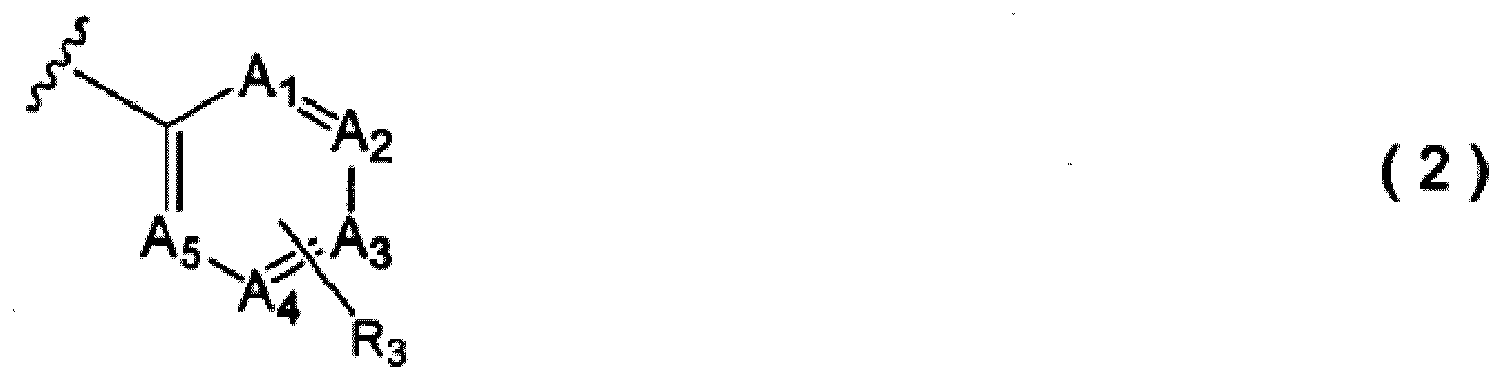
- each of R 1 and R 2 independently represents any one of a substituted or unsubstituted 6-membered heterocyclic group optionally having a condensed ring, which is represented by the following formula (2):
- each of A 1 to A 5 independently represents a carbon atom or a nitrogen atom; and R 3 represents 1 to 5 identical or different substituents on A 1 to A 5 , each of which independently represents a hydrogen atom, a halogen atom, a hydroxyl group, a nitro group, a cyano group, a carboxy group, a lower alkoxy group, a lower alkoxyalkyl group, a lower alk
- the present invention relates to a pharmaceutical agent useful for the treatment and/or prevention of diseases, with the process of development of the pathological conditions of which the activation of casein kinase 1 ⁇ or casein kinase 1 ⁇ is associated, wherein the inhibitor of casein kinase 1 ⁇ and casein kinase 1 ⁇ comprising, as an active ingredient, the oxazolone derivative represented by the above general formula (1), a salt thereof, a solvate thereof, or a hydrate thereof, is used.
- the present invention relates to a pharmaceutical agent useful for the treatment and/or prevention of circadian rhythm disorder (including sleep disorder), central neurodegenerative disease and cancer, wherein the inhibitor of casein kinase 1 ⁇ and casein kinase 1 ⁇ comprising, as an active ingredient, the oxazolone derivative represented by the above general formula (1), a salt thereof, a solvate thereof, or a hydrate thereof, is used.
- circadian rhythm disorder including sleep disorder
- the inhibitor of casein kinase 1 ⁇ and casein kinase 1 ⁇ comprising, as an active ingredient, the oxazolone derivative represented by the above general formula (1), a salt thereof, a solvate thereof, or a hydrate thereof, is used.
- an oxazolone derivative represented by the following general formula (6), a pharmaceutically acceptable salt thereof, and a hydrate thereof:
- R 8 represents a hydrogen atom or a methyl group
- R 7 represents any one of a substituted or unsubstituted 6-membered heterocyclic group optionally having a condensed ring, which is represented by the following formula (7):
- each of A 10 to A 14 independently represents a carbon atom or a nitrogen atom
- R 9 represents 1 to 5 identical or different substituents on A 10 to A 14 , each of which independently represents a hydrogen atom, a halogen atom, a hydroxyl group, a nitro group, a cyano group, a carboxy group, a lower alkoxy group, a lower alkoxyalkyl group, a lower alkoxycarbonyl group, a lower acyl group, a lower acyloxy group, a lower
- the compound used in the present invention can inhibit the activities of casein kinase 1 ⁇ and casein kinase 1 ⁇ .
- the compound of the present disclosure can treat diseases, with the pathological conditions of which the activation mechanism of the casein kinase 1 ⁇ or casein kinase 1 ⁇ is associated.
- the compound used in the present invention and the pharmaceutical agent used in the present invention comprising the aforementioned compound as a pharmaceutically active ingredient can be used to treat diseases, with the pathological conditions of which the activation mechanism of the casein kinase 1 ⁇ or casein kinase 1 ⁇ is associated.
- the compound used in the present invention and the pharmaceutical agent used in the present invention comprising the aforementioned compound as a pharmaceutically active ingredient have higher selectivity to the casein kinase 1 ⁇ and casein kinase 1 ⁇ than those of conventional compounds having casein kinase 1 inhibitory activity.
- the compound used in the present invention and the pharmaceutical agent used in the present invention comprising the aforementioned compound as a pharmaceutically active ingredient can be anticipated to have higher clinical efficiency than that of existing compounds, on diseases, with the pathological conditions the activation mechanism of casein kinase 1 ⁇ or casein kinase 1 ⁇ is associated.
- the compound used in the present invention and the pharmaceutical agent used in the present invention comprising the aforementioned compound as a pharmaceutically active ingredient can be anticipated to have higher safety than that of existing compounds.
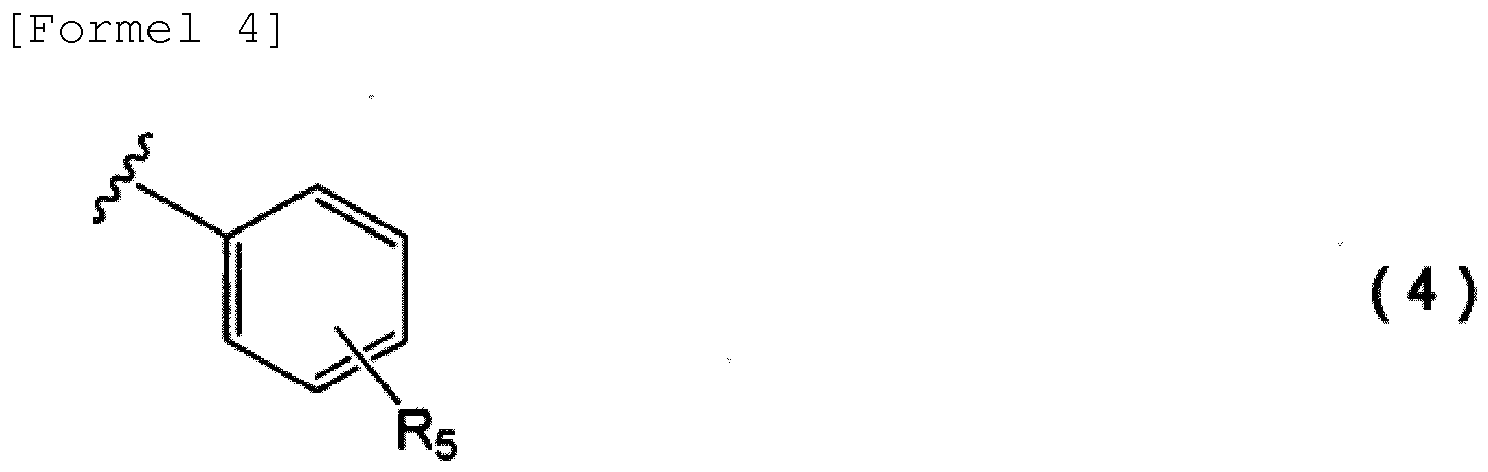
- each of R 1 and R 2 independently represents any one of a substituted or unsubstituted 6-membered heterocyclic group optionally having a condensed ring, which is represented by the formula (2), a substituted or unsubstituted 5-membered heterocyclic group optionally having a condensed ring, which is represented by the formula (3a) or (3b), a substituted or unsubstituted aromatic hydrocarbon group optionally having a condensed ring, which is represented by the formula (4), and a substituted or unsubstituted aromatic hydrocarbon lower alkyl group or aromatic hydrocarbon lower alkenyl group optionally having a condensed ring, which is represented by the formula (5).
- R 7 represents any one of a substituted or unsubstituted 6-membered heterocyclic group optionally having a condensed ring, which is represented by the formula (7), and a substituted or unsubstituted 5-membered heterocyclic group optionally having a condensed ring, which is represented by the formula (8a) or (8b).
- R 8 represents a hydrogen atom or a methyl group.
- heterocyclic ring mainly indicates a 5-membered ring or a 6-membered ring, which contains one or more nitrogen atoms, oxygen atoms and sulfur atoms.
- specific examples of the "6-membered heterocyclic ring” include, but are not limited to, a pyridine ring, a pyrazine ring, a pyrimidine ring, a pyridazine ring, a triazine ring, a pyridone ring, and a pyran ring.
- the "5-membered heterocyclic ring” include, but are not limited to, a pyrrole ring, a furan ring, a thiophene ring, an imidazole ring, an oxazole ring, a thiazole ring, pyrazole ring, an isoxazole ring, an isothiazole ring, a triazole ring, an oxadiazole ring, a thiadiazole ring, a tetrazole ring, an oxatriazole ring, and a thiatriazole ring.
- condensed heterocyclic ring mainly indicates a 5-membered ring or a 6-membered ring, which contains one or more nitrogen atoms, oxygen atoms and sulfur atoms. It has a structure in which two or more rings share a side on one-on-one level.
- Specific examples of the "condensed heterocyclic ring” include, but are not limited to, an indole ring, a benzimidazole ring, a quinoline ring, a benzofuran ring, a chromene ring, a benzofuran ring, a benzodioxole ring, a dihydrobenzodioxin ring, and a dibenzofuran ring.
- aromatic hydrocarbon includes benzene naphthalene, anthracene, phenanthrene, and the like.
- the "lower alkyl” may be any one of a saturated, linear portion, branched portion, cyclic portion and combination thereof, containing 1 to 20, and preferably 1 to 10 carbon atoms
- the “lower alkenyl” may be any one of an unsaturated, linear portion, branched portion, cyclic portion and combination thereof, containing 1 to 20, and preferably 1 to 10 carbon atoms.
- a saturated linear alkyl group include methyl, ethyl, propyl, isopropyl, butyl, isobutyl, isopentyl, and neopentyl.
- a saturated cyclic alkyl group examples include cyclopropyl, cyclobutyl, cyclopentyl, and cyclohexyl.
- an unsaturated linear alkyl group examples include vinyl, propenyl, butenyl, and adosienyl.
- Specific examples of an unsaturated cyclic alkyl group include cyclopropenyl and cyclobutenyl.
- R 3 to R 6 , R 9 and R 10 may be identical to or different from one another, and they independently represent a hydrogen atom, a halogen atom, a hydroxyl group, a nitro group, a cyano group, a carboxy group, a lower alkoxy group, a lower alkoxyalkyl group, a lower alkoxycarbonyl group, a lower acyl group, a lower acyloxy group, a lower acyloxyalkyl group, a carbamoyl group, a sulfamoyl group, a trifluoromethyl group, a substituted or unsubstituted allyl group, a substituted or unsubstituted heteroallyl group, a substituted or unsubstituted phenoxy group, a substituted or unsubstituted amino group, a substituted or unsubstituted lower alkyl group, a substituted or un
- the oxazolone derivatives represented by the general formula (1) and the general formula (6) which are contained as active ingredients in the inhibitor of casein kinase 1 ⁇ or casein kinase 1 ⁇ and the pharmaceutical agent according to the present invention, include their stereoisomers, such as tautomers, geometric isomers (for example, an E form, a Z form, etc.), and enantiomers, unless otherwise specified. That is to say, the oxazolone derivatives represented by the general formula (1) and the general formula (6) may have one or two or more asymmetric carbon atoms in some cases. These asymmetric carbon atoms may independently adopt either an (R) form or an (S) form as a stereochemical structure.
- the oxazolone derivative may be present in the form of a stereoisomer such as an enantiomer or a diasteroisomer. Any given stereoisomer having a pure form, any given mixture of stereoisomers, a racemic body, or the like can be used as an active ingredient of the pharmaceutical agent of the present invention.
- the compound represented by the general formula (1) and a salt thereof are not limited. Examples include the following compounds and salts:
- oxazolone derivatives used in the present invention which are represented by the general formula (1), can be obtained according to known publications or by applying ordinary chemical synthesis methods. These derivatives can be synthesized, for example, by the synthesis method described in U.S. Patent Laid-Open Publication No. 20040180943 . Alternatively, with regard to the compounds described in paragraph [0026] above, commercially available products can be purchased from manufacturing companies such as Enamine, Pharmeks and Labotest.
- the compound represented by the general formula (6) which is included in the compound represented by the general formula (1) (which is a compound in the subordinate concept of the compound represented by the general formula (1)), was newly synthesized in the present invention. Moreover, the fact that the compound represented by the general formula (6) has activity of inhibiting the activities of casein kinase 1 ⁇ and casein kinase 1 ⁇ has been disclosed by the present invention for the first time. As described in the "Examples" later, the novel oxazolone derivative used in the present invention represented by the general formula (6) can be produced from a known starting substance according to an ordinary chemical synthesis method.
- the compounds represented by the general formula (6) and salts thereof are not limited. Examples include the following compounds and salts: 4-((5-methoxy-3-pyridinyl)methylene)-2-(5-methyl-2-thienyl)-5(4H)-oxazolone and an acceptable salt thereof;
- the present invention has been completed on the basis of the fact that the present inventors have found for the first time that the compounds used in the present invention represented by the general formula (1) and the general formula (6) inhibit the activities of casein kinase 1 ⁇ and casein kinase 1 ⁇ , and that the inventors have produced the novel oxazolone derivative represented by the general formula (6).
- an inhibitor compound that inhibits casein kinase 1 ⁇ and casein kinase 1 ⁇ , wherein the compound comprises, as an active ingredient, a substituted pyridine derivative represented by the general formula (1) or the general formula (6), a salt thereof, a solvate thereof, or a hydrate thereof.
- a pharmaceutical agent for treating diseases with the pathological conditions of which the activation of casein kinase 1 ⁇ or casein kinase 1 ⁇ is associated, and particularly, circadian rhythm disorder (including sleep disorder), central neurodegenerative disease and cancer, wherein the pharmaceutical agent comprises, as a pharmacologically active ingredient, the above-described compound.
- casein kinase 1 ⁇ in the present invention may be called with similar names or alias names, such as "Casein Kinase 1 delta,” “Casein kinase 1 isoform delta,” “CK1(-) delta,” “CK1d”, “HCKID,” “Casein Kinase 1 ⁇ ,” “casein kinase 1 isoform ⁇ ,” and “CK1(-) ⁇ .”
- casein kinase 1 ⁇ means a protein comprising an amino acid sequence that is identical to or substantially identical to the amino acid sequences registered under registration Nos. NP_001884.2, NP_620693.1, NP_620690.1 and NP_082150.1 in the database of NCBI Reference Sequences (RefSeq) published by the National Center for Biotechnology Information (NCBI).
- the "protein comprising an amino acid sequence that is substantially identical to " means a protein, which comprises an amino acid sequence having identity of approximately 60% or more, preferably approximately 70% or more, more preferably approximately 80%, 81%, 82%, 83%, 84%, 85%, 86%, 87%, 88%, 89%, 90%, 91%, 92%, 93%, 94%, 95%, 96%, 97% or 98%, and most preferably approximately 99%, at the amino acid sequence level with the above-described amino acid sequences having RefSeq Nos. NP_001884.2, NP_620693. 1, NP_620690.1 and NP_082150.1, and which has the activity of protein phosphorylation enzyme.
- the protein comprising an amino acid sequence substantially identical to the amino acid sequences having RefSeq Nos. NP_001884.2, NP_620693.1, NP_620690.1, NP_082150.1 is a protein, which consists of an amino acid sequence comprising a deletion, substitution or addition of one or several (preferably about 1 to 30, more preferably about 1 to 10, and further preferably 1 to 5) amino acids with respect to the amino acid sequences having RefSeq Nos. NP_001884.2, NP_620693. 1, NP_620690.1 and NP_082150.1, and which the activity of protein phosphorylation enzyme.
- casein kinase 1 ⁇ in the present invention may be called with similar names or alias names, such as "Casein Kinase 1 epsilon,” “Casein kinase 1 isoform epsilon,” “CK1(-) epsilon,” “CK1e”, “HCKIE,” “Casein Kinase 1 ⁇ ” “casein kinase 1 isoform ⁇ ,” and "CK1(-) ⁇ .”
- casein kinase 1 ⁇ means a protein comprising an amino acid sequence that is identical to or substantially identical to the amino acid sequences registered under registration Nos. NP_001885.1, NP_689407.1 and NP_038795.3 in the database of NCBI Reference Sequences (RefSeq) published by the National Center for Biotechnology Information (NCBI).
- the "protein comprising an amino acid sequence that is substantially identical to " means a protein, which comprises an amino acid sequence having identity of approximately 60% or more, preferably approximately 70% or more, more preferably approximately 80%, 81%, 82%, 83%, 84%, 85%, 86%, 87%, 88%, 89%, 90%, 91%, 92%, 93%, 94%, 95%, 96%, 97% or 98%, and most preferably approximately 99%, at the amino acid sequence level with the above-described amino acid sequences having RefSeq Nos. NP_001885.1, NP_689407.1 and NP_038795.3, and which has the activity of protein phosphorylation enzyme.
- the protein comprising an amino acid sequence substantially identical to the amino acid sequences having RefSeq Nos. NP_001885.1, NP_689407.1 and NP_038795.3 is a protein, which consists of an amino acid sequence comprising a deletion, substitution or addition of one or several (preferably about 1 to 30, more preferably about 1 to 10, and further preferably 1 to 5) amino acids with respect to the amino acid sequences having RefSeq Nos. NP_001885.1, NP_689407.1 and NP_038795.3, and which the activity of protein phosphorylation enzyme.
- the diseases with the pathological conditions of which the activation mechanism of casein kinase 1 ⁇ or casein kinase 1 ⁇ is associated, are not limited.
- diseases include circadian rhythm disorder (including sleep disorder), neurodegenerative disease, and cancer.
- the type of circadian rhythm disorder is not limited.
- the circadian rhythm disorder includes mood disorder and sleep disorder.
- sleep disorder is circadian rhythm sleep disorder
- the circadian rhythm sleep disorder includes a disease selected from the group consisting of shift work sleep disorder, jet lag syndrome, advanced sleep phase syndrome, and delayed sleep phase syndrome.
- the sleep disorder includes a disease selected from the group consisting of insomnia, sleep-related breathing disorder, central hypersomnia, parasomnia, and sleep-related movement disorder.
- the above-described mood disorder is selected from either depressive disorder or bipolar disorder, and the depressive disorder is major depressive disorder.
- the mood disorder is selected from either depressive disorder or bipolar disorder
- the bipolar disorder is selected from the group consisting of bipolar type-I disorder or bipolar type-II disorder.
- examples of the disease in the present invention include insomnia, sleep-related breathing disorder, central hypersomnia, circadian rhythm sleep disorder, parasomnia, sleep-related movement disorder, and sleep disorder caused by other reasons.
- insomnia includes psychophysiologic insomnia caused by stress or the like, insomnia caused by medical disease, and the like.
- Sleep-related breathing disorder includes central sleep apnea syndrome, obstructive sleep apnea syndrome, sleep-related hypoventilation/anoxemia syndrome, and the like.
- Central hypersomnia includes narcolepsy, idiopathic hypersomnia, recurrent hypersomnia, and the like.
- Circadian rhythm sleep disorder includes shift work sleep disorder, jet lag syndrome, advanced sleep phase syndrome, delayed sleep phase syndrome, and the like.
- Parasomnia includes sleep walking, REM sleep behavior disorder, and the like.
- Sleep-related movement disorder includes restless legs syndrome, periodic limb movement disorder, and the like.
- neurodegenerative disease is not limited.
- central neurodegenerative disease include: neurodegenerative disease caused by Alzheimer's disease, Parkinson's disease or Down's syndrome; nerve degeneration caused by physical nerve damage (brain tissue damage such as brain contusion, and nerve damage caused by head injury and the like); and nerve degeneration caused by nerve damage occurred after ischemia or ischemic reperfusion include: stroke, cerebral infarction, cerebral hemorrhage, cerebral ischemia, subarachnoid hemorrhage, aneurysmal hemorrhage, myocardial infarction, hypoxia , anoxia and nerve damage caused by grand mal/cerebral ischemia.
- pancreatic duct cancer invasive pancreatic duct cancer
- pancreatic endocrine tumor intraductal papillary mucinous tumor
- mucinous cystoma mucinous cystoma
- acinar cell cancer metastatic pancreatic cancer
- physiologically acceptable salts thereof may also be used.
- the salts that can be formed therewith include: the salts of alkaline metals and alkaline-earth metals such as lithium, sodium, potassium, magnesium and calcium; the salts of amines such as ammonia, methylamine, dimethylamine, trimethylamine, dicyclohexylamine, tris(hydroxymethyl)aminomethane, N,N-bis(hydroxyethyl)piperazine, 2-amino-2-methyl-1-propanol, ethanolamine, N-methyl glucamine and L- glucamine; and salts formed with basic amino acids such as lysine, ⁇ -hydroxylysine and arginine.
- examples of the salts that can be formed therewith include: salts with mineral acids such as hydrochloric acid, hydrobromic acid, sulfuric acid, nitric acid and phosphoric acid; salts with organic acids such as methanesulfonic acid, benzenesulfonic acid, paratoluenesulfonic acid, acetic acid, propionic acid, tartaric acid, fumaric acid, maleic acid, malic acid, oxalic acid, succinic acid, citric acid, benzoic acid, mandelic acid, cinnamic acid, lactic acid, glycolic acid, glucuronic acid, ascorbic acid, nicotinic acid and salicylic acid; and salts with acidic amino acids such as aspartic acid and glutamic acid.
- mineral acids such as hydrochloric acid, hydrobromic acid, sulfuric acid, nitric acid and phosphoric acid
- organic acids such as methanesulfonic acid, benzenesulfonic acid,
- the solvates or hydrates of the compounds represented by the above general formula (1) and general formula (6) or the salts thereof may also be used.
- the compounds represented by the above general formula (1) and general formula (6), the pharmacologically acceptable salts thereof, the solvates thereof or the hydrates thereof , which are contained as active ingredients may be directly administered.
- it is desired to administer the pharmaceutical agent used in the present invention in the form of a pharmaceutical composition comprising the above-mentioned substance as an active ingredient and one or two or more pharmaceutical additives.
- an active ingredient of the pharmaceutical agent used in the present invention two or more types of the above-mentioned substances may be used in combination.
- a pharmaceutical composition is not particularly limited.
- a dosage form examples include a tablet, a capsule, a granule, a powder, a syrup, a suspending agent, a suppository, an ointment, a cream agent, a gel agent, a patch, an inhalant, and an injection.
- These pharmaceutical agents are prepared in accordance with ordinary methods. It is to be noted that a liquid agent may adopt a dosage form in which the agent is dissolved or suspended in water or a suitable solvent when used.
- a tablet or a granule may be coated according to well known methods. In the case of an injection, it is prepared by dissolving the compound of the present invention in water.
- the compound used in the present invention may also be dissolved in a normal saline or a glucose solution, as necessary. Otherwise, a buffer or a preservative may also be added to the present compound.
- the pharmaceutical agent used in the present invention is provided in the form of any given pharmaceutical agent for use in oral administration or parenteral administration.
- compositions for oral administration such as a granule, a fine grain agent, a powder, a hard capsule, a soft capsule, a syrup, an emulsion, a suspending agent or a liquid agent
- pharmaceutical compositions for parenteral administration such as an injection for intravenous administration, intramuscular administration or subcutaneous administration, a drop, a transdermal agent, a transmucosal agent, a nasal drop, an inhalant, or a suppository.
- An injection, a drop or the like may be prepared in the dosage form of freeze-dried powders, and the powders may be then dissolved in a suitable aqueous medium such as a normal saline when used.
- a sustained release agent coated with macromolecules and the like is directly administered into the brain.
- the types of pharmaceutical additives used in the production of the pharmaceutical composition, the ratio of such pharmaceutical additives to the active ingredient, or a method for producing a pharmaceutical composition can be appropriately selected by a person skilled in the art, depending on the form of the composition.
- pharmaceutical additives inorganic or organic substances, or solid or liquid substances can be used.
- such pharmaceutical additives can be mixed in a weight percentage amount from 1% to 90% with respect to the weight of the active ingredient.
- Such a substance include lactose, glucose, mannit, dextrin, cyclodextrin, starch, sucrose, magnesium aluminometasilicate, synthetic aluminum silicate, carboxymethylcellulose sodium, hydroxypropyl starch, carboxymethylcellulose calcium, ion exchange resin, methyl cellulose, gelatin, gum arabic, hydroxypropyl cellulose, hydroxypropylmethyl cellulose, polyvinylpyrrolidone, polyvinyl alcohol, light anhydrous silicic acid, magnesium stearate, talc, Tragacanth, bentonite, veegum, titanium oxide, sorbitan fatty acid ester, sodium lauryl sulfate, glycerin, fatty acid glycerin ester, purified lanolin, glycerinated gelatin, polysorbate, macrogol, vegetable oil, wax, liquid paraffin, white petrolatum, fluorocarbon, nonionic surfactant, propylene glycol,
- an active ingredient is mixed with an excipient such as lactose, starch, crystalline cellulose, calcium lactate or silicic acid anhydride to form a powder agent.
- an excipient such as lactose, starch, crystalline cellulose, calcium lactate or silicic acid anhydride
- a binder such as saccharose, hydroxypropyl cellulose or polyvinylpyrrolidone, a disintegrator such as carboxymethyl cellulose or carobxymethylcellulose calcium, and other additives are further added to the mixture, and the obtained mixture is then subjected to a dry or wet granulating method, so as to form a granule agent.
- such a powder agent or a granule agent may be subjected to direct tableting, or a lubricant such as magnesium stearate or talc may be added to the powder agent or granule agent and the obtained mixture may be then subjected to tableting.
- a granule agent or a tablet may be coated with an enteric coating base such as hydroxypropylmethyl cellulose phthalate or a methacrylic acid-methyl methacrylate polymer, so as to prepare an enteric-coated agent.
- such a granule agent or a tablet may also be coated with ethyl cellulose, carnauba wax, hydrogenated oil or the like, so as to prepare a sustained release agent.
- a powder agent or a granule agent is filled into a hard capsule.
- the active ingredient is directly coated with a gelatin film, or it is dissolved in glycerin, polyethylene glycol, sesame oil, olive oil or the like and is then coated with a gelatin film, so as to prepare a soft capsule.
- a pH adjuster such as hydrochloric acid, sodium hydroxide, lactose, lactic acid, sodium, sodium monohydrogen phosphate or sodium dihydrogen phosphate, an isotonizing agent such as sodium chloride or glucose, and other additives, are dissolved in distilled water for injection, and the obtained solution is then subjected to aseptic filtration and is then filled into an ampule. Otherwise, mannitol, dextrin, cyclodextrin, gelatin and the like are added to the obtained solution, followed by vacuum-freeze drying, so as to prepare an injection that is to be dissolved when used. Moreover, lecithin, polysorbate 80, polyoxyethylene hydrogenated castor oil or the like is added to the active ingredient to emulsify it in water, so as to prepare an emulsion for injection.
- a pH adjuster such as hydrochloric acid, sodium hydroxide, lactose, lactic acid, sodium, sodium monohydrogen phosphate or sodium dihydrogen phosphate,
- the active ingredient In order to produce an agent for rectal administration, the active ingredient, together with a suppository base material such as cacao butter, fatty acid tri-, di- and mono-glycerides, or polyethlene glycol, is dissolved by humidification, and the obtained solution is then poured into a mold, followed by cooling. Otherwise, the active ingredient is dissolved in polyethylene glycol, soybean oil or the like, and the obtained solution is then coated with a gelatin film.
- a suppository base material such as cacao butter, fatty acid tri-, di- and mono-glycerides, or polyethlene glycol
- the active ingredient is added to white petrolatum, beeswax, liquid paraffin, polyethylene glycol or the like, and the mixture is humidified if necessary, and it is then kneaded, so as to prepare an ointment. Otherwise, the active ingredient is kneaded together with an adhesive such as rosin or an alkyl acrylate polymer, and the obtained mixture is then expanded on a non-woven fabric such as polyalkyl, so as to prepare a tape agent.
- an adhesive such as rosin or an alkyl acrylate polymer
- the applied dose and number of doses of the pharmaceutical agent used in the present invention are not particularly limited.
- the applied dose and the number of doses can be selected, as appropriate, by a doctor's decision, depending on various conditions such as the purpose of prevention and/or treatment of deterioration and progression of a target disease, the type of the disease, the body weight, age and other conditions of a patient, etc.
- the applied dose is approximately 0.01 to 1000 mg (the weight of the active ingredient) per adult per day via oral administration.
- Such a dose can be administered once or divided over several administrations per day, or every several days.
- the pharmaceutical agent used in the present invention is used as an injection, it is desired that a dose of 0.01 to 100 mg (the weight of the active ingredient) is administered per adult per day continuously or intermittently.
- the pharmaceutical agent used in the present invention can be prepared in the form of a sustained release agent such as an implanted tablet or a delivery system encapsulated into a microcapsule.
- a sustained release agent such as an implanted tablet or a delivery system encapsulated into a microcapsule.
- biodegradable biocompatible polymers such as ethylene vinyl acetate, polyacid anhydride, polyglycolic acid, collagen, polyorthoester, and polylacetic acid.
- a liposome suspension can also be used as a pharmaceutically acceptable carrier. The type of an available liposome is not limited.
- the liposome can be prepared as a lipid composition containing phosphatidyl choline, cholesterol and a PEG derivative of phosphatidylethanol (PEG-PE) to a size suitable for use, by passing it through a filter with an appropriate pore size, and it is then purified by a reverse-phase evaporation method.
- PEG-PE PEG derivative of phosphatidylethanol
- the pharmaceutical agent used in the present invention can be prepared as a pharmaceutical composition, and it can be included in a vessel or pack, together with an administration manual, so as to prepare a kit.
- a kit When the pharmaceutical composition used in the present invention is provided as a kit, different constituents contained in the pharmaceutical composition are wrapped with different vessels, and they are then mixed immediately before use. Thus, the constituents are individually wrapped because it enables long-term storage without losing the functions of active constituents.
- a reagent contained in the kit is supplied into a certain type of vessel, in which constituents maintain their activity for a long period of time and they are not adsorbed on the material of the vessel and are not degradated.
- a sealed glass ampule contains a buffer that has been wrapped under neutral non-reactive gas such as nitrogen gas.
- the ampule is made of glass, an organic polymer such as polycarbonate or polystyrene, ceramic, metal, other suitable materials that are commonly used to retain the reagent, and the like.
- suitable vessels include a simple bottle produced from similar substances for ampule, and a wrapping material, the inside of which is lined with aluminum or alloy foil.
- Other vessels include a test tube, a vial, a flask, a bottle, a syringe, and a similar product thereof.
- the vessel has an aseptic access port, such as a bottle having a stopper that is penetrable with a subcutaneous injection needle.
- an instruction manual is attached to the kit.
- the instruction manual for the kit consisting of the present pharmaceutical composition is printed on a paper or other materials, and/or it may be supplied as an electrically or electromagnetically readable medium, such as a floppy (registered trademark) disk, CD-ROM, DVD-ROM, a Zip disk, a video tape, or an audio tape.
- a detailed instruction manual may be actually attached into the kit, or it may be published on a website which is designated by a kit manufacturer or distributer and is then noticed via an electric mail.
- the therapeutic method includes a method for treating a disease that is developed as a result of the association of the activation mechanism of casein kinase 1 ⁇ or casein kinase 1 ⁇ with the pathological condition thereof, or the disease of an affected mammal.
- treatment is used to mean that the progression and deterioration of the pathological conditions of a disease are inhibited or alleviated in a mammal that has been affected with or is suspected to have the disease, and thereby, the term “treatment” is used to mean a therapeutic means directed towards inhibiting or alleviating the progression and deterioration of various symptoms of the disease.
- the term "disease” means diseases as a whole, with the pathological conditions of which the activation mechanism of casein kinase 1 ⁇ or casein kinase 1 ⁇ is associated.
- the type of the disease is not particularly limited. Examples of such a disease include insomnia, sleep-related breathing disorder, central hypersomnia, circadian rhythm sleep disorder, parasomnia, and sleep-related movement disorder.
- the sleep disorder of the circadian rhythm sleep disorder is circadian rhythm sleep disorder, and the circadian rhythm sleep disorder includes shift work sleep disorder, jet lag syndrome, advanced sleep phase syndrome, and delayed sleep phase syndrome.
- the mood disorder of the circadian rhythm disorder includes depressive disorder and bipolar disorder.
- the concerned disease also includes: neurodegenerative disease caused by Alzheimer's disease, Parkinson's disease or Down's syndrome; central neurodegenerative disease caused by cerebrovascular disorder; cancer as a whole, the type of which is not specified; and particularly, cancer derived from the pancreas, such as pancreatic duct cancer, invasive pancreatic duct cancer, pancreatic endocrine tumor, intraductal papillary mucinous tumor, mucinous cystoma, acinar cell cancer, and metastatic pancreatic cancer.
- the "mammal" as a subject in need of a treatment means any given animal classified into Mammalia, and the type of the mammal is not particularly limited. Examples of such a mammal include humans, pet animals such as a dog, a cat or a rabbit, and livestock animals such as a bovine, a swine, a sheep or a horse. A particularly preferred "mammal” is a human.
- N-[(5-methyl-2-thienyl)carbonyl]glycine 60 mg, 0.3 mmol
- 5-methoxy-3-pyridinecarboxaldehyde 45 mg, 0.3 mmol
- sodium acetate 25 mg, 0.3 mmol
- acetic anhydride 0.3 mL
- the test tube was sealed, and it was then stirred at an external temperature of 90°C. Three hours later, the temperature of the reaction solution was returned to room temperature, and water (1.5 mL) was then added thereto. The obtained mixture was stirred at the same temperature as described above for 1.5 hours.
- N-(2-thienylcarbonyl)glycine 56 mg, 0.3 mmol
- 5-methoxy-3-pyridinecarboxaldehyde 45 mg, 0.3 mmol
- sodium acetate 25 mg, 0.3 mmol
- acetic anhydride 0.3 mL
- the test tube was sealed, and it was then stirred at an external temperature of 90°C. Three hours later, the temperature of the reaction solution was returned to room temperature, and water (1.5 mL) was then added thereto. The obtained mixture was stirred at the same temperature as described above for 1.5 hours.
- N-(2-thienylcarbonyl)glycine 56 mg, 0.3 mmol
- 5-fluoro-3-pyridinecarboxaldehyde 41 mg, 0.3 mmol
- sodium acetate 25 mg, 0.3 mmol
- acetic anhydride 0.3 mL
- the test tube was sealed, and it was then stirred at an external temperature of 90°C. Three hours later, the temperature of the reaction solution was returned to room temperature, and water (1.5 mL) was then added thereto. The obtained mixture was stirred at the same temperature as described above for 1.5 hours.
- N-(2-thienylcarbonyl)glycine 56 mg, 0.3 mmol
- 2-fluoropyridin-3-carboxaldehyde 41 mg, 0.3 mmol
- sodium acetate 25 mg, 0.3 mmol
- acetic anhydride 0.3 mL
- the test tube was sealed, and it was then stirred at an external temperature of 90°C. Three hours later, the temperature of the reaction solution was returned to room temperature, and water (1.5 mL) was then added thereto. The obtained mixture was stirred at the same temperature as described above for 1.5 hours.
- N-(2-thienylcarbonyl)glycine 56 mg, 0.3 mmol
- 6-methoxy-3-pyridinecarboxaldehyde 45 mg, 0.3 mmol
- sodium acetate 25 mg, 0.3 mmol
- acetic anhydride 0.3 mL
- the test tube was sealed, and it was then stirred at an external temperature of 90°C. Three hours later, the temperature of the reaction solution was returned to room temperature, and water (1.5 mL) was then added thereto. The obtained mixture was stirred at the same temperature as described above for 1.5 hours.
- N-(2-thienylcarbonyl)glycine 56 mg, 0.3 mmol
- 6-(methylamino)-3-pyridinecarboxaldehyde 45 mg, 0.3 mmol
- sodium acetate 25 mg, 0.3 mmol
- acetic anhydride 0.3 mL
- the test tube was sealed, and it was then stirred at an external temperature of 90°C. Three hours later, the temperature of the reaction solution was returned to room temperature, and water (1.5 mL) was then added thereto. The obtained mixture was stirred at the same temperature as described above for 1.5 hours.
- N-(2-thienylcarbonyl)glycine 56 mg, 0.3 mmol
- 2-(dimethylamino)-3-pyridinecarboxaldehyde 50 mg, 0.3 mmol
- sodium acetate 25 mg, 0.3 mmol
- acetic anhydride 0.3 mL
- the test tube was sealed, and it was then stirred at an external temperature of 90°C. Three hours later, the temperature of the reaction solution was returned to room temperature, and water (1.5 mL) was then added thereto. The obtained mixture was stirred at the same temperature as described above for 1.5 hours.
- N-(2-thienylcarbonyl)glycine 56 mg, 0.3 mmol
- 6-methoxy-2-pyridinecarboxaldehyde 46 mg, 0.3 mmol
- sodium acetate 25 mg, 0.3 mmol
- acetic anhydride 0.3 mL
- the test tube was sealed, and it was then stirred at an external temperature of 90°C. Three hours later, the temperature of the reaction solution was returned to room temperature, and water (1.5 mL) was then added thereto. The obtained mixture was stirred at the same temperature as described above for 1.5 hours.
- N-(2-thienylcarbonyl)glycine 56 mg, 0.3 mmol
- 1-methylimidazol-4-carboxaldehyde 36 mg, 0.3 mmol
- sodium acetate 25 mg, 0.3 mmol
- acetic anhydride 0.3 mL
- N-(2-thienylcarbonyl)glycine 100 mg, 0.54 mmol
- 5-hydroxymethylfuran-2-aldehyde 61 ⁇ L, 0.6 mmol
- sodium acetate 45 mg, 0.54 mmol
- acetic anhydride 0.132 mL
- the test tube was sealed, and it was then stirred at an external temperature of 90°C. Three hours later, the temperature of the reaction solution was returned to room temperature, and water (1.5 mL) was then added thereto. The reaction mixture was extracted with ethyl acetate (5 mL) twice, and organic layers were then gathered.
- N-(2-thienylcarbonyl)glycine 56 mg, 0.3 mmol
- 5-(methoxymethyl)-2-furancarboxaldehyde 46 mg, 0.3 mmol
- sodium acetate 25 mg, 0.3 mmol
- acetic anhydride 0.3 mL
- the test tube was sealed, and it was then stirred at an external temperature of 90°C. Three hours later, the temperature of the reaction solution was returned to room temperature, and water (1.5 mL) was then added thereto. The obtained mixture was stirred at the same temperature as described above for 1.5 hours.
- N-(2-thienylcarbonyl)glycine 56 mg, 0.3 mmol
- 4-oxazolecarboxaldehyde 32 mg, 0.3 mmol
- sodium acetate 25 mg, 0.3 mmol
- acetic anhydride 0.3 mL
- the test tube was sealed, and it was then stirred at an external temperature of 90°C. Three hours later, the temperature of the reaction solution was returned to room temperature, and water (1.5 mL) was then added thereto. The obtained mixture was stirred at the same temperature as described above for 1.5 hours.
- N-(2-thienylcarbonyl)glycine 56 mg, 0.3 mmol
- 1,2,3-thiadiazol-4-carboxaldehyde 37 mg, 0.3 mmol
- sodium acetate 25 mg, 0.3 mmol
- acetic anhydride 0.3 mL
- N-(2-thienylcarbonyl)glycine 56 mg, 0.3 mmol
- 1,5-dimethyl-1H-pyrazol-4-carboxaldehyde 41 mg, 0.3 mmol
- sodium acetate 25 mg, 0.3 mmol
- acetic anhydride 0.3 mL
- the test tube was sealed, and it was then stirred at an external temperature of 90°C. Three hours later, the temperature of the reaction solution was returned to room temperature, and water (1.5 mL) was then added thereto. The obtained mixture was stirred at the same temperature as described above for 1.5 hours.
- N-(2-thienylcarbonyl)glycine 56 mg, 0.3 mmol
- 1,3-dimethyl-1H-pyrazol-4-carboxaldehyde 41 mg, 0.3 mmol
- sodium acetate 25 mg, 0.3 mmol
- acetic anhydride 0.3 mL
- the test tube was sealed, and it was then stirred at an external temperature of 90°C. Three hours later, the temperature of the reaction solution was returned to room temperature, and water (1.5 mL) was then added thereto. The obtained mixture was stirred at the same temperature as described above for 1.5 hours.
- 2-Methoxy-6-methylpyridine (10 mL, 81 mmol) was suspended in a 0.15 mol//L disodium hydrogen phosphate aqueous solution (160 mL). Thereafter, a solution prepared by suspending bromine (4.15 mL, 81 mmol) in a 0.15 mol//L disodium hydrogen phosphate aqueous solution (160 mL) was added dropwise to the suspension at room temperature over 1 hour. The reaction solution was stirred at the same temperature as described above overnight. Thereafter, the reaction solution was extracted with methylene chloride (300 mL) three times. Organic layers were gathered. The resultant was dried over anhydrous magnesium sulfate and was then filtrated, followed by vacuum concentration. The obtained residue was distilled away under reduced pressure (91°C-96°C/16 mmHg), so as to obtain 9.47 g of 3-bromo-6-methoxy-2-methyl-pyridine.
- 2-Chloro-6-methylpyridine (0.96 mL, 8.1 mmol) was suspended in a 0.15 mol/L disodium hydrogen phosphate aqueous solution (16 mL). Thereafter, a solution prepared by suspending bromine (0.46 mL, 8.9 mmol) in a 0.15 mol//L disodium hydrogen phosphate aqueous solution (16 mL) was added dropwise to the suspension at room temperature over 1 hour. The reaction solution was stirred at the same temperature as described above overnight. Thereafter, the reaction solution was extracted with methylene chloride (30 mL) three times. Organic layers were gathered. The resultant was dried over anhydrous magnesium sulfate and was then filtrated, followed by vacuum concentration.
- the activity of the present compound to inhibit casein kinase 1 ⁇ and casein kinase 1 ⁇ was measured using human recombinant casein kinase 1 ⁇ (INVITROGEN; Cat No. PV3665) or casein kinase 1 ⁇ (INVITROGEN; Cat No. PV3500) as an enzyme source, and using Z'-LYTE Ser/Thr 11 Peptide (INVITROGEN; Cat No. PV3671) as a phosphorylation substrate.
- the compositions (final concentrations) applied during the inhibitory activity measurement assays are as follows.
- casein kinase 1 ⁇ 0.5 ⁇ g/ml casein kinase 1 ⁇ , 0.3 ⁇ g/ml the present compound, 1.0 ⁇ M peptide, 20 ⁇ M ATP, 50 mM HEPES (pH 7.4), 10 mM MgCl 2 , 0.01% Brij-35, and 0.5% DMSO
- the present compound had previously been reacted with the enzyme at room temperature for 15 minutes. Two hours after completion of the reaction, the remaining phosphorylation activity was measured using Z'-LYTE Kinase Assay Kit-Ser/Thr 11 Peptide (INVITROGEN; Cat No. PV3670).
- the inhibitory rate of the present compound was calculated with respect to the phosphorylation activity of each of casein kinase 1 ⁇ and casein kinase 1 ⁇ in a case in which no such compounds were added.
- Tables 1 to 4 show the inhibitory rate (%) of each compound.
- the present compounds were found to be inhibitory compounds exhibiting high selectivity to casein kinase 1 ⁇ and casein kinase
- the effectiveness of the casein kinase 1 ⁇ and casein kinase 1 ⁇ inhibitory compound on circadian rhythm disorder can be demonstrated using the following animal models. That is to say, rats are acclimated for one or more weeks under light/dark (LD) conditions consisting of a light period of 12 hours and a dark period of 12 hours. On the 9 th hour of the light period, the inhibitory compound mixed with a solubilizer (carboxymethyl cellulose, etc.) is administered to the rats orally or intraperitoneally. After the administration, a change in the free-running period is observed over time. The effectiveness of the present compound can be demonstrated by the fact that the phase of the free-running period moves forward or backward, when compared with the case of administering only the solubilizer.
- LD light/dark
- the effectiveness of the casein kinase 1 ⁇ and casein kinase 1 ⁇ inhibitory compound on central neurodegenerative disease can be demonstrated using the following animal models. That is to say, using transgenic mice that excessively express in their brain a mutated tau protein causing neurofibrillary degeneration, the inhibitory compound was administered to the transgenic mice for a long period of time by mixing it into their feed or drinking water.
- the effectiveness of the present compound can be demonstrated by pathologically examining the fact that the degree of occurrence of synapse disappearance or neurological deficit is decreased, when compared with a non-administration group.
- pancreatic cancer The effectiveness of the casein kinase 1 ⁇ and casein kinase 1 ⁇ inhibitory compound on pancreatic cancer can be demonstrated using the following animal models. That is to say, a human pancreatic cancer cell line (approximately 5,000,000 cells) is cultured in vitro, and the culture is then subcutaneously injected into the back of SCID mice. From 14 days after completion of the injection, the inhibitory compound mixed with a solubilizer (carboxymethyl cellulose, etc.) is administered to the mice orally or intraperitoneally. The size of a tumor in the subcutis is observed day by day. On the 10 th day after the administration, the tumor is excised from the subcutis, and the weight thereof is then measured, so as to demonstrate the effectiveness of the inhibitory agent.
- a solubilizer carboxymethyl cellulose, etc.
- the inhibitor of casein kinase 1 ⁇ and casein kinase 1 ⁇ used in the present invention and the pharmaceutical agent used in the present invention comprising the above-described inhibitor as an active ingredient greatly contribute to the development of a pharmaceutical agent useful for the treatment and/or prevention of diseases, with the pathological conditions of which the activation of the casein kinase 1 ⁇ or casein kinase 1 ⁇ is associated.
- the above-described inhibitor of casein kinase 1 ⁇ and casein kinase 1 ⁇ and the above-described pharmaceutical agent greatly contribute to the development of a pharmaceutical agent useful for the treatment and/or prevention of circadian rhythm disorder (including sleep disorder), central neurodegenerative disease and cancer.
Landscapes
- Health & Medical Sciences (AREA)
- Chemical & Material Sciences (AREA)
- Organic Chemistry (AREA)
- Life Sciences & Earth Sciences (AREA)
- Veterinary Medicine (AREA)
- Public Health (AREA)
- General Health & Medical Sciences (AREA)
- Medicinal Chemistry (AREA)
- Animal Behavior & Ethology (AREA)
- Pharmacology & Pharmacy (AREA)
- Engineering & Computer Science (AREA)
- Bioinformatics & Cheminformatics (AREA)
- General Chemical & Material Sciences (AREA)
- Chemical Kinetics & Catalysis (AREA)
- Nuclear Medicine, Radiotherapy & Molecular Imaging (AREA)
- Neurology (AREA)
- Neurosurgery (AREA)
- Biomedical Technology (AREA)
- Epidemiology (AREA)
- Psychiatry (AREA)
- Cardiology (AREA)
- Anesthesiology (AREA)
- Hospice & Palliative Care (AREA)
- Heart & Thoracic Surgery (AREA)
- Pain & Pain Management (AREA)
- Psychology (AREA)
- Pharmaceuticals Containing Other Organic And Inorganic Compounds (AREA)
- Plural Heterocyclic Compounds (AREA)
Claims (15)
- Oxazolonderivat, das durch die folgende allgemeine Formel (1) dargestellt wird, ein Salz davon, ein Solvat davon oder ein Hydrat davon:
 eine substituierte oder unsubstituierte 6-gliedrige heterozyklische Gruppe, die optional einen kondensierten Ring aufweist und durch die folgende Formel (2) dargestellt wird:
 eine substituierte oder unsubstituierte 5-gliedrige heterozyklische Gruppe, die optional einen Kondensierten Ring aufweist und durch die folgende Formel (3a) oder (3b) dargestellt wird:
 eine substituierte oder unsubstituierte aromatische Kohlenwasserstoffgruppe, die optional einen Kondensierten Ring aufweist und durch die folgende Formel (4) dargestellt wird:
 eine substituierte oder unsubstituierte aromatische niedere Kohlenwasserstoff-Alkylgruppe oder aromatische niedere Kohlenwasserstoff-Alkenylgruppe, die optional einen Kondensierten Ring aufweist und durch die folgende Formel (5) dargestellt wird:zur Verwendung als ein Arzneimittel.
- Oxazolonderivat zur Verwendung als ein Arzneimittel nach Anspruch 1, wobei R1 eine substituierte oder unsubstituierte 6-gliedrige heterozyklische Gruppe darstellt, die optional einen Kondensierten Ring aufweist und durch die Formel (2) dargestellt wird, und R2 eine substituierte oder unsubstituierte aromatische Kohlenwasserstoffgruppe darstellt, die optional einen Kondensierten Ring aufweist und durch die Formel (4) dargestellt wird.
- Oxazolonderivat zur Verwendung als ein Arzneimittel nach Anspruch 2, wobei R1 eine substituierte oder unsubstituierte Pyridinylgruppe darstellt und R2 eine substituierte oder unsubstituierte aromatische Kohlenwasserstoffgruppe darstellt, die optional einen Kondensierten Ring aufweist und durch die Formel (4) dargestellt wird.
- Oxazolonderivat zur Verwendung als ein Arzneimittel nach Anspruch 3, wobei die Verbindung, die durch die allgemeine Formel (1) dargestellt wird, eines von Folgendem ist: 2-(4-Brom-3-methylphenyl)-4-(3-pyridinylmethylen)-5(4H)-oxazolon [oder 2-(4-Brom-3-methylphenyl)-4-(pyridin-3-ylmethylen)oxazol-5(4H)-on] und 2-(3-Brom-4-methoxyphenyl)-4-(3-pyridinylmethylen)-5-(4H)-oxazolon.
- Oxazolonderivat zur Verwendung als ein Arzneimittel nach Anspruch 1, wobei R1 eine substituierte oder unsubstituierte Pyridinylgruppe darstellt und R2 eine substituierte oder unsubstituierte aromatische niedere Kohlenwasserstoff-Alkylgruppe oder aromatische niedere Kohlenwasserstoff-Alkenylgruppe darstellt, die optional einen Kondensierten Ring aufweist und durch die Formel (5) dargestellt wird.
- Oxazolonderivat zur Verwendung als ein Arzneimittel nach Anspruch 5, wobei die Verbindung, die durch die allgemeine Formel (1) dargestellt wird, 2-(2-Phenyleethenyl)-4-(3-pyridinylmethylen)-5(4H)-oxazolon dargestellt wird.
- Oxazolonderivat zur Verwendung als ein Arzneimittel nach Anspruch 1, wobei R1 eine substituierte oder unsubstituierte Pyridinylgruppe darstellt und R2 eine substituierte oder unsubstituierte 5-gliedrige heterozyklische Gruppe darstellt, die optional einen Kondensierten Ring aufweist und durch die Formel (3a) oder (3b) dargestellt wird.
- Oxazolonderivat zur Verwendung als ein Arzneimittel nach Anspruch 7, wobei R1 eine substituierte oder unsubstituierte Pyridinylgruppe darstellt und R2 eine substituierte oder unsubstituierte Thiophenylgruppe darstellt.
- Oxazolonderivat zur Verwendung als ein Arzneimittel nach Anspruch 8, wobei die Verbindung, die durch die allgemeine Formel (1) dargestellt wird, aus folgender Gruppe ausgewählt ist: 2-(5-Methyl-2-thienyl)-4-(3-pyridinylmethylen)-5(4H)-oxazolon, 4-((5-Methoxy-3-pyridinyl)methylen)-2-(5-methyl-2-thienyl)-5(4H)-oxazolon, 4-((5-Methoxy-3-pyridinyl)methylen)-2-(2-thienyl)-5(4H)-oxazolon, 4-((5-Fluor-3-pyridinyl)methylen)-2-(2-thienyl)-5(4H)-oxazolon, 4-((2-Fluor-3-pyridinyl)methylen)-2-(2-thienyl)-5(4H)-oxazolon, 4-((6-Methoxy-3-pyridinyl)methylen)-2-(2-thienyl)-5(4H)-oxazolon, 4-((6-Acetylmethylamino-3-pyridinyl)methylen)-2-(2-thienyl)-5(4H)-oxazolon, 4-((2-Dimethylamino-3-pyridinyl)methylen)-2-(2-thienyl)-5(4H)-oxazolon, 4-((6-Methoxy-2-pyridinyl)methylen)-2-(2-thienyl)-5(4H)-oxazolon, 4-((2-Methoxy-4-pyridinyl)methylen)-2-(2-thienyl)-5(4H)-oxazolon, 4-((2,6-Dimethoxy-3-pyridinyl)methylen)-2-(2-thienyl)-5(4H)-oxazolon, 4-((6-Methoxy-2-methyl-3-pyridinyl)methylen)-2-(2-thienyl)-5(4H)-oxazolon und 4-((2-Chlor-6-methoxy-3-pyridinyl)methylen)-2-(2-thienyl)-5(4H)-oxazolon.
- Oxazolonderivat zur Verwendung als ein Arzneimittel nach Anspruch 1, wobei R1 eine substituierte oder unsubstituierte aromatische Kohlenwasserstoffgruppe darstellt, die optional einen Kondensierten Ring aufweist und durch die Formel (4) dargestellt wird, und R2 eine substituierte oder unsubstituierte Thiophenylgruppe darstellt.
- Oxazolonderivat zur Verwendung als ein Arzneimittel nach Anspruch 10, wobei die Verbindung, die durch die allgemeine Formel (1) dargestellt wird, aus folgender Gruppe ausgewählt ist: 4-((4-Methoxyphenyl)methylen)-2-(2-thienyl)-5(4H)-oxazolon, Methyl-4-((5-oxo-2-(2-thienyl)oxazol-4(5H)-yliden)methyl)-benzoat, 4-((4-Methoxy-3-nitrophenyl)methylen)-2-(2-thienyl)-5(4H)-oxazolon, 4-((6-Chlor-1,3-benzodioxol-5-yl)methylen)-2-(2-thienyl)-5(4H)-oxazolon, 4-((3-Chlor-4-nitrophenyl)methylen)-2-(2-thienyl)-5(4H)-oxazolon, 4-((3-Brom-4-nitrophenyl)methylen)-2-(2-thienyl)-5(4H)-oxazolon und 4-((8-Chlor-2,3-dihydro-1,4-benzodioxin-6-yl)methylen)-2-(2-thienyl)-5(4H)-Oxazolon.
- Oxazolonderivat zur Verwendung als ein Arzneimittel nach Anspruch 1, wobei R1 eine substituierte oder unsubstituierte 5-gliedrige heterozyklische Gruppe darstellt, die optional einen Kondensierten Ring aufweist und durch die Formel (3a) oder (3b) dargestellt wird, und R2 eine substituierte oder unsubstituierte Thiophenylgruppe darstellt.
- Oxazolonderivat zur Verwendung als ein Arzneimittel nach Anspruch 12, wobei die Verbindung, die durch die allgemeine Formel (1) dargestellt wird, aus folgender Gruppe ausgewählt ist: 4-((1-Methyl-1H-pyrazol-4-yl)methylen)-2-(2-thienyl)-5(4H)-oxazolon, 4-((1-Methyl-1H-imidazol-4-yl)methylen)-2-(2-thienyl)-5(4H)-oxazolon, 4-((5-Acetyloxymethyl-2-furanyl)methylen)-2-(2-thienyl)-5(4H)-oxazolon, 4-((5-Methoxymethyl-2-furanyl)methylen)-2-(2-thienyl)-5(4H)-oxazolon, 4-((4-Oxazoyl)methylen)-2-(2-thienyl)-5(4H)-oxazolon, 4-((1,2,3-Thiadiazol-4-yl)methylen)-2-(2-thienyl)-5(4H)-oxazolon, 4-((1,5-Dimethyl-1H-pyrazol-4-yl)methylen)-2-(2-thienyl)-5(4H)-oxazolon und 4-((1,3-Dimethyl-1H-pyrazol-4-yl)methylen)-2-(2-thienyl)-5(4H)-oxazolon.
- Oxazolonderivat, das durch die folgende allgemeine Formel (1) dargestellt wird, ein Salz davon, ein Solvat davon oder ein Hydrat davon:

 eine substituierte oder unsubstituierte 6-gliedrige heterozyklische Gruppe, die optional einen Kondensierten Ring aufweist und durch die folgende Formel (2) dargestellt wird:
 eine substituierte oder unsubstituierte 5-gliedrige heterozyklische Gruppe, die optional einen Kondensierten Ring aufweist und durch die folgende Formel (3a) oder (3b) dargestellt wird:
 eine substituierte oder unsubstituierte aromatische Kohlenwasserstoffgruppe, die optional einen Kondensierten Ring aufweist und durch die folgende Formel (4) dargestellt wird:
 eine substituierte oder unsubstituierte aromatische niedere Kohlenwasserstoff-Alkylgruppe oder aromatische niedere Kohlenwasserstoff-Alkenylgruppe, die optional einen Kondensierten Ring aufweist und durch die folgende Formel (5) dargestellt wird:
 zur Verwendung in einem Verfahren zum Behandeln einer Krankheit, die aus folgender Gruppe ausgewählt ist: Tagesrhythmusstörung, eine neurodegenerative Erkrankung und ein Krebs, durch Hemmen von Caseinkinase 1δ, Caseinkinase 1ε oder einer Kombination davon.
 - Pharmazeutische Zusammensetzung, die einen Hemmer aus Caseinkinase 1δ und Caseinkinase 1ε enthält, der als einen Wirkstoff ein Oxazolonderivat enthält, das durch die folgende allgemeine Formel (1) dargestellt wird, ein Salz davon, ein Solvat davon oder ein Hydrat davon:
 eine substituierte oder unsubstituierte 6-gliedrige heterozyklische Gruppe, die optional einen Kondensierten Ring aufweist und durch die folgende Formel (2) dargestellt wird:
 eine substituierte oder unsubstituierte 5-gliedrige heterozyklische Gruppe, die optional einen Kondensierten Ring aufweist und durch die folgende Formel (3a) oder (3b) dargestellt wird:
 eine substituierte oder unsubstituierte aromatische Kohlenwasserstoffgruppe, die optional einen Kondensierten Ring aufweist und durch die folgende Formel (4) dargestellt wird:
 eine substituierte oder unsubstituierte Phenoxygruppe, eine substituierte oder unsubstituierte Aminogruppe, eine substituierte oder unsubstituierte niedere Alkylgruppe, eine substituierte oder unsubstituierte niedere Alkenylgruppe, eine substituierte oder unsubstituierte aromatische Kohlenwasserstoffgruppe oder eine substituierte oder unsubstituierte aromatische heterozyklische Gruppe darstellt (wobei, wenn es mehrere Substituenten gibt, durch solche mehreren Substituenten ein Ring gebildet werden kann)), undeine substituierte oder unsubstituierte aromatische niedere Kohlenwasserstoff-Alkylgruppe oder aromatische niedere Kohlenwasserstoff-Alkenylgruppe, die optional eine Kondensierten Ring aufweist und durch die folgende Formel (5) dargestellt wird:
 (wobei in der Formel (5) ein niederer Alkylabschnitt oder niederer Alkenylabschnitt, der durch Cn dargestellt wird (wobei n eine ganze Zahl von 1 bis 10 darstellt), ein linearer Abschnitt, ein abgezweigter Abschnitt, ein zyklischer Abschnitt und eine Kombination davon sein kann, der 1 bis 10 Kohlenstoffatome enthält; und R6 1 bis 5 identische oder unterschiedliche Substituenten an einem Benzenring darstellt, von denen jeder unabhängig ein Wasserstoffatom, ein Halogenatom, eine Hydroxylgruppe, eine Nitrogruppe, eine Cyangruppe, eine Carboxygruppe, eine niedere Alkoxygruppe, eine niedere Alkoxyalkylgruppe, eine niedere Alkoxycarbonylgruppe, eine niedere Acylgruppe, eine niedere Acyloxygruppe, eine niedere Acyloxyalkylgruppe, eine Carbamoylgruppe, eine Sulfamoylgruppe, eine Trifluormethylgruppe, eine substituierte oder unsubstituierte Allylgruppe, eine substituierte oder unsubstituierte Heteroallylgruppe, eine substituierte oder unsubstituierte Phenoxygruppe, eine substituierte oder unsubstituierte Aminogruppe, eine substituierte oder unsubstituierte niedere Alkylgruppe, eine substituierte oder unsubstituierte niedere Alkenylgruppe, eine substituierte oder unsubstituierte aromatische Kohlenwasserstoffgruppe oder eine substituierte oder unsubstituierte aromatische heterozyklische Gruppe darstellt (wobei, wenn es mehrere Substituenten gibt, durch solche mehreren Substituenten ein Ring gebildet werden kann))]zusammen mit einem oder zwei oder mehr pharmazeutischen Zusätzen zur Verwendung als ein Arzneimittel.
Applications Claiming Priority (4)
| Application Number | Priority Date | Filing Date | Title |
|---|---|---|---|
| JP2009030232 | 2009-02-12 | ||
| JP2009068390 | 2009-03-19 | ||
| JP2009245477 | 2009-10-26 | ||
| PCT/JP2009/007329 WO2010092660A1 (ja) | 2009-02-12 | 2009-12-28 | カゼインキナーゼ1δ及びカゼインキナーゼ1ε阻害剤 |
Publications (3)
| Publication Number | Publication Date |
|---|---|
| EP2397481A1 EP2397481A1 (de) | 2011-12-21 |
| EP2397481A4 EP2397481A4 (de) | 2012-07-25 |
| EP2397481B1 true EP2397481B1 (de) | 2014-03-12 |
Family
ID=42561513
Family Applications (1)
| Application Number | Title | Priority Date | Filing Date |
|---|---|---|---|
| EP09839982.7A Not-in-force EP2397481B1 (de) | 2009-02-12 | 2009-12-28 | Inhibitor von caseinkinase 1delta und caseinkinase 1epsilon |
Country Status (4)
| Country | Link |
|---|---|
| US (1) | US9018238B2 (de) |
| EP (1) | EP2397481B1 (de) |
| JP (1) | JP4748823B2 (de) |
| WO (1) | WO2010092660A1 (de) |
Families Citing this family (5)
| Publication number | Priority date | Publication date | Assignee | Title |
|---|---|---|---|---|
| EP2604606B1 (de) | 2010-08-09 | 2014-10-08 | Pharmadesign, Inc. | Hemmer der caseinkinase 1delta und caseinkinase 1epsilon |
| EP2767273A1 (de) * | 2013-02-15 | 2014-08-20 | Universitätsklinikum Erlangen | Todassoziierte Proteinkinasen, Hemmer und Aktivatoren für die Verwendung in pharmazeutischen Zusammensetzungen und vorhersagbare Medizin |
| CN104825450A (zh) * | 2015-04-09 | 2015-08-12 | 北京大学 | Dapk1抑制剂在制备抗抑郁药物中的应用 |
| MX2021002652A (es) * | 2018-09-09 | 2021-09-23 | Qanatpharma Ag | Uso de inhibidores de caseina-cinasa 1 para el tratamiento de enfermedades vasculares. |
| CN116421605B (zh) * | 2022-01-04 | 2024-08-02 | 中国科学院脑科学与智能技术卓越创新中心 | Isx-9在治疗衰老相关的昼夜节律幅度下降和睡眠障碍方面的应用 |
Family Cites Families (7)
| Publication number | Priority date | Publication date | Assignee | Title |
|---|---|---|---|---|
| US20040180943A1 (en) | 2002-07-23 | 2004-09-16 | Augelli-Szafran Corinne Elizabeth | Oxazolone analogs as amyloid aggregation inhibitors and for the treatment of alzheimer's disease and disorders related to amyloidosis |
| ATE458485T1 (de) * | 2003-07-11 | 2010-03-15 | Proteologics Inc | Ubiquitin-ligase-hemmer und verwandte verfahren |
| JO2629B1 (en) * | 2004-08-19 | 2012-06-24 | افينتيس فارما سوتيكالز انك | Branched carboxylic acid amides containing thienobirol, carboxylic acid amides containing pyrolithiazole, and the like as kinase inhibitors casein epsilon |
| JO2724B1 (en) | 2004-08-19 | 2013-09-15 | افينتس فارماسوتيكالز انك | 3-Alternative-5 -6-Amino Alkyl Indole-2-Carboxyl Acid Amide and Related Isotopes as Casein Kinase Inhibitors |
| AU2005277460A1 (en) * | 2004-08-19 | 2006-03-02 | Aventis Pharmaceuticals Inc. | 3-arylthioindole-2-carboxamide derivatives and analogs thereof as inhibitors of casein kinase I epsilon |
| US7642303B2 (en) * | 2004-10-15 | 2010-01-05 | Shakely Thomas L | Thermoplastic articles for packaging UV sensitive materials, processes for the articles production and use and novel UV absorbers |
| JP2008540586A (ja) * | 2005-05-18 | 2008-11-20 | フォルシュングスフェアブント ベルリン エー ファウ | Akap−pka相互作用の非ペプチド阻害剤 |
-
2009
- 2009-12-28 EP EP09839982.7A patent/EP2397481B1/de not_active Not-in-force
- 2009-12-28 WO PCT/JP2009/007329 patent/WO2010092660A1/ja not_active Ceased
- 2009-12-28 US US13/201,309 patent/US9018238B2/en active Active
- 2009-12-28 JP JP2010549951A patent/JP4748823B2/ja not_active Expired - Fee Related
Also Published As
| Publication number | Publication date |
|---|---|
| JPWO2010092660A1 (ja) | 2012-08-16 |
| US20110294857A1 (en) | 2011-12-01 |
| EP2397481A1 (de) | 2011-12-21 |
| WO2010092660A1 (ja) | 2010-08-19 |
| EP2397481A4 (de) | 2012-07-25 |
| JP4748823B2 (ja) | 2011-08-17 |
| US9018238B2 (en) | 2015-04-28 |
Similar Documents
| Publication | Publication Date | Title |
|---|---|---|
| JP7799508B2 (ja) | 黒色腫の治療のための組合せ医薬 | |
| TWI434842B (zh) | Azole compounds | |
| US8501713B2 (en) | Drug combinations for the treatment of duchenne muscular dystrophy | |
| WO2021088787A1 (zh) | 作为axl抑制剂的喹唑啉类化合物 | |
| JP5409783B2 (ja) | 置換n−オキシドピラジン誘導体 | |
| US9018238B2 (en) | Inhibitor of casein kinase 1δ and casein kinase 1ε | |
| EP2604606B1 (de) | Hemmer der caseinkinase 1delta und caseinkinase 1epsilon | |
| JP7629442B2 (ja) | 肝臓再生を促進または肝細胞死を縮減もしくは防止するためのヘテロアリール置換ピラゾロ-ピリジンタンパク質キナーゼ阻害剤 | |
| EP1923388A1 (de) | Gehirn-/nervenzellenschutzmittel und therapeutikum für schlafstörungen | |
| CN1726209B (zh) | 3-取代的-4-嘧啶酮衍生物 | |
| EP2563783B1 (de) | 3-(4-((1h-imidazol-1-yl)methyl)phenyl)-5-aryl-1,2,4-oxadiazolderivate als sphingosin-1-phosphatrezeptormodulatoren | |
| JP2020517710A (ja) | Nm23活性剤を含む癌転移抑制用医薬組成物 | |
| JP2009155223A (ja) | DAPKs阻害剤 | |
| HK1183874B (en) | INHIBITOR OF CASEIN KINASE 1δ AND CASEIN KINASE 1ε | |
| HK1239536A1 (en) | Drug combinations for the treatment of duchenne muscular dystrophy |
Legal Events
| Date | Code | Title | Description |
|---|---|---|---|
| PUAI | Public reference made under article 153(3) epc to a published international application that has entered the european phase |
Free format text: ORIGINAL CODE: 0009012 |
|
| 17P | Request for examination filed |
Effective date: 20110812 |
|
| AK | Designated contracting states |
Kind code of ref document: A1 Designated state(s): AT BE BG CH CY CZ DE DK EE ES FI FR GB GR HR HU IE IS IT LI LT LU LV MC MK MT NL NO PL PT RO SE SI SK SM TR |
|
| DAX | Request for extension of the european patent (deleted) | ||
| A4 | Supplementary search report drawn up and despatched |
Effective date: 20120625 |
|
| RIC1 | Information provided on ipc code assigned before grant |
Ipc: A61K 31/4439 20060101ALI20120619BHEP Ipc: A61P 25/24 20060101ALI20120619BHEP Ipc: A61P 9/00 20060101ALI20120619BHEP Ipc: C07D 413/04 20060101ALI20120619BHEP Ipc: C07D 417/14 20060101ALI20120619BHEP Ipc: C07D 413/06 20060101AFI20120619BHEP Ipc: A61P 43/00 20060101ALI20120619BHEP Ipc: A61K 31/422 20060101ALI20120619BHEP Ipc: A61P 35/00 20060101ALI20120619BHEP Ipc: C07D 413/14 20060101ALI20120619BHEP Ipc: A61K 31/433 20060101ALI20120619BHEP Ipc: A61P 25/20 20060101ALI20120619BHEP Ipc: A61P 25/28 20060101ALI20120619BHEP Ipc: A61P 25/16 20060101ALI20120619BHEP |
|
| 17Q | First examination report despatched |
Effective date: 20130208 |
|
| GRAP | Despatch of communication of intention to grant a patent |
Free format text: ORIGINAL CODE: EPIDOSNIGR1 |
|
| INTG | Intention to grant announced |
Effective date: 20131022 |
|
| GRAS | Grant fee paid |
Free format text: ORIGINAL CODE: EPIDOSNIGR3 |
|
| GRAA | (expected) grant |
Free format text: ORIGINAL CODE: 0009210 |
|
| AK | Designated contracting states |
Kind code of ref document: B1 Designated state(s): AT BE BG CH CY CZ DE DK EE ES FI FR GB GR HR HU IE IS IT LI LT LU LV MC MK MT NL NO PL PT RO SE SI SK SM TR |
|
| REG | Reference to a national code |
Ref country code: GB Ref legal event code: FG4D |
|
| REG | Reference to a national code |
Ref country code: CH Ref legal event code: EP |
|
| REG | Reference to a national code |
Ref country code: AT Ref legal event code: REF Ref document number: 656237 Country of ref document: AT Kind code of ref document: T Effective date: 20140315 |
|
| REG | Reference to a national code |
Ref country code: IE Ref legal event code: FG4D |
|
| REG | Reference to a national code |
Ref country code: DE Ref legal event code: R096 Ref document number: 602009022522 Country of ref document: DE Effective date: 20140430 |
|
| REG | Reference to a national code |
Ref country code: NL Ref legal event code: VDEP Effective date: 20140312 |
|
| PG25 | Lapsed in a contracting state [announced via postgrant information from national office to epo] |
Ref country code: LT Free format text: LAPSE BECAUSE OF FAILURE TO SUBMIT A TRANSLATION OF THE DESCRIPTION OR TO PAY THE FEE WITHIN THE PRESCRIBED TIME-LIMIT Effective date: 20140312 Ref country code: NO Free format text: LAPSE BECAUSE OF FAILURE TO SUBMIT A TRANSLATION OF THE DESCRIPTION OR TO PAY THE FEE WITHIN THE PRESCRIBED TIME-LIMIT Effective date: 20140612 |
|
| REG | Reference to a national code |
Ref country code: AT Ref legal event code: MK05 Ref document number: 656237 Country of ref document: AT Kind code of ref document: T Effective date: 20140312 |
|
| REG | Reference to a national code |
Ref country code: LT Ref legal event code: MG4D |
|
| PG25 | Lapsed in a contracting state [announced via postgrant information from national office to epo] |
Ref country code: FI Free format text: LAPSE BECAUSE OF FAILURE TO SUBMIT A TRANSLATION OF THE DESCRIPTION OR TO PAY THE FEE WITHIN THE PRESCRIBED TIME-LIMIT Effective date: 20140312 Ref country code: CY Free format text: LAPSE BECAUSE OF FAILURE TO SUBMIT A TRANSLATION OF THE DESCRIPTION OR TO PAY THE FEE WITHIN THE PRESCRIBED TIME-LIMIT Effective date: 20140312 Ref country code: SE Free format text: LAPSE BECAUSE OF FAILURE TO SUBMIT A TRANSLATION OF THE DESCRIPTION OR TO PAY THE FEE WITHIN THE PRESCRIBED TIME-LIMIT Effective date: 20140312 |
|
| PG25 | Lapsed in a contracting state [announced via postgrant information from national office to epo] |
Ref country code: HR Free format text: LAPSE BECAUSE OF FAILURE TO SUBMIT A TRANSLATION OF THE DESCRIPTION OR TO PAY THE FEE WITHIN THE PRESCRIBED TIME-LIMIT Effective date: 20140312 Ref country code: LV Free format text: LAPSE BECAUSE OF FAILURE TO SUBMIT A TRANSLATION OF THE DESCRIPTION OR TO PAY THE FEE WITHIN THE PRESCRIBED TIME-LIMIT Effective date: 20140312 |
|
| PG25 | Lapsed in a contracting state [announced via postgrant information from national office to epo] |
Ref country code: BG Free format text: LAPSE BECAUSE OF FAILURE TO SUBMIT A TRANSLATION OF THE DESCRIPTION OR TO PAY THE FEE WITHIN THE PRESCRIBED TIME-LIMIT Effective date: 20140612 Ref country code: EE Free format text: LAPSE BECAUSE OF FAILURE TO SUBMIT A TRANSLATION OF THE DESCRIPTION OR TO PAY THE FEE WITHIN THE PRESCRIBED TIME-LIMIT Effective date: 20140312 Ref country code: IS Free format text: LAPSE BECAUSE OF FAILURE TO SUBMIT A TRANSLATION OF THE DESCRIPTION OR TO PAY THE FEE WITHIN THE PRESCRIBED TIME-LIMIT Effective date: 20140712 Ref country code: NL Free format text: LAPSE BECAUSE OF FAILURE TO SUBMIT A TRANSLATION OF THE DESCRIPTION OR TO PAY THE FEE WITHIN THE PRESCRIBED TIME-LIMIT Effective date: 20140312 Ref country code: CZ Free format text: LAPSE BECAUSE OF FAILURE TO SUBMIT A TRANSLATION OF THE DESCRIPTION OR TO PAY THE FEE WITHIN THE PRESCRIBED TIME-LIMIT Effective date: 20140312 Ref country code: RO Free format text: LAPSE BECAUSE OF FAILURE TO SUBMIT A TRANSLATION OF THE DESCRIPTION OR TO PAY THE FEE WITHIN THE PRESCRIBED TIME-LIMIT Effective date: 20140312 Ref country code: BE Free format text: LAPSE BECAUSE OF FAILURE TO SUBMIT A TRANSLATION OF THE DESCRIPTION OR TO PAY THE FEE WITHIN THE PRESCRIBED TIME-LIMIT Effective date: 20140312 |
|
| PG25 | Lapsed in a contracting state [announced via postgrant information from national office to epo] |
Ref country code: ES Free format text: LAPSE BECAUSE OF FAILURE TO SUBMIT A TRANSLATION OF THE DESCRIPTION OR TO PAY THE FEE WITHIN THE PRESCRIBED TIME-LIMIT Effective date: 20140312 Ref country code: AT Free format text: LAPSE BECAUSE OF FAILURE TO SUBMIT A TRANSLATION OF THE DESCRIPTION OR TO PAY THE FEE WITHIN THE PRESCRIBED TIME-LIMIT Effective date: 20140312 Ref country code: SK Free format text: LAPSE BECAUSE OF FAILURE TO SUBMIT A TRANSLATION OF THE DESCRIPTION OR TO PAY THE FEE WITHIN THE PRESCRIBED TIME-LIMIT Effective date: 20140312 Ref country code: PL Free format text: LAPSE BECAUSE OF FAILURE TO SUBMIT A TRANSLATION OF THE DESCRIPTION OR TO PAY THE FEE WITHIN THE PRESCRIBED TIME-LIMIT Effective date: 20140312 |
|
| REG | Reference to a national code |
Ref country code: DE Ref legal event code: R097 Ref document number: 602009022522 Country of ref document: DE |
|
| PG25 | Lapsed in a contracting state [announced via postgrant information from national office to epo] |
Ref country code: PT Free format text: LAPSE BECAUSE OF FAILURE TO SUBMIT A TRANSLATION OF THE DESCRIPTION OR TO PAY THE FEE WITHIN THE PRESCRIBED TIME-LIMIT Effective date: 20140714 |
|
| PLBE | No opposition filed within time limit |
Free format text: ORIGINAL CODE: 0009261 |
|
| STAA | Information on the status of an ep patent application or granted ep patent |
Free format text: STATUS: NO OPPOSITION FILED WITHIN TIME LIMIT |
|
| PG25 | Lapsed in a contracting state [announced via postgrant information from national office to epo] |
Ref country code: DK Free format text: LAPSE BECAUSE OF FAILURE TO SUBMIT A TRANSLATION OF THE DESCRIPTION OR TO PAY THE FEE WITHIN THE PRESCRIBED TIME-LIMIT Effective date: 20140312 |
|
| 26N | No opposition filed |
Effective date: 20141215 |
|
| REG | Reference to a national code |
Ref country code: DE Ref legal event code: R097 Ref document number: 602009022522 Country of ref document: DE Effective date: 20141215 |
|
| PG25 | Lapsed in a contracting state [announced via postgrant information from national office to epo] |
Ref country code: IT Free format text: LAPSE BECAUSE OF FAILURE TO SUBMIT A TRANSLATION OF THE DESCRIPTION OR TO PAY THE FEE WITHIN THE PRESCRIBED TIME-LIMIT Effective date: 20140312 |
|
| PG25 | Lapsed in a contracting state [announced via postgrant information from national office to epo] |
Ref country code: SI Free format text: LAPSE BECAUSE OF FAILURE TO SUBMIT A TRANSLATION OF THE DESCRIPTION OR TO PAY THE FEE WITHIN THE PRESCRIBED TIME-LIMIT Effective date: 20140312 Ref country code: LU Free format text: LAPSE BECAUSE OF FAILURE TO SUBMIT A TRANSLATION OF THE DESCRIPTION OR TO PAY THE FEE WITHIN THE PRESCRIBED TIME-LIMIT Effective date: 20141228 |
|
| REG | Reference to a national code |
Ref country code: CH Ref legal event code: PL |
|
| REG | Reference to a national code |
Ref country code: DE Ref legal event code: R081 Ref document number: 602009022522 Country of ref document: DE Owner name: NB HEALTH LABORATORY CO. LTD., SAPPORO-SHI, JP Free format text: FORMER OWNERS: NB HEALTH LABORATORY CO. LTD., SAPPORO-SHI, HOKKAIDO, JP; PHARMADESIGN, INC., TOKYO, JP Ref country code: DE Ref legal event code: R082 Ref document number: 602009022522 Country of ref document: DE Representative=s name: ISARPATENT PATENTANWAELTE BEHNISCH, BARTH, CHA, DE Ref country code: DE Ref legal event code: R082 Ref document number: 602009022522 Country of ref document: DE Representative=s name: ISARPATENT - PATENTANWAELTE- UND RECHTSANWAELT, DE |
|
| REG | Reference to a national code |
Ref country code: IE Ref legal event code: MM4A |
|
| REG | Reference to a national code |
Ref country code: GB Ref legal event code: 732E Free format text: REGISTERED BETWEEN 20150924 AND 20150930 |
|
| PG25 | Lapsed in a contracting state [announced via postgrant information from national office to epo] |
Ref country code: LI Free format text: LAPSE BECAUSE OF NON-PAYMENT OF DUE FEES Effective date: 20141231 Ref country code: CH Free format text: LAPSE BECAUSE OF NON-PAYMENT OF DUE FEES Effective date: 20141231 Ref country code: IE Free format text: LAPSE BECAUSE OF NON-PAYMENT OF DUE FEES Effective date: 20141228 |
|
| REG | Reference to a national code |
Ref country code: FR Ref legal event code: PLFP Year of fee payment: 7 |
|
| REG | Reference to a national code |
Ref country code: FR Ref legal event code: TP Owner name: NB HEALTH LABORATORY CO., LTD., JP Effective date: 20151223 |
|
| PG25 | Lapsed in a contracting state [announced via postgrant information from national office to epo] |
Ref country code: SM Free format text: LAPSE BECAUSE OF FAILURE TO SUBMIT A TRANSLATION OF THE DESCRIPTION OR TO PAY THE FEE WITHIN THE PRESCRIBED TIME-LIMIT Effective date: 20140312 |
|
| PG25 | Lapsed in a contracting state [announced via postgrant information from national office to epo] |
Ref country code: MC Free format text: LAPSE BECAUSE OF FAILURE TO SUBMIT A TRANSLATION OF THE DESCRIPTION OR TO PAY THE FEE WITHIN THE PRESCRIBED TIME-LIMIT Effective date: 20140312 |
|
| PG25 | Lapsed in a contracting state [announced via postgrant information from national office to epo] |
Ref country code: GR Free format text: LAPSE BECAUSE OF FAILURE TO SUBMIT A TRANSLATION OF THE DESCRIPTION OR TO PAY THE FEE WITHIN THE PRESCRIBED TIME-LIMIT Effective date: 20140613 |
|
| PG25 | Lapsed in a contracting state [announced via postgrant information from national office to epo] |
Ref country code: HU Free format text: LAPSE BECAUSE OF FAILURE TO SUBMIT A TRANSLATION OF THE DESCRIPTION OR TO PAY THE FEE WITHIN THE PRESCRIBED TIME-LIMIT; INVALID AB INITIO Effective date: 20091228 Ref country code: TR Free format text: LAPSE BECAUSE OF FAILURE TO SUBMIT A TRANSLATION OF THE DESCRIPTION OR TO PAY THE FEE WITHIN THE PRESCRIBED TIME-LIMIT Effective date: 20140312 Ref country code: MT Free format text: LAPSE BECAUSE OF FAILURE TO SUBMIT A TRANSLATION OF THE DESCRIPTION OR TO PAY THE FEE WITHIN THE PRESCRIBED TIME-LIMIT Effective date: 20140312 |
|
| REG | Reference to a national code |
Ref country code: FR Ref legal event code: PLFP Year of fee payment: 8 |
|
| REG | Reference to a national code |
Ref country code: FR Ref legal event code: PLFP Year of fee payment: 9 |
|
| PG25 | Lapsed in a contracting state [announced via postgrant information from national office to epo] |
Ref country code: MK Free format text: LAPSE BECAUSE OF FAILURE TO SUBMIT A TRANSLATION OF THE DESCRIPTION OR TO PAY THE FEE WITHIN THE PRESCRIBED TIME-LIMIT Effective date: 20140312 |
|
| PGFP | Annual fee paid to national office [announced via postgrant information from national office to epo] |
Ref country code: GB Payment date: 20231220 Year of fee payment: 15 |
|
| PGFP | Annual fee paid to national office [announced via postgrant information from national office to epo] |
Ref country code: FR Payment date: 20231221 Year of fee payment: 15 |
|
| PGFP | Annual fee paid to national office [announced via postgrant information from national office to epo] |
Ref country code: DE Payment date: 20231229 Year of fee payment: 15 |
|
| REG | Reference to a national code |
Ref country code: DE Ref legal event code: R119 Ref document number: 602009022522 Country of ref document: DE |
|
| GBPC | Gb: european patent ceased through non-payment of renewal fee |
Effective date: 20241228 |
|
| PG25 | Lapsed in a contracting state [announced via postgrant information from national office to epo] |
Ref country code: DE Free format text: LAPSE BECAUSE OF NON-PAYMENT OF DUE FEES Effective date: 20250701 |
|
| PG25 | Lapsed in a contracting state [announced via postgrant information from national office to epo] |
Ref country code: GB Free format text: LAPSE BECAUSE OF NON-PAYMENT OF DUE FEES Effective date: 20241228 |
|
| PG25 | Lapsed in a contracting state [announced via postgrant information from national office to epo] |
Ref country code: FR Free format text: LAPSE BECAUSE OF NON-PAYMENT OF DUE FEES Effective date: 20241231 |