EP2357000A1 - Mucosal and systemic immunizations with alphavirus replicon particles - Google Patents
Mucosal and systemic immunizations with alphavirus replicon particles Download PDFInfo
- Publication number
- EP2357000A1 EP2357000A1 EP11156460A EP11156460A EP2357000A1 EP 2357000 A1 EP2357000 A1 EP 2357000A1 EP 11156460 A EP11156460 A EP 11156460A EP 11156460 A EP11156460 A EP 11156460A EP 2357000 A1 EP2357000 A1 EP 2357000A1
- Authority
- EP
- European Patent Office
- Prior art keywords
- antigens
- virus
- antigen
- particles
- immunogenic composition
- Prior art date
- Legal status (The legal status is an assumption and is not a legal conclusion. Google has not performed a legal analysis and makes no representation as to the accuracy of the status listed.)
- Withdrawn
Links
- 239000002245 particle Substances 0.000 title claims abstract description 282
- 241000710929 Alphavirus Species 0.000 title claims abstract description 182
- 238000002649 immunization Methods 0.000 title description 64
- 230000003053 immunization Effects 0.000 title description 63
- 230000009885 systemic effect Effects 0.000 title description 37
- 239000000203 mixture Substances 0.000 claims abstract description 225
- 230000028993 immune response Effects 0.000 claims abstract description 72
- 238000007910 systemic administration Methods 0.000 claims abstract description 29
- 108091007433 antigens Proteins 0.000 claims description 479
- 102000036639 antigens Human genes 0.000 claims description 479
- 239000000427 antigen Substances 0.000 claims description 477
- 241000700605 Viruses Species 0.000 claims description 148
- 230000002163 immunogen Effects 0.000 claims description 120
- 239000013598 vector Substances 0.000 claims description 79
- 108090000765 processed proteins & peptides Proteins 0.000 claims description 72
- 102000004196 processed proteins & peptides Human genes 0.000 claims description 68
- 230000003612 virological effect Effects 0.000 claims description 64
- 102000040430 polynucleotide Human genes 0.000 claims description 63
- 108091033319 polynucleotide Proteins 0.000 claims description 63
- 239000002157 polynucleotide Substances 0.000 claims description 63
- 206010028980 Neoplasm Diseases 0.000 claims description 57
- 229920001184 polypeptide Polymers 0.000 claims description 56
- 230000001580 bacterial effect Effects 0.000 claims description 39
- 244000052769 pathogen Species 0.000 claims description 32
- 238000004519 manufacturing process Methods 0.000 claims description 26
- 230000001717 pathogenic effect Effects 0.000 claims description 19
- 241000701161 unidentified adenovirus Species 0.000 claims description 18
- 238000007918 intramuscular administration Methods 0.000 claims description 17
- 239000003814 drug Substances 0.000 claims description 13
- 238000002360 preparation method Methods 0.000 claims description 12
- 238000000034 method Methods 0.000 description 115
- 108090000623 proteins and genes Proteins 0.000 description 104
- 102000004169 proteins and genes Human genes 0.000 description 92
- 206010014611 Encephalitis venezuelan equine Diseases 0.000 description 87
- 208000002687 Venezuelan Equine Encephalomyelitis Diseases 0.000 description 87
- 201000009145 Venezuelan equine encephalitis Diseases 0.000 description 87
- 239000002671 adjuvant Substances 0.000 description 66
- 210000004027 cell Anatomy 0.000 description 57
- 229960005486 vaccine Drugs 0.000 description 56
- 230000037452 priming Effects 0.000 description 53
- -1 (i.e. Proteins 0.000 description 37
- 241000725303 Human immunodeficiency virus Species 0.000 description 34
- 239000000047 product Substances 0.000 description 29
- 241001465754 Metazoa Species 0.000 description 27
- 241000124008 Mammalia Species 0.000 description 25
- 230000004044 response Effects 0.000 description 25
- 108091032973 (ribonucleotides)n+m Proteins 0.000 description 24
- 208000015181 infectious disease Diseases 0.000 description 24
- 210000002966 serum Anatomy 0.000 description 24
- 238000013461 design Methods 0.000 description 22
- 241000725643 Respiratory syncytial virus Species 0.000 description 20
- 150000001413 amino acids Chemical class 0.000 description 20
- 238000009472 formulation Methods 0.000 description 20
- 102100034349 Integrase Human genes 0.000 description 19
- 238000012217 deletion Methods 0.000 description 19
- 230000037430 deletion Effects 0.000 description 19
- 239000002158 endotoxin Substances 0.000 description 19
- 239000005090 green fluorescent protein Substances 0.000 description 19
- 230000004048 modification Effects 0.000 description 19
- 238000012986 modification Methods 0.000 description 19
- 108020004414 DNA Proteins 0.000 description 18
- 229920006008 lipopolysaccharide Polymers 0.000 description 18
- 229930182490 saponin Natural products 0.000 description 17
- 150000007949 saponins Chemical class 0.000 description 17
- 235000017709 saponins Nutrition 0.000 description 17
- 101710172711 Structural protein Proteins 0.000 description 16
- 210000001744 T-lymphocyte Anatomy 0.000 description 16
- 210000003819 peripheral blood mononuclear cell Anatomy 0.000 description 16
- 241000894006 Bacteria Species 0.000 description 15
- 102000004127 Cytokines Human genes 0.000 description 15
- 108090000695 Cytokines Proteins 0.000 description 15
- 238000003556 assay Methods 0.000 description 15
- 210000003296 saliva Anatomy 0.000 description 15
- 238000012384 transportation and delivery Methods 0.000 description 15
- 241000701806 Human papillomavirus Species 0.000 description 14
- 150000003839 salts Chemical class 0.000 description 14
- 101100341029 Caenorhabditis elegans inx-3 gene Proteins 0.000 description 13
- 108090000565 Capsid Proteins Proteins 0.000 description 13
- 102100023321 Ceruloplasmin Human genes 0.000 description 13
- 241000588724 Escherichia coli Species 0.000 description 13
- 241000711549 Hepacivirus C Species 0.000 description 13
- 108091027544 Subgenomic mRNA Proteins 0.000 description 13
- 101800001690 Transmembrane protein gp41 Proteins 0.000 description 13
- 150000004676 glycans Chemical class 0.000 description 13
- 230000001939 inductive effect Effects 0.000 description 13
- 239000005017 polysaccharide Substances 0.000 description 13
- 239000001397 quillaja saponaria molina bark Substances 0.000 description 13
- 230000000890 antigenic effect Effects 0.000 description 12
- 201000011510 cancer Diseases 0.000 description 12
- 150000001720 carbohydrates Chemical class 0.000 description 12
- 206010022000 influenza Diseases 0.000 description 12
- 229920001282 polysaccharide Polymers 0.000 description 12
- 101100341030 Drosophila melanogaster Inx3 gene Proteins 0.000 description 11
- 102000003886 Glycoproteins Human genes 0.000 description 11
- 108090000288 Glycoproteins Proteins 0.000 description 11
- 108010043121 Green Fluorescent Proteins Proteins 0.000 description 11
- 241000700721 Hepatitis B virus Species 0.000 description 11
- 241000710961 Semliki Forest virus Species 0.000 description 11
- 241000700584 Simplexvirus Species 0.000 description 11
- 230000001413 cellular effect Effects 0.000 description 11
- 239000000839 emulsion Substances 0.000 description 11
- 150000007523 nucleic acids Chemical class 0.000 description 11
- 238000004806 packaging method and process Methods 0.000 description 11
- 206010009944 Colon cancer Diseases 0.000 description 10
- 102000004144 Green Fluorescent Proteins Human genes 0.000 description 10
- 241000701085 Human alphaherpesvirus 3 Species 0.000 description 10
- 108091034117 Oligonucleotide Proteins 0.000 description 10
- 241000711902 Pneumovirus Species 0.000 description 10
- 208000019802 Sexually transmitted disease Diseases 0.000 description 10
- 239000007924 injection Substances 0.000 description 10
- 238000002347 injection Methods 0.000 description 10
- 230000001404 mediated effect Effects 0.000 description 10
- JMUHBNWAORSSBD-WKYWBUFDSA-N mifamurtide Chemical compound CCCCCCCCCCCCCCCC(=O)OC[C@@H](OC(=O)CCCCCCCCCCCCCCC)COP(O)(=O)OCCNC(=O)[C@H](C)NC(=O)CC[C@H](C(N)=O)NC(=O)[C@H](C)NC(=O)[C@@H](C)O[C@H]1[C@H](O)[C@@H](CO)OC(O)[C@@H]1NC(C)=O JMUHBNWAORSSBD-WKYWBUFDSA-N 0.000 description 10
- 229960005225 mifamurtide Drugs 0.000 description 10
- 230000016379 mucosal immune response Effects 0.000 description 10
- 102000039446 nucleic acids Human genes 0.000 description 10
- 108020004707 nucleic acids Proteins 0.000 description 10
- DRHZYJAUECRAJM-DWSYSWFDSA-N (2s,3s,4s,5r,6r)-6-[[(3s,4s,4ar,6ar,6bs,8r,8ar,12as,14ar,14br)-8a-[(2s,3r,4s,5r,6r)-3-[(2s,3r,4s,5r,6s)-5-[(2s,3r,4s,5r)-4-[(2s,3r,4r)-3,4-dihydroxy-4-(hydroxymethyl)oxolan-2-yl]oxy-3,5-dihydroxyoxan-2-yl]oxy-3,4-dihydroxy-6-methyloxan-2-yl]oxy-5-[(3s,5s, Chemical compound O([C@H]1[C@H](O)[C@H](O[C@H]([C@@H]1O[C@H]1[C@@H]([C@@H](O)[C@@H](O)[C@@H](CO)O1)O)O[C@H]1CC[C@]2(C)[C@H]3CC=C4[C@@H]5CC(C)(C)CC[C@@]5([C@@H](C[C@@]4(C)[C@]3(C)CC[C@H]2[C@@]1(C=O)C)O)C(=O)O[C@@H]1O[C@H](C)[C@@H]([C@@H]([C@H]1O[C@H]1[C@@H]([C@H](O)[C@@H](O[C@H]2[C@@H]([C@@H](O[C@H]3[C@@H]([C@@](O)(CO)CO3)O)[C@H](O)CO2)O)[C@H](C)O1)O)O)OC(=O)C[C@@H](O)C[C@H](OC(=O)C[C@@H](O)C[C@@H]([C@@H](C)CC)O[C@H]1[C@@H]([C@@H](O)[C@H](CO)O1)O)[C@@H](C)CC)C(O)=O)[C@@H]1OC[C@@H](O)[C@H](O)[C@H]1O DRHZYJAUECRAJM-DWSYSWFDSA-N 0.000 description 9
- 241000709661 Enterovirus Species 0.000 description 9
- 101710091045 Envelope protein Proteins 0.000 description 9
- 241000701044 Human gammaherpesvirus 4 Species 0.000 description 9
- 108010052285 Membrane Proteins Proteins 0.000 description 9
- 101710188315 Protein X Proteins 0.000 description 9
- 241000193998 Streptococcus pneumoniae Species 0.000 description 9
- 238000007792 addition Methods 0.000 description 9
- WNROFYMDJYEPJX-UHFFFAOYSA-K aluminium hydroxide Chemical compound [OH-].[OH-].[OH-].[Al+3] WNROFYMDJYEPJX-UHFFFAOYSA-K 0.000 description 9
- PRAKJMSDJKAYCZ-UHFFFAOYSA-N dodecahydrosqualene Natural products CC(C)CCCC(C)CCCC(C)CCCCC(C)CCCC(C)CCCC(C)C PRAKJMSDJKAYCZ-UHFFFAOYSA-N 0.000 description 9
- 229910052500 inorganic mineral Inorganic materials 0.000 description 9
- 201000001441 melanoma Diseases 0.000 description 9
- 239000011859 microparticle Substances 0.000 description 9
- 239000011707 mineral Substances 0.000 description 9
- 230000035772 mutation Effects 0.000 description 9
- 231100000252 nontoxic Toxicity 0.000 description 9
- 230000003000 nontoxic effect Effects 0.000 description 9
- 229940031000 streptococcus pneumoniae Drugs 0.000 description 9
- 210000001519 tissue Anatomy 0.000 description 9
- 241001430294 unidentified retrovirus Species 0.000 description 9
- 241000283707 Capra Species 0.000 description 8
- 102000014914 Carrier Proteins Human genes 0.000 description 8
- 241000711573 Coronaviridae Species 0.000 description 8
- 241000282553 Macaca Species 0.000 description 8
- 108090001074 Nucleocapsid Proteins Proteins 0.000 description 8
- 101710116435 Outer membrane protein Proteins 0.000 description 8
- 230000024932 T cell mediated immunity Effects 0.000 description 8
- 239000000969 carrier Substances 0.000 description 8
- 150000001875 compounds Chemical class 0.000 description 8
- 239000000463 material Substances 0.000 description 8
- 229940035032 monophosphoryl lipid a Drugs 0.000 description 8
- 102000005962 receptors Human genes 0.000 description 8
- 108020003175 receptors Proteins 0.000 description 8
- 239000011347 resin Substances 0.000 description 8
- 229920005989 resin Polymers 0.000 description 8
- 238000006467 substitution reaction Methods 0.000 description 8
- 239000003053 toxin Substances 0.000 description 8
- 231100000765 toxin Toxicity 0.000 description 8
- 108700012359 toxins Proteins 0.000 description 8
- YYGNTYWPHWGJRM-UHFFFAOYSA-N (6E,10E,14E,18E)-2,6,10,15,19,23-hexamethyltetracosa-2,6,10,14,18,22-hexaene Chemical compound CC(C)=CCCC(C)=CCCC(C)=CCCC=C(C)CCC=C(C)CCC=C(C)C YYGNTYWPHWGJRM-UHFFFAOYSA-N 0.000 description 7
- 108010078791 Carrier Proteins Proteins 0.000 description 7
- 102000019034 Chemokines Human genes 0.000 description 7
- 108010012236 Chemokines Proteins 0.000 description 7
- 241000701022 Cytomegalovirus Species 0.000 description 7
- 241000196324 Embryophyta Species 0.000 description 7
- 108010000227 GP 140 Proteins 0.000 description 7
- 101710154606 Hemagglutinin Proteins 0.000 description 7
- 101000719019 Homo sapiens Glutamyl aminopeptidase Proteins 0.000 description 7
- 241000282560 Macaca mulatta Species 0.000 description 7
- 102000018697 Membrane Proteins Human genes 0.000 description 7
- 241000712045 Morbillivirus Species 0.000 description 7
- 102000011931 Nucleoproteins Human genes 0.000 description 7
- 108010061100 Nucleoproteins Proteins 0.000 description 7
- 101710093908 Outer capsid protein VP4 Proteins 0.000 description 7
- 101710135467 Outer capsid protein sigma-1 Proteins 0.000 description 7
- 101710176177 Protein A56 Proteins 0.000 description 7
- BHEOSNUKNHRBNM-UHFFFAOYSA-N Tetramethylsqualene Natural products CC(=C)C(C)CCC(=C)C(C)CCC(C)=CCCC=C(C)CCC(C)C(=C)CCC(C)C(C)=C BHEOSNUKNHRBNM-UHFFFAOYSA-N 0.000 description 7
- ILRRQNADMUWWFW-UHFFFAOYSA-K aluminium phosphate Chemical compound O1[Al]2OP1(=O)O2 ILRRQNADMUWWFW-UHFFFAOYSA-K 0.000 description 7
- 238000003776 cleavage reaction Methods 0.000 description 7
- 239000012634 fragment Substances 0.000 description 7
- 239000000185 hemagglutinin Substances 0.000 description 7
- 230000036039 immunity Effects 0.000 description 7
- 230000003308 immunostimulating effect Effects 0.000 description 7
- 238000001990 intravenous administration Methods 0.000 description 7
- 239000002502 liposome Substances 0.000 description 7
- 239000011159 matrix material Substances 0.000 description 7
- 239000012528 membrane Substances 0.000 description 7
- 239000002773 nucleotide Substances 0.000 description 7
- 230000007017 scission Effects 0.000 description 7
- 229940031439 squalene Drugs 0.000 description 7
- TUHBEKDERLKLEC-UHFFFAOYSA-N squalene Natural products CC(=CCCC(=CCCC(=CCCC=C(/C)CCC=C(/C)CC=C(C)C)C)C)C TUHBEKDERLKLEC-UHFFFAOYSA-N 0.000 description 7
- 238000011282 treatment Methods 0.000 description 7
- XLYOFNOQVPJJNP-UHFFFAOYSA-N water Substances O XLYOFNOQVPJJNP-UHFFFAOYSA-N 0.000 description 7
- 241000271566 Aves Species 0.000 description 6
- 101710132601 Capsid protein Proteins 0.000 description 6
- 208000001333 Colorectal Neoplasms Diseases 0.000 description 6
- 108010041986 DNA Vaccines Proteins 0.000 description 6
- 229940021995 DNA vaccine Drugs 0.000 description 6
- 101710121417 Envelope glycoprotein Proteins 0.000 description 6
- 241000709721 Hepatovirus A Species 0.000 description 6
- 241000713772 Human immunodeficiency virus 1 Species 0.000 description 6
- 201000005505 Measles Diseases 0.000 description 6
- 201000009906 Meningitis Diseases 0.000 description 6
- 208000005647 Mumps Diseases 0.000 description 6
- 229910019142 PO4 Inorganic materials 0.000 description 6
- 229910052782 aluminium Inorganic materials 0.000 description 6
- 210000003719 b-lymphocyte Anatomy 0.000 description 6
- 230000000694 effects Effects 0.000 description 6
- 210000002443 helper t lymphocyte Anatomy 0.000 description 6
- 230000005847 immunogenicity Effects 0.000 description 6
- 238000001727 in vivo Methods 0.000 description 6
- 230000002458 infectious effect Effects 0.000 description 6
- 210000004072 lung Anatomy 0.000 description 6
- 208000020816 lung neoplasm Diseases 0.000 description 6
- 208000010805 mumps infectious disease Diseases 0.000 description 6
- 125000003729 nucleotide group Chemical group 0.000 description 6
- 239000007764 o/w emulsion Substances 0.000 description 6
- 235000021317 phosphate Nutrition 0.000 description 6
- 229920000136 polysorbate Polymers 0.000 description 6
- 241000712461 unidentified influenza virus Species 0.000 description 6
- 239000003981 vehicle Substances 0.000 description 6
- 208000030507 AIDS Diseases 0.000 description 5
- 241000588832 Bordetella pertussis Species 0.000 description 5
- 208000026310 Breast neoplasm Diseases 0.000 description 5
- 241000233866 Fungi Species 0.000 description 5
- 101710177291 Gag polyprotein Proteins 0.000 description 5
- 241000606768 Haemophilus influenzae Species 0.000 description 5
- 241000282412 Homo Species 0.000 description 5
- 206010058467 Lung neoplasm malignant Diseases 0.000 description 5
- 108700018351 Major Histocompatibility Complex Proteins 0.000 description 5
- 241000588650 Neisseria meningitidis Species 0.000 description 5
- 108091028043 Nucleic acid sequence Proteins 0.000 description 5
- 241000702670 Rotavirus Species 0.000 description 5
- 241000193985 Streptococcus agalactiae Species 0.000 description 5
- 208000004006 Tick-borne encephalitis Diseases 0.000 description 5
- 108010067390 Viral Proteins Proteins 0.000 description 5
- JLCPHMBAVCMARE-UHFFFAOYSA-N [3-[[3-[[3-[[3-[[3-[[3-[[3-[[3-[[3-[[3-[[3-[[5-(2-amino-6-oxo-1H-purin-9-yl)-3-[[3-[[3-[[3-[[3-[[3-[[5-(2-amino-6-oxo-1H-purin-9-yl)-3-[[5-(2-amino-6-oxo-1H-purin-9-yl)-3-hydroxyoxolan-2-yl]methoxy-hydroxyphosphoryl]oxyoxolan-2-yl]methoxy-hydroxyphosphoryl]oxy-5-(5-methyl-2,4-dioxopyrimidin-1-yl)oxolan-2-yl]methoxy-hydroxyphosphoryl]oxy-5-(6-aminopurin-9-yl)oxolan-2-yl]methoxy-hydroxyphosphoryl]oxy-5-(6-aminopurin-9-yl)oxolan-2-yl]methoxy-hydroxyphosphoryl]oxy-5-(6-aminopurin-9-yl)oxolan-2-yl]methoxy-hydroxyphosphoryl]oxy-5-(6-aminopurin-9-yl)oxolan-2-yl]methoxy-hydroxyphosphoryl]oxyoxolan-2-yl]methoxy-hydroxyphosphoryl]oxy-5-(5-methyl-2,4-dioxopyrimidin-1-yl)oxolan-2-yl]methoxy-hydroxyphosphoryl]oxy-5-(4-amino-2-oxopyrimidin-1-yl)oxolan-2-yl]methoxy-hydroxyphosphoryl]oxy-5-(5-methyl-2,4-dioxopyrimidin-1-yl)oxolan-2-yl]methoxy-hydroxyphosphoryl]oxy-5-(5-methyl-2,4-dioxopyrimidin-1-yl)oxolan-2-yl]methoxy-hydroxyphosphoryl]oxy-5-(6-aminopurin-9-yl)oxolan-2-yl]methoxy-hydroxyphosphoryl]oxy-5-(6-aminopurin-9-yl)oxolan-2-yl]methoxy-hydroxyphosphoryl]oxy-5-(4-amino-2-oxopyrimidin-1-yl)oxolan-2-yl]methoxy-hydroxyphosphoryl]oxy-5-(4-amino-2-oxopyrimidin-1-yl)oxolan-2-yl]methoxy-hydroxyphosphoryl]oxy-5-(4-amino-2-oxopyrimidin-1-yl)oxolan-2-yl]methoxy-hydroxyphosphoryl]oxy-5-(6-aminopurin-9-yl)oxolan-2-yl]methoxy-hydroxyphosphoryl]oxy-5-(4-amino-2-oxopyrimidin-1-yl)oxolan-2-yl]methyl [5-(6-aminopurin-9-yl)-2-(hydroxymethyl)oxolan-3-yl] hydrogen phosphate Polymers Cc1cn(C2CC(OP(O)(=O)OCC3OC(CC3OP(O)(=O)OCC3OC(CC3O)n3cnc4c3nc(N)[nH]c4=O)n3cnc4c3nc(N)[nH]c4=O)C(COP(O)(=O)OC3CC(OC3COP(O)(=O)OC3CC(OC3COP(O)(=O)OC3CC(OC3COP(O)(=O)OC3CC(OC3COP(O)(=O)OC3CC(OC3COP(O)(=O)OC3CC(OC3COP(O)(=O)OC3CC(OC3COP(O)(=O)OC3CC(OC3COP(O)(=O)OC3CC(OC3COP(O)(=O)OC3CC(OC3COP(O)(=O)OC3CC(OC3COP(O)(=O)OC3CC(OC3COP(O)(=O)OC3CC(OC3COP(O)(=O)OC3CC(OC3COP(O)(=O)OC3CC(OC3COP(O)(=O)OC3CC(OC3COP(O)(=O)OC3CC(OC3CO)n3cnc4c(N)ncnc34)n3ccc(N)nc3=O)n3cnc4c(N)ncnc34)n3ccc(N)nc3=O)n3ccc(N)nc3=O)n3ccc(N)nc3=O)n3cnc4c(N)ncnc34)n3cnc4c(N)ncnc34)n3cc(C)c(=O)[nH]c3=O)n3cc(C)c(=O)[nH]c3=O)n3ccc(N)nc3=O)n3cc(C)c(=O)[nH]c3=O)n3cnc4c3nc(N)[nH]c4=O)n3cnc4c(N)ncnc34)n3cnc4c(N)ncnc34)n3cnc4c(N)ncnc34)n3cnc4c(N)ncnc34)O2)c(=O)[nH]c1=O JLCPHMBAVCMARE-UHFFFAOYSA-N 0.000 description 5
- 125000000539 amino acid group Chemical group 0.000 description 5
- 238000010171 animal model Methods 0.000 description 5
- 230000005875 antibody response Effects 0.000 description 5
- 239000000227 bioadhesive Substances 0.000 description 5
- 210000000481 breast Anatomy 0.000 description 5
- 239000000872 buffer Substances 0.000 description 5
- 239000003795 chemical substances by application Substances 0.000 description 5
- 230000021615 conjugation Effects 0.000 description 5
- 238000011161 development Methods 0.000 description 5
- 206010013023 diphtheria Diseases 0.000 description 5
- 229940079593 drug Drugs 0.000 description 5
- 229940047650 haemophilus influenzae Drugs 0.000 description 5
- 238000000338 in vitro Methods 0.000 description 5
- 238000007912 intraperitoneal administration Methods 0.000 description 5
- 239000003446 ligand Substances 0.000 description 5
- 201000005202 lung cancer Diseases 0.000 description 5
- 229920002521 macromolecule Polymers 0.000 description 5
- 238000003199 nucleic acid amplification method Methods 0.000 description 5
- 238000007911 parenteral administration Methods 0.000 description 5
- 239000013612 plasmid Substances 0.000 description 5
- 229920000642 polymer Polymers 0.000 description 5
- 230000000241 respiratory effect Effects 0.000 description 5
- 238000007920 subcutaneous administration Methods 0.000 description 5
- 229940031626 subunit vaccine Drugs 0.000 description 5
- 230000020382 suppression by virus of host antigen processing and presentation of peptide antigen via MHC class I Effects 0.000 description 5
- 229960000814 tetanus toxoid Drugs 0.000 description 5
- 230000001225 therapeutic effect Effects 0.000 description 5
- 239000000277 virosome Substances 0.000 description 5
- YBJHBAHKTGYVGT-ZKWXMUAHSA-N (+)-Biotin Chemical compound N1C(=O)N[C@@H]2[C@H](CCCCC(=O)O)SC[C@@H]21 YBJHBAHKTGYVGT-ZKWXMUAHSA-N 0.000 description 4
- NWUYHJFMYQTDRP-UHFFFAOYSA-N 1,2-bis(ethenyl)benzene;1-ethenyl-2-ethylbenzene;styrene Chemical compound C=CC1=CC=CC=C1.CCC1=CC=CC=C1C=C.C=CC1=CC=CC=C1C=C NWUYHJFMYQTDRP-UHFFFAOYSA-N 0.000 description 4
- 241000193738 Bacillus anthracis Species 0.000 description 4
- 241000283690 Bos taurus Species 0.000 description 4
- 206010006187 Breast cancer Diseases 0.000 description 4
- 241000606153 Chlamydia trachomatis Species 0.000 description 4
- RTZKZFJDLAIYFH-UHFFFAOYSA-N Diethyl ether Chemical compound CCOCC RTZKZFJDLAIYFH-UHFFFAOYSA-N 0.000 description 4
- 241000991587 Enterovirus C Species 0.000 description 4
- 241000710831 Flavivirus Species 0.000 description 4
- NYHBQMYGNKIUIF-UUOKFMHZSA-N Guanosine Chemical compound C1=NC=2C(=O)NC(N)=NC=2N1[C@@H]1O[C@H](CO)[C@@H](O)[C@H]1O NYHBQMYGNKIUIF-UUOKFMHZSA-N 0.000 description 4
- 241000724675 Hepatitis E virus Species 0.000 description 4
- 241000700588 Human alphaherpesvirus 1 Species 0.000 description 4
- 102000013462 Interleukin-12 Human genes 0.000 description 4
- 108010065805 Interleukin-12 Proteins 0.000 description 4
- 108010002350 Interleukin-2 Proteins 0.000 description 4
- 102000000588 Interleukin-2 Human genes 0.000 description 4
- 102000004889 Interleukin-6 Human genes 0.000 description 4
- 108090001005 Interleukin-6 Proteins 0.000 description 4
- 101710125418 Major capsid protein Proteins 0.000 description 4
- 241000588655 Moraxella catarrhalis Species 0.000 description 4
- 102100034256 Mucin-1 Human genes 0.000 description 4
- 241000699670 Mus sp. Species 0.000 description 4
- 108010006232 Neuraminidase Proteins 0.000 description 4
- 102000005348 Neuraminidase Human genes 0.000 description 4
- 208000002606 Paramyxoviridae Infections Diseases 0.000 description 4
- 108010076039 Polyproteins Proteins 0.000 description 4
- 241000288906 Primates Species 0.000 description 4
- 101710194807 Protective antigen Proteins 0.000 description 4
- 241000125945 Protoparvovirus Species 0.000 description 4
- 241000589517 Pseudomonas aeruginosa Species 0.000 description 4
- 101800001758 RNA-directed RNA polymerase nsP4 Proteins 0.000 description 4
- 101500027983 Rattus norvegicus Octadecaneuropeptide Proteins 0.000 description 4
- 241000702263 Reovirus sp. Species 0.000 description 4
- 241000710960 Sindbis virus Species 0.000 description 4
- 241001505901 Streptococcus sp. 'group A' Species 0.000 description 4
- 241000193990 Streptococcus sp. 'group B' Species 0.000 description 4
- 206010043376 Tetanus Diseases 0.000 description 4
- 241000223238 Trichophyton Species 0.000 description 4
- 241000251539 Vertebrata <Metazoa> Species 0.000 description 4
- 108010087302 Viral Structural Proteins Proteins 0.000 description 4
- 241000607479 Yersinia pestis Species 0.000 description 4
- AZDRQVAHHNSJOQ-UHFFFAOYSA-N alumane Chemical class [AlH3] AZDRQVAHHNSJOQ-UHFFFAOYSA-N 0.000 description 4
- XAGFODPZIPBFFR-UHFFFAOYSA-N aluminium Chemical compound [Al] XAGFODPZIPBFFR-UHFFFAOYSA-N 0.000 description 4
- 230000003321 amplification Effects 0.000 description 4
- 230000002238 attenuated effect Effects 0.000 description 4
- 229940038705 chlamydia trachomatis Drugs 0.000 description 4
- HVYWMOMLDIMFJA-DPAQBDIFSA-N cholesterol Chemical compound C1C=C2C[C@@H](O)CC[C@]2(C)[C@@H]2[C@@H]1[C@@H]1CC[C@H]([C@H](C)CCCC(C)C)[C@@]1(C)CC2 HVYWMOMLDIMFJA-DPAQBDIFSA-N 0.000 description 4
- 230000002950 deficient Effects 0.000 description 4
- 210000004443 dendritic cell Anatomy 0.000 description 4
- 230000002538 fungal effect Effects 0.000 description 4
- 230000004927 fusion Effects 0.000 description 4
- 108020001507 fusion proteins Proteins 0.000 description 4
- 102000037865 fusion proteins Human genes 0.000 description 4
- 208000029570 hepatitis D virus infection Diseases 0.000 description 4
- 230000028996 humoral immune response Effects 0.000 description 4
- 230000015788 innate immune response Effects 0.000 description 4
- 229940117681 interleukin-12 Drugs 0.000 description 4
- 229940100601 interleukin-6 Drugs 0.000 description 4
- 238000001361 intraarterial administration Methods 0.000 description 4
- 239000003456 ion exchange resin Substances 0.000 description 4
- 229920003303 ion-exchange polymer Polymers 0.000 description 4
- 210000000265 leukocyte Anatomy 0.000 description 4
- GZQKNULLWNGMCW-PWQABINMSA-N lipid A (E. coli) Chemical class O1[C@H](CO)[C@@H](OP(O)(O)=O)[C@H](OC(=O)C[C@@H](CCCCCCCCCCC)OC(=O)CCCCCCCCCCCCC)[C@@H](NC(=O)C[C@@H](CCCCCCCCCCC)OC(=O)CCCCCCCCCCC)[C@@H]1OC[C@@H]1[C@@H](O)[C@H](OC(=O)C[C@H](O)CCCCCCCCCCC)[C@@H](NC(=O)C[C@H](O)CCCCCCCCCCC)[C@@H](OP(O)(O)=O)O1 GZQKNULLWNGMCW-PWQABINMSA-N 0.000 description 4
- 239000007788 liquid Substances 0.000 description 4
- 210000004698 lymphocyte Anatomy 0.000 description 4
- 229940046166 oligodeoxynucleotide Drugs 0.000 description 4
- 244000045947 parasite Species 0.000 description 4
- 239000010452 phosphate Substances 0.000 description 4
- 235000010482 polyoxyethylene sorbitan monooleate Nutrition 0.000 description 4
- 229920000053 polysorbate 80 Polymers 0.000 description 4
- 238000000746 purification Methods 0.000 description 4
- 201000005404 rubella Diseases 0.000 description 4
- 238000002741 site-directed mutagenesis Methods 0.000 description 4
- 241000894007 species Species 0.000 description 4
- 239000000126 substance Substances 0.000 description 4
- 239000000829 suppository Substances 0.000 description 4
- 208000006379 syphilis Diseases 0.000 description 4
- RHKWIGHJGOEUSM-UHFFFAOYSA-N 3h-imidazo[4,5-h]quinoline Chemical class C1=CN=C2C(N=CN3)=C3C=CC2=C1 RHKWIGHJGOEUSM-UHFFFAOYSA-N 0.000 description 3
- 108010088751 Albumins Proteins 0.000 description 3
- 241000228212 Aspergillus Species 0.000 description 3
- 108010029697 CD40 Ligand Proteins 0.000 description 3
- 102100032937 CD40 ligand Human genes 0.000 description 3
- 241000222120 Candida <Saccharomycetales> Species 0.000 description 3
- 241000282472 Canis lupus familiaris Species 0.000 description 3
- 108010039939 Cell Wall Skeleton Proteins 0.000 description 3
- 241000606161 Chlamydia Species 0.000 description 3
- 241001647372 Chlamydia pneumoniae Species 0.000 description 3
- 241000193449 Clostridium tetani Species 0.000 description 3
- 238000002965 ELISA Methods 0.000 description 3
- 101710181478 Envelope glycoprotein GP350 Proteins 0.000 description 3
- 241000283086 Equidae Species 0.000 description 3
- LFQSCWFLJHTTHZ-UHFFFAOYSA-N Ethanol Chemical compound CCO LFQSCWFLJHTTHZ-UHFFFAOYSA-N 0.000 description 3
- 241000282326 Felis catus Species 0.000 description 3
- 241000531123 GB virus C Species 0.000 description 3
- PEDCQBHIVMGVHV-UHFFFAOYSA-N Glycerine Chemical compound OCC(O)CO PEDCQBHIVMGVHV-UHFFFAOYSA-N 0.000 description 3
- 108060003393 Granulin Proteins 0.000 description 3
- 101710133291 Hemagglutinin-neuraminidase Proteins 0.000 description 3
- 101000946889 Homo sapiens Monocyte differentiation antigen CD14 Proteins 0.000 description 3
- 241000701074 Human alphaherpesvirus 2 Species 0.000 description 3
- 206010061598 Immunodeficiency Diseases 0.000 description 3
- 108010002386 Interleukin-3 Proteins 0.000 description 3
- 102000000646 Interleukin-3 Human genes 0.000 description 3
- 241000589242 Legionella pneumophila Species 0.000 description 3
- 102100035877 Monocyte differentiation antigen CD14 Human genes 0.000 description 3
- 108010008707 Mucin-1 Proteins 0.000 description 3
- 108010063954 Mucins Proteins 0.000 description 3
- 102000015728 Mucins Human genes 0.000 description 3
- 241000187479 Mycobacterium tuberculosis Species 0.000 description 3
- 108700020354 N-acetylmuramyl-threonyl-isoglutamine Proteins 0.000 description 3
- 241000588653 Neisseria Species 0.000 description 3
- 108700026244 Open Reading Frames Proteins 0.000 description 3
- 101710160102 Outer membrane protein B Proteins 0.000 description 3
- 241001494479 Pecora Species 0.000 description 3
- 108091005804 Peptidases Proteins 0.000 description 3
- 102000035195 Peptidases Human genes 0.000 description 3
- 229920003171 Poly (ethylene oxide) Polymers 0.000 description 3
- 229920001213 Polysorbate 20 Polymers 0.000 description 3
- 102000014128 RANK Ligand Human genes 0.000 description 3
- 108010025832 RANK Ligand Proteins 0.000 description 3
- 108010092799 RNA-directed DNA polymerase Proteins 0.000 description 3
- 241000283984 Rodentia Species 0.000 description 3
- 241000713311 Simian immunodeficiency virus Species 0.000 description 3
- HEMHJVSKTPXQMS-UHFFFAOYSA-M Sodium hydroxide Chemical compound [OH-].[Na+] HEMHJVSKTPXQMS-UHFFFAOYSA-M 0.000 description 3
- 241000191967 Staphylococcus aureus Species 0.000 description 3
- 229930182558 Sterol Natural products 0.000 description 3
- 241000193996 Streptococcus pyogenes Species 0.000 description 3
- 241000282887 Suidae Species 0.000 description 3
- VQQVWGVXDIPORV-UHFFFAOYSA-N Tryptanthrine Chemical class C1=CC=C2C(=O)N3C4=CC=CC=C4C(=O)C3=NC2=C1 VQQVWGVXDIPORV-UHFFFAOYSA-N 0.000 description 3
- 241000710959 Venezuelan equine encephalitis virus Species 0.000 description 3
- 241000607626 Vibrio cholerae Species 0.000 description 3
- 230000004913 activation Effects 0.000 description 3
- 229940037003 alum Drugs 0.000 description 3
- 238000013459 approach Methods 0.000 description 3
- 230000027455 binding Effects 0.000 description 3
- 230000004071 biological effect Effects 0.000 description 3
- 210000004369 blood Anatomy 0.000 description 3
- 239000008280 blood Substances 0.000 description 3
- 210000000234 capsid Anatomy 0.000 description 3
- 125000002091 cationic group Chemical group 0.000 description 3
- 210000004520 cell wall skeleton Anatomy 0.000 description 3
- 235000012000 cholesterol Nutrition 0.000 description 3
- 239000012228 culture supernatant Substances 0.000 description 3
- 231100000433 cytotoxic Toxicity 0.000 description 3
- 230000001472 cytotoxic effect Effects 0.000 description 3
- 238000010790 dilution Methods 0.000 description 3
- 239000012895 dilution Substances 0.000 description 3
- 210000002889 endothelial cell Anatomy 0.000 description 3
- 230000002708 enhancing effect Effects 0.000 description 3
- 210000002919 epithelial cell Anatomy 0.000 description 3
- 150000002148 esters Chemical class 0.000 description 3
- 230000007717 exclusion Effects 0.000 description 3
- 150000002270 gangliosides Chemical class 0.000 description 3
- 239000007789 gas Substances 0.000 description 3
- 208000002672 hepatitis B Diseases 0.000 description 3
- 230000002519 immonomodulatory effect Effects 0.000 description 3
- 210000000987 immune system Anatomy 0.000 description 3
- 239000003022 immunostimulating agent Substances 0.000 description 3
- 230000001976 improved effect Effects 0.000 description 3
- 230000006698 induction Effects 0.000 description 3
- 230000003993 interaction Effects 0.000 description 3
- 229940076264 interleukin-3 Drugs 0.000 description 3
- 230000003834 intracellular effect Effects 0.000 description 3
- 238000004255 ion exchange chromatography Methods 0.000 description 3
- 229940115932 legionella pneumophila Drugs 0.000 description 3
- 230000021633 leukocyte mediated immunity Effects 0.000 description 3
- 150000002632 lipids Chemical group 0.000 description 3
- 238000013507 mapping Methods 0.000 description 3
- 229940041323 measles vaccine Drugs 0.000 description 3
- 238000005259 measurement Methods 0.000 description 3
- 210000004779 membrane envelope Anatomy 0.000 description 3
- 210000001616 monocyte Anatomy 0.000 description 3
- 125000001446 muramyl group Chemical group N[C@@H](C=O)[C@@H](O[C@@H](C(=O)*)C)[C@H](O)[C@H](O)CO 0.000 description 3
- 238000006384 oligomerization reaction Methods 0.000 description 3
- 229920001542 oligosaccharide Polymers 0.000 description 3
- 150000002482 oligosaccharides Chemical class 0.000 description 3
- 239000008194 pharmaceutical composition Substances 0.000 description 3
- NBIIXXVUZAFLBC-UHFFFAOYSA-K phosphate Chemical compound [O-]P([O-])([O-])=O NBIIXXVUZAFLBC-UHFFFAOYSA-K 0.000 description 3
- 229920000056 polyoxyethylene ether Polymers 0.000 description 3
- 239000000256 polyoxyethylene sorbitan monolaurate Substances 0.000 description 3
- 235000010486 polyoxyethylene sorbitan monolaurate Nutrition 0.000 description 3
- 229940023143 protein vaccine Drugs 0.000 description 3
- 238000011160 research Methods 0.000 description 3
- 238000012552 review Methods 0.000 description 3
- 230000028327 secretion Effects 0.000 description 3
- 239000000243 solution Substances 0.000 description 3
- 235000003702 sterols Nutrition 0.000 description 3
- 239000000758 substrate Substances 0.000 description 3
- 230000008685 targeting Effects 0.000 description 3
- 230000010415 tropism Effects 0.000 description 3
- 241001529453 unidentified herpesvirus Species 0.000 description 3
- 238000002255 vaccination Methods 0.000 description 3
- 210000002845 virion Anatomy 0.000 description 3
- 102100030310 5,6-dihydroxyindole-2-carboxylic acid oxidase Human genes 0.000 description 2
- 102100027211 Albumin Human genes 0.000 description 2
- 206010002091 Anaesthesia Diseases 0.000 description 2
- 241000272517 Anseriformes Species 0.000 description 2
- 102100022005 B-lymphocyte antigen CD20 Human genes 0.000 description 2
- 208000032791 BCR-ABL1 positive chronic myelogenous leukemia Diseases 0.000 description 2
- 241000724256 Brome mosaic virus Species 0.000 description 2
- 241000222122 Candida albicans Species 0.000 description 2
- 208000010833 Chronic myeloid leukaemia Diseases 0.000 description 2
- 208000001726 Classical Swine Fever Diseases 0.000 description 2
- 101710094648 Coat protein Proteins 0.000 description 2
- 108091026890 Coding region Proteins 0.000 description 2
- 102000007644 Colony-Stimulating Factors Human genes 0.000 description 2
- 108010071942 Colony-Stimulating Factors Proteins 0.000 description 2
- 208000035473 Communicable disease Diseases 0.000 description 2
- MIKUYHXYGGJMLM-GIMIYPNGSA-N Crotonoside Natural products C1=NC2=C(N)NC(=O)N=C2N1[C@H]1O[C@@H](CO)[C@H](O)[C@@H]1O MIKUYHXYGGJMLM-GIMIYPNGSA-N 0.000 description 2
- NYHBQMYGNKIUIF-UHFFFAOYSA-N D-guanosine Natural products C1=2NC(N)=NC(=O)C=2N=CN1C1OC(CO)C(O)C1O NYHBQMYGNKIUIF-UHFFFAOYSA-N 0.000 description 2
- 238000012286 ELISA Assay Methods 0.000 description 2
- 241001466953 Echovirus Species 0.000 description 2
- 241000792859 Enema Species 0.000 description 2
- 241000194032 Enterococcus faecalis Species 0.000 description 2
- 241000272496 Galliformes Species 0.000 description 2
- 241000287828 Gallus gallus Species 0.000 description 2
- WQZGKKKJIJFFOK-GASJEMHNSA-N Glucose Natural products OC[C@H]1OC(O)[C@H](O)[C@@H](O)[C@@H]1O WQZGKKKJIJFFOK-GASJEMHNSA-N 0.000 description 2
- 229930186217 Glycolipid Natural products 0.000 description 2
- 102100021181 Golgi phosphoprotein 3 Human genes 0.000 description 2
- 206010018612 Gonorrhoea Diseases 0.000 description 2
- 108010017213 Granulocyte-Macrophage Colony-Stimulating Factor Proteins 0.000 description 2
- 102100039620 Granulocyte-macrophage colony-stimulating factor Human genes 0.000 description 2
- 208000005176 Hepatitis C Diseases 0.000 description 2
- 101000897405 Homo sapiens B-lymphocyte antigen CD20 Proteins 0.000 description 2
- 241000701041 Human betaherpesvirus 7 Species 0.000 description 2
- 241001502974 Human gammaherpesvirus 8 Species 0.000 description 2
- 241000701027 Human herpesvirus 6 Species 0.000 description 2
- 102000000589 Interleukin-1 Human genes 0.000 description 2
- 108010002352 Interleukin-1 Proteins 0.000 description 2
- 102000003815 Interleukin-11 Human genes 0.000 description 2
- 108090000177 Interleukin-11 Proteins 0.000 description 2
- 102000015696 Interleukins Human genes 0.000 description 2
- 108010063738 Interleukins Proteins 0.000 description 2
- 108020004684 Internal Ribosome Entry Sites Proteins 0.000 description 2
- 102100031413 L-dopachrome tautomerase Human genes 0.000 description 2
- 241000713666 Lentivirus Species 0.000 description 2
- 102000004058 Leukemia inhibitory factor Human genes 0.000 description 2
- 108090000581 Leukemia inhibitory factor Proteins 0.000 description 2
- 108010014603 Leukocidins Proteins 0.000 description 2
- 239000000232 Lipid Bilayer Substances 0.000 description 2
- 108090001030 Lipoproteins Proteins 0.000 description 2
- 102000004895 Lipoproteins Human genes 0.000 description 2
- 241000186779 Listeria monocytogenes Species 0.000 description 2
- 102000007651 Macrophage Colony-Stimulating Factor Human genes 0.000 description 2
- 108010046938 Macrophage Colony-Stimulating Factor Proteins 0.000 description 2
- 241000712079 Measles morbillivirus Species 0.000 description 2
- 102100034216 Melanocyte-stimulating hormone receptor Human genes 0.000 description 2
- 102000012750 Membrane Glycoproteins Human genes 0.000 description 2
- 108010090054 Membrane Glycoproteins Proteins 0.000 description 2
- CERQOIWHTDAKMF-UHFFFAOYSA-M Methacrylate Chemical compound CC(=C)C([O-])=O CERQOIWHTDAKMF-UHFFFAOYSA-M 0.000 description 2
- 241001480037 Microsporum Species 0.000 description 2
- 241000711466 Murine hepatitis virus Species 0.000 description 2
- 241000711408 Murine respirovirus Species 0.000 description 2
- 208000033761 Myelogenous Chronic BCR-ABL Positive Leukemia Diseases 0.000 description 2
- 101710144127 Non-structural protein 1 Proteins 0.000 description 2
- 101710144128 Non-structural protein 2 Proteins 0.000 description 2
- 101710144111 Non-structural protein 3 Proteins 0.000 description 2
- 101800000515 Non-structural protein 3 Proteins 0.000 description 2
- 241000714209 Norwalk virus Species 0.000 description 2
- 101710141454 Nucleoprotein Proteins 0.000 description 2
- 102000016979 Other receptors Human genes 0.000 description 2
- 206010033128 Ovarian cancer Diseases 0.000 description 2
- 206010061535 Ovarian neoplasm Diseases 0.000 description 2
- 206010061902 Pancreatic neoplasm Diseases 0.000 description 2
- 241001631646 Papillomaviridae Species 0.000 description 2
- 241000711504 Paramyxoviridae Species 0.000 description 2
- 241000228143 Penicillium Species 0.000 description 2
- 201000005702 Pertussis Diseases 0.000 description 2
- 241000710778 Pestivirus Species 0.000 description 2
- 241000286209 Phasianidae Species 0.000 description 2
- 108010089430 Phosphoproteins Proteins 0.000 description 2
- 102000007982 Phosphoproteins Human genes 0.000 description 2
- 206010035148 Plague Diseases 0.000 description 2
- 102000010780 Platelet-Derived Growth Factor Human genes 0.000 description 2
- 108010038512 Platelet-Derived Growth Factor Proteins 0.000 description 2
- 208000000474 Poliomyelitis Diseases 0.000 description 2
- 241001505332 Polyomavirus sp. Species 0.000 description 2
- 241000605862 Porphyromonas gingivalis Species 0.000 description 2
- 101710083689 Probable capsid protein Proteins 0.000 description 2
- 101710186352 Probable membrane antigen 3 Proteins 0.000 description 2
- 101710181078 Probable membrane antigen 75 Proteins 0.000 description 2
- 239000004365 Protease Substances 0.000 description 2
- 101800000980 Protease nsP2 Proteins 0.000 description 2
- 241000711798 Rabies lyssavirus Species 0.000 description 2
- 241000700159 Rattus Species 0.000 description 2
- 102100030086 Receptor tyrosine-protein kinase erbB-2 Human genes 0.000 description 2
- 241000710801 Rubivirus Species 0.000 description 2
- 241000219287 Saponaria Species 0.000 description 2
- 239000012506 Sephacryl® Substances 0.000 description 2
- 101710200413 Small hydrophobic protein Proteins 0.000 description 2
- PRXRUNOAOLTIEF-ADSICKODSA-N Sorbitan trioleate Chemical compound CCCCCCCC\C=C/CCCCCCCC(=O)OC[C@@H](OC(=O)CCCCCCC\C=C/CCCCCCCC)[C@H]1OC[C@H](O)[C@H]1OC(=O)CCCCCCC\C=C/CCCCCCCC PRXRUNOAOLTIEF-ADSICKODSA-N 0.000 description 2
- 241000191940 Staphylococcus Species 0.000 description 2
- 241001147691 Staphylococcus saprophyticus Species 0.000 description 2
- 241000194017 Streptococcus Species 0.000 description 2
- 238000000692 Student's t-test Methods 0.000 description 2
- PPBRXRYQALVLMV-UHFFFAOYSA-N Styrene Chemical compound C=CC1=CC=CC=C1 PPBRXRYQALVLMV-UHFFFAOYSA-N 0.000 description 2
- 101710178472 Tegument protein Proteins 0.000 description 2
- 102000036693 Thrombopoietin Human genes 0.000 description 2
- 108010041111 Thrombopoietin Proteins 0.000 description 2
- 241000711484 Transmissible gastroenteritis virus Species 0.000 description 2
- 241000893966 Trichophyton verrucosum Species 0.000 description 2
- 108060008682 Tumor Necrosis Factor Proteins 0.000 description 2
- 208000007097 Urinary Bladder Neoplasms Diseases 0.000 description 2
- 241000700618 Vaccinia virus Species 0.000 description 2
- 241000711970 Vesiculovirus Species 0.000 description 2
- 241000606834 [Haemophilus] ducreyi Species 0.000 description 2
- 239000002253 acid Substances 0.000 description 2
- NWMHDZMRVUOQGL-CZEIJOLGSA-N almurtide Chemical compound OC(=O)CC[C@H](C(N)=O)NC(=O)[C@H](C)NC(=O)CO[C@@H]([C@H](O)[C@H](O)CO)[C@@H](NC(C)=O)C=O NWMHDZMRVUOQGL-CZEIJOLGSA-N 0.000 description 2
- 230000037005 anaesthesia Effects 0.000 description 2
- 238000004458 analytical method Methods 0.000 description 2
- 230000010056 antibody-dependent cellular cytotoxicity Effects 0.000 description 2
- 210000000612 antigen-presenting cell Anatomy 0.000 description 2
- 230000027645 antigenic variation Effects 0.000 description 2
- 230000003190 augmentative effect Effects 0.000 description 2
- 229940065181 bacillus anthracis Drugs 0.000 description 2
- 229960002685 biotin Drugs 0.000 description 2
- 235000020958 biotin Nutrition 0.000 description 2
- 239000011616 biotin Substances 0.000 description 2
- 230000000903 blocking effect Effects 0.000 description 2
- 239000002775 capsule Substances 0.000 description 2
- 210000000170 cell membrane Anatomy 0.000 description 2
- 210000002421 cell wall Anatomy 0.000 description 2
- 108091092328 cellular RNA Proteins 0.000 description 2
- 230000007969 cellular immunity Effects 0.000 description 2
- 201000004308 chancroid Diseases 0.000 description 2
- 235000013330 chicken meat Nutrition 0.000 description 2
- 238000004587 chromatography analysis Methods 0.000 description 2
- 238000011260 co-administration Methods 0.000 description 2
- 238000012761 co-transfection Methods 0.000 description 2
- 208000029742 colonic neoplasm Diseases 0.000 description 2
- 239000002299 complementary DNA Substances 0.000 description 2
- 230000016396 cytokine production Effects 0.000 description 2
- 230000002939 deleterious effect Effects 0.000 description 2
- 239000003599 detergent Substances 0.000 description 2
- 239000003085 diluting agent Substances 0.000 description 2
- 208000037265 diseases, disorders, signs and symptoms Diseases 0.000 description 2
- 108010051081 dopachrome isomerase Proteins 0.000 description 2
- 229940059082 douche Drugs 0.000 description 2
- 239000003937 drug carrier Substances 0.000 description 2
- 241001493065 dsRNA viruses Species 0.000 description 2
- 230000008030 elimination Effects 0.000 description 2
- 238000003379 elimination reaction Methods 0.000 description 2
- 239000007920 enema Substances 0.000 description 2
- 229940095399 enema Drugs 0.000 description 2
- 238000005516 engineering process Methods 0.000 description 2
- 229940032049 enterococcus faecalis Drugs 0.000 description 2
- 238000003114 enzyme-linked immunosorbent spot assay Methods 0.000 description 2
- 210000002615 epidermis Anatomy 0.000 description 2
- 238000002474 experimental method Methods 0.000 description 2
- 238000001914 filtration Methods 0.000 description 2
- 230000006870 function Effects 0.000 description 2
- 230000002496 gastric effect Effects 0.000 description 2
- 210000001035 gastrointestinal tract Anatomy 0.000 description 2
- 230000002068 genetic effect Effects 0.000 description 2
- 229930182470 glycoside Natural products 0.000 description 2
- 229940029575 guanosine Drugs 0.000 description 2
- 238000003306 harvesting Methods 0.000 description 2
- 201000010536 head and neck cancer Diseases 0.000 description 2
- 208000014829 head and neck neoplasm Diseases 0.000 description 2
- 239000002955 immunomodulating agent Substances 0.000 description 2
- 229940121354 immunomodulator Drugs 0.000 description 2
- 230000002434 immunopotentiative effect Effects 0.000 description 2
- 229940029583 inactivated polio vaccine Drugs 0.000 description 2
- 208000037797 influenza A Diseases 0.000 description 2
- 238000001802 infusion Methods 0.000 description 2
- 230000002401 inhibitory effect Effects 0.000 description 2
- 230000000977 initiatory effect Effects 0.000 description 2
- 229940074383 interleukin-11 Drugs 0.000 description 2
- 230000000968 intestinal effect Effects 0.000 description 2
- 238000010255 intramuscular injection Methods 0.000 description 2
- 239000007927 intramuscular injection Substances 0.000 description 2
- 238000005342 ion exchange Methods 0.000 description 2
- 150000002500 ions Chemical class 0.000 description 2
- 230000002262 irrigation Effects 0.000 description 2
- 238000003973 irrigation Methods 0.000 description 2
- 230000000366 juvenile effect Effects 0.000 description 2
- 210000003734 kidney Anatomy 0.000 description 2
- 230000000670 limiting effect Effects 0.000 description 2
- 238000004020 luminiscence type Methods 0.000 description 2
- 239000006166 lysate Substances 0.000 description 2
- 208000015486 malignant pancreatic neoplasm Diseases 0.000 description 2
- 230000000813 microbial effect Effects 0.000 description 2
- 229940051875 mucins Drugs 0.000 description 2
- 230000003232 mucoadhesive effect Effects 0.000 description 2
- 210000004877 mucosa Anatomy 0.000 description 2
- 229940095293 mumps vaccine Drugs 0.000 description 2
- 239000006199 nebulizer Substances 0.000 description 2
- 229940066429 octoxynol Drugs 0.000 description 2
- 229920002113 octoxynol Polymers 0.000 description 2
- 201000002528 pancreatic cancer Diseases 0.000 description 2
- 208000008443 pancreatic carcinoma Diseases 0.000 description 2
- UNEIHNMKASENIG-UHFFFAOYSA-N para-chlorophenylpiperazine Chemical compound C1=CC(Cl)=CC=C1N1CCNCC1 UNEIHNMKASENIG-UHFFFAOYSA-N 0.000 description 2
- 150000003904 phospholipids Chemical class 0.000 description 2
- 150000003013 phosphoric acid derivatives Chemical class 0.000 description 2
- 230000008569 process Effects 0.000 description 2
- 238000012545 processing Methods 0.000 description 2
- 235000019833 protease Nutrition 0.000 description 2
- ZCCUUQDIBDJBTK-UHFFFAOYSA-N psoralen Chemical compound C1=C2OC(=O)C=CC2=CC2=C1OC=C2 ZCCUUQDIBDJBTK-UHFFFAOYSA-N 0.000 description 2
- 230000002685 pulmonary effect Effects 0.000 description 2
- 108010014186 ras Proteins Proteins 0.000 description 2
- 230000010076 replication Effects 0.000 description 2
- 208000023504 respiratory system disease Diseases 0.000 description 2
- 230000000717 retained effect Effects 0.000 description 2
- 238000004007 reversed phase HPLC Methods 0.000 description 2
- 229960003131 rubella vaccine Drugs 0.000 description 2
- 238000012216 screening Methods 0.000 description 2
- 238000001542 size-exclusion chromatography Methods 0.000 description 2
- 239000007787 solid Substances 0.000 description 2
- 238000007619 statistical method Methods 0.000 description 2
- 150000003432 sterols Chemical class 0.000 description 2
- 230000000638 stimulation Effects 0.000 description 2
- 150000003467 sulfuric acid derivatives Chemical class 0.000 description 2
- 239000004094 surface-active agent Substances 0.000 description 2
- 239000000725 suspension Substances 0.000 description 2
- 208000024891 symptom Diseases 0.000 description 2
- 238000002560 therapeutic procedure Methods 0.000 description 2
- 150000003584 thiosemicarbazones Chemical class 0.000 description 2
- 206010044325 trachoma Diseases 0.000 description 2
- 238000011830 transgenic mouse model Methods 0.000 description 2
- 230000001052 transient effect Effects 0.000 description 2
- XETCRXVKJHBPMK-MJSODCSWSA-N trehalose 6,6'-dimycolate Chemical compound C([C@@H]1[C@H]([C@H](O)[C@@H](O)[C@@H](O[C@@H]2[C@@H]([C@@H](O)[C@H](O)[C@@H](COC(=O)C(CCCCCCCCCCC3C(C3)CCCCCCCCCCCCCCCCCC)C(O)CCCCCCCCCCCCCCCCCCCCCCCCC)O2)O)O1)O)OC(=O)C(C(O)CCCCCCCCCCCCCCCCCCCCCCCCC)CCCCCCCCCCC1CC1CCCCCCCCCCCCCCCCCC XETCRXVKJHBPMK-MJSODCSWSA-N 0.000 description 2
- 102000003390 tumor necrosis factor Human genes 0.000 description 2
- 108010014402 tyrosinase-related protein-1 Proteins 0.000 description 2
- 238000011144 upstream manufacturing Methods 0.000 description 2
- 229920002554 vinyl polymer Polymers 0.000 description 2
- 230000009385 viral infection Effects 0.000 description 2
- 230000003442 weekly effect Effects 0.000 description 2
- KIUKXJAPPMFGSW-DNGZLQJQSA-N (2S,3S,4S,5R,6R)-6-[(2S,3R,4R,5S,6R)-3-Acetamido-2-[(2S,3S,4R,5R,6R)-6-[(2R,3R,4R,5S,6R)-3-acetamido-2,5-dihydroxy-6-(hydroxymethyl)oxan-4-yl]oxy-2-carboxy-4,5-dihydroxyoxan-3-yl]oxy-5-hydroxy-6-(hydroxymethyl)oxan-4-yl]oxy-3,4,5-trihydroxyoxane-2-carboxylic acid Chemical compound CC(=O)N[C@H]1[C@H](O)O[C@H](CO)[C@@H](O)[C@@H]1O[C@H]1[C@H](O)[C@@H](O)[C@H](O[C@H]2[C@@H]([C@@H](O[C@H]3[C@@H]([C@@H](O)[C@H](O)[C@H](O3)C(O)=O)O)[C@H](O)[C@@H](CO)O2)NC(C)=O)[C@@H](C(O)=O)O1 KIUKXJAPPMFGSW-DNGZLQJQSA-N 0.000 description 1
- YHQZWWDVLJPRIF-JLHRHDQISA-N (4R)-4-[[(2S,3R)-2-[acetyl-[(3R,4R,5S,6R)-3-amino-4-[(1R)-1-carboxyethoxy]-5-hydroxy-6-(hydroxymethyl)oxan-2-yl]amino]-3-hydroxybutanoyl]amino]-5-amino-5-oxopentanoic acid Chemical compound C(C)(=O)N([C@@H]([C@H](O)C)C(=O)N[C@H](CCC(=O)O)C(N)=O)C1[C@H](N)[C@@H](O[C@@H](C(=O)O)C)[C@H](O)[C@H](O1)CO YHQZWWDVLJPRIF-JLHRHDQISA-N 0.000 description 1
- 102000040650 (ribonucleotides)n+m Human genes 0.000 description 1
- PFCLMNDDPTZJHQ-XLPZGREQSA-N 2-amino-7-[(2r,4s,5r)-4-hydroxy-5-(hydroxymethyl)oxolan-2-yl]-1h-pyrrolo[2,3-d]pyrimidin-4-one Chemical compound C1=CC=2C(=O)NC(N)=NC=2N1[C@H]1C[C@H](O)[C@@H](CO)O1 PFCLMNDDPTZJHQ-XLPZGREQSA-N 0.000 description 1
- BFSVOASYOCHEOV-UHFFFAOYSA-N 2-diethylaminoethanol Chemical compound CCN(CC)CCO BFSVOASYOCHEOV-UHFFFAOYSA-N 0.000 description 1
- LKKMLIBUAXYLOY-UHFFFAOYSA-N 3-Amino-1-methyl-5H-pyrido[4,3-b]indole Chemical compound N1C2=CC=CC=C2C2=C1C=C(N)N=C2C LKKMLIBUAXYLOY-UHFFFAOYSA-N 0.000 description 1
- HVCOBJNICQPDBP-UHFFFAOYSA-N 3-[3-[3,5-dihydroxy-6-methyl-4-(3,4,5-trihydroxy-6-methyloxan-2-yl)oxyoxan-2-yl]oxydecanoyloxy]decanoic acid;hydrate Chemical compound O.OC1C(OC(CC(=O)OC(CCCCCCC)CC(O)=O)CCCCCCC)OC(C)C(O)C1OC1C(O)C(O)C(O)C(C)O1 HVCOBJNICQPDBP-UHFFFAOYSA-N 0.000 description 1
- WEVYNIUIFUYDGI-UHFFFAOYSA-N 3-[6-[4-(trifluoromethoxy)anilino]-4-pyrimidinyl]benzamide Chemical compound NC(=O)C1=CC=CC(C=2N=CN=C(NC=3C=CC(OC(F)(F)F)=CC=3)C=2)=C1 WEVYNIUIFUYDGI-UHFFFAOYSA-N 0.000 description 1
- VXGRJERITKFWPL-UHFFFAOYSA-N 4',5'-Dihydropsoralen Natural products C1=C2OC(=O)C=CC2=CC2=C1OCC2 VXGRJERITKFWPL-UHFFFAOYSA-N 0.000 description 1
- YRNWIFYIFSBPAU-UHFFFAOYSA-N 4-[4-(dimethylamino)phenyl]-n,n-dimethylaniline Chemical compound C1=CC(N(C)C)=CC=C1C1=CC=C(N(C)C)C=C1 YRNWIFYIFSBPAU-UHFFFAOYSA-N 0.000 description 1
- UHPMCKVQTMMPCG-UHFFFAOYSA-N 5,8-dihydroxy-2-methoxy-6-methyl-7-(2-oxopropyl)naphthalene-1,4-dione Chemical compound CC1=C(CC(C)=O)C(O)=C2C(=O)C(OC)=CC(=O)C2=C1O UHPMCKVQTMMPCG-UHFFFAOYSA-N 0.000 description 1
- 101710163573 5-hydroxyisourate hydrolase Proteins 0.000 description 1
- 101710166488 6 kDa early secretory antigenic target Proteins 0.000 description 1
- 230000005730 ADP ribosylation Effects 0.000 description 1
- 108700001666 APC Genes Proteins 0.000 description 1
- 102100030840 AT-rich interactive domain-containing protein 4B Human genes 0.000 description 1
- 241000235389 Absidia Species 0.000 description 1
- 229920000178 Acrylic resin Polymers 0.000 description 1
- 239000004925 Acrylic resin Substances 0.000 description 1
- 108010000239 Aequorin Proteins 0.000 description 1
- 229920000936 Agarose Polymers 0.000 description 1
- 102000009027 Albumins Human genes 0.000 description 1
- 102100023635 Alpha-fetoprotein Human genes 0.000 description 1
- 241000223600 Alternaria Species 0.000 description 1
- VHUUQVKOLVNVRT-UHFFFAOYSA-N Ammonium hydroxide Chemical compound [NH4+].[OH-] VHUUQVKOLVNVRT-UHFFFAOYSA-N 0.000 description 1
- 206010059313 Anogenital warts Diseases 0.000 description 1
- 101100420868 Anuroctonus phaiodactylus phtx gene Proteins 0.000 description 1
- 241000710189 Aphthovirus Species 0.000 description 1
- 241000228197 Aspergillus flavus Species 0.000 description 1
- 241001225321 Aspergillus fumigatus Species 0.000 description 1
- 241000132177 Aspergillus glaucus Species 0.000 description 1
- 241000351920 Aspergillus nidulans Species 0.000 description 1
- 241000228245 Aspergillus niger Species 0.000 description 1
- 241001465318 Aspergillus terreus Species 0.000 description 1
- 241000711404 Avian avulavirus 1 Species 0.000 description 1
- 241000700663 Avipoxvirus Species 0.000 description 1
- 102100035526 B melanoma antigen 1 Human genes 0.000 description 1
- 208000003950 B-cell lymphoma Diseases 0.000 description 1
- 231100000699 Bacterial toxin Toxicity 0.000 description 1
- 101000996791 Banna virus (strain Indonesia/JKT-6423/1980) Non-structural protein 2 Proteins 0.000 description 1
- 241000235579 Basidiobolus Species 0.000 description 1
- 102000015735 Beta-catenin Human genes 0.000 description 1
- 108060000903 Beta-catenin Proteins 0.000 description 1
- LSNNMFCWUKXFEE-UHFFFAOYSA-M Bisulfite Chemical compound OS([O-])=O LSNNMFCWUKXFEE-UHFFFAOYSA-M 0.000 description 1
- 206010005003 Bladder cancer Diseases 0.000 description 1
- 241000335423 Blastomyces Species 0.000 description 1
- 201000004569 Blindness Diseases 0.000 description 1
- 102000015081 Blood Coagulation Factors Human genes 0.000 description 1
- 108010039209 Blood Coagulation Factors Proteins 0.000 description 1
- 241000589969 Borreliella burgdorferi Species 0.000 description 1
- 241000711895 Bovine orthopneumovirus Species 0.000 description 1
- 241000712005 Bovine respirovirus 3 Species 0.000 description 1
- QCMYYKRYFNMIEC-UHFFFAOYSA-N COP(O)=O Chemical class COP(O)=O QCMYYKRYFNMIEC-UHFFFAOYSA-N 0.000 description 1
- 101100438971 Caenorhabditis elegans mat-1 gene Proteins 0.000 description 1
- 241000714198 Caliciviridae Species 0.000 description 1
- 241000178270 Canarypox virus Species 0.000 description 1
- 102100025570 Cancer/testis antigen 1 Human genes 0.000 description 1
- 241000222173 Candida parapsilosis Species 0.000 description 1
- 241000222178 Candida tropicalis Species 0.000 description 1
- 101710197665 Capsid protein VP2 Proteins 0.000 description 1
- CURLTUGMZLYLDI-UHFFFAOYSA-N Carbon dioxide Chemical compound O=C=O CURLTUGMZLYLDI-UHFFFAOYSA-N 0.000 description 1
- 102000003846 Carbonic anhydrases Human genes 0.000 description 1
- 108090000209 Carbonic anhydrases Proteins 0.000 description 1
- 102100027668 Carboxy-terminal domain RNA polymerase II polypeptide A small phosphatase 1 Human genes 0.000 description 1
- 101710134395 Carboxy-terminal domain RNA polymerase II polypeptide A small phosphatase 1 Proteins 0.000 description 1
- 229920002134 Carboxymethyl cellulose Polymers 0.000 description 1
- 108010022366 Carcinoembryonic Antigen Proteins 0.000 description 1
- 102100025475 Carcinoembryonic antigen-related cell adhesion molecule 5 Human genes 0.000 description 1
- 241000710190 Cardiovirus Species 0.000 description 1
- 102100026548 Caspase-8 Human genes 0.000 description 1
- 108090000538 Caspase-8 Proteins 0.000 description 1
- 102100035882 Catalase Human genes 0.000 description 1
- 108010053835 Catalase Proteins 0.000 description 1
- 241000700198 Cavia Species 0.000 description 1
- 102000000844 Cell Surface Receptors Human genes 0.000 description 1
- 108010001857 Cell Surface Receptors Proteins 0.000 description 1
- 241000282693 Cercopithecidae Species 0.000 description 1
- LZZYPRNAOMGNLH-UHFFFAOYSA-M Cetrimonium bromide Chemical compound [Br-].CCCCCCCCCCCCCCCC[N+](C)(C)C LZZYPRNAOMGNLH-UHFFFAOYSA-M 0.000 description 1
- 229920001661 Chitosan Polymers 0.000 description 1
- 206010008631 Cholera Diseases 0.000 description 1
- 102000009016 Cholera Toxin Human genes 0.000 description 1
- 108010049048 Cholera Toxin Proteins 0.000 description 1
- 101710164918 Choline-binding protein Proteins 0.000 description 1
- 241000251556 Chordata Species 0.000 description 1
- 241001668502 Cladophialophora carrionii Species 0.000 description 1
- 241000222290 Cladosporium Species 0.000 description 1
- 241001508813 Clavispora lusitaniae Species 0.000 description 1
- 108010065152 Coagulase Proteins 0.000 description 1
- 241000223205 Coccidioides immitis Species 0.000 description 1
- 241000702669 Coltivirus Species 0.000 description 1
- 208000000907 Condylomata Acuminata Diseases 0.000 description 1
- 241001480517 Conidiobolus Species 0.000 description 1
- 102100031673 Corneodesmosin Human genes 0.000 description 1
- FBUKMFOXMZRGRB-UHFFFAOYSA-N Coronaric acid Natural products CCCCCC=CCC1OC1CCCCCCCC(O)=O FBUKMFOXMZRGRB-UHFFFAOYSA-N 0.000 description 1
- 201000007336 Cryptococcosis Diseases 0.000 description 1
- 241000221204 Cryptococcus neoformans Species 0.000 description 1
- 241000235555 Cunninghamella Species 0.000 description 1
- 241000223208 Curvularia Species 0.000 description 1
- 241000371644 Curvularia ravenelii Species 0.000 description 1
- 102000013701 Cyclin-Dependent Kinase 4 Human genes 0.000 description 1
- 108010025464 Cyclin-Dependent Kinase 4 Proteins 0.000 description 1
- 108010072210 Cyclophilin C Proteins 0.000 description 1
- 108700025699 DCC Genes Proteins 0.000 description 1
- 241000450599 DNA viruses Species 0.000 description 1
- 101710118188 DNA-binding protein HU-alpha Proteins 0.000 description 1
- 101710158312 DNA-binding protein HU-beta Proteins 0.000 description 1
- 102000004163 DNA-directed RNA polymerases Human genes 0.000 description 1
- 108090000626 DNA-directed RNA polymerases Proteins 0.000 description 1
- 102100035784 Decorin Human genes 0.000 description 1
- 108090000738 Decorin Proteins 0.000 description 1
- 208000034423 Delivery Diseases 0.000 description 1
- 208000001490 Dengue Diseases 0.000 description 1
- 206010012310 Dengue fever Diseases 0.000 description 1
- 208000002699 Digestive System Neoplasms Diseases 0.000 description 1
- 102000016607 Diphtheria Toxin Human genes 0.000 description 1
- 108010053187 Diphtheria Toxin Proteins 0.000 description 1
- 102000001301 EGF receptor Human genes 0.000 description 1
- 108060006698 EGF receptor Proteins 0.000 description 1
- 238000011510 Elispot assay Methods 0.000 description 1
- 206010014596 Encephalitis Japanese B Diseases 0.000 description 1
- 102100031780 Endonuclease Human genes 0.000 description 1
- 108010042407 Endonucleases Proteins 0.000 description 1
- 241000305071 Enterobacterales Species 0.000 description 1
- 241000194033 Enterococcus Species 0.000 description 1
- 241000194031 Enterococcus faecium Species 0.000 description 1
- 101710146739 Enterotoxin Proteins 0.000 description 1
- 241000146324 Enterovirus D68 Species 0.000 description 1
- 206010066919 Epidemic polyarthritis Diseases 0.000 description 1
- 241001480035 Epidermophyton Species 0.000 description 1
- 102000018651 Epithelial Cell Adhesion Molecule Human genes 0.000 description 1
- 108010066687 Epithelial Cell Adhesion Molecule Proteins 0.000 description 1
- 101001069760 Eumenes pomiformis Venom peptide 6 Proteins 0.000 description 1
- 241000223682 Exophiala Species 0.000 description 1
- 238000001134 F-test Methods 0.000 description 1
- 241000713800 Feline immunodeficiency virus Species 0.000 description 1
- 102100028073 Fibroblast growth factor 5 Human genes 0.000 description 1
- 108090000380 Fibroblast growth factor 5 Proteins 0.000 description 1
- 241000192125 Firmicutes Species 0.000 description 1
- 241000122862 Fonsecaea Species 0.000 description 1
- 241000710198 Foot-and-mouth disease virus Species 0.000 description 1
- 102000001390 Fructose-Bisphosphate Aldolase Human genes 0.000 description 1
- 108010068561 Fructose-Bisphosphate Aldolase Proteins 0.000 description 1
- 241000223218 Fusarium Species 0.000 description 1
- 102100039717 G antigen 1 Human genes 0.000 description 1
- 101710113436 GTPase KRas Proteins 0.000 description 1
- 102000000805 Galectin 4 Human genes 0.000 description 1
- 108010001515 Galectin 4 Proteins 0.000 description 1
- 102100040510 Galectin-3-binding protein Human genes 0.000 description 1
- 101710197901 Galectin-3-binding protein Proteins 0.000 description 1
- 102100031351 Galectin-9 Human genes 0.000 description 1
- 101710121810 Galectin-9 Proteins 0.000 description 1
- 102400000921 Gastrin Human genes 0.000 description 1
- 108010052343 Gastrins Proteins 0.000 description 1
- 241000178292 Geotrichum clavatum Species 0.000 description 1
- 102100041003 Glutamate carboxypeptidase 2 Human genes 0.000 description 1
- JZNWSCPGTDBMEW-UHFFFAOYSA-N Glycerophosphorylethanolamin Natural products NCCOP(O)(=O)OCC(O)CO JZNWSCPGTDBMEW-UHFFFAOYSA-N 0.000 description 1
- 108010017080 Granulocyte Colony-Stimulating Factor Proteins 0.000 description 1
- 102000004269 Granulocyte Colony-Stimulating Factor Human genes 0.000 description 1
- 208000031886 HIV Infections Diseases 0.000 description 1
- 101150029115 HOPX gene Proteins 0.000 description 1
- 241001466963 Hawaii calicivirus Species 0.000 description 1
- 241000590002 Helicobacter pylori Species 0.000 description 1
- 102100021519 Hemoglobin subunit beta Human genes 0.000 description 1
- 108091005904 Hemoglobin subunit beta Proteins 0.000 description 1
- 108010006464 Hemolysin Proteins Proteins 0.000 description 1
- 208000005331 Hepatitis D Diseases 0.000 description 1
- 208000001688 Herpes Genitalis Diseases 0.000 description 1
- 241000228404 Histoplasma capsulatum Species 0.000 description 1
- 208000017604 Hodgkin disease Diseases 0.000 description 1
- 208000010747 Hodgkins lymphoma Diseases 0.000 description 1
- 241001272567 Hominoidea Species 0.000 description 1
- 101000792935 Homo sapiens AT-rich interactive domain-containing protein 4B Proteins 0.000 description 1
- 101000874316 Homo sapiens B melanoma antigen 1 Proteins 0.000 description 1
- 101000856237 Homo sapiens Cancer/testis antigen 1 Proteins 0.000 description 1
- 101000886137 Homo sapiens G antigen 1 Proteins 0.000 description 1
- 101000892862 Homo sapiens Glutamate carboxypeptidase 2 Proteins 0.000 description 1
- 101001046686 Homo sapiens Integrin alpha-M Proteins 0.000 description 1
- 101001011441 Homo sapiens Interferon regulatory factor 4 Proteins 0.000 description 1
- 101000934372 Homo sapiens Macrosialin Proteins 0.000 description 1
- 101001134060 Homo sapiens Melanocyte-stimulating hormone receptor Proteins 0.000 description 1
- 101000578784 Homo sapiens Melanoma antigen recognized by T-cells 1 Proteins 0.000 description 1
- 101001133056 Homo sapiens Mucin-1 Proteins 0.000 description 1
- 101001131670 Homo sapiens PWWP domain-containing DNA repair factor 3A Proteins 0.000 description 1
- 101001136592 Homo sapiens Prostate stem cell antigen Proteins 0.000 description 1
- 101000880770 Homo sapiens Protein SSX2 Proteins 0.000 description 1
- 101001012157 Homo sapiens Receptor tyrosine-protein kinase erbB-2 Proteins 0.000 description 1
- 101001062222 Homo sapiens Receptor-binding cancer antigen expressed on SiSo cells Proteins 0.000 description 1
- 101000973629 Homo sapiens Ribosome quality control complex subunit NEMF Proteins 0.000 description 1
- 101000671653 Homo sapiens U3 small nucleolar RNA-associated protein 14 homolog A Proteins 0.000 description 1
- 241000598436 Human T-cell lymphotropic virus Species 0.000 description 1
- 241000714260 Human T-lymphotropic virus 1 Species 0.000 description 1
- 241000714259 Human T-lymphotropic virus 2 Species 0.000 description 1
- 241000713340 Human immunodeficiency virus 2 Species 0.000 description 1
- 241000702617 Human parvovirus B19 Species 0.000 description 1
- 241000829111 Human polyomavirus 1 Species 0.000 description 1
- 108010003272 Hyaluronate lyase Proteins 0.000 description 1
- 102000001974 Hyaluronidases Human genes 0.000 description 1
- CPELXLSAUQHCOX-UHFFFAOYSA-N Hydrogen bromide Chemical class Br CPELXLSAUQHCOX-UHFFFAOYSA-N 0.000 description 1
- 108010052919 Hydroxyethylthiazole kinase Proteins 0.000 description 1
- 108010027436 Hydroxymethylpyrimidine kinase Proteins 0.000 description 1
- 108010007403 Immediate-Early Proteins Proteins 0.000 description 1
- 108060003951 Immunoglobulin Proteins 0.000 description 1
- 108010043496 Immunoglobulin Idiotypes Proteins 0.000 description 1
- 101710128560 Initiator protein NS1 Proteins 0.000 description 1
- 102000003746 Insulin Receptor Human genes 0.000 description 1
- 108010001127 Insulin Receptor Proteins 0.000 description 1
- 108010061833 Integrases Proteins 0.000 description 1
- 102100022338 Integrin alpha-M Human genes 0.000 description 1
- 108010030506 Integrin alpha6beta4 Proteins 0.000 description 1
- 102100030126 Interferon regulatory factor 4 Human genes 0.000 description 1
- 102000008070 Interferon-gamma Human genes 0.000 description 1
- 108010074328 Interferon-gamma Proteins 0.000 description 1
- 102000014150 Interferons Human genes 0.000 description 1
- 108010050904 Interferons Proteins 0.000 description 1
- 102000004125 Interleukin-1alpha Human genes 0.000 description 1
- 108010082786 Interleukin-1alpha Proteins 0.000 description 1
- 108090000978 Interleukin-4 Proteins 0.000 description 1
- 102000004388 Interleukin-4 Human genes 0.000 description 1
- 108010002616 Interleukin-5 Proteins 0.000 description 1
- 102000000743 Interleukin-5 Human genes 0.000 description 1
- 108010002586 Interleukin-7 Proteins 0.000 description 1
- 102000000704 Interleukin-7 Human genes 0.000 description 1
- 102000012011 Isocitrate Dehydrogenase Human genes 0.000 description 1
- 108010075869 Isocitrate Dehydrogenase Proteins 0.000 description 1
- 201000005807 Japanese encephalitis Diseases 0.000 description 1
- 241000710842 Japanese encephalitis virus Species 0.000 description 1
- 208000008839 Kidney Neoplasms Diseases 0.000 description 1
- 102100020880 Kit ligand Human genes 0.000 description 1
- 241000588748 Klebsiella Species 0.000 description 1
- 241000588747 Klebsiella pneumoniae Species 0.000 description 1
- 244000285963 Kluyveromyces fragilis Species 0.000 description 1
- 235000014663 Kluyveromyces fragilis Nutrition 0.000 description 1
- 229920002884 Laureth 4 Polymers 0.000 description 1
- 241000700563 Leporipoxvirus Species 0.000 description 1
- 101710170970 Leukotoxin Proteins 0.000 description 1
- 208000016604 Lyme disease Diseases 0.000 description 1
- 102000008072 Lymphokines Human genes 0.000 description 1
- 108010074338 Lymphokines Proteins 0.000 description 1
- 241000711828 Lyssavirus Species 0.000 description 1
- 108700001646 MCC Genes Proteins 0.000 description 1
- 102000043131 MHC class II family Human genes 0.000 description 1
- 108091054438 MHC class II family Proteins 0.000 description 1
- 108010000410 MSH receptor Proteins 0.000 description 1
- 241000701076 Macacine alphaherpesvirus 1 Species 0.000 description 1
- 102100025136 Macrosialin Human genes 0.000 description 1
- 241001539803 Magnusiomyces capitatus Species 0.000 description 1
- 241000555676 Malassezia Species 0.000 description 1
- 241000555688 Malassezia furfur Species 0.000 description 1
- 241001559185 Mammalian rubulavirus 5 Species 0.000 description 1
- 101710085938 Matrix protein Proteins 0.000 description 1
- 102100022430 Melanocyte protein PMEL Human genes 0.000 description 1
- 102100028389 Melanoma antigen recognized by T-cells 1 Human genes 0.000 description 1
- 101710127721 Membrane protein Proteins 0.000 description 1
- 241000235048 Meyerozyma guilliermondii Species 0.000 description 1
- 241000893980 Microsporum canis Species 0.000 description 1
- 241001460074 Microsporum distortum Species 0.000 description 1
- 241001260008 Microsporum equinum Species 0.000 description 1
- 241001092142 Molina Species 0.000 description 1
- 241000700559 Molluscipoxvirus Species 0.000 description 1
- 241000588621 Moraxella Species 0.000 description 1
- 241000235575 Mortierella Species 0.000 description 1
- 241000235395 Mucor Species 0.000 description 1
- 241000711386 Mumps virus Species 0.000 description 1
- 102000016943 Muramidase Human genes 0.000 description 1
- 108010014251 Muramidase Proteins 0.000 description 1
- 241001529936 Murinae Species 0.000 description 1
- 241000711941 Murine orthopneumovirus Species 0.000 description 1
- 241000699666 Mus <mouse, genus> Species 0.000 description 1
- 241000202934 Mycoplasma pneumoniae Species 0.000 description 1
- 108010062010 N-Acetylmuramoyl-L-alanine Amidase Proteins 0.000 description 1
- 108700015872 N-acetyl-nor-muramyl-L-alanyl-D-isoglutamine Proteins 0.000 description 1
- UEEJHVSXFDXPFK-UHFFFAOYSA-N N-dimethylaminoethanol Chemical compound CN(C)CCO UEEJHVSXFDXPFK-UHFFFAOYSA-N 0.000 description 1
- 101800000135 N-terminal protein Proteins 0.000 description 1
- 238000005481 NMR spectroscopy Methods 0.000 description 1
- 241000893976 Nannizzia gypsea Species 0.000 description 1
- 241000264375 Nannizzia nana Species 0.000 description 1
- 101710138767 Non-structural glycoprotein 4 Proteins 0.000 description 1
- 241001263478 Norovirus Species 0.000 description 1
- 101710199667 Nuclear export protein Proteins 0.000 description 1
- RMINQIRDFIBNLE-NNRWGFCXSA-N O-[N-acetyl-alpha-neuraminyl-(2->6)-N-acetyl-alpha-D-galactosaminyl]-L-serine Chemical compound O1[C@H](OC[C@H](N)C(O)=O)[C@H](NC(=O)C)[C@@H](O)[C@@H](O)[C@H]1CO[C@@]1(C(O)=O)O[C@@H]([C@H](O)[C@H](O)CO)[C@H](NC(C)=O)[C@@H](O)C1 RMINQIRDFIBNLE-NNRWGFCXSA-N 0.000 description 1
- 108010079246 OMPA outer membrane proteins Proteins 0.000 description 1
- 206010030113 Oedema Diseases 0.000 description 1
- 102000015636 Oligopeptides Human genes 0.000 description 1
- 108010038807 Oligopeptides Proteins 0.000 description 1
- 241000702259 Orbivirus Species 0.000 description 1
- 241000700629 Orthopoxvirus Species 0.000 description 1
- 241000702244 Orthoreovirus Species 0.000 description 1
- 241000283973 Oryctolagus cuniculus Species 0.000 description 1
- 108700006640 OspA Proteins 0.000 description 1
- 101710203389 Outer membrane porin F Proteins 0.000 description 1
- 101710098399 Outer membrane protein YopN Proteins 0.000 description 1
- 108010058846 Ovalbumin Proteins 0.000 description 1
- 101800001452 P1 proteinase Proteins 0.000 description 1
- 101150026476 PAO1 gene Proteins 0.000 description 1
- 238000012408 PCR amplification Methods 0.000 description 1
- 108060006580 PRAME Proteins 0.000 description 1
- 102000036673 PRAME Human genes 0.000 description 1
- 241001236817 Paecilomyces <Clavicipitaceae> Species 0.000 description 1
- 241000282579 Pan Species 0.000 description 1
- 241000526686 Paracoccidioides brasiliensis Species 0.000 description 1
- 241000700639 Parapoxvirus Species 0.000 description 1
- 102100024968 Peptidyl-prolyl cis-trans isomerase C Human genes 0.000 description 1
- 102000012288 Phosphopyruvate Hydratase Human genes 0.000 description 1
- 108010022181 Phosphopyruvate Hydratase Proteins 0.000 description 1
- 101710099976 Photosystem I P700 chlorophyll a apoprotein A1 Proteins 0.000 description 1
- 241000235645 Pichia kudriavzevii Species 0.000 description 1
- 241000709664 Picornaviridae Species 0.000 description 1
- 241000305299 Pithomyces Species 0.000 description 1
- 206010035226 Plasma cell myeloma Diseases 0.000 description 1
- 241000233872 Pneumocystis carinii Species 0.000 description 1
- 101710183389 Pneumolysin Proteins 0.000 description 1
- 229940124867 Poliovirus vaccine Drugs 0.000 description 1
- 229920002732 Polyanhydride Polymers 0.000 description 1
- 229920000954 Polyglycolide Polymers 0.000 description 1
- 108010039918 Polylysine Proteins 0.000 description 1
- 101710102873 Polymerase basic protein 2 Proteins 0.000 description 1
- 229920001710 Polyorthoester Polymers 0.000 description 1
- 239000004721 Polyphenylene oxide Substances 0.000 description 1
- 239000004793 Polystyrene Substances 0.000 description 1
- 239000004372 Polyvinyl alcohol Substances 0.000 description 1
- 102000017033 Porins Human genes 0.000 description 1
- 108010013381 Porins Proteins 0.000 description 1
- 201000009754 Powassan encephalitis Diseases 0.000 description 1
- 108091000054 Prion Proteins 0.000 description 1
- 102000029797 Prion Human genes 0.000 description 1
- 206010060862 Prostate cancer Diseases 0.000 description 1
- 102100036735 Prostate stem cell antigen Human genes 0.000 description 1
- 208000000236 Prostatic Neoplasms Diseases 0.000 description 1
- 102000001253 Protein Kinase Human genes 0.000 description 1
- 102100037686 Protein SSX2 Human genes 0.000 description 1
- 241000589516 Pseudomonas Species 0.000 description 1
- 101900161471 Pseudomonas aeruginosa Exotoxin A Proteins 0.000 description 1
- 101000933967 Pseudomonas phage KPP25 Major capsid protein Proteins 0.000 description 1
- 229940022005 RNA vaccine Drugs 0.000 description 1
- 230000004570 RNA-binding Effects 0.000 description 1
- 101710085035 RNA-directed RNA polymerase catalytic subunit Proteins 0.000 description 1
- 229940124861 Rabies virus vaccine Drugs 0.000 description 1
- 101100431670 Rattus norvegicus Ybx3 gene Proteins 0.000 description 1
- 101710100968 Receptor tyrosine-protein kinase erbB-2 Proteins 0.000 description 1
- 102100029165 Receptor-binding cancer antigen expressed on SiSo cells Human genes 0.000 description 1
- 208000035415 Reinfection Diseases 0.000 description 1
- 206010038389 Renal cancer Diseases 0.000 description 1
- 208000006265 Renal cell carcinoma Diseases 0.000 description 1
- 102100022648 Reticulon-2 Human genes 0.000 description 1
- 241001361634 Rhizoctonia Species 0.000 description 1
- 241000235527 Rhizopus Species 0.000 description 1
- 102100022213 Ribosome quality control complex subunit NEMF Human genes 0.000 description 1
- 241000606701 Rickettsia Species 0.000 description 1
- 241000710942 Ross River virus Species 0.000 description 1
- 239000006146 Roswell Park Memorial Institute medium Substances 0.000 description 1
- 241000710799 Rubella virus Species 0.000 description 1
- 208000032108 Russian spring-summer encephalitis Diseases 0.000 description 1
- 241000315672 SARS coronavirus Species 0.000 description 1
- 102100031776 SH2 domain-containing protein 3A Human genes 0.000 description 1
- 102100021798 SH2 domain-containing protein 3C Human genes 0.000 description 1
- 108091006629 SLC13A2 Proteins 0.000 description 1
- 241000235070 Saccharomyces Species 0.000 description 1
- 241000293026 Saksenaea Species 0.000 description 1
- 241000293871 Salmonella enterica subsp. enterica serovar Typhi Species 0.000 description 1
- 241000293869 Salmonella enterica subsp. enterica serovar Typhimurium Species 0.000 description 1
- 241000132889 Scedosporium Species 0.000 description 1
- 102100031056 Serine protease 57 Human genes 0.000 description 1
- 101710197596 Serine protease 57 Proteins 0.000 description 1
- 108010034546 Serratia marcescens nuclease Proteins 0.000 description 1
- 240000002493 Smilax officinalis Species 0.000 description 1
- 235000008981 Smilax officinalis Nutrition 0.000 description 1
- 241000509413 Snow Mountain virus Species 0.000 description 1
- FAPWRFPIFSIZLT-UHFFFAOYSA-M Sodium chloride Chemical compound [Na+].[Cl-] FAPWRFPIFSIZLT-UHFFFAOYSA-M 0.000 description 1
- 229920002125 Sokalan® Polymers 0.000 description 1
- 239000004147 Sorbitan trioleate Substances 0.000 description 1
- 241001149962 Sporothrix Species 0.000 description 1
- 241001149963 Sporothrix schenckii Species 0.000 description 1
- 241000713675 Spumavirus Species 0.000 description 1
- 206010041896 St. Louis Encephalitis Diseases 0.000 description 1
- 241000191963 Staphylococcus epidermidis Species 0.000 description 1
- 108010039445 Stem Cell Factor Proteins 0.000 description 1
- 208000005718 Stomach Neoplasms Diseases 0.000 description 1
- 101000815632 Streptococcus suis (strain 05ZYH33) Rqc2 homolog RqcH Proteins 0.000 description 1
- 101710132906 Structural polyprotein Proteins 0.000 description 1
- 241000700568 Suipoxvirus Species 0.000 description 1
- 101710137302 Surface antigen S Proteins 0.000 description 1
- 101800001271 Surface protein Proteins 0.000 description 1
- 108091008874 T cell receptors Proteins 0.000 description 1
- 230000005867 T cell response Effects 0.000 description 1
- 102000016266 T-Cell Antigen Receptors Human genes 0.000 description 1
- 208000027585 T-cell non-Hodgkin lymphoma Diseases 0.000 description 1
- 230000029662 T-helper 1 type immune response Effects 0.000 description 1
- 101150031162 TM4SF1 gene Proteins 0.000 description 1
- 108010017842 Telomerase Proteins 0.000 description 1
- RYYWUUFWQRZTIU-UHFFFAOYSA-N Thiophosphoric acid Chemical class OP(O)(S)=O RYYWUUFWQRZTIU-UHFFFAOYSA-N 0.000 description 1
- 108010034949 Thyroglobulin Proteins 0.000 description 1
- 102000009843 Thyroglobulin Human genes 0.000 description 1
- 241000710924 Togaviridae Species 0.000 description 1
- 102000008235 Toll-Like Receptor 9 Human genes 0.000 description 1
- 108010060818 Toll-Like Receptor 9 Proteins 0.000 description 1
- 102000002689 Toll-like receptor Human genes 0.000 description 1
- 108020000411 Toll-like receptor Proteins 0.000 description 1
- 241000223997 Toxoplasma gondii Species 0.000 description 1
- 241000390203 Trachoma Species 0.000 description 1
- 108010031133 Transferrin-Binding Protein A Proteins 0.000 description 1
- 108010031127 Transferrin-Binding Protein B Proteins 0.000 description 1
- 102000004887 Transforming Growth Factor beta Human genes 0.000 description 1
- 108090001012 Transforming Growth Factor beta Proteins 0.000 description 1
- 102100034902 Transmembrane 4 L6 family member 1 Human genes 0.000 description 1
- 241000589886 Treponema Species 0.000 description 1
- 241000589884 Treponema pallidum Species 0.000 description 1
- 241000893963 Trichophyton concentricum Species 0.000 description 1
- 241000893962 Trichophyton equinum Species 0.000 description 1
- 241001045770 Trichophyton mentagrophytes Species 0.000 description 1
- 241001609979 Trichophyton quinckeanum Species 0.000 description 1
- 241000223229 Trichophyton rubrum Species 0.000 description 1
- 241001480048 Trichophyton tonsurans Species 0.000 description 1
- 241001480050 Trichophyton violaceum Species 0.000 description 1
- 241000223231 Trichosporon beigelii Species 0.000 description 1
- 102000005924 Triose-Phosphate Isomerase Human genes 0.000 description 1
- 108700015934 Triose-phosphate isomerases Proteins 0.000 description 1
- 239000007983 Tris buffer Substances 0.000 description 1
- 241000711955 Turkey rhinotracheitis virus Species 0.000 description 1
- 108010073429 Type V Secretion Systems Proteins 0.000 description 1
- 208000037386 Typhoid Diseases 0.000 description 1
- 102000003425 Tyrosinase Human genes 0.000 description 1
- 108060008724 Tyrosinase Proteins 0.000 description 1
- 102100040099 U3 small nucleolar RNA-associated protein 14 homolog A Human genes 0.000 description 1
- 108090000848 Ubiquitin Proteins 0.000 description 1
- 102000044159 Ubiquitin Human genes 0.000 description 1
- 108010046334 Urease Proteins 0.000 description 1
- 206010046865 Vaccinia virus infection Diseases 0.000 description 1
- 206010051511 Viral diarrhoea Diseases 0.000 description 1
- 208000036142 Viral infection Diseases 0.000 description 1
- 201000006449 West Nile encephalitis Diseases 0.000 description 1
- 108700025700 Wilms Tumor Genes Proteins 0.000 description 1
- 241000700574 Yatapoxvirus Species 0.000 description 1
- 208000003152 Yellow Fever Diseases 0.000 description 1
- 241000607447 Yersinia enterocolitica Species 0.000 description 1
- UZQJVUCHXGYFLQ-AYDHOLPZSA-N [(2s,3r,4s,5r,6r)-4-[(2s,3r,4s,5r,6r)-4-[(2r,3r,4s,5r,6r)-4-[(2s,3r,4s,5r,6r)-3,5-dihydroxy-6-(hydroxymethyl)-4-[(2s,3r,4s,5s,6r)-3,4,5-trihydroxy-6-(hydroxymethyl)oxan-2-yl]oxyoxan-2-yl]oxy-3,5-dihydroxy-6-(hydroxymethyl)oxan-2-yl]oxy-3,5-dihydroxy-6-(hy Chemical compound O([C@H]1[C@H](O)[C@@H](CO)O[C@H]([C@@H]1O)O[C@H]1[C@H](O)[C@@H](CO)O[C@H]([C@@H]1O)O[C@H]1CC[C@]2(C)[C@H]3CC=C4[C@@]([C@@]3(CC[C@H]2[C@@]1(C=O)C)C)(C)CC(O)[C@]1(CCC(CC14)(C)C)C(=O)O[C@H]1[C@@H]([C@@H](O[C@H]2[C@@H]([C@@H](O[C@H]3[C@@H]([C@@H](O[C@H]4[C@@H]([C@@H](O[C@H]5[C@@H]([C@@H](O)[C@H](O)[C@@H](CO)O5)O)[C@H](O)[C@@H](CO)O4)O)[C@H](O)[C@@H](CO)O3)O)[C@H](O)[C@@H](CO)O2)O)[C@H](O)[C@@H](CO)O1)O)[C@@H]1O[C@H](CO)[C@@H](O)[C@H](O)[C@H]1O UZQJVUCHXGYFLQ-AYDHOLPZSA-N 0.000 description 1
- 241000222126 [Candida] glabrata Species 0.000 description 1
- 150000001242 acetic acid derivatives Chemical class 0.000 description 1
- 230000021736 acetylation Effects 0.000 description 1
- 238000006640 acetylation reaction Methods 0.000 description 1
- 230000002378 acidificating effect Effects 0.000 description 1
- 150000007513 acids Chemical class 0.000 description 1
- 239000004480 active ingredient Substances 0.000 description 1
- 230000000240 adjuvant effect Effects 0.000 description 1
- 241001148470 aerobic bacillus Species 0.000 description 1
- 239000000443 aerosol Substances 0.000 description 1
- 238000001042 affinity chromatography Methods 0.000 description 1
- 230000037006 agalactosis Effects 0.000 description 1
- 150000005215 alkyl ethers Chemical class 0.000 description 1
- 108010026331 alpha-Fetoproteins Proteins 0.000 description 1
- 230000004075 alteration Effects 0.000 description 1
- 229910021502 aluminium hydroxide Inorganic materials 0.000 description 1
- 229940047712 aluminum hydroxyphosphate Drugs 0.000 description 1
- 229940103272 aluminum potassium sulfate Drugs 0.000 description 1
- 125000003277 amino group Chemical group 0.000 description 1
- 239000000908 ammonium hydroxide Substances 0.000 description 1
- 238000005349 anion exchange Methods 0.000 description 1
- 125000000129 anionic group Chemical group 0.000 description 1
- 208000025009 anogenital human papillomavirus infection Diseases 0.000 description 1
- 201000004201 anogenital venereal wart Diseases 0.000 description 1
- 230000003302 anti-idiotype Effects 0.000 description 1
- 230000030741 antigen processing and presentation Effects 0.000 description 1
- 239000007864 aqueous solution Substances 0.000 description 1
- 229940091771 aspergillus fumigatus Drugs 0.000 description 1
- 244000052616 bacterial pathogen Species 0.000 description 1
- 239000000688 bacterial toxin Substances 0.000 description 1
- 230000004888 barrier function Effects 0.000 description 1
- 239000011324 bead Substances 0.000 description 1
- 230000008901 benefit Effects 0.000 description 1
- 150000001558 benzoic acid derivatives Chemical class 0.000 description 1
- WQZGKKKJIJFFOK-VFUOTHLCSA-N beta-D-glucose Chemical compound OC[C@H]1O[C@@H](O)[C@H](O)[C@@H](O)[C@@H]1O WQZGKKKJIJFFOK-VFUOTHLCSA-N 0.000 description 1
- 108091008324 binding proteins Proteins 0.000 description 1
- 239000012620 biological material Substances 0.000 description 1
- 230000005540 biological transmission Effects 0.000 description 1
- 229920001222 biopolymer Polymers 0.000 description 1
- 239000003114 blood coagulation factor Substances 0.000 description 1
- 208000008921 border disease Diseases 0.000 description 1
- 210000004556 brain Anatomy 0.000 description 1
- 206010006451 bronchitis Diseases 0.000 description 1
- 244000309464 bull Species 0.000 description 1
- SNCZNSNPXMPCGN-UHFFFAOYSA-N butanediamide Chemical compound NC(=O)CCC(N)=O SNCZNSNPXMPCGN-UHFFFAOYSA-N 0.000 description 1
- VSGNNIFQASZAOI-UHFFFAOYSA-L calcium acetate Chemical compound [Ca+2].CC([O-])=O.CC([O-])=O VSGNNIFQASZAOI-UHFFFAOYSA-L 0.000 description 1
- 239000001639 calcium acetate Substances 0.000 description 1
- 229960005147 calcium acetate Drugs 0.000 description 1
- 235000011092 calcium acetate Nutrition 0.000 description 1
- 159000000007 calcium salts Chemical class 0.000 description 1
- 229940095731 candida albicans Drugs 0.000 description 1
- 208000032343 candida glabrata infection Diseases 0.000 description 1
- 229940055022 candida parapsilosis Drugs 0.000 description 1
- 150000004657 carbamic acid derivatives Chemical class 0.000 description 1
- 235000011089 carbon dioxide Nutrition 0.000 description 1
- 125000002915 carbonyl group Chemical group [*:2]C([*:1])=O 0.000 description 1
- 239000001768 carboxy methyl cellulose Substances 0.000 description 1
- 235000010948 carboxy methyl cellulose Nutrition 0.000 description 1
- 239000008112 carboxymethyl-cellulose Substances 0.000 description 1
- 235000021466 carotenoid Nutrition 0.000 description 1
- 150000001747 carotenoids Chemical class 0.000 description 1
- 230000003197 catalytic effect Effects 0.000 description 1
- 238000005341 cation exchange Methods 0.000 description 1
- 238000005277 cation exchange chromatography Methods 0.000 description 1
- 150000001768 cations Chemical class 0.000 description 1
- 238000004113 cell culture Methods 0.000 description 1
- 238000001516 cell proliferation assay Methods 0.000 description 1
- 230000036755 cellular response Effects 0.000 description 1
- 238000012512 characterization method Methods 0.000 description 1
- AOXOCDRNSPFDPE-UKEONUMOSA-N chembl413654 Chemical compound C([C@H](C(=O)NCC(=O)N[C@H](CC=1C2=CC=CC=C2NC=1)C(=O)N[C@H](CCSC)C(=O)N[C@H](CC(O)=O)C(=O)N[C@H](CC=1C=CC=CC=1)C(N)=O)NC(=O)[C@@H](C)NC(=O)[C@@H](CCC(O)=O)NC(=O)[C@@H](CCC(O)=O)NC(=O)[C@@H](CCC(O)=O)NC(=O)[C@H](CCC(O)=O)NC(=O)[C@H](CCC(O)=O)NC(=O)[C@H](CC(C)C)NC(=O)[C@H](CC=1C2=CC=CC=C2NC=1)NC(=O)[C@H]1N(CCC1)C(=O)CNC(=O)[C@@H](N)CCC(O)=O)C1=CC=C(O)C=C1 AOXOCDRNSPFDPE-UKEONUMOSA-N 0.000 description 1
- 150000001841 cholesterols Chemical class 0.000 description 1
- 238000011097 chromatography purification Methods 0.000 description 1
- 239000011248 coating agent Substances 0.000 description 1
- 238000000576 coating method Methods 0.000 description 1
- 210000001072 colon Anatomy 0.000 description 1
- 230000000112 colonic effect Effects 0.000 description 1
- 238000002648 combination therapy Methods 0.000 description 1
- 230000000295 complement effect Effects 0.000 description 1
- 239000000356 contaminant Substances 0.000 description 1
- 230000001276 controlling effect Effects 0.000 description 1
- 238000007796 conventional method Methods 0.000 description 1
- 229920001577 copolymer Polymers 0.000 description 1
- 238000004132 cross linking Methods 0.000 description 1
- 238000009295 crossflow filtration Methods 0.000 description 1
- 210000004748 cultured cell Anatomy 0.000 description 1
- 230000009089 cytolysis Effects 0.000 description 1
- 230000001461 cytolytic effect Effects 0.000 description 1
- 108091092330 cytoplasmic RNA Proteins 0.000 description 1
- 210000005220 cytoplasmic tail Anatomy 0.000 description 1
- OPTASPLRGRRNAP-UHFFFAOYSA-N cytosine Chemical class NC=1C=CNC(=O)N=1 OPTASPLRGRRNAP-UHFFFAOYSA-N 0.000 description 1
- 210000001151 cytotoxic T lymphocyte Anatomy 0.000 description 1
- 230000006378 damage Effects 0.000 description 1
- 208000025729 dengue disease Diseases 0.000 description 1
- 238000000151 deposition Methods 0.000 description 1
- 239000008121 dextrose Substances 0.000 description 1
- 230000004069 differentiation Effects 0.000 description 1
- 239000000539 dimer Substances 0.000 description 1
- 210000001840 diploid cell Anatomy 0.000 description 1
- 229940042396 direct acting antivirals thiosemicarbazones Drugs 0.000 description 1
- 201000010099 disease Diseases 0.000 description 1
- 208000035475 disorder Diseases 0.000 description 1
- NAGJZTKCGNOGPW-UHFFFAOYSA-N dithiophosphoric acid Chemical class OP(O)(S)=S NAGJZTKCGNOGPW-UHFFFAOYSA-N 0.000 description 1
- 239000012636 effector Substances 0.000 description 1
- 238000010828 elution Methods 0.000 description 1
- 239000012149 elution buffer Substances 0.000 description 1
- 239000003995 emulsifying agent Substances 0.000 description 1
- 230000000369 enteropathogenic effect Effects 0.000 description 1
- 230000000688 enterotoxigenic effect Effects 0.000 description 1
- 239000000147 enterotoxin Substances 0.000 description 1
- 231100000655 enterotoxin Toxicity 0.000 description 1
- 108010078428 env Gene Products Proteins 0.000 description 1
- DEFVIWRASFVYLL-UHFFFAOYSA-N ethylene glycol bis(2-aminoethyl)tetraacetic acid Chemical compound OC(=O)CN(CC(O)=O)CCOCCOCCN(CC(O)=O)CC(O)=O DEFVIWRASFVYLL-UHFFFAOYSA-N 0.000 description 1
- 210000003527 eukaryotic cell Anatomy 0.000 description 1
- 238000011156 evaluation Methods 0.000 description 1
- 230000017188 evasion or tolerance of host immune response Effects 0.000 description 1
- 210000005002 female reproductive tract Anatomy 0.000 description 1
- 230000001605 fetal effect Effects 0.000 description 1
- 102000036072 fibronectin binding proteins Human genes 0.000 description 1
- 239000000706 filtrate Substances 0.000 description 1
- 238000007667 floating Methods 0.000 description 1
- 108700014844 flt3 ligand Proteins 0.000 description 1
- 239000012530 fluid Substances 0.000 description 1
- 238000001943 fluorescence-activated cell sorting Methods 0.000 description 1
- 238000005194 fractionation Methods 0.000 description 1
- 239000012737 fresh medium Substances 0.000 description 1
- 244000053095 fungal pathogen Species 0.000 description 1
- 229940044627 gamma-interferon Drugs 0.000 description 1
- 206010017758 gastric cancer Diseases 0.000 description 1
- 239000000499 gel Substances 0.000 description 1
- 238000012224 gene deletion Methods 0.000 description 1
- 238000001415 gene therapy Methods 0.000 description 1
- 102000034356 gene-regulatory proteins Human genes 0.000 description 1
- 108091006104 gene-regulatory proteins Proteins 0.000 description 1
- 102000054766 genetic haplotypes Human genes 0.000 description 1
- 201000004946 genital herpes Diseases 0.000 description 1
- 210000004392 genitalia Anatomy 0.000 description 1
- 229910001679 gibbsite Inorganic materials 0.000 description 1
- 239000008103 glucose Substances 0.000 description 1
- 230000013595 glycosylation Effects 0.000 description 1
- 238000006206 glycosylation reaction Methods 0.000 description 1
- 208000001786 gonorrhea Diseases 0.000 description 1
- 230000012010 growth Effects 0.000 description 1
- 239000010440 gypsum Substances 0.000 description 1
- 229910052602 gypsum Inorganic materials 0.000 description 1
- 150000003278 haem Chemical class 0.000 description 1
- 210000003128 head Anatomy 0.000 description 1
- 230000036541 health Effects 0.000 description 1
- 229940037467 helicobacter pylori Drugs 0.000 description 1
- 108010028403 hemagglutinin esterase Proteins 0.000 description 1
- 239000003228 hemolysin Substances 0.000 description 1
- 208000006454 hepatitis Diseases 0.000 description 1
- 231100000283 hepatitis Toxicity 0.000 description 1
- 206010073071 hepatocellular carcinoma Diseases 0.000 description 1
- 108700039582 histidine triad Proteins 0.000 description 1
- 239000012510 hollow fiber Substances 0.000 description 1
- 229930186900 holotoxin Natural products 0.000 description 1
- 229920002674 hyaluronan Polymers 0.000 description 1
- 229960003160 hyaluronic acid Drugs 0.000 description 1
- 229960002773 hyaluronidase Drugs 0.000 description 1
- 150000003840 hydrochlorides Chemical class 0.000 description 1
- 238000004191 hydrophobic interaction chromatography Methods 0.000 description 1
- XLYOFNOQVPJJNP-UHFFFAOYSA-M hydroxide Chemical compound [OH-] XLYOFNOQVPJJNP-UHFFFAOYSA-M 0.000 description 1
- 150000004679 hydroxides Chemical class 0.000 description 1
- FAHBNUUHRFUEAI-UHFFFAOYSA-M hydroxidooxidoaluminium Chemical compound O[Al]=O FAHBNUUHRFUEAI-UHFFFAOYSA-M 0.000 description 1
- 125000002887 hydroxy group Chemical group [H]O* 0.000 description 1
- 229960002751 imiquimod Drugs 0.000 description 1
- DOUYETYNHWVLEO-UHFFFAOYSA-N imiquimod Chemical compound C1=CC=CC2=C3N(CC(C)C)C=NC3=C(N)N=C21 DOUYETYNHWVLEO-UHFFFAOYSA-N 0.000 description 1
- 230000001900 immune effect Effects 0.000 description 1
- 238000003018 immunoassay Methods 0.000 description 1
- 230000000951 immunodiffusion Effects 0.000 description 1
- 102000018358 immunoglobulin Human genes 0.000 description 1
- 230000017555 immunoglobulin mediated immune response Effects 0.000 description 1
- 230000006872 improvement Effects 0.000 description 1
- 238000011065 in-situ storage Methods 0.000 description 1
- 201000001371 inclusion conjunctivitis Diseases 0.000 description 1
- 208000037798 influenza B Diseases 0.000 description 1
- 208000037799 influenza C Diseases 0.000 description 1
- 229960003971 influenza vaccine Drugs 0.000 description 1
- 229940047124 interferons Drugs 0.000 description 1
- 230000004073 interleukin-2 production Effects 0.000 description 1
- 229940047122 interleukins Drugs 0.000 description 1
- 238000010212 intracellular staining Methods 0.000 description 1
- 108010045069 keyhole-limpet hemocyanin Proteins 0.000 description 1
- 201000010982 kidney cancer Diseases 0.000 description 1
- 238000011031 large-scale manufacturing process Methods 0.000 description 1
- 229940062711 laureth-9 Drugs 0.000 description 1
- 231100000518 lethal Toxicity 0.000 description 1
- 230000001665 lethal effect Effects 0.000 description 1
- 208000032839 leukemia Diseases 0.000 description 1
- 238000001638 lipofection Methods 0.000 description 1
- 239000006193 liquid solution Substances 0.000 description 1
- 239000006194 liquid suspension Substances 0.000 description 1
- 229960003213 live attenuated measles Drugs 0.000 description 1
- 229960003897 live attenuated mumps Drugs 0.000 description 1
- 238000000464 low-speed centrifugation Methods 0.000 description 1
- 210000005265 lung cell Anatomy 0.000 description 1
- 210000001165 lymph node Anatomy 0.000 description 1
- 208000001581 lymphogranuloma venereum Diseases 0.000 description 1
- 210000003563 lymphoid tissue Anatomy 0.000 description 1
- 239000004325 lysozyme Substances 0.000 description 1
- 235000010335 lysozyme Nutrition 0.000 description 1
- 229960000274 lysozyme Drugs 0.000 description 1
- 108700021021 mRNA Vaccine Proteins 0.000 description 1
- 210000002540 macrophage Anatomy 0.000 description 1
- 230000014759 maintenance of location Effects 0.000 description 1
- 150000002690 malonic acid derivatives Chemical class 0.000 description 1
- 230000035800 maturation Effects 0.000 description 1
- 230000007246 mechanism Effects 0.000 description 1
- 108020004999 messenger RNA Proteins 0.000 description 1
- 229910052751 metal Inorganic materials 0.000 description 1
- 239000002184 metal Substances 0.000 description 1
- 239000004005 microsphere Substances 0.000 description 1
- 230000003278 mimic effect Effects 0.000 description 1
- ZAHQPTJLOCWVPG-UHFFFAOYSA-N mitoxantrone dihydrochloride Chemical compound Cl.Cl.O=C1C2=C(O)C=CC(O)=C2C(=O)C2=C1C(NCCNCCO)=CC=C2NCCNCCO ZAHQPTJLOCWVPG-UHFFFAOYSA-N 0.000 description 1
- 238000002156 mixing Methods 0.000 description 1
- 238000001823 molecular biology technique Methods 0.000 description 1
- 238000010369 molecular cloning Methods 0.000 description 1
- 238000012544 monitoring process Methods 0.000 description 1
- 239000000178 monomer Substances 0.000 description 1
- 125000004573 morpholin-4-yl group Chemical group N1(CCOCC1)* 0.000 description 1
- 230000001459 mortal effect Effects 0.000 description 1
- 101150047914 mpt51 gene Proteins 0.000 description 1
- 201000000050 myeloid neoplasm Diseases 0.000 description 1
- PUPNJSIFIXXJCH-UHFFFAOYSA-N n-(4-hydroxyphenyl)-2-(1,1,3-trioxo-1,2-benzothiazol-2-yl)acetamide Chemical compound C1=CC(O)=CC=C1NC(=O)CN1S(=O)(=O)C2=CC=CC=C2C1=O PUPNJSIFIXXJCH-UHFFFAOYSA-N 0.000 description 1
- JXTPJDDICSTXJX-UHFFFAOYSA-N n-Triacontane Natural products CCCCCCCCCCCCCCCCCCCCCCCCCCCCCC JXTPJDDICSTXJX-UHFFFAOYSA-N 0.000 description 1
- AEMBWNDIEFEPTH-UHFFFAOYSA-N n-tert-butyl-n-ethylnitrous amide Chemical compound CCN(N=O)C(C)(C)C AEMBWNDIEFEPTH-UHFFFAOYSA-N 0.000 description 1
- 210000003928 nasal cavity Anatomy 0.000 description 1
- 239000007923 nasal drop Substances 0.000 description 1
- 229940100662 nasal drops Drugs 0.000 description 1
- 229940100652 nasal gel Drugs 0.000 description 1
- 229940052404 nasal powder Drugs 0.000 description 1
- 229940097496 nasal spray Drugs 0.000 description 1
- 239000007922 nasal spray Substances 0.000 description 1
- 210000003739 neck Anatomy 0.000 description 1
- 230000007935 neutral effect Effects 0.000 description 1
- 238000006386 neutralization reaction Methods 0.000 description 1
- 208000002154 non-small cell lung carcinoma Diseases 0.000 description 1
- 239000002736 nonionic surfactant Substances 0.000 description 1
- 230000003287 optical effect Effects 0.000 description 1
- 238000005457 optimization Methods 0.000 description 1
- 150000007524 organic acids Chemical class 0.000 description 1
- 235000005985 organic acids Nutrition 0.000 description 1
- 229940092253 ovalbumin Drugs 0.000 description 1
- 239000006179 pH buffering agent Substances 0.000 description 1
- 230000000242 pagocytic effect Effects 0.000 description 1
- 108700010867 paramyxovirus proteins Proteins 0.000 description 1
- 230000003071 parasitic effect Effects 0.000 description 1
- 239000003961 penetration enhancing agent Substances 0.000 description 1
- 230000010412 perfusion Effects 0.000 description 1
- 235000020030 perry Nutrition 0.000 description 1
- 108010021711 pertactin Proteins 0.000 description 1
- 239000000546 pharmaceutical excipient Substances 0.000 description 1
- 239000008363 phosphate buffer Substances 0.000 description 1
- 125000002467 phosphate group Chemical group [H]OP(=O)(O[H])O[*] 0.000 description 1
- WTJKGGKOPKCXLL-RRHRGVEJSA-N phosphatidylcholine Chemical compound CCCCCCCCCCCCCCCC(=O)OC[C@H](COP([O-])(=O)OCC[N+](C)(C)C)OC(=O)CCCCCCCC=CCCCCCCCC WTJKGGKOPKCXLL-RRHRGVEJSA-N 0.000 description 1
- 150000008104 phosphatidylethanolamines Chemical class 0.000 description 1
- 230000026731 phosphorylation Effects 0.000 description 1
- 238000006366 phosphorylation reaction Methods 0.000 description 1
- 238000000053 physical method Methods 0.000 description 1
- 239000013600 plasmid vector Substances 0.000 description 1
- ONJQDTZCDSESIW-UHFFFAOYSA-N polidocanol Chemical compound CCCCCCCCCCCCOCCOCCOCCOCCOCCOCCOCCOCCOCCO ONJQDTZCDSESIW-UHFFFAOYSA-N 0.000 description 1
- 229960001539 poliomyelitis vaccine Drugs 0.000 description 1
- 229920000747 poly(lactic acid) Polymers 0.000 description 1
- 229920001606 poly(lactic acid-co-glycolic acid) Polymers 0.000 description 1
- 229920003229 poly(methyl methacrylate) Polymers 0.000 description 1
- 239000002745 poly(ortho ester) Substances 0.000 description 1
- 229920002627 poly(phosphazenes) Polymers 0.000 description 1
- 229920001481 poly(stearyl methacrylate) Polymers 0.000 description 1
- 239000004584 polyacrylic acid Substances 0.000 description 1
- 230000008488 polyadenylation Effects 0.000 description 1
- 229920001610 polycaprolactone Polymers 0.000 description 1
- 239000004632 polycaprolactone Substances 0.000 description 1
- 229920000570 polyether Polymers 0.000 description 1
- 229920002704 polyhistidine Polymers 0.000 description 1
- 229920000656 polylysine Polymers 0.000 description 1
- 229940051841 polyoxyethylene ether Drugs 0.000 description 1
- 239000000244 polyoxyethylene sorbitan monooleate Substances 0.000 description 1
- 150000004804 polysaccharides Polymers 0.000 description 1
- 229920002223 polystyrene Polymers 0.000 description 1
- 229920002451 polyvinyl alcohol Polymers 0.000 description 1
- 239000011148 porous material Substances 0.000 description 1
- 239000013641 positive control Substances 0.000 description 1
- GRLPQNLYRHEGIJ-UHFFFAOYSA-J potassium aluminium sulfate Chemical compound [Al+3].[K+].[O-]S([O-])(=O)=O.[O-]S([O-])(=O)=O GRLPQNLYRHEGIJ-UHFFFAOYSA-J 0.000 description 1
- 230000003389 potentiating effect Effects 0.000 description 1
- 239000000843 powder Substances 0.000 description 1
- 238000001556 precipitation Methods 0.000 description 1
- 230000002265 prevention Effects 0.000 description 1
- 238000011809 primate model Methods 0.000 description 1
- 230000001566 pro-viral effect Effects 0.000 description 1
- 238000004886 process control Methods 0.000 description 1
- 230000035755 proliferation Effects 0.000 description 1
- 230000000644 propagated effect Effects 0.000 description 1
- 210000002307 prostate Anatomy 0.000 description 1
- 230000001681 protective effect Effects 0.000 description 1
- 108060006633 protein kinase Proteins 0.000 description 1
- HNJBEVLQSNELDL-UHFFFAOYSA-N pyrrolidin-2-one Chemical compound O=C1CCCN1 HNJBEVLQSNELDL-UHFFFAOYSA-N 0.000 description 1
- 238000003259 recombinant expression Methods 0.000 description 1
- 230000009467 reduction Effects 0.000 description 1
- 238000006722 reduction reaction Methods 0.000 description 1
- 238000006268 reductive amination reaction Methods 0.000 description 1
- 230000002829 reductive effect Effects 0.000 description 1
- 230000009711 regulatory function Effects 0.000 description 1
- 230000003362 replicative effect Effects 0.000 description 1
- 210000005000 reproductive tract Anatomy 0.000 description 1
- 210000003705 ribosome Anatomy 0.000 description 1
- 229960002181 saccharomyces boulardii Drugs 0.000 description 1
- 230000003248 secreting effect Effects 0.000 description 1
- 238000000926 separation method Methods 0.000 description 1
- 238000012163 sequencing technique Methods 0.000 description 1
- 238000013207 serial dilution Methods 0.000 description 1
- 230000001568 sexual effect Effects 0.000 description 1
- 125000005630 sialyl group Chemical group 0.000 description 1
- 210000003491 skin Anatomy 0.000 description 1
- 239000000344 soap Substances 0.000 description 1
- 239000011780 sodium chloride Substances 0.000 description 1
- 235000019337 sorbitan trioleate Nutrition 0.000 description 1
- 229960000391 sorbitan trioleate Drugs 0.000 description 1
- 238000001179 sorption measurement Methods 0.000 description 1
- 229940032094 squalane Drugs 0.000 description 1
- 238000010186 staining Methods 0.000 description 1
- 238000010561 standard procedure Methods 0.000 description 1
- 210000000130 stem cell Anatomy 0.000 description 1
- 230000004936 stimulating effect Effects 0.000 description 1
- 201000011549 stomach cancer Diseases 0.000 description 1
- 238000003860 storage Methods 0.000 description 1
- 108010075242 streptolysin S Proteins 0.000 description 1
- 239000006228 supernatant Substances 0.000 description 1
- 230000002194 synthesizing effect Effects 0.000 description 1
- 238000012385 systemic delivery Methods 0.000 description 1
- 101150047061 tag-72 gene Proteins 0.000 description 1
- 238000012360 testing method Methods 0.000 description 1
- ZRKFYGHZFMAOKI-QMGMOQQFSA-N tgfbeta Chemical compound C([C@H](NC(=O)[C@H](C(C)C)NC(=O)CNC(=O)[C@H](CCC(O)=O)NC(=O)[C@H](CCCNC(N)=N)NC(=O)[C@H](CC(N)=O)NC(=O)[C@H](CC(C)C)NC(=O)[C@H]([C@@H](C)O)NC(=O)[C@H](CCC(O)=O)NC(=O)[C@H]([C@@H](C)O)NC(=O)[C@H](CC(C)C)NC(=O)CNC(=O)[C@H](C)NC(=O)[C@H](CO)NC(=O)[C@H](CCC(N)=O)NC(=O)[C@@H](NC(=O)[C@H](C)NC(=O)[C@H](C)NC(=O)[C@@H](NC(=O)[C@H](CC(C)C)NC(=O)[C@@H](N)CCSC)C(C)C)[C@@H](C)CC)C(=O)N[C@@H]([C@@H](C)O)C(=O)N[C@@H](C(C)C)C(=O)N[C@@H](CC=1C=CC=CC=1)C(=O)N[C@@H](C)C(=O)N1[C@@H](CCC1)C(=O)N[C@@H]([C@@H](C)O)C(=O)N[C@@H](CC(N)=O)C(=O)N[C@@H](CCC(O)=O)C(=O)N[C@@H](C)C(=O)N[C@@H](CC=1C=CC=CC=1)C(=O)N[C@@H](CCCNC(N)=N)C(=O)N[C@@H](C)C(=O)N[C@@H](CC(C)C)C(=O)N1[C@@H](CCC1)C(=O)N1[C@@H](CCC1)C(=O)N[C@@H](CCCNC(N)=N)C(=O)N[C@@H](CCC(O)=O)C(=O)N[C@@H](CCCNC(N)=N)C(=O)N[C@@H](CO)C(=O)N[C@@H](CCCNC(N)=N)C(=O)N[C@@H](CC(C)C)C(=O)N[C@@H](CC(C)C)C(O)=O)C1=CC=C(O)C=C1 ZRKFYGHZFMAOKI-QMGMOQQFSA-N 0.000 description 1
- 238000004809 thin layer chromatography Methods 0.000 description 1
- RYYWUUFWQRZTIU-UHFFFAOYSA-K thiophosphate Chemical compound [O-]P([O-])([O-])=S RYYWUUFWQRZTIU-UHFFFAOYSA-K 0.000 description 1
- 229960002175 thyroglobulin Drugs 0.000 description 1
- 102000004217 thyroid hormone receptors Human genes 0.000 description 1
- 108090000721 thyroid hormone receptors Proteins 0.000 description 1
- 210000001578 tight junction Anatomy 0.000 description 1
- 238000004448 titration Methods 0.000 description 1
- 231100000419 toxicity Toxicity 0.000 description 1
- 230000001988 toxicity Effects 0.000 description 1
- 238000001890 transfection Methods 0.000 description 1
- 238000012546 transfer Methods 0.000 description 1
- 230000009261 transgenic effect Effects 0.000 description 1
- 230000032258 transport Effects 0.000 description 1
- 108010020589 trehalose-6-phosphate synthase Proteins 0.000 description 1
- STCOOQWBFONSKY-UHFFFAOYSA-N tributyl phosphate Chemical compound CCCCOP(=O)(OCCCC)OCCCC STCOOQWBFONSKY-UHFFFAOYSA-N 0.000 description 1
- 229940055035 trichophyton verrucosum Drugs 0.000 description 1
- 230000001960 triggered effect Effects 0.000 description 1
- 239000013638 trimer Substances 0.000 description 1
- LENZDBCJOHFCAS-UHFFFAOYSA-N tris Chemical compound OCC(N)(CO)CO LENZDBCJOHFCAS-UHFFFAOYSA-N 0.000 description 1
- 150000004043 trisaccharides Chemical group 0.000 description 1
- 201000008827 tuberculosis Diseases 0.000 description 1
- 201000008297 typhoid fever Diseases 0.000 description 1
- 230000004222 uncontrolled growth Effects 0.000 description 1
- 241001148471 unidentified anaerobic bacterium Species 0.000 description 1
- 201000005112 urinary bladder cancer Diseases 0.000 description 1
- VBEQCZHXXJYVRD-GACYYNSASA-N uroanthelone Chemical compound C([C@@H](C(=O)N[C@H](C(=O)N[C@@H](CS)C(=O)N[C@@H](CC(N)=O)C(=O)N[C@@H](CS)C(=O)N[C@H](C(=O)N[C@@H]([C@@H](C)CC)C(=O)NCC(=O)N[C@@H](CC=1C=CC(O)=CC=1)C(=O)N[C@@H](CO)C(=O)NCC(=O)N[C@@H](CC(O)=O)C(=O)N[C@@H](CCCNC(N)=N)C(=O)N[C@@H](CS)C(=O)N[C@@H](CCC(N)=O)C(=O)N[C@@H]([C@@H](C)O)C(=O)N[C@@H](CCCNC(N)=N)C(=O)N[C@@H](CC(O)=O)C(=O)N[C@@H](CC(C)C)C(=O)N[C@@H](CCCNC(N)=N)C(=O)N[C@@H](CC=1C2=CC=CC=C2NC=1)C(=O)N[C@@H](CC=1C2=CC=CC=C2NC=1)C(=O)N[C@@H](CCC(O)=O)C(=O)N[C@@H](CC(C)C)C(=O)N[C@@H](CCCNC(N)=N)C(O)=O)C(C)C)[C@@H](C)O)NC(=O)[C@H](CO)NC(=O)[C@H](CC(O)=O)NC(=O)[C@H](CC(C)C)NC(=O)[C@H](CO)NC(=O)[C@H](CCC(O)=O)NC(=O)[C@@H](NC(=O)[C@H](CC=1NC=NC=1)NC(=O)[C@H](CCSC)NC(=O)[C@H](CS)NC(=O)[C@@H](NC(=O)CNC(=O)CNC(=O)[C@H](CC(N)=O)NC(=O)[C@H](CC(C)C)NC(=O)[C@H](CS)NC(=O)[C@H](CC=1C=CC(O)=CC=1)NC(=O)CNC(=O)[C@H](CC(O)=O)NC(=O)[C@H](CC=1C=CC(O)=CC=1)NC(=O)[C@H](CO)NC(=O)[C@H](CO)NC(=O)[C@H]1N(CCC1)C(=O)[C@H](CS)NC(=O)CNC(=O)[C@H]1N(CCC1)C(=O)[C@H](CC=1C=CC(O)=CC=1)NC(=O)[C@H](CO)NC(=O)[C@@H](N)CC(N)=O)C(C)C)[C@@H](C)CC)C1=CC=C(O)C=C1 VBEQCZHXXJYVRD-GACYYNSASA-N 0.000 description 1
- 208000007089 vaccinia Diseases 0.000 description 1
- 210000001215 vagina Anatomy 0.000 description 1
- 230000009677 vaginal delivery Effects 0.000 description 1
- 229940118696 vibrio cholerae Drugs 0.000 description 1
- 230000029812 viral genome replication Effects 0.000 description 1
- 244000052613 viral pathogen Species 0.000 description 1
- 229940023148 viral-based vaccine Drugs 0.000 description 1
- 239000011800 void material Substances 0.000 description 1
- 238000005406 washing Methods 0.000 description 1
- 238000001262 western blot Methods 0.000 description 1
- 239000000080 wetting agent Substances 0.000 description 1
- 238000002424 x-ray crystallography Methods 0.000 description 1
- 229940098232 yersinia enterocolitica Drugs 0.000 description 1
Images

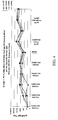

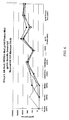
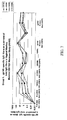
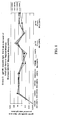
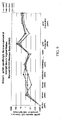
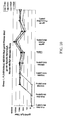

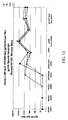
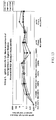


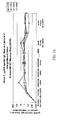

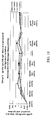
Classifications
-
- A—HUMAN NECESSITIES
- A61—MEDICAL OR VETERINARY SCIENCE; HYGIENE
- A61K—PREPARATIONS FOR MEDICAL, DENTAL OR TOILETRY PURPOSES
- A61K39/00—Medicinal preparations containing antigens or antibodies
- A61K39/12—Viral antigens
- A61K39/21—Retroviridae, e.g. equine infectious anemia virus
-
- A—HUMAN NECESSITIES
- A61—MEDICAL OR VETERINARY SCIENCE; HYGIENE
- A61K—PREPARATIONS FOR MEDICAL, DENTAL OR TOILETRY PURPOSES
- A61K39/00—Medicinal preparations containing antigens or antibodies
- A61K39/12—Viral antigens
-
- A—HUMAN NECESSITIES
- A61—MEDICAL OR VETERINARY SCIENCE; HYGIENE
- A61P—SPECIFIC THERAPEUTIC ACTIVITY OF CHEMICAL COMPOUNDS OR MEDICINAL PREPARATIONS
- A61P31/00—Antiinfectives, i.e. antibiotics, antiseptics, chemotherapeutics
- A61P31/12—Antivirals
-
- A—HUMAN NECESSITIES
- A61—MEDICAL OR VETERINARY SCIENCE; HYGIENE
- A61P—SPECIFIC THERAPEUTIC ACTIVITY OF CHEMICAL COMPOUNDS OR MEDICINAL PREPARATIONS
- A61P31/00—Antiinfectives, i.e. antibiotics, antiseptics, chemotherapeutics
- A61P31/12—Antivirals
- A61P31/14—Antivirals for RNA viruses
-
- A—HUMAN NECESSITIES
- A61—MEDICAL OR VETERINARY SCIENCE; HYGIENE
- A61P—SPECIFIC THERAPEUTIC ACTIVITY OF CHEMICAL COMPOUNDS OR MEDICINAL PREPARATIONS
- A61P31/00—Antiinfectives, i.e. antibiotics, antiseptics, chemotherapeutics
- A61P31/12—Antivirals
- A61P31/14—Antivirals for RNA viruses
- A61P31/16—Antivirals for RNA viruses for influenza or rhinoviruses
-
- A—HUMAN NECESSITIES
- A61—MEDICAL OR VETERINARY SCIENCE; HYGIENE
- A61P—SPECIFIC THERAPEUTIC ACTIVITY OF CHEMICAL COMPOUNDS OR MEDICINAL PREPARATIONS
- A61P31/00—Antiinfectives, i.e. antibiotics, antiseptics, chemotherapeutics
- A61P31/12—Antivirals
- A61P31/20—Antivirals for DNA viruses
-
- A—HUMAN NECESSITIES
- A61—MEDICAL OR VETERINARY SCIENCE; HYGIENE
- A61P—SPECIFIC THERAPEUTIC ACTIVITY OF CHEMICAL COMPOUNDS OR MEDICINAL PREPARATIONS
- A61P37/00—Drugs for immunological or allergic disorders
- A61P37/02—Immunomodulators
- A61P37/04—Immunostimulants
-
- A—HUMAN NECESSITIES
- A61—MEDICAL OR VETERINARY SCIENCE; HYGIENE
- A61K—PREPARATIONS FOR MEDICAL, DENTAL OR TOILETRY PURPOSES
- A61K39/00—Medicinal preparations containing antigens or antibodies
- A61K2039/51—Medicinal preparations containing antigens or antibodies comprising whole cells, viruses or DNA/RNA
- A61K2039/525—Virus
- A61K2039/5256—Virus expressing foreign proteins
-
- A—HUMAN NECESSITIES
- A61—MEDICAL OR VETERINARY SCIENCE; HYGIENE
- A61K—PREPARATIONS FOR MEDICAL, DENTAL OR TOILETRY PURPOSES
- A61K39/00—Medicinal preparations containing antigens or antibodies
- A61K2039/51—Medicinal preparations containing antigens or antibodies comprising whole cells, viruses or DNA/RNA
- A61K2039/525—Virus
- A61K2039/5258—Virus-like particles
-
- A—HUMAN NECESSITIES
- A61—MEDICAL OR VETERINARY SCIENCE; HYGIENE
- A61K—PREPARATIONS FOR MEDICAL, DENTAL OR TOILETRY PURPOSES
- A61K39/00—Medicinal preparations containing antigens or antibodies
- A61K2039/51—Medicinal preparations containing antigens or antibodies comprising whole cells, viruses or DNA/RNA
- A61K2039/53—DNA (RNA) vaccination
-
- A—HUMAN NECESSITIES
- A61—MEDICAL OR VETERINARY SCIENCE; HYGIENE
- A61K—PREPARATIONS FOR MEDICAL, DENTAL OR TOILETRY PURPOSES
- A61K39/00—Medicinal preparations containing antigens or antibodies
- A61K2039/54—Medicinal preparations containing antigens or antibodies characterised by the route of administration
-
- A—HUMAN NECESSITIES
- A61—MEDICAL OR VETERINARY SCIENCE; HYGIENE
- A61K—PREPARATIONS FOR MEDICAL, DENTAL OR TOILETRY PURPOSES
- A61K39/00—Medicinal preparations containing antigens or antibodies
- A61K2039/54—Medicinal preparations containing antigens or antibodies characterised by the route of administration
- A61K2039/541—Mucosal route
-
- A—HUMAN NECESSITIES
- A61—MEDICAL OR VETERINARY SCIENCE; HYGIENE
- A61K—PREPARATIONS FOR MEDICAL, DENTAL OR TOILETRY PURPOSES
- A61K39/00—Medicinal preparations containing antigens or antibodies
- A61K2039/54—Medicinal preparations containing antigens or antibodies characterised by the route of administration
- A61K2039/541—Mucosal route
- A61K2039/543—Mucosal route intranasal
-
- A—HUMAN NECESSITIES
- A61—MEDICAL OR VETERINARY SCIENCE; HYGIENE
- A61K—PREPARATIONS FOR MEDICAL, DENTAL OR TOILETRY PURPOSES
- A61K39/00—Medicinal preparations containing antigens or antibodies
- A61K2039/545—Medicinal preparations containing antigens or antibodies characterised by the dose, timing or administration schedule
-
- A—HUMAN NECESSITIES
- A61—MEDICAL OR VETERINARY SCIENCE; HYGIENE
- A61K—PREPARATIONS FOR MEDICAL, DENTAL OR TOILETRY PURPOSES
- A61K39/00—Medicinal preparations containing antigens or antibodies
- A61K2039/555—Medicinal preparations containing antigens or antibodies characterised by a specific combination antigen/adjuvant
- A61K2039/55511—Organic adjuvants
- A61K2039/5555—Muramyl dipeptides
-
- A—HUMAN NECESSITIES
- A61—MEDICAL OR VETERINARY SCIENCE; HYGIENE
- A61K—PREPARATIONS FOR MEDICAL, DENTAL OR TOILETRY PURPOSES
- A61K39/00—Medicinal preparations containing antigens or antibodies
- A61K2039/555—Medicinal preparations containing antigens or antibodies characterised by a specific combination antigen/adjuvant
- A61K2039/55511—Organic adjuvants
- A61K2039/55566—Emulsions, e.g. Freund's adjuvant, MF59
-
- A—HUMAN NECESSITIES
- A61—MEDICAL OR VETERINARY SCIENCE; HYGIENE
- A61K—PREPARATIONS FOR MEDICAL, DENTAL OR TOILETRY PURPOSES
- A61K39/00—Medicinal preparations containing antigens or antibodies
- A61K2039/57—Medicinal preparations containing antigens or antibodies characterised by the type of response, e.g. Th1, Th2
-
- C—CHEMISTRY; METALLURGY
- C12—BIOCHEMISTRY; BEER; SPIRITS; WINE; VINEGAR; MICROBIOLOGY; ENZYMOLOGY; MUTATION OR GENETIC ENGINEERING
- C12N—MICROORGANISMS OR ENZYMES; COMPOSITIONS THEREOF; PROPAGATING, PRESERVING, OR MAINTAINING MICROORGANISMS; MUTATION OR GENETIC ENGINEERING; CULTURE MEDIA
- C12N2740/00—Reverse transcribing RNA viruses
- C12N2740/00011—Details
- C12N2740/10011—Retroviridae
- C12N2740/16011—Human Immunodeficiency Virus, HIV
- C12N2740/16111—Human Immunodeficiency Virus, HIV concerning HIV env
- C12N2740/16134—Use of virus or viral component as vaccine, e.g. live-attenuated or inactivated virus, VLP, viral protein
-
- C—CHEMISTRY; METALLURGY
- C12—BIOCHEMISTRY; BEER; SPIRITS; WINE; VINEGAR; MICROBIOLOGY; ENZYMOLOGY; MUTATION OR GENETIC ENGINEERING
- C12N—MICROORGANISMS OR ENZYMES; COMPOSITIONS THEREOF; PROPAGATING, PRESERVING, OR MAINTAINING MICROORGANISMS; MUTATION OR GENETIC ENGINEERING; CULTURE MEDIA
- C12N2770/00—MICROORGANISMS OR ENZYMES; COMPOSITIONS THEREOF; PROPAGATING, PRESERVING, OR MAINTAINING MICROORGANISMS; MUTATION OR GENETIC ENGINEERING; CULTURE MEDIA ssRNA viruses positive-sense
- C12N2770/00011—Details
- C12N2770/36011—Togaviridae
- C12N2770/36111—Alphavirus, e.g. Sindbis virus, VEE, EEE, WEE, Semliki
- C12N2770/36141—Use of virus, viral particle or viral elements as a vector
- C12N2770/36143—Use of virus, viral particle or viral elements as a vector viral genome or elements thereof as genetic vector
-
- C—CHEMISTRY; METALLURGY
- C12—BIOCHEMISTRY; BEER; SPIRITS; WINE; VINEGAR; MICROBIOLOGY; ENZYMOLOGY; MUTATION OR GENETIC ENGINEERING
- C12N—MICROORGANISMS OR ENZYMES; COMPOSITIONS THEREOF; PROPAGATING, PRESERVING, OR MAINTAINING MICROORGANISMS; MUTATION OR GENETIC ENGINEERING; CULTURE MEDIA
- C12N2770/00—MICROORGANISMS OR ENZYMES; COMPOSITIONS THEREOF; PROPAGATING, PRESERVING, OR MAINTAINING MICROORGANISMS; MUTATION OR GENETIC ENGINEERING; CULTURE MEDIA ssRNA viruses positive-sense
- C12N2770/00011—Details
- C12N2770/36011—Togaviridae
- C12N2770/36111—Alphavirus, e.g. Sindbis virus, VEE, EEE, WEE, Semliki
- C12N2770/36171—Demonstrated in vivo effect
Definitions
- the present invention relates generally to methods of modulating or generating an immune response using mucosal and/or systemic immunization techniques.
- the invention relates to methods of modulating or generating an immune response at mucosal and/or systemic compartments by mucosally and/or systemically administering alphavirus replicon particles to a subject.
- Alphavirus replicon vectors are currently used as a vector platform to develop vaccines to control infectious disease.
- Such alphavirus replicon vectors have been derived from alphaviruses, which are enveloped, positive-stranded RNA viruses comprising a genus of genetically, structurally, and serologically related arthropod-borne viruses of the Togaviridae family. Twenty-six known viruses and virus subtypes have been classified within the alphavirus genus, including, Semliki Forest virus (SFV), Ross River virus (RRV), Venezuelan equine encephalitis virus (VEE) and Sindbis virus (SIN), the prototype member of the genus.
- SFV Semliki Forest virus
- RRV Ross River virus
- VEE Venezuelan equine encephalitis virus
- Sindbis virus Sindbis virus
- Alphavirus members currently being developed into replicon vectors for vaccine applications include, for example, Semliki Forest virus ( Liljestrom (1991) Bio/Technology 9:1356-1361 ; Berglund et al. (1998) Nat. Biotech. 16:562-565 ), Venezuelan equine encephalitis virus ( Pushko et al. (1997) Virology 239:389-401 ), Sindbis virus ( Xiong et al. (1989) Science 243:1188-1191 ; Dubensky et al. (1996) J. Virol. 70:508-519 ; Hariharan et al. (1998) J. Virol. 72:950-958 ; Polo et al. (1999) Proc. Natl.
- VEE-derived replicon RNA and SIN-derived surface glycoproteins (VEE/SIN) ( Perri et al. (2003) J. Virol. 77:10394-10403 ).
- Alphavirus-based replicon vectors are devoid of the viral structural protein genes, but maintain the replication elements necessary for cytoplasmic RNA self-amplification and expression of the inserted heterologous gene(s) via an alphaviral RNA promoter. The absence of structural protein genes ensures that the replicons are completely defective and incapable of producing infectious virus.
- Delivery strategies for alphavirus and other replicon vectors have focused primarily on packaging of the RNA vector into replication-defective virus-like particles, thus exploiting the natural receptor-mediated entry process, similar to viral infection.
- Replicon particles harboring the RNA vector also exhibit tropism for particular in vivo cell types based on the parental virus source of the structural coat proteins used for packaging, thus enabling exploitation of desirable properties such as mucosal delivery and the in vivo targeting of dendritic cells.
- alphavirus replicon vectors do not encode the viral structural proteins necessary for packaging, production of replicon particles is achieved by providing the structural proteins in trans, in suitable cultured cells.
- the necessary complement of alphavirus structural proteins is provided either by the transient cotransfection of in vitro transcribed replicon and helper RNA encoding the structural proteins, or by introducing the replicons into packaging cell lines (PCL) that express the structural proteins from one or more DNA expression cassettes.
- PCL packaging cell lines
- alphavirus replicon particle strategy for RNA vaccines has been evaluated using many diverse antigens, in a variety of animal models.
- Alphavirus replicon particles have been shown to induce cellular, humoral and mucosal immune responses following immunization.
- mucosal administration of alphavirus replicon particles expressing human immunodeficiency virus (HIV) antigens has been shown to induce immune responses to the HIV antigens ( Vajdy et al. (2001) 1 Infect. Dis. 184:1613-1616 ; Gupta et al. (2005) J. Virol. 79:7135-7145 ) .
- Systemic or mucosal immunization with alphavirus particles expressing respiratory syncytial virus (RSV) antigens has also been shown to induce an immune response to the RSV antigens.
- RSV respiratory syncytial virus
- the present invention provides methods for inducing or generating an immune response in a mammal against one or more pathogen (e.g., bacteria, virus, tumor, etc.).
- the present invention provides methods for inducing or generating an immune response in a mammal against at least one antigen.
- the method comprises (i) administering mucosally to a mammal a first composition which comprises a first virus replicon particle and (ii) administering systemically to the mammal a second composition which comprises a second virus replicon particle, in either order.
- the virus replicon particles encode one or more (at least one) antigen of interest (target antigen).
- Virus replicon particles include alphavirus replicon particles, adenovirus replicon particles and poxvirus replicon particles.
- the method comprises (i) administering mucosally to a mammal a first composition which comprises a first alphavirus replicon particle and (ii) administering systemically to the mammal a second composition which comprises a second alphavirus replicon particle, in either order.
- the first and second virus replicon particles are ' capable of expressing at least one target antigen.
- the first and second virus replicon particles are capable of expressing the same target antigen or antigens.
- the first and second virus replicon particles are capable of expressing at least one different target antigen.
- the method comprises (i) administering mucosally to a mammal a first composition which comprises an alphavirus replicon particle and (ii) administering systemically to the mammal a second composition which comprises a non-alphavirus replicon particle, in either order.
- the method comprises (i) administering mucosally to a mammal a first composition which comprises a non-alphavirus replicon particle and (ii) administering systemically to the mammal a second composition which comprises an alphavirus replicon particle, in either order.
- the virus replicon particles encode one or more (at least one) target antigen.
- the method comprises (i) administering to a mammal via a mucosal route of administration an effective amount of a priming composition which comprises a first virus replicon particle and (ii) subsequently administering to the mammal via a systemic route of administration an effective amount of a boosting composition which comprises a second virus replicon particle.
- the method comprises (i) administering to a mammal via a systemic route of administration an effective amount of a priming composition which comprises a first virus replicon particle and (ii) subsequently administering to the mammal via a mucosal route of administration an effective amount of a boosting composition which comprises a second virus replicon particle.
- the virus replicon particles encode one or more (at least one) antigen of interest (target antigen).
- the first and second virus replicon particles can be the same or different viral replicon particles.
- the first and second virus replicon particles are alphavirus replicon particles.
- the first and second virus replicon particles are capable of expressing at least one target antigen.
- the first and second virus replicon particles are capable of expressing the same target antigen or antigens.
- the first and second virus replicon particles are capable of expressing at least one different target antigen.
- a method of inducing or generating an immune response in a mammalian subject comprises (a) administering to the subject via a mucosal route of administration a first immunogenic composition comprising one or more virus replicon vectors or particles, the vectors or particles comprising at least one antigen; and (b) administering to the subject via a systemic route of administration a second immunogenic composition comprising one or more virus replicon vectors or particles, the vectors or particles comprising at least one antigen, thereby inducing or generating an immune response in the subject.
- the method of inducing or generating an immune response in a mammalian subject comprises (a) administering to the subject via a systemic route of administration a first immunogenic composition comprising one or more virus replicon vectors or particles, the vectors or particles comprising at least one antigen; and (b) administering to the subject via a mucosal route of administration a second immunogenic composition comprising one or more virus replicon vectors or particles, the vectors or particles comprising at least one antigen, thereby inducing an immune response in the subject.
- the virus replicon vectors and particles encode one or more (at least one) target antigen.
- the first and second immunogenic compositions may comprise the same or different virus replicon vectors or particles.
- the first and second immunogenic compositions comprise virus replicon vectors or particles that are alphavirus replicon vectors or particles.
- the virus replicon vectors and particles of the first and second immunogenic compositions are capable of expressing the same target antigen or antigens.
- the virus replicon particles of the first and second immunogenic compositions are capable of expressing at least one different target antigen.
- the virus replicon particles and immunogenic compositions described herein are administered to prime a mammalian subject.
- Priming means any method whereby a first immunization with the virus replicon particles or immunogenic compositions described herein permits the generation of an immune response to the target antigen or antigens upon a second immunization with virus replicon particles or immunogenic compositions described herein comprising at least one same antigen or antigens, wherein the second immune response is greater than that achieved where the first immunization is either not provided or where the first immunization administered contains a vector or particle which does not express the antigen or antigens.
- priming encompasses regimens which include a single dose or multiple dosages, administered hourly, daily, weekly, monthly or yearly.
- priming comprises at least two administrations (comprising one or more dose or dosage).
- priming by administration of one or more virus replicon particle or immunogenic composition described herein, via a mucosal route of administration entails at least two (e.g., 2, 3, 4, 5, 6, 7 or more) mucosal administrations (comprising one or more dose or dosage) of the virus replicon particle(s) or immunogenic composition(s).
- priming by administration of one or more virus replicon particle or immunogenic composition described herein, via a systemic route of administration entails at least two (e.g., 2, 3, 4, 5, 6, 7 or more) systemic administrations (comprising one or more dose or dosage) of the virus replicon particle(s) or immunogenic composition(s).
- the time interval between mucosal and systemic administrations can be hours, days, weeks, months or years.
- the repeated steps can be performed using the same or different virus replicon particles or immunogenic compositions.
- virus replicon particles and immunogenic compositions described herein are administered as a booster to boost the immune response achieved after priming of the mammalian subject.
- Virus replicon particles or immunogenic compositions administered as a booster are administered some time after priming.
- Virus replicon particles or immunogenic compositions administered as a booster comprise at least one same antigen administered by the priming step.
- boosting or boosting immunization
- Boosting encompasses regimens which include a single dose or multiple dosages, administered hourly, daily, weekly, monthly or yearly.
- boosting comprises at least one administration.
- boosting comprises at least two administrations (comprising one or more dose or dosage).
- boosting by administration of one or more virus replicon particle or immunogenic composition described herein, via a mucosal route of administration entails at least two (e.g., 2, 3, 4, 5, 6, 7 or more) mucosal administrations (comprising one or more dose or dosage) of the virus replicon particle(s) or immunogenic composition(s).
- boosting by administration of one or more virus replicon particle or immunogenic composition described herein, via a systemic route of administration entails at least two (e.g., 2, 3, 4, 5, 6, 7 or more) systemic administrations (comprising one or more dose or dosage) of the virus replicon particle(s) or immunogenic composition(s).
- the time interval between mucosal and systemic administrations can be hours, days, weeks, months or years.
- the repeated steps can be performed using the same or different virus replicon particles or immunogenic compositions.
- virus replicon particles can be used for a first series (comprising one or more dose or dosage) of mucosal and/or systemic immunizations (priming immunizations) followed by a second series (comprising one or more dose or dosage) of immunizations with DNA-based, bacterial or viral delivery systems or protein-based vaccines (boosting immunizations).
- DNA-based, bacterial or viral delivery systems or protein-based vaccines can be used for a first series (comprising one or more dose or dosage) of immunizations (priming immunizations) followed by a second series (comprising one or more dose or dosage) of immunizations with virus replicon particles (boosting immunizations).
- the priming or boosting immunizations with the replicon particles or DNA-based, bacterial or viral based or protein-based vaccines can be through a mucosal or a systemic or a simultaneous mucosal and systemic route of immunization.
- these mucosal/systemic prime-systemic/mucosal boost methods can be used to induce or generate an immune response to a wide variety of antigens.
- Mucosal administration can be, for example, oral, intranasal, intragastric, pulmonary, intestinal, rectal, ocular and vaginal routes. Intranasal or oral administration is preferred.
- Systemic administration can be, for example, intramuscular.
- the mucosally and/or systemically administered compositions described herein can further comprise one or more additional agents such as adjuvants and/or delivery vehicles.
- Antigens suitable for use in the invention can be derived from a pathogen, such as bacteria or a virus, or from a tumor.
- Bacterial antigens suitable for use in the invention include antigens derived from, for example, Neisseria meningitidis, subgroups A, B and or C, Haemophilus influenzae, Streptococcus pneumoniae and/or Streptococcus agalactiae.
- Viral antigens suitable for use in the invention include antigens derived from, for example, hepatitis A virus (HAV), human immunodeficiency virus (HIV), respiratory syncytial virus (RSV), parainfluenza virus (PIV), influenza, hepatitis B virus (HBV), herpes simplex virus (HSV), hepatitis C virus (HCV) and/or human papilloma virus (HPV).
- HAV hepatitis A virus
- HCV human immunodeficiency virus
- RSV respiratory syncytial virus
- PIV parainfluenza virus
- influenza influenza
- HBV hepatitis B virus
- HSV herpes simplex virus
- HCV hepatitis C virus
- HPV human papilloma virus
- the immune response can be a humoral and/or cellular immune response, a systemic immune response (e.g., IgG or cytokine production), a mucosal immune response (e.g., IgA or cytokine production) or a combination of systemic and mucosal responses.
- a systemic immune response e.g., IgG or cytokine production
- a mucosal immune response e.g., IgA or cytokine production
- a combination of systemic and mucosal responses e.g., IgA or cytokine production
- the mucosally and systemically administered virus vectors and particles can comprise sequences encoding antigens from the same pathogen (e.g., bacteria, virus and/or tumor).
- the same virus vectors or particles are administered mucosally and systemically.
- different alphavirus particles e.g., by having different antigens from the same pathogen, different forms of the antigens, antigens from different pathogens and/or different alphavirus are administered mucosally and systemically.
- the immunogenic compositions may further comprise one or more polypeptide antigens and/or one or more polynucleotides encoding one or more antigens (e.g., alphavirus, poxvirus and/or adenovirus replicons and/or vectors). These polypeptide and/or polynucleotides may be administered separately (prior to or subsequent to) or concurrently with (in the same or different compositions) the alphavirus replicon particle-containing compositions.
- one or more polypeptide antigens e.g., alphavirus, poxvirus and/or adenovirus replicons and/or vectors.
- one or more polypeptide antigens and/or one or more polynucleotides encoding one or more antigens may be administered (mucosally or systemically) to the subject instead of or in addition to the compositions comprising alphavirus replicon particles.
- the present invention also provides a kit for inducing or generating an immune response in a mammal.
- the kit comprises (i) a first composition which comprises a first viral replicon particle and which is formulated for mucosal administration to the mammal and (ii) a second composition which comprises a second virus replicon particle and which is formulated for systemic administration to the mammal, for sequential administration in either order.
- Virus replicon particles include alphavirus replicon particles, adenovirus replicon particles and poxvirus replicon particles.
- the first and second virus replicon particle can be the same or different viral replicon particles.
- the first and second compositions are capable of expressing at least one target antigen.
- the first and second compositions are capable of expressing the same target antigen or antigens. In another embodiment, the first and second compositions are capable of expressing at least one different target antigen.
- the kit can comprise single or multiple doses of the first composition, of the second composition or of both first and second compositions. Thus, in a particular embodiment, to facilitate repeat administrations, the kit can comprise a plurality of vials for one or both compositions, each vial comprising the dose to be administered to the subject at each administration. The kit can further comprise instructions for use of the kit. In other embodiments, the kit can also comprise an applicator for administering the first composition to the mammal via a mucosal route and/or an applicator for administering the second composition to the mammal via a systemic route.
- the invention includes, but is not limited to, the following numbered embodiments:
- a method of generating an immune response in a subject comprising
- step (a) is performed at least two times.
- step (a) is performed at least three times.
- step (b) is performed at least two times.
- VEE Venezuelan equine encephalitis
- the viral antigen is derived from a virus selected from the group consisting of an influenza virus, a respiratory syncytial virus (RSV), a parainfluenza virus (PIV) and a hepatitis C virus (HCV).
- a virus selected from the group consisting of an influenza virus, a respiratory syncytial virus (RSV), a parainfluenza virus (PIV) and a hepatitis C virus (HCV).
- the bacterial antigen is derived from the group consisting of Neisseria meningitidis, subgroup B and Neisseria meningitidis, subgroup C.
- polynucleotides are carried on alphavirus replicon vectors, poxvirus replicons and/or vectors or adenovirus replicons and/or vectors.
- FIG. 1 is a graph depicting the percent of peripheral blood mononuclear cells (PMBC) infected with VEE-GFP replicon particles (left column); SIN-GFP replicon particles (middle column); or VEE/SIN-GFP replicon particles (right column).
- PMBC peripheral blood mononuclear cells
- FIG. 2 is a graph depicting infection of CD11b + , CD14 + and CD20-' cells in PBMC by VEE-GFP replicon particles (white bars); SIN-GFP replicon particles (black bars); or VEE/SIN-GFP replicon particles (gray bars).
- FIG. 3 is a graph depicting expression of GFP in PBMC containing VEE-GFP replicon particles (left column); SIN-GFP replicon particles (middle column); or VEE/S1N-GFP replicon particles (right column).
- FIG. 4 is a graph depicting gp140 IgG serum titers of the 4 animals of Group 1 of Study Design #2.
- FIG. 5 is a graph depicting gap 140 IgG serum titers of the 4 animals of Group 2 of Study Design #2.
- FIG. 6 is a graph depicting gp 140 IgG serum titers of the 4 animals of Group 3 of Study Design #2.
- FIG. 7 is a graph depicting gp 140 IgG titers in vaginal washes of the 4 animals of Group 1 of Study Design #2.
- FIG. 8 is a graph depicting gp140 IgG titers in vaginal washes of the 4 animals of Group 2 of Study Design #2.
- FIG. 9 is a graph depicting gp140 IgG titers in vaginal washes of the 4 animals of Group 3 of Study Design #2.
- FIG. 10 is a graph depicting gp 140 IgA serum titers of the 4 animals of Group 1 of Study Design #2.
- FIG. 11 is a graph depicting gp140 IgA serum titers of the 4 animals of Group 2 of Study Design #2.
- FIG. 12 is a graph depicting gp 140 IgA serum titers of the 4 animals of Group 3 of Study Design #2.
- FIG. 13 is a graph depicting gp 140 IgA titers in vaginal washes of the 4 animals of Group 1 of Study Design #2.
- FIG. 14 is a graph depicting gp140 IgA titers in vaginal washes of the 4 animals of Group 2 of Study Design #2.
- FIG. 15 is a graph depicting gp140 IgA titers in vaginal washes of the 4 animals of Group 3 of Study Design #2.
- FIG. 16 is a graph depicting gp 140 IgA titers in saliva of the 4 animals of Group 1 of Study Design #2.
- FIG. 17 is a graph depicting gp140 IgA titers in saliva of the 4 animals of Group 2 of Study Design #2.
- FIG. 18 is a graph depicting gp140 IgA titers in saliva of the 4 animals of Group 3 of Study Design #2.
- a "polynucleotide” is a nucleic acid molecule that encodes a biologically active (e.g., immunogenic or therapeutic) protein or polypeptide. Depending on the nature of the polypeptide encoded by the polynucleotide, a polynucleotide can include as little as 10 nucleotides, e.g., where the polynucleotide encodes an antigen. Furthermore, a “polynucleotide” can include both double- and single-stranded sequences and refers to, but is not limited to, cDNA from viral, prokaryotic or eukaryotic MRNA, genomic RNA and DNA sequences from viral (e.g.
- RNA and DNA viruses and retroviruses or prokaryotic DNA, and especially synthetic DNA sequences.
- the term also captures sequences that include any of the known base analogs of DNA and RNA, and includes modifications such as deletions, additions and substitutions (generally conservative in nature), to the native sequence, so long as the nucleic acid molecule encodes a therapeutic or antigenic protein. These modifications may be deliberate, as through site-directed mutagenesis, or may be accidental, such as through mutations of hosts that produce the antigens. Modifications of polynucleotides may have any number of effects including, for example, facilitating expression of the polypeptide product in a host cell.
- polypeptide and protein refer to a polymer of amino acid residues and are not limited to a minimum length of the product. Thus, peptides, oligopeptides, dimers, multimers, and the like, are included within the definition. Both full-length proteins and fragments thereof are encompassed by the definition.
- the terms also include postexpression modifications of the polypeptide, for example, glycosylation, acetylation, phosphorylation and the like.
- a "polypeptide” refers to protein- that includes modifications, such as deletions, additions and substitutions (generally conservative in nature), to the native sequence, so long as the protein maintains the desired activity.
- modifications may be deliberate, as through site-directed mutagenesis, or may be accidental, such as through mutations of hosts that produce the proteins or errors due to PCR amplification. Furthermore, modifications may be made that have one or more of the following effects: reducing toxicity; facilitating cell processing (e.g., secretion, antigen presentation, etc.); and facilitating presentation to B-cells and/or T-cells.
- RNA replicon vector refers to a nucleic acid molecule that is capable of directing its own amplification or self replication in vivo, within a target cell. See, e.g., U.S. Patent Nos. 6,767,669 ; 6,465,634 ; 6,458,560 ; 6,451,592 ; 6,426,196 ; 6,391,632 ; 6,376,236 ; 6,342,372 ; 6,329,201 ; 6,242,259 ; 6,105,694 ; 6,015,686 ; 5,843,723 ; 5,814,482 ; and 5,789,245.
- alphavirus vector alphavirus vector construct, alphavirus replicon, alphavirus RNA replicon, alphavirus vector replicon, Eukaryotic Layered Vector Initiation System (ELVIS), alphavirus plasmid replicon and the like have emerged to describe alphavirus replicon vectors.
- ELVIS Eukaryotic Layered Vector Initiation System
- a “recombinant alphavirus particle” or “alphavirus replicon particle” refers to a virion-like structural unit containing an alphavirus RNA vector replicon.
- a recombinant alphavirus particle comprises one or more alphavirus structural proteins, a lipid envelope and an RNA vector replicon.
- the recombinant alphavirus particle contains a nucleocapsid structure that is contained within a host cell-derived lipid bilayer, such as a plasma membrane, in which alphaviral-encoded envelope glycoproteins are embedded.
- the particle may also contain other components (e.g., targeting elements, other viral structural proteins, or other receptor binding ligands) that direct the tropism of the particle from which the alphavirus was derived.
- Alphavirus replicon particles can be made from one or more alphaviruses, including, but not limited to, Sindbis (SIN), Venezuelan equine encephalitis (VEE) and/or Semliki Forest virus (SFV). See, e.g., U.S. Patent Nos. 6,770,283 ; 6,376,236 ; 6,015,694 ; 6,531,135 ; and 6,521,235 .
- Chimeric alphavirus replicon particles i.e., having sequences derived from more than one alphavirus are described for examples in U.S. Patent Publication Nos. 2003/0232324 and 2003/0148262 .
- an “antigen” refers to a molecule containing one or more epitopes (either linear, conformational or both) that will stimulate a host's immune system to make an innate, humoral and/or cellular antigen-specific response.
- epitope will include between about 3-15, generally about 5-15 amino acids.
- a B-cell epitope is normally about 5 amino acids but can be as small as 3-4 amino acids.
- a T-cell epitope, such as a CTL epitope will include at least about 7-9 amino acids, and a helper T-cell epitope at least about 12-20 amino acids.
- an epitope will include between about 7 and 15 amino acids, such as, 9, 10, 12 or 15 amino acids.
- the term "antigen” denotes both subunit antigens, (i.e., antigens which are separate and discrete from a whole organism with which the antigen is associated in nature), as well as, killed, attenuated or inactivated bacteria, viruses, fungi, parasites or other microbes as well as tumor antigens, including extracellular domains of cell surface receptors and intracellular portions that may contain T-cell epitopes.
- Antibodies such as anti-idiotype antibodies, or fragments thereof, and synthetic peptide mimotopes, which can mimic an antigen or antigenic determinant, are also captured under the definition of antigen as used herein.
- Epitopes of a given protein can be identified using any number of epitope mapping techniques, well known in the art. See, e.g., Morris, G.E. (ed.), Epitope Mapping Protocols (Methods in Molecular Biology), Vol. 66 (Humana Press, 1996 ). For example, linear epitopes may be determined by e.g., concurrently synthesizing large numbers of peptides on solid supports, the peptides corresponding to portions of the protein molecule, and reacting the peptides with antibodies while the peptides are still attached to the supports. Such techniques are known in the art and described in, e.g., U.S. Patent No. 4,708,871 ; Geysen et al. (1984) Proc. Natl. Acad. Sci. USA 81:3998-4002 ; Geysen et al. (1986) Mol. Immunol. 23:709-715 .
- conformational epitopes are readily identified by determining spatial conformation of amino acids such as by, e.g., x-ray crystallography and nuclear magnetic resonance. See, e.g., Epitope Mapping Protocols, supra.
- antigens can be derived from tumors and/or any of several known or yet uncharacterized viruses, bacteria, parasites and fungi, non-limiting examples of which are described more fully below.
- the term also intends any of the various tumor antigens or any other antigen to which an immune response is desired.
- an "antigen" refers to a protein that includes modifications, such as deletions, additions and substitutions (generally conservative in nature), to the native sequence, so long as the protein maintains the ability to elicit an immunological response, as defined herein. These modifications may be deliberate, as through site-directed mutagenesis, or may be accidental, such as through mutations of hosts that produce the antigens.
- antigens and polynucleotides encoding these antigens
- a first polynucleotide is "derived from” second polynucleotide if it has the same or substantially the same base pair sequence as a region of the second polynucleotide, its cDNA, complements thereof, or if it displays sequence identity as described above.
- a viral sequence or polynucleotide is "derived from” a particular virus (e.g., species) if it has (i) the same or substantially the same sequence as the virus sequence or (ii) displays sequence identity to polynucleotides of that virus as described above.
- a first polypeptide is "derived from” a second polypeptide if it is (i) encoded by a first polynucleotide derived from a second polynucleotide, or (ii) displays sequence identity to the second polypeptides as described above.
- a viral antigen is "derived from” a particular virus polypeptide if it is (i) encoded by an open reading frame of a polynucleotide of that virus (viral polynucleotide), or (ii) displays sequence identity, as described above, and/or antigenic functionality to polypeptide from which it was derived.
- an alphavirus replicon particle is "derived from" one or more alphaviruses if it is (i) encoded by an open reading frame of a polynucleotide of that alphavirus, or (ii) displays sequence identity, as described above, to alphavirus(es) from which it was derived.
- an "immunological response” or “immune response” to an antigen or composition is the development in a subject of an innate, humoral and/or a cellular immune response to an antigen present in the composition of interest.
- an "innate immune response” refers to induction of cytokines or chemokines from antigen presenting cells such as dendritic cells or epithelial cells or endothelial cells.
- An innate immune response may be generated by whole or sub- structures on the alphavirus replicon particles that bind to toll like receptors or other cellular receptors on cells involved in initiation of innate responses such as dendritic cells.
- a “humoral immune response” refers to an immune response mediated by antibody molecules, including secretory (IgA) or IgG molecules, while a “cellular immune response” is one mediated by T-lymphocytes and/or other white blood cells.
- IgA secretory
- cellular immune response is one mediated by T-lymphocytes and/or other white blood cells.
- GTL cytolytic T-lymphocytes
- CTLs have specificity for peptide antigens that are presented in association with proteins encoded by the major histocompatibility complex (MHC) and expressed on the surfaces of cells. CTLs help induce and promote the destruction of intracellular microbes, or the lysis of cells infected with such microbes.
- MHC major histocompatibility complex
- Another aspect of cellular immunity involves an antigen-specific response by helper T-cells.
- Helper T-cells act to help stimulate the function, and focus the activity of, nonspecific effector cells against cells displaying peptide antigens in association with MHC molecules on their surface.
- a "cellular immune response” also refers to the production of cytokines, chemokines and other such molecules produced by activated:T-cells and/or other white blood cells, including those derived from CD4+ and CD8+T-cells.
- a chemokine response maybe induced by various white blood or endothelial cells in response to an administered antigen.
- a composition or vaccine that elicits a cellular immune response may serve to sensitize a vertebrate subject by the presentation of antigen in association with MHC molecules at the cell surface.
- the cell-mediated immune response is directed at, or near, cells presenting antigen at their surface.
- antigen-specific T-lymphocytes can be generated to allow for the future protection of an immunized host.
- the ability of a particular antigen to stimulate a cell-mediated immunological response may be determined by a number of assays, such as by lymphoproliferation (lymphocyte proliferation) assays, CTL cytotoxic cell assays, or by assaying for T-lymphocytes specific for the antigen in a sensitized subject.
- assays are well known in the art. See, e.g., Erickson et al. (1993) J. Immunol. 151:4189-4199 ; Doe et al. (1994) Eur. J. Immunol. 24:2369-2376 .
- Recent methods of measuring cell-mediated immune response include measurement of intracellular cytokines or cytokine secretion by T-cell populations (e.g., by ELISPOT technique), or by measurement of epitope specific T-cells (e.g., by the tetramer technique) (reviewed by McMichael, A.J. and O'Callaghan, C.A. (1998) J. Exp. Med. 187(9):1367-1371 ; Mcheyzer-Williams, M.G. et al. (1996) Immunol. Rev. 150:5-21 ; Lalvani, A. et al (1997) J. Exp. Med. 186:859-865 ).
- an immunological response as used herein may be one that stimulates CTLs, and/or the production or activation of helper T- cells.
- the production of chemokines and/or cytokines may also be stimulated.
- the antigen of interest may also elicit an antibody-mediated immune response.
- an immunological response may include one or more of the following effects: the production of antibodies (e.g., IgA or IgG) by B-cells; the activation of an innate immune responses by antigen presenting cells such as dendritic cells as well as epithelial cells or endothelial cells etc.
- T-cells comprising secretion of cytokines, chemokines or other factors; and/or the activation of suppressor, cytotoxic, or helper T-cells and/or (* T-cells directed specifically to an antigen or antigens present in the composition or vaccine of interest.
- These responses may serve to neutralize infectivity, and/or mediate antibody-complement, or antibody dependent cell cytotoxicity (ADCC) to provide protection to an immunized host.
- ADCC antibody dependent cell cytotoxicity
- Such responses can be determined using standard immunoassays and neutralization assays, well known in the art.
- a “mucosal immune response” or “mucosal immunity” is meant the induction of a humoral (i.e., B cell) and/or cellular (i.e., T cell) response.
- this immune response is specific for the antigen with which the mammalian subject was immunized.
- a humoral mucosal immune response may be assessed by measuring the antigen-specific antibodies present in the mucosal lavage in response to introduction of the desired antigen into the host.
- the antibody response preferably, is composed primarily of IgA or IgG antibodies.
- a cellular mucosal immune response may be assessed by measuring the T cell response from lymphocytes isolated from the mucosal area (e.g., vagina or gastrointestinal tract) or from lymph nodes that drain from the mucosal area (for example genital area or gastrointestinal area).
- lymphocytes isolated from the mucosal area e.g., vagina or gastrointestinal tract
- lymph nodes that drain from the mucosal area for example genital area or gastrointestinal area.
- an "immunogenic composition” is a composition that comprises an antigenic molecule where administration of the composition to a subject results in the development in the subject of a humoral and/or a cellular immune response to the antigenic molecule of interest.
- the immunogenic composition can be introduced directly into a recipient subject, such as by injection, inhalation, oral, intranasal or any other parenteral or mucosal (e.g., intra-rectally or intra-vaginally) route of administration.
- subunit vaccine is meant a vaccine composition that includes one or more selected antigens but not all antigens, derived from or homologous to, an antigen from a pathogen of interest such as from a virus, bacterium, parasite or fungus. Such a composition is substantially free of intact pathogen cells or pathogenic particles, or the lysate of such cells or particles.
- a “subunit vaccine” can be prepared from at least partially purified (preferably substantially purified) immunogenic polypeptides from the pathogen, or analogs thereof.
- the method of obtaining an antigen included in the subunit vaccine can thus include standard purification techniques, recombinant production, or synthetic production.
- mucosal or “via a mucosal route of administration” is meant introduction into the body via any mucosal surface, such as intranasally, orally, vaginally, rectally or the like.
- Mucosal administration is to be contrasted with "parenteral” or “systemic” administration, by which is meant administration to a non-mucosal surface, such as by subcutaneous, intramuscular, transcutaneous, intradermal, transdermal, intravenous or intraperitoneal administration.
- compositions by “co-administration” is meant introduction into a body or target cell of two or more compositions.
- the term includes administration in any order or concurrently.
- immuno-modulatory factor refers to a molecule, for example a protein that is capable of modulating (particularly enhancing) an immune response.
- immunomodulatory factors include lymphokines (also known as cytokines), such as IL-6, TGF- ⁇ , IL-1, IL-2, IL-3, etc.); and chemokines (e.g., secreted proteins such as macrophage inhibiting factor).
- lymphokines also known as cytokines
- chemokines e.g., secreted proteins such as macrophage inhibiting factor.
- Certain cytokines, for example TRANCE, flt-3L, and a secreted form of CD40L are capable of enhancing the immunostimulatory capacity of APCs.
- Non-limiting examples of cytokines which may be used alone or in combination in the practice of the present invention include, interleukin-2 (IL-2), stem cell factor (SCF), interleukin 3 (IL-3), interleukin 6 (IL-6), interleukin 12 (IL-12), G-CSF, granulocyte macrophage-colony stimulating factor (GM-CSF), interleukin-1 alpha (IL-1 ⁇ ), interleukin-11 (IL-11), MIP-1 ⁇ , leukemia inhibitory factor (LIF), c-kit ligand, thrombopoietin (TPO), CD40 ligand (CD40L), tumor necrosis factor-related activation-induced cytokine (TRANCE) and flt3 ligand (flt-3L).
- IL-2 interleukin-2
- SCF stem cell factor
- IL-3 interleukin 3
- IL-6 interleukin 6
- IL-12 interleukin 12
- G-CSF granulocyte macrophag
- Cytokines are commercially available from several vendors such as, for example, Genzyme (Framingham, MA), Amgen (Thousand Oaks, CA), R&D Systems and Immunex (Seattle, WA). The sequences of many of these molecules are also available, for example, from the GenBank database. It is intended, although not always explicitly stated, that molecules having similar biological activity as wild-type or purified cytokines (e.g., recombinantly produced or mutants thereof) and nucleic acid encoding these molecules are intended to be used within the spirit and scope of the invention. Immunomodulatory factors can be included with one, some or all of the compositions described herein or can be employed as separate formulations.
- priming is meant any method by which a first immunization using an antigen induces a higher level of immune response to the desired antigen upon subsequent re-immunization with the same antigen when compared with the immune response achieved where the first immunization is either not provided or where the first immunization administered contains a DNA vector which does not express the antigen.
- the term also includes multiple priming administrations.
- a priming administration can be administered systemically or mucosally.
- the priming administration(s) is(are) by a mucosal route, for example intranasal (IN).
- the systemic administration includes any parenteral routes of administration characterized by physical breaching of a tissue of a subject and administration of the pharmaceutical composition through the breach in the tissue.
- parenteral administration is contemplated to include, but is not limited to, intradermal, transdermal, subcutaneous, intraperitoneal, intravenous, intraarterial, intramuscular, or intrasternal injection, intravenous, intraarterial, or kidney dialytic infusion techniques, and so-called "needleless" injections through tissue.
- the systemic, parenteral administration is intramuscular injection.
- the route of administration of the vaccine may vary depending upon the identity of the pathogen or infection to be prevented or treated.
- subject any member of the subphylum chordata, including, without limitation, humans and other primates, including non-human primates such as chimpanzees and other apes and monkey species; farm animals such as cattle, sheep, pigs, goats and horses; domestic mammals such as dogs and cats; laboratory animals including rodents such as mice, rats, and guinea pigs; birds, including domestic, wild and game birds such as chickens, turkeys and other gallinaceous birds, ducks, geese, and the like.
- the term does not denote a particular age. Thus, both adult and newborn individuals are intended to be covered.
- the system described above is intended for use in any of the above vertebrate species, since the immune systems of all of these vertebrates operate similarly.
- vertebrate subject any member of the subphylum cordata, including, without limitation, mammals such as cattle, sheep, pigs, goats, horses, and humans; domestic animals such as dogs and cats; and birds, including domestic, wild and game birds such as cocks and hens including chickens, turkeys and other gallinaceous birds.
- mammals such as cattle, sheep, pigs, goats, horses, and humans
- domestic animals such as dogs and cats
- birds including domestic, wild and game birds such as cocks and hens including chickens, turkeys and other gallinaceous birds.
- cocks and hens including chickens, turkeys and other gallinaceous birds.
- mammalian subject any male or female mammal.
- the mammalian subject is human.
- other primates as well as mammalian species including without limitation, dogs, cats, cows, horses, pigs, sheep, goats, mice, rabbits and rats, etc. are also encompassed by this definition.
- pharmaceutically acceptable or “pharmacologically acceptable” is meant a material which is not biologically or otherwise undesirable, i.e., the material may be administered to an individual in a formulation or composition without causing any undesirable biological effects or interacting in a deleterious manner with any of the components of the composition in which it is contained.
- an effective amount or “pharmaceutically effective amount” of a macromolecule and/or microparticle refer to a nontoxic but sufficient amount of the macromolecule and/or microparticle to provide the desired response, such as an immunological response, and corresponding therapeutic effect, or in the case of delivery of a therapeutic protein, an amount sufficient to effect treatment of the subject, as defined below.
- the exact amount required will vary from subject to subject, depending on the species, age, and general condition of the subject, the severity of the condition being treated, and the particular macromolecule of interest, mode of administration, and the like. An appropriate "effective" amount in any individual case may be determined by one of ordinary skill in the art using routine experimentation.
- pharmaceutically acceptable or “pharmacologically acceptable” is meant a material which is not biologically or otherwise undesirable, i.e., the material may be administered to an individual along with the microparticle formulation without causing any undesirable biological effects or interacting in a deleterious manner with any of the components of the composition in which it is contained.
- physiological pH or a “pH in the physiological range” is meant a pH in the range of approximately 7.2 to 8.0 inclusive, more typically in the range of approximately 7.2 to 7.6 inclusive.
- treatment refers to any of (i) the prevention of infection or reinfection, as in a traditional vaccine, (ii) the reduction or elimination of symptoms, and (iii) the substantial or complete elimination of the pathogen or disorder in question. Treatment may be effected prophylactically (prior to infection) or therapeutically (following infection).
- any alphavirus replicon particle can be used in the methods described herein.
- the recombinant alphavirus particle comprises one or more alphavirus structural proteins, a lipid envelope and an RNA vector replicon.
- the recombinant alphavirus particle generally contains a nucleocapsid structure that is contained within a host cell-derived lipid bilayer, such as a plasma membrane, in which one or more alphaviral envelope glycoproteins (e.g., E2, E1) are embedded.
- particles as described herein typically include one or more polynucleotide sequences (e.g., RNA). When found in particles, these polynucleotides are surrounded by (and interact with) one or more structural proteins.
- the replicon particles described herein typically include a variety of nucleic acid sequences, both coding and non-coding sequences. Generally, the particles comprise less than a complete alphavirus genome (e.g., contain less than all of the coding and/or non-coding sequences contained in a genome of an alphavirus).
- Non-limiting examples of non-coding sequences include 5' sequences required for nonstructural protein-mediated amplification, a means for expressing a 3' proximal gene, subgenomic mRNA 5'-end nontranslated region (subgenomic 5' NTR), and 3' sequences required for nonstructural protein-mediated amplification ( U.S. Patent Nos. 5,843,723 ; 6,015,694 ; and 5,814,482 ; International Publication Nos. WO 97/38087 and WO 00/61772 ).
- Non-limiting examples of suitable 5' sequences include control elements such as native alphavirus 5'-end from homologous virus, native alphavirus 5'-end from heterologous virus, non-native DI alphavirus 5'-end from homologous virus, non-native DI alphavirus 5'-end from heterologous virus, non-alphavirus derived viral sequence (e.g., togavirus, plant virus), cellular RNA derived sequence (e.g., tRNA element) (e.g., Monroe et al. (1983) Proc. Natl. Acad. Sci. USA 80:3279-3283 ), mutations/deletions of any of the above sequences to reduce homology (See, e.g., Niesters et al.
- the polynucleotide sequences of the replicon particles also generally include a means for expressing a 3' proximal gene (e.g., a heterologous sequence, polypeptide encoding sequence).
- a means for expressing a 3' proximal gene e.g., a heterologous sequence, polypeptide encoding sequence.
- control elements such as promoters and the like, for example, a native alphavirus subgenomic promoter from homologous virus, a native alphavirus subgenomic promoter from heterologous virus, a core alphavirus subgenomic promoter (homologous or heterologous), minimal sequences upstream or downstream from core subgenomic promoter, mutations/deletions/additions of core or native subgenomic promoter, a non-alphavirus derived compatible subgenomic promoter (e.g. plant virus), an internal ribosome entry site (IRES), and/or a ribosomal readthrough
- Suitable subgenomic mRNA 5'-end nontranslated regions include, but are not limited to, a native alphavirus subgenomic 5'NTR from homologous virus, a native alphavirus subgenomic 5'NTR from heterologous virus, a non-alphavirus derived viral 5'NTR (e.g., plant virus), a cellular gene derived 5'NTR (e.g., beta-globin), and/or sequences containing mutations, deletions, and/or additions to native alphavirus subgenomic 5'NTR.
- a native alphavirus subgenomic 5'NTR from homologous virus e.g., a native alphavirus subgenomic 5'NTR from heterologous virus
- a non-alphavirus derived viral 5'NTR e.g., plant virus
- a cellular gene derived 5'NTR e.g., beta-globin
- Non-limiting examples of suitable 3' sequences required for nonstructural protein-mediated amplification include control elements such as a native alphavirus 3'-end from homologous virus, a native alphavirus 3'-end from heterologous virus, a non-native DI alphavirus 3'-end from homologous virus, a non-native DI alphavirus 3'-end from heterologous virus, a non-alphavirus derived viral sequence (e.g., togavirus, plant virus), a cellular RNA derived sequence, sequences containing mutations, deletions, or additions of above sequences to reduce homology (See, e.g., Kuhn et al. (1990) J. Virol.
- control elements such as a native alphavirus 3'-end from homologous virus, a native alphavirus 3'-end from heterologous virus, a non-native DI alphavirus 3'-end from homologous virus, a non-native DI alphavirus 3'-end from heterolog
- helpers to approx. (20, 30, 50, 100, 200 nucleotides) and/or sequences from cell-repaired 3' alphavirus CSE.
- a polyadenylation sequence can also be incorporated, for example, within 3'-end sequences. (See, e.g., George et al. (2000) J. Virol. 74:9776-9785 ).
- the particles described herein may also include one or more sequences coding for various alphavirus polypeptides, for example one or more of the non-structural (nsP1, nsP2, nsP3, nsP4) or structural (e.g., caspid, envelope) alphavirus polypeptides. See, e.g., U.S. Patent Publication Nos. 2003/0232324 and 2003/0148262 .
- nucleotide sequences of the replicon particles may be modified as compared to wild-type.
- Modifications to alphavirus coding sequences may include, but are not limited to nucleotide mutations, deletions, additions, or sequence substitutions, in whole or in part, such as for example using a hybrid nonstructural protein comprising sequences from one alphavirus and another virus (e.g., alphavirus, togavirus, plant virus).
- a hybrid nonstructural protein comprising sequences from one alphavirus and another virus (e.g., alphavirus, togavirus, plant virus).
- Such deletions may be in nonstructural protein (nsP) 1, 2, 3, or 4, as well as combinations of deletions from more than one nsP gene.
- a deletion may encompass at least the nucleotide sequences encoding VEE nsP1 amino acid residues 101-120, 450-470, 460-480, 470-490, or 480-500, numbered relative to the sequence in Kinney et al. (1989) Virology 170:19-30 , as well as smaller regions included within any of the above.
- a deletion may encompass at least the sequences encoding VEE nsP2 amino acid residues 9-29,613-633, 650-670, or 740-760, as well as smaller regions included within any of the above.
- a deletion may encompass at least the sequences encoding VEE nsP3 amino acid residues 340-370, 350-380, 360-390, 370-400, 380-410, 390-420, 400-430, 410-440, 420-450, 430-460, 440-470, 450-480, 460-490, 470-500, 480-510, 490-520, 500-530, or 488-522, as well as smaller regions included within any of the above.
- the deletion may encompass at least the sequences encoding VEE nsP4 amino acid residues 8-28, or 552-570, as well as smaller regions included within any of the above. It should be noted that although the above amino acid ranges are illustrated using VEE as an example, similar types of deletions may be utilized in other alphaviruses.
- the modified non-structural proteins include a modification (e.g., deletion(s), addition(s) and/or substitution(s)) at a highly conserved location within an nsP4 of an alphavirus replicon.
- the polymerase regions comprising nsP4 amino acids 368-400 of Sindbis virus (SIN), 375-407 of Semliki Forest virus (SFV), and 383-415 of Venezuelan equine encephalitis virus (VEE), as well as amino acids 462-494 of the 2a protein of the plant brome mosaic virus (BMV), have a high degree of sequence conservation and may serve as the target region for modification. Further, modifications to the adjacent amino acid sequence 1, 2 or 3 amino acids upstream or downstream from this region also are contemplated.
- the nonstructural protein gene deletions of the present invention are confined to a region or stretch of amino acids considered as non-conserved among multiple alphaviruses. In addition, conserved regions also may be subject to deletion.
- the structural proteins surrounding (and in some cases, interacting with) the alphavirus replicon or vector polynucleotide component(s) can include both capsid and envelope proteins.
- the polynucleotide component(s) are surrounded by the capsid protein(s), which form nucleocapsids.
- the nucleocapsid protein is surrounded by a lipid envelope containing the envelope protein(s). It should be understood although it is preferred to have both capsid and envelope proteins, both are not required.
- Alphavirus capsid proteins and envelope proteins are described generally in Strauss et al. (1994) Microbiol. Rev. 58:491-562 .
- the capsid protein is the N-terminal protein of the alphavirus structural polyprotein, and following processing from the polyprotein, interacts with alphavirus RNA and other capsid protein monomers to form nucleocapsid structures.
- Alphavirus envelope glycoproteins protrude from the enveloped particle as surface "spikes", which are functionally involved in receptor binding and entry into the target cell.
- Hybrid structural proteins e.g., proteins containing sequences derived from two or more alphaviruses
- Hybrid proteins can include one or more regions derived from different alphaviruses. These regions can be contiguous or non-contiguous.
- a particular region of the structural protein e.g., a functional regions such as the cytoplasmic tail portion of the envelope protein or the RNA binding domain of the capsid protein is derived from a first alphavirus.
- any amount of the "remaining" sequences of the protein can be derived from one or more alphaviruses that are different than the first. It is preferred that between about 25% to 100% (or any percentage value therebetween) of the "remaining" portion be derived from a different alphavirus, more preferably between about 35% and 100% (or any percentage value therebetween), even more preferably between about 50% and 100% (or any percentage value therebetween).
- the sequences derived from the one or more different alphaviruses in the hybrid can be contiguous or non-contiguous, in other words, sequences derived from one alphavirus can be separated by sequences derived from one or more different alphaviruses.
- the particle may also contain other components (e.g., targeting elements such as biotin, other viral structural proteins or portions thereof, hybrid envelopes, or other receptor binding ligands), which direct the tropism of the particle from which the alphavirus was derived.
- targeting elements such as biotin, other viral structural proteins or portions thereof, hybrid envelopes, or other receptor binding ligands
- the interaction between alphavirus RNA and structural protein(s) necessary to efficiently form a replicon particle or nucleocapsid may be an RNA-protein interaction between a capsid protein and a packaging signal (or packaging sequence) contained within the RNA.
- the alphavirus replicon particles When used to generate an immune response, the alphavirus replicon particles will also contain a sequence encoding at least one antigen. Such antigens are discussed in detail below.
- the chimeric alphavirus replicon particles according to the present invention may be produced using a variety of published methods. Such methods include, for example, transient packaging approaches, such as the co-transfection of in vitro transcribed replicon and defective helper RNA(s) ( Liljestrom (1991) Bio/Technology 9:1356-1361 ; Bredenbeek et al. (1993) J. Viol 67:6439-6446 ; Frolov et al. (1997) J. Virol. 71:2819-2829 ; Pushko et al. (1997) Virology 239:389-401 ; U.S. Patent Nos.
- transient packaging approaches such as the co-transfection of in vitro transcribed replicon and defective helper RNA(s) ( Liljestrom (1991) Bio/Technology 9:1356-1361 ; Bredenbeek et al. (1993) J. Viol 67:6439-6446 ; Frolov
- stable alphavirus packaging cell lines are utilized for replicon particle production.
- the PCL may be transfected with in vitro transcribed replicon RNA, transfected with plasmid DNA-based replicon (e.g., ELVIS vector), or infected with a seed stock of replicon particles, and then incubated under conditions and for a time sufficient to produce high titer packaged replicon particles in the culture supernatant.
- PCL are utilized in a two-step process, wherein as a first step, a seed stock of replicon particles is produced by transfecting the PCL with a plasmid DNA-based replicon.
- a much larger stock of replicon particles is then produced in the second step, by infecting a fresh culture of the PCL with the seed stock.
- MOI multiplicities of infection
- Preferably infection is performed at a low MOI (e.g., less than 1).
- Replicon particles at titers even >10 8 infectious units (IU)/ml can be harvested over time from PCL infected with the seed stock.
- the replicon particles can subsequently be passaged in yet larger cultures of nave PCL by repeated low multiplicity infection, resulting in commercial scale preparations with the same high titer.
- these replicon particle stocks may be produced free from detectable contaminating RCV.
- the bioreactor is an external component bioreactor, which is an integrated modular bioreactor system for the mass culture, growth, and process control of substrate attached cells.
- the attachment and propagation of cells occurs in a vessel or chamber with tissue culture treated surfaces, and the cells are with fresh media for increased cell productivity. Monitoring and adjustments are performed for such parameters as gases, temperature, pH, glucose, etc., and crude vector is harvested using a perfusion pump.
- the individual components of an External Bioreactor separate external modules that are connected (i.e., via tubing).
- the external components can be pumps, reservoirs, oxygenators, culture modules, and other non-standard parts.
- a representative example of an External Component Bioreactor is the CellCube TM system (Coming, Inc).
- a more traditional Stir Tank Bioreactor may also be used, in certain instances, for alphavirus replicon particle production.
- the alphavirus packaging cells may be unattached to any matrix (i.e., floating in suspension) or attached to a matrix (e.g., poly disks, micro- or macro carriers, beads).
- a matrix e.g., poly disks, micro- or macro carriers, beads.
- a Hollow Fiber Culture System may be used.
- crude culture supernatants containing the alphavirus replicon particles may be clarified by passing the harvest through a filter (e.g., 0.2 pM, 0.45 uM, 0.65 11M, 0.8 p.M pore size).
- a filter e.g., 0.2 pM, 0.45 uM, 0.65 11M, 0.8 p.M pore size.
- the crude supernatants may be subjected to low speed centrifugation prior to filtration to remove large cell debris.
- an endonuclease e.g., Benzonase, Sigma #E8263
- the preparation may be concentrated prior to purification using one of any widely known methods (e.g., tangential flow filtration).
- Crude or clarified alphavirus replicon particles may be concentrated and purified by chromatographic techniques (e.g., ion exchange chromatography, size exclusion chromatography, hydrophobic interaction chromatography, affinity chromatography). Two or more such purification methods may be performed sequentially.
- ion exchange chromatography is performed and utilizes a ion exchange resin, such as a tentacle ion exchange resin, and at least one step of size exclusion chromatography is performed.
- clarified alphavirus replicon particle filtrates may be loaded onto a column containing a charged ion exchange matrix or resin (e.g., cation or anion exchange).
- the matrix or resin may consist of a variety of substances, including but not limited to cross-linked agarose, cross linked polystyrene, cross linked styrene, hydrophilic polyether resin, acrylic resin, and methacrylate based resin.
- the ion exchanger component may comprise, but is not limited to, a cationic exchanger selected from the list consisting of sulphopropyl cation exchanger, a carboxymethyl cation exchanger, a sulfonic acid exchanger, a methyl sulfonate cation exchanger, and an SO.sub.3-exchanger.
- the ion exchanger component may comprise, but is not limited to, an anionic exchanger selected from the list consisting of DEAE, TMAE, and DMAE.
- ion exchange chromatography is performed using a tentacle cationic exchanger, wherein the ion exchange resin is a methacrylate-based resin with an SO 3 -cation exchanger (e.g., FRACTOGEL TM EDM SO 3 )-
- SO 3 -cation exchanger e.g., FRACTOGEL TM EDM SO 3
- the replicon particles may be bound to the ion exchange resin followed by one or more washes with buffer containing a salt (e.g., 250 mM or less NaC1). Replicon particles then may be eluted from the column in purified form using a buffer with increased salt concentration.
- the salt concentration is a least 300 mM, 350 mM, 400 mM, 450 mM or 500 mM. Elution may be monitored preferably by a spectrophotometer at 280 nm, but also by replicon titer assay, transfer of expression (TOE) assay, or protein gel analysis with subsequent Coomassie staining or Western blotting.
- the higher salt elution buffer subsequently may be exchanged for a more desirable buffer, for example, by dilution in the appropriate aqueous solution or by passing the particle-containing eluate over a molecular exclusion column.
- a molecular size exclusion column may also provide, in certain instances, further purification.
- Sephacryl S-500 or S-400 (Pharmacia) chromatography may be used as both a buffer exchange as well as to further purify the fractions containing the replicon particles eluted from an ion exchange column.
- the replicon particles generally are eluted in the late void volume and show improvement in the level of purity as some of the contaminants are smaller in molecular weight and are retained on the column longer.
- alternative resins of different compositions as well as size exclusion could also be used that might yield similar or improved results.
- larger-sized resins such as Sephacryl S-1000 could be incorporated that would allow the replicon particles to enter into the matrix and thus be retained longer, allowing fractionation.
- the methods described herein can involve mucosal and systemic administration of one or more alphavirus replicon particles, each particle comprising one or more polynucleotides encoding an antigen derived from a bacterium, a virus, a prion, a tumor or other disease-causing angent.
- any antigen can be used.
- Antigens can be derived from any of several known viruses, bacteria, parasites and fungi, as well as any of the various tumor antigens or any other antigen to which an immune response is desired.
- an "antigen" refers to a protein that includes modifications, such as deletions, additions and substitutions (generally conservative in nature), to the native sequence, so long as the protein maintains the ability to elicit an immunological response. These modifications may be deliberate, as through site-directed mutagenesis, or may be accidental, such as through mutations of hosts that produce the antigens.
- Antigens for use in the practice of the present invention include polypeptide antigens derived from pathogens that infect or are transmitted through mucosal surfaces.
- pathogens transmitted through mucosal surfaces and antigens derived therefrom include antigens derived from bacterial pathogens (e.g., Neisseria meningitidis, Streptococcus agalactia, Haemophilus influenzae, Streptococcus pneumoniae, chlamydia, gonorrhea and syphilis), viral pathogens (e.g., Human Immunodeficiency Virus ("HIV”), Hepatitis B and C Virus (“HBV” and “HCV”, respectively), Human Papiloma Virus ("HPV”), Herpes Simplex Virus (“HSV”), and the like), as well as parasitic, fungal and cancer antigens.
- HAV Human Immunodeficiency Virus
- HBV Hepatitis B and C Virus
- immunogenic portion refers to a portion of the respective antigen that is capable, under the appropriate conditions, of causing an immune response (i.e., cell-mediated or humoral).
- "Portions” may be of variable size, but are preferably at least 9 amino acids long, and may include the entire antigen.
- Cell-mediated immune responses may be mediated through Major Histocompatability Complex (“MHC") class I presentation, MHC Class II presentation, or both.
- MHC Major Histocompatability Complex
- various immunogenic portions of the antigens described herein may be combined in order to induce an immune response when administered as described herein.
- the immunogenic portion(s) may be of varying length, although it is generally preferred that the portions be at least 9 amino acids long and may include the entire antigen. Immunogenicity of a particular sequence is often difficult to predict, although T cell epitopes may be predicted utilizing computer algorithms such as TSITES (MedImmune, Maryland), in order to scan coding regions for potential T-helper sites and CTL sites. From this analysis, peptides are synthesized and used as targets in an in vitro cytotoxic assay.
- ELISA which detects the presence of antibodies against the newly introduced vector
- assays which test for T helper cells such as gamma-interferon assays, IL-2 production assays and proliferation assays.
- Immunogenic portions of any antigen may also be selected by other methods.
- the HLA A2.1 transgenic mouse has been shown to be useful as a model for human T-cell recognition of viral antigens. Briefly, in the influenza and hepatitis B viral systems, the murine T cell receptor repertoire recognizes the same antigenic determinants recognized by human T cells. In both systems, the CTL response generated in the HLA A2.1 transgenic mouse is directed toward virtually the same epitope as those recognized by human CTLs of the HLA A2.1 haplotype ( Vitiello et al. (1991) J. Exp. Med. 173:1007-1015 ; Vitiello et al. (1992) Abstract of Molecular Biology of Hepatitis B Virus Symposia ) .
- Additional immunogenic portions may be obtained by truncating the coding sequence at various locations including, for example, to include one or more epitopes from the various regions, for example, of the HIV genome or one or more MenB epitopes.
- domains include structural domains such as Gag, Gag-polymerase, Gag-protease, reverse transcriptase (RT), integrase (IN) and Env.
- the structural domains are often further subdivided into polypeptides, for example, p55, p24, p6 (Gag); p160, p10, p15, p31, p65 ( pol, prot, RT and IN); and gp160, gp120 and gp41 ( Env ) .
- Additional epitopes of HIV and other sexually transmitted diseases are known or can be readily determined using methods known in the art.
- molecular variants of such polypeptides for example as described in International Publication Nos. WO 00/39302 ; WO 00/39304 ; and WO 00/39303 .
- Antigens for use in the practice of the invention include, but are not limited to, one or more of the antigens set forth below, or antigens derived from one or more of the pathogens set forth below.
- the antigen(s) may be used alone or in any combination of antigens (see, e.g., International Publication No. WO 02/00249 describing the use of combinations of bacterial antigens).
- the combinations may include multiple antigens from the same pathogen, multiple antigens from different pathogens or multiple antigens from the same and from different pathogens.
- bacterial, viral, tumor and/or other antigens may be included in the same composition or may be administered to the same subject separately.
- Immunization against multiple pathogens or antigens is advantageous, both for parenteral delivery (where the number of administrations is reduced) and for mucosal delivery because patient compliance is improved and transport/storage of medicines is facilitated. Immunization(s), as described herein, can be used prophylactically or therapeutically.
- Bacterial antigens suitable for use in the invention include proteins, polysaccharides, lipopolysaccharides and outer membrane vesicles which may be isolated, purified or derived from a bacteria.
- bacterial antigens may include bacterial lysates and inactivated bacteria formulations.
- Bacteria antigens may be produced by recombinant expression.
- Bacterial antigens preferably include epitopes which are exposed on the surface of the bacteria during at least one stage of its life cycle. Bacterial antigens are preferably conserved across multiple serotypes.
- Bacterial antigens include antigens derived from one or more of the bacteria set forth below as well as the specific antigen examples identified below.
- Meningitides antigens may include proteins (such as those identified in International Publication Nos. WO 99/24578 ; WO 99/36544 ; WO 99/57280 ; WO 00/22430 ; WO 96/29412 ; Tettelin et al. (2000) Science 287:1849-1815 ; and Pizza et al. (2000) Science 287:1816-1820 ), saccharides (including a polysaccharide, oligosaccharide or lipopolysaccharide), or outer-membrane vesicles (International Publication No. WO O1/52885 ; Bjune et al.
- proteins such as those identified in International Publication Nos. WO 99/24578 ; WO 99/36544 ; WO 99/57280 ; WO 00/22430 ; WO 96/29412 ; Tettelin et al. (2000) Science 287:1849-1815 ; and Pizza et al.
- N. m e ningitides serogroup such as A, C, W135, Y, and/or B.
- Meningitides protein antigens may be selected from adhesions, autotransporters, toxins, Fe acquisition proteins, and membrane associated proteins (preferably integral outer membrane protein).
- Streptococcus pneumoniae antigens may include a saccharide (including a polysaccharide or an oligosaccharide) and/or protein from Streptococcus pneumoniae. Saccharide antigens may be selected from serotypes 1, 2, 3, 4, 5, 6B, 7F, 8, 9N, 9V, 10A, 11A, 12F, 14, 15B, 17F, 18C, 19A, 19F, 20, 22F, 23F, and 33F. Protein antigens maybe selected from a protein identified in International Publication No. WO 98l18931 ; International Publication No. WO 98/18930 ; U.S. Patent No. 6,699,703 ; U.S. Patent No.
- Streptococcus pneumoniae proteins may be selected from the Poly Histidine Triad family (PhtX), the Choline Binding Protein family (CbpX), CbpX truncates, LytX family, LytX truncates, CbpX truncate-LytX truncate chimeric proteins, pneumolysin (Ply), PspA, PsaA, Sp128, Sp101, Sp130, Sp125 or Sp133. See also Watson et al. (2000) Pediatr. Infect. Dis. J.
- Streptococcus pyogenes Group A Streptococcus antigens may include a protein identified in International Publication No. WO 02/34771 or International Publication No. WO 2005/032582 (including GAS 40), fusions of fragments of GAS M proteins (including those described in International Publication No. WO 02/094851 ; Dale (1999) Vaccine 17:193-200 ; and Dale (1996) Vaccine 14(10): 944-948 ), fibronectin binding protein (S ⁇ bl), Streptococcal heme-associated protein (Shp), and Streptolysin S (SagA). See also Dale et al. (1999) Infect. Dis. Clin. North Arn. 13:227-243 ; and Ferretti et al. (2001) Proc. Natl. Acad. Sci. USA 98:4658-4663 .
- Moraxella catarrhalis Moraxella antigens include antigens identified in International Publication Nos. WO 02/18595 and WO 99/58562 , outer membrane protein antigens (HMW-OMP), C-antigen, and/or LPS. See also McMichael (2000) Vaccine 19 Suppl. 1:S101-S107 .
- Pertussis antigens include petussis holotoxin (PT) and filamentous haemagglutinin (FHA) from B. pertussis, optionally also combination with pertactin and/or agglutinogens 2 and 3 antigen. See, e.g., Gusttafsson et al. (1996) N. Engl. J. Med. 334:349-355 ; and Rappuoli et al. (1991) TIBTECH 9:232-238 .
- Staphylococcus aureus antigens include S. aureus type 5 and 8 capsular polysaccharides optionally conjugated to nontoxic recombinant Pseudomonas aeruginosa exotoxin A, such as StaphVAXTM, or antigens derived from surface proteins, invasins (leukocidin, kinases, hyaluronidase), surface factors that inhibit phagocytic engulfment (capsule, Protein A), carotenoids, catalase production, Protein A, coagulase, clotting factor, and/or membrane-damaging toxins (optionally detoxified) that lyse eukaryotic cell membranes (hemolysins, leukotoxin, leukocidin). See e.g. Kuroda et al. (2001) Lancet 357:1225-1240 .
- S. epidermidis antigens include slime-associated antigen (SAA).
- Tetanus antigens include tetanus toxoid (TT), preferably used as a carrier protein in conjunction/conjugated with the compositions of the present invention.
- TT tetanus toxoid
- Diphtheria antigens include diphtheria toxin, preferably detoxified, such as CRM 197 . Additionally antigens capable of modulating, inhibiting or associated with ADP ribosylation are contemplated for combination/co-administration/conjugation with the compositions of the present invention.
- the diphtheria toxoids may be used as carrier proteins.
- Hib antigens include a Hib saccharide antigen. See, e.g., Costantino et al. (1999) Vaccine 17:1251-1263 ).
- Pseudomonas aeruginosa Pseudomonas antigens include endotoxin A, Wzz protein, P. aeruginosa LPS, more particularly LPS isolated from PAO1 (O5 serotype), and/or Outer Membrane Proteins, including Outer Membrane Proteins F (OprF) ( Price et al. (2001) Infect. Immun. 69(5):3510-3515 ).
- Bacterial antigens may be derived from Legionella pneumophila.
- Streptococcus agalactiae Group B Streptococcus antigens include a protein or saccharide antigen identified in International Publication No. WO 02/34771 , WO 03/093306 , WO 04/041157 or WO 2005/002619 (including proteins GBS 80, GBS 104, GBS 276 and GBS 322, and including saccharide antigens derived from serotypes Ia, Ib, Ia/c, II, III, IV, V, VI, VII and VIII). See also Schuchat (1999) Lancet 353:51-56 ; and GB Patent Application Nos. 0026333.5 ; 0028727.6 ; and 015640.7 .
- Neiserria gonorrhoeae antigens include Por (or porin) protein, such as PorB ( see Zhu et al. (2004) Vaccine 22:660-669 ), a transferring binding protein, such as TbpA and TbpB (see Price et al. (2004) Infect. Immun. 71(1):277-283 ), a opacity protein (such as Opa), a reduction-modifiable protein (Rmp), and outer membrane vesicle (OMV) preparations ( see Plante et al. (2000) J. Infect. Dis. 182:848-855 ); see also e.g. International Publication Nos. WO99/24578 , WO99/36544 , WO99/57280 and WO02/079243 ).
- PorB see Zhu et al. (2004) Vaccine 22:660-669
- TbpA and TbpB see Price et al. (2004) Infect. Immun. 71(1):
- Chlamydia trachomatis antigens include antigens derived from serotypes A, B, Ba and C (agents of trachoma, a cause of blindness), serotypes L 1 , L 2 & L 3 (associated with Lymphogranuloma venereum), and serotypes, D-K. Chlamydia trachomas antigens may also include an antigen identified in International Publication No.
- WO 00/37494 WO 03/049762 , WO 03/068811 or WO 05/002619 , including PepA (CT045), LcrE (CT089), ArtJ (CT381), DnaK (CT396), CT398, OmpH-like (CT242), L7/L12 (CT316), OmcA (CT444), AtosS (CT467), CT547, Eno (CT587), HrtA (CT823), and MurG (CT761).
- Treponema pallidum Syphilis antigens include TmpA antigen.
- Ducreyi antigens include outer membrane protein (DsrA).
- Antigens include a trisaccharide repeat or other Enterococcus derived antigens provided in U.S. Patent No. 6,756,361 .
- H pylori antigens include Cag, Vac, Nap, HopX, HopY and/or urease antigen. See, e.g., International Publication Nos. WO 93/18150 ; WO 99/53310 ; and WO 98/04702 .
- Antigens include the 160 kDa hemagglutinin of S. saprophyticus antigen.
- Yersinia enterocolitica Antigens include LPS ( Infect Immun. 2002 August; 70(8): 4414 ).
- E. coli antigens may be derived from enterotoxigenic E. coli (ETEC), enteroaggregative E. coli (EAggEC), diffusely adhering E. coli (DAEC), enteropathogenic E. coli (EPEC), and/or enterohemorrhagic E. coli (EHEC). °
- ETEC enterotoxigenic E. coli
- EAggEC enteroaggregative E. coli
- DAEC diffusely adhering E. coli
- EPEC enteropathogenic E. coli
- EHEC enterohemorrhagic E. coli
- Bacillus anthracis Bacillus anthracis (anthrax): B. anthracis antigens are optionally detoxified and may be selected from A-components (lethal factor (LF) and edema factor (EF)), both of which can share a common B-component known as protective antigen (PA).
- LF lethal factor
- EF edema factor
- PA protective antigen
- Plague antigens include F1 capsular antigen ( Grosfeld et al. (2003) Infect. Immun. 71(l):374-383 ), LPS ( Fields et al. (1999) Infect. Immun. 67(10):5395-5408 ), Yersinia pestis V antigen ( Hill et al. (1997) Infect. Immun. 65(11):4476-4482 ).
- Tuberculosis antigens include lipoproteins, LPS, BCG antigens, a fusion protein of antigen 85B (Ag85B) and/or ESAT-6 optionally formulated in cationic lipid vesicles ( Olsen et al. (2004) Infect. Immun. 72(10):6148-6150 ), Mycobacterium tuberculosis (Mtb) isocitrate dehydrogenase associated antigens ( Banerjee et al. (2004) Proc. Natl. Acad. Sci. USA 101(34):12652-12657 ) and/or MPT51 antigens ( Suzuki et al. (2004) Infect. Immun. 72(7):3829-3837 ).
- Antigens include outer membrane proteins, including the outer membrane protein A and/or B (OmpB) ( Chao et al. (2004) Biochim. Biophys. Acta. 1702(2):145-152 ), LPS and surface protein antigen (SPA) ( Carl et al. (1989) J. Autoimmun. 2 Suppl:81-91 ).
- OmpB outer membrane protein A and/or B
- SPA surface protein antigen
- Listeria monocytogenes Bacterial antigens may be derived from Listeria monocytogenes.
- Chlamydia pneumoniae Antigens include those identified in International Publication No. WO 02/02606 .
- Antigens include proteinase antigens, LPS, particularly lipopolysaccharides of V. cholerae II, O1 Inaba 0-specific polysaccharides, V. cholera O139, antigens of IEM108 vaccine ( Liang et al. (2003) Infect. Immun. 71(10):5498-5504 ) and/or Zonula occludens toxin (Zot).
- Salmonella typhi typhoid fever
- Antigens include capsular polysaccharides preferably conjugates (Vi, i.e. vax-TyVi).
- Antigens include lipoproteins (such as OspA, OspB, Osp C and Osp D), other surface proteins such as OspE-related proteins (Erps), decorin-binding proteins (such as DbpA), and antigenically variable VI proteins. , such as antigens associated with P39 and P13 (an integral membrane protein ( Noppa et al. (2003) Infect. Immun. 69(5):3323-3334 ), :V1sE Antigenic Variation Protein ( Lawrenz et al. (1999) J. Clin. Microbiol. 37(12)3997-4004 ).
- Porphyromonas gingivalis Antigens include P. gingivalis outer membrane protein (OMP). See, e.g., Ross et al. (2001) Vaccine 19:4135-4132 .
- OMP outer membrane protein
- Antigens include an OMP, including OMP A, or a polysaccharide optionally conjugated to tetanus toxoid.
- Further bacterial antigens may be capsular antigens, polysaccharide antigens or protein antigens of any of the above. Further bacterial antigens may also include an outer membrane vesicle (OMV) preparation. Additionally, antigens include live, attenuated, and/or purified versions of any of the aforementioned bacteria. Antigens may be derived from gram-negative or gram-positive bacteria. Antigens may be derived from aerobic or anaerobic bacteria.
- any of the above bacterial-derived saccharides can be conjugated to another agent or antigen, such as a carrier protein (for example CRM 197 ).
- a carrier protein for example CRM 197
- Such conjugation may be direct conjugation effected by reductive amination of carbonyl moieties on the saccharide to amino groups on the protein, as provided in U.S. Patent No. 5,360,897 and Roy et al. (1984) Can. J. Biochem. Cell. BioL 62(5):270-275 .
- the saccharides can be conjugated through a linker, such as, with succinamide or other linkages provided in Bioconjugate Techniques (1996 ) and CRC, Chemistry of Protein Conjugation and Cross-Linking (1993 ).
- Viral antigens for use in the invention include inactivated (or killed) virus, attenuated virus, split virus formulations, purified subunit formulations, viral proteins which may be isolated, purified or derived from a virus, and Virus Like Particles (VLPs).
- Viral antigens may be derived from viruses propagated on cell culture or other substrate. Alternatively, viral antigens may be expressed recombinantly.
- Viral antigens preferably include epitopes which are exposed on the surface of the virus during at least one stage of its life cycle. Viral antigens are preferably conserved across multiple serotypes or isolates. Viral antigens include antigens derived from one or more of the viruses set forth below as well as the specific antigens examples identified below.
- Orthomyxovirus Viral antigens may be derived from an Orthomyxovirus, such as Influenza A, B and C.
- Orthomyxovirus antigens may be selected from one or more of the viral proteins, including hemagglutinin (HA), neuraminidase (NA), nucleoprotein (NP), matrix protein (M1), membrane protein (M2), one or more of the transcriptase components (PB1, PB2 and PA).
- Preferred antigens include HA and NA. Numerous HA subtypes of influenza A have been identified ( Kawaoka et al. (1990) Virol. 179:759-767 ; Webster et al., Antigenic variation among type A influenza viruses," pp. 127-168. In P. Palese and D.W. Kingsbury (ed.), Genetics of influenza viruses (NY: Springer-Verlag ).
- Influenza antigens may be derived from interpandemic (annual) flu strains.
- influenza antigens may be derived from strains with the potential to cause pandemic a pandemic outbreak (i.e., influenza strains with new haemagglutinin compared to the haemagglutinin in currently circulating strains; or influenza strains which are pathogenic in avian subjects and have the potential to be transmitted horizontally in the human population, or influenza strains which are pathogenic to humans).
- Viral antigens may be derived from Paramyxoviridae viruses, such as Pneumoviruses (RSV), Paramyxoviruses (PIV) and Morbilliviruses (Measles).
- RSV Pneumoviruses
- PMV Paramyxoviruses
- Measles Morbilliviruses
- Viral antigens may be derived from a Pneumovirus, such as Respiratory syncytial virus (RSV), Bovine respiratory syncytial virus, Pneumonia virus of mice, and Turkey rhinotracheitis virus.
- the Pneumovirus is RSV.
- Pneumovirus antigens may be selected from one or more of the following proteins, including surface proteins Fusion (F), Glycoprotein (G) and Small Hydrophobic protein (SH), matrix proteins M and M2, nucleocapsid proteins N, P and L and nonstructural proteins NS1 and NS2.
- Preferred Pneumovirus antigens include F, G and M. See e.g., Johnstone et al. (2004) J. Gen. Virol. 85(Pt 11):3229-3238 ).
- Pneumovirus antigens may also be formulated in or derived from chimeric viruses.
- chimeric RSV/PIV viruses may comprise components of both RSV and PIV.
- Viral antigens may be derived from a Paramyxovirus, such as Parainfluenza virus types 1- 4 (P1V), Mumps, Sendai viruses, Simian virus 5, Bovine parainfluenza virus and Newcastle disease virus.
- the Paramyxovirus is PIV or Mumps.
- Paramyxovirus antigens may be selected from one or more of the following proteins: Hemagglutinin -Neuraminidase (HN), Fusion proteins F1 and F2, Nucleoprotein (NP), Phosphoprotein (P), Large protein (L), and Matrix protein (M).
- HN Hemagglutinin -Neuraminidase
- NP Nucleoprotein
- Phosphoprotein P
- Large protein L
- M Matrix protein
- Preferred Paramyxovirus proteins include HN, F1 and F2.
- Paramyxovirus antigens may also be formulated in or derived from chimeric viruses.
- chimeric RSV/PIV viruses may comprise components of both RSV and PIV.
- Commercially available mumps vaccines include live attenuated mumps virus, in either a monovalent form or in combination with measles and rubella vaccines (MMR).
- Morbillivirus Viral antigens may be derived from a Morbillivirus, such as Measles. Morbillivirus antigens may be selected from one or more of the following proteins: hemagglutinin (H), Glycoprotein (G), Fusion factor (F), Large protein (L), Nucleoprotein (NP), Polymerase phosphoprotein (P), and Matrix (M).
- H hemagglutinin
- G Glycoprotein
- F Fusion factor
- L Large protein
- NP Nucleoprotein
- P Polymerase phosphoprotein
- M Matrix
- Commercially available measles vaccines include live attenuated measles virus, typically in combination with mumps and rubella (MMR).
- Picornavirus Viral antigens may be derived from Picomaviruses, such as Enteroviruses, Rhinoviruses, Heparnavirus, Cardioviruses and Aphthoviruses. Antigens derived from Enteroviruses, such as Poliovirus, are preferred. Picomaviruses (e.g., polioviruses, etc.) are described, for example, in Sutter et al. (2000) Pediatr. Clin. North Am. 47:287-308 ; and 2inunerman and Spann (1999) Am. Farm. Physician 59:113-118, 125-126 ).
- Viral antigens may be derived from an Enterovirus, such as Poliovirus types 1, 2 or 3, Coxsackie A virus types 1 to 22 and 24, Coxsackie B virus types 1 to 6, Echovirus (ECHO) virus) types 1 to 9, 11 to 27 and 29 to 34 and Enterovirus 68 to 71.
- the Enterovirus is poliovirus.
- Enterovirus antigens are preferably selected from one or more of the following Capsid proteins VP 1, VP2, VP3 and VP4.
- Commercially available polio vaccines include Inactivated Polio Vaccine (IPV) and Oral poliovirus vaccine (OPV)
- Heparnavirus Viral antigens may be derived from an Hepadnavirus, such as Hepatitis A virus (HAV). See, e.g., Bell et al. (2000) Pediatr. Infect. Dis. J. 19:1187-1188 ; and Iwarson (1995) APMIS 103:321-326 .
- HAV vaccines include inactivated HAV vaccine.
- Viral antigens may be derived from a Togavirus, such as a Rubivirus, an Alphavirus, or an Arterivirus. Antigens derived from Rubivirus, such as Rubella virus, are preferred. Togavirus antigens may be selected from E1, E2, E3, C, NSP-1, NSPO-2, NSP-3 or NSP-4. Togavirus antigens are preferably selected from E1, E2 or E3.
- Commercially available Rubella vaccines include a live cold-adapted virus, typically in combination with mumps and measles vaccines (MMR).
- Flavivirus Viral antigens may be derived from a Flavivirus, such as Tick-borne encephalitis (TBE), Dengue (types 1, 2, 3 or 4), Yellow Fever, Japanese encephalitis, West Nile encephalitis, St. Louis encephalitis, Russian spring-summer encephalitis, Powassan encephalitis. Flavivirus antigens may be selected from PrM, M, C, E, NS-1, NS-2a, NS2b, NS3, NS4a, NS4b, and NS5. Flavivirus antigens are preferably selected from PrM, M and E. Commercially available TBE vaccine include inactivated virus
- Pestivirus Viral antigens may be derived from a Pestivirus, such as Bovine viral diarrhea (BVDV), Classical swine fever (CSFV) or Border disease (BDV).
- BVDV Bovine viral diarrhea
- CSFV Classical swine fever
- BDV Border disease
- Hepadnavirus Viral antigens may be derived from a Hepadnavirus, such as Hepatitis B virus. See, e.g., Gerlich et al. (1990) Vaccine 8 Supp1:S63-68 & 79-80 . Hepadnavirus antigens may be selected from surface antigens (L, M and S), core antigens (HBc, HBe). Additionally, Hepadnavirus antigens may be selected from the presurface sequences, pre-S 1 and pre-52.
- a Hepadnavirus such as Hepatitis B virus. See, e.g., Gerlich et al. (1990) Vaccine 8 Supp1:S63-68 & 79-80 .
- Hepadnavirus antigens may be selected from surface antigens (L, M and S), core antigens (HBc, HBe). Additionally, Hepadnavirus antigens may be selected from the presurface sequences, pre-S 1 and pre-52.
- pre-S sAg/pre-S 1, sAg/pre-S2, sAg/pre-Sl/pre-S2, and pre-SI/pre-S2.
- HBV structure e.g ., "HBV Vaccines-from the laboratory to license: a case study" in Mackett, M. and Williamson, J.D., Human Vaccines and Vaccination, pp. 159-176 , for a discussion of HBV structure; and U.S. Patent Nos. 4,722,840 ; 5,098,704 ; and 5,324,513 ; Beames et al. (1995) J. Virol.
- HBV vaccines include subunit vaccines comprising the surface antigen S protein.
- Hepatitis C virus Viral antigens may be derived from a Hepatitis C virus (HCV). HCV antigens may be selected from one or more of E1 , E2, El/E2, NS345 polyprotein, NS 345-core polyprotein, core, and/or peptides from the nonstructural regions ( Houghton et al., Hepatology (1991) 14:381 ).
- Viral antigens may be derived from a Rhabdovirus, such as a Lyssavirus (Rabies virus) and Vesiculovirus (VSV).
- Rhabdovirus e.g., rabies virus, etc
- L large protein
- NS nonstructural proteins
- Rabies virus vaccine comprise killed virus grown on human diploid cells or fetal rhesus lung cells.
- Viral antigens may be derived from Calciviridae, such as Norwalk virus, and Norwalk-like Viruses, such as Hawaii Virus and Snow Mountain Virus.
- Coronavirus Viral antigens may be derived from a Coronavirus, SARS, Human respiratory coronavirus, Avian infectious bronchitis (IBV) Mouse hepatitis virus (MHV), and Porcine transmissible gastroenteritis virus (TGEV).
- Coronavirus antigens may be selected from spike (S), envelope (E), matrix (M), nucleocapsid (N), and Hemagglutinin-esterase glycoprotein (HE).
- the Coronavirus antigen is derived from a SARS virus.
- SARS viral antigens are described in International Publication No. WO 04/92360 .
- Viral antigens may be derived from a Reovirus, such as an Orthoreovirus, a Rotavirus, an Orbivirus, or a Coltivirus.
- Reovirus antigens may be selected from structural proteins ⁇ 1, ⁇ 2, ⁇ 3, ⁇ 1, ⁇ 2, ⁇ 1, ⁇ 2, or ⁇ 3, or nonstructural proteins ⁇ NS, ⁇ NS, or ⁇ 1s.
- Preferred Reovirus antigens may be derived from a Rotavirus.
- Rotavirus antigens may be selected from VP1, VP2, VP3, VP4 (or the cleaved product VP5 and VP8), NSP1, VP6, NSP3, NSP2, VP7, NSP4, or NSPS.
- Preferred Rotavirus antigens include VP4 (or the cleaved product VP5 and VP8), and VP7.
- Viral antigens may be derived from a Parvovirus, such as Parvovirus B 19.
- Parvovirus antigens may be selected from VP-1, VP-2, VP-3, NS-1 and NS-2.
- the Parvovirus antigen is capsid protein VP-2.
- Delta hepatitis virus Viral antigens may be derived HDV, particularly ⁇ -antigen from HDV (see, e.g., U.S. Patent No. 5,378,814 ).
- HEV Hepatitis E virus
- Hepatitis G virus Viral antigens may be derived from HGV.
- Human Herpesvirus Viral antigens may be derived from a Human Herpesvirus, such as Herpes Simplex Viruses (HSV), Varicella-zoster virus (VZV), Epstein-Barr virus (EBV), Cytomegalovirus (CMV), Human Herpesvirus 6 (HHV6), Human Herpesvirus 7 (HHV7), and Human Herpesvirus 8 (HHV8).
- Human Herpesvirus antigens may be selected from immediate early proteins (a), early proteins ( ⁇ ), and late proteins ( ⁇ ).
- HSV antigens may be derived from HSV-1 or HSV-2 strains.
- HSV antigens may be selected from glycoproteins gB, gC, gD and gH, fusion protein (gB), or immune escape proteins (gC, gE, or gI).
- VZV antigens may be selected from core, nucleocapsid, tegument, or envelope proteins.
- a live attenuated VZV vaccine is commercially available.
- EBV antigens may be selected from early antigen (EA) proteins, viral capsid antigen (VCA), and glycoproteins of the membrane antigen (MA).
- CMV antigens may be selected from capsid proteins, envelope glycoproteins (such as gB and gH), and tegument proteins. (See, e.g.
- Papovaviruses Antigens may be derived from Papovaviruses, such as Papillomaviruses and Polyomaviruses.
- Papillomaviruses include HPV serotypes 1, 2, 4, 5, 6, 8, 11, 13, 16, 18, 31, 33, 35, 39, 41, 42, 47, 51, 57, 58, 63 and 65.
- HPV antigens are derived from serotypes 6, 11, 16 or 18.
- HPV antigens may be selected from capsid proteins (L1) and (L2), or E1 - E7, or fusions thereof.
- HPV antigens are preferably formulated into virus-like particles (VLPs).
- Polyomyavirus viruses include BK virus and JK virus.
- Polyomavirus antigens may be selected from VP1, VP2 or VP3.
- Retrovirus Viral antigens may be derived from a Retrovirus, such as an Oncovirus, a Lentivirus or a Spumavirus.
- Oncovirus antigens may be derived, for example, from HTLV-1, HTLV-2, HTLV-5 or HTLV-11.
- Lentivirus antigens may be derived from HIV-1 (also known as HTLV-III, LAV, ARV, HTI,R, etc.) orHIV-2.
- Retrovirus antigens may be selected from gag, pol, env, tax, tat, rex, rev, nef, vif, vpu and vpr.
- HIV antigens may be selected from gag (e.g., p24gag and p55gag), env (e.g., gp160 and gp41), pol, tat, nef, rev, vpu, miniproteins (preferably p55 gag and gp140v delete). HIV antigens may be derived from one or more HIV strains, such as, for example, HIV IIIb , HIV SF2 , HIV LAV , HIV LAI , HIV MN , HIV-1 CM235 , HIV-1 US4 .
- the gp 120 envelope proteins from any of the above HIV isolates are known and reported (see, e.g., Myers et al. (1992) Los Alamos Database, Los Alamos National Laboratory, Los Alamos , NM, Myers et al. (1990) Human Retroviruses and AIDS (Los Alamos, NM: Los Alamos National Laboratory ); and Modrow et al. (1987) J. Virol. 61:570-578 , for a comparison of the envelope sequences of a variety of HIV isolates) and antigens derived from any of these isolates will find use in the present methods.
- immunogenic proteins derived from any of the various HIV isolates including any of the various envelope proteins such as gp160 and gp41, gag antigens such as p24gag and p55gag, as well as proteins derived from the pol region, are also suitable for use in the invention.
- subtypes described are G, found in Russia and Gabon, and subtype H, found in Zaire and in Cameroon.
- Group 0 viruses have been identified in Cameroon and also in Gabon.
- Subtypes of a particular region may be determined by two-dimensional double immunodiffusion or, by sequencing the HIV genome (or fragments thereof) isolated from individuals within that region.
- HIV-1 I Gag proteins are involved in many stages of the life cycle of the virus including, assembly, virion maturation after particle release, and early post-entry steps in virus replication. ( Freed, E.O. (1998) Virol. 251:1-15 ).
- Env coding sequences of the present invention include, but are not limited to, polynucleotide sequences encoding the following HIV-encoded polypeptides: gp160, gp140, and gp120 (see, e.g., U.S. Patent No. 5,792,459 for a description of the HIV-I SF2 ("SF2") Env polypeptide).
- the envelope protein of HIV-1 is a glycoprotein of about 160 kD (gp 160).
- gp160 is cleaved by host cell proteases to form gp120 and the integral membrane protein, gp4l.
- the gp41 portion is anchored in (and spans) the membrane bilayer of virion, while the gp120 segment protrudes into the surrounding environment. As there is no covalent attachment between gp120 and gp41, free gp120 is released from the surface of virions and infected cells.
- gp160 includes the coding sequences for gp120 and gp41.
- the polypeptide gp41 is comprised of several domains including an oligomerization domain (OD) and a transmembrane spanning domain (TM).
- the oligomerization domain is required for the non-covalent association of three gp41 polypeptides to form a trimeric structure: through non-covalent interactions with the gp41 trimer (and itself), the gp 120 polypeptides are also organized in a trimeric structure.
- a cleavage site exists approximately between the polypeptide sequences for gp 120 and the polypeptide sequences corresponding to gp41. This cleavage site(s) can be mutated to prevent cleavage at the site.
- the resulting gp 140 polypeptide corresponds to a truncated form of gp160 where the transmembrane spanning domain of gp41 has been deleted.
- This gp140 polypeptide can exist in both monomeric and oligomeric (i.e. trimeric) forms by virtue of the presence of the oligomerization domain in the gp41 moiety and oligomeric form may be designed "o," for example "ogp140” refers to oligomeric gp140.
- ogp140 refers to oligomeric gp140.
- the cleavage site can be mutated in a variety of ways. (See, also, International Publication No. WO 00/39302 ).
- one or more of the antigens are derived from HIV.
- the genes of HIV are located in the central region of the proviral DNA and encode at least nine proteins divided into three major classes: (1) the major structural proteins, Gag, Pol and Env; (2) the regulatory proteins, Tat and Rev and (3) the accessory proteins, Vpu, Vpr, Vif and Nef.
- sequence obtained from other HIV variants may be manipulated in similar fashion following the teachings of the present specification.
- Such other variants include, but are not limited to, Gag protein encoding sequences obtained from the isolates HIV IIIb , HIV SF2 , HIV-I SF162 , HIV-1 SF170, HIV LAV , HIV LAI , HIV MN , HIV-1 CM235 , HIV-1 US4 , other HIV-1 strains from diverse subtypes (e.g., subtypes, A through G, and 0), HIV-2 strains and diverse subtypes (e.g., HIV-2 UC1 and HIV-2 UC2 ), and simian immunodeficiency virus (SIV).
- Gag protein encoding sequences obtained from the isolates HIV IIIb , HIV SF2 , HIV-I SF162 , HIV-1 SF170, HIV LAV , HIV LAI , HIV MN , HIV-1 CM235 , HIV-1 US4 , other HIV-1 strains from diverse subtypes (e.g., subtypes, A through G, and 0), HIV-2 strains and
- Vaccines 4th Edition (Plotkin and Orenstein ed. 2004 ); Medical Microbiology 4th Edition (Murray et al. ed. 2002 ); Virology, 3rd Edition (W.K. Joklik ed. 1988 ); and Fundamental Virology, 2nd Edition (B.N. Fields and D.M. Knipe, eds. 1991 ).
- Fungal antigens for use in the invention may be derived from one or more of the fungi set forth below.
- Fungal antigens may be derived from Dermatophytres, including: Epidermophyton floccusum, Microsporum audouini, Microsporum canis, Microsporum distortum, Microsporum equinum, Microsporum gypsum, Microsporum nanum, Trichophyton concentricum, Trichophyton equinum, Trichophyton gallinae, Trichophyton gypseum, Trichophyton megnini, Trichophyton mentagrophytes, Trichophyton quinckeanum, Trichophyton rubrum, Trichophyton schoenleini, Trichophyton tonsurans, Trichophyton verrucosum, T. verrucosum var. album, var. discoides, var. ochraceum, Trichophyton violaceum and/or Trichophyton faviforme.
- Fungal pathogens may be derived from Aspergillus fumigatus, Aspergillus flavus, Aspergillus niger, Aspergillus nidulans, Aspergillus terreus, Aspergillus sydowi, Aspergillus flavatus, Aspergillus glaucus, Blastoschizomyces capitatus, Candida albicans, Candida enolase, Candida tropicalis, Candida glabrata, Candida krusei, Candida parapsilosis, Candida stellatoidea, Candida kusei, Candida parakwsei, Candida lusitaniae, Candida pseudotropicalis, Candida guilliermondi, Cladosporium carrionii, Coccidioides immitis, Blastomyces dermatidis, Cryptococcus neoformans, Geotrichum clavatum, Histoplasma capsulatum, Klebsiella pneumoniae, Paracoccidioides brasi
- One or more antigens suitable for use in the invention may be derived from a sexually transmitted disease (STD). Such antigens may provide for prophylactis or therapy for one or more STD, such as chlamydia, genital herpes, hepatits (such as HCV), genital warts, gonorrhoea, syphilis and/or chancroid (See, WO00/15255 ). Antigens may be derived from one or more viral or bacterial STD's.
- Viral STD antigens for use in the invention may be derived from, for example, HIV, herpes simplex virus (HSV-1 and HSV-2), human papillomavirus (HPV), and hepatitis (HCV).
- Bacterial STD antigens for use in the invention may be derived from, for example, Neiserria gonorrhoeae, Chlamydia trachomatis, Treponema pallid ll m, Haemophilus ducreyi, E. coli, and Streptococcus agalactiae. Examples of specific antigens derived from these pathogens are described above.
- One or more antigens suitable for use in the invention may be derived from a pathogen which causes respiratory disease.
- respiratory antigens may be derived from a respiratory virus such as Orthomyxoviruses (influenza), Pneumovirus (RSV), Paramyxovirus (PIV), Morbillivirus (measles), Togavirus (Rubella), VZV, and Coronavirus (SARS).
- Respiratory antigens may be derived from a bacteria which causes respiratory disease, such as Streptococcus pneumoniae, Pseudomonas aeruginosa, Bordetella pertussis, Mycobacterium tuberculosis, Mycoplasma pneumoniae, Chlamydia pneumoniae, Bacillus anthracis, and Moraxella catarrhalis. Examples of specific antigens derived from these pathogens are described above.
- One or more antigens suitable for use in the invention may include one or more antigens suitable for use in pediatric subjects.
- Pediatric subjects are typically less than about 3 years old, or less than about 2 years old, or less than about 1 years old.
- Pediatric antigens may be administered multiple times over the course of 6 months, 1, 2 or 3 years.
- Pediatric antigens may be derived from a virus which may target pediatric populations and/or a virus from which pediatric populations are susceptible to infection.
- Pediatric viral antigens include antigens, derived from one or more of Orthomyxovirus (influenza), Pneumovirus (RSV), Paramyxovirus (PIV and Mumps), Morbillivirus (measles), Togavirus (Rubella), Enterovirus (polio), HBV, Coronavirus (SARS), and Varicella-zoster virus (VZV), Epstein Barr virus (EBV).
- Orthomyxovirus influenza
- Pneumovirus RSV
- Paramyxovirus PIV and Mumps
- Morbillivirus measles
- Togavirus Rubella
- Enterovirus polio
- HBV HBV
- Coronavirus Coronavirus
- VZV Varicella-zoster virus
- EBV Epstein Barr virus
- Pediatric bacterial antigens include antigens derived from one or more of Streptococcus pneumoniae, Neisseria meningitides, Streptococcus pyogenes (Group A Streptococcus), Moraxella catarrhalis, Bordetella pertussis, Staphylococcus aureus, Clostridium tetani (Tetanus), Cornynebacterium diplatheriae (Diphtheria), Haemophilus influenzae B (Hib), Pseudomonas aeruginosa, Streptococcus agalactiae (Group B Streptococcus), and E . coli. Examples of specific antigens derived from these pathogens are described above.
- One or more antigens suitable for use in the invention may include one or more antigens suitable for use in elderly or immunocompromised individuals. Such individuals may need to be vaccinated more frequently, with higher doses or with adjuvanted formulations to improve their immune response to the targeted antigens.
- Antigens which may be targeted for use in Elderly or Immunocompromised individuals include antigens derived from one or more of the following pathogens: Neisseria meningitides, Streptococcus pneumoniae, Streptococcus pyogenes (Group A Streptococcus), Moraxella catarrhalis, Bordetella pertussis, Staphylococcus aureus, Staphylococcus epidermis, Clostridium tetani (Tetanus), Cornynebacterium diphtheriae (Diphtheria), Haemophilus influenzae B (Hib), Pseudomonas aeruginosa, Legionella pneumophila, Streptococcus agalactiae (Group B Streptococcus), Enterococcus faecalis, Helicobacter pylori, Clamydia pneumoniae, Orthomyxovirus (influenza), Pneumovirus (RS
- One or more antigens suitable for use in the invention may include one or more antigens suitable for use in adolescent subjects.
- Adolescents may be in need of a boost of a previously administered pediatric antigen.
- Pediatric antigens which may be suitable for use in adolescents are described above.
- adolescents may be targeted to receive antigens derived from an STD pathogen in order to ensure protective or therapeutic immunity before the beginning of sexual activity.
- STD antigens which may be suitable for use in adolescents are described above.
- Tumor antigens suitable for use in the invention may include one or more tumor or cancer antigens.
- Tumor antigens can be, for example, peptide-containing tumor antigens, such as a polypeptide tumor antigen or glycoprotein tumor antigens.
- a tumor antigen can also be, for example, a saccharide-containing tumor antigen, such as a glycolipid tumor antigen or a ganglioside tumor antigen.
- the tumor antigen can further be, for example, a polynucleotide-containing tumor antigen that expresses a polypeptide-containing tumor antigen, for instance, an RNA vector construct or a DNA vector construct, such as plasmid DNA.
- Tumor antigens for use in practice of the invention encompass a wide variety of molecules, such as (a) polypeptide-containing tumor antigens, including polypeptides (which can range, for example, from 8-20 amino acids in length, although lengths outside this range are also common), lipopolypeptides and glycoproteins, (b) saccharide-containing tumor antigens, including poly-saccharides, mucins, gangliosides, glycolipids and glycoproteins, and (c) polynucleotides that express antigenic polypeptides.
- polypeptide-containing tumor antigens including polypeptides (which can range, for example, from 8-20 amino acids in length, although lengths outside this range are also common), lipopolypeptides and glycoproteins
- saccharide-containing tumor antigens including poly-saccharides, mucins, gangliosides, glycolipids and glycoproteins
- polynucleotides that express antigenic polypeptides include polynucleot
- Tumor antigens can be, for example: (a) full length molecules associated with cancer cells, (b) homologs and modified forms of the same, including molecules with deleted, added and/or substituted portions, and (c) fragments of the same. Tumor antigens can be provided in recombinant form. Tumor antigens include, for example, class I-restricted antigens recognized by CD8+ lymphocytes or class II-restricted antigens recognized by CD4+ lymphocytes.
- tumor antigens are known in the art, including, but not limited to: (a) cancer-testis antigens such as NY-ESO-1, SSX2, SCP1 as well as RAGE, BAGE, GAGE and MAGE family polypeptides, for example, GAGE-1, GAGE-2, MAGE-1, MAGE-2, MAGE-3, MAGE-4, MAGE-5, MAGE-6, and MAGE-12 (which can be used, for example, to address melanoma, lung, head and neck, NSCLC, breast, gastrointestinal, and bladder tumors); (b) mutated antigens, for example, p53 (associated with various solid tumors, e.g., colorectal, lung, head and neck cancer), p21/Ras (associated with, e.g., melanoma, pancreatic cancer and colorectal cancer), CDK4 (associated with, e.g., melanoma), MUM1 (associated with, e.g., melanoma), cas
- Additional tumor antigens which are known in the art include p15, Hom/Mel-40, H-Ras, E2A-PRL, H4-RET, IGH-IGK, MYL-RAR, Epstein Barr virus antigens, EBNA, human papillomavirus (HPV) antigens, including E6 and E7, hepatitis B and C virus antigens, human T-cell lymphotropic virus antigens, TSP-180, p185erbB2, p180erbB-3, c-met, mn-23H1, TAG-72-4, CA 19-9, CA 72-4, CAM 17.1, NuMa, K-ras, p16, TAGE, PSCA, CT7, 43-9F, 5T4, 791 Tgp72, beta-HCG, BCA225, BTAA, CA 125, CA 15-3 (CA 27.29 ⁇ BCAA), CA 195, CA 242, CA-50, CAM43, CD68 ⁇ KPl, CO-0
- Polynucleotide-containing antigens in accordance with the present invention typically comprise polynucleotides that encode polypeptide cancer antigens such as those listed above.
- Preferred polynucleotide-containing antigens include DNA or RNA vector constructs, such as plasmid vectors (e.g., pCMV), which are capable of expressing polypeptide cancer antigens in vivo.
- Tumor antigens may be derived, for example, from mutated or altered cellular components. After alteration, the cellular components no longer perform their regulatory functions, and hence the cell may experience uncontrolled growth.
- altered cellular components include ras, p53, Rb, altered protein encoded by the Wilms' tumor gene, ubiquitin, mucin, protein encoded by the DCC, APC, and MCC genes, as well as receptors or receptor-like structures such as neu, thyroid hormone receptor, platelet derived growth factor (PDGF) receptor, insulin receptor, epidermal growth factor (EGF) receptor, and the colony stimulating factor (CSF) receptor.
- PDGF platelet derived growth factor
- EGF epidermal growth factor
- CSF colony stimulating factor
- one or more bacterial and viral antigens may be used in conjunction with one or more tumor antigens for the treatment of cancer.
- carrier proteins such as CRM 197 , tetanus toxoid, or Salmonella typhimurium antigen can be used in conjunction/conjugation with compounds of the present invention for treatment of cancer.
- the cancer antigen combination therapies will show increased efficacy and bioavailability as compared with existing therapies.
- mucosal and systemic (parenteral) administrations including, for example intravenous, intramuscular, intraperitoneal, subcutaneous, transcutaneous for systemic administration and oral, rectal, intraocular, aural or intranasal for mucosal administration.
- compositions include, for example, (1) direct injection into the blood stream (e.g., intravenous administration); (2) direct injection into a specific tissue or tumor; (3) subcutaneous administration; (4) transcutaneous epidermal administration; (5) intradermal administration; (6) intraperitoneal administration; (7) transcutaneous administration (e.g ., administering the vaccine on the skin surface which may or may not have been treated to remove a first layer of epithelial cells) and/or (8) intramuscular administration.
- Other modes of parenteral administration include pulmonary administration, suppositories, needle-less injection, transcutaneous and transdermal applications.
- mucosal delivery methods of mucosal delivery are known in the art, for example as described in Remington's, supra and includes nasal, rectal, oral and vaginal delivery.
- tablets or capsules optionally enteric-coated, liquid, transgenic plants may be used for oral administration.
- the composition is for intranasal administration, it may be in the form of a nasal spray, nasal drops, gel or powder.
- compositions e.g., alphavirus replicon particles, poxvirus particles, adenovirus particles, polypeptides, alphavirus replicon vectors, poxvirus vectors, adenovirus vectors, etc.
- lipofection Felgner et al. (1989) Proc. Natl. Acad. Sci. USA 84:7413-7417
- direct DNA injection Acsadi et al. (1991) Nature 352:815-818
- microprojectile bombardment Williams et al. (1991) Proc. Natl. Acad. Sci.
- Transcutaneous administration may include the use of a penetration enhancer, a barrier disruption agent or combinations thereof. See, e.g ,. WO 99/43350 .
- the administration may either be administered directly ( i.e. , in vivo ), or to cells that have been removed ( ex vivo ), and subsequently returned.
- Dosage treatment may be a single dose schedule or a multiple dose schedule.
- the compositions can be administered in any order, for example a single mucosal administration followed by a single systemic administration; multiple mucosal administrations followed by a single systemic administration; multiple mucosal administrations followed by multiple system administrations; a single systemic administration followed by a single mucosal administration; multiple systemic administrations followed by a single mucosal administration; multiple systemic administrations followed by multiple mucosal administrations; mucosal (one or more) administration followed by systemic (one or more) administration followed by additional mucosal (one or more) administration(s); systemic (one or more) administration followed by mucosal (one or more) administration followed by additional systemic (one or more) administrations; concurrent administration; and the like.
- the methods described herein preferably involve at least one priming step followed by at least one boosting step.
- the priming and boosting steps involve administering one or more antigens to a mammalian subject.
- the priming step(s) involves mucosal administration of at least one antigen-containing composition and the boosting step(s) involves systemic administration of at least one antigen-containing composition.
- Mucosal delivery can be accomplished by aerosol, nebulizer, or by depositing a liquid in the nasal cavity.
- boosting may be by suppository, enema, or vaginal douche or other inhalation methods where direct immunization at a different mucosal surface of interest is desired.
- systemic delivery can be accomplished by administration to any site which is not covered by mucosa (e.g., systemic administration excludes administration to intranasal, oral, vaginal, intratracheal, intestinal or rectal mucosal surfaces).
- the systemic administration is by parenteral routes of administration characterized by physical breaching of a tissue of a subject and administration of the pharmaceutical composition through the breach in the tissue.
- parenteral administration is contemplated to include, but is not limited to, intradermal, transdermal, subcutaneous, intraperitoneal, intravenous, intraarterial, intramuscular, or intrasternal injection, intravenous, intraarterial, or kidney dialytic infusion techniques, and so-called “needleless" injections through tissue.
- the systemic, parenteral administration is intramuscular injection.
- the priming and/or boosting compositions may be polypeptide and/or DNA vaccine compositions.
- the priming and/or boosting vaccines comprise alphavirus replicon particles carrying nucleic acid encoding the antigen(s) of interest.
- suitable alphavirus replicon particles include SIN, VEE and chimeric VEE/SIN replicon particles.
- exemplary priming DNA vaccines are alphavirus replicon particles containing an HIV gene as the antigen, e.g. Env (gp120, gp140, g160), Gag, Prot, Pol, tat, rev, nef, vpr, vpu, vif or combinations thereof.
- the priming and/or boosting compositions comprise poxvirus replicon particles.
- poxvirus replicon particles include orthopoxviruses, parapoxviruses, avipoxviruses, caripoxviruses, leporipoxviruses, suipoxviruses, molluscipoxviruses and yatapoxviruses replicon particles.
- the priming and/or boosting compositions comprise adenovirus replicon particles.
- the priming and/or boosting steps also include administering with the DNA vaccine composition, a suitable amount of any biologically active factor, such as cytokine, an interleukin, a chemokine, a ligands, and optimally combinations thereof, which, when administered with the DNA vaccine encoding an antigen, enhances the antigen-specific immune response compared with the immune response generated upon administration of the DNA vaccine encoding the antigen only.
- a biologically active factor such as cytokine, an interleukin, a chemokine, a ligands, and optimally combinations thereof, which, when administered with the DNA vaccine encoding an antigen, enhances the antigen-specific immune response compared with the immune response generated upon administration of the DNA vaccine encoding the antigen only.
- prime-boost methods are described in examples below in which a subject is mucosally primed and systemically boosted with an alphavirus replicon particle.
- an immune response e.g., IgA and/or IgG
- systemic e.g., IM
- IM systemic
- the interval between administrations will vary according to factors such as the age of the patient and the nature of the composition and these factors can be assessed by a physician.
- Administration of the first priming and boosting doses is generally separated by at least 2 weeks, typically at least 4 weeks.
- the methods of the invention may comprise more than one mucosal priming dose and/or more than one boosting dose; e.g., two or more priming doses followed by two or more booster doses.
- the term "memory" boost refers to any boosting dose given after the initial boost.
- the time at which the "memory" boost is administered can vary from hours (e.g ., 1 to 72 hours or any timepoint therebetween) or days ( e.g , 1 to 90 days or any timepoint therebetween) to months ( e.g ., 1 to 36 months or any timepoint therebetween) or even years after the initial boost. More than one memory boost may be administered at the same or varying time intervals with respect to each other. Identical or different immunogenic compositions may be used for each priming dose. Priming and boosting doses may be therefore distinguished by the route of administration, rather than by their timing.
- the timing between administrations may be determined by evaluating the immune response and administering subsequent immunogenic compositions when the desired immune response is generated.
- Techniques of measuring immune responses in a subject include but are not limited to, measurement of humoral or cellular immune responses in vaginal and/or nasal washes, fluids (lung, vaginal, nasal, etc.), or tissues (lung, etc.).
- the mammal to whom the compositions are administered is typically primate, such as a human.
- the human may be a child or an adult.
- Suitable lower mammals may include mice.
- compositions described herein may also include additional components, including, but not limited to, peptides, adjuvants, carriers, vehicles or other substances.
- compositions comprising alphavirus replicon particles are described herein may be administered in combination with one or more pharmaceutically acceptable salts, carriers, diluents, or recipients.
- Pharmaceutically acceptable salts include, but are not limited to, mineral salts such as hydrochlorides, hydrobromides, phosphates, or sulfates, as well as salts of organic acids such as acetates, proprionates, malonates, or benzoates.
- mineral salts such as hydrochlorides, hydrobromides, phosphates, or sulfates
- organic acids such as acetates, proprionates, malonates, or benzoates.
- Especially useful protein substrates are serum albumins, keyhole limpet hemocyanin, immunoglobulin molecules, thyroglobulin, ovalbumin, tetanus toxoid, and other proteins well known to those of skill in the art.
- compositions of the invention can also contain liquids or excipients, such as water, saline, glycerol, dextrose, ethanol, or the like, singly or in combination, as well as substances such as wetting agents, emulsifying agents, or pH buffering agents.
- Liposomes can also be used as a carrier for a composition of the invention, such liposomes are described above.
- the compositions include one or more polypeptides, for example one or more polypeptide antigens.
- the preparation of immunogenic compounds that contain immunogenic polypeptide(s) as active ingredients is known to those skilled in the art. Typically, such immunogenic compounds are prepared as injectables, either as liquid solutions or suspensions; solid forms suitable for solution in, or suspension in, liquid prior to injection can also be prepared. The preparation can also be emulsified, or the protein encapsulated in liposomes.
- Polypeptide antigens may be administered separately from the alphavirus replicon particles, for example prior to, concurrently or after administration of compositions comprising alphavirus replicon particles described above. The polypeptide antigens may be administered by any route, including mucosally, systemically or a combination thereof.
- polynucleotides encoding one or more antigens may also be administered to the subject.
- Polynucleotides antigens may be administered separately from the alphavirus replicon particles, for example prior to, concurrently or after administration of compositions comprising alphavirus replicon particles described above.
- the polynucleotide antigen(s) is(are) administered using pox ( e.g ., vaccinia) particles and/or adenovirus particles. See, e.g., Doria-Rose et al. (2003) J. Virol. 77(21):11563-11577 ; Shayakhmetov et al. (2000) J. Virol.
- the polynucleotides antigens may be administered by any route, including mucosally, systemically or a combination thereof.
- the polynucleotide comprises one or more alphavirus replicon vectors, each vector comprising at least one sequence encoding one or more antigenic polypeptides.
- the polynucleotide comprises one or more pox virus vectors, including for example canary pox virus or vaccinia virus (e.g., Fisher-Hoch et al. (1989) Proc. Natl. Acad. Sci. USA 86:317-321 ; Flexner et al. (1989) Ann. N.Y. Acad. Sci.
- each vector comprising at least one sequence encoding one or more antigenic polypeptides.
- the polynucleotide comprises one or more adenovirus virus vectors ( see, e.g., Berkner (1988) Biotechniques 6:616-627 ; Rosenfeld et al. (1991) Science 252:431-434 ), each vector comprising at least one sequence encoding one or more antigenic polypeptides.
- the mucosally- or systemically-administered immunogenic compositions may include one or more vehicles or carriers.
- Pharmaceutically acceptable carriers are well known to those in the art. Pharmaceutically acceptable carriers should not itself induce the production of antibodies harmful to the host. Suitable carriers are typically large, slowly metabolized macromolecules such as proteins, polysaccharides, polylactic acids, polyglycolic acids, polymeric amino acids, amino acid copolymers, lipid aggregates (such as oil droplets or liposomes), and inactive virus particles.
- suitable carriers include those derived from polymethyl methacrylate polymers, as well as microparticles derived from poly(lactides) and poly(lactide-co-glycolides), known as PLG.
- adjuvants are substances that specifically or nonspecifically enhance the immune response to an antigen and include, for example, immunopotentiating molecules such as CpG oligos and imidazoquinoline compounds.
- adjuvants that may be used in the compositions described herein include, but are not limited to, one or more of the following set forth below:
- Oil-emulsion compositions and formulations suitable for use as adjuvants in the invention include squalene-water emulsions, such as MF59 (5% Squalene, 0.5% Tween 80, and 0.5% Span 85, formulated into submicron particles using a microfluidizer). See WO 90/14837 . See also, Podda (2001) Vaccine 19: 2673-2680 ; Frey et al. (2003) Vaccine 21:4234-4237 . MF59 is used as the adjuvant in the FLUADTM influenza virus trivalent subunit vaccine.
- Particularly preferred adjuvants for use in the compositions are submicron oil-in-water emulsions.
- Preferred submicron oil-in-water emulsions for use herein are squalene/water emulsions optionally containing varying amounts of MTP-PE, such as a submicron oil-in-water emulsion containing 4-5% w/v squalene, 0.25-1.0% w/v Tween 80TM (polyoxyethylenesorbitan monooleate), and/or 0.25-1.0% Span 85TM (sorbitan trioleate), and, optionally, N-acetylmuramyl-L-alanyl-D-isogluatminyl-L-alanine-2-(1'-2'-dipalmitoyl- sn -glycero-3-huydroxyphosphophoryloxy)-ethylamine (MTP-PE), for example, the submicron oil-in-water emulsion
- Patent No. 6,299,884 U.S. Patent No. 6,451,325 ; and Ott et al., "MF59 -- Design and Evaluation of a Safe and Potent Adjuvant for Human Vaccines" in Vaccine Design: The Subunit and Adjuvant Approach (Powell, M.F. and Newman, M.J. eds.) (New York: Plenum Press) 1995, pp. 277-296 ).
- MF59 contains 4-5% w/v Squalene (e.g.
- MTP-PE may be present in an amount of about 0-500 ⁇ g/dose, more preferably 0-250 ⁇ g/dose and most preferably, 0-100 ⁇ g/dose.
- MF59-0 refers to the above submicron oil-in-water emulsion lacking MTP-PE, while the term MF59-MTP denotes a formulation that contains MTP-PE.
- MF59-100 contains 100 ⁇ g MTP-PE per dose, and so on.
- MF69 another submicron oil-in-water emulsion for use herein, contains 4.3% w/v squalene, 0.25% w/v Tween 80TM, and 0.75% w/v Span 85TM and optionally MTP-PE.
- MF75 also known as SAF, containing 10% squalene, 0.4% Tween 80TM, 5% pluronic-blocked polymer L121, and thr-MDP, also microfluidized into a submicron emulsion.
- MF75-MTP denotes an MF75 formulation that includes MTP, such as from 100-400 ⁇ g MTP-PE per dose.
- Submicron oil-in-water emulsions methods of making the same and immunostimulating agents, such as muramyl peptides, for use in the compositions, are described in detail in WO 90/14837 ; U.S. Patent No. 6,299,884 ; and U.S. Patent No. 6,451,325 .
- CFA Complete Freund's adjuvant
- IFA incomplete Freund's adjuvant
- Mineral containing compositions suitable for use as adjuvants in the invention include mineral salts, such as aluminum salts and calcium salts.
- the invention includes mineral salts such as hydroxides (e.g . oxyhydroxides), phosphates ( e.g . hydroxyphosphates, orthophosphates), sulfates, etc. (see, e.g., Vaccine Design: The Subunit and Adjuvant Approach (Powell, M.F. and Newman, M.J. eds.) (New York: Plenum Press) 1995, Chapters 8 and 9 ), or mixtures of different mineral compounds (e.g .
- the mineral containing compositions may also be formulated as a particle of metal salt ( WO 00/23105 ).
- Aluminum salts may be included in vaccines of the invention such that the dose of Al 3+ is between 0.2 and 1.0 mg per dose.
- the aluminum based adjuvant for use in the present invention is alum (aluminum potassium sulfate (AIK(SO 4 ) 2 )), or an alum derivative, such as that formed in-situ by mixing an antigen in phosphate buffer with alum, followed by titration and precipitation with a base such as ammonium hydroxide or sodium hydroxide.
- alum aluminum potassium sulfate (AIK(SO 4 ) 2 )
- AIK(SO 4 ) 2 an alum derivative, such as that formed in-situ by mixing an antigen in phosphate buffer with alum, followed by titration and precipitation with a base such as ammonium hydroxide or sodium hydroxide.
- Aluminum-based adjuvant for use in vaccine formulations of the present invention is aluminum hydroxide adjuvant (Al(OH) 3 ) or crystalline aluminum oxyhydroxide (AlOOH), which is an excellent adsorbant, having a surface area of approximately 500m 2 /g.
- Al(OH) 3 aluminum hydroxide adjuvant
- AlOOH crystalline aluminum oxyhydroxide
- AlPO 4 aluminum phosphate adjuvant
- AlPO 4 aluminum hydroxyphosphate, which contains phosphate groups in place of some or all of the hydroxyl groups of aluminum hydroxide adjuvant is provided.
- Preferred aluminum phosphate adjuvants provided herein are amorphous and soluble in acidic, basic and neutral media.
- the adjuvant of the invention comprises both aluminum phosphate and aluminum hydroxide.
- the adjuvant has a greater amount of aluminum phosphate than aluminum hydroxide, such as a ratio of 2:1, 3:1, 4:1, 5:1, 6:1, 7:1, 8:1, 9:1 or greater than 9:1, by weight aluminum phosphate to aluminum hydroxide.
- aluminum salts in the vaccine are present at 0.4 to 1.0 mg per vaccine dose, or 0.4 to 0.8 mg per vaccine dose, or 0.5 to 0.7 mg per vaccine dose, or about 0.6 mg per vaccine dose.
- the preferred aluminum-based adjuvant(s), or ratio of multiple aluminum-based adjuvants, such as aluminum phosphate to aluminum hydroxide is selected by optimization of electrostatic attraction between molecules such that the antigen carries an opposite charge as the adjuvant at the desired pH.
- adsorbs lysozyme but not albumin at pH 7.4.
- albumin be the target
- aluminum hydroxide adjuvant would be selected (iep 11.4).
- pretreatment of aluminum hydroxide with phosphate lowers its isoelectric point, making it a preferred adjuvant for more basic antigens.
- Saponin formulations are also suitable for use as adjuvants in the invention.
- Saponins are a heterologous group of sterol glycosides and triterpenoid glycosides that are found in the bark, leaves, stems, roots and even flowers of a wide range of plant species.
- Saponins isolated from the bark of the Quillaia saponaria Molina tree have been widely studied as adjuvants. Saponins can also be commercially obtained from Smilax ornata (sarsaprilla), Gypsophilla paniculata (brides veil), and Saponaria officianalis (soap root).
- Saponin adjuvant formulations include purified formulations, such as QS21, as well as lipid formulations, such as ISCOMs. Saponin adjuvant formulations include STIMULON ® adjuvant (Antigenics, Inc., Lexington, MA).
- Saponin compositions have been purified using High Performance Thin Layer Chromatography (HP-TLC) and Reversed Phase High Performance Liquid Chromatography (RP-HPLC). Specific purified fractions using these techniques have been identified, including QS7, QS17, QS18, QS21, QH-A, QH-B and QH-C.
- the saponin is QS21.
- a method of production of QS21 is disclosed in U.S. Patent No. 5,057,540 .
- Saponin formulations may also comprise a sterol, such as cholesterol (see WO 96/33739 ).
- ISCOMs Immunostimulating Complexes
- phospholipid such as phosphatidylethanolamine or phosphatidylcholine.
- Any known saponin can be used in ISCOMs.
- the ISCOM includes one or more of Quil A, QHA and QHC.
- ISCOMS may be devoid of (an) additional detergent(s). See WO 00/07621 .
- Virosomes and Virus Like Particles are also suitable as adjuvants for use in the invention.
- These structures generally contain one or more proteins from a virus optionally combined or formulated with a phospholipid. They are generally non-pathogenic, non-replicating and generally do not contain any of the native viral genome.
- the viral proteins may be recombinantly produced or isolated from whole viruses.
- viral proteins suitable for use in virosomes or VLPs include proteins derived from influenza virus (such as HA or NA), Hepatitis B virus (such as core or capsid proteins), Hepatitis E virus, measles virus, Sindbis virus, Rotavirus, Foot-and-Mouth Disease virus, Retrovirus, Norwalk virus, human Papilloma virus, HIV, RNA-phages, Qß-phage (such as coat proteins), GA-phage, fr-phage, AP205 phage, and Ty (such as retrotransposon Ty protein p1).
- VLPs are discussed further in WO 03/024480 ; WO 03/024481 ; Niikura et al.
- Virosomes are discussed further in, for example, Gluck et al. (2002) Vaccine 20:B 10-B 16 .
- Immunopotentiating reconstituted influenza virosomes are used as the subunit antigen delivery system in the intranasal trivalent INFLEXALTM product ( Mischler and Metcalfe (2002) Vaccine 20 Suppl 5:B17-B23 ) and the INFLUVAC PLUSTM product.
- Adjuvants suitable for use in the invention include bacterial or microbial derivatives such as:
- Non-toxic derivatives of enterobacterial lipopolysaccharide include Monophosphoryl lipid A (MPL) and 3-O-deacylated MPL (3dMPL).
- MPL Monophosphoryl lipid A
- 3dMPL 3-O-deacylated MPL
- 3dMPL is a mixture of 3 De-O-acylated monophosphoryl lipid A with 4, 5 or 6 acylated chains.
- a preferred "small particle” form of 3 De-O-acylated monophosphoryl lipid A is disclosed in EP 0 689 454 .
- Such "small particles" of 3dMPL are small enough to be sterile filtered through a 0.22 micron membrane (see EP 0 689 454 ).
- LPS derivatives include monophosphoryl lipid A mimics, such as aminoalkyl glucosaminide phosphate derivatives e.g. RC-529. See Johnson et al. (1999) Bioorg. Med. Chem. Lett. 9:2273-2278 .
- Lipid A derivatives include derivatives of lipid A from Escherichia coli such as OM-174.
- OM-174 is described for example in Meraldi et al. (2003) Vaccine 21:2485-2491 ; and Pajak et al. (2003) Vaccine 21:836-842 .
- Immunostimulatory oligonucleotides or polymeric molecules suitable for use as adjuvants in the invention include nucleotide sequences containing a CpG motif (a sequence containing an unmethylated cytosine followed by guanosine and linked by a phosphate bond). Bacterial double stranded RNA or oligonucleotides containing palindromic or poly(dG) sequences have also been shown to be immunostimulatory.
- the CpG's can include nucleotide modifications/analogs such as phosphorothioate modifications and can be doublestranded or single-stranded.
- the guanosine may be replaced with an analog such as 2'-deoxy-7-deazaguanosine.
- an analog such as 2'-deoxy-7-deazaguanosine.
- the adjuvant effect of CpG oligonucleotides is further discussed in Krieg (2003) Nat. Med. 9(7):831-835 ; McCluskie et al. (2002) FEMS Immunol. Med. Microbiol. 32:179-185 ; WO 98/40100 ; U.S. Patent No. 6,207,646 ; U.S. Patent No. 6,239,116 ; and U.S. Patent No. 6,429,199 .
- the CpG sequence may be directed to TLR9, such as the motif GTCGTT or TTCGTT. See Kandimalla et al. (2003) Biochem. Soc. Trans. 31 (part 3):654-658 .
- the CpG sequence may be specific for inducing a Th1 immune response, such as a CpG-A ODN, or it may be more specific for inducing a B cell response, such a CpG-B ODN.
- CpG-A and CpG-B ODNs are discussed in Blackwell et al. (2003) J. Immunol. 170(8):4061-4068 ; Krieg (2002) TRENDS Immunol. 23(2): 64-65 ; and WO 01/95935 .
- the CpG is a CpG-A ODN.
- the CpG oligonucleotide is constructed so that the 5' end is accessible for receptor recognition.
- two CpG oligonucleotide sequences may be attached at their 3' ends to form "immunomers". See, for example, Kandimalla et al. (2003) BBRC 306:948-953 ; Kandimalla et al. (2003) Biochem. Soc. Trans. 31(part 3):664-658 ; Bhagat et al. (2003) BBRC 300:853-861 ; and WO03/035836 .
- Immunostimulatory oligonucleotides and polymeric molecules also include alternative polymer backbone structures such as, but not limited to, polyvinyl backbones ( Pitha et al. (1970) Biochem. Biophys. Acta 204(1):39-48 ; Pitha et al. (1970) Biopolymers 9(8):965-977 ), and morpholino backbones ( U.S. Patent No. 5,142,047 ; U.S. Patent No. 5,185,444 ). A variety of other charged and uncharged polynucleotide analogs are known in the art.
- ADP-ribosylating toxins and detoxified derivatives thereof Bacterial ADP-ribosylating toxins and detoxified derivatives thereof may be used as adjuvants in the invention.
- the protein is derived from E. coli (i.e., E. coli heat labile enterotoxin "LT"), cholera ("CT"), or pertussis ("PT").
- E. coli heat labile enterotoxin
- CT cholera
- PT pertussis
- the use of detoxified ADP-ribosylating toxins as mucosal adjuvants is described in WO 95/17211 and as parenteral adjuvants in WO 98/42375 .
- the adjuvant is a detoxified LT mutant such as LT-K63, LT-R72, and LTR192G.
- LT-K63 a detoxified LT mutant
- LTR192G a detoxified LT mutant
- ADP-ribosylating toxins and detoxified derivatives thereof, particularly LT-K63 and LT-R72, as adjuvants can be found in the following references: Beignon et al. (2002) Infect. Immun. 70(6):3012-3019 ; Pizza et al. (2001) Vaccine 19:2534-2541 ; Pizza et al. (2000) Int. J. Med. Microbiol. 290(4-5):455-461 ; Scharton-Kersten et al. (2000) Infect. Immun. 68(9):5306-5313 ; Ryan et al.
- Bioadhesives and mucoadhesives may also be used as adjuvants in the invention.
- Suitable bioadhesives include esterified hyaluronic acid microspheres ( Singh et al. (2001) J. Cont. Release 70:267-276 ) or mucoadhesives such as cross-linked derivatives of polyacrylic acid, polyvinyl alcohol, polyvinyl pyrollidone, polysaccharides and carboxymethylcellulose. Chitosan and derivatives thereof may also be used as adjuvants in the invention (see WO 99/27960 ).
- Microparticles may also be used as adjuvants in the invention.
- Microparticles i.e. a particle of ⁇ 100nm to ⁇ 150 ⁇ m in diameter, more preferably -200nm to ⁇ 30 ⁇ m in diameter, and most preferably ⁇ 500 nm to ⁇ 10 ⁇ m in diameter
- materials that are biodegradable and non-toxic e.g. a poly( ⁇ -hydroxy acid), a polyhydroxybutyric acid, a polyorthoester, a polyanhydride, a polycaprolactone, etc .
- a negatively-charged surface e.g. with SDS
- a positively-charged surface e.g. with a cationic detergent, such as CTAB
- liposome formulations suitable for use as adjuvants in the invention are described in U.S. Patent No. 6,090,406 ; U.S. Patent No. 5,916,588 ; and EP 0 626 169 .
- Adjuvants suitable for use in the invention include polyoxyethylene ethers and polyoxyethylene esters (see, e.g., WO 99/52549 ). Such formulations further include polyoxyethylene sorbitan ester surfactants in combination with an octoxynol ( WO 01/21207 ) as well as polyoxyethylene alkyl ethers or ester surfactants in combination with at least one additional non-ionic surfactant such as an octoxynol ( WO 01/21152 ).
- Preferred polyoxyethylene ethers are selected from the following group: polyoxyethylene-9-lauryl ether (laureth 9), polyoxyethylene-9-steoryl ether, polyoxytheylene-8-steoryl ether, polyoxyethylene-4-lauryl ether, polyoxyethylene-35-lauryl ether, and polyoxyethylene-23-lauryl ether.
- PCPP formulations suitable for use as adjuvants in the invention are described, for example, in Andrianov et al. (1998) Biomaterials 19(1-3):109-115 ; and Payne et al. (1998) Adv. Drug Del. Rev. 31(3):185-196 .
- muramyl peptides suitable for use as adjuvants in the invention include N-acetyl-muramyl-L-threonyl-D-isoglutamine (thr-MDP), N-acetyl-normuramyl-l-alanyl-d-isoglutamine (nor-MDP), and N-acetylmuramyl-l-alanyl-d-isoglutaminyl-l-alanine-2-(1'-2'-dipalmitoyl-sn-glycero-3-hydroxyphosphoryloxy)-ethylamine MTP-PE).
- imidazoquinoline compounds suitable for use as adjuvants in the invention include Imiquimod and its analogues, which are described further in Stanley (2002) Clin. Exp. Dermatol. 27(7):571-577 ; Jones (2003) Curr. Opin. Investig. Drugs 4(2):214-218 ; and U.S. Patent Nos. 4,689,338 ; 5,389,640 ; 5,268,376 ; 4,929,624 ; 5,266,575 ; 5,352,784 ; 5,494,916 ; 5,482,936 ; 5,346,905 ; 5,395,937 ; 5,238,944 ; and 5,525,612 .
- thiosemicarbazone compounds suitable for use as adjuvants in the invention include those described in WO 04/60308 .
- the thiosemicarbazones are particularly effective in the stimulation of human peripheral blood mononuclear cells for the production of cytokines, such as TNF- .
- tryptanthrin compounds suitable for use as adjuvants in the invention include those described in WO 04/64759 .
- the tryptanthrin compounds are particularly effective in the stimulation of human peripheral blood mononuclear cells for the production of cytokines, such as TNF- .
- the invention may also comprise combinations of aspects of one or more of the adjuvants identified above.
- adjuvant compositions may be used in the invention:
- Ribi TM adjuvant system (RAS), (Ribi Immunochem, Hamilton, MT) containing 2% Squalene, 0.2% Tween 80, and one or more bacterial cell wall components from the group consisting of monophosphorylipid A (MPL), trehalose dimycolate (TDM), and cell wall skeleton (CWS), preferably MPL + CWS (DetoxTM);
- one or more mineral salts such as an aluminum salt
- a non-toxic derivative of LPS such as 3dPML
- one or more mineral salts such as an aluminum salt
- an immunostimulatory oligonucleotide such as a nucleotide sequence including a CpG motif
- Human immunomodulators suitable for use as adjuvants in the invention include cytokines, such as interleukins (e.g. IL-1, IL-2, IL-4, IL-5, IL-6, IL-7, IL-12, etc.), interferons (e.g. interferon-y), macrophage colony stimulating factor (M-CSF), and tumor necrosis factor (TNF).
- cytokines such as interleukins (e.g. IL-1, IL-2, IL-4, IL-5, IL-6, IL-7, IL-12, etc.), interferons (e.g. interferon-y), macrophage colony stimulating factor (M-CSF), and tumor necrosis factor (TNF).
- interleukins e.g. IL-1, IL-2, IL-4, IL-5, IL-6, IL-7, IL-12, etc.
- interferons e.g. interferon-y
- M-CSF macrophage colon
- Aluminum salts and MF59 are preferred adjuvants for use with injectable influenza vaccines.
- Bacterial toxins and bioadhesives are preferred adjuvants for use with mucosally-delivered vaccines, such as nasal vaccines.
- the mucosally administered immunogenic composition further comprises a mucosal adjuvant.
- Suitable adjuvants include: CpG containing oligo, bioadhesive polymers, see International Publication No. WO 99/62546 and WO 00/50078 ; E. coli heat-labile entertoxin ("LT") or detoxified mutants thereof or cholera toxin (“CT”) or detoxified mutant thereof or microparticles that are formed from materials that are biodegradeable and non-toxic.
- LT mutants include K63 or R72. See, e.g., International Publication Nos.
- compositions may also be lyophilized or otherwise made storage-stable.
- compositions preferably comprise a "therapeutically effective amount" of the macromolecule of interest. That is, an amount of alphavirus replicon particles/polypeptide antigen/polynucleotide vector/etc. will be included in the compositions that will cause the subject to produce a sufficient response, in order to prevent, reduce, eliminate or diagnose symptoms.
- the exact amount necessary will vary, depending on the subject being treated; the age and general condition of the subj ect to be treated; the severity of the condition being treated; in the case of an immunological response, the capacity of the subject's immune system to synthesize antibodies; the degree of protection desired and the particular antigen selected and its mode of administration, among other factors.
- An appropriate effective amount can be readily determined by one of skill in the art. Thus, a " therapeutically effective amount" will fall in a relatively broad range that can be determined through routine trials.
- the titers of the alphavirus replicon particles in the compositions described herein is preferably above 10 6 IU (infectious units) per dose, more preferably above about 10 7 IU per dose and even more preferably at least about 10 8 IU per dose.
- Dosages for polypeptide antigens will vary from microgram to milligram amounts or even higher, for example from about 1 ⁇ g/dose to about 10 mg/dose (including any amount therebetween), preferably between about 100 ⁇ g and about 5 mg/dose (including any amount therebetween)" and more preferably between about 250 ⁇ g and 750 ⁇ g/dose (including any amount therebetween). In certain embodiments, approximately 0.5 mg of protein is administered per dose.
- kits for inducing and augmenting a mucosal immune response to a target antigen preferably comprises a priming amount of an alphavirus replicon particle containing nucleic acids encoding one or more antigens useful for priming the immune response to a target antigen or an immunologically active fragment thereof. Also included in the kits is an effective amount of a boosting vaccine composition comprising an alphavirus replicon particle containing nucleic acids encoding one or more antigens useful for boosting the immune response to a target antigen or an immunologically active fragment thereof.
- the kit can comprise single or multiple doses of the priming composition, of the boosting composition or of both priming and boosting compositions.
- the kit can comprise a plurality of vials for one or both compositions, each vial comprising the dose to be administered to the subject at each administration.
- kits include applicators for administering each composition.
- applicator any device including but not limited to a hypodermic syringe, gene gun, nebulizer, dropper, bronchoscope, suppository, impregnated or coated vaginally-insertable material such as a tampon, douche preparation, solution for vaginal irrigation, retention enema preparation, suppository, or solution for rectal or colonic irrigation for applying the priming and/or the boosting compositions either systemically or mucosally, respectively, to the human or veterinary patient.
- kits for using the kit.
- the instructions for using the kit depend on the antigen for which the kit is to be used.
- the kit may also include instructions on how to apply the priming and/or boosting composition, e.g., using the applicator provided therewith.
- the instructions comprise directions on how to administer the priming DNA vaccine composition mucosally (e.g., intranasally) and how to subsequently administer the boosting composition systemically (e.g., intramuscularly).
- HIV human immunodeficiency virus
- Intranasal (IN) immunization has been shown to induce local immunity not only in the nasal associated lymphoid tissue and the lung, but also in the female genital tract in rodents ( Vajdy et al. (2001) J. Infect. Dis. 184:1613-1616 ; Gupta et al. (2005) J. Virol. 79:7135-7145 ; Wu et al. (1992) Infect. Immun. 61:314-322 ; Giuliani et al. (1998) J. Exp. Med. 187:1123-1132 ; Ugozzoli et al. (1998) Immunology 93:563-571 ; Asanuma et al.
- VEE-derived and chimera replicon particles with VEE-derived replicon RNA and SIN-derived surface glycoproteins (VEE/SIN), expressing HIV-1 gag antigen induced significantly higher systemic cell mediated responses than the previously described SIN replicon particles following systemic (IM) immunization of mice with the vectors ( Perri et al. (2003) J. Virol. 77:10394-10493 ).
- VEE/SIN-gag mucosal or systemic immunizations with VEE/SIN expressing HIV-gag
- VEE/SIN-gag mucosal or systemic immunizations with VEE/SIN expressing HIV-gag
- mucosal followed by systemic immunizations with protein antigens and adjuvants induced have been shown to enhance mucosal and systemic immune responses compared to systemic alone or mucosal alone immunizations ( Vajdy et al. (2003) Immunol. 110:86-94 ; Vajdy et al. (2004) AIDS Research and Human Retroviruses 20:1269-1281 ).
- VEE/SIN-Env gp140 and SIN-Env gp140 or green fluorescent protein (GFP) replicon particles were prepared as described previously in Perri et al. (2003) J. Virol. 77:10394-10493 . Briefly, replicon particles were generated by co-transfection of in vitro-transcribed RNA species corresponding to a replicon and two defective helpers, with one helper expressing capsid protein and the other expressing envelope glycoproteins E2 and E1, as described in Polo et al. (1999) Proc. Natl. Acad. Sci. USA 96:4598-4603 . Titers of replicon particles on BHK-21 cells were determined as described in Perri et al. (2000) J. Virol. 74:9802-9807 .
- Replicon particles expressing HIV Env gp140 or GFP were harvested as culture supernatants at 20 and 30 hours post transfection, clarified by filtration, and purified by cation exchange chromatography. Replicon particle titers as infectious units (IU) per ml were determined by intracellular staining of expressed gp140 or GFP, following overnight infection of BHK-21 cells with serial dilutions of particles.
- the groups were also immunized intramuscularly 2 times with oligomeric gp140 (o-gp140 protein), as shown below (Study Design #2): STUDY DESIGN #2 PRIME BOOST BOOST 1. VEE/STN INx3 VEE/SIN IMx2 o-gp140 protein IMx2 2. SIN INx3 VEE/SIN IMx2 o-gp140 protein IMx2 3. PLG-DNA IMx2 VEE/SIN IMx2 o-gp140 protein IMx2
- PBMC Peripheral blood mononuclear cells
- PBMC Peripheral blood mononuclear cells
- HIV-1 o-gp140 env-specific serum IgG titers were quantified by a standard ELISA assay, as previously described in Vajdy et al. (2004) AIDS Res Hum Retroviruses 20(11):1269-81 and Vajdy et al. (2004) Immunol Cell Biol. 82(6):617-27 . Briefly, ELISA plates (96 well U bottom by Nunc Maxisorp) were coated with p55 or o-gp140 protein at 5 mg/ml.
- Vaginal lavage and saliva samples were assayed for total and gp140-specific IgA and IgG using a bioluminescent immunosorbant assay (BIA) as previously described in Giulani et al. (1998) J. Exp. Med. 187:1123-1132 and Vajdy et a1. (2004) AIDS Res Hum Retroviruses 20(11):1269-81 and Vajdy et al. (2004) Immunol Cell Biol. 82(6):617-27 . Briefly, ELISA plates (MicroLite obtained from Dynatech) were first coated with the o-gp140 antigen (5 mg/ml) or goat anti-rhesus IgA or IgG overnight.
- o-gp140 antigen 5 mg/ml
- goat anti-rhesus IgA or IgG overnight.
- Luminescence was triggered with 10 mM calcium acetate and measured using a luminometer (Dynatech ML3000). Quantitation was based on relative light units (RLU) representing total luminescence integrated over three seconds (arbitrary units). Titers represent log dilution values linearly extrapolated from the log RLU data to a cutoff value at least two standard deviations above mean background.
- RLU relative light units
- PBMC Peripheral blood mononuclear cells
- anti-gp140 serum IgG responses were induced after intra-nasal priming immunizations with SIN or VEE/SIN, and were enhanced after intra-muscular boosting immunizations with VEE/SIN. Further, anti-gp 140 vaginal IgG responses were induced after intra-nasal priming immunizations with SIN or VEE/SIN, but were not enhanced after intra-muscular boosting immunizations with VEE/SIN.
- IgG titers from the groups receiving additional protein boost was also determined from serum ( FIGs. 4 , 5 and 6 ) and vaginal washes ( FIGs. 7 , 8 and 9 ).
- anti-gp140 vaginal and saliva IgA responses were induced after intra-nasal priming immunizations with SIN or VEE/SIN, but were not enhanced after intra-muscular boosting immunizations with VEE/SIN.
- IgA titers from the groups receiving additional protein boost was also determined from serum ( FIGs. 10 , 11 , 12 ), vaginal washes ( Figs. 13 , 14 , 15 ) and saliva ( FIGs. 16 , 17 , 18 ).
- Anti-gp140 serum and vaginal IgA responses were significantly enhanced after intra-muscular boosting immunizations with o-gp140 protein in MF59 following priming IN/IM immunizations with replicon particles.
- anti-gp140 saliva IgA responses were not enhanced after IM boosting immunizations with o-gp140 protein in MF59 following priming with IN/IM immunizations with replicon particles.
- VEE/SIN and SIN have the same envelope glycoprotein structure, we wished to preclude the possibility of their ability to infect target cells as a mechanism for enhanced immunogenicity of VEE/SIN vs. SIN.
- PBMC from na ⁇ ve macaques were infected in vitro with VEE, VEE/SIN or SIN replicon particles expressing a green fluorescent protein (GFP) reporter.
- GFP green fluorescent protein
- VEE replicon particles infected a higher percentage of cells compared to VEE/SIN (VEE vs. VEE/SIN, p ⁇ 0.029) or SIN (VEE vs. SIN, p ⁇ 0.00005), the VEE/SIN and SIN replicon particles infected a similar percentage of cells ( Figure 1 ).
- the CD14+ monocyte lineage cells were the predominant targets of the replicon particles.
- the VEE replicon particles infected the CD1 1b+monocyte population at a relatively low level.
- the CD20+ B cell population was not infected by any of the replicon particles.
- VEE/SIN and SIN replicon particles infect the same percentage of cell and their primary targets in PBMC are the CD14+ monocyte lineage cells.
- the enhanced immunogenicity of VEE/SIN vs. SIN is likely not due to differences in their ability to infect their target cell population.
- VEE/SIN expressed significantly higher levels of GFP compared to SIN (p ⁇ 0.002) ( Figure 3 ).
Landscapes
- Health & Medical Sciences (AREA)
- Life Sciences & Earth Sciences (AREA)
- Virology (AREA)
- Chemical & Material Sciences (AREA)
- Public Health (AREA)
- Veterinary Medicine (AREA)
- General Health & Medical Sciences (AREA)
- Medicinal Chemistry (AREA)
- Pharmacology & Pharmacy (AREA)
- Animal Behavior & Ethology (AREA)
- Immunology (AREA)
- Communicable Diseases (AREA)
- Chemical Kinetics & Catalysis (AREA)
- General Chemical & Material Sciences (AREA)
- Nuclear Medicine, Radiotherapy & Molecular Imaging (AREA)
- Organic Chemistry (AREA)
- Oncology (AREA)
- Microbiology (AREA)
- Mycology (AREA)
- Epidemiology (AREA)
- Molecular Biology (AREA)
- Engineering & Computer Science (AREA)
- Hematology (AREA)
- Biotechnology (AREA)
- Bioinformatics & Cheminformatics (AREA)
- Pulmonology (AREA)
- Medicines Containing Antibodies Or Antigens For Use As Internal Diagnostic Agents (AREA)
- Medicines Containing Material From Animals Or Micro-Organisms (AREA)
- Medicines That Contain Protein Lipid Enzymes And Other Medicines (AREA)
Abstract
Description
- This application claims the benefit of
U.S. Provisional Application No. 60/727,731, filed October 18, 2005 - The invention was supported, in whole or in part, by
R21 grant 1 R21 AI50430-01 1 and IPCAVD grant 1 U19 AI51596 from the National Institutes of Health. The Government has certain rights in the invention. - The present invention relates generally to methods of modulating or generating an immune response using mucosal and/or systemic immunization techniques. In particular, the invention relates to methods of modulating or generating an immune response at mucosal and/or systemic compartments by mucosally and/or systemically administering alphavirus replicon particles to a subject.
- Alphavirus replicon vectors are currently used as a vector platform to develop vaccines to control infectious disease. Such alphavirus replicon vectors have been derived from alphaviruses, which are enveloped, positive-stranded RNA viruses comprising a genus of genetically, structurally, and serologically related arthropod-borne viruses of the Togaviridae family. Twenty-six known viruses and virus subtypes have been classified within the alphavirus genus, including, Semliki Forest virus (SFV), Ross River virus (RRV), Venezuelan equine encephalitis virus (VEE) and Sindbis virus (SIN), the prototype member of the genus. Alphavirus members currently being developed into replicon vectors for vaccine applications include, for example, Semliki Forest virus (Liljestrom (1991) Bio/Technology 9:1356-1361; Berglund et al. (1998) Nat. Biotech. 16:562-565 ), Venezuelan equine encephalitis virus (Pushko et al. (1997) Virology 239:389-401), Sindbis virus (Xiong et al. (1989) Science 243:1188-1191; Dubensky et al. (1996) J. Virol. 70:508-519; Hariharan et al. (1998) J. Virol. 72:950-958; Polo et al. (1999) Proc. Natl. Acad. Sci. USA 96:4598-4603), and combinations thereof, including for example VEE-derived replicon RNA and SIN-derived surface glycoproteins (VEE/SIN) (Perri et al. (2003) J. Virol. 77:10394-10403). Alphavirus-based replicon vectors are devoid of the viral structural protein genes, but maintain the replication elements necessary for cytoplasmic RNA self-amplification and expression of the inserted heterologous gene(s) via an alphaviral RNA promoter. The absence of structural protein genes ensures that the replicons are completely defective and incapable of producing infectious virus.
- Delivery strategies for alphavirus and other replicon vectors have focused primarily on packaging of the RNA vector into replication-defective virus-like particles, thus exploiting the natural receptor-mediated entry process, similar to viral infection. Replicon particles harboring the RNA vector also exhibit tropism for particular in vivo cell types based on the parental virus source of the structural coat proteins used for packaging, thus enabling exploitation of desirable properties such as mucosal delivery and the in vivo targeting of dendritic cells. As alphavirus replicon vectors do not encode the viral structural proteins necessary for packaging, production of replicon particles is achieved by providing the structural proteins in trans, in suitable cultured cells. Typically, the necessary complement of alphavirus structural proteins is provided either by the transient cotransfection of in vitro transcribed replicon and helper RNA encoding the structural proteins, or by introducing the replicons into packaging cell lines (PCL) that express the structural proteins from one or more DNA expression cassettes. Production of replicon particles in this manner preserves the replication-defective nature of the vectors, as the genetic information for the structural proteins remains absent.
- The alphavirus replicon particle strategy for RNA vaccines has been evaluated using many diverse antigens, in a variety of animal models. Alphavirus replicon particles have been shown to induce cellular, humoral and mucosal immune responses following immunization. For example, mucosal administration of alphavirus replicon particles expressing human immunodeficiency virus (HIV) antigens has been shown to induce immune responses to the HIV antigens (Vajdy et al. (2001) 1 Infect. Dis. 184:1613-1616; Gupta et al. (2005) J. Virol. 79:7135-7145). Systemic or mucosal immunization with alphavirus particles expressing respiratory syncytial virus (RSV) antigens has also been shown to induce an immune response to the RSV antigens.
- Despite these results, there remains a need for the development of vaccines and vaccination strategies for obtaining improved immune responses to pathogens and controlling infectious disease. There remains a need for the development of vaccines and vaccination strategies for eliciting, inducing, stimulating, enhancing or boosting immune responses in mammals to various pathogens or cancers for which there are currently few or no effective vaccines and/or treatments.
- The present invention provides methods for inducing or generating an immune response in a mammal against one or more pathogen (e.g., bacteria, virus, tumor, etc.). The present invention provides methods for inducing or generating an immune response in a mammal against at least one antigen. In one aspect of the invention, the method comprises (i) administering mucosally to a mammal a first composition which comprises a first virus replicon particle and (ii) administering systemically to the mammal a second composition which comprises a second virus replicon particle, in either order. The virus replicon particles encode one or more (at least one) antigen of interest (target antigen). Virus replicon particles include alphavirus replicon particles, adenovirus replicon particles and poxvirus replicon particles. In a particular embodiment, the method comprises (i) administering mucosally to a mammal a first composition which comprises a first alphavirus replicon particle and (ii) administering systemically to the mammal a second composition which comprises a second alphavirus replicon particle, in either order. The first and second virus replicon particles are ' capable of expressing at least one target antigen. In a particular embodiment, the first and second virus replicon particles are capable of expressing the same target antigen or antigens. In another embodiment, the first and second virus replicon particles are capable of expressing at least one different target antigen.
- In another aspect of the invention, the method comprises (i) administering mucosally to a mammal a first composition which comprises an alphavirus replicon particle and (ii) administering systemically to the mammal a second composition which comprises a non-alphavirus replicon particle, in either order. In a third aspect of the invention, the method comprises (i) administering mucosally to a mammal a first composition which comprises a non-alphavirus replicon particle and (ii) administering systemically to the mammal a second composition which comprises an alphavirus replicon particle, in either order. As above, in each of these methods, the virus replicon particles encode one or more (at least one) target antigen.
- In a fourth aspect of the invention, the method comprises (i) administering to a mammal via a mucosal route of administration an effective amount of a priming composition which comprises a first virus replicon particle and (ii) subsequently administering to the mammal via a systemic route of administration an effective amount of a boosting composition which comprises a second virus replicon particle. In another aspect of the invention, the method comprises (i) administering to a mammal via a systemic route of administration an effective amount of a priming composition which comprises a first virus replicon particle and (ii) subsequently administering to the mammal via a mucosal route of administration an effective amount of a boosting composition which comprises a second virus replicon particle. The virus replicon particles encode one or more (at least one) antigen of interest (target antigen). The first and second virus replicon particles can be the same or different viral replicon particles. In a particular embodiment, the first and second virus replicon particles are alphavirus replicon particles. The first and second virus replicon particles are capable of expressing at least one target antigen. In a particular embodiment, the first and second virus replicon particles are capable of expressing the same target antigen or antigens. In another embodiment, the first and second virus replicon particles are capable of expressing at least one different target antigen.
- In a particular aspect of the invention, a method of inducing or generating an immune response in a mammalian subject comprises (a) administering to the subject via a mucosal route of administration a first immunogenic composition comprising one or more virus replicon vectors or particles, the vectors or particles comprising at least one antigen; and (b) administering to the subject via a systemic route of administration a second immunogenic composition comprising one or more virus replicon vectors or particles, the vectors or particles comprising at least one antigen, thereby inducing or generating an immune response in the subject. In another aspect, the method of inducing or generating an immune response in a mammalian subject comprises (a) administering to the subject via a systemic route of administration a first immunogenic composition comprising one or more virus replicon vectors or particles, the vectors or particles comprising at least one antigen; and (b) administering to the subject via a mucosal route of administration a second immunogenic composition comprising one or more virus replicon vectors or particles, the vectors or particles comprising at least one antigen, thereby inducing an immune response in the subject. The virus replicon vectors and particles encode one or more (at least one) target antigen. The first and second immunogenic compositions may comprise the same or different virus replicon vectors or particles. In a particular embodiment, the first and second immunogenic compositions comprise virus replicon vectors or particles that are alphavirus replicon vectors or particles. In one embodiment, the virus replicon vectors and particles of the first and second immunogenic compositions are capable of expressing the same target antigen or antigens. In another embodiment, the virus replicon particles of the first and second immunogenic compositions are capable of expressing at least one different target antigen.
- In certain embodiments, the virus replicon particles and immunogenic compositions described herein are administered to prime a mammalian subject. Priming, as used herein, means any method whereby a first immunization with the virus replicon particles or immunogenic compositions described herein permits the generation of an immune response to the target antigen or antigens upon a second immunization with virus replicon particles or immunogenic compositions described herein comprising at least one same antigen or antigens, wherein the second immune response is greater than that achieved where the first immunization is either not provided or where the first immunization administered contains a vector or particle which does not express the antigen or antigens. Priming encompasses regimens which include a single dose or multiple dosages, administered hourly, daily, weekly, monthly or yearly. In a particular embodiment, priming (or priming immunization) comprises at least two administrations (comprising one or more dose or dosage). For example, in a particular embodiment, priming by administration of one or more virus replicon particle or immunogenic composition described herein, via a mucosal route of administration, entails at least two (e.g., 2, 3, 4, 5, 6, 7 or more) mucosal administrations (comprising one or more dose or dosage) of the virus replicon particle(s) or immunogenic composition(s). Similarly, priming by administration of one or more virus replicon particle or immunogenic composition described herein, via a systemic route of administration, entails at least two (e.g., 2, 3, 4, 5, 6, 7 or more) systemic administrations (comprising one or more dose or dosage) of the virus replicon particle(s) or immunogenic composition(s). The time interval between mucosal and systemic administrations can be hours, days, weeks, months or years. Further, in certain embodiments, the repeated steps can be performed using the same or different virus replicon particles or immunogenic compositions.
- In other embodiments, the virus replicon particles and immunogenic compositions described herein are administered as a booster to boost the immune response achieved after priming of the mammalian subject. Virus replicon particles or immunogenic compositions administered as a booster are administered some time after priming. Virus replicon particles or immunogenic compositions administered as a booster comprise at least one same antigen administered by the priming step. In a particular embodiment, boosting (or boosting immunization) is about two (2) to twenty-seven (27) weeks after priming (or priming immunization). Boosting encompasses regimens which include a single dose or multiple dosages, administered hourly, daily, weekly, monthly or yearly. In certain embodiments, boosting (or boosting immunization) comprises at least one administration. In other embodiments, boosting (or boosting immunization) comprises at least two administrations (comprising one or more dose or dosage). For example, in such instance, in a particular embodiment, boosting by administration of one or more virus replicon particle or immunogenic composition described herein, via a mucosal route of administration, entails at least two (e.g., 2, 3, 4, 5, 6, 7 or more) mucosal administrations (comprising one or more dose or dosage) of the virus replicon particle(s) or immunogenic composition(s). Similarly, in such instance, boosting by administration of one or more virus replicon particle or immunogenic composition described herein, via a systemic route of administration, entails at least two (e.g., 2, 3, 4, 5, 6, 7 or more) systemic administrations (comprising one or more dose or dosage) of the virus replicon particle(s) or immunogenic composition(s). The time interval between mucosal and systemic administrations can be hours, days, weeks, months or years. Further, in certain embodiments, the repeated steps can be performed using the same or different virus replicon particles or immunogenic compositions.
- In other aspects of the invention, virus replicon particles can be used for a first series (comprising one or more dose or dosage) of mucosal and/or systemic immunizations (priming immunizations) followed by a second series (comprising one or more dose or dosage) of immunizations with DNA-based, bacterial or viral delivery systems or protein-based vaccines (boosting immunizations). In another aspect, DNA-based, bacterial or viral delivery systems or protein-based vaccines can be used for a first series (comprising one or more dose or dosage) of immunizations (priming immunizations) followed by a second series (comprising one or more dose or dosage) of immunizations with virus replicon particles (boosting immunizations). The priming or boosting immunizations with the replicon particles or DNA-based, bacterial or viral based or protein-based vaccines can be through a mucosal or a systemic or a simultaneous mucosal and systemic route of immunization. Thus, these mucosal/systemic prime-systemic/mucosal boost methods can be used to induce or generate an immune response to a wide variety of antigens.
- Mucosal administration can be, for example, oral, intranasal, intragastric, pulmonary, intestinal, rectal, ocular and vaginal routes. Intranasal or oral administration is preferred. Systemic administration can be, for example, intramuscular. The mucosally and/or systemically administered compositions described herein can further comprise one or more additional agents such as adjuvants and/or delivery vehicles.
- Antigens suitable for use in the invention can be derived from a pathogen, such as bacteria or a virus, or from a tumor. Bacterial antigens suitable for use in the invention include antigens derived from, for example, Neisseria meningitidis, subgroups A, B and or C, Haemophilus influenzae, Streptococcus pneumoniae and/or Streptococcus agalactiae. Viral antigens suitable for use in the invention include antigens derived from, for example, hepatitis A virus (HAV), human immunodeficiency virus (HIV), respiratory syncytial virus (RSV), parainfluenza virus (PIV), influenza, hepatitis B virus (HBV), herpes simplex virus (HSV), hepatitis C virus (HCV) and/or human papilloma virus (HPV).
- In the methods described herein, the immune response can be a humoral and/or cellular immune response, a systemic immune response (e.g., IgG or cytokine production), a mucosal immune response (e.g., IgA or cytokine production) or a combination of systemic and mucosal responses.
- In the methods described herein, the mucosally and systemically administered virus vectors and particles can comprise sequences encoding antigens from the same pathogen (e.g., bacteria, virus and/or tumor). In certain embodiments, the same virus vectors or particles are administered mucosally and systemically. In other embodiments, different alphavirus particles (e.g., by having different antigens from the same pathogen, different forms of the antigens, antigens from different pathogens and/or different alphavirus) are administered mucosally and systemically.
- In the methods described herein, the immunogenic compositions may further comprise one or more polypeptide antigens and/or one or more polynucleotides encoding one or more antigens (e.g., alphavirus, poxvirus and/or adenovirus replicons and/or vectors). These polypeptide and/or polynucleotides may be administered separately (prior to or subsequent to) or concurrently with (in the same or different compositions) the alphavirus replicon particle-containing compositions.
- In the methods described herein, one or more polypeptide antigens and/or one or more polynucleotides encoding one or more antigens (e.g., alphavirus replicon, poxvirus and/or adenovirus replicons and/or vectors) may be administered (mucosally or systemically) to the subject instead of or in addition to the compositions comprising alphavirus replicon particles.
- The present invention also provides a kit for inducing or generating an immune response in a mammal. The kit comprises (i) a first composition which comprises a first viral replicon particle and which is formulated for mucosal administration to the mammal and (ii) a second composition which comprises a second virus replicon particle and which is formulated for systemic administration to the mammal, for sequential administration in either order. Virus replicon particles include alphavirus replicon particles, adenovirus replicon particles and poxvirus replicon particles. The first and second virus replicon particle can be the same or different viral replicon particles. The first and second compositions are capable of expressing at least one target antigen. In a particular embodiment, the first and second compositions are capable of expressing the same target antigen or antigens. In another embodiment, the first and second compositions are capable of expressing at least one different target antigen. The kit can comprise single or multiple doses of the first composition, of the second composition or of both first and second compositions. Thus, in a particular embodiment, to facilitate repeat administrations, the kit can comprise a plurality of vials for one or both compositions, each vial comprising the dose to be administered to the subject at each administration. The kit can further comprise instructions for use of the kit. In other embodiments, the kit can also comprise an applicator for administering the first composition to the mammal via a mucosal route and/or an applicator for administering the second composition to the mammal via a systemic route.
- Thus, the invention includes, but is not limited to, the following numbered embodiments:
- . 1. A method of generating an immune response in a subject, comprising
- (a) mucosally administering a first immunogenic composition comprising one or more alphavirus replicon particles, the alphavirus replicon particles comprising at least one polynucleotide encoding an antigen; and
- (b) systemically administering a second immunogenic composition comprising one or more alphavirus replicon particles, the alphavirus replicon particles comprising at least one polynucleotide encoding an antigen, thereby inducing an immune response in the subject.
- 2. The method of 1, wherein the mucosal administration is selected from the group consisting of intranasally, intrarectally and intravaginally.
- 3. The method of 1, wherein the systemic administration is intramuscular.
- 4. The method of any one of 1 to 3, wherein step (a) is performed at least two times.
- 5. The method of any one of 1 to 3, wherein step (a) is performed at least three times.
- 6. The method any one of 1 to 5, wherein step (b) is performed at least two times.
- 7. The method of any one of 1 to 6, wherein at least one alphavirus replicon particle is derived from Sindbis (SIN).
- 8. The method of any one of 1 to 6, wherein at least one alphavirus replicon particle is derived from Venezuelan equine encephalitis (VEE).
- 9. The method of any one of 1 to 6, wherein at least one alphavirus replicon particle is derived from Semliki Forest virus (SFV).
- 10. The method of any one of 1 to 6, wherein at least one alphavirus replicon particle is a chimeric VEE/SIN replicon particle.
- 11. The method of any one of 1 to 10, wherein at least one antigen is a viral antigen.
- 12. The method of 11, wherein the viral antigen is derived from HIV, SIV or FIV.
- 13. The method of 12, wherein the antigen is derived from a gag, env or pol polypeptide.
- 14. The method of 11, wherein the viral antigen is derived from a virus selected from the group consisting of an influenza virus, a respiratory syncytial virus (RSV), a parainfluenza virus (PIV) and a hepatitis C virus (HCV).
- 15. The method of any one of 1 to 10, wherein at least one antigen is a bacterial antigen.
- 16. The method of 15, wherein the bacterial antigen is derived from Neisseria meningitidis.
- 17. The method of 16, wherein the bacterial antigen is derived from the group consisting of Neisseria meningitidis, subgroup B and Neisseria meningitidis, subgroup C.
- 18. The method of 15, wherein the bacterial antigen is derived from a Streptococcus spp.
- 19. The method of any one of 1 to 10, wherein at least one antigen is a tumor antigen.
- 20. The method of any one of 1 to 19, wherein the first and second immunogenic compositions comprise the same antigen(s).
- 21. The method of any one of 1 to 29, wherein the first and second immunogenic compositions comprise different antigen(s).
- 22. The method of 21, wherein the different antigen(s) are derived from the same pathogen.
- 23. The method of claim 21, wherein the different antigen(s) are derived from different pathogens.
- 24. The method of any one of 1 to 23, wherein the first and/or second immunogenic compositions further comprise(s) an additional delivery vehicle.
- 25. The method of 24, wherein the delivery vehicle comprises a microparticle.
- 26. The method of any one of 1 to 25, wherein the first and/or second immunogenic compositions further comprise(s) an adjuvant.
- 27. The method of any one of 1 to 26, wherein the first and/or second immunogenic compositions further comprise(s) one or more polypeptide antigens.
- 28. The method of any one of 1 to 27, wherein the immune response is a systemic immune response.
- 29. The method of any one of 1 to 27, wherein the immune response is a mucosal immune response.
- 30. The method of any one of 1 to 27, wherein the immune response is a systemic and mucosal immune response.
- 31. The method of any one of 1 to 30, wherein step (a) precedes step (b).
- 32. The method of any one of 1 to 30, wherein step (b) precedes step (a).
- 33. The method of any one of 1 to 27, further comprising administering one or more polypeptide antigens or one or more polynucleotides encoding one or more antigens to the subject.
- 34. The method of 33, wherein the polynucleotides are carried on alphavirus replicon vectors, poxvirus replicons and/or vectors or adenovirus replicons and/or vectors.
- These and other aspects of the present invention will become evident upon reference to the following detailed description and attached drawings. In addition, various references are set forth below which describe in more detail certain procedures or compositions (e.g., alphavirus replicon particles, etc.).
-
FIG. 1 is a graph depicting the percent of peripheral blood mononuclear cells (PMBC) infected with VEE-GFP replicon particles (left column); SIN-GFP replicon particles (middle column); or VEE/SIN-GFP replicon particles (right column). -
FIG. 2 is a graph depicting infection of CD11b+, CD14+ and CD20-' cells in PBMC by VEE-GFP replicon particles (white bars); SIN-GFP replicon particles (black bars); or VEE/SIN-GFP replicon particles (gray bars). -
FIG. 3 is a graph depicting expression of GFP in PBMC containing VEE-GFP replicon particles (left column); SIN-GFP replicon particles (middle column); or VEE/S1N-GFP replicon particles (right column). -
FIG. 4 is a graph depicting gp140 IgG serum titers of the 4 animals ofGroup 1 ofStudy Design # 2. -
FIG. 5 is a graph depicting gap 140 IgG serum titers of the 4 animals ofGroup 2 ofStudy Design # 2. -
FIG. 6 is a graph depicting gp 140 IgG serum titers of the 4 animals ofGroup 3 ofStudy Design # 2. -
FIG. 7 is a graph depicting gp 140 IgG titers in vaginal washes of the 4 animals ofGroup 1 ofStudy Design # 2. -
FIG. 8 is a graph depicting gp140 IgG titers in vaginal washes of the 4 animals ofGroup 2 ofStudy Design # 2. -
FIG. 9 is a graph depicting gp140 IgG titers in vaginal washes of the 4 animals ofGroup 3 ofStudy Design # 2. -
FIG. 10 is a graph depicting gp 140 IgA serum titers of the 4 animals ofGroup 1 ofStudy Design # 2. -
FIG. 11 is a graph depicting gp140 IgA serum titers of the 4 animals ofGroup 2 ofStudy Design # 2. -
FIG. 12 is a graph depicting gp 140 IgA serum titers of the 4 animals ofGroup 3 ofStudy Design # 2. -
FIG. 13 is a graph depicting gp 140 IgA titers in vaginal washes of the 4 animals ofGroup 1 ofStudy Design # 2. -
FIG. 14 is a graph depicting gp140 IgA titers in vaginal washes of the 4 animals ofGroup 2 ofStudy Design # 2. -
FIG. 15 is a graph depicting gp140 IgA titers in vaginal washes of the 4 animals ofGroup 3 ofStudy Design # 2. -
FIG. 16 is a graph depicting gp 140 IgA titers in saliva of the 4 animals ofGroup 1 ofStudy Design # 2. -
FIG. 17 is a graph depicting gp140 IgA titers in saliva of the 4 animals ofGroup 2 ofStudy Design # 2. -
FIG. 18 is a graph depicting gp140 IgA titers in saliva of the 4 animals ofGroup 3 ofStudy Design # 2. - The practice of the present invention will employ, unless otherwise indicated, conventional methods of chemistry, biochemistry, molecular biology, immunology and pharmacology, within the skill of the art. Such techniques are explained fully in the literature. See, e.g., Gennaro, A.R. (ed.), Remington's Pharmaceutical Sciences, 20th edition (Mack Publishing Company, 2000); Colowick, S. and Kaplan, N. (eds.), Methods In Enzymology (Academic Press, Inc., 1984); and Weir, D.M. (ed.), Weir's Handbook of Experimental Immunology, 5th edition, (Blackwell Publishers, 1996); Sambrook, J., et al., Molecular Cloning: A Laboratory Manual, 3rd edition (Cold Spring Harbor Laboratory Press, 2001); Birdi, K.S. (ed.), Handbook of surface and Colloidal Chemistry, 2nd edition (CRC Press, 2002); Ausubel, F.M. et al. (eds.), Short Protocols in Molecular Biology, 5th ed. (Current Protocols, 2002); Ream, W. and Field, K.G., Molecular Biology Techniques: An Intensive Laboratory Course (Academic Press, 1999); Newton, C.R. & Graham, A. (eds.), PCR (Introduction to Biotechniques Series), 2nd ed. (BIOS Scientific Publishers, 1997); Fields, B.N. et al. (eds.), Fields Virology, 4th edition (Lippincott Williams & Wilkins, 2001).
- All publications, patents and patent applications cited herein, whether supra or infra, are incorporated herein by reference in their entireties.
- As used in this specification and the appended claims, the singular forms "a," "an" and "the" include plural references unless the content clearly dictates otherwise. Thus, for example, reference to "an antigen" includes a mixture of two or more such agents.
- Prior to setting forth the invention definitions of certain terms that will be used hereinafter are set forth.
- A "polynucleotide" is a nucleic acid molecule that encodes a biologically active (e.g., immunogenic or therapeutic) protein or polypeptide. Depending on the nature of the polypeptide encoded by the polynucleotide, a polynucleotide can include as little as 10 nucleotides, e.g., where the polynucleotide encodes an antigen. Furthermore, a "polynucleotide" can include both double- and single-stranded sequences and refers to, but is not limited to, cDNA from viral, prokaryotic or eukaryotic MRNA, genomic RNA and DNA sequences from viral (e.g. RNA and DNA viruses and retroviruses) or prokaryotic DNA, and especially synthetic DNA sequences. The term also captures sequences that include any of the known base analogs of DNA and RNA, and includes modifications such as deletions, additions and substitutions (generally conservative in nature), to the native sequence, so long as the nucleic acid molecule encodes a therapeutic or antigenic protein. These modifications may be deliberate, as through site-directed mutagenesis, or may be accidental, such as through mutations of hosts that produce the antigens. Modifications of polynucleotides may have any number of effects including, for example, facilitating expression of the polypeptide product in a host cell.
- The terms "polypeptide" and "protein" refer to a polymer of amino acid residues and are not limited to a minimum length of the product. Thus, peptides, oligopeptides, dimers, multimers, and the like, are included within the definition. Both full-length proteins and fragments thereof are encompassed by the definition. The terms also include postexpression modifications of the polypeptide, for example, glycosylation, acetylation, phosphorylation and the like. Furthermore, for purposes of the present invention, a "polypeptide" refers to protein- that includes modifications, such as deletions, additions and substitutions (generally conservative in nature), to the native sequence, so long as the protein maintains the desired activity. These modifications may be deliberate, as through site-directed mutagenesis, or may be accidental, such as through mutations of hosts that produce the proteins or errors due to PCR amplification. Furthermore, modifications may be made that have one or more of the following effects: reducing toxicity; facilitating cell processing (e.g., secretion, antigen presentation, etc.); and facilitating presentation to B-cells and/or T-cells.
- An "alphavirus replicon vector," "RNA replicon vector," "replicon vector" or "replicon" refers to a nucleic acid molecule that is capable of directing its own amplification or self replication in vivo, within a target cell. See, e.g.,
U.S. Patent Nos. 6,767,669 ;6,465,634 ;6,458,560 ;6,451,592 ;6,426,196 ;6,391,632 ;6,376,236 ;6,342,372 ;6,329,201 ;6,242,259 ;6,105,694 ;6,015,686 ;5,843,723 ;5,814,482 ; and 5,789,245. It will be apparent that, through the years, several terms including alphavirus vector, alphavirus vector construct, alphavirus replicon, alphavirus RNA replicon, alphavirus vector replicon, Eukaryotic Layered Vector Initiation System (ELVIS), alphavirus plasmid replicon and the like have emerged to describe alphavirus replicon vectors. - A "recombinant alphavirus particle" or "alphavirus replicon particle" refers to a virion-like structural unit containing an alphavirus RNA vector replicon. Generally, a recombinant alphavirus particle comprises one or more alphavirus structural proteins, a lipid envelope and an RNA vector replicon. Preferably, the recombinant alphavirus particle contains a nucleocapsid structure that is contained within a host cell-derived lipid bilayer, such as a plasma membrane, in which alphaviral-encoded envelope glycoproteins are embedded. The particle may also contain other components (e.g., targeting elements, other viral structural proteins, or other receptor binding ligands) that direct the tropism of the particle from which the alphavirus was derived. Alphavirus replicon particles can be made from one or more alphaviruses, including, but not limited to, Sindbis (SIN), Venezuelan equine encephalitis (VEE) and/or Semliki Forest virus (SFV). See, e.g.,
U.S. Patent Nos. 6,770,283 ;6,376,236 ;6,015,694 ;6,531,135 ; and6,521,235 . Chimeric alphavirus replicon particles (i.e., having sequences derived from more than one alphavirus) are described for examples inU.S. Patent Publication Nos. 2003/0232324 and2003/0148262 . - An "antigen" refers to a molecule containing one or more epitopes (either linear, conformational or both) that will stimulate a host's immune system to make an innate, humoral and/or cellular antigen-specific response. The term is used interchangeably with the term "immunogen." Normally, an epitope will include between about 3-15, generally about 5-15 amino acids. A B-cell epitope is normally about 5 amino acids but can be as small as 3-4 amino acids. A T-cell epitope, such as a CTL epitope, will include at least about 7-9 amino acids, and a helper T-cell epitope at least about 12-20 amino acids. Normally, an epitope will include between about 7 and 15 amino acids, such as, 9, 10, 12 or 15 amino acids. The term "antigen" denotes both subunit antigens, (i.e., antigens which are separate and discrete from a whole organism with which the antigen is associated in nature), as well as, killed, attenuated or inactivated bacteria, viruses, fungi, parasites or other microbes as well as tumor antigens, including extracellular domains of cell surface receptors and intracellular portions that may contain T-cell epitopes. Antibodies such as anti-idiotype antibodies, or fragments thereof, and synthetic peptide mimotopes, which can mimic an antigen or antigenic determinant, are also captured under the definition of antigen as used herein. Similarly, an oligonucleotide or polynucleotide that expresses an antigen or antigenic determinant in vivo, such as in gene therapy and DNA immunization applications, is also included in the definition of antigen herein.
- Epitopes of a given protein can be identified using any number of epitope mapping techniques, well known in the art. See, e.g., Morris, G.E. (ed.), Epitope Mapping Protocols (Methods in Molecular Biology), Vol. 66 (Humana Press, 1996). For example, linear epitopes may be determined by e.g., concurrently synthesizing large numbers of peptides on solid supports, the peptides corresponding to portions of the protein molecule, and reacting the peptides with antibodies while the peptides are still attached to the supports. Such techniques are known in the art and described in, e.g.,
U.S. Patent No. 4,708,871 ; Geysen et al. (1984) Proc. Natl. Acad. Sci. USA 81:3998-4002; Geysen et al. (1986) Mol. Immunol. 23:709-715. - Similarly, conformational epitopes are readily identified by determining spatial conformation of amino acids such as by, e.g., x-ray crystallography and nuclear magnetic resonance. See, e.g., Epitope Mapping Protocols, supra.
- For purposes of the present invention, antigens can be derived from tumors and/or any of several known or yet uncharacterized viruses, bacteria, parasites and fungi, non-limiting examples of which are described more fully below. The term also intends any of the various tumor antigens or any other antigen to which an immune response is desired. Furthermore, for purposes of the present invention, an "antigen" refers to a protein that includes modifications, such as deletions, additions and substitutions (generally conservative in nature), to the native sequence, so long as the protein maintains the ability to elicit an immunological response, as defined herein. These modifications may be deliberate, as through site-directed mutagenesis, or may be accidental, such as through mutations of hosts that produce the antigens. Thus, antigens (and polynucleotides encoding these antigens) can be physically derived from a wild-type organism and/or produced recombinantly or synthetically, for example, based on known sequences.
- The term "derived from" is used to identify the source of a molecule (e.g., polynucleotide, polypeptide, alphavirus replicon particle). A first polynucleotide is "derived from" second polynucleotide if it has the same or substantially the same base pair sequence as a region of the second polynucleotide, its cDNA, complements thereof, or if it displays sequence identity as described above. Thus, a viral sequence or polynucleotide is "derived from" a particular virus (e.g., species) if it has (i) the same or substantially the same sequence as the virus sequence or (ii) displays sequence identity to polynucleotides of that virus as described above.
- A first polypeptide is "derived from" a second polypeptide if it is (i) encoded by a first polynucleotide derived from a second polynucleotide, or (ii) displays sequence identity to the second polypeptides as described above. Thus, a viral antigen is "derived from" a particular virus polypeptide if it is (i) encoded by an open reading frame of a polynucleotide of that virus (viral polynucleotide), or (ii) displays sequence identity, as described above, and/or antigenic functionality to polypeptide from which it was derived. Similarly, an alphavirus replicon particle is "derived from" one or more alphaviruses if it is (i) encoded by an open reading frame of a polynucleotide of that alphavirus, or (ii) displays sequence identity, as described above, to alphavirus(es) from which it was derived.
- An "immunological response" or "immune response" to an antigen or composition is the development in a subject of an innate, humoral and/or a cellular immune response to an antigen present in the composition of interest. For purposes of the present invention, an "innate immune response" refers to induction of cytokines or chemokines from antigen presenting cells such as dendritic cells or epithelial cells or endothelial cells. An innate immune response may be generated by whole or sub- structures on the alphavirus replicon particles that bind to toll like receptors or other cellular receptors on cells involved in initiation of innate responses such as dendritic cells. A "humoral immune response" refers to an immune response mediated by antibody molecules, including secretory (IgA) or IgG molecules, while a "cellular immune response" is one mediated by T-lymphocytes and/or other white blood cells. One important aspect of cellular immunity involves an antigen-specific response by cytolytic T-lymphocytes ("GTL"s). CTLs have specificity for peptide antigens that are presented in association with proteins encoded by the major histocompatibility complex (MHC) and expressed on the surfaces of cells. CTLs help induce and promote the destruction of intracellular microbes, or the lysis of cells infected with such microbes. Another aspect of cellular immunity involves an antigen-specific response by helper T-cells. Helper T-cells act to help stimulate the function, and focus the activity of, nonspecific effector cells against cells displaying peptide antigens in association with MHC molecules on their surface. A "cellular immune response" also refers to the production of cytokines, chemokines and other such molecules produced by activated:T-cells and/or other white blood cells, including those derived from CD4+ and CD8+T-cells. In addition, a chemokine response maybe induced by various white blood or endothelial cells in response to an administered antigen.
- A composition or vaccine that elicits a cellular immune response may serve to sensitize a vertebrate subject by the presentation of antigen in association with MHC molecules at the cell surface. The cell-mediated immune response is directed at, or near, cells presenting antigen at their surface. In addition, antigen-specific T-lymphocytes can be generated to allow for the future protection of an immunized host.
- The ability of a particular antigen to stimulate a cell-mediated immunological response may be determined by a number of assays, such as by lymphoproliferation (lymphocyte proliferation) assays, CTL cytotoxic cell assays, or by assaying for T-lymphocytes specific for the antigen in a sensitized subject. Such assays are well known in the art. See, e.g., Erickson et al. (1993) J. Immunol. 151:4189-4199; Doe et al. (1994) Eur. J. Immunol. 24:2369-2376. Recent methods of measuring cell-mediated immune response include measurement of intracellular cytokines or cytokine secretion by T-cell populations (e.g., by ELISPOT technique), or by measurement of epitope specific T-cells (e.g., by the tetramer technique) (reviewed by McMichael, A.J. and O'Callaghan, C.A. (1998) J. Exp. Med. 187(9):1367-1371; Mcheyzer-Williams, M.G. et al. (1996) Immunol. Rev. 150:5-21; Lalvani, A. et al (1997) J. Exp. Med. 186:859-865).
- Thus, an immunological response as used herein may be one that stimulates CTLs, and/or the production or activation of helper T- cells. The production of chemokines and/or cytokines may also be stimulated. The antigen of interest may also elicit an antibody-mediated immune response. Hence, an immunological response may include one or more of the following effects: the production of antibodies (e.g., IgA or IgG) by B-cells; the activation of an innate immune responses by antigen presenting cells such as dendritic cells as well as epithelial cells or endothelial cells etc. comprising secretion of cytokines, chemokines or other factors; and/or the activation of suppressor, cytotoxic, or helper T-cells and/or (* T-cells directed specifically to an antigen or antigens present in the composition or vaccine of interest. These responses may serve to neutralize infectivity, and/or mediate antibody-complement, or antibody dependent cell cytotoxicity (ADCC) to provide protection to an immunized host. Such responses can be determined using standard immunoassays and neutralization assays, well known in the art.
- A "mucosal immune response" or "mucosal immunity" is meant the induction of a humoral (i.e., B cell) and/or cellular (i.e., T cell) response. Preferably, this immune response is specific for the antigen with which the mammalian subject was immunized. A humoral mucosal immune response may be assessed by measuring the antigen-specific antibodies present in the mucosal lavage in response to introduction of the desired antigen into the host. The antibody response, preferably, is composed primarily of IgA or IgG antibodies. A cellular mucosal immune response may be assessed by measuring the T cell response from lymphocytes isolated from the mucosal area (e.g., vagina or gastrointestinal tract) or from lymph nodes that drain from the mucosal area (for example genital area or gastrointestinal area).
- An "immunogenic composition" is a composition that comprises an antigenic molecule where administration of the composition to a subject results in the development in the subject of a humoral and/or a cellular immune response to the antigenic molecule of interest. The immunogenic composition can be introduced directly into a recipient subject, such as by injection, inhalation, oral, intranasal or any other parenteral or mucosal (e.g., intra-rectally or intra-vaginally) route of administration.
- By "subunit vaccine" is meant a vaccine composition that includes one or more selected antigens but not all antigens, derived from or homologous to, an antigen from a pathogen of interest such as from a virus, bacterium, parasite or fungus. Such a composition is substantially free of intact pathogen cells or pathogenic particles, or the lysate of such cells or particles. Thus, a "subunit vaccine" can be prepared from at least partially purified (preferably substantially purified) immunogenic polypeptides from the pathogen, or analogs thereof. The method of obtaining an antigen included in the subunit vaccine can thus include standard purification techniques, recombinant production, or synthetic production.
- By "mucosal" or "via a mucosal route of administration" is meant introduction into the body via any mucosal surface, such as intranasally, orally, vaginally, rectally or the like. Mucosal administration is to be contrasted with "parenteral" or "systemic" administration, by which is meant administration to a non-mucosal surface, such as by subcutaneous, intramuscular, transcutaneous, intradermal, transdermal, intravenous or intraperitoneal administration.
- By "co-administration" is meant introduction into a body or target cell of two or more compositions. The term includes administration in any order or concurrently.
- An "immuno-modulatory factor" refers to a molecule, for example a protein that is capable of modulating (particularly enhancing) an immune response. Non-limiting examples of immunomodulatory factors include lymphokines (also known as cytokines), such as IL-6, TGF-β, IL-1, IL-2, IL-3, etc.); and chemokines (e.g., secreted proteins such as macrophage inhibiting factor). Certain cytokines, for example TRANCE, flt-3L, and a secreted form of CD40L are capable of enhancing the immunostimulatory capacity of APCs. Non-limiting examples of cytokines which may be used alone or in combination in the practice of the present invention include, interleukin-2 (IL-2), stem cell factor (SCF), interleukin 3 (IL-3), interleukin 6 (IL-6), interleukin 12 (IL-12), G-CSF, granulocyte macrophage-colony stimulating factor (GM-CSF), interleukin-1 alpha (IL-1α), interleukin-11 (IL-11), MIP-1γ, leukemia inhibitory factor (LIF), c-kit ligand, thrombopoietin (TPO), CD40 ligand (CD40L), tumor necrosis factor-related activation-induced cytokine (TRANCE) and flt3 ligand (flt-3L). Cytokines are commercially available from several vendors such as, for example, Genzyme (Framingham, MA), Amgen (Thousand Oaks, CA), R&D Systems and Immunex (Seattle, WA). The sequences of many of these molecules are also available, for example, from the GenBank database. It is intended, although not always explicitly stated, that molecules having similar biological activity as wild-type or purified cytokines (e.g., recombinantly produced or mutants thereof) and nucleic acid encoding these molecules are intended to be used within the spirit and scope of the invention. Immunomodulatory factors can be included with one, some or all of the compositions described herein or can be employed as separate formulations.
- By the term "priming" is meant any method by which a first immunization using an antigen induces a higher level of immune response to the desired antigen upon subsequent re-immunization with the same antigen when compared with the immune response achieved where the first immunization is either not provided or where the first immunization administered contains a DNA vector which does not express the antigen. The term also includes multiple priming administrations. A priming administration can be administered systemically or mucosally. Preferably, the priming administration(s) is(are) by a mucosal route, for example intranasal (IN). The systemic administration includes any parenteral routes of administration characterized by physical breaching of a tissue of a subject and administration of the pharmaceutical composition through the breach in the tissue. In particular, parenteral administration is contemplated to include, but is not limited to, intradermal, transdermal, subcutaneous, intraperitoneal, intravenous, intraarterial, intramuscular, or intrasternal injection, intravenous, intraarterial, or kidney dialytic infusion techniques, and so-called "needleless" injections through tissue. Preferably, the systemic, parenteral administration is intramuscular injection. The route of administration of the vaccine may vary depending upon the identity of the pathogen or infection to be prevented or treated.
- By "subject" is meant any member of the subphylum chordata, including, without limitation, humans and other primates, including non-human primates such as chimpanzees and other apes and monkey species; farm animals such as cattle, sheep, pigs, goats and horses; domestic mammals such as dogs and cats; laboratory animals including rodents such as mice, rats, and guinea pigs; birds, including domestic, wild and game birds such as chickens, turkeys and other gallinaceous birds, ducks, geese, and the like. The term does not denote a particular age. Thus, both adult and newborn individuals are intended to be covered. The system described above is intended for use in any of the above vertebrate species, since the immune systems of all of these vertebrates operate similarly.
- By "vertebrate subject" is meant any member of the subphylum cordata, including, without limitation, mammals such as cattle, sheep, pigs, goats, horses, and humans; domestic animals such as dogs and cats; and birds, including domestic, wild and game birds such as cocks and hens including chickens, turkeys and other gallinaceous birds. The term does not denote a particular age. Thus, both adult and newborn animals are intended to be covered.
- By "mammalian subject" is meant any male or female mammal. Preferably the mammalian subject is human. However, other primates as well as mammalian species, including without limitation, dogs, cats, cows, horses, pigs, sheep, goats, mice, rabbits and rats, etc. are also encompassed by this definition.
- By "pharmaceutically acceptable" or "pharmacologically acceptable" is meant a material which is not biologically or otherwise undesirable, i.e., the material may be administered to an individual in a formulation or composition without causing any undesirable biological effects or interacting in a deleterious manner with any of the components of the composition in which it is contained.
- The terms "effective amount" or "pharmaceutically effective amount" of a macromolecule and/or microparticle, as provided herein, refer to a nontoxic but sufficient amount of the macromolecule and/or microparticle to provide the desired response, such as an immunological response, and corresponding therapeutic effect, or in the case of delivery of a therapeutic protein, an amount sufficient to effect treatment of the subject, as defined below. As will be pointed out below, the exact amount required will vary from subject to subject, depending on the species, age, and general condition of the subject, the severity of the condition being treated, and the particular macromolecule of interest, mode of administration, and the like. An appropriate "effective" amount in any individual case may be determined by one of ordinary skill in the art using routine experimentation.
- By "pharmaceutically acceptable" or "pharmacologically acceptable" is meant a material which is not biologically or otherwise undesirable, i.e., the material may be administered to an individual along with the microparticle formulation without causing any undesirable biological effects or interacting in a deleterious manner with any of the components of the composition in which it is contained.
- By "physiological pH" or a "pH in the physiological range" is meant a pH in the range of approximately 7.2 to 8.0 inclusive, more typically in the range of approximately 7.2 to 7.6 inclusive.
- As used herein, "treatment" refers to any of (i) the prevention of infection or reinfection, as in a traditional vaccine, (ii) the reduction or elimination of symptoms, and (iii) the substantial or complete elimination of the pathogen or disorder in question. Treatment may be effected prophylactically (prior to infection) or therapeutically (following infection).
- As noted above, any alphavirus replicon particle can be used in the methods described herein.
- Generally, the recombinant alphavirus particle comprises one or more alphavirus structural proteins, a lipid envelope and an RNA vector replicon. In particular, the recombinant alphavirus particle generally contains a nucleocapsid structure that is contained within a host cell-derived lipid bilayer, such as a plasma membrane, in which one or more alphaviral envelope glycoproteins (e.g., E2, E1) are embedded.
- Furthermore, as noted above, particles as described herein typically include one or more polynucleotide sequences (e.g., RNA). When found in particles, these polynucleotides are surrounded by (and interact with) one or more structural proteins. Thus, the replicon particles described herein typically include a variety of nucleic acid sequences, both coding and non-coding sequences. Generally, the particles comprise less than a complete alphavirus genome (e.g., contain less than all of the coding and/or non-coding sequences contained in a genome of an alphavirus).
- Non-limiting examples of non-coding sequences include 5' sequences required for nonstructural protein-mediated amplification, a means for expressing a 3' proximal gene, subgenomic mRNA 5'-end nontranslated region (subgenomic 5' NTR), and 3' sequences required for nonstructural protein-mediated amplification (
U.S. Patent Nos. 5,843,723 ;6,015,694 ; and5,814,482 ; International Publication Nos.WO 97/38087 WO 00/61772 - Non-limiting examples of suitable 5' sequences include control elements such as native alphavirus 5'-end from homologous virus, native alphavirus 5'-end from heterologous virus, non-native DI alphavirus 5'-end from homologous virus, non-native DI alphavirus 5'-end from heterologous virus, non-alphavirus derived viral sequence (e.g., togavirus, plant virus), cellular RNA derived sequence (e.g., tRNA element) (e.g., Monroe et al. (1983) Proc. Natl. Acad. Sci. USA 80:3279-3283), mutations/deletions of any of the above sequences to reduce homology (See, e.g., Niesters et al. (1990) J. Virol. 64:4162-4168; Niesters et al. (1990) J. Virol. 64:1639-1647), and/or minimal 5' sequence in helpers (to approx. 200, 250, 300, 350,400 nucleotides).
- The polynucleotide sequences of the replicon particles also generally include a means for expressing a 3' proximal gene (e.g., a heterologous sequence, polypeptide encoding sequence). Non-limiting examples of such means include control elements such as promoters and the like, for example, a native alphavirus subgenomic promoter from homologous virus, a native alphavirus subgenomic promoter from heterologous virus, a core alphavirus subgenomic promoter (homologous or heterologous), minimal sequences upstream or downstream from core subgenomic promoter, mutations/deletions/additions of core or native subgenomic promoter, a non-alphavirus derived compatible subgenomic promoter (e.g. plant virus), an internal ribosome entry site (IRES), and/or a ribosomal readthrough element (e.g., BiP).
- Suitable subgenomic mRNA 5'-end nontranslated regions (subgenomic 5' NTR) include, but are not limited to, a native alphavirus subgenomic 5'NTR from homologous virus, a native alphavirus subgenomic 5'NTR from heterologous virus, a non-alphavirus derived viral 5'NTR (e.g., plant virus), a cellular gene derived 5'NTR (e.g., beta-globin), and/or sequences containing mutations, deletions, and/or additions to native alphavirus subgenomic 5'NTR.
- Non-limiting examples of suitable 3' sequences required for nonstructural protein-mediated amplification include control elements such as a native alphavirus 3'-end from homologous virus, a native alphavirus 3'-end from heterologous virus, a non-native DI alphavirus 3'-end from homologous virus, a non-native DI alphavirus 3'-end from heterologous virus, a non-alphavirus derived viral sequence (e.g., togavirus, plant virus), a cellular RNA derived sequence, sequences containing mutations, deletions, or additions of above sequences to reduce homology (See, e.g., Kuhn et al. (1990) J. Virol. 64:1465-1476), minimal sequence in helpers to approx. (20, 30, 50, 100, 200 nucleotides) and/or sequences from cell-repaired 3' alphavirus CSE. A polyadenylation sequence can also be incorporated, for example, within 3'-end sequences. (See, e.g., George et al. (2000) J. Virol. 74:9776-9785).
- The particles described herein may also include one or more sequences coding for various alphavirus polypeptides, for example one or more of the non-structural (nsP1, nsP2, nsP3, nsP4) or structural (e.g., caspid, envelope) alphavirus polypeptides. See, e.g.,
U.S. Patent Publication Nos. 2003/0232324 and2003/0148262 . - One or more of the nucleotide sequences of the replicon particles may be modified as compared to wild-type. Modifications to alphavirus coding sequences may include, but are not limited to nucleotide mutations, deletions, additions, or sequence substitutions, in whole or in part, such as for example using a hybrid nonstructural protein comprising sequences from one alphavirus and another virus (e.g., alphavirus, togavirus, plant virus). For example, in certain embodiments, there are one or more deletions in sequences encoding nonstructural protein gene(s). Such deletions may be in nonstructural protein (nsP) 1, 2, 3, or 4, as well as combinations of deletions from more than one nsP gene. For example, and not intended by way of limitation, a deletion may encompass at least the nucleotide sequences encoding VEE nsP1 amino acid residues 101-120, 450-470, 460-480, 470-490, or 480-500, numbered relative to the sequence in Kinney et al. (1989) Virology 170:19-30, as well as smaller regions included within any of the above.
- In other embodiments, a deletion may encompass at least the sequences encoding VEE nsP2 amino acid residues 9-29,613-633, 650-670, or 740-760, as well as smaller regions included within any of the above. In another embodiment, a deletion may encompass at least the sequences encoding VEE nsP3 amino acid residues 340-370, 350-380, 360-390, 370-400, 380-410, 390-420, 400-430, 410-440, 420-450, 430-460, 440-470, 450-480, 460-490, 470-500, 480-510, 490-520, 500-530, or 488-522, as well as smaller regions included within any of the above. In another embodiment, the deletion may encompass at least the sequences encoding VEE nsP4 amino acid residues 8-28, or 552-570, as well as smaller regions included within any of the above. It should be noted that although the above amino acid ranges are illustrated using VEE as an example, similar types of deletions may be utilized in other alphaviruses. For example, in other embodiments, the modified non-structural proteins include a modification (e.g., deletion(s), addition(s) and/or substitution(s)) at a highly conserved location within an nsP4 of an alphavirus replicon.
- By way of non-limiting example, the polymerase regions comprising nsP4 amino acids 368-400 of Sindbis virus (SIN), 375-407 of Semliki Forest virus (SFV), and 383-415 of Venezuelan equine encephalitis virus (VEE), as well as amino acids 462-494 of the 2a protein of the plant brome mosaic virus (BMV), have a high degree of sequence conservation and may serve as the target region for modification. Further, modifications to the adjacent
amino acid sequence - Generally, while amino acid numbering is somewhat different between alphaviruses, primarily due to slight differences in polyprotein lengths, alignments amongst or between sequences from different alphaviruses provides a means to identify similar regions in other alphaviruses (see representative alignment in Kinney et al..(1989) Virology 170:19-30). Preferably, the nonstructural protein gene deletions of the present invention are confined to a region or stretch of amino acids considered as non-conserved among multiple alphaviruses. In addition, conserved regions also may be subject to deletion.
- The structural proteins surrounding (and in some cases, interacting with) the alphavirus replicon or vector polynucleotide component(s) can include both capsid and envelope proteins. In most instances, the polynucleotide component(s) are surrounded by the capsid protein(s), which form nucleocapsids. In turn, the nucleocapsid protein is surrounded by a lipid envelope containing the envelope protein(s). It should be understood although it is preferred to have both capsid and envelope proteins, both are not required.
- Alphavirus capsid proteins and envelope proteins are described generally in Strauss et al. (1994) Microbiol. Rev. 58:491-562. The capsid protein is the N-terminal protein of the alphavirus structural polyprotein, and following processing from the polyprotein, interacts with alphavirus RNA and other capsid protein monomers to form nucleocapsid structures.
- Alphavirus envelope glycoproteins (e.g., E2, E1) protrude from the enveloped particle as surface "spikes", which are functionally involved in receptor binding and entry into the target cell.
- One or both of these structural proteins (or regions thereof) may include one or more modifications as compared to wild-type. "Hybrid" structural proteins (e.g., proteins containing sequences derived from two or more alphaviruses) also find use in the practice of the present invention. Hybrid proteins can include one or more regions derived from different alphaviruses. These regions can be contiguous or non-contiguous. Preferably, a particular region of the structural protein (e.g., a functional regions such as the cytoplasmic tail portion of the envelope protein or the RNA binding domain of the capsid protein) is derived from a first alphavirus. Any amount of the "remaining" sequences of the protein (e.g., any sequences outside the designated region) can be derived from one or more alphaviruses that are different than the first. It is preferred that between about 25% to 100% (or any percentage value therebetween) of the "remaining" portion be derived from a different alphavirus, more preferably between about 35% and 100% (or any percentage value therebetween), even more preferably between about 50% and 100% (or any percentage value therebetween). The sequences derived from the one or more different alphaviruses in the hybrid can be contiguous or non-contiguous, in other words, sequences derived from one alphavirus can be separated by sequences derived from one or more different alphaviruses.
- The particle may also contain other components (e.g., targeting elements such as biotin, other viral structural proteins or portions thereof, hybrid envelopes, or other receptor binding ligands), which direct the tropism of the particle from which the alphavirus was derived. Generally, the interaction between alphavirus RNA and structural protein(s) necessary to efficiently form a replicon particle or nucleocapsid may be an RNA-protein interaction between a capsid protein and a packaging signal (or packaging sequence) contained within the RNA.
- When used to generate an immune response, the alphavirus replicon particles will also contain a sequence encoding at least one antigen. Such antigens are discussed in detail below.
- The chimeric alphavirus replicon particles according to the present invention may be produced using a variety of published methods. Such methods include, for example, transient packaging approaches, such as the co-transfection of in vitro transcribed replicon and defective helper RNA(s) (Liljestrom (1991) Bio/Technology 9:1356-1361; Bredenbeek et al. (1993) J. Viol 67:6439-6446; Frolov et al. (1997) J. Virol. 71:2819-2829; Pushko et al. (1997) Virology 239:389-401;
U.S. Patent Nos. 5,789,245 and5,842,723 ) or plasmid DNA-based replicon and defective helper constructs (Dubensky et al. (1996) J. Virol. 70:508-519), as well as introduction of alphavirus replicons into stable packaging cell lines (PCL) (Polo et al. (1999) Proc. Natl. Acad. Sci. USA 96:4598-4603;U.S. Patent Nos. 5,789,245 ;5,842,723 ; and6,015,694 ; International Publication Nos.WO 97138087 WO 99/18226 WO 00/61772 WO 00/39318 - In preferred embodiments, stable alphavirus packaging cell lines are utilized for replicon particle production. The PCL may be transfected with in vitro transcribed replicon RNA, transfected with plasmid DNA-based replicon (e.g., ELVIS vector), or infected with a seed stock of replicon particles, and then incubated under conditions and for a time sufficient to produce high titer packaged replicon particles in the culture supernatant. In particularly preferred embodiments, PCL are utilized in a two-step process, wherein as a first step, a seed stock of replicon particles is produced by transfecting the PCL with a plasmid DNA-based replicon. A much larger stock of replicon particles is then produced in the second step, by infecting a fresh culture of the PCL with the seed stock. This infection may be performed using various multiplicities of infection (MOI), including a MOI=0.01, 0.05, 0.1, 0.5, 1.0, 3, 5, or 10. Preferably infection is performed at a low MOI (e.g., less than 1). Replicon particles at titers even >108 infectious units (IU)/ml can be harvested over time from PCL infected with the seed stock. In addition, the replicon particles can subsequently be passaged in yet larger cultures of nave PCL by repeated low multiplicity infection, resulting in commercial scale preparations with the same high titer. Importantly, by using PCL of the "split" structural gene configuration, these replicon particle stocks may be produced free from detectable contaminating RCV.
- Large-scale production of alphavirus replicon particles may be performed using a bioreactor. Preferably, the bioreactor is an external component bioreactor, which is an integrated modular bioreactor system for the mass culture, growth, and process control of substrate attached cells. The attachment and propagation of cells (e.g., alphavirus packaging cells) occurs in a vessel or chamber with tissue culture treated surfaces, and the cells are with fresh media for increased cell productivity. Monitoring and adjustments are performed for such parameters as gases, temperature, pH, glucose, etc., and crude vector is harvested using a perfusion pump. Typically, the individual components of an External Bioreactor separate external modules that are connected (i.e., via tubing). The external components can be pumps, reservoirs, oxygenators, culture modules, and other non-standard parts. A representative example of an External Component Bioreactor is the CellCube™ system (Coming, Inc).
- In addition to using the external component bioreactor described herein, a more traditional Stir Tank Bioreactor may also be used, in certain instances, for alphavirus replicon particle production. In a Stir Tank Bioreactor, the alphavirus packaging cells may be unattached to any matrix (i.e., floating in suspension) or attached to a matrix (e.g., poly disks, micro- or macro carriers, beads). Alternatively, a Hollow Fiber Culture System may be used.
- Following harvest, crude culture supernatants containing the alphavirus replicon particles may be clarified by passing the harvest through a filter (e.g., 0.2 pM, 0.45 uM, 0.65 11M, 0.8 p.M pore size). Optionally, the crude supernatants may be subjected to low speed centrifugation prior to filtration to remove large cell debris. Within one embodiment, an endonuclease (e.g., Benzonase, Sigma #E8263) is added to the preparation of alphavirus replicon particles before or after a chromatographic purification step to digest exogenous nucleic acid. Further, the preparation may be concentrated prior to purification using one of any widely known methods (e.g., tangential flow filtration).
- Crude or clarified alphavirus replicon particles may be concentrated and purified by chromatographic techniques (e.g., ion exchange chromatography, size exclusion chromatography, hydrophobic interaction chromatography, affinity chromatography). Two or more such purification methods may be performed sequentially. In preferred embodiments, at least one step of ion exchange chromatography is performed and utilizes a ion exchange resin, such as a tentacle ion exchange resin, and at least one step of size exclusion chromatography is performed.
- Briefly, clarified alphavirus replicon particle filtrates may be loaded onto a column containing a charged ion exchange matrix or resin (e.g., cation or anion exchange). The matrix or resin may consist of a variety of substances, including but not limited to cross-linked agarose, cross linked polystyrene, cross linked styrene, hydrophilic polyether resin, acrylic resin, and methacrylate based resin. The ion exchanger component may comprise, but is not limited to, a cationic exchanger selected from the list consisting of sulphopropyl cation exchanger, a carboxymethyl cation exchanger, a sulfonic acid exchanger, a methyl sulfonate cation exchanger, and an SO.sub.3-exchanger. In other embodiments, the ion exchanger component may comprise, but is not limited to, an anionic exchanger selected from the list consisting of DEAE, TMAE, and DMAE. Most preferably, ion exchange chromatography is performed using a tentacle cationic exchanger, wherein the ion exchange resin is a methacrylate-based resin with an SO3-cation exchanger (e.g., FRACTOGEL™ EDM SO3)-
- The replicon particles may be bound to the ion exchange resin followed by one or more washes with buffer containing a salt (e.g., 250 mM or less NaC1). Replicon particles then may be eluted from the column in purified form using a buffer with increased salt concentration. In preferred embodiments, the salt concentration is a least 300 mM, 350 mM, 400 mM, 450 mM or 500 mM. Elution may be monitored preferably by a spectrophotometer at 280 nm, but also by replicon titer assay, transfer of expression (TOE) assay, or protein gel analysis with subsequent Coomassie staining or Western blotting.
- The higher salt elution buffer subsequently may be exchanged for a more desirable buffer, for example, by dilution in the appropriate aqueous solution or by passing the particle-containing eluate over a molecular exclusion column. Additionally, the use of a molecular size exclusion column may also provide, in certain instances, further purification. For example, in one embodiment Sephacryl S-500 or S-400 (Pharmacia) chromatography may be used as both a buffer exchange as well as to further purify the fractions containing the replicon particles eluted from an ion exchange column. Using this particular resin, the replicon particles generally are eluted in the late void volume and show improvement in the level of purity as some of the contaminants are smaller in molecular weight and are retained on the column longer. However, alternative resins of different compositions as well as size exclusion could also be used that might yield similar or improved results. In these strategies, larger-sized resins such as Sephacryl S-1000 could be incorporated that would allow the replicon particles to enter into the matrix and thus be retained longer, allowing fractionation.
- The methods described herein can involve mucosal and systemic administration of one or more alphavirus replicon particles, each particle comprising one or more polynucleotides encoding an antigen derived from a bacterium, a virus, a prion, a tumor or other disease-causing angent.
- For purposes of the present invention, any antigen can be used. Antigens can be derived from any of several known viruses, bacteria, parasites and fungi, as well as any of the various tumor antigens or any other antigen to which an immune response is desired. Furthermore, for purposes of the present invention, an "antigen" refers to a protein that includes modifications, such as deletions, additions and substitutions (generally conservative in nature), to the native sequence, so long as the protein maintains the ability to elicit an immunological response. These modifications may be deliberate, as through site-directed mutagenesis, or may be accidental, such as through mutations of hosts that produce the antigens.
- Antigens for use in the practice of the present invention include polypeptide antigens derived from pathogens that infect or are transmitted through mucosal surfaces. Non-limiting representative examples of pathogens transmitted through mucosal surfaces and antigens derived therefrom include antigens derived from bacterial pathogens (e.g., Neisseria meningitidis, Streptococcus agalactia, Haemophilus influenzae, Streptococcus pneumoniae, chlamydia, gonorrhea and syphilis), viral pathogens (e.g., Human Immunodeficiency Virus ("HIV"), Hepatitis B and C Virus ("HBV" and "HCV", respectively), Human Papiloma Virus ("HPV"), Herpes Simplex Virus ("HSV"), and the like), as well as parasitic, fungal and cancer antigens. For a discussion of Chlamydia pneumoniae and Chlamydia trachomatis, see Kalman et al. (1999) Nature Genetics 21:385-389; Read et al. (2000) Nucleic Acids Research 28:1397-1406; Shirai et al. (2000) J. Infect. Dis. 181(Suppl.3):S524-S527; International Publication Nos.
WO 99127105 WO 00/27994 WO 00/37494 WO 99/28457 - As utilized within the context of the present invention, "immunogenic portion" refers to a portion of the respective antigen that is capable, under the appropriate conditions, of causing an immune response (i.e., cell-mediated or humoral). "Portions" may be of variable size, but are preferably at least 9 amino acids long, and may include the entire antigen. Cell-mediated immune responses may be mediated through Major Histocompatability Complex ("MHC") class I presentation, MHC Class II presentation, or both. As will be evident to one of ordinary skill in the art, various immunogenic portions of the antigens described herein may be combined in order to induce an immune response when administered as described herein.
- Furthermore, the immunogenic portion(s) may be of varying length, although it is generally preferred that the portions be at least 9 amino acids long and may include the entire antigen. Immunogenicity of a particular sequence is often difficult to predict, although T cell epitopes may be predicted utilizing computer algorithms such as TSITES (MedImmune, Maryland), in order to scan coding regions for potential T-helper sites and CTL sites. From this analysis, peptides are synthesized and used as targets in an in vitro cytotoxic assay. Other assays, however, may also be utilized, including, for example, ELISA, which detects the presence of antibodies against the newly introduced vector, as well as assays which test for T helper cells, such as gamma-interferon assays, IL-2 production assays and proliferation assays.
- Immunogenic portions of any antigen may also be selected by other methods. For example, the HLA A2.1 transgenic mouse has been shown to be useful as a model for human T-cell recognition of viral antigens. Briefly, in the influenza and hepatitis B viral systems, the murine T cell receptor repertoire recognizes the same antigenic determinants recognized by human T cells. In both systems, the CTL response generated in the HLA A2.1 transgenic mouse is directed toward virtually the same epitope as those recognized by human CTLs of the HLA A2.1 haplotype (Vitiello et al. (1991) J. Exp. Med. 173:1007-1015; Vitiello et al. (1992) Abstract of Molecular Biology of Hepatitis B Virus Symposia).
- Additional immunogenic portions may be obtained by truncating the coding sequence at various locations including, for example, to include one or more epitopes from the various regions, for example, of the HIV genome or one or more MenB epitopes. As noted above, such domains include structural domains such as Gag, Gag-polymerase, Gag-protease, reverse transcriptase (RT), integrase (IN) and Env. The structural domains are often further subdivided into polypeptides, for example, p55, p24, p6 (Gag); p160, p10, p15, p31, p65 (pol, prot, RT and IN); and gp160, gp120 and gp41 (Env). Additional epitopes of HIV and other sexually transmitted diseases are known or can be readily determined using methods known in the art. Also included in the invention are molecular variants of such polypeptides, for example as described in International Publication Nos.
WO 00/39302 WO 00/39304 WO 00/39303 - Antigens for use in the practice of the invention include, but are not limited to, one or more of the antigens set forth below, or antigens derived from one or more of the pathogens set forth below. The antigen(s) may be used alone or in any combination of antigens (see, e.g., International Publication No.
WO 02/00249
viral, tumor and/or other antigens may be included in the same composition or may be administered to the same subject separately. - It is generally preferred that combinations of antigens used to raise an immune response be used in combinations. Immunization against multiple pathogens or antigens is advantageous, both for parenteral delivery (where the number of administrations is reduced) and for mucosal delivery because patient compliance is improved and transport/storage of medicines is facilitated. Immunization(s), as described herein, can be used prophylactically or therapeutically.
- Bacterial antigens suitable for use in the invention include proteins, polysaccharides, lipopolysaccharides and outer membrane vesicles which may be isolated, purified or derived from a bacteria. In addition, bacterial antigens may include bacterial lysates and inactivated bacteria formulations. Bacteria antigens may be produced by recombinant expression. Bacterial antigens preferably include epitopes which are exposed on the surface of the bacteria during at least one stage of its life cycle. Bacterial antigens are preferably conserved across multiple serotypes. Bacterial antigens include antigens derived from one or more of the bacteria set forth below as well as the specific antigen examples identified below.
- Neisseria meningitides: Meningitides antigens may include proteins (such as those identified in International Publication Nos.
WO 99/24578 WO 99/36544 WO 99/57280 WO 00/22430 WO 96/29412 WO O1/52885 - Streptococcus pneumoniae: Streptococcus pneumoniae antigens may include a saccharide (including a polysaccharide or an oligosaccharide) and/or protein from Streptococcus pneumoniae. Saccharide antigens may be selected from
serotypes WO 98l18931 WO 98/18930 U.S. Patent No. 6,699,703 ;U.S. Patent No. 6,800,744 ; International Publication No.WO 97/43303 WO 97/37026 - Streptococcus pyogenes (Group A Streptococcus): Group A Streptococcus antigens may include a protein identified in International Publication No.
WO 02/34771 WO 2005/032582 (including GAS 40), fusions of fragments of GAS M proteins (including those described in International Publication No.WO 02/094851 - Moraxella catarrhalis: Moraxella antigens include antigens identified in International Publication Nos.
WO 02/18595 WO 99/58562 - Bordetella pertussis: Pertussis antigens include petussis holotoxin (PT) and filamentous haemagglutinin (FHA) from B. pertussis, optionally also combination with pertactin and/or
agglutinogens - Staphylococcus aureus: Staph aureus antigens include S. aureus type 5 and 8 capsular polysaccharides optionally conjugated to nontoxic recombinant Pseudomonas aeruginosa exotoxin A, such as StaphVAX™, or antigens derived from surface proteins, invasins (leukocidin, kinases, hyaluronidase), surface factors that inhibit phagocytic engulfment (capsule, Protein A), carotenoids, catalase production, Protein A, coagulase, clotting factor, and/or membrane-damaging toxins (optionally detoxified) that lyse eukaryotic cell membranes (hemolysins, leukotoxin, leukocidin). See e.g. Kuroda et al. (2001) Lancet 357:1225-1240.
- Staphylococcus epidermis: S. epidermidis antigens include slime-associated antigen (SAA).
- Clostridium tetani (Tetanus): Tetanus antigens include tetanus toxoid (TT), preferably used as a carrier protein in conjunction/conjugated with the compositions of the present invention.
- Cornynebacterium diphtheriae (Diphtheria): Diphtheria antigens include diphtheria toxin, preferably detoxified, such as CRM197. Additionally antigens capable of modulating, inhibiting or associated with ADP ribosylation are contemplated for combination/co-administration/conjugation with the compositions of the present invention. The diphtheria toxoids may be used as carrier proteins.
- Haemophilus influenzae B (Hib): Hib antigens include a Hib saccharide antigen. See, e.g., Costantino et al. (1999) Vaccine 17:1251-1263).
- Pseudomonas aeruginosa: Pseudomonas antigens include endotoxin A, Wzz protein, P. aeruginosa LPS, more particularly LPS isolated from PAO1 (O5 serotype), and/or Outer Membrane Proteins, including Outer Membrane Proteins F (OprF) (Price et al. (2001) Infect. Immun. 69(5):3510-3515).
- Legionella pneumophila. Bacterial antigens may be derived from Legionella pneumophila.
- Streptococcus agalactiae (Group B Streptococcus): Group B Streptococcus antigens include a protein or saccharide antigen identified in International Publication No.
WO 02/34771 WO 03/093306 WO 04/041157 WO 2005/002619 (includingproteins GBS 80, GBS 104, GBS 276 and GBS 322, and including saccharide antigens derived from serotypes Ia, Ib, Ia/c, II, III, IV, V, VI, VII and VIII). See also Schuchat (1999) Lancet 353:51-56; andGB Patent Application Nos. 0026333.5 0028727.6 015640.7 - Neiserria gonorrhoeae: Gonorrhoeae antigens include Por (or porin) protein, such as PorB (see Zhu et al. (2004) Vaccine 22:660-669), a transferring binding protein, such as TbpA and TbpB (see Price et al. (2004) Infect. Immun. 71(1):277-283), a opacity protein (such as Opa), a reduction-modifiable protein (Rmp), and outer membrane vesicle (OMV) preparations (see Plante et al. (2000) J. Infect. Dis. 182:848-855); see also e.g. International Publication Nos.
WO99/24578 WO99/36544 WO99/57280 WO02/079243 - Chlamydia trachomatis: Chlamydia trachomatis antigens include antigens derived from serotypes A, B, Ba and C (agents of trachoma, a cause of blindness), serotypes L1, L2 & L3 (associated with Lymphogranuloma venereum), and serotypes, D-K. Chlamydia trachomas antigens may also include an antigen identified in International Publication No.
WO 00/37494 WO 03/049762 WO 03/068811 WO 05/002619 - Treponema pallidum (Syphilis): Syphilis antigens include TmpA antigen.
- Haemophilus ducreyi (causing chancroid): Ducreyi antigens include outer membrane protein (DsrA).
- Enterococcus faecalis or Enterococcus faecium: Antigens include a trisaccharide repeat or other Enterococcus derived antigens provided in
U.S. Patent No. 6,756,361 . - Helicobactef-pylori: H pylori antigens include Cag, Vac, Nap, HopX, HopY and/or urease antigen. See, e.g., International Publication Nos.
WO 93/18150 WO 99/53310 WO 98/04702 - Staphylococcus saprophyticus: Antigens include the 160 kDa hemagglutinin of S. saprophyticus antigen.
- Yersinia enterocolitica Antigens include LPS (Infect Immun. 2002 August; 70(8): 4414).
- E. coli: E. coli antigens may be derived from enterotoxigenic E. coli (ETEC), enteroaggregative E. coli (EAggEC), diffusely adhering E. coli (DAEC), enteropathogenic E. coli (EPEC), and/or enterohemorrhagic E. coli (EHEC). °
- Bacillus anthracis (anthrax): B. anthracis antigens are optionally detoxified and may be selected from A-components (lethal factor (LF) and edema factor (EF)), both of which can share a common B-component known as protective antigen (PA).
- Yersinia pestis (plague): Plague antigens include F1 capsular antigen (Grosfeld et al. (2003) Infect. Immun. 71(l):374-383), LPS (Fields et al. (1999) Infect. Immun. 67(10):5395-5408), Yersinia pestis V antigen (Hill et al. (1997) Infect. Immun. 65(11):4476-4482).
- Mycobacterium tuberculosis: Tuberculosis antigens include lipoproteins, LPS, BCG antigens, a fusion protein of antigen 85B (Ag85B) and/or ESAT-6 optionally formulated in cationic lipid vesicles (Olsen et al. (2004) Infect. Immun. 72(10):6148-6150), Mycobacterium tuberculosis (Mtb) isocitrate dehydrogenase associated antigens (Banerjee et al. (2004) Proc. Natl. Acad. Sci. USA 101(34):12652-12657) and/or MPT51 antigens (Suzuki et al. (2004) Infect. Immun. 72(7):3829-3837).
- Rickettsia: Antigens include outer membrane proteins, including the outer membrane protein A and/or B (OmpB) (Chao et al. (2004) Biochim. Biophys. Acta. 1702(2):145-152), LPS and surface protein antigen (SPA) (Carl et al. (1989) J. Autoimmun. 2 Suppl:81-91).
- Listeria monocytogenes: Bacterial antigens may be derived from Listeria monocytogenes.
- Chlamydia pneumoniae: Antigens include those identified in International Publication No.
WO 02/02606 - Vibrio cholerae: Antigens include proteinase antigens, LPS, particularly lipopolysaccharides of V. cholerae II, O1 Inaba 0-specific polysaccharides, V. cholera O139, antigens of IEM108 vaccine (Liang et al. (2003) Infect. Immun. 71(10):5498-5504) and/or Zonula occludens toxin (Zot).
- Salmonella typhi (typhoid fever): Antigens include capsular polysaccharides preferably conjugates (Vi, i.e. vax-TyVi).
- Borrelia burgdorferi (Lyme disease): Antigens include lipoproteins (such as OspA, OspB, Osp C and Osp D), other surface proteins such as OspE-related proteins (Erps), decorin-binding proteins (such as DbpA), and antigenically variable VI proteins. , such as antigens associated with P39 and P13 (an integral membrane protein (Noppa et al. (2003) Infect. Immun. 69(5):3323-3334), :V1sE Antigenic Variation Protein (Lawrenz et al. (1999) J. Clin. Microbiol. 37(12)3997-4004).
- Porphyromonas gingivalis: Antigens include P. gingivalis outer membrane protein (OMP). See, e.g., Ross et al. (2001) Vaccine 19:4135-4132.
- Klebsiella: Antigens include an OMP, including OMP A, or a polysaccharide optionally conjugated to tetanus toxoid.
- Further bacterial antigens may be capsular antigens, polysaccharide antigens or protein antigens of any of the above. Further bacterial antigens may also include an outer membrane vesicle (OMV) preparation. Additionally, antigens include live, attenuated, and/or purified versions of any of the aforementioned bacteria. Antigens may be derived from gram-negative or gram-positive bacteria. Antigens may be derived from aerobic or anaerobic bacteria.
- Additionally, any of the above bacterial-derived saccharides (polysaccharides, LPS, LOS or oligosaccharides) can be conjugated to another agent or antigen, such as a carrier protein (for example CRM197). Such conjugation may be direct conjugation effected by reductive amination of carbonyl moieties on the saccharide to amino groups on the protein, as provided in
U.S. Patent No. 5,360,897 and Roy et al. (1984) Can. J. Biochem. Cell. BioL 62(5):270-275. Alternatively, the saccharides can be conjugated through a linker, such as, with succinamide or other linkages provided in Bioconjugate Techniques (1996) and CRC, Chemistry of Protein Conjugation and Cross-Linking (1993). - Viral antigens for use in the invention include inactivated (or killed) virus, attenuated virus, split virus formulations, purified subunit formulations, viral proteins which may be isolated, purified or derived from a virus, and Virus Like Particles (VLPs). Viral antigens may be derived from viruses propagated on cell culture or other substrate. Alternatively, viral antigens may be expressed recombinantly. Viral antigens preferably include epitopes which are exposed on the surface of the virus during at least one stage of its life cycle. Viral antigens are preferably conserved across multiple serotypes or isolates. Viral antigens include antigens derived from one or more of the viruses set forth below as well as the specific antigens examples identified below.
- Orthomyxovirus: Viral antigens may be derived from an Orthomyxovirus, such as Influenza A, B and C. Orthomyxovirus antigens may be selected from one or more of the viral proteins, including hemagglutinin (HA), neuraminidase (NA), nucleoprotein (NP), matrix protein (M1), membrane protein (M2), one or more of the transcriptase components (PB1, PB2 and PA). Preferred antigens include HA and NA. Numerous HA subtypes of influenza A have been identified (Kawaoka et al. (1990) Virol. 179:759-767; Webster et al., Antigenic variation among type A influenza viruses," pp. 127-168. In P. Palese and D.W. Kingsbury (ed.), Genetics of influenza viruses (NY: Springer-Verlag).
- Influenza antigens may be derived from interpandemic (annual) flu strains. Alternatively influenza antigens may be derived from strains with the potential to cause pandemic a pandemic outbreak (i.e., influenza strains with new haemagglutinin compared to the haemagglutinin in currently circulating strains; or influenza strains which are pathogenic in avian subjects and have the potential to be transmitted horizontally in the human population, or influenza strains which are pathogenic to humans).
- Paramyxoviridae viruses: Viral antigens may be derived from Paramyxoviridae viruses, such as Pneumoviruses (RSV), Paramyxoviruses (PIV) and Morbilliviruses (Measles).
- Pneumovirus: Viral antigens may be derived from a Pneumovirus, such as Respiratory syncytial virus (RSV), Bovine respiratory syncytial virus, Pneumonia virus of mice, and Turkey rhinotracheitis virus. Preferably, the Pneumovirus is RSV. Pneumovirus antigens may be selected from one or more of the following proteins, including surface proteins Fusion (F), Glycoprotein (G) and Small Hydrophobic protein (SH), matrix proteins M and M2, nucleocapsid proteins N, P and L and nonstructural proteins NS1 and NS2. Preferred Pneumovirus antigens include F, G and M. See e.g., Johnstone et al. (2004) J. Gen. Virol. 85(Pt 11):3229-3238). Pneumovirus antigens may also be formulated in or derived from chimeric viruses. For example, chimeric RSV/PIV viruses may comprise components of both RSV and PIV.
- Paramyxovirus: Viral antigens may be derived from a Paramyxovirus, such as Parainfluenza virus types 1- 4 (P1V), Mumps, Sendai viruses, Simian virus 5, Bovine parainfluenza virus and Newcastle disease virus. Preferably, the Paramyxovirus is PIV or Mumps. Paramyxovirus antigens may be selected from one or more of the following proteins: Hemagglutinin -Neuraminidase (HN), Fusion proteins F1 and F2, Nucleoprotein (NP), Phosphoprotein (P), Large protein (L), and Matrix protein (M). Preferred Paramyxovirus proteins include HN, F1 and F2. Paramyxovirus antigens may also be formulated in or derived from chimeric viruses. For example, chimeric RSV/PIV viruses may comprise components of both RSV and PIV. Commercially available mumps vaccines include live attenuated mumps virus, in either a monovalent form or in combination with measles and rubella vaccines (MMR).
- Morbillivirus: Viral antigens may be derived from a Morbillivirus, such as Measles. Morbillivirus antigens may be selected from one or more of the following proteins: hemagglutinin (H), Glycoprotein (G), Fusion factor (F), Large protein (L), Nucleoprotein (NP), Polymerase phosphoprotein (P), and Matrix (M). Commercially available measles vaccines include live attenuated measles virus, typically in combination with mumps and rubella (MMR).
- Picornavirus: Viral antigens may be derived from Picomaviruses, such as Enteroviruses, Rhinoviruses, Heparnavirus, Cardioviruses and Aphthoviruses. Antigens derived from Enteroviruses, such as Poliovirus, are preferred. Picomaviruses (e.g., polioviruses, etc.) are described, for example, in Sutter et al. (2000) Pediatr. Clin. North Am. 47:287-308; and 2inunerman and Spann (1999) Am. Farm. Physician 59:113-118, 125-126).
- Enterovirus: Viral antigens may be derived from an Enterovirus, such as
Poliovirus types A virus types 1 to 22 and 24, CoxsackieB virus types 1 to 6, Echovirus (ECHO) virus)types 1 to 9, 11 to 27 and 29 to 34 and Enterovirus 68 to 71. Preferably, the Enterovirus is poliovirus. Enterovirus antigens are preferably selected from one or more of the followingCapsid proteins VP 1, VP2, VP3 and VP4. Commercially available polio vaccines include Inactivated Polio Vaccine (IPV) and Oral poliovirus vaccine (OPV) - Heparnavirus: Viral antigens may be derived from an Hepadnavirus, such as Hepatitis A virus (HAV). See, e.g., Bell et al. (2000) Pediatr. Infect. Dis. J. 19:1187-1188; and Iwarson (1995) APMIS 103:321-326. Commercially available HAV vaccines include inactivated HAV vaccine.
- Togavirus: Viral antigens may be derived from a Togavirus, such as a Rubivirus, an Alphavirus, or an Arterivirus. Antigens derived from Rubivirus, such as Rubella virus, are preferred. Togavirus antigens may be selected from E1, E2, E3, C, NSP-1, NSPO-2, NSP-3 or NSP-4. Togavirus antigens are preferably selected from E1, E2 or E3. Commercially available Rubella vaccines include a live cold-adapted virus, typically in combination with mumps and measles vaccines (MMR).
- Flavivirus: Viral antigens may be derived from a Flavivirus, such as Tick-borne encephalitis (TBE), Dengue (
types - Pestivirus: Viral antigens may be derived from a Pestivirus, such as Bovine viral diarrhea (BVDV), Classical swine fever (CSFV) or Border disease (BDV).
- Hepadnavirus: Viral antigens may be derived from a Hepadnavirus, such as Hepatitis B virus. See, e.g., Gerlich et al. (1990) Vaccine 8 Supp1:S63-68 & 79-80. Hepadnavirus antigens may be selected from surface antigens (L, M and S), core antigens (HBc, HBe). Additionally, Hepadnavirus antigens may be selected from the presurface sequences, pre-S 1 and pre-52. (formerly called pre-S), as well as combinations of the above, such as sAg/
pre-S 1, sAg/pre-S2, sAg/pre-Sl/pre-S2, and pre-SI/pre-S2. See, e.g., "HBV Vaccines-from the laboratory to license: a case study" in Mackett, M. and Williamson, J.D., Human Vaccines and Vaccination, pp. 159-176, for a discussion of HBV structure; andU.S. Patent Nos. 4,722,840 ;5,098,704 ; and5,324,513 ; Beames et al. (1995) J. Virol. 69:6833-6838, Bimbaum et al. (1990) J. Virol. 64:3319-3330; and Zhou et al. (1991) J. Virol. 65:5457-5464 . Commercially available HBV vaccines include subunit vaccines comprising the surface antigen S protein. - Hepatitis C virus: Viral antigens may be derived from a Hepatitis C virus (HCV). HCV antigens may be selected from one or more of E1 , E2, El/E2, NS345 polyprotein, NS 345-core polyprotein, core, and/or peptides from the nonstructural regions (Houghton et al., Hepatology (1991) 14:381).
- Rhabdovirus: Viral antigens may be derived from a Rhabdovirus, such as a Lyssavirus (Rabies virus) and Vesiculovirus (VSV). Rhabdovirus (e.g., rabies virus, etc) are described, for example, in Dressen et al. (1997) Vaccine 15 Suppl:s2-6; MMWR Morb. Mortal Wkly Rep. 1998 Jan 16:47(1):12, 19). Rhabdovirus antigens may be selected from glycoprotein (G), nucleoprotein (N), large protein (L), nonstructural proteins (NS). Commercially available Rabies virus vaccine comprise killed virus grown on human diploid cells or fetal rhesus lung cells.
- Caliciviridae; Viral antigens may be derived from Calciviridae, such as Norwalk virus, and Norwalk-like Viruses, such as Hawaii Virus and Snow Mountain Virus.
- Coronavirus: Viral antigens may be derived from a Coronavirus, SARS, Human respiratory coronavirus, Avian infectious bronchitis (IBV) Mouse hepatitis virus (MHV), and Porcine transmissible gastroenteritis virus (TGEV). Coronavirus antigens may be selected from spike (S), envelope (E), matrix (M), nucleocapsid (N), and Hemagglutinin-esterase glycoprotein (HE). Preferably, the Coronavirus antigen is derived from a SARS virus. SARS viral antigens are described in International Publication No.
WO 04/92360 - Reovirus: Viral antigens may be derived from a Reovirus, such as an Orthoreovirus, a Rotavirus, an Orbivirus, or a Coltivirus. Reovirus antigens may be selected from structural proteins λ1, λ2, λ3, µ1, µ2, σ1, σ2, or σ3, or nonstructural proteins σNS, µNS, or σ1s. Preferred Reovirus antigens may be derived from a Rotavirus. Rotavirus antigens may be selected from VP1, VP2, VP3, VP4 (or the cleaved product VP5 and VP8), NSP1, VP6, NSP3, NSP2, VP7, NSP4, or NSPS. Preferred Rotavirus antigens include VP4 (or the cleaved product VP5 and VP8), and VP7.
- Parvovirus: Viral antigens may be derived from a Parvovirus, such as Parvovirus B 19. Parvovirus antigens may be selected from VP-1, VP-2, VP-3, NS-1 and NS-2. Preferably, the Parvovirus antigen is capsid protein VP-2.
- Delta hepatitis virus (HDV): Viral antigens may be derived HDV, particularly δ-antigen from HDV (see, e.g.,
U.S. Patent No. 5,378,814 ). - Hepatitis E virus (HEV): Viral antigens may be derived from HEV.
- Hepatitis G virus (HGV): Viral antigens may be derived from HGV.
- Human Herpesvirus: Viral antigens may be derived from a Human Herpesvirus, such as Herpes Simplex Viruses (HSV), Varicella-zoster virus (VZV), Epstein-Barr virus (EBV), Cytomegalovirus (CMV), Human Herpesvirus 6 (HHV6), Human Herpesvirus 7 (HHV7), and Human Herpesvirus 8 (HHV8). Human Herpesvirus antigens may be selected from immediate early proteins (a), early proteins (β), and late proteins (γ). HSV antigens may be derived from HSV-1 or HSV-2 strains. HSV antigens may be selected from glycoproteins gB, gC, gD and gH, fusion protein (gB), or immune escape proteins (gC, gE, or gI). VZV antigens may be selected from core, nucleocapsid, tegument, or envelope proteins. A live attenuated VZV vaccine is commercially available. EBV antigens may be selected from early antigen (EA) proteins, viral capsid antigen (VCA), and glycoproteins of the membrane antigen (MA). CMV antigens may be selected from capsid proteins, envelope glycoproteins (such as gB and gH), and tegument proteins. (See, e.g. Chee et al., Cytomegaloviruses (J.K. McDougall, ed., Springer-Verlag, 1990) pp. 125-169, for a review of the protein coding content of cytomegalovirus; McGeoch et al. (1988) J. Gen. Virol. 69:1531-1574, for a discussion of the various HSV-1 encoded proteins;
U.S. Patent No. 5,171,568 for a discussion of HSV-1 and HSV-2 gB and gD proteins and the genes encoding therefor; Baer et al. (1984) Nature 310:207-211, for the identification of protein coding sequences in an EBV genome; and Davison and Scott (1986) J. Gen. Virol. 67:1759-1816, for a review of VZV.) - Papovaviruses: Antigens may be derived from Papovaviruses, such as Papillomaviruses and Polyomaviruses. Papillomaviruses include
HPV serotypes serotypes - Retrovirus: Viral antigens may be derived from a Retrovirus, such as an Oncovirus, a Lentivirus or a Spumavirus. Oncovirus antigens may be derived, for example, from HTLV-1, HTLV-2, HTLV-5 or HTLV-11. Lentivirus antigens may be derived from HIV-1 (also known as HTLV-III, LAV, ARV, HTI,R, etc.) orHIV-2. Retrovirus antigens may be selected from gag, pol, env, tax, tat, rex, rev, nef, vif, vpu and vpr. HIV antigens may be selected from gag (e.g., p24gag and p55gag), env (e.g., gp160 and gp41), pol, tat, nef, rev, vpu, miniproteins (preferably p55 gag and gp140v delete). HIV antigens may be derived from one or more HIV strains, such as, for example, HIVIIIb, HIVSF2, HIVLAV, HIVLAI, HIVMN, HIV-1CM235, HIV-1US4.
- The gp 120 envelope proteins from any of the above HIV isolates, including members of the various genetic subtypes of HIV, are known and reported (see, e.g., Myers et al. (1992) Los Alamos Database, Los Alamos National Laboratory, Los Alamos, NM, Myers et al. (1990) Human Retroviruses and AIDS (Los Alamos, NM: Los Alamos National Laboratory); and Modrow et al. (1987) J. Virol. 61:570-578, for a comparison of the envelope sequences of a variety of HIV isolates) and antigens derived from any of these isolates will find use in the present methods. Other immunogenic proteins derived from any of the various HIV isolates, including any of the various envelope proteins such as gp160 and gp41, gag antigens such as p24gag and p55gag, as well as proteins derived from the pol region, are also suitable for use in the invention.
- In addition, due to the large immunological variability that is found in different geographic regions for the open reading frame of HIV, particular combinations of antigens may be preferred for administration in particular geographic regions. Briefly, at least eight different subtypes of HIV have been identified and, of these, subtype B viruses are more prevalent in North America, Latin America and the Caribbean, Europe, Japan and Australia. Almost every subtype is present in sub-Saharan Africa, with subtypes A and D predominating in central and eastern Africa, and subtype C in southern Africa. Subtype C is also prevalent in India and it has been recently identified in southern Brazil. Subtype E was initially identified in Thailand, and is also present in the Central African Republic. Subtype F was initially described in Brazil and in Romania. The most recent subtypes described are G, found in Russia and Gabon, and subtype H, found in Zaire and in Cameroon.
Group 0 viruses have been identified in Cameroon and also in Gabon. Thus, as will be evident to one of ordinary skill in the art, it is generally preferred to construct a vector for administration that is appropriate to the particular HIV subtype that is prevalent in the geographical region of administration. Subtypes of a particular region may be determined by two-dimensional double immunodiffusion or, by sequencing the HIV genome (or fragments thereof) isolated from individuals within that region. - As described above, also presented by HIV are various Gag and Env antigens. HIV-1 I Gag proteins are involved in many stages of the life cycle of the virus including, assembly, virion maturation after particle release, and early post-entry steps in virus replication. (Freed, E.O. (1998) Virol. 251:1-15).
- Env coding sequences of the present invention include, but are not limited to, polynucleotide sequences encoding the following HIV-encoded polypeptides: gp160, gp140, and gp120 (see, e.g.,
U.S. Patent No. 5,792,459 for a description of the HIV-ISF2 ("SF2") Env polypeptide). The envelope protein of HIV-1 is a glycoprotein of about 160 kD (gp 160). During virus infection of the host cell, gp160 is cleaved by host cell proteases to form gp120 and the integral membrane protein, gp4l. The gp41 portion is anchored in (and spans) the membrane bilayer of virion, while the gp120 segment protrudes into the surrounding environment. As there is no covalent attachment between gp120 and gp41, free gp120 is released from the surface of virions and infected cells. Thus, gp160 includes the coding sequences for gp120 and gp41. The polypeptide gp41 is comprised of several domains including an oligomerization domain (OD) and a transmembrane spanning domain (TM). In the native envelope, the oligomerization domain is required for the non-covalent association of three gp41 polypeptides to form a trimeric structure: through non-covalent interactions with the gp41 trimer (and itself), the gp 120 polypeptides are also organized in a trimeric structure. A cleavage site (or cleavage sites) exists approximately between the polypeptide sequences for gp 120 and the polypeptide sequences corresponding to gp41. This cleavage site(s) can be mutated to prevent cleavage at the site. The resulting gp 140 polypeptide corresponds to a truncated form of gp160 where the transmembrane spanning domain of gp41 has been deleted. This gp140 polypeptide can exist in both monomeric and oligomeric (i.e. trimeric) forms by virtue of the presence of the oligomerization domain in the gp41 moiety and oligomeric form may be designed "o," for example "ogp140" refers to oligomeric gp140. In the situation where the cleavage site has been mutated to prevent cleavage and the transmembrane portion of gp41 has been deleted the resulting polypeptide product can be designated "mutated" gp140. As will be apparent to those in the field, the cleavage site can be mutated in a variety of ways. (See, also, International Publication No.WO 00/39302 - In certain embodiments, one or more of the antigens are derived from HIV. The genes of HIV are located in the central region of the proviral DNA and encode at least nine proteins divided into three major classes: (1) the major structural proteins, Gag, Pol and Env; (2) the regulatory proteins, Tat and Rev and (3) the accessory proteins, Vpu, Vpr, Vif and Nef. Although exemplified herein with relation to antigens obtained from HIVSF2, sequence obtained from other HIV variants may be manipulated in similar fashion following the teachings of the present specification. Such other variants include, but are not limited to, Gag protein encoding sequences obtained from the isolates HIVIIIb, HIVSF2, HIV-ISF162, HIV-1SF170, HIVLAV, HIVLAI, HIVMN, HIV-1CM235, HIV-1US4, other HIV-1 strains from diverse subtypes (e.g., subtypes, A through G, and 0), HIV-2 strains and diverse subtypes (e.g., HIV-2UC1 and HIV-2UC2), and simian immunodeficiency virus (SIV). (See, e.g., Virology, 3rd Edition (W.K. Joklik (ed.) 1988); Fundamental Virology, 2nd Edition (B.N. Fields and D.M. Knipe (eds.) 1991); Virology, 3rd Edition (Fields, B.N., D.M. Knipe, P.M. Howley (eds.) 1996, Lippincott-Raven, Philadelphia, PA; for a description of these and other related viruses).
- Further provided are antigens and microbes included in Vaccines, 4th Edition (Plotkin and Orenstein ed. 2004); Medical Microbiology 4th Edition (Murray et al. ed. 2002); Virology, 3rd Edition (W.K. Joklik ed. 1988); and Fundamental Virology, 2nd Edition (B.N. Fields and D.M. Knipe, eds. 1991).
- Fungal antigens for use in the invention may be derived from one or more of the fungi set forth below.
- Fungal antigens may be derived from Dermatophytres, including: Epidermophyton floccusum, Microsporum audouini, Microsporum canis, Microsporum distortum, Microsporum equinum, Microsporum gypsum, Microsporum nanum, Trichophyton concentricum, Trichophyton equinum, Trichophyton gallinae, Trichophyton gypseum, Trichophyton megnini, Trichophyton mentagrophytes, Trichophyton quinckeanum, Trichophyton rubrum, Trichophyton schoenleini, Trichophyton tonsurans, Trichophyton verrucosum, T. verrucosum var. album, var. discoides, var. ochraceum, Trichophyton violaceum and/or Trichophyton faviforme.
- Fungal pathogens may be derived from Aspergillus fumigatus, Aspergillus flavus, Aspergillus niger, Aspergillus nidulans, Aspergillus terreus, Aspergillus sydowi, Aspergillus flavatus, Aspergillus glaucus, Blastoschizomyces capitatus, Candida albicans, Candida enolase, Candida tropicalis, Candida glabrata, Candida krusei, Candida parapsilosis, Candida stellatoidea, Candida kusei, Candida parakwsei, Candida lusitaniae, Candida pseudotropicalis, Candida guilliermondi, Cladosporium carrionii, Coccidioides immitis, Blastomyces dermatidis, Cryptococcus neoformans, Geotrichum clavatum, Histoplasma capsulatum, Klebsiella pneumoniae, Paracoccidioides brasiliensis, Pneumocystis carinii, Pythiumn insidiosum, Pityrosporum ovale, Sacharomyces cerevisae, Saccharomyces boulardii, Saccharomyces pombe, Scedosporium apiosperum, Sporothrix schenckii, Trichosporon beigelii, Toxoplasma gondii, Penicillium mameffei, Malassezia spp., Fonsecaea spp., Wangiella spp., Sporothrix spp., Basidiobolus spp., Conidiobolus spp., Rhizopus spp, Mucor spp, Absidia spp, Mortierella spp, Cunninghamella spp, Saksenaea spp., Alternaria spp, Curvularia spp, Helminthosporium spp, Fusarium spp, Aspergillus spp, Penicillium spp, Monolinia spp, Rhizoctonia spp, Paecilomyces spp, Pithomyces spp and Cladosporium spp.
- One or more antigens suitable for use in the invention may be derived from a sexually transmitted disease (STD). Such antigens may provide for prophylactis or therapy for one or more STD, such as chlamydia, genital herpes, hepatits (such as HCV), genital warts, gonorrhoea, syphilis and/or chancroid (See,
WO00/15255 - One or more antigens suitable for use in the invention may be derived from a pathogen which causes respiratory disease. For example, respiratory antigens may be derived from a respiratory virus such as Orthomyxoviruses (influenza), Pneumovirus (RSV), Paramyxovirus (PIV), Morbillivirus (measles), Togavirus (Rubella), VZV, and Coronavirus (SARS). Respiratory antigens may be derived from a bacteria which causes respiratory disease, such as Streptococcus pneumoniae, Pseudomonas aeruginosa, Bordetella pertussis, Mycobacterium tuberculosis, Mycoplasma pneumoniae, Chlamydia pneumoniae, Bacillus anthracis, and Moraxella catarrhalis. Examples of specific antigens derived from these pathogens are described above.
- One or more antigens suitable for use in the invention may include one or more antigens suitable for use in pediatric subjects. Pediatric subjects are typically less than about 3 years old, or less than about 2 years old, or less than about 1 years old. Pediatric antigens may be administered multiple times over the course of 6 months, 1, 2 or 3 years. Pediatric antigens may be derived from a virus which may target pediatric populations and/or a virus from which pediatric populations are susceptible to infection. Pediatric viral antigens include antigens, derived from one or more of Orthomyxovirus (influenza), Pneumovirus (RSV), Paramyxovirus (PIV and Mumps), Morbillivirus (measles), Togavirus (Rubella), Enterovirus (polio), HBV, Coronavirus (SARS), and Varicella-zoster virus (VZV), Epstein Barr virus (EBV). Pediatric bacterial antigens include antigens derived from one or more of Streptococcus pneumoniae, Neisseria meningitides, Streptococcus pyogenes (Group A Streptococcus), Moraxella catarrhalis, Bordetella pertussis, Staphylococcus aureus, Clostridium tetani (Tetanus), Cornynebacterium diplatheriae (Diphtheria), Haemophilus influenzae B (Hib), Pseudomonas aeruginosa, Streptococcus agalactiae (Group B Streptococcus), and E. coli. Examples of specific antigens derived from these pathogens are described above.
- One or more antigens suitable for use in the invention may include one or more antigens suitable for use in elderly or immunocompromised individuals. Such individuals may need to be vaccinated more frequently, with higher doses or with adjuvanted formulations to improve their immune response to the targeted antigens. Antigens which may be targeted for use in Elderly or Immunocompromised individuals include antigens derived from one or more of the following pathogens: Neisseria meningitides, Streptococcus pneumoniae, Streptococcus pyogenes (Group A Streptococcus), Moraxella catarrhalis, Bordetella pertussis, Staphylococcus aureus, Staphylococcus epidermis, Clostridium tetani (Tetanus), Cornynebacterium diphtheriae (Diphtheria), Haemophilus influenzae B (Hib), Pseudomonas aeruginosa, Legionella pneumophila, Streptococcus agalactiae (Group B Streptococcus), Enterococcus faecalis, Helicobacter pylori, Clamydia pneumoniae, Orthomyxovirus (influenza), Pneumovirus (RSV), Paramyxovirus (PIV and Mumps), Morbillivirus (measles), Togavirus (Rubella), Enterovirus (polio), HBV, Coronavirus (SARS), Varicella-zoster virus (VZV), Epstein Barr virus (EBV), Cytomegalovirus (CMV). Examples of specific antigens derived from these pathogens are described above.
- One or more antigens suitable for use in the invention may include one or more antigens suitable for use in adolescent subjects. Adolescents may be in need of a boost of a previously administered pediatric antigen. Pediatric antigens which may be suitable for use in adolescents are described above. In addition, adolescents may be targeted to receive antigens derived from an STD pathogen in order to ensure protective or therapeutic immunity before the beginning of sexual activity. STD antigens which may be suitable for use in adolescents are described above.
- One or more antigens suitable for use in the invention may include one or more tumor or cancer antigens. Tumor antigens can be, for example, peptide-containing tumor antigens, such as a polypeptide tumor antigen or glycoprotein tumor antigens. A tumor antigen can also be, for example, a saccharide-containing tumor antigen, such as a glycolipid tumor antigen or a ganglioside tumor antigen. The tumor antigen can further be, for example, a polynucleotide-containing tumor antigen that expresses a polypeptide-containing tumor antigen, for instance, an RNA vector construct or a DNA vector construct, such as plasmid DNA.
- Tumor antigens for use in practice of the invention encompass a wide variety of molecules, such as (a) polypeptide-containing tumor antigens, including polypeptides (which can range, for example, from 8-20 amino acids in length, although lengths outside this range are also common), lipopolypeptides and glycoproteins, (b) saccharide-containing tumor antigens, including poly-saccharides, mucins, gangliosides, glycolipids and glycoproteins, and (c) polynucleotides that express antigenic polypeptides.
- Tumor antigens can be, for example: (a) full length molecules associated with cancer cells, (b) homologs and modified forms of the same, including molecules with deleted, added and/or substituted portions, and (c) fragments of the same. Tumor antigens can be provided in recombinant form. Tumor antigens include, for example, class I-restricted antigens recognized by CD8+ lymphocytes or class II-restricted antigens recognized by CD4+ lymphocytes.
- Numerous tumor antigens are known in the art, including, but not limited to: (a) cancer-testis antigens such as NY-ESO-1, SSX2, SCP1 as well as RAGE, BAGE, GAGE and MAGE family polypeptides, for example, GAGE-1, GAGE-2, MAGE-1, MAGE-2, MAGE-3, MAGE-4, MAGE-5, MAGE-6, and MAGE-12 (which can be used, for example, to address melanoma, lung, head and neck, NSCLC, breast, gastrointestinal, and bladder tumors); (b) mutated antigens, for example, p53 (associated with various solid tumors, e.g., colorectal, lung, head and neck cancer), p21/Ras (associated with, e.g., melanoma, pancreatic cancer and colorectal cancer), CDK4 (associated with, e.g., melanoma), MUM1 (associated with, e.g., melanoma), caspase-8 (associated with, e.g., head and neck cancer), CIA 0205 (associated with, e.g., bladder cancer), HLA-A2-R1701, beta catenin (associated with, e.g., melanoma), TCR (associated with, e.g., T-cell non-Hodgkins lymphoma), BCR-abl (associated with, e.g., chronic myelogenous leukemia), triosephosphate isomerase, KIA 0205, CDC-27, and LDLR-FUT; (c) over-expressed antigens, for example, Galectin 4 (associated with, e.g., colorectal cancer), Galectin 9 (associated with, e.g., Hodgkin's disease), proteinase 3 (associated with, e.g., chronic myelogenous leukemia), WT 1 (associated with, e.g., various leukemias), carbonic anhydrase (associated with, e.g., renal cancer), aldolase A (associated with, e.g., lung cancer), PRAME (associated with, e.g., melanoma), HER-2/neu (associated with, e.g., breast, colon, lung and ovarian cancer), alpha-fetoprotein (associated with, e.g., hepatoma), KSA (associated with, e.g., colorectal cancer), gastrin (associated with, e.g., pancreatic and gastric cancer), telomerase catalytic protein, MUC-1 (associated with, e.g., breast and ovarian cancer), G-250 (associated with, e.g., renal cell carcinoma), p53 (associated with, e.g., breast, colon cancer), and carcinoembryonic antigen (associated with, e.g., breast cancer, lung cancer, and cancers of the gastrointestinal tract such as colorectal cancer); (d) shared antigens, for example, melanoma-melanocyte differentiation antigens such as MART-1/Melan A, gp100, MC1R, melanocyte-stimulating hormone receptor, tyrosinase, tyrosinase related protein-1/TRP1 and tyrosinase related protein-2/TRP2 (associated with, e.g., melanoma); (e) prostate associated antigens such as PAP, PSA, PSMA, PSH-P1, PSM-P1, PSM-P2, associated with e.g., prostate cancer; (f) immunoglobulin idiotypes (associated with myeloma and B cell lymphomas, for example); and (g) other tumor antigens, such as polypeptide- and saccharide-containing antigens including (i) glycoproteins such as sialyl Tn and sialyl Lex (associated with, e.g., breast and colorectal cancer) as well as various mucins; glycoproteins may be coupled to a carrier protein (e.g., MUC-1 may be coupled to KLH), (ii) lipopolypeptides (e.g., MUC-1 linked to a lipid moiety), (iii) polysaccharides (e.g., Globo H synthetic hexasaccharide), which may be coupled to a carrier proteins (e.g., to KLH), and (iv) gangliosides such as GM2, GM12, GD2, GD3 (associated with, e.g., brain, lung cancer, melanoma), which also may be coupled to carrier proteins (e.g., KLH). Additional tumor antigens which are known in the art include p15, Hom/Mel-40, H-Ras, E2A-PRL, H4-RET, IGH-IGK, MYL-RAR, Epstein Barr virus antigens, EBNA, human papillomavirus (HPV) antigens, including E6 and E7, hepatitis B and C virus antigens, human T-cell lymphotropic virus antigens, TSP-180, p185erbB2, p180erbB-3, c-met, mn-23H1, TAG-72-4, CA 19-9, CA 72-4, CAM 17.1, NuMa, K-ras, p16, TAGE, PSCA, CT7, 43-9F, 5T4, 791 Tgp72, beta-HCG, BCA225, BTAA, CA 125, CA 15-3 (CA 27.29\BCAA), CA 195, CA 242, CA-50, CAM43, CD68\KPl, CO-029, FGF-5, Ga733 (EpCAM), HTgp-175, M344, MA-50, MG7-Ag, MOV18, NB/70K, NY-CO-1, RCAS1, SDCCAG16, TA-90 (Mac-2 binding protein\cyclophilin C-associated protein), TAAL6, TAG72, TLP, TPS, and the like. These as well as other cellular components are described for example in
U.S. Patent Publication No. 2002/0007173 and references cited therein. - Polynucleotide-containing antigens in accordance with the present invention typically comprise polynucleotides that encode polypeptide cancer antigens such as those listed above. Preferred polynucleotide-containing antigens include DNA or RNA vector constructs, such as plasmid vectors (e.g., pCMV), which are capable of expressing polypeptide cancer antigens in vivo.
- Tumor antigens may be derived, for example, from mutated or altered cellular components. After alteration, the cellular components no longer perform their regulatory functions, and hence the cell may experience uncontrolled growth. Representative examples of altered cellular components include ras, p53, Rb, altered protein encoded by the Wilms' tumor gene, ubiquitin, mucin, protein encoded by the DCC, APC, and MCC genes, as well as receptors or receptor-like structures such as neu, thyroid hormone receptor, platelet derived growth factor (PDGF) receptor,
insulin receptor, epidermal growth factor (EGF) receptor, and the colony stimulating factor (CSF) receptor. These as well as other cellular components are described for example inU.S. Patent No. 5,693,522 and references cited therein. - Additionally, one or more bacterial and viral antigens may be used in conjunction with one or more tumor antigens for the treatment of cancer. In particular, carrier proteins, such as CRM197, tetanus toxoid, or Salmonella typhimurium antigen can be used in conjunction/conjugation with compounds of the present invention for treatment of cancer. The cancer antigen combination therapies will show increased efficacy and bioavailability as compared with existing therapies.
- Additional information on cancer or tumor antigens can be found in, for example, Moingeon (2001) Vaccine 19:1305-1326; Rosenberg (2001) Nature 411:380-384 ; Dermine et al. (2002) Brit. Med. Bull. 62:149-162; Espinoza-Delgado (2002) The Oncologist 7(suppl3):20-33; Davis .. et al. (2003) J. Leukocyte Biol. 23:3-29; Van den Eynde et al. (1995) Curr. Opin. Immunol 7:674-81; Rosenberg (1997) Immunol. Today 18:175-182; Offringa et al. (2000) Curr Opin. Immunol. 2:576-582; Rosenberg (1999) Immunity 10:281-287; Sahin et al. (1997) Curr. Opin. Immunol. 9:709-716; Old et al. (1998) J. Exp. Med. 187:1163-1167; Chaux et al. (1999) J. Exp. Med. 189:767-778; Gold et al. (1965) J. Exp. Med. 122:467-468; Livingston et al. (1997).Cancer Immunol. Immunother. 45:1-6; Livingston et al. (1997) Cancer Immunol. Immunother. 45:10-19; Taylor-Papadimitriou (1997) Immunol. Today 18:105-107; Zhao X-J et al. (1995) J. Exp. Med. 182:67-74; Theobald et al. (1995) Proc. Natl. Acad. Sci. USA 92:11993-11997; Gaudernack (1996) Immunotechnology 2:3-9; International Publication No.
WO 91/02062 U.S. Patent No. 6,015,567 ; International Publication No.WO 01/08636 WO 96/30514 U.S. Patent No. 5,846,538 ; andU.S. Patent No. 5,869,445 . - The methods described herein involve mucosal and systemic (parenteral) administrations, including, for example intravenous, intramuscular, intraperitoneal, subcutaneous, transcutaneous for systemic administration and oral, rectal, intraocular, aural or intranasal for mucosal administration.
- Methods of systemic administration of compositions are well known and include, for example, (1) direct injection into the blood stream (e.g., intravenous administration); (2) direct injection into a specific tissue or tumor; (3) subcutaneous administration; (4) transcutaneous epidermal administration; (5) intradermal administration; (6) intraperitoneal administration; (7) transcutaneous administration (e.g., administering the vaccine on the skin surface which may or may not have been treated to remove a first layer of epithelial cells) and/or (8) intramuscular administration. Other modes of parenteral administration include pulmonary administration, suppositories, needle-less injection, transcutaneous and transdermal applications.
- Similarly, methods of mucosal delivery are known in the art, for example as described in Remington's, supra and includes nasal, rectal, oral and vaginal delivery. For instance, tablets or capsules optionally enteric-coated, liquid, transgenic plants may be used for oral administration. Where the composition is for intranasal administration, it may be in the form of a nasal spray, nasal drops, gel or powder.
- Other physical methods that may be useful for mucosal and/or systemic administration of compositions (e.g., alphavirus replicon particles, poxvirus particles, adenovirus particles, polypeptides, alphavirus replicon vectors, poxvirus vectors, adenovirus vectors, etc.) include, but are not limited to, lipofection (Felgner et al. (1989) Proc. Natl. Acad. Sci. USA 84:7413-7417), direct DNA injection (Acsadi et al. (1991) Nature 352:815-818); microprojectile bombardment (Williams et al. (1991) Proc. Natl. Acad. Sci. USA 88:2726-2730); liposomes of several types (see, e.g., Wang et al. (1987) Proc. Natl. Acad. Sci. USA 84:7851-7855); CaPO4 (Dubensky et al. (1984) Proc. Natl. Acad. Sci. USA 81:7529-7533); DNA ligand (Wu et al (1989) J. Biol. Chem. 264:16985-16987); administration of replicon particles.:alone; administration of nucleic acids alone (International Publication No.
WO 90/11092 WO 99/43350 - Dosage treatment may be a single dose schedule or a multiple dose schedule. The compositions can be administered in any order, for example a single mucosal administration followed by a single systemic administration; multiple mucosal administrations followed by a single systemic administration; multiple mucosal administrations followed by multiple system administrations; a single systemic administration followed by a single mucosal administration; multiple systemic administrations followed by a single mucosal administration; multiple systemic administrations followed by multiple mucosal administrations; mucosal (one or more) administration followed by systemic (one or more) administration followed by additional mucosal (one or more) administration(s); systemic (one or more) administration followed by mucosal (one or more) administration followed by additional systemic (one or more) administrations; concurrent administration; and the like.
- As noted above, the methods described herein preferably involve at least one priming step followed by at least one boosting step. The priming and boosting steps involve administering one or more antigens to a mammalian subject. In preferred embodiments, the priming step(s) involves mucosal administration of at least one antigen-containing composition and the boosting step(s) involves systemic administration of at least one antigen-containing composition.
- Mucosal delivery can be accomplished by aerosol, nebulizer, or by depositing a liquid in the nasal cavity. Alternatively, boosting may be by suppository, enema, or vaginal douche or other inhalation methods where direct immunization at a different mucosal surface of interest is desired. Similarly, systemic delivery can be accomplished by administration to any site which is not covered by mucosa (e.g., systemic administration excludes administration to intranasal, oral, vaginal, intratracheal, intestinal or rectal mucosal surfaces). In certain embodiments, the systemic administration is by parenteral routes of administration characterized by physical breaching of a tissue of a subject and administration of the pharmaceutical composition through the breach in the tissue. In particular, parenteral administration is contemplated to include, but is not limited to, intradermal, transdermal, subcutaneous, intraperitoneal, intravenous, intraarterial, intramuscular, or intrasternal injection, intravenous, intraarterial, or kidney dialytic infusion techniques, and so-called "needleless" injections through tissue. Preferably, the systemic, parenteral administration is intramuscular injection.
- The priming and/or boosting compositions may be polypeptide and/or DNA vaccine compositions. Preferably, the priming and/or boosting vaccines comprise alphavirus replicon particles carrying nucleic acid encoding the antigen(s) of interest. Non-limiting examples of suitable alphavirus replicon particles include SIN, VEE and chimeric VEE/SIN replicon particles. In the Examples below, exemplary priming DNA vaccines are alphavirus replicon particles containing an HIV gene as the antigen, e.g. Env (gp120, gp140, g160), Gag, Prot, Pol, tat, rev, nef, vpr, vpu, vif or combinations thereof. In other embodiments, the priming and/or boosting compositions comprise poxvirus replicon particles. Non-limiting examples of poxvirus replicon particles include orthopoxviruses, parapoxviruses, avipoxviruses, caripoxviruses, leporipoxviruses, suipoxviruses, molluscipoxviruses and yatapoxviruses replicon particles. In yet other embodiments, the priming and/or boosting compositions comprise adenovirus replicon particles.
- Optionally, the priming and/or boosting steps also include administering with the DNA vaccine composition, a suitable amount of any biologically active factor, such as cytokine, an interleukin, a chemokine, a ligands, and optimally combinations thereof, which, when administered with the DNA vaccine encoding an antigen, enhances the antigen-specific immune response compared with the immune response generated upon administration of the DNA vaccine encoding the antigen only.
- Exemplary prime-boost methods are described in examples below in which a subject is mucosally primed and systemically boosted with an alphavirus replicon particle. According to this invention, the induction of an immune response (e.g., IgA and/or IgG) upon systemic (e.g., IM) boosting with an alphavirus replicon particle and systemic (IM) boosting can be significantly augmented by priming via mucosal immunization.
- The interval between administrations will vary according to factors such as the age of the patient and the nature of the composition and these factors can be assessed by a physician. Administration of the first priming and boosting doses is generally separated by at least 2 weeks, typically at least 4 weeks. The methods of the invention may comprise more than one mucosal priming dose and/or more than one boosting dose; e.g., two or more priming doses followed by two or more booster doses. The term "memory" boost refers to any boosting dose given after the initial boost. The time at which the "memory" boost is administered can vary from hours (e.g., 1 to 72 hours or any timepoint therebetween) or days (e.g, 1 to 90 days or any timepoint therebetween) to months (e.g., 1 to 36 months or any timepoint therebetween) or even years after the initial boost. More than one memory boost may be administered at the same or varying time intervals with respect to each other. Identical or different immunogenic compositions may be used for each priming dose. Priming and boosting doses may be therefore distinguished by the route of administration, rather than by their timing.
- In certain embodiments, the timing between administrations may be determined by evaluating the immune response and administering subsequent immunogenic compositions when the desired immune response is generated. Techniques of measuring immune responses in a subject are known and include but are not limited to, measurement of humoral or cellular immune responses in vaginal and/or nasal washes, fluids (lung, vaginal, nasal, etc.), or tissues (lung, etc.).
- The mammal to whom the compositions are administered is typically primate, such as a human. The human may be a child or an adult. Suitable lower mammals may include mice.
- As noted above, the compositions described herein (e.g., alphavirus replicon particles) may also include additional components, including, but not limited to, peptides, adjuvants, carriers, vehicles or other substances.
- Thus, in certain embodiments, the compositions comprising alphavirus replicon particles are described herein may be administered in combination with one or more pharmaceutically acceptable salts, carriers, diluents, or recipients.
- Pharmaceutically acceptable salts include, but are not limited to, mineral salts such as hydrochlorides, hydrobromides, phosphates, or sulfates, as well as salts of organic acids such as acetates, proprionates, malonates, or benzoates. Especially useful protein substrates are serum albumins, keyhole limpet hemocyanin, immunoglobulin molecules, thyroglobulin, ovalbumin, tetanus toxoid, and other proteins well known to those of skill in the art. Compositions of the invention can also contain liquids or excipients, such as water, saline, glycerol, dextrose, ethanol, or the like, singly or in combination, as well as substances such as wetting agents, emulsifying agents, or pH buffering agents. Liposomes can also be used as a carrier for a composition of the invention, such liposomes are described above.
- In certain embodiments, the compositions include one or more polypeptides, for example one or more polypeptide antigens. The preparation of immunogenic compounds that contain immunogenic polypeptide(s) as active ingredients is known to those skilled in the art. Typically, such immunogenic compounds are prepared as injectables, either as liquid solutions or suspensions; solid forms suitable for solution in, or suspension in, liquid prior to injection can also be prepared. The preparation can also be emulsified, or the protein encapsulated in liposomes. Polypeptide antigens may be administered separately from the alphavirus replicon particles, for example prior to, concurrently or after administration of compositions comprising alphavirus replicon particles described above. The polypeptide antigens may be administered by any route, including mucosally, systemically or a combination thereof.
- Similarly, one or more polynucleotides encoding one or more antigens may also be administered to the subject. Polynucleotides antigens may be administered separately from the alphavirus replicon particles, for example prior to, concurrently or after administration of compositions comprising alphavirus replicon particles described above. In other embodiments, the polynucleotide antigen(s) is(are) administered using pox (e.g., vaccinia) particles and/or adenovirus particles. See, e.g., Doria-Rose et al. (2003) J. Virol. 77(21):11563-11577; Shayakhmetov et al. (2000) J. Virol. 74:2567-2583. The polynucleotides antigens may be administered by any route, including mucosally, systemically or a combination thereof. In certain embodiments, the polynucleotide comprises one or more alphavirus replicon vectors, each vector comprising at least one sequence encoding one or more antigenic polypeptides. In other embodiments, the polynucleotide comprises one or more pox virus vectors, including for example canary pox virus or vaccinia virus (e.g., Fisher-Hoch et al. (1989) Proc. Natl. Acad. Sci. USA 86:317-321; Flexner et al. (1989) Ann. N.Y. Acad. Sci. 569:86-103; Flexner et al. (1990) Vaccine 8:17-21;
U.S. Patent Nos. 4,603,112 ;4,769,330 ; and5,017,487 ; International Publication No.WO 89/01973 - Furthermore, as noted above, the mucosally- or systemically-administered immunogenic compositions may include one or more vehicles or carriers. Pharmaceutically acceptable carriers are well known to those in the art. Pharmaceutically acceptable carriers should not itself induce the production of antibodies harmful to the host. Suitable carriers are typically large, slowly metabolized macromolecules such as proteins, polysaccharides, polylactic acids, polyglycolic acids, polymeric amino acids, amino acid copolymers, lipid aggregates (such as oil droplets or liposomes), and inactive virus particles. Examples of particulate carriers include those derived from polymethyl methacrylate polymers, as well as microparticles derived from poly(lactides) and poly(lactide-co-glycolides), known as PLG. See, e.g., Jeffery et al. (1993) Pharm. Res. 10:362-368; McGee et al. (1997) J. Microencapsul. 14(2):197-210; O'Hagan et al. (1993) Vaccine 11(2):149-154. Such carriers are well known to those of ordinary skill in the art. Additionally, these carriers:may function as immunostimulating agents ("adjuvants").
- One or more adjuvants may also be used in the compositions described herein. Adjuvants are substances that specifically or nonspecifically enhance the immune response to an antigen and include, for example, immunopotentiating molecules such as CpG oligos and imidazoquinoline compounds.
- Examples of adjuvants that may be used in the compositions described herein include, but are not limited to, one or more of the following set forth below:
- Oil-emulsion compositions and formulations suitable for use as adjuvants in the invention (with or without other specific immunostimulating agents such as muramyl peptides or bacterial cell wall components) include squalene-water emulsions, such as MF59 (5% Squalene, 0.5
% Tween 80, and 0.5% Span 85, formulated into submicron particles using a microfluidizer). SeeWO 90/14837 - Particularly preferred adjuvants for use in the compositions are submicron oil-in-water emulsions. Preferred submicron oil-in-water emulsions for use herein are squalene/water emulsions optionally containing varying amounts of MTP-PE, such as a submicron oil-in-water emulsion containing 4-5% w/v squalene, 0.25-1.0% w/
v Tween 80™ (polyoxyethylenesorbitan monooleate), and/or 0.25-1.0% Span 85™ (sorbitan trioleate), and, optionally, N-acetylmuramyl-L-alanyl-D-isogluatminyl-L-alanine-2-(1'-2'-dipalmitoyl-sn-glycero-3-huydroxyphosphophoryloxy)-ethylamine (MTP-PE), for example, the submicron oil-in-water emulsion known as "MF59" (WO 90/14837 U.S. Patent No. 6,299,884 ;U.S. Patent No. 6,451,325 ; and Ott et al., "MF59 -- Design and Evaluation of a Safe and Potent Adjuvant for Human Vaccines" in Vaccine Design: The Subunit and Adjuvant Approach (Powell, M.F. and Newman, M.J. eds.) (New York: Plenum Press) 1995, pp. 277-296). MF59 contains 4-5% w/v Squalene (e.g. 4.3%), 0.25-0.5% w/v Tween 80™, and 0.5% w/v Span 85™ and optionally contains various amounts of MTP-PE, formulated into submicron particles using a microfluidizer such as Model 110Y microfluidizer (Microfluidics, Newton, MA). For example, MTP-PE may be present in an amount of about 0-500 µg/dose, more preferably 0-250 µg/dose and most preferably, 0-100 µg/dose. As used herein, the term "MF59-0" refers to the above submicron oil-in-water emulsion lacking MTP-PE, while the term MF59-MTP denotes a formulation that contains MTP-PE. For instance, "MF59-100" contains 100 µg MTP-PE per dose, and so on. MF69, another submicron oil-in-water emulsion for use herein, contains 4.3% w/v squalene, 0.25% w/v Tween 80™, and 0.75% w/v Span 85™ and optionally MTP-PE. Yet another submicron oil-in-water emulsion is MF75, also known as SAF, containing 10% squalene, 0.4% Tween 80™, 5% pluronic-blocked polymer L121, and thr-MDP, also microfluidized into a submicron emulsion. MF75-MTP denotes an MF75 formulation that includes MTP, such as from 100-400 µg MTP-PE per dose. - Submicron oil-in-water emulsions, methods of making the same and immunostimulating agents, such as muramyl peptides, for use in the compositions, are described in detail in
WO 90/14837 U.S. Patent No. 6,299,884 ; andU.S. Patent No. 6,451,325 . - Complete Freund's adjuvant (CFA) and incomplete Freund's adjuvant (IFA) may also be used as adjuvants in the invention.
- Mineral containing compositions suitable for use as adjuvants in the invention include mineral salts, such as aluminum salts and calcium salts. The invention includes mineral salts such as hydroxides (e.g. oxyhydroxides), phosphates (e.g. hydroxyphosphates, orthophosphates), sulfates, etc. (see, e.g., Vaccine Design: The Subunit and Adjuvant Approach (Powell, M.F. and Newman, M.J. eds.) (New York: Plenum Press) 1995, Chapters 8 and 9), or mixtures of different mineral compounds (e.g. a mixture of a phosphate and a hydroxide adjuvant, optionally with an excess of the phosphate), with the compounds taking any suitable form (e.g. gel, crystalline, amorphous, etc.), and with adsorption to the salt(s) being preferred. The mineral containing compositions may also be formulated as a particle of metal salt (
WO 00/23105 - Aluminum salts may be included in vaccines of the invention such that the dose of Al3+ is between 0.2 and 1.0 mg per dose.
- In one embodiment the aluminum based adjuvant for use in the present invention is alum (aluminum potassium sulfate (AIK(SO4)2)), or an alum derivative, such as that formed in-situ by mixing an antigen in phosphate buffer with alum, followed by titration and precipitation with a base such as ammonium hydroxide or sodium hydroxide.
- Another aluminum-based adjuvant for use in vaccine formulations of the present invention is aluminum hydroxide adjuvant (Al(OH)3) or crystalline aluminum oxyhydroxide (AlOOH), which is an excellent adsorbant, having a surface area of approximately 500m2/g. Alternatively, aluminum phosphate adjuvant (AlPO4) or aluminum hydroxyphosphate, which contains phosphate groups in place of some or all of the hydroxyl groups of aluminum hydroxide adjuvant is provided. Preferred aluminum phosphate adjuvants provided herein are amorphous and soluble in acidic, basic and neutral media.
- In another embodiment the adjuvant of the invention comprises both aluminum phosphate and aluminum hydroxide. In a more particular embodiment thereof, the adjuvant has a greater amount of aluminum phosphate than aluminum hydroxide, such as a ratio of 2:1, 3:1, 4:1, 5:1, 6:1, 7:1, 8:1, 9:1 or greater than 9:1, by weight aluminum phosphate to aluminum hydroxide. More particular still, aluminum salts in the vaccine are present at 0.4 to 1.0 mg per vaccine dose, or 0.4 to 0.8 mg per vaccine dose, or 0.5 to 0.7 mg per vaccine dose, or about 0.6 mg per vaccine dose.
- Generally, the preferred aluminum-based adjuvant(s), or ratio of multiple aluminum-based adjuvants, such as aluminum phosphate to aluminum hydroxide is selected by optimization of electrostatic attraction between molecules such that the antigen carries an opposite charge as the adjuvant at the desired pH. For example, aluminum phosphate adjuvant (iep = 4) adsorbs lysozyme, but not albumin at pH 7.4. Should albumin be the target, aluminum hydroxide adjuvant would be selected (iep 11.4). Alternatively, pretreatment of aluminum hydroxide with phosphate lowers its isoelectric point, making it a preferred adjuvant for more basic antigens.
- Saponin formulations are also suitable for use as adjuvants in the invention. Saponins are a heterologous group of sterol glycosides and triterpenoid glycosides that are found in the bark, leaves, stems, roots and even flowers of a wide range of plant species. Saponins isolated from the bark of the Quillaia saponaria Molina tree have been widely studied as adjuvants. Saponins can also be commercially obtained from Smilax ornata (sarsaprilla), Gypsophilla paniculata (brides veil), and Saponaria officianalis (soap root). Saponin adjuvant formulations include purified formulations, such as QS21, as well as lipid formulations, such as ISCOMs. Saponin adjuvant formulations include STIMULON® adjuvant (Antigenics, Inc., Lexington, MA).
- Saponin compositions have been purified using High Performance Thin Layer Chromatography (HP-TLC) and Reversed Phase High Performance Liquid Chromatography (RP-HPLC). Specific purified fractions using these techniques have been identified, including QS7, QS17, QS18, QS21, QH-A, QH-B and QH-C. Preferably, the saponin is QS21. A method of production of QS21 is disclosed in
U.S. Patent No. 5,057,540 . Saponin formulations may also comprise a sterol, such as cholesterol (seeWO 96/33739 - Combinations of saponins and cholesterols can be used to form unique particles called Immunostimulating Complexes (ISCOMs). ISCOMs typically also include a phospholipid such as phosphatidylethanolamine or phosphatidylcholine. Any known saponin can be used in ISCOMs. Preferably, the ISCOM includes one or more of Quil A, QHA and QHC. ISCOMs are further described in
EP 0 109 942WO 96/11711 WO 96/33739 WO 00/07621 - A review of the development of saponin based adjuvants can be found in Barr et al. (1998) Adv. Drug Del. Rev. 32:247-271. See also Sjolander et al. (1998) Adv. Drug Del. Rev. 32:321-338.
- Virosomes and Virus Like Particles (VLPs) are also suitable as adjuvants for use in the invention. These structures generally contain one or more proteins from a virus optionally combined or formulated with a phospholipid. They are generally non-pathogenic, non-replicating and generally do not contain any of the native viral genome. The viral proteins may be recombinantly produced or isolated from whole viruses. These viral proteins suitable for use in virosomes or VLPs include proteins derived from influenza virus (such as HA or NA), Hepatitis B virus (such as core or capsid proteins), Hepatitis E virus, measles virus, Sindbis virus, Rotavirus, Foot-and-Mouth Disease virus, Retrovirus, Norwalk virus, human Papilloma virus, HIV, RNA-phages, Qß-phage (such as coat proteins), GA-phage, fr-phage, AP205 phage, and Ty (such as retrotransposon Ty protein p1). VLPs are discussed further in
WO 03/024480 WO 03/024481 - Adjuvants suitable for use in the invention include bacterial or microbial derivatives such as:
- (1) Non-toxic derivatives of enterobacterial lipopolysaccharide (LPS): Such derivatives include Monophosphoryl lipid A (MPL) and 3-O-deacylated MPL (3dMPL). 3dMPL is a mixture of 3 De-O-acylated monophosphoryl lipid A with 4, 5 or 6 acylated chains. A preferred "small particle" form of 3 De-O-acylated monophosphoryl lipid A is disclosed in
EP 0 689 454EP 0 689 454 - (2) Lipid A Derivatives: Lipid A derivatives include derivatives of lipid A from Escherichia coli such as OM-174. OM-174 is described for example in Meraldi et al. (2003) Vaccine 21:2485-2491; and Pajak et al. (2003) Vaccine 21:836-842.
- (3) Immunostimulatory oligonucleotides: Immunostimulatory oligonucleotides or polymeric molecules suitable for use as adjuvants in the invention include nucleotide sequences containing a CpG motif (a sequence containing an unmethylated cytosine followed by guanosine and linked by a phosphate bond). Bacterial double stranded RNA or oligonucleotides containing palindromic or poly(dG) sequences have also been shown to be immunostimulatory. The CpG's can include nucleotide modifications/analogs such as phosphorothioate modifications and can be doublestranded or single-stranded. Optionally, the guanosine may be replaced with an analog such as 2'-deoxy-7-deazaguanosine. See Kandimalla et al. (2003) Nucl. Acids Res. 31(9): 2393-2400;
WO 02/26757 WO 99/62923 WO 98/40100 U.S. Patent No. 6,207,646 ;U.S. Patent No. 6,239,116 ; andU.S. Patent No. 6,429,199 . - The CpG sequence may be directed to TLR9, such as the motif GTCGTT or TTCGTT. See Kandimalla et al. (2003) Biochem. Soc. Trans. 31 (part 3):654-658. The CpG sequence may be specific for inducing a Th1 immune response, such as a CpG-A ODN, or it may be more specific for inducing a B cell response, such a CpG-B ODN. CpG-A and CpG-B ODNs are discussed in Blackwell et al. (2003) J. Immunol. 170(8):4061-4068; Krieg (2002) TRENDS Immunol. 23(2): 64-65; and
WO 01/95935 - Preferably, the CpG oligonucleotide is constructed so that the 5' end is accessible for receptor recognition. Optionally, two CpG oligonucleotide sequences may be attached at their 3' ends to form "immunomers". See, for example, Kandimalla et al. (2003) BBRC 306:948-953; Kandimalla et al. (2003) Biochem. Soc. Trans. 31(part 3):664-658; Bhagat et al. (2003) BBRC 300:853-861; and
WO03/035836 - Immunostimulatory oligonucleotides and polymeric molecules also include alternative polymer backbone structures such as, but not limited to, polyvinyl backbones (Pitha et al. (1970) Biochem. Biophys. Acta 204(1):39-48; Pitha et al. (1970) Biopolymers 9(8):965-977), and morpholino backbones (
U.S. Patent No. 5,142,047 ;U.S. Patent No. 5,185,444 ). A variety of other charged and uncharged polynucleotide analogs are known in the art. Numerous backbone modifications are known in the art, including, but not limited to, uncharged linkages (e.g., methyl phosphonates, phosphotriesters, phosphoamidates, and carbamates) and charged linkages (e.g., phosphorothioates and phosphorodithioates). - (4) ADP-ribosylating toxins and detoxified derivatives thereof: Bacterial ADP-ribosylating toxins and detoxified derivatives thereof may be used as adjuvants in the invention. Preferably, the protein is derived from E. coli (i.e., E. coli heat labile enterotoxin "LT"), cholera ("CT"), or pertussis ("PT"). The use of detoxified ADP-ribosylating toxins as mucosal adjuvants is described in
WO 95/17211 WO 98/42375 - Bioadhesives and mucoadhesives may also be used as adjuvants in the invention. Suitable bioadhesives include esterified hyaluronic acid microspheres (Singh et al. (2001) J. Cont. Release 70:267-276) or mucoadhesives such as cross-linked derivatives of polyacrylic acid, polyvinyl alcohol, polyvinyl pyrollidone, polysaccharides and carboxymethylcellulose. Chitosan and derivatives thereof may also be used as adjuvants in the invention (see
WO 99/27960 - Microparticles may also be used as adjuvants in the invention. Microparticles (i.e. a particle of∼100nm to∼150µm in diameter, more preferably -200nm to ∼30 µm in diameter, and most preferably ∼500 nm to ∼10 µm in diameter) formed from materials that are biodegradable and non-toxic (e.g. a poly(α-hydroxy acid), a polyhydroxybutyric acid, a polyorthoester, a polyanhydride, a polycaprolactone, etc.), with poly(lactide-co-glycolide) are preferred, optionally treated to have a negatively-charged surface (e.g. with SDS) or a positively-charged surface (e.g. with a cationic detergent, such as CTAB).
- Examples of liposome formulations suitable for use as adjuvants in the invention are described in
U.S. Patent No. 6,090,406 ;U.S. Patent No. 5,916,588 ; andEP 0 626 169 - Adjuvants suitable for use in the invention include polyoxyethylene ethers and polyoxyethylene esters (see, e.g.,
WO 99/52549 WO 01/21207 WO 01/21152 - Preferred polyoxyethylene ethers are selected from the following group: polyoxyethylene-9-lauryl ether (laureth 9), polyoxyethylene-9-steoryl ether, polyoxytheylene-8-steoryl ether, polyoxyethylene-4-lauryl ether, polyoxyethylene-35-lauryl ether, and polyoxyethylene-23-lauryl ether.
- PCPP formulations suitable for use as adjuvants in the invention are described, for example, in Andrianov et al. (1998) Biomaterials 19(1-3):109-115; and Payne et al. (1998) Adv. Drug Del. Rev. 31(3):185-196 .
- Examples of muramyl peptides suitable for use as adjuvants in the invention include N-acetyl-muramyl-L-threonyl-D-isoglutamine (thr-MDP), N-acetyl-normuramyl-l-alanyl-d-isoglutamine (nor-MDP), and N-acetylmuramyl-l-alanyl-d-isoglutaminyl-l-alanine-2-(1'-2'-dipalmitoyl-sn-glycero-3-hydroxyphosphoryloxy)-ethylamine MTP-PE).
- Examples of imidazoquinoline compounds suitable for use as adjuvants in the invention include Imiquimod and its analogues, which are described further in Stanley (2002) Clin. Exp. Dermatol. 27(7):571-577; Jones (2003) Curr. Opin. Investig. Drugs 4(2):214-218; and
U.S. Patent Nos. 4,689,338 ;5,389,640 ;5,268,376 ;4,929,624 ;5,266,575 ;5,352,784 ;5,494,916 ;5,482,936 ;5,346,905 ;5,395,937 ;5,238,944 ; and5,525,612 . - Examples of thiosemicarbazone compounds suitable for use as adjuvants in the invention, as well as methods of formulating, manufacturing, and screening for such compounds, include those described in
WO 04/60308 - Examples of tryptanthrin compounds suitable for use as adjuvants in the invention, as well as methods of formulating, manufacturing, and screening for such compounds, include those described in
WO 04/64759 - The invention may also comprise combinations of aspects of one or more of the adjuvants identified above. For example, the following adjuvant compositions may be used in the invention:
- (1) a saponin and an oil-in-water emulsion (
WO 99/11241 - (2) a saponin (e.g., QS21) + a non-toxic LPS derivative (e.g. 3dMPL) (see
WO 94/00153 - (3) a saponin (e.g., QS21) + a non-toxic LPS derivative (e.g. 3dMPL) + a cholesterol;
- (4) a saponin (e.g., QS21) + 3dMPL + IL-12 (optionally + a sterol) (
WO 98/57659 - (5) combinations of 3dMPL with, for example, QS21 and/or oil-in-water emulsions (see
EP 0 835 318EP 0 735 898EP 0 761 231 - (6) SAF, containing 10% Squalane, 0.4
% Tween 80, 5% pluronic-block polymer L121, and thr-MDP, either microfluidized into a submicron emulsion or vortexed to generate a larger particle size emulsion; - (7) Ribi™ adjuvant system (RAS), (Ribi Immunochem, Hamilton, MT) containing 2% Squalene, 0.2
% Tween 80, and one or more bacterial cell wall components from the group consisting of monophosphorylipid A (MPL), trehalose dimycolate (TDM), and cell wall skeleton (CWS), preferably MPL + CWS (Detox™); - (8) one or more mineral salts (such as an aluminum salt) + a non-toxic derivative of LPS (such as 3dPML);
- (9) one or more mineral salts (such as an aluminum salt) + an immunostimulatory oligonucleotide (such as a nucleotide sequence including a CpG motif).
- Human immunomodulators suitable for use as adjuvants in the invention include cytokines, such as interleukins (e.g. IL-1, IL-2, IL-4, IL-5, IL-6, IL-7, IL-12, etc.), interferons (e.g. interferon-y), macrophage colony stimulating factor (M-CSF), and tumor necrosis factor (TNF).
- Aluminum salts and MF59 are preferred adjuvants for use with injectable influenza vaccines. Bacterial toxins and bioadhesives are preferred adjuvants for use with mucosally-delivered vaccines, such as nasal vaccines.
- For instance, in certain embodiments, the mucosally administered immunogenic composition further comprises a mucosal adjuvant. Suitable adjuvants include: CpG containing oligo, bioadhesive polymers, see International Publication No.
WO 99/62546 WO 00/50078 WO 93/13202 WO 95/017211 WO 97/02348 WO 97/29771 EP 0 620 850 B1EP 0 869 181 B1EP 0 732 937 B1 - The compositions may also be lyophilized or otherwise made storage-stable.
- The compositions preferably comprise a "therapeutically effective amount" of the macromolecule of interest. That is, an amount of alphavirus replicon particles/polypeptide antigen/polynucleotide vector/etc. will be included in the compositions that will cause the subject to produce a sufficient response, in order to prevent, reduce, eliminate or diagnose symptoms. The exact amount necessary will vary, depending on the subject being treated; the age and general condition of the subj ect to be treated; the severity of the condition being treated; in the case of an immunological response, the capacity of the subject's immune system to synthesize antibodies; the degree of protection desired and the particular antigen selected and its mode of administration, among other factors. An appropriate effective amount can be readily determined by one of skill in the art. Thus, a " therapeutically effective amount" will fall in a relatively broad range that can be determined through routine trials.
- For example, for purposes of the present invention, the titers of the alphavirus replicon particles in the compositions described herein is preferably above 106 IU (infectious units) per dose, more preferably above about 107 IU per dose and even more preferably at least about 108IU per dose. Dosages for polypeptide antigens will vary from microgram to milligram amounts or even higher, for example from about 1 µg/dose to about 10 mg/dose (including any amount therebetween), preferably between about 100 µg and about 5 mg/dose (including any amount therebetween)" and more preferably between about 250 µg and 750 µg/dose (including any amount therebetween). In certain embodiments, approximately 0.5 mg of protein is administered per dose.
- Also described herein are kits for inducing and augmenting a mucosal immune response to a target antigen. Such a kit preferably comprises a priming amount of an alphavirus replicon particle containing nucleic acids encoding one or more antigens useful for priming the immune response to a target antigen or an immunologically active fragment thereof. Also included in the kits is an effective amount of a boosting vaccine composition comprising an alphavirus replicon particle containing nucleic acids encoding one or more antigens useful for boosting the immune response to a target antigen or an immunologically active fragment thereof. The kit can comprise single or multiple doses of the priming composition, of the boosting composition or of both priming and boosting compositions. Thus, in a particular embodiment, to facilitate repeat administrations, the kit can comprise a plurality of vials for one or both compositions, each vial comprising the dose to be administered to the subject at each administration.
- Other components of the kit include applicators for administering each composition. By the term "applicator" as the term is used herein, is meant any device including but not limited to a hypodermic syringe, gene gun, nebulizer, dropper, bronchoscope, suppository, impregnated or coated vaginally-insertable material such as a tampon, douche preparation, solution for vaginal irrigation, retention enema preparation, suppository, or solution for rectal or colonic irrigation for applying the priming and/or the boosting compositions either systemically or mucosally, respectively, to the human or veterinary patient.
- Still another component involves instructions for using the kit. The instructions for using the kit depend on the antigen for which the kit is to be used. The kit may also include instructions on how to apply the priming and/or boosting composition, e.g., using the applicator provided therewith. As one example, in the case of mucosal immunity employing the compositions of the examples below, the instructions comprise directions on how to administer the priming DNA vaccine composition mucosally (e.g., intranasally) and how to subsequently administer the boosting composition systemically (e.g., intramuscularly).
- The following example is offered by way of illustration, and not by way of limitation.
- The human immunodeficiency virus (HIV) continues to cause significant infections in the world, leading to acquired immunodeficiency syndrome. Most HIV transmissions occur through the vaginal mucosa.
- Intranasal (IN) immunization has been shown to induce local immunity not only in the nasal associated lymphoid tissue and the lung, but also in the female genital tract in rodents (Vajdy et al. (2001) J. Infect. Dis. 184:1613-1616; Gupta et al. (2005) J. Virol. 79:7135-7145; Wu et al. (1992) Infect. Immun. 61:314-322; Giuliani et al. (1998) J. Exp. Med. 187:1123-1132; Ugozzoli et al. (1998) Immunology 93:563-571; Asanuma et al. (1998) Vaccine 16:1257-1262; Lowell et al. (1997) J. Infect. Dis. 175:292-301) as well as in humans and nonhuman primates (Russell et al. (1996) Infect. Immunity 64:1272-1283; Imaoka et al. (1998) J.Immunol. 161:5952-5958; Moldoveanu et al. (1995) Vaccine 13:1006-1012; Bergquist et al. (1997) Infect. Immun. 65:2676-2684). Similarly, intra-vaginal and intra-rectal immunizations of rodents and humans also induce local immunity in the genital tract. See, e.g., Vajdy et al. (2001) J. Infect. Dis. 184:1613-1616; Kozlowski et al. (1999) J. Infect. Dis. 179 Suppl 3:S493-S498; Eriksson et al. (1998) Infect. Immun. 66:5889-5896).
- For instance, VEE-derived and chimera replicon particles, with VEE-derived replicon RNA and SIN-derived surface glycoproteins (VEE/SIN), expressing HIV-1 gag antigen induced significantly higher systemic cell mediated responses than the previously described SIN replicon particles following systemic (IM) immunization of mice with the vectors (Perri et al. (2003) J. Virol. 77:10394-10493). In addition, mucosal or systemic immunizations with VEE/SIN expressing HIV-gag (VEE/SIN-gag) resulted in enhanced cellular IFNy responses and better protection against vaginal challenge with vaccinia virus expressing HIV-gag (Gupta et al. (2005) J. Virol. 79:7135-7145). Furthermore, mucosal followed by systemic immunizations with protein antigens and adjuvants induced have been shown to enhance mucosal and systemic immune responses compared to systemic alone or mucosal alone immunizations (Vajdy et al. (2003) Immunol. 110:86-94; Vajdy et al. (2004) AIDS Research and Human Retroviruses 20:1269-1281).
- Thus, in order to determine the immunogenicity of the replicon particles using a mucosal prime(s)-systemic boost primate model, the following experiments were performed.
- The VEE/SIN-Env gp140 and SIN-Env gp140 or green fluorescent protein (GFP) replicon particles were prepared as described previously in Perri et al. (2003) J. Virol. 77:10394-10493. Briefly, replicon particles were generated by co-transfection of in vitro-transcribed RNA species corresponding to a replicon and two defective helpers, with one helper expressing capsid protein and the other expressing envelope glycoproteins E2 and E1, as described in Polo et al. (1999) Proc. Natl. Acad. Sci. USA 96:4598-4603. Titers of replicon particles on BHK-21 cells were determined as described in Perri et al. (2000) J. Virol. 74:9802-9807.
- Replicon particles expressing HIV Env gp140 or GFP were harvested as culture supernatants at 20 and 30 hours post transfection, clarified by filtration, and purified by cation exchange chromatography. Replicon particle titers as infectious units (IU) per ml were determined by intracellular staining of expressed gp140 or GFP, following overnight infection of BHK-21 cells with serial dilutions of particles.
- Four juvenile, female, rhesus macaques (Macaca mulatta) were immunized intranasally (INS) 3 times with 108 (infectious units) IU of VEE/SIN or SIN replicon particles encoding HIV-gp140 per group, at 4 weeks intervals and then both groups were immunized intramuscularly (IM) with 108 IUVEE/SIN. In addition, four juvenile, female, rhesus macaques were immunized intramuscularly 2 times with 1 mg PLG-DNA encoding Env gp140 at 4 week intervals and then immunized intramuscularly with 108 IU VEE/SIN. Optionally, the groups were also immunized intramuscularly 2 times with oligomeric gp140 (o-gp140 protein), as shown below (Study Design #2):
STUDY DESIGN # 2PRIME BOOST BOOST 1. VEE/STN INx3 VEE/SIN IMx2 o- gp140 protein IMx2 2. SIN INx3 VEE/SIN IMx2 o- gp140 protein IMx2 3. PLG-DNA IMx2 VEE/SIN IMx2 o-gp140 protein IMx2 - Peripheral blood mononuclear cells (PBMC) were collected before the immunizations, and serum, vaginal wash and saliva samples were collected at 2 weeks after each immunization.
- All animals were housed at the University of California at Davis Primate Research Center in accordance with standards of the Association for Assessment and Accreditation of Laboratory Animal Care and University of California at Davis's Animal Care and Use Committee. The investigators adhered to the "Guide for the Care and Use of Laboratory Animals" prepared by the Committee on Care and Use of Laboratory Animals of the Institute of Laboratory Resources, National Research Council.
- The macaques in all groups were bled before and 2 weeks after each immunization under anesthesia. A total of 30 ml of heparinized whole blood was collected. Peripheral blood mononuclear cells (PBMC) were isolated by Ficol separation using standard procedures and used either immediately in an ELISPOT assay or frozen for later use. Plasma was collected from the same 30 ml of whole blood and stored at -20°C. Moreover, approximately 1 ml vaginal lavage or saliva were collected from each macaque under anesthesia, frozen immediately on dry ice and stored at - 80°C.
- HIV-1 o-gp140 env-specific serum IgG titers were quantified by a standard ELISA assay, as previously described in Vajdy et al. (2004) AIDS Res Hum Retroviruses 20(11):1269-81 and Vajdy et al. (2004) Immunol Cell Biol. 82(6):617-27. Briefly, ELISA plates (96 well U bottom by Nunc Maxisorp) were coated with p55 or o-gp140 protein at 5 mg/ml. After washing with 1X PBS + 0.03% Tween 20 (Sigma), the wells were blocked and serially diluted,samples were added in an assay diluent made up of 1X PBS + 5% goat serum (Gibco Brl) + 0.03% Tween 20 (Sigma). A serum standard was included in each assay for quantitation purposes. The samples and standard sera were incubated at 37°C for one hour and washed with PBS/0.03% Tween. The samples were then incubated at 1:40,000 dilution of a goat anti-mouse IgG-HRP (Caltag), developed with tetramethylbenzidine (TMB-Kirkegaard and Perry) for 15 minutes, and stopped with 2N MHC1. The optical density of each well was measured using Titertek at 450 nm.
- Vaginal lavage and saliva samples were assayed for total and gp140-specific IgA and IgG using a bioluminescent immunosorbant assay (BIA) as previously described in Giulani et al. (1998) J. Exp. Med. 187:1123-1132 and Vajdy et a1. (2004) AIDS Res Hum Retroviruses 20(11):1269-81 and Vajdy et al. (2004) Immunol Cell Biol. 82(6):617-27. Briefly, ELISA plates (MicroLite obtained from Dynatech) were first coated with the o-gp140 antigen (5 mg/ml) or goat anti-rhesus IgA or IgG overnight. After blocking (5% goat serum, 25 mM Tris, 10 mM EGTA, 150 mM KC1, 2 mg/ml BSA, 0.3% Tween-20, pH 7.5), plates were added 1:3 serially diluted vaginal wash samples in blocking buffer. The plates were developed using 1:1000 diluted goat anti-rhesus macaque IgA or IgG biotin conjugate (from a different source than the coating antibodies).
- Plates were then incubated with 1:500 diluted streptavidin-jellyfish aequorin conjugate (SeaLite Sciences, Bogart, GA). Luminescence was triggered with 10 mM calcium acetate and measured using a luminometer (Dynatech ML3000). Quantitation was based on relative light units (RLU) representing total luminescence integrated over three seconds (arbitrary units). Titers represent log dilution values linearly extrapolated from the log RLU data to a cutoff value at least two standard deviations above mean background.
- Peripheral blood mononuclear cells (PBMC) were prepared from naïve rhesus macaques. The cells were re-suspended at 20
X 106/ml in 1% RPMI in 50 µl and then were infected with 250 µl of VEE or 500 µl of VEE/SIN or SIN each expressing green fluorescent gene (GFP) at multiplicity of infection (MOI) of 1:100. The cells and the particles were then incubated for 90 minutes with shaking at 37°C and transferred to 24 well plates and incubated overnight at 37°C. BHK cells were used as positive controls. The next day the cells were surface stained with mouse antihuman CD 14, CD 11b and CD20 (Pharmingen, San Diego, California) and analyzed by FACS. - Statistical analysis was performed using Student's T test available on Microsoft Excel software. An F-test was first performed to determine whether the variances of the individual log values between the two groups was equal, and then a Student's t test (two tail, two sample assuming equal variances) was performed for 95% confidence intervals.
- Female rhesus macaques immunized as described above.
- Following 3 IN immunizations, 3 out of 4 macaques immunized with VEE/SIN seroconverted, whereas 2 out of 4 macaques immunized with SIN seroconverted, although no significant differences could be discerned between the two groups (Table 1). Interestingly, 1N immunizations with VEE/SIN chimeric replicon particles induced higher vaginal and saliva anti-HIV-env IgG responses compared to IN immunizations with SIN (Table 1).
- As shown in Tables 1 and 2, anti-gp140 serum IgG responses were induced after intra-nasal priming immunizations with SIN or VEE/SIN, and were enhanced after intra-muscular boosting immunizations with VEE/SIN. Further, anti-gp 140 vaginal IgG responses were induced after intra-nasal priming immunizations with SIN or VEE/SIN, but were not enhanced after intra-muscular boosting immunizations with VEE/SIN.
Table 1 Serum anti-gp140 IgA titers Serum anti-gp140 IgG titers VEE/SIN INX3 (2WP3) SIN INx3 (2WP3) VEE/SIN INX3 (2WP3) SIN INx3 (2WP3) 5 5 21 162 5 5 5 5 5 5 118 5 6201 5 84 15 Mean ± SEM N=4 N=4 57.00 ± 26.54 N=4 46.75 ± 38.49 N=4 P>0.05 P=>0.05 Vaginal anti-gp140 IgA titers / Total IgA titers Vaginal anti-gp140 IgG titers / Total IgG titers VEE/SIN INX3 (2WP3) SIN INx3 (2WP3) VEE/SIN INX3 (2WP3) SIN INx3 (2WP3) 0.98 0.17 5.71 0.06 0.50 0.48 5.02 0.42 0.14 0.20 7.13 1.10 0.57 0.03 6.34 0.44 Mean ± SEM 0.5475 ± 0.1722 N=4 0.2200 ± 0.09425 N=4 6.050 ± 0.4497 N=4 0.5050 ± 0.2167 N=4 P>0.05 P=0.0001 saliva anti-gp140 IgA titers / Total IgA titers Saliva anti-gp140 IgG titers / Total IgG titers VEE/SIN INx3 (2WP3) SIN INx3 (2WP3) VEE/SIN INX3 (2WP3) SIN lNx3 (2WP3) 0.48 0.23 0.78 0.44 0.21 3.02 0.39 0.76 0.50 0.21 0.78 0.67 1.26 0.18 0.15 0.61 Mean ± SEM 0.6125 ± 0.2257 N=4 0.9100 ± 0.7034 N=4 0.5250 ± 0.1552 N=4 0.6200 ± 0.06745 N=4 P>0.05 P>0.05 - In addition, IgG titers from the groups receiving additional protein boost was also determined from serum (
FIGs. 4 ,5 and6 ) and vaginal washes (FIGs. 7 ,8 and9 ). - These results show that anti-gp140 serum IgG responses were significantly enhanced after intra-muscular boosting immunizations with o-gp140 protein in MF59 following priming IN/IM immunizations with replicon particles. Similarly, the anti-gp 140 vaginal IgG responses were significantly enhanced after intra-muscular boosting immunizations with o-gp140 protein in MF59 following priming IN/IM immunizations with replicon particles.
- In addition, following 3 intra-nasal (IN) immunizations with VEE/SIN vs. SIN replicon particles and one subsequent intra-muscular immunization with VEE/SIN particles, the antibody responses were significantly enhanced in both groups. Macaques previously immunized IN with VEE/SIN replicon particles had significantly higher serum as well as vaginal and saliva IgG antibody responses compared to the macaques previously immunized IN with SIN particles (Table 2). In particular, anti-gp140 serum IgA responses were induced after intra-nasal priming immunizations with SIN or VEE/SIN, and were enhanced after intra-muscular boosting immunizations with VEE/SIN. Furthermore, anti-gp140 vaginal and saliva IgA responses were induced after intra-nasal priming immunizations with SIN or VEE/SIN, but were not enhanced after intra-muscular boosting immunizations with VEE/SIN.
Table 2 Serum anti-gp140 IgA titers Serum anti-gp140 IgG titers VEE/SIN INX3, IMx1 VEE/SIN INX3, IMx1 (2WP4) SIN INx3, IMx1 (2WP4) (2WP4) SIN INx3, IMx1 (2WP4) 11470 5 1010.5 324.5 5 7691 130 68.5 5 5 636 319 16717 5 1700 90.5 Mean ± SEM 7049 ± 4206 N=4 1927 ± 1922 N=4 1116 ± 311.6 N=3 244.7 ± 77.10 N=3 P>0.05 P=0.049 Vaginal anti-gp140 IgA titers/ Total IgA titers Vaginal anti-gp140 IgG titers/ Total IgG titers VEE/SIN INX3, IMx1 VEE/SIN INX3, IMx1 (2WP4) SIN INx3, IMx1 (2WP4) (2WP4) SIN lNx3, IMx1 (2WP4) 0.78 0.78 4.82 0.33 1.42 8.06 8.26 3.13 0.18 2.34 11.47 1.13 1.05 1.27 0.42 Mean ± SEM 0.8575 ± 0.2612 N=4 3.113 ± 1.681 N=4 8.183 ± 1.920 N=3 1.253 ± 0.6509 N=4 P>0.05 P=0.009 Saliva anti-gp140 IgA titers/ Total IgA titers Saliva anti-gp140 IgG titers / Total IgG titers VEE/SIN INX3, IMx1 VEE/SIN INX3, IMx1 (2WP4) SIN INx3, IMx1 (2WP4) (2WP4) SIN INx3, IMx1 (2WP4) 16.10 0.99 1.04 0.71 0.12 0.51 0.37 0.43 0.23 0.50 1.37 0.29 0.81 0.12 2.56 0.43 Mean ± SEM 4.315 ± 3.931 N=4 0.5300 ± 0.1782 N=4 1.335 ± 0.4583 N=4 0.4650 ± 0.08808 N=4 P>0.05 P=0.045 - In addition, IgA titers from the groups receiving additional protein boost was also determined from serum (
FIGs. 10 ,11 ,12 ), vaginal washes (Figs. 13 ,14 ,15 ) and saliva (FIGs. 16 ,17 ,18 ). - Anti-gp140 serum and vaginal IgA responses were significantly enhanced after intra-muscular boosting immunizations with o-gp140 protein in MF59 following priming IN/IM immunizations with replicon particles. However, anti-gp140 saliva IgA responses were not enhanced after IM boosting immunizations with o-gp140 protein in MF59 following priming with IN/IM immunizations with replicon particles.
- Because VEE/SIN and SIN have the same envelope glycoprotein structure, we wished to preclude the possibility of their ability to infect target cells as a mechanism for enhanced immunogenicity of VEE/SIN vs. SIN. Thus, to determine the ability of the replicon particles to infect various cell populations, PBMC from naïve macaques were infected in vitro with VEE, VEE/SIN or SIN replicon particles expressing a green fluorescent protein (GFP) reporter.
- Although the VEE replicon particles infected a higher percentage of cells compared to VEE/SIN (VEE vs. VEE/SIN, p<0.029) or SIN (VEE vs. SIN, p<0.00005), the VEE/SIN and SIN replicon particles infected a similar percentage of cells (
Figure 1 ). Furthermore, as shown inFigure 2 , the CD14+ monocyte lineage cells were the predominant targets of the replicon particles. The VEE replicon particles infected the CD1 1b+monocyte population at a relatively low level. The CD20+ B cell population was not infected by any of the replicon particles. - These data show that the VEE/SIN and SIN replicon particles infect the same percentage of cell and their primary targets in PBMC are the CD14+ monocyte lineage cells. Thus, the enhanced immunogenicity of VEE/SIN vs. SIN is likely not due to differences in their ability to infect their target cell population.
- As the same percentage of cells got infected with VEE/SIN and SIN, it was also determined whether a higher expression of the encoded protein could explain the better immunogenicity of VEE/SIN vs. SIN.
- Following ex vivo infection of PBMC with VEE/SIN, SIN and VEE expressing GFP, VEE/SIN expressed significantly higher levels of GFP compared to SIN (p<0.002) (
Figure 3 ). - These data indicate that the better immunogenicity of VEE/SIN vs. SIN may be due to the higher intensity of expression of the gene of interest in the infected target cells.
- Thus, the experiments described herein demonstrate that the mucosal priming and parenteral boosting immunizations stimulate immune responses in a subject.
Further embodiments of the description are described below in the following numbered paragraphs: - 1. Use of a first immunogenic composition comprising one or more alphavirus replicon particles and a second immunogenic composition comprising one or more alphavirus replicon particles in the manufacture of a medicament for mucosal administration of the first immunogenic composition and systemic administration of the second immunogenic composition to thereby generate an immune response in a subject, wherein the alphavirus replicon particles of the first and second immunogenic compositions comprise at least one polynucleotide encoding an antigen.
- 2. Use of a first immunogenic composition comprising one or more alphavirus replicon particles and a second immunogenic composition comprising one or more alphavirus replicon particles in the manufacture of a medicament for generating an immune response in a subject wherein the first immunogenic composition is administered mucosally and the second immunogenic composition is separately or sequentially administered mucosally, wherein the alphavirus replicon particles of the first and second immunogenic compositions comprise at least one polynucleotide encoding an antigen.
- 3. Use of a first immunogenic composition comprising one or more alphavirus replicon particles in the manufacture of a medicament for mucosal administration to generate an immune response in a subject wherein the subject will subsequently be systemically administered a second immunogenic composition comprising one or more alphavirus replicon particles, wherein the alphavirus replicon particles of the first and second immunogenic compositions comprise at least one polynucleotide encoding an antigen.
- 4. Use of a second immunogenic composition comprising one or more alphavirus replicon particles in the manufacture of a medicament for systemic administration to generate an immune response in a subject wherein the subject has already been administered a first immunogenic composition comprising one or more alphavirus replicon particles, wherein the alphavirus replicon particles of the first and second immunogenic compositions comprise at least one polynucleotide encoding an antigen.
- 5. A product comprising as a combined preparation:
- (a) a first immunogenic composition for mucosal administration which comprises one or more alphavirus replicon particles, wherein said alphavirus replicon particles comprise at least one polynucleotide encoding an antigen; and
- (b) a second immunogenic composition for systemic administration which comprises one or more alphavirus replicon particles, wherein said alphavirus replicon particles comprise at least one polynucleotide encoding an antigen
for separate or sequential use in generating an immune response in a subject.
- 6. A method of generating an immune response in a subject, comprising.
- (a) mucosally administering to the subject a first immunogenic composition comprising one or more alphavirus replicon particles, wherein said alphavirus replicon particles comprise at least one polynucleotide encoding an antigen; and
- (b) systemically administering to the subject a second immunogenic composition comprising one or more alphavirus replicon particles, wherein said alphavirus replicon particles comprise at least one polynucleotide encoding an antigen, thereby inducing an immune response in the subject.
- 7. The use, product or method of any of the preceding embodiments wherein the mucosal administration is intranasal, intrarectal or intravaginal.
- 8. The use, product or method of any of the preceding embodiments wherein the systemic administration is intramuscular.
- 9. The use, product or method of any of the preceding embodiments wherein the subject is administered the first immunogenic composition at least two times.
- 10. The use, product or method of any one of
embodiments 1 to 8 wherein the subject is administered the first immunogenic composition at least three times. - 11. The use, product or method of any one of the preceding embodiments wherein the subject is administered the second immunogenic composition at least two times.
- 12. The use, product or method of any one of the preceding embodiments wherein at least one alphavirus replicon particle is derived from an alphavirus selected from the group consisting of: Sindbis (SIN), Venezuelan equine encephalitis (VEE), and Semliki Forest virus (SFV).
- 13. The use, product or method of any one of the preceding embodiments wherein at least one alphavirus replicon particle is a chimeric VEE/SIN replicon particle.
- 14. The use, product or method of any one of the preceding embodiments wherein at least one antigen is selected from the group consisting of: a viral antigen, a bacterial antigen and a tumor antigen.
- 15. The use, product or method of embodiment 14, wherein the viral antigen is derived from a virus selected from the group consisting of: an influenza virus, a respiratory syncytial virus (RSV), a parainfluenza virus (PIV), a hepatitis C virus (HCV), a human immunodeficiency virus (HIV), a herpes simplex virus (HSV), a human papilloma virus (HPV), and a hepatitis B virus (HBV).
- 16. The use, product or method of any one of the preceding embodiments wherein the first and second immunogenic compositions comprise the same antigen(s).
- 17. The use, product or method of any one of
embodiments 1 to 15 wherein the first and second immunogenic compositions comprise different antigen(s). - 18. The use, product or method of embodiment 17 wherein the different antigen(s) are derived from the same pathogen.
- 19. The use, product or method of embodiment 17 wherein the different antigen(s) are derived from different pathogens.
- 20. The use, product or method of any one of the preceding embodiments wherein the first and/or second immunogenic compositions further comprise(s) an additional delivery vehicle.
- 21. The use, product or method of any one of the preceding embodiments wherein the first and/or second immunogenic compositions further comprise(s) an adjuvant.
- 22. The use, product or method of any one of the preceding embodiments wherein the first and/or second immunogenic compositions further comprise(s) one or more polypeptide antigens.
- 23. The use, product or method any one of the preceding embodiments wherein the immune response is selected from the group consisting of: a systemic immune response, a mucosal immune response, and both a systemic and mucosal immune response.
- 24. The use, product or method of any one of
embodiments - 25. The use, product or method of any one of
embodiments - 26. The use, product or method any one of the preceding embodiments, further comprising one or more polypeptide antigens or one or more polynucleotides encoding one or more antigens for administration to the subject.
- 27. The use, product or method embodiment 26, wherein the polynucleotides are administered via alphavirus replicon vectors, poxvirus replicon particles, poxvirus replicon vectors, adenovirus replicon particles, adenovirus replicon vectors or combinations of any of the foregoing.
Claims (15)
- Use of a first immunogenic composition comprising one or more virus replicon vectors or particles and a second immunogenic composition comprising one or more virus replicon vectors or particles in the manufacture of a medicament for mucosal administration of the first immunogenic composition and systemic administration of the second immunogenic composition to thereby generate an immune response in a subject, wherein the virus replicon vectors or particles of the first and second immunogenic compositions comprise at least one polynucleotide encoding a viral antigen, a bacterial antigen or a tumor antigen and wherein the first immunogenic composition is administered before the second immunogenic composition.
- Use of a first immunogenic composition comprising one or more virus replicon vectors or particles and a second immunogenic composition comprising one or more virus replicon vectors or particles in the manufacture of a medicament for generating an immune response in a subject wherein the first immunogenic composition is administered mucosally and the second immunogenic composition is separately or sequentially administered systemically, wherein the virus replicon vectors or particles of the first and second immunogenic compositions comprise at least one polynucleotide encoding a viral antigen, a bacterial antigen or a tumor antigen and wherein the first immunogenic composition is administered before the second immunogenic composition.
- Use of a first immunogenic composition comprising one or more virus replicon particles in the manufacture of a medicament for mucosal administration to generate an immune response in a subject wherein the subject will subsequently be systemically administered a second immunogenic composition comprising one or more virus replicon particles, wherein the virus replicon particles of the first and second immunogenic compositions comprise at least one polynucleotide encoding a viral antigen, a bacterial antigen or a tumor antigen and wherein the first immunogenic composition is administered before the second immunogenic composition.
- Use of a second immunogenic composition comprising one or more virus replicon particles in the manufacture of a medicament for systemic administration to generate an immune response in a subject wherein the subject has already been administered a first immunogenic composition comprising one or more virus replicon particles, wherein the virus replicon particles of the first and second immunogenic compositions comprise at least one polynucleotide encoding a viral antigen, a bacterial antigen or a tumor antigen and wherein the first immunogenic composition is administered before the second immunogenic composition.
- A product comprising as a combined preparation:(a) a first immunogenic composition for mucosal administration which comprises one or more avirus replicon particles, wherein said virus replicon particles comprise at least one polynucleotide encoding a viral antigen, a bacterial antigen or a tumor antigen; and(b) a second immunogenic composition for systemic administration which comprises one or more virus replicon particles, wherein said virus replicon particles comprise at least one polynucleotide encoding a viral antigen, a bacterial antigen or a tumor antigen,for separate or sequential use in generating an immune response in a subject wherein the first immunogenic composition is administered before the second immunogenic composition.
- The use or product of any of claims 1-5, wherein the virus replicon vectors of the first immunogenic composition are poxvirus replicon vectors, alphavirus replicon vectors, or adenovirus replicon vectors and/or wherein the virus replicon vectors of the second immunogenic composition are poxvirus replicon vectors, alphavirus replicon vectors, or adenovirus replicon vectors.
- The use or product of any of claims 1-5, wherein the virus replicon particles of the first immunogenic composition are poxvirus replicon particles, alphavirus replicon particles, or adenovirus replicon particles and/or wherein the virus replicon particles of the second immunogenic composition are poxvirus replicon particles, alphavirus replicon particles, or adenovirus replicon particles.
- The use or product of any of the preceding claims wherein the mucosal administration is intranasal, intrarectal or intravaginal.
- The use or product of any of the preceding claims wherein the systemic administration is intramuscular.
- The use or product of any of the preceding claims wherein the subject is administered the first immunogenic composition at least two times, and wherein optionally the subject is administered the first immunogenic composition at least three times.
- The use or product of any one of the preceding claims wherein the subject is administered the second immunogenic composition at least two times.
- The use or product of any one of the preceding claims wherein the first and second immunogenic compositions comprise the same antigen(s).
- The use or product of any one of claims 1 to 11 wherein the first and second immunogenic compositions comprise different antigen(s).
- The use or product of claim 13, wherein:(i) the different antigen(s) are derived from the same pathogen; or(ii) the different antigen(s) are derived from different pathogens.
- The use or product of any one of the preceding claims wherein the first and/or second immunogenic compositions further comprise(s) one or more polypeptide antigens.
Applications Claiming Priority (2)
| Application Number | Priority Date | Filing Date | Title |
|---|---|---|---|
| US72773105P | 2005-10-18 | 2005-10-18 | |
| EP06826178A EP1945247A1 (en) | 2005-10-18 | 2006-10-17 | Mucosal and systemic immunizations with alphavirus replicon particles |
Related Parent Applications (1)
| Application Number | Title | Priority Date | Filing Date |
|---|---|---|---|
| EP06826178.3 Division | 2006-10-17 |
Publications (1)
| Publication Number | Publication Date |
|---|---|
| EP2357000A1 true EP2357000A1 (en) | 2011-08-17 |
Family
ID=37758614
Family Applications (2)
| Application Number | Title | Priority Date | Filing Date |
|---|---|---|---|
| EP11156460A Withdrawn EP2357000A1 (en) | 2005-10-18 | 2006-10-17 | Mucosal and systemic immunizations with alphavirus replicon particles |
| EP06826178A Ceased EP1945247A1 (en) | 2005-10-18 | 2006-10-17 | Mucosal and systemic immunizations with alphavirus replicon particles |
Family Applications After (1)
| Application Number | Title | Priority Date | Filing Date |
|---|---|---|---|
| EP06826178A Ceased EP1945247A1 (en) | 2005-10-18 | 2006-10-17 | Mucosal and systemic immunizations with alphavirus replicon particles |
Country Status (7)
| Country | Link |
|---|---|
| US (1) | US20110223197A1 (en) |
| EP (2) | EP2357000A1 (en) |
| JP (1) | JP2009511636A (en) |
| CN (1) | CN101355960A (en) |
| CA (1) | CA2626253A1 (en) |
| WO (1) | WO2007047749A1 (en) |
| ZA (1) | ZA200804098B (en) |
Families Citing this family (28)
| Publication number | Priority date | Publication date | Assignee | Title |
|---|---|---|---|---|
| ES2517869T3 (en) | 2006-09-12 | 2014-11-04 | Alphavax, Inc. | Alphavirus replicon particles paired with protein antigens as immunological adjuvants |
| US20100322965A1 (en) * | 2008-01-11 | 2010-12-23 | Rose John K | Viral vaccine vectors |
| WO2011145108A2 (en) * | 2010-05-15 | 2011-11-24 | Serum Institute Of India Ltd. | Purification of capsular polysaccharides |
| AU2011276234B2 (en) | 2010-07-06 | 2016-02-25 | Glaxosmithkline Biologicals S.A. | Liposomes with lipids having an advantageous pKa- value for RNA delivery |
| US11291635B2 (en) | 2010-07-06 | 2022-04-05 | Glaxosmithkline Biological Sa | Virion-like delivery particles for self-replicating RNA molecules |
| US9770463B2 (en) | 2010-07-06 | 2017-09-26 | Glaxosmithkline Biologicals Sa | Delivery of RNA to different cell types |
| ES2646669T3 (en) | 2010-07-06 | 2017-12-14 | Glaxosmithkline Biologicals Sa | Procedures for increasing an immune response by providing RNA |
| SI2591114T1 (en) | 2010-07-06 | 2016-10-28 | Glaxosmithkline Biologicals S.A. | Immunisation of large mammals with low doses of rna |
| WO2012031043A1 (en) | 2010-08-31 | 2012-03-08 | Novartis Ag | Pegylated liposomes for delivery of immunogen-encoding rna |
| BR112013004879A2 (en) | 2010-08-31 | 2018-04-24 | Novartis Ag | small liposomes for delivery of immunogen encoding RNA |
| EP3520813B1 (en) | 2010-10-11 | 2023-04-19 | GlaxoSmithKline Biologicals S.A. | Antigen delivery platforms |
| DK3336082T3 (en) | 2011-06-08 | 2020-04-27 | Translate Bio Inc | SPLITLY LIPIDS |
| PT2717893T (en) | 2011-06-08 | 2019-08-20 | Translate Bio Inc | Lipid nanoparticle compositions and methods for mrna delivery |
| EP4014966A1 (en) | 2011-07-06 | 2022-06-22 | GlaxoSmithKline Biologicals S.A. | Liposomes having useful n:p ratio for delivery of rna molecules |
| EP3854413A1 (en) | 2011-07-06 | 2021-07-28 | GlaxoSmithKline Biologicals SA | Immunogenic combination compositions and uses thereof |
| CN102988966A (en) * | 2011-09-09 | 2013-03-27 | 中国疾病预防控制中心性病艾滋病预防控制中心 | Method, vaccine composition and kit for exciting specific mucosal immunoreaction |
| US10435712B2 (en) | 2014-05-16 | 2019-10-08 | Yale University | Evolution of high-titer virus-like vesicles for vaccine applications |
| EP3143144A4 (en) | 2014-05-16 | 2017-12-20 | Yale University | VIRUS LIKE VESICLES (VLVs) BASED VACCINES TO PREVENT OR TREAT CHRONIC HEPATITIS B VIRUS (HBV) INFECTION |
| US9814769B2 (en) | 2014-09-30 | 2017-11-14 | Qatar University | Vaccines against pathogenic Escherichia coli and methods of using the same |
| WO2017180770A1 (en) | 2016-04-13 | 2017-10-19 | Synthetic Genomics, Inc. | Recombinant arterivirus replicon systems and uses thereof |
| BR112019011661A2 (en) | 2016-12-05 | 2020-01-07 | Synthetic Genomics, Inc. | COMPOSITIONS AND METHODS FOR INCREASING GENE EXPRESSION |
| TW201907937A (en) | 2017-05-08 | 2019-03-01 | 美商葛利史東腫瘤科技公司 | Alpha virus new antigen vector |
| CN118490817A (en) | 2017-11-06 | 2024-08-16 | 英特维特国际股份有限公司 | Rabies virus vaccine |
| BR112020011041A2 (en) * | 2017-12-04 | 2020-11-17 | Intervet International B.V. | vaccine against canine lyme disease |
| JP7653013B2 (en) | 2018-01-04 | 2025-03-28 | アイコニック セラピューティクス リミテッド ライアビリティ カンパニー | Anti-Tissue Factor Antibodies, Antibody Drug Conjugates, and Related Methods |
| KR20200111729A (en) | 2018-01-19 | 2020-09-29 | 얀센 파마슈티칼즈, 인코포레이티드 | Induction and enhancement of immune response using recombinant replicon system |
| MX2021014525A (en) | 2019-05-30 | 2022-03-17 | Gritstone Bio Inc | MODIFIED ADENOVIRUSES. |
| EP4192496A4 (en) | 2020-08-06 | 2025-01-01 | Gritstone bio, Inc. | MULTIPLE EPITOPE VACCINE CASSETTES |
Citations (122)
| Publication number | Priority date | Publication date | Assignee | Title |
|---|---|---|---|---|
| EP0109942A2 (en) | 1982-10-18 | 1984-05-30 | Bror Morein | Immunogenic protein or peptide complex, method of producing said complex and the use thereof as an immune stimulant and as a vaccine |
| US4603112A (en) | 1981-12-24 | 1986-07-29 | Health Research, Incorporated | Modified vaccinia virus |
| US4689338A (en) | 1983-11-18 | 1987-08-25 | Riker Laboratories, Inc. | 1H-Imidazo[4,5-c]quinolin-4-amines and antiviral use |
| US4708871A (en) | 1983-03-08 | 1987-11-24 | Commonwealth Serum Laboratories Commission | Antigenically active amino acid sequences |
| US4722840A (en) | 1984-09-12 | 1988-02-02 | Chiron Corporation | Hybrid particle immunogens |
| US4769330A (en) | 1981-12-24 | 1988-09-06 | Health Research, Incorporated | Modified vaccinia virus and methods for making and using the same |
| WO1989001973A2 (en) | 1987-09-02 | 1989-03-09 | Applied Biotechnology, Inc. | Recombinant pox virus for immunization against tumor-associated antigens |
| US4929624A (en) | 1989-03-23 | 1990-05-29 | Minnesota Mining And Manufacturing Company | Olefinic 1H-imidazo(4,5-c)quinolin-4-amines |
| WO1990011092A1 (en) | 1989-03-21 | 1990-10-04 | Vical, Inc. | Expression of exogenous polynucleotide sequences in a vertebrate |
| WO1990014837A1 (en) | 1989-05-25 | 1990-12-13 | Chiron Corporation | Adjuvant formulation comprising a submicron oil droplet emulsion |
| WO1991002062A2 (en) | 1989-08-04 | 1991-02-21 | Triton Biosciences, Inc. | C-erbb-2 external domain: gp75 |
| US5017487A (en) | 1985-04-04 | 1991-05-21 | Hoffmann-La Roche Inc. | Vaccinia DNA |
| US5057540A (en) | 1987-05-29 | 1991-10-15 | Cambridge Biotech Corporation | Saponin adjuvant |
| US5098704A (en) | 1984-06-18 | 1992-03-24 | Chiron Corporation | Hepatitis surface antigen particle vaccine |
| US5142047A (en) | 1985-03-15 | 1992-08-25 | Anti-Gene Development Group | Uncharged polynucleotide-binding polymers |
| US5171568A (en) | 1984-04-06 | 1992-12-15 | Chiron Corporation | Recombinant herpes simplex gb-gd vaccine |
| US5185444A (en) | 1985-03-15 | 1993-02-09 | Anti-Gene Deveopment Group | Uncharged morpolino-based polymers having phosphorous containing chiral intersubunit linkages |
| WO1993013202A1 (en) | 1991-12-31 | 1993-07-08 | Biocine Sclavo Spa | Immunogenic detoxified mutants of cholera toxin and of the toxin lt, their preparation and their use for the preparation of vaccines |
| US5238944A (en) | 1988-12-15 | 1993-08-24 | Riker Laboratories, Inc. | Topical formulations and transdermal delivery systems containing 1-isobutyl-1H-imidazo[4,5-c]quinolin-4-amine |
| WO1993018150A1 (en) | 1992-03-02 | 1993-09-16 | Biocine S.P.A. | Helicobacter pylori proteins useful for vaccines and diagnostics |
| US5266575A (en) | 1991-11-06 | 1993-11-30 | Minnesota Mining And Manufacturing Company | 2-ethyl 1H-imidazo[4,5-ciquinolin-4-amines |
| US5268376A (en) | 1991-09-04 | 1993-12-07 | Minnesota Mining And Manufacturing Company | 1-substituted 1H-imidazo[4,5-c]quinolin-4-amines |
| US5324513A (en) | 1984-03-07 | 1994-06-28 | Institut Pasteur | Composition useful for the fabrication of vaccines |
| US5352784A (en) | 1993-07-15 | 1994-10-04 | Minnesota Mining And Manufacturing Company | Fused cycloalkylimidazopyridines |
| US5360897A (en) | 1981-08-31 | 1994-11-01 | The University Of Rochester | Immunogenic conjugates of streptococcus pneumonial capsular polymer and toxin or in toxiad |
| EP0626169A2 (en) | 1988-08-25 | 1994-11-30 | The Liposome Company, Inc. | A dosage form comprising an antigen and a salt form of an organic acid derivative of a sterol |
| US5378814A (en) | 1986-06-17 | 1995-01-03 | Chiron Corporation | Hepatitis delta viral polypeptides |
| US5389640A (en) | 1991-03-01 | 1995-02-14 | Minnesota Mining And Manufacturing Company | 1-substituted, 2-substituted 1H-imidazo[4,5-c]quinolin-4-amines |
| US5395937A (en) | 1993-01-29 | 1995-03-07 | Minnesota Mining And Manufacturing Company | Process for preparing quinoline amines |
| WO1995017211A1 (en) | 1993-12-22 | 1995-06-29 | Biocine S.P.A. | Non-toxic mucosal adjuvant |
| EP0689454A1 (en) | 1993-03-23 | 1996-01-03 | Smithkline Beecham Biolog | Vaccine compositions containing 3-o deacylated monophosphoryl lipid a |
| US5482936A (en) | 1995-01-12 | 1996-01-09 | Minnesota Mining And Manufacturing Company | Imidazo[4,5-C]quinoline amines |
| US5494916A (en) | 1993-07-15 | 1996-02-27 | Minnesota Mining And Manufacturing Company | Imidazo[4,5-C]pyridin-4-amines |
| WO1996011711A1 (en) | 1994-10-12 | 1996-04-25 | Iscotec Ab | Saponin preparations and use thereof in iscoms |
| WO1996029412A1 (en) | 1995-03-17 | 1996-09-26 | Biochem Vaccines Inc. | Proteinase k resistant surface protein of neisseria meningitidis |
| WO1996030514A1 (en) | 1995-03-31 | 1996-10-03 | University Of Washington | Intracellular domain of the her-2/neu protein for prevention or treatment of malignancies |
| EP0735898A1 (en) | 1993-12-23 | 1996-10-09 | SMITHKLINE BEECHAM BIOLOGICALS s.a. | Vaccines |
| WO1996033739A1 (en) | 1995-04-25 | 1996-10-31 | Smithkline Beecham Biologicals S.A. | Vaccines containing a saponin and a sterol |
| WO1997002348A1 (en) | 1995-06-30 | 1997-01-23 | Biocine S.P.A. | Immunogenic detoxified mutant of cholera toxins |
| EP0761231A1 (en) | 1992-06-25 | 1997-03-12 | SMITHKLINE BEECHAM BIOLOGICALS s.a. | Vaccine composition containing adjuvants |
| WO1997029771A1 (en) | 1996-02-16 | 1997-08-21 | Chiron S.P.A. | Immunogenic detoxified mutants of cholera toxin |
| WO1997037026A1 (en) | 1996-04-02 | 1997-10-09 | Smithkline Beecham Corporation | Novel compounds |
| WO1997038087A2 (en) | 1996-04-05 | 1997-10-16 | Chiron Corporation | Alphaviral vector with reduced inhibition of cellular macromolecular synthesis |
| WO1997043303A1 (en) | 1996-05-14 | 1997-11-20 | Smithkline Beecham Corporation | Novel compounds |
| US5693522A (en) | 1991-11-29 | 1997-12-02 | Chiron Viagene, Inc. | Anti-cancer immunotherapeutics |
| WO1998004702A2 (en) | 1996-07-26 | 1998-02-05 | Chiron Behring Gmbh & Co. | Proteins, in particular membrane proteins, of helicobacter pylori, their preparation and use |
| EP0835318A2 (en) | 1995-06-29 | 1998-04-15 | SMITHKLINE BEECHAM BIOLOGICALS s.a. | Vaccines against hepatitis c |
| WO1998018931A2 (en) | 1996-10-31 | 1998-05-07 | Human Genome Sciences, Inc. | Streptococcus pneumoniae polynucleotides and sequences |
| US5789245A (en) | 1993-09-15 | 1998-08-04 | Chiron Corporation | Alphavirus structural protein expression cassettes |
| US5792459A (en) | 1988-09-13 | 1998-08-11 | Chiron Corporation | HIV-1 envelope muteins lacking hypervariable domains |
| WO1998040100A1 (en) | 1997-03-10 | 1998-09-17 | Ottawa Civic Loeb Research Institute | USE OF NUCLEIC ACIDS CONTAINING UNMETHYLATED CpG DINUCLEOTIDE AS AN ADJUVANT |
| WO1998042375A1 (en) | 1997-03-21 | 1998-10-01 | Chiron Corporation | Detoxified mutants of bacterial adp-ribosylating toxins as parenteral adjuvants |
| US5842723A (en) | 1996-11-25 | 1998-12-01 | Burex Automotive America, Inc. | Flexible connection arrangement for connecting a pipe of an exhaust system to an engine, especially in a motor vehicle |
| WO1998057659A1 (en) | 1997-06-14 | 1998-12-23 | Smithkline Beecham Biologicals S.A. | Adjuvant compositions for vaccines |
| US5869445A (en) | 1993-03-17 | 1999-02-09 | University Of Washington | Methods for eliciting or enhancing reactivity to HER-2/neu protein |
| WO1999011241A1 (en) | 1997-09-05 | 1999-03-11 | Smithkline Beecham Biologicals S.A. | Oil in water emulsions containing saponins |
| WO1999018226A2 (en) | 1997-10-06 | 1999-04-15 | Chiron Corporation | Recombinant alphavirus-based vectors with reduced inhibition of cellular macromolecular synthesis |
| WO1999024578A2 (en) | 1997-11-06 | 1999-05-20 | Chiron S.P.A. | Neisserial antigens |
| WO1999027105A2 (en) | 1997-11-21 | 1999-06-03 | Genset | Chlamydia pneumoniae genomic sequence and polypeptides, fragments thereof and uses thereof, in particular for the diagnosis, prevention and treatment of infection |
| WO1999027960A1 (en) | 1997-11-28 | 1999-06-10 | West Pharmaceutical Services | Vaccine compositions for mucosal administration comprising chitosan |
| WO1999028457A1 (en) | 1997-11-28 | 1999-06-10 | Otsuka Pharmaceutical Co., Ltd. | Tsa305 gene |
| US5916588A (en) | 1984-04-12 | 1999-06-29 | The Liposome Company, Inc. | Peptide-containing liposomes, immunogenic liposomes and methods of preparation and use |
| WO1999036544A2 (en) | 1998-01-14 | 1999-07-22 | Chiron S.P.A. | Neisseria meningitidis antigens |
| WO1999043350A1 (en) | 1998-02-25 | 1999-09-02 | Iomai Corporation | Use of skin penetration enhancers and barrier disruption agents to enhance the transcutaneous immune response induced by adp-ribosylating exotoxin |
| WO1999053310A1 (en) | 1998-04-08 | 1999-10-21 | Chiron S.P.A. | Antigen |
| WO1999052549A1 (en) | 1998-04-09 | 1999-10-21 | Smithkline Beecham Biologicals S.A. | Adjuvant compositions |
| WO1999057280A2 (en) | 1998-05-01 | 1999-11-11 | Chiron Corporation | Neisseria meningitidis antigens and compositions |
| WO1999058562A2 (en) | 1998-05-12 | 1999-11-18 | Smithkline Beecham Biologicals S.A. | Novel compounds |
| WO1999062923A2 (en) | 1998-06-05 | 1999-12-09 | Dynavax Technologies Corporation | Immunostimulatory oligonucleotides with modified bases and methods of use thereof |
| WO1999062546A1 (en) | 1998-06-01 | 1999-12-09 | Chiron Corporation | Use of hyaluronic acid polymers for mucosal delivery of vaccine antigens and adjuvants |
| US6015567A (en) | 1989-05-19 | 2000-01-18 | Genentech, Inc. | HER2 extracellular domain |
| WO2000007621A2 (en) | 1998-08-05 | 2000-02-17 | Smithkline Beecham Biologicals S.A. | Vaccine comprising an iscom consisting of sterol and saponin which is free of additional detergent |
| WO2000022430A2 (en) | 1998-10-09 | 2000-04-20 | Chiron Corporation | Neisseria genomic sequences and methods of their use |
| WO2000023105A2 (en) | 1998-10-16 | 2000-04-27 | Smithkline Beecham Biologicals S.A. | Adjuvant systems and vaccines |
| WO2000027994A2 (en) | 1998-11-12 | 2000-05-18 | The Regents Of The University Of California | Chlamydia pneumoniae genome sequence |
| WO2000037494A2 (en) | 1998-12-18 | 2000-06-29 | Chiron S.P.A. | Chlamydia trachomatis antigens |
| WO2000039303A2 (en) | 1998-12-31 | 2000-07-06 | Chiron Corporation | Modified hiv env polypeptides |
| WO2000039304A2 (en) | 1998-12-31 | 2000-07-06 | Chiron Corporation | Polynucleotides encoding antigenic hiv type c polypeptides, polypeptides and uses thereof |
| WO2000039302A2 (en) | 1998-12-31 | 2000-07-06 | Chiron Corporation | Improved expression of hiv polypeptides and production of virus-like particles |
| WO2000039318A1 (en) | 1998-12-31 | 2000-07-06 | Chiron Corporation | Compositions and methods for packaging of alphavirus vectors |
| US6090406A (en) | 1984-04-12 | 2000-07-18 | The Liposome Company, Inc. | Potentiation of immune responses with liposomal adjuvants |
| US6105694A (en) | 1998-06-29 | 2000-08-22 | Baker Hughes Incorporated | Diamond enhanced insert for rolling cutter bit |
| WO2000050078A1 (en) | 1999-02-26 | 2000-08-31 | Chiron Corporation | Use of bioadhesives and adjuvants for the mucosal delivery of antigens |
| WO2000061772A2 (en) | 1999-04-14 | 2000-10-19 | Chiron Corporation | Compositions and methods for generating an immune response utilizing alphavirus-based vector systems |
| WO2001008636A2 (en) | 1999-08-03 | 2001-02-08 | The Ohio State University | Polypeptides and polynucleotides for enhancing immune reactivity to her-2 protein |
| US6207646B1 (en) | 1994-07-15 | 2001-03-27 | University Of Iowa Research Foundation | Immunostimulatory nucleic acid molecules |
| WO2001021152A1 (en) | 1999-09-24 | 2001-03-29 | Smithkline Beecham Biologicals S.A. | Adjuvant comprising a polyxyethylene alkyl ether or ester and at least one nonionic surfactant |
| WO2001021207A2 (en) | 1999-09-24 | 2001-03-29 | Smithkline Beecham Biologicals S.A. | Use of combination of polyoxyethylene sorbitan ester and octoxynol as adjuvant and its use in vaccines |
| US6239116B1 (en) | 1994-07-15 | 2001-05-29 | University Of Iowa Research Foundation | Immunostimulatory nucleic acid molecules |
| WO2001052885A1 (en) | 2000-01-17 | 2001-07-26 | Chiron Spa | Outer membrane vesicle (omv) vaccine comprising n. meningitidis serogroup b outer membrane proteins |
| US6329201B1 (en) | 1998-12-31 | 2001-12-11 | Chiron Corporation | Compositions and methods for packaging of alphavirus vectors |
| WO2001095935A1 (en) | 2000-01-20 | 2001-12-20 | Ottawa Health Research Institute | Immunostimulatory nucleic acids for inducing a th2 immune response |
| WO2002000249A2 (en) | 2000-06-29 | 2002-01-03 | Glaxosmithkline Biologicals S.A. | Multivalent vaccine composition |
| WO2002002606A2 (en) | 2000-07-03 | 2002-01-10 | Chiron S.P.A. | Immunisation against chlamydia pneumoniae |
| US20020007173A1 (en) | 1997-07-10 | 2002-01-17 | Kundig Thomas M. | Method of inducing a CTL response |
| WO2002018595A2 (en) | 2000-08-28 | 2002-03-07 | Aventis Pasteur Limited | Moraxella polypeptides and corresponding dna fragments and uses thereof |
| WO2002026757A2 (en) | 2000-09-26 | 2002-04-04 | Hybridon, Inc. | Modulation of immunostimulatory activity of immunostimulatory oligonucleotide analogs by positional chemical changes |
| WO2002034771A2 (en) | 2000-10-27 | 2002-05-02 | Chiron Srl | Nucleic acids and proteins from streptococcus groups a & b |
| US6429199B1 (en) | 1994-07-15 | 2002-08-06 | University Of Iowa Research Foundation | Immunostimulatory nucleic acid molecules for activating dendritic cells |
| US6458560B1 (en) | 1996-04-05 | 2002-10-01 | Chiron Corporation | Recombinant alphavirus-based vectors with reduced inhibition of cellular macromolecular synthesis |
| WO2002079243A2 (en) | 2001-02-12 | 2002-10-10 | Chiron Srl. | Gonococcal proteins and nucleic acids |
| WO2002080982A2 (en) * | 2001-01-12 | 2002-10-17 | Chiron Corporation | Nucleic acid mucosal immunization |
| WO2002094851A2 (en) | 2001-05-18 | 2002-11-28 | The Government Of The United States Of America, Asrepresented By The Secretary, Department Of Healthand Human Services, Centers For Disease Control And Prevention, Technology Transfer Office | Peptide vaccines against group a streptococci |
| US6521235B2 (en) | 1995-05-23 | 2003-02-18 | The University Of North Carolina At Chapel Hill | Alphavirus RNA replicon systems |
| WO2003024480A2 (en) | 2001-09-14 | 2003-03-27 | Cytos Biotechnology Ag | In vivo activation of antigen presenting cells for enhancement of immune responses induced by virus like particles |
| WO2003024481A2 (en) | 2001-09-14 | 2003-03-27 | Cytos Biotechnology Ag | Packaging of immunostimulatory substances into virus-like particles: method of preparation and use |
| WO2003035836A2 (en) | 2001-10-24 | 2003-05-01 | Hybridon Inc. | Modulation of immunostimulatory properties of oligonucleotide-based compounds by optimal presentation of 5' ends |
| WO2003049762A2 (en) | 2001-12-12 | 2003-06-19 | Chiron Srl. | Immunisation against chlamydia trachomatis |
| US20030148262A1 (en) | 2001-05-31 | 2003-08-07 | Polo John M. | Chimeric alphavirus replicon particles |
| WO2003068811A2 (en) | 2002-02-13 | 2003-08-21 | Chiron Srl | Cytotoxic t-cell epitopes from chlamydia |
| WO2003093306A2 (en) | 2002-05-02 | 2003-11-13 | Chir0N Srl | Nucleic acids and proteins from streptococcus groups a & b |
| US20030232324A1 (en) | 2001-05-31 | 2003-12-18 | Chiron Corporation | Chimeric alphavirus replicon particles |
| US6699703B1 (en) | 1997-07-02 | 2004-03-02 | Genome Therapeutics Corporation | Nucleic acid and amino acid sequences relating to Streptococcus pneumoniae for diagnostics and therapeutics |
| WO2004041157A2 (en) | 2002-09-13 | 2004-05-21 | Chiron Corporation | Group b streptococcus vaccine |
| US6756361B1 (en) | 1997-10-14 | 2004-06-29 | Nabi | Enterococcus antigens and vaccines |
| WO2004060308A2 (en) | 2002-12-27 | 2004-07-22 | Chiron Corporation | Thiosemicarbazones as anti-virals and immunopotentiators |
| US6767669B2 (en) | 2000-08-21 | 2004-07-27 | Samsung Sdi Co., Ltd. | Negative electrode for lithium rechargeable batteries and lithium rechargeable batteries |
| US6770283B1 (en) | 1990-12-13 | 2004-08-03 | Bioption Ab | DNA expression systems based on alphaviruses |
| WO2004064759A2 (en) | 2003-01-21 | 2004-08-05 | Chiron Corporation | Use of tryptanthrin compounds for immune potentiation |
| WO2004092360A2 (en) | 2003-04-10 | 2004-10-28 | Chiron Corporation | The severe acute respiratory syndrome coronavirus |
| WO2005002619A2 (en) | 2003-06-26 | 2005-01-13 | Chiron Corporation | Immunogenic compositions for chlamydia trachomatis |
| WO2005032582A2 (en) | 2003-07-31 | 2005-04-14 | Chiron Corporation | Immunogenic compositions for streptococcus pyogenes |
Family Cites Families (1)
| Publication number | Priority date | Publication date | Assignee | Title |
|---|---|---|---|---|
| WO2003059385A2 (en) * | 2002-01-14 | 2003-07-24 | Chiron Corporation | Hiv vaccine and method of use |
-
2006
- 2006-10-17 CA CA002626253A patent/CA2626253A1/en not_active Abandoned
- 2006-10-17 CN CNA2006800463948A patent/CN101355960A/en active Pending
- 2006-10-17 WO PCT/US2006/040699 patent/WO2007047749A1/en not_active Ceased
- 2006-10-17 EP EP11156460A patent/EP2357000A1/en not_active Withdrawn
- 2006-10-17 JP JP2008536763A patent/JP2009511636A/en active Pending
- 2006-10-17 EP EP06826178A patent/EP1945247A1/en not_active Ceased
- 2006-10-17 US US12/083,906 patent/US20110223197A1/en not_active Abandoned
-
2008
- 2008-05-13 ZA ZA2008/04098A patent/ZA200804098B/en unknown
Patent Citations (144)
| Publication number | Priority date | Publication date | Assignee | Title |
|---|---|---|---|---|
| US5360897A (en) | 1981-08-31 | 1994-11-01 | The University Of Rochester | Immunogenic conjugates of streptococcus pneumonial capsular polymer and toxin or in toxiad |
| US4603112A (en) | 1981-12-24 | 1986-07-29 | Health Research, Incorporated | Modified vaccinia virus |
| US4769330A (en) | 1981-12-24 | 1988-09-06 | Health Research, Incorporated | Modified vaccinia virus and methods for making and using the same |
| EP0109942A2 (en) | 1982-10-18 | 1984-05-30 | Bror Morein | Immunogenic protein or peptide complex, method of producing said complex and the use thereof as an immune stimulant and as a vaccine |
| US4708871A (en) | 1983-03-08 | 1987-11-24 | Commonwealth Serum Laboratories Commission | Antigenically active amino acid sequences |
| US4689338A (en) | 1983-11-18 | 1987-08-25 | Riker Laboratories, Inc. | 1H-Imidazo[4,5-c]quinolin-4-amines and antiviral use |
| US5324513A (en) | 1984-03-07 | 1994-06-28 | Institut Pasteur | Composition useful for the fabrication of vaccines |
| US5171568A (en) | 1984-04-06 | 1992-12-15 | Chiron Corporation | Recombinant herpes simplex gb-gd vaccine |
| US6090406A (en) | 1984-04-12 | 2000-07-18 | The Liposome Company, Inc. | Potentiation of immune responses with liposomal adjuvants |
| US5916588A (en) | 1984-04-12 | 1999-06-29 | The Liposome Company, Inc. | Peptide-containing liposomes, immunogenic liposomes and methods of preparation and use |
| US5098704A (en) | 1984-06-18 | 1992-03-24 | Chiron Corporation | Hepatitis surface antigen particle vaccine |
| US4722840A (en) | 1984-09-12 | 1988-02-02 | Chiron Corporation | Hybrid particle immunogens |
| US5142047A (en) | 1985-03-15 | 1992-08-25 | Anti-Gene Development Group | Uncharged polynucleotide-binding polymers |
| US5185444A (en) | 1985-03-15 | 1993-02-09 | Anti-Gene Deveopment Group | Uncharged morpolino-based polymers having phosphorous containing chiral intersubunit linkages |
| US5017487A (en) | 1985-04-04 | 1991-05-21 | Hoffmann-La Roche Inc. | Vaccinia DNA |
| US5378814A (en) | 1986-06-17 | 1995-01-03 | Chiron Corporation | Hepatitis delta viral polypeptides |
| US5057540A (en) | 1987-05-29 | 1991-10-15 | Cambridge Biotech Corporation | Saponin adjuvant |
| WO1989001973A2 (en) | 1987-09-02 | 1989-03-09 | Applied Biotechnology, Inc. | Recombinant pox virus for immunization against tumor-associated antigens |
| EP0626169A2 (en) | 1988-08-25 | 1994-11-30 | The Liposome Company, Inc. | A dosage form comprising an antigen and a salt form of an organic acid derivative of a sterol |
| US5792459A (en) | 1988-09-13 | 1998-08-11 | Chiron Corporation | HIV-1 envelope muteins lacking hypervariable domains |
| US5238944A (en) | 1988-12-15 | 1993-08-24 | Riker Laboratories, Inc. | Topical formulations and transdermal delivery systems containing 1-isobutyl-1H-imidazo[4,5-c]quinolin-4-amine |
| WO1990011092A1 (en) | 1989-03-21 | 1990-10-04 | Vical, Inc. | Expression of exogenous polynucleotide sequences in a vertebrate |
| US4929624A (en) | 1989-03-23 | 1990-05-29 | Minnesota Mining And Manufacturing Company | Olefinic 1H-imidazo(4,5-c)quinolin-4-amines |
| US6015567A (en) | 1989-05-19 | 2000-01-18 | Genentech, Inc. | HER2 extracellular domain |
| US6299884B1 (en) | 1989-05-25 | 2001-10-09 | Chiron Corporation | Adjuvant formulation comprising a submicron oil droplet emulsion |
| US6451325B1 (en) | 1989-05-25 | 2002-09-17 | Chiron Corporation | Adjuvant formulation comprising a submicron oil droplet emulsion |
| WO1990014837A1 (en) | 1989-05-25 | 1990-12-13 | Chiron Corporation | Adjuvant formulation comprising a submicron oil droplet emulsion |
| WO1991002062A2 (en) | 1989-08-04 | 1991-02-21 | Triton Biosciences, Inc. | C-erbb-2 external domain: gp75 |
| US6770283B1 (en) | 1990-12-13 | 2004-08-03 | Bioption Ab | DNA expression systems based on alphaviruses |
| US5389640A (en) | 1991-03-01 | 1995-02-14 | Minnesota Mining And Manufacturing Company | 1-substituted, 2-substituted 1H-imidazo[4,5-c]quinolin-4-amines |
| US5346905A (en) | 1991-09-04 | 1994-09-13 | Minnesota Mining And Manufacturing Company | 1-substituted 1H-imidazo-[4,5-C]quinolin-4-amines |
| US5525612A (en) | 1991-09-04 | 1996-06-11 | Minnesota Mining And Manufacturing Company | 1-substituted 1H-imidazo-[4,5-c]quinolin-4-amines |
| US5268376A (en) | 1991-09-04 | 1993-12-07 | Minnesota Mining And Manufacturing Company | 1-substituted 1H-imidazo[4,5-c]quinolin-4-amines |
| US5266575A (en) | 1991-11-06 | 1993-11-30 | Minnesota Mining And Manufacturing Company | 2-ethyl 1H-imidazo[4,5-ciquinolin-4-amines |
| US5693522A (en) | 1991-11-29 | 1997-12-02 | Chiron Viagene, Inc. | Anti-cancer immunotherapeutics |
| EP0869181B1 (en) | 1991-12-31 | 2004-09-22 | Chiron S.r.l. | Immunogenic detoxified mutants of cholera toxin and of the toxin LT, their preparation and their use for the preparation of vaccines |
| EP0620850A1 (en) | 1991-12-31 | 1994-10-26 | BIOCINE S.p.A. | Immunogenic detoxified mutants of cholera toxin and of the toxin lt, their preparation and their use for the preparation of vaccines |
| WO1993013202A1 (en) | 1991-12-31 | 1993-07-08 | Biocine Sclavo Spa | Immunogenic detoxified mutants of cholera toxin and of the toxin lt, their preparation and their use for the preparation of vaccines |
| WO1993018150A1 (en) | 1992-03-02 | 1993-09-16 | Biocine S.P.A. | Helicobacter pylori proteins useful for vaccines and diagnostics |
| EP0761231A1 (en) | 1992-06-25 | 1997-03-12 | SMITHKLINE BEECHAM BIOLOGICALS s.a. | Vaccine composition containing adjuvants |
| US5395937A (en) | 1993-01-29 | 1995-03-07 | Minnesota Mining And Manufacturing Company | Process for preparing quinoline amines |
| US5869445A (en) | 1993-03-17 | 1999-02-09 | University Of Washington | Methods for eliciting or enhancing reactivity to HER-2/neu protein |
| US5846538A (en) | 1993-03-17 | 1998-12-08 | University Of Washington | Immune reactivity to HER-2/neu protein for diagnosis and treatment of malignancies in which the her-2/neu oncogene is associated |
| EP0689454A1 (en) | 1993-03-23 | 1996-01-03 | Smithkline Beecham Biolog | Vaccine compositions containing 3-o deacylated monophosphoryl lipid a |
| US5352784A (en) | 1993-07-15 | 1994-10-04 | Minnesota Mining And Manufacturing Company | Fused cycloalkylimidazopyridines |
| US5494916A (en) | 1993-07-15 | 1996-02-27 | Minnesota Mining And Manufacturing Company | Imidazo[4,5-C]pyridin-4-amines |
| US6015686A (en) | 1993-09-15 | 2000-01-18 | Chiron Viagene, Inc. | Eukaryotic layered vector initiation systems |
| US6342372B1 (en) | 1993-09-15 | 2002-01-29 | Chiron Corporation | Eukaryotic layered vector initiation systems for production of recombinant proteins |
| US6376236B1 (en) | 1993-09-15 | 2002-04-23 | Chiron Corporation | Recombinant alphavirus particles |
| US5843723A (en) | 1993-09-15 | 1998-12-01 | Chiron Corporation | Alphavirus vector constructs |
| US6015694A (en) | 1993-09-15 | 2000-01-18 | Chiron Corporation | Method for stimulating an immune response utilizing recombinant alphavirus particles |
| US5814482A (en) | 1993-09-15 | 1998-09-29 | Dubensky, Jr.; Thomas W. | Eukaryotic layered vector initiation systems |
| US5789245A (en) | 1993-09-15 | 1998-08-04 | Chiron Corporation | Alphavirus structural protein expression cassettes |
| WO1995017211A1 (en) | 1993-12-22 | 1995-06-29 | Biocine S.P.A. | Non-toxic mucosal adjuvant |
| EP0732937B1 (en) | 1993-12-22 | 1999-12-01 | CHIRON S.p.A. | Non-toxic mucosal adjuvant |
| EP0735898A1 (en) | 1993-12-23 | 1996-10-09 | SMITHKLINE BEECHAM BIOLOGICALS s.a. | Vaccines |
| US6239116B1 (en) | 1994-07-15 | 2001-05-29 | University Of Iowa Research Foundation | Immunostimulatory nucleic acid molecules |
| US6429199B1 (en) | 1994-07-15 | 2002-08-06 | University Of Iowa Research Foundation | Immunostimulatory nucleic acid molecules for activating dendritic cells |
| US6207646B1 (en) | 1994-07-15 | 2001-03-27 | University Of Iowa Research Foundation | Immunostimulatory nucleic acid molecules |
| WO1996011711A1 (en) | 1994-10-12 | 1996-04-25 | Iscotec Ab | Saponin preparations and use thereof in iscoms |
| US5482936A (en) | 1995-01-12 | 1996-01-09 | Minnesota Mining And Manufacturing Company | Imidazo[4,5-C]quinoline amines |
| WO1996029412A1 (en) | 1995-03-17 | 1996-09-26 | Biochem Vaccines Inc. | Proteinase k resistant surface protein of neisseria meningitidis |
| WO1996030514A1 (en) | 1995-03-31 | 1996-10-03 | University Of Washington | Intracellular domain of the her-2/neu protein for prevention or treatment of malignancies |
| WO1996033739A1 (en) | 1995-04-25 | 1996-10-31 | Smithkline Beecham Biologicals S.A. | Vaccines containing a saponin and a sterol |
| US6531135B1 (en) | 1995-05-23 | 2003-03-11 | The University Of North Carolina At Chapel Hill | Alphavirus RNA replicon systems |
| US6521235B2 (en) | 1995-05-23 | 2003-02-18 | The University Of North Carolina At Chapel Hill | Alphavirus RNA replicon systems |
| EP0835318A2 (en) | 1995-06-29 | 1998-04-15 | SMITHKLINE BEECHAM BIOLOGICALS s.a. | Vaccines against hepatitis c |
| WO1997002348A1 (en) | 1995-06-30 | 1997-01-23 | Biocine S.P.A. | Immunogenic detoxified mutant of cholera toxins |
| WO1997029771A1 (en) | 1996-02-16 | 1997-08-21 | Chiron S.P.A. | Immunogenic detoxified mutants of cholera toxin |
| WO1997037026A1 (en) | 1996-04-02 | 1997-10-09 | Smithkline Beecham Corporation | Novel compounds |
| US6451592B1 (en) | 1996-04-05 | 2002-09-17 | Chiron Corporation | Recombinant alphavirus-based vectors with reduced inhibition of cellular macromolecular synthesis |
| WO1997038087A2 (en) | 1996-04-05 | 1997-10-16 | Chiron Corporation | Alphaviral vector with reduced inhibition of cellular macromolecular synthesis |
| US6391632B1 (en) | 1996-04-05 | 2002-05-21 | Chiron Corporation | Recombinant alphavirus-based vectors with reduced inhibition of cellular macromolecular synthesis |
| US6426196B1 (en) | 1996-04-05 | 2002-07-30 | Chiron Corporation | Alphavirus structural protein expression cassettes |
| US6465634B1 (en) | 1996-04-05 | 2002-10-15 | Chiron Corporation | Recombinant alphavirus-based vectors with reduced inhibition of cellular macromolecular synthesis |
| US6458560B1 (en) | 1996-04-05 | 2002-10-01 | Chiron Corporation | Recombinant alphavirus-based vectors with reduced inhibition of cellular macromolecular synthesis |
| WO1997043303A1 (en) | 1996-05-14 | 1997-11-20 | Smithkline Beecham Corporation | Novel compounds |
| WO1998004702A2 (en) | 1996-07-26 | 1998-02-05 | Chiron Behring Gmbh & Co. | Proteins, in particular membrane proteins, of helicobacter pylori, their preparation and use |
| WO1998018931A2 (en) | 1996-10-31 | 1998-05-07 | Human Genome Sciences, Inc. | Streptococcus pneumoniae polynucleotides and sequences |
| WO1998018930A2 (en) | 1996-10-31 | 1998-05-07 | Human Genome Sciences, Inc. | Streptococcus pneumoniae antigens and vaccines |
| US5842723A (en) | 1996-11-25 | 1998-12-01 | Burex Automotive America, Inc. | Flexible connection arrangement for connecting a pipe of an exhaust system to an engine, especially in a motor vehicle |
| WO1998040100A1 (en) | 1997-03-10 | 1998-09-17 | Ottawa Civic Loeb Research Institute | USE OF NUCLEIC ACIDS CONTAINING UNMETHYLATED CpG DINUCLEOTIDE AS AN ADJUVANT |
| WO1998042375A1 (en) | 1997-03-21 | 1998-10-01 | Chiron Corporation | Detoxified mutants of bacterial adp-ribosylating toxins as parenteral adjuvants |
| WO1998057659A1 (en) | 1997-06-14 | 1998-12-23 | Smithkline Beecham Biologicals S.A. | Adjuvant compositions for vaccines |
| US6699703B1 (en) | 1997-07-02 | 2004-03-02 | Genome Therapeutics Corporation | Nucleic acid and amino acid sequences relating to Streptococcus pneumoniae for diagnostics and therapeutics |
| US6800744B1 (en) | 1997-07-02 | 2004-10-05 | Genome Therapeutics Corporation | Nucleic acid and amino acid sequences relating to Streptococcus pneumoniae for diagnostics and therapeutics |
| US20020007173A1 (en) | 1997-07-10 | 2002-01-17 | Kundig Thomas M. | Method of inducing a CTL response |
| WO1999011241A1 (en) | 1997-09-05 | 1999-03-11 | Smithkline Beecham Biologicals S.A. | Oil in water emulsions containing saponins |
| WO1999018226A2 (en) | 1997-10-06 | 1999-04-15 | Chiron Corporation | Recombinant alphavirus-based vectors with reduced inhibition of cellular macromolecular synthesis |
| US6756361B1 (en) | 1997-10-14 | 2004-06-29 | Nabi | Enterococcus antigens and vaccines |
| WO1999024578A2 (en) | 1997-11-06 | 1999-05-20 | Chiron S.P.A. | Neisserial antigens |
| WO1999027105A2 (en) | 1997-11-21 | 1999-06-03 | Genset | Chlamydia pneumoniae genomic sequence and polypeptides, fragments thereof and uses thereof, in particular for the diagnosis, prevention and treatment of infection |
| WO1999028457A1 (en) | 1997-11-28 | 1999-06-10 | Otsuka Pharmaceutical Co., Ltd. | Tsa305 gene |
| WO1999027960A1 (en) | 1997-11-28 | 1999-06-10 | West Pharmaceutical Services | Vaccine compositions for mucosal administration comprising chitosan |
| WO1999036544A2 (en) | 1998-01-14 | 1999-07-22 | Chiron S.P.A. | Neisseria meningitidis antigens |
| WO1999043350A1 (en) | 1998-02-25 | 1999-09-02 | Iomai Corporation | Use of skin penetration enhancers and barrier disruption agents to enhance the transcutaneous immune response induced by adp-ribosylating exotoxin |
| WO1999053310A1 (en) | 1998-04-08 | 1999-10-21 | Chiron S.P.A. | Antigen |
| WO1999052549A1 (en) | 1998-04-09 | 1999-10-21 | Smithkline Beecham Biologicals S.A. | Adjuvant compositions |
| WO1999057280A2 (en) | 1998-05-01 | 1999-11-11 | Chiron Corporation | Neisseria meningitidis antigens and compositions |
| WO1999058562A2 (en) | 1998-05-12 | 1999-11-18 | Smithkline Beecham Biologicals S.A. | Novel compounds |
| WO1999062546A1 (en) | 1998-06-01 | 1999-12-09 | Chiron Corporation | Use of hyaluronic acid polymers for mucosal delivery of vaccine antigens and adjuvants |
| WO1999062923A2 (en) | 1998-06-05 | 1999-12-09 | Dynavax Technologies Corporation | Immunostimulatory oligonucleotides with modified bases and methods of use thereof |
| US6105694A (en) | 1998-06-29 | 2000-08-22 | Baker Hughes Incorporated | Diamond enhanced insert for rolling cutter bit |
| WO2000007621A2 (en) | 1998-08-05 | 2000-02-17 | Smithkline Beecham Biologicals S.A. | Vaccine comprising an iscom consisting of sterol and saponin which is free of additional detergent |
| WO2000022430A2 (en) | 1998-10-09 | 2000-04-20 | Chiron Corporation | Neisseria genomic sequences and methods of their use |
| WO2000023105A2 (en) | 1998-10-16 | 2000-04-27 | Smithkline Beecham Biologicals S.A. | Adjuvant systems and vaccines |
| WO2000027994A2 (en) | 1998-11-12 | 2000-05-18 | The Regents Of The University Of California | Chlamydia pneumoniae genome sequence |
| WO2000037494A2 (en) | 1998-12-18 | 2000-06-29 | Chiron S.P.A. | Chlamydia trachomatis antigens |
| US6329201B1 (en) | 1998-12-31 | 2001-12-11 | Chiron Corporation | Compositions and methods for packaging of alphavirus vectors |
| US6242259B1 (en) | 1998-12-31 | 2001-06-05 | Chiron Corporation | Compositions and methods for packing of alphavirus vectors |
| WO2000039318A1 (en) | 1998-12-31 | 2000-07-06 | Chiron Corporation | Compositions and methods for packaging of alphavirus vectors |
| WO2000039302A2 (en) | 1998-12-31 | 2000-07-06 | Chiron Corporation | Improved expression of hiv polypeptides and production of virus-like particles |
| WO2000039304A2 (en) | 1998-12-31 | 2000-07-06 | Chiron Corporation | Polynucleotides encoding antigenic hiv type c polypeptides, polypeptides and uses thereof |
| WO2000039303A2 (en) | 1998-12-31 | 2000-07-06 | Chiron Corporation | Modified hiv env polypeptides |
| WO2000050078A1 (en) | 1999-02-26 | 2000-08-31 | Chiron Corporation | Use of bioadhesives and adjuvants for the mucosal delivery of antigens |
| WO2000061772A2 (en) | 1999-04-14 | 2000-10-19 | Chiron Corporation | Compositions and methods for generating an immune response utilizing alphavirus-based vector systems |
| WO2001008636A2 (en) | 1999-08-03 | 2001-02-08 | The Ohio State University | Polypeptides and polynucleotides for enhancing immune reactivity to her-2 protein |
| WO2001021207A2 (en) | 1999-09-24 | 2001-03-29 | Smithkline Beecham Biologicals S.A. | Use of combination of polyoxyethylene sorbitan ester and octoxynol as adjuvant and its use in vaccines |
| WO2001021152A1 (en) | 1999-09-24 | 2001-03-29 | Smithkline Beecham Biologicals S.A. | Adjuvant comprising a polyxyethylene alkyl ether or ester and at least one nonionic surfactant |
| WO2001052885A1 (en) | 2000-01-17 | 2001-07-26 | Chiron Spa | Outer membrane vesicle (omv) vaccine comprising n. meningitidis serogroup b outer membrane proteins |
| WO2001095935A1 (en) | 2000-01-20 | 2001-12-20 | Ottawa Health Research Institute | Immunostimulatory nucleic acids for inducing a th2 immune response |
| WO2002000249A2 (en) | 2000-06-29 | 2002-01-03 | Glaxosmithkline Biologicals S.A. | Multivalent vaccine composition |
| WO2002002606A2 (en) | 2000-07-03 | 2002-01-10 | Chiron S.P.A. | Immunisation against chlamydia pneumoniae |
| US6767669B2 (en) | 2000-08-21 | 2004-07-27 | Samsung Sdi Co., Ltd. | Negative electrode for lithium rechargeable batteries and lithium rechargeable batteries |
| WO2002018595A2 (en) | 2000-08-28 | 2002-03-07 | Aventis Pasteur Limited | Moraxella polypeptides and corresponding dna fragments and uses thereof |
| WO2002026757A2 (en) | 2000-09-26 | 2002-04-04 | Hybridon, Inc. | Modulation of immunostimulatory activity of immunostimulatory oligonucleotide analogs by positional chemical changes |
| WO2002034771A2 (en) | 2000-10-27 | 2002-05-02 | Chiron Srl | Nucleic acids and proteins from streptococcus groups a & b |
| WO2002080982A2 (en) * | 2001-01-12 | 2002-10-17 | Chiron Corporation | Nucleic acid mucosal immunization |
| WO2002079243A2 (en) | 2001-02-12 | 2002-10-10 | Chiron Srl. | Gonococcal proteins and nucleic acids |
| WO2002094851A2 (en) | 2001-05-18 | 2002-11-28 | The Government Of The United States Of America, Asrepresented By The Secretary, Department Of Healthand Human Services, Centers For Disease Control And Prevention, Technology Transfer Office | Peptide vaccines against group a streptococci |
| US20030148262A1 (en) | 2001-05-31 | 2003-08-07 | Polo John M. | Chimeric alphavirus replicon particles |
| US20030232324A1 (en) | 2001-05-31 | 2003-12-18 | Chiron Corporation | Chimeric alphavirus replicon particles |
| WO2003024481A2 (en) | 2001-09-14 | 2003-03-27 | Cytos Biotechnology Ag | Packaging of immunostimulatory substances into virus-like particles: method of preparation and use |
| WO2003024480A2 (en) | 2001-09-14 | 2003-03-27 | Cytos Biotechnology Ag | In vivo activation of antigen presenting cells for enhancement of immune responses induced by virus like particles |
| WO2003035836A2 (en) | 2001-10-24 | 2003-05-01 | Hybridon Inc. | Modulation of immunostimulatory properties of oligonucleotide-based compounds by optimal presentation of 5' ends |
| WO2003049762A2 (en) | 2001-12-12 | 2003-06-19 | Chiron Srl. | Immunisation against chlamydia trachomatis |
| WO2003068811A2 (en) | 2002-02-13 | 2003-08-21 | Chiron Srl | Cytotoxic t-cell epitopes from chlamydia |
| WO2003093306A2 (en) | 2002-05-02 | 2003-11-13 | Chir0N Srl | Nucleic acids and proteins from streptococcus groups a & b |
| WO2004041157A2 (en) | 2002-09-13 | 2004-05-21 | Chiron Corporation | Group b streptococcus vaccine |
| WO2004060308A2 (en) | 2002-12-27 | 2004-07-22 | Chiron Corporation | Thiosemicarbazones as anti-virals and immunopotentiators |
| WO2004064759A2 (en) | 2003-01-21 | 2004-08-05 | Chiron Corporation | Use of tryptanthrin compounds for immune potentiation |
| WO2004092360A2 (en) | 2003-04-10 | 2004-10-28 | Chiron Corporation | The severe acute respiratory syndrome coronavirus |
| WO2005002619A2 (en) | 2003-06-26 | 2005-01-13 | Chiron Corporation | Immunogenic compositions for chlamydia trachomatis |
| WO2005032582A2 (en) | 2003-07-31 | 2005-04-14 | Chiron Corporation | Immunogenic compositions for streptococcus pyogenes |
Non-Patent Citations (217)
| Title |
|---|
| "Epitope Mapping Protocols (Methods in Molecular Biology)", vol. 66, 1996, HUMANA PRESS |
| "Fields Virology", 2001, LIPPINCOTT WILLIAMS & WILKINS |
| "Fundamental Virology", 1991 |
| "Handbook of Surface and Colloidal Chemistry", 2002, CRC PRESS |
| "Medical Microbiology", 2002 |
| "Methods In Enzymology", 1984, ACADEMIC PRESS, INC. |
| "PCR (Introduction to Biotechniques Series", 1997, BIOS SCIENTIFIC PUBLISHERS |
| "Remington's Pharmaceutical Sciences", 2000, MACK PUBLISHING COMPANY |
| "Short Protocols in Molecular Biology", 2002, CURRENT PROTOCOLS |
| "Vaccines", 2004 |
| "Virology", 1988 |
| "Weir's Handbook of Experimental Immunology", 1996, BLACKWELL PUBLISHERS |
| ACSADI ET AL., NATURE, vol. 352, 1991, pages 815 - 818 |
| ANDRIANOV ET AL., BIOMATERIALS, vol. 19, no. 1-3, 1998, pages 109 - 115 |
| ASANUMA ET AL., VACCINE, vol. 16, 1998, pages 1257 - 1262 |
| B.N. FIELDS; D.M. KNIPE: "Fundamental Virology", 1991 |
| BAER ET AL., NATURE, vol. 310, 1984, pages 207 - 211 |
| BANERJEE ET AL., PROC. NATL. ACAD. SCI. USA, vol. 101, no. 34, 2004, pages 12652 - 12657 |
| BARR ET AL., ADV. DRUG DEL. REV., vol. 32, 1998, pages 247 - 271 |
| BEAMES ET AL., J. VIROL., vol. 69, 1995, pages 6833 - 6838 |
| BEIGNON ET AL., INFECT. IMMUN., vol. 70, no. 6, 2002, pages 3012 - 3019 |
| BELL ET AL., PEDIATR. INFECT. DIS. J., vol. 19, 2000, pages 1187 - 1188 |
| BERGLUND ET AL., NAT. BIOTECH., vol. 16, 1998, pages 562 - 565 |
| BERGQUIST ET AL., INFECT. IMMUN., vol. 65, 1997, pages 2676 - 2684 |
| BERLMER, BIOTECHNIQUES, vol. 6, 1988, pages 616 - 627 |
| BHAGAT ET AL., BBRC, vol. 300, 2003, pages 853 - 861 |
| BIOCONJUGATE TECHNIQUES, 1996 |
| BIRNBAUM ET AL., J. VIROL., vol. 64, 1990, pages 3319 - 3330 |
| BJUNE ET AL., LANCET, vol. 338, no. 8775, 1991, pages 1093 - 1096 |
| BLACKWELL ET AL., J. IMMUNOL., vol. 170, no. 8, 2003, pages 4061 - 4068 |
| BREDENBEEK ET AL., J. VIROL., vol. 67, 1993, pages 6439 - 6446 |
| CARL ET AL., J. AUTOIMMUN., vol. 2, 1989, pages 81 - 91 |
| CHAO ET AL., BIOCHIM. BIOPHYS. ACTA, vol. 1702, no. 2, 2004, pages 145 - 152 |
| CHAUX ET AL., J. EXP. MED., vol. 189, 1999, pages 767 - 778 |
| CHEE ET AL.: "Cytomegaloviruses", 1990, SPRINGER-VERLAG, pages: 125 - 169 |
| COSTANTINO ET AL., VACCINE, vol. 17, 1999, pages 1251 - 1263 |
| CRC, CHEMISTRY OF PROTEIN CONJUGATION AND CROSS-LINKING, 1993 |
| CURIEL ET AL., HUM. GENE THER., vol. 3, 1992, pages 147 - 154 |
| DALE ET AL., INFECT. DIS. GLIN. NORTH AM., vol. 13, 1999, pages 227 - 243 |
| DALE, VACCINE, vol. 14, no. 10, 1996, pages 944 - 948 |
| DALE, VACCINE, vol. 17, 1999, pages 193 - 200 |
| DAVIS ET AL., J. LEUKOCYTE BIOL., vol. 23, 2003, pages 3 - 29 |
| DAVISON; SCOTT, J. GEN. VIROL., vol. 67, 1986, pages 1759 - 1816 |
| DERMINE ET AL., BRIT. MED. BULL., vol. 62, 2002, pages 149 - 162 |
| DOE ET AL., EUR. J. IMMUNOL., vol. 24, 1994, pages 2369 - 2376 |
| DOMENIGHINI ET AL., MOL. MICROBIOL., vol. 15, no. 6, 1995, pages 1165 - 1167 |
| DORIA-ROSE ET AL., J. VIROL., vol. 77, no. 21, 2003, pages 11563 - 11577 |
| DRESSEN ET AL., VACCINE, vol. 15, no. 2-6, 1997 |
| DUBENSKY ET AL., J. VIROL., vol. 70, 1996, pages 508 - 519 |
| DUBENSKY ET AL., PROC. NATL. ACAD. SCI. USA, vol. 81, 1984, pages 7529 - 7533 |
| EO S K ET AL: "Prime-boost immunization with DNA vaccine: mucosal route of administration changes the rules", JOURNAL OF IMMUNOLOGY, AMERICAN ASSOCIATION OF IMMUNOLOGISTS, US, vol. 166, no. 9, 1 May 2001 (2001-05-01), pages 5473 - 5479, XP002297998, ISSN: 0022-1767 * |
| ERICKSON ET AL., J. LMMUNOL., vol. 151, 1993, pages 4189 - 4199 |
| ERIKSSON ET AL., INFECT. IMMUN., vol. 66, 1998, pages 5889 - 5896 |
| ESPINOZA-DELGADO, THE ONCOLOGIST, vol. 7, no. 3, 2002, pages 20 - 33 |
| FELGNER ET AL., PROC. NATL. ACAD. SCI. USA, vol. 84, 1989, pages 7413 - 7417 |
| FERRETTI ET AL., PROC. NATL. ACAD. SCI. USA, vol. 98, 2001, pages 4658 - 4663 |
| FIELDS ET AL., INFECT. IMMUN., vol. 67, no. 10, 1999, pages 5395 - 5408 |
| FIELDS; B.N.; D.M. KNIPE; P.M. HOWLEY: "Virology", 1996, LIPPINCOTT-RAVEN |
| FISHER-HOCH ET AL., PROC. NATL. ACAD. SCI. USA, vol. 86, 1989, pages 317 - 321 |
| FLEETON M N ET AL: "Self-replicative RNA vaccines elicit protection against influenza A virus, respiratory syncytial virus, and a tickborne encephalitis virus", JOURNAL OF INFECTIOUS DISEASES. JID, UNIVERSITY OF CHICAGO PRESS, CHICAGO, IL, vol. 183, no. 9, 1 May 2001 (2001-05-01), pages 1395 - 1398, XP002224503, ISSN: 0022-1899, DOI: 10.1086/319857 * |
| FLEXNER ET AL., ANN. N.Y. ACAD. SCI., vol. 569, 1989, pages 86 - 103 |
| FLEXNER ET AL., VACCINE, vol. 8, 1990, pages 17 - 21 |
| FREED, E.O., VIROL., vol. 251, 1998, pages 1 - 15 |
| FREY ET AL., VACCINE, vol. 21, 2003, pages 4234 - 4237 |
| FROLOV ET AL., J. VIROL., vol. 71, 1997, pages 2819 - 2829 |
| FUSKASAWA ET AL., VACCINE, vol. 17, 1999, pages 2951 - 2958 |
| GARDNER J P ET AL: "A NOVEL ALPHAVIRUS REPLICON VACCINE ENCODING PSMA FOR IMMUNOTHERAPY OF PROSTATE CANCER", PROCEEDINGS OF THE ANNUAL MEETING OF THE AMERICAN ASSOCIATION FOR CANCER RESEARCH, NEW YORK, NY, US, vol. 43, March 2002 (2002-03-01), pages 609, XP001182981, ISSN: 0197-016X * |
| GAUDERNACK, IMMUNOTECHNOLOGY, vol. 2, 1996, pages 3 - 9 |
| GEORGE ET AL., J. VIROL., vol. 74, 2000, pages 9776 - 9785 |
| GERBER ET AL., J. VIROL., vol. 75, no. 10, 2001, pages 4752 - 4760 |
| GERLICH ET AL., VACCINE, vol. 8, 1990, pages 63 - 68,79-80 |
| GEYSEN ET AL., MOL. IMMUNOL., vol. 23, 1986, pages 709 - 715 |
| GEYSEN ET AL., PROC. NATL. ACAD. SCI. USA, vol. 81, 1984, pages 3999 - 4002 |
| GIULANI ET AL., J. EXP. MED., vol. 187, 1998, pages 1123 - 1132 |
| GIULIANI ET AL., J. EXP. MED., vol. 187, 1998, pages 1123 - 1132 |
| GLUCK ET AL., VACCINE, vol. 20, 2002, pages B 10 - B 16 |
| GOLD ET AL., J. EXP. MED., vol. 122, 1965, pages 467 - 468 |
| GROSFELD ET AL., INFECT. IMMUN., vol. 71, no. 1, 2003, pages 374 - 383 |
| GUPTA ET AL., J. VIROL., vol. 79, 2005, pages 7 1 35 - 7 145 |
| GUPTA ET AL., J. VIROL., vol. 79, 2005, pages 7135 - 7145 |
| GUPTA SOUMI ET AL: "Antibody responses against HIV in rhesus macaques following combinations of mucosal and systemic immunizations with chimeric alphavirus-based replicon particles.", AIDS RESEARCH AND HUMAN RETROVIRUSES OCT 2006, vol. 22, no. 10, October 2006 (2006-10-01), pages 993 - 997, XP002422503, ISSN: 0889-2229 * |
| GUPTA SOUMI ET AL: "Characterization of human immunodeficiency virus Gag-specific gamma interferon-expressing cells following protective mucosal immunization with alphavirus replicon particles.", JOURNAL OF VIROLOGY JUN 2005, vol. 79, no. 11, June 2005 (2005-06-01), pages 7135 - 7145, XP055001225, ISSN: 0022-538X * |
| GUSTTAFSSON ET AL., N. ENGL. J. MED., vol. 334, 1996, pages 349 - 355 |
| HARIHARAN ET AL., J. VIROL., vol. 72, 1998, pages 950 - 958 |
| HILL ET AL., INFECT. IMMUN., vol. 65, no. 11, 1997, pages 4476 - 4482 |
| HOUGHTON ET AL., HEPATOLOGY, vol. 14, 1991, pages 381 |
| IMAOKA ET AL., J.IMMUNOL., vol. 161, 1998, pages 5952 - 5958 |
| IWARSON, APMIS, vol. 103, 1995, pages 321 - 326 |
| JEDRZEJAS ET AL., MICROBIOL. MOL. BIOL. REV., vol. 65, 2001, pages 187 - 207 |
| JEFFERY ET AL., PHARM. RES., vol. 10, 1993, pages 362 - 368 |
| JOHNSON ET AL., BIOORG. MED. CHEM. LETT., vol. 9, 1999, pages 2273 - 2278 |
| JOHNSTONE ET AL., J. GEN. VIROL., vol. 85, no. 11, 2004, pages 3229 - 3238 |
| JONES, CURR. OPIN. INVESTIG. DRUGS, vol. 4, no. 2, 2003, pages 214 - 218 |
| KALMAN ET AL., NATURE GENETICS, vol. 21, 1999, pages 385 - 389 |
| KANDIMALLA ET AL., BBRC, vol. 306, 2003, pages 948 - 953 |
| KANDIMALLA ET AL., BIOCHEM. SOC. TRANS., vol. 31, 2003, pages 654 - 658 |
| KANDIMALLA ET AL., BIOCHEM. SOC. TRANS., vol. 31, 2003, pages 664 - 658 |
| KANDIMALLA ET AL., NUCL. ACIDS RES., vol. 31, no. 9, 2003, pages 2393 - 2400 |
| KAWAOKA ET AL.: "Virol.", vol. 179, 1990, P. PALESE AND D.W, article "Virol.", pages: 759 - 767 |
| KINNEY ET AL., VIROLOGY, vol. 170, 1989, pages 19 - 30 |
| KOZLOWSKI ET AL., J. INFECT. DIS., vol. 179, no. 3, 1999, pages S493 - S498 |
| KRIEG, NAT. MED., vol. 9, no. 7, 2003, pages 831 - 835 |
| KRIEG, TRENDS IMMUNOL., vol. 23, no. 2, 2002, pages 64 - 65 |
| KUHN ET, J. VIROL., vol. 64, 1990, pages 1465 - 1476 |
| KURODA ET AL., LANCET, vol. 357, 2001, pages 1225 - 1240 |
| LALVANI, A. ET AL., J. EXP. MED., vol. 186, 1997, pages 859 - 865 |
| LAWRENZ ET AL., J. CLIN. MICROBIOL., vol. 37, no. 12, 1999, pages 3997 - 4004 |
| LENZ ET AL., J. IMMUNOL., vol. 166, no. 9, 2001, pages 5346 - 5355 |
| LIANG ET AL., INFECT. IMMUN., vol. 71, no. 10, 2003, pages 5498 - 5504 |
| LILJESTROM, BIO/TECHNOLOGY, vol. 9, 1991, pages 1356 - 1361 |
| LIN YINLING ET AL: "Enhancement of CD8+T cell responses to hepatitis C Viral E1E2 glycoprotein using defective alphavirus replicon particle as a delivery vector", JOURNAL OF IMMUNOLOGY, vol. 176, no. Suppl. S, April 2006 (2006-04-01), & ANNUAL MEETING OF THE AMERICAN-ASSOCIATION-OF-IMMUNOLOGISTS; BOSTON, MA, USA; MAY 12 -16, 2006, pages S127, XP002422504, ISSN: 0022-1767 * |
| LIVINGSTON ET AL., CANCER IMMUNOL. IMMUNOTHER, vol. 45, 1997, pages 10 - 19 |
| LIVINGSTON ET AL., CANCER IMMUNOL. IMMUNOTHER., vol. 45, 1997, pages 1 - 6 |
| LOWELL ET AL., J. INFECT. DIS., vol. 175, 1997, pages 292 - 301 |
| MACKETT, M.; WILLIAMSON, J.D.: "HBV Vaccines-from the laboratory to license: a case study", HUMAN VACCINES AND VACCINATION, pages 159 - 176 |
| MCCLUSKIE ET AL., FEMS IMMUNOL. MED. MICROBIOL., vol. 32, 2002, pages 179 - 185 |
| MCCLUSKIE MICHAEL J ET AL: "Parenteral and mucosal prime-boost immunization strategies in mice with hepatitis B surface antigen and CpG DNA", FEMS IMMUNOLOGY AND MEDICAL MICROBIOLOGY, ELSEVIER SCIENCE B.V., AMSTERDAM, NL, vol. 32, no. 3, 18 February 2002 (2002-02-18), pages 179 - 185, XP002288583, ISSN: 0928-8244, DOI: 10.1016/S0928-8244(01)00305-4 * |
| MCGEE ET AL., J. MICRAENCAPSUL., vol. 14, no. 2, 1997, pages 19T - 210 |
| MCGEOCH ET AL., J. GEN. VIROL., vol. 69, 1988, pages 1531 - 1574 |
| MCHEYZER-WILLIAMS, M.G. ET AL., IMMUNOL. REV., vol. 150, 1996, pages 5 - 21 |
| MCMICHAEL, A.J.; O'CALLAGHAN, C.A., J EXP. MED., vol. 187, no. 9, 1998, pages 1367 - 1371 |
| MCMICHAEL, VACCINE, vol. 19, no. 1, 2000, pages S101 - S107 |
| MERALDI ET AL., VACCINE, vol. 21, 2003, pages 2485 - 2491 |
| MISCHLER; METCALFE, VACCINE, vol. 20, no. 5, 2002, pages B17 - B23 |
| MODROW ET AL., J VIROL., vol. 61, 1987, pages 570 - 578 |
| MOINGEON, VACCINE, vol. 19, 2001, pages 1305 - 1326 |
| MOLDOVEANU ET AL., VACCINE, vol. 13, 1995, pages 1006 - 1012 |
| MONROE ET AL., PROC. NATL. ACAD. SCI. USA, vol. 80, 1983, pages 3279 - 3283 |
| MORB. MORTAL WKLY REP., vol. 47, no. 1, 16 January 1998 (1998-01-16), pages 12,19 |
| MYERS ET AL., HUMAN RETROVIRUSES AND AIDS, 1990 |
| MYERS ET AL., LOS ALAMOS DATABASE, 1992 |
| NIESTERS ET AL., J. VIROL., vol. 64, 1990, pages 4162 - 4168 |
| NIESTERS ET AL., VIROL., vol. 64, 1990, pages 1639 - 1647 |
| NIIKURA ET AL., VIROLOGY, vol. 293, 2002, pages 273 - 280 |
| NOPPA ET AL., INFECT. IMMUN., vol. 69, no. 5, 2003, pages 3323 - 3334 |
| OFFRINGA ET AL., CURR. OPIN. IMMUNOL., vol. 2, 2000, pages 576 - 582 |
| O'HAGAN ET AL., VACCINE, vol. 11, no. 2, 1993, pages 149 - 154 |
| OLD ET AL., J. EXP. MED., vol. 187, 1998, pages 1163 - 1167 |
| OLSEN ET AL., INFECT. IMMUN., vol. 72, no. 10, 2004, pages 6148 - 6150 |
| OTT ET AL.: "Vaccine Design: The Subunit and Adjuvant Approach", 1995, PLENUM PRESS, article "MF59 -- Design and Evaluation of a Safe and Potent Adjuvant for Human Vaccines", pages: 277 - 296 |
| PAJAK ET AL., VACCINE, vol. 21, 2003, pages 836 - 842 |
| PARTIDOS ET AL., IMMUNOL. LETT., vol. 67, no. 3, 1999, pages 209 - 216 |
| PAYNE ET AL., ADV. DRUG DEL. REV., vol. 31, no. 3, 1998, pages 185 - 196 |
| PEPPOLONI ET AL., VACCINES, vol. 2, no. 2, 2003, pages 285 - 293 |
| PERRI ET AL., J. VIROL., vol. 74, 2000, pages 9802 - 9807 |
| PERRI ET AL., J. VIROL., vol. 77, 2003, pages 10394 - 10403 |
| PERRI ET AL., J. VIROL., vol. 77, 2003, pages 10394 - 10493 |
| PERRI SILVIA ET AL: "An alphavirus replicon particle chimera derived from Venezuelan equine encephalitis and sindbis viruses is a potent gene-based vaccine delivery vector.", JOURNAL OF VIROLOGY, vol. 77, no. 19, October 2003 (2003-10-01), pages 10394 - 10403, XP002422501, ISSN: 0022-538X * |
| PINE ET AL., J. CONTROL RELEASE, vol. 85, no. 1-3, 2002, pages 263 - 270 |
| PINTO ET AL., J. INFECT. DIS., vol. 188, 2003, pages 327 - 338 |
| PITHA ET AL., BIOCHENZ. BIOPHYS. ACTA, vol. 204, no. 1, 1970, pages 39 - 48 |
| PITHA ET AL., BIOPOLYMERS, vol. 9, no. 8, 1970, pages 965 - 977 |
| PIZZA ET AL., INT. J. MED. MICROBIOL., vol. 290, no. 4-5, 2000, pages 455 - 461 |
| PIZZA ET AL., SCIENCE, vol. 287, 2000, pages 1816 - 1820 |
| PIZZA ET AL., VACCINE, vol. 19, 2001, pages 2534 - 2541 |
| PLANTE ET AL., J. INFECT. DIS., vol. 182, 2000, pages 848 - 855 |
| PODDA, VACCINE, vol. 19, 2001, pages 2673 - 2680 |
| POLO ET AL., PROC. NATL. ACAD. SCI. USA, vol. 96, 1999, pages 4598 - 4603 |
| PRICE ET AL., INFECT. IMMUN., vol. 69, no. 5, 2001, pages 3510 - 3515 |
| PRICE ET AL., INFECT. IMMUN., vol. 71, no. 1, 2004, pages 277 - 283 |
| PUSHKO ET AL., VIROLOGY, vol. 239, 1997, pages 389 - 401 |
| RAPPUOLI ET AL., TIBTECH, vol. 9, 1991, pages 232 - 238 |
| READ ET AL., NUCLEIC ACIDS RESEARCH, vol. 28, 2000, pages 1397 - 1406 |
| REAM, W.; FIELD, K.G.: "Molecular Biology Techniques: An Intensive Laboratory Course", 1999, ACADEMIC PRESS |
| RIEZEBOS-BRILMAN ET AL: "Recombinant alphaviruses as vectors for anti-tumour and anti-microbial immunotherapy", JOURNAL OF CLINICAL VIROLOGY, ELSEVIER, AMSTERDAM,, NL, vol. 35, no. 3, March 2006 (2006-03-01), pages 233 - 243, XP005280460, ISSN: 1386-6532 * |
| ROSENBERG, IMMUNITY, vol. 10, 1999, pages 281 - 287 |
| ROSENBERG, IMMUNOL. TODAY, vol. 18, 1997, pages 175 - 182 |
| ROSENBERG, NATURE, vol. 411, 2001, pages 380 - 384 |
| ROSENFELD ET AL., SCIENCE, vol. 252, 1991, pages 431 - 434 |
| ROSENQIST ET AL., DEV. BIOL. STRAND, vol. 92, 1998, pages 323 - 333 |
| ROSS ET AL., VACCINE, vol. 19, 2001, pages 4135 - 4132 |
| ROY ET AL., CAN. J. BIOCHEM. CELL. BIOL., vol. 62, no. 5, 1984, pages 270 - 275 |
| RUBIN ET AL., PEDIATR. CLIN. NORTH AM., vol. 47, 2000, pages 269 - 284 |
| RUSSELL ET AL., INFECT. IMMUNITY, vol. 64, 1996, pages 1272 - 1283 |
| RYAN ET AL., INFECT. IMMUN., vol. 67, no. 12, 1999, pages 6270 - 6280 |
| SAHIN ET AL., CURRO OPIN. IMMUNOL., vol. 9, 1997, pages 709 - 716 |
| SAMBROOK, J. ET AL.: "Molecular Cloning: A Laboratory Manual", 2001, COLD SPRING HARBOR LABORATORY PRESS |
| SCHARTON-KERSTEN ET AL., INFECT. IMMUN., vol. 68, no. 9, 2000, pages 5306 - 5313 |
| SCHUCHAT, LANCET, vol. 353, 1999, pages 51 - 56 |
| SHAYAKHMETOV ET AL., J. VIROL., vol. 74, 2000, pages 2567 - 2583 |
| SHIRAI ET AL., J. INFECT. DIS., vol. 181, no. 3, 2000, pages S524 - S527 |
| SINGH ET AL., J. CONT. RELEASE, vol. 70, 2001, pages 267 - 276 |
| SJOLANDER ET AL., ADV. DRUGDEL. REV., vol. 32, 1998, pages 321 - 338 |
| STANLEY, CLIN. EXP. DERMATOL., vol. 27, no. 7, 2002, pages 571 - 577 |
| STRAUSS ET AL., MICROBIOL. REV., vol. 58, 1994, pages 491 - 562 |
| SUTTER ET AL., PEDIATR. CLIN. NORTH AM., vol. 47, 2000, pages 287 - 308 |
| SUZUKI ET AL., INFECT. IMMUN., vol. 72, no. 7, 2004, pages 3829 - 3837 |
| TAYLOR-PAPADIMITRIOU, IMMUNOL. TODAY, vol. 18, 1997, pages 105 - 107 |
| TETTELIN ET AL., SCIENCE, vol. 287, 2000, pages 1809 - 1815 |
| THEOBALD ET AL., PROC. NATL. ACAD. SCI. USA, vol. 92, 1995, pages 11993 - 11997 |
| UGOZZOLI ET AL., IMMUNOLOGY, vol. 93, 1998, pages 563 - 571 |
| VAJDY ET AL., AIDS RES HUM RETROVIRUSES, vol. 20, no. 11, 2004, pages 1269 - 81 |
| VAJDY ET AL., AIDS RESEARCH AND HUMAN RETROVIRUSES, vol. 20, 2004, pages 1269 - 1281 |
| VAJDY ET AL., AIDSRES HUM RETROVIRUSES, vol. 20, no. 11, 2004, pages 1269 - 81 |
| VAJDY ET AL., IMMUNOL CELL BIOL., vol. 82, no. 6, 2004, pages 617 - 27 |
| VAJDY ET AL., IMMUNOL., vol. 110, 2003, pages 86 - 94 |
| VAJDY ET AL., J. INFECT. DIS., vol. 184, 2001, pages 1613 - 1616 |
| VAJDY M ET AL: "Mucosal adjuvants and delivery systems for protein-, DNA- and RNA-based vaccines", IMMUNOLOGY AND CELL BIOLOGY, CARLTON, AU, vol. 82, no. 6, December 2004 (2004-12-01), pages 617 - 627, XP002370291 * |
| VAJDY MICHAEL ET AL: "Enhanced mucosal and systemic immune responses to Helicobacter pylori antigens through mucosal priming followed by systemic boosting immunizations", IMMUNOLOGY, BLACKWELL PUBLISHING, OXFORD, GB, vol. 110, no. 1, 1 September 2003 (2003-09-01), pages 86 - 94, XP002426598, ISSN: 0019-2805, DOI: 10.1046/J.1365-2567.2003.01711.X * |
| VAJDY MICHAEL ET AL: "Enhancement of antibody responses against HIV in rhesus macaques following combinations of mucosal and systemic immunizations with chimeric vs. complete alphavirus-based replicon particles", JOURNAL OF IMMUNOLOGY, vol. 176, no. Suppl. S, April 2006 (2006-04-01), & ANNUAL MEETING OF THE AMERICAN-ASSOCIATION-OF-IMMUNOLOGISTS; BOSTON, MA, USA; MAY 12 -16, 2006, pages S245, XP008075719, ISSN: 0022-1767 * |
| VAJDY MICHAEL ET AL: "HUMAN IMMUNODEFICIENCY VIRUS TYPE 1 GAG-SPECIFIC VAGINAL IMMUNITY AND PROTECTION AFTER LOCAL IMMUNIZATIONS WITH SINDBIS VIRUS-BASED REPLICON PARTICLES", JOURNAL OF INFECTIOUS DISEASES, UNIVERSITY OF CHICAGO PRESS, CHICAGO, IL, vol. 184, no. 12, 15 December 2001 (2001-12-15), pages 1613 - 1616, XP008075725, ISSN: 0022-1899, DOI: 10.1086/324581 * |
| VAN DEN EYNDE ET AL., CURR. OPIN. IMMUNOL., vol. 7, 1995, pages 674 - 81 |
| VITIELLO ET AL., ABSTRACT OF MOLECULAR BIOLOGY OFHEPATITIS B VIRUS SYINPOSIA, 1992 |
| VITIELLO ET AL., J. EXP. MED., vol. 173, 1991, pages 1007 - 1015 |
| W.K. JOKLIK: "Virology", 1988 |
| WANG ET AL., PROC. NATL. ACAD. SCI. USA, vol. 84, 1987, pages 7851 - 7855 |
| WATSON ET AL., PEDIATR. INFECT. DIS. J., vol. 19, 2000, pages 331 - 332 |
| WEBSTER ET AL.: "Genetics of influenza viruses", SPRINGER-VERLAG, article "Antigenic variation among type A influenza viruses", pages: 127 - 168 |
| WEN-FANG CHENG ET AL: "Naked RNA vaccine controls tumors with down-regulated MHC class I expression through NK cells and perforin-dependent pathways", EUROPEAN JOURNAL OF IMMUNOLOGY, 1 July 2004 (2004-07-01), Germany, pages 1892 - 1900, XP055116013, Retrieved from the Internet <URL:http://www.ncbi.nlm.nih.gov/pubmed/15214037> DOI: 10.1002/eji.200424877 * |
| WILLIAMS ET AL., PROC. NATL. ACAD. SCI. USA, vol. 88, 1991, pages 2726 - 2730 |
| WU ET AL., INFECT. IMINUN., vol. 61, 1992, pages 314 - 322 |
| WU ET AL., J. BIOL. CHERRA., vol. 264, 1989, pages 16985 - 16987 |
| XIONG ET AL., SCIENCE, vol. 243, 1989, pages 1188 - 1191 |
| ZHAO X-J ET AL., J. EXP. MED., vol. 182, 1995, pages 67 - 74 |
| ZHOU ET AL., J. VIROL., vol. 65, 1991, pages 5457 - 5464 |
| ZHU ET AL., VACCINE, vol. 22, 2004, pages 660 - 669 |
| ZIMMERMAN; SPANN, AM. FAM. PHYSICIAN, vol. 59, 1999, pages 113 - 118,125-126 |
Also Published As
| Publication number | Publication date |
|---|---|
| WO2007047749A1 (en) | 2007-04-26 |
| CN101355960A (en) | 2009-01-28 |
| JP2009511636A (en) | 2009-03-19 |
| US20110223197A1 (en) | 2011-09-15 |
| EP1945247A1 (en) | 2008-07-23 |
| ZA200804098B (en) | 2014-10-29 |
| CA2626253A1 (en) | 2007-04-26 |
Similar Documents
| Publication | Publication Date | Title |
|---|---|---|
| US20110223197A1 (en) | Mucosal and Systemic Immunization with Alphavirus Replicon Particles | |
| US9795668B2 (en) | Delivery of self-replicating RNA using biodegradable polymer particles | |
| CA2421683C (en) | Microparticles for delivery of the heterologous nucleic acids | |
| CA2631714C (en) | Nanoparticles for use in immunogenic compositions | |
| ES2536429T3 (en) | Irradiated biodegradable polymer microparticles | |
| EP2282771B1 (en) | Method for producing nanoparticles | |
| JP2017057227A (en) | Microparticles containing biodegradable polymer and cationic polysaccharide for use in immunogenic composition | |
| EP2869842A1 (en) | Immunogenic compositions and uses thereof | |
| CN103781470A (en) | Oil-in-water emulsions that contain nucleic acids | |
| JP2010138201A (en) | Nucleic acid mucosal immunization | |
| US8173137B2 (en) | Polycistronic HIV vector constructs | |
| EP1751290B1 (en) | Alphavirus replicon packaging constructs |
Legal Events
| Date | Code | Title | Description |
|---|---|---|---|
| PUAI | Public reference made under article 153(3) epc to a published international application that has entered the european phase |
Free format text: ORIGINAL CODE: 0009012 |
|
| AC | Divisional application: reference to earlier application |
Ref document number: 1945247 Country of ref document: EP Kind code of ref document: P |
|
| AK | Designated contracting states |
Kind code of ref document: A1 Designated state(s): AT BE BG CH CY CZ DE DK EE ES FI FR GB GR HU IE IS IT LI LT LU LV MC NL PL PT RO SE SI SK TR |
|
| AX | Request for extension of the european patent |
Extension state: AL BA HR MK RS |
|
| 17P | Request for examination filed |
Effective date: 20120216 |
|
| 17Q | First examination report despatched |
Effective date: 20140516 |
|
| STAA | Information on the status of an ep patent application or granted ep patent |
Free format text: STATUS: THE APPLICATION IS DEEMED TO BE WITHDRAWN |
|
| 18D | Application deemed to be withdrawn |
Effective date: 20140927 |