EP2327672B1 - Plaster-based material including an agent capable of trapping formaldehyde. - Google Patents
Plaster-based material including an agent capable of trapping formaldehyde. Download PDFInfo
- Publication number
- EP2327672B1 EP2327672B1 EP09176123.9A EP09176123A EP2327672B1 EP 2327672 B1 EP2327672 B1 EP 2327672B1 EP 09176123 A EP09176123 A EP 09176123A EP 2327672 B1 EP2327672 B1 EP 2327672B1
- Authority
- EP
- European Patent Office
- Prior art keywords
- radical
- plaster
- use according
- formaldehyde
- based material
- Prior art date
- Legal status (The legal status is an assumption and is not a legal conclusion. Google has not performed a legal analysis and makes no representation as to the accuracy of the status listed.)
- Active
Links
Classifications
-
- C—CHEMISTRY; METALLURGY
- C04—CEMENTS; CONCRETE; ARTIFICIAL STONE; CERAMICS; REFRACTORIES
- C04B—LIME, MAGNESIA; SLAG; CEMENTS; COMPOSITIONS THEREOF, e.g. MORTARS, CONCRETE OR LIKE BUILDING MATERIALS; ARTIFICIAL STONE; CERAMICS; REFRACTORIES; TREATMENT OF NATURAL STONE
- C04B24/00—Use of organic materials as active ingredients for mortars, concrete or artificial stone, e.g. plasticisers
- C04B24/12—Nitrogen containing compounds organic derivatives of hydrazine
- C04B24/126—Urea
-
- C—CHEMISTRY; METALLURGY
- C04—CEMENTS; CONCRETE; ARTIFICIAL STONE; CERAMICS; REFRACTORIES
- C04B—LIME, MAGNESIA; SLAG; CEMENTS; COMPOSITIONS THEREOF, e.g. MORTARS, CONCRETE OR LIKE BUILDING MATERIALS; ARTIFICIAL STONE; CERAMICS; REFRACTORIES; TREATMENT OF NATURAL STONE
- C04B22/00—Use of inorganic materials as active ingredients for mortars, concrete or artificial stone, e.g. accelerators or shrinkage compensating agents
- C04B22/08—Acids or salts thereof
- C04B22/14—Acids or salts thereof containing sulfur in the anion, e.g. sulfides
-
- C—CHEMISTRY; METALLURGY
- C04—CEMENTS; CONCRETE; ARTIFICIAL STONE; CERAMICS; REFRACTORIES
- C04B—LIME, MAGNESIA; SLAG; CEMENTS; COMPOSITIONS THEREOF, e.g. MORTARS, CONCRETE OR LIKE BUILDING MATERIALS; ARTIFICIAL STONE; CERAMICS; REFRACTORIES; TREATMENT OF NATURAL STONE
- C04B24/00—Use of organic materials as active ingredients for mortars, concrete or artificial stone, e.g. plasticisers
- C04B24/24—Macromolecular compounds
- C04B24/34—Natural resins, e.g. rosin
-
- C—CHEMISTRY; METALLURGY
- C04—CEMENTS; CONCRETE; ARTIFICIAL STONE; CERAMICS; REFRACTORIES
- C04B—LIME, MAGNESIA; SLAG; CEMENTS; COMPOSITIONS THEREOF, e.g. MORTARS, CONCRETE OR LIKE BUILDING MATERIALS; ARTIFICIAL STONE; CERAMICS; REFRACTORIES; TREATMENT OF NATURAL STONE
- C04B28/00—Compositions of mortars, concrete or artificial stone, containing inorganic binders or the reaction product of an inorganic and an organic binder, e.g. polycarboxylate cements
- C04B28/14—Compositions of mortars, concrete or artificial stone, containing inorganic binders or the reaction product of an inorganic and an organic binder, e.g. polycarboxylate cements containing calcium sulfate cements
-
- C—CHEMISTRY; METALLURGY
- C04—CEMENTS; CONCRETE; ARTIFICIAL STONE; CERAMICS; REFRACTORIES
- C04B—LIME, MAGNESIA; SLAG; CEMENTS; COMPOSITIONS THEREOF, e.g. MORTARS, CONCRETE OR LIKE BUILDING MATERIALS; ARTIFICIAL STONE; CERAMICS; REFRACTORIES; TREATMENT OF NATURAL STONE
- C04B2111/00—Mortars, concrete or artificial stone or mixtures to prepare them, characterised by specific function, property or use
- C04B2111/00474—Uses not provided for elsewhere in C04B2111/00
- C04B2111/00612—Uses not provided for elsewhere in C04B2111/00 as one or more layers of a layered structure
- C04B2111/0062—Gypsum-paper board like materials
Definitions
- the invention relates to the use of a plaster-based material for reducing the amount of formaldehyde in the air inside buildings.
- the invention also concerns a plaster-based material comprising an agent capable of trapping formaldehyde, in particular a plasterboard intended for the interior fittings of residential buildings.
- Highly diverse composite materials are used in the field of the construction and equipping of buildings in general, in particular residential buildings or offices and public buildings (museums, cinemas, concert halls, and the like). Some of these materials, such as acoustic and/or thermal insulators, wood panels, furniture units or decorative items, use adhesives, paints and varnishes which comprise formaldehyde-based resins.
- the proposal has been made to include particles of photocatalytic titanium oxide in a paint or a plaster material ( US-A-2005/0226761 ) or in paper or a textile, plastic or wooden material ( EP-A-1 437 397 ).
- JP-A-11128329 describes the use of an ammonium salt in an interior building material, such as a plasterboard.
- JP-A-2002145655 provides for the inclusion of urea and/or melamine in a plasterboard.
- JP-A-10337803 describes the incorporation of a hydrazine derivative in a plasterboard.
- the proposal is also made to include at least one hydrazide in combination a) with an inorganic absorbent in a plasterboard or in a decorative layer on wood ( JP-A-2000103002 ), b) with silica gel in a plasterboard ( JP-A-2004115340 ) or c) with an organic carbide ( US-A-20040101695 ) in an interior building material.
- JP-A-2007-296283 discloses interior materials which have a humidity conditioning property and decrease formaldehyde, in particular wall materials for houses, buildings, commercial facilities and automobiles.
- the interior wall materials comprise a combination of a compound having an amide/imide group, such as urea, with diatom earth and clay material.
- the aim of the present invention is to reduce the content of formaldehyde inside buildings, in particular residential or public buildings, in order to improve the quality of the ambient air.
- the present invention provides the use of a plaster-based material, in particular a plasterboard, which comprises an agent capable of trapping formaldehyde, said agent being a compound chosen from compounds comprising active methylene(s), sulphites, tannins and their mixtures.
- Another subject-matter of the invention is a plaster-based material , in particular a plasterboard, which includes at least an agent capable of trapping formaldehyde chosen from compounds comprising active methylene(s).
- the sulphides according to the invention are, for example, ammonium bisulphite, potassium bisulphite, sodium bisulphite and alkali metal, in particular sodium, or alkaline earth metal metabisulphites.
- Sodium bisulphite is preferred.
- the tannins according to the invention can be non-condensed or condensed tannins, such as acacia (catechu), mimosa, quebracho, pine, pecan nut, hemlock wood and sumac tannins. Acacia tannins are preferred.
- the agent capable of reacting with formaldehyde is a compound which covalently bonds to formaldehyde. For this reason, the formaldehyde is trapped in a lasting fashion in the plaster-based material and is not re-emitted into the ambient air.
- the amount of agent capable of trapping formaldehyde to be used can vary to a large extent, for example from 0.001 to 5 parts by weight per 100 parts by weight of gypsum, preferably from 0.01 to 1 and advantageously from 0.02 to 0.2 part.
- the plaster-based material can additionally comprise additives which improve the physicochemical properties of the final product and which make it possible to have good conditions of use.
- the said material can thus comprise the following additives in the following proportions by weight, expressed per 100 parts by weight of gypsum:
- plaster panels in particular a plasterboard
- plaster panels it is not limited to this type of material and comprises plaster-based materials no matter the form thereof (powder, mortar, mastic).
- the plasterboard is formed according to a continuous process which consists in mixing powdered calcined gypsum (calcium sulphate hemihydrate) with water to form a paste, which is continuously deposited between two sheets of paper.
- the product formed is formed or shaped, in order to obtain the desired thickness, and then it is continuously transported on a conveyor over a distance which allows the paste to achieve a level of hardening sufficient to be able to be cut into boards of predetermined length.
- the boards are subsequently dried in an oven in order to remove the excess water.
- the powdered components of the paste comprise calcium sulphate hemihydrate (CaSO 4 .0.5H 2 O; calcined gypsum) and the optional additives described above.
- the calcined gypsum undergoes a hydration reaction in the presence of water and is converted to calcium sulphate dihydrate (CaSO 4 .2H 2 O; gypsum).
- the amount of calcined gypsum employed to form the paste varies according to the nature of the panel to be manufactured, generally from 30 to 100 parts by weight per 100 parts by weight of water, preferably from 60 to 80 parts.
- the thickness of the panel can vary to a large extent, for example from 6 to 25 mm.
- the agent capable of trapping formaldehyde can be introduced into the plasterboard in various ways.
- the agent capable of trapping formaldehyde is added to the calcined gypsum paste before the latter is deposited between the sheets of paper.
- the addition of the agent capable of trapping formaldehyde can take place during the manufacture of the paste, for example by simultaneously or successively introducing the calcined gypsum and the said agent into the water, or after the paste has been obtained.
- the simultaneous addition of the abovementioned constituents is preferred as it is easier to carry out.
- This embodiment makes it possible to have a homogeneous distribution of the agent capable of trapping formaldehyde in the plaster body and thus a uniform content throughout the thickness of the board.
- the agent capable of trapping formaldehyde is added to the paper sheet or sheets used as covering.
- the addition can take place during the manufacture of the paper, for example to the suspension of cellulose fibres or after the obtaining of the sheet.
- the plaster-based material in accordance with the present invention can be provided in the form of a powder (plaster, mortar), of a paste (mastic, pointing material) or of a plaster panel.
- a powder plaster, mortar
- a paste paste
- pointing material a plaster panel
- the latter can be a bare board or a board covered over at least one of its faces with a paper sheet, an acoustic panel comprising perforations, a panel of plaster and of mineral or wood wool, or a board reinforced with fibres or a fabric.
- the plaster-based material in accordance with the invention can be used on walls, ceilings and floors, in particular for covering or pointing plaster or cement panels, or, as regards panels, to form facings, partitions and false ceilings.
- plaster-based material inside a building makes it possible to reduce the amount of formaldehyde present in the atmosphere, which, for this reason, is thus decontaminated.
- the agent capable of trapping formaldehyde is as follows:
- the mixture is stirred for 30 seconds in order to obtain a paste.
- the paste is poured into a brass mould (150 mm ⁇ 100 mm) covered internally on its bottom face with a paper sheet and then a second paper sheet, cut to the dimensions of the mould, is applied to the paste.
- the two paper sheets were conditioned beforehand for 24 hours in a chamber having an atmosphere maintained at a relative humidity of 90%.
- the plasterboard is removed from the mould. It is dried in an oven under the following conditions: at 180°C until 80% of the water has been removed, at 60°C for 12 hours and at 40°C for 24 hours.
- a plasterboard not comprising agent capable of trapping formaldehyde (Reference) is prepared under the same conditions.
- the ability to trap formaldehyde is measured in a gastight test chamber.
- a sample of the plasterboard (2.5 g) is placed in the test chamber and then the chamber is hermetically closed. 2.4 ⁇ l of a 37% by weight aqueous formaldehyde solution are subsequently deposited in a container placed inside the chamber.
- the air present in the test chamber is extracted using a pump connected to a device for measuring formaldehyde (reactive tube sold by Gastec under the reference RAE 10-121-05; measurement range: 0.1 to 5 ppmv).
- formaldehyde reactive tube sold by Gastec under the reference RAE 10-121-05; measurement range: 0.1 to 5 ppmv.
Landscapes
- Chemical & Material Sciences (AREA)
- Engineering & Computer Science (AREA)
- Ceramic Engineering (AREA)
- Materials Engineering (AREA)
- Structural Engineering (AREA)
- Organic Chemistry (AREA)
- Inorganic Chemistry (AREA)
- Chemical Kinetics & Catalysis (AREA)
- Curing Cements, Concrete, And Artificial Stone (AREA)
- Building Environments (AREA)
- Solid-Sorbent Or Filter-Aiding Compositions (AREA)
- Disinfection, Sterilisation Or Deodorisation Of Air (AREA)
- Adhesives Or Adhesive Processes (AREA)
- Laminated Bodies (AREA)
- Gas Separation By Absorption (AREA)
- Treating Waste Gases (AREA)
- Medicinal Preparation (AREA)
- Pharmaceuticals Containing Other Organic And Inorganic Compounds (AREA)
- Finishing Walls (AREA)
- Chemical And Physical Treatments For Wood And The Like (AREA)
- Soil Conditioners And Soil-Stabilizing Materials (AREA)
Description
- The invention relates to the use of a plaster-based material for reducing the amount of formaldehyde in the air inside buildings.
- The invention also concerns a plaster-based material comprising an agent capable of trapping formaldehyde, in particular a plasterboard intended for the interior fittings of residential buildings.
- Highly diverse composite materials are used in the field of the construction and equipping of buildings in general, in particular residential buildings or offices and public buildings (museums, cinemas, concert halls, and the like). Some of these materials, such as acoustic and/or thermal insulators, wood panels, furniture units or decorative items, use adhesives, paints and varnishes which comprise formaldehyde-based resins.
- These resins are highly advantageous as they are inexpensive and have excellent performances. Their major disadvantage lies in the fact that they comprise free formaldehyde and consequently that they are capable of emitting formaldehyde over time.
- In recent years, the proportion of formaldehyde in resins has greatly decreased due to the application of stricter regulations with regard to protection from undesirable emissions of volatile organic products which may exhibit a risk to the health of individuals. However, the attempts which have consisted in replacing the abovementioned resins with other formaldehyde-free resins have not been successful due to the very much higher cost and the poorer quality of the products obtained.
- Nevertheless, it is still desirable for the content of formaldehyde in the ambient air of buildings for residential use to be as low as possible.
- Means are known for achieving this aim.
- The proposal has been made to include particles of photocatalytic titanium oxide in a paint or a plaster material (
US-A-2005/0226761 ) or in paper or a textile, plastic or wooden material (EP-A-1 437 397 ). -
JP-A-11128329 -
JP-A-2002145655 -
JP-A-10337803 JP-A-2000103002 JP-A-2004115340 US-A-20040101695 ) in an interior building material. -
JP-A-2007-296283 - The aim of the present invention is to reduce the content of formaldehyde inside buildings, in particular residential or public buildings, in order to improve the quality of the ambient air.
- To achieve this aim, the present invention provides the use of a plaster-based material, in particular a plasterboard, which comprises an agent capable of trapping formaldehyde, said agent being a compound chosen from compounds comprising active methylene(s), sulphites, tannins and their mixtures.
- Another subject-matter of the invention is a plaster-based material , in particular a plasterboard, which includes at least an agent capable of trapping formaldehyde chosen from compounds comprising active methylene(s).
- The compounds comprising active methylene(s) according to the invention correspond to the following formula (I):

- R1 and R2, which are identical or different, represent a C1-C20, preferably C1-C6, alkyl radical, an amino radical or a radical of formula


and p is an integer varying from 1 to 6 - R3 represents a hydrogen atom, a C1-C10 alkyl radical, a phenyl radical or a halogen atom
- a is equal to 0 or 1
- b is equal to 0 or 1
- n is equal to 1 or 2
- The sulphides according to the invention are, for example, ammonium bisulphite, potassium bisulphite, sodium bisulphite and alkali metal, in particular sodium, or alkaline earth metal metabisulphites. Sodium bisulphite is preferred.
- The tannins according to the invention can be non-condensed or condensed tannins, such as acacia (catechu), mimosa, quebracho, pine, pecan nut, hemlock wood and sumac tannins. Acacia tannins are preferred.
- The agent capable of reacting with formaldehyde is a compound which covalently bonds to formaldehyde. For this reason, the formaldehyde is trapped in a lasting fashion in the plaster-based material and is not re-emitted into the ambient air.
- The amount of agent capable of trapping formaldehyde to be used can vary to a large extent, for example from 0.001 to 5 parts by weight per 100 parts by weight of gypsum, preferably from 0.01 to 1 and advantageously from 0.02 to 0.2 part.
- The plaster-based material can additionally comprise additives which improve the physicochemical properties of the final product and which make it possible to have good conditions of use. The said material can thus comprise the following additives in the following proportions by weight, expressed per 100 parts by weight of gypsum:
- 0.1 - 15 parts of an adhesion agent, the role of which is to increase the adhesion of the paper coating with the plaster, for example a starch, in particular pretreated with an acid, or a dextrin,
- 0.001 - 5 parts of a setting accelerator, for example calcium sulphate hydrate or potassium sulphate,
- 0.0001 to 1 part of a foaming agent, the role of which is to create pores in order to reduce the density of the final product, in particular of plasterboards. Mention may be made, by way of example, of sodium lauryl sulphate.
- The manufacture of plaster panels, in particular a plasterboard, is known per se.
- Although the invention is more particularly described with regard to plaster panels, it is not limited to this type of material and comprises plaster-based materials no matter the form thereof (powder, mortar, mastic).
- The plasterboard is formed according to a continuous process which consists in mixing powdered calcined gypsum (calcium sulphate hemihydrate) with water to form a paste, which is continuously deposited between two sheets of paper. The product formed is formed or shaped, in order to obtain the desired thickness, and then it is continuously transported on a conveyor over a distance which allows the paste to achieve a level of hardening sufficient to be able to be cut into boards of predetermined length. The boards are subsequently dried in an oven in order to remove the excess water.
- Conventionally, the powdered components of the paste comprise calcium sulphate hemihydrate (CaSO4.0.5H2O; calcined gypsum) and the optional additives described above. The calcined gypsum undergoes a hydration reaction in the presence of water and is converted to calcium sulphate dihydrate (CaSO4.2H2O; gypsum).
- The amount of calcined gypsum employed to form the paste varies according to the nature of the panel to be manufactured, generally from 30 to 100 parts by weight per 100 parts by weight of water, preferably from 60 to 80 parts.
- The thickness of the panel can vary to a large extent, for example from 6 to 25 mm.
- The agent capable of trapping formaldehyde can be introduced into the plasterboard in various ways.
- According to a first embodiment, the agent capable of trapping formaldehyde is added to the calcined gypsum paste before the latter is deposited between the sheets of paper.
- The addition of the agent capable of trapping formaldehyde can take place during the manufacture of the paste, for example by simultaneously or successively introducing the calcined gypsum and the said agent into the water, or after the paste has been obtained. The simultaneous addition of the abovementioned constituents is preferred as it is easier to carry out.
- This embodiment makes it possible to have a homogeneous distribution of the agent capable of trapping formaldehyde in the plaster body and thus a uniform content throughout the thickness of the board.
- According to a second embodiment, the agent capable of trapping formaldehyde is added to the paper sheet or sheets used as covering. The addition can take place during the manufacture of the paper, for example to the suspension of cellulose fibres or after the obtaining of the sheet.
- The plaster-based material in accordance with the present invention can be provided in the form of a powder (plaster, mortar), of a paste (mastic, pointing material) or of a plaster panel. As regards more particularly the plaster panel, the latter can be a bare board or a board covered over at least one of its faces with a paper sheet, an acoustic panel comprising perforations, a panel of plaster and of mineral or wood wool, or a board reinforced with fibres or a fabric.
- The plaster-based material in accordance with the invention can be used on walls, ceilings and floors, in particular for covering or pointing plaster or cement panels, or, as regards panels, to form facings, partitions and false ceilings.
- The use of the plaster-based material inside a building makes it possible to reduce the amount of formaldehyde present in the atmosphere, which, for this reason, is thus decontaminated.
- The examples which follow make it possible to illustrate the invention without, however, limiting it.
- 600 g of calcium sulphate hemihydrate, the agent capable of trapping formaldehyde, 3 g of starch, 1.8 g of ground gypsum (accelerator) and 630 g of water are introduced into a mixer.
- The agent capable of trapping formaldehyde is as follows:
- ethylene urea (14 mg): Example 1 (comparative)
- acetoacetamide (15 mg): Example 2
- sodium bisulphite (16 mg): Example 3
- acacia tannin (115 mg): Example 4
- The mixture is stirred for 30 seconds in order to obtain a paste.
- The paste is poured into a brass mould (150 mm × 100 mm) covered internally on its bottom face with a paper sheet and then a second paper sheet, cut to the dimensions of the mould, is applied to the paste. The two paper sheets were conditioned beforehand for 24 hours in a chamber having an atmosphere maintained at a relative humidity of 90%.
- After solidification, the plasterboard is removed from the mould. It is dried in an oven under the following conditions: at 180°C until 80% of the water has been removed, at 60°C for 12 hours and at 40°C for 24 hours.
- A plasterboard not comprising agent capable of trapping formaldehyde (Reference) is prepared under the same conditions.
- The ability to trap formaldehyde is measured in a gastight test chamber.
- A sample of the plasterboard (2.5 g) is placed in the test chamber and then the chamber is hermetically closed. 2.4 µl of a 37% by weight aqueous formaldehyde solution are subsequently deposited in a container placed inside the chamber.
- After 3 hours, the air present in the test chamber is extracted using a pump connected to a device for measuring formaldehyde (reactive tube sold by Gastec under the reference RAE 10-121-05; measurement range: 0.1 to 5 ppmv).
- The results given in the following table correspond to a mean value based on a series of three samples of the same plasterboard.
Formaldehyde Formaldehyde (ppmv) Reduction in the formaldehyde (%) Example 1 0 100 Example 2 0 100 Example 3 0.4 66.6 Example 4 0.3 75.0 Reference 1.2 -
Claims (13)
- Use of a plaster-based material that includes an agent capable of trapping formaldehyde chosen from compounds comprising active methylene(s), sulphites, tannins and their mixtures, for reducing the amount of formaldehyde in the air inside buildings, wherein the compounds comprising active methylene(s) correspond to the following formula (I):
 - R1 and R2, which are identical or different, represent a C1-C20, preferably C1-C6, alkyl radical, an amino radical or a radical of formula

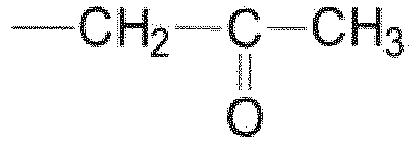

and p is an integer varying from 1 to 6- R3 represents a hydrogen atom, a C1-C10 alkyl radical, a phenyl radical or a halogen atom- a is equal to 0 or 1- b is equal to 0 or 1- n is equal to 1 or 2. - Use according to Claim 1, characterized in that the compound of formula (I) is acetoacetamide.
- Use according to Claim 1, characterized in that the sulphites are chosen from ammonium bisulphite, potassium bisulphite, sodium bisulphite and alkali metal or alkaline earth metal metabisulphites.
- Use according to Claim 3, characterized in that the sulphite is sodium bisulphite.
- Use according to Claim 1, characterized in that the tannin is chosen from non-condensed or condensed tannins.
- Use according to Claim 5, characterized in that the tannin is an acacia, mimosa, quebracho, pine, pecan nut, hemlock wood and sumac tannin.
- Use according to Claim 6, characterized in that the tannin is an acacia tannin.
- Use according to one of Claims 1 to 7, characterized in that the plaster-based material comprises 0.001 to 5 parts by weight of agent capable of trapping formaldehyde per 100 parts by weight of gypsum, preferably 0.01 to 1 and advantageously 0.02 to 0.2 part.
- Use according to one of Claims 1 to 8, characterized in that the plaster-based material additionally comprises the following additives in the following proportions by weight, expressed per 100 parts by weight of gypsum:- 0.1 - 15 parts of an adhesion agent, for example a starch, in particular pretreated with an acid, or a dextrin,- 0.0001 - 5 parts of a setting accelerator, for example calcium sulphate hydrate or potassium sulphate,- 0.0001 to 1 part of a foaming agent, for example, of sodium lauryl sulphate.
- Plaster-based material, characterized in that it includes at least an agent capable of trapping formaldehyde chosen from compounds comprising active methylene(s), wherein the compounds comprising active methylene(s) correspond to the following formula (I):
 - R1 and R2, which are identical or different, represent a C1-C20, preferably C1-C6, alkyl radical, an amino radical or a radical of formula


and p is an integer varying from 1 to 6- R3 represents a hydrogen atom, a C1-C10 alkyl radical, a phenyl radical or a halogen atom- a is equal to 0 or 1- b is equal to 0 or 1- n is equal to 1 or 2. - Material according to Claim 10, characterized in that the compound of formula (I) is acetoacetamide.
- Material according to one of Claim 10 or 11, characterized in that it is provided in the form of a powder, of a paste or of a plaster panel.
- Material according to Claim 12, characterized in that a plasterboard is concerned.
Priority Applications (31)
| Application Number | Priority Date | Filing Date | Title |
|---|---|---|---|
| PL09176123T PL2327672T3 (en) | 2009-11-16 | 2009-11-16 | Plaster-based material including an agent capable of trapping formaldehyde. |
| DK09176123.9T DK2327672T3 (en) | 2009-11-16 | 2009-11-16 | GYM-BASED MATERIALS INCLUDING A MEDIUM capable of capturing formaldehyde |
| PT91761239T PT2327672T (en) | 2009-11-16 | 2009-11-16 | Plaster-based material including an agent capable of trapping formaldehyde. |
| ES09176123.9T ES2626282T3 (en) | 2009-11-16 | 2009-11-16 | Plaster-based material that includes an agent capable of trapping formaldehyde |
| EP09176123.9A EP2327672B1 (en) | 2009-11-16 | 2009-11-16 | Plaster-based material including an agent capable of trapping formaldehyde. |
| SI200931654A SI2327672T1 (en) | 2009-11-16 | 2009-11-16 | Plaster-based material including an agent capable of trapping formaldehyde. |
| LTEP09176123.9T LT2327672T (en) | 2009-11-16 | 2009-11-16 | Plaster-based material including an agent capable of trapping formaldehyde. |
| HUE09176123A HUE034354T2 (en) | 2009-11-16 | 2009-11-16 | A gypsum plaster-based material comprising a substance capable of capturing formaldehyde |
| CA2704884A CA2704884C (en) | 2009-11-16 | 2010-05-25 | Plaster-based material including an agent capable of trapping formaldehyde |
| US12/787,967 US8500903B2 (en) | 2009-11-16 | 2010-05-26 | Plaster-based material including an agent capable of trapping formaldehyde |
| AU2010317906A AU2010317906A1 (en) | 2009-11-16 | 2010-11-15 | Plaster-based material including an agent capable of trapping formaldehyde |
| NZ600331A NZ600331A (en) | 2009-11-16 | 2010-11-15 | Plaster-based material including an agent capable of trapping formaldehyde |
| CN2010800519649A CN102791652A (en) | 2009-11-16 | 2010-11-15 | Contains a gypsum-based material that traps formaldehyde reagents |
| EA201290349A EA022292B1 (en) | 2009-11-16 | 2010-11-15 | Plaster-based material including an agent capable of trapping formaldehyde |
| JP2012539287A JP2013510797A (en) | 2009-11-16 | 2010-11-15 | Plaster materials containing drugs that can trap formaldehyde |
| UAA201207338A UA113272C2 (en) | 2009-11-16 | 2010-11-15 | MATERIAL BASED ON PLASTIC INCLUDING SUBSTANCE ABLE TO BIND FORMALDEHYDE |
| BR112012011282A BR112012011282B1 (en) | 2009-11-16 | 2010-11-15 | plaster-based material and use of said material |
| PCT/EP2010/067475 WO2011058172A1 (en) | 2009-11-16 | 2010-11-15 | Plaster-based material including an agent capable of trapping formaldehyde |
| MX2012005172A MX338341B (en) | 2009-11-16 | 2010-11-15 | Plaster-based material including an agent capable of trapping formaldehyde. |
| MYPI2012002119A MY162828A (en) | 2009-11-16 | 2010-11-15 | Plaster-based material including an agent capable of trapping formaldehyde |
| PH1/2012/500840A PH12012500840A1 (en) | 2009-11-16 | 2010-11-15 | Plaster-based material including an agent capable of trapping formaldehyde |
| IL219490A IL219490A (en) | 2009-11-16 | 2012-04-30 | Plaster-based material including at least one agent capable of trapping formaldehyde chosen from compounds comprising active methylene(s) and uses thereof |
| TNP2012000200A TN2012000200A1 (en) | 2009-11-16 | 2012-05-04 | Plaster-based material including an agent capable of trapping formaldehyde |
| ZA2012/03346A ZA201203346B (en) | 2009-11-16 | 2012-05-07 | Plaster-based material including an agent capable of trapping formaldehyde |
| CL2012001240A CL2012001240A1 (en) | 2009-11-16 | 2012-05-11 | Gypsum-based material that includes an agent capable of trapping ethylene urea formaldehyde and its derivatives, compounds comprising active methylene (s), sulphites, tannins and their mixtures; and its use. |
| CO12080731A CO6551746A2 (en) | 2009-11-16 | 2012-05-16 | PLASTER BASED MATERIAL THAT INCLUDES AN AGENT ABLE TO CATCH FORMALDEHIDO |
| MA34945A MA33807B1 (en) | 2009-11-16 | 2012-06-06 | PLASTER MATERIAL COMPRISING AN AGENT SUITABLE FOR TRAPPING FORMALDEHYDE |
| US13/923,877 US9174870B2 (en) | 2009-11-16 | 2013-06-21 | Plaster-based material including an agent capable of trapping formaldehyde |
| JP2016158410A JP2017066857A (en) | 2009-11-16 | 2016-08-12 | Plaster-based material including agent capable of trapping formaldehyde |
| CY20171100509T CY1118904T1 (en) | 2009-11-16 | 2017-05-12 | GYPSY-BASED MATERIAL, INCLUDING A FACTOR capable of trapping formaldehyde |
| HRP20170751TT HRP20170751T1 (en) | 2009-11-16 | 2017-05-19 | Plaster-based material including an agent capable of trapping formaldehyde |
Applications Claiming Priority (1)
| Application Number | Priority Date | Filing Date | Title |
|---|---|---|---|
| EP09176123.9A EP2327672B1 (en) | 2009-11-16 | 2009-11-16 | Plaster-based material including an agent capable of trapping formaldehyde. |
Publications (2)
| Publication Number | Publication Date |
|---|---|
| EP2327672A1 EP2327672A1 (en) | 2011-06-01 |
| EP2327672B1 true EP2327672B1 (en) | 2017-03-01 |
Family
ID=41402578
Family Applications (1)
| Application Number | Title | Priority Date | Filing Date |
|---|---|---|---|
| EP09176123.9A Active EP2327672B1 (en) | 2009-11-16 | 2009-11-16 | Plaster-based material including an agent capable of trapping formaldehyde. |
Country Status (29)
| Country | Link |
|---|---|
| US (2) | US8500903B2 (en) |
| EP (1) | EP2327672B1 (en) |
| JP (2) | JP2013510797A (en) |
| CN (1) | CN102791652A (en) |
| AU (1) | AU2010317906A1 (en) |
| BR (1) | BR112012011282B1 (en) |
| CA (1) | CA2704884C (en) |
| CL (1) | CL2012001240A1 (en) |
| CO (1) | CO6551746A2 (en) |
| CY (1) | CY1118904T1 (en) |
| DK (1) | DK2327672T3 (en) |
| EA (1) | EA022292B1 (en) |
| ES (1) | ES2626282T3 (en) |
| HR (1) | HRP20170751T1 (en) |
| HU (1) | HUE034354T2 (en) |
| IL (1) | IL219490A (en) |
| LT (1) | LT2327672T (en) |
| MA (1) | MA33807B1 (en) |
| MX (1) | MX338341B (en) |
| MY (1) | MY162828A (en) |
| NZ (1) | NZ600331A (en) |
| PH (1) | PH12012500840A1 (en) |
| PL (1) | PL2327672T3 (en) |
| PT (1) | PT2327672T (en) |
| SI (1) | SI2327672T1 (en) |
| TN (1) | TN2012000200A1 (en) |
| UA (1) | UA113272C2 (en) |
| WO (1) | WO2011058172A1 (en) |
| ZA (1) | ZA201203346B (en) |
Families Citing this family (14)
| Publication number | Priority date | Publication date | Assignee | Title |
|---|---|---|---|---|
| FR2929952B1 (en) * | 2008-04-11 | 2011-02-11 | Saint Gobain Isover | SIZING COMPOSITION FOR MINERAL FIBERS AND RESULTING PRODUCTS |
| PL2327672T3 (en) * | 2009-11-16 | 2017-08-31 | Bpb Limited | Plaster-based material including an agent capable of trapping formaldehyde. |
| DE102011088094A1 (en) | 2011-12-09 | 2013-06-13 | Wacker Chemie Ag | Process for reducing the content of formaldehyde in aqueous polymer dispersions with latent formaldehyde-releasing constituents |
| JP5694244B2 (en) * | 2012-06-28 | 2015-04-01 | 住江織物株式会社 | Toilet odor removal filter |
| WO2015072745A1 (en) * | 2013-11-12 | 2015-05-21 | 윤중호 | Gas leakage detection device |
| FR3016178A1 (en) * | 2014-01-03 | 2015-07-10 | Saint Gobain Placo | FLAT MATERIAL COMPRISING A METAL EDTA COMPLEX. |
| FR3016165A1 (en) * | 2014-01-03 | 2015-07-10 | Saint Gobain Placo | PLASTER MATERIAL INCLUDING CASEIN AND ACTIVE COAL. |
| JP6353614B2 (en) * | 2015-06-30 | 2018-07-04 | コーニンクレッカ フィリップス エヌ ヴェKoninklijke Philips N.V. | Chemical formaldehyde filter |
| CN105289520A (en) * | 2015-10-23 | 2016-02-03 | 杨洋 | Formaldehyde catching agent and preparation method thereof |
| FR3048695B1 (en) * | 2016-03-14 | 2018-04-13 | Saint-Gobain Placo | PLASTER PLATE |
| CN109437793B (en) * | 2018-11-20 | 2021-04-30 | 郑州航空工业管理学院 | Light foam concrete capable of adsorbing a large number of decoration pollutants |
| CN109589945B (en) * | 2018-12-26 | 2021-12-14 | 郑州绿佳环保科技有限公司 | A kind of formaldehyde scavenger and preparation method thereof |
| CN111606729B (en) * | 2019-04-10 | 2021-09-28 | 北新集团建材股份有限公司 | Layered pouring type aldehyde-cleaning paper-surface gypsum board and preparation method thereof |
| KR102249184B1 (en) * | 2019-06-19 | 2021-05-06 | 김두현 | Gysum composition for reducing harmful substances |
Citations (3)
| Publication number | Priority date | Publication date | Assignee | Title |
|---|---|---|---|---|
| JP2004115340A (en) * | 2002-09-27 | 2004-04-15 | Yoshino Gypsum Co Ltd | Gypsum-based building materials |
| JP2005246802A (en) * | 2004-03-04 | 2005-09-15 | Nippon Kasei Chem Co Ltd | Formaldehyde scavenger |
| DE102007005001A1 (en) * | 2007-02-01 | 2008-08-07 | Lud. Kuntz Gmbh | Low-emission composite material i.e. wood paper material, manufacturing method, involves providing low-emission composite material with middle position with honeycomb structure, where material includes top layers of massive wooden lamellas |
Family Cites Families (36)
| Publication number | Priority date | Publication date | Assignee | Title |
|---|---|---|---|---|
| GB557562A (en) * | 1942-05-22 | 1943-11-25 | Alfred Henry Guy Berry | Improvements relating to hydraulic cements |
| JPS5328934B2 (en) * | 1973-02-03 | 1978-08-17 | ||
| US4152408A (en) * | 1977-11-25 | 1979-05-01 | Certain-Teed Corporation | Fibrous calcium sulfate |
| US4409375A (en) | 1982-02-11 | 1983-10-11 | Champion International Corporation | Method for scavenging aldehydes |
| US5194674A (en) * | 1986-09-02 | 1993-03-16 | West Point Pepperell | Water-soluble active methylene as formaldehyde scavenger |
| US5446195A (en) * | 1986-09-02 | 1995-08-29 | West Point Pepperell | Water-soluble active methylenes as formaldehyde scavengers |
| US5160679A (en) * | 1989-08-29 | 1992-11-03 | Greene Jack T | Process for making particle board including the use of acetoacetamide as a formaldehyde scavenger |
| JPH03228778A (en) * | 1990-02-01 | 1991-10-09 | Nippon Kasei Kk | Formalin remover |
| US5051283A (en) * | 1991-02-12 | 1991-09-24 | Lilly Industrial Coatings, Inc. | Process for environmentally sound wood finishing |
| US5472500A (en) * | 1994-04-28 | 1995-12-05 | National Gypsum Company | High strength, abrasion resistant veneer plaster |
| JPH10337803A (en) | 1997-06-06 | 1998-12-22 | Toppan Printing Co Ltd | Gypsum board |
| JP3661372B2 (en) | 1997-11-04 | 2005-06-15 | 株式会社大林組 | Formaldehyde trapping material, formaldehyde adsorbent, formaldehyde generation suppression member, and formaldehyde trapping part trapping status display method |
| JP2000103002A (en) | 1998-09-28 | 2000-04-11 | Dainippon Printing Co Ltd | Cosmetic material with deodorant function |
| JP4213365B2 (en) | 2000-10-10 | 2009-01-21 | 吉野石膏株式会社 | Gypsum board, method for manufacturing gypsum board, interior structure of building, and method for repairing interior structure of building |
| JP2002145655A (en) | 2000-11-07 | 2002-05-22 | Yoshino Gypsum Co Ltd | Gypsum-based building materials |
| JP2003025484A (en) * | 2001-07-13 | 2003-01-29 | Chiyoda Ute Co Ltd | Gypsum board |
| EP1424432A1 (en) | 2001-08-20 | 2004-06-02 | Asahi Fiber Glass Company, Limited | Inorganic fiber mat and method for production thereof |
| KR100687560B1 (en) | 2001-09-27 | 2007-02-27 | 도꾸리쯔교세이호진 상교기쥬쯔 소고겡뀨죠 | Cleaning agent and cleaning method |
| JP3574114B2 (en) * | 2002-02-21 | 2004-10-06 | 株式会社生物有機化学研究所 | Product having formaldehyde absorption ability and method for producing the same |
| JP4053791B2 (en) * | 2002-03-07 | 2008-02-27 | チヨダウーテ株式会社 | Plasterboard |
| US20040038009A1 (en) * | 2002-08-21 | 2004-02-26 | Leyden Richard Noel | Water-based material systems and methods for 3D printing |
| JP2004097869A (en) * | 2002-09-05 | 2004-04-02 | Jukankyo Kojo Jumoku Seibun Riyo Gijutsu Kenkyu Kumiai | Hazardous gas adsorbent |
| KR20050116378A (en) * | 2003-03-19 | 2005-12-12 | 유나이티드 스테이츠 집섬 컴파니 | Acoustical panel comprising interlocking matrix of set gypsum and method for making same |
| DE102004027549A1 (en) | 2004-04-07 | 2005-10-27 | Kronos International, Inc. | Carbonaceous titania photocatalyst and process for its preparation |
| CN100513344C (en) * | 2005-01-31 | 2009-07-15 | 花王株式会社 | Process for producing a naphthalenesulfonate formaldehyde condensate |
| WO2007004507A1 (en) | 2005-07-06 | 2007-01-11 | Ipposha Oil Industries Co., Ltd. | Aldehyde capture material and process for production of plywood with the same |
| JP2007092822A (en) * | 2005-09-27 | 2007-04-12 | Nitto Boseki Co Ltd | Inorganic fiber heat insulating material and manufacturing method thereof |
| JP4814638B2 (en) * | 2006-01-19 | 2011-11-16 | 株式会社オーシカ | Formaldehyde scavenger and woody material using the same |
| US20070191256A1 (en) * | 2006-02-10 | 2007-08-16 | Fossum Renae D | Fabric care compositions comprising formaldehyde scavengers |
| CN100532486C (en) * | 2006-03-31 | 2009-08-26 | 中国科学院过程工程研究所 | Adhesive for collecting formaldehyde |
| JP5136872B2 (en) * | 2006-04-28 | 2013-02-06 | 株式会社ワンウイル | Interior finish with humidity control and paintability, as well as formaldehyde reduction |
| US8043383B2 (en) * | 2006-06-30 | 2011-10-25 | Georgia-Pacific Chemicals Llc | Reducing formaldehyde emissions |
| CN201158913Y (en) * | 2008-02-21 | 2008-12-03 | 北新集团建材股份有限公司 | A decorative gypsum board that can eliminate formaldehyde |
| FR2946265B1 (en) * | 2009-06-03 | 2012-12-21 | Saint Gobain Technical Fabrcis Europ | MATERIAL OF MINERAL FIBERS COMPRISING A FORMALDEHYDE-FRIENDLY AGENT AND METHODS OF MAKING |
| US20110054081A1 (en) * | 2009-09-02 | 2011-03-03 | Frank Dierschke | Formulation and its use |
| PL2327672T3 (en) * | 2009-11-16 | 2017-08-31 | Bpb Limited | Plaster-based material including an agent capable of trapping formaldehyde. |
-
2009
- 2009-11-16 PL PL09176123T patent/PL2327672T3/en unknown
- 2009-11-16 ES ES09176123.9T patent/ES2626282T3/en active Active
- 2009-11-16 HU HUE09176123A patent/HUE034354T2/en unknown
- 2009-11-16 LT LTEP09176123.9T patent/LT2327672T/en unknown
- 2009-11-16 DK DK09176123.9T patent/DK2327672T3/en active
- 2009-11-16 EP EP09176123.9A patent/EP2327672B1/en active Active
- 2009-11-16 PT PT91761239T patent/PT2327672T/en unknown
- 2009-11-16 SI SI200931654A patent/SI2327672T1/en unknown
-
2010
- 2010-05-25 CA CA2704884A patent/CA2704884C/en active Active
- 2010-05-26 US US12/787,967 patent/US8500903B2/en active Active
- 2010-11-15 AU AU2010317906A patent/AU2010317906A1/en not_active Abandoned
- 2010-11-15 MY MYPI2012002119A patent/MY162828A/en unknown
- 2010-11-15 MX MX2012005172A patent/MX338341B/en active IP Right Grant
- 2010-11-15 CN CN2010800519649A patent/CN102791652A/en active Pending
- 2010-11-15 BR BR112012011282A patent/BR112012011282B1/en not_active IP Right Cessation
- 2010-11-15 UA UAA201207338A patent/UA113272C2/en unknown
- 2010-11-15 JP JP2012539287A patent/JP2013510797A/en active Pending
- 2010-11-15 EA EA201290349A patent/EA022292B1/en not_active IP Right Cessation
- 2010-11-15 PH PH1/2012/500840A patent/PH12012500840A1/en unknown
- 2010-11-15 NZ NZ600331A patent/NZ600331A/en not_active IP Right Cessation
- 2010-11-15 WO PCT/EP2010/067475 patent/WO2011058172A1/en not_active Ceased
-
2012
- 2012-04-30 IL IL219490A patent/IL219490A/en active IP Right Grant
- 2012-05-04 TN TNP2012000200A patent/TN2012000200A1/en unknown
- 2012-05-07 ZA ZA2012/03346A patent/ZA201203346B/en unknown
- 2012-05-11 CL CL2012001240A patent/CL2012001240A1/en unknown
- 2012-05-16 CO CO12080731A patent/CO6551746A2/en active IP Right Grant
- 2012-06-06 MA MA34945A patent/MA33807B1/en unknown
-
2013
- 2013-06-21 US US13/923,877 patent/US9174870B2/en active Active
-
2016
- 2016-08-12 JP JP2016158410A patent/JP2017066857A/en active Pending
-
2017
- 2017-05-12 CY CY20171100509T patent/CY1118904T1/en unknown
- 2017-05-19 HR HRP20170751TT patent/HRP20170751T1/en unknown
Patent Citations (3)
| Publication number | Priority date | Publication date | Assignee | Title |
|---|---|---|---|---|
| JP2004115340A (en) * | 2002-09-27 | 2004-04-15 | Yoshino Gypsum Co Ltd | Gypsum-based building materials |
| JP2005246802A (en) * | 2004-03-04 | 2005-09-15 | Nippon Kasei Chem Co Ltd | Formaldehyde scavenger |
| DE102007005001A1 (en) * | 2007-02-01 | 2008-08-07 | Lud. Kuntz Gmbh | Low-emission composite material i.e. wood paper material, manufacturing method, involves providing low-emission composite material with middle position with honeycomb structure, where material includes top layers of massive wooden lamellas |
Also Published As
Similar Documents
| Publication | Publication Date | Title |
|---|---|---|
| US9174870B2 (en) | Plaster-based material including an agent capable of trapping formaldehyde | |
| JP4413137B2 (en) | Mold-proof gypsum board and its manufacturing method | |
| AU2014375161B2 (en) | Gypsum plaster-based material containing an EDTA metal complex | |
| JP6346289B2 (en) | Gypsum plaster-based material containing casein and activated carbon | |
| WO1998030515A1 (en) | Gypsum wallboard, and method of making same | |
| US20240075708A1 (en) | Sound Damping Gypsum Board and Method of Constructing a Sound Damping Gypsum Board | |
| AU2015203853B2 (en) | Plaster-based Material Including An Agent Capable of Trapping Formaldehyde | |
| KR20210013972A (en) | Composition for waterproofing gypsum board and waterproofing gypsum board manufactured therefrom | |
| HK1040233A1 (en) | Gypsum-containing product having increased resistance to permanent deformation and method and composition for producing it | |
| HK1023331A1 (en) | Gypsum-containing product having increased resistance to permanent deformation and method and composition for producing it |
Legal Events
| Date | Code | Title | Description |
|---|---|---|---|
| PUAI | Public reference made under article 153(3) epc to a published international application that has entered the european phase |
Free format text: ORIGINAL CODE: 0009012 |
|
| AK | Designated contracting states |
Kind code of ref document: A1 Designated state(s): AT BE BG CH CY CZ DE DK EE ES FI FR GB GR HR HU IE IS IT LI LT LU LV MC MK MT NL NO PL PT RO SE SI SK SM TR |
|
| AX | Request for extension of the european patent |
Extension state: AL BA RS |
|
| 17P | Request for examination filed |
Effective date: 20111124 |
|
| 17Q | First examination report despatched |
Effective date: 20120405 |
|
| 17Q | First examination report despatched |
Effective date: 20120912 |
|
| 17Q | First examination report despatched |
Effective date: 20130410 |
|
| TPAC | Observations filed by third parties |
Free format text: ORIGINAL CODE: EPIDOSNTIPA |
|
| REG | Reference to a national code |
Ref country code: DE Ref legal event code: R079 Ref document number: 602009044425 Country of ref document: DE Free format text: PREVIOUS MAIN CLASS: C04B0028140000 Ipc: C04B0022140000 |
|
| GRAP | Despatch of communication of intention to grant a patent |
Free format text: ORIGINAL CODE: EPIDOSNIGR1 |
|
| RIC1 | Information provided on ipc code assigned before grant |
Ipc: C04B 24/12 20060101ALI20160906BHEP Ipc: C04B 22/14 20060101AFI20160906BHEP Ipc: C04B 111/00 20060101ALI20160906BHEP Ipc: C04B 24/34 20060101ALI20160906BHEP Ipc: C04B 28/14 20060101ALI20160906BHEP |
|
| INTG | Intention to grant announced |
Effective date: 20161013 |
|
| GRAJ | Information related to disapproval of communication of intention to grant by the applicant or resumption of examination proceedings by the epo deleted |
Free format text: ORIGINAL CODE: EPIDOSDIGR1 |
|
| GRAJ | Information related to disapproval of communication of intention to grant by the applicant or resumption of examination proceedings by the epo deleted |
Free format text: ORIGINAL CODE: EPIDOSDIGR1 |
|
| GRAR | Information related to intention to grant a patent recorded |
Free format text: ORIGINAL CODE: EPIDOSNIGR71 |
|
| GRAS | Grant fee paid |
Free format text: ORIGINAL CODE: EPIDOSNIGR3 |
|
| INTC | Intention to grant announced (deleted) | ||
| GRAA | (expected) grant |
Free format text: ORIGINAL CODE: 0009210 |
|
| INTG | Intention to grant announced |
Effective date: 20170119 |
|
| AK | Designated contracting states |
Kind code of ref document: B1 Designated state(s): AT BE BG CH CY CZ DE DK EE ES FI FR GB GR HR HU IE IS IT LI LT LU LV MC MK MT NL NO PL PT RO SE SI SK SM TR |
|
| AX | Request for extension of the european patent |
Extension state: AL BA RS |
|
| REG | Reference to a national code |
Ref country code: GB Ref legal event code: FG4D |
|
| REG | Reference to a national code |
Ref country code: CH Ref legal event code: EP Ref country code: AT Ref legal event code: REF Ref document number: 871075 Country of ref document: AT Kind code of ref document: T Effective date: 20170315 |
|
| REG | Reference to a national code |
Ref country code: IE Ref legal event code: FG4D |
|
| REG | Reference to a national code |
Ref country code: DE Ref legal event code: R096 Ref document number: 602009044425 Country of ref document: DE |
|
| REG | Reference to a national code |
Ref country code: HR Ref legal event code: TUEP Ref document number: P20170751 Country of ref document: HR |
|
| REG | Reference to a national code |
Ref country code: PT Ref legal event code: SC4A Ref document number: 2327672 Country of ref document: PT Date of ref document: 20170523 Kind code of ref document: T Free format text: AVAILABILITY OF NATIONAL TRANSLATION Effective date: 20170508 |
|
| REG | Reference to a national code |
Ref country code: SE Ref legal event code: TRGR |
|
| REG | Reference to a national code |
Ref country code: NL Ref legal event code: FP |
|
| REG | Reference to a national code |
Ref country code: DK Ref legal event code: T3 Effective date: 20170601 |
|
| REG | Reference to a national code |
Ref country code: NO Ref legal event code: T2 Effective date: 20170301 |
|
| REG | Reference to a national code |
Ref country code: EE Ref legal event code: FG4A Ref document number: E013748 Country of ref document: EE Effective date: 20170509 |
|
| REG | Reference to a national code |
Ref country code: ES Ref legal event code: FG2A Ref document number: 2626282 Country of ref document: ES Kind code of ref document: T3 Effective date: 20170724 |
|
| REG | Reference to a national code |
Ref country code: HR Ref legal event code: T1PR Ref document number: P20170751 Country of ref document: HR |
|
| REG | Reference to a national code |
Ref country code: SK Ref legal event code: T3 Ref document number: E 24126 Country of ref document: SK |
|
| PG25 | Lapsed in a contracting state [announced via postgrant information from national office to epo] |
Ref country code: RO Free format text: LAPSE BECAUSE OF FAILURE TO SUBMIT A TRANSLATION OF THE DESCRIPTION OR TO PAY THE FEE WITHIN THE PRESCRIBED TIME-LIMIT Effective date: 20170301 |
|
| REG | Reference to a national code |
Ref country code: GR Ref legal event code: EP Ref document number: 20170401292 Country of ref document: GR Effective date: 20171023 |
|
| REG | Reference to a national code |
Ref country code: RO Ref legal event code: EPE |
|
| REG | Reference to a national code |
Ref country code: FR Ref legal event code: PLFP Year of fee payment: 9 |
|
| PG25 | Lapsed in a contracting state [announced via postgrant information from national office to epo] |
Ref country code: SM Free format text: LAPSE BECAUSE OF FAILURE TO SUBMIT A TRANSLATION OF THE DESCRIPTION OR TO PAY THE FEE WITHIN THE PRESCRIBED TIME-LIMIT Effective date: 20170301 |
|
| REG | Reference to a national code |
Ref country code: DE Ref legal event code: R097 Ref document number: 602009044425 Country of ref document: DE |
|
| PLBE | No opposition filed within time limit |
Free format text: ORIGINAL CODE: 0009261 |
|
| STAA | Information on the status of an ep patent application or granted ep patent |
Free format text: STATUS: NO OPPOSITION FILED WITHIN TIME LIMIT |
|
| 26N | No opposition filed |
Effective date: 20171204 |
|
| REG | Reference to a national code |
Ref country code: HU Ref legal event code: AG4A Ref document number: E034354 Country of ref document: HU Ref country code: HU Ref legal event code: HC9C |
|
| PG25 | Lapsed in a contracting state [announced via postgrant information from national office to epo] |
Ref country code: MC Free format text: LAPSE BECAUSE OF FAILURE TO SUBMIT A TRANSLATION OF THE DESCRIPTION OR TO PAY THE FEE WITHIN THE PRESCRIBED TIME-LIMIT Effective date: 20170301 |
|
| PG25 | Lapsed in a contracting state [announced via postgrant information from national office to epo] |
Ref country code: MT Free format text: LAPSE BECAUSE OF NON-PAYMENT OF DUE FEES Effective date: 20171116 |
|
| REG | Reference to a national code |
Ref country code: FR Ref legal event code: PLFP Year of fee payment: 10 |
|
| REG | Reference to a national code |
Ref country code: HR Ref legal event code: ODRP Ref document number: P20170751 Country of ref document: HR Payment date: 20191010 Year of fee payment: 11 |
|
| REG | Reference to a national code |
Ref country code: AT Ref legal event code: UEP Ref document number: 871075 Country of ref document: AT Kind code of ref document: T Effective date: 20170301 |
|
| REG | Reference to a national code |
Ref country code: HR Ref legal event code: ODRP Ref document number: P20170751 Country of ref document: HR Payment date: 20201110 Year of fee payment: 12 |
|
| REG | Reference to a national code |
Ref country code: HR Ref legal event code: ODRP Ref document number: P20170751 Country of ref document: HR Payment date: 20211116 Year of fee payment: 13 |
|
| PGFP | Annual fee paid to national office [announced via postgrant information from national office to epo] |
Ref country code: LU Payment date: 20211110 Year of fee payment: 13 |
|
| PGFP | Annual fee paid to national office [announced via postgrant information from national office to epo] |
Ref country code: HR Payment date: 20211116 Year of fee payment: 13 Ref country code: LT Payment date: 20211022 Year of fee payment: 13 Ref country code: IE Payment date: 20211012 Year of fee payment: 13 Ref country code: EE Payment date: 20211026 Year of fee payment: 13 Ref country code: DK Payment date: 20211109 Year of fee payment: 13 Ref country code: CZ Payment date: 20211027 Year of fee payment: 13 Ref country code: BG Payment date: 20211012 Year of fee payment: 13 Ref country code: RO Payment date: 20211025 Year of fee payment: 13 Ref country code: TR Payment date: 20211111 Year of fee payment: 13 Ref country code: PT Payment date: 20211116 Year of fee payment: 13 Ref country code: SK Payment date: 20211013 Year of fee payment: 13 |
|
| PGFP | Annual fee paid to national office [announced via postgrant information from national office to epo] |
Ref country code: SI Payment date: 20211019 Year of fee payment: 13 Ref country code: LV Payment date: 20211029 Year of fee payment: 13 Ref country code: IS Payment date: 20211007 Year of fee payment: 13 Ref country code: HU Payment date: 20211013 Year of fee payment: 13 Ref country code: GR Payment date: 20211014 Year of fee payment: 13 Ref country code: BE Payment date: 20211018 Year of fee payment: 13 |
|
| PGFP | Annual fee paid to national office [announced via postgrant information from national office to epo] |
Ref country code: PL Payment date: 20211006 Year of fee payment: 13 Ref country code: MK Payment date: 20211012 Year of fee payment: 13 |
|
| PGFP | Annual fee paid to national office [announced via postgrant information from national office to epo] |
Ref country code: CY Payment date: 20211112 Year of fee payment: 13 |
|
| REG | Reference to a national code |
Ref country code: HR Ref legal event code: PBON Ref document number: P20170751 Country of ref document: HR Effective date: 20221116 |
|
| REG | Reference to a national code |
Ref country code: LT Ref legal event code: MM4D Effective date: 20221116 |
|
| P01 | Opt-out of the competence of the unified patent court (upc) registered |
Effective date: 20230509 |
|
| REG | Reference to a national code |
Ref country code: EE Ref legal event code: MM4A Ref document number: E013748 Country of ref document: EE Effective date: 20221130 |
|
| REG | Reference to a national code |
Ref country code: DK Ref legal event code: EBP Effective date: 20221130 |
|
| REG | Reference to a national code |
Ref country code: SK Ref legal event code: MM4A Ref document number: E 24126 Country of ref document: SK Effective date: 20221116 |
|
| REG | Reference to a national code |
Ref country code: BE Ref legal event code: MM Effective date: 20221130 |
|
| PG25 | Lapsed in a contracting state [announced via postgrant information from national office to epo] |
Ref country code: RO Free format text: LAPSE BECAUSE OF NON-PAYMENT OF DUE FEES Effective date: 20221116 Ref country code: PT Free format text: LAPSE BECAUSE OF NON-PAYMENT OF DUE FEES Effective date: 20230516 Ref country code: LV Free format text: LAPSE BECAUSE OF NON-PAYMENT OF DUE FEES Effective date: 20221116 Ref country code: LT Free format text: LAPSE BECAUSE OF NON-PAYMENT OF DUE FEES Effective date: 20221116 Ref country code: HU Free format text: LAPSE BECAUSE OF NON-PAYMENT OF DUE FEES Effective date: 20221117 Ref country code: HR Free format text: LAPSE BECAUSE OF NON-PAYMENT OF DUE FEES Effective date: 20221116 Ref country code: EE Free format text: LAPSE BECAUSE OF NON-PAYMENT OF DUE FEES Effective date: 20221130 Ref country code: CZ Free format text: LAPSE BECAUSE OF NON-PAYMENT OF DUE FEES Effective date: 20221116 Ref country code: CY Free format text: LAPSE BECAUSE OF NON-PAYMENT OF DUE FEES Effective date: 20221116 |
|
| PG25 | Lapsed in a contracting state [announced via postgrant information from national office to epo] |
Ref country code: SK Free format text: LAPSE BECAUSE OF NON-PAYMENT OF DUE FEES Effective date: 20221116 Ref country code: SI Free format text: LAPSE BECAUSE OF NON-PAYMENT OF DUE FEES Effective date: 20221117 Ref country code: LU Free format text: LAPSE BECAUSE OF NON-PAYMENT OF DUE FEES Effective date: 20221116 Ref country code: GR Free format text: LAPSE BECAUSE OF NON-PAYMENT OF DUE FEES Effective date: 20230609 |
|
| REG | Reference to a national code |
Ref country code: SI Ref legal event code: KO00 Effective date: 20230712 |
|
| PG25 | Lapsed in a contracting state [announced via postgrant information from national office to epo] |
Ref country code: IE Free format text: LAPSE BECAUSE OF NON-PAYMENT OF DUE FEES Effective date: 20221116 Ref country code: DK Free format text: LAPSE BECAUSE OF NON-PAYMENT OF DUE FEES Effective date: 20221130 |
|
| PG25 | Lapsed in a contracting state [announced via postgrant information from national office to epo] |
Ref country code: BE Free format text: LAPSE BECAUSE OF NON-PAYMENT OF DUE FEES Effective date: 20221130 |
|
| PG25 | Lapsed in a contracting state [announced via postgrant information from national office to epo] |
Ref country code: PL Free format text: LAPSE BECAUSE OF NON-PAYMENT OF DUE FEES Effective date: 20221116 |
|
| PG25 | Lapsed in a contracting state [announced via postgrant information from national office to epo] |
Ref country code: BG Free format text: LAPSE BECAUSE OF NON-PAYMENT OF DUE FEES Effective date: 20221116 |
|
| PG25 | Lapsed in a contracting state [announced via postgrant information from national office to epo] |
Ref country code: TR Free format text: LAPSE BECAUSE OF NON-PAYMENT OF DUE FEES Effective date: 20221116 |
|
| PG25 | Lapsed in a contracting state [announced via postgrant information from national office to epo] |
Ref country code: IS Free format text: LAPSE BECAUSE OF NON-PAYMENT OF DUE FEES Effective date: 20230606 |
|
| PGFP | Annual fee paid to national office [announced via postgrant information from national office to epo] |
Ref country code: FR Payment date: 20250930 Year of fee payment: 17 |
|
| PGFP | Annual fee paid to national office [announced via postgrant information from national office to epo] |
Ref country code: NL Payment date: 20251003 Year of fee payment: 17 |
|
| REG | Reference to a national code |
Ref country code: CH Ref legal event code: U11 Free format text: ST27 STATUS EVENT CODE: U-0-0-U10-U11 (AS PROVIDED BY THE NATIONAL OFFICE) Effective date: 20251201 |
|
| PGFP | Annual fee paid to national office [announced via postgrant information from national office to epo] |
Ref country code: DE Payment date: 20250930 Year of fee payment: 17 |
|
| PGFP | Annual fee paid to national office [announced via postgrant information from national office to epo] |
Ref country code: GB Payment date: 20251001 Year of fee payment: 17 |
|
| PGFP | Annual fee paid to national office [announced via postgrant information from national office to epo] |
Ref country code: NO Payment date: 20251113 Year of fee payment: 17 |
|
| PGFP | Annual fee paid to national office [announced via postgrant information from national office to epo] |
Ref country code: AT Payment date: 20251027 Year of fee payment: 17 |
|
| PGFP | Annual fee paid to national office [announced via postgrant information from national office to epo] |
Ref country code: FI Payment date: 20251113 Year of fee payment: 17 Ref country code: IT Payment date: 20251022 Year of fee payment: 17 |
|
| PGFP | Annual fee paid to national office [announced via postgrant information from national office to epo] |
Ref country code: SE Payment date: 20251001 Year of fee payment: 17 Ref country code: CH Payment date: 20251201 Year of fee payment: 17 |
|
| PGFP | Annual fee paid to national office [announced via postgrant information from national office to epo] |
Ref country code: ES Payment date: 20251212 Year of fee payment: 17 |