EP2324112B1 - Mutiertes pestivirus mit mutationen im core-gen und ns3-bereich - Google Patents
Mutiertes pestivirus mit mutationen im core-gen und ns3-bereich Download PDFInfo
- Publication number
- EP2324112B1 EP2324112B1 EP09783067A EP09783067A EP2324112B1 EP 2324112 B1 EP2324112 B1 EP 2324112B1 EP 09783067 A EP09783067 A EP 09783067A EP 09783067 A EP09783067 A EP 09783067A EP 2324112 B1 EP2324112 B1 EP 2324112B1
- Authority
- EP
- European Patent Office
- Prior art keywords
- csfv
- virus
- asn
- mutant
- tyr
- Prior art date
- Legal status (The legal status is an assumption and is not a legal conclusion. Google has not performed a legal analysis and makes no representation as to the accuracy of the status listed.)
- Not-in-force
Links
Images
Classifications
-
- C—CHEMISTRY; METALLURGY
- C12—BIOCHEMISTRY; BEER; SPIRITS; WINE; VINEGAR; MICROBIOLOGY; ENZYMOLOGY; MUTATION OR GENETIC ENGINEERING
- C12N—MICROORGANISMS OR ENZYMES; COMPOSITIONS THEREOF; PROPAGATING, PRESERVING, OR MAINTAINING MICROORGANISMS; MUTATION OR GENETIC ENGINEERING; CULTURE MEDIA
- C12N7/00—Viruses; Bacteriophages; Compositions thereof; Preparation or purification thereof
-
- A—HUMAN NECESSITIES
- A61—MEDICAL OR VETERINARY SCIENCE; HYGIENE
- A61P—SPECIFIC THERAPEUTIC ACTIVITY OF CHEMICAL COMPOUNDS OR MEDICINAL PREPARATIONS
- A61P31/00—Antiinfectives, i.e. antibiotics, antiseptics, chemotherapeutics
- A61P31/12—Antivirals
-
- A—HUMAN NECESSITIES
- A61—MEDICAL OR VETERINARY SCIENCE; HYGIENE
- A61P—SPECIFIC THERAPEUTIC ACTIVITY OF CHEMICAL COMPOUNDS OR MEDICINAL PREPARATIONS
- A61P37/00—Drugs for immunological or allergic disorders
-
- C—CHEMISTRY; METALLURGY
- C07—ORGANIC CHEMISTRY
- C07K—PEPTIDES
- C07K14/00—Peptides having more than 20 amino acids; Gastrins; Somatostatins; Melanotropins; Derivatives thereof
- C07K14/005—Peptides having more than 20 amino acids; Gastrins; Somatostatins; Melanotropins; Derivatives thereof from viruses
-
- A—HUMAN NECESSITIES
- A61—MEDICAL OR VETERINARY SCIENCE; HYGIENE
- A61K—PREPARATIONS FOR MEDICAL, DENTAL OR TOILETRY PURPOSES
- A61K39/00—Medicinal preparations containing antigens or antibodies
- A61K2039/51—Medicinal preparations containing antigens or antibodies comprising whole cells, viruses or DNA/RNA
- A61K2039/525—Virus
- A61K2039/5254—Virus avirulent or attenuated
-
- C—CHEMISTRY; METALLURGY
- C12—BIOCHEMISTRY; BEER; SPIRITS; WINE; VINEGAR; MICROBIOLOGY; ENZYMOLOGY; MUTATION OR GENETIC ENGINEERING
- C12N—MICROORGANISMS OR ENZYMES; COMPOSITIONS THEREOF; PROPAGATING, PRESERVING, OR MAINTAINING MICROORGANISMS; MUTATION OR GENETIC ENGINEERING; CULTURE MEDIA
- C12N2770/00—MICROORGANISMS OR ENZYMES; COMPOSITIONS THEREOF; PROPAGATING, PRESERVING, OR MAINTAINING MICROORGANISMS; MUTATION OR GENETIC ENGINEERING; CULTURE MEDIA ssRNA viruses positive-sense
- C12N2770/00011—Details
- C12N2770/24011—Flaviviridae
- C12N2770/24311—Pestivirus, e.g. bovine viral diarrhea virus
- C12N2770/24321—Viruses as such, e.g. new isolates, mutants or their genomic sequences
-
- C—CHEMISTRY; METALLURGY
- C12—BIOCHEMISTRY; BEER; SPIRITS; WINE; VINEGAR; MICROBIOLOGY; ENZYMOLOGY; MUTATION OR GENETIC ENGINEERING
- C12N—MICROORGANISMS OR ENZYMES; COMPOSITIONS THEREOF; PROPAGATING, PRESERVING, OR MAINTAINING MICROORGANISMS; MUTATION OR GENETIC ENGINEERING; CULTURE MEDIA
- C12N2770/00—MICROORGANISMS OR ENZYMES; COMPOSITIONS THEREOF; PROPAGATING, PRESERVING, OR MAINTAINING MICROORGANISMS; MUTATION OR GENETIC ENGINEERING; CULTURE MEDIA ssRNA viruses positive-sense
- C12N2770/00011—Details
- C12N2770/24011—Flaviviridae
- C12N2770/24311—Pestivirus, e.g. bovine viral diarrhea virus
- C12N2770/24322—New viral proteins or individual genes, new structural or functional aspects of known viral proteins or genes
Definitions
- the present invention relates to mutant Pestiviruses, and vaccines containing said viruses.
- Pestiviruses cause economically important diseases in animals worldwide.
- the genus Pestivirus within the family Flaviviridae, comprises at least three species: bovine viral diarrhea virus (BVDV), classical swine fever virus (CSFV), and ovine border disease virus (BDV).
- BVDV bovine viral diarrhea virus
- CSFV classical swine fever virus
- BDV ovine border disease virus
- the presence of a fourth separate group of Pestiviruses comprising isolates from cattle and sheep has been described, and it is now generally accepted to refer to this additional species as BVDV-2; consequently, classical BVDV strains are named BVDV-1.
- CSFV causes classical swine fever in pigs.
- Classical swine fever is a highly contagious and sometimes fatal disease in pigs, and can cause considerable economic losses.
- Bovine Viral Diarrhea virus is a cause of congenital and enteric disease with a wide range of clinical manifestations. The disease was first described as a transmissible disease of cattle with a high morbidity and low mortality. Affected cattle displayed elevated temperature, diarrhea, and coughing. The condition was termed bovine viral diarrhea.
- Today, BVDV is considered to be a major pathogen of cattle with a world-wide economic impact.
- the clinical pattern of BVDV infection within a herd and consequently its impact on production depend on the interaction of several factors, including the strain of the virus, age of the cattle, immunity in the herd, and interplay of stressors.
- BVDV-1 and BVDV-2 both cause acute infections in cattle (diarrhea, fever, hemorrhagic syndrome) as well as (if the infection occurs during pregnancy) abortion, malformation of the fetus and persistent infection of the calves.
- Pestiviruses consists of a single strand of (+)RNA and contains a single large open reading frame (ORF), flanked by a 5' UTR and a 3' UTR.
- the ORF encodes a large precursor polyprotein which gives rise to 11 to 12 cleavage products.
- the ORF is processed into the various viral proteins by cellular- as well as viral proteases.
- the viral proteins in the ORF are arranged in the order: NH 2 -Npro-C-Erns-E1-E2-p7-NS2-NS3-NS4A-NS4B-NS5A-NS5B-COOH.
- Pestivirus virions consist of four structural proteins, the small positively charged Core (C) protein, that is supposed to form together with the RNA genome a nucleocapsid structure, and three glycosylated envelope proteins (Erns, E1, E2). Neutralizing activity was predominantly demonstrated for E2-specific antibodies.
- C small positively charged Core
- E1, E2 glycosylated envelope proteins
- Pestivirus replication The minimal requirements for Pestivirus replication were investigated, for example, by creating defective Pestivirus genomes lacking the gene sequences for the structural proteins. It was found that the defective CSFV genomes still replicated and could be packaged into viral particles when introduced in SK-6 cells together with helper A187-CAT RNA ( Moser et al., J.Virol., 7787-7794, 1999 ). An autonomously replicating, but defective, BVDV genome which lacks the genes encoding C, Ems, E1, E2, p7 and NS2 had been described ( Behrens et al., J.Virol., 72, 2364-2372, 1998 ). In trans complemented C and E1 deletion mutants of another pestivirus, BVDV, were described by Beer et al., in WO04/016794 .
- CSFV CSFV mutants
- Risatti et al., Virology 364, 371-382, 2007 describe CSFV mutants with substitutions in the E2 region which showed an attenuated phenotype.
- Maurer et al., vaccine, 23(25), 3318-28, 2005 also describe CSFV E2 mutants, lacking all or part of the E2 gene which showed partial protection against lethal challenge with highly virulent CSFV.
- Meyers et al. Journal of Virology, 73(12), 10224-10235, 1999 , describe CSFV mutants with mutations in the gene encoding the Ems protein that lead to mutations.
- trans complemented Ems deletion mutants of CSFV were described by Wildjojoatmodjo et al., J. Virol., 74(7), 2973-80, 2000 .
- the present invention provides Mutant Pestiviruses that have a deletion in the gene encoding the Core protein, resulting in the virus being unable to express a functional Core protein, wherein the virus is further characterised in that it contains one or more mutations in the C-terminal domain of the helicase domain of NS3 that compensate for the lack of a functional core protein.
- the mutant Pestivirus according to the present invention is a Classical Swine Fever virus (CSFV) or a Bovine Viral Diarrhea virus (BVDV).
- CSFV Classical Swine Fever virus
- BVDV Bovine Viral Diarrhea virus
- the mutation in the gene region encoding the Core protein is such that no functional Core protein can be expressed. This can be achieved by deleting the gene encoding the Core protein in whole or in part.
- the signal sequence at the C terminus of the Core protein is essential for a further processing of the polyprotein downstream. In deleting (part of) the Core gene care should therefore be taken that the translocation signal sequences for Ems are retained.
- the translocation sequence is a stretch of 18 amino acids located between amino acids 250 and 267, preceding the cleavage site before the N terminus of the CSFV Ems protein (Ala-267/Glu-268).
- Al-267/Glu-268 The translocation sequence is a stretch of 18 amino acids located between amino acids 250 and 267, preceding the cleavage site before the N terminus of the CSFV Ems protein (Ala-267/Glu-268).
- the exact length of the sequences necessary for downstream processing may vary per strain or cell type.
- the Core coding sequence may be deleted from amino acid 169-248 (p619), thereby fusing the C-terminus of Npro to the C-terminal amino acids of Core protein that constitutes the translocation signal for Ems (CPLWVTSC 168 /LEKALLAWAVITILLYQPVAA 267 /ENIT).
- the Core coding sequence may be deleted from amino acid 169-251, thereby fusing the C-terminus of Npro to the C-tenninal amino acids of Core protein that constitutes the translocation signal for BVDV Ems (CPLWVSSC 168 /LEKALLAWAIIALVFFQVTMG 270 /ENIT).
- the deletion of most the Core gene allowed replication of the RNA after transfection but no infectious virus progeny was produced.
- the mutations in the NS3 region cluster in the C-terminal domain of the helicase domain of NS3, more specifically within 100 amino acids of the C-terminal domain.
- Preferred mutant CSF viruses according to the invention have one or more mutations in the C-terminal domain of the helicase domain of NS3, selected from the group consisting of Asn 2177 Tyr, Glu 2160 Gly, Pro 2185 Thr/Ala, Gln 2189 Lys, Pro 2200 Thr, and Asn 2256 Asp.
- Virus titers reached up to 5x10 5 ffu/ml in SK6 cells and thus were about 10 fold lower than p447 wt titers.
- mutant CSFV wherein the mutation in the C-terminal domain of the helicase domain of NS3 comprises the Asn 2177 Tyr mutation.
- CSFV Core ⁇ was highly attenuated in the natural host.
- the mutant viruses according to the invention are therefore suitable for use in vaccines to protect swine against infection with CSFV.
- BVDV eight independent mutations in the C-terminal domain of the helicase domain of the NS3 region (amino acids 2169 - 2269) region were identified.
- Preferred mutant BVD viruses according to the invention have one or more mutations in the C-terminal domain of the helicase domain of NS3, selected from the group consisting of Glu 2189 Lys, Leu 2190 Pro, Thr 2191 Ala, Asp 2192 Glu, Pro 2194 Leu, Tyr 2204 His, Asn 2265 Tyr, Asn 2265 Asp.
- mutant BVDV according to the invention wherein the mutation in the C-terminal domain of the helicase domain of NS3 comprises the Asp 2192 Glu, Tyr 2204 His, Asn 2265 Tyr, or Asn 2265 Asp mutation.
- Core protein is apparently not essential for the formation of infectious particles. Apparently C is not required for pestivirus assembly but provides other functions. Its function is compensated by mutations in the helicase domain of NS3.
- the exact sequence of the residual amino acids of Core protein covering the translocation signal (LEKALLAWAVITILLYQPVAA 268 ) for CSFV Erns or (LEKALLAWAIIALVFFQVTMG 270 ) for BVDV Erns (the sequence spanning the distance between the C - terminus ofNpro and the N-end of Ems) is not required for formation of infectious virus particles as long as translocation of Ems is maintained.
- the signal sequence of an unrelated glycoprotein can functionally replace the authentic sequence.
- CD46 just serves as an example for a translocated cellular protein.
- SGRSPGWLLLAPLLLLPTSSDA transmembrane domain of bovine CD46
- Pestivirus marker vaccine Propagation of Pestiviruses in the absence of Core opens the opportunity to a Pestivirus marker vaccine. It can be expected that antibodies directed against Core protein are present in the sera of animals that have overcome an infection with Pestivirus. Core is immunogenic and expressed in significant amounts.
- a vaccine containing infectious viral particles according to the invention together with a pharmaceutically acceptable carrier is likewise part of the present invention.
- Virus titers reached up to 5x10 5 ffu/ml in SK6 cells and thus were about 10 fold lower than p447 wt titers.
- BVDV Core coding sequence of BVDV cDNA clone NCP7 (GeneBank accession number AF220247) was removed by PCR on a subclone containing the XhoI/BglII fragment (nt 222 - 2335) using primers BVT86 (GCAGCTTGAAACCCATAGGGGGCAG) and Core268 (CTAGAGAAAGCCCTATTGGCCTG). The deletion was verified by sequencing and introduced into the full length cDNA clone by ligation of a XhoI/NcoI fragment (nt 222 - 4671).
- a modified NCP7 ⁇ C that was engineered for propagation in porcine SK6 cells revealed Core compensating at Tyr 2204 His, Asn 2265 Tyr, Asn 2265 Asp, Pro 2194 Leu, Gln 2198 Lys and Leu 2199 Pro.
- NCP7 lacking Core protein virus was rescued from SK6 cells with significant titers (Asn 2265 Tyr: 3.3x10 5 , Tyr 2204 His: 2x10 4 and Asp 2192 Glu: 1.5x10 4 ffu/ml).
- BVDV C86 On the basis of an infectious copy of BVDV C86, a regular Type1 BVDV virus that grows well in MDBK cells, a Core deletion mutant was generated as described above and the mutation analogous to Asn2265Asp (Asn2433Asp) was introduced. Virus with a titer of 5x10 4 ffu was recovered after transfection in SK6 cells.
- Core protein derived transmembrane domain can be functionally replaced by a host cellular sequence
- SK6 cells were propagated on plastic dishes in DMEM containing 10% Fetal calf serum and non essential amino acids in a incubator with 5% CO2. Cells were split every three days. All CSFV viruses are derived from non-cp CSFV strain Alfort-p447 ( Gallei et al., J. Virol., 79(4), 2440-2448, 2005 ).
- SK6 cells infected with rescued virus were washed and the RNA prepared using Rneasy Kit (Quiagen) as recommended by the manufacturer. 2 ⁇ g of RNA were subjected to reverse transcription using different primers depending on the actual location of interest. PCR was performed with suitable primers and sub-cloned into pGEM-T vector (Promega).
- group 1 animals with numbers 75-77; group 2: animals with numbers 78-80
- group 2 animals with numbers 78-80
- high containment conditions negative air pressure of 100 Pa
- Blood samples were taken from all animals on days 0, 2, 4, 7, 10, 14, 21, and 28 post infection. Additional samples were taken on the day of euthanasia. Native blood samples were centrifuged at 1500 rpm for 15 min at room temperature (Labofuge 400R, Heraeus, Germany) to obtain serum. Serum was then divided into suitable aliquots of 0.5 to 2 ml and stored at -80°C until further testing.
- Pigs remaining after the infection part were intranasally challenged on (71 st day post infection) with 10 4.5 TCID 50 of the highly pathogenic CSFV strain Koslov. Blood samples were taken on days 0, 3, 6 post challenge and on the day of euthanasia of the respective pig.
- Leukocytes were counted from EDTA blood manually using the counting chamber according to Neubauer (improved) after erythrocyte lysis with acetic acid (2%). EDTA blood was drawn into a blood diluting pipette according to Thoma up to the 0.5 mark. Then, acetic acid (2%) was added up to the 11 mark and the sample dilution was shaken gently for app. 60 sec. After filling the dilution into a prepared counting chamber, leukocytes were counted in the leukocyte counting fields under light microscope. The correct value was calculated according to chamber specifications. Values below 10 G/l were recorded as leucopenia.
- NPLA Neutralization peroxidase-linked antibody assays
- NPLAs for the detection of BVDV antibodies were carried out on primary fetal calve kidney cells, whereas NPLAs for the detection of CSFV antibodies were carried out on permanent porcine kidney cells (SK 6).
- Antibody titers are expressed as the reciprocal of the highest initial serum dilution which prevented virus replication in 50% of two replicate wells. These neutralization dilutions 50% (ND 50 ) were calculated using the method of K ⁇ RBER.
- NPLAs for the detection of CSFV antibodies were carried out on days 0, 10, 14, 21, and 28 days post infection (CSFV Alfort p447, and CSF0902). Additionally, samples taken on days 0, 3, and 6 post challenge, and on the days of euthanasia were investigated (CSFV Alfort p447, and CSF0902). Samples taken post challenge were subjected to a NPLA using CSFV Koslov and CSF0104 as well. NPLAs for the detection of neutralizing antibodies against BVDV were performed prior to the beginning of the experiment.
- ELISA antibody enzyme-linked immunosorbent assay
- Virus isolation from leukocyte preparations was performed over two passages on permanent porcine kidney cell lines SK6 and Rie 5-1 according to the EU Diagnostic Manual (Commission Decision 2002/106/EC). Indirect immune labeling was done with the pestivirus specific monoclonal antibody BVD/C16 (Peters et al., 1986) and a commercial species specific peroxidase-linked conjugate (RAMPO, Dako).
- ELISA antigen enzyme-linked immunosorbent assay
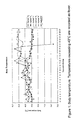
- Animal 78 showed febrile temperatures on days eight and nine post infection, and from day 13 post infection till the end of the experiment on day 28.
- Animal 79 showed fever on day 9 post infection, and from day 14 till the end of the experiment.
- Febrile temperatures were recorded for animal 80 on days seven, nine, ten, and from day 13 till day 20 post infection.
- animal 80 showed a body temperature of 35.6°C.
- animal 78 developed severe diarrhea, conjunctivitis, anorexia, skin lesions, and ataxia. The animal was euthanized on day 28 post infection. Animal 79 developed only slight, uncharacteristic symptoms including reduced appetite, and slight diarrhea. The animal was euthanized on day 28 post infection. Animal 80 developed severe symptoms including gastrointestinal and respiratory signs, anorexia, dullness, and skin lesions. The animal was euthanized moribund on day 21 post infection.
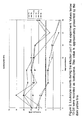
- animals of group 1 did not show leucopenia. Nevertheless, animals 75 and 77 showed values below 10 G/l on day 20 post infection. On the same day, animal 76 showed only 10.3 G/l.
- mice of group 2 developed a severe leucopenia upon infection with CSFV Alfort p447.
- leucopenia started on day 4 post infection, and only 0.45 G/l were recorded on the day of euthanasia.
- the sentinel pig 79 showed leukopenic values on days 21 and 28 post infection, and a limit value of 10.6 G/l already on day 14 post infection.
- Animal 80 showed severe leucopenia starting on day 4 post infection. The terminal value was 1.4 G/l on day 21 post infection.
- Animals of group 2 showed varying pathological signs.
- Animal 78 showed diffuse dermatitis, swollen and Haemorrhagic lymph nodes in the gut and respiratory tract, thymus atrophy, bronchopneumonia, ulcerative gastritis, catarrhal enteritis, pyelonephiritis, and petechial bleedings in cortex of the kidneys.
- Animal 79 showed a slight thymus atrophy, slightly swollen lymph nodes in the gut and the respiratory tract, pneumonia (cranial lobes), ulcerative gastritis, severe catarrhal enteritis, and cystitis.
- Animal 80 showed petechial bleedings of the cutis and subcutis (acra, abdomen), profoundly enlarged, oedematous and Haemorrhagic lymph nodes (systemic), severe thymus atrophy, petechial bleedings in the meninges, spleen, epiglottis, trachea, stomach, gut wall, ileocaecal valve, bladder, liver, gall bladder, and the kidneys.
- animal 80 showed a catarrhal-purulent pneumonia, extensive hemorrhages beneath the endocardium and within the heart muscle, severe Haemorrhagic gastritis, constipation, and a severe intestinal nephritis.
- animals of group 1 showed positive results starting on day 14 post infection (animal 75).
- animal 75 showed an antibody titre of 7.5 ND 50 on day 14 post infection which increased thereafter to 316 ND 50 .
- Animal 76 showed positive results on days 21 and 28 post infection reaching an antibody titre of 158,5 ND 50 .
- the sentinel, animal 77 did not develop any antibody titre.
- Antibody enzyme-linked immunosorbent assay (Ab-ELISA)
- animal 75 showed a first doubtful result on day 21 post infection and was positive on day 28 post infection
- animal 76 showed a doubtful result on day 14 post infection and positive results on days 21 and 28 post infection.
- Animal 77 remained negative.
- Animals 78 and 79 showed negative results throughout the trial whereas animal 80 showed a doubtful result on the day of euthanasia (21 days post infection).
- Animals of group 1 showed negative results throughout the infection part of the trial on both SK6 and Rie 5-1 cells.
- Animal 78 showed positive results on days four, seven, ten (investigated on SK6 cells only), and 14 post infection on SK6 and Rie 5-1 cells, respectively. In addition, a positive result was achieved for this pig on day two post infection on Rie 5-1 cells. The sentinel pig, animal 79, remained negative on both cell lines. On SK 6 cells, animal 80 showed positive results on days seven, ten, and 14 post infection. Positive results were also found on Rie 5-1 cell on days seven and 14 (day ten not tested due to lack of sample material).
- Antigen enzyme-linked immunosorbent assay (Ag-ELISA)
- the Ag-ELISA remained negative for all animals of group 1, and for animals 78 and 79 of group 2. Only animal 80 showed a positive result on day 10 post infection.
- Animal 75 did not develop febrile temperatures or any clinical signs upon challenge infection and was euthanized on day 16 post challenge.
- Animal 77 developed fever on day three post challenge that persisted till euthanasia. The animal was euthanized moribund on day eight post challenge showing severe neurological symptoms.
- animal 76 Prior to the challenge, animal 76 was euthanized due to severe lameness. This animal did not show any pathological lesions indicative for CSF. It only showed a slight pneumonia of the cranial lobes. Beside a slight pneumonia of the cranial lobes and a slight ulcerative gastritis, animal 75 did not show pathological signs. Animal 77 showed swollen, partly Haemorrhagic lymph nodes, catarrhal pneumonia, ascites, slight ulcerative gastritis, liver congestions, gall bladder edema, and intestinal nephritis.
- animal 75 After challenge infection, animal 75 showed an antibody titre against the challenge virus of 160 ND 50 (day 16 post challenge), and a titre of >640 against CSF0104. Animal 77 remained negative.
Landscapes
- Health & Medical Sciences (AREA)
- Chemical & Material Sciences (AREA)
- Life Sciences & Earth Sciences (AREA)
- Organic Chemistry (AREA)
- Genetics & Genomics (AREA)
- General Health & Medical Sciences (AREA)
- Medicinal Chemistry (AREA)
- Engineering & Computer Science (AREA)
- Bioinformatics & Cheminformatics (AREA)
- Virology (AREA)
- Wood Science & Technology (AREA)
- Zoology (AREA)
- Biochemistry (AREA)
- Immunology (AREA)
- Nuclear Medicine, Radiotherapy & Molecular Imaging (AREA)
- Molecular Biology (AREA)
- Public Health (AREA)
- General Engineering & Computer Science (AREA)
- Chemical Kinetics & Catalysis (AREA)
- Gastroenterology & Hepatology (AREA)
- Animal Behavior & Ethology (AREA)
- Biophysics (AREA)
- Pharmacology & Pharmacy (AREA)
- Veterinary Medicine (AREA)
- Proteomics, Peptides & Aminoacids (AREA)
- Biomedical Technology (AREA)
- Biotechnology (AREA)
- Microbiology (AREA)
- General Chemical & Material Sciences (AREA)
- Oncology (AREA)
- Communicable Diseases (AREA)
- Medicines Containing Antibodies Or Antigens For Use As Internal Diagnostic Agents (AREA)
- Micro-Organisms Or Cultivation Processes Thereof (AREA)
- Peptides Or Proteins (AREA)
Claims (8)
- Mutiertes Pestivirus, dadurch gekennzeichnet, dass das Virus eine Mutation in dem für das -Core-Protein codierenden Gen aufweist, wodurch das Virus nicht in der Lage ist, ein funktionsfähiges Core-Protein zu exprimieren, wobei das Virus ferner dadurch gekennzeichnet ist, dass es eine oder mehrere Mutationen in der C-terminalen Domäne der Helicase-Domäne von NS3 enthält, die das Fehlen eines funktionsfähigen Core-Proteins ausgleichen.
- Mutiertes Pestivirus nach Anspruch 1, dadurch gekennzeichnet, dass es sich bei dem Pestivirus um CSFV (Classical Swine Fever Virus) handelt.
- Mutiertes CSFV nach Anspruch 2, dadurch gekennzeichnet, dass die Mutation in der C-terminalen Domäne der Helicase-Domäne von NS3 aus der aus Asn2177Tyr, Glu2160Gly, Pro2185Thr/Ala, Gln2189Lys, Pro2200Thr und Asn2256Asp bestehenden Gruppe ausgewählt ist.
- Mutiertes CSFV nach Anspruch 2 oder 3, dadurch gekennzeichnet, dass die Mutation in der C-terminalen Domäne der Helicase-Domäne von NS3 die Asn2177Tyr-Mutation umfasst.
- Mutiertes Pestivirus nach Anspruch 1, dadurch gekennzeichnet, dass es sich bei dem Pestivirus um BVDV (Bovine Viral Diarrhea Virus) handelt.
- Mutiertes BVDV nach Anspruch 5, dadurch gekennzeichnet, dass die Mutation in der C-terminalen Domäne der Helicase-Domäne von NS3 aus der aus Glu2189Lys, Leu2190Pro, Thr2191Ala, Asp2192Glu, Pro2194Leu, Tyr2204His, Asn2265Tyr, Asn2265Asp bestehenden Gruppe ausgewählt ist.
- Mutiertes BVDV nach Anspruch 5 oder 6, dadurch gekennzeichnet, dass die Mutation in der C-terminalen Domäne der Helicase-Domäne von NS3 die Asp2192Glu-, Tyr2204His-, Asn2265Tyr- oder Asn2265Asp-Mutation umfasst.
- Impfstoff, dadurch gekennzeichnet, dass er ein mutiertes Pestivirus nach einem der vorhergehenden Ansprüche sowie einen pharmazeutisch unbedenklichen Trägerstoff umfasst.
Priority Applications (1)
| Application Number | Priority Date | Filing Date | Title |
|---|---|---|---|
| EP09783067A EP2324112B1 (de) | 2008-09-17 | 2009-09-16 | Mutiertes pestivirus mit mutationen im core-gen und ns3-bereich |
Applications Claiming Priority (3)
| Application Number | Priority Date | Filing Date | Title |
|---|---|---|---|
| EP08164496 | 2008-09-17 | ||
| PCT/EP2009/061989 WO2010031783A1 (en) | 2008-09-17 | 2009-09-16 | Mutant pestivirus with mutations in core gene and ns3 region |
| EP09783067A EP2324112B1 (de) | 2008-09-17 | 2009-09-16 | Mutiertes pestivirus mit mutationen im core-gen und ns3-bereich |
Publications (2)
| Publication Number | Publication Date |
|---|---|
| EP2324112A1 EP2324112A1 (de) | 2011-05-25 |
| EP2324112B1 true EP2324112B1 (de) | 2012-05-30 |
Family
ID=40336636
Family Applications (1)
| Application Number | Title | Priority Date | Filing Date |
|---|---|---|---|
| EP09783067A Not-in-force EP2324112B1 (de) | 2008-09-17 | 2009-09-16 | Mutiertes pestivirus mit mutationen im core-gen und ns3-bereich |
Country Status (12)
| Country | Link |
|---|---|
| US (1) | US20110229520A1 (de) |
| EP (1) | EP2324112B1 (de) |
| JP (1) | JP2012502641A (de) |
| CN (1) | CN102159705B (de) |
| AR (1) | AR073594A1 (de) |
| AU (1) | AU2009294654A1 (de) |
| BR (1) | BRPI0919168A2 (de) |
| ES (1) | ES2387637T3 (de) |
| MX (1) | MX2011002870A (de) |
| RU (1) | RU2483106C2 (de) |
| WO (1) | WO2010031783A1 (de) |
| ZA (1) | ZA201101666B (de) |
Families Citing this family (3)
| Publication number | Priority date | Publication date | Assignee | Title |
|---|---|---|---|---|
| CN102517260A (zh) * | 2011-12-29 | 2012-06-27 | 中国人民解放军军事医学科学院野战输血研究所 | 携带牛病毒性腹泻病毒非结构蛋白ns3优势区的融合蛋白及其重组表达方法与应用 |
| JP2015533478A (ja) * | 2012-08-29 | 2015-11-26 | インターベット インターナショナル ベー. フェー. | マーカーワクチン |
| HUE038721T2 (hu) * | 2013-12-19 | 2018-11-28 | Intervet Int Bv | Javított diagnosztikus teszt CSFV antitestek számára |
Family Cites Families (5)
| Publication number | Priority date | Publication date | Assignee | Title |
|---|---|---|---|---|
| FR2531776A1 (fr) * | 1982-08-13 | 1984-02-17 | Commissariat Energie Atomique | Procede et dispositif de determination sans contact de la rugosite d'une surface |
| US7049428B1 (en) * | 1998-03-04 | 2006-05-23 | Washington University | HCV variants |
| EP0982402A1 (de) * | 1998-08-14 | 2000-03-01 | Stichting Instituut voor Dierhouderij en Diergezondheid (ID-DLO) | Pestivirus Impfung |
| US6326137B1 (en) * | 1999-06-25 | 2001-12-04 | Schering Corporation | Hepatitis C virus protease-dependent chimeric pestivirus |
| US7332170B1 (en) * | 2005-12-23 | 2008-02-19 | The United States Of America, As Represented By The Secretary Of Agriculture | Classical swine fever virus virulence determinant and a novel classical swine fever vaccine |
-
2009
- 2009-09-16 US US13/119,458 patent/US20110229520A1/en not_active Abandoned
- 2009-09-16 AU AU2009294654A patent/AU2009294654A1/en not_active Abandoned
- 2009-09-16 WO PCT/EP2009/061989 patent/WO2010031783A1/en not_active Ceased
- 2009-09-16 BR BRPI0919168A patent/BRPI0919168A2/pt not_active IP Right Cessation
- 2009-09-16 RU RU2011114984/10A patent/RU2483106C2/ru not_active IP Right Cessation
- 2009-09-16 CN CN2009801360904A patent/CN102159705B/zh not_active Expired - Fee Related
- 2009-09-16 MX MX2011002870A patent/MX2011002870A/es active IP Right Grant
- 2009-09-16 JP JP2011527309A patent/JP2012502641A/ja active Pending
- 2009-09-16 AR ARP090103544A patent/AR073594A1/es unknown
- 2009-09-16 ES ES09783067T patent/ES2387637T3/es active Active
- 2009-09-16 EP EP09783067A patent/EP2324112B1/de not_active Not-in-force
-
2011
- 2011-03-03 ZA ZA2011/01666A patent/ZA201101666B/en unknown
Non-Patent Citations (1)
| Title |
|---|
| XU, J. VIROL., vol. 71, no. 7, 1997, pages 5312 - 5322 * |
Also Published As
| Publication number | Publication date |
|---|---|
| WO2010031783A1 (en) | 2010-03-25 |
| JP2012502641A (ja) | 2012-02-02 |
| ES2387637T3 (es) | 2012-09-27 |
| RU2011114984A (ru) | 2012-10-27 |
| EP2324112A1 (de) | 2011-05-25 |
| CN102159705B (zh) | 2013-02-13 |
| ZA201101666B (en) | 2011-11-30 |
| RU2483106C2 (ru) | 2013-05-27 |
| MX2011002870A (es) | 2011-04-26 |
| BRPI0919168A2 (pt) | 2015-12-08 |
| US20110229520A1 (en) | 2011-09-22 |
| AR073594A1 (es) | 2010-11-17 |
| CN102159705A (zh) | 2011-08-17 |
| AU2009294654A1 (en) | 2010-03-25 |
Similar Documents
| Publication | Publication Date | Title |
|---|---|---|
| JP5562316B2 (ja) | 弱毒ペスチウイルスを含むワクチン | |
| US9878030B2 (en) | BVDV vaccine | |
| SK18232000A3 (sk) | Živá vakcína, pestivírus, bvdv pestivírus, nukleová kyselina, bvdv nukleová kyselina, spôsob oslabenia pestivírusov, spôsob výroby vakcíny, farmaceutický prostriedok s jej obsahom a jej použitie | |
| EP2324112B1 (de) | Mutiertes pestivirus mit mutationen im core-gen und ns3-bereich | |
| JP5775665B2 (ja) | ワクチン用ペスチウイルス変異体 | |
| Ridpath | Bovine viral diarrhea virus | |
| US9315873B2 (en) | Marker vaccine for classical swine fever | |
| US20190134197A1 (en) | Arthrogenic alphavirus vaccine | |
| JP4664072B2 (ja) | C及び/又はe1タンパク質を発現しないペスチウイルスのレプリコン及びワクチンに使用できる前記レプリコンを含む感染性ウイルス粒子 | |
| CN119139464A (zh) | 一种重组非洲猪瘟弱毒疫苗及其制备方法和应用 | |
| CN120676963A (zh) | 使用一至终止减毒的SARS-CoV-2病毒的治疗 | |
| Sharma | Development and Evaluation of Vaccine Candidates for Senecavirus A | |
| Singh et al. | A single dose of naked DNA expressing E2 protein is capable of providing full protection against CSFV | |
| Dräger | Safety and efficacy of a novel live marker vaccine against Classical swine fever virus |
Legal Events
| Date | Code | Title | Description |
|---|---|---|---|
| PUAI | Public reference made under article 153(3) epc to a published international application that has entered the european phase |
Free format text: ORIGINAL CODE: 0009012 |
|
| 17P | Request for examination filed |
Effective date: 20110418 |
|
| AK | Designated contracting states |
Kind code of ref document: A1 Designated state(s): AT BE BG CH CY CZ DE DK EE ES FI FR GB GR HR HU IE IS IT LI LT LU LV MC MK MT NL NO PL PT RO SE SI SK SM TR |
|
| AX | Request for extension of the european patent |
Extension state: AL BA RS |
|
| DAX | Request for extension of the european patent (deleted) | ||
| GRAP | Despatch of communication of intention to grant a patent |
Free format text: ORIGINAL CODE: EPIDOSNIGR1 |
|
| RIN1 | Information on inventor provided before grant (corrected) |
Inventor name: RUEMENAPF, HANS TILLMANN Inventor name: HEIMANN, MANUELA Inventor name: THIEL, HEINZ-JURGEN |
|
| GRAS | Grant fee paid |
Free format text: ORIGINAL CODE: EPIDOSNIGR3 |
|
| GRAA | (expected) grant |
Free format text: ORIGINAL CODE: 0009210 |
|
| AK | Designated contracting states |
Kind code of ref document: B1 Designated state(s): AT BE BG CH CY CZ DE DK EE ES FI FR GB GR HR HU IE IS IT LI LT LU LV MC MK MT NL NO PL PT RO SE SI SK SM TR |
|
| REG | Reference to a national code |
Ref country code: GB Ref legal event code: FG4D |
|
| REG | Reference to a national code |
Ref country code: CH Ref legal event code: EP |
|
| REG | Reference to a national code |
Ref country code: AT Ref legal event code: REF Ref document number: 560089 Country of ref document: AT Kind code of ref document: T Effective date: 20120615 |
|
| REG | Reference to a national code |
Ref country code: IE Ref legal event code: FG4D |
|
| REG | Reference to a national code |
Ref country code: DE Ref legal event code: R096 Ref document number: 602009007367 Country of ref document: DE Effective date: 20120726 |
|
| REG | Reference to a national code |
Ref country code: NL Ref legal event code: VDEP Effective date: 20120530 |
|
| REG | Reference to a national code |
Ref country code: ES Ref legal event code: FG2A Ref document number: 2387637 Country of ref document: ES Kind code of ref document: T3 Effective date: 20120927 |
|
| REG | Reference to a national code |
Ref country code: LT Ref legal event code: MG4D Effective date: 20120530 |
|
| PG25 | Lapsed in a contracting state [announced via postgrant information from national office to epo] |
Ref country code: IS Free format text: LAPSE BECAUSE OF FAILURE TO SUBMIT A TRANSLATION OF THE DESCRIPTION OR TO PAY THE FEE WITHIN THE PRESCRIBED TIME-LIMIT Effective date: 20120930 Ref country code: NO Free format text: LAPSE BECAUSE OF FAILURE TO SUBMIT A TRANSLATION OF THE DESCRIPTION OR TO PAY THE FEE WITHIN THE PRESCRIBED TIME-LIMIT Effective date: 20120830 Ref country code: LT Free format text: LAPSE BECAUSE OF FAILURE TO SUBMIT A TRANSLATION OF THE DESCRIPTION OR TO PAY THE FEE WITHIN THE PRESCRIBED TIME-LIMIT Effective date: 20120530 Ref country code: SE Free format text: LAPSE BECAUSE OF FAILURE TO SUBMIT A TRANSLATION OF THE DESCRIPTION OR TO PAY THE FEE WITHIN THE PRESCRIBED TIME-LIMIT Effective date: 20120530 Ref country code: CY Free format text: LAPSE BECAUSE OF FAILURE TO SUBMIT A TRANSLATION OF THE DESCRIPTION OR TO PAY THE FEE WITHIN THE PRESCRIBED TIME-LIMIT Effective date: 20120530 Ref country code: FI Free format text: LAPSE BECAUSE OF FAILURE TO SUBMIT A TRANSLATION OF THE DESCRIPTION OR TO PAY THE FEE WITHIN THE PRESCRIBED TIME-LIMIT Effective date: 20120530 |
|
| REG | Reference to a national code |
Ref country code: AT Ref legal event code: MK05 Ref document number: 560089 Country of ref document: AT Kind code of ref document: T Effective date: 20120530 |
|
| PG25 | Lapsed in a contracting state [announced via postgrant information from national office to epo] |
Ref country code: HR Free format text: LAPSE BECAUSE OF FAILURE TO SUBMIT A TRANSLATION OF THE DESCRIPTION OR TO PAY THE FEE WITHIN THE PRESCRIBED TIME-LIMIT Effective date: 20120530 Ref country code: LV Free format text: LAPSE BECAUSE OF FAILURE TO SUBMIT A TRANSLATION OF THE DESCRIPTION OR TO PAY THE FEE WITHIN THE PRESCRIBED TIME-LIMIT Effective date: 20120530 Ref country code: GR Free format text: LAPSE BECAUSE OF FAILURE TO SUBMIT A TRANSLATION OF THE DESCRIPTION OR TO PAY THE FEE WITHIN THE PRESCRIBED TIME-LIMIT Effective date: 20120831 Ref country code: SI Free format text: LAPSE BECAUSE OF FAILURE TO SUBMIT A TRANSLATION OF THE DESCRIPTION OR TO PAY THE FEE WITHIN THE PRESCRIBED TIME-LIMIT Effective date: 20120530 |
|
| PG25 | Lapsed in a contracting state [announced via postgrant information from national office to epo] |
Ref country code: BE Free format text: LAPSE BECAUSE OF FAILURE TO SUBMIT A TRANSLATION OF THE DESCRIPTION OR TO PAY THE FEE WITHIN THE PRESCRIBED TIME-LIMIT Effective date: 20120530 |
|
| PG25 | Lapsed in a contracting state [announced via postgrant information from national office to epo] |
Ref country code: DK Free format text: LAPSE BECAUSE OF FAILURE TO SUBMIT A TRANSLATION OF THE DESCRIPTION OR TO PAY THE FEE WITHIN THE PRESCRIBED TIME-LIMIT Effective date: 20120530 Ref country code: AT Free format text: LAPSE BECAUSE OF FAILURE TO SUBMIT A TRANSLATION OF THE DESCRIPTION OR TO PAY THE FEE WITHIN THE PRESCRIBED TIME-LIMIT Effective date: 20120530 Ref country code: CZ Free format text: LAPSE BECAUSE OF FAILURE TO SUBMIT A TRANSLATION OF THE DESCRIPTION OR TO PAY THE FEE WITHIN THE PRESCRIBED TIME-LIMIT Effective date: 20120530 Ref country code: SK Free format text: LAPSE BECAUSE OF FAILURE TO SUBMIT A TRANSLATION OF THE DESCRIPTION OR TO PAY THE FEE WITHIN THE PRESCRIBED TIME-LIMIT Effective date: 20120530 Ref country code: EE Free format text: LAPSE BECAUSE OF FAILURE TO SUBMIT A TRANSLATION OF THE DESCRIPTION OR TO PAY THE FEE WITHIN THE PRESCRIBED TIME-LIMIT Effective date: 20120530 Ref country code: RO Free format text: LAPSE BECAUSE OF FAILURE TO SUBMIT A TRANSLATION OF THE DESCRIPTION OR TO PAY THE FEE WITHIN THE PRESCRIBED TIME-LIMIT Effective date: 20120530 Ref country code: NL Free format text: LAPSE BECAUSE OF FAILURE TO SUBMIT A TRANSLATION OF THE DESCRIPTION OR TO PAY THE FEE WITHIN THE PRESCRIBED TIME-LIMIT Effective date: 20120530 |
|
| PG25 | Lapsed in a contracting state [announced via postgrant information from national office to epo] |
Ref country code: PT Free format text: LAPSE BECAUSE OF FAILURE TO SUBMIT A TRANSLATION OF THE DESCRIPTION OR TO PAY THE FEE WITHIN THE PRESCRIBED TIME-LIMIT Effective date: 20121001 Ref country code: PL Free format text: LAPSE BECAUSE OF FAILURE TO SUBMIT A TRANSLATION OF THE DESCRIPTION OR TO PAY THE FEE WITHIN THE PRESCRIBED TIME-LIMIT Effective date: 20120530 |
|
| PLBE | No opposition filed within time limit |
Free format text: ORIGINAL CODE: 0009261 |
|
| STAA | Information on the status of an ep patent application or granted ep patent |
Free format text: STATUS: NO OPPOSITION FILED WITHIN TIME LIMIT |
|
| PG25 | Lapsed in a contracting state [announced via postgrant information from national office to epo] |
Ref country code: MC Free format text: LAPSE BECAUSE OF NON-PAYMENT OF DUE FEES Effective date: 20120930 |
|
| 26N | No opposition filed |
Effective date: 20130301 |
|
| REG | Reference to a national code |
Ref country code: IE Ref legal event code: MM4A |
|
| REG | Reference to a national code |
Ref country code: DE Ref legal event code: R097 Ref document number: 602009007367 Country of ref document: DE Effective date: 20130301 |
|
| PG25 | Lapsed in a contracting state [announced via postgrant information from national office to epo] |
Ref country code: BG Free format text: LAPSE BECAUSE OF FAILURE TO SUBMIT A TRANSLATION OF THE DESCRIPTION OR TO PAY THE FEE WITHIN THE PRESCRIBED TIME-LIMIT Effective date: 20120830 Ref country code: IE Free format text: LAPSE BECAUSE OF NON-PAYMENT OF DUE FEES Effective date: 20120916 |
|
| PG25 | Lapsed in a contracting state [announced via postgrant information from national office to epo] |
Ref country code: MT Free format text: LAPSE BECAUSE OF FAILURE TO SUBMIT A TRANSLATION OF THE DESCRIPTION OR TO PAY THE FEE WITHIN THE PRESCRIBED TIME-LIMIT Effective date: 20120530 |
|
| PGFP | Annual fee paid to national office [announced via postgrant information from national office to epo] |
Ref country code: FR Payment date: 20130826 Year of fee payment: 5 Ref country code: GB Payment date: 20130827 Year of fee payment: 5 |
|
| PGFP | Annual fee paid to national office [announced via postgrant information from national office to epo] |
Ref country code: IT Payment date: 20130919 Year of fee payment: 5 |
|
| PGFP | Annual fee paid to national office [announced via postgrant information from national office to epo] |
Ref country code: DE Payment date: 20130930 Year of fee payment: 5 |
|
| PG25 | Lapsed in a contracting state [announced via postgrant information from national office to epo] |
Ref country code: TR Free format text: LAPSE BECAUSE OF FAILURE TO SUBMIT A TRANSLATION OF THE DESCRIPTION OR TO PAY THE FEE WITHIN THE PRESCRIBED TIME-LIMIT Effective date: 20120530 |
|
| REG | Reference to a national code |
Ref country code: CH Ref legal event code: PL |
|
| PG25 | Lapsed in a contracting state [announced via postgrant information from national office to epo] |
Ref country code: LU Free format text: LAPSE BECAUSE OF NON-PAYMENT OF DUE FEES Effective date: 20120916 Ref country code: SM Free format text: LAPSE BECAUSE OF FAILURE TO SUBMIT A TRANSLATION OF THE DESCRIPTION OR TO PAY THE FEE WITHIN THE PRESCRIBED TIME-LIMIT Effective date: 20120530 |
|
| PG25 | Lapsed in a contracting state [announced via postgrant information from national office to epo] |
Ref country code: CH Free format text: LAPSE BECAUSE OF NON-PAYMENT OF DUE FEES Effective date: 20130930 Ref country code: HU Free format text: LAPSE BECAUSE OF FAILURE TO SUBMIT A TRANSLATION OF THE DESCRIPTION OR TO PAY THE FEE WITHIN THE PRESCRIBED TIME-LIMIT Effective date: 20090916 Ref country code: LI Free format text: LAPSE BECAUSE OF NON-PAYMENT OF DUE FEES Effective date: 20130930 |
|
| PGFP | Annual fee paid to national office [announced via postgrant information from national office to epo] |
Ref country code: ES Payment date: 20140908 Year of fee payment: 6 |
|
| REG | Reference to a national code |
Ref country code: DE Ref legal event code: R119 Ref document number: 602009007367 Country of ref document: DE |
|
| GBPC | Gb: european patent ceased through non-payment of renewal fee |
Effective date: 20140916 |
|
| REG | Reference to a national code |
Ref country code: DE Ref legal event code: R119 Ref document number: 602009007367 Country of ref document: DE Effective date: 20150401 |
|
| REG | Reference to a national code |
Ref country code: FR Ref legal event code: ST Effective date: 20150529 |
|
| PG25 | Lapsed in a contracting state [announced via postgrant information from national office to epo] |
Ref country code: GB Free format text: LAPSE BECAUSE OF NON-PAYMENT OF DUE FEES Effective date: 20140916 Ref country code: MK Free format text: LAPSE BECAUSE OF FAILURE TO SUBMIT A TRANSLATION OF THE DESCRIPTION OR TO PAY THE FEE WITHIN THE PRESCRIBED TIME-LIMIT Effective date: 20120530 Ref country code: DE Free format text: LAPSE BECAUSE OF NON-PAYMENT OF DUE FEES Effective date: 20150401 |
|
| PG25 | Lapsed in a contracting state [announced via postgrant information from national office to epo] |
Ref country code: IT Free format text: LAPSE BECAUSE OF NON-PAYMENT OF DUE FEES Effective date: 20140916 Ref country code: FR Free format text: LAPSE BECAUSE OF NON-PAYMENT OF DUE FEES Effective date: 20140930 |
|
| PG25 | Lapsed in a contracting state [announced via postgrant information from national office to epo] |
Ref country code: ES Free format text: LAPSE BECAUSE OF NON-PAYMENT OF DUE FEES Effective date: 20150917 |