EP2322193A1 - Xanthine oxidase inhibitor and uric acid production inhibitor - Google Patents
Xanthine oxidase inhibitor and uric acid production inhibitor Download PDFInfo
- Publication number
- EP2322193A1 EP2322193A1 EP09794448A EP09794448A EP2322193A1 EP 2322193 A1 EP2322193 A1 EP 2322193A1 EP 09794448 A EP09794448 A EP 09794448A EP 09794448 A EP09794448 A EP 09794448A EP 2322193 A1 EP2322193 A1 EP 2322193A1
- Authority
- EP
- European Patent Office
- Prior art keywords
- extract
- uric acid
- officinalis
- group
- member selected
- Prior art date
- Legal status (The legal status is an assumption and is not a legal conclusion. Google has not performed a legal analysis and makes no representation as to the accuracy of the status listed.)
- Granted
Links
Images


Classifications
-
- A—HUMAN NECESSITIES
- A61—MEDICAL OR VETERINARY SCIENCE; HYGIENE
- A61K—PREPARATIONS FOR MEDICAL, DENTAL OR TOILETRY PURPOSES
- A61K36/00—Medicinal preparations of undetermined constitution containing material from algae, lichens, fungi or plants, or derivatives thereof, e.g. traditional herbal medicines
-
- A—HUMAN NECESSITIES
- A23—FOODS OR FOODSTUFFS; TREATMENT THEREOF, NOT COVERED BY OTHER CLASSES
- A23L—FOODS, FOODSTUFFS OR NON-ALCOHOLIC BEVERAGES, NOT OTHERWISE PROVIDED FOR; PREPARATION OR TREATMENT THEREOF
- A23L33/00—Modifying nutritive qualities of foods; Dietetic products; Preparation or treatment thereof
- A23L33/10—Modifying nutritive qualities of foods; Dietetic products; Preparation or treatment thereof using additives
- A23L33/105—Plant extracts, their artificial duplicates or their derivatives
-
- A—HUMAN NECESSITIES
- A61—MEDICAL OR VETERINARY SCIENCE; HYGIENE
- A61P—SPECIFIC THERAPEUTIC ACTIVITY OF CHEMICAL COMPOUNDS OR MEDICINAL PREPARATIONS
- A61P19/00—Drugs for skeletal disorders
- A61P19/06—Antigout agents, e.g. antihyperuricemic or uricosuric agents
-
- A—HUMAN NECESSITIES
- A61—MEDICAL OR VETERINARY SCIENCE; HYGIENE
- A61P—SPECIFIC THERAPEUTIC ACTIVITY OF CHEMICAL COMPOUNDS OR MEDICINAL PREPARATIONS
- A61P43/00—Drugs for specific purposes, not provided for in groups A61P1/00-A61P41/00
-
- A—HUMAN NECESSITIES
- A61—MEDICAL OR VETERINARY SCIENCE; HYGIENE
- A61P—SPECIFIC THERAPEUTIC ACTIVITY OF CHEMICAL COMPOUNDS OR MEDICINAL PREPARATIONS
- A61P9/00—Drugs for disorders of the cardiovascular system
-
- A—HUMAN NECESSITIES
- A61—MEDICAL OR VETERINARY SCIENCE; HYGIENE
- A61P—SPECIFIC THERAPEUTIC ACTIVITY OF CHEMICAL COMPOUNDS OR MEDICINAL PREPARATIONS
- A61P9/00—Drugs for disorders of the cardiovascular system
- A61P9/10—Drugs for disorders of the cardiovascular system for treating ischaemic or atherosclerotic diseases, e.g. antianginal drugs, coronary vasodilators, drugs for myocardial infarction, retinopathy, cerebrovascula insufficiency, renal arteriosclerosis
-
- A—HUMAN NECESSITIES
- A61—MEDICAL OR VETERINARY SCIENCE; HYGIENE
- A61P—SPECIFIC THERAPEUTIC ACTIVITY OF CHEMICAL COMPOUNDS OR MEDICINAL PREPARATIONS
- A61P9/00—Drugs for disorders of the cardiovascular system
- A61P9/12—Antihypertensives
-
- A—HUMAN NECESSITIES
- A23—FOODS OR FOODSTUFFS; TREATMENT THEREOF, NOT COVERED BY OTHER CLASSES
- A23V—INDEXING SCHEME RELATING TO FOODS, FOODSTUFFS OR NON-ALCOHOLIC BEVERAGES AND LACTIC OR PROPIONIC ACID BACTERIA USED IN FOODSTUFFS OR FOOD PREPARATION
- A23V2002/00—Food compositions, function of food ingredients or processes for food or foodstuffs
Definitions
- the present invention relates to a xanthine oxidase inhibitor and a uric acid-producing inhibitor.
- Uric acid is a matabolic product originating from nucleic acids as a carrier of genetic information or ATP as a carrier or energy, and it is secreted as a final degradation product of purine compounds in mammals, etc.
- hypoxanthine is converted into xanthine, and then xanthine is converted into uric acid. This reaction is catalyzed by a xanthine oxidase.
- Non-Patent Literature 1 When an abnormality in the metabolism of purine compounds by xanthine oxidase occurs, various disorders are caused. As an example, hyperuricemia can be mentioned (Non-Patent Literature 1). In general, saturation solubility of sodium urate in blood serum is believed to be 7 mg/dL at 37°C. Thus, when the blood uric acid concentration is more than 7 mg/dL, there is a possibility that crystals of uric acid are precipitated in a human body. Accordingly, a symptom in which the blood uric acid concentration is more than 7 mg/dL is called "hyperuricemia.” In addition, the abnormality in the metabolism of purine compounds may also cause gout.
- Non-Patent Literatures 2 to 7 When the blood uric acid concentration stays continuously high, crystals of uric acid salt accumulate within or around a joint. Due to such phenomenon, a symptom like occurrence of acute arthritis, gouty node, joint dysfunction and joint deformation, etc. is caused. Such symptom is called “gout,” which is a disorder capable of causing various complications like renal dysfunction and vascular dysfunction, etc.
- gout a disorder capable of causing various complications like renal dysfunction and vascular dysfunction, etc.
- uric acid is a risk factor for cardiovascular diseases (Non-Patent Literatures 2 to 7) and a cardiovascular disease such as hypertension is caused by the increase in value of uric acid in blood (Non-Patent Literatures 8 to 11).
- Yet further object of the present invention is to provide a food product or a beverage which has an inhibitory effect on xanthine oxidase, an inhibitory effect on production of uric acid and/or an effect of improving or preventing gout, hyperuricemia or a cardiovascular disease.
- the present invention resides in a xanthine oxidase inhibitor, comprising an extract from at least one member selected from the group consisting of Zanthoxylum bungeanum , Sorghum nervosum , Cuminum cyminum , Rosa centifiolia , Pimenta officina / is , Origanum majorana , Psidium guajava , Pimpinella anisum, Olea europaea, Illicium verum, Canada gladiata , Hyssopus officina / is , Ribes nigrum , Vaccinium myrtillus, Artemisia princes and Haematoxylon campechianum L.
- a uric acid-producing inhibitor comprising an extract from at one member from the group consisting of Zanthoxylum bungeanum , Sorghum nervosum , Cuminum cyminum , Rosa centifolia , Pimenta officinalis , Origanum majorana , Psidium guajava , Pimpinella anisum , Olea europaea , Illicium verum , Canavalia gladiata , Hyssopus officinalis , Ribes nigrum , Vaccinium myritillus , Artemisia princeps and Haematoxylon campechianum L.
- the present invention resides in an agent for improving or preventing gout or hyperuricemia, comprising an extract from at least one member selected from the group consisting of Zanthoxylum bungeanum , Sorghum nervosum , Cuminum cyminum , Rosa centifolia, Pimenta officinalis, Origanum majorana, Psidium guajava, Pimpinella anisum, Olea europaea, Illicium serum, Canavalia gladiata, Hyssopus officinalis, Ribes nigrum , Vaccinium myritillus , Artemisia princeps and Haematoxylon campechianum L.
- the present invention resides in an agent for improving or preventing a cardiovascular disease, comprising an extract from at least one member selected from the group consisting of Zanthoxylum bungeanum , Sorghum nervosum , Cuminum cyminum and Rosa centifolia.
- the present invention resides in a food product or a beverage, comprising, as an effective component, an extract from at least one member selected from the group consisting of Zanthoxylum bungeanum , Sorghum nervosum , Cuminum cyminum , Rosa centifolia , Pimenta officinalis , origanum majorana, Psidium guajava , Pimpinella anisum , Olea europaea, Illicium verum, Canavalia gladiata, Hyssopus officinalis, Ribes nigrum, Vaccinium myrtillus , Artemisia princeps and Haematoxylon campechianum L.
- the present invention resides in use of an extract from at least one member selected from the group consisting of Zanthoxylum bungeanurn, Sorghurn nervosum , Cuminum cyminum , Rosa centifolia, Pimenta officinafis, Origanum majorana , Psidium guajava , Pimpinella anisum, Olea europaea , Illicium verum , Canavalia gladiata , Hyssopus officinalis , Ribes nigrum , Vaccinium myrtillus , Artemisia princeps and Haematoxylon campechianum L. as a xanthine oxidase inhibitor, a uric acid-producing inhibitor, an inhibitor against increase in value of blood uric acid or a preventing agent against onset possibility of gout or hyperuricemia.
- the present invention resides in use of an extract from at least one member selected from the group consisting of Zanthoxylum bungeanum , Sorghum nervosum , Cuminum cyminum and Rosa centifolia as a preventing agent against onset possibility of a cardiovascular disease.
- the present invention resides in an extract from at least one member selected from the group consisting of Zanthoxylum bungeanum, Sorghum nervosum , Cuminum cyminum, Rosa centifolia, Pimenta officinalis , Origanum majorana, Psidium guajava, Pimpinella anisum, Olea europaea, Illicium verum, Canavalia gladiata, Hyssopus officinalis , Ribes nigrum, Vaccinium myrtillus , Artemisia princeps and Haematoxylon campechianum L. for use in the improvement or prevention of gout or hyperuricemia.
- the present invention resides in an extract from at least one member selected from the group consisting of Zanthoxylum bungeanum, Sorghum nervosum , Cuminum cyminum and Rosa centifolia for use in the improvement or prevention of a cardiovascular disease.
- the present invention resides in a method of inhibiting a xanthine oxidase, inhibiting production of uric acid, inhibiting an increase in a value of blood uric acid, or improving or reducing onset probability of gout or hyperuricemia, which comprises administering an extract from at least one member from the group consisting of Zanthoxylum bungeanum , Sorghum nervosum, Cuminum cyminum, Rosa centifolia, Pimenta officinalis, Origanum majorana, Psidium guajava, Pimpinella anisum, Olea europaea, Illicium verum, Canavalia gladiata , Hyssopus officinalis , Ribes nigrum, Vaccinium myrtillus , Artemisia princeps and Haematoxylon campechianum L.
- the present invention resides in a method of improving a cardiovascular disease or reducing onset possibility of the disease, which comprises administering an extract from at least one member selected from the group consisting of Zanthoxylum bungeanum , Sorghum nervosum , Cuminum cyminum and Rosa centifolia.
- the xanthine oxidase inhibitor of the present invention has an excellent inhibitory effect on an activity of xanthine oxidase. Furthermore, the uric acid-producing inhibitor of the present invention has an excellent inhibitory effect on uric acid production. Furthermore, the agent for improving or preventing gout, hyperuricemia or a cardiovascular disease of the present invention is effective, highly safe and free of any side effect even when it is continuously used, and therefore has an effect of improving or preventing gout, hyperuricemia or a cardiovascular disease.
- the food product and the beverage of the present invention have an inhibitory effect on xanthine oxidase, an inhibitory effect on production of uric acid, and/or an effect of improving or preventing gout, hyperuricemia or a cardiovascular disease.
- a xanthine oxidase inhibitor and a uric acid-producing inhibitor according to the present invention comprises an extract from at least one member selected from the group consisting of Zanthoxylum bungeanum , Sorghum nervosum , Cuminum cyminum , Rosa centifolia , Pimenta officinalis , Origanum majorana , Psidium guajava , Pimpinella anisum , Olea europaea , Illicium verum , Canavalia gladiata , Hyssopus officinalis , Ribes nigrum , Vaccinium myrtillus , Artemisia princeps and Haematoxylon campechianum L.
- the xanthine oxidase inhibitor and uric acid-producing inhibitor of the present invention have no side effects even when they are continuously used, and they are useful as a highly safe pharmaceutical agent, a food product or a beverage which has an effect of improving or preventing gout, hyperuricemia or a cardiovascular disease:
- Zanthoxylum bungeanum is a deciduous shrub belonging to genus Zanthoxylum in the Rutaceae family, native to China.
- a herb medicine containing seeds of Zanthoxylum bungeanum as a raw material has been mainly used as a common drug for stomachache our diarrhea.
- Sorghum nervosum is an annual plant belonging to genus Sorghum in the Poaceae family, native to tropical Africa. Conventionally, Sorghum nervosum has been mainly used as grains, raw materials for producing alcohol, and coloring materials.
- Cuminum cyminum is an annual plant belonging to genus Cuminum in the Apiaceae family, native to Egypt, etc. Conventionally, Cuminum cyminum has been mainly used as a spice.
- Rosa centifo / ia is a plant belonging to genus Rosa in the Rosaceae family, native to France, etc.
- Rosa centifolia has been mainly used as an ornamental plant or a raw material for preparing perfume.
- petals of pink rose or the pike are used as an example of the Rosa centifolia.
- Pimenta officinalis indicates fruits or leaves of an evergreen high tree belonging to genus Pimenta in the Myrtaceae family, which is called "allspice" and native to Jamaica. Conventionally, it has been mainly used as a spice.
- Origanum majorana is a perennial plant belonging to genus Origanum in the Lamiaceae family, native to Egypt. Conventionally, Origanum majorana has been mainly used as a spice.
- Psidium guajava is a tropical evergreen shrub belonging to genus Psidium in the Myrtaceae family native to Mexico and the tropical United States.
- Pimpinella anisum is an annual plant belonging to genus Pimpinella in the Apiaceae family, native to eastern mediterranean region including Greece and Egypt, etc.
- the Pimpinella anisum seed also known as "aniseed”
- aniseed which is the fruit of the plant, is mainly used as a spice and perfume.
- Olea europaea is an evergreen high tree belonging to genus Olea in the Oleaceae family, native to mediterranean coast region.
- Fruits of the plant i.e., sarcocarp and seeds
- sarcocarp and seeds are used as a raw material for olive oil.
- Illicium verum is an evergreen high tree belonging to genus Illicium in the Illiciaceae family, native to China. Dried fruits of the plant are mainly used as a spice which is called "star anise.”
- Canavalia gladiata is an annual plant belonging to genus Canavalia in the Fabaceae family, which is also known "sword bean” and cultivated in tropical Asia region, etc.
- the Canavalia gladiat a is used as an oriental medicine, a health food product and a health tea.
- Hyssopus officinalis is a semi-evergreen shrub belonging to genus Hyssopus in the Lamiaceae family, native to Europe and Southeastern Asia. Hyssopus officinalis is mainly used as aroma oil.
- Ribes nigrum is a deciduous shrub belonging to genus Ribes in the Grossulariaceae family, which is native to Europe and Central Asia and also referred to as cassis. Fruits of the plant are mainly used as food.
- Vaccinium myrtillus is a deciduous shrub belonging to genus Vaccinium in the Ericaceae family, which is native to North America and also referred to as Bilberry. Vaccinium myrtillus is mainly consumed as a raw food or used for producing a processed food product, etc.
- Artemisia princeps is a perennial plant belonging to genus Artemisia in the Asteraceae family, which is native to Japan and Korean Peninsula and also referred to mugwort. Conventionally, Artemisia princeps has been mainly used as a food material.
- Haematoxylon campechianum L is an evergreen medium-height tree belonging to genus Haematoxylon in the Caesalpiniaceae family, native to Mexico, and it is also called "logwood.”
- Haematoxylon campechianum L. is mainly used as a source for obtaining honey, a dye, a pigment and an ink, etc.
- any part of the plants described above can be used.
- one or a plurality of any parts like the whole tree, whole plant, roots, tubers, trunks, branches, stems, leaves, tree barks, tree sap, tree lipids, flowers, petals, flower buds, fruits, pericarps, husks, seeds, shells, sprouts, flower spikes and core material and a combination thereof can be used.
- seeds of Zanthoxylum bungeanum be used to obtain the extract of Zanthoxylum bungeanum.
- Sorghum nervosum it is preferable that fruits or husks of Sorghum nervosum be used to obtain the extract of Sorghum nervosum. It may be possible to use commercially available Sorghum nervosum pigment (for example, the Sorghum nervosum pigment manufactured by OCI Corporation) as the extract of Sorghum nervosum.
- seeds of Cuminum cyminum be used to obtain the extract of Cuminum cyminum.
- petals or flower buds of Rosa centifolia be used to obtain the extract of Rosa centifolia.
- leaves and/or above-ground parts of Origanum majorana be used to obtain the extract of Origanum majorana.
- leaves, fruits and/or pericarps of Psidium guajava be used to obtain the extract of Psidium guajava.
- fruits, seeds and/or leaves of Olea europaea be used to obtain the extract of Olea europaea . It is particularly preferable that the leaves be used for extraction.
- pericarps, fruits and/or seeds of Illicium verum be used to obtain the extract of Illicium verum.
- above-ground parts of a Canada gladiata be used to obtain the extract of Canada gladiata. It is particularly preferable that the shells and/or seeds be used for extraction.
- Hyssopus officina it is preferable that above-ground parts like leaves, stems, sprouts, flowers and the like of Hyssopus officina / is be used to obtain the extract of Hyssops officinalis. It is particularly preferable that the leaves of Hy ss alphabet officinalis be used for extraction.
- leaves, fruits and/or seeds of Ribes nigrum be used two obtain the extract of Ribes nigrum . It is particularly preferable that the fruits of Ribes nigrum be used.
- Vaccinium myrtilius be used to obtain the extract of Vaccinium myrtillus. It is particularly preferable that the leaves, fruits, pericarps and/or seeds of Vaccinium myrtillus be used for extraction.
- above-ground parts including whole plant like leaves, stems, sprouts and flower spikes, etc. of Artemisia princeps be used to obtain the extract of Artemisia princeps. It is particularly preferable that the leaves of Artemisia princeps be used for extraction.
- juice obtained by subjecting dried products of the plants, smashed products thereof or the plants themselves to pressure-extraction, a crude extract obtained by using water or an organic solvent such as alcohol, ether and acetone, and an extraction fraction that is obtained by purifying the crude extract by distribution or various chromatographies like column chromatography, etc. may be used as the extract in the present invention. These can be used singly or in combination of two or more.
- the extraction time and extraction temperature required for obtaining the extract for use in the present invention are not specifically limited. With respect to the extraction time, it is preferably 30 minutes to 20 days, and more preferably 1 day to 10 days. With respect to the extraction temperature, it is preferably 0 to 100°C and more preferably 10 to 70°C.
- the extract obtained from the plant may be used as it is as a xanthine oxidase inhibitor or a uric acid-producing inhibitor.
- it may be used as a xanthine oxidase inhibitor or a uric acid-producing inhibitor after it is added with an appropriate liquid or solid vehicle or an extended like titanium oxide, calcium carbonate, distilled water, lactose and starch.
- the extract may be used as an agent for inhibiting an increase in a value of blood uric acid, or a preventing agent against onset possibility of gout or hyperuricemia.
- the extract is preferably contained in an amount of 0.001 to 100% by mass, more preferably 0.01 to 80% by mass, and still more preferably 0.1 to 80% by mass.
- Zanthoxylum bungeanum Sorghum nervosum
- Cuminum cyminum Rosa centifolia
- Pimenta officinalis Pimenta officinalis
- Origanum majorana Psidium guajava
- Pimpinella anisum Olea europaea
- Olea europaea Illicium verum
- Canavalla gladiata Hyssopus offic
- a food product and a beverage containing the extract from at least one member selected from the group consisting of Zanthoxylum bungeanum, Sorghum nervosum, Cuminum cyminum, Rosa centifolia, Pimenta officinalis, Origanum majorana, Psidium guajava, Pimpinella anisum, Olea europaea, Illicium verum, Canavalia gladiata, Hyssopus officinalis, Ribes nigrum, Vaccinium myrtillus, Artemisia princeps and Haematoxylon campechianum L.
- the xanthine oxidase inhibitor and uric acid-producing inhibitor which contains, as an effective component, the extract from at least one member selected from the group consisting of Zanthoxylum bungeanum, Sorghum nervosum, Cuminum cyminum, Rosa centifolia, Pimenta officinalis, Origanum majorana, Psidium guajava, Pimpinella anisum, Olea europaea, Illicium verum, Canavalia gladiata, Hyssopus officina / is, Ribes nigrum, Vaccinium myrtillus, Artemisia princeps and Haematoxylon campechianum L.
- the additive or the blend preparation for a beverage or a food product indicates an additive or a blend preparation generally used for a beverage of a food product like a perfume, a pigment and an anti-oxidizing agent, that is mixed with the xanthine oxidase inhibitor or the uric acid-producing inhibitor which contains, as an effective component, the extract from at least one member selected from the group consisting of Zanthoxylum bungeanum, Sorghum nervosum, Cuminum cyminum, Rosa centifolia, Pimenta officinalis, Origanum majorana, Psidium guajava, Pimpine / la anisum, Olea europaea, Illicium verum, Canavalia gladiata, Hyssopus officinalis, Ribes nigrum, Vaccinium myrt
- the xanthine oxidase inhibitor or the uric acid-producing inhibitor of the present invention may be used as it is as an agent for improving or preventing gout, hyperuricemia or a cardiovascular disease.
- the xanthine oxidase inhibitor or the uric add-producing inhibitor of the present invention may be used as an effective component and mixing with other components, it may be used as an agent for improving or preventing gout, hyperuricemia or a cardiovascular disease.
- it may be prepared as an orally administered drug like a tablet, a capsule, a granule, a powder, a syrup and an extract, or a parenterally administered drug like an ointment, an eye ointment, a lotion, a cream, a patch, a suppository, an eye drop, a nose drop and an injection solution.
- a parenterally administered drug like an ointment, an eye ointment, a lotion, a cream, a patch, a suppository, an eye drop, a nose drop and an injection solution.
- These pharmaceutical agents can be produced by using various additives according to an ordinary method.
- the additives used are not specifically limited and those that are commonly used may be used.
- Examples thereof include a solid carrier such as starch, lactose, white sugar, mannitol, carboxymethylcellulose, corn starch and inorganic sait; a liquid carrier such as distilled water, physiological saline, aqueous glucose solution, alcohol like ethanol, propylene glycol and polyethylene glycol; an oil carrier such as various animal or vegetable oils, white vaseline, paraffin and waxes; a stabilizing agent, a humidifying agent, an emulsifying agent, a binding agent, and an isotonic agent.
- a solid carrier such as starch, lactose, white sugar, mannitol, carboxymethylcellulose, corn starch and inorganic sait
- a liquid carrier such as distilled water, physiological saline, aqueous glucose solution, alcohol like ethanol, propylene glycol and polyethylene glycol
- an oil carrier such as various animal or vegetable oils, white vaseline, paraffin and waxes
- a stabilizing agent such as various animal or vegetable oils, white vase
- the mixing ratio of the extract is not particularly limited.
- the extract is admixed in an amount of preferably 0.001 to 100% by mass, more preferably 0.01 to 80% by mass, and still more preferably 0.1 to 80% by mass.
- the effective dosage of the agent for improving or preventing gout, hyperuricemia or a cardiovascular disease of the present invention is appropriately selected and determined based on age, body weight, symptom and condition of a patient, an administration route, an administration schedule, a preparation type, and strength of the inhibitory activity of a material, and the like.
- oral administration for example, it is preferably 0.001 to 10 g/kg of body weight per day in general. It can be also administered in several divided doses per day.
- the xanthine oxidase inhibitor or uric acid-producing inhibitor which contains, as an effective component, the extract from at least one member selected from the group consisting of Zanthoxylum bungeanum, Sorghum nervosum, Cuminum cyminum, Rosa centifolia, Pimenta officinalis, Origanum majorana, Psidium guajava, Pimpinella anisum, Olea europaea, Illicium verum, Canavalia gladiata, Hyssopus officinalis, Ribes nigrum, Vaccinium myrtillus, Artemisia and Haematoxylon campechianum L.
- Zanthoxylum bungeanum Sorghum nervosum
- Cuminum cyminum Rosa centifolia
- Pimenta officinalis Pimenta officinalis
- Origanum majorana Psidium guajava
- Pimpinella anisum Olea europaea
- a food product or a beverage which contains, as an effective component, the xanthine oxidase inhibitor or uric acid-producing inhibitor which contains, as an effective component, the extract from at least one member selected from the group consisting of Zanthoxylum bungeanum, Sorghum nervosum, Cuminum cyminum, Rosa centifolia, Pimenta officinalis, Origanum majorana, Psidium guajava, Pimpinella anisum, Olea europaea, Illicium verum, Canavalia gladiata, Hyssopus officinalis, Ribes nigrum, Vaccinium myrtillus, Artemisia princeps and Haematoxylon campechianum L.
- the food product or beverage of the present invention which contains the extract described above has an effect of inhibiting a xanthine oxidase, an effect of inhibiting uric acid production and an effect of inhibiting an increase in value of blood uric acid, as well as an effect of improving or preventing gout, hyperuricemia and a cardiovascular disease, and reducing their onset possibility.
- the food product or beverage of the present invention containing the extract described above may be applied to a functional food and beverage product, a food and beverage product for a patient, and a special health food and beverage product in which the point of use is indicated, if necessary.
- the xanthine oxidase inhibitor and the uric acid-producing inhibitor of the present invention may be used for production of the functional food and beverage product, the food and beverage product for a patient, and the special health food and beverage product that are described above.
- the food product containing the xanthine oxidase inhibitor or uric acid-producing inhibitor of the present invention as an effective component may be provided by adding an appropriate aiding agent to the xanthine oxidase inhibitor or uric acid-producing inhibitor containing, as an effective component, the extract of Zanthoxylum bungeanum, Sorghum nervosum, Cuminum cyminum, Rosa centifolia, Pimenta officinalis, Origanum majorana, Psidium guajava, Pimpinella anisum, Olea europaea, Illicium verum, Canavalia gladiata, Hyssopus officinalis, Ribes nigrum, Vaccinium myrtillus, Artemisia princeps and/or Haematoxylon campechianum L., and be molding them using an ordinary means to a form suitable for eating, for example, a granule, a particle, a tablet, a capsule and a paste.
- the food product of the present invention can be provided as a candy, a troche, a gum, a yogurt, an ice cream, a pudding, a jelly, a sweet jelly of red beans and the like in which an appropriate amount of the xanthine oxidase inhibitor or uric acid-producing inhibitor of the present invention containing, has an effective component, the extract of Zanthoxylum bungeanum, Sorghum nervosum, Cuminum cyminum, Rosa centifolia, Pimenta officinalis, Origanum majorana, Psidium guajava, Pimpinella anisum, Olea europaea, Illicium verum, Canavalia gladiata, Hyssopus officinalis, Ribes nigrum, Vaccinium myrtillus, Artemisia princeps and/or Haematoxylon campechianum L. is contained.
- These food products may be provided by an ordinary method with addition of various additives, if necessary.
- the beverage of the present invention can be provided as an alcoholic drink, a coffee drink, a juice, a fruit juice drink, a soda drink, a cooling and refreshing drink, a milk, a whey beverage, a yogurt drink and the like in which an appropriate amount of the xanthine oxidase inhibitor or uric acid-producing inhibitor of the present invention containing, as an effective component, the extract of Zanthoxylum bungeanum, Sorghum nervosum, Cuminum cyminum, Rosa centifolia, Pimenta officinalis, Origanum majorana, Psidium guajava, Pimpine / la anisum, Olea europaea, Illicium verum, Canava / ia gladiata, Hyssopus officinalis, Ribes nigrum, Vaccinium myrtillus, Artemisia princeps and/or Haematoxylon campechianum L. is contained.
- These beverages may be prepared by an ordinary method
- These food products or beverages which contain as an effective component the xanthine oxidase inhibitor or uric acid-producing inhibitor of the present invention may be produced according to an ordinary method by appropriately mixing additives generally used for a food product or a beverage like glucose, fructose, sucrose, maltose, sorbitol, stevioside, rubusoside, corn syrup, lactose, citric acid, tartaric acid, malic acid, succinic acid, lactic acid, L-ascorbic acid, dl- ⁇ -tocopheol, sodium erythorbate, glycerin, propylene glycol, glycerin fatty acid ester, polyglycerin fatty acid ester, sucrose fatty acid ester, sorbitan fatty acid ester, propylene glycol fatty acid ester, gum Arabic, carrageenan, casein, gelatin, pectin, agar, vitamin B groups, nicotinic acid amide, calcium pantoth
- the mixing ratio of the extract of Zanthoxylum bungeanum, Sorghum nervosum, Cuminum cyminum, Rosa centifolia, Pimenta officinalis, Origanum majorana, Psidium guajava, Pimpinella anisum, Olea europaea, Illicium verum, Canavalia gladiata, Hyssopus officinalis, Ribes nigrum, Vaccinium myrtillus, Artemisia princeps or Haematoxylon campechianum L. is not particularly limited.
- the extract is admixed in an amount of preferably 0.001 to 100% by mass, more preferably 0.01 to 80% by mass, and still more preferably 0.1 to 80% by mass.
- a food product, a beverage or a pharmaceutical agent which contains, as an effective component, the xanthine oxidase inhibitor or uric acid-producing inhibitor of the present invention is to be prepared
- other extracts which also exhibit an activity of inhibiting a xanthine oxidase or an activity of inhibiting uric acid production may be used together (for example, an extract of rosemary, peppermint or the like (see, JP-A-2003-252776 )).
- the mixing ratio between the extract for use in the present invention and other extract is not specifically limited. However, in terms of the solid content of an extract (i.e., an extract component), it is generally from about 1:9 to 9:1 in mass ratio.
- Zanthoxylum bungeanum obtained from TOCHIMOTO TENKAIDO CO., LTD.
- aqueous ethanol solution 50% by volume
- the solid content concentration of the Zanthoxylum bungeanum extract was 2.24% (w/v).
- Sorghum nervosum pigment obtained from OCI Corporation was dissolved in an aqueous ethanol solution (50% by volume) to have 1% (w/v) concentration, and as a result, the Sorghum nervosum extract was prepared.
- the extract powder of Psidium guajava leaves (obtained from MATSUURA YAKUGYOU Co., Ltd.) was dissolved in an aqueous ethanol solution (20% by volume) to have the concentration of 1% (w/v), and as a result, the extract was obtained.
- the Olea europaea extract powder obtained from NIPPON Funmatsu Yakuhin Co., Ltd., which has been prepared by extraction from Olea europaea leaves with ethanol, was dissolved in an aqueous ethanol solution (40% by volume) to obtain the Olea europaea extract with a solid content concentration of 1.00% (w/v).
- the Ribes nigrum extract powder obtained from Kenko Corporation which has been prepared from fruits of Ribes nigrum from Northern Europe was dissolved in an aqueous ethanol solution (50% by volume) to obtain the Ribes nigrum extract with solid content concentration of 1.00% (w/v).
- the Vaccinium myrtillus extract powder obtained from Kenko Corporation was dissolved in an aqueous ethanol solution (50% by volume) to obtain the Vaccinium myrtillus extract with solid content concentration of 1.00% (w/v).
- the dried Artemisia princeps extract F obtained from Maruzen Pharmaceuticals Co., Ltd. which has been prepared by extraction from dried Artemisia princeps leaves with hot water was dissolved in an aqueous ethanol solution (20% by volume) to obtain the Artemisia princeps extract with solid content concentration of 1.00% (w/v).
- the logwood extract (trade name: HEMATEIN, obtained from ICHIMARU PHARCOS), which is an extract of Haematoxylon campechianum L., was dissolved in an aqueous ethanol solution (20% by volume) to obtain the Haematoxylon campechianum L. extract with solid content concentration of 1.00% (w/v).
- Hypoxanthine (manufactured by Wako Pure Chemical Industries, Ltd.; concentration: 100 ⁇ M/L) and a xanthine oxidase (originating from buttermilk; manufactured by Wako Pure Chemical Industries, Ltd.; concentration: 0.01 unit/mL) were dissolved in a sodium phosphate buffer solution (pH: 7.6; concentration in the reaction solution: 25 mM/L) to prepare a sample solution.
- a sodium phosphate buffer solution pH: 7.6; concentration in the reaction solution: 25 mM/L
- System controller SCL-10A (trade name, manufactured by SHIMADZU CORPORATION)
- CTO-10A trade name, manufactured by SHIMADZU CORPORATION
- Pump LC-10AD (trade name, manufactured by SHIMADZU CORPORATION)
- Auto-sampler SIL-10A (trade name, manufactured by SHIMADZU CORPORATION)
- Detector SPD-10A (trade name, manufactured by SHIMADZU CORPORATION)
- the above sample for HPLC in an amount of 50 ⁇ L was injected to a column (trade name: INERTSIL ODS-3 (particle diameter of 5 ⁇ m; inner diameter of 4.6 mm, and length of 250 mm, manufactured by GL Sciences Inc.)), and then eluted at a column temperature of 40°C using an elution solution (5% methanol, 60 mM phosphoric acid, 14 mM disodium hydrogen phosphate (pH 2.2)) with a flow rate of 1.0 mL/min. By measuring the absorbance at 265 nm, the measurement of the uric acid amount produced was carried out. As a control test, the production amount of uric acid was also measured by HPLC for the reaction solution not containing any of the above extracts.
- the xanthine oxidase inhibitor and the uric acid-producing inhibitor of the present invention were found to have an excellent effect of inhibiting an activity of a xanthine oxidase and an excellent effect of inhibiting production of uric acid, respectively.
- the rats were divided into five groups, each group having 5 animals with similar average body weight, yielding no oxonic acid administration group-1, oxonic acid administration control group-1, oxonic acid-Cuminum cyminum extract administration group, oxonic acid-Zanthoxylum bungeanum extract administration group, and oxonic acid-Sorghum nervosum extract administration group.
- other rats different from the above were divided into three groups, each group having 5 animals with similar average body weight, yielding no oxonic acid administration group-2, oxonic acid administration control group-2 and oxonic acid-Pimenta officinalis extract administration group.
- Animals of no oxonic acid administration group-1, oxonic acid administration control group-1, oxonic acid-Cuminum cyminum extract administration group, oxonic acid-Zanthoxylum bungeanum extract administration group and oxonic acid-Sorghum nervosum extract administration group were forced to fast for 12 hours. After that, the animals of the no oxonic acid administration group-1 were orally administered with 0.5 w / v% methylcellulose solution (400 cP, sterilized, manufactured by Wako Pure Chemical Industries, Ltd.) in a dosage of 5 mL/kg of body weight.
- 0.5 w / v% methylcellulose solution 400 cP, sterilized, manufactured by Wako Pure Chemical Industries, Ltd.
- potassium oxonate manufactured by Sigma Aldrich Chemie Gmbh
- methylcellulose solution dissolved in 0.5 w/v% methylcellulose solution to have the concentration of 500 mg/5 mL was orally administered in a dosage of 5 mL/kg of body weight.
- System controller SCL-10A (trade name, manufactured by SHIMADZU CORPORATION)
- CTO-10A trade name, manufactured by SHIMADZU CORPORATION
- Pump LC-10AD (trade name, manufactured by SHIMADZU CORPORATION)
- Auto-sampler SIL -10A (trade name, manufactured by SHIMADZU CORPORATION)
- Detector SPD-10A (trade name, manufactured by SHIMADZU CORPORATiON)
- the oxonic acid administration control group-2 and oxonic acid-allspice extract administration group were orally administered with 0.5 w/v% methylcellulose solution (400 cP, sterilized, manufactured by Wako Pure Chemical Industries, Ltd.) in a dosage of 5 mL/kg of body weight.
- potassium oxonate manufactured by Sigma Aldrich Chemie Gmbh
- methylcellulose solution dissolved in 0.5 w/v% methylcellulose solution to have the concentration of 500 mg/5 mL was orally administered in a dosage of 5 mL/kg of body weight.
- the xanthine oxidase inhibitor, the uric acid-producing inhibitor and the agent for improving or preventing gout, hyperuricemia or a cardiovascular disease of the present invention are suitable for improvement or prevention of gout, hyperuricemia or a cardiovascular disease that is caused by abnormality in the metabolism of purine compounds by xanthine oxidase.
- a shell for a soft capsule preparation having the following composition was filled with 400 mg of soy bean oil and 100 mg of the ethanol extract of Sorghum nervosum or Pimenta officinalis according to a standard method to produce a soft capsule preparation.
- Component Component: mass%) Gelatin 70.0
- Glycerin 22.9 Methyl paraoxybenzoic acid 0.15
- Propyl paraoxybenzoic acid 0.51 Water 6.44
- a beverage having the following composition was produced according to a standard method by using the ethanol extract of Sorghum nervosum or Pimenta officinalis.
- Component Content: mass%) Powdered skim milk 3.5 Enzyme hydrolysate of milk casein 3.5 Fructose 9.0 Ethanol extract of Sorghum nervosum or Pimenta officinalis 0.5 Citric acid 0.1 Ascorbic acid 0.1 Perfume 0.1 Water 83.2
- the xanthine oxidase inhibitor of the present invention has an excellent effect of inhibiting a xanthine oxidase. Furthermore, the uric acid-producing inhibitor of the present invention has an excellent effect of inhibiting production of uric acid.
- the xanthine oxidase inhibitor and the uric acid-producing inhibitor of the present invention can be used as an agent for improving or preventing gout, hyperuricemia or a cardiovascular disease or preventing their onset possibility, and also under the idea of having an effect of improving or preventing gout, hyperuricemia or a cardiovascular disease or preventing their onset possibility, they can be appropriately used for a functional food and beverage product, a food and beverage product for a patient, and a special health food and beverage product in which the point of use is indicated, if necessary.
Landscapes
- Health & Medical Sciences (AREA)
- Life Sciences & Earth Sciences (AREA)
- Engineering & Computer Science (AREA)
- Chemical & Material Sciences (AREA)
- Veterinary Medicine (AREA)
- Medicinal Chemistry (AREA)
- Pharmacology & Pharmacy (AREA)
- Animal Behavior & Ethology (AREA)
- General Health & Medical Sciences (AREA)
- Public Health (AREA)
- Bioinformatics & Cheminformatics (AREA)
- Chemical Kinetics & Catalysis (AREA)
- General Chemical & Material Sciences (AREA)
- Nuclear Medicine, Radiotherapy & Molecular Imaging (AREA)
- Organic Chemistry (AREA)
- Botany (AREA)
- Mycology (AREA)
- Cardiology (AREA)
- Heart & Thoracic Surgery (AREA)
- Biotechnology (AREA)
- Epidemiology (AREA)
- Natural Medicines & Medicinal Plants (AREA)
- Microbiology (AREA)
- Medical Informatics (AREA)
- Alternative & Traditional Medicine (AREA)
- Food Science & Technology (AREA)
- Polymers & Plastics (AREA)
- Nutrition Science (AREA)
- Vascular Medicine (AREA)
- Urology & Nephrology (AREA)
- Pain & Pain Management (AREA)
- Rheumatology (AREA)
- Physical Education & Sports Medicine (AREA)
- Medicines Containing Plant Substances (AREA)
- Coloring Foods And Improving Nutritive Qualities (AREA)
Abstract
Description
- The present invention relates to a xanthine oxidase inhibitor and a uric acid-producing inhibitor.
- Uric acid is a matabolic product originating from nucleic acids as a carrier of genetic information or ATP as a carrier or energy, and it is secreted as a final degradation product of purine compounds in mammals, etc. Regarding the mechanism of this metabolism, hypoxanthine is converted into xanthine, and then xanthine is converted into uric acid. This reaction is catalyzed by a xanthine oxidase.
- When an abnormality in the metabolism of purine compounds by xanthine oxidase occurs, various disorders are caused. As an example, hyperuricemia can be mentioned (Non-Patent Literature 1). In general, saturation solubility of sodium urate in blood serum is believed to be 7 mg/dL at 37°C. Thus, when the blood uric acid concentration is more than 7 mg/dL, there is a possibility that crystals of uric acid are precipitated in a human body. Accordingly, a symptom in which the blood uric acid concentration is more than 7 mg/dL is called "hyperuricemia." In addition, the abnormality in the metabolism of purine compounds may also cause gout. When the blood uric acid concentration stays continuously high, crystals of uric acid salt accumulate within or around a joint. Due to such phenomenon, a symptom like occurrence of acute arthritis, gouty node, joint dysfunction and joint deformation, etc. is caused. Such symptom is called "gout," which is a disorder capable of causing various complications like renal dysfunction and vascular dysfunction, etc. In addition, it is known that uric acid is a risk factor for cardiovascular diseases (
Non-Patent Literatures 2 to 7) and a cardiovascular disease such as hypertension is caused by the increase in value of uric acid in blood (Non-Patent Literatures 8 to 11). - Conventionally, the number of patients suffering from gout and hyperuricemia is not so high in Japan. As such, not so much attention has been paid to prevention of gout and hyperuricemia. However, in recent years, a rapid change occurs in lifestyle and the number of people who eat high calorie, high protein and high fat foods is on the rise. Furthermore, an increasing number or onset of gout is reported according to increased stress, etc. Thus, greater attention is now being paid to the prevention and amelioration of gout or hyperuricemia, which is a risk factor thereof.
- Until now, in order to improve or prevent hyperuricemia, gout, or a cardiovascular disease that is caused by high content value of uric acid in blood, "Probenecid (trade name)" as a uricosuric drug or "Allopurinol (trade name)" as a uric acid-producing inhibitor has been provided. However, those are problematic in that they are transient, and side effects like gastric dysfunction, rash, decrease in white blood cells, decrease in platelets, hepatic dysfunction and renal dysfunction, etc. are accompanied therewith.
AS such, in order to prevent or improve the disorders described above, there is a need to control our reduce the value of uric acid in blood to an appropriate level by inhibiting the production of uric acid in a living body. -
- Non-Patent Literature 1: Ogasawara Masashi et al., "Purine and Pyrimidine Metabolism", 1094, Vol. 18, No. 1, p. 1-10
- Non-Patent Literature 2: Franse L. V. et al., "J Hypertens", 2000, Vol. 18, p. 1149-1154
- Non-Patent Literature 3: Fang J. et al., "JAMA", 2000, Vol. 283, No. 18, p. 2404-2410
- Non-Patent Literature 4: Tomita Masako, et al., "Purine and Pyrimidine Metabolism", 1998, Vol. 22, No. 1, p. 133-139
- Non-Patent Literature 5: Hakoda M. et al., "J Rheumatol", 2005, Vol. 32, p. 906-912
- Non-Patent Literature 6: Alderman M. H. et al., "hypertension", 1990, Vol. 34, p. 1 44-1 50
- Non-Patent Literature 7: Verdecchia P. et al.; "hypertension", 2000, Vol. 36, p. 1072-1078
- Non-Patent Literature 8: Johonson R. J. et al., "hypertension", 2005, Vol. 45, p. 18-20
- Non-Patent Literature 9: Feig D.I. et al., "Kidney Int", 2004, Vol. 66, p. 281-287
- Non-Patent Literature 10: Mahomed F. A., "Lancet", 1870, Vol. 1, p. 399-401
- Non-Patent Literature 11: Haig A, et al., "British Medical Journal", 1889, Vol. 1, p. 288-291
- An object of the present invention is to provide a xanthine oxidase inhibitor having an excellent inhibitory effect on xanthine oxidase. Another object of the present invention is to provide a uric acid-producing inhibitor having an excellent inhibitory on uric acid production. Further object of the present invention is to provide an agent for improving or preventing gout, hyperuricemia or a cardiovascular disease which is effective, highly safe and free of any side effect even when it is continuously used, and has an effect of improving or preventing gout, hyperuricemia or a cardiovascular disease. Yet further object of the present invention is to provide a food product or a beverage which has an inhibitory effect on xanthine oxidase, an inhibitory effect on production of uric acid and/or an effect of improving or preventing gout, hyperuricemia or a cardiovascular disease.
- in view of the problems described above, inventors of the present invention found that an extract from specific plant species inhibits production of uric acid which is catalyzed by xanthine oxidase and has an inhibitory effect on xanthine oxidase. The present invention was completed based on this finding.
- The present invention resides in a xanthine oxidase inhibitor, comprising an extract from at least one member selected from the group consisting of Zanthoxylum bungeanum, Sorghum nervosum, Cuminum cyminum, Rosa centifiolia, Pimenta officina/is, Origanum majorana, Psidium guajava, Pimpinella anisum, Olea europaea, Illicium verum, Canada gladiata, Hyssopus officina/is, Ribes nigrum, Vaccinium myrtillus, Artemisia princes and Haematoxylon campechianum L.
- Further, the present invention resides in a uric acid-producing inhibitor, comprising an extract from at one member from the group consisting of Zanthoxylum bungeanum, Sorghum nervosum, Cuminum cyminum, Rosa centifolia, Pimenta officinalis, Origanum majorana, Psidium guajava, Pimpinella anisum, Olea europaea, Illicium verum, Canavalia gladiata, Hyssopus officinalis, Ribes nigrum, Vaccinium myritillus, Artemisia princeps and Haematoxylon campechianum L.
- Furthermore, the present invention resides in an agent for improving or preventing gout or hyperuricemia, comprising an extract from at least one member selected from the group consisting of Zanthoxylum bungeanum, Sorghum nervosum, Cuminum cyminum, Rosa centifolia, Pimenta officinalis, Origanum majorana, Psidium guajava, Pimpinella anisum, Olea europaea, Illicium serum, Canavalia gladiata, Hyssopus officinalis, Ribes nigrum, Vaccinium myritillus, Artemisia princeps and Haematoxylon campechianum L.
- Furthermore, the present invention resides in an agent for improving or preventing a cardiovascular disease, comprising an extract from at least one member selected from the group consisting of Zanthoxylum bungeanum, Sorghum nervosum, Cuminum cyminum and Rosa centifolia.
- Furthermore, the present invention resides in a food product or a beverage, comprising, as an effective component, an extract from at least one member selected from the group consisting of Zanthoxylum bungeanum, Sorghum nervosum, Cuminum cyminum, Rosa centifolia, Pimenta officinalis, origanum majorana, Psidium guajava, Pimpinella anisum, Olea europaea, Illicium verum, Canavalia gladiata, Hyssopus officinalis, Ribes nigrum, Vaccinium myrtillus, Artemisia princeps and Haematoxylon campechianum L.
- Furthermore, the present invention resides in use of an extract from at least one member selected from the group consisting of Zanthoxylum bungeanurn, Sorghurn nervosum, Cuminum cyminum, Rosa centifolia, Pimenta officinafis, Origanum majorana, Psidium guajava, Pimpinella anisum, Olea europaea, Illicium verum, Canavalia gladiata, Hyssopus officinalis, Ribes nigrum, Vaccinium myrtillus, Artemisia princeps and Haematoxylon campechianum L. as a xanthine oxidase inhibitor, a uric acid-producing inhibitor, an inhibitor against increase in value of blood uric acid or a preventing agent against onset possibility of gout or hyperuricemia.
- Furthermore, the present invention resides in use of an extract from at least one member selected from the group consisting of Zanthoxylum bungeanum, Sorghum nervosum, Cuminum cyminum and Rosa centifolia as a preventing agent against onset possibility of a cardiovascular disease.
- Furthermore, the present invention resides in an extract from at least one member selected from the group consisting of Zanthoxylum bungeanum, Sorghum nervosum, Cuminum cyminum, Rosa centifolia, Pimenta officinalis, Origanum majorana, Psidium guajava, Pimpinella anisum, Olea europaea, Illicium verum, Canavalia gladiata, Hyssopus officinalis, Ribes nigrum, Vaccinium myrtillus, Artemisia princeps and Haematoxylon campechianum L. for use in the improvement or prevention of gout or hyperuricemia.
- Furthermore, the present invention resides in an extract from at least one member selected from the group consisting of Zanthoxylum bungeanum, Sorghum nervosum, Cuminum cyminum and Rosa centifolia for use in the improvement or prevention of a cardiovascular disease.
- Furthermore, the present invention resides in a method of inhibiting a xanthine oxidase, inhibiting production of uric acid, inhibiting an increase in a value of blood uric acid, or improving or reducing onset probability of gout or hyperuricemia, which comprises administering an extract from at least one member from the group consisting of Zanthoxylum bungeanum, Sorghum nervosum, Cuminum cyminum, Rosa centifolia, Pimenta officinalis, Origanum majorana, Psidium guajava, Pimpinella anisum, Olea europaea, Illicium verum, Canavalia gladiata, Hyssopus officinalis, Ribes nigrum, Vaccinium myrtillus, Artemisia princeps and Haematoxylon campechianum L.
- Still furthermore, the present invention resides in a method of improving a cardiovascular disease or reducing onset possibility of the disease, which comprises administering an extract from at least one member selected from the group consisting of Zanthoxylum bungeanum, Sorghum nervosum, Cuminum cyminum and Rosa centifolia.
- The xanthine oxidase inhibitor of the present invention has an excellent inhibitory effect on an activity of xanthine oxidase. Furthermore, the uric acid-producing inhibitor of the present invention has an excellent inhibitory effect on uric acid production. Furthermore, the agent for improving or preventing gout, hyperuricemia or a cardiovascular disease of the present invention is effective, highly safe and free of any side effect even when it is continuously used, and therefore has an effect of improving or preventing gout, hyperuricemia or a cardiovascular disease. Still furthermore, the food product and the beverage of the present invention have an inhibitory effect on xanthine oxidase, an inhibitory effect on production of uric acid, and/or an effect of improving or preventing gout, hyperuricemia or a cardiovascular disease.
- Other and further features and advantages of the invention will appear more fully from the following description, appropriately referring to the accompanying drawings.
-
- [
Fig. 1] FIG. 1 is a diagram which illustrates xanthine oxidase inhibition rates when an extract of Rosa centifolia, Cuminum cyminum, Zanthoxylum bungeanum or Sorghum nervosum is added. - [
Fig. 2] FIG. 2 is a diagram which illustrates xanthine oxidase inhibition rates when an extract of Pimenta officinalis, Psidium guajava or Origanum majorana is added. - [
FIG. 3] FIG. 3 is a diagram which illustrates xanthine oxidase inhibition rates when an extract of Illicium verum, Hyssopus officinalis, Pimpinella anisum, Vaccinium myrtillus, Artemisia princeps, Canavalia gladiata, Ribs nigrum, Haematoxylon campechianum L. or Olea europaea is added. - [
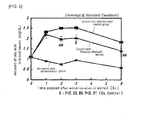
FIG. 4] FIG. 4 is diagram which illustrates values of uric acid in blood serum when an extract of Cuminum cyminum, Zanthoxylum bungeanum or Sorghum nervosum was orally administered to induced hyperuricemic model rats. - [
Fig, 5] FIG. 5 is diagram which illustrates values of uric acid in blood serum when an extract of Pimenta officinalis was orally administered to induced hyperuricemic model rats. - A xanthine oxidase inhibitor and a uric acid-producing inhibitor according to the present invention comprises an extract from at least one member selected from the group consisting of Zanthoxylum bungeanum, Sorghum nervosum, Cuminum cyminum, Rosa centifolia, Pimenta officinalis, Origanum majorana, Psidium guajava, Pimpinella anisum, Olea europaea, Illicium verum, Canavalia gladiata, Hyssopus officinalis, Ribes nigrum, Vaccinium myrtillus, Artemisia princeps and Haematoxylon campechianum L. These extracts are originated from natural products, in addition, they are the extract of those which have been conventionally ingested as herb medicine and a spice, etc. Thus, the xanthine oxidase inhibitor and uric acid-producing inhibitor of the present invention have no side effects even when they are continuously used, and they are useful as a highly safe pharmaceutical agent, a food product or a beverage which has an effect of improving or preventing gout, hyperuricemia or a cardiovascular disease:
- in the present invention, Zanthoxylum bungeanum is a deciduous shrub belonging to genus Zanthoxylum in the Rutaceae family, native to China. Conventionally, a herb medicine containing seeds of Zanthoxylum bungeanum as a raw material has been mainly used as a common drug for stomachache our diarrhea.
- In the present invention, Sorghum nervosum is an annual plant belonging to genus Sorghum in the Poaceae family, native to tropical Africa. Conventionally, Sorghum nervosum has been mainly used as grains, raw materials for producing alcohol, and coloring materials.
- In the present invention, Cuminum cyminum is an annual plant belonging to genus Cuminum in the Apiaceae family, native to Egypt, etc. Conventionally, Cuminum cyminum has been mainly used as a spice.
- In the present invention, Rosa centifo/ia is a plant belonging to genus Rosa in the Rosaceae family, native to France, etc. Conventionally, Rosa centifolia has been mainly used as an ornamental plant or a raw material for preparing perfume. Specifically, petals of pink rose or the pike are used as an example of the Rosa centifolia.
- In the present invention, Pimenta officinalis indicates fruits or leaves of an evergreen high tree belonging to genus Pimenta in the Myrtaceae family, which is called "allspice" and native to Jamaica. Conventionally, it has been mainly used as a spice.
- In the present invention, Origanum majorana is a perennial plant belonging to genus Origanum in the Lamiaceae family, native to Egypt. Conventionally, Origanum majorana has been mainly used as a spice.
- in the present invention, Psidium guajava is a tropical evergreen shrub belonging to genus Psidium in the Myrtaceae family native to Mexico and the tropical United States.
- In the present invention, Pimpinella anisum is an annual plant belonging to genus Pimpinella in the Apiaceae family, native to eastern mediterranean region including Greece and Egypt, etc. The Pimpinella anisum seed (also known as "aniseed"), which is the fruit of the plant, is mainly used as a spice and perfume.
- In the present invention, Olea europaea is an evergreen high tree belonging to genus Olea in the Oleaceae family, native to mediterranean coast region. Fruits of the plant (i.e., sarcocarp and seeds) are used as a raw material for olive oil.
- In the present invention, Illicium verum is an evergreen high tree belonging to genus Illicium in the Illiciaceae family, native to China. Dried fruits of the plant are mainly used as a spice which is called "star anise."
- In the present invention, Canavalia gladiata is an annual plant belonging to genus Canavalia in the Fabaceae family, which is also known "sword bean" and cultivated in tropical Asia region, etc. The Canavalia gladiata is used as an oriental medicine, a health food product and a health tea.
- In the present invention, Hyssopus officinalis is a semi-evergreen shrub belonging to genus Hyssopus in the Lamiaceae family, native to Europe and Southeastern Asia. Hyssopus officinalis is mainly used as aroma oil.
- in the present invention, Ribes nigrum is a deciduous shrub belonging to genus Ribes in the Grossulariaceae family, which is native to Europe and Central Asia and also referred to as cassis. Fruits of the plant are mainly used as food.
- In the present invention, Vaccinium myrtillus is a deciduous shrub belonging to genus Vaccinium in the Ericaceae family, which is native to North America and also referred to as Bilberry. Vaccinium myrtillus is mainly consumed as a raw food or used for producing a processed food product, etc.
- In the present invention, Artemisia princeps is a perennial plant belonging to genus Artemisia in the Asteraceae family, which is native to Japan and Korean Peninsula and also referred to mugwort. Conventionally, Artemisia princeps has been mainly used as a food material.
- In the present invention, Haematoxylon campechianum L. is an evergreen medium-height tree belonging to genus Haematoxylon in the Caesalpiniaceae family, native to Mexico, and it is also called "logwood." Haematoxylon campechianum L. is mainly used as a source for obtaining honey, a dye, a pigment and an ink, etc.
- According to the present invention, any part of the plants described above can be used. For example, one or a plurality of any parts like the whole tree, whole plant, roots, tubers, trunks, branches, stems, leaves, tree barks, tree sap, tree lipids, flowers, petals, flower buds, fruits, pericarps, husks, seeds, shells, sprouts, flower spikes and core material and a combination thereof can be used.
- In the present invention, it is preferable that seeds of Zanthoxylum bungeanum be used to obtain the extract of Zanthoxylum bungeanum.
- In the present invention, it is preferable that fruits or husks of Sorghum nervosum be used to obtain the extract of Sorghum nervosum. It may be possible to use commercially available Sorghum nervosum pigment (for example, the Sorghum nervosum pigment manufactured by OCI Corporation) as the extract of Sorghum nervosum.
- In the present invention, it is preferable that seeds of Cuminum cyminum be used to obtain the extract of Cuminum cyminum.
- In the present invention, it is preferable that petals or flower buds of Rosa centifolia be used to obtain the extract of Rosa centifolia.
- In the present invention, it is preferable that fruits and/or leaves of Pimenta officina/is be used to obtain the extract of Pimenta officinalis.
- In the present invention, it is preferable that leaves and/or above-ground parts of Origanum majorana be used to obtain the extract of Origanum majorana.
- In the present invention, it is preferable that leaves, fruits and/or pericarps of Psidium guajava be used to obtain the extract of Psidium guajava.
- In the present invention, it is preferable that fruits and/or seeds of Pimpinella anisum be used to obtain the extract of Pimpinella anisum.
- In the present invention, it is preferable that fruits, seeds and/or leaves of Olea europaea be used to obtain the extract of Olea europaea. It is particularly preferable that the leaves be used for extraction.
- In the present invention, it is preferable that pericarps, fruits and/or seeds of Illicium verum be used to obtain the extract of Illicium verum.
- In the present invention, it is preferable that above-ground parts of a Canada gladiata be used to obtain the extract of Canada gladiata. It is particularly preferable that the shells and/or seeds be used for extraction.
- In the present invention, it is preferable that above-ground parts like leaves, stems, sprouts, flowers and the like of Hyssopus officina/is be used to obtain the extract of Hyssops officinalis. It is particularly preferable that the leaves of Hyssopus officinalis be used for extraction.
- In the present invention, it is preferable that leaves, fruits and/or seeds of Ribes nigrum be used two obtain the extract of Ribes nigrum. It is particularly preferable that the fruits of Ribes nigrum be used.
- In the present invention, it is preferable that above-ground parts of Vaccinium myrtilius be used to obtain the extract of Vaccinium myrtillus. It is particularly preferable that the leaves, fruits, pericarps and/or seeds of Vaccinium myrtillus be used for extraction.
- in the present invention, it is preferable that above-ground parts including whole plant like leaves, stems, sprouts and flower spikes, etc. of Artemisia princeps be used to obtain the extract of Artemisia princeps. It is particularly preferable that the leaves of Artemisia princeps be used for extraction.
- In the present invention, it is preferable that above-ground parts of Haematoxylon campechianum L. be used to obtain the extract of Haematoxylon campechianum L.
- A method of producing an extract of Zanthoxylum bungeanum, Sorghum nervosum, Cuminum cyminum, Rosa centifolia, Pimenta officinalis, Origanum majorana, Psidium guajava, Pimpinella anisum, Olea europaea, Illicium verum, Canavalia gladiata, Hyssopus officinalis, Ribes nigrum, Vaccinium myrtillus, Artemisia princeps or Haematoxylon campechianum L. for use in the present invention is not specifically limited. By performing extraction with the plant based on an ordinary method in the art, the extract can be obtained.
Specifically, juice obtained by subjecting dried products of the plants, smashed products thereof or the plants themselves to pressure-extraction, a crude extract obtained by using water or an organic solvent such as alcohol, ether and acetone, and an extraction fraction that is obtained by purifying the crude extract by distribution or various chromatographies like column chromatography, etc. may be used as the extract in the present invention. These can be used singly or in combination of two or more. In the present invention, it is preferable to use an extract which is obtained from a dried product obtained by drying the plant or smashed product thereof by using water, alcohol or their mixture.
The extraction time and extraction temperature required for obtaining the extract for use in the present invention are not specifically limited. With respect to the extraction time, it is preferably 30 minutes to 20 days, and more preferably 1 day to 10 days. With respect to the extraction temperature, it is preferably 0 to 100°C and more preferably 10 to 70°C. - The extract obtained from the plant may be used as it is as a xanthine oxidase inhibitor or a uric acid-producing inhibitor. Alternatively, it may be used as a xanthine oxidase inhibitor or a uric acid-producing inhibitor after it is added with an appropriate liquid or solid vehicle or an extended like titanium oxide, calcium carbonate, distilled water, lactose and starch. In addition, the extract may be used as an agent for inhibiting an increase in a value of blood uric acid, or a preventing agent against onset possibility of gout or hyperuricemia. In such case, the amount of the extract of Zanthoxylum bungeanum, Sorghum nervosum, Cuminum cyminum, Rosa centifolia, Pimenta officinalis, Origanum majorana, Psidium guajava, Pimpinella anisum, Olea europaea, Illicium serum, Canavalia gladiata, Hyssopus officinalis, Ribes nigrum, Vaccinium myrtillus, Artemisia princeps or Haematoxylon campechianum L. ion the xanthine oxidase inhibitory, the uric acid-producing inhibitor, the agent for inhibiting an increase in value of blood uric acid or the preventing agent against onset possibility of gout or hyperuricemia is not specifically limited. However, in terms of solid content concentration, the extract is preferably contained in an amount of 0.001 to 100% by mass, more preferably 0.01 to 80% by mass, and still more preferably 0.1 to 80% by mass.
- The extract of each of Zanthoxylum bungeanum, Sorghum nervosum, Cuminum cyminum, Rosa centifolia, Pimenta officinalis, Origanum majorana, Psidium guajava, Pimpinella anisum, Olea europaea, Illicium verum, Canavalia gladiata, Hyssopus officinalis, Ribes nigrum, Vaccinium myrtillus, Artemisia princeps and Haematoxylon campechianum L. has an activity of inhibiting a xanthine oxidase and an activity of inhibiting uric acid production. As such, the extract from at least one member selected from the group consisting of Zanthoxylum bungeanum, Sorghum nervosum, Cuminum cyminum, Rosa centifolia, Pimenta officinalis, Origanum majorana, Psidium guajava, Pimpinella anisum, Olea europaea, Illicium verum, Canavalla gladiata, Hyssopus officinalis, Ribes nigrum, Vaccinium myrtillus, Artemisia princeps and Haematoxylon campechianum L. can be used as a pharmaceutical agent for the prevention of gout, hyperuricemia or a cardiovascular disease like hypertension, and the like, and reduction or improvement of their onset possibility. Furthermore, a food product and a beverage containing the extract from at least one member selected from the group consisting of Zanthoxylum bungeanum, Sorghum nervosum, Cuminum cyminum, Rosa centifolia, Pimenta officinalis, Origanum majorana, Psidium guajava, Pimpinella anisum, Olea europaea, Illicium verum, Canavalia gladiata, Hyssopus officinalis, Ribes nigrum, Vaccinium myrtillus, Artemisia princeps and Haematoxylon campechianum L. have an effect of inhibiting a xanthine oxidase, an effect of inhibiting uric acid production, an effect of inhibiting an increase in value of blood uric acid, and an effect of improving or preventing gout, hyperuricemia and a cardiovascular disease or reducing their onset possibility. It has never been known before that the extract of each of Zanthoxylum bungeanum, Sorghum nervosum, Cuminum cyminum, Rosa centifolia, Pimenta officinalis, Origanum majorana, Psidium guajava, Pimpinella anisum, Olea europaea, Illicium verum, Canava/ia gladiata, Hyssopus officinalis, Ribes nigrum, Vaccinium myrtillus, Artemisia princeps and Haematoxylon campechianum L. has an activity of inhibiting xanthine oxidase and an activity of inhibiting uric acid production, and it is first discovered by the inventors of the present invention.
- The xanthine oxidase inhibitor and uric acid-producing inhibitor which contains, as an effective component, the extract from at least one member selected from the group consisting of Zanthoxylum bungeanum, Sorghum nervosum, Cuminum cyminum, Rosa centifolia, Pimenta officinalis, Origanum majorana, Psidium guajava, Pimpinella anisum, Olea europaea, Illicium verum, Canavalia gladiata, Hyssopus officina/is, Ribes nigrum, Vaccinium myrtillus, Artemisia princeps and Haematoxylon campechianum L. can be used as it is as the beverage or the food product of the present invention. Alternatively, they can be used as an additive or a blend preparation for a beverage or a food product. In the present invention, the additive or the blend preparation for a beverage or a food product indicates an additive or a blend preparation generally used for a beverage of a food product like a perfume, a pigment and an anti-oxidizing agent, that is mixed with the xanthine oxidase inhibitor or the uric acid-producing inhibitor which contains, as an effective component, the extract from at least one member selected from the group consisting of Zanthoxylum bungeanum, Sorghum nervosum, Cuminum cyminum, Rosa centifolia, Pimenta officinalis, Origanum majorana, Psidium guajava, Pimpine/la anisum, Olea europaea, Illicium verum, Canavalia gladiata, Hyssopus officinalis, Ribes nigrum, Vaccinium myrtillus, Artemisia princeps and Haematoxylon campechianum L.
- The xanthine oxidase inhibitor or the uric acid-producing inhibitor of the present invention may be used as it is as an agent for improving or preventing gout, hyperuricemia or a cardiovascular disease. Alternatively, by incorporating the xanthine oxidase inhibitor or the uric add-producing inhibitor of the present invention as an effective component and mixing with other components, it may be used as an agent for improving or preventing gout, hyperuricemia or a cardiovascular disease.
- By mixing the agent for improving or preventing gout, hyperuricemia or a cardiovascular disease of the present invention with an appropriate amount of the extract of Zanthoxylum bungeanum, Sorghum nervosum, Cuminum cyminum, Rosa centifolia, Pimenta officinalis, Origanum majorana, Psidium guajava, Pimpinella anisum, Olea europaea, Illicium verum, Canavalia gladiata, Hyssopus officinalis, Ribes nigrum, Vaccinium myrtillus, Artemisia princeps and/or Haematoxylon campechianum L., and if necessary, with various additives, pharmaceutical agents of various formulation can be prepared. For example, it may be prepared as an orally administered drug like a tablet, a capsule, a granule, a powder, a syrup and an extract, or a parenterally administered drug like an ointment, an eye ointment, a lotion, a cream, a patch, a suppository, an eye drop, a nose drop and an injection solution. These pharmaceutical agents can be produced by using various additives according to an ordinary method. The additives used are not specifically limited and those that are commonly used may be used. Examples thereof include a solid carrier such as starch, lactose, white sugar, mannitol, carboxymethylcellulose, corn starch and inorganic sait; a liquid carrier such as distilled water, physiological saline, aqueous glucose solution, alcohol like ethanol, propylene glycol and polyethylene glycol; an oil carrier such as various animal or vegetable oils, white vaseline, paraffin and waxes; a stabilizing agent, a humidifying agent, an emulsifying agent, a binding agent, and an isotonic agent.
- With respect to the agent for improving or preventing gout, hyperuricemia or a cardiovascular disease of the present invention, the mixing ratio of the extract is not particularly limited. In terms of solid content concentration, the extract is admixed in an amount of preferably 0.001 to 100% by mass, more preferably 0.01 to 80% by mass, and still more preferably 0.1 to 80% by mass.
- The effective dosage of the agent for improving or preventing gout, hyperuricemia or a cardiovascular disease of the present invention is appropriately selected and determined based on age, body weight, symptom and condition of a patient, an administration route, an administration schedule, a preparation type, and strength of the inhibitory activity of a material, and the like. For oral administration, for example, it is preferably 0.001 to 10 g/kg of body weight per day in general. It can be also administered in several divided doses per day.
- The xanthine oxidase inhibitor or uric acid-producing inhibitor which contains, as an effective component, the extract from at least one member selected from the group consisting of Zanthoxylum bungeanum, Sorghum nervosum, Cuminum cyminum, Rosa centifolia, Pimenta officinalis, Origanum majorana, Psidium guajava, Pimpinella anisum, Olea europaea, Illicium verum, Canavalia gladiata, Hyssopus officinalis, Ribes nigrum, Vaccinium myrtillus, Artemisia and Haematoxylon campechianum L. can be used as it is as the beverage or the food product of the present invention. Furthermore, a food product or a beverage which contains, as an effective component, the xanthine oxidase inhibitor or uric acid-producing inhibitor which contains, as an effective component, the extract from at least one member selected from the group consisting of Zanthoxylum bungeanum, Sorghum nervosum, Cuminum cyminum, Rosa centifolia, Pimenta officinalis, Origanum majorana, Psidium guajava, Pimpinella anisum, Olea europaea, Illicium verum, Canavalia gladiata, Hyssopus officinalis, Ribes nigrum, Vaccinium myrtillus, Artemisia princeps and Haematoxylon campechianum L. can provided. The food product or beverage of the present invention which contains the extract described above has an effect of inhibiting a xanthine oxidase, an effect of inhibiting uric acid production and an effect of inhibiting an increase in value of blood uric acid, as well as an effect of improving or preventing gout, hyperuricemia and a cardiovascular disease, and reducing their onset possibility. Thus, based on the idea of having an effect of inhibiting a xanthine oxidase, an effect of inhibiting uric acid production, an effect of inhibiting an increase in value of blood uric acid, an effect of improving or preventing gout, hyperuricemia or a cardiovascular disease, or reducing their onset possibility, the food product or beverage of the present invention containing the extract described above may be applied to a functional food and beverage product, a food and beverage product for a patient, and a special health food and beverage product in which the point of use is indicated, if necessary. Furthermore, the xanthine oxidase inhibitor and the uric acid-producing inhibitor of the present invention may be used for production of the functional food and beverage product, the food and beverage product for a patient, and the special health food and beverage product that are described above.
- The food product containing the xanthine oxidase inhibitor or uric acid-producing inhibitor of the present invention as an effective component may be provided by adding an appropriate aiding agent to the xanthine oxidase inhibitor or uric acid-producing inhibitor containing, as an effective component, the extract of Zanthoxylum bungeanum, Sorghum nervosum, Cuminum cyminum, Rosa centifolia, Pimenta officinalis, Origanum majorana, Psidium guajava, Pimpinella anisum, Olea europaea, Illicium verum, Canavalia gladiata, Hyssopus officinalis, Ribes nigrum, Vaccinium myrtillus, Artemisia princeps and/or Haematoxylon campechianum L., and be molding them using an ordinary means to a form suitable for eating, for example, a granule, a particle, a tablet, a capsule and a paste. Furthermore, the food product of the present invention can be provided as a candy, a troche, a gum, a yogurt, an ice cream, a pudding, a jelly, a sweet jelly of red beans and the like in which an appropriate amount of the xanthine oxidase inhibitor or uric acid-producing inhibitor of the present invention containing, has an effective component, the extract of Zanthoxylum bungeanum, Sorghum nervosum, Cuminum cyminum, Rosa centifolia, Pimenta officinalis, Origanum majorana, Psidium guajava, Pimpinella anisum, Olea europaea, Illicium verum, Canavalia gladiata, Hyssopus officinalis, Ribes nigrum, Vaccinium myrtillus, Artemisia princeps and/or Haematoxylon campechianum L. is contained. These food products may be provided by an ordinary method with addition of various additives, if necessary.
- The beverage of the present invention can be provided as an alcoholic drink, a coffee drink, a juice, a fruit juice drink, a soda drink, a cooling and refreshing drink, a milk, a whey beverage, a yogurt drink and the like in which an appropriate amount of the xanthine oxidase inhibitor or uric acid-producing inhibitor of the present invention containing, as an effective component, the extract of Zanthoxylum bungeanum, Sorghum nervosum, Cuminum cyminum, Rosa centifolia, Pimenta officinalis, Origanum majorana, Psidium guajava, Pimpine/la anisum, Olea europaea, Illicium verum, Canava/ia gladiata, Hyssopus officinalis, Ribes nigrum, Vaccinium myrtillus, Artemisia princeps and/or Haematoxylon campechianum L. is contained. These beverages may be prepared by an ordinary method with addition of various additives, if necessary.
- These food products or beverages which contain as an effective component the xanthine oxidase inhibitor or uric acid-producing inhibitor of the present invention may be produced according to an ordinary method by appropriately mixing additives generally used for a food product or a beverage like glucose, fructose, sucrose, maltose, sorbitol, stevioside, rubusoside, corn syrup, lactose, citric acid, tartaric acid, malic acid, succinic acid, lactic acid, L-ascorbic acid, dl-α-tocopheol, sodium erythorbate, glycerin, propylene glycol, glycerin fatty acid ester, polyglycerin fatty acid ester, sucrose fatty acid ester, sorbitan fatty acid ester, propylene glycol fatty acid ester, gum Arabic, carrageenan, casein, gelatin, pectin, agar, vitamin B groups, nicotinic acid amide, calcium pantothenate, amino acids, calcium salts, pigments, perfumes and preservatives
- With respect to the food product or beverage containing, as an effective component, the xanthine oxidase inhibitor or uric add-producing inhibitor of the present invention, the mixing ratio of the extract of Zanthoxylum bungeanum, Sorghum nervosum, Cuminum cyminum, Rosa centifolia, Pimenta officinalis, Origanum majorana, Psidium guajava, Pimpinella anisum, Olea europaea, Illicium verum, Canavalia gladiata, Hyssopus officinalis, Ribes nigrum, Vaccinium myrtillus, Artemisia princeps or Haematoxylon campechianum L. is not particularly limited. In terms of solid content concentration, the extract is admixed in an amount of preferably 0.001 to 100% by mass, more preferably 0.01 to 80% by mass, and still more preferably 0.1 to 80% by mass.
- When a food product, a beverage or a pharmaceutical agent which contains, as an effective component, the xanthine oxidase inhibitor or uric acid-producing inhibitor of the present invention is to be prepared, other extracts which also exhibit an activity of inhibiting a xanthine oxidase or an activity of inhibiting uric acid production may be used together (for example, an extract of rosemary, peppermint or the like (see,
JP-A-2003-252776 - Hereinafter, the present invention will be described more in detail with reference to Examples, but it should be understood that the technological scope of the present invention is particularly limited by the following Examples.
- To 40 g of Cuminum cyminum seeds (obtained from SHINWA BUSSAN CO., LTD.), 400 mL of aqueous ethanol solution (50% by volume) was added, and then extraction was carried out for 14 days at room temperature under a stable condition. After that, the extract was obtained by performing filtration. The solid content concentration of the extract was 1.64% (w/v).
- To 10 g of petals of pink rose (obtained from TOCHIMOTO TENKAIDO CO., LTD.), 100 mL of aqueous ethanol solution (50% by volume) was added, and then extraction was carried out for 7 days at room temperature under a stable condition. After that, the Rosa centifiolia extract was obtained by performing filtration. The solid content concentration of the extract was 4,52% (w/v).
- To 10 g of seeds of Zanthoxylum bungeanum (obtained from TOCHIMOTO TENKAIDO CO., LTD.), 100 mL of aqueous ethanol solution (50% by volume) was added, and then extraction was carried out for 7 days at room temperature under a stable condition. After that, the Zanthoxylum bungeanum extract was obtained by performing filtration. The solid content concentration of the Zanthoxylum bungeanum extract was 2.24% (w/v).
- Sorghum nervosum pigment (obtained from OCI Corporation) was dissolved in an aqueous ethanol solution (50% by volume) to have 1% (w/v) concentration, and as a result, the Sorghum nervosum extract was prepared.
- To 10 g of fruit part of Pimenta officinalis (obtained from TOCHIMOTO TENKAIDO CO., LTD.), 100 mL of aqueous ethanol solution (50% by volume) was added, and then extraction was carried out for 7 days at room temperature under a stable condition. After that, the extract was obtained by performing filtration. The solid content concentration of the extract was 1.33% (w/v).
- The extract powder of Psidium guajava leaves (obtained from MATSUURA YAKUGYOU Co., Ltd.) was dissolved in an aqueous ethanol solution (20% by volume) to have the concentration of 1% (w/v), and as a result, the extract was obtained.
- To 10 g of above-ground parts of Origanum majorana (including leaves) (obtained from TOCHIMOTO TENKAIDO CO., LTD.), 100 mL of aqueous ethanol solution (50% by volume) was added, and then extraction was carried out for 7 days at room temperature under a able condition. After that, the extract was obtained by performing filtration. The solid content concentration of the extract was 2.22% (w/v).
- To 10 g of seeds of Pimpinella anisum (obtained from TOCHIMOTO TENKAIDO CO., LTD.), 100 mL of aqueous ethanol solution (50% by volume) was added, and then extraction was carried out for 7 days at room temperature under a stable condition. After that, the extract was obtained by performing filtration. The solid content concentration of the extract was 1.12% (w/v). The extract was diluted with aqueous ethanol solution (50% by volume), to be 1.00% (w/v) of the solid content concentration.
- The Olea europaea extract powder (obtained from NIPPON Funmatsu Yakuhin Co., Ltd.), which has been prepared by extraction from Olea europaea leaves with ethanol, was dissolved in an aqueous ethanol solution (40% by volume) to obtain the Olea europaea extract with a solid content concentration of 1.00% (w/v).
- To 10 g of fruits of Illicium verum (star anise) (obtained from TOCHIMOTO TENKAIDO CO., LTD.), 100 mL of aqueous ethanol solution (50% by volume) was added, and then extraction was carried out for 7 days at room temperature under a stable condition. After that, the extract was obtained by performing filtration. The solid content concentration of the extract was 2.51% (w/v). The extract was diluted with aqueous ethanol solution (50% by volume), to be 1.00% (w/v) of the solid content concentration.
- To 10 g of Canavalia gladiata (obtained from SHINWA BUSSAN CO., LTD.), 100 mL of hot water was added, and then extraction was carried out for 7 hours at 70°C. After that, the liquid extract was obtained by performing filtration. The liquid extract was added with ethanol (99.5% by volume) to give an aqueous ethanol solution (10% by volume). The solid content concentration of this liquid extract was 0.76% (w/v).
- To 10 g of above-ground parts of Hyssops officinalis (obtained from TOCHIMOTO TENKAIDO CO., LTD.), 100 mL of aqueous ethanol solution (50% by volume) was added, and then extraction was carried out for 7 days at room temperature under a stable condition. After that, the extract was obtained by performing filtration. The solid content concentration of the extract was 1.76% (w/v). The extract was diluted with aqueous ethanol solution (50% by volume), to be 1.00% (w/v) of the solid content concentration.
- The Ribes nigrum extract powder (obtained from Kenko Corporation) which has been prepared from fruits of Ribes nigrum from Northern Europe was dissolved in an aqueous ethanol solution (50% by volume) to obtain the Ribes nigrum extract with solid content concentration of 1.00% (w/v).
- The Vaccinium myrtillus extract powder (obtained from Kenko Corporation) was dissolved in an aqueous ethanol solution (50% by volume) to obtain the Vaccinium myrtillus extract with solid content concentration of 1.00% (w/v).
- The dried Artemisia princeps extract F (obtained from Maruzen Pharmaceuticals Co., Ltd.) which has been prepared by extraction from dried Artemisia princeps leaves with hot water was dissolved in an aqueous ethanol solution (20% by volume) to obtain the Artemisia princeps extract with solid content concentration of 1.00% (w/v).
- The logwood extract (trade name: HEMATEIN, obtained from ICHIMARU PHARCOS), which is an extract of Haematoxylon campechianum L., was dissolved in an aqueous ethanol solution (20% by volume) to obtain the Haematoxylon campechianum L. extract with solid content concentration of 1.00% (w/v).
- Hypoxanthine (manufactured by Wako Pure Chemical Industries, Ltd.; concentration: 100 µM/L) and a xanthine oxidase (originating from buttermilk; manufactured by Wako Pure Chemical Industries, Ltd.; concentration: 0.01 unit/mL) were dissolved in a sodium phosphate buffer solution (pH: 7.6; concentration in the reaction solution: 25 mM/L) to prepare a sample solution. To this sample solution, various extracts which had been prepared in the above preparative examples were added to have a concentration of 1% by volume, 0.1 % by volume or 0.01 % by volume, and then the components reacted with each other. After reaction of the reaction solution for 30 minutes at room temperature, 0.3 mol/L of perchloric acid was added in the amount that was the half of the amount of the reaction solution to terminate the reaction.
Upon the completion of the reaction, 0.2 mol/L of sodium dihydrogen phosphate was added in the amount that was the half of the amount of the reaction solution to give a sample for HPLC. The amount of the uric acid contained in the sample for HPLC was measured using the HPLC system (manufactured by SHIMADZU CORPORATION). Summary of the HPLC system is described below. - System controller: SCL-10A (trade name, manufactured by SHIMADZU CORPORATION)
Column oven: CTO-10A (trade name, manufactured by SHIMADZU CORPORATION)
Pump: LC-10AD (trade name, manufactured by SHIMADZU CORPORATION) Auto-sampler: SIL-10A (trade name, manufactured by SHIMADZU CORPORATION)
Detector: SPD-10A (trade name, manufactured by SHIMADZU CORPORATION) - The above sample for HPLC in an amount of 50 µL was injected to a column (trade name: INERTSIL ODS-3 (particle diameter of 5 µm; inner diameter of 4.6 mm, and length of 250 mm, manufactured by GL Sciences Inc.)), and then eluted at a column temperature of 40°C using an elution solution (5% methanol, 60 mM phosphoric acid, 14 mM disodium hydrogen phosphate (pH 2.2)) with a flow rate of 1.0 mL/min. By measuring the absorbance at 265 nm, the measurement of the uric acid amount produced was carried out.
As a control test, the production amount of uric acid was also measured by HPLC for the reaction solution not containing any of the above extracts. - The activity of inhibiting a xanthine oxidase (activity of inhibiting uric acid production) upon the addition of various extracts was calculated according to the following equation.

Results are shown inTale 1 andFIGS. 1 to 3 . -
Table 1 (Average ± Standard Deviation (n=3)) Kind of extract Xanthine oxidase inhibition rate (%) 1% by volume 0.1% by volume 0.01 % by volume Cuminum cyminum 74.0 ± 4.2 26.3 ± 10.1 1.7 ± 15.1 Rosa centifolia 94.0 ± 0.8 42.8 ± 1.2 14.1 ± 16.6 Zanthoxylum bungeanum 61.1 ± 2.7 - - Sorghum nervosum 56.3 ± 0.5 - - Pimenta officinalis 86.8 ± 1.8 31.9 ± 1.8 8.2 ± 11.4 Psidium guajava 66.7 ± 6.4 - - Origanum majorana 93.9 ± 1.5 - - Pimpinella anisum 68.8 ± 0.3 10.7 ± 0.9 7.5 ± 6.2 Olea europaea 59.2 ± 0.8 21.4 ± 0.3 1.3 ± 7.0 Illicium verum 43.6 ± 4.4 20.0 ± 2.8 10.9 ± 4.0 Canavalia gladiata 72.6 ± 4.2 16.1 ± 1.8 11.3 ± 2.4 Hyssopus officinalis 48.1 ± 2.4 9.3 ± 3.0 12.0 ± 1.9 Ribes nigrum 76.8 ± 0.7 27.9 ± 1.3 8.5 ± 2.6 Vaccinium myrtillus 69.0 ± 0.7 16.2 ± 0.9 4.4 ± 1.9 Artemisia princess 40.5 ± 2.1 3.0 ± 2.5 3.3 ± 2.2 Haematoxylon campechianum L. 76.8 ± 0.7 31.7 ± 6.2 7.1 ± 4.1 - As clearly shown in Table 1 and
FIGS. 1 to 3 , it was found that each of the extracts of Zanthoxylum bungeanum, Sorghum nervosum, Cuminum cyminum, Rosa centifolia, Pimenta officinalis, Origanum majorana, Psidium guajava, Pimpinella anisium, Olea europaea, Illicium verum Canavalia gladiata, Hyssops officinalis, Ribes nigrum, Vaccinium myrtillus, Artemisia princeps and Haematoxylon campechianum L. has an activity of inhibiting a xanthine oxidase and an activity of inhibiting uric acid production. In addition, it was also confirmed that no uric acid was produced in the reaction solution which did not contain the extract and the enzyme (i.e., xanthine oxidase).
Therefore, the xanthine oxidase inhibitor and the uric acid-producing inhibitor of the present invention were found to have an excellent effect of inhibiting an activity of a xanthine oxidase and an excellent effect of inhibiting production of uric acid, respectively. - SD male rats (6 week old; provided by Charles River Laboratories Japan Inc.) were bred in a stainless bracket breeding cage under the temperature of 23±2°C, humidity of 55±10%, and 12-hour light/dark cycle (light period: from 7:00 AM to 7:00 PM). During the breeding, the rats were fed with solid feeds for test animals (CE-2 solid feed, manufactured by CLEA Japan, Inc.) and tap water using an automatic water feeding machine with free access.
Onset of hyperuricemia in the rat was caused by slight modification of the method using oxonic acid, i.e., a hyperuricemia-inducing agent, as described in "Eur J Pharmacol," 1993, Vol. 241, No.3, pp. 188-188 by Komoriya K. et al. Specifically, the rats were divided into five groups, each group having 5 animals with similar average body weight, yielding no oxonic acid administration group-1, oxonic acid administration control group-1, oxonic acid-Cuminum cyminum extract administration group, oxonic acid-Zanthoxylum bungeanum extract administration group, and oxonic acid-Sorghum nervosum extract administration group. Meanwhile, other rats different from the above were divided into three groups, each group having 5 animals with similar average body weight, yielding no oxonic acid administration group-2, oxonic acid administration control group-2 and oxonic acid-Pimenta officinalis extract administration group. - Animals of no oxonic acid administration group-1, oxonic acid administration control group-1, oxonic acid-Cuminum cyminum extract administration group, oxonic acid-Zanthoxylum bungeanum extract administration group and oxonic acid-Sorghum nervosum extract administration group were forced to fast for 12 hours. After that, the animals of the no oxonic acid administration group-1 were orally administered with 0.5 w/v% methylcellulose solution (400 cP, sterilized, manufactured by Wako Pure Chemical Industries, Ltd.) in a dosage of 5 mL/kg of body weight. To the groups other than the no oxonic acid administration group-1, potassium oxonate (manufactured by Sigma Aldrich Chemie Gmbh) dissolved in 0.5 w/v% methylcellulose solution to have the concentration of 500 mg/5 mL was orally administered in a dosage of 5 mL/kg of body weight. One hour after the administration of oxonic acid, to the groups of oxonic acid-Cuminum cyminum extract administration group, oxonic acid-Zanthoxylum bungeanum extract administration group and oxonic acid-Sorghum nervosum extract administration group, a freeze-dry product of Cuminum cyminum extract, a freeze-dry product of Zanthoxylum bungeanum extract or a freeze-dry product of Sorghum nervosum extract, which was dissolved in 0.5 w/v% methylcellulose solution to have the concentration of 4 g/20 mL, was orally administered in a dosage of 20 mL/kg of body weight, while other groups received oral administration of 0.5 w/v% methylcellulose solution in a dosage of 20 mL/kg of body weight. Three hours after the administration, 200 µL of blood was drawn from jugular vein while the animal was being anesthesized. Thus-obtained blood was transferred to a CapiJet Capillary Blood Collection Tube (trade name, purchased from TERUMO Corporation) and centrifuged at 3500 × g for 5 minutes to separate blood serum. As a result, a sample for measuring the amount of uric acid in blood serum was obtained.
To 20 µL of this sample for measuring the amount of uric acid in blood serum, 200 µL of 0.3 mol/L perchloric acid was added. The resultant was allowed to stand on ice for 30 minutes and centrifuged at 20000 × g for 20 minutes to obtain the supernatant. To 100 µL of the supernatant, 100 µL of 0.2 mol/L sodium dihydrogen phosphate was added to give a sample for HPLC. The amount of the uric acid contained in the sample for HPLC was measured using the HPLC system (manufactured by SHIMADZU Corporation). Summary of the HPLC system is described bellow. - System controller: SCL-10A (trade name, manufactured by SHIMADZU CORPORATION)
Column oven: CTO-10A (trade name, manufactured by SHIMADZU
CORPORATION)
Pump: LC-10AD (trade name, manufactured by SHIMADZU CORPORATION) Auto-sampler: SIL -10A (trade name, manufactured by SHIMADZU CORPORATION)
Detector: SPD-10A (trade name, manufactured by SHIMADZU CORPORATiON) - The above sample for HPLC in an amount of 50 µL was injected to a column (trade name: INERTSIL ODS-3 (particle diameter of 5 µm, inner diameter of 4.6 mm and length of 250 mm, manufactured by GL Sciences Inc.)), and then eluted at a column temperature of 40°C using an elution solution (5% methanol, 60 mM phosphoric acid, 14 mM disodium hydrogen phosphate (pH 2.2)) with a flow rate of 0.5 mL/min. By measuring the absorbance at 284 nm, the measurement of the uric acid contained in blood serum was carried out.
The result is shown inFIG. 4 . - As it is clearly shown in
FIG. 4 , it was found that the value of uric acid in blood serum increases by administration of potassium oxonate, i.e., a hyperuricemia-inducing agent. However, it was also found that, by administering the extract of Zanthoxylum bungeanum, Sorghum nervosum or Cuminum cyminum, the increase in the value of uric acid in blood serum resulting from the induced hyperuricemia is inhibited. - Furthermore, after forcing the fasting of the animals of the no oxonic acid administration groups-2, the oxonic acid administration control group-2 and oxonic acid-allspice extract administration group for 12 hours, 200 µL of blood was drawn from jugular vein while the animal was being anesthesized. On hour after the drawing blood, the animals of the no oxonic acid administration group-2 were orally administered with 0.5 w/v% methylcellulose solution (400 cP, sterilized, manufactured by Wako Pure Chemical Industries, Ltd.) in a dosage of 5 mL/kg of body weight. To the groups other than the no oxonic acid administration group-2, potassium oxonate (manufactured by Sigma Aldrich Chemie Gmbh) dissolved in 0.5 w/v% methylcellulose solution to have the concentration of 500 mg/5 mL was orally administered in a dosage of 5 mL/kg of body weight. One hour after the administration of oxonic acid, to the group of oxonic acid-Pimenta officinalis extract administration group, a freeze-dry product of Pimenta officinalis extract, which was dissolved in 0.5 w/v% methylcellulose solution to have the concentration of 4 g/20 mL, was orally administered in a dosage of 20 mL/kg of body weight, while other groups received oral administration of 0.5 w/v% methylcellulose solution in a dosage of 20 mL/kg of body weight. One, two, three and six hours after the administration, 200 µL of blood was drawn from jugular vein while the animal was being anesthesized. Thus-obtained blood was transferred to a CapiJet Capillary Blood Collection Tube (trade name, purchased from TERUMO Corporation) and centrifuged at 3500 × g for 5 minutes to separate blood serum. As a result, a sample for measuring the amount of uric acid in blood serum was obtained. By using these samples for measuring the amount of uric acid in brood serum, the amount of uric acid in blood serum was measured in the same manner as the above. The result is shown in
FIG. 5 . - As it is clearly shown in
FIG. 5 , it was found that the value of uric acid in blood serum increases by administration of potassium oxonate, i.e., a hyperuricemia-inducing agent. However, it was also found that, by administering the extract of Pimenta officinalis, the increase in the value of uric acid in blood serum resulting from the induced hyperuricemia is inhibited. - From the results shown above, it was found that the extract of each of Zanthoxylum bungeanum, Sorghum nervosum, Cuminum cyminum, Rosa centifolia, Pimenta officinalis, Origanum majorana, Psidium guajava, Pimpinella anisum, Olea europaea, Illicium serum, Canavalia gladiata, Hyssopus officinalis, Ribes nigrum, Vaccinium myrtillus, Artemisia princeps and Haematoxylon campechianum L. has an effect of inhibiting a xanthine oxidase, an effect of inhibiting uric acid production, and an effect of inhibiting an increase in a value of blood uric acid, as well as an effect of improving or preventing gout, hyperuricemia or a cardiovascular disease, or reducing their onset possibility. Therefore, the xanthine oxidase inhibitor, the uric acid-producing inhibitor and the agent for improving or preventing gout, hyperuricemia or a cardiovascular disease of the present invention are suitable for improvement or prevention of gout, hyperuricemia or a cardiovascular disease that is caused by abnormality in the metabolism of purine compounds by xanthine oxidase.
- Regarding the agent for improving or preventing gout, hyperuricemia or a cardiovascular disease of the present invention, a shell for a soft capsule preparation having the following composition was filled with 400 mg of soy bean oil and 100 mg of the ethanol extract of Sorghum nervosum or Pimenta officinalis according to a standard method to produce a soft capsule preparation.
(Component) (Content: mass%) Gelatin 70.0 Glycerin 22.9 Methyl paraoxybenzoic acid 0.15 Propyl paraoxybenzoic acid 0.51 Water 6.44 - Regarding the beverage of the present invention, a beverage having the following composition was produced according to a standard method by using the ethanol extract of Sorghum nervosum or Pimenta officinalis.
(Component) (Content: mass%) Powdered skim milk 3.5 Enzyme hydrolysate of milk casein 3.5 Fructose 9.0 Ethanol extract of Sorghum nervosum or Pimenta officinalis 0.5 Citric acid 0.1 Ascorbic acid 0.1 Perfume 0.1 Water 83.2 - The xanthine oxidase inhibitor of the present invention has an excellent effect of inhibiting a xanthine oxidase. Furthermore, the uric acid-producing inhibitor of the present invention has an excellent effect of inhibiting production of uric acid. Therefore, the xanthine oxidase inhibitor and the uric acid-producing inhibitor of the present invention can be used as an agent for improving or preventing gout, hyperuricemia or a cardiovascular disease or preventing their onset possibility, and also under the idea of having an effect of improving or preventing gout, hyperuricemia or a cardiovascular disease or preventing their onset possibility, they can be appropriately used for a functional food and beverage product, a food and beverage product for a patient, and a special health food and beverage product in which the point of use is indicated, if necessary.
- Having described our invention as related to the present embodiments, it is our intention that the invention not be limited by any of the details of the description, unless otherwise specified, but rather be construed broadly within its spirit and scope as set out in the accompanying claims.
- This non-provisional application claims priority under 35 U.S.C. § 119 (a) on Patent Application No.
2008-177016 2008-177017
Claims (12)
- A xanthine oxidase inhibitor, comprising an extract from at least one member selected from the group consisting of Zanthoxylum bungeanum, Sorghum nervosum, Cuminum cymimum, Rosa centifolia, Pimenta officinalis, Origanum majorana, Psidium guajava, Pimpinella anisum, Olea europaea, Illicium verum, Canavalia gladiata, Hyssopus officinalis, Ribes nigrum, Vaccinium myrtillus, Artemisia princeps and Haematoxylon campechianum L.
- A uric acid-producing inhibitor, comprising an extract from at least one member selected from the group consisting of Zanthoxylum bungeanum, Sorghum nervosum, Cuminum cyminum, Rosa centifolia, Pimenta officinalis, Origanum majorana, Psidium guajava, Pimpinella anisum, Olea europaea, Illicium verum, Canavalia gladiata, Hyssopus officinalís, Ribes nigrum, Vaccinium myrtillus, Artemisia princeps and Haematoxylon campechianum L.
- An agent for improving or preventing gout or hyperuricemia, comprising an extract from at least one member selected from the group consisting of Zanthoxylum bungeanum, Sorghum nervosum, Cuminum cyminum, Rosa centifolia, Pimenta officina/is, Origanum majorana, Psidium guajava, Pimpinella anisum, Olea europaea, Illicium verum, Canavalia gladiata, Hyssopus officinalis, Ribes nigrum, Vaccinium myrtillus, Artemisia princeps and Haematoxylon campechianum L.
- An agent for improving or preventing a cardiovascular disease, comprising an extract from at least one member selected from the group consisting of Zanthoxylum hungeanum, Sorghum nervosum, Cuminum cyminum and Rosa centifolia as an effective component.
- The agent for improving or preventing according to Claim 4, wherein the cardiovascular disease is hypertension.
- A food product or a beverage, comprising an extract from at least one member selected from the group consisting of Zanthoxylum bungeanum, sorghum nervosum, Cuminum cyminum, Rosa centifolia, Pimenta officinalis, Origanum majorana, Psidium guajava, Pimpinella anisum, Olea europaea, Illicium verum, Canavalia gladiata, Hyssopus officinalis, Ribes nigrum, Vaccinium myrtillus, Artemisia princeps and Haematoxylon campechianum L.
- Use of an extract from at least one member selected from the group consisting of Zanthoxylum bungeanum, Sorghum nervosum, Cuminum cyminum, Rosa centifolia, Pimenta officinalis, Origanum majorana, Psidium guajava, Pimpinella anisum, Olea europaea, Illicium verum, Canavalia gladiata, Hyssopus officinalis, Ribes nigrum, Vaccinium myrtillus, Artemisia princess and Haematoxylon campechianum L. as a xanthine oxidase inhibitor, a uric acid-producing inhibitor, an inhibitor against increase in value of blood uric acid or a preventing agent against onset possibility of gout or hyperuricemia.
- Use of an extract from at least one member selected from the group consisting of Zanthoxylum bungeanum, Sorghum nervosum, Cuminum cyminum and Rosa centifolia as a preventing agent against onset possibility of a cardiovascular disease.
- An extract from at least one member selected from the group consisting of Zanthoxylum bungeanum, sorghum nervosum, Cuminum cyminum, Rosa centifolia, Pimenta officinalis, Origanum majorana, Psidium guajava, Pimpinella anisum, Olea europaea, Illicium verum, Canavalia gladiata, Hyssops officinalis, Ribes nigrum, Vaccinium myrtillus, Artermisia princeps and Haematoxylon campechianum L. for use in the improvement or prevention of gout or hyperuricemia.
- An extract from at least one member selected from the group consisting of Zanthoxylum bungeanum, Sorghum nervosum, Cuminum cyminum and Rosa cantifolia for use in the improvement or prevention of a cardiovascular disease.
- A method of inhibiting a xanthine oxidase, inhibiting production of uric acid, inhibiting an increase in a value of blood uric acid, or improving or reducing onset probability of gout or hyperuricemia, which comprises administering an extract from at least one member selected from the group consisting of Zanthoxylum bungeanum, Sorghum nervosum, Cuminum cyminum, Rosa centifolia, Pimenta officinalis, Origanum majorana, Psidium guajava, Pimpinella anisum, Olea europaea, Illicium verum, Canavalia gladiata, Hyssopus officinalis Ribes nigrum, Vaccinium myrtillus, Artemisia princeps and Haematoxylon campechianum L.
- A method of improving a cardiovascular disease or reducing onset possibility of the disease, which comprises administering an extract from at least one member selected from the group consisting of Zanthoxylum bungeanum, Sorghum nervosum, Cuminum cyminum and Rosa centifolia.
Applications Claiming Priority (3)
| Application Number | Priority Date | Filing Date | Title |
|---|---|---|---|
| JP2008177017 | 2008-07-07 | ||
| JP2008177016 | 2008-07-07 | ||
| PCT/JP2009/062391 WO2010005004A1 (en) | 2008-07-07 | 2009-07-07 | Xanthine oxidase inhibitor and uric acid production inhibitor |
Publications (3)
| Publication Number | Publication Date |
|---|---|
| EP2322193A1 true EP2322193A1 (en) | 2011-05-18 |
| EP2322193A4 EP2322193A4 (en) | 2015-04-15 |
| EP2322193B1 EP2322193B1 (en) | 2018-04-11 |
Family
ID=41507117
Family Applications (1)
| Application Number | Title | Priority Date | Filing Date |
|---|---|---|---|
| EP09794448.2A Not-in-force EP2322193B1 (en) | 2008-07-07 | 2009-07-07 | Xanthine oxidase inhibitor and uric acid production inhibitor |
Country Status (4)
| Country | Link |
|---|---|
| US (1) | US9827279B2 (en) |
| EP (1) | EP2322193B1 (en) |
| CN (1) | CN102083449A (en) |
| WO (1) | WO2010005004A1 (en) |
Cited By (1)
| Publication number | Priority date | Publication date | Assignee | Title |
|---|---|---|---|---|
| WO2017176777A1 (en) * | 2016-04-04 | 2017-10-12 | Aviragen Therapeutics, Inc. | Bta-c585 for the treatment and/or prevention of conditions related to or associated with hyperuricemia or hyperuricosuria and other conditions |
Families Citing this family (6)
| Publication number | Priority date | Publication date | Assignee | Title |
|---|---|---|---|---|
| CN104706837A (en) * | 2015-02-15 | 2015-06-17 | 孙振海 | Traditional Chinese medicine composition, preparation method thereof, and prepared health care wine |
| TWI715865B (en) * | 2018-09-07 | 2021-01-11 | 鼎赫生物科技股份有限公司 | A natural composition with inhibiting xanthine oxidase activity and its use for reducing uric acid and gout |
| CN110882302B (en) * | 2018-09-07 | 2021-12-03 | 鼎赫生物科技股份有限公司 | Natural composition for reducing uric acid, application thereof and xanthine oxidase inhibitor |
| CN110433201A (en) * | 2019-09-02 | 2019-11-12 | 江西省科学院生物资源研究所 | Application of camphor tree extract in inhibiting xanthine oxidase and tyrosinase activities |
| CN110585358B (en) * | 2019-10-14 | 2021-06-25 | 赵全成 | Application of sorghum bran total flavonoids in preventing and treating gout diseases |
| CN117545462A (en) * | 2021-07-21 | 2024-02-09 | 株式会社资生堂 | OBP promoter |
Family Cites Families (34)
| Publication number | Priority date | Publication date | Assignee | Title |
|---|---|---|---|---|
| JP3988839B2 (en) | 1996-09-19 | 2007-10-10 | 日本製粉株式会社 | Glycerophosphate dehydrogenase inhibitor |
| FR2768622B1 (en) | 1997-09-22 | 1999-11-26 | Oreal | Rosacea extract as antagonist of bradykinin |
| JP2001163794A (en) | 1999-12-03 | 2001-06-19 | Shiseido Co Ltd | Promoter for production of hyaluronic acid and preparation for external use for skin |
| JP3768795B2 (en) | 2000-10-16 | 2006-04-19 | 株式会社ファンケル | Xanthine oxidase inhibitor |
| JP2002241299A (en) * | 2001-02-13 | 2002-08-28 | Ichimaru Pharcos Co Ltd | Maillard reaction repair agent |
| JP2002322055A (en) | 2001-04-26 | 2002-11-08 | Sanei Gen Ffi Inc | Anticancer drug containing delphinidin compound |
| JP2003252776A (en) | 2002-02-27 | 2003-09-10 | Wakunaga Pharmaceut Co Ltd | Xanthine oxidase inhibitor |
| US8337914B2 (en) * | 2002-02-27 | 2012-12-25 | Access Business Group International Llc | Dietary food supplement containing natural cyclooxygenase inhibitors and methods for inhibiting pain and inflammation |
| AU2003209674A1 (en) * | 2002-03-12 | 2003-09-22 | Council Of Scientific And Industrial Research | Bioavailability/bioefficacy enhancing activity of cuminum cyminum and extracts and fractions thereof |
| JP3969272B2 (en) | 2002-10-03 | 2007-09-05 | チッソ株式会社 | Anti-caries and anti-periodontal disease composition |
| JP2006096666A (en) | 2002-10-31 | 2006-04-13 | Kaneka Corp | SELECTIVE HUMAN beta3 ADRENALIN RECEPTOR AGONIST AGENT |
| JP4979181B2 (en) | 2003-01-31 | 2012-07-18 | 株式会社ヤクルト本社 | Glycation inhibitors and uses thereof |
| WO2004075844A2 (en) | 2003-02-26 | 2004-09-10 | Unigen Pharmaceuticals, Inc. | Formulation for use in the prevention and treatment of carbohydrate induced diseases and conditions |
| US7612111B2 (en) | 2003-03-20 | 2009-11-03 | Imagenetix, Inc. | Esterified fatty acid composition |
| WO2004100969A1 (en) | 2003-05-19 | 2004-11-25 | Takara Bio Inc. | Remedy |
| JPWO2005085223A1 (en) | 2004-03-04 | 2007-12-13 | 和夫 永井 | Composition for prevention and / or treatment of bone disease, functional food or health food containing the composition, and pharmaceutical preparation comprising the composition as an active ingredient |
| JP2005350419A (en) | 2004-06-14 | 2005-12-22 | Sceti Co Ltd | Antiallergic composition |
| JP4814509B2 (en) | 2004-11-10 | 2011-11-16 | 一丸ファルコス株式会社 | Melanin production inhibitor containing diarylheptanoid derivative as an active ingredient, skin external preparation, and application to food and drink |
| JP4875298B2 (en) | 2004-12-28 | 2012-02-15 | 一丸ファルコス株式会社 | Trypsin inhibitor |
| JP2006213608A (en) | 2005-02-01 | 2006-08-17 | Asahi Breweries Ltd | Antidepressants and their use |
| JP2006290802A (en) | 2005-04-11 | 2006-10-26 | Kanebo Cosmetics Inc | Novel constitution diagnosis method and counseling method using the same |
| JP2006296226A (en) * | 2005-04-18 | 2006-11-02 | Yakult Honsha Co Ltd | Food and drink containing fucoidan |
| JP2007045814A (en) | 2005-07-11 | 2007-02-22 | Eisai Food Chemical Kk | Cholesterol regulating agent |
| JP2007049955A (en) | 2005-08-19 | 2007-03-01 | Ota Isan:Kk | Food for obesity prevention |
| JP2006036787A (en) | 2005-09-29 | 2006-02-09 | Fancl Corp | Xanthine oxidase inhibitor |
| US8017162B2 (en) | 2005-10-26 | 2011-09-13 | Oryza Oil & Fat Chemical Co., Ltd. | Anti-inflammatory agent |
| JP5303697B2 (en) | 2005-10-26 | 2013-10-02 | オリザ油化株式会社 | Anti-inflammatory agent |
| JP2007261987A (en) | 2006-03-28 | 2007-10-11 | Sanki Shoji Kk | Tyrosinase inhibitor, its production and its application |
| WO2007119837A1 (en) * | 2006-04-14 | 2007-10-25 | Ajinomoto Co., Inc. | Lipase inhibitor |
| JP2007284397A (en) | 2006-04-18 | 2007-11-01 | Toshie Yasuda | Method for producing functional composition |
| JP4888128B2 (en) | 2007-01-18 | 2012-02-29 | 住友電気工業株式会社 | Electron source chip and manufacturing method thereof |
| JP2008177016A (en) | 2007-01-18 | 2008-07-31 | Sharp Corp | LIGHTING DEVICE AND DISPLAY DEVICE HAVING THE SAME |
| EP2251024A4 (en) | 2008-01-23 | 2011-12-28 | Kaneka Corp | Plant-origin drug for preventing or improving hyperuricemia |
| JP2009184992A (en) | 2008-02-08 | 2009-08-20 | Nagaoka Koryo Kk | Fructose absorption inhibitor, composition, food, pharmaceutical preparation, and animal feed |
-
2009
- 2009-07-07 WO PCT/JP2009/062391 patent/WO2010005004A1/en not_active Ceased
- 2009-07-07 CN CN2009801260412A patent/CN102083449A/en active Pending
- 2009-07-07 EP EP09794448.2A patent/EP2322193B1/en not_active Not-in-force
- 2009-07-07 US US13/001,814 patent/US9827279B2/en not_active Expired - Fee Related
Cited By (1)
| Publication number | Priority date | Publication date | Assignee | Title |
|---|---|---|---|---|
| WO2017176777A1 (en) * | 2016-04-04 | 2017-10-12 | Aviragen Therapeutics, Inc. | Bta-c585 for the treatment and/or prevention of conditions related to or associated with hyperuricemia or hyperuricosuria and other conditions |
Also Published As
| Publication number | Publication date |
|---|---|
| WO2010005004A1 (en) | 2010-01-14 |
| EP2322193B1 (en) | 2018-04-11 |
| CN102083449A (en) | 2011-06-01 |
| US20110165274A1 (en) | 2011-07-07 |
| US9827279B2 (en) | 2017-11-28 |
| EP2322193A4 (en) | 2015-04-15 |
Similar Documents
| Publication | Publication Date | Title |
|---|---|---|
| CN102458155B (en) | Green tea extract with improved bioavailability | |
| EP2322193B1 (en) | Xanthine oxidase inhibitor and uric acid production inhibitor | |
| WO1997023210A1 (en) | Antiobestic agent containing procyanidin as the active ingredient | |
| US20140128585A1 (en) | Fructose absorption inhibitor | |
| KR102038810B1 (en) | Growth hormone secretion promoter | |
| WO2013026151A1 (en) | Improved stevia rebaudiana extract and formulation, and uses thereof | |
| KR20160144791A (en) | Composition for relieving menopausal symptom | |
| JP5775922B2 (en) | Xanthine oxidase inhibitor and uric acid production inhibitor | |
| JP6046056B2 (en) | Olive extract containing derhamnosylacteoside | |
| KR101717698B1 (en) | Composition comprising extract of Quercus acuta for prevention and treatment of hyperuricemia and metabolic disorders associated with hyperuricemia | |
| JP2009013080A (en) | Vascular endothelial function improving agent and nitric oxide production promoter | |
| KR20050054009A (en) | Composition comprising the extract of cucurbita spe. or purified extract isolated therefrom having anti-adipogenic and anti-obesity activity | |
| KR20160141027A (en) | Phamaceutical composition or healthy food comprising water extracts from Pleurotus eryngii var. ferulea (Pf.). for treating or preventing metabolic disorder | |
| JP2009184992A (en) | Fructose absorption inhibitor, composition, food, pharmaceutical preparation, and animal feed | |
| JP5498067B2 (en) | Xanthine oxidase inhibitor and uric acid production inhibitor | |
| US20140106015A1 (en) | Composition containing heat-treated powder or extract of glycine soja as active gradient for prevention and treatment of diabetes mellitus and diabetic complications | |
| KR20130122589A (en) | Composition comprising extract of punica granatum for prevention and treatment of stress diseases | |
| KR101303541B1 (en) | A composition having effects of preventing alcoholic liver damage and alcoholic fat liver and of ameliorating hangover | |
| US20070003685A1 (en) | Prostacyclin production-increasing agent and blood flow enhancer | |
| JP5896239B2 (en) | Fructose absorption inhibitor | |
| KR20180006612A (en) | Compositions for preventing or treating diabetes mellitus comprising extract of Aster koraiensis or fraction thereof | |
| US20190030111A1 (en) | Detoxifying composition for oral administration and method for preparing same | |
| KR20060125106A (en) | Hangover Relief and Liver Protection Compositions Containing Catechin Constituents | |
| KR102737164B1 (en) | Compositions for Relieving Overhang and Improving Liver Function Comprising Honeybee Drone Pupas Powder | |
| JP2011132173A (en) | Xanthine oxidase inhibitor and uric acid production inhibitor |
Legal Events
| Date | Code | Title | Description |
|---|---|---|---|
| PUAI | Public reference made under article 153(3) epc to a published international application that has entered the european phase |
Free format text: ORIGINAL CODE: 0009012 |
|
| 17P | Request for examination filed |
Effective date: 20110207 |
|
| AK | Designated contracting states |
Kind code of ref document: A1 Designated state(s): AT BE BG CH CY CZ DE DK EE ES FI FR GB GR HR HU IE IS IT LI LT LU LV MC MK MT NL NO PL PT RO SE SI SK SM TR |
|
| AX | Request for extension of the european patent |
Extension state: AL BA RS |
|
| DAX | Request for extension of the european patent (deleted) | ||
| RA4 | Supplementary search report drawn up and despatched (corrected) |
Effective date: 20150318 |
|
| RIC1 | Information provided on ipc code assigned before grant |
Ipc: A61P 19/06 20060101ALI20150312BHEP Ipc: A23L 2/52 20060101ALI20150312BHEP Ipc: A61P 43/00 20060101ALI20150312BHEP Ipc: C12N 9/99 20060101ALI20150312BHEP Ipc: A23L 2/38 20060101ALI20150312BHEP Ipc: A23L 1/30 20060101ALI20150312BHEP Ipc: A61P 9/00 20060101ALI20150312BHEP Ipc: A61K 36/00 20060101ALI20150312BHEP Ipc: A61K 36/75 20060101AFI20150312BHEP Ipc: A61P 9/12 20060101ALI20150312BHEP |
|
| 17Q | First examination report despatched |
Effective date: 20170206 |
|
| REG | Reference to a national code |
Ref country code: DE Ref legal event code: R079 Ref document number: 602009051760 Country of ref document: DE Free format text: PREVIOUS MAIN CLASS: A61K0036750000 Ipc: A23L0033105000 |
|
| GRAP | Despatch of communication of intention to grant a patent |
Free format text: ORIGINAL CODE: EPIDOSNIGR1 |
|
| RIC1 | Information provided on ipc code assigned before grant |
Ipc: A61K 36/00 20060101ALI20171106BHEP Ipc: A23L 33/105 20160101AFI20171106BHEP |
|
| INTG | Intention to grant announced |
Effective date: 20171129 |
|
| GRAJ | Information related to disapproval of communication of intention to grant by the applicant or resumption of examination proceedings by the epo deleted |
Free format text: ORIGINAL CODE: EPIDOSDIGR1 |
|
| GRAR | Information related to intention to grant a patent recorded |
Free format text: ORIGINAL CODE: EPIDOSNIGR71 |
|
| GRAS | Grant fee paid |
Free format text: ORIGINAL CODE: EPIDOSNIGR3 |
|
| GRAA | (expected) grant |
Free format text: ORIGINAL CODE: 0009210 |
|
| INTC | Intention to grant announced (deleted) | ||
| AK | Designated contracting states |
Kind code of ref document: B1 Designated state(s): AT BE BG CH CY CZ DE DK EE ES FI FR GB GR HR HU IE IS IT LI LT LU LV MC MK MT NL NO PL PT RO SE SI SK SM TR |
|
| INTG | Intention to grant announced |
Effective date: 20180305 |
|
| REG | Reference to a national code |
Ref country code: GB Ref legal event code: FG4D |
|
| REG | Reference to a national code |
Ref country code: CH Ref legal event code: EP |
|
| REG | Reference to a national code |
Ref country code: AT Ref legal event code: REF Ref document number: 987029 Country of ref document: AT Kind code of ref document: T Effective date: 20180415 |
|
| REG | Reference to a national code |
Ref country code: IE Ref legal event code: FG4D |
|
| REG | Reference to a national code |
Ref country code: DE Ref legal event code: R096 Ref document number: 602009051760 Country of ref document: DE |
|
| REG | Reference to a national code |
Ref country code: FR Ref legal event code: PLFP Year of fee payment: 10 |
|
| REG | Reference to a national code |
Ref country code: NL Ref legal event code: MP Effective date: 20180411 |
|
| REG | Reference to a national code |
Ref country code: LT Ref legal event code: MG4D |
|
| PG25 | Lapsed in a contracting state [announced via postgrant information from national office to epo] |
Ref country code: NL Free format text: LAPSE BECAUSE OF FAILURE TO SUBMIT A TRANSLATION OF THE DESCRIPTION OR TO PAY THE FEE WITHIN THE PRESCRIBED TIME-LIMIT Effective date: 20180411 |
|
| PG25 | Lapsed in a contracting state [announced via postgrant information from national office to epo] |
Ref country code: ES Free format text: LAPSE BECAUSE OF FAILURE TO SUBMIT A TRANSLATION OF THE DESCRIPTION OR TO PAY THE FEE WITHIN THE PRESCRIBED TIME-LIMIT Effective date: 20180411 Ref country code: PL Free format text: LAPSE BECAUSE OF FAILURE TO SUBMIT A TRANSLATION OF THE DESCRIPTION OR TO PAY THE FEE WITHIN THE PRESCRIBED TIME-LIMIT Effective date: 20180411 Ref country code: LT Free format text: LAPSE BECAUSE OF FAILURE TO SUBMIT A TRANSLATION OF THE DESCRIPTION OR TO PAY THE FEE WITHIN THE PRESCRIBED TIME-LIMIT Effective date: 20180411 Ref country code: BG Free format text: LAPSE BECAUSE OF FAILURE TO SUBMIT A TRANSLATION OF THE DESCRIPTION OR TO PAY THE FEE WITHIN THE PRESCRIBED TIME-LIMIT Effective date: 20180711 Ref country code: NO Free format text: LAPSE BECAUSE OF FAILURE TO SUBMIT A TRANSLATION OF THE DESCRIPTION OR TO PAY THE FEE WITHIN THE PRESCRIBED TIME-LIMIT Effective date: 20180711 Ref country code: FI Free format text: LAPSE BECAUSE OF FAILURE TO SUBMIT A TRANSLATION OF THE DESCRIPTION OR TO PAY THE FEE WITHIN THE PRESCRIBED TIME-LIMIT Effective date: 20180411 Ref country code: SE Free format text: LAPSE BECAUSE OF FAILURE TO SUBMIT A TRANSLATION OF THE DESCRIPTION OR TO PAY THE FEE WITHIN THE PRESCRIBED TIME-LIMIT Effective date: 20180411 |
|
| PG25 | Lapsed in a contracting state [announced via postgrant information from national office to epo] |
Ref country code: GR Free format text: LAPSE BECAUSE OF FAILURE TO SUBMIT A TRANSLATION OF THE DESCRIPTION OR TO PAY THE FEE WITHIN THE PRESCRIBED TIME-LIMIT Effective date: 20180712 Ref country code: LV Free format text: LAPSE BECAUSE OF FAILURE TO SUBMIT A TRANSLATION OF THE DESCRIPTION OR TO PAY THE FEE WITHIN THE PRESCRIBED TIME-LIMIT Effective date: 20180411 Ref country code: HR Free format text: LAPSE BECAUSE OF FAILURE TO SUBMIT A TRANSLATION OF THE DESCRIPTION OR TO PAY THE FEE WITHIN THE PRESCRIBED TIME-LIMIT Effective date: 20180411 |
|
| REG | Reference to a national code |
Ref country code: CH Ref legal event code: PK Free format text: BERICHTIGUNGEN |
|
| REG | Reference to a national code |
Ref country code: AT Ref legal event code: MK05 Ref document number: 987029 Country of ref document: AT Kind code of ref document: T Effective date: 20180411 |
|
| PG25 | Lapsed in a contracting state [announced via postgrant information from national office to epo] |
Ref country code: PT Free format text: LAPSE BECAUSE OF FAILURE TO SUBMIT A TRANSLATION OF THE DESCRIPTION OR TO PAY THE FEE WITHIN THE PRESCRIBED TIME-LIMIT Effective date: 20180813 |
|
| RIC2 | Information provided on ipc code assigned after grant |
Ipc: A61K 36/00 20060101ALI20171106BHEP Ipc: A23L 33/105 20160101AFI20171106BHEP |
|
| REG | Reference to a national code |
Ref country code: DE Ref legal event code: R097 Ref document number: 602009051760 Country of ref document: DE |
|
| PG25 | Lapsed in a contracting state [announced via postgrant information from national office to epo] |
Ref country code: CZ Free format text: LAPSE BECAUSE OF FAILURE TO SUBMIT A TRANSLATION OF THE DESCRIPTION OR TO PAY THE FEE WITHIN THE PRESCRIBED TIME-LIMIT Effective date: 20180411 Ref country code: SK Free format text: LAPSE BECAUSE OF FAILURE TO SUBMIT A TRANSLATION OF THE DESCRIPTION OR TO PAY THE FEE WITHIN THE PRESCRIBED TIME-LIMIT Effective date: 20180411 Ref country code: RO Free format text: LAPSE BECAUSE OF FAILURE TO SUBMIT A TRANSLATION OF THE DESCRIPTION OR TO PAY THE FEE WITHIN THE PRESCRIBED TIME-LIMIT Effective date: 20180411 Ref country code: DK Free format text: LAPSE BECAUSE OF FAILURE TO SUBMIT A TRANSLATION OF THE DESCRIPTION OR TO PAY THE FEE WITHIN THE PRESCRIBED TIME-LIMIT Effective date: 20180411 Ref country code: EE Free format text: LAPSE BECAUSE OF FAILURE TO SUBMIT A TRANSLATION OF THE DESCRIPTION OR TO PAY THE FEE WITHIN THE PRESCRIBED TIME-LIMIT Effective date: 20180411 Ref country code: AT Free format text: LAPSE BECAUSE OF FAILURE TO SUBMIT A TRANSLATION OF THE DESCRIPTION OR TO PAY THE FEE WITHIN THE PRESCRIBED TIME-LIMIT Effective date: 20180411 |
|
| REG | Reference to a national code |
Ref country code: CH Ref legal event code: PK Free format text: BERICHTIGUNGEN |
|
| RIC2 | Information provided on ipc code assigned after grant |
Ipc: A61K 36/00 20060101ALI20171106BHEP Ipc: A23L 33/105 20160101AFI20171106BHEP |
|
| PLBE | No opposition filed within time limit |
Free format text: ORIGINAL CODE: 0009261 |
|
| STAA | Information on the status of an ep patent application or granted ep patent |
Free format text: STATUS: NO OPPOSITION FILED WITHIN TIME LIMIT |
|
| PG25 | Lapsed in a contracting state [announced via postgrant information from national office to epo] |
Ref country code: SM Free format text: LAPSE BECAUSE OF FAILURE TO SUBMIT A TRANSLATION OF THE DESCRIPTION OR TO PAY THE FEE WITHIN THE PRESCRIBED TIME-LIMIT Effective date: 20180411 Ref country code: IT Free format text: LAPSE BECAUSE OF FAILURE TO SUBMIT A TRANSLATION OF THE DESCRIPTION OR TO PAY THE FEE WITHIN THE PRESCRIBED TIME-LIMIT Effective date: 20180411 |
|
| REG | Reference to a national code |
Ref country code: CH Ref legal event code: PL |
|
| 26N | No opposition filed |
Effective date: 20190114 |
|
| PG25 | Lapsed in a contracting state [announced via postgrant information from national office to epo] |
Ref country code: MC Free format text: LAPSE BECAUSE OF FAILURE TO SUBMIT A TRANSLATION OF THE DESCRIPTION OR TO PAY THE FEE WITHIN THE PRESCRIBED TIME-LIMIT Effective date: 20180411 Ref country code: LU Free format text: LAPSE BECAUSE OF NON-PAYMENT OF DUE FEES Effective date: 20180707 |
|
| REG | Reference to a national code |
Ref country code: BE Ref legal event code: MM Effective date: 20180731 |
|
| REG | Reference to a national code |
Ref country code: IE Ref legal event code: MM4A |
|
| PG25 | Lapsed in a contracting state [announced via postgrant information from national office to epo] |
Ref country code: CH Free format text: LAPSE BECAUSE OF NON-PAYMENT OF DUE FEES Effective date: 20180731 Ref country code: IE Free format text: LAPSE BECAUSE OF NON-PAYMENT OF DUE FEES Effective date: 20180707 Ref country code: LI Free format text: LAPSE BECAUSE OF NON-PAYMENT OF DUE FEES Effective date: 20180731 |
|
| PG25 | Lapsed in a contracting state [announced via postgrant information from national office to epo] |
Ref country code: BE Free format text: LAPSE BECAUSE OF NON-PAYMENT OF DUE FEES Effective date: 20180731 Ref country code: SI Free format text: LAPSE BECAUSE OF FAILURE TO SUBMIT A TRANSLATION OF THE DESCRIPTION OR TO PAY THE FEE WITHIN THE PRESCRIBED TIME-LIMIT Effective date: 20180411 |
|
| PG25 | Lapsed in a contracting state [announced via postgrant information from national office to epo] |
Ref country code: MT Free format text: LAPSE BECAUSE OF NON-PAYMENT OF DUE FEES Effective date: 20180707 |
|
| PG25 | Lapsed in a contracting state [announced via postgrant information from national office to epo] |
Ref country code: TR Free format text: LAPSE BECAUSE OF FAILURE TO SUBMIT A TRANSLATION OF THE DESCRIPTION OR TO PAY THE FEE WITHIN THE PRESCRIBED TIME-LIMIT Effective date: 20180411 |
|
| PG25 | Lapsed in a contracting state [announced via postgrant information from national office to epo] |
Ref country code: HU Free format text: LAPSE BECAUSE OF FAILURE TO SUBMIT A TRANSLATION OF THE DESCRIPTION OR TO PAY THE FEE WITHIN THE PRESCRIBED TIME-LIMIT; INVALID AB INITIO Effective date: 20090707 |
|
| PG25 | Lapsed in a contracting state [announced via postgrant information from national office to epo] |
Ref country code: MK Free format text: LAPSE BECAUSE OF NON-PAYMENT OF DUE FEES Effective date: 20180411 Ref country code: CY Free format text: LAPSE BECAUSE OF FAILURE TO SUBMIT A TRANSLATION OF THE DESCRIPTION OR TO PAY THE FEE WITHIN THE PRESCRIBED TIME-LIMIT Effective date: 20180411 |
|
| PG25 | Lapsed in a contracting state [announced via postgrant information from national office to epo] |
Ref country code: IS Free format text: LAPSE BECAUSE OF FAILURE TO SUBMIT A TRANSLATION OF THE DESCRIPTION OR TO PAY THE FEE WITHIN THE PRESCRIBED TIME-LIMIT Effective date: 20180811 |
|
| PGFP | Annual fee paid to national office [announced via postgrant information from national office to epo] |
Ref country code: GB Payment date: 20220606 Year of fee payment: 14 |
|
| PGFP | Annual fee paid to national office [announced via postgrant information from national office to epo] |
Ref country code: FR Payment date: 20220609 Year of fee payment: 14 |
|
| PGFP | Annual fee paid to national office [announced via postgrant information from national office to epo] |
Ref country code: DE Payment date: 20220531 Year of fee payment: 14 |
|
| REG | Reference to a national code |
Ref country code: DE Ref legal event code: R119 Ref document number: 602009051760 Country of ref document: DE |
|
| GBPC | Gb: european patent ceased through non-payment of renewal fee |
Effective date: 20230707 |
|
| PG25 | Lapsed in a contracting state [announced via postgrant information from national office to epo] |
Ref country code: DE Free format text: LAPSE BECAUSE OF NON-PAYMENT OF DUE FEES Effective date: 20240201 Ref country code: GB Free format text: LAPSE BECAUSE OF NON-PAYMENT OF DUE FEES Effective date: 20230707 |
|
| PG25 | Lapsed in a contracting state [announced via postgrant information from national office to epo] |
Ref country code: FR Free format text: LAPSE BECAUSE OF NON-PAYMENT OF DUE FEES Effective date: 20230731 |