EP2321343B1 - Novel retinoid inducible factor and uses thereof - Google Patents
Novel retinoid inducible factor and uses thereof Download PDFInfo
- Publication number
- EP2321343B1 EP2321343B1 EP09762718.6A EP09762718A EP2321343B1 EP 2321343 B1 EP2321343 B1 EP 2321343B1 EP 09762718 A EP09762718 A EP 09762718A EP 2321343 B1 EP2321343 B1 EP 2321343B1
- Authority
- EP
- European Patent Office
- Prior art keywords
- rinf
- cells
- expression
- atra
- cell
- Prior art date
- Legal status (The legal status is an assumption and is not a legal conclusion. Google has not performed a legal analysis and makes no representation as to the accuracy of the status listed.)
- Not-in-force
Links
Images






Classifications
-
- C—CHEMISTRY; METALLURGY
- C07—ORGANIC CHEMISTRY
- C07K—PEPTIDES
- C07K14/00—Peptides having more than 20 amino acids; Gastrins; Somatostatins; Melanotropins; Derivatives thereof
- C07K14/435—Peptides having more than 20 amino acids; Gastrins; Somatostatins; Melanotropins; Derivatives thereof from animals; from humans
- C07K14/52—Cytokines; Lymphokines; Interferons
-
- A—HUMAN NECESSITIES
- A61—MEDICAL OR VETERINARY SCIENCE; HYGIENE
- A61P—SPECIFIC THERAPEUTIC ACTIVITY OF CHEMICAL COMPOUNDS OR MEDICINAL PREPARATIONS
- A61P35/00—Antineoplastic agents
-
- A—HUMAN NECESSITIES
- A61—MEDICAL OR VETERINARY SCIENCE; HYGIENE
- A61P—SPECIFIC THERAPEUTIC ACTIVITY OF CHEMICAL COMPOUNDS OR MEDICINAL PREPARATIONS
- A61P35/00—Antineoplastic agents
- A61P35/02—Antineoplastic agents specific for leukemia
-
- A—HUMAN NECESSITIES
- A61—MEDICAL OR VETERINARY SCIENCE; HYGIENE
- A61P—SPECIFIC THERAPEUTIC ACTIVITY OF CHEMICAL COMPOUNDS OR MEDICINAL PREPARATIONS
- A61P43/00—Drugs for specific purposes, not provided for in groups A61P1/00-A61P41/00
-
- A—HUMAN NECESSITIES
- A61—MEDICAL OR VETERINARY SCIENCE; HYGIENE
- A61P—SPECIFIC THERAPEUTIC ACTIVITY OF CHEMICAL COMPOUNDS OR MEDICINAL PREPARATIONS
- A61P7/00—Drugs for disorders of the blood or the extracellular fluid
Definitions
- the present invention relates to an in vitro method according to claim 1.
- Retinoids have anticancerous properties in many human tissues. These agents have particularly demonstrated their efficiency in the treatment of Acute Promyelocytic Leukemia (APL), a cancer disease that can be used as a model of responsiveness to these agents.
- APL Acute Promyelocytic Leukemia
- retinoid receptors have well been indentified (RAR, RXR, PML-RAR) and extensively studied the last two decades, most of their target genes responsible for their antiproliferative and anticancer properties still remain to be identified.
- RAR Retinoid-Inducible Nuclear Factor
- RINF expression seems to be required for terminal differentiation of leukemic cells triggered be retinoids. Indeed, RINF expression not only correlates with retinoid- induced differentiation of leukemic cells and with cytokine-induced myelopoiesis of normal CD34+ progenitors, but in addition, short hairpin RNA (shRNA) interference suggests for this gene a regulatory function in both normal and tumoral myelopoiesis. Also, RINF could play an important role in cancer. Interestingly, RINF gene localizes to 5q31.3, a small region often deleted in myeloid leukemia (acute myeloid leukemia [AML]/myelodysplasia [MDS]).
- AML acute myeloid leukemia
- MDS myelodysplasia
- CXXC55 / RINF is known from Katoh Masuko et al., Internat. J. Oncol. vol. 25, 2004, pp. 1193-1199 .
- the use of CXXC5 in the diagnosis of cancer is not disclosed.
- Examples for the use of a diagnostic marker gene for cancer are known, as well.
- Rochefort et al., Cancer Meatastasis, vol. 9, 1990, pp. 321-331 discloses cathepsin D as a diagnostic marker for breast cancer.
- CXXC5 in the diagnosis of cancer is not disclosed.
- AML Acute Myeloid Leukemia
- the AML-M3 subtype (according to the French-American-British (FAB) classification) also known as Acute Promyelocytic Leukemia (APL), corresponds to clonal expansion of leukemic blasts blocked at the promyelocytic stage of granulocytic differentiation.
- APL Acute Promyelocytic Leukemia
- This pathology whose genetic hallmark is the t(15;17) translocation, represents the first cancer treated by a transcription-based therapy reestablishing terminal differentiation. Indeed, in this pathology, pharmacological doses of all- trans retinoic acid (ATRA) trigger terminal maturation of leukemic blasts.
- ATRA all- trans retinoic acid
- ATRA is known to act as a ligand for retinoic acid receptors (RAR ⁇ , PML-RAR ⁇ %) in APL cells and regulates transcriptional activation of downstream target genes.
- RAR ⁇ retinoic acid receptors
- PML-RAR ⁇ retinoic acid receptors
- RINF Retinoid-Inducible Nuclear Factor
- retinoid-responsive nucleic acid comprises the sequence of SEQ ID NO 1 and SEQ ID NO 2 or a functional fragment or variant thereof, or an functionally equivalent isolated DNA sequence hybridizable thereto, or a corresponding mRNA thereof.
- protein or protein derivative is described, characterized in that it comprises the sequence of SEQ ID NO 3 (CXXC5) or a functional fragment or variant thereof.
- a further embodiment relates to the impairment or blocking of differentiation and/or improvement of proliferation of a hematopoietic cell in vitro or in a mammal.
- the hematopoietic cell can be a bone marrow cell, a peripheral blood cell, an umbilical cord blood cell, and the cell can be either tumoral or non-tumoral.
- a preferred use is for re-establishment of differentiation in cells, such as lymphoid cells or acute myeloid leukemia cells.
- the hematopoietic disease can be Myelodysplasia (MDS, myelodysplastic syndrome), Acute Myeloid Leukemia (AML), Acute Lymphoid Leukemia (ALL),
- MDS Myelodysplasia
- AML Acute Myeloid Leukemia
- ALL Acute Lymphoid Leukemia
- MRS Myeloproliferative syndrome
- CML Chronic Myeloid Leukemia
- CLL Chronic Lymphoid Leukemia
- Said cancer can be one of the cancer types selected from the group comprising leukemia, (Myelodysplasia (MDS, myelodysplastic syndrome), Acute Myeloid Leukemia (AML), Acute Lymphoid Leukemia (ALL), Myeloproliferative syndrome (MPS), Chronic Myeloid Leukemia (CML), Chronic Lymphoid Leukemia (CLL) and solid tumors (Breast cancer, melanoma, lung cancer, thyroid cancer, prostate cancer, neuroblastoma, and renal carcinoma).
- MDS myelodysplasia
- AML Acute Myeloid Leukemia
- ALL Acute Lymphoid Leukemia
- MPS Myeloproliferative syndrome
- CML Chronic Myeloid Leukemia
- CLL Chronic Lymphoid Leukemia
- Solid tumors Breast cancer, melanoma, lung cancer, thyroid cancer, prostate cancer, neuroblastoma, and renal carcinoma.
- a further aspect relates to the use of a retinoid to activate the expression of said nucleic acid, and/or to enhance the expression of said protein or protein sequence in a mammal in need thereof.
- a preferred embodiment is ATRA.
- a further aspect relates to a method of regulating the expression of CXXC5 by retroviral or lentiviral vectors (over-expression) or by shRNA molecules (repression).
- the invention relates to a method for diagnosis of a cancer disease or a hematopoietic disease as defined in claim 1.An embodiment relates to the diagnosis of these diseases, using an antibody for the diagnosis.
- Hematopoiesis (from Ancient Greek: haima blood; poiesis to make), sometimes also called hemopoiesis, is the formation of blood cellular components (erythrocytes, thrombocytes, granulocytes (neutrophiles, basophils, eosinophiles), monocytes, macrophage, and lymphocytes (B, T and NK). All cellular blood components are derived from hematopoietic stem cells.
- Any cell from the hematopoietic tissue can be a stem cell (HSC), a progenitor cell (common progenitor for myeloid or lymphoid), a committed cells or a terminally differentiated blood cell.
- HSC stem cell
- progenitor cell common progenitor for myeloid or lymphoid
- committed cells a terminally differentiated blood cell.
- Myelopoiesis Formation of myeloid cells from the pluripotent hematopoietic stem cells in the bone marrow via myeloid stem cells.
- Myelopoiesis generally refers to the production of leukocytes in blood, such as monocytes and granulocytes. This process also produces precursor cells for macrophage and dendritic cells found in the lymphoid tissue.
- myeloid cell is used to describe any leukocyte that is not a lymphocyte and then also include erythrocytes (red blood cells) and thrombocytes (platellet) in addition to granulocytes, monocytes, macrophages and dendritic cells.
- AML Acute Myeloid Leukemia
- AML Acute myeloid leukemia
- AML also known as acute myelogenous leukemia
- AML is a cancer of the myeloid line of white blood cells, characterized by the rapid proliferation of abnormal cells which accumulate in the bone marrow and interfere with the production of normal blood cells.
- the symptoms of AML are caused by replacement of normal bone marrow with leukemic cells, resulting in a drop in red blood cells, platelets, and normal white blood cells. These symptoms include fatigue, shortness of breath, easy bruising and bleeding, and increased risk of infection.
- AML is characterized by a maturation clock.
- FAB French-American-British
- 8 subtypes of AML can be distinguished (from M0 to M7) based on the stage at which the differentiation is blocked, the hematopoietic compartment concerned, and the degree of maturity of the leukemic cells.
- the "status" of a gene or protein means the sequence analysis or the expression level of the gene or protein, and the number of copies of a gene, and methylation status.
- Retinoids A class of chemical compounds that are related structurally or functionally to vitamin A.
- retinoid means any compound able to bind to and activate retinoic acid receptors. These receptors bind Retinoic Acid-Responsive Elements (RARE) present in the promotors of their direct target genes and usually activate their transcription after binding with their ligand (for instance retinoic acid).
- RARE Retinoic Acid-Responsive Elements
- a retinoid-responsive gene or protein is a gene or a protein whose level of expression is induced upon treatment with a retinoid (like retinoic acid).
- MCF7 Human breast carcinoma cells
- NB4-LR1, NB4-LR2, K562, LAMA-84 and HL60 were cultured in RPMI 1640 medium (Invitrogen) supplemented with 10% foetal bovine serum (Biochrom AG), 2 mM L-Glutamine, 50 units/ml penicillin G and 50 ⁇ g/ml streptomycin (Invitrogen) and were incubated at 37°C in the dark, in a 5% CO 2 /humidified atmosphere.
- IL3 Interleukin 3
- G-CSF Granulocyte-colony stimulating factor
- SCF Stem cell factor
- a retinoid acid 'resistant' t(15;17) acute promyelocytic leukemia cell line isolation, morphological, immunological, and molecular features. Leukemia. 1992;6:1281-1287 .
- Cell density was determined using a Coulter Counter (Beckman).
- Cells treated or not with ATRA were collected together and directly stored at -80°C for RNA preparation with Trizol (Invitrogen) or RNeasy mini kit (Qiagen). Yield and quality of the extracted RNA was evaluated by NanoDrop® ND-1000 spectrophotometer (NanoDrop Technologies).
- RNA samples were converted into digoxigenin (DIG)-labelled cRNA (with DIG-dUTP) using the AB Chemiluminescent RT-IVT labelling kit version 2.0 (PN 4363252, Roche).
- DIG digoxigenin
- Amount (50-70 ⁇ g) and quality of the DIG-labelled cRNA was controlled by NanoDrop spectrophotometer and Agilent 2100 Bioanalyzer. Twenty ⁇ g of DIG-labelled cRNA was hybridized to the AB Human Genome Survey Microarray version 1.0 according to the manufacturer's instructions. The chemiluminescent signal detection, image acquisition and image analysis of the microarrays were performed on the AB 1700 Chemiluminescent Microarray Analyser (PN 4338036) following the manufacturer's protocol (PN 4339629).
- the Applied Biosystems Expression System software was used to extract signals and signal-to-noise ratios (S/N). Only microarrays showing an average normalised signal intensity above 5,000 and a median background below 600 were included in the study. Signal intensities were imported into J-Express Pro V2.7 software (MolMine, Bergen, Norway) in accordance with Dysvik B, Jonassen I. J-Express: exploring gene expression data using Java. Bioinformatics. 2001;17:369-370 ., where inter-array quantile normalisation was performed in order to minimise the effect of external variables introduced into the data. When relevant, quality filtering of unreliable spots (S/N ⁇ 3) was performed before normalisation. All the genes identified were classified using PANTHERTM (Protein ANalysis THrough Evolutionary Relationships) and Gene OntologyTM (GO).
- PANTHERTM Protein ANalysis THrough Evolutionary Relationships
- Gene OntologyTM GO
- RNA synthesis was carried out starting with total RNA (0,1 to 1 ⁇ g) in a 20- ⁇ l volume using oligo-dT primers with Transcriptor Reverse Transcriptase (Roche) in accordance with the manufacturer's instructions. Quantitative PCRs were performed using SYBRgreen detection kit on a Light Cycler 480 machine (Roche) in accordance with the manufacturer's instructions. For each gene (cxxc5, cd34, gcsfr and cd11b), relative mRNA expressions were normalized to rpP2 gene expression.
- a series of 105 bone marrow or blood samples were collected from 94 patients suffering from various hemopathies and 13 healthy donors.
- the various pathologies were classified according to the French-American-British (FAB. Bennet et al. 1982) and WHO (Vardiman et al. 2002) classifications as followed: 5 MDS with chromosome 5q deletion, 14 MDS without chromosome 5q deletion, 20 AML (bone marrow samples) and 37 AML (blood samples), 14 ALL B (blood) and 2 ALL T (blood). All the patients signed an informed consent.
- RNA synthesis was carried out starting with total RNA (0,1 to 1 ⁇ g) in a 20- ⁇ l volume using oligo-dT primers and random hexamer primers with Transcriptor Reverse Transcriptase (Roche - 05 531 287 001) in accordance with the manufacturer's instructions. Quantitative PCRs were performed using specific Hybridization probes targeting CXXC5 gene on a Light Cycler 480 machine (Roche) in accordance with the manufacturer's instructions of the kit Lightcycler® 480 ProbesMaster (04 707 494 001). Relative mRNA expressions were normalized to rpP2 gene expression.
- Primers for detection of cxxc5 (5' -tccgctgctctggagaag -3', 5'- cacacgagcagtgacattgc -3' and 6FAM-AACCCAAAgCTgCCCTCTCC-BBQ), rpP2 (5'-atgcgctacgtcgcc-3', 5'-ttaatcaaaaggccaaatcccat-3' and Cy5-AgCTgAATggAAAAAACATTgAAgACgTC-BBQ), were all designed to be used in the same conditions of real-time PCR amplification after a initial denaturation at 95°C during 5 min, and then proceed during 44 cycles as followed: denaturation for 10 seconds at 95°C; and elongation at 55°C for 20 seconds.
- NB4 cells Twenty millions of NB4 cells were crosslinked with formaldehyde (1% v/v) in RPMI medium (Invitrogen) for 10 minutes at 37°C, rinsed twice with ice-cold PBS, resuspended in hypotonic cell lysis buffer (0.25% Triton X-100, 10 mM Na-EDTA, 0.5 mM Na-EGTA, 10 mM Tris-HCl, pH 8.0, and protease inhibitor cocktail).
- Plasma membranes were broken using a Dounce (20 strokes) and collected nuclei (5 minutes centrifugation at 650g, 4°C) were resuspended in 1200 ⁇ l of ChIP buffer (0.1% SDS, 0.1% Na-Deoxycholate, 1% Triton x-100, 1mM EDTA, 140mM NaCl, 10mM Tris pH 8, and protease inhibitor cocktail), and then sonicated to obtain DNA fragments of 500-1000 bp in length. For each IP, 200 ⁇ l of the sonication product was harvested and diluted 10 folds in the dilution buffer (20mM Tris pH 8, 2mM EDTA, 150mM NaCl, 1% Triton x-100).
- a preclearing step was performed before hybridization by adding 70 ⁇ l of salmon sperm DNA/Protein A Agarose 50% slurry (Upstate) for 2h at 4°C on a rotating plate.
- Hybridization was performed (overnight at 4°C) by adding 4 ⁇ g of an anti-RAR ⁇ antibody (Abcam-H1920), or anti-PML antibody (Santa Cruz, sc-966) to the fragmented chromatin mixture for immunoprecipitation (IP).
- Immunoprecipitation was performed by adding 70 ⁇ l of salmon sperm DNA/Protein A Agarose 50% slurry (Upstate) for 4h at 4°C on a rotating plate.
- the immunocomplex was recovered by centrifugation and eluted in 200 ⁇ l of elution buffer (1% SDS, 100mM NaHCO3) after extensive washing. To remove DNA-protein crosslinks, 8 ⁇ l of 5M NaCl were added to the eluates, followed by heating at 65°C overnight. The fractions were then treated with RNAse A (10 ⁇ g/ml) and proteinase K at 42°C for 2h. The resultant DNA from each IP was purified by phenol/chloroform extraction and resuspended in 40 ⁇ l of TE (10mM Tris-HCl, pH 8.0, 1 mM EDTA, pH 8.0.
- TE 10mM Tris-HCl, pH 8.0, 1 mM EDTA, pH 8.0.
- NB4 cells were collected by centrifugation at 200g, washed twice with PBS, suspended in the hypotonic lysis buffer containing proteases and phosphatases inhibitors (25 mM Tris-HCl pH 7.5, 12.5 mM NaF, 0.2 mM sodium orthovanadate, 1 % protease inhibitor cocktail, Sigma P8340) and allowed to swell during 40 minutes.
- the plasma membranes were broken by homogenisation of the cell suspension with a conic pestle in a microfuge tube (Eppendorf). Triton-X 100 was added at 0.1 % final concentration just before centrifugation at 1,000g during 3 minutes.
- the supernatant consisting of the cytoplasmic fraction is separated from the pellet consisting of the nuclei.
- the nuclei were washed twice with the lysis buffer containing proteases and phosphatases inhibitors, recovered by centrifugation at 1,000g and extracted with 4x sample buffer (La ⁇ mmli 1970) for 8 minutes at 100 °C.
- Customized rabbit polyclonal peptide-specific antibody against RINF was produced by Biogenes GmBH.
- the immunogen peptide corresponds to amino acids 45-58 of RINF protein.
- Antibody specificity was confirmed by competitive inhibition of the western-blot signal by addition of the immunogene peptide to the primary antibody solution. Briefly, blots were incubated with primary antibody against RINF (polyclonal antibody), PARP (monoclonal mouse IgG, Calbiochem, n°AM30) or actin (polyclonal rabbit IgG, Sigma, n°A2066) and then with an appropriate peroxydase conjugated secondary antibody. Detection of proteins was performed using a chemiluminescent detection system (Amersham Pharmacia Biotech). Blot with human tissue extracts was purchased from Millipore (TB300).
- NB4 cells were collected by centrifugation at 200g, washed twice with PBS, suspended in the hypotonic lysis buffer containing proteases and phosphatases inhibitors (25 mM Tris-HCl pH 7.5, 12.5 mM NaF, 0.2 mM sodium orthovanadate, 1 % protease inhibitor cocktail, Sigma P8340) and allowed to swell during 40 minutes.
- the plasma membranes were broken by homogenisation of the cell suspension with a conic pestle in a microfuge tube (Eppendorf). Triton-X 100 was added at 0.1 % final concentration just before centrifugation at 1,000g during 3 minutes.
- the supernatant consisting of the cytoplasmic fraction is separated from the pellet consisting of the nuclei.
- the nuclei were washed twice with the lysis buffer containing proteases and phosphatases inhibitors, recovered by centrifugation at 1,000g and extracted with 4x sample buffer (La ⁇ mmli 1970) for 8 minutes at 100 °C.
- Plasmid encoding FLAG-tagged RINF was constructed from NB4 cells cDNA. PCR products were inserted into the pFLAG-CMV-4 expression vector (Sigma). MCF7 cells were grown on coverslips and transfected with FLAG-tagged-RINF constructs according to Fugene HD manufacturer's protocol (Roche). Two days post-transfection, cells were washed once in PBS and fixed for 15 minutes in 2% paraformaldehyde. Fixed cells were washed three times in PBS, permeabilized in 0.1% Triton X-100 for 10 minutes and then incubated in blocking buffer (PBS, 2% BSA) for 30 minutes.
- PBS blocking buffer
- Immunofluorescent images were acquired by confocal microscopy on a Zeiss LSM510 META confocal laser microscope with a Plan Apochromat 63X N.A.1.4 oil-immersion objective using the LSM510 software v4.0 (Zeiss).
- Plasmids for lentiviral infections Plasmids for lentiviral infections.
- Lentiviral plasmids (pLKO.1/shRNA/RINF) targeting RINF expression were purchased from Sigma (MISSION® shRNA Bacterial Glycerol Stock) and control vectors (pLKO.1/TRC and pLKO.1/shRNA/scramble controls) were kindly provided by David Root and David M. Sabatini through a material transfer agreement (Addgene plasmids 10879 and 1864). Briefly, production of lentiviral particles were performed by transient co-transfection (Fugene HD, Roche) of HEK 293T cells with the 2nd generation packaging system (e.g.
- packaging plasmid psPAX2 and envelope plasmid pMD2.G developed by Trono's lab (Addgene plasmids 12260 and 12259). Viral supernatants were harvested and filtered two days post-transfection and then applied to growing cells for spin-infection (2400 rpm, 1 h at room-temperature), which was carried out in presence of proteamine sulfate (5[mu]g/ml_). Two days post-infection, NB4 cells were selected for at least 2 days with puromycine (Sigma) at 1 [mu]g/mL.
- the murine stem cell virus retroviral vector Mig-R1 containing encephalomyocarditis virus internal ribosomal entry sequence and green fluorescent protein (GFP) as a reporter gene, was gently provided by W. S. Pear (University of Pennsylvania, Philadelphia, PA).
- RINF was inserted into Mig-R1 so that the 5' viral long terminal repeat (LTR) promoter drives its expression.
- the Mig-R1 constructs (Mig-R1/empty and Mig-R1/RINF) were transfected into the Phoenix retroviral packaging cell line to produce (VSV-G pseudotyped) viral supernatants that were harvest 2 days post- transfections. Infections, were then carried out in the presence of 4 [mu]g/ml of proteamine sulfate. Infected cells were sorted nine days after infection for GFP fluorescence.
- Exon-intron structure and genomic organization of Cxxc[delta] gene was performed using fast DB (www.fast-db.com) in accordance with de la Grange P, Dutertre M, Martin N, Auboeuf D. FAST DB: a website resource for the study of the expression regulation of human gene products. Nucleic Acids Res. 2005;33:4276-4284 . Theoretical molecular mass of RINF protein was calculated at ExPASy (Expert Protein Analysis System) proteomic server website (www.expasy.ch/tools/pi_tool.html). In silico analysis of the putative NLS motif was performed using PredictNLS (cubic.bioc.columbia.edu/predictNLS/).
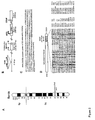
- Cxxc5 The main genomic features of Cxxc5 (ENSG00000171604) available from data bases are briefly summarised in Figure 2 .
- the Cxxc5 gene is located on the long arm of chromosome 5, at 5q31.3 ( Figure 2A ).
- the gene spans 35.5 kbps and is organized in 4 exons ( Figure 2B ).
- the upstream promoter region of this gene has not yet been functionally analyzed, but relevant for our study, it contains a potential retinoid-responsive element at -3116 bps from the transcription start site. Despite the existence of two potential alternative transcription start sites, one in exon 1 and the other in exon 2, the two mRNA sequences reveals the same open reading frame with the start codon in exon 3.
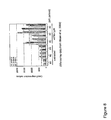
- Basal expression level of CXXC5 protein was very low in untreated NB4 cell extracts ( Figure 3B ) but a strong band, specific to CXXC5 protein (verified by competition with the immunogenic peptide, not shown), appeared at the expected molecular weight of 33 kDa within 4 hours after onset of ATRA treatment.
- the kinetic of induction of the CXXC5 protein is in agreement with the induction observed at the mRNA level.
- NB4-LR1 and NB4-LR2 Figure 7 .
- the fluorescence pattern was partly associated to a fine chromatin matrix, nucleoplasm and/or discrete punctuated structures in the nucleus. However, we did not detect any fluorescent signal at the nuclear membrane or in the nucleoli.
- CXXC5 As RINF, we propose to rename CXXC5 as RINF, for R etinoid- I nducible N uclear F actor.
- CXXC5 CXXC5 sequence revealed a putative N uclear L ocalization S ignal (NLS) between amino acid residues 257 and 262 (KKKRKR), located to the N-terminal basis of the zinc finger domain.
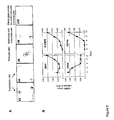
- HL60 cells (known to embark on terminal differentiation upon such a treatment) behave similarly to NB4 cells with respect to RINF induction (here observed at 4 hours), both at the mRNA and protein level.
- RINF induction here observed at 4 hours
- a cell line lacking the expression of the chimeric receptor PML-RAR ⁇ demonstrates that PML-RAR ⁇ is not required for RINF induction by ATRA.
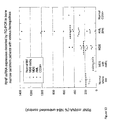
- ATRA also induces RINF mRNA expression in two other cell lines with a basal expression level similar to NB4 cells (data not shown), the A549 lung carcinoma (a three-fold increase) and the HeLa cervix cancer cells (a two-fold increase).
- RINF expression is required for differentiation of promyelocytic leukemia cells
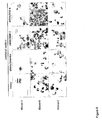
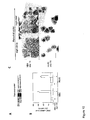
- RINF contribution was then evaluated in the HL60 cell line committed into the granulocytic differentiation pathway with pharmacological doses of ATRA ( Figure 9 ).
- the two shRNAs efficiently target RINF expression ( Figure 9 ) and delayed the maturation process assessed by NBT and morphological analysis, underpinning the functional involvement of RINF during granulocytic differentiation.
- ATRA-treated HL60-shRNA/RINF cells inevitably declined and died within 12 days.
- RINF expression may well be regulated physiologically by cytokines during normal progenitor myelopoiesis. In this case, its regulated expression could represent a more general event also occurring during normal development along the granulocytic lineage.
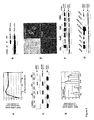
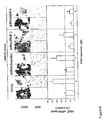
- RINF expression during cytokine-induced granulocytic differentiation of CD34+ cells isolated from bone marrow of a healthy adult donor was assessed by morphological changes ( Figure5A ) and analysis of CD34, CD11b and G-CSFR expression comparatively to RINF ( Figure 5B ).
- the time-course expression profile of RINF mRNA levels was determined by quantitative RT-PCR analysis. After an initial decrease (from day 2 to 4), the RINF mRNA level reached its minimal expression between day 4 and 6, a time at which most of the cells in culture were at the blastic and promyelocytic stage.
- RINF mRNA expression increased approximately 3.5-fold from its minimum level, concomitantly to terminal cell maturation into myelocytes, metamyelocytes, and ultimately into short-lived polynuclear neutrophiles ( Figure 5A-B ).
- the detection of RINF mRNA in CD34+ progenitors and in normal hematopoietic cells during cytokine-driven differentiation confirms that its expression is not restricted to APL cells (and is therefore not dependent on PML-RAR ⁇ expression) and most importantly that its induction is not restricted to ATRA pharmacological signaling.
- CD34+ progenitor cells directed toward the granulocytic lineage by cytokine treatment were infected with the lentiviral shRNA constructs to knock down RINF expression.
- control vectors shRNA/scramble and mock control
- the multistage process of hemopoietic cell differentiation has long served as a model study for the understanding of tumor etiology and for the design of therapeutic strategies. Disturbances in the developmental programs that rule the production of mature functional cells frequently result from genetic or epigenetic alterations (gene deletions, mutations, methylation, etc..) in a limited number of key regulatory genes, whose functions of predilection are signal transduction and/or gene transcription control. In the particular case of hemopoietic malignancies, the last decade has brought major advances in the finding of these key regulatory genes but uncertainty remains on their functional hierarchy.
- Zinc-finger-containing proteins constitute one of the largest protein superfamilies in the mammalian genome and can be classified into evolutionary and functionally divergent protein families, with structurally different conserved domains interacting with DNA, RNA, lipids, or other proteins.
- the CXXC-type zinc finger is found in a small subset of proteins ( Figure 2 ) involved in chromatin remodelling through their histone methyl-transferase (MLL, MLL2), histone demethylase (FBXL-10, -11, -19), DNA-methyl-transferase (DNMT1), orCpG-binding (CGBP, MBD1) activities.
- MLL, MLL2 histone methyl-transferase
- FBXL-10, -11, -19 histone demethylase
- DNMT1 DNA-methyl-transferase
- CGBP, MBD1 CpG-binding
- MLL is one of the most frequently translocated genes in leukemia and in spite of more than 30 different fusion partners that have been described, the CXXC domain is retained in all known MLL fusion proteins and the domain appears to be essential for myeloid transformation, underpinning the biological importance of this zinc finger sub-type even if the mechanism of action remains to be clarified.
- Rinf localises less than 20 kbp from the distal marker D5S594 that delineate the smallest (less than 1 Mbp) CDR described at his date. Surprisingly, the Rinf gene has so far escaped genetic and functional investigation, probably because the gene has been considered to localize outside the CDR.
- Rinf may affect Rinf expression due to loss of regulatory sequences upstream of the identified gene, as well as more distant deletions within 5q31.
- Rinf expression is not restricted to myeloid tissue, this gene may also be involved in development and/or homeostasis of other tissues. Its direct induction by retinoids, which does not require de novo synthesis of an intermediate protein regulator, suggests that Rinf might mediate, at least in part, some of the pleiotropic effects of retinoids, for instance such as their anti-proliferative action in various solid tumors, even independently of any differentiation. Taken together, our findings support the hypothesis that Rinf expression, pharmacologically inducible by retinoids in different tissues, may have a broad interest because of its likely implication in several developmental processes and pathologies.
Landscapes
- Health & Medical Sciences (AREA)
- Chemical & Material Sciences (AREA)
- Life Sciences & Earth Sciences (AREA)
- Organic Chemistry (AREA)
- General Health & Medical Sciences (AREA)
- Medicinal Chemistry (AREA)
- General Chemical & Material Sciences (AREA)
- Animal Behavior & Ethology (AREA)
- Chemical Kinetics & Catalysis (AREA)
- Nuclear Medicine, Radiotherapy & Molecular Imaging (AREA)
- Veterinary Medicine (AREA)
- Pharmacology & Pharmacy (AREA)
- Public Health (AREA)
- Toxicology (AREA)
- Genetics & Genomics (AREA)
- Bioinformatics & Cheminformatics (AREA)
- Proteomics, Peptides & Aminoacids (AREA)
- Hematology (AREA)
- Zoology (AREA)
- Gastroenterology & Hepatology (AREA)
- Biochemistry (AREA)
- Biophysics (AREA)
- Engineering & Computer Science (AREA)
- Molecular Biology (AREA)
- Diabetes (AREA)
- Oncology (AREA)
- Peptides Or Proteins (AREA)
- Medicines That Contain Protein Lipid Enzymes And Other Medicines (AREA)
- Measuring Or Testing Involving Enzymes Or Micro-Organisms (AREA)
- Acyclic And Carbocyclic Compounds In Medicinal Compositions (AREA)
Applications Claiming Priority (3)
| Application Number | Priority Date | Filing Date | Title |
|---|---|---|---|
| NO20082550 | 2008-06-09 | ||
| NO20090358A NO20090358L (no) | 2008-06-09 | 2009-01-23 | Retinoid-induserbar faktor, og anvendelse derav |
| PCT/NO2009/000214 WO2009151337A2 (en) | 2008-06-09 | 2009-06-09 | Novel retinoid inducible factor and uses thereof |
Publications (2)
| Publication Number | Publication Date |
|---|---|
| EP2321343A2 EP2321343A2 (en) | 2011-05-18 |
| EP2321343B1 true EP2321343B1 (en) | 2015-06-03 |
Family
ID=41328567
Family Applications (1)
| Application Number | Title | Priority Date | Filing Date |
|---|---|---|---|
| EP09762718.6A Not-in-force EP2321343B1 (en) | 2008-06-09 | 2009-06-09 | Novel retinoid inducible factor and uses thereof |
Country Status (7)
| Country | Link |
|---|---|
| US (1) | US20120003181A1 (enExample) |
| EP (1) | EP2321343B1 (enExample) |
| JP (1) | JP5797554B2 (enExample) |
| DK (1) | DK2321343T3 (enExample) |
| ES (1) | ES2542866T3 (enExample) |
| NO (2) | NO20090358L (enExample) |
| WO (1) | WO2009151337A2 (enExample) |
Families Citing this family (5)
| Publication number | Priority date | Publication date | Assignee | Title |
|---|---|---|---|---|
| ES2616540T3 (es) | 2010-07-21 | 2017-06-13 | Bergen Teknologioverføring As | Métodos para determinar un pronóstico de supervivencia para un paciente con leucemia |
| KR101721028B1 (ko) * | 2014-02-12 | 2017-03-29 | 연세대학교 산학협력단 | 상처 치유 촉진용 조성물 |
| WO2024074713A1 (en) * | 2022-10-07 | 2024-04-11 | Institut National de la Santé et de la Recherche Médicale | Method to generate improving car-t cells |
| CN116004829A (zh) * | 2023-01-04 | 2023-04-25 | 上海良福生物科技有限公司 | 一种notch1的胞内活化结构域(nicd1)调节剂及其应用 |
| CN119060944B (zh) * | 2023-05-31 | 2025-11-11 | 士泽生物医药(苏州)有限公司 | 利用粒细胞集落刺激因子诱导心肌细胞分化成熟的方法 |
Family Cites Families (2)
| Publication number | Priority date | Publication date | Assignee | Title |
|---|---|---|---|---|
| AU6906800A (en) * | 1999-08-17 | 2001-03-13 | Incyte Genomics, Inc. | Membrane associated proteins |
| CA2625403A1 (en) * | 2005-10-17 | 2007-04-26 | Institute For System Biology | Tissue-and serum-derived glycoproteins and methods of their use |
-
2009
- 2009-01-23 NO NO20090358A patent/NO20090358L/no not_active Application Discontinuation
- 2009-06-09 DK DK09762718.6T patent/DK2321343T3/en active
- 2009-06-09 JP JP2011513442A patent/JP5797554B2/ja not_active Expired - Fee Related
- 2009-06-09 WO PCT/NO2009/000214 patent/WO2009151337A2/en not_active Ceased
- 2009-06-09 EP EP09762718.6A patent/EP2321343B1/en not_active Not-in-force
- 2009-06-09 US US12/997,034 patent/US20120003181A1/en not_active Abandoned
- 2009-06-09 ES ES09762718.6T patent/ES2542866T3/es active Active
-
2010
- 2010-06-04 NO NO20100815A patent/NO20100815A1/no not_active Application Discontinuation
Non-Patent Citations (4)
| Title |
|---|
| ASTORI AUDREY ET AL: "CXXC5 (retinoid-inducible nuclear factor, RINF) is a potential therapeutic target in high-risk human acute myeloid leukemia.", ONCOTARGET SEP 2013, vol. 4, no. 9, September 2013 (2013-09-01), pages 1438 - 1448, ISSN: 1949-2553 * |
| GIAGOUNIDIS A A N ET AL: "Clinical, morphological, cytogenetic, and prognostic features of patients with myelodysplastic syndromes and del(5q) including band q31.", LEUKEMIA JAN 2004, vol. 18, no. 1, January 2004 (2004-01-01), pages 113 - 119, ISSN: 0887-6924 * |
| ROCHEFORT H ET AL: "Cathepsin D: a protease involved in breast cancer metastasis", CANCER METASTASIS, KLUWER ACADEMIC PUBLISHERS, DORDRECHT, NL, vol. 9, no. 4, 1 December 1990 (1990-12-01), pages 321 - 331, XP009134964, ISSN: 0167-7659 * |
| SCORILAS ANDREAS: "Polyadenylate polymerase (PAP) and 3' end pre-mRNA processing: function, assays, and association with disease", CRITICAL REVIEWS IN CLINICAL LABORATORY SCIENCES, CRC PRESS, BACA RATON, FL, US, vol. 39, no. 3, 1 January 2002 (2002-01-01), pages 193 - 224, XP009134962, ISSN: 1040-8363 * |
Also Published As
| Publication number | Publication date |
|---|---|
| WO2009151337A3 (en) | 2010-07-08 |
| WO2009151337A2 (en) | 2009-12-17 |
| NO20090358L (no) | 2009-12-10 |
| NO20100815A1 (no) | 2011-03-09 |
| ES2542866T3 (es) | 2015-08-12 |
| EP2321343A2 (en) | 2011-05-18 |
| DK2321343T3 (en) | 2015-08-24 |
| US20120003181A1 (en) | 2012-01-05 |
| JP2011525352A (ja) | 2011-09-22 |
| JP5797554B2 (ja) | 2015-10-21 |
Similar Documents
| Publication | Publication Date | Title |
|---|---|---|
| Atanackovic et al. | Cancer-testis antigens MAGE-C1/CT7 and MAGE-A3 promote the survival of multiple myeloma cells | |
| Espinosa et al. | The Sjogren’s syndrome-associated autoantigen Ro52 is an E3 ligase that regulates proliferation and cell death | |
| Pendino et al. | Functional involvement of RINF, retinoid-inducible nuclear factor (CXXC5), in normal and tumoral human myelopoiesis | |
| Tanigawa et al. | Wnt4 induces nephronic tubules in metanephric mesenchyme by a non-canonical mechanism | |
| Cheng et al. | Role for MKL1 in megakaryocytic maturation | |
| EP2321343B1 (en) | Novel retinoid inducible factor and uses thereof | |
| WO2015077058A2 (en) | Compositions and methods for selecting a treatment for b-cell neoplasias | |
| WO2004009622A2 (en) | Protein complexes of cellular networks underlying the development of cancer and other diseases | |
| Gregory et al. | FOG1 requires NuRD to promote hematopoiesis and maintain lineage fidelity within the megakaryocytic-erythroid compartment | |
| Chakraborty et al. | Stanniocalcin-1 regulates endothelial gene expression and modulates transendothelial migration of leukocytes | |
| Lo et al. | Combined gene expression and DNA occupancy profiling identifies potential therapeutic targets of t (8; 21) AML | |
| Bluteau et al. | Down-regulation of the RUNX1-target gene NR4A3 contributes to hematopoiesis deregulation in familial platelet disorder/acute myelogenous leukemia | |
| Humbert et al. | Deregulated expression of Kruppel-like factors in acute myeloid leukemia | |
| Fujisawa et al. | Recent progress in the understanding of angioimmunoblastic T-cell lymphoma | |
| Dmitriev et al. | Dux4 controls migration of mesenchymal stem cells through the Cxcr4-Sdf1 axis | |
| Liu et al. | Gfi-1 inhibits the expression of eosinophil major basic protein (MBP) during G-CSF-induced neutrophilic differentiation | |
| Jiang et al. | Hemgn is a direct transcriptional target of HOXB4 and induces expansion of murine myeloid progenitor cells | |
| Steffen et al. | AML1/ETO induces self-renewal in hematopoietic progenitor cells via the Groucho-related amino-terminal AES protein | |
| Le et al. | Characterization of the ETO and AML1–ETO proteins involved in the 8; 21 translocation in acute myelogenous leukemia | |
| Zheng et al. | Suppression of microRNA-155 exerts an anti-inflammatory effect on CD4+ T cell-mediated inflammatory response in the pathogenesis of atherosclerosis | |
| Ramsey et al. | The zinc finger transcription factor ZXDC activates CCL2 gene expression by opposing BCL6-mediated repression | |
| CN111454948A (zh) | LncRNA EPB41L4A-AS1作为诊断和治疗急性髓系白血病标志物的应用 | |
| Nagato et al. | Expression of soluble CD27 in extranodal natural killer/T-cell lymphoma, nasal type: potential as a biomarker for diagnosis and CD27/CD70-targeted therapy | |
| Cafforio et al. | 1, 25 (OH) 2 vitamin D (3) contributes to osteoclast-like trans-differentiation of malignant plasma cells | |
| US9091696B2 (en) | Modulation of NR2F6 and methods and uses thereof |
Legal Events
| Date | Code | Title | Description |
|---|---|---|---|
| PUAI | Public reference made under article 153(3) epc to a published international application that has entered the european phase |
Free format text: ORIGINAL CODE: 0009012 |
|
| 17P | Request for examination filed |
Effective date: 20110107 |
|
| AK | Designated contracting states |
Kind code of ref document: A2 Designated state(s): AT BE BG CH CY CZ DE DK EE ES FI FR GB GR HR HU IE IS IT LI LT LU LV MC MK MT NL NO PL PT RO SE SI SK TR |
|
| AX | Request for extension of the european patent |
Extension state: AL BA RS |
|
| DAX | Request for extension of the european patent (deleted) | ||
| 17Q | First examination report despatched |
Effective date: 20121211 |
|
| GRAP | Despatch of communication of intention to grant a patent |
Free format text: ORIGINAL CODE: EPIDOSNIGR1 |
|
| RIN1 | Information on inventor provided before grant (corrected) |
Inventor name: LILLEHAUG, JOHAN, R. Inventor name: PENDINO, FREDERIC |
|
| INTG | Intention to grant announced |
Effective date: 20141222 |
|
| GRAS | Grant fee paid |
Free format text: ORIGINAL CODE: EPIDOSNIGR3 |
|
| GRAA | (expected) grant |
Free format text: ORIGINAL CODE: 0009210 |
|
| AK | Designated contracting states |
Kind code of ref document: B1 Designated state(s): AT BE BG CH CY CZ DE DK EE ES FI FR GB GR HR HU IE IS IT LI LT LU LV MC MK MT NL NO PL PT RO SE SI SK TR |
|
| REG | Reference to a national code |
Ref country code: GB Ref legal event code: FG4D |
|
| REG | Reference to a national code |
Ref country code: CH Ref legal event code: EP |
|
| REG | Reference to a national code |
Ref country code: AT Ref legal event code: REF Ref document number: 729881 Country of ref document: AT Kind code of ref document: T Effective date: 20150715 Ref country code: IE Ref legal event code: FG4D |
|
| REG | Reference to a national code |
Ref country code: DE Ref country code: DE Ref legal event code: R096 Ref document number: 602009031570 Country of ref document: DE Effective date: 20150716 |
|
| REG | Reference to a national code |
Ref country code: CH Ref legal event code: NV Representative=s name: BRAUNPAT BRAUN EDER AG, CH |
|
| REG | Reference to a national code |
Ref country code: NL Ref legal event code: T3 |
|
| REG | Reference to a national code |
Ref country code: ES Ref legal event code: FG2A Ref document number: 2542866 Country of ref document: ES Kind code of ref document: T3 Effective date: 20150812 Ref country code: DE Ref legal event code: R082 Ref document number: 602009031570 Country of ref document: DE Representative=s name: GRAMM, LINS & PARTNER PATENT- UND RECHTSANWAEL, DE |
|
| REG | Reference to a national code |
Ref country code: DK Ref legal event code: T3 Effective date: 20150817 |
|
| REG | Reference to a national code |
Ref country code: AT Ref legal event code: MK05 Ref document number: 729881 Country of ref document: AT Kind code of ref document: T Effective date: 20150603 |
|
| PG25 | Lapsed in a contracting state [announced via postgrant information from national office to epo] |
Ref country code: NO Free format text: LAPSE BECAUSE OF FAILURE TO SUBMIT A TRANSLATION OF THE DESCRIPTION OR TO PAY THE FEE WITHIN THE PRESCRIBED TIME-LIMIT Effective date: 20150903 Ref country code: FI Free format text: LAPSE BECAUSE OF FAILURE TO SUBMIT A TRANSLATION OF THE DESCRIPTION OR TO PAY THE FEE WITHIN THE PRESCRIBED TIME-LIMIT Effective date: 20150603 Ref country code: HR Free format text: LAPSE BECAUSE OF FAILURE TO SUBMIT A TRANSLATION OF THE DESCRIPTION OR TO PAY THE FEE WITHIN THE PRESCRIBED TIME-LIMIT Effective date: 20150603 Ref country code: LT Free format text: LAPSE BECAUSE OF FAILURE TO SUBMIT A TRANSLATION OF THE DESCRIPTION OR TO PAY THE FEE WITHIN THE PRESCRIBED TIME-LIMIT Effective date: 20150603 |
|
| REG | Reference to a national code |
Ref country code: LT Ref legal event code: MG4D |
|
| PG25 | Lapsed in a contracting state [announced via postgrant information from national office to epo] |
Ref country code: AT Free format text: LAPSE BECAUSE OF FAILURE TO SUBMIT A TRANSLATION OF THE DESCRIPTION OR TO PAY THE FEE WITHIN THE PRESCRIBED TIME-LIMIT Effective date: 20150603 Ref country code: BG Free format text: LAPSE BECAUSE OF FAILURE TO SUBMIT A TRANSLATION OF THE DESCRIPTION OR TO PAY THE FEE WITHIN THE PRESCRIBED TIME-LIMIT Effective date: 20150903 Ref country code: LV Free format text: LAPSE BECAUSE OF FAILURE TO SUBMIT A TRANSLATION OF THE DESCRIPTION OR TO PAY THE FEE WITHIN THE PRESCRIBED TIME-LIMIT Effective date: 20150603 Ref country code: GR Free format text: LAPSE BECAUSE OF FAILURE TO SUBMIT A TRANSLATION OF THE DESCRIPTION OR TO PAY THE FEE WITHIN THE PRESCRIBED TIME-LIMIT Effective date: 20150904 |
|
| PG25 | Lapsed in a contracting state [announced via postgrant information from national office to epo] |
Ref country code: EE Free format text: LAPSE BECAUSE OF FAILURE TO SUBMIT A TRANSLATION OF THE DESCRIPTION OR TO PAY THE FEE WITHIN THE PRESCRIBED TIME-LIMIT Effective date: 20150603 |
|
| PG25 | Lapsed in a contracting state [announced via postgrant information from national office to epo] |
Ref country code: SK Free format text: LAPSE BECAUSE OF FAILURE TO SUBMIT A TRANSLATION OF THE DESCRIPTION OR TO PAY THE FEE WITHIN THE PRESCRIBED TIME-LIMIT Effective date: 20150603 Ref country code: IS Free format text: LAPSE BECAUSE OF FAILURE TO SUBMIT A TRANSLATION OF THE DESCRIPTION OR TO PAY THE FEE WITHIN THE PRESCRIBED TIME-LIMIT Effective date: 20151003 Ref country code: PT Free format text: LAPSE BECAUSE OF FAILURE TO SUBMIT A TRANSLATION OF THE DESCRIPTION OR TO PAY THE FEE WITHIN THE PRESCRIBED TIME-LIMIT Effective date: 20151006 Ref country code: RO Free format text: LAPSE BECAUSE OF NON-PAYMENT OF DUE FEES Effective date: 20150603 Ref country code: CZ Free format text: LAPSE BECAUSE OF FAILURE TO SUBMIT A TRANSLATION OF THE DESCRIPTION OR TO PAY THE FEE WITHIN THE PRESCRIBED TIME-LIMIT Effective date: 20150603 Ref country code: PL Free format text: LAPSE BECAUSE OF FAILURE TO SUBMIT A TRANSLATION OF THE DESCRIPTION OR TO PAY THE FEE WITHIN THE PRESCRIBED TIME-LIMIT Effective date: 20150603 |
|
| REG | Reference to a national code |
Ref country code: DE Ref legal event code: R097 Ref document number: 602009031570 Country of ref document: DE |
|
| PG25 | Lapsed in a contracting state [announced via postgrant information from national office to epo] |
Ref country code: MC Free format text: LAPSE BECAUSE OF FAILURE TO SUBMIT A TRANSLATION OF THE DESCRIPTION OR TO PAY THE FEE WITHIN THE PRESCRIBED TIME-LIMIT Effective date: 20150603 |
|
| PLBE | No opposition filed within time limit |
Free format text: ORIGINAL CODE: 0009261 |
|
| STAA | Information on the status of an ep patent application or granted ep patent |
Free format text: STATUS: NO OPPOSITION FILED WITHIN TIME LIMIT |
|
| 26N | No opposition filed |
Effective date: 20160304 |
|
| PG25 | Lapsed in a contracting state [announced via postgrant information from national office to epo] |
Ref country code: SI Free format text: LAPSE BECAUSE OF FAILURE TO SUBMIT A TRANSLATION OF THE DESCRIPTION OR TO PAY THE FEE WITHIN THE PRESCRIBED TIME-LIMIT Effective date: 20150603 |
|
| REG | Reference to a national code |
Ref country code: FR Ref legal event code: PLFP Year of fee payment: 8 |
|
| PGFP | Annual fee paid to national office [announced via postgrant information from national office to epo] |
Ref country code: IE Payment date: 20160621 Year of fee payment: 8 Ref country code: CH Payment date: 20160621 Year of fee payment: 8 |
|
| PGFP | Annual fee paid to national office [announced via postgrant information from national office to epo] |
Ref country code: BE Payment date: 20160621 Year of fee payment: 8 Ref country code: DK Payment date: 20160622 Year of fee payment: 8 Ref country code: NL Payment date: 20160621 Year of fee payment: 8 |
|
| PG25 | Lapsed in a contracting state [announced via postgrant information from national office to epo] |
Ref country code: MT Free format text: LAPSE BECAUSE OF FAILURE TO SUBMIT A TRANSLATION OF THE DESCRIPTION OR TO PAY THE FEE WITHIN THE PRESCRIBED TIME-LIMIT Effective date: 20150603 |
|
| PG25 | Lapsed in a contracting state [announced via postgrant information from national office to epo] |
Ref country code: HU Free format text: LAPSE BECAUSE OF FAILURE TO SUBMIT A TRANSLATION OF THE DESCRIPTION OR TO PAY THE FEE WITHIN THE PRESCRIBED TIME-LIMIT; INVALID AB INITIO Effective date: 20090609 |
|
| REG | Reference to a national code |
Ref country code: FR Ref legal event code: PLFP Year of fee payment: 9 |
|
| PG25 | Lapsed in a contracting state [announced via postgrant information from national office to epo] |
Ref country code: SE Free format text: LAPSE BECAUSE OF FAILURE TO SUBMIT A TRANSLATION OF THE DESCRIPTION OR TO PAY THE FEE WITHIN THE PRESCRIBED TIME-LIMIT Effective date: 20150603 Ref country code: CY Free format text: LAPSE BECAUSE OF FAILURE TO SUBMIT A TRANSLATION OF THE DESCRIPTION OR TO PAY THE FEE WITHIN THE PRESCRIBED TIME-LIMIT Effective date: 20150603 |
|
| PG25 | Lapsed in a contracting state [announced via postgrant information from national office to epo] |
Ref country code: TR Free format text: LAPSE BECAUSE OF FAILURE TO SUBMIT A TRANSLATION OF THE DESCRIPTION OR TO PAY THE FEE WITHIN THE PRESCRIBED TIME-LIMIT Effective date: 20150603 |
|
| PG25 | Lapsed in a contracting state [announced via postgrant information from national office to epo] |
Ref country code: LU Free format text: LAPSE BECAUSE OF NON-PAYMENT OF DUE FEES Effective date: 20150609 |
|
| REG | Reference to a national code |
Ref country code: DK Ref legal event code: EBP Effective date: 20170630 |
|
| REG | Reference to a national code |
Ref country code: CH Ref legal event code: PL |
|
| REG | Reference to a national code |
Ref country code: NL Ref legal event code: MM Effective date: 20170701 |
|
| REG | Reference to a national code |
Ref country code: IE Ref legal event code: MM4A |
|
| PG25 | Lapsed in a contracting state [announced via postgrant information from national office to epo] |
Ref country code: NL Free format text: LAPSE BECAUSE OF NON-PAYMENT OF DUE FEES Effective date: 20170701 |
|
| PG25 | Lapsed in a contracting state [announced via postgrant information from national office to epo] |
Ref country code: CH Free format text: LAPSE BECAUSE OF NON-PAYMENT OF DUE FEES Effective date: 20170630 Ref country code: IE Free format text: LAPSE BECAUSE OF NON-PAYMENT OF DUE FEES Effective date: 20170609 Ref country code: LI Free format text: LAPSE BECAUSE OF NON-PAYMENT OF DUE FEES Effective date: 20170630 |
|
| REG | Reference to a national code |
Ref country code: BE Ref legal event code: FP Effective date: 20150824 Ref country code: BE Ref legal event code: MM Effective date: 20170630 |
|
| PG25 | Lapsed in a contracting state [announced via postgrant information from national office to epo] |
Ref country code: MK Free format text: LAPSE BECAUSE OF FAILURE TO SUBMIT A TRANSLATION OF THE DESCRIPTION OR TO PAY THE FEE WITHIN THE PRESCRIBED TIME-LIMIT Effective date: 20150603 |
|
| REG | Reference to a national code |
Ref country code: FR Ref legal event code: PLFP Year of fee payment: 10 |
|
| PG25 | Lapsed in a contracting state [announced via postgrant information from national office to epo] |
Ref country code: DK Free format text: LAPSE BECAUSE OF NON-PAYMENT OF DUE FEES Effective date: 20170630 |
|
| PG25 | Lapsed in a contracting state [announced via postgrant information from national office to epo] |
Ref country code: BE Free format text: LAPSE BECAUSE OF NON-PAYMENT OF DUE FEES Effective date: 20170630 |
|
| PGFP | Annual fee paid to national office [announced via postgrant information from national office to epo] |
Ref country code: IT Payment date: 20180720 Year of fee payment: 10 Ref country code: ES Payment date: 20180723 Year of fee payment: 10 |
|
| REG | Reference to a national code |
Ref country code: DE Ref legal event code: R082 Ref document number: 602009031570 Country of ref document: DE Representative=s name: GRAMM, LINS & PARTNER PATENT- UND RECHTSANWAEL, DE Ref country code: DE Ref legal event code: R081 Ref document number: 602009031570 Country of ref document: DE Owner name: PENDINO, FREDERIC, FR Free format text: FORMER OWNER: BERGEN TEKNOLOGIOVERFORING AS, BERGEN, NO |
|
| REG | Reference to a national code |
Ref country code: GB Ref legal event code: 732E Free format text: REGISTERED BETWEEN 20200312 AND 20200318 |
|
| PG25 | Lapsed in a contracting state [announced via postgrant information from national office to epo] |
Ref country code: IT Free format text: LAPSE BECAUSE OF NON-PAYMENT OF DUE FEES Effective date: 20190609 |
|
| PGFP | Annual fee paid to national office [announced via postgrant information from national office to epo] |
Ref country code: FR Payment date: 20200623 Year of fee payment: 12 |
|
| PGFP | Annual fee paid to national office [announced via postgrant information from national office to epo] |
Ref country code: GB Payment date: 20200625 Year of fee payment: 12 |
|
| REG | Reference to a national code |
Ref country code: ES Ref legal event code: FD2A Effective date: 20201028 |
|
| PGFP | Annual fee paid to national office [announced via postgrant information from national office to epo] |
Ref country code: DE Payment date: 20200629 Year of fee payment: 12 |
|
| PG25 | Lapsed in a contracting state [announced via postgrant information from national office to epo] |
Ref country code: ES Free format text: LAPSE BECAUSE OF NON-PAYMENT OF DUE FEES Effective date: 20190610 |
|
| REG | Reference to a national code |
Ref country code: DE Ref legal event code: R119 Ref document number: 602009031570 Country of ref document: DE |
|
| GBPC | Gb: european patent ceased through non-payment of renewal fee |
Effective date: 20210609 |
|
| PG25 | Lapsed in a contracting state [announced via postgrant information from national office to epo] |
Ref country code: GB Free format text: LAPSE BECAUSE OF NON-PAYMENT OF DUE FEES Effective date: 20210609 Ref country code: DE Free format text: LAPSE BECAUSE OF NON-PAYMENT OF DUE FEES Effective date: 20220101 |
|
| PG25 | Lapsed in a contracting state [announced via postgrant information from national office to epo] |
Ref country code: FR Free format text: LAPSE BECAUSE OF NON-PAYMENT OF DUE FEES Effective date: 20210630 |