EP2318431B1 - Recombinant pokeweed antiviral proteins, compositions and methods related thereto - Google Patents
Recombinant pokeweed antiviral proteins, compositions and methods related thereto Download PDFInfo
- Publication number
- EP2318431B1 EP2318431B1 EP20090790464 EP09790464A EP2318431B1 EP 2318431 B1 EP2318431 B1 EP 2318431B1 EP 20090790464 EP20090790464 EP 20090790464 EP 09790464 A EP09790464 A EP 09790464A EP 2318431 B1 EP2318431 B1 EP 2318431B1
- Authority
- EP
- European Patent Office
- Prior art keywords
- rpap
- full length
- gly
- pap
- protein
- Prior art date
- Legal status (The legal status is an assumption and is not a legal conclusion. Google has not performed a legal analysis and makes no representation as to the accuracy of the status listed.)
- Not-in-force
Links
- 108700028325 pokeweed antiviral Proteins 0.000 title claims description 53
- 238000000034 method Methods 0.000 title claims description 38
- 239000000203 mixture Substances 0.000 title claims description 17
- 150000001875 compounds Chemical class 0.000 claims description 31
- 235000018102 proteins Nutrition 0.000 claims description 30
- 102000004169 proteins and genes Human genes 0.000 claims description 30
- 108090000623 proteins and genes Proteins 0.000 claims description 30
- 235000018417 cysteine Nutrition 0.000 claims description 25
- 108020004707 nucleic acids Proteins 0.000 claims description 21
- 102000039446 nucleic acids Human genes 0.000 claims description 21
- 150000007523 nucleic acids Chemical class 0.000 claims description 21
- XUJNEKJLAYXESH-UHFFFAOYSA-N cysteine Natural products SCC(N)C(O)=O XUJNEKJLAYXESH-UHFFFAOYSA-N 0.000 claims description 20
- 241000588724 Escherichia coli Species 0.000 claims description 17
- 125000000151 cysteine group Chemical group N[C@@H](CS)C(=O)* 0.000 claims description 16
- 239000000579 Gonadotropin-Releasing Hormone Substances 0.000 claims description 11
- 229940035638 gonadotropin-releasing hormone Drugs 0.000 claims description 11
- SRBFZHDQGSBBOR-UHFFFAOYSA-N beta-D-Pyranose-Lyxose Natural products OC1COC(O)C(O)C1O SRBFZHDQGSBBOR-UHFFFAOYSA-N 0.000 claims description 10
- 239000000126 substance Substances 0.000 claims description 10
- PYMYPHUHKUWMLA-WDCZJNDASA-N arabinose Chemical compound OC[C@@H](O)[C@@H](O)[C@H](O)C=O PYMYPHUHKUWMLA-WDCZJNDASA-N 0.000 claims description 9
- PYMYPHUHKUWMLA-UHFFFAOYSA-N arabinose Natural products OCC(O)C(O)C(O)C=O PYMYPHUHKUWMLA-UHFFFAOYSA-N 0.000 claims description 9
- 239000013612 plasmid Substances 0.000 claims description 9
- 239000003488 releasing hormone Substances 0.000 claims description 7
- 239000004971 Cross linker Substances 0.000 claims description 6
- 230000001939 inductive effect Effects 0.000 claims description 5
- 229940088597 hormone Drugs 0.000 claims description 3
- 239000005556 hormone Substances 0.000 claims description 3
- JWDFQMWEFLOOED-UHFFFAOYSA-N (2,5-dioxopyrrolidin-1-yl) 3-(pyridin-2-yldisulfanyl)propanoate Chemical compound O=C1CCC(=O)N1OC(=O)CCSSC1=CC=CC=N1 JWDFQMWEFLOOED-UHFFFAOYSA-N 0.000 claims description 2
- VLARLSIGSPVYHX-UHFFFAOYSA-N (2,5-dioxopyrrolidin-1-yl) 6-(2,5-dioxopyrrol-1-yl)hexanoate Chemical compound O=C1CCC(=O)N1OC(=O)CCCCCN1C(=O)C=CC1=O VLARLSIGSPVYHX-UHFFFAOYSA-N 0.000 claims description 2
- WCMOHMXWOOBVMZ-UHFFFAOYSA-N (2,5-dioxopyrrolidin-1-yl) 6-[3-(2,5-dioxopyrrol-1-yl)propanoylamino]hexanoate Chemical compound O=C1CCC(=O)N1OC(=O)CCCCCNC(=O)CCN1C(=O)C=CC1=O WCMOHMXWOOBVMZ-UHFFFAOYSA-N 0.000 claims description 2
- QYEAAMBIUQLHFQ-UHFFFAOYSA-N (2,5-dioxopyrrolidin-1-yl) 6-[3-(pyridin-2-yldisulfanyl)propanoylamino]hexanoate Chemical compound O=C1CCC(=O)N1OC(=O)CCCCCNC(=O)CCSSC1=CC=CC=N1 QYEAAMBIUQLHFQ-UHFFFAOYSA-N 0.000 claims description 2
- 102000004163 DNA-directed RNA polymerases Human genes 0.000 claims description 2
- 108090000626 DNA-directed RNA polymerases Proteins 0.000 claims description 2
- 238000011534 incubation Methods 0.000 claims description 2
- PVGATNRYUYNBHO-UHFFFAOYSA-N (2,5-dioxopyrrolidin-1-yl) 4-(2,5-dioxopyrrol-1-yl)butanoate Chemical compound O=C1CCC(=O)N1OC(=O)CCCN1C(=O)C=CC1=O PVGATNRYUYNBHO-UHFFFAOYSA-N 0.000 claims 3
- 230000010261 cell growth Effects 0.000 claims 2
- 210000004027 cell Anatomy 0.000 description 20
- XUJNEKJLAYXESH-REOHCLBHSA-N L-Cysteine Chemical compound SC[C@H](N)C(O)=O XUJNEKJLAYXESH-REOHCLBHSA-N 0.000 description 16
- 231100000765 toxin Toxicity 0.000 description 15
- 239000003053 toxin Substances 0.000 description 14
- 108700012359 toxins Proteins 0.000 description 14
- 239000000872 buffer Substances 0.000 description 13
- FAPWRFPIFSIZLT-UHFFFAOYSA-M Sodium chloride Chemical compound [Na+].[Cl-] FAPWRFPIFSIZLT-UHFFFAOYSA-M 0.000 description 12
- 230000021615 conjugation Effects 0.000 description 12
- OKKJLVBELUTLKV-UHFFFAOYSA-N Methanol Chemical compound OC OKKJLVBELUTLKV-UHFFFAOYSA-N 0.000 description 11
- XLXSAKCOAKORKW-AQJXLSMYSA-N gonadorelin Chemical class C([C@@H](C(=O)NCC(=O)N[C@@H](CC(C)C)C(=O)N[C@@H](CCCNC(N)=N)C(=O)N1[C@@H](CCC1)C(=O)NCC(N)=O)NC(=O)[C@H](CO)NC(=O)[C@H](CC=1C2=CC=CC=C2NC=1)NC(=O)[C@H](CC=1N=CNC=1)NC(=O)[C@H]1NC(=O)CC1)C1=CC=C(O)C=C1 XLXSAKCOAKORKW-AQJXLSMYSA-N 0.000 description 11
- 239000000243 solution Substances 0.000 description 11
- 241000196324 Embryophyta Species 0.000 description 10
- 230000027455 binding Effects 0.000 description 9
- 238000006243 chemical reaction Methods 0.000 description 9
- 238000010790 dilution Methods 0.000 description 9
- 239000012895 dilution Substances 0.000 description 9
- 240000007643 Phytolacca americana Species 0.000 description 8
- 150000001413 amino acids Chemical class 0.000 description 8
- 239000006166 lysate Substances 0.000 description 8
- 101000857870 Squalus acanthias Gonadoliberin Proteins 0.000 description 7
- 235000001014 amino acid Nutrition 0.000 description 7
- XLYOFNOQVPJJNP-UHFFFAOYSA-N water Chemical compound O XLYOFNOQVPJJNP-UHFFFAOYSA-N 0.000 description 7
- 239000011780 sodium chloride Substances 0.000 description 6
- 230000008685 targeting Effects 0.000 description 6
- FWMNVWWHGCHHJJ-SKKKGAJSSA-N 4-amino-1-[(2r)-6-amino-2-[[(2r)-2-[[(2r)-2-[[(2r)-2-amino-3-phenylpropanoyl]amino]-3-phenylpropanoyl]amino]-4-methylpentanoyl]amino]hexanoyl]piperidine-4-carboxylic acid Chemical compound C([C@H](C(=O)N[C@H](CC(C)C)C(=O)N[C@H](CCCCN)C(=O)N1CCC(N)(CC1)C(O)=O)NC(=O)[C@H](N)CC=1C=CC=CC=1)C1=CC=CC=C1 FWMNVWWHGCHHJJ-SKKKGAJSSA-N 0.000 description 5
- 241000283973 Oryctolagus cuniculus Species 0.000 description 5
- 239000007983 Tris buffer Substances 0.000 description 5
- 238000003556 assay Methods 0.000 description 5
- 150000001945 cysteines Chemical class 0.000 description 5
- 230000006698 induction Effects 0.000 description 5
- 210000001995 reticulocyte Anatomy 0.000 description 5
- LENZDBCJOHFCAS-UHFFFAOYSA-N tris Chemical compound OCC(N)(CO)CO LENZDBCJOHFCAS-UHFFFAOYSA-N 0.000 description 5
- KCXVZYZYPLLWCC-UHFFFAOYSA-N EDTA Chemical compound OC(=O)CN(CC(O)=O)CCN(CC(O)=O)CC(O)=O KCXVZYZYPLLWCC-UHFFFAOYSA-N 0.000 description 4
- 239000006137 Luria-Bertani broth Substances 0.000 description 4
- 235000009074 Phytolacca americana Nutrition 0.000 description 4
- XSQUKJJJFZCRTK-UHFFFAOYSA-N Urea Chemical compound NC(N)=O XSQUKJJJFZCRTK-UHFFFAOYSA-N 0.000 description 4
- 230000004071 biological effect Effects 0.000 description 4
- 210000004899 c-terminal region Anatomy 0.000 description 4
- 230000005779 cell damage Effects 0.000 description 4
- 230000000694 effects Effects 0.000 description 4
- 210000003000 inclusion body Anatomy 0.000 description 4
- 238000012545 processing Methods 0.000 description 4
- 230000001988 toxicity Effects 0.000 description 4
- 231100000419 toxicity Toxicity 0.000 description 4
- 230000014616 translation Effects 0.000 description 4
- 241000283690 Bos taurus Species 0.000 description 3
- 108020004414 DNA Proteins 0.000 description 3
- WQZGKKKJIJFFOK-GASJEMHNSA-N Glucose Natural products OC[C@H]1OC(O)[C@H](O)[C@@H](O)[C@@H]1O WQZGKKKJIJFFOK-GASJEMHNSA-N 0.000 description 3
- 241001465754 Metazoa Species 0.000 description 3
- 108091028043 Nucleic acid sequence Proteins 0.000 description 3
- 108010029485 Protein Isoforms Proteins 0.000 description 3
- 102000001708 Protein Isoforms Human genes 0.000 description 3
- 101710137500 T7 RNA polymerase Proteins 0.000 description 3
- AVKUERGKIZMTKX-NJBDSQKTSA-N ampicillin Chemical compound C1([C@@H](N)C(=O)N[C@H]2[C@H]3SC([C@@H](N3C2=O)C(O)=O)(C)C)=CC=CC=C1 AVKUERGKIZMTKX-NJBDSQKTSA-N 0.000 description 3
- 229960000723 ampicillin Drugs 0.000 description 3
- 239000013024 dilution buffer Substances 0.000 description 3
- 239000013613 expression plasmid Substances 0.000 description 3
- 239000008103 glucose Substances 0.000 description 3
- 239000000463 material Substances 0.000 description 3
- 239000002609 medium Substances 0.000 description 3
- 239000012528 membrane Substances 0.000 description 3
- 108020004999 messenger RNA Proteins 0.000 description 3
- 230000035772 mutation Effects 0.000 description 3
- ZYWUVGFIXPNBDL-UHFFFAOYSA-N n,n-diisopropylaminoethanol Chemical compound CC(C)N(C(C)C)CCO ZYWUVGFIXPNBDL-UHFFFAOYSA-N 0.000 description 3
- 238000001525 receptor binding assay Methods 0.000 description 3
- 108020003175 receptors Proteins 0.000 description 3
- 102000005962 receptors Human genes 0.000 description 3
- 230000002441 reversible effect Effects 0.000 description 3
- 210000002966 serum Anatomy 0.000 description 3
- 239000006228 supernatant Substances 0.000 description 3
- NWUYHJFMYQTDRP-UHFFFAOYSA-N 1,2-bis(ethenyl)benzene;1-ethenyl-2-ethylbenzene;styrene Chemical compound C=CC1=CC=CC=C1.CCC1=CC=CC=C1C=C.C=CC1=CC=CC=C1C=C NWUYHJFMYQTDRP-UHFFFAOYSA-N 0.000 description 2
- QKNYBSVHEMOAJP-UHFFFAOYSA-N 2-amino-2-(hydroxymethyl)propane-1,3-diol;hydron;chloride Chemical compound Cl.OCC(N)(CO)CO QKNYBSVHEMOAJP-UHFFFAOYSA-N 0.000 description 2
- IJGRMHOSHXDMSA-UHFFFAOYSA-N Atomic nitrogen Chemical compound N#N IJGRMHOSHXDMSA-UHFFFAOYSA-N 0.000 description 2
- 241000283726 Bison Species 0.000 description 2
- 108020004705 Codon Proteins 0.000 description 2
- 108700012941 GNRH1 Proteins 0.000 description 2
- DHMQDGOQFOQNFH-UHFFFAOYSA-N Glycine Natural products NCC(O)=O DHMQDGOQFOQNFH-UHFFFAOYSA-N 0.000 description 2
- 239000004471 Glycine Substances 0.000 description 2
- -1 GnRH compound Chemical class 0.000 description 2
- 241000235058 Komagataella pastoris Species 0.000 description 2
- 102000008238 LHRH Receptors Human genes 0.000 description 2
- 108010021290 LHRH Receptors Proteins 0.000 description 2
- 108060001084 Luciferase Proteins 0.000 description 2
- 239000005089 Luciferase Substances 0.000 description 2
- CSNNHWWHGAXBCP-UHFFFAOYSA-L Magnesium sulfate Chemical compound [Mg+2].[O-][S+2]([O-])([O-])[O-] CSNNHWWHGAXBCP-UHFFFAOYSA-L 0.000 description 2
- 125000000729 N-terminal amino-acid group Chemical group 0.000 description 2
- NBIIXXVUZAFLBC-UHFFFAOYSA-N Phosphoric acid Chemical compound OP(O)(O)=O NBIIXXVUZAFLBC-UHFFFAOYSA-N 0.000 description 2
- 108090000829 Ribosome Inactivating Proteins Proteins 0.000 description 2
- 108010039491 Ricin Proteins 0.000 description 2
- 229930006000 Sucrose Natural products 0.000 description 2
- CZMRCDWAGMRECN-UGDNZRGBSA-N Sucrose Chemical compound O[C@H]1[C@H](O)[C@@H](CO)O[C@@]1(CO)O[C@@H]1[C@H](O)[C@@H](O)[C@H](O)[C@@H](CO)O1 CZMRCDWAGMRECN-UGDNZRGBSA-N 0.000 description 2
- 230000004913 activation Effects 0.000 description 2
- 230000008901 benefit Effects 0.000 description 2
- 239000004202 carbamide Substances 0.000 description 2
- 239000003729 cation exchange resin Substances 0.000 description 2
- 208000037887 cell injury Diseases 0.000 description 2
- 239000003153 chemical reaction reagent Substances 0.000 description 2
- 230000002860 competitive effect Effects 0.000 description 2
- 108091036078 conserved sequence Proteins 0.000 description 2
- UFULAYFCSOUIOV-UHFFFAOYSA-N cysteamine Chemical compound NCCS UFULAYFCSOUIOV-UHFFFAOYSA-N 0.000 description 2
- 230000027832 depurination Effects 0.000 description 2
- 238000000502 dialysis Methods 0.000 description 2
- 230000009429 distress Effects 0.000 description 2
- 239000003814 drug Substances 0.000 description 2
- RWSXRVCMGQZWBV-WDSKDSINSA-N glutathione Chemical compound OC(=O)[C@@H](N)CCC(=O)N[C@@H](CS)C(=O)NCC(O)=O RWSXRVCMGQZWBV-WDSKDSINSA-N 0.000 description 2
- 125000003630 glycyl group Chemical group [H]N([H])C([H])([H])C(*)=O 0.000 description 2
- 239000002596 immunotoxin Substances 0.000 description 2
- BPHPUYQFMNQIOC-NXRLNHOXSA-N isopropyl beta-D-thiogalactopyranoside Chemical compound CC(C)S[C@@H]1O[C@H](CO)[C@H](O)[C@H](O)[C@H]1O BPHPUYQFMNQIOC-NXRLNHOXSA-N 0.000 description 2
- 244000144972 livestock Species 0.000 description 2
- 238000003670 luciferase enzyme activity assay Methods 0.000 description 2
- 229960003151 mercaptamine Drugs 0.000 description 2
- 239000006151 minimal media Substances 0.000 description 2
- 239000013641 positive control Substances 0.000 description 2
- 230000001323 posttranslational effect Effects 0.000 description 2
- 238000011533 pre-incubation Methods 0.000 description 2
- 230000008569 process Effects 0.000 description 2
- 239000012460 protein solution Substances 0.000 description 2
- 238000001243 protein synthesis Methods 0.000 description 2
- 238000003259 recombinant expression Methods 0.000 description 2
- 230000001105 regulatory effect Effects 0.000 description 2
- 230000000754 repressing effect Effects 0.000 description 2
- 108020004418 ribosomal RNA Proteins 0.000 description 2
- 210000003705 ribosome Anatomy 0.000 description 2
- 150000003839 salts Chemical class 0.000 description 2
- 230000001954 sterilising effect Effects 0.000 description 2
- 238000004659 sterilization and disinfection Methods 0.000 description 2
- 238000003756 stirring Methods 0.000 description 2
- 239000005720 sucrose Substances 0.000 description 2
- 238000012360 testing method Methods 0.000 description 2
- 238000011144 upstream manufacturing Methods 0.000 description 2
- HKZAAJSTFUZYTO-LURJTMIESA-N (2s)-2-[[2-[[2-[[2-[(2-aminoacetyl)amino]acetyl]amino]acetyl]amino]acetyl]amino]-3-hydroxypropanoic acid Chemical group NCC(=O)NCC(=O)NCC(=O)NCC(=O)N[C@@H](CO)C(O)=O HKZAAJSTFUZYTO-LURJTMIESA-N 0.000 description 1
- 108091032973 (ribonucleotides)n+m Proteins 0.000 description 1
- PBVAJRFEEOIAGW-UHFFFAOYSA-N 3-[bis(2-carboxyethyl)phosphanyl]propanoic acid;hydrochloride Chemical compound Cl.OC(=O)CCP(CCC(O)=O)CCC(O)=O PBVAJRFEEOIAGW-UHFFFAOYSA-N 0.000 description 1
- GUBGYTABKSRVRQ-XLOQQCSPSA-N Alpha-Lactose Chemical compound O[C@@H]1[C@@H](O)[C@@H](O)[C@@H](CO)O[C@H]1O[C@@H]1[C@@H](CO)O[C@H](O)[C@H](O)[C@H]1O GUBGYTABKSRVRQ-XLOQQCSPSA-N 0.000 description 1
- 125000001433 C-terminal amino-acid group Chemical group 0.000 description 1
- 101100268670 Caenorhabditis elegans acc-3 gene Proteins 0.000 description 1
- 241000282472 Canis lupus familiaris Species 0.000 description 1
- 241000283707 Capra Species 0.000 description 1
- 241000282994 Cervidae Species 0.000 description 1
- KDXKERNSBIXSRK-RXMQYKEDSA-N D-lysine Chemical compound NCCCC[C@@H](N)C(O)=O KDXKERNSBIXSRK-RXMQYKEDSA-N 0.000 description 1
- BWGNESOTFCXPMA-UHFFFAOYSA-N Dihydrogen disulfide Chemical compound SS BWGNESOTFCXPMA-UHFFFAOYSA-N 0.000 description 1
- 108010053187 Diphtheria Toxin Proteins 0.000 description 1
- 102000016607 Diphtheria Toxin Human genes 0.000 description 1
- 102100031334 Elongation factor 2 Human genes 0.000 description 1
- 241000283086 Equidae Species 0.000 description 1
- 241000672609 Escherichia coli BL21 Species 0.000 description 1
- QUSNBJAOOMFDIB-UHFFFAOYSA-N Ethylamine Chemical group CCN QUSNBJAOOMFDIB-UHFFFAOYSA-N 0.000 description 1
- 241000282326 Felis catus Species 0.000 description 1
- 108010024636 Glutathione Proteins 0.000 description 1
- SRBFZHDQGSBBOR-HWQSCIPKSA-N L-arabinopyranose Chemical compound O[C@H]1COC(O)[C@H](O)[C@H]1O SRBFZHDQGSBBOR-HWQSCIPKSA-N 0.000 description 1
- ODKSFYDXXFIFQN-BYPYZUCNSA-N L-arginine Chemical compound OC(=O)[C@@H](N)CCCN=C(N)N ODKSFYDXXFIFQN-BYPYZUCNSA-N 0.000 description 1
- 229930064664 L-arginine Natural products 0.000 description 1
- 235000014852 L-arginine Nutrition 0.000 description 1
- GUBGYTABKSRVRQ-QKKXKWKRSA-N Lactose Natural products OC[C@H]1O[C@@H](O[C@H]2[C@H](O)[C@@H](O)C(O)O[C@@H]2CO)[C@H](O)[C@@H](O)[C@H]1O GUBGYTABKSRVRQ-QKKXKWKRSA-N 0.000 description 1
- 241000124008 Mammalia Species 0.000 description 1
- 108091005461 Nucleic proteins Proteins 0.000 description 1
- 238000012408 PCR amplification Methods 0.000 description 1
- 241001494479 Pecora Species 0.000 description 1
- 108010077519 Peptide Elongation Factor 2 Proteins 0.000 description 1
- 239000004698 Polyethylene Substances 0.000 description 1
- 229920001213 Polysorbate 20 Polymers 0.000 description 1
- 230000004570 RNA-binding Effects 0.000 description 1
- 102000007056 Recombinant Fusion Proteins Human genes 0.000 description 1
- 108010008281 Recombinant Fusion Proteins Proteins 0.000 description 1
- 238000012300 Sequence Analysis Methods 0.000 description 1
- 241000282898 Sus scrofa Species 0.000 description 1
- PZBFGYYEXUXCOF-UHFFFAOYSA-N TCEP Chemical compound OC(=O)CCP(CCC(O)=O)CCC(O)=O PZBFGYYEXUXCOF-UHFFFAOYSA-N 0.000 description 1
- OBTCMSPFOITUIJ-FSPLSTOPSA-N Val-Asp Chemical compound CC(C)[C@H](N)C(=O)N[C@H](C(O)=O)CC(O)=O OBTCMSPFOITUIJ-FSPLSTOPSA-N 0.000 description 1
- 238000009825 accumulation Methods 0.000 description 1
- 229910052782 aluminium Inorganic materials 0.000 description 1
- XAGFODPZIPBFFR-UHFFFAOYSA-N aluminium Chemical compound [Al] XAGFODPZIPBFFR-UHFFFAOYSA-N 0.000 description 1
- 229910000147 aluminium phosphate Inorganic materials 0.000 description 1
- BFNBIHQBYMNNAN-UHFFFAOYSA-N ammonium sulfate Chemical compound N.N.OS(O)(=O)=O BFNBIHQBYMNNAN-UHFFFAOYSA-N 0.000 description 1
- 229910052921 ammonium sulfate Inorganic materials 0.000 description 1
- 235000011130 ammonium sulphate Nutrition 0.000 description 1
- 230000003698 anagen phase Effects 0.000 description 1
- WQZGKKKJIJFFOK-VFUOTHLCSA-N beta-D-glucose Chemical compound OC[C@H]1O[C@@H](O)[C@H](O)[C@@H](O)[C@@H]1O WQZGKKKJIJFFOK-VFUOTHLCSA-N 0.000 description 1
- 125000003178 carboxy group Chemical group [H]OC(*)=O 0.000 description 1
- 238000005277 cation exchange chromatography Methods 0.000 description 1
- 238000001023 centrifugal evaporation Methods 0.000 description 1
- UHZZMRAGKVHANO-UHFFFAOYSA-M chlormequat chloride Chemical compound [Cl-].C[N+](C)(C)CCCl UHZZMRAGKVHANO-UHFFFAOYSA-M 0.000 description 1
- 238000004587 chromatography analysis Methods 0.000 description 1
- 208000017580 chronic wasting disease Diseases 0.000 description 1
- 238000003776 cleavage reaction Methods 0.000 description 1
- 230000001268 conjugating effect Effects 0.000 description 1
- 231100000135 cytotoxicity Toxicity 0.000 description 1
- 230000003013 cytotoxicity Effects 0.000 description 1
- SUYVUBYJARFZHO-UHFFFAOYSA-N dATP Natural products C1=NC=2C(N)=NC=NC=2N1C1CC(O)C(COP(O)(=O)OP(O)(=O)OP(O)(O)=O)O1 SUYVUBYJARFZHO-UHFFFAOYSA-N 0.000 description 1
- SUYVUBYJARFZHO-RRKCRQDMSA-N dATP Chemical compound C1=NC=2C(N)=NC=NC=2N1[C@H]1C[C@H](O)[C@@H](COP(O)(=O)OP(O)(=O)OP(O)(O)=O)O1 SUYVUBYJARFZHO-RRKCRQDMSA-N 0.000 description 1
- RGWHQCVHVJXOKC-SHYZEUOFSA-J dCTP(4-) Chemical compound O=C1N=C(N)C=CN1[C@@H]1O[C@H](COP([O-])(=O)OP([O-])(=O)OP([O-])([O-])=O)[C@@H](O)C1 RGWHQCVHVJXOKC-SHYZEUOFSA-J 0.000 description 1
- HAAZLUGHYHWQIW-KVQBGUIXSA-N dGTP Chemical compound C1=NC=2C(=O)NC(N)=NC=2N1[C@H]1C[C@H](O)[C@@H](COP(O)(=O)OP(O)(=O)OP(O)(O)=O)O1 HAAZLUGHYHWQIW-KVQBGUIXSA-N 0.000 description 1
- NHVNXKFIZYSCEB-XLPZGREQSA-N dTTP Chemical compound O=C1NC(=O)C(C)=CN1[C@@H]1O[C@H](COP(O)(=O)OP(O)(=O)OP(O)(O)=O)[C@@H](O)C1 NHVNXKFIZYSCEB-XLPZGREQSA-N 0.000 description 1
- 235000013365 dairy product Nutrition 0.000 description 1
- 230000007423 decrease Effects 0.000 description 1
- 230000001540 depurinating effect Effects 0.000 description 1
- 201000010099 disease Diseases 0.000 description 1
- 208000037265 diseases, disorders, signs and symptoms Diseases 0.000 description 1
- 239000006185 dispersion Substances 0.000 description 1
- 230000006334 disulfide bridging Effects 0.000 description 1
- 125000004185 ester group Chemical group 0.000 description 1
- 230000007717 exclusion Effects 0.000 description 1
- 238000002474 experimental method Methods 0.000 description 1
- 239000011888 foil Substances 0.000 description 1
- 235000013305 food Nutrition 0.000 description 1
- 108020001507 fusion proteins Proteins 0.000 description 1
- 102000037865 fusion proteins Human genes 0.000 description 1
- 229960003180 glutathione Drugs 0.000 description 1
- 239000003163 gonadal steroid hormone Substances 0.000 description 1
- 230000012010 growth Effects 0.000 description 1
- 239000001963 growth medium Substances 0.000 description 1
- 229960004198 guanidine Drugs 0.000 description 1
- PJJJBBJSCAKJQF-UHFFFAOYSA-N guanidinium chloride Chemical compound [Cl-].NC(N)=[NH2+] PJJJBBJSCAKJQF-UHFFFAOYSA-N 0.000 description 1
- 238000009396 hybridization Methods 0.000 description 1
- 238000004191 hydrophobic interaction chromatography Methods 0.000 description 1
- 230000028709 inflammatory response Effects 0.000 description 1
- 230000002401 inhibitory effect Effects 0.000 description 1
- 230000005764 inhibitory process Effects 0.000 description 1
- 230000003993 interaction Effects 0.000 description 1
- 238000004255 ion exchange chromatography Methods 0.000 description 1
- 238000002955 isolation Methods 0.000 description 1
- 239000008101 lactose Substances 0.000 description 1
- 239000003446 ligand Substances 0.000 description 1
- 230000004807 localization Effects 0.000 description 1
- 229910052943 magnesium sulfate Inorganic materials 0.000 description 1
- 235000019341 magnesium sulphate Nutrition 0.000 description 1
- 125000005439 maleimidyl group Chemical group C1(C=CC(N1*)=O)=O 0.000 description 1
- 239000003550 marker Substances 0.000 description 1
- 238000004949 mass spectrometry Methods 0.000 description 1
- 229910052751 metal Inorganic materials 0.000 description 1
- 239000002184 metal Substances 0.000 description 1
- 230000000869 mutational effect Effects 0.000 description 1
- 229930014626 natural product Natural products 0.000 description 1
- 230000017066 negative regulation of growth Effects 0.000 description 1
- 229910052757 nitrogen Inorganic materials 0.000 description 1
- 239000002773 nucleotide Substances 0.000 description 1
- 125000003729 nucleotide group Chemical group 0.000 description 1
- 235000015097 nutrients Nutrition 0.000 description 1
- 230000001817 pituitary effect Effects 0.000 description 1
- 229920000573 polyethylene Polymers 0.000 description 1
- 235000010486 polyoxyethylene sorbitan monolaurate Nutrition 0.000 description 1
- 239000000256 polyoxyethylene sorbitan monolaurate Substances 0.000 description 1
- 125000002924 primary amino group Chemical group [H]N([H])* 0.000 description 1
- 239000000047 product Substances 0.000 description 1
- 238000000746 purification Methods 0.000 description 1
- 230000001698 pyrogenic effect Effects 0.000 description 1
- 238000003908 quality control method Methods 0.000 description 1
- 239000011541 reaction mixture Substances 0.000 description 1
- 230000010837 receptor-mediated endocytosis Effects 0.000 description 1
- 230000009467 reduction Effects 0.000 description 1
- 230000002829 reductive effect Effects 0.000 description 1
- 230000001850 reproductive effect Effects 0.000 description 1
- 230000004044 response Effects 0.000 description 1
- 230000000717 retained effect Effects 0.000 description 1
- 239000003161 ribonuclease inhibitor Substances 0.000 description 1
- 238000013341 scale-up Methods 0.000 description 1
- 230000007017 scission Effects 0.000 description 1
- 238000000926 separation method Methods 0.000 description 1
- 238000013207 serial dilution Methods 0.000 description 1
- 238000001542 size-exclusion chromatography Methods 0.000 description 1
- 238000010532 solid phase synthesis reaction Methods 0.000 description 1
- 230000007928 solubilization Effects 0.000 description 1
- 238000005063 solubilization Methods 0.000 description 1
- 239000007858 starting material Substances 0.000 description 1
- 238000006467 substitution reaction Methods 0.000 description 1
- 229960002317 succinimide Drugs 0.000 description 1
- 230000001629 suppression Effects 0.000 description 1
- 239000000725 suspension Substances 0.000 description 1
- 230000001225 therapeutic effect Effects 0.000 description 1
- 125000003396 thiol group Chemical group [H]S* 0.000 description 1
- 231100000167 toxic agent Toxicity 0.000 description 1
- 230000007888 toxin activity Effects 0.000 description 1
- 230000005945 translocation Effects 0.000 description 1
Images




Classifications
-
- C—CHEMISTRY; METALLURGY
- C07—ORGANIC CHEMISTRY
- C07K—PEPTIDES
- C07K14/00—Peptides having more than 20 amino acids; Gastrins; Somatostatins; Melanotropins; Derivatives thereof
- C07K14/415—Peptides having more than 20 amino acids; Gastrins; Somatostatins; Melanotropins; Derivatives thereof from plants
-
- A—HUMAN NECESSITIES
- A61—MEDICAL OR VETERINARY SCIENCE; HYGIENE
- A61P—SPECIFIC THERAPEUTIC ACTIVITY OF CHEMICAL COMPOUNDS OR MEDICINAL PREPARATIONS
- A61P31/00—Antiinfectives, i.e. antibiotics, antiseptics, chemotherapeutics
- A61P31/12—Antivirals
-
- A—HUMAN NECESSITIES
- A61—MEDICAL OR VETERINARY SCIENCE; HYGIENE
- A61P—SPECIFIC THERAPEUTIC ACTIVITY OF CHEMICAL COMPOUNDS OR MEDICINAL PREPARATIONS
- A61P43/00—Drugs for specific purposes, not provided for in groups A61P1/00-A61P41/00
-
- A—HUMAN NECESSITIES
- A61—MEDICAL OR VETERINARY SCIENCE; HYGIENE
- A61P—SPECIFIC THERAPEUTIC ACTIVITY OF CHEMICAL COMPOUNDS OR MEDICINAL PREPARATIONS
- A61P5/00—Drugs for disorders of the endocrine system
- A61P5/02—Drugs for disorders of the endocrine system of the hypothalamic hormones, e.g. TRH, GnRH, CRH, GRH, somatostatin
-
- C—CHEMISTRY; METALLURGY
- C07—ORGANIC CHEMISTRY
- C07K—PEPTIDES
- C07K7/00—Peptides having 5 to 20 amino acids in a fully defined sequence; Derivatives thereof
- C07K7/04—Linear peptides containing only normal peptide links
- C07K7/23—Luteinising hormone-releasing hormone [LHRH]; Related peptides
-
- A—HUMAN NECESSITIES
- A61—MEDICAL OR VETERINARY SCIENCE; HYGIENE
- A61K—PREPARATIONS FOR MEDICAL, DENTAL OR TOILETRY PURPOSES
- A61K38/00—Medicinal preparations containing peptides
-
- C—CHEMISTRY; METALLURGY
- C07—ORGANIC CHEMISTRY
- C07K—PEPTIDES
- C07K2319/00—Fusion polypeptide
- C07K2319/33—Fusion polypeptide fusions for targeting to specific cell types, e.g. tissue specific targeting, targeting of a bacterial subspecies
-
- C—CHEMISTRY; METALLURGY
- C07—ORGANIC CHEMISTRY
- C07K—PEPTIDES
- C07K2319/00—Fusion polypeptide
- C07K2319/55—Fusion polypeptide containing a fusion with a toxin, e.g. diphteria toxin
-
- Y—GENERAL TAGGING OF NEW TECHNOLOGICAL DEVELOPMENTS; GENERAL TAGGING OF CROSS-SECTIONAL TECHNOLOGIES SPANNING OVER SEVERAL SECTIONS OF THE IPC; TECHNICAL SUBJECTS COVERED BY FORMER USPC CROSS-REFERENCE ART COLLECTIONS [XRACs] AND DIGESTS
- Y02—TECHNOLOGIES OR APPLICATIONS FOR MITIGATION OR ADAPTATION AGAINST CLIMATE CHANGE
- Y02A—TECHNOLOGIES FOR ADAPTATION TO CLIMATE CHANGE
- Y02A50/00—TECHNOLOGIES FOR ADAPTATION TO CLIMATE CHANGE in human health protection, e.g. against extreme weather
- Y02A50/30—Against vector-borne diseases, e.g. mosquito-borne, fly-borne, tick-borne or waterborne diseases whose impact is exacerbated by climate change
Definitions
- This invention relates generally to molecular biology and biochemistry, more particularly related to modified ribosome inactivating proteins from pokeweed plant.
- the pokeweed plant is also known as Phytolacca americana and the pokeweed ribosome inactivating protein is also called pokeweed antiviral protein, often abbreviated "PAP.”
- PAP pokeweed antiviral protein
- the invention is also related to medicine, including veterinary medicine.
- PAP pokeweed antiviral protein
- conjugates of other natural toxins such as ricin and diphtheria toxin
- other natural toxins such as ricin and diphtheria toxin
- PAP Compound-conjugated pokeweed antiviral protein
- conjugates of other natural toxins such as ricin and diphtheria toxin
- the presence of a natural ligand as the "compound” portion of the conjugates results in target cell damage, and no other cellular damage.
- imprecise targeting results in toxicity, due, in part, to unconjugated toxin causing unintended cellular damage.
- conjugated PAP and unconjugated PAP are so similar in size that separation techniques can not distinguish between them.
- Natural (also referred to as "native") PAP is isolated from the pokeweed plant, and while attempts have been made to utilize natural PAP in a compound-toxin conjugate, such attempts have not proved reliable. As would be expected, variability in isoforms, from year to year and batch to batch, proved onerous and unworkable in the context of pharmaceutical quality control. Moreover, some isoforms did not conjugate, and different isoforms conjugated differently from each other.
- recombinant expression would provide control over these variables.
- Recombinant expression of PAP has also met with difficulty.
- Previous expression in E. coli resulted in toxicity and inhibition of growth, as well as accumulation of recombinant pokeweed antiviral protein (rPAP) in inclusion bodies.
- rPAP pokeweed antiviral protein
- recombinant PAP required a separate solubilization step and subsequent refolding of the protein, resulting in poor yield and difficult scale-up.
- Other attempts in E. coli, S. cerevisiae, plants and P. pastoris resulted in low yields, or, in the case of P. pastoris, introduction of sequences that could potentially induce an inflammatory response.
- recombinant PAP-compound fusion proteins either failed to bind or direct toxin to the target cells, or showed greatly reduced activity compared to natural PAP.
- GnRHa gonadotrophin-releasing hormone
- this invention provides compositions comprising recombinant pokeweed antiviral proteins having a terminal cysteine, more preferably an N-terminal cysteine.
- those rPAP molecules wherein the PAP is a full length rPAP Preferred are those rPAP molecules comprising an N-terminal Cys and an amino acid linker, most preferably those which have at least one repeat of Gly-Gly-Gly-Gly-Ser. More preferred are Cys-Gly-Gly-Gly-Gly-Ser-full length rPAP and Cys-Gly-Gly-Gly-Gly-Ser-Gly-Gly-Gly-Gly-Gly-Ser-full length rPAP.
- the present invention provides rPAP which does not kill host cells when expressed according to the present methods.
- rPAP utilized in the present compositions and methods is preferably equal to or greater than 29.5 Daltons, more preferably equal to or greater than 30 Daltons, most preferably equal to or greater than 30.5 Daltons.
- compositions and methods that utilize full length rPAP having a molecular weight equal to or greater than 31.5, 31.75 and 32 Daltons.
- Full length rPAP proteins that which equate to the molecular weight of a natural PAP that has not been post-translationally modified is the preferred material used in the present invention.
- nucleic acids comprising the inventive nucleic acids and proteins, with a preferred cell being E. coli.
- conjugates having the structure: X-Y-Z, wherein X is full length rPAP having a terminal cysteine; Y is absent or a chemical linker, and Z is a compound.
- Preferred methods are those as described, wherein said chemical bond is induced via a hetero-bifunctional crosslinker, more preferably those wherein the chemical bond is induced between the terminal cysteine and a maleimido group on the compound.
- the hetero-bifunctional crosslinker is GMBS, and/or the compound is d-lys6-gonadotropin releasing hormone.
- Also provided are methods to grow cells comprising: incubating cells transformed with nucleic acid comprising full-length rPAP having a terminal cysteine, wherein the rPAP is under the control of a T7 promoter system, and wherein said T7 promoter system has RNA polymerase under the control of an arabinose promoter.
- the full length rPAP is selected from the group consisting of: a chemically-modified rPAP, a natural variant rPAP, and a genetically-engineered rPAP.
- conjugates comprising the PAP compositions herein.
- Particularly preferred are those having the structure: X-Y-Z, wherein X is full length rPAP having N-terminal Cys-Gly-Gly-Gly-Gly-Ser; Y is a chemical linker, and Z is a protein.
- Most preferred are those wherein X is GMBS and Z is d-lys6-GnRH.
- Free cysteine means any cysteine other than one which is bound to another cysteine via a di-sulfhydryl bond.
- free cysteine includes cysteines that are bound to another residue or compound, so long as the cysteine is not bound to another cysteine via a di-sulfhydryl bond.
- Frull length rPAP means any recombinant PAP which has toxin activity and has a molecular weight greater than or equal to 29,500 Daltons.
- the present invention provides a recombinant pokeweed antiviral protein that is expressible at high yields in E. coli, and which has 30 to 40 times greater specific activity (biological activity/unit mass) than any other recombinant PAP. Moreover, the present invention provides methods for producing rPAP in pharmaceutical quantities.
- the present rPAP materials may be used to produce rPAP conjugates having rPAP and a targeting compound bound to them, either via a linker or directly.
- the rPAP has a terminal cysteine, for optional use in linking a linker to another compound.
- the present rPAP proteins provide a convenient N-terminal cysteine for such purposes, although the use of the present rPAP is not limited to N-terminal conjugation.
- the rPAPs of the present invention may be used as a toxin without conjugation.
- the rPAP molecules described herein are active in the rabbit reticulocyte lysate assay, with or without linker or targeting compounds conjugated to them.
- coli were also unsuccessful. The cells also showed distress during the growth phase and prior to induction of the rPAP. Finally, the full length rPAP under two regulatory control signals was attempted in E. coli.
- the T7 RNA polymerase was put under the control of the arabinose (AraD) promoter, with the T7 promoter upstream of the full length rPAP sequence. With the arabinose promoter tightly suppressed, the cells were able to grow even while harboring the rPAP gene on a plasmid. Induction via removal of the suppression resulted in a pharmaceutically-workable yield of rPAP.
- Example 2 There are a variety of methods to refold the present rPAPs. The one that has been most successful is as described in Example 2. Another method is to use the protocol of Example 2, substituting using 0.5M L-arginine in place of sucrose. In addition, glutathione may be substituted for cysteamine in the Example 2 protocol.
- the inclusion bodies may optionally be solubilized with 6M guanidine-HCl instead of 8M urea. Refolding ideally is conducted in the basic pH range.
- the protein may optionally be purified by a variety of methods including ion exchange chromatography, hydrophobic interaction chromatography, and hydroxyapetite chromatography, all of which are well-described in the art.
- the preferred method is cation exchange chromatography, particularly as described in Example 5.
- the specific activity (biological activity/unit mass) of the inventive rPAPs are 30-40x more active in inhibiting protein translation in a rabbit reticulocyte lysate than another, reported, rPAP.
- the rPAP concentration was determined by rPAP-specific radioimmune assay, which is very sensitive, and can detect sub-nanomolar amounts of rPAP.
- Recombinant PAP proteins ideally folded so as to retain toxin function, preferably those retaining the natural disulfide bridges of the naturally-occurring cysteines, and preferably those having at least one free cysteine (eg. one that is not present in a naturally-occurring sequence), most preferably a terminal free cysteine capable of selectively binding other compounds, are provided herein.
- any PAP sequence is appropriate for use as a starting material in the present invention. Any known isotype, or any that becomes apparent will be useful for preparing the present invention.
- Full length PAP has the following amino acid sequence at the C-terminus: YNQNAMFPQLIMSTYYNYVNLGDLFEGF-COOH. This sequence is ordinarily cleaved in the pokeweed plant post-translationally but is retained in preferred embodiments of the present invention. Naturally-occurring, post-translationally-cleaved PAP has a molecular weight of 29,308.5 daltons.
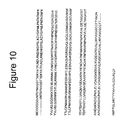
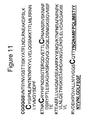
- compositions as described above which are selected from the group consisting of SEQ ID NO: 1; a protein which comprises a free cysteine and is at least 90% identical to SEQ ID NO: 1 using the BLAST software version 2.2.21 on default settings; a protein which is encoded by SEQ ID NO: 2; a protein comprising a free cysteine and is encoded by a nucleic acid which is at least 90% identical to SEQ ID NO: 2 using BLAST version 2.2.21 software on default settings.
- sequence identity is selected from the group consisting of: 95%; 96%; 97%; 98%; and 99%.
- nucleic acids selected from the group consisting of: SEQ ID NO:2; a nucleic acid which is at least 85% identical to SEQ ID NO: 2 using the BLAST software version 2.2.21 on default settings and encodes a protein having a free cysteine; a nucleic acid which encodes SEQ ID NO:1; and a nucleic acid which encodes a protein having a free cysteine and is at least 85% identical to SEQ ID NO: 1 using BLAST software version 2.2.21 on default settings.
- a preferred nucleic acid comprises a nucleic acid which encodes the proteins herein.
- those rPAPs which are at least 90% identical, preferably at least 95% identical, most preferably at least 99% identical to SEQ ID NO: 1 are useful in the present methods. Those that also comprise a free CYS residue are most useful. Moreover, conserved sequences should not be changed, and non-conserved sequences are optionally changeable. In PAP, the disulfide bonds between naturally occurring cysteines provide the tertiary structure necessary for toxin function, and are ideally conserved in the present inventive molecules and methods. Mutations in the C-terminal domain affect processing localization of PAP, and may be altered if altered processing is desired. Mutations that affect RNA binding as well as depurination are known.
- truncation of the first 16 amino acids eliminates PAP cytotoxicity and ability to depurinate ribosomes.
- ribosome depurination decreases as amino acids are removed from the C-terminus, and is eliminated when a stop codon is introduced at Glu-244.
- hyperactive mutants can be screened by known methods, so as to obtain particularly toxic compounds. These mutational effects may be utilized so as to optimize function of the present invention.
- Nucleotides which, when expressed, result in a rPAP protein are also included in the present invention.
- SEQ ID NO: 2 is preferred.
- the present invention includes nucleic acids which are homologous to using hybridization under stringent conditions, identical to using BLAST, have minor changes not affecting function, such as point mutations not changing the protein sequence, codon changes not changing the protein sequence, etc. with the nucleic acids of the present invention.
- conjugates and methods to conjugate a compound herein are ideally designed to selectively bind a receptor in which cell damage is desired.
- the conjugate is taken up by receptor mediated endocytosis and delivers the conjugate to the cell.
- the rPAP portion of the conjugate binds to the ribosomal RNA by depurinating the conserved sarcin/ricin loop of the large ribosomal RNA.
- Depurinated ribosomes are unable to bind elongation factor 2, and, thus, the translocation step of the elongation cycle is inhibited, resulting in a shutdown of protein synthesis. The cell eventually dies.
- One particular method for conjugating compounds to certain rPAP proteins herein comprises inducing a chemical bond between an N-terminal cysteine and another compound.
- the compound is an antibody, a hormone, a modified hormone releasing factor, or a hormone releasing factor are preferred.
- the hormone releasing factor is GnRH are more preferred, although most preferred is conjugation to a d-lys6-modified GnRH.
- Conjugation can take place via any known method, but preferably via creation of a sulfhydryl bond between the targeting compound and the rPAP, whether via a linker or other bridging compound.
- modified gonadotropin releasing hormone "d-lys6-GnRH” is conjugated to full length rPAP.
- the d-lys6-GnRH is preferably activated with the linker GMBS for ease of binding to a free cysteine on a full length rPAP.
- Such "activation" of the d-lys6-GnRH with the GMBS proved an obstacle when attempted under aqueous conditions as would ordinarily be attempted. Under aqueous conditions, one d-lys6-GnRH molecule was bound to 2-3 molecules of GMBS, which was unacceptable for binding one rPAP per d-lys6-GnRH.
- heterobifunctional crosslinker particularly GMBS, but also any heterobifunctional crosslinker that will facilitate the binding to d-lys6-GnRH via an NHS ester group located on the linker, or attachment to a free sulfhydryl group on the rPAP via a maleimide group located on the linker.
- GnRH Both ends of the GnRH molecule are required for binding to the receptor.
- the only difference between GnRH and d-lys6-GnRH (also referred to interchangeably as "DK6" or “dK6” or “d-lys6” or “d-Lys6") is the substitution at position 6 of a glycine for a D-lysine.
- the ends are blocked.
- the C-terminus is blocked with an ethyl-amide group (ET- NH2), thereby replacing the glycine at position 10 of the natural compound.
- the natural GnRH compound is NH2Glu-His-Trp-Ser-Tyr-Gly-Leu-Arg-Pro-GlyCOOH.
- the preferred analog is dK6: Hp-Glu-His-Trp-Ser-Tyr-DLys-Leu-Arg-Pro-Et-NH2.
- amino acid sequence Cys-Gly-Gly-Gly-Gly-Ser is added to the full length rPAP and used to bind targeting compound. Cys-Gly-Gly-Gly-Gly-Ser is not part of the natural PAP sequence. Val-Asp are the first two amino acids of the natural PAP sequence.
- a most preferred conjugate of the present invention has the following structure: X-Y-Z wherein X is d-lys6-GnRH; Y is a GMBS linker; and Z is a full length rPAP having CGGGGS at the N-terminus.
- Conjugates may be made via the methods described herein, or any method known or developed in the art. Moreover, conjugates may be modified so as to provide any functionality desired, as is known in the art. The examples describe the preferred conjugation methods.
- Any salt, suspension, dispersion, etc. may be used so as to administer the present conjugates.
- Preferred is a 0.7% - 10%, more preferably 0.9%, sodium chloride solution that is sterile and non-pyrogenic, more preferably such a solution that is also 4.5-7 pH.
- any administration method is acceptable, provided that the conjugate provides the proper impact.
- the most preferred embodiment of the present invention is to use a rPAP-GNRH salt, in solution, to inject in animals, for the purpose of reproductive sterilization.
- Sterilization need not be complete, nor reversible; however, the best mode contemplated is a non-reversible rPAP-d-lys6-GnRH injectible for use in animals, particularly dogs, cats, horses, livestock for food or other products (cattle, dairy cows, swine, sheep, goats, bison, bison/cattle breeds, etc.), working livestock, zoo animals, and wildlife (particularly deer, elk and other ungulates susceptible to chronic wasting disease).
- Example 1 Expression of rPAP in E. coli.
- the full length sequence (SEQ ID NO: 2) was obtained by PCR amplification using a forward primer, rPAP-F: 5'-CCCGGG CATATG TGC GGA GGC GGA GGC AGT GTG AAT ACA ATC ATC TAC AAT GTT GGA AGT ACC-3, and a reverse primer, rPAP-R: 5'-GCG CGC AAG CTT TCA GGA TTC TTC AAA TAG ATC ACC AAG ATT AAC C.
- the reaction mix consisted of the following components: 600 mM Tris-SO4 (pH 8.9), 180 mM Ammonium Sulfate, 0.2mM dATP, 0.2mM dCTP, 0.2mM dGTP, 0.2mM dTTP, 2mM MgSO4, 0.2 ⁇ M rPAP-F primer, 0.2 ⁇ M rPAP-R primer, lng template DNA, 1 unit PlatinumR Taq High Fidelity Polymerase (Invitrogen corp., Carlsbad, CA).
- the PCR reaction was carried out under the following conditions: 940C x 2 min (1 cycle), 940C x 30 sec, 520C x 30 sec, 680C x 1min (15 cycles), 940C x 30 sec, 550C x 30 sec, 680C x 1min (25 cycles).
- rPAP full length sequence encoding rPAP was introduced (ligated) downstream of the T7 promoter in the pET3a expression plasmid using NdeI and BamHI (New England Biolabs, Ipswich, MA), according to manufacturer's instructions.
- the rPAP sequence-containing plasmids were used to transform the One Shot® TOP 10 Chemically Competent E. coli strain (Invitrogen Corporation, Carlsbad, CA). Several colonies were picked and screened by DNA sequence analysis for presence of the insert. The plasmid DNA from a colony that was shown to harbor the plasmid containing the correct rPAP sequences was purified and subsequently used to transform the BL21(AI) strain of E. coli, which possesses the T7 RNA polymerase under the control of the tightly regulated arabinose promoter (AraD), along with the ampicillin resistance selectable marker. The presumptive transformants were plated on LB selection medium and glucose, to select for transformants and suppress rPAP expression.
- the rPAP was refolded by snap dilution. Following isolation of the inclusion bodies, the inclusion bodies we solubilized in 8M urea, 50mM Tris HCl, pH 8.5. DTT was added to a final concentration of 10mM, and the mixture was stirred at room temperature for 90 min. The solubilized protein was than added dropwise into a solution containing 50mM Tris, pH 8.5, 0.4M sucrose, 0.05% polyethylene glycol-3550, 0.9mM oxidized cysteamine (TPEGS), while it was stirring at room temperature. The final concentration of rPAP in the refolding solution was between 10ug/ml and 50ug/ml.
- the mixture was stirred for an additional 24 hours at 40C. After 24 hours, the mixture was centrifuged at 16000xg for 15 min, the supernatant was decanted, and following refolding, the protein solution was dialyzed against buffer containing 50mM Tris, pH 7.0, 1mM EDTA. The pH of the buffer had a range of 6.8-8.5. After dialysis, the solution is centrifuged at 16000xg for 15 min., and the supernatant was placed over a cation exchange resin.
- the column is than washed with 50mM Tris-HCl, pH 7.0, 1.0mM EDTA, and the protein is eluted with a buffer containing 50mM Tris, pH 7.0, 1M NaCl.
- the eluted protein is dialyzed against conjugation buffer, which contains 50mM NaP04, pH 7.2, 100mM NaCl, 1mM EDTA.
- conjugation buffer which contains 50mM NaP04, pH 7.2, 100mM NaCl, 1mM EDTA.
- the protein concentration is adjusted to a concentration of 0.2mg/ml- 1.0mg/ml.
- Example 3 Activation of d-lys6 modified gonadotropin releasing hormone (GnRH) with maleimidobutyryloxy-succinimide ester (GMBS) linker.
- GnRH d-lys6 modified gonadotropin releasing hormone
- GMBS maleimidobutyryloxy-succinimide ester
- D-lys6-GnRH having a molecular weight of 1224 daltons, was prepared by solid-phase synthesis (Anaspec Corp., Fremont, CA). Six milligrams of d-lys6-GnRH was mixed with 1.5 ml deionized methanol, and adjusted to a pH of 7.0 using diisopropylethanolamine (DIPEA).
- DIPEA diisopropylethanolamine
- GMBS was purchased from Thermo Fisher Scientific (Rockford, IL). 1.25 mg of GMBS was mixed with 1.5 ml deionized methanol.
- 1.5 ml of d-lys6-GnRH-methanol and 1.5 ml of GMBS-methanol were mixed together in a capped serum bottle and adjusted to a pH 7.0, using DIPEA.
- the serum bottle was sealed using a metal cap.
- the solution was degassed, and purged with nitrogen four times.
- the serum bottle was covered with aluminum foil and the reaction was allowed to proceed, for 90 minutes, with stirring, at room temperature.
- the resulting d-lys6-GnRH-GMBS had a molecular weight of approximately 1421 daltons, indicating that one molecule of GMBS was bound to one molecule of d-lys6-GnRH. This was confirmed by mass spectroscopy.
- Example 3 The solution of Example 3 was evaporated with a centrifugal evaporation unit.
- TCEP•HCl Tris(2-Carboxyethyl) phosphine hydrochloride is added to a final concentration of 0.05mM to the refolded recombinant PAP dissolved in conjugation buffer.
- the mixture was incubated for 1-2hr at room temperature.
- the refolded rPAP, dissolved in conjugation buffer was added directly to the dried down d-lys6-GnRH-GMBS so that the ration of d-lys6-GnRH-GMBS to rPAP was 20:1.
- Tween 20 was added to a final concentration of 0.25%.
- the pH was adjusted to 7.3, if needed, using 10mM phosphoric acid, and the reaction was allowed to proceed in the dark, at room temperature (70°F) for approximately 2-3 hours.
- d-lys6-GnRH-GMBS-rPAP was further subjected to size exclusion chromatography using a 10 ml Bio-Rad Bio-Gel P10 column, to remove excess dK6 remaining after the conjugation reaction.
- the protein solution was dialyzed against buffer containing 50mM Tris, pH 7.0, 1mM EDTA. The pH of the buffer had a range of 6.8-8.5. Following dialysis, the solution was centrifuged at 16000xg for 15 min., and the supernatant was placed over a cation exchange resin. The column was than washed with the same buffer, and the protein was eluted with a buffer containing 50mM Tris, pH 7.0, 1M NaCl.
- the purified, refolded d-lys6-GnRH-GMBS-rPAP of Example 5 was used in a competitive radio-immuno receptor binding assay.
- Purified pituitary membranes having gonadotropin releasing hormone receptors were flooded with I125-radiolabeled d-Lys6-GnRH.
- Different concentrations of the d-lys6-GnRH-GMBS-rPAP was subsequently added to the membranes, the membranes washed with 1mM Tris-Cl Ph 7.4, 1mM CaCl, 1% BSA. The reactions were incubated for 4 hr, diluted with the same buffer.
- the tubes were centrifuged at 16000xg for 15 min at 40C, the tubes were decanted and the reduction in radioactivity measured. The same procedure was followed for a d-lys6-GnRH-GMBS-plant-derived mature PAP. The concentrations are described in the table to this Example.
- Figure 6 depicts the results of this study. Both the native PAP-based conjugate and rPAP-based conjugate have an IC50 in the 70-200nM range. The rPAP alone does not bind, and therefore does not show a concentration-dependant response. Table for Example 6.
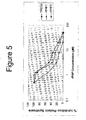
- a 0.5 nM dilution of the toxins/conjugates was prepared. Then, 100 uL serial dilutions (1:2.5 for each dilution) of the toxins/conjugates was prepared, using the 0.5nM (500pM) stock. The following dilutions were prepared: 200pM; 80pM; 32pM; 12.8pM; 5.12pM.
- control reactions were also prepared: dilution buffer: positive control for RR lysate; 0.5uM toxin/conjugate: high concentration positive control for toxin/conjugate activity.
- the lysate was thawed on ice, and 17.5uL of test dilution or control was added to each tube, on ice, and mixed gently with pipette. The lysate/test or control was then pre-incubated on ice for 15 min, and 2.5ul of an nutrient premix was added after the 15 minute pre-incubation period (Amino acids (-lue); 4.2uL; Amino acids (-met); 4.2uL; 2.5M KCl 11.76uL; RNAsin 8.4uL; DEPC H2O10.92uL; Luciferase mRNA 2.52uL; total to 42uL). During the 15 minute pre-incubation period, the mRNA is added to the pre-mix. The total volume of each reaction tube was 25uL.
- each reaction tube was mixed gently with a pipette and incubated in a 30°C water bath for 90 minutes.
- An aliquot of 50 uL thawed, room temperature luciferase assay reagent (LAR) was transferred into luminometer tubes (in triplicate) and 1uL of reaction tube contents was added to a luminometer tube.
- the luminosity was counted in a luminometer.
- the log of concentration versus percentage of highest counts for each toxin/conjugate dilution series was plotted.
- the IC50 was determined from the graph, for each sample.
- Figure 5 is the graph produced from data, according to this Example.
- the pET3a expression plasmid containing a T7 promoter upstream of one of four mature PAP-encoding sequences (each plasmid contains the DNA sequences encoding a mature form of rPAP that is identical to the post-translationally modified form of plant-derived PAP: clones 1-4.1, 1-4.2, 1-4.3, and 1-4.4) were transformed into E. coli BL21(AI) (Invitrogen Corp. Carlsbad, CA) having T7 RNA polymerase under control of an arabinose promoter (AraD).
- the cells were grown for approximately 12 hours (overnight) at 37°C with shaking, in minimal media containing glucose and ampicillin. The cells were transferred to Luria broth in the morning. The same process was followed for a full length clone (3.2). The cells harboring the plasmids were induced after growth for 2 hours by the addition of arabinose to a final concentration of 0.2%, and isopropyl ⁇ -D-1-thiogalactopyranoside to a concentration of 1mM The A600 was measured every hour thereafter, for three hours. The results are shown in the table to Example 8.
- a single colony from two different isolates and a control harboring plasmid without a rPAP insert were each inoculated into Luria broth medium containing 100ug/ml ampicillan. The three cultures were then grown for approximately 18 hours (overnight) at 37°C, with shaking. Each grown culture was diluted 1:25 into fresh Luria broth medium, in the presence of 100ug/ml ampicillan, and grown at 37°C, with shaking, for two hours.
Landscapes
- Health & Medical Sciences (AREA)
- Chemical & Material Sciences (AREA)
- Organic Chemistry (AREA)
- Life Sciences & Earth Sciences (AREA)
- Medicinal Chemistry (AREA)
- General Health & Medical Sciences (AREA)
- Proteomics, Peptides & Aminoacids (AREA)
- Biochemistry (AREA)
- Molecular Biology (AREA)
- Genetics & Genomics (AREA)
- Biophysics (AREA)
- Endocrinology (AREA)
- Animal Behavior & Ethology (AREA)
- Public Health (AREA)
- Veterinary Medicine (AREA)
- General Chemical & Material Sciences (AREA)
- Pharmacology & Pharmacy (AREA)
- Nuclear Medicine, Radiotherapy & Molecular Imaging (AREA)
- Chemical Kinetics & Catalysis (AREA)
- Gastroenterology & Hepatology (AREA)
- Botany (AREA)
- Bioinformatics & Cheminformatics (AREA)
- Engineering & Computer Science (AREA)
- Diabetes (AREA)
- Virology (AREA)
- Communicable Diseases (AREA)
- Oncology (AREA)
- Peptides Or Proteins (AREA)
- Medicines That Contain Protein Lipid Enzymes And Other Medicines (AREA)
- Micro-Organisms Or Cultivation Processes Thereof (AREA)
- Preparation Of Compounds By Using Micro-Organisms (AREA)
Applications Claiming Priority (2)
| Application Number | Priority Date | Filing Date | Title |
|---|---|---|---|
| US8077308P | 2008-07-15 | 2008-07-15 | |
| PCT/US2009/050685 WO2010009227A2 (en) | 2008-07-15 | 2009-07-15 | Recombinant pokeweed antiviral proteins, compositions and methods related thereto |
Publications (2)
| Publication Number | Publication Date |
|---|---|
| EP2318431A2 EP2318431A2 (en) | 2011-05-11 |
| EP2318431B1 true EP2318431B1 (en) | 2015-03-18 |
Family
ID=41319605
Family Applications (1)
| Application Number | Title | Priority Date | Filing Date |
|---|---|---|---|
| EP20090790464 Not-in-force EP2318431B1 (en) | 2008-07-15 | 2009-07-15 | Recombinant pokeweed antiviral proteins, compositions and methods related thereto |
Country Status (6)
| Country | Link |
|---|---|
| US (2) | US8575109B2 (enExample) |
| EP (1) | EP2318431B1 (enExample) |
| JP (1) | JP2011528230A (enExample) |
| AU (1) | AU2009270920A1 (enExample) |
| CA (1) | CA2730933A1 (enExample) |
| WO (1) | WO2010009227A2 (enExample) |
Families Citing this family (3)
| Publication number | Priority date | Publication date | Assignee | Title |
|---|---|---|---|---|
| US8575109B2 (en) | 2008-07-15 | 2013-11-05 | Cedus, Inc. | Recombinant pokeweed antiviral proteins, compositions and methods related thereto |
| CN102286097B (zh) * | 2011-06-20 | 2013-04-24 | 中国农业科学院植物保护研究所 | 人工合成的美洲商陆抗病毒蛋白(pap)抗原、抗体及其制备方法、应用 |
| US20190106466A1 (en) * | 2016-04-04 | 2019-04-11 | Ophiuchus Medicine Inc. | Medicinal plants |
Family Cites Families (5)
| Publication number | Priority date | Publication date | Assignee | Title |
|---|---|---|---|---|
| AU5186090A (en) | 1989-02-23 | 1990-09-26 | Colorado State University Research Foundation | Gnrh analogs for destroying gonadotrophs |
| US20050277582A1 (en) | 1993-07-20 | 2005-12-15 | Nett Torrance M | Method for inactivating gonadotrophs |
| US20090028886A1 (en) * | 2004-08-04 | 2009-01-29 | Cytos Biotechnology Ag | Carrier conjugates of gnrh-peptides |
| US20070141548A1 (en) * | 2005-03-11 | 2007-06-21 | Jorg Kohl | Organ transplant solutions and method for transplanting organs |
| US8575109B2 (en) | 2008-07-15 | 2013-11-05 | Cedus, Inc. | Recombinant pokeweed antiviral proteins, compositions and methods related thereto |
-
2009
- 2009-07-15 US US13/054,187 patent/US8575109B2/en not_active Expired - Fee Related
- 2009-07-15 AU AU2009270920A patent/AU2009270920A1/en not_active Abandoned
- 2009-07-15 CA CA 2730933 patent/CA2730933A1/en not_active Abandoned
- 2009-07-15 EP EP20090790464 patent/EP2318431B1/en not_active Not-in-force
- 2009-07-15 WO PCT/US2009/050685 patent/WO2010009227A2/en not_active Ceased
- 2009-07-15 JP JP2011518880A patent/JP2011528230A/ja active Pending
-
2013
- 2013-10-03 US US14/045,437 patent/US9023596B2/en not_active Expired - Fee Related
Also Published As
| Publication number | Publication date |
|---|---|
| WO2010009227A2 (en) | 2010-01-21 |
| WO2010009227A3 (en) | 2010-04-29 |
| US8575109B2 (en) | 2013-11-05 |
| CA2730933A1 (en) | 2010-01-21 |
| AU2009270920A1 (en) | 2010-01-21 |
| US9023596B2 (en) | 2015-05-05 |
| EP2318431A2 (en) | 2011-05-11 |
| US20140094592A1 (en) | 2014-04-03 |
| US20110281299A1 (en) | 2011-11-17 |
| JP2011528230A (ja) | 2011-11-17 |
Similar Documents
| Publication | Publication Date | Title |
|---|---|---|
| EP2069396B1 (en) | Modified human plasma polypeptide or fc scaffolds and their uses | |
| EP3180352B1 (en) | Advanced macromolecule transduction domain (amtd) sequences for improvement of cell-permeability | |
| AU736707B2 (en) | Trimerising module | |
| JPH09504166A (ja) | リーダー配列なしに細胞質外に輸送される融合ポリペプチドの発現 | |
| JP3860097B2 (ja) | エリスロポエチン生体内活性強化融合蛋白質 | |
| EP0602144B1 (en) | Dna sequences encoding gelonin polypeptide | |
| AU2003301122B2 (en) | Cyanovirin variant-polymer conjugates | |
| US6051399A (en) | Production of C-terminal amidated peptides from recombinant protein constructs | |
| WO2008052043A9 (en) | Opioid receptor agonist fusion proteins | |
| EP2318431B1 (en) | Recombinant pokeweed antiviral proteins, compositions and methods related thereto | |
| EP2819702A1 (en) | Novel prodrug containing molecule compostions and their uses | |
| WO1993015751A1 (en) | CHIMERIC TOXINS BINDING TO THE GnRH RECEPTOR | |
| EP1542730B1 (en) | Modified therapeutic agents | |
| US9006176B2 (en) | Chemically and thermodynamically stable insulin analogues and improved methods for their production | |
| JPS62232387A (ja) | 組換リシントキシン | |
| CN101511866A (zh) | 经修饰的人类血浆多肽或Fc骨架和其用途 | |
| CN119080944A (zh) | 一种半胱氨酸蛋白酶结构域介导的蛋白c端选择性修饰方法 | |
| Dice | Selective Degradation of Cytosolic Proteins by Direct Transport Into Lysosomes | |
| JPH1072489A (ja) | N末端メチオニンの除去方法 | |
| AU2013202770A1 (en) | Modified human plasma polypeptide or Fc scaffolds and their uses |
Legal Events
| Date | Code | Title | Description |
|---|---|---|---|
| PUAI | Public reference made under article 153(3) epc to a published international application that has entered the european phase |
Free format text: ORIGINAL CODE: 0009012 |
|
| 17P | Request for examination filed |
Effective date: 20110204 |
|
| AK | Designated contracting states |
Kind code of ref document: A2 Designated state(s): AT BE BG CH CY CZ DE DK EE ES FI FR GB GR HR HU IE IS IT LI LT LU LV MC MK MT NL NO PL PT RO SE SI SK SM TR |
|
| AX | Request for extension of the european patent |
Extension state: AL BA RS |
|
| DAX | Request for extension of the european patent (deleted) | ||
| 17Q | First examination report despatched |
Effective date: 20111010 |
|
| GRAP | Despatch of communication of intention to grant a patent |
Free format text: ORIGINAL CODE: EPIDOSNIGR1 |
|
| RIC1 | Information provided on ipc code assigned before grant |
Ipc: C12N 1/15 20060101ALI20140312BHEP Ipc: A61K 38/09 20060101ALI20140312BHEP Ipc: C07K 14/415 20060101AFI20140312BHEP Ipc: C07K 7/23 20060101ALI20140312BHEP Ipc: C07K 19/00 20060101ALI20140312BHEP Ipc: A61K 38/00 20060101ALI20140312BHEP |
|
| INTG | Intention to grant announced |
Effective date: 20140416 |
|
| GRAS | Grant fee paid |
Free format text: ORIGINAL CODE: EPIDOSNIGR3 |
|
| GRAA | (expected) grant |
Free format text: ORIGINAL CODE: 0009210 |
|
| AK | Designated contracting states |
Kind code of ref document: B1 Designated state(s): AT BE BG CH CY CZ DE DK EE ES FI FR GB GR HR HU IE IS IT LI LT LU LV MC MK MT NL NO PL PT RO SE SI SK SM TR |
|
| REG | Reference to a national code |
Ref country code: GB Ref legal event code: FG4D |
|
| REG | Reference to a national code |
Ref country code: CH Ref legal event code: EP |
|
| REG | Reference to a national code |
Ref country code: IE Ref legal event code: FG4D |
|
| REG | Reference to a national code |
Ref country code: AT Ref legal event code: REF Ref document number: 716512 Country of ref document: AT Kind code of ref document: T Effective date: 20150415 |
|
| REG | Reference to a national code |
Ref country code: DE Ref legal event code: R096 Ref document number: 602009030080 Country of ref document: DE Effective date: 20150430 |
|
| PG25 | Lapsed in a contracting state [announced via postgrant information from national office to epo] |
Ref country code: SE Free format text: LAPSE BECAUSE OF FAILURE TO SUBMIT A TRANSLATION OF THE DESCRIPTION OR TO PAY THE FEE WITHIN THE PRESCRIBED TIME-LIMIT Effective date: 20150318 Ref country code: HR Free format text: LAPSE BECAUSE OF FAILURE TO SUBMIT A TRANSLATION OF THE DESCRIPTION OR TO PAY THE FEE WITHIN THE PRESCRIBED TIME-LIMIT Effective date: 20150318 Ref country code: LT Free format text: LAPSE BECAUSE OF FAILURE TO SUBMIT A TRANSLATION OF THE DESCRIPTION OR TO PAY THE FEE WITHIN THE PRESCRIBED TIME-LIMIT Effective date: 20150318 Ref country code: FI Free format text: LAPSE BECAUSE OF FAILURE TO SUBMIT A TRANSLATION OF THE DESCRIPTION OR TO PAY THE FEE WITHIN THE PRESCRIBED TIME-LIMIT Effective date: 20150318 Ref country code: NO Free format text: LAPSE BECAUSE OF FAILURE TO SUBMIT A TRANSLATION OF THE DESCRIPTION OR TO PAY THE FEE WITHIN THE PRESCRIBED TIME-LIMIT Effective date: 20150618 |
|
| REG | Reference to a national code |
Ref country code: AT Ref legal event code: MK05 Ref document number: 716512 Country of ref document: AT Kind code of ref document: T Effective date: 20150318 |
|
| REG | Reference to a national code |
Ref country code: LT Ref legal event code: MG4D |
|
| PG25 | Lapsed in a contracting state [announced via postgrant information from national office to epo] |
Ref country code: GR Free format text: LAPSE BECAUSE OF FAILURE TO SUBMIT A TRANSLATION OF THE DESCRIPTION OR TO PAY THE FEE WITHIN THE PRESCRIBED TIME-LIMIT Effective date: 20150619 Ref country code: LV Free format text: LAPSE BECAUSE OF FAILURE TO SUBMIT A TRANSLATION OF THE DESCRIPTION OR TO PAY THE FEE WITHIN THE PRESCRIBED TIME-LIMIT Effective date: 20150318 |
|
| PG25 | Lapsed in a contracting state [announced via postgrant information from national office to epo] |
Ref country code: PT Free format text: LAPSE BECAUSE OF FAILURE TO SUBMIT A TRANSLATION OF THE DESCRIPTION OR TO PAY THE FEE WITHIN THE PRESCRIBED TIME-LIMIT Effective date: 20150720 Ref country code: SK Free format text: LAPSE BECAUSE OF FAILURE TO SUBMIT A TRANSLATION OF THE DESCRIPTION OR TO PAY THE FEE WITHIN THE PRESCRIBED TIME-LIMIT Effective date: 20150318 Ref country code: ES Free format text: LAPSE BECAUSE OF FAILURE TO SUBMIT A TRANSLATION OF THE DESCRIPTION OR TO PAY THE FEE WITHIN THE PRESCRIBED TIME-LIMIT Effective date: 20150318 Ref country code: CZ Free format text: LAPSE BECAUSE OF FAILURE TO SUBMIT A TRANSLATION OF THE DESCRIPTION OR TO PAY THE FEE WITHIN THE PRESCRIBED TIME-LIMIT Effective date: 20150318 Ref country code: RO Free format text: LAPSE BECAUSE OF FAILURE TO SUBMIT A TRANSLATION OF THE DESCRIPTION OR TO PAY THE FEE WITHIN THE PRESCRIBED TIME-LIMIT Effective date: 20150318 Ref country code: EE Free format text: LAPSE BECAUSE OF FAILURE TO SUBMIT A TRANSLATION OF THE DESCRIPTION OR TO PAY THE FEE WITHIN THE PRESCRIBED TIME-LIMIT Effective date: 20150318 |
|
| REG | Reference to a national code |
Ref country code: FR Ref legal event code: PLFP Year of fee payment: 7 |
|
| PG25 | Lapsed in a contracting state [announced via postgrant information from national office to epo] |
Ref country code: AT Free format text: LAPSE BECAUSE OF FAILURE TO SUBMIT A TRANSLATION OF THE DESCRIPTION OR TO PAY THE FEE WITHIN THE PRESCRIBED TIME-LIMIT Effective date: 20150318 Ref country code: PL Free format text: LAPSE BECAUSE OF FAILURE TO SUBMIT A TRANSLATION OF THE DESCRIPTION OR TO PAY THE FEE WITHIN THE PRESCRIBED TIME-LIMIT Effective date: 20150318 Ref country code: IS Free format text: LAPSE BECAUSE OF FAILURE TO SUBMIT A TRANSLATION OF THE DESCRIPTION OR TO PAY THE FEE WITHIN THE PRESCRIBED TIME-LIMIT Effective date: 20150718 |
|
| REG | Reference to a national code |
Ref country code: DE Ref legal event code: R097 Ref document number: 602009030080 Country of ref document: DE |
|
| PG25 | Lapsed in a contracting state [announced via postgrant information from national office to epo] |
Ref country code: IT Free format text: LAPSE BECAUSE OF FAILURE TO SUBMIT A TRANSLATION OF THE DESCRIPTION OR TO PAY THE FEE WITHIN THE PRESCRIBED TIME-LIMIT Effective date: 20150318 |
|
| PLBE | No opposition filed within time limit |
Free format text: ORIGINAL CODE: 0009261 |
|
| STAA | Information on the status of an ep patent application or granted ep patent |
Free format text: STATUS: NO OPPOSITION FILED WITHIN TIME LIMIT |
|
| PG25 | Lapsed in a contracting state [announced via postgrant information from national office to epo] |
Ref country code: DK Free format text: LAPSE BECAUSE OF FAILURE TO SUBMIT A TRANSLATION OF THE DESCRIPTION OR TO PAY THE FEE WITHIN THE PRESCRIBED TIME-LIMIT Effective date: 20150318 |
|
| 26N | No opposition filed |
Effective date: 20151221 |
|
| PG25 | Lapsed in a contracting state [announced via postgrant information from national office to epo] |
Ref country code: SI Free format text: LAPSE BECAUSE OF FAILURE TO SUBMIT A TRANSLATION OF THE DESCRIPTION OR TO PAY THE FEE WITHIN THE PRESCRIBED TIME-LIMIT Effective date: 20150318 Ref country code: MC Free format text: LAPSE BECAUSE OF FAILURE TO SUBMIT A TRANSLATION OF THE DESCRIPTION OR TO PAY THE FEE WITHIN THE PRESCRIBED TIME-LIMIT Effective date: 20150318 |
|
| REG | Reference to a national code |
Ref country code: CH Ref legal event code: PL |
|
| PG25 | Lapsed in a contracting state [announced via postgrant information from national office to epo] |
Ref country code: LU Free format text: LAPSE BECAUSE OF FAILURE TO SUBMIT A TRANSLATION OF THE DESCRIPTION OR TO PAY THE FEE WITHIN THE PRESCRIBED TIME-LIMIT Effective date: 20150715 |
|
| REG | Reference to a national code |
Ref country code: IE Ref legal event code: MM4A |
|
| PG25 | Lapsed in a contracting state [announced via postgrant information from national office to epo] |
Ref country code: CH Free format text: LAPSE BECAUSE OF NON-PAYMENT OF DUE FEES Effective date: 20150731 Ref country code: LI Free format text: LAPSE BECAUSE OF NON-PAYMENT OF DUE FEES Effective date: 20150731 |
|
| REG | Reference to a national code |
Ref country code: FR Ref legal event code: PLFP Year of fee payment: 8 |
|
| PG25 | Lapsed in a contracting state [announced via postgrant information from national office to epo] |
Ref country code: IE Free format text: LAPSE BECAUSE OF NON-PAYMENT OF DUE FEES Effective date: 20150715 |
|
| PG25 | Lapsed in a contracting state [announced via postgrant information from national office to epo] |
Ref country code: BE Free format text: LAPSE BECAUSE OF FAILURE TO SUBMIT A TRANSLATION OF THE DESCRIPTION OR TO PAY THE FEE WITHIN THE PRESCRIBED TIME-LIMIT Effective date: 20150318 |
|
| PG25 | Lapsed in a contracting state [announced via postgrant information from national office to epo] |
Ref country code: MT Free format text: LAPSE BECAUSE OF FAILURE TO SUBMIT A TRANSLATION OF THE DESCRIPTION OR TO PAY THE FEE WITHIN THE PRESCRIBED TIME-LIMIT Effective date: 20150318 |
|
| PG25 | Lapsed in a contracting state [announced via postgrant information from national office to epo] |
Ref country code: HU Free format text: LAPSE BECAUSE OF FAILURE TO SUBMIT A TRANSLATION OF THE DESCRIPTION OR TO PAY THE FEE WITHIN THE PRESCRIBED TIME-LIMIT; INVALID AB INITIO Effective date: 20090715 Ref country code: SM Free format text: LAPSE BECAUSE OF FAILURE TO SUBMIT A TRANSLATION OF THE DESCRIPTION OR TO PAY THE FEE WITHIN THE PRESCRIBED TIME-LIMIT Effective date: 20150318 Ref country code: BG Free format text: LAPSE BECAUSE OF FAILURE TO SUBMIT A TRANSLATION OF THE DESCRIPTION OR TO PAY THE FEE WITHIN THE PRESCRIBED TIME-LIMIT Effective date: 20150318 |
|
| PG25 | Lapsed in a contracting state [announced via postgrant information from national office to epo] |
Ref country code: CY Free format text: LAPSE BECAUSE OF FAILURE TO SUBMIT A TRANSLATION OF THE DESCRIPTION OR TO PAY THE FEE WITHIN THE PRESCRIBED TIME-LIMIT Effective date: 20150318 |
|
| REG | Reference to a national code |
Ref country code: FR Ref legal event code: PLFP Year of fee payment: 9 |
|
| PG25 | Lapsed in a contracting state [announced via postgrant information from national office to epo] |
Ref country code: TR Free format text: LAPSE BECAUSE OF FAILURE TO SUBMIT A TRANSLATION OF THE DESCRIPTION OR TO PAY THE FEE WITHIN THE PRESCRIBED TIME-LIMIT Effective date: 20150318 |
|
| PG25 | Lapsed in a contracting state [announced via postgrant information from national office to epo] |
Ref country code: MK Free format text: LAPSE BECAUSE OF FAILURE TO SUBMIT A TRANSLATION OF THE DESCRIPTION OR TO PAY THE FEE WITHIN THE PRESCRIBED TIME-LIMIT Effective date: 20150318 |
|
| REG | Reference to a national code |
Ref country code: FR Ref legal event code: PLFP Year of fee payment: 10 |
|
| PGFP | Annual fee paid to national office [announced via postgrant information from national office to epo] |
Ref country code: FR Payment date: 20180827 Year of fee payment: 10 Ref country code: NL Payment date: 20180826 Year of fee payment: 10 Ref country code: DE Payment date: 20180829 Year of fee payment: 10 |
|
| PGFP | Annual fee paid to national office [announced via postgrant information from national office to epo] |
Ref country code: GB Payment date: 20180828 Year of fee payment: 10 |
|
| REG | Reference to a national code |
Ref country code: DE Ref legal event code: R119 Ref document number: 602009030080 Country of ref document: DE |
|
| GBPC | Gb: european patent ceased through non-payment of renewal fee |
Effective date: 20190715 |
|
| PG25 | Lapsed in a contracting state [announced via postgrant information from national office to epo] |
Ref country code: DE Free format text: LAPSE BECAUSE OF NON-PAYMENT OF DUE FEES Effective date: 20200201 Ref country code: GB Free format text: LAPSE BECAUSE OF NON-PAYMENT OF DUE FEES Effective date: 20190715 Ref country code: NL Free format text: LAPSE BECAUSE OF NON-PAYMENT OF DUE FEES Effective date: 20190801 |
|
| REG | Reference to a national code |
Ref country code: NL Ref legal event code: MM Effective date: 20190801 |
|
| PG25 | Lapsed in a contracting state [announced via postgrant information from national office to epo] |
Ref country code: FR Free format text: LAPSE BECAUSE OF NON-PAYMENT OF DUE FEES Effective date: 20190731 |