EP2313495B1 - Prokaryotische xylose-isomerase zur konstruktion xylose-vergärender hefen - Google Patents
Prokaryotische xylose-isomerase zur konstruktion xylose-vergärender hefen Download PDFInfo
- Publication number
- EP2313495B1 EP2313495B1 EP09772164.1A EP09772164A EP2313495B1 EP 2313495 B1 EP2313495 B1 EP 2313495B1 EP 09772164 A EP09772164 A EP 09772164A EP 2313495 B1 EP2313495 B1 EP 2313495B1
- Authority
- EP
- European Patent Office
- Prior art keywords
- xylose
- cell
- nucleic acid
- isomerase
- metabolism
- Prior art date
- Legal status (The legal status is an assumption and is not a legal conclusion. Google has not performed a legal analysis and makes no representation as to the accuracy of the status listed.)
- Active
Links
Images



Classifications
-
- C—CHEMISTRY; METALLURGY
- C12—BIOCHEMISTRY; BEER; SPIRITS; WINE; VINEGAR; MICROBIOLOGY; ENZYMOLOGY; MUTATION OR GENETIC ENGINEERING
- C12N—MICROORGANISMS OR ENZYMES; COMPOSITIONS THEREOF; PROPAGATING, PRESERVING, OR MAINTAINING MICROORGANISMS; MUTATION OR GENETIC ENGINEERING; CULTURE MEDIA
- C12N9/00—Enzymes; Proenzymes; Compositions thereof; Processes for preparing, activating, inhibiting, separating or purifying enzymes
- C12N9/90—Isomerases (5.)
- C12N9/92—Glucose isomerase (5.3.1.5; 5.3.1.9; 5.3.1.18)
-
- C—CHEMISTRY; METALLURGY
- C12—BIOCHEMISTRY; BEER; SPIRITS; WINE; VINEGAR; MICROBIOLOGY; ENZYMOLOGY; MUTATION OR GENETIC ENGINEERING
- C12P—FERMENTATION OR ENZYME-USING PROCESSES TO SYNTHESISE A DESIRED CHEMICAL COMPOUND OR COMPOSITION OR TO SEPARATE OPTICAL ISOMERS FROM A RACEMIC MIXTURE
- C12P19/00—Preparation of compounds containing saccharide radicals
- C12P19/02—Monosaccharides
-
- C—CHEMISTRY; METALLURGY
- C12—BIOCHEMISTRY; BEER; SPIRITS; WINE; VINEGAR; MICROBIOLOGY; ENZYMOLOGY; MUTATION OR GENETIC ENGINEERING
- C12P—FERMENTATION OR ENZYME-USING PROCESSES TO SYNTHESISE A DESIRED CHEMICAL COMPOUND OR COMPOSITION OR TO SEPARATE OPTICAL ISOMERS FROM A RACEMIC MIXTURE
- C12P19/00—Preparation of compounds containing saccharide radicals
- C12P19/24—Preparation of compounds containing saccharide radicals produced by the action of an isomerase, e.g. fructose
-
- C—CHEMISTRY; METALLURGY
- C12—BIOCHEMISTRY; BEER; SPIRITS; WINE; VINEGAR; MICROBIOLOGY; ENZYMOLOGY; MUTATION OR GENETIC ENGINEERING
- C12P—FERMENTATION OR ENZYME-USING PROCESSES TO SYNTHESISE A DESIRED CHEMICAL COMPOUND OR COMPOSITION OR TO SEPARATE OPTICAL ISOMERS FROM A RACEMIC MIXTURE
- C12P7/00—Preparation of oxygen-containing organic compounds
- C12P7/02—Preparation of oxygen-containing organic compounds containing a hydroxy group
- C12P7/04—Preparation of oxygen-containing organic compounds containing a hydroxy group acyclic
- C12P7/06—Ethanol, i.e. non-beverage
-
- C—CHEMISTRY; METALLURGY
- C12—BIOCHEMISTRY; BEER; SPIRITS; WINE; VINEGAR; MICROBIOLOGY; ENZYMOLOGY; MUTATION OR GENETIC ENGINEERING
- C12P—FERMENTATION OR ENZYME-USING PROCESSES TO SYNTHESISE A DESIRED CHEMICAL COMPOUND OR COMPOSITION OR TO SEPARATE OPTICAL ISOMERS FROM A RACEMIC MIXTURE
- C12P7/00—Preparation of oxygen-containing organic compounds
- C12P7/02—Preparation of oxygen-containing organic compounds containing a hydroxy group
- C12P7/04—Preparation of oxygen-containing organic compounds containing a hydroxy group acyclic
- C12P7/06—Ethanol, i.e. non-beverage
- C12P7/065—Ethanol, i.e. non-beverage with microorganisms other than yeasts
-
- C—CHEMISTRY; METALLURGY
- C12—BIOCHEMISTRY; BEER; SPIRITS; WINE; VINEGAR; MICROBIOLOGY; ENZYMOLOGY; MUTATION OR GENETIC ENGINEERING
- C12P—FERMENTATION OR ENZYME-USING PROCESSES TO SYNTHESISE A DESIRED CHEMICAL COMPOUND OR COMPOSITION OR TO SEPARATE OPTICAL ISOMERS FROM A RACEMIC MIXTURE
- C12P7/00—Preparation of oxygen-containing organic compounds
- C12P7/02—Preparation of oxygen-containing organic compounds containing a hydroxy group
- C12P7/04—Preparation of oxygen-containing organic compounds containing a hydroxy group acyclic
- C12P7/06—Ethanol, i.e. non-beverage
- C12P7/08—Ethanol, i.e. non-beverage produced as by-product or from waste or cellulosic material substrate
- C12P7/10—Ethanol, i.e. non-beverage produced as by-product or from waste or cellulosic material substrate substrate containing cellulosic material
-
- C—CHEMISTRY; METALLURGY
- C12—BIOCHEMISTRY; BEER; SPIRITS; WINE; VINEGAR; MICROBIOLOGY; ENZYMOLOGY; MUTATION OR GENETIC ENGINEERING
- C12P—FERMENTATION OR ENZYME-USING PROCESSES TO SYNTHESISE A DESIRED CHEMICAL COMPOUND OR COMPOSITION OR TO SEPARATE OPTICAL ISOMERS FROM A RACEMIC MIXTURE
- C12P7/00—Preparation of oxygen-containing organic compounds
- C12P7/02—Preparation of oxygen-containing organic compounds containing a hydroxy group
- C12P7/04—Preparation of oxygen-containing organic compounds containing a hydroxy group acyclic
- C12P7/16—Butanols
-
- C—CHEMISTRY; METALLURGY
- C12—BIOCHEMISTRY; BEER; SPIRITS; WINE; VINEGAR; MICROBIOLOGY; ENZYMOLOGY; MUTATION OR GENETIC ENGINEERING
- C12Y—ENZYMES
- C12Y503/00—Intramolecular oxidoreductases (5.3)
- C12Y503/01—Intramolecular oxidoreductases (5.3) interconverting aldoses and ketoses (5.3.1)
- C12Y503/01005—Xylose isomerase (5.3.1.5)
-
- Y—GENERAL TAGGING OF NEW TECHNOLOGICAL DEVELOPMENTS; GENERAL TAGGING OF CROSS-SECTIONAL TECHNOLOGIES SPANNING OVER SEVERAL SECTIONS OF THE IPC; TECHNICAL SUBJECTS COVERED BY FORMER USPC CROSS-REFERENCE ART COLLECTIONS [XRACs] AND DIGESTS
- Y02—TECHNOLOGIES OR APPLICATIONS FOR MITIGATION OR ADAPTATION AGAINST CLIMATE CHANGE
- Y02E—REDUCTION OF GREENHOUSE GAS [GHG] EMISSIONS, RELATED TO ENERGY GENERATION, TRANSMISSION OR DISTRIBUTION
- Y02E50/00—Technologies for the production of fuel of non-fossil origin
- Y02E50/10—Biofuels, e.g. bio-diesel
Definitions
- the present invention relates to the use of nucleic acid molecules encoding a bacterial xylose isomerase (XI), preferably from Clostridium phytofermentans , for the conversion / metabolism, in particular fermentation, with recombinant microorganisms of xylose-containing biomaterial and in particular the production of bioalcohols, in particular bioethanol, by means of xylose-fermenting yeasts.
- the present invention further relates to cells, in particular eukaryotic cells, which are transformed with a nucleic acid expression construct encoding a xylose isomerase (XI), wherein expression of the nucleic acid expression construct confers the ability of the cells to direct xylose directly to xylulose to isomerize.
- These cells are preferably used for the conversion / metabolization, in particular fermentation, of xylose-containing biomaterial and in particular for the production of bioalcohols, in particular bioethanol.
- the present invention further relates to processes for the production of bioethanol and to processes for the production of further metabolites comprising the metabolism of media containing xylose.
- the beer, wine and baker's yeast Saccharomyces cerevisiae has been used for centuries for the production of bread, wine and beer due to its ability to ferment sugar to ethanol and carbon dioxide.
- S. cerevisiae is used in addition to the production of heterologous proteins, especially in ethanol production for industrial purposes.
- Ethanol is used in many industries as a starting substrate for syntheses. Due to the ever-shrinking oil reserves, the rising oil prices and the steadily increasing worldwide gasoline demand, ethanol is gaining more and more importance as a fuel alternative.
- lignocellulosic biomass such as straw, waste from wood and agriculture and the organic portion of the everyday household waste, as a starting substrate offers. This is on the one hand very cheap and on the other hand in large quantity available.
- the three largest components of lignocellulose are lignin, cellulose and hemicellulose. Hemicellulose, the second most abundant polymer after cellulose, is a highly branched heteropolymer.
- pentoses L-arabinose, D-xylose
- uronic acids 4-O-methyl-D-glucuronic acid, D-galacturonic acid
- hexoses D-mannose, D-galactose, L-rhamnose, D-glucose
- pentoses L-arabinose and D-xylose which are normally unreactable by the yeast S. cerevisiae .
- S. cerevisiae In order to use pentoses for fermentation, they must first enter the cell via the plasma membrane. Although S. cerevisiae is unable to metabolize D-xylose, it can ingest it into the cell. S. cerevisiae does not have specific transporters. The transport takes place with the help of the numerous hexosetransporters. However, the affinity of transporters for D-xylose is significantly lower than that for D-glucose (Kotter and Ciriacy, 1993). In yeasts capable of metabolizing D-xylose, such as P. stipitis, C. shehatae or P.
- xylose Various bacteria, yeasts and fungi are able to metabolize xylose.
- the metabolism of xylose differs in prokaryotes and eukaryotes mainly in the mode of isomerization of xylose to xylulose.
- prokaryotes xylose to xylulose is converted by the enzyme xylose isomerase (XI).
- xylose In eukaryotes, xylose is usually isomerized in two steps. First, xylose is reduced to xylitol by NAD (P) H-dependent xylose reductase (XR) and further converted to xylulose by NAD-dependent xylitol dehydrogenase (XDH). The subsequent phosphorylation reaction takes place in prokaryotes and eukaryotes by xylulokinase (XK).
- NAD NAD
- XR H-dependent
- the resulting intermediate xylulose-5-phosphate is an intermediate of the pentose phosphate pathway.
- the main part of xylulose-5-phosphate comes in the form of Fructose-6-phosphate and glyceraldehyde-3-phosphate in glycolysis and is further converted to pyruvate (Schaaff-Gersten shover and Miosga, 1997).
- the sugar is further degraded by the pyruvate decarboxylase and by the alcohol dehydrogenase to ethanol.
- pyruvate can be oxidized to carbon dioxide in the citric acid cycle through a series of reaction steps.
- the NADH formed by the xylitol dehydrogenase can be regenerated via the respiratory chain to NAD.
- NAD can not be regenerated and NADH accumulates in the cell.
- the xylitol dehydrogenase can no longer convert xylitol to xylulose.
- xylose reductase used in the work mentioned originates from P. stipitis , which is able to use NADH as cofactor in addition to NADPH (Metzger and Hollenberg, 1995), under strict anaerobic conditions xylose fermentation ceases.
- xylose isomerase could be detected in some fungi (Tomoyeda and Horitsu, 1964; Vongsuvanglert and Tani, 1988; Banerjee et al., 1994; Rawat et al., 1996), only eukaryotes have shown xylose degradation via the enzymes xylose reductase and xylitol dehydrogenase. Many efforts to heterologously express a xylose isomerase from different organisms in yeast failed (Gardonyi and Hahn-Hägerdal, 1993).
- yeast Most often, the enzymes in yeast were not functional or were not synthesized into proteins (Sarthy et al., 1987, Amore et al., 1989, Moes et al., 1996). With high activity, only the xylose isomerase from the obligate anaerobic fungus Piromyces sp. E2 (Kyper et al., 2003) are expressed in yeast. In heterologous overexpression of this eukaryotic xylose isomerase (Harhangi et al ., 2003 ), S. cerevisiae is able to grow on xylose and also metabolize it under anaerobic conditions (Kuyper et al., 2003). However, further tests showed that the enzyme is strongly inhibited by xylitol, a product of xylose conversion. Xylitol is nonspecifically formed in yeast from xylose by means of aldose reductases.
- US 6,475,768 describes the use of a prokaryotic thermophilic thermosynthetic xylose isomerase from Thermus thermophilus or variants thereof for the metabolization of xylose by yeasts.
- the temperature optimum of this enzyme or the variants is at a temperature (> 70 ° C), which is well above the temperature at which yeast grows and metabolizes (28-35 ° C), at temperatures above 40 ° C, however, yeast is inactive or dies.
- the xylose isomerase from Thermus thermophilus or even the variants, however, is almost inactive. Therefore, this enzyme or its variants of the yeast does not allow effective xylose metabolism.
- the object of the present invention is therefore to provide improved pentose isomerases, in particular xylose isomerases, for use in the xylose reaction, which can be used in particular for industrial yeasts.
- Xylose isomerase (XI) constructs and their use
- derived products is meant the compounds that further produce the cell from xylulose converted to xylulose, such as bio-based chemicals and bioalcohols.
- bio-based chemicals chemical compounds and substances obtained from biological materials and raw materials (biomass), in particular using microorganisms.
- the bio-based chemicals may be a compound selected from, but not limited to: lactic acid, acetic acid, succinic acid, malic acid, 1-butanol, isobutanol, 2-butanol, other alcohols, amino acids, 1,3- Propanediol, ethylene, glycerol, a ⁇ -lactam antibiotic or a cephalosporin, alkanes, terpenes, isoprenoids or the precursor molecule amorphadiene of the antimalarial drug artemisinin.
- conversion and “metabolism” are used synonymously and mean the metabolization of a substance or conversion of a substance in the metabolism, here: the conversion of xylose, in particular the conversion of xylose to xylulose by a cell which transforms with a nucleic acid according to the invention has been.
- a preferred conversion / metabolism is the fermentation.
- nucleic acid molecules are recombinant nucleic acid molecules.
- nucleic acid molecules according to the invention comprise dsDNA, ssDNA, PNA, CNA, RNA or mRNA or combinations thereof.
- the present invention relates to the use of a nucleic acid molecule according to any one of claims 1 to 5.
- the prokaryotic xylose isomerase (XI) according to the invention is derived from Clostridium phytofermentans.
- a test system has succeeded in expressing a highly functional prokaryotic xylose isomerase from Clostridium phytofermentans in the yeast S. cerevisiae . It could be shown that the found xylose isomerase recombinant yeasts allows efficient xylose metabolism.
- the prokaryotic xylose isomerase (XI) according to the invention can be expressed in cells, in particular eukaryotic cells, in an active form.
- the prokaryotic xylose isomerase (XI) of the invention is less sensitive to inhibition by xylitol than the eukaryotic xylose isomerase known in the art from an anaerobic fungus.
- the cell When the nucleic acid sequence of the present invention encoding the prokaryotic xylose isomerase (XI) is expressed in a cell, the cell is given the ability to convert xylose to xylulose, which can then be further metabolized. As a result, the cell is able to grow on xylose as a carbon source.
- XI prokaryotic xylose isomerase
- the prokaryotic xylose isomerase (XI) preferably comprises an amino acid sequence which is at least 95% identical and even more preferably 99% identical or identical to the amino acid sequence according to SEQ ID NO. 1 is.
- the nucleic acid sequence encoding a prokaryotic xylose isomerase preferably comprises a nucleic acid sequence which is at least 95% identical and even more preferably 99% identical or identical to the nucleic acid sequence according to SEQ ID NO. 2 is.
- the nucleic acid molecules of the invention preferably comprise nucleic acid sequences which are identical to the naturally occurring nucleic acid sequence or are codon-optimized for use in a host cell.
- Each amino acid is encoded at the gene level by a codon. However, there are several different codons that code for a single amino acid. The genetic code is therefore degenerate.
- the preferred codon choice for a corresponding amino acid differs from organism to organism. For example, heterologously expressed genes can have problems if the host organism or the host cell has very different codon usage. The gene can not be expressed at all or only slowly. Even in genes of different metabolic pathways within an organism, a different codon usage is noted.
- the glycolysis genes from S. cerevisiae are known to be highly expressed. They have a highly restrictive codon usage. It is expected that by adapting the codon usage of the bacterial xylose isomerase gene to the codon usage of the glycolysis genes from S. cerevisiae, there will be an improvement in the xylose turnover in yeast.
- the nucleic acid sequence encoding a prokaryotic xylose isomerase comprises a nucleic acid sequence that is codon-optimized for use in a host cell.
- the codon optimization consists essentially in an adaptation of the codon usage to the codon usage of the host organism / host cell, such as yeast.
- the codon usage of the bacterial xylose isomerase gene is adapted to the codon usage of the S. cerevisiae glycolysis genes.
- the nucleic acid sequence which codes for a prokaryotic xylose isomerase preferably comprises a nucleic acid sequence which is at least 95% identical and more preferably 99% identical or identical to the nucleic acid sequence according to SEQ ID NO. 3 is.
- the nucleic acid molecule used according to the invention is preferably a nucleic acid expression construct.
- Nucleic acid expression constructs according to the invention are, for example, expression cassettes comprising a nucleic acid molecule according to the invention, or expression vectors comprising a nucleic acid molecule or an expression cassette according to the invention.
- a nucleic acid expression construct comprises promoter and terminator sequences, wherein the promoter is operably linked to the nucleic acid sequence encoding a prokaryotic xylose isomerase (XI).
- XI prokaryotic xylose isomerase
- Preferred promoter sequences are selected from HXT7, truncated HXT7, PFK1, FBA1, PGK1, ADH1 and TDH3.
- Preferred terminator sequences are selected from CYC1, FBA1, PGK1, PFK1, ADH1 and TDH3.
- the nucleic acid expression construct may further comprise 5 'and / or 3' recognition sequences and / or selection markers.
- the selection marker is selected from a LEU2 marker gene, a URA3 marker gene or a dominant antibiotic resistance marker gene.
- a preferred dominant antibiotic resistance marker gene is selected from genes conferring resistance to geneticin, hygromycin and nourseothricin.
- An expression vector can be selected from the group pRS303X, p3RS305X, p3RS306X, pRS41H, pRS41K, pRS41N, pRS42H, pRS42K, pRS42N or p423HXT7-6HIS, p424HXT7-6HIS, p425HXT7-6HIS, p426HXT7-6HIS.
- the cell to be transformed is a eukaryotic microorganism, preferably a yeast cell or a filamentous fungal cell.
- the yeast cell is preferably a member of a genus selected from the group consisting of Saccharomyces, Kluyveromyces , Candida, Pichia, Schizosaccharomyces , Hansenula, Kloeckera , Schwanniomyces , Arxula and Yarrowia.
- the yeast cell is more preferably a member of a species selected from the group of S. cereoisiae, S. bulderi , S. barnetti , S. exiguus, S. uvarum , S. diastaticus , K. lactis , K. marxianus and K fragilis.
- the filamentous fungus cell is preferably a member of a genus selected from the group of Aspergillus, Trichoderma , Humicola , Acremonium , Fusarium , and Penicillium.
- the object is achieved by providing cells according to any one of claims 6 to 9, which are transformed with a nucleic acid expression construct encoding a prokaryotic xylose isomerase (XI).
- XI prokaryotic xylose isomerase
- a cell of the invention is preferably a eukaryotic cell.
- expression of the nucleic acid expression construct confers on the cell the ability to isomerize xylose directly to xylulose.
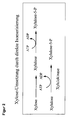
- the prokaryotic xylose isomerase (XI) of the present invention can be expressed in cells, especially eukaryotic cells, in an active form so that the cells can thus isomerize xylose directly to xylulose (see also US Pat FIG. 2 ).
- prokaryotic xylose isomerase (XI) of the invention are less sensitive to inhibition by xylitol than the eukaryotic xylose isomerases known in the art from an anaerobic fungus.
- the inventors have introduced a redox-neutral metabolic pathway in S. cerevisiae in which the conversion of xylose into xylulose is carried out by a xylose isomerase (XI) ( Fig. 2 ).
- XI xylose isomerase
- the cell When the nucleic acid sequence of the present invention encoding the prokaryotic xylose isomerase (XI) is expressed in a cell, the cell is given the ability to convert xylose to xylulose, which can then be further metabolized. As a result, the cell is able to grow on xylose as a carbon source.
- XI prokaryotic xylose isomerase
- the prokaryotic xylose isomerase (XI) according to the invention is preferably derived from Clostridium phytofermentans.
- the xylose isomerase (XI) according to the invention comprises an amino acid sequence which is at least 70% identical, preferably at least 80% identical, more preferably at least 90% identical, even more preferably at least 95% identical and even more preferably 99% identical or identical to the amino acid sequence according to SEQ ID NO. 1 is.
- the promoter (b) is preferably selected from HXT7, truncated HXT7, PFK1, FBA1, PGK1, ADH1 and TDH3.
- the nucleic acid expression construct with which a cell of the invention is transformed is a nucleic acid molecule of the invention as defined herein and above.
- the cell according to the invention is preferably a eukaryotic microorganism, preferably a yeast cell or a filamentous fungus cell.
- a yeast cell according to the invention is preferably a member of a genus selected from the group consisting of Saccharomyces, Kluyveromyces, Candida, Pichia, Schizosaccharomyces, Hansenula, Kloeckera, Schwanniomyces, Arxula and Yarrowia.
- a yeast cell according to the invention is more preferably a member of a species selected from the group of S. cerevisiae, S. bulderi, S. barnetti, S. exiguus, S. uvarum, S. diastaticus, K. lactis, K. marxianus and K. fragilis ,
- a yeast cell according to the invention is more preferably the strain Ethanol Red TM or Lallemand 1.
- a filamentous fungal cell according to the invention is preferably a member of a genus selected from the group consisting of Aspetgillus, Trichoderma, Humicola, Acremonium , Fusarium , and Penicillium.
- the cell according to the invention is preferably a cell or a cultured cell maintained in cell culture.
- the cells of the invention are transiently or stably transformed with the nucleic acid expression construct or the nucleic acid molecule as defined herein.
- a cell of the invention further expresses one or more enzymes that provide the cell with the ability to produce one or more other metabolites.
- Such another metabolite is preferably selected from, but not limited to, the group of bio-based chemicals such as lactic acid, acetic acid, succinic acid, malic acid, 1-butanol, isobutanol, 2-butanol, other alcohols, amino acids, 1,3-propanediol , Ethylene, glycerol, a ⁇ -lactam antibiotic or a cephalosporin, alkanes, terpenes, isoprenaiden or the precursor molecule amorphadiene of the antimalarial drug artemisinin.
- bio-based chemicals such as lactic acid, acetic acid, succinic acid, malic acid, 1-butanol, isobutanol, 2-butanol, other alcohols, amino acids, 1,3-propanediol , Ethylene, glycerol, a ⁇ -lactam antibiotic or a cephalosporin, alkanes, terpenes
- the object is achieved according to the invention by the use of the cells according to the invention according to claim 10 for the conversion of metabolism, in particular fermentation, of xylose-containing biomaterial and / or the production of bioethanol.
- the object is achieved according to the invention by the use of the corresponding cells according to the invention according to claim 11 for the conversion, in particular fermentation, of xylose-containing biomaterial and / or for the production of a metabolite.
- the metabolite is preferably selected from the group of bio-based chemicals (but is not limited to this group of bio-based chemicals) such as lactic acid, acetic acid, succinic acid, malic acid, 1-butanol, isobutanol, 2-butanol, other alcohols, amino acids, 1 , 3-propanediol, ethylene, glycerol, a ⁇ -lactam antibiotic or a cephalosporin, alkanes, terpenes, isoprenoids or the precursor molecule amorphadiene of the antimalarial drug artemisinin.
- bio-based chemicals such as lactic acid, acetic acid, succinic acid, malic acid, 1-butanol, isobutanol, 2-butanol, other alcohols, amino acids, 1 , 3-propanediol, ethylene, glycerol, a ⁇ -lactam antibiotic or a cephalosporin, alkanes, terpen
- the object is achieved by providing a method for the production of bioethanol according to any one of claims 12 to 14.
- the bioethanol is obtained, for example, by isolation.
- the medium may also contain another additional carbon source, in particular glucose.
- the production of bioethanol is preferably carried out at a rate of at least 0.03 g of ethanol per g of dry yeast weight per hour.
- the ethanol yield is at least 0.3 g of ethanol per g of xylose.
- the object is achieved according to the invention by providing a method for producing a metabolite according to claim 15.
- Such another metabolite is preferably selected from, but not limited to, the group of bio-based chemicals such as lactic acid, acetic acid, succinic acid, malic acid, 1-butanol, isobutanol, 2-butanol, other alcohols, amino acids, 1,3-propanediol, Ethylene, glycerol, a ß-lactam antibiotic or a cephalosporin, alkanes, terpenes, isoprenoids or the precursor molecule amorphadiene of the antimalarial drug artemisinin.
- bio-based chemicals such as lactic acid, acetic acid, succinic acid, malic acid, 1-butanol, isobutanol, 2-butanol, other alcohols, amino acids, 1,3-propanediol, Ethylene, glycerol, a ß-lactam antibiotic or a cephalosporin, alkanes, terpenes, iso
- the metabolite is obtained, for example, by isolation.
- the medium may also contain another additional carbon source, in particular glucose.
- the inventors have succeeded in introducing a redox-neutral metabolic pathway into S. cerevisiae in which the conversion of xylose into xylulose is carried out by a xylose isomerase (XI) ( Fig. 2 ).
- XI xylose isomerase
- a test system has succeeded in expressing a highly functional prokaryotic xylose isomerase from Clostridium phytofermentans in the yeast S. cerevisiae . It could be shown that the found xylose isomerase recombinant yeasts allows efficient xylose metabolism.
- the inventors have for the first time succeeded in expressing a prokaryotic xylose isomerase in yeast in functional form, thus enabling them to metabolize xylose under physiological conditions and in significant amounts and to convert it into products (eg ethanol). As described in the prior art, this is not trivial. Numerous attempts have been made and none have been successful (see Sarthy et al., 1987, Amore et al., 1989, Moes et al., 1996, US 6,475,768 ). The inventors have now been able to demonstrate that it is precisely the C. phytofermentans xylose isomerase, in contrast to all other previously known prokaryotic enzymes, which enable the yeast to metabolize xylose under physiological conditions and in significant amounts and to produce products therefrom.
- composition of the media and conditions of cultivation see data from DSMZ (German Collection of Microorganisms and Cell Cultures, Braunschweig, Germany).
- MKY09 is based on the strain CEN.PK2-1C ( MATa leu2-3,112 ura3-52 trp1-289 his3- ⁇ 1MAL2-8c SUC2, PromTKL1 :: loxP-Prom-vkHXT7, PromRPE1 :: loxP-Prom-vkHXT7, PromRKI1 :: loxP-Prom-vkHXT7, PromGAL2 :: loxP-Prom-vkHXT7, PromXKS1 :: loxP-Prom-vkHXT7) contains other unknown mutations
- plasmid Source / Reference description p426HXT7-6HIS ( p426H7) Hamacher et al., 2002 2 ⁇ expression plasmid for the overexpression of genes and for the production of a His 6 epitope; URA3 selection marker gene, truncated HXT7 promoter and CYC1 terminator
- E. coli cells The transformation of E. coli cells was carried out by the electroporation method according to Dower et al. (1988) and Wirth (1993) using an Easyject prima device (EQUIBO).
- the isolation of plasmid DNA from E. coli was carried out by the alkaline lysis method of Birnboim and Doly (1979), modified according to Maniatis et al. (1982) or alternatively with the "QIAprep Spin Miniprep Kit” from Qiagen.
- the cells of a stationary yeast culture (5 ml) were harvested by centrifugation, washed and resuspended in 400 ⁇ l of buffer P1 (Plasmid Mini Kit, Qiagen). After addition of 400 ⁇ l buffer P2 and 2/3 volume glass beads ( ⁇ 0.45 mm), the cells were disrupted by shaking for 5 minutes on a Vibrax (Vibrax-VXR from Janke & Kunkel or IKA). The supernatant was mixed with 1 ⁇ 2 volume of buffer P3, mixed and incubated on ice for 10 min. After centrifugation at 13000 rpm for 10 minutes, the plasmid DNA was precipitated at room temperature by adding 0.75 ml of isopropanol to the supernatant. The DNA pelleted by centrifugation for 30 min at 13000 rpm was washed with 70% ethanol, dried and resuspended in 20 ⁇ l water. 1 ⁇ l of the DNA was used for transformation into E. coli .
- the DNA concentration was measured spectrophotometrically in a wavelength range of 240-300 nm. Is the purity of the DNA, determined by the quotient E 260nm / E 280nm , at 1.8, the extinction E 260nm 1.0 corresponds to a DNA concentration of 50 ⁇ g dsDNA / ml (Maniatis et al., 1982).
- the polymerase chain reaction was carried out in a total volume of 50 ⁇ l with the "Phusion TM High Fidelity PCR System" from Finnzymes according to the manufacturer's instructions. Each approach consisted of 1-10ng DNA or 1-2 yeast colonies as the template, 0.2mM dNTP mix, 1x buffer 2 (containing 1.5mM MgCl 2 ), 1U polymerase and 100pmol each of the appropriate oligonucleotide primers.
- the PCR reaction was carried out in a thermocycler from Techne and the PCR conditions were selected as needed as follows: 1.
- the polymerase was added ("hot start PCR").
- the number of synthesis steps, the annealing temperature and the elongation time were adapted to the specific melting temperatures of the oligonucleotides used or to the size of the expected product.
- the PCR products were checked by agarose gel electrophoresis and then purified.
- the purification of the PCR products was carried out with the "QIAquick PCR Purification Kit” from Qiagen according to the manufacturer.
- the separation of DNA fragments with a size of 0.15-20 kb was carried out in 0.5-1% agarose gels with 0.5 ⁇ g / ml ethidium bromide.
- 1xTAE buffer 40 mM Tris, 40 mM acetic acid, 2 mM EDTA
- the size standard used was a lambda phage DNA cut with the restriction endonucleases EcoRI and Hin dIII.
- the DNA samples were diluted 1/10 before application Volume of blue markers (IxTAE buffer, 10% glycerol, 0.004% bromophenol blue) were added and visualized after separation by irradiation with UV light (254 nm).
- the desired DNA fragment was excised from the TAE agarose gel under long-wave UV light (366 nm) and isolated using the "QIAquick Gel Extraction Kit” from Qiagen according to the manufacturer's instructions.
- Sequence-specific cleavage of the DNA with restriction endonucleases was performed under the incubation conditions recommended by the manufacturer for 1 hour with 2-5U enzyme per ⁇ g of DNA.
- samples were taken and centrifuged at 4 ° C for 15 min at 13000 rpm and removed from the supernatant 450 ul.
- the protein precipitation was carried out with 50% sulfosalicylic acid. 1/10 volume of sulfosalicylic acid was added to the samples, mixed and centrifuged for 20 min at 13000 rpm at 4 ° C. The supernatant was removed and after further dilution with water, the samples could be used for the measurement.
- the standards used were D-glucose, D-xylose, xylitol, acetate, glycerol and ethanol samples at concentrations of 0.05% w / v, 0.1% w / v, 0.5% w / v, 1, 0% w / v and 2.0% w / v were used.
- the sugar concentrations and the ethanol concentration were measured by BioLC (Dionex).
- the autosampler "AS50”, the column oven “TCC-100”, the RI detector “RI-101” (Shodex) and the gradient pump “GS50” were used for the measurement.
- the measurement of the samples was carried out with the column VA 300 / 7.7 Nucleogel Sugar 810 H (Macherey-Nagel).
- the column was eluted at a temperature of 65 ° C with 5 mM H 2 SO 4 as eluent and a flow of 0.6 ml min -1 .
- the data were analyzed using the Chromeleon Version 6.50 TM program (version 6.50, Dionex).
- the protein concentration was determined using the "Roti-Quant” kit from Carl Roth GmbH + Co. according to the manufacturer's instructions based on Bradford (1976).
- Bovine serum albumin (BSA) was used as standard in concentrations of 0-100 ⁇ g / ml. After an incubation period of at least 5 minutes at room temperature, the samples were measured in microtiter plates with a microtiter plate photometer from Moelcular Divces at OD 590 .
- recombinant yeast cells containing the vector p426H7-XI-Clos or p426H7-opt.XI-Clos were harvested, and crude extracts prepared.
- recombinant yeast cells containing the empty vector p426HXT7-6HIS were used.
- the decrease of NADH as a measured variable was determined spectrophotometrically at a wavelength of 340 nm.
- the reaction was started by adding xylose.
- recombinant yeast cells containing the vector p426H7-opt.XI-Clos were harvested, and crude extracts prepared.
- recombinant yeast cells were used with vector p426H7-opt.XI-Piro or vector p426HXT7-6HIS.
- Example 1 Screen of a (highly) functional prokaryotic xylose isomerase
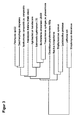
- xylose isomerases In order to make a selection for the xylose isomerases to be tested, protein sequences of xylose isomerases from the NCBI BLAST database were compared. An extract of the obtained xylose isomerases is in Fig. 3 shown. Fourteen xylose isomerases from different organisms were selected to test their functionality in yeast.
- genomic DNA was isolated from the organisms.
- the cells were grown, harvested and disrupted (see “Isolation of S. cerevisiae plasmid DNA " or " B. licheniformis and S. degradans " colony PCR . )
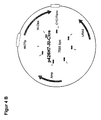
- the open reading frame (ORF) of XI from the organisms mentioned was amplified with primers homologous regions in addition to having HXT7 promoter and CYC1 terminator. Together with the EcoR I / BamH I linearized vector p426HXT7-6HIS the resulting PCR products were transformed into yeast and the via in vivo recombination in Plasmid cloned between the HXT7 promoter or CYC1 terminator ( Fig. 4 ).
- xylose isomerase was found to be functional in yeast strain MKY09. Recombinant yeasts containing C. phytofermentans xylose isomerase showed good growth on xylose-containing plates ( Figure 5 ).
- Example 2 Codon optimization of the gene for xylose degradation in yeast
- the preferred codon usage of the S. cerevisiae glycolytic genes was determined and is listed in Table 1.
- the ORF of the XI gene from C. phytofermentans was codon-optimized. That is, the sequences of the open reading frames have been adapted to the preferred codon usage given below.
- the protein sequence of the enzymes remained unchanged.
- the genes were synthesized by an external company and supplied in dried form in proprietary house vectors.
- the codon-optimized xylose isomerase gene in strain MKY09 had to be subcloned into a yeast vector.
- the codon-optimized XI ORF was amplified with primers and cloned into the linearized vector p426HXT7-6HIS (see “Execution of the Screen”).
- the sequence of the resulting plasmid p426H7-opt.XI-Clos was verified by restriction analysis.
- the plasmid p426H7-opt.XI-Clos was transformed into the strain MKY09. Recombinant yeast strains showed good growth on plates containing xylose-containing medium ( Figure 5 ) Further characterizations of the native and codon-optimized XI from C. phytofermentans followed.
- the growth of the strain MKY09 with the native and the codon-optimized xylose isomerase from C. phytofermentans was investigated in growth tests on xylose-containing medium under aerobic conditions.
- the empty vector p426HXT7-6HIS was used.
- the growth curves showed that the recombinant yeasts all grew to glucose up to an OD600 of 2.5 (Table 2).
- the yeast strain catching the native xylose isomerase from C. phytofermentans continued to grow on xylose and reached a final OD600 of 3.5 with a maximum growth rate of 0.0058 h -1 on xylose-containing medium.
- the yeast strain with the codon-optimized xylose isomerase also reached a final OD600 of 3.5.
- the maximum growth rate was 0.0072 h -1 .
- Yeast transformants with the empty vector p426HXT7-6HIS showed no growth on xylose and already started to die after 150 h.
- the recombinant yeasts that produce the native xylose isomerase from C. phytofermentans or the codon-optimized xylose isomerase contained more than 2.6 g of xylose in 312 hours ( Fig. 6 ).
- the experiment has shown that the introduction of native and codon-optimized xylose isomerase from C. phytofermentans allows the recombinant S. cerervisiae strains to grow on D-xylose and to convert them. Codon optimization of xylose isomerase enabled a higher max. Growth rate can be achieved.
- Enzyme assays were performed immediately after crude extract preparation. XI activity was carried out at 30 ° C in a reaction mix (100 mM TrisHCl, pH 7.5, 10 mM MgCl 2 , NADH 0.23 mM, sorbitol dehydrogenase 2U) with different concentrations of crude extract. The reaction was started with 6.25-500 mM xylose.
- V max ( ⁇ mol min -1 mg protein -1 ) was 0.0076 for the native form of xylose isomerase and 0.0344 for the codon optimized form ( Fig. 7 ). Consequently, the codon optimization of the enzyme V max increased by more than 450%.
- the strain CEN.PK2-1C transformed with the plasmid p426H7-XI-Clos or p426H7-opt.XI-Clos was grown overnight in synthetic complete medium with 2% glucose without uracil. Crude extracts were prepared and quantitative enzyme assays performed.
- Xylitol inhibition of xylose isomerases was determined immediately after crude extract preparation. XI activity was carried out at 30 ° C in a reaction mix (100 mM TrisHCl, pH 7.5, 10 mM MgCl 2 , NADH 0.23 mM, sorbitol dehydrogenase 2U) with different concentrations of crude extract. In addition, the reaction mixture contained different concentrations of xylitol (10-100 mM). The reaction was started with 6.25-500 mM xylose.
- the strain CEN.PK2-1C transformed with the plasmid p426H7-opt.XI-Clos or p426H7-opt.XI-Piro was grown overnight in synthetic complete medium with 2% glucose without uracil. Crude extracts were prepared and quantitative enzyme assays were performed with constant xylitol concentrations of 10-100 mM.
- the xylose isomerase from Piromyces sp.E2 and the empty vector p426HXT7-6HIS served.
- the determined K i value of the xylose isomerase from Piromyces sp. E2 was 4.67 ⁇ 1.77 mM.
- the starting plasmid for the construction of p426H7-opt.XI-Clos was the plasmid p426HXT7-6HIS.
- the vector is a 2 ⁇ expression plasmid which has a URA3 marker.
Landscapes
- Chemical & Material Sciences (AREA)
- Organic Chemistry (AREA)
- Life Sciences & Earth Sciences (AREA)
- Engineering & Computer Science (AREA)
- Zoology (AREA)
- Wood Science & Technology (AREA)
- Health & Medical Sciences (AREA)
- Bioinformatics & Cheminformatics (AREA)
- Genetics & Genomics (AREA)
- General Health & Medical Sciences (AREA)
- General Engineering & Computer Science (AREA)
- Biochemistry (AREA)
- Biotechnology (AREA)
- Microbiology (AREA)
- General Chemical & Material Sciences (AREA)
- Chemical Kinetics & Catalysis (AREA)
- Medicinal Chemistry (AREA)
- Molecular Biology (AREA)
- Biomedical Technology (AREA)
- Micro-Organisms Or Cultivation Processes Thereof (AREA)
- Preparation Of Compounds By Using Micro-Organisms (AREA)
- Enzymes And Modification Thereof (AREA)
Description
- Die vorliegende Erfindung bezieht sich auf die Verwendung von Nukleinsäuremolekülen, die für eine bakterielle Xylose-Isomerase (XI) kodieren, die bevorzugt von Clostridium phytofermentans stammt, für die Umsetzung/Verstoffwechselung, dabei insbesondere Fermentation, mit rekombinanten Mikroorganismen von Xylose-haltigem Biomaterial und insbesondere die Herstellung von Bioalkoholen, dabei insbesondere Bioethanol, mittels Xylose-vergärender Hefen. Die vorliegende Erfindung bezieht sich weiterhin auf Zellen, insbesondere eukaryotische Zellen, die mit einem Nukleinsäure-Expressionskonstrukt, das eine Xylose-Isomerase (XI) kodiert, transformiert sind, wobei die Expression des Nukleinsäure-Expressionskonstrukts den Zellen die Fähigkeit verleiht, Xylose direkt zu Xylulose zu isomerisieren. Diese Zellen werden bevorzugt zur Umsetzung/Verstoffwechselung, dabei insbesondere Fermentation, von Xylose-haltigem Biomaterial und insbesondere zur Herstellung von Bioalkoholen, dabei insbesondere Bioethanol, verwendet. Die vorliegende Erfindung bezieht sich weiterhin auf Verfahren zur Produktion von Bioethanol und auf Verfahren zur Produktion von weiteren Verstoffwechselungsprodukten, umfassend die Verstoffwechselung von Medien, die Xylose enthalten.
- Die Bier-, Wein- und Bäckerhefe Saccharomyces cerevisiae wird aufgrund ihrer Eigenschaft, Zucker zu Ethanol und Kohlendioxid zu fermentieren, schon seit Jahrhunderten für die Brot-, Wein- und Bierherstellung genutzt. In der Biotechnologie findet S. cerevisiae neben der Produktion von heterologen Proteinen vor allem in der Ethanolproduktion für industrielle Zwecke Verwendung. Ethanol wird in zahlreichen Industriezweigen als Ausgangssubstrat für Synthesen benutzt. Durch die immer knapper werdenden Ölvorkommen, die steigenden Ölpreise und den stetig steigenden weltweiten Benzinbedarf gewinnt Ethanol als Kraftstoffalternative mehr und mehr an Bedeutung.
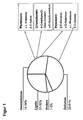
- Um eine kostengünstige und effiziente Bioethanol-Produktion zu ermöglichen bietet sich die Verwendung von lignozellulosehaltiger Biomasse, wie z.B. Stroh, Abfälle aus der Holz- und Landwirtschaft und der organische Anteil aus dem alltäglichen Hausmüll, als Ausgangssubstrat an. Diese ist zum einen sehr günstig und zum anderen in großer Menge vorhanden. Die drei größten Bestandteile der Lignozellulose sind Lignin, Zellulose und Hemizellulose. Hemizellulose, nach Zellulose das am zweithäufigsten vorkommende Polymer, ist ein stark verzweigtes Heteropolymer. Es besteht aus Pentosen (L-Arabinose, D-Xylose), Uronsäuren (4-O-Methyl-D-Glucuronsäure, D-Galacturonsäure) und Hexosen (D-Mannose, D-Galactose, L-Rhamnose, D-Glucose) (siehe
Figur 1 ). Hemizellulose lässt sich zwar leichter als Zellulose hydrolysieren, besitzt aber die Pentosen L-Arabinose und D-Xylose, die von der Hefe S. cerevisiae normalerweise nicht umgesetzt werden können. - Um Pentosen für Fermentationen nutzen zu können, müssen diese zuerst über die Plasmamembran in die Zelle hinein gelangen. Obwohl S. cerevisiae nicht in der Lage ist, D-Xylose zu metabolisieren, kann es diese in die Zelle aufnehmen. S. cerevisiae besitzt aber keine spezifischen Transporter. Der Transport findet mit Hilfe der zahlreichen Hexosetransporter statt. Die Affinität der Transporter zu D-Xylose ist aber deutlich niedriger als die zu D-Glucose (Kotter und Ciriacy, 1993). In Hefen, die D-Xylose metabolisieren können, wie z.B. P. stipitis, C. shehatae oder P. tannophilus (Du Preez et al., 1986), gibt es sowohl unspezifische niederaffine Transporter, die D-Glucose transportieren, als auch spezifische hochaffine Protonen-Symporter nur für D-Xylose (Hahn-Hagerdal et al., 2001).
- Verschiedene Bakterien, Hefen und Pilze sind in der Lage, Xylose zu verstoffwechseln. Die Verstoffwechselung von Xylose unterscheidet sich bei Pro- und Eukaryonten hauptsächlich in der Art der Isomerisierung der Xylose zu Xylulose. In Prokaryonten erfolgt die Umsetzung von Xylose zu Xylulose durch das Enzym Xylose-Isomerase (XI). In Eukaryonten wird Xylose meist in zwei Schritten isomerisiert. Zuerst wird Xylose durch die NAD(P)H-abhängige Xylose-Reduktase (XR) zu Xylitol reduziert und weiter durch die NAD-abhängige Xylitol-Dehydrogenase (XDH) zu Xylulose umgesetzt. Die anschließende Phosphorylierungsreaktion erfolgt in Pro- und Eukaryonten durch die Xylulokinase (XK).
- Das entstandene Intermediat Xylulose-5-Phosphat ist ein Intermediat des Pentosephosphatweges. Der Hauptteil des Xylulose-5-Phosphats gelangt in Form von Fruktose-6-Phosphat und Glycerinaldehyd-3-Phosphat in die Glykolyse und wird dort weiter zu Pyruvat umgesetzt (Schaaff-Gerstenschläger und Miosga, 1997). Unter fermentativen Bedingungen wird der Zucker durch die Pyruvat-Decarboxylase und durch die Alkohol-Dehydrogenase weiter zu Ethanol abgebaut. Unter aeroben Bedingungen kann Pyruvat im Citratzyklus über eine Reihe von Reaktionsschritten bis zum Kohlendioxid oxidiert werden.
- In Arbeiten von Kötter und Ciriacy (1993) wurde erstmals ein rekombinanter S. cerevisiae Stamm konstruiert, der in der Lage war, D-Xylose zu metabolisieren. Hierfür wurden die für D-Xylose Reduktase (XYL1) und Xylitol Dehydrogenase (XYL2) kodierenden Gene der Hefe Pichia stipitis heterolog in der Hefe S. cerevisiae exprimiert. In späteren Arbeiten wurde zusätzlich die endogene Xylulokinase (XKS1) überexprimiert, was die D-Xylose Aufnahme in die Zelle sowie deren Umsetzung zu Ethanol verbesserte (Ho et al., 1998; Eliasson et al., 2000). Trotz der erzielten Verbesserungen war unter Sauerstoff-limitierten Bedingungen das Hauptnebenprodukt der Xyloseumsetzung Xylitol. Dies wird einem Ungleichgewicht in der Redoxbalance zugeschrieben, welches dadurch verursacht wird, dass die in dem Stoffwechselweg zuerst ablaufende Reaktion bevorzugt NADPH nutzt, die zweite Reaktion jedoch ausschließlich NADH produziert (Hahn-Hägerdal et al., 2001). Unter aeroben Bedingungen kann das durch die Xylitol-Dehydrogenase gebildete NADH über die Atmungskette zu NAD regeneriert werden. Unter anaeroben Bedingungen kann NAD nicht regeneriert werden und es kommt zu einer Ansammlung von NADH in der Zelle. Ohne den Cofaktor NAD kann die Xylitol-Dehydrogenase Xylitol nicht weiter zu Xylulose umsetzen.
- Obwohl die in der genannten Arbeit verwendete Xylose-Reduktase aus P. stipitis stammt, welche in der Lage ist neben NADPH auch NADH als Cofaktor zu nutzen (Metzger und Hollenberg, 1995), kommt es unter strikt anaeroben Bedingungen zum Erliegen der Xylosefermentation.
- Eine Lösung des Problems bestand darin, einen redoxneutralen Stoffwechselweg in S. cerevisiae einzuführen. In Prokaryonten erfolgt die Umsetzung von Xylose zu Xylulose durch das Enzym Xylose-Isomerase (XI). Für eine vollständige Umsetzung der D-Xylose müsste in S. cerevisiae zusätzlich nur das Gen XI exprimiert werden, da eine endogene Xylulokinase vorhanden ist. Obwohl eine Xylose-Isomerase in manchen Pilzen nachgewiesen werden konnte (Tomoyeda und Horitsu, 1964; Vongsuvanglert und Tani, 1988; Banerjee et al., 1994; Rawat et al., 1996), war in Eukaryonten nur der Xylose-Abbau über die Enzyme Xylose-Reduktase und Xylitol-Dehydrogenase gezeigt worden. Viele Bemühungen, eine Xylose-Isomerase aus unterschiedlichen Organismen in Hefe heterolog zu exprimieren, schlugen fehl (Gardonyi und Hahn-Hägerdal, 1993). Meistens waren die Enzyme in Hefe nicht funktionell oder sie wurden nicht zu Proteinen synthetisiert (Sarthy et al., 1987; Amore et al., 1989; Moes et al., 1996). Mit hoher Aktivität konnte nur die Xylose-Isomerase aus dem obligat anaeroben Pilz Piromyces sp. E2 (Kyper et al., 2003) in Hefe exprimiert werden. Bei heterologer Überexpression dieser eukaryotischen Xylose-Isomerase (Harhangi et al., 2003) war S. cerevisiae in der Lage, auf Xylose zu wachsen und es auch unter anaeroben Bedingungen zu metabolisieren (Kuyper et al., 2003). Weitere Tests zeigten allerdings, dass das Enzym durch Xylitol, ein Produkt der Xylose-Umsetzung, stark gehemmt wird. Xylitol wird in Hefe unspezifisch aus Xylose mittels Aldose-Reduktasen gebildet.
- Die Dokumente ("
WO 03/062430 -
US 6,475,768 beschreibt die Verwendung einer prokaryotischen thermophilen Xylose-Isomerase aus Thermus thermophilus bzw. Varianten von dieser für die Metabolisierung von Xylose durch Hefen. Das Temperaturoptimum dieses Enzyms bzw. der Varianten liegt bei einer Temperatur (>70°C), die deutlich über der Temperatur liegt, bei der Hefe wächst und metabolisiert (28-35°C), bei Temperaturen über 40°C ist Hefe jedoch inaktiv bzw. stirbt ab. Bei Temperaturen um 30°C ist die Xylose-Isomerase aus Thermus thermophilus bzw. auch die Variantenjedoch nahezu inaktiv. Daher erlaubt auch dieses Enzym bzw. dessen Varianten der Hefe keine effektive Xylose-Metabolisierung. - Es besteht also im Stand der Technik Bedarf für Pentose-Isomerasen, insbesondere Xylose-Isomerasen, die eine verbesserte und effizientere Pentose-Umsetzung, insbesondere Xylose-Umsetzung ermöglichen.
- Aufgabe der vorliegenden Erfindung ist es daher, verbesserte Pentose-Isomerasen, insbesondere Xylose-Isomerasen, für die Verwendung bei der Xylose-Umsetzung zur Verfugung zu stellen, die insbesondere für Industriehefestämme verwendet werden können.
- Die Aufgabe wird erfindungsgemäß gelöst durch zur Verfürgung stellen eines Nukleinsäuremoleküls, das eine Nukleinsäuresequenz umfasst, die für eine prokaryotische Xylose-Isomerase (XI) kodiert, für
- die Transformation einer Zelle, bevorzugt für die rekombinante Expression und Herstellung der Xylose-Isomerase,
- die Umsetzung von Xylose zu Xylulose durch die Zelle und/oder
- die Bildung von Folgeprodukten aus Xylose durch die Zelle.
- Insbesondere für folgende Verwendungen:
- die Transformation einer Zelle, bevorzugt für die rekombinante Expression/Herstellung der prokaryotischen Xylose-Isomerase,
- die Umsetzung/Verstoffwechselung, dabei insbesondere Fermentation, von Xylose-haltigem Biomaterial,
- die Herstellung von biobasierten Chemikalien,
- die Herstellung von Biobutanol,
- die Herstellung von Bioethanol.
- Unter "Folgeprodukten" sollen die Verbindungen verstanden werden, die die Zelle weiter aus der zu Xylulose umgesetzten Xylose produziert, wie beispielsweise biobasierte Chemikalien und Bioalkohole.
- Unter "biobasierten Chemikalien" sollen chemische Verbindungen und Stoffe verstanden werden, die aus biologischen Materialien und Rohstoffen (Biomasse) insbesondere unter Verwendung von Mikroorganismen erhalten werden.
- Bei den biobasierten Chemikalien kann es sich um eine Verbindung handeln, die ausgewählt ist aus, aber nicht beschränkt ist auf: Milchsäure, Essigsäure, Bernsteinsäure, Äpfelsäure, 1-Butanol, Isobutanol, 2-Butanol, andere Alkohole, Aminosäuren, 1,3-Propandiol, Ethylen, Glycerol, ein β-Lactam-Antibiotikum oder ein Cephalosporin, Alkanen, Terpenen, Isoprenoiden oder dem Vorläufermolekül Amorphadien des Antimalaria-Wirkstoffes Artemisinin.
- Die Begriffe "Umsetzung" und "Verstoffwechselung" werden synonym verwendet und bedeuten die Metabolisierung einer Substanz bzw. Umsetzung einer Substanz im Stoffwechsel, hier: die Umsetzung von Xylose, insbesondere die Umsetzung von Xylose zu Xylulose durch eine Zelle, die mit einer erfindungsgemäßen Nukleinsäure transformiert wurde. Eine bevorzugte Umsetzung/Verstoffwechselung ist die Fermentation.
- Bei den Nukleinsäuremolekülen handelt es sich um rekombinante Nukleinsäuremoleküle. Des Weiteren umfassen erfindungsgemäße Nukleinsäuremoleküle dsDNA, ssDNA, PNA, CNA, RNA oder mRNA oder Kombinationen davon.
- Gemäß einer Ausführungsform betrifft die vorliegende Erfindung die Verwendung eines Nukleinsaüremoleküls nach einem der Ansprüche 1 bis 5.
- Die erfindungsgemäße prokaryotische Xylose-Isomerase (XI) stammt von Clostridium phytofermentans.
- In dieser Erfindung ist es mit einem Testsystem gelungen, eine hoch funktionelle prokaryotische Xylose-Isomerase aus Clostridium phytofermentans in der Hefe S. cerevisiae zu exprimieren. Es konnte gezeigt werden, dass die gefundene Xylose-Isomerase rekombinanten Hefen eine effiziente Xylose-Verstoffwechselung ermöglicht.
- Die erfindungsgemäße prokaryotische Xylose-Isomerase (XI) kann in Zellen, insbesondere eukaryotischen Zellen in einer aktiven Form exprimiert werden. Außerdem ist die erfindungsgemäße prokaryotische Xylose-Isomerase (XI) weniger sensitiv gegenüber einer Inhibierung durch Xylitol als die im Stand der Technik bekannte eukaryotische Xylose-Isomerase aus einem anaeroben Fungus.
- Wenn die erfindungsgemäße Nukleinsäuresequenz, die für die prokaryotische Xylose-Isomerase (XI) kodiert, in einer Zelle exprimiert wird, dann wird der Zelle die Fähigkeit verliehen, Xylose in Xylulose umzuwandeln, welche dann weiter metabolisiert werden kann. Dadurch ist die Zelle in der Lage, auf Xylose als Kohlenstoffquelle zu wachsen.
- Bevorzugt umfasst die erfindungsgemäße prokaryotische Xylose-Isomerase (XI) eine Aminosäuresequenz, die zu mindestens 95% identisch und noch weiter bevorzugt 99% identisch oder identisch zu der Aminosäuresequenz nach SEQ ID NO. 1 ist.
- Die Nukleinsäuresequenz, die für eine prokaryotische Xylose-Isomerase (XI) kodiert, umfasst bevorzugt eine Nukleinsäuresequenz, die zu mindestens 95% identisch und noch weiter bevorzugt 99% identisch oder identisch zu der Nukleinsäuresequenz nach SEQ ID NO. 2 ist.
- Die erfindungsgemäßen Nukleinsäuremoleküle umfassen bevorzugt Nukleinsäuresequenzen, die mit der natürlich vorkommenden Nukleinsäuresequenz identisch sind oder für eine Verwendung in einer Wirtszelle Codon-optimiert sind.
- Jede Aminosäure wird auf Genebene durch ein Codon verschlüsselt. Jedoch gibt es mehrere verschiedene Codons, die für eine einzelne Aminosäure codieren. Der genetische Code ist folglich degeneriert. Die bevorzugte Codonwahl für eine entsprechende Aminosäure ist von Organismus zu Organismus verschieden. So kann es bei heterolog exprimierten Genen zu Problemen kommen, wenn der Wirtsorganismus bzw. die Wirtszelle einen sehr unterschiedlichen Codon-Gebrauch aufweist. Das Gen kann überhaupt nicht oder nur langsam exprimiert werden. Sogar in Genen von verschiedenen Stoffwechselwegen innerhalb eines Organismus ist ein unterschiedlicher Codon-Gebrauch festzustellen. Von den Glykolyse-Genen aus S. cerevisiae ist bekannt, daß sie stark exprimiert werden. Sie weisen einen stark restriktiven Codon-Gebrauch auf. Es ist davon auszugehen, dass durch Anpassung des Codon-Gebrauchs des bakteriellen Xylose-Isomerase-Gens an den Codon-Gebrauch der Glykolyse-Gene aus S. cerevisiae, es zu einer Verbesserung des Xylose-Umsatzes in Hefe kommt.
- In einer bevorzugten Ausführungsform umfasst die Nukleinsäuresequenz, die für eine prokaryotische Xylose-Isomerase (XI) kodiert, eine Nukleinsäuresequenz, die für die Verwendung in einer Wirtszelle Codon-optimiert ist.
- Die Codon-Optimierung besteht im Wesentlichen bevorzugt in einer Anpassung des Codon-Gebrauchs an den Codon-Gebrauch des Wirtsorganismus/Wirtszelle, wie Hefe. Bevorzugt wird der Codon-Gebrauch des bakteriellen Xylose-Isomerase-Gens an den Codon-Gebrauch der Glykolyse-Gene aus S. cerevisiae angepasst. Für weitere Details, siehe auch Beispiel 2 und Tabelle 1.
- Die Nukleinsäuresequenz, die für eine prokaryotische Xylose-Isomerase (XI) kodiert, umfasst bevorzugt eine Nukleinsäuresequenz, die zu mindestens 95% identisch und noch weiter bevorzugt 99% identisch oder identisch zu der Nukleinsäuresequenz nach SEQ ID NO. 3 ist. Bevorzugt ist das erfindungsgemäß verwendete Nukleinsäuremolekül ein Nukleinsäure-Expressionskonstrukt.
- Nukleinsäure-Expressionskonstrukte gemäß der Erfindung sind beispielsweise Expressionskassetten, umfassend ein erfindungsgemäßes Nukleinsäuremolekül, oder Expressionsvektoren, die ein erfindungsgemäßes Nukleinsäuremolekül oder eine Expressionskassette umfassen.
- Bevorzugt umfasst ein Nukleinsäure-Expressionskonstrukt Promotor- und Terminatorsequenzen, wobei der Promotor operativ verbunden ist mit der Nukleinsäuresequenz, die für eine prokaryotische Xylose-Isomerase (XI) kodiert.
- Bevorzugte Promotorsequenzen sind ausgewählt aus HXT7, verkürzter HXT7, PFK1, FBA1, PGK1, ADH1 und TDH3.
- Bevorzugte Terminatorsequenzen sind ausgewählt aus CYC1, FBA1, PGK1, PFK1, ADH1 und TDH3.
- Das Nukleinsäure-Expressionskonstrukt kann weiterhin 5' und/oder 3' Erkennungssequenzen und/oder Selektionsmarker umfassen.
- Bevorzugt wird der Selektionsmarker ausgewählt aus einem LEU2-Markergen, einem URA3-Markergen oder einem dominanten Antibiotika-Resistenz-Markergen. Ein bevorzugter dominantes Antibiotika-Resistenz-Markergen wird ausgewählt aus Genen, die Resistenzen gegenüber Geneticin, Hygromycin und Nourseothricin verleihen.
- Ein Expressionsvektor kann ausgewählt werden aus der Gruppe pRS303X, p3RS305X, p3RS306X, pRS41H, pRS41K, pRS41N, pRS42H, pRS42K, pRS42N oder p423HXT7-6HIS, p424HXT7-6HIS, p425HXT7-6HIS, p426HXT7-6HIS.
- Bevorzugt ist die zu transformierenden Zelle ein eukaryotischer Mikroorganismus, bevorzugt eine Hefezelle oder eine Fadenpilzzelle.
- Die Hefezelle ist bevorzugt ein Mitglied eines Genus ausgewählt aus der Gruppe aus Saccharomyces, Kluyveromyces, Candida, Pichia, Schizosaccharomyces, Hansenula, Kloeckera, Schwanniomyces, Arxula und Yarrowia.
- Die Hefezelle ist weiter bevorzugt ein Mitglied einer Species ausgewählt aus der Gruppe aus S. cereoisiae, S. bulderi, S. barnetti, S. exiguus, S. uvarum, S. diastaticus, K. lactis, K. marxianus und K fragilis.
- Die Fadenpilzzelle ist bevorzugt ein Mitglied eines Genus ausgewählt aus der Gruppe aus Aspergillus, Trichoderma, Humicola, Acremonium, Fusarium, und Penicillium.
- Die Aufgabe wird erfindungsgemäß gelöst durch zur Verfügung stellen Zellen nach einem der Ansprüche 6 bis 9, die mit einem Nukleinsäure-Expressionskonstrukt transformiert sind, das für eine prokaryotische Xylose- Isomerase (XI) kodiert.
- Eine erfindungsgemäße Zelle ist bevorzugt eine eukaryotische Zelle.
- Eine erfindungsgemäße Zelle, insbesondere eine eukaryotische Zelle, ist mit einem Nukleinsäure-Expressionskonstrukt transformiert, welches umfasst:
- (a) eine Nukleinsäuresequenz, die für eine prokaryotische Xylose-Isomerase (XI) kodiert,
- (b) einen operativ mit der Nukleinsäuresequenz verbundenen Promoter, der die Expression der prokaryotischen Xylose-Isomerase (XI) in der Zelle ermöglicht.
- Dabei verleiht die Expression des Nukleinsäure-Expressionskonstrukts der Zelle die Fähigkeit, Xylose direkt zu Xylulose zu isomerisieren.
- Wie oben diskutiert, kann die erfindungsgemäße prokaryotische Xylose-Isomerase (XI) in Zellen, insbesondere eukaryotischen Zellen, in einer aktiven Form exprimiert werden, so dass die Zellen somit Xylose direkt zu Xylulose isomerisieren können (siehe auch
Figur 2 ). - Außerdem sind die erfindungsgemäßen prokaryotischen Xylose-Isomerase (XI) weniger sensitiv gegenüber einer Inhibierung durch Xylitol als die im Stand der Technik bekannten eukaryotischen Xylose-Isomerasen aus einem anaeroben Fungus.
- Die Erfinder haben einen redoxneutralen Stoffwechselweg in S. cerevisiae eingeführt, in dem die Umsetzung von Xylose zu Xylulose durch eine Xylose-Isomerase (XI) erfolgt (
Fig. 2 ). - Wenn die erfindungsgemäße Nukleinsäuresequenz, die für die prokaryotische Xylose-Isomerase (XI) kodiert, in einer Zelle exprimiert wird, dann wird der Zelle die Fähigkeit verliehen, Xylose in Xylulose umzuwandeln, welche dann weiter metabolisiert werden kann. Dadurch ist die Zelle in der Lage, auf Xylose als Kohlenstoffquelle zu wachsen.
- Die erfindungsgemäße prokaryotische Xylose-Isomerase (XI) stammt bevorzugt aus Clostridium phytofermentans. Bevorzugt umfasst die erfindungsgemäße Xylose-Isomerase (XI) eine Aminosäuresequenz, die zu mindestens 70% identisch, bevorzugt mindestens 80% identisch, weiter bevorzugt mindestens 90% identisch, noch weiter bevorzugt mindestens 95% identisch und noch weiter bevorzugt 99% identisch oder identisch zu der Aminosäuresequenz nach SEQ ID NO. 1 ist.
- Der Promotor (b) ist bevorzugt ausgewählt aus HXT7, verkürzter HXT7, PFK1, FBA1, PGK1, ADH1 und TDH3.
- In einer bevorzugten Ausführungsform ist das Nukleinsäure-Expressionskonstrukt, mit dem eine erfindungsgemäße Zelle transformiert ist, ein erfindungsgemäßes Nukleinsäuremolekül, wie hierin und oben definiert.
- Bevorzugt ist die erfindungsgemäße Zelle ein eukaryotischer Mikroorganismus, bevorzugt eine Hefezelle oder eine Fadenpilzzelle.
- Eine erfindungsgemäße Hefezelle ist bevorzugt ein Mitglied eines Genus ausgewählt aus der Gruppe aus Saccharomyces, Kluyveromyces, Candida, Pichia, Schizosaccharomyces, Hansenula, Kloeckera, Schwanniomyces, Arxula und Yarrowia.
- Eine erfindungsgemäße Hefezelle ist weiter bevorzugt ein Mitglied einer Species ausgewählt aus der Gruppe aus S. cerevisiae, S. bulderi, S. barnetti, S. exiguus, S. uvarum, S. diastaticus, K. lactis, K. marxianus und K. fragilis.
- Eine erfindungsgemäße Hefezelle ist weiter bevorzugt der Stamm Ethanol Red™ oder Lallemand 1.
- Eine erfindungsgemäße Fadenpilzzelle ist bevorzugt ein Mitglied eines Genus ausgewählt aus der Gruppe aus Aspetgillus, Trichoderma, Humicola, Acremonium, Fusarium, und Penicillium.
- Bevorzugt ist die erfindungsgemäße Zelle eine m Zellkultur gehaltene Zelle bzw. eine kultivierte Zelle.
- Die erfindungsgemäßen Zellen sind mit dem Nukleinsäure-Expressionskonstrukt oder dem Nukleinsäuremolekül, wie hierin definiert, transient oder stabil transformiert.
- In einer Ausfiihrungsform exprimiert eine erfindungsgemäße Zelle weiterhin eines oder mehrere Enzyme, die der Zelle die Fähigkeit verleihen, ein oder mehrere weitere Verstoffwechsel ungsprodukte zu produzieren.
- Ein solches weiteres Verstoffwechselungsprodukt ist dabei bevorzugt ausgewählt aus, aber nicht beschränkt auf, der Gruppe von biobasierten Chemikalien, wie Milchsäure, Essigsäure, Bernsteinsäure, Äpfelsäure, 1-Butanol, Isobutanol, 2-Butanol, andere Alkohole, Aminosäuren, 1,3-Propandiol, Ethylen, Glycerol, ein ß-Lactam-Antibiotikum oder ein Cephalosporin, Alkanen, Terpenen, Isoprenaiden oder dem Vorläufermolekül Amorphadien des Antimalaria-Wirkstoffes Artemisinin.
- Die Aufgabe wird erfindungsgemäß gelöst durch die Verwendung der erfindungsgemäßen Zellen nach Anspruch 10 für die Umsetzung!V erstoffwechselung, dabei insbesondere Fermentation, von Xylose- haltigem Biomaterial und/oder die Herstellung von Bioethanol.
- Die Aufgabe wird erfindungsgemäß gelöst durch die Verwendung der entsprechenden erfindungsgemäßen Zellen nach Anspruch 11 für die Umsetzung!Verstoffwechselung, dabei insbesondere Fermentation, von Xylose-haltigem Biomaterial und/oder zur Produktion eines Verstoffwechselungsprodukts.
- Wobei das Verstoffwechselungsprodukt bevorzugt ausgewählt ist aus der Gruppe von biobasierten Chemikalien (aber nicht auf diese Gruppe von biobasierten Chemikalien beschränkt ist), wie Milchsäure, Essigsäure, Bernsteinsäure, Äpfelsäure, 1-Butanol, Isobutanol, 2-Butanol, andere Alkohole, Aminosäuren, 1,3-Propandiol, Ethylen, Glycerol, ein ß-Lactam-Antibiotikum oder ein Cephalosporin, Alkanen, Terpenen, Isoprenoiden oder dem Vorläufermolekül Amorphadieu des Antimalaria-Wirkstoffes Artemisinin.
- Die Aufgabe wird erfindungsgemäß gelöst durch das zur Verfügung stellen eines Verfahrens zur Produktion von Bioethanol nach einem der Ansprüche 12 bis 14.
- Das erfindungsgemäße Verfahren umfasst die folgenden Schritte:
- (a) Umsetzung eines Mediums, welches eine Xylose-Quelle enthält, mit einer erfindungsgemäßen Zelle, die Xylose zu Ethanol umsetzt,
- (b) optional, Erhalten des Bioethanols.
- Das Bioethanol wird beispielsweise durch Isolieren erhalten.
- Das Medium kann auch eine andere zusätzliche Kohlenstoffquelle, dabei insbesondere Glukose, enthalten.
- Bevorzugt erfolgt die Produktion von Bioethanol mit einer Rate von mindestens 0,03 g Ethanol pro g Hefetrockengewicht und Stunde.
- Bevorzugt ist die Ethanolausbeute mindestens 0,3 g Ethanol pro g Xylose.
- Die Aufgabe wird erfindungsgemäß gelöst durch das zur Verfügung stellen eines Verfahrens zur Produktion eines Verstoffwechselungsprodukts nach Anspruch 15.
- Ein solches weiteres Verstoffwechselungsprodukt ist dabei bevorzugt ausgewählt aus, aber nicht beschränkt auf, der Gruppe von biobasierten Chemikalien wie Milchsäure, Essigsäure, Bernsteinsäure, Äpfelsäure, 1-Butanol, Isobutanol, 2-Butanol, andere Alkohole, Aminosäuren, 1,3-Propandiol, Ethylen, Glycerol, ein ß-Lactam-Antibiotikum oder ein Cephalosporin, Alkanen, Terpenen, Isoprenoiden oder dem Vorläufermolekül Amorphadieu des Antimalaria-Wirkstoffes Artemisinin.
- Das erfindungsgemäße Verfahren umfasst die folgenden Schritte:
- (a) Umsetzung/Verstoffwechselung, insbesondere Fermentation, eines Mediums, welches eine Xylose-Quelle enthält, mit einer entsprechenden erfindungsgemäßen Zelle, die Xylose umsetzt, um das Verstoffwechselungsprodukt zu produzieren,
- (b) optional, Erhalten des Verstoffwechselungsprodukts.
- Das Verstoffwechselungsprodukt wird beispielsweise durch Isolieren erhalten.
- Das Medium kann auch eine andere zusätzliche Kohlenstoffquelle, dabei insbesondere Glukose, enthalten.
- Den Erfindern ist es gelungen, einen redoxneutralen Stoffwechselweg in S. cerevisiae einzuführen, in dem die Umsetzung von Xylose zu Xylulose durch eine Xylose-Isomerase (XI) erfolgt (
Fig. 2 ). - In dieser Erfindung ist es mit einem Testsystem gelungen, eine hoch funktionelle prokaryontische Xylose-Isomerase aus Clostridium phytofermentans in der Hefe S. cerevisiae zu exprimieren. Es konnte gezeigt werden, dass die gefundene Xylose-Isomerase rekombinanten Hefen eine effiziente Xylose-Verstoffwechselung ermöglicht.
- Des Weiteren waren eine Vielzahl von experimentellen Hürden und Schwierigkeiten beim Auffinden einer funktionellen Xylose-Isomerase zu überwinden:
- Für die Konstruktion des Teststammes MKY09 mussten 5 Gene überexprimiert werden.
- Die Auswahl der zu testenden Xylose-Isomerasen war nicht trivial.
- Alle bisher getesteten bakteriellen Xylose-Isomerasen zeigten in Hefe keine bis sehr geringe Aktivität.
- Hoher Aufwand bei der Kultivierung der zu testenden Organismen, die für den Screen benötigt wurden.
- Bei der erfindungsgemäßen Xylose-Isomerase handelt es sich um die erste beschriebene hoch aktive prokaryotische Xylose-Isomerase in Hefe.
- Bei der erfindungsgemäßen Xylose-Isomerase handelt es sich um die erste Xylose-Isomerase des Clusters II (von drei Clustern) von Xylose-Isomerasen (siehe
Figure 3 ), die in Hefen funktionell exprimiert werden konnte. - Die erfindungsgemäße Xylose-Isomerase wird nur geringfügig durch Xylitol gehemmt.
- Über die Schwierigkeiten bezüglich der funktionellen Expression von Xylose-Isomerasen in Hefe gibt es einige Berichte (Gärdonyi and Hahn-Hägerdahl, 2003; sowie darin zitierte Quellen).
- Den Erfindern ist es erstmals gelungen, eine prokaryotische Xylose-Isomerase in funktioneller Form in Hefen zu exprimieren, so dass diese dazu befähigt werden, Xylose unter physiologischen Bedingungen und in signifikanten Mengen zu metabolisieren und in Produkte (z.B. Ethanol) umzuwandeln. Wie im Stand der Technik beschrieben, ist dieses nicht trivial. Zahlreiche Versuche dazu wurden unternommen, und alle waren bisher nicht erfolgreich (siehe Sarthy et al., 1987; Amore et al., 1989; Moes et al., 1996,
US 6,475,768 ). Den Erfindern ist es nun gelungen zu demonstrieren, dass gerade die C. phytofermentans Xylose-Isomerase, im Gegensatz zu allen anderen bisher bekannten prokaryotischen Enzymen, die Hefe dazu befähigen, Xylose unter physiologischen Bedingungen und in signifikanten Mengen zu metabolisieren und daraus Produkte herzustellen. - Beispiele für lignozellulosische Hydrolysate mit signifikantem Anteil an Xylan (Hayn et. al., 1993):
Gras: 16% Weizenkleie: 19% Maisabfälle: 19% - Die vorliegende Erfindung wird in den folgenden Figuren, Sequenzen und Beispielen weiter verdeutlicht, ohne jedoch darauf beschränkt zu sein, Die zitierten Referenzen sind hiermit durch Bezugnahme vollständig aufgenommen. In den Sequenzen und Figuren zeigt:
- SEQ ID NO: 1 die Proteinsequenz des Xylose-Isomerase-ORFs (offener Leserahmen) von C. phytofermentans, (siehe auch Genbank Accession Nos. ABX41597 und CP000885 (vom 19. November 2007)),
- SEQ ID NO: 2 die Nukleinsäuresequenz des offenen Leserahmens (ORF) der Xylose-Isomerase aus C. phytofermentans, (siehe auch Genbank Accession No. CP000885 (vom 19. November 2007)),
- SEQ ID NO: 3 die Nukleinsäuresequenz des offenen Leserahmens (ORF) der Xylose-Isomerase aus C. phytofermentans in einer Codon-optimierten Form.
-
Figur 1 . Zusammensetzung der Biomasse
Biomasse besteht aus Zellulose, Hemizellulose und Lignin. Die am zweithäufigsten vorkommende Hemizellulose ist ein aus Pentosen, Uronsäuren und Hexosen bestehendes stark verzweigtes Polymer. Die Hemizellulose besteht zu einem großen Anteil aus den Pentosen Xylose und Arabinose. -
Figur 2 . Schema für die Umsetzung von D-Xylose in rekombinanter S. cerevisiae über direkte Isomerisierung -
Figur 3 . Stammbaum der verschiedenen Xylose-Isomerasen
Gezeigt ist der Stammbaum der getesteten Xylose-Isomerasen. Vergleiche zur Ähnlichkeit der Xylose Isomerasen wurden mit dem Programm "MEGA version 4" durchgeführt. -
Figur 4 . Verwendete Vektoren
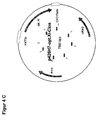
Ausgangsplasmid für die Konstruktion von p426H7-XI-Clos (B) bzw. p426H7-opt.XI-Clos (C) war Plasmid p426HXT7-6HIS (A). Bei dem Vektor p426HXT7-6HIS handelt es sich um ein 2µ Expressionsplasmid, welches einen URA3-Marker besitzt. Der offene Leserahmen (ORF) bzw. deren Codon-optimierte Form der erfindungsgemäßen Xylose-Isomerase aus C. phytofermentans wurde hinter den verkürzten starken HXT7-Promotor und dem CYC1-Terminator des Plasmids p426HXT7-6HIS kloniert. -
Figur 5 Wachstumsverhalten auf Xylose-haltigem Medium unter Verwendung der verschiedenen Xylose-Isomerase-Gene
Wachstumstests von rekombinaten S. cerevisiae Stämmen, die den bakteriellen D-Xylose-Stoffwechsel mit der Xylose-Isomerase aus C. phytofermentans enthalten. Wachstumstests wurden auf Agarplatten mit SC-Medium und mit 2 % Xylose als einziger Kohlenstoffquelle durchgeführt. Getestet wurde die native (B) und die Codon-optimierte Form (C) der Xylose-Isomerase aus C. phytofermentans. Als Negativ-Kontrolle diente der leere Vektor p426HXT7-6HIS (A). -
Figur 6 . Xylose-Umsetzung in rekombinanten Hefestämmen unter Verwendung einer bakteriellen Xylose-Isomerase
Die Xylose-Umsetzung von rekombinanten Hefezellen MKY09, die die native und die Codon-optimierte Form der Xylose-Isomerase aus C. phytofermentants enthielten, wurde getestet. Als Vergleich diente der leere Vektor p426HXT7-6HIS. Wachstumskurven wurden in flüssigem SC-Medium mit 1,4% Xylose unter aeroben Bedingungen durchgeführt. HPLC-Proben wurden parallel zur Messung der optischen Dichte bei 600nm entnommen. Siehe auch Tabelle 2, Beispiel 3. -
Figure 7 . Enzymkinetiken
Eadie-Hofstee Plot der Xylose Umsetzung der nativen und der Codon-optimierten Xylose-Isomerase aus C. phytofermentans.
Der mit dem Plasmid p426H7-XI-Clos bzw. p426H7-opt.XI-Clos transformierte Stamm CEN.PK2-1C wurde über Nacht in synthetischem Komplettmedium mit 2 % Glukose ohne Uracil angezogen. Es wurden Rohextrakte hergestellt und quantitative Enzymtests durchgeführt. Es ist ein repräsentatives Ergebnis gezeigt. Die in Tabelle 3 angegebenen Werte sind Durchschnittswerte aus mindestens 3 unabhängigen Messungen. -
- E. coli SURE (Stratagene)
- E.coli DH5α (Stratagene)
- Bacillus licheniformis (37°C)
- Agrobacterium tumefaciens (26°C)
- Burkholderia xenovorans (28°C)
- Clostridium phytofermentans (30°C, anaerob)
- Lactobacillus pentosus (30°C)
- Leifsonia xyli (28°C)
- Pseudomonas syringae pv. phaseolicola (28°C)
- Robiginitalea biformata (30°C)
- Saccharophagus degradans (26°C)
- Salmonella typhimurium LT2 (28°C)
- Staphylococcus xylosus (37°C)
- Streptomyces diastaticus (28°C)
- Xanthomonas campestris (26°C)
- Arabidopsis thaliana (genomische DNA)
- Vollmedium LB:
- 1% Trypton, 0,5 % Hefeextrakt, 0,5% NaCl, pH 7,5 (siehe Maniatis, 1982).
- Für die Selektion auf eine plasmidkodierte Antibiotikaresistenz wurde dem Medium nach dem Autoklavieren 40µg/ml Ampicillin zugesetzt. Feste Nährmedien enthielten zusätzlich 2% Agar. Die Anzucht erfolgte bei 37°C.
- Zusammensetzung der Medien und Anzuchtsbedingungen siehe Angaben von DSMZ (Deutsche Sammlung von Mikroorganismen und Zellkulturen, Braunschweig, Deutschland).
- CEN.PK2-1C (MATa leu2-3,112 ura3-52 trp1-289 his3-Δ1MAL2-8c SUC2)
- MKY09 basiert auf dem Stamm CEN.PK2-1 C (MATa leu2-3,112 ura3-52 trp1-289 his3-Δ1MAL2-8c SUC2, PromTKL1::loxP-Prom-vkHXT7, PromRPE1::loxP-Prom-vkHXT7, PromRKI1::loxP-Prom-vkHXT7, PromGAL2::loxP-Prom-vkHXT7, PromXKS1::loxP-Prom-vkHXT7), beinhaltet weitere unbekannte Mutationen
- 0,67% Yeast nitrogen base w/o amino acids, pH6,3, Aminosäure/Nukleobase-Lösung, Kohlenstoffquelle in der jeweils angegeben Konzentration
- 0,16% Yeast nitrogen base w/o amino acid and ammonium sulphate, 0,5% Ammoniumsulfat ,20mM Kalium-dihydrogenphosphat, pH6,3, Kohlenstoffquelle in der jeweils angegeben Konzentration
- Konzentration der Aminosäuren und Nukleobasen im synthetischen Komplettmedium (nach Zimmermann, 1975): Adenin (0,08mM), Arginin (0,22mM), Histidin (0,25mM), Isoleucin (0,44mM), Leucin (0,44mM), Lysin (0,35mM), Methionin (0,26mM), Phenylalanin (0,29mM), Tryptophan (0,19mM), Threonin (0,48mM), Tyrosin (0,34mM), Uracil (0,44mM), Valin (0,49mM). Als Kohlenstoffquelle wurden L-Arabinose und D-Glucose eingesetzt.
-
Plasmid Quelle/Referenz Beschreibung p426HXT7-6HIS (=p426H7) Hamacher et al., 2002 2µ-Expressionsplasmid zur Überexpression von Genen und zur Herstellung eines His6-Epitop; URA3-Selektionsmarkergen, verkürzter HXT7-Promotor und CYC1-Terminator - Im Rahmen dieser Arbeit konstruierte Plasmide
Plasmid Beschreibung p426H7-XI-Agro Klonierung der XI aus A. tumefaciens in p426HXT7-6HIS unter Aussparung des His6-Epitops p426H7-XI-Arab Klonierung der XI aus A. thaliana in p426HXT7-6HIS unter Aussparung des His6-Epitops p426H7-XI-BaLi Klonierung der XI aus B. licheniformis in p426HXT7-6HIS unter Aussparung des His6-Epitops p426H7-XI-Burk Klonierung der XI aus B. xenovorans in p426HXT7-6HIS unter Aussparung des His6-Epitops p426H7-XI-Clos Klonierung der XI aus C. phytofermentans in p426HXT7-6HIS unter Aussparung des His6-Epitops p426H7-opt.XI-Clos Klonierung der Codon-optimierten XI aus C. phytofermentans in p426HXT7-6HIS unter Aussparung des His6-Epitops p426H7-XI-Lacto Klonierung der XI aus L. pentosus in p426HXT7-6HIS unter Aussparung des His6-Epitops p426H7-XI- Leif Klonierung der XI aus L. xyli in p426HXT7-6HIS unter Aussparung des His6-Epitops p426H7-opt.XI-Piro Klonierung der Codon-optimierten XI aus Piromyces sp.E2 in p426HXT7-6HIS unter Aussparung des His6-Epitops p426H7-XI-Pseudo Klonierung der XI aus P. syringae in p426HXT7-6HIS unter Aussparung des His6-Epitops p426H7-XI-Robi Klonierung der XI aus R. biformata in p426HXT7-6HIS unter Aussparung des His6-Epitops p426H7-XI-Saccha Klonierung der XI aus S. degradans in p426HXT7-6HIS unter Aussparung des His6-Epitops p426H7-XI-Salmo Klonierung der XI aus S. typhimurium in p426HXT7-6HIS unter Aussparung des His6-Epitops p426H7-XI-Staph Klonierung der XI aus S. xylosus in p426HXT7-6HIS unter Aussparung des His6-Epitops p426H7-XI-Strep Klonierung der XI aus S. diastaticus in p426HXT7-6HIS unter Aussparung des His6-Epitops p426H7-XI-Xantho Klonierung der XI aus X. campestris in p426HXT7-6HIS unter Aussparung des His6-Epitops - Die Transformation der E. coli Zellen erfolgte durch die Elektroporationsmethode nach Dower et al. (1988) und Wirth (1993) mittels eines Easyject prima Geräts (EQUIBO).
- Die Transformation von S. cerevisiae Stämmen mit Plasmid-DNA bzw. DNA-Fragmenten erfolgte nach der Lithiumacetat-Methode von Gietz und Woods (1994).
- Die Isolierung von Plasmid-DNA aus E. coli erfolgte nach der Methode der alkalischen Lyse von Birnboim und Doly (1979), modifiziert nach Maniatis et al. (1982) oder alternativ mit dem "QIAprep Spin Miniprep Kit" der Firma Qiagen.
- Hochreine Plasmid-DNA für Sequenzierungen wurde mit dem "Plasmid Mini Kit" der Firma Qiagen nach Angaben des Herstellers präpariert.
- Die Zellen einer stationären Hefekultur (5ml) wurden durch Zentrifugation geerntet, gewaschen und in 400µl Puffer P1 (Plasmid Mini Kit, Firma Qiagen) resuspendiert. Nach Zugabe von 400µl Puffer P2 und 2/3 Volumen Glasperlen (Ø 0,45mm) erfolgte der Zellaufschluss durch 5-minütiges Schütteln auf einem Vibrax (Vibrax-VXR von Janke & Kunkel oder IKA). Der Überstand wurde mit ½ Volumen Puffer P3 versetzt, gemischt und für 10min auf Eis inkubiert. Nach einer 10-minütigen Zentrifugation bei 13000rpm wurde durch Zugabe von 0,75ml Isopropanol zum Überstand die Plasmid-DNA bei Raumtemperatur gefällt. Die durch Zentrifugation für 30min bei 13000rpm pelletierte DNA wurde mit 70%igem Ethanol gewaschen, getrocknet und in 20µl Wasser resuspendiert. 1µl der DNA wurde für die Transformation in E. coli eingesetzt.
- Geringe Mengen an Zellen wurden mit Hilfe eines Zahnstochers von auf Platte wachsenden Bakterienkulturen entnommen und in ein PCR-Reaktionsgefäß überführt. Nach Zugabe von H20, 0,2mM dNTP-Mix, 1xPCR-Puffer (enthält 1,5mM MgCl2) und je 10pmol der entsprechenden Oligonukleotidprimer erfolgte der Zellaufschluss in einem Thermocycler der Firma Techne bei 99°C für 10 min. Dieser Ansatz wurden direkt als Template in einer PCR-Reaktion eingesetzt. Durch Zugabe von 1U Polymerase wurde die Polymerasekettenreaktion mit einem Gesamtvolumen von 50µl gestartet.
- Die DNA-Konzentration wurde spektralphotometrisch in einem Wellenlängenbereich von 240-300nm gemessen. Liegt die Reinheit der DNA, bestimmt durch den Quotient E260nm/E280nm, bei 1,8, so entspricht die Extinktion E260nm 1,0 einer DNA-Konzentration von 50µg dsDNA/ml (Maniatis et al., 1982).
- Die Polymerasekettenreaktion erfolgte in einem Gesamtvolumen von 50µl mit dem "Phusion™ High Fidelity PCR System" der Firma Finnzymes nach Angaben des Herstellers. Jeder Ansatz bestand aus 1-10ng DNA oder 1-2 Hefekolonien als Synthesevorlage, 0,2mM dNTP-Mix, 1xPuffer 2 (enthält 1,5mM MgCl2), 1U Polymerase und je 100pmol der entsprechenden Oligonukleotidprimer. Die PCR-Reaktion wurde in einem Thermocycler der Firma Techne durchgeführt und die PCR-Bedingungen nach Bedarf wie folgt gewählt:
1. 1x 30sec, 98°C Denaturierung der DNA 2. 30x 10sec, 98°C Denaturierung der DNA 30sec, 52-62°C Annealing/Bindung der Oligonukleotide an die DNA 50sec, 72°C DNA-Synthese/Elongation 3. 1x 7min, 72°C DNA-Synthese/Elongation - Nach dem ersten Denaturierungsschritt wurde die Polymerase zugegeben ("hot start PCR"). Die Anzahl der Syntheseschritte, die Annealingtemperatur und die Elongationszeit wurden an die spezifischen Schmelztemperaturen der verwendeten Oligonukleotide bzw. an die Größe des zu erwarteten Produkts angepasst. Die PCR-Produkte wurden durch eine Agarosegelelektrophorese überprüft und anschließend aufgereinigt.
- Die Aufreinigung der PCR-Produkte erfolgte mit dem "QIAquick PCR Purification Kit" der Firma Qiagen nach Herstellerangaben.
- Die Auftrennung von DNA-Fragmenten mit einer Größe von 0,15-20kb erfolgte in 0,5-1%igen Agarosegelen mit 0,5µg/ml Ethidiumbromid. Als Gel- und Laufpuffer wurde 1xTAE-Puffer (40mM Tris, 40mM Essigsäure, 2mM EDTA) verwendet (Maniatis et al., 1982). Als Größenstandard diente eine mit den Restriktionsendonukleasen EcoRI und HindIII geschnittene Lambda-Phagen-DNA. Die DNA-Proben wurden vor dem Auftragen mit 1/10 Volumen Blaumarker (IxTAE-Puffer, 10% Glycerin, 0,004% Bromphenolblau) versetzt und nach der Auftrennung durch Bestrahlung mit UV-Licht (254nm) sichtbar gemacht.
- Das gewünschte DNA-Fragment wurde aus dem TAE-Agarosegel unter langwelligem UV-Licht (366nm) ausgeschnitten und mit dem "QIAquick Gel Extraction Kit" der Firma Qiagen nach Angaben des Herstellers isoliert.
- Sequenzspezifische Spaltung der DNA mit Restriktionsendonukleasen wurden unter den vom Hersteller empfohlenen Inkubationsbedingungen für 1 Stunde mit 2-5U Enzym pro µg DNA durchgeführt.
- Zu verschiedenen Zeitpunkten wurden Proben entnommen und bei 4°C für 15 min bei 13000 rpm abzentrifugiert und aus dem Überstand 450 µl entnommen. Die Proteinfällung wurde mit 50%iger Sulfosalizylsäure durchgeführt. 1/10 Volumen Sulfosalizylsäure wurde auf die Proben gegeben, gemischt und für 20 min bei 13000 rpm bei 4°C abzentrifugiert. Der Überstand wurde abgenommen und nach einer weiteren Verdünnung mit Wasser konnten die Proben für die Messung eingesetzt werden. Als Standards dienten Proben mit D-Glukose, D-Xylose, Xylitol, Acetat, Glycerin und Ethanol welche in Konzentrationen von 0,05%w/v, 0,1%w/v, 0,5%w/v, 1,0%w/v und 2,0%w/v eingesetzt wurden.
- Die Zuckerkonzentrationen sowie die Ethanolkonzentration wurden mittels BioLC (Dionex) gemessen. Es wurde der Autosampler "AS50", der Säulenofen "TCC-100", der RI-Detektor "RI-101" (Shodex) und die Gradienten-Pumpe "GS50" bei der Messung verwendet.
- Die Messung der Proben wurde mit der Säule VA 300/7.7 Nucleogel Sugar 810 H (Macherey-Nagel) durchgeführt. Die Säule wurde bei einer Temperatur von 65°C mit 5 mM H2SO4 als Laufmittel und einem Fluss von 0,6 ml min-1 eluiert. Die Auswertung der Daten erfolgte mit dem Programm Chromeleon Version 6.50™ (Version 6.50, Dionex).
- 50 ml Kulturen von Hefezellen wurden bis zur exponentiellen Phase in synthetischem Minimalmedium mit 2% Glucose herangezogen. Die Zellen wurden geerntet, zwei Mal in Tris-HCl Puffer (pH 7,5) gewaschen und mit Hilfe von Glasperlen (Ø = 0,45 mm) für 8 min auf einem Vibrax (Janke & Kunkel, Vibrax-VXR) bei 4°C aufgeschlossen. Zelltrümmer wurden durch 10 min Zentrifugation bei 13000 rpm entfernt. Anschließend wurde der Überstand abgenommen und mit kaltem Tris-HCL Puffer (pH 7,5) auf 2 ml aufgefüllt und als Rohextrakt für die Proteinbestimmung und für die Messung der Enzymaktivitäten bzw. Xylitolinhibierung eingesetzt.
- Die Proteinkonzentration wurde mit dem Kit "Roti-Quant" der Firma Carl Roth GmbH + Co. nach Angaben des Herstellers in Anlehnung an Bradford (1976) bestimmt. Als Standard diente dabei Rinderserumalbumin (BSA) in Konzentrationen von 0-100 µg/ml. Nach einer Inkubationszeit von mindestens 5 min bei Raumtemperatur wurden die Proben in Mikrotiterplatten mit einem Mikrotiterplatten Photometer der Firma Moelcular Divces bei OD590 vermessen.
- Für die Bestimmung der Xylose-Isomerase Aktivität wurden rekombinante Hefezellen, die den Vektor p426H7-XI-Clos bzw. p426H7-opt.XI-Clos enthielten herangezogen, geerntet und Rohextrakte hergestellt. Als Vergleich dienten rekombinante Hefezellen, die den leeren Vektor p426HXT7-6HIS enthielten. In einem Gesamtvolumen von 1 ml wurde die Umsetzung von 6,25-500 mM Xylose mit 100 µl Rohextrakt, 0,23 mM NADH, 10 mM MgCl2, 2U Sorbitol-Dehydrogenase in 100 mM Tris-HCl Puffer (pH 7,5) kontinuierlich verfolgt. Die Abnahme von NADH als Messgröße wurde spektralphotometrisch bei einer Wellenlänge von 340 nm bestimmt. Die Reaktion wurde durch Zugabe von Xylose gestartet.
- Für die Bestimmung der Xylitol-Inhibierung der Xylose-Isomerase wurden rekombinante Hefezellen, die den Vektor p426H7-opt.XI-Clos enthielten herangezogen, geerntet und Rohextrakte hergestellt. Als Vergleich dienten rekombinante Hefezellen mit Vektor p426H7-opt.XI-Piro bzw. Vektor p426HXT7-6HIS. In einem Gesamtvolumen von 1 ml wurde die Umsetzung von 6,25-500 mM Xylose mit 100 µl Rohextrakt, 10-100 mM Xylitol, 0,23 mM NADH, 10 mM MgCl2, 2U Sorbitol-Dehydrogenase in 100 mM Tris-HCl Puffer (pH 7,5) kontinuierlich verfolgt. Die Abnahme von NADH als Messgröße wurde spektralphotometrisch bei einer Wellenlänge von 340 nm bestimmt. Die Reaktion wurde durch Zugabe von Xylose gestartet.
- In den Hefestamm CEN.PK2-1C wurden alle Gene des nicht-oxidativen PentosephosphatWeges, sowie die Xylulokinase (XKS1) und GAL2 überexprimiert. Hierzu wurden die endogenen Promotoren gegen den verkürzten HXT7-Promotor ausgetauscht. Dieser Stamm wurde MKY09 genannt und für den Screen nach funktionellen Xylose-Isomerasen eingesetzt.
- Um eine Auswahl für die zu testenden Xylose-Isomerasen zu treffen, wurden Proteinsequenzen von Xylose-Isomerasen aus der Datenbank NCBI BLAST verglichen. Ein Auszug der erhaltenen Xylose-Isomerasen ist in
Fig. 3 gezeigt. Es wurden 14 Xylose-Isomerasen aus unterschiedlichen Organismen ausgewählt, um deren Funktionalität in Hefe zu testen. - Hierzu wurde genomische DNA aus den Organismen isoliert. Die Zellen wurden herangezogen, geerntet und aufgeschlossen (siehe dazu "Isolierung von Plasmid-DNA aus S. cerevisiae" bzw. "Kolonie-PCR aus B. licheniformis und S. degradans). Der offene Leserahmen (ORF) von XI aus den genannten Organismen wurde mit Primern amplifiziert, die zusätzlich homologe Bereiche zum HXT7-Promotor bzw. CYC1-Terminator aufwiesen. Zusammen mit dem EcoRI/BamHI linearisierten Vektor p426HXT7-6HIS wurden die erhaltenen PCR-Produkte in Hefe transformiert und über in vivo-Rekombination in das Plasmid zwischen den HXT7-Promotor bzw. CYC1-Terminator kloniert (
Fig. 4 ). Die Sequenz der erhaltenen Plasmide wurde über Restriktionsanalyse verifiziert. Weiterhin sollte von den neuen Isomerasen die Funktionalität und deren Effekt auf den Xylose-Umsatz in Hefe untersucht werden. Aus den Organismen Streptomyces diastaticus und Leifsonia xyli gelang es jedoch nicht, das gewünschte PCR-Produkt mit der Xylose-Isomerase zu amplifizieren. Beide Xylose-Isomerasen konnten folglich nicht auf Funktionalität in Hefe überprüft werden. - Von den 12 verschiedenen, getesteten Xylose-Isomerasen wurde eine Xylose-Isomerase gefunden, die in Hefestamm MKY09 funktionell war. Rekombinante Hefen, die die Xylose-Isomerase aus C. phytofermentans enthielten, zeigten gutes Wachstum auf Xylose-haltigen Platten (
Fig.5 ). - Der bevorzugte Codongebrauch der Glycolysegene aus S. cerevisiae wurde ermittelt und ist in Tabelle 1 aufgelistet. Es wurde der ORF des Genes XI aus C. phytofermentans Codon-optimiert. Das heisst, die Sequenzen der offenen Leserahmen wurden dem unten angeführten bevorzugten Codon-Gebrauch angepasst. Die Proteinsequenz der Enzyme blieb unverändert. Die Gene wurden bei einer externen Firma synthetisiert und in getrockneter Form in firmeneigenen Hausvektoren geliefert.
- Nähere Angaben zu der Synthese von Genen finden sich unter www.geneart.com.
Tabelle 1: Bevorzugter Codon-Gebrauch der glykolytischen Gene aus S. cerevisiae. Aminosäure Codon-Gebrauch von Codon-optimierten Genen Ala GCT Arg AGA Asn AAC Asp GAC Cys TGT Gln CAA Glu GAA Gly GGT His CAC Ile ATT Leu TTG Lys AAG Met ATG Phe TTC Pro CCA Ser TCT Thr ACC Trp TGG Tyr TAC Val GTT Stopp TAA - Um das Codon-optimierte Xylose-Isomerase Gen in Stamm MKY09 zu testen, musste das Gen in einen Hefevektor subkloniert werden. Hierfür wurde der Codon-optimierte XI-ORF mit Primern amplifiziert und in den linearisierten Vektor p426HXT7-6HIS kloniert (siehe "Durchführung des Screens"). Die Sequenz des erhaltenen Plasmids p426H7-opt.XI-Clos wurde über Restriktionsanalyse verifiziert. Zum Test der Funktionalität der Codon-optimierten Isomerase wurde das Plasmid p426H7-opt.XI-Clos in den Stamm MKY09 transformiert. Rekombinante Hefestämme zeigten auf Platten mit Xylose-haltigem Medium gutes Wachstum (
Fig.5 ) Es folgten weitere Charakterisierungen der nativen und der Codon-optimierten XI aus C. phytofermentans. - Das Wachstum des Stammes MKY09 mit der nativen und der Codon-optimierten Xylose-Isomerase aus C. phytofermentans wurde in Wachstumstests auf Xylose-haltigem Medium unter aeroben Bedingungen untersucht. Als Vergleich diente der leere Vektor p426HXT7-6HIS.
- Die Stämme wurden in SC-Medium mit 0,1% Glukose und 1,4% Xylose herangezogen und mit einer OD600nm = 0,2 in 50ml SC-Medium mit 0,1 % Glukose und 1,4 % Xylose angeimpft. Die Inkubation erfolgte in Schüttelkolben unter aeroben Bedingungen bei 30°C. Es wurden mehrfach Proben zur Bestimmung der optischen Dichte sowie zur Bestimmung der Metabolitzusammensetzung entnommen.
- Die Wachstumskurven zeigten, dass die rekombinanten Hefen alle auf Glukose bis zu einer OD600 von 2,5 anwuchsen (Tabelle 2). Nach weiteren 50 h fing der Hefestamm, der die native Xylose-Isomerase aus C. phytofermentans enthielt, weiter auf Xylose an zu wachsen und erreichte eine End-OD600 von 3,5 mit einer maximalen Wachstumsrate von 0,0058 h-1 auf Xylose-haltigem Medium. Der Hefestamm mit der Codon-optimierten Xylose-Isomerase erreichte ebenfalls eine End-OD600 von 3,5. Die maximale Wachstumsrate betrug 0,0072 h-1. Hefetransformanden mit dem Leer-Vektor p426HXT7-6HIS wiesen kein Wachstum auf Xylose auf und begannen bereits nach 150 h abzusterben.
- Die rekombinanten Hefen, die die native Xylose-Isomerase aus C. phytofermentans bzw. die Codon-optimierte Xylose Isomerase enthielten, setzten in 312 Stunden über 2,6 g Xylose um (
Fig. 6 ).Tabelle 2. Bestimmung der maximalen Wachstumsrate auf Xylose (µ) MKY09 transformiert mit Plasmid max. Wachstumsrate p426H7-XI-Clos 0,0058 p426H7-opt.XI-Clos 0,0072 - Mit dem Versuch konnte gezeigt werden, dass die Einführung der nativen sowie der Codon-optimierten Xylose-Isomerase aus C. phytofermentans den rekombinanten S. cerervisiae Stämmen das Wachstum auf D-Xylose sowie deren Umsetzung ermöglicht. Durch die Codon-Optimierung der Xylose-Isomerase konnte eine höhere max. Wachstumsrate erreicht werden.
- Enzymtests wurden direkt nach der Rohextraktherstellung durchgeführt. XI-Aktivität wurde bei 30°C in einem Reaktionsmix (100mM TrisHCl, pH 7,5; 10mM MgCl2, NADH 0,23 mM; Sorbitiol-Dehydrogenase 2U) mit unterschiedlichen Konzentrationen Rohextrakt durchgeführt. Die Reaktion wurde mit 6,25-500 mM Xylose gestartet.
- Die Bestimmung der Enzymkinetik der nativen Form der Xylose-Isomerase ergab einen Km Wert von 61,85 ± 3,41mM und für die Codon-optimierte Form einen Km-Wert von 66,01 ± 1mM (
Fig. 7 und Tabelle 3). Wie erwartet, sind somit die Km-Werte gleich, da sie sich nicht signifikant von einander unterscheiden. - Vmax(µmol min-1 mg Protein-1) betrug 0,0076 für die native Form der Xylose-Isomerase und 0,0344 für die Codon-optimierte Form (
Fig. 7 ). Folglich konnte durch die Codon-Optimierung des Enzyms Vmaxum über 450% gesteigert werden.Tabelle 3 CEN.PK2-1C transformiert mit Plasmid Vmax (µmol min-1 mg Protein-1) Km (mM) p426H7-XI-Clos 0,0076 61,85 ± 3,4 p426H7-opt.XI-Clos 0,0344 66,01 ± 1 - Der mit dem Plasmid p426H7-XI-Clos bzw. p426H7-opt.XI-Clos transformierte Stamm CEN.PK2-1C wurde über Nacht in synthetischem Komplettmedium mit 2 % Glukose ohne Uracil angezogen. Es wurden Rohextrakte hergestellt und quantitative Enzymtests durchgeführt.
- Die Bestimmung der Xylitol-Inhibierung der Xylose-Isomerasen erfolgte direkt nach der Rohextraktherstellung. XI-Aktivität wurde bei 30°C in einem Reaktionsmix (100mM TrisHCl, pH 7,5; 10 mM MgCl2; NADH 0,23 mM; Sorbitiol-Dehydrogenase 2U) mit unterschiedlichen Konzentrationen Rohextrakt durchgeführt. Zusätzlich befanden sich im Reaktionsmix unterschiedliche Konzentrationen an Xylitol (10-100mM). Die Reaktion wurde mit 6,25-500 mM Xylose gestartet.
- Ki wurde durch die Gleichung Km' = Km * (1+ i/Ki) ermittelt, wobei i die eingesetzte Xylitol Konzentration und Km' der apparente Km Wert bei entsprechender Xylitol Konzentration darstellen.
- Die Bestimmung der Kinetiken der Xylitol-Inhibierung der Xylose-Isomerase aus C. phytofermentans ergab einen Ki-Wert von 14,24 ± 1,48mM (Tabelle 4). Wie bereits mehrfach beschrieben (Yamanaka et al., 1969 und darin zitierte Quellen) handelt es sich um eine kompetitive Inhibition.
Tabelle 4 CEN.PK2-1C transformiert mit Plasmid Ki (mM) p426H7-opt. XI-Piro 4,67 ± 1,77 p426H7-opt. XI-Clos 14,51 ± 1,08 - Der mit dem Plasmid p426H7-opt.XI-Clos bzw. p426H7-opt.XI-Piro transformierte Stamm CEN.PK2-1C wurde über Nacht in synthetischem Komplettmedium mit 2 % Glukose ohne Uracil angezogen. Es wurden Rohextrakte hergestellt und quantitative Enzymtests mit konstanten Xylitol-Konzentrationen von 10-100mM durchgeführt.
- Als Vergleich diente die Xylose-Isomerase aus Piromyces sp.E2 und der leere Vektor p426HXT7-6HIS. Der ermittelte Ki-Wert der Xylose-Isomerase aus Piromyces sp.E2 betrug 4,67 ± 1,77 mM.
- Aus den ermittelten Ki-Werten geht hervor, dass die Xylose-Isomerase aus C. phytofermentans durch Xylitol signifikant geringer inhibiert wird als die Xylose-Isomerase aus Piromyces sp.E2.
- Ausgangsplasmid für die Konstruktion von p426H7-opt.XI-Clos war das Plasmid p426HXT7-6HIS. Bei dem Vektor handelt es sich um ein 2µ Expressionsplasmid, welches einen URA3-Marker besitzt.
- Weitere mögliche Expressionsvektoren sind aus der Serie pRS303X, p3RS305X und p3RS306X. Hierbei handelt es sich um integrative Vektoren, die einen dominanten Antibiotika-Marker besitzen. Nähere Angaben zu diesen Vektoren finden sich bei Taxis und Knop (2006).
-
- Amore, R., Wilhelm, M. und Hollenberg, C. P. (1989) The fermentation of xylose - an analysis of the expression of Bacillus and Actinoplanes xylose isomerase genes in yeast. Appl. Microbiol. Biotechnol. 30:351-357
- Banerjee, S., Archana, A. und Satyanarayana, T. (1994) Xylose metabolism in a thermophilic mould Malbranchea pulchella var. sulfurea TMD 8. Curr. Microbiol. 29:349-352
- Birnboim, H.C. und J. Doly (1979) A rapid alkaline extraction procedure for screening recombinant plasmid DNA. Nucl. Acids Res. 7: 1513-1523
- Dower, W.J., Miller, J.F. und Ragsdale, C.W. (1988) High efficiency transformation of E. coli by high voltage electroporation. Nucl. Acids Res. 16: 6127-6145
- Eliasson, A., Christensson, C., Wahlbom, C.F. und Hahn-Hägerdal, B. (2000) Anaerobic xylose fermentation by recombinant Saccharomyces cerevisiae carrying XYL1, XYL2 and XKS1 in mineral medium chemostat cultures. Appl. Environ. Microbiol. 66: 3381-3386
- Gárdonyi, M. and Hahn-Hägerdahl, B. (2003) The Streptomyces rubigniosus xylose isomerase is misfolded when expressed in Saccharomyces cerevisiae. Enzym. Microb. Technol. 32, 252-259
- Gietz, R.D. und Woods, R.A. (1994) High efficiency transformation in yeast. In: Molecular Genetics of Yeast: Practical Approaches, J.A. Johnston (Ed.). Oxford University Press pp. 121-134
- Hahn-Hägerdal, B., Wahlborn, C.F., Gárdonyi, M., van Zyl, W., Otero, R.R.C. und Jönsson, L.J. (2001) Metabolic engineering of Saccharomyces cerevisiae for xylose utilization. Adv. Biochem. Eng. Biotechnol. 73:53-84
- Harhangi, H.R. (2003) Xylose metabolism in the anaerobic fungus Piromyces sp. Strain E2 follows the bacterial pathway. Arch Microbiol. 180:134-141.
- Hayn, M., Steiner, W., Klinger, R., Steinmuller, H., Sinner, M. and Esterbauer, H. (1993) Basic research and pilot studies on the enzymatic conversion of lignocellulosics. In Bioconversion of forest and agricultural plant residues, ed. Saddler, J. N. (CAB international, Wallingford, UK), pp. 33-72.
- Ho, N.W.Y., Chen, Z. und Brainard, A.P. (1998) Genetically engineered Saccharomyces yeast capable of effective cofermentation of glucose and xylose. Appl. Environ. Microbiol.64:1852-1859
- Kötter, P. und Ciriacy, M. (1993) Xylose fermentation by Saccharomyces cerevisiae. Appl. Microbiol. Biotechnol. 38:776-783
- Kyper, M. Harhangi, H.R., Stave, A.K., Winkler, A.A., Jetten, M.S., de Laat, W.T., den Ridder, J.J.J., Op den Camp, H.J., van Dijken, J.P. und Pronk, J.T. (2003) High-level functional expression of a fungal xylose isomerase: the key to efficient ethanolic fermentation of xylose by Saccharomyces cerevisiae? FEMS Yeast Res. 4:69-78
- Maniatis T, Fritsch, E.F und Sambrook, J. (1982) Molecular cloning. A laboratory manual. Cold Spring Harbor Laboratory, New York.
- Metzger, M.H. und Hollenberg, C.P. (1994) Isolation and characterization of the Pichia stipitis transketolase gene and expression in a xylose-utilising Saccharomyces cerevisiae transformant. Appl. Microbiol. Biotechnol. 42:319-325
- Moes, J.M., Pretorius, I.S. und van Zyl, W.H. (1996) Cloning and expression of the Clostridium thermosulfurogenes D-xylose isomerase gene (xylA) in Saccharomyces cerevisiae Biotechnol. Lett. 18: 269-274.
- Rawat, U., Phadthare, S., Deshpande, V. und Rao, M. (1996) A novel xylose isomerase from Neurospora crassa. Biotechnol. Lett. 18:1267-1270
- Sarthy AV, McConaughy BL, Lobo Z, Sundstrom JA, Furlong CE, Hall BD, Expression of the Escherichia coli xylose isomerase gene in Saccharomyces cerevisiae. Appl Environ Microbiol. 1987 Sep;53(9):1996-2000
- Schaaff-Gerstenschläger, I. und Miosga, T. (1997) The pentose phosphate pathway. In: Yeast Sugar Metabolism: Biochemistry, Genetics, Biotechnology, and Applications. Zimmermann, F.K. und Entian K.-D (Ed.), Kapitel 15. Technomic, Lancaster, PA
- Taxis, C. und Knop, M. (2006) System of centromeric, episomal, and integrative vectors based on drug resistance markers for Saccharomyces cerevisiae. BioTechniques 40, No. 1
- Tomoyeda, M. und Horitsu, H. (1964) Pentose metabolism in Candida utilis Part I: Xylose isomerase. Agric. Biol. Chem. 28:139-143.
- Vongsuvanglert, V. und Tani, Y. (1988) Purification and characterisation of xylose isomerase of a methanol yeast, Candida boidinii, which is involved in sorbitol production from glucose. Agric. Biol. Chem. 52:1818-1824.
- Yamanaka, K. (1969) Inhibition of D-xylose isomerase by pentitols and D-lyxose. Arch. Biochem. Biophys. 131, 502-506.
- Zimmermann, F. K. (1975) Procedures used in the induction of mitotic recombination and mutation in the yeast Saccharomyces cerevisiae. Mutation Res. 31:71-81.
-
- <110> Johann Wolfgang Goethe-Universität Frankfurt am Main
- <120> Prokaryotische Xylose-Isomerase zur Konstruktion Xylose-vergärender Hefen
- <130> U30216PCT
- <150>
DE 10 2008 031 350.5
<151> 2008-07-02 - <160> 3
- <170> PatentIn version 3.3
- <210> 1
<211> 438
<212> PRT
<213> Clostridium phytofermentans - <400> 1


- <210> 2
<211> 1317
<212> DNA
<213> Clostridium phytofermentans - <400> 2

- <210> 3
<211> 1317
<212> DNA
<213> Artificial - <220>
<223> Nukleinsäuresequenz des offenen Leserahmens (ORF) der Xylose-Isomerase aus C. phytofermentans in einer Codon-optimierten Form - <400> 3

Claims (15)
- Verwendung eines Nukleinsäuremoleküls, das eine Nukleinsäuresequenz umfasst, die für eine prokaryotische Xylose-Isomerase (XI) kodiert, und die zu mindestens 95% identisch, bevorzugt 99% identisch zu der Nukleinsäuresequenz nach SEQ ID NO. 2 ist, oder die zu mindestens 95% identisch, bevorzugt 99% identisch zu der Nukleinsäuresequenz nach SEQ ID NO. 3 ist, für die Transformation einer Zelle, für die rekombinante Expression und Herstellung der Xylose-Isomerase, und/oder für die Umsetzung von Xylose zu Xylulose durch die Zelle,
wobei die Xylose-Isomerase (XI) aus Clostridium phytofermentans stammt und eine Aminosäuresequenz umfasst, die zu mindestens 95% identisch, bevorzugt 99% identisch zu der Aminosäuresequenz nach SEQ ID NO. 1 ist. - Verwendung nach Anspruch 1 für- die Umsetzung und/oder Verstoffwechselung von Xylose-haltigem Biomaterial,- die Herstellung von biobasierten Chemikalien,- die Herstellung von Biobutanol und/oder von Bioethanol.
- Verwendung nach Anspruch 1 oder 2, wobei die Nukleinsäuresequenz SED ID NO. 3, die für eine prokaryotische Xylose-Isomerase (XI) kodiert, eine Nukleinsäuresequenz umfasst, die für die Verwendung in einer Wirtszelle Codon-optimiert ist.
- Verwendung nach einem der vorhergehenden Ansprüche, wobei das Nukleinsäuremolekül ein Nukleinsäure-Expressionskonstrukt ist, das Promotor- und Terminatorsequenzen umfasst, wobei der Promotor operativ verbunden ist mit der Nukleinsäuresequenz, die für eine Xylose-Isomerase (XI) kodiert, wobei bevorzugt das Nukleinsäure-Expressionskonstrukt weiterhin 5' und/oder 3' Erkennungssequenzen und/oder Selektionsmarker umfasst.
- Verwendung nach einem der vorhergehenden Ansprüche, wobei die Zelle eine Hefezelle oder eine Fadenpilzzelle ist, wobei bevorzugt die Hefezelle ein Mitglied eines Genus ausgewählt aus der Gruppe aus Saccharomyces, Kluyveromyces, Candida, Pichia, Schizosaccharomyces, Hansenula, Kloeckera, Schwanniomyces, Arxula und Yarrowia ist, und bevorzugt ein Mitglied einer Species ausgewählt aus der Gruppe aus S. cerevisiae, S. bulderi, S. barnetti, S. exiguus, S. uvarum, S. diastaticus, K. lactis, K. marxianus und K.
fragilis ist, wobei besonders bevorzugt die Fadenpilzzelle ein Mitglied eines Genus ausgewählt aus der Gruppe aus Aspergillus, Trichoderma, Humicola, Acremonium, Fusarium, und Penicillium ist. - Zelle, die mit einem Nukleinsäure-Expressionskonstrukt transformiert ist, welches umfasst:(a) eine Nukleinsäuresequenz, die für eine prokaryotische Xylose-Isomerase (XI) kodiert, wobei die Xylose-Isomerase (XI) aus Clostridium phytofermentans stammt und eine Aminosäuresequenz umfasst, die zu mindestens 95% identisch, bevorzugt 99% identisch zu der Aminosäuresequenz nach SEQ ID NO. 1 ist,(b) einen operativ mit der Nukleinsäuresequenz verbundenen Promoter, der die Expression der Xylose-Isomerase (XI) in der Zelle ermöglicht,wobei die Expression des Nukleinsäure-Expressionskonstrukts der Zelle die Fähigkeit verleiht, Xylose direkt zu Xylulose zu isomerisieren,
wobei die Zelle eine eukaryotische Zelle ist, und wobei die Zelle mit einem Nukleinsäuremolekül, wie in den Ansprüchen 1 bis 5 definiert, transformiert ist. - Zelle nach Anspruch 6, wobei die Zelle eine Hefezelle oder eine Fadenpilzzelle ist, wobei bevorzugt die Hefezelle ein Mitglied eines Genus ausgewählt aus der Gruppe aus Saccharomyces, Kluyveromyces, Candida, Pichia, Schizosaccharomyces, Hansenula, Kloeckera, Schwanniomyces, Arxula und Yarrowia ist,
und bevorzugt ein Mitglied einer Species ausgewählt aus der Gruppe aus S. cerevisiae, S. bulderi, S. barnetti, S. exiguus, S. uvarum, S. diastaticus, K. lactis, K. marxianus und K. fragilis ist, und wobei bevorzugt die Fadenpilzzelle ein Mitglied eines Genus ausgewählt aus der Gruppe aus Aspergillus, Trichoderma, Humicola, Acremonium, Fusarium, und Penicillium ist. - Zelle nach einem der Ansprüche 6 bis 7, welche mit dem Nukleinsäure-Expressionskonstrukt oder dem Nukleinsäuremolekül, wie in den Ansprüchen 1 bis 5 definiert, transient oder stabil transformiert ist.
- Zelle nach einem der Ansprüche 6 bis 8, welche weiterhin eines oder mehrere Enzyme exprimiert, die der Zelle die Fähigkeit verleihen, weitere Verstoffwechselungsprodukte zu produzieren,
wobei die weiteren Verstoffwechselungsprodukte bevorzugt ausgewählt sind aus der Gruppe der biobasierten Chemikalien, wie Milchsäure, Essigsäure, Bernsteinsäure, Äpfelsäure, 1-Butanol, Isobutanol, 2-Butanol, andere Alkohole, Aminosäuren, 1,3-Propandiol, Ethylen, Glycerol, ein β-Lactam-Antibiotikum oder ein Cephalosporin, Alkanen, Terpenen, Isoprenoiden oder dem Vorläufermolekül Amorphadien des Antimalaria-Wirkstoffes Artemisinin. - Verwendung einer Zelle nach einem der Ansprüche 6 bis 8 für die Umsetzung und Verstoffwechselung, insbesondere Fermentation, von Xylose-haltigem Biomaterial und/oder die Herstellung von Bioethanol.
- Verwendung einer Zelle nach einem der Ansprüche 6 bis 9 für die Umsetzung und Verstoffwechselung, insbesondere Fermentation, von Xylose-haltigem Biomaterial und/oder zur Produktion eines Verstoffwechselungsprodukts,
wobei das Verstoffwechselungsprodukt bevorzugt ausgewählt ist aus der Gruppe der biobasierten Chemikalien, wie Milchsäure, Essigsäure, Bernsteinsäure, Äpfelsäure, 1-Butanol, Isobutanol, 2-Butanol, andere Alkohole, Aminosäuren, 1,3-Propandiol, Ethylen, Glycerol, ein β-Lactam-Antibiotikum oder ein Cephalosporin, Alkanen, Terpenen, Isoprenoiden oder dem Vorläufermolekül Amorphadien des AntimalariaWirkstoffes Artemisinin. - Verfahren zur Produktion von Bioethanol, umfassend die Schritte:(a) Umsetzung eines Mediums, welches eine Xylose-Quelle enthält, mit einer Zelle nach einem der Ansprüche 6 bis 8, die Xylose zu Ethanol umsetzt,(b) optional, Erhalten des Ethanols, wobei bevorzugt das Medium eine weitere Kohlenstoffquelle, insbesondere Glukose, enthält.
- Verfahren nach Anspruch 12, wobei die Produktion von Bioethanol mit einer Rate von mindestens 0,03 g Ethanol pro g Hefetrockengewicht und Stunde erfolgt.
- Verfahren nach einem der Ansprüche 12 bis 13, wobei die Ethanolausbeute mindestens 0,3 g Ethanol pro g Xylose ist.
- Verfahren zur Produktion eines Verstoffwechselungsprodukts umfassend die Schritte:(a) Umsetzung, eines Mediums, welches eine Xylose-Quelle enthält, mit einer Zelle nach Anspruch 9, die Xylose umsetzt, um das Verstoffwechselungsprodukt zu produzieren,(b) optional, Erhalten des Verstoffwechselungsprodukts,wobei das Verstoffwechselungsprodukt bevorzugt ausgewählt ist aus der Gruppe der biobasierten Chemikalien, wie Milchsäure, Essigsäure, Bernsteinsäure, Äpfelsäure, 1-Butanol, Isobutanol, 2-Butanol, andere Alkohole, Aminosäuren, 1,3-Propandiol, Ethylen, Glycerol, ein β-Lactam-Antibiotikum oder ein Cephalosporin, Alkanen, Terpenen, Isoprenoiden oder dem Vorläufermolekül Amorphadien des AntimalariaWirkstoffes Artemisinin, wobei bevorzugt das Medium eine weitere Kohlenstoffquelle, insbesondere Glukose, enthält.
Priority Applications (3)
| Application Number | Priority Date | Filing Date | Title |
|---|---|---|---|
| SI200931378A SI2313495T1 (sl) | 2008-07-02 | 2009-07-01 | Prokariontska ksiloza izomeraza za konstrukcijo ksiloza fermentacijskih kvasovk |
| PL09772164T PL2313495T3 (pl) | 2008-07-02 | 2009-07-01 | Prokariotyczna izomeraza ksylozowa do konstruowania drożdży fermentujących ksylozę |
| HRP20160207T HRP20160207T1 (hr) | 2008-07-02 | 2009-07-01 | Prokariotska ksiloza izomeraza za konstrukciju kvasaca koji fermentiraju ksilozu |
Applications Claiming Priority (2)
| Application Number | Priority Date | Filing Date | Title |
|---|---|---|---|
| DE102008031350A DE102008031350B4 (de) | 2008-07-02 | 2008-07-02 | Prokaryotische Xylose-Isomerase zur Konstruktion Xylose-vergärender Hefen |
| PCT/EP2009/004762 WO2010000464A1 (de) | 2008-07-02 | 2009-07-01 | Prokaryotische xylose-isomerase zur konstruktion xylose-vergärender hefen |
Publications (2)
| Publication Number | Publication Date |
|---|---|
| EP2313495A1 EP2313495A1 (de) | 2011-04-27 |
| EP2313495B1 true EP2313495B1 (de) | 2015-12-02 |
Family
ID=40972826
Family Applications (1)
| Application Number | Title | Priority Date | Filing Date |
|---|---|---|---|
| EP09772164.1A Active EP2313495B1 (de) | 2008-07-02 | 2009-07-01 | Prokaryotische xylose-isomerase zur konstruktion xylose-vergärender hefen |
Country Status (15)
| Country | Link |
|---|---|
| US (2) | US8986948B2 (de) |
| EP (1) | EP2313495B1 (de) |
| AU (1) | AU2009266009B2 (de) |
| BR (1) | BRPI0913845B1 (de) |
| CA (1) | CA2728682C (de) |
| DE (1) | DE102008031350B4 (de) |
| DK (1) | DK2313495T3 (de) |
| ES (1) | ES2563638T3 (de) |
| HR (1) | HRP20160207T1 (de) |
| HU (1) | HUE028482T2 (de) |
| MY (1) | MY155548A (de) |
| PL (1) | PL2313495T3 (de) |
| SI (1) | SI2313495T1 (de) |
| WO (1) | WO2010000464A1 (de) |
| ZA (1) | ZA201100275B (de) |
Families Citing this family (25)
| Publication number | Priority date | Publication date | Assignee | Title |
|---|---|---|---|---|
| GB0822937D0 (en) | 2008-12-16 | 2009-01-21 | Terranol As | Microorganism |
| JP5843229B2 (ja) | 2009-12-22 | 2016-01-13 | 株式会社豊田中央研究所 | キシロースイソメラーゼ及びその利用 |
| EP2576804B1 (de) * | 2010-05-28 | 2016-12-14 | Codexis, Inc. | Pentosefermentierung durch einen rekombinanten mikroorganismus |
| WO2012009272A2 (en) * | 2010-07-14 | 2012-01-19 | Codexis, Inc. | Pentose fermentation by a recombinant microorganism |
| WO2012068537A2 (en) * | 2010-11-19 | 2012-05-24 | Qteros, Inc. | New biocatalysts and primers for production of chemicals |
| FR2968313B1 (fr) | 2010-12-03 | 2014-10-10 | Lesaffre & Cie | Procede de preparation d'une levure industrielle, levure industrielle et application a la production d'ethanol a partir d'au moins un pentose |
| CN103597084A (zh) * | 2011-02-07 | 2014-02-19 | 加利福尼亚大学董事会 | 增强的纤维糊精代谢 |
| JP2014522634A (ja) * | 2011-06-17 | 2014-09-08 | ビュータマックス・アドバンスド・バイオフューエルズ・エルエルシー | イソブタノール発酵の原料としてのリグノセルロース加水分解物 |
| EP2626423A1 (de) * | 2012-02-07 | 2013-08-14 | Clariant Produkte (Deutschland) GmbH | Pentosefermentierender Mikroorganismus |
| FR2991339B1 (fr) | 2012-06-01 | 2016-02-19 | Lesaffre & Cie | Souches de levure aptes a metaboliser le xylose et resistantes a au moins un inhibiteur de fermentation, procede d'obtention et utilisation |
| DK2877576T3 (da) | 2012-07-24 | 2019-08-12 | Bp Corp North America Inc | Xyloseisomeraser og anvendelser deraf |
| CA2902149C (en) * | 2013-02-22 | 2022-07-26 | Technische Universiteit Delft | Recombinant micro-organism for use in method with increased product yield |
| JP6027559B2 (ja) | 2013-03-28 | 2016-11-16 | 株式会社豊田中央研究所 | キシロースイソメラーゼ活性を有するタンパク質及びその利用 |
| FR3017623B1 (fr) | 2014-02-17 | 2018-08-10 | Lesaffre Et Compagnie | Souche fermentant les pentoses a propagation optimisee |
| WO2016012429A1 (en) | 2014-07-24 | 2016-01-28 | Dsm Ip Assets B.V. | Yeast cell with improved pentose transport |
| FR3035405B1 (fr) | 2015-04-27 | 2019-04-19 | Lesaffre Et Compagnie | Souche de levure presentant une capacite amelioree a fermenter le xylose en presence d'acide acetique |
| FR3036709B1 (fr) | 2015-05-29 | 2019-06-07 | Lesaffre Et Compagnie | Propagation de levures simultanee a la saccharification |
| CN122256151A (zh) | 2015-07-13 | 2026-06-23 | 玛拉可再生能源公司 | 增强木糖的微藻代谢 |
| WO2017158189A1 (en) | 2016-03-18 | 2017-09-21 | Lallemand Hungary Liquidity Management Llc | Regulation of the ras/camp/pka signaling pathway in yeasts |
| WO2017164388A1 (ja) * | 2016-03-25 | 2017-09-28 | 国立研究開発法人産業技術総合研究所 | 変異型キシロース代謝酵素とその利用 |
| FR3055634B1 (fr) | 2016-09-08 | 2021-03-05 | Lesaffre & Cie | Utilisation de mcm7 pour obtenir des souches de levure resistantes a l'acide acetique |
| FR3055635B1 (fr) | 2016-09-08 | 2024-06-14 | Lesaffre & Cie | Utilisation de qtl pour conferer a des souches de levure une resistance a l'acide acetique |
| FR3062134B1 (fr) | 2017-01-24 | 2023-07-21 | Lesaffre & Cie | Obtention de souches de levure performantes pour la metabolisation de l'arabinose |
| WO2019175636A1 (en) * | 2018-03-15 | 2019-09-19 | Petiva Private Limited | Nucleic acid encoding an isomerase and uses thereof |
| CN112004930A (zh) | 2018-03-27 | 2020-11-27 | 巴斯夫欧洲公司 | 木糖代谢酵母 |
Family Cites Families (6)
| Publication number | Priority date | Publication date | Assignee | Title |
|---|---|---|---|---|
| US6333181B1 (en) * | 1997-04-07 | 2001-12-25 | University Of Florida Research Foundation, Inc. | Ethanol production from lignocellulose |
| SE9901298D0 (sv) * | 1999-04-09 | 1999-04-09 | Forskarpatent I Syd Ab | Xylose isomerase with improved kinetic properties |
| EP1468093B2 (de) * | 2002-01-23 | 2018-01-24 | DSM IP Assets B.V. | Fermentation von pentosezuckern |
| EP1863901A1 (de) * | 2005-03-11 | 2007-12-12 | Forskarpatent i Syd AB | Arabinose und xylose vergärende saccharomyces cerevisiae-stämme |
| US7682811B2 (en) * | 2006-01-27 | 2010-03-23 | University Of Massachusetts | Systems and methods for producing biofuels and related materials |
| EP2511285A3 (de) * | 2007-05-09 | 2012-11-28 | Mascoma Corporation | Mesophile und thermophile Knockout-Organismen und Verfahren zu deren Verwendung |
-
2008
- 2008-07-02 DE DE102008031350A patent/DE102008031350B4/de active Active
-
2009
- 2009-07-01 MY MYPI2010006146A patent/MY155548A/en unknown
- 2009-07-01 HR HRP20160207T patent/HRP20160207T1/hr unknown
- 2009-07-01 AU AU2009266009A patent/AU2009266009B2/en active Active
- 2009-07-01 CA CA2728682A patent/CA2728682C/en active Active
- 2009-07-01 PL PL09772164T patent/PL2313495T3/pl unknown
- 2009-07-01 US US13/001,326 patent/US8986948B2/en active Active
- 2009-07-01 WO PCT/EP2009/004762 patent/WO2010000464A1/de not_active Ceased
- 2009-07-01 ES ES09772164.1T patent/ES2563638T3/es active Active
- 2009-07-01 SI SI200931378A patent/SI2313495T1/sl unknown
- 2009-07-01 EP EP09772164.1A patent/EP2313495B1/de active Active
- 2009-07-01 BR BRPI0913845A patent/BRPI0913845B1/pt active IP Right Grant
- 2009-07-01 HU HUE09772164A patent/HUE028482T2/en unknown
- 2009-07-01 DK DK09772164.1T patent/DK2313495T3/en active
-
2011
- 2011-01-11 ZA ZA2011/00275A patent/ZA201100275B/en unknown
-
2014
- 2014-12-16 US US14/572,137 patent/US10006020B2/en active Active
Also Published As
| Publication number | Publication date |
|---|---|
| CA2728682C (en) | 2018-03-27 |
| EP2313495A1 (de) | 2011-04-27 |
| DE102008031350B4 (de) | 2011-02-10 |
| AU2009266009B2 (en) | 2014-06-12 |
| US10006020B2 (en) | 2018-06-26 |
| HRP20160207T1 (hr) | 2016-03-25 |
| US20150099276A1 (en) | 2015-04-09 |
| BRPI0913845B1 (pt) | 2018-12-04 |
| ZA201100275B (en) | 2013-06-26 |
| US20110269180A1 (en) | 2011-11-03 |
| MY155548A (en) | 2015-10-30 |
| ES2563638T3 (es) | 2016-03-15 |
| CA2728682A1 (en) | 2010-01-07 |
| SI2313495T1 (sl) | 2016-05-31 |
| US8986948B2 (en) | 2015-03-24 |
| WO2010000464A1 (de) | 2010-01-07 |
| PL2313495T3 (pl) | 2016-06-30 |
| AU2009266009A1 (en) | 2010-01-07 |
| DK2313495T3 (en) | 2016-03-07 |
| HUE028482T2 (en) | 2017-02-28 |
| DE102008031350A1 (de) | 2010-01-07 |
| BRPI0913845A2 (pt) | 2015-08-04 |
Similar Documents
| Publication | Publication Date | Title |
|---|---|---|
| DE102008031350B4 (de) | Prokaryotische Xylose-Isomerase zur Konstruktion Xylose-vergärender Hefen | |
| Moreno et al. | Evolutionary engineered Candida intermedia exhibits improved xylose utilization and robustness to lignocellulose-derived inhibitors and ethanol | |
| EP3039130B1 (de) | Glycerin- und essigsäure-umwandelnde hefezellen mit verbesserter essigsäureumwandlung | |
| EP2561064B1 (de) | Zelle zur Fermentierung einer gemischten Zuckerzusammensetzung | |
| CN103154234B (zh) | 发酵戊糖和葡萄糖的酵母细胞 | |
| EP2139998B1 (de) | Vektor mit codon-optimierten genen eines arabinose-stoffwechselweges zur arabinose-umsetzung in hefe zur ethanolherstellung | |
| DE102008010121A1 (de) | Fermentative Produktion von Isobutanol mit Hefe | |
| JP3348215B2 (ja) | キシリトールの製造方法 | |
| US20250333768A1 (en) | Recombinant yeast cell | |
| US20250320529A1 (en) | Recombinant yeast cell | |
| US20240401088A1 (en) | Recombinant yeast cell | |
| CN117916381A (zh) | 重组酵母细胞 | |
| US20190112590A1 (en) | Arabinose isomerases for yeast | |
| JP6249391B2 (ja) | キシロースを高温で発酵する方法 | |
| EP4426824A1 (de) | Rekombinante hefezelle | |
| WO2023285280A1 (en) | Recombinant yeast cell |
Legal Events
| Date | Code | Title | Description |
|---|---|---|---|
| PUAI | Public reference made under article 153(3) epc to a published international application that has entered the european phase |
Free format text: ORIGINAL CODE: 0009012 |
|
| 17P | Request for examination filed |
Effective date: 20110202 |
|
| AK | Designated contracting states |
Kind code of ref document: A1 Designated state(s): AT BE BG CH CY CZ DE DK EE ES FI FR GB GR HR HU IE IS IT LI LT LU LV MC MK MT NL NO PL PT RO SE SI SK TR |
|
| AX | Request for extension of the european patent |
Extension state: AL BA RS |
|
| DAX | Request for extension of the european patent (deleted) | ||
| RIN1 | Information on inventor provided before grant (corrected) |
Inventor name: ROTHER, BEATE Inventor name: KELLER, MARCO Inventor name: BOLES, ECKHARD Inventor name: BRAT, DAWID |
|
| RAP1 | Party data changed (applicant data changed or rights of an application transferred) |
Owner name: BUTALCO GMBH |
|
| RAP1 | Party data changed (applicant data changed or rights of an application transferred) |
Owner name: LESAFFRE ET COMPAGNIE |
|
| 17Q | First examination report despatched |
Effective date: 20130418 |
|
| GRAP | Despatch of communication of intention to grant a patent |
Free format text: ORIGINAL CODE: EPIDOSNIGR1 |
|
| INTG | Intention to grant announced |
Effective date: 20150813 |
|
| GRAS | Grant fee paid |
Free format text: ORIGINAL CODE: EPIDOSNIGR3 |
|
| GRAA | (expected) grant |
Free format text: ORIGINAL CODE: 0009210 |
|
| AK | Designated contracting states |
Kind code of ref document: B1 Designated state(s): AT BE BG CH CY CZ DE DK EE ES FI FR GB GR HR HU IE IS IT LI LT LU LV MC MK MT NL NO PL PT RO SE SI SK TR |
|
| REG | Reference to a national code |
Ref country code: GB Ref legal event code: FG4D Free format text: NOT ENGLISH |
|
| REG | Reference to a national code |
Ref country code: AT Ref legal event code: REF Ref document number: 763634 Country of ref document: AT Kind code of ref document: T Effective date: 20151215 Ref country code: CH Ref legal event code: EP |
|
| REG | Reference to a national code |
Ref country code: IE Ref legal event code: FG4D Free format text: LANGUAGE OF EP DOCUMENT: GERMAN |
|
| REG | Reference to a national code |
Ref country code: DE Ref legal event code: R096 Ref document number: 502009011895 Country of ref document: DE |
|
| REG | Reference to a national code |
Ref country code: RO Ref legal event code: EPE |
|
| REG | Reference to a national code |
Ref country code: HR Ref legal event code: TUEP Ref document number: P20160207 Country of ref document: HR |
|
| REG | Reference to a national code |
Ref country code: DK Ref legal event code: T3 Effective date: 20160301 |
|
| REG | Reference to a national code |
Ref country code: ES Ref legal event code: FG2A Ref document number: 2563638 Country of ref document: ES Kind code of ref document: T3 Effective date: 20160315 |
|
| REG | Reference to a national code |
Ref country code: SE Ref legal event code: TRGR |
|
| REG | Reference to a national code |
Ref country code: HR Ref legal event code: T1PR Ref document number: P20160207 Country of ref document: HR |
|
| REG | Reference to a national code |
Ref country code: PT Ref legal event code: SC4A Free format text: AVAILABILITY OF NATIONAL TRANSLATION Effective date: 20160223 |
|
| REG | Reference to a national code |
Ref country code: NL Ref legal event code: FP |
|
| REG | Reference to a national code |
Ref country code: EE Ref legal event code: FG4A Ref document number: E011653 Country of ref document: EE Effective date: 20160218 |
|
| REG | Reference to a national code |
Ref country code: NO Ref legal event code: T2 Effective date: 20151202 |
|
| PG25 | Lapsed in a contracting state [announced via postgrant information from national office to epo] |
Ref country code: LV Free format text: LAPSE BECAUSE OF FAILURE TO SUBMIT A TRANSLATION OF THE DESCRIPTION OR TO PAY THE FEE WITHIN THE PRESCRIBED TIME-LIMIT Effective date: 20151202 |
|
| REG | Reference to a national code |
Ref country code: SK Ref legal event code: T3 Ref document number: E 20561 Country of ref document: SK |
|
| REG | Reference to a national code |
Ref country code: GR Ref legal event code: EP Ref document number: 20160400324 Country of ref document: GR Effective date: 20160505 |
|
| REG | Reference to a national code |
Ref country code: FR Ref legal event code: PLFP Year of fee payment: 8 |
|
| REG | Reference to a national code |
Ref country code: DE Ref legal event code: R097 Ref document number: 502009011895 Country of ref document: DE |
|
| PLBE | No opposition filed within time limit |
Free format text: ORIGINAL CODE: 0009261 |
|
| STAA | Information on the status of an ep patent application or granted ep patent |
Free format text: STATUS: NO OPPOSITION FILED WITHIN TIME LIMIT |
|
| 26N | No opposition filed |
Effective date: 20160905 |
|
| REG | Reference to a national code |
Ref country code: CH Ref legal event code: PL Ref country code: HU Ref legal event code: AG4A Ref document number: E028482 Country of ref document: HU |
|
| PG25 | Lapsed in a contracting state [announced via postgrant information from national office to epo] |
Ref country code: MC Free format text: LAPSE BECAUSE OF FAILURE TO SUBMIT A TRANSLATION OF THE DESCRIPTION OR TO PAY THE FEE WITHIN THE PRESCRIBED TIME-LIMIT Effective date: 20151202 |
|
| PG25 | Lapsed in a contracting state [announced via postgrant information from national office to epo] |
Ref country code: CH Free format text: LAPSE BECAUSE OF NON-PAYMENT OF DUE FEES Effective date: 20160731 Ref country code: LI Free format text: LAPSE BECAUSE OF NON-PAYMENT OF DUE FEES Effective date: 20160731 |
|
| REG | Reference to a national code |
Ref country code: FR Ref legal event code: PLFP Year of fee payment: 9 |
|
| PG25 | Lapsed in a contracting state [announced via postgrant information from national office to epo] |
Ref country code: LU Free format text: LAPSE BECAUSE OF NON-PAYMENT OF DUE FEES Effective date: 20160701 |
|
| PG25 | Lapsed in a contracting state [announced via postgrant information from national office to epo] |
Ref country code: CY Free format text: LAPSE BECAUSE OF FAILURE TO SUBMIT A TRANSLATION OF THE DESCRIPTION OR TO PAY THE FEE WITHIN THE PRESCRIBED TIME-LIMIT Effective date: 20151202 |
|
| PG25 | Lapsed in a contracting state [announced via postgrant information from national office to epo] |
Ref country code: MT Free format text: LAPSE BECAUSE OF FAILURE TO SUBMIT A TRANSLATION OF THE DESCRIPTION OR TO PAY THE FEE WITHIN THE PRESCRIBED TIME-LIMIT Effective date: 20151202 |
|
| REG | Reference to a national code |
Ref country code: FR Ref legal event code: PLFP Year of fee payment: 10 |
|
| REG | Reference to a national code |
Ref country code: HR Ref legal event code: ODRP Ref document number: P20160207 Country of ref document: HR Payment date: 20190624 Year of fee payment: 11 |
|
| REG | Reference to a national code |
Ref country code: HR Ref legal event code: ODRP Ref document number: P20160207 Country of ref document: HR Payment date: 20200619 Year of fee payment: 12 |
|
| REG | Reference to a national code |
Ref country code: HR Ref legal event code: ODRP Ref document number: P20160207 Country of ref document: HR Payment date: 20210701 Year of fee payment: 13 |
|
| REG | Reference to a national code |
Ref country code: HR Ref legal event code: ODRP Ref document number: P20160207 Country of ref document: HR Payment date: 20220630 Year of fee payment: 14 |
|
| P01 | Opt-out of the competence of the unified patent court (upc) registered |
Effective date: 20230517 |
|
| REG | Reference to a national code |
Ref country code: HR Ref legal event code: ODRP Ref document number: P20160207 Country of ref document: HR Payment date: 20230628 Year of fee payment: 15 |
|
| REG | Reference to a national code |
Ref country code: HR Ref legal event code: ODRP Ref document number: P20160207 Country of ref document: HR Payment date: 20240619 Year of fee payment: 16 |
|
| REG | Reference to a national code |
Ref country code: HR Ref legal event code: ODRP Ref document number: P20160207 Country of ref document: HR Payment date: 20250624 Year of fee payment: 17 |
|
| PGFP | Annual fee paid to national office [announced via postgrant information from national office to epo] |
Ref country code: HU Payment date: 20250627 Year of fee payment: 17 |
|
| PGFP | Annual fee paid to national office [announced via postgrant information from national office to epo] |
Ref country code: ES Payment date: 20250811 Year of fee payment: 17 |
|
| PGFP | Annual fee paid to national office [announced via postgrant information from national office to epo] |
Ref country code: DE Payment date: 20250711 Year of fee payment: 17 |
|
| PGFP | Annual fee paid to national office [announced via postgrant information from national office to epo] |
Ref country code: IT Payment date: 20250714 Year of fee payment: 17 |
|
| PGFP | Annual fee paid to national office [announced via postgrant information from national office to epo] |
Ref country code: GB Payment date: 20250723 Year of fee payment: 17 Ref country code: BE Payment date: 20250724 Year of fee payment: 17 |
|
| PGFP | Annual fee paid to national office [announced via postgrant information from national office to epo] |
Ref country code: AT Payment date: 20250626 Year of fee payment: 17 Ref country code: FR Payment date: 20250730 Year of fee payment: 17 |
|
| PGFP | Annual fee paid to national office [announced via postgrant information from national office to epo] |
Ref country code: SE Payment date: 20250729 Year of fee payment: 17 |
|
| PGFP | Annual fee paid to national office [announced via postgrant information from national office to epo] |
Ref country code: MK Payment date: 20250619 Year of fee payment: 17 |
|
| PGFP | Annual fee paid to national office [announced via postgrant information from national office to epo] |
Ref country code: DK Payment date: 20260626 Year of fee payment: 18 Ref country code: PL Payment date: 20260625 Year of fee payment: 18 |
|
| PGFP | Annual fee paid to national office [announced via postgrant information from national office to epo] |
Ref country code: GR Payment date: 20260623 Year of fee payment: 18 |
|
| PGFP | Annual fee paid to national office [announced via postgrant information from national office to epo] |
Ref country code: LT Payment date: 20260618 Year of fee payment: 18 |
|
| PGFP | Annual fee paid to national office [announced via postgrant information from national office to epo] |
Ref country code: NO Payment date: 20260630 Year of fee payment: 18 |
|
| PGFP | Annual fee paid to national office [announced via postgrant information from national office to epo] |
Ref country code: FI Payment date: 20260623 Year of fee payment: 18 |
|
| PGFP | Annual fee paid to national office [announced via postgrant information from national office to epo] |
Ref country code: RO Payment date: 20260630 Year of fee payment: 18 Ref country code: IE Payment date: 20260618 Year of fee payment: 18 |
|
| PGFP | Annual fee paid to national office [announced via postgrant information from national office to epo] |
Ref country code: HR Payment date: 20260618 Year of fee payment: 18 Ref country code: EE Payment date: 20260626 Year of fee payment: 18 |
|
| REG | Reference to a national code |
Ref country code: HR Ref legal event code: ODRP Ref document number: P20160207 Country of ref document: HR Payment date: 20260618 Year of fee payment: 18 |
|
| PGFP | Annual fee paid to national office [announced via postgrant information from national office to epo] |
Ref country code: PT Payment date: 20260617 Year of fee payment: 18 Ref country code: IS Payment date: 20260618 Year of fee payment: 18 |
|
| PGFP | Annual fee paid to national office [announced via postgrant information from national office to epo] |
Ref country code: TR Payment date: 20260622 Year of fee payment: 18 Ref country code: CZ Payment date: 20260625 Year of fee payment: 18 Ref country code: NL Payment date: 20260630 Year of fee payment: 18 |
|
| PGFP | Annual fee paid to national office [announced via postgrant information from national office to epo] |
Ref country code: LV Payment date: 20260624 Year of fee payment: 18 |
|
| PGFP | Annual fee paid to national office [announced via postgrant information from national office to epo] |
Ref country code: SK Payment date: 20260619 Year of fee payment: 18 |
|
| PGFP | Annual fee paid to national office [announced via postgrant information from national office to epo] |
Ref country code: BG Payment date: 20260629 Year of fee payment: 18 |
|
| PGFP | Annual fee paid to national office [announced via postgrant information from national office to epo] |
Ref country code: SI Payment date: 20260624 Year of fee payment: 18 |