EP2297198B1 - Fn14/trail fusion proteins - Google Patents
Fn14/trail fusion proteins Download PDFInfo
- Publication number
- EP2297198B1 EP2297198B1 EP09788855.6A EP09788855A EP2297198B1 EP 2297198 B1 EP2297198 B1 EP 2297198B1 EP 09788855 A EP09788855 A EP 09788855A EP 2297198 B1 EP2297198 B1 EP 2297198B1
- Authority
- EP
- European Patent Office
- Prior art keywords
- trail
- cells
- fusion protein
- domain
- cancer
- Prior art date
- Legal status (The legal status is an assumption and is not a legal conclusion. Google has not performed a legal analysis and makes no representation as to the accuracy of the status listed.)
- Active
Links
Images






Classifications
-
- C—CHEMISTRY; METALLURGY
- C07—ORGANIC CHEMISTRY
- C07K—PEPTIDES
- C07K14/00—Peptides having more than 20 amino acids; Gastrins; Somatostatins; Melanotropins; Derivatives thereof
- C07K14/435—Peptides having more than 20 amino acids; Gastrins; Somatostatins; Melanotropins; Derivatives thereof from animals; from humans
- C07K14/705—Receptors; Cell surface antigens; Cell surface determinants
- C07K14/70575—NGF/TNF-superfamily, e.g. CD70, CD95L, CD153, CD154
-
- A—HUMAN NECESSITIES
- A61—MEDICAL OR VETERINARY SCIENCE; HYGIENE
- A61P—SPECIFIC THERAPEUTIC ACTIVITY OF CHEMICAL COMPOUNDS OR MEDICINAL PREPARATIONS
- A61P1/00—Drugs for disorders of the alimentary tract or the digestive system
- A61P1/04—Drugs for disorders of the alimentary tract or the digestive system for ulcers, gastritis or reflux esophagitis, e.g. antacids, inhibitors of acid secretion, mucosal protectants
-
- A—HUMAN NECESSITIES
- A61—MEDICAL OR VETERINARY SCIENCE; HYGIENE
- A61P—SPECIFIC THERAPEUTIC ACTIVITY OF CHEMICAL COMPOUNDS OR MEDICINAL PREPARATIONS
- A61P1/00—Drugs for disorders of the alimentary tract or the digestive system
- A61P1/16—Drugs for disorders of the alimentary tract or the digestive system for liver or gallbladder disorders, e.g. hepatoprotective agents, cholagogues, litholytics
-
- A—HUMAN NECESSITIES
- A61—MEDICAL OR VETERINARY SCIENCE; HYGIENE
- A61P—SPECIFIC THERAPEUTIC ACTIVITY OF CHEMICAL COMPOUNDS OR MEDICINAL PREPARATIONS
- A61P11/00—Drugs for disorders of the respiratory system
-
- A—HUMAN NECESSITIES
- A61—MEDICAL OR VETERINARY SCIENCE; HYGIENE
- A61P—SPECIFIC THERAPEUTIC ACTIVITY OF CHEMICAL COMPOUNDS OR MEDICINAL PREPARATIONS
- A61P15/00—Drugs for genital or sexual disorders; Contraceptives
-
- A—HUMAN NECESSITIES
- A61—MEDICAL OR VETERINARY SCIENCE; HYGIENE
- A61P—SPECIFIC THERAPEUTIC ACTIVITY OF CHEMICAL COMPOUNDS OR MEDICINAL PREPARATIONS
- A61P17/00—Drugs for dermatological disorders
-
- A—HUMAN NECESSITIES
- A61—MEDICAL OR VETERINARY SCIENCE; HYGIENE
- A61P—SPECIFIC THERAPEUTIC ACTIVITY OF CHEMICAL COMPOUNDS OR MEDICINAL PREPARATIONS
- A61P25/00—Drugs for disorders of the nervous system
-
- A—HUMAN NECESSITIES
- A61—MEDICAL OR VETERINARY SCIENCE; HYGIENE
- A61P—SPECIFIC THERAPEUTIC ACTIVITY OF CHEMICAL COMPOUNDS OR MEDICINAL PREPARATIONS
- A61P35/00—Antineoplastic agents
-
- A—HUMAN NECESSITIES
- A61—MEDICAL OR VETERINARY SCIENCE; HYGIENE
- A61P—SPECIFIC THERAPEUTIC ACTIVITY OF CHEMICAL COMPOUNDS OR MEDICINAL PREPARATIONS
- A61P35/00—Antineoplastic agents
- A61P35/02—Antineoplastic agents specific for leukemia
-
- A—HUMAN NECESSITIES
- A61—MEDICAL OR VETERINARY SCIENCE; HYGIENE
- A61P—SPECIFIC THERAPEUTIC ACTIVITY OF CHEMICAL COMPOUNDS OR MEDICINAL PREPARATIONS
- A61P37/00—Drugs for immunological or allergic disorders
- A61P37/02—Immunomodulators
-
- A—HUMAN NECESSITIES
- A61—MEDICAL OR VETERINARY SCIENCE; HYGIENE
- A61P—SPECIFIC THERAPEUTIC ACTIVITY OF CHEMICAL COMPOUNDS OR MEDICINAL PREPARATIONS
- A61P37/00—Drugs for immunological or allergic disorders
- A61P37/02—Immunomodulators
- A61P37/06—Immunosuppressants, e.g. drugs for graft rejection
-
- A—HUMAN NECESSITIES
- A61—MEDICAL OR VETERINARY SCIENCE; HYGIENE
- A61P—SPECIFIC THERAPEUTIC ACTIVITY OF CHEMICAL COMPOUNDS OR MEDICINAL PREPARATIONS
- A61P43/00—Drugs for specific purposes, not provided for in groups A61P1/00-A61P41/00
-
- C—CHEMISTRY; METALLURGY
- C07—ORGANIC CHEMISTRY
- C07K—PEPTIDES
- C07K14/00—Peptides having more than 20 amino acids; Gastrins; Somatostatins; Melanotropins; Derivatives thereof
- C07K14/435—Peptides having more than 20 amino acids; Gastrins; Somatostatins; Melanotropins; Derivatives thereof from animals; from humans
- C07K14/705—Receptors; Cell surface antigens; Cell surface determinants
-
- C—CHEMISTRY; METALLURGY
- C07—ORGANIC CHEMISTRY
- C07K—PEPTIDES
- C07K2319/00—Fusion polypeptide
Definitions
- This invention relates to Fn14/TRAIL and related fusion proteins, and means for treating certain diseases such as autoimmune diseases and cancer with these proteins.
- TNF ligand/TNF receptor superfamily A complex interplay of positive and negative signals regulates T cell activation and maintenance of T cell effector function.
- TNF ligand/TNF receptor superfamily figure prominently in this matrix of signals, bridging cells of the immune system, as well as with cells of other organ systems.
- TNF superfamily members contribute to both tissue homeostasis and pathogenesis, via effects on cell survival and death, cellular differentiation, and inflammation.
- interesting members of the TNF ligand superfamily are TNF-related apoptosis-inducing ligand (TRAIL), and TWEAK (TNF-related weak inducer of apoptosis).
- TRAIL TNF-related apoptosis-inducing ligand
- TWEAK TNF-related weak inducer of apoptosis
- TRAIL binds to a number of different cognate receptors of the TNF receptor superfamily, some leading to triggering of intracellular signaling pathways and others simply acting as decoy receptors.
- the triggering receptors in humans are TRAIL-R1, TRAIL-R2, and osteoprotegrin, and in mice the sole triggering receptor is DR5.
- Virtually all cells of the immune system (T lymphocytes, B lymphocytes, natural killer cells, dendritic cells, monocytes, granulocytes) upregulate surface TRAIL and/or release soluble TRAIL stored in secretory vesicles in response to interferon and other activation signals.
- TRAIL inhibits autoimmunity in several animal models.
- TRAIL's capacity to inhibit experimental autoimmune encephalitis has come from experiments invoking TRAIL-/- knockout mice, soluble TRAIL receptor (sDR5) or neutralizing anti-TRAIL mAb capable of blocking TRAIL function, and embryonic stem cell-derived dentritic cells co-expressing TRAIL and pathogenic MOG (myelin oligo-dendrocyte glycoprotein peptide).
- sDR5 soluble TRAIL receptor
- MOG myelin oligo-dendrocyte glycoprotein peptide
- soluble TRAIL has emerged as a response marker for IFN- ⁇ therapy, with those most likely to respond to treatment showing early and sustained soluble TRAIL induction after therapy.
- TRAIL's impact on MS/EAE may be more complex, for example, the suggestion that TRAIL may promote brain cell apoptosis. Both TRAIL and FasL have been implicated in negative regulation of T cells.
- TWEAK and its counter-receptor Fn14 are another TNF family ligand-receptor pair expressed in a range of immune and non-immune cell types, including NK cells, macrophages, dendritic cells, microglial cells, glial cells and endothelial cells.
- TWEAK promotes the proliferation of some cell types (astrocytes, endothelial cells, and certain human tumor cell lines), and suppresses others (erythroblasts, kidney cells, mesangial cells, neuronal cells, NK cells, monocytes).
- TWEAK stimulates production of various inflammatory cytokines, chemokines and adhesion molecules.
- TWEAK:Fn14 signaling axis has effects that go beyond cell proliferation and cytokine production.
- the richer set of functions linked to TWEAK over the years include ones that tie into autoimmunity.
- TWEAK increases the permeability of the neurovascular unit, and its endogenous expression is elevated in the CNS during EAE and acute cerebral ischemia.
- TWEAK has pro-angiogenic activity, which is of interest given the association between angiogenesis and autoimmune pathogenesis.
- TWEAK increases EAE severity and associated neurodegeneration.
- the induction of inhibitory anti-TWEAK or Fn14 Ab via vaccination with the extracellular domain of either TWEAK or Fn14, ameliorates EAE manifestations in rat and mouse models.
- MS Multiple sclerosis
- TWEAK/Fn14 and TRAIL/TRAILR signaling axes have been implicated in cancer. See, e.g., " TRAIL receptor signalling and modulation: Are we on the right TRAIL?", Cancer Treatment Reviews 35 (2009) 280-288 ; and " The TWEAK-Fn14 cytokine-receptor axis: discovery, biology and therapeutic targeting", Nature 7 (2008) 411-425 .
- the present invention provides a fusion protein comprising a first domain and a second domain, wherein the first domain is a polypeptide that binds to a TWEAK and the second domain is a polypeptide that binds to a TRAIL receptor, wherein the first domain is at least a portion of the extracellular domain of a Fn14 protein and the second domain is at least a portion of the extracellular domain of a TRAIL protein.
- the present invention provides a fusion protein consisting of a first domain and a second domain, wherein the first domain is at least a portion of the extracellular domain of a Fn14 protein that binds to a TWEAK and the second domain is at least a portion of the extracellular domain of a TRAIL protein, that binds to a TRAIL receptor.
- the present invention provides, in one aspect, a fusion protein which acts on the TWEAK and TRAIL signaling axes, for example a fusion protein having a first domain that comprises a polypeptide that binds to a TWEAK ligand; and a second domain that comprises a polypeptide that binds to the TRAIL receptor as defined in claim 1 or claim 3.
- the first domain is a polypeptide that has the capacity to interfere with TWEAK's ability to trigger through its Fn14 receptor
- the second domain is a polypeptide that can direct inhibitory signals through cognate receptors on T cells or other cells bearing the TRAIL receptor.
- Suitable first domains in the context of the TWEAK and TRAIL signaling axes include, for example, the Fn14 protein, variants or derivatives of the wild-type Fn14 protein, or other polypeptides or proteins specifically tailored to bind TWEAK and prevent this ligand from signaling through its Fn14 receptor, such as antibodies that bind to TWEAK, parts of antibodies that bind to TWEAK, and lipocalin derivatives engineered to bind to TWEAK.
- the first domain of the fusion protein of this embodiment is at least a portion of the extracellular domain of the Fn14 protein, specifically that portion of the extracellular domain which is necessary for binding to the TWEAK ligand and interfering with its ability to bind and trigger a membrane-bound Fn14 receptor.
- Variants of the wild-type form of the extracellular domain, or the portion of the extracellular domain responsible for TWEAK binding, are also included in the present invention, so long as the variant provides a similar level of biological activity as the wild-type protein.
- polypeptide that binds to a TWEAK ligand includes the Fn14 protein; the extracellular domain of the Fn14 protein; a polypeptide which is at least a portion of the extracellular domain of the Fn14 protein, the portion responsible for binding to a TWEAK ligand; antibodies or parts of antibodies to TWEAK; lipocalin derivatives; and variants and/or derivatives of any of these.
- Fn14 is understood to embrace polypeptides corresponding to the complete amino acid sequence of the Fn14 protein, including the cytoplasmic, transmembrane and extracellular domains, as well as polypeptides corresponding to smaller portions of the protein, such as the extracellular domain, or a portion of the extracellular domain.
- the first domain of the Fnl4/TRAIL fusion protein is at least a portion of the extracellular domain of the human Fn14 protein.
- Suitable second domains in the context of the TWEAK and TRAIL signaling axes include, for example, the TRAIL protein itself, variants or derivatives of the TRAIL protein, or other polypeptides or proteins that are specifically designed to inhibit activation of T cells or other cells and/or induce apoptosis through the TRAIL receptor, such as agonistic anti-TRAIL Ab, and variants and/or derivatives of any of these.
- the second domain of the fusion protein in this embodiment is at least a portion of the extracellular domain of the TRAIL protein, specifically that portion which is necessary for binding to a TRAIL receptor.
- Variants of the wild-type form of the extracellular domain of the TRAIL protein, or the portion of the extracellular domain responsible for TRAIL receptor binding, are also included in the present invention, so long as the variant provides a similar level of biological activity as the wild-type protein.
- polypeptide that binds to a TRAIL receptor includes the TRAIL protein; the extracellular domain of the TRAIL protein; a polypeptide which is at least a portion of the extracellular domain of the TRAIL protein, the portion responsible for binding to a TRAIL receptor; antibodies (and parts of antibodies) to a TRAIL receptor; and variants and/or derivatives of any of these.
- TRAIL is understood to embrace polypeptides corresponding to the complete amino acid sequence of the TRAIL protein, including the cytoplasmic, transmembrane and extracellular domains, as well as polypeptides corresponding to smaller portions of the protein, such as the extracellular domain, or a portion of the extracellular domain.
- the second domain of Fn14-TRAIL fusion protein is at least a portion of the extracellular domain of the human TRAIL protein.
- the present invention comprises a Fn14/TRAIL fusion protein.
- Fn14/TRAIL fusion protein refers to the specific fusion protein identified by SEQ.ID.NO.:1:
- Fn14/TRAIL fusion protein refers to the specific fusion protein identified by SEQ. ID. NO.:2:
- Both SEQ. ID NO. 1 and SEQ. ID. NO. 2 include original signal peptides; these signal peptides can be varied according to the needs of the user, the expression system, and other factors, as would be understood by one skilled in the art.
- Signal peptides are well known in the art, and any desired signal peptide can be used, including those recognized/ predicted by publicly available signal peptide recognition software known to those skilled in the art.
- the Fn14/TRAIL fusion protein is a variant and/or derivative of the amino acid sequence shown in SEQ.ID.NO.1 or SEQ. ID. NO.:2 as defined in claim 6.
- the TRAIL component of any of the fusion proteins described herein can be substituted with another inhibitory protein, i.e. a protein which prevents activation of an immune response and/or induces apoptosis in T cells or other cell types, such as B cells, natural killer (NK) cells, NKT cells, lymphoid progenitor cells, dendritic cells, monocytes/macrophages, tissue-based macrophage lineage cells with antigen-presenting capacity, and any one of a number of non-professional antigen-presenting cells, for example, endothelial cells.
- inhibitory proteins include, but are not limited to, FasL, TNF, PDL-1, PDL-2, B7x, B7-H3 and CD31.
- BTLA is an important inhibitory receptor
- B7x may be the ligand, in addition to other ligands as yet to be discovered.
- CTLA-4 is another important inhibitory receptor, and ligands that drive this inhibitory CTLA-4 receptor include some of the B7 molecules, as well as agonist Ab.
- the fusion proteins would be Fn14/B7x and Fn14/B7 agonist fusion proteins, respectively.
- B cells may also be key for driving autoimmunity.
- Additional inhibitory ligands (fused to Fn14) that drive B cell inhibitory receptors, such as CD100 (binds to CD72), CD5 (also binds to CD72), CD72 (binds to CD5), Ep-CAM (binds to LAIR-1), agonists for FcgammaRII, CD22, PDL-1, PDL-2, CD66a, and PIR-B are also included within the scope of the present invention.
- Fn14/inhibitory protein fusion pairs such as Fn14/FasL, Fn14/PDL-1, Fn14/PDL-2, Fn14/TNF, Fn14/CD100, Fn14/CD5, Fn14/CD72, Fn14/Ep-CAM, Fn14/Fc-gamma-RII, Fn14/CD22, Fn14/CD66a, Fn14/PIR-B, Fn14/B7x, Fn14/B7-H3 and Fn14/CD31.
- Any of the first domains described above in the context of the TWEAK/TRAIL signaling axes e.g. polypeptides that bind to a TWEAK ligand, would be suitable first domains in these embodiments.
- the fusion proteins of the present invention inhibit activation of the immune system by preventing or reducing proliferation and differentiation of myelin-specific T cells.
- the fusion proteins of the present invention inhibit production of pro-inflammatory cytokines and chemokines, such as IL-6, IL-8, RANTES, IP-10, and MCP-1, or inhibit potentiation of other cytokines/chemokines, such as TNF- ⁇ and IL-1 ⁇ ; or inhibit induction of matrix metalloproteinases such as MMP-1 and MMP-9; or inhibit prostaglandin E2 secretion from fibroblasts and synoviocytes.
- the present invention embraces inhibition/down-regulation of any and all cytokines that are either promoted by TWEAK ligand or down-modulated by the TRAIL ligand.
- the fusion proteins of the present invention inhibit autoreactive T cell proliferation, autoreactive antibody production, and inflammatory reactions.
- the fusion proteins of the present invention reduce inflammation as determined in in vitro and in vivo assays that measure inhibition of pro-inflammatory cytokine and chemokine production and/or elevation of anti-inflammatory cytokine production; in in vivo model systems of inflammation, such as autoimmune disease models, for example, EAE and collagen-induced arthritis, and delayed-type hypersensitivity and other models in which pro-inflammatory agents are introduced locally or systemically into animals.
- inflammation is assessed by histological examination of inflamed tissues, isolation of inflammatory cells from diseased tissues, and measurement of disease manifestations in affected animals.
- the fusion proteins of the present invention inhibit the proliferation, differentiation and/or effector function of pathogenic T cells such as autoreactive CD4 + T cells and CD8 + T cells and other pathogenic immune cells such as B cells, natural killer (NK) cells, NKT cells, lymphoid progenitor cells, dendritic cells, monocytes/macrophages; induce apoptosis in pathogenic immune cells; promote generation of immune cells with regulatory properties (such as CD4 + CD25 + regulatory T cells, Tr1 cells, CD8 + , NK NKT, and dendritic cells with immunoinhibitory activities); decrease permeability of the blood-brain barrier, and thereby restrict access of inflammatory cells to the CNS; decrease access of inflammatory cells to other disease sites; and decrease angiogenesis associated with inflammation.
- pathogenic T cells such as autoreactive CD4 + T cells and CD8 + T cells and other pathogenic immune cells
- other pathogenic immune cells such as B cells, natural killer (NK) cells, NKT cells, lymphoid progenitor cells
- TWEAK ligand is expressed on a range of immune and non-immune cell types, including NK cells, macrophages, dendritic cells, microglial cells, glial cells and endothelial cells.
- NK cells NK cells
- macrophages NK cells
- dendritic cells a cell that stimulates TWEAK signals
- microglial cells a cell that stimulates TWEAK signals
- glial cells e.g., IL-12
- endothelial cells e.g., endothelial cells.
- Fn14-bearing fusion proteins block TWEAK-mediated signals directed by each of these cell types to the various Fn14-bearing cells they interact with.
- TWEAK promotes the proliferation of some Fn14-bearing cell types, such as astrocytes, endothelial cells, and certain human tumor cell lines, and suppresses others, such as erythroblasts, kidney cells, mesangial cells, neuronal cells, NK cells, monocytes, and hence, Fn14-containing fusion proteins can reverse these TWEAK-driven biological effects.
- TRAIL-receptor bearing cells that are being actively inhibited
- T cells and other TRAIL-R bearing cells including variety of tumor cell types, such as breast, ovarian, prostate, colon, myeloma, glioblastoma and leukemia cancers.
- Fn14 is a plasma membrane-anchored protein and a TNFR (TNF receptor) superfamily member of 129 amino acids in length (Swiss Prot Accession number Q9CR75 (mouse) and Q9NP84 (human). Two variants of Fn14 are known, identified by Swiss Prot. Isoform ID Nos. Q9NP84.1 and Q9NP84.2 (NCBI accession numbers are NP_057723 and BAB17850, respectively). The Fn14 sequence has also been determined in many other species, including Xenopus laevis (NCBI Accession No. AAR21225) and rat (NCBI Accession No. NP_851600].
- TNFR superfamily members contain an extracellular domain that is structurally characterized by the presence of one to six cysteine-rich domains (CRDs).
- CRDs cysteine-rich domains
- the typical CRD is approximately 40 amino acids in length and contains six conserved cysteine residues that form three intrachain disulphide bridges.
- the CRD itself is typically composed of two distinct structural modules.
- Fn14 is a Type I transmembrane proteins that contains a 53-amino-acid extracellular domain, amino acids 28-80, with one CRD. Certain charged amino acid residues within this CRD have been shown to be particularly critical for an effective TWEAK-Fn14 interaction. Brown, S.A. et al., Tweak binding the Fn14 cysteine-rich domain depends on charded residues located in both the A1 and D2 modules, J. Biochem. 397: 297-304 (2006 ).
- TRAIL is a Type II membrane protein having 291 amino acids and has been sequenced in a number of species, including, but not limited to, mouse: Swiss Prot. Accession No. P50592: human: Swiss Prot. Accession No. P50591; Rattus norvegicus: NCBI Accession NP_663714; Siniperca Chuatsi (Chinese Perch): NCBI Accession AAX77404; Gallus Gallus (Chicken): NCBI Accession BAC79267; Sus Scrofa (Pig): NCBI Accession NP_001019867; Ctenopharyngodon Idella (Grass Carp): NCBI Accession AAW22593; and Bos Taurus (Cattle): NCBI Accession XP_001250249.
- the extracellular domain of TRAIL comprises amino acids 39 - 281, and the TNF domain responsible for receptor binding is amino acid 121-280, based on TNF homology models.
- the portion of the protein that is particularly important for conferring activity has been identified. See, e.g., " Triggering cell death: The crystal structure of Apo2L/TRAIL in a complex with death receptor", Hymowitz SG, et al., Am.Mol.Cell. 1999 Oct; 4(4):563-71 ) which reports the most important amino acids for TRAIL binding to its receptor and activity are amino acids around the zinc area such as amino acids (191-201-205-207-236-237) and amino acids (150-216). See also 1) Krieg A et al 2003 Br.
- TRAIL is known to ligate two types of receptors: death receptors triggering TRAIL-induced apoptosis and decoy receptors that possibly inhibit this pathway.
- TRAILR1 TRAIL receptor 1
- TRAILR2 TRAIL receptor 2
- TRAILR3 TRAIL receptor 3
- TRAILR4 TRAIL can also bind to osteoprotegerin (OPG). Binding to each of these receptors has been well-characterized. See, e.g., " The TRAIL apoptotic pathway in cancer onset, progression and therapy", Nature Reviews Cancer Volume 8 (2008) 782-798 .
- fusion proteins refers to chimeric proteins comprising amino acid sequences of two or more different proteins. Typically, fusion proteins result from in vitro recombinatory techniques well known in the art.
- biologically active or immunologically active refers to fusion proteins according to the present invention having a similar structural function (but not necessarily to the same degree), and/or similar regulatory function (but not necessarily to the same degree), and/or similar biochemical function (but not necessarily to the same degree) and/or immunological activity (but not necessarily to the same degree) as the individual wild type proteins which are the building blocks of the fusion proteins of the present invention.
- a “deletion” is defined as a change in amino acid sequence in which one or more amino acid residues are absent as compared to the wild-type protein.
- an "insertion” or “addition” is a change in an amino acid sequence that has resulted in the addition of one or more amino acid residues as compared to the wild-type protein.
- substitution results from the replacement of one or more amino acids by different amino acids, respectively, as compared to the wild-type protein.
- variants means any polypeptide having a substitution of, deletion of or addition of one (or more) amino acid from or to the sequence (or any combination of these), including allelic variations, as compared with the wild-type protein, so long as the resultant variant fusion protein retains at least 75%, 80%, 85%, 90%, 95%, 99% or more of the biological or immunologic activity as compared to the wild-type proteins as used in the present invention.
- variants of the FN 14/TRAIL fusion protein embraced by the present invention will have at least 80% or greater sequence identity or homology, as those terms are understood in the art, to SEQ. ID. NO. 1 or SEQ. ID. NO.
- Sequence identity or homology can be determined using standard techniques known in the art, such as the Best Fit sequence program described by Devereux et al., Nucl. Acid Res. 12:387-395 (1984 ) or the BLASTX program ( Altschul et al., J. Mol. Biol. 215, 403-410 ).
- the alignment may include the introduction of gaps in the sequences to be aligned.
- the percentage of homology will be determined based on the number of homologous amino acids in relation to the total number of amino acids.
- variants may be designed with slightly reduced activity as compared to other fusion proteins of the invention, for example, in instances in which one would purposefully want to attenuate activity, for example, to diminish neurotoxicity.
- variants or derivatives can be generated that would bind more selectively to one of the TRAIL receptor variants (there are three TRAIL receptors in humans).
- variants or derivatives can be generated that would have altered multimerization properties. When engineering variants, this could be done for either the entire TRAIL extracellular domain, or for that component of the extracellular domain that is incorporated within the fusion protein itself.
- variants or derivatives of the fusion proteins of the present invention maintain the hydrophobicity/hydrophilicity of the amino acid sequence.
- Conservative amino acid substitutions may be made, for example from 1, 2 or 3 to 10, 20 or 30 substitutions provided that the modified sequence retains the ability to act as a fusion protein in accordance with present invention.
- Amino acid substitutions may include the use of non-naturally occurring analogues, for example to increase blood plasma half-life.
- derivative as used herein in relation to the amino acid sequence means chemical modification of a fusion protein of the invention.
- Non-limiting examples of such modifications may include but are not limited to aliphatic esters or amides of the carboxyl terminus or of residues containing carboxyl side chains, O-acyl derivatives of hydroxyl group-containing residues, and N-acyl derivatives of the amino-terminal amino acid or amino-group containing residues, e.g., lysine or arginine.
- Additional modifications can include, for example, production of a fusion protein conjugated with polyethylene glycol (PEG), or addition of PEG during chemical synthesis of a polypeptide of the invention.
- PEG polyethylene glycol
- Modifications of polypeptides or portions thereof can also include reduction/alkylation; chemical coupling to an appropriate carrier or mild formalin treatment.
- fusion proteins of the present invention include incorporation of unnatural amino acid residues, or phosphorylated amino acid residues such as phosphotyrosine, phosphoserine or phosphothreonine residues.
- Other potential modifications include sulfonation, biotinylation, or the addition of other moieties, particularly those which have molecular shapes similar to phosphate groups.
- Derivatives also include polypeptides modified by glycosylation. These can be made by modifying glycosylation patterns during synthesis and processing in various alternative eukaryotic host expression systems, or during further processing steps. Methods for producing glycosylation modifications include exposing the fusion proteins to glycosylating enzymes derived from cells that normally carry out such processing, such as mammalian glycosylation enzymes. Alternatively, deglycosylation enzymes can be used to remove carbohydrates attached during production in eukaryotic expression systems. Additionally, one can also modify the coding sequence so that glycosylations site(s) are added or glycosylation sites are deleted or disabled. Furthermore, if no glycosylation is desired, the proteins can be produced in a prokaryotic host expression system.
- Variants and/or derivatives of the fusion proteins of the invention can be prepared by chemical synthesis or by using site-directed mutagenesis [ Gillman et al., Gene 8:81 (1979 ); Roberts et al., Nature 328:731 (1987 ) or Innis (Ed.), 1990, PCR Protocols: A Guide to Methods and Applications, Academic Press, New York, N.Y .] or the polymerase chain reaction method [PCR; Saiki et al., Science 239:487 (1988 )], as exemplified by Daugherty et al. [Nucleic Acids Res. 19:2471 (1991 )] to modify nucleic acids encoding the complete receptors.
- Additional modifications can be introduced such as those that further stabilize the TRAIL trimer and/or increase affinity of binding to the TRAIL receptor; and spacers/linkers can be added to alter the distance between the two structural components of the fusion protein, as well as alter the flexibility of this region.
- the fusion proteins of the present invention may further comprise one or more additional polypeptide domains added to facilitate protein purification, to increase expression of the recombinant protein, or to increase the solubility of the recombinant protein.
- additional polypeptide domains include, but are not limited to, metal chelating peptides such as histidine-tryptophan modules that allow purification on immobilised metals ( Porath J (1992) Protein Expr Purif 3-.26328 1 ), protein A domains that allow purification on immobilised immunoglobulin, and the domain utilised in the FLAGS extension/affinity purification system (Immunex Corp, Seattle, Wash.).
- the inclusion of a cleavable linker sequence such as Factor Xa or enterokinase (Invitrogen, San Diego, Calif.) between the purification domain and Fn14/TRAIL is useful to facilitate purification.
- Additional fusion expression vectors include pGEX (Pharmaci, a Piscataway, N.J.), pMAL (New England Biolabs, Beverly, Mass.) and pRITS (Pharmacia, Piscataway, N.J.) which fuse glutathione S transferase (GST), maltose B binding protein, or protein A, respectively, to the target recombinant protein.
- GST glutathione S transferase
- EBV, BKV, and other episomal expression vectors can also be used.
- retroviral and lentiviral expression vectors can also be used.
- any one of a number of in vivo expression systems designed for high level expression of recombinant proteins within organisms can be invoked for producing the fusion proteins specified herein.
- a fusion protein of the present invention may contain a heterologous signal sequence at its N-terminus.
- expression and/or secretion of the fusion protein can be increased through use of a heterologous signal sequence.
- Signal sequences are typically characterized by a core of hydrophobic amino acids, which are generally cleaved from the mature protein during secretion in one or more cleavage events.
- Such signal peptides contain processing sites that allow cleavage of the signal sequence from the mature proteins as they pass through the secretory pathway.
- the invention pertains to the described polypeptides having a signal sequence, as well as to polypeptides from which the signal sequence has been proteolytically cleaved (i.e., the cleavage products).
- the fusion proteins of the present invention can also be modified to incorporate one or more polymorphisms in the amino acid sequence resulting from natural allelic variation. Additionally, D-amino acids, non-natural amino acids or non-amino acid analogues can be substituted or added to produce a modified fusion protein within the scope of this invention.
- amino acid sequences of the present invention may be produced by expression of a nucleotide sequence coding for same in a suitable expression system.
- the fusion protein itself can be produced using chemical methods to synthesize the desired amino acid sequence, in whole or in part.
- polypeptides can be synthesized by solid phase techniques, cleaved from the resin, and purified by preparative high performance liquid chromatography (e.g., Creighton (1983) Proteins Structures And Molecular Principles, WH Freeman and Co, New York N.Y .). The composition of the synthetic polypeptides may be confirmed by amino acid analysis or sequencing (e.g., the Edman degradation procedure).
- the amino acid sequence of a fusion protein of the invention, or any part thereof may be altered during direct synthesis and/or combined using chemical methods with a sequence from other subunits, or any part thereof, to produce a variant polypeptide.
- any one of several conventional assays for monitoring cytokine production can be invoked.
- interleukin-2 can be employed as a marker, which can be assayed as described in Proc. Natl. Acad. Sci. USA. 86:1333 (1989 ).
- a kit for an assay for the production of interferon is also available from Genzyme Corporation (Cambridge, Mass.).
- a host of such markers are known, detecting antibodies are broadly commercially available, and the markers are well known in the art.
- a common assay for T cell proliferation entails measuring tritiated thymidine incorporation.
- the proliferation of T cells can be measured in vitro by determining the amount of 3 H-labeled thymidine incorporated into the replicating DNA of cultured cells. Therefore, the rate of DNA synthesis and, in turn, the rate of cell division can be quantified.
- Another assay for monitoring T cell proliferation is based on loading T cells with the CFSE dye, and subsequently monitoring by flow cytometry the dilution of this dye that accompanies successive cell divisions.
- the bioactivity of the fusion protein can also be monitored by evaluating its capacity to induce apoptosis in TRAIL receptor-positive tumor cell lines in which TRAIL receptor triggering leads to apoptosis.
- TRAIL receptor-positive tumor cell lines in which TRAIL receptor triggering leads to apoptosis.
- compositions and dosing regimens are provided.
- compositions of this invention is typically parenteral, by intravenous, subcutaneous, intramuscular, or intraperitoneal injection, or by infusion or by any other acceptable systemic method.
- Administration by intravenous infusion typically over a time course of about 1 to 5 hours, is preferred.
- there are a variety of oral delivery methods for administration of therapeutic proteins and these can be applied to the therapeutic fusion proteins of this invention.
- treatment dosages are titrated upward from a low level to optimize safety and efficacy.
- daily dosages will fall within a range of about 0.01 to 20 mg protein per kilogram of body weight.
- the dosage range will be from about 0.1 to 5 mg protein per kilogram of body weight.
- fusion proteins such as addition of polyethylene glycol chains (PEGylation), may be made to influence their pharmacokinetic and/or pharmacodynamic properties.
- PEGylation polyethylene glycol chains
- protein may be administered in an incomplete adjuvant, co-administered with enzyme inhibitors or in liposomes.
- Enzyme inhibitors include pancreatic trypsin inhibitor, diisopropylfluorophosphate (DEP) and trasylol.
- Liposomes include water-in-oil-in-water CGF emulsions as well as conventional liposomes ( Strejan et al., (1984) J. Neuroimmunol. 7:27 ).
- an "effective amount" of a composition of the invention is an amount that will ameliorate one or more of the well known parameters that characterize medical conditions caused by autoimmune diseases such as multiple sclerosis. Many such parameters and conditions have been described.
- An effective amount, in the context of multiple sclerosis, will be the amount of fusion protein that is sufficient to accomplish one or more of the following: decrease the severity of symptoms; decrease the duration of disease exacerbations; increase the frequency and duration of disease remission/symptom-free periods; prevent fixed impairment and disability; and/or prevent/attenuate chronic progression of the disease.
- the treatment with fusion proteins of the present invention reduces one or more of the following, such as myelin loss, breakdown of the blood-brain barrier, perivascular infiltration of mononuclear cells, immunologic abnormalities, gliotic scar formation and astrocyte proliferation, metalloproteinase production, and impaired conduction velocity.
- compositions of this invention can be administered in simple solution, they are more typically used in combination with other materials such as carriers, preferably pharmaceutical carriers.
- Useful pharmaceutical carriers can be any compatible, non-toxic substance suitable for delivering the compositions of the invention to a patient. Sterile water, alcohol, fats, waxes, and inert solids may be included in a carrier. Pharmaceutically acceptable adjuvants (buffering agents, dispersing agents) may also be incorporated into the pharmaceutical composition.
- compositions useful for parenteral administration of such drugs are well known; e.g. Remington's Pharmaceutical Science, 17th Ed. (Mack Publishing Company, Easton, Pa., 1990 ).
- compositions of the invention may be introduced into a patient's body by implantable drug delivery systems [ Urquhart et al., Ann. Rev. Pharmacol. Toxicol. 24:199 (1984 )].
- Therapeutic formulations may be administered in many conventional dosage formulations.
- Formulations typically comprise at least one active ingredient, together with one or more pharmaceutically acceptable carriers.
- Formulations may include those suitable for oral, rectal, nasal, or parenteral (including subcutaneous, intramuscular, intravenous and intradermal) administration.
- the formulations may conveniently be presented in unit dosage form and may be prepared by any methods well known in the art of pharmacy. See, e.g., Gilman et al. (eds.) (1990), The Pharmacological Bases of Therapeutics, 8th Ed., Pergamon Press ; and Remington's Pharmaceutical Sciences, supra, Easton, Pa .; Avis et al. (eds.) (1993) Pharmaceutical Dosage Forms: Parenteral Medications Dekker, N.Y .; Lieberman et al. (eds.) (1990) Pharmaceutical Dosage Forms: Tablets Dekker, N.Y .; and Lieberman et al. (eds.) (1990), Pharmaceutical Dosage Forms: Disperse Systems Dekker, N.Y .
- the present invention contemplates administration of the fusion proteins by gene therapy methods, e.g, administration of an isolated nucleic acid encoding a fusion protein of interest.
- the protein building blocks (e.g., first and second domains) of the fusion proteins of the present invention have been well-characterized, both as to the nucleic acid sequences encoding the proteins and the resultant amino acid sequences of the proteins.
- Engineering of such isolated nucleic acids by recombinant DNA methods is well within the ability of one skilled in the art. Codon optimization, for purposes of maximizing recombinant protein yields in particular cell backgrounds, is also well within the ability of one skilled in the art.
- Administration of an isolated nucleic acid encoding the fusion protein is encompassed by the expression "administering a therapeutically effective amount of a fusion protein of the invention”.
- Gene therapy methods are well known in the art. See, e.g., WO96/07321 which discloses the use of gene therapy methods to generate intracellular antibodies. Gene therapy methods have also been successfully demonstrated in human patients. See, e.g., Baumgartner et al., Circulation 97: 12, 1114-1123 (1998 ), and more recently, Fatham, C.G. 'A gene therapy approach to treatment of autoimmune diseases', Immun. Res. 18:15-26 (2007 ); and U.S. Patent No. 7,378089 .
- nucleic acid encoding the fusion protein (optionally contained in a vector) into a patient's cells
- in vivo and ex vivo the nucleic acid is injected directly into the patient, usually at the site where the fusion protein is required.
- ex vivo treatment the patient's cells are removed, the nucleic acid is introduced into these isolated cells and the modified cells are administered to the patient either directly or, for example, encapsulated within porous membranes which are implanted into the patient (see, e.g., U.S. Pat. Nos. 4,892,538 and 5,283,187 ).
- techniques available for introducing nucleic acids into viable cells There are a variety of techniques available for introducing nucleic acids into viable cells.
- nucleic acid is transferred into cultured cells in vitro, or in vivo in the cells of the intended host.
- Techniques suitable for the transfer of nucleic acid into mammalian cells in vitro include the use of liposomes, electroporation, microinjection, cell fusion, DEAE-dextran, the calcium phosphate precipitation method, etc.
- Commonly used vectors for ex vivo delivery of the gene are retroviral and lentiviral vectors.
- Preferred in vivo nucleic acid transfer techniques include transfection with viral vectors (such as adenovirus, Herpes simplex I virus, adeno-associated virus), lipid-based systems (useful lipids for lipid-mediated transfer of the gene are DOTMA, DOPE and DC-Chol, for example), naked DNA, and transposon-based expression systems.
- viral vectors such as adenovirus, Herpes simplex I virus, adeno-associated virus
- lipid-based systems useful lipids for lipid-mediated transfer of the gene are DOTMA, DOPE and DC-Chol, for example
- naked DNA and transposon-based expression systems.
- Gene therapy includes both conventional gene therapy where a lasting effect is achieved by a single treatment, and the administration of gene therapeutic agents, which involves the one time or repeated administration of a therapeutically effective DNA or mRNA.
- Oligonucleotides can be modified to enhance their uptake, e.g. by substituting their negatively charged phosphodiester groups by uncharged groups.
- Fn14/TRAIL fusion proteins of the present invention can be delivered using gene therapy methods, for example locally in tumor beds, intrathecally, or systemically (e.g., via vectors that selectively target specific tissue types, for example, tissue-specific adeno-associated viral vectors).
- primary cells such as lymphocytes or stem cells
- a gene encoding any of the fusion proteins of the present invention can be transfected ex vivo with a gene encoding any of the fusion proteins of the present invention, and then returning the transfected cells to the individual's body.
- the fusion proteins of the present invention are suitable for treatment of immune system diseases or disorders, including, but not limited to, autoimmune hemolytic anemia, autoimmune neonatal thrombocytopenia, idiopathic thrombocytopenia purpura, autoimmune neutropenia, autoimmunocytopenia, hemolytic anemia, antiphospholipid syndrome, dermatitis, gluten-sensitive enteropathy, allergic encephalomyelitis, myocarditis, relapsing polychondritis, rheumatic heart disease, glomerulonephritis (e.g., IgA nephropathy), Multiple Sclerosis, Neuritis, Uveitis Ophthalmia, Polyendocrinopathies, Purpura (e.g., Henloch-Scoenlein purpura), Reiter's Disease, Stiff-Man Syndrome, Autoimmune Pulmonary Inflammation, myocarditis, IgA glomerulonephritis, dense deposit disease, r
- the fusion proteins of the present invention are used to treat multiple sclerosis.
- the fusion proteins of the present invention can be used to treat various types of cancer.
- Soluble TRAIL has been associated with the induction of apoptosis in certain kinds of tumor cells.
- inflammation may actually be pro-tumorigenic.
- a TRAIL fusion protein can be used to kill tumor cells directly, block pro-tumorigenic inflammation, and furthermore, can be used to block angiogenesis.
- the Fn14 component (the first domain) in this case would localize the TRAIL to TWEAK-positive cells (for example, on tumor endothelium and/or on tumor cells themselves).
- cancer and “cancerous” refer to or describe the physiological condition in mammals that is typically characterized by unregulated cell growth.
- patient refers to a mammal, typically but not exclusively human, having cancer or other autoimmune disease and therefore in need of treatment by the methods of the present invention.
- mammal in need of treatment is used interchangeably with “patient”.
- cancer examples include but are not limited to, carcinoma, lymphoma, blastoma, sarcoma, and leukemia or lymphoid malignancies. More particular examples of such cancers include kidney or renal cancer, breast cancer, colon cancer, rectal cancer, colorectal cancer, lung cancer including small-cell lung cancer, non-small cell lung cancer, adenocarcinoma of the lung and squamous carcinoma of the lung, squamous cell cancer (e.g.
- epithelial squamous cell cancer cervical cancer, ovarian cancer, prostate cancer, liver cancer, bladder cancer, cancer of the peritoneum, hepatocellular cancer, gastric or stomach cancer including gastrointestinal cancer, gastrointestinal stromal tumors (GIST), pancreatic cancer, head and neck cancer, glioblastoma, retinoblastoma, astrocytoma, thecomas, arrhenoblastomas, hepatoma, hematologic malignancies including non-Hodgkins lymphoma (NHL), multiple myeloma and acute hematologic malignancies, endometrial or uterine carcinoma, endometriosis, fibrosarcomas, choriocarcinoma, salivary gland carcinoma, vulval cancer, thyroid cancer, esophageal carcinomas, hepatic carcinoma, anal carcinoma, penile carcinoma, nasopharyngeal carcinoma, laryngeal carcinomas, Kaposi's sarcoma
- Treating” or “treatment” or “alleviation” refers to both therapeutic treatment and prophylactic or preventative measures, wherein the object is to prevent or slow down (lessen) the targeted pathologic condition or disorder.
- a subject is successfully “treated” if, after receiving a therapeutic amount of a fusion protein of the invention according to the methods of the present invention, the subject shows observable and/or measurable reduction in or absence of one or more signs and symptoms of the particular disease.
- reduction in the number of cancer cells or absence of the cancer cells reduction in the tumor size; inhibition (i.e., slow to some extent and preferably stop) of tumor metastasis; inhibition, to some extent, of tumor growth; increase in length of remission, and/or relief to some extent, one or more of the symptoms associated with the specific cancer; reduced morbidity and mortality, and improvement in quality of life issues.
- Reduction of the signs or symptoms of a disease may also be felt by the patient.
- Treatment can achieve a complete response, defined as disappearance of all signs of cancer, or a partial response, wherein the size of the tumor is decreased, preferably by more than 50 percent, more preferably by 75%.
- a patient is also considered treated if the patient experiences stable disease.
- the cancer patients are still progression-free in the cancer after one year, preferably after 15 months.
- These parameters for assessing successful treatment and improvement in the disease are readily measurable by routine procedures familiar to a physician of appropriate skill in the art.
- the fusion proteins of the present invention are administered in amounts effective to provide improvement in any of the above parameters used to measure success in treatment of cancer, and can be readily determined by one skilled in the art.
- an effective amount is that amount which is effective in inducing apoptosis in some cancer cells, or a majority of cancer cells, or substantially all of the patient's cancer cells.
- Other examples of an effective amount include amounts which are effective in reducing proliferation of tumour cells, of halting tumour progression via invasion of other tissues, reducing angiogenesis, and reducing inflammation.
- chemotherapeutic agents include, for example, alkylating agents such as thiotepa and cyclosphosphamide (CYTOXAN (TM); alkyl sulfonates such as busulfan, improsulfan and piposulfan; aziridines such as benzodopa, carboquone, meturedopa, and uredopa; ethylenimines and methylamelamines including altretamine, triethylenemelamine, trietylenephosphoramide, triethylenethiophosphaoramide and trimethylolomelamine; nitrogen mustards such as chlorambucil, chlornaphazine, cholophosphamide, estramustine, ifosfamide, mechlorethamine, mechlorethamine oxide hydrochloride, melphalan, no
- paclitaxel TAXOL.RTM., Bristol-Myers Squibb Oncology, Princeton, N.J.
- docetaxel TAXOTERE.RTM., Rhone-Poulenc Rorer, Antony, France
- chlorambucil gemcitabine
- 6-thioguanine mercaptopurine
- methotrexate platinum analogs such as cisplatin and carboplatin; vinblastine; platinum; etoposide (VP-16); ifosfamide; mitomycin C; mitoxantrone; vincristine; vinorelbine; navelbine; novantrone; teniposide; daunomycin; aminopterin; xeloda; ibandronate; CPT-11; topoisomerase inhibitor RFS 2000; difluoromethylornithine (DMFO); retinoic acid; esperamicins; capecitabine; and pharmaceutically acceptable salts, acids or derivatives of
- anti-hormonal agents that act to regulate or inhibit hormone action on tumors
- anti-estrogens including for example tamoxifen, raloxifene, aromatase inhibiting 4(5)-imidazoles, 4-hydroxytamoxifen, trioxifene, keoxifene, LY117018, onapristone, and toremifene (Fareston); and anti-androgens such as flutamide, nilutamide, bicalutamide, leuprolide, and goserelin; and pharmaceutically acceptable salts, acids or derivatives of any of the above.
- chemotherapeutic agents that are able to sensitize tumour cells to TRAIL and overcome TRAIL resistance, such as proteasome inhibitors and histone deacetylase (HDAC) inhibitors, cycloheximide, imatinib mesylate and other protein tyrosine kinase inhibitors, 17-allylamino-17-demethoxygeldanamycin, arsenic trioxide and X-linked Inhibitors of Apoptosis Protein small molecule antagonists; and pharmaceutically acceptable salts, acids or derivatives of any of these.
- HDAC histone deacetylase
- the fusion proteins of the present invention can be used to treat breast cancer.
- the fusion proteins of the invention can be used to treat colon cancer.
- the fusion proteins of the invention can be used to treat liver cancer.
- the fusion proteins of the invention can be used to treat ovarian cancer.
- the fusion proteins of the invention can be used to treat leukemia.
- the fusion proteins of the invention can be used to treat melanoma.
- the fusion proteins of the present invention can be used to treat alloimmune diseases, for example graft rejection, or graft-versus-host or host-versus-graft disease.
- the fusion proteins of the present invention can be used to modulate angiogenesis by administering an effective amount of the fusion protein, as described above.
- TWEAK and other Fn14 agonists is described, for example, in U.S. Patent No. 7,208,151 .
- pro-inflammatory TWEAK signals emanating from a range of TWEAK-bearing immune and non-immune cell types, are converted by Fn14-TRAIL into inhibitory TRAIL ones.
- the opposing (anti-inflammatory TRAIL) neo-signals are by definition turning the TWEAK-bearing cell's attention, and in effect redirecting signaling, from Fn14 + TRAIL-R - to Fn14-TRAIL-R + activated T cells driving autoimmune pathogenesis.
- the functional pleiotropism of the TWEAK:Fn14 and TRAIL:TRAIL-R signaling axes especially the former, spanning an array of immune and non-immune cell types ( Burkly LC, Michaelson JS, Hahm K, Jakubowski A, Zheng TS: TWEAKing tissue remodeling by a multifunctional cytokine: role of TWEAK/Fn14 pathway in health and disease, Cytokine 2007, 40:1-16 ; Winkles JA: The TWEAK-Fn14 cytokine-receptor axis: discovery, biology and therapeutic targeting, Nat Rev Drug Discov 2008 ;.
- Zauli G, Secchiero P The role of the TRAIL/TRAIL receptors system in hematopoiesis and endothelial cell biology, Cytokine Growth Factor Rev 2006, 17:245-257 ; Vince JE, Silke J: TWEAK shall inherit the earth, Cell Death Differ 2006, 13:1842-1844 ; Cretney E, Shanker A, Yagita H, Smyth MJ, Sayers TJ: TNF-related apoptosis-inducing ligand as a therapeutic agent in autoimmunity and cancer, Immunol Cell Biol 2006, 84:87-98 ), inheres in Fn14-TRAIL extensive functional possibilities for impacting and expanding cellular networking.
- the Fn14-TRAIL fusion protein substitutes anti-inflammatory TRAIL neo-signals for TWEAK pro-inflammatory signals.
- cells bearing surface TWEAK are in essence prevented from promoting TWEAK-driven inflammation and are instead redirected towards inhibiting TRAIL-R-bearing cells with which they might not otherwise interact (e.g., activated effector T cells).
- the impact of the TRAIL:TRAIL-R signaling axis on inflammatory events is largely via inhibition of a range of immune functions - T cell cycle progression, autoreactive T cell proliferation, pro-inflammatory cytokine production, Ab production, and inflammatory reactions.
- TRAIL can induce apoptotic cell death in macrophages and neutrophils under certain conditions ( Smyth MJ, Takeda K, Hayakawa Y, Peschon JJ, van den Brink MR, Yagita H: Nature's TRAIL--on a path to cancer immunotherapy, Immunity 2003, 18:1-6 ; Kaplan MJ, Ray D, Mo RR, Yung RL, Richardson BC: TRAIL (Apo2 ligand) and TWEAK (Apo3 ligand) mediate CD4+ T cell killing of antigen-presenting macrophages, J Immunol 2000, 164:2897-2904 ; Renshaw SA, Parmar JS, Singleton V, Rowe SJ, Dockrell DH, Dower SK, Bingle CD, Chilvers ER, Whyte MK: Acceleration of human neutrophil apoptosis by TRAIL, J Immunol 2003, 170:1027-1033 ), its
- Chimerizing the Fn14 and TRAIL components within a single fusion protein may elicit special and sometimes complementary functional properties that could augment the efficacy of the two components, mask negative effects of one or the other which might otherwise limit their therapeutic utility, and confer special advantages. These include the following:
- mice 4-6 week old C57BL/6 female mice were purchased from the Jackson Laboratory (Bar Harbor, Maine), and were maintained under pathogen-free conditions at the University of Pennsylvania Animal Facility. All animal experiments were approved by the University of Pennsylvania Animal Care and Use Committee.
- Plasmids pT2/BH and pNEB193 UbC-SB11 were provided by Dr. Perry98et (University of Minnesota, Minneapolis), and murine TRAIL and TWEAK cDNAs were obtained from Dr. Hideo Yagita (Juntendo University School of Medicine, Tokyo, Japan).
- the plasmid pMFneo was obtained from Dr. Herman Waldmann (University of Oxford, Oxford, UK).
- Mouse MOG 38-50 peptide (GWYRSPFSRWHL) was synthesized using F-moc solid phase methods and purified by HPLC at Invitrogen Life Technologies (Carlsbad, CA). Pertussis toxin was purchased from EMD Biosciences (San Diego, CA).
- PE-anti-mouse TRAIL and PE-anti-mouse TWEAK were purchased from eBioscience (San Diego ,CA).
- Recombinant TRAIL Super Killer TRAILTM was purchased from Axxora Platform (San Diego, CA).
- Chimeric Fn14-TRAIL and Fn14-IgG1 (mut) coding cassettes were constructed by PCR, using partially overlapping synthetic oligonucleotides.
- cDNA encoding amino acids (aa) 1-79 of murine Fn14 (Swiss-prot accession number Q9CR75) was joined to cDNA encoding either aa 118-291 of murine TRAIL (Swiss-prot accession number P50592) or a mutated human IgG1 Fc (Fc ⁇ 1 ) segment, respectively.
- a cDNA encoding human Fc ⁇ 1 ( Brunschwig EB, Levine E, Trefzer U, Tykocinski ML: Glycosylphosphatidylinositol-modified murine B7-1 and B7-2 retain costimulator function, J Immunol 1995, 155:5498-5505 ) was modified by PCR-based site-directed mutagenesis, using oligonucleotides configured to mutate C220 ⁇ S, C226 ⁇ S, C229 ⁇ S, N297 ⁇ A, E233 ⁇ P, L234 ⁇ V, and L235 ⁇ A.
- cDNA encoding aa 118-291 of murine TRAIL was used.
- cDNA segments were subcloned into a pMFneo eukaryotic expression vector downstream of an EF1a promoter region. Coding sequence for luciferase was mobilized with Hind3- and BamH 1 from pTAL-Luc (BD Biosciences; San Jose, CA), and subcloned into the respective sites of pMFneo.
- cDNA encoding full length murine TWEAK was generated by PCR and subcloned into the pcDNA3 eukaryotic expression vector (Invitrogen Life Technologies, Carlsbad, CA).
- a transposase coding sequence flanked upstream by a ubiquitin C promoter was generated by PCR from pNEB193 UbC-SB11 (b.p. 432-2958) and then ligated between the Apa1 and Xho1 sites of pT2/BH vector, which contains a transposon cassette.
- This new expression vector, incorporating both transposase and transposon expression cassettes, was designated pSBC21.
- cDNAs corresponding to Fn14-TRAIL, soluble Fn14, Fn14- IgG1(mut), soluble TRAIL, or luciferase, each linked to the EF1a promoter were subcloned from their respective pMFneo expression constructs into the transposon cassette of pSBC21, downstream of the transposase expression module. All subcloned cDNAs were oriented in the same direction as the transposase.
- Human 293 kidney cells and CHO cells were cultured in DMEM and HAM'S F-12, respectively,_supplemented with 100 ⁇ g/ml penicillin, 100 U/ml streptomycin, 2 and 10% heat-inactivated fetal bovine serum.
- 293 cells were transiently transfected with the Fn14-TRAIL, soluble Fn14, Fn14-IgG1(mut) and soluble TRAIL pMFneo expression plasmids, using LipofectAMINETM reagent (Invitrogen Life Technologies, Carlsbad, CA). Proteins in conditioned media were resolved by SDS-PAGE and detected by Western blot analysis.
- Anti-mouse Ab used for detecting Fn14 and TRAIL were purchased from eBioscience and R&D (Minneapolis, MN), respectively.
- CHO cells were transiently transfected with a pcDNA3-based murine TWEAK expression construct. TWEAK expression on transfectants was verified by immunofluorescence and flow cytometry.
- mice were examined daily for signs of EAE and scored as follows: 0, no disease; 1, tail paralysis; 2, hind limb weakness; 3, hind limb paralysis; 4, hind limb plus forelimb paralysis; 5, moribund or dead.
- splenocytes were cultured at 1.5 x 10 6 cells per well in 0.2 ml of DMEM with 10% FBS, in the presence or absence of different concentrations of MOG 38-50 peptide, or 1 ⁇ g/ml Con A (Sigma-Aldrich, St. Louis, MO). Conditioned media were collected 40 h later, and cytokine concentrations were determined by quantitative ELISA, using paired mAb specific for the corresponding cytokines, per the manufacturer's recommendations (BD Pharmingen, (San Diego, CA). Proliferation assays were performed using 0.5 x 10 6 cells per well in 96-well plates. [ 3 H] thymidine was added to the cultures at 48 h, and cells were harvested 16 h later. Radioactivity was determined using a flatbed ⁇ -counter (Wallac).
- mice were injected with pSBC21 vector alone or pSBC21-based expression constructs incorporating Fn14-TRAIL, soluble Fn14, Fn14-IgG1(mut), soluble TRAIL, or luciferase coding sequences.
- Expression plasmids were dissolved in saline in a volume (in ml) equivalent to 10% of body weight (in gm). The entire volume for each animal was injected within 5 sec via tail veins, according to a published protocol.
- Liu F, Song Y, Liu D Hydrodynamics-based transfection in animals by systemic administration of plasmid DNA, Gene Ther 1999, 6:1258-1266 .
- Retro-orbital blood samples were collected using heparinized glass capillaries. After centrifugation, plasma was recovered and kept at -20°C until ELISA assays were performed.
- ELISA assays were performed in 96-well microtitration plates.
- Fn 14-TRAIL, soluble Fen14, and Fn14-IgG1(mut) purified anti-human/mouse Fn14/TWEAK receptor Ab from eBioscience (San Diego, CA) was used as capture Ab;
- soluble TRAIL anti-mouse TRAIL Ab from R&D Systems (Minneapolis, MN) was used as capture Ab.
- Detecting Ab were: biotin-anti-mouse TWEAK receptor Ab from eBioscience for Fn14; biotin-anti-mouse TRAIL Ab from eBioscience for Fnl4-TRAIL and soluble TRAIL; anti-human IgG, Fc ⁇ fragment-specific Ab from Jackson ImmunoResearch Laboratories (West Grove, PA) for Fn14-IgG1(mut).
- Capture Ab diluted in coating buffer (0.1 M carbonate, pH 8.2) was distributed in microtitration plates and incubated at 4°C overnight. After washing twice with 0.05% Tween-20 in PBS, wells were incubated for an additional 2 h at RT with PBS-3% albumin to block nonspecific binding sites. After washing twice again, 100 ⁇ l of serum samples were added and incubated at 4°C overnight. After incubation, wells were rinsed four times and incubated for 1 h with biotinylated detection Ab. For the enzymatic reaction, avidin peroxidase and TMB Microwell peroxidase substrate (KPL, Gaithersburg, Maryland) were applied sequentially.
- coating buffer 0.1 M carbonate, pH 8.2
- Imaging parameters were field of view of 8 or 10 cm, exposure time of 4 minutes, number of binning 16, and f1/stop of 1.
- the luminescent image (pseudocolor) was overlaid on a photographic image, which delineated the anatomic landmarks.
- BBB blood-brain barrier
- BBB permeability was assessed essentially as described ( Prasad R, Giri S, Nath N, Singh I, Singh AK: 5-aminoimidazole-4-carboxamide-1-beta-4-ribofuranoside attenuates experimental autoimmune encephalomyelitis via modulation of endothelial-monocyte interaction, J Neurosci Res 2006, 84:614-625 ), with some modifications. Briefly, on days 6 and 13 after MOG challenge, 4% Evans blue dye (Sigma-Aldrich, St. Louis, MO) was injected into the tail veins of C57BL/6 mice. After 1 h, animals were anesthetized and transcardially perfused with saline to remove intravascular dye.
- spinal cords Following euthanasia, spinal cords, cerebellums/brainstems and brains were collected. For quantitative measurements, spinal cords were homogenized in 1ml PBS. Samples were centrifuged once at 15,800 g for 30 min. 600 ⁇ l aliquots of the supernatant were then collected and added to 600 ul of 100% TCA (Sigma Aldrich St. Louis, MO). This solution was incubated overnight, and centrifuged at 15,800 g for 30 min. Evans blue extravasation was quantified spectrophotometrically (excitation 630 nm and emission 680 nm) in the supernatants.
- TCA Sigma Aldrich St. Louis, MO
- mice Single cell suspensions of spinal cords were prepared as described previously. Hilliard B, Samoilova EB, Liu TS, Rostami A, Chen Y: Experimental autoimmune encephalomyelitis in NF-kappa B-deficient mice:roles of NF-kappa B in the activation and differentiation of autoreactive T cells, J Immunol 1999, 163:2937-2943 . Briefly, mice were sacrificed and spinal cords were removed, placed in ice-cold RPMI medium containing 27% Percoll, and pressed through a 70- ⁇ m Falcon cell strainer. The resulting cell suspension was brought to a volume of 50 ml with additional 27% Percoll, mixed, and centrifuged at 300 x g for 15 min.
- the pellet was kept on ice, while the myelin layer and supernatant were transferred to a new 50-ml tube, homogenized by shaking, and centrifuged again at 300 x g for 15 min. The cell pellets were then combined and washed three times in RPMI medium at 4°C.
- FITC-anti-mouse-IFN ⁇ PE-anti-mouse IL-10
- APC-anti-mouse IL-17 APC-Alexa flour 750-anti-mouse CD4, Percp-cy5.5-anti-mouse CD8, and PE-cy7-anti-mouse CD69, all purchased from eBioscience.
- a three-dimensional model of the Fn14-TRAIL protein was generated using the crystal structure of TRAIL (pdb code: 1D0G) ( Hymowitz SG, Christinger HW, Fuh G, Ultsch M, O'Connell M, Kelley RF, Ashkenazi A, de Vos AM: Triggering cell death: the crystal structure of Apo2L/TRAIL in a complex with death receptor 5, Mol Cell 1999, 4:563-571 ) and a modeled Fn14 molecule.
- a three-dimensional model of the ligand binding domain (LBD) of Fn14 was generated using MODELLER.
- Hymowitz SG Patel DR, Wallweber HJ, Runyon S, Yan M, Yin J,shriver SK, Gordon NC, Pan B, Skelton NJ, Kelley RF, Starovasnik MA: Structures of APRIL-receptor complexes: like BCMA, TACI employs only a single cysteine-rich domain for high affinity ligand binding, J Biol Chem 2005, 280:7218-7227 .
- the extended region of Fn14 was treated as a linker between Fn14 and TRAIL.
- InsightII InsightII
- Immunostaining was performed at 4°C with specified Ab suspended in PBS containing 0.5% BSA and 0.05% sodium azide (NaN 3 ). All flow cytometric analyses were performed on a FACS Calibur apparatus with Cell Quest software and dual laser (488 and 633 nm) excitation (BD Biosciences). The MTT assay was performed according to the manufacturer's protocol (ATCC, Manassas, VA).
- the Student's t test or Mann-Whitney U test was used to determine the statistical significance of differences. A p value of ⁇ 0.05 was considered to be statistically significant.
- Recombinant Fn14-TRAIL along with related control proteins (soluble Fn14, Fn14-IgG1(mut), soluble TRAIL), were produced using a pMFneo eukaryotic expression system.
- the chimeric Fn14-TRAIL coding sequence linked the full extracellular domains of the Fn14 type I and TRAIL type II membrane proteins, thereby creating a hybrid soluble type 1-type II fusion protein.
- Fn14-TRAIL Fn14's ligand
- TWEAK Fn14's ligand
- CHO cells were transiently transfected with a murine TWEAK cDNA expression construct (in the pcDNA3 vector), and after 48h, transfectants were incubated at 4°C with purified Fn14-TRAIL or soluble TRAIL.
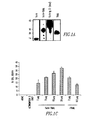
- Immunofluorescence and flow cytometric analysis of these cells using anti-mouse TWEAK and anti-mouse TRAIL as detecting Ab, showed significant binding of Fn14-TRAIL, but not soluble TRAIL, to cell surface TWEAK on transfectants ( Fig. 1 B) .
- the functionality of the TRAIL component of Fn14-TRAIL was determined by evaluating its capacity to induce apoptosis in L929 cells, using an MTT assay. As shown in Fig. 1C , Fn14-TRAIL induces apoptosis of L929 cells in a dose-dependent manner in the presence of actinomycin D. Recombinant TRAIL (Super Killer TRAILTM) was used as a positive control in this experiment. Of note, no TWEAK was detected by immunofluorescence and flow cytometry on these L929 cells (not shown), arguing against the possibility that the Fn14 component of Fn14-TRAIL drives apoptosis through some kind of back-signaling through surface TWEAK.
- the transposon-based 'Sleeping Beauty (SB)' expression system was invoked. This system combines the advantages of plasmid-mediated gene delivery together with an ability to integrate into the chromosome and provide for sustained transgene expression.
- SB 'Sleeping Beauty
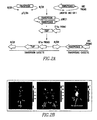
- pSBC21 a derivative expression vector was generated, designated pSBC21, that combines within a single plasmid both transposon (accommodating the transgene of interest) and transposase expression cassettes ( Fig. 2A ).
- this vector was invoked for expressing Fn 14-TRAIL, specifically asking whether levels of Fn14-TRAIL in serum correlate with the dose of injected pFn14-TRAIL ⁇ SBC21 plasmid.
- C57BL/6 mice in experimental groups of four were each treated with a single hydrodynamic injection of pFn14-TRAIL ⁇ SBC21 plasmid, in escalating doses (5, 10 or 20 ⁇ g of plasmid).
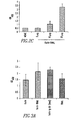
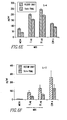
- Serum levels of Fn14-TRAIL were measured by ELISA twenty days after plasmid administration, and a dose-dependent increase in serum Fn14-TRAIL levels was observed, starting with the 10 ⁇ g plasmid dose ( Fig. 2C ).
- Fn14-TRAIL suppresses MOG-induced autoimmune encephalomyelitis
- Fn14-TRAIL The therapeutic potential of Fn14-TRAIL in a murine EAE disease model was investigated next.
- a single encephalitogenic dose of MOG 38-50 peptide was administered to C57BL/6 mice.
- a single dose of pFn14-TRAIL ⁇ SBC21 plasmid (50 ⁇ g/mouse), or one of four control plasmids (pFn14 ⁇ SBC21, pFn14-IgG1(mut) ⁇ SBC21, pTRAIL ⁇ SBC21, and pSBC21) was administered by hydrodynamic injection.
- ELISA comparable serum levels of expressed proteins in animals hydrodynamically-injected with each of the respective plasmids ( Fig. 3A ) were detected.
- Fn14-TRAIL's therapeutic benefit was also evident from an analysis of day of disease onset and disease incidence.
- Fn14-TRAIL extended the mean day of disease onset (14.8 ⁇ 4.7 days), compared to control mice treated with empty vector (12.8 ⁇ 4 days), and typically the latter mice developed EAE starting at ⁇ 10 days post-MOG peptide administration (Table 1).
- the mean day of disease onset for mice receiving pFn14-SBC21, pFn14- IgG1(mut) ⁇ SBC21, pTRAIL-pSBC21 plasmids were 13.63 ⁇ 2.72, 11.66 ⁇ 1.2 and 13.42 ⁇ 2.2 days, respectively.
- Fn14-TRAIL blocks proliferation and differentiation of autoreactive T cells
- Fn14-TRAIL's effect on the proliferation and differentiation of myelin-specific T cells recovered from treated animals was assessed.
- splenocytes were recovered 43 days after MOG challenge from both Fn14-TRAIL-treated and control mice receiving vector only. These splenocytes were evaluated in vitro for their proliferation and cytokine production in response to MOG 38-50 peptide.
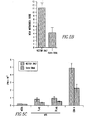
- Splenocytes from control animals proliferated vigorously in response to MOG peptide (Fig. 4E) and produced significant amounts of Th1 (IL-2 and IFN- ⁇ ), Th2 (IL-10, IL-4 and IL-6) and Th17 (IL-17) cytokines ( Fig. 5 ).
- Fn14-TRAIL reduces infiltration of inf lammatory cells into CNS
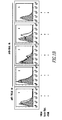
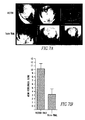
- a key pathologic feature of EAE is infiltration of inflammatory cells into the CNS. Fn14-TRAIL's effect on this infiltrative process was assessed. To this end, a comparison of the absolute number of inflammatory cells, along with the percentage of early activated CD4 + and CD8 + cells and of IFN ⁇ -, IL-17- and IL-10-expressing cells, in the spinal cords of Fn 14-TRAIL- versus vector-treated EAE mice on days 7 and 14 post-MOG challenge was made. On day 7, all these parameters were markedly reduced in the Fn14-TRAIL-treated group ( Figs. 6A-D ). At day 14 (peak of the disease), the Fn14-TRAIL-associated reduction in absolute numbers of cytokine-expressing cells was still manifest ( Figs. 6E-F ).
- Fn14-TRAIL attenuates blood-brain barrier permeability
- TWEAK is known to increase the permeability of the neurovascular membrane unit, by inducing MMP-9 (metalloproteinase-9) expression.
- MMP-9 metaloproteinase-9
- the decreased infiltration of inflammatory cells into the CNS seen in Fn14-TRAIL-treated mice could be a consequence, at least in part, of a reduction in TWEAK-dependent enhancement of blood brain barrier (BBB) permeability.
- BBB blood brain barrier
- BBB integrity was evaluated by a conventional approach, according to which CNS penetration of intravenously introduced Evans blue dye is monitored.
- Evans blue in the CNS of EAE mice was measured before (6 days post-MOG administration) or during (13 days post-MOG administration) the peak of the disease. Dye was quantitated in homogenates of various dissected CNS structures.
- Fn14-TRAIL's significant therapeutic efficacy might stem, at least in part, from the way in which it engages and bridges TWEAK ligand and TRAIL receptor (DR5) molecules.
- DR5 TWEAK ligand and TRAIL receptor
- the modeled TWEAK:Fn14-TRAIL:DR5 complex showed that: (1) the TWEAK-binding domains of Fn14, when forced into an artificial 'trimeric' configuration by the chimerized, naturally-trimeric TRAIL component, are favorably positioned to interact with their cognate partners within trimeric TWEAK; (2) the DR5-binding domains of trimeric TRAIL are favorably positioned to interact with their cognate partners within trimeric DR5; and (3) the carboxy-terminus of the Fn14 component within the fusion protein serves as a surrogate 'linker' that is sufficiently rigid to keep the Fn 14 and TRAIL domains apart, with no propensity for collapsing.
- the expression cassette used to produce human Fn14-TRAIL was comprised of coding sequence for the human urokinase signal peptide followed by coding sequence for human Fn14-TRAIL.
- the coding sequences were codon-optimized for enhanced expression in Chinese Hamster Ovary (CHO) cell-lines.
- the DNA coding sequence were synthesized and then sub-cloned into a mammalian expression vector designed for chromosomal integration and optimized for high level expression in CHO cells.
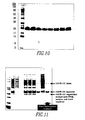
- the Fn14-TRAIL expression vector was transfected into CHO-S cells, and a clone pool was isolated for initial expression analysis. Out of this clone pool, a single high-producing clone was isolated, and expression of the Fn14-TRAIL protein was analyzed by various methods such as ELISA, SDS-PAGE and Western Blots (see Figure 10 ). Production levels were optimized to reach expression of approximately 100 mg of Fn14-TRAIL per liter of fermentation media.
- a high-yield, multi-step chromatographic purification process was developed, which included an efficient capture step, an anion-exchange chromatography step, and then a final buffer exchange step, the latter carrying the product into the formulation buffer.
- This purification process allows for the isolation of highly-purified Fn14-TRAIL protein.
- Western Blot analysis of sample taken from the last stage of purification (corresponding to Fig. 11 , far right lane) showed that the purified protein is primarily a monomer and partially a homodimer (not shown). The small amount of degradation product seen on the SDS-PAGE gel was not detected by the Fn14-specific Ab, but was detected with the TRAIL-specific Ab.
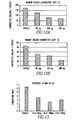
- EAE was induced in 8-week-old female C57BL/6 mice by injecting subcutaneously, into the left para-lumbar region, 125 ⁇ g of myelin oligodendrocyte glycoprotein 35-55 (MOG 35-55) peptide (synthesized by Sigma Laboratories, Israel), emulsified in complete Freund's adjuvant (CFA) containing 5 mg/ml heat-killed Mycobacterium tuberculosis. Immediately thereafter, and, again, at 48 hours, the mice were inoculated with 300 ng of pertussis toxin. An additional injection of MOG 35-55 peptide in CFA was delivered 7 days later into the right para-lumbar region.
- MOG 35-55 myelin oligodendrocyte glycoprotein 35-55
- n 4 in each group.
- mice were treated for the last time, and sacrificed an hour later. Spleens were harvested and weighed.
- Pooled lymph node cells (LNCs) were prepared from inguinal, axillary and mesenteric lymph nodes or from spleens of mice that had been inoculated 9 days earlier with MOG 35-55 peptide in CFA with or without Fn14-TRAIL treatment. The ex vivo response of the lymphocytes was assayed in triplicate wells of 96-well flat-bottom plates.
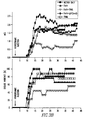
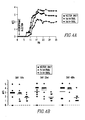
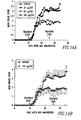
- mice were treated with either vehicle or Fn14-Trail at 25, 50 and 100 ⁇ g/day, in two divided doses. Mice were followed daily for the evaluation of their clinical disease scores. The clinical status of mice was graded as follows: 0, no signs of disease; 1, tail weakness; 2, hind limb weakness sufficient to impair righting; 3, hind limb paresis; 4, paraplegia with forelimb weakness; 5, quadriplegia; 6, death. Treatment was stopped on day 26 after disease induction (day 16 of Fn14-Trail treatment). A: Mean clinical score of all experimental groups; B: Mean clinical score of the control group and the 100 ⁇ g/d group, in this case showing the S.D.
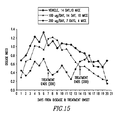
- mice were challenged twice (3 weeks apart) with 200 ⁇ g of type II collagen purified from bovine articular cartilage and emulsified in complete Freund's adjuvant (CFA: Difco Labs), via intradermal injection at the base of the tail. Mice were followed daily and monitored for swelling and/or erythema in one or more limbs. On the day of disease onset, mice were randomized for control group (treated with vehicle only) and treatment groups (one daily dose of 100 or 200 ⁇ g/mice/d of Fn14-Trail). Both vehicle and Fn14-Trail were administered subcutaneously. Injections were given daily for 14 days to the control and 100 ug group, and for 7 days to the 200 ug group.
- CFA complete Freund's adjuvant
- mice were followed daily for 14 days from disease onset, and then every 3 days. Swelling in all 4 limbs was measured using a microcaliper, and compared to healthy, age-matched mice. The delta of swelling in each limb was calculated, and these deltas were summed into a score (disease index).
- the data show a significant therapeutic effect for Fn14-Trail treatment at the 200 ug/day dose.
- the reduction in disease index persists for at least 7 days after cessation of Fn14-Trail treatment.
- the human Fn14-TRAIL protein induces cancer cell death via apoptosis
- Fn14-TRAIL-driven cytotoxicity against cancer cells is highly efficient and specific
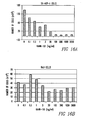
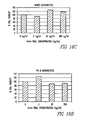
- Fn14-TRAIL has exhibited no killing effect on the human malignant B cell line Raji, which lacks surface TRAIL receptors ( Figure 16B ), nor on the non-malignant human hepatic cell line NKNT3, which does expresses the TRAIL receptor DR5 ( Figure 16C ) and the human fetal hepatocyte cell line FH-B ( Figure 16D ). These results establish that Fn14-TRAIL kills cancer cells efficiently and specifically.
- Fn14-TRAIL's tumoricidal activity cannot be achieved by simply delivering its component parts in combination
- the tumoricidal effect of the Fn14-TRAIL fusion protein was compared to the effect of its component parts added in combination.
- cell viability of the hepatoma cancer cell line SK-Hep1 was measured following incubation with either purified Fn14-TRAIL, soluble extracellular domain of TRAIL (sTRAIL) alone, soluble Fn14 fused to the Fc domain of IgG1 (Fn14-Fc), or the combination of both (Fn14-Fc + sTRAIL), at similar molar concentrations.
- Fn14-Fc displayed no tumoricidal activity against this cancer cell line, while sTRAIL showed some killing effect.
- sTRAIL showed some killing effect.
- the combination of both Fn14-Fc and sTRAIL did not achieve the tumoricidal effect of the fusion protein ( Figure 17 ).
- Fn14-TRAIL kills cancer cells by inducing apoptosis
- Fn14-TRAIL soluble Fn14 fused to the Fc domain of IgG
- sTRAIL soluble extracellular domain of TRAIL
- Fn14-Fc + sTRAIL soluble extracellular domain of TRAIL
- the treated cells were analyzed by FACS to determine the percentage of cells undergoing apoptosis ( Figure 18 ), as assessed by annexin V/PI staining. This analysis indicated that the killing effect of Fn14-TRAIL is apoptosis-based.
- soluble TRAIL sTRAIL
- sTRAIL alone demonstrated proapoptotic activity, but only at the highest concentration, with dramatic advantage for the fusion protein over the components alone or in combination at the 30 ng/ml concentration.
Landscapes
- Health & Medical Sciences (AREA)
- Life Sciences & Earth Sciences (AREA)
- Chemical & Material Sciences (AREA)
- Organic Chemistry (AREA)
- General Health & Medical Sciences (AREA)
- Medicinal Chemistry (AREA)
- General Chemical & Material Sciences (AREA)
- Nuclear Medicine, Radiotherapy & Molecular Imaging (AREA)
- Chemical Kinetics & Catalysis (AREA)
- Pharmacology & Pharmacy (AREA)
- Animal Behavior & Ethology (AREA)
- Public Health (AREA)
- Veterinary Medicine (AREA)
- Bioinformatics & Cheminformatics (AREA)
- Engineering & Computer Science (AREA)
- Immunology (AREA)
- Gastroenterology & Hepatology (AREA)
- Biophysics (AREA)
- Genetics & Genomics (AREA)
- Proteomics, Peptides & Aminoacids (AREA)
- Molecular Biology (AREA)
- Biochemistry (AREA)
- Zoology (AREA)
- Cell Biology (AREA)
- Toxicology (AREA)
- Endocrinology (AREA)
- Neurosurgery (AREA)
- Hematology (AREA)
- Transplantation (AREA)
- Neurology (AREA)
- Biomedical Technology (AREA)
- Oncology (AREA)
- Reproductive Health (AREA)
- Dermatology (AREA)
- Pulmonology (AREA)
- Peptides Or Proteins (AREA)
- Medicines That Contain Protein Lipid Enzymes And Other Medicines (AREA)
- Pharmaceuticals Containing Other Organic And Inorganic Compounds (AREA)
Priority Applications (1)
| Application Number | Priority Date | Filing Date | Title |
|---|---|---|---|
| EP12001349A EP2460827A1 (en) | 2008-06-30 | 2009-06-30 | Fusion proteins comprising Fn14 and an inhibitory protein |
Applications Claiming Priority (2)
| Application Number | Priority Date | Filing Date | Title |
|---|---|---|---|
| US13353208P | 2008-06-30 | 2008-06-30 | |
| PCT/US2009/003886 WO2010005519A1 (en) | 2008-06-30 | 2009-06-30 | Fn14/trail fusion proteins |
Related Child Applications (1)
| Application Number | Title | Priority Date | Filing Date |
|---|---|---|---|
| EP12001349A Division-Into EP2460827A1 (en) | 2008-06-30 | 2009-06-30 | Fusion proteins comprising Fn14 and an inhibitory protein |
Publications (2)
| Publication Number | Publication Date |
|---|---|
| EP2297198A1 EP2297198A1 (en) | 2011-03-23 |
| EP2297198B1 true EP2297198B1 (en) | 2014-12-17 |
Family
ID=41278748
Family Applications (2)
| Application Number | Title | Priority Date | Filing Date |
|---|---|---|---|
| EP09788855.6A Active EP2297198B1 (en) | 2008-06-30 | 2009-06-30 | Fn14/trail fusion proteins |
| EP12001349A Ceased EP2460827A1 (en) | 2008-06-30 | 2009-06-30 | Fusion proteins comprising Fn14 and an inhibitory protein |
Family Applications After (1)
| Application Number | Title | Priority Date | Filing Date |
|---|---|---|---|
| EP12001349A Ceased EP2460827A1 (en) | 2008-06-30 | 2009-06-30 | Fusion proteins comprising Fn14 and an inhibitory protein |
Country Status (9)
| Country | Link |
|---|---|
| US (3) | US8039437B2 (enExample) |
| EP (2) | EP2297198B1 (enExample) |
| JP (1) | JP5475766B2 (enExample) |
| CN (1) | CN102137869B (enExample) |
| AU (1) | AU2009269141B2 (enExample) |
| CA (1) | CA2729351C (enExample) |
| IL (1) | IL210175A0 (enExample) |
| SG (1) | SG191698A1 (enExample) |
| WO (1) | WO2010005519A1 (enExample) |
Families Citing this family (28)
| Publication number | Priority date | Publication date | Assignee | Title |
|---|---|---|---|---|
| WO2011091181A1 (en) | 2010-01-20 | 2011-07-28 | Tolerx, Inc. | Immunoregulation by anti-ilt5 antibodies and ilt5-binding antibody fragments |
| AU2011207253B2 (en) | 2010-01-20 | 2015-02-12 | Merck Sharp & Dohme Corp. | Anti-ILT5 antibodies and ILT5-binding antibody fragments |
| PL391627A1 (pl) * | 2010-06-25 | 2012-01-02 | Adamed Spółka Z Ograniczoną Odpowiedzialnością | Przeciwnowotworowe białko fuzyjne |
| WO2012042480A1 (en) | 2010-09-28 | 2012-04-05 | Kahr Medical Ltd. | Compositions and methods for treatment of hematological malignancies |
| PL219845B1 (pl) * | 2011-01-05 | 2015-07-31 | Adamed Spółka Z Ograniczoną Odpowiedzialnością | Przeciwnowotworowe białko fuzyjne |
| CN102206281B (zh) * | 2011-03-28 | 2014-04-09 | 中国人民解放军第三军医大学第一附属医院 | 融合蛋白tetph、表达载体及其构建方法 |
| WO2012145568A1 (en) | 2011-04-21 | 2012-10-26 | Albert Einstein College Of Medicine Of Yeshiva University | Antibodies to human b7x for treatment of metastatic cancer |
| PL397167A1 (pl) * | 2011-11-28 | 2013-06-10 | Adamed Spólka Z Ograniczona Odpowiedzialnoscia | Przeciwnowotworowe bialko fuzyjne |
| US9873747B2 (en) | 2013-01-31 | 2018-01-23 | Thomas Jefferson University | Fusion proteins that facilitate cancer cell destruction |
| WO2014121099A1 (en) | 2013-01-31 | 2014-08-07 | Thomas Jefferson University | Agonist fusion protein for cd40 ox40 and uses thereof |
| US9657082B2 (en) | 2013-01-31 | 2017-05-23 | Thomas Jefferson University | PD-L1 and PD-L2-based fusion proteins and uses thereof |
| US9797882B2 (en) | 2013-07-09 | 2017-10-24 | The Translational Genomics Research Institute | Method of screening for a compound for inhibitory activity of FN14-tweak interaction |
| EP3019874B1 (en) * | 2013-07-09 | 2019-08-21 | The Translational Genomics Research Institute | Compositions and methods of screening for compounds that modulate activity at a tweak binding site on a crd of fn14 |
| EP3191131A4 (en) | 2014-08-21 | 2018-09-05 | The General Hospital Corporation | Tumor necrosis factor superfamily and tnf-like ligand muteins and methods of preparing and using the same |
| WO2016139668A2 (en) * | 2015-03-03 | 2016-09-09 | Kahr Medical (2005) Ltd | Dual signaling protein (dsp) fusion proteins, and methods of using thereof for treating diseases |
| IL295423B2 (en) | 2015-10-01 | 2023-11-01 | Heat Biologics Inc | Compounds and methods for joining extracellular complexes of type 1 and 2 as heterologous chimeric proteins |
| WO2018127916A1 (en) | 2017-01-05 | 2018-07-12 | Kahr Medical Ltd. | A pd1-cd70 fusion protein and methods of use thereof |
| KR102597943B1 (ko) | 2017-01-05 | 2023-11-06 | 카 메디컬 리미티드 | Pd1-41bbl 융합 단백질 및 이의 이용 방법 |
| US11299530B2 (en) | 2017-01-05 | 2022-04-12 | Kahr Medical Ltd. | SIRP alpha-CD70 fusion protein and methods of use thereof |
| HUE057326T2 (hu) | 2017-01-05 | 2022-04-28 | Kahr Medical Ltd | SIRP1 Alfa-41 BBL fúziós fehérje és eljárások annak alkalmazására |
| US11267856B2 (en) | 2017-02-27 | 2022-03-08 | Shattuck Labs, Inc. | CSF1R-CD40L chimeric proteins |
| CN110290798B (zh) | 2017-02-27 | 2024-04-05 | 沙塔克实验室有限公司 | 基于vsig8的嵌合蛋白 |
| IL313003A (en) | 2017-02-27 | 2024-07-01 | Shattuck Labs Inc | Tigit- and light-based chimeric proteins |
| CN118852460A (zh) * | 2017-12-28 | 2024-10-29 | 尤利乌斯·马克西米利安维尔茨堡大学 | 具有非FcγR依赖性激动活性的肿瘤坏死因子(TNF)受体超家族(TNFRSF)受体-激活抗体融合蛋白(具有非FcγR依赖性激动活性的TNFRSF受体-激活抗体融合蛋白;TRAAFFIAA) |
| CA3104780A1 (en) | 2018-07-11 | 2020-01-16 | Kahr Medical Ltd. | Sirpalpha-4-1bbl variant fusion protein and methods of use thereof |
| CA3104778A1 (en) | 2018-07-11 | 2020-01-16 | Kahr Medical Ltd. | Pd1-4-1bbl variant fusion protein and methods of use thereof |
| US10780121B2 (en) | 2018-08-29 | 2020-09-22 | Shattuck Labs, Inc. | FLT3L-based chimeric proteins |
| WO2021005599A1 (en) | 2019-07-11 | 2021-01-14 | Kahr Medical Ltd. | Heterodimers and methods of use thereof |
Family Cites Families (11)
| Publication number | Priority date | Publication date | Assignee | Title |
|---|---|---|---|---|
| US5283187A (en) | 1987-11-17 | 1994-02-01 | Brown University Research Foundation | Cell culture-containing tubular capsule produced by co-extrusion |
| US4892538A (en) | 1987-11-17 | 1990-01-09 | Brown University Research Foundation | In vivo delivery of neurotransmitters by implanted, encapsulated cells |
| EP0646178A1 (en) | 1992-06-04 | 1995-04-05 | The Regents Of The University Of California | expression cassette with regularoty regions functional in the mammmlian host |
| US5910486A (en) | 1994-09-06 | 1999-06-08 | Uab Research Foundation | Methods for modulating protein function in cells using, intracellular antibody homologues |
| JP5148795B2 (ja) * | 1999-12-20 | 2013-02-20 | イミュネックス・コーポレーション | Tweak受容体 |
| US7208151B2 (en) | 2001-09-12 | 2007-04-24 | Biogen Idec Ma Inc. | Tweak receptor agonists as anti-angiogenic agents |
| US7378089B2 (en) | 2001-10-02 | 2008-05-27 | The Board Of Trustees Of The Leland Stanford Junior University | Gene therapy for the prevention of autoimmune disease |
| MXPA04009683A (es) * | 2002-04-09 | 2005-01-11 | Biogen Idec Inc | Metodos para el tratamiento de condiciones relacionadas a tweak. |
| DK1558640T3 (da) * | 2002-10-29 | 2011-07-25 | Anaphore Inc | Trimerbindende proteiner til trimer-cytokiner |
| WO2005010045A1 (en) * | 2003-07-24 | 2005-02-03 | Amgen Inc. | Compositions and methods relating to multimeric and oligomeric soluble fragments of the tweak receptor |
| US7285522B2 (en) | 2004-08-25 | 2007-10-23 | The Clorox Company | Bleaching with improved whitening |
-
2009
- 2009-06-30 CA CA2729351A patent/CA2729351C/en active Active
- 2009-06-30 US US12/494,680 patent/US8039437B2/en active Active
- 2009-06-30 EP EP09788855.6A patent/EP2297198B1/en active Active
- 2009-06-30 AU AU2009269141A patent/AU2009269141B2/en active Active
- 2009-06-30 JP JP2011516335A patent/JP5475766B2/ja active Active
- 2009-06-30 SG SG2013049333A patent/SG191698A1/en unknown
- 2009-06-30 EP EP12001349A patent/EP2460827A1/en not_active Ceased
- 2009-06-30 WO PCT/US2009/003886 patent/WO2010005519A1/en not_active Ceased
- 2009-06-30 CN CN200980133865.2A patent/CN102137869B/zh active Active
-
2010
- 2010-12-22 IL IL210175A patent/IL210175A0/en active IP Right Grant
-
2011
- 2011-08-11 US US13/208,091 patent/US8329657B2/en active Active
-
2012
- 2012-08-15 US US13/586,479 patent/US20130065815A1/en not_active Abandoned
Also Published As
| Publication number | Publication date |
|---|---|
| CA2729351C (en) | 2017-01-24 |
| AU2009269141A1 (en) | 2010-01-14 |
| US8329657B2 (en) | 2012-12-11 |
| SG191698A1 (en) | 2013-07-31 |
| CN102137869B (zh) | 2018-07-06 |
| CN102137869A (zh) | 2011-07-27 |
| EP2297198A1 (en) | 2011-03-23 |
| EP2460827A1 (en) | 2012-06-06 |
| CA2729351A1 (en) | 2010-01-14 |
| AU2009269141B2 (en) | 2013-04-04 |
| JP5475766B2 (ja) | 2014-04-16 |
| WO2010005519A1 (en) | 2010-01-14 |
| US8039437B2 (en) | 2011-10-18 |
| US20130065815A1 (en) | 2013-03-14 |
| IL210175A0 (en) | 2011-03-31 |
| US20120028909A1 (en) | 2012-02-02 |
| US20100048478A1 (en) | 2010-02-25 |
| JP2011526891A (ja) | 2011-10-20 |
Similar Documents
| Publication | Publication Date | Title |
|---|---|---|
| EP2297198B1 (en) | Fn14/trail fusion proteins | |
| US10364279B2 (en) | PD-L1 and PD-L2-based fusion proteins and uses thereof | |
| Kucka et al. | Receptor oligomerization and its relevance for signaling by receptors of the tumor necrosis factor receptor superfamily | |
| EP2406388B1 (en) | Ox40/trail fusion proteins | |
| US6313269B1 (en) | Tumor necrosis factor related receptor, TR6 | |
| EP1806143A2 (en) | Baff receptor (BCMA), an immunoregulatory agent | |
| NO331683B1 (no) | Anvendelse av et spesifikt polypeptid eller antistoff mot dette for fremstilling av et medikament til behandling av tumorceller som uttrykker APRIL. | |
| US20220056102A1 (en) | Multi-functional fusion proteins and uses thereof | |
| Zhou et al. | Immunobiology of tumor necrosis factor receptor superfamily | |
| CA2221830A1 (en) | Tumor necrosis factor related receptor, tr6 | |
| US20180169183A1 (en) | Dual signaling protein (dsp) fusion proteins, and methods of using thereof for treating diseases | |
| Grell et al. | Max Plank-Institute for Physiological and Clinical Research, Bad Nauheim, Germany |
Legal Events
| Date | Code | Title | Description |
|---|---|---|---|
| PUAI | Public reference made under article 153(3) epc to a published international application that has entered the european phase |
Free format text: ORIGINAL CODE: 0009012 |
|
| 17P | Request for examination filed |
Effective date: 20101229 |
|
| AK | Designated contracting states |
Kind code of ref document: A1 Designated state(s): AT BE BG CH CY CZ DE DK EE ES FI FR GB GR HR HU IE IS IT LI LT LU LV MC MK MT NL NO PL PT RO SE SI SK TR |
|
| AX | Request for extension of the european patent |
Extension state: AL BA RS |
|
| RIN1 | Information on inventor provided before grant (corrected) |
Inventor name: TYKOCINSKI, MARK, L. Inventor name: RAZMARA, MARJANEH |
|
| 17Q | First examination report despatched |
Effective date: 20110519 |
|
| GRAP | Despatch of communication of intention to grant a patent |
Free format text: ORIGINAL CODE: EPIDOSNIGR1 |
|
| INTG | Intention to grant announced |
Effective date: 20140605 |
|
| GRAS | Grant fee paid |
Free format text: ORIGINAL CODE: EPIDOSNIGR3 |
|
| GRAA | (expected) grant |
Free format text: ORIGINAL CODE: 0009210 |
|
| AK | Designated contracting states |
Kind code of ref document: B1 Designated state(s): AT BE BG CH CY CZ DE DK EE ES FI FR GB GR HR HU IE IS IT LI LT LU LV MC MK MT NL NO PL PT RO SE SI SK TR |
|
| AX | Request for extension of the european patent |
Extension state: AL BA RS |
|
| REG | Reference to a national code |
Ref country code: GB Ref legal event code: FG4D |
|
| REG | Reference to a national code |
Ref country code: CH Ref legal event code: EP |
|
| REG | Reference to a national code |
Ref country code: IE Ref legal event code: FG4D |
|
| REG | Reference to a national code |
Ref country code: AT Ref legal event code: REF Ref document number: 701835 Country of ref document: AT Kind code of ref document: T Effective date: 20150115 |
|
| REG | Reference to a national code |
Ref country code: DE Ref legal event code: R096 Ref document number: 602009028429 Country of ref document: DE Effective date: 20150219 |
|
| PG25 | Lapsed in a contracting state [announced via postgrant information from national office to epo] |
Ref country code: NO Free format text: LAPSE BECAUSE OF FAILURE TO SUBMIT A TRANSLATION OF THE DESCRIPTION OR TO PAY THE FEE WITHIN THE PRESCRIBED TIME-LIMIT Effective date: 20150317 Ref country code: LT Free format text: LAPSE BECAUSE OF FAILURE TO SUBMIT A TRANSLATION OF THE DESCRIPTION OR TO PAY THE FEE WITHIN THE PRESCRIBED TIME-LIMIT Effective date: 20141217 Ref country code: FI Free format text: LAPSE BECAUSE OF FAILURE TO SUBMIT A TRANSLATION OF THE DESCRIPTION OR TO PAY THE FEE WITHIN THE PRESCRIBED TIME-LIMIT Effective date: 20141217 |
|
| REG | Reference to a national code |
Ref country code: LT Ref legal event code: MG4D |
|
| PG25 | Lapsed in a contracting state [announced via postgrant information from national office to epo] |
Ref country code: LV Free format text: LAPSE BECAUSE OF FAILURE TO SUBMIT A TRANSLATION OF THE DESCRIPTION OR TO PAY THE FEE WITHIN THE PRESCRIBED TIME-LIMIT Effective date: 20141217 Ref country code: SE Free format text: LAPSE BECAUSE OF FAILURE TO SUBMIT A TRANSLATION OF THE DESCRIPTION OR TO PAY THE FEE WITHIN THE PRESCRIBED TIME-LIMIT Effective date: 20141217 Ref country code: HR Free format text: LAPSE BECAUSE OF FAILURE TO SUBMIT A TRANSLATION OF THE DESCRIPTION OR TO PAY THE FEE WITHIN THE PRESCRIBED TIME-LIMIT Effective date: 20141217 Ref country code: GR Free format text: LAPSE BECAUSE OF FAILURE TO SUBMIT A TRANSLATION OF THE DESCRIPTION OR TO PAY THE FEE WITHIN THE PRESCRIBED TIME-LIMIT Effective date: 20150318 |
|
| REG | Reference to a national code |
Ref country code: AT Ref legal event code: MK05 Ref document number: 701835 Country of ref document: AT Kind code of ref document: T Effective date: 20141217 |
|
| PG25 | Lapsed in a contracting state [announced via postgrant information from national office to epo] |
Ref country code: NL Free format text: LAPSE BECAUSE OF FAILURE TO SUBMIT A TRANSLATION OF THE DESCRIPTION OR TO PAY THE FEE WITHIN THE PRESCRIBED TIME-LIMIT Effective date: 20141217 |
|
| PG25 | Lapsed in a contracting state [announced via postgrant information from national office to epo] |
Ref country code: EE Free format text: LAPSE BECAUSE OF FAILURE TO SUBMIT A TRANSLATION OF THE DESCRIPTION OR TO PAY THE FEE WITHIN THE PRESCRIBED TIME-LIMIT Effective date: 20141217 Ref country code: ES Free format text: LAPSE BECAUSE OF FAILURE TO SUBMIT A TRANSLATION OF THE DESCRIPTION OR TO PAY THE FEE WITHIN THE PRESCRIBED TIME-LIMIT Effective date: 20141217 Ref country code: SK Free format text: LAPSE BECAUSE OF FAILURE TO SUBMIT A TRANSLATION OF THE DESCRIPTION OR TO PAY THE FEE WITHIN THE PRESCRIBED TIME-LIMIT Effective date: 20141217 Ref country code: RO Free format text: LAPSE BECAUSE OF FAILURE TO SUBMIT A TRANSLATION OF THE DESCRIPTION OR TO PAY THE FEE WITHIN THE PRESCRIBED TIME-LIMIT Effective date: 20141217 Ref country code: CZ Free format text: LAPSE BECAUSE OF FAILURE TO SUBMIT A TRANSLATION OF THE DESCRIPTION OR TO PAY THE FEE WITHIN THE PRESCRIBED TIME-LIMIT Effective date: 20141217 |
|
| PG25 | Lapsed in a contracting state [announced via postgrant information from national office to epo] |
Ref country code: AT Free format text: LAPSE BECAUSE OF FAILURE TO SUBMIT A TRANSLATION OF THE DESCRIPTION OR TO PAY THE FEE WITHIN THE PRESCRIBED TIME-LIMIT Effective date: 20141217 Ref country code: PL Free format text: LAPSE BECAUSE OF FAILURE TO SUBMIT A TRANSLATION OF THE DESCRIPTION OR TO PAY THE FEE WITHIN THE PRESCRIBED TIME-LIMIT Effective date: 20141217 Ref country code: IS Free format text: LAPSE BECAUSE OF FAILURE TO SUBMIT A TRANSLATION OF THE DESCRIPTION OR TO PAY THE FEE WITHIN THE PRESCRIBED TIME-LIMIT Effective date: 20150417 |
|
| REG | Reference to a national code |
Ref country code: DE Ref legal event code: R097 Ref document number: 602009028429 Country of ref document: DE |
|
| PLBE | No opposition filed within time limit |
Free format text: ORIGINAL CODE: 0009261 |
|
| STAA | Information on the status of an ep patent application or granted ep patent |
Free format text: STATUS: NO OPPOSITION FILED WITHIN TIME LIMIT |
|
| PG25 | Lapsed in a contracting state [announced via postgrant information from national office to epo] |
Ref country code: DK Free format text: LAPSE BECAUSE OF FAILURE TO SUBMIT A TRANSLATION OF THE DESCRIPTION OR TO PAY THE FEE WITHIN THE PRESCRIBED TIME-LIMIT Effective date: 20141217 |
|
| 26N | No opposition filed |
Effective date: 20150918 |
|
| PG25 | Lapsed in a contracting state [announced via postgrant information from national office to epo] |
Ref country code: IT Free format text: LAPSE BECAUSE OF FAILURE TO SUBMIT A TRANSLATION OF THE DESCRIPTION OR TO PAY THE FEE WITHIN THE PRESCRIBED TIME-LIMIT Effective date: 20141217 |
|
| PG25 | Lapsed in a contracting state [announced via postgrant information from national office to epo] |
Ref country code: MC Free format text: LAPSE BECAUSE OF FAILURE TO SUBMIT A TRANSLATION OF THE DESCRIPTION OR TO PAY THE FEE WITHIN THE PRESCRIBED TIME-LIMIT Effective date: 20141217 |
|
| REG | Reference to a national code |
Ref country code: CH Ref legal event code: PL |
|
| PG25 | Lapsed in a contracting state [announced via postgrant information from national office to epo] |
Ref country code: SI Free format text: LAPSE BECAUSE OF FAILURE TO SUBMIT A TRANSLATION OF THE DESCRIPTION OR TO PAY THE FEE WITHIN THE PRESCRIBED TIME-LIMIT Effective date: 20141217 Ref country code: LU Free format text: LAPSE BECAUSE OF FAILURE TO SUBMIT A TRANSLATION OF THE DESCRIPTION OR TO PAY THE FEE WITHIN THE PRESCRIBED TIME-LIMIT Effective date: 20150630 |
|
| REG | Reference to a national code |
Ref country code: IE Ref legal event code: MM4A |
|
| PG25 | Lapsed in a contracting state [announced via postgrant information from national office to epo] |
Ref country code: LI Free format text: LAPSE BECAUSE OF NON-PAYMENT OF DUE FEES Effective date: 20150630 Ref country code: CH Free format text: LAPSE BECAUSE OF NON-PAYMENT OF DUE FEES Effective date: 20150630 Ref country code: IE Free format text: LAPSE BECAUSE OF NON-PAYMENT OF DUE FEES Effective date: 20150630 |
|
| PG25 | Lapsed in a contracting state [announced via postgrant information from national office to epo] |
Ref country code: BE Free format text: LAPSE BECAUSE OF FAILURE TO SUBMIT A TRANSLATION OF THE DESCRIPTION OR TO PAY THE FEE WITHIN THE PRESCRIBED TIME-LIMIT Effective date: 20141217 |
|
| REG | Reference to a national code |
Ref country code: FR Ref legal event code: PLFP Year of fee payment: 8 |
|
| PG25 | Lapsed in a contracting state [announced via postgrant information from national office to epo] |
Ref country code: MT Free format text: LAPSE BECAUSE OF FAILURE TO SUBMIT A TRANSLATION OF THE DESCRIPTION OR TO PAY THE FEE WITHIN THE PRESCRIBED TIME-LIMIT Effective date: 20141217 |
|
| PG25 | Lapsed in a contracting state [announced via postgrant information from national office to epo] |
Ref country code: BG Free format text: LAPSE BECAUSE OF FAILURE TO SUBMIT A TRANSLATION OF THE DESCRIPTION OR TO PAY THE FEE WITHIN THE PRESCRIBED TIME-LIMIT Effective date: 20141217 Ref country code: HU Free format text: LAPSE BECAUSE OF FAILURE TO SUBMIT A TRANSLATION OF THE DESCRIPTION OR TO PAY THE FEE WITHIN THE PRESCRIBED TIME-LIMIT; INVALID AB INITIO Effective date: 20090630 |
|
| REG | Reference to a national code |
Ref country code: FR Ref legal event code: PLFP Year of fee payment: 9 |
|
| PG25 | Lapsed in a contracting state [announced via postgrant information from national office to epo] |
Ref country code: CY Free format text: LAPSE BECAUSE OF FAILURE TO SUBMIT A TRANSLATION OF THE DESCRIPTION OR TO PAY THE FEE WITHIN THE PRESCRIBED TIME-LIMIT Effective date: 20141217 |
|
| PG25 | Lapsed in a contracting state [announced via postgrant information from national office to epo] |
Ref country code: TR Free format text: LAPSE BECAUSE OF FAILURE TO SUBMIT A TRANSLATION OF THE DESCRIPTION OR TO PAY THE FEE WITHIN THE PRESCRIBED TIME-LIMIT Effective date: 20141217 |
|
| REG | Reference to a national code |
Ref country code: FR Ref legal event code: PLFP Year of fee payment: 10 |
|
| PG25 | Lapsed in a contracting state [announced via postgrant information from national office to epo] |
Ref country code: MK Free format text: LAPSE BECAUSE OF FAILURE TO SUBMIT A TRANSLATION OF THE DESCRIPTION OR TO PAY THE FEE WITHIN THE PRESCRIBED TIME-LIMIT Effective date: 20141217 |
|
| PG25 | Lapsed in a contracting state [announced via postgrant information from national office to epo] |
Ref country code: PT Free format text: LAPSE BECAUSE OF FAILURE TO SUBMIT A TRANSLATION OF THE DESCRIPTION OR TO PAY THE FEE WITHIN THE PRESCRIBED TIME-LIMIT Effective date: 20141217 |
|
| PGFP | Annual fee paid to national office [announced via postgrant information from national office to epo] |
Ref country code: DE Payment date: 20250627 Year of fee payment: 17 |
|
| PGFP | Annual fee paid to national office [announced via postgrant information from national office to epo] |
Ref country code: GB Payment date: 20250627 Year of fee payment: 17 |
|
| PGFP | Annual fee paid to national office [announced via postgrant information from national office to epo] |
Ref country code: FR Payment date: 20250625 Year of fee payment: 17 |