EP2275134B1 - Utilisation d'anticorps optimisés en ADCC pour traiter les patients faibles répondeurs - Google Patents
Utilisation d'anticorps optimisés en ADCC pour traiter les patients faibles répondeurs Download PDFInfo
- Publication number
- EP2275134B1 EP2275134B1 EP10181317.8A EP10181317A EP2275134B1 EP 2275134 B1 EP2275134 B1 EP 2275134B1 EP 10181317 A EP10181317 A EP 10181317A EP 2275134 B1 EP2275134 B1 EP 2275134B1
- Authority
- EP
- European Patent Office
- Prior art keywords
- antibody
- antibodies
- patients
- fcgr3a
- cells
- Prior art date
- Legal status (The legal status is an assumption and is not a legal conclusion. Google has not performed a legal analysis and makes no representation as to the accuracy of the status listed.)
- Expired - Lifetime
Links
Images

Classifications
-
- C—CHEMISTRY; METALLURGY
- C07—ORGANIC CHEMISTRY
- C07K—PEPTIDES
- C07K16/00—Immunoglobulins [IG], e.g. monoclonal or polyclonal antibodies
- C07K16/18—Immunoglobulins [IG], e.g. monoclonal or polyclonal antibodies against material from animals or humans
- C07K16/34—Immunoglobulins [IG], e.g. monoclonal or polyclonal antibodies against material from animals or humans against blood group antigens
-
- A—HUMAN NECESSITIES
- A61—MEDICAL OR VETERINARY SCIENCE; HYGIENE
- A61P—SPECIFIC THERAPEUTIC ACTIVITY OF CHEMICAL COMPOUNDS OR MEDICINAL PREPARATIONS
- A61P1/00—Drugs for disorders of the alimentary tract or the digestive system
- A61P1/14—Prodigestives, e.g. acids, enzymes, appetite stimulants, antidyspeptics, tonics, antiflatulents
-
- A—HUMAN NECESSITIES
- A61—MEDICAL OR VETERINARY SCIENCE; HYGIENE
- A61P—SPECIFIC THERAPEUTIC ACTIVITY OF CHEMICAL COMPOUNDS OR MEDICINAL PREPARATIONS
- A61P15/00—Drugs for genital or sexual disorders; Contraceptives
-
- A—HUMAN NECESSITIES
- A61—MEDICAL OR VETERINARY SCIENCE; HYGIENE
- A61P—SPECIFIC THERAPEUTIC ACTIVITY OF CHEMICAL COMPOUNDS OR MEDICINAL PREPARATIONS
- A61P31/00—Antiinfectives, i.e. antibiotics, antiseptics, chemotherapeutics
-
- A—HUMAN NECESSITIES
- A61—MEDICAL OR VETERINARY SCIENCE; HYGIENE
- A61P—SPECIFIC THERAPEUTIC ACTIVITY OF CHEMICAL COMPOUNDS OR MEDICINAL PREPARATIONS
- A61P31/00—Antiinfectives, i.e. antibiotics, antiseptics, chemotherapeutics
- A61P31/04—Antibacterial agents
- A61P31/06—Antibacterial agents for tuberculosis
-
- A—HUMAN NECESSITIES
- A61—MEDICAL OR VETERINARY SCIENCE; HYGIENE
- A61P—SPECIFIC THERAPEUTIC ACTIVITY OF CHEMICAL COMPOUNDS OR MEDICINAL PREPARATIONS
- A61P31/00—Antiinfectives, i.e. antibiotics, antiseptics, chemotherapeutics
- A61P31/12—Antivirals
-
- A—HUMAN NECESSITIES
- A61—MEDICAL OR VETERINARY SCIENCE; HYGIENE
- A61P—SPECIFIC THERAPEUTIC ACTIVITY OF CHEMICAL COMPOUNDS OR MEDICINAL PREPARATIONS
- A61P33/00—Antiparasitic agents
-
- A—HUMAN NECESSITIES
- A61—MEDICAL OR VETERINARY SCIENCE; HYGIENE
- A61P—SPECIFIC THERAPEUTIC ACTIVITY OF CHEMICAL COMPOUNDS OR MEDICINAL PREPARATIONS
- A61P33/00—Antiparasitic agents
- A61P33/02—Antiprotozoals, e.g. for leishmaniasis, trichomoniasis, toxoplasmosis
- A61P33/06—Antimalarials
-
- A—HUMAN NECESSITIES
- A61—MEDICAL OR VETERINARY SCIENCE; HYGIENE
- A61P—SPECIFIC THERAPEUTIC ACTIVITY OF CHEMICAL COMPOUNDS OR MEDICINAL PREPARATIONS
- A61P33/00—Antiparasitic agents
- A61P33/10—Anthelmintics
- A61P33/12—Schistosomicides
-
- A—HUMAN NECESSITIES
- A61—MEDICAL OR VETERINARY SCIENCE; HYGIENE
- A61P—SPECIFIC THERAPEUTIC ACTIVITY OF CHEMICAL COMPOUNDS OR MEDICINAL PREPARATIONS
- A61P35/00—Antineoplastic agents
-
- A—HUMAN NECESSITIES
- A61—MEDICAL OR VETERINARY SCIENCE; HYGIENE
- A61P—SPECIFIC THERAPEUTIC ACTIVITY OF CHEMICAL COMPOUNDS OR MEDICINAL PREPARATIONS
- A61P35/00—Antineoplastic agents
- A61P35/02—Antineoplastic agents specific for leukemia
-
- A—HUMAN NECESSITIES
- A61—MEDICAL OR VETERINARY SCIENCE; HYGIENE
- A61P—SPECIFIC THERAPEUTIC ACTIVITY OF CHEMICAL COMPOUNDS OR MEDICINAL PREPARATIONS
- A61P37/00—Drugs for immunological or allergic disorders
-
- A—HUMAN NECESSITIES
- A61—MEDICAL OR VETERINARY SCIENCE; HYGIENE
- A61P—SPECIFIC THERAPEUTIC ACTIVITY OF CHEMICAL COMPOUNDS OR MEDICINAL PREPARATIONS
- A61P37/00—Drugs for immunological or allergic disorders
- A61P37/02—Immunomodulators
-
- A—HUMAN NECESSITIES
- A61—MEDICAL OR VETERINARY SCIENCE; HYGIENE
- A61P—SPECIFIC THERAPEUTIC ACTIVITY OF CHEMICAL COMPOUNDS OR MEDICINAL PREPARATIONS
- A61P39/00—General protective or antinoxious agents
- A61P39/02—Antidotes
-
- A—HUMAN NECESSITIES
- A61—MEDICAL OR VETERINARY SCIENCE; HYGIENE
- A61P—SPECIFIC THERAPEUTIC ACTIVITY OF CHEMICAL COMPOUNDS OR MEDICINAL PREPARATIONS
- A61P43/00—Drugs for specific purposes, not provided for in groups A61P1/00-A61P41/00
-
- A—HUMAN NECESSITIES
- A61—MEDICAL OR VETERINARY SCIENCE; HYGIENE
- A61P—SPECIFIC THERAPEUTIC ACTIVITY OF CHEMICAL COMPOUNDS OR MEDICINAL PREPARATIONS
- A61P7/00—Drugs for disorders of the blood or the extracellular fluid
-
- A—HUMAN NECESSITIES
- A61—MEDICAL OR VETERINARY SCIENCE; HYGIENE
- A61P—SPECIFIC THERAPEUTIC ACTIVITY OF CHEMICAL COMPOUNDS OR MEDICINAL PREPARATIONS
- A61P7/00—Drugs for disorders of the blood or the extracellular fluid
- A61P7/04—Antihaemorrhagics; Procoagulants; Haemostatic agents; Antifibrinolytic agents
-
- C—CHEMISTRY; METALLURGY
- C07—ORGANIC CHEMISTRY
- C07K—PEPTIDES
- C07K16/00—Immunoglobulins [IG], e.g. monoclonal or polyclonal antibodies
- C07K16/18—Immunoglobulins [IG], e.g. monoclonal or polyclonal antibodies against material from animals or humans
-
- C—CHEMISTRY; METALLURGY
- C07—ORGANIC CHEMISTRY
- C07K—PEPTIDES
- C07K16/00—Immunoglobulins [IG], e.g. monoclonal or polyclonal antibodies
- C07K16/18—Immunoglobulins [IG], e.g. monoclonal or polyclonal antibodies against material from animals or humans
- C07K16/28—Immunoglobulins [IG], e.g. monoclonal or polyclonal antibodies against material from animals or humans against receptors, cell surface antigens or cell surface determinants
- C07K16/2803—Immunoglobulins [IG], e.g. monoclonal or polyclonal antibodies against material from animals or humans against receptors, cell surface antigens or cell surface determinants against the immunoglobulin superfamily
- C07K16/2833—Immunoglobulins [IG], e.g. monoclonal or polyclonal antibodies against material from animals or humans against receptors, cell surface antigens or cell surface determinants against the immunoglobulin superfamily against MHC-molecules, e.g. HLA-molecules
-
- A—HUMAN NECESSITIES
- A61—MEDICAL OR VETERINARY SCIENCE; HYGIENE
- A61K—PREPARATIONS FOR MEDICAL, DENTAL OR TOILETRY PURPOSES
- A61K39/00—Medicinal preparations containing antigens or antibodies
- A61K2039/505—Medicinal preparations containing antigens or antibodies comprising antibodies
-
- C—CHEMISTRY; METALLURGY
- C07—ORGANIC CHEMISTRY
- C07K—PEPTIDES
- C07K2317/00—Immunoglobulins specific features
- C07K2317/10—Immunoglobulins specific features characterized by their source of isolation or production
- C07K2317/14—Specific host cells or culture conditions, e.g. components, pH or temperature
-
- C—CHEMISTRY; METALLURGY
- C07—ORGANIC CHEMISTRY
- C07K—PEPTIDES
- C07K2317/00—Immunoglobulins specific features
- C07K2317/40—Immunoglobulins specific features characterized by post-translational modification
- C07K2317/41—Glycosylation, sialylation, or fucosylation
-
- C—CHEMISTRY; METALLURGY
- C07—ORGANIC CHEMISTRY
- C07K—PEPTIDES
- C07K2317/00—Immunoglobulins specific features
- C07K2317/70—Immunoglobulins specific features characterized by effect upon binding to a cell or to an antigen
- C07K2317/73—Inducing cell death, e.g. apoptosis, necrosis or inhibition of cell proliferation
- C07K2317/732—Antibody-dependent cellular cytotoxicity [ADCC]
-
- Y—GENERAL TAGGING OF NEW TECHNOLOGICAL DEVELOPMENTS; GENERAL TAGGING OF CROSS-SECTIONAL TECHNOLOGIES SPANNING OVER SEVERAL SECTIONS OF THE IPC; TECHNICAL SUBJECTS COVERED BY FORMER USPC CROSS-REFERENCE ART COLLECTIONS [XRACs] AND DIGESTS
- Y02—TECHNOLOGIES OR APPLICATIONS FOR MITIGATION OR ADAPTATION AGAINST CLIMATE CHANGE
- Y02A—TECHNOLOGIES FOR ADAPTATION TO CLIMATE CHANGE
- Y02A50/00—TECHNOLOGIES FOR ADAPTATION TO CLIMATE CHANGE in human health protection, e.g. against extreme weather
- Y02A50/30—Against vector-borne diseases, e.g. mosquito-borne, fly-borne, tick-borne or waterborne diseases whose impact is exacerbated by climate change
Definitions
- the present disclosure relates to the use of chimeric, humanized or human monoclonal antibodies of specific glycosylation having a strong interaction for the CD16 receptor (FcgammaRIII) of the effector cells of the immune system but also the property of inducing the secretion of cytokines and interleukins, to treat populations of patients who respond weakly to existing treatments and who have a particular polymorphism of their CD16.
- CD16 receptor FcgammaRIII
- FCGR3A-158F patients homozygous for phenylalanine at position 158 of CD16
- FCGR3A-158V / F heterozygotes heterozygous valine / phenylalanine patients at position 158 of CD16.
- the ADCC activity and the clinical efficacy of the anti-CD20 Rituxan® antibody are correlated with the polymorphism of CD16: FCGR3A-158F homozygous or heterozygous FCGR3A-158V / F patients are less responsive to treatment with Rituxan® than FCGR3A-158V homozygous patients.
- the object of the present invention is to provide effective antibodies to treat patients who are in therapeutic failure with antibodies currently available or experiencing undesirable side effects.
- WO01 / 77181 discloses that antibodies whose Fc domain has a particular glycan structure, biantenné type, with short chains, low sialylation, mannoses and GlcNAc of the non-intercalary terminal attachment point and low fucosylation (and in particular compositions having a content greater than 60% for the forms G0 + G1 + G0F + G1F and a content of G0F + G1F forms of less than 50%) are capable of inducing a strong ADCC response via a CD16 receptor whose polymorphism has not been determined .
- the Applicant has found that antibodies whose Fc domain has a particular glycan structure have a cytotoxic activity particularly suitable for the treatment of so-called "weak responder" patients, which is not affected by homozygous FCGR3A-158F polymorphism or FCGR3A-158V / F of the amino acid 158 of CD16, unlike the antibodies produced in CHO whose cytotoxic activity is affected by this polymorphism.
- these antibodies induce cytokine / chemokine production, which further contributes to reinforcing the therapeutic effect by stimulating effector mechanisms of the immune system in the treated patients.
- the invention therefore proposes to use these antibodies for the treatment of subpopulations of patients known as "weak responders". These antibodies have ADCC activity and cytokine production and / or chemokines up to 100 times higher than the antibodies available in therapy.
- the interaction of the receptor for the Fc of the antibodies is different according to the CD16 polymorphisms (aa 158), the homozygous FCGR3A-158V phenotype having a better affinity than the homozygous form FCGR3A-158F and the heterozygous FCGR3A-158V / F.
- the antibodies used in the context of the invention show a strong interaction with CD 16, which may explain the fact that their functional activity is not or very little affected by the homozygous FCGR3A-158F or FCGR3A-158V / F polymorphism. CD16.
- the invention is therefore directed to a particular population of patients with a CD16 polymorphism (FCGR3A-158F homozygous or FCGR3A-158V / F), including patients who are in therapeutic failure with the currently available antibodies and / or undergoing effects. unwanted side effects warranting the administration of the optimized antibody described herein.
- the antibody used in the context of the invention can be defined in that it induces the secretion of at least one cytokine by a type of effector cells of the immune system expressing the CD16 receptor greater than 50%, 100% or preferably greater than 200% compared to the same antibody produced in a CHO line or compared to a commercially available homologous antibody.
- the type of cytokine is selected from IL-1, IL-4, IL-12, IL-18, IL-21, IL-2, IL-3, IL-5, IL-6, IL-7, IL-8. , IL-9, IL-10, IFN ⁇ , IFN ⁇ , TNF ⁇ , TGF ⁇ , IP10 and TNF, IFN ⁇ .
- antibodies with a strong interaction with CD16 have the advantage of inducing the production of cytokines, or chemokines, in particular the production of IFN ⁇ . Both of the above features complement each other. Indeed, the production of IFN ⁇ or other cytokines or chemokines, by effector cells, induced by the antibodies according to the invention, may enhance the therapeutic effect by stimulating effector mechanisms of the immune system in treated patients. The mechanism of action of such stimulation corresponds in particular to an autocrine positive regulation of the effector cells. Antibodies binding to CD16 induce cytotoxic activity as well as the production of IFN ⁇ or other cytokines / chemokines which "ultimately" leads to further increase cytotoxic activity.
- this antibody has an ADCC level at least 100% greater than the same antibody produced in a CHO line or a commercially available homologous antibody and a rate of production of at least one cytokine by a cell type.
- immune system effector expressing the CD16 receptor greater by at least 100% compared to the same antibody produced in a CHO line or to a commercially available homologous antibody.
- cytokines whose release is induced by the optimized antibodies are chosen from interleukins, cytokines, chemokines, interferons and tumor necrosis factors (TNF).
- the antibody used in the context of the invention is capable of inducing the secretion of at least one type of cytokine selected from IL-1, IL-4, IL-12, IL-18, IL-21, IL-2, IL-3, IL-5, IL-6, IL-7, IL-8, IL-9, IL-10, IFN ⁇ , IFN ⁇ , TNF ⁇ , TGF ⁇ , IP10 and TNF, IFN ⁇ , by effector cells of the immune system.
- cytokine selected from IL-1, IL-4, IL-12, IL-18, IL-21, IL-2, IL-3, IL-5, IL-6, IL-7, IL-8, IL-9, IL-10, IFN ⁇ , IFN ⁇ , TNF ⁇ , TGF ⁇ , IP10 and TNF, IFN ⁇ , by effector cells of the immune system.
- the selected antibody has the ability to induce the secretion of IFN ⁇ or other cytokines / chemokines by the effector cells of the immune system expressing the CD16 or more specifically IL2 receptor by the Jurkat CD16 cell.
- the level of IFN ⁇ or other secreted cytokines and / or chemokines reflects the interaction capacity of the Fc region of the antibody with CD16 and also reflects its ability to bind to the antigen.
- the secretion of IFN ⁇ or other cytokines and / or chemokines by the cells of the immune system may increase and / or induce the cytotoxic activity of the effector cells (NK, monocytes, macrophage, neutrophils, etc.).
- the effector cells may express an endogenous CD16 possibly modulatable by cytokines and / or chemokines or growth factors or be transformed.
- transformed cell is meant a genetically modified cell so as to express a receptor, in particular the CD16 receptor.
- the antibody used in the context of the invention is capable of inducing the secretion of at least one cytokine by a leukocyte cell, in particular from the family of NK (Natural Killer) cells, or by cells of the myelo-monocyte line (monocytes-macrophages and dendritic cells).
- a leukocyte cell in particular from the family of NK (Natural Killer) cells, or by cells of the myelo-monocyte line (monocytes-macrophages and dendritic cells).
- a Jurkat line transfected with an expression vector encoding the CD16 receptor as an effector cell is used.
- This line is particularly advantageous because it is immortalized and maintained in culture indefinitely.
- the level of secreted IL2 reflects the interaction capacity of the Fc region of the antibody with CD16 and also reflects its ability to bind to the antigen.
- Different Jurkat lines transfected with an expression vector encoding the CD16 receptor can be used as an effector cell, said lines each expressing a particular CD16.
- the optimized antibody can be prepared after being purified and / or modified ex vivo with respect to the glycan structure of its Fc region.
- any chemical, chromatographic or enzymatic means suitable for modifying the glycan structure of the antibody can be used.
- antibodies obtained from various sources can be purified and one or more glycosyl transferase (s), including a galactosyl transferase, can be added to a reaction mixture and incubated for a predetermined time until antibodies having the glycan structure are obtained. described above.
- the selection can be done on antibodies produced by cells commonly used for the production of therapeutic antibodies, such as rat myeloma lines, in particular YB2 / 0 and its derivatives, human lymphoblastoid cells, insect cells , murine myeloma cells, hybridomas as well as eukaryotic cells such as yeasts.
- the antibodies in a genetically modified mammalian cell line, for example genetically modified CHO, by introducing one or more sequence (s) expressing one or more glycosyl transferase (s), in particular selected from an enzyme involved in the modification of oligosaccharide chains in position 1 of the alpha-linked fucose at the 6-position of the N-acetylglucosamine residue at the reducing end, in particular 1,6-fucosyltransferase, and a galactosyl-transferase.
- the selection can also be applied to the evaluation of antibodies produced by transgenic plants or transgenic mammals.
- the production in CHO serves as a reference (CHO being used for the production of drug antibodies) to compare and select the production systems leading to the antibodies used in the context of the invention.
- a comparison with polyclonal antibodies may also be useful in efficacy tests of monoclonal antibodies.
- the efficacy of the treatment is better with the optimized antibodies used in the context of of the invention, and is close to that of patients called "strong responders".
- strong responders we show that the functional activity of optimized monoclonal antibodies is similar to that of therapeutic polyclonal antibodies.
- polyclonal antibodies can be used as controls in efficacy tests of monoclonal antibodies of different origins. This allows the selection of monoclonal antibodies for the treatment of subpopulations of patients with low responders.
- polyclonal antibodies can be used as controls in efficacy tests of monoclonal antibodies of different origins. This allows the selection of monoclonal antibodies for the treatment of subpopulations of patients with low responders.
- Another alternative is to carry out the comparison with the commercially available antibodies, in particular the antibodies being developed, the antibodies that have obtained a marketing authorization or antibodies whose clinical trials have been stopped and which have proved to be ineffective and / or producing undesirable side effects at the administered doses.
- the modified antibodies used in the context of the invention are at least 100% more effective for activating the ADCC supported by effector cells of the immune system, which implies doses of administration lower than those practiced by the antibodies. previously mentioned and in this case the possibility of treating patients for whom the currently available antibodies have proved ineffective.
- the antibody can initially be selected for its ability to interact with the CD16 receptor and then tested and selected as described above for its properties to induce the production of a cytokine, in particular IL-2, by Jurkat CD16 or IFN ⁇ cells by effector cells expressing CD16.
- a cytokine in particular IL-2
- Such antibodies possessing this double property of inducing ADCC via CD16 and inducing the production of IFN ⁇ or other cytokines and / or chemokines by the cells of the immune system can increase and / or induce cytotoxic activity.
- effector cells NK, monocytes, macrophage, especially neutrophils.
- the present description describes the use of the antibody defined above for the preparation of a medicament for the treatment of pathological conditions in patients homozygous for phenylalanine at position 158 of CD16 (FCGR3A-158F homozygotes) or heterozygous valine / phenylalanine patients at position 158 of CD16 (FCGR3A-158V / F).
- Such antibodies possess a particular glycosylation. They have a biantennary type Fc domain, with short chains, low sialylation, non-intercalary terminal point attachment mannoses and GlcNAc and low fucosylation.
- the present description describes the use of a chimeric, humanized or human monoclonal antibody whose glycan structure of the Fc domain of the antibody corresponds to a biantenné type, with short chains, a weak sialylation, mannoses and GlcNAc of non-intercalated terminal attachment point, and low fucosylation for the preparation of a medicament for the treatment of pathologies in patients homozygous for phenylalanine at position 158 of CD16 (FCGR3A-158F homozygotes) or patients heterozygous valine / phenylalanine at position 158 of CD16 (FCGR3A-158V / F).
- this glycan form of the Fc domain of the antibody confers on it the properties of inducing a strong ADCC and the production of cytokines and / or chemokines as described above.
- the level of intercalated GlcNac is non-zero.
- compositions having a content greater than 60%, preferably greater than 80% for the forms G0 + G1 + G0F + G1F and a content of G0F + G1F forms of less than 50% are used. preferably less than 30% for the preparation of a medicament for the treatment of patients homozygous for phenylalanine at position 158 of CD16 (FCGR3A-158F homozygotes) or patients heterozygous valine / phenylalanine at position 158 of CD16 (FCGR3A-158V / F ).
- the antibodies mentioned above are IgG1.
- Another object of the present description is a method of therapeutic treatment comprising the administration of a chimeric, humanized or human monoclonal antibody whose glycan structure of the Fc domain of the antibody corresponds to a biantenné type, with short chains, a low sialylation, mannoses and GlcNAc non-intercalated endpoint attachment and low fucosylation to patients homozygous for phenylalanine at position 158 of CD16 (FCGR3A-158F homozygotes) or patients heterozygous valine / phenylalanine at position 158 of CD16 (FCGR3A-158V / F) .
- the patients are patients homozygous for phenylalanine at position 158 of CD16 (FCGR3A-158F homozygotes).
- the treated patients are in therapeutic failure with the currently available antibodies or undergo undesirable side effects.
- the dose of the antibody administered to the patient is 2 times, 5 times, preferably 10 times, 25 times, 50 times or preferably 100 times less than a dose indicated with an antibody of the same specificity but different glycosylation. or produced in a CHO line.
- the dose of the antibody administered to the patient is between 2 and 5 times, between 5 and 10 times, between 5 and 25 times, between 5 and 50 times or preferably between 5 and 100 times less than dose of an antibody of the same specificity but different glycosylation or produced in a CHO line.
- the antibody used can be produced in rat myeloma cell lines, for example YB 2/0 (ATCC No. CRL 1662). Indeed, such cells make it possible to obtain a glycosylated antibody as described above.
- the present disclosure relates to the use of a chimeric, humanized or human monoclonal antibody produced in a rat myeloma line, for example YB2 / 0 or a derivative thereof, for the preparation of a medicament for the treatment of patients with CD16 homozygous form FCGR3A-158V / F or FCGR3A-158F, in particular patients who are in therapeutic failure with currently available antibodies or with undesirable side effects that warrant administration of CD16 optimized antibody of the invention.
- the present description relates to the use antibodies produced in rat myeloma lines, including YB2 / 0 and its derivatives.
- Said antibodies possess the dual property of inducing via CD16 of FCGR3A-158V / F or FCGR3A-158F homozygous form, ADCC but also the production of IFN ⁇ or other cytokines and / or chemokines by the cells of the system. which can increase and / or induce the cytotoxic activity of effector cells (NK, monocytes, macrophage, neutrophils, etc.) described as expressing the CD16 receptor are used for the preparation of a medicament for the treatment of a particular population of patients with weak responders or who are in therapeutic failure with the currently available antibodies or with undesirable side effects.
- NK effector cells
- monocytes monocytes, macrophage, neutrophils, etc.
- the antibody produced in rat myeloma lines has the glycan structure of the Fc fragment as described above, the content of G0 + G1 + G0F + G1F and G0F + G1F forms. as described above, and induces cytotoxicity by ADCC and secretion of cytokines as already described above.
- the antibody used in the context of the invention is directed against an antigen of a pathogenic organism for humans, in particular against an antigen of a cell infected with a virus. It is advantageous to use the antibodies defined above for the treatment of infections with pathogens for these patients.
- infectious diseases in particular tuberculosis, chronic fatigue syndrome (CFS)
- CFS chronic fatigue syndrome
- parasitic infections such as, for example schistosomula or malaria, especially in pregnant women
- viral infections to target the reservoir cells of viruses (HIV, HCV, HBV in particular) and infected cells.
- pathologies in which the antigen is weakly expressed means a number of antigenic sites less than 250000, preferably less than 100000 or 50000 and particularly advantageously less than 10000 or 5000 per target cell.
- the antibodies used in the context of the invention may be second generation antibodies corresponding to the antibodies currently available listed in Table 1.
- Table 1 ⁇ / b> Name and trademark of the antibody Society target indication
- XTL 002 XTL biopharmaceuticals ND anti-viral: HCV XTL 001
- antibodies can be selected from anti-virals: HIV, HBV, HCV and RSV.
- Example 1 ADCC activity of the anti-Rh rhesus monoclonal antibody R297 compared with polyclonal anti-D antibodies on a group of 107 blood donors.
- the effector cells come from a group of blood donors.
- Mononucleated cells PBMC are isolated from a blood bag by centrifugation on a Ficoll gradient (Pack Plus Pharmacia). The platelets are removed by centrifugation (190g, 15min) and the residual red blood cells are lysed with NH4Cl. The cells are washed and resuspended at 8 ⁇ 10 7 cells / ml in IMDM.
- Red blood cells obtained from therapeutic concentrates (group O, Rhesus +) are treated for 10 min with papain (1 mg / ml) and then washed three times in saline buffer and adjusted to the concentration of 4x10 7 / ml or 2x10 7 / ml (NK test) in IMDM.
- the test is carried out in a 96-well plate (NUNC).
- NUNC 96-well plate
- the culture supernatants or the purified antibodies (100 ⁇ l at 200 ⁇ g / ml in IMDM + 0.5% FCS), the effector cells (25 ⁇ l), the red blood cells (25 ⁇ l) and the polyvalent immunoglobulins (Tegelin, LFB) (50 ⁇ l) are incubated during 16h at 37 ° C under CO2 enriched atmosphere%.
- the effector cells are replaced by IMDM.
- the plates are centrifuged. 60 .mu.l of the supernatants are removed and mixed with 60 .mu.l of 2.7 diaminofluorene (DAF, Sigma).
- DAF diaminofluorene
- the percent lysis is estimated using a calibration range obtained with different dilutions of NH4Cl-lysed red blood cells corresponding to 100, 75, 50, 25 and 0% lysis respectively.
- the same sequence coding for a IgG1 specific for the Rhesus D antigen was transfected into the CHO and YB2 / 0 cell lines.
- the antibodies were incubated with Rhesus positive cells (target cells) and NK cells from 6 different donors (3 FCGR3A-158V homozygotes and 3 FCGR3A-158F homozygotes) previously genotyped for their CD16 phenotype at position 158.
- the NK cells are isolated using the technique of separation on magnetic beads (MACS) from Myltenyi.
- the NK cells are washed and resuspended at 2x10 7 / ml and / or 6x10 7 / ml in IMDM.
- the red blood cells are adjusted to the concentration of 2x10 7 / ml in IMDM. Tegeline is replaced by IMDM.
- the test is identical to the ADCC test with PBMC.
- ADCC red blood cells
- the antibody produced in the CHO line induces lower lysis than the antibody produced in YB2 / 0 regardless of the donor phenotype.
- the antibody R297 expressed in the YB2 / 0 line induces a higher cytolytic activity at the lower concentrations. At the maximum concentration of 25 ng / ml, both antibodies induce the same percentage of ADCC.
- the difference in lysis between the antibody produced in CHO and that produced in YB2 / 0 is greater in homozygous FCGR3A-158F donors than homozygous FCGR3A-158V donors.
- the antibody produced by CHO induces 54% lysis whereas that produced by YB2 / 0 induces 89% lysis, ie 56% increase.
- the antibody expressed in the YB2 / 0 line thus proves to be a much better product for treating patients giving low lysis with the antibodies produced in CHO.
- the monoclonal antibody expressed in YB2 / 0 always induces lysis greater than or equal to the polyclonal antibodies.
- Example 3 Comparison of Jurkat CD16 FCGR3A-158F homozygous and Jurkat CD16 FCGR3A-158F homozygous CD16 cells activation anti-Rh antibodies produced in CHO and YB2 / 0 respectively: evaluation of IL2 production.
- This test estimates the ability of antibodies to bind to the CD16 receptor (Fc gamma RIII) expressed on Jurkat CD16 cells and to induce secretion of IL2.
- the same sequence encoding IgG1 (T125) specific for Rhesus D antigen was transfected into CHO and YB2 / 0 cell lines.
- the antibodies are incubated with Rhesus positive cells (target cell) and Jurkat CD16 cells (effector cells).
- Two types of Jurkat cells were used: 1 cells transfected with the gene encoding a FcR carrying the amino acid phenylalanine F at position 158 (Form F), 2 cells transfected with the gene encoding an RFC carrying the valine amino acid V at position 158 (Form V).
- the amount of cytokine (IL2) secreted by Jurkat CD16 cells was measured by ELISA.
- the antibody expressed in the YB2 / 0 line is capable of inducing a greater secretion of IL2 in contrast to the antibody expressed in CHO, and this regardless of the CD16 phenotype ( figure 4 and figure 5 ).
- the antibody produced in CHO did not induce secretion of IL2 from homozygous Jurkat CD16 FCGR3A-158F and only very low IL2 production with homozygous FCGR3A-158V form.
- the antibody produced in CHO induces a secretion of IL2 (18 ⁇ g / ml) less than 2% of that induced by the antibody produced in YB2. (1435 ⁇ g / ml). This corresponds to a gain of more than 7000% when using the antibody produced in YB2 / 0 relative to the antibody produced in CHO.
- the antibody produced in CHO induces a secretion of IL2 (869 ⁇ g / ml) less than 8% of that induced by the antibody produced in YB2. / 0 (12312 ⁇ g / ml). This corresponds to a gain of more than 1300% when using the antibody produced in YB2 / 0 relative to the antibody produced in CHO.
- the same sequence coding for an IgG1 specific for the HLA-DR antigen was transfected into the CHO and YB2 / 0 cell lines.
- the antibodies are incubated with Raji cells (HLA-DR target cell positive) and Jurkat CD16 cells (effector cells).
- Raji cells HLA-DR target cell positive
- Jurkat CD16 cells effector cells.
- Two types of Jurkat cells were used: 1- cells transfected with the gene encoding a Fc R carrying the amino acid phenylalanine F at position 158 (Form F), 2- cells transfected with the gene encoding an RFc having the amino acid valine V at position 158 (Form V).
- the amount of cytokines (IL2) secreted by Jurkat CD16 cells was measured by ELISA.
- the antibody expressed in the YB2 / 0 line is capable of inducing a greater secretion of IL2 in contrast to the antibody expressed in CHO, and this regardless of the CD16 phenotype ( figure 6 and figure 7 ).
- the expression of HLA-DR antigen on the membrane surface of the Raji cell is not weak (200,000 to 400,000 copies).
- the antibody expressed in the YB2 / 0 line proves to be a much better product for activating the effector cells of the form F158 as well as V158 of CD16, and more particularly at low concentrations of antibodies.
- the antibody produced in CHO induces a secretion of IL2 (2410 ⁇ g / ml) less than 15% of that induced by the antibody produced in YB2 / 0 (16952 ⁇ g / ml). ml). This corresponds to a gain of more than 600% when using the antibody produced in YB2 / 0 relative to the antibody produced in CHO.
- the antibody produced in CHO induces a secretion of IL2 (14597 ⁇ g / ml) less than 45% of that induced by the antibody produced in YB2 / 0 (34823 ⁇ g / ml ). This corresponds to a gain of more than 100% when using the antibody produced in YB2 / 0 relative to the antibody produced in CHO.
- the antibody expressed in the YB2 / 0 line thus proves to be a much better product for inducing the secretion of cytokines from effector cells carrying the polymorphic form V158 (FCGR3A-158V homozygotes) and F158 (FCGR3A-158F homozygotes).
Landscapes
- Health & Medical Sciences (AREA)
- Chemical & Material Sciences (AREA)
- Organic Chemistry (AREA)
- Life Sciences & Earth Sciences (AREA)
- General Health & Medical Sciences (AREA)
- Medicinal Chemistry (AREA)
- Veterinary Medicine (AREA)
- Immunology (AREA)
- General Chemical & Material Sciences (AREA)
- Pharmacology & Pharmacy (AREA)
- Nuclear Medicine, Radiotherapy & Molecular Imaging (AREA)
- Animal Behavior & Ethology (AREA)
- Chemical Kinetics & Catalysis (AREA)
- Public Health (AREA)
- Engineering & Computer Science (AREA)
- Bioinformatics & Cheminformatics (AREA)
- Biochemistry (AREA)
- Proteomics, Peptides & Aminoacids (AREA)
- Molecular Biology (AREA)
- Genetics & Genomics (AREA)
- Biophysics (AREA)
- Hematology (AREA)
- Oncology (AREA)
- Tropical Medicine & Parasitology (AREA)
- Communicable Diseases (AREA)
- Diabetes (AREA)
- Nutrition Science (AREA)
- Reproductive Health (AREA)
- Endocrinology (AREA)
- Toxicology (AREA)
- Pulmonology (AREA)
- Virology (AREA)
- Medicines Containing Antibodies Or Antigens For Use As Internal Diagnostic Agents (AREA)
- Peptides Or Proteins (AREA)
- Preparation Of Compounds By Using Micro-Organisms (AREA)
Description
- La présente description concerne l'utilisation d'anticorps monoclonaux chimériques, humanisés ou humains de glycosylation spécifique présentant une forte interaction pour le récepteur CD16 (FcgammaRIII) des cellules effectrices du système immunitaire mais également la propriété d'induire la sécrétion de cytokines et d'interleukines, pour traiter des populations de patients répondant faiblement aux traitements existants et présentant un polymorphisme particulier de leur CD 16.
- L'immunothérapie au moyen d'anticorps monoclonaux est en passe de devenir une des stratégies les plus importantes et novatrices de la médecine. Cependant, les résultats obtenus lors d'essais cliniques apparaissent contrastés. En effet, au cours d'un certain nombre de traitements, l'anticorps monoclonal n'apparaît pas assez actif et/ou efficace. De nombreux essais cliniques sont arrêtés en raison d'un manque d'efficacité et d'effets secondaires incompatibles avec une utilisation en thérapie clinique. Ces deux aspects sont étroitement liés sachant que des anticorps peu actifs et/ou efficaces sont administrés à fortes doses pour compenser le manque d'efficacité et obtenir une réponse thérapeutique. L'administration de fortes doses induit alors des effets secondaires. De plus elle est économiquement peu viable.
- Ces problèmes sont majeurs dans l'industrie des anticorps monoclonaux, en particulier les anticorps chimériques, humanisés ou humains. Or, ces problèmes sont exacerbés pour des populations particulières de patients pour lesquels l'effet thérapeutique des anticorps s'avère significativement plus faible comparé à la moyenne de la population traitée. Ces patients sont communément appelés « patients faibles répondeurs ».
- Il est connu que la cytotoxicité cellulaire médiée par les anticorps nécessite d'une part une fixation de la partie Fab des anticorps sur leur cible ainsi qu'un engagement de leur domaine Fc sur les récepteurs Fc des cellules effectrices (RFc). Sur les cellules NK, le récepteur responsable de cette activité cytotoxique est le CD 16.
- Sur la base de ces connaissances, des études ont été menées afin d'établir une corrélation entre les sous-populations de patients réfractaires (patients dits « faibles répondeurs ») à la thérapie avec un anticorps spécifique d'une pathologie à traiter et le polymorphisme du CD16.
- Dans une étude de 2000 (Cartron G, Dacheux L, Salles G, Solal-Celigny P, Bardos P, Colombat P, Watier H, Therapeutic activity of humanized anti-CD20 monoclonal antibody and polymorphism in IgG Fc receptor FcgammaRIIIa gene, Blood. 2002 Feb 1;99(3):754-8), la composition de la population de patients traités avec Rituxan® a été analysée en fonction du polymorphisme du CD16 en positon 158. Celle-ci était composée de 20% de FCGR3A-158V homozygotes (patients homozygotes pour la valine en position 158 du CD16), 35% de FCGR3A-158F homozygotes (patients homozygotes pour la phénylalanine en position 158 du CD16) et de 45% d'hétérozygotes FCGR3A-158V/F (patients hétérozygotes valine/phénylalanine en position 158 du CD16). L'activité ADCC ainsi que l'efficacité clinique de l'anticorps anti-CD20 Rituxan® sont corrélées avec le polymorphisme de CD16 : les patients FCGR3A-158F homozygotes ou hétérozygotes FCGR3A-158V/F sont moins bons répondeurs au traitement avec Rituxan® que les patients FCGR3A-158V homozygotes.
- Ainsi, cette étude a permis de démontrer que les différences de réponse aux traitements avec des anticorps thérapeutiques sont associées à un polymorphisme du CD16.
- Toutefois, cette étude ne propose pas de solution pour diminuer l'effet de ce polymorphisme chez les patients dits « faibles répondeurs » traités avec des anticorps thérapeutiques. Elle ne fournit pas d'outil thérapeutique adapté au traitement des patients faibles répondeurs.
- Par ailleurs, d'autres résultats ont été obtenus au termes d'études cliniques réalisées avec des anticorps anti-Rhésus, qui ont montré que l'élimination des hématies Rhésus positif par une IgG3 anti-D était plus rapide chez les patients FCGR3A-158F homozygotes (Kumpel BM, De Haas M, Koene HR, Van De Winkel JG, Goodrick MJ. Clearance of red cells by monoclonal IgG3 anti-D in vivo is affected by the VF polymorphism of Fcgamma RIIIa (CD16). Clin Exp Immunol. 2003 Apr;132(1):81-6). Toutefois, le faible nombre de patients étudiés ne permet pas de tirer un enseignement technique de cette étude.
- Le but de la présente invention est de fournir des anticorps efficaces pour traiter les patients se trouvant en échec thérapeutique avec les anticorps actuellement disponibles ou subissant des effets secondaires indésirables.
- Un lien a été établi entre la présence de réponses ADCC et la résolution d'infections virales (Fritz et al. J Am Acad Dermatol. 1980 Aug;3(2):167-73 ; Manischewitz et al. Infection and Immunity, Sept. 1980, p. 1050-1054; Khyatti et al. Journal of Virology, Feb. 1991, p. 996-1001 ; Kohl et al. Rev Infect Dis. 1991 Jan-Feb;13(1):108-14 ; Ahmad et al. FASEB J. 10, 258-266 (1996)), bactériennes (Nencioni et al. J Immunol. 1983 Feb;130(2):903-7 ; Morgan et al. Infect Immun. 1984 Oct;46(1):25-33 ; Cooper et al. Clin Microbiol Rev. 1989 Apr;2 Suppl:S29-34), fongiques (Diamond et al. Infect. Immun. 1976, 14(3):716; Kurup et al. Immunobiology. 1985 May;169(4):362-71) et parasitaires (Vinayak et al. Gut. 1987 Oct;28(10):1251-6 ; Brown et al. Clin. exp. Inrmnunol. (1980) 41, 423-429; Kierszenbaum et al. Immunology. 1980 May;40(1):61-6 ; Hatcher et al. Science. 1982 Oct 15;218(4569):295-6).
-
WO01/77181 - La demanderesse a trouvé que des anticorps dont le domaine Fc présente une structure glycannique particulière présentent une activité cytotoxique particulièrement adaptée au traitement des patients dits « faibles répondeurs », qui n'est pas affectée par le polymorphisme FCGR3A-158F homozygotes ou FCGR3A-158V/F de l'acide aminé 158 du CD16, contrairement aux anticorps produits dans CHO dont l'activité cytotoxique est affectée par ce polymorphisme. De plus, la demanderesse a trouvé que ces anticorps induisent une production de cytokines/chémokines, ce qui participe encore au renforcement de l'effet thérapeutique en stimulant des mécanismes effecteurs du système immunitaire chez les patients traités.
- L'invention propose donc d'utiliser ces anticorps pour le traitement de sous-populations de patients dits « faibles répondeurs ». Ces anticorps présentent une activité ADCC et une production de cytokine et/ou chemokines jusqu'à 100 fois supérieure aux anticorps disponibles en thérapie.
- Ainsi, l'invention se rapporte aux objets des revendications 1 à 16.
- La présente description décrit également l'utilisation d'un anticorps monoclonal chimérique, humanisé ou humain optimisé caractérisé en ce que :
- a) il est produit dans une lignée cellulaire sélectionnée pour ses propriétés de glycosylation de la région Fc d'un anticorps, ou
- b) la structure glycannique de la région Fc a été modifiée ex vivo, et/ou
- c) sa séquence primaire a été modifiée de façon à augmenter son interaction vis à vis des récepteurs Fc;
- On entend par patients « faibles répondeurs » les patients présentant une réduction de 20 à 50% de la réponse aux traitements avec des anticorps thérapeutiques par rapport aux patients dits « forts répondeurs », c'est-à-dire aux patients présentant une réponse complète correspondant à la disparition de tous les symptômes et signes cliniques mesurables de la maladie.
- Par exemple, dans le cas d'une étude de clairance des hématies ou d'un autre type cellulaire dans la circulation, on entend par patients "faibles répondeurs", les patients qui présentent une clairance significativement plus longue, par rapport à un autre groupe de patients. Dans le traitement des leucémies, on distingue :
- * les forts répondeurs avec une réponse complète correspondant à la disparition de tous les symptômes et des signes mesurables de la maladie, tant du point de vue de l'examen clinique que des données biologiques de laboratoires et des études radiographiques. La diminution de la taille des plus grandes tumeurs est supérieure à 75%.
- * les patients qui répondent partiellement sont décrits dans l'article Cheson BD et al, Report of an international workshop to standardize response criteria for non-Hodgkin's lymphomas. NCI Sponsored International Working Group. J Clin Oncol. 1999 Apr;17(4):1244. Review. Erratum in: J Clin Oncol 2000 Jun;18(11):2351.
- * les faibles répondeurs, correspondent à des patients ayant un état dit stable, avec moins de 50% de réduction de la masse tumorale, moins de 25% d'augmentation des lésions et pas de nouvelles lésions. Ce groupe de patients comprend également les patients pour lesquels aucune réponse n'est observée (progression de la maladie pouvant aller jusque la mort).
- Ainsi, pour une sous population de patients dits « faibles répondeurs » en rapport avec le polymorphisme de l'acide aminé 158 du CD16 (FCGR3A-158F homozygotes ou FCGR3A-158V/F) ou un autre polymorphisme associé à ce polymorphisme du CD16, l'efficacité du traitement est meilleure avec les anticorps optimisés de l'invention, et se rapproche de celle des patients dit « forts répondeurs ».
- En effet, l'interaction du récepteur pour le Fc des anticorps est différente suivant les polymorphismes du CD16 (aa 158), le phénotype FCGR3A-158V homozygote ayant une meilleure affinité que la forme FCGR3A-158F homozygote et FCGR3A-158V/F hétérozygote. Les anticorps utilisés dans le cadre de l'invention présentent une forte interaction avec le CD 16, ce qui peut expliquer le fait que leur activité fonctionnelle ne soit pas ou très peu affectée par le polymorphisme FCGR3A-158F homozygotes ou FCGR3A-158V/F du CD16.
- L'invention s'adresse donc à une population particulière de patients présentant un polymorphisme du CD16 (FCGR3A-158F homozygotes ou FCGR3A-158V/F), notamment des patients se trouvant en échec thérapeutique avec les anticorps actuellement disponibles et/ou subissant des effets secondaires indésirables justifiant l'administration de l'anticorps optimisé décrit ici.
- Outre l'amélioration très significative de l'activité ADCC de type CD16 (FcγRIIIA), l'anticorps utilisé dans le cadre de l'invention peut être défini en ce qu'il induit la sécrétion d'au moins une cytokine par un type de cellules effectrices du système immunitaire exprimant le récepteur CD16 supérieur à 50 %, 100 % ou de préférence supérieur à 200 % comparé au même anticorps produit dans une lignée CHO ou comparé à un anticorps homologue disponible dans le commerce. Le type de cytokine est choisi parmi IL-1, IL-4, IL-12, IL-18, IL-21, IL-2, IL-3, IL-5, IL-6, IL-7, IL-8, IL-9, IL-10, IFNα, IFNβ, TNFα, TGFβ, IP10 et TNF, IFNγ.
- Dans le cadre de la présente description, nous montrons que des anticorps présentant une forte interaction avec le CD16 ont l'avantage d'induire la production de cytokines, ou de chémokines notamment la production d'IFNγ. Les deux caractéristiques précitées se complètent. En effet, la production d'IFNγ ou d'autres cytokines ou chémokines, par des cellules effectrices, induite par les anticorps selon l'invention, peut renforcer l'effet thérapeutique en stimulant des mécanismes effecteurs du système immunitaire chez les patients traités. Le mécanisme d'action d'une telle stimulation correspond notamment à une régulation positive autocrine des cellules effectrices. Les anticorps se liant au CD 16 induisent une activité cytotoxique ainsi que la production d'IFNγ ou d'autres cytokines/chémokines ce qui « in fine » conduit à augmenter encore davantage l'activité cytotoxique.
- De préférence, cet anticorps présente un taux ADCC supérieur d'au moins 100 % comparé au même anticorps produit dans une lignée CHO ou à un anticorps homologue disponible dans le commerce et un taux de production d'au moins une cytokine par un type de cellules effectrices du système immunitaire exprimant le récepteur CD 16 supérieur d'au moins 100 % comparé au même anticorps produit dans une lignée CHO ou à un anticorps homologue disponible dans le commerce.
- Lesdites cytokines dont la libération est induite par les anticorps optimisés sont choisies parmi des interleukines, des cytokines, des chémokines, des interférons et des facteurs de nécrose tumorale (TNF).
- Ainsi, l'anticorps utilisé dans le cadre de l'invention est capable d'induire la sécrétion d'au moins un type de cytokine choisi parmi IL-1, IL-4, IL-12, IL-18, IL-21, IL-2, IL-3, IL-5, IL-6, IL-7, IL-8, IL-9, IL-10, IFNα, IFNβ, TNFα, TGFβ, IP10 et TNF, IFNγ, par les cellules effectrices du système immunitaire.
- De préférence, l'anticorps sélectionné présente la capacité d'induire la sécrétion d'IFNγ ou d'autres cytokines/chémokines par les cellules effectrices du système immunitaire exprimant le récepteur CD16 ou plus spécifiquement de l'IL2 par la cellule Jurkat CD16. Le taux d'IFNγ ou d'autres cytokines et/ou chémokines sécrétés traduit la capacité d'interaction de la région Fc de l'anticorps avec le CD16 et également traduit sa capacité de liaison à l'antigène. La sécrétion d'IFNγ ou d'autres cytokines et/ou chémokines par les cellules du système immunitaire peut accroître et/ou induire l'activité cytotoxique des cellules effectrices (NK, monocytes, macrophage, polynucléaires neutrophiles...).
- Les cellules effectrices peuvent exprimer un CD16 endogène éventuellement modulable par des cytokines et/ou chémokines ou facteurs de croissance ou être transformées. On entend par cellule transformée, une cellule modifiée génétiquement de sorte à exprimer un récepteur, en particulier le récepteur CD16.
- Dans un mode de réalisation particulier, l'anticorps utilisé dans le cadre de l'invention est capable d'induire la sécrétion d'au moins une cytokine par une cellule leucocytaire, en particulier de la famille des cellules NK (Natural Killer) ou par des cellules de la lignée myélo-monocytaire (monocytes-macrophages et cellule dendritique).
- De préférence, on utilise pour la sélection des anticorps une lignée Jurkat transfectée avec un vecteur d'expression codant le récepteur CD16 comme cellule effectrice. Cette lignée est particulièrement avantageuse car elle est immortalisée et se maintient en culture indéfiniment. Le taux d'IL2 sécrétée traduit la capacité d'interaction de la région Fc de l'anticorps avec le CD16 et également traduit sa capacité de liaison à l'antigène.
- Différentes lignées Jurkat transfectées avec un vecteur d'expression codant pour le récepteur CD16 peuvent être utilisées comme cellule effectrice, lesdites lignées exprimant chacune un CD16 particulier.
- En outre, l'anticorps optimisé peut être préparé après avoir été purifié et/ou modifié ex vivo en ce qui concerne la structure glycannique de sa région Fc. A cet effet, on peut utiliser tout moyen chimique, chromatographique ou enzymatique approprié pour modifier la structure glycannique de l'anticorps. Par exemple, on peut purifier des anticorps obtenus de diverses sources et ajouter dans un mélange réactionnel une ou plusieurs glycosyl transférase(s), notamment une galactosyl-transférase, incuber pendant un temps déterminé jusqu'à l'obtention des anticorps présentant la structure glycannique décrite plus haut.
- La sélection peut se faire sur des anticorps produits par des cellules couramment utilisées pour la production d'anticorps thérapeutiques, telles que les lignées de myélomes de rat, en particulier YB2/0 et ses dérivés, les cellules lymphoblastoïdes humaines, les cellules d'insectes, les cellules de myélomes murins, les hybridomes ainsi que les cellules eucaryotes comme par exemple les levures.
- Il est également possible de produire les anticorps dans une lignée de cellules de mammifères modifiée génétiquement, par exemple CHO modifiée génétiquement, par introduction d'une ou plusieurs séquence(s) exprimant une ou plusieurs glycosyl transférase(s), notamment sélectionnées parmi un enzyme impliqué dans la modification des chaînes oligosaccaridiques en position 1 du fucose lié en alpha à la position 6 du résidue N-acetylglucosamine à l'extrémité réductrice, en particulier une 1,6-fucosyltransférase, et une galactosyl-transférase. La sélection peut également être appliquée à l'évaluation d'anticorps produits par des plantes transgéniques ou des mammifères transgéniques.
- A cet effet, la production dans CHO sert de référence (CHO étant employée pour la production d'anticorps médicament) pour comparer et sélectionner les systèmes de production conduisant aux anticorps utilisés dans le cadre de l'invention. Une comparaison avec des anticorps polyclonaux peut également être utile lors des tests d'efficacité des anticorps monoclonaux. Ainsi, pour une sous population de patients dits « faibles répondeurs » en rapport avec le polymorphisme de l'acide aminé 158 du CD16 ou un autre polymorphisme associé à ce polymorphisme, l'efficacité du traitement est meilleure avec les anticorps optimisés utilisés dans le cadre de l'invention, et se rapproche de celle des patients dit « forts répondeurs ». Nous montrons que l'activité fonctionnelle des anticorps monoclonaux optimisés s'apparente à celle des anticorps polyclonaux thérapeutiques. Ainsi, dans certains essais thérapeutiques, les anticorps polyclonaux peuvent être utilisés comme contrôles lors de tests d'efficacité d'anticorps monoclonaux de différentes origines. Ceci permet de sélectionner des anticorps monoclonaux destinés au traitement de sous populations de patients faiblement répondeurs.
- Ainsi, dans certains essais thérapeutiques, les anticorps polyclonaux peuvent être utilisés comme contrôles lors de tests d'efficacité d'anticorps monoclonaux de différentes origines. Ceci permet de sélectionner des anticorps monoclonaux destinés au traitement de sous populations de patients faiblement répondeurs. Une autre alternative consiste à effectuer la comparaison avec les anticorps disponibles dans le commerce, en particulier les anticorps en cours de développement, les anticorps ayant obtenu une AMM ou encore des anticorps dont les essais cliniques ont été arrêtés et qui se sont révélés peu efficaces et/ou produisant des effets secondaires indésirables aux doses administrées. En effet, les anticorps modifiés utilisés dans le cadre de l'invention sont au moins 100% plus efficaces pour activer l'ADCC supportée par des cellules effectrices du système immunitaire, ce qui implique des doses d'administration inférieures à celles pratiquées par les anticorps mentionnés précédemment et dans le cas présent la possibilité de traiter des patients pour lesquels les anticorps actuellement disponibles se sont révélés inefficaces.
- L'anticorps peut dans un premier temps être sélectionné pour sa capacité d'interaction avec le récepteur CD16 puis testé et sélectionné tel que décrit ci-dessus pour ses propriétés à induire la production d'une cytokine, notamment l'IL-2, par les cellules Jurkat CD16 ou d'IFNγ par les cellules effectrices exprimant le CD16.
- De tels anticorps possédant cette double propriété d'induire l'ADCC via le CD16 et d'induire la production d'IFNγ ou d'autres cytokines et/ou chémokines par les cellules du système immunitaire peut accroître et/ou induire l'activité cytotoxique des cellules effectrices (NK, monocytes, macrophage, polynucléaires neutrophiles notamment).
- Ainsi, la présente description décrit l'utilisation de l'anticorps défini ci-dessus pour la préparation d'un médicament destiné au traitement de pathologies chez des patients homozygotes pour la phénylalanine en position 158 du CD 16 (FCGR3A-158F homozygotes) ou des patients hétérozygotes valine/phénylalanine en position 158 du CD16 (FCGR3A-158V/F).
- De tels anticorps possèdent une glycosylation particulière. Ils possèdent un domaine Fc de type biantenné, avec des chaînes courtes, une faible sialylation, des mannoses et GlcNAc du point d'attache terminaux non intercalaires et une faible fucosylation.
- Ainsi, dans un autre aspect, la présente description décrit l'utilisation d'un anticorps monoclonal chimérique, humanisé ou humain dont la structure glycannique du domaine Fc de l'anticorps correspond à un type biantenné, avec des chaînes courtes, une faible sialylation, des mannoses et GlcNAc du point d'attache terminaux non intercalaires, et une faible fucosylation pour la préparation d'un médicament destiné au traitement de pathologies chez des patients homozygotes pour la phénylalanine en position 158 du CD16 (FCGR3A-158F homozygotes) ou des patients hétérozygotes valine/phénylalanine en position 158 du CD16 (FCGR3A-158V/F).
- En effet, cette forme glycannique du domaine Fc de l'anticorps confère à celui-ci les propriétés d'induire une forte ADCC et la production de cytokines et/ou chémokines tel que décrit précédemment.
- Dans cet anticorps, le taux de GlcNac intercalaire est non nul.
- Dans le cadre de l'invention, on utilise des compositions présentant une teneur supérieure à 60%, de préférence supérieure à 80% pour les formes G0 + G1 + G0F + G1F et une teneur en formes G0F + G1F inférieure à 50%, de préférence inférieure à 30% pour la préparation d'un médicament destiné au traitement des patients homozygotes pour la phénylalanine en position 158 du CD16 (FCGR3A-158F homozygotes) ou des patients hétérozygotes valine/phénylalanine en position 158 du CD16 (FCGR3A-158V/F).
- Avantageusement, les anticorps mentionnés ci-dessus sont des IgG1.
- Un autre objet de la présente description est une méthode de traitement thérapeutique comprenant l'administration d'un anticorps monoclonal chimérique, humanisé ou humain dont la structure glycannique du domaine Fc de l'anticorps correspond à un type biantenné, avec des chaînes courtes, une faible sialylation, des mannoses et GlcNAc du point d'attache terminaux non intercalaires et une faible fucosylation à des patients homozygotes pour la phénylalanine en position 158 du CD16 (FCGR3A-158F homozygotes) ou des patients hétérozygotes valine/phénylalanine en position 158 du CD16 (FCGR3A-158V/F).
- Avantageusement, les patients sont des patients homozygotes pour la phénylalanine en position 158 du CD16 (FCGR3A-158F homozygotes).
- Préférentiellement, les patients traités sont en échec thérapeutique avec les anticorps actuellement disponibles ou subissent des effets secondaires indésirables.
- Avantageusement, la dose de l'anticorps administrée au patient est 2 fois, 5 fois, de préférence 10 fois, 25 fois, 50 fois ou de préférence 100 fois moins élevée qu'une dose indiquée avec un anticorps de même spécificité mais de glycosylation différente ou produit dans une lignée CHO.
- De manière avantageuse, la dose de l'anticorps administrée au patient est entre 2 et 5 fois, entre 5 et 10 fois, entre 5 et 25 fois, entre 5 et 50 fois ou de préférence entre 5 et 100 fois moins élevée qu'une dose d'un anticorps de même spécificité mais de glycosylation différente ou produit dans une lignée CHO.
- Dans un autre aspect de l'invention, l'anticorps utilisé peut être produit dans des lignées cellulaires du type myélome de rat, par exemple YB 2/0 (ATCC n° CRL 1662). En effet, de telles cellules permettent l'obtention d'un anticorps glycosylé tel que décrit précédemment. Ainsi, dans un aspect complémentaire, la présente description porte sur l'utilisation d'un anticorps monoclonal chimérique, humanisé ou humain produit dans une lignée de myélome de rat, par exemple YB2/0 ou un de ses dérivés, pour la préparation d'un médicament destiné au traitement de patients présentant la forme FCGR3A-158V/F ou FCGR3A-158F homozygotes du CD16, en particulier des patients se trouvant en échec thérapeutique avec les anticorps actuellement disponibles ou subissant des effets secondaires indésirables justifiant l'administration de l'anticorps optimisé de l'invention. De préférence, la présente description porte sur l'utilisation d'anticorps produits dans des lignées de myélomes de rat, notamment YB2/0 et ses dérivés. Lesdits anticorps possédant la double propriété d'induire via le CD 16 de forme FCGR3A-158V/F ou FCGR3A-158F homozygotes, l'ADCC mais également la production d'IFNγ ou d'autres cytokines et/ou chémokines par les cellules du système immunitaire, ceci pouvant accroître et/ou induire l'activité cytotoxique de cellules effectrices (NK, monocytes, macrophage, polynucléaires neutrophiles ...) décrites comme exprimant le récepteur CD 16 sont utilisés pour la préparation d'un médicament destiné au traitement d'une population particulière de patients faibles répondeurs ou se trouvant en échec thérapeutique avec les anticorps actuellement disponibles ou subissant des effets secondaires indésirables.
- L'anticorps produit dans des lignées de myélome rat, notamment YB2/0 ou un de ses dérivés, présente la structure glycannique du fragment Fc telle que décrite ci-dessus, la teneur en formes G0+G1+G0F+G1F et G0F+G1F telle que décrite ci-dessus, et il induit une cytotoxicité par ADCC et la sécrétion de cytokines de la manière déjà décrite ci-dessus.
- L'anticorps utilisé dans le cadre de l'invention est dirigé contre un antigène d'un organisme pathogène pour l'homme, en particulier contre un antigène d'une cellule infectée par un virus. Il est avantageux d'utiliser les anticorps définis ci-dessus pour le traitement des infections par des agents pathogènes pour ces patients.
- Parmi les pathologies nécessitant l'administration de tels anticorps chez ces patients, on peut citer à titre d'exemple les maladies choisies parmi les maladies infectieuses, notamment la tuberculose, le syndrome de la fatigue chronique (CFS), les infections parasitaires comme par exemple les schistosomules ou le paludisme, en particulier chez les femmes enceintes, et les infections virales pour cibler les cellules réservoirs de virus (HIV, HCV, HBV notamment) et les cellules infectées.
- Parmi les pathologies traitées on peut citer les pathologies dans lesquelles l'antigène est faiblement exprimé. On entend par « antigène faiblement exprimé » un nombre de sites antigéniques inférieur à 250000, de préférence inférieur à 100000 ou 50000 et de manière particulièrement avantageuse inférieur à 10000 ou 5000 par cellule cible.
- De plus, à titre d'exemple, les anticorps utilisés dans le cadre de l'invention peuvent être des anticorps de seconde génération correspondant aux anticorps disponibles actuellement listés dans le Tableau 1.
Tableau 1 Nom et marque commerciale de l'anticorps Société cible indication XTL 002 XTL biopharmaceuticals ND anti-viral : HCV XTL 001 XTL biopharmaceuticals ND anti-viral : HBV - D'autres anticorps peuvent être sélectionnés parmi les anti-viraux : HIV, HBV, HCV et RSV.
- La présente description porte également sur l'utilisation d'un anticorps décrit ci-dessus pour la fabrication d'un médicament destiné à induire l'expression d' IL-1, IL4, IL12, IL18, IL21, IL-2, IL-3, IL-5, IL-6, IL-7, IL-8, IL-9, IL-10, IFNα,, IFNβ, TNFα, TGFβ, IP10 et IFNγ par les cellules effectrices naturelles du système immunitaire, ledit médicament étant utile notamment pour le traitement du cancer et des infections chez les patients se trouvant en échec thérapeutique avec les anticorps actuellement disponibles ou subissant des effets secondaires indésirables justifiant l'administration de l'anticorps optimisé de l'invention et notamment présentant la forme V/F158 ou F/F158 du CD16.
- D'autres aspects et avantages de l'invention seront décrits dans les exemples qui suivent, qui doivent être considérés comme illustratifs.
-
-
Figure 1 : Activité ADCC de l'anticorps monoclonal anti-Rhésus D R297 (IgG1 T125 produit dans YB2/0) et des anticorps polyclonaux WinRho en présence de cellules effectrices (PBMC : Peripheral Blood Mononuclear Cells) de différents donneurs de sang et d'immunoglobulines polyvalentes (Tégéline 500µg/ml). -
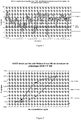
Figure 2 : ADCC induit par les anticorps anti-Rhésus D (anticorps WinRho polyclonaux, T125 produits dans YB2/0 et T125 produits dans CHO) sur des cellules NK de donneurs de phénotype CD16 FCGR3A-158F homozygotes. -
Figure 3 : ADCC induit par les anticorps anti-Rhésus D (anticorps WinRho polyclonaux, T125 produits dans YB2/0 et T125 produits dans CHO) sur des cellules NK de donneurs de phénotype CD16 FCGR3A-158V homozygotes. -
Figure 4 : Activation de Jurkat CD16 FCGR3A-158F homozygotes par les anticorps anti-Rhésus D T125 exprimés dans YB2/0 et CHO. -
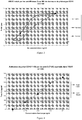
Figure 5 : Activation de Jurkat CD16 FCGR3A-158V homozygotes par les anticorps anti-Rhésus D T125 exprimés dans YB2/0 et CHO. -
Figure 6 : Activation de Jurkat CD16 FCGR3A-158F homozygotes induite par les anticorps anti-HLA-DR exprimés dans YB2/0 et CHO. -
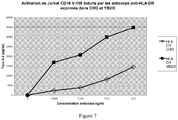
Figure 7 : Activation de Jurkat CD16 FCGR3A-158V homozygotes induite par les anticorps anti-HLA-DR exprimés dans YB2/0 et CHO. - Les capacités respectives de l'anticorps monoclonal anti-Rhésus D R297 et des anticorps polyclonaux anti-D à lyser des hématies en présence de cellules effectrices de différents donneurs individuels sont comparées (
figure 1 ). - Les cellules effectrices proviennent d'un groupe de107 donneurs de sang. Les cellules mononucléées (PBMC) sont isolées à partir d'une poche de sang par centrifugation sur un gradient de Ficoll (Pack Plus Pharmacia). Les plaquettes sont éliminées par centrifugation (190g, 15min) et les globules rouges résiduels sont lysés au NH4Cl. Les cellules sont lavées et resuspendues à 8x10⁷cells /ml en IMDM. Les globules rouges obtenus à partir de concentrés thérapeutiques (group O, Rhésus +) sont traités pendant 10 min à la papaïne (1mg/ml) puis lavés trois fois en tampon salin et ajustés à la concentration de 4x10⁷/ml ou 2x10⁷/ml (test NK) en IMDM.
- Le test s'effectue en plaque de 96 puits (NUNC). Les surnageants de culture ou les anticorps purifiés (100µl à 200ng/ml in IMDM + 0.5% SVF), les cellules effectrices (25µl), les globules rouges (25µl) et les immunoglobulines polyvalentes (Tégéline, LFB) (50µl) sont incubés pendant 16h à 37°C sous atmosphère enrichi en CO2 %. Pour la lyse non spécifique, les cellules effectrices sont remplacées par de l'IMDM. Après 16h à 37°C, les plaques sont centrifugées. 60µl du surnageants sont prélevés et mélangés avec 60µl de 2.7diaminofluorenee (DAF, Sigma).
- Après 5 min, la DO est mesurée à 620nm
- Le pourcentage de lyse est estimé en utilisant une gamme de calibration obtenues avec différentes dilutions de globules rouges lysés au NH4Cl, correspondant à 100, 75, 50, 25 et 0% de lyse respectivement.
- Sur la base d'étude génotypique menées sur des donneurs de même origine géographique, on estime dans la présente étude que la répartition moyenne des 107 donneurs en ce qui concerne le polymorphisme du CD16 est de 27 FCGR3A-158F homozygotes, 20 FCGR3A-158V homozygotes et 60 FCGR3A-158V/F.
- Les résultats montrent une grande variabilité dans la capacité des cellules effectrices des différents sujets à induire une lyse des hématies Rhésus positif quels que soient les anticorps testés. Les anticorps exprimés dans la lignée cellulaire YB2/0 présentent une activité cytolytique comparable à celle des anticorps polyclonaux, quel que soit le donneur étudié, et par conséquent quel que soit le polymorphisme du CD16 des cellules effectrices du donneur (voir
figure 1 ). - La même séquence codant pour une IgG1 spécifique de l'antigène Rhésus D a été transfectée dans les lignées cellulaires CHO et YB2/0. Les anticorps ont été incubés avec des hématies Rhésus positif (cellules cibles) et des cellules NK provenant de 6 donneurs différents (3 FCGR3A-158V homozygotes et 3 FCGR3A-158F homozygotes) préalablement génotypés pour leur phénotype CD16 en position 158. Les cellules NK sont isolées en utilisant la technique de séparation sur billes magnétiques (MACS) de chez Myltenyi. Les cellules NK sont lavées et resuspendues à 2x10⁷/ml et/ou 6x10⁷/ml en IMDM. Les globules rouges sont ajustés à la concentration de 2x10⁷/ml en IMDM. La Tégéline est remplacée par de l'IMDM. En dehors de ces modifications, le test est identique au test ADCC avec PBMC.
- L'activité cytotoxique des anticorps sur les hématies (ADCC) a été évaluée (
figure 2 etfigure 3 ). - L'anticorps produit dans la lignée CHO induit une lyse plus faible que l'anticorps produit dans YB2/0 quel que soit le phénotype du donneur. L'anticorps R297 exprimé dans la lignée YB2/0 induit dès les plus faibles concentrations une plus forte activité cytolytique. A la concentrations maximale de 25ng/ml, les deux anticorps induisent le même pourcentage d'ADCC.
- Aux concentrations inférieures à 25ng/ml, la différence de lyse entre l'anticorps produit dans CHO et celui produit dans YB2/0 est plus importante chez les donneurs FCGR3A-158F homozygotes que les donneurs FCGR3A-158V homozygotes. A la concentration de 2.5ng/ml, en présence des cellules NK FCGR3A-158V homozygotes, l'anticorps produit par CHO induit 54% de lyse alors que celui produit par YB2/0 induit 89% de lyse soit 56% d'augmentation. Par contre, à la même concentration, en présence des cellules NK FCGR3A-158F homozygotes, l'anticorps produit par CHO n'induit que 22% de lyse alors que celui produit par YB2/0 induit 74% de lyse soit 236% d'augmentation.
- L'anticorps exprimé dans la lignée YB2/0 s'avère donc être un bien meilleur produit pour traiter les patients donnant une lyse faible avec les anticorps produits dans CHO.
- Ainsi, la différence d'activité ADCC entre les patients FCGR3A-158V homozygotes et FCGR3A-158F homozygotes est plus faible avec l'anticorps exprimé dans YB2/0 (89 et 74%) par rapport à celle observée avec l'anticorps exprimé dans CHO (56 et 22%). Les anticorps optimisés présentent une réponse qui apparaît donc moins dépendante des formes polymorphiques du CD 16.
- D'autre part, l'anticorps monoclonal exprimé dans YB2/0 induit toujours une lyse supérieure ou égale aux anticorps polyclonaux.
- Ce test estime la capacité des anticorps à se fixer sur le récepteur CD16 (Fc gamma RIII) exprimé sur les cellules Jurkat CD16 et à induire la sécrétion d'IL2.
- La même séquence codant pour une IgG1 (T125) spécifique de l'antigène Rhésus D a été transfectée dans les lignées cellulaires CHO et YB2/0. Les anticorps sont incubés avec des hématies Rhésus positif (cellule cible) et des cellules Jurkat CD16 (cellules effectrices). Deux types de cellules Jurkat ont été utilisées : 1- des cellules transfectées avec le gène codant pour un RFc portant l'acide aminé phénylalanine F en position 158 (forme F), 2- des cellules transfectées avec le gène codant pour un RFc portant l'acide aminé valine V en position 158 (forme V). La quantité de cytokine (IL2) sécrétée par les cellules Jurkat CD16 a été mesurée par ELISA.
- En plaque de 96 puits in mélange :
- Anticorps : 50µl d'une dilution de 50; 37,5; 25; 18,75 ; 12,5 ; 9,4 ;6,25 ; 3,125 ng/ml en IMDM (Iscove's Modified Dulbecco's) Medium 5% SVF (sérum de veau foetal)
- PMA 50µld'une dilution à 40ng/ml en IMDM 5% SVF
- Hématies traitées à la papaïne. 50µl à 8x10⁶/ml en IMDM 5% SVF
- Jurkat CD16. 50µl à 2x10⁶/ml en IMDM 5% SVF
- Incubation 1 nuit à 37°C
- Puis centrifugation des plaques, prélèvement de 100µl de surnageants et dosage d'IL2 avec le kit commercial (Quantikine de chez R/D). Lecture à 450nm.
- L'anticorps exprimé dans la lignée YB2/0 est capable d'induire une plus forte sécrétion d'IL2 contrairement à l'anticorps exprimé dans CHO, et cela quel que soit le phénotype CD16 (
figure 4 etfigure 5 ). - L'anticorps produit dans CHO n'induit pas de sécrétion d'IL2 à partir de Jurkat CD16 FCGR3A-158F homozygotes et seulement une très faible production d'IL2 avec la forme FCGR3A-158V homozygotes.
- Une des particularités du système Rhésus étant la faible expression de l'antigène à la surface membranaire, il apparaît que dans ces conditions, l'anticorps exprimé dans la lignée YB2/0 s'avère être un bien meilleur produit pour activer les cellules effectrices porteuses de la forme FCGR3A-158F homozygotes du CD16 qui n'apparaissent pas activables avec l'anticorps produit dans CHO. En ce qui concenre la forme FCGR3A-158V homozygotes, de très faibles quantités d'anticorps produits par YB2/0 (<1,56) permettent d'induire une activation comparable à celle obtenue avec de plus fortes concentrations d'anticorps produits dans CHO (12,5ng/ml).
- Avec la forme FCGR3A-158F homozygotes et à la concentration de 12,5ng/ml, l'anticorps produit dans CHO induit une sécrétion d'IL2 (18 pg/ml) inférieure à 2% de celle induite par l'anticorps produit dans YB2/0 (1435 pg/ml). Ceci correspond à un gain de plus de 7000% lorsque l'on utilise l'anticorps produit dans YB2/0 par rapport à l'anticorps produit dans CHO.
- Avec la forme FCGR3A-158V homozygotes et à la concentration de 12,5ng/ml, l'anticorps produit dans CHO induit une sécrétion d'IL2 (869 pg/ml) inférieure à 8% de celle induite par l'anticorps produit dans YB2/0 (12312 pg/ml). Ceci correspond à un gain de plus de 1300% lorsque l'on utilise l'anticorps produit dans YB2/0 par rapport à l'anticorps produit dans CHO.
- La même séquence codant pour une IgG1 spécifique de l'antigène HLA-DR a été transfectée dans les lignées cellulaires CHO et YB2/0. Les anticorps sont incubés avec des cellules Raji (cellule cible HLA-DR positives) et des cellules Jurkat CD16 (cellules effectrices). Deux types de cellules Jurkat ont été utilisées : 1- des cellules transfectées avec le gène codant pour un R Fc portant l'acide aminé phénylalanine F en position 158 (forme F), 2- des cellules transfectées avec le gène codant pour un RFc ayant l'acide aminé valine V en position 158 (forme V). La quantité de cytokines (IL2) sécrétée par les cellules Jurkat CD16 a été mesurée par ELISA.
- En plaque de 96 puits in mélange :
- Anticorps : 50µl d'une dilution de 50; 37,5; 25; 18,75 ; 12,5 ; 9,4 ;6,25 ; 3,125 ng/ml en IMDM 5% SVF
- PMA 50µl d'une dilution à 40ng/ml en IMDM 5% SVF
- Cellules Raji : 50µl à 6x10⁵/ml en IMDM 5% SVF
- Jurkat CD16. 50µl à 20x106/ml en IMDM 5% SVF
- Incubation 1 nuit à 37°C
- Puis centrifugation des plaques, prélèvement de 100µl de surnageants et dosage d'IL2 avec le kit commercial (Quantikine de chez R/D). Lecture à 450nm.
- L'anticorps exprimé dans la lignée YB2/0 est capable d'induire une plus forte sécrétion d'IL2 contrairement à l'anticorps exprimé dans CHO, et cela quel que soit le phénotype CD16 (
figure 6 etfigure 7 ). - Contrairement au système Rhésus sur les hématies, l'expression de l'antigène HLA-DR à la surface membranaire de la cellule Raji n'est pas faible (200 000 à 400 000 copies). Dans ces conditions, il apparaît que l'anticorps exprimé dans la lignée YB2/0 s'avère être un bien meilleur produit pour activer les cellules effectrices porteuses de la forme F158 ainsi que V158 du CD16 et cela plus particulièrement aux faibles concentrations d'anticorps. Ainsi à la concentration de 1,56 ng/ml, l'anticorps produit dans CHO induit une sécrétion d'IL2 (2410 pg/ml) inférieure à 15% de celle induite par l'anticorps produit dans YB2/0 (16952 pg/ml). Ceci correspond à un gain de plus de 600% lorsque l'on utilise l'anticorps produit dans YB2/0 par rapport à l'anticorps produit dans CHO.
- A la concentration de 12,5 ng/ml, l'anticorps produit dans CHO induit une sécrétion d'IL2 (14597 pg/ml) inférieure à 45% de celle induite par l'anticorps produit dans YB2/0 (34823 pg/ml). Ceci correspond à un gain de plus de 100% lorsque l'on utilise l'anticorps produit dans YB2/0 par rapport à l'anticorps produit dans CHO.
- L'anticorps exprimé dans la lignée YB2/0 s'avère donc être un bien meilleur produit pour induire la sécrétion de cytokines de cellules effectrices porteuses de la forme polymorphique V158 (FCGR3A-158V homozygotes) et F158 (FCGR3A-158F homozygotes).
Claims (16)
- Utilisation d'une composition d'anticorps monoclonal chimérique, humanisé ou humain dirigé contre un antigène d'un organisme pathogène pour l'homme, ladite composition présentant au niveau de la structure glycannique du domaine Fc de l'anticorps une teneur supérieure à 60% pour les formes G0 + G1 + G0F + G1F et une teneur pour les formes G0F + G1F inférieure à 50%, pour la préparation d'un médicament destiné au traitement des infections par ledit organisme pathogène chez des patients homozygotes pour la phénylalanine en position 158 du CD16 (FCGR3A-158F homozygotes) ou des patients hétérozygotes valine/phénylalanine en position 158 du CD16 (FCGR3A-158V/F).
- Utilisation selon la revendication 1, caractérisée en ce que l'anticorps est un anticorps dirigé contre une cellule infectée par un virus et est destiné au traitement des infections par ledit virus.
- Utilisation selon la revendication 2, caractérisée en ce que l'anticorps est un anticorps anti-VIH et est destiné au traitement des infections par le VIH.
- Utilisation selon la revendication 2, caractérisée en ce que l'anticorps est un anticorps anti-RSV et est destiné au traitement des infections par le RSV.
- Utilisation selon l'une quelconque des revendications 1 à 4, caractérisée en ce que ladite composition présente une teneur supérieure à 80% pour les formes G0 + G1 + G0F + G1F.
- Utilisation selon l'une quelconque des revendications 1 à 5, caractérisée en ce que les formes G0F + G1F sont inférieures à 30%.
- Utilisation selon l'une quelconque des revendications 1 à 6, caractérisée en ce que les anticorps sont des IgG1.
- Utilisation selon l'une quelconque des revendications 1 à 7, caractérisée en ce que les patients sont des patients homozygotes pour la phénylalanine en position 158 du CD16 (FCGR3A-158F homozygotes).
- Composition d'anticorps monoclonal chimérique, humanisé ou humain dirigé contre un antigène d'un organisme pathogène pour l'homme, ladite composition présentant au niveau de la structure glycannique du domaine Fc de l'anticorps une teneur supérieure à 60% pour les formes G0 + G1 + G0F + G1F et une teneur pour les formes G0F + G1F inférieure à 50%, pour son utilisation dans le traitement des infections par ledit organisme pathogène chez des patients homozygotes pour la phénylalanine en position 158 du CD16 (FCGR3A-158F homozygotes) ou des patients hétérozygotes valine/phénylalanine en position 158 du CD16 (FCGR3A-158V/F).
- Composition pour son utilisation selon la revendication 9, caractérisée en ce que l'anticorps est un anticorps dirigé contre une cellule infectée par un virus et est destiné au traitement des infections par ledit virus.
- Composition pour son utilisation selon la revendication 10, caractérisée en ce que l'anticorps est un anticorps anti-VIH et est destiné au traitement des infections par le VIH.
- Composition pour son utilisation selon la revendication 10, caractérisée en ce que l'anticorps est un anticorps anti-RSV et est destiné au traitement des infections par le RSV.
- Composition pour son utilisation selon l'une quelconque des revendications 9 à 12, caractérisée en ce que ladite composition présente une teneur supérieure à 80% pour les formes G0 + G1 + G0F + G1F.
- Composition pour son utilisation selon l'une quelconque des revendications 9 à 13, caractérisée en ce que les formes G0F + G1F sont inférieures à 30%.
- Composition pour son utilisation selon l'une quelconque des revendications 9 à 14, caractérisée en ce que les anticorps sont des IgG1.
- Composition pour son utilisation selon l'une quelconque des revendications 9 à 15, caractérisée en ce que les patients sont des patients homozygotes pour la phénylalanine en position 158 du CD16 (FCGR3A-158F homozygotes).
Priority Applications (1)
| Application Number | Priority Date | Filing Date | Title |
|---|---|---|---|
| EP16203349.2A EP3159008B1 (fr) | 2003-07-31 | 2004-07-30 | Utilisation d'anticorps optimises en adcc pour traiter les patients faibles repondeurs |
Applications Claiming Priority (2)
| Application Number | Priority Date | Filing Date | Title |
|---|---|---|---|
| FR0309440A FR2858235B1 (fr) | 2003-07-31 | 2003-07-31 | Utilisation d'anticorps optimises en adcc pour traiter les patients faibles repondeurs |
| EP04786018.4A EP1648513B1 (fr) | 2003-07-31 | 2004-07-30 | Utilisation d'anticorps ayant une adcc optimisée pour traiter les patients répondant faiblement au traitement par antocorps. |
Related Parent Applications (3)
| Application Number | Title | Priority Date | Filing Date |
|---|---|---|---|
| EP04786018.4 Division | 2004-07-30 | ||
| EP04786018.4A Division EP1648513B1 (fr) | 2003-07-31 | 2004-07-30 | Utilisation d'anticorps ayant une adcc optimisée pour traiter les patients répondant faiblement au traitement par antocorps. |
| EP04786018.4A Division-Into EP1648513B1 (fr) | 2003-07-31 | 2004-07-30 | Utilisation d'anticorps ayant une adcc optimisée pour traiter les patients répondant faiblement au traitement par antocorps. |
Related Child Applications (2)
| Application Number | Title | Priority Date | Filing Date |
|---|---|---|---|
| EP16203349.2A Division EP3159008B1 (fr) | 2003-07-31 | 2004-07-30 | Utilisation d'anticorps optimises en adcc pour traiter les patients faibles repondeurs |
| EP16203349.2A Division-Into EP3159008B1 (fr) | 2003-07-31 | 2004-07-30 | Utilisation d'anticorps optimises en adcc pour traiter les patients faibles repondeurs |
Publications (3)
| Publication Number | Publication Date |
|---|---|
| EP2275134A2 EP2275134A2 (fr) | 2011-01-19 |
| EP2275134A3 EP2275134A3 (fr) | 2011-12-28 |
| EP2275134B1 true EP2275134B1 (fr) | 2017-02-15 |
Family
ID=34043702
Family Applications (3)
| Application Number | Title | Priority Date | Filing Date |
|---|---|---|---|
| EP10181317.8A Expired - Lifetime EP2275134B1 (fr) | 2003-07-31 | 2004-07-30 | Utilisation d'anticorps optimisés en ADCC pour traiter les patients faibles répondeurs |
| EP04786018.4A Revoked EP1648513B1 (fr) | 2003-07-31 | 2004-07-30 | Utilisation d'anticorps ayant une adcc optimisée pour traiter les patients répondant faiblement au traitement par antocorps. |
| EP16203349.2A Expired - Lifetime EP3159008B1 (fr) | 2003-07-31 | 2004-07-30 | Utilisation d'anticorps optimises en adcc pour traiter les patients faibles repondeurs |
Family Applications After (2)
| Application Number | Title | Priority Date | Filing Date |
|---|---|---|---|
| EP04786018.4A Revoked EP1648513B1 (fr) | 2003-07-31 | 2004-07-30 | Utilisation d'anticorps ayant une adcc optimisée pour traiter les patients répondant faiblement au traitement par antocorps. |
| EP16203349.2A Expired - Lifetime EP3159008B1 (fr) | 2003-07-31 | 2004-07-30 | Utilisation d'anticorps optimises en adcc pour traiter les patients faibles repondeurs |
Country Status (12)
| Country | Link |
|---|---|
| US (4) | US7713524B2 (fr) |
| EP (3) | EP2275134B1 (fr) |
| JP (3) | JP5252525B2 (fr) |
| AU (1) | AU2004261754C1 (fr) |
| BR (1) | BRPI0413119A (fr) |
| CA (1) | CA2533918C (fr) |
| DK (2) | DK1648513T3 (fr) |
| ES (3) | ES2525680T3 (fr) |
| FR (1) | FR2858235B1 (fr) |
| IL (1) | IL173386A0 (fr) |
| PL (1) | PL1648513T3 (fr) |
| WO (1) | WO2005012358A2 (fr) |
Families Citing this family (33)
| Publication number | Priority date | Publication date | Assignee | Title |
|---|---|---|---|---|
| FR2858235B1 (fr) | 2003-07-31 | 2006-02-17 | Lab Francais Du Fractionnement | Utilisation d'anticorps optimises en adcc pour traiter les patients faibles repondeurs |
| EP1960549A4 (fr) * | 2005-11-30 | 2010-01-13 | Univ Southern California | POLYMORPHISMES DE Fc-GAMMA DESTINES A PREDIRE UNE MALADIE ET L'ISSUE D'UN TRAITEMENT |
| FR2895086B1 (fr) * | 2005-12-16 | 2012-10-05 | Lab Francais Du Fractionnement | Potentialisation de l'apoptose par des anticorps monoclonaux |
| EP1878747A1 (fr) | 2006-07-11 | 2008-01-16 | greenovation Biotech GmbH | Anticorps glyco-modifiés |
| CA2675352A1 (fr) | 2007-01-18 | 2008-07-24 | University Of Southern California | Marqueurs genetiques pour la prediction de sensibilite a une polytherapie |
| FR2915398B1 (fr) * | 2007-04-25 | 2012-12-28 | Lab Francais Du Fractionnement | "ensemble de moyens pour le traitement d'une pathologie maligne, d'une maladie auto-immune ou d'une maladie infectieuse" |
| CN102216452B (zh) | 2008-09-26 | 2013-08-21 | 尤里卡治疗公司 | 具有变异糖基化方式的细胞系和蛋白质 |
| US8883496B2 (en) | 2009-12-21 | 2014-11-11 | Regeneron Phamaceuticals, Inc. | Humanized FcgR mice |
| NO2516457T3 (fr) | 2009-12-21 | 2018-08-11 | ||
| US9402916B2 (en) | 2011-03-17 | 2016-08-02 | The University Of Birmingham | Re-directed immunotherapy |
| SG194510A1 (en) | 2011-04-22 | 2013-12-30 | Emergent Product Dev Seattle | Prostate-specific membrane antigen binding proteins and related compositionsand methods |
| UA114108C2 (uk) | 2012-07-10 | 2017-04-25 | Борд Оф Ріджентс, Дзе Юніверсіті Оф Техас Сістем | Моноклональне антитіло для застосування в діагностиці і терапії злоякісних пухлин і аутоімунного захворювання |
| EA201590237A1 (ru) | 2012-07-18 | 2015-05-29 | Гликотоп Гмбх | Новые способы лечения антителами против her2 с низкой степенью фукозилирования |
| EP3756686A1 (fr) | 2012-11-02 | 2020-12-30 | TG Therapeutics Inc. | Combinaison d'anticorps anti-cd20 et inhibiteur sélectif pi3 kinase |
| FR3003172B1 (fr) * | 2013-03-15 | 2017-12-08 | Lab Francais Du Fractionnement | Utilisation d'anticorps monoclonaux pour le traitement de l'inflammation et d'infections bacteriennes |
| KR20150144804A (ko) | 2013-04-22 | 2015-12-28 | 글리코토페 게엠베하 | 낮은 푸코실화를 갖는 항egfr 항체를 이용한 항암 치료 |
| RU2700484C2 (ru) | 2014-04-08 | 2019-09-17 | Регенерон Фармасьютикалз, Инк. | Не относящиеся к человеку животные, имеющие гуманизированные fc-гамма-рецепторы |
| KR102784293B1 (ko) | 2015-09-21 | 2025-03-20 | 압테보 리서치 앤드 디벨롭먼트 엘엘씨 | Cd3 결합 폴리펩타이드 |
| MX2018008345A (es) | 2016-01-11 | 2018-12-06 | Univ Leland Stanford Junior | Proteínas quiméricas y métodos de inmunoterapia. |
| IL304088A (en) | 2016-01-11 | 2023-08-01 | Univ Leland Stanford Junior | Systems containing chimeric proteins and their uses for controlling gene expression |
| EA201892284A1 (ru) | 2016-05-27 | 2019-08-30 | Тг Терапьютикс, Инк. | Комбинация антитела против cd20, селективного ингибитора pi3-киназы-дельта и ингибитора btk для лечения b-клеточных пролиферативных расстройств |
| AU2017322501A1 (en) | 2016-09-09 | 2019-03-28 | Laboratoire Francais Du Fractionnement Et Des Biotechnologies | Combination of an anti-CD20 antibody, PI3 kinase-delta inhibitor, and anti-PD-1 or anti-PD-L1 antibody for treating hematological cancers |
| WO2019190990A1 (fr) | 2018-03-26 | 2019-10-03 | Regeneron Pharmaceuticals, Inc. | Rongeurs humanisés pour tester des agents thérapeutiques |
| BR112021003156A2 (pt) | 2018-08-23 | 2021-05-11 | Seagen, Inc. | composição, anticorpo que se liga ao tigit humano, formulação farmacêutica, polinucleotídeo isolado, vetor, célula hospedeira, métodos para a produção de um anticorpo que se liga ao tigit humano e de anticorpos afucosilados que se ligam a tigit e para o tratamento de um câncer, e, kit. |
| SG11202108311RA (en) | 2019-02-26 | 2021-09-29 | Janssen Biotech Inc | Combination therapies and patient stratification with bispecific anti-egfr/c-met antibodies |
| US11850248B2 (en) | 2019-05-14 | 2023-12-26 | Yuhan Corporation | Therapies with 3rd generation EGFR tyrosine kinase inhibitors |
| PH12021552798A1 (en) | 2019-05-14 | 2022-09-19 | Janssen Biotech Inc | Combination therapies with bispecific anti-egfr/c-met antibodies and 3rd generation egfr tyrosine kinase inhibitors |
| JP7783182B2 (ja) | 2020-02-12 | 2025-12-09 | ヤンセン バイオテツク,インコーポレーテツド | c-METエクソン14スキッピング変異を有する患者の治療 |
| WO2022104150A1 (fr) | 2020-11-12 | 2022-05-19 | Tg Therapeutics, Inc. | Triple combinaison pour traiter des malignités des lymphocytes b |
| US11807689B1 (en) | 2022-06-01 | 2023-11-07 | Tg Therapeutics, Inc. | Anti-CD20 antibody compositions |
| US11884740B1 (en) | 2022-06-01 | 2024-01-30 | Tg Therapeutics, Inc. | Anti-CD20 antibody compositions |
| US11814439B1 (en) | 2022-06-01 | 2023-11-14 | Tg Therapeutics, Inc. | Anti-CD20 antibody compositions |
| US11965032B1 (en) | 2022-06-01 | 2024-04-23 | Tg Therapeutics, Inc. | Anti-CD20 antibody compositions |
Family Cites Families (11)
| Publication number | Priority date | Publication date | Assignee | Title |
|---|---|---|---|---|
| ATE191006T1 (de) * | 1992-06-26 | 2000-04-15 | Aetsrn | Menschliche monoklonale antikörper gegen rhesus d und zellinien die diese produzieren |
| PT1176195E (pt) * | 1999-04-09 | 2013-07-18 | Kyowa Hakko Kirin Co Ltd | Processo para controlar a actividade de uma molécula funcional sob o ponto de vista imunológico |
| WO2001064754A1 (fr) | 2000-03-03 | 2001-09-07 | Kyowa Hakko Kogyo Co., Ltd. | Anticorps a recombinaison genique et son fragment |
| FR2807767B1 (fr) * | 2000-04-12 | 2005-01-14 | Lab Francais Du Fractionnement | Anticorps monoclonaux anti-d |
| DK2314686T4 (da) | 2000-10-06 | 2023-08-21 | Kyowa Kirin Co Ltd | Celler, der danner antistofsammensætninger |
| WO2003007067A1 (fr) * | 2001-07-09 | 2003-01-23 | E Ink Corporation | Affichage electro-optique et composition adhesive |
| KR100988949B1 (ko) * | 2001-10-25 | 2010-10-20 | 제넨테크, 인크. | 당단백질 조성물 |
| EP1502603A4 (fr) * | 2002-04-09 | 2006-12-13 | Kyowa Hakko Kogyo Kk | MEDICAMENT CONTENANT UNE COMPOSITION D'ANTICORPS APPROPRIEE AU PATIENT SOUFFRANT DE POLYMORPHISME FC gammma RIIIA |
| FR2844513B1 (fr) * | 2002-09-13 | 2007-08-03 | Lab Francais Du Fractionnement | Anticorps pour adcc et induisant la production de cytokines. |
| AR044388A1 (es) | 2003-05-20 | 2005-09-07 | Applied Molecular Evolution | Moleculas de union a cd20 |
| FR2858235B1 (fr) * | 2003-07-31 | 2006-02-17 | Lab Francais Du Fractionnement | Utilisation d'anticorps optimises en adcc pour traiter les patients faibles repondeurs |
-
2003
- 2003-07-31 FR FR0309440A patent/FR2858235B1/fr not_active Expired - Lifetime
-
2004
- 2004-07-30 US US10/566,358 patent/US7713524B2/en not_active Expired - Lifetime
- 2004-07-30 ES ES04786018.4T patent/ES2525680T3/es not_active Expired - Lifetime
- 2004-07-30 AU AU2004261754A patent/AU2004261754C1/en not_active Expired
- 2004-07-30 CA CA2533918A patent/CA2533918C/fr not_active Expired - Lifetime
- 2004-07-30 JP JP2006521632A patent/JP5252525B2/ja not_active Expired - Lifetime
- 2004-07-30 EP EP10181317.8A patent/EP2275134B1/fr not_active Expired - Lifetime
- 2004-07-30 BR BRPI0413119-3A patent/BRPI0413119A/pt not_active Application Discontinuation
- 2004-07-30 PL PL04786018T patent/PL1648513T3/pl unknown
- 2004-07-30 WO PCT/FR2004/002057 patent/WO2005012358A2/fr not_active Ceased
- 2004-07-30 EP EP04786018.4A patent/EP1648513B1/fr not_active Revoked
- 2004-07-30 EP EP16203349.2A patent/EP3159008B1/fr not_active Expired - Lifetime
- 2004-07-30 ES ES16203349T patent/ES2822930T3/es not_active Expired - Lifetime
- 2004-07-30 DK DK04786018.4T patent/DK1648513T3/en active
- 2004-07-30 ES ES10181317.8T patent/ES2624272T3/es not_active Expired - Lifetime
- 2004-07-30 DK DK10181317.8T patent/DK2275134T3/en active
-
2006
- 2006-01-26 IL IL173386A patent/IL173386A0/en not_active IP Right Cessation
-
2010
- 2010-03-23 US US12/659,824 patent/US8501171B2/en not_active Expired - Lifetime
-
2011
- 2011-09-13 JP JP2011199174A patent/JP5788273B2/ja not_active Expired - Lifetime
-
2013
- 2013-06-28 US US13/930,070 patent/US9109020B2/en not_active Expired - Lifetime
-
2014
- 2014-11-28 JP JP2014241534A patent/JP6078519B2/ja not_active Expired - Lifetime
-
2015
- 2015-05-01 US US14/702,143 patent/US9879089B2/en not_active Expired - Fee Related
Non-Patent Citations (1)
| Title |
|---|
| None * |
Also Published As
Similar Documents
| Publication | Publication Date | Title |
|---|---|---|
| EP1648513B1 (fr) | Utilisation d'anticorps ayant une adcc optimisée pour traiter les patients répondant faiblement au traitement par antocorps. | |
| EP1537147B1 (fr) | Anticorps anti hla-dr ayant une adcc augmentée et induisant la production de cytokines. | |
| CA2498383C (fr) | Traitement des pathologies echappant a la reponse immune par des anticorps optimises | |
| FR2865403A1 (fr) | Composition pour le traitement d'une pathologie associee a la msrv/herv-w | |
| EP0614978A1 (fr) | Nouveaux récepteurs Fc-gamma humains solubles, Leur procédé de préparation, les compositions pharmaceutiques les contenant, leur application comme médicaments et leur application diagnostique | |
| EP2092939A2 (fr) | Utilisation thérapeutique d'anticorps induisant la production de cytokines | |
| FR2515208A1 (fr) | Procede pour la production d'hybridomes sous-cultivables de cellules t humaines producteurs de lymphokine | |
| CA2542508A1 (fr) | Igg3 anti rhesus-d dans la lignee yb2/0 ayant une forte activite en phagocytose | |
| Gonsalkorale | A study of the immunomodulatory action of ACTH on lymphocyte function in vitro | |
| Bogen | Dominant suppressive effect of the silent E allele on an in vivo T helper cell response under EE region‐linked immune response gene control |
Legal Events
| Date | Code | Title | Description |
|---|---|---|---|
| PUAI | Public reference made under article 153(3) epc to a published international application that has entered the european phase |
Free format text: ORIGINAL CODE: 0009012 |
|
| AC | Divisional application: reference to earlier application |
Ref document number: 1648513 Country of ref document: EP Kind code of ref document: P |
|
| AK | Designated contracting states |
Kind code of ref document: A2 Designated state(s): AT BE BG CH CY CZ DE DK EE ES FI FR GB GR HU IE IT LI LU MC NL PL PT RO SE SI SK TR |
|
| PUAL | Search report despatched |
Free format text: ORIGINAL CODE: 0009013 |
|
| AK | Designated contracting states |
Kind code of ref document: A3 Designated state(s): AT BE BG CH CY CZ DE DK EE ES FI FR GB GR HU IE IT LI LU MC NL PL PT RO SE SI SK TR |
|
| RIC1 | Information provided on ipc code assigned before grant |
Ipc: A61K 39/395 20060101AFI20111121BHEP Ipc: A61P 35/00 20060101ALI20111121BHEP Ipc: A61P 37/02 20060101ALI20111121BHEP Ipc: C07K 16/28 20060101ALI20111121BHEP |
|
| 17P | Request for examination filed |
Effective date: 20120622 |
|
| 17Q | First examination report despatched |
Effective date: 20130315 |
|
| RAP1 | Party data changed (applicant data changed or rights of an application transferred) |
Owner name: LABORATOIRE FRANCAIS DU FRACTIONNEMENT ET DES BIOT |
|
| GRAP | Despatch of communication of intention to grant a patent |
Free format text: ORIGINAL CODE: EPIDOSNIGR1 |
|
| INTG | Intention to grant announced |
Effective date: 20161026 |
|
| GRAJ | Information related to disapproval of communication of intention to grant by the applicant or resumption of examination proceedings by the epo deleted |
Free format text: ORIGINAL CODE: EPIDOSDIGR1 |
|
| GRAR | Information related to intention to grant a patent recorded |
Free format text: ORIGINAL CODE: EPIDOSNIGR71 |
|
| GRAS | Grant fee paid |
Free format text: ORIGINAL CODE: EPIDOSNIGR3 |
|
| GRAA | (expected) grant |
Free format text: ORIGINAL CODE: 0009210 |
|
| INTC | Intention to grant announced (deleted) | ||
| AC | Divisional application: reference to earlier application |
Ref document number: 1648513 Country of ref document: EP Kind code of ref document: P |
|
| AK | Designated contracting states |
Kind code of ref document: B1 Designated state(s): AT BE BG CH CY CZ DE DK EE ES FI FR GB GR HU IE IT LI LU MC NL PL PT RO SE SI SK TR |
|
| INTG | Intention to grant announced |
Effective date: 20170110 |
|
| REG | Reference to a national code |
Ref country code: CH Ref legal event code: EP Ref country code: GB Ref legal event code: FG4D Free format text: NOT ENGLISH |
|
| REG | Reference to a national code |
Ref country code: IE Ref legal event code: FG4D Free format text: LANGUAGE OF EP DOCUMENT: FRENCH |
|
| REG | Reference to a national code |
Ref country code: AT Ref legal event code: REF Ref document number: 867528 Country of ref document: AT Kind code of ref document: T Effective date: 20170315 |
|
| REG | Reference to a national code |
Ref country code: DE Ref legal event code: R096 Ref document number: 602004050781 Country of ref document: DE |
|
| REG | Reference to a national code |
Ref country code: NL Ref legal event code: FP |
|
| REG | Reference to a national code |
Ref country code: DK Ref legal event code: T3 Effective date: 20170518 |
|
| REG | Reference to a national code |
Ref country code: SE Ref legal event code: TRGR |
|
| REG | Reference to a national code |
Ref country code: ES Ref legal event code: FG2A Ref document number: 2624272 Country of ref document: ES Kind code of ref document: T3 Effective date: 20170713 |
|
| REG | Reference to a national code |
Ref country code: AT Ref legal event code: MK05 Ref document number: 867528 Country of ref document: AT Kind code of ref document: T Effective date: 20170215 |
|
| PG25 | Lapsed in a contracting state [announced via postgrant information from national office to epo] |
Ref country code: FI Free format text: LAPSE BECAUSE OF FAILURE TO SUBMIT A TRANSLATION OF THE DESCRIPTION OR TO PAY THE FEE WITHIN THE PRESCRIBED TIME-LIMIT Effective date: 20170215 Ref country code: GR Free format text: LAPSE BECAUSE OF FAILURE TO SUBMIT A TRANSLATION OF THE DESCRIPTION OR TO PAY THE FEE WITHIN THE PRESCRIBED TIME-LIMIT Effective date: 20170516 |
|
| PG25 | Lapsed in a contracting state [announced via postgrant information from national office to epo] |
Ref country code: AT Free format text: LAPSE BECAUSE OF FAILURE TO SUBMIT A TRANSLATION OF THE DESCRIPTION OR TO PAY THE FEE WITHIN THE PRESCRIBED TIME-LIMIT Effective date: 20170215 Ref country code: BG Free format text: LAPSE BECAUSE OF FAILURE TO SUBMIT A TRANSLATION OF THE DESCRIPTION OR TO PAY THE FEE WITHIN THE PRESCRIBED TIME-LIMIT Effective date: 20170515 Ref country code: PT Free format text: LAPSE BECAUSE OF FAILURE TO SUBMIT A TRANSLATION OF THE DESCRIPTION OR TO PAY THE FEE WITHIN THE PRESCRIBED TIME-LIMIT Effective date: 20170615 |
|
| REG | Reference to a national code |
Ref country code: FR Ref legal event code: PLFP Year of fee payment: 14 |
|
| PG25 | Lapsed in a contracting state [announced via postgrant information from national office to epo] |
Ref country code: SK Free format text: LAPSE BECAUSE OF FAILURE TO SUBMIT A TRANSLATION OF THE DESCRIPTION OR TO PAY THE FEE WITHIN THE PRESCRIBED TIME-LIMIT Effective date: 20170215 Ref country code: RO Free format text: LAPSE BECAUSE OF FAILURE TO SUBMIT A TRANSLATION OF THE DESCRIPTION OR TO PAY THE FEE WITHIN THE PRESCRIBED TIME-LIMIT Effective date: 20170215 Ref country code: CZ Free format text: LAPSE BECAUSE OF FAILURE TO SUBMIT A TRANSLATION OF THE DESCRIPTION OR TO PAY THE FEE WITHIN THE PRESCRIBED TIME-LIMIT Effective date: 20170215 Ref country code: EE Free format text: LAPSE BECAUSE OF FAILURE TO SUBMIT A TRANSLATION OF THE DESCRIPTION OR TO PAY THE FEE WITHIN THE PRESCRIBED TIME-LIMIT Effective date: 20170215 |
|
| PGFP | Annual fee paid to national office [announced via postgrant information from national office to epo] |
Ref country code: GB Payment date: 20170920 Year of fee payment: 14 Ref country code: CH Payment date: 20170926 Year of fee payment: 14 Ref country code: FR Payment date: 20170920 Year of fee payment: 14 Ref country code: DE Payment date: 20170920 Year of fee payment: 14 Ref country code: IT Payment date: 20170920 Year of fee payment: 14 Ref country code: ES Payment date: 20170920 Year of fee payment: 14 |
|
| REG | Reference to a national code |
Ref country code: DE Ref legal event code: R097 Ref document number: 602004050781 Country of ref document: DE |
|
| PG25 | Lapsed in a contracting state [announced via postgrant information from national office to epo] |
Ref country code: PL Free format text: LAPSE BECAUSE OF FAILURE TO SUBMIT A TRANSLATION OF THE DESCRIPTION OR TO PAY THE FEE WITHIN THE PRESCRIBED TIME-LIMIT Effective date: 20170215 |
|
| PGFP | Annual fee paid to national office [announced via postgrant information from national office to epo] |
Ref country code: BE Payment date: 20170922 Year of fee payment: 14 Ref country code: NL Payment date: 20170925 Year of fee payment: 14 Ref country code: SE Payment date: 20170925 Year of fee payment: 14 Ref country code: DK Payment date: 20170913 Year of fee payment: 14 |
|
| PLBE | No opposition filed within time limit |
Free format text: ORIGINAL CODE: 0009261 |
|
| STAA | Information on the status of an ep patent application or granted ep patent |
Free format text: STATUS: NO OPPOSITION FILED WITHIN TIME LIMIT |
|
| 26N | No opposition filed |
Effective date: 20171116 |
|
| PG25 | Lapsed in a contracting state [announced via postgrant information from national office to epo] |
Ref country code: SI Free format text: LAPSE BECAUSE OF FAILURE TO SUBMIT A TRANSLATION OF THE DESCRIPTION OR TO PAY THE FEE WITHIN THE PRESCRIBED TIME-LIMIT Effective date: 20170215 |
|
| REG | Reference to a national code |
Ref country code: IE Ref legal event code: MM4A |
|
| PG25 | Lapsed in a contracting state [announced via postgrant information from national office to epo] |
Ref country code: LU Free format text: LAPSE BECAUSE OF NON-PAYMENT OF DUE FEES Effective date: 20170730 |
|
| PG25 | Lapsed in a contracting state [announced via postgrant information from national office to epo] |
Ref country code: IE Free format text: LAPSE BECAUSE OF NON-PAYMENT OF DUE FEES Effective date: 20170730 |
|
| REG | Reference to a national code |
Ref country code: DE Ref legal event code: R119 Ref document number: 602004050781 Country of ref document: DE |
|
| REG | Reference to a national code |
Ref country code: DK Ref legal event code: EBP Effective date: 20180731 |
|
| REG | Reference to a national code |
Ref country code: CH Ref legal event code: PL |
|
| REG | Reference to a national code |
Ref country code: NL Ref legal event code: MM Effective date: 20180801 |
|
| GBPC | Gb: european patent ceased through non-payment of renewal fee |
Effective date: 20180730 |
|
| REG | Reference to a national code |
Ref country code: BE Ref legal event code: MM Effective date: 20180731 |
|
| PG25 | Lapsed in a contracting state [announced via postgrant information from national office to epo] |
Ref country code: GB Free format text: LAPSE BECAUSE OF NON-PAYMENT OF DUE FEES Effective date: 20180730 Ref country code: LI Free format text: LAPSE BECAUSE OF NON-PAYMENT OF DUE FEES Effective date: 20180731 Ref country code: DE Free format text: LAPSE BECAUSE OF NON-PAYMENT OF DUE FEES Effective date: 20190201 Ref country code: FR Free format text: LAPSE BECAUSE OF NON-PAYMENT OF DUE FEES Effective date: 20180731 Ref country code: CH Free format text: LAPSE BECAUSE OF NON-PAYMENT OF DUE FEES Effective date: 20180731 |
|
| PG25 | Lapsed in a contracting state [announced via postgrant information from national office to epo] |
Ref country code: BE Free format text: LAPSE BECAUSE OF NON-PAYMENT OF DUE FEES Effective date: 20180731 Ref country code: SE Free format text: LAPSE BECAUSE OF NON-PAYMENT OF DUE FEES Effective date: 20180731 Ref country code: NL Free format text: LAPSE BECAUSE OF NON-PAYMENT OF DUE FEES Effective date: 20180801 |
|
| PG25 | Lapsed in a contracting state [announced via postgrant information from national office to epo] |
Ref country code: HU Free format text: LAPSE BECAUSE OF FAILURE TO SUBMIT A TRANSLATION OF THE DESCRIPTION OR TO PAY THE FEE WITHIN THE PRESCRIBED TIME-LIMIT; INVALID AB INITIO Effective date: 20040730 Ref country code: MC Free format text: LAPSE BECAUSE OF FAILURE TO SUBMIT A TRANSLATION OF THE DESCRIPTION OR TO PAY THE FEE WITHIN THE PRESCRIBED TIME-LIMIT Effective date: 20170215 |
|
| PG25 | Lapsed in a contracting state [announced via postgrant information from national office to epo] |
Ref country code: DK Free format text: LAPSE BECAUSE OF NON-PAYMENT OF DUE FEES Effective date: 20180731 Ref country code: IT Free format text: LAPSE BECAUSE OF NON-PAYMENT OF DUE FEES Effective date: 20180730 |
|
| REG | Reference to a national code |
Ref country code: ES Ref legal event code: FD2A Effective date: 20190918 |
|
| PG25 | Lapsed in a contracting state [announced via postgrant information from national office to epo] |
Ref country code: CY Free format text: LAPSE BECAUSE OF NON-PAYMENT OF DUE FEES Effective date: 20170215 Ref country code: ES Free format text: LAPSE BECAUSE OF NON-PAYMENT OF DUE FEES Effective date: 20180731 |
|
| PG25 | Lapsed in a contracting state [announced via postgrant information from national office to epo] |
Ref country code: TR Free format text: LAPSE BECAUSE OF FAILURE TO SUBMIT A TRANSLATION OF THE DESCRIPTION OR TO PAY THE FEE WITHIN THE PRESCRIBED TIME-LIMIT Effective date: 20170215 |