EP2273999B1 - Composition comprising polysaccharide extracted from panax ginseng preventing and treating liver diseases - Google Patents
Composition comprising polysaccharide extracted from panax ginseng preventing and treating liver diseases Download PDFInfo
- Publication number
- EP2273999B1 EP2273999B1 EP09729322.9A EP09729322A EP2273999B1 EP 2273999 B1 EP2273999 B1 EP 2273999B1 EP 09729322 A EP09729322 A EP 09729322A EP 2273999 B1 EP2273999 B1 EP 2273999B1
- Authority
- EP
- European Patent Office
- Prior art keywords
- liver
- panax ginseng
- weight
- ginseng polysaccharide
- polysaccharide
- Prior art date
- Legal status (The legal status is an assumption and is not a legal conclusion. Google has not performed a legal analysis and makes no representation as to the accuracy of the status listed.)
- Not-in-force
Links
- 240000004371 Panax ginseng Species 0.000 title claims description 115
- 235000008434 ginseng Nutrition 0.000 title claims description 114
- 229920001282 polysaccharide Polymers 0.000 title claims description 114
- 239000005017 polysaccharide Substances 0.000 title claims description 114
- 235000002789 Panax ginseng Nutrition 0.000 title claims description 110
- 208000019423 liver disease Diseases 0.000 title claims description 33
- 239000000203 mixture Substances 0.000 title claims description 33
- 150000004676 glycans Chemical class 0.000 title claims 7
- LFQSCWFLJHTTHZ-UHFFFAOYSA-N Ethanol Chemical compound CCO LFQSCWFLJHTTHZ-UHFFFAOYSA-N 0.000 claims description 33
- 239000000284 extract Substances 0.000 claims description 29
- 230000002829 reductive effect Effects 0.000 claims description 25
- 238000000034 method Methods 0.000 claims description 20
- 206010019668 Hepatic fibrosis Diseases 0.000 claims description 16
- 239000004480 active ingredient Substances 0.000 claims description 15
- 239000007788 liquid Substances 0.000 claims description 12
- 230000002265 prevention Effects 0.000 claims description 12
- XLYOFNOQVPJJNP-UHFFFAOYSA-N water Substances O XLYOFNOQVPJJNP-UHFFFAOYSA-N 0.000 claims description 12
- 208000006454 hepatitis Diseases 0.000 claims description 11
- WQZGKKKJIJFFOK-GASJEMHNSA-N Glucose Natural products OC[C@H]1OC(O)[C@H](O)[C@@H](O)[C@@H]1O WQZGKKKJIJFFOK-GASJEMHNSA-N 0.000 claims description 9
- PYMYPHUHKUWMLA-UHFFFAOYSA-N arabinose Natural products OCC(O)C(O)C(O)C=O PYMYPHUHKUWMLA-UHFFFAOYSA-N 0.000 claims description 8
- 229930182830 galactose Natural products 0.000 claims description 8
- 239000008103 glucose Substances 0.000 claims description 8
- 239000003960 organic solvent Substances 0.000 claims description 8
- 241000196324 Embryophyta Species 0.000 claims description 7
- WQZGKKKJIJFFOK-QTVWNMPRSA-N D-mannopyranose Chemical compound OC[C@H]1OC(O)[C@@H](O)[C@@H](O)[C@@H]1O WQZGKKKJIJFFOK-QTVWNMPRSA-N 0.000 claims description 6
- PYMYPHUHKUWMLA-WDCZJNDASA-N arabinose Chemical compound OC[C@@H](O)[C@@H](O)[C@H](O)C=O PYMYPHUHKUWMLA-WDCZJNDASA-N 0.000 claims description 6
- SRBFZHDQGSBBOR-UHFFFAOYSA-N beta-D-Pyranose-Lyxose Natural products OC1COC(O)C(O)C1O SRBFZHDQGSBBOR-UHFFFAOYSA-N 0.000 claims description 6
- 208000019425 cirrhosis of liver Diseases 0.000 claims description 6
- 230000002401 inhibitory effect Effects 0.000 claims description 6
- 208000004930 Fatty Liver Diseases 0.000 claims description 4
- 206010019708 Hepatic steatosis Diseases 0.000 claims description 4
- 230000001154 acute effect Effects 0.000 claims description 4
- 239000003937 drug carrier Substances 0.000 claims description 4
- 208000010706 fatty liver disease Diseases 0.000 claims description 4
- 238000010438 heat treatment Methods 0.000 claims description 4
- 231100000240 steatosis hepatitis Toxicity 0.000 claims description 4
- 206010008909 Chronic Hepatitis Diseases 0.000 claims description 3
- 206010019692 hepatic necrosis Diseases 0.000 claims description 3
- 239000004615 ingredient Substances 0.000 claims description 3
- 231100000149 liver necrosis Toxicity 0.000 claims description 3
- 238000004821 distillation Methods 0.000 claims description 2
- 230000001376 precipitating effect Effects 0.000 claims description 2
- 150000004804 polysaccharides Chemical class 0.000 description 106
- VZGDMQKNWNREIO-UHFFFAOYSA-N tetrachloromethane Chemical compound ClC(Cl)(Cl)Cl VZGDMQKNWNREIO-UHFFFAOYSA-N 0.000 description 81
- 231100000753 hepatic injury Toxicity 0.000 description 44
- 206010067125 Liver injury Diseases 0.000 description 40
- 229950005499 carbon tetrachloride Drugs 0.000 description 39
- 210000004185 liver Anatomy 0.000 description 26
- RZVAJINKPMORJF-UHFFFAOYSA-N Acetaminophen Chemical compound CC(=O)NC1=CC=C(O)C=C1 RZVAJINKPMORJF-UHFFFAOYSA-N 0.000 description 21
- 239000003814 drug Substances 0.000 description 20
- 230000000694 effects Effects 0.000 description 19
- 230000014509 gene expression Effects 0.000 description 17
- 230000002443 hepatoprotective effect Effects 0.000 description 14
- WEVYAHXRMPXWCK-UHFFFAOYSA-N Acetonitrile Chemical compound CC#N WEVYAHXRMPXWCK-UHFFFAOYSA-N 0.000 description 12
- 235000013305 food Nutrition 0.000 description 12
- 210000002966 serum Anatomy 0.000 description 12
- 238000002360 preparation method Methods 0.000 description 11
- 239000000090 biomarker Substances 0.000 description 10
- 229940079593 drug Drugs 0.000 description 10
- 229960005489 paracetamol Drugs 0.000 description 10
- 239000007928 intraperitoneal injection Substances 0.000 description 9
- 210000005228 liver tissue Anatomy 0.000 description 9
- 108010001202 Cytochrome P-450 CYP2E1 Proteins 0.000 description 8
- 102100024889 Cytochrome P450 2E1 Human genes 0.000 description 8
- 206010019851 Hepatotoxicity Diseases 0.000 description 8
- 206010061218 Inflammation Diseases 0.000 description 8
- 231100000304 hepatotoxicity Toxicity 0.000 description 8
- 230000007686 hepatotoxicity Effects 0.000 description 8
- 230000004054 inflammatory process Effects 0.000 description 8
- 229940124597 therapeutic agent Drugs 0.000 description 8
- 230000001225 therapeutic effect Effects 0.000 description 8
- 102000019034 Chemokines Human genes 0.000 description 7
- 108010012236 Chemokines Proteins 0.000 description 7
- 241000699670 Mus sp. Species 0.000 description 7
- 210000003494 hepatocyte Anatomy 0.000 description 7
- -1 lipid peroxide Chemical class 0.000 description 7
- 230000003908 liver function Effects 0.000 description 7
- 230000007774 longterm Effects 0.000 description 7
- 239000008363 phosphate buffer Substances 0.000 description 7
- 230000001681 protective effect Effects 0.000 description 7
- 239000000243 solution Substances 0.000 description 7
- 239000000126 substance Substances 0.000 description 7
- 206010016654 Fibrosis Diseases 0.000 description 6
- 235000003140 Panax quinquefolius Nutrition 0.000 description 6
- 239000000796 flavoring agent Substances 0.000 description 6
- HEMHJVSKTPXQMS-UHFFFAOYSA-M sodium hydroxide Inorganic materials [OH-].[Na+] HEMHJVSKTPXQMS-UHFFFAOYSA-M 0.000 description 6
- 238000011725 BALB/c mouse Methods 0.000 description 5
- 102000004127 Cytokines Human genes 0.000 description 5
- 108090000695 Cytokines Proteins 0.000 description 5
- PEDCQBHIVMGVHV-UHFFFAOYSA-N Glycerine Chemical compound OCC(O)CO PEDCQBHIVMGVHV-UHFFFAOYSA-N 0.000 description 5
- WSMYVTOQOOLQHP-UHFFFAOYSA-N Malondialdehyde Chemical compound O=CCC=O WSMYVTOQOOLQHP-UHFFFAOYSA-N 0.000 description 5
- 235000005035 Panax pseudoginseng ssp. pseudoginseng Nutrition 0.000 description 5
- 108060008682 Tumor Necrosis Factor Proteins 0.000 description 5
- 230000009471 action Effects 0.000 description 5
- 230000034994 death Effects 0.000 description 5
- 238000000605 extraction Methods 0.000 description 5
- 230000004761 fibrosis Effects 0.000 description 5
- 235000013355 food flavoring agent Nutrition 0.000 description 5
- 229960001031 glucose Drugs 0.000 description 5
- 231100000283 hepatitis Toxicity 0.000 description 5
- 230000003859 lipid peroxidation Effects 0.000 description 5
- 239000008194 pharmaceutical composition Substances 0.000 description 5
- 230000002633 protecting effect Effects 0.000 description 5
- 210000001519 tissue Anatomy 0.000 description 5
- 108010074328 Interferon-gamma Proteins 0.000 description 4
- 102000004889 Interleukin-6 Human genes 0.000 description 4
- 108090001005 Interleukin-6 Proteins 0.000 description 4
- MWUXSHHQAYIFBG-UHFFFAOYSA-N Nitric oxide Chemical compound O=[N] MWUXSHHQAYIFBG-UHFFFAOYSA-N 0.000 description 4
- FAPWRFPIFSIZLT-UHFFFAOYSA-M Sodium chloride Chemical compound [Na+].[Cl-] FAPWRFPIFSIZLT-UHFFFAOYSA-M 0.000 description 4
- 102000000852 Tumor Necrosis Factor-alpha Human genes 0.000 description 4
- 239000000654 additive Substances 0.000 description 4
- 238000010171 animal model Methods 0.000 description 4
- 210000004369 blood Anatomy 0.000 description 4
- 239000008280 blood Substances 0.000 description 4
- 239000003795 chemical substances by application Substances 0.000 description 4
- 230000006378 damage Effects 0.000 description 4
- LPLVUJXQOOQHMX-QWBHMCJMSA-N glycyrrhizinic acid Chemical compound O([C@@H]1[C@@H](O)[C@H](O)[C@H](O[C@@H]1O[C@@H]1C([C@H]2[C@]([C@@H]3[C@@]([C@@]4(CC[C@@]5(C)CC[C@@](C)(C[C@H]5C4=CC3=O)C(O)=O)C)(C)CC2)(C)CC1)(C)C)C(O)=O)[C@@H]1O[C@H](C(O)=O)[C@@H](O)[C@H](O)[C@H]1O LPLVUJXQOOQHMX-QWBHMCJMSA-N 0.000 description 4
- 230000036541 health Effects 0.000 description 4
- 230000002757 inflammatory effect Effects 0.000 description 4
- 229940100601 interleukin-6 Drugs 0.000 description 4
- 238000005259 measurement Methods 0.000 description 4
- 210000000056 organ Anatomy 0.000 description 4
- 230000003647 oxidation Effects 0.000 description 4
- 238000007254 oxidation reaction Methods 0.000 description 4
- 238000002203 pretreatment Methods 0.000 description 4
- 238000003757 reverse transcription PCR Methods 0.000 description 4
- CSCPPACGZOOCGX-UHFFFAOYSA-N Acetone Chemical compound CC(C)=O CSCPPACGZOOCGX-UHFFFAOYSA-N 0.000 description 3
- 102000002260 Alkaline Phosphatase Human genes 0.000 description 3
- 108020004774 Alkaline Phosphatase Proteins 0.000 description 3
- 108010015742 Cytochrome P-450 Enzyme System Proteins 0.000 description 3
- 102000003849 Cytochrome P450 Human genes 0.000 description 3
- IAJILQKETJEXLJ-UHFFFAOYSA-N Galacturonsaeure Natural products O=CC(O)C(O)C(O)C(O)C(O)=O IAJILQKETJEXLJ-UHFFFAOYSA-N 0.000 description 3
- 239000004378 Glycyrrhizin Substances 0.000 description 3
- 102100037850 Interferon gamma Human genes 0.000 description 3
- OKKJLVBELUTLKV-UHFFFAOYSA-N Methanol Chemical compound OC OKKJLVBELUTLKV-UHFFFAOYSA-N 0.000 description 3
- 241000699666 Mus <mouse, genus> Species 0.000 description 3
- SEBFKMXJBCUCAI-UHFFFAOYSA-N NSC 227190 Natural products C1=C(O)C(OC)=CC(C2C(OC3=CC=C(C=C3O2)C2C(C(=O)C3=C(O)C=C(O)C=C3O2)O)CO)=C1 SEBFKMXJBCUCAI-UHFFFAOYSA-N 0.000 description 3
- 206010028851 Necrosis Diseases 0.000 description 3
- 102000004887 Transforming Growth Factor beta Human genes 0.000 description 3
- 108090001012 Transforming Growth Factor beta Proteins 0.000 description 3
- 230000002411 adverse Effects 0.000 description 3
- 238000011161 development Methods 0.000 description 3
- 230000018109 developmental process Effects 0.000 description 3
- 238000000502 dialysis Methods 0.000 description 3
- 201000010099 disease Diseases 0.000 description 3
- 208000037265 diseases, disorders, signs and symptoms Diseases 0.000 description 3
- 238000001035 drying Methods 0.000 description 3
- LPLVUJXQOOQHMX-UHFFFAOYSA-N glycyrrhetinic acid glycoside Natural products C1CC(C2C(C3(CCC4(C)CCC(C)(CC4C3=CC2=O)C(O)=O)C)(C)CC2)(C)C2C(C)(C)C1OC1OC(C(O)=O)C(O)C(O)C1OC1OC(C(O)=O)C(O)C(O)C1O LPLVUJXQOOQHMX-UHFFFAOYSA-N 0.000 description 3
- 229960004949 glycyrrhizic acid Drugs 0.000 description 3
- UYRUBYNTXSDKQT-UHFFFAOYSA-N glycyrrhizic acid Natural products CC1(C)C(CCC2(C)C1CCC3(C)C2C(=O)C=C4C5CC(C)(CCC5(C)CCC34C)C(=O)O)OC6OC(C(O)C(O)C6OC7OC(O)C(O)C(O)C7C(=O)O)C(=O)O UYRUBYNTXSDKQT-UHFFFAOYSA-N 0.000 description 3
- 235000019410 glycyrrhizin Nutrition 0.000 description 3
- 231100000784 hepatotoxin Toxicity 0.000 description 3
- 238000004128 high performance liquid chromatography Methods 0.000 description 3
- 239000007924 injection Substances 0.000 description 3
- 238000002347 injection Methods 0.000 description 3
- 150000002632 lipids Chemical class 0.000 description 3
- 230000007246 mechanism Effects 0.000 description 3
- 230000004060 metabolic process Effects 0.000 description 3
- BKRIRZXWWALTPU-UHFFFAOYSA-N methyl 4-(4-methoxycarbonylphenyl)benzoate Chemical compound C1=CC(C(=O)OC)=CC=C1C1=CC=C(C(=O)OC)C=C1 BKRIRZXWWALTPU-UHFFFAOYSA-N 0.000 description 3
- 150000002772 monosaccharides Chemical class 0.000 description 3
- 230000017074 necrotic cell death Effects 0.000 description 3
- 235000015097 nutrients Nutrition 0.000 description 3
- 210000002381 plasma Anatomy 0.000 description 3
- 239000002244 precipitate Substances 0.000 description 3
- 230000008569 process Effects 0.000 description 3
- 235000018102 proteins Nutrition 0.000 description 3
- 102000004169 proteins and genes Human genes 0.000 description 3
- 108090000623 proteins and genes Proteins 0.000 description 3
- 238000000926 separation method Methods 0.000 description 3
- SEBFKMXJBCUCAI-HKTJVKLFSA-N silibinin Chemical compound C1=C(O)C(OC)=CC([C@@H]2[C@H](OC3=CC=C(C=C3O2)[C@@H]2[C@H](C(=O)C3=C(O)C=C(O)C=C3O2)O)CO)=C1 SEBFKMXJBCUCAI-HKTJVKLFSA-N 0.000 description 3
- 229960004245 silymarin Drugs 0.000 description 3
- 235000017700 silymarin Nutrition 0.000 description 3
- 235000000346 sugar Nutrition 0.000 description 3
- 239000003826 tablet Substances 0.000 description 3
- ZRKFYGHZFMAOKI-QMGMOQQFSA-N tgfbeta Chemical compound C([C@H](NC(=O)[C@H](C(C)C)NC(=O)CNC(=O)[C@H](CCC(O)=O)NC(=O)[C@H](CCCNC(N)=N)NC(=O)[C@H](CC(N)=O)NC(=O)[C@H](CC(C)C)NC(=O)[C@H]([C@@H](C)O)NC(=O)[C@H](CCC(O)=O)NC(=O)[C@H]([C@@H](C)O)NC(=O)[C@H](CC(C)C)NC(=O)CNC(=O)[C@H](C)NC(=O)[C@H](CO)NC(=O)[C@H](CCC(N)=O)NC(=O)[C@@H](NC(=O)[C@H](C)NC(=O)[C@H](C)NC(=O)[C@@H](NC(=O)[C@H](CC(C)C)NC(=O)[C@@H](N)CCSC)C(C)C)[C@@H](C)CC)C(=O)N[C@@H]([C@@H](C)O)C(=O)N[C@@H](C(C)C)C(=O)N[C@@H](CC=1C=CC=CC=1)C(=O)N[C@@H](C)C(=O)N1[C@@H](CCC1)C(=O)N[C@@H]([C@@H](C)O)C(=O)N[C@@H](CC(N)=O)C(=O)N[C@@H](CCC(O)=O)C(=O)N[C@@H](C)C(=O)N[C@@H](CC=1C=CC=CC=1)C(=O)N[C@@H](CCCNC(N)=N)C(=O)N[C@@H](C)C(=O)N[C@@H](CC(C)C)C(=O)N1[C@@H](CCC1)C(=O)N1[C@@H](CCC1)C(=O)N[C@@H](CCCNC(N)=N)C(=O)N[C@@H](CCC(O)=O)C(=O)N[C@@H](CCCNC(N)=N)C(=O)N[C@@H](CO)C(=O)N[C@@H](CCCNC(N)=N)C(=O)N[C@@H](CC(C)C)C(=O)N[C@@H](CC(C)C)C(O)=O)C1=CC=C(O)C=C1 ZRKFYGHZFMAOKI-QMGMOQQFSA-N 0.000 description 3
- 231100000765 toxin Toxicity 0.000 description 3
- 239000003053 toxin Substances 0.000 description 3
- 108700012359 toxins Proteins 0.000 description 3
- 235000013343 vitamin Nutrition 0.000 description 3
- 239000011782 vitamin Substances 0.000 description 3
- 229940088594 vitamin Drugs 0.000 description 3
- 229930003231 vitamin Natural products 0.000 description 3
- WQZGKKKJIJFFOK-SVZMEOIVSA-N (+)-Galactose Chemical compound OC[C@H]1OC(O)[C@H](O)[C@@H](O)[C@H]1O WQZGKKKJIJFFOK-SVZMEOIVSA-N 0.000 description 2
- 108010088751 Albumins Proteins 0.000 description 2
- 102000009027 Albumins Human genes 0.000 description 2
- 101710155857 C-C motif chemokine 2 Proteins 0.000 description 2
- 102000000018 Chemokine CCL2 Human genes 0.000 description 2
- 102000016951 Chemokine CXCL2 Human genes 0.000 description 2
- 108010014414 Chemokine CXCL2 Proteins 0.000 description 2
- HEDRZPFGACZZDS-UHFFFAOYSA-N Chloroform Chemical compound ClC(Cl)Cl HEDRZPFGACZZDS-UHFFFAOYSA-N 0.000 description 2
- 244000298479 Cichorium intybus Species 0.000 description 2
- 235000007542 Cichorium intybus Nutrition 0.000 description 2
- SRBFZHDQGSBBOR-IOVATXLUSA-N D-xylopyranose Chemical compound O[C@@H]1COC(O)[C@H](O)[C@H]1O SRBFZHDQGSBBOR-IOVATXLUSA-N 0.000 description 2
- 102000004190 Enzymes Human genes 0.000 description 2
- 108090000790 Enzymes Proteins 0.000 description 2
- 102000003886 Glycoproteins Human genes 0.000 description 2
- 108090000288 Glycoproteins Proteins 0.000 description 2
- 238000012404 In vitro experiment Methods 0.000 description 2
- PNNNRSAQSRJVSB-UHFFFAOYSA-N L-rhamnose Natural products CC(O)C(O)C(O)C(O)C=O PNNNRSAQSRJVSB-UHFFFAOYSA-N 0.000 description 2
- LRHPLDYGYMQRHN-UHFFFAOYSA-N N-Butanol Chemical compound CCCCO LRHPLDYGYMQRHN-UHFFFAOYSA-N 0.000 description 2
- AMQJEAYHLZJPGS-UHFFFAOYSA-N N-Pentanol Chemical compound CCCCCO AMQJEAYHLZJPGS-UHFFFAOYSA-N 0.000 description 2
- 206010028980 Neoplasm Diseases 0.000 description 2
- 238000008050 Total Bilirubin Reagent Methods 0.000 description 2
- 208000027418 Wounds and injury Diseases 0.000 description 2
- 239000002671 adjuvant Substances 0.000 description 2
- WQZGKKKJIJFFOK-PHYPRBDBSA-N alpha-D-galactose Chemical compound OC[C@H]1O[C@H](O)[C@H](O)[C@@H](O)[C@H]1O WQZGKKKJIJFFOK-PHYPRBDBSA-N 0.000 description 2
- 230000008901 benefit Effects 0.000 description 2
- WQZGKKKJIJFFOK-VFUOTHLCSA-N beta-D-glucose Chemical compound OC[C@H]1O[C@@H](O)[C@H](O)[C@@H](O)[C@@H]1O WQZGKKKJIJFFOK-VFUOTHLCSA-N 0.000 description 2
- 239000011230 binding agent Substances 0.000 description 2
- 239000002775 capsule Substances 0.000 description 2
- 230000005779 cell damage Effects 0.000 description 2
- 230000030833 cell death Effects 0.000 description 2
- 208000037887 cell injury Diseases 0.000 description 2
- 238000005119 centrifugation Methods 0.000 description 2
- 238000006243 chemical reaction Methods 0.000 description 2
- 235000005911 diet Nutrition 0.000 description 2
- 230000037213 diet Effects 0.000 description 2
- 238000002651 drug therapy Methods 0.000 description 2
- 239000000839 emulsion Substances 0.000 description 2
- 210000003979 eosinophil Anatomy 0.000 description 2
- 238000009472 formulation Methods 0.000 description 2
- 235000015203 fruit juice Nutrition 0.000 description 2
- 235000013376 functional food Nutrition 0.000 description 2
- 235000021472 generally recognized as safe Nutrition 0.000 description 2
- 235000011187 glycerol Nutrition 0.000 description 2
- 239000008187 granular material Substances 0.000 description 2
- 231100000234 hepatic damage Toxicity 0.000 description 2
- 230000003082 hepatotoxic effect Effects 0.000 description 2
- 238000007654 immersion Methods 0.000 description 2
- 208000014674 injury Diseases 0.000 description 2
- 238000007912 intraperitoneal administration Methods 0.000 description 2
- 201000007270 liver cancer Diseases 0.000 description 2
- 230000008818 liver damage Effects 0.000 description 2
- 208000014018 liver neoplasm Diseases 0.000 description 2
- 239000000314 lubricant Substances 0.000 description 2
- 238000012986 modification Methods 0.000 description 2
- 230000004048 modification Effects 0.000 description 2
- 239000004006 olive oil Substances 0.000 description 2
- 235000008390 olive oil Nutrition 0.000 description 2
- 239000000843 powder Substances 0.000 description 2
- 230000003449 preventive effect Effects 0.000 description 2
- 239000000047 product Substances 0.000 description 2
- 230000000069 prophylactic effect Effects 0.000 description 2
- 150000003254 radicals Chemical class 0.000 description 2
- 230000035484 reaction time Effects 0.000 description 2
- HELXLJCILKEWJH-NCGAPWICSA-N rebaudioside A Chemical compound O([C@H]1[C@H](O)[C@@H](CO)O[C@H]([C@@H]1O[C@H]1[C@@H]([C@@H](O)[C@H](O)[C@@H](CO)O1)O)O[C@]12C(=C)C[C@@]3(C1)CC[C@@H]1[C@@](C)(CCC[C@]1([C@@H]3CC2)C)C(=O)O[C@H]1[C@@H]([C@@H](O)[C@H](O)[C@@H](CO)O1)O)[C@@H]1O[C@H](CO)[C@@H](O)[C@H](O)[C@H]1O HELXLJCILKEWJH-NCGAPWICSA-N 0.000 description 2
- 238000011084 recovery Methods 0.000 description 2
- 230000007115 recruitment Effects 0.000 description 2
- 150000003839 salts Chemical class 0.000 description 2
- 230000028327 secretion Effects 0.000 description 2
- 239000002904 solvent Substances 0.000 description 2
- 239000003381 stabilizer Substances 0.000 description 2
- 150000008163 sugars Chemical class 0.000 description 2
- 239000006228 supernatant Substances 0.000 description 2
- 238000002560 therapeutic procedure Methods 0.000 description 2
- 230000006032 tissue transformation Effects 0.000 description 2
- 230000014616 translation Effects 0.000 description 2
- ZBZJXHCVGLJWFG-UHFFFAOYSA-N trichloromethyl(.) Chemical compound Cl[C](Cl)Cl ZBZJXHCVGLJWFG-UHFFFAOYSA-N 0.000 description 2
- 150000003722 vitamin derivatives Chemical class 0.000 description 2
- 239000003643 water by type Substances 0.000 description 2
- NWUYHJFMYQTDRP-UHFFFAOYSA-N 1,2-bis(ethenyl)benzene;1-ethenyl-2-ethylbenzene;styrene Chemical compound C=CC1=CC=CC=C1.CCC1=CC=CC=C1C=C.C=CC1=CC=CC=C1C=C NWUYHJFMYQTDRP-UHFFFAOYSA-N 0.000 description 1
- 239000001606 7-[(2S,3R,4S,5S,6R)-4,5-dihydroxy-6-(hydroxymethyl)-3-[(2S,3R,4R,5R,6S)-3,4,5-trihydroxy-6-methyloxan-2-yl]oxyoxan-2-yl]oxy-5-hydroxy-2-(4-hydroxyphenyl)chroman-4-one Substances 0.000 description 1
- 102000007469 Actins Human genes 0.000 description 1
- 108010085238 Actins Proteins 0.000 description 1
- 102100036475 Alanine aminotransferase 1 Human genes 0.000 description 1
- 108010082126 Alanine transaminase Proteins 0.000 description 1
- 206010003210 Arteriosclerosis Diseases 0.000 description 1
- 206010003445 Ascites Diseases 0.000 description 1
- 108010011485 Aspartame Proteins 0.000 description 1
- 108010003415 Aspartate Aminotransferases Proteins 0.000 description 1
- 102000004625 Aspartate Aminotransferases Human genes 0.000 description 1
- 208000023275 Autoimmune disease Diseases 0.000 description 1
- 239000004604 Blowing Agent Substances 0.000 description 1
- 229930182535 Bupleuroside Chemical class 0.000 description 1
- YPQQNASPSFKXQM-UHFFFAOYSA-N CO.CC1=NN(C(C1)=O)C1=CC=CC=C1 Chemical compound CO.CC1=NN(C(C1)=O)C1=CC=CC=C1 YPQQNASPSFKXQM-UHFFFAOYSA-N 0.000 description 1
- 208000005623 Carcinogenesis Diseases 0.000 description 1
- 240000008365 Celosia argentea Species 0.000 description 1
- 235000000722 Celosia argentea Nutrition 0.000 description 1
- WNBCMONIPIJTSB-BGNCJLHMSA-N Cichoriin Natural products O([C@H]1[C@H](O)[C@@H](O)[C@@H](O)[C@@H](CO)O1)c1c(O)cc2c(OC(=O)C=C2)c1 WNBCMONIPIJTSB-BGNCJLHMSA-N 0.000 description 1
- 102000008186 Collagen Human genes 0.000 description 1
- 108010035532 Collagen Proteins 0.000 description 1
- 244000163122 Curcuma domestica Species 0.000 description 1
- SHZGCJCMOBCMKK-SVZMEOIVSA-N D-fucopyranose Chemical compound C[C@H]1OC(O)[C@H](O)[C@@H](O)[C@H]1O SHZGCJCMOBCMKK-SVZMEOIVSA-N 0.000 description 1
- 239000001512 FEMA 4601 Substances 0.000 description 1
- 102000016359 Fibronectins Human genes 0.000 description 1
- 108010067306 Fibronectins Proteins 0.000 description 1
- 229920001503 Glucan Polymers 0.000 description 1
- 229920002527 Glycogen Polymers 0.000 description 1
- 244000303040 Glycyrrhiza glabra Species 0.000 description 1
- 235000006200 Glycyrrhiza glabra Nutrition 0.000 description 1
- 206010020772 Hypertension Diseases 0.000 description 1
- 102000008070 Interferon-gamma Human genes 0.000 description 1
- SHZGCJCMOBCMKK-JFNONXLTSA-N L-rhamnopyranose Chemical compound C[C@@H]1OC(O)[C@H](O)[C@H](O)[C@H]1O SHZGCJCMOBCMKK-JFNONXLTSA-N 0.000 description 1
- 208000002720 Malnutrition Diseases 0.000 description 1
- 239000005913 Maltodextrin Substances 0.000 description 1
- 229920002774 Maltodextrin Polymers 0.000 description 1
- 241001465754 Metazoa Species 0.000 description 1
- 206010030113 Oedema Diseases 0.000 description 1
- 235000002791 Panax Nutrition 0.000 description 1
- 241000208343 Panax Species 0.000 description 1
- 241000168720 Panax japonicus Species 0.000 description 1
- 235000003174 Panax japonicus Nutrition 0.000 description 1
- 241000180649 Panax notoginseng Species 0.000 description 1
- 235000003143 Panax notoginseng Nutrition 0.000 description 1
- 235000003181 Panax pseudoginseng Nutrition 0.000 description 1
- 240000005373 Panax quinquefolius Species 0.000 description 1
- 241001527087 Panax vietnamensis Species 0.000 description 1
- 235000017726 Panax vietnamensis Nutrition 0.000 description 1
- 229920002230 Pectic acid Polymers 0.000 description 1
- 101710098398 Probable alanine aminotransferase, mitochondrial Proteins 0.000 description 1
- HELXLJCILKEWJH-SEAGSNCFSA-N Rebaudioside A Natural products O=C(O[C@H]1[C@@H](O)[C@@H](O)[C@H](O)[C@@H](CO)O1)[C@@]1(C)[C@@H]2[C@](C)([C@H]3[C@@]4(CC(=C)[C@@](O[C@H]5[C@H](O[C@H]6[C@H](O)[C@@H](O)[C@H](O)[C@@H](CO)O6)[C@@H](O[C@H]6[C@H](O)[C@@H](O)[C@H](O)[C@@H](CO)O6)[C@H](O)[C@@H](CO)O5)(C4)CC3)CC2)CCC1 HELXLJCILKEWJH-SEAGSNCFSA-N 0.000 description 1
- 240000004808 Saccharomyces cerevisiae Species 0.000 description 1
- 235000014680 Saccharomyces cerevisiae Nutrition 0.000 description 1
- 201000001880 Sexual dysfunction Diseases 0.000 description 1
- VYPSYNLAJGMNEJ-UHFFFAOYSA-N Silicium dioxide Chemical compound O=[Si]=O VYPSYNLAJGMNEJ-UHFFFAOYSA-N 0.000 description 1
- 244000228451 Stevia rebaudiana Species 0.000 description 1
- 210000001744 T-lymphocyte Anatomy 0.000 description 1
- 244000269722 Thea sinensis Species 0.000 description 1
- 239000000524 Thiobarbituric Acid Reactive Substance Substances 0.000 description 1
- 108090000340 Transaminases Proteins 0.000 description 1
- 102000003929 Transaminases Human genes 0.000 description 1
- 102000009618 Transforming Growth Factors Human genes 0.000 description 1
- 108010009583 Transforming Growth Factors Proteins 0.000 description 1
- 241000700605 Viruses Species 0.000 description 1
- 238000009825 accumulation Methods 0.000 description 1
- 238000005903 acid hydrolysis reaction Methods 0.000 description 1
- 231100000439 acute liver injury Toxicity 0.000 description 1
- 239000011543 agarose gel Substances 0.000 description 1
- 150000001298 alcohols Chemical class 0.000 description 1
- IAJILQKETJEXLJ-RSJOWCBRSA-N aldehydo-D-galacturonic acid Chemical compound O=C[C@H](O)[C@@H](O)[C@@H](O)[C@H](O)C(O)=O IAJILQKETJEXLJ-RSJOWCBRSA-N 0.000 description 1
- GZCGUPFRVQAUEE-SLPGGIOYSA-N aldehydo-D-glucose Chemical compound OC[C@@H](O)[C@@H](O)[C@H](O)[C@@H](O)C=O GZCGUPFRVQAUEE-SLPGGIOYSA-N 0.000 description 1
- 239000000783 alginic acid Substances 0.000 description 1
- 235000010443 alginic acid Nutrition 0.000 description 1
- 229920000615 alginic acid Polymers 0.000 description 1
- 229960001126 alginic acid Drugs 0.000 description 1
- 150000004781 alginic acids Chemical class 0.000 description 1
- AEMOLEFTQBMNLQ-WAXACMCWSA-N alpha-D-glucuronic acid Chemical compound O[C@H]1O[C@H](C(O)=O)[C@@H](O)[C@H](O)[C@H]1O AEMOLEFTQBMNLQ-WAXACMCWSA-N 0.000 description 1
- WQZGKKKJIJFFOK-PQMKYFCFSA-N alpha-D-mannose Chemical compound OC[C@H]1O[C@H](O)[C@@H](O)[C@@H](O)[C@@H]1O WQZGKKKJIJFFOK-PQMKYFCFSA-N 0.000 description 1
- 238000004458 analytical method Methods 0.000 description 1
- 230000001093 anti-cancer Effects 0.000 description 1
- 239000003963 antioxidant agent Substances 0.000 description 1
- 235000006708 antioxidants Nutrition 0.000 description 1
- 239000007864 aqueous solution Substances 0.000 description 1
- 239000007900 aqueous suspension Substances 0.000 description 1
- 208000011775 arteriosclerosis disease Diseases 0.000 description 1
- 239000000605 aspartame Substances 0.000 description 1
- 235000010357 aspartame Nutrition 0.000 description 1
- IAOZJIPTCAWIRG-QWRGUYRKSA-N aspartame Chemical compound OC(=O)C[C@H](N)C(=O)N[C@H](C(=O)OC)CC1=CC=CC=C1 IAOZJIPTCAWIRG-QWRGUYRKSA-N 0.000 description 1
- 229960003438 aspartame Drugs 0.000 description 1
- 238000003556 assay Methods 0.000 description 1
- 238000003149 assay kit Methods 0.000 description 1
- QVGXLLKOCUKJST-UHFFFAOYSA-N atomic oxygen Chemical compound [O] QVGXLLKOCUKJST-UHFFFAOYSA-N 0.000 description 1
- 239000000022 bacteriostatic agent Substances 0.000 description 1
- AEMOLEFTQBMNLQ-UHFFFAOYSA-N beta-D-galactopyranuronic acid Natural products OC1OC(C(O)=O)C(O)C(O)C1O AEMOLEFTQBMNLQ-UHFFFAOYSA-N 0.000 description 1
- SRBFZHDQGSBBOR-KLVWXMOXSA-N beta-L-arabinopyranose Chemical compound O[C@H]1CO[C@H](O)[C@H](O)[C@H]1O SRBFZHDQGSBBOR-KLVWXMOXSA-N 0.000 description 1
- 230000000740 bleeding effect Effects 0.000 description 1
- 239000000872 buffer Substances 0.000 description 1
- 239000007975 buffered saline Substances 0.000 description 1
- 239000008366 buffered solution Substances 0.000 description 1
- 244000309464 bull Species 0.000 description 1
- 201000011510 cancer Diseases 0.000 description 1
- 230000036952 cancer formation Effects 0.000 description 1
- 235000014171 carbonated beverage Nutrition 0.000 description 1
- 231100000504 carcinogenesis Toxicity 0.000 description 1
- 239000000969 carrier Substances 0.000 description 1
- 210000004027 cell Anatomy 0.000 description 1
- 210000000170 cell membrane Anatomy 0.000 description 1
- 230000010307 cell transformation Effects 0.000 description 1
- 210000003850 cellular structure Anatomy 0.000 description 1
- 230000008859 change Effects 0.000 description 1
- 235000013351 cheese Nutrition 0.000 description 1
- 235000019219 chocolate Nutrition 0.000 description 1
- 229930184985 cichorin Natural products 0.000 description 1
- 235000019504 cigarettes Nutrition 0.000 description 1
- 230000007882 cirrhosis Effects 0.000 description 1
- 239000011248 coating agent Substances 0.000 description 1
- 229920001436 collagen Polymers 0.000 description 1
- 239000003086 colorant Substances 0.000 description 1
- 239000002299 complementary DNA Substances 0.000 description 1
- 150000001875 compounds Chemical class 0.000 description 1
- 235000009508 confectionery Nutrition 0.000 description 1
- 230000001186 cumulative effect Effects 0.000 description 1
- 235000003373 curcuma longa Nutrition 0.000 description 1
- 230000016396 cytokine production Effects 0.000 description 1
- 238000000354 decomposition reaction Methods 0.000 description 1
- 230000003247 decreasing effect Effects 0.000 description 1
- 230000007850 degeneration Effects 0.000 description 1
- 238000001514 detection method Methods 0.000 description 1
- 235000014113 dietary fatty acids Nutrition 0.000 description 1
- 235000015872 dietary supplement Nutrition 0.000 description 1
- 210000002249 digestive system Anatomy 0.000 description 1
- 239000003085 diluting agent Substances 0.000 description 1
- 239000007884 disintegrant Substances 0.000 description 1
- 239000002270 dispersing agent Substances 0.000 description 1
- 239000006196 drop Substances 0.000 description 1
- QELUYTUMUWHWMC-UHFFFAOYSA-N edaravone Chemical compound O=C1CC(C)=NN1C1=CC=CC=C1 QELUYTUMUWHWMC-UHFFFAOYSA-N 0.000 description 1
- 239000003792 electrolyte Substances 0.000 description 1
- 239000003974 emollient agent Substances 0.000 description 1
- 239000003995 emulsifying agent Substances 0.000 description 1
- HELXLJCILKEWJH-UHFFFAOYSA-N entered according to Sigma 01432 Natural products C1CC2C3(C)CCCC(C)(C(=O)OC4C(C(O)C(O)C(CO)O4)O)C3CCC2(C2)CC(=C)C21OC(C1OC2C(C(O)C(O)C(CO)O2)O)OC(CO)C(O)C1OC1OC(CO)C(O)C(O)C1O HELXLJCILKEWJH-UHFFFAOYSA-N 0.000 description 1
- 238000002474 experimental method Methods 0.000 description 1
- 206010016256 fatigue Diseases 0.000 description 1
- 229930195729 fatty acid Natural products 0.000 description 1
- 239000000194 fatty acid Substances 0.000 description 1
- 150000004665 fatty acids Chemical class 0.000 description 1
- 239000000945 filler Substances 0.000 description 1
- 238000001914 filtration Methods 0.000 description 1
- 235000019634 flavors Nutrition 0.000 description 1
- 235000013373 food additive Nutrition 0.000 description 1
- 239000002778 food additive Substances 0.000 description 1
- 235000003599 food sweetener Nutrition 0.000 description 1
- 238000004108 freeze drying Methods 0.000 description 1
- 235000011389 fruit/vegetable juice Nutrition 0.000 description 1
- 239000000499 gel Substances 0.000 description 1
- 229940096919 glycogen Drugs 0.000 description 1
- 230000003394 haemopoietic effect Effects 0.000 description 1
- 235000013402 health food Nutrition 0.000 description 1
- 230000002440 hepatic effect Effects 0.000 description 1
- 230000010224 hepatic metabolism Effects 0.000 description 1
- 210000004024 hepatic stellate cell Anatomy 0.000 description 1
- 231100000437 hepatocellular injury Toxicity 0.000 description 1
- 235000008085 high protein diet Nutrition 0.000 description 1
- 230000001744 histochemical effect Effects 0.000 description 1
- 238000007602 hot air drying Methods 0.000 description 1
- 210000002865 immune cell Anatomy 0.000 description 1
- 230000002055 immunohistochemical effect Effects 0.000 description 1
- 238000000338 in vitro Methods 0.000 description 1
- 238000001727 in vivo Methods 0.000 description 1
- 238000011534 incubation Methods 0.000 description 1
- 239000000411 inducer Substances 0.000 description 1
- 230000004941 influx Effects 0.000 description 1
- 239000007972 injectable composition Substances 0.000 description 1
- 229910052500 inorganic mineral Inorganic materials 0.000 description 1
- 229960003130 interferon gamma Drugs 0.000 description 1
- 238000001361 intraarterial administration Methods 0.000 description 1
- 238000007918 intramuscular administration Methods 0.000 description 1
- 238000001990 intravenous administration Methods 0.000 description 1
- 239000003456 ion exchange resin Substances 0.000 description 1
- 229920003303 ion-exchange polymer Polymers 0.000 description 1
- 230000002427 irreversible effect Effects 0.000 description 1
- 210000002510 keratinocyte Anatomy 0.000 description 1
- 239000012669 liquid formulation Substances 0.000 description 1
- 235000011477 liquorice Nutrition 0.000 description 1
- 210000005229 liver cell Anatomy 0.000 description 1
- 231100000832 liver cell necrosis Toxicity 0.000 description 1
- 210000002540 macrophage Anatomy 0.000 description 1
- 230000014759 maintenance of location Effects 0.000 description 1
- 229940035034 maltodextrin Drugs 0.000 description 1
- 238000004519 manufacturing process Methods 0.000 description 1
- 239000012528 membrane Substances 0.000 description 1
- 239000011707 mineral Substances 0.000 description 1
- 235000010755 mineral Nutrition 0.000 description 1
- 210000003470 mitochondria Anatomy 0.000 description 1
- 210000003205 muscle Anatomy 0.000 description 1
- DFPMSGMNTNDNHN-ZPHOTFPESA-N naringin Chemical compound O[C@@H]1[C@H](O)[C@@H](O)[C@H](C)O[C@H]1O[C@H]1[C@H](OC=2C=C3O[C@@H](CC(=O)C3=C(O)C=2)C=2C=CC(O)=CC=2)O[C@H](CO)[C@@H](O)[C@@H]1O DFPMSGMNTNDNHN-ZPHOTFPESA-N 0.000 description 1
- 229940052490 naringin Drugs 0.000 description 1
- 229930019673 naringin Natural products 0.000 description 1
- 239000005445 natural material Substances 0.000 description 1
- 238000006386 neutralization reaction Methods 0.000 description 1
- 231100001092 no hepatotoxicity Toxicity 0.000 description 1
- 239000002417 nutraceutical Substances 0.000 description 1
- 235000021436 nutraceutical agent Nutrition 0.000 description 1
- 235000018343 nutrient deficiency Nutrition 0.000 description 1
- 239000003921 oil Substances 0.000 description 1
- 235000019198 oils Nutrition 0.000 description 1
- 150000007524 organic acids Chemical class 0.000 description 1
- 239000001301 oxygen Substances 0.000 description 1
- 229910052760 oxygen Inorganic materials 0.000 description 1
- 239000003002 pH adjusting agent Substances 0.000 description 1
- 239000012188 paraffin wax Substances 0.000 description 1
- 230000036285 pathological change Effects 0.000 description 1
- 231100000915 pathological change Toxicity 0.000 description 1
- 230000001575 pathological effect Effects 0.000 description 1
- 230000037361 pathway Effects 0.000 description 1
- LCLHHZYHLXDRQG-ZNKJPWOQSA-N pectic acid Chemical compound O[C@@H]1[C@@H](O)[C@@H](O)O[C@H](C(O)=O)[C@@H]1OC1[C@H](O)[C@@H](O)[C@@H](OC2[C@@H]([C@@H](O)[C@@H](O)[C@H](O2)C(O)=O)O)[C@@H](C(O)=O)O1 LCLHHZYHLXDRQG-ZNKJPWOQSA-N 0.000 description 1
- 206010034674 peritonitis Diseases 0.000 description 1
- 239000008055 phosphate buffer solution Substances 0.000 description 1
- 150000003904 phospholipids Chemical class 0.000 description 1
- 239000006187 pill Substances 0.000 description 1
- 239000010318 polygalacturonic acid Substances 0.000 description 1
- 239000011148 porous material Substances 0.000 description 1
- 239000013641 positive control Substances 0.000 description 1
- 238000001556 precipitation Methods 0.000 description 1
- 239000003755 preservative agent Substances 0.000 description 1
- 230000002335 preservative effect Effects 0.000 description 1
- BDERNNFJNOPAEC-UHFFFAOYSA-N propan-1-ol Chemical compound CCCO BDERNNFJNOPAEC-UHFFFAOYSA-N 0.000 description 1
- 238000001243 protein synthesis Methods 0.000 description 1
- 238000010298 pulverizing process Methods 0.000 description 1
- 238000000746 purification Methods 0.000 description 1
- 239000001397 quillaja saponaria molina bark Substances 0.000 description 1
- 230000004223 radioprotective effect Effects 0.000 description 1
- 230000000637 radiosensitizating effect Effects 0.000 description 1
- 235000019203 rebaudioside A Nutrition 0.000 description 1
- 230000001172 regenerating effect Effects 0.000 description 1
- 230000008929 regeneration Effects 0.000 description 1
- 238000011069 regeneration method Methods 0.000 description 1
- 238000011160 research Methods 0.000 description 1
- 239000011347 resin Substances 0.000 description 1
- 229920005989 resin Polymers 0.000 description 1
- 230000004044 response Effects 0.000 description 1
- 235000019204 saccharin Nutrition 0.000 description 1
- CVHZOJJKTDOEJC-UHFFFAOYSA-N saccharin Chemical compound C1=CC=C2C(=O)NS(=O)(=O)C2=C1 CVHZOJJKTDOEJC-UHFFFAOYSA-N 0.000 description 1
- 229940081974 saccharin Drugs 0.000 description 1
- 239000000901 saccharin and its Na,K and Ca salt Substances 0.000 description 1
- 229930182490 saponin Natural products 0.000 description 1
- 150000007949 saponins Chemical class 0.000 description 1
- 229920006395 saturated elastomer Polymers 0.000 description 1
- 231100000748 severe hepatic injury Toxicity 0.000 description 1
- 231100000872 sexual dysfunction Toxicity 0.000 description 1
- 239000011780 sodium chloride Substances 0.000 description 1
- 238000002415 sodium dodecyl sulfate polyacrylamide gel electrophoresis Methods 0.000 description 1
- 239000001488 sodium phosphate Substances 0.000 description 1
- 229910000162 sodium phosphate Inorganic materials 0.000 description 1
- 238000001179 sorption measurement Methods 0.000 description 1
- 238000001694 spray drying Methods 0.000 description 1
- 238000010186 staining Methods 0.000 description 1
- 239000012086 standard solution Substances 0.000 description 1
- 239000008223 sterile water Substances 0.000 description 1
- 230000000638 stimulation Effects 0.000 description 1
- 239000000829 suppository Substances 0.000 description 1
- 239000004094 surface-active agent Substances 0.000 description 1
- 239000000725 suspension Substances 0.000 description 1
- 238000013268 sustained release Methods 0.000 description 1
- 239000012730 sustained-release form Substances 0.000 description 1
- 239000003765 sweetening agent Substances 0.000 description 1
- 208000024891 symptom Diseases 0.000 description 1
- 235000020357 syrup Nutrition 0.000 description 1
- 239000006188 syrup Substances 0.000 description 1
- 239000002562 thickening agent Substances 0.000 description 1
- 231100000331 toxic Toxicity 0.000 description 1
- 230000002588 toxic effect Effects 0.000 description 1
- 231100000027 toxicology Toxicity 0.000 description 1
- 150000003626 triacylglycerols Chemical class 0.000 description 1
- RYFMWSXOAZQYPI-UHFFFAOYSA-K trisodium phosphate Chemical compound [Na+].[Na+].[Na+].[O-]P([O-])([O-])=O RYFMWSXOAZQYPI-UHFFFAOYSA-K 0.000 description 1
- 150000008130 triterpenoid saponins Chemical class 0.000 description 1
- 102000003390 tumor necrosis factor Human genes 0.000 description 1
- 229940072651 tylenol Drugs 0.000 description 1
- 238000000108 ultra-filtration Methods 0.000 description 1
- 238000001291 vacuum drying Methods 0.000 description 1
- 235000013311 vegetables Nutrition 0.000 description 1
- 230000009385 viral infection Effects 0.000 description 1
- 238000001262 western blot Methods 0.000 description 1
Images


Classifications
-
- A—HUMAN NECESSITIES
- A61—MEDICAL OR VETERINARY SCIENCE; HYGIENE
- A61K—PREPARATIONS FOR MEDICAL, DENTAL OR TOILETRY PURPOSES
- A61K36/00—Medicinal preparations of undetermined constitution containing material from algae, lichens, fungi or plants, or derivatives thereof, e.g. traditional herbal medicines
- A61K36/18—Magnoliophyta (angiosperms)
- A61K36/185—Magnoliopsida (dicotyledons)
- A61K36/25—Araliaceae (Ginseng family), e.g. ivy, aralia, schefflera or tetrapanax
- A61K36/258—Panax (ginseng)
-
- A—HUMAN NECESSITIES
- A61—MEDICAL OR VETERINARY SCIENCE; HYGIENE
- A61K—PREPARATIONS FOR MEDICAL, DENTAL OR TOILETRY PURPOSES
- A61K31/00—Medicinal preparations containing organic active ingredients
- A61K31/70—Carbohydrates; Sugars; Derivatives thereof
- A61K31/715—Polysaccharides, i.e. having more than five saccharide radicals attached to each other by glycosidic linkages; Derivatives thereof, e.g. ethers, esters
-
- A—HUMAN NECESSITIES
- A61—MEDICAL OR VETERINARY SCIENCE; HYGIENE
- A61P—SPECIFIC THERAPEUTIC ACTIVITY OF CHEMICAL COMPOUNDS OR MEDICINAL PREPARATIONS
- A61P1/00—Drugs for disorders of the alimentary tract or the digestive system
- A61P1/16—Drugs for disorders of the alimentary tract or the digestive system for liver or gallbladder disorders, e.g. hepatoprotective agents, cholagogues, litholytics
-
- A—HUMAN NECESSITIES
- A61—MEDICAL OR VETERINARY SCIENCE; HYGIENE
- A61P—SPECIFIC THERAPEUTIC ACTIVITY OF CHEMICAL COMPOUNDS OR MEDICINAL PREPARATIONS
- A61P35/00—Antineoplastic agents
Definitions
- the present invention relates to a white Panax ginseng polysaccharide extract, which is useful for the prevention and treatment of liver diseases, and a method for preparing the same. Further, the present invention relates to a composition for the prevention and treatment of liver diseases, comprising the white Panax ginseng polysaccharide extract as an active ingredient.
- liver disease was the fifth leading cause of death in Korea, and Korea (22.3 persons) ranked third among 29 OECD countries providing cause of death data on [OECD Health Data], after Hungary (57.3 persons) and Mexico (43.2 persons).
- OECD Health Data after Hungary
- OECD Health Data after Hungary
- Mexico Mexico
- liver disease has no obvious symptoms until progressed to severe liver injury. For that reason, it is difficult to recognize liver disease during its early stages, and only about half of the patients can benefit from currently available therapeutic agents.
- the liver is, more than any other organ, actively involved in the metabolism producing thousands of enzymes essential to the human body.
- the liver is located between the digestive system and the circulatory system, and critical in protecting the body from a variety of harmful substances. Since foreign substances should pass through the liver, it is exposed to harmful substances as well as nutrients, and thus liver is at much higher risk of damage than other organs.
- the liver is usually one of the body's most resilient organs and is capable of regenerating after damage or injury.
- continuous stimulations such as chronic fatigue, excessive intake of high fat foods or alcohol, harmful substances including various chemicals, nutritional deficiency, virus infection (HCV, HBV), and autoimmune diseases, liver injury occurs, resulting from hepatic inflammation and liver cell death.
- liver cirrhosis is commonly considered to be an irreversible state, resulting from repeated process of hepatic fibrosis, and is accompanied by severe complications such as liver cancer, ascites, peritonitis, and variceal bleeding.
- Carbon tetrachloride is metabolized by cytochrome P450 that plays a multifunctional role in the liver, and converted into highly toxic free radicals, CCl 3 and Cl.
- Free radical CCl 3 causes oxidation of triglycerides accumulated in the liver or fatty acids in membrane phospholipids, leading to lipid oxidation, and binds to oxygen to facilitate oxidation with lipids.
- lipid peroxidation accumulates lipids in the liver, and reduces protein synthesis, leading to glycogen decomposition, and affects cellular structure such as mitochondria, DNA, and cell membrane, resulting in cell damage and death ( Recknagel, R.
- lipid peroxidation activates TNF- ⁇ (tumor necrosis factor), NO (Nitric oxide), TGF- ⁇ (transforming growth factor) or the like, so as to induce cell necrosis or fibrosis ( Sato et al., The protective effect of hepatocyte growth-promoting factor (pHGF) against carbon tetrachloride-induced acute liver injury in rat: an ultrastructural study, Med Eletron Microsc 32, 184-192. 1999 ). That is, carbon tetrachloride inhibits protein biosynthesis in the liver, and causes the elevation of serum GOT and GPT levels and centrilobular hepatocyte necrosis histologically.
- pHGF hepatocyte growth-promoting factor
- liver diseases are largely divided into diet and drug therapies, and the combination of these two therapies is actually employed in the treatment of liver diseases.
- silymarin and biphenyl dimethyl dicarboxylate (BDD) are used as the therapeutic agent for liver diseases.
- BDD biphenyl dimethyl dicarboxylate
- liver diseases are not caused by one factor but resulted from the complex action of various factors, there are no drugs regarded as the ideal remedy, yet. Accordingly, satisfactory therapeutic effects on liver diseases cannot be attained by drugs with one action mechanism. For example, rest and high protein diet plus vitamins are recommended for the treatment of acute liver disease, in stead of drug therapy.
- Drugs such as silymarin and BDD are used for a therapeutic purpose, but not a prophylactic purpose, namely, they are only required for the treatment of hepatitis.
- Cichorium Intybus has been used for liver diseases for an age in India, in which an active ingredient, cichorin of 75 mg/kg was found to show an effect of protecting liver function in mouse exposed to carbon tetrachloride ( H.Kalantari Ph et al., Protective Property of Cichorium Intybus in CCl4 induced Liver Damage in mice. School of Pharmacy, Ahwaz university of Medical Sciences, Ahwaz, Iran .).
- Glycyrrhizin extracted from the root of liquorice, chemically a triterpenoid saponin, is GRAS (Generally Recognized as Safe) classified in US, and thus used in candy, medicine, and cigarette. Also, it was reported that glycyrrhizin has inhibitory effects on cancer and tumor and hepatoprotective effect, and also improves arteriosclerosis, but its excessive use may cause sexual dysfunction, hypertension and edema. In addition to the above substances, Curcuma longa L has been reported to possess liver protective activity and anticancer actions, and saponin, bupleuroside compounds ( H. Maysuda et al., Bioorg. Med.
- Panax ginseng polysaccharide consisting of glucose, galactose, galacturonic acid, and protein has radioprotective effects
- Panax ginseng polysaccharide has hematopoietic, myeloprotecting, and radiosensitizing activities
- SONG JLE-YOUNG ET AL "Effects of polysaccharide ginsan from Panax ginseng on liver function",ARCHIVES OF PHARMACAL RESEARCH, NATL.
- the present inventors obtained polysaccharide by extraction of white ginseng with water, concentration of the liquid extract, and precipitation with ethanol. They found that the polysaccharide comprises mannose of 1.2 ⁇ 2.8% by weight, glucose of 64.1 ⁇ 82.8% by weight, galactose of 10.0 ⁇ 26.6% by weight, and arabinose of 0.6 ⁇ 5.4% by weight, and exerts very excellent hepatoprotective and therapeutic effects through various action mechanisms in vitro experiment and carbon tetra-chloride-induced liver injury models, thereby completing the present invention.
- the white Panax ginseng polysaccharide used in present invention reduces stress- or alcohol-induced liver injury, or drug- or food-induced hepatotoxicity, and also modulates inflammation in the body.
- the white Panax ginseng polysaccharide used in the present invention exerts its effects via oral and intraperitoneal administrations, and does not cause adverse effects on the liver upon long-term administration.
- the present invention relates to a polysaccharide extracted from white Panax ginseng for use in the prevention and treatment of liver diseases.
- Examples of the plants belonging to the Panax genus include Panax ginseng C.A. Mayer, Panax quinquefolium, Panax notoginseng, Panax pseudoginseng, Panax japonicum, and Panax vietnamensis Ha et Grushv. Ginseng Radix Alba derived from Panax ginseng C.A. Mayer, also called white ginseng, is used in the present invention.
- the white ginseng is prepared by removing rootlets and stem barks from Panax ginseng C.A. Mayer and drying it.
- the polysaccharide according to the present invention comprises sugars including mannose of 1.2 ⁇ 2.8% by weight, glucose of 64.1 ⁇ 82.8% by weight, galactose of 10.0 ⁇ 26.6% by [32] weight, and arabinose of 0.6 ⁇ 5.4% by weight.
- the polysaccharide extracted from white Panax ginseng of the present invention can be used for the prevention and treatment of liver diseases, in particular fatty liver, liver necrosis, hepatic fibrosis, liver cirrhosis and acute/chronic hepatitis.
- the present inventors examined the effects of the white Panax ginseng polysaccharide used in the present invention on liver protection by the following methods.
- the effects of improving liver function were evaluated by using various biomarkers, and the representative biomarkers used in the present invention are serum biomarkers of hepatic injury, such as ALT (Alanine aminotransferase), AST (Aspartate aminotransferase), and ALP (Alkaline phosphatase) enzymes, total bilirubin, and albumin.
- serum biomarkers of hepatic injury such as ALT (Alanine aminotransferase), AST (Aspartate aminotransferase), and ALP (Alkaline phosphatase) enzymes, total bilirubin, and albumin.
- ALT Alanine aminotransferase
- AST Aspartate aminotransferase
- ALP Alkaline phosphatase
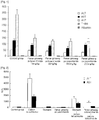
- the present inventors found that there were no significant differences in the levels of hepatic injury biomarkers between a control group and single administration or long-term administration of Panax ginseng polysaccharide used in the present invention, indicating that the Panax ginseng polysaccharide used in the present invention showed hepatoprotective action without hepatotoxicity (see FIG. 1 and Table 2).
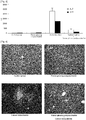
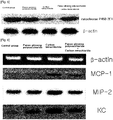
- the Panax ginseng polysaccharide used in the present invention significantly reduced the levels of serum biomarkers of hepatic injury, generation of lipid peroxide, cytochrome P450-2E1 that is responsible for carbon tetrachloride metabolism, and production of inflammatory cytokines and chemokines that exacerbate liver injury (see FIGs. 2 to 8 ).
- hepatic fibrosis resulting from severe inflammation or tissue transformation was significantly reduced by pre-treatment or post-treatment of the Panax ginseng polysaccharide, indicating its protective and therapeutic effects on hepatic fibrosis (see FIG. 8 ).
- Panax ginseng polysaccharide used in the present invention can be very useful for the prevention and treatment of liver diseases.
- the present invention relates to a method for extracting the white Panax ginseng polysaccharide from a plant of the genus Panaxginseng.
- the method for extracting the white Panax ginseng polysaccharide comprises the steps of (a) pulverizing and drying the plant of the genus Panaxginseng, and then cold-infusing at 0-25°C or heating it at 50-180°C for 0.5-20 hrs to obtain a liquid extract; (b) concentrating the liquid extract by distillation under reduced pressure, and then precipitating and separating the concentrated liquid extract using an organic solvent comprising 70-90% (v/v) ethanol; and (c) removing the organic solvent from the separated polysaccharide to obtain a polysaccharide.
- step (a) if the reaction temperature is too low, the extract is obtained in only a small amount and the process does not efficiently proceed. On the contrary, if the reaction temperature is too high, it is possible to degenerate some polysaccharides. In addition, if the reaction time is too short, the extract is obtained in only a small amount. On the contrary, if the reaction time is too long, it is not preferably in terms of economic efficiency.
- the term "cold-infusing” means immersion in water at approximately 0-25°C, and the term “heating” means immersion in water at approximately 50-180°C.
- the amount of water to be used is not particularly limited. For better extraction, water is used in an 8-20-fold volume of the white Panax ginseng roots. In the specific Example of the present invention, 1 kg of 6 year-old white Panax ginseng roots was pulverized and dried, followed by extraction using 8 L of water.
- the liquid extract is concentrated, for example, under reduced pressure of vacuum - 760 mmHg and by heating at 20-90°C.
- An organic solvent is added to the concentrated liquid extract to precipitate polysaccharides, and the preferred organic solvent is 0.1-1 M sodium chloride and 0.1-1 M lower alcohol or acetone.
- the organic solvent is used in a 1-5-fold, preferably 2-4-fold volume of the liquid extract.
- the lower alcohol may include C1-C5 alcohols such as methanol, ethanol, propanol, butanol and pentanol, preferably ethanol, and more preferably 70-90% (v/v) ethanol.
- the polysaccharide separation may be performed by the various methods such as filtration (including Ultrafiltration), centrifugation, ion exchange resin, adsorption resin, and dialysis.
- filtration including Ultrafiltration
- centrifugation ion exchange resin
- adsorption resin adsorption resin
- step (c) after removing the organic solvent, the resultant may be dried to obtain the polysaccharide in powder form.
- the drying process may be performed by hot air drying, vacuum drying, freeze-drying, spray drying or the like.
- the liquid separated in step (b) was freeze-dried to prepare the white Panax ginseng polysaccharide.
- the present invention relates to a composition for use in the prevention and treatment of liver diseases, comprising the white Panax ginseng polysaccharide extract as an active ingredient, and a composition for use in inhibiting hepatic fibrosis, comprising the white Panax ginseng polysaccharide extract as an active ingredient.
- the white Panax ginseng polysaccharide of the present invention is used as a medicine
- a variety of known methods can be employed in the preparation of pharmaceutical formulations and administration method thereof.
- the Panax ginseng polysaccharide is formulated into a pharmaceutical composition for liver protection or for the prevention and treatment of liver diseases
- auxiliaries that are generally used in the preparation of medicines, such as carriers and other additives, for example, stabilizers, emollients, or emulsifiers, may be used, as long as they do not cause adverse effects on the active ingredient.
- composition of the present invention may contain pharmaceutically suitable, physiologically acceptable adjuvants, and examples of the adjuvants may include solubilizer such as solvents, disintegrants, sweeteners, binders, coating agents, blowing agents, lubricants, glidants, and flavors.
- solubilizer such as solvents, disintegrants, sweeteners, binders, coating agents, blowing agents, lubricants, glidants, and flavors.
- the pharmaceutical composition of the present invention may also contain at least one pharmaceutically acceptable carrier, in addition to the active ingredients as described above.
- Pharmaceutically acceptable carriers may be saline solution, sterile water, Ringer's solution, buffered saline, dextrose solution, maltodextrin solution, glycerol, ethanol or a mixture of one or more thereof. If necessary, other common additives such as antioxidants, buffered solutions, and bacteriostatic agents may be used together.
- the composition may additionally include diluents, dispersants, surfactants, binders, and lubricants in order to formulate it into injectable formulations such as aqueous solution, suspension, and emulsion, or pills, capsules, granules, and tablets.
- composition may preferably be formulated depending on particular diseases and its components, using the method described in Remington's Pharmaceutical Science (latest edition), Mack Publishing Company, Easton PA , which is a suitable method in the relevant field of art.
- the composition used in the present invention may be prepared in any form such as granule, powder, coated tablet, tablet, capsule, suppository, syrup, juice, suspension, emulsion, drop or injectable liquid formulation, and sustained release formulation of the active ingredient(s).
- the content of the Panax ginseng polysaccharide composition used in the present invention may vary widely depending on the type of pharmaceutical formulation, in accordance with the typical methods.
- composition used in the present invention may be administered via typical routes, such as intravenous, intraarterial, intraperitoneal, intramuscular, intrasternal, transdermal, intranasal, inhalational, local, rectal, oral, intraocular, and intradermal routes, depending on the purpose.
- the dosage of Panax ginseng polysaccharide that is an active ingredient of the pharmaceutical composition of the present invention may vary depending on patient's condition and severity of liver disease, and it may be administered at a daily dosage of about 10 mg/kg ⁇ 500 mg/kg for adults.
- the amount of the composition can vary depending on various factors, including the kind and severity of diseases, the kind and content of an active ingredient and other components contained in the composition, the kind of a formulation, and patient's age, weight, general health condition, sex and diet, and administration time, administration route, the secretion % of the composition, administration period, and the kind of drugs used in combination.
- the present disclosure also relates to a food composition having effects of liver protection and improving liver function, comprising the Panax ginseng polysaccharide extract as an active ingredient.
- the food composition of the present disclosure includes all kinds of food products such as functional foods, nutritional supplements, nutrients, pharmafoods, health foods, nutraceuticals, designer foods, and food additives.
- Examples of the foods that can be prepared by adding the Panax ginseng polysaccharide thereto include all kinds of foods, drinks, gums, tea, vitamin complex, and functional foods.
- the Panax ginseng polysaccharide used in the present invention may be added to foods or drinks for the purpose of protecting liver or preventing liver diseases.
- the extract may be added to the food or drink in an amount of 0.01 to 20% by weight, based on the total weight of the food, and also added in an amount of 0.02 ⁇ 10 g, based on 100 ml of the health drink composition.
- the health drink composition of the present disclosure may include, without limitation, other typical additives such as savoring agents, nutrients, vitamin, mineral (electrolyte), flavoring agents (synthetic and natural flavoring agent), colorant, filler (cheese, chocolate, etc), pectic acid and its salts, alginic acid and its salts, organic acid, protective colloidal thickener, pH modifier, stabilizer, preservative, glycerin, alcohol, carbonating agent used in carbonated beverages, except that it contains the Panax ginseng polysaccharide composition as an essential ingredient at an indicated ratio.
- compositions used in the present invention may include pulp for the preparation of natural fruit juice, fruit juice drink, and vegetable drink. Such ingredients may be used singly or in any combination thereof.
- the proportion of the additives is generally in the range of about 0 to 20 parts by weight, per 100 parts by weight of the composition of the present invention.
- 100 ⁇ l of monosaccharide standard 100 nM/ 0.3.M-NaOH was prepared, and 100 ⁇ l of 0.5 M-PMP (1-phenyl-3-methyl-5-pyrazolone) methanol solution was added to each 100 ⁇ l of the monosaccharide standard solution and a sample, and reacted with each other at 70°C for 30 min. Then, the solution was cooled at room temperature, and neutralized with 100 ⁇ l of 0.3 M-HCl. The residual PMP was removed by chloroform extractions. The supernatant aqueous layer was concentrated, and diluted with 2-fold water, passed through a 0.45 ⁇ m-pore size filter. High performance liquid chromatography was performed under the following conditions.
- Table 1 [Table] Monos accharide Retention time (RT) Composition (% by weight) D(+)-mannose 14.50 1.2-2.8 L(+)-rhamnose 18.82 Not detected D-glucuronic acid 19.68 Not detected D(+)-galacturonic acid 21.75 Not detected D(+)-glucose 25.15 4.1-82.8 D(+)-galactose 27.06 10.0-26.6 D(+)-xylose 28.28 Not detected L(+)-arabinose 28.72 0.6-5.4 D(+)-fucose 31.38 Not detected
- the Panax ginseng polysaccharide is composed of sugars including mannose of 1.2 ⁇ 2.8% by weight, glucose of 64.1 ⁇ 82.8% by weight, galactose of 10.0 ⁇ 26.6% by weight, and arabinose of 0.6 ⁇ 5.4% by weight.
- ThePanax ginseng polysaccharide was prepared by the above methods of Preparation Examples, and in vivo and in vitro experiments were performed on carbon tetrachloride-induced hepatotoxicity in animals.
- mice Male BALB/c mice were treated by intraperitoneal injection with Panax ginseng polysaccharide at a dose of 10, 50, 100, and 200 mg/kg. After 48 hrs, blood was collected from the mice, and blood plasma was separated. Then, the levels of serum biomarkers of hepatic injury including ALT, AST, ALP, total bilirubin, and albumin were measured. A control group was treated with a phosphate buffer solution in the same manner. Regardless of concentration, no significant changes in the levels of serum biomarkers of hepatic injury were observed in the single administration group, as compared to the control group (see FIG. 1 ).
- mice Male BALB/c mice (four mice per group) were orally administrated with Panax ginseng polysaccharide at a dose of 100 mg/kg twice a week for 20 weeks. Every two weeks, blood was taken from the eyes of four mice per group, and sera were separated. The serum biomarker, ALT levels were assessed in order to confirm whether the long-term administration induces hepatotoxicity. Even though total 4000 mg/kg of Panax ginseng polysaccharide was orally administered for 20 weeks, changes in ALT and AST levels were not observed, as compared to the control group, indicating no hepatotoxic action of long-term administration of Panax ginseng polysaccharide (see Table 2).
- Panax ginseng polysaccharide In order to evaluate hepatoprotective effect of Panax ginseng polysaccharide, the levels of serum biomarkers of hepatic injury were measured in carbon tetrachloride-induced liver injury mouse.
- Panax ginseng polysaccharide was administered by intraperitoneal injection at a dose of 100 mg/kg, and silymarin, widely used for the treatment of hepatic disorders, was also administered by intraperitoneal injection at a dose of 400 mg/kg as a positive control.
- carbon tetrachloride (15 ⁇ g/kg) was dissolved in oil, and administered by intraperitoneal injection.
- blood was collected from the mice, and blood plasma was separated. Then, the ALT and AST levels were measured.
- phosphate buffer and olive oil were administered in the same manner.
- each of the ALT and AST levels was reduced by 68% and 60% in the sillmarin-treated liver injury terminal, whereas each of the ALT and AST levels was reduced by 82% and 87% in the Panax ginseng polysaccharide-treated liver injury group, as compared to the carbon tetrachloride-induced liver injury group, indicating excellent hepatoprotective effect of Panax ginseng polysaccharide (see FIG. 2 ).
- Acetaminophen also known as Tylenol
- Tylenol was reported to cause serious liver injury when it was taken excessively or with alcohol.
- Panax ginseng polysaccharide was administered to male BALB/c mice by intraperitoneal injection at a dose of 100 mg/kg.
- acetaminophen 500 mg/kg was dissolved in warm phosphate buffer, and administered by in- traperitoneal injection.
- blood was collected from the mice, and blood plasma was separated. Then, the ALT and AST levels were measured.
- phosphate buffer was administered in the same manner.
- each of the ALT and AST levels was reduced by 84% and 87% in the Panax ginseng polysaccharide-treated liver injury group, as compared to the acetaminophen-induced liver injury group, indicating excellent hepatoprotective effect of Panax ginseng polysaccharide on acetaminophen-induced liver injury as well as carbon tetrachloride-induced liver injury (see FIG. 3 ).
- liver injury Influx of drug into the liver increases its metabolism and oxidation to generate lipid peroxide, which is a cause of increasing liver injury.
- the Panax ginseng polysaccharide-treated liver injury group showed excellent hepatoprotective effect, as compared to the carbon tetrachloride-induced liver injury control group, and thus their liver tissues were collected in order to measure lipid peroxide.
- the liver tissues were pulverized with saline solution, and then the levels of malonyldialdehyde (MDA), a product of lipid peroxidation, were measured by ThioBarbituric Acid Reactive Substances assay (TBARS assay kit).
- MDA malonyldialdehyde
- the MDA level was significantly increased in the carbon tetra- chloride-induced liver injury group, whereas the administration of Panax ginseng polysaccharide decreased the MDA level by 43%, indicating inhibitory effects of Panax ginseng polysaccharide on carbon tetrachloride-induced lipid peroxidation.
- Table 3 [Table 3] Measurement of lipid peroxide after administration of Panax ginseng polysaccharide and carbon tetrachloride by intraperitoneal injection MDA measured value Control group Panax ginseng polysaccharide Carbon tetrachloride Panax ginseng polysaccharide+ Carbon tetrachloride nmole/ml 10.98 ⁇ 0.83 0.96 ⁇ 1.41 22.16 ⁇ 1.02 12.63 ⁇ 0.67
- Panax ginseng polysaccharide 100 mg/kg or phosphate buffer was administered to male BALB/c mice by intraperitoneal injection. After 24 hrs, carbon tetrachloride (15 ⁇ g/kg) was dissolved in olive oil, and administered by intraperitoneal injection. After 24 hrs, the liver was excised, fixed with paraformalin, and embedded in paraffin. Then, the tissue was cut into slices about 3-5 ⁇ m thick, and stained with hematoxylin-eosin to prepare tissue slices, which were examined under a microscope.
- cytochrome P450-2E1 A number of drugs are metabolized by the liver through the cytochrome P450 pathway, and carbon tetrachloride is mainly metabolized by cytochrome P450-2E1.
- Expression of cytochrome P450-2E1 was examined in the liver tissue by Western blotting. In the same manner as described above, Panax ginseng polysaccharide or phosphate buffer was administered. After 24 hrs, carbon tetrachloride was injected to induce liver injury. After 24 hrs, liver tissues were collected, and proteins were extracted therefrom by the typical method. The proteins were separated using a 10% SDS-PAGE gel, and reacted with anti-cytochrome P450-2E1 antibody to examine its expression.
- cytochrome P450-2E1 As a result, the expression of cytochrome P450-2E1 was significantly reduced in the carbon tetrachloride-treated group. In contrast, no difference in cytochrome P450-2E1 expression was observed between the control group and the Panax ginseng polysaccharide-treated group. It was also found that the reduced cytochrome P450-2E1 expression by carbon tetrachloride was restored by Panax ginseng polysaccharide to the normal level (see FIG. 5 ).
- RT-PCR Reverse transcription polymerase chain reaction
- TNF- ⁇ Tumor Necrosis Factor- ⁇
- IFN- ⁇ Interferon- ⁇
- IL-6 interleukin-6
- ⁇ -SMA smooth Muscle Actin
- chemokines The dramatic increase in the secretion of chemokines during inflammation results in the selective recruitment of eosinophils or T cells into inflamed tissue.
- the liver was excised, and RNA was isolated therefrom, followed by RT-PCR.
- chemokines including MCP-1 (Monocyte Chemotactic Protein-1), MIP-2 (Macrophage Inflammatory Protein-2), and KC (Keratinocyte-derived chemokine) that recruit eosinophils into inflamed tissue were remarkably increased, but significantly reduced by pre-treatment of the Panax ginseng polysaccharide (see FIG. 6 ).
- the ⁇ -SMA is widely known as a fibrosis index, and its expression levels were examined in the liver tissues of the above experimental groups, and further examined in hepatocytes (HepG2) in vitro, together with other factors. Hepatocytes were treated with a known inducer of fibrosis, TGF- ⁇ at a concentration of 5 nM/ml, and then treated with Panax ginseng polysaccharide by varying concentration (12.5-200 ⁇ g/ml) and time (20 hr before/after), so as to examine the ⁇ -SMA expression levels.
- the white Panax ginseng polysaccharide used in the present invention has an effect of rapid recovery of liver injury that is induced by hepatotoxins such as carbon tetrachloride and acetaminophen, and hepatoprotective effects, thereby showing no hepatotoxicity upon long-term administration.
- hepatic fibrosis resulting from severe inflammation or tissue transformation was significantly reduced by pre-treatment or post-treatment of the Panax ginseng polysaccharide, indicating its protective and therapeutic effects on hepatic fibrosis.
Landscapes
- Health & Medical Sciences (AREA)
- Natural Medicines & Medicinal Plants (AREA)
- Life Sciences & Earth Sciences (AREA)
- General Health & Medical Sciences (AREA)
- Chemical & Material Sciences (AREA)
- Medicinal Chemistry (AREA)
- Veterinary Medicine (AREA)
- Public Health (AREA)
- Pharmacology & Pharmacy (AREA)
- Animal Behavior & Ethology (AREA)
- Engineering & Computer Science (AREA)
- Epidemiology (AREA)
- Botany (AREA)
- Microbiology (AREA)
- Medical Informatics (AREA)
- Mycology (AREA)
- Biotechnology (AREA)
- Alternative & Traditional Medicine (AREA)
- Chemical Kinetics & Catalysis (AREA)
- Organic Chemistry (AREA)
- General Chemical & Material Sciences (AREA)
- Nuclear Medicine, Radiotherapy & Molecular Imaging (AREA)
- Gastroenterology & Hepatology (AREA)
- Bioinformatics & Cheminformatics (AREA)
- Molecular Biology (AREA)
- Medicines Containing Plant Substances (AREA)
- Pharmaceuticals Containing Other Organic And Inorganic Compounds (AREA)
- Coloring Foods And Improving Nutritive Qualities (AREA)
- Polysaccharides And Polysaccharide Derivatives (AREA)
Description
- The present invention relates to a white Panax ginseng polysaccharide extract, which is useful for the prevention and treatment of liver diseases, and a method for preparing the same. Further, the present invention relates to a composition for the prevention and treatment of liver diseases, comprising the white Panax ginseng polysaccharide extract as an active ingredient.
- In accordance with the annual report for 2001 on the cause of death statistics, published by Korea National Statistical Office, liver disease was the fifth leading cause of death in Korea, and Korea (22.3 persons) ranked third among 29 OECD countries providing cause of death data on [OECD Health Data], after Hungary (57.3 persons) and Mexico (43.2 persons). To date, there are approximately 6∼8 hundred million patients worldwide who have chronic liver disease. However, since the liver is a silent organ, liver disease has no obvious symptoms until progressed to severe liver injury. For that reason, it is difficult to recognize liver disease during its early stages, and only about half of the patients can benefit from currently available therapeutic agents. Up to now, there have been no FDA-approved therapeutic agents for liver injury or prophylactic agents for cirrhosis. Therefore, many studies have been made to develop therapeutic agents for liver disease using natural substances that are not harmful to the human body with less side effects, rather than organic chemicals, so that long term use of the therapeutic agent does not cause adverse effects on the liver, and it can be also easily taken by the patients.
- The liver is, more than any other organ, actively involved in the metabolism producing thousands of enzymes essential to the human body. The liver is located between the digestive system and the circulatory system, and critical in protecting the body from a variety of harmful substances. Since foreign substances should pass through the liver, it is exposed to harmful substances as well as nutrients, and thus liver is at much higher risk of damage than other organs. However, the liver is usually one of the body's most resilient organs and is capable of regenerating after damage or injury. When the liver is exposed to continuous stimulations such as chronic fatigue, excessive intake of high fat foods or alcohol, harmful substances including various chemicals, nutritional deficiency, virus infection (HCV, HBV), and autoimmune diseases, liver injury occurs, resulting from hepatic inflammation and liver cell death. In particular, excessive intake of high fat foods or alcohol causes fatty liver, which is stroma accumulation in the liver tissue, and increases the levels of serum sGOT (serum glutamate-oxaloacetate transaminase) and serum sGPT (serum glutamate-pyruvate transaminase). After liver damage, hepatic stellate cells become activated, leading to hepatic fibrosis via hepatitis. Subsequently, hepatic fibrosis progresses to liver cirrhosis, following liver cancer. Liver cirrhosis is commonly considered to be an irreversible state, resulting from repeated process of hepatic fibrosis, and is accompanied by severe complications such as liver cancer, ascites, peritonitis, and variceal bleeding.
- Recently, animal models greatly contribute to the development of therapeutic agents for liver disease, and carbon tetrachloride (CCL4)-induced animal models are used to develop therapeutic agents for liver disease caused by toxins. Carbon tetrachloride, causing fatty degeneration, fibrosis, hepatocellular death and carcinogenesis, is a representative toxin that is generally used to investigate the effects of toxins on liver metabolism, and its hepatotoxicity has been widely studied employing the methods such as incubation of hepatic cells or liver slices with carbon tetrachloride and direct injection to mouse or rat. Carbon tetrachloride is metabolized by cytochrome P450 that plays a multifunctional role in the liver, and converted into highly toxic free radicals, CCl3 and Cl. Free radical CCl3 causes oxidation of triglycerides accumulated in the liver or fatty acids in membrane phospholipids, leading to lipid oxidation, and binds to oxygen to facilitate oxidation with lipids. Such lipid peroxidation accumulates lipids in the liver, and reduces protein synthesis, leading to glycogen decomposition, and affects cellular structure such as mitochondria, DNA, and cell membrane, resulting in cell damage and death (Recknagel, R. O., et al., Pharmacol.Rev., 19, pp145-208, 1967; Chang, LM., et al., Drug and chemical toxicology, 6(5), pp442-453, 1983). In addition, lipid peroxidation activates TNF-α(tumor necrosis factor), NO (Nitric oxide), TGF-β(transforming growth factor) or the like, so as to induce cell necrosis or fibrosis (Sato et al., The protective effect of hepatocyte growth-promoting factor (pHGF) against carbon tetrachloride-induced acute liver injury in rat: an ultrastructural study, Med Eletron Microsc 32, 184-192. 1999). That is, carbon tetrachloride inhibits protein biosynthesis in the liver, and causes the elevation of serum GOT and GPT levels and centrilobular hepatocyte necrosis histologically.
- General therapies for liver diseases are largely divided into diet and drug therapies, and the combination of these two therapies is actually employed in the treatment of liver diseases. Currently, silymarin and biphenyl dimethyl dicarboxylate (BDD) are used as the therapeutic agent for liver diseases. Actually, since liver diseases are not caused by one factor but resulted from the complex action of various factors, there are no drugs regarded as the ideal remedy, yet. Accordingly, satisfactory therapeutic effects on liver diseases cannot be attained by drugs with one action mechanism. For example, rest and high protein diet plus vitamins are recommended for the treatment of acute liver disease, in stead of drug therapy. Drugs such as silymarin and BDD are used for a therapeutic purpose, but not a prophylactic purpose, namely, they are only required for the treatment of hepatitis.
- Animal models have been used to develop a number of drugs capable of protecting liver function and preventing or treating hepatitis, for instance, Cichorium Intybus has been used for liver diseases for an age in India, in which an active ingredient, cichorin of 75 mg/kg was found to show an effect of protecting liver function in mouse exposed to carbon tetrachloride (H.Kalantari Ph et al., Protective Property of Cichorium Intybus in CCl4 induced Liver Damage in mice. School of Pharmacy, Ahwaz university of Medical Sciences, Ahwaz, Iran.). Glycyrrhizin extracted from the root of liquorice, chemically a triterpenoid saponin, is GRAS (Generally Recognized as Safe) classified in US, and thus used in candy, medicine, and cigarette. Also, it was reported that glycyrrhizin has inhibitory effects on cancer and tumor and hepatoprotective effect, and also improves arteriosclerosis, but its excessive use may cause sexual dysfunction, hypertension and edema. In addition to the above substances, Curcuma longa L has been reported to possess liver protective activity and anticancer actions, and saponin, bupleuroside compounds (H. Maysuda et al., Bioorg. Med. Chem., 7, pp2193-2198, 1997), naringin (K.Kawaguchi et al., Eur. J. Pharmacol., 368, pp1560-1567, 2001), and polysaccharide extracted from the seed of Celosia argentea have been reported to have hepatoprotective effects and prevent the death of experimental animals in DGalN/ LPS-induced liver injury model (K.Hase et al., Biol. Pharm.. Bull., 19, pp567-572, 1996). Further, it was suggested that plants contain polysaccharides or glycoproteins having hepatoprotective effects or therapeutic effects on hepatitis. Experiments have shown that the polysaccharides or glycoproteins contained in plants significantly reduce hepatotoxicity, and glucan from Saccharomyces cerevisiae stimulates macrophages to enhance resistance against virus (see: Science 208:67-69, 1980). However, there are still no reports that polysaccharides from the plants belonging to the genus Panax ginseng exert preventive and therapeutic effects on liver diseases.
- Meanwhile, the present inventors have previously reported that Panax ginseng polysaccharide consisting of glucose, galactose, galacturonic acid, and protein has radioprotective effects (
Korean Patent No. 144130 - There is still a need to develop more effective and improved agents for treating hepatitis or protecting liver function, which is also the object of the present invention. Therefore, the present inventors obtained polysaccharide by extraction of white ginseng with water, concentration of the liquid extract, and precipitation with ethanol. They found that the polysaccharide comprises mannose of 1.2∼2.8% by weight, glucose of 64.1∼82.8% by weight, galactose of 10.0∼26.6% by weight, and arabinose of 0.6∼5.4% by weight, and exerts very excellent hepatoprotective and therapeutic effects through various action mechanisms in vitro experiment and carbon tetra-chloride-induced liver injury models, thereby completing the present invention.
- The subject matter for which protection is sought is as defined in the claims.
- Accordingly, it is an object of the present invention to provide a white Panax ginseng polysaccharide extract for use in the prevention and treatment of certain liver diseases.
- It is another object of the present invention to provide a method for preparing the white Panax ginseng polysaccharide extract.
- It is still another object of the present invention to provide a composition for use in the prevention and treatment of liver diseases, comprising the white Panax ginseng
- polysaccharide extract as an active ingredient. It is still another object of the present invention to provide a composition for use in inhibiting hepatic fibrosis, comprising the white Panax ginseng polysaccharide extract as an active ingredient.
- As mentioned above, the white Panax ginseng polysaccharide used in the present
- invention significantly reduces liver injury that is induced by hepatotoxins such as carbon tetrachloride and acetaminophen, and effectively modulates inflammation in the body. Accordingly, the white Panax ginseng polysaccharide used in present invention reduces stress- or alcohol-induced liver injury, or drug- or food-induced hepatotoxicity, and also modulates inflammation in the body. In addition, the white Panax ginseng polysaccharide used in the present invention exerts its effects via oral and intraperitoneal administrations, and does not cause adverse effects on the liver upon long-term administration.
-
-
FIG. 1 is a graph showing no hepatotoxic action of Panax ginseng polysaccharide after administration by intraperitoneal injection at various concentrations; -
FIG. 2 is a graph showing that carbon tetrachloride-induced hepatotoxicity was significantly reduced by the administration of Panax ginseng polysaccharide; -
FIG. 3 is a graph showing that acetaminophen-induced liver injury was effectively inhibited by the administration of Panax ginseng polysaccharide; -
FIG. 4 is a photograph of a histochemical staining of liver tissue, showing that carbon tetrachloride-induced liver injury was reduced by the administration of Panax ginseng polysaccharide; - *
FIG. 5 is a photograph showing that cytochrome P450-2E1 expression was reduced by the administration of Panax ginseng polysaccharide in the carbon tetrachloride-induced liver injury tissue; -
FIG. 6 is a photograph showing that the increased chemokine levels were reduced by the administration of Panax ginseng polysaccharide in the carbon tetrachloride-induced liver injury; -
FIG. 7 is a photograph showing that the levels of inflammatory cytokines were reduced by the administration of Panax ginseng polysaccharide; and -
FIG. 8 is a photograph showing that hepatic fibrosis was inhibited by the administration of Panax ginseng polysaccharide. - According to an embodiment to achieve the above objects of the present invention, the present invention relates to a polysaccharide extracted from white Panax ginseng for use in the prevention and treatment of liver diseases.
- Examples of the plants belonging to the Panax genus include Panax ginseng C.A. Mayer, Panax quinquefolium, Panax notoginseng, Panax pseudoginseng, Panax japonicum, and Panax vietnamensis Ha et Grushv. Ginseng Radix Alba derived from Panax ginseng C.A. Mayer, also called white ginseng, is used in the present invention. The white ginseng is prepared by removing rootlets and stem barks from Panax ginseng C.A. Mayer and drying it.
- The polysaccharide according to the present invention comprises sugars including mannose of 1.2∼2.8% by weight, glucose of 64.1∼82.8% by weight, galactose of 10.0∼26.6% by [32] weight, and arabinose of 0.6∼5.4% by weight.
- The polysaccharide extracted from white Panax ginseng of the present invention can be used for the prevention and treatment of liver diseases, in particular fatty liver, liver necrosis, hepatic fibrosis, liver cirrhosis and acute/chronic hepatitis.
- The present inventors examined the effects of the white Panax ginseng polysaccharide used in the present invention on liver protection by the following methods.
- Specifically, the effects of improving liver function were evaluated by using various biomarkers, and the representative biomarkers used in the present invention are serum biomarkers of hepatic injury, such as ALT (Alanine aminotransferase), AST (Aspartate aminotransferase), and ALP (Alkaline phosphatase) enzymes, total bilirubin, and albumin. Their levels are not within the normal range, when hepatocellular necrosis or injury occurs. If a drug exerts protective effects on hepatic cells, the levels return to the normal range.
- First, the present inventors found that there were no significant differences in the levels of hepatic injury biomarkers between a control group and single administration or long-term administration of Panax ginseng polysaccharide used in the present invention, indicating that the Panax ginseng polysaccharide used in the present invention showed hepatoprotective action without hepatotoxicity (see
FIG. 1 and Table 2). - Further, when liver injury was induced by hepatotoxins such as carbon tetrachloride and acetaminophen in mice, the Panax ginseng polysaccharide used in the present invention significantly reduced the levels of serum biomarkers of hepatic injury, generation of lipid peroxide, cytochrome P450-2E1 that is responsible for carbon tetrachloride metabolism, and production of inflammatory cytokines and chemokines that exacerbate liver injury (see
FIGs. 2 to 8 ). - Furthermore, hepatic fibrosis resulting from severe inflammation or tissue transformation was significantly reduced by pre-treatment or post-treatment of the Panax ginseng polysaccharide, indicating its protective and therapeutic effects on hepatic fibrosis (see
FIG. 8 ). - Taken together, it can be seen that the Panax ginseng polysaccharide used in the present invention can be very useful for the prevention and treatment of liver diseases.
- In another embodiment, the present invention relates to a method for extracting the white Panax ginseng polysaccharide from a plant of the genus Panaxginseng.
- The method for extracting the white Panax ginseng polysaccharide according to the present invention comprises the steps of (a) pulverizing and drying the plant of the genus Panaxginseng, and then cold-infusing at 0-25°C or heating it at 50-180°C for 0.5-20 hrs to obtain a liquid extract; (b) concentrating the liquid extract by distillation under reduced pressure, and then precipitating and separating the concentrated liquid extract using an organic solvent comprising 70-90% (v/v) ethanol; and (c) removing the organic solvent from the separated polysaccharide to obtain a polysaccharide.
- In step (a), if the reaction temperature is too low, the extract is obtained in only a small amount and the process does not efficiently proceed. On the contrary, if the reaction temperature is too high, it is possible to degenerate some polysaccharides. In addition, if the reaction time is too short, the extract is obtained in only a small amount. On the contrary, if the reaction time is too long, it is not preferably in terms of economic efficiency. The term "cold-infusing" means immersion in water at approximately 0-25°C, and the term "heating" means immersion in water at approximately 50-180°C. The amount of water to be used is not particularly limited. For better extraction, water is used in an 8-20-fold volume of the white Panax ginseng roots. In the specific Example of the present invention, 1 kg of 6 year-old white Panax ginseng roots was pulverized and dried, followed by extraction using 8 L of water.
- In step (b), for effective recovery of the polysaccharides, the liquid extract is concentrated, for example, under reduced pressure of vacuum - 760 mmHg and by heating at 20-90°C. An organic solvent is added to the concentrated liquid extract to precipitate polysaccharides, and the preferred organic solvent is 0.1-1 M sodium chloride and 0.1-1 M lower alcohol or acetone. The organic solvent is used in a 1-5-fold, preferably 2-4-fold volume of the liquid extract. Examples of the lower alcohol may include C1-C5 alcohols such as methanol, ethanol, propanol, butanol and pentanol, preferably ethanol, and more preferably 70-90% (v/v) ethanol. The polysaccharide separation may be performed by the various methods such as filtration (including Ultrafiltration), centrifugation, ion exchange resin, adsorption resin, and dialysis. In the specific Example of the present invention, the liquid extract was distilled under reduced pressure at 56°C, and then 80% (v/v) ethanol was added to the concentrated Panax ginseng solution to obtain a precipitate, followed by dialysis with water for separation.
- In step (c), after removing the organic solvent, the resultant may be dried to obtain the polysaccharide in powder form. The drying process may be performed by hot air drying, vacuum drying, freeze-drying, spray drying or the like. In the specific Example of the present invention, the liquid separated in step (b) was freeze-dried to prepare the white Panax ginseng polysaccharide.
- Although the method for extracting the white Panax ginseng polysaccharide according to the present invention has been described, those skilled in the art will appreciate that various modifications or variations of the present invention are possible in order to increase extraction efficiency or purity of the white Panax ginseng polysaccharide. Such modifications and variations are intended to fall within the scope of the present invention.
- In still another embodiment, the present invention relates to a composition for use in the prevention and treatment of liver diseases, comprising the white Panax ginseng polysaccharide extract as an active ingredient, and a composition for use in inhibiting hepatic fibrosis, comprising the white Panax ginseng polysaccharide extract as an active ingredient.
- When the white Panax ginseng polysaccharide of the present invention is used as a medicine, a variety of known methods can be employed in the preparation of pharmaceutical formulations and administration method thereof. When the Panax ginseng polysaccharide is formulated into a pharmaceutical composition for liver protection or for the prevention and treatment of liver diseases, a variety of auxiliaries that are generally used in the preparation of medicines, such as carriers and other additives, for example, stabilizers, emollients, or emulsifiers, may be used, as long as they do not cause adverse effects on the active ingredient. In addition to such active ingredients, the composition of the present invention may contain pharmaceutically suitable, physiologically acceptable adjuvants, and examples of the adjuvants may include solubilizer such as solvents, disintegrants, sweeteners, binders, coating agents, blowing agents, lubricants, glidants, and flavors.
- For administration, the pharmaceutical composition of the present invention may also contain at least one pharmaceutically acceptable carrier, in addition to the active ingredients as described above.
- Pharmaceutically acceptable carriers may be saline solution, sterile water, Ringer's solution, buffered saline, dextrose solution, maltodextrin solution, glycerol, ethanol or a mixture of one or more thereof. If necessary, other common additives such as antioxidants, buffered solutions, and bacteriostatic agents may be used together. Moreover, the composition may additionally include diluents, dispersants, surfactants, binders, and lubricants in order to formulate it into injectable formulations such as aqueous solution, suspension, and emulsion, or pills, capsules, granules, and tablets. Furthermore, the composition may preferably be formulated depending on particular diseases and its components, using the method described in Remington's Pharmaceutical Science (latest edition), Mack Publishing Company, Easton PA, which is a suitable method in the relevant field of art.
The composition used in the present invention may be prepared in any form such as granule, powder, coated tablet, tablet, capsule, suppository, syrup, juice, suspension, emulsion, drop or injectable liquid formulation, and sustained release formulation of the active ingredient(s).
The content of the Panax ginseng polysaccharide composition used in the present invention may vary widely depending on the type of pharmaceutical formulation, in accordance with the typical methods.
The composition used in the present invention may be administered via typical routes, such as intravenous, intraarterial, intraperitoneal, intramuscular, intrasternal, transdermal, intranasal, inhalational, local, rectal, oral, intraocular, and intradermal routes, depending on the purpose.
The dosage of Panax ginseng polysaccharide that is an active ingredient of the pharmaceutical composition of the present invention may vary depending on patient's condition and severity of liver disease, and it may be administered at a daily dosage of about 10 mg/kg ∼ 500 mg/kg for adults. The amount of the composition can vary depending on various factors, including the kind and severity of diseases, the kind and content of an active ingredient and other components contained in the composition, the kind of a formulation, and patient's age, weight, general health condition, sex and diet, and administration time, administration route, the secretion % of the composition, administration period, and the kind of drugs used in combination. - The present disclosure also relates to a food composition having effects of liver protection and improving liver function, comprising the Panax ginseng polysaccharide extract as an active ingredient.
The food composition of the present disclosure includes all kinds of food products such as functional foods, nutritional supplements, nutrients, pharmafoods, health foods, nutraceuticals, designer foods, and food additives. Examples of the foods that can be prepared by adding the Panax ginseng polysaccharide thereto include all kinds of foods, drinks, gums, tea, vitamin complex, and functional foods.
Further, the Panax ginseng polysaccharide used in the present invention may be added to foods or drinks for the purpose of protecting liver or preventing liver diseases. In this regard, the extract may be added to the food or drink in an amount of 0.01 to 20% by weight, based on the total weight of the food, and also added in an amount of 0.02∼10 g, based on 100 ml of the health drink composition.
The health drink composition of the present disclosure may include, without limitation, other typical additives such as savoring agents, nutrients, vitamin, mineral (electrolyte), flavoring agents (synthetic and natural flavoring agent), colorant, filler (cheese, chocolate, etc), pectic acid and its salts, alginic acid and its salts, organic acid, protective colloidal thickener, pH modifier, stabilizer, preservative, glycerin, alcohol, carbonating agent used in carbonated beverages, except that it contains the Panax ginseng polysaccharide composition as an essential ingredient at an indicated ratio. As the flavoring agents other than those mentioned above, natural flavoring agents (thaumatine, stevia extract (e.g. rebaudioside A), glycyrrhizin), and synthetic flavoring agents (saccharin, aspartame) can be used with advantage. In addition, the compositions used in the present invention may include pulp for the preparation of natural fruit juice, fruit juice drink, and vegetable drink. Such ingredients may be used singly or in any combination thereof. The proportion of the additives is generally in the range of about 0 to 20 parts by weight, per 100 parts by weight of the composition of the present invention. - Hereinafter, the present invention will be described in detail with reference to the following Preparation Examples and Experimental Examples. However, these Preparation Examples and Experimental Examples are for illustrative purposes only, and the invention is not intended to be limited by these Preparation Examples and Experimental Examples.
- 1 kg of 6 year-old Panax ginseng was pulverized and dried, and then extracted with 8 L of water. The water-soluble fraction was distilled under reduced pressure at 56°C, and the concentrated Panax ginseng solution was saturated with 80 (v/v)% ethanol to obtain a precipitate. Then, the precipitate was subjected to dialysis with water, and then freeze-dried to prepare a Panax ginseng polysaccharide.
- 2 ml of 2M-HCl was added to 20 mg of the Panax ginseng polysaccharide of Preparation Example 1, and heated at 100°C for 24 hrs for acid hydrolysis, followed by centrifugation at 1200 rpm for 5 min. The supernatant was taken, 2 M-NaOH was added thereto for neutralization, and concentrated under reduced pressure. Then, 400 µℓ of 0.3 M-NaOH was added thereto. 100 µℓ of monosaccharide standard 100 nM/ 0.3.M-NaOH was prepared, and 100 µℓ of 0.5 M-PMP (1-phenyl-3-methyl-5-pyrazolone) methanol solution was added to each 100 µℓ of the monosaccharide standard solution and a sample, and reacted with each other at 70°C for 30 min. Then, the solution was cooled at room temperature, and neutralized with 100 µℓ of 0.3 M-HCl. The residual PMP was removed by chloroform extractions. The supernatant aqueous layer was concentrated, and diluted with 2-fold water, passed through a 0.45 µm-pore size filter. High performance liquid chromatography was performed under the following conditions.
- Apparatus: Waters HPLC System (515 HPLC pumps)
- Detector: Waters 490E UV Detector (detection wavelength: 250 nm)
- Column: Zorbax Extended-C18 column (4.6 cm I.d x 250 mm, 5 µm)
- Column temperature: 35°C
- Flow rate: 1 ml/min
- Sample injection amount: 10 µℓ
- Mobile phase: 50 mM Sodium phosphate (pH 6.9)
- Buffer A: 15% Acetonitrile (ACN) in Sod. phosphate buffer,
- Buffer B: 40% Acetonitrile (ACN) in Sod. phosphate buffer
- [Gradient conditions] time (min) %A %B
- Initial 100 0
- 10 92 8
- 30 80 20
- 50 100 0
- Table 1
[Table 1] [Table] Monos accharide Retention time (RT) Composition (% by weight) D(+)-mannose 14.50 1.2-2.8 L(+)-rhamnose 18.82 Not detected D-glucuronic acid 19.68 Not detected D(+)-galacturonic acid 21.75 Not detected D(+)-glucose 25.15 4.1-82.8 D(+)-galactose 27.06 10.0-26.6 D(+)-xylose 28.28 Not detected L(+)-arabinose 28.72 0.6-5.4 D(+)-fucose 31.38 Not detected - As shown in Table 1, the Panax ginseng polysaccharide is composed of sugars including mannose of 1.2∼2.8% by weight, glucose of 64.1∼82.8% by weight, galactose of 10.0∼26.6% by weight, and arabinose of 0.6∼5.4% by weight.
- ThePanax ginseng polysaccharide was prepared by the above methods of Preparation Examples, and in vivo and in vitro experiments were performed on carbon tetrachloride-induced hepatotoxicity in animals.
- Male BALB/c mice were treated by intraperitoneal injection with Panax ginseng polysaccharide at a dose of 10, 50, 100, and 200 mg/kg. After 48 hrs, blood was collected from the mice, and blood plasma was separated. Then, the levels of serum biomarkers of hepatic injury including ALT, AST, ALP, total bilirubin, and albumin were measured. A control group was treated with a phosphate buffer solution in the same manner. Regardless of concentration, no significant changes in the levels of serum biomarkers of hepatic injury were observed in the single administration group, as compared to the control group (see
FIG. 1 ). - Male BALB/c mice (four mice per group) were orally administrated with Panax ginseng polysaccharide at a dose of 100 mg/kg twice a week for 20 weeks. Every two weeks, blood was taken from the eyes of four mice per group, and sera were separated. The serum biomarker, ALT levels were assessed in order to confirm whether the long-term administration induces hepatotoxicity. Even though total 4000 mg/kg of Panax ginseng polysaccharide was orally administered for 20 weeks, changes in ALT and AST levels were not observed, as compared to the control group, indicating no hepatotoxic action of long-term administration of Panax ginseng polysaccharide (see Table 2).
- Table 2
[Table 2] [Table] Effects of Panax ginseng polysaccharide on serum biomarkers of hepatic injury after oral administration for 20 weeks week Cumulative dose of Panax ginseng polysaccharide( mg/kg) Control group Panax ginseng administration group ALT(UI/L) AST(UI/L) ALT(UI/L) AST(UI/L) 2 400 59 106 52 105 4 800 60 101 46 98 6 1200 50 116 46 104 8 1600 59 116 50 107 10 2000 52 116 49 105 12 2400 54 111 49 105 14 2800 60 103 50 100 16 3200 55 113 49 97 18 3600 59 107 53 99 20 4000 55 116 49 109 - In order to evaluate hepatoprotective effect of Panax ginseng polysaccharide, the levels of serum biomarkers of hepatic injury were measured in carbon tetrachloride-induced liver injury mouse. To male BALB/c mice, Panax ginseng polysaccharide was administered by intraperitoneal injection at a dose of 100 mg/kg, and silymarin, widely used for the treatment of hepatic disorders, was also administered by intraperitoneal injection at a dose of 400 mg/kg as a positive control. After 24 hrs, carbon tetrachloride (15 µg/kg) was dissolved in oil, and administered by intraperitoneal injection. After 24 hrs, blood was collected from the mice, and blood plasma was separated. Then, the ALT and AST levels were measured. As a control group, phosphate buffer and olive oil were administered in the same manner.
- As a result, each of the ALT and AST levels was reduced by 68% and 60% in the sillmarin-treated liver injury groupe, whereas each of the ALT and AST levels was reduced by 82% and 87% in the Panax ginseng polysaccharide-treated liver injury group, as compared to the carbon tetrachloride-induced liver injury group, indicating excellent hepatoprotective effect of Panax ginseng polysaccharide (see
FIG. 2 ). - Acetaminophen, also known as Tylenol, was reported to cause serious liver injury when it was taken excessively or with alcohol. In order to evaluate hepatoprotective effect of Panax ginseng polysaccharide on acetaminophen-induced liver injury, Panax ginseng polysaccharide was administered to male BALB/c mice by intraperitoneal injection at a dose of 100 mg/kg. After 24 hrs, acetaminophen (500 mg/kg) was dissolved in warm phosphate buffer, and administered by in-traperitoneal injection. After 24 hrs, blood was collected from the mice, and blood plasma was separated. Then, the ALT and AST levels were measured. As a control group, phosphate buffer was administered in the same manner.
- As a result, each of the ALT and AST levels was reduced by 84% and 87% in the Panax ginseng polysaccharide-treated liver injury group, as compared to the acetaminophen-induced liver injury group, indicating excellent hepatoprotective effect of Panax ginseng polysaccharide on acetaminophen-induced liver injury as well as carbon tetrachloride-induced liver injury (see
FIG. 3 ). - Influx of drug into the liver increases its metabolism and oxidation to generate lipid peroxide, which is a cause of increasing liver injury. The Panax ginseng polysaccharide-treated liver injury group showed excellent hepatoprotective effect, as compared to the carbon tetrachloride-induced liver injury control group, and thus their liver tissues were collected in order to measure lipid peroxide. The liver tissues were pulverized with saline solution, and then the levels of malonyldialdehyde (MDA), a product of lipid peroxidation, were measured by ThioBarbituric Acid Reactive Substances assay (TBARS assay kit).
- As a result, the MDA level was significantly increased in the carbon tetra-chloride-induced liver injury group, whereas the administration of Panax ginseng polysaccharide decreased the MDA level by 43%, indicating inhibitory effects of Panax ginseng polysaccharide on carbon tetrachloride-induced lipid peroxidation.
- Table 3
[Table 3] [Table] Measurement of lipid peroxide after administration of Panax ginseng polysaccharide and carbon tetrachloride by intraperitoneal injection MDA measured value Control group Panax ginseng polysaccharide Carbon tetrachloride Panax ginseng polysaccharide+ Carbon tetrachloride nmole/ml 10.98±0.83 0.96±1.41 22.16±1.02 12.63±0.67 - In order to examine the hepatoprotective effect of Panax ginseng polysaccharide on carbon tetrachloride-induced liver injury by anatomical/pathological study, Panax ginseng polysaccharide (100 mg/kg) or phosphate buffer was administered to male BALB/c mice by intraperitoneal injection. After 24 hrs, carbon tetrachloride (15 µg/kg) was dissolved in olive oil, and administered by intraperitoneal injection. After 24 hrs, the liver was excised, fixed with paraformalin, and embedded in paraffin. Then, the tissue was cut into slices about 3-5 µm thick, and stained with hematoxylin-eosin to prepare tissue slices, which were examined under a microscope.
- As a result, no pathological change was observed in Panax ginseng polysaccharide-treated group, whereas a wide range of necrosis was observed in the carbon tetrachloride-induced liver injury group, as compared to the control group (see
FIG. 4 ). - A number of drugs are metabolized by the liver through the cytochrome P450 pathway, and carbon tetrachloride is mainly metabolized by cytochrome P450-2E1. Expression of cytochrome P450-2E1 was examined in the liver tissue by Western blotting. In the same manner as described above, Panax ginseng polysaccharide or phosphate buffer was administered. After 24 hrs, carbon tetrachloride was injected to induce liver injury. After 24 hrs, liver tissues were collected, and proteins were extracted therefrom by the typical method. The proteins were separated using a 10% SDS-PAGE gel, and reacted with anti-cytochrome P450-2E1 antibody to examine its expression.
- As a result, the expression of cytochrome P450-2E1 was significantly reduced in the carbon tetrachloride-treated group. In contrast, no difference in cytochrome P450-2E1 expression was observed between the control group and the Panax ginseng polysaccharide-treated group. It was also found that the reduced cytochrome P450-2E1 expression by carbon tetrachloride was restored by Panax ginseng polysaccharide to the normal level (see
FIG. 5 ). - It was suggested that some cytokines have been implicated in the development of liver injury. Thus, RNA was isolated from liver tissue to synthesize cDNA, and Reverse transcription polymerase chain reaction (RT-PCR) was performed using each cytokine primer. The RT-PCR products were electrophoresed on 1.5% agarose gel to determine their expression levels.
- As a result, in the carbon tetrachloride-induced liver injury group, an index of inflammation, TNF-α (Tumor Necrosis Factor-α) expression was increased, whereas the expression of IFN-γ (interferon-γ) or IL-6 (interleukin-6) involved in hepatocyte regeneration was reduced. In contrast, the IFN-γ and IL-6 expressions were slightly increased in Panax ginseng polysaccharide-treated group, as compared to the control group. In addition, Panax ginseng polysaccharide reduced the increased TNF-α expression and increased the reduced IFN-γ and IL-6 expressions in carbon tetrachloride-induced liver injury group. Furthermore, an initial index of cell transformation via inflammation or fibrosis, α-SMA (α-Smooth Muscle Actin) was considerably increased in the carbon tetrachloride-induced liver injury group, but significantly reduced by pre-treatment of the Panax ginseng polysaccharide (see
FIG. 7 ). - The dramatic increase in the secretion of chemokines during inflammation results in the selective recruitment of eosinophils or T cells into inflamed tissue. However, the recruitment of immune cells into the liver in response to cell damage may exacerbate the liver injury, and thus chemokine expression was examined. In the same manner as described above, the liver was excised, and RNA was isolated therefrom, followed by RT-PCR. In the carbon tetrachloride-treated group, chemokines including MCP-1 (Monocyte Chemotactic Protein-1), MIP-2 (Macrophage Inflammatory Protein-2), and KC (Keratinocyte-derived chemokine) that recruit eosinophils into inflamed tissue were remarkably increased, but significantly reduced by pre-treatment of the Panax ginseng polysaccharide (see
FIG. 6 ). - The α-SMA is widely known as a fibrosis index, and its expression levels were examined in the liver tissues of the above experimental groups, and further examined in hepatocytes (HepG2) in vitro, together with other factors. Hepatocytes were treated with a known inducer of fibrosis, TGF-β at a concentration of 5 nM/ml, and then treated with Panax ginseng polysaccharide by varying concentration (12.5-200 µg/mℓ) and time (20 hr before/after), so as to examine the α-SMA expression levels.
As a result, the α-SMA, fibronectin, and collagen levels were considerably reduced, when treated with Panax ginseng polysaccharide (50 µg/ml or higher) at 2 hrs before and after TGF-β treatment, indicating excellent preventive and therapeutic effects of Panax ginseng polysaccharide on hepatic fibrosis (seeFIG. 8 ). - As described in Experimental Examples, it was demonstrated that the white Panax ginseng polysaccharide used in the present invention has an effect of rapid recovery of liver injury that is induced by hepatotoxins such as carbon tetrachloride and acetaminophen, and hepatoprotective effects, thereby showing no hepatotoxicity upon long-term administration. In addition, hepatic fibrosis resulting from severe inflammation or tissue transformation was significantly reduced by pre-treatment or post-treatment of the Panax ginseng polysaccharide, indicating its protective and therapeutic effects on hepatic fibrosis.
Claims (4)
- A white Panax ginseng polysaccharide extract for use in the prevention or treatment of liver diseases, comprising mannose of 1.2-2.8% by weight, glucose of 64.1-82.8% by weight, galactose of 10.0-26.6% by weight, and arabinose of 0.6-5.4% by weight, wherein the liver diseases are selected from the group consisting of fatty liver, liver necrosis, hepatic fibrosis, liver cirrhosis and acute/chronic hepatitis.
- A method for preparing the white Panax ginseng polysaccharide extract according to claim 1 as an ingredient for the prevention or treatment of liver diseases, comprising the steps of:(a) adding the plant of the genus Panax ginseng to water, and then cold-infusing at 0∼25°C or heating it at 50∼180°C for 0.5∼20 hours to obtain a liquid extract;(b) concentrating the liquid extract by distillation under reduced pressure, and then precipitating and separating the concentrated liquid extract using an organic solvent comprising 70-90% (v/v) ethanol; and(c) removing the organic solvent from the separated polysaccharide to obtain a polysaccharide.
- A composition for use in the prevention or treatment of liver diseases, comprising a white Panax ginseng polysaccharide extract comprising mannose of 1.2-2.8% by weight, glucose of 64.1-82.8% by weight, galactose of 10.0-26.6% by weight, and arabinose of 0.6-5.4% by weight as an active ingredient, the composition further comprising pharmaceutically acceptable carriers,
wherein the liver disease are selected from the group consisting of fatty liver, liver necrosis, hepatic fibrosis, liver cirrhosis and acute/chronic hepatitis. - A composition for use in inhibiting hepatic fibrosis, comprising a white Panax ginseng polysaccharide extract comprising mannose of 1.2-2.8% by weight, glucose of 64.1-82.8% by weight, galactose of 10.0-26.6% by weight, and arabinose of 0.6-5.4% by weight as an active ingredient, the composition further comprising pharmaceutically acceptable carriers.
Applications Claiming Priority (2)
| Application Number | Priority Date | Filing Date | Title |
|---|---|---|---|
| KR1020080032386A KR101074158B1 (en) | 2008-04-07 | 2008-04-07 | Composition comprising polysaccharide extracted from panax ginseng preventing and treating liver diseases |
| PCT/KR2009/001789 WO2009125964A2 (en) | 2008-04-07 | 2009-04-07 | Composition comprising polysaccharide extracted from panax ginseng preventing and treating liver diseases |
Publications (3)
| Publication Number | Publication Date |
|---|---|
| EP2273999A2 EP2273999A2 (en) | 2011-01-19 |
| EP2273999A4 EP2273999A4 (en) | 2013-07-24 |
| EP2273999B1 true EP2273999B1 (en) | 2017-03-22 |
Family
ID=41162381
Family Applications (1)
| Application Number | Title | Priority Date | Filing Date |
|---|---|---|---|
| EP09729322.9A Not-in-force EP2273999B1 (en) | 2008-04-07 | 2009-04-07 | Composition comprising polysaccharide extracted from panax ginseng preventing and treating liver diseases |
Country Status (5)
| Country | Link |
|---|---|
| US (1) | US20110046086A1 (en) |
| EP (1) | EP2273999B1 (en) |
| JP (1) | JP2011516543A (en) |
| KR (1) | KR101074158B1 (en) |
| WO (1) | WO2009125964A2 (en) |
Families Citing this family (24)
| Publication number | Priority date | Publication date | Assignee | Title |
|---|---|---|---|---|
| WO2008011216A2 (en) | 2006-05-16 | 2008-01-24 | Pro-Pharmaceuticals, Inc. | Galactose-pronged polysaccharides in a formulation for antifibrotic therapies |
| KR100973202B1 (en) * | 2009-11-17 | 2010-07-30 | 건국대학교 산학협력단 | Novel glycolipoprotein from ginseng and manufacturing method thereof |
| US20120213870A1 (en) * | 2011-02-17 | 2012-08-23 | Maher El-Aaser | Composition and method for treating liver disease |
| US9675652B2 (en) * | 2011-07-29 | 2017-06-13 | HXLS Charity Corp. | Compositions and methods to relieve chronic diseases symptoms |
| AU2012363033B2 (en) * | 2011-12-28 | 2016-06-02 | Galectin Therapeutics, Inc. | Composition of novel carbohydrate drug for treatment of human diseases |
| WO2013184892A1 (en) | 2012-06-06 | 2013-12-12 | Galectin Therapeutics, Inc. | Galacto-rhamnogalacturonate compositions for the treatment of diseases associated with elevated inducible nitric oxide synthase |
| WO2014043708A1 (en) | 2012-09-17 | 2014-03-20 | Traber Peter G | Method for enhancing specific immunotherapies in cancer treatment |
| ES2698101T3 (en) | 2012-10-10 | 2019-01-31 | Galectin Therapeutics Inc | Compounds of carbohydrate with galactose residues for the treatment of diabetic nephropathy and associated disorders |
| CN102973673A (en) * | 2012-12-06 | 2013-03-20 | 常熟富士莱医药化工有限公司 | Pharmaceutical preparation for treating hepatopyretic disease |
| WO2014130648A1 (en) | 2013-02-20 | 2014-08-28 | Galectin Therapeutics, Inc. | Method for treatment of pulmonary fibrosis |
| KR102052517B1 (en) * | 2013-09-11 | 2019-12-06 | (주)아모레퍼시픽 | Composition for improving condition of hair and scalp containing Panax ginseng polysaccharides and Green tea polysaccharides |
| CN103992415B (en) * | 2014-05-06 | 2016-01-20 | 广州医科大学附属第一医院 | The method of the extraction purification of an authentic gas soup polysaccharide |
| CN104031155B (en) * | 2014-05-06 | 2016-06-01 | 广州医科大学附属第一医院 | The method of the industrial extraction and purification of an authentic gas soup polysaccharide |
| CN104569274A (en) * | 2015-01-21 | 2015-04-29 | 大连工业大学 | Method for identifying uronic acid-containing polysaccharide in biological tissue |
| CN104714037A (en) * | 2015-03-02 | 2015-06-17 | 安徽农业大学 | Method for testing content of monosaccharide in polysaccharide in pear peel tissue |
| JP2018021005A (en) | 2016-08-05 | 2018-02-08 | インテリジェント シンセティック バイオロジー センター | Composition for preventing or treating liver cancer comprising ginsenoside F2 as an active ingredient |
| CN109180827B (en) * | 2018-08-07 | 2019-11-19 | 浙江大学 | A lotus mist polysaccharide, its preparation method and its application in the preparation of liver cell oxidative damage inhibitor |
| CN109354629A (en) * | 2018-09-07 | 2019-02-19 | 云南多糖生物科技有限公司 | It is a kind of neutrality notoginseng polysaccharide method for extraction and purification and application |
| CN112618560B (en) * | 2021-02-08 | 2023-05-19 | 北京泛亚同泽生物医学研究院有限公司 | A pharmaceutical composition containing ginsenoside and its use for lowering blood fat and inhibiting fatty liver |
| CN114409816B (en) * | 2021-12-20 | 2022-11-22 | 天津科技大学 | Chicory root polysaccharide and its extraction method, preparation method of chicory root polysaccharide-containing hypoglycemic beverage |
| CN115414379B (en) * | 2022-08-17 | 2023-11-17 | 广东药科大学 | Application of notoginseng polysaccharide SQP20 in preparation of medicine for treating intestinal injury and inflammatory infiltration |
| KR20250057441A (en) | 2023-10-20 | 2025-04-29 | 이주형 | Blackboard eraser washer using a water purification filter |
| CN118930679B (en) * | 2024-08-30 | 2025-08-08 | 吉林农业大学 | Compound polysaccharide of tremella, agaricus bisporus and bolete as well as preparation method and application thereof |
| CN121059637A (en) * | 2025-11-07 | 2025-12-05 | 长春中医药大学 | Application of neutral non-amyloid polysaccharides of ginseng in treatment of premature ovarian failure |
Family Cites Families (6)
| Publication number | Priority date | Publication date | Assignee | Title |
|---|---|---|---|---|
| JP3228534B2 (en) * | 1991-08-30 | 2001-11-12 | 日東電工株式会社 | Composition for lowering blood alcohol concentration |
| WO1995002968A1 (en) * | 1993-07-26 | 1995-02-02 | Shichiro Niwano | Processed food comprising leaves of panax ginseng c.a. meyer and process for producing the same |
| KR100190756B1 (en) * | 1995-12-16 | 1999-06-01 | 이병언 | Novel strain of ganodrema lucidum, polysaccharides from it, and a liver protecting composition containing the polysaccharides |
| CN1116894C (en) * | 1999-03-09 | 2003-08-06 | 中国药科大学 | Medicine for treating cardiovascular disease and preparation process thereof |
| AU2003202159A1 (en) * | 2002-04-08 | 2003-10-27 | Ginseng Science Inc. | Extract of processed panax genus plant, the preparation method thereof, and compositions containing the same |
| KR100403722B1 (en) * | 2002-05-09 | 2003-11-05 | Forest Genetis Res Inst | Lower alcohol insoluble extract of hovenia dulcis thunberg having liver protection activity, polysaccharide separated therefrom and composition containing the same |
-
2008
- 2008-04-07 KR KR1020080032386A patent/KR101074158B1/en active Active
-
2009
- 2009-04-07 JP JP2011503902A patent/JP2011516543A/en active Pending
- 2009-04-07 WO PCT/KR2009/001789 patent/WO2009125964A2/en not_active Ceased
- 2009-04-07 EP EP09729322.9A patent/EP2273999B1/en not_active Not-in-force
-
2010
- 2010-10-07 US US12/900,334 patent/US20110046086A1/en not_active Abandoned
Non-Patent Citations (1)
| Title |
|---|
| None * |
Also Published As
| Publication number | Publication date |
|---|---|
| EP2273999A2 (en) | 2011-01-19 |
| KR20090106957A (en) | 2009-10-12 |
| WO2009125964A3 (en) | 2009-12-30 |
| US20110046086A1 (en) | 2011-02-24 |
| WO2009125964A2 (en) | 2009-10-15 |
| KR101074158B1 (en) | 2011-10-17 |
| JP2011516543A (en) | 2011-05-26 |
| EP2273999A4 (en) | 2013-07-24 |
Similar Documents
| Publication | Publication Date | Title |
|---|---|---|
| US20110046086A1 (en) | Composition Comprising Polysaccharide Extracted from Panax Ginseng Preventing and Treating Liver Diseases | |
| KR102195547B1 (en) | Use of Cistanke Tubulosa Extract and Isoacteoside in Muscle Protection | |
| CN115806574A (en) | Preparation method and application of coreopsis tinctoria extract | |
| JP6581721B2 (en) | Method for producing herbal medicine composition with increased fat-soluble polyphenol component, herbal medicine composition produced by said method, and use thereof | |
| EP3146976B1 (en) | Pharmaceutical composition for preventing or treating macular degeneration, containing natural mixture extract as active ingredient | |
| KR20150072660A (en) | Hepatoprotective composition containing adenophora triphylla extract | |
| KR101491493B1 (en) | Anti-inflammatory pharmaceutical composition comprising tangerine pericarp and Psidium guajava extract | |
| WO2016117705A1 (en) | Agent for inducing production of hepatocyte growth factor | |
| KR101292931B1 (en) | Composition Comprising Hedyotis diffusa extract for prevention or treatment of nonalcoholic fatty liver disease | |
| KR20210052731A (en) | Composition for preventing or improving fatty liver, diabetes or obesity comprising blackberry extract | |
| KR20140108104A (en) | Compositions comprising the combined extract of Artemisia iwayomogi and Curcuma longa for treating, inhibiting or preventing obesity-related disease | |
| EP3025721A1 (en) | Pharmaceutical composition for preventing or treating asthma comprising pistacia weinmannifolia j. poiss. ex franch extract or fraction thereof | |
| EP3417869B1 (en) | Composition containing phragmitis rhizoma extract as active ingredient for preventing, ameliorating, or treating disease attributed to side effect of anticancer agent | |
| KR100685472B1 (en) | Composition for preventing and treating type 2 diabetes and metabolic syndrome using vinegar processed ginseng | |
| CN108379495B (en) | Use of galangal extract in the preparation of preparations for preventing and/or treating non-alcoholic fatty liver disease | |
| KR20150072659A (en) | Hepatoprotective composition containing smilax china extract | |
| WO1996036346A1 (en) | Water-soluble extract originating in feather cockscomb | |
| KR102812303B1 (en) | Composition for prevention and treatment of diesel exhaust particulate induced lung inflammation containing securinega suffruticosa extract as active ingredient | |
| JP7688733B2 (en) | Composition for preventing, improving or treating osteoarthritis, comprising steamed ginger extract or 1-dehydro-6-gingerdione isolated therefrom as an active ingredient | |
| KR101508561B1 (en) | Pharmaceutical composition containing extracts of mixed natural herb include avena sativa thereof for preventing and treating of Diabetic Disease | |
| US20240261356A1 (en) | Composition containing acanthopanax extract and garcinia cambogia extract or compound isolated therefrom as active ingredient for prevention or treatment of liver disease | |
| KR102379395B1 (en) | Pharmaceutical composition comprising a mixture extract of coptis rhizome and schizonepeta tenuifolia briquet as an active ingredient for preventing or treating inflammatory bowel disease | |
| KR20140142516A (en) | A composition comprising the extract of Bupleurum falcatum (BF) and Physalis alkekengi var. francheti (PAF) as an active ingredient for preventing and treating inflammatory disease | |
| KR101547246B1 (en) | Composition for prevention or treatment of liver disease comprising Vigna nakashimae extract | |
| KR20250046605A (en) | A Composition comprising Zingiberis Rhizoma extract for preventing and treating atopic dermatitis |
Legal Events
| Date | Code | Title | Description |
|---|---|---|---|
| PUAI | Public reference made under article 153(3) epc to a published international application that has entered the european phase |
Free format text: ORIGINAL CODE: 0009012 |
|
| 17P | Request for examination filed |
Effective date: 20101006 |
|
| AK | Designated contracting states |
Kind code of ref document: A2 Designated state(s): AT BE BG CH CY CZ DE DK EE ES FI FR GB GR HR HU IE IS IT LI LT LU LV MC MK MT NL NO PL PT RO SE SI SK TR |
|
| AX | Request for extension of the european patent |
Extension state: AL BA RS |
|
| DAX | Request for extension of the european patent (deleted) | ||
| RIC1 | Information provided on ipc code assigned before grant |
Ipc: A61K 36/258 20060101AFI20130612BHEP |
|
| A4 | Supplementary search report drawn up and despatched |
Effective date: 20130624 |
|
| 17Q | First examination report despatched |
Effective date: 20160420 |
|
| GRAP | Despatch of communication of intention to grant a patent |
Free format text: ORIGINAL CODE: EPIDOSNIGR1 |
|
| INTG | Intention to grant announced |
Effective date: 20161010 |
|
| GRAJ | Information related to disapproval of communication of intention to grant by the applicant or resumption of examination proceedings by the epo deleted |
Free format text: ORIGINAL CODE: EPIDOSDIGR1 |
|
| GRAR | Information related to intention to grant a patent recorded |
Free format text: ORIGINAL CODE: EPIDOSNIGR71 |
|
| GRAS | Grant fee paid |
Free format text: ORIGINAL CODE: EPIDOSNIGR3 |
|
| GRAA | (expected) grant |
Free format text: ORIGINAL CODE: 0009210 |
|
| INTC | Intention to grant announced (deleted) | ||
| AK | Designated contracting states |
Kind code of ref document: B1 Designated state(s): AT BE BG CH CY CZ DE DK EE ES FI FR GB GR HR HU IE IS IT LI LT LU LV MC MK MT NL NO PL PT RO SE SI SK TR |
|
| INTG | Intention to grant announced |
Effective date: 20170214 |
|
| REG | Reference to a national code |
Ref country code: GB Ref legal event code: FG4D |
|
| REG | Reference to a national code |
Ref country code: CH Ref legal event code: EP |
|
| REG | Reference to a national code |
Ref country code: AT Ref legal event code: REF Ref document number: 877047 Country of ref document: AT Kind code of ref document: T Effective date: 20170415 |
|
| REG | Reference to a national code |
Ref country code: IE Ref legal event code: FG4D |
|
| REG | Reference to a national code |
Ref country code: DE Ref legal event code: R096 Ref document number: 602009044918 Country of ref document: DE |
|
| REG | Reference to a national code |
Ref country code: NL Ref legal event code: MP Effective date: 20170322 |
|
| PG25 | Lapsed in a contracting state [announced via postgrant information from national office to epo] |
Ref country code: GR Free format text: LAPSE BECAUSE OF FAILURE TO SUBMIT A TRANSLATION OF THE DESCRIPTION OR TO PAY THE FEE WITHIN THE PRESCRIBED TIME-LIMIT Effective date: 20170623 Ref country code: LT Free format text: LAPSE BECAUSE OF FAILURE TO SUBMIT A TRANSLATION OF THE DESCRIPTION OR TO PAY THE FEE WITHIN THE PRESCRIBED TIME-LIMIT Effective date: 20170322 Ref country code: HR Free format text: LAPSE BECAUSE OF FAILURE TO SUBMIT A TRANSLATION OF THE DESCRIPTION OR TO PAY THE FEE WITHIN THE PRESCRIBED TIME-LIMIT Effective date: 20170322 Ref country code: NO Free format text: LAPSE BECAUSE OF FAILURE TO SUBMIT A TRANSLATION OF THE DESCRIPTION OR TO PAY THE FEE WITHIN THE PRESCRIBED TIME-LIMIT Effective date: 20170622 Ref country code: FI Free format text: LAPSE BECAUSE OF FAILURE TO SUBMIT A TRANSLATION OF THE DESCRIPTION OR TO PAY THE FEE WITHIN THE PRESCRIBED TIME-LIMIT Effective date: 20170322 |
|
| REG | Reference to a national code |
Ref country code: LT Ref legal event code: MG4D |
|
| REG | Reference to a national code |
Ref country code: AT Ref legal event code: MK05 Ref document number: 877047 Country of ref document: AT Kind code of ref document: T Effective date: 20170322 |
|
| PG25 | Lapsed in a contracting state [announced via postgrant information from national office to epo] |
Ref country code: SE Free format text: LAPSE BECAUSE OF FAILURE TO SUBMIT A TRANSLATION OF THE DESCRIPTION OR TO PAY THE FEE WITHIN THE PRESCRIBED TIME-LIMIT Effective date: 20170322 Ref country code: BG Free format text: LAPSE BECAUSE OF FAILURE TO SUBMIT A TRANSLATION OF THE DESCRIPTION OR TO PAY THE FEE WITHIN THE PRESCRIBED TIME-LIMIT Effective date: 20170622 Ref country code: LV Free format text: LAPSE BECAUSE OF FAILURE TO SUBMIT A TRANSLATION OF THE DESCRIPTION OR TO PAY THE FEE WITHIN THE PRESCRIBED TIME-LIMIT Effective date: 20170322 |
|
| PG25 | Lapsed in a contracting state [announced via postgrant information from national office to epo] |
Ref country code: NL Free format text: LAPSE BECAUSE OF FAILURE TO SUBMIT A TRANSLATION OF THE DESCRIPTION OR TO PAY THE FEE WITHIN THE PRESCRIBED TIME-LIMIT Effective date: 20170322 |
|
| PG25 | Lapsed in a contracting state [announced via postgrant information from national office to epo] |
Ref country code: EE Free format text: LAPSE BECAUSE OF FAILURE TO SUBMIT A TRANSLATION OF THE DESCRIPTION OR TO PAY THE FEE WITHIN THE PRESCRIBED TIME-LIMIT Effective date: 20170322 Ref country code: IT Free format text: LAPSE BECAUSE OF FAILURE TO SUBMIT A TRANSLATION OF THE DESCRIPTION OR TO PAY THE FEE WITHIN THE PRESCRIBED TIME-LIMIT Effective date: 20170322 Ref country code: ES Free format text: LAPSE BECAUSE OF FAILURE TO SUBMIT A TRANSLATION OF THE DESCRIPTION OR TO PAY THE FEE WITHIN THE PRESCRIBED TIME-LIMIT Effective date: 20170322 Ref country code: CZ Free format text: LAPSE BECAUSE OF FAILURE TO SUBMIT A TRANSLATION OF THE DESCRIPTION OR TO PAY THE FEE WITHIN THE PRESCRIBED TIME-LIMIT Effective date: 20170322 Ref country code: RO Free format text: LAPSE BECAUSE OF FAILURE TO SUBMIT A TRANSLATION OF THE DESCRIPTION OR TO PAY THE FEE WITHIN THE PRESCRIBED TIME-LIMIT Effective date: 20170322 Ref country code: AT Free format text: LAPSE BECAUSE OF FAILURE TO SUBMIT A TRANSLATION OF THE DESCRIPTION OR TO PAY THE FEE WITHIN THE PRESCRIBED TIME-LIMIT Effective date: 20170322 Ref country code: SK Free format text: LAPSE BECAUSE OF FAILURE TO SUBMIT A TRANSLATION OF THE DESCRIPTION OR TO PAY THE FEE WITHIN THE PRESCRIBED TIME-LIMIT Effective date: 20170322 |
|
| PG25 | Lapsed in a contracting state [announced via postgrant information from national office to epo] |
Ref country code: PL Free format text: LAPSE BECAUSE OF FAILURE TO SUBMIT A TRANSLATION OF THE DESCRIPTION OR TO PAY THE FEE WITHIN THE PRESCRIBED TIME-LIMIT Effective date: 20170322 Ref country code: IS Free format text: LAPSE BECAUSE OF FAILURE TO SUBMIT A TRANSLATION OF THE DESCRIPTION OR TO PAY THE FEE WITHIN THE PRESCRIBED TIME-LIMIT Effective date: 20170722 Ref country code: PT Free format text: LAPSE BECAUSE OF FAILURE TO SUBMIT A TRANSLATION OF THE DESCRIPTION OR TO PAY THE FEE WITHIN THE PRESCRIBED TIME-LIMIT Effective date: 20170724 |
|
| REG | Reference to a national code |
Ref country code: CH Ref legal event code: PL |
|
| REG | Reference to a national code |
Ref country code: DE Ref legal event code: R097 Ref document number: 602009044918 Country of ref document: DE |
|
| REG | Reference to a national code |
Ref country code: IE Ref legal event code: MM4A |
|
| PLBE | No opposition filed within time limit |
Free format text: ORIGINAL CODE: 0009261 |
|
| REG | Reference to a national code |
Ref country code: FR Ref legal event code: ST Effective date: 20171229 |
|
| STAA | Information on the status of an ep patent application or granted ep patent |
Free format text: STATUS: NO OPPOSITION FILED WITHIN TIME LIMIT |
|
| PG25 | Lapsed in a contracting state [announced via postgrant information from national office to epo] |
Ref country code: DK Free format text: LAPSE BECAUSE OF FAILURE TO SUBMIT A TRANSLATION OF THE DESCRIPTION OR TO PAY THE FEE WITHIN THE PRESCRIBED TIME-LIMIT Effective date: 20170322 Ref country code: FR Free format text: LAPSE BECAUSE OF NON-PAYMENT OF DUE FEES Effective date: 20170522 Ref country code: MC Free format text: LAPSE BECAUSE OF FAILURE TO SUBMIT A TRANSLATION OF THE DESCRIPTION OR TO PAY THE FEE WITHIN THE PRESCRIBED TIME-LIMIT Effective date: 20170322 |
|
| 26N | No opposition filed |
Effective date: 20180102 |
|
| PG25 | Lapsed in a contracting state [announced via postgrant information from national office to epo] |
Ref country code: SI Free format text: LAPSE BECAUSE OF FAILURE TO SUBMIT A TRANSLATION OF THE DESCRIPTION OR TO PAY THE FEE WITHIN THE PRESCRIBED TIME-LIMIT Effective date: 20170322 Ref country code: CH Free format text: LAPSE BECAUSE OF NON-PAYMENT OF DUE FEES Effective date: 20170430 Ref country code: LI Free format text: LAPSE BECAUSE OF NON-PAYMENT OF DUE FEES Effective date: 20170430 Ref country code: LU Free format text: LAPSE BECAUSE OF NON-PAYMENT OF DUE FEES Effective date: 20170407 |
|
| REG | Reference to a national code |
Ref country code: BE Ref legal event code: MM Effective date: 20170430 |
|
| PG25 | Lapsed in a contracting state [announced via postgrant information from national office to epo] |
Ref country code: IE Free format text: LAPSE BECAUSE OF NON-PAYMENT OF DUE FEES Effective date: 20170407 |
|
| PG25 | Lapsed in a contracting state [announced via postgrant information from national office to epo] |
Ref country code: BE Free format text: LAPSE BECAUSE OF NON-PAYMENT OF DUE FEES Effective date: 20170430 |
|
| PG25 | Lapsed in a contracting state [announced via postgrant information from national office to epo] |
Ref country code: MT Free format text: LAPSE BECAUSE OF NON-PAYMENT OF DUE FEES Effective date: 20170407 |
|
| PG25 | Lapsed in a contracting state [announced via postgrant information from national office to epo] |
Ref country code: HU Free format text: LAPSE BECAUSE OF FAILURE TO SUBMIT A TRANSLATION OF THE DESCRIPTION OR TO PAY THE FEE WITHIN THE PRESCRIBED TIME-LIMIT; INVALID AB INITIO Effective date: 20090407 |
|
| PG25 | Lapsed in a contracting state [announced via postgrant information from national office to epo] |
Ref country code: CY Free format text: LAPSE BECAUSE OF NON-PAYMENT OF DUE FEES Effective date: 20170322 |
|
| PG25 | Lapsed in a contracting state [announced via postgrant information from national office to epo] |
Ref country code: MK Free format text: LAPSE BECAUSE OF FAILURE TO SUBMIT A TRANSLATION OF THE DESCRIPTION OR TO PAY THE FEE WITHIN THE PRESCRIBED TIME-LIMIT Effective date: 20170322 |
|
| PG25 | Lapsed in a contracting state [announced via postgrant information from national office to epo] |
Ref country code: TR Free format text: LAPSE BECAUSE OF FAILURE TO SUBMIT A TRANSLATION OF THE DESCRIPTION OR TO PAY THE FEE WITHIN THE PRESCRIBED TIME-LIMIT Effective date: 20170322 |
|
| PGFP | Annual fee paid to national office [announced via postgrant information from national office to epo] |
Ref country code: DE Payment date: 20230405 Year of fee payment: 15 |
|
| PGFP | Annual fee paid to national office [announced via postgrant information from national office to epo] |
Ref country code: GB Payment date: 20230405 Year of fee payment: 15 |
|
| REG | Reference to a national code |
Ref country code: DE Ref legal event code: R119 Ref document number: 602009044918 Country of ref document: DE |
|
| GBPC | Gb: european patent ceased through non-payment of renewal fee |
Effective date: 20240407 |
|
| PG25 | Lapsed in a contracting state [announced via postgrant information from national office to epo] |
Ref country code: DE Free format text: LAPSE BECAUSE OF NON-PAYMENT OF DUE FEES Effective date: 20241105 |
|
| PG25 | Lapsed in a contracting state [announced via postgrant information from national office to epo] |
Ref country code: GB Free format text: LAPSE BECAUSE OF NON-PAYMENT OF DUE FEES Effective date: 20240407 |
|
| PG25 | Lapsed in a contracting state [announced via postgrant information from national office to epo] |
Ref country code: GB Free format text: LAPSE BECAUSE OF NON-PAYMENT OF DUE FEES Effective date: 20240407 Ref country code: DE Free format text: LAPSE BECAUSE OF NON-PAYMENT OF DUE FEES Effective date: 20241105 |