EP2263664A1 - Opioid receptors stimulating compounds (thymoquinone, Nigella sativa) and food allergy - Google Patents
Opioid receptors stimulating compounds (thymoquinone, Nigella sativa) and food allergy Download PDFInfo
- Publication number
- EP2263664A1 EP2263664A1 EP09160492A EP09160492A EP2263664A1 EP 2263664 A1 EP2263664 A1 EP 2263664A1 EP 09160492 A EP09160492 A EP 09160492A EP 09160492 A EP09160492 A EP 09160492A EP 2263664 A1 EP2263664 A1 EP 2263664A1
- Authority
- EP
- European Patent Office
- Prior art keywords
- allergy
- accordance
- nigella sativa
- body weight
- composition
- Prior art date
- Legal status (The legal status is an assumption and is not a legal conclusion. Google has not performed a legal analysis and makes no representation as to the accuracy of the status listed.)
- Ceased
Links
- 244000090896 Nigella sativa Species 0.000 title claims abstract description 65
- KEQHJBNSCLWCAE-UHFFFAOYSA-N thymoquinone Chemical compound CC(C)C1=CC(=O)C(C)=CC1=O KEQHJBNSCLWCAE-UHFFFAOYSA-N 0.000 title claims abstract description 57
- 235000016698 Nigella sativa Nutrition 0.000 title claims abstract description 46
- 239000001711 nigella sativa Substances 0.000 title claims abstract description 46
- 108090000137 Opioid Receptors Proteins 0.000 title claims abstract description 42
- 102000003840 Opioid Receptors Human genes 0.000 title claims abstract description 42
- 150000001875 compounds Chemical class 0.000 title claims abstract description 42
- 208000004262 Food Hypersensitivity Diseases 0.000 title claims abstract description 37
- 235000020932 food allergy Nutrition 0.000 title claims abstract description 37
- 206010016946 Food allergy Diseases 0.000 title claims abstract description 36
- 230000004936 stimulating effect Effects 0.000 title claims abstract description 36
- 239000000203 mixture Substances 0.000 claims abstract description 61
- 239000000419 plant extract Substances 0.000 claims abstract description 11
- 244000186037 Ayapana Species 0.000 claims abstract description 8
- 240000002114 Satureja hortensis Species 0.000 claims abstract description 8
- 235000007315 Satureja hortensis Nutrition 0.000 claims abstract description 8
- 210000001541 thymus gland Anatomy 0.000 claims abstract description 8
- 235000016709 nutrition Nutrition 0.000 claims abstract description 7
- 238000002360 preparation method Methods 0.000 claims abstract description 4
- 206010020751 Hypersensitivity Diseases 0.000 claims description 37
- 208000026935 allergic disease Diseases 0.000 claims description 31
- 239000000284 extract Substances 0.000 claims description 31
- 230000007815 allergy Effects 0.000 claims description 28
- 230000037396 body weight Effects 0.000 claims description 22
- 235000018102 proteins Nutrition 0.000 claims description 20
- 102000004169 proteins and genes Human genes 0.000 claims description 20
- 108090000623 proteins and genes Proteins 0.000 claims description 20
- 208000024891 symptom Diseases 0.000 claims description 20
- 235000013305 food Nutrition 0.000 claims description 18
- 241000196324 Embryophyta Species 0.000 claims description 16
- 206010012735 Diarrhoea Diseases 0.000 claims description 14
- 108010046377 Whey Proteins Proteins 0.000 claims description 13
- 102000007544 Whey Proteins Human genes 0.000 claims description 12
- 239000000463 material Substances 0.000 claims description 12
- 239000005862 Whey Substances 0.000 claims description 11
- 150000002632 lipids Chemical class 0.000 claims description 10
- 102000011632 Caseins Human genes 0.000 claims description 9
- 108010076119 Caseins Proteins 0.000 claims description 9
- 150000001720 carbohydrates Chemical class 0.000 claims description 9
- 235000013350 formula milk Nutrition 0.000 claims description 7
- 102000014171 Milk Proteins Human genes 0.000 claims description 6
- 108010011756 Milk Proteins Proteins 0.000 claims description 6
- 235000021239 milk protein Nutrition 0.000 claims description 6
- 241001465754 Metazoa Species 0.000 claims description 5
- 239000002253 acid Substances 0.000 claims description 5
- 235000009508 confectionery Nutrition 0.000 claims description 5
- 235000010469 Glycine max Nutrition 0.000 claims description 4
- 101100244562 Pseudomonas aeruginosa (strain ATCC 15692 / DSM 22644 / CIP 104116 / JCM 14847 / LMG 12228 / 1C / PRS 101 / PAO1) oprD gene Proteins 0.000 claims description 4
- 235000013365 dairy product Nutrition 0.000 claims description 4
- 108700023159 delta Opioid Receptors Proteins 0.000 claims description 4
- 102000048124 delta Opioid Receptors Human genes 0.000 claims description 4
- 230000007062 hydrolysis Effects 0.000 claims description 4
- 238000006460 hydrolysis reaction Methods 0.000 claims description 4
- 102000004407 Lactalbumin Human genes 0.000 claims description 3
- 108090000942 Lactalbumin Proteins 0.000 claims description 3
- 108010060630 Lactoglobulins Proteins 0.000 claims description 3
- 102000008192 Lactoglobulins Human genes 0.000 claims description 3
- 240000007594 Oryza sativa Species 0.000 claims description 3
- 235000007164 Oryza sativa Nutrition 0.000 claims description 3
- 240000008042 Zea mays Species 0.000 claims description 3
- 235000005824 Zea mays ssp. parviglumis Nutrition 0.000 claims description 3
- 235000002017 Zea mays subsp mays Nutrition 0.000 claims description 3
- 239000005018 casein Substances 0.000 claims description 3
- BECPQYXYKAMYBN-UHFFFAOYSA-N casein, tech. Chemical compound NCCCCC(C(O)=O)N=C(O)C(CC(O)=O)N=C(O)C(CCC(O)=N)N=C(O)C(CC(C)C)N=C(O)C(CCC(O)=O)N=C(O)C(CC(O)=O)N=C(O)C(CCC(O)=O)N=C(O)C(C(C)O)N=C(O)C(CCC(O)=N)N=C(O)C(CCC(O)=N)N=C(O)C(CCC(O)=N)N=C(O)C(CCC(O)=O)N=C(O)C(CCC(O)=O)N=C(O)C(COP(O)(O)=O)N=C(O)C(CCC(O)=N)N=C(O)C(N)CC1=CC=CC=C1 BECPQYXYKAMYBN-UHFFFAOYSA-N 0.000 claims description 3
- 235000021240 caseins Nutrition 0.000 claims description 3
- 235000005822 corn Nutrition 0.000 claims description 3
- 239000003814 drug Substances 0.000 claims description 3
- 102000051367 mu Opioid Receptors Human genes 0.000 claims description 3
- 235000009566 rice Nutrition 0.000 claims description 3
- 210000001519 tissue Anatomy 0.000 claims description 3
- 235000021241 α-lactalbumin Nutrition 0.000 claims description 3
- 108020001612 μ-opioid receptors Proteins 0.000 claims description 3
- 208000004998 Abdominal Pain Diseases 0.000 claims description 2
- 206010000087 Abdominal pain upper Diseases 0.000 claims description 2
- 108091003079 Bovine Serum Albumin Proteins 0.000 claims description 2
- 208000000059 Dyspnea Diseases 0.000 claims description 2
- 206010013975 Dyspnoeas Diseases 0.000 claims description 2
- 208000004739 Egg Hypersensitivity Diseases 0.000 claims description 2
- 240000008620 Fagopyrum esculentum Species 0.000 claims description 2
- 235000009419 Fagopyrum esculentum Nutrition 0.000 claims description 2
- 206010028735 Nasal congestion Diseases 0.000 claims description 2
- 206010028813 Nausea Diseases 0.000 claims description 2
- 208000002366 Nut Hypersensitivity Diseases 0.000 claims description 2
- 208000008267 Peanut Hypersensitivity Diseases 0.000 claims description 2
- 208000003251 Pruritus Diseases 0.000 claims description 2
- 208000037656 Respiratory Sounds Diseases 0.000 claims description 2
- 235000003434 Sesamum indicum Nutrition 0.000 claims description 2
- 208000008555 Shellfish Hypersensitivity Diseases 0.000 claims description 2
- 206010047700 Vomiting Diseases 0.000 claims description 2
- 208000006903 Wheat Hypersensitivity Diseases 0.000 claims description 2
- 206010047924 Wheezing Diseases 0.000 claims description 2
- 229940098773 bovine serum albumin Drugs 0.000 claims description 2
- -1 caseinates Proteins 0.000 claims description 2
- 201000010860 egg allergy Diseases 0.000 claims description 2
- 235000013373 food additive Nutrition 0.000 claims description 2
- 239000002778 food additive Substances 0.000 claims description 2
- 230000007803 itching Effects 0.000 claims description 2
- 102000048260 kappa Opioid Receptors Human genes 0.000 claims description 2
- 230000008693 nausea Effects 0.000 claims description 2
- 239000002417 nutraceutical Substances 0.000 claims description 2
- 235000021436 nutraceutical agent Nutrition 0.000 claims description 2
- 201000010853 peanut allergy Diseases 0.000 claims description 2
- 235000011197 perejil Nutrition 0.000 claims description 2
- 201000004336 shellfish allergy Diseases 0.000 claims description 2
- 208000013220 shortness of breath Diseases 0.000 claims description 2
- 230000009747 swallowing Effects 0.000 claims description 2
- 230000008961 swelling Effects 0.000 claims description 2
- 230000008673 vomiting Effects 0.000 claims description 2
- 201000006520 wheat allergy Diseases 0.000 claims description 2
- 235000021249 α-casein Nutrition 0.000 claims description 2
- 235000021247 β-casein Nutrition 0.000 claims description 2
- 108020001588 κ-opioid receptors Proteins 0.000 claims description 2
- 240000009164 Petroselinum crispum Species 0.000 claims 1
- 244000000231 Sesamum indicum Species 0.000 claims 1
- 230000035764 nutrition Effects 0.000 abstract description 3
- 230000000638 stimulation Effects 0.000 abstract description 2
- 108010058846 Ovalbumin Proteins 0.000 description 45
- 229940092253 ovalbumin Drugs 0.000 description 45
- 241000699670 Mus sp. Species 0.000 description 23
- ICONPJDAXITIPI-UXYWFNEESA-N (4r,4as,7ar,12bs)-4a,9-dihydroxy-3-methyl-3-prop-2-enyl-2,4,5,6,7a,13-hexahydro-1h-4,12-methanobenzofuro[3,2-e]isoquinoline-3-ium-7-one;iodide Chemical compound [I-].O([C@H]1C(CC[C@]23O)=O)C4=C5[C@@]12CC[N+](C)(CC=C)[C@@H]3CC5=CC=C4O ICONPJDAXITIPI-UXYWFNEESA-N 0.000 description 16
- FAPWRFPIFSIZLT-UHFFFAOYSA-M Sodium chloride Chemical compound [Na+].[Cl-] FAPWRFPIFSIZLT-UHFFFAOYSA-M 0.000 description 16
- 239000011780 sodium chloride Substances 0.000 description 16
- 230000000172 allergic effect Effects 0.000 description 14
- 208000010668 atopic eczema Diseases 0.000 description 14
- UZHSEJADLWPNLE-GRGSLBFTSA-N naloxone Chemical compound O=C([C@@H]1O2)CC[C@@]3(O)[C@H]4CC5=CC=C(O)C2=C5[C@@]13CCN4CC=C UZHSEJADLWPNLE-GRGSLBFTSA-N 0.000 description 13
- 229960004127 naloxone Drugs 0.000 description 13
- 101000980580 Mus musculus Mast cell protease 1 Proteins 0.000 description 8
- 235000014633 carbohydrates Nutrition 0.000 description 8
- 230000000694 effects Effects 0.000 description 7
- 238000006073 displacement reaction Methods 0.000 description 6
- 238000010172 mouse model Methods 0.000 description 6
- 230000036470 plasma concentration Effects 0.000 description 6
- 239000003446 ligand Substances 0.000 description 5
- 235000013336 milk Nutrition 0.000 description 5
- 239000008267 milk Substances 0.000 description 5
- 210000004080 milk Anatomy 0.000 description 5
- 230000002009 allergenic effect Effects 0.000 description 4
- 210000004698 lymphocyte Anatomy 0.000 description 4
- 239000000047 product Substances 0.000 description 4
- RFSUNEUAIZKAJO-ARQDHWQXSA-N Fructose Chemical compound OC[C@H]1O[C@](O)(CO)[C@@H](O)[C@@H]1O RFSUNEUAIZKAJO-ARQDHWQXSA-N 0.000 description 3
- 239000005905 Hydrolysed protein Substances 0.000 description 3
- 206010070834 Sensitisation Diseases 0.000 description 3
- 239000013566 allergen Substances 0.000 description 3
- 230000008901 benefit Effects 0.000 description 3
- 235000021245 dietary protein Nutrition 0.000 description 3
- 230000000069 prophylactic effect Effects 0.000 description 3
- 229940044601 receptor agonist Drugs 0.000 description 3
- 239000000018 receptor agonist Substances 0.000 description 3
- 230000008313 sensitization Effects 0.000 description 3
- 208000032484 Accidental exposure to product Diseases 0.000 description 2
- 229940123257 Opioid receptor antagonist Drugs 0.000 description 2
- 108010073771 Soybean Proteins Proteins 0.000 description 2
- 235000021307 Triticum Nutrition 0.000 description 2
- 244000098338 Triticum aestivum Species 0.000 description 2
- 231100000818 accidental exposure Toxicity 0.000 description 2
- 208000030961 allergic reaction Diseases 0.000 description 2
- 239000001132 aluminium potassium sulphate Substances 0.000 description 2
- 235000011126 aluminium potassium sulphate Nutrition 0.000 description 2
- 230000009286 beneficial effect Effects 0.000 description 2
- 235000013351 cheese Nutrition 0.000 description 2
- 235000016213 coffee Nutrition 0.000 description 2
- 235000013353 coffee beverage Nutrition 0.000 description 2
- 230000003247 decreasing effect Effects 0.000 description 2
- 235000013325 dietary fiber Nutrition 0.000 description 2
- 235000013399 edible fruits Nutrition 0.000 description 2
- 235000018927 edible plant Nutrition 0.000 description 2
- 230000002068 genetic effect Effects 0.000 description 2
- 230000009610 hypersensitivity Effects 0.000 description 2
- 239000007928 intraperitoneal injection Substances 0.000 description 2
- 238000000034 method Methods 0.000 description 2
- 235000015097 nutrients Nutrition 0.000 description 2
- 239000003401 opiate antagonist Substances 0.000 description 2
- 210000004180 plasmocyte Anatomy 0.000 description 2
- GRLPQNLYRHEGIJ-UHFFFAOYSA-J potassium aluminium sulfate Chemical compound [Al+3].[K+].[O-]S([O-])(=O)=O.[O-]S([O-])(=O)=O GRLPQNLYRHEGIJ-UHFFFAOYSA-J 0.000 description 2
- 229940001941 soy protein Drugs 0.000 description 2
- 239000000126 substance Substances 0.000 description 2
- 230000001052 transient effect Effects 0.000 description 2
- 235000021119 whey protein Nutrition 0.000 description 2
- OIZGSVFYNBZVIK-FHHHURIISA-N 3'-sialyllactose Chemical compound O1[C@@H]([C@H](O)[C@H](O)CO)[C@H](NC(=O)C)[C@@H](O)C[C@@]1(C(O)=O)O[C@@H]1[C@@H](O)[C@H](O[C@H]([C@H](O)CO)[C@H](O)[C@@H](O)C=O)O[C@H](CO)[C@@H]1O OIZGSVFYNBZVIK-FHHHURIISA-N 0.000 description 1
- GUBGYTABKSRVRQ-XLOQQCSPSA-N Alpha-Lactose Chemical compound O[C@@H]1[C@@H](O)[C@@H](O)[C@@H](CO)O[C@H]1O[C@@H]1[C@@H](CO)O[C@H](O)[C@H](O)[C@H]1O GUBGYTABKSRVRQ-XLOQQCSPSA-N 0.000 description 1
- 206010002198 Anaphylactic reaction Diseases 0.000 description 1
- 235000007319 Avena orientalis Nutrition 0.000 description 1
- 235000007558 Avena sp Nutrition 0.000 description 1
- 241000283690 Bos taurus Species 0.000 description 1
- 102000004127 Cytokines Human genes 0.000 description 1
- 108090000695 Cytokines Proteins 0.000 description 1
- 108010082495 Dietary Plant Proteins Proteins 0.000 description 1
- 102000015781 Dietary Proteins Human genes 0.000 description 1
- 108010010256 Dietary Proteins Proteins 0.000 description 1
- 108010000912 Egg Proteins Proteins 0.000 description 1
- 102000002322 Egg Proteins Human genes 0.000 description 1
- 235000017261 Fritillaria camtschatcensis Nutrition 0.000 description 1
- 239000005715 Fructose Substances 0.000 description 1
- 229930091371 Fructose Natural products 0.000 description 1
- WQZGKKKJIJFFOK-GASJEMHNSA-N Glucose Natural products OC[C@H]1OC(O)[C@H](O)[C@@H](O)[C@@H]1O WQZGKKKJIJFFOK-GASJEMHNSA-N 0.000 description 1
- 229920002907 Guar gum Polymers 0.000 description 1
- 229920001202 Inulin Polymers 0.000 description 1
- GUBGYTABKSRVRQ-QKKXKWKRSA-N Lactose Natural products OC[C@H]1O[C@@H](O[C@H]2[C@H](O)[C@@H](O)C(O)O[C@@H]2CO)[C@H](O)[C@@H](O)[C@H]1O GUBGYTABKSRVRQ-QKKXKWKRSA-N 0.000 description 1
- 235000007688 Lycopersicon esculentum Nutrition 0.000 description 1
- 229920002774 Maltodextrin Polymers 0.000 description 1
- 108010070551 Meat Proteins Proteins 0.000 description 1
- 239000005642 Oleic acid Substances 0.000 description 1
- 229940121954 Opioid receptor agonist Drugs 0.000 description 1
- 235000005044 Oryza sativa Indica Group Nutrition 0.000 description 1
- 235000005043 Oryza sativa Japonica Group Nutrition 0.000 description 1
- 240000008467 Oryza sativa Japonica Group Species 0.000 description 1
- 108010084695 Pea Proteins Proteins 0.000 description 1
- 244000062780 Petroselinum sativum Species 0.000 description 1
- 235000010582 Pisum sativum Nutrition 0.000 description 1
- 244000040738 Sesamum orientale Species 0.000 description 1
- 240000003768 Solanum lycopersicum Species 0.000 description 1
- 244000061456 Solanum tuberosum Species 0.000 description 1
- 235000002595 Solanum tuberosum Nutrition 0.000 description 1
- 229920002472 Starch Polymers 0.000 description 1
- CZMRCDWAGMRECN-UGDNZRGBSA-N Sucrose Chemical compound O[C@H]1[C@H](O)[C@@H](CO)O[C@@]1(CO)O[C@@H]1[C@H](O)[C@@H](O)[C@H](O)[C@@H](CO)O1 CZMRCDWAGMRECN-UGDNZRGBSA-N 0.000 description 1
- 229930006000 Sucrose Natural products 0.000 description 1
- 235000019486 Sunflower oil Nutrition 0.000 description 1
- 244000269722 Thea sinensis Species 0.000 description 1
- 240000000300 Zizania aquatica Species 0.000 description 1
- 235000002636 Zizania aquatica Nutrition 0.000 description 1
- 235000010489 acacia gum Nutrition 0.000 description 1
- 239000001785 acacia senegal l. willd gum Substances 0.000 description 1
- 230000009471 action Effects 0.000 description 1
- 230000002730 additional effect Effects 0.000 description 1
- 150000001413 amino acids Chemical class 0.000 description 1
- 230000036783 anaphylactic response Effects 0.000 description 1
- 208000003455 anaphylaxis Diseases 0.000 description 1
- 235000020244 animal milk Nutrition 0.000 description 1
- 235000021120 animal protein Nutrition 0.000 description 1
- 230000003110 anti-inflammatory effect Effects 0.000 description 1
- 230000000118 anti-neoplastic effect Effects 0.000 description 1
- 239000003963 antioxidant agent Substances 0.000 description 1
- 230000003078 antioxidant effect Effects 0.000 description 1
- 235000008452 baby food Nutrition 0.000 description 1
- WQZGKKKJIJFFOK-VFUOTHLCSA-N beta-D-glucose Chemical compound OC[C@H]1O[C@@H](O)[C@H](O)[C@@H](O)[C@@H]1O WQZGKKKJIJFFOK-VFUOTHLCSA-N 0.000 description 1
- 235000015155 buttermilk Nutrition 0.000 description 1
- 239000006227 byproduct Substances 0.000 description 1
- 239000012830 cancer therapeutic Substances 0.000 description 1
- 239000000828 canola oil Substances 0.000 description 1
- 235000019519 canola oil Nutrition 0.000 description 1
- 235000012182 cereal bars Nutrition 0.000 description 1
- 235000013339 cereals Nutrition 0.000 description 1
- 235000019219 chocolate Nutrition 0.000 description 1
- 239000000306 component Substances 0.000 description 1
- 239000002285 corn oil Substances 0.000 description 1
- 235000005687 corn oil Nutrition 0.000 description 1
- 235000020247 cow milk Nutrition 0.000 description 1
- 239000006071 cream Substances 0.000 description 1
- 235000015140 cultured milk Nutrition 0.000 description 1
- 235000014048 cultured milk product Nutrition 0.000 description 1
- 235000011950 custard Nutrition 0.000 description 1
- 230000016396 cytokine production Effects 0.000 description 1
- 230000003111 delayed effect Effects 0.000 description 1
- 230000001419 dependent effect Effects 0.000 description 1
- 235000005911 diet Nutrition 0.000 description 1
- 230000037213 diet Effects 0.000 description 1
- 208000037265 diseases, disorders, signs and symptoms Diseases 0.000 description 1
- 208000035475 disorder Diseases 0.000 description 1
- 229940079593 drug Drugs 0.000 description 1
- 235000015897 energy drink Nutrition 0.000 description 1
- 235000020776 essential amino acid Nutrition 0.000 description 1
- 239000003797 essential amino acid Substances 0.000 description 1
- 238000002474 experimental method Methods 0.000 description 1
- 239000000835 fiber Substances 0.000 description 1
- 235000019541 flavored milk drink Nutrition 0.000 description 1
- 239000013568 food allergen Substances 0.000 description 1
- 235000012041 food component Nutrition 0.000 description 1
- 239000005428 food component Substances 0.000 description 1
- 230000037406 food intake Effects 0.000 description 1
- 235000015203 fruit juice Nutrition 0.000 description 1
- 235000021255 galacto-oligosaccharides Nutrition 0.000 description 1
- 150000003271 galactooligosaccharides Chemical class 0.000 description 1
- 238000003304 gavage Methods 0.000 description 1
- 239000008103 glucose Substances 0.000 description 1
- 230000036449 good health Effects 0.000 description 1
- 239000000665 guar gum Substances 0.000 description 1
- 235000010417 guar gum Nutrition 0.000 description 1
- 229960002154 guar gum Drugs 0.000 description 1
- 230000036541 health Effects 0.000 description 1
- 230000005802 health problem Effects 0.000 description 1
- 210000003630 histaminocyte Anatomy 0.000 description 1
- 230000003301 hydrolyzing effect Effects 0.000 description 1
- 235000015243 ice cream Nutrition 0.000 description 1
- 230000007233 immunological mechanism Effects 0.000 description 1
- JYJIGFIDKWBXDU-MNNPPOADSA-N inulin Chemical compound O[C@H]1[C@H](O)[C@@H](CO)O[C@@]1(CO)OC[C@]1(OC[C@]2(OC[C@]3(OC[C@]4(OC[C@]5(OC[C@]6(OC[C@]7(OC[C@]8(OC[C@]9(OC[C@]%10(OC[C@]%11(OC[C@]%12(OC[C@]%13(OC[C@]%14(OC[C@]%15(OC[C@]%16(OC[C@]%17(OC[C@]%18(OC[C@]%19(OC[C@]%20(OC[C@]%21(OC[C@]%22(OC[C@]%23(OC[C@]%24(OC[C@]%25(OC[C@]%26(OC[C@]%27(OC[C@]%28(OC[C@]%29(OC[C@]%30(OC[C@]%31(OC[C@]%32(OC[C@]%33(OC[C@]%34(OC[C@]%35(OC[C@]%36(O[C@@H]%37[C@@H]([C@@H](O)[C@H](O)[C@@H](CO)O%37)O)[C@H]([C@H](O)[C@@H](CO)O%36)O)[C@H]([C@H](O)[C@@H](CO)O%35)O)[C@H]([C@H](O)[C@@H](CO)O%34)O)[C@H]([C@H](O)[C@@H](CO)O%33)O)[C@H]([C@H](O)[C@@H](CO)O%32)O)[C@H]([C@H](O)[C@@H](CO)O%31)O)[C@H]([C@H](O)[C@@H](CO)O%30)O)[C@H]([C@H](O)[C@@H](CO)O%29)O)[C@H]([C@H](O)[C@@H](CO)O%28)O)[C@H]([C@H](O)[C@@H](CO)O%27)O)[C@H]([C@H](O)[C@@H](CO)O%26)O)[C@H]([C@H](O)[C@@H](CO)O%25)O)[C@H]([C@H](O)[C@@H](CO)O%24)O)[C@H]([C@H](O)[C@@H](CO)O%23)O)[C@H]([C@H](O)[C@@H](CO)O%22)O)[C@H]([C@H](O)[C@@H](CO)O%21)O)[C@H]([C@H](O)[C@@H](CO)O%20)O)[C@H]([C@H](O)[C@@H](CO)O%19)O)[C@H]([C@H](O)[C@@H](CO)O%18)O)[C@H]([C@H](O)[C@@H](CO)O%17)O)[C@H]([C@H](O)[C@@H](CO)O%16)O)[C@H]([C@H](O)[C@@H](CO)O%15)O)[C@H]([C@H](O)[C@@H](CO)O%14)O)[C@H]([C@H](O)[C@@H](CO)O%13)O)[C@H]([C@H](O)[C@@H](CO)O%12)O)[C@H]([C@H](O)[C@@H](CO)O%11)O)[C@H]([C@H](O)[C@@H](CO)O%10)O)[C@H]([C@H](O)[C@@H](CO)O9)O)[C@H]([C@H](O)[C@@H](CO)O8)O)[C@H]([C@H](O)[C@@H](CO)O7)O)[C@H]([C@H](O)[C@@H](CO)O6)O)[C@H]([C@H](O)[C@@H](CO)O5)O)[C@H]([C@H](O)[C@@H](CO)O4)O)[C@H]([C@H](O)[C@@H](CO)O3)O)[C@H]([C@H](O)[C@@H](CO)O2)O)[C@@H](O)[C@H](O)[C@@H](CO)O1 JYJIGFIDKWBXDU-MNNPPOADSA-N 0.000 description 1
- 229940029339 inulin Drugs 0.000 description 1
- 239000008101 lactose Substances 0.000 description 1
- 210000001165 lymph node Anatomy 0.000 description 1
- 238000004519 manufacturing process Methods 0.000 description 1
- 235000020124 milk-based beverage Nutrition 0.000 description 1
- 239000003921 oil Substances 0.000 description 1
- 235000019198 oils Nutrition 0.000 description 1
- 229920001542 oligosaccharide Polymers 0.000 description 1
- 150000002482 oligosaccharides Chemical class 0.000 description 1
- 239000003402 opiate agonist Substances 0.000 description 1
- 230000007170 pathology Effects 0.000 description 1
- 230000037361 pathway Effects 0.000 description 1
- 235000019702 pea protein Nutrition 0.000 description 1
- 235000010987 pectin Nutrition 0.000 description 1
- 239000001814 pectin Substances 0.000 description 1
- 229920001277 pectin Polymers 0.000 description 1
- 229940079358 peripheral opioid receptor antagonist Drugs 0.000 description 1
- 235000020777 polyunsaturated fatty acids Nutrition 0.000 description 1
- 230000008569 process Effects 0.000 description 1
- 239000003531 protein hydrolysate Substances 0.000 description 1
- 235000011962 puddings Nutrition 0.000 description 1
- 238000000746 purification Methods 0.000 description 1
- 235000015067 sauces Nutrition 0.000 description 1
- 210000003491 skin Anatomy 0.000 description 1
- 239000007787 solid Substances 0.000 description 1
- 235000014347 soups Nutrition 0.000 description 1
- 235000013599 spices Nutrition 0.000 description 1
- 239000008107 starch Substances 0.000 description 1
- 235000019698 starch Nutrition 0.000 description 1
- 239000007929 subcutaneous injection Substances 0.000 description 1
- 238000010254 subcutaneous injection Methods 0.000 description 1
- 239000005720 sucrose Substances 0.000 description 1
- 239000002600 sunflower oil Substances 0.000 description 1
- 239000006228 supernatant Substances 0.000 description 1
- 239000006188 syrup Substances 0.000 description 1
- 235000020357 syrup Nutrition 0.000 description 1
- 230000001225 therapeutic effect Effects 0.000 description 1
- UFTFJSFQGQCHQW-UHFFFAOYSA-N triformin Chemical compound O=COCC(OC=O)COC=O UFTFJSFQGQCHQW-UHFFFAOYSA-N 0.000 description 1
- 230000005747 tumor angiogenesis Effects 0.000 description 1
- 230000004614 tumor growth Effects 0.000 description 1
- 235000015192 vegetable juice Nutrition 0.000 description 1
- 235000013311 vegetables Nutrition 0.000 description 1
- 235000020125 yoghurt-based beverage Nutrition 0.000 description 1
- 235000013618 yogurt Nutrition 0.000 description 1
Images

Classifications
-
- A—HUMAN NECESSITIES
- A61—MEDICAL OR VETERINARY SCIENCE; HYGIENE
- A61K—PREPARATIONS FOR MEDICAL, DENTAL OR TOILETRY PURPOSES
- A61K36/00—Medicinal preparations of undetermined constitution containing material from algae, lichens, fungi or plants, or derivatives thereof, e.g. traditional herbal medicines
- A61K36/18—Magnoliophyta (angiosperms)
- A61K36/185—Magnoliopsida (dicotyledons)
- A61K36/53—Lamiaceae or Labiatae (Mint family), e.g. thyme, rosemary or lavender
-
- A—HUMAN NECESSITIES
- A61—MEDICAL OR VETERINARY SCIENCE; HYGIENE
- A61K—PREPARATIONS FOR MEDICAL, DENTAL OR TOILETRY PURPOSES
- A61K36/00—Medicinal preparations of undetermined constitution containing material from algae, lichens, fungi or plants, or derivatives thereof, e.g. traditional herbal medicines
- A61K36/18—Magnoliophyta (angiosperms)
- A61K36/185—Magnoliopsida (dicotyledons)
- A61K36/28—Asteraceae or Compositae (Aster or Sunflower family), e.g. chamomile, feverfew, yarrow or echinacea
-
- A—HUMAN NECESSITIES
- A61—MEDICAL OR VETERINARY SCIENCE; HYGIENE
- A61K—PREPARATIONS FOR MEDICAL, DENTAL OR TOILETRY PURPOSES
- A61K36/00—Medicinal preparations of undetermined constitution containing material from algae, lichens, fungi or plants, or derivatives thereof, e.g. traditional herbal medicines
- A61K36/18—Magnoliophyta (angiosperms)
- A61K36/185—Magnoliopsida (dicotyledons)
- A61K36/71—Ranunculaceae (Buttercup family), e.g. larkspur, hepatica, hydrastis, columbine or goldenseal
-
- A—HUMAN NECESSITIES
- A61—MEDICAL OR VETERINARY SCIENCE; HYGIENE
- A61P—SPECIFIC THERAPEUTIC ACTIVITY OF CHEMICAL COMPOUNDS OR MEDICINAL PREPARATIONS
- A61P1/00—Drugs for disorders of the alimentary tract or the digestive system
- A61P1/02—Stomatological preparations, e.g. drugs for caries, aphtae, periodontitis
-
- A—HUMAN NECESSITIES
- A61—MEDICAL OR VETERINARY SCIENCE; HYGIENE
- A61P—SPECIFIC THERAPEUTIC ACTIVITY OF CHEMICAL COMPOUNDS OR MEDICINAL PREPARATIONS
- A61P1/00—Drugs for disorders of the alimentary tract or the digestive system
- A61P1/06—Anti-spasmodics, e.g. drugs for colics, esophagic dyskinesia
-
- A—HUMAN NECESSITIES
- A61—MEDICAL OR VETERINARY SCIENCE; HYGIENE
- A61P—SPECIFIC THERAPEUTIC ACTIVITY OF CHEMICAL COMPOUNDS OR MEDICINAL PREPARATIONS
- A61P1/00—Drugs for disorders of the alimentary tract or the digestive system
- A61P1/08—Drugs for disorders of the alimentary tract or the digestive system for nausea, cinetosis or vertigo; Antiemetics
-
- A—HUMAN NECESSITIES
- A61—MEDICAL OR VETERINARY SCIENCE; HYGIENE
- A61P—SPECIFIC THERAPEUTIC ACTIVITY OF CHEMICAL COMPOUNDS OR MEDICINAL PREPARATIONS
- A61P1/00—Drugs for disorders of the alimentary tract or the digestive system
- A61P1/12—Antidiarrhoeals
-
- A—HUMAN NECESSITIES
- A61—MEDICAL OR VETERINARY SCIENCE; HYGIENE
- A61P—SPECIFIC THERAPEUTIC ACTIVITY OF CHEMICAL COMPOUNDS OR MEDICINAL PREPARATIONS
- A61P11/00—Drugs for disorders of the respiratory system
-
- A—HUMAN NECESSITIES
- A61—MEDICAL OR VETERINARY SCIENCE; HYGIENE
- A61P—SPECIFIC THERAPEUTIC ACTIVITY OF CHEMICAL COMPOUNDS OR MEDICINAL PREPARATIONS
- A61P17/00—Drugs for dermatological disorders
- A61P17/04—Antipruritics
-
- A—HUMAN NECESSITIES
- A61—MEDICAL OR VETERINARY SCIENCE; HYGIENE
- A61P—SPECIFIC THERAPEUTIC ACTIVITY OF CHEMICAL COMPOUNDS OR MEDICINAL PREPARATIONS
- A61P27/00—Drugs for disorders of the senses
- A61P27/02—Ophthalmic agents
-
- A—HUMAN NECESSITIES
- A61—MEDICAL OR VETERINARY SCIENCE; HYGIENE
- A61P—SPECIFIC THERAPEUTIC ACTIVITY OF CHEMICAL COMPOUNDS OR MEDICINAL PREPARATIONS
- A61P37/00—Drugs for immunological or allergic disorders
-
- A—HUMAN NECESSITIES
- A61—MEDICAL OR VETERINARY SCIENCE; HYGIENE
- A61P—SPECIFIC THERAPEUTIC ACTIVITY OF CHEMICAL COMPOUNDS OR MEDICINAL PREPARATIONS
- A61P37/00—Drugs for immunological or allergic disorders
- A61P37/08—Antiallergic agents
-
- A—HUMAN NECESSITIES
- A61—MEDICAL OR VETERINARY SCIENCE; HYGIENE
- A61P—SPECIFIC THERAPEUTIC ACTIVITY OF CHEMICAL COMPOUNDS OR MEDICINAL PREPARATIONS
- A61P43/00—Drugs for specific purposes, not provided for in groups A61P1/00-A61P41/00
Definitions
- the present invention relates generally to the field of food allergy and nutrition. It was found that the stimulation of opioid receptors could be used to treat or prevent food allergy.
- One embodiment of the present invention concerns hence the use of an opioid receptor stimulating compound for the preparation of a composition to treat or prevent food allergy.
- Food allergies represent a significant health problem of our society today. Food allergies affect all age groups, but in particular children. Most nowadays around 6 to 8 percent of all children suffer from at least one food allergy. Being allergic to certain products, such as wheat or cow's milk, for example, makes it difficult to provide the body with all required nutrients in sufficient amounts. Adults are slightly less affected than children, but still around 4 percent of all adults suffer from food allergies. Obviously, it is also important for adults to provide the body with all necessary nutrients to maintain a good health status.
- the object of the present invention to improve the state of the art and to provide a composition that allows it to treat or prevent food allergies, to reduce the symptoms of food allergies, and/or to increase the level of tolerance of the allergic patient to an allergenic food.
- the present inventors have used a mouse model for food allergy and could show that compounds that stimulated at least one opioid receptor could be used to treat or prevent food allergies.
- Male Balb/c mice were sensitized by intraperitoneal injection of ovalbumin (OVA) together with aluminium potassium sulphate. The mice were then orally challenged via OVA ingestion, which resulted in clinical symptoms of food allergy, namely transient diarrhea.
- OVA ovalbumin
- opioid receptor agonists achieved the object of the present invention.
- Opioid receptor agonists reduced the clinical symptoms and allergy associated immune parameters in the murine model tested.
- Opioid receptor agonists are a well known class of compounds. They are reviewed for example in the scientific literature by Janecka A. et al., 2004, Curr. Top. Med. Chem.4(1):1-17 .
- one embodiment of the present invention is the use of an opioid receptor stimulating compound (opioid receptor agonist) for the preparation of a composition to treat or prevent food allergy.
- opioid receptor stimulating compound opioid receptor agonist
- the present invention also relates to a composition comprising at least one opioid receptor stimulating compound for treating or preventing food allergy.
- the terms "food allergy”, “allergy” and “allergic” include “hypersensitivity” as defined by the European Academy of Allergy and Clinical Immunology (EAACI) as causing objectively reproducible symptoms or signs, initiated by exposure to a defined stimulus tolerated by normal subjects, and "allergy” as defined by the EAACI as hypersensitivity reaction initiated by immunologic mechanisms ( Johansson,S.G., et al., 2001, A revised nomenclature for allergy. An EAACI position statement from the EAACI nomenclature task force, Allergy 56, 813-824 ).
- the kind of opioid receptor that is stimulated by the opioid receptor stimulating compound is not found to be critical for the purpose of the present invention. It is essential, however, that the opioid receptor stimulating compound stimulates at least one opioid receptor.
- the opioid receptor stimulating compound is a ⁇ -receptor stimulating compound.
- the opioid receptor stimulating compound may alternatively or additionally be a ⁇ -receptor stimulating compound and/or a ⁇ -receptor stimulating compound.
- Opioid receptor stimulating compounds may stimulate more than one opioid receptor. Combinations of different opioid receptor stimulating compounds may be used.
- Opioid receptor stimulating compounds may be found in plants such as Japanese rice, tomato, potato, Indian rice and other foods, e.g., milk and milk based products. Opioid receptor stimulating compound enriched extracts of these plants or foods may be used for the purpose of the present invention.
- the opioid receptor stimulating compound may be thymoquinone (2-Isopropyl-5-methyl-1,4-benzoquinone) and/or a thymoquinone containing extract.
- Thymoquinone is the following compound:
- Thymoquinone has been used for medical purposes for more than 2,000 years. Typical applications were its use as antioxidant, anti-inflammatory, and antineoplastic medicines ( Trang et al., Planta Med 1993;59:99 ; Hosseinzadeh et al., Phytomedicine 2004;11:56-64 ). Moreover, thymoquinone was recently found to inhibit tumor angiogenesis and tumor growth ( Yi et al., 2008, Molecular Cancer Therapeutics 7, 1789-1796 ).
- Thymoquinone may for example be found in plants such as Nigella sativa, Eupatorium ayapana, Satureja montana and/or Thymus. Particularly the seeds of Nigella sativa are a rich source of thymoquinone.
- the opioid receptor stimulating compound may be provided as component of a plant or a plant extract.
- the opioid receptor stimulating compound is provided as an edible plant or an extract thereof.
- a material is considered “edible” if it is approved for human or animal consumption.
- Plants include their fruits, seeds and roots as well as the rest of the plant. Edible plants have the advantage that they can be added to food products without having to purify the opioid receptor stimulating compound extensively. This will help to maintain the "NaturNes ® " in a product and - at the same time - saves costs and efforts for unnecessary purification steps. Also the use of chemically synthesized compounds can be avoided.
- the opioid receptor stimulating compound is provided as Nigella sativa, Eupatorium ayapana, Satureja montana and/or Thymus or as an extract thereof.
- a typical extract of Nigella sativa is a crude lipid extract.
- Such a crude lipid extract of Nigella sativa may contain about 0.22 weight-% thymoquinone.
- the present inventors could show that the opioid receptor stimulating compounds reduce allergy associated immune parameters in general in a murine model for food allergy. This finding is independent of the exact allergen, so that the composition prepared by the use of the present invention will be effective against any kind of food allergy.
- the type of food allergy is believed not to be critical for the purpose of the present invention.
- This has the advantage that the composition of the present invention can also be used under circumstances where the exact food derived allergens are not exactly known.
- the food allergy is selected from the group consisting of dairy allergy, egg allergy, peanut allergy, tree nut allergy, sesame allergy, corn allergy, rice allergy, parsley allergy, buckwheat allergy, seafood allergy, shellfish allergy, soy allergy, wheat allergy or combinations thereof.
- composition of the present invention may also be used to treat or prevent the symptoms of food allergy.
- symptoms may for example be selected from the group consisting of tissue swelling; itching of the mouth, throat, eyes and/or skin; nausea; vomiting; diarrhea; stomach cramps and/or abdominal pain; nasal congestion; wheezing; scratchy throat; shortness of breath; difficulty swallowing; or combinations thereof.
- composition of the present invention may be administered to any subject that is suffering from a food allergy or that is at risk of developing a food allergy.
- the composition may be intended for a human.
- the composition may also be intended for an animal, for example a pet animal.
- composition of the present invention may be intended for children and/or infants.
- infant formulae and follow-on formulae "Infants" are children under the age of 12 months and young children are children between 1 and 3 years of age.
- children comprises the age groups from 1 to 14 years.
- compositions of the present invention may also be used for teenagers (15-17 years) or adults (18 years or older).
- composition is also believed not to be crucial for the purpose of the present invention. Any composition is suited that allows it to administer at least one opioid receptor stimulating compound.
- This may be a food composition, a pet food composition, a food product, a drink, a nutritional formula, an infant feeding formula, a nutraceutical, a food additive, and/or a medicament.
- Food products according to the present invention include dairy products, such as fermented milk products, e.g. yoghurts, buttermilk, etc; ice creams; concentrated milk; milk; dairy creams; flavoured milk drinks; whey based drinks; toppings; coffee creamers; chocolate; cheese based products; soups; sauces; purees; dressings; puddings; custards; baby foods; nutritional formula, such as those for complete nutrition, e.g. for infants, children, teenagers, adults or the elderly; cereals and cereal bars.
- dairy products such as fermented milk products, e.g. yoghurts, buttermilk, etc; ice creams; concentrated milk; milk; dairy creams; flavoured milk drinks; whey based drinks; toppings; coffee creamers; chocolate; cheese based products; soups; sauces; purees; dressings; puddings; custards; baby foods; nutritional formula, such as those for complete nutrition, e.g. for infants, children, teenagers, adults or
- Drinks include e.g. milk- or yoghurt based drinks, fermented milk, coffee, protein drinks, tea, energy drinks, soy drinks, fruit and/or vegetable drinks, fruit and/or vegetable juices.
- composition may be to be administered orally, enterally and/or parenterally, e.g., subcutaneously, or intramuscularly.
- compositions are administered in an amount sufficient to at least partially cure or arrest the symptoms of the food allergies and its complications.
- An amount adequate to accomplish this is defined as "a therapeutically effective dose”. Amounts effective for this purpose will depend on a number of factors known to those of skill in the art such as the severity and kind of the allergy and the weight and general state of the patient and genetic background.
- compositions according to the invention are administered to a patient susceptible to or otherwise at risk of developing a food allergy in an amount that is sufficient to at least partially reduce the risk of developing such a disorder.
- a prophylactic effective dose Such an amount is defined to be "a prophylactic effective dose”.
- the precise amounts depend on a number of patient specific factors such as the patient's state of health and weight and genetic background.
- compositions of the present invention are administered in a therapeutically effective dose and/or a prophylactic effective dose.
- the opioid receptor stimulating compound is to be administered in a daily dose in the range of 0,1 mg/kg - 90 mg/kg body weight, preferably 1mg - 20 mg/kg body weight of the subject to be treated.
- the opioid receptor stimulating compound when the opioid receptor stimulating compound is to be administered as plant material, for example Nigella sativa, Eupatorium ayapana, Satureja montana, Thymus or combinations thereof, the plant material, for example Nigella sativa, Eupatorium ayapana, Satureja montana,Thymus, or combinations thereof may be administered in a daily dose in the range of 1 mg plant material /kg body weight - 50 g plant material /kg body weight, preferably in the range of 2 g plant material /kg body weight - 20 g plant material /kg body weight.
- the opioid receptor stimulating compound when the opioid receptor stimulating compound is to be administered as an extract of a plant material, for example an extract of Nigella sativa, Eupatorium ayapana, Satureja montana and/or Thymus or combinations thereof, the extract, for example of Nigella sativa, Eupatorium ayapana, Satureja Montana, Thymus, or combinations thereof may be administered in a daily dose in the range of 1 mg plant extract /kg body weight - 160 mg plant extract /kg body weight, preferably in the range of 6 mg plant extract /kg body weight - 80 mg plant extract /kg body weight.
- a daily dose in the range of 1 mg plant extract /kg body weight - 160 mg plant extract /kg body weight, preferably in the range of 6 mg plant extract /kg body weight - 80 mg plant extract /kg body weight.
- composition of the present invention may further comprise a protein source, a carbohydrate source and/or a lipid source.
- compositions which do not contain a carbohydrate source For special clinical applications, in particular parenteral applications, it may be desirable to provide compositions which do not contain a carbohydrate source.
- the composition of the protein source in compositions intended for allergic patients requires particular attention.
- the type of protein present in the composition should not trigger allergic reactions.
- the protein sources used may vary depending on the type of allergy that is to be prevented or treated by the composition of the present invention.
- Any suitable dietary protein may be used, for example animal proteins (such as milk proteins, meat proteins and egg proteins) or hydrolysates thereof; vegetable proteins (such as soy protein, wheat protein, rice protein, and pea protein) or hydrolysates thereof; mixtures of free amino acids; or combinations thereof. Milk proteins such as casein and whey, and soy proteins or hydrolysates thereof may be preferred for some applications.
- the protein source is a milk protein or a milk protein fraction, it may be for example sweet whey, acid whey, ⁇ -lactalbumin, ⁇ -lactoglobulin, bovine serum albumin, acid casein, caseinates, ⁇ -casein, ⁇ -casein, ⁇ -casein. Of course combinations of different protein sources may be used.
- the protein source may be based on acid whey or sweet whey or mixtures thereof and may include ⁇ - lactalbumin and ⁇ -lactoglobulin in whatever proportions are desired.
- the protein source is based on modified sweet whey.
- Sweet whey is a readily available by-product of cheese making and is frequently used in the manufacture of infant formulas based on cows' milk.
- the proteins may be intact or hydrolysed or a mixture of intact and hydrolysed proteins. It may be desirable to supply extensively or partially hydrolysed proteins (degree of hydrolysis between 2 and 20%).
- the hydrolysis step may digest potential allergenic food proteins. Consequently, the provision of hydrolyzed proteins may be beneficial for allergic patients or people at risk of developing an allergy.
- hydrolysis process may be carried out as desired and as is known in the art.
- a whey protein hydrolysate may be prepared by enzymatically hydrolysing the whey fraction in one or more steps.
- composition of the present invention contains a protein source, then the amount of protein or protein equivalent in the composition is typically in the range of 1.6-7.5 g/100kcal of the composition.
- the protein source should provide that the minimum requirements for essential amino acid content are met.
- the kind of carbohydrate to be used is not particularly limited. Any suitable carbohydrate may be used, for example sucrose, lactose, glucose, fructose, corn syrup solids, maltodextrins, starch and mixtures thereof. Combinations of different carbohydrate sources may be used.
- the carbohydrates may preferably provide 30% to 80% of the energy of the composition.
- the composition may comprise a carbohydrate source in an amount of 9-18 g/100kcal of the composition.
- Dietary fibre may be added as well. They may be soluble or insoluble and in general a blend of the two types is preferred. Suitable sources of dietary fibre include soy, pea, oat, pectin, guar gum, arabic gum, fructooligosaccharides, galacto-oligosaccharides, sialyl-lactose and oligosaccharides derived from animal milks. A preferred fibre blend is a mixture of inulin with shorter chain fructo-oligosaccharides.
- the kind of lipid to be used is not particularly limited. If the composition includes a lipid source, the lipid source may provide 5% to 70% of the energy of the composition. Long chain n-3 and/or n-6 polyunsaturated fatty acids, such as DHA, ARA and/or EPA may be added. A suitable fat profile may be obtained using a blend of canola oil, corn oil, high-oleic acid sunflower oil and medium chain triglyceride oil. The composition may comprise a lipid source in an amount of 1.5-7 g/100kcal of the composition.
- mice following sensitization (2 intraperitoneal injections of OVA and aluminium potassium sulphate at an interval of 14 days) adult male Balb/c mice were orally challenged with OVA for 6 times (days 28, 30, 33, 35, 37, 40) resulting in transient clinical symptoms (diarrhea) and changes of immune parameters (plasma concentration of total IgE, OVA specific IgE, mouse mast cell protease 1 (MMCP-1) as well as Th2 type cytokine production of ex vivo OVA re-stimulated mesenteric lymphocytes (MLN)).
- Substances, to be tested were administered either by subcutaneous injection (thymoquinone and naloxone methiodide according to the literature) or by gavage ( Nigella sativa extract).
- mice that had received thymoquinone showed significantly lower amounts of mouse mast cell protease-1 (MMCP-1) in the plasma at the 4th challenge compared to non-treated OVA challenged controls ( Fig. 2 ).
- MMCP-1 mouse mast cell protease-1
- the MMCP- 1 concentration in plasma correlates with the number of mast cells in the tissue which are known to be key players of diarrhea development in this mouse model ( Brandt, E.B., et al., 2003, J. Clin. Invest 112, 1666-1677 ).
- Nigella sativa Black Cumin, Black Seed. It has been used for centuries as spice and medicinal plant in Southern Europe, Northern Africa, Asia Minor and India. We tested crude lipid extract of Nigella sativa containing 0.22 weight-% thymoquinone in the murine model of OVA-induced allergic diarrhea.
- Nigella sativa hexanic extract for 3 days before each sensitization and during the challenge period decreased clinical symptoms of mice sensitized and challenged with OVA (N. sativa) compared to controls (OVA) ( Fig. 3 ). It also delayed the onset of symptoms with respect to the number of ovalbumin challenges needed to observe the first diarrhea symptoms (some OVA mice already display symptoms of diarrhea (score ⁇ 3) at the 3rd challenge whereas 5 challenges were needed to observe the first diarrhea symptoms in Nigella sativa treated mice. Taking the sum of the individual scores from all 6 challenges, Nigella sativa treated mice showed a lower overall score compared with non-treated controls (OVA)( Fig. 4 ).
- feeding Nigella sativa showed a tendency to decrease plasma MMCP-1 levels following the 4th challenge compared to control mice ( Fig. 5 ).
- OVA specific IgE is generated by plasma cells as a result of allergic reaction to ovalbumin, whereas at large total IgE is generated by plasma cells as result of a pro-allergic cytokine environment.
- thymoquinone showed binding to all three ( ⁇ -, ⁇ -, ⁇ -) opioid receptors known to date (Table 1). We therefore present here the data for synthetic thymoquinone as proof of principle.
- Table 1 Ligand displacement (%) from ⁇ -, ⁇ - and ⁇ -opioid receptors by thymoquinone; values above 50% indicate significant ligand displacement and values between 20 and 50% weak to moderate displacement Substances tested (100 ⁇ M) CAS ⁇ -HOR % ligand displacement ⁇ -HOR % ligand displacement ⁇ -HOR % ligand displacement Thymoquinone 490-91-5 45 37 48
Landscapes
- Health & Medical Sciences (AREA)
- Natural Medicines & Medicinal Plants (AREA)
- Life Sciences & Earth Sciences (AREA)
- Animal Behavior & Ethology (AREA)
- Chemical & Material Sciences (AREA)
- Medicinal Chemistry (AREA)
- Pharmacology & Pharmacy (AREA)
- Engineering & Computer Science (AREA)
- General Health & Medical Sciences (AREA)
- Public Health (AREA)
- Veterinary Medicine (AREA)
- Chemical Kinetics & Catalysis (AREA)
- General Chemical & Material Sciences (AREA)
- Nuclear Medicine, Radiotherapy & Molecular Imaging (AREA)
- Organic Chemistry (AREA)
- Bioinformatics & Cheminformatics (AREA)
- Mycology (AREA)
- Biotechnology (AREA)
- Epidemiology (AREA)
- Microbiology (AREA)
- Medical Informatics (AREA)
- Botany (AREA)
- Alternative & Traditional Medicine (AREA)
- Pulmonology (AREA)
- Immunology (AREA)
- Ophthalmology & Optometry (AREA)
- Dermatology (AREA)
- Otolaryngology (AREA)
- Hospice & Palliative Care (AREA)
- Medicines Containing Plant Substances (AREA)
- Coloring Foods And Improving Nutritive Qualities (AREA)
- Medicines That Contain Protein Lipid Enzymes And Other Medicines (AREA)
- Pharmaceuticals Containing Other Organic And Inorganic Compounds (AREA)
- Medicinal Preparation (AREA)
- Acyclic And Carbocyclic Compounds In Medicinal Compositions (AREA)
- Fodder In General (AREA)
Abstract
The present invention relates generally to the fields of food allergy and nutrition. It was found that the stimulation of opioid receptors could be used to treat or prevent food allergy. One embodiment of the present invention concerns hence the use of an opioid receptor stimulating compound like thymoquinone or plant extracts from Nigella sativa, Eupatorium ayapana, Satureja montana or Thymus for the preparation of a composition to treat or prevent food allergy.
Description
- The present invention relates generally to the field of food allergy and nutrition. It was found that the stimulation of opioid receptors could be used to treat or prevent food allergy. One embodiment of the present invention concerns hence the use of an opioid receptor stimulating compound for the preparation of a composition to treat or prevent food allergy.
- Food allergies represent a significant health problem of our society today. Food allergies affect all age groups, but in particular children. Nowadays around 6 to 8 percent of all children suffer from at least one food allergy. Being allergic to certain products, such as wheat or cow's milk, for example, makes it difficult to provide the body with all required nutrients in sufficient amounts. Adults are slightly less affected than children, but still around 4 percent of all adults suffer from food allergies. Obviously, it is also important for adults to provide the body with all necessary nutrients to maintain a good health status.
- A large number of patients knows or assumes that they are allergic to a particular food component, but cannot tell exactly, to which compound they are allergic. So they try to avoid food that causes allergic reactions on a trial and error basis.
- Additional to patients with confirmed food allergy there is a large number of people, up to 35%, suffering from hypersensitivity to one or more food allergens (Rona,R.J. et al., 2007, J. Allergy Clin. Immunol. 120: 638-646).
- But even if the exact food product that causes allergic reactions is known, accidental exposures to allergenic foods happen rather frequently. On average, over a period of two years, approximately 50 percent of all subjects with food allergy have at least one allergic reaction due to an accidental exposure, which can result in clinical symptoms.
- A large number of episodes of food-induced anaphylaxis results in quite severe pathologies, in the worst case leading to the death of the patient.
- In general patients are managing their food allergy by avoidance diets, in which the allergic person avoids all forms of the food she or he is allergic to. Individuals with very strong allergic reactions may even have to avoid all physical contact with the allergenic food, including touching or inhaling. This - of course -will have severe implications for the quality of life of the allergic person.
- It would hence be desirable to have available a composition, which facilitates the life of a person or an animal that suffers from a food allergy.
- It was consequently the object of the present invention to improve the state of the art and to provide a composition that allows it to treat or prevent food allergies, to reduce the symptoms of food allergies, and/or to increase the level of tolerance of the allergic patient to an allergenic food.
- The present inventors were surprised to see that they could achieve this object by means of the independent claims. The dependent claims further develop the invention.
- The present inventors have used a mouse model for food allergy and could show that compounds that stimulated at least one opioid receptor could be used to treat or prevent food allergies. Male Balb/c mice were sensitized by intraperitoneal injection of ovalbumin (OVA) together with aluminium potassium sulphate. The mice were then orally challenged via OVA ingestion, which resulted in clinical symptoms of food allergy, namely transient diarrhea.
- It turned out that tested opioid receptor agonists achieved the object of the present invention. Opioid receptor agonists reduced the clinical symptoms and allergy associated immune parameters in the murine model tested.
- Opioid receptor agonists are a well known class of compounds. They are reviewed for example in the scientific literature by Janecka A. et al., 2004, Curr. Top. Med. Chem.4(1):1-17.
- Consequently, one embodiment of the present invention is the use of an opioid receptor stimulating compound (opioid receptor agonist) for the preparation of a composition to treat or prevent food allergy.
- The present invention also relates to a composition comprising at least one opioid receptor stimulating compound for treating or preventing food allergy.
- For the purpose of the present invention the terms "food allergy", "allergy" and "allergic" include "hypersensitivity" as defined by the European Academy of Allergy and Clinical Immunology (EAACI) as causing objectively reproducible symptoms or signs, initiated by exposure to a defined stimulus tolerated by normal subjects, and "allergy" as defined by the EAACI as hypersensitivity reaction initiated by immunologic mechanisms (Johansson,S.G., et al., 2001, A revised nomenclature for allergy. An EAACI position statement from the EAACI nomenclature task force, Allergy 56, 813-824). The kind of opioid receptor that is stimulated by the opioid receptor stimulating compound is not found to be critical for the purpose of the present invention. It is essential, however, that the opioid receptor stimulating compound stimulates at least one opioid receptor.
- In one embodiment of the present invention the opioid receptor stimulating compound is a µ-receptor stimulating compound. The opioid receptor stimulating compound may alternatively or additionally be a κ-receptor stimulating compound and/or a δ-receptor stimulating compound.
- Opioid receptor stimulating compounds may stimulate more than one opioid receptor. Combinations of different opioid receptor stimulating compounds may be used.
- Opioid receptor stimulating compounds may be found in plants such as Japanese rice, tomato, potato, Indian rice and other foods, e.g., milk and milk based products. Opioid receptor stimulating compound enriched extracts of these plants or foods may be used for the purpose of the present invention.
- For example, the opioid receptor stimulating compound may be thymoquinone (2-Isopropyl-5-methyl-1,4-benzoquinone) and/or a thymoquinone containing extract.
- Thymoquinone is the following compound:

- Thymoquinone has been used for medical purposes for more than 2,000 years. Typical applications were its use as antioxidant, anti-inflammatory, and antineoplastic medicines (Trang et al., Planta Med 1993;59:99; Hosseinzadeh et al., Phytomedicine 2004;11:56-64). Moreover, thymoquinone was recently found to inhibit tumor angiogenesis and tumor growth (Yi et al., 2008, Molecular Cancer Therapeutics 7, 1789-1796).
- Thymoquinone may for example be found in plants such as Nigella sativa, Eupatorium ayapana, Satureja montana and/or Thymus. Particularly the seeds of Nigella sativa are a rich source of thymoquinone.
- Consequently, the opioid receptor stimulating compound may be provided as component of a plant or a plant extract. For food applications it is particular preferred, if the opioid receptor stimulating compound is provided as an edible plant or an extract thereof. A material is considered "edible" if it is approved for human or animal consumption.
- Plants include their fruits, seeds and roots as well as the rest of the plant. Edible plants have the advantage that they can be added to food products without having to purify the opioid receptor stimulating compound extensively. This will help to maintain the "NaturNes®" in a product and - at the same time - saves costs and efforts for unnecessary purification steps. Also the use of chemically synthesized compounds can be avoided.
- Hence, in one embodiment of the present invention, the opioid receptor stimulating compound is provided as Nigella sativa, Eupatorium ayapana, Satureja montana and/or Thymus or as an extract thereof.
- A typical extract of Nigella sativa is a crude lipid extract. Such a crude lipid extract of Nigella sativa may contain about 0.22 weight-% thymoquinone.
- The present inventors could show that the opioid receptor stimulating compounds reduce allergy associated immune parameters in general in a murine model for food allergy. This finding is independent of the exact allergen, so that the composition prepared by the use of the present invention will be effective against any kind of food allergy.
- Hence, the type of food allergy is believed not to be critical for the purpose of the present invention. This has the advantage that the composition of the present invention can also be used under circumstances where the exact food derived allergens are not exactly known.
- Consequently in one embodiment the food allergy is selected from the group consisting of dairy allergy, egg allergy, peanut allergy, tree nut allergy, sesame allergy, corn allergy, rice allergy, parsley allergy, buckwheat allergy, seafood allergy, shellfish allergy, soy allergy, wheat allergy or combinations thereof.
- The composition of the present invention may also be used to treat or prevent the symptoms of food allergy. These symptoms may for example be selected from the group consisting of tissue swelling; itching of the mouth, throat, eyes and/or skin; nausea; vomiting; diarrhea; stomach cramps and/or abdominal pain; nasal congestion; wheezing; scratchy throat; shortness of breath; difficulty swallowing; or combinations thereof.
- The composition of the present invention may be administered to any subject that is suffering from a food allergy or that is at risk of developing a food allergy.
- For example, the composition may be intended for a human. Alternatively or additionally, the composition may also be intended for an animal, for example a pet animal.
- Since children or infants are in particular affected by food allergies, the composition of the present invention may be intended for children and/or infants. According to the definitions appearing in
Article 2 of the European Commission Directive 2006/141/EC of 22 December 2006 on infant formulae and follow-on formulae "Infants" are children under the age of 12 months and young children are children between 1 and 3 years of age. - The term "children" comprises the age groups from 1 to 14 years.
- Of course, the compositions of the present invention may also be used for teenagers (15-17 years) or adults (18 years or older).
- The form of the composition is also believed not to be crucial for the purpose of the present invention. Any composition is suited that allows it to administer at least one opioid receptor stimulating compound.
- This may be a food composition, a pet food composition, a food product, a drink, a nutritional formula, an infant feeding formula, a nutraceutical, a food additive, and/or a medicament.
- Food products according to the present invention include dairy products, such as fermented milk products, e.g. yoghurts, buttermilk, etc; ice creams; concentrated milk; milk; dairy creams; flavoured milk drinks; whey based drinks; toppings; coffee creamers; chocolate; cheese based products; soups; sauces; purees; dressings; puddings; custards; baby foods; nutritional formula, such as those for complete nutrition, e.g. for infants, children, teenagers, adults or the elderly; cereals and cereal bars.
- Drinks include e.g. milk- or yoghurt based drinks, fermented milk, coffee, protein drinks, tea, energy drinks, soy drinks, fruit and/or vegetable drinks, fruit and/or vegetable juices.
- The composition may be to be administered orally, enterally and/or parenterally, e.g., subcutaneously, or intramuscularly.
- In therapeutic applications, the compositions are administered in an amount sufficient to at least partially cure or arrest the symptoms of the food allergies and its complications. An amount adequate to accomplish this is defined as "a therapeutically effective dose". Amounts effective for this purpose will depend on a number of factors known to those of skill in the art such as the severity and kind of the allergy and the weight and general state of the patient and genetic background.
- In prophylactic applications, compositions according to the invention are administered to a patient susceptible to or otherwise at risk of developing a food allergy in an amount that is sufficient to at least partially reduce the risk of developing such a disorder. Such an amount is defined to be "a prophylactic effective dose". Again, the precise amounts depend on a number of patient specific factors such as the patient's state of health and weight and genetic background.
- Generally, the compositions of the present invention are administered in a therapeutically effective dose and/or a prophylactic effective dose.
- What these doses are can be easily determined by those skilled in the art.
- Typically, for example, the opioid receptor stimulating compound is to be administered in a daily dose in the range of 0,1 mg/kg - 90 mg/kg body weight, preferably 1mg - 20 mg/kg body weight of the subject to be treated.
- When the opioid receptor stimulating compound is to be administered as plant material, for example Nigella sativa, Eupatorium ayapana, Satureja montana, Thymus or combinations thereof, the plant material, for example Nigella sativa, Eupatorium ayapana, Satureja montana,Thymus, or combinations thereof may be administered in a daily dose in the range of 1 mg plant material /kg body weight - 50 g plant material /kg body weight, preferably in the range of 2 g plant material /kg body weight - 20 g plant material /kg body weight.
- When the opioid receptor stimulating compound is to be administered as an extract of a plant material, for example an extract of Nigella sativa, Eupatorium ayapana, Satureja montana and/or Thymus or combinations thereof, the extract, for example of Nigella sativa, Eupatorium ayapana, Satureja Montana, Thymus, or combinations thereof may be administered in a daily dose in the range of 1 mg plant extract /kg body weight - 160 mg plant extract /kg body weight, preferably in the range of 6 mg plant extract /kg body weight - 80 mg plant extract /kg body weight.
- The composition of the present invention may further comprise a protein source, a carbohydrate source and/or a lipid source.
- For special clinical applications, in particular parenteral applications, it may be desirable to provide compositions which do not contain a carbohydrate source.
- Since the allergen that triggers the allergic response is usually a food protein or a part thereof, the composition of the protein source in compositions intended for allergic patients requires particular attention. In general, the type of protein present in the composition should not trigger allergic reactions. Hence the protein sources used may vary depending on the type of allergy that is to be prevented or treated by the composition of the present invention.
- Any suitable dietary protein may be used, for example animal proteins (such as milk proteins, meat proteins and egg proteins) or hydrolysates thereof; vegetable proteins (such as soy protein, wheat protein, rice protein, and pea protein) or hydrolysates thereof; mixtures of free amino acids; or combinations thereof. Milk proteins such as casein and whey, and soy proteins or hydrolysates thereof may be preferred for some applications. If the protein source is a milk protein or a milk protein fraction, it may be for example sweet whey, acid whey, α-lactalbumin, β-lactoglobulin, bovine serum albumin, acid casein, caseinates, α-casein, β-casein, γ-casein. Of course combinations of different protein sources may be used.
- As far as whey proteins are concerned, the protein source may be based on acid whey or sweet whey or mixtures thereof and may include α- lactalbumin and β -lactoglobulin in whatever proportions are desired. Preferably however, in particular if the composition is an infant feeding formula, the protein source is based on modified sweet whey. Sweet whey is a readily available by-product of cheese making and is frequently used in the manufacture of infant formulas based on cows' milk.
- The proteins may be intact or hydrolysed or a mixture of intact and hydrolysed proteins. It may be desirable to supply extensively or partially hydrolysed proteins (degree of hydrolysis between 2 and 20%). The hydrolysis step may digest potential allergenic food proteins. Consequently, the provision of hydrolyzed proteins may be beneficial for allergic patients or people at risk of developing an allergy.
- If hydrolysed proteins are required, the hydrolysis process may be carried out as desired and as is known in the art. For example, a whey protein hydrolysate may be prepared by enzymatically hydrolysing the whey fraction in one or more steps.
- If the composition of the present invention contains a protein source, then the amount of protein or protein equivalent in the composition is typically in the range of 1.6-7.5 g/100kcal of the composition.
- In particular for nutritional formulas, the protein source should provide that the minimum requirements for essential amino acid content are met.
- If the composition contains a carbohydrate source, the kind of carbohydrate to be used is not particularly limited. Any suitable carbohydrate may be used, for example sucrose, lactose, glucose, fructose, corn syrup solids, maltodextrins, starch and mixtures thereof. Combinations of different carbohydrate sources may be used. The carbohydrates may preferably provide 30% to 80% of the energy of the composition. For example, the composition may comprise a carbohydrate source in an amount of 9-18 g/100kcal of the composition.
- Dietary fibre may be added as well. They may be soluble or insoluble and in general a blend of the two types is preferred. Suitable sources of dietary fibre include soy, pea, oat, pectin, guar gum, arabic gum, fructooligosaccharides, galacto-oligosaccharides, sialyl-lactose and oligosaccharides derived from animal milks. A preferred fibre blend is a mixture of inulin with shorter chain fructo-oligosaccharides.
- If the composition contains a lipid source, the kind of lipid to be used is not particularly limited. If the composition includes a lipid source, the lipid source may provide 5% to 70% of the energy of the composition. Long chain n-3 and/or n-6 polyunsaturated fatty acids, such as DHA, ARA and/or EPA may be added. A suitable fat profile may be obtained using a blend of canola oil, corn oil, high-oleic acid sunflower oil and medium chain triglyceride oil. The composition may comprise a lipid source in an amount of 1.5-7 g/100kcal of the composition.
- Those skilled in the art will understand that they can freely combine all features of the present invention described herein, without departing from the scope of the invention as disclosed. In particular, features described for the uses of the present invention may be applied to the compositions described in the present invention and vice versa.
- Further advantages and features of the present invention are apparent from the following Examples and Figures.
-
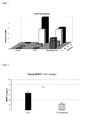
Figure 1 shows the diarrhea scores observed in OVA-sensitized mice challenged either with saline or OVA or challenged with OVA following treatment with thymoquinone. Results are displayed by the median (Median ± RobustSD: Saline = 0 ± 0, OVA = 5 ± 0; Thymoquinone = 3 ± 1.79). -
Figure 2 shows the plasma concentration of MMCP-1 (at the 4th out of 6 challenges) in OVA sensitized mice challenged either with saline (value = 3.24 ± 0.27 ng/ml, data not shown) or OVA or challenged with OVA following treatment with thymoquinone. Results are displayed by the mean ± SEM in µg/ml plasma. -
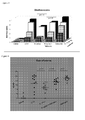
Figure 3 shows the diarrhea scores observed in OVA-sensitized mice challenged with saline (Saline) or ovalbumin (OVA), either treated with Nigella sativa extract (N. sativa), with Nigella sativa extract and the opioid receptor antagonist naloxone methiodide (N. sativa + Naloxone) or with naloxone methiodide alone (Naloxone). Results from the 3rd-6th challenge are shown and are expressed by the median (Median ± RobustSD 3rd challenge:saline = 0 ± 0; OVA = 1 ± 1.2; N. sativa = 1 ± 1.2; N. sativa+Naloxone = 1 ± 0.6; Naloxone = 2 ± 1.2; 4th challenge: saline = 0 ± 0; OVA = 2 ± 3.6; N. sativa = 1 ± 1.2; N. sativa+Naloxone = 2 ± 1.8; Naloxone = 3.5 ± 1.2; 5th challenge: saline = 0 ± 0; OVA = 4 ± 0; N. sativa = 3 ± 1.2; N. sativa+Naloxone = 4 ± 0; Naloxone = 4 ± 0; 6th challenge: saline = 0 ± 0.6; OVA = 4.5 ± 1.2; N. sativa = 3 ± 1.2; N. sativa+Naloxone = 4 ± 1.2; Naloxone = 5 ± 0). -
Figure 4 shows the sum of diarrhea scores (3rd-6th challenge) observed in OVA-sensitized mice challenged with saline or ovalbumin, either treated with Nigella sativa extract, with Nigella sativa extract and the opioid receptor antagonist naloxone methiodide or with naloxone methiodide alone. Results are expressed as the individual values ± median. -
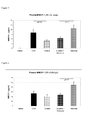
Figure 5 shows the plasma concentration of MMCP-1 (4th challenge) in OVA sensitized mice challenged with saline (value = 34 ± 2.45 ng/ml) or OVA either treated with Nigella sativa extract, Nigella sativa extract and naloxone methiodide or naloxone methiodide alone. Results are displayed by the mean ± SEM in µg/ml plasma. -
Figure 6 shows the plasma concentration of MMCP-1 (6th challenge) in OVA sensitized mice challenged with saline (value = 80 ± 12.25 ng/ml) or OVA either treated with Nigella sativa extract, Nigella sativa extract and naloxone methiodide or naloxone methiodide alone. Results are displayed by the mean ± SEM in µg/ml plasma. -
Figure 7 shows the plasma levels of OVA specific IgE (6th challenge) in OVA sensitized mice challenged with saline (Saline) or OVA (OVA), either treated with Nigella sativa extract (N. sativa), Nigella sativa extract and naloxone methiodide (N. sativa + Naloxone) or naloxone methiodide alone (Naloxone). Results are expressed by the mean ± SEM. -
Figure 8 shows the plasma levels of total IgE (6th challenge) in OVA sensitized mice challenged with saline or OVA either treated with Nigella sativa extract, Nigella sativa extract and naloxone methiodide or naloxone methiodide alone. Results are expressed by the mean ± SEM. -
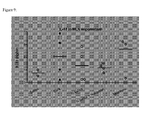
Figure 9 shows the concentration of IL-13 in supernatant from ex vivo OVA stimulated mesenteric lymphocytes from mice challenged with saline or OVA either untreated or treated with Nigella sativa extract or Naloxone methiodide alone or Nigella sativa extract and Naloxone methiodide (Results are shown for samples pooled from 2-3 mice). - Briefly, following sensitization (2 intraperitoneal injections of OVA and aluminium potassium sulphate at an interval of 14 days) adult male Balb/c mice were orally challenged with OVA for 6 times (
days 28, 30, 33, 35, 37, 40) resulting in transient clinical symptoms (diarrhea) and changes of immune parameters (plasma concentration of total IgE, OVA specific IgE, mouse mast cell protease 1 (MMCP-1) as well as Th2 type cytokine production of ex vivo OVA re-stimulated mesenteric lymphocytes (MLN)). Substances, to be tested, were administered either by subcutaneous injection (thymoquinone and naloxone methiodide according to the literature) or by gavage (Nigella sativa extract). - Mice treated with thymoquinone for 4 days prior to sensitization with OVA and during the challenge period significantly improve in their clinical symptoms observed after the 6th challenge when compared to non-treated mice (
Fig. 1 ). - Mice that had received thymoquinone showed significantly lower amounts of mouse mast cell protease-1 (MMCP-1) in the plasma at the 4th challenge compared to non-treated OVA challenged controls (
Fig. 2 ). At large the MMCP- 1 concentration in plasma correlates with the number of mast cells in the tissue which are known to be key players of diarrhea development in this mouse model (Brandt, E.B., et al., 2003, J. Clin. Invest 112, 1666-1677). - One of the plants containing thymoquinone is Nigella sativa (Black Cumin, Black Seed). It has been used for centuries as spice and medicinal plant in Southern Europe, Northern Africa, Asia Minor and India. We tested crude lipid extract of Nigella sativa containing 0.22 weight-% thymoquinone in the murine model of OVA-induced allergic diarrhea.
- Oral administration of Nigella sativa hexanic extract for 3 days before each sensitization and during the challenge period decreased clinical symptoms of mice sensitized and challenged with OVA (N. sativa) compared to controls (OVA) (
Fig. 3 ). It also delayed the onset of symptoms with respect to the number of ovalbumin challenges needed to observe the first diarrhea symptoms (some OVA mice already display symptoms of diarrhea (score ≥ 3) at the 3rd challenge whereas 5 challenges were needed to observe the first diarrhea symptoms in Nigella sativa treated mice. Taking the sum of the individual scores from all 6 challenges, Nigella sativa treated mice showed a lower overall score compared with non-treated controls (OVA)(Fig. 4 ). - Corresponding to the results in the clinical scores, feeding Nigella sativa showed a tendency to decrease plasma MMCP-1 levels following the 4th challenge compared to control mice (
Fig. 5 ). - In line with the clinical symptoms, treatment with Nigella sativa extract significantly decreased allergy related immune markers like OVA specific IgE (
Fig. 7 ) in the plasma, while leaving the total IgE unchanged (Fig. 8 ). OVA specific IgE is generated by plasma cells as a result of allergic reaction to ovalbumin, whereas at large total IgE is generated by plasma cells as result of a pro-allergic cytokine environment. - Results from ex vivo experiments with lymphocytes isolated from mesenteric lymph nodes, showed a tendency to lower the release of the allergy associated cytokine IL-13 following OVA re-stimulation of mesenteric lymphocytes from mice that had received Nigella sativa (
Fig. 9 ). - Interestingly, the beneficial effects of Nigella sativa observed in mice with OVA-induced allergic diarrhea was -for most parameters- at least in part abolished by treatment with the peripheral opioid receptor antagonist naloxone methiodide, supporting a principle of action involving the opioid receptor pathway (
Figures 4 ,5 ,8 and9 ; comparison of N. sativa and N. sativa + Naloxone groups). Additionally, treatment with Nigella sativa reduced not only the clinical scores but also changed allergy related immune parameters, which suggests an additional effect beside the classical anti-diarrheic property (e.g. extended transit time). - All compounds that were tested positively for their effects against food allergies were shown to stimulate one or more opioid receptors.
- For example thymoquinone showed binding to all three (µ-, κ-, δ-) opioid receptors known to date (Table 1). We therefore present here the data for synthetic thymoquinone as proof of principle.
Table 1: Ligand displacement (%) from µ-, δ- and δ-opioid receptors by thymoquinone; values above 50% indicate significant ligand displacement and values between 20 and 50% weak to moderate displacement Substances tested (100µM) CAS µ-HOR % ligand displacement κ-HOR % ligand displacement δ-HOR % ligand displacement Thymoquinone 490-91-5 45 37 48
Claims (15)
- Use of an opioid receptor stimulating compound for the preparation of a composition to treat or prevent food allergy.
- Use in accordance with claim 1, wherein the opioid receptor stimulating compound is selected from the group consisting of µ-receptor stimulating compounds, κ-receptor stimulating compounds, δ-receptor stimulating compounds or combinations thereof.
- Use in accordance with one of the preceding claims, wherein the opioid receptor stimulating compound is thymoquinone (2-Isopropyl-5-methyl-1,4-benzoquinone) and/or a thymoquinone containing extract.
- Use in accordance with one of the preceding claims, wherein the opioid receptor stimulating compound is provided as a component of a plant or a plant extract, for example from Nigella sativa, Eupatorium ayapana, Satureja montana, Thymus or a combination thereof.
- Use in accordance with one of the preceding claims, wherein the food allergy is selected from the group consisting of dairy allergy, egg allergy, peanut allergy, tree nut allergy, sesame allergy, corn allergy, rice allergy, buckwheat allergy, parsley allergy, seafood allergy, shellfish allergy, soy allergy, wheat allergy or combinations thereof.
- Use in accordance with one of the preceding claims, to treat or prevent the symptoms of food allergy, for example symptoms selected from the group consisting of tissue swelling; itching of the mouth, throat, eyes and/or skin; nausea; vomiting; diarrhea; stomach cramps and/or abdominal pain; nasal congestion; wheezing; scratchy throat; shortness of breath; difficulty swallowing; or combinations thereof.
- Use in accordance with one of the preceding claims, wherein the composition is to be administered to a subject selected from the group consisting of a human or a pet animal.
- Use in accordance with one of the preceding claims, wherein the composition is selected from the group consisting of food compositions, food products, drinks, nutritional formulas, infant feeding formulas, nutraceuticals, food additives, medicaments.
- Use in accordance with one of the preceding claims, wherein the composition is to be administered orally, enterally and/or parenterally.
- Use in accordance with one of the preceding claims wherein the opioid receptor stimulating compound is to be administered in a daily dose in the range of 0,1 mg/ kg body weight - 90 mg/kg body weight, preferably 1 mg/kg body weight - 20 mg/kg body weight of the subject to be treated and/or wherein the opioid receptor stimulating compound is to be provided as Nigella sativa in a daily dose in the range of 1 mg Nigella sativa plant material /kg body weight - 50 g Nigella sativa plant material /kg body weight, preferably 2 g Nigella sativa plant material /kg body weight - 20 g Nigella sativa plant material /kg body weight of the subject to be treated and/or wherein the opioid receptor stimulating compound is to be provided as an extract of Nigella sativa in a daily dose in the range of 1 mg Nigella sativa plant extract /kg body weight - 160 mg Nigella sativa plant extract /kg body weight, preferably 6 mg Nigella sativa plant extract /kg body weight - 80 mg Nigella sativa plant extract/kg body weight of the subject to be treated
- Use in accordance with one of the preceding claims wherein the composition further comprises a protein source in an amount of 1.6-7.5 g/100kcal of the composition.
- Use in accordance with claim 11, wherein the protein source is hydrolyzed with a degree of hydrolysis (DH) in the range of between 2 and 20%.
- Use in accordance with one of claims 11 or 12, wherein the protein source is milk protein or a milk protein fraction, for example sweet whey, acid whey, α-lactalbumin, β-lactoglobulin, bovine serum albumin, acid casein, caseinates, α-casein, β-casein, γ-casein.
- Use in accordance with one of the preceding claims wherein the composition further comprises a carbohydrate source in an amount of 9-18 g/100kcal of the composition.
- Use in accordance with one of the preceding claims wherein the composition further comprises a lipid source in an amount of 1.5-7 g/100kcal of the composition.
Priority Applications (6)
| Application Number | Priority Date | Filing Date | Title |
|---|---|---|---|
| EP09160492A EP2263664A1 (en) | 2009-05-18 | 2009-05-18 | Opioid receptors stimulating compounds (thymoquinone, Nigella sativa) and food allergy |
| JP2012511255A JP2012527224A (en) | 2009-05-18 | 2010-05-18 | Opioid receptor stimulating compounds (thymoquinone, Nigella sativa) and food allergies |
| EP10723006A EP2432461A1 (en) | 2009-05-18 | 2010-05-18 | Opioid receptors stimulating compounds (thymoquinone, nigella sativa) and food allergy |
| CN2010800320813A CN102458383A (en) | 2009-05-18 | 2010-05-18 | Opioid receptor stimulating compounds (thymoquinone, nigella sativa) and food allergy |
| US13/321,060 US20120142580A1 (en) | 2009-05-18 | 2010-05-18 | Opioid receptors stimulating compounds (thymoquinone, nigella sativa) and food allergy |
| PCT/EP2010/056783 WO2010133574A1 (en) | 2009-05-18 | 2010-05-18 | Opioid receptors stimulating compounds (thymoquinone, nigella sativa) and food allergy |
Applications Claiming Priority (1)
| Application Number | Priority Date | Filing Date | Title |
|---|---|---|---|
| EP09160492A EP2263664A1 (en) | 2009-05-18 | 2009-05-18 | Opioid receptors stimulating compounds (thymoquinone, Nigella sativa) and food allergy |
Publications (1)
| Publication Number | Publication Date |
|---|---|
| EP2263664A1 true EP2263664A1 (en) | 2010-12-22 |
Family
ID=41064619
Family Applications (2)
| Application Number | Title | Priority Date | Filing Date |
|---|---|---|---|
| EP09160492A Ceased EP2263664A1 (en) | 2009-05-18 | 2009-05-18 | Opioid receptors stimulating compounds (thymoquinone, Nigella sativa) and food allergy |
| EP10723006A Ceased EP2432461A1 (en) | 2009-05-18 | 2010-05-18 | Opioid receptors stimulating compounds (thymoquinone, nigella sativa) and food allergy |
Family Applications After (1)
| Application Number | Title | Priority Date | Filing Date |
|---|---|---|---|
| EP10723006A Ceased EP2432461A1 (en) | 2009-05-18 | 2010-05-18 | Opioid receptors stimulating compounds (thymoquinone, nigella sativa) and food allergy |
Country Status (5)
| Country | Link |
|---|---|
| US (1) | US20120142580A1 (en) |
| EP (2) | EP2263664A1 (en) |
| JP (1) | JP2012527224A (en) |
| CN (1) | CN102458383A (en) |
| WO (1) | WO2010133574A1 (en) |
Cited By (2)
| Publication number | Priority date | Publication date | Assignee | Title |
|---|---|---|---|---|
| WO2016178589A1 (en) | 2015-05-04 | 2016-11-10 | Biovico Sp. Z O.O. | A plant composition with anti-inflammatory, anti-allergic, anti-asthmatic and/or anti-bacterial properties and its application |
| GB2566971A (en) * | 2017-09-28 | 2019-04-03 | Mjn Us Holdings Llc | Infant formula having decreased protein content |
Families Citing this family (5)
| Publication number | Priority date | Publication date | Assignee | Title |
|---|---|---|---|---|
| AU2014238147B2 (en) | 2013-03-15 | 2019-01-31 | Mars, Incorporated | Composition and method for preventing, reducing, alleviating or treating idiopathic vomiting |
| CA2902827C (en) | 2013-03-15 | 2022-11-01 | The Iams Company | Composition and method for preventing, reducing, alleviating, or treating idiopathic vomiting |
| US20160073666A1 (en) * | 2014-09-16 | 2016-03-17 | New Chapter, Inc. | Supplement for a Breastfeeding Woman |
| US10485837B2 (en) | 2016-11-07 | 2019-11-26 | Akay Flavours & Aromatics Pvt, Ltd | Composition of nigella sativaseeds to treat anxiety, stress and sleep disorders with significant memory enhancement properties and a process for producing the same |
| EP4424698A3 (en) | 2021-07-30 | 2024-11-27 | Helaina, Inc. | Methods and compositions for protein synthesis and secretion |
Citations (2)
| Publication number | Priority date | Publication date | Assignee | Title |
|---|---|---|---|---|
| US5989560A (en) * | 1997-12-03 | 1999-11-23 | Renew Life, Inc. | Herbal intestinal tract cleanser |
| WO2000051580A2 (en) * | 1999-03-02 | 2000-09-08 | Al-Jassim, Rawaa | Asthma/allergy therapy that targets t-lymphocytes and/or eosinophils |
Family Cites Families (6)
| Publication number | Priority date | Publication date | Assignee | Title |
|---|---|---|---|---|
| JP3854657B2 (en) * | 1996-03-05 | 2006-12-06 | 雪印乳業株式会社 | Intestinal protective agent |
| HN1999000149A (en) * | 1998-09-09 | 2000-01-12 | Pfizer Prod Inc | DERIVATIVES OF 4,4-BIARILPIPERIDINA |
| SE517738C2 (en) * | 2000-11-22 | 2002-07-09 | Denovastella Ab | Preparations for the treatment of allergic symptoms containing oils from Artemisia and the procedure for its preparation |
| MY142017A (en) * | 2004-03-19 | 2010-08-16 | Nestec Sa | Composition comprising all essential nutrients of a fruit or a plant material with increased stability and bioavailability and process of forming the same |
| WO2007083904A1 (en) * | 2006-01-18 | 2007-07-26 | Lg Household & Health Care Ltd. | C-kit activation inhibitor, skin whitening compound and composition for skin whitening containing the same |
| CN1883676A (en) * | 2006-05-30 | 2006-12-27 | 斯拉甫·艾白 | Rhinitis treating preparation |
-
2009
- 2009-05-18 EP EP09160492A patent/EP2263664A1/en not_active Ceased
-
2010
- 2010-05-18 US US13/321,060 patent/US20120142580A1/en not_active Abandoned
- 2010-05-18 EP EP10723006A patent/EP2432461A1/en not_active Ceased
- 2010-05-18 JP JP2012511255A patent/JP2012527224A/en active Pending
- 2010-05-18 CN CN2010800320813A patent/CN102458383A/en active Pending
- 2010-05-18 WO PCT/EP2010/056783 patent/WO2010133574A1/en not_active Ceased
Patent Citations (2)
| Publication number | Priority date | Publication date | Assignee | Title |
|---|---|---|---|---|
| US5989560A (en) * | 1997-12-03 | 1999-11-23 | Renew Life, Inc. | Herbal intestinal tract cleanser |
| WO2000051580A2 (en) * | 1999-03-02 | 2000-09-08 | Al-Jassim, Rawaa | Asthma/allergy therapy that targets t-lymphocytes and/or eosinophils |
Non-Patent Citations (27)
| Title |
|---|
| AGASTHIYAR: "Balavakadam", 1933, pages: 337 - 329 |
| ALI IBN-E-ABBAAS MAJOOSA: "Kaamil-al-Sena'ah", 2005, pages: 110 |
| BELLANTI J A ET AL: "Abnormalities of Th1 function in non-IgE food allergy, celiac disease, and ileal lymphonodular hyperplasia: a new relationship?", ANNALS OF ALLERGY, ASTHMA & IMMUNOLOGY, ARLINGTON HEIGHTS, IL, US, vol. 90, no. 6, 1 June 2003 (2003-06-01), pages 84 - 89, XP026958849, ISSN: 1081-1206, [retrieved on 20030601] * |
| BRANDT, E.B. ET AL., J. CLIN. INVEST, vol. 112, 2003, pages 1666 - 1677 |
| DATABASE TKDL [online] "Jirakatritayama Gunah", XP003024388, Database accession no. RS6/1214 |
| DATABASE TKDL [online] "Majoon Fanjnosh Bara-e-Amraaz-e-meda", XP003024387, Database accession no. AH5/3189 |
| DATABASE TKDL [online] "Malli Choornam", XP003024386, Database accession no. SK03/84 |
| DATABASE TKDL [online] "Safoof Baraae Jarb Wa Hikkah", XP003024383, Database accession no. Ah3/612C |
| DATABASE TKDL [online] "Suksmailadi Curna", XP003024389, Database accession no. RG9/12 |
| DATABASE TKDL [online] "Valluluvai Thylam", XP003024384, Database accession no. GP13/70 |
| DATABASE TKDL [online] "Veliparuthi Nei", XP003024385, Database accession no. Am04/367 |
| GALI-MUHTASIB H ET AL: "Thymoquinone: A promising anti-cancer drug from natural sources", INTERNATIONAL JOURNAL OF BIOCHEMISTRY AND CELL BIOLOGY, EXETER, GB, vol. 38, no. 8, 1 January 2006 (2006-01-01), pages 1249 - 1253, XP024987522, ISSN: 1357-2725, [retrieved on 20060101] * |
| HOSSEINZADEH ET AL., PHYTOMEDICINE, vol. 11, 2004, pages 56 - 64 |
| I.N.A.: "Chimittu Rathna churukkam", pages: 71 - 72 |
| JOHANSSON,S.G. ET AL.: "A revised nomenclature for allergy. An EAACI position statement from the EAACI nomenclature task force", ALLERGY, vol. 56, 2001, pages 813 - 824 |
| KAIYADEVA: "Kaiyadevanighantau", 1979, pages: 219 |
| KANNUSAMY PILLAI: "Chikithsa Rathna Deepam", 1956, pages: 116 |
| MITSUTOSHI TOMINAGA ET AL: "Possible Roles of Epidermal Opioid Systems in Pruritus of Atopic Dermatitis", JOURNAL OF INVESTIGATIVE DERMATOLOGY, vol. 127, no. 9, 5 July 2007 (2007-07-05), pages 2228 - 2235, XP055083217, ISSN: 0022-202X, DOI: 10.1038/sj.jid.5700942 * |
| MOHAMMAD AKMAL KHAN: "Qaraabaadeen Azam wa Akmal", 1909, pages: 645 |
| MUTABAGANI A ET AL: "A STUDY OF THE ANTI-INFLAMMATORY ACTIVITY OF NIGELLA SATIVE L. AND THYMOQUINONE IN RATS", SAUDI PHARMACEUTICAL JOURNAL, SAUDI PHARMACEUTICAL SOCIETY, RIYAD, SA, vol. 5, no. 2/03, 1 January 1997 (1997-01-01), pages 110 - 113, XP000964634, ISSN: 1319-0164 * |
| ROBERTSON D ET AL: "1 Food allergy and intolerance", BAILLIERES CLINICAL GASTROENTEROLOGY, BAILLIERES TINDALL, LONDON, GB, vol. 1, no. 3, 1 July 1987 (1987-07-01), pages 473 - 485, XP023274091, ISSN: 0950-3528, [retrieved on 19870701], DOI: 10.1016/0950-3528(87)90043-1 * |
| RONA,R.J. ET AL., J. ALLERGY CLIN. IMMUNOL., vol. 120, 2007, pages 638 - 646 |
| SODHALA: "Sodhalanighantauh", 1978, pages: 3 |
| SPERONI E ET AL: "The opioid peptide DAMME modulates histamine's content in gastric mucosa of the rat", PEPTIDES, ELSEVIER, AMSTERDAM, NL, vol. 17, no. 6, 1 January 1996 (1996-01-01), pages 957 - 964, XP009172253, ISSN: 0196-9781 * |
| TRANG ET AL., PLANTA MED, vol. 59, 1993, pages 99 |
| WATANABE J ET AL: "Coumarin and flavone derivatives from estragon and thyme as inhibitors of chemical mediator release from RBL-2H3 cells", BIOSCIENCE, BIOTECHNOLOGY AND BIOCHEMISTRY JANUARY 2005 JAPAN SOCIETY FOR BIOSCIENCE BIOTECHNOLOGY AND AGROCHEMISTRY JP, vol. 69, no. 1, January 2005 (2005-01-01), pages 1 - 6, XP002458174 * |
| YI ET AL., MOLECULAR CANCER THERAPEUTICS, vol. 7, 2008, pages 1789 - 1796 |
Cited By (3)
| Publication number | Priority date | Publication date | Assignee | Title |
|---|---|---|---|---|
| WO2016178589A1 (en) | 2015-05-04 | 2016-11-10 | Biovico Sp. Z O.O. | A plant composition with anti-inflammatory, anti-allergic, anti-asthmatic and/or anti-bacterial properties and its application |
| GB2566971A (en) * | 2017-09-28 | 2019-04-03 | Mjn Us Holdings Llc | Infant formula having decreased protein content |
| GB2566971B (en) * | 2017-09-28 | 2020-12-02 | Mjn Us Holdings Llc | Infant formula having decreased protein content |
Also Published As
| Publication number | Publication date |
|---|---|
| EP2432461A1 (en) | 2012-03-28 |
| WO2010133574A1 (en) | 2010-11-25 |
| CN102458383A (en) | 2012-05-16 |
| US20120142580A1 (en) | 2012-06-07 |
| JP2012527224A (en) | 2012-11-08 |
Similar Documents
| Publication | Publication Date | Title |
|---|---|---|
| US6468962B1 (en) | Nutritional intervention composition for enhancing and extending satiety | |
| CN101212911B (en) | Infant Nutrition Containing Hydrolyzed Proteins | |
| CN104780781B (en) | The method adjusting the individual Corticosterone Level of psychological stress | |
| US20020119915A1 (en) | Nutritional intervention composition containing a source of proteinase inhibitor extending post meal satiety | |
| EP2845496A1 (en) | Protein free formula with prebiotics | |
| EP2263664A1 (en) | Opioid receptors stimulating compounds (thymoquinone, Nigella sativa) and food allergy | |
| US8388949B2 (en) | Compositions comprising pantothenic acid and their use for stimulating appetite | |
| CN103238897A (en) | Composite plant solid drink suitable for diabetic patients | |
| BR112021009180A2 (en) | Dietary Butyrate for the Treatment or Prevention of an Allergic Disorder | |
| JP2021176333A (en) | Compositions comprising cinnamaldehyde and zinc and methods of using such compositions | |
| WO2023076572A1 (en) | Nutritional composition for glucose support | |
| CN102014893A (en) | Polyphenols for cartilage disorders | |
| CN107106528A (en) | Using Serine to Treat or Prevent Inflammation | |
| WO2002038146A1 (en) | Mucosal immunomodulator and use thereof | |
| JP6368368B2 (en) | Compositions and methods using p-anisaldehyde | |
| JP5394644B2 (en) | Muscle enhancer containing asperroside or its analog | |
| TW201938042A (en) | Composition for improving intestinal barrier function | |
| US7556832B2 (en) | Process and formula for treating irritable bowel syndrome | |
| CN115025105A (en) | Application of sialic acid in weight loss and inhibition of weight gain | |
| RU2792746C1 (en) | Composition for preparation of an enteral tube therapeutic food product based on meat and vegetable for children over three years of age | |
| EP3389666A1 (en) | Compositions comprising 3'-o-glucuronide epicatechin and methods of making and using such compositions | |
| William et al. | Optimising Breastfeeding with Functional Foods: A Mini Review | |
| CN121177315A (en) | Human milk oligosaccharide compositions and their applications | |
| KR20130137827A (en) | Composition for the improvement of obesity regulating absorbing protein, lipid and carbohydrate | |
| KR101402456B1 (en) | Composition for antiobesity comprising phytoncide and conjugated linoleic acid |
Legal Events
| Date | Code | Title | Description |
|---|---|---|---|
| PUAI | Public reference made under article 153(3) epc to a published international application that has entered the european phase |
Free format text: ORIGINAL CODE: 0009012 |
|
| AK | Designated contracting states |
Kind code of ref document: A1 Designated state(s): AT BE BG CH CY CZ DE DK EE ES FI FR GB GR HR HU IE IS IT LI LT LU LV MC MK MT NL NO PL PT RO SE SI SK TR |
|
| TPAC | Observations filed by third parties |
Free format text: ORIGINAL CODE: EPIDOSNTIPA |
|
| 17P | Request for examination filed |
Effective date: 20110622 |
|
| 17Q | First examination report despatched |
Effective date: 20120523 |
|
| STAA | Information on the status of an ep patent application or granted ep patent |
Free format text: STATUS: THE APPLICATION HAS BEEN REFUSED |
|
| 18R | Application refused |
Effective date: 20140630 |