EP2249800B1 - Magnetische eisenzellen zur lokalisierung der abgabe und zur reparatur von augengewebe - Google Patents
Magnetische eisenzellen zur lokalisierung der abgabe und zur reparatur von augengewebe Download PDFInfo
- Publication number
- EP2249800B1 EP2249800B1 EP09708275.4A EP09708275A EP2249800B1 EP 2249800 B1 EP2249800 B1 EP 2249800B1 EP 09708275 A EP09708275 A EP 09708275A EP 2249800 B1 EP2249800 B1 EP 2249800B1
- Authority
- EP
- European Patent Office
- Prior art keywords
- cell
- retinal
- cells
- magnetic
- magnetic nanoparticle
- Prior art date
- Legal status (The legal status is an assumption and is not a legal conclusion. Google has not performed a legal analysis and makes no representation as to the accuracy of the status listed.)
- Active
Links
Images

Classifications
-
- A—HUMAN NECESSITIES
- A61—MEDICAL OR VETERINARY SCIENCE; HYGIENE
- A61K—PREPARATIONS FOR MEDICAL, DENTAL OR TOILETRY PURPOSES
- A61K47/00—Medicinal preparations characterised by the non-active ingredients used, e.g. carriers or inert additives; Targeting or modifying agents chemically bound to the active ingredient
- A61K47/50—Medicinal preparations characterised by the non-active ingredients used, e.g. carriers or inert additives; Targeting or modifying agents chemically bound to the active ingredient the non-active ingredient being chemically bound to the active ingredient, e.g. polymer-drug conjugates
- A61K47/69—Medicinal preparations characterised by the non-active ingredients used, e.g. carriers or inert additives; Targeting or modifying agents chemically bound to the active ingredient the non-active ingredient being chemically bound to the active ingredient, e.g. polymer-drug conjugates the conjugate being characterised by physical or galenical forms, e.g. emulsion, particle, inclusion complex, stent or kit
- A61K47/6921—Medicinal preparations characterised by the non-active ingredients used, e.g. carriers or inert additives; Targeting or modifying agents chemically bound to the active ingredient the non-active ingredient being chemically bound to the active ingredient, e.g. polymer-drug conjugates the conjugate being characterised by physical or galenical forms, e.g. emulsion, particle, inclusion complex, stent or kit the form being a particulate, a powder, an adsorbate, a bead or a sphere
- A61K47/6927—Medicinal preparations characterised by the non-active ingredients used, e.g. carriers or inert additives; Targeting or modifying agents chemically bound to the active ingredient the non-active ingredient being chemically bound to the active ingredient, e.g. polymer-drug conjugates the conjugate being characterised by physical or galenical forms, e.g. emulsion, particle, inclusion complex, stent or kit the form being a particulate, a powder, an adsorbate, a bead or a sphere the form being a solid microparticle having no hollow or gas-filled cores
- A61K47/6929—Medicinal preparations characterised by the non-active ingredients used, e.g. carriers or inert additives; Targeting or modifying agents chemically bound to the active ingredient the non-active ingredient being chemically bound to the active ingredient, e.g. polymer-drug conjugates the conjugate being characterised by physical or galenical forms, e.g. emulsion, particle, inclusion complex, stent or kit the form being a particulate, a powder, an adsorbate, a bead or a sphere the form being a solid microparticle having no hollow or gas-filled cores the form being a nanoparticle, e.g. an immuno-nanoparticle
-
- A—HUMAN NECESSITIES
- A61—MEDICAL OR VETERINARY SCIENCE; HYGIENE
- A61K—PREPARATIONS FOR MEDICAL, DENTAL OR TOILETRY PURPOSES
- A61K35/00—Medicinal preparations containing materials or reaction products thereof with undetermined constitution
- A61K35/12—Materials from mammals; Compositions comprising non-specified tissues or cells; Compositions comprising non-embryonic stem cells; Genetically modified cells
- A61K35/28—Bone marrow; Haematopoietic stem cells; Mesenchymal stem cells of any origin, e.g. adipose-derived stem cells
-
- A—HUMAN NECESSITIES
- A61—MEDICAL OR VETERINARY SCIENCE; HYGIENE
- A61K—PREPARATIONS FOR MEDICAL, DENTAL OR TOILETRY PURPOSES
- A61K35/00—Medicinal preparations containing materials or reaction products thereof with undetermined constitution
- A61K35/12—Materials from mammals; Compositions comprising non-specified tissues or cells; Compositions comprising non-embryonic stem cells; Genetically modified cells
- A61K35/30—Nerves; Brain; Eyes; Corneal cells; Cerebrospinal fluid; Neuronal stem cells; Neuronal precursor cells; Glial cells; Oligodendrocytes; Schwann cells; Astroglia; Astrocytes; Choroid plexus; Spinal cord tissue
-
- A—HUMAN NECESSITIES
- A61—MEDICAL OR VETERINARY SCIENCE; HYGIENE
- A61K—PREPARATIONS FOR MEDICAL, DENTAL OR TOILETRY PURPOSES
- A61K35/00—Medicinal preparations containing materials or reaction products thereof with undetermined constitution
- A61K35/12—Materials from mammals; Compositions comprising non-specified tissues or cells; Compositions comprising non-embryonic stem cells; Genetically modified cells
- A61K35/44—Vessels; Vascular smooth muscle cells; Endothelial cells; Endothelial progenitor cells
-
- A—HUMAN NECESSITIES
- A61—MEDICAL OR VETERINARY SCIENCE; HYGIENE
- A61K—PREPARATIONS FOR MEDICAL, DENTAL OR TOILETRY PURPOSES
- A61K41/00—Medicinal preparations obtained by treating materials with wave energy or particle radiation ; Therapies using these preparations
-
- A—HUMAN NECESSITIES
- A61—MEDICAL OR VETERINARY SCIENCE; HYGIENE
- A61K—PREPARATIONS FOR MEDICAL, DENTAL OR TOILETRY PURPOSES
- A61K47/00—Medicinal preparations characterised by the non-active ingredients used, e.g. carriers or inert additives; Targeting or modifying agents chemically bound to the active ingredient
- A61K47/50—Medicinal preparations characterised by the non-active ingredients used, e.g. carriers or inert additives; Targeting or modifying agents chemically bound to the active ingredient the non-active ingredient being chemically bound to the active ingredient, e.g. polymer-drug conjugates
- A61K47/51—Medicinal preparations characterised by the non-active ingredients used, e.g. carriers or inert additives; Targeting or modifying agents chemically bound to the active ingredient the non-active ingredient being chemically bound to the active ingredient, e.g. polymer-drug conjugates the non-active ingredient being a modifying agent
- A61K47/68—Medicinal preparations characterised by the non-active ingredients used, e.g. carriers or inert additives; Targeting or modifying agents chemically bound to the active ingredient the non-active ingredient being chemically bound to the active ingredient, e.g. polymer-drug conjugates the non-active ingredient being a modifying agent the modifying agent being an antibody, an immunoglobulin or a fragment thereof, e.g. an Fc-fragment
-
- A—HUMAN NECESSITIES
- A61—MEDICAL OR VETERINARY SCIENCE; HYGIENE
- A61K—PREPARATIONS FOR MEDICAL, DENTAL OR TOILETRY PURPOSES
- A61K47/00—Medicinal preparations characterised by the non-active ingredients used, e.g. carriers or inert additives; Targeting or modifying agents chemically bound to the active ingredient
- A61K47/50—Medicinal preparations characterised by the non-active ingredients used, e.g. carriers or inert additives; Targeting or modifying agents chemically bound to the active ingredient the non-active ingredient being chemically bound to the active ingredient, e.g. polymer-drug conjugates
- A61K47/51—Medicinal preparations characterised by the non-active ingredients used, e.g. carriers or inert additives; Targeting or modifying agents chemically bound to the active ingredient the non-active ingredient being chemically bound to the active ingredient, e.g. polymer-drug conjugates the non-active ingredient being a modifying agent
- A61K47/68—Medicinal preparations characterised by the non-active ingredients used, e.g. carriers or inert additives; Targeting or modifying agents chemically bound to the active ingredient the non-active ingredient being chemically bound to the active ingredient, e.g. polymer-drug conjugates the non-active ingredient being a modifying agent the modifying agent being an antibody, an immunoglobulin or a fragment thereof, e.g. an Fc-fragment
- A61K47/6801—Drug-antibody or immunoglobulin conjugates defined by the pharmacologically or therapeutically active agent
- A61K47/6803—Drugs conjugated to an antibody or immunoglobulin, e.g. cisplatin-antibody conjugates
- A61K47/6811—Drugs conjugated to an antibody or immunoglobulin, e.g. cisplatin-antibody conjugates the drug being a protein or peptide, e.g. transferrin or bleomycin
- A61K47/6817—Toxins
- A61K47/6829—Bacterial toxins, e.g. diphteria toxins or Pseudomonas exotoxin A
-
- A—HUMAN NECESSITIES
- A61—MEDICAL OR VETERINARY SCIENCE; HYGIENE
- A61K—PREPARATIONS FOR MEDICAL, DENTAL OR TOILETRY PURPOSES
- A61K47/00—Medicinal preparations characterised by the non-active ingredients used, e.g. carriers or inert additives; Targeting or modifying agents chemically bound to the active ingredient
- A61K47/50—Medicinal preparations characterised by the non-active ingredients used, e.g. carriers or inert additives; Targeting or modifying agents chemically bound to the active ingredient the non-active ingredient being chemically bound to the active ingredient, e.g. polymer-drug conjugates
- A61K47/69—Medicinal preparations characterised by the non-active ingredients used, e.g. carriers or inert additives; Targeting or modifying agents chemically bound to the active ingredient the non-active ingredient being chemically bound to the active ingredient, e.g. polymer-drug conjugates the conjugate being characterised by physical or galenical forms, e.g. emulsion, particle, inclusion complex, stent or kit
- A61K47/6901—Conjugates being cells, cell fragments, viruses, ghosts, red blood cells or viral vectors
-
- A—HUMAN NECESSITIES
- A61—MEDICAL OR VETERINARY SCIENCE; HYGIENE
- A61K—PREPARATIONS FOR MEDICAL, DENTAL OR TOILETRY PURPOSES
- A61K47/00—Medicinal preparations characterised by the non-active ingredients used, e.g. carriers or inert additives; Targeting or modifying agents chemically bound to the active ingredient
- A61K47/50—Medicinal preparations characterised by the non-active ingredients used, e.g. carriers or inert additives; Targeting or modifying agents chemically bound to the active ingredient the non-active ingredient being chemically bound to the active ingredient, e.g. polymer-drug conjugates
- A61K47/69—Medicinal preparations characterised by the non-active ingredients used, e.g. carriers or inert additives; Targeting or modifying agents chemically bound to the active ingredient the non-active ingredient being chemically bound to the active ingredient, e.g. polymer-drug conjugates the conjugate being characterised by physical or galenical forms, e.g. emulsion, particle, inclusion complex, stent or kit
- A61K47/6921—Medicinal preparations characterised by the non-active ingredients used, e.g. carriers or inert additives; Targeting or modifying agents chemically bound to the active ingredient the non-active ingredient being chemically bound to the active ingredient, e.g. polymer-drug conjugates the conjugate being characterised by physical or galenical forms, e.g. emulsion, particle, inclusion complex, stent or kit the form being a particulate, a powder, an adsorbate, a bead or a sphere
- A61K47/6923—Medicinal preparations characterised by the non-active ingredients used, e.g. carriers or inert additives; Targeting or modifying agents chemically bound to the active ingredient the non-active ingredient being chemically bound to the active ingredient, e.g. polymer-drug conjugates the conjugate being characterised by physical or galenical forms, e.g. emulsion, particle, inclusion complex, stent or kit the form being a particulate, a powder, an adsorbate, a bead or a sphere the form being an inorganic particle, e.g. ceramic particles, silica particles, ferrite or synsorb
-
- A—HUMAN NECESSITIES
- A61—MEDICAL OR VETERINARY SCIENCE; HYGIENE
- A61K—PREPARATIONS FOR MEDICAL, DENTAL OR TOILETRY PURPOSES
- A61K47/00—Medicinal preparations characterised by the non-active ingredients used, e.g. carriers or inert additives; Targeting or modifying agents chemically bound to the active ingredient
- A61K47/50—Medicinal preparations characterised by the non-active ingredients used, e.g. carriers or inert additives; Targeting or modifying agents chemically bound to the active ingredient the non-active ingredient being chemically bound to the active ingredient, e.g. polymer-drug conjugates
- A61K47/69—Medicinal preparations characterised by the non-active ingredients used, e.g. carriers or inert additives; Targeting or modifying agents chemically bound to the active ingredient the non-active ingredient being chemically bound to the active ingredient, e.g. polymer-drug conjugates the conjugate being characterised by physical or galenical forms, e.g. emulsion, particle, inclusion complex, stent or kit
- A61K47/6921—Medicinal preparations characterised by the non-active ingredients used, e.g. carriers or inert additives; Targeting or modifying agents chemically bound to the active ingredient the non-active ingredient being chemically bound to the active ingredient, e.g. polymer-drug conjugates the conjugate being characterised by physical or galenical forms, e.g. emulsion, particle, inclusion complex, stent or kit the form being a particulate, a powder, an adsorbate, a bead or a sphere
- A61K47/6927—Medicinal preparations characterised by the non-active ingredients used, e.g. carriers or inert additives; Targeting or modifying agents chemically bound to the active ingredient the non-active ingredient being chemically bound to the active ingredient, e.g. polymer-drug conjugates the conjugate being characterised by physical or galenical forms, e.g. emulsion, particle, inclusion complex, stent or kit the form being a particulate, a powder, an adsorbate, a bead or a sphere the form being a solid microparticle having no hollow or gas-filled cores
- A61K47/6929—Medicinal preparations characterised by the non-active ingredients used, e.g. carriers or inert additives; Targeting or modifying agents chemically bound to the active ingredient the non-active ingredient being chemically bound to the active ingredient, e.g. polymer-drug conjugates the conjugate being characterised by physical or galenical forms, e.g. emulsion, particle, inclusion complex, stent or kit the form being a particulate, a powder, an adsorbate, a bead or a sphere the form being a solid microparticle having no hollow or gas-filled cores the form being a nanoparticle, e.g. an immuno-nanoparticle
- A61K47/6931—Medicinal preparations characterised by the non-active ingredients used, e.g. carriers or inert additives; Targeting or modifying agents chemically bound to the active ingredient the non-active ingredient being chemically bound to the active ingredient, e.g. polymer-drug conjugates the conjugate being characterised by physical or galenical forms, e.g. emulsion, particle, inclusion complex, stent or kit the form being a particulate, a powder, an adsorbate, a bead or a sphere the form being a solid microparticle having no hollow or gas-filled cores the form being a nanoparticle, e.g. an immuno-nanoparticle the material constituting the nanoparticle being a polymer
-
- A—HUMAN NECESSITIES
- A61—MEDICAL OR VETERINARY SCIENCE; HYGIENE
- A61K—PREPARATIONS FOR MEDICAL, DENTAL OR TOILETRY PURPOSES
- A61K9/00—Medicinal preparations characterised by special physical form
- A61K9/0012—Galenical forms characterised by the site of application
- A61K9/0034—Urogenital system, e.g. vagina, uterus, cervix, penis, scrotum, urethra, bladder; Personal lubricants
-
- A—HUMAN NECESSITIES
- A61—MEDICAL OR VETERINARY SCIENCE; HYGIENE
- A61K—PREPARATIONS FOR MEDICAL, DENTAL OR TOILETRY PURPOSES
- A61K9/00—Medicinal preparations characterised by special physical form
- A61K9/0012—Galenical forms characterised by the site of application
- A61K9/0048—Eye, e.g. artificial tears
-
- A—HUMAN NECESSITIES
- A61—MEDICAL OR VETERINARY SCIENCE; HYGIENE
- A61K—PREPARATIONS FOR MEDICAL, DENTAL OR TOILETRY PURPOSES
- A61K9/00—Medicinal preparations characterised by special physical form
- A61K9/48—Preparations in capsules, e.g. of gelatin, of chocolate
- A61K9/50—Microcapsules having a gas, liquid or semi-solid filling; Solid microparticles or pellets surrounded by a distinct coating layer, e.g. coated microspheres, coated drug crystals
- A61K9/5094—Microcapsules containing magnetic carrier material, e.g. ferrite for drug targeting
-
- A—HUMAN NECESSITIES
- A61—MEDICAL OR VETERINARY SCIENCE; HYGIENE
- A61K—PREPARATIONS FOR MEDICAL, DENTAL OR TOILETRY PURPOSES
- A61K9/00—Medicinal preparations characterised by special physical form
- A61K9/48—Preparations in capsules, e.g. of gelatin, of chocolate
- A61K9/50—Microcapsules having a gas, liquid or semi-solid filling; Solid microparticles or pellets surrounded by a distinct coating layer, e.g. coated microspheres, coated drug crystals
- A61K9/51—Nanocapsules; Nanoparticles
- A61K9/5107—Excipients; Inactive ingredients
- A61K9/5115—Inorganic compounds
-
- A—HUMAN NECESSITIES
- A61—MEDICAL OR VETERINARY SCIENCE; HYGIENE
- A61N—ELECTROTHERAPY; MAGNETOTHERAPY; RADIATION THERAPY; ULTRASOUND THERAPY
- A61N2/00—Magnetotherapy
- A61N2/002—Magnetotherapy in combination with another treatment
-
- A—HUMAN NECESSITIES
- A61—MEDICAL OR VETERINARY SCIENCE; HYGIENE
- A61P—SPECIFIC THERAPEUTIC ACTIVITY OF CHEMICAL COMPOUNDS OR MEDICINAL PREPARATIONS
- A61P27/00—Drugs for disorders of the senses
- A61P27/02—Ophthalmic agents
-
- C—CHEMISTRY; METALLURGY
- C12—BIOCHEMISTRY; BEER; SPIRITS; WINE; VINEGAR; MICROBIOLOGY; ENZYMOLOGY; MUTATION OR GENETIC ENGINEERING
- C12N—MICROORGANISMS OR ENZYMES; COMPOSITIONS THEREOF; PROPAGATING, PRESERVING, OR MAINTAINING MICROORGANISMS; MUTATION OR GENETIC ENGINEERING; CULTURE MEDIA
- C12N5/00—Undifferentiated human, animal or plant cells, e.g. cell lines; Tissues; Cultivation or maintenance thereof; Culture media therefor
- C12N5/0006—Modification of the membrane of cells, e.g. cell decoration
-
- A—HUMAN NECESSITIES
- A61—MEDICAL OR VETERINARY SCIENCE; HYGIENE
- A61K—PREPARATIONS FOR MEDICAL, DENTAL OR TOILETRY PURPOSES
- A61K35/00—Medicinal preparations containing materials or reaction products thereof with undetermined constitution
- A61K35/12—Materials from mammals; Compositions comprising non-specified tissues or cells; Compositions comprising non-embryonic stem cells; Genetically modified cells
Definitions
- the invention as defined in the claims relates to magnetic cell(s), and methods of use.
- the cells are either naturally occurring or genetically altered animal somatic or stem cell(s), generated either from a patient/individual or from a living or deceased donor.
- Magnetic particles are affixed to the outer surface of the cell.
- the magnetic cell(s) can then be administered to a subject, e.g. by injection or implantation, and their localization controlled by application of an external magnetic field, e.g. a magnet positioned outside the body. This allows the cells to be magnetically directed to specific sites in the body, wherein the cells themselves, or various contents thereof such as enzymes, hormones, transmitters, and the like, will be useful for investigational, diagnostic or therapeutic purposes.
- a large number of diseases and disorders result from the dysfunction of a specific tissue or organ.
- a number of these are currently treated by transplantation, e.g. heart transplantation for certain types of cardiac dysfunction, corneal transplantation for endothelial cell dysfunction, stem cells for retinal neuroprotection, etc.
- transplantation procedures are invasive, have varying rates of success, and are not yet even available for many types of diseases or disorders, in particular for a number of eye diseases, for example, including diseases of the cornea (including endothelial or stromal dystrophies), diseases of retinal ganglion cells and the optic nerve (including glaucoma, ischemic optic neuropathies, other optic neuropathies), and diseases of retinal photoreceptors and retinal pigment epithelium (including Leber's congenital amaurosis, retinitis pigmentosa and age-related macular degeneration)
- cornea including endothelial or stromal dystrophies
- diseases of retinal ganglion cells and the optic nerve including glaucoma, ischemic optic neuropathies, other optic neuropathies
- diseases of retinal photoreceptors and retinal pigment epithelium including Leber's congenital amaurosis, retinitis pigmentosa and age-related macular degeneration
- a stem cell transplantation clinical trial for retinitis pigmentosa uses subretinal injection of hematopoetic stem cells, but does nothing to control their localization there, or keep them from floating or migrating away after surgical implantation.
- corneal endothelial cells injected into the anterior chamber of the eye will simply fall by gravity away from the cornea, and not properly attach.
- Consigny ( USP 6,203,487 ) described a method in which magnetic particles of micron size are inserted into cells for the purpose of focalized delivery.
- a method of attaching magnetic nanoparticles with diameters of 500 nm or less to the outer surface of cells and delivering them to a target tissue is described.
- coated particles and cells comprising them are useful, for example, for use in prevention or treatment of diseases and disorders as defined in the claims.
- the invention provides as defined in the claims magnetized cells comprising coated magnetic nanoparticles, methods of obtaining the magnetized cells, methods of delivering them to target tissues, and their use in the treatment of diseases and disorders.
- Specific cells for magnetization by attachment of particles and delivery include, e.g., neurons, neuroglial cells, endothelial cells, fibroblasts, smooth or skeletal muscle cells, epithelial cells, pancreatic islet cells, hepatocytes, schwann cells, dermal cells, kidney cells, bladder cells, cartilage cells, or bone cells.
- a retinal cell whether a retinal neuron such as a retinal ganglion cell or photoreceptor or other retinal neuron, or a retina
- Cells may be normal or genetically modified, e.g. by insertion of particular gene(s) or gene fragments that may be considered advantageous for the condition being treated.
- gene(s) or gene fragments that may be considered advantageous for the condition being treated.
- at least one, but typically many nanoparticles will be affixed or bound to an individual cell.
- subject is intended to mean an animal, for example a mammal, in particular a human.
- magnetic nanoparticle is intended to mean a particle of no larger than about 500 nm, more usually no larger than 200 nm, having magnetic properties.
- Particles that can be used include nanospheres, conjugates, micelles, colloids, aggregates and complexes comprising ferromagnetic, paramagnetic or superparamagnetic material, such as iron, nickel, cobalt, and alloys thereof, as suitable for in vivo use.
- the magnetic nanoparticles may comprise iron in any ferromagnetic form, with or without an inert surface coating, with its surface chemically modified to allow the binding of an antibody, or antibody fragment, or protein or sugar fragment that binds to cells.
- Persons of skill in the art will appreciate that compounds having excessive toxicity when used are to be avoided. It is expected that in many applications the particles will be absorbed and excreted over time, and that small amounts of otherwise toxic particles may accordingly not present a problem when used.
- the magnetic nanoparticles will have a mean diameter of between 5 and 500 nm, more particularly between 40 and 400 nm, most particularly between 40 and 100 nm, with a standard deviation of 50% or lower, more usually 20% or lower.
- Difficulties in using nanoparticles over micron-scale particles include particle aggregation, particle tracking and observation, and ability to mobilize the particles by external magnetic fields, all of which are considerably easier when using micron-scale or larger particles. For this reason, previous efforts likely focused on micron-scale particles and ignored the possible advantages of nanoparticles.
- Advantages include ability to bind to cell surfaces without stimulating endocytosis; ability to be shed from cell surfaces or, when internalized, excreted from cells; and ability to be excreted from the eye or the body when shed from cells.
- Coatings to be affixed to the particles include non-specific binding agents such as inert metals like gold or dextrans or polymers; and/or specific binding agents such as antibodies that are specific to cell-surface antigens.
- non-specific binding agents such as inert metals like gold or dextrans or polymers
- specific binding agents such as antibodies that are specific to cell-surface antigens.
- antibodies directed against SSEA-1 bind to many types of stem cells, and nanoparticles coated with anti-SSEA-1 antibodies can be used to convert stem cells into magnetic stem cells.
- many cells express specific integrin receptors, and antibodies against these integrin receptors bound to magnetic nanoparticles bind to specific cells such as corneal endothelial cells and create magnetic corneal endothelial cells.
- Coatings are affixed to the particles by standard methods used broadly in the field (for example, see (Schroder et al., 1986; Douglas et al., 1987; Sestier et al., 1998; Perrin et al., 1999; McCloskey et al., 2000; Tibbe et al., 2001).
- target tissue any specific tissue type or location, e.g. within an organ or tissue, to which it is desirable to deliver the cells.
- ocular cells or other stem cells may be delivered to the eye, or a specific region of the eye, e.g. to the cornea, optic nerve, retina, etc.
- the magnetic nanoparticles can be affixed to the surface of the cells by any effective means known to those of skill in the art.
- the magnetic particle may be affixed to the cell by means of an antibody, e.g. an antibody specific for a surface antigen present on the cell.
- an antibody e.g. an antibody specific for a surface antigen present on the cell.
- Surface coatings comprising, for example, anti-Ll, anti-trkB, anti-integrin, and cholera toxin subunit B may be placed on the magnetic particles for the purpose of attaching them to retinal ganglion cells.
- the magnetic particle may also be affixed to the cell using a specific ligand for which a receptor is present on the cell.
- the magnetic particles can be functionalized for attachment to retinal ganglion cells (RGCs) using brain-derived neurotrophic factor (BDNF).
- Other means of attaching the particles to the cells include non-specific chemical modifications such as carboxy or amide groups, or coatings of sugars or dextrans, or coatings of polymers such as amino acids polymers like poly-lysine, or coatings of otherwise inert coatings that bind cells.
- Coated magnetic nanoparticles will be affixed to the outer surface of cells by co-incubation in a general media that affords adequate cell survival during the co-incubation period; the media is not generally found to be germane to the affixing process.
- Co-incubation time and temperature may depend on the specific cell type being converted into a magnetic cell; for example, binding to retinal ganglion cells using magnetic nanoparticles coated with an anti-TrkB antibody occurs maximally after 4 hours at 37 degrees celcius, but may also be performed by co-incubation at 4°C overnight.
- Excess magnetic nanoparticles not bound to cells can be washed away either by spinning the cells down in a centrifuge at a speed that pellets the cells but not the unbound magnetic nanoparticles, or by eluting the magnetic nanoparticle-bound cells away from the unbound cells using a magnetic field, or both.
- the magnetic nanoparticle comprising cells may be administered to a subject by any suitable means, e.g. by injection, infusion or surface application.
- the cells may be suspended in any pharmaceutically/physiologically acceptable medium or solution, such as for example, isotonic saline solution or culture medium suitable for in vivo delivery to a subject. Additional excipients and carriers may be added as are found suitable by those of skill in the art. Suitable solutions and delivery vehicles are described in Remington: The Science and Practice of Pharmacy, 21st Ed. (2005 ).
- 10 3 - 10 6 cells will be delivered by injection in a volume of 3-300 ⁇ L but more typically around 10 4 cells in a volume of 10-100 ⁇ L.
- 10 3 - 10 6 cells will be delivered by injection in a volume of 3-300 ⁇ L but more typically around 10 5 cells in a volume of 200 ⁇ L.
- the cell number When considering the delivery of cells meant for carrying toxic compounds to specific tissues for example in cancer therapeutics, the cell number will have to be carefully titrated against systemic toxicity to the patient.
- ocular cells such as corneal cell(s), whether epithelial, stromal, or endothelial; retinal cell(s), whether a retinal neuron such as a retinal ganglion cell or photoreceptor or other retinal neuron, or retinal glial cell(s) whether retinal muller glial cell(s) or retinal astrocyte(s) or other, or retinal endothelial cell(s) or pericyte(s); retinal progenitor cell(s); retinal stem cell(s); optic nerve glial ccll(s) whether an astrocyte(s), oligodendrocyte(s), microglial cell(s), or their precursors; or other stem or progenitor cell(s) capable of either differentiating into ocular or optic nerve cell(s) or supporting the survival or growth
- ocular cells such as corneal cell(s), whether epithelial, stromal, or endothelial; retinal cell(s), whether a retina
- the magnetic particle(s) are bound via an antibody-antigen complex.
- the magnetic particle will have a diameter of less than 500 nm, preferably less than 200 nm, more preferably less than 100nm.
- the magnetic particle may comprise iron in any ferromagnetic form, with or without an inert surface coating, with its surface chemically modified to allow the binding of an antibody, or antibody fragment, or protein or sugar fragment that binds to cells.
- the particle may also comprise other magnetic substances, such as nickel or cobalt.
- the magnetic particle-comprising cells will be isolated cells, that is, contained/maintained in an environment that is distinct from their natural state.
- the cells may be grown in tissue culture, or isolated from a donor animal or a subject who is to be treated, and maintained under suitable in vitro conditions for modification and use.
- Cells with magnetic nanoparticles so bound can be used to treat a variety of diseases and disorders of the eye, such as, for example, macular degeneration, retinitis pigmentosa, and other retinal degenerations; glaucoma, ischemic optic neuropathy, and other retinal ganglion cell and optic nerve degenerations; Fuch's endothelial dystrophy, pseudophakic bullous kerathopathy, and other corneal endothelial cell degenerations; corneal epithelial cell degeneration, corneal limbal cell deficiency, and other corneal epithelial cell degenerations; ocular melanoma, lymphoma, and other ocular cancers.
- diseases and disorders wherein it may be desirable or advantageous to target a specific tissue with cells so modified, see, for example, Consigny, USP 6,203,487 .
- the type of cells to be magnetized and delivered will depend upon the specific condition to be treated, e.g. for repair or therapy of tissues other than eye, stem cells capable of differentiation into the desired tissue type, e.g. muscle, skin, nerve, etc., could be delivered.
- photoreceptor or stem cells can be delivered to the macula for treatment of Retinitis pigmentosa; endothelial cells or stem cells can be delivered to cornea for treatment of Fuch's endothelial dystrophy or Pseudophakic bullous keratopathy; stem cells can be delivered to cornea for treatment of Corneal epithelial disturbance including limbal stem cell deficiency; retinal ganglion cells can be delivered to retina and optic nerve for treatment of glaucoma or Ischemic optic neuropathy; ocular melanoma could be treated by delivery of a toxin-expressing cell type to the melanoma.
- the methods and compositions described herein can be used to target stem cells, precursor cells, or mature tissue-specific cells, to any site in the body to facilitate enhanced survival or tissue repair of damaged or diseased tissues.
- corneas are transplanted for endothelial cell dysfunction; this would provide a technique for replacing endothelial cells without the necessity of a whole transplant operation. This could replace whole tissue transplants, or supplement current stem cell technologies.
- RGCs were purified to homogeneity (>99.5%), separating them from all other retinal neurons as well as all other CNS glial cells (Meyer-Franke et al., 1995; Goldberg et al., 2002b; Goldberg et al., 2002a). Purification of RGCs will allow more rapid identification of nanoparticle binding and endocytosis, and will allow us to better characterize the force versus axon growth rate.
- CNS glia both astrocytes and oligodendrocytes (Goldberg et al., 2002b; Goldberg et al., 2002a) can be purified for testing (Goldberg et al., 2002b; Goldberg et al., 2002a).
- Magnetic nanoparticles in various forms are already in use clinically and in research applications without any demonstrated toxicity.
- superparamagnetic particles containing monocrystalline iron oxide nanoparticles (MION) of diameters ⁇ 50 nm have been used as MRI contrast agents. These particles have demonstrated neurologic non-toxicity and axonal transport of ferrous-based agents (Neuwelt et al., 1994).
- MRI contrast agent Ferridex Advanced Magnetics and Berlex Laboratories
- magnetically directed drug delivery using tagged pharmaceuticals in the form of magnetic microspheres and magnetic polymer carriers, has shown success in delivering anti-neoplastic drugs and radio-isotopes to magnetically targeted areas in vivo (Schutt et al., 1997; Lubbe ct al., 2001).
- Magnets for use in the medical arts and in particular for localizing magnetic particles in tissue are familiar to those of skill in the art. Suitable magnets are described, for example in Consigny ( USP 6,203,487 ).
- the clinical device will include either a superconducting magnet or fixed/rare earth magnet with sufficient field density uniformity and magnetic field gradient to direct the cells and hold them in place. Specifics of magnetic field strength will vary by need, such that stronger fields/gradients will be used when the magnet is required to act at greater distances, and weaker fields/gradients may be used when the magnet can be localized closer to the implanted particles and/or target tissues. We anticipate directing the cells to the target tissue and then modulating the underlying field to further refine their movement and shape the tissue.
- a procedure analogous to that effective for coating 1 ⁇ m particles activated with carboxylic acid (Dynal Biotech, Oslo, NORWAY) or for coating 50nm particles (e.g. Miltenyi Biotech) with anti-TrkB (BD Bioscience, San Jose, CA, USA) can be used.
- the coating procedure is performed according to the manufacturer's standar protocols. Briefly, particles are washed twice with 25mM MES at approximate pH6 buffer for approximately 10 min each time. Approximately 150 ⁇ g of anti trkB in MES buffer is used for functionalizing particles, and slow tilt rotated for approximately 30 min.
- Example 2 Optimal functionalization (surface coating) of commercially available superparamagnetic nanoparticles to maximize binding to retinal ganglion cells.
- tosyl-activated or carboxyl-activated magnetic nanoparticles can be used for attaching antibodies, proteins and other biomolecules that contain primary amino or sulphydryl groups.
- Example 3 Measurement of binding specificity of magnetic nanoparticles in purified and mixed cultures.
- retinal ganglion cells can be cultured according to standard protocols (Meyer-Franke et al., 1995; Goldberg et al., 2002b).
- RGCs retinal ganglion cells
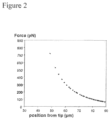
- the magnet will first be calibrated to the magnetic nanoparticles to be used, as nanoparticles in different regions in the dish will experience different forces.
- PDMS polydimethylsiloxane solution
- nanoparticles can be strongly and specifically attached to neurons and other cells.
- Optimal nanoparticle size should be able to be determined through routine experimentation.
- antibody and protein coatings can be optimized for individual applications.
- Example 5 Delivery of magnetic particle-comprising cells to a target tissue.
- Magnetic particle-comprising cells as described above can be administered to the subject by any suitable means known in the art, for example, by injection (local or systemic), topical application, infusion, etc. It is expected that for applications involving the eye, topical application or local injection will be preferred.
- one or more magnets will be positioned so as to cause the cells to migrate to or remain in or at the desired target tissue. The required strength of the magnet and time period necessary for the magnetic force to be applied in order to effect the desired outcome (in most instances, cells being fixed in or attached to the target tissue) can be determined by routine experimentation.
Landscapes
- Health & Medical Sciences (AREA)
- Life Sciences & Earth Sciences (AREA)
- Engineering & Computer Science (AREA)
- Chemical & Material Sciences (AREA)
- General Health & Medical Sciences (AREA)
- Animal Behavior & Ethology (AREA)
- Veterinary Medicine (AREA)
- Public Health (AREA)
- Pharmacology & Pharmacy (AREA)
- Medicinal Chemistry (AREA)
- Epidemiology (AREA)
- Bioinformatics & Cheminformatics (AREA)
- Cell Biology (AREA)
- Immunology (AREA)
- Biomedical Technology (AREA)
- Developmental Biology & Embryology (AREA)
- Virology (AREA)
- Biotechnology (AREA)
- Zoology (AREA)
- Nanotechnology (AREA)
- Ophthalmology & Optometry (AREA)
- Hematology (AREA)
- Nuclear Medicine, Radiotherapy & Molecular Imaging (AREA)
- Organic Chemistry (AREA)
- Toxicology (AREA)
- Radiology & Medical Imaging (AREA)
- Inorganic Chemistry (AREA)
- Gynecology & Obstetrics (AREA)
- Vascular Medicine (AREA)
- Reproductive Health (AREA)
- Urology & Nephrology (AREA)
- Wood Science & Technology (AREA)
- Genetics & Genomics (AREA)
- Neurosurgery (AREA)
- Neurology (AREA)
- Ceramic Engineering (AREA)
- Molecular Biology (AREA)
- Chemical Kinetics & Catalysis (AREA)
- Microbiology (AREA)
- General Chemical & Material Sciences (AREA)
Claims (14)
- Verfahren zur Abgabe einer Zelle an ein Zielgewebe in einem Tier, wobei das Verfahren umfasst:(a) Befestigen, Binden oder Anheften mindestens eines magnetischen Nanopartikels, der einen Durchmesser von nicht mehr als etwa 200 nm aufweist, an die Oberfläche der Zelle, um eine Zelle, die magnetische Nanopartikel umfasst, zu erhalten, wobei der magnetische Nanopartikel an der Zelloberfläche durch ein Zelloberflächen-spezifisches Bindungsagens befestigt ist, wobei die magnetischen Nanopartikel Eisen in beliebiger ferromagnetischer Form umfassen;(b) Verabreichen der Zelle, die magnetische Nanopartikel umfasst, an das Tier; und(c) Anwenden eines Magnetfelds auf das Zielgewebe, wodurch die Zelle, die magnetische Nanopartikel umfasst, an spezifische Regionen des Zielgewebes abgegeben wird, wobei die Zelle eine okuläre Zelle oder eine Zelle des optischen Nervs ist und das Zielgewebe Augengewebe ist; undwobei die magnetischen Nanopartikel eine Oberflächenbeschichtung aufweisen.
- Verfahren nach Anspruch 1, wobei der magnetische Nanopartikel durch einen Antikörper an der Zelloberfläche befestigt ist.
- Verfahren nach Anspruch 1, wobei die magnetischen Nanopartikel einen Durchmesser von nicht mehr als 100 nm aufweisen.
- Verfahren nach Anspruch 1, wobei die Oberflächenbeschichtung chemisch modifiziert ist, um die Bindung eines Antikörpers oder eines Antikörperfragments oder eines Proteins oder Zuckerfragments, der/das an Zellen bindet, zu ermöglichen.
- Verfahren nach einem der vorangehenden Ansprüche, wobei Zellen, die magnetische Nanopartikel umfassen, durch Injektion oder Infusion oder Oberflächenanwendung verabreicht werden.
- Verfahren nach einem der vorangehenden Ansprüche, wobei die Zelle ausgewählt ist aus der Gruppe bestehend aus einer Hornhautzelle (Epithel-, Stroma- oder Endothelzelle); einer Netzhautzelle (einer retinalen Ganglionzelle oder eines retinalen Photorezeptors oder einem anderen retinalen Neuron); einer retinalen Gliazelle (einer retinalen Müller-Gliazelle oder einem retinalen Astrocyten oder anderen); einer retinalen Endothelzelle oder einem retinalen Pericyten; und einer retinalen Gliazelle des Sehnervs (einem Astrocyten, Oligodendrocyten, Mikrogliazelle oder einer ihrer Vorläufer).
- Verfahren nach einem der vorangehenden Ansprüche, wobei das Tier ein Säuger, insbesondere ein Mensch ist.
- Normale oder gentechnisch modifizierte Zelle, die einen magnetischen Nanopartikel mit einem Durchmesser von nicht mehr als etwa 200 nm aufweist, der an ihre Oberfläche kovalent oder durch Antikörper-Antigen-Bindung gebunden (befestigt) ist, wobei die Zelle eine okuläre Zelle ist und der magnetische Nanopartikel Eisen in beliebiger ferromagnetischer Form umfasst und eine inerte Oberflächenbeschichtung aufweist, wobei seine Oberfläche chemisch modifiziert ist, um die Bindung eines Antikörpers oder eines Antikörperfragments oder eines Proteins oder eines Zuckerfragments, der/das an Zellen bindet, zu ermöglichen.
- Zelle nach Anspruch 8, die ausgewählt ist aus der Gruppe bestehend aus einer Hornhautzelle; einer Netzhautzelle; einer retinalen Gliazelle; einer retinalen Endothelzelle oder einem retinalen Pericyten; und einer Gliazelle des optischen Nervs, wobei die Hornhautzelle bevorzugt ausgewählt ist aus der Gruppe bestehend aus einer Epithelzelle, einer Stromazelle und einer Endothelzelle,wobei die Netzhautzelle bevorzugt ausgewählt ist aus der Gruppe bestehend aus einer retinalen Ganglionzelle, einer Photorezeptorzelle und einem retinalen Neuron,wobei die retinale Gliazelle bevorzugt ausgewählt ist aus der Gruppe bestehend aus einer retinalen Müller-Gliazelle und einem retinalen Astrocyten,wobei die Gliazelle des optischen Nervs bevorzugt ausgewählt ist aus der Gruppe bestehend aus einem Astrocyten, einem Oligodendrocyten, einer Mikrogliazelle und Vorläufern davon.
- Zelle nach Anspruch 8 oder 9, wobei der magnetische Nanopartikel über einen Antikörper-Antigen-Komplex gebunden ist.
- Zelle nach Anspruch 10, wobei der magnetische Nanopartikel einen Durchmesser von weniger als 100 nm aufweist.
- Zelle nach einem der Ansprüche 8 bis 11, wobei der magnetische Nanopartikel Eisen in einer beliebigen ferromagnetischen Form umfasst, mit einer inerten Oberflächenbeschichtung, wobei seine Oberfläche chemisch modifiziert ist, um die Bindung eines Antikörpers oder eines Antikörperfragments oder eines Proteins oder eines Zuckerfragments, der/das an Zellen bindet, zu ermöglichen.
- Zelle, die magnetische Nanopartikel umfasst, nach einem der Ansprüche 8 bis 11 zur Verwendung bei der Behandlung einer Erkrankung oder Störung in einem Individuum, bevorzugt einem Menschen, ausgewählt aus der Gruppe bestehend aus Makuladegeneration, Retinitis pigmentosa und anderen Netzhautdegenerationen; Glaukom, ischämischer Optikusneuropathie und anderen Degenerationen retinaler Ganglienzellen und Sehnerven; Fuchs-Endotheldystrophie, pseudophaker bullöser Kerathopathie und anderen Degenerationen der Hornhautendothelzellen; Degeneration der Hornhautepithelzellen, Mangel an Hornhaut-Limbalzellen und anderen Degenerationen der Hornhautepithelzellen; okularem Melanom, Lymphom und anderen okularen Krebserkrankungen, wobei ein magnetisches Feld auf ein Auge unter Bedingungen anzuwenden ist, so dass die Zelle, die magnetische Nanopartikel umfasst, an spezifische Regionen des Auges abgegeben werden.
- Verfahren nach Anspruch 1, wobei Ersatz-Hornhautendothelzellen an das Hornhautendothel abgegeben werden.
Applications Claiming Priority (2)
| Application Number | Priority Date | Filing Date | Title |
|---|---|---|---|
| US686108P | 2008-02-04 | 2008-02-04 | |
| PCT/US2009/033086 WO2009100137A2 (en) | 2008-02-04 | 2009-02-04 | Magnetic cells for localizing delivery and tissue repair |
Publications (4)
| Publication Number | Publication Date |
|---|---|
| EP2249800A2 EP2249800A2 (de) | 2010-11-17 |
| EP2249800A4 EP2249800A4 (de) | 2014-09-24 |
| EP2249800C0 EP2249800C0 (de) | 2024-04-17 |
| EP2249800B1 true EP2249800B1 (de) | 2024-04-17 |
Family
ID=40952672
Family Applications (1)
| Application Number | Title | Priority Date | Filing Date |
|---|---|---|---|
| EP09708275.4A Active EP2249800B1 (de) | 2008-02-04 | 2009-02-04 | Magnetische eisenzellen zur lokalisierung der abgabe und zur reparatur von augengewebe |
Country Status (3)
| Country | Link |
|---|---|
| US (4) | US9078932B2 (de) |
| EP (1) | EP2249800B1 (de) |
| WO (1) | WO2009100137A2 (de) |
Families Citing this family (29)
| Publication number | Priority date | Publication date | Assignee | Title |
|---|---|---|---|---|
| ITRM20030376A1 (it) | 2003-07-31 | 2005-02-01 | Univ Roma | Procedimento per l'isolamento e l'espansione di cellule staminali cardiache da biopsia. |
| US11660317B2 (en) | 2004-11-08 | 2023-05-30 | The Johns Hopkins University | Compositions comprising cardiosphere-derived cells for use in cell therapy |
| US9744237B2 (en) * | 2009-01-29 | 2017-08-29 | Kambiz Thomas Moazed | Method and system for effecting changes in pigmented tissue |
| EP2493547A4 (de) * | 2009-10-27 | 2013-06-19 | Cedars Sinai Medical Center | Externe magnetkraft für gezielte zellenfreisetzung mit verstärkter zellenrückhaltung |
| US9845457B2 (en) | 2010-04-30 | 2017-12-19 | Cedars-Sinai Medical Center | Maintenance of genomic stability in cultured stem cells |
| US9249392B2 (en) | 2010-04-30 | 2016-02-02 | Cedars-Sinai Medical Center | Methods and compositions for maintaining genomic stability in cultured stem cells |
| US9884076B2 (en) | 2012-06-05 | 2018-02-06 | Capricor, Inc. | Optimized methods for generation of cardiac stem cells from cardiac tissue and their use in cardiac therapy |
| EP3563859B1 (de) | 2012-08-13 | 2021-10-13 | Cedars-Sinai Medical Center | Von kardiosphären abgeleitete exosomen zur geweberegeneration |
| WO2014074477A2 (en) * | 2012-11-07 | 2014-05-15 | Emmetrope Ophthalmics Llc | Magnetic contact lenses and methods of treatment and diagnosis using the same |
| WO2014074475A1 (en) | 2012-11-07 | 2014-05-15 | Emmetrope Ophthalmics Llc | Magnetic eye shields and methods of treatment and diagnosis using the same |
| US10478332B2 (en) | 2013-02-07 | 2019-11-19 | Emmetrope Ophthalmics Llc. | Magnetic operating microscopes and methods of treatment and diagnosis using the same |
| EP4494699A3 (de) | 2014-10-03 | 2025-04-30 | Cedars-Sinai Medical Center | Kardiosphären-zellen und durch diese zellen sekretierte exosomen bei der behandlung von muskeldystrophie |
| CN107405103A (zh) * | 2015-02-25 | 2017-11-28 | 温伯格医学物理有限公司 | 在身体内的医学影像导引三维打印 |
| WO2017123662A1 (en) | 2016-01-11 | 2017-07-20 | Cedars-Sinai Medical Center | Cardiosphere-derived cells and exosomes secreted by such cells in the treatment of heart failure with preserved ejection fraction |
| EP3416658B1 (de) * | 2016-02-15 | 2023-03-22 | Kyoto Prefectural Public University Corporation | Menschliche funktionelle hornhautendothelzelle und anwendung davon |
| WO2017210652A1 (en) | 2016-06-03 | 2017-12-07 | Cedars-Sinai Medical Center | Cdc-derived exosomes for treatment of ventricular tachyarrythmias |
| US11083907B2 (en) * | 2016-08-01 | 2021-08-10 | Neuropair, Inc. | Superparamagnetic particle scaffold for regenerating damaged neural tissue |
| US11541078B2 (en) | 2016-09-20 | 2023-01-03 | Cedars-Sinai Medical Center | Cardiosphere-derived cells and their extracellular vesicles to retard or reverse aging and age-related disorders |
| AU2018237084A1 (en) * | 2017-03-20 | 2019-08-08 | University Of Southern California | Adoptive transfer of CAR T cells with surface-conjugated drug-loaded nanoparticles and uses thereof |
| JP7336769B2 (ja) | 2017-04-19 | 2023-09-01 | シーダーズ―シナイ メディカル センター | 骨格筋ジストロフィーを治療する方法及び組成物 |
| KR102105910B1 (ko) * | 2017-06-23 | 2020-04-29 | 전남대학교 산학협력단 | 자석 배열을 이용한 치료제 표적화 및 고정 의료장치 |
| WO2019126068A1 (en) | 2017-12-20 | 2019-06-27 | Cedars-Sinai Medical Center | Engineered extracellular vesicles for enhanced tissue delivery |
| EP3749344A4 (de) | 2018-02-05 | 2022-01-26 | Cedars-Sinai Medical Center | Verfahren zur therapeutischen verwendung von exosomen und y-rnas |
| US20230147948A1 (en) * | 2020-04-20 | 2023-05-11 | Xphelyum | System comprising particles and a removable device |
| CN113577269B (zh) * | 2021-06-16 | 2023-05-23 | 温州医科大学 | 用于促进眼部Müller细胞定向转分化的磁刺激材料及制备方法和应用以及修复方法 |
| CN113648426B (zh) * | 2021-08-18 | 2024-10-29 | 浙江大学 | 一种能双向连接磁性纳米粒的构建方法与应用 |
| US20250152506A1 (en) * | 2022-02-18 | 2025-05-15 | Emmetrope Ophthalmics Llc | Methods of administering therapeutic agents to the subretinal space |
| EP4565258A2 (de) * | 2022-08-03 | 2025-06-11 | Sightstream Biotherapeutics, Inc. | Zusammensetzungen zur behandlung von krankheiten |
| WO2025222215A1 (en) * | 2024-04-19 | 2025-10-23 | Emmetrope Ophthalmics Llc | Methods of increasing the number of ocular cells |
Citations (1)
| Publication number | Priority date | Publication date | Assignee | Title |
|---|---|---|---|---|
| WO2001081551A2 (en) * | 2000-04-27 | 2001-11-01 | Neurotech S.A. | Retinal pigment epithelial cell lines with extended life-span and their applications |
Family Cites Families (10)
| Publication number | Priority date | Publication date | Assignee | Title |
|---|---|---|---|---|
| US4206094A (en) * | 1976-06-09 | 1980-06-03 | California Institute Of Technology | Method for producing a biological reagent |
| US6203487B1 (en) | 1997-12-31 | 2001-03-20 | Thomas Jefferson University | Use of magnetic particles in the focal delivery of cells |
| US6551843B1 (en) * | 1999-01-29 | 2003-04-22 | Immunivest Corporation | Methods for enhancing binding interactions between members of specific binding pairs |
| GB0214209D0 (en) | 2002-06-19 | 2002-07-31 | Univ Keele | Method |
| KR100799060B1 (ko) * | 2003-06-30 | 2008-01-29 | 에자이 가부시키가이샤 | 자성 세포 및 그의 사용 방법 |
| GB0329310D0 (en) * | 2003-12-18 | 2004-01-21 | Univ Keele | Method |
| GB0405552D0 (en) * | 2004-03-12 | 2004-04-21 | Magnet Attraction Ltd | Methods for the targetted delivery of biological molecules |
| US9771331B2 (en) * | 2005-04-22 | 2017-09-26 | The Johns Hopkins University | Methods of identifying neuroprotective compounds for retinal ganglion cells |
| WO2009042859A1 (en) * | 2007-09-28 | 2009-04-02 | Ut-Battelle, Llc | Methods for promoting wound healing and muscle regeneration with the cell signaling protein nell 1 |
| US9216220B2 (en) * | 2008-04-10 | 2015-12-22 | Board Of Regents, The University Of Texas System | Compositions and methods for thermo-sensitive nanoparticles and magnetic nanoparticles |
-
2009
- 2009-02-04 EP EP09708275.4A patent/EP2249800B1/de active Active
- 2009-02-04 US US12/866,004 patent/US9078932B2/en active Active
- 2009-02-04 WO PCT/US2009/033086 patent/WO2009100137A2/en not_active Ceased
-
2015
- 2015-07-13 US US14/797,829 patent/US9833517B2/en active Active
-
2017
- 2017-12-04 US US15/830,736 patent/US10406242B2/en active Active
-
2019
- 2019-09-05 US US16/561,449 patent/US20190388560A1/en active Pending
Patent Citations (1)
| Publication number | Priority date | Publication date | Assignee | Title |
|---|---|---|---|---|
| WO2001081551A2 (en) * | 2000-04-27 | 2001-11-01 | Neurotech S.A. | Retinal pigment epithelial cell lines with extended life-span and their applications |
Non-Patent Citations (10)
| Title |
|---|
| HEMALATHA B. RAJU ET AL: "Evaluation of Magnetic Micro- and Nanoparticle Toxicity to Ocular Tissues", PLOS ONE, vol. 6, no. 5, 26 May 2011 (2011-05-26), pages e17452, XP055279029, DOI: 10.1371/journal.pone.0017452 * |
| J. L. GOLBERG ET AL: "Magnetic Nanoparticle-Based Technology for Repairing Optic Nerve", ARVO ANNUAL MEETING ABSTRACT, 1 May 2007 (2007-05-01), pages 1 - 1, XP055278920, Retrieved from the Internet <URL:http://iovs.arvojournals.org/article.aspx?articleid=2382432> [retrieved on 20160608] * |
| KIM HYEONGMIN ET AL: "Recent strategies of TherapeuticCellDelivery for Regeneration of Corneal Endothelium", JSM BIOTECHNOL BIOENG, 18 April 2016 (2016-04-18), pages 1047(1/6) - 1047(6/6), XP055720831, Retrieved from the Internet <URL:https://www.jscimedcentral.com/Biotechnology/biotechnology-3-1047.php> [retrieved on 20200806] * |
| MAXIM A. ABAKUMOV ET AL: "Toxicity of iron oxide nanoparticles: Size and coating effects", JOURNAL OF BIOCHEMICAL AND MOLECULAR TOXICOLOGY, vol. 32, no. 12, 5 October 2018 (2018-10-05), US, pages e22225, XP055720846, ISSN: 1095-6670, DOI: 10.1002/jbt.22225 * |
| MIMURA T ET AL: "Long-term outcome of iron-endocytosing cultured corneal endothelial cell transplantation with magnetic attraction", EXPERIMENTAL EYE RESEARCH, ACADEMIC PRESS LTD, LONDON, vol. 80, no. 2, 1 February 2005 (2005-02-01), pages 149 - 157, XP004723783, ISSN: 0014-4835, DOI: 10.1016/J.EXER.2004.08.021 * |
| RAJU ETAL.: "Investigation of nanoparticles using magnetic resonance imaging after intravitreal injection", CLINICAL AND EXPERIMENTAL OPHTHALMOLOGY, 11 July 2011 (2011-07-11), pages 100 - 107, DOI: https://doi.org/10.1111/j.1442-9071.2011.02651.x * |
| SANJAY V. PATEL ET AL: "Human Corneal Endothelial Cell Transplantation in a Human Ex Vivo Model", INVESTIGATIVE OPTHALMOLOGY & VISUAL SCIENCE, vol. 50, no. 5, 10 January 2009 (2009-01-10), pages 2123, XP055680258, ISSN: 1552-5783, DOI: 10.1167/iovs.08-2653 * |
| STAVROS N. MOYSIDIS ET AL: "Magnetic field-guided cell delivery with nanoparticle-loaded human corneal endothelial cells", NANOMEDICINE: NANOTECHNOLOGY, BIOLOGY AND MEDICINE, vol. 11, no. 3, 1 April 2015 (2015-04-01), NL, pages 499 - 509, XP055680229, ISSN: 1549-9634, DOI: 10.1016/j.nano.2014.12.002 * |
| TATSUYA MIMURA ET AL: "Magnetic attraction of iron-endocytosed corneal endothelial cells to Descemet's membrane", EXPERIMENTAL EYE RESEARCH., vol. 76, no. 6, 1 June 2003 (2003-06-01), LONDON., pages 745 - 751, XP055514254, ISSN: 0014-4835, DOI: 10.1016/S0014-4835(03)00057-5 * |
| XIN XIA ET AL: "Magnetic Human Corneal Endothelial Cell Transplant: Delivery, Retention, and Short-Term Efficacy", INVESTIGATIVE OPTHALMOLOGY & VISUAL SCIENCE, vol. 60, no. 7, 3 June 2019 (2019-06-03), pages 2438, XP055680221, ISSN: 1552-5783, DOI: 10.1167/iovs.18-26001 * |
Also Published As
| Publication number | Publication date |
|---|---|
| WO2009100137A2 (en) | 2009-08-13 |
| WO2009100137A3 (en) | 2009-10-01 |
| US9078932B2 (en) | 2015-07-14 |
| EP2249800A2 (de) | 2010-11-17 |
| US10406242B2 (en) | 2019-09-10 |
| US9833517B2 (en) | 2017-12-05 |
| US20190388560A1 (en) | 2019-12-26 |
| US20110003003A1 (en) | 2011-01-06 |
| EP2249800C0 (de) | 2024-04-17 |
| US20160089452A1 (en) | 2016-03-31 |
| US20180154021A1 (en) | 2018-06-07 |
| EP2249800A4 (de) | 2014-09-24 |
Similar Documents
| Publication | Publication Date | Title |
|---|---|---|
| US10406242B2 (en) | Magnetic cells for localizing delivery and tissue repair | |
| US20240299302A1 (en) | Nanovesicles derived from cell membrane, and use thereof | |
| Syková et al. | Magnetic resonance tracking of transplanted stem cells in rat brain and spinal cord | |
| Duan et al. | Superparamagnetic iron oxide-loaded cationic polymersomes for cellular MR imaging of therapeutic stem cells in stroke | |
| KR20060124654A (ko) | 방법 | |
| Gupta et al. | Transmigration of magnetite nanoparticles across the blood–brain barrier in a rodent model: influence of external and alternating magnetic fields | |
| US20240407947A1 (en) | Devices and methods for directing agents into an eye | |
| Ramos-Gómez et al. | Optimization of the magnetic labeling of human neural stem cells and MRI visualization in the hemiparkinsonian rat brain | |
| US20040086572A1 (en) | Delivery of therapeutic agent affixed to magnetic particle | |
| US20100120117A1 (en) | Polymer Coating of Cells | |
| WO2000071169A2 (en) | Magnetic resonance tracking of magnetically labeled cells | |
| EP1438971A1 (de) | Immunverstärker in der thermotherapie bei krebs | |
| CN102234679A (zh) | 一种检测肿瘤纳米探针的制备方法 | |
| CN116785230B (zh) | 一种基于Ca3(PO4)2矿化RNA纳米水凝胶的制备及其应用 | |
| KR101805290B1 (ko) | 자성나노입자를 포함하는 신경줄기세포 분화 촉진용 조성물 | |
| US20250152506A1 (en) | Methods of administering therapeutic agents to the subretinal space | |
| Gobbel et al. | Cellular transplantation for the nervous system: impact of time after preparation on cell viability and survival | |
| US20180214571A1 (en) | Liposome loaded with magnetic microparticles for targeted delivery of stem cells | |
| WO2025222215A1 (en) | Methods of increasing the number of ocular cells | |
| CN113577269A (zh) | 用于促进眼部Müller细胞定向转分化的磁刺激材料及制备方法和应用以及修复方法 | |
| CN119499349A (zh) | 一种含有西仑吉肽的胶质瘤相关间充质干细胞外泌体及其制备方法、应用 | |
| JP2005095153A (ja) | 不活性化されたウイルスのエンベロープと磁気共鳴造影剤とを用いて生細胞を磁気標識する方法 | |
| CN121606716A (zh) | 一种用于间充质干细胞靶向递送的系统及应用 | |
| 마대중 | In Vivo Cell Tracking After Subretinal Transplantation Using Magnetic Iron Oxide Labeling and Magnetic Resonance Imaging | |
| WO2005009478A1 (ja) | 不活性化されたウイルスのエンベロープと磁気共鳴造影剤とを用いて生細胞を磁気標識する方法 |
Legal Events
| Date | Code | Title | Description |
|---|---|---|---|
| PUAI | Public reference made under article 153(3) epc to a published international application that has entered the european phase |
Free format text: ORIGINAL CODE: 0009012 |
|
| 17P | Request for examination filed |
Effective date: 20100903 |
|
| AK | Designated contracting states |
Kind code of ref document: A2 Designated state(s): AT BE BG CH CY CZ DE DK EE ES FI FR GB GR HR HU IE IS IT LI LT LU LV MC MK MT NL NO PL PT RO SE SI SK TR |
|
| AX | Request for extension of the european patent |
Extension state: AL BA RS |
|
| DAX | Request for extension of the european patent (deleted) | ||
| RAP1 | Party data changed (applicant data changed or rights of an application transferred) |
Owner name: HALPERN, ALAN Owner name: GOLDBERG, JEFFREY L. |
|
| A4 | Supplementary search report drawn up and despatched |
Effective date: 20140827 |
|
| RIC1 | Information provided on ipc code assigned before grant |
Ipc: A61K 9/00 20060101AFI20140821BHEP Ipc: A61K 33/26 20060101ALI20140821BHEP Ipc: A61P 27/02 20060101ALI20140821BHEP Ipc: A61K 35/44 20060101ALI20140821BHEP Ipc: A61K 9/14 20060101ALI20140821BHEP |
|
| 17Q | First examination report despatched |
Effective date: 20160615 |
|
| STAA | Information on the status of an ep patent application or granted ep patent |
Free format text: STATUS: EXAMINATION IS IN PROGRESS |
|
| REG | Reference to a national code |
Ref country code: DE Ref legal event code: R079 Free format text: PREVIOUS MAIN CLASS: A61K0009000000 Ipc: A61K0009500000 Ref country code: DE Ref legal event code: R079 Ref document number: 602009065231 Country of ref document: DE Free format text: PREVIOUS MAIN CLASS: A61K0009000000 Ipc: A61K0009500000 |
|
| GRAP | Despatch of communication of intention to grant a patent |
Free format text: ORIGINAL CODE: EPIDOSNIGR1 |
|
| STAA | Information on the status of an ep patent application or granted ep patent |
Free format text: STATUS: GRANT OF PATENT IS INTENDED |
|
| RIC1 | Information provided on ipc code assigned before grant |
Ipc: A61K 47/69 20170101ALI20231017BHEP Ipc: A61K 9/00 20060101ALI20231017BHEP Ipc: A61K 9/14 20060101ALI20231017BHEP Ipc: A61K 35/44 20060101ALI20231017BHEP Ipc: A61P 27/02 20060101ALI20231017BHEP Ipc: A61K 33/26 20060101ALI20231017BHEP Ipc: A61K 35/12 20060101ALI20231017BHEP Ipc: A61K 41/00 20060101ALI20231017BHEP Ipc: A61K 9/50 20060101AFI20231017BHEP |
|
| INTG | Intention to grant announced |
Effective date: 20231031 |
|
| GRAS | Grant fee paid |
Free format text: ORIGINAL CODE: EPIDOSNIGR3 |
|
| GRAA | (expected) grant |
Free format text: ORIGINAL CODE: 0009210 |
|
| STAA | Information on the status of an ep patent application or granted ep patent |
Free format text: STATUS: THE PATENT HAS BEEN GRANTED |
|
| AK | Designated contracting states |
Kind code of ref document: B1 Designated state(s): AT BE BG CH CY CZ DE DK EE ES FI FR GB GR HR HU IE IS IT LI LT LU LV MC MK MT NL NO PL PT RO SE SI SK TR |
|
| REG | Reference to a national code |
Ref country code: GB Ref legal event code: FG4D |
|
| REG | Reference to a national code |
Ref country code: CH Ref legal event code: EP |
|
| REG | Reference to a national code |
Ref country code: IE Ref legal event code: FG4D Ref country code: DE Ref legal event code: R096 Ref document number: 602009065231 Country of ref document: DE |
|
| U01 | Request for unitary effect filed |
Effective date: 20240514 |
|
| U07 | Unitary effect registered |
Designated state(s): AT BE BG DE DK EE FI FR IT LT LU LV MT NL PT SE SI Effective date: 20240524 |
|
| PG25 | Lapsed in a contracting state [announced via postgrant information from national office to epo] |
Ref country code: IS Free format text: LAPSE BECAUSE OF FAILURE TO SUBMIT A TRANSLATION OF THE DESCRIPTION OR TO PAY THE FEE WITHIN THE PRESCRIBED TIME-LIMIT Effective date: 20240817 |
|
| PG25 | Lapsed in a contracting state [announced via postgrant information from national office to epo] |
Ref country code: HR Free format text: LAPSE BECAUSE OF FAILURE TO SUBMIT A TRANSLATION OF THE DESCRIPTION OR TO PAY THE FEE WITHIN THE PRESCRIBED TIME-LIMIT Effective date: 20240417 |
|
| PG25 | Lapsed in a contracting state [announced via postgrant information from national office to epo] |
Ref country code: GR Free format text: LAPSE BECAUSE OF FAILURE TO SUBMIT A TRANSLATION OF THE DESCRIPTION OR TO PAY THE FEE WITHIN THE PRESCRIBED TIME-LIMIT Effective date: 20240718 |
|
| PG25 | Lapsed in a contracting state [announced via postgrant information from national office to epo] |
Ref country code: ES Free format text: LAPSE BECAUSE OF FAILURE TO SUBMIT A TRANSLATION OF THE DESCRIPTION OR TO PAY THE FEE WITHIN THE PRESCRIBED TIME-LIMIT Effective date: 20240417 |
|
| PG25 | Lapsed in a contracting state [announced via postgrant information from national office to epo] |
Ref country code: PL Free format text: LAPSE BECAUSE OF FAILURE TO SUBMIT A TRANSLATION OF THE DESCRIPTION OR TO PAY THE FEE WITHIN THE PRESCRIBED TIME-LIMIT Effective date: 20240417 |
|
| PG25 | Lapsed in a contracting state [announced via postgrant information from national office to epo] |
Ref country code: PL Free format text: LAPSE BECAUSE OF FAILURE TO SUBMIT A TRANSLATION OF THE DESCRIPTION OR TO PAY THE FEE WITHIN THE PRESCRIBED TIME-LIMIT Effective date: 20240417 Ref country code: NO Free format text: LAPSE BECAUSE OF FAILURE TO SUBMIT A TRANSLATION OF THE DESCRIPTION OR TO PAY THE FEE WITHIN THE PRESCRIBED TIME-LIMIT Effective date: 20240717 Ref country code: IS Free format text: LAPSE BECAUSE OF FAILURE TO SUBMIT A TRANSLATION OF THE DESCRIPTION OR TO PAY THE FEE WITHIN THE PRESCRIBED TIME-LIMIT Effective date: 20240817 Ref country code: HR Free format text: LAPSE BECAUSE OF FAILURE TO SUBMIT A TRANSLATION OF THE DESCRIPTION OR TO PAY THE FEE WITHIN THE PRESCRIBED TIME-LIMIT Effective date: 20240417 Ref country code: GR Free format text: LAPSE BECAUSE OF FAILURE TO SUBMIT A TRANSLATION OF THE DESCRIPTION OR TO PAY THE FEE WITHIN THE PRESCRIBED TIME-LIMIT Effective date: 20240718 Ref country code: ES Free format text: LAPSE BECAUSE OF FAILURE TO SUBMIT A TRANSLATION OF THE DESCRIPTION OR TO PAY THE FEE WITHIN THE PRESCRIBED TIME-LIMIT Effective date: 20240417 |
|
| REG | Reference to a national code |
Ref country code: DE Ref legal event code: R097 Ref document number: 602009065231 Country of ref document: DE |
|
| PG25 | Lapsed in a contracting state [announced via postgrant information from national office to epo] |
Ref country code: CZ Free format text: LAPSE BECAUSE OF FAILURE TO SUBMIT A TRANSLATION OF THE DESCRIPTION OR TO PAY THE FEE WITHIN THE PRESCRIBED TIME-LIMIT Effective date: 20240417 |
|
| PG25 | Lapsed in a contracting state [announced via postgrant information from national office to epo] |
Ref country code: SK Free format text: LAPSE BECAUSE OF FAILURE TO SUBMIT A TRANSLATION OF THE DESCRIPTION OR TO PAY THE FEE WITHIN THE PRESCRIBED TIME-LIMIT Effective date: 20240417 Ref country code: RO Free format text: LAPSE BECAUSE OF FAILURE TO SUBMIT A TRANSLATION OF THE DESCRIPTION OR TO PAY THE FEE WITHIN THE PRESCRIBED TIME-LIMIT Effective date: 20240417 |
|
| PG25 | Lapsed in a contracting state [announced via postgrant information from national office to epo] |
Ref country code: SK Free format text: LAPSE BECAUSE OF FAILURE TO SUBMIT A TRANSLATION OF THE DESCRIPTION OR TO PAY THE FEE WITHIN THE PRESCRIBED TIME-LIMIT Effective date: 20240417 Ref country code: RO Free format text: LAPSE BECAUSE OF FAILURE TO SUBMIT A TRANSLATION OF THE DESCRIPTION OR TO PAY THE FEE WITHIN THE PRESCRIBED TIME-LIMIT Effective date: 20240417 Ref country code: CZ Free format text: LAPSE BECAUSE OF FAILURE TO SUBMIT A TRANSLATION OF THE DESCRIPTION OR TO PAY THE FEE WITHIN THE PRESCRIBED TIME-LIMIT Effective date: 20240417 |
|
| PLBE | No opposition filed within time limit |
Free format text: ORIGINAL CODE: 0009261 |
|
| STAA | Information on the status of an ep patent application or granted ep patent |
Free format text: STATUS: NO OPPOSITION FILED WITHIN TIME LIMIT |
|
| 26N | No opposition filed |
Effective date: 20250120 |
|
| U20 | Renewal fee for the european patent with unitary effect paid |
Year of fee payment: 17 Effective date: 20250227 |
|
| PG25 | Lapsed in a contracting state [announced via postgrant information from national office to epo] |
Ref country code: MC Free format text: LAPSE BECAUSE OF FAILURE TO SUBMIT A TRANSLATION OF THE DESCRIPTION OR TO PAY THE FEE WITHIN THE PRESCRIBED TIME-LIMIT Effective date: 20240417 |
|
| REG | Reference to a national code |
Ref country code: CH Ref legal event code: PL |
|
| PG25 | Lapsed in a contracting state [announced via postgrant information from national office to epo] |
Ref country code: CH Free format text: LAPSE BECAUSE OF NON-PAYMENT OF DUE FEES Effective date: 20250228 |
|
| PG25 | Lapsed in a contracting state [announced via postgrant information from national office to epo] |
Ref country code: IE Free format text: LAPSE BECAUSE OF NON-PAYMENT OF DUE FEES Effective date: 20250204 |
|
| U20 | Renewal fee for the european patent with unitary effect paid |
Year of fee payment: 18 Effective date: 20260227 |
|
| PGFP | Annual fee paid to national office [announced via postgrant information from national office to epo] |
Ref country code: GB Payment date: 20260227 Year of fee payment: 18 |