EP2230516B1 - Method of immunoassaying specimen using aggregation reaction of microparticles and assay kit - Google Patents
Method of immunoassaying specimen using aggregation reaction of microparticles and assay kit Download PDFInfo
- Publication number
- EP2230516B1 EP2230516B1 EP08856793.8A EP08856793A EP2230516B1 EP 2230516 B1 EP2230516 B1 EP 2230516B1 EP 08856793 A EP08856793 A EP 08856793A EP 2230516 B1 EP2230516 B1 EP 2230516B1
- Authority
- EP
- European Patent Office
- Prior art keywords
- analyte
- specific binding
- substance
- binding substance
- bound
- Prior art date
- Legal status (The legal status is an assumption and is not a legal conclusion. Google has not performed a legal analysis and makes no representation as to the accuracy of the status listed.)
- Not-in-force
Links
- 238000006243 chemical reaction Methods 0.000 title claims description 52
- 239000011859 microparticle Substances 0.000 title claims description 29
- 238000000034 method Methods 0.000 title claims description 28
- 238000004220 aggregation Methods 0.000 title description 2
- 230000002776 aggregation Effects 0.000 title description 2
- 238000003149 assay kit Methods 0.000 title description 2
- 239000000126 substance Substances 0.000 claims description 115
- 239000012491 analyte Substances 0.000 claims description 103
- 230000009870 specific binding Effects 0.000 claims description 69
- 239000003153 chemical reaction reagent Substances 0.000 claims description 48
- PCHJSUWPFVWCPO-UHFFFAOYSA-N gold Chemical compound [Au] PCHJSUWPFVWCPO-UHFFFAOYSA-N 0.000 claims description 40
- 230000004520 agglutination Effects 0.000 claims description 31
- 238000003556 assay Methods 0.000 claims description 28
- 239000002245 particle Substances 0.000 claims description 23
- 239000004816 latex Substances 0.000 claims description 12
- 229920000126 latex Polymers 0.000 claims description 12
- 102000004169 proteins and genes Human genes 0.000 claims description 10
- 108090000623 proteins and genes Proteins 0.000 claims description 10
- 239000000203 mixture Substances 0.000 claims description 6
- 238000002156 mixing Methods 0.000 claims description 3
- 239000000243 solution Substances 0.000 description 37
- NQNXERHVLXYXRO-UHFFFAOYSA-N Diacetylspermine Chemical compound Cl.Cl.CC(=O)NCCCNCCCCNCCCNC(C)=O NQNXERHVLXYXRO-UHFFFAOYSA-N 0.000 description 36
- 238000002835 absorbance Methods 0.000 description 35
- 229960004037 bromperidol Drugs 0.000 description 24
- 239000003446 ligand Substances 0.000 description 24
- RKLNONIVDFXQRX-UHFFFAOYSA-N Bromperidol Chemical compound C1CC(O)(C=2C=CC(Br)=CC=2)CCN1CCCC(=O)C1=CC=C(F)C=C1 RKLNONIVDFXQRX-UHFFFAOYSA-N 0.000 description 23
- PXIPVTKHYLBLMZ-UHFFFAOYSA-N Sodium azide Chemical compound [Na+].[N-]=[N+]=[N-] PXIPVTKHYLBLMZ-UHFFFAOYSA-N 0.000 description 18
- 108091003079 Bovine Serum Albumin Proteins 0.000 description 17
- 229940098773 bovine serum albumin Drugs 0.000 description 17
- 238000009739 binding Methods 0.000 description 15
- 239000000523 sample Substances 0.000 description 15
- 230000027455 binding Effects 0.000 description 14
- 238000003018 immunoassay Methods 0.000 description 12
- 238000005259 measurement Methods 0.000 description 12
- JKMHFZQWWAIEOD-UHFFFAOYSA-N 2-[4-(2-hydroxyethyl)piperazin-1-yl]ethanesulfonic acid Chemical compound OCC[NH+]1CCN(CCS([O-])(=O)=O)CC1 JKMHFZQWWAIEOD-UHFFFAOYSA-N 0.000 description 10
- 239000007995 HEPES buffer Substances 0.000 description 9
- 239000000427 antigen Substances 0.000 description 9
- 102000036639 antigens Human genes 0.000 description 9
- 108091007433 antigens Proteins 0.000 description 9
- 235000018102 proteins Nutrition 0.000 description 8
- 238000003756 stirring Methods 0.000 description 8
- 239000007853 buffer solution Substances 0.000 description 7
- 239000002202 Polyethylene glycol Substances 0.000 description 6
- FAPWRFPIFSIZLT-UHFFFAOYSA-M Sodium chloride Chemical compound [Na+].[Cl-] FAPWRFPIFSIZLT-UHFFFAOYSA-M 0.000 description 6
- 238000011088 calibration curve Methods 0.000 description 6
- 229920001223 polyethylene glycol Polymers 0.000 description 6
- 238000002360 preparation method Methods 0.000 description 6
- 102000053602 DNA Human genes 0.000 description 5
- 108020004414 DNA Proteins 0.000 description 5
- 230000001419 dependent effect Effects 0.000 description 5
- 229920002477 rna polymer Polymers 0.000 description 5
- IHPYMWDTONKSCO-UHFFFAOYSA-N 2,2'-piperazine-1,4-diylbisethanesulfonic acid Chemical compound OS(=O)(=O)CCN1CCN(CCS(O)(=O)=O)CC1 IHPYMWDTONKSCO-UHFFFAOYSA-N 0.000 description 4
- FBPFZTCFMRRESA-KVTDHHQDSA-N D-Mannitol Chemical compound OC[C@@H](O)[C@@H](O)[C@H](O)[C@H](O)CO FBPFZTCFMRRESA-KVTDHHQDSA-N 0.000 description 4
- -1 IgM Proteins 0.000 description 4
- 229930195725 Mannitol Natural products 0.000 description 4
- 238000005119 centrifugation Methods 0.000 description 4
- 230000008105 immune reaction Effects 0.000 description 4
- 239000000594 mannitol Substances 0.000 description 4
- 235000010355 mannitol Nutrition 0.000 description 4
- 239000006228 supernatant Substances 0.000 description 4
- 108010088751 Albumins Proteins 0.000 description 3
- 102000009027 Albumins Human genes 0.000 description 3
- 102000004190 Enzymes Human genes 0.000 description 3
- 108090000790 Enzymes Proteins 0.000 description 3
- 239000007990 PIPES buffer Substances 0.000 description 3
- 230000009977 dual effect Effects 0.000 description 3
- 238000010438 heat treatment Methods 0.000 description 3
- 230000001900 immune effect Effects 0.000 description 3
- 238000009533 lab test Methods 0.000 description 3
- 238000005057 refrigeration Methods 0.000 description 3
- 239000011780 sodium chloride Substances 0.000 description 3
- DVLFYONBTKHTER-UHFFFAOYSA-N 3-(N-morpholino)propanesulfonic acid Chemical compound OS(=O)(=O)CCCN1CCOCC1 DVLFYONBTKHTER-UHFFFAOYSA-N 0.000 description 2
- 108010074051 C-Reactive Protein Proteins 0.000 description 2
- 102100032752 C-reactive protein Human genes 0.000 description 2
- KCXVZYZYPLLWCC-UHFFFAOYSA-N EDTA Chemical compound OC(=O)CN(CC(O)=O)CCN(CC(O)=O)CC(O)=O KCXVZYZYPLLWCC-UHFFFAOYSA-N 0.000 description 2
- 108010058861 Fibrin Fibrinogen Degradation Products Proteins 0.000 description 2
- 108010054147 Hemoglobins Proteins 0.000 description 2
- 102000001554 Hemoglobins Human genes 0.000 description 2
- 102000018656 Mitogen Receptors Human genes 0.000 description 2
- 108010052006 Mitogen Receptors Proteins 0.000 description 2
- JOCBASBOOFNAJA-UHFFFAOYSA-N N-tris(hydroxymethyl)methyl-2-aminoethanesulfonic acid Chemical compound OCC(CO)(CO)NCCS(O)(=O)=O JOCBASBOOFNAJA-UHFFFAOYSA-N 0.000 description 2
- 241000283973 Oryctolagus cuniculus Species 0.000 description 2
- ISWSIDIOOBJBQZ-UHFFFAOYSA-N Phenol Chemical compound OC1=CC=CC=C1 ISWSIDIOOBJBQZ-UHFFFAOYSA-N 0.000 description 2
- 239000002253 acid Substances 0.000 description 2
- 239000000654 additive Substances 0.000 description 2
- 230000002421 anti-septic effect Effects 0.000 description 2
- 229940064004 antiseptic throat preparations Drugs 0.000 description 2
- 239000012472 biological sample Substances 0.000 description 2
- OWMVSZAMULFTJU-UHFFFAOYSA-N bis-tris Chemical compound OCCN(CCO)C(CO)(CO)CO OWMVSZAMULFTJU-UHFFFAOYSA-N 0.000 description 2
- 125000003178 carboxy group Chemical group [H]OC(*)=O 0.000 description 2
- 239000012295 chemical reaction liquid Substances 0.000 description 2
- 239000003795 chemical substances by application Substances 0.000 description 2
- 239000000084 colloidal system Substances 0.000 description 2
- 239000000470 constituent Substances 0.000 description 2
- 239000003814 drug Substances 0.000 description 2
- 230000007613 environmental effect Effects 0.000 description 2
- 239000000208 fibrin degradation product Substances 0.000 description 2
- YMAWOPBAYDPSLA-UHFFFAOYSA-N glycylglycine Chemical compound [NH3+]CC(=O)NCC([O-])=O YMAWOPBAYDPSLA-UHFFFAOYSA-N 0.000 description 2
- LNEPOXFFQSENCJ-UHFFFAOYSA-N haloperidol Chemical compound C1CC(O)(C=2C=CC(Cl)=CC=2)CCN1CCCC(=O)C1=CC=C(F)C=C1 LNEPOXFFQSENCJ-UHFFFAOYSA-N 0.000 description 2
- 230000001939 inductive effect Effects 0.000 description 2
- 229910052751 metal Inorganic materials 0.000 description 2
- 239000002184 metal Substances 0.000 description 2
- 229920000259 polyoxyethylene lauryl ether Polymers 0.000 description 2
- BWHMMNNQKKPAPP-UHFFFAOYSA-L potassium carbonate Chemical compound [K+].[K+].[O-]C([O-])=O BWHMMNNQKKPAPP-UHFFFAOYSA-L 0.000 description 2
- KIDHWZJUCRJVML-UHFFFAOYSA-N putrescine Chemical compound NCCCCN KIDHWZJUCRJVML-UHFFFAOYSA-N 0.000 description 2
- 150000003839 salts Chemical class 0.000 description 2
- 238000000926 separation method Methods 0.000 description 2
- 239000001509 sodium citrate Substances 0.000 description 2
- NLJMYIDDQXHKNR-UHFFFAOYSA-K sodium citrate Chemical compound O.O.[Na+].[Na+].[Na+].[O-]C(=O)CC(O)(CC([O-])=O)C([O-])=O NLJMYIDDQXHKNR-UHFFFAOYSA-K 0.000 description 2
- ATHGHQPFGPMSJY-UHFFFAOYSA-N spermidine Chemical compound NCCCCNCCCN ATHGHQPFGPMSJY-UHFFFAOYSA-N 0.000 description 2
- PFNFFQXMRSDOHW-UHFFFAOYSA-N spermine Chemical compound NCCCNCCCCNCCCN PFNFFQXMRSDOHW-UHFFFAOYSA-N 0.000 description 2
- 235000000346 sugar Nutrition 0.000 description 2
- 150000005846 sugar alcohols Chemical class 0.000 description 2
- 150000008163 sugars Chemical class 0.000 description 2
- ZFXYFBGIUFBOJW-UHFFFAOYSA-N theophylline Chemical compound O=C1N(C)C(=O)N(C)C2=C1NC=N2 ZFXYFBGIUFBOJW-UHFFFAOYSA-N 0.000 description 2
- MGSRCZKZVOBKFT-UHFFFAOYSA-N thymol Chemical compound CC(C)C1=CC=C(C)C=C1O MGSRCZKZVOBKFT-UHFFFAOYSA-N 0.000 description 2
- 230000009261 transgenic effect Effects 0.000 description 2
- CMCBDXRRFKYBDG-UHFFFAOYSA-N 1-dodecoxydodecane Chemical compound CCCCCCCCCCCCOCCCCCCCCCCCC CMCBDXRRFKYBDG-UHFFFAOYSA-N 0.000 description 1
- OWEGMIWEEQEYGQ-UHFFFAOYSA-N 100676-05-9 Natural products OC1C(O)C(O)C(CO)OC1OCC1C(O)C(O)C(O)C(OC2C(OC(O)C(O)C2O)CO)O1 OWEGMIWEEQEYGQ-UHFFFAOYSA-N 0.000 description 1
- 150000003923 2,5-pyrrolediones Chemical class 0.000 description 1
- SXGZJKUKBWWHRA-UHFFFAOYSA-N 2-(N-morpholiniumyl)ethanesulfonate Chemical compound [O-]S(=O)(=O)CC[NH+]1CCOCC1 SXGZJKUKBWWHRA-UHFFFAOYSA-N 0.000 description 1
- QKNYBSVHEMOAJP-UHFFFAOYSA-N 2-amino-2-(hydroxymethyl)propane-1,3-diol;hydron;chloride Chemical compound Cl.OCC(N)(CO)CO QKNYBSVHEMOAJP-UHFFFAOYSA-N 0.000 description 1
- 102000002260 Alkaline Phosphatase Human genes 0.000 description 1
- 108020004774 Alkaline Phosphatase Proteins 0.000 description 1
- GUBGYTABKSRVRQ-XLOQQCSPSA-N Alpha-Lactose Chemical compound O[C@@H]1[C@@H](O)[C@@H](O)[C@@H](CO)O[C@H]1O[C@@H]1[C@@H](CO)O[C@H](O)[C@H](O)[C@H]1O GUBGYTABKSRVRQ-XLOQQCSPSA-N 0.000 description 1
- 102100023635 Alpha-fetoprotein Human genes 0.000 description 1
- 239000004382 Amylase Substances 0.000 description 1
- 102000013142 Amylases Human genes 0.000 description 1
- 108010065511 Amylases Proteins 0.000 description 1
- 206010003445 Ascites Diseases 0.000 description 1
- 108010022366 Carcinoembryonic Antigen Proteins 0.000 description 1
- 102100025475 Carcinoembryonic antigen-related cell adhesion molecule 5 Human genes 0.000 description 1
- 102000008186 Collagen Human genes 0.000 description 1
- 108010035532 Collagen Proteins 0.000 description 1
- 208000035473 Communicable disease Diseases 0.000 description 1
- 102000012192 Cystatin C Human genes 0.000 description 1
- 108010061642 Cystatin C Proteins 0.000 description 1
- FBPFZTCFMRRESA-FSIIMWSLSA-N D-Glucitol Natural products OC[C@H](O)[C@H](O)[C@@H](O)[C@H](O)CO FBPFZTCFMRRESA-FSIIMWSLSA-N 0.000 description 1
- FBPFZTCFMRRESA-JGWLITMVSA-N D-glucitol Chemical compound OC[C@H](O)[C@@H](O)[C@H](O)[C@H](O)CO FBPFZTCFMRRESA-JGWLITMVSA-N 0.000 description 1
- FBPFZTCFMRRESA-ZXXMMSQZSA-N D-iditol Chemical compound OC[C@@H](O)[C@H](O)[C@@H](O)[C@H](O)CO FBPFZTCFMRRESA-ZXXMMSQZSA-N 0.000 description 1
- WQZGKKKJIJFFOK-QTVWNMPRSA-N D-mannopyranose Chemical compound OC[C@H]1OC(O)[C@@H](O)[C@@H](O)[C@@H]1O WQZGKKKJIJFFOK-QTVWNMPRSA-N 0.000 description 1
- 229920002307 Dextran Polymers 0.000 description 1
- 102000008857 Ferritin Human genes 0.000 description 1
- 108050000784 Ferritin Proteins 0.000 description 1
- 238000008416 Ferritin Methods 0.000 description 1
- 102000008946 Fibrinogen Human genes 0.000 description 1
- 108010049003 Fibrinogen Proteins 0.000 description 1
- WQZGKKKJIJFFOK-GASJEMHNSA-N Glucose Natural products OC[C@H]1OC(O)[C@H](O)[C@@H](O)[C@@H]1O WQZGKKKJIJFFOK-GASJEMHNSA-N 0.000 description 1
- 108010008488 Glycylglycine Proteins 0.000 description 1
- 239000006173 Good's buffer Substances 0.000 description 1
- 108010010234 HDL Lipoproteins Proteins 0.000 description 1
- 102000015779 HDL Lipoproteins Human genes 0.000 description 1
- 241000590002 Helicobacter pylori Species 0.000 description 1
- 241000711549 Hepacivirus C Species 0.000 description 1
- 241000700721 Hepatitis B virus Species 0.000 description 1
- 241000725303 Human immunodeficiency virus Species 0.000 description 1
- 108060003951 Immunoglobulin Proteins 0.000 description 1
- 102000003855 L-lactate dehydrogenase Human genes 0.000 description 1
- 108700023483 L-lactate dehydrogenases Proteins 0.000 description 1
- 108010007622 LDL Lipoproteins Proteins 0.000 description 1
- 102000007330 LDL Lipoproteins Human genes 0.000 description 1
- 102000010445 Lactoferrin Human genes 0.000 description 1
- 108010063045 Lactoferrin Proteins 0.000 description 1
- GUBGYTABKSRVRQ-QKKXKWKRSA-N Lactose Natural products OC[C@H]1O[C@@H](O[C@H]2[C@H](O)[C@@H](O)C(O)O[C@@H]2CO)[C@H](O)[C@@H](O)[C@H]1O GUBGYTABKSRVRQ-QKKXKWKRSA-N 0.000 description 1
- 102000004882 Lipase Human genes 0.000 description 1
- 108090001060 Lipase Proteins 0.000 description 1
- 239000004367 Lipase Substances 0.000 description 1
- 108090001030 Lipoproteins Proteins 0.000 description 1
- 102000004895 Lipoproteins Human genes 0.000 description 1
- 239000007993 MOPS buffer Substances 0.000 description 1
- GUBGYTABKSRVRQ-PICCSMPSSA-N Maltose Natural products O[C@@H]1[C@@H](O)[C@H](O)[C@@H](CO)O[C@@H]1O[C@@H]1[C@@H](CO)OC(O)[C@H](O)[C@H]1O GUBGYTABKSRVRQ-PICCSMPSSA-N 0.000 description 1
- 241001465754 Metazoa Species 0.000 description 1
- 102000036675 Myoglobin Human genes 0.000 description 1
- 108010062374 Myoglobin Proteins 0.000 description 1
- 102000023022 Pepsinogens Human genes 0.000 description 1
- 108010014475 Pepsinogens Proteins 0.000 description 1
- 229920001213 Polysorbate 20 Polymers 0.000 description 1
- 239000004372 Polyvinyl alcohol Substances 0.000 description 1
- 108010072866 Prostate-Specific Antigen Proteins 0.000 description 1
- 102000007066 Prostate-Specific Antigen Human genes 0.000 description 1
- 239000005700 Putrescine Substances 0.000 description 1
- ABBQHOQBGMUPJH-UHFFFAOYSA-M Sodium salicylate Chemical compound [Na+].OC1=CC=CC=C1C([O-])=O ABBQHOQBGMUPJH-UHFFFAOYSA-M 0.000 description 1
- 229930006000 Sucrose Natural products 0.000 description 1
- CZMRCDWAGMRECN-UGDNZRGBSA-N Sucrose Chemical compound O[C@H]1[C@H](O)[C@@H](CO)O[C@@]1(CO)O[C@@H]1[C@H](O)[C@@H](O)[C@H](O)[C@@H](CO)O1 CZMRCDWAGMRECN-UGDNZRGBSA-N 0.000 description 1
- 239000005844 Thymol Substances 0.000 description 1
- 102000009843 Thyroglobulin Human genes 0.000 description 1
- 108010034949 Thyroglobulin Proteins 0.000 description 1
- 102000004338 Transferrin Human genes 0.000 description 1
- 108090000901 Transferrin Proteins 0.000 description 1
- 108010062497 VLDL Lipoproteins Proteins 0.000 description 1
- 230000003213 activating effect Effects 0.000 description 1
- 239000013543 active substance Substances 0.000 description 1
- 239000002168 alkylating agent Substances 0.000 description 1
- 229940100198 alkylating agent Drugs 0.000 description 1
- 108010026331 alpha-Fetoproteins Proteins 0.000 description 1
- 125000003277 amino group Chemical group 0.000 description 1
- 235000019418 amylase Nutrition 0.000 description 1
- WQZGKKKJIJFFOK-VFUOTHLCSA-N beta-D-glucose Chemical compound OC[C@H]1O[C@@H](O)[C@H](O)[C@@H](O)[C@@H]1O WQZGKKKJIJFFOK-VFUOTHLCSA-N 0.000 description 1
- GUBGYTABKSRVRQ-QUYVBRFLSA-N beta-maltose Chemical compound OC[C@H]1O[C@H](O[C@H]2[C@H](O)[C@@H](O)[C@H](O)O[C@@H]2CO)[C@H](O)[C@@H](O)[C@@H]1O GUBGYTABKSRVRQ-QUYVBRFLSA-N 0.000 description 1
- 230000008436 biogenesis Effects 0.000 description 1
- 230000000903 blocking effect Effects 0.000 description 1
- 210000004369 blood Anatomy 0.000 description 1
- 239000008280 blood Substances 0.000 description 1
- 239000000872 buffer Substances 0.000 description 1
- 210000001175 cerebrospinal fluid Anatomy 0.000 description 1
- KXKPYJOVDUMHGS-OSRGNVMNSA-N chondroitin sulfate Chemical compound CC(=O)N[C@H]1[C@H](O)O[C@H](OS(O)(=O)=O)[C@H](O)[C@@H]1O[C@H]1[C@H](O)[C@@H](O)[C@H](O)[C@@H](C(O)=O)O1 KXKPYJOVDUMHGS-OSRGNVMNSA-N 0.000 description 1
- 238000005345 coagulation Methods 0.000 description 1
- 230000015271 coagulation Effects 0.000 description 1
- 229920001436 collagen Polymers 0.000 description 1
- 238000001816 cooling Methods 0.000 description 1
- 230000003247 decreasing effect Effects 0.000 description 1
- 235000013681 dietary sucrose Nutrition 0.000 description 1
- 238000010790 dilution Methods 0.000 description 1
- 239000012895 dilution Substances 0.000 description 1
- 239000012153 distilled water Substances 0.000 description 1
- 229940079593 drug Drugs 0.000 description 1
- 150000002148 esters Chemical class 0.000 description 1
- 239000000284 extract Substances 0.000 description 1
- 210000003608 fece Anatomy 0.000 description 1
- 239000012530 fluid Substances 0.000 description 1
- 125000000524 functional group Chemical group 0.000 description 1
- 239000008103 glucose Substances 0.000 description 1
- 229940043257 glycylglycine Drugs 0.000 description 1
- 239000010931 gold Substances 0.000 description 1
- 229910052737 gold Inorganic materials 0.000 description 1
- 239000003163 gonadal steroid hormone Substances 0.000 description 1
- 229960003878 haloperidol Drugs 0.000 description 1
- 229940037467 helicobacter pylori Drugs 0.000 description 1
- 108060003552 hemocyanin Proteins 0.000 description 1
- 239000005556 hormone Substances 0.000 description 1
- 229940088597 hormone Drugs 0.000 description 1
- 238000003317 immunochromatography Methods 0.000 description 1
- 230000005847 immunogenicity Effects 0.000 description 1
- 102000018358 immunoglobulin Human genes 0.000 description 1
- 229940072221 immunoglobulins Drugs 0.000 description 1
- 230000002401 inhibitory effect Effects 0.000 description 1
- FZWBNHMXJMCXLU-BLAUPYHCSA-N isomaltotriose Chemical compound O[C@@H]1[C@@H](O)[C@H](O)[C@@H](CO)O[C@@H]1OC[C@@H]1[C@@H](O)[C@H](O)[C@@H](O)[C@@H](OC[C@@H](O)[C@@H](O)[C@H](O)[C@@H](O)C=O)O1 FZWBNHMXJMCXLU-BLAUPYHCSA-N 0.000 description 1
- CSSYQJWUGATIHM-IKGCZBKSSA-N l-phenylalanyl-l-lysyl-l-cysteinyl-l-arginyl-l-arginyl-l-tryptophyl-l-glutaminyl-l-tryptophyl-l-arginyl-l-methionyl-l-lysyl-l-lysyl-l-leucylglycyl-l-alanyl-l-prolyl-l-seryl-l-isoleucyl-l-threonyl-l-cysteinyl-l-valyl-l-arginyl-l-arginyl-l-alanyl-l-phenylal Chemical compound C([C@H](N)C(=O)N[C@@H](CCCCN)C(=O)N[C@@H](CS)C(=O)N[C@@H](CCCNC(N)=N)C(=O)N[C@@H](CCCNC(N)=N)C(=O)N[C@@H](CC=1C2=CC=CC=C2NC=1)C(=O)N[C@@H](CCC(N)=O)C(=O)N[C@@H](CC=1C2=CC=CC=C2NC=1)C(=O)N[C@@H](CCCNC(N)=N)C(=O)N[C@@H](CCSC)C(=O)N[C@@H](CCCCN)C(=O)N[C@@H](CCCCN)C(=O)N[C@@H](CC(C)C)C(=O)NCC(=O)N[C@@H](C)C(=O)N1CCC[C@H]1C(=O)N[C@@H](CO)C(=O)N[C@@H]([C@@H](C)CC)C(=O)N[C@@H]([C@@H](C)O)C(=O)N[C@@H](CS)C(=O)N[C@@H](C(C)C)C(=O)N[C@@H](CCCNC(N)=N)C(=O)N[C@@H](CCCNC(N)=N)C(=O)N[C@@H](C)C(=O)N[C@@H](CC=1C=CC=CC=1)C(O)=O)C1=CC=CC=C1 CSSYQJWUGATIHM-IKGCZBKSSA-N 0.000 description 1
- 238000011005 laboratory method Methods 0.000 description 1
- 229940078795 lactoferrin Drugs 0.000 description 1
- 235000021242 lactoferrin Nutrition 0.000 description 1
- 239000008101 lactose Substances 0.000 description 1
- 235000019421 lipase Nutrition 0.000 description 1
- 238000004519 manufacturing process Methods 0.000 description 1
- 238000000691 measurement method Methods 0.000 description 1
- 238000011326 mechanical measurement Methods 0.000 description 1
- XBECFEJUQZXMFE-UHFFFAOYSA-N n-(4-aminobutyl)acetamide;hydrochloride Chemical compound Cl.CC(=O)NCCCCN XBECFEJUQZXMFE-UHFFFAOYSA-N 0.000 description 1
- 239000013642 negative control Substances 0.000 description 1
- 102000039446 nucleic acids Human genes 0.000 description 1
- 108020004707 nucleic acids Proteins 0.000 description 1
- 150000007523 nucleic acids Chemical class 0.000 description 1
- 229960003742 phenol Drugs 0.000 description 1
- 239000008055 phosphate buffer solution Substances 0.000 description 1
- 210000002381 plasma Anatomy 0.000 description 1
- 229920000768 polyamine Polymers 0.000 description 1
- 239000000256 polyoxyethylene sorbitan monolaurate Substances 0.000 description 1
- 235000010486 polyoxyethylene sorbitan monolaurate Nutrition 0.000 description 1
- 229920002451 polyvinyl alcohol Polymers 0.000 description 1
- 229910000027 potassium carbonate Inorganic materials 0.000 description 1
- 238000004451 qualitative analysis Methods 0.000 description 1
- 239000000700 radioactive tracer Substances 0.000 description 1
- 239000011541 reaction mixture Substances 0.000 description 1
- 238000012764 semi-quantitative analysis Methods 0.000 description 1
- 210000002966 serum Anatomy 0.000 description 1
- 150000003384 small molecules Chemical class 0.000 description 1
- 229940077386 sodium benzenesulfonate Drugs 0.000 description 1
- WXMKPNITSTVMEF-UHFFFAOYSA-M sodium benzoate Chemical compound [Na+].[O-]C(=O)C1=CC=CC=C1 WXMKPNITSTVMEF-UHFFFAOYSA-M 0.000 description 1
- 235000010234 sodium benzoate Nutrition 0.000 description 1
- 239000004299 sodium benzoate Substances 0.000 description 1
- 229960003885 sodium benzoate Drugs 0.000 description 1
- 229960004025 sodium salicylate Drugs 0.000 description 1
- MZSDGDXXBZSFTG-UHFFFAOYSA-M sodium;benzenesulfonate Chemical compound [Na+].[O-]S(=O)(=O)C1=CC=CC=C1 MZSDGDXXBZSFTG-UHFFFAOYSA-M 0.000 description 1
- 239000000600 sorbitol Substances 0.000 description 1
- 241000894007 species Species 0.000 description 1
- 229940063673 spermidine Drugs 0.000 description 1
- 229940063675 spermine Drugs 0.000 description 1
- 239000008362 succinate buffer Substances 0.000 description 1
- 229960004793 sucrose Drugs 0.000 description 1
- 239000000725 suspension Substances 0.000 description 1
- 229960000278 theophylline Drugs 0.000 description 1
- 125000003396 thiol group Chemical group [H]S* 0.000 description 1
- 229960000790 thymol Drugs 0.000 description 1
- 239000012581 transferrin Substances 0.000 description 1
- 210000002700 urine Anatomy 0.000 description 1
- 238000005406 washing Methods 0.000 description 1
- XLYOFNOQVPJJNP-UHFFFAOYSA-N water Chemical compound O XLYOFNOQVPJJNP-UHFFFAOYSA-N 0.000 description 1
- 229920003169 water-soluble polymer Polymers 0.000 description 1
Images
Classifications
-
- G—PHYSICS
- G01—MEASURING; TESTING
- G01N—INVESTIGATING OR ANALYSING MATERIALS BY DETERMINING THEIR CHEMICAL OR PHYSICAL PROPERTIES
- G01N33/00—Investigating or analysing materials by specific methods not covered by groups G01N1/00 - G01N31/00
- G01N33/48—Biological material, e.g. blood, urine; Haemocytometers
- G01N33/50—Chemical analysis of biological material, e.g. blood, urine; Testing involving biospecific ligand binding methods; Immunological testing
- G01N33/53—Immunoassay; Biospecific binding assay; Materials therefor
- G01N33/543—Immunoassay; Biospecific binding assay; Materials therefor with an insoluble carrier for immobilising immunochemicals
- G01N33/54306—Solid-phase reaction mechanisms
-
- G—PHYSICS
- G01—MEASURING; TESTING
- G01N—INVESTIGATING OR ANALYSING MATERIALS BY DETERMINING THEIR CHEMICAL OR PHYSICAL PROPERTIES
- G01N33/00—Investigating or analysing materials by specific methods not covered by groups G01N1/00 - G01N31/00
- G01N33/48—Biological material, e.g. blood, urine; Haemocytometers
- G01N33/50—Chemical analysis of biological material, e.g. blood, urine; Testing involving biospecific ligand binding methods; Immunological testing
- G01N33/53—Immunoassay; Biospecific binding assay; Materials therefor
- G01N33/543—Immunoassay; Biospecific binding assay; Materials therefor with an insoluble carrier for immobilising immunochemicals
- G01N33/54313—Immunoassay; Biospecific binding assay; Materials therefor with an insoluble carrier for immobilising immunochemicals the carrier being characterised by its particulate form
-
- G—PHYSICS
- G01—MEASURING; TESTING
- G01N—INVESTIGATING OR ANALYSING MATERIALS BY DETERMINING THEIR CHEMICAL OR PHYSICAL PROPERTIES
- G01N33/00—Investigating or analysing materials by specific methods not covered by groups G01N1/00 - G01N31/00
- G01N33/48—Biological material, e.g. blood, urine; Haemocytometers
- G01N33/50—Chemical analysis of biological material, e.g. blood, urine; Testing involving biospecific ligand binding methods; Immunological testing
- G01N33/53—Immunoassay; Biospecific binding assay; Materials therefor
- G01N33/543—Immunoassay; Biospecific binding assay; Materials therefor with an insoluble carrier for immobilising immunochemicals
- G01N33/551—Immunoassay; Biospecific binding assay; Materials therefor with an insoluble carrier for immobilising immunochemicals the carrier being inorganic
- G01N33/553—Metal or metal coated
Definitions
- the present invention relates to an immunoassay using microparticles having a substance bound thereto.
- the present invention relates to an immunoassay of a trace constituent using an antigen-antibody reaction for use mainly in the industrial, environmental, and clinical laboratory test fields, and to a reagent kit for immunoassay.
- an assay utilizing an immune reaction is widely used for measurement of a substance in a biological sample.
- the immunoassay include many methods such as RIA, EIA, immunonephelometry, latex agglutination, colloidal gold agglutination, and immunochromatography.
- the latex agglutination and the colloidal gold agglutination are capable of measurement in a homogeneous system in which the separation or washing operation of a reaction mixture is not required, and therefore suitable for automation of determination and short-time assay.
- colloidal gold particles have a size of 5 nm to 100 nm, which is smaller than the size of latex particles, so that colloidal gold particles can be used in an assay of a tracer substance (Japanese Laid-Open Patent Publication Nos. 2005-283250 and 2004-325192 ).
- the principal reaction component is the microparticle such as latex particle or colloidal gold particle having a substance that specifically react (for example, bind) with an analyte bound thereto.
- the specific binding substance such as antibody present on the microparticle can bind with an analyte, thereby inducing the agglutination of microparticles. This agglutination occurs in a manner dependent on the amount of analyte, and thus a mechanical measurement of this phenomenon enables the mass of analyte to be calculated.
- an analyte such as a low molecular weight medicament or chemical substance has a small number of sites for binding to its specific binding substance, so that agglutination reaction is unlikely to be induced, making it difficult to construct a homogeneous measurement system using an agglutination reaction. Therefore, it has been necessary to especially add a competitor carrying a hapten bound thereto to a reaction system (see, for example, Japanese Laid-Open Patent Publication Nos. 2004-325192 and 2006-38594 ).
- JP 11153599(A ) describes an immunoassay capable of being widely used in various measuring systems.
- JP 2002296281(A ) describes a homogeneous immunoassay for detecting analyte in a sample based on analyte-dependent aggregation or coagulation.
- JP 2001337092(A ) describes an immunological measuring method, wherein a sample containing an antigen to be measured, (A) an insoluble carrier particle with the antigen immobilized thereon, (B) a liberated specific antibody to react with the antigen, and (C) a receptor having a part other than connection part with (A) in the specific antibody as ligand are mixed together and the immunological agglutination inhibiting reaction caused by the liberated antigen in the sample is optically measured.
- JP 2005508001(A ) describes assays, such as immunoassays.
- This publication describes a method of performing an assay for an analyte, comprising: linking a first and second particles via a non-covalent bond between first and second ligands, wherein the first ligand has only one binding site for the second ligand, the second ligand has at least two binding sites for the first ligand, the first ligand is bound to the first particle, the second ligand is bound to a species selected from the group consisting of the second particle and a third ligand, the second ligand is not bound to both the second particle and the third ligand, the third ligand is bound to the second particle, and the third ligand is capable of binding to the analyte.
- This publication also describes a method of performing an assay for an analyte, comprising: linking a particle and a first ligand via a non-covalent bond between a second ligand and a third ligand, wherein the second ligand has only one binding site for the third ligand, the third ligand has at least two binding sites for the second ligand, the second ligand is bound to the particle, the third ligand is bound to the first ligand, and the first ligand is capable of binding to the analyte.
- US 4,791,067 describes an assay method and kit for a hapten such as theophylline employing a first, latex reagent and a second, antibody reagent.
- a hapten such as theophylline
- a monoclonal antibody of the IgA class in the second reagent, interference by patient rheumatoid factor is prevented.
- the microparticle wherein the same or an analog of the analyte and a substance that specifically binds to a substance that can specifically bind to the analyte are both bound to an insoluble carrier, and therefore it becomes to conveniently carry out the assay without especially inducing simultaneous competition of the competitor carrying hapten bound thereto and the analyte.
- the present disclosure provides a method and reagent kit as described in the claims for measuring an analyte present in a sample, comprising:
- the analyte is a hapten and the analog of the analyte is a hapten-bound protein.
- the substance that can specifically bind to the analyte is an antibody against the analyte.
- the second specific binding substance is a monoclonal antibody against the first specific binding substance.
- the analog of the analyte is a recognition site that can bind with the substance that can specifically bind to the analyte, or a structural analog of the recognition site.
- the analog of the analyte may be a substance to which a plurality of the recognition sites or the structural analogs are bound.
- the insoluble carrier is latex or gold colloid.
- the present disclosure also provides a reagent kit for assay, comprising:
- the analyte is a hapten and the analog of the analyte is a hapten-bound protein.
- the present invention it is possible to construct a homogeneous assay using an agglutination reaction in a more convenient manner, by the use of the microparticle composed of an insoluble carrier which is latex or gold colloid, to which both an analyte or an analog of the analyte and a substance that specifically binds to a substance that can specifically bind to the analyte have been bound as the principal component of the agglutination reaction, without especially adding a competitor carrying hapten bound thereto to a reaction system so as to induce simultaneous competition of an analyte and the competitor.
- samples containing an analyte used in an assay include biological samples such as blood, plasma, serum, urine, feces (in suspension), cerebrospinal fluid, and ascites fluid; and those collected from the environment or extracts thereof.
- the analyte is not particularly limited as long as a substance (the first specific binding substance) that specifically binds to the analyte can exist.
- the analyte include proteins such as albumin, hemoglobin, hemoglobin A1c, myoglobin, transferrin, lactoferrin, cystatin C, ferritin, ⁇ -fetoprotein, carcinoembryonic antigen, CA19-9, prostate-specific antigen, C-reactive protein (CRP), fibrin degradation product (FDP), pepsinogens I and II, and collagen; lipoproteins such as high-density lipoprotein, low-density lipoprotein, and very low-density lipoprotein; nucleic acids such as deoxyribonucleic acid and ribonucleic acid; enzymes such as alkaline phosphatase, lactate dehydrogenase, lipase, and amylase; immunoglobulins such as IgG, IgM, IgA,
- the substance (the first specific binding substance) that specifically binds to the analyte is an antibody or an antigen that can be used in an immunoassay using an immune reaction.
- substances having binding affinity such as antibodies or antigens, receptors, lectin, deoxyribonucleic acid (DNA), and ribonucleic acid (RNA), can be used.
- a polyclonal antibody or a monoclonal antibody against the first binding substance is used in view of the ability to specifically recognize the analyte and be easily recognized by (ie, specifically bind to) the second specific binding substance which have been bound to an insoluble carrier as described in detail below.
- a recognision site by the second specific binding substance may be added to the first specific binding substance using a chemical or molecular biological technique.
- a first specific binding substance may be commercially available or may be prepared by a method commonly used by those skilled in the art in accordance with the analyte.
- the substance (the second specific binding substance) that specifically binds to the substance (the first specifically binging substance) that specifically binds to the analyte is bound onto the surface of an insoluble carrier.
- An example of the second specific binding substance is an antibody or an antigen that can be used in an immunoassay utilizing an immune reaction.
- a substance that specifically binds to a substance that specifically binds to the target to be measured can also be used.
- substances having binding affinity such as antibodies or antigens, receptors, lectin, deoxyribonucleic acid (DNA), and ribonucleic acid (RNA), can be used.
- the second specific binding substance specifically binds to the first specific binding substance, and the binding site thereof may recognize any region present in the first specific binding substance.
- the region may be the Fc region or the V region of the antibody or a tag region or the like added to the antibody using a chemical or molecular biological technique.
- the second specific binding substance may be a polyclonal antibody or may be a monoclonal antibody.
- Such a second specific binding substance may be commercially available or may be prepared by a method commonly used by those skilled in the art in depending on the first specific binding substance.
- An analyte or an analog of the analyte that is bound to an insoluble carrier together with the second specific binding substance may be any substance insofar as it specifically binds to the first specific binding substance, including the same of the analyte itself, a recognition site of the analyte that is recognized by the first specific binding substance (i.e., a portion of an analyte), or a structural analog thereof.
- it may be a substance to which a plurality of such analytes or analogs are bound.
- the analog of the analyte is preferably a hapten-bound protein.
- Proteins for which a plurality of analytes (such as, haptens), portions thereof, or structural analogs thereof are bound are appropriately selected from albumins, hemocyanins, thyroglobulins, fibrinogens, enzymes, and the like from various animal.
- Bovine serum albumin (BSA) is preferable according to the present invention.
- BSA Bovine serum albumin
- the hapten-bound protein it is preferable that about 4 to 40 of analytes (haptens) or portions thereof, or structural analogs thereof are bound per protein molecule.
- the binding between the analytes or portions thereof and the protein can be made by a method commonly used by those skilled in the art.
- the analytes or portions thereof is chemically linked with a carrier directly or via a linking agent, by using a functional group, such as an amino group, a carboxyl group, or a thiol group, that is present in the analytes or portions thereof.
- a functional group such as an amino group, a carboxyl group, or a thiol group
- various methods are known ( Laboratory Techniques in Biochemistry and Molecular Biology (Seikagaku Jikken Hou) 11, Enzyme Immunoassay, written by P. Tijssen, edited by Eiji Ishikawa, p. 252, 1989, Tokyo Kagaku Dozin Co., Ltd. ).
- Examples of a reagent for forming a chemical linkage include an acylating agents and an alkylating agents.
- an acylating agents Preferably, N-hydroxysuccinimido ester which can be obtained by activating a carboxyl group, maleimides which can be used under weakly alkaline conditions, or the like is used.
- the insoluble carrier to which the analyte or an analog of the analyte and a second specific binding substance are both bound can be any microparticles that can be used for an immunoassay reagent.
- Latex and metal colloid are preferably used.
- gold colloid is preferable in view of generally ease to use.
- colloidal gold particles may be used, or colloidal gold particles may be prepared by a method commonly used by those skilled in the art (e.g., a method of reducing chloroauric acid with sodium citrate).
- the particle size of the colloidal gold particles is usually in the range of 10 nm to 100 nm, preferably in the range of 30 nm to 60 nm.
- colloidal gold particles (hereinafter sometimes referred to as the bound colloidal gold particles) having both the analyte or an analog of the analyte and a second specific binding substance bound used in the method of the present invention can be prepared, for example, in the following manner.
- analyte or an analog of the analyte e.g., bovine serum albumin-bound analyte
- the second specific binding substance e.g., an antibody
- a colloidal solution containing gold particles having an absorbance at 540 nm of about 2.0
- the mixture is subjected to blocking with bovine serum albumin (BSA) or the like and centrifuged, and thus the desired bound colloidal gold particles can be obtained.
- BSA bovine serum albumin
- the obtained microparticles are dispersed in a buffer solution to attain a concentration required for assay.
- the pH of the buffer solution is preferably 5 to 9, and the concentration thereof is preferably 1 to 100 mM.
- a phosphate buffer solution, a Tris-HCl buffer solution, a succinate buffer solution, or a Good's buffer solution such as glycylglycine, MES (2-(N-morpholino)ethanesulfonic acid), HEPES (2-[4-(2-hydroxyethyl)-1-piperazinyl]-ethanesulfonic acid), TES (N-tris (hydroxymethyl)methyl-2-aminoethanesulfonic acid), MOPS (3-(N-morpholino)propanesulfonic acid), PIPES (piperazine-1,4-bis(2-ethanesulfonic acid)), or Bis-Tris (bis(2-hydroxyethyl)iminotris (hydroxymethyl)methane) is preferably
- the buffer solution may contain additives, for example, sugars and sugar alcohols, sodium azide, albumin, salts such as sodium chloride, and antiseptics, as necessary.
- sugars and sugar alcohols include glucose, mannose, saccharose, lactose, maltose, mannitol, and sorbitol.
- the concentration thereof is preferably 0.01 to 10 w/v%.
- albumin bovine serum albumin (BSA) is preferably used, and the concentration thereof is preferably 0.001 to 1 w/v%.
- BSA bovine serum albumin
- sodium azide is preferably used, and the concentration thereof is preferably 0.01 to 0.5 w/v%.
- additives include Tween 20, polyethylene glycol lauryl ether, 5-bromosalicylic acid, sodium salicylate, sodium benzoate, sodium benzenesulfonate, phenol, and thymol.
- reaction conditions such as reaction temperature, pH, type of the buffer solution, type and concentration of the coexistent salt, and other coexistent substances are the same as those in conventional immunological reactions.
- a water-soluble polymer such as polyethylene glycol, polyvinyl alcohol, dextran, or sodium chondroitin sulfate may be added to the reaction system, as is commonly performed.
- polyethylene glycol is added, depending on the measurement system, in a proportion of about 1 to 5 w/v% .
- a method for measuring an analyte present in a sample comprising:
- the analyte in the case of the analyte can bind a plurality of first specific binding substances, in the step (a), the analyte is first reacted with the substance (the first specific binding substance) that specifically binds to the analyte to form a complex, and the complex is then reacted with the microparticle composed of an insoluble carrier such as latex or gold colloid having the substance (the second specific binding substance) that recognizes the substance that specifically binds to the analyte bound thereto, thereby causing an agglutination reaction; and in the step (b), the extent of the agglutination reaction is mechanically measured.
- the method of the present invention is performed in the following manner: a sample containing an analyte or a dilution of the sample appropriately diluted with a buffer or the like is mixed with a first specific binding substance that specifically binds to the analyte, for the first reaction. Subsequently, to the mixture, the microparticle composed of an insoluble carrier as obtained above are added and are mixed, for the second reaction. A first specific binding substance that is not bound to the analyte in the first reaction binds to an analyte or an analyte analog present on the insoluble carrier.
- a second specific binding substance present on the insoluble carrier binds to a first specific binding substance bound to the analyte or the analyte analog present on the insoluble carrier, thereby causing an agglutination reaction of the microparticles.
- the agglutination reaction depends on the amount of the first specific binding substance bound to the analyte present on the insoluble carrier in the second reaction, and hence it depends on the amount of the first specific binding substance that is not bound to the analyte in the first reaction. That is, the agglutination reaction of the second reaction is decreased depending on the amount of the analyte in the first reaction.
- a change in absorbance at a predetermined wavelength due to the agglutination reaction is determined.
- the amount of the analyte in the sample can be easily found by applying the results of the determination to a calibration curve created beforehand.
- the calibration curve represents the relationship between the change in the absorbance due to the colloidal gold agglutination reaction and the amount of the analyte.
- a qualitative analysis and a semi-quantitative analysis can also be performed, in which the sample is determined as negative when the change in the absorbance is less than a certain value and as positive when the change in the absorbance is not less than the certain value.
- both a single wavelength measurement and a dual wavelength measurement may be used to determine the change in the absorbance after the start of the reaction.
- the change in the absorbance is determined at the first wavelength of 610 nm to 800 nm, preferably 630 nm to 750 nm, and the second wavelength of 360 nm to 580 nm, preferably 500 nm to 550 nm.
- the change in the absorbance can be determined at a wavelength within the wavelength region of either one of the first wavelength or the second wavelength used in the above-described dual wavelength measurement.
- the change in the absorbance refers to values obtained by either of the two measurement methods described below:
- a spectrophotometer, a microplate reader, a biochemical automatic analyzer, and the like can be used in the above-described measurement.
- a number of samples can be determined in a short period of time by applying the method of the present invention to the measurement with the biochemical automatic analyzer.
- a reagent kit for assay for use with the method of the present invention contains a first reagent containing a first specific binding substance that is a substance that can specifically binds to an analyte; and a second reagent containing microparticles, wherein the microparticles is an insoluble carrier onto the surface of which both the same or an analog of the analyte and a second specific binding substance have been bound, and the second specific binding substance is a substance that can specifically bind to the first specific binding substance.
- the above described reagents may be provided in any form, and preferably are provided in the form where the reagents are individually sealed and packaged.
- the above-described kit may include a reference standard of the analyte for use in creation of a calibration curve, a buffer solution in which each substance is dissolved on use to prepare a solution having an appropriate concentration, instructions for use, and the like.
- Diacetylspermine-bound BSA (see Japanese Laid-Open Patent Publication No. 2006-38594 ) was diluted with 10 mM HEPES (pH 7.1) containing 0.05 w/v% of sodium azide to give a solution having diacetylspermine-bound BSA at a concentration of 0.1 mg/mL.
- a rat anti-mouse IgG monoclonal antibody (Production of Antibodies, Reagents for Immunology and Services) was diluted with 10 mM HEPES (pH 7.1) containing 0.05 w/v% of sodium azide to give a solution having monoclonal antibody at a concentration of 40 ⁇ g/mL.
- solution A was added to 70 mL of the resulting diacetylspermine and rat anti-mouse IgG monoclonal antibody-bound colloidal gold solution to prepare a diacetylspermine and rat anti-mouse IgG monoclonal antibody-bound colloidal gold reagent.
- the first reagent for diacetylspermine assay 1 prepared in Example 3 was used as a first reagent, and the diacetylspermine and rat anti-mouse IgG monoclonal antibody-bound colloidal gold reagent prepared in Example 2 was used as a second reagent.
- Samples were prepared so as to have diacetylspermine at the respective concentrations of 0, 5, 10, 25, 50, 75, 100, and 200nM. Then, 160 ⁇ L of the first reagent was added to 10 ⁇ L of a diacetylspermine-containing sample and heating was performed at 37°C for about 5 minutes, and 80 ⁇ L of the second reagent was added for reaction at 37°C.
- the amount of change in absorbance was measured by a Hitachi 7070 automatic analyzer at photometric points from 18 to 31 at wavelengths of 546 nm and 660 nm.
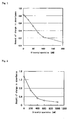
- Figure 1 and Table 1 show the relationship between the diacetylspermine concentration and the amount of change in absorbance.
- Table 1 Diacetylspermine (nM) Amount of change in absorbance 0 0.8245 5 0.8065 10 0.7796 25 0.6899 50 0.5172 75 0.3411 100 0.2296 200 0.0889
- the amount of change in absorbance due to an agglutination reaction was changed in a manner dependent on the concentration of analyte diacetylspermine. That is, the higher the concentration of diacetylspermine become, the lower the amount of change in absorbance become. Accordingly, it can be understood that the amount of diacetylspermine, which is the analyte present in a sample, can be quantified by measuring the amount of change in absorbance due to the agglutination reaction and comparing it to a calibration curve.
- the diacetylspermine and rat anti-mouse IgG monoclonal antibody-bound colloidal gold reagent prepared in Example 2 was used as a first reagent
- the second reagent for diacetylspermine assay 2 prepared in Example 5 was used as a second reagent.
- Samples were prepared so as to have diacetylspermine at the respective concentrations of 0, 200, 400, 600, and 1000nM.
- 80 ⁇ L of the first reagent was added to 10 ⁇ L of a diacetylspermine-containing sample and heating was performed at 37°C for about 5 minutes, and 160 ⁇ L of the second reagent was added for reaction at 37°C.
- the amount of change in absorbance was measured by a Hitachi 7070 automatic analyzer at photometric points from 18 to 31 at wavelengths of 546 nm and 660 nm.
- Figure 2 and Table 2 show the relationship between the diacetylspermine concentration and the amount of change in absorbance.
- Table 2 Diacetylspermine (nM) Amount of change in absorbance 0 1.3497 200 0.6966 400 0.3265 600 0.2204 1000 0.1486
- the amount of change in absorbance due to an agglutination reaction was changed in a manner dependent on the concentration of analyte diacetylspermine. That is, the higher the concentration of diacetylspermine, the lower the amount of change in absorbance. Accordingly, it can be understood that the amount of diacetylspermine, which is the analyte present in a sample, can be quantified by measuring the amount of change in absorbance due to the agglutination reaction and comparing it to a calibration curve.
- Bromperidol-bound BSA (see Japanese Laid-Open Patent Publication No. 2004-325192 ) was diluted with 10 mM HEPES (pH 7.1) containing 0.05 w/v% of sodium azide to give a solution having bromperidol-bound BSA at a concentration of 0.1 mg/mL.
- a mouse anti-rabbit IgG-Fc monoclonal antibody (Biogenesis) was diluted with 10 mM HEPES (pH 7.1) containing 0.05 w/v% of sodium azide to give a solution having monoclonal antibody at a concentration of 40 ⁇ g/mL.
- the first reagent for bromperidol assay prepared in Example 8 was used as a first reagent, and the bromperidol and mouse anti-rabbit IgG-Fc monoclonal antibody-bound colloidal gold reagent prepared in Example 7 was used as a second reagent.
- Bromperidol was dissolved in a 0.05M HEPES solution (pH 7.4) containing 3 w/v% bovine serum albumin at the respective concentrations of 0, 10, 20, 50, and 100 ng/mL to give samples.
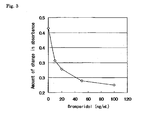
- the amount of change in absorbance due to an agglutination reaction was changed in a manner dependent on the concentration of analyte bromperidol. That is, the higher the concentration of bromperidol, the lower the amount of change in absorbance. Accordingly, it can be understood that the amount of bromperidol, which is the analyte present in a sample, can be quantified by measuring it as the amount of change in absorbance due to the agglutination reaction and comparing it to a calibration curve.
- the use of the microparticle composed of an insoluble carrier such as latex or gold colloid to which both an analyte or an analog of the analyte and a substance that specifically binds to a substance that can specifically bind to the analyte have been bound as a principal component of an agglutination reaction enables to construct a homogeneous measurement system that uses an agglutination reaction to be constructed in a more convenient manner without especially adding a competitor carrying hapten bound thereto to a reaction system so as to induce simultaneous competition of an analyte and the competitor.
- the present disclosure does not require the B/F separation and is therefore also very suitable for automation. Therefore, the present disclosure is suitable as an immunoassay of a trace constituent using an antigen-antibody reaction for use in the industrial, environmental, and clinical laboratory test fields.
Landscapes
- Health & Medical Sciences (AREA)
- Immunology (AREA)
- Life Sciences & Earth Sciences (AREA)
- Engineering & Computer Science (AREA)
- Chemical & Material Sciences (AREA)
- Molecular Biology (AREA)
- Biomedical Technology (AREA)
- Hematology (AREA)
- Urology & Nephrology (AREA)
- Food Science & Technology (AREA)
- Biochemistry (AREA)
- Cell Biology (AREA)
- Biotechnology (AREA)
- Medicinal Chemistry (AREA)
- Physics & Mathematics (AREA)
- Analytical Chemistry (AREA)
- Microbiology (AREA)
- General Health & Medical Sciences (AREA)
- General Physics & Mathematics (AREA)
- Pathology (AREA)
- Inorganic Chemistry (AREA)
- Chemical Kinetics & Catalysis (AREA)
- Investigating Or Analysing Biological Materials (AREA)
- Investigating Or Analysing Materials By The Use Of Chemical Reactions (AREA)
Description
- The present invention relates to an immunoassay using microparticles having a substance bound thereto. In particular, the present invention relates to an immunoassay of a trace constituent using an antigen-antibody reaction for use mainly in the industrial, environmental, and clinical laboratory test fields, and to a reagent kit for immunoassay.
- In recent years, automation in various types of tests such as clinical laboratory tests and reduction in the assay time thereof have been tried. As a method of these tests, an assay utilizing an immune reaction is widely used for measurement of a substance in a biological sample. Examples of the immunoassay include many methods such as RIA, EIA, immunonephelometry, latex agglutination, colloidal gold agglutination, and immunochromatography. Among such methods, the latex agglutination and the colloidal gold agglutination are capable of measurement in a homogeneous system in which the separation or washing operation of a reaction mixture is not required, and therefore suitable for automation of determination and short-time assay. In particular, colloidal gold particles have a size of 5 nm to 100 nm, which is smaller than the size of latex particles, so that colloidal gold particles can be used in an assay of a tracer substance (Japanese Laid-Open Patent Publication Nos.
2005-283250 2004-325192 - In these assays, the principal reaction component is the microparticle such as latex particle or colloidal gold particle having a substance that specifically react (for example, bind) with an analyte bound thereto. The specific binding substance such as antibody present on the microparticle can bind with an analyte, thereby inducing the agglutination of microparticles. This agglutination occurs in a manner dependent on the amount of analyte, and thus a mechanical measurement of this phenomenon enables the mass of analyte to be calculated.
- However, an analyte such as a low molecular weight medicament or chemical substance has a small number of sites for binding to its specific binding substance, so that agglutination reaction is unlikely to be induced, making it difficult to construct a homogeneous measurement system using an agglutination reaction. Therefore, it has been necessary to especially add a competitor carrying a hapten bound thereto to a reaction system (see, for example, Japanese Laid-Open Patent Publication Nos.
2004-325192 2006-38594 -
JP 11153599(A -
JP 2002296281(A -
JP 2001337092(A -
JP 2005508001(A -
US 4,791,067 describes an assay method and kit for a hapten such as theophylline employing a first, latex reagent and a second, antibody reagent. By using a monoclonal antibody of the IgA class in the second reagent, interference by patient rheumatoid factor is prevented. - It is an object of the present invention to provide a method suitable for measuring an analyte that has a small number of specific binding sites within the molecule using an agglutination reaction of immunological microparticles and a kit therefor.
- In the present invention, using the microparticle wherein the same or an analog of the analyte and a substance that specifically binds to a substance that can specifically bind to the analyte are both bound to an insoluble carrier, and therefore it becomes to conveniently carry out the assay without especially inducing simultaneous competition of the competitor carrying hapten bound thereto and the analyte.
- The present disclosure provides a method and reagent kit as described in the claims for measuring an analyte present in a sample, comprising:
- (a) mixing the analyte, a first specific binding substance and microparticles, wherein the first specific binding substance is a substance that can specifically bind to the analyte, each of the microparticles is an insoluble carrier onto the surface of which both the same or an analog of the analyte and a second specific binding substance have been bound, and the second specific binding substance is a substance that can specifically bind to the first specific binding substance; and
- (b) measuring an agglutination reaction of the microparticles in the mixture obtained in the step (a).
- In one embodiment, the analyte is a hapten and the analog of the analyte is a hapten-bound protein.
- In one embodiment, the substance that can specifically bind to the analyte is an antibody against the analyte.
- In a certain embodiment, the second specific binding substance is a monoclonal antibody against the first specific binding substance.
- In a further embodiment of the disclosure, the analog of the analyte is a recognition site that can bind with the substance that can specifically bind to the analyte, or a structural analog of the recognition site. Alternatively, the analog of the analyte may be a substance to which a plurality of the recognition sites or the structural analogs are bound.
- In one embodiment of the disclosure, the insoluble carrier is latex or gold colloid.
- The present disclosure also provides a reagent kit for assay, comprising:
- a first reagent containing a first specific binding substance that is a substance that can specifically binds to an analyte; and
- a second reagent containing microparticles, wherein the microparticles is an insoluble carrier onto the surface of which both the same or an analog of the analyte and a second specific binding substance have been bound, and the second specific binding substance is a substance that can specifically bind to the first specific binding substance.
- In one embodiment, the analyte is a hapten and the analog of the analyte is a hapten-bound protein.
- According to the present invention, it is possible to construct a homogeneous assay using an agglutination reaction in a more convenient manner, by the use of the microparticle composed of an insoluble carrier which is latex or gold colloid, to which both an analyte or an analog of the analyte and a substance that specifically binds to a substance that can specifically bind to the analyte have been bound as the principal component of the agglutination reaction, without especially adding a competitor carrying hapten bound thereto to a reaction system so as to induce simultaneous competition of an analyte and the competitor.
-
-
FIG. 1 is a graph showing the relationship between the concentration of diacetylspermine and the amount of change in absorbance in a diacetylspermine assay (Example 4). -
FIG. 2 is a graph showing the relationship between the concentration of diacetylspermine and the amount of change in absorbance in a diacetylspermine assay (Example 6). -
FIG. 3 is a graph showing the relationship between the concentration of bromperidol and the amount of change in absorbance in bromperidol (Example 9). - In the present invention, examples of samples containing an analyte used in an assay include biological samples such as blood, plasma, serum, urine, feces (in suspension), cerebrospinal fluid, and ascites fluid; and those collected from the environment or extracts thereof.
- The analyte is not particularly limited as long as a substance (the first specific binding substance) that specifically binds to the analyte can exist. Examples of the analyte include proteins such as albumin, hemoglobin, hemoglobin A1c, myoglobin, transferrin, lactoferrin, cystatin C, ferritin, α-fetoprotein, carcinoembryonic antigen, CA19-9, prostate-specific antigen, C-reactive protein (CRP), fibrin degradation product (FDP), pepsinogens I and II, and collagen; lipoproteins such as high-density lipoprotein, low-density lipoprotein, and very low-density lipoprotein; nucleic acids such as deoxyribonucleic acid and ribonucleic acid; enzymes such as alkaline phosphatase, lactate dehydrogenase, lipase, and amylase; immunoglobulins such as IgG, IgM, IgA, IgD, and IgE; antigens and antibodies associated with infectious diseases, such as hepatitis B virus, hepatitis C virus, human immunodeficiency virus, and Helicobacter pylori and antibodies thereto; polyamine, such as spermine, spermidine, putrescine and diacetylspermine, and physiologically active substance; drugs such as haloperidol and bromperidol; and hormones such as sex hormone.
- An example of the substance (the first specific binding substance) that specifically binds to the analyte is an antibody or an antigen that can be used in an immunoassay using an immune reaction. For example, substances having binding affinity, such as antibodies or antigens, receptors, lectin, deoxyribonucleic acid (DNA), and ribonucleic acid (RNA), can be used. Preferably, a polyclonal antibody or a monoclonal antibody against the first binding substance is used in view of the ability to specifically recognize the analyte and be easily recognized by (ie, specifically bind to) the second specific binding substance which have been bound to an insoluble carrier as described in detail below. Further, a recognision site by the second specific binding substance (e.g., a tag) may be added to the first specific binding substance using a chemical or molecular biological technique. Such a first specific binding substance may be commercially available or may be prepared by a method commonly used by those skilled in the art in accordance with the analyte.
- The substance (the second specific binding substance) that specifically binds to the substance (the first specifically binging substance) that specifically binds to the analyte is bound onto the surface of an insoluble carrier. An example of the second specific binding substance is an antibody or an antigen that can be used in an immunoassay utilizing an immune reaction. Alternatively, a substance that specifically binds to a substance that specifically binds to the target to be measured can also be used. For example, substances having binding affinity, such as antibodies or antigens, receptors, lectin, deoxyribonucleic acid (DNA), and ribonucleic acid (RNA), can be used.
- The second specific binding substance specifically binds to the first specific binding substance, and the binding site thereof may recognize any region present in the first specific binding substance. For example, when the first specific binding substance is an antibody, the region may be the Fc region or the V region of the antibody or a tag region or the like added to the antibody using a chemical or molecular biological technique. When the second specific binding substance is an antibody, the second specific binding substance may be a polyclonal antibody or may be a monoclonal antibody. Such a second specific binding substance may be commercially available or may be prepared by a method commonly used by those skilled in the art in depending on the first specific binding substance.
- An analyte or an analog of the analyte that is bound to an insoluble carrier together with the second specific binding substance may be any substance insofar as it specifically binds to the first specific binding substance, including the same of the analyte itself, a recognition site of the analyte that is recognized by the first specific binding substance (i.e., a portion of an analyte), or a structural analog thereof. Alternatively, it may be a substance to which a plurality of such analytes or analogs are bound. When the analyte is a hapten (such as, a small molecule having a molecular weight of several hundred or less), which lacks immunogenicity and only has reactogenicity, the analog of the analyte is preferably a hapten-bound protein. Proteins for which a plurality of analytes (such as, haptens), portions thereof, or structural analogs thereof are bound are appropriately selected from albumins, hemocyanins, thyroglobulins, fibrinogens, enzymes, and the like from various animal. Bovine serum albumin (BSA) is preferable according to the present invention. As for the hapten-bound protein, it is preferable that about 4 to 40 of analytes (haptens) or portions thereof, or structural analogs thereof are bound per protein molecule.
- The binding between the analytes or portions thereof and the protein can be made by a method commonly used by those skilled in the art. As an example of the binding, the analytes or portions thereof is chemically linked with a carrier directly or via a linking agent, by using a functional group, such as an amino group, a carboxyl group, or a thiol group, that is present in the analytes or portions thereof. Depending on the structure of the analytes or portions thereof, various methods are known (Laboratory Techniques in Biochemistry and Molecular Biology (Seikagaku Jikken Hou) 11, Enzyme Immunoassay, written by P. Tijssen, edited by Eiji Ishikawa, p. 252, 1989, Tokyo Kagaku Dozin Co., Ltd.). Examples of a reagent for forming a chemical linkage include an acylating agents and an alkylating agents. Preferably, N-hydroxysuccinimido ester which can be obtained by activating a carboxyl group, maleimides which can be used under weakly alkaline conditions, or the like is used.
- According to the present disclosure the insoluble carrier to which the analyte or an analog of the analyte and a second specific binding substance are both bound can be any microparticles that can be used for an immunoassay reagent. Latex and metal colloid are preferably used. In the case of metal colloid, gold colloid is preferable in view of generally ease to use. Commercially available colloidal gold particles may be used, or colloidal gold particles may be prepared by a method commonly used by those skilled in the art (e.g., a method of reducing chloroauric acid with sodium citrate). The particle size of the colloidal gold particles is usually in the range of 10 nm to 100 nm, preferably in the range of 30 nm to 60 nm.
- The colloidal gold particles (hereinafter sometimes referred to as the bound colloidal gold particles) having both the analyte or an analog of the analyte and a second specific binding substance bound used in the method of the present invention can be prepared, for example, in the following manner. First, usually 0.01 mg to 100 mg, preferably 0.1 mg to 10 mg, of the analyte or an analog of the analyte (e.g., bovine serum albumin-bound analyte) and 0.01 mg to 100 mg, preferably 0.1 mg to 10 mg, of the second specific binding substance (e.g., an antibody) are added to 1 L of a colloidal solution containing gold particles (having an absorbance at 540 nm of about 2.0), and they are mixed with stirring under refrigeration or at room temperature for 5 minutes to 24 hours. Then, the mixture is subjected to blocking with bovine serum albumin (BSA) or the like and centrifuged, and thus the desired bound colloidal gold particles can be obtained. The obtained microparticles are dispersed in a buffer solution to attain a concentration required for assay. The pH of the buffer solution is preferably 5 to 9, and the concentration thereof is preferably 1 to 100 mM. For example, a phosphate buffer solution, a Tris-HCl buffer solution, a succinate buffer solution, or a Good's buffer solution such as glycylglycine, MES (2-(N-morpholino)ethanesulfonic acid), HEPES (2-[4-(2-hydroxyethyl)-1-piperazinyl]-ethanesulfonic acid), TES (N-tris (hydroxymethyl)methyl-2-aminoethanesulfonic acid), MOPS (3-(N-morpholino)propanesulfonic acid), PIPES (piperazine-1,4-bis(2-ethanesulfonic acid)), or Bis-Tris (bis(2-hydroxyethyl)iminotris (hydroxymethyl)methane) is preferably used as the buffer solution.
- The buffer solution may contain additives, for example, sugars and sugar alcohols, sodium azide, albumin, salts such as sodium chloride, and antiseptics, as necessary. Examples of the sugars and sugar alcohols include glucose, mannose, saccharose, lactose, maltose, mannitol, and sorbitol. The concentration thereof is preferably 0.01 to 10 w/v%. As for the albumin, bovine serum albumin (BSA) is preferably used, and the concentration thereof is preferably 0.001 to 1 w/v%. As for the antiseptics, sodium azide is preferably used, and the concentration thereof is preferably 0.01 to 0.5 w/v%. Examples of other additives include
Tween 20, polyethylene glycol lauryl ether, 5-bromosalicylic acid, sodium salicylate, sodium benzoate, sodium benzenesulfonate, phenol, and thymol. - For the binding reaction between the analyte and the first specific binding substance and the agglutination reaction between the resulting binding and the insoluble carrier to which the second specific binding substance and the like have been bound, reaction conditions such as reaction temperature, pH, type of the buffer solution, type and concentration of the coexistent salt, and other coexistent substances are the same as those in conventional immunological reactions. For example, in order to accelerate the reactions, a water-soluble polymer such as polyethylene glycol, polyvinyl alcohol, dextran, or sodium chondroitin sulfate may be added to the reaction system, as is commonly performed. For example, polyethylene glycol is added, depending on the measurement system, in a proportion of about 1 to 5 w/v%.
- According the present disclosure a method for measuring an analyte present in a sample, comprising:
- (a) mixing the analyte, a first specific binding substance and microparticles, wherein the first specific binding substance is a substance that can specifically bind to the analyte, each of the microparticles is an insoluble carrier onto the surface of which both the same or an analog of the analyte and a second specific binding substance have been bound, and the second specific binding substance is a substance that can specifically bind to the first specific binding substance; and
- (b) measuring an agglutination reaction of the microparticles in the mixture obtained in the step (a).
- In this method, in the case of the analyte can bind a plurality of first specific binding substances, in the step (a), the analyte is first reacted with the substance (the first specific binding substance) that specifically binds to the analyte to form a complex, and the complex is then reacted with the microparticle composed of an insoluble carrier such as latex or gold colloid having the substance (the second specific binding substance) that recognizes the substance that specifically binds to the analyte bound thereto, thereby causing an agglutination reaction; and in the step (b), the extent of the agglutination reaction is mechanically measured.
- For example, the method of the present invention is performed in the following manner: a sample containing an analyte or a dilution of the sample appropriately diluted with a buffer or the like is mixed with a first specific binding substance that specifically binds to the analyte, for the first reaction. Subsequently, to the mixture, the microparticle composed of an insoluble carrier as obtained above are added and are mixed, for the second reaction. A first specific binding substance that is not bound to the analyte in the first reaction binds to an analyte or an analyte analog present on the insoluble carrier. A second specific binding substance present on the insoluble carrier binds to a first specific binding substance bound to the analyte or the analyte analog present on the insoluble carrier, thereby causing an agglutination reaction of the microparticles. The agglutination reaction depends on the amount of the first specific binding substance bound to the analyte present on the insoluble carrier in the second reaction, and hence it depends on the amount of the first specific binding substance that is not bound to the analyte in the first reaction. That is, the agglutination reaction of the second reaction is decreased depending on the amount of the analyte in the first reaction. For example, when gold colloid is used as the insoluble carrier, a change in absorbance at a predetermined wavelength due to the agglutination reaction is determined. The amount of the analyte in the sample can be easily found by applying the results of the determination to a calibration curve created beforehand. The calibration curve represents the relationship between the change in the absorbance due to the colloidal gold agglutination reaction and the amount of the analyte. It should be noted that, for example, a qualitative analysis and a semi-quantitative analysis can also be performed, in which the sample is determined as negative when the change in the absorbance is less than a certain value and as positive when the change in the absorbance is not less than the certain value.
- When gold colloid is used, both a single wavelength measurement and a dual wavelength measurement may be used to determine the change in the absorbance after the start of the reaction. When the dual wavelength measurement is used, the change in the absorbance is determined at the first wavelength of 610 nm to 800 nm, preferably 630 nm to 750 nm, and the second wavelength of 360 nm to 580 nm, preferably 500 nm to 550 nm. When the single wavelength measurement is used, the change in the absorbance can be determined at a wavelength within the wavelength region of either one of the first wavelength or the second wavelength used in the above-described dual wavelength measurement. In the method of the present invention, the change in the absorbance refers to values obtained by either of the two measurement methods described below:
- (1) the absorbance of the reaction liquid is measured twice at an appropriate interval after the start of the reaction, and the difference between the two measured values is used as the change in the absorbance; or
- (2) the absorbance of the reaction liquid is continuously measured after the start of the reaction, and the rate of change in the absorbance per unit time (in some cases, the maximum rate of change) is used as the change in the absorbance.
- A spectrophotometer, a microplate reader, a biochemical automatic analyzer, and the like can be used in the above-described measurement. In particular, a number of samples can be determined in a short period of time by applying the method of the present invention to the measurement with the biochemical automatic analyzer.
- According to the present disclosure a reagent kit for assay for use with the method of the present invention is provided. The kit contains a first reagent containing a first specific binding substance that is a substance that can specifically binds to an analyte; and a second reagent containing microparticles, wherein the microparticles is an insoluble carrier onto the surface of which both the same or an analog of the analyte and a second specific binding substance have been bound, and the second specific binding substance is a substance that can specifically bind to the first specific binding substance.
- The above described reagents may be provided in any form, and preferably are provided in the form where the reagents are individually sealed and packaged. The above-described kit may include a reference standard of the analyte for use in creation of a calibration curve, a buffer solution in which each substance is dissolved on use to prepare a solution having an appropriate concentration, instructions for use, and the like.
- First, 2 mL of a 10 w/v% chloroauric acid solution was added to 1 L of distilled water at 95°C under stirring, and after one minute, 10 mL of a 2 w/v% sodium citrate solution was added thereto, and resulting mixture was stirred for further 20 minutes, and then cooled to 30°C. After cooling, the pH was adjusted to 7.1 with 0.1 w/v% potassium carbonate.
- Diacetylspermine-bound BSA (see Japanese Laid-Open Patent Publication No.
2006-38594 - Then, 280 mL of solution A was added to 70 mL of the resulting diacetylspermine and rat anti-mouse IgG monoclonal antibody-bound colloidal gold solution to prepare a diacetylspermine and rat anti-mouse IgG monoclonal antibody-bound colloidal gold reagent.
- To a solution of 0.2 M PIPES (pH 6.5) containing 1.0 w/v% of sodium chloride, 0.5 w/v% of EDTA, and 0.35 w/v% of polyoxyethylene lauryl ether (Solution B) 0.5 µg/mL of a mouse anti-diacetylspermine IgG antibody (Trans Genic Inc.) and 2.0 w/v% of polyethylene glycol as a reaction accelerator were added to give a first reagent for diacetylspermine.
- In this example, the first reagent for diacetylspermine assay 1 prepared in Example 3 was used as a first reagent, and the diacetylspermine and rat anti-mouse IgG monoclonal antibody-bound colloidal gold reagent prepared in Example 2 was used as a second reagent. Samples were prepared so as to have diacetylspermine at the respective concentrations of 0, 5, 10, 25, 50, 75, 100, and 200nM. Then, 160 µL of the first reagent was added to 10 µL of a diacetylspermine-containing sample and heating was performed at 37°C for about 5 minutes, and 80 µL of the second reagent was added for reaction at 37°C. The amount of change in absorbance was measured by a Hitachi 7070 automatic analyzer at photometric points from 18 to 31 at wavelengths of 546 nm and 660 nm.
Figure 1 and Table 1 show the relationship between the diacetylspermine concentration and the amount of change in absorbance.Table 1 Diacetylspermine (nM) Amount of change in absorbance 0 0.8245 5 0.8065 10 0.7796 25 0.6899 50 0.5172 75 0.3411 100 0.2296 200 0.0889 - As shown in
Figure 1 and Table 1, the amount of change in absorbance due to an agglutination reaction was changed in a manner dependent on the concentration of analyte diacetylspermine. That is, the higher the concentration of diacetylspermine become, the lower the amount of change in absorbance become. Accordingly, it can be understood that the amount of diacetylspermine, which is the analyte present in a sample, can be quantified by measuring the amount of change in absorbance due to the agglutination reaction and comparing it to a calibration curve. - To a solution of 0.2 M PIPES (pH 6.5) containing 1.0 w/v% of sodium chloride, 0.5 w/v% of EDTA, and 0.35 w/v% of polyoxyethylene lauryl ether (Solution B) 0.75 µg/mL of a mouse anti-diacetylspermine IgG antibody (Trans Genic Inc.) and 2.0 w/v% of polyethylene glycol as a reaction accelerator were added to give a second reagent for diacetylspermine assay 2.
- In this example, the diacetylspermine and rat anti-mouse IgG monoclonal antibody-bound colloidal gold reagent prepared in Example 2 was used as a first reagent, and the second reagent for diacetylspermine assay 2 prepared in Example 5 was used as a second reagent. Samples were prepared so as to have diacetylspermine at the respective concentrations of 0, 200, 400, 600, and 1000nM. Then, 80 µL of the first reagent was added to 10 µL of a diacetylspermine-containing sample and heating was performed at 37°C for about 5 minutes, and 160 µL of the second reagent was added for reaction at 37°C. The amount of change in absorbance was measured by a Hitachi 7070 automatic analyzer at photometric points from 18 to 31 at wavelengths of 546 nm and 660 nm.
Figure 2 and Table 2 show the relationship between the diacetylspermine concentration and the amount of change in absorbance.Table 2 Diacetylspermine (nM) Amount of change in absorbance 0 1.3497 200 0.6966 400 0.3265 600 0.2204 1000 0.1486 - As shown in
Figure 2 and Table 2, the amount of change in absorbance due to an agglutination reaction was changed in a manner dependent on the concentration of analyte diacetylspermine. That is, the higher the concentration of diacetylspermine, the lower the amount of change in absorbance. Accordingly, it can be understood that the amount of diacetylspermine, which is the analyte present in a sample, can be quantified by measuring the amount of change in absorbance due to the agglutination reaction and comparing it to a calibration curve. - Bromperidol-bound BSA (see Japanese Laid-Open Patent Publication No.
2004-325192 - Then, 280 mL of solution A was added to 70 mL of the bromperidol and mouse anti-rabbit IgG-Fc monoclonal antibody-bound colloidal gold solution to prepare a bromperidol and mouse anti-rabbit IgG-Fc monoclonal antibody-bound colloidal gold reagent.
- To solution B as described in Example 3 above 6 µg/mL of a rabbit anti-bromperidol polyclonal antibody (see Japanese Laid-Open Patent Publication No.
2004-325192 - In this example, the first reagent for bromperidol assay prepared in Example 8 was used as a first reagent, and the bromperidol and mouse anti-rabbit IgG-Fc monoclonal antibody-bound colloidal gold reagent prepared in Example 7 was used as a second reagent. Bromperidol was dissolved in a 0.05M HEPES solution (pH 7.4) containing 3 w/v% bovine serum albumin at the respective concentrations of 0, 10, 20, 50, and 100 ng/mL to give samples. Then, 160 µL of the first reagent was added to 20 µL of a bromperidol-containing sample and heating was performed at 37°C for about 5 minutes, and 80 µL of the second reagent was added for reaction at 37°C. The amount of change in absorbance was measured by a Hitachi 7070 automatic analyzer at photometric points from 18 to 31 at wavelengths of 546 nm and 660 nm.
Figure 3 and Table 3 show the relationship between the bromperidol concentration and the amount of change in absorbance.Table 3 Bromperidol (ng/mL) Amount of change in absorbance 0 0.4142 10 0.3070 20 0.2781 50 0.2393 100 0.2258 - As shown in
Figure 3 and Table 3, the amount of change in absorbance due to an agglutination reaction was changed in a manner dependent on the concentration of analyte bromperidol. That is, the higher the concentration of bromperidol, the lower the amount of change in absorbance. Accordingly, it can be understood that the amount of bromperidol, which is the analyte present in a sample, can be quantified by measuring it as the amount of change in absorbance due to the agglutination reaction and comparing it to a calibration curve. - According to the present disclosure, the use of the microparticle composed of an insoluble carrier such as latex or gold colloid to which both an analyte or an analog of the analyte and a substance that specifically binds to a substance that can specifically bind to the analyte have been bound as a principal component of an agglutination reaction enables to construct a homogeneous measurement system that uses an agglutination reaction to be constructed in a more convenient manner without especially adding a competitor carrying hapten bound thereto to a reaction system so as to induce simultaneous competition of an analyte and the competitor.
- Moreover, the present disclosure does not require the B/F separation and is therefore also very suitable for automation. Therefore, the present disclosure is suitable as an immunoassay of a trace constituent using an antigen-antibody reaction for use in the industrial, environmental, and clinical laboratory test fields.
Claims (6)
- A method for measuring an analyte in a sample, comprising:(a) mixing the sample, a first specific binding substance and microparticles,
wherein(i) the first specific binding substance is a substance that can specifically bind to the analyte,(ii) each of the microparticles is an insoluble carrier onto the surface of which both the same or an analog of the analyte and a second specific binding substance have been bound,(iii) the analog of the analyte can specifically bind to the first specific binding substance,(iv) the second specific binding substance is a substance that can specifically bind to the first specific binding substance, and(v) the insoluble carrier is latex or gold colloid and has a particle size of 10-100nm;
and(b) measuring an agglutination reaction of the microparticles in the mixture obtained in the step (a). - The method of claim 1, wherein the analyte is a hapten and the analog of the analyte is a hapten-bound protein.
- The method of claim 1 or 2, wherein the substance that can specifically bind to the analyte is an antibody against the analyte.
- The method of any one of claims 1 to 3, wherein the second specific binding substance is a monoclonal antibody against the first specific binding substance.
- A reagent kit for assay, comprising:a first reagent containing a first specific binding substance that is a substance that can specifically binds to an analyte; anda second reagent containing microparticles, wherein the microparticle is an insoluble carrier onto the surface of which both the same or an analog of the analyte and a second specific binding substance have been bound, the analog of the analyte can specifically bind to the first specific binding substance, the second specific binding substance is a substance that can specifically bind to the first specific binding substance, and the insoluble carrier is latex or gold colloid and has a particle size of 10-100nm.
- The kit of claim 5, wherein the analyte is a hapten and the analog of the analyte is a hapten-bound protein.
Applications Claiming Priority (2)
| Application Number | Priority Date | Filing Date | Title |
|---|---|---|---|
| JP2007317669 | 2007-12-07 | ||
| PCT/JP2008/070830 WO2009072385A1 (en) | 2007-12-07 | 2008-11-10 | Method of immunoassaying specimen using aggregation reaction of microparticles and assay kit |
Publications (3)
| Publication Number | Publication Date |
|---|---|
| EP2230516A1 EP2230516A1 (en) | 2010-09-22 |
| EP2230516A4 EP2230516A4 (en) | 2010-12-29 |
| EP2230516B1 true EP2230516B1 (en) | 2013-04-10 |
Family
ID=40717566
Family Applications (1)
| Application Number | Title | Priority Date | Filing Date |
|---|---|---|---|
| EP08856793.8A Not-in-force EP2230516B1 (en) | 2007-12-07 | 2008-11-10 | Method of immunoassaying specimen using aggregation reaction of microparticles and assay kit |
Country Status (4)
| Country | Link |
|---|---|
| US (1) | US8354238B2 (en) |
| EP (1) | EP2230516B1 (en) |
| JP (1) | JP5586232B2 (en) |
| WO (1) | WO2009072385A1 (en) |
Families Citing this family (2)
| Publication number | Priority date | Publication date | Assignee | Title |
|---|---|---|---|---|
| US10670586B2 (en) | 2010-04-14 | 2020-06-02 | Nitto Boseki Co., Ltd. | Test instrument for measuring analyte in sample by an aggregation assay using a metal colloid and using a reagent attached in a dry state in a reaction chamber, and method for measuring analyte using same |
| CN105527434B (en) * | 2015-12-31 | 2017-12-19 | 辽宁迈迪生物科技有限公司 | One kind is used for the kit of diacetyl spermine (DAS) detection |
Family Cites Families (11)
| Publication number | Priority date | Publication date | Assignee | Title |
|---|---|---|---|---|
| US4791067A (en) * | 1987-06-25 | 1988-12-13 | Fisher Scientific Co. | Agglutination immunoassay for hapten involving monoclonal antibody of IgA class reagent |
| DE3829245A1 (en) * | 1988-08-29 | 1990-03-01 | Boehringer Mannheim Gmbh | METHOD FOR DETERMINING A SPECIFICALLY BINDABLE SUBSTANCE |
| JP3689191B2 (en) * | 1996-08-05 | 2005-08-31 | 大成建設株式会社 | Three-dimensional shape automatic recognition method and apparatus |
| JPH11153599A (en) | 1997-11-21 | 1999-06-08 | Dai Ichi Pure Chem Co Ltd | Immunological measurement method |
| JP4458622B2 (en) * | 2000-05-26 | 2010-04-28 | 積水メディカル株式会社 | Immunological measurement method and reagent for measurement |
| US20030003602A1 (en) | 2001-03-07 | 2003-01-02 | Bernd Vogt | Homogeneous immunoassay method |
| US7939283B2 (en) | 2001-11-01 | 2011-05-10 | Fisher Scientific Company L.L.C. | Analyte binding turbidity assay |
| US7935539B2 (en) * | 2003-02-14 | 2011-05-03 | Siemens Healthcare Diagnostics, Inc. | Generic method for latex agglutination assays |
| JP2004325192A (en) | 2003-04-23 | 2004-11-18 | Azwell Inc | Hapten measurement method and measurement kit by colloidal gold aggregation method |
| JP2005283250A (en) | 2004-03-29 | 2005-10-13 | Alfresa Pharma Corp | Measuring method of gold colloid agglutination reaction |
| JP4490197B2 (en) | 2004-07-26 | 2010-06-23 | アルフレッサファーマ株式会社 | Diacetylspermine measurement method and reagent kit |
-
2008
- 2008-11-10 WO PCT/JP2008/070830 patent/WO2009072385A1/en not_active Ceased
- 2008-11-10 JP JP2009544622A patent/JP5586232B2/en not_active Expired - Fee Related
- 2008-11-10 US US12/746,254 patent/US8354238B2/en not_active Expired - Fee Related
- 2008-11-10 EP EP08856793.8A patent/EP2230516B1/en not_active Not-in-force
Also Published As
| Publication number | Publication date |
|---|---|
| US20100248392A1 (en) | 2010-09-30 |
| EP2230516A1 (en) | 2010-09-22 |
| JP5586232B2 (en) | 2014-09-10 |
| JPWO2009072385A1 (en) | 2011-04-21 |
| US8354238B2 (en) | 2013-01-15 |
| WO2009072385A1 (en) | 2009-06-11 |
| EP2230516A4 (en) | 2010-12-29 |
Similar Documents
| Publication | Publication Date | Title |
|---|---|---|
| EP2042870A1 (en) | Method of high sensitive immunoassay | |
| US20120214257A1 (en) | Reagent Kit for Determining an Analyte in a Sample by Agglutination | |
| EP2352027A1 (en) | Method and reagent kit for immunological measurement | |
| JP3899029B2 (en) | Immunological analysis method | |
| EP0566205A1 (en) | Method for the elimination of non-specific reactions in immuno-assays | |
| US20100240148A1 (en) | Method and Kit for Measurement of Acrolein Adduct in Sample Utilizing Agglutination Reaction of Immunological Microparticle | |
| US8354238B2 (en) | Method of immunoassaying specimen using aggregation reaction of microparticles and assay kit | |
| JP2005283250A (en) | Measuring method of gold colloid agglutination reaction | |
| US12345705B2 (en) | Immunochromatographic test strip and immunochromatographic detection kit | |
| US20080261328A1 (en) | Method of preventing precipitation of a reactive substance-bound microparticle, and reagent containing the micro particle | |
| JP7658077B2 (en) | Immunoturbidimetric assay reagents and assay kits | |
| JP2001033453A (en) | Method for measuring ligand | |
| JPH10239317A (en) | Zone phenomenon suppression measurement method and measurement reagent | |
| JP2651438B2 (en) | Enzyme-labeled antibody-sensitized latex and enzyme immunoassay using the same | |
| JP3328053B2 (en) | Determination of antibody or antigen concentration by immunoagglutination | |
| JP5137880B2 (en) | Method for producing dry particles with immobilized binding substance | |
| JP4585708B2 (en) | Method and reagent for measuring substance forming complex | |
| JP2009085703A (en) | Highly sensitive immunoassay | |
| JP2006105910A (en) | Target substance measurement method and reagent | |
| CN121311766A (en) | Immunological assay methods, reagents for immunological assays, sample pretreatment solutions for immunological assays, and kits for immunological assays, as well as nonspecific inhibitors. | |
| JP2001349893A (en) | Immunoassay reagent | |
| JPH0766000B2 (en) | Labeled immunocarrier and method of using the same | |
| JPH04258766A (en) | Simple immunity diagnostic method processing many objects | |
| JP2001330611A (en) | Immunoassay reagent |
Legal Events
| Date | Code | Title | Description |
|---|---|---|---|
| PUAI | Public reference made under article 153(3) epc to a published international application that has entered the european phase |
Free format text: ORIGINAL CODE: 0009012 |
|
| 17P | Request for examination filed |
Effective date: 20100707 |
|
| AK | Designated contracting states |
Kind code of ref document: A1 Designated state(s): AT BE BG CH CY CZ DE DK EE ES FI FR GB GR HR HU IE IS IT LI LT LU LV MC MT NL NO PL PT RO SE SI SK TR |
|
| AX | Request for extension of the european patent |
Extension state: AL BA MK RS |
|
| A4 | Supplementary search report drawn up and despatched |
Effective date: 20101125 |
|
| DAX | Request for extension of the european patent (deleted) | ||
| 17Q | First examination report despatched |
Effective date: 20111116 |
|
| GRAP | Despatch of communication of intention to grant a patent |
Free format text: ORIGINAL CODE: EPIDOSNIGR1 |
|
| GRAS | Grant fee paid |
Free format text: ORIGINAL CODE: EPIDOSNIGR3 |
|
| GRAA | (expected) grant |
Free format text: ORIGINAL CODE: 0009210 |
|
| AK | Designated contracting states |
Kind code of ref document: B1 Designated state(s): AT BE BG CH CY CZ DE DK EE ES FI FR GB GR HR HU IE IS IT LI LT LU LV MC MT NL NO PL PT RO SE SI SK TR |
|
| REG | Reference to a national code |
Ref country code: GB Ref legal event code: FG4D |
|
| REG | Reference to a national code |
Ref country code: CH Ref legal event code: EP Ref country code: AT Ref legal event code: REF Ref document number: 606271 Country of ref document: AT Kind code of ref document: T Effective date: 20130415 |
|
| REG | Reference to a national code |
Ref country code: DE Ref legal event code: R082 Ref document number: 602008023789 Country of ref document: DE Representative=s name: HANNKE BITTNER & PARTNER, DE Ref country code: DE Ref legal event code: R082 Ref document number: 602008023789 Country of ref document: DE Representative=s name: HANNKE BITTNER & PARTNER, PATENT- UND RECHTSAN, DE |
|
| REG | Reference to a national code |
Ref country code: IE Ref legal event code: FG4D |
|
| REG | Reference to a national code |
Ref country code: DE Ref legal event code: R096 Ref document number: 602008023789 Country of ref document: DE Effective date: 20130606 |
|
| PG25 | Lapsed in a contracting state [announced via postgrant information from national office to epo] |
Ref country code: SI Free format text: LAPSE BECAUSE OF FAILURE TO SUBMIT A TRANSLATION OF THE DESCRIPTION OR TO PAY THE FEE WITHIN THE PRESCRIBED TIME-LIMIT Effective date: 20130410 |
|
| REG | Reference to a national code |
Ref country code: AT Ref legal event code: MK05 Ref document number: 606271 Country of ref document: AT Kind code of ref document: T Effective date: 20130410 |
|
| REG | Reference to a national code |
Ref country code: NL Ref legal event code: VDEP Effective date: 20130410 Ref country code: LT Ref legal event code: MG4D |
|
| PG25 | Lapsed in a contracting state [announced via postgrant information from national office to epo] |
Ref country code: FI Free format text: LAPSE BECAUSE OF FAILURE TO SUBMIT A TRANSLATION OF THE DESCRIPTION OR TO PAY THE FEE WITHIN THE PRESCRIBED TIME-LIMIT Effective date: 20130410 Ref country code: IS Free format text: LAPSE BECAUSE OF FAILURE TO SUBMIT A TRANSLATION OF THE DESCRIPTION OR TO PAY THE FEE WITHIN THE PRESCRIBED TIME-LIMIT Effective date: 20130810 Ref country code: ES Free format text: LAPSE BECAUSE OF FAILURE TO SUBMIT A TRANSLATION OF THE DESCRIPTION OR TO PAY THE FEE WITHIN THE PRESCRIBED TIME-LIMIT Effective date: 20130721 Ref country code: BE Free format text: LAPSE BECAUSE OF FAILURE TO SUBMIT A TRANSLATION OF THE DESCRIPTION OR TO PAY THE FEE WITHIN THE PRESCRIBED TIME-LIMIT Effective date: 20130410 Ref country code: NL Free format text: LAPSE BECAUSE OF FAILURE TO SUBMIT A TRANSLATION OF THE DESCRIPTION OR TO PAY THE FEE WITHIN THE PRESCRIBED TIME-LIMIT Effective date: 20130410 Ref country code: SE Free format text: LAPSE BECAUSE OF FAILURE TO SUBMIT A TRANSLATION OF THE DESCRIPTION OR TO PAY THE FEE WITHIN THE PRESCRIBED TIME-LIMIT Effective date: 20130410 Ref country code: LT Free format text: LAPSE BECAUSE OF FAILURE TO SUBMIT A TRANSLATION OF THE DESCRIPTION OR TO PAY THE FEE WITHIN THE PRESCRIBED TIME-LIMIT Effective date: 20130410 Ref country code: AT Free format text: LAPSE BECAUSE OF FAILURE TO SUBMIT A TRANSLATION OF THE DESCRIPTION OR TO PAY THE FEE WITHIN THE PRESCRIBED TIME-LIMIT Effective date: 20130410 Ref country code: NO Free format text: LAPSE BECAUSE OF FAILURE TO SUBMIT A TRANSLATION OF THE DESCRIPTION OR TO PAY THE FEE WITHIN THE PRESCRIBED TIME-LIMIT Effective date: 20130710 Ref country code: PT Free format text: LAPSE BECAUSE OF FAILURE TO SUBMIT A TRANSLATION OF THE DESCRIPTION OR TO PAY THE FEE WITHIN THE PRESCRIBED TIME-LIMIT Effective date: 20130812 Ref country code: GR Free format text: LAPSE BECAUSE OF FAILURE TO SUBMIT A TRANSLATION OF THE DESCRIPTION OR TO PAY THE FEE WITHIN THE PRESCRIBED TIME-LIMIT Effective date: 20130711 |
|
| PG25 | Lapsed in a contracting state [announced via postgrant information from national office to epo] |
Ref country code: CY Free format text: LAPSE BECAUSE OF FAILURE TO SUBMIT A TRANSLATION OF THE DESCRIPTION OR TO PAY THE FEE WITHIN THE PRESCRIBED TIME-LIMIT Effective date: 20130410 Ref country code: HR Free format text: LAPSE BECAUSE OF FAILURE TO SUBMIT A TRANSLATION OF THE DESCRIPTION OR TO PAY THE FEE WITHIN THE PRESCRIBED TIME-LIMIT Effective date: 20130410 Ref country code: BG Free format text: LAPSE BECAUSE OF FAILURE TO SUBMIT A TRANSLATION OF THE DESCRIPTION OR TO PAY THE FEE WITHIN THE PRESCRIBED TIME-LIMIT Effective date: 20130710 Ref country code: PL Free format text: LAPSE BECAUSE OF FAILURE TO SUBMIT A TRANSLATION OF THE DESCRIPTION OR TO PAY THE FEE WITHIN THE PRESCRIBED TIME-LIMIT Effective date: 20130410 Ref country code: LV Free format text: LAPSE BECAUSE OF FAILURE TO SUBMIT A TRANSLATION OF THE DESCRIPTION OR TO PAY THE FEE WITHIN THE PRESCRIBED TIME-LIMIT Effective date: 20130410 |
|
| PG25 | Lapsed in a contracting state [announced via postgrant information from national office to epo] |
Ref country code: CZ Free format text: LAPSE BECAUSE OF FAILURE TO SUBMIT A TRANSLATION OF THE DESCRIPTION OR TO PAY THE FEE WITHIN THE PRESCRIBED TIME-LIMIT Effective date: 20130410 Ref country code: DK Free format text: LAPSE BECAUSE OF FAILURE TO SUBMIT A TRANSLATION OF THE DESCRIPTION OR TO PAY THE FEE WITHIN THE PRESCRIBED TIME-LIMIT Effective date: 20130410 Ref country code: SK Free format text: LAPSE BECAUSE OF FAILURE TO SUBMIT A TRANSLATION OF THE DESCRIPTION OR TO PAY THE FEE WITHIN THE PRESCRIBED TIME-LIMIT Effective date: 20130410 Ref country code: EE Free format text: LAPSE BECAUSE OF FAILURE TO SUBMIT A TRANSLATION OF THE DESCRIPTION OR TO PAY THE FEE WITHIN THE PRESCRIBED TIME-LIMIT Effective date: 20130410 |
|
| PLBE | No opposition filed within time limit |
Free format text: ORIGINAL CODE: 0009261 |
|
| STAA | Information on the status of an ep patent application or granted ep patent |
Free format text: STATUS: NO OPPOSITION FILED WITHIN TIME LIMIT |
|
| PG25 | Lapsed in a contracting state [announced via postgrant information from national office to epo] |
Ref country code: IT Free format text: LAPSE BECAUSE OF FAILURE TO SUBMIT A TRANSLATION OF THE DESCRIPTION OR TO PAY THE FEE WITHIN THE PRESCRIBED TIME-LIMIT Effective date: 20130410 Ref country code: RO Free format text: LAPSE BECAUSE OF FAILURE TO SUBMIT A TRANSLATION OF THE DESCRIPTION OR TO PAY THE FEE WITHIN THE PRESCRIBED TIME-LIMIT Effective date: 20130410 |
|
| 26N | No opposition filed |
Effective date: 20140113 |
|
| REG | Reference to a national code |
Ref country code: DE Ref legal event code: R097 Ref document number: 602008023789 Country of ref document: DE Effective date: 20140113 |
|
| REG | Reference to a national code |
Ref country code: CH Ref legal event code: PL |
|
| PG25 | Lapsed in a contracting state [announced via postgrant information from national office to epo] |
Ref country code: LI Free format text: LAPSE BECAUSE OF NON-PAYMENT OF DUE FEES Effective date: 20131130 Ref country code: MC Free format text: LAPSE BECAUSE OF FAILURE TO SUBMIT A TRANSLATION OF THE DESCRIPTION OR TO PAY THE FEE WITHIN THE PRESCRIBED TIME-LIMIT Effective date: 20130410 Ref country code: CH Free format text: LAPSE BECAUSE OF NON-PAYMENT OF DUE FEES Effective date: 20131130 |
|
| REG | Reference to a national code |
Ref country code: IE Ref legal event code: MM4A |
|
| PG25 | Lapsed in a contracting state [announced via postgrant information from national office to epo] |
Ref country code: IE Free format text: LAPSE BECAUSE OF NON-PAYMENT OF DUE FEES Effective date: 20131110 |
|
| PG25 | Lapsed in a contracting state [announced via postgrant information from national office to epo] |
Ref country code: TR Free format text: LAPSE BECAUSE OF FAILURE TO SUBMIT A TRANSLATION OF THE DESCRIPTION OR TO PAY THE FEE WITHIN THE PRESCRIBED TIME-LIMIT Effective date: 20130410 |
|
| PG25 | Lapsed in a contracting state [announced via postgrant information from national office to epo] |
Ref country code: LU Free format text: LAPSE BECAUSE OF NON-PAYMENT OF DUE FEES Effective date: 20131110 Ref country code: HU Free format text: LAPSE BECAUSE OF FAILURE TO SUBMIT A TRANSLATION OF THE DESCRIPTION OR TO PAY THE FEE WITHIN THE PRESCRIBED TIME-LIMIT; INVALID AB INITIO Effective date: 20081110 |
|
| PG25 | Lapsed in a contracting state [announced via postgrant information from national office to epo] |
Ref country code: MT Free format text: LAPSE BECAUSE OF FAILURE TO SUBMIT A TRANSLATION OF THE DESCRIPTION OR TO PAY THE FEE WITHIN THE PRESCRIBED TIME-LIMIT Effective date: 20130410 |
|
| REG | Reference to a national code |
Ref country code: FR Ref legal event code: PLFP Year of fee payment: 8 |
|
| REG | Reference to a national code |
Ref country code: FR Ref legal event code: PLFP Year of fee payment: 9 |
|
| REG | Reference to a national code |
Ref country code: FR Ref legal event code: PLFP Year of fee payment: 10 |
|
| PGFP | Annual fee paid to national office [announced via postgrant information from national office to epo] |
Ref country code: GB Payment date: 20221124 Year of fee payment: 15 Ref country code: FR Payment date: 20221128 Year of fee payment: 15 Ref country code: DE Payment date: 20221110 Year of fee payment: 15 |
|
| REG | Reference to a national code |
Ref country code: DE Ref legal event code: R119 Ref document number: 602008023789 Country of ref document: DE |
|
| GBPC | Gb: european patent ceased through non-payment of renewal fee |
Effective date: 20231110 |
|
| PG25 | Lapsed in a contracting state [announced via postgrant information from national office to epo] |
Ref country code: DE Free format text: LAPSE BECAUSE OF NON-PAYMENT OF DUE FEES Effective date: 20240601 |
|
| PG25 | Lapsed in a contracting state [announced via postgrant information from national office to epo] |
Ref country code: GB Free format text: LAPSE BECAUSE OF NON-PAYMENT OF DUE FEES Effective date: 20231110 |
|
| PG25 | Lapsed in a contracting state [announced via postgrant information from national office to epo] |
Ref country code: FR Free format text: LAPSE BECAUSE OF NON-PAYMENT OF DUE FEES Effective date: 20231130 |
|
| PG25 | Lapsed in a contracting state [announced via postgrant information from national office to epo] |
Ref country code: GB Free format text: LAPSE BECAUSE OF NON-PAYMENT OF DUE FEES Effective date: 20231110 Ref country code: FR Free format text: LAPSE BECAUSE OF NON-PAYMENT OF DUE FEES Effective date: 20231130 Ref country code: DE Free format text: LAPSE BECAUSE OF NON-PAYMENT OF DUE FEES Effective date: 20240601 |