EP2227249B1 - Improved immunizing composition - Google Patents
Improved immunizing composition Download PDFInfo
- Publication number
- EP2227249B1 EP2227249B1 EP08858722.5A EP08858722A EP2227249B1 EP 2227249 B1 EP2227249 B1 EP 2227249B1 EP 08858722 A EP08858722 A EP 08858722A EP 2227249 B1 EP2227249 B1 EP 2227249B1
- Authority
- EP
- European Patent Office
- Prior art keywords
- equi
- seq
- amino acid
- acid sequence
- protein
- Prior art date
- Legal status (The legal status is an assumption and is not a legal conclusion. Google has not performed a legal analysis and makes no representation as to the accuracy of the status listed.)
- Active
Links
Images






Classifications
-
- A—HUMAN NECESSITIES
- A61—MEDICAL OR VETERINARY SCIENCE; HYGIENE
- A61K—PREPARATIONS FOR MEDICAL, DENTAL OR TOILETRY PURPOSES
- A61K39/00—Medicinal preparations containing antigens or antibodies
- A61K39/02—Bacterial antigens
- A61K39/09—Lactobacillales, e.g. aerococcus, enterococcus, lactobacillus, lactococcus, streptococcus
- A61K39/092—Streptococcus
-
- A—HUMAN NECESSITIES
- A61—MEDICAL OR VETERINARY SCIENCE; HYGIENE
- A61P—SPECIFIC THERAPEUTIC ACTIVITY OF CHEMICAL COMPOUNDS OR MEDICINAL PREPARATIONS
- A61P31/00—Antiinfectives, i.e. antibiotics, antiseptics, chemotherapeutics
- A61P31/04—Antibacterial agents
-
- A—HUMAN NECESSITIES
- A61—MEDICAL OR VETERINARY SCIENCE; HYGIENE
- A61P—SPECIFIC THERAPEUTIC ACTIVITY OF CHEMICAL COMPOUNDS OR MEDICINAL PREPARATIONS
- A61P37/00—Drugs for immunological or allergic disorders
- A61P37/02—Immunomodulators
- A61P37/04—Immunostimulants
-
- C—CHEMISTRY; METALLURGY
- C07—ORGANIC CHEMISTRY
- C07K—PEPTIDES
- C07K14/00—Peptides having more than 20 amino acids; Gastrins; Somatostatins; Melanotropins; Derivatives thereof
- C07K14/195—Peptides having more than 20 amino acids; Gastrins; Somatostatins; Melanotropins; Derivatives thereof from bacteria
- C07K14/315—Peptides having more than 20 amino acids; Gastrins; Somatostatins; Melanotropins; Derivatives thereof from bacteria from Streptococcus (G), e.g. Enterococci
-
- A—HUMAN NECESSITIES
- A61—MEDICAL OR VETERINARY SCIENCE; HYGIENE
- A61K—PREPARATIONS FOR MEDICAL, DENTAL OR TOILETRY PURPOSES
- A61K39/00—Medicinal preparations containing antigens or antibodies
- A61K2039/55—Medicinal preparations containing antigens or antibodies characterised by the host/recipient, e.g. newborn with maternal antibodies
- A61K2039/552—Veterinary vaccine
Definitions
- This invention is generally related to antigenic or immunogenic compositions and use thereof for immunization of non-human mammals, e.g. horses, against Streptococcus equi.
- Streptococcal infections in horses are mainly caused by the species Streptococcus equi, which is classified as a Lancefield Group C Streptococcus and comprises two subspecies designated equi and zooepidemicus, respectively.
- Streptococcus equi subsp. equi which is virtually confined to horses, is the causative agent of strangles, a world-wide distributed and highly contagious serious disease of the upper respiratory tract of the Equidae. Strangles is one of the most frequently reported equine diseases world-wide and is characterized by fever, nasal discharge, and abscess formation in the retropharyngeal and mandibular lymph nodes. In some cases the disease shows a metastatic course in the body, so called "bastard strangles". The disease has a world-wide distribution and causes great economic losses. Moreover, since strangles is a highly contagious disease, not only infected animals but also all other members of e.g. an afflicted stud must be isolated for as long as up to three months.
- S . equi subsp. zooepidemicus is considered as an opportunistic commensal often occurring in the upper respiratory tract of healthy horses. However, after stress or virus infection, it can cause a secondary infection, which results in strangles-like symptoms. Moreover, subsp. zooepidemicus infects not only horses but also a wide range of other animals, like pigs, dogs, cats, and cows. Even human cases of infection due to subsp. zooepidemicus have been reported. This subspecies has been implicated as the primary pathogen in conditions such as endometritis, cervicitis, abortion, mastitis, pneumonia, abscesses and joint infections.
- antibiotics such as penicillin, tetracycline or gentamicin
- an effective prophylactic agent that could prevent outbursts of such infections and obviate or reduce the risk for development of resistant strains associated with antibiotic treatment, would be appreciated.
- ECM E xtracellular M atrix
- Fn fibronectin
- Fn ECM component fibronectin
- binding between Fn-binding bacterial cell-surface proteins and immobilized Fn promotes internalization of streptococci by epithelial cells (Ref. 2, 23, 24).
- Fibronectin is a dimeric glycoprotein found both in plasma and in a fibrillar form in the extracellular matrix.
- the main function of Fn is to mediate substrate adhesion of eukaryotic cells, which involves the binding of specific cell-surface receptors to certain domains of the Fn molecule. Furthermore, it also interacts with several other macromolecules, such as DNA, heparin, fibrin, and collagen.
- Fn-binding proteins from different streptococcal species have been cloned and sequenced previously.
- S . equi one Fn-binding protein has been cloned and characterized, which is a Fn-binding cell-surface protein of subsp. zooepidemicus, that has been designated FNZ (Lindmark et al., 1996, Ref. 9).
- Another Fn-binding protein from S . equi subsp. equi has been cloned and characterized by Lindmark and Guss (1999) (Ref. 12). This latter protein that is designated SFS and its potential use as an active component in a vaccine for protection of horses against strangles are disclosed in WO 00/37496 .
- ZAG a protein designated ZAG has been cloned and characterized from S . equi subsp. zooepidemicus that mediates binding to the plasma proteinase inhibitor ⁇ 2 M. It is speculated therein that this protein is similar in function to streptococcal M proteins.
- This protein, ZAG is also disclosed in WO 95/07296 , where its ⁇ 2 M-binding properties are indicated.
- immunogenic properties or potential use thereof as an active component in a vaccine for protection of e.g. horses against strangles are not disclosed therein.
- the gene zag encoding ZAG is also disclosed in these references.
- a gene that is similar to the aforesaid zag gene from S . equi subsp. zooepidemicus but is present in subsp. equi has been described by Lindmark et al. (1999) (Ref. 11) and Lindmark (1999) (Ref. 13). This gene is hereafter designated eag and encodes a protein designated EAG.
- antigenic compositions which comprise at least one antigen derived from a protein designated EAG, which protein is present in S . equi, and which composition suitably comprises at least one further antigen selected from a group of proteins which are present in S . equi and are designated FNZ, SFS, SEC and ScIC, respectively.
- subunit immunogenic or vaccine compositions which comprise at least one polypeptide of S . equi having a specific amino acid sequence as shown in the sequence listing attached to said publication or an analog thereof or a fragment thereof which is a part of said polypeptide and contains at least one epitope.
- polypeptide of S . equi having a specific amino acid sequence as shown in the sequence listing attached to said publication or an analog thereof or a fragment thereof which is a part of said polypeptide and contains at least one epitope.
- the present invention is based on an antigenic, suitably an immunogenic, composition
- the claimed invention is directed to immunogenic composition of antigens derived from Streptococcus equi subsp. equi, characterized inconsisting of:
- the present invention is also directed to an immunogenic composition of antigens derived from Streptococcus equi subsp. equi, characterized inconsisting of:
- the present invention is directed to a vaccine that protects equines, such as horses, against strangles.
- non-human mammals primarily refers to animals belonging to the family Equidae that consists of horses, donkeys and zebras and to hybrids thereof, such as mules and hinnies. Camels and dromedaries are also encompassed therein.
- non-human mammals in addition refers also to other mammals such as cows, pigs, dogs and cats.
- the present disclosure is concerned with identification of polypeptides or proteins of S . equi that are able to elicit an antigenic, suitably an immunogenic, response, when administered to a non-human mammal; and to the identification of polynucleotides or genes encoding these polypeptides or proteins.
- the present disclosure is also concerned with fragments or analogs of said polypeptides or proteins or of said polynucleotides or genes.
- genes of S . equi encoding extracellular proteins were identified and, subsequently, the corresponding products were expressed and evaluated in vaccine studies.
- the present invention is at least partly based on such studies.
- the present disclosure relates to an antigenic composition
- an antigenic composition comprising at least one antigen, wherein said at least one antigen comprises at least part of a protein of Streptococcus equi subsp. equi or subsp. zooepidemicus, and said at least part of said protein comprises at least one antigenic epitope or antigenic determinant of Streptococcus equi.
- the present disclosure is directed to an antigenic composition
- an antigenic composition comprising at least one antigen, wherein said at least one antigen comprises at least part of a protein or polypeptide of Streptococcus equi subsp. equi or subsp. zooepidemicus and said at least part of said protein or polypeptide comprises at least one antigenic epitope or antigenic determinant of Streptococcus equi, and wherein said protein or polypeptide is selected from the group comprising:
- EAG, IdeE, IdeE2, Eq5, and Eq8 designate proteins that can be found in S. equi subsp. equi and IdeZ, IdeZ2, Eqz5, and Eqz8 designate proteins that can be found in S. equi subsp. zooepidemicus.
- the antigens or immunogens of the present antigenic or immunogenic compositions may comprise the entire amino acid sequence of said protein or polypeptide or may comprise a fragment, e.g. a C-terminal or N-terminal fragment thereof, or an analog thereof.
- a fragment e.g. a C-terminal or N-terminal fragment thereof, or an analog thereof.
- an N-terminal fragment of EAG is used according to various embodiments of the present invention.
- the present disclosure also provides an antigenic or immunogenic composition which contains at least 2 or 3 antigens or immunogens selected from the group consisting of EAG, IdeE, IdeE2, Eq5, Eq8, IdeZ, IdeZ2, Eqz5, and Eqz8.
- the present disclosure also provides an antigenic or immunogenic composition which contains at least 2 or 3 antigens or immunogens selected from the group consisting of EAG, IdeE, IdeE2, Eq5, and Eq8.
- this composition also comprises one or both of the previously described antigens SclC (SEQ ID NO: 29) and CNE (SEQ ID NO: 28) (also designated SEC e.g. SEC 2.16).
- SEQ ID NO: 29 SEQ ID NO: 29
- CNE SEQ ID NO: 28
- a further embodiment is related to an antigenic composition comprising EAG, ScIC, CNE, Eq5, and Eq8.
- a suitable composition contains 2 antigens or immunogens which are comprised of Eq5 and Eq8, respectively.
- the present invention is directed to a composition that contains 3 antigens or immunogens, which suitably are comprised of EAG, IdeE, and IdeE2.
- the present invention is also related to compositions that comprise one or both of IdeE and IdeE2.
- an antigenic composition wherein said at least one protein or polypeptide is selected from the group consisting of EAG, Eq5 and Eq8 and which composition further comprises at least one antigen, which is selected from the group comprising a protein or a polypeptide designated CNE (or SEC), which has an amino acid sequence as shown in SEQ ID NO: 28, and a protein or a polypeptide designated ScIC, which has an amino acid sequence as shown in SEQ ID NO: 29.
- said at least one protein or polypeptide is selected from the group comprising IdeE and IdeE2.
- Antigenic compositions which have been shown to be useful in vaccine compositions, comprise according to one embodiment, the antigens EAG, ScIC, CNE (or SEC), Eq5, Eq8, IdeE and IdeE2, and according to another embodiment, the antigens EAG, ScIC, CNE (or SEC), Eq5, and Eq8.
- the present disclosure is also related to an antigenic composition, wherein said at least one protein or polypeptide is selected from the group consisting of EAG, Eq8, and IdeE2 and which composition comprises at least one further antigen which is selected from the group comprising IdeE, Eq5, IdeZ2, Eqz5 and Eqz8 and/or SclC and CNE (or SEC).
- the antigenic composition suitably comprises at least one antigen which is recombinantly produced and/or at least one antigen which is an isolated or purified antigen.
- the present antigens or immunogens that are derived from proteins of Streptococcus equi may comprise the entire protein, a fragment of said protein or an analog of said protein which is antigenic or immunogenic.
- the present invention is not limited to the fragments of proteins that are specifically disclosed herein.
- the antigenic composition may comprise at least one recombinant vector and at least one polynucleotide inserted therein that encodes said at least one protein or polypeptide, and which vector is able to express said polypeptide in vivo in a non-human mammal susceptible to infection with S . equi.
- the vector may be an expression vector which is a plasmid or a viral vector and wherein said polynucleotide has a nucleotide sequence that encodes an antigen of the present invention.
- a further embodiment of the present invention is concerned with a vaccine composition for protecting non-human mammals against infection of Streptococcus equi, which comprises an antigenic composition as disclosed above as immunizing component, and a pharmaceutically acceptable carrier.
- the present vaccine composition comprises an antigenic or immunogenic composition that contains 2, 3 or more of the present antigens or immunogens as immunizing components.
- these antigens or immunogens are comprised of analogs of said proteins or fragments thereof, e.g. N-terminal or C-terminal fragments.
- the vaccine composition may comprise further components, such as an adjuvant.
- an adjuvant such as an adjuvant.
- said adjuvant stimulates systemic or mucosa! immunity.
- Such adjuvants are well known in the art.
- Suitable adjuvants for use according to the present invention comprise (1) polymers of acrylic or methacrylic acid, maleic anhydride and alkenyl derivative polymers, (2) immunostimulating sequences (ISS), (3) an oil in water emulsion, (4) cation lipids containing a quaternary ammonium salt, (5) cytokines, (6) aluminum hydroxide or aluminum phosphate, (7) saponin or (8) nanoparticles.
- a suitable adjuvant for use according to the present invention is the adjuvant Abisco from Isconova AB, Sweden.
- the key components of ISCOMS are Quillaia saponins derived from the bark of the chilean soap bark tree Quillaia saporinaria molina. Quillaia saponins are well known for their ability to activate the immune system. Quillaia saponins mixed with cholesterol, and phospholipids under specific stoichiometry form spherical open cage like structures known as ISCOMS.
- Ginseng is a dry extract prepared from the root of the plant Panax ginseng, C.A. Meyer.
- Ginseng contains a number of active substances named ginsenosides that are a kind of saponins, chemically tri-terpenoid glycosides of the dammaran series.
- the ginsenosides have adjuvant properties and one of the most active adjuvant is the fraction named Rb1. It has been proved that the fraction Rb1 elicits a balanced Th1 and Th2 immune response as determined by measuring the levels of the cytokines IFN- ⁇ , IL-2, IL-4, IL-10 secreted post vaccination with a Rb1 adjuvanted vaccine. In addition ginseng and the fraction Rb1 stimulates a strong antigen specific antibody response.
- the vaccine composition is a vaccine that protects susceptible mammals, suitably horses, against strangles caused by Streptococcus equi subsp. equi.
- the vaccine composition of the present invention is provided in a physiologically administrable form. Suitably, it is administrable by subcutaneous, intramuscular or intranasal inoculation.
- the vaccine composition of the present invention stimulates serum, mucosa! and/or bronchial lavage antibody responses directed to Streptococcus equi antigens in mammals susceptible to Streptococcus equi, suitably horses.
- the present disclosure also provides a method for producing an antigen or immunogen to be used in an antigenic or immunogenic composition of the present invention, which method comprises
- said method further comprises a step (e) wherein the isolated product from step (d) is purified, e.g. by affinity chromatography or other chromatographic methods known in the art.
- the antigens of the present invention are usually produced according to recombinant technique.
- a further aspect of the present disclosure is concerned with a method for preparation of a vaccine of the present invention, which vaccine contains as immunizing component an antigenic or immunogenic composition as disclosed above, said method comprising mixing said antigenic composition and a pharmaceutically acceptable carrier.
- the present disclosure is also related to a method for the production of an antiserum, said method comprising administering an antigenic preparation of the present invention to an animal host to produce antibodies in said animal host and recovering antiserum containing said antibodies produced in said animal host.
- the present disclosure is concerned with a method of prophylactic or therapeutic treatment of S . equi infection in non-human mammals, suitably horses, comprising administering to said mammal an immunologically effective amount of a vaccine or an antiserum of the present invention.
- the present disclosure is related to a method for protecting horses against Streptococcus equi infection, which method comprises inoculating a horse intramuscular, subcutaneously or intranasally, or a combination of e.g. both subcutaneously and intranasally, with a vaccine composition of the present invention to induce an immune response against Streptococcus equi in said horse.
- a vaccine composition of the present invention to induce an immune response against Streptococcus equi in said horse.
- an immune response in the form of IgG and/or IgA and/or IgM antibodies in the nasopharyngeal mucus, is induced in said horse.
- the present disclosure also relates to an antibody preparation comprising at least one, and suitably at least two, antibodies specific for a protein or a polypeptide of the present antigenic composition, which antibody/antibodies is/are polyclonal or monoclonal; or which preparation comprises a fragment of said antibodies.
- the antibody preparation could be used prophylactically or therapeutically against strangles and provides passive immunization when administered to a non-human mammal susceptible to infection by Streptococcus equi or infected by Streptococcus equi.
- the present disclosure describes a vaccine composition
- a vaccine composition comprising one or several antigen components which have been prepared according to the present method using E. coli as host cells.
- the source of these antigens might also be the native bacteria, if methods are developed for expression and purification thereof.
- the antigens of the present invention can also be produced according to methods that are based on fusion strategies where various parts of the respective antigen are recombined resulting in a fusion can in protein consisting of parts from different antigens.
- This fusion strategy could also be suitable for introducing immune reactive part(s), e.g. T-cell epitopes or attenuated toxins (or parts thereof), thereby introducing other features suitable for optimizing the antigen presentation or localization.
- other hosts for expressing the recombinant antigens addition to E. coli also be other suitable species of bacteria and viruses. Today many different systems for expression of heterologus expression are well known in the field of molecular biology.
- Yet another implication of this invention is that it can be used to design specific attenuated mutants of S . equi that lack or have inactivated genes important for survival (i.e. mutations causing deficiency in metabolic pathways) in the host but retain or overproduce the antigens of the present invention.
- Example 1 Constructions of clones harboring the genes ideE, ideE2, eq5 and eq8 from subsp. equi.
- Cleavage sites for the restriction enzymes N coI and Xho I were included in the primer sequences to match the cloning sites in the plasmid vector pTYB4 (New England Biolabs).
- the PCR amplifications were performed using the primers (20 pmol/ ⁇ l) and the Ready To GoTM PCR beads (GE Healthcare) using the following programme: Step 1, pre-heat 1 minute at 95 °C, DNA strand separation; Step 2, 30 seconds at 95 °C; Step 3, annealing 15 seconds at 46 °C; and Step 4, elongation for 2 minutes at 72 °C, Steps 2 - 4 were run for 26 cycles.
- PCR products were analysed on a 1 % agarose gel, and thereafter purified using the QIAquick PCR Purification KitTM (Qiagen). Cleavage with the restriction enzymes was performed over night whereupon the fragments were purified one additional time using the same kit.
- Primer Table The primer sequences used to PCR amplify the genes ideE, ideE2, eq5 and eq8. The nucleotides underlined correspond to the introduced restriction cleavage sites N coI and Xho I.
- E . coli strain ER2566 containing the pTYB4 vector (New England Biolabs) was grown according to the manufacturer's instructions, and the vector was purified using the QIAprep Spin Miniprep (Qiagen). Purified vector was digested using restriction endonucleases N coI and Xho I . After digestion, the vector was treated with the enzyme alkaline phosphatase to reduce the background of religated vector in the later ligation step. For the ligation of the vector and the respective PCR product, the ReadyToGo T4DNA Ligase (GE Healthcare) was used.
- the respective sample were transformed into competent cells of E . coli strain ER2566 using electroporation, and spread on LA-Amp plates (Luria-Bertani broth agar plates supplemented with ampicillin, final conc. 50 ⁇ g/ml) and incubated over night at 37 °C. Next day colonies were counted and four colonies per construct were cultivated and' used for further experiments. To verify the presence of an insert in the respective constructs, plasmids were purified and additional PCR analyses were performed using the respective primer combination. The sequence of the respective insert was also determined by DNA sequencing using primers that hybridise in the vector (T7 universal forward primer and a reverse primer located in the intein coding region).
- ideE gene of S . equi subsp. equi strain 1866 has been reported previously by Lannerg ⁇ rd and Guss (2006).
- GenBank accession number of ideE is DQ508733.
- the part of the gene used to obtain the recombinant IdeE protein used for immunization was cloned using the primers IdEG1 and IdEG2 listed in the Primer Table. After PCR amplification the DNA fragment was digested with restriction enzymes BamH I and Xho I and ligated into the vector pGEX6-P-1 (GE Healthcare), previously digested with the same enzymes.
- the vector used is a part of an E. coli expression and purification system called IMPACTTM T7 (NEB Inc.) Briefly, following the manufacturer's instructions the clones expressing recombinant IdeE2, Eq5 and Eq8, respectively were grown at 37 °C in Luria Bertani growth medium supplemented with ampicillin (final conc. 50 ⁇ g/ml). At an optical density (OD 600 ) ⁇ 0.6, the growth medium was supplemented with IPTG (final conc. 0.4 mM) and the growth temperature shifted to 20 °C.
- IMPACTTM T7 NEB Inc.
- the cells were harvested and resuspended in a buffer [20 mM Tris-HCl (pH 8.0), 500 mM NaCl, 0.1 mM EDTA, and 0.1 % Triton X100] and lysed by freezing and thawing. After centrifugation, the supernatant was sterile filtrated and applied onto a chitin column. The columns were extensively washed using the same buffer and subsequently treated with cleavage buffer [20 mM Tris-HCl (pH 8.0), 50 mM NaCl, 0.1 mM EDTA, and 30 mM dithiothreitol (DTT)].
- a buffer [20 mM Tris-HCl (pH 8.0), 500 mM NaCl, 0.1 mM EDTA, and 0.1 % Triton X100] and lysed by freezing and thawing. After centrifugation, the supernatant was sterile filtrated and applied onto
- the reducing conditions induce an intein-mediated self-cleavage that releases the antigen part from the column while the intein-chitin-binding part is still bound.
- the eluted samples containing the antigens were dialysed against phosphate-buffered saline [PBS; 137 mM NaCl, 2.7 mM KCI, 10 mM Na 2 HPO 4 , 1.4 mM KH 2 PO 4 (pH 7.4)] and concentrated. The amounts of antigens obtained were determined and the quality was checked using SDS-PAGE.
- the recombinant IdeE protein was produced and purified using the GST-affinity chromatography system according to the procedure recommended by the manufacturer (GE Healthcare).
- EAG4B protein is simply called EAG.
- IdE has previously been shown to be a protease that specifically cleaves IgG from various species (Lanneg ⁇ rd and Guss 2006).
- IgG from human, horse and mouse were incubated in PBS at 37 °C for one hour.
- Purified recombinant IdeE was used as a positive control and the negative control was pure IgG. After cleavage, the samples were analysed using 8-25% gradient SDS-PAGE. The result showed that recombinant IdeE2 cleaves cleaves horse IgG much more efficiently than IdeE does.
- mice weighting approximately 23-25 g were kept in cages of five animals in each.
- the mice were immunised intranasally with 12 micrograms of each antigen and 10 microgram of Abisco 300 (Isconova AB, Sweden).
- Fifteen animals were immunised with antigen (Eq5 and Eq8) and 15 were only given Abisco 300 adjuvant to serve as a negative control.
- the total volume was kept to less than 27 ⁇ l and applied into the nostrils twice with 30 minutes interval of mice anaesthetized with Isoflovet (Abbot Laboratories, England). Immunisations were given on days 0, 13 and 32.
- EAG, IdeE and IdeE2 were performed essentially as for Eq5 and Eq8. However, animals were divided into three groups, with ten mice in each group. These were given EAG+IdeE+IdeE2 or EAG only and one group with only adjuvans, Abisco 300, as negative control. Immunisations were given on days 0,21 and 53. Experimental infection was given on day 60.
- the culture was kept at -80°C in vials and a new vial was used for each experiment.
- bacteria were grown on BG plates at 37°C in 5% CO 2 overnight, followed by inoculation into THY and grown without shaking over night.
- the cultures was then diluted 10 times into THY and 10% horse serum (Sigma) and grown for 4 hours at 37°C in 5% CO 2 .
- the culture was centrifuged and resuspended in THB. A dose containing 1x10 6 CFU in 10 ⁇ l was used for all S . equi infections of mice. The animals were followed daily.
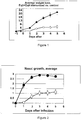
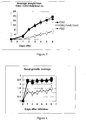
- Bacterial nasal growth was scored on a four-graded scale from 0 to +++ by gently pressing the nose of the animal onto a blood agar plate in a reproducible manner. The nasal sample was then spread out onto the entire surface of the plate. One + means 5-100 colonies; two + means more than 100 and three + means confluent growth. The weight was determined every day and the percentage of weight-loss was calculated.
- the percentage weight loss over time was determined.
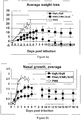
- Figure 3 shows that animals vaccinated with EAG+IdeE+IdeE2 lost less weight that control animals. P values were 0.0013, 0.0008 and 0.0009 for days 3, 5 and 6 respectively (Student's t-test). Animals vaccinated with EAG alone also lost weight to a similar magnitude as control animals. Nasal growth of S . equi was also determined daily on a four graded scale.
- Figure 4 shows that the animals vaccinated with EAG+IdeE+IdeE2 had much less nasal growth than the control group. Again, vaccination with only EAG showed no protection.
- Amino acids in bold originates from the vector.
- the objective of this study was to determine the level of protection conferred on vaccination with Intervacc's new multi-component subunit vaccine following intranasal challenge with wild type S . equi strain 4047 in Welsh Mountain ponies.
- the study has been performed by Animal Health Trust, UK.
- the vaccines used therein, which are designated Nordostrep Septavac or Nordostrep Pentavac A (or only Septavac or Pentavac) are disclosed below.
- the Pentavac vaccine consisted of the following five S . equi recombinant proteins: EAG, SclC, CNE, Eq5 and Eq8.
- EAG S . equi recombinant proteins
- SclC SclC
- CNE Eq5 and Eq8.
- the five proteins were mixed in PBS (50 ⁇ g/ml of the respective protein), divided in aliquots of 1 ml in vials and stored at -20° C.
- the vial was thawed and mixed with 1ml adjuvant (Abisco 200, 375 ⁇ g/dose, Isconova AB, Sweden).
- PBS 150 ⁇ g/ml of respective protein
- the vial was thawed and mixed with 2 ml adjuvant (Abisco 300, 500 ⁇ g/dose, Isconova AB, Sweden).
- the placebo formulations the S . equi proteins were omitted.
- the placebo for subcutaneous vaccination only contained PBS and Abisco 200, 375 ⁇ g/dose and for intranasal vaccination, the placebo contained only PBS and Abisco 300, 500 ⁇ g/dose.
- the Septavac vaccine consisted of the following seven S . equi recombinant proteins: EAG, ScIC, CNE, Eq5, Eq8, IdeE and IdeE2.
- EAG S . equi recombinant proteins
- ScIC ScIC
- CNE CNE
- Eq5 Eq8
- IdeE IdeE2
- IdeE2 IdeE2
- IdeE2 IdeE2
- the seven proteins were mixed in PBS (50 ⁇ g/ml of respective protein) and divided in aliquots of 1 ml in vials and stored at -20°C. Immediately before vaccination the vial was thawed and mixed with 1ml adjuvant (Abisco 200, 375 ⁇ g/dose, Isconova AB, Sweden).
- the seven proteins were mixed in PBS (150 ⁇ g/ml of the respective protein) and divided in aliquots of 2 ml in vials and stored at -20°C. Immediately before vaccination, the vial was thawed and mixed with 2 ml adjuvant (Abisco 300, 500 ⁇ g/dose, Isconova AB, Sweden). In the placebo formulations, the S . equi proteins were omitted.
- the placebo for subcutaneous vaccination only contained PBS and Abisco 200, 375 ⁇ g/dose, and for intranasal vaccination, it only contained PBS and Abisco 300, 500 ⁇ g/dose.
- EAG is comprised of the fragment EAG4B and CNE is the fragment designated 2.16.
- the Septavac vaccine was a safe and effective vaccine for the prevention of strangles.
- the invention is not restricted to the Septavac and Pentavac vaccines which have been studied in this Example but many combinations of the present antigens/immunogens are possible candidates for use in vaccine compositions for prevention of strangles.
- Blood and nasal wash samples were taken according to the protocol to determine the equine immune responses to the vaccine subunits. Based on immunogenicity data, one vaccinated group was challenged to quantify the level of protection conferred.
- Each pony was challenged with a total challenge dose of 1x10 8 cfu of S . equi strain 4047 administered via the spraying of a 2ml culture containing 5x10 7 cfu into both nostrils. This dose regime is believed to optimise the infection rate whilst avoiding overwhelming the host immune response.
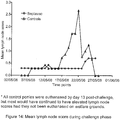
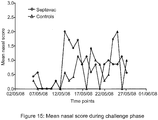
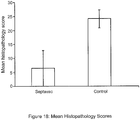
- Ponies were carefully monitored for the onset of clinical signs of disease over a period of three weeks post challenge by regular checks, daily physical examination, monitoring of body temperature, the taking of sera to determine seroconversion and the taking of nasal washes for bacteriological analysis. All ponies were subjected to post mortem examination following abscessation or reaching the study endpoint at 3 weeks post challenge to determine the severity of disease pathology according to a scoring system developed at the AHT. Histopathological examination of tissues recovered from the study ponies was used to identify early signs of S . equi infection that were not obvious on post mortem (PM) examination.
- PM post mortem
- Table 2 Sampling Schedule Day of study Day of week date procedure Volume of sera to be taken Sample/ Analysis/comment day -10 Thurs 31/01/2008 veterinary examination day 1 Mon 11/02/2008 Obs/temps, NW, BL 40 ml normal, 20 ml EDTA IgG and CFU from NW; ELISA for IgG from sera day 2 Tues 12/02/2008 Obs/temps day 3 Wed 13/02/2008 Obs/temps day 4 Thurs 14/02/2008 Obs/temps, V1 7 contr and 7 vaccinated day 5 to 18 Fri 15/02/2008 to 26/02/2008 Obs/temps day 50 Mon 31/03/2008 Obs/temps, NW, BL 20ml normal IgG and CFU from NW; ELISA for IgG from sera day 51 Tues 01/04/2008 Obs/temps day 52 to 59 Wed 02/04/2008 to 09/04/2008 Obs/temps day 60 Thurs 10/04/2008 Obs/temps, V2 7 contr
- the vaccine vials were received by the AHT prior to the first vaccination and stored at -20°C until use in freezer number EQ No. 2305. Placebo (containing no antigens) and adjuvant vials were stored at 4°C until use in fridge number EQ No. 44.
- vaccines and adjuvants were mixed as stated in the protocol in situ by A Waller, L Prowse or C Robinson at AHT.
- S . equi 4047 was prepared from fresh plates as described in SOP/BACT/25.
- Ponies were identified by a microchip in the neck. The 21 ponies were randomly assigned to vaccination groups (Table 3). Table 3: Vaccination groups and pony chip IDs Group Vaccine Pony Chip ID's 1 Septavac 00012, 00159, 00833, 00976, 99123, 99668, 99794 2 Pentavac 01298, 01605, 01724, 99223, 99229, 99773, 99919 3 Placebo 00173, 00427, 01635, 02078, 99549, 99776, 99886
- Ponies in groups 1 and 3 were transferred to the ACVS (Allen Centre), three days prior to challenge to allow acclimatisation. Ponies were separated into two animal rooms according to their vaccination groups, so that ponies from each vaccination group were kept together.
- Vaccinations were given by subcutaneous injection near the retropharyngeal lymph nodes according to AHT SOP/EQU/03 or via intranasal spray according to AHT SOP/EQU/07.
- each pony was challenged by intranasal administration of 2ml of a fresh S . equi 4047 culture into both nostrils using a flexible tube and spray nozzle according to AHT SOP/BACT32.
- Such a challenge dose was predicted to contain a total of 1x10 8 cfu of S . equi 4047.
- Ponies were examined according to AHT SOP/EQU/02. Each pony was examined clinically on the day of challenge, and on each of the following 21 days for the occurrence of symptoms associated with S . equi infection (demeanor, nasal discharge, lymph node swelling and abscessation, signs of coughing, difficulty swallowing and feeding, and ocular signs).
- Blood samples were taken from the jugular vein according to AHT SOP/EQU/01 and according to the study protocol schedule. Serum was prepared according to AHT SOP/EQU/01 and stored frozen at -20°C or below until use.
- a 500 ⁇ l sample of the nasal wash was added to 500 ⁇ l of Todd-Hewitt Broth in situ at the time of sampling for transportation to the lab to allow quantification of the number of ⁇ -haemolytic streptococci per ml according to AHT SOP/BACT/02.
- the remaining nasal wash sample was centrifuged and the supernatant decanted into a clean 5 ml polypropylene tube and stored at -70°C until use for quantification of mucosal antibodies.
- Tissue samples were preserved in phosphate buffered formalin and subjected to microscopic examination according to standard techniques and provision of a full and formal report.
- Tissue swabs were taken and the results recorded and used to evaluate the level of S . equi infection.
- Charcoal swabs were taken from each of the areas as stated in the protocol and processed on COBA Streptococcal selective plates to determine the presence of S . equi.
- Strangles pathology was scored using the system in Table 5.
- Table 5 Pathology scoring system Pathology Score Retropharyngeal or submandibular lymph node abscess: 15 Retropharyngeal or submandibular lymph node microabscess: 10 Empyaema of guttural pouch: 5 Scarring of guttural pouch: 5 Enlarged lymph node: 1 Follicular hyperplasia of guttural pouch: 1
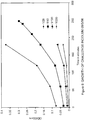
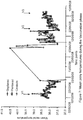
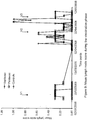
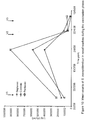
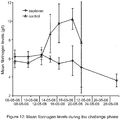
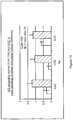
- Fibrinogen levels were significantly different between the two study groups on days 6, 8 and 11 post challenge ( Figure 12 ). All controls developed elevated fibrinogen levels, but only 2 vaccinates (ponies 0976 and 9794) had higher levels.
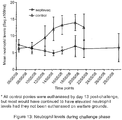
- Neutrophil levels were also significantly different between the two study groups on days 6, 8 and 11 post challenge ( Figure 13 ). All controls developed elevated neutrophil levels, but only 1 vaccinate (pony 9794) had higher levels.
- Table 8 Post Mortem Analysis after Challenge Group Pony ID Total PM score Septavac 0012 6 Septavac 0159 3 Septavac 0833 5 Septavac 0976 6 Septavac 9123 4 Septavac 9668 1 Septavac 9794 57 Control 0173 42 Control 0427 53 Control 1635 66 Control 2078 49 Control 9549 57 Control 9776 43 Control 9886 42
- Table 9 Number and Location of Abscesses on Post Mortem Group Pony ID SMLN RPLN L R L R Septavac 0012 - - - - Septavac 0159 - - - - Septavac 0833 - - - - Septavac 0976 - - - - Septavac 9123 - - - - Septavac 9668 - - - Septavac 9794 - ⁇ ⁇ ⁇ Control 0173 - - ⁇ ⁇ Control 0427 ⁇ - ⁇ ⁇ Control 1635 ⁇ ⁇ ⁇ ⁇ Control 2078 - -
- Ponies 0012, 9123 and 9668 showed no S.equi. Con - confluent SMLN - Submandibular Lymph Node RPLN - Retropharyngeal Lymph Node Table 11: Histopathology Scores Pony Chip ID 0012 0159 0833 0976 9123 9668 9794 0173 0427 1635 2078 9549 9776 9886 Identity Sep Sep Sep Sep Sep Sep Sep Sep Con Con Con Con Con Con Nasal turbinate 0 1 1 0 0 0 0 0 0 0 0 0 1 0 Nasopharynx 0 0 0 1 0 0 0 0 0 0 0 0 0 0 0 SMLN - L 0 0 0 0 0 0 0 5 5 0 5 0 0 0 0 SMLN - R 0 0 0 0 0 0 5 0 5 5 0 0 0 0 RPLN - L 0 0
- Pentavac A vaccine delayed the onset of infection upon challenge with S. equi and that one of the ponies in the group did not developed strangles.
- One implication of the present invention is that enzymes degrading immunoglobulins can be used as antigens in a vaccine to protect the target animal from infection. Therefore one embodiment of the present invention is that concerning the human pathogenic group A streptococci (GAS) it is possible to construct a vaccine composition which protects humans from infections caused by this bacterium.
- GAS human pathogenic group A streptococci
- Sib35, IdeS or Mac-proteins which share amino acid sequence homologies to IdeE and IdeE2 and therefore in light of the present invention can be purified and used as antigens in a vaccine separately or in combination with other purified extracellular proteins (like M-proteins or M-like proteins or fragments thereof) from group A strains.
- the invention can be used to develop specific antisera, polyclonal or monoclonal antibodies to be used for diagnostic purposes or to be used in passive immunisations of the target animal including humans.
Landscapes
- Health & Medical Sciences (AREA)
- Chemical & Material Sciences (AREA)
- Life Sciences & Earth Sciences (AREA)
- General Health & Medical Sciences (AREA)
- Medicinal Chemistry (AREA)
- Organic Chemistry (AREA)
- Immunology (AREA)
- Public Health (AREA)
- Animal Behavior & Ethology (AREA)
- Veterinary Medicine (AREA)
- Pharmacology & Pharmacy (AREA)
- Mycology (AREA)
- Epidemiology (AREA)
- Microbiology (AREA)
- Genetics & Genomics (AREA)
- Proteomics, Peptides & Aminoacids (AREA)
- Molecular Biology (AREA)
- Biophysics (AREA)
- Biochemistry (AREA)
- Gastroenterology & Hepatology (AREA)
- Nuclear Medicine, Radiotherapy & Molecular Imaging (AREA)
- Chemical Kinetics & Catalysis (AREA)
- General Chemical & Material Sciences (AREA)
- Bioinformatics & Cheminformatics (AREA)
- Engineering & Computer Science (AREA)
- Communicable Diseases (AREA)
- Oncology (AREA)
- Medicines Containing Antibodies Or Antigens For Use As Internal Diagnostic Agents (AREA)
- Peptides Or Proteins (AREA)
Applications Claiming Priority (3)
| Application Number | Priority Date | Filing Date | Title |
|---|---|---|---|
| US1349507P | 2007-12-13 | 2007-12-13 | |
| US8228108P | 2008-07-21 | 2008-07-21 | |
| PCT/SE2008/051445 WO2009075646A1 (en) | 2007-12-13 | 2008-12-12 | Improved immunizing composition |
Publications (3)
| Publication Number | Publication Date |
|---|---|
| EP2227249A1 EP2227249A1 (en) | 2010-09-15 |
| EP2227249A4 EP2227249A4 (en) | 2011-08-31 |
| EP2227249B1 true EP2227249B1 (en) | 2018-04-25 |
Family
ID=40755754
Family Applications (1)
| Application Number | Title | Priority Date | Filing Date |
|---|---|---|---|
| EP08858722.5A Active EP2227249B1 (en) | 2007-12-13 | 2008-12-12 | Improved immunizing composition |
Country Status (8)
| Country | Link |
|---|---|
| US (2) | US20110020403A1 (enExample) |
| EP (1) | EP2227249B1 (enExample) |
| JP (1) | JP2011506433A (enExample) |
| CN (1) | CN102026658A (enExample) |
| AU (1) | AU2008336295B2 (enExample) |
| CA (1) | CA2708260A1 (enExample) |
| NZ (1) | NZ586367A (enExample) |
| WO (1) | WO2009075646A1 (enExample) |
Families Citing this family (13)
| Publication number | Priority date | Publication date | Assignee | Title |
|---|---|---|---|---|
| EP2498812A4 (en) * | 2009-11-13 | 2013-05-22 | Bengt Guss | IMMUNIZATION COMPOSITION FOR REDUCING STREPTOCOCCAL INFECTIONS |
| EP3135684B1 (en) | 2010-05-26 | 2023-06-28 | Intervacc AB | Vaccine against streptococcal infections based on recombinant fusion proteins |
| EP2949340A1 (en) * | 2014-05-30 | 2015-12-02 | IDT Biologika GmbH | Vaccine composition against Streptococcus suis infection |
| GB201502306D0 (en) * | 2015-02-12 | 2015-04-01 | Hansa Medical Ab | Protein |
| GB201502305D0 (en) | 2015-02-12 | 2015-04-01 | Hansa Medical Ab | Protein |
| WO2021254479A1 (zh) * | 2020-06-18 | 2021-12-23 | 上海宝济药业有限公司 | 一种免疫球蛋白降解酶IdeE的突变体 |
| JP7750614B2 (ja) * | 2021-04-05 | 2025-10-07 | エルジー・ケム・リミテッド | コロナウイルスワクチン組成物 |
| WO2023116817A1 (zh) | 2021-12-22 | 2023-06-29 | 上海宝济药业有限公司 | 一种免疫球蛋白降解酶IdeE的突变体的用途 |
| CN114437235B (zh) * | 2022-01-04 | 2024-02-09 | 中国农业科学院哈尔滨兽医研究所(中国动物卫生与流行病学中心哈尔滨分中心) | 马链球菌马亚种8种蛋白的重组融合蛋白及其制备方法和应用 |
| AU2023383441A1 (en) | 2022-11-18 | 2025-06-05 | Seismic Therapeutic, Inc. | Fc fusion molecules and uses thereof |
| WO2024148276A1 (en) | 2023-01-06 | 2024-07-11 | Seismic Therapeutic, Inc. | Protease variants and uses thereof |
| WO2025054602A1 (en) * | 2023-09-08 | 2025-03-13 | The Texas A&M University System | Protein for the serological detection of streptococcus equi subspecies equi exposure or infection |
| CN118497176B (zh) * | 2024-07-16 | 2025-01-21 | 苏州康聚生物科技有限公司 | 一种免疫球蛋白降解酶 |
Family Cites Families (11)
| Publication number | Priority date | Publication date | Assignee | Title |
|---|---|---|---|---|
| AR241545A1 (es) | 1985-07-12 | 1992-08-31 | Cornell Res Foundation Inc | Un metodo para preparar una cepa de s. equi avirulenta a.t.c.c. 53186 para equinos. |
| US5583014A (en) | 1990-07-03 | 1996-12-10 | Bayer Corporation | Preparation and use of enzyme-detergent extracted Streptococcus zoopidemicus vaccine |
| SE9003374D0 (sv) | 1990-10-22 | 1990-10-22 | Alfa Laval Agri Int | A collagen binding protein as well as its preparation |
| SE9302855D0 (sv) | 1993-09-06 | 1993-09-06 | Martin Lindberg | Method and means for producing plasmaproteinase inhibitor binding proteins |
| IES960488A2 (en) | 1996-07-03 | 1997-11-19 | Trinity College Dublin | Subunit Vaccine for Streptococcus Equi |
| CA2243730C (en) * | 1997-07-29 | 2009-12-22 | Akzo Nobel N.V. | Streptococcus equi vaccine |
| SE9804491D0 (sv) | 1998-12-22 | 1998-12-22 | Bengt Guss | Novel fibronectin-binding protein |
| US6887480B1 (en) | 1999-06-10 | 2005-05-03 | Medimmune, Inc. | Streptococcus pneumoniae proteins and vaccines |
| AU777856B2 (en) * | 1999-06-10 | 2004-11-04 | Human Genome Sciences, Inc. | Streptococcus pneumoniae proteins and vaccines |
| US8404245B2 (en) * | 2002-10-11 | 2013-03-26 | Intervacc Ab | Immunization of non-human mammals against Streptococcus equi |
| US7455844B2 (en) * | 2006-03-29 | 2008-11-25 | Merial Limited | Vaccine against streptococci |
-
2008
- 2008-12-12 AU AU2008336295A patent/AU2008336295B2/en not_active Ceased
- 2008-12-12 JP JP2010537898A patent/JP2011506433A/ja active Pending
- 2008-12-12 WO PCT/SE2008/051445 patent/WO2009075646A1/en not_active Ceased
- 2008-12-12 CA CA2708260A patent/CA2708260A1/en not_active Abandoned
- 2008-12-12 EP EP08858722.5A patent/EP2227249B1/en active Active
- 2008-12-12 CN CN2008801269094A patent/CN102026658A/zh active Pending
- 2008-12-12 NZ NZ586367A patent/NZ586367A/en unknown
- 2008-12-12 US US12/747,843 patent/US20110020403A1/en not_active Abandoned
-
2013
- 2013-05-13 US US13/893,212 patent/US9987342B2/en active Active
Non-Patent Citations (1)
| Title |
|---|
| TIMONEY ET AL: "IdeE reduces the bactericidal activity of equine neutrophils for Streptococcus equi", VETERINARY IMMUNOLOGY AND IMMUNOPATHOLOGY, ELSEVIER BV, AMSTERDAM, NL, vol. 122, no. 1-2, 9 November 2007 (2007-11-09), pages 76 - 82, XP022494652, ISSN: 0165-2427, DOI: 10.1016/J.VETIMM.2007.10.017 * |
Also Published As
| Publication number | Publication date |
|---|---|
| US9987342B2 (en) | 2018-06-05 |
| CN102026658A (zh) | 2011-04-20 |
| WO2009075646A1 (en) | 2009-06-18 |
| AU2008336295B2 (en) | 2013-07-11 |
| NZ586367A (en) | 2012-04-27 |
| AU2008336295A1 (en) | 2009-06-18 |
| US20110020403A1 (en) | 2011-01-27 |
| CA2708260A1 (en) | 2009-06-18 |
| EP2227249A4 (en) | 2011-08-31 |
| US20140220064A1 (en) | 2014-08-07 |
| EP2227249A1 (en) | 2010-09-15 |
| JP2011506433A (ja) | 2011-03-03 |
Similar Documents
| Publication | Publication Date | Title |
|---|---|---|
| US9987342B2 (en) | Immunizing composition | |
| EP3135684B1 (en) | Vaccine against streptococcal infections based on recombinant fusion proteins | |
| US10188717B2 (en) | Vaccines and compositions against Streptococcus pneumoniae | |
| CN113769076B (zh) | 抗猪链球菌感染的疫苗组合物 | |
| JP2023503057A (ja) | ヘモフィルス・パラスイスに対する新規ワクチン | |
| JP7812328B2 (ja) | ヘモフィルス・パラスイスに対する新規ワクチン | |
| KR20200076551A (ko) | 마이코플라즈마 폐렴 및 흉막폐렴 예방용 백신 조성물 | |
| CA2501621C (en) | Immunization of non-human mammals against streptococcus equi | |
| US20120225079A1 (en) | Immunizing composition for reducing streptococcal infections | |
| HK1156230A (en) | Improved immunizing composition | |
| BRAMBILA et al. | Two outer membrane lipoproteins from histophilus somni are Immunogenic in rabbits and sheep and induce protection against bacterial challenge in mice | |
| TW202219269A (zh) | 新型多殺性巴斯德氏菌株及具有hyaC與nanP缺失之疫苗 | |
| AU2013205101A1 (en) | Improved immunizing composition | |
| HK1183677B (en) | Vaccine against streptococcal infections based on recombinant proteins |
Legal Events
| Date | Code | Title | Description |
|---|---|---|---|
| PUAI | Public reference made under article 153(3) epc to a published international application that has entered the european phase |
Free format text: ORIGINAL CODE: 0009012 |
|
| 17P | Request for examination filed |
Effective date: 20100701 |
|
| AK | Designated contracting states |
Kind code of ref document: A1 Designated state(s): AT BE BG CH CY CZ DE DK EE ES FI FR GB GR HR HU IE IS IT LI LT LU LV MC MT NL NO PL PT RO SE SI SK TR |
|
| AX | Request for extension of the european patent |
Extension state: AL BA MK RS |
|
| DAX | Request for extension of the european patent (deleted) | ||
| A4 | Supplementary search report drawn up and despatched |
Effective date: 20110729 |
|
| RIC1 | Information provided on ipc code assigned before grant |
Ipc: A61K 39/40 20060101ALI20110725BHEP Ipc: A61K 39/09 20060101AFI20110725BHEP Ipc: C07K 14/315 20060101ALI20110725BHEP Ipc: C07K 16/12 20060101ALI20110725BHEP |
|
| 17Q | First examination report despatched |
Effective date: 20120912 |
|
| STAA | Information on the status of an ep patent application or granted ep patent |
Free format text: STATUS: EXAMINATION IS IN PROGRESS |
|
| GRAP | Despatch of communication of intention to grant a patent |
Free format text: ORIGINAL CODE: EPIDOSNIGR1 |
|
| STAA | Information on the status of an ep patent application or granted ep patent |
Free format text: STATUS: GRANT OF PATENT IS INTENDED |
|
| INTG | Intention to grant announced |
Effective date: 20171123 |
|
| GRAS | Grant fee paid |
Free format text: ORIGINAL CODE: EPIDOSNIGR3 |
|
| GRAA | (expected) grant |
Free format text: ORIGINAL CODE: 0009210 |
|
| STAA | Information on the status of an ep patent application or granted ep patent |
Free format text: STATUS: THE PATENT HAS BEEN GRANTED |
|
| AK | Designated contracting states |
Kind code of ref document: B1 Designated state(s): AT BE BG CH CY CZ DE DK EE ES FI FR GB GR HR HU IE IS IT LI LT LU LV MC MT NL NO PL PT RO SE SI SK TR |
|
| REG | Reference to a national code |
Ref country code: GB Ref legal event code: FG4D |
|
| REG | Reference to a national code |
Ref country code: CH Ref legal event code: EP |
|
| REG | Reference to a national code |
Ref country code: AT Ref legal event code: REF Ref document number: 992163 Country of ref document: AT Kind code of ref document: T Effective date: 20180515 |
|
| REG | Reference to a national code |
Ref country code: IE Ref legal event code: FG4D |
|
| REG | Reference to a national code |
Ref country code: DE Ref legal event code: R096 Ref document number: 602008055033 Country of ref document: DE |
|
| REG | Reference to a national code |
Ref country code: SE Ref legal event code: TRGR |
|
| REG | Reference to a national code |
Ref country code: NL Ref legal event code: MP Effective date: 20180425 |
|
| REG | Reference to a national code |
Ref country code: LT Ref legal event code: MG4D |
|
| PG25 | Lapsed in a contracting state [announced via postgrant information from national office to epo] |
Ref country code: NL Free format text: LAPSE BECAUSE OF FAILURE TO SUBMIT A TRANSLATION OF THE DESCRIPTION OR TO PAY THE FEE WITHIN THE PRESCRIBED TIME-LIMIT Effective date: 20180425 |
|
| PG25 | Lapsed in a contracting state [announced via postgrant information from national office to epo] |
Ref country code: BG Free format text: LAPSE BECAUSE OF FAILURE TO SUBMIT A TRANSLATION OF THE DESCRIPTION OR TO PAY THE FEE WITHIN THE PRESCRIBED TIME-LIMIT Effective date: 20180725 Ref country code: LT Free format text: LAPSE BECAUSE OF FAILURE TO SUBMIT A TRANSLATION OF THE DESCRIPTION OR TO PAY THE FEE WITHIN THE PRESCRIBED TIME-LIMIT Effective date: 20180425 Ref country code: FI Free format text: LAPSE BECAUSE OF FAILURE TO SUBMIT A TRANSLATION OF THE DESCRIPTION OR TO PAY THE FEE WITHIN THE PRESCRIBED TIME-LIMIT Effective date: 20180425 Ref country code: ES Free format text: LAPSE BECAUSE OF FAILURE TO SUBMIT A TRANSLATION OF THE DESCRIPTION OR TO PAY THE FEE WITHIN THE PRESCRIBED TIME-LIMIT Effective date: 20180425 Ref country code: PL Free format text: LAPSE BECAUSE OF FAILURE TO SUBMIT A TRANSLATION OF THE DESCRIPTION OR TO PAY THE FEE WITHIN THE PRESCRIBED TIME-LIMIT Effective date: 20180425 Ref country code: NO Free format text: LAPSE BECAUSE OF FAILURE TO SUBMIT A TRANSLATION OF THE DESCRIPTION OR TO PAY THE FEE WITHIN THE PRESCRIBED TIME-LIMIT Effective date: 20180725 |
|
| PG25 | Lapsed in a contracting state [announced via postgrant information from national office to epo] |
Ref country code: HR Free format text: LAPSE BECAUSE OF FAILURE TO SUBMIT A TRANSLATION OF THE DESCRIPTION OR TO PAY THE FEE WITHIN THE PRESCRIBED TIME-LIMIT Effective date: 20180425 Ref country code: LV Free format text: LAPSE BECAUSE OF FAILURE TO SUBMIT A TRANSLATION OF THE DESCRIPTION OR TO PAY THE FEE WITHIN THE PRESCRIBED TIME-LIMIT Effective date: 20180425 Ref country code: GR Free format text: LAPSE BECAUSE OF FAILURE TO SUBMIT A TRANSLATION OF THE DESCRIPTION OR TO PAY THE FEE WITHIN THE PRESCRIBED TIME-LIMIT Effective date: 20180726 |
|
| REG | Reference to a national code |
Ref country code: AT Ref legal event code: MK05 Ref document number: 992163 Country of ref document: AT Kind code of ref document: T Effective date: 20180425 |
|
| PG25 | Lapsed in a contracting state [announced via postgrant information from national office to epo] |
Ref country code: PT Free format text: LAPSE BECAUSE OF FAILURE TO SUBMIT A TRANSLATION OF THE DESCRIPTION OR TO PAY THE FEE WITHIN THE PRESCRIBED TIME-LIMIT Effective date: 20180827 |
|
| REG | Reference to a national code |
Ref country code: DE Ref legal event code: R097 Ref document number: 602008055033 Country of ref document: DE |
|
| PG25 | Lapsed in a contracting state [announced via postgrant information from national office to epo] |
Ref country code: AT Free format text: LAPSE BECAUSE OF FAILURE TO SUBMIT A TRANSLATION OF THE DESCRIPTION OR TO PAY THE FEE WITHIN THE PRESCRIBED TIME-LIMIT Effective date: 20180425 Ref country code: RO Free format text: LAPSE BECAUSE OF FAILURE TO SUBMIT A TRANSLATION OF THE DESCRIPTION OR TO PAY THE FEE WITHIN THE PRESCRIBED TIME-LIMIT Effective date: 20180425 Ref country code: CZ Free format text: LAPSE BECAUSE OF FAILURE TO SUBMIT A TRANSLATION OF THE DESCRIPTION OR TO PAY THE FEE WITHIN THE PRESCRIBED TIME-LIMIT Effective date: 20180425 Ref country code: SK Free format text: LAPSE BECAUSE OF FAILURE TO SUBMIT A TRANSLATION OF THE DESCRIPTION OR TO PAY THE FEE WITHIN THE PRESCRIBED TIME-LIMIT Effective date: 20180425 Ref country code: EE Free format text: LAPSE BECAUSE OF FAILURE TO SUBMIT A TRANSLATION OF THE DESCRIPTION OR TO PAY THE FEE WITHIN THE PRESCRIBED TIME-LIMIT Effective date: 20180425 Ref country code: DK Free format text: LAPSE BECAUSE OF FAILURE TO SUBMIT A TRANSLATION OF THE DESCRIPTION OR TO PAY THE FEE WITHIN THE PRESCRIBED TIME-LIMIT Effective date: 20180425 |
|
| PG25 | Lapsed in a contracting state [announced via postgrant information from national office to epo] |
Ref country code: IT Free format text: LAPSE BECAUSE OF FAILURE TO SUBMIT A TRANSLATION OF THE DESCRIPTION OR TO PAY THE FEE WITHIN THE PRESCRIBED TIME-LIMIT Effective date: 20180425 |
|
| PLBE | No opposition filed within time limit |
Free format text: ORIGINAL CODE: 0009261 |
|
| STAA | Information on the status of an ep patent application or granted ep patent |
Free format text: STATUS: NO OPPOSITION FILED WITHIN TIME LIMIT |
|
| 26N | No opposition filed |
Effective date: 20190128 |
|
| PG25 | Lapsed in a contracting state [announced via postgrant information from national office to epo] |
Ref country code: SI Free format text: LAPSE BECAUSE OF FAILURE TO SUBMIT A TRANSLATION OF THE DESCRIPTION OR TO PAY THE FEE WITHIN THE PRESCRIBED TIME-LIMIT Effective date: 20180425 |
|
| REG | Reference to a national code |
Ref country code: CH Ref legal event code: PL |
|
| PG25 | Lapsed in a contracting state [announced via postgrant information from national office to epo] |
Ref country code: LU Free format text: LAPSE BECAUSE OF NON-PAYMENT OF DUE FEES Effective date: 20181212 Ref country code: MC Free format text: LAPSE BECAUSE OF FAILURE TO SUBMIT A TRANSLATION OF THE DESCRIPTION OR TO PAY THE FEE WITHIN THE PRESCRIBED TIME-LIMIT Effective date: 20180425 |
|
| REG | Reference to a national code |
Ref country code: BE Ref legal event code: MM Effective date: 20181231 |
|
| PG25 | Lapsed in a contracting state [announced via postgrant information from national office to epo] |
Ref country code: BE Free format text: LAPSE BECAUSE OF NON-PAYMENT OF DUE FEES Effective date: 20181231 |
|
| PG25 | Lapsed in a contracting state [announced via postgrant information from national office to epo] |
Ref country code: LI Free format text: LAPSE BECAUSE OF NON-PAYMENT OF DUE FEES Effective date: 20181231 Ref country code: CH Free format text: LAPSE BECAUSE OF NON-PAYMENT OF DUE FEES Effective date: 20181231 |
|
| PG25 | Lapsed in a contracting state [announced via postgrant information from national office to epo] |
Ref country code: MT Free format text: LAPSE BECAUSE OF NON-PAYMENT OF DUE FEES Effective date: 20181212 |
|
| PG25 | Lapsed in a contracting state [announced via postgrant information from national office to epo] |
Ref country code: TR Free format text: LAPSE BECAUSE OF FAILURE TO SUBMIT A TRANSLATION OF THE DESCRIPTION OR TO PAY THE FEE WITHIN THE PRESCRIBED TIME-LIMIT Effective date: 20180425 |
|
| PG25 | Lapsed in a contracting state [announced via postgrant information from national office to epo] |
Ref country code: CY Free format text: LAPSE BECAUSE OF FAILURE TO SUBMIT A TRANSLATION OF THE DESCRIPTION OR TO PAY THE FEE WITHIN THE PRESCRIBED TIME-LIMIT Effective date: 20180425 Ref country code: HU Free format text: LAPSE BECAUSE OF FAILURE TO SUBMIT A TRANSLATION OF THE DESCRIPTION OR TO PAY THE FEE WITHIN THE PRESCRIBED TIME-LIMIT; INVALID AB INITIO Effective date: 20081212 |
|
| PG25 | Lapsed in a contracting state [announced via postgrant information from national office to epo] |
Ref country code: IS Free format text: LAPSE BECAUSE OF FAILURE TO SUBMIT A TRANSLATION OF THE DESCRIPTION OR TO PAY THE FEE WITHIN THE PRESCRIBED TIME-LIMIT Effective date: 20180825 |
|
| P01 | Opt-out of the competence of the unified patent court (upc) registered |
Effective date: 20230525 |
|
| PGFP | Annual fee paid to national office [announced via postgrant information from national office to epo] |
Ref country code: DE Payment date: 20251121 Year of fee payment: 18 |
|
| PGFP | Annual fee paid to national office [announced via postgrant information from national office to epo] |
Ref country code: GB Payment date: 20251117 Year of fee payment: 18 |
|
| PGFP | Annual fee paid to national office [announced via postgrant information from national office to epo] |
Ref country code: FR Payment date: 20251117 Year of fee payment: 18 |
|
| PGFP | Annual fee paid to national office [announced via postgrant information from national office to epo] |
Ref country code: SE Payment date: 20251114 Year of fee payment: 18 |
|
| PGFP | Annual fee paid to national office [announced via postgrant information from national office to epo] |
Ref country code: IE Payment date: 20251118 Year of fee payment: 18 |