EP2215735B1 - Verfahren zur destruktiven datenauslese bei einem gestohlenen mobiltelefon - Google Patents
Verfahren zur destruktiven datenauslese bei einem gestohlenen mobiltelefon Download PDFInfo
- Publication number
- EP2215735B1 EP2215735B1 EP08855188.2A EP08855188A EP2215735B1 EP 2215735 B1 EP2215735 B1 EP 2215735B1 EP 08855188 A EP08855188 A EP 08855188A EP 2215735 B1 EP2215735 B1 EP 2215735B1
- Authority
- EP
- European Patent Office
- Prior art keywords
- mobile phone
- data
- service provider
- message
- mobile
- Prior art date
- Legal status (The legal status is an assumption and is not a legal conclusion. Google has not performed a legal analysis and makes no representation as to the accuracy of the status listed.)
- Not-in-force
Links
Images



Classifications
-
- H—ELECTRICITY
- H04—ELECTRIC COMMUNICATION TECHNIQUE
- H04W—WIRELESS COMMUNICATION NETWORKS
- H04W8/00—Network data management
- H04W8/22—Processing or transfer of terminal data, e.g. status or physical capabilities
- H04W8/24—Transfer of terminal data
-
- H—ELECTRICITY
- H04—ELECTRIC COMMUNICATION TECHNIQUE
- H04M—TELEPHONIC COMMUNICATION
- H04M3/00—Automatic or semi-automatic exchanges
- H04M3/42—Systems providing special services or facilities to subscribers
- H04M3/42136—Administration or customisation of services
- H04M3/42144—Administration or customisation of services by service provider
-
- G—PHYSICS
- G06—COMPUTING OR CALCULATING; COUNTING
- G06F—ELECTRIC DIGITAL DATA PROCESSING
- G06F21/00—Security arrangements for protecting computers, components thereof, programs or data against unauthorised activity
- G06F21/70—Protecting specific internal or peripheral components, in which the protection of a component leads to protection of the entire computer
- G06F21/88—Detecting or preventing theft or loss
-
- H—ELECTRICITY
- H04—ELECTRIC COMMUNICATION TECHNIQUE
- H04M—TELEPHONIC COMMUNICATION
- H04M1/00—Substation equipment, e.g. for use by subscribers
- H04M1/66—Substation equipment, e.g. for use by subscribers with means for preventing unauthorised or fraudulent calling
- H04M1/667—Preventing unauthorised calls from a telephone set
- H04M1/67—Preventing unauthorised calls from a telephone set by electronic means
-
- H—ELECTRICITY
- H04—ELECTRIC COMMUNICATION TECHNIQUE
- H04W—WIRELESS COMMUNICATION NETWORKS
- H04W12/00—Security arrangements; Authentication; Protecting privacy or anonymity
- H04W12/12—Detection or prevention of fraud
- H04W12/126—Anti-theft arrangements, e.g. protection against subscriber identity module [SIM] cloning
-
- H—ELECTRICITY
- H04—ELECTRIC COMMUNICATION TECHNIQUE
- H04W—WIRELESS COMMUNICATION NETWORKS
- H04W4/00—Services specially adapted for wireless communication networks; Facilities therefor
- H04W4/12—Messaging; Mailboxes; Announcements
-
- H—ELECTRICITY
- H04—ELECTRIC COMMUNICATION TECHNIQUE
- H04W—WIRELESS COMMUNICATION NETWORKS
- H04W8/00—Network data management
- H04W8/22—Processing or transfer of terminal data, e.g. status or physical capabilities
- H04W8/24—Transfer of terminal data
- H04W8/245—Transfer of terminal data from a network towards a terminal
-
- G—PHYSICS
- G06—COMPUTING OR CALCULATING; COUNTING
- G06F—ELECTRIC DIGITAL DATA PROCESSING
- G06F2221/00—Indexing scheme relating to security arrangements for protecting computers, components thereof, programs or data against unauthorised activity
- G06F2221/21—Indexing scheme relating to G06F21/00 and subgroups addressing additional information or applications relating to security arrangements for protecting computers, components thereof, programs or data against unauthorised activity
- G06F2221/2143—Clearing memory, e.g. to prevent the data from being stolen
-
- H—ELECTRICITY
- H04—ELECTRIC COMMUNICATION TECHNIQUE
- H04M—TELEPHONIC COMMUNICATION
- H04M1/00—Substation equipment, e.g. for use by subscribers
- H04M1/72—Mobile telephones; Cordless telephones, i.e. devices for establishing wireless links to base stations without route selection
- H04M1/724—User interfaces specially adapted for cordless or mobile telephones
- H04M1/72403—User interfaces specially adapted for cordless or mobile telephones with means for local support of applications that increase the functionality
- H04M1/7243—User interfaces specially adapted for cordless or mobile telephones with means for local support of applications that increase the functionality with interactive means for internal management of messages
Definitions
- the present invention relates generally to mobile communication, and more particularly, to a method for providing data security in a mobile phone in case the mobile phone is stolen or lost by providing destructive readout of data.
- a U.S. Patent Publication entitled, "Information Protection System for Mobile Terminal Device, Information Protection Method for Mobile Terminal Device, Control Program, Computer-Readable Medium and Electronic Information Device” proposes a method and system for protecting information in a mobile terminal device, e.g., a mobile telephone, in the event of it being stolen or lost.
- a mobile terminal device e.g., a mobile telephone
- the owner of the mobile terminal device after clearing the personal authentication process by prompting personal identity information in the Information protection system, can perform various information protection processes such as stopping the original functions of the mobile device, prohibiting output of data from the mobile device, and blocking, deleting, or retrieving data from the mobile device in order to safeguard the stored contents.
- U.S. 2007/0178881 Another U.S. Patent Publication entitled, "Remotely Controlling Access to Subscriber Data Over a Wireless Network for a Mobile Device” ( U.S. 2007/0178881 ), proposes a method and system for remotely accessing subscriber data associated with a stolen or lost mobile device by using messaging function.
- a user transmits a message, e.g., a Short Messaging Service (SMS) to the mobile device to prohibit access to the data contained in the mobile device.
- SMS Short Messaging Service
- the message sent by the owner may contain an instruction for the lost or stolen mobile device to irrecoverably delete the data contained in the memory, merely make the data inaccessible to an unintended recipient, or recover a portion of the data, before blocking connectivity over the network.
- US-6813487-B1 discloses a method and apparatus for protecting data in a remote electronic device serviced by a network provider and used by a subscriber. Initially, a communication from the subscriber indicating loss of the remote electronic device by the subscriber is received at a site operated by the network provider. Next, an attempt is made, from the site operated by the network provider, to contact the remote electronic device via a wireless link. If the initial attempt to contact the remote electronic device is unsuccessful, further attempts are then made at regular intervals from the site operated by the network provider to contact the remote electronic device via the wireless link, until contact is made between the site operated by the network provider and the remote electronic device.
- the site operated by the network provider transmits at least one data recovery signal to the remote electronic device.
- the at least one data recovery signal disables normal operation of the remote electronic device and deletes, downloads or places in safe mode at least one file stored in the remote electronic device.
- an embodiment of the present application provides a method for providing data security in a mobile phone, in case the mobile phone is stolen or lost, by retrieving the data on another entity, and then deleting the data on the mobile phone.
- Another aim of certain embodiments of the invention is to provide a method for data security in a mobile phone in case the mobile is stolen or lost.
- Another aim of certain embodiments of the invention to provide a method for remotely deleting the private data in the stolen mobile.
- Another aim of certain embodiments of the invention to provide a method by which a mobile phone could be switched off.
- a method of retrieving data in a mobile phone comprising: enabling a special switch off feature in order to prevent retrieval of data stored within the mobile phone, the special switch off feature disabling mobile phone functions except for the ability to receive a message for retrieving data, to retrieve data and to delete data; receiving, after enabling the special switch off feature, a message from another mobile phone or a service provider by using the ability to receive the message which is enabled according to the special switch off feature; in response to receiving the message from the other mobile phone or the service provider, transmitting the data stored within the mobile phone to the other mobile phone or the service provider from which the mobile phone received the message; and deleting the data stored in the mobile phone if transmission of the data to the other mobile phone or the service provider is completed.
- the method of destructive read out of data in case of mobile theft will incorporate the following steps:
- Figure 1 is the flowchart illustrating a method for enabling/disabling the special switch off feature.
- the special switch off feature is preferably a combination of key presses of the mobile phone.
- the special switch off feature can be a combination of numeric key presses and the power key.
- the combination of numeric key presses is user configurable. Accordingly, the user will be given an option to configure the keys for "Special switch off" in the security menu of the phone.
- the user can configure the special switch off feature as the combination of 1234+power key.
- the configured key sequence should be entered. Alternatively, this can be a single key entry instead of a key sequence.
- the mobile phone behaves as described below, when a normal power off is encountered.
- the mobile phone When the mobile phone is switched off using normal switch off key, the mobile phone enters an inactive mode, wherein the screen, incoming/outgoing calls, ring, etc., of the phone are disabled, except for the ability to accept and send messages.
- the owner when the mobile phone is stolen (or lost) and encounters a normal power off, the owner can still send messages to the stolen (or lost) mobile phone and appropriate action can be taken.
- the mobile phone is in a completely switched off state, internally the functionality of SMS reception, sending, and destructively reading out data is still enabled.
- step S110 if the special switch off feature is not enabled in step S110, and the user wants to enable the special switch off feature in step S112, then a Personal Identification Number (PIN), which is previously configured in the security settings of the mobile phone, is entered in step S116. If the correct PIN is entered in step S118, the user enters the desired key sequence in step S120.
- PIN Personal Identification Number
- step S110 the user can also modify a previously entered key sequence as desired, using the above described steps.
- Figure 2 illustrates a method for enabling/disabling the mechanical latch when the special switch off feature is configured.
- This latch basically prevents the person who has stolen or found the mobile phone from removing the SIM card, thereby allowing the owner of the mobile phone to contact the mobile phone.
- the mechanical latch is enabled by entering the security PIN that has been configured in the security settings of the mobile phone. Once enabled, in order to remove the SIM card, the security PIN should be reentered to disable the mechanical latch, and then the SIM card can be removed.
- step S2128 if the input security PIN is correct, then the mechanical latch may be either enabled or disabled by the user. However, if the input security PIN is different from to the pre-configured PIN of the mobile phone, the mechanical latch is maintained in its current state. Steps S210 to S218 are the same as steps S110 to S118. Therefore, a description of these steps will not be repeated.
- the mobile phone will permanently go into a switched off mode, thereby preventing any chance of misuse of the confidential data stored in the mobile phone.
- the data in the mobile phone can be secured by enabling a destructive read out feature and retrieving the data to the service provider.
- the service provider provides an inbox for the user wherein the retrieved data can be stored.
- the user informs the service provider to enable the service by sending a message in specific format.
- the format can be ⁇ CMD, Destructive read out, Service Provider Name>.
- the service provider then provides the user a specific password and an inbox identification (ID).
- This password can be stored in the destructive readout settings menu of the mobile phone and may be in an encrypted format.
- Figure 3 is a flowchart illustrating a method for a destructive read out feature while retrieving data to the service provider.
- the following actions will take place, when the mobile phone is stolen or lost, while retrieving the data from the mobile phone to the inbox.
- the user sends a request message to the service provider to retrieve the data from the mobile phone.
- the service provider in turn sends an SMS in the specific format to the mobile phone.
- the specific format may be ⁇ CMD, Destructive read out, password, inbox id>.
- the inbox id is the id of the inbox allotted to a particular user by the service provider.
- the mobile phone on receipt of the SMS, will validate the password and then start sending all its data stored in it to the inbox provided to the user. This data sending is termed as destructive readout as the data in the mobile phone will be erased after being provided to the user.
- the user can also choose to disable the destructive read out feature by entering the PIN, followed by the password given by the service provider, if desired.
- the data in the mobile phone can be secured by enabling the destructive read out feature and retrieving the data to a pre-configured number, without the intervention of the service provider.
- This can be achieved by configuring an initiator mobile number (xxxxxxxxxxxxxxxx), which is the mobile phone that will be used to send the Message to the stolen/lost mobile, and a receiver mobile number (yyyyyyyyyyyyyyyyyy) to which the retrieved data will be sent.
- a password is stored in the destructive readout settings menu of the mobile phone.
- step S310 if a destructive readout feature is enabled in step S310, and the user wishes to disable this feature in step S312, the user enters a security in step S314. If the entered security PIN is identical to the pre-configured PIN of the mobile phone, i.e., correct, the user enters a password allocated by the service provider in step S318. If the entered password is identical to the pre-configured password of the mobile phone, i.e., correct, in step S320, the mobile phone disables the destructive readout feature in step S322.
- step S310 if a destructive readout feature is not enabled in step S310, and the user wishes to disable this feature in step S324,if the service provided provides an inbox in step S326, the user requests the destructive readout feature to the service provider by sending a message in step S328.
- the mobile phone Upon receipt of a response for the request from the service provider, the mobile phone receives a password and an inbox ID from the service provider and stores the password in mobile phone settings in step S330.
- Step S322 will be described in more detail with reference to Figure. 7 .
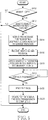
- Figure 4 is a flowchart illustrating a method for a destructive read out feature while retrieving data to a preconfigured mobile number, without the intervention of the service provider.
- the mobile when the mobile is stolen or lost, in order to retrieve the stored data to a pre-configured number with the help of the service provider, the user informs the service provider and requests to retrieve the data.
- the service provider then sends an SMS in, for example, the following the stolen mobile, ⁇ CMD, Destructive read out, password, xxxxxxxxxxxxxxxxxxxx >.
- xxxxxxxxxxxxxx is the mobile phone number to which the data is to be sent.
- the mobile phone receiving the SMS in this particular format will validate the password and then start sending all its data in it to the mobile phone number provided in the SMS sent by the service provider.
- This data sending is termed as destructive readout as the data in the mobile phone will be erased after being sent.
- the user will have the option to disable the destructive read out feature by entering the PIN followed by the password given by the service provider, if desired.
- step S412 when the mobile phone is lost in step S410, and the user wants to read stored data from the mobile phone, in step S412, an SMS message requesting data readout is sent to the service provider in step S414.
- steps S416 and S4108 a response SMS message for the data readout request is received from the service provider and it is determined whether a password included in the response SMS message is valid by comparing it with the pre-configured password of the mobile phone. If the password included in the response SMS message is valid, i.e., correct, in step S420, the stored data is sent to a phone number of a receiving mobile phone set in the response SMS message in step S422. When the transmission is completed, the stored data is deleted from the mobile phone in step S424.
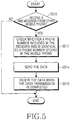
- Figure 5 is a flowchart illustrating a method for a destructive read out feature while retrieving data to a preconfigured mobile number with the assistance of the service provider.
- the user in order to retrieve the stored private data from the lost mobile phone to a pre-configured number without seeking the intervention of the service provider, the user sends an SMS from the mobile number xxxxxxxxxxxxxx as ⁇ CMD, Destructive read out, password, yyyyyyyyyyyyyyyyyyyyyyyyy>, for example.
- yyyyyyyyyyyyyyyyyyyyyyyyyyyyyyyyyyyy is the mobile phone number to which the retrieved data has to be sent.
- the mobile phone upon receiving the SMS in this particular format, will first check the sender number, which is xxxxxxxxxxxxxx, with the initiator mobile number stored in the mobile, and if it matches, then it will proceed to validate the password and the receiver mobile number and then start sending all its data to the mobile phone number, i.e., yyyyyyyyyyyyyyyyyyy, provided in the SMS.
- the number yyyyyyyyyyyyyyyyyyyyyyyy and xxxxxxxxxxxxxxxx can be the same.
- This data sending is termed as destructive readout as the data in the mobile phone will be erased after being transmitted. The user can choose to disable the destructive read out feature by entering the PIN followed by the password given by
- the data in the mobile can be secured by enabling the destructive read out feature and retrieving the data to a pre-configured number with the help of the service provider.
- the user informs the service provider to enable the service by sending a message in a specific format.
- this format can be ⁇ CMD, Destructive read out, xxxxxxxxxxxxxx>.
- xxxxxxxxxxxxxxxx is the mobile phone number to which the data should be sent.
- the service provider will then send a SMS containing the specific password to the user. This password will be stored in the destructive readout settings menu of the mobile phone.
- step S510 when the mobile phone is lost, the user wants to read stored data from the mobile phone, and an SMS message is received from another mobile phone, in step S510, it is determined whether a phone number included in the received SMS message is identical to a phone number stored in the mobile phone in step S512. In this case, transmission of an SMS message from the lost mobile phone to the phone number included in the received SMS message should precede for the lost mobile phone to send data. If the phone numbers are identical in step S510, the mobile phone sends the data to the phone number included in the received SMS message and when the data transmission is completed, deletes the data in steps S514 and S516.
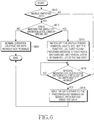
- FIG. 6 is a flowchart illustrating a method of operation by a mobile phone, when the mobile phone is stolen or lost. If the mobile phone is switched off in step S610, it checks if the switch off operation is followed by a specific key in step S612. If the switch off operation is followed by specific key then the special switch off operation is enabled, i.e., all the features with mobile will be disabled except the messaging service and the destructive read out feature, in step S614. Because the mobile can send and receive messages using this messaging service, based upon the Specific Message for destructive data read out received by the switched off mobile, the data is either sent to the pre-configured number or to the service provider. Once the data from the switched off mobile is retrieved all the data in the mobile will be erased in steps S614 to S618.
- step S612 If the switch off operation is not followed by specific key in step S612, then normal operation is maintained in step S620.
- Figure 7 is a flowchart illustrating a method for destructive read out of data when a mobile phone is stolen or lost. That is, when the mobile is stolen or lost, in step S710, and if the feature of destructive read out of data has been enabled in the mobile, then the data in the lost mobile phone can be secured and can be retrieved depending upon the message for destructive data read out received by the switched off mobile, in step S712.
- the data from the mobile phone can be retrieved by the service provider by allotting an inbox for the specific user in the service provider system.
- the data from the mobile phone will be sent to the inbox upon request by the user and the data in the mobile phone will be erased once the data is retrieved. That is, in step S712, if an user of the lost mobile phone wants to store the data in inbox, the service provider validates the message on receipt of receiving the message for requesting for destructive data, and transmits a message in specific format to the lost mobile phone, in step S714. And, the lost mobile phone transmits the data to the inbox, the service provider stores the data into the inbox provided to the user of mobile phone, in Step 716.
- the data from the mobile phone can be retrieved by sending the data to a pre-configured number.
- the mobile phone has to be configured with the initiator mobile number, which is used to send the message to the mobile phone in case it is stolen or lost, receiver mobile number to which the data from the stolen or lost mobile phone is sent, and password in the destructive readout settings menu of the mobile phone. This is done without any intervention from the service provider. That is, if an user of the lost mobile phone, the lost mobile phone receives the message for destructing data, then the lost mobile phone validates the received message, transmits the data to the pre-configured number included in the received message, in Step S718. And, the transmitted data is stored in another mobile phone of the pre-configured number, in Step S720.
- the data from the mobile phone can also be retrieved by sending the data to a pre-configured number with the aid of the service provider.
- the user sends a SMS to the service provider in a pre-defined format, which contains the mobile phone number to which the data has to be sent.
- the service provider in turn sends a SMS to the mobile phone, requesting it to send the data to a pre-configured number. That is, in step S712, if an user of the lost mobile phone wants to store the data in inbox, the service provider validates the message on receipt of receiving the message for requesting for destructive data, and transmits a message in specific format to the lost mobile phone, in step S722. And, the lost mobile phone transmits the data to the inbox, the service provider stores the data into the inbox provided to the user of mobile phone, in Step 724.
Landscapes
- Engineering & Computer Science (AREA)
- Signal Processing (AREA)
- Computer Security & Cryptography (AREA)
- Computer Networks & Wireless Communication (AREA)
- Theoretical Computer Science (AREA)
- Computer Hardware Design (AREA)
- Databases & Information Systems (AREA)
- General Physics & Mathematics (AREA)
- General Engineering & Computer Science (AREA)
- Physics & Mathematics (AREA)
- Software Systems (AREA)
- Mobile Radio Communication Systems (AREA)
- Telephone Function (AREA)
- Storage Device Security (AREA)
Claims (9)
- Verfahren zum Abrufen von Daten in einem Mobiltelefon, wobei das Verfahren Folgendes umfasst:als Reaktion auf das Empfangen (S510) einer Nachricht von einem anderen Mobiltelefon oder einem Service-Provider, Übertragen (S514) von Daten, die in dem Mobiltelefon gespeichert sind, an das andere Mobiltelefon oder den Service-Provider, von dem das Mobiltelefon die Nachricht empfangen hat;Löschen (S516) der Daten, die in dem Mobiltelefon gespeichert sind, wenn Übertragung der Daten an das andere Mobiltelefon oder an den Service-Provider abgeschlossen ist;ferner gekennzeichnet durch:Aktivieren einer mechanischen Verriegelung, die Entfernung einer Subscriber-Identity-Module-(SIM-)Karte aus dem Mobiltelefon verhindert; undpermanentes Ausschalten des Mobiltelefons, wenn ein Versuch, die mechanische Verriegelung zu brechen, erfasst wird, während die mechanische Verriegelung aktiviert ist.
- Verfahren nach Anspruch 1, ferner umfassend das Aktivieren (S120) eines speziellen Ausschaltmerkmals, um Abruf von Daten, die in dem Mobiltelefon gespeichert sind, zu verhindern, indem nur die Fähigkeit zugelassen wird, eine Nachricht zum Abrufen von Daten zu empfangen und als Reaktion Daten abzurufen, Daten zu übertragen und Daten zu löschen.
- Verfahren nach Anspruch 1, ferner umfassend das Validieren (S512) der empfangenen Nachricht durch Vergleichen einer Kennung, die in der Nachricht enthalten ist, mit einer Kennung, die zuvor in dem Mobiltelefon gespeichert wurde.
- Verfahren nach Anspruch 1, wobei die Daten an das andere Mobiltelefon oder an einen Posteingang, der durch den Service-Provider bereitgestellt wird, übertragen (S514) werden.
- Verfahren nach Anspruch 1, wobei die Nachricht Informationen über das andere Mobiltelefon oder Informationen über den Service-Provider beinhaltet.
- Verfahren nach Anspruch 1, ferner umfassend:Auslesen der Daten aus einem Speicher des Mobiltelefons; undÜbertragen (S514) der ausgelesenen Daten an ein sicheres Ziel bei dem anderen Mobiltelefon oder dem Service-Provider.
- Verfahren nach Anspruch 6, wobei das sichere Ziel ein Posteingang ist, der durch den Service-Provider bereitgestellt ist, oder das sichere Ziel das andere Mobiltelefon ist, und wobei der sichere Ort zuvor in dem Mobiltelefon gespeichert wird oder der sichere Ort in der Nachricht enthalten ist.
- Verfahren nach Anspruch 1, ferner umfassend das Validieren der empfangenen Nachricht.
- Verfahren nach Anspruch 1, wobei der Service-Provider vor dem Senden der Nachricht eine Aufforderung von einem Besitzer des Mobiltelefons empfängt.
Applications Claiming Priority (2)
| Application Number | Priority Date | Filing Date | Title |
|---|---|---|---|
| IN2802CH2007 | 2007-11-29 | ||
| PCT/KR2008/007055 WO2009069972A2 (en) | 2007-11-29 | 2008-11-28 | A method for destructive readout of data in case of mobile theft |
Publications (3)
| Publication Number | Publication Date |
|---|---|
| EP2215735A2 EP2215735A2 (de) | 2010-08-11 |
| EP2215735A4 EP2215735A4 (de) | 2012-11-14 |
| EP2215735B1 true EP2215735B1 (de) | 2019-09-18 |
Family
ID=40676242
Family Applications (1)
| Application Number | Title | Priority Date | Filing Date |
|---|---|---|---|
| EP08855188.2A Not-in-force EP2215735B1 (de) | 2007-11-29 | 2008-11-28 | Verfahren zur destruktiven datenauslese bei einem gestohlenen mobiltelefon |
Country Status (5)
| Country | Link |
|---|---|
| US (1) | US8244210B2 (de) |
| EP (1) | EP2215735B1 (de) |
| KR (1) | KR20090056908A (de) |
| CN (1) | CN101926099A (de) |
| WO (1) | WO2009069972A2 (de) |
Families Citing this family (43)
| Publication number | Priority date | Publication date | Assignee | Title |
|---|---|---|---|---|
| US8355862B2 (en) | 2008-01-06 | 2013-01-15 | Apple Inc. | Graphical user interface for presenting location information |
| US9250092B2 (en) | 2008-05-12 | 2016-02-02 | Apple Inc. | Map service with network-based query for search |
| US8644843B2 (en) | 2008-05-16 | 2014-02-04 | Apple Inc. | Location determination |
| US8369867B2 (en) | 2008-06-30 | 2013-02-05 | Apple Inc. | Location sharing |
| US8359643B2 (en) | 2008-09-18 | 2013-01-22 | Apple Inc. | Group formation using anonymous broadcast information |
| US8260320B2 (en) | 2008-11-13 | 2012-09-04 | Apple Inc. | Location specific content |
| US10755287B2 (en) * | 2008-11-25 | 2020-08-25 | Microsoft Technology Licensing, Llc | Selecting between client-side and server-side market detection |
| US8666367B2 (en) * | 2009-05-01 | 2014-03-04 | Apple Inc. | Remotely locating and commanding a mobile device |
| US8660530B2 (en) | 2009-05-01 | 2014-02-25 | Apple Inc. | Remotely receiving and communicating commands to a mobile device for execution by the mobile device |
| US8670748B2 (en) | 2009-05-01 | 2014-03-11 | Apple Inc. | Remotely locating and commanding a mobile device |
| CN101626422A (zh) * | 2009-08-10 | 2010-01-13 | 上海闻泰电子科技有限公司 | 一种手机防盗方法 |
| US9444816B2 (en) * | 2011-03-30 | 2016-09-13 | Qualcomm Incorporated | Continuous voice authentication for a mobile device |
| US8581617B2 (en) * | 2011-04-29 | 2013-11-12 | Altera Corporation | Systems and methods for providing user-initiated latch up to destroy SRAM data |
| US8621644B2 (en) | 2011-12-29 | 2013-12-31 | Elwha Llc | System and method for protecting data stored on a removable data storage device |
| US8601597B2 (en) | 2011-12-29 | 2013-12-03 | Elwha Llc | System and method for protecting data stored on a removable data storage device |
| US20140344920A1 (en) * | 2013-05-16 | 2014-11-20 | Sok Hyun JUNG | Method, terminal, and service device for providing data security service |
| CN104185159B (zh) * | 2013-05-23 | 2018-02-09 | 英业达科技有限公司 | 远端通报方法 |
| WO2015047283A2 (en) | 2013-09-27 | 2015-04-02 | Empire Technology Development Llc | Information protection method and system |
| US9313190B2 (en) | 2014-02-07 | 2016-04-12 | Bank Of America Corporation | Shutting down access to all user accounts |
| US9223951B2 (en) | 2014-02-07 | 2015-12-29 | Bank Of America Corporation | User authentication based on other applications |
| US9965606B2 (en) | 2014-02-07 | 2018-05-08 | Bank Of America Corporation | Determining user authentication based on user/device interaction |
| US9305149B2 (en) | 2014-02-07 | 2016-04-05 | Bank Of America Corporation | Sorting mobile banking functions into authentication buckets |
| US9286450B2 (en) | 2014-02-07 | 2016-03-15 | Bank Of America Corporation | Self-selected user access based on specific authentication types |
| US9213974B2 (en) | 2014-02-07 | 2015-12-15 | Bank Of America Corporation | Remote revocation of application access based on non-co-location of a transaction vehicle and a mobile device |
| US9647999B2 (en) | 2014-02-07 | 2017-05-09 | Bank Of America Corporation | Authentication level of function bucket based on circumstances |
| US9331994B2 (en) | 2014-02-07 | 2016-05-03 | Bank Of America Corporation | User authentication based on historical transaction data |
| US9317673B2 (en) | 2014-02-07 | 2016-04-19 | Bank Of America Corporation | Providing authentication using previously-validated authentication credentials |
| US9317674B2 (en) | 2014-02-07 | 2016-04-19 | Bank Of America Corporation | User authentication based on fob/indicia scan |
| US9208301B2 (en) | 2014-02-07 | 2015-12-08 | Bank Of America Corporation | Determining user authentication requirements based on the current location of the user in comparison to the users's normal boundary of location |
| KR101653383B1 (ko) | 2015-01-15 | 2016-09-01 | 주식회사 와디인터내셔날 | 전기쇼크 방식의 보안모듈을 구비한 휴대단말기의 보안모듈 구동방법 |
| US10021565B2 (en) | 2015-10-30 | 2018-07-10 | Bank Of America Corporation | Integrated full and partial shutdown application programming interface |
| US9641539B1 (en) | 2015-10-30 | 2017-05-02 | Bank Of America Corporation | Passive based security escalation to shut off of application based on rules event triggering |
| US9820148B2 (en) | 2015-10-30 | 2017-11-14 | Bank Of America Corporation | Permanently affixed un-decryptable identifier associated with mobile device |
| US9729536B2 (en) | 2015-10-30 | 2017-08-08 | Bank Of America Corporation | Tiered identification federated authentication network system |
| CN105843708A (zh) * | 2016-04-06 | 2016-08-10 | 北京小米移动软件有限公司 | 数据处理方法及装置 |
| US10455633B2 (en) | 2017-11-14 | 2019-10-22 | Knowmadics, Inc. | Wireless communication system and method for monitoring and alerting a broken pairing between electronic devices |
| KR102201217B1 (ko) | 2017-11-24 | 2021-01-12 | 한국전자통신연구원 | 자가소멸 장치와 방법 및 이를 적용한 반도체 칩 |
| WO2019103508A1 (ko) * | 2017-11-24 | 2019-05-31 | 한국전자통신연구원 | 자가소멸 장치와 방법 및 이를 적용한 반도체 칩 |
| WO2019113928A1 (en) * | 2017-12-15 | 2019-06-20 | Orange | Anti-theft mobile terminal and method for controlling the extraction of memory card out from mobile terminal |
| US11513815B1 (en) | 2019-05-24 | 2022-11-29 | Hiro Systems Pbc | Defining data storage within smart contracts |
| US11657391B1 (en) | 2019-05-24 | 2023-05-23 | Hiro Systems Pbc | System and method for invoking smart contracts |
| US10699269B1 (en) * | 2019-05-24 | 2020-06-30 | Blockstack Pbc | System and method for smart contract publishing |
| GB2598138B (en) * | 2020-08-20 | 2023-03-29 | Univ Of Hertfordshire | Container and method |
Family Cites Families (17)
| Publication number | Priority date | Publication date | Assignee | Title |
|---|---|---|---|---|
| JP3669619B2 (ja) * | 1999-09-06 | 2005-07-13 | 富士通株式会社 | 無線端末装置のソフトウェア更新方法及びその装置 |
| KR100636111B1 (ko) * | 1999-10-30 | 2006-10-18 | 삼성전자주식회사 | 분실된 이동 단말기에 내장된 데이터 보호 방법 및 이에 관한 기록매체 |
| US6381477B1 (en) * | 1999-11-05 | 2002-04-30 | Motorola, Inc. | Method and apparatus for protecting a circuit module in a communication device |
| US6813487B1 (en) * | 2000-10-18 | 2004-11-02 | David Alan Trommelen | Method and apparatus for securing data stored in a remote electronic device |
| US20060281450A1 (en) * | 2003-04-01 | 2006-12-14 | X-Cyte, Inc., A California Corporation | Methods and apparatuses for safeguarding data |
| EP1473952B1 (de) | 2003-04-29 | 2008-01-30 | Sony Ericsson Mobile Communications AB | Mobiles Gerät mit ferngesteuerter Verriegelungs-und Kontrollfunktion |
| US7389123B2 (en) * | 2003-04-29 | 2008-06-17 | Sony Ericsson Mobile Communications Ab | Mobile apparatus with remote lock and control function |
| KR100539942B1 (ko) * | 2004-01-05 | 2005-12-28 | 삼성전자주식회사 | 이동 통신 단말기의 개인 정보를 관리하는 보조 시스템 및그 방법 |
| US20050185438A1 (en) * | 2004-01-07 | 2005-08-25 | Wei Ching | Low profile removable memory module |
| KR20050122672A (ko) * | 2004-06-25 | 2005-12-29 | 삼성전자주식회사 | 스마트카드 보호 장치 및 방법 |
| WO2006054340A1 (ja) * | 2004-11-17 | 2006-05-26 | Fujitsu Limited | 携帯無線端末及びそのセキュリティシステム |
| KR101102390B1 (ko) * | 2005-02-28 | 2012-01-05 | 엘지전자 주식회사 | 이동통신 단말기 개인정보 관리 장치 및 방법 |
| JP4281966B2 (ja) | 2005-04-19 | 2009-06-17 | シャープ株式会社 | 携帯端末装置の情報保全システム、携帯端末装置の情報保全方法、制御プログラム、可読記録媒体および電子情報装置 |
| US8874082B2 (en) * | 2005-05-25 | 2014-10-28 | Qualcomm Incorporated | Apparatus and methods for protecting data on a wireless device |
| JP2009501995A (ja) * | 2005-07-21 | 2009-01-22 | コーニンクレッカ フィリップス エレクトロニクス エヌ ヴィ | 携帯型の電子機器用のソフトウェア制御による機械式ロック |
| KR100737803B1 (ko) * | 2005-12-09 | 2007-07-10 | (주)팜미디어 | 이동통신 단말기용 사용자 정보 보호 방법 및 장치와 이를구현하기 위한 프로그램을 기록한 컴퓨터로 판독가능한기록매체 |
| US20070178881A1 (en) | 2006-01-31 | 2007-08-02 | Teunissen Harold W A | Remotely controlling access to subscriber data over a wireless network for a mobile device |
-
2008
- 2008-11-28 EP EP08855188.2A patent/EP2215735B1/de not_active Not-in-force
- 2008-11-28 KR KR1020080119821A patent/KR20090056908A/ko not_active Ceased
- 2008-11-28 CN CN2008801257504A patent/CN101926099A/zh active Pending
- 2008-11-28 WO PCT/KR2008/007055 patent/WO2009069972A2/en not_active Ceased
- 2008-12-01 US US12/325,622 patent/US8244210B2/en not_active Expired - Fee Related
Non-Patent Citations (1)
| Title |
|---|
| None * |
Also Published As
| Publication number | Publication date |
|---|---|
| EP2215735A2 (de) | 2010-08-11 |
| US20090143048A1 (en) | 2009-06-04 |
| KR20090056908A (ko) | 2009-06-03 |
| US8244210B2 (en) | 2012-08-14 |
| WO2009069972A3 (en) | 2009-09-03 |
| WO2009069972A2 (en) | 2009-06-04 |
| CN101926099A (zh) | 2010-12-22 |
| EP2215735A4 (de) | 2012-11-14 |
Similar Documents
| Publication | Publication Date | Title |
|---|---|---|
| EP2215735B1 (de) | Verfahren zur destruktiven datenauslese bei einem gestohlenen mobiltelefon | |
| CN101960738B (zh) | 为移动通信终端提供个人信息控制服务的方法和系统 | |
| JP4390808B2 (ja) | 携帯無線端末及びそのセキュリティシステム | |
| US6480096B1 (en) | Method and apparatus for theft deterrence and secure data retrieval in a communication device | |
| CN102084369B (zh) | 用于监视对设备的未授权使用的系统 | |
| US8503974B2 (en) | Wireless communication device with password protection and related method | |
| CN102084372A (zh) | 用于监视对设备的未授权使用的系统 | |
| JP2010539856A (ja) | 移動ハンドセット向けの遠隔活性化型保護バックアップ・サービスを作り出すための方法および機器 | |
| CN109618344B (zh) | 一种无线监控设备的安全连接方法及装置 | |
| CN102084371A (zh) | 用于缓解对设备的未授权使用的系统 | |
| EP2441288A1 (de) | Benutzeraktivierter alarm für kommunikationseinrichtungen | |
| US8788648B2 (en) | Communication system and communication device | |
| JP4695040B2 (ja) | リモートロックシステムおよび通信端末 | |
| JP3261394B2 (ja) | 無線携帯端末装置 | |
| KR20070122379A (ko) | 분실된 이동 통신 단말 추적 방법 | |
| CN100485573C (zh) | 具有强迫密码保护的无线通信设备及方法 | |
| JP2006279770A (ja) | 携帯通信端末、その制御方法及び端末不正使用防止システム | |
| EP1713205A1 (de) | Überprüfung der Verbindung eines drahtlosen Smartkartenlesers | |
| JP4109467B2 (ja) | 認証情報管理装置及び認証情報管理システム | |
| JP4695039B2 (ja) | リモートロックシステムおよび移動通信端末 | |
| JP2005012417A (ja) | 通信システム及び通信装置 | |
| JP5475699B2 (ja) | リモートロックシステムおよび移動通信端末 | |
| JP5819714B2 (ja) | 携帯端末及び情報保護方法 | |
| JP2002252875A (ja) | 携帯端末とこれを用いる無線通信システム | |
| JP2004304716A (ja) | 携帯端末装置 |
Legal Events
| Date | Code | Title | Description |
|---|---|---|---|
| PUAI | Public reference made under article 153(3) epc to a published international application that has entered the european phase |
Free format text: ORIGINAL CODE: 0009012 |
|
| 17P | Request for examination filed |
Effective date: 20100607 |
|
| AK | Designated contracting states |
Kind code of ref document: A2 Designated state(s): AT BE BG CH CY CZ DE DK EE ES FI FR GB GR HR HU IE IS IT LI LT LU LV MC MT NL NO PL PT RO SE SI SK TR |
|
| AX | Request for extension of the european patent |
Extension state: AL BA MK RS |
|
| DAX | Request for extension of the european patent (deleted) | ||
| RAP1 | Party data changed (applicant data changed or rights of an application transferred) |
Owner name: SAMSUNG ELECTRONICS CO., LTD. |
|
| A4 | Supplementary search report drawn up and despatched |
Effective date: 20121017 |
|
| RIC1 | Information provided on ipc code assigned before grant |
Ipc: H04B 1/40 20060101AFI20121011BHEP Ipc: H04W 12/06 20090101ALI20121011BHEP Ipc: H04W 4/12 20090101ALI20121011BHEP |
|
| 17Q | First examination report despatched |
Effective date: 20160420 |
|
| STAA | Information on the status of an ep patent application or granted ep patent |
Free format text: STATUS: EXAMINATION IS IN PROGRESS |
|
| GRAP | Despatch of communication of intention to grant a patent |
Free format text: ORIGINAL CODE: EPIDOSNIGR1 |
|
| STAA | Information on the status of an ep patent application or granted ep patent |
Free format text: STATUS: GRANT OF PATENT IS INTENDED |
|
| INTG | Intention to grant announced |
Effective date: 20190411 |
|
| GRAS | Grant fee paid |
Free format text: ORIGINAL CODE: EPIDOSNIGR3 |
|
| GRAA | (expected) grant |
Free format text: ORIGINAL CODE: 0009210 |
|
| STAA | Information on the status of an ep patent application or granted ep patent |
Free format text: STATUS: THE PATENT HAS BEEN GRANTED |
|
| AK | Designated contracting states |
Kind code of ref document: B1 Designated state(s): AT BE BG CH CY CZ DE DK EE ES FI FR GB GR HR HU IE IS IT LI LT LU LV MC MT NL NO PL PT RO SE SI SK TR |
|
| REG | Reference to a national code |
Ref country code: GB Ref legal event code: FG4D |
|
| REG | Reference to a national code |
Ref country code: CH Ref legal event code: EP |
|
| REG | Reference to a national code |
Ref country code: DE Ref legal event code: R096 Ref document number: 602008061244 Country of ref document: DE |
|
| REG | Reference to a national code |
Ref country code: AT Ref legal event code: REF Ref document number: 1182529 Country of ref document: AT Kind code of ref document: T Effective date: 20191015 |
|
| REG | Reference to a national code |
Ref country code: IE Ref legal event code: FG4D |
|
| REG | Reference to a national code |
Ref country code: NL Ref legal event code: FP |
|
| PG25 | Lapsed in a contracting state [announced via postgrant information from national office to epo] |
Ref country code: LT Free format text: LAPSE BECAUSE OF FAILURE TO SUBMIT A TRANSLATION OF THE DESCRIPTION OR TO PAY THE FEE WITHIN THE PRESCRIBED TIME-LIMIT Effective date: 20190918 Ref country code: HR Free format text: LAPSE BECAUSE OF FAILURE TO SUBMIT A TRANSLATION OF THE DESCRIPTION OR TO PAY THE FEE WITHIN THE PRESCRIBED TIME-LIMIT Effective date: 20190918 Ref country code: SE Free format text: LAPSE BECAUSE OF FAILURE TO SUBMIT A TRANSLATION OF THE DESCRIPTION OR TO PAY THE FEE WITHIN THE PRESCRIBED TIME-LIMIT Effective date: 20190918 Ref country code: BG Free format text: LAPSE BECAUSE OF FAILURE TO SUBMIT A TRANSLATION OF THE DESCRIPTION OR TO PAY THE FEE WITHIN THE PRESCRIBED TIME-LIMIT Effective date: 20191218 Ref country code: NO Free format text: LAPSE BECAUSE OF FAILURE TO SUBMIT A TRANSLATION OF THE DESCRIPTION OR TO PAY THE FEE WITHIN THE PRESCRIBED TIME-LIMIT Effective date: 20191218 Ref country code: FI Free format text: LAPSE BECAUSE OF FAILURE TO SUBMIT A TRANSLATION OF THE DESCRIPTION OR TO PAY THE FEE WITHIN THE PRESCRIBED TIME-LIMIT Effective date: 20190918 |
|
| REG | Reference to a national code |
Ref country code: LT Ref legal event code: MG4D |
|
| PG25 | Lapsed in a contracting state [announced via postgrant information from national office to epo] |
Ref country code: GR Free format text: LAPSE BECAUSE OF FAILURE TO SUBMIT A TRANSLATION OF THE DESCRIPTION OR TO PAY THE FEE WITHIN THE PRESCRIBED TIME-LIMIT Effective date: 20191219 Ref country code: LV Free format text: LAPSE BECAUSE OF FAILURE TO SUBMIT A TRANSLATION OF THE DESCRIPTION OR TO PAY THE FEE WITHIN THE PRESCRIBED TIME-LIMIT Effective date: 20190918 |
|
| REG | Reference to a national code |
Ref country code: AT Ref legal event code: MK05 Ref document number: 1182529 Country of ref document: AT Kind code of ref document: T Effective date: 20190918 |
|
| PG25 | Lapsed in a contracting state [announced via postgrant information from national office to epo] |
Ref country code: AT Free format text: LAPSE BECAUSE OF FAILURE TO SUBMIT A TRANSLATION OF THE DESCRIPTION OR TO PAY THE FEE WITHIN THE PRESCRIBED TIME-LIMIT Effective date: 20190918 Ref country code: PT Free format text: LAPSE BECAUSE OF FAILURE TO SUBMIT A TRANSLATION OF THE DESCRIPTION OR TO PAY THE FEE WITHIN THE PRESCRIBED TIME-LIMIT Effective date: 20200120 Ref country code: ES Free format text: LAPSE BECAUSE OF FAILURE TO SUBMIT A TRANSLATION OF THE DESCRIPTION OR TO PAY THE FEE WITHIN THE PRESCRIBED TIME-LIMIT Effective date: 20190918 Ref country code: EE Free format text: LAPSE BECAUSE OF FAILURE TO SUBMIT A TRANSLATION OF THE DESCRIPTION OR TO PAY THE FEE WITHIN THE PRESCRIBED TIME-LIMIT Effective date: 20190918 Ref country code: RO Free format text: LAPSE BECAUSE OF FAILURE TO SUBMIT A TRANSLATION OF THE DESCRIPTION OR TO PAY THE FEE WITHIN THE PRESCRIBED TIME-LIMIT Effective date: 20190918 Ref country code: IT Free format text: LAPSE BECAUSE OF FAILURE TO SUBMIT A TRANSLATION OF THE DESCRIPTION OR TO PAY THE FEE WITHIN THE PRESCRIBED TIME-LIMIT Effective date: 20190918 Ref country code: PL Free format text: LAPSE BECAUSE OF FAILURE TO SUBMIT A TRANSLATION OF THE DESCRIPTION OR TO PAY THE FEE WITHIN THE PRESCRIBED TIME-LIMIT Effective date: 20190918 |
|
| PG25 | Lapsed in a contracting state [announced via postgrant information from national office to epo] |
Ref country code: SK Free format text: LAPSE BECAUSE OF FAILURE TO SUBMIT A TRANSLATION OF THE DESCRIPTION OR TO PAY THE FEE WITHIN THE PRESCRIBED TIME-LIMIT Effective date: 20190918 Ref country code: IS Free format text: LAPSE BECAUSE OF FAILURE TO SUBMIT A TRANSLATION OF THE DESCRIPTION OR TO PAY THE FEE WITHIN THE PRESCRIBED TIME-LIMIT Effective date: 20200224 Ref country code: CZ Free format text: LAPSE BECAUSE OF FAILURE TO SUBMIT A TRANSLATION OF THE DESCRIPTION OR TO PAY THE FEE WITHIN THE PRESCRIBED TIME-LIMIT Effective date: 20190918 |
|
| REG | Reference to a national code |
Ref country code: DE Ref legal event code: R097 Ref document number: 602008061244 Country of ref document: DE |
|
| REG | Reference to a national code |
Ref country code: CH Ref legal event code: PL |
|
| PLBE | No opposition filed within time limit |
Free format text: ORIGINAL CODE: 0009261 |
|
| STAA | Information on the status of an ep patent application or granted ep patent |
Free format text: STATUS: NO OPPOSITION FILED WITHIN TIME LIMIT |
|
| PG2D | Information on lapse in contracting state deleted |
Ref country code: IS |
|
| PG25 | Lapsed in a contracting state [announced via postgrant information from national office to epo] |
Ref country code: LI Free format text: LAPSE BECAUSE OF NON-PAYMENT OF DUE FEES Effective date: 20191130 Ref country code: MC Free format text: LAPSE BECAUSE OF FAILURE TO SUBMIT A TRANSLATION OF THE DESCRIPTION OR TO PAY THE FEE WITHIN THE PRESCRIBED TIME-LIMIT Effective date: 20190918 Ref country code: CH Free format text: LAPSE BECAUSE OF NON-PAYMENT OF DUE FEES Effective date: 20191130 Ref country code: DK Free format text: LAPSE BECAUSE OF FAILURE TO SUBMIT A TRANSLATION OF THE DESCRIPTION OR TO PAY THE FEE WITHIN THE PRESCRIBED TIME-LIMIT Effective date: 20190918 Ref country code: LU Free format text: LAPSE BECAUSE OF NON-PAYMENT OF DUE FEES Effective date: 20191128 Ref country code: IS Free format text: LAPSE BECAUSE OF FAILURE TO SUBMIT A TRANSLATION OF THE DESCRIPTION OR TO PAY THE FEE WITHIN THE PRESCRIBED TIME-LIMIT Effective date: 20200119 |
|
| REG | Reference to a national code |
Ref country code: BE Ref legal event code: MM Effective date: 20191130 |
|
| 26N | No opposition filed |
Effective date: 20200619 |
|
| PG25 | Lapsed in a contracting state [announced via postgrant information from national office to epo] |
Ref country code: SI Free format text: LAPSE BECAUSE OF FAILURE TO SUBMIT A TRANSLATION OF THE DESCRIPTION OR TO PAY THE FEE WITHIN THE PRESCRIBED TIME-LIMIT Effective date: 20190918 |
|
| PG25 | Lapsed in a contracting state [announced via postgrant information from national office to epo] |
Ref country code: FR Free format text: LAPSE BECAUSE OF NON-PAYMENT OF DUE FEES Effective date: 20191130 Ref country code: IE Free format text: LAPSE BECAUSE OF NON-PAYMENT OF DUE FEES Effective date: 20191128 |
|
| PG25 | Lapsed in a contracting state [announced via postgrant information from national office to epo] |
Ref country code: BE Free format text: LAPSE BECAUSE OF NON-PAYMENT OF DUE FEES Effective date: 20191130 |
|
| PGFP | Annual fee paid to national office [announced via postgrant information from national office to epo] |
Ref country code: NL Payment date: 20201008 Year of fee payment: 13 |
|
| PGFP | Annual fee paid to national office [announced via postgrant information from national office to epo] |
Ref country code: DE Payment date: 20201006 Year of fee payment: 13 Ref country code: GB Payment date: 20201012 Year of fee payment: 13 |
|
| PG25 | Lapsed in a contracting state [announced via postgrant information from national office to epo] |
Ref country code: CY Free format text: LAPSE BECAUSE OF FAILURE TO SUBMIT A TRANSLATION OF THE DESCRIPTION OR TO PAY THE FEE WITHIN THE PRESCRIBED TIME-LIMIT Effective date: 20190918 |
|
| PG25 | Lapsed in a contracting state [announced via postgrant information from national office to epo] |
Ref country code: MT Free format text: LAPSE BECAUSE OF FAILURE TO SUBMIT A TRANSLATION OF THE DESCRIPTION OR TO PAY THE FEE WITHIN THE PRESCRIBED TIME-LIMIT Effective date: 20190918 Ref country code: HU Free format text: LAPSE BECAUSE OF FAILURE TO SUBMIT A TRANSLATION OF THE DESCRIPTION OR TO PAY THE FEE WITHIN THE PRESCRIBED TIME-LIMIT; INVALID AB INITIO Effective date: 20081128 |
|
| PG25 | Lapsed in a contracting state [announced via postgrant information from national office to epo] |
Ref country code: TR Free format text: LAPSE BECAUSE OF FAILURE TO SUBMIT A TRANSLATION OF THE DESCRIPTION OR TO PAY THE FEE WITHIN THE PRESCRIBED TIME-LIMIT Effective date: 20190918 |
|
| REG | Reference to a national code |
Ref country code: DE Ref legal event code: R119 Ref document number: 602008061244 Country of ref document: DE |
|
| REG | Reference to a national code |
Ref country code: NL Ref legal event code: MM Effective date: 20211201 |
|
| GBPC | Gb: european patent ceased through non-payment of renewal fee |
Effective date: 20211128 |
|
| PG25 | Lapsed in a contracting state [announced via postgrant information from national office to epo] |
Ref country code: NL Free format text: LAPSE BECAUSE OF NON-PAYMENT OF DUE FEES Effective date: 20211201 |
|
| PG25 | Lapsed in a contracting state [announced via postgrant information from national office to epo] |
Ref country code: GB Free format text: LAPSE BECAUSE OF NON-PAYMENT OF DUE FEES Effective date: 20211128 Ref country code: DE Free format text: LAPSE BECAUSE OF NON-PAYMENT OF DUE FEES Effective date: 20220601 |